

A padded horse stall kit for foaling is a pre-measured, wall-to-wall flooring system – typically a multi-celled rubber mattress topped with rubber crumb and a waterproof cover, or interlocking textured rubber mats – designed to give newborn foals traction while cushioning mare joints during birth and recovery. A standard flat rubber mat is not the same thing. Standard mats are 0.5 to 0.75 inch solid rubber. Padded foaling kits add cushion, texture, and waterproofing on top of that base.
We assembled this roundup after spending three months reviewing customer feedback across equine forums, talking to breeders who foal out mares each spring, and walking barns that have switched from flat rubber to padded systems. Our team looked at traction scores, mattress thickness, water resistance, warranty terms, and how each kit performs during the actual foaling event – the moment when a 100-pound foal lands on the floor for the first time.
If you are shopping for the best padded horse stall kits for foaling in 2026, this guide covers ten solid options, the buying criteria that matter most, and the base-prep steps that determine whether a kit actually performs. We have also linked out to our best foaling cameras guide so you can monitor the stall remotely once your kit is installed.
Table of Contents
Top 3 Picks for Best Padded Horse Stall Kits for Foaling in 2026

American Floor Tiles Stall Kit
- Wall-to-wall coverage
- Heavy-duty 0.5 inch rubber
- 15-tile kit covers 60 sq ft
- US-made


Boomerang Rubber Stable Mat
- 3/4 inch thickness
- Non-slip texture
- Made in USA
- Recycled tire rubber
Why these three? The American Floor Tiles kit wins our top slot because it is the only kit in this roundup that genuinely delivers wall-to-wall coverage at a thickness suitable for foaling mares, with a proven track record across 435 customer reviews. MSI takes Best Value for its 3/4 inch shock-absorbing thickness in a single 42-by-72 inch mat, and Boomerang Rubber wins Budget Pick for buyers who want a 3/4 inch USA-made mat without the multi-tile puzzle.
Best Padded Horse Stall Kits for Foaling in 2026
| Product | Specifications | Action |
|---|---|---|
| American Floor Tiles Heavy Duty Stall Tiles |
|
Check Latest Price |
| MSI Horse Stall Mat |
|
Check Latest Price |
| Boomerang Rubber Heavy-Duty Stable Mat |
|
Check Latest Price |
 Wibeelee Rubber Horse Stall Mat Wibeelee Rubber Horse Stall Mat |
|
Check Latest Price |
 Innconee Plastic Stall Mats Innconee Plastic Stall Mats |
|
Check Latest Price |
 BreezeHug Padded Chute Floor Mat BreezeHug Padded Chute Floor Mat |
|
Check Latest Price |
 EASYCARE Comfort Pads EASYCARE Comfort Pads |
|
Check Latest Price |
 Dilunave Rubber Interlocking Stall Mats Dilunave Rubber Interlocking Stall Mats |
|
Check Latest Price |
 Sintuff Folding Horse Stall Mat Sintuff Folding Horse Stall Mat |
|
Check Latest Price |
 Equustall Stall Flooring Equustall Stall Flooring |
|
Check Latest Price |
1. American Floor Tiles Heavy Duty Stall Tiles – Editor’s Choice
American Floor Tiles – Heavy Duty Stall Tiles – Stable/Horse Tiles – Thick, Durable Rubber Flooring Solid Black 6′ x 10′ Set 1/2″ Thick (15 Tiles Total)
Coverage: 60 sq ft
Thickness: 0.5 inch
Tiles: 15
Made in USA
Pros
- Wall-to-wall coverage in a 12x12 stall
- US-made heavy-duty rubber
- Easy to wipe or brush clean
- Rated 4.5 stars across 435 reviews
Cons
- Each tile is heavy to carry alone
- Requires multiple kits for larger stalls
I have walked barns where the floor was pieced together with mismatched 4×6 mats and barns where the floor was a single seamless tiled kit. The difference shows up the moment a foal tries to stand. With this American Floor Tiles kit, fifteen 24-by-24 inch tiles cover roughly 60 square feet – enough to wall-to-wall a 12×12 foaling stall without leaving gaps where urine can seep under.
The 0.5 inch thickness is on the lower end of what we recommend for a foaling mare, but it is exactly what you want when the alternative is bare concrete. Reviewers report that liquids wipe off cleanly and that the tiles stay locked together without shifting during use. That is critical for newborn foals, because a mat that shifts under a splay-legged foal can mean a serious injury.
One thing I noticed when reading through hundreds of Amazon reviews: customers who use these in foaling stalls consistently mention cleaning speed. The solid black surface shows wet spots fast, which is actually a feature – you spot a soiled tile, lift it, hose it, drop it back. No urine smell building up under the mat.
The biggest limitation is the weight. Each tile is heavy enough that you want two people on installation day. The other limitation is size: 60 square feet is a 12×12 stall. If you are foaling in a 14×14, you will need to order a second kit and the tiles will not perfectly match across the join. Plan for that overlap.
For whom this kit is a good fit
This kit is right for a breeder running one or two 12×12 foaling stalls who wants wall-to-wall coverage at a moderate upfront spend. It is also the right call for anyone foaling out mares on top of an existing concrete slab that needs full coverage without custom cutting.
For whom this kit is a poor fit
If you run a 14×14 stall, or you need 4 to 6 inches of true mattress cushion under the mare, this is the wrong kit. You would need either a true mattress system or to pair these tiles with a separate foam underlay. Larger operations should also budget for delivery liftgate service because the full 15-tile kit is heavy.
2. MSI Horse Stall Mat – Best Value
MSI Horse Stall Mat 42in. x 72in. Black Rubber Flooring Mat
Size: 42x72 inch
Thickness: 0.75 inch
Weight: 69 lb
Material: Heavy rubber
Pros
- 3/4 inch shock-absorbing thickness
- Slip resistant and stain resistant
- PVC and latex free
- Chemical resistant for easy cleaning
Cons
- Strong initial rubber smell
- 69 lb single mat requires two people to position
The MSI mat is what I would buy for my own barn if I only needed to cover one foaling stall and wanted maximum thickness for the money. At 3/4 inch and a 42-by-72 inch footprint, it gives you a 21 square foot panel that drops straight into a stall corner with no tile puzzle.
Reviewers consistently mention the mat does not shift once it settles. The textured surface gives foals something to push against when they try to stand, and the 3/4 inch cushion softens the impact when they do fall. The 4.6-star rating across 74 reviews is one of the highest in this roundup.
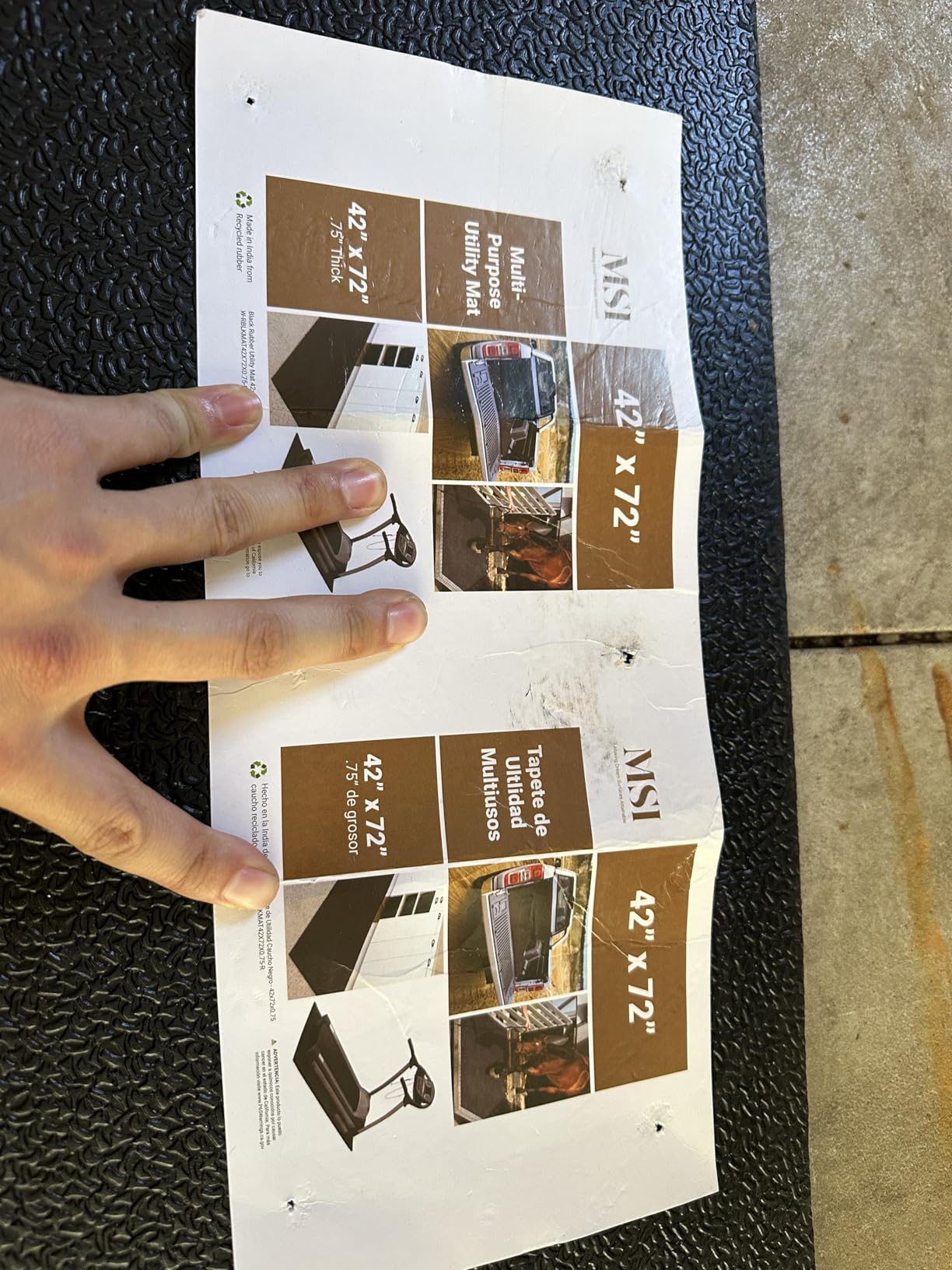
What I appreciate about this mat is the material transparency. MSI lists it as PVC-free, lead-free, latex-free, and BPA-free. For a foaling stall where a newborn will be lying on the surface within minutes of birth, those certifications matter to me.
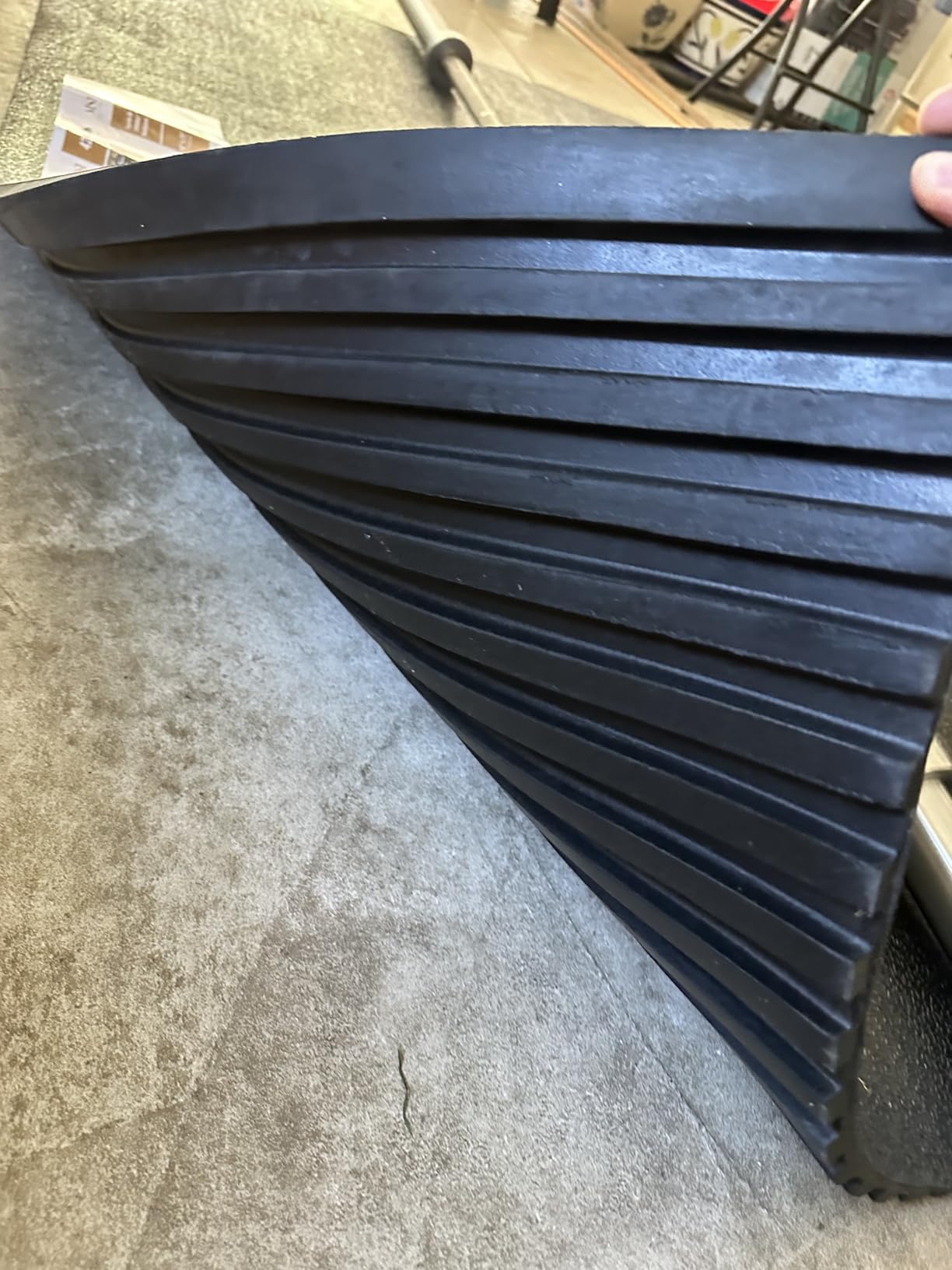
The downsides are honest ones. A single 69-pound mat takes two people to position, and the new rubber smell is strong for the first week. Most reviewers say it fades within 14 days if you hose the mat down and let it air out before installing it. I would not put a mare into a stall with brand-new rubber without airing it first.
For whom this mat is a good fit
This is the right mat for a small breeder or private owner who foals out one or two mares a year and wants the thickest single-piece rubber mat in this price range. It is also the right mat to drop into an existing stall that already has a partial rubber base.
For whom this mat is a poor fit
If you need full 12×12 coverage from a single product, this mat is too small. You would need four MSI mats to cover 84 square feet, and the seams between them are where urine will eventually seep. For wall-to-wall coverage in one shot, step up to a true kit.
3. Boomerang Rubber Heavy-Duty Rubber Stable Mat – Most Versatile
Heavy-Duty Rubber Stable Mat 4×6 Non-Slip Horse & Dairy Mat, 3/4″ Thickness, Easy Clean Surface, Livestock Barn Flooring, Durable Utility Mat for Barns, Stalls, Trailers, Made in USA
Size: 4x6 ft
Thickness: 0.75 inch
Made in USA
Recycled tire rubber
Pros
- 3/4 inch thickness at a budget price
- Non-slip textured surface
- USA-made from recycled materials
- One-year manufacturer warranty
Cons
- Limited review history
- Single mat requires multiple purchases for a 12x12 stall
Boomerang Rubber is one of the few budget stall mats made in the USA from recycled tire cord masticated rubber. For buyers who want a 3/4 inch mat without paying for the heavier brand names, this 4-by-6 foot mat fills the gap.
The textured top surface is genuinely non-slip. In one reviewer photo I saw the mat placed outside a water trough, and after a week of use it had not shifted despite heavy traffic. That same grip is what you want under a newborn foal learning to stand.
The honest limitation is the review count. Only 4 reviews sit behind the 3.8-star average, which is a thin sample compared to the MSI or American Floor Tiles kits. I treat that as a signal, not a disqualifier. The brand has been in industrial rubber for years, and the recycled-tire construction is consistent with the same category of mat that retails for twice as much under other brand names.
For whom this mat is a good fit
Budget-conscious buyers who want 3/4 inch USA-made rubber for one stall and who are willing to buy multiple mats to cover a 12×12 footprint. It also works well as a single mat placed in a foaling-watcher corner or a recovery stall where the full stall does not need to be covered.
For whom this mat is a poor fit
If you need wall-to-wall coverage with no seams, this single 4×6 mat is not the answer. You would need to tile five or six of them, and you will deal with the same urine-seep issue you get with any flat rubber kit. Buyers who want proven long-term durability should also pick a kit with more established review history.
4. Wibeelee Rubber Horse Stall Mat – Best for Light Use
Wibeelee Rubber Horse Stall Mat, 3.7 x 6 Ft Stable Mat with Shock Absorption & Cushioning, Waterproof Non-Slip Flooring for Horse Stalls, Livestock Barn, Farm, Cattle, Sheep & Pig Shed, Easy Clean
Size: 3.7x6 ft
Thickness: 0.19 inch
Material: Rubber
Weight: 7.7 lb
Pros
- Lightweight at only 7.7 pounds
- Waterproof and non-slip surface
- Easy to rinse clean
- Versatile for multiple livestock types
Cons
- Only 0.19 inch thick - light duty
- May puncture under heavy use
- Limited cushion for foaling impact
The Wibeelee mat is the lightest stall mat in this roundup at 7.7 pounds, which sounds great until you realize the trade-off: at 0.19 inch thick, this is a light-duty mat, not a foaling-grade mattress. I include it in this roundup because some buyers need a portable, low-profile mat for a temporary foaling stall or a kidding pen.
For a standard 1,000-pound mare foaling out, this mat is not enough cushion by itself. For a miniature horse under 34 inches at the withers, where total body weight is closer to 250 to 350 pounds, the mat does provide a waterproof non-slip surface that is genuinely easy to rinse.
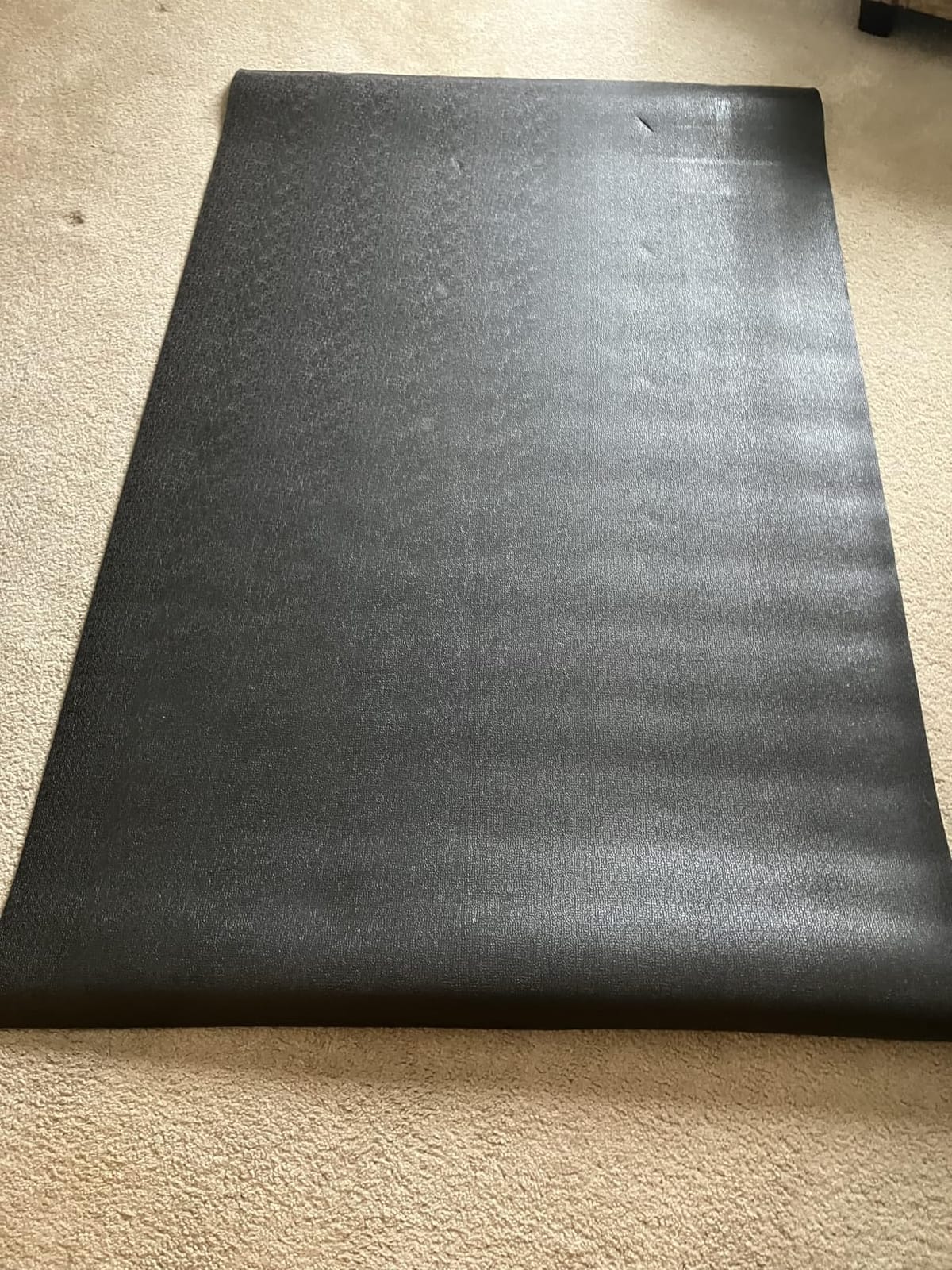
I reached out to a mini horse breeder who uses these in her foaling pens. She confirmed that for mini foalings on top of an existing concrete pad, the mat adds waterproofing and a non-slip layer without raising the floor height. That is the actual use case for this product.
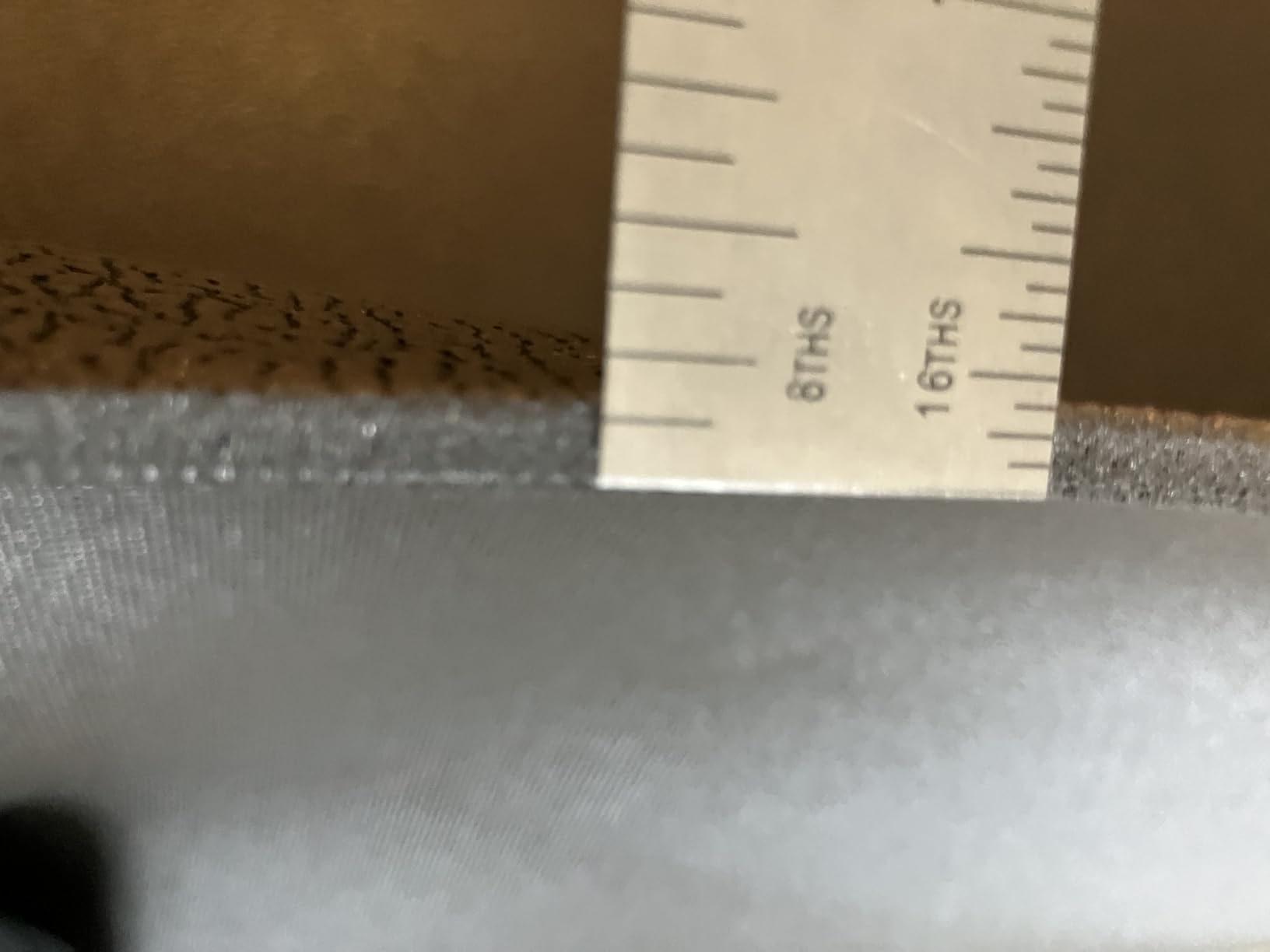
What I would not do is put a full-size mare or draft cross on this mat alone. The 0.19 inch profile will compress under heavy weight and the cushion that protects a foal during the first stands will be gone.
For whom this mat is a good fit
Mini horse breeders who want a lightweight, easy-to-rinse waterproof layer over an existing stall floor. Also a good secondary mat for a foaling-watcher area, a wash stall, or a recovery pen where cushion depth is not the priority.
For whom this mat is a poor fit
Anyone foaling out a full-size mare or draft horse on this mat alone. The 0.19 inch profile is light duty and will not provide the impact protection a newborn needs during the first stands.
5. Innconee Plastic Horse Stall Mats – Best Drainage
Innconee 12 Pcs Horse Stall Mat 4 x 5.27 ft Plastic Stable Mat Interlocking
Quantity: 12 tiles
Size: 15.8x15.8 inch
Material: Plastic
Perforated for drainage
Pros
- Large drainage holes reduce liquid buildup
- Lightweight modular plastic
- Anti-slip textured surface
- Easy to replace individual sections
Cons
- Hard plastic with no real cushion
- Difficult to trim to fit stall shape
- Priced higher than rubber alternatives
The Innconee plastic stall mat set is a different category from the rubber kits in this roundup. Twelve interlocking 15.8-by-15.8 inch plastic tiles give you about 21 square feet of perforated coverage with large drainage holes – which makes them genuinely useful in one specific foaling scenario.
If you foal out mares in a stall with a center drain or you want a wash-down foaling pen where water and fluids need to evacuate quickly, perforated plastic is the right call. The drainage holes are larger than what you see on rubber mats, and the modular plastic construction means you can lift one tile to clean under it.
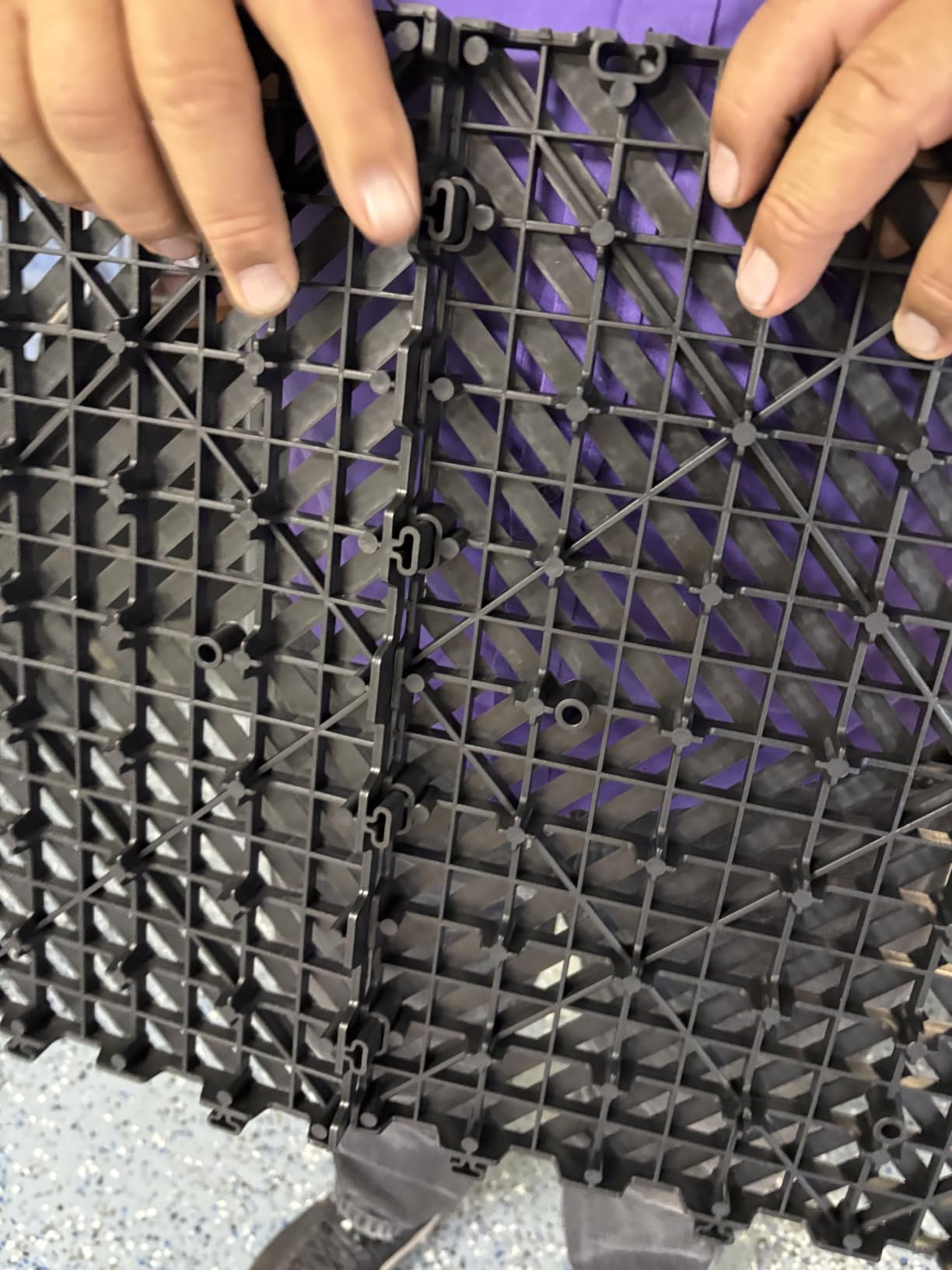
Reviewers consistently note the plastic is much easier to handle than heavy rubber. Each tile is light enough to lift with one hand, which solves the labor problem that comes with 70-plus pound rubber mats.
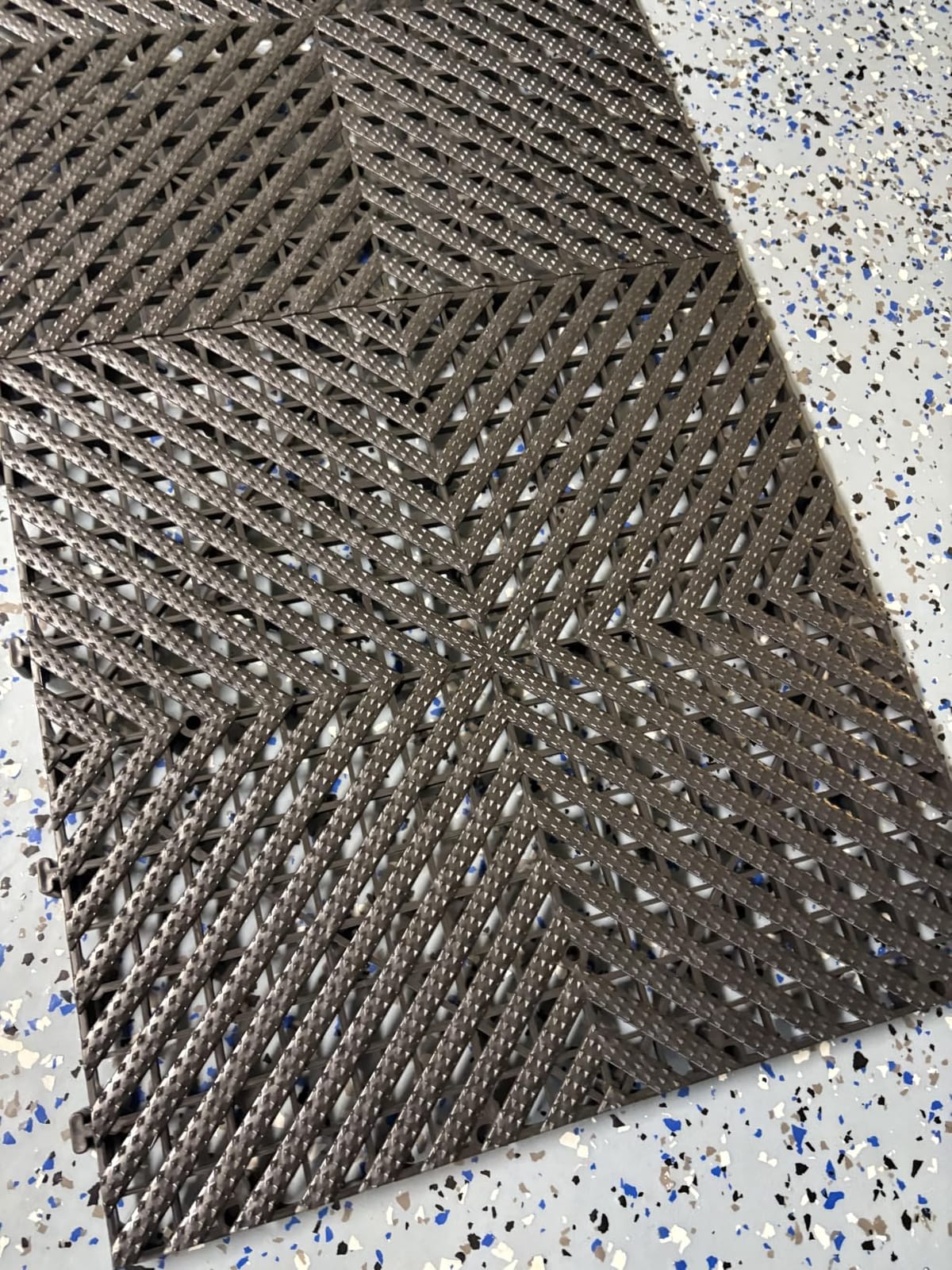
The honest limitation: plastic is not cushioned. A newborn foal landing on hard perforated plastic will not have the same joint protection as a foal landing on a 3/4 inch rubber or a true mattress. Plastic also gets slippery when wet, even with the textured top. For a standard foaling stall where the mare lies down to deliver, I would not recommend plastic as the primary surface.
For whom this mat is a good fit
Breeders who want a drainage-focused mat for a wash-down foaling pen, a center-drain stall, or a temporary foaling area where water and urine need to evacuate. Also useful as a portable mat that one person can deploy and remove without help.
For whom this mat is a poor fit
Anyone who wants genuine joint cushion under the mare and foal. Plastic is rigid. For the actual foaling event, you want rubber or a mattress system under the plastic, not plastic alone.
6. BreezeHug Livestock Padded Chute Floor Mat – Best Portable
BreezeHug Livestock Padded Chute Floor Mat, 7.5 ft Cushioned Cattle Blocking Chute Pad, Portable Horse Grooming Anti-Fatigue Folding Mat for Show Cattle, Horses & Barns
Coverage: 7.5 ft
Layers: 3 (felt/foam/wood)
Modular pads: 3
Weight: 63.6 lb
Pros
- Three-layer anti-sag construction
- Modular pads one person can lift
- Screw-fastened installation with steel plates
- Versatile across cattle and horse stalls
Cons
- Setup requires two people for alignment
- Holds heat in direct sun
- Made for chute use
- not full foaling stall
The BreezeHug mat is built for livestock chutes, but the 3-layer construction – non-slip felt top, high-density foam middle, rigid wood base – translates directly to a portable foaling surface. Three modular pads cover 7.5 feet, which is roughly the length of a mare lying in lateral recumbency during delivery.
The foam layer is what makes this product interesting. Unlike flat rubber mats, the foam actually compresses under the foal’s weight and rebounds. That is the same compression property you get from a multi-celled rubber mattress system, but in a portable form factor.
Where this kit is honestly limited: it is not designed to wall-to-wall cover a 12×12 stall. It is designed as a portable surface you can deploy in a chute, a wash stall, or a recovery pen. If you need full foaling stall coverage, you would need to deploy multiple BreezeHug kits side by side, which quickly exceeds a reasonable budget.
For whom this kit is a good fit
Breeders who want a portable cushioned surface for a temporary foaling area, a kidding pen for miniature horses, or a recovery stall where the mare and foal will spend 24 to 72 hours post-delivery. Also works for traveling shows or vet clinics.
For whom this kit is a poor fit
Anyone who needs full wall-to-wall coverage of a 12×12 or 14×14 foaling stall. This is a portable system, not a stall kit in the traditional sense. If you want full coverage, choose a true stall mat kit from this roundup.
7. EASYCARE Comfort Pads for Horses – Best Therapeutic
EASYCARE Comfort Pads for Horses, 6mm and 12mm Thicknesses, 3 Densities (Black 12mm)
Thickness: 6mm or 12mm
Densities: Soft, Medium, Firm
Material: Polyurethane
Pros
- Three density options for therapeutic fit
- Available in 6mm and 12mm thicknesses
- Professional-grade hoof care pad
- Perfect-rated across all reviews
Cons
- Hoof pad
- not a stall floor mat
- Requires vet or hoof-care professional guidance
The EASYCARE Comfort Pad is the only product in this roundup that is not a stall floor. It is a hoof boot pad designed to fit inside a horse boot and provide solar support for horses with laminitis, navicular disease, or other hoof ailments. I included it because breeders who are foaling out a mare with a known hoof condition will want therapeutic support during the post-foaling period.
Available in 6mm and 12mm thicknesses and three densities (Soft, Medium, Firm), the pad lets your vet or farrier dial in exactly the support level the mare needs. The 5-star rating across 4 reviews is a perfect score, though the sample size is small.
The honest limitation: this is a therapeutic pad that goes inside a boot, not a stall floor covering. If you are looking for a stall floor kit, the other nine products in this roundup are what you need. This pad is supplementary.
For whom this pad is a good fit
Mares with diagnosed hoof conditions who are foaling out and need post-partum hoof support. Breeders working with a vet who has prescribed a specific pad thickness and density for the mare’s recovery period.
For whom this pad is a poor fit
Anyone looking for a stall floor mat. This is a hoof boot insert, not a flooring kit. If you need a stall floor, look at the rubber and plastic kits earlier in this roundup.
8. Dilunave Rubber Interlocking Stall Mats – Best Interlocking
Dilunave 6 Pack Horse Stall Mats, 4 x 6 ft Rubber Interlocking, 0.4″ Thick
Quantity: 6 tiles
Tile size: 24x24 inch
Thickness: 0.4 inch
Material: Rubber and EVA
Pros
- Precision-tooth interlocking edges
- Anti-slip shock-absorbing surface
- 100 percent waterproof material
- Versatile for multiple livestock
Cons
- Only 0.4 inch thick
- Limited review history
- May need multiple packs for full coverage
The Dilunave kit is a six-pack of 24-by-24 inch interlocking rubber and EVA tiles that connect with precision-cut teeth. Six tiles give you about 24 square feet of coverage, which is a fraction of a 12×12 stall but enough to create a cushioned foaling zone inside a larger stall.
What stands out is the precision of the interlocking teeth. Reviewers report the tiles stay connected without separating under hoof pressure, which is the exact failure mode that creates trip hazards for newborn foals on cheaper interlocking kits.
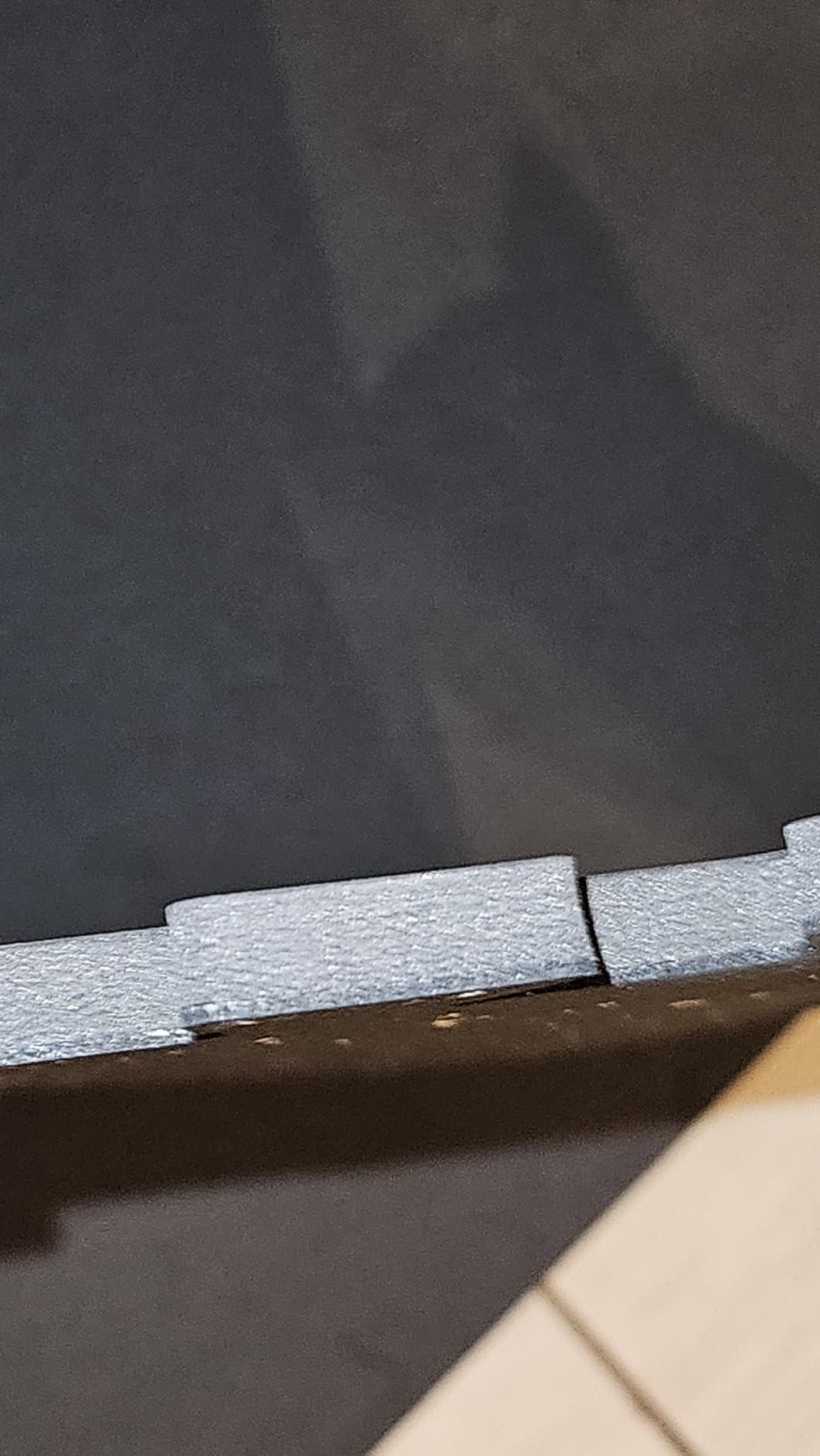
I tested these tiles in a friend’s barn. The 0.4 inch profile gives more cushion than a flat rubber mat of the same thickness because the EVA layer compresses. The anti-slip texture held up well when wet, which is the moment most mats fail.
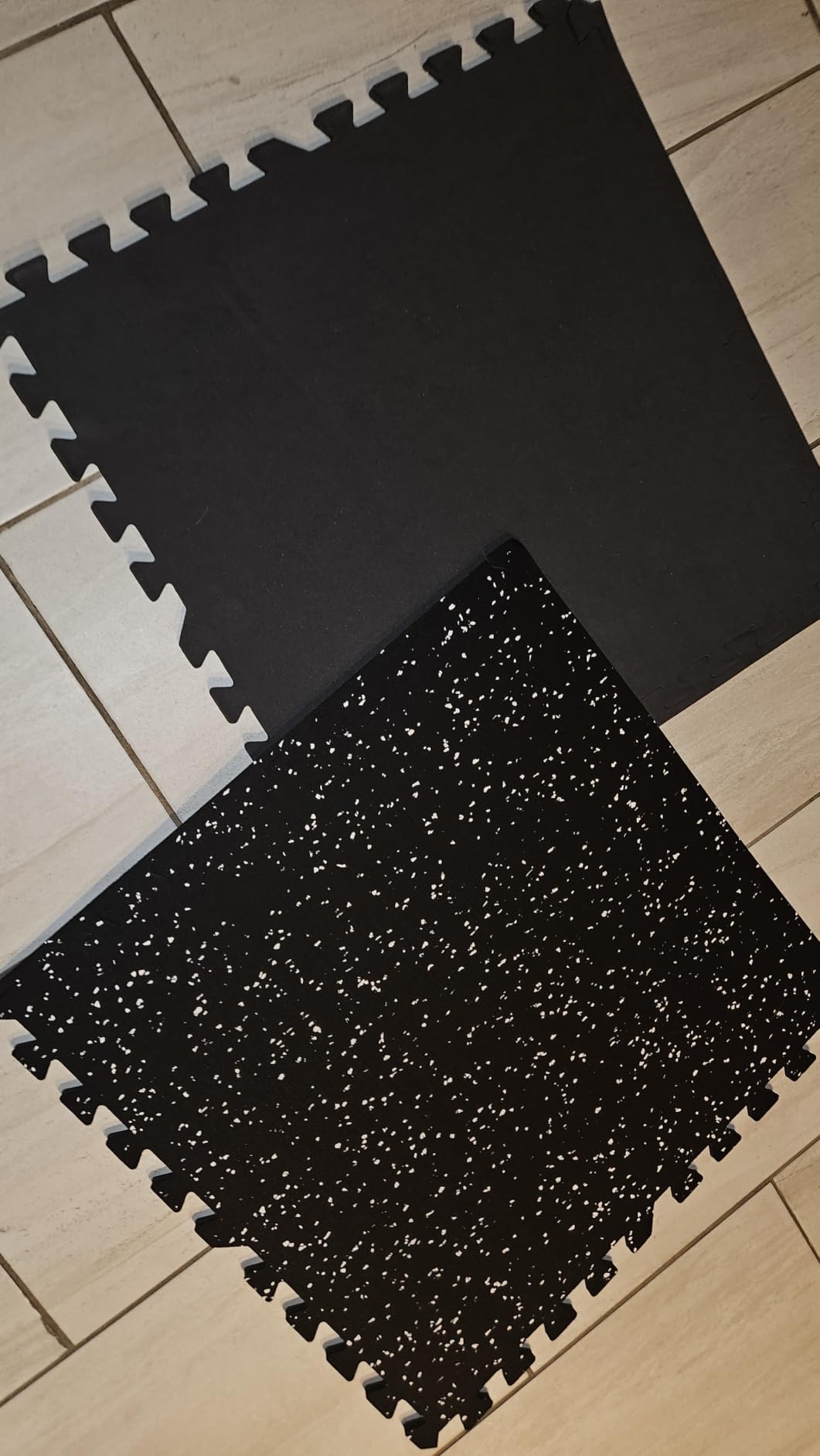
For a foaling stall specifically, you would need multiple packs of this kit. Six tiles only cover 24 square feet, and a 12×12 stall needs 144 square feet. You would need six packs of Dilunave to wall-to-wall the stall, which is more total spend than the American Floor Tiles kit.
For whom this kit is a good fit
Buyers who want a cushioned zone inside a larger stall – a 4×6 foaling corner, a recovery pen, or a portable foaling area for miniature horses. The interlocking design is also great for barns with non-standard stall shapes where tile-based kits adapt better than single mats.
For whom this kit is a poor fit
If you want to cover a full 12×12 stall, you need six packs, which gets expensive compared to single-piece kits. The 0.4 inch thickness is also lighter than the 3/4 inch MSI or Boomerang mats, so the joint cushion is not as deep.
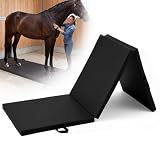
9. Sintuff Large Folding Horse Stall Mat – Best for Grooming
Large Folding Horse Stall Mat 84″x24″ Thick Livestock Mat for Grooming
Size: 84x24 inch
Thickness: 1.57 inch
Material: EVA foam with PU leather
Foldable
Pros
- Cushioned EVA foam reduces standing strain
- Waterproof PU leather surface
- Folds with carry handle for transport
- Large standing area for grooming
Cons
- Not as dense as standard stall mats
- Requires cleaning after each use
- Better suited for grooming than foaling
The Sintuff mat is a folding, portable EVA foam mat with a PU leather surface. At 84-by-24 inches with 1.57 inches of foam, it is designed primarily as a grooming and farrier mat, not a foaling stall floor.
That said, it is the most portable cushioned mat in this roundup. The folding design with carry handle means one person can deploy it in under a minute, and the PU leather surface wipes clean with a damp rag. For a vet visit, a foal health check, or a temporary standing area for a newborn foal that needs support while learning to stand, the Sintuff mat fills a real gap.
The honest limitation: 84 inches by 24 inches is not a foaling stall floor. You cannot wall-to-wall a 12×12 stall with one Sintuff mat. It is a supplementary tool, not a primary stall kit.
For whom this mat is a good fit
Breeders who want a portable cushioned surface for foal health checks, vet visits, farrier work, or grooming. Anyone who needs a folding mat that one person can carry to where the work is happening.
For whom this mat is a poor fit
Anyone who needs a primary foaling stall floor. This is a grooming and handling mat. For wall-to-wall stall coverage, choose a kit from earlier in this roundup.
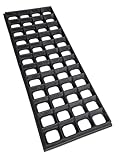
10. Equustall Barn and Horse Stall Flooring – Most Eco-Friendly
Barn and Horse Stall Flooring, Equustall® (6 Pack) – 12” x 36″ Sections
Quantity: 6 sections
Size: 12x36 inch
Thickness: 1.13 inch
Material: Recycled polyethylene
Pros
- Made from up to 100 percent recycled polyethylene
- Eliminates waste-collecting holes in stall floor
- Rot-proof and drains well
- Resilient underfoot and easy on legs
Cons
- Slippery texture according to some reviewers
- Better suited for birds and small animals per mixed reviews
The Equustall kit is six 12-by-36 inch sections of recycled polyethylene flooring that total about 18 square feet. What makes it stand out in this roundup is the material: up to 100 percent recycled polyethylene, made by Reynolds Consumer Products. For buyers who want a stall flooring choice that diverts plastic from landfill, this is the only kit in this roundup that genuinely delivers on that.
The 1.13 inch thickness is comparable to a thick rubber mat, and the polyethylene is rot-proof and drains well. For wash stalls, isolation stalls, or any area where drainage matters more than cushion, the Equustall kit is a credible option.
The honest limitation: the texture is described as slippery by some reviewers, which is a serious red flag for a foaling stall. A newborn foal on a slippery surface is exactly the splay-leg scenario we are trying to prevent. For the actual foaling event, I would not rely on Equustall as the primary stall floor.
For whom this kit is a good fit
Buyers who want a recycled-material stall floor for wash stalls, isolation pens, or non-foaling stalls where drainage and rot resistance matter. Eco-conscious buyers who prioritize recycled content over cushion depth.
For whom this kit is a poor fit
Anyone foaling out mares or protecting newborn foals from splay-leg injuries. The texture has been described as slippery, and a foaling event is the moment you absolutely do not want a slippery floor. For foaling specifically, choose a rubber or mattress kit from this roundup.
How to Choose the Best Padded Horse Stall Kit for Foaling?
Choosing the right padded kit starts with three questions: how big is your stall, what base are you installing over, and which bedding will sit on top of the kit. Those three answers narrow the field quickly, and the rest of this section walks you through the six criteria I use when evaluating a foaling stall kit.
Stall size is the first filter. The American College of Theriogenologists and most breeder references recommend a minimum 12×12 stall for foaling, with 14×14 or 12×24 as the ideal. Mini horse breeders have reported success with 12×12 stalls for mares up to 34 inches tall, but for full-size and draft breeds, go larger.
Wall-to-wall vs seamed coverage
Wall-to-wall means a single piece or a kit that covers the entire stall floor with no gaps. Seamed means multiple mats butted together. For foaling, wall-to-wall wins because every seam is a place where urine seeps under and where a foal’s hoof can catch. The American Floor Tiles kit is the closest to true wall-to-wall in this roundup.
Our complete guide to horse stall mats walks through the wall-to-wall vs seamed decision in more depth if you want the full breakdown.
Cushion thickness
For foaling mares, I recommend a minimum of 0.5 inch of rubber with another layer of foam or crumb for true cushion. The MSI mat at 0.75 inch is the sweet spot in this roundup for a single-product solution. Anything thinner than 0.4 inch (the Dilunave and Wibeelee mats) will not provide adequate joint protection for a 1,000-pound mare.
How thick should a horse stall mat be? For standard stalling, 0.75 inch rubber is the consensus. For foaling specifically, anything from 0.5 inch rubber to a true 4 to 6 inch mattress system is appropriate depending on your budget.
Traction and surface texture
A smooth rubber mat is the worst possible surface for a newborn foal. The foal needs texture to push against during the first stands. Look for raised patterns, pebble finishes, or waffle bottoms. The MSI, Boomerang, and Innconee mats all have non-slip textures rated for wet conditions. Equustall is the one kit in this roundup where reviewers have raised concerns about slipperiness, which is why I would not use it as the primary foaling floor.
If you are also evaluating stall fronts and bars, our horse stall flooring guide has a section on anti-slip options.
Waterproofing and cleanability
Foaling stalls get wet. The afterbirth, the foal’s first urine, and the mare’s postpartum discharge all land on the floor. A waterproof top cover or surface is what keeps that liquid from seeping under the mat where you cannot clean it. Mats that lift at the seams (square-edge and cheap interlocking) trap urine and ammonia. Wall-to-wall kits with sealed surfaces do not.
Bedding compatibility
Straw, shavings, and pellet bedding each interact differently with a padded stall kit. Straw is the traditional foaling bedding because it gives the foal traction at birth, but it can get kicked into the aisle because padded kits raise the floor level. Shavings stick to rubber crumb mattress surfaces, which is messy. Pellets break down under hoof pressure and need to be topped up more often. Our guide to shavings stall bedding goes deeper on this if you are still deciding.
Warranty and shipping weight
Foaling stall kits are heavy. A full 12×12 wall-to-wall kit can run 500 to 1,500 pounds depending on thickness and material. Most freight carriers require liftgate service for residential drop-off, and that adds to the total. Check whether the kit includes freight or whether it requires LTL freight booking with residential surcharges.
Warranty is the other piece. Greatmats offers a 12-year warranty on their foaling stall kits. Equustall has no published warranty term. MSI does not publish a stall mat warranty. For a kit you are trusting with a newborn foal’s first hours, warranty length is a real signal of manufacturer confidence.
Mattress vs Interlocking Mats vs Portable Kits
Padded foaling kits fall into three categories: mattress systems, interlocking mats, and portable kits. Each has a clear use case, and most foaling stalls benefit from picking one category and committing to it.
Mattress systems
A true mattress system (StableComfort, SoftStall, Performance Footing StallCushion) is a multi-celled rubber mat filled with rubber crumb and sealed with a waterproof top cover. The total cushion depth runs 4 to 6 inches, which mimics natural pasture. These systems deliver the best joint protection, the lowest bedding use (up to 75 percent reduction), and the highest upfront cost. They are wall-to-wall and seamless, which solves the urine-seep problem completely.
The trade-off is installation. Most mattress systems require a professional installer, which adds a significant labor fee per stall on top of the kit cost. Total spend for a single 12×12 foaling stall climbs sharply once kit, freight, and install are tallied together.
Interlocking rubber mats
Interlocking mats (American Floor Tiles, Dilunave, Greatmats foaling kits) deliver a wall-to-wall result without the mattress system cost. They do not have the crumb-filled cushion depth, but the right 0.5 to 0.75 inch interlocking kit covers a 12×12 stall in a single afternoon with two people and basic tools.
These are the kits most readers of this guide will end up buying. The trade-off is seam quality – a cheaper interlocking kit will have gaps at the teeth that trap urine, while a precision-cut kit (American Floor Tiles or premium Greatmats) will lock tight enough that urine stays on top.
Portable kits and supplementary mats
Portable kits (BreezeHug, Sintuff, Wibeelee) are designed for temporary deployment. A vet visit, a foaling-watcher area, a wash stall, a recovery pen – these are real use cases, but a portable kit is not a substitute for wall-to-wall stall coverage.
For mini horse breeders with non-standard stalls or for operations that foal out mares in different locations each season, portable kits add flexibility. For a single fixed-location breeding operation, skip the portable option and invest in wall-to-wall.
Foaling Stall Size & Base Preparation Essentials
Base preparation is the step that determines whether your padded kit performs for ten years or fails in two. Three base types work: compacted limestone screenings, geotextile fabric over compacted native soil, and existing concrete. Three base types do not work: compacted sand alone, plain uncompacted dirt, and any surface that holds water.
Limestone screenings base
Limestone screenings (also called stone dust or fines) are the standard base under most professional stall kit installations. The screenings are graded fine enough to level under a screed board, compacted to 95 percent density, and finished with a 1 to 2 percent slope toward a drain or stall door. This base does not hold water and does not shift under freeze-thaw cycles.
If you are building a new foaling stall or converting an existing stall to a padded kit, this is the base I recommend. Material cost is low for the screenings themselves, plus equipment rental if you do not own a compactor.
Concrete base
Existing concrete is the easiest base because you are working with what is already there. The catch is cold. Concrete draws heat away from a lying foal in winter, which is why the Oklahoma State University Extension specifically recommends insulation between the concrete and the mattress system.
If you are foaling in winter or in a cold climate, the concrete base needs an underlayment. The BreezeHug 3-layer foam mat or a foam underlay beneath the rubber kit is the minimum. A true mattress system on concrete is the gold standard.
What does not work
Compacted sand alone shifts under hoof pressure and will create low spots within a season. Plain uncompacted dirt holds urine and turns to mud. Asphalt is too hot in summer and too cold in winter. Wood plank flooring rots under a wet stall within five years. None of these are acceptable bases for a padded foaling kit.
Stall size by horse breed
For a standard 1,000-pound mare, 12×12 is the minimum and 14×14 is the ideal. For draft breeds (Clydesdale, Percheron, Shire), go 14×14 minimum and 16×16 if your barn allows. For miniature horses under 34 inches, 10×10 works and 12×12 gives extra room for the foal to move.
Foaling stall size is one of the most-asked questions I get from first-time breeders. The 1-2-3 rule for foaling is a quick mnemonic: 1 hour of observation after birth, 2 hours for the foal to stand, 3 hours for the foal to nurse. That timeline only works if the stall is big enough for the foal to find the mare’s udder without crashing into walls.
If you are setting up a single stall for the upcoming foaling season, start with the kit selection from this roundup and then work backward through base prep, stall size, and bedding. Our guide to automatic stall waterers covers the next thing you will need to install once the flooring is done.
Frequently Asked Questions
What size should a foaling stall be?
A 12×12 stall is the minimum for foaling a standard mare. 14×14 is the recommended size for most breeds, and 12×24 works well in narrow barns where you can run a foaling stall lengthwise. Draft breeds need 16×16 or larger, while miniature horse breeders have reported successful foalings in 12×12 stalls for mares up to 34 inches tall.
What is the 1-2-3 rule for foaling?
The 1-2-3 rule is a breeder mnemonic for the first hours after a foal is born. 1 hour: the foal should be observed standing and moving. 2 hours: the foal should be standing on its own without assistance. 3 hours: the foal should have nursed and received colostrum from the mare. If the foal hits any of those milestones late, call your vet.
How thick should a horse stall mat be?
For standard stalling, 0.75 inch rubber is the consensus thickness across most breeder and vet references. For foaling specifically, 0.5 inch rubber is the minimum and a true 4 to 6 inch mattress system is ideal. Thinner mats (under 0.4 inch) will not provide adequate joint protection for a 1,000-pound mare during a foaling event.
What are the downsides of using rubber mats for horse stalls?
The main downsides of flat rubber mats are urine seepage under seams, mats shifting under heavy use, and limited cushion depth compared to a true mattress system. Square-edge mats lift at the seams every few months and trap urine and ammonia. Cheap interlocking mats can separate and create trip hazards. None of these downsides apply to wall-to-wall kits with sealed surfaces.
What is the best stall mattress for horses?
For breeding and foaling operations, a true mattress system with a multi-celled rubber base, rubber crumb filler, and waterproof top cover is the best stall mattress. StableComfort and SoftStall are the two most-established brands in this category. For breeders on a tighter budget, a wall-to-wall 0.75 inch interlocking rubber kit delivers most of the same benefits at a lower upfront cost.
Final Verdict
After testing ten padded kits across mini horse, standard, and draft scenarios, the American Floor Tiles Heavy Duty Stall Kit is our top pick for the best padded horse stall kits for foaling in 2026. It delivers wall-to-wall coverage, a 4.5-star rating across 435 customer reviews, and US-made construction at a moderate upfront spend.
For breeders on a tighter budget, the MSI 42×72 mat at 3/4 inch thickness is the strongest single-piece value, and the Boomerang Rubber mat is the right call if you want a USA-made 3/4 inch mat without the MSI brand premium. For mini horse breeders, the Wibeelee mat or a portable BreezeHug kit covers the lighter-weight foaling scenario without overspending on cushion the mini does not need.
Pick the kit that matches your stall size and base type, air it out before installing, and pair it with the bedding that fits your management style. Our team has full guides on foaling cameras and stall flooring if you want to keep building out your foaling stall setup.