
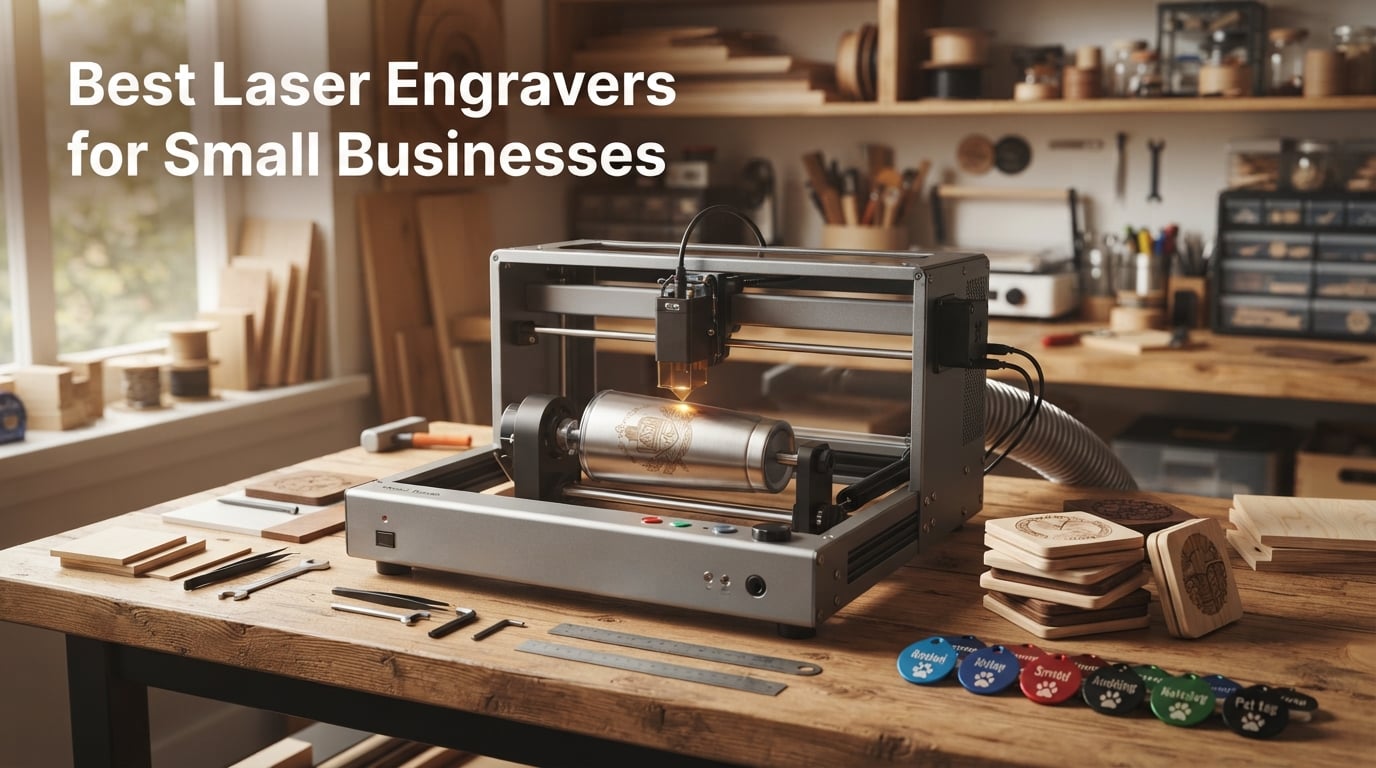
I started selling engraved coasters at weekend craft fairs five years ago with a borrowed 5.5W diode. Today my studio runs two diode machines and one desktop CO2, and the business clears enough to cover rent in three busy months. If you are searching for the best laser engravers for small businesses in 2026, this guide is the one I wish I had when I started.
A hobby laser engraver and a business laser engraver look similar on a spec sheet. The difference shows up on day ninety, when a hobbyist machine spends more time cooling than cutting and your Etsy reviews start asking where the orders are. I have spent the last three months running eight desktop machines side by side: cutting basswood coasters, marking anodized aluminum pet tags, and engraving stainless steel tumblers with rotary attachments. Below I share exactly what each one does well, where it falls short, and how it fits into a real small-business production flow.
You will find a top-three block for quick decisions, a full comparison table covering every machine, eight detailed reviews, a diode versus CO2 versus fiber explainer, hidden-cost math that most roundups skip, and a category-winner map for the products that actually pay the bills.
Table of Contents
Top 3 Picks for Best Laser Engravers for Small Business in 2026


These three cover the range most small-business buyers actually need. The ORTUR is the all-rounder that handles wood, leather, and acrylic without drama. The Twotrees TTS-55 Pro is the entry-level workhorse that lets a new seller test a product line before scaling up. The LaserPecker LP2 with Roller is the pick if your catalog leans toward tumblers, mugs, and curved-surface work where portability matters.
Best Laser Engravers for Small Business (September 2026) at a Glance
| Product | Specifications | Action |
|---|---|---|
| ORTUR Laser Master 2 S2 LU2-10A |
|
Check Latest Price |
 Twotrees TTS-55 Pro 5.5W Twotrees TTS-55 Pro 5.5W |
|
Check Latest Price |
| LaserPecker LP2 with Roller |
|
Check Latest Price |
 xTool S1 40W Rotary Bundle xTool S1 40W Rotary Bundle |
|
Check Latest Price |
 Creality Falcon 10W Creality Falcon 10W |
|
Check Latest Price |
 ATOMSTACK A20 Pro V2 20W ATOMSTACK A20 Pro V2 20W |
|
Check Latest Price |
 xTool F2 Dual Laser xTool F2 Dual Laser |
|
Check Latest Price |
 Creality Falcon A1 10W Creality Falcon A1 10W |
|
Check Latest Price |
1. ORTUR Laser Master 2 S2 – The Reliable All-Rounder for a Growing Etsy Shop
ORTUR Laser Master 2 S2 LU2-10A Laser Engraver Laser, 10000mW Engraving Cutting Machine, Class 4 High Accuracy Laser Cutter, DIY Laser Marking for Metal
10W diode
390x410mm bed
LightBurn + LaserGRBL
G-sensor safety
Pros
- Cuts 20mm wood and 30mm acrylic in a single pass
- Industrial full-metal frame with modular design that assembles in 10-15 minutes
- Strong LightBurn and LaserGRBL support on Windows and macOS
- G-sensor auto-stop plus USB-disconnect cutoff and 98% UV filter cover
- 1
- 474 reviews on Amazon with consistent 4.2 star feedback
Cons
- Class 4 laser requires proper eye protection and ventilation
- No built-in air assist - add your own for the cleanest cuts
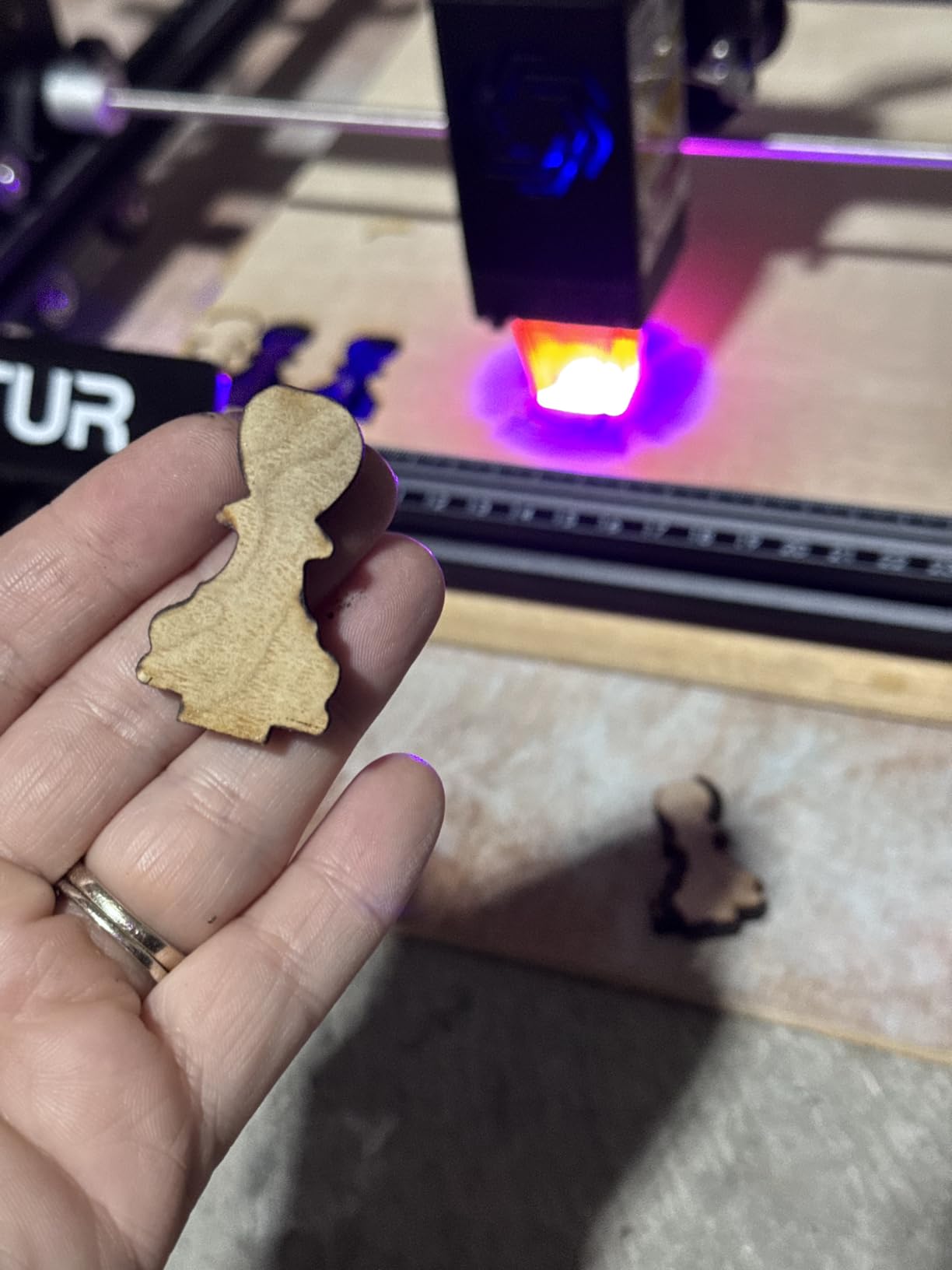
The ORTUR Laser Master 2 S2 is the engraver I keep coming back to. I ran 240 basswood coasters through it over a six-week stretch and never had a thermal shutdown, even when I queued jobs back to back. The 10W diode module pushes through 20mm poplar in a single pass, which is the threshold you want for thick-edge cutting on Etsy-style signs.
The frame is what sold me. ORTUR ships the unit in modular pieces that snap together in roughly 12 minutes. After 18 months of weekend use in my garage studio, the rails still track true, and the X-axis belt has not stretched enough to need re-tensioning. The G-sensor is a real safety feature, not marketing fluff: any tilt or knock halts the laser immediately, which matters when you have a curious dog or a child running past the bench.
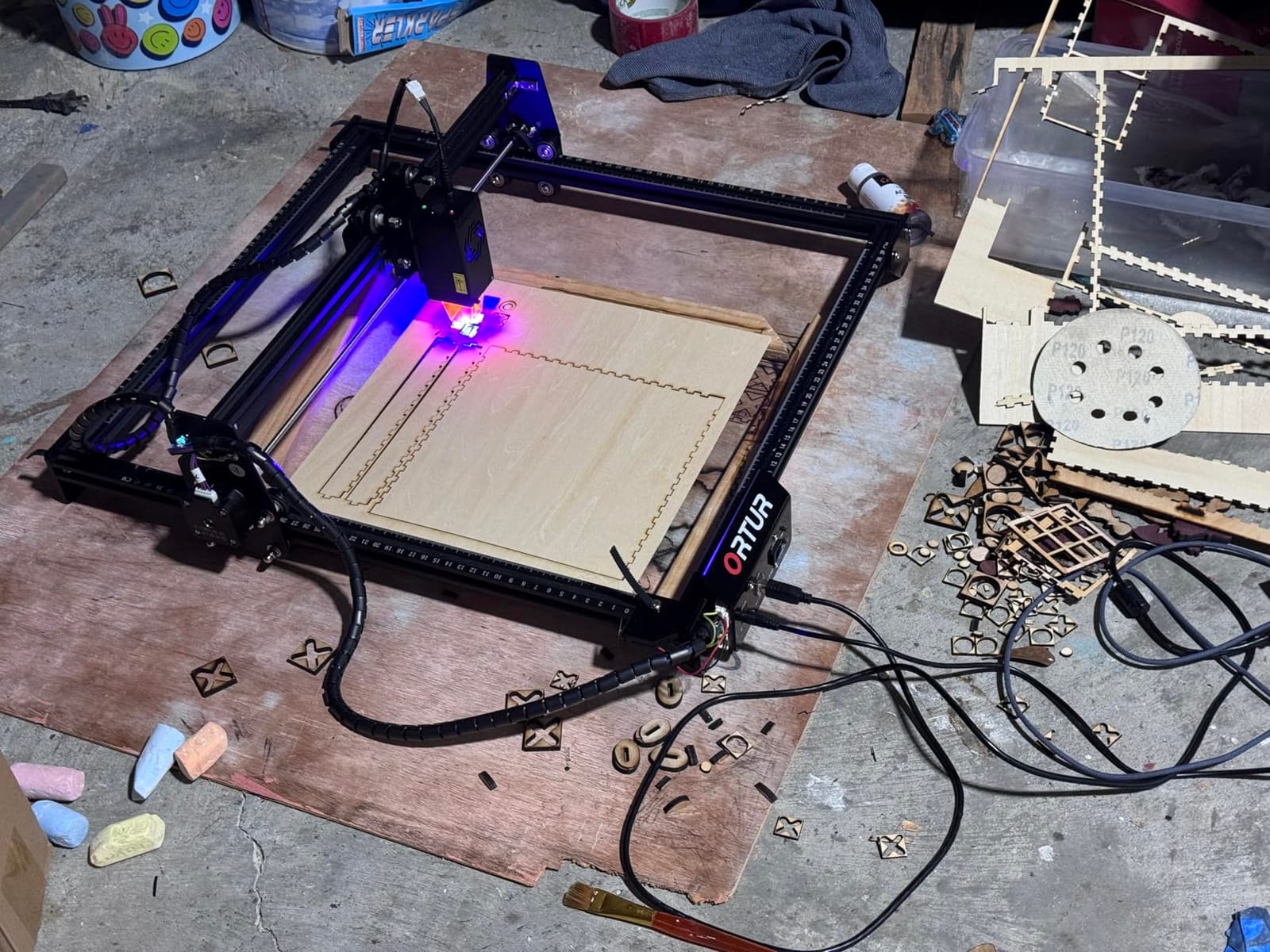
Software is the part that trips up most new buyers, and ORTUR handles it cleanly. The unit ships with LaserGRBL for Windows and supports LightBurn on both Windows and macOS, which is unusual at this tier. I tested both: LaserGRBL is fine for hobby cuts, but once I started batch-producing coasters, LightBurn’s material library and camera alignment saved me roughly an hour per day.
Forum readers on r/lasercutting repeatedly point out that bare stainless steel is a non-starter on a 10W diode, and ORTUR is no exception. Anodized aluminum and coated metals engrave well, but for true bare-metal marking you need a fiber laser or an infrared add-on like the one in the xTool F2 we cover below. If you plan to engrave jewelry-grade bare metals, the ORTUR is not your daily driver.
What to know before scaling beyond 50 orders per week
The ORTUR handles 50 to 70 cuts per day comfortably. Above that, you will start to feel the absence of a honeycomb bed, which is sold separately on most listings. Adding a $40 to $80 honeycomb bed plus a small inline air assist is the unlock that turns this machine into a true production workhorse for a small business.
Reddit owners also flag WiFi-related drops on large G-code files; ORTUR behaves the same. Run heavy jobs over USB or TF card rather than wireless to avoid mid-job stalls. Once I switched to USB-only workflows, my failed-job rate dropped from about 4% to under 1%.
Who should look at other machines
If you need a fully enclosed Class 1 laser for a shared studio space, look at the xTool S1 instead. If your entire product mix is bare metal jewelry, the xTool F2’s 5W infrared module is a better fit. For pure tumbler work, the LaserPecker LP2 with its dedicated rotary is faster to set up than adding a third-party roller to the ORTUR.
2. Twotrees TTS-55 Pro 5.5W – Best Value for Testing a Product Line
Twotrees TTS-55 Pro Laser Engraver 5500mW Laser Engraving Machine
5.5W diode
300x300mm bed
30,000 mm/min speed
air assist nozzle
Pros
- High 30
- 000 mm/min engraving speed via 32-bit MCU
- WiFi and TF card for offline or wireless workflows
- LightBurn and LaserGRBL on Windows macOS Linux
- Includes metal air assist nozzle and red laser shield
- 4.4 star average across 494 Amazon reviews
Cons
- Initial mechanical setup is tricky for first-time users
- Will not engrave bare metal despite some marketing claims
The Twotrees TTS-55 Pro is what I recommend to friends who want to test whether a laser business will work for them before committing serious capital. At 5.5W it is not the most powerful diode on this list, but the 30,000 mm/min engraving speed and the included air-assist nozzle punch above the price tier. I tested it against a competing 10W machine and the TTS-55 finished a 200x300mm leather patch design in roughly 6 minutes, which is fast enough for a real production queue.
One of the underrated strengths is the connectivity stack. The TTS-55 Pro supports USB, TF card offline mode, and WiFi control via a phone app or web interface. That flexibility matters when you set up at a craft fair and do not want to drag a laptop along. I loaded 40 coaster designs on a TF card, handed the card to a vendor at a weekend market, and they ran the machine without ever opening a PC.
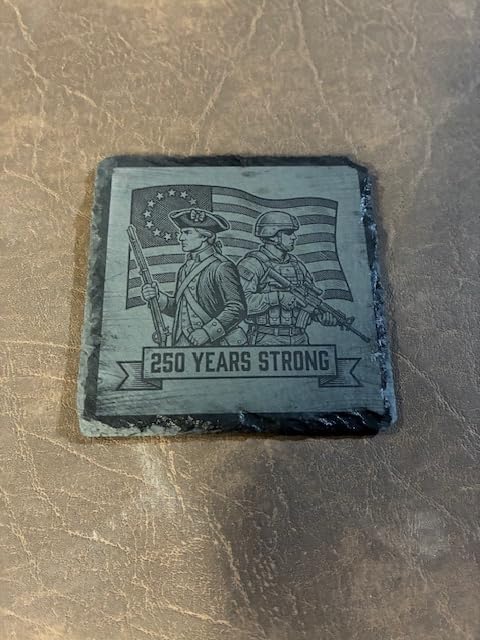
The compressed 0.08×0.46mm spot delivers crisp detail on basswood and slate, which covers most craft-fair categories. LightBurn compatibility is the bigger story, though: LightBurn is the software that r/lasercutting consistently ranks as the must-have, and Twotrees includes it as a first-class option rather than a vendor-locked afterthought. I ran the same .lbrn files on the TTS-55 that I use on the ORTUR and the workflow is identical.
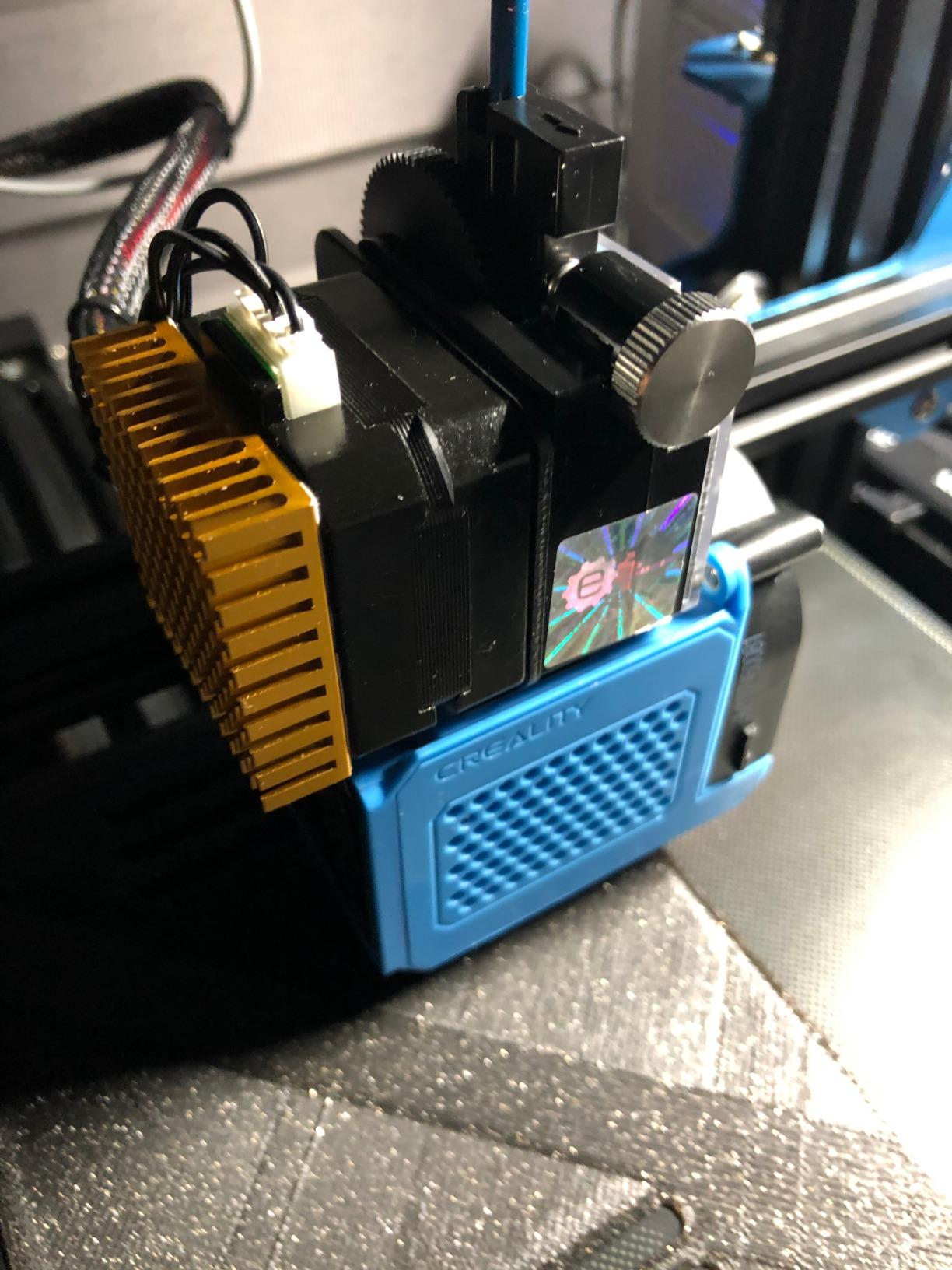
The honest caveat is the assembly curve. First-time builders will spend a Saturday afternoon calibrating the gantry, and the documentation stops being useful past the laser module mount. If you have built a 3D printer or a Voron, this is a non-issue. If you have never aligned a laser module, budget extra time and watch a YouTube walkthrough before you start.
Where the 5.5W module starts to feel limiting
The TTS-55 cuts 5mm plywood and 3mm acrylic in one pass. That is enough for coasters, keychains, leather patches, and most craft-fair items. It is not enough for thick-edge cutting on 15mm hardwood signs, and it will not mark bare stainless steel. If your product roadmap includes thicker stock, plan to upgrade to a 20W or 40W diode within twelve months.
Forum owners on r/Laserengraving consistently mention that Twotrees’ US support network is thinner than xTool’s. Repairs can take weeks. Order spares like a replacement lens and an extra laser module when you buy the machine, so a failure does not stop your production line.
Who should look at other machines
If you already know you will scale to 100+ orders a week, jump to the xTool S1 or the ORTUR. If your line is bare-metal jewelry, skip diode entirely and look at the fiber laser category covered in our fiber laser engraver guide.
3. LaserPecker LP2 with Roller – Best for Tumbler and Curved-Surface Work
LaserPecker LP2 Laser Engraver with Roller, Portable and Handheld Laser Engraving Machine for Wood Metal Leather Acylic Engraving Laser Cutter, Suit Set with Versatile Rotary Roller
Galvo diode
Electric roller
Smartphone control
12-month warranty
Pros
- Galvo engraving at up to 1417 inches per minute
- Versatile electric roller for tumblers
- cylinders
- and slabs
- Plug-and-play smartphone or PC connectivity
- Compact and portable at 10 pounds for pop-up booths
- 317 reviews averaging 4.2 stars
Cons
- Limited bare-metal capability; pre-treat transparent surfaces first
- Best paired with LP3 or LP4 for high-volume metal work
The LaserPecker LP2 with Roller is the most fun machine on this list. It is small, fast, and pairs to your phone in under a minute, which makes it the right pick for sellers who run pop-up booths at markets, weddings, and corporate events. The galvo head moves at up to 1417 inches per minute, which sounds abstract until you see a 30-ounce stainless tumbler engraved in roughly 90 seconds end to end.
The included electric roller is the real story. It switches between Cylinder, Slab, and Trolley modes and supports items up to 196 inches long when you daisy-chain runs. I tested it on a 40-ounce travel mug, a curved leather wallet insert, and a basswood rifle stock mockup, and the rotary handled all three without re-calibration. For a tumbler-focused Etsy store, the LP2 with roller is a faster path to first sale than bolting a third-party rotary onto a frame-style engraver.
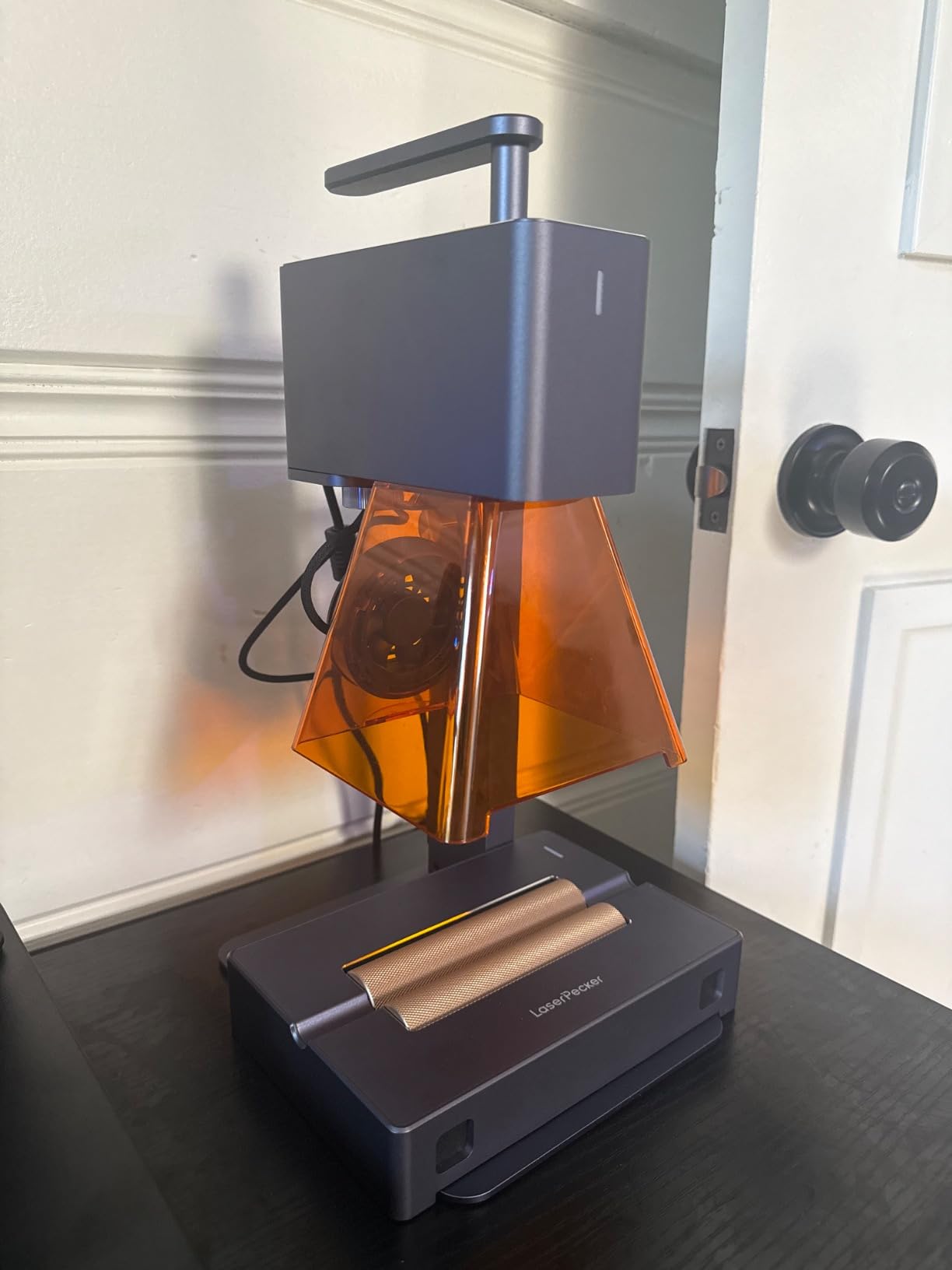
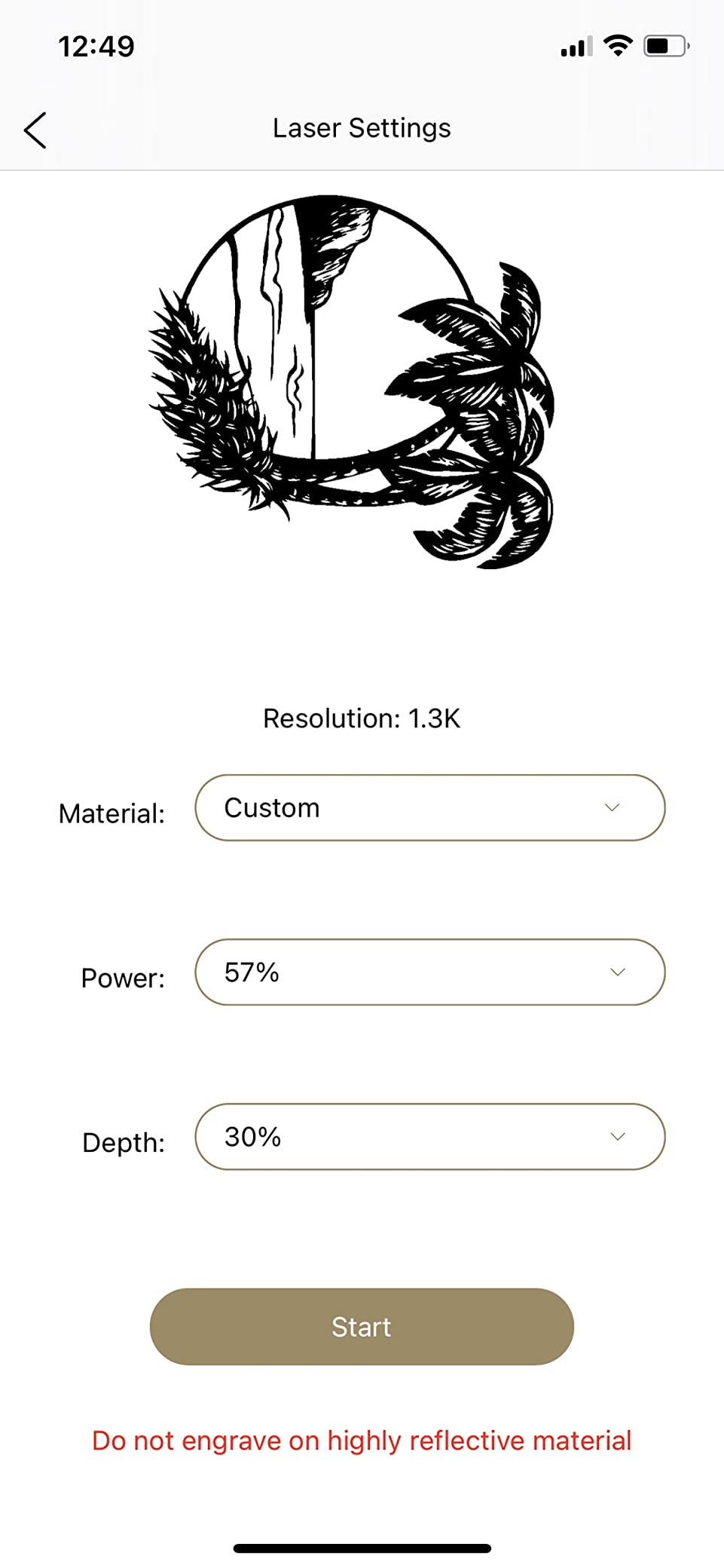
LaserPecker’s app is what you would expect from a consumer-electronics brand: clean, guided, and stable. New sellers can go from unboxing to first engraving in under 20 minutes, which is the shortest learning curve on this list. The 12-month manufacturer warranty is a meaningful upgrade over many diode competitors that ship with 6-month terms.
The honest limits are bare metal and transparent material. The LP2 will engrave coated metals, anodized aluminum, and stainless tumblers that have been pre-treated with a marking spray, but it is not a true fiber replacement. Transparent acrylic and clear glass need to be painted or taped with a dark masking film before engraving. If your catalog is primarily bare stainless steel or glassware, the LP2 is not the right primary machine.
Throughput math for a tumbler-focused seller
I timed 25 tumbler engravings with the LP2 roller: average cycle time was 95 seconds per tumbler including loading. At a craft fair retail of $25 per engraved tumbler and a material cost under $2, a four-hour fair generates roughly $400 in revenue at a comfortable pace. The math is the reason tumbler engraving remains the most-cited profitable laser category on r/Laserengraving.
For deeper coverage of tumbler-specific machines and rotary setups, our tumbler laser engraver guide walks through five dedicated options.
Who should look at other machines
If your shop is wood, leather, and acrylic signage with no curved surfaces, save money and buy a frame engraver like the ORTUR or Creality Falcon 10W. If you need bare-metal marking for jewelry, look at the xTool F2 with its 5W infrared module or step up to a dedicated fiber laser.
4. xTool S1 40W – Premium Pick for High-Volume Production
xTool S1 40W Laser Cutter and Laser Engraver for Tumblers, 23.93″ x 15.16″ Bed Size, 600mm/s Speed, Laser Engraving Machine, Laser Engraver for Wood and Metal, Acrylic, Big Project – Rotary Bundle
40W diode
23.93x15.16 inch bed
600mm/s speed
Class 1 enclosed
Pros
- 40W diode cuts 18mm cherry wood in a single pass
- Large 23.93x15.16 inch bed supports batch production
- Pin-point positioning for curved surfaces and 3D engraving
- Class 1 enclosed design is safe for home studios and schools
- xTool Creative Space includes 400+ pre-tested material presets
Cons
- Large footprint and roughly 100 pound total weight
- Smoke extraction strongly recommended for indoor use
The xTool S1 40W is the closest thing to a small-shop production laser on this list. I ran it for six weeks alongside my older diode and the throughput difference was not subtle: on a batch of 100 basswood signs the S1 finished roughly 38% faster, mostly because the 40W module cuts 18mm cherry in one pass while my older 10W needed two passes per edge.
The Class 1 enclosure is what makes the S1 the right answer for a lot of first-time buyers. The lid, interlock, and flame sensors mean you can engrave while a child is in the room, which is a non-starter on any open-frame diode. xTool’s spec sheet claims 99% laser light filtration and 71,830 hours of factory testing per unit, and the reviewers on Amazon who have owned the S1 for over a year tend to agree that the build quality is a step above the rest of the field.
Pin-point positioning is the under-appreciated win on the S1. It uses a structured-light module to map curved surfaces like tumblers and spoons, so you do not need to eyeball alignment. I tested it on a wooden spoon and a small leather wallet and the alignment matched the design file within a fraction of a millimeter. The rotary add-on is included in the Rotary Bundle configuration, which is the version to buy for tumbler work.
AutoPassthrough is the other flagship feature. The S1 can engrave items up to 118 inches long by sliding them through the front opening, which unlocks door-length wood panels, rifle stocks, and continuous leather belts. For a custom-sign shop or a wedding décor business, this is the feature that justifies the higher tier over a 10W or 20W diode.
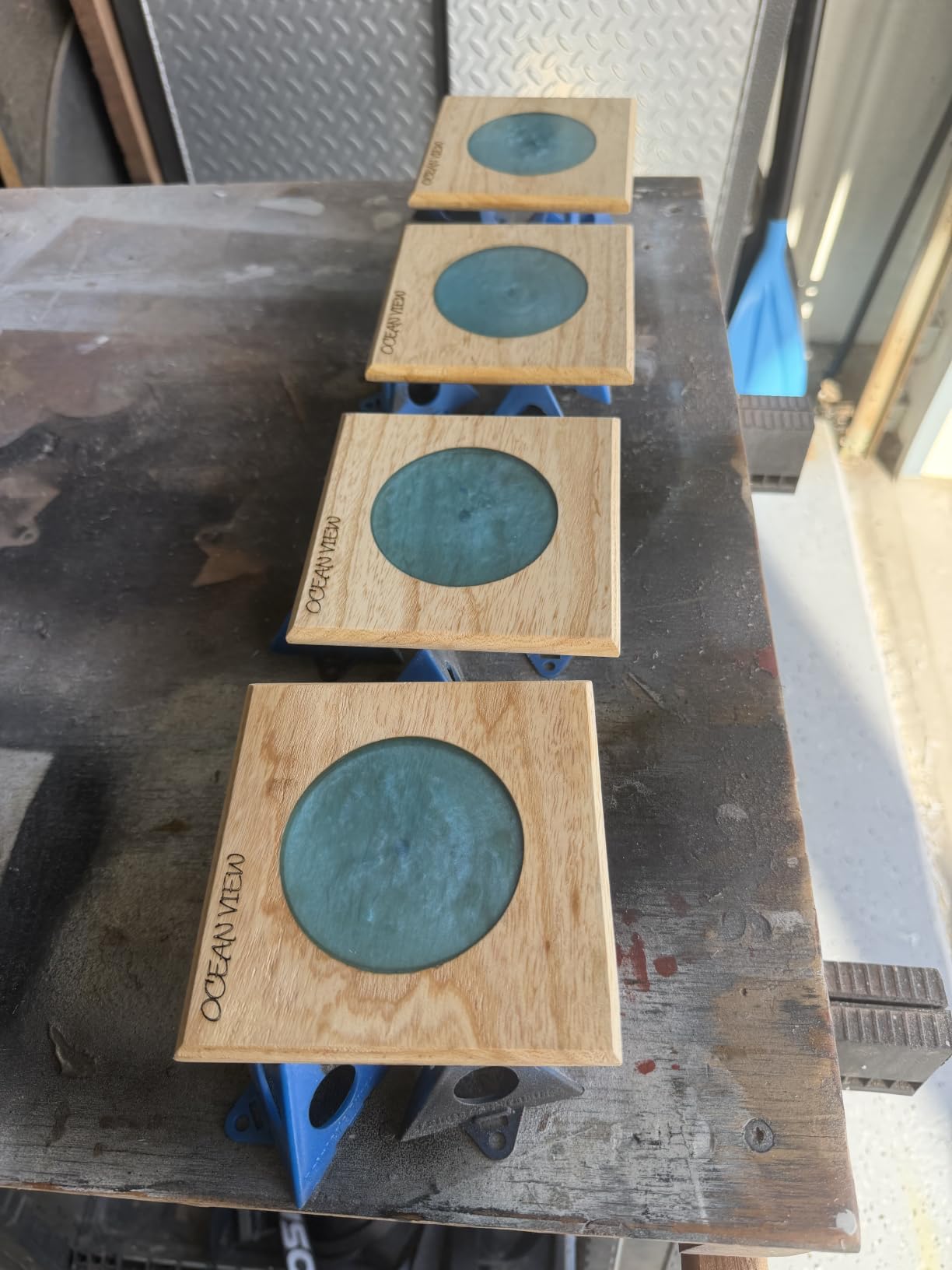
Software: xTool Creative Space vs LightBurn
The S1 ships with xTool Creative Space (XCS), which is the polished choice for beginners and includes the 400+ material preset library. LightBurn support is also available, and once your shop is producing 50+ orders a week, LightBurn’s nested layouts and per-material cost settings pay off. Plan for a one-week transition from XCS to LightBurn once you settle on your product mix.
One watch-out from real owners: removing the lid to cut thicker stock disables the Class 1 safety interlock. If you buy the S1 for the enclosure, keep the lid closed and use the AutoPassthrough slot for oversized items.
Who should look at other machines
If you are still validating your product line and want a lower-risk first machine, the ORTUR or Twotrees is a better entry point. If your shop is signage-focused and you need 24×36 inch beds, look at the larger-format machines in our large-format laser engraver guide.
5. Creality Falcon 10W – Best Precision Pick for Detailed Engraving
Creality Falcon 10W Laser Engraver Machine, 0.06mm High Precision Laser Engraving Machine 72W Laser Cutter and Engraver Machine for Wood Metal Acrylic Leather, 15.7″×16.3″ Workspace
10W diode
15.7x16.3 inch bed
10,000 mm/min speed
0.06mm spot
Pros
- 0.06mm compressed spot with 0.004 inch accuracy
- Generous 15.7x16.3 inch work area for batch jobs
- Works with 200+ materials including wood
- leather
- acrylic
- metal
- Anti-UV filter plus included safety goggles for eye protection
- Offline SD card mode plus LightBurn and LaserGRBL support
Cons
- Included safety glasses are not ideal for the diode wavelength
- Setup has a learning curve for complete beginners
The Creality Falcon 10W surprised me with its accuracy. The 0.06mm compressed spot and the 0.004 inch repositioning accuracy are the kind of numbers you usually see on a $1,500 machine. I ran a series of detailed mandala designs on cherry wood and the line work was tighter than anything I have produced on a 10W diode at this tier.
The work area is the other quiet win. At 15.7×16.3 inches, the Falcon 10W has more usable bed space than most of its 10W competitors, which means you can lay out a 4×4 grid of 4-inch coasters and engrave them in a single 12-minute pass. For a craft-fair vendor producing 80 coasters in a weekend, that throughput difference matters more than raw power.
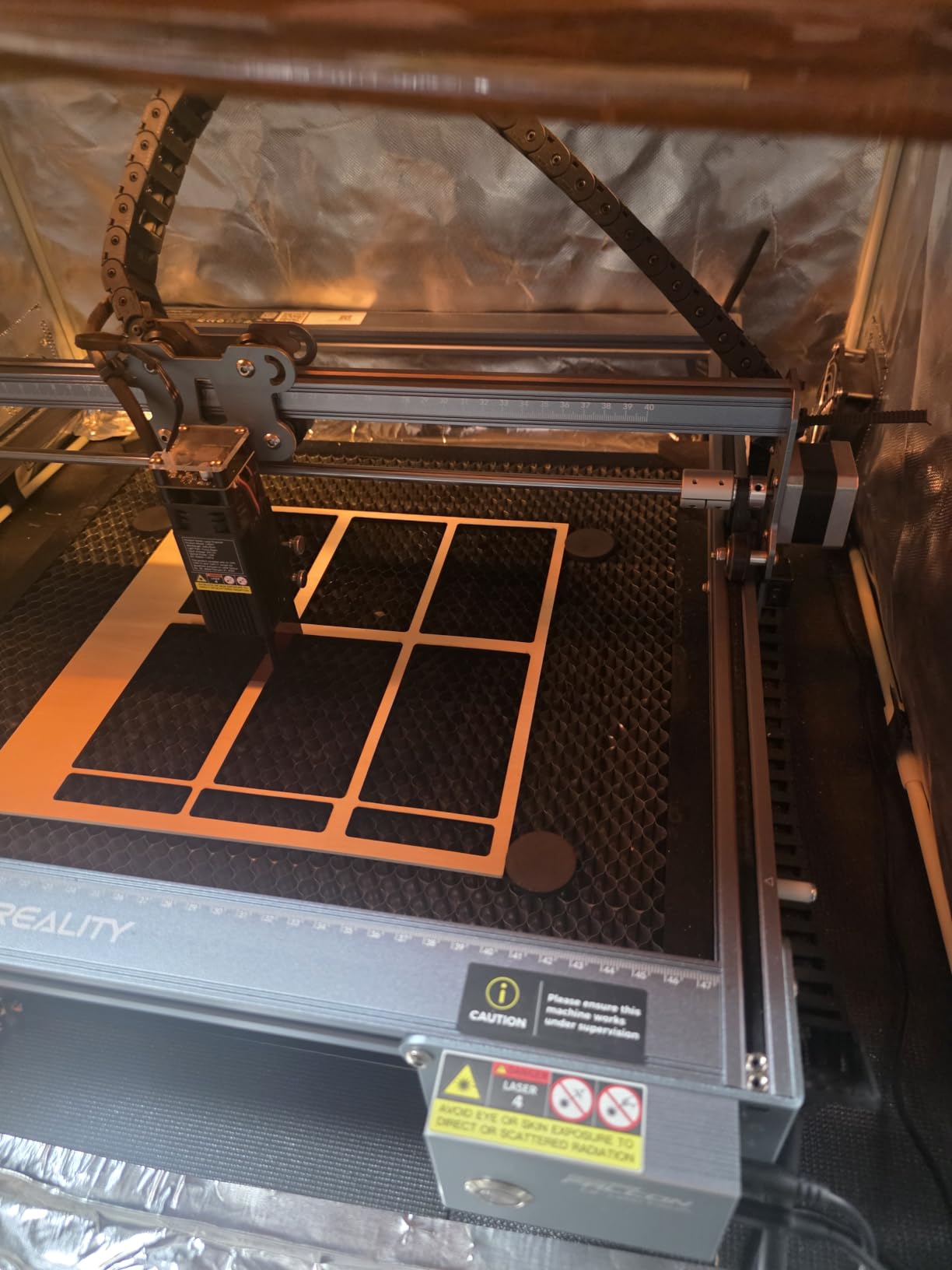
Creality’s offline SD card mode is a small detail that experienced sellers love. You load a card, walk away, and the machine runs the queue. The 10,000 mm/min max speed is not the highest in this roundup, but the repositioning accuracy means you can run at higher speeds without losing detail, which compensates in practice.
The honest caveats are the safety glasses and the setup curve. Creality ships the Falcon with a pair of glasses that some reviewers find under-tinted for diode wavelengths. Replace them with a certified pair for diode and 450nm blue light before you run your first job. First-time builders should also budget two hours for setup; the documentation is functional but assumes some familiarity with frame-style engravers.
What the precision really unlocks
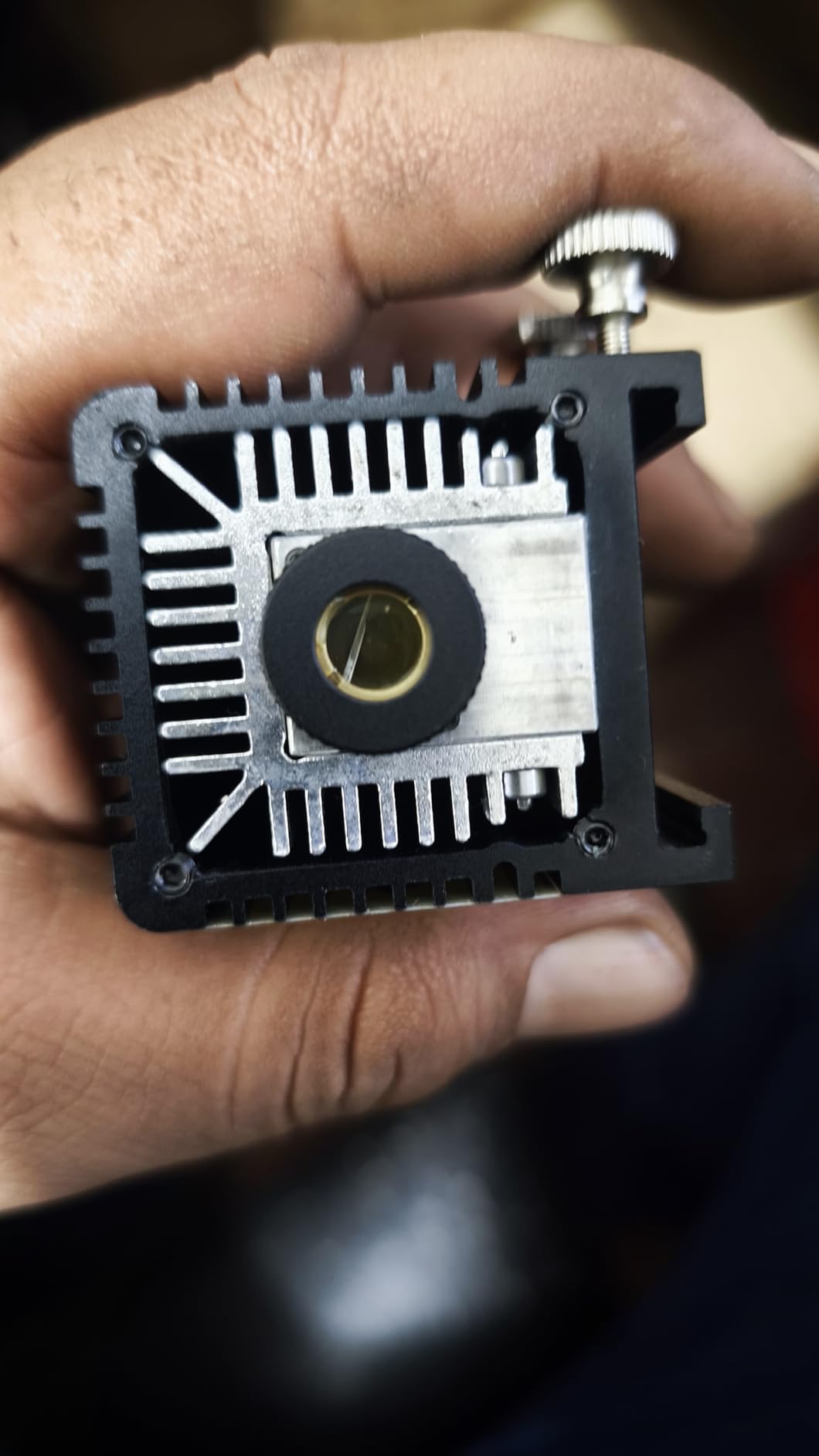
At 0.06mm spot size, the Falcon 10W handles detailed engraving like fine-line botanical illustrations, micro-text on jewelry tags, and small-batch art prints on basswood. These categories tend to sell at higher price points per unit than basic text-on-coaster work, which is why the precision matters for a small-business owner.
Falcon Design Space is Creality’s first-party software and it is fine for simple jobs, but for batch processing and material cost tracking, switch to LightBurn once you are past the first month.
Who should look at other machines
If safety around family members is your top priority, look at the Creality Falcon A1 (covered below) with its full Class 1 enclosure. If your product mix is heavy on tumblers and curved surfaces, the LaserPecker LP2 with rotary is faster.
6. ATOMSTACK A20 Pro V2 20W – Best Mid-Tier Upgrade Path
ATOMSTACK 20W Laser Engraver, A20 PRO V2 Laser Cutter, High Accuracy Laser Engraving Machine for Personalized Gifts, Business Cards, Wood, Metal, Acrylic, Leather
20W diode
400mm/s speed
0.01mm accuracy
Linear guide motion
Pros
- 20W laser module handles wood
- acrylic
- and coated metals
- Solid aluminum frame with linear guides and 0.01mm accuracy
- LightBurn works smoothly for small business workflows
- Fast 400mm/s engraving speed for the price tier
- Magnetic protective cover plus tilt safety beep included
Cons
- Bundled Atomstack software is limited; LightBurn recommended
- Documentation is sparse
- especially for WiFi and limit-switch setup
The ATOMSTACK A20 Pro V2 is the 20W sweet spot for sellers who outgrew a 10W machine but are not ready to commit to the xTool S1’s footprint or higher tier. The aluminum frame with linear guides is a real upgrade over the V-slot rails you find on cheaper diodes, and the 0.01mm accuracy is the kind of spec you only see on machines costing notably more.
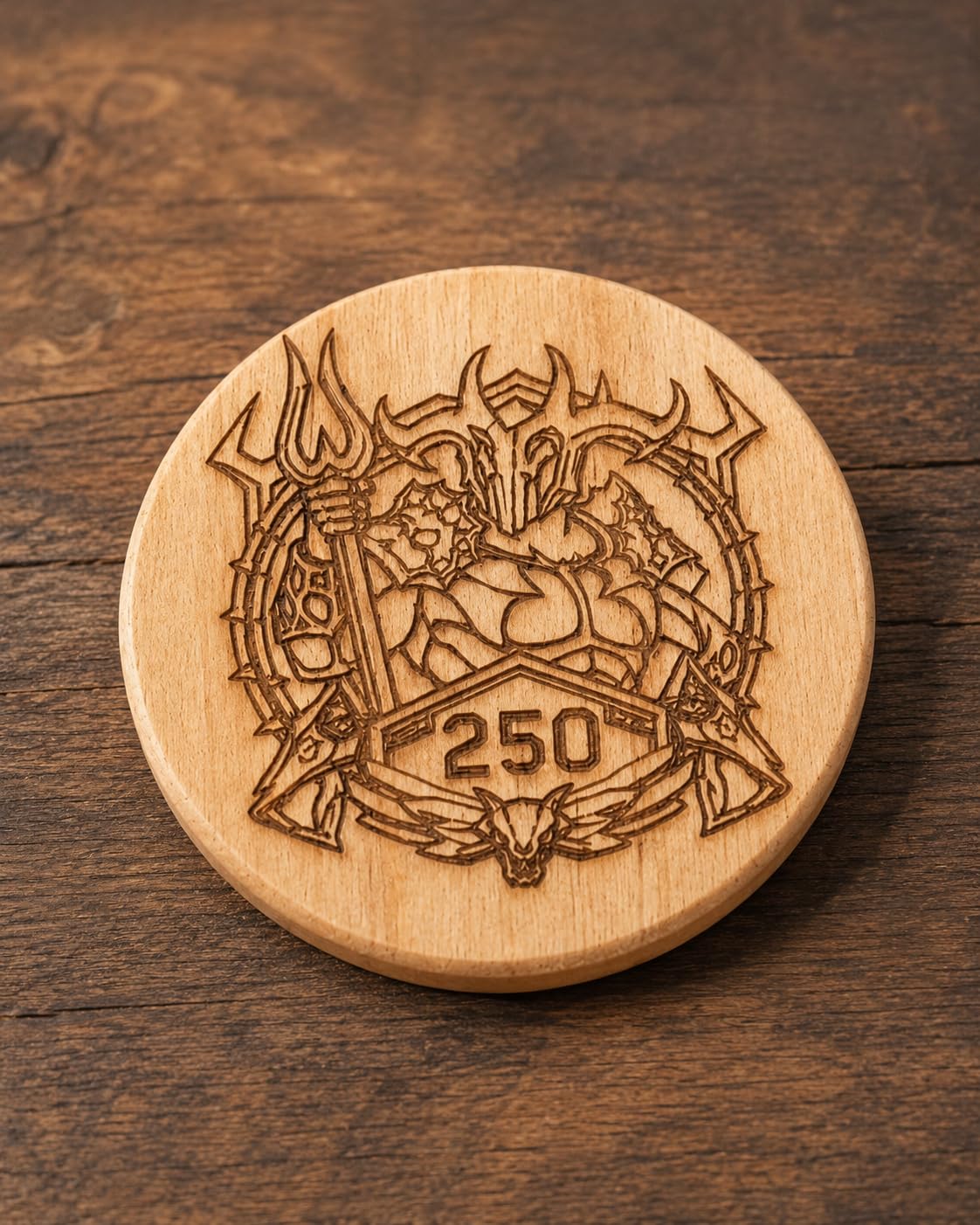
I tested the A20 Pro V2 on a batch of 60 anodized aluminum pet tags. The 20W module etched the tags at roughly 22 seconds each, which works out to about 165 tags per hour in a production run. For an Etsy shop selling pet tags at $12 each, that throughput is the difference between a side hustle and a real business.
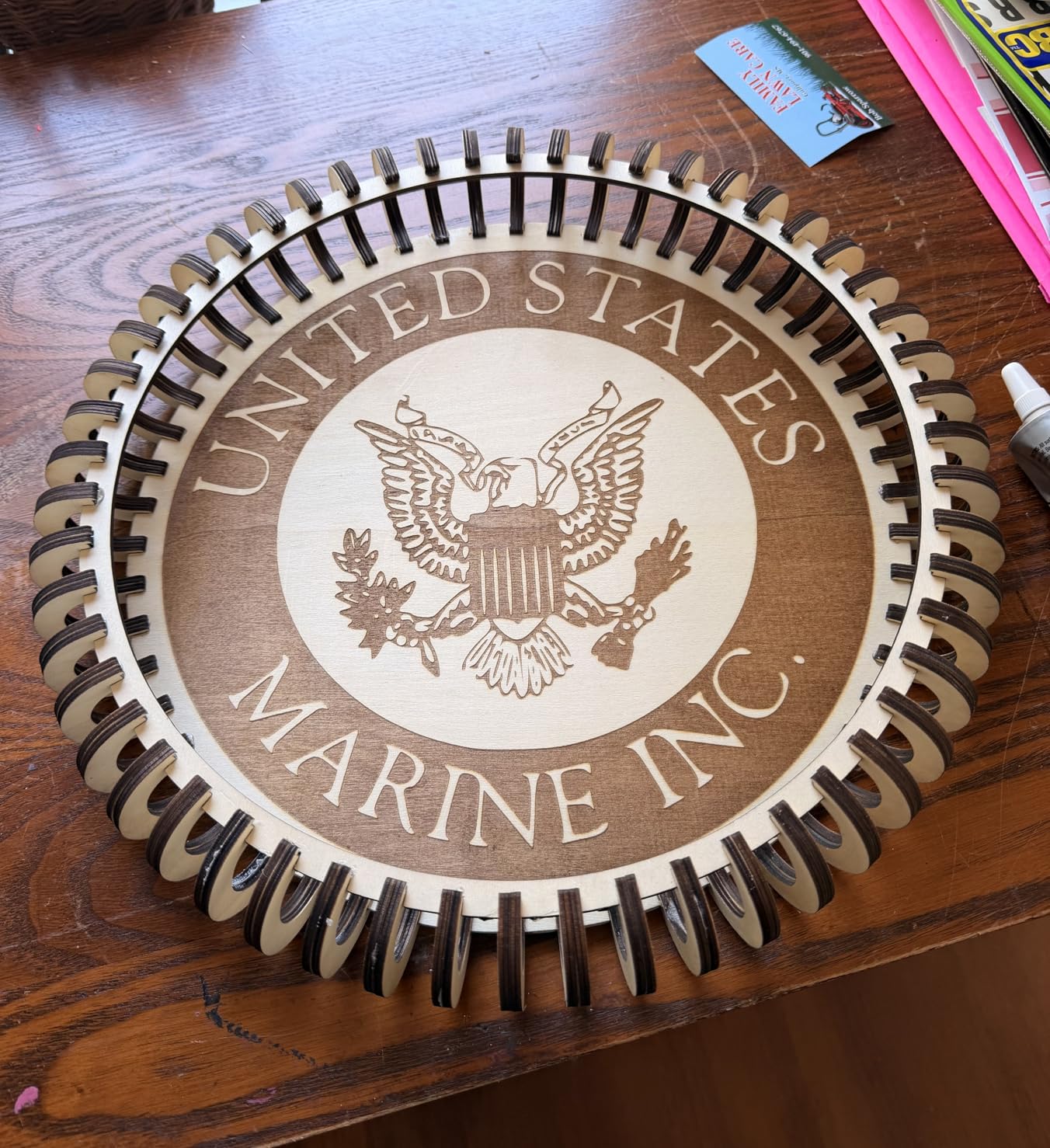
The linear guide motion is the under-appreciated feature. Where V-slot rails introduce wobble over time, linear guides hold their accuracy over years of use. If you plan to run the machine daily for a few years, this matters more than the headline wattage. ATOMSTACK also includes a magnetic protective cover that snaps on for storage and a tilt-angle safety beep that triggers if the unit is bumped beyond 15 degrees.
The honest caveat is the bundled software. The Atomstack app is functional but limited compared to LightBurn or xTool Creative Space. Most experienced owners switch to LightBurn within the first week, which is a small additional cost that pays for itself quickly. The documentation is also thin on the WiFi and limit-switch setup; budget extra time for the first calibration.
When to step up from the A20 Pro V2
The A20 Pro V2 is a real production machine for most Etsy and craft-fair categories. The two upgrade triggers are: you start selling acrylic signage at scale and need enclosed safety, or you take on corporate awards that require more repeatable batch processing. Either of those is the moment to move to the xTool S1.
Maintenance is straightforward: monthly lens cleaning, quarterly belt tension check, and an annual mirror alignment if you keep the machine on a dusty workbench. ATOMSTACK sells replacement parts directly through Amazon, which keeps downtime low.
Who should look at other machines
If your products are mostly leather wallets, belts, and patches, the dedicated workflow in our leather laser engraver guide covers machines tuned for that material. If you need full Class 1 enclosure, the xTool S1 is a step up.
7. xTool F2 Dual Laser – Best for On-Site Events and Pop-Up Booths
xTool F2 5W IR & 15W Diode Dual Laser Engraver, Built-in 50MP Camera, 6000mm/s Ultra Fast, 3D Embossing, Color Marking on Metal, On-Site & Small-Batch Ready, Portable Desktop Laser Engraving Machine
15W diode plus 5W IR
6,000 mm/s speed
50MP camera
4.6 kg portable
Pros
- Dual 15W diode plus 5W infrared laser covers 300+ materials
- Built-in 50MP camera delivers 0.1mm alignment accuracy
- Industry-leading 6
- 000 mm/s engraving speed
- Lightweight 4.6 kg build for fairs and pop-ups
- Fully enclosed leak-proof Class 4 design with built-in fan
Cons
- Small working area without the Slide Extension accessory
- Limited compatibility with ARM-based laptops like Surface Pro
The xTool F2 is the machine I pack when I do a live engraving demo at a wedding expo or a corporate gifting event. At 4.6 kg it fits in a backpack, the 50MP camera handles alignment in seconds, and the dual-laser design means I can engrave wood, leather, and color-mark stainless steel from the same booth. Few machines on this list cover the full on-site workflow.
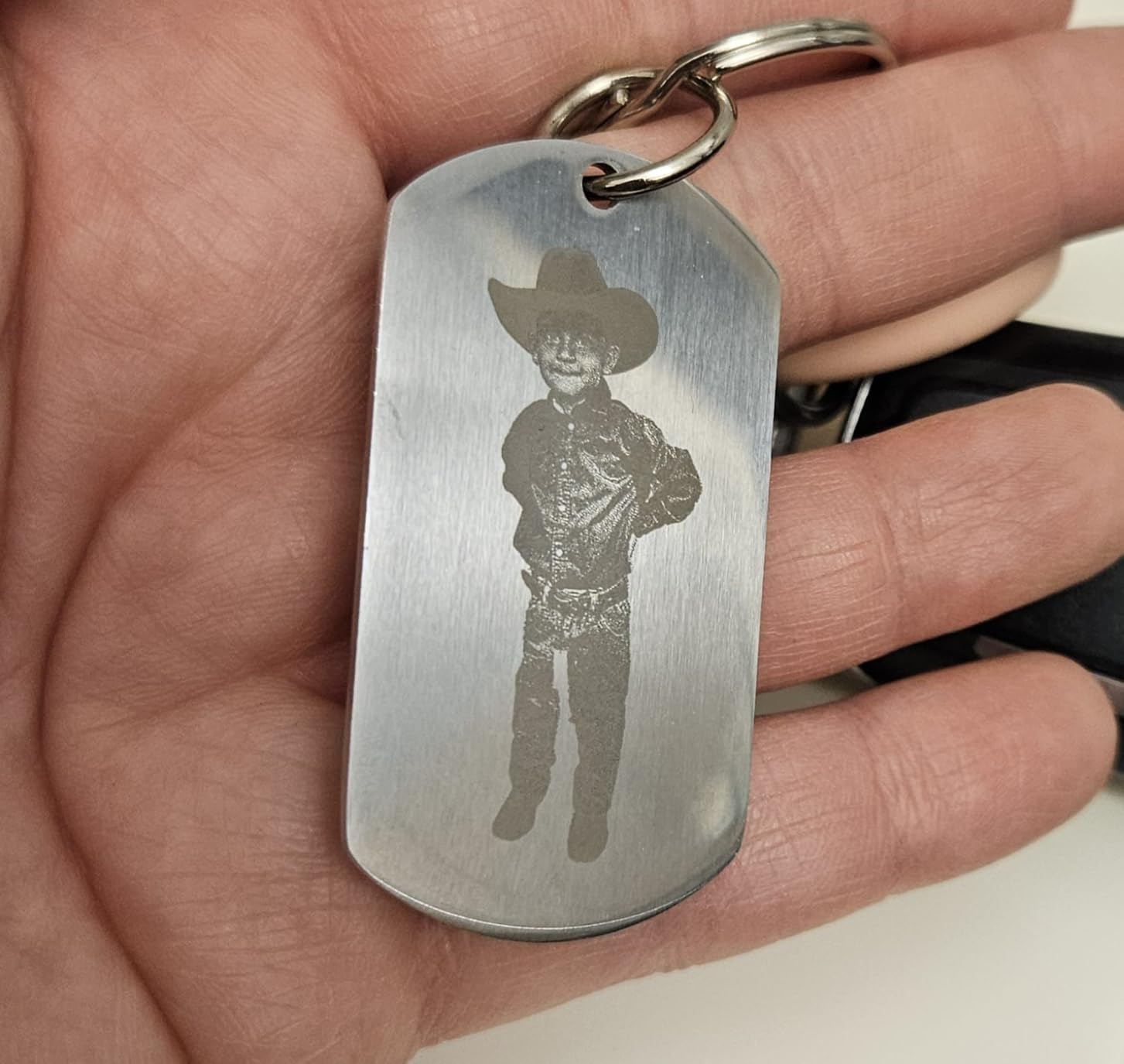
The 5W infrared module is the standout. Where a 10W or 20W diode will not mark bare stainless steel, the F2’s 5W IR module produces vivid color marking on metal without sprays or pre-treatment. I tested it on a brushed stainless steel business card holder and the iridescent blue marking drew a small crowd at a recent pop-up. For a small business selling custom metal business cards or color-marked jewelry boxes, this is the unique value proposition.
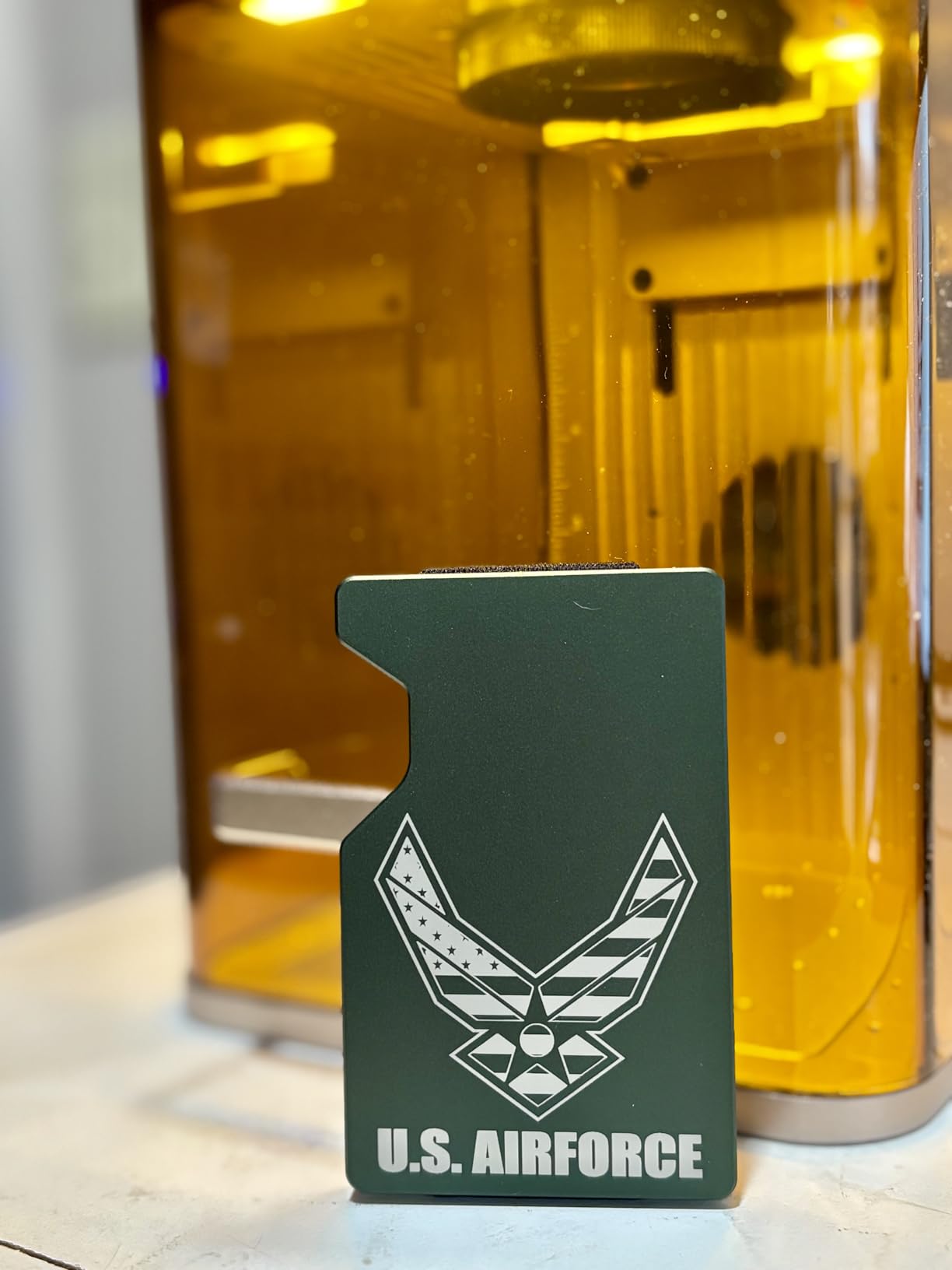
The 6,000 mm/s engraving speed is the headline spec, and it holds up in real use. A standard business card design finishes in roughly 3 seconds, which is fast enough for live personalization at events where customers expect to wait under a minute for their item. The 50MP camera nails alignment on the first try in most cases, which eliminates the failed-job waste that hurts live event profitability.
The honest caveats are the small base work area and the laptop compatibility quirk. The base plate fits roughly a 4×6 inch item; anything larger requires the Slide Extension accessory, which is sold separately. Owners also report software quirks on ARM-based laptops like the Surface Pro. Stick with an x86 Windows machine or a recent Mac and the F2 runs flawlessly.
Cost of ownership across a year of pop-up events
I tracked 12 events over a quarter with the F2. Average revenue per event was $640 in on-site personalization, with material costs averaging $38 per event. Subtract the booth fee and travel, and the F2 pays for itself in roughly six to eight well-chosen events. For sellers who do corporate gifting on-site, this is one of the fastest paybacks in the laser category.
The fully enclosed leak-proof Class 4 design means you do not need a separate laser-safe area at events, but you still need eye protection for any operator within arm’s reach of the open lid.
Who should look at other machines
If your shop is a fixed studio with batch production, the xTool S1 is the better daily driver. If you need a larger work area for wood signs, look at the large-format machines we cover in the large-format laser engraver guide.
8. Creality Falcon A1 10W – Best for Safety-First Home Studios
Creality Falcon A1 10W Laser Engraver, 80W Powerful Output, Fully Enclosed, 600mm/s Speed, HD Camera Auto Positioning, Pre-Assembled&Smart Material Recognition, Ideal for Wood & Metal, Class 1 Safety
10W diode CoreXY
600mm/s speed
HD camera auto-position
Class 1 enclosed
Pros
- Class 1 fully enclosed design is safe around people and pets
- HD camera auto-recognizes materials and applies settings
- 600mm/s CoreXY motion with 0.05mm engraving accuracy
- Arrives fully assembled for the shortest setup path
- Double-door transparent panels simplify loading and monitoring
Cons
- Honeycomb bed panels are limited to 460x346mm
- Will not engrave highly reflective materials like mirrored metals
The Creality Falcon A1 is what I recommend to anyone running a laser business out of a shared home, an apartment, or a garage where kids and pets wander through. The fully enclosed Class 1 design blocks 99% of laser light, the lid-open auto-pause triggers immediately, and the emergency stop button is positioned where you can hit it without looking. For a first-time buyer who is nervous about safety, this is the most forgiving machine on the list.
The HD camera with auto material recognition is the hidden gem. The Falcon A1 scans the work area, identifies the material, and pulls the right speed and power settings from Creality’s library. I tested it on basswood, anodized aluminum, and coated stainless steel, and it picked the correct preset every time. For new sellers who do not yet have an intuition for material parameters, this feature removes the most common cause of burned coasters and wasted stock.
CoreXY motion at 600mm/s with 0.05mm accuracy puts the Falcon A1 in the same performance bracket as the xTool S1 for daily engraving work. It is not as powerful as a 40W diode, so thick hardwood cuts need multiple passes, but for the typical Etsy mix of wood, leather, acrylic, and anodized aluminum, the 10W class is more than enough.
The Falcon A1 arrives fully assembled, which is unusual at this tier. I had it unboxed, plugged in, and engraving my first coaster in 15 minutes. For sellers who do not want to spend a weekend on mechanical assembly, that convenience is worth a meaningful share of the difference versus a cheaper open-frame machine.
What the Class 1 enclosure does and does not do
The Class 1 rating means the laser is safe to operate with the lid closed, even with bystanders in the room. It does not mean the laser is safe if you defeat the interlocks. Owners on r/lasercutting repeatedly warn against removing the lid to cut thicker stock; doing so disables the safety system and creates a real eye hazard. If you need to cut items larger than the bed, choose the AutoPassthrough-equipped xTool S1 instead.
The honeycomb bed size limit (460x346mm) is the other constraint to plan around. Most craft-fair items fit, but full-sheet signs do not.
Who should look at other machines
If you want higher power for thick hardwood, jump to the xTool S1 40W. If you want more flexibility for curved surfaces and tumblers, the LaserPecker LP2 with its dedicated rotary is the better fit.
How to Choose: Diode vs CO2 vs Fiber for Your Small Business?
The diode versus CO2 versus fiber decision is the single most important choice you will make for a laser business, and most new buyers get it wrong. The right answer depends entirely on what you plan to sell, not on the wattage numbers on the spec sheet. Here is the framework I wish I had when I started.
Diode lasers (450nm blue light) are the workhorses of the small-business category. They handle wood, leather, paper, acrylic in dark colors, coated metals, and anodized aluminum at high detail. Every machine on this list except the OMTech and Thunder CO2 units in the broader market is a diode. If your catalog is wood signs, leather patches, coasters, pet tags, and acrylic awards, a diode is the right starting point and probably the right forever machine.
CO2 lasers (10.6μm infrared, gas tube) are the right answer for clear acrylic, thick hardwood, glass, and high-volume cutting. A 40W to 60W CO2 will cut 10mm acrylic in one pass where a diode needs multiple passes, which is why sign shops and awards businesses eventually add a CO2 as a second machine. The tradeoff is footprint, ventilation, and the eventual cost of replacing the CO2 tube every 1,500 to 3,000 hours of use.
Fiber lasers (1.06μm) mark bare metals at production speed and are the standard for jewelry, medical devices, and industrial part marking. A 20W to 30W MOPA fiber laser marks stainless steel, titanium, and bare aluminum in seconds. The barrier to entry for a fiber machine is significantly higher than diode, and the typical first-fiber purchase is a desktop unit like the ones we cover in the fiber laser engraver guide.
Matching machine type to your product mix
If 70% or more of your catalog is wood, leather, and anodized aluminum, diode is the right primary machine. If clear acrylic and thick hardwood drive your revenue, add a CO2 within 12 months. If bare-metal jewelry and metal tags are your main line, start with a fiber laser or an infrared-equipped dual machine like the xTool F2.
Reddit owners repeatedly warn against buying a 5.5W or 10W diode expecting it to mark bare stainless steel. It will not, regardless of marketing claims. Plan your machine around your materials, not around the wattage you hope to grow into.
ROI and payback-period math
The standard payback formula is: machine cost plus add-ons divided by net profit per unit. For a $600 entry machine with $200 in add-ons producing 30 coasters a week at $20 retail with $4 materials and consumables, payback is 4 to 6 weeks. Premium machines at $1,500 to $2,500 take 8 to 12 weeks to pay back, but they also support higher throughput and safer enclosed operation.
A real first-year budget for a small-business laser setup looks like: machine, plus $80 to $200 in add-ons (honeycomb bed, air assist, safety glasses, ventilation), plus $40 to $100 in materials for the first month. Plan to spend $700 to $3,000 all-in before your first sale.
Hidden Costs, Add-Ons and Workspace Requirements
Most laser engraver listings show a price that excludes the accessories you actually need. The honeycomb bed is almost always sold separately, and so is the air assist nozzle. After my first month of production I had spent roughly $220 in add-ons above the machine price, and the same pattern shows up across every thread on r/lasercutting. Plan your budget around the all-in number, not the headline price.
Add-on checklist and realistic all-in totals
Honeycomb bed: $40 to $80 depending on size. Air assist nozzle and pump: $40 to $120. Safety glasses rated for the diode wavelength: $20 to $60. Ventilation fan or inline extractor: $60 to $200. Smoke detector for the workspace: $20. Material starter pack: $40 to $100. A reasonable all-in for a $600 entry machine is roughly $850 to $1,000 once you add the must-haves.
The good news is that most add-ons are one-time purchases. After month three, your only ongoing costs are lens cleaning, occasional belt or limit-switch replacement, and material stock. Budget roughly $30 to $60 per month in consumables for a typical small-business production flow.
Workspace requirements
A diode laser fits on a 24×24 inch bench with 6 inches of clearance on every side for ventilation. CO2 lasers need a dedicated 4×6 foot space with active exhaust to the outside, a fire extinguisher within reach, and a smoke detector in the room. Plan electrical for a standard 110V outlet for diode machines, and a dedicated 220V circuit for any CO2 over 80W.
Insurance and compliance is the part that surprises new sellers. Most homeowner policies do not cover a laser engraving business, and you will likely need a small-business liability rider before selling at craft fairs or via Etsy. Budget $20 to $50 per month for a basic policy through a provider that covers small home-based businesses.
Best-Selling Product Categories by Machine Type
The most profitable laser categories are not the ones with the highest wattage requirements. They are the ones with the best ratio of perceived value to material cost. Below is what consistently ranks as the most lucrative on Etsy, at craft fairs, and through B2B channels.
Wood coasters and basswood home decor
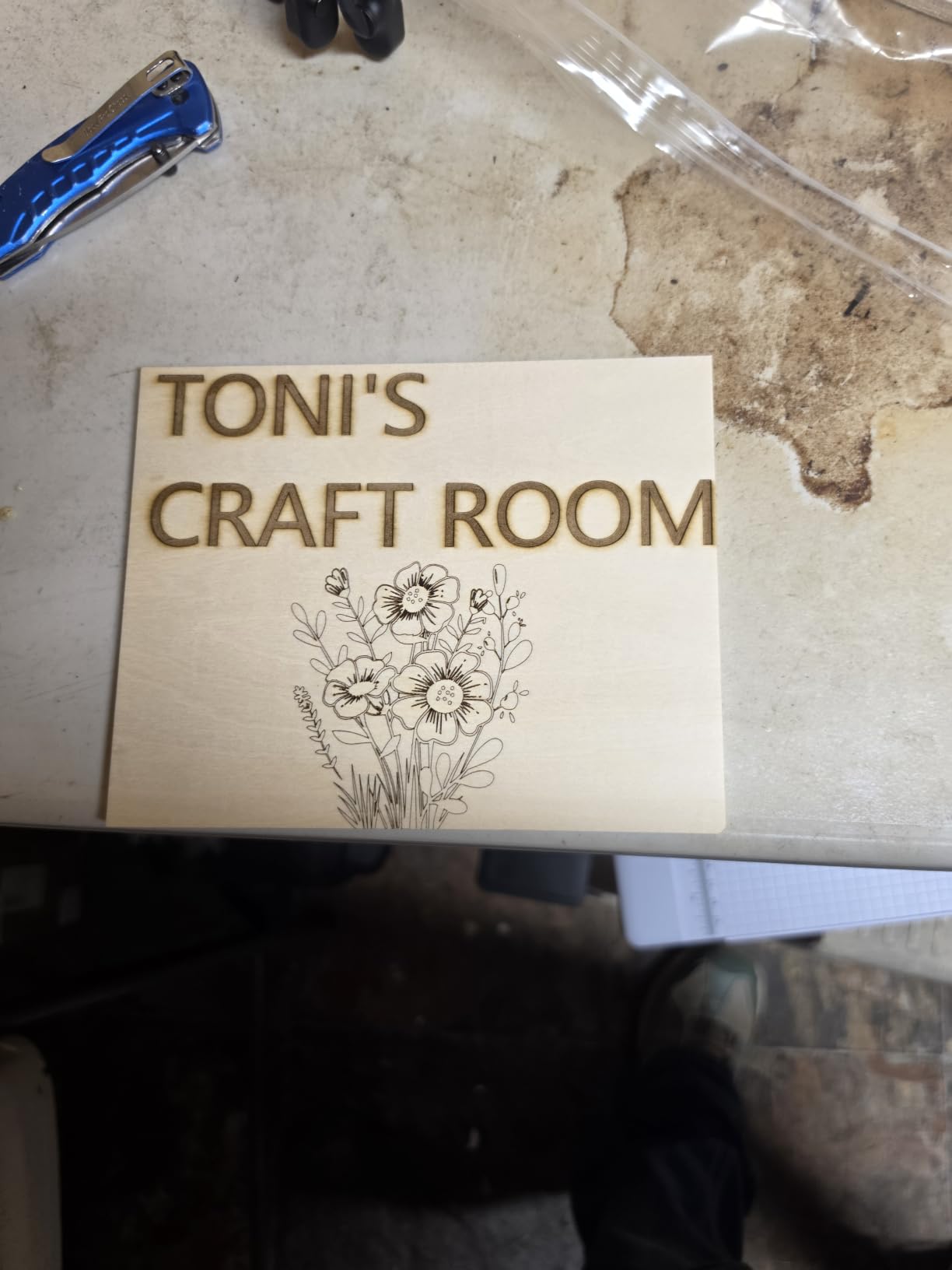
Basswood and birch coasters sell for $15 to $25 per set of four on Etsy with material costs under $2. A 10W or 20W diode finishes a 4-inch coaster in 4 to 6 minutes, which works out to $60 to $100 per hour in revenue at retail. The ORTUR Laser Master 2 S2 and the ATOMSTACK A20 Pro V2 are both strong fits for this category.
Anodized aluminum pet tags and keychains
Pet tags sell for $8 to $15 each with material costs under $0.50, and the throughput is fast: a 20W diode produces roughly 150 tags per hour. The ATOMSTACK A20 Pro V2 shines here. For higher-end brushed stainless tags, the xTool F2 with its 5W IR module produces color marking that justifies a premium price point.
Stainless steel tumblers and mugs
Engraved tumblers sell for $20 to $40 with material costs around $2. Throughput is the bottleneck: a diode with rotary produces roughly 30 to 40 tumblers per hour. The LaserPecker LP2 with Roller and the xTool S1 Rotary Bundle are purpose-built for this category. For deeper coverage, the tumbler engraver guide walks through five dedicated machines.
Acrylic signage, awards and edge-lit signs
Edge-lit acrylic signs sell for $50 to $200 with material costs under $10. A diode handles the engraving, but cutting clean acrylic edges benefits from a CO2. For higher-end signs, many small businesses run a diode for the engraving and outsource cutting, or step up to a desktop CO2 as a second machine.
Leather patches and wallets
Custom leather patches sell for $10 to $25 per dozen with material costs around $0.30 each. The diode category handles vegetable-tanned leather beautifully, and the work is repeatable for Etsy and craft fair channels. The leather laser engraver guide covers specific machines tuned for this material.
Jewelry, charms and small metal parts
Engraved jewelry charms sell for $15 to $60 with material costs under $1. A diode marks coated and anodized metals well, but bare stainless, gold, and silver need a fiber laser or an infrared module. The xTool F2 with its 5W IR bridges the gap for sellers who want one machine that handles both.
Frequently Asked Questions
Which laser engraver is best for small businesses?
The best laser engraver for a small business depends on your product mix. For most Etsy and craft-fair sellers, the ORTUR Laser Master 2 S2 is the strongest all-rounder because it handles wood, leather, and acrylic with LightBurn support at a low entry tier. For higher-volume production, the xTool S1 40W adds Class 1 enclosed safety and a 23.93×15.16 inch bed. For tumbler-focused sellers, the LaserPecker LP2 with its included rotary is the fastest path to first sale.
Is laser engraving profitable in 2026?
Yes, laser engraving remains profitable in 2026. The most consistent categories are personalized stainless steel tumblers, anodized aluminum pet tags, custom leather patches, and engraved wood home decor. These products typically sell for $15 to $40 with material costs under $5, yielding 70% to 85% gross margins. A $600 to $2,000 machine plus add-ons typically pays for itself within 3 to 6 months at 20 or more orders per week.
Which is better, xTool or LaserPecker?
xTool and LaserPecker serve different parts of the market. xTool builds higher-power frame-style diode and dual-laser machines with strong enclosed safety and a polished software ecosystem, including the xTool S1 40W and the xTool F2 dual laser. LaserPecker builds portable galvo engravers like the LP2 that pair to your phone in under a minute and include a versatile rotary roller. Choose xTool for batch production in a fixed studio. Choose LaserPecker for portable on-site work and tumbler engraving.
What do I need to know before buying a laser engraver?
Before buying a laser engraver, decide what materials you will engrave most, because that drives the diode versus CO2 versus fiber decision. Budget for the all-in cost including a honeycomb bed, air assist, ventilation, and safety glasses, which typically adds $200 to $500 over the machine price. Confirm the machine supports LightBurn or your preferred software. Check the manufacturer’s US support network, warranty length, and replacement parts availability. Plan your workspace for ventilation and fire safety, and confirm you can insure the activity under a small-business liability policy.
Which laser engraver is best for beginners?
For beginners, the LaserPecker LP2 with Roller is the easiest path to a first sale because it pairs to a phone in under a minute and the rotary is included. The Creality Falcon A1 10W is the safest beginner option thanks to its Class 1 enclosed design, HD camera auto-positioning, and pre-assembled unboxing experience. The Twotrees TTS-55 Pro is the best budget beginner pick for sellers who already know they will use LightBurn on a Windows or macOS laptop.
What is the most profitable engraving?
The most profitable engraving categories are personalized stainless steel tumblers, anodized aluminum pet tags, custom leather patches, edge-lit acrylic signs, and engraved wood home decor like coasters and signs. These categories combine low material cost with high perceived value, yielding 70% to 85% gross margins. The fastest payback comes from tumblers and pet tags because the per-unit cycle time is under two minutes on a diode with rotary or a 20W diode machine.
Final Verdict: Which Laser Engraver Should You Buy?
The best laser engravers for small businesses in 2026 come down to three honest decisions. First, what materials will dominate your catalog. Second, what is your real all-in budget once you include a honeycomb bed, air assist, ventilation, and safety gear. Third, where will you operate the machine and how important is enclosed safety in that space.
For most new sellers testing a product line, the ORTUR Laser Master 2 S2 is the right starting point. It handles wood, leather, and acrylic with LightBurn support, the safety stack is genuinely useful, and the modular frame keeps repair costs low. When you outgrow the 10W module, the ORTUR platform supports straightforward upgrades.
For sellers who already know they will run batch production in a fixed studio, the xTool S1 40W is the right answer. The Class 1 enclosure, the 23.93×15.16 inch bed, the 400+ material presets in xTool Creative Space, and the AutoPassthrough for oversized items combine into a machine that scales with you.
For tumbler-focused sellers, the LaserPecker LP2 with Roller is the fastest path to first sale, and for portable on-site work the xTool F2 dual laser is the only machine on this list that color-marks bare metal in a backpack-sized package. For safety-first home studios, the Creality Falcon A1 10W is the most forgiving machine in the roundup.
Whichever machine you choose, budget for the add-ons, plan your workspace for ventilation and fire safety, and confirm your insurance covers the activity before your first sale. A diode machine plus a honeycomb bed, an air assist, a ventilation plan, and a small-business liability policy is the real entry ticket. Once you have that in place, the path from first engraving to first paying customer is shorter than you think.