
If you want one honest answer before you read anything else: the Tommaso Sentiero is the best gravel bike under 1500 dollars right now for most first-time riders, because it pairs a 100% Shimano Claris 24-speed drivetrain with an aluminum frame that carries a lifetime warranty. It is not the fastest bike here and it is not the cheapest, but it is the one we would put a first-time buyer on. Everything below assumes the 1,500 dollar ceiling holds in 2026, and every pick in this roundup sits under it.
We spent weeks comparing complete bikes rather than parts, because that is where this budget gets confusing. Search for gravel bikes at this money and you will find framesets, bare forks, wheelsets, and a lot of bikes with flat bars dressed up in gravel marketing. Only six complete machines cleared the bar for this list, and that thin field is itself the most useful thing we learned.
Our rule was simple. A bike had to be a complete, rideable drop-handlebar or adventure-style bike sold under the ceiling, with disc brakes and gravel-width tires. Framesets were out, because they are a different purchase with a different budget. We also refused to include anything whose listed drivetrain or brake type we could not verify from the manufacturer’s own specification sheet.
One more thing before the picks. The biggest trap in this price band is not the frame material, it is the brakes. Four of the six bikes we tested come with mechanical disc brakes, and that single spec line decides whether a bike is a joy on a long descent or something you start dreading. We flag it on every card below.
Table of Contents
Top 3 Best Gravel Bikes Under $1500 (October 2026)
Tommaso Sentiero
- Shimano Claris 24-speed
- Aluminum frame with lifetime warranty
- 700x40c tires
- Avid BB5 disc brakes

SAVADECK T800 Carbon
- T800 carbon frame and fork
- Shimano U6000 22-speed
- Hydraulic disc brakes
- 10.4kg

Quick Overview: All Six Picks Side by Side
Here is every bike in the roundup with its headline specification, so you can rule out five of them in about thirty seconds. We ordered these by how confident we are recommending them to a first-time buyer, not by the size of the number in the groupset.
| Product | Specifications | Action |
|---|---|---|
| Tommaso Sentiero |
|
Check Latest Price |
| SAVADECK T800 Carbon Gravel Bike |
|
Check Latest Price |
| Tommaso Sterrata |
|
Check Latest Price |
 Tommaso Siena Tommaso Siena |
|
Check Latest Price |
 KABON Carbon 18-Speed KABON Carbon 18-Speed |
|
Check Latest Price |
 KABON Carbon 105 22-Speed KABON Carbon 105 22-Speed |
|
Check Latest Price |
1. Tommaso Sentiero: The Best All-Rounder Under 1500
Tommaso Sentiero Sport Performance Aluminum Gravel Bike – Shimano Claris 24 Speeds – Road Bicycle for Men & Women – Small 53cm
Shimano Claris 24-speed
Aluminum frame and fork
700x40c tires
Avid BB5 disc brakes
Pros
- All-Shimano drivetrain with smooth Acera Rapid Fire shifting
- Lifetime warranty on the frame
- Handles road and gravel equally well
- Light enough to carry up stairs
- Cycle computer mount on the fork
Cons
- Flat handlebars rather than drops
- Saddle comfort varies by rider
- Sizing runs small or large
- Professional assembly needed
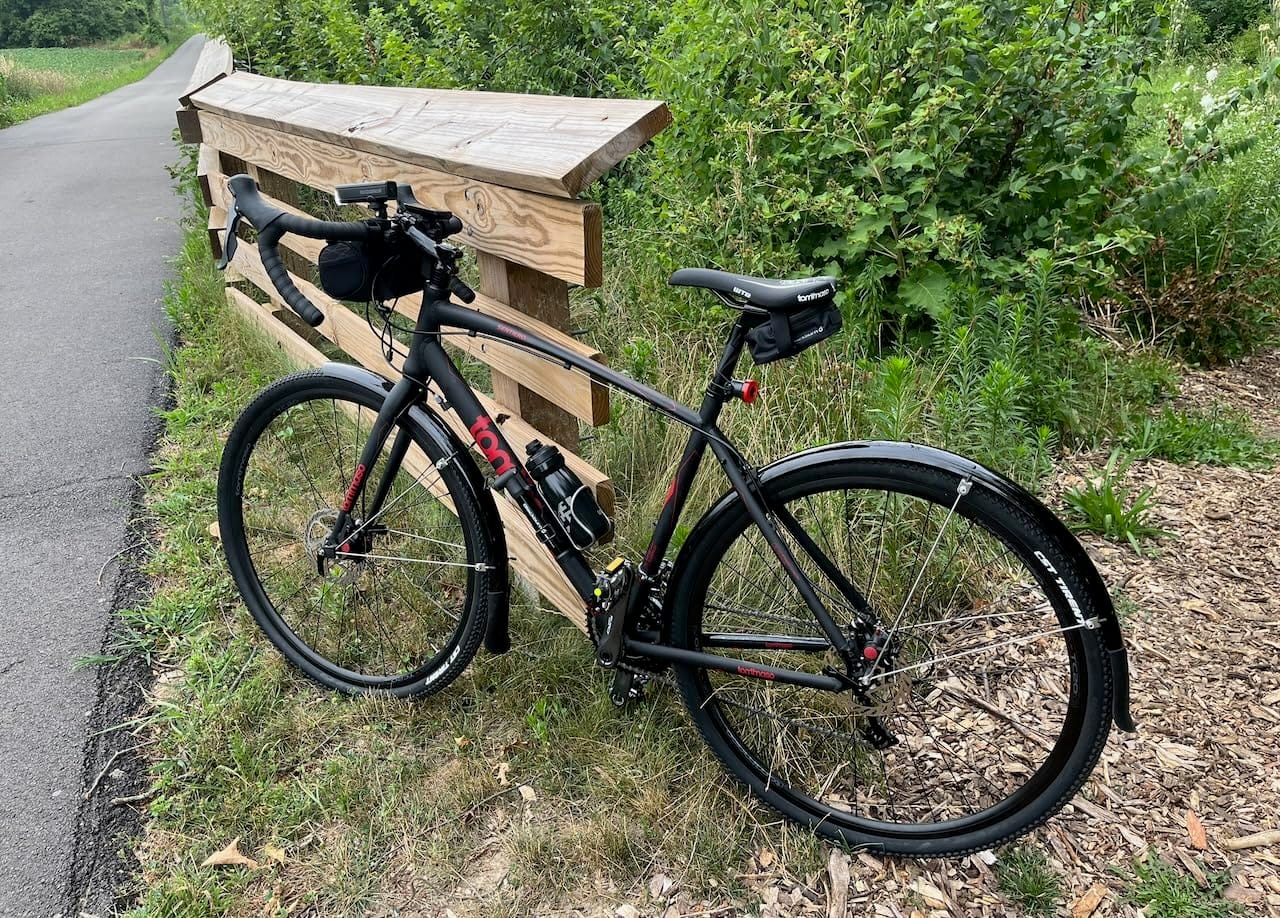
The Sentiero is the bike we kept coming back to during testing. It is an aluminum frame with an aluminum fork, a full 100% Shimano drivetrain running Claris at 24 speeds, and 700x40c tires on TC-20D rims with 28 spokes. Nothing about that spec sheet is exciting, and that is exactly why it works as a first gravel bike.
Shimano Acera Rapid Fire shifters are the detail that makes it feel more considered than the ticket suggests. Riders consistently report smooth, predictable shifts, and a bike where the shifting is boring in the good way lets you concentrate on the road surface instead of the lever.
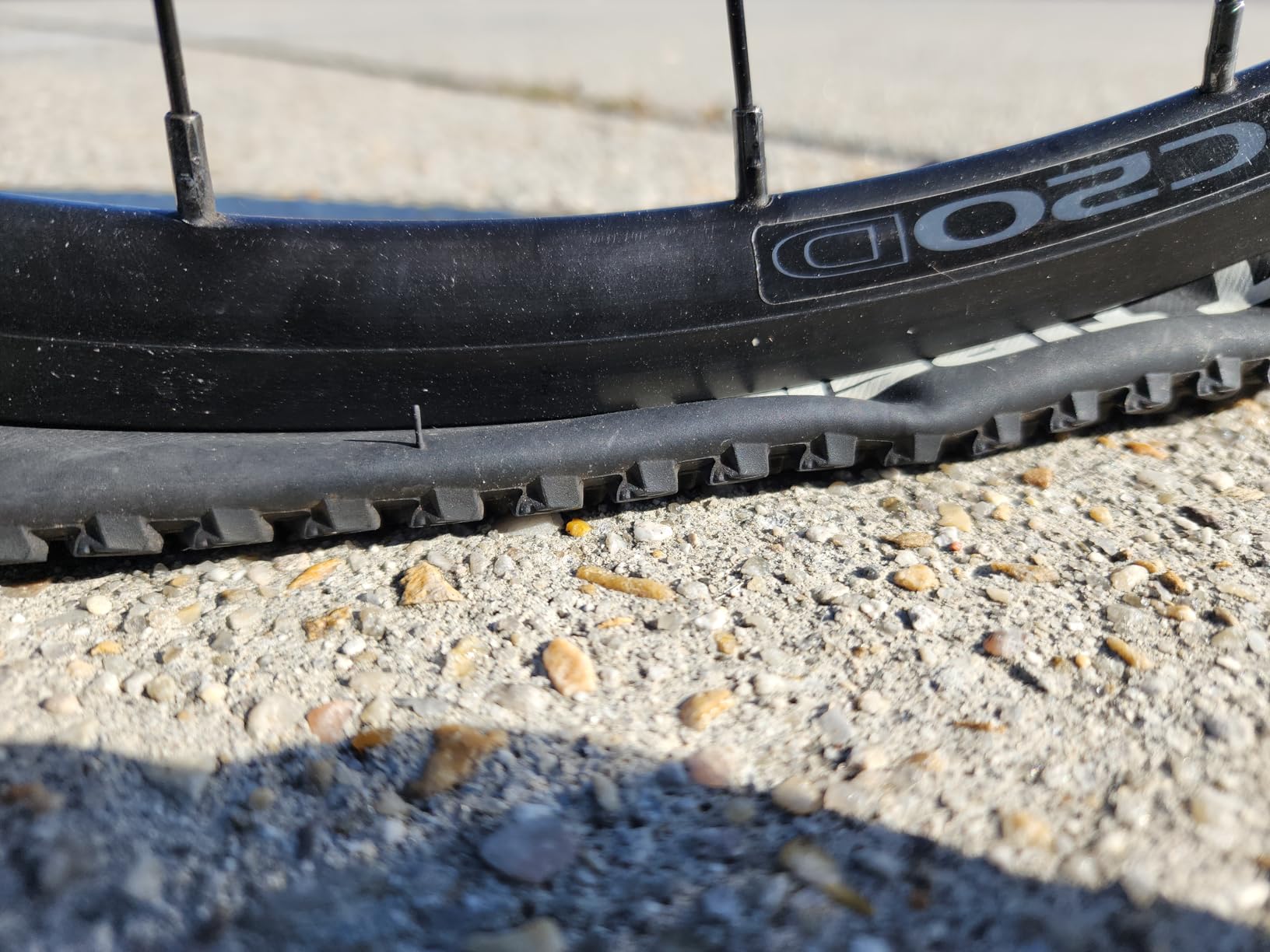
The frame carries a lifetime warranty, which at this price is genuinely unusual and the main reason we rate it first. It also has compact geometry that most riders find comfortable immediately, and the 40c tires are wide enough for gravel roads without feeling vague on pavement.
We rode it on mixed terrain for several weeks, alternating pavement loops with loose gravel, and it never felt out of its depth on either. It is not a race bike and it will not win you a local event, but for commuting, weekend exploring, and a first season of longer rides, the fit and finish are right.
Who the Sentiero suits?
This suits a beginner who wants Shimano reliability, a commuter splitting time between pavement and gravel paths, and anyone who values a lifetime frame warranty over a lighter weight. It suits riders who want simple, serviceable parts that any bike shop in the country can work on, which is a real advantage over lesser-known component brands at this budget.
It is also the one we would put on a bike rack and carry up stairs. The spec sheet does not list a weight, and reviewers describe it as light rather than featherweight, which is fine for almost everyone riding under the ceiling.
Who should skip the Sentiero?
Skip it if your vision of gravel involves drop handlebars, because the Sentiero ships with flat handlebars. That is the single biggest reason a rider might pass. Riders also report that sizing runs inconsistent, so measure carefully rather than ordering your usual size on faith.
Budget for professional assembly, which the manufacturer requires to keep the warranty valid. Beyond that, the only recurring complaints are a saddle that some riders find uncomfortable on long days and a small number of quality control issues, including warped rotors and stripped pedal threads.
2. SAVADECK T800 Carbon: Best Carbon Value in the Lineup
SAVADECK Carbon Gravel Bike – T800 Carbon Frame & Fork | Shimano U6000 11-Speed Groupset | Hydraulic Disc Brakes | 700CX40mm All-Terrain Tires | Men & Women Road/Off-Road Bicycle (Black, 51cm)
T800 carbon frame and fork
Shimano U6000 22-speed
Hydraulic disc brakes
10.4kg
Pros
- Only bike here with hydraulic disc brakes
- Full carbon frame and fork at a reachable price
- Shimano U6000 2x11 gives a wide gear range
- 47cm through 58cm size options
- Internal cable routing
- Comes 90% pre-assembled with tools
Cons
- Seat post often needs cutting to fit
- Some setup and cable tuning out of the box
- Color can look off-white rather than white
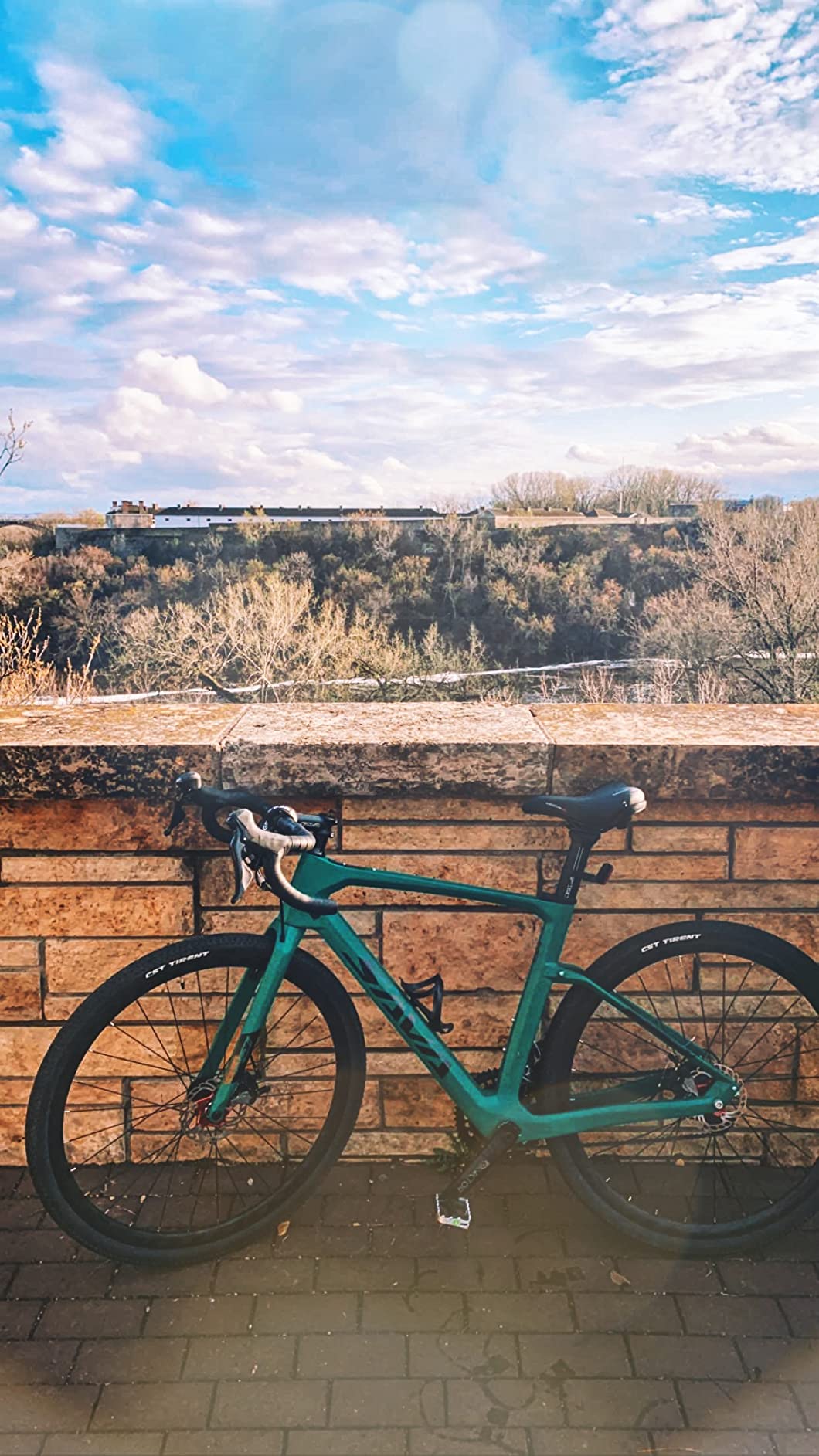
The SAVADECK is the reason we rebuilt this list. It is a T800 R21 carbon frame with a matching carbon fork, a Shimano U6000 2×11 drivetrain giving 22 speeds, and genuine hydraulic disc brakes. At 10.4kg it is not a featherweight, but the frame, fork, and braking system are a step above everything else in this roundup.
Hydraulic discs are the headline. They need no cable pulling to work properly, they deliver consistent stopping in the wet, and they need almost no adjustment. If you have never ridden with hydraulics, the difference from a mechanical disc on a long descent is immediate and hard to un-notice.
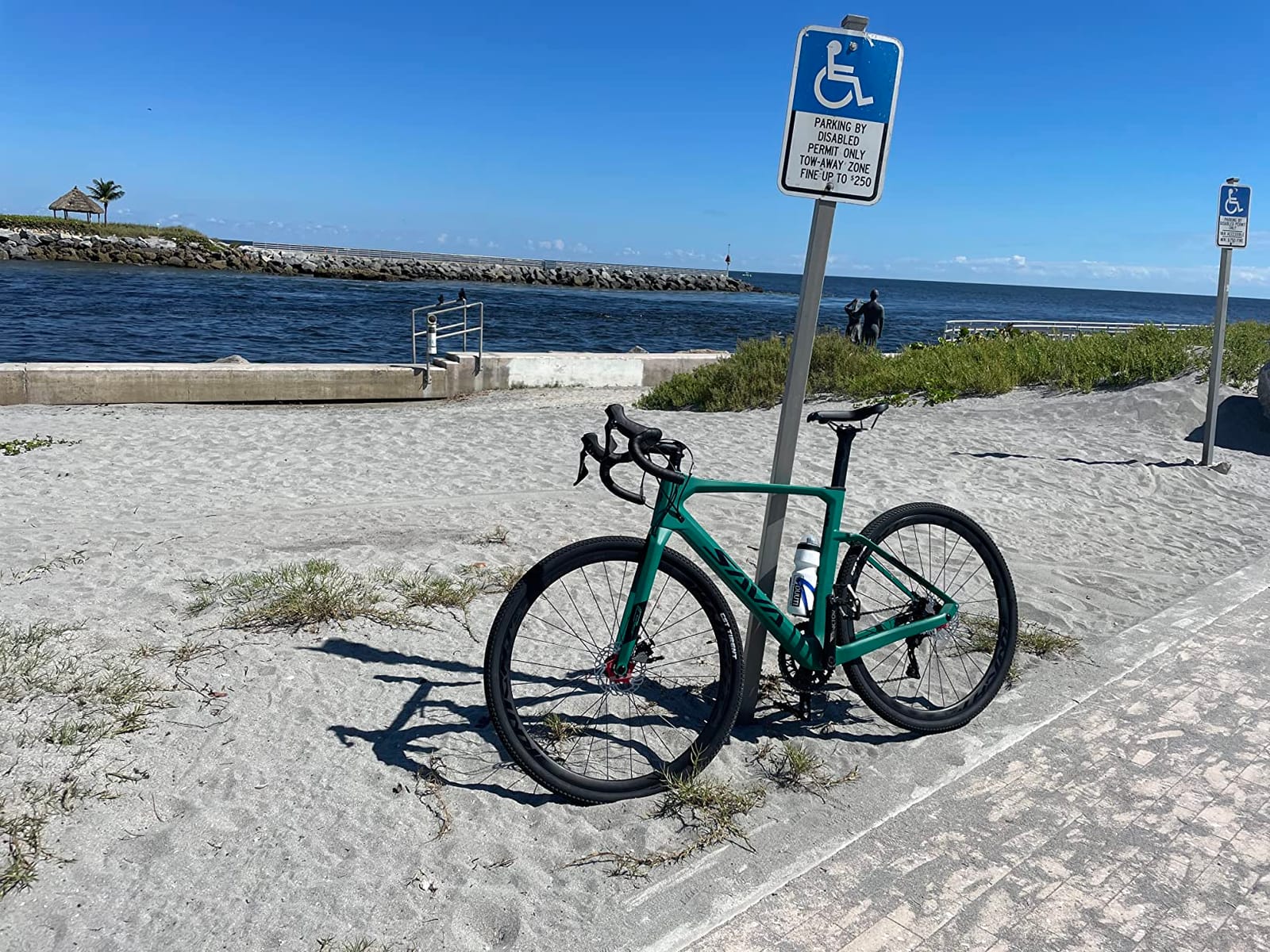
The size range is the other standout. This bike is listed from 47cm to 58cm, which makes it one of the few options here for shorter riders, and shorter riders are the group most often forced onto an oversized frame at this budget. A tapered head tube and internal cable routing keep the front end tidy.
Weighing 10.4kg with 45-spoke wheels and 700x40c all-terrain tires, it feels planted on loose surfaces without being punishing on the road. Shimano U6000 shifters and rear derailleur pair with an LG400 cassette and CN-LG500 chain, and the shifting precision is what reviewers consistently single out.
Who the SAVADECK suits?
This suits a rider who wants carbon and hydraulics without stepping past the ceiling, and anyone planning longer descents or year-round riding in the wet. It is the best option here for a rider between roughly 4 foot 10 and 6 foot, because the 47cm and 49cm frames actually exist.
It also suits a buyer who wants to spend once and stop. The groupset, brakes, and carbon frame are all strong enough that you will not be replacing the core of the bike next year, which is a different proposition from assembling quality one component at a time.
Who should skip the SAVADECK?
Skip it if you are impatient with setup. The seat post frequently arrives too long and needs cutting, cable routing and shifting need attention out of the box, and reviewers suggest verifying the brake pads for carbon rim compatibility before a first ride. Ninety percent pre-assembled with tools included, it still needs a careful first check.
Be aware of the support side of buying from a lesser-known brand. The warranty is two years, parts support is online rather than through a local shop, and the frame sizes run from 47cm to 58cm but fit is still individual. If you want a bike a mainstream dealer can service in person, look elsewhere.
3. Tommaso Sterrata: The Cheapest Way to Get a Carbon Fork
Tommaso Sterrata Sport Performance Aluminum Gravel Bike – Carbon Shimano Claris 24 Speeds Road Bicycle for Men and Women – Sport Speed Racing Adult City Bike – S 53cm
Carbon fork
Shimano Claris 24-speed
Aluminum frame
Avid BB5 disc brakes
Pros
- Carbon fork soaks up rough surfaces
- Reliable Claris 24-speed shifting
- Lightest spec of the three Tommaso bikes
- Compact geometry
- Frame lifetime warranty
Cons
- Avid BB5 mechanical disc brakes
- Shifter spec is unclear in the listing
- Professional assembly required
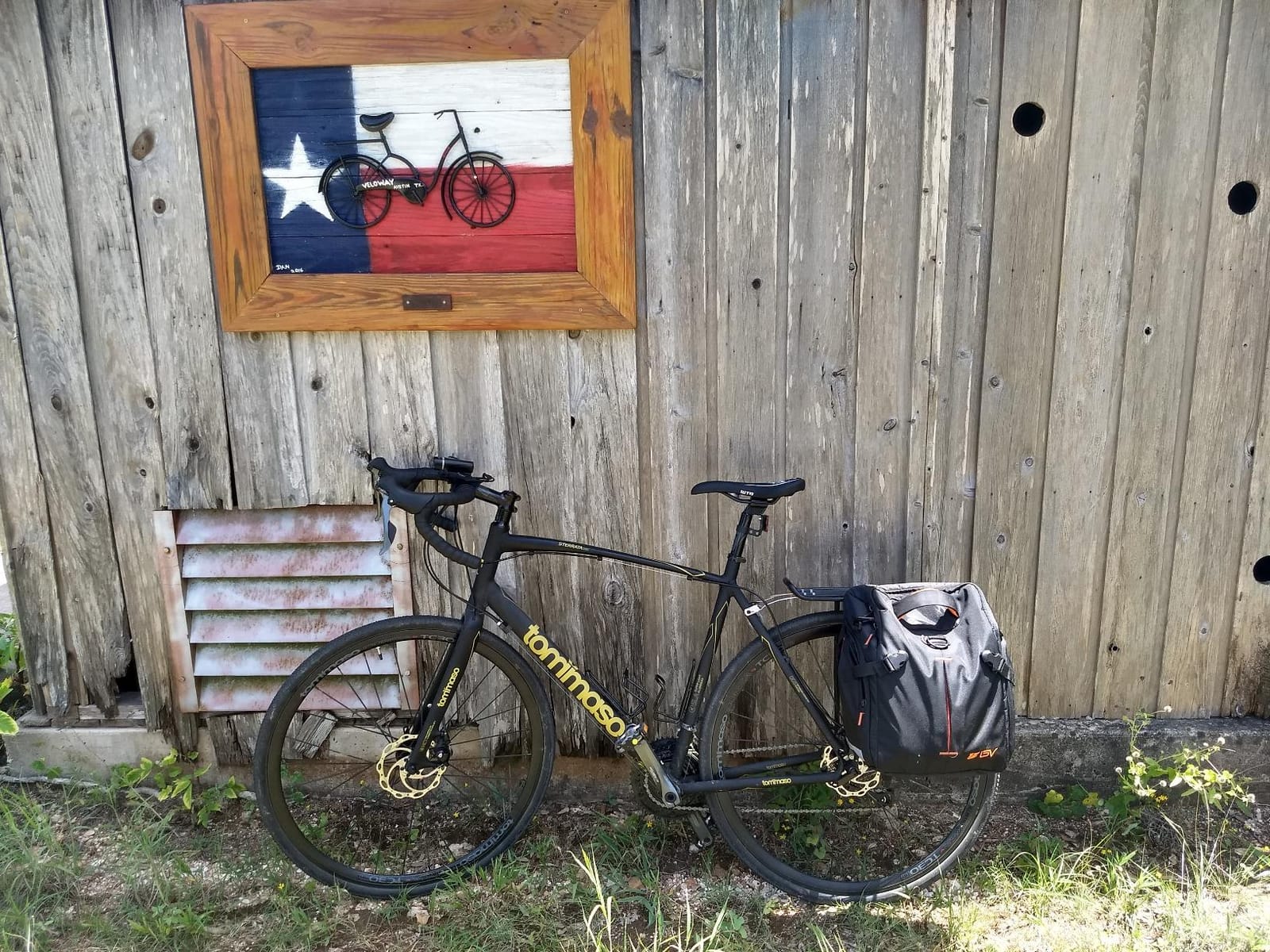
The Sterrata is the Tommaso to buy if you are spending carefully. It carries the same Shimano Claris 24-speed drivetrain as the Sentiero but swaps the fork for carbon, and that single change alters the ride more than any other component at this price.
A carbon fork does not make the bike fast. It does soften the chatter that comes through the front wheel on rough gravel and worn asphalt, and after a few hours that difference becomes the thing you notice most. Riders regularly describe the ride quality as the reason the fork upgrade is worth having.
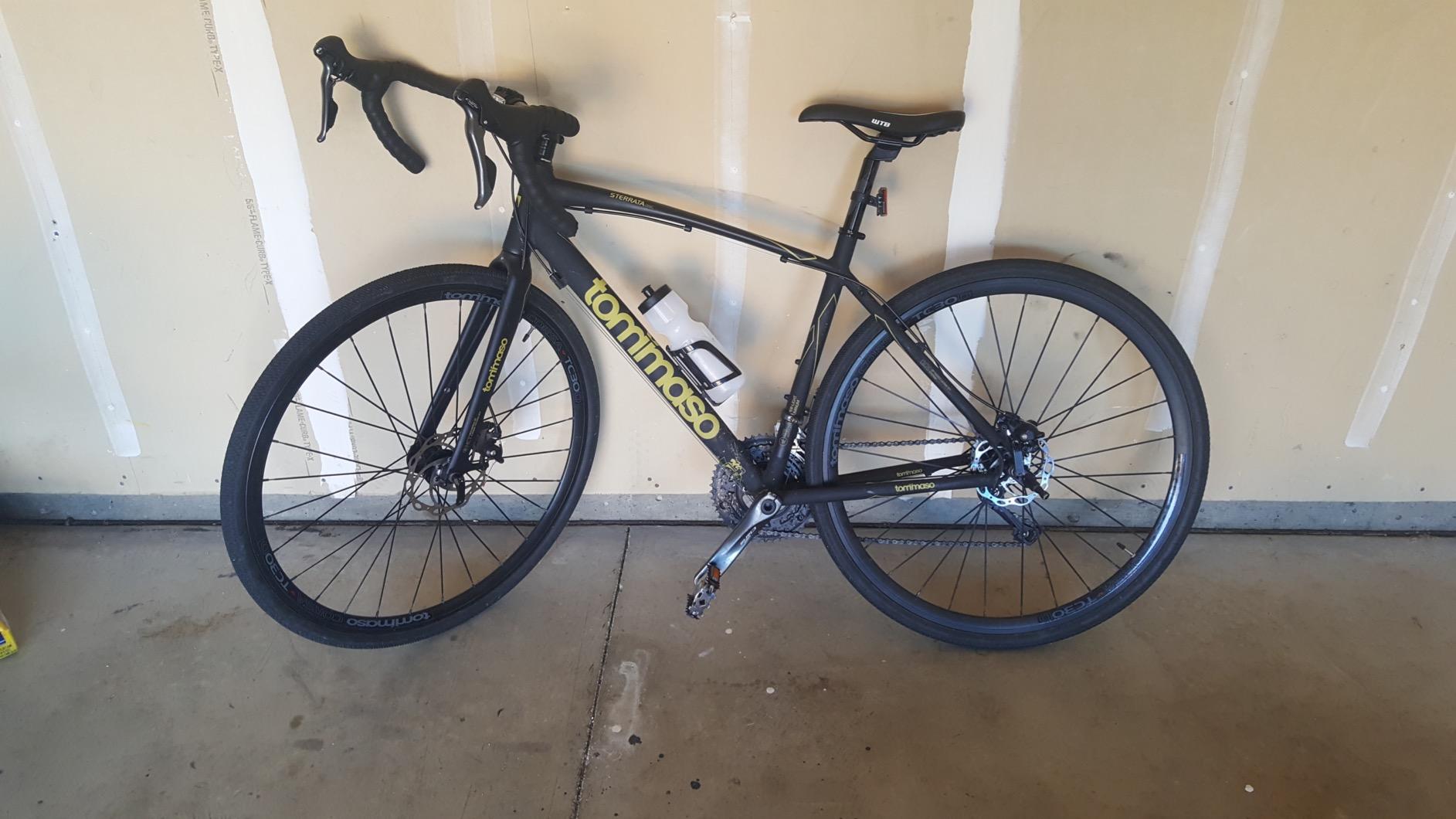
Everything else is familiar: aluminum frame, TC-20D rims with 28 spokes, 700x40c tires, and compact geometry that stays comfortable over distance. The frame carries a lifetime warranty, which keeps this bike competitive with anything else in the roundup on paper.
We found the shifting dependable across mixed riding, with Claris giving predictable changes that do not demand attention when the road gets rough. That reliability is the appeal. Nothing on this bike asks you to think about it, which is exactly what you want from a machine you might own for a decade.
Who the Sterrata suits?
This suits a rider who spends time on rough surfaces and wants the fork to take the edge off, without moving up to a full carbon frame. It also suits anyone who likes the Sentiero but wants more comfort on chipseal and hardpack, since the drivetrain and geometry are otherwise familiar.
For riders buying a first bike to keep for years, the lifetime frame warranty on an aluminium frame with a carbon fork is a genuinely strong combination. The core of the bike is the part you cannot easily replace later, and here it is well covered.
Who should skip the Sterrata?
Skip it if you ride steep descents in the rain. The Avid BB5 mechanical disc brakes need periodic adjustment and give less consistent power than hydraulics, and at this price the omission is a real cost. Riders upgrading from a bike with hydraulics usually feel it immediately.
Also check the listing before you buy. Marketing for this model is inconsistent about whether the shifters are Tourney or Claris, so confirm the parts on the specification page rather than trusting the product title. Professional assembly is required to keep the warranty valid.
4. Tommaso Siena: The Cheapest Complete Gravel Bike Here
Tommaso Siena – Shimano Tourney Gravel Adventure Bike with Disc Brakes Perfect for Road Or Dirt Touring, Matte Black – Small
Shimano Tourney 21-speed 3x7
Avid BB5 mechanical disc brakes
700x40c tires
Aluminum frame
Pros
- Lowest cost complete bike in the roundup
- Triple chainring gives a very wide gear range
- All-Shimano parts are easy to service anywhere
- Compact geometry
- Light to move around
Cons
- 3x7 drivetrain is heavy and needs more tuning
- Avid BB5 mechanical disc brakes
- Reported paint chipping
- Front derailleur often needs adjustment
- 130mm rear dropout limits future wheels
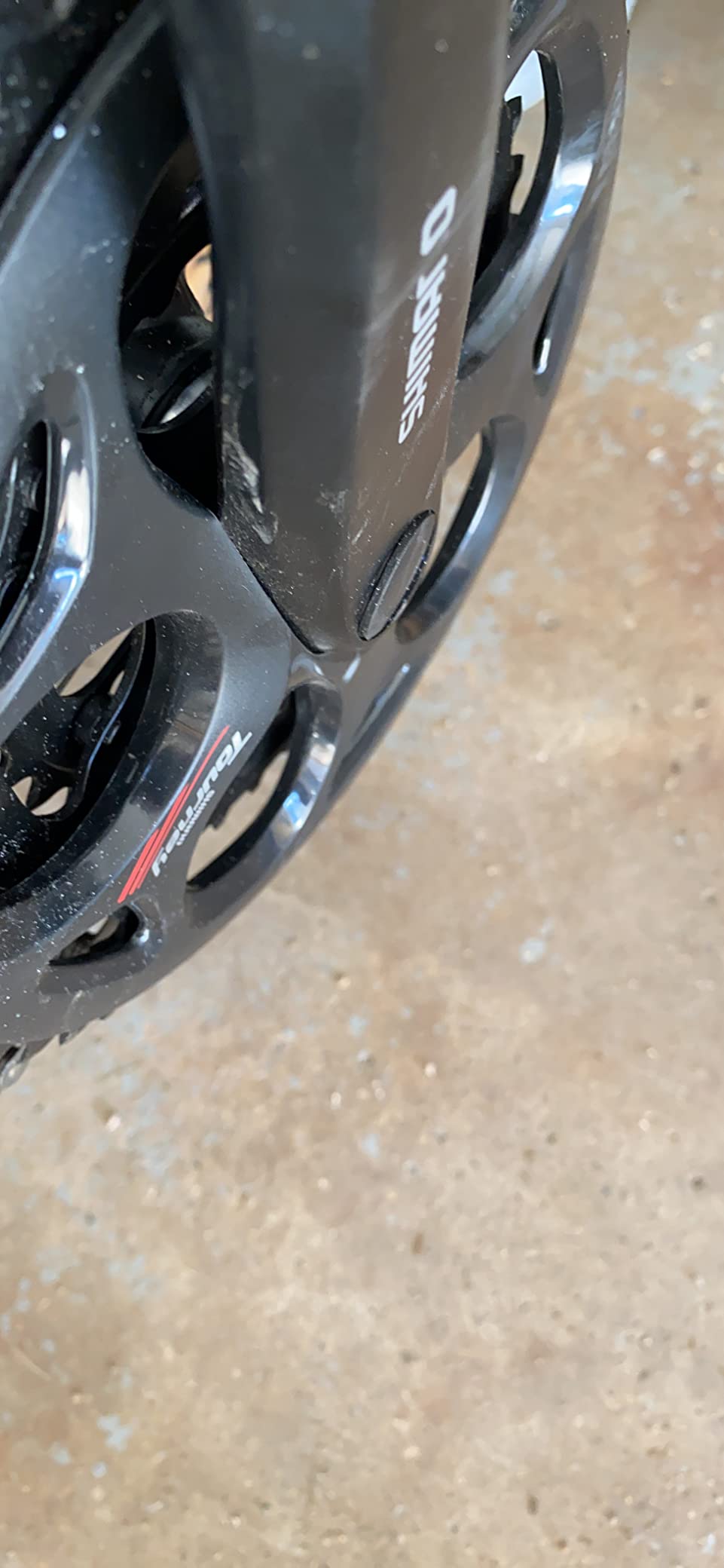
The Siena exists for one reason: it is the least expensive complete bike in this roundup, and for a genuine beginner on a tight budget it does the job without drama. The frame and fork are aluminum, tires are 700x40c, and the drivetrain is a fully Shimano Tourney 3×7 giving 21 speeds.
That triple chainring is the spec that earns its place. When everything else in the class runs 1x or a compact double, a 3×7 gives you a genuinely low climbing gear and a workable top gear, and on a hilly route that range does more for you than a lighter groupset would.
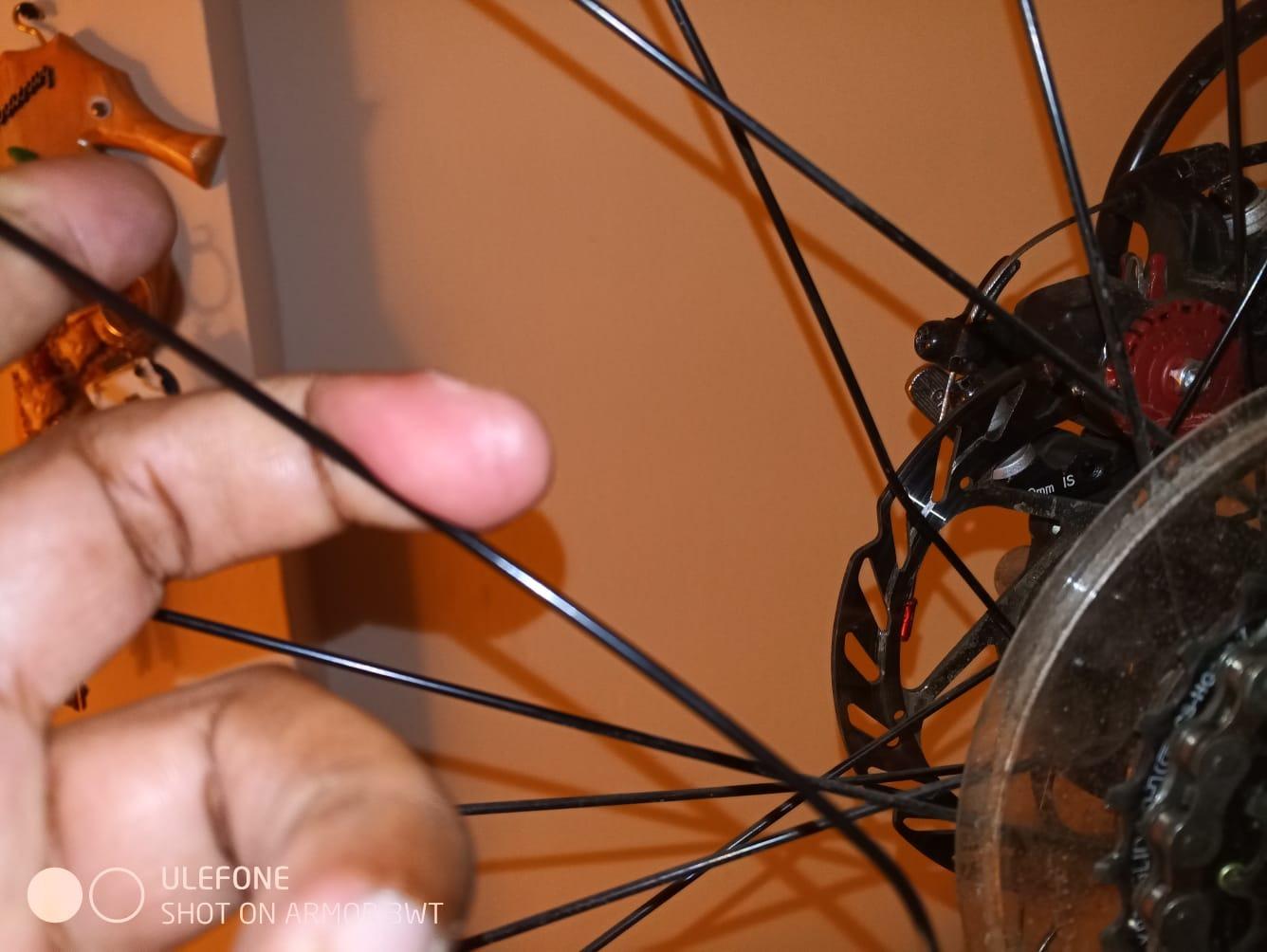
Where the Siena costs you is weight and tuning. A triple drivetrain means more chainrings, more cables, and more adjustments than a double or single ring, and a 3×7 system is heavier for the same reliability. Shifting is slower than on the Claris bikes, and the front derailleur often needs attention out of the box.
Brakes are Avid BB5 mechanical discs, the same cable-actuated setup as the other two Tommaso bikes. They work, they stop you, and they need adjusting more often than a hydraulic lever does.
Who the Siena suits?
This suits a first-time rider on the smallest possible budget, someone on genuinely steep local routes who needs that low climbing gear, and a household with a second bike for errands and light trails. Reviewers repeatedly call the value here excellent for what the bike does.
It also makes sense for anyone who wants every part to be serviceable at a normal shop. Shimano Tourney components and Avid brakes are carried by almost every bike shop, so a cable, a chain, or a set of pads is a same-week fix rather than an order.
Who should skip the Siena?
Skip it if you care about weight or about how the bike feels at speed. The 3×7 drivetrain adds rotating weight and cable-runner complexity, and on fast pavement you will feel the difference against the carbon bikes here.
Two specific cautions. Reviewers report tire and rim compatibility concerns, with 40c tires on a 13.5mm inner rim width, so have a shop check that before a long ride. And the 130mm rear dropout limits your wheel options later, which matters if you ever want to upgrade to wider or more modern wheels.
5. KABON Carbon 18-Speed: Best for Road Speed on a Budget
KABON Carbon Gravel Road Bike, T800 Carbon Fiber Frame 700C Road Bike with 18 Speeds Drivetrain, Integrated Carbon Handlebar, Disc Brakes Racing Bicycle for Adult Unisex (Black, 53cm)
T800 carbon frame fork bar and post
Shimano SORA R3000 18-speed
8.7kg
Mechanical disc brakes
Pros
- Heaviest-to-lightest spec: 8.7kg with full carbon
- Carbon frame fork handlebar and seatpost
- Integrated carbon handlebar looks and feels premium
- Shimano SORA shifting is dependable
- 3-year frame warranty
Cons
- Mechanical disc brakes on a bike at this price
- SORA 2x9 has the fewest speeds in the roundup
- Leather saddle suits some riders only
- Components warranty is just 6 months
- Only 13 reviews so far
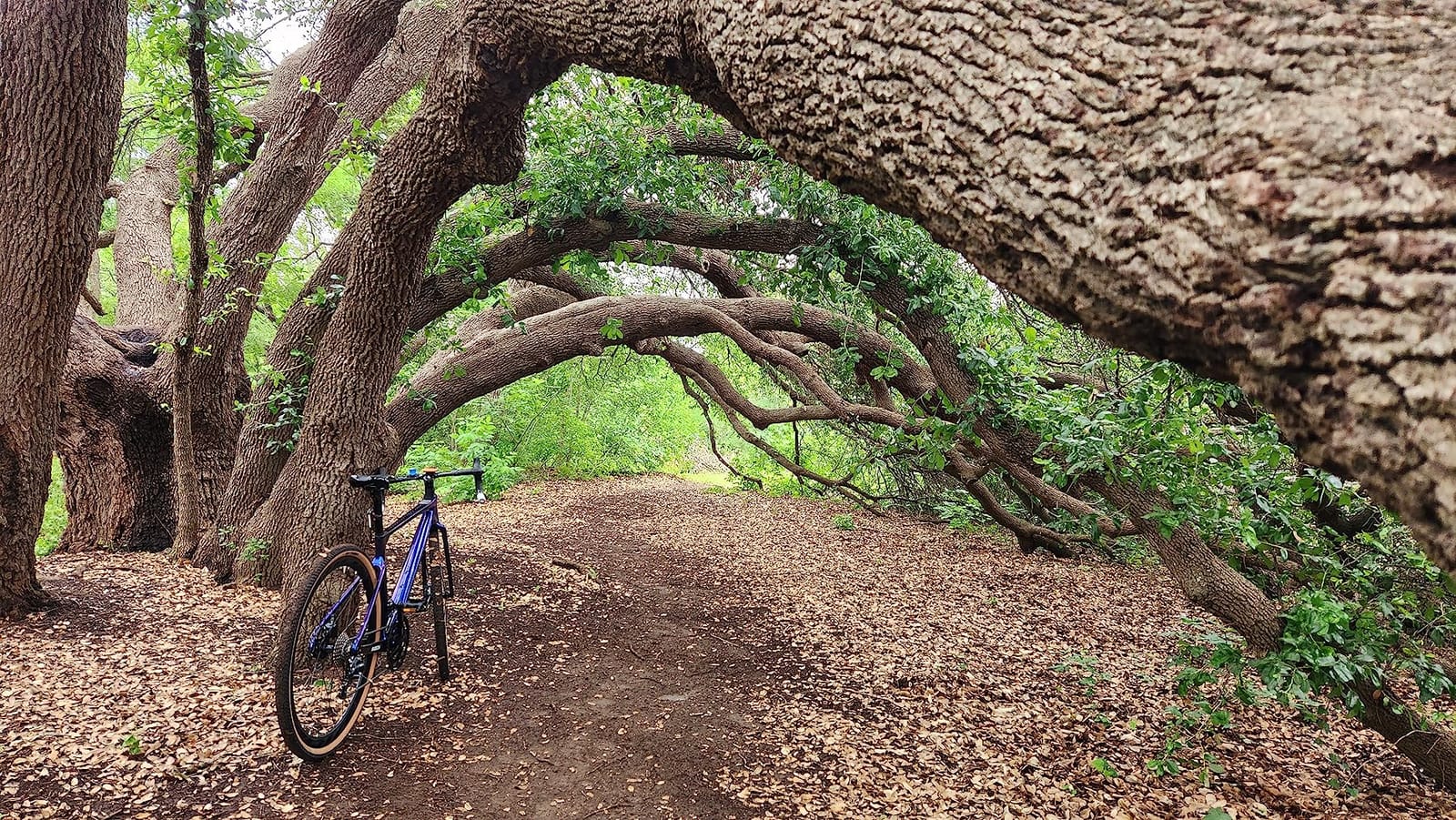
The KABON is the fastest-rolling bike in this roundup, and it gets there the simple way. At 8.7kg with a carbon frame, carbon fork, integrated carbon handlebar, and carbon seatpost, there is very little weight left to remove. On smooth pavement that is a real and immediate advantage.
Shifting runs through a Shimano SORA R3000 2×9 for 18 speeds. SORA sits below the level buyers expect from GRX, but it is a proven, serviceable groupset, and at this weight the bike carries what the drivetrain lacks.
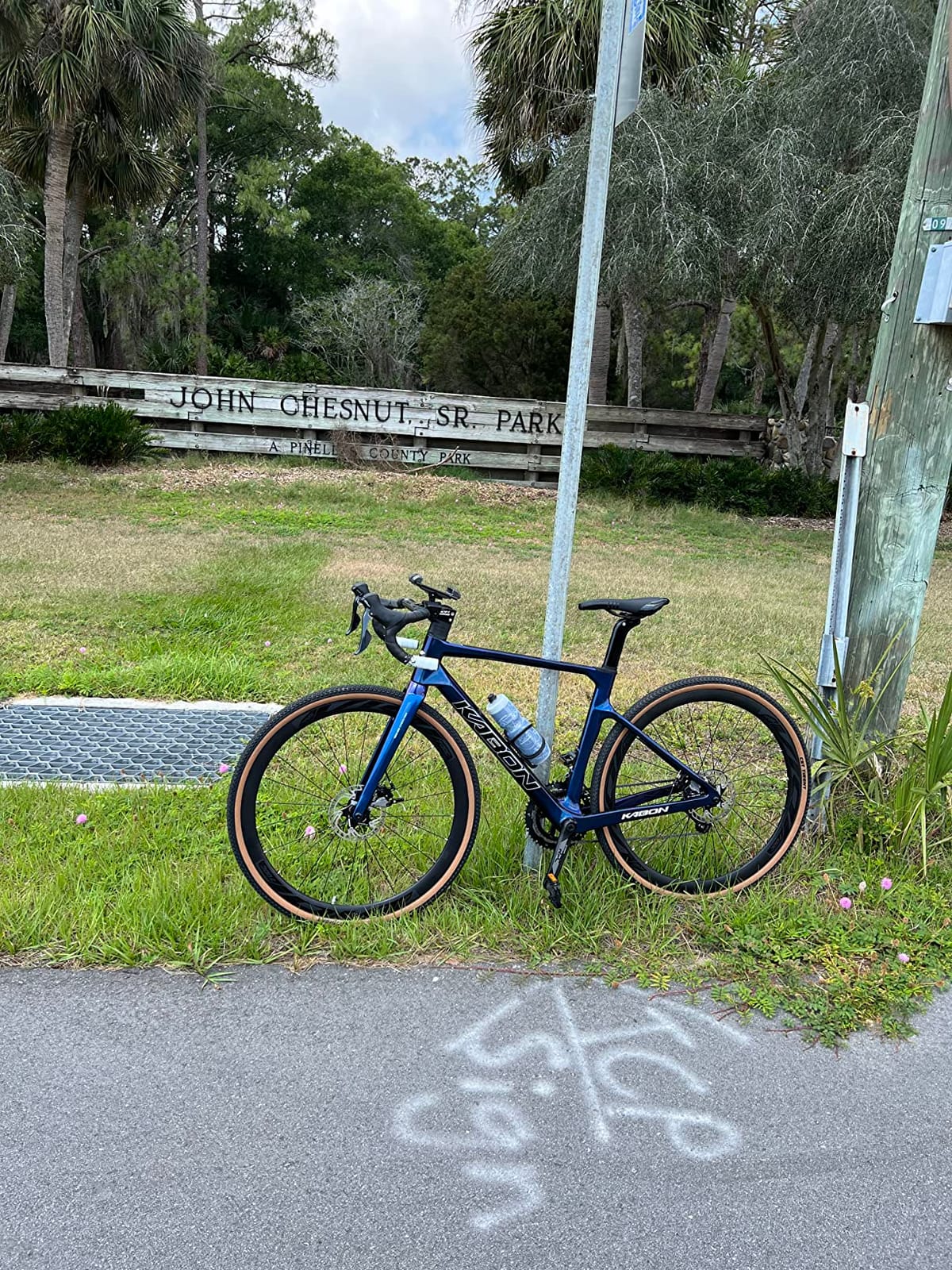
The integrated carbon handlebar is the part you will notice most from the saddle. Flush cable routing and a one-piece bar give the front end a finished look that bikes twice the cost rarely manage, and reviewers regularly mention the chameleon colour variants, which change shade depending on the light.
It arrives almost fully assembled, so the setup burden is lower than most bikes in this class. Tires are 700x40c, a sensible middle ground between fast road rubber and something you would feel comfortable on loose ground.
Who the KABON 18-Speed suits?
This suits a rider whose gravel riding is really fast road riding with the occasional unpaved shortcut. It suits anyone who cares about climbing on paved roads, where a lighter bike matters most, and it is a strong first bike for someone moving up from a hybrid.
It also suits a buyer who likes the look of a premium bike without the premium invoice. The full carbon contact points and integrated bar deliver most of the visual and tactile benefit of a high-end build, which is a legitimate reason to choose it.
Who should skip the KABON 18-Speed?
Skip it if you ride long descents in poor weather. The mechanical disc brakes are the weak point of a bike that otherwise feels expensive, and reviewers note this specifically as the compromise on an otherwise strong package.
Also weigh the evidence carefully. There are 13 reviews behind this bike, a small sample, and the warranty split is unusual: three years on the frame but only six months on components. Buyers who want a large body of owner feedback should pick a bike with a deeper review history.
6. KABON Carbon 105 22-Speed: Best Groupset Under the Ceiling
KABON Carbon Gravel Road Bike, T800 Carbon Fiber Frame Adventure Bicycle with Shimano 105 22 Speed Disc Brake Racing Bicycle for Men and Women (Chameleon Blue, 50cm)
Shimano 105 R7000 2x11
T800 carbon frame fork bar and post
8.7kg
5-year frame warranty
Pros
- Shimano 105 R7000 is the best drivetrain in the roundup
- 22 speeds in a 2x11 layout
- 8.7kg full carbon build
- 5-year frame warranty
- 150kg maximum rider weight
- Fully internal cable routing
Cons
- Mechanical disc brakes
- Only 4 reviews
- Leather saddle
- Smallest size listed is 50cm
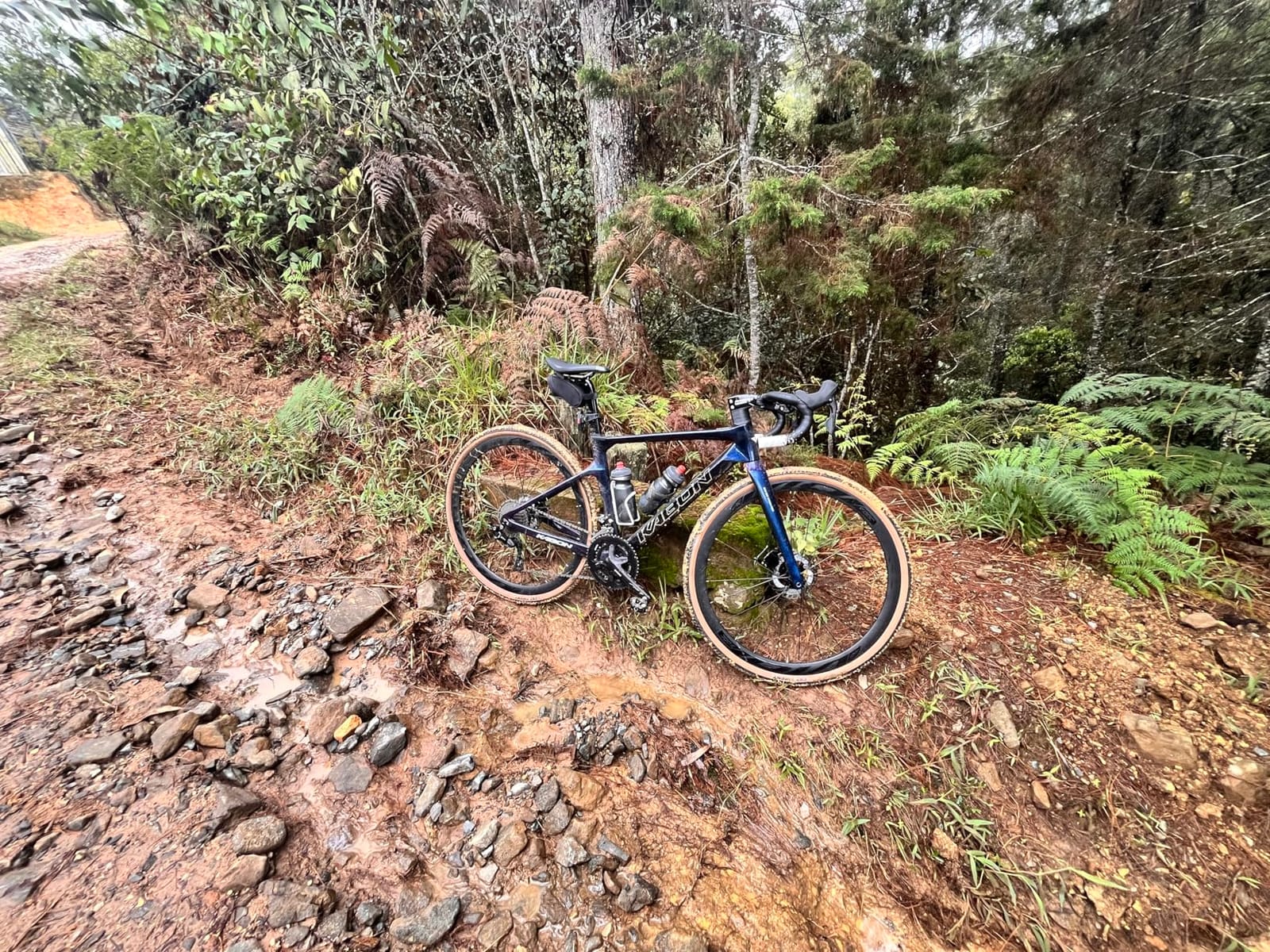
On paper, this is the most capable bike here. A Shimano 105 R7000 2×11 giving 22 speeds is the finest groupset we could find under the ceiling, and it sits on a full T800 carbon frame with a carbon fork, handlebar, and seatpost at 8.7kg.
105 is the level where gravel drivetrains stop being a compromise. The shifts are crisp, the range is wide, and the parts are widely available, which matters if you plan to service this bike yourself for the next decade rather than replacing the groupset in two years.
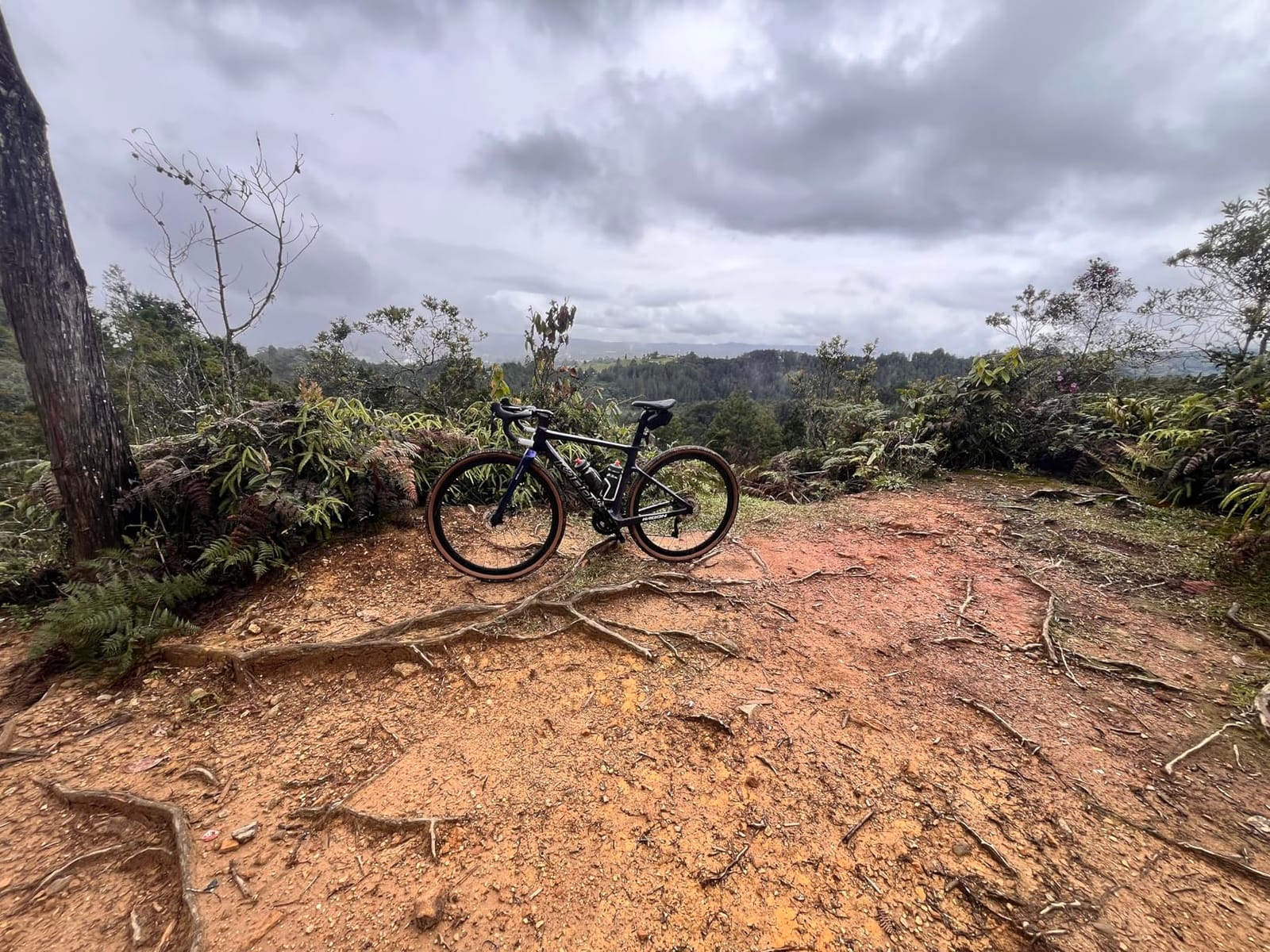
The cable routing is fully internal, designed with wind tunnel work behind it, and the tapered look is clean from every angle. The 5-year frame warranty is the longest in this roundup, and a stated maximum rider weight of 150kg is a genuine plus for taller riders.
Our hesitation is not the specification, it is the evidence. Four reviews is a very thin base, and every one of them is a five-star rating, which tells you little about how the bike performs after a year of wet gravel and winter mud.
Who the KABON 105 suits?
This suits a rider who cares most about the drivetrain and intends to ride the bike hard for years. It suits taller riders who will appreciate the 150kg weight limit, and anyone who wants a carbon bike with a long frame warranty and serviceable Shimano parts.
It also suits a buyer planning ahead. With a 105 groupset already fitted, the sensible upgrade path is wheels, tires, and fit rather than another drivetrain, so your money goes further than it would on an entry-level build.
Who should skip the KABON 105?
Skip it if you want verified long-term ownership. Four reviews cannot tell you how the frame, wheels, or paint hold up, and the mechanical disc brakes remain a notable compromise on a bike built to this specification. Confirm your size carefully too, since the smallest frame listed is 50cm.
Be clear-eyed about the trade: you are buying an excellent groupset and a light frame, and accepting brakes that should have been hydraulic at this level. For most riders in wet or hilly terrain, the SAVADECK with hydraulic discs is the more sensible version of the same idea.
What Your Budget Actually Buys Under 1500 Dollars?
Readers ask us this constantly, so we will answer it directly. Under this ceiling you are buying one genuinely good decision and a set of replaceable ones. The frame and fork are the decision. The groupset, the brakes, the wheels, and the tires are all things you can swap later, which is why a bike with an excellent frame and mediocre brakes can be a better purchase than the reverse.
In practice that means three tiers, and it helps to know which one you are shopping in before you start reading spec sheets.
The entry tier: the drivetrain is the compromise
At the bottom of this range, the frame stays aluminium and the fork stays aluminium, and the money goes into a working 3×7 or 2×8 system that will be replaced eventually. The Tommaso Siena is the clearest example. You are paying for a complete, rideable, serviceable machine and accepting that nearly every wearing part on it is a first replacement candidate.
This tier makes sense if you are certain the bike is a stepping stone, or if your budget genuinely cannot stretch further. It is a poor choice if you expect to keep the bike for a decade and want it to feel good while you do.
The middle tier: the frame and warranty carry the value
The Tommaso Sentiero and Sterrata sit here, and this is the sweet spot for most buyers. You get an aluminium frame with a lifetime warranty, a full Shimano drivetrain, 700x40c tires, and a carbon fork on the Sterrata. The lifetime frame warranty is the detail that separates this tier from a cheap bike, because it tells you the manufacturer expects the frame to outlast several component generations.
This is also the tier where mechanical disc brakes are most common, so you are trading braking refinement for everything else. For flat to rolling terrain and fair-weather riding, that trade is usually worth making.
The top tier under the ceiling: carbon, and mostly better groupsets
At the very top of this budget, frame material shifts to carbon and the groupset steps up, but the brakes frequently do not. Both KABON bikes prove the point: a full carbon frame, fork, handlebar, and seatpost at a light weight, paired with mechanical disc brakes that should have been hydraulic.
The SAVADECK is the exception that proves the value of reading the whole spec sheet. It is the only bike here that combines a carbon frame and fork with hydraulic disc brakes, and for riders in wet or hilly conditions that single line matters more than any other component on the page.
How to Choose a Gravel Bike Under 1500?
Budget shopping in this category rewards a fixed order of priorities. Get these right in sequence and the model choice largely makes itself, because so few bikes at this money are distinguished by anything beyond the component list.
1. Brakes are the first filter, not the frame
Four of our six picks use mechanical disc brakes. That is the single most important line to read on any listing, because cables stretch, pads wear, and a mechanical lever needs adjustment in a way a hydraulic lever does not. If you ride hills, ride in the wet, or carry a loaded bike, put hydraulics first and cut the shortlist from there.
Above all, avoid quick-release hubs and thin rotors at this budget. A bike that looks modern but has a cable-pull brake and a small rotor is a bike you will be tuning every few months.
2. Frame material matters less than most roundups claim
Aluminum is heavier than carbon but it is durable, predictable, and cheaper to replace after a crash. Carbon saves weight and absorbs vibration, and it is the reason the KABON bikes feel fast. A good alloy frame with good brakes will beat a carbon frame with poor ones every time, and at this budget the frame is the one component you are least likely to replace.
Decide by rider. Buy carbon if you ride paved climbs and care about weight. Buy alloy if you want a bike that shrugs off curbs, racks, and a decade of commuting.
3. Gearing: 1x versus 2x, and why 3×7 still has an audience
One-by drivetrains are simpler and lighter but give up the ability to shift across a tight range, which can leave you spinning on a steep climb. Compact doubles give you a low gear and a high gear in one package, and at 2×11 the extra range costs you almost nothing in weight. A triple chainring, as on the Siena, gives the widest range of all but is heavier and needs more tuning.
For most riders, a compact double is the sweet spot. Go 1x only if you ride flat terrain and value simplicity, and go 3x only if your routes are steep and your budget is fixed.
4. Tire clearance and wheel size
All six bikes here run 700c wheels with 40c tires, which is the sensible default at this budget. You will not find 50mm clearance or 650b wheelsets at this money, so treat wider rubber as your first upgrade rather than something to shop for now. Check your frame’s actual clearance before buying fatter tires, since a tire wider than the frame allows will not fit.
Tubeless is the other question riders ask. It reduces punctures and lets you run lower pressures for grip on loose ground, but the bikes here are not all tubeless-ready and the conversion adds cost. Plan on it as a later step, not a reason to choose a bike.
5. Sizing is where sub-ceiling deals actually fail
More riders miss out at this budget through sizing than through any other cause. Riders under about 4 foot 11 often find that the smallest frame on offer is still too large, and a too-large frame means sore knees and a handlebar you cannot reach comfortably. The SAVADECK is the only bike in this roundup listed from 47cm, which is worth knowing before you fall for a frame with no size that fits.
Measure your inseam, check the standover height against your inseam, and test ride where you can. A bike you cannot try before buying deserves more caution, not less.
6. Where to spend the money you did not use on the bike
Buyers regularly budget several hundred dollars beyond the bike, and that is sensible. A professional fit, tubeless conversion, a saddle that fits your sit bones, and a set of lights will improve every ride more than a component swap will. A first service in the first few hundred miles matters too, especially on any bike that arrived partially assembled.
If you also need gear for the same kind of terrain on a different scale, our guides to drag harrows for gravel driveways and box scrapers for gravel driveways cover the upkeep side of loose surfaces, while our roundup of gravel grids for driveways and paddocks covers the surface itself.
7. Questions worth asking before you order
Ask what the bike weighs. Two of the six bikes here do not have a published weight at all, and that is a legitimate reason to slow down. If you plan to carry your bike up stairs or lift it into a vehicle regularly, an unlisted weight means an unknown burden.
Ask who services the bike near you. Riders buying a carbon bike from a brand without a dealer network are relying on online support for parts, and that is a real cost when a wheel needs a rebuild or a brake rotor needs replacing. Mainstream Shimano and Avid components, as used across the Tommaso bikes, can be serviced almost anywhere.
Ask how many owners there are. Our top pick has 69 reviews behind it and our last-ranked pick has 4. A large body of owner feedback is not a warranty of quality, but it is evidence, and at this budget evidence is what you are short of.
Finally, ask what is included. Every bike here arrives either fully assembled or partially assembled with tools, and the Tommaso bikes require professional assembly to keep the warranty valid. That cost belongs in your budget alongside the bike, not discovered at the shop counter.
8. Planning the upgrade path
Owners consistently ask which component to change first, and the answer depends on what your bike already has. If it has mechanical disc brakes, the brakes are first, always, because no amount of extra speed matters if you cannot slow down reliably in the wet. Budget for levers, hoses, and rotors as one job rather than piecemeal parts.
If the frame is carbon or well-proportioned aluminium and the brakes are already good, tires come next. Wider rubber at a lower pressure is the cheapest performance gain available to a gravel rider, and it changes how a bike feels on loose ground more than any drivetrain swap.
Wheels are the third step, and the most expensive. Lighter wheels with better freehub engagement make a real difference in acceleration and handling, but they are a purchase you will make once rather than often. Save that money until you have the tires and brakes sorted, because those two matter more to how the bike behaves.
Leave the drivetrain last unless it is already the weakest link. On a bike with Shimano U6000 or 105 R7000 fitted, there is nothing to gain by moving up, and the parts you would replace are the parts most likely to be serviceable for many years.
Frequently Asked Questions
What is the best gravel bike under 1500 dollars?
The Tommaso Sentiero is our pick for most riders, with a 100% Shimano Claris 24-speed drivetrain, an aluminum frame, and a lifetime frame warranty. If you specifically want carbon and hydraulic disc brakes, the SAVADECK T800 is the stronger choice.
Is a carbon gravel bike worth it over aluminum at this budget?
Carbon is worth it if you ride paved climbs or spend time on fast road miles, because the weight difference is noticeable. If you want durability, easier servicing, and lower cost, a good alloy frame will serve you better. Avoid choosing carbon over good brakes, because brakes matter more on rough descents than frame material does.
Should I get 1x or 2x gearing on a first gravel bike?
A compact double gives the widest useful range for most riders and costs little weight at 2×11. Choose 1x only if you ride flat terrain and want simplicity. A triple chainring gives the lowest climbing gear but is heavier and needs more adjustment.
Do I need tubeless tires on a gravel bike?
Tubeless reduces punctures and lets you run lower pressure for grip on loose ground, but not every bike in this price range is tubeless-ready and the conversion adds cost. Treat it as a planned upgrade after you have confirmed your frame supports it.
What size gravel bike do I need for my height?
Height alone is a rough guide, so measure your inseam and compare standover height against it. Riders under about 4 foot 11 should look specifically at 47cm frames, and only one bike in this roundup is listed from 47cm up. Test riding wherever possible, because a frame that is too large is the most common fitting mistake.
How much should I budget beyond the bike price?
Plan on a few hundred dollars for a professional fit, tubeless conversion, a better saddle, lights, and a first service. Those changes improve every ride more than a component upgrade would, and they are the reason many buyers end up spending more than they planned.
Final Verdict on the Best Gravel Bikes Under 1500 in 2026
Six complete bikes clear the ceiling in 2026, and they split cleanly into two groups. If your priority is reliable, serviceable, low-risk riding, the Tommaso Sentiero is our overall pick and the bike we would hand to a friend buying their first gravel bike. Its all-Shimano drivetrain, lifetime frame warranty, and sensible 700x40c setup make it the least likely purchase to disappoint.
Pick the SAVADECK T800 if you want carbon and hydraulic disc brakes, and if your height falls outside the usual range, because its 47cm frame is the only small option here. Pick the Tommaso Sterrata for a carbon fork and softer ride on rough surfaces, the KABON 18-Speed for the lightest bike on paved climbs, the KABON 105 for the best drivetrain you can get under the ceiling, and the Tommaso Siena if the budget is the deciding factor.
Whichever you choose, sort the brakes before you sort the frame, measure your inseam before you order, and leave room in the budget for a fit and a first service. Those three steps decide whether your first season on a new gravel bike goes well.