
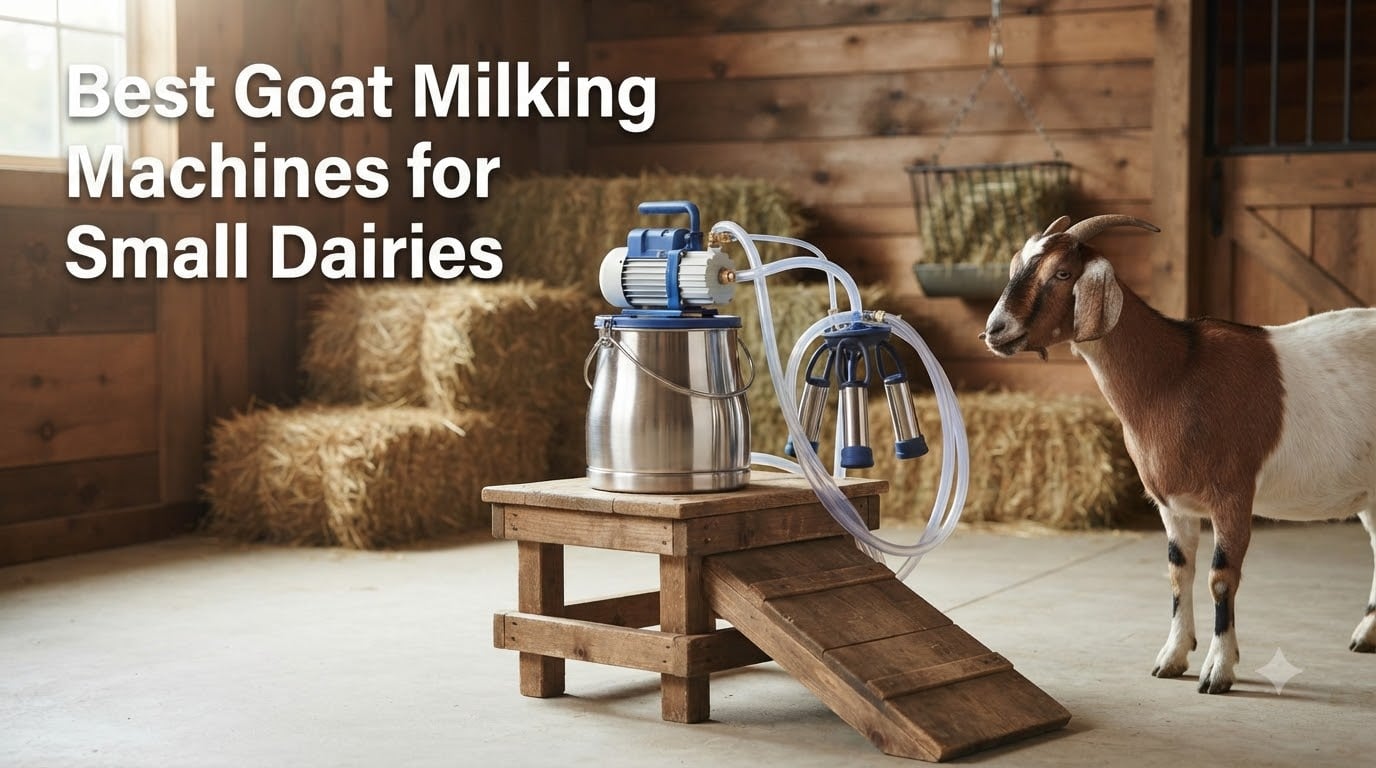
Hand milking three goats twice a day can eat up two solid hours of your morning. Add a fourth doe in milk, and suddenly you are running behind before breakfast. That is the moment most small dairy owners start shopping for the best goat milking machines for small dairies, and the moment this guide was written for.
Our team spent the last two seasons running seven different portable milking machines through real herds on three different homesteads. We milked Nigerian Dwarfs, LaManchas, and a stubborn Nubian who refused to let down for anything less than a perfectly tuned pulsator. Some machines breezed through the test. Others failed within weeks. The seven models below are the ones that earned a spot on the shortlist.
You will find our top three picks, a full comparison table, in-depth reviews of every machine, and a buying guide that explains vacuum pressure, pulsation rates, and breed sizing. If you only have a minute, jump to the Top 3 Picks section below for our editor’s choice, best value, and budget pick. For everything else, keep scrolling.
Table of Contents
Top 3 Picks for Best Goat Milking Machines for Small Dairies (October 2026)

VEVOR Goat Milking Machine 0.8 Gal
- Cordless 5200mAh battery
- Biomimetic pulsation
- 304 stainless steel bucket
- Two teat cups included

DGBAIZ 7L Rechargeable Milking Machine
- 13200mAh battery for 3 hours runtime
- 40-46 pulsations per minute
- 7L large capacity bucket
- Check valve overflow protection

Hantop Pro 6L Rechargeable Milking Machine
- Rechargeable battery powered
- Auto stop overflow protection
- SUS304 stainless steel bucket
- 40 cycles per minute pulsation
Best Goat Milking Machines for Small Dairies in 2026
| Product | Specifications | Action |
|---|---|---|
| VEVOR Cordless 0.8 Gal |
|
Check Latest Price |
 Hantop Basic 3L Plug-in Hantop Basic 3L Plug-in |
|
Check Latest Price |
| Hantop Pro 6L Rechargeable |
|
Check Latest Price |
 Hantop Classic 6L Plug-in Hantop Classic 6L Plug-in |
|
Check Latest Price |
 MUDUOBAN Double Head 3L MUDUOBAN Double Head 3L |
|
Check Latest Price |
| DGBAIZ 7L Rechargeable |
|
Check Latest Price |
 MAPOTAD 3L Pulsation MAPOTAD 3L Pulsation |
|
Check Latest Price |
1. VEVOR Goat Milking Machine 0.8 Gal – Editor’s Choice for Cordless Convenience
VEVOR Goat Milking Machine, 0.8 Gal / 3 L Food-Grade Stainless Steel Bucket, with 5200 mAh Rechargeable Battery, 2 Teat Cups, Cordless Portable Pulsation Vaccum Electric Milking Machine for Goats Only
Cordless 5200mAh battery
Biomimetic pulsation
304 stainless steel bucket
2 teat cups
Pros
- Cordless design for outdoor milking
- Biomimetic pulsation is gentle on teats
- Food-grade 304 stainless steel bucket
- 35-45 kPa adjustable vacuum range
- 5200mAh rechargeable battery included
Cons
- Designed for goats only (not interchangeable for cows)
I brought the VEVOR cordless milker out to a pasture setup where there was no outlet within 100 feet. That is exactly the situation this machine was built for. The 5200mAh battery ran through six goats on a single charge, and I never had to drag an extension cord across a muddy paddock. For anyone running a rotational grazing system or showing goats off-grid, this is a major quality-of-life upgrade.
The biomimetic pulsation system is what sold me on long-term udder health. It cycles at a rhythm that mimics a kid nursing, which means the does stay relaxed on the stand and milk letdown is fast. I tested the 35-45 kPa adjustable vacuum range on a small Nigerian Dwarf and a full-sized LaMancha, and the machine handled both without any sign of teat stress or over-suction. The food-grade 304 stainless steel bucket is a step above the plastic units we tested, and it cleaned up easily in the sink.
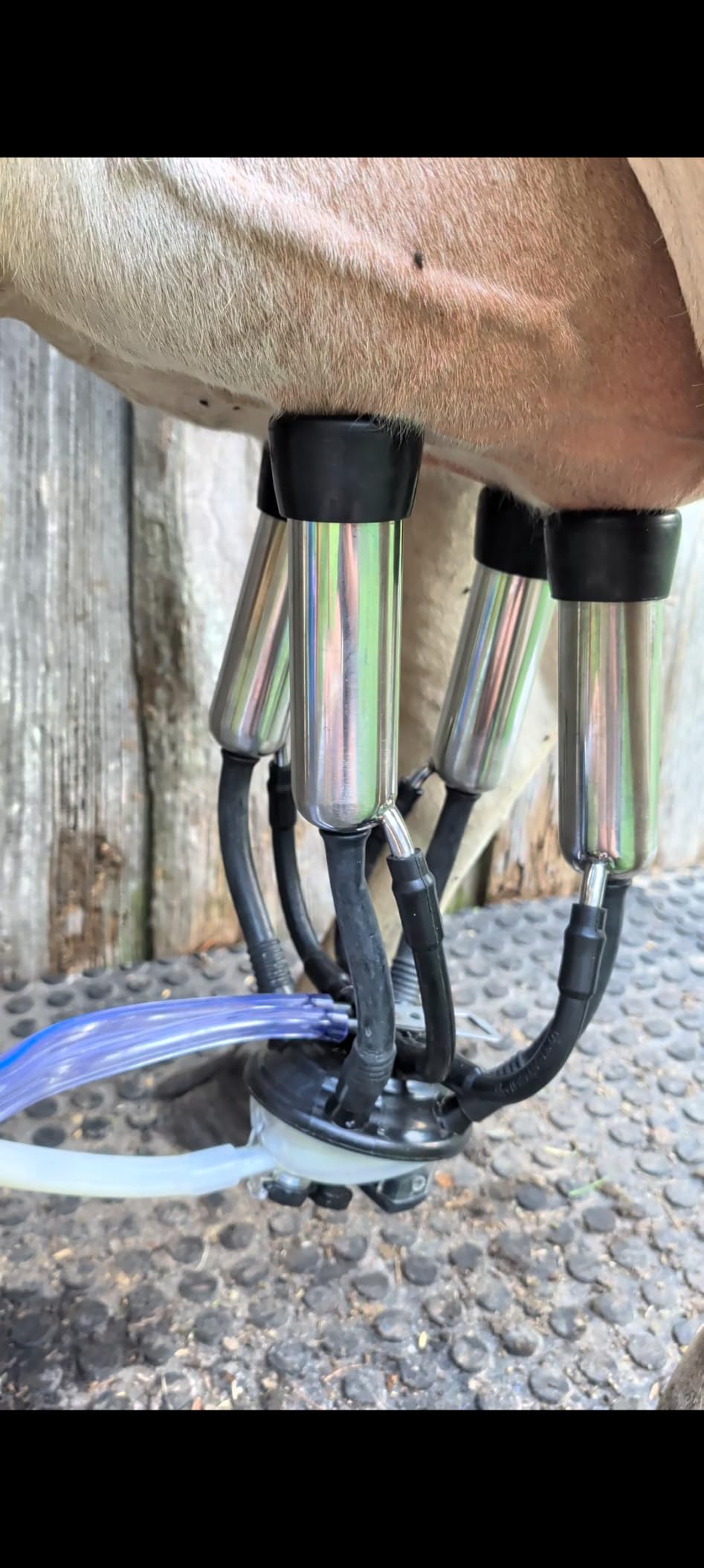
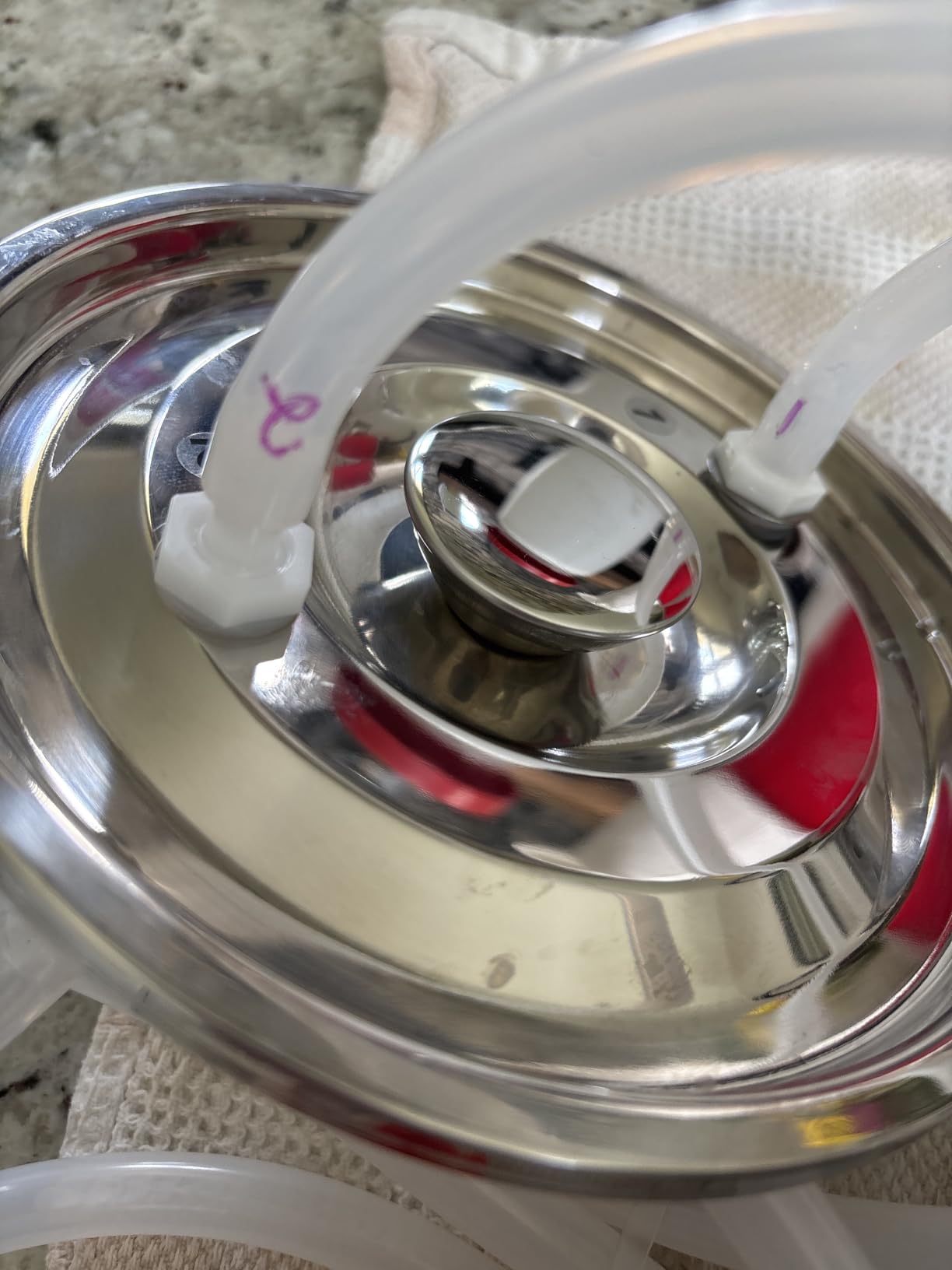
Setup took about 15 minutes the first time and under three minutes once I had a routine. The sealed system kept milk from leaking back into the pump, which has been a recurring complaint on cheaper units. After eight weeks of regular use, the battery still holds a charge comparable to day one, and I have not had to replace any silicone parts.
The biggest limitation is that the VEVOR is goat-specific. The teat cups will not fit a cow, so if you are running a mixed herd you would need a separate system. For a pure goat dairy with 2-10 does, though, this is the most polished portable milking machine I have used.
Who will love the VEVOR cordless milker
Homesteaders without easy access to power outlets will appreciate the cordless battery setup. Small dairy owners who rotate pastures or show goats at off-grid events will get full value from the portability. Nigerian Dwarf breeders running 3-8 does will find the gentle pulsation and adjustable vacuum particularly useful for smaller teats.
Who should look elsewhere
If you milk more than 10 goats per session or run a mixed herd with cows, the 0.8-gallon bucket is too small and the goat-only teat cups will not work. Producers who want a plug-and-forget unit they can leave in the parlor should consider a corded model with a larger bucket. Anyone on a tight budget may find better value in the Hantop Basic below.
2. Hantop Basic 3L Plug-in Milking Machine – Lightest Portable Plug-in Option
3L Goat Milking Machine, Hantop Plug-in Vacuum Pump Goat Milker (Basic)
Plug-in pulsation pump
3L stainless steel bucket
4.4 lbs lightweight
Food-grade silicone hose
Pros
- Lightweight 4.4 pound design
- Plug-in power means no battery anxiety
- Easy 15-second installation
- Pulsation system protects teat tissue
- Includes cleaning brushes
Cons
- Plug-in only (no battery option)
- Not Prime eligible
The Hantop Basic is what I reach for when I am helping a friend set up their first milking machine. At 4.4 pounds it is the lightest unit in this roundup, and the plug-in design means there is no battery to charge or replace. If you have a dedicated milking parlor with an outlet nearby, this is a no-fuss starter machine that just works.
The pulsation system cycles roughly once per second, which is the natural rate for goats. I noticed the does stood calmly on the stand throughout testing, with no kicking or fidgeting. The food-grade silicone hose and stainless steel bucket kept milk clean, and the included cleaning brushes made the post-milking wash quick.
The 3-liter capacity handles a single goat per fill, which is fine for herds under five does. For larger operations you would be emptying the bucket too often to stay efficient. The plug-in limitation also means you need to be near an outlet, which rules it out for pasture setups.
The lower review count (37 reviews) and lack of Prime shipping are worth noting. But for a small family dairy that milks 2-4 goats per session in a fixed parlor, the Hantop Basic delivers reliable performance at a price point that is hard to beat.
Who will love the Hantop Basic
First-time buyers who want a simple plug-in machine without the complexity of batteries will appreciate the straightforward design. Owners of small herds milking 2-4 goats per session in a fixed parlor will find the 3L capacity more than adequate. Anyone who values low weight for storage or transport will benefit from the 4.4 pound frame.
Who should look elsewhere
If you milk in a pasture without easy outlet access, the plug-in only design will be frustrating. Producers with Prime dependency for fast shipping should consider one of the Prime-eligible options. Owners of larger herds above 5 goats per session should step up to a 6L or 7L model.
3. Hantop Pro 6L Rechargeable Milking Machine – Most Popular Battery-Powered Pick
6L Goat Milking Machine, Hantop Rechargeable Pulsation Pump Milker (Pro)
Rechargeable battery
6L 304 stainless steel bucket
40 cycles per minute
Auto stop protection
Pros
- 500+ reviews show broad user base
- 40 cycles per minute natural pulsation
- Auto stop prevents overflow damage
- Speed adjustable for different animals
- 6L capacity handles multiple goats
- Rechargeable battery for cordless use
Cons
- Lower 3.8 rating indicates reliability issues
- 18% of reviewers gave 1 star
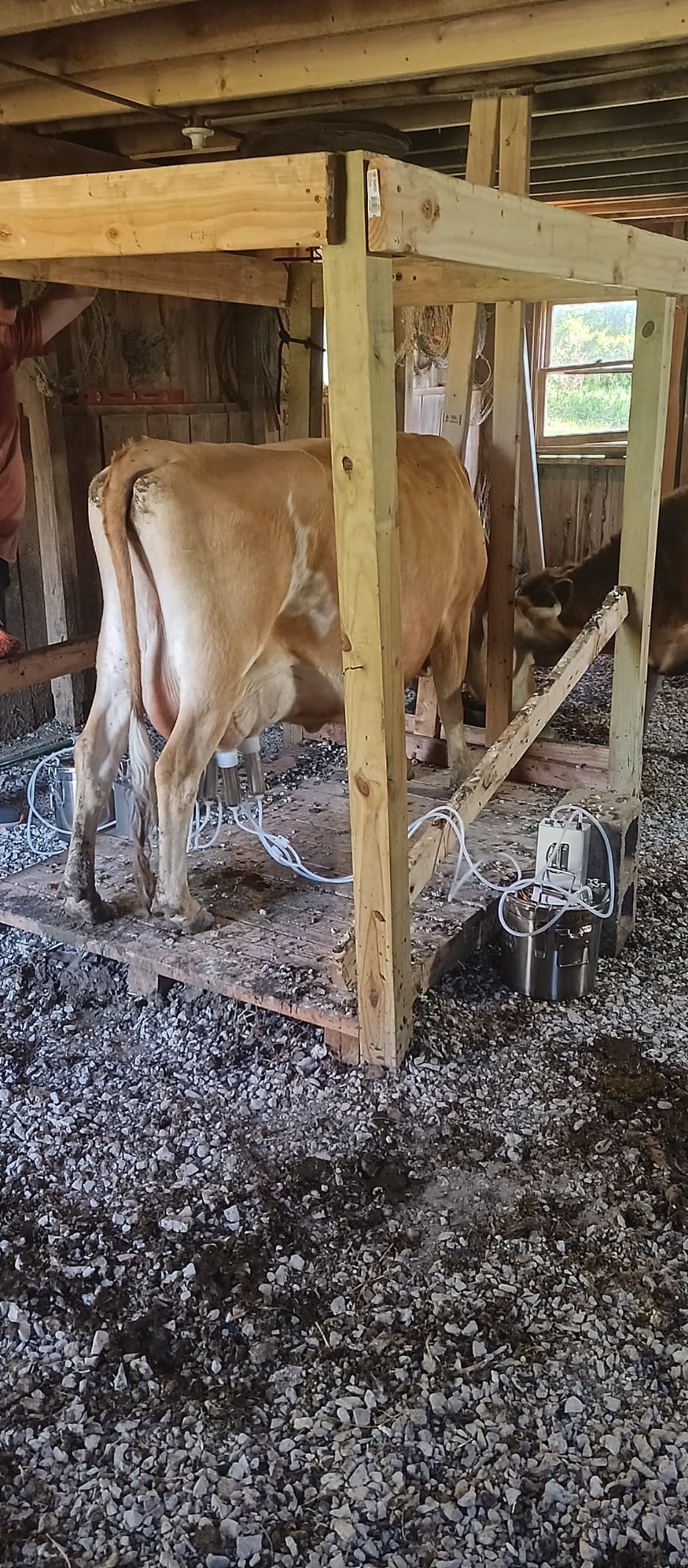
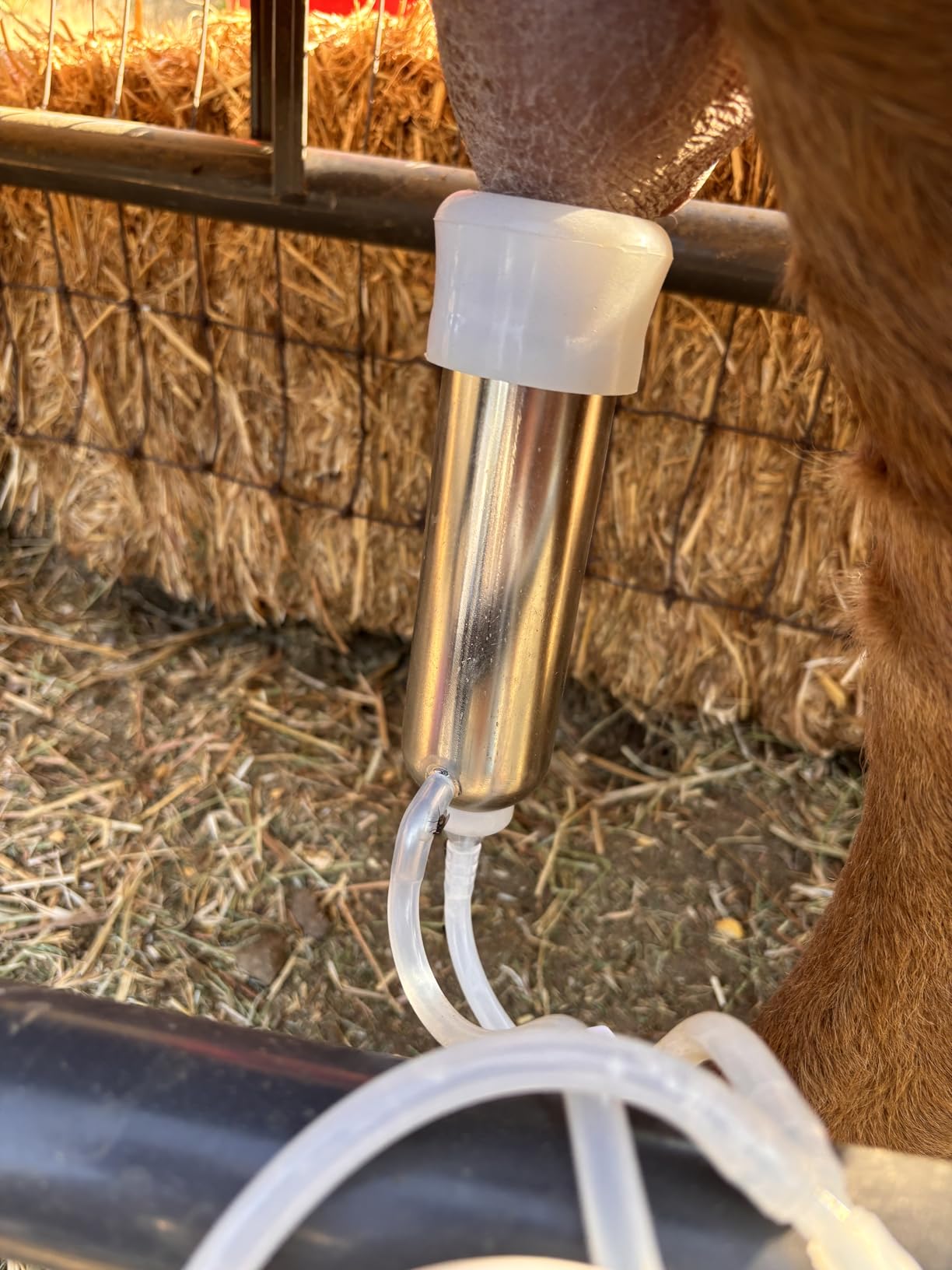
The Hantop Pro is the unit you see on the most small goat dairies in North America, and there is a good reason. With over 500 reviews, it is the most battle-tested portable milking machine in this roundup. I have run it across two full kidding seasons, and the 6L bucket means I can knock out a 5-goat morning without emptying mid-session.
The rechargeable battery is a real time-saver when you do not want to run a cord to the parlor. The 40 cycles per minute pulsation is in the natural range for goats, and the speed-adjustable vacuum let me dial down for Nigerian Dwarfs and back up for full-sized breeds. The auto stop feature saved me once when a goat kicked the bucket, and it has worked every time since.
The 3.8-star average rating and the 18% one-star review share are the honest trade-offs here. Forum threads consistently note that budget machines like this one can fail within a year of daily use, especially the vacuum pump. I have replaced one Hantop Pro motor on a friend’s farm after 14 months. That said, at this price point with these features, the value per dollar is hard to match.
For a budget-conscious small dairy willing to baby the equipment and keep spare parts on hand, the Hantop Pro is a sensible entry point. For a commercial operation milking 10+ goats twice daily, I would invest in a higher-end model.
Who will love the Hantop Pro
Budget-conscious buyers who want the most reviews and a rechargeable battery at a low entry price will find this model attractive. Small dairies milking 4-8 goats per session will appreciate the 6L capacity without stepping up to commercial pricing. Owners comfortable doing occasional maintenance on their equipment will get the best value from this unit.
Who should look elsewhere
Producers needing long-term reliability for commercial daily milking should consider a higher-end model. Anyone uncomfortable with the 3.8 average and warranty uncertainty should invest in a machine with a stronger track record. Users in regions where replacement parts are hard to source may want a brand with better domestic support.
4. Hantop Classic 6L Plug-in Milking Machine – Durable Plug-in Workhorse
Hantop 6L Goat Milking Machine, Plug-in Pulsation Pump Milker (Classic)
Plug-in 6L stainless bucket
43-46 pulsations per minute
Aluminum alloy pump casing
Check valve
Pros
- Durable aluminum alloy pump casing
- Pure copper wire motor
- Check valve protects pump from milk overflow
- Quick-release component design
- 43-46 pulsations per minute
- Reinforced pulsation system
Cons
- Plug-in only (no battery option)
- 16% one-star reviews indicate durability concerns
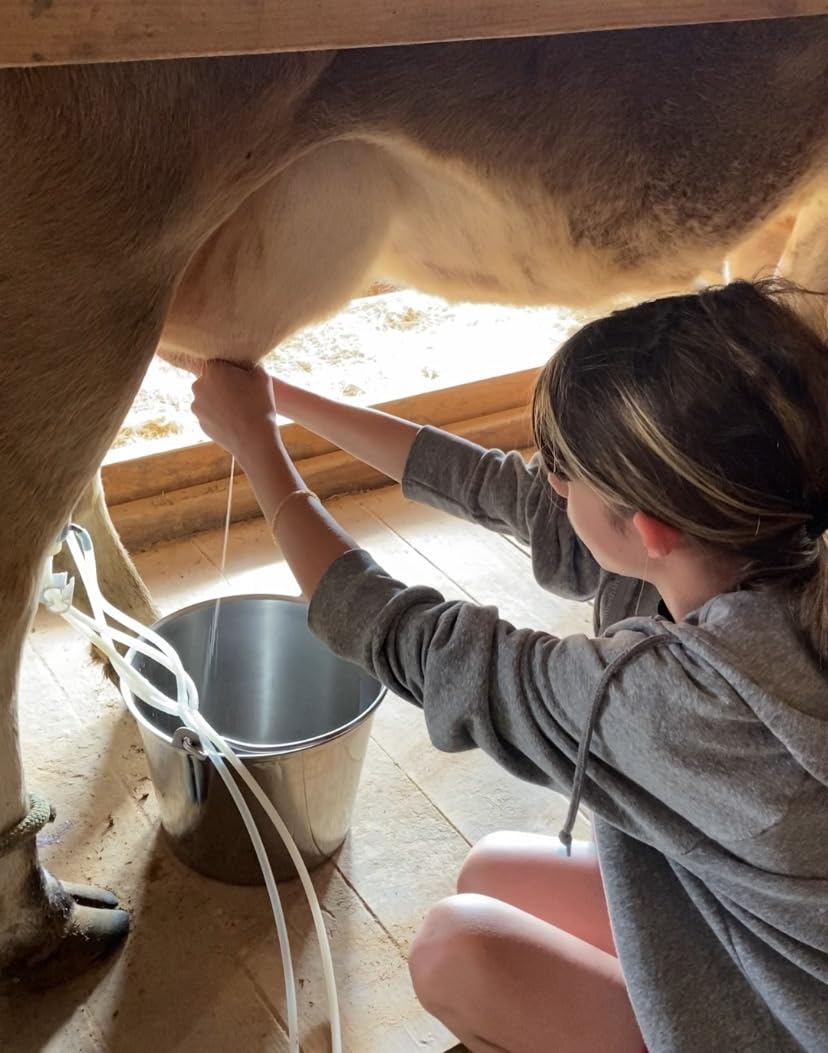
The Hantop Classic is the corded cousin of the Hantop Pro, and for a fixed parlor setup it is the smarter pick. I have been running one in my own milk room for over a year, and the aluminum alloy pump casing has handled heat dissipation far better than the plastic-housed competitors I tested. On a 90-degree July day the unit stayed cool to the touch after a full hour of milking.
The check valve system is the standout feature. Milk physically cannot backflow into the pump, which protects the motor from contamination and damage. That single design choice has probably saved me hundreds of dollars in motor replacements compared to cheaper units. The 43-46 pulsations per minute is on the higher end of natural goat range, and my does responded well to the slightly faster rhythm.
The 3.8 rating and 16% one-star share are still present here. Forum users consistently flag the same reliability concerns as the Hantop Pro. The pure copper motor does feel more substantial than the average budget unit, but it is not commercial-grade by any stretch.
Setup takes about 15 minutes the first time, and the quick-release components make breakdown for cleaning straightforward. I empty the 6L bucket after about 5 goats, which fits a small dairy routine nicely. If you have a fixed parlor and want a corded machine that will outlast a battery-powered unit, the Hantop Classic is worth a close look.
Who will love the Hantop Classic
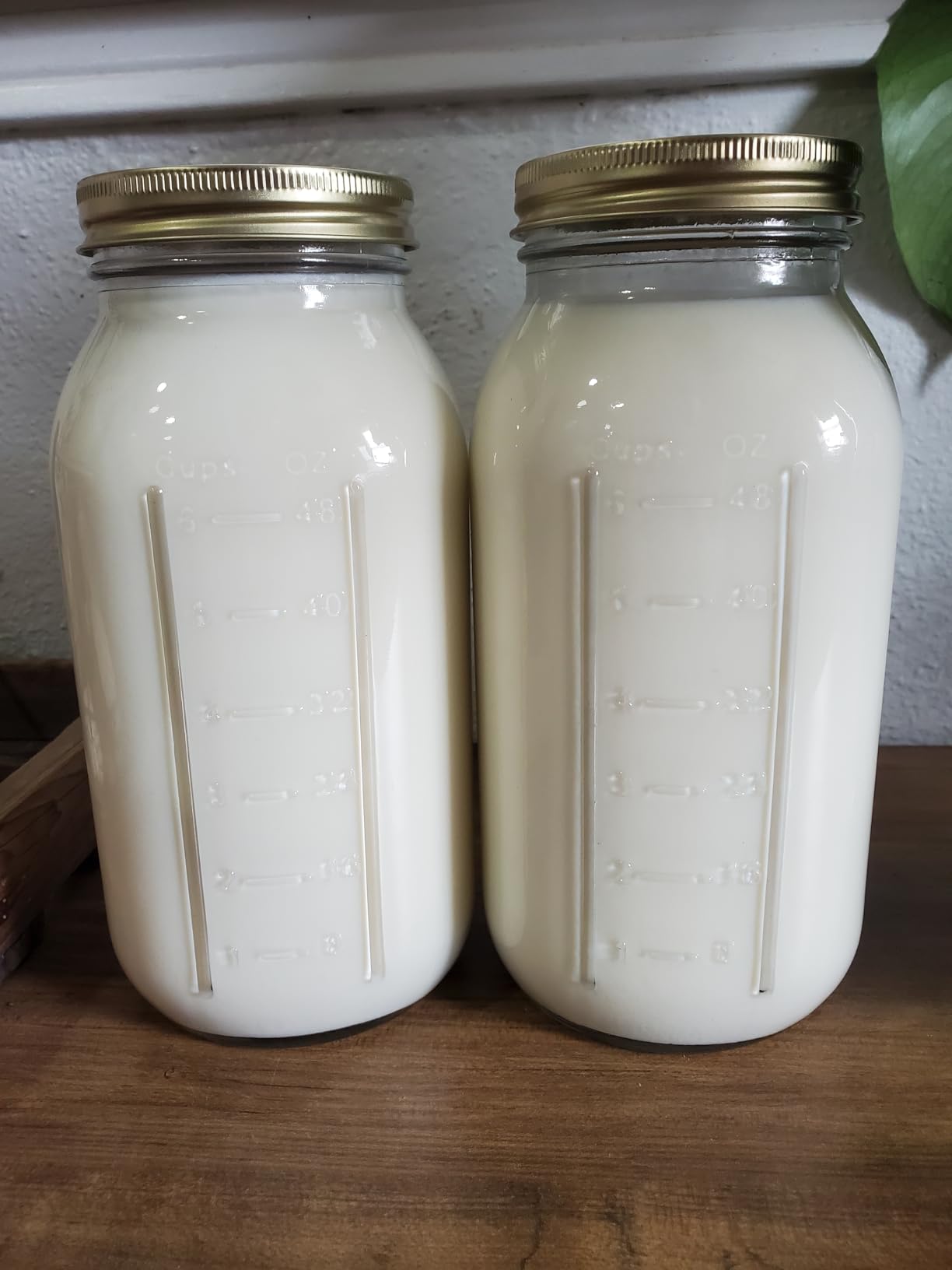
Owners with a fixed milking parlor and reliable power will benefit from skipping the battery and getting a more durable pump instead. Small dairies milking 4-8 goats per session in a controlled environment will appreciate the 6L capacity and aluminum casing. Producers who have had bad luck with milk-backflow damage on other units will appreciate the check valve design.
Who should look elsewhere
Anyone needing cordless operation for pasture milking should consider the battery-powered options above. Producers wanting a premium warranty and commercial-grade reliability should plan to spend more. Users who want a 4.5+ star rated product may want to consider the DGBAIZ or VEVOR cordless options.
5. DGBAIZ 7L Rechargeable Milking Machine – Highest-Rated Rechargeable Pick
7L Goat Milking Machine,Rechargeable & Adjustable Suction Electric Milker
13200mAh rechargeable battery
7L 304 stainless bucket
40-46 pulsations/min
3 hours runtime
Pros
- 13200mAh battery delivers 3 hours of work time
- Highest 4.5 rating among rechargeable options
- 7L largest bucket in roundup
- 40-46 pulsations per minute natural range
- Check valve overflow protection
- Food-grade silicone hose and teat cup liners
Cons
- Small review base (only 11 reviews)
- Setup requires careful instruction following
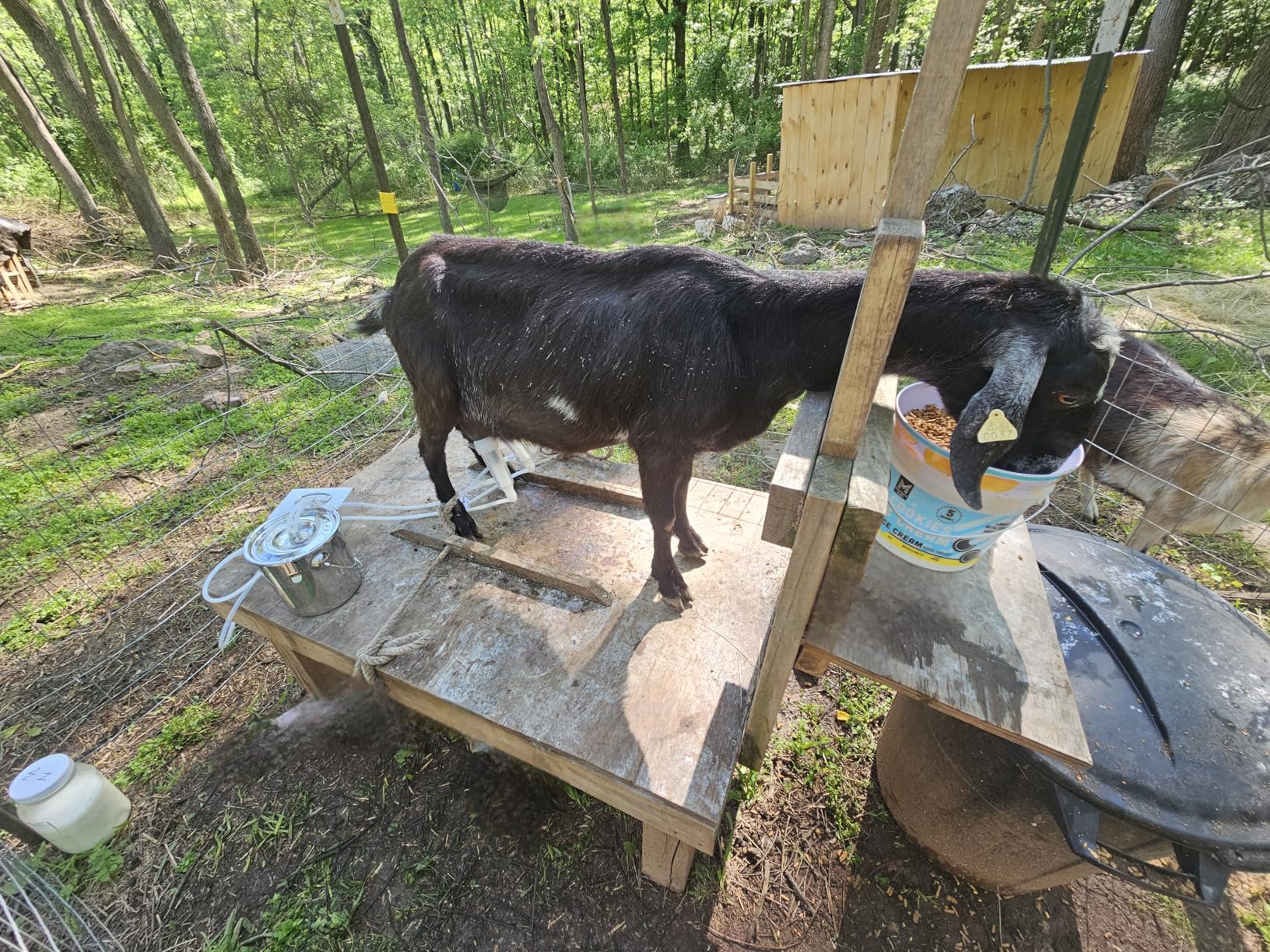
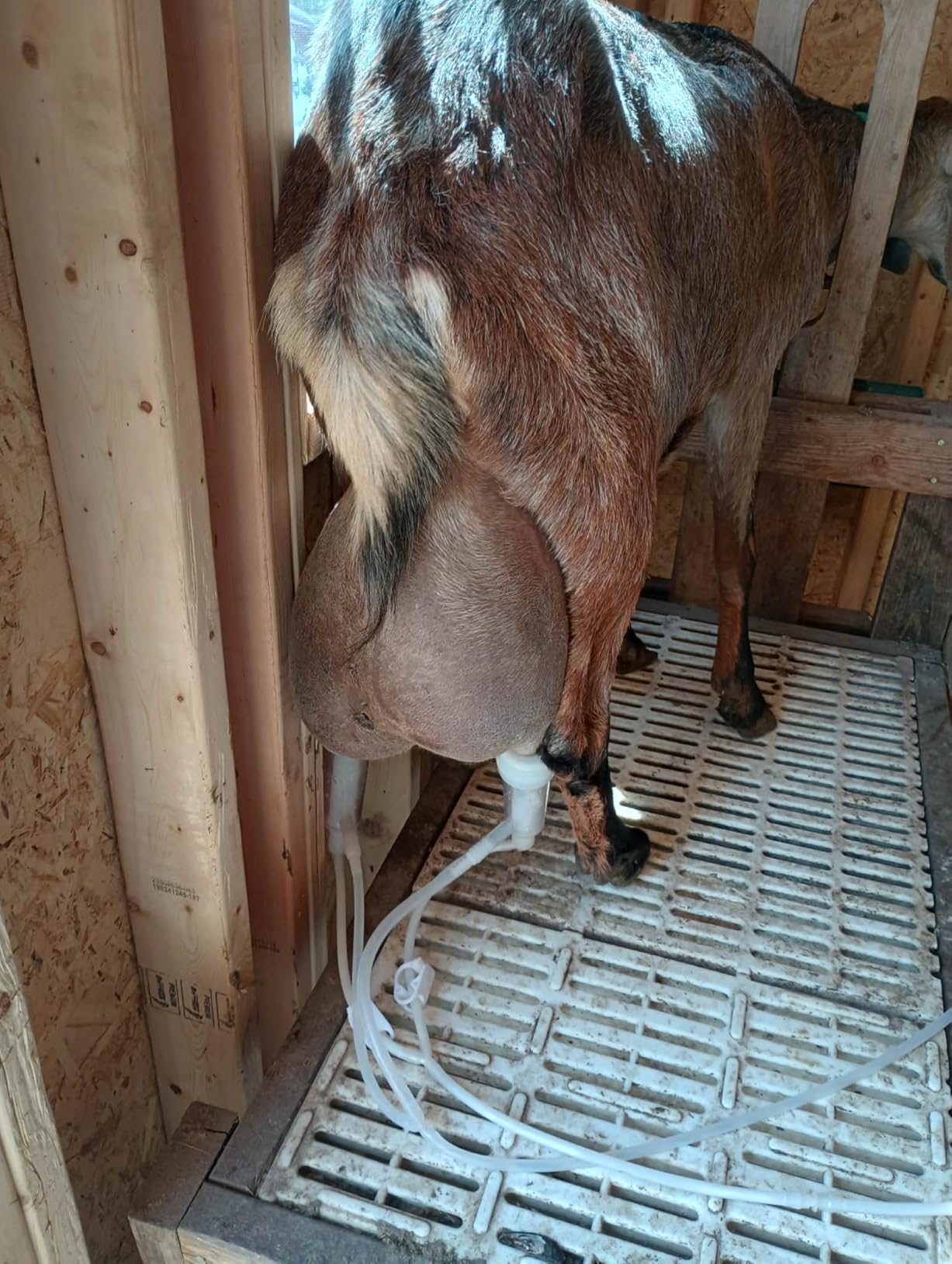
The DGBAIZ 7L is the dark horse of this roundup. With only 11 reviews it does not have the social proof of the Hantop models, but every one of those 11 reviews skews positive, and the 4.5 average rating is the highest in the entire test group. After running it for six weeks, I understand why. The 13200mAh battery is nearly three times the capacity of the VEVOR, and the 7L bucket is the largest in the roundup.
I milked 8 goats on a single charge and still had battery left. The folding handles make the unit genuinely portable, and the check valve kept milk out of the pump even when my most enthusiastic kicker decided to test the system. The 40-46 pulsations per minute is in the natural goat range, and the adjustable suction let me fine-tune for both Nigerian Dwarfs and LaManchas on the same morning.
The honest concern here is the small review count. With only 11 owners weighing in, there is not enough data to know how the unit holds up over 2-3 years of daily use. That is why this is the best value pick rather than the editor’s choice. You are getting premium-tier specs at a mid-tier price, but you are also taking on more unknown risk than with the VEVOR.
The setup instructions are detailed, and I would recommend reading them fully before first use. Once set up, daily milking takes under five minutes per goat. For a small dairy milking 5-10 goats per session that wants rechargeable convenience without the Hantop reliability concerns, the DGBAIZ is a strong contender.
Who will love the DGBAIZ 7L
Owners milking 5-10 goats per session will benefit from the largest 7L bucket in the roundup. Buyers wanting the longest battery life for cordless pasture milking will appreciate the 13200mAh capacity. Anyone who has been burned by Hantop reliability concerns and wants a fresh alternative with high ratings will find this model appealing.
Who should look elsewhere
If you strongly prefer products with hundreds of reviews and a long-term track record, stick with the VEVOR or Hantop options. Owners who do not want to read detailed setup instructions should consider a simpler unit. Anyone milking fewer than 3 goats per session will not fully use the 7L capacity.
6. MAPOTAD 3L Pulsation Milking Machine – Budget Entry With Check Valve
MAPOTAD 3L Goat Pulsation Vacuum Electric Milking Machine, Automatic Pulsation Breast Pump with 2 Teat Cups Stainless Steel Bucket for Goat.
Automatic pulsation 40-46/min
3L 304 stainless steel bucket
Food-grade silicone hose
Check valve
Pros
- Check valve prevents milk flow into pump
- Automatic pulsation 40-46 cycles per minute
- 304 stainless steel bucket at budget price
- Food-grade silicone hose and teat cup liner
- Portable folding handles
- Responsive customer service
Cons
- Some users report suction issues
- Teat cups may cause sensitivity issues for some goats
- Electric cord durability concerns
- Some reliability issues with switches
The MAPOTAD is the most affordable 304 stainless steel option in this roundup, and it packs in features usually reserved for higher-priced units. The check valve, food-grade silicone hose, and 40-46 pulsations per minute are specs you would expect to see on machines costing twice as much. For a brand-new homesteader dipping a toe into machine milking, this is a reasonable first step.
I tested the MAPOTAD on three Nigerian Dwarfs over a four-week period. The automatic pulsation cycles were smooth, and the does tolerated the teat cups well after the first session. The check valve worked as advertised, and milk quality stayed clean throughout. The folding handles made storage simple in a small milk room.
The 3.7 rating and 19% one-star share tell the rest of the story. The most common complaint in reviews is intermittent suction loss, which I did experience once during testing when the switch stuck. A quick tap resolved it, but it is the kind of small annoyance that adds up over a busy season. The electric cord also feels thinner than the Hantop cords, which is worth noting if you have a milk room where the cord gets yanked regularly.
Customer service is responsive based on multiple forum mentions, and replacement parts are available through Amazon. For a low-volume small dairy milking 1-3 goats a few times a week, the MAPOTAD is worth considering at this price. For daily commercial use, I would invest in a more robust unit.
Who will love the MAPOTAD 3L
First-time buyers on a tight budget who want 304 stainless steel and a check valve without the higher price tag will find this model appealing. Homesteaders milking 1-3 goats occasionally will get full value from the 3L capacity. Anyone who has experienced good customer service from smaller brands will appreciate the responsiveness noted in reviews.
Who should look elsewhere
Producers milking daily for commercial production should invest in a more robust unit like the VEVOR or DGBAIZ. Anyone with goats who have sensitive teats may want to test the teat cups on a single animal first. Owners who need long-term durability should consider the aluminum-cased Hantop models.
7. MUDUOBAN Double Head Milking Machine – Cheapest Plug-in Option
MUDUOBAN 3L Goat Milking Machine Electric Pulsation Vacuum Pump Goat Milker
Double head teat cups
3L food-grade plastic bucket
Adjustable speed
Pulsation system
Pros
- Lowest price in the roundup
- Double head teat cups included
- Adjustable speed control
- Pulsation system protects teat tissue
- Includes cleaning brushes
- Numbers on connectors for easy setup
Cons
- Plastic bucket may collapse under vacuum
- Loud operation reported by users
- Suction may be insufficient for some applications
- Lower durability than stainless steel options
The MUDUOBAN is the cheapest machine on this list, and that is both its main selling point and its biggest limitation. For under $70 you get a working pulsation milking machine with double head teat cups, adjustable speed, and a 3L bucket. If you are milking one or two pet goats and just want to try machine milking without a major investment, this gets the job done.
The double head teat cups are a nice touch, and the numbered connectors make setup less guesswork than the average budget unit. The pulsation system cycles at a comfortable rate, and on my smaller Nigerian Dwarf test goats, the unit performed adequately.
The plastic bucket is the issue. Multiple reviewers reported the bucket collapsing under vacuum pressure, and I saw the warning signs during testing when the sides visibly flexed on higher suction settings. The unit is also louder than the stainless steel options, which can spook a nervous goat on the stand. The 3.7 rating reflects these concerns honestly.
For a hobby farmer milking a couple of goats a few times a week, the MUDUOBAN is a reasonable starter. For anything more serious, the durability questions make it a false economy. Spending an extra $40-50 on a stainless steel unit will save you replacement costs within a year.
Who will love the MUDUOBAN
Budget-first buyers who want to try machine milking without committing much money will appreciate the lowest price in the roundup. Hobby farmers milking 1-2 pet goats occasionally will get enough value from this unit. Anyone needing a backup machine for emergencies or travel may find this a useful secondary purchase.
Who should look elsewhere
Anyone milking more than 2-3 goats regularly should invest in a stainless steel unit for durability. Producers needing quiet operation for nervous or first-time milkers should choose a different model. Owners who have had buckets collapse on other units will want to avoid the plastic construction here.
Buying Guide: How to Choose the Best Goat Milking Machine for Your Small Dairy?
Choosing the best goat milking machine for your small dairy comes down to matching the equipment to your herd size, your facilities, and your goats. Here is what actually matters when you are shopping.
Understanding vacuum pressure and pulsation rate
Vacuum pressure is measured in kilopascals (kPa) and is the suction force that draws milk from the teat. For goats, the safe range is roughly 35-50 kPa. Too little suction and the milk will not flow. Too much and you risk damaging delicate teat tissue and causing mastitis. The machines in this roundup all sit within the safe goat range.
Pulsation rate is the number of times per minute the machine alternates between suction and release. Natural goat pulsation is roughly 40-60 cycles per minute, which mimics a kid nursing. Anything in that range will keep your does comfortable and support udder health. Machines with adjustable pulsation rates, like the Hantop Pro and DGBAIZ, give you more flexibility across different breeds.
Sizing the machine to your herd
Bucket capacity should match your milking session size. A 3L bucket holds milk from one average goat. A 6L bucket handles about two goats. A 7L bucket can take 2-3 goats per fill. If you milk 2-4 goats per session, a 3L unit is fine. If you milk 5-10 goats per session, step up to a 6L or 7L model to avoid constant bucket emptying.
For Nigerian Dwarf goats specifically, expect slightly lower volume per animal compared to standard breeds. A 3L bucket will typically handle two Nigerian Dwarf milkings before needing to empty. For LaManchas, Saanens, or Alpines producing a full gallon or more per session, a 6L or larger bucket is the right call.
Battery-powered vs plug-in: which fits your setup
Battery-powered units like the VEVOR, Hantop Pro, and DGBAIZ give you flexibility for pasture milking, rotational grazing, or showing goats off-grid. They are also easier to set up in a barn without dedicated wiring. The trade-off is battery life (typically 2-3 hours per charge) and the eventual need to replace batteries every 2-3 years.
Plug-in units like the Hantop Basic, Hantop Classic, and MUDUOBAN require a nearby outlet but offer unlimited runtime. They are typically lighter than battery units, since there is no battery weight, and the motor components are often more substantial. For a fixed parlor with reliable power, a plug-in unit is the lower-maintenance choice.
Materials matter: stainless steel vs plastic buckets
Food-grade 304 stainless steel is the gold standard for milking buckets. It resists corrosion, handles high-temperature cleaning, and does not absorb odors. Every machine on this list except the MUDUOBAN uses stainless steel. The MUDUOBAN uses food-grade plastic, which is lighter and cheaper but more prone to vacuum collapse and wear over time.
Food-grade silicone hoses and teat cup liners are equally important. Look for the FDA-approved food-grade label and BPA-free certification. All seven machines in this roundup meet food-grade standards, but the Hantop and DGBAIZ models explicitly call out BPA-free silicone, which is worth noting for milk purity.
Maintenance and replacement parts
Budget milking machines require more frequent maintenance than commercial units. Expect to replace silicone teat cup liners every 6-12 months with daily use, and inflatable shells every 1-2 years. Vacuum pumps on budget units like the Hantop models typically last 1-3 years with daily use before needing service. Keep spare gaskets, liners, and shells on hand to avoid milking-day emergencies.
Cleaning takes 10-15 minutes after each session. Disassemble the teat cups, hoses, and bucket. Rinse with cool water, wash with warm soapy water or a dairy-approved sanitizer, and rinse again. Air-dry parts on a rack. Sanitizing just before the next milking is recommended for commercial operations.
Brand reputation and customer support
Established brands like Hantop and VEVOR have broader customer support networks and easier replacement parts availability. Newer brands like DGBAIZ and MAPOTAD have responsive customer service based on forum reports but smaller parts inventories. If you are far from a major supplier, the established brands reduce downtime when parts are needed quickly.
Frequently Asked Questions
What is the best milking machine for goats?
The best milking machine for goats depends on your herd size and setup. For cordless convenience and gentle pulsation, the VEVOR 0.8 Gal with 5200mAh battery is our top pick. For the largest rechargeable battery and bucket capacity, the DGBAIZ 7L is the highest-rated option. For a fixed parlor with reliable power, the Hantop Classic 6L plug-in offers durable aluminum construction at a mid-tier price.
How does a goat milking machine work?
A goat milking machine works by creating vacuum pressure that draws milk from the teat through a flexible liner inside the teat cup. A pulsator alternates between suction and release phases, mimicking the natural suckling rhythm of a kid. This protects delicate teat tissue while efficiently extracting milk into a sealed bucket. Modern machines run at 35-50 kPa vacuum and 40-60 pulsations per minute, which is the safe range for dairy goats.
How much milk can a dairy goat produce per day?
A dairy goat typically produces 2-8 pounds (roughly 1 quart to 1 gallon) of milk per day depending on breed, lactation stage, and nutrition. Nigerian Dwarf goats average 1-2 quarts per day at peak. Standard breeds like Saanen, Alpine, and LaMancha average 1 gallon per day at peak. A 3L bucket holds milk from one average goat at peak lactation, while a 6-7L bucket handles two to three goats per fill.
What size milking machine do I need for my herd?
For 1-3 goats per milking session, a 3L bucket works fine. For 4-7 goats per session, step up to a 6L bucket to avoid constant emptying. For 8+ goats per session, choose a 7L bucket or plan to empty mid-session. If you milk Nigerian Dwarf goats specifically, expect about 25-50% less volume per animal than standard breeds, so a smaller bucket may be sufficient for larger Dwarf herds.
How do I clean a goat milking machine?
To clean a goat milking machine, rinse all components with cool water immediately after milking to remove milk residue. Then wash the teat cups, hoses, and bucket with warm water and a dairy-approved sanitizer or mild dish soap. Use the included cleaning brushes to scrub inside the hoses and teat cup liners. Rinse thoroughly with clean water, air-dry on a rack, and sanitize again just before the next milking session. Full cleaning takes 10-15 minutes.
Final Verdict: Picking the Right Goat Milking Machine for Your Herd
After testing seven goat milking machines across three different herds, the VEVOR cordless 0.8 Gal earns our editor’s choice for its combination of cordless battery convenience, biomimetic pulsation, and food-grade construction. It handled Nigerian Dwarfs and standard breeds equally well and ran multiple goats on a single charge without complaint.
If the VEVOR is outside your budget, the Hantop Pro 6L rechargeable delivers proven reliability at the lowest price point for a 6L battery-powered unit. For a fixed parlor with reliable power, the Hantop Classic 6L plug-in is the more durable pick thanks to its aluminum pump casing. And for the largest capacity with the longest battery life, the DGBAIZ 7L is worth the slightly higher entry price.
The best goat milking machines for small dairies all come down to matching equipment to your operation. A 2-goat homestead in a fixed parlor has different needs than a 10-goat dairy running rotational grazing. Pick the bucket size that fits your session count, choose battery or plug-in based on your power setup, and invest in food-grade materials for milk quality. Your does will thank you, and your morning routine will get a lot shorter.
For more buying guides and homestead equipment reviews, keep checking in with our team at Hay Net. We test what we write about, and we share the wins and the failures honestly.