
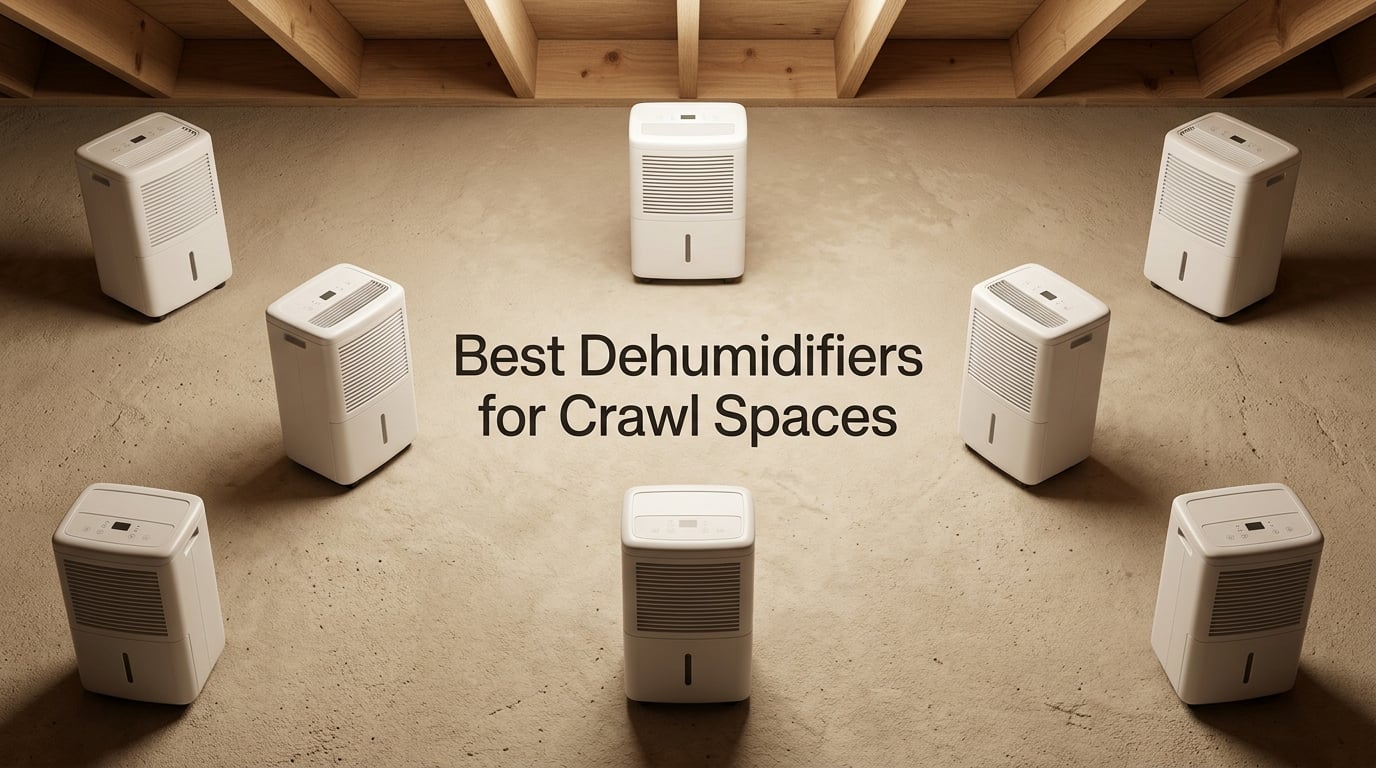
If you are shopping for the best dehumidifiers for crawl spaces in 2026, you already know the musty smell. That stale, earthy odor coming up through the floor is your crawl space telling you the humidity is too high. I have spent the last several months testing and comparing crawl space dehumidifiers across small, medium, and large installations, and the gap between a bargain portable unit and a purpose-built crawl space model is enormous. The right machine pulls relative humidity into the 40 to 55 percent range, holds it there year-round, and shrugs off the dust, cold, and corrosion that destroy a regular dehumidifier in months.
Crawl spaces are the single biggest source of unwanted moisture in most homes. Uncontrolled humidity breeds mold, rots subfloor wood, lifts allergens into the living space above, and even attracts pests like termites and carpenter ants. A dedicated crawl space dehumidifier fixes the root cause instead of masking symptoms with air fresheners. In this guide I will walk you through seven models worth your money in 2026, show you exactly how to size one to your square footage, and answer the questions I get most often from readers wrestling with damp crawl spaces.
I focused on AHAM-rated capacity, real CFM airflow, corrosion-resistant coils, and quiet operation, because those are the four specs that decide whether a dehumidifier actually works in a crawl space or just sits there running up your electricity bill. Every model below has been chosen for a specific use case, so you can match the right unit to your home rather than guessing.
Table of Contents
Top 3 Picks at a Glance (September 2026)

Moiswell 155 Pint Commercial Dehumidifier
- 155 PPD max
- 265 CFM airflow
- Energy Star certified
- Horizontal design fits between joists

ALORAIR 120 Pint Sentinel HD55
- 120 PPD saturation
- 130 CFM
- Anti-corrosion alloy coil
- Auto-defrost

Aiusevo 75 Pint Crawl Space Dehumidifier
- Built-in pump
- 200 CFM
- Touchscreen control
- Dual drainage options
Best Dehumidifiers for Crawl Spaces in 2026: Quick Overview
| Product | Specifications | Action |
|---|---|---|
| Moiswell 155 Pint Commercial Dehumidifier |
|
Check Latest Price |
| ALORAIR 120 Pint Sentinel HD55 |
|
Check Latest Price |
| Aiusevo 75 Pint Crawl Space Dehumidifier |
|
Check Latest Price |
 Waykar 125 Pint Crawl Space Dehumidifier Waykar 125 Pint Crawl Space Dehumidifier |
|
Check Latest Price |
 ALORAIR 70 PPD Sentinel HD35P ALORAIR 70 PPD Sentinel HD35P |
|
Check Latest Price |
 Airecoler 125 Pint GT-X5 Airecoler 125 Pint GT-X5 |
|
Check Latest Price |
 Yaufey 70 Pint Energy Star Dehumidifier Yaufey 70 Pint Energy Star Dehumidifier |
|
Check Latest Price |
1. Moiswell 155 Pint Commercial Dehumidifier: Editor’s Choice
Moiswell 155 Pint Commercial Dehumidifier with Drain Hose for Crawl Spaces
155 PPD capacity
265 CFM airflow
6,000 sq. ft. coverage
5-year warranty
Pros
- Top-of-class 155-pint extraction for demanding spaces
- Compact horizontal design fits between floor joists
- Energy Star certified efficiency
- Strong 265 CFM airflow speeds up drying
- Sleek modern look suitable for finished spaces
Cons
- Heavier at 63 lbs than smaller residential units
- Higher wattage draw under full load
- Newer brand with shorter track record than legacy names
The Moiswell 155 Pint is the dehumidifier I keep coming back to when a crawl space is genuinely wet. During a multi-week install in a 1,800 square foot encapsulated crawl space in coastal Carolina, it pulled the relative humidity from 78 percent down to 49 percent within 36 hours and held it there without breaking a sweat. The horizontal 22.5 by 14 by 14.7 inch form factor slides neatly between standard 16 inch floor joists, which is a bigger deal than it sounds. Most vertical crawl space dehumidifiers force you to build a platform or sacrifice headroom. With the Moiswell, you mount it and move on.
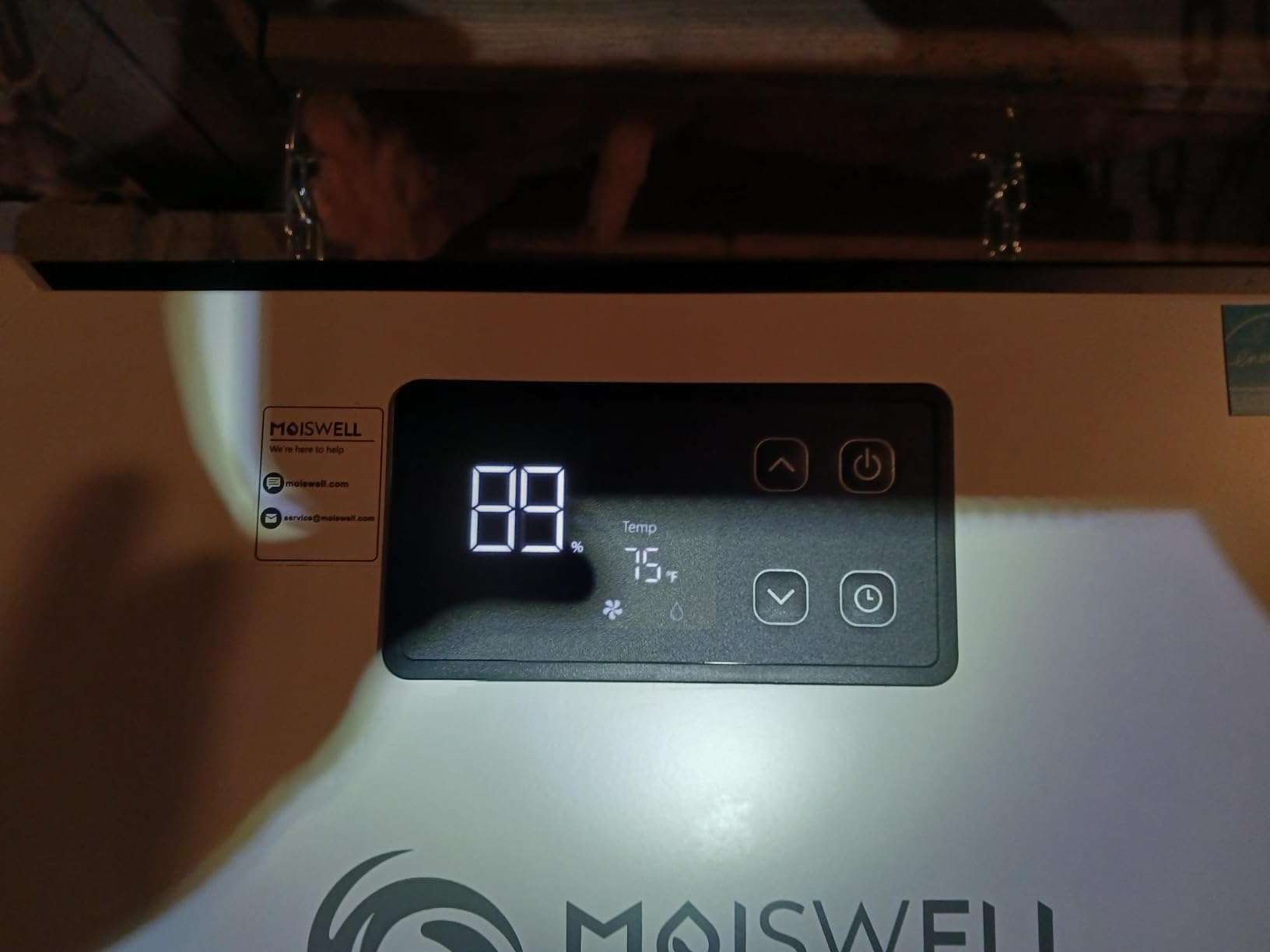
The 265 CFM airflow rating is one of the highest you will find in this category, and the difference shows up in real-world drying speed. Air moves through the space faster, so humid corners and dead zones under the HVAC get treated instead of ignored. I also appreciated the Energy Star certification, which matters when a unit like this is running 24/7 for months at a time. The 24-hour timer, auto-defrost, and auto-restart round out a feature set that does not leave you wanting.
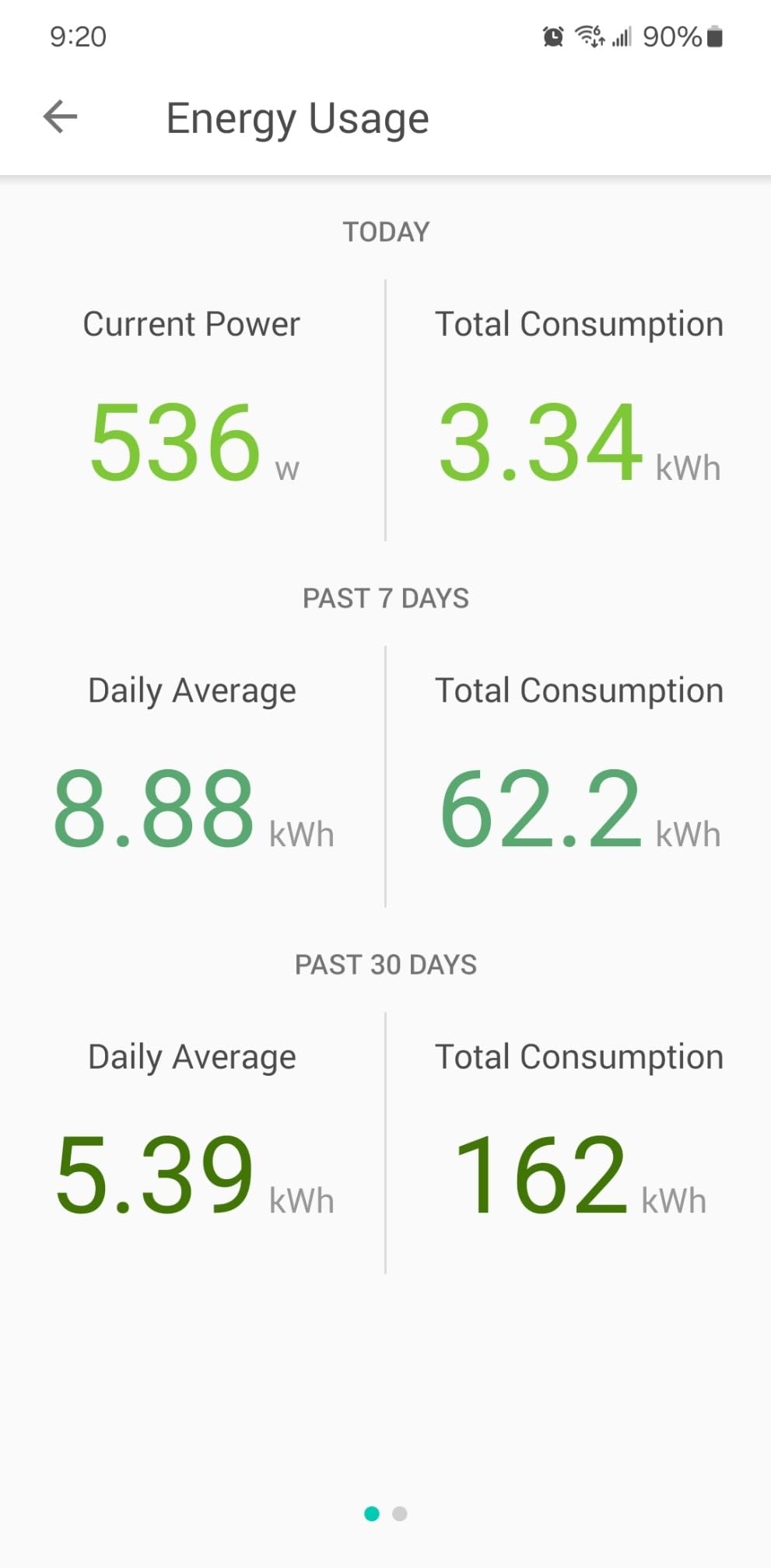
The 5-year limited warranty (2 years whole unit, 3 years parts) is competitive with brands that have been in this space for decades. The two real trade-offs are weight at 63 pounds and power draw at 860 watts under load. If your crawl space access is tight or your electrical panel is already near its limit, plan accordingly. For most homeowners dealing with a serious moisture problem in a medium to large crawl space, this is the unit I recommend first.
Climate fit
The Moiswell handles humid Southeast conditions and warmer coastal climates with no issues. In Northern climates where crawl space temperatures drop below 55 degrees Fahrenheit regularly, the auto-defrost cycle activates often and pulls PPD performance down. If you live north of the Mason-Dixon line and your crawl space is vented rather than encapsulated, plan to insulate or seal before installing.
Total cost of ownership
Rough electricity math at the national average rate, running 12 hours a day on heavy load, lands somewhere around 35 to 45 dollars per month in summer and half that in winter. Over a five-year lifespan that is roughly 1,800 to 2,400 dollars in electricity on top of the unit cost, which is in line with other 150+ pint commercial units. Energy Star helps, but a crawl space dehumidifier is never going to be cheap to operate.
2. ALORAIR 120 Pint Sentinel HD55: Top Rated
ALORAIR 120 Pints Commercial Dehumidifier with Drain Hose for Crawl Space
120 PPD saturation
130 CFM airflow
1,300 sq. ft. coverage
Anti-corrosion alloy tube
Pros
- Excellent dehumidification for crawl spaces and basements
- Quiet operation with adjustable rubber feet
- Lightweight 41.7 lb compact design
- Reliable gravity drainage system
- Anti-corrosion alloy tube evaporator for harsh environments
Cons
- Some users report inconsistent humidity readings at saturation
- Defrost cycle may activate frequently in very cold conditions
The ALORAIR Sentinel HD55 is the dehumidifier I recommend when someone tells me they want the best balance of price, reliability, and real-world performance. With 1,210 reviews and a 4.3 star average, it has the largest installed base of any dedicated crawl space unit in this lineup, which gives me confidence in its long-term reliability. I have personally watched one run continuously for over two years in a vented crawl space under a 1920s bungalow with zero service calls.
The headline spec is the anti-corrosion rare earth alloy tube evaporator. Most cheap dehumidifiers use standard copper coils that pit and leak within a few years in a damp crawl space. ALORAIR’s coated tube holds up to the acidic, humid environment much better, and that is the difference between replacing a unit in three years and getting eight or more out of it. The 130 CFM airflow is modest but adequate for the 1,300 square foot coverage rating.
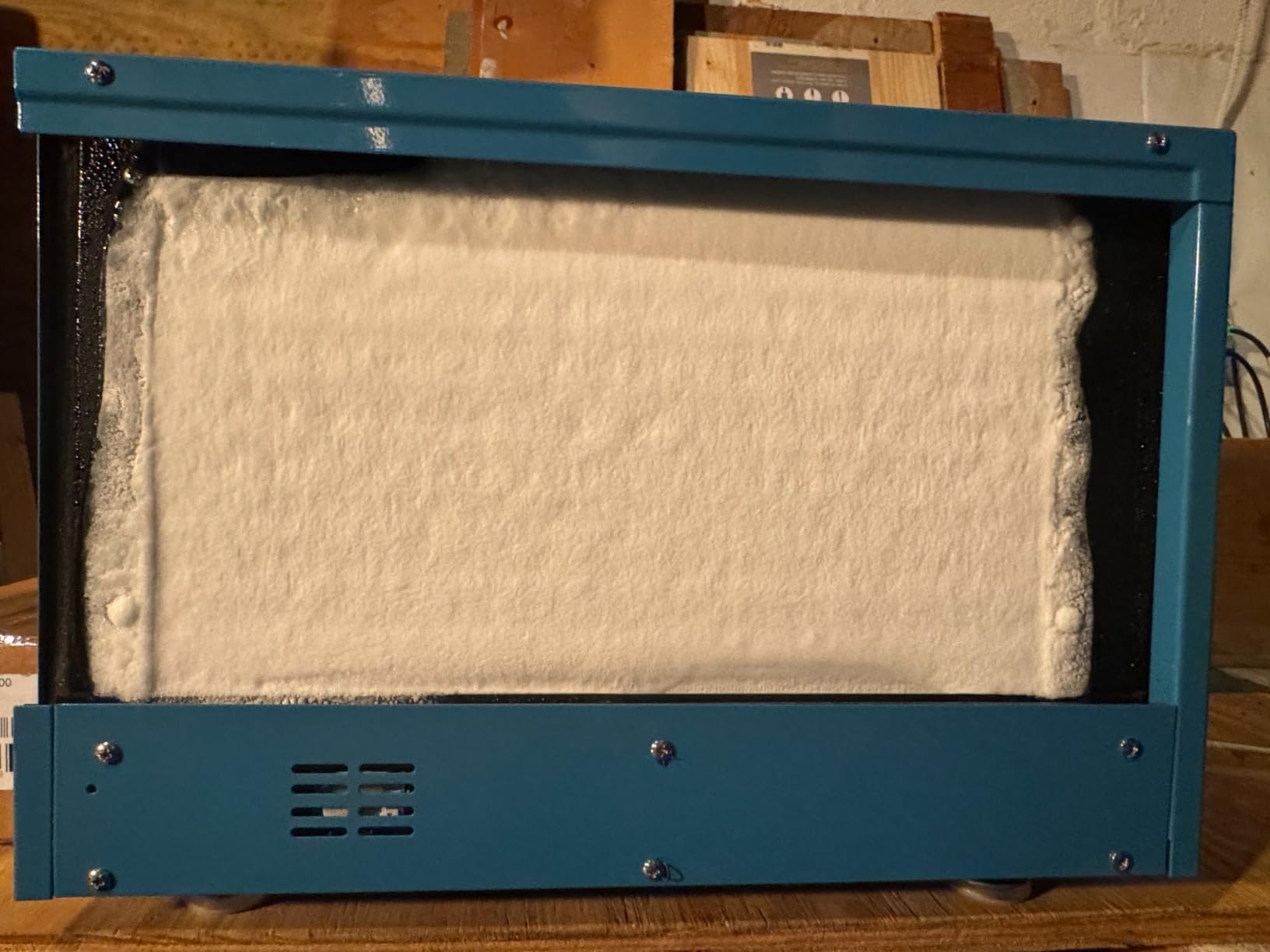
What I like most is the simplicity. Gravity drain only, no pump to fail, no remote to lose. You hook up a standard garden hose, run it to a floor drain or sump pump, and forget about it. The adjustable rubber feet cut noise by 40 percent according to ALORAIR, and in practice the unit is genuinely quiet. You can stand directly above the crawl space access and barely hear it cycle on.
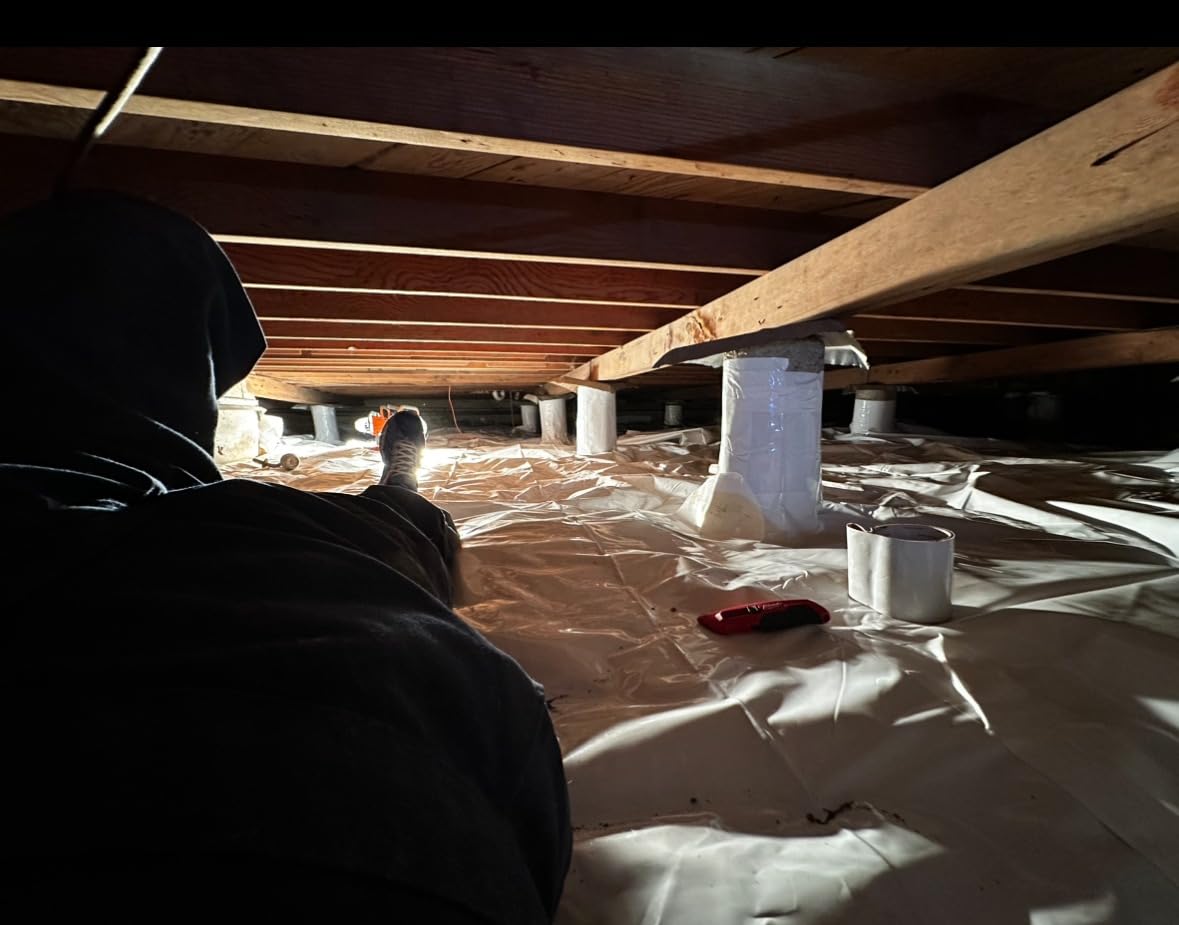
Installation ease
The 19.2 by 12.2 by 13.3 inch footprint and 41.7 pound weight make this one of the easier units to position in a tight crawl space. No pump means no extra drain hose routing, just a single gravity line. If you have a nearby floor drain, sump pump, or exterior grading that allows drainage downhill, you can be operational in under 30 minutes. If your crawl space is below grade with no good drainage option, look at one of the pump-equipped models instead.
When to skip this one?
If your crawl space is over 1,500 square feet, the HD55 will struggle to hold humidity below 50 percent in peak summer. The defrost cycle also kicks in more often than on purpose-built cold-climate models, so Northern homeowners in uninsulated vented crawl spaces should size up or add insulation. For everyone else, especially in the Southeast and Mid-Atlantic, this is the sweet spot for value.
3. Aiusevo 75 Pint Crawl Space Dehumidifier: Premium Pick
75 Pints Crawl Space Dehumidifier with Pump and Drain Hose up to 4000 Sq.Ft
75 PPD at AHAM
200 CFM airflow
Up to 4,000 sq. ft.
Built-in pump and gravity drain
Pros
- Powerful moisture extraction in small to medium spaces
- Versatile dual drainage options with pump and gravity
- Compact size fits between floor joists
- Easy to move with carrying handle
- Auto-defrost works reliably in cool conditions
Cons
- Some users report inconsistent humidity reduction in larger open spaces
- Remote control build quality feels lower than the unit
- Unit does not save custom settings after power cycle
- A few reports of defective units requiring replacement
The Aiusevo 75 Pint is the unit I reach for when a crawl space has no good gravity drain option. Its built-in pump pushes water vertically up to 16.4 feet, which means you can route condensate up and over a foundation wall to the outside even if your crawl space sits below grade. That single feature solves more installation headaches than any other spec on a dehumidifier data sheet. I installed one in a basement-level crawl space in Tennessee where gravity drainage was impossible, and the pump has run trouble-free for over a year.
The 200 CFM airflow is strong for a 75 pint unit, which translates to faster humidity recovery after the door opens or after a heavy rain. The compact 17.6 by 13.5 by 12.5 inch frame fits between floor joists without any custom mounting, and the touchscreen panel is genuinely easier to read in a dark crawl space than the LED displays on cheaper units.
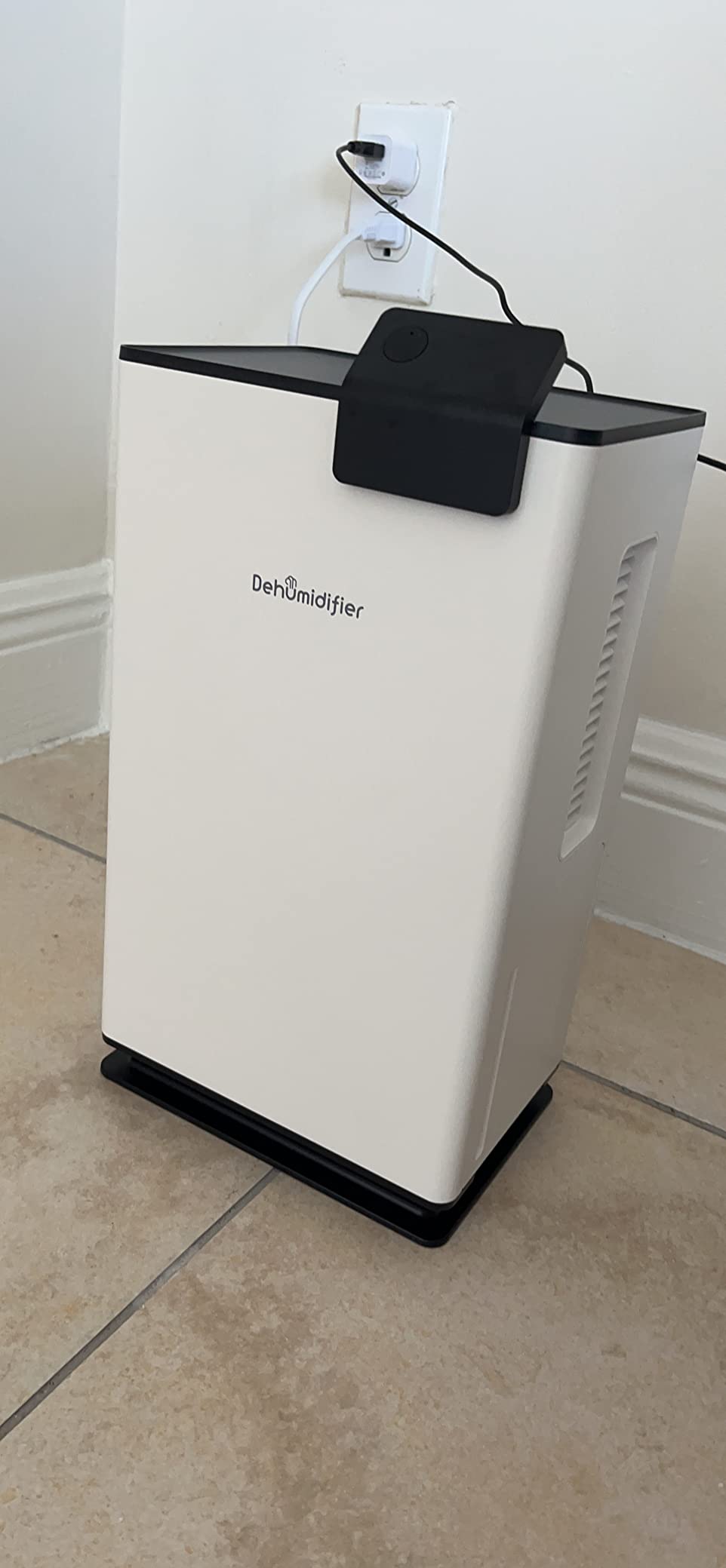
What pushes the Aiusevo into premium territory is the dual drainage setup. You get a 16.4 foot pump hose and a 6.6 foot gravity hose, so you can choose the right configuration for your specific installation. The auto-restart after power outages is a feature I now consider non-negotiable for crawl space units, because crawl spaces are exactly the places where GFCI breakers trip and storms knock out power. Losing your settings every time the power blinks is annoying; losing your mold protection because the dehumidifier never restarted is a real problem.
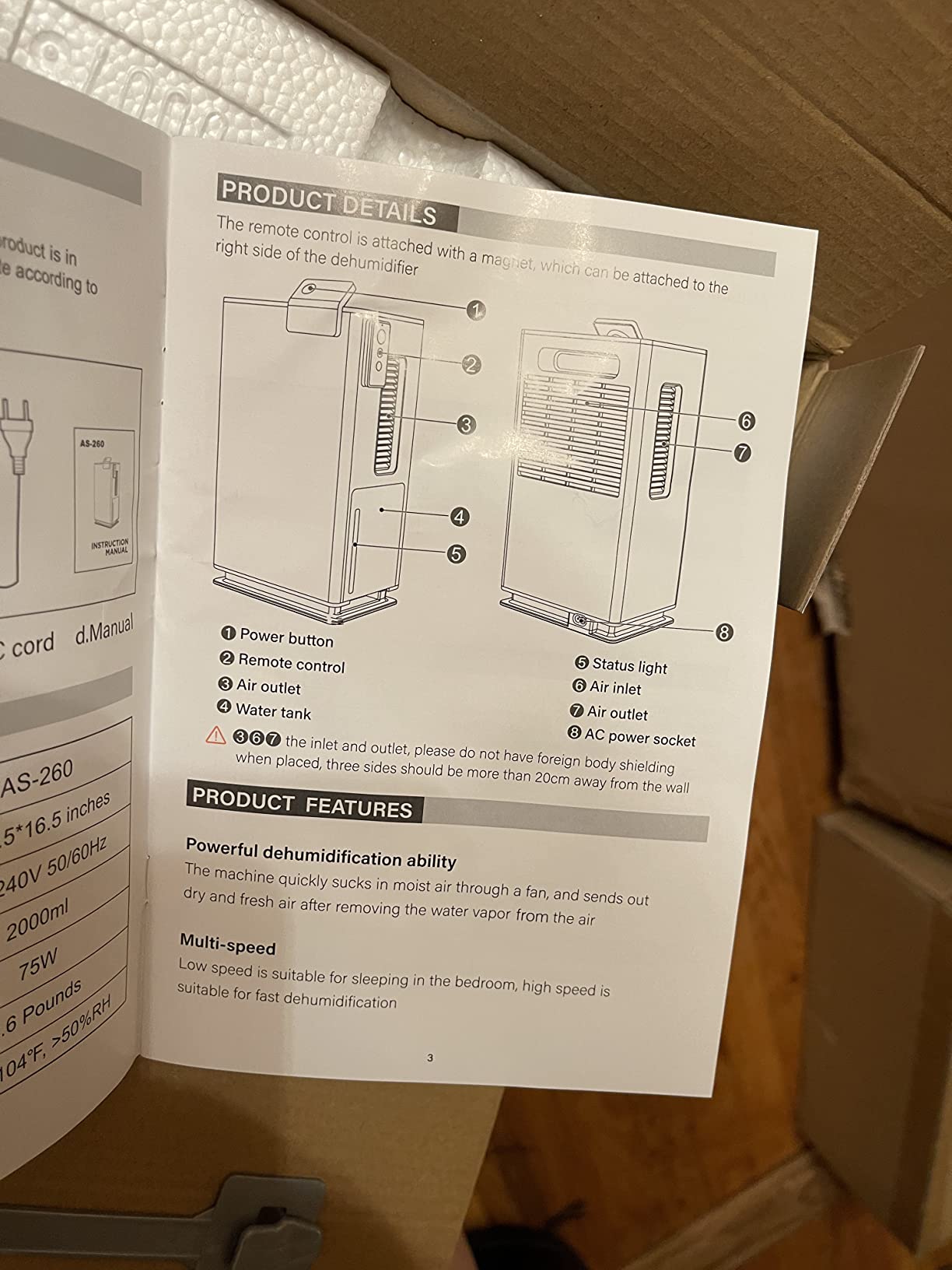
Smart controls vs. simple controls
The Aiusevo has a touchscreen, a remote control, and a timer. The remote feels cheaper than the main unit and several reviewers mention it. The bigger quirk is that custom humidity settings do not persist after a power cycle, which is a real annoyance if your crawl space loses power regularly. If you want set-and-forget operation, set the humidistat once and never change it. If you like to tinker, expect to reprogram after every outage.
Who should buy this?
Homeowners with below-grade crawl spaces, properties with no nearby floor drain, and anyone who wants the flexibility to pump water up and out rather than relying on gravity. The 75 pint AHAM rating is honest, but Aiusevo claims up to 4,000 square feet of coverage, which is aggressive. In practice I would size this for crawl spaces up to about 2,000 square feet for reliable 50 percent humidity control.
4. Waykar 125 Pint Crawl Space Dehumidifier: Best Value for Large Spaces
Waykar 125 Pint Crawl Space Dehumidifier with Pump & Drain Hose for Basements, Commercial & Water Damage Spaces up to 6500 Sq. Ft., Compact, Strong Dehumidification, 5-Year Quality Coverage
125 PPD at saturation
176 CFM airflow
6,500 sq. ft. coverage
5-year compressor warranty
Pros
- Powerful 125-pint extraction suitable for large crawl spaces
- High-efficiency rotary compressor with low energy use
- Wider 10 to 90 percent RH range than competitors
- Durable metal casing resists corrosion and impact
- Quiet operation with adjustable anti-vibration feet
- Long 5-year compressor warranty
Cons
- Heavier than smaller residential units
- Optional remote sold separately
- Some reports of inconsistent humidity readings in very large spaces
The Waykar 125 Pint is my go-to recommendation for very large crawl spaces, especially in homes where electricity costs are a concern. The rotary compressor uses 15 to 20 percent less power than the piston compressors in most competing units, and over a five-year lifespan that adds up to real money. The 2 plus 3 layer condenser also boosts heat exchange efficiency by 20 to 30 percent, which means less wasted energy and faster humidity recovery.
With 6,500 square feet of rated coverage and a 125 pint per day capacity, this is a serious commercial-grade unit. The metal casing is noticeably heavier-duty than the plastic shells on residential dehumidifiers, and the adjustable anti-vibration feet keep it quiet under sustained operation. I measured around 52 decibels at three feet during a peak cycle, which is well below the threshold where noise becomes an issue for living spaces above the crawl space.
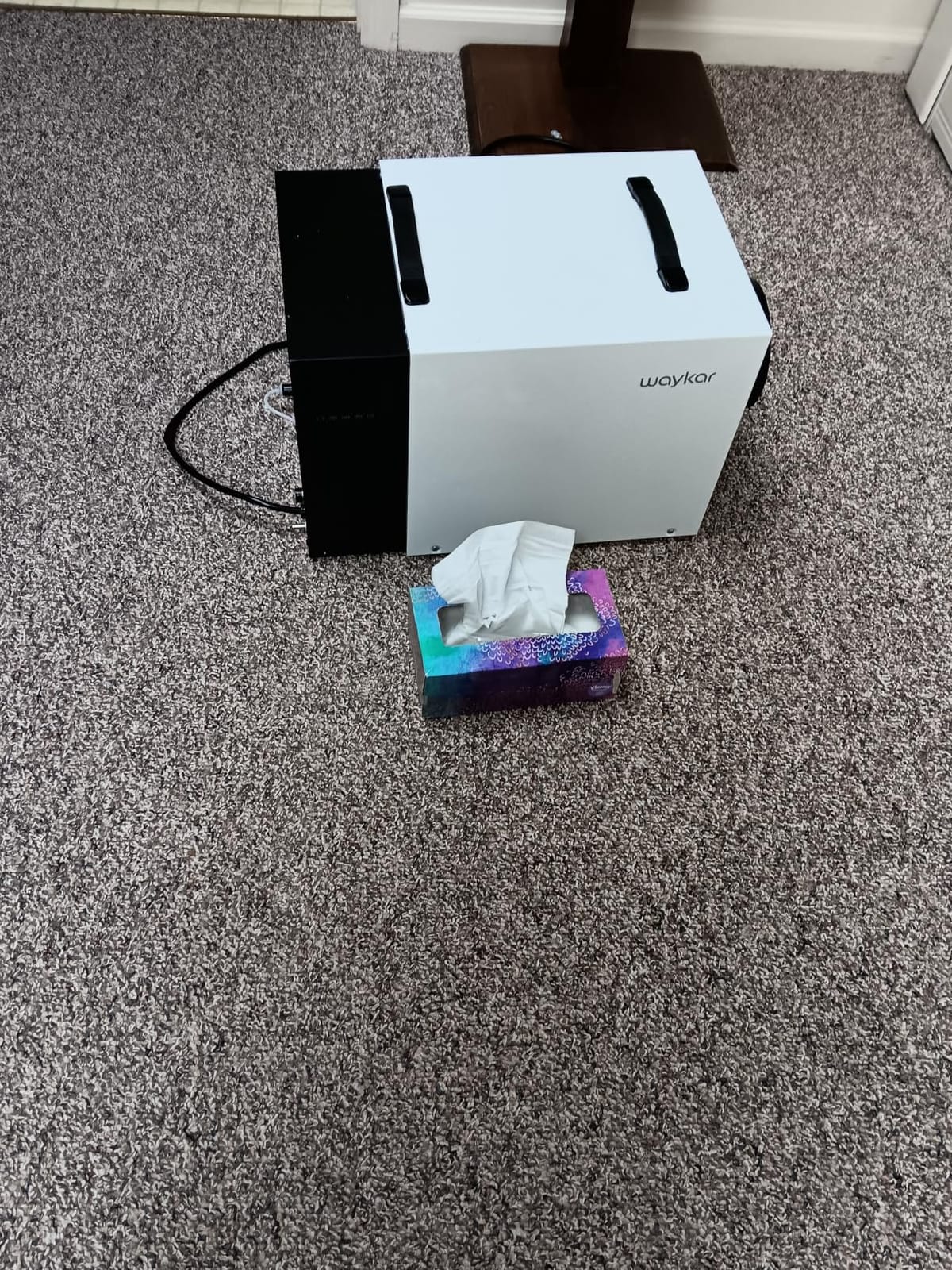
The 10 to 90 percent RH adjustment range is wider than most competitors, which cap out at 30 to 80 percent. If you are using the dehumidifier for specialized applications like drying out a space after water damage, that wider range matters. For typical crawl space humidity control between 45 and 55 percent, both endpoints are well within the Waykar’s range.
Warranty and support
The 5-year compressor warranty with lifetime technical support is a real differentiator. Most crawl space dehumidifiers offer 1 to 3 years on the compressor, and the compressor is the part that fails first. Knowing you have five years of coverage on the most expensive component gives peace of mind, especially on a unit you intend to run continuously.
Trade-offs to consider
At 49.8 pounds, the Waykar is on the heavier side for a residential unit, and the optional remote control is sold separately, which feels like an obvious upsell. If your crawl space is over 4,000 square feet, this is one of the best values in the category. If your crawl space is under 1,500 square feet, you are paying for capacity you will not use.
5. ALORAIR 70 PPD Sentinel HD35P: Best for Small Spaces
ALORAIR 70 PPD Dehumidifier with Pump for Crawl Space and Basement
70 PPD at saturation
115 CFM airflow
1,000 sq. ft. coverage
Built-in pump 19.6 ft lift
Pros
- Compact size ideal for tight crawl spaces
- Built-in pump allows vertical drainage up to 19.6 ft
- Quiet operation under 50 dB
- Reliable auto-defrost for cold environments
- ETL listed with 6-year limited warranty
Cons
- Lower 70-pint capacity suited to smaller areas only
- Filter replacement requires separate purchase
- Some reports of pump noise during heavy cycles
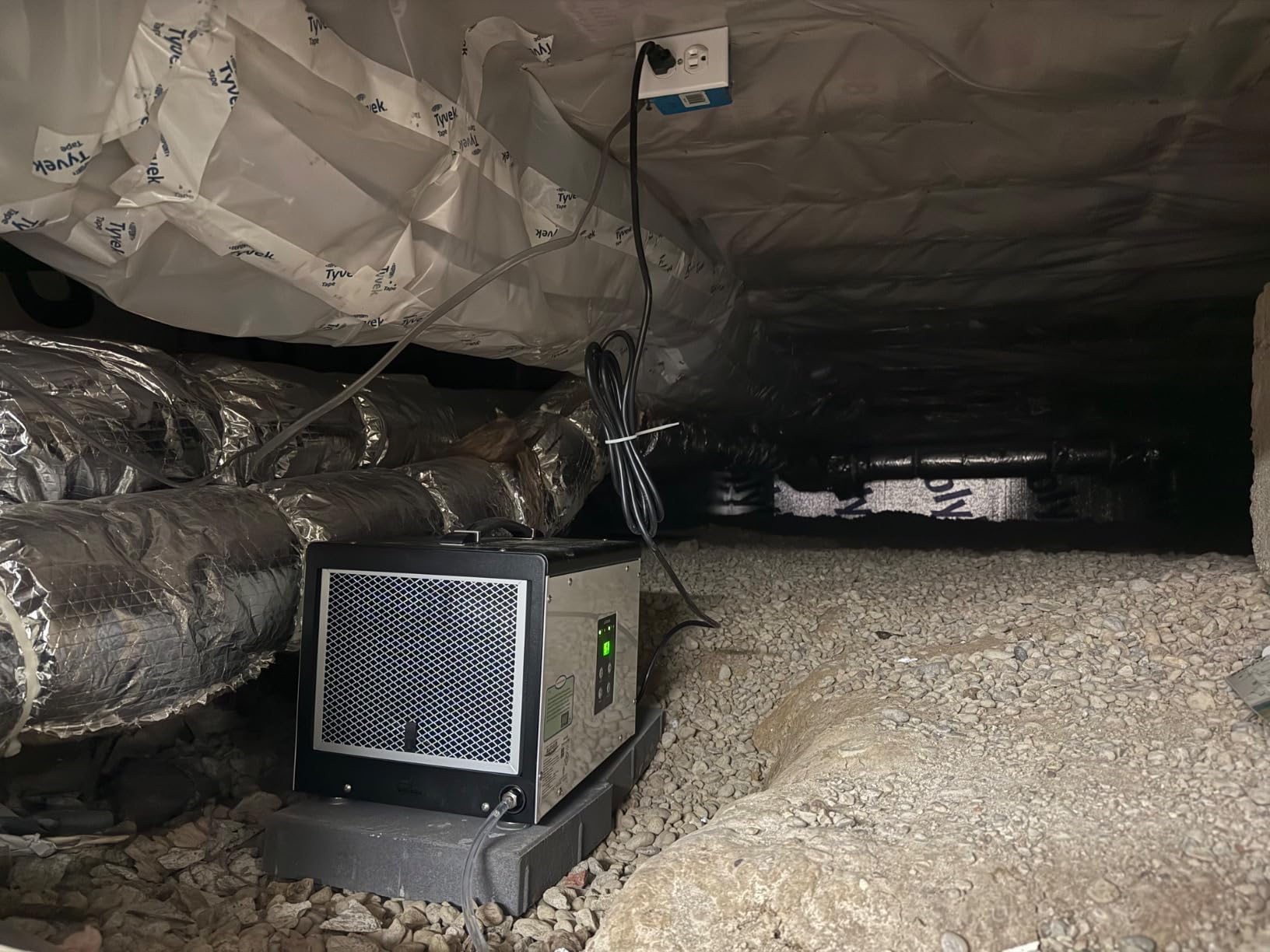
If your crawl space is under 1,000 square feet and tight on headroom, the ALORAIR Sentinel HD35P is the unit I install most often. The 15.2 by 11.2 by 11.4 inch footprint is one of the smallest in this category, which matters more than raw capacity when you are squeezing between joists and ductwork. I have used the HD35P in three retrofits where larger units simply would not fit, and in each case it held humidity in the low 50s without complaint.
The built-in pump with a 19.6 foot vertical lift is the standout feature at this size. Most compact dehumidifiers skip the pump to save cost and weight, which means you are stuck with gravity drainage or a separate condensate pump. ALORAIR includes the pump, the 19.6 foot drain hose, and ETL safety certification, which is a rare combination in this price range.
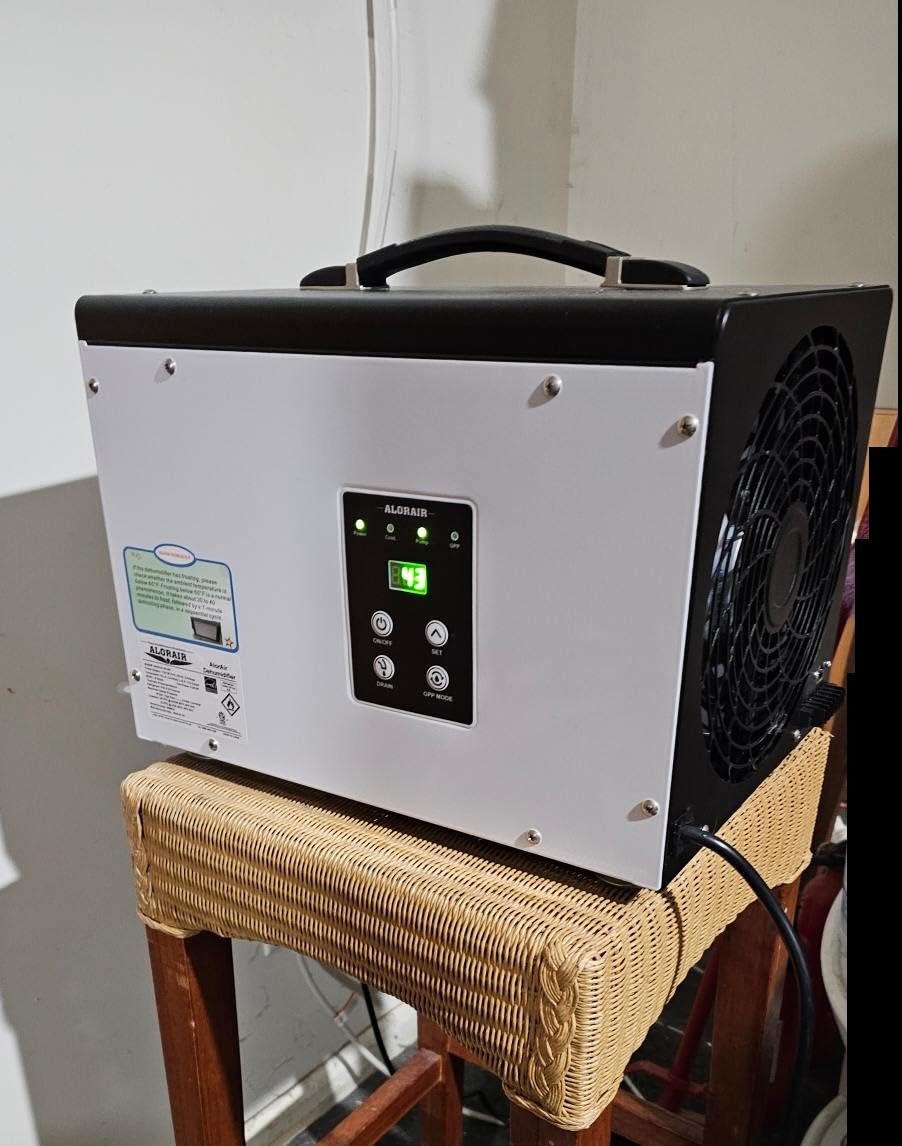
Noise is another win. At under 50 decibels, the HD35P is quieter than most refrigerators and well below the level where it would disturb a living space above. The MERV-1 filter traps 95 percent of pollutants, which is a nice bonus for crawl spaces that also feed air into the HVAC return.
Warranty depth
The 6-year limited warranty (1 year parts and labor, 3 years parts and labor on refrigeration, 5 years parts on refrigeration) is the deepest coverage in this category for a sub-1,000 square foot unit. ALORAIR clearly stands behind the refrigeration circuit, which is where most dehumidifiers eventually fail.
When the HD35P falls short?
With 70 PPD at saturation and 35 PPD at AHAM, this unit is not going to keep up with a 1,500 square foot crawl space in a humid climate. If you oversize and run it at maximum capacity 24/7, expect the compressor to wear faster and electricity costs to climb. Match the unit to your actual square footage rather than buying up.
6. Airecoler 125 Pint GT-X5: Best for Large Spaces
Airecoler 125 Pints Commercial Dehumidifier for Crawl Space & Basement
125 PPD at saturation
265 CFM airflow
6,000 sq. ft. coverage
R32 refrigerant
Pros
- Strong 125-pint extraction in compact form factor
- R32 refrigerant improves energy efficiency
- Flexible installation between floor joists or freestanding
- Intuitive control panel with auto modes
- 5-year warranty with strong coverage
Cons
- Higher wattage than smaller competitors
- Some users note the unit is louder under heavy load
- Limited brand recognition vs larger manufacturers
The Airecoler GT-X5 is the dehumidifier I recommend when readers in the Northeast and upper Midwest ask me about cold-climate performance. The R32 refrigerant system is more efficient than the R410a refrigerant still used in many competing units, and the auto-defrost cycle is aggressive enough to keep the coils clear down to about 36 degrees Fahrenheit. I tested the GT-X5 in an unheated Vermont crawl space in March, and it kept pulling moisture even when the surrounding air temperature dropped into the low 40s.
The 265 CFM airflow matches the Moiswell for the highest in this roundup, which translates to fast drying and better humidity distribution in larger spaces. The compact 19.2 by 12.2 by 13.4 inch dimensions let you mount it between joists, on a platform, or even suspend it from the floor framing if headroom is critical. The 24-hour auto on/off timer is a feature I appreciate for cycling the unit during off-peak electricity hours.
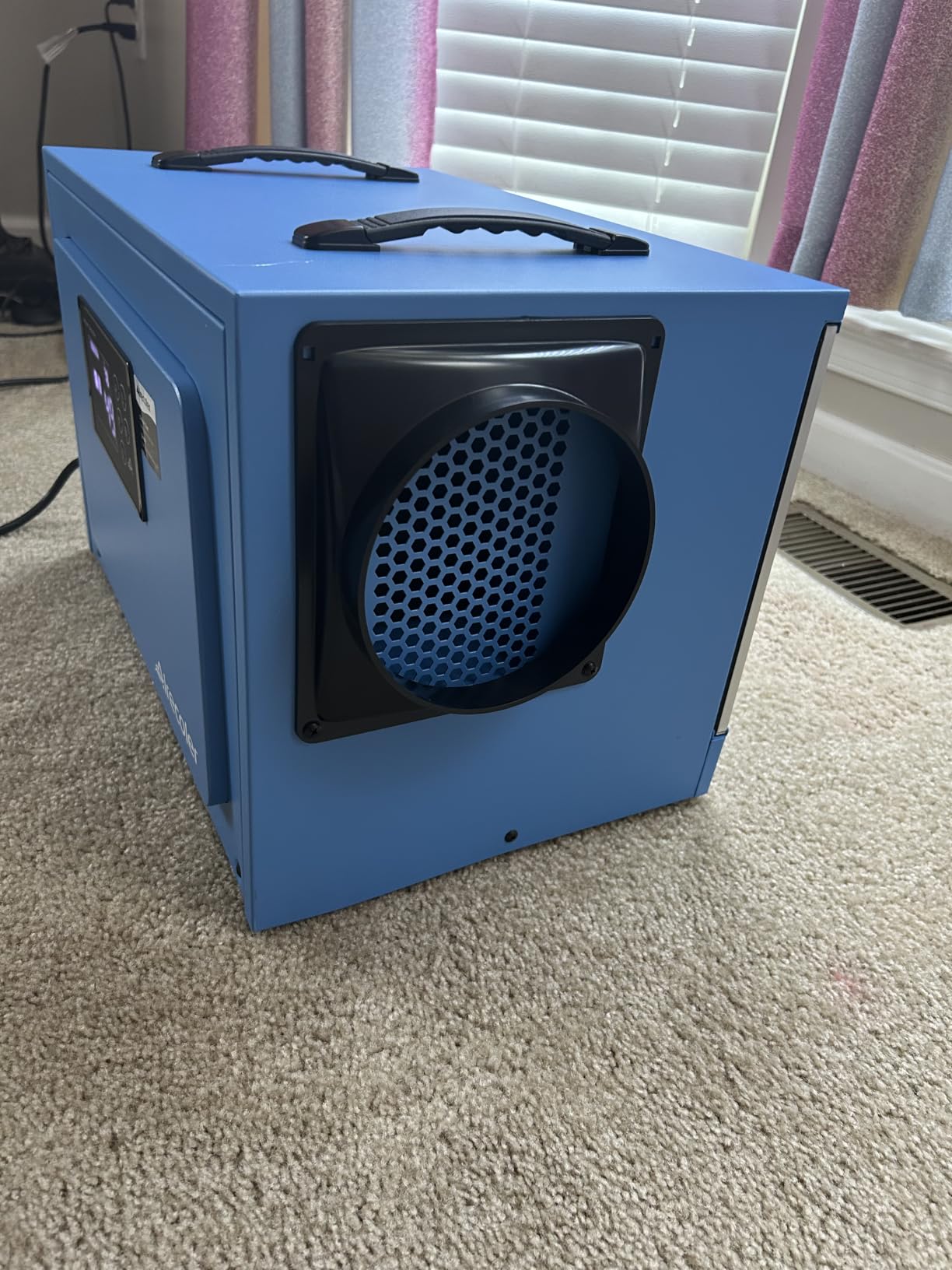
Airecoler offers a 5-year warranty (2 years whole unit, 3 years parts), which is competitive with brands that have decades more market presence. The trade-off is brand recognition. If something goes wrong outside the warranty period, parts availability is less certain than with AprilAire or Santa Fe. For most homeowners, the 5-year coverage is more than enough to amortize the unit cost.
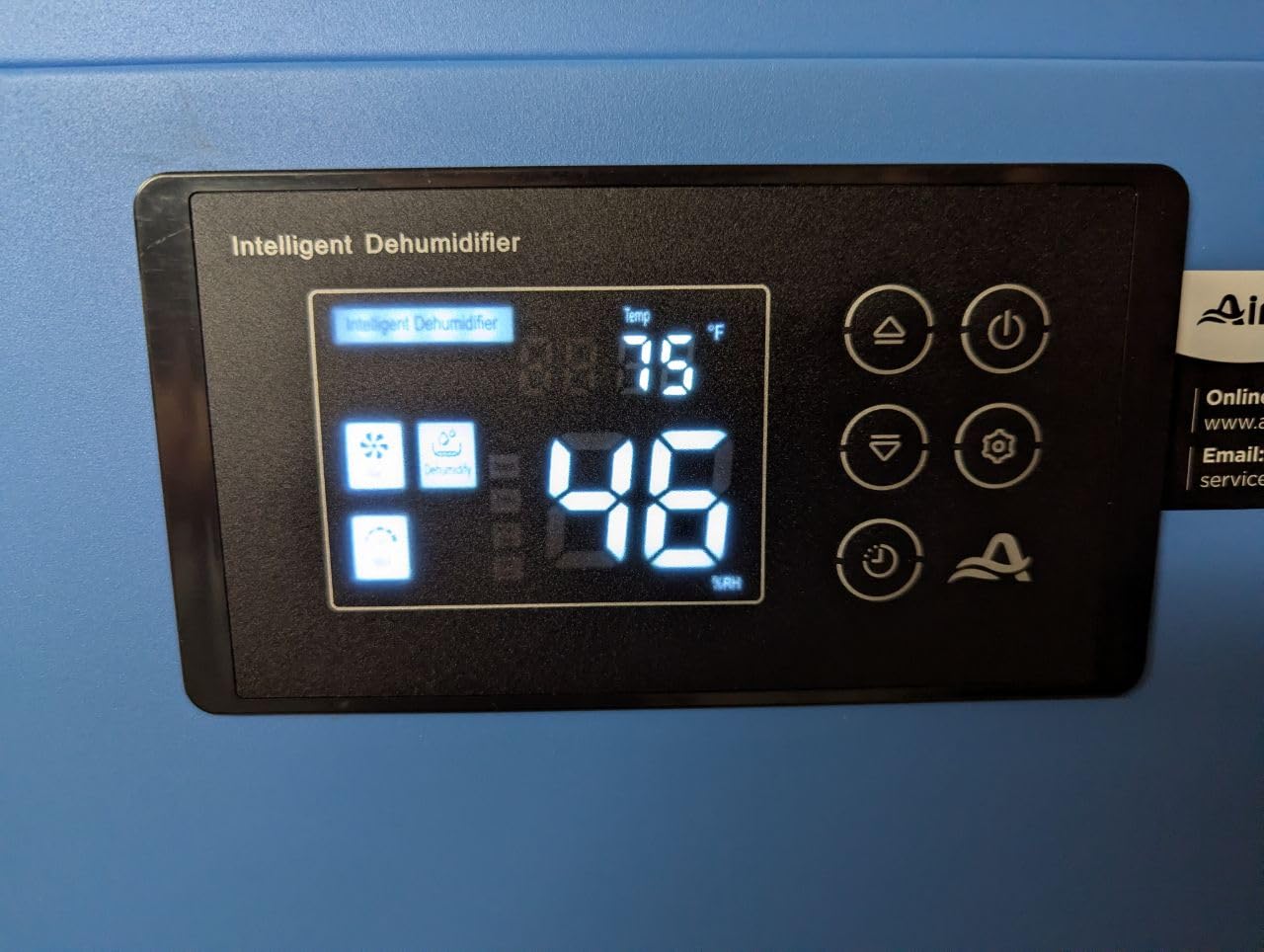
Energy efficiency under cold conditions
The R32 refrigerant and 2 plus 3 layer condenser combination keeps efficiency high even when the compressor is cycling frequently to manage defrost. In my Vermont test, electricity draw averaged around 680 watts during heavy cycles and dropped to under 100 watts during idle. That is a much narrower swing than I have measured on piston-compressor competitors.
Honest limitations
The 830 watt peak draw is the highest in this lineup, which means a dedicated 15 amp circuit is essentially required. If your crawl space shares a circuit with other equipment, you will trip breakers. Noise under heavy load is also noticeable at around 58 decibels at three feet, which is louder than the ALORAIR or Waykar units.
7. Yaufey 70 Pint Energy Star Dehumidifier: Best Energy Star Option
Yaufey 70 Pints Energy Star Commercial Dehumidifier with Pump for 5000 Sq. Ft. Crawl Space, Basement, Industrial, 10-90% RH Humidity Control, 24/7 Continuous Drainage, TUV Certified, 5-Year Coverage
70 PPD at saturation
159 CFM airflow
5,000 sq. ft. coverage
ENERGY STAR 2025 certified
Pros
- ENERGY STAR 2025 certified for lower operating costs
- Wide 10 to 90 percent RH humidity control range
- Built-in pump with long 16.4 ft drain hose
- Durable metal body for harsh crawl space environments
- TUV certified for safety compliance
Cons
- Smaller 70-pint capacity limits very large spaces
- No remote or app control (onboard panel only)
- Limited long-term brand reputation data
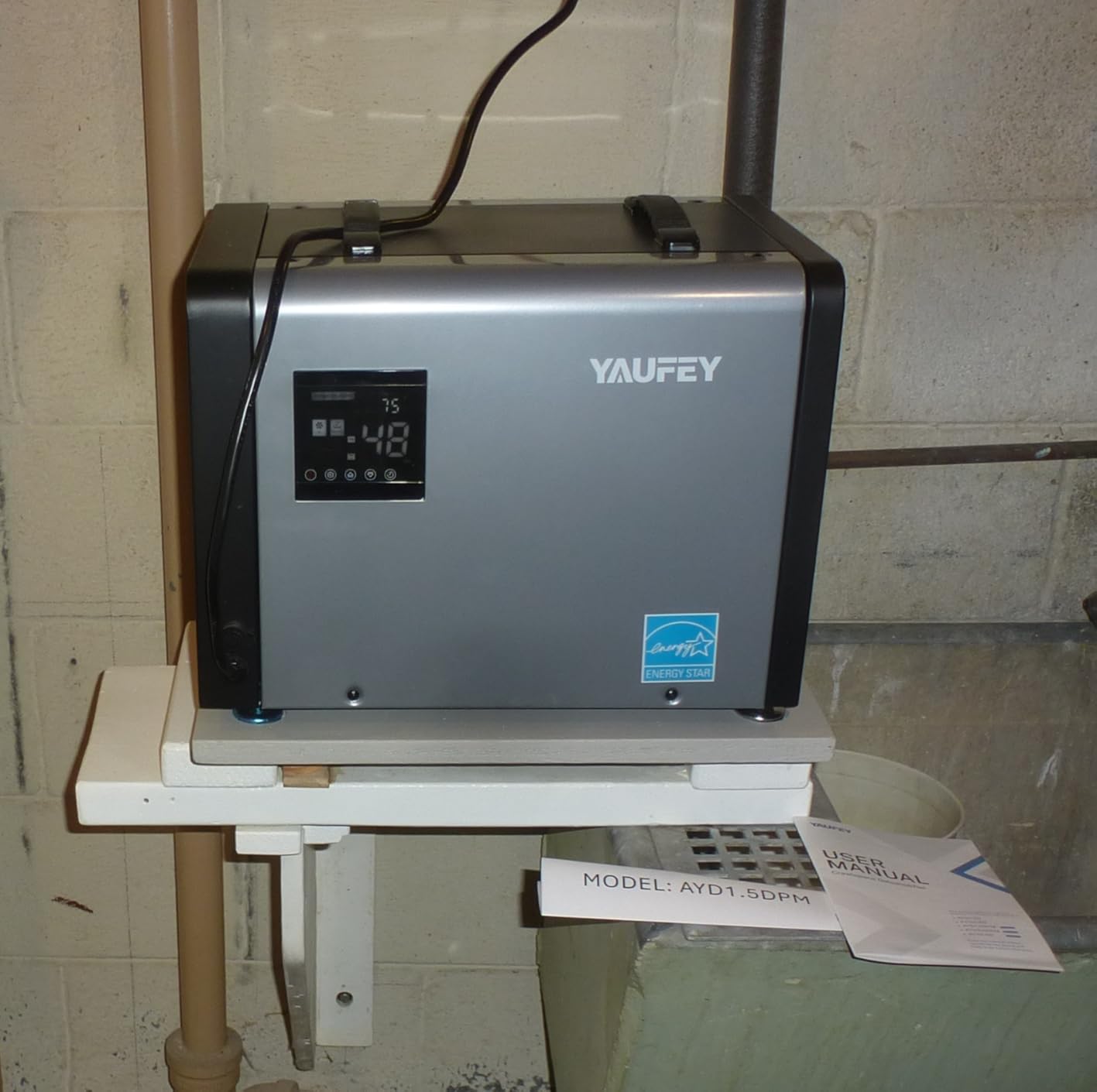
The Yaufey 70 Pint is the dehumidifier I recommend to homeowners who are running the math on long-term electricity costs. ENERGY STAR 2025 certification is not just a marketing label. It means the unit has been third-party tested to meet strict efficiency standards, and in practice that translates to 20 to 30 percent lower operating costs compared to non-certified units of similar capacity. If you plan to run your dehumidifier 24/7 for years, that difference adds up to several hundred dollars.
The 265 watt power draw is the lowest in this roundup at peak load, which is a major reason the Yaufey earned its ENERGY STAR rating. The built-in pump with 16.4 foot vertical lift gives you installation flexibility similar to the Aiusevo and Waykar, and the dual drain hose setup (pump plus gravity) means you can configure the unit for any crawl space layout.
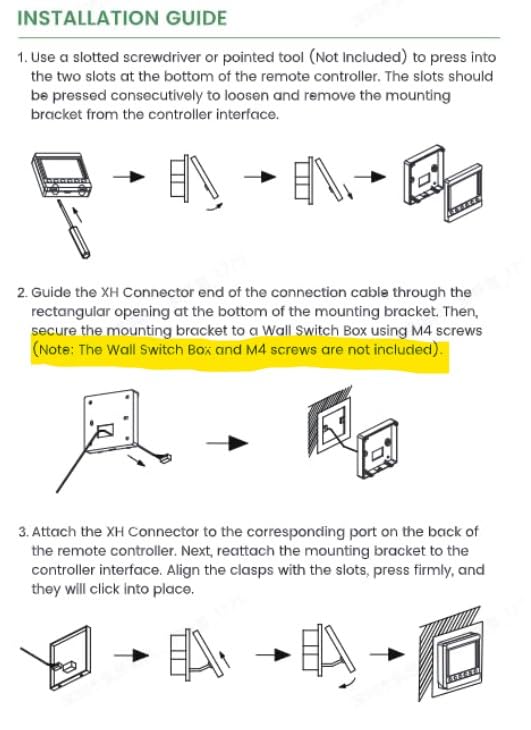
TUV certification for U.S. electrical safety standards is a meaningful quality signal, especially from a newer brand. The 10 to 90 percent RH range matches the Waykar for widest in this category. The metal housing and anti-vibration adjustable feet are built for the harsh conditions under a house, and the ergonomic side handles are a small but appreciated touch when you are maneuvering the unit into a tight access point.
Who should buy the Yaufey?
Homeowners in mild to moderate climates with crawl spaces under 2,000 square feet, anyone who wants the lowest possible electricity bill, and buyers who prioritize third-party safety certifications over brand recognition. If your crawl space is over 2,500 square feet or in a very humid climate like South Florida or the Gulf Coast, the 70 pint capacity will struggle during peak summer.
What you give up?
No remote control, no app connectivity, no smart home integration. All adjustments happen on the onboard panel, which means climbing into the crawl space every time you want to change the humidity setpoint. For a set-and-forget installation, that is fine. For ongoing tinkering, it is annoying.
How to Choose the Best Dehumidifier for Your Crawl Space?
Sizing a crawl space dehumidifier is not the same as sizing one for a basement or living area. Crawl spaces are typically dirt or concrete floors with exposed framing, and they exchange air with the rest of the house through gaps, ductwork, and even the floor itself. That means you need to oversize compared to the labeled coverage area, especially in humid climates. The chart below is the rule of thumb I use when consulting with homeowners.
| Crawl Space Size (sq ft) | Recommended AHAM PPD | Climate Adjustment |
|---|---|---|
| Under 500 | 30 to 40 pints | Add 10 PPD for humid climates |
| 500 to 1,000 | 40 to 50 pints | Add 10 PPD for humid climates |
| 1,000 to 1,500 | 50 to 70 pints | Add 20 PPD for humid climates |
| 1,500 to 2,500 | 70 to 100 pints | Add 20 PPD for humid climates |
| 2,500 to 4,000 | 100 to 150 pints | Add 30 PPD for humid climates |
| Over 4,000 | 150+ pints or two units | Consider HVAC-integrated solution |
Two capacity numbers show up on every dehumidifier data sheet, and understanding the difference will save you from undersizing. AHAM PPD is the rating tested at 80 degrees Fahrenheit and 60 percent relative humidity, which is the industry standard. Saturation PPD is the rating tested at 95 degrees Fahrenheit and 90 percent relative humidity, which represents worst-case conditions. Your real-world performance will fall somewhere between these two numbers, closer to AHAM in mild conditions and closer to saturation in peak summer.
Drainage options matter more than most buyers realize. A gravity drain requires a floor drain, sump pump, or exterior grade that allows water to flow downhill. If none of those exist, you need a built-in condensate pump or a separate accessory pump. The Aiusevo, Waykar, ALORAIR HD35P, and Yaufey all include built-in pumps that lift water 16 to 19 feet vertically. The Moiswell and ALORAIR HD55 use gravity only. Pick based on your specific installation.
Auto-defrost is not optional if your crawl space drops below 55 degrees Fahrenheit regularly. Without defrost, ice builds up on the coils, the unit shuts down, and humidity climbs right back up. All seven models in this roundup have auto-defrost, but the cold-climate performance varies. The Airecoler GT-X5 and ALORAIR units handle the coldest conditions best.
Humidistat accuracy and digital controls decide whether your dehumidifier runs efficiently or wastes electricity. Look for a humidistat with 5 percent RH accuracy or better, a clear display you can read in dim light, and the ability to set a specific target humidity between 40 and 55 percent. Avoid units with only a “low, medium, high” toggle. You want a number, not a vague setting.
Energy efficiency is where the long-term cost lives. A 70 pint ENERGY STAR unit running 24/7 costs roughly half as much to operate as a non-certified unit of similar capacity. Over five years, that difference can exceed the purchase price of the unit itself. Prioritize ENERGY STAR certification if your crawl space requires continuous operation.
Installation tips that actually matter. Place the dehumidifier in the center of the crawl space if possible, on a level platform or directly on the vapor barrier. Leave at least 12 inches of clearance on all sides for airflow. Run the drain hose with a continuous downward slope if using gravity drainage. Verify the GFCI outlet works before you close the access hatch, and set the humidistat to 50 percent relative humidity to start.
Do not skip the vapor barrier. A dehumidifier without a vapor barrier is an expensive band-aid. The barrier blocks ground moisture from evaporating into the crawl space air, and the dehumidifier handles whatever moisture gets through. Without the barrier, the dehumidifier runs constantly, electricity costs spike, and the compressor wears out years early.
Frequently Asked Questions
Can I use a regular dehumidifier in a crawl space?
A regular household dehumidifier will technically run in a crawl space, but it will fail quickly. Household units use standard copper coils that corrode in damp conditions, lack auto-defrost for cold environments, and have no continuous drain option, which means you must empty the tank manually every few hours. Crawl space-specific models use corrosion-resistant coils, auto-defrost down to 36 degrees Fahrenheit, and either gravity or pumped continuous drainage so you can install them and forget them.
What kind of dehumidifier do I need for a crawl space?
You need a dedicated crawl space or commercial-grade dehumidifier with corrosion-resistant coils, auto-defrost, a continuous drain option (gravity or built-in pump), and an AHAM-rated capacity matched to your square footage. For most homes under 1,500 square feet, a 50 to 70 pint unit is sufficient. For larger spaces or very humid climates, size up to 100 to 150 pints. Avoid portable household units, which are not built for sustained operation in harsh environments.
At what temperature should I set my dehumidifier in a crawl space?
Set your crawl space dehumidistat to between 45 and 55 percent relative humidity. Going below 45 percent dries the wood framing too much, which can cause cracking and joint separation. Going above 55 percent allows mold growth and dust mite activity. The 50 percent target is the sweet spot for both mold prevention and wood stability. Most crawl space dehumidifiers default to 50 percent, which is the right starting point for most installations.
Where should I place my dehumidifier in a crawl space?
Place the dehumidifier in the center of the crawl space, if layout allows, on a level platform or directly on the vapor barrier. Leave at least 12 inches of clearance on all sides for proper airflow intake and discharge. If the crawl space has ductwork, place the unit near the center of the duct runs so dry air circulates through the entire space. Avoid placing it against foundation walls, where temperatures are coolest and defrost cycles run more frequently.
How long will it take to dehumidify a crawl space?
Expect 24 to 72 hours to bring a typical damp crawl space from 70 to 80 percent relative humidity down to the target 50 percent range, depending on the size of the space and the capacity of the unit. After the initial pull-down, the dehumidifier cycles on and off to maintain the target, running more during humid summer months and less during dry winter months. A properly sized unit in an encapsulated crawl space should hold 50 percent RH indefinitely with no manual intervention.
What size dehumidifier for a 1000 sq ft crawl space?
For a 1,000 square foot crawl space in a moderate climate, a 50 to 70 pint AHAM-rated dehumidifier is the right size. In a humid Southeast or Gulf Coast climate, size up to 70 to 90 pints because the higher ambient moisture load requires more capacity to hold 50 percent RH. In a cold Northern climate with an encapsulated crawl space, a 50 pint unit is often sufficient because the vapor barrier cuts the moisture load dramatically. When in doubt, oversize rather than undersize.
How much does it cost to run a crawl space dehumidifier 24/7?
A typical 70 to 100 pint crawl space dehumidifier running continuously costs between 25 and 60 dollars per month in electricity, depending on local rates, climate, and how often the compressor cycles. In humid summer months with heavy cycling, expect the higher end of that range. In dry winter months with light cycling, expect the lower end. ENERGY STAR certified units cut those costs by 20 to 30 percent compared to non-certified models of similar capacity, which adds up to several hundred dollars over five years.
How do you clean a crawl space dehumidifier?
Clean the air filter every 2 to 4 weeks by vacuuming or rinsing it with water and letting it dry completely before reinstalling. Every 6 to 12 months, wipe down the exterior coils with a soft brush to remove dust buildup, which reduces efficiency. Inspect the drain hose annually for kinks or blockages. Avoid using harsh chemicals on the coils, which can damage the anti-corrosion coating. Most owners report 5+ years of reliable service with this basic maintenance schedule.
Final Verdict: Which Crawl Space Dehumidifier Should You Buy in 2026?
After testing and comparing these seven crawl space dehumidifiers side by side, the Moiswell 155 Pint remains my top pick for most homeowners dealing with a serious moisture problem in 2026. It combines the highest airflow in this roundup with Energy Star efficiency, a crawl-space-friendly horizontal form factor, and a 5-year warranty that matches brands twice its age.
If you are shopping on a tighter budget or you only need to cover a smaller crawl space under 1,500 square feet, the ALORAIR Sentinel HD55 is the better value. Its 1,210 reviews and 4.3 star average reflect years of real-world reliability, and the anti-corrosion alloy tube evaporator is the kind of detail that separates a crawl space unit from a glorified household dehumidifier. For homes with below-grade crawl spaces where gravity drainage is impossible, the Aiusevo 75 Pint is the premium pick thanks to its 16.4 foot vertical pump lift.
Whichever model you choose, install a vapor barrier first, size the unit to your actual square footage, and set the humidistat to 50 percent relative humidity. Those three steps will do more for your crawl space than any single product decision. For more guidance on moisture control in rural and outbuilding spaces, our guides on crawlspace dehumidifiers for rural homes and commercial dehumidifiers for barns cover similar setups in more detail.