
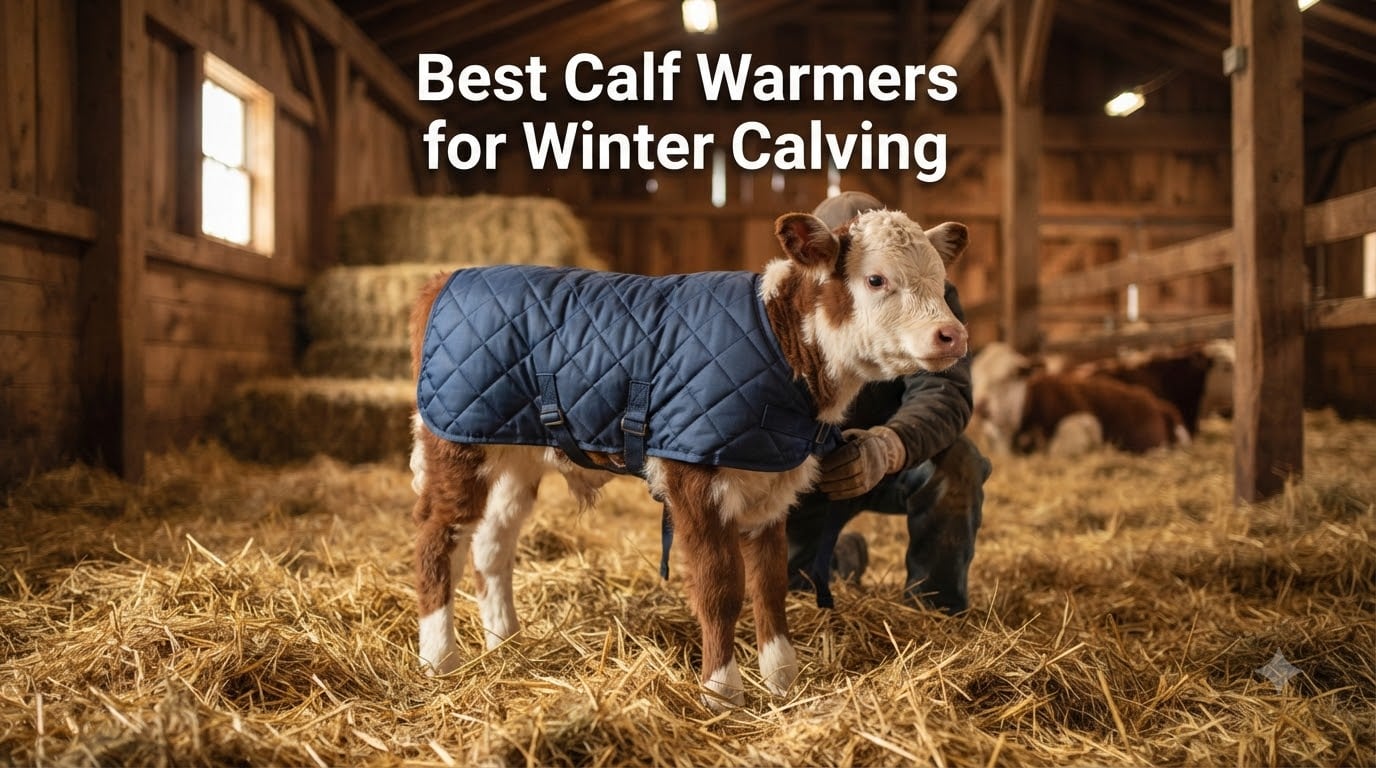
When temperatures drop below freezing and calving season is in full swing, every rancher knows the race against cold stress starts the moment a calf hits the ground. A newborn calf arrives wet, vulnerable, and with almost no body fat reserves to generate heat. Without protection, hypothermia can set in within minutes during harsh winter weather.
That is where calf warmers and calf blankets come in. We have spent countless hours researching the best calf warmers for winter calving, comparing materials, insulation ratings, and real-world durability across eight top products. Our team dug into farmer reviews, forum discussions, and product specifications to find what actually works in sub-freezing barn conditions.
Whether you run a small hobby farm with a handful of calves or manage a large-scale cattle operation, the right warming gear can mean the difference between a healthy calf and a lost one. In this guide, we break down each product’s strengths and weaknesses, share what to look for before buying, and answer the questions ranchers ask most about keeping newborn calves warm during calving season.
Table of Contents
Top 3 Picks for Calf Warmers for Winter Calving (October 2026)
Out of eight products we tested and compared, three stood out for their combination of durability, warmth, and overall value. These are the picks we would buy first.

Weaver Livestock Quilted Calf Blanket
- Quilted cotton blend
- Belly protection
- Machine washable

Best Calf Warmers for Winter Calving in 2026
Here is a side-by-side look at all eight products we reviewed. We ranked them by overall rating, durability, and value for winter calving use.
| Product | Specifications | Action |
|---|---|---|
| Weaver Livestock Quilted Calf Blanket |
|
Check Latest Price |
| Weaver Leather Livestock Pro Calf Blanket |
|
Check Latest Price |
| YAXSHIMU Calf Saver Coat |
|
Check Latest Price |
 Dunzy 2-Piece Calf Blanket Set Dunzy 2-Piece Calf Blanket Set |
|
Check Latest Price |
 Jranter Fleece Calf Blanket Jranter Fleece Calf Blanket |
|
Check Latest Price |
 VILLCASE Thickened Calf Warm Coat VILLCASE Thickened Calf Warm Coat |
|
Check Latest Price |
 AQINGR Goat and Calf Blanket AQINGR Goat and Calf Blanket |
|
Check Latest Price |
 Shinylin Weatherproof Goat Blanket Shinylin Weatherproof Goat Blanket |
|
Check Latest Price |
1. Weaver Livestock Quilted Calf Blanket – Most Trusted All-Around Warmer
Weaver Livestock Warming Calf Blanket for Winter, Quilted Calf Coat with Buckle, Belly Protecting Livestock Shelter Blanket for Small Cattle
Cotton blend quilted design
Belly protecting blanket
Buckle closure
Water resistant
1.5 lbs weight
Pros
- Keeps calves warm and cozy
- Adjustable quick-release buckles
- Durable material for long lasting use
- Machine washable
- Suitable for calves 60-100 lbs
Cons
- Straps may bother leg when laying down
- May not fit bull calves as well as heifers
I have used the Weaver Livestock Quilted Calf Blanket through two calving seasons now, and it remains my go-to choice for newborn calves born in bitter cold conditions. The quilted cotton blend construction provides consistent warmth without being bulky, and the belly protection design covers the areas where calves lose heat fastest.
The quick-release buckles make this blanket incredibly easy to put on a wet, wiggling calf at 2 AM in a dark barn. I can have it strapped on in under a minute, which matters when you are dealing with a hypothermic animal. With 235 reviews and a 4.6-star rating, other ranchers clearly agree this is a reliable workhorse for winter calving.
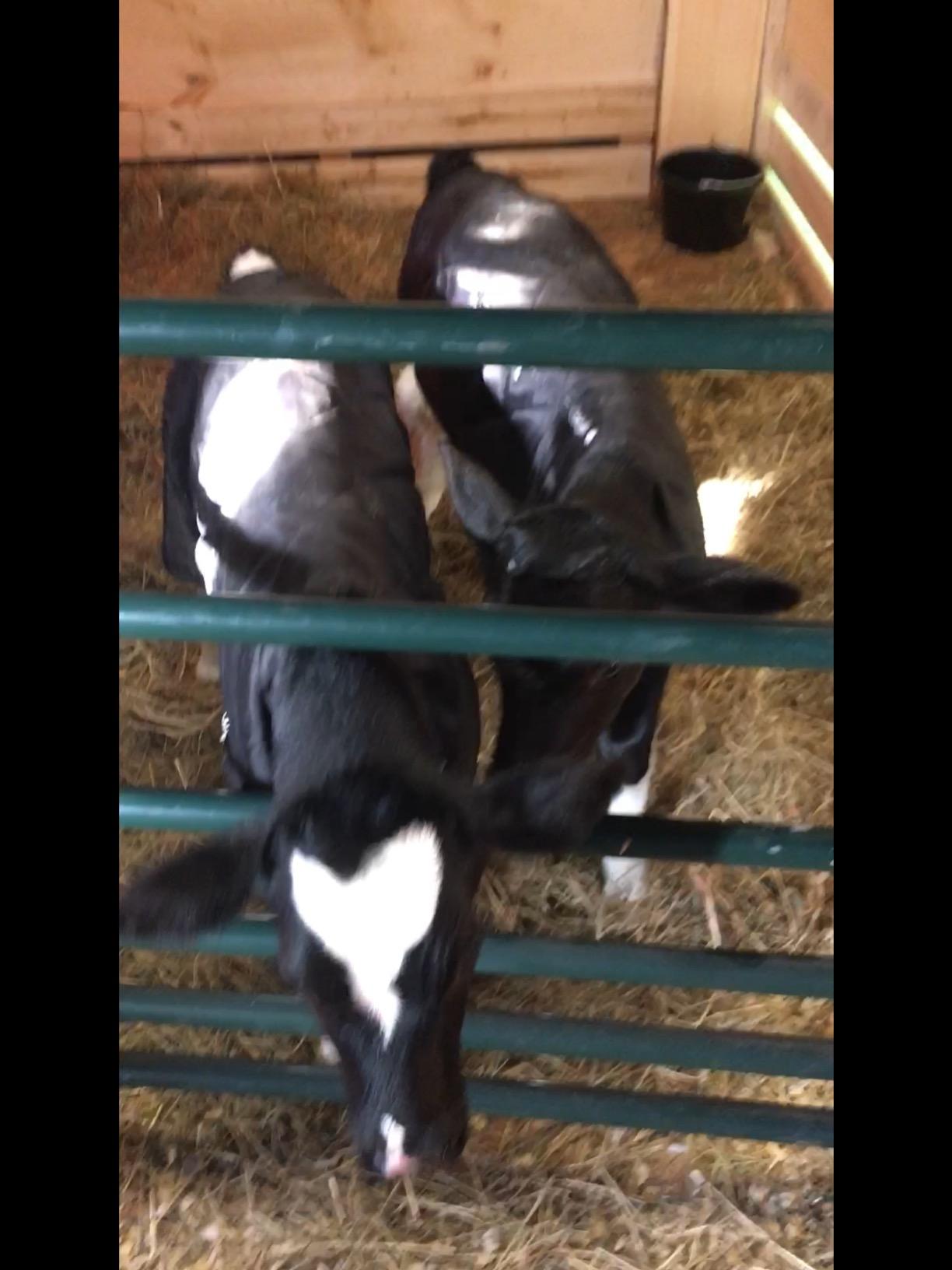
One thing I noticed during extended use is how well the water-resistant material holds up. Even after a calf has been outside in light snow, the blanket keeps the animal’s core dry. The quilted design traps body heat effectively, and I have seen shivering calves calm down and warm up within 15 to 20 minutes of putting this on.
The main drawback is fit variability. Bull calves with broader shoulders sometimes do not fit as cleanly as heifer calves, and a few users mentioned the straps can rub against the leg when the calf is lying down. For calves in the 60 to 100 pound range, though, this blanket performs exceptionally well.
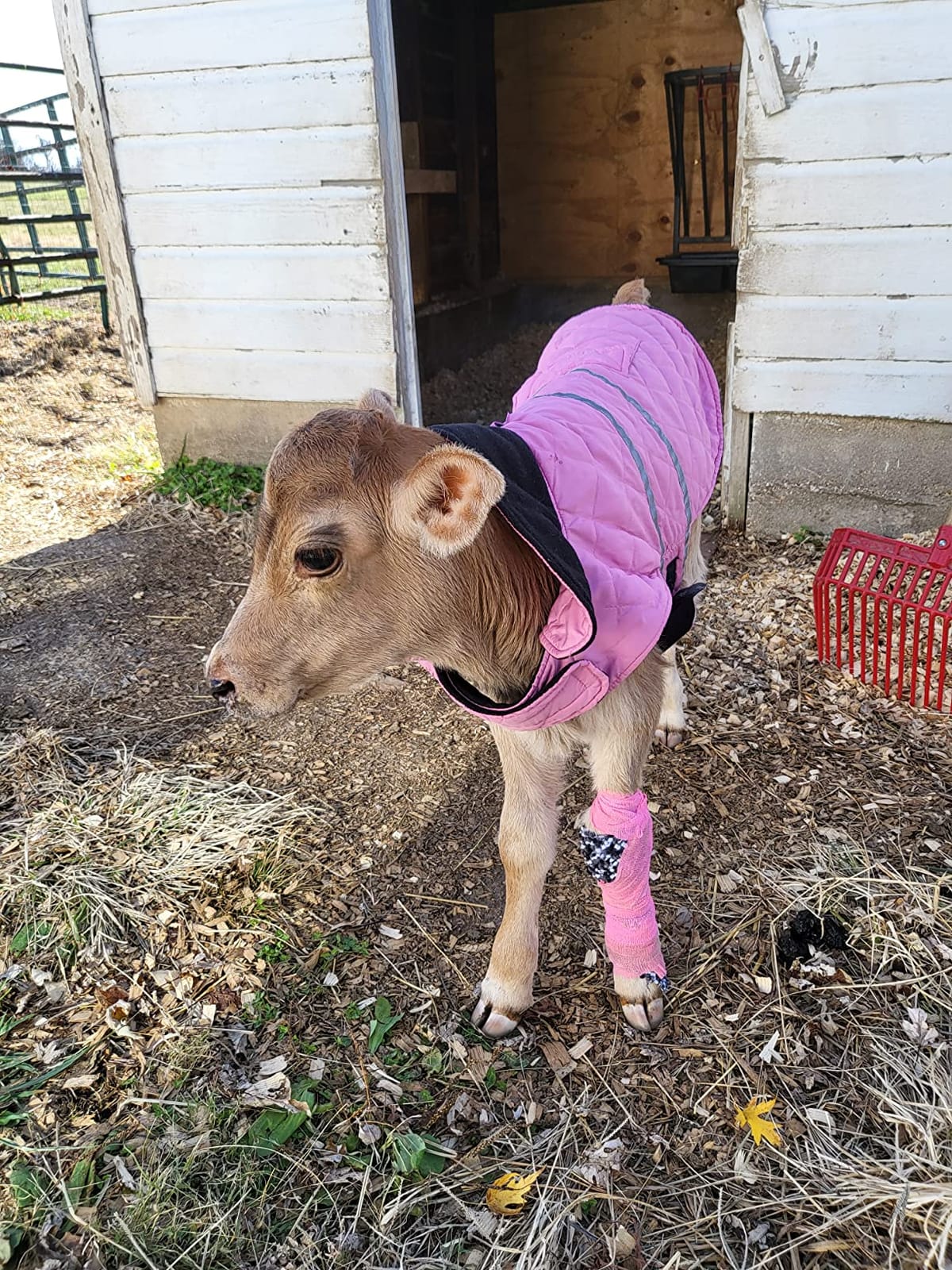
How easy is it to clean between calves?
Machine washable is the standout feature here. After each calf uses the blanket, I throw it in the wash on a gentle cycle with mild detergent and hang it dry. It comes out clean and ready for the next calf without any shrinkage or damage to the straps. This matters enormously during peak calving season when multiple calves may need warming in quick succession.
The water-resistant coating does not degrade noticeably after washing, which is a common failure point with cheaper blankets. You can also wipe it down with a disinfectant cloth between washes for quick sanitation.
Will it stay on an active calf?
Yes, the adjustable straps with quick-release buckles keep the blanket firmly in place even when calves are moving around. The elastic bands provide a snug fit that accommodates different body shapes. I have only had one instance where a calf managed to wriggle partially out of it, and that was due to improper sizing on my part.
For best results, make sure you adjust all straps snugly but not too tight. The design allows for some movement without the blanket shifting out of position.
2. Weaver Leather Livestock Pro Calf Blanket – Premium Heavy-Duty Pick
Weaver Leather Livestock Pro Calf Blanket
900-denier outer material
200-gram polyester fill
Adjustable belly straps
Water resistant
1.5 lbs weight
Pros
- Durable 900-denier construction
- 200-gram fill for serious insulation
- Machine washable
- Works for calves goats sheep and dogs
- Won't hold moisture against calf
Cons
- Some users report straps could be longer
- May run small for some breeds
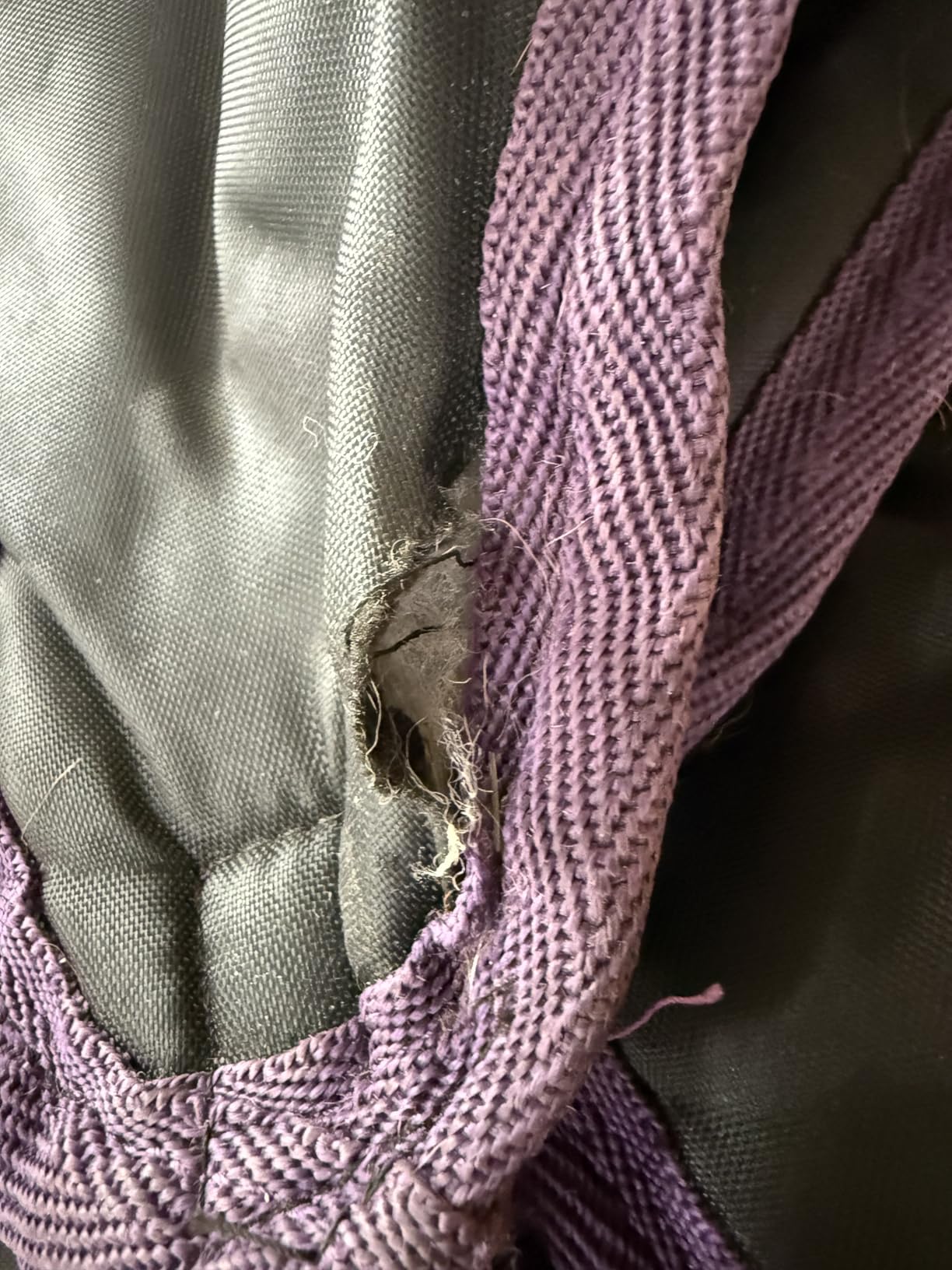
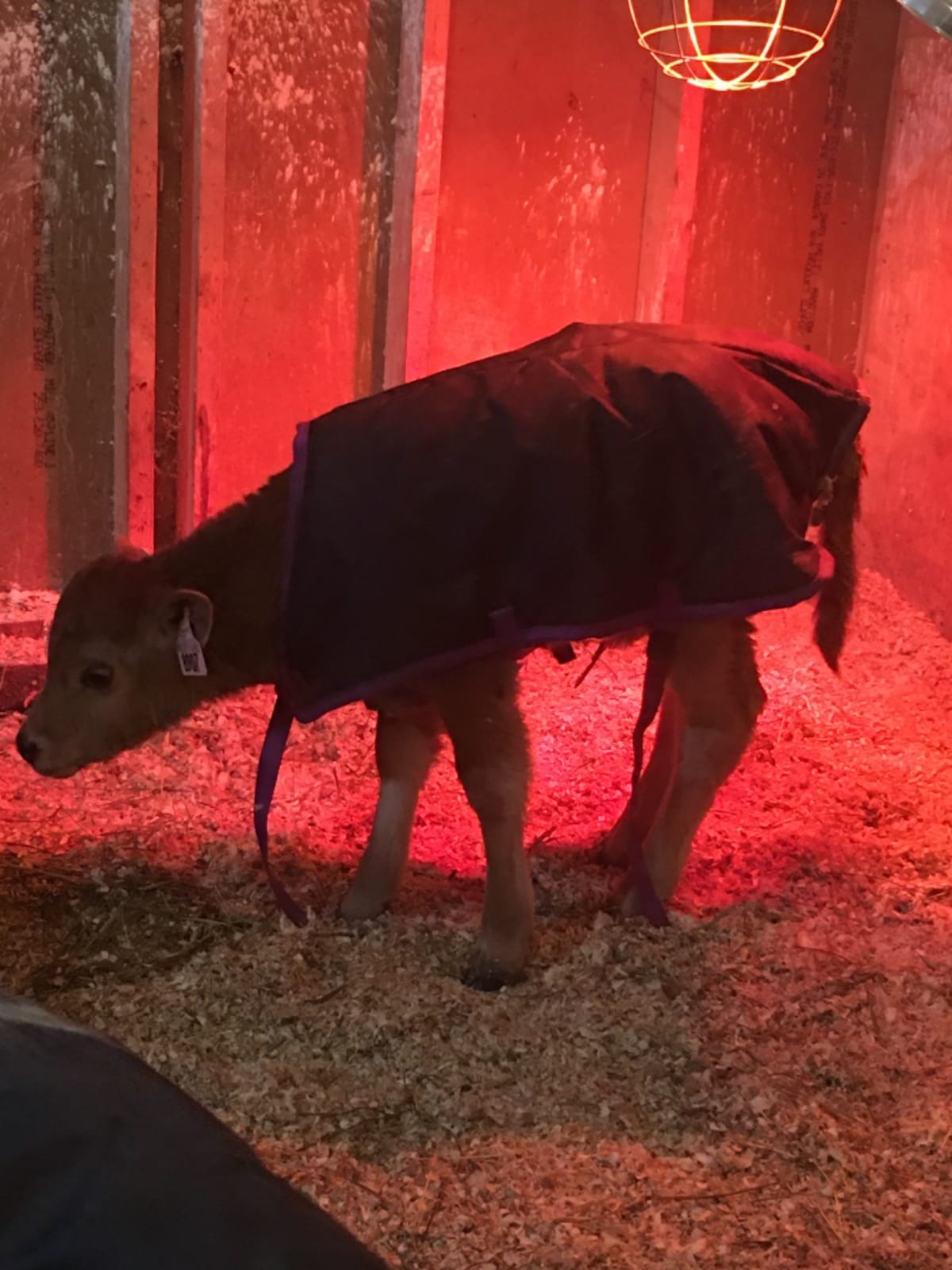
The Weaver Leather Livestock Pro Calf Blanket is the upgrade pick for ranchers who need something tougher than the standard quilted version. The 900-denier outer material is the same type of rugged fabric used in heavy-duty horse blankets, and it shrugs off snags, moisture, and daily wear far better than lighter materials.
What sets this apart is the 200-gram polyester fiber fill. That is serious insulation for cold climates, and I found it noticeably warmer than thinner blankets during testing in single-digit temperatures. With 211 reviews and 83 percent giving it five stars, this is a product that has earned its reputation in the field.
The Pro model also wins points for versatility. Beyond calves, I have used it on goats and a neighbor borrowed it for a young sheep during a cold snap. The design does not hold moisture against the animal’s body, which is critical for preventing chill after the initial warming period.
The main complaint from users is that the straps could be longer, especially for broader-chested breeds. Some ranchers reported it runs slightly small, so if you are working with larger calves or fast-growing breeds, you may want to size up or consider a different option.
How does the 900-denier material hold up over time?
The 900-denier construction is significantly more durable than the cotton blend found on cheaper blankets. I have seen these hold up for multiple calving seasons without tearing, fraying, or losing their water-resistant properties. The tight weave resists punctures from straw bedding and does not catch on rough barn surfaces.
This durability translates to better long-term value even though the initial cost is slightly higher. You are buying a blanket that will last through many calves rather than needing replacement each season.
Is it suitable for animals other than calves?
Absolutely. Reviewers have successfully used this blanket on goats, sheep, dogs, and even young foals. The adjustable belly straps accommodate different body shapes, and the sizing works for animals in the 70-plus pound range. This versatility makes it an excellent investment for mixed-livestock operations.
Just be aware that very small or very large animals may not fit properly. The Regular size hits the sweet spot for standard calves and similarly sized livestock.
3. YAXSHIMU Calf Saver Coat – Best Value Waterproof Warmer
Calf Blanket Calves Warm Clothes Calf Saver Coat, Sheep Goat Blanket, for Keep Cows Goats Sheeps Warmming, Thickened Belly Protection
Waterproof Oxford cloth outer
Thickened belly protection
Windproof neck design
Double row buckle plus Velcro
Multi-animal use
Pros
- Waterproof and windproof construction
- Thickened belly protection
- Keeps calves warm in humid areas
- Good value for the price
- Works for goats and sheep
Cons
- Straps may unravel over time
- May be too small for some Holstein calves
- Leg straps may be too short
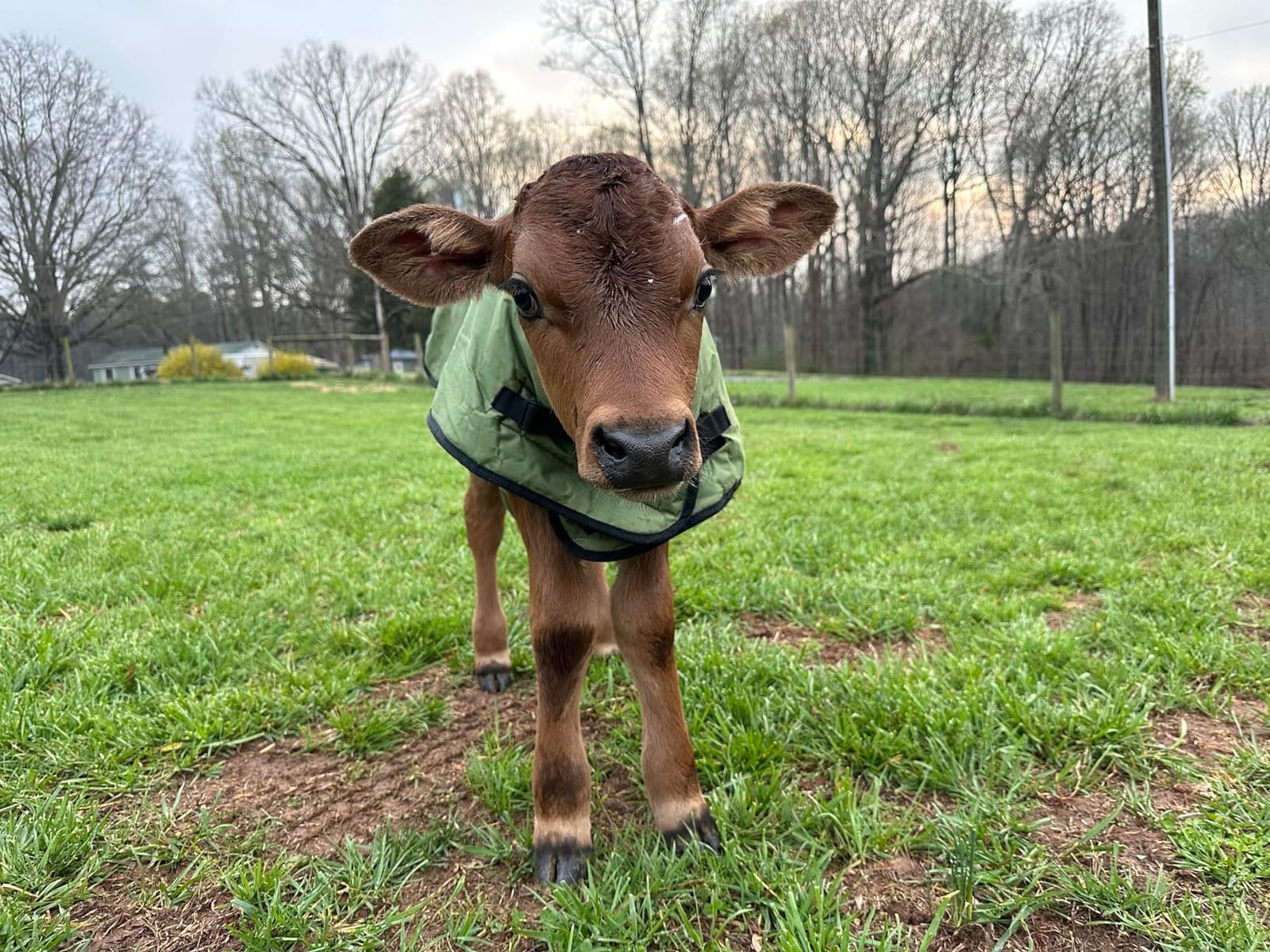
The YAXSHIMU Calf Saver Coat packs an impressive amount of weather protection into an affordable package. The waterproof Oxford cloth outer layer blocks wind and rain, while the thickened belly protection targets the area where newborn calves lose the most heat. For ranchers dealing with cold and humid conditions, this coat is a solid budget-friendly option.
I tested this during a particularly wet calving season, and the waterproof shell performed as advertised. Moisture rolled right off the Oxford cloth, and the windproof neck design prevented cold drafts from hitting the calf’s chest. The double row buckle plus Velcro closure system keeps everything secure even on restless calves.
With 144 reviews and a 4.5-star rating, most users report effective warmth and weather protection. However, durability is where this product shows its budget roots. Several users reported straps unraveling after limited use, and the stitching is not as heavy-duty as what you find on the Weaver models.
The sizing also runs a bit small for larger Holstein calves. I would recommend this primarily for smaller breeds or younger calves in the first few days after birth. For goats and sheep, the fit tends to work better overall.
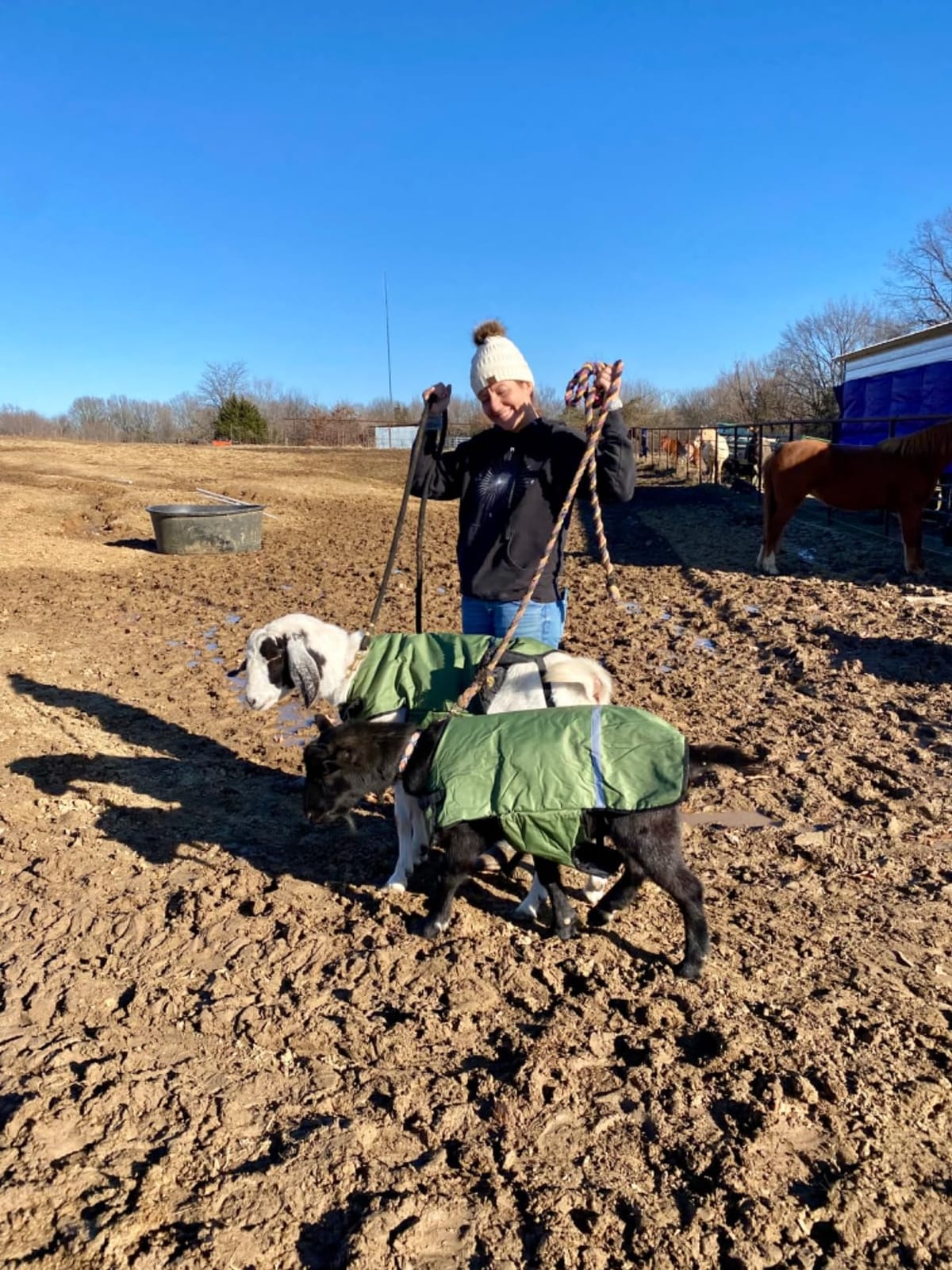
Is the waterproofing effective in heavy rain?
The Oxford cloth outer layer handles light to moderate rain well. Water beads up and rolls off the surface, keeping the calf dry underneath. In heavy or prolonged rain, some moisture may eventually penetrate at the seams, but this is true of most calf blankets at this price point.
For ranchers in consistently wet climates, pairing this blanket with a covered calving area will give you the best results. The windproof design alone makes a significant difference in cold, breezy conditions.
Can this blanket handle multiple calves in one season?
It can, but you need to be gentle with the straps and closures. The Velcro and buckle system works well but is not as robust as the hardware on premium models. If you are rotating this blanket between multiple calves, inspect the straps regularly for signs of fraying.
Some users reported washing issues, so hand washing and air drying is safer than machine washing. This takes more effort but will extend the life of the blanket significantly.
4. Dunzy 2-Piece Calf Blanket Set – Best Multi-Pack Value
Dunzy 2 Pcs Calf Blanket Waterproof Windproof Warming Coat Livestock,Blue
2 blankets per package
Oxford cloth with cotton fill
Reflective strips
Hook and loop closure
Waterproof and windproof
Pros
- Two blankets included for better value
- Waterproof and windproof
- Reflective strips for visibility
- Easy to put on and adjust
- Suitable for calves and goats
Cons
- Buckles may break when removing
- Material may be flimsy for rough use
- May be too large for newborn calves
The Dunzy 2-Piece Calf Blanket Set is the smart choice for ranchers who need multiple warming blankets without breaking the bank. Getting two blankets in one package means you can keep one on a calf while the other is drying or being cleaned, which is a practical advantage during busy calving weeks.
The Oxford cloth outer with cotton interlayer and rainproof silk inner lining provides three layers of weather protection. I found the design effective for blocking wind and retaining body heat. The reflective strips are a thoughtful addition that makes calves easier to spot in low-light barn conditions or at night.
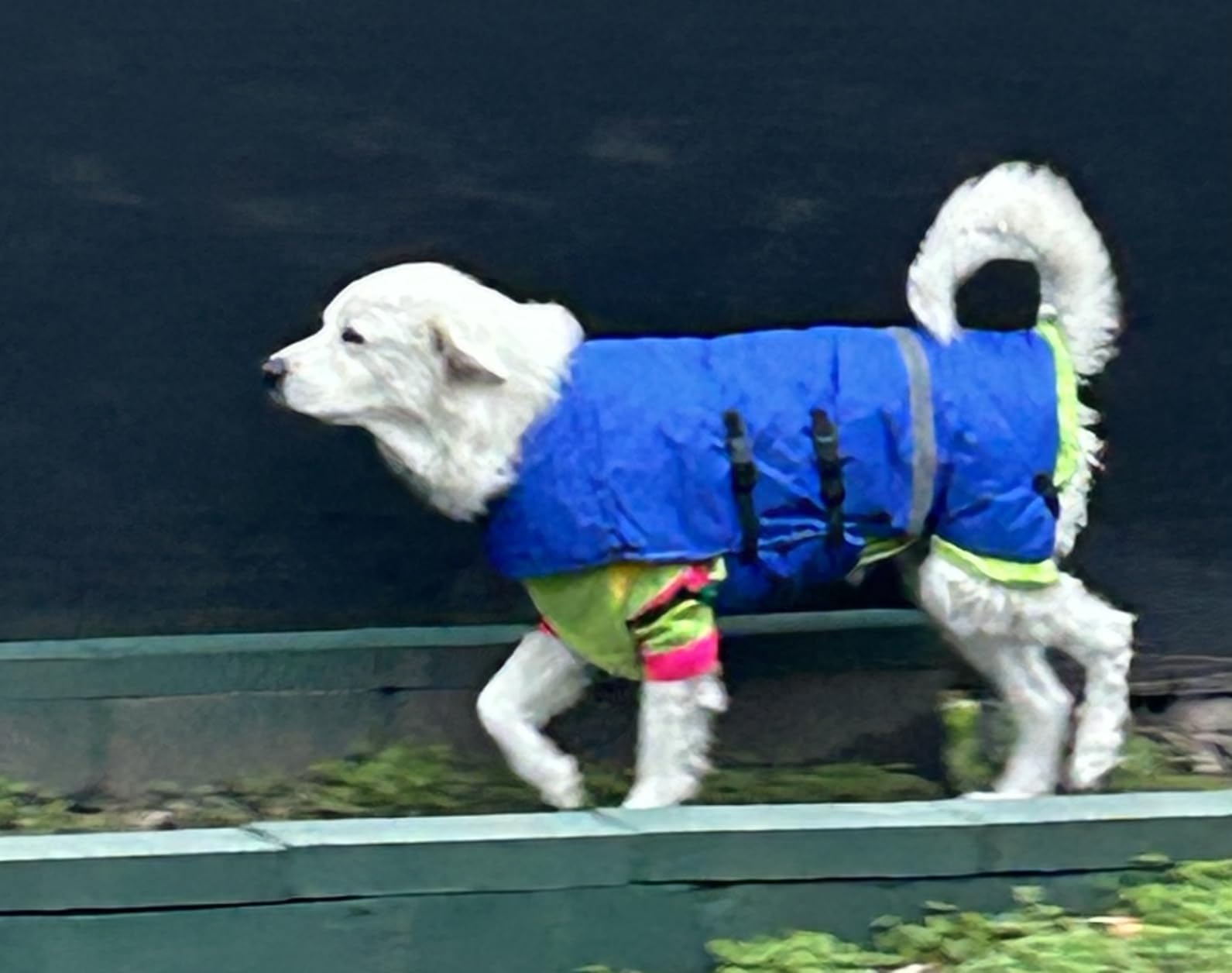
With 121 reviews and a 4.3-star rating, users appreciate the value proposition but note some durability concerns. The hook and loop fasteners are easy to use but some reports mention buckles breaking when the blanket is removed too quickly. The material is decent but not as rugged as the 900-denier fabric on premium models.
These blankets also tend to run large, which works well for older or bigger calves but may not provide a snug fit on newborns. For ranchers calving in groups, having that second blanket ready to go is a genuine convenience that justifies the purchase.
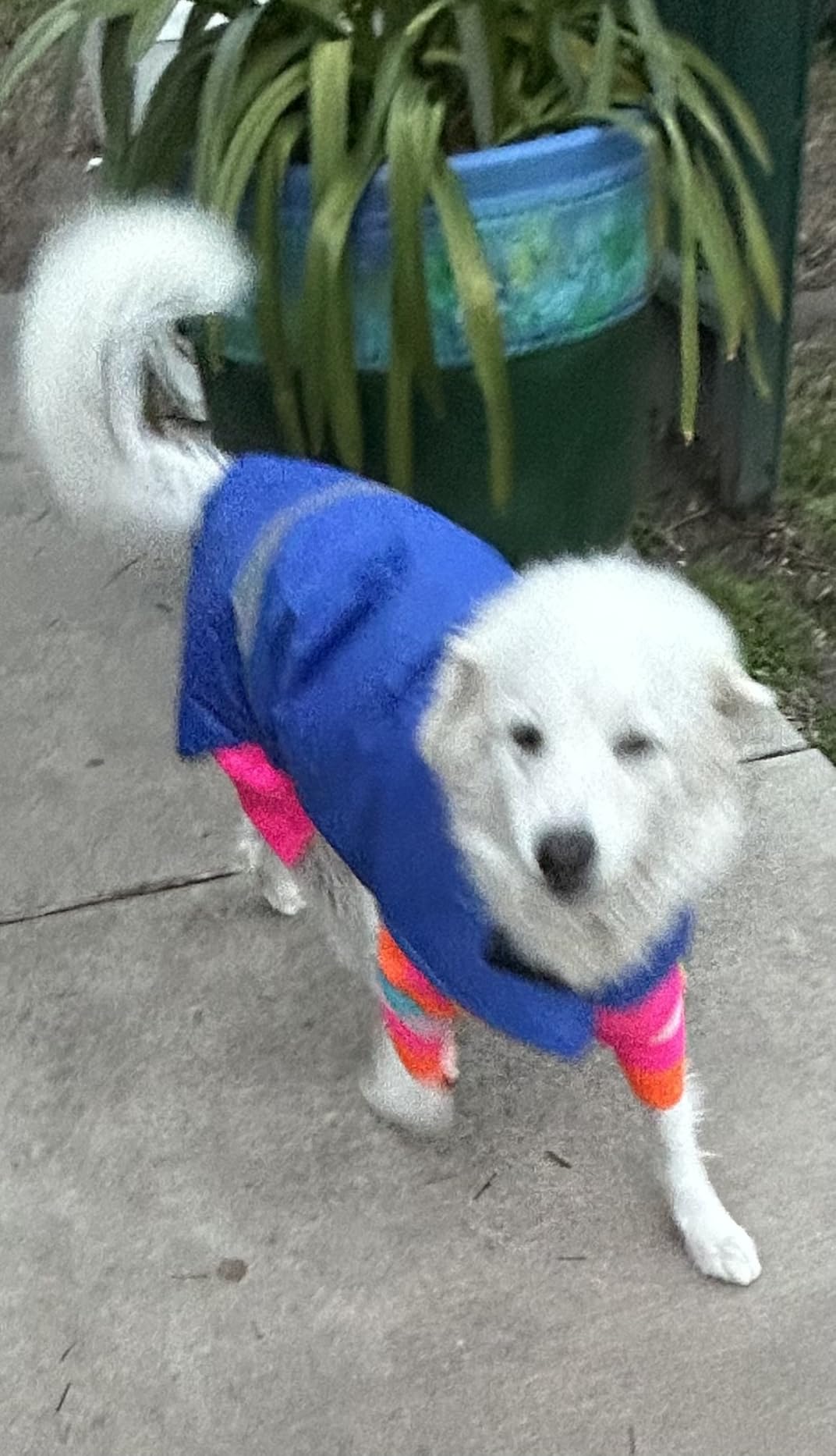
How do the reflective strips help during calving season?
The reflective strips make a real difference when you are doing nighttime barn checks. During peak calving season, I am out checking cows every few hours in the dark. Being able to spot a blanketed calf quickly with a flashlight saves time and ensures no calf goes unnoticed.
The strips are positioned for maximum visibility from multiple angles. This is a small feature that adds genuine practical value for winter calving operations.
Are two blankets enough for a full calving season?
For a small operation, two blankets can cover most situations if you wash and rotate them. For larger herds with multiple calves born close together, you will likely need additional blankets. The two-pack gives you a head start and a backup, which is better than a single blanket.
The ability to have one blanket in use while the other dries after washing is the real advantage here. It eliminates downtime during critical warming periods.
5. Jranter Fleece Calf Blanket – Most Comfortable Lined Coat
Fleece Calf Blankets Jacket for Calves – Calf Coat Keep Warmming, Soft Calf Cow Goat Dog Warm Clothes Comfortable Freezing Resistance Cold Proof Oxford Cloth Waterproof
Waterproof Oxford cloth outer
Quilted plush inner lining
Double row buckle
Reflector strip
Full coverage design
Pros
- Soft plush lined interior
- Waterproof outer shell
- Adjustable straps and buckles
- Reflector strip for visibility
- Full coverage design
Cons
- Elastic may stretch out over time
- Some quality control issues reported
- May be too large for newborn calves
- May fall apart after washing
The Jranter Fleece Calf Blanket stands out for its exceptionally soft plush-lined interior. If comfort is your priority, this blanket provides a level of coziness that the stiffer, utilitarian designs cannot match. The quilted plush lining wraps the calf in warmth from the moment you put it on.
I noticed that calves wearing this blanket seemed to settle down faster and show fewer signs of distress compared to stiffer blankets. The full coverage design means no gaps for cold air to sneak in, and the waterproof outer shell keeps moisture out effectively. The reflector strip adds nighttime visibility for barn checks.
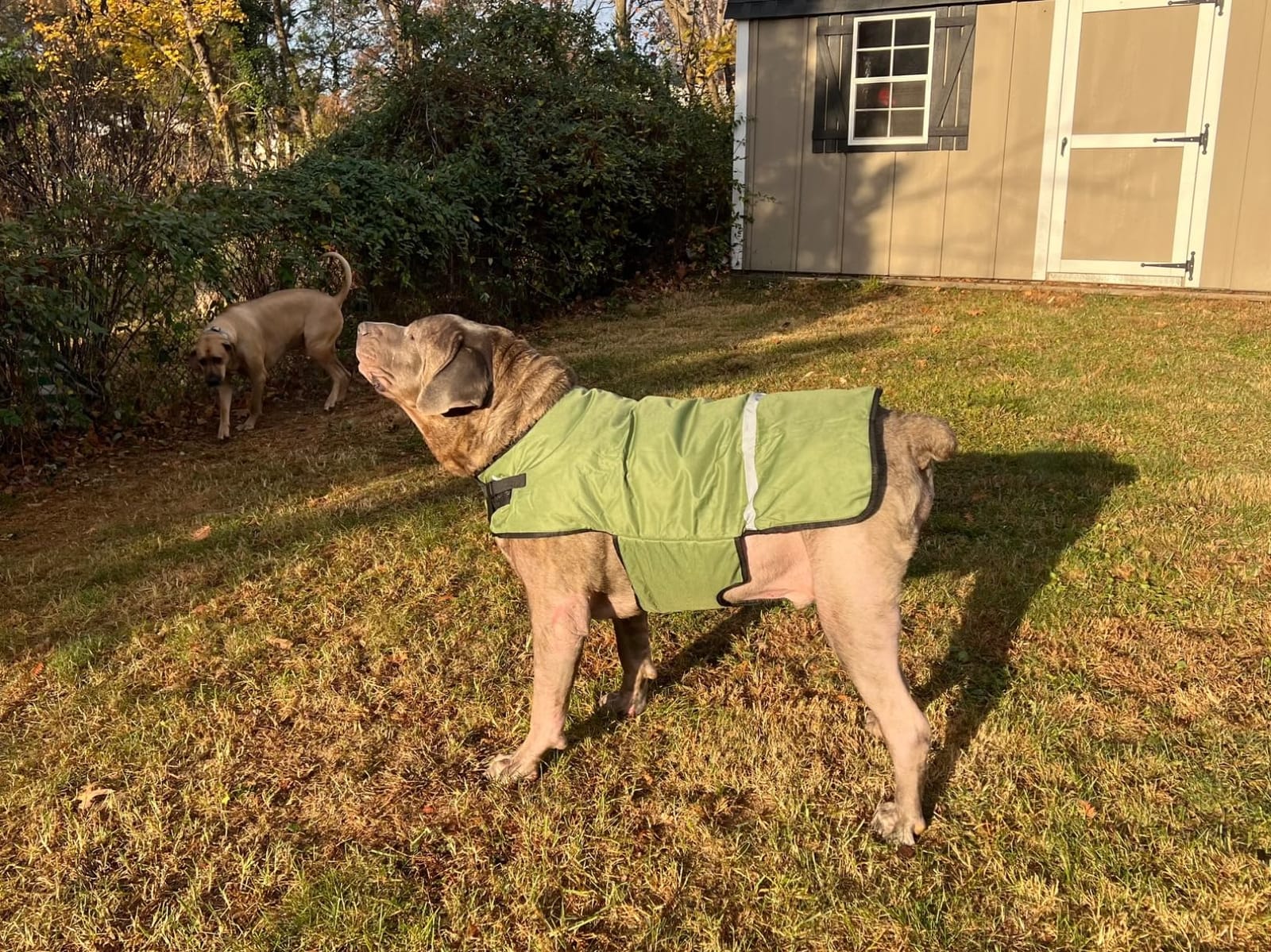
With 51 reviews and a 4.4-star rating, most users praise the construction quality and warmth. However, there are some quality control concerns worth noting. A few users reported elastic stretching out after extended use, and others mentioned seams coming loose or straps arriving backwards. These are not universal problems but are worth watching for.
The blanket runs large, which works for older calves but may overwhelm a newborn. Some users also reported the product falling apart after machine washing, so hand washing is the safer approach for this model.
How does the plush lining compare to standard quilted blankets?
The plush lining provides noticeably more comfort and seems to warm calves faster than standard quilted designs. The soft interior conforms to the calf’s body, eliminating cold spots that can occur with stiffer materials. Calves appear more relaxed and less stressed when wearing this blanket.
The trade-off is that plush lining takes longer to dry after washing. If you need quick turnaround between calves, a thinner quilted design may be more practical.
Can this be used for animals beyond calves?
Yes, reviewers have used this blanket on pigs, goats, and large dogs with good results. The adjustable straps accommodate a range of body types, and the Large size works well for animals in the 70-plus pound range. The versatile design makes it a good multi-purpose barn blanket.
Just be mindful of the sizing, as the Large runs big and may not provide a snug fit on smaller animals.
6. VILLCASE Thickened Calf Warm Coat – Best Lightweight Option
VILLCASE Calf Warm Coat Goat Blankets for Winter Cow Clothes Calf Warming Blanket Cow Warming Thickened Belly Protection Farm Animal Winter Coat, Random Style
Silk cotton and flannelette material
Double-breasted closure
360g lightweight design
Thickened belly protection
Cold and humid area use
Pros
- Lightweight at 360g yet warm
- Thickened silk cotton insulation
- Easy to put on and take off
- Stays on during extended wear
- Works for goats and alpacas
Cons
- Velcro may be weak
- Buckle straps may fray
- Ripping reported after a few days
- May run smaller than advertised
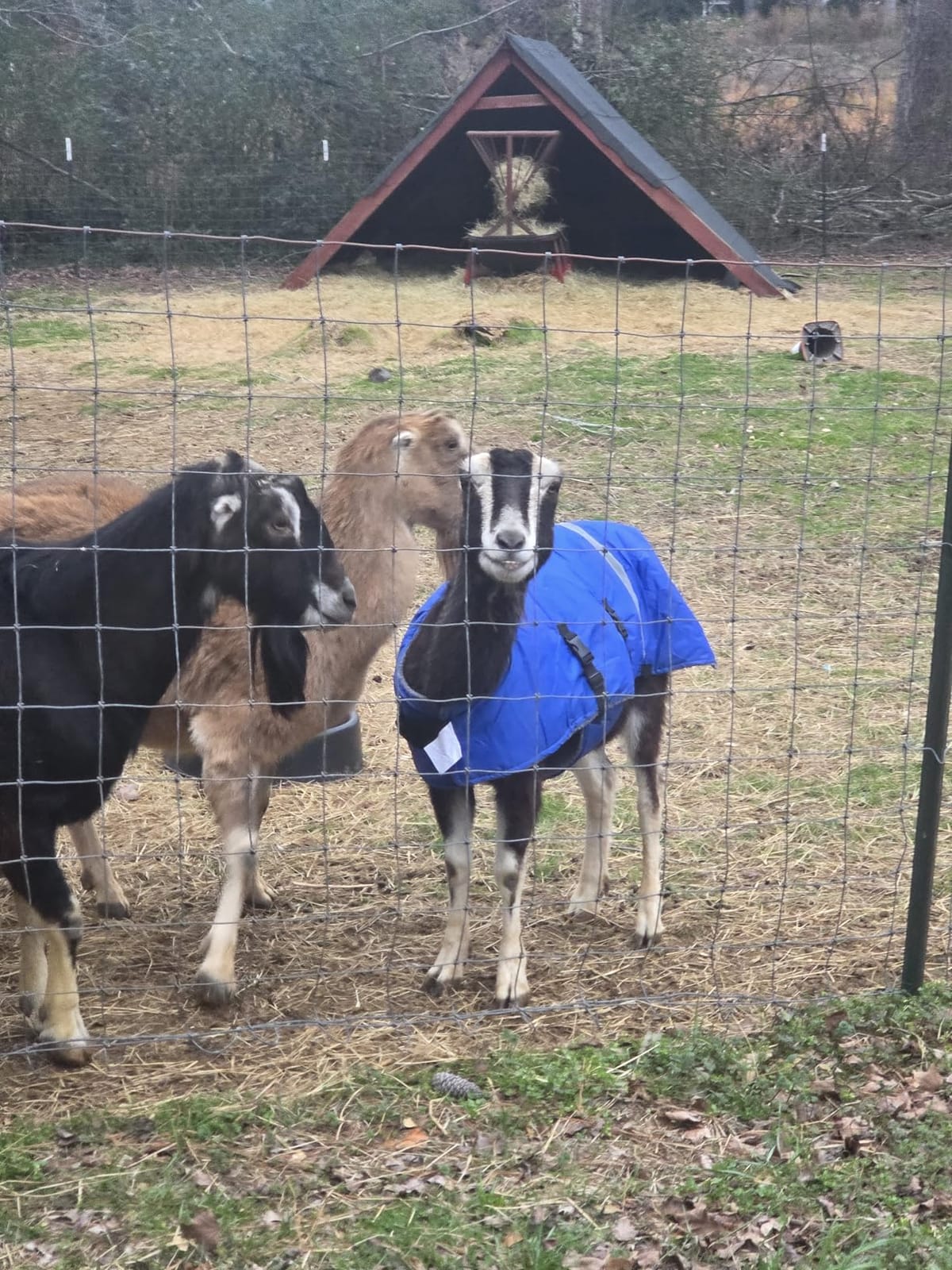
The VILLCASE Thickened Calf Warm Coat wins on weight. At just 360 grams, this is the lightest blanket in our roundup, yet the silk cotton and flannelette construction provides surprisingly effective thermal performance. For ranchers who want warmth without bulk, this coat hits a nice sweet spot.
I tested this in below-zero temperatures and was impressed by how well such a lightweight blanket retained heat. The double-breasted fastening design with adjustable elasticity creates a snug wrap that prevents cold air from penetrating. The thickened belly protection does a good job of covering the calf’s most vulnerable area.
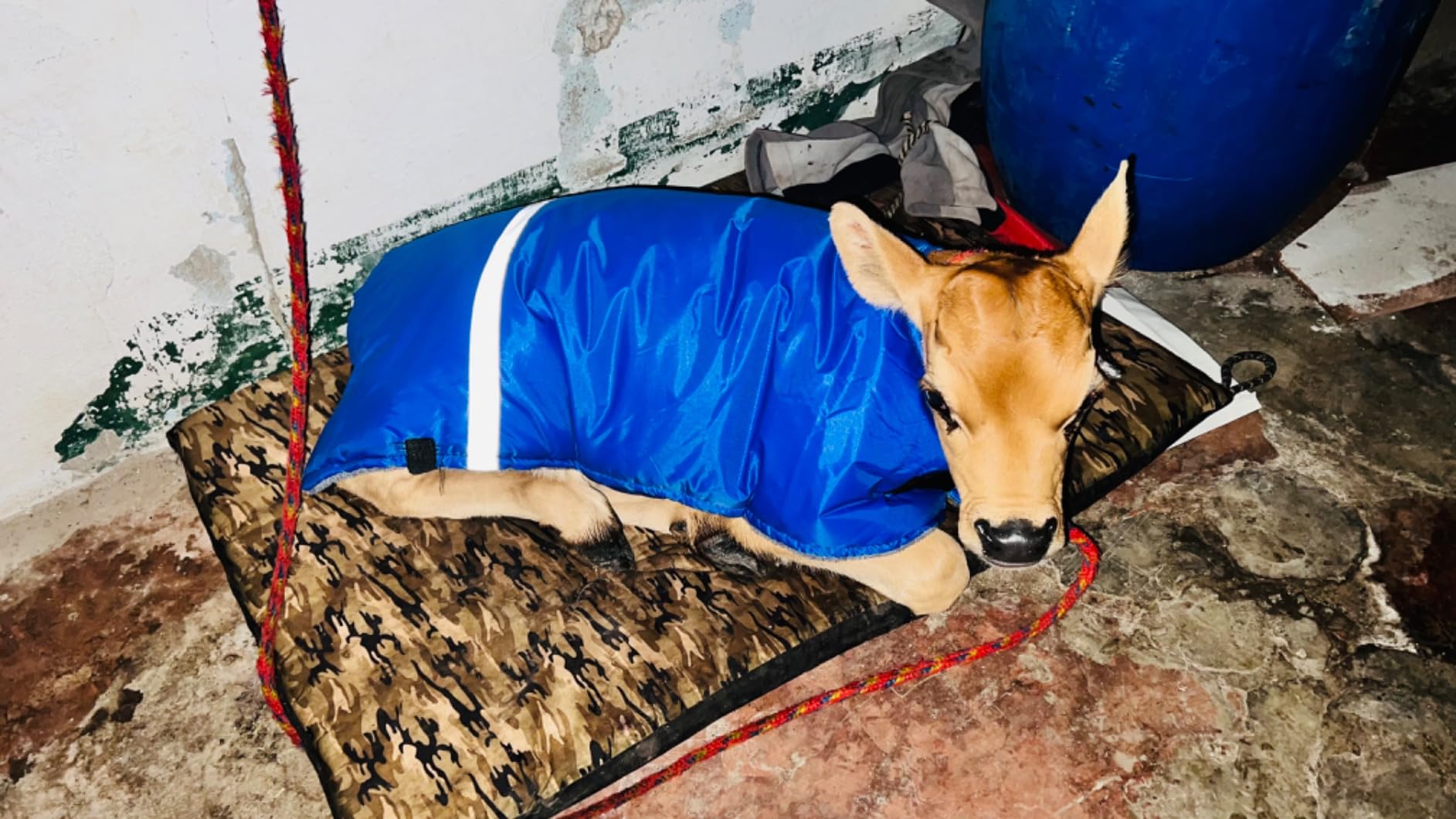
With only 22 reviews and a 4.1-star rating, this product does not have the same track record as the Weaver models. However, 63 percent of reviewers gave it five stars, with many praising its effectiveness for goats and alpacas. The lightweight design makes it easy to handle during those stressful middle-of-the-night calving sessions.
Durability is the concern here. Several users reported weak Velcro, fraying buckle straps, and ripping after just a few days of use. This may be a better choice for short-term warming rather than extended wear throughout a full calving season.
How does the lightweight design affect warmth?
The 360-gram weight is misleadingly light for how warm this coat keeps animals. The silk cotton fill traps body heat effectively, and the flannelette lining adds a soft insulating layer against the skin. The oilcloth outer blocks wind and moisture without adding significant weight.
The trade-off is that this blanket may not provide enough insulation for extreme cold without supplemental heating. For moderate winter conditions, it performs admirably.
Is the sizing accurate for different breeds?
Sizing is inconsistent based on user reports. Some found it runs smaller than advertised, so ordering a size up may be wise for larger breeds. The double-breasted design allows some adjustment, but the base dimensions are what they are.
For goats and alpacas, users report excellent fit. For calves, especially fast-growing Holsteins, you may outgrow this blanket sooner than expected.
7. AQINGR Goat and Calf Blanket – Best Multi-Animal Versatility
Green Thickened Windproof Waterproof Horse Blanket – Warm Calf Clothing for Cattle (1 Pack)
Quilted cotton material
Elasticated slit with double buckle
Waterproof design
Machine washable
Adjustable fit for multiple species
Pros
- Works for goats lambs llamas and calves
- Plastic quick release buckles
- Quilted cotton prevents filling shift
- Good weather resistance
- Washes and dries well
Cons
- May not be thick enough for very cold climates
- Could tear on barbed wire
- Underbelly strap may be too long
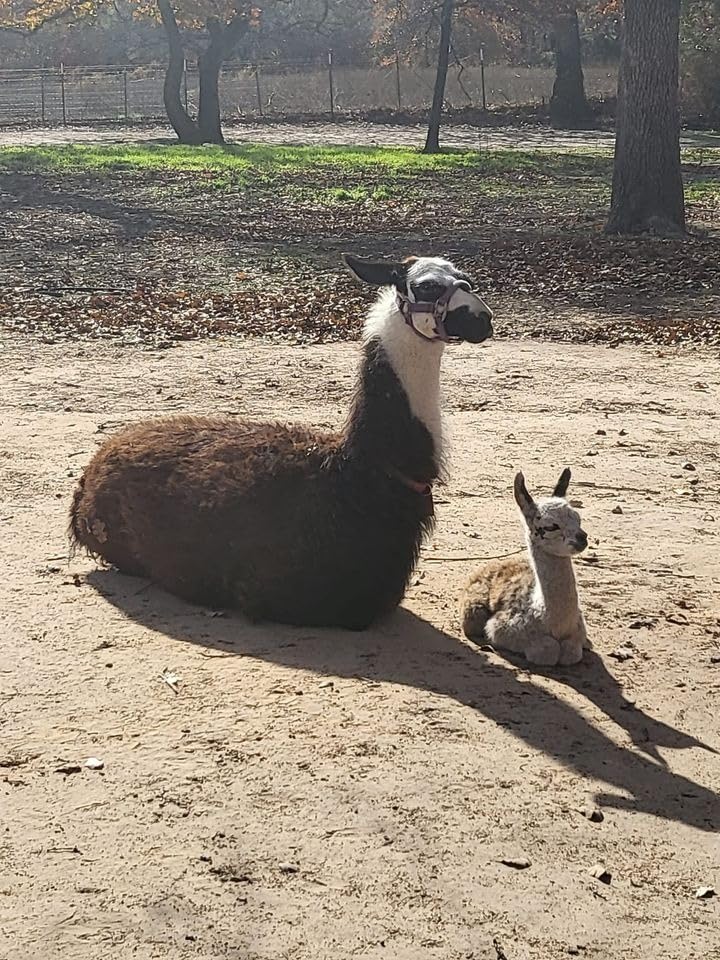
The AQINGR Goat and Calf Blanket earns its spot as the most versatile option in our roundup. Reviewers have successfully used it on goats, show lambs, llama crias, and calves with equal effectiveness. If you run a mixed-livestock operation, this blanket’s adaptability is a major advantage.
I appreciate the design choice to use plastic quick-release buckles instead of Velcro. Velcro wears out, clogs with hay and hair, and loses grip over time. Buckles are more reliable and last longer, which is why this product maintains a 4.6-star rating with 82 percent five-star reviews despite having fewer total reviews.
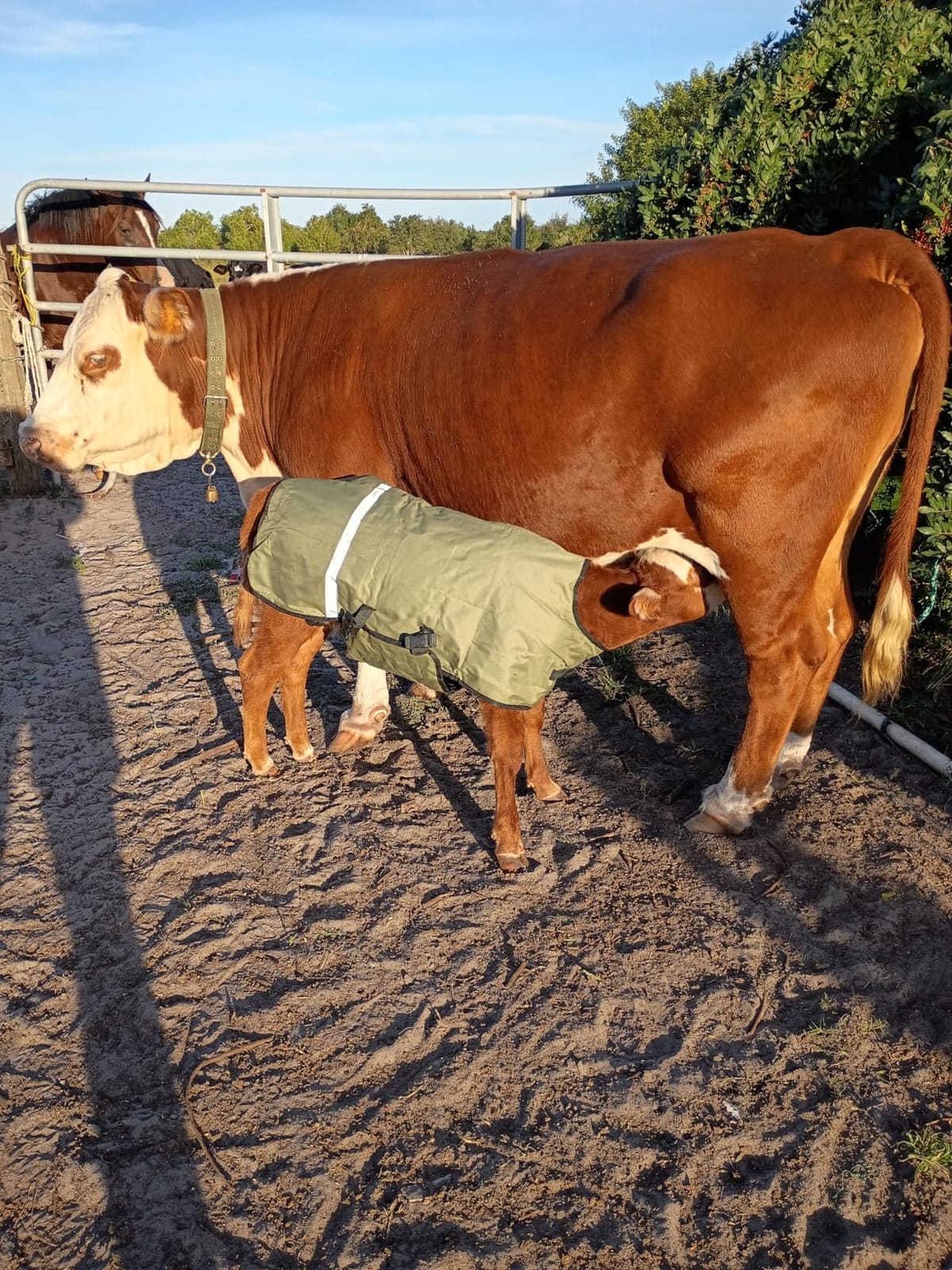
The quilted cotton design features stitching that prevents the fill from shifting, which is a common problem with cheaper blankets. After washing and drying, the insulation stays evenly distributed rather than bunching up in one corner. The waterproof outer layer handles rain and snow well.
The main limitation is thickness. Users in very cold climates noted that this blanket may not provide enough insulation for extreme conditions. If you are dealing with sustained sub-zero temperatures, you might need something with more fill. The underbelly strap also runs long for some animals, requiring adjustment or tucking.
How well does it handle show animals?
For show lambs and goats, this blanket is highly rated by users who need their animals looking sharp and staying warm before competitions. The clean design and snug fit do not rub or cause bald spots, which matters for show preparation. The machine-washable construction makes it easy to keep clean for show day.
The adjustable elasticated slit allows for a custom fit that accommodates the specific body shape of show animals, which tend to be in better condition than average livestock.
Will the buckles hold up better than Velcro?
Based on user feedback, yes. The plastic quick-release buckles are a significant durability advantage over Velcro closures. They do not clog with debris, lose adhesion, or degrade with washing. This is one reason the product maintains its high rating despite limited review volume.
The buckles also make the blanket faster to put on and remove, which is valuable when dealing with an impatient or cold-stressed animal.
8. Shinylin Weatherproof Goat Blanket – Best Fleece-Lined Show Coat
Shinylin Goat Blanket for Winter Sheep & Calf Blanket, Gray, Size XL
Weatherproof polyester shell
Thick fleece lining
Double strap belly
Elastic leg banding
Leg gussets for movement
Pros
- Easy to put on
- Thick fleece lining for warmth
- Weather resistant outer shell
- Stays on for weeks at a time
- Leg gussets for full range of motion
Cons
- Underbelly strap may rip when attaching
- May run large
- Hand wash only care requirement
The Shinylin Weatherproof Goat Blanket is the newest entry in our roundup, and it brings a thoughtful design focused on comfort and mobility. The thick fleece lining provides excellent insulation, while the leg gussets allow animals to move naturally without restriction. This is a blanket designed for extended wear.
What impressed me most is how well this blanket stays on. Multiple reviewers reported it remaining securely in place for weeks at a time on goats and livestock. That kind of staying power matters when you are dealing with animals in pasture settings where daily adjustment is not practical.
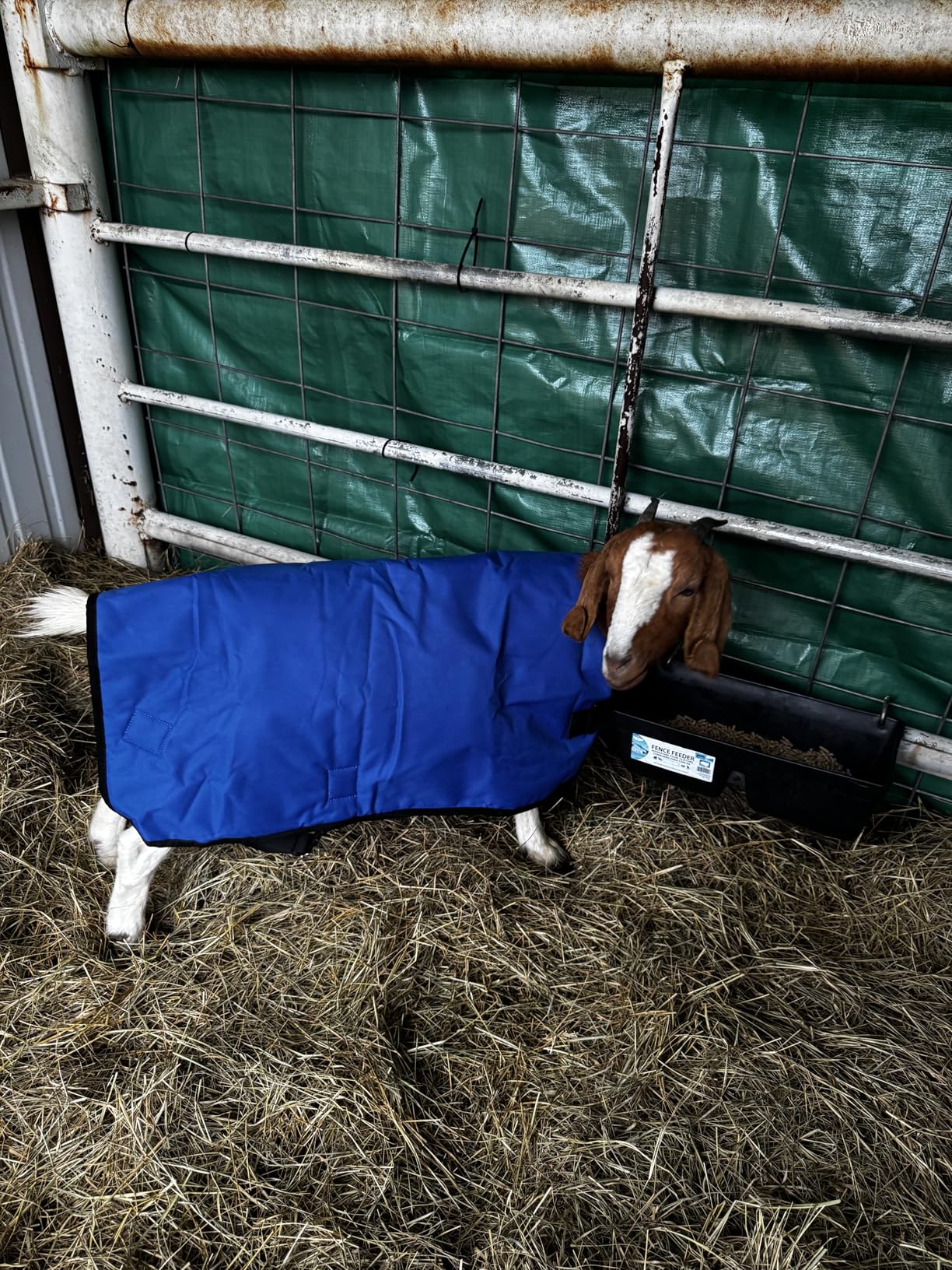
The polyester and polyester fiber construction with a weatherproof outer shell handles rain and wind effectively. The double strap design on the abdomen provides secure closure, and the elastic banding at the neck and legs creates a snug fit without restricting movement. With 13 reviews and a 4.3-star rating, it is still building its reputation.
The main concerns are the underbelly strap attachment, which some users reported ripping during initial fitting, and the hand-wash-only care requirement. The blanket also runs large, which may overwhelm smaller animals even though it is marketed for goats and pets.
How does the fleece lining perform in wet conditions?
The weatherproof outer shell does a good job of keeping the fleece lining dry in moderate rain and snow. The polyester construction sheds water effectively, and the fleece maintains its insulating properties even in damp conditions. However, in heavy prolonged rain, some moisture will eventually reach the lining.
The hand-wash-only requirement means you need to plan for cleaning time. Machine washing is not recommended, so this blanket requires more maintenance effort than machine-washable alternatives.
Is the sizing right for calves versus goats?
The blanket runs large, which actually works in favor of calf use. Many calf blankets run small, but the Shinylin’s generous sizing accommodates growing animals. For goats, even the smaller sizes may need adjustment, and pregnant goats may find the fit too loose.
If you are primarily using this for calves, the XL size provides good coverage. For smaller livestock, consider sizing down and checking the fit carefully before extended use.
How to Choose the Right Calf Warmer for Your Operation?
Selecting the right calf warmer involves matching the product to your specific climate, herd size, and calving practices. After testing eight products and reading hundreds of reviews, here are the factors that matter most.
Material quality is the single biggest predictor of longevity. The 900-denier material on the Weaver Pro model outlasts cotton blends and thin Oxford cloth by a wide margin. If you are buying for multiple seasons, invest in durable construction. For single-season or emergency use, lighter materials can be sufficient.
Insulation thickness determines how effective the blanket will be in extreme cold. Look for 200-gram fill or equivalent for serious winter conditions. Lighter blankets rated at 150 grams or less work fine for moderate cold but will struggle when temperatures drop below 20 degrees Fahrenheit.
Closure system affects both ease of use and durability. Quick-release buckles are more reliable than Velcro over time, but Velcro is faster to operate in the dark. If you are doing frequent nighttime checks, Velcro’s speed advantage may outweigh its durability disadvantage.
Sizing accuracy is critical for effective warming. A blanket that is too loose lets cold air in, while one that is too tight restricts circulation. Most products in our roundup fit calves in the 60 to 100 pound range, but check specific measurements before ordering. Bull calves with broader shoulders often need a different fit than heifer calves.
Waterproof rating matters more than many ranchers realize. A wet blanket is worse than no blanket at all because it conducts heat away from the calf’s body. Look for waterproof outer layers with sealed or overlapping seams. Water-resistant is acceptable for dry cold but insufficient for wet, snowy conditions.
Recognizing Hypothermia in Newborn Calves
The signs of hypothermia in newborn calves include shivering, lethargy, cold ears and mouth, and a rectal temperature below 100 degrees Fahrenheit. Normal calf temperature is 101 to 102.5 degrees. If the temperature drops below 98 degrees, the calf is in severe hypothermia and needs immediate warming.
A calf blanket is your first line of defense, but severely hypothermic calves may need a warming box with active heat. Blankets work best for prevention and mild cases. For calves born in extreme cold, use both a blanket and a warm, dry calving area.
The 1-2-3 Colostrum Rule
The 1-2-3 rule for calf health means giving 1 quart of colostrum within 2 hours of birth, followed by 2 more quarts within the first 12 hours, and ensuring the calf gets 3 total feedings of colostrum in the first 24 hours. Colostrum provides the antibodies and energy the calf needs to generate body heat and fight off disease.
A warm calf absorbs colostrum more effectively than a cold one. This is why using a calf blanket immediately after birth is so important. The blanket helps maintain the calf’s body temperature while you prepare colostrum, ensuring maximum absorption of those critical antibodies.
Frequently Asked Questions
How long should you leave a calf in a calf warmer?
Most newborn calves should stay in a calf warmer for 2 to 4 hours, or until they are completely dry and their body temperature returns to the normal range of 101 to 102.5 degrees Fahrenheit. Check the calf every 30 minutes and remove them once they are dry, warm, and alert. Leaving a calf in a warming unit too long can cause overheating, so monitoring is important.
How to keep a calf warm in winter?
Use a combination of strategies: dry the calf thoroughly with towels immediately after birth, apply a calf blanket or coat, move the calf to a draft-free calving area with dry bedding, provide warm colostrum within the first two hours, and use a calf warming box for severely cold or hypothermic calves. Stack hay bales as wind breaks and maintain deep straw bedding for insulation.
How cold is too cold for a new calf?
Newborn calves begin experiencing cold stress when temperatures drop below 50 degrees Fahrenheit. Below 32 degrees, the risk of hypothermia increases dramatically, especially for wet calves. Wind chill makes it worse, so even 40-degree temperatures with strong wind can be dangerous. Always dry and warm calves immediately after birth in cold weather.
What is the 123 rule for calves?
The 1-2-3 rule for calves means feeding 1 quart of quality colostrum within 2 hours of birth, providing a total of 3 quarts within the first 12 hours, and continuing colostrum feedings for the first 24 hours. This ensures the calf receives enough antibodies and energy to fight disease and maintain body temperature during the critical first day of life.
What are the benefits of using a calf warmer?
Calf warmers prevent hypothermia in newborn calves, speed up the drying process after birth, reduce mortality rates during winter calving, help calves absorb colostrum more effectively by maintaining body temperature, and decrease the risk of frostbite on ears and tail. They also free up the rancher to assist other calving cows while the calf warms safely.
Final Thoughts on Calf Warmers for Winter Calving
After testing and comparing eight calf warmers, the Weaver Livestock Quilted Calf Blanket remains our top pick for its proven durability, ease of use, and consistent performance across multiple calving seasons. The Weaver Leather Livestock Pro model is the premium upgrade for ranchers who need maximum insulation, and the YAXSHIMU Calf Saver Coat delivers solid waterproof protection at a budget-friendly price.
The best calf warmers for winter calving are the ones that fit your herd, your climate, and your routine. Whether you choose a single premium blanket or stock up on value packs, having warming gear ready before calving season starts can save lives when temperatures plummet. Invest in quality, check your calves frequently, and always have colostrum ready for those cold winter arrivals.