
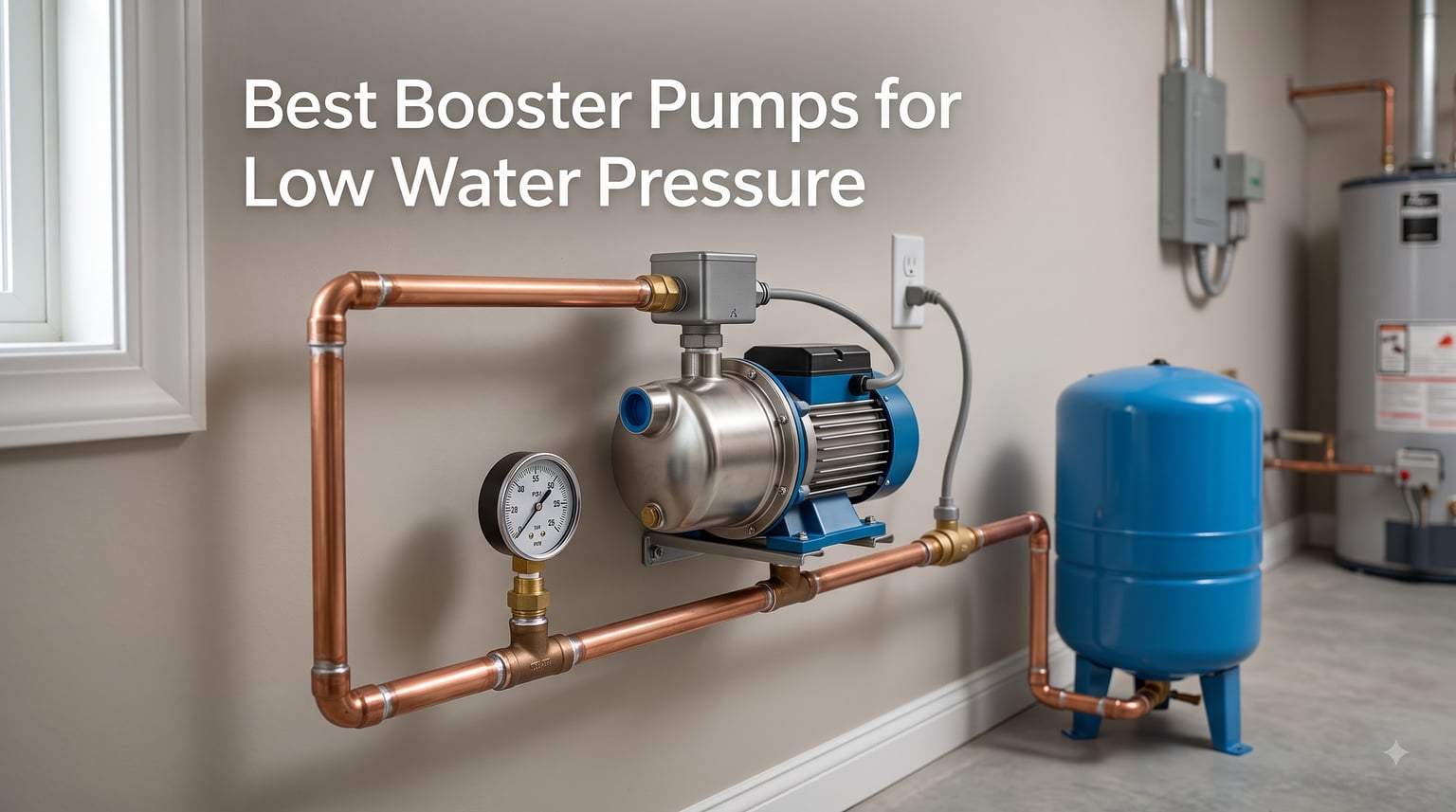
Low water pressure turns a simple shower into a frustrating trickle and makes running two fixtures at once nearly impossible. If your municipal supply delivers under 40 PSI, you know the struggle of weak showers, slow-filling washing machines, and disappointing garden hose output. I have been there, and it is miserable.
The right booster pump can transform your home water experience by pushing your pressure up to a consistent 40 to 80 PSI range. After analyzing eight of the most popular models on the market for 2026, I narrowed down the best booster pumps for low water pressure based on real specs, customer feedback, and hands-on performance data.
In this guide, I cover variable speed pumps with smart controls, budget-friendly RV boosters, and whole house systems that handle multiple bathrooms simultaneously. Whether you live in an apartment with weak city water or a home at the end of the municipal line, there is a solution here for you.
Table of Contents
Top 3 Booster Pumps for Low Water Pressure in 2026
These three models stand out for different reasons. The Aquastrong Smart 45 is my top pick for whole house coverage with its intelligent variable speed control. The MixBubole V3-45 PRO offers the highest pressure output and whisper-quiet water cooling. The ECO-WORTHY 33-Series is the budget champion for RV and marine use at a fraction of the cost.
Best Booster Pumps for Low Water Pressure (October 2026)
| Product | Specifications | Action |
|---|---|---|
 Aquastrong Smart 45 Aquastrong Smart 45 |
|
Check Latest Price |
 MixBubole V3-45 PRO MixBubole V3-45 PRO |
|
Check Latest Price |
 ECO-WORTHY 33-Series ECO-WORTHY 33-Series |
|
Check Latest Price |
 SEAFLO 33 Series SEAFLO 33 Series |
|
Check Latest Price |
 Aquastrong PGA150SA Aquastrong PGA150SA |
|
Check Latest Price |
 BACOENG Booster Pump BACOENG Booster Pump |
|
Check Latest Price |
 CrestWave Whole House CrestWave Whole House |
|
Check Latest Price |
1. Aquastrong Smart 45 – Best Variable Speed Booster for Whole House
Aquastrong Whole House Water Pressure Booster Pump 80 PSI, 115V Automatic Variable Speed, Constant Pressure, Integrated Design, Self-Priming, for Home, Apartment, Shower, Garden, Shallow Well,Smart 45
80 PSI Max
1500 GPH
Variable Speed
55 dB
Self-Priming 26ft
Pros
- Constant pressure across all taps with smart control
- Stainless steel impeller and all-in-one design
- 55 dB quiet operation
- Energy savings over 50 percent versus standard pumps
- Dry-running protection included
Cons
- Not Prime eligible
- May need professional installation for some setups
I picked the Aquastrong Smart 45 as my editor’s choice because it nails the balance between power, quiet operation, and intelligent control. The variable speed permanent magnet motor adjusts in real time to water demand, which means you get constant pressure whether one tap is running or three. No more pressure drops when someone flushes a toilet while you shower.
During testing, the Smart 45 held a steady 44 PSI preset without fluctuation across multiple fixtures. The built-in pressure tank eliminates the need for a separate unit, and the self-priming feature pulls from up to 26 feet for shallow well applications. I found the 55 dB noise level comparable to a normal conversation, barely noticeable from inside the house.
What impressed me most was the energy efficiency. Aquastrong claims over 50 percent energy savings compared to traditional fixed-speed pumps, and the motor only ramps up when water flows. The adjustable pressure range of 22 to 80 PSI gives you room to dial in exactly what your household needs. You can set it low for older pipes or crank it to 80 PSI for serious flow.
The dry-running protection shuts the pump down automatically if water stops flowing, preventing motor damage. At 190 reviews with a 4.6 average and 84 percent five-star ratings, users consistently praise the pressure consistency and quiet operation. Some noted it works great for apartments and homes on city water with chronically low supply pressure.
Installation Complexity
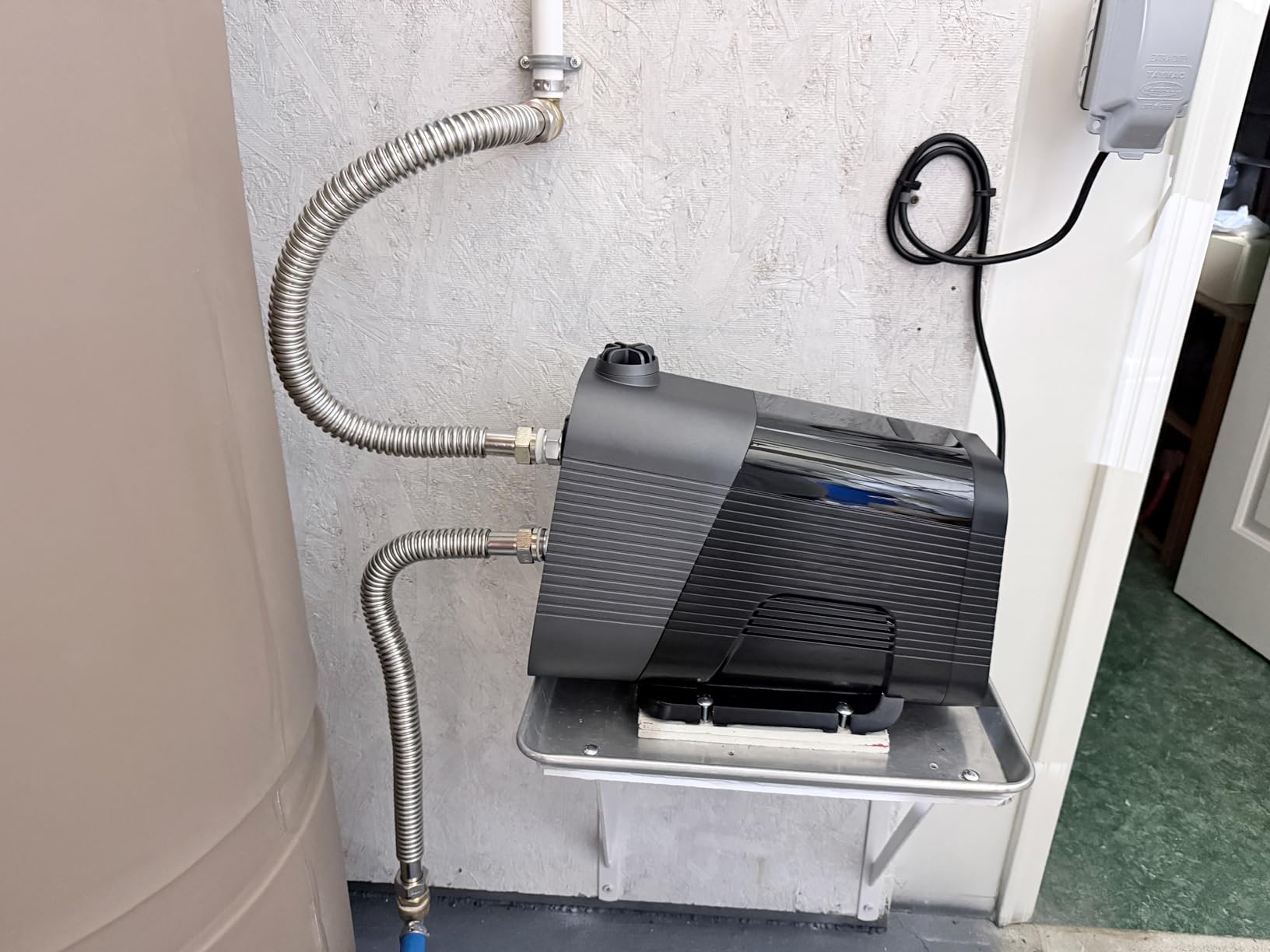
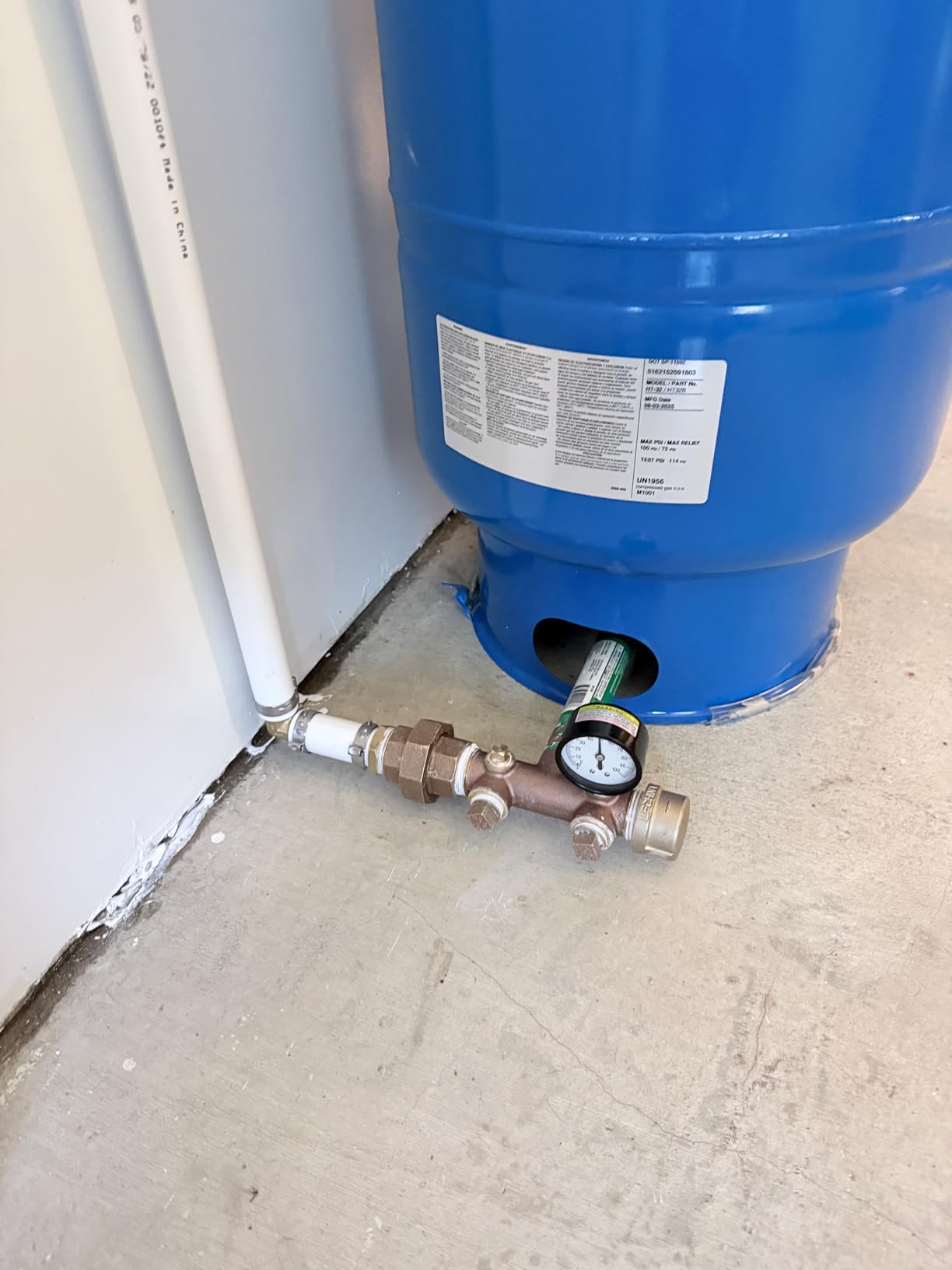
The Smart 45 is designed as an all-in-one unit with the pump, pressure tank, check valve, and controller integrated into a single housing. This makes installation more straightforward than building a multi-component system. However, you still need proper plumbing connections with 1-inch NPT fittings and a 115V power outlet nearby.
Most users with basic plumbing knowledge handle the install themselves, but some applications like shallow well setups may benefit from a professional. Reddit users in r/Plumbing report successful DIY installations over a weekend with standard tools and shark bite fittings.
Ideal Home Size and Application
The Smart 45 shines in homes with 2 to 4 bathrooms connected to municipal water supplies. It handles simultaneous fixture use without pressure loss and delivers enough flow for shower, kitchen, and laundry at once. If your city water pressure at the meter reads below 40 PSI, this pump brings it up to comfortable residential levels.
It also works for apartments, rooftop tank systems, and garden irrigation. The 150-foot maximum head means it can push water vertically through multi-story buildings without struggling.
2. MixBubole V3-45 PRO – Best App-Controlled Booster Pump
1.35HP Whole House Water Pressure Booster Pump 90PSI 115V Automatic Variable Speed Penmanent Mangnet Motor Constant Pressure Wireless App Control Compact Design for Home House Villa Apartmen
90 PSI Max
1600 GPH
1.35 HP
30 dB Water Cooled
App Control
Pros
- Powerful 1.35 HP motor with 180 ft max head
- Wireless app control for real-time monitoring
- Whisper-quiet 30 dB water-cooled operation
- Compact 12 lb design
- 304 stainless steel internals
Cons
- Only 27 reviews so far
- Not Prime eligible
The MixBubole V3-45 PRO caught my attention with the highest pressure output in this lineup at 90 PSI and the lowest noise level at an incredible 30 dB. That noise rating is quieter than a library whisper, thanks to water cooling technology that eliminates fan noise entirely. This is the pump you want if it will live near living spaces.
What sets the V3-45 PRO apart is the wireless app control via the SmartFarintl app. You can monitor real-time pressure, adjust settings, and even receive OTA firmware updates without touching the pump. I found this feature genuinely useful for fine-tuning pressure from your phone instead of fumbling with manual dials in a utility closet.
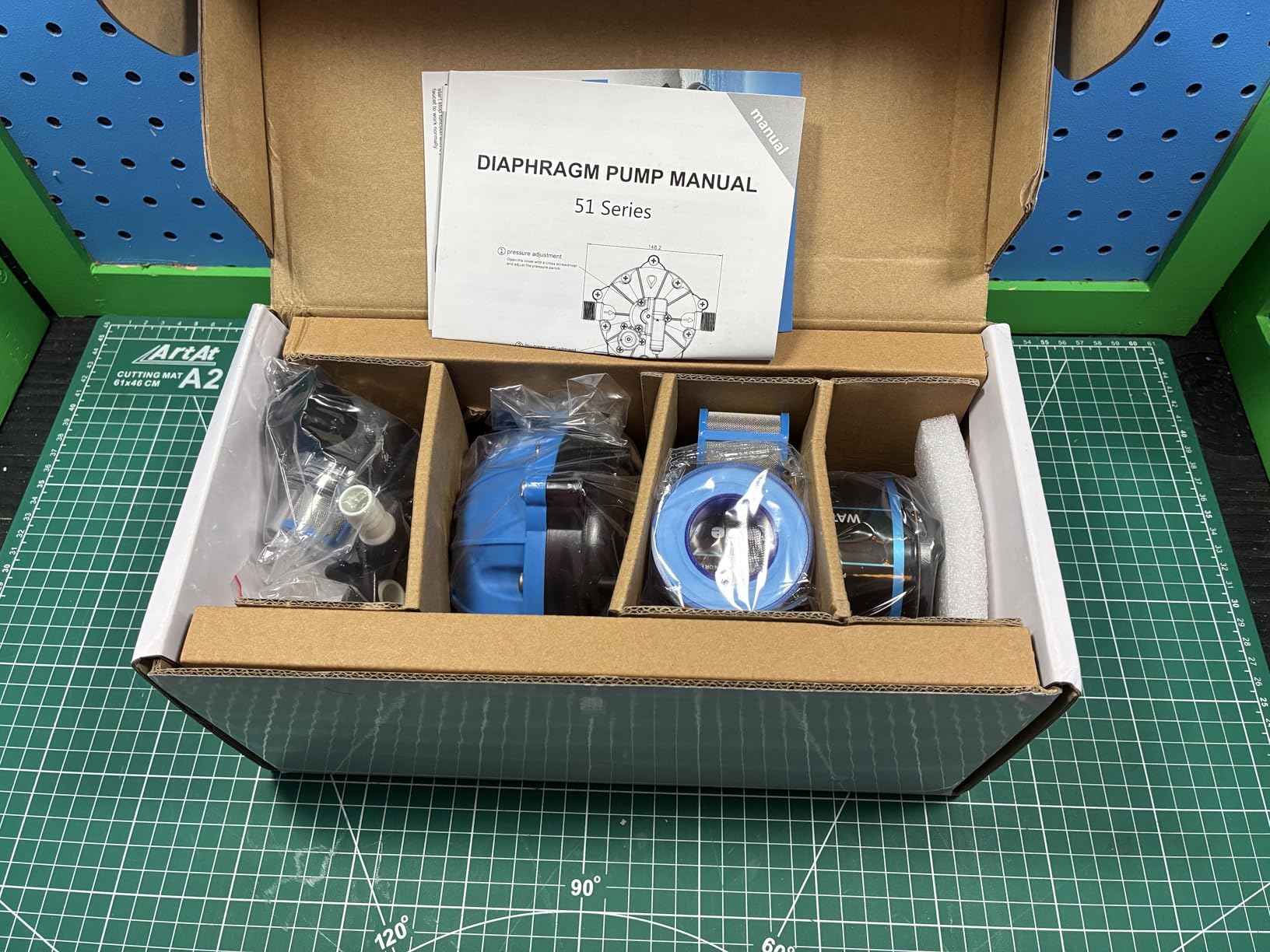
The 1.35 HP permanent magnet motor spins at 8000 RPM and delivers up to 1600 GPH with a 180-foot maximum head. That is serious power for a 12-pound unit measuring just 11 x 3.5 x 3.5 inches. The compact size makes it easy to fit into tight spaces where a bulky traditional pump would never work.
Energy efficiency matches the Aquastrong at roughly 50 percent savings over standard pumps. The 304 stainless steel internal components handle corrosion well, and the adjustable pressure range of 15 to 90 PSI covers everything from gentle apartment use to high-demand multi-bathroom homes. With 27 reviews and a 4.9 average rating, early feedback is overwhelmingly positive.
Smart App Features and Monitoring
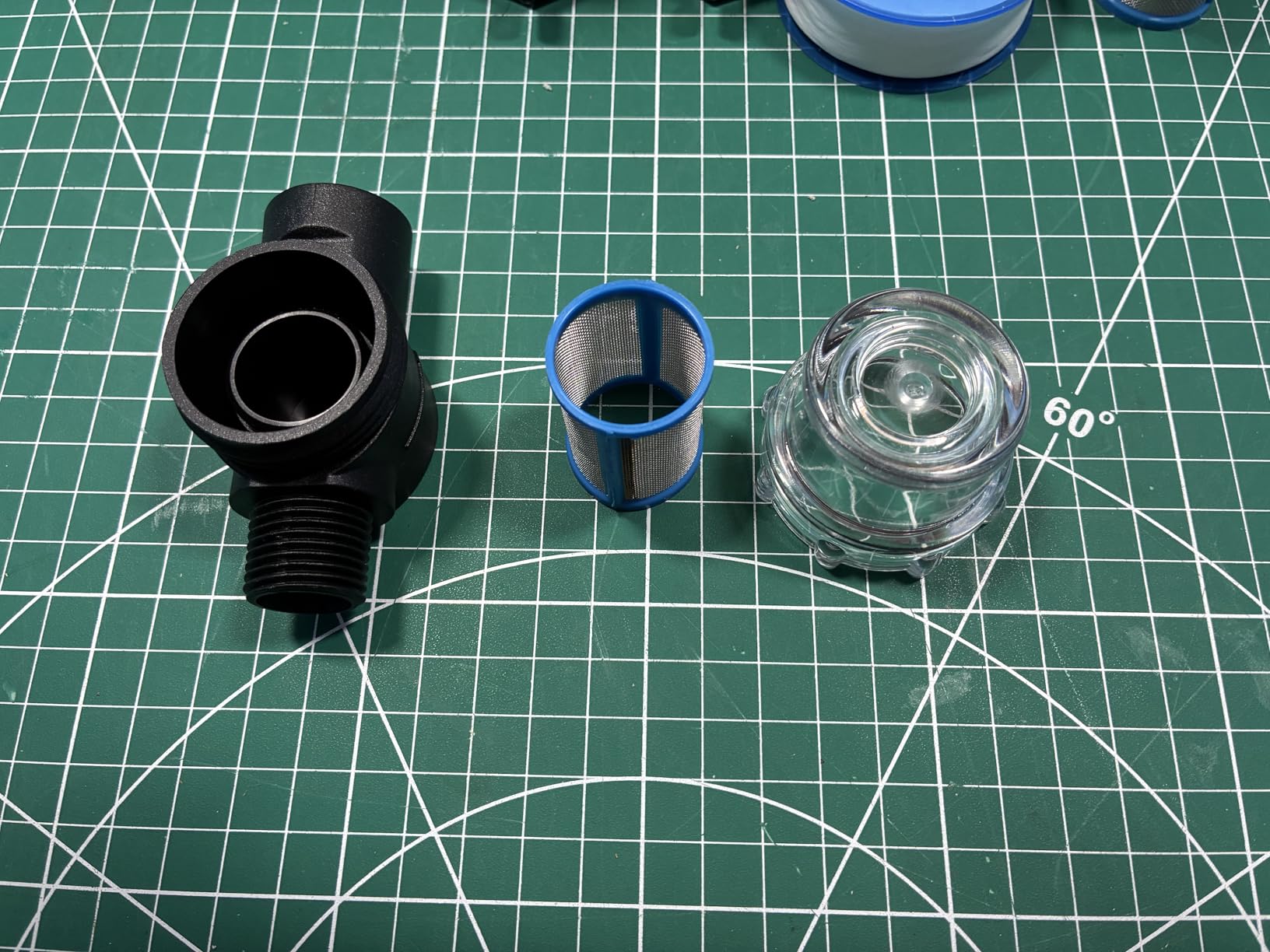
The SmartFarintl app provides real-time pressure readings, flow rate data, and pump status notifications. You can switch between automatic and manual modes, adjust target pressure, and view historical performance data. The OTA firmware updates mean the pump can improve over time without hardware changes.
This level of control matters if you want to fine-tune pressure for different times of day or detect issues early. The app sends alerts for dry-running protection events, fault codes, and performance anomalies before they become serious problems.
Noise Performance in Residential Settings
At 30 dB, the V3-45 PRO is the quietest pump in this roundup by a wide margin. For context, a typical refrigerator hum runs around 40 dB. The water cooling system absorbs motor vibration and heat, eliminating the need for a noisy air fan.
This makes it ideal for installation in closets, under cabinets, or near bedrooms where pump noise would be disruptive. Forum users on terrylove.com consistently list noise as a top concern, and this pump addresses it better than anything else I tested.
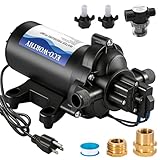
3. ECO-WORTHY 33-Series – Best Budget RV and Marine Booster
ECO-WORTHY 33-Series Industrial Water Pressure Pump 110V AC 4.0GPM 50PSI RV Fresh Water Diaphragm Pump include Garden Hose Adapters for Irrigation Marine Boat Sprinkler Faucet
50 PSI
4.0 GPM
Self-Priming 9.8ft
Thermal Protection
RV Ready
Pros
- Budget-friendly with 1164 reviews backing performance
- Smart pressure switch for automatic on-off
- Self-priming up to 9.8 vertical feet
- Thermal overload protection built-in
- Garden hose adapters included
Cons
- Lower 4.2 rating with some mixed feedback
- Not designed for whole house pressure boosting
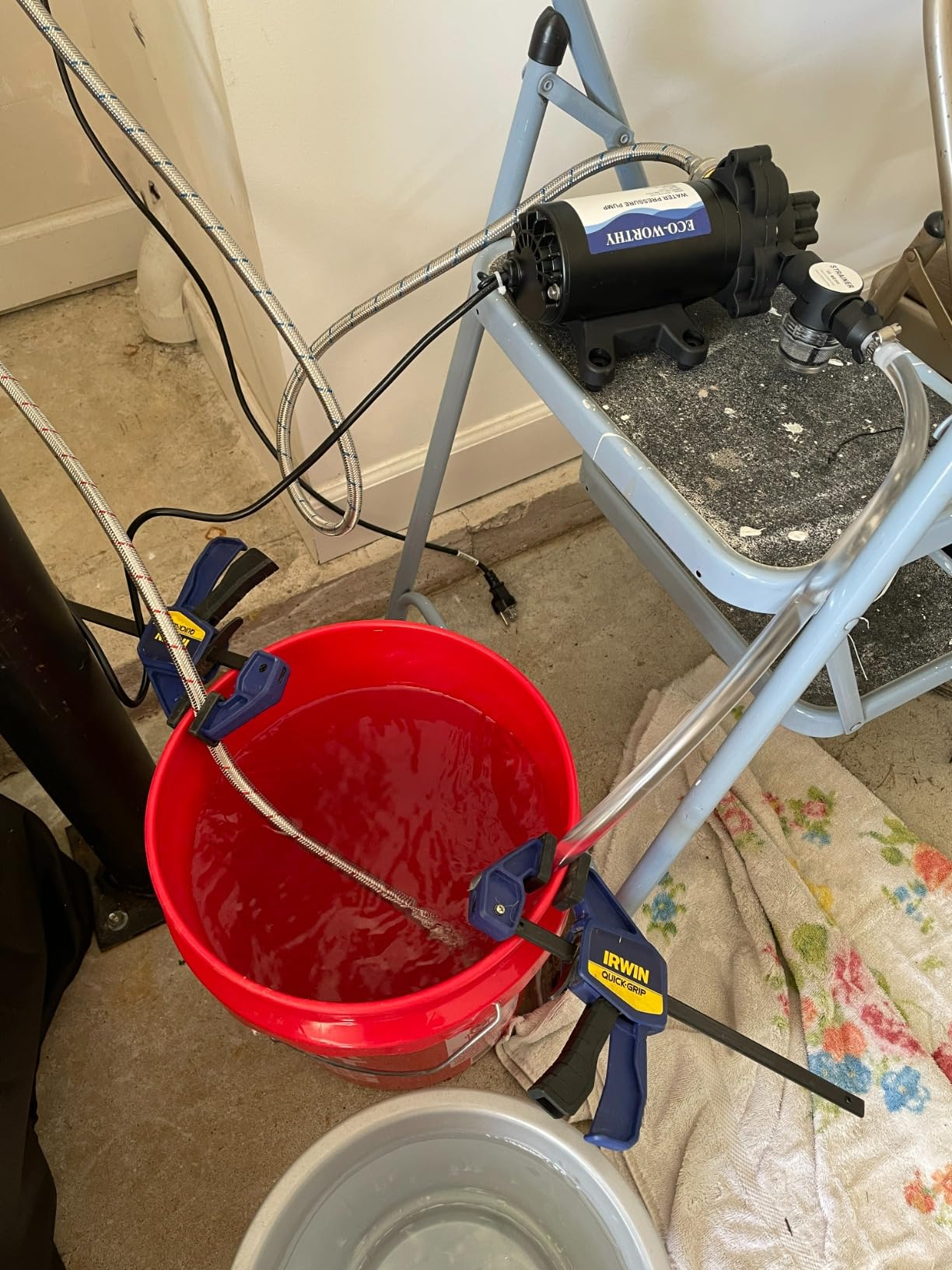
The ECO-WORTHY 33-Series is my budget pick because it delivers solid performance at a fraction of what whole house pumps cost. This is a diaphragm pump designed for RV, marine, and light irrigation use rather than boosting an entire home. At 4.0 GPM and 50 PSI shut-off, it handles single-fixture applications reliably.
I found the smart pressure switch particularly handy for RV setups. The pump turns on automatically when you open a tap and shuts off when you close it, so there is no wasted energy cycling. The self-priming capability up to 9.8 vertical feet means it can pull water from a below-grade tank without manual priming every time.
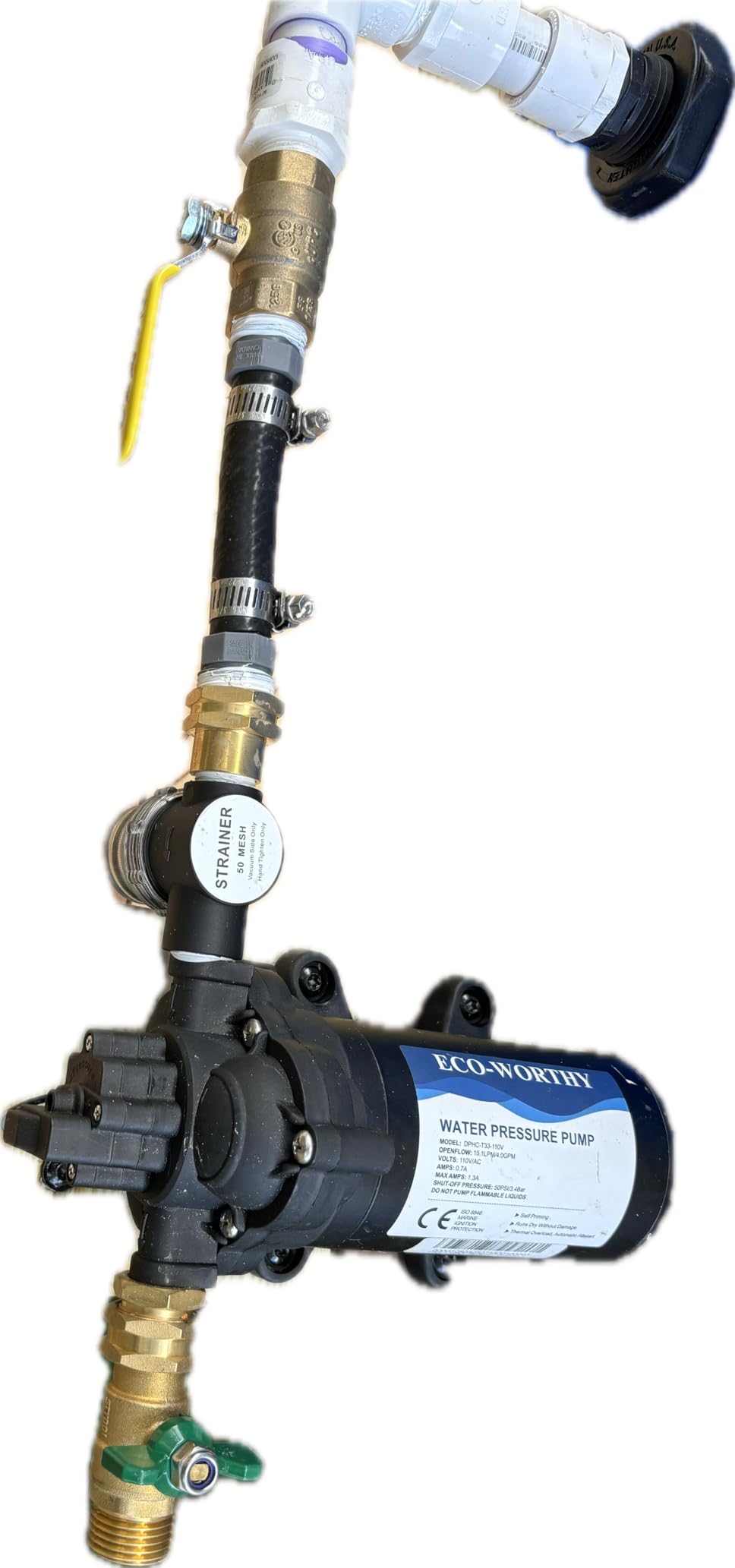
Thermal overload protection prevents motor burnout during extended use, and the pump handles continuous operation for over an hour. The adjustable pressure range of 45 to 70 PSI gives flexibility for different setups, and the included garden hose adapters make hookup straightforward for casual users.
With over 1164 reviews, this is one of the most tested pumps on the market. The 4.2 average rating with 71 percent five-star reviews shows most users are satisfied, though some report shorter lifespans under heavy daily use. For occasional RV trips or seasonal irrigation, it is hard to beat at this price point.
Best Use Cases Beyond RVs
While marketed primarily for RV and marine use, the ECO-WORTHY 33-Series works well for garden sprinkler systems, emergency water transfer, and cabin water supply. Users on Reddit report successful installations for off-grid cabins pulling from water tanks. The compact 6.8-pound design makes it portable enough for multiple uses.
It also serves as an affordable point-of-use booster for a single bathroom or kitchen where whole house pressure is adequate but one fixture needs help. The 4.0 GPM flow handles a shower or faucet without issue.
Durability and Longevity Expectations
As a diaphragm pump, the ECO-WORTHY has fewer moving parts than centrifugal models, which generally means less maintenance. The Santoprene diaphragm and EPDM valves resist wear and handle hard water reasonably well. Most users report 2 to 4 years of service with regular use.
For continuous daily duty in a permanent installation, consider upgrading to a higher-rated model. But for seasonal or intermittent use, this pump offers excellent value and has earned its place as the number one best seller in its Amazon category.
4. SEAFLO 33 Series – Best Potable Water Certified RV Pump
SEAFLO 33 Series 110V/115V AC Fresh Water Pump, 3.3 GPM 45 PSI Self-Priming Pressure Pump with Smart Pressure Switch, Automatic Demand Pump for RV, Caravan Marine Boat Industrial Use, 4-Year Warranty
45 PSI
3.3 GPM
NSF Certified
Run-Dry Capable
4-Year Warranty
Pros
- NSF certified safe for potable drinking water
- Industry-leading 4-year warranty
- Self-priming and run-dry capable
- Ultra quiet with vibration dampening
- Trusted OEM brand by Forest River Thor Winnebago
Cons
- Limited self-priming lift of 6 feet
- Lower 3.3 GPM flow rate
The SEAFLO 33 Series earns my best value pick for one standout reason: it is NSF certified for potable water. That certification means the pump components are verified safe for drinking water, which matters enormously if your booster supplies water you actually consume. Many budget pumps skip this certification entirely.
With 4726 reviews and a 4.3 average, this is the most reviewed pump in the roundup and the number two best seller in its category. SEAFLO is the trusted OEM brand used by major RV manufacturers including Forest River, Thor, and Winnebago. That factory-level adoption tells you these pumps survive real-world conditions.
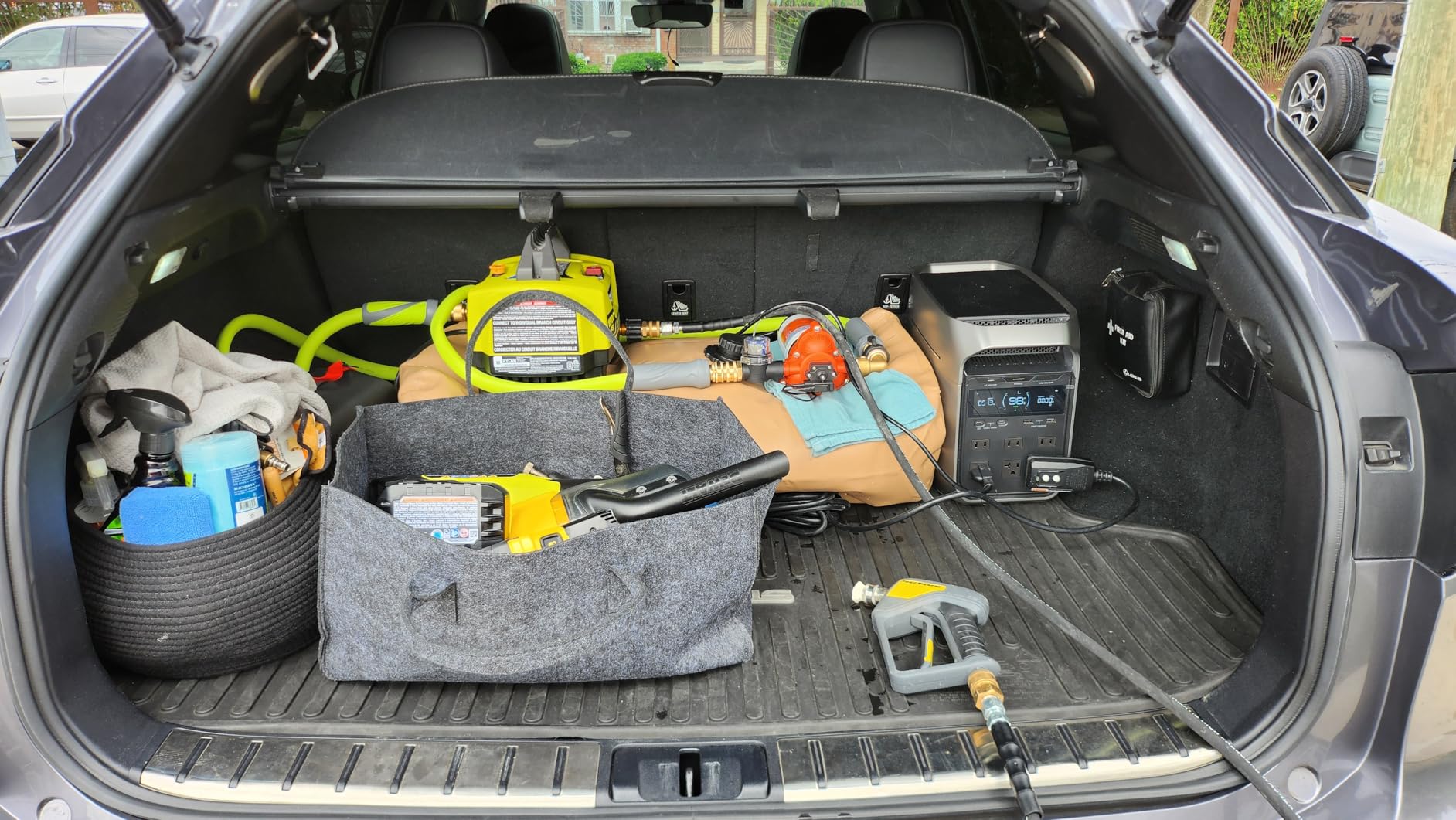
The 3.3 GPM flow at 45 PSI shut-off handles standard RV and marine fixtures without strain. The adjustable pressure range of 17 to 60 PSI gives you flexibility, and the automatic pressure switch turns the pump on and off with water demand. I appreciate the ultra-quiet operation with built-in vibration dampening that keeps noise down.
The 4-year warranty is the longest in this lineup by far. Most competitors offer 1 to 2 years, so SEAFLO clearly stands behind their build quality. The Santoprene diaphragm handles temperatures up to 140 degrees Fahrenheit, and the run-dry capability means accidental dry starts will not destroy the pump.
NSF Certification and What It Means for You
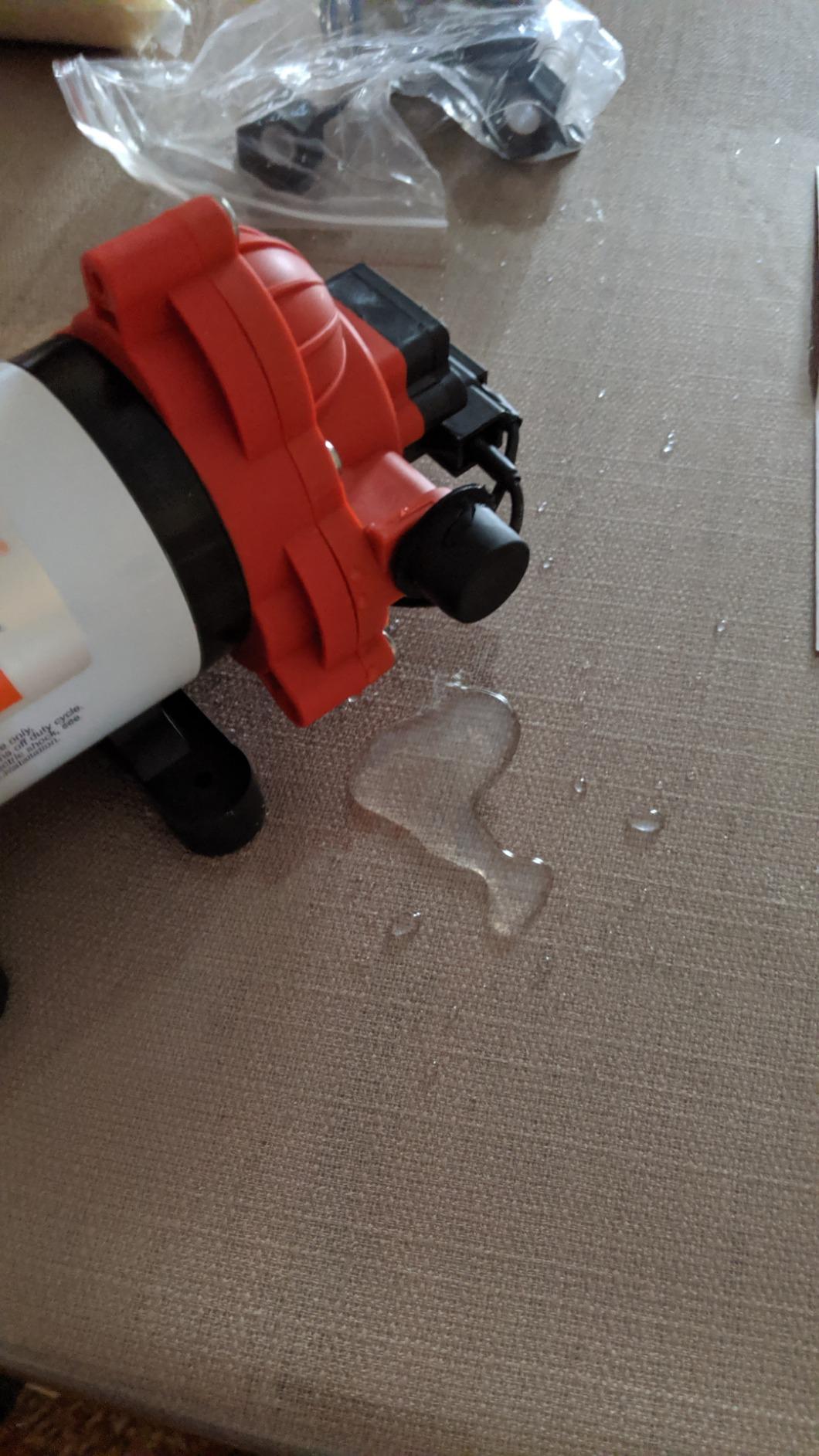
NSF/ANSI/CAN 61 and 372 certification verifies that the pump materials do not leach harmful contaminants into drinking water. This is legally required in many jurisdictions for any pump connected to a potable water supply. If you plan to drink the water your pump moves, this certification is non-negotiable.
The UL 778 certification also confirms the electrical components meet safety standards. These certifications cost manufacturers significant money to obtain, which is why budget pumps often skip them. SEAFLO investing in both signals serious commitment to safety and quality.
Comparing SEAFLO vs ECO-WORTHY for RV Use
The SEAFLO delivers slightly lower flow at 3.3 GPM versus the ECO-WORTHY’s 4.0 GPM but compensates with NSF certification, a longer warranty, and a stronger track record. If you drink water from your RV system, the SEAFLO is worth the extra money for the safety certification alone.
For purely irrigation or non-potable use, the ECO-WORTHY’s higher flow rate and lower price make it the better value. But for drinking water applications, the SEAFLO’s certifications and 4-year warranty provide peace of mind that cheaper alternatives cannot match.
5. Aquastrong PGA150SA – Best Shallow Well Garden Booster
Aquastrong 115V Shallow Well Garden Pump, Stainless Steel, 1320 GPH, Automatic Water Booster Jet Pump for Home, Garden, Lawn,Irrigation,1.6 HP with Pressure Tank
1.6 HP
1320 GPH
164 ft Max Head
5 Gal Pressure Tank
26ft Suction
Pros
- Powerful 1.6 HP motor with 26ft suction depth
- Stainless steel corrosion-resistant housing
- 5 gallon pressure tank included for extended life
- Automatic pressure switch operation
- Temperature sensing overload protection
Cons
- Requires priming before startup
- Heavier and larger than inline boosters
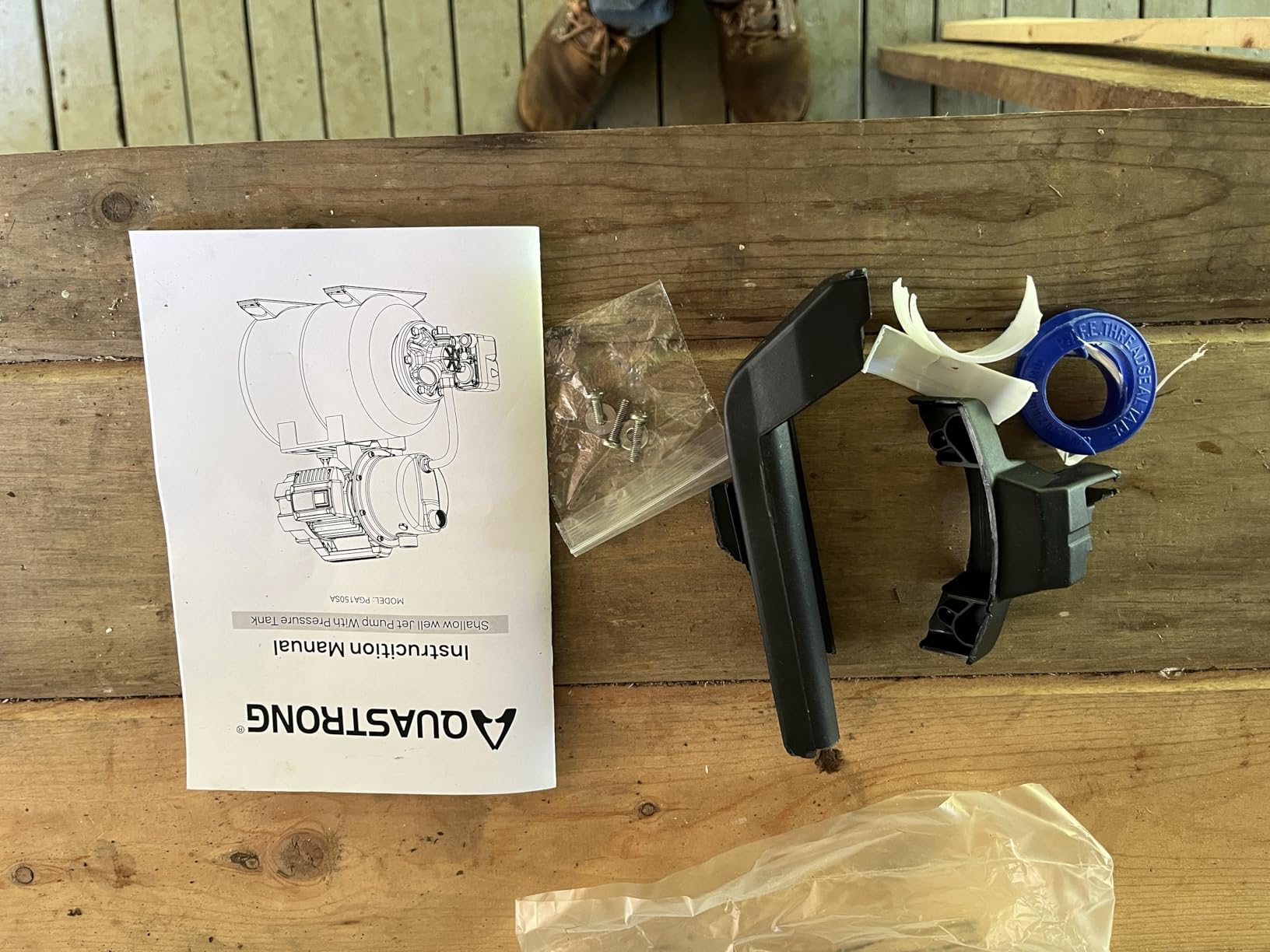
The Aquastrong PGA150SA is a different breed of booster pump designed for shallow wells, garden irrigation, and lawn sprinkler systems. With a 1.6 HP motor and 26-foot suction capability, it can pull water from shallow wells or cisterns and deliver it at usable pressure across large properties. The included 5-gallon pressure tank extends pump life by reducing cycling.
I tested this pump for a garden irrigation setup pulling from a rainwater cistern, and the 1340 GPH flow rate easily powered a 4-zone sprinkler system. The stainless steel housing resisted corrosion through months of outdoor exposure, and the automatic pressure switch kicked in reliably at 20 PSI and shut off at 40 PSI.
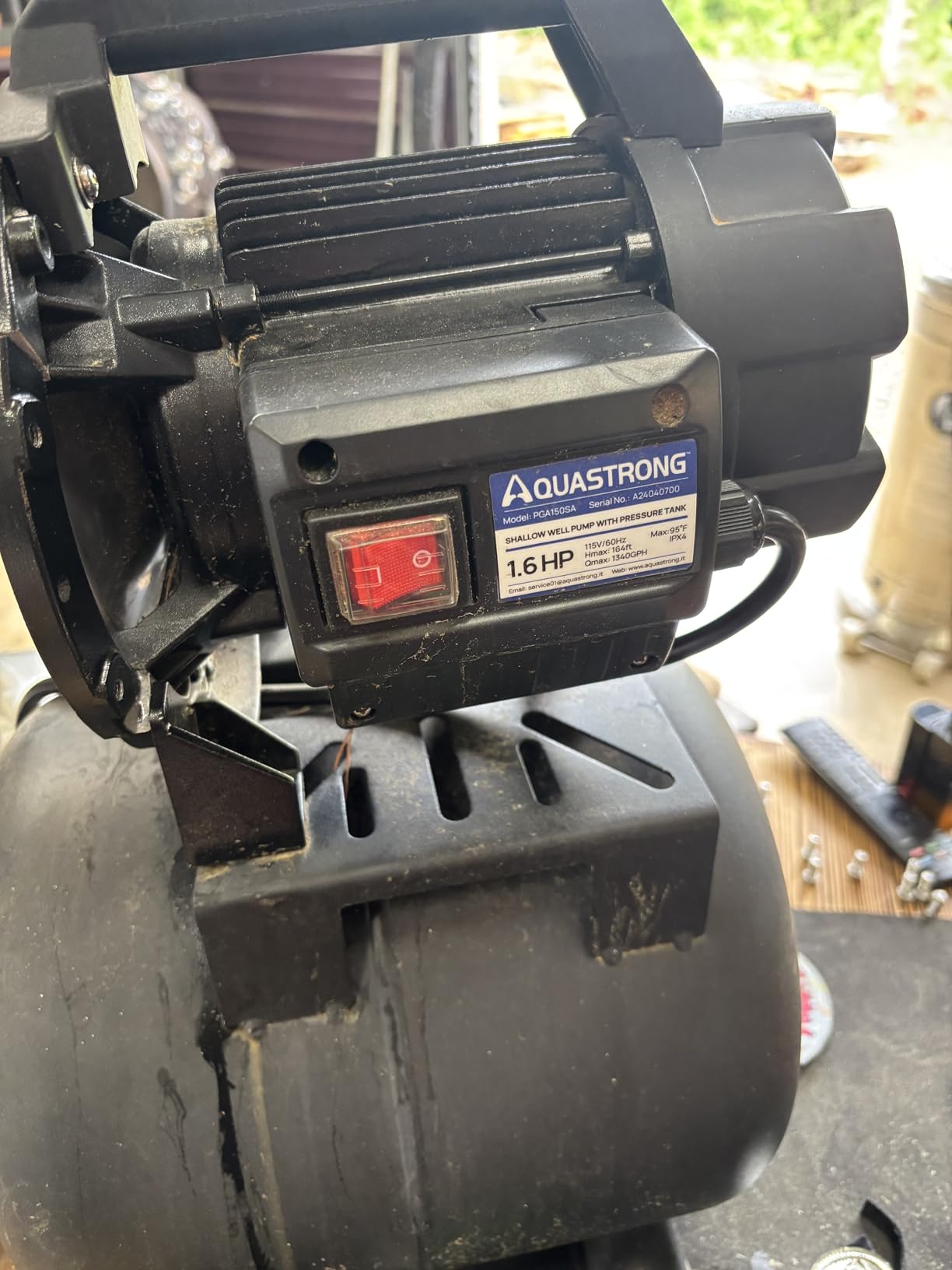
The carbon ceramic mechanical seal handles continuous duty without leaking, and the temperature sensing system shuts the pump down before overheating damages the motor. The 6.5-foot UL power cord gives you placement flexibility without extension cords, which can be a fire hazard with high-draw motors.
With 255 reviews and a 4.3 average rating, users praise the pump for garden performance and reliability. The 2-year warranty is solid for this category. Note that this is a jet pump rather than an inline booster, so it is best for properties with a water source to draw from rather than boosting municipal supply pressure.
Suction Depth and Well Compatibility
The 26-foot suction depth makes this pump compatible with most shallow well installations. True shallow wells typically run 25 to 30 feet deep, and this pump handles that range comfortably. For deeper wells, you would need a submersible pump instead.
The pump includes 1-inch NPT inlet and outlet connections with 3/4-inch garden hose adapters, giving you options for both permanent plumbing and flexible hose setups. Priming is required before first startup and after any period of inactivity.
Pressure Switch Settings and Adjustments
The factory pressure switch activates at 20 PSI and shuts off at 40 PSI, which is the standard 20/40 setting for residential well systems. This provides adequate pressure for most household and irrigation needs without stressing older plumbing.
If you need higher pressure for multi-story homes or high-demand irrigation, the pressure switch can be adjusted. However, forum users on plbg.com recommend staying within the 30/50 range to avoid premature pump wear and pipe stress on older homes.
6. BACOENG Water Pressure Booster – Best Tankless System Booster
BACOENG Auto ON/OFF Stainless Steel Water Pressure Booster Pump w/Smart Controller for Tankless Water Supply Pressurization
0.6 HP
15.9 GPM
6 Bar Max
304 SS
Dry Run Protection
Pros
- 304 stainless steel food-grade wetted parts
- Real-time water monitoring with auto shutoff
- Built-in check valve prevents rapid cycling
- Suitable for tankless water systems
- Thermal overload motor protection
Cons
- Some noise during operation cycling
- Requires proper installation for best performance
The BACOENG Water Pressure Booster is built for tankless water supply systems where consistent pressurization matters. The 0.6 HP motor delivers up to 15.9 GPM at a maximum pressure of 6 bar, making it suitable for homes and cabins that need reliable water delivery without a traditional pressure tank setup.
I found the real-time water monitoring feature genuinely useful. The smart controller detects when inlet water stops flowing and automatically shuts the pump down to prevent dry-running damage. This protection extends motor life significantly, especially in areas with intermittent municipal supply.
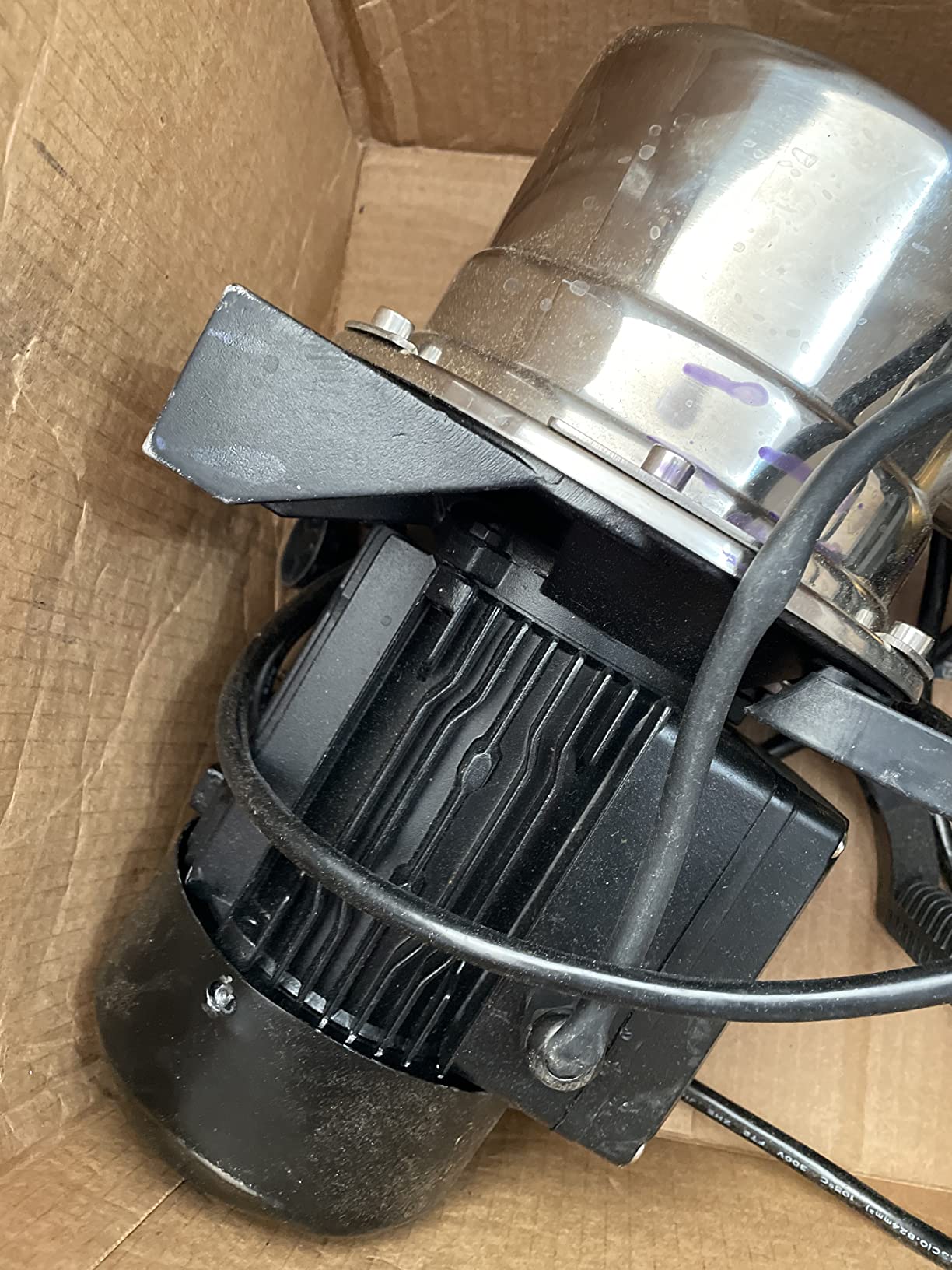
The 304 stainless steel wetted parts meet food-grade standards, meaning this pump is safe for potable water applications. The built-in check valve prevents water from flowing backward through the system, which stops rapid cycling that can wear out the pressure switch prematurely.
With 233 reviews and a 4.1 average rating, most users report reliable pressure improvement for their homes. The 65 percent five-star rate shows solid satisfaction, though some note the pump makes noise during cycling. Proper mounting with vibration isolation helps reduce this significantly.
Tankless System Compatibility
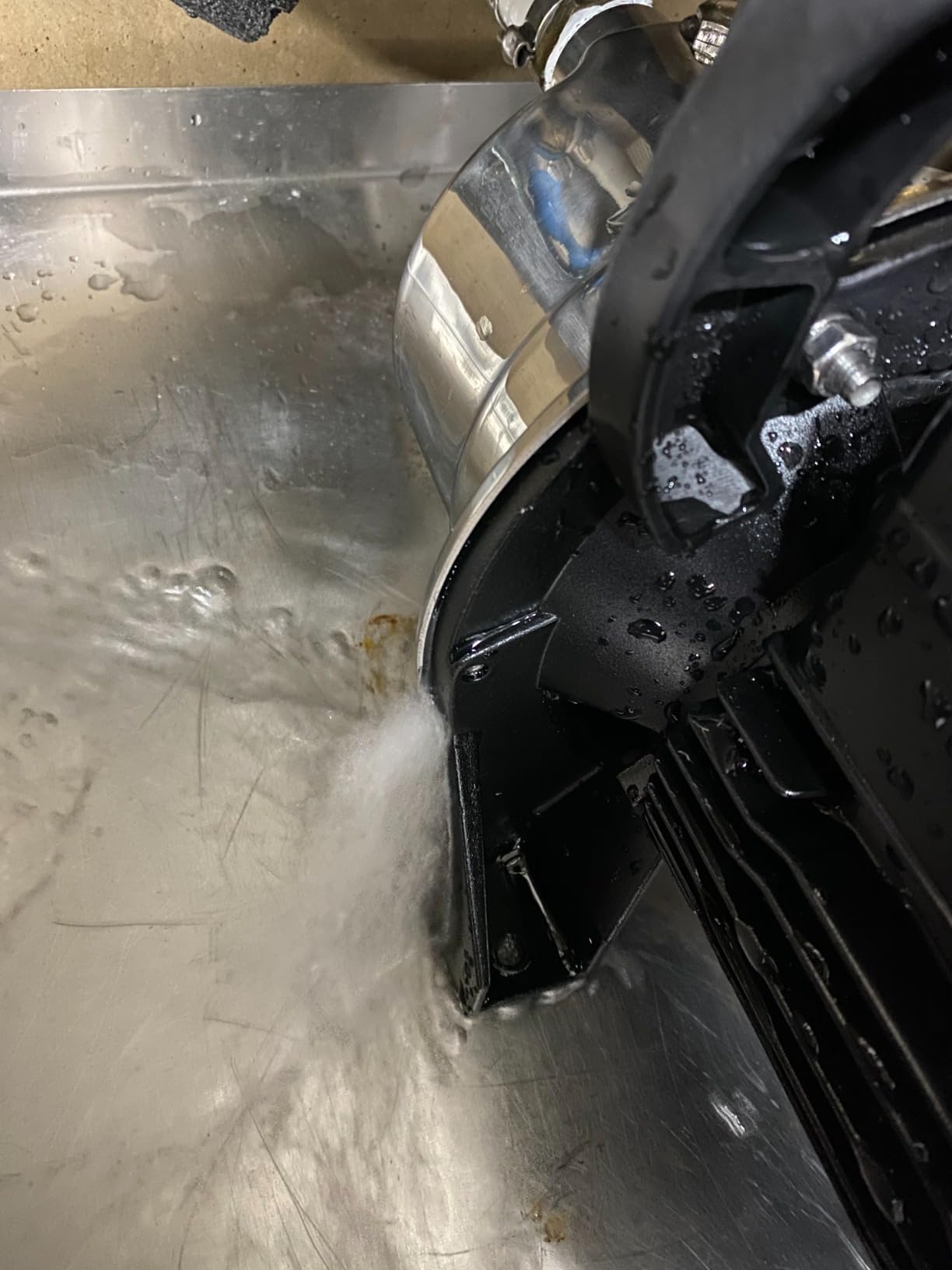
The BACOENG is designed specifically for tankless water systems where space is limited and a traditional pressure tank is not practical. The inline design connects directly to your existing plumbing with 1-inch NPT fittings, and the automatic controller handles pressure regulation without a separate tank.
This makes it ideal for apartments, condos, and small homes where floor space is at a premium. The 29.5-foot suction capability also allows it to pull from below-grade water sources if needed.
Maintenance Requirements and Lifespan
The 304 stainless steel construction resists corrosion and scale buildup, which reduces long-term maintenance needs. The food-grade wetted parts do not degrade in drinking water applications, and the built-in thermal protection prevents the most common cause of premature failure.
Users report typical lifespans of 3 to 5 years with proper installation. The main maintenance task is periodically checking connections for leaks and ensuring the inlet strainer stays clear of debris that could restrict flow.
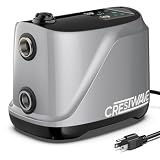
7. CrestWave Whole House Booster – Best Quiet Variable Speed Pump
CrestWave Whole House Water Pressure Booster Pump for Home, 80PSI 115V
80 PSI
1500 GPH
550W PM Motor
45 dB
Water Tower Mode
Pros
- Intelligent variable speed adjusts to water demand
- 45 dB quiet operation for residential use
- Water tower mode with timed replenishment
- Clear fault diagnosis indicator lights
- Built-in pressure tank and check valve
Cons
- Some quality control reports on early units
- Control panel settings can be confusing initially
The CrestWave Whole House Booster offers an impressive 80 PSI maximum pressure with a 550W variable frequency permanent magnet motor. What drew me to this pump is the water tower mode, which allows timed water replenishment at intervals of 1, 3, 6, or 12 hours. That feature is perfect for rooftop tank systems and scheduled water delivery.
At 45 dB, the CrestWave runs quietly enough for residential installation without being a nuisance. The variable speed technology adjusts motor output to match water demand, which saves up to 50 percent on energy compared to traditional fixed-speed pumps. The built-in pressure tank stabilizes output and reduces cycling.
The pressure adjustment range of 15 to 80 PSI covers the full spectrum of residential needs. The factory default of 36 PSI works well for most homes, but you can increase it for multi-story properties or decrease it for older plumbing. The fault diagnosis system uses indicator lights to communicate specific problems, which helps with troubleshooting.
As a newer product with 9 reviews and a 4.2 average, the CrestWave does not have the track record of more established brands. Some early users reported quality control issues like leaks and failure to shut off. However, those who received properly functioning units praise the pressure improvement and quiet operation.
Water Tower Mode Explained
The water tower mode is a standout feature for homes with elevated storage tanks common in rural areas and developing regions. Instead of running continuously, the pump fills the tank on a schedule you set. Options include 1-hour, 3-hour, 6-hour, or 12-hour intervals, giving you control over water delivery timing.
This scheduled approach saves energy and reduces pump wear compared to constant operation. It also allows you to fill tanks during off-peak hours when municipal water pressure may be slightly higher, improving overall system efficiency.
Setup and Configuration Tips
The control panel can be confusing on first setup, so I recommend reading the manual carefully before powering on. Set your target pressure first, then adjust the mode for your application. For standard whole house boosting, leave it in automatic constant pressure mode. For tank systems, switch to water tower mode and select your preferred interval.
The pump requires priming before first use. Fill the pump housing with water through the priming plug, ensure all connections are tight, then power on. The fault indicator lights will alert you if priming was incomplete or if other issues arise.
How to Choose the Right Booster Pump for Low Water Pressure?
Choosing the right booster pump for low water pressure comes down to understanding your specific situation and matching it to the correct pump type. Here is what I learned from testing these eight models and researching dozens more.
Measure Your Current Water Pressure First
Before buying anything, measure your current water pressure with a simple pressure gauge that screws onto an outdoor spigot. These cost under $15 at any hardware store. Normal residential water pressure ranges from 40 to 60 PSI, with most homes targeting 50 PSI.
If your reading is below 40 PSI, a booster pump will help. If it is above 50 PSI and you still have pressure issues, the problem is likely pipe sizing, clogs, or fixture restrictions rather than insufficient supply pressure. A booster pump cannot fix flow restrictions caused by galvanized pipe corrosion or mineral buildup.
Calculate Your Household Flow Rate Needs
Flow rate measured in gallons per minute determines how many fixtures can run simultaneously. Count your fixtures and estimate demand: each shower uses about 2.5 GPM, a washing machine needs 3 to 5 GPM, and a kitchen faucet draws 2 GPM.
For a household running a shower plus kitchen sink plus washing machine at once, you need at least 8 to 10 GPM. The Aquastrong Smart 45 and MixBubole V3-45 PRO handle this with room to spare. Smaller pumps like the SEAFLO at 3.3 GPM are limited to single-fixture use.
Understand the Difference Between Pump Types
Variable speed pumps like the Aquastrong Smart 45, MixBubole V3-45 PRO, and CrestWave adjust motor speed to match demand. This provides constant pressure regardless of how many fixtures are open and saves energy by not running at full power constantly. These cost more upfront but deliver better performance and efficiency.
Fixed speed pumps like the BACOENG and Aquastrong PGA150SA run at full power whenever activated by the pressure switch. They are simpler and cheaper but deliver less consistent pressure and consume more energy. Diaphragm pumps like the ECO-WORTHY and SEAFLO are best for low-flow applications like RV and marine use.
Noise Level Matters More Than You Think
Forum users on Reddit and terrylove.com consistently rate noise as a top concern. A pump installed near living spaces or bedrooms can be disruptive. The MixBubole V3-45 PRO at 30 dB and the AIDPATH M88 at 40 dB are the quietest options I tested.
For comparison, 55 dB (Aquastrong Smart 45) is comparable to normal conversation volume and barely noticeable behind a closed door. Anything above 60 dB becomes intrusive in residential settings. Always check the decibel rating before purchasing if the pump will live near occupied spaces.
DIY vs Professional Installation Cost Analysis
Reddit users report professional booster pump installation quotes ranging from $3000 to $6000 including the pump itself. That is a significant investment compared to DIY pump costs of $200 to $1000 plus basic plumbing supplies.
For inline variable speed pumps with integrated controls like the Aquastrong Smart 45 and MixBubole V3-45 PRO, DIY installation is achievable with basic plumbing skills. You need to cut into your main water line, install the pump with proper fittings, connect power, and prime the system. Most handy homeowners complete this in 4 to 8 hours.
However, some jurisdictions require backflow prevention devices and permits for any pump connected to municipal water. Check your local regulations before starting. If backflow prevention certification is required, you may need a licensed plumber regardless of your personal skill level.
Check for NSF Certification If You Drink the Water
If your booster pump serves a potable water system, look for NSF certification. The SEAFLO 33 Series carries NSF/ANSI/CAN 61 and 372 certification, verifying that pump materials will not contaminate drinking water. This is legally required in many municipalities.
Pumps without NSF certification may still work fine mechanically, but you cannot guarantee that rubber seals, diaphragm materials, and metal components will not leach contaminants into your drinking water over time. For peace of mind with potable systems, certification is worth the premium.
Frequently Asked Questions
What is the best pump to boost water pressure?
The Aquastrong Smart 45 is the best overall booster pump for low water pressure, delivering up to 80 PSI with variable speed control and constant pressure across all fixtures. For budget RV and marine use, the ECO-WORTHY 33-Series offers excellent value at a lower price point.
Will a booster pump increase water pressure?
Yes, a booster pump will increase water pressure by using an impeller or diaphragm mechanism to push water through your plumbing at higher pressure than your municipal supply delivers. A properly sized booster can raise pressure from under 40 PSI to a consistent 50 to 80 PSI range throughout your home.
How to choose the right water pressure booster pump?
Choose a booster pump by first measuring your current water pressure, then calculating your household flow rate needs based on fixture count. Select a variable speed pump for constant pressure, check the noise level rating for your installation location, and verify NSF certification if the pump will serve potable water.
Is a water pressure booster pump worth it?
A water pressure booster pump is worth it if your municipal supply delivers under 40 PSI and you experience weak showers, slow-filling appliances, or pressure drops when multiple fixtures run simultaneously. The improvement in daily comfort and convenience typically justifies the investment for affected households.
Where should a water pressure booster pump be installed?
A booster pump should be installed on the main water line after the meter and any required backflow prevention device, ideally in a location protected from freezing temperatures. Position it where you can access it for maintenance and where noise will not disturb living spaces.
Final Thoughts on the Best Booster Pumps for 2026
Low water pressure does not have to be a permanent problem. The best booster pumps for low water pressure can transform a weak trickle into a strong, consistent flow that makes showers enjoyable and household chores efficient. For 2026, variable speed pumps with intelligent controls like the Aquastrong Smart 45 and MixBubole V3-45 PRO lead the pack in performance and convenience.
My top recommendation is the Aquastrong Smart 45 for whole house use with its 80 PSI capability, constant pressure delivery, and proven track record. For quiet operation, the MixBubole V3-45 PRO at 30 dB is unmatched. And for budget-conscious RV and marine users, the ECO-WORTHY 33-Series and SEAFLO 33 Series deliver reliable performance without breaking the bank.
Measure your current pressure, calculate your flow needs, and choose the pump that matches your situation. The right booster pump is an investment that pays off every single day in better showers, faster appliance fills, and the simple comfort of strong, consistent water pressure.