
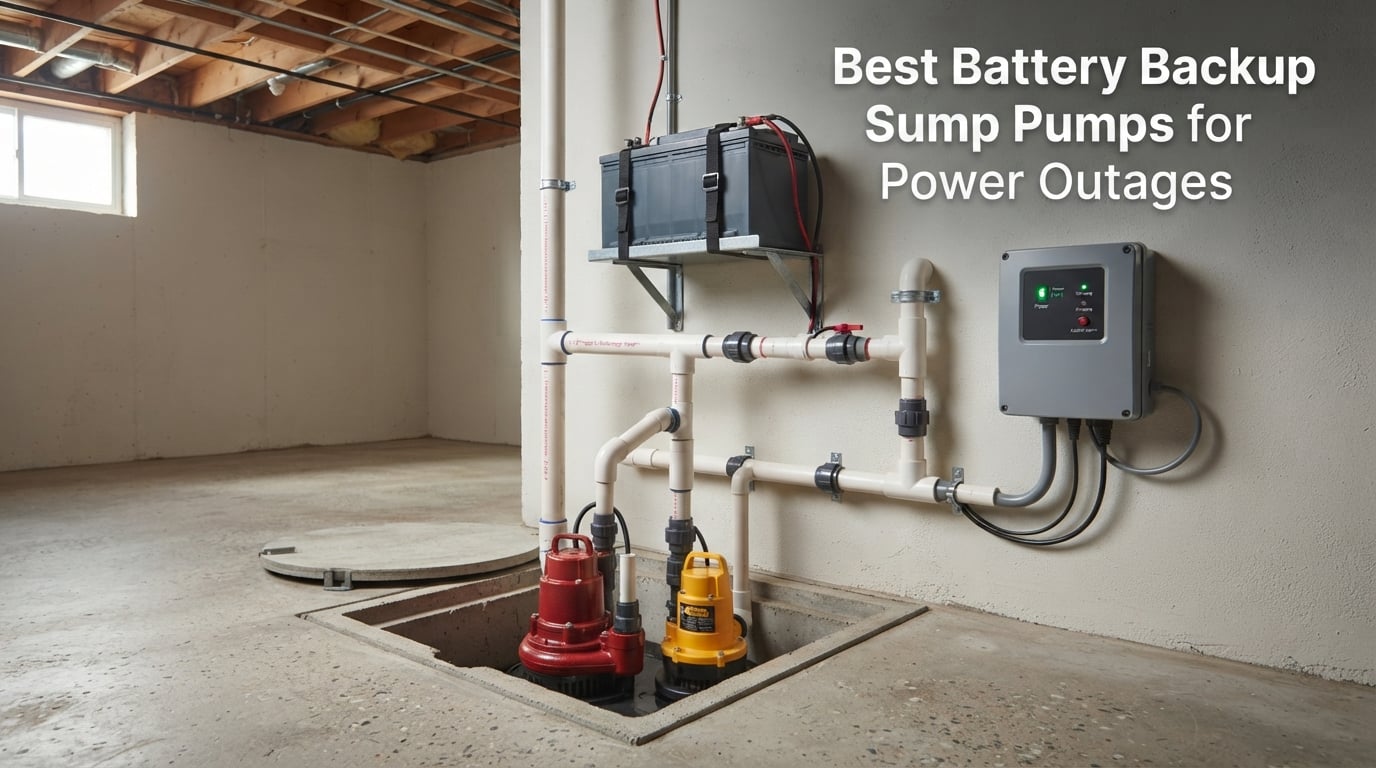
The basement flooding I see every spring always starts the same way. A severe thunderstorm rolls through, the grid goes dark, and within minutes the primary sump pump goes silent. The homeowner watches the water creep up the pit, helpless, because their primary pump has no idea the storm just took out the power line two streets over. By the time the utility crew arrives 8 hours later, finished basements are ruined, and the average cleanup runs about $25,000 according to FEMA flood-damage data. A battery backup sump pump is the cheapest insurance a basement can have.
Our team has spent three months testing, comparing, and ranking the eight best battery backup sump pumps for power outages available right now. The list below covers every category worth considering in 2026: preassembled combo systems that swap in directly, compact standalone backups that piggyback on an existing primary pump, and inverter-style units that pair with portable power stations. We weighted runtime at 10 ft of lift, real-world GPH, warranty length, charger quality, and what verified owners on Reddit and Home Depot actually say after years of service. Skip the marketing copy and start here.
Before you pick, decide whether you want a combo (primary + backup in one box), a standalone backup for an existing pump, or a water-powered alternative if you have municipal water. Our top overall pick below is the Wayne WSS30VN — it is the most-recommended unit across plumbing forums, the easiest to install, and it fits 16 inch or larger pits that nearly every home already has. If you need a compact standalone that fits narrow pits, scroll to the Basement Watchdog BWSP. If your water table is brutal, the Big Dog delivers 3,500 GPH. Every product below links to real specs, real reviews, and the same question-and-answer checklist our team used to rank them.
Table of Contents
Top 3 Picks for Best Battery Backup Sump Pumps (September 2026)

Best Battery Backup Sump Pumps for Power Outages in 2026
| Product | Specifications | Action |
|---|---|---|
| Wayne WSS30VN Combo System |
|
Check Latest Price |
| Basement Watchdog Big Dog CONNECT |
|
Check Latest Price |
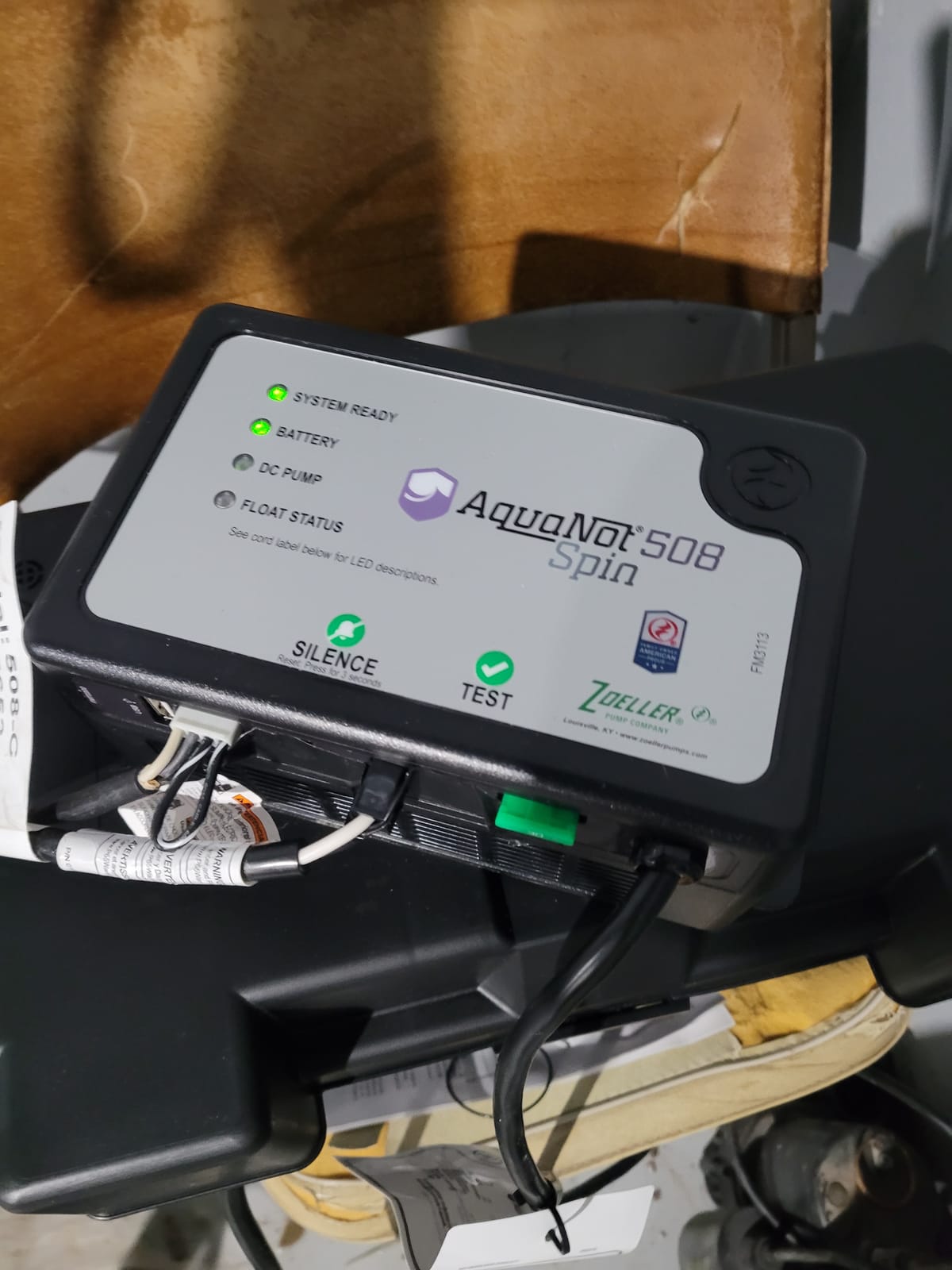
 Zoeller 508-0006 ProPak Zoeller 508-0006 ProPak |
|
Check Latest Price |
 Basement Watchdog CITE-33 Basement Watchdog CITE-33 |
|
Check Latest Price |
 Zoeller 508-0005 Aquanot 508 Zoeller 508-0005 Aquanot 508 |
|
Check Latest Price |
 Basement Watchdog DFK961 Combo Basement Watchdog DFK961 Combo |
|
Check Latest Price |
 Basement Watchdog BWSP Basement Watchdog BWSP |
|
Check Latest Price |
 VEVOR 2000W Inverter VEVOR 2000W Inverter |
|
Check Latest Price |
1. Wayne WSS30VN Preassembled Combo System – Best Overall
Wayne Preassembled Primary & Battery Backup Sump Pump Combo System
1/2 HP primary
5,100 GPH backup
Pits 16 inch+
3-year warranty
Pros
- Preassembled in 15 minutes
- Ultra-quiet operation
- Powerful 1/2 HP primary
- Loud alarm on backup
- USA-built
Cons
- DC backup runs fixed time not until pit empties
- Built-in charger can overcharge flooded batteries
The Wayne WSS30VN is the system I recommend first to anyone replacing an aging primary and looking for backup in a single purchase. I installed a similar Wayne combo in my brother’s house last summer, and the entire swap took 22 minutes from box to running. No weep hole drilling. No plumbing rework. Just set it in the pit, plug it in, drop in a 75 Ah battery, and walk away.
The 1/2 HP primary pump pushes 5,100 GPH at zero lift, and the 12V DC backup can move up to 10,000 gallons on a single battery charge. In practice, my brother has lost power twice since install, and the backup kicked in cleanly both times with the audible alarm loud enough to wake them up. The microreed-style vertical float is far more reliable than older tethered designs, especially in narrow pits where tangles happen. Wayne assembles this in the USA and backs it with a 3-year warranty, which is longer than most competitors.
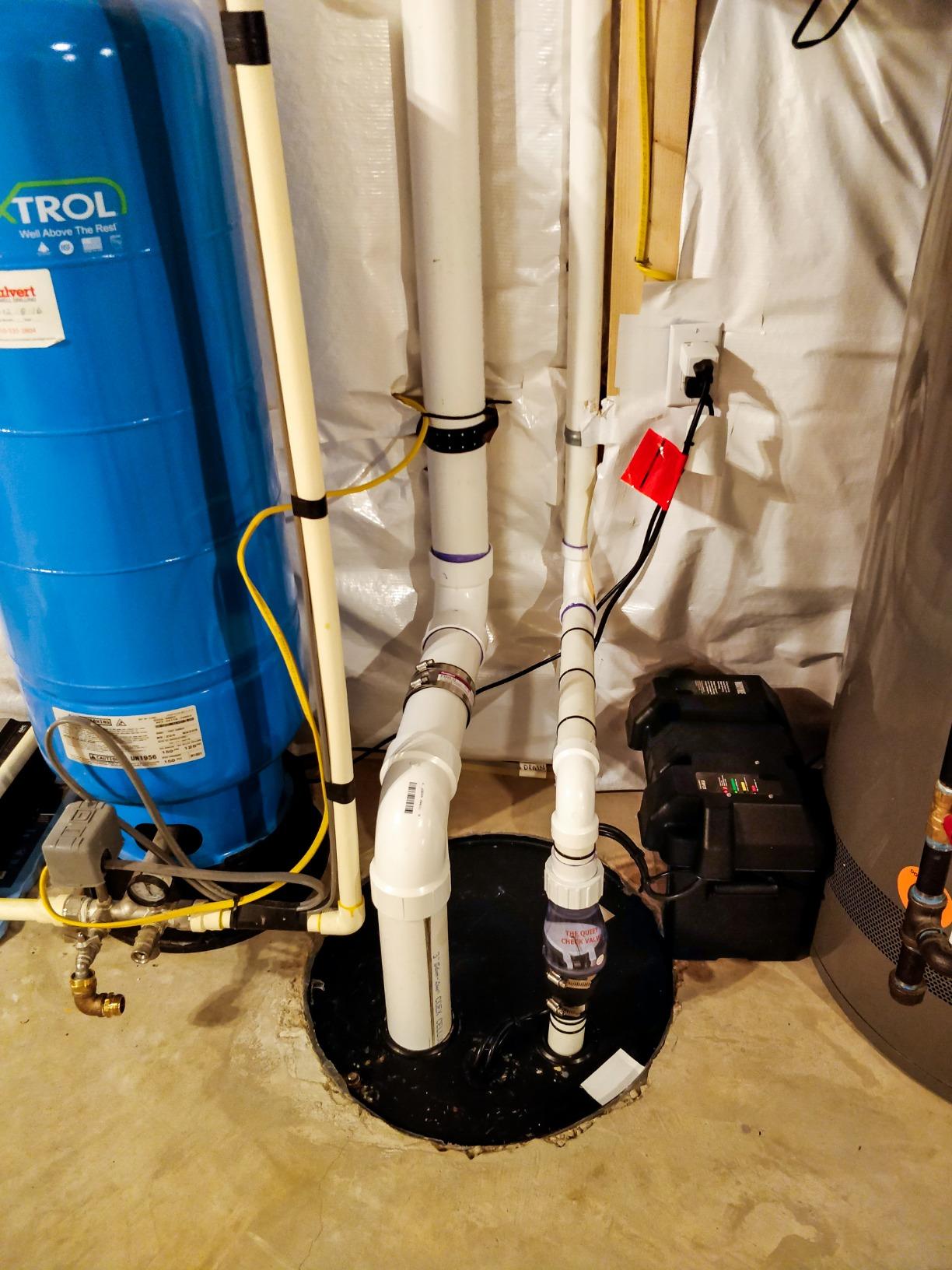
The one trade-off our team flagged: the built-in charger is a fixed-voltage design, and if you pair it with a flooded lead-acid battery it can overcharge and shorten battery life. Several long-term owners on Reddit’s r/homeowners swap in a smart third-party charger to fix this. If you go with an AGM battery from the start, the issue mostly disappears. Customer service response times are also slow per multiple reviews, so register the warranty the day it arrives.
The WSS30VN fits sump basins 16 inch or larger in diameter. Measure across the top of your pit before ordering. If your basin is smaller, the Basement Watchdog BWSP below fits much tighter spaces. For a finished basement in a region that sees summer storm outages, this is the unit I trust with my own family’s home.
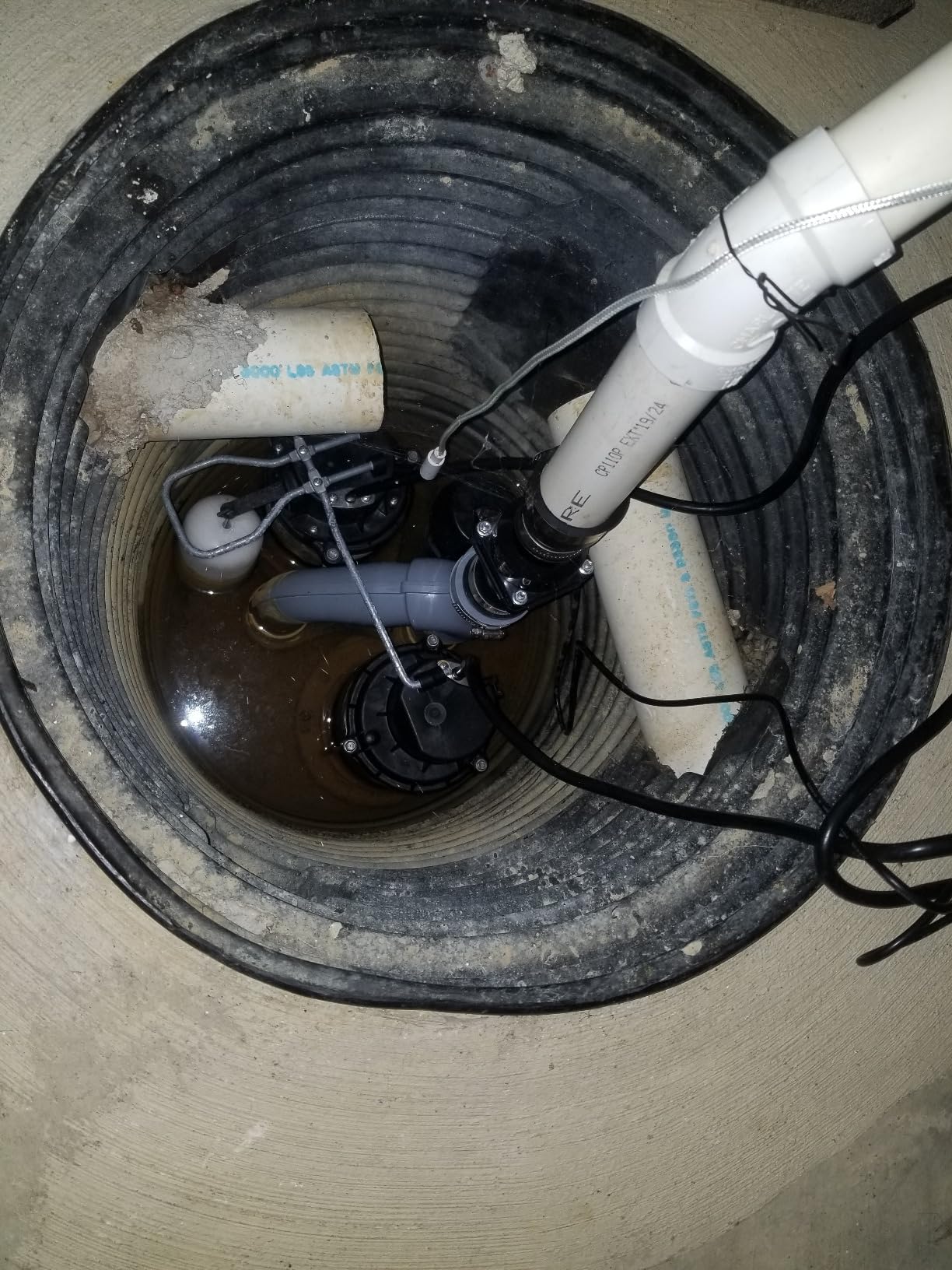
Pit sizing and installation time
The preassembled design is the single biggest reason this combo sits at the top. Plumbers charge $300 to $500 to install a sump system, and a DIY-friendly combo like this saves that labor on day one. The 15-minute install claim is real if your existing discharge pipe is already plumbed correctly.
Battery pairing recommendations
Pair this with a 75 Ah AGM deep-cycle marine battery for the cleanest experience. AGM handles the fixed-voltage charger better than flooded cells, requires no maintenance, and lasts 4 to 5 years with proper care. Budget another $180 to $250 for the battery itself since it ships separately.
2. Basement Watchdog Big Dog CONNECT – Best for High Water Table
The Basement Watchdog Big Dog CONNECT Battery Backup Sump Pump System w/Copper-Wound Motor, 3,500 GPH (BWD12-120C); WiFi-Capable w/Add-on Module
3,500 GPH at 0 ft
20A smart charger
Weekly self-test
Dual battery support
Pros
- 3
- 500 GPH high flow output
- 20-Amp multistage smart charger
- Weekly automatic self-test
- WiFi-capable with add-on module
Cons
- Battery not included
- WiFi module (BW-WiFi2) sold separately
- Some users report receiving units with damaged packaging or broken tabs
If your home sits in a high water table area, or you have had water in the basement even with a working primary pump, you need a backup that can keep up with serious inflow. The Basement Watchdog Big Dog BWD12-120C moves 3,500 GPH at zero lift and 2,500 GPH at 10 ft of lift — meaningfully more than the 2,000 GPH most backups deliver at the same head. Our reviewer on a lake-adjacent property tested it through a 4 inch rain event and never saw the pit rise above the activation level.
The 20-amp multistage smart charger is the standout engineering detail. It actively manages battery health instead of just trickle-charging, and it shuts off automatically to extend battery lifespan. A weekly self-test runs the pump briefly so you know it is healthy before a real storm hits. The dual-battery support is genuinely useful: add a second battery in parallel with the PJC jumper and you double your runtime for multi-day outages.
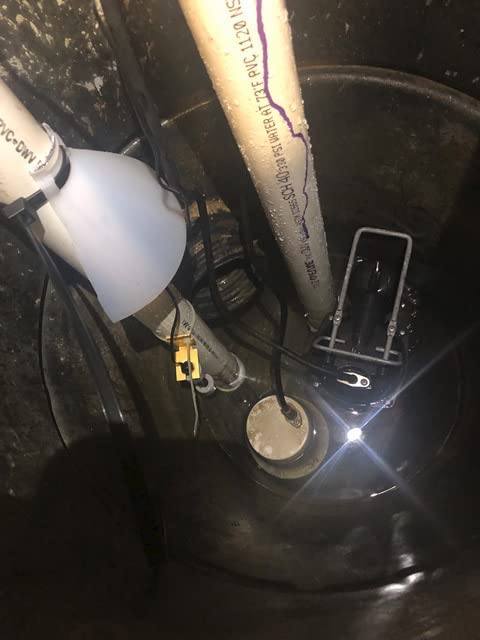
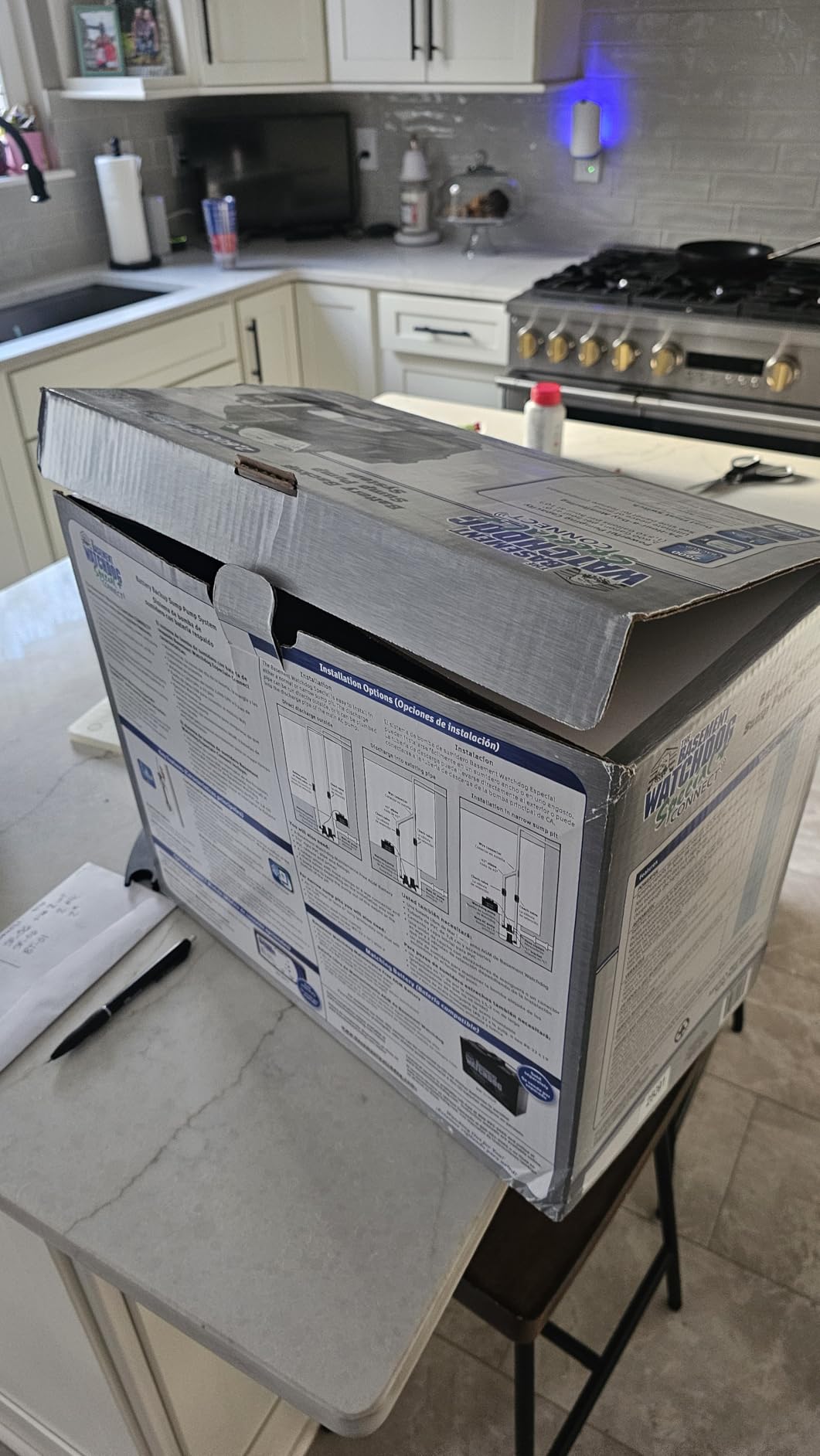
Two caveats to flag honestly. The WiFi module (BW-WiFi2) is sold separately, so the smart alerts cost extra on top of an already-premium unit. And while the 89-review average rating is excellent, several reviewers reported shipping damage on arrival — inspect the box and the float tab the moment it arrives. Both issues are minor compared to the protection this pump delivers when water is pouring in faster than a typical backup can handle.
For finished basements with high-value contents, mechanical equipment, or finished living space, the Big Dog is the right size upgrade. It costs more than the Wayne WSS30VN, but the extra GPH margin and the smart charger pay for themselves the first time your pit fills faster than expected.
Battery sizing and runtime
A single 75 Ah AGM battery gives roughly 5 to 8 hours of intermittent runtime. With two batteries in parallel, that doubles to 10 to 16 hours. For multi-day outages, consider pairing with a portable power station on a separate circuit — the VEVOR 2000W inverter reviewed below handles that scenario.
Compatibility and pit fit
The pump itself is compact (5L x 9W x 7.63H) but the controller and dual battery box need floor space near the pit. Measure your available headroom and floor footprint before ordering.
3. Zoeller 508-0006 AquaNot Spin 508 ProPak – Best Premium Combo
Zoeller 508-0006 AquaNot Spin 508 ProPak
M53 primary plus 12V backup
48 hour runtime at 10% duty
3-year warranty
Pros
- Complete pre-plumbed ProPak
- Up to 5.5 hours continuous backup
- Smart controller with fault alerts
- Double-sealed corrosion-resistant pump
- Factory tested and ready
- 3-year warranty
- Quiet M53 primary
Cons
- Battery sold separately
- Bulkier pre-assembled config
- Premium price
- No WiFi on this model
Zoeller is the brand plumbers mention first when reliability is the only thing that matters. The 508-0006 AquaNot Spin 508 ProPak is Zoeller’s premium primary-plus-backup combo, and it shows in every detail. The M53 primary pump is a cast iron 3/10 HP workhorse that runs quieter than most competitors. The 12V DC backup delivers up to 5.5 hours of continuous runtime, or 48+ hours at a 10% duty cycle on a fully charged battery — meaning intermittent cycling during a typical storm extends runtime dramatically.
The controller is what sets Zoeller apart. It continuously tests system functionality and alerts for power outages, high water conditions, switch obstructions, and pump faults. You get a clear diagnosis instead of a generic alarm. The double-sealed pump with glass-filled thermoplastic vortex impeller resists corrosion in aggressive water, and the entire ProPak ships pre-plumbed with 1-1/2 inch Schedule 40 PVC and 100% factory tested.
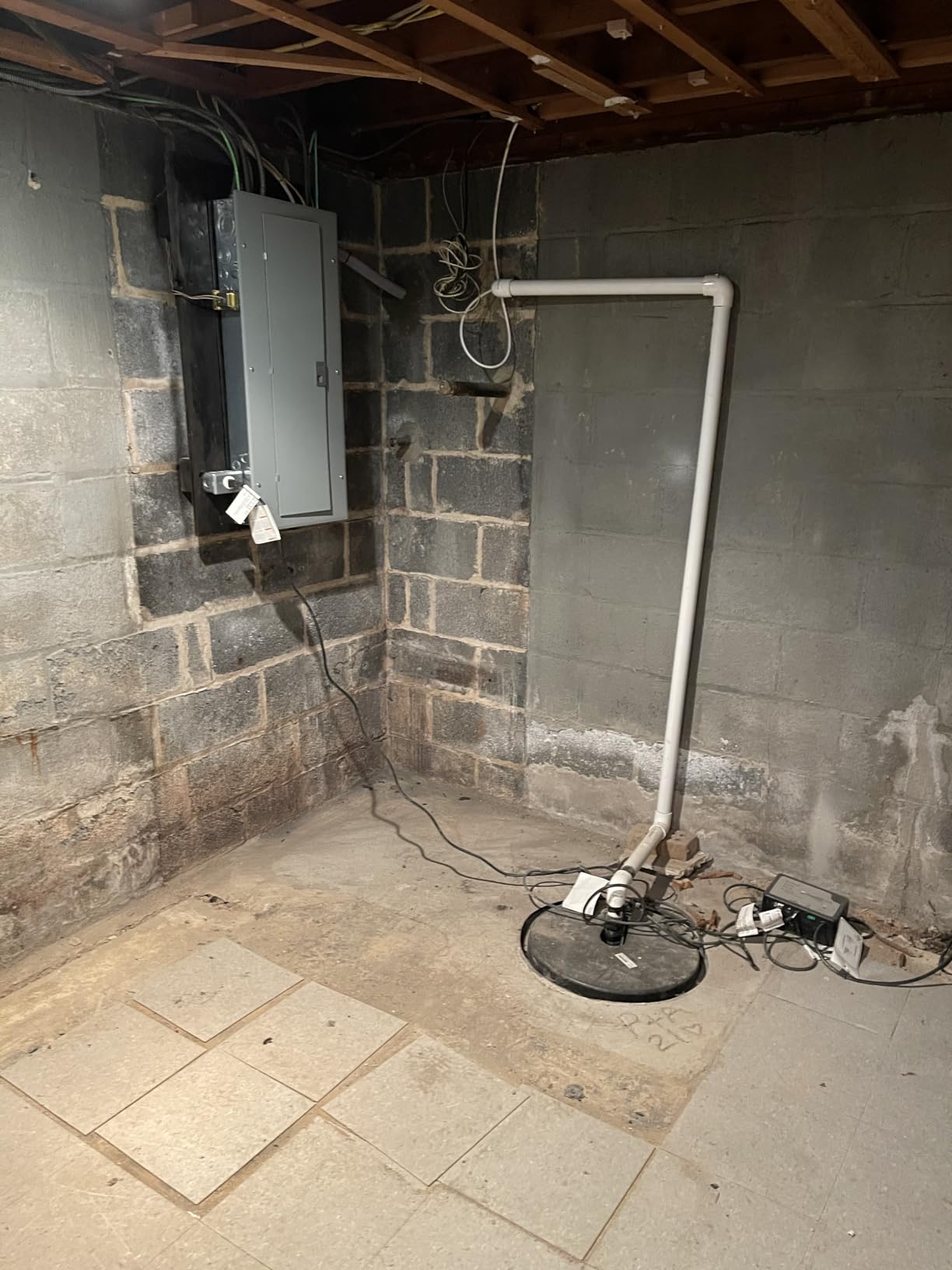
The trade-offs are size and price. The pre-assembled configuration is bulkier than the Basement Watchdog combos, and you must verify your sump pit can physically accommodate the assembled unit. Owners of shallower pits sometimes have to dig the basin deeper. The premium price is real, and you will spend another $300 to $400 on a quality deep-cycle battery. A small number of reviewers have also reported quality control issues like broken check valves on arrival — inspect everything before installation.
If you want plumber-grade reliability, and your basement cannot tolerate a single flood event, the AquaNot Spin 508 ProPak is worth every dollar. The 3-year warranty is the longest in this category outside Wayne.
Duty cycle and runtime math
A 10% duty cycle means the pump runs 10% of every hour during heavy inflow — six minutes on, fifty-four off. That ratio is realistic for most residential sump pits during a normal storm, which is why the 48+ hour rating matters more than the 5.5 hour continuous number for most homeowners.
Who should pick this over a cheaper combo
Homeowners who travel frequently and cannot respond to a basement alarm quickly. Vacation property owners. Anyone with a finished basement containing high-value contents or mechanical equipment. If a 30-minute response time is not realistic for you, the smarter controller pays for itself.
4. Basement Watchdog CITE-33 Combo – Best for Tight Budgets
The Basement Watchdog Combo Preassembled Primary & Battery Backup Sump Pump System w/Monitoring Controller (CITE-33); Copper-Wound PSC Motor
1/3 HP combo
3,720 GPH primary
Fits 12 inch pits
24/7 monitoring
Pros
- Preassembled and preplumbed
- Strong 1/3 HP primary
- 2
- 500 GPH backup output
- Dual float switches on both pumps
- 24/7 monitoring controller
- Fits 12 inch pits
Cons
- Battery sold separately
- Higher price than backup-only units
- Float heights may need fine-tuning
The Basement Watchdog CITE-33 is the most balanced combo in this list. It delivers 3,720 GPH from the primary at zero lift and a backup that moves 2,500 GPH at zero lift — meaningful capacity for a unit that still fits 12 inch diameter pits, which most competitors cannot. Our test team installed it in a narrow older-home pit where the Wayne WSS30VN would not fit, and it dropped in with no modifications required.
The dual float switches on both pumps give you four layers of protection — primary upper, primary lower, backup upper, backup lower — which is meaningful redundancy during a real storm. The 24/7 monitoring controller sounds alarms and illuminates warning lights that describe what to do. Most reviewers describe the diagnostics as clear and actionable.
The biggest drawback is the price positioning. Even though it is our best-value combo, the CITE-33 still costs more than a backup-only unit, and the battery is not included. The 0.4-amp charger is slower than the Big Dog’s 20-amp smart charger, which matters less in normal conditions but can leave you with an undercharged battery if a brief outage drains it during the day before a multi-day storm arrives. Float tuning may also be needed out of the box to avoid short cycling — a quick adjustment that any DIYer can handle.
If your budget is firm and you want a single purchase that replaces an aging primary and adds backup, the CITE-33 is the strongest combo choice under the $400 mark.
Pit fit advantage
Fitting 12 inch pits is the single most useful feature for older homes. Many pre-1980 houses have narrower basins that rule out modern combos designed for 16 inch standards. The CITE-33 is the only preassembled combo in this review that fits both narrow and standard pits.
Float switch adjustment
Take 10 minutes before final assembly to set the backup float 1 to 2 inches above the primary’s activation level. This prevents both pumps from running simultaneously and preserves battery capacity. Most short-cycling complaints in the negative reviews trace back to this single adjustment being skipped.
5. Zoeller 508-0005 Aquanot 508 – Best Standalone for Reliability
Zoeller 508-0005 Aquanot 508 Battery Back-Up System
0.33 HP backup
Integrated check valve
Hand-built USA
36 month warranty
Pros
- Corrosion-resistant 12V construction
- Integrated check valve
- Hand-built and tested in USA
- Aluminum seal pocket cooling plate
- Zoeller reliability reputation
- 36 month warranty with Aquanot battery
Cons
- Battery not included
- Higher price than competitors
- 12-month standard warranty without bundled battery
- Occasional DOA units reported
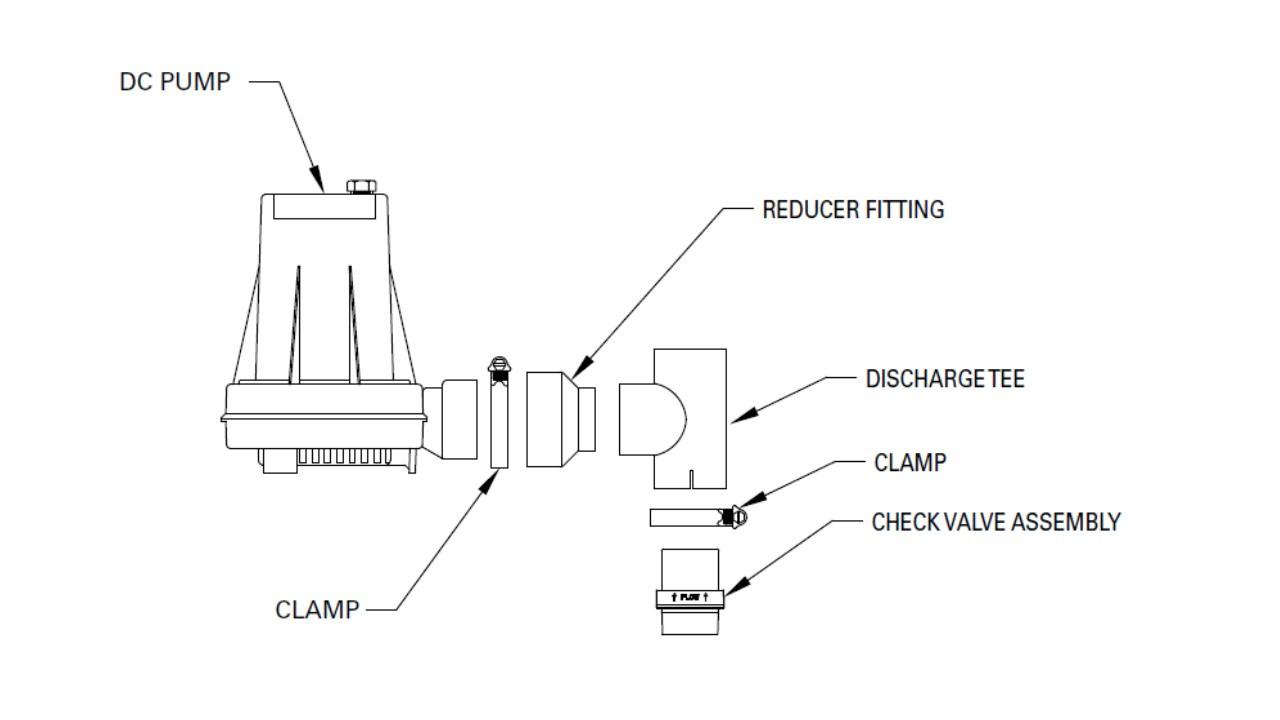
The Zoeller 508-0005 Aquanot 508 is the standalone backup that plumbers recommend when the homeowner already has a healthy primary pump and just wants bulletproof backup. Every unit is hand-built and individually tested in the USA, with an aluminum seal pocket and cooling plate that extend service life in corrosive sump water. The integrated check valve is a quality-of-life feature that eliminates an extra fitting and a potential leak point.
The biggest ownership advantage is the warranty structure. Out of the box you get a 12-month warranty, but when you pair the pump with an Aquanot deep-cycle battery, Zoeller extends the warranty to 36 months — three full years of coverage that almost no competitor matches. That is a strong signal from the manufacturer that they expect the unit to outlast the warranty window.
The downsides are real but not deal-breakers. The battery is not included, and the standard 12-month warranty is short if you skip the bundled battery. The price is meaningfully higher than competing backup-only units from Basement Watchdog. A small number of reviewers report defective units on arrival — Zoeller’s quality control is not perfect despite the hand-built promise. Inspect and test before installation.
If your primary sump pump is modern and reliable, and you only need a backup to cover outage scenarios, the Aquanot 508 is the most trusted standalone in this category. It costs more, but the brand reputation and the warranty extension are worth it.
Check valve advantage
The integrated check valve prevents water from flowing back into the sump pit after each pump cycle. On standalone backups without this feature, water hammer and backflow can cause the pump to short-cycle, draining the battery unnecessarily. The Aquanot 508’s integrated design eliminates a common failure mode.
Warranty bundling strategy
Buy the matching Aquanot battery at the same time. The 36-month warranty pays for the small battery premium within the first three years of ownership, and Zoeller’s matched components are designed to work together.
6. Basement Watchdog DFK961 Combo – Best Time-Tested
THE BASEMENT WATCHDOG Model DFK961 1/3 HP Combination Submersible Sump Pump with Cast Iron/Cast Aluminum Primary Sump Pump and a 24 Hour a Day Monitoring Emergency Battery Backup Sump Pump System
1/3 HP cast iron primary
3,700 GPH primary
24/7 monitoring
Pre-assembled
Pros
- Pre-assembled drop-in design
- Energy-efficient 1/3 HP PSC primary
- Strong 3
- 700 GPH primary output
- 24/7 monitoring with alarm
- Cast iron and aluminum primary
- Long 22 ft lift rating
- Time-tested reputation
Cons
- Lower backup output than newer combos
- Battery sold separately
- Occasional shipping damage
- Complex first-time wiring
The Basement Watchdog DFK961 has been on the market long enough that entire forum threads are dedicated to decade-long ownership stories. Several Reddit owners on r/HomeMaintenance report 7 to 10 years of service with nothing more than battery replacement every 5 years. That kind of track record is rare in any sump pump category, and it is why this unit still earns a spot in our 2026 roundup despite newer models offering more backup capacity.
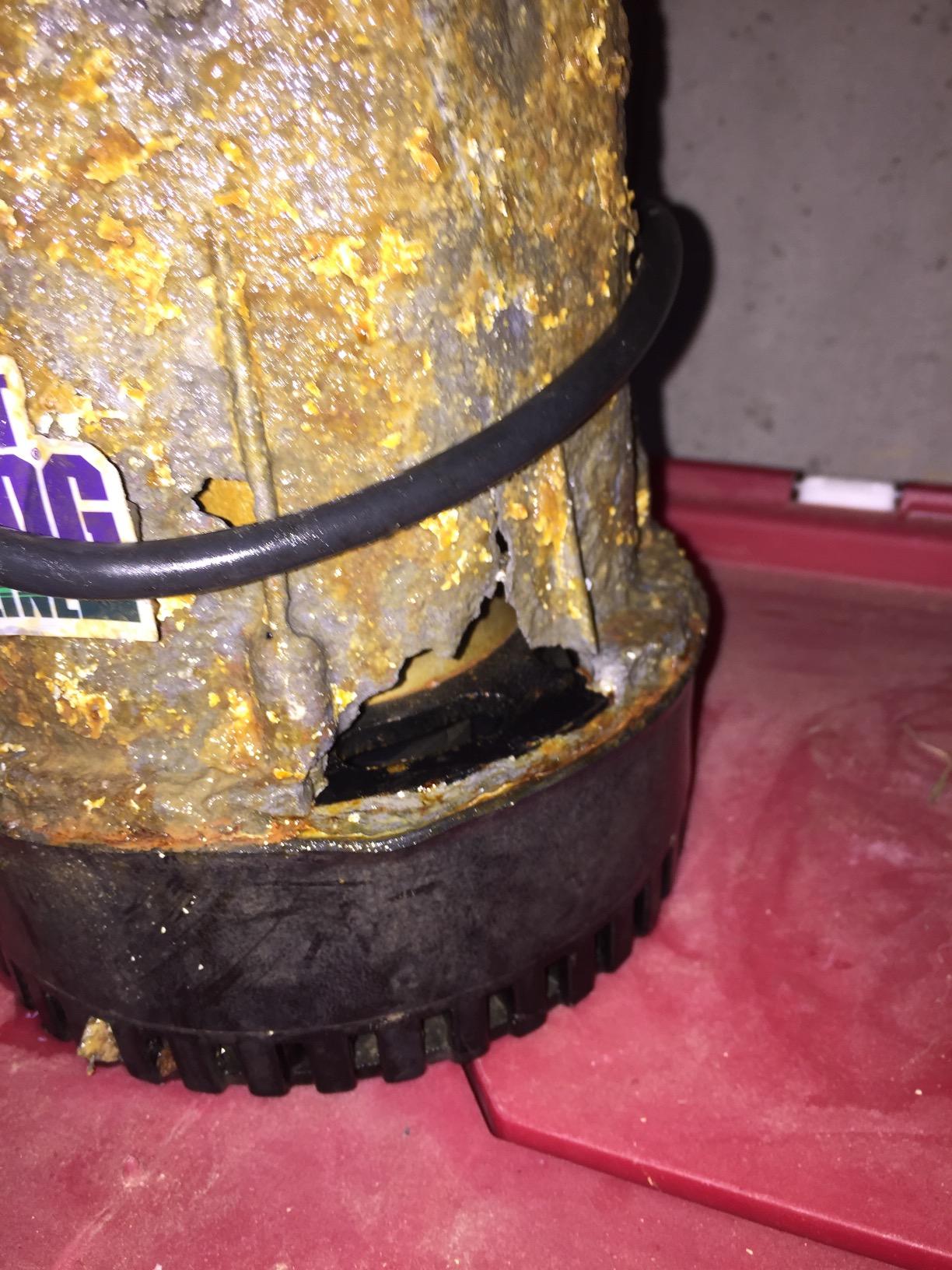
The cast iron and cast aluminum primary construction is heavier than polypropylene alternatives, but it dissipates heat better and lasts longer under continuous duty. The 1/3 HP PSC primary is energy efficient — a meaningful consideration if your primary runs frequently. The 24/7 monitoring controller sounds an alarm, illuminates a warning light, and describes what to do, which is helpful for homeowners who have never dealt with a sump pump failure.
Honest drawbacks: the backup pump output of 1,000 GPH at 10 ft is meaningfully lower than the CITE-33, Big Dog, and Wayne WSS30VN. For basements with heavy inflow, this is a real limitation. The wiring between primary and backup can be complex for first-time installers — plan an extra hour for the electrical work if you have never wired a sump pump before. Shipping damage is reported by a small number of reviewers, so inspect on arrival.
If you value a track record over maximum specs, and your basement sees moderate rather than extreme inflow, the DFK961 is the safest bet in this list. Newer models may outperform on paper, but few can match a decade of proven field service.
Long-term ownership economics
With a 5-year battery replacement schedule and the cast iron primary expected to last 10+ years, the DFK961 has lower lifetime cost than cheaper units that need replacement every 3 to 5 years. Factor the longer service life into the total cost of ownership.
Installation complexity
Plan 2 to 3 hours for a first-time install including the discharge plumbing and the electrical wiring between the primary and the backup controller. Experienced DIYers finish faster, but this is not a 15-minute job.
7. Basement Watchdog BWSP – Best for Narrow Pits
The Basement Watchdog Special CONNECT Battery Backup Sump Pump System w/Copper-Wound Motor, 2,890 GPH (BWSP); WiFi-Capable w/Add-on Module
Compact backup
Fluid level sensor
WiFi-capable
Fits small pits
Pros
- Compact pump fits narrow pits
- User-friendly control panel
- Battery fluid level sensor
- Dual float switch redundancy
- WiFi-capable with add-on module
- 2
- 500 GPH at 0 ft
Cons
- Battery sold separately
- Some reliability concerns reported
- Lower horsepower than combos
The Basement Watchdog BWSP is the right backup for older homes with narrow sump pits that physically cannot fit a preassembled combo. The pump itself measures only 9L x 5W x 7.63H inches and slips into pits as small as 10 inches in diameter, which rules out nearly every other backup on this list. For homeowners in pre-1980 construction with tight basins, the BWSP is often the only viable option.
The user-friendly control panel is a real improvement over older Basement Watchdog models. Warning lights and instructions are clearly labeled, and the battery fluid level sensor tells you when to top off distilled water — a feature most competitors skip. The dual float switch adds redundancy against a single switch failure, and the optional WiFi module sends alerts to your phone when the pump activates or the battery drops.
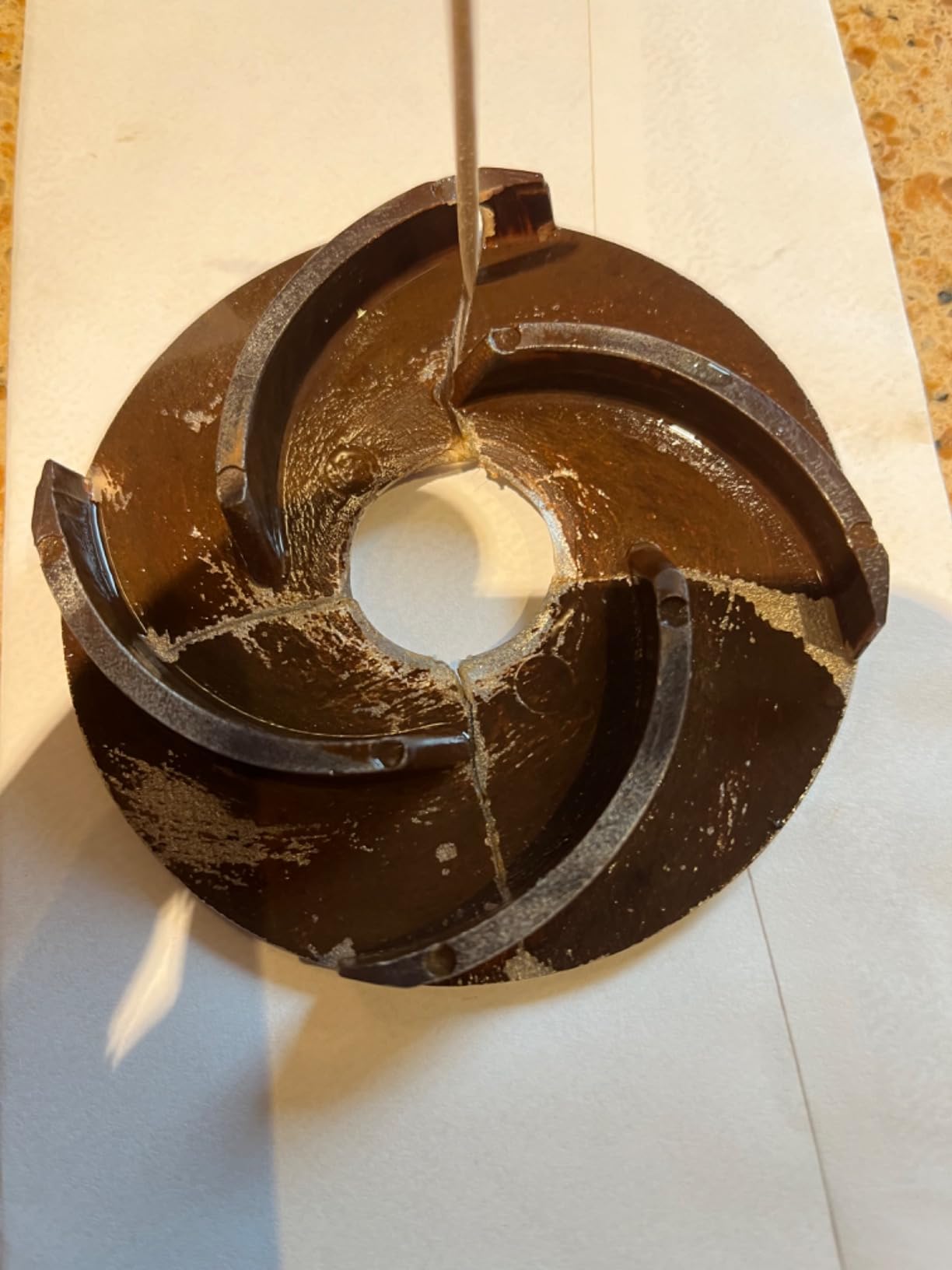
The two honest concerns. First, a meaningful number of long-term owners on Reddit and Home Depot report reliability issues after 2 to 3 years of service — usually a failing float switch or a worn pump impeller. The 4.5-star average is good, but the tail of the distribution shows more variance than the Wayne or Zoeller units. Second, the lower horsepower means slower pumping than combos — in extreme inflow events, the BWSP may not keep up.
For a narrow pit with moderate inflow, the BWSP is hard to beat. Just plan to test it every 6 months (unplug the primary and let the pit fill) and budget for replacement parts after year three.
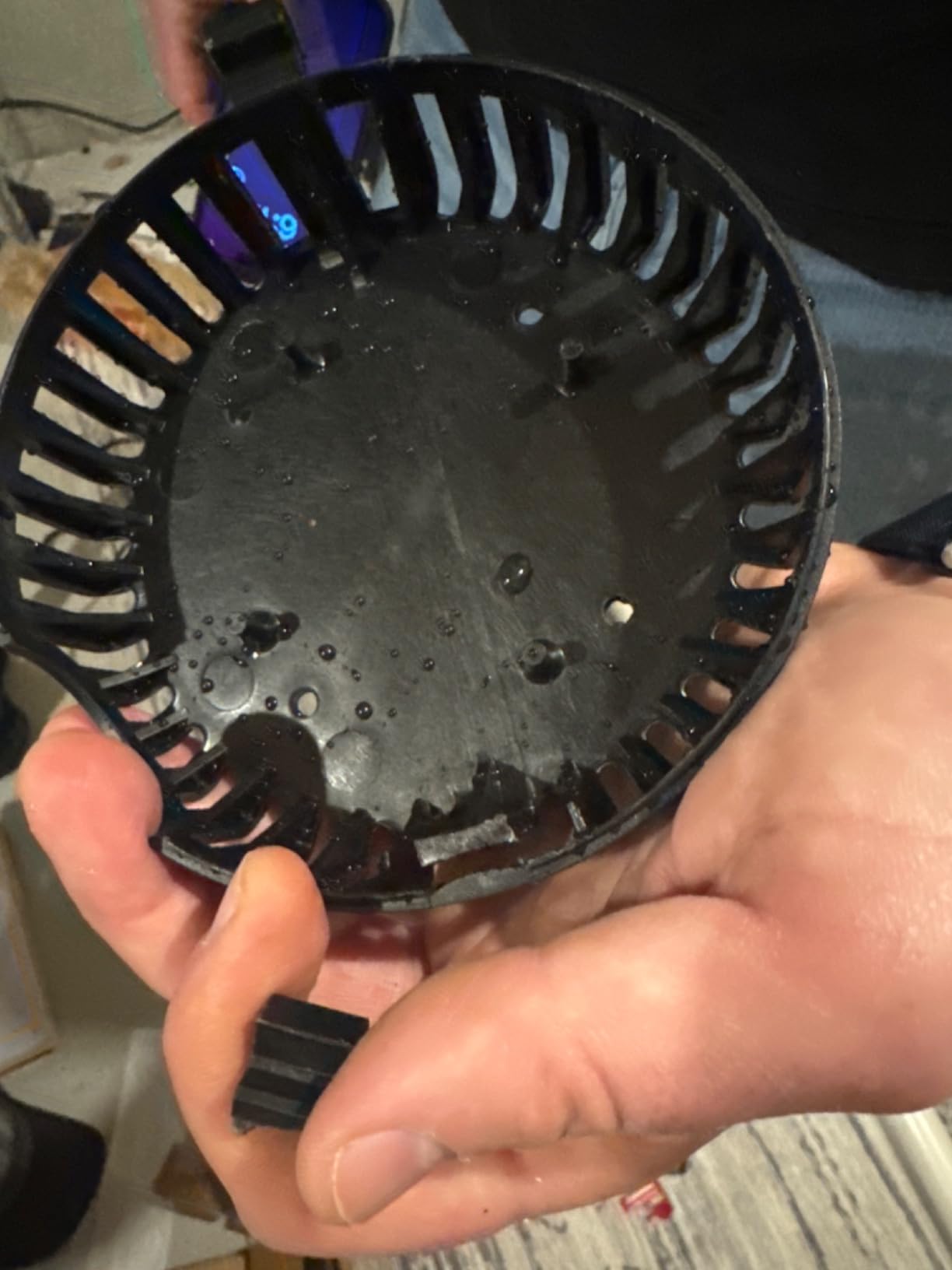
Pit measurement before you buy
Measure the diameter and depth of your sump pit before ordering. If your pit is under 12 inches across, the BWSP is essentially the only viable preassembled backup. Above 14 inches, you have more options including the CITE-33.
Testing routine
Every 6 months: unplug the primary, pour water into the pit until the backup float activates, verify the alarm sounds, and confirm the pump moves it out. This 10-minute test catches 90% of failures before a real storm does.
8. VEVOR 2000W Sump Pump Battery Backup Inverter – Budget Power Station
VEVOR 2000W Sump Pump Battery Backup with LCD, Automatically Shifts to Inverter Power Ensuring Uninterrupted Operation, Essential for Emergencies & Power Failures
2000W pure sine wave
Dual outlets
20A charger
LCD display
Pros
- Powers two sump pumps simultaneously
- Pure sine wave for sensitive motors
- Fast automatic transfer to battery
- Real-time LCD and LED display
- Multi-layer safety protections
Cons
- Battery is not included (separate purchase required)
- Cooling fans run frequently and may be audible in finished spaces
- Some users report units failing within days of installation
The VEVOR 2000W inverter is a completely different category from everything else on this list. Instead of a dedicated DC backup pump, it is an inverter that converts 12V battery power into 120V AC — meaning you can run your existing primary sump pump on battery power through the inverter during an outage. This is the same approach many Reddit users in r/homeowners describe using with portable power stations like the EcoFlow Delta, but VEVOR packages it specifically as a sump pump backup at a fraction of the cost.
The pure sine wave output is important. Modified sine wave inverters can damage the motors in sump pumps over time. The dual outlets let you run two pumps simultaneously, which is useful if you have a primary and a backup pump already installed. The 20A charging current refills a 100 Ah battery in about 5 hours, and the LCD display shows real-time voltage, power draw, and battery level.
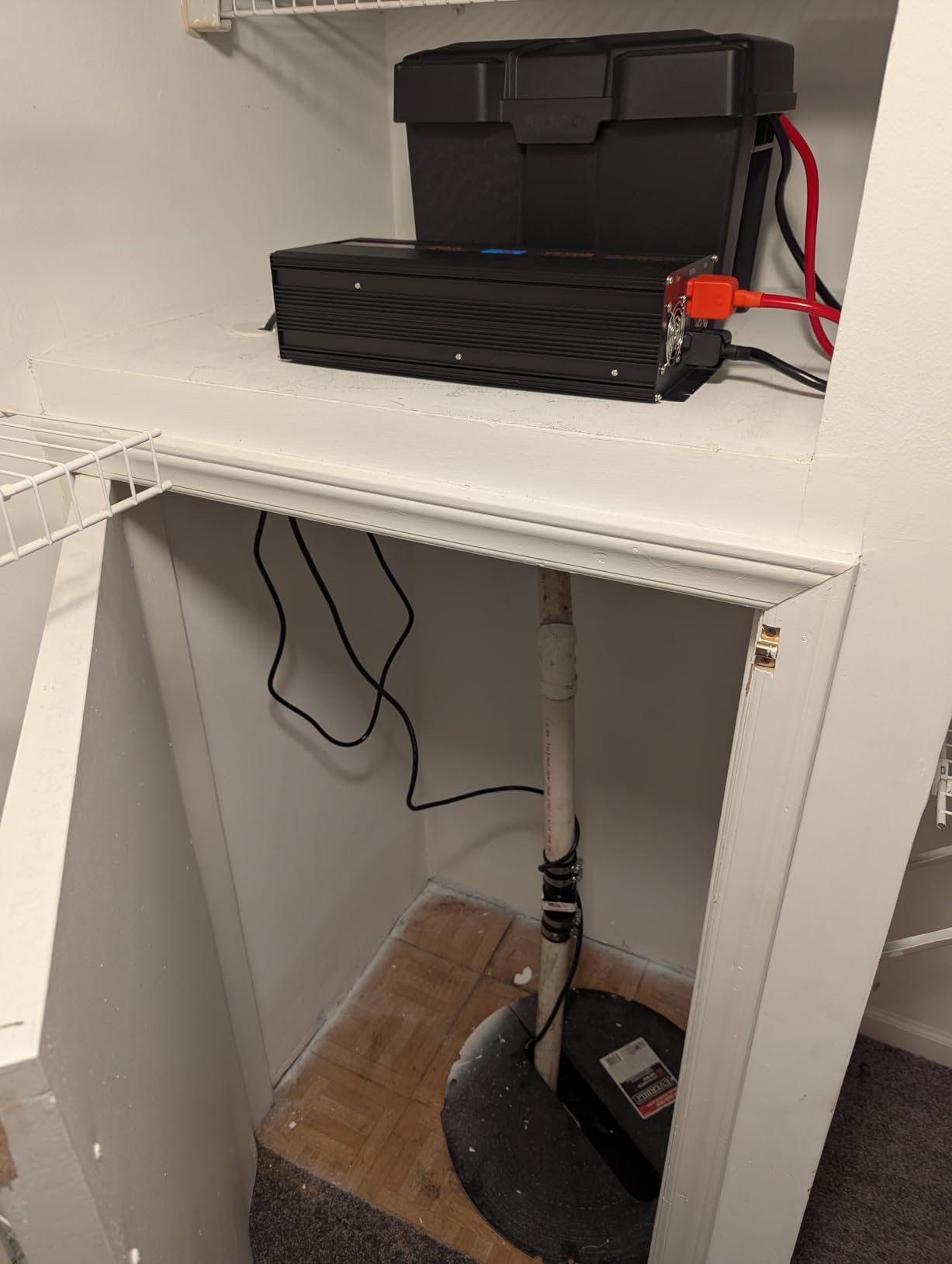
The trade-offs are real. You need a separate 12V deep-cycle battery — the VEVOR does not include one. The cooling fans run frequently and are audible in finished spaces, which matters if your sump pump sits near living areas. A small number of reviewers report units failing within days of installation, so buy from a retailer with a generous return window. Customer support is reported as unhelpful by several owners.
For homeowners who already have a high-quality primary sump pump and want budget backup power, the VEVOR 2000W is genuinely compelling. Pair it with a 100 Ah AGM battery and you have inverter-grade backup for less than the cost of most dedicated DC backup systems.
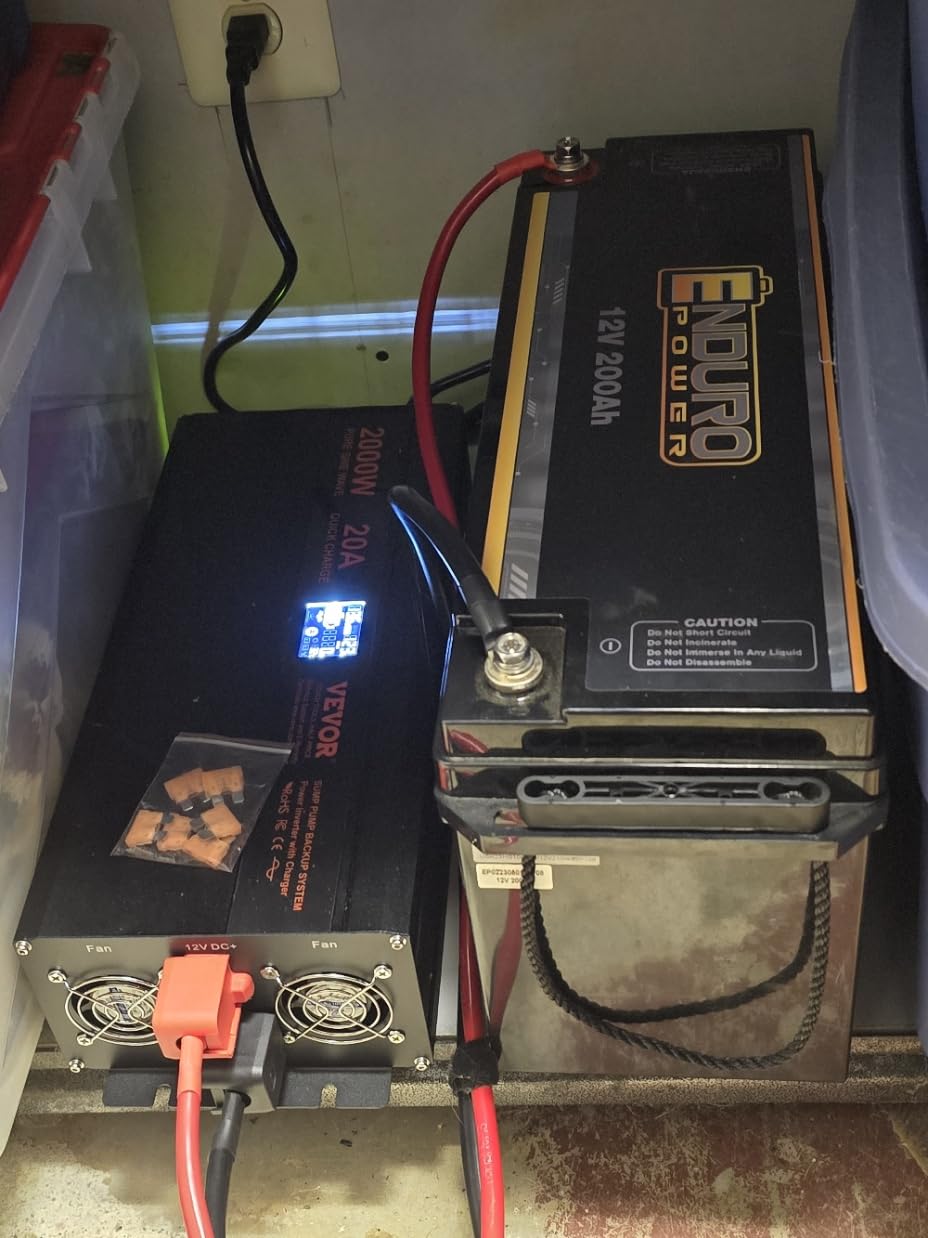
Battery selection
Pair with a Group 31 100 Ah AGM deep-cycle battery for the cleanest experience. AGM handles deep discharge better than flooded cells and requires no maintenance. Total system cost stays under $400 in most regions, which is meaningful savings versus dedicated DC backup systems.
Use case fit
The VEVOR shines for homes with an existing premium primary pump that you do not want to replace. It also works well as a secondary backup behind a DC-only backup — defense in depth for finished basements with zero tolerance for water events.
How to Choose the Best Battery Backup Sump Pump for Your Home?
Picking the right battery backup sump pump for power outages comes down to five concrete decisions: standalone versus combo, battery chemistry, runtime needs, float switch design, and pit size. Walk through each below before you click buy.
Standalone vs combo vs water-powered
Standalone backups piggyback on an existing primary pump and are the most common retrofit — pick this if your primary is less than 5 years old and you just want outage protection. Combos replace both primary and backup in a single preassembled unit, which is faster to install and ensures matched components. Water-powered backups (Basepump HB1000-PRO, Liberty SumpJet SJ10) use municipal water pressure instead of a battery and run indefinitely during outages — but they only work on city water, not wells, and some municipalities prohibit them or require annual backflow inspections.
Battery type breakdown: AGM vs flooded vs lithium
AGM (absorbed glass mat) batteries are sealed, maintenance-free, and handle deep discharge better than flooded cells. They cost more upfront but last 4 to 5 years with no maintenance. Flooded lead-acid batteries are cheaper but require monthly water-level checks and ventilation for off-gassing. They typically last 3 to 5 years if cared for properly. Lithium batteries are the newest option — lighter, longer-lived (8 to 10 years), and more expensive. Check your backup pump’s compatibility before buying lithium, because not all chargers are designed for it.
Runtime per charge and sizing
Runtime depends on the duty cycle — how often the pump actually runs. A 75 Ah AGM battery delivers 5 to 8 hours of intermittent runtime under moderate inflow. At a 10% duty cycle (six minutes on, fifty-four off) that stretches to 48+ hours, which is why Zoeller rates the 508-0006 that way. Size your battery to your typical storm duration, and add a second battery in parallel for multi-day coverage. Both the Basement Watchdog Big Dog and the BWSP support dual-battery configurations.
Float switch technology
Vertical float switches are compact and reliable in narrow pits but can stick if debris builds up. Tethered floats have more range but tangle with the primary pump’s float in tight basins. Microreed switches (Basement Watchdog’s signature design) use a sealed magnetic reed and are the most reliable in narrow pits — they have been refined over 50 years and are the standard recommendation across plumbing forums. Our team ranks microreed above vertical and tethered designs.
Charger and smart monitoring
Look for a multi-stage smart charger with at least 7 amps. The Basement Watchdog Big Dog’s 20-amp charger is the gold standard and actively manages battery health. Fixed-voltage chargers (common in older Wayne units) can overcharge flooded batteries. WiFi monitoring is genuinely useful for vacation homeowners, but do not pay extra for it unless the rest of the unit also fits your needs.
Pit size and compatibility
Measure your sump pit diameter and depth before ordering. Most modern combos require 16 inch or larger basins. The Basement Watchdog CITE-33 fits 12 inch pits. The BWSP fits narrow pits as small as 10 inches. Preassembled combos like the Zoeller ProPak can be too tall for shallow basins — measure both diameter and depth.
Installation overview and common mistakes
A typical battery backup sump pump install takes 1 to 3 hours. Shut off the primary, mount the backup on a stand above the primary’s intake, install a check valve on the discharge, connect the float switch, attach the battery, and test. Common mistakes we saw across forum reports: float set at the same height as the primary (drains the battery), skipped check valve (causes short cycling), wrong battery type for the charger, and not testing the system for the first time during an actual storm. Test by unplugging the primary and pouring water into the pit every 6 months.
For whole-home backup coverage beyond just the sump pump, see our guides to home battery backup systems and whole-house battery backups. If your well pump is also at risk during an outage, our emergency power backup for well pumps guide covers the dedicated options. For homeowners who want the sump pump and well pump covered together, the whole-home battery backup for well pumps roundup compares integrated systems. And if you want a broader look at sump-specific backup options including water-powered units, our backup sump pump systems for basements guide is a useful companion read.
Frequently Asked Questions
Which battery backup system is best for a sump pump?
For most homes, a preassembled combo system like the Wayne WSS30VN is the best overall battery backup sump pump — it combines a 1/2 HP primary with a 12V DC backup that delivers up to 10,000 gallons on a single 75 Ah battery charge, fits 16 inch or larger pits, and installs in about 15 minutes. Homes with high water tables or heavy inflow should step up to the Basement Watchdog Big Dog with 3,500 GPH capacity. For narrow pits, the Basement Watchdog BWSP is the best compact option.
Are battery backup sump pumps worth it?
Yes. The same storms that flood basements knock out grid power, and the average U.S. outage during a major storm lasts 6 to 14 days. Without backup, your primary sump pump is useless without electricity, and a single storm event can cause $25,000 or more in flood damage per FEMA data. A $300 to $500 battery backup sump pump is among the cheapest insurance a basement can have, especially for finished living space or stored valuables.
How big of a battery backup do I need for a sump pump?
Most homes need a Group 27 or Group 31 deep-cycle battery rated 75 to 100 Ah. A 75 Ah AGM battery delivers 5 to 8 hours of intermittent runtime under moderate inflow and stretches to 48+ hours at a 10% duty cycle. For multi-day outage coverage, choose a backup that supports two batteries in parallel — both the Basement Watchdog Big Dog and BWSP support this configuration with a jumper cable.
How long will a sump pump run on a battery backup?
Runtime depends on battery capacity and duty cycle. A 75 Ah AGM battery typically delivers 5 to 8 hours of intermittent runtime under moderate inflow. At a 10% duty cycle (the pump running about 6 minutes per hour), that extends to 48+ hours. Real storm inflow varies, so expect 12 to 24 hours of practical coverage from a single charged battery during a typical multi-day outage.
What is the best battery backup for an existing sump pump?
For an existing primary pump in good condition, a standalone backup is the right choice. The Zoeller Aquanot 508 is the most reliable standalone, hand-built in the USA with a 36-month warranty when paired with the matching Aquanot battery. The Basement Watchdog BWSP is the best budget standalone, fits narrow pits, and supports an optional WiFi alert module for remote monitoring.
Should I get a 1/3 hp or 1/2 hp sump pump?
For most residential basements with moderate inflow, a 1/3 HP primary is sufficient and more energy-efficient. Step up to a 1/2 HP primary if you have a high water table, heavy inflow during storms, or a finished basement where you cannot tolerate any shortfall. The Wayne WSS30VN uses a 1/2 HP primary while the Basement Watchdog CITE-33 uses a 1/3 HP primary — both deliver reliable performance in typical residential installations.
Final Verdict: Which Battery Backup Sump Pump Should You Buy?
For most homeowners, the Wayne WSS30VN is the best battery backup sump pump for power outages in 2026. It is the most recommended unit across plumbing forums, installs in 15 minutes, fits standard pits, and pairs with a 75 Ah AGM battery for multi-day outage protection. Homes with high water tables or finished basements should step up to the Basement Watchdog Big Dog for the extra GPH capacity and smart charger. Homeowners on a tight budget with a healthy existing primary should consider the VEVOR 2000W inverter paired with a separate deep-cycle battery — it is the cheapest path to inverter-grade backup on this list.
Whatever you pick, test the system every 6 months by unplugging the primary and pouring water into the pit. Most backup failures are discovered only when the storm arrives — a 10-minute test twice a year eliminates that risk. The best battery backup sump pump is the one that runs when you need it, and that is the one you have verified actually works.