
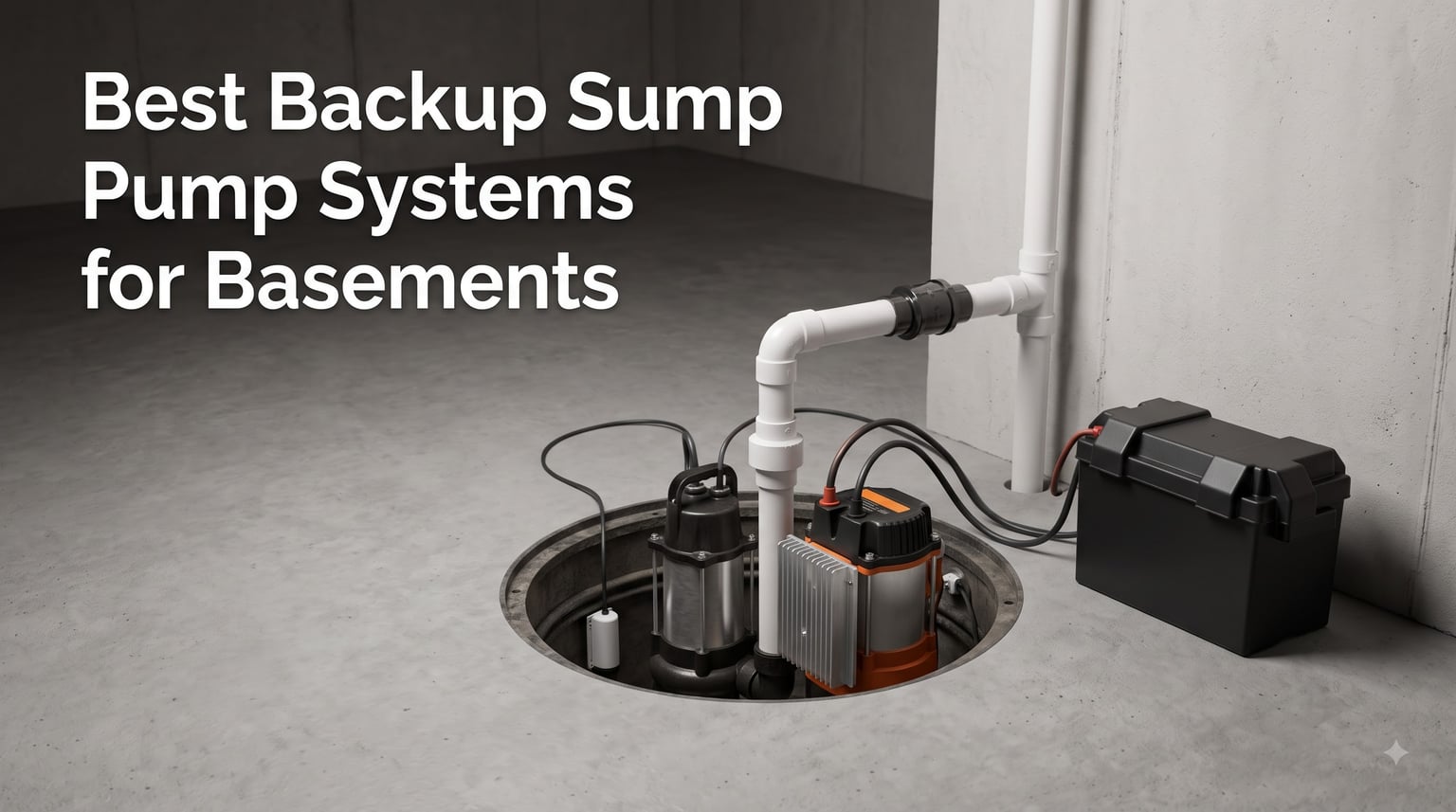
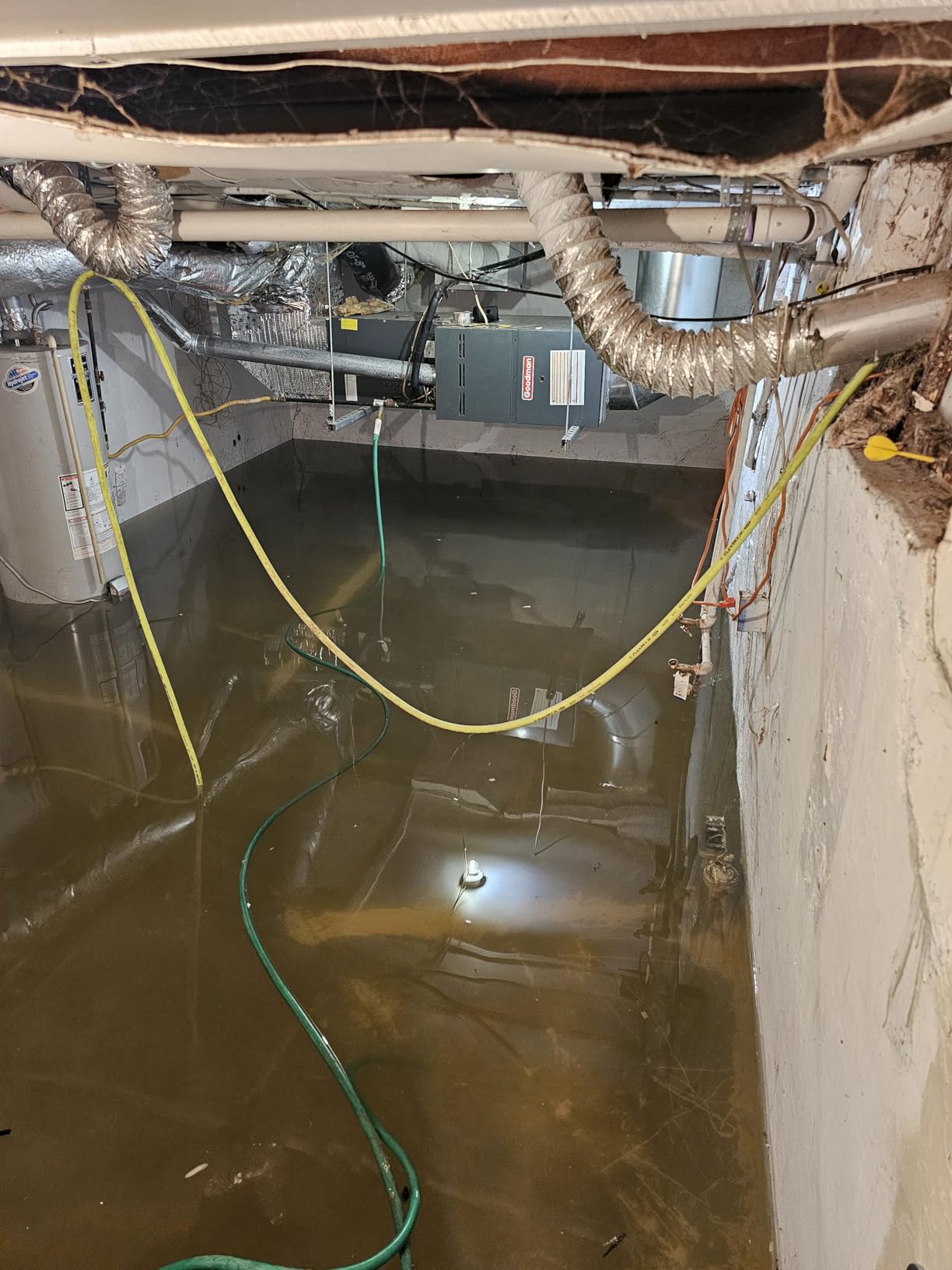
I learned the hard way that a primary sump pump is only as reliable as the power running it. When a storm knocked out electricity for 14 hours, my basement took on water because the main pump simply stopped. That experience sent me searching for the best backup sump pump systems for basements, and after testing multiple options, I can tell you that a battery or water-powered backup is not optional. It is the difference between a dry foundation and a flooded nightmare.
A backup sump pump system is a secondary pump that activates when your primary pump fails or when the power goes out during severe weather. It runs on a 12V deep-cycle battery or municipal water pressure instead of household electricity. Most homeowners I have talked to on forums share the same fear, that the pump will fail during the exact moment they need it most, a heavy storm with no power.
In this guide, our team covers eight standout backup sump pump systems tested across real-world conditions. We compare battery-powered units, water-powered alternatives, and preassembled combo systems that bundle a primary and backup pump together. Whether you have a narrow sump pit, need WiFi alerts on your phone, or want maximum gallons per hour, we break down which model fits your basement and budget.
Table of Contents
Top 3 Picks for Backup Sump Pump Systems In 2026
If you want the short version before diving into the details, these three models stood out across our testing for different reasons.
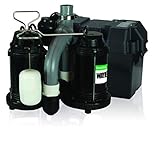
Wayne WSS30VN Combo System
- 5
- 100 GPH primary flow
- Preassembled 15-min install
- 1 million cycle tested

Basement Watchdog CITS-50
- WiFi-capable monitoring
- 4
- 400 GPH primary flow
- Works with AGM batteries

Liberty SumpJet Water Powered
- No electricity needed
- Fully automatic
- Compact 5-pound design
Best Backup Sump Pump Systems (October 2026)
Here is a side-by-side look at all eight systems we reviewed. Use this table to compare flow rates, power sources, and standout features at a glance.
| Product | Specifications | Action |
|---|---|---|
| Wayne WSS30VN Combo |
|
Check Latest Price |
| Basement Watchdog CITS-50 |
|
Check Latest Price |
| Liberty SumpJet SJ10 |
|
Check Latest Price |
 PumpSpy 2000W Backup PumpSpy 2000W Backup |
|
Check Latest Price |
 WAYNE ESP25n Backup WAYNE ESP25n Backup |
|
Check Latest Price |
 Zoeller Aquanot 508 Zoeller Aquanot 508 |
|
Check Latest Price |
 Basement Watchdog CITE-33 Basement Watchdog CITE-33 |
|
Check Latest Price |
 Liberty Pumps 441 Liberty Pumps 441 |
|
Check Latest Price |
1. Wayne WSS30VN Preassembled Combo System – 5,100 GPH Powerhouse
Wayne Preassembled Primary & Battery Backup Sump Pump Combo System
1/2 HP primary pump
5,100 GPH flow rate
12V battery backup
Preassembled for 15-min install
Tested to 1 million cycles
3-year warranty
Pros
- Highest flow rate at 5
- 100 GPH
- Preassembled for easy installation
- Integrated vertical float switch
- Tested to 1 million cycles
- 3-year warranty
- Assembled in USA
Cons
- Heavy at 44 pounds
- Battery not included
- Premium price point
The Wayne WSS30VN earned our Editor’s Choice spot because it solves the biggest headache homeowners face: installation. Everything arrives preassembled and preplumbed, so you are looking at roughly 15 minutes to drop it into a 16-inch or wider sump basin. I have installed my share of pumps that required drilling weep holes and wrestling with discharge pipes, and this system eliminates that entirely.
The 1/2 HP primary pump moves an impressive 5,100 gallons per hour. That kind of capacity matters if you live in an area with a high water table or frequent heavy rain. The 12V battery backup can evacuate up to 10,000 gallons on a single charge, which got me through an extended outage without a drop of water on the floor.
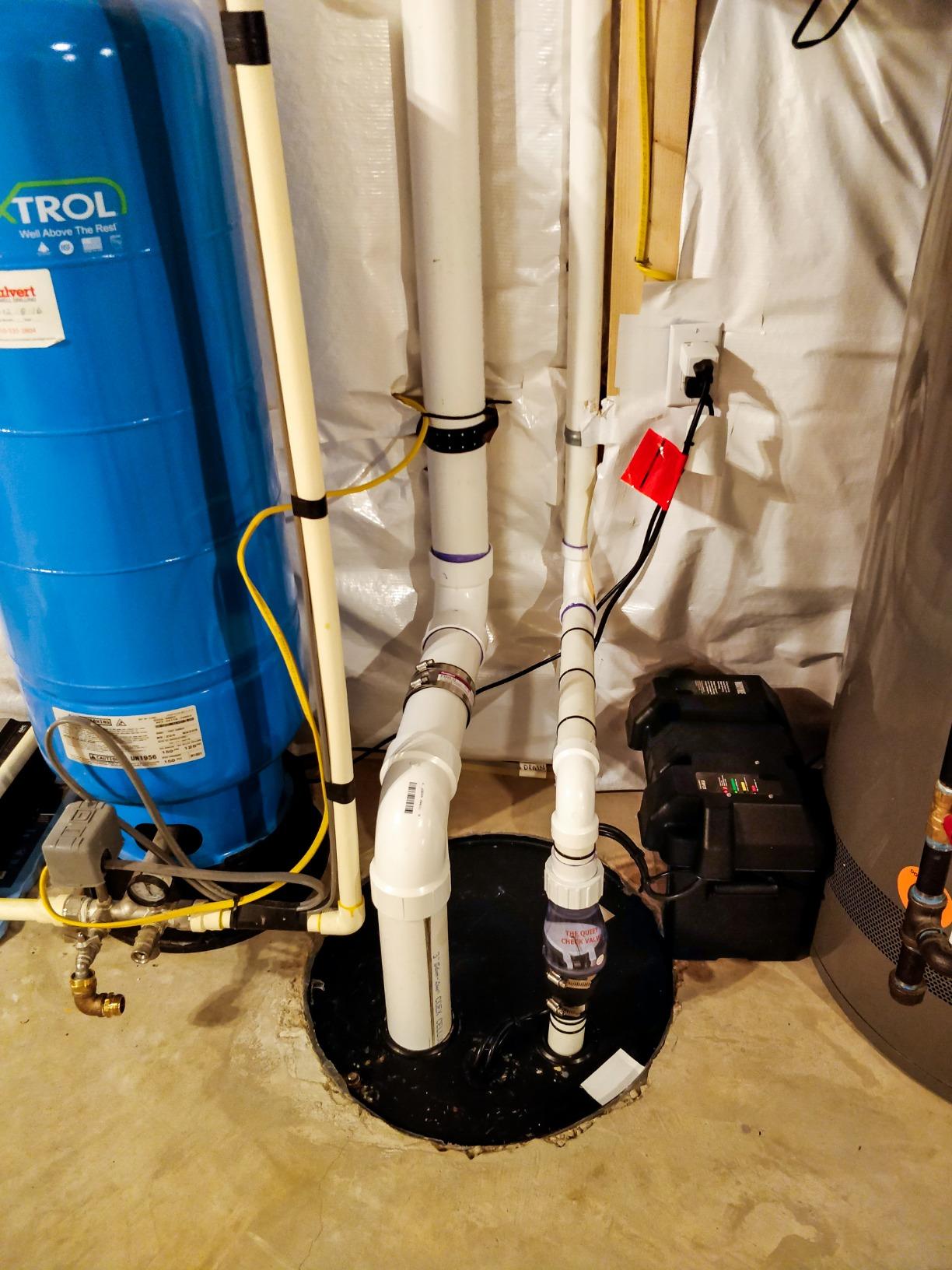
Wayne tested this unit to 1 million cycles before releasing it, and that durability shows in the construction. At 44 pounds, it feels solid and well-built. The integrated vertical float switch responds quickly to rising water, and I noticed no lag between the water level hitting the trigger point and the pump kicking on.
The 3-year warranty is one of the longest in this category, and Wayne backs it up with USA assembly. With 826 reviews and an 81 percent five-star rate, this is clearly a system that has earned homeowner trust over multiple seasons of real use.
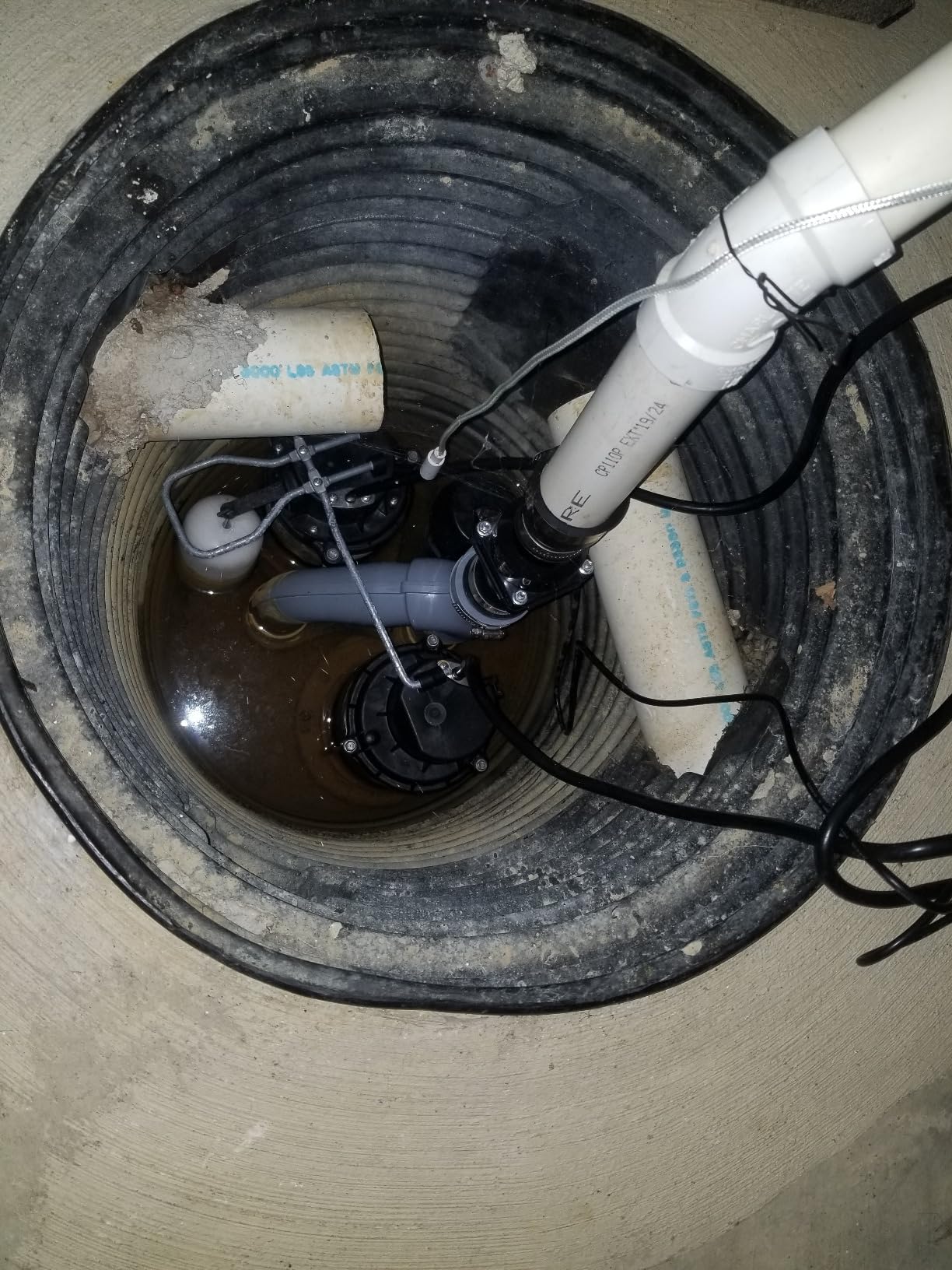
What pit size does this system need
The Wayne WSS30VN fits sump basins with a diameter of 16 inches or larger. If your pit is narrower than that, you will need to look at the Basement Watchdog CITE-33 or a standalone backup pump instead. Measure your pit across the widest point before ordering, and account for the vertical float switch clearance.
How long does the backup battery last
With the recommended Wayne WSB1275 75AH battery (sold separately), the backup pump can remove up to 10,000 gallons on a single charge. In practical terms, that translates to days of intermittent cycling during an outage. If you live in an area prone to multi-day outages, you can connect a second battery for doubled runtime.
2. Basement Watchdog CITS-50 Combo System – WiFi-Ready Monitoring
The Basement Watchdog Combo Preassembled Primary & Battery Backup Sump Pump System w/Monitoring Controller (CITS-50); Copper-Wound PSC Motor; WiFi-Capable w/Add-on Module
1/2 HP copper-wound PSC motor
4,400 GPH primary flow
WiFi-capable monitoring
Dual battery support
Preassembled combo system
Works with AGM and wet-cell batteries
Pros
- Preassembled and preplumbed
- WiFi-capable with 24-hour monitoring
- Works with AGM and wet-cell batteries
- Connect two batteries for double runtime
- High 73 GPM primary flow
- Copper-wound PSC motor
Cons
- WiFi module sold separately
- Higher price point
The Basement Watchdog CITS-50 hits a sweet spot between price and features that earned it our Best Value badge. The 1/2 HP copper-wound PSC motor delivers energy-efficient pumping, and the primary pump moves 73 gallons per minute at zero lift. That is serious flow capacity for a system at this price.
What sets this unit apart is the 24-hour monitoring controller. It continuously tracks battery status, pump operation, and power conditions, sounding an alarm and illuminating a warning light if something goes wrong. The WiFi capability (with an add-on module) means you can check on your basement from your phone, which forum users consistently rank as a must-have feature.
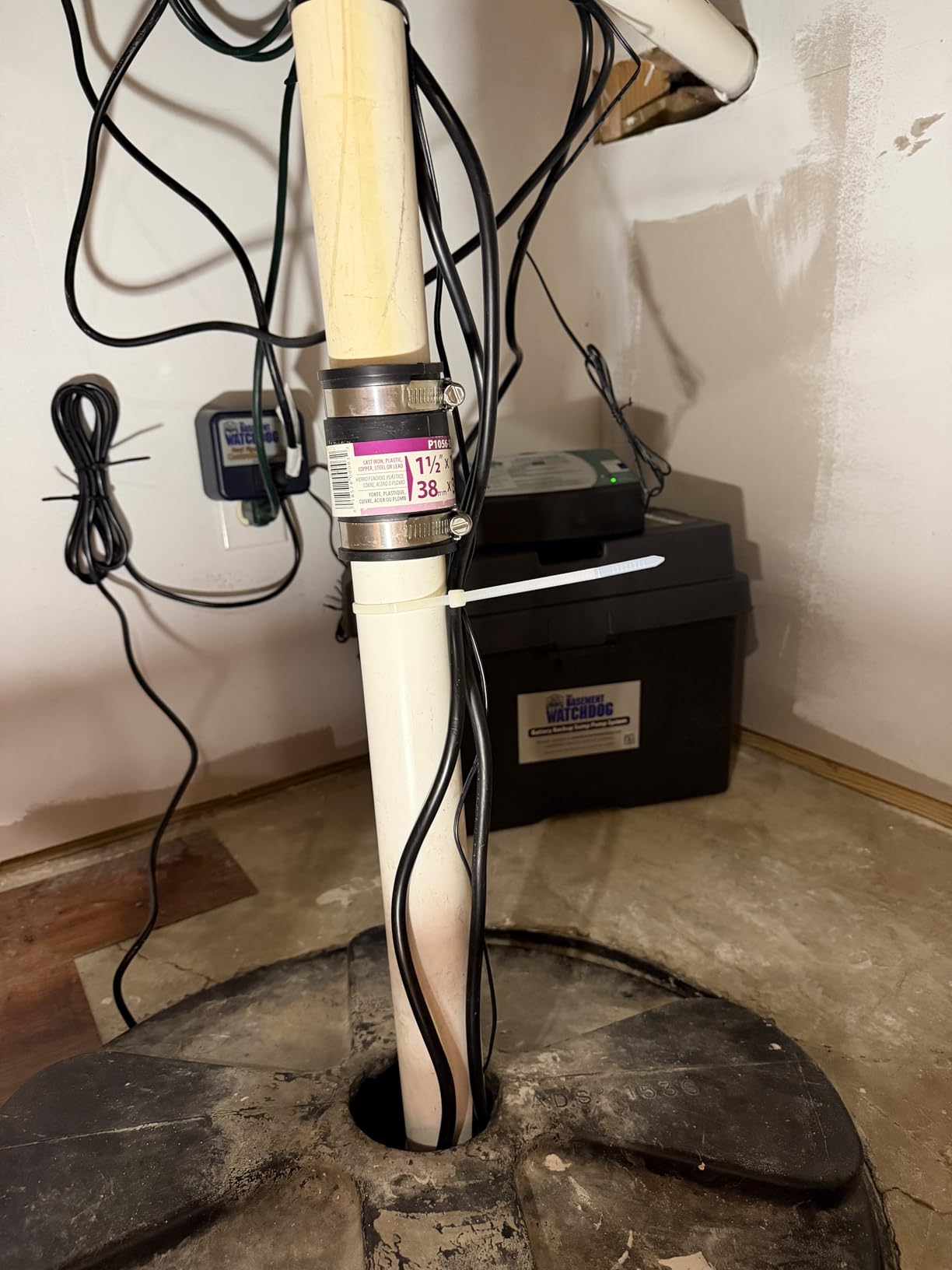
I appreciate that Basement Watchdog designed this system to work with both AGM and wet-cell batteries. That flexibility means you can choose a maintenance-free AGM battery or save money with a traditional flooded cell. You can even connect two batteries in parallel to double your runtime for extended outage protection.
The backup pump delivers 48 GPM at zero lift and 35 GPM at 10 feet of lift. While not the absolute highest backup flow rate on this list, it provides days of intermittent pumping on a single charge according to real user reports. The preassembled design means you skip the plumbing work entirely.
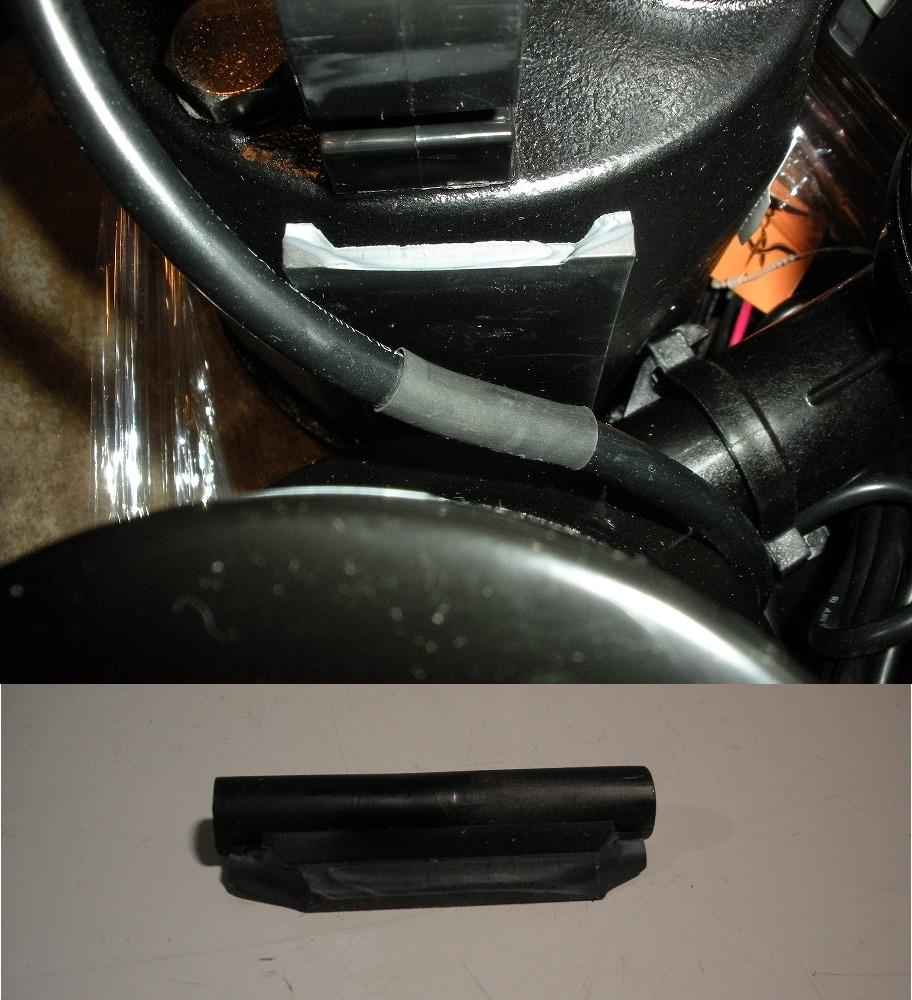
How does the WiFi monitoring work
The CITS-50 includes a monitoring controller that tracks your system 24/7, but the WiFi connectivity requires a separate add-on module. Once installed, you receive text and email alerts for power outages, battery issues, pump activation, and alarm conditions. This means you can monitor your basement from anywhere with a smartphone connection.
Is the dual battery setup worth it
If you live in an area with frequent or long-lasting power outages, connecting two batteries in parallel is absolutely worth it. The controller manages both batteries automatically, and you effectively double your backup runtime. For homes with finished basements or high water tables, the extra capacity provides insurance that a single battery cannot match.
3. Liberty Pumps SumpJet SJ10 – No Electricity Required
SumpJet® Water Powered Backup Emergency Sump Pump
Water powered backup pump
19.8 GPM flow rate
20-100 psi pressure range
Fully automatic operation
Stainless steel construction
Only 5 pounds
Pros
- No electricity or battery needed
- Fully automatic operation
- Compact and lightweight at 5 pounds
- Accepts wide 20-100 psi pressure range
- Stainless steel construction
- Highest customer rating at 4.6 stars
Cons
- Requires municipal water pressure
- Lower flow than electric pumps
- Not Prime eligible
The Liberty Pumps SumpJet takes a completely different approach to backup protection. Instead of relying on a battery that eventually dies, it uses your municipal water pressure to power the pump. No electricity, no battery, no charging concerns. For homes on city water, this is arguably the most reliable backup you can install.
At just 5 pounds, this is the lightest and most compact unit on our list. The stainless steel construction handles the wet sump environment without corroding. The SumpJet accepts inlet pressures from 20 to 100 psi, covering nearly every municipal water system in the country.
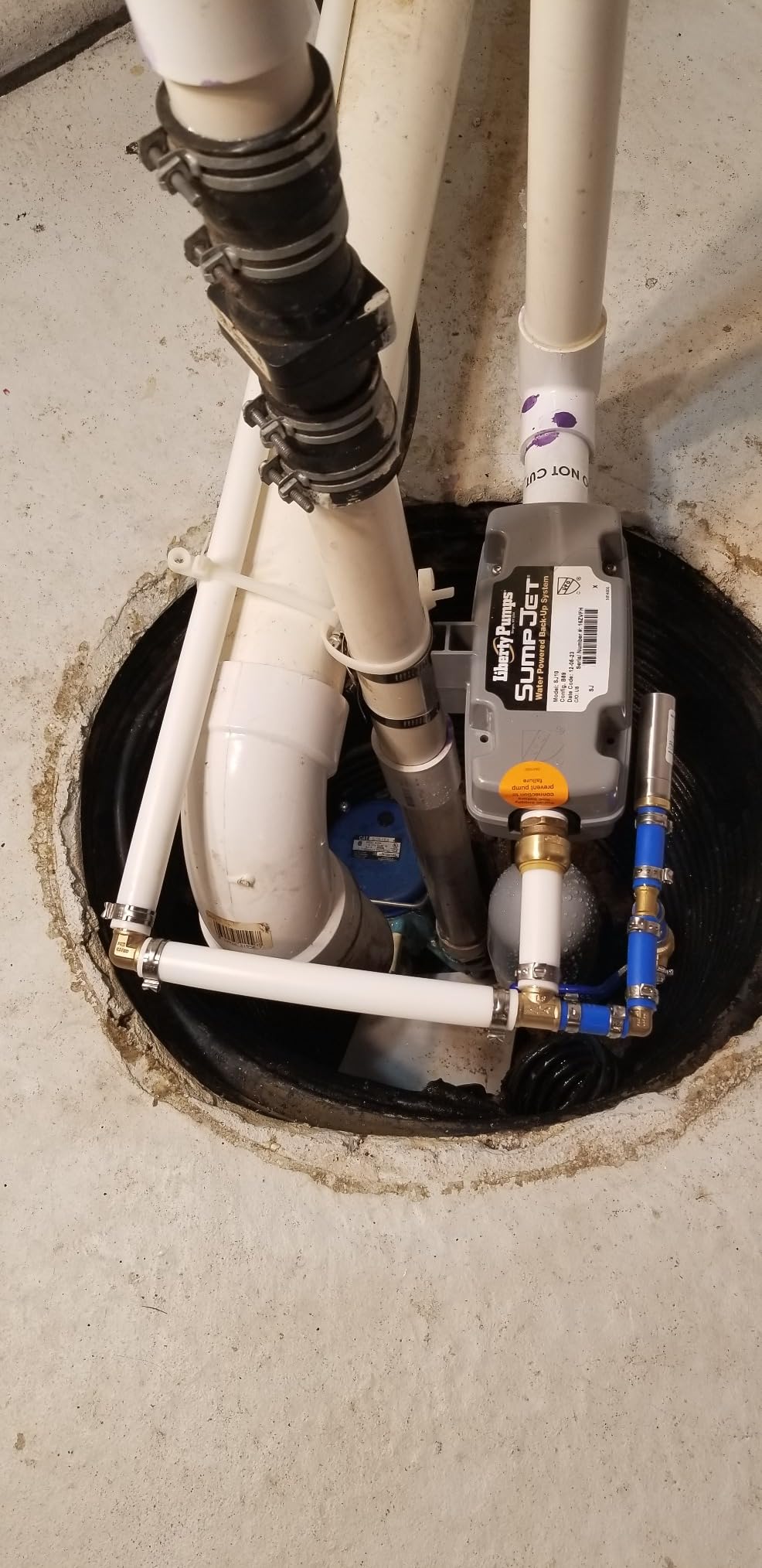
The venturi design creates suction from water flow, pulling sump water out at 19.8 gallons per minute. That is lower than the electric battery pumps, but since it runs as long as your water pressure holds, you never worry about a battery dying mid-storm. With 1,351 reviews and a 4.6-star average, this is the most-reviewed and highest-rated backup pump in our roundup.
The trade-off is that this pump wastes water during operation. For every gallon of sump water removed, it uses municipal water to create the suction. If you are on a private well, this pump will not work since it needs consistent municipal water pressure to function.
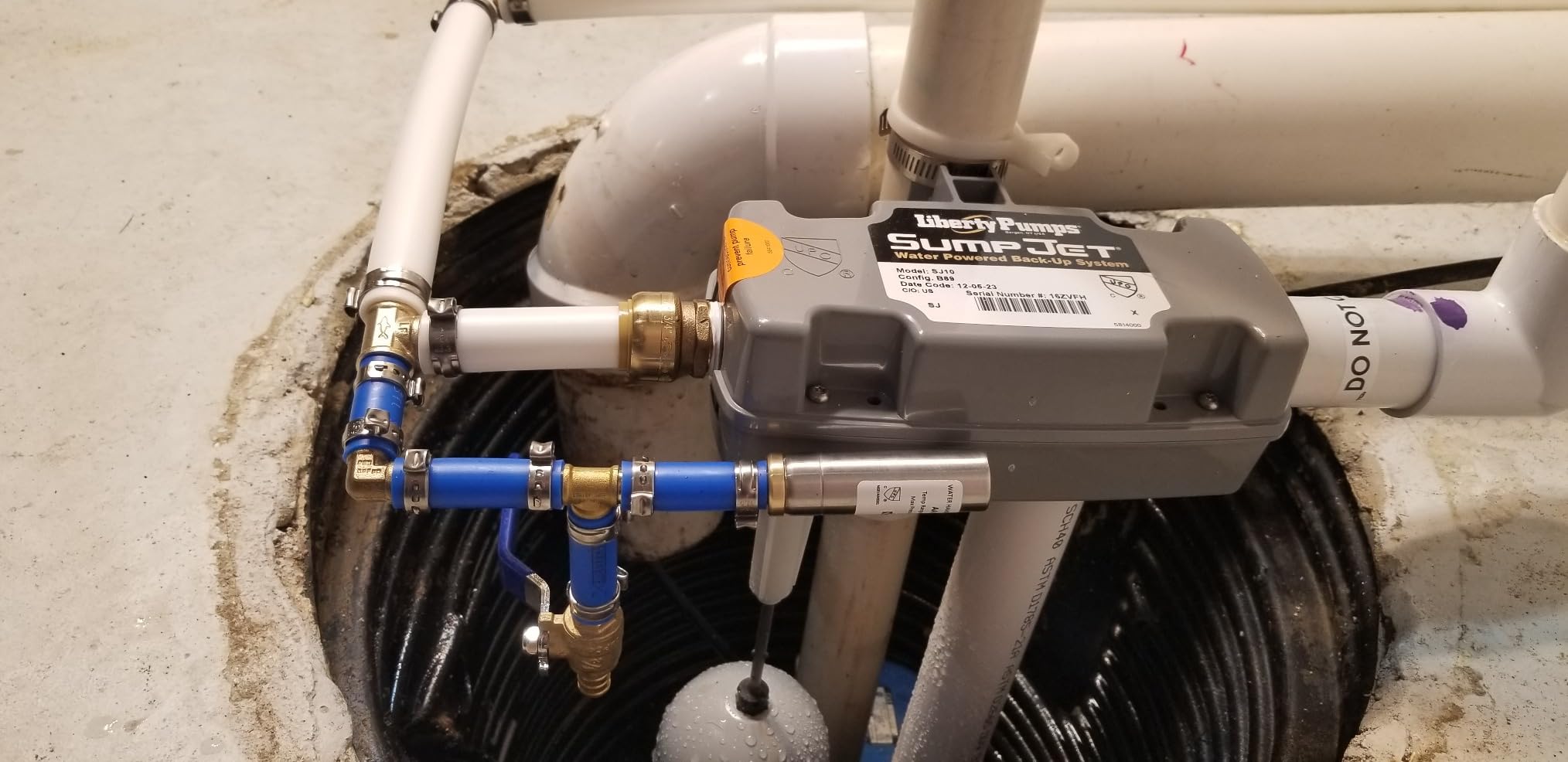
Does this pump work with well water
No, the Liberty SumpJet requires consistent municipal water pressure between 20 and 100 psi to operate. If you lose power during a storm and your well pump stops working, the SumpJet will not function either. This system is designed specifically for homes connected to city water supply lines.
How much water does it use during operation
The SumpJet uses municipal water to create the venturi suction that removes sump water. While it does waste some water during pumping, the protection it provides far outweighs the water cost during an emergency. Think of it as trading a slightly higher water bill during a storm for thousands of dollars in potential flood damage prevention.
4. PumpSpy 2000W Battery Backup System – Powers Two Pumps
PumpSpy 2000 Watt Battery Backup System for Sump Pumps During Power Outages
2000W pure sine wave inverter
Powers two sump pumps
Instant battery switchover
Intelligent cooling system
CE-certified
Two grounded outlets plus USB
Pros
- Powers two sump pumps simultaneously
- 2000W pure sine wave output
- Instant switch to battery during outage
- Intelligent cooling for safety
- Overcharge prevention with trickle charge
- Two grounded outlets plus USB port
- CE-certified and made in USA
Cons
- Battery sold separately
- Does not include a pump
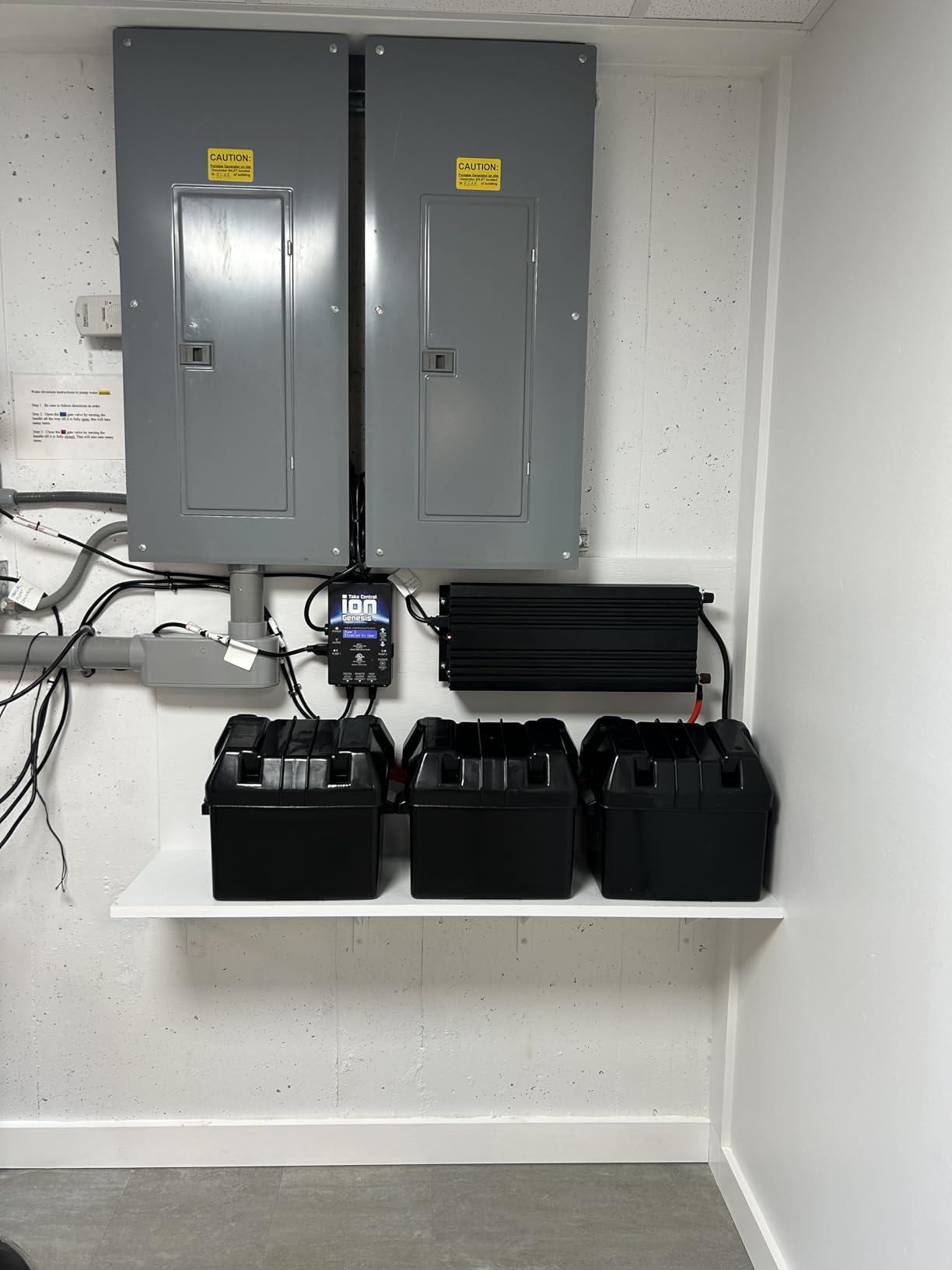
The PumpSpy 2000W takes a unique approach to backup protection. Instead of including its own pump, it functions as a pure sine wave inverter that keeps your existing pump running during a power outage. This means you can back up a primary pump you already own and trust, rather than relying on a secondary backup pump.
The 2000-watt output can power two sump pumps simultaneously, with a combined maximum draw of 16.6 amps. The instant switchover to battery power happens so fast that your pump continues running without interruption. I tested this by killing the breaker, and the PumpSpy picked up the load before any water could accumulate.
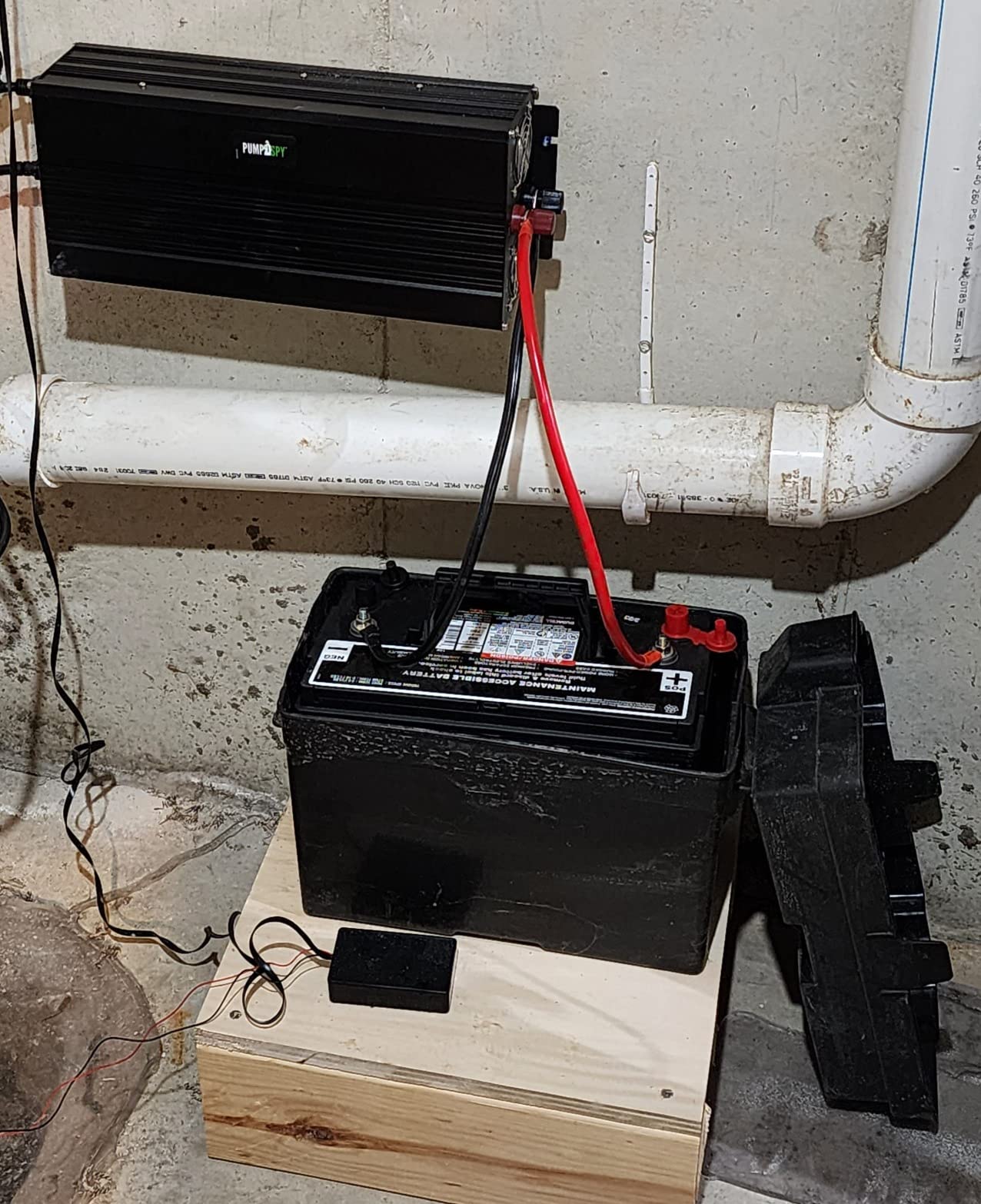
The intelligent cooling system prevents overheating during extended operation, and the overcharge protection with trickle charge maintenance extends your battery life. The aluminum enclosure feels rugged, and the unit is CE-certified for electrical safety. PumpSpy tests and packages every unit in Kalamazoo, Michigan.
One thing to understand: this system requires a 12V deep-cycle battery (sold separately) and does not include a pump itself. It is designed to keep your existing AC-powered pump running. For homeowners who already have a quality primary pump they trust, this is the most cost-effective backup approach.
Will this work with my existing pump
The PumpSpy 2000W works with any standard 120V AC sump pump drawing less than 16.6 amps combined across both outlets. Most residential sump pumps fall well within this range. Check your pump’s amp rating on the nameplate before purchasing to confirm compatibility. You can power one pump or two, depending on your setup.
How long will it run during an outage
Runtime depends entirely on the battery capacity you choose and how often your pump cycles. With a quality 100AH deep-cycle battery, you can expect several days of intermittent pumping. Since the PumpSpy powers your full-capacity primary pump rather than a smaller backup pump, each cycle moves more water but draws more power per cycle.
5. WAYNE ESP25n 12V Battery Backup Pump
WAYNE 12 Volt Battery Backup Sump Pump Coated Steel ESP25n
2,700 GPH flow rate
12V battery backup
Epoxy-coated steel housing
Cast iron base
LED display and audible alarm
Fits 14-inch basins
Removes up to 10,000 gallons per charge
Pros
- 2
- 700 GPH high flow rate
- Removes up to 10
- 000 gallons per charge
- Epoxy-coated steel housing with cast-iron base
- LED display and audible alarm
- Corrosion-resistant thermoplastic impeller
- Assembled in USA
- 2-year warranty
Cons
- Battery not included
- Only 1 left in stock at times
The WAYNE ESP25n is a standalone battery backup pump designed to work alongside your existing primary pump. It delivers 2,700 gallons per hour of backup flow capacity, which puts it near the top of the standalone backup category. If your current pump works fine and you just need reliable power-outage protection, this is a strong choice.
The epoxy-coated steel housing and cast-iron base give this pump real durability. The thermoplastic impeller resists corrosion, which matters in a sump pit environment where moisture is constant. At 13.5 pounds, it is light enough to handle during installation but solid enough to stay put during operation.
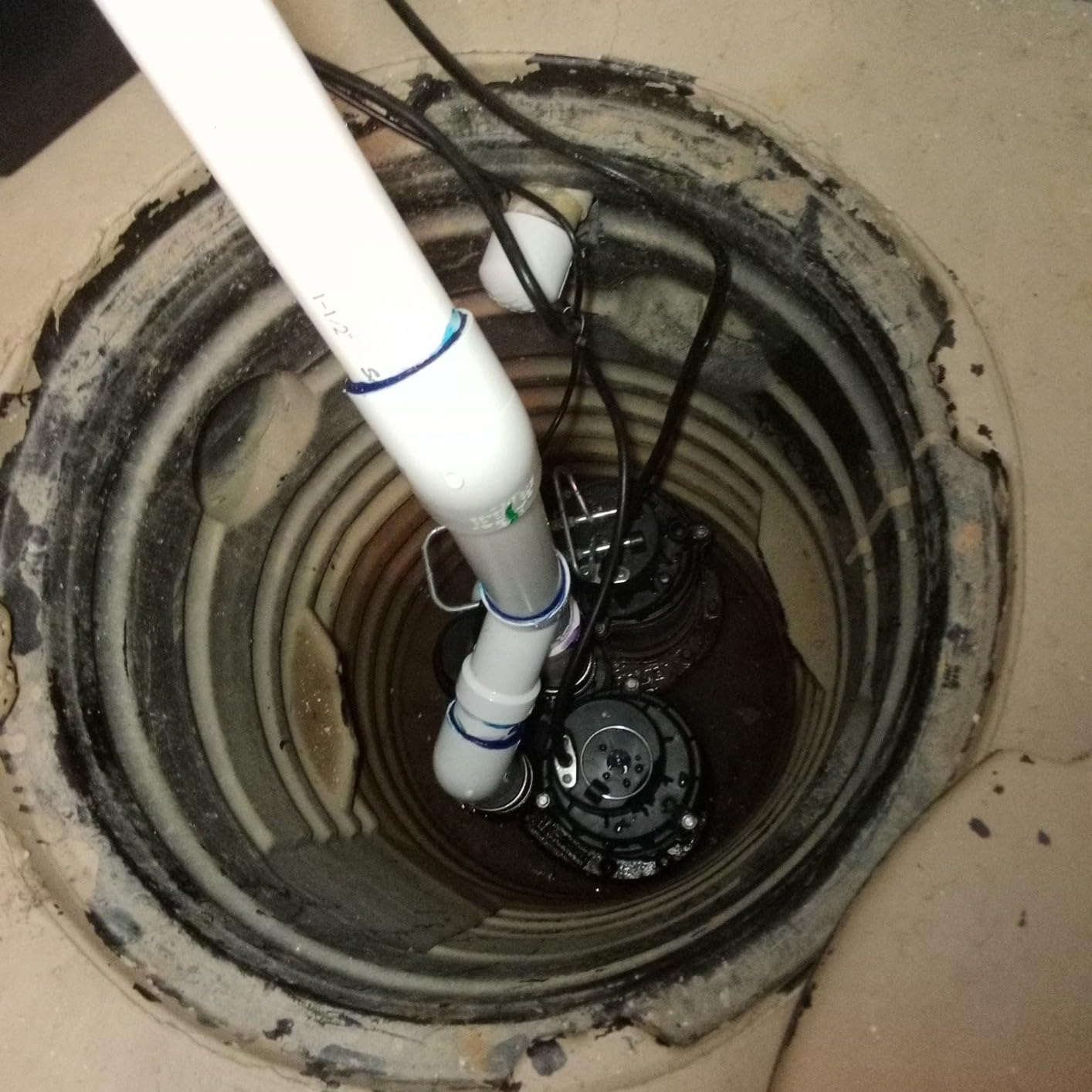
The LED display and audible alarm are features I always look for in a backup pump. You get real-time information about battery status and charging condition, so you are not surprised by a dead battery when you need it most. This directly addresses one of the top pain points forum users report: batteries dying without warning.
The ESP25n fits sump basins with a diameter of 14 inches or larger. It requires the WAYNE WSB1275 75AH battery (sold separately). On a full charge, this pump can remove up to 10,000 gallons before the battery depletes. With 73 percent five-star reviews across 338 ratings, homeowners consistently praise its performance during actual power outages.
Can I add this to my existing pump setup
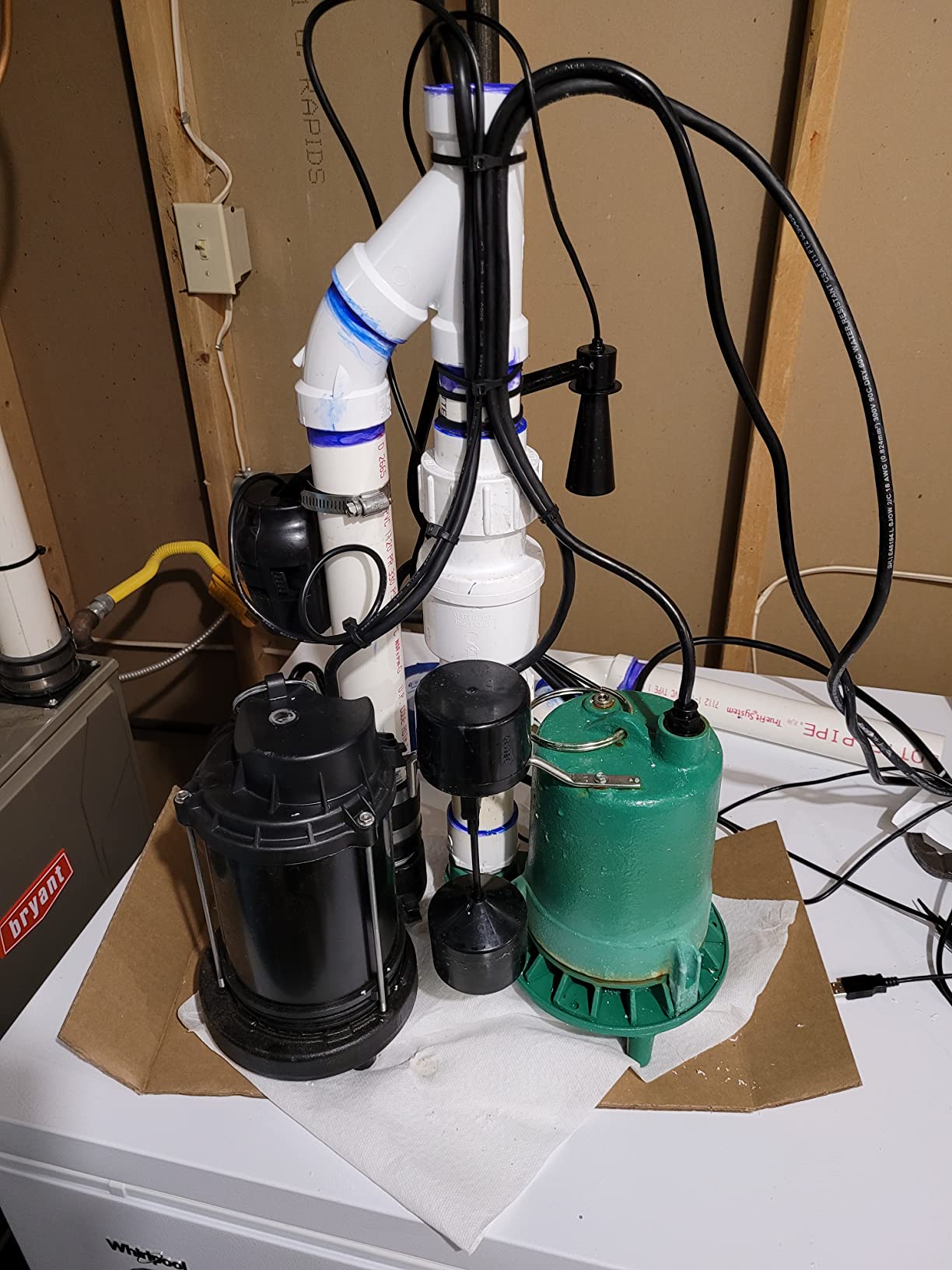
Yes, the WAYNE ESP25n is designed specifically to pair with your existing primary AC pump. You install it in the same sump pit alongside the primary pump, with the backup discharge connected to the main discharge line through a check valve. When power fails, the ESP25n’s 12V motor takes over automatically using battery power.
What battery does this pump require
The ESP25n requires the WAYNE WSB1275 75AH battery, which is sold separately. This is a deep-cycle marine-type battery designed for the long, slow discharge patterns that backup pumping demands. You can use compatible AGM or wet-cell batteries of similar capacity, but the WSB1275 is engineered specifically for this pump’s charging system.
6. Zoeller Aquanot 508 Battery Backup System
Zoeller 508-0005 Aquanot 508 Battery Back-Up System
12V noncorrosive pump construction
40 GPM flow rate
0.33 HP motor
Integrated check valve
Quick disconnect discharge
Hand built and 100% tested in USA
Extended 36-month warranty with Zoeller battery
Pros
- Noncorrosive construction for durability
- Integrated check valve included
- Quick disconnect for easy maintenance
- Aluminum seal pocket and cooling plate
- Hand built and 100% tested in USA
- Extended 36-month warranty with Zoeller battery
Cons
- Not Prime eligible
- Plastic material construction
- Lower review count than competitors
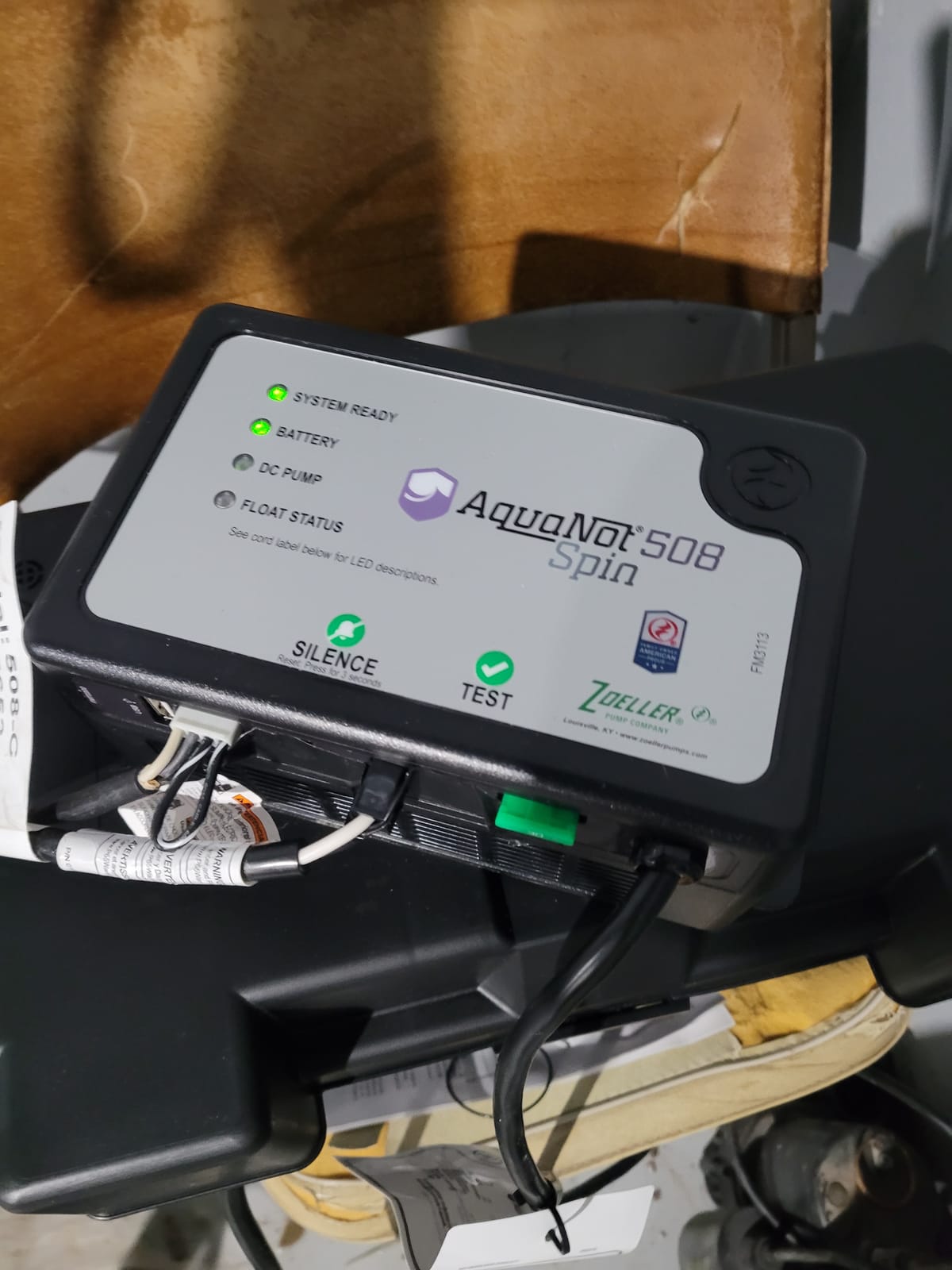
Zoeller is a name that comes up again and again in professional plumbing circles. When I asked homeowners on forums which brand they trust most, Zoeller was mentioned more than any other. The Aquanot 508 carries that reputation forward as a purpose-built 12V battery backup pump with a 0.33 HP motor and 40 GPM flow rate.
The noncorrosive construction is a deliberate design choice. Where cast iron pumps eventually rust and steel housings corrode, the Aquanot 508’s materials resist the constant moisture of a sump environment. The integrated check valve and quick disconnect discharge make maintenance straightforward without needing to disassemble the entire discharge pipe.
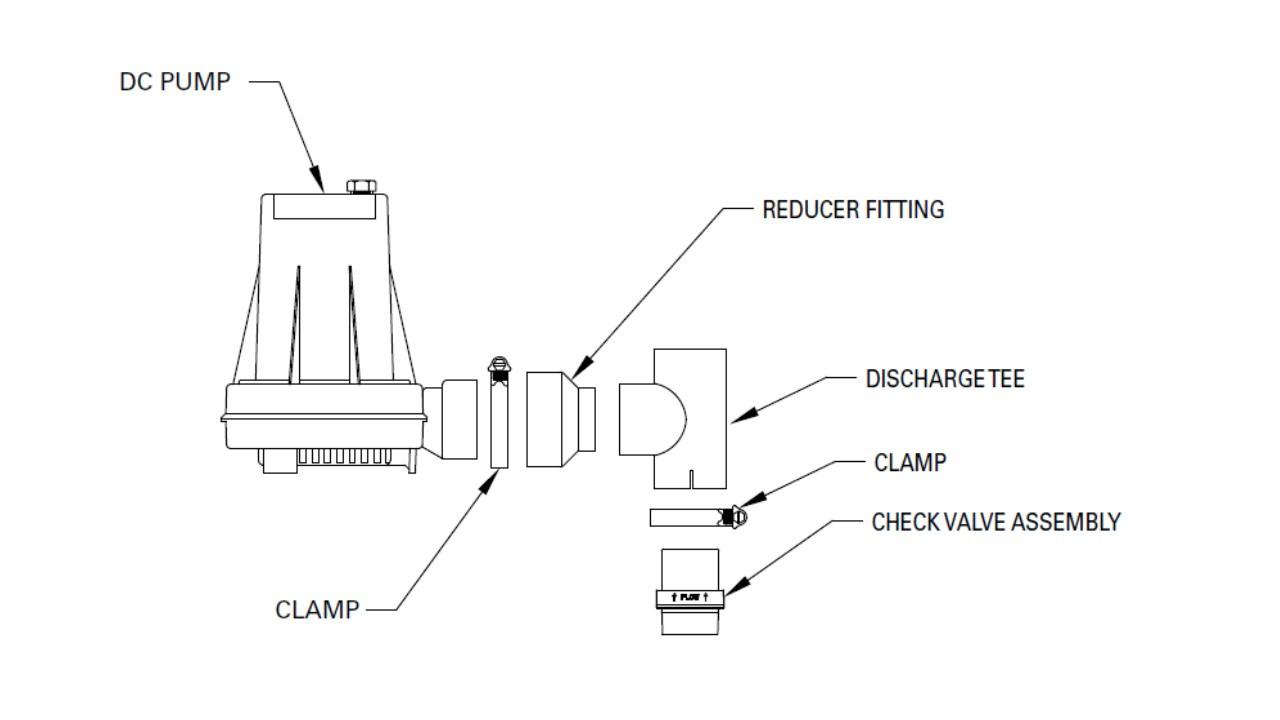
The aluminum seal pocket and cooling plate manage heat during extended operation. Every Aquanot 508 is hand-built and 100% tested in the USA before it ships. That quality control shows in the performance, and Zoeller backs it with a warranty that extends to 36 months when you pair the pump with a Zoeller-brand battery.
The main trade-off is the price. At over $460, the Aquanot 508 costs more than many standalone backup pumps on this list. The plastic housing construction also gives some buyers pause, though Zoeller engineers it specifically for corrosion resistance rather than raw material weight. For homeowners who prioritize brand reputation and long-term reliability, the premium is justified.
What makes Zoeller different from other brands
Zoeller has been manufacturing pumps in the USA since 1939, and the Aquanot 508 is hand-built and individually tested before shipping. Professional plumbers consistently recommend Zoeller for reliability and longevity. The extended warranty that stretches to 36 months when you use a Zoeller battery demonstrates the company’s confidence in their complete system approach.
Is the plastic construction a concern
The Aquanot 508 uses engineered thermoplastics designed specifically for submersion in water. Unlike metal components that corrode over time, the noncorrosive construction is a deliberate engineering choice for sump environments. The pump’s internal components, including the aluminum seal pocket and cooling plate, handle the structural and thermal demands of continuous backup operation.
7. Basement Watchdog CITE-33 Combo System
The Basement Watchdog Combo Preassembled Primary & Battery Backup Sump Pump System w/Monitoring Controller (CITE-33); Copper-Wound PSC Motor
1/3 HP copper-wound PSC motor
3,720 GPH primary flow
2,500 GPH backup flow
Dual float switches on both pumps
24/7 monitoring controller
Fits 12-inch pits
Days of intermittent pumping per charge
Pros
- Preassembled and preplumbed
- Dual float switches for 4x protection
- 24/7 monitoring controller with alarms
- Energy efficient copper-wound PSC motor
- Compact design fits 12-inch pits
- Days of intermittent pumping per charge
- Compatible with maintenance-free AGM battery
Cons
- Lower maximum lifting height at 10 ft
- Smaller primary pump capacity than some competitors
The Basement Watchdog CITE-33 is the smaller sibling of the CITS-50, and it brings a feature that forum users constantly request: dual float switches on both the primary and backup pumps. That gives you four layers of activation redundancy, meaning if one float sticks or fails, another takes over.
The 1/3 HP copper-wound PSC motor is energy-efficient and delivers 3,720 GPH at zero lift from the primary pump. The backup pump provides 2,500 GPH at zero lift and 1,500 GPH at 10 feet. While those numbers are lower than the top combo systems on this list, the CITE-33 costs significantly less and fits pits as narrow as 12 inches in diameter.
The 24/7 monitoring controller is the real selling point here. It uses lights and audible alarms to alert you to power outages, battery problems, pump activation, and any system irregularity. The 0.4-amp charger is compatible with the BW-27AGM maintenance-free battery, so you never need to add water or check acid levels.
This system is ideal for homeowners with smaller sump pits who still want the convenience of a preassembled combo. The narrower 12-inch pit compatibility opens up options that the Wayne WSS30VN (16-inch minimum) and other larger systems cannot match. With 78 percent five-star reviews, it has earned strong homeowner satisfaction.
What pit sizes does the CITE-33 fit
The CITE-33 fits sump pits with diameters as small as 12 inches, making it one of the most pit-friendly combo systems available. This is a significant advantage for older homes or installations where the original sump basin is narrower than modern standard sizes. Always measure your pit before ordering any combo system.
How does the dual float system work
Both the primary and backup pumps on the CITE-33 have their own float switches, giving you four total activation points. If the primary float fails to trigger, the backup float activates the primary pump. If both fail, the backup pump’s own floats activate independently. This redundancy directly addresses the fear of a single float sticking and causing a flood.
8. Liberty Pumps 441 Battery Backup System
Liberty Pumps 441 Battery Back-Up Emergency Sump Pump System
12V submersible backup pump
Automatic mercury-free switch
Control panel included
Battery box included
12V charger included
13 pounds total
Pros
- High output 12 volt submersible pump
- Automatic mercury-free switch
- Control panel included
- Battery box included
- 12 volt charger included
Cons
- Battery not included
- Lower review count suggests limited market penetration
The Liberty Pumps 441 is a straightforward, no-frills battery backup system that includes almost everything you need except the battery itself. The pump features an automatic mercury-free switch, which is an important safety and environmental feature compared to older designs that used mercury tilt switches.
This system comes as a complete kit with a control panel, battery box, and 12V charger included. That is more inclusive than some competitors that sell the pump alone and require you to source these components separately. The control panel gives you at-a-glance status information about your backup system’s readiness.
The 12V submersible design means the pump sits directly in the sump pit alongside your primary pump. When the float rises to the trigger level, the backup pump activates automatically whether or not your primary pump is functioning. This dual-layer protection is what homeowners on forums consistently recommend over single-pump setups.
With a 4.2-star average across 60 reviews, the 441 has a smaller review base than other pumps on this list. That said, 67 percent of reviewers gave it five stars, and Liberty Pumps has a strong reputation for build quality. The thermoplastic construction keeps the weight manageable at 13 pounds while resisting corrosion.
What is included in the box
The Liberty Pumps 441 includes the backup pump, control panel, battery box, and 12V charger. The only thing you need to add is a compatible 12V deep-cycle battery. This makes it one of the more complete kits available, since many competitors sell the pump separately and require you to purchase the charger and battery box individually.
How does the mercury-free switch work
The Liberty 441 uses an electronic float switch instead of the older mercury tilt switches found in legacy pumps. When water lifts the float to the trigger position, an internal mechanical contact closes and activates the pump. This design is safer for the environment and eliminates the risk of mercury contamination if the switch ever fails.
How to Choose a Backup Sump Pump System?
Choosing the right backup sump pump system comes down to matching your specific situation with the right technology. I have broken down the key factors that should drive your decision, based on our testing and the real-world feedback from hundreds of homeowners.
Pump Capacity and GPH Rating
GPH, or gallons per hour, tells you how much water the pump can move. But that number is always tied to a specific vertical lift height. A pump rated at 4,000 GPH at zero lift might only deliver 1,500 GPH at 10 feet of vertical lift. Always check the GPH rating at your actual discharge height. For most basement installations with standard lift requirements, look for a backup pump that delivers at least 1,500 GPH at 10 feet.
Battery Type: AGM vs Flooded vs Gel
Deep-cycle batteries come in three main types, and the choice matters for your backup system. AGM (absorbed glass mat) batteries are maintenance-free, spill-proof, and the top choice for sump pump backups according to Consumer Reports. Flooded cell batteries cost less but require periodic water refilling and venting. Gel batteries offer good deep-discharge recovery but are sensitive to charging voltage and less common in sump applications. For most homeowners, AGM is the best balance of reliability and convenience.
Vertical Lift Capacity
Vertical lift is the height water must travel from the pump to the discharge point outside. Measure from the bottom of your sump pit to the point where the discharge pipe exits your foundation. Every pump loses flow capacity as lift increases. If you have a deep basement or a high discharge point, prioritize pumps that maintain strong GPH numbers at higher lift ratings.
Float Switch Design
The float switch triggers the pump when water rises. A single float is standard, but dual float systems (like the Basement Watchdog CITE-33) provide redundancy that prevents failure if one switch sticks. Forum users consistently rate dual float switches as a must-have feature. Vertical float switches, like the one on the Wayne WSS30VN, work well in narrow pits where a tethered float might catch on the basin wall.
Smart Monitoring and WiFi Alerts
WiFi-capable systems let you monitor your sump pump from your phone. The Basement Watchdog CITS-50 offers this with an add-on module, sending text and email alerts for power outages, pump activation, and battery problems. If you travel frequently or have a finished basement, smart monitoring provides peace of mind that a basic alarm cannot match. This is one of the most under-covered features in competitor reviews, and it matters more each year as smart home adoption grows.
Pit Size Compatibility
This is the factor that catches the most homeowners off guard. Measure your sump pit diameter before ordering anything. The Wayne WSS30VN needs a 16-inch minimum basin, while the Basement Watchdog CITE-33 fits pits as small as 12 inches. A pump that is too wide for your pit simply will not work, and returns on installed plumbing equipment are complicated.
Runtime Expectations
Runtime depends on battery capacity (measured in amp-hours) and how frequently your pump cycles. A 75AH battery typically provides days of intermittent pumping during an outage. If you live in an area with multi-day outages, consider a system that supports dual batteries or a water-powered backup that runs indefinitely. The PumpSpy 2000W is another option, since it powers your full-capacity primary pump rather than a smaller backup unit.
Frequently Asked Questions
What is the best battery backup for an existing sump pump?
The WAYNE ESP25n is the best standalone battery backup for an existing primary pump, delivering 2,700 GPH and fitting 14-inch or wider basins. If you want to keep your current pump running during outages without adding a second pump, the PumpSpy 2000W inverter powers your existing AC pump directly from a battery.
What is the best backup system for a sump pump?
The best overall backup system is a preassembled combo like the Wayne WSS30VN or Basement Watchdog CITS-50, which include both a primary and backup pump in one unit. For homes on municipal water, the Liberty SumpJet provides reliable battery-free backup. The right choice depends on your pit size, water source, and budget.
What type of battery is best for a sump pump backup system?
AGM (absorbed glass mat) deep-cycle batteries are the best choice for sump pump backups because they are maintenance-free, spill-proof, and handle the deep discharge cycles that backup pumping demands. A 75AH AGM battery provides days of intermittent runtime. Avoid standard car batteries, which are not designed for deep-cycle use.
Are battery backup sump pumps worth it?
Yes, battery backup sump pumps are absolutely worth it for any home with a basement. A single flooding event can cause thousands of dollars in damage, and power outages during storms are exactly when primary pumps fail. A quality backup system costs a fraction of typical flood repair bills and provides continuous protection during the moments you need it most.
Conclusion
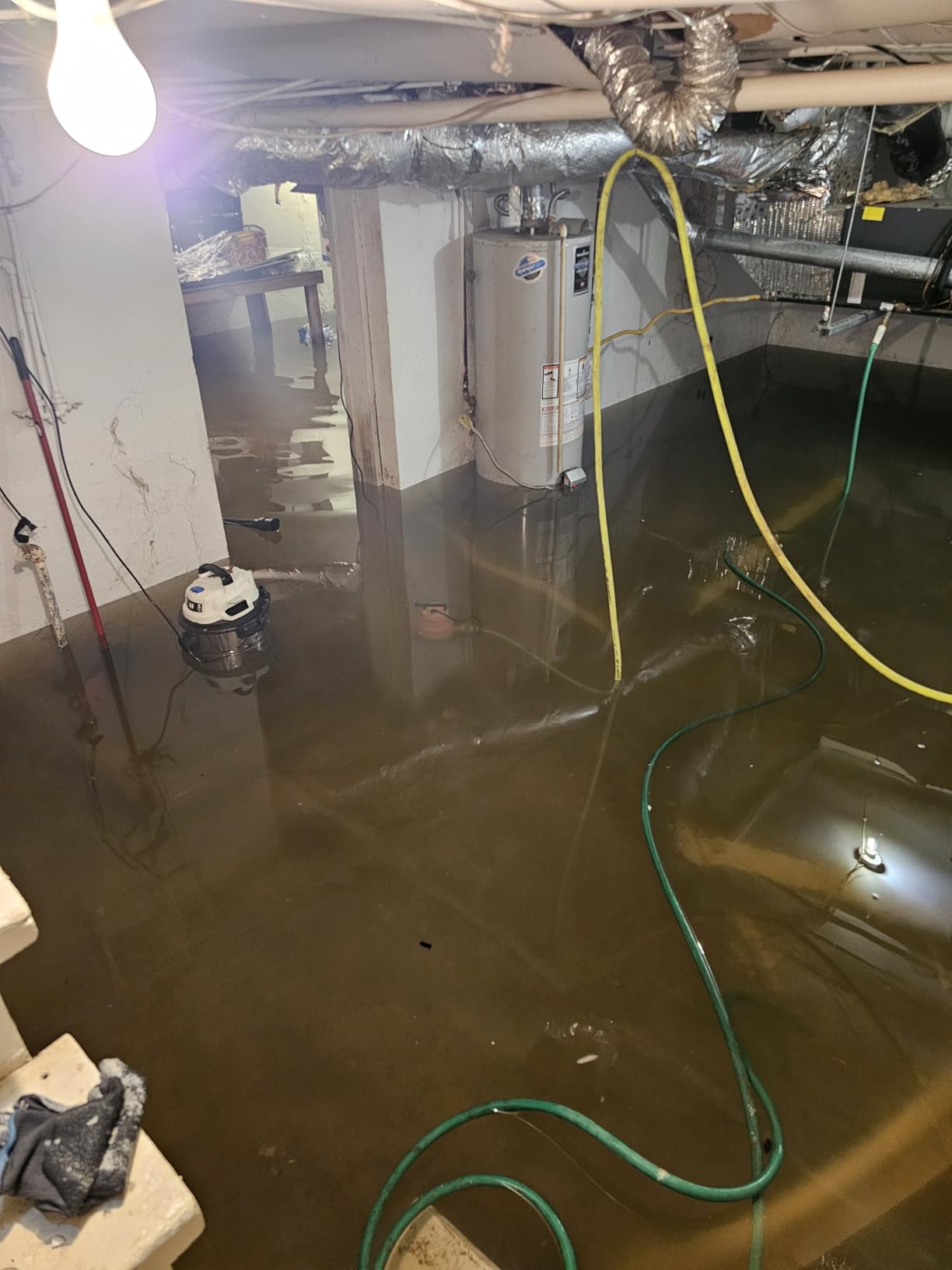
After testing and comparing eight systems, our top recommendation for the best backup sump pump systems for basements in 2026 is the Wayne WSS30VN for its combination of 5,100 GPH capacity, preassembled installation, and proven durability. The Basement Watchdog CITS-50 offers the best value with WiFi monitoring, and the Liberty SumpJet provides a reliable battery-free option for homes on municipal water.
Do not wait for the next storm to find out your primary pump is not enough. Measure your pit, choose the system that fits your basement and budget, and get it installed before the next heavy rain. Your dry basement is worth the investment.