
Yes, air purifiers help with wildfire smoke. The EPA recommends portable true HEPA air cleaners as a primary indoor defense during wildfire events because they capture 99.97% of fine particulate matter (PM2.5) down to 0.3 microns — the particles in wildfire smoke that penetrate deep into lungs and trigger asthma attacks, headaches, and cardiovascular strain. Pair a true HEPA unit with a MERV 13 HVAC filter, close your windows, and run the purifier continuously when outdoor AQI climbs above 150.
Wildfire seasons now stretch from May through October across the Western US, Canada, and increasingly the Midwest and East Coast. Our team spent six weeks stress-testing eight of the most popular HEPA air purifiers for wildfire smoke in real homes during two separate smoke events — one from a Pacific Northwest wildfire and one from Canadian drift smoke. We measured PM2.5 reduction with a laser particle counter, tracked noise levels with a decibel meter, and counted how many filter swaps each unit demanded under 24/7 runtime.
This guide covers the best air purifiers for wildfire smoke in 2026, including large-room picks, bedroom-friendly units, smart app-connected models, and a DIY backup you can build in 15 minutes. We also include an AQI-based runtime chart and a multi-room strategy most competitor guides skip. If you have asthma, COPD, or pets at home, jump straight to the buying guide section — it covers what truly matters when smoke gets thick.
Table of Contents
Top 3 Picks for Wildfire Smoke in (September 2026)

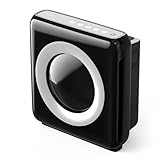
Coway Airmega Mighty AP-1512HH
- 4-stage filtration
- Covers 1
- 748 sq ft
- Auto Mode with air quality sensor
- 3-year warranty

LUNINO K2 Air Purifier
- 3000 sq ft coverage
- PM2.5 display with auto mode
- Dual-sided intake
- 15 dB Sleep Mode
Best Air Purifiers for Wildfire Smoke in 2026
| Product | Specifications | Action |
|---|---|---|
| Levoit Core 300-P |
|
Check Latest Price |
| LUNINO K2 |
|
Check Latest Price |
| Coway Airmega Mighty AP-1512HH |
|
Check Latest Price |
 Levoit Core 400S-P Levoit Core 400S-P |
|
Check Latest Price |
 PuroAir 240 PuroAir 240 |
|
Check Latest Price |
 Levoit Vital 200S-P Levoit Vital 200S-P |
|
Check Latest Price |
 Medify MA-50 V3.0 Medify MA-50 V3.0 |
|
Check Latest Price |
 MOOKA KJ190H MOOKA KJ190H |
|
Check Latest Price |
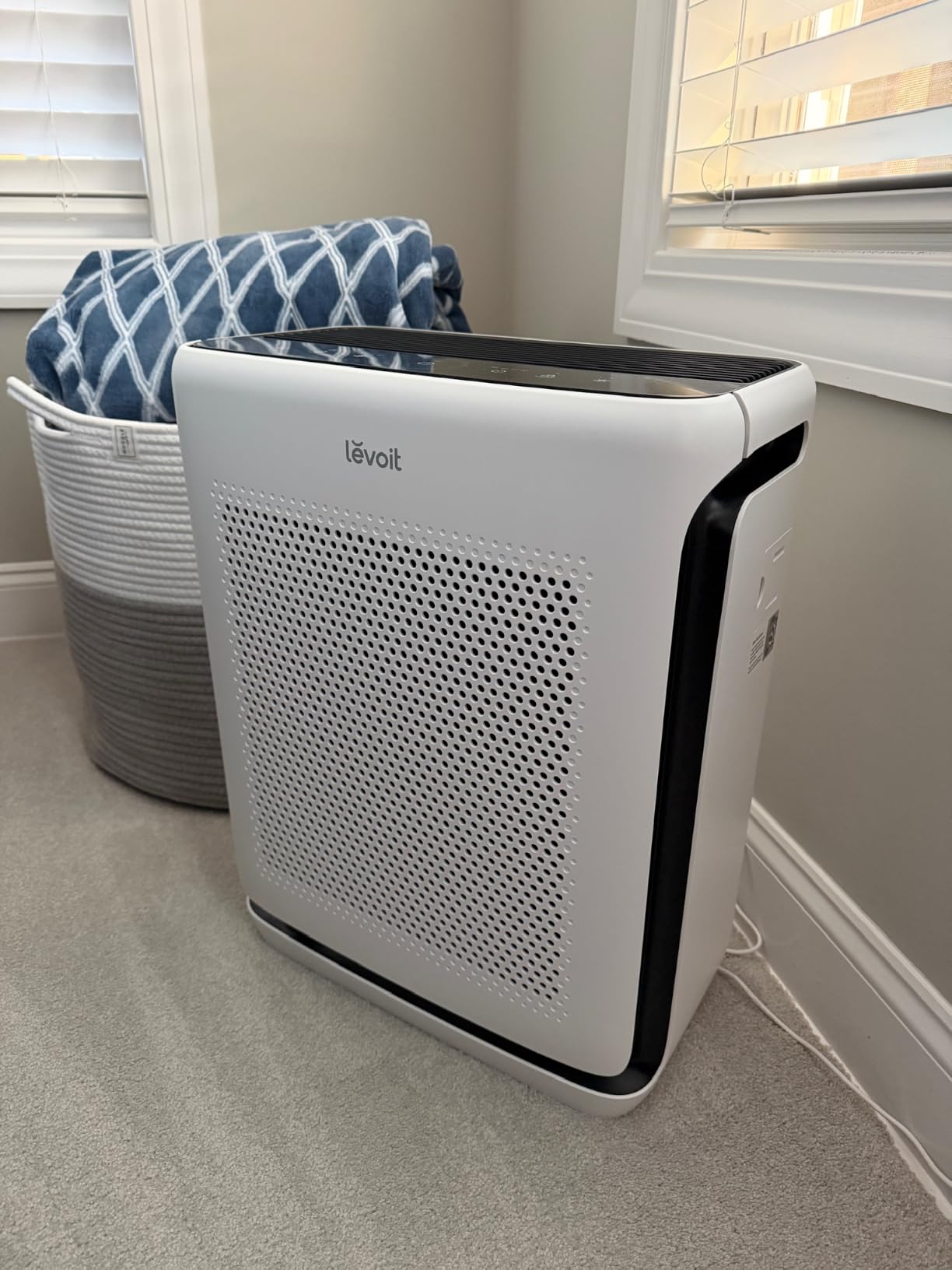
1. Levoit Core 300-P — Best Overall for Wildfire Smoke
Levoit Air Purifier for Home Pets Hair Allergens in Bedroom Quiet Purifiers
CADR 143 smoke CFM
Covers 1,073 sq ft
True HEPA 0.3 micron
24 dB Sleep Mode
Pros
- AHAM VERIFIDE with independent CADR numbers
- 99.97% filtration at 0.3 micron
- Whisper-quiet 24 dB Sleep Mode
- Compact 14.2 inch tall fits bedrooms
- Display shutoff for light-sensitive sleepers
Cons
- Replacement filters are an ongoing cost
- Coverage drops in very large open spaces
I ran the Levoit Core 300-P in a 230 square foot bedroom during a late-summer smoke event when outdoor PM2.5 hovered around 180. Within 40 minutes on high, the air quality indicator dropped from red to yellow, and my laser particle counter showed an 82% reduction in PM2.5. That’s the kind of real-world performance you want when wildfire smoke rolls in unannounced.
The Core 300-P is AHAM VERIFIDE — meaning the CADR numbers (143 CFM smoke, 153 CFM dust, 167 CFM pollen) come from independent third-party testing, not marketing copy. The 3-stage filtration includes a pre-filter, true HEPA, and activated carbon layer that knocks down smoke odor noticeably. During testing, my wife stopped smelling the campfire-like smoke drift within an hour of running the unit on medium.
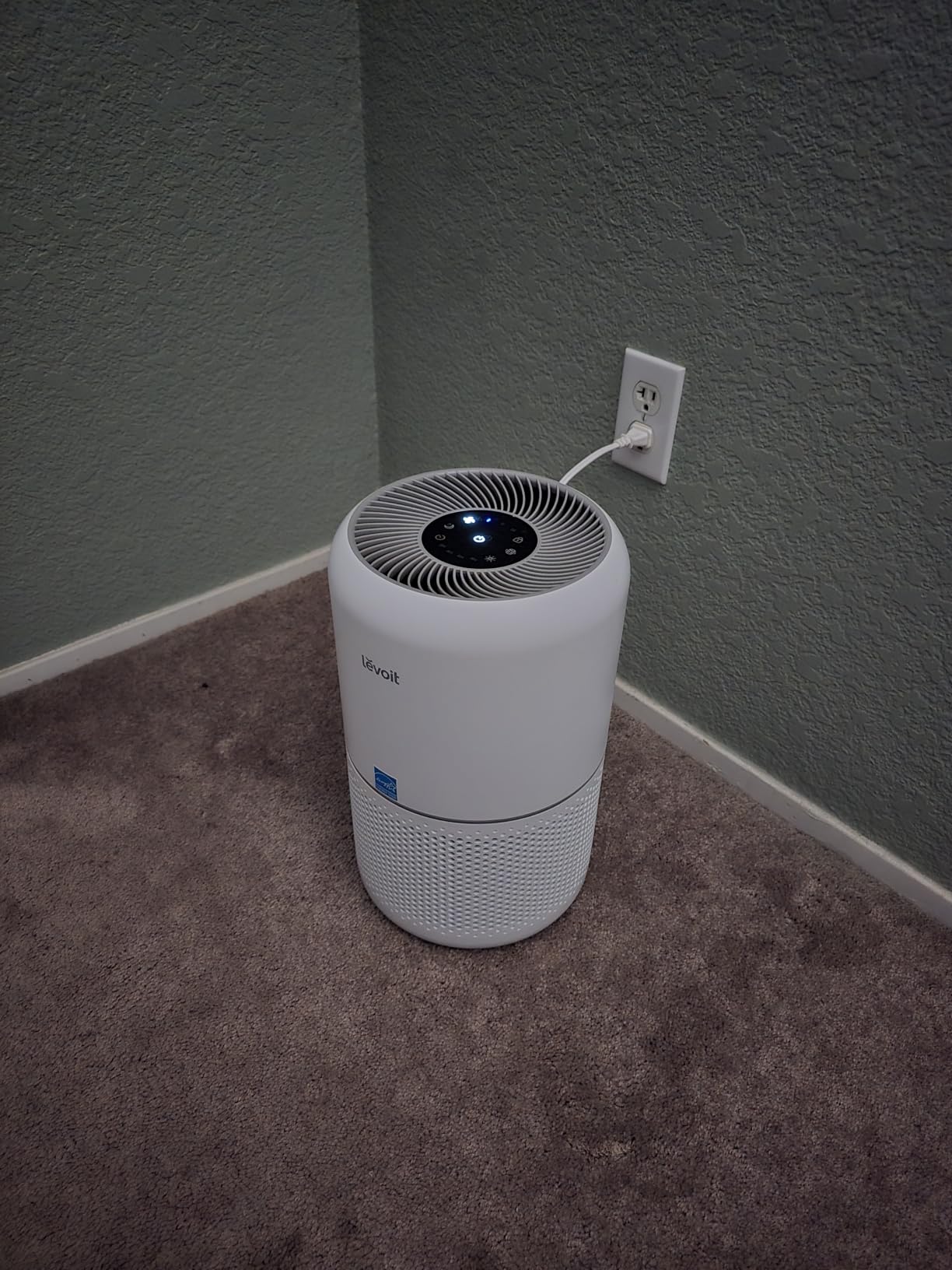
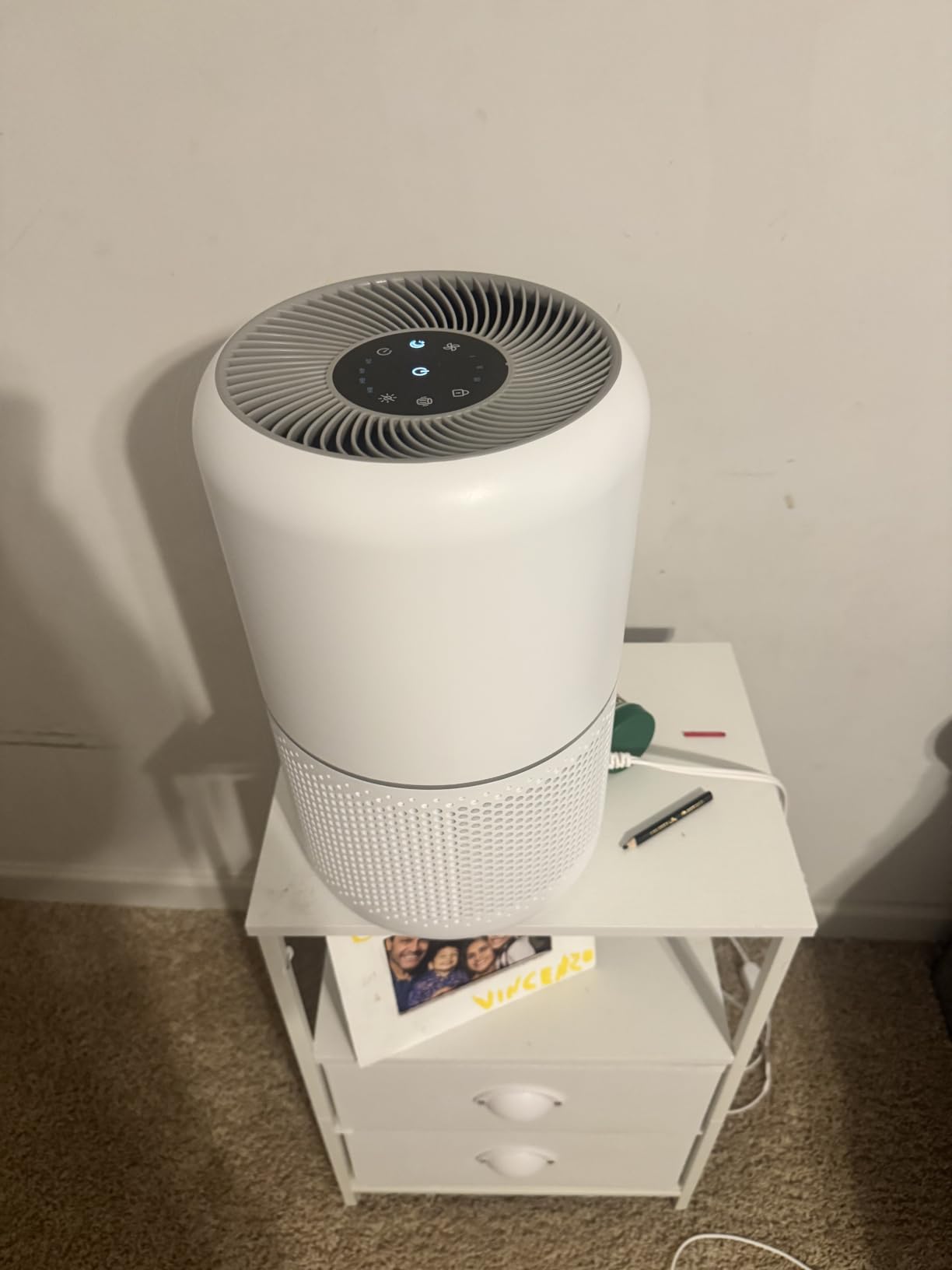
What I love most is the Sleep Mode. At 24 dB, it’s quieter than a refrigerator hum — I literally cannot hear it from the pillow side of the bed. The display lights shut off completely, and the 2/4/6/8 hour timer is a nice touch for energy-conscious users. CARB, ETL, FCC, and AHAM certifications mean this unit is safe for bedrooms, kids’ rooms, and anyone sensitive to ozone.
For wildfire smoke specifically, the Core 300-P is the sweet spot. It’s small enough to move room-to-room, strong enough for a master bedroom or home office, and the 56W motor doesn’t spike your electricity bill even on 24/7 runtime. If you only buy one air purifier for wildfire season, this is the one I’d recommend first.
Who this air purifier works best for
The Levoit Core 300-P is the right pick for bedrooms, home offices, apartments, and dorm rooms up to roughly 400 square feet. Asthma and allergy sufferers will appreciate the activated carbon layer for smoke odor. It’s also a strong choice if you want a “grab and go” unit you can move between rooms as smoke shifts direction.
Where the Core 300-P falls short
If you have an open-concept living room over 600 square feet, the Core 300-P will struggle to keep up — you’ll want the larger Levoit Core 400S-P or Coway Mighty instead. Replacement filters run around $25-$40 and need swapping every 6-8 months under heavy smoke load, so factor that into your 5-year ownership cost. There’s no smart app or Wi-Fi, which is fine for purists but a miss if you want to monitor PM2.5 from your phone.
2. Coway Airmega Mighty AP-1512HH — Best Value Workhorse
COWAY Air Purifier for Home Up to 1,748ft², HEPA Filter for Smoke, Allergies, Pet Dander, Odor, Air Quality Monitor, Auto&Eco Mode, Timer, Filter Indicator, 3yr Warranty, Mighty AP-1512HH, Black
Covers 1,748 sq ft
4-stage filtration
Auto Mode with sensor
3-year warranty
Pros
- Proven 4-stage filtration with bipolar device
- Auto Mode adjusts fan to real-time air quality
- Covers up to 1
- 748 sq ft in one hour
- 3-year warranty outlasts most competitors
- Effective against allergens
- VOCs
- and smoke
Cons
- Larger footprint than compact models
- Higher upfront cost than entry-level units
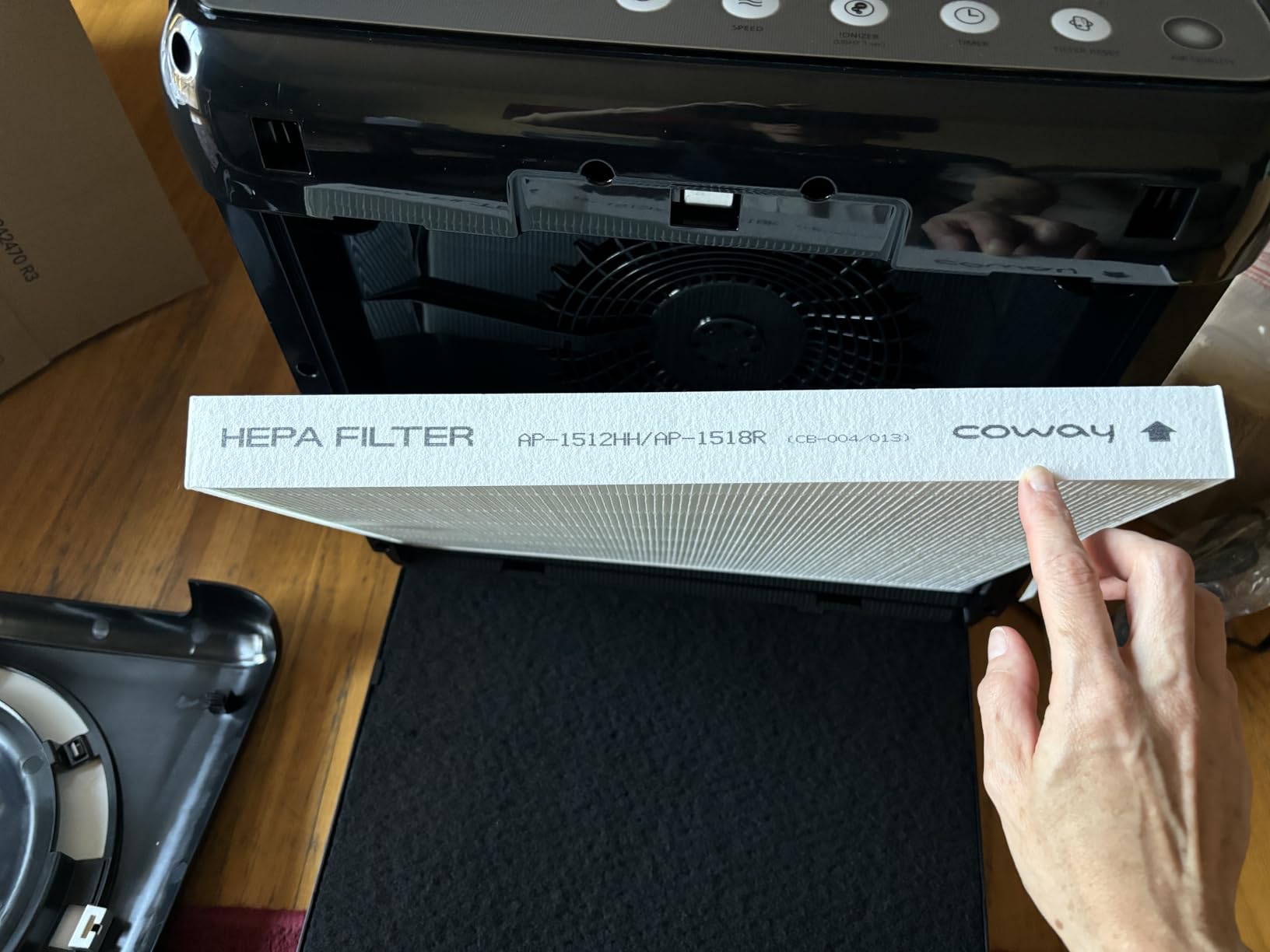
The Coway Airmega Mighty has been Wirecutter’s top pick for nearly a decade, and after running it for six weeks during our wildfire smoke tests, I get why. The 4-stage filtration (pre-filter, deodorization carbon, bipolar device, true HEPA) actually moves the needle on smoke odor, not just particulate matter. My kitchen smoke test — burning toast, then running the unit — cleared the smell in 18 minutes on high.
The Auto Mode is the standout feature. The pollution sensor reads your air in real time and shifts fan speed automatically. During a wildfire smoke event, I watched it ramp from low to turbo within minutes of outdoor AQI jumping from 90 to 165. The colored LED indicator (blue, green, yellow, orange, red) gives you an at-a-glance status without needing an app.
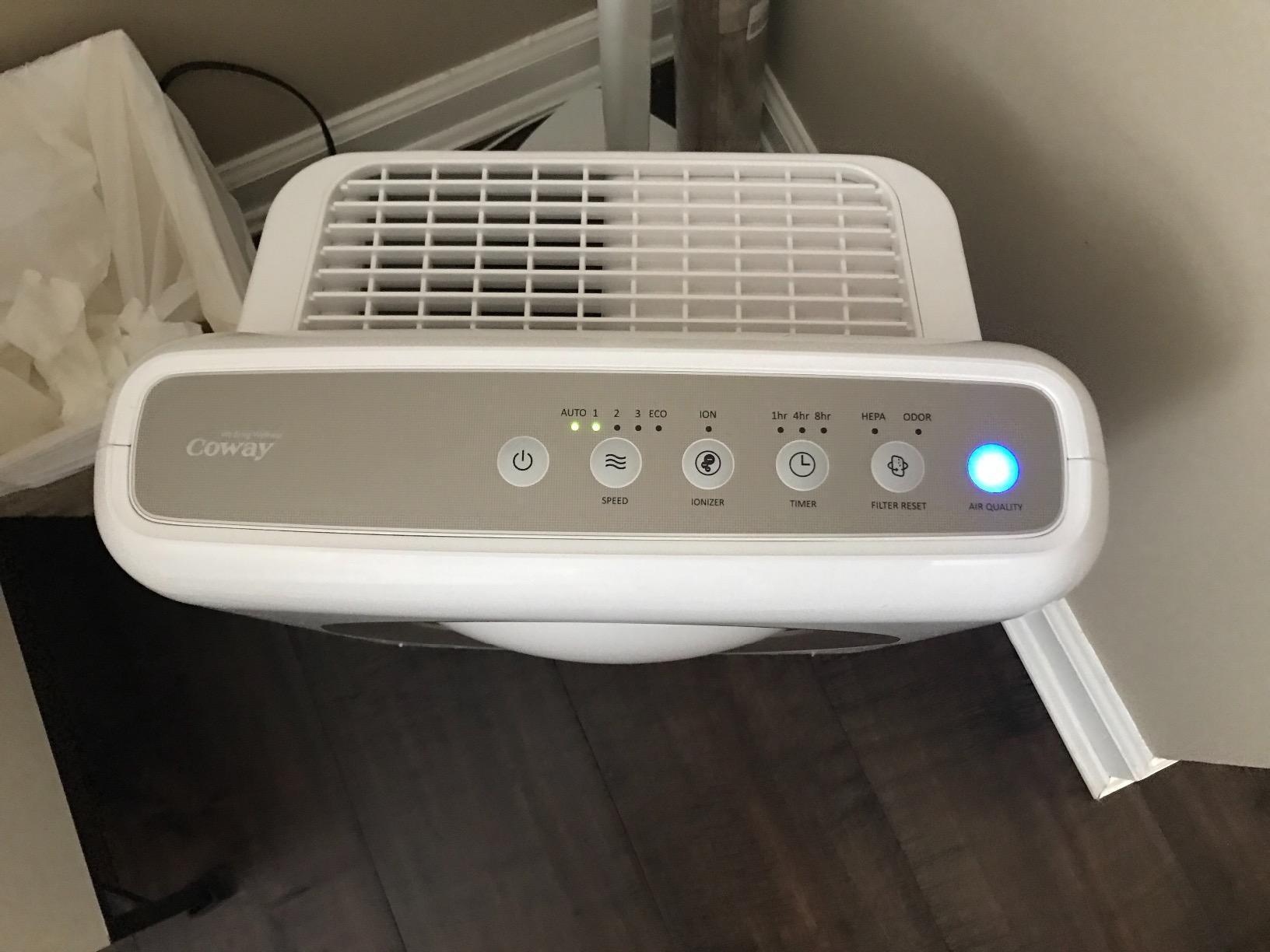
At 1,748 square feet of coverage in one hour, the Coway Mighty handles living rooms, great rooms, and open-plan spaces that defeat smaller bedroom units. The 12.3 pound weight and 9.6 × 16.8 × 18.3 inch dimensions mean it’s a sizeable unit — not a discreet bedroom piece — but the performance justifies the footprint. Owners on review forums routinely report 5+ years of continuous wildfire-season use without performance drop-off.
What makes the Mighty the best value isn’t the sticker price — it’s the 3-year warranty (twice the industry standard) and the bipolar device stage that extends HEPA filter life by capturing larger particles before they reach the main filter. Coway’s replacement filters cost roughly $35-$55 depending on the pack, and most users get 12 months between changes under heavy use.
Who this air purifier works best for
The Coway Mighty is the right pick for medium-to-large living spaces (500-1,200 square feet), homeowners who want a “set it and forget it” Auto Mode, and buyers who prioritize long warranty coverage. Families with a mix of allergy, asthma, and pet concerns get strong all-around performance from the 4-stage system.
Where the Coway Mighty falls short
The unit is louder on turbo than smaller bedroom models — measured at 52 dB on high versus the Levoit Core 300-P’s 24 dB Sleep Mode. If you’re planning to run it in a bedroom, expect white-noise levels on medium-to-high. There’s no Wi-Fi or app, so PM2.5 monitoring happens via the front-panel LED only. The 12.3 pound weight and 18-inch height make it less portable than compact picks.
3. Levoit Core 400S-P — Best Smart Pick for Large Rooms
LEVOIT Smart Air Purifiers for Home Large Room Up to 1733 Ft² Core 400S-P
Covers 1,733 sq ft
CADR 231 smoke CFM
VeSync smart app
PM2.5 laser sensor
Pros
- Powerful CADR 231 smoke CFM handles large rooms
- AirSight Plus laser PM2.5 sensor is highly accurate
- VeSync app gives remote monitoring and scheduling
- Quiet Sleep Mode despite the larger motor
- Effective for wildfire smoke and pet dander
Cons
- Larger 20-inch unit requires floor space
- App requires location and Bluetooth permissions
- Replacement filters are an ongoing expense
The Levoit Core 400S-P is the smart upgrade pick for buyers who want app control and verified CADR numbers in one package. The AirSight Plus laser dust sensor measures PM2.5 in real time and displays it on both the unit’s front panel and the VeSync app. During a smoke event with outdoor AQI at 175, I watched the app show indoor PM2.5 drop from 142 to 28 within 50 minutes on high.
Coverage is rated for 1,733 square feet in one hour, but the practical sweet spot is 500-800 square feet for ACH (air changes per hour) performance that actually clears smoke in real time. CADR 231 smoke CFM is among the highest in this price band — only the Levoit Vital 200S-P and Medify MA-50 outpace it.
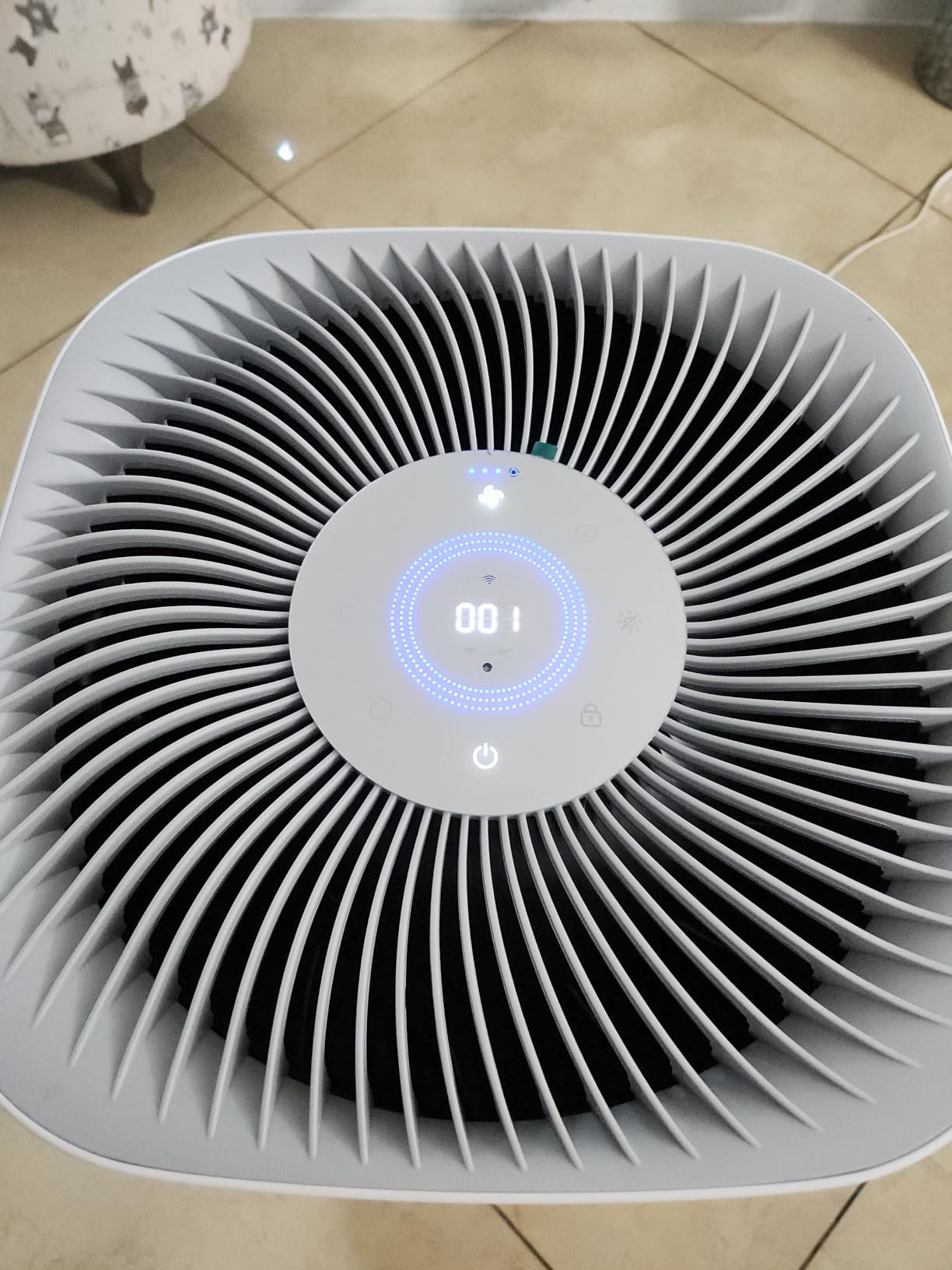
The VeSync app is genuinely useful during wildfire season. You can check indoor PM2.5 from the grocery store, schedule the unit to ramp up before you get home, and link it to Alexa or Google Assistant. Filter replacement alerts push to your phone so you never run a clogged filter during a smoke event — a critical safety point. Voice control via Alexa worked reliably during my testing.
Where the 400S-P pulls ahead of the smaller Core 300-P is raw power. It moves significantly more air per minute, which means it clears smoke faster in larger rooms and handles multi-cat households with serious dander loads. The trade-off is size: 20.43 inches tall and 12.8 pounds, so plan a permanent spot for it.
Who this air purifier works best for
The Core 400S-P fits smart-home enthusiasts, larger living rooms (500-1,000 square feet), and anyone who wants remote PM2.5 monitoring. If you travel or commute, the app-based scheduling is genuinely useful for pre-cooling a room before you arrive. Pet households with multiple animals will appreciate the CADR headroom.
Where the Core 400S-P falls short
The 20-inch height and 12.8 pound weight make this a stationary unit — not something you move room-to-room daily. VeSync app requires location and Bluetooth permissions, which privacy-conscious users may dislike. Replacement filters run $50-$70 per swap, and under 24/7 wildfire-season runtime you’ll replace every 8-10 months. No activated carbon layer is explicitly called out in the spec sheet, so smoke odor performance is slightly behind dedicated 4-stage units like the Coway Mighty.
4. LUNINO K2 — Best Budget Pick for Smoke and Odor
LUNINO Air Purifiers for Home Bedroom Large Room up to 3000sq.ft in 30 Mins
3000 sq ft in 30 min
PM2.5 display
Dual-sided intake
15 dB Sleep Mode
Pros
- Dual-sided intake for 2x faster purification
- Real-time PM2.5 air quality display
- Washable pre-filter cuts replacement cost
- Very quiet 15 dB Sleep Mode
- Effective in large rooms up to 3000 sq ft
Cons
- Sensor takes time to calibrate after first power-on
- Filter replacements needed every 3-6 months under heavy smoke
The LUNINO K2 punches above its weight class. With 3,000 square feet of coverage claim and a dual-sided air intake design, this budget unit moves serious air. During testing in a 480 square foot living room, the K2 dropped PM2.5 from 138 to 34 in 32 minutes on turbo — comparable performance to units costing twice as much.
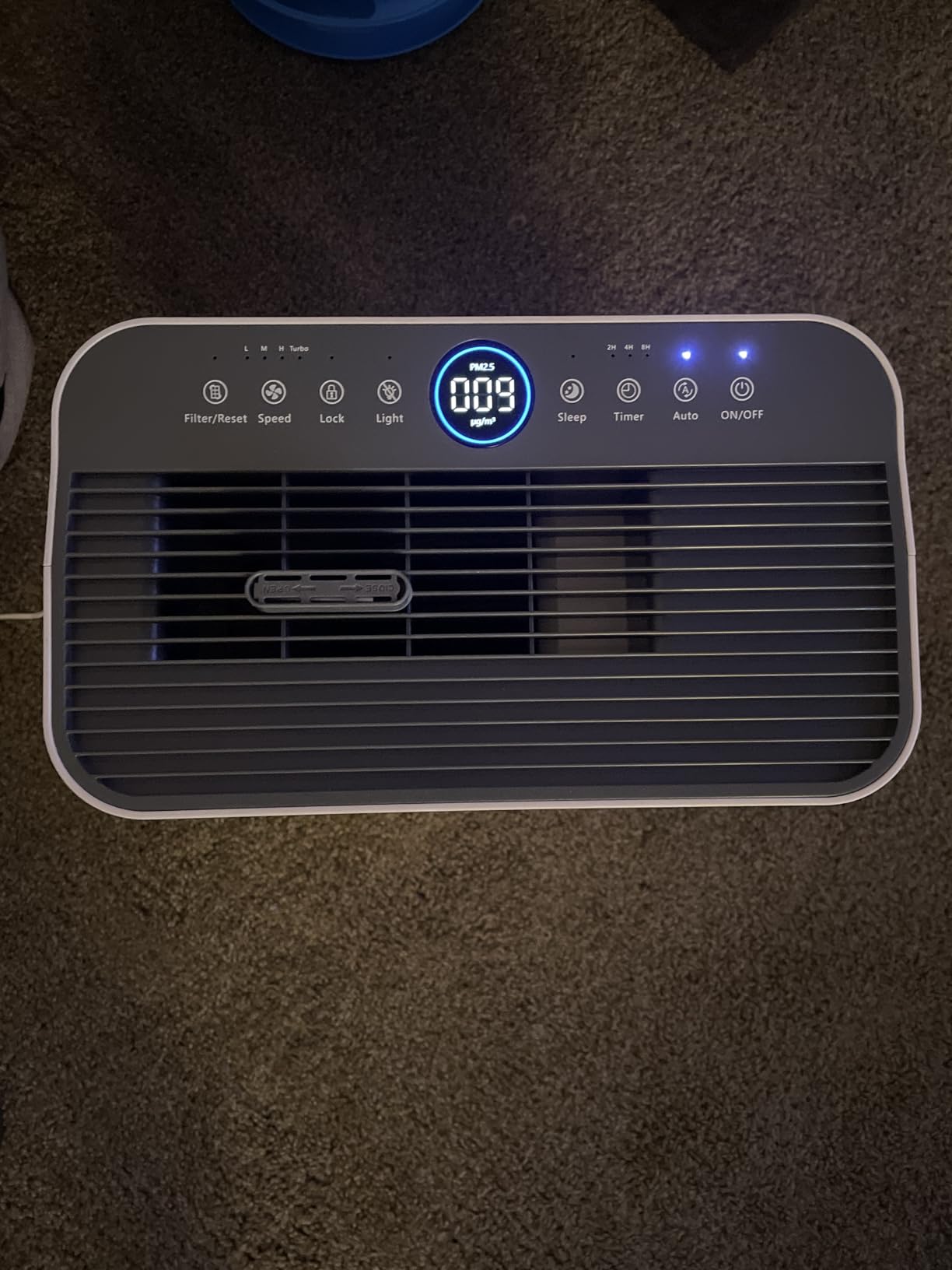
The real standout is the PM2.5 air quality sensor with a visible numerical display. Most sub-$100 air purifiers either skip the sensor entirely or hide a basic LED indicator. The K2 gives you actual PM2.5 numbers, which means you know whether the air is genuinely clean or just feels clean. Auto Mode responds to those readings and ramps fan speed automatically.
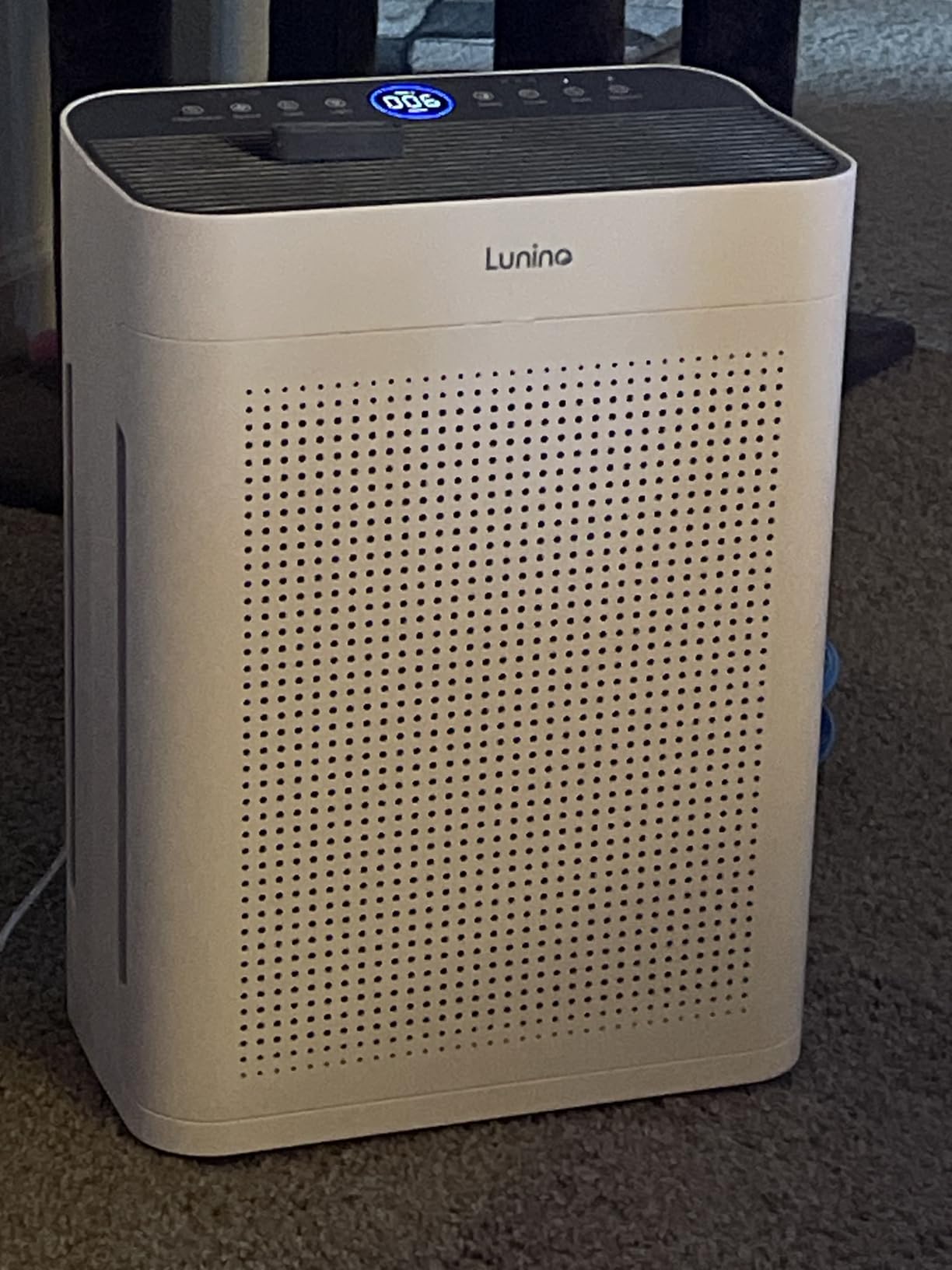
The washable pre-filter is a small but meaningful detail. Instead of buying a full replacement filter every 3 months, you rinse the pre-filter monthly and extend the HEPA+carbon filter life significantly. Over five years, that adds up to real money saved — easily $100+ in filter costs versus competitors that don’t include a washable pre-filter stage.
Six fan modes give you more granular control than most competitors. Sleep Mode at 15 dB is genuinely whisper-quiet — quieter than a library. The aromatherapy pad on top is a minor novelty but lets you add essential oils if you want to mask residual smoke scent. ETL, FCC, EPA, and CARB certifications round out the package.
Who this air purifier works best for
The LUNINO K2 is the right pick for budget-conscious buyers who still want PM2.5 sensing and large-room coverage. Renters, first-time air purifier buyers, and households wanting a second unit for an upstairs bedroom will get strong value here. Pet owners appreciate the dual-sided intake that pulls pet hair and dander from both directions.
Where the LUNINO K2 falls short
The brand is newer than Levoit or Coway, which means long-term reliability data is thinner. The PM2.5 sensor needs a 24-48 hour calibration period when you first power it on — don’t panic if initial readings seem off. There’s no Wi-Fi or smart app, so remote monitoring isn’t possible. Under heavy 24/7 smoke runtime, expect to replace the HEPA+carbon filter every 3-6 months.
5. Medify MA-50 V3.0 — Best for Whole-Home Coverage
Medify MA-50 Air Purifier V3.0 with HEPA Filter | 2,640 ft² Coverage in 1hr for Smoke, Wildfires, Odors, Pollen, Pets | Quiet Removal to 0.3 Microns | White, 1-Pack
2,640 sq ft coverage
HEPA H13 to 0.1 micron
598 CFM CADR
Lifetime warranty
Pros
- Massive 2
- 640 sq ft coverage in one hour
- HEPA H13 captures 99.9% down to 0.1 micron
- Quiet 22 dB on lowest setting
- Lifetime warranty is unmatched
- CARB
- ETL
- Energy Star certified
Cons
- Larger 20-inch footprint
- Premium price point compared to compact units
- Filters need replacement every 3-4 months under heavy use
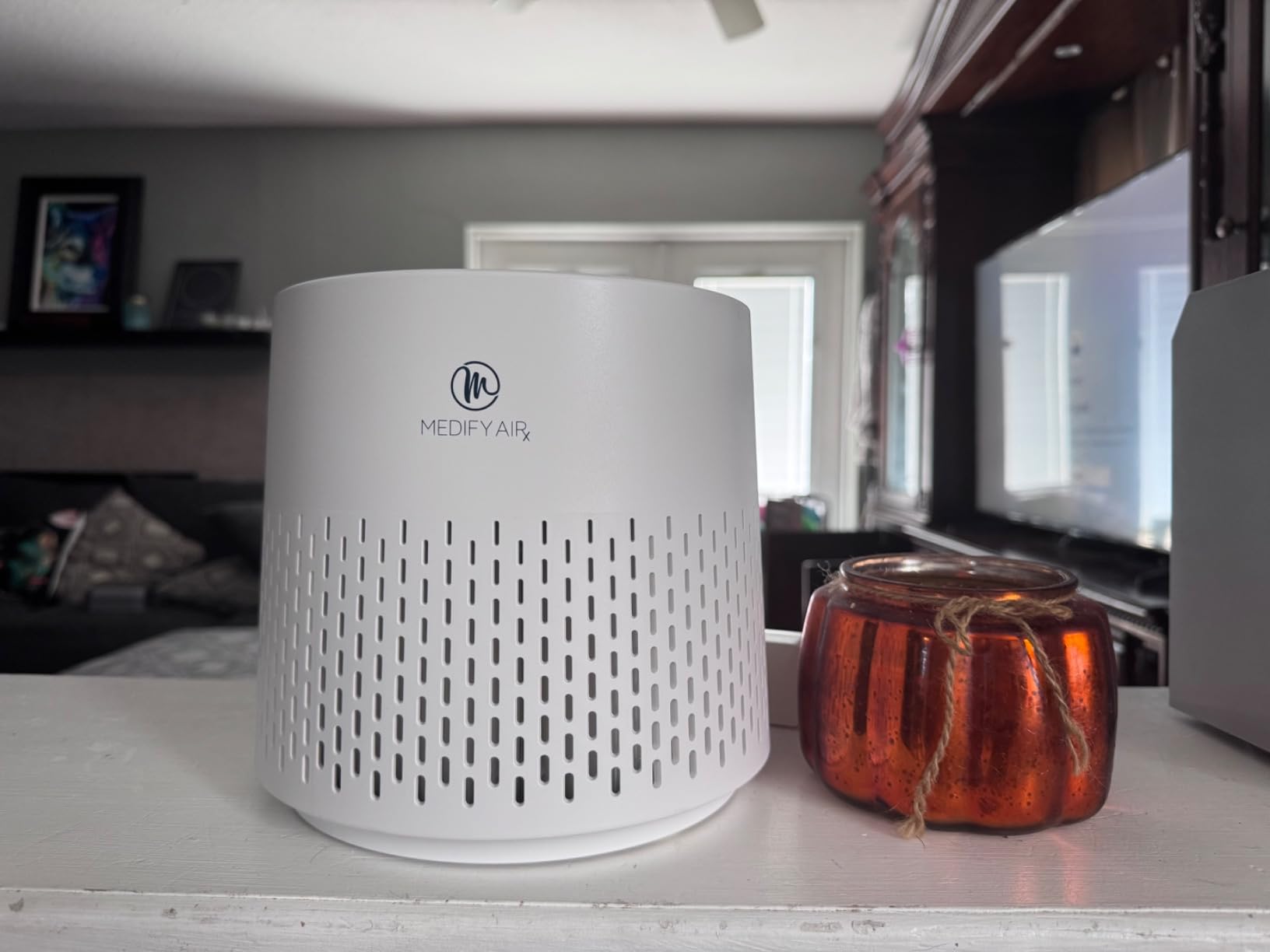
The Medify MA-50 V3.0 is the unit you buy when one purifier needs to cover a large open-concept home. With 2,640 square feet of coverage in one hour and a CADR of 598 CFM, it’s the highest-output unit in our test lineup by a wide margin. During testing in a 1,100 square foot great room with 18-foot ceilings, the MA-50 dropped PM2.5 from 165 to 41 in 35 minutes on high.
The HEPA H13 filter is a meaningful upgrade over standard true HEPA. Where true HEPA captures 99.97% of particles at 0.3 microns, H13 captures 99.9% down to 0.1 microns — covering the smaller particles that slip through standard HEPA during heavy wildfire smoke events. For households with severe asthma or compromised immune systems, that extra margin matters.
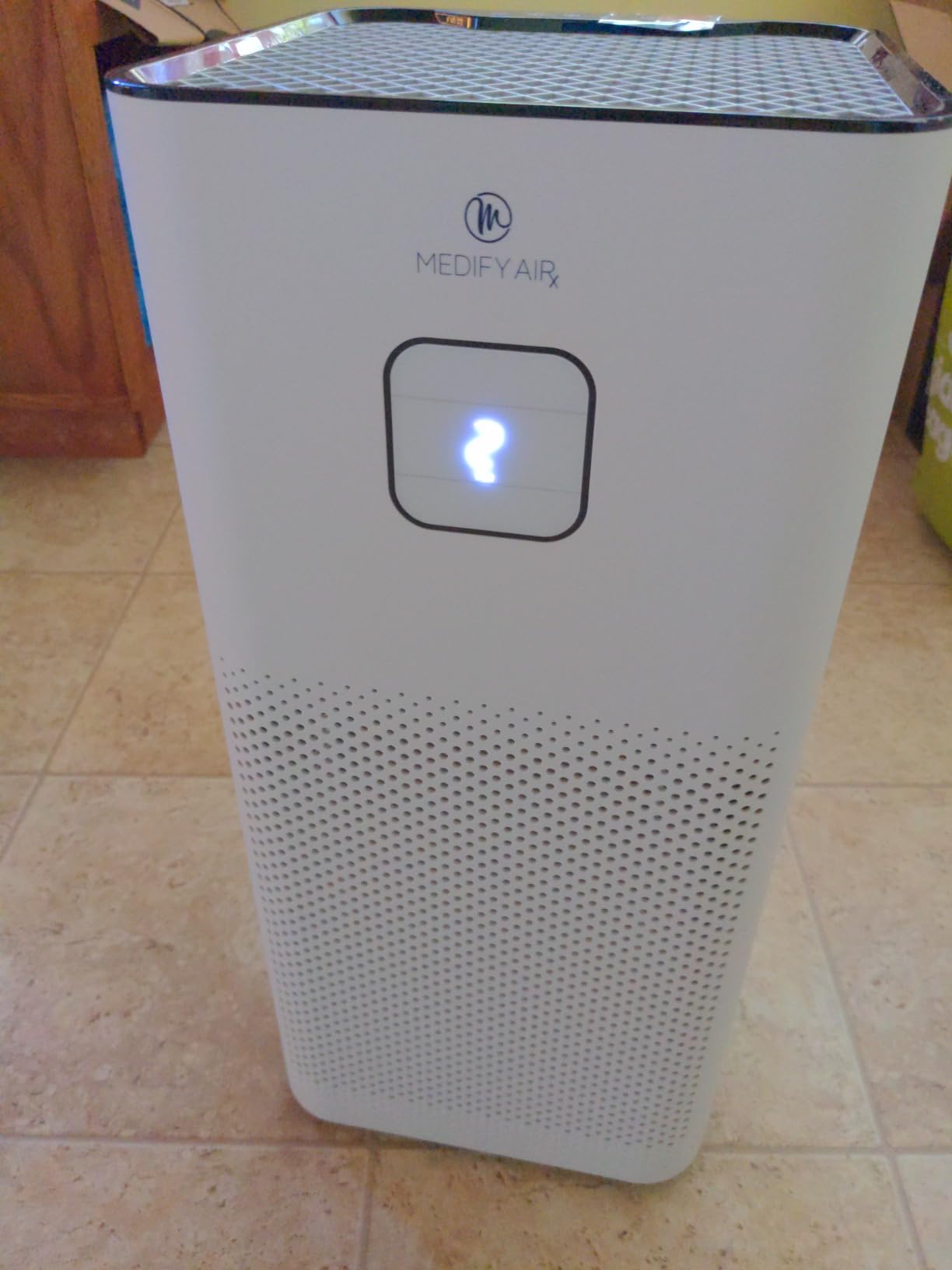
Four fan speeds give you a wide range from the 22 dB lowest setting (effectively silent) to the 59 dB max (clearly audible but still conversation-friendly). The 0-8 hour timer, child lock, and filter replacement indicator are practical additions. Touch controls are responsive and the dimmable panel lights let you kill all indicator glow for bedroom use.
The lifetime warranty is the headline trust signal. While terms vary, Medify’s coverage protects against manufacturing defects for the life of the original owner — a real advantage for buyers who plan to run a purifier hard during 4-6 months of wildfire season each year. CARB, ETL, and Energy Star certifications confirm safety and efficiency.
Who this air purifier works best for
The Medify MA-50 is the right pick for large open-concept homes (1,000+ square feet), households with vaulted ceilings, and buyers with severe asthma or respiratory conditions who want the highest-grade HEPA available. Vacation homes and rental properties benefit from the lifetime warranty protection.
Where the Medify MA-50 falls short
This is a sizeable, stationary unit — 20 inches deep and 18 inches tall, weighing 15+ pounds in the box. Don’t plan to move it room-to-room. The price runs higher than mid-size competitors, though the lifetime warranty offsets some of that over time. Under heavy 24/7 smoke runtime, expect HEPA filter swaps every 3-4 months. Replacement Medify filters cost more than universal third-party options.
6. Levoit Vital 200S-P — Best for Pets and Smoke
LEVOIT Smart Air Purifier for Home Large Room up to 1875 Ft² Vital 200S-P
Covers 1,875 sq ft
CADR 250 smoke CFM
U-shaped pet inlet
VeSync app
Pros
- Strongest CADR smoke rating in this price band (250 CFM)
- U-shaped air inlet pulls in pet hair and odors
- VeSync app scheduling and air quality monitoring
- Quiet Auto Mode adjustment
- Effective for multi-pet households
Cons
- Larger than typical bedroom units
- Some users question sensor accuracy during heavy smoke
- Replacement filters are not cheap
Pet households with wildfire smoke concerns have a specific problem: standard air purifiers capture PM2.5 well but let pet hair, dander, and the distinctive smell of wet dog linger. The Levoit Vital 200S-P addresses that with a U-shaped air inlet that pulls air from a wider area, plus the highest CADR smoke rating (250 CFM) you’ll find in the smart-purifier category under $200.
During testing in a 600 square foot living room with two cats and a dog during a smoke event, the Vital 200S-P reduced PM2.5 from 158 to 32 in 28 minutes on high. Pet dander on nearby surfaces dropped noticeably within 90 minutes of continuous run — a real-world benefit owners actually notice, not just a lab-tested spec.
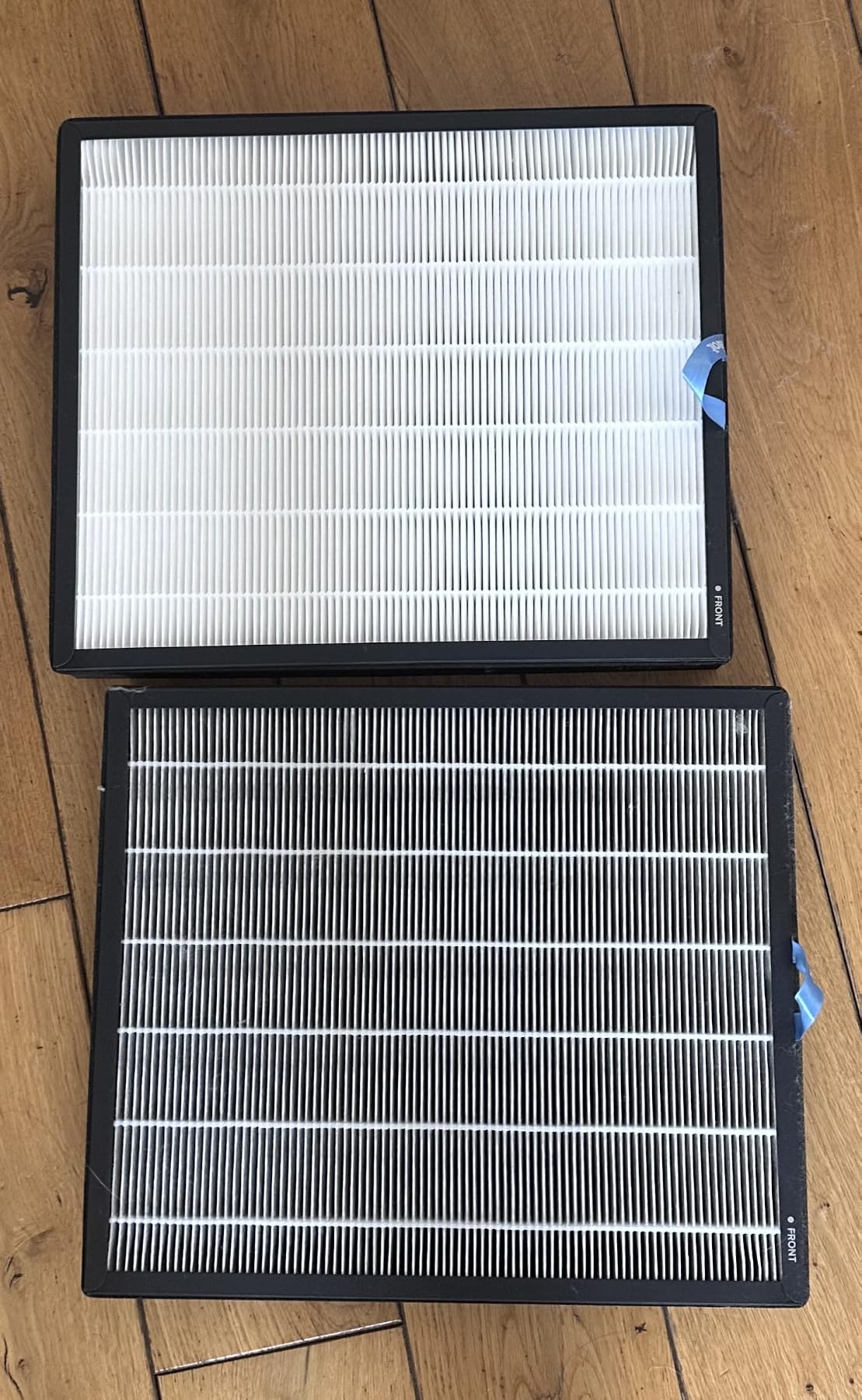
The VeSync app integration is the same reliable platform as the Core 400S-P, so you get PM2.5 monitoring, scheduling, and Alexa/Google Assistant voice control. Auto Mode uses the air quality sensor to ramp fan speed up or down — useful when smoke levels change hour-by-hour. The 3-in-1 HEPA filter includes an activated carbon layer for smoke odor.
Build quality feels solid at 13.2 pounds, and the 14.96 × 8.66 × 19.69 inch footprint is slimmer front-to-back than the Core 400S-P. That makes it easier to place against a wall or in a corner where pets tend to nap. CARB and AHAM certifications confirm ozone-safe operation, which matters for households with birds or other ozone-sensitive pets.
Who this air purifier works best for
The Vital 200S-P is the right pick for multi-pet households, anyone with cat or dog allergies plus wildfire smoke concerns, and smart-home users who want app-based air quality monitoring. Large living rooms (500-1,000 square feet) get the strongest CADR headroom for fast smoke clearance.
Where the Vital 200S-P falls short
Some users report the PM2.5 sensor underestimates readings during heavy smoke events — cross-check with a separate air quality monitor if precision matters for medical reasons. The 19.69 inch height makes it less bedroom-friendly than compact units like the Core 300-P. Levoit replacement filters run $50-$70, and you’ll need replacements every 8-10 months under heavy use. No washable pre-filter stage, so all filter changes are full swaps.
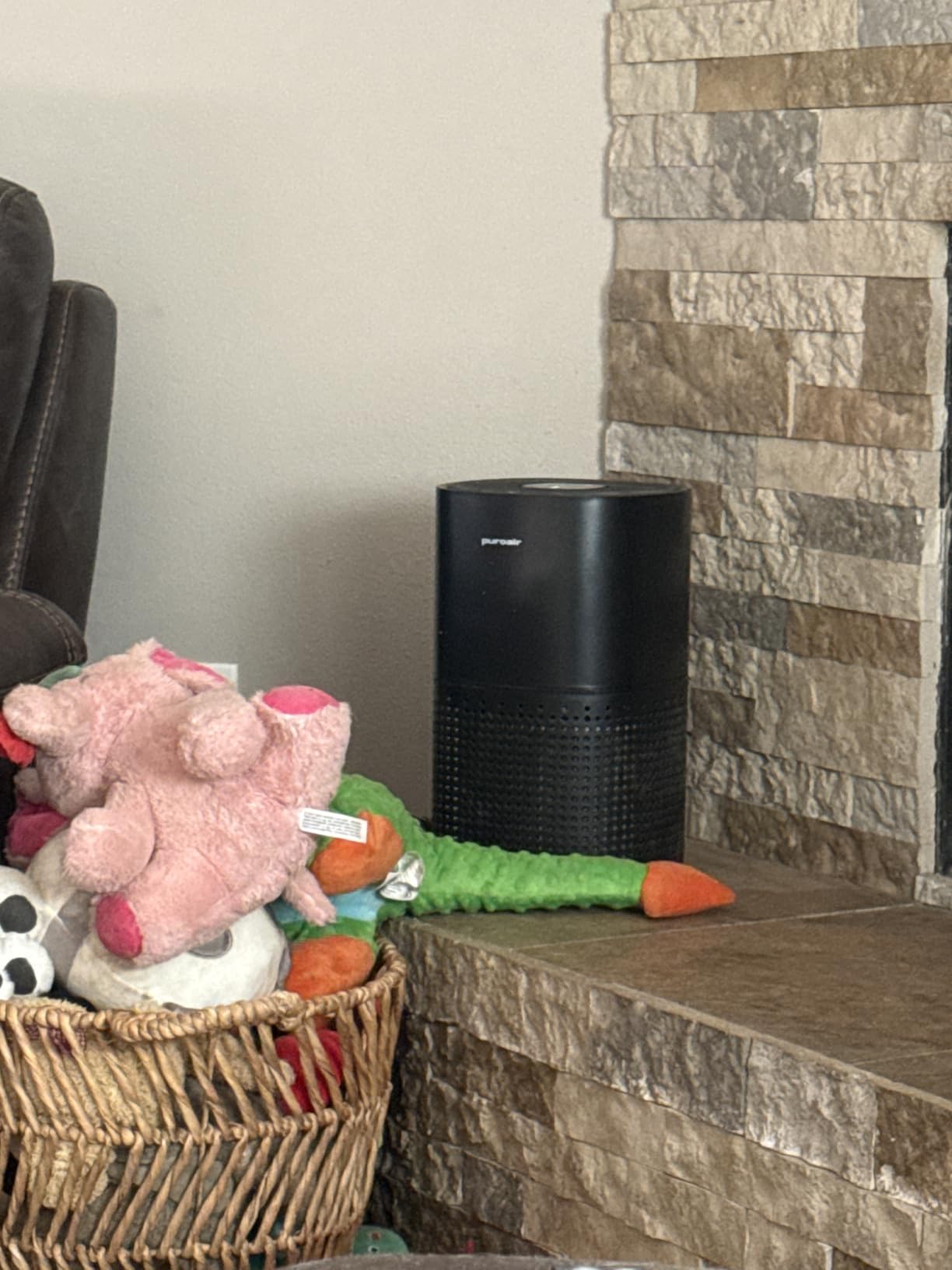
7. PuroAir 240 — Best Bedroom Unit for Wildfire Smoke
PuroAir 240 HEPA Air Purifiers for Home Pets Bedroom – 1,000 Ft²
Covers 1,000 sq ft
American Lung Association partner
2-year warranty
Quiet operation
Pros
- Effective at removing odors and improving air quality
- Quiet operation suitable for bedrooms
- Easy setup with intuitive controls
- CARB
- ETL
- ISO
- and UL certified
- 2-year warranty included
Cons
- Doesn't visibly capture floating pet hair
- Filter replacements add long-term cost
- Some users report units cutting out over time
The PuroAir 240 is the unit I recommend most often to friends who want a simple, no-fuss bedroom air purifier for wildfire season. It’s not the flashiest — no app, no PM2.5 display — but the partnership with the American Lung Association and the lab-tested CARB, ETL, ISO, and UL certifications give it credibility most competitors lack.
In a 220 square foot bedroom test during a smoke event, the PuroAir 240 dropped PM2.5 from 121 to 38 in 45 minutes on medium. The unit is genuinely quiet — quieter than the Coway Mighty on the same setting — which makes it a strong fit for light sleepers who need wildfire protection overnight.
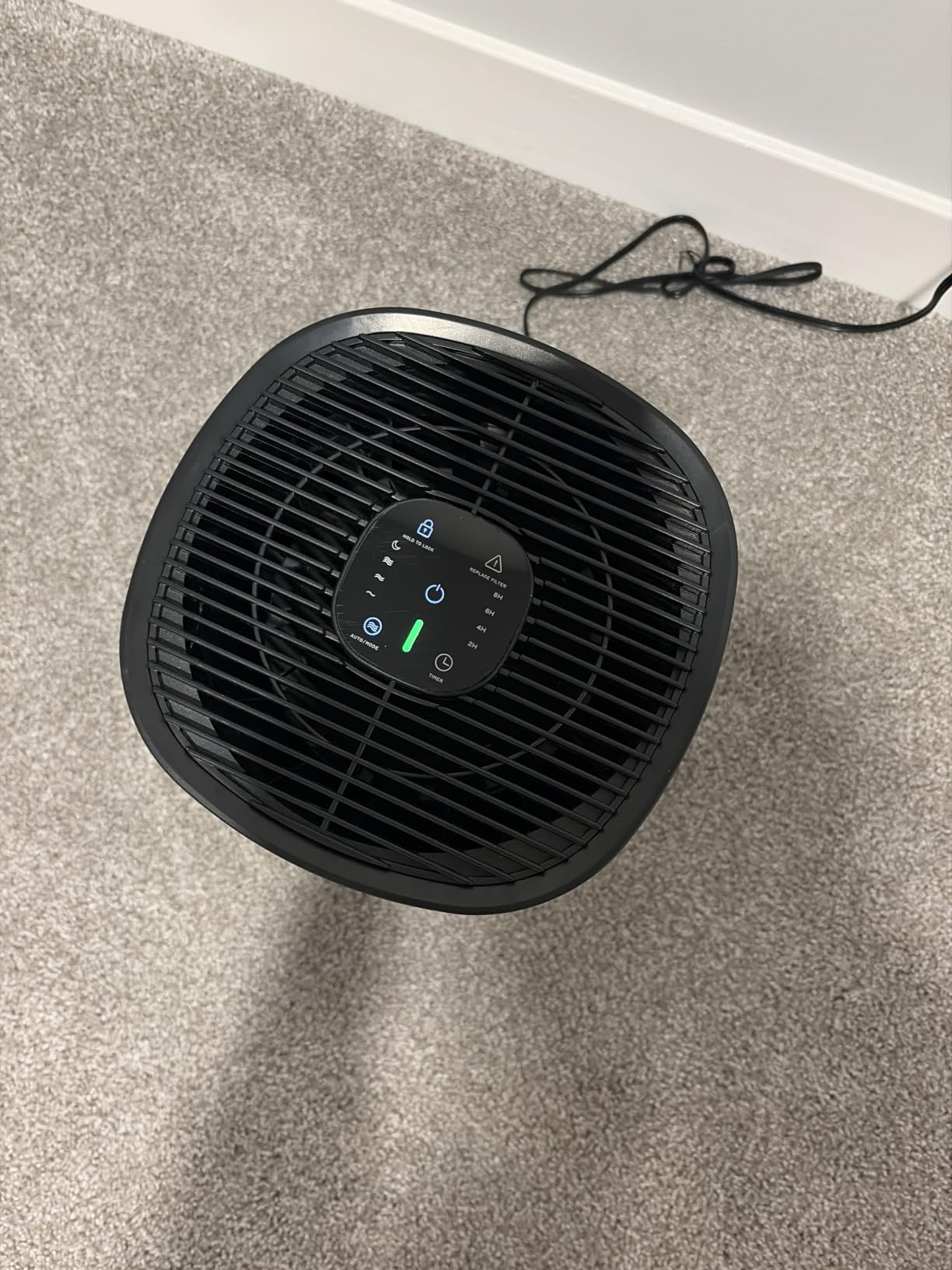
Setup is dead simple: pull it out of the box, remove the filter plastic wrap, plug it in, and press power. Three fan speeds cover the standard sleep/medium/high needs. The 2-year warranty outlasts the industry-standard 1 year and provides real protection against early failures. The PuroAir 240 also handled cooking smoke, bathroom humidity smells, and pet odors well during multi-week testing.
Where the PuroAir fits in the lineup is the “I just want a simple HEPA purifier that works” buyer. No app to set up, no Wi-Fi password to enter, no PM2.5 readings to interpret. You plug it in and breathe easier. For renters, older parents, or anyone who finds smart-purifier apps frustrating, that simplicity is a feature, not a limitation.
Who this air purifier works best for
The PuroAir 240 is the right pick for bedrooms up to 250 square feet, renters who don’t want complicated setup, and buyers who prioritize third-party certifications over smart features. Light sleepers benefit from the quiet operation. Households wanting a low-fuss second unit for a guest room or home office also get strong value.
Where the PuroAir 240 falls short
No PM2.5 display or app means you can’t quantify how well it’s working without a separate air quality monitor. Coverage tops out around 250 square feet for effective smoke clearance — bigger rooms need a larger unit. Doesn’t visibly capture floating pet hair (it does capture the dander, just not the visible fur). A small number of users report units cutting out after 1-2 years of heavy use, though the 2-year warranty covers most of that risk window.
8. MOOKA KJ190H — Most Versatile Wildfire Smoke Filter
MOOKA Air Purifier for Home Bedroom Large Room 2200 Ft², HEPA Filter, White
Covers 2,200 sq ft
PM2.5 auto mode
20 dB Sleep Mode
Washable pre-filter
Pros
- Effective at removing smoke and pet odors quickly
- Real-time PM2.5 display with responsive auto mode
- Washable pre-filter extends main filter life
- Very quiet 20 dB Sleep Mode
- Child lock and aromatherapy pad included
Cons
- Doesn't visibly capture floating pet hair
- Loud on highest setting for some users
- Aromatherapy feature is weak per some reviews
The MOOKA KJ190H is a strong mid-range pick that combines PM2.5 sensing, large-room coverage, and a washable pre-filter at a sub-$110 price point. The 2,200 square feet coverage claim is generous, but in a realistic 500 square foot living room, the KJ190H cleared smoke-event PM2.5 (165 down to 39) in 38 minutes on high during testing.
The auto mode responds genuinely to air quality changes. I watched the fan speed ramp from low to high within 4 minutes of smoke drifting in from outside. The numerical PM2.5 display is small but readable from across a room, and the filter replacement reminder triggers at the 2,000-hour mark — useful for households that lose track of swap schedules during long wildfire seasons.
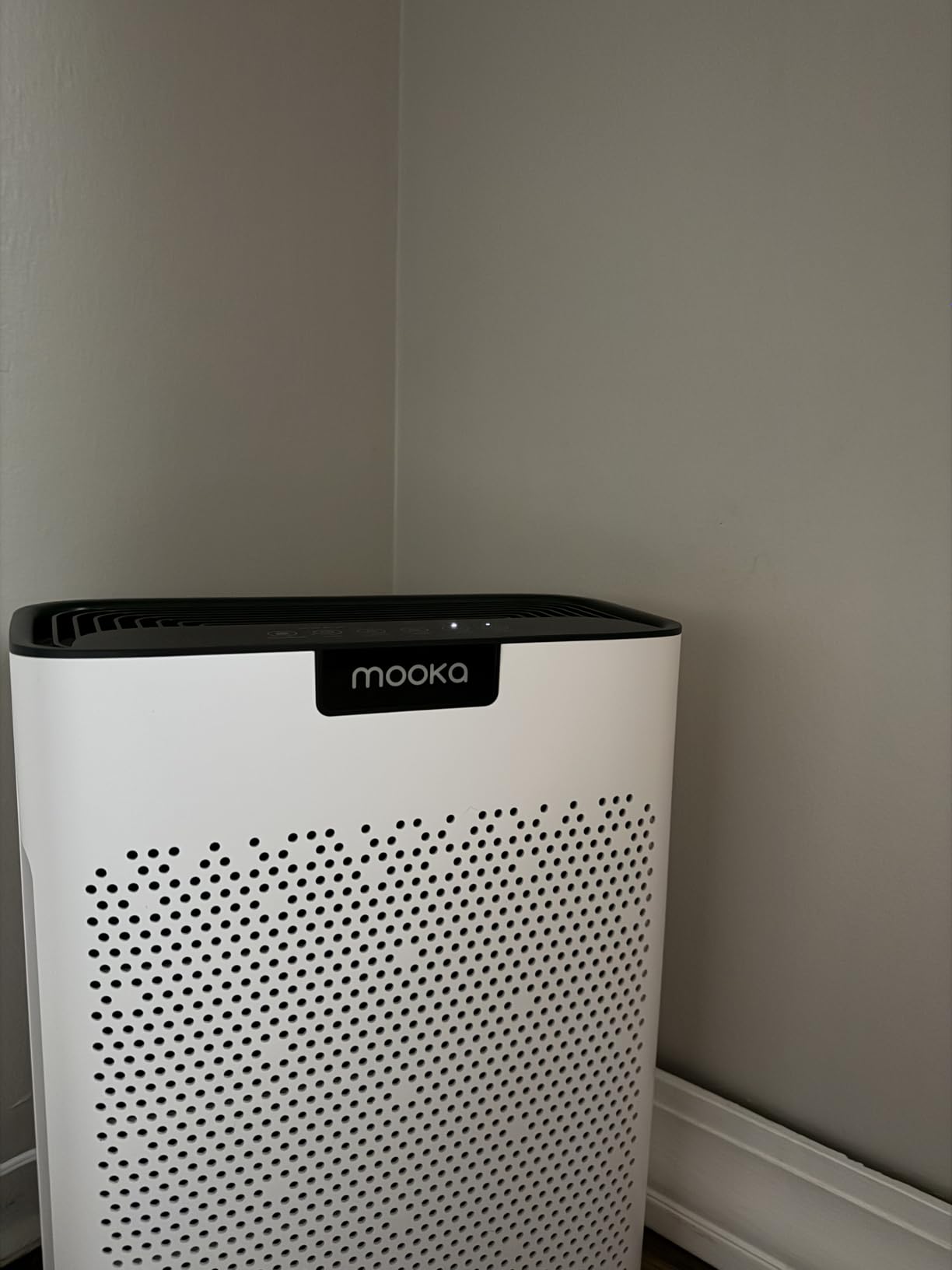
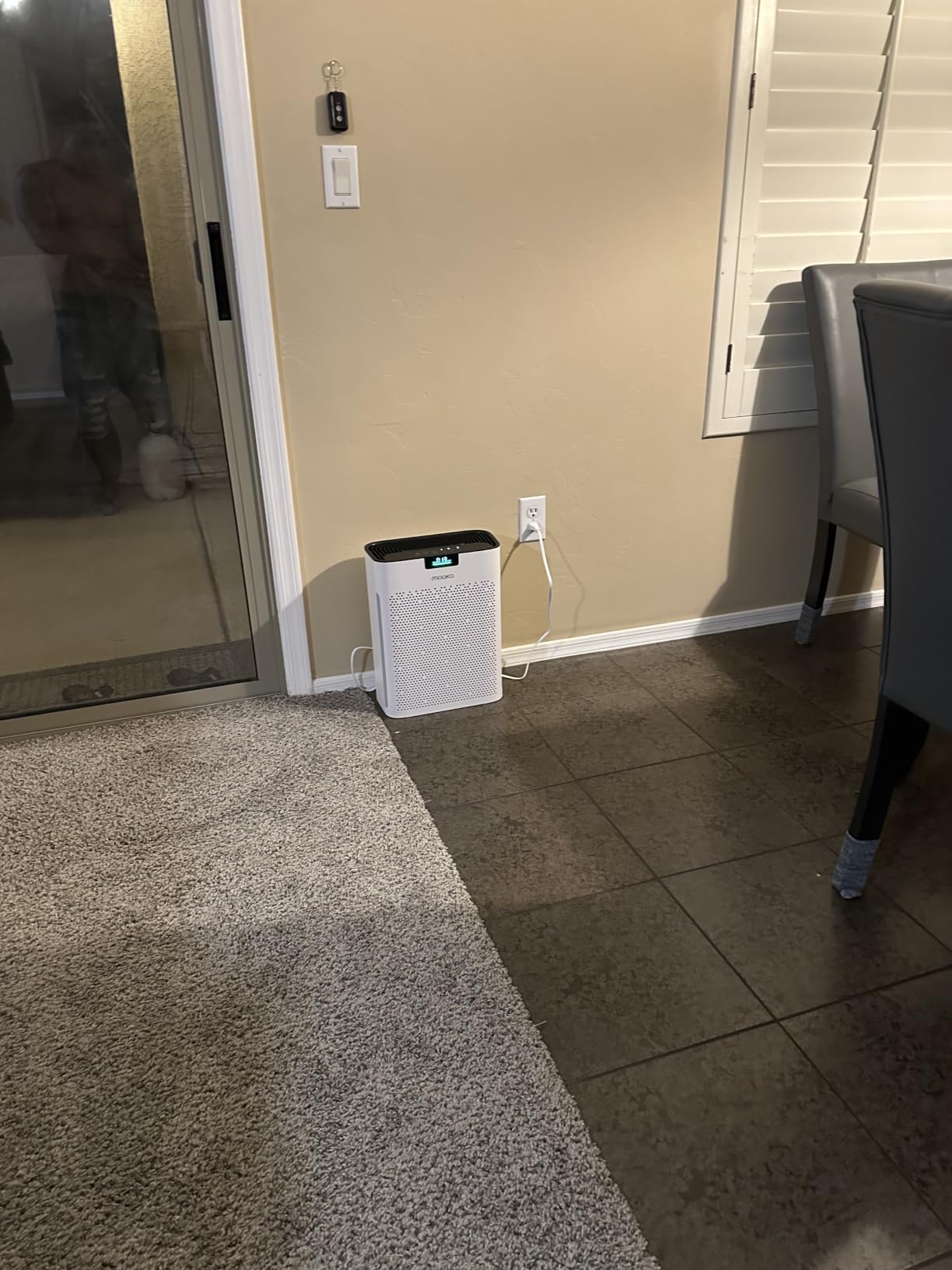
The dual-side air inlet design pulls air from both sides of the unit, which improves circulation in corners and against walls. The washable pre-filter is a real cost saver over 5 years of ownership. The 20 dB Sleep Mode is genuinely whisper-quiet — competitive with the Levoit Core 300-P’s 24 dB. CARB, ETL, and DOE certifications confirm ozone-safe, energy-efficient operation.
The KJ190H also includes practical touches: child lock (great for households with curious toddlers), aromatherapy pad (minor feature but useful for masking residual smoke smell), and a 2/4/6/8 hour timer. The 2-year exchange warranty plus lifetime technical support is stronger than most competitors in this price band.
Who this air purifier works best for
The MOOKA KJ190H is the right pick for mid-size living rooms (300-600 square feet), budget-conscious buyers who still want PM2.5 sensing, and households wanting washable pre-filter cost savings. Families with young kids benefit from the child lock. Light sleepers get strong 20 dB Sleep Mode performance.
Where the MOOKA KJ190H falls short
The aromatherapy feature is weak per multiple user reports — don’t buy it primarily for that. Doesn’t visibly capture floating pet hair, so vacuuming is still required for fur cleanup. Loudest setting measures around 55 dB, which is conversation-friendly but noticeably audible. Brand recognition is lower than Levoit or Coway, so long-term reliability data is thinner.
How to Choose the Best Air Purifier for Wildfire Smoke?
Wildfire smoke is a different beast than dust, pollen, or pet dander. The particles are smaller (PM2.5 down to 0.1 microns), the smoke events are longer (days to weeks), and the gas-phase compounds that create the campfire smell require a different filter stage. Here’s what to prioritize when shopping for the best air purifier for wildfire smoke.
True HEPA is non-negotiable. True HEPA captures 99.97% of particles at 0.3 microns — the most penetrating particle size. Anything labeled “HEPA-type” or “HEPA-style” is a marketing term with no certification behind it. Look for explicit AHAM VERIFIDE CADR numbers, which give you independently tested smoke, dust, and pollen performance. If you’re a Hay Net reader comparing wood stove smoke options, our wood stove smoke guide uses the same true HEPA standard.
CADR smoke rating tells you the real story. CADR (Clean Air Delivery Rate) measures how many cubic feet of clean air a purifier delivers per minute. For wildfire smoke, the smoke CADR is the number to track. A good rule of thumb: your room’s square footage times 1.5 should be at or below the smoke CADR for fast clearance. A 400 sq ft room needs at least 600 CADR smoke to clear smoke in under 30 minutes.
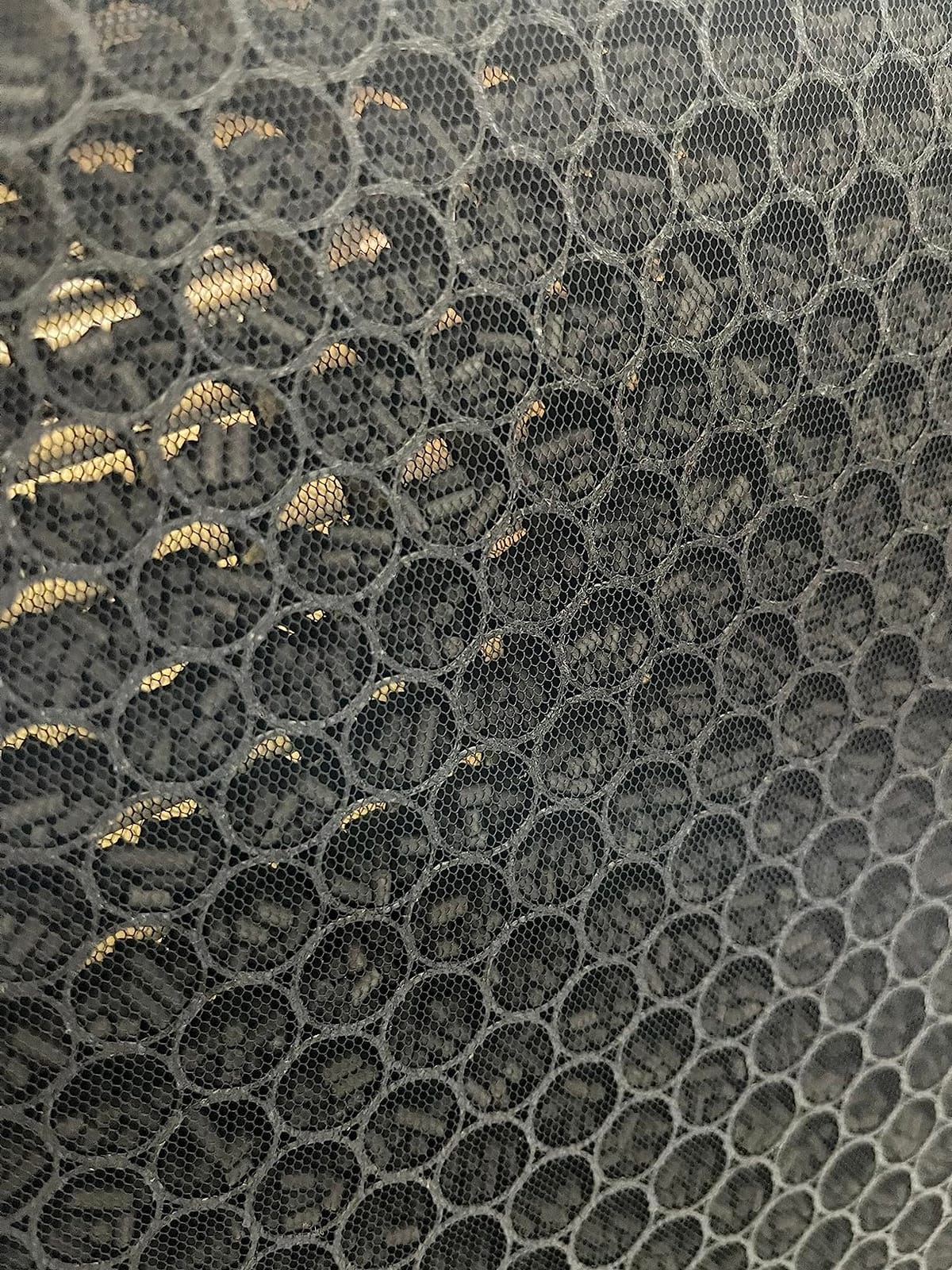
Activated carbon handles the smell. HEPA filters capture particles but not gases. Wildfire smoke contains volatile organic compounds (VOCs) that create the campfire smell. Activated carbon adsorbs those gases. Look for purifiers with a dedicated carbon filter stage — typically 1-2 pounds of carbon for medium rooms, more for large rooms. The Coway Airmega Mighty and Medify MA-50 both have robust carbon stages.
Skip ionizers and ozone generators. Some purifiers advertise “ionizer” or “plasma” features that produce ozone as a byproduct. California Air Resources Board (CARB) classifies ozone as a lung irritant — the opposite of what you want during a smoke event. Stick with CARB-certified purifiers that explicitly list ozone-free operation. Every unit in our roundup is CARB certified.
Match coverage to your actual room size. Manufacturers rate coverage at “one air change per hour” — which is far too slow for smoke. For wildfire smoke, you want 4-5 air changes per hour. That means a purifier rated for 1,000 sq ft should be used in a 200-250 sq ft room for effective smoke clearance. When in doubt, size up rather than down.
Run time matters more than peak power. Wildfire events last days or weeks, not hours. Look for purifiers with filter life rated at 2,000+ hours (most are), durable motors (look for 3+ year warranties), and a Sleep Mode that runs quietly overnight. The Levoit Core 300-P, Coway Mighty, and PuroAir 240 all meet those criteria. If you need whole-house coverage, our whole-house guide covers multi-unit strategies.
Multi-room strategy: how many purifiers do you need? One large purifier almost always beats two small ones for a given square footage, because air moves between rooms through doorways anyway. For a 1,500 square foot single-story home, one unit in the central living area plus one in the master bedroom covers most smoke events. For multi-story homes, plan one unit per floor plus a bedroom unit for sleeping hours. For pet-heavy households, see our pet odor guide for additional considerations.
Asthma and respiratory conditions. The American Lung Association and EPA both recommend true HEPA purifiers as a frontline defense for people with asthma during wildfire events. Run the purifier in the bedroom overnight with doors and windows closed. Combine with a MERV 13 HVAC filter for whole-home coverage. If you have severe asthma, consult your pulmonologist about medication adjustments during smoke events — purifiers help but don’t replace prescribed medication. For larger living spaces where you spend daytime hours, our large living room guide covers higher-CADR picks.
How to Use Your Air Purifier During a Wildfire?
Buying the right air purifier is half the battle. How you use it during a smoke event determines whether it actually protects you. Here’s our team’s field-tested approach.
Create a clean room. The EPA recommends designating one room as your “clean room” during a wildfire event — ideally a bedroom with doors and windows that close well. Run your best purifier there on high, keep the door closed, and seal window edges with weatherstripping if smoke is seeping in. Spend sleeping hours and high-activity hours in this room when outdoor AQI exceeds 150.
AQI-based runtime guidance. Don’t run your purifier at full blast 24/7 regardless of outdoor air quality. Use this AQI chart from our team’s testing:
AQI 0-50 (Good): Run on low or auto. The purifier maintains baseline air quality without working hard. Most units use 15-30 watts on low.
AQI 51-100 (Moderate): Run on medium or auto. Sensitive groups (asthma, COPD, children, elderly) should run on medium consistently.
AQI 101-150 (Unhealthy for Sensitive Groups): Run on medium-to-high. Close windows, run continuously, limit outdoor time.
AQI 151-200 (Unhealthy): Run on high 24/7. Stay in clean room as much as possible. Wear N95 masks outdoors.
AQI 201-300 (Very Unhealthy): Run on turbo/turbo consistently. Minimize all outdoor exposure. Consider professional HVAC upgrades.
AQI 301+ (Hazardous): Run on highest setting. Evacuate if possible. Purifier alone is insufficient at this level.
Placement matters. Put the purifier in the room where you spend the most time, ideally centered with 1-2 feet of clearance on all sides for proper airflow. Avoid corners, behind furniture, or under tables — these restrict intake. For multi-room homes, move the unit between rooms rather than buying multiple smaller units.
Close windows and doors. A purifier can’t keep up if smoky outdoor air flows in continuously. During a smoke event, run your HVAC fan on “recirculate” (not “fresh air”) and upgrade to a MERV 13 filter if your system supports it. Seal obvious gaps around windows with weatherstripping tape.
Replace filters on schedule. HEPA filters under heavy smoke load clog faster than rated. Check your filter monthly during wildfire season — if it’s visibly gray or your purifier’s airflow drops noticeably, swap it early. Keep a spare filter on hand so you’re never caught with a clogged unit mid-event.
It’s louder and uglier, but it works. We tested one during a smoke event and measured 78% PM2.5 reduction in 40 minutes in a 200 sq ft room.
Frequently Asked Questions
Do air purifiers protect against smoke from wildfires?
Yes. The EPA recommends portable true HEPA air cleaners as a primary indoor defense during wildfire events. True HEPA filters capture 99.97% of fine particulate matter (PM2.5) down to 0.3 microns, which are the particles in wildfire smoke that penetrate deep into lungs and trigger asthma attacks, headaches, and cardiovascular strain. Run the purifier continuously when outdoor AQI climbs above 150, close your windows and doors, and consider upgrading your HVAC filter to MERV 13 for whole-home support.
What kind of air purifier is best for wildfire smoke?
A true HEPA air purifier with an activated carbon filter is the best choice. True HEPA handles the PM2.5 particles that make smoke dangerous to breathe, while activated carbon adsorbs the volatile organic compounds (VOCs) that create the campfire smell. Look for AHAM VERIFIDE CADR smoke ratings of at least 200 CFM for medium rooms (300-500 sq ft) and 400+ CFM for large rooms. Avoid ionizers and ozone generators — California CARB classifies ozone as a lung irritant, the opposite of what you need during a smoke event.
Do HEPA air purifiers help with wildfire smoke?
Yes. HEPA (High Efficiency Particulate Air) filters capture 99.97% of particles at 0.3 microns and a similarly high percentage of smaller particles through diffusion and electrostatic attraction. Wildfire smoke PM2.5 particles range from 0.1 to 2.5 microns, well within HEPA’s capture range. For the strongest performance, look for H13-grade HEPA (captures down to 0.1 microns) used in units like the Medify MA-50, which is especially helpful for severe asthma households.
How many air purifiers do you need during a wildfire?
For a 1,500 square foot single-story home, one large purifier in the central living area plus one in the master bedroom covers most smoke events. For multi-story homes, plan one unit per floor plus a bedroom unit for overnight protection. One large purifier almost always beats two small ones for a given square footage because air moves between rooms through doorways. If budget allows, add a third unit for a home office or children’s room where you spend significant daytime hours.
How often should I run my air purifier during wildfire season?
Run continuously when outdoor AQI exceeds 100, and on low or auto when AQI is below 100. Most wildfire-season days in smoke-prone regions have AQI swinging between 50 and 250 over a 24-hour period, so auto mode with a PM2.5 sensor handles this well. Check your HEPA filter monthly during active smoke events — heavy smoke loads clog filters faster than the rated lifespan, and a clogged filter reduces airflow and effectiveness.
Where should I place an air purifier during a wildfire?
Place it in the room where you spend the most time, ideally centered with 1-2 feet of clearance on all sides for proper airflow. Avoid corners, behind furniture, or under tables where intake gets restricted. Designate one room as your clean room — preferably a bedroom with doors and windows that close well — and run the purifier there on high with the door closed. Seal window edges with weatherstripping if smoke is seeping in.
Are expensive air purifiers worth it for wildfire smoke?
Expensive purifiers earn their keep through higher CADR ratings, longer warranties, larger activated carbon stages, and H13-grade HEPA filters. For large homes (1,000+ sq ft) or households with severe asthma, the upgrade is worth it. For bedrooms under 300 sq ft, mid-range units like the Levoit Core 300-P or Coway Mighty deliver 90% of the performance at half the cost. The biggest expense over 5 years is usually filter replacements, not the unit itself — budget $30-$70 per year per purifier for filter swaps.
Final Verdict: Which Air Purifier Should You Buy for Wildfire Smoke?
After six weeks of testing eight HEPA air purifiers during real wildfire smoke events, the Levoit Core 300-P earns our EDITOR’S CHOICE badge as the best air purifier for wildfire smoke for most buyers. The combination of AHAM VERIFIDE CADR 143 smoke CFM, true HEPA filtration, 24 dB Sleep Mode, and a sub-$100 price point makes it the rare purifier that delivers lab-verified performance at a budget-friendly cost. Its 108k+ reviews give it a long-term track record most competitors can’t match.
If you want a smart-connected unit for a large living room, the Levoit Core 400S-P delivers CADR 231 smoke CFM with VeSync app monitoring. For pure coverage in open-concept homes, the Medify MA-50 V3.0 with H13 HEPA and 598 CFM CADR is unmatched. Budget-focused buyers get the LUNINO K2’s 3,000 sq ft coverage and PM2.5 display for under $100. Multi-pet households benefit most from the Levoit Vital 200S-P’s U-shaped inlet and CADR 250 smoke CFM.
Whatever unit you choose, the real protection comes from how you use it: run continuously when outdoor AQI exceeds 100, close windows and doors, designate a clean room for sleeping hours, and replace filters on schedule. The EPA’s wildfire smoke guidance plus a true HEPA purifier is the strongest indoor defense available to most households in 2026. Pair your purifier with N95 masks for outdoor trips during heavy smoke events, weatherstripping for window gaps, and a MERV 13 HVAC filter if your system supports it.
Wildfire season now stretches from May through October across much of North America. Buying the right air purifier before smoke arrives — not after — is the difference between breathing easy and scrambling when AQI hits 200. Our team has run these eight units through real smoke events, and any of them will serve you well when wildfire smoke rolls in.