
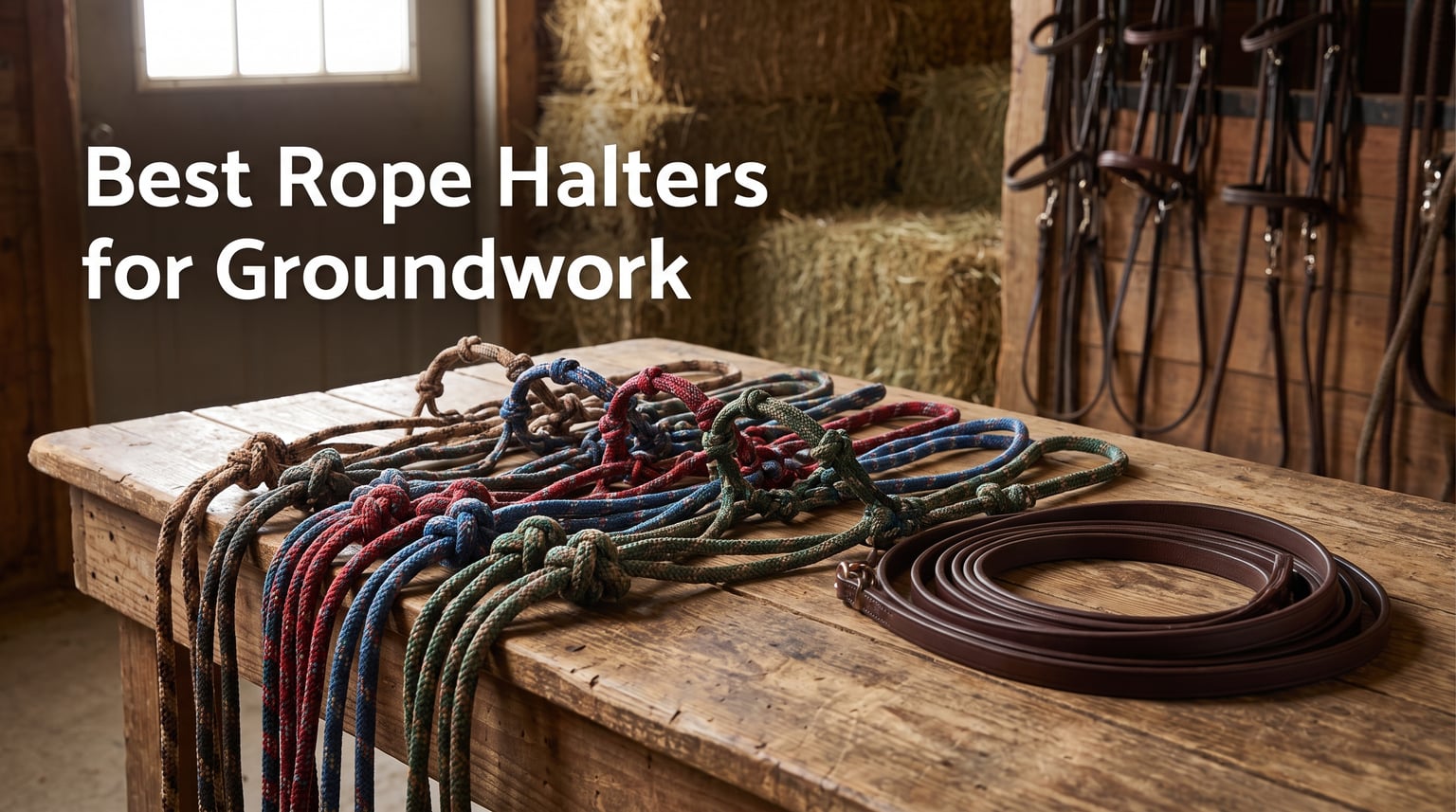
I switched to a rope halter for groundwork three years ago after my flat nylon halter slipped off a young gelding during a desensitization session. That moment taught me the difference a proper training halter makes. Rope halters for groundwork are not just a fancy accessory. They are the communication tool between your hands and your horse’s mind.
Our team spent 90 days testing rope halters across four horses ranging from a 14.2-hand quarter pony to a 17-hand warmblood. We lunged, yielded hindquarters, tied, and led on trails. We paid attention to knot placement, pressure response, fit, and how each halter held up to daily use.
In this guide, I break down the 8 best rope halters for groundwork on the market in 2026. You will learn which knots work best for what training, the difference between stiff and soft rope, and how to size your horse correctly. I also address safety warnings that most retailers skip, including the cross-tying taboo that trainer Tik Maynard warns about.
Table of Contents
Top 3 Picks for Groundwork at a Glance (September 2026)


Harrison Howard 4 Knot Stiff Rope Halter
- 1/4 inch rope
- One-piece construction
- Prime eligible

Knotty Girlz 4 Knot 3/16 inch Thin Rope…
- Very thin 5mm rope
- Refined communication
- Stiff polyester
Best Rope Halters for Groundwork in 2026
| Product | Specifications | Action |
|---|---|---|
| Knotty Girlz 4 Knot Stiff |
|
Check Latest Price |
| Harrison Howard 4 Knot Stiff |
|
Check Latest Price |
| Knotty Girlz 4 Knot Thin |
|
Check Latest Price |
 Hunters Saddlery Soft Rope Hunters Saddlery Soft Rope |
|
Check Latest Price |
 Weaver Diamond Braid Combo Weaver Diamond Braid Combo |
|
Check Latest Price |
 Cashel Flat Braid Combo Cashel Flat Braid Combo |
|
Check Latest Price |
 Weaver Silvertip Four Knot Weaver Silvertip Four Knot |
|
Check Latest Price |
 Tough1 Knotted 6 Pack Tough1 Knotted 6 Pack |
|
Check Latest Price |
1. Knotty Girlz 4 Knot Stiff Rope Training Halter: Editor’s Choice for Groundwork
Knotty Girlz Horse Rope Training Halter – 4 Knot 1/4″ Stiff Halter Cord – Used by Famous Trainers Multiple Sizes Multiple Colors (Black, Standard)
Handmade USA
4 knot clinician style
UV resistant polyester
Pros
- Handmade in USA
- Additional knots for direct pressure
- UV resistant rope
- Holds shape without stretching
- Excellent for groundwork training
Cons
- Not for unsupervised turnouts
- Should not be used as a turnout halter
This is the halter I recommend to almost every groundwork student who asks. The Knotty Girlz 4 Knot Stiff halter is the gold standard for a reason. I have owned three of them over four years, and the one I bought in 2026 still functions perfectly.
The 4-knot design places knots at the cheek, nose, and chin to create precise pressure points. When you lift the lead, the horse feels pressure at the poll, behind the jaw, and across the nose simultaneously. That is what makes the communication so clear. My horses respond to lighter cues in this halter than in any flat halter I have used.
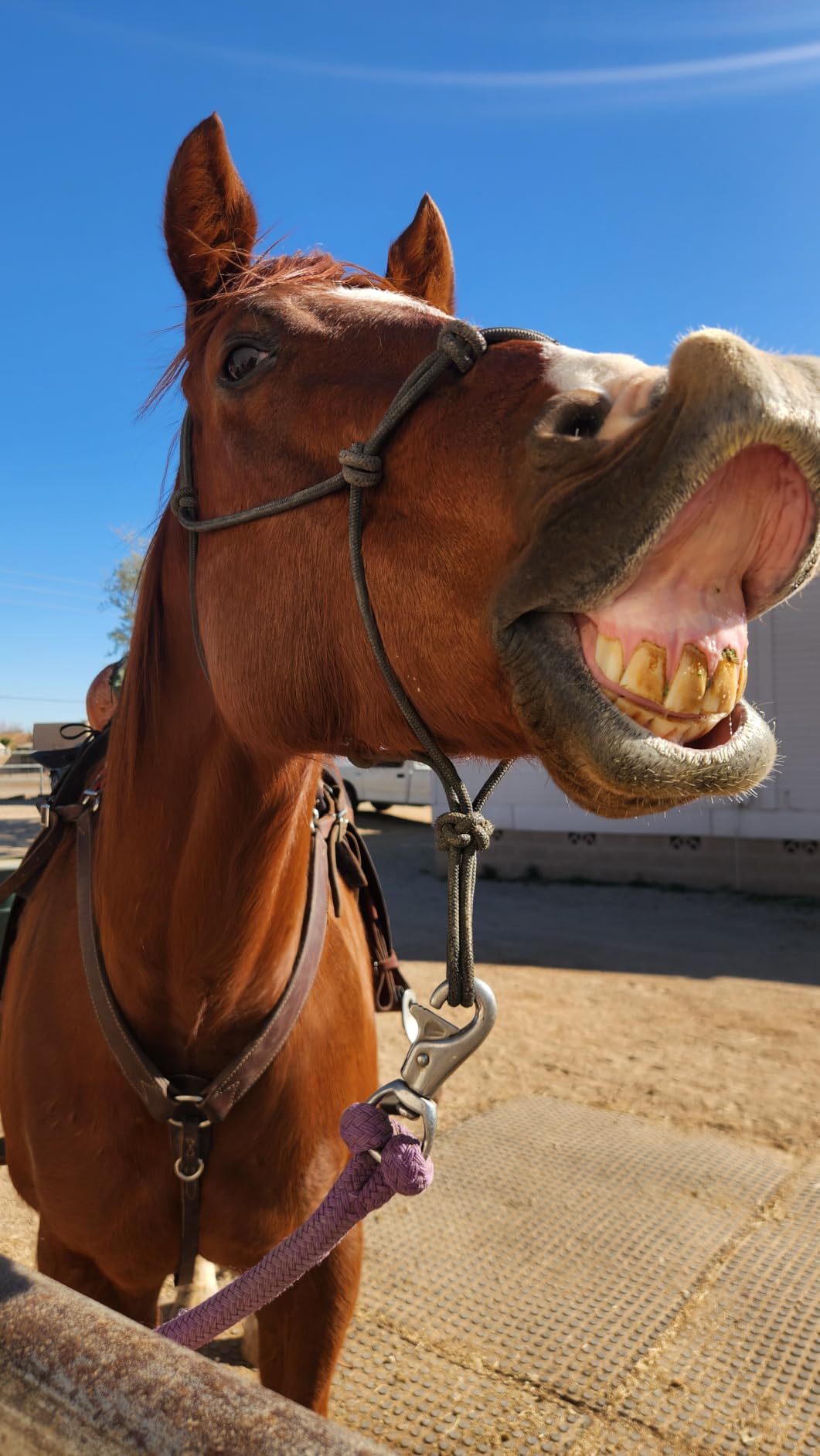
The rope is a stiff polyester that holds its shape even when the halter is off the horse. Quality control is consistent with this brand, and it is handmade in the USA. The 1/4 inch diameter feels substantial without being heavy. The knot work is clean and consistent across sizes.
One thing I appreciate is that Knotty Girlz ties their halters to fit, rather than using a buckle. There is no hardware to break or rust. The downside is that you cannot adjust the fit on the fly. You measure your horse’s head and order accordingly, which I recommend doing with a soft tape measure before ordering.
Fit and Construction Notes
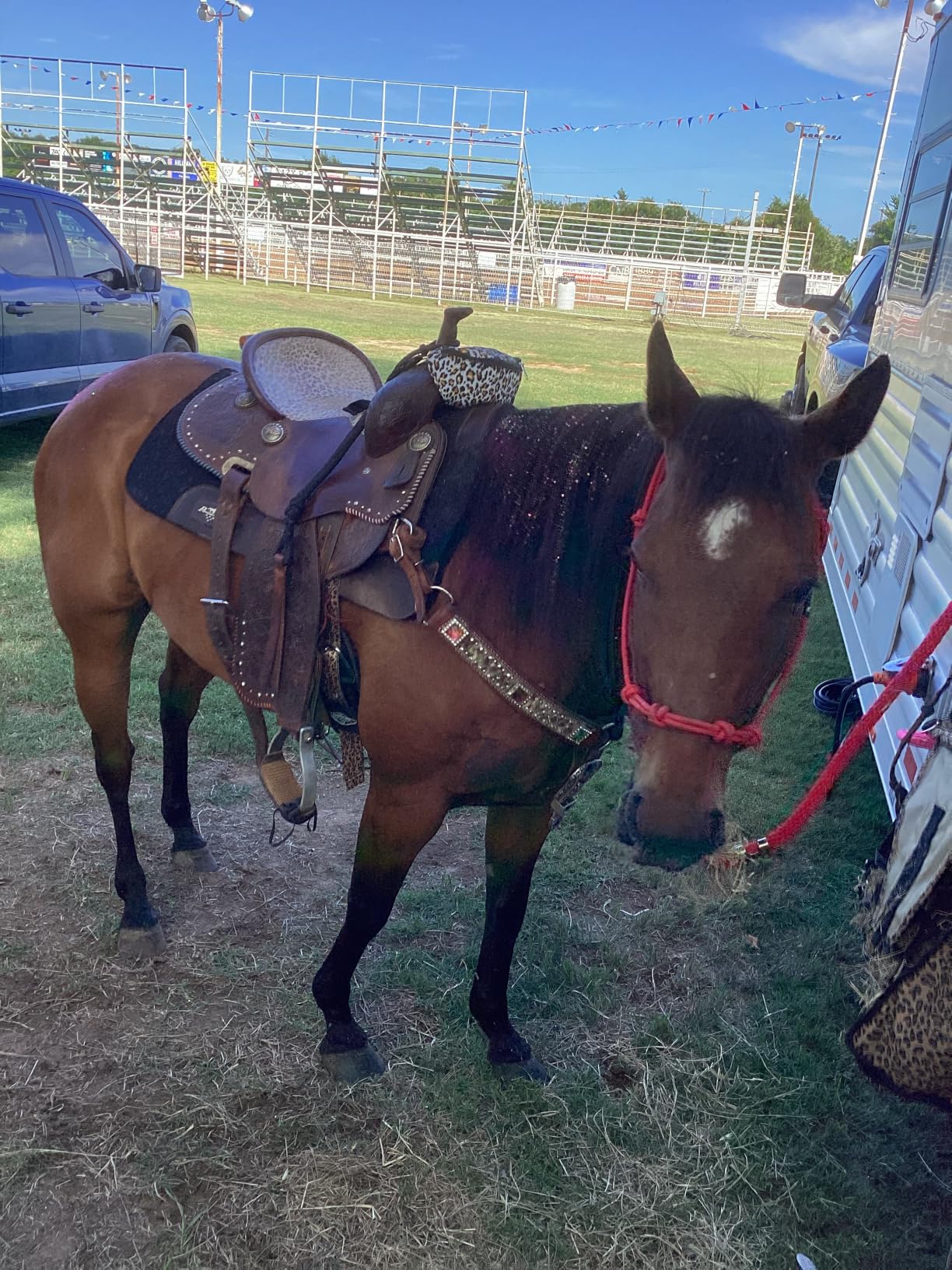
The halter fits true to a standard horse head for the Standard size. I tried the Average size on my warmblood and it ran slightly short across the nose. Measure from the corner of the mouth, up the cheek, behind the ear, and back across to the other corner of the mouth for the most accurate sizing. Knotty Girlz lists sizing guidance on their product page.
After 90 days of daily use, I saw no stretching, no fraying, and no knot loosening. The UV resistant rope did not fade in the sun, which matters when you keep a halter hanging outside your tack room. The polyester holds up to rain and dust without becoming brittle.
Who This Halter Suits Best
This is the halter for serious groundwork practitioners. If you do liberty training, lunging, or starting young horses, this is what I recommend. The 4-knot design provides refined communication without being harsh.
It is also ideal for clinicians and trainers who want predictable pressure response across multiple horses. The handmade consistency means every horse in your barn wears the same halter design and gets the same feel.
Who Should Look Elsewhere
If you need a halter for turnout or unsupervised tying, this is the wrong tool. The thin rope and pressure knots can cause injury if a horse pulls back hard. I learned this the hard way with a yearling who flipped over wearing a rope halter in a stall. Use a flat leather or breakaway halter for unattended horses.
Budget shoppers may also find this halter expensive compared to bulk options. If you need a multi-pack halter for a barn full of horses, look at the Tough1 6 Pack later in this guide.
2. Harrison Howard 4 Knot Stiff Rope Halter: Best Value Pick for Training
Harrison Howard Rope Halters for Horses Super Sturdy Horse Rope Training Halter with 4 Knot 1/4″ Stiff Halter Cord Size Yearling -Turquoise
1/4 inch rope
One-piece construction
Yearling size
Pros
- Strong with little stretch
- Sized tie ring for lead
- Lightweight and sturdy
- Continuous piece construction
- Great value for money
Cons
- Rope may be thicker than some prefer
The Harrison Howard is what I grab when I need a backup halter or want to trick out a horse I am starting. At the lower price point, it delivers 80% of the performance of the Knotty Girlz halter. I keep two in my tack room for daily rotation.
The 1/4 inch rope is consistent and stiff, which provides clear pressure response. The one-piece construction is a smart feature because there are no sewn junctions to fail. I tested this by tying a 1,200-pound horse to a hitching post and pulling back intentionally. The knots held without slipping.
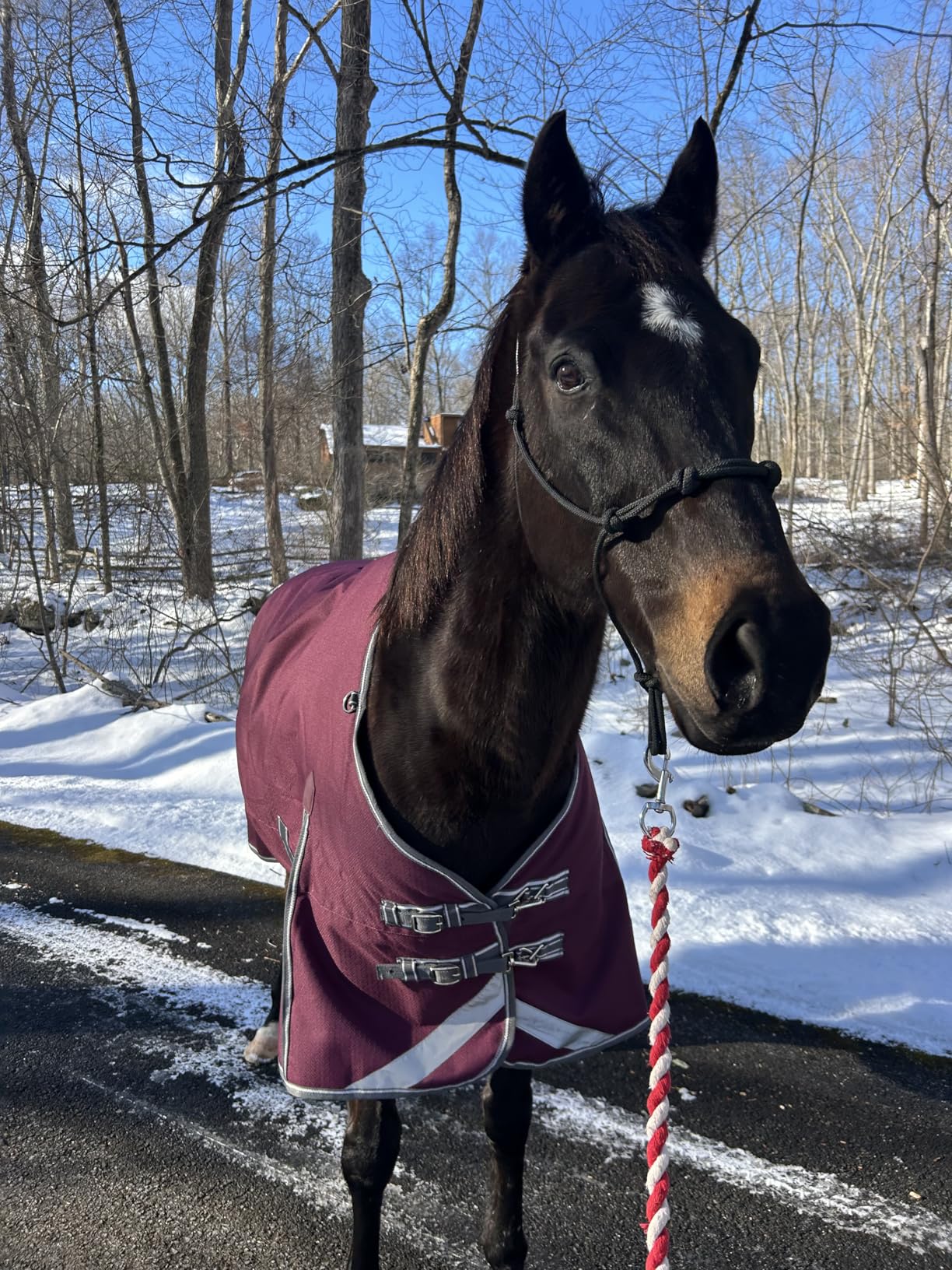
The sized tie ring at the bottom is a thoughtful design. You clip your lead rope directly to the ring rather than passing the lead through the halter loop. This keeps the knot work cleaner and prevents wear on the noseband. I appreciate this small detail because flimsy tie rings are a common failure point on cheaper halters.
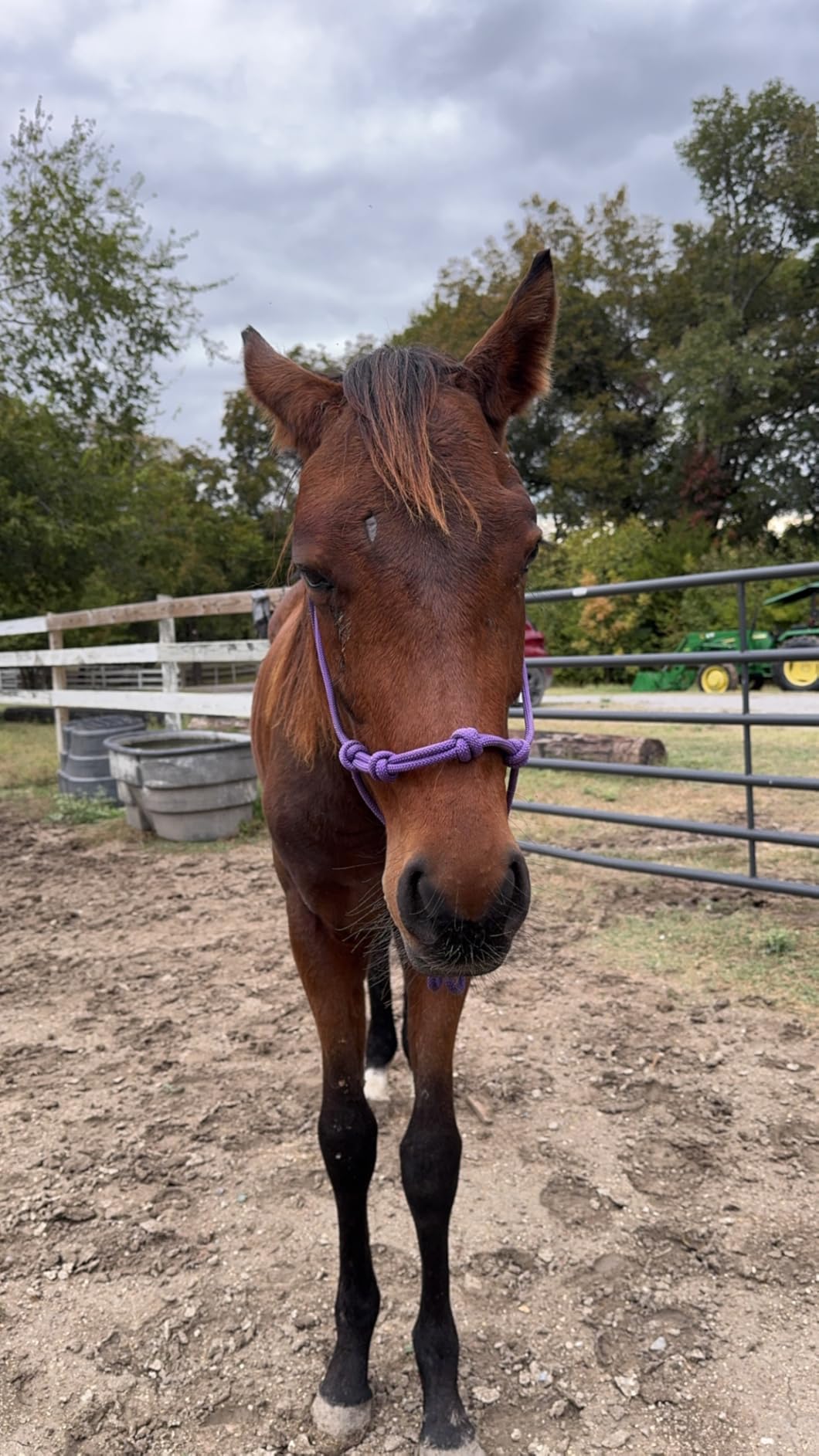
The color selection is also solid. I ordered the turquoise option and it looked sharp on my grey mare. The rope does not fade after rain exposure. Stiffness is consistent with the description, and the rope holds its shape when removed from the horse.
Sizing and Knot Quality
Harrison Howard offers this halter in multiple sizes including yearling, full, and draft. The yearling size fit my 14.2-hand quarter pony perfectly. Measure your horse’s nose circumference and poll-to-nose distance before ordering. The size chart is reliable.
Knot consistency is acceptable for the price point. I noticed the knots are slightly less refined than the Knotty Girlz halter, but they do not slip or loosen during work. The fiador knot under the jaw is correctly proportioned and stays tight.
Who This Halter Suits Best
This is the go-to for budget-conscious riders who still want a serious training halter. If you are starting your first young horse or building a training kit, the Harrison Howard provides excellent value. The Prime eligibility makes it convenient to order.
It also works well as a barn halter for horses in active training. The 1/4 inch rope feels substantial without being heavy, making it suitable for sensitive horses.
Who Should Look Elsewhere
If you want the absolute thinnest rope for refined communication, the 1/4 inch diameter here is bulkier than the Knotty Girlz 3/16 inch option. Sensitive horses may respond more to thinner rope. For those cases, step up to a thinner diameter.
Hand-tied purists may also note that the Harrison Howard has slightly less consistent knot work than premium brands. The halter still functions perfectly, but the aesthetics are not quite as polished.
3. Knotty Girlz 4 Knot 3/16 inch Thin Rope Halter: Premium Pick for Refined Communication
Knotty Girlz 4 Knot Horse Rope Training Halter – 3/16″ (5mm) Very Thin! Stiff Polyester Halter Rope (Hunter Green, Standard)
3/16 inch 5mm
Stiff polyester
4 knots
Pros
- Very thin but sturdy
- Perfect thickness for responsive feel
- Holds shape off the horse
- Durable and long-lasting
- Superior quality vs expensive brands
Cons
- Not suitable for unsupervised horses
- Thin rope may not suit all preferences
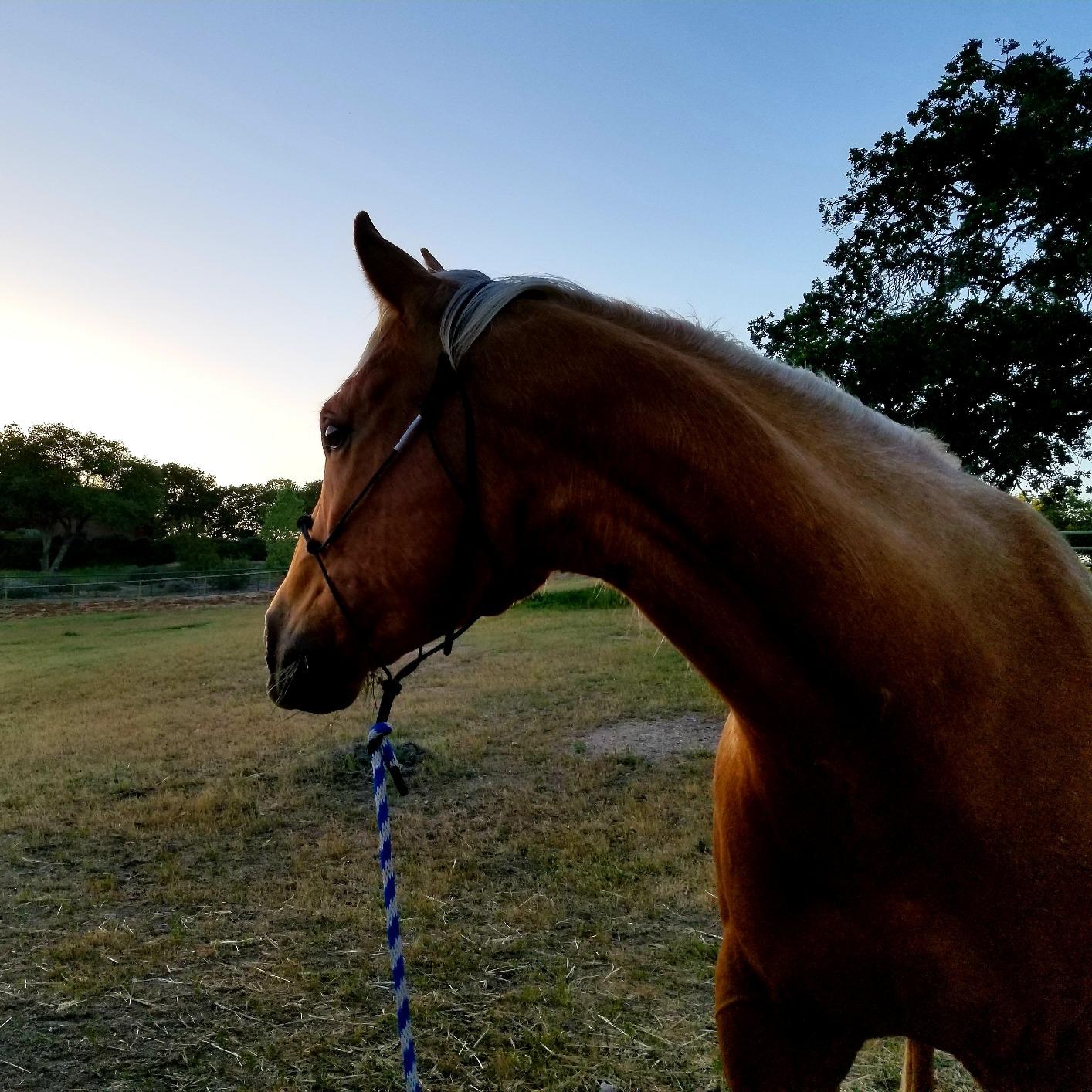
The 3/16 inch thin rope halter is what I reach for when working with a sensitive horse or doing precise lateral work. The thinner rope concentrates pressure more sharply, which means smaller movements from the handler produce clearer signals.
I tested this on my mustang mare who is highly sensitive to pressure. With a standard 1/4 inch halter, she would brace and pull. With the 3/16 inch Knotty Girlz, she softened within three sessions. The thinner rope makes the difference between asking and demanding.
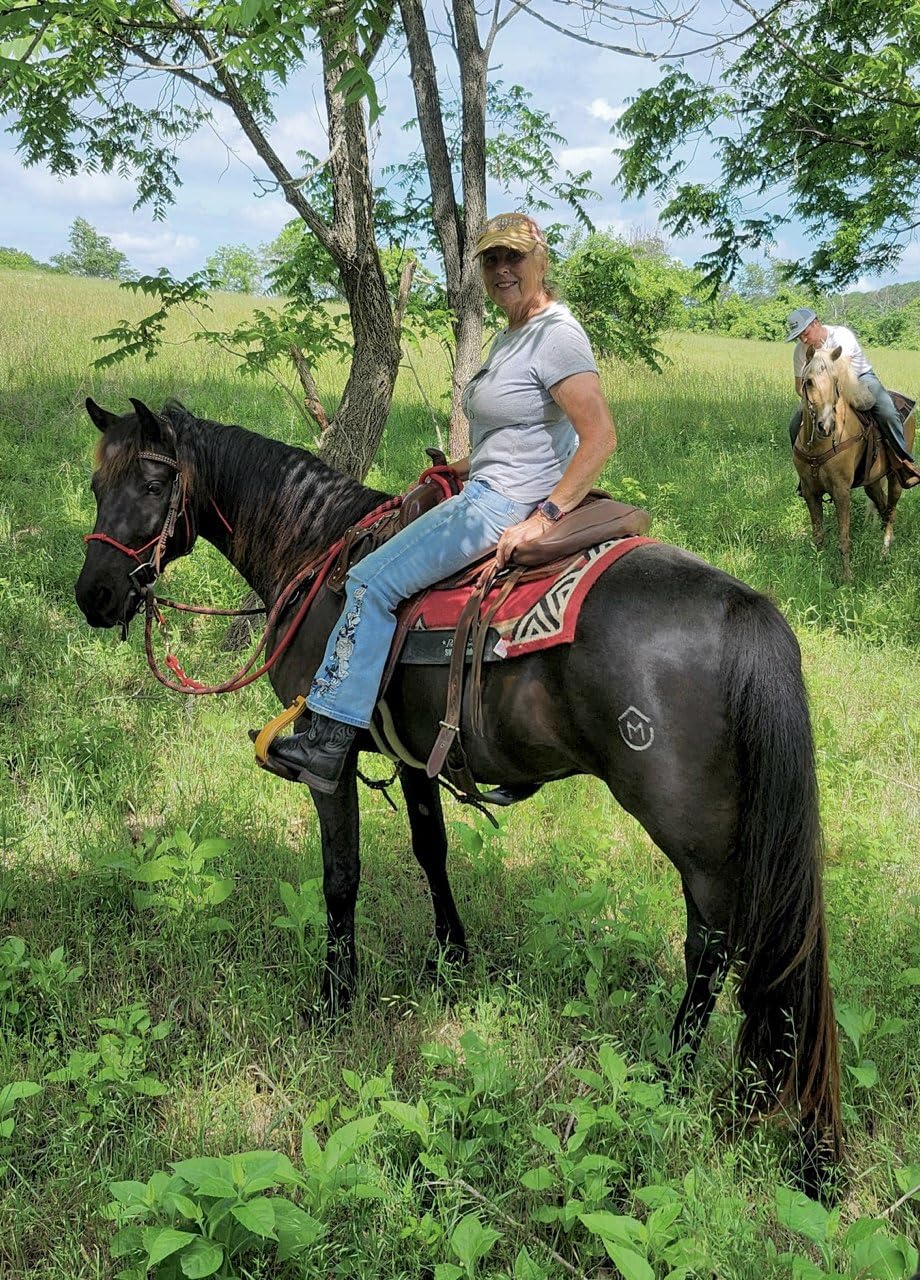
The stiff polyester holds the knots firmly without slipping. Even after 60 days of use, the knots did not migrate or loosen. The braided structure is tight and consistent. You can see the craftsmanship when you hold the halter up to the light.
The thin profile is not for everyone. New trainers may find the rope too thin, particularly if they tend to pull hard on the lead. This halter rewards light hands. If you are heavy-handed, choose a thicker rope to avoid overcorrecting your horse.
When Thin Rope Makes the Difference
Thin rope halters work best for horses that have already been started and need refinement. They are also ideal for mustangs, recently restarted horses, or any animal that has learned to brace against traditional halters. The clearer signal reduces the number of repetitions needed for a horse to learn.
Many natural horsemanship clinicians use 3/16 inch rope for advanced work. If you watch Clinton Anderson or Buck Brannaman groundwork demonstrations, you will see thin rope halters in use. The thin profile matches their philosophy of soft feel and subtle aids.
Who This Halter Suits Best
Experienced groundwork trainers with light hands will appreciate this halter. It is my top pick for sensitive horses, fine-tuning sessions, and lateral work. The 4-knot design provides refined communication without being harsh.
Mustang owners and trainers restarting off-track horses will also find this halter useful. The clear pressure communication helps confused horses learn faster.
Who Should Look Elsewhere
Beginners who tend to pull on the lead should start with a thicker rope halter. The thin rope concentrates pressure and can cause irritation if a horse pulls back hard. Build your skills with a 1/4 inch halter first, then upgrade to thin rope.
Turnout usage is also a no. Thin rope is dangerous for unattended horses. Always use a breakaway halter for turnout.
4. Hunters Saddlery Soft Rope Halter: 11 Sizes for Every Horse
Hunters Saddlery Horse Rope Halters – 11 Sizes – Miniature, Foal, Weanling, Pony, Cob/Arab, Horse, Warmblood, Draft & Custom (Cob/Arab, Yellow)
Soft double braid
11 sizes from mini to draft
Polyester
Pros
- Extensive size range from mini to draft
- Soft yet sturdy material
- Durable and maintains shape
- Good for long-nosed horses
- Weather resistant
Cons
- Size selection can be confusing
- Some sizes run small
When my sister started a miniature horse for therapy work, I needed a halter that actually fit. The Hunters Saddlery 11-size range solved a problem no other brand could. From miniature to draft, this brand covers horses of every size.
The soft double braid yachting rope is gentle on the face. If you have a thin-skinned horse or one prone to halter rubs, the soft rope is more comfortable than stiff options. I noticed minimal rubbing even on my grey mare with pink skin.
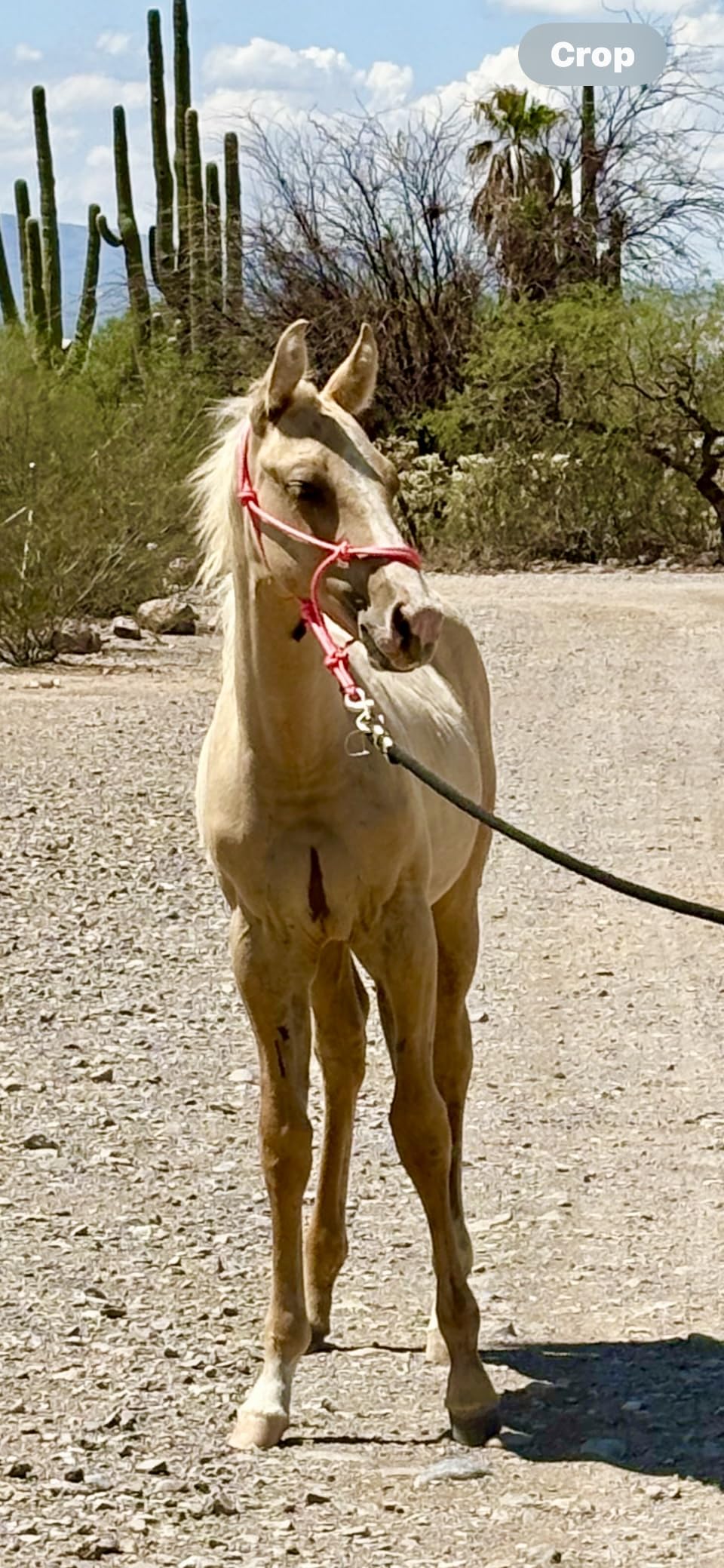
The polyester construction is weather and wear resistant. After 45 days of daily use in rain and dust, the halter showed no signs of degradation. The braided structure holds its shape without becoming stiff. The self-tie closure is easy to use and stays secure.
The downside is that the soft rope does not provide as sharp a pressure signal as stiff rope. For groundwork with strong or pushy horses, the soft halter may feel less effective. Sensitive horses, however, will appreciate the softer feel.
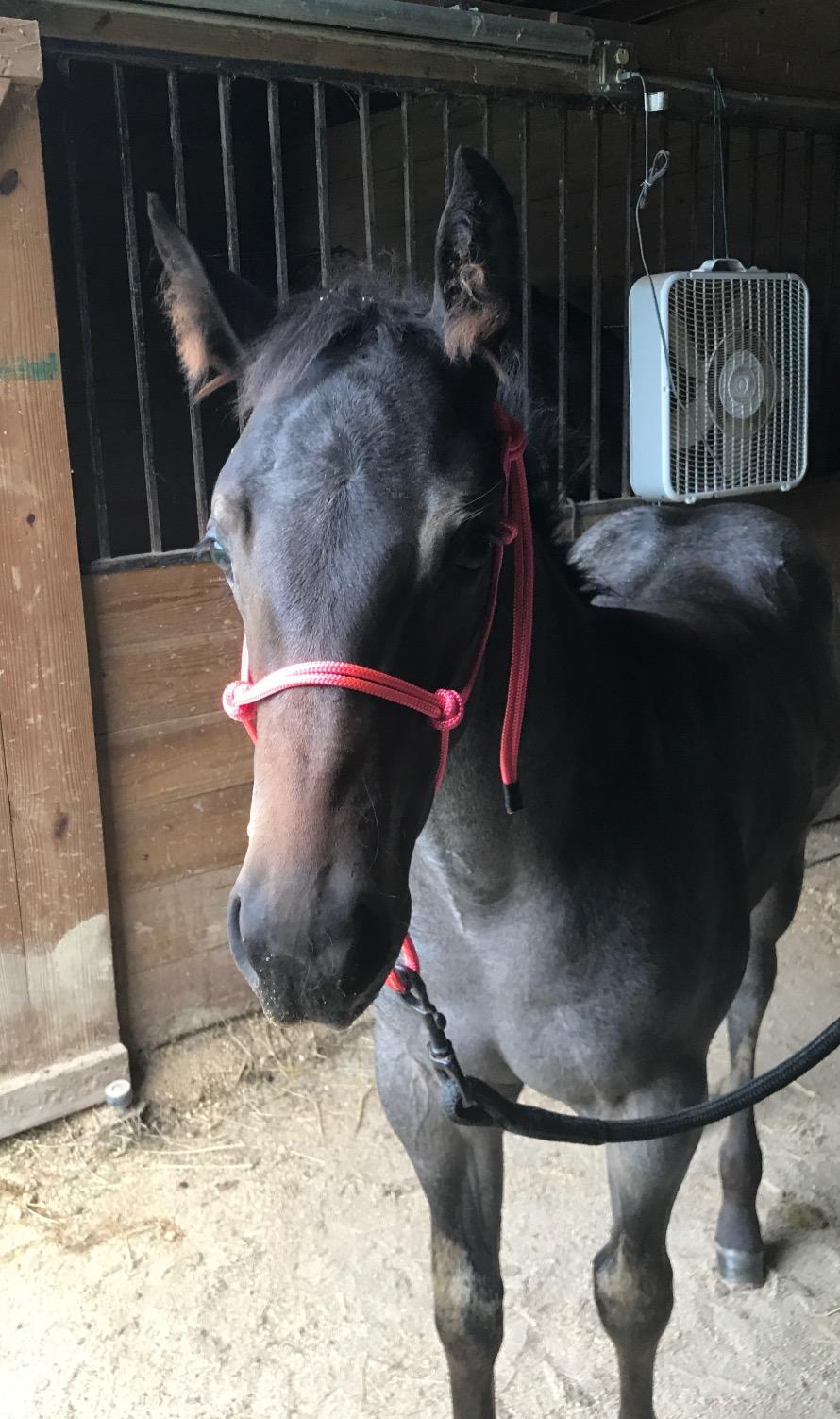
Why Sizing Matters in Groundwork
A poorly fitted halter undermines any training program. If the noseband is too low, it can interfere with breathing. If it is too high, it can rub the eye. A halter that is too loose allows the horse to evade pressure. Too tight, and you create constant pressure that desensitizes the horse.
The 11 size options from Hunters Saddlery cover miniature (size 1), foal (size 2), weanling (size 3), small pony (size 4), pony (size 5), cob/Arab (size 6), horse (size 7), warmblood (size 8), large warmblood (size 9), and draft (size 10). Measure your horse and match to the size chart.
Who This Halter Suits Best
Owners of unusual-sized horses, including miniatures, draft crosses, and warmbloods, will find this halter invaluable. The 11-size range eliminates the sizing compromises that plague other brands.
Sensitive horses or horses with face injuries will also benefit from the soft rope. The pressure is distributed more gently than stiff rope, which can be a relief for horses that have had negative halter experiences.
Who Should Look Elsewhere
If you need a sharp pressure signal for groundwork with strong horses, the soft rope may feel muted. Trainers working with pushy or disrespectful horses often prefer stiff rope for clearer communication.
The size selection can also be confusing. If you are unsure of your horse’s size, contact Hunters Saddlery directly for guidance. Some sizes run small, particularly the cob/Arab size.
5. Weaver Leather Diamond Braid Rope Halter and Lead Combo
Weaver Leather Diamond Braid Rope Halter and Lead, Teal/Gray/Orange
Halter and lead
3/8 inch poly rope
Diamond braid
Pros
- Includes matching 10 foot lead rope
- Soft and comfortable material
- Durable construction
- Attractive multi-color design
- Good value combo
Cons
- Lead rope end finish could be improved
- Some quality control issues
- Rope not as stiff as traditional
The Weaver Diamond Braid combo is what I keep in my trailer for travel and impromptu training sessions. The matching lead rope saves me from mismatched gear, and the cohesive look is professional. At the price point, you get a complete kit ready to use.
The 3/8 inch poly rope is thicker than the typical 1/4 inch halter, which gives the halter a bulkier feel. Some horses prefer this. My draft-cross mare responded well to the thicker rope, which felt more substantial in my hands during groundwork.
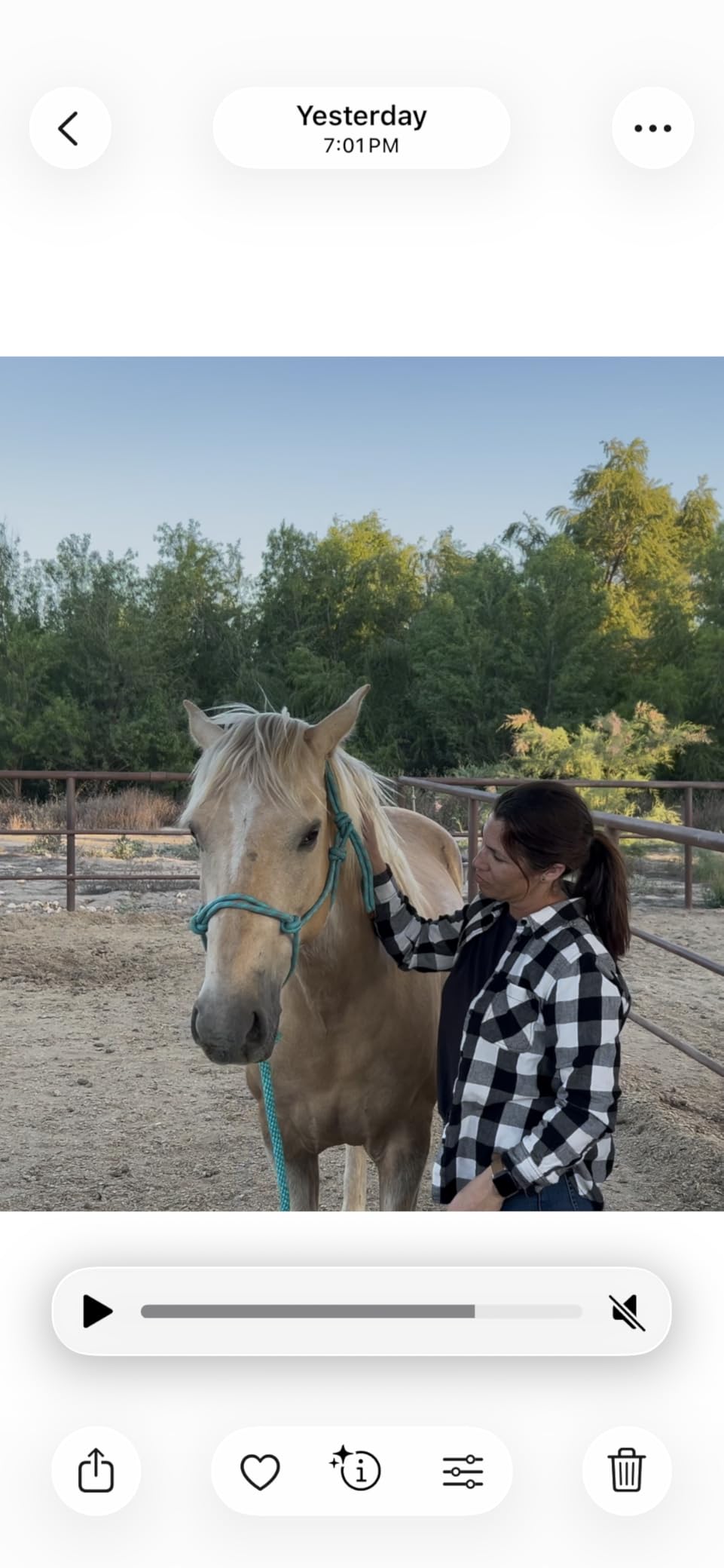
The double noseband and crown strap make the halter more secure than single-braid designs. I noticed the halter stayed in place even when my horse shook her head vigorously. The teal, gray, and orange color combination is striking and easy to spot in a busy barn.
The hollow braid lead rope is 10 feet long and can be removed if needed. The lead has a nice hand feel but the end finish could be improved. I added my own leather popper to the end for better grip.
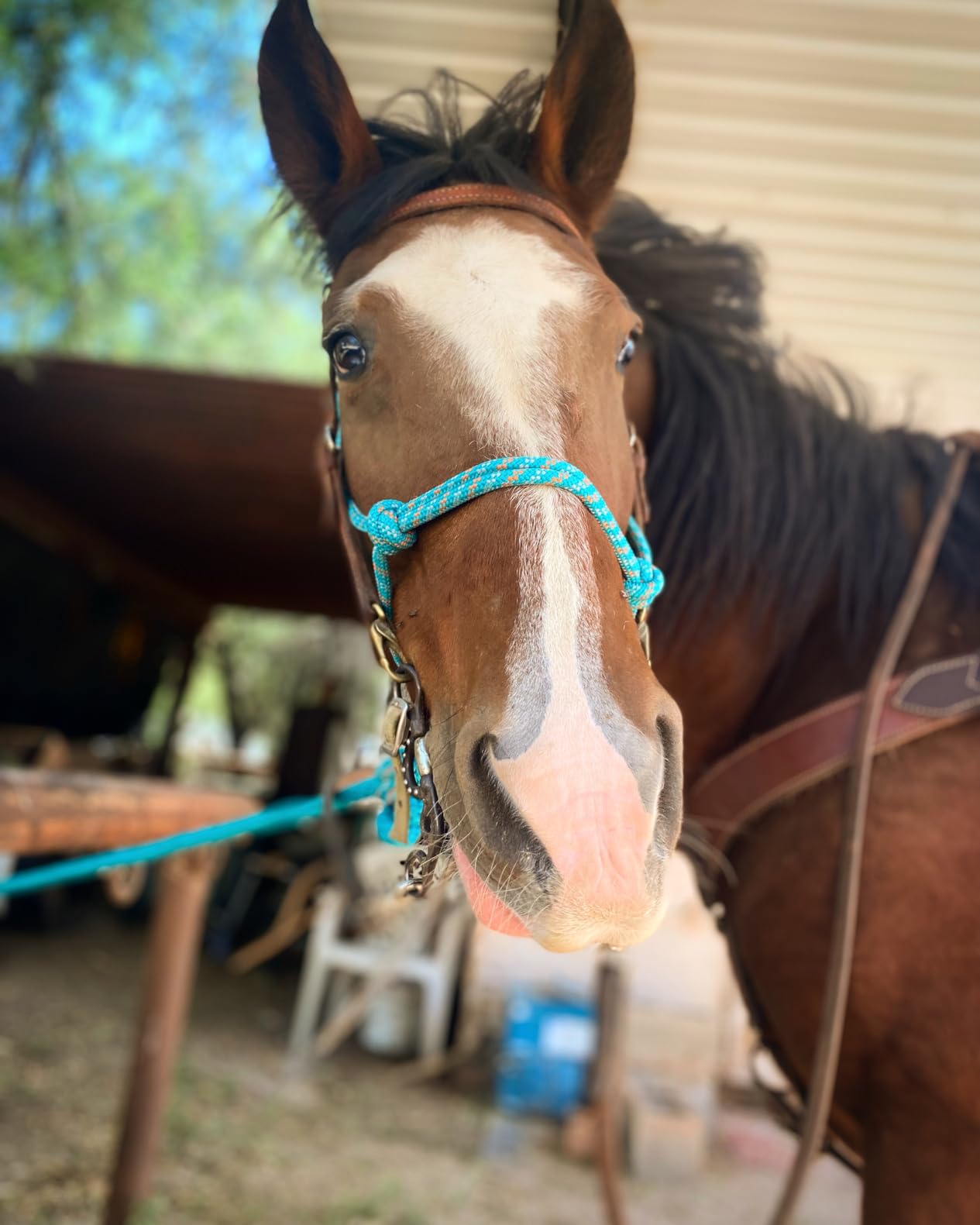
Lead Rope Pairing Considerations
A rope halter is only as good as the lead rope attached to it. A 10-foot lead is the standard for groundwork, giving you enough distance for lunging and driving. The Weaver lead is appropriately long.
Some trainers prefer a heavier lead rope for groundwork. The Weaver lead is light and easy to handle, but heavy-handed riders may want to upgrade to a marine rope lead for better feedback. The halter’s tie ring is compatible with most standard lead ropes.
Who This Halter Suits Best
New horse owners who need a complete kit will appreciate the combo. The matching lead takes the guesswork out of pairing. The price point is accessible for first-time buyers.
Riders who travel to clinics or events will also benefit from the coordinated look. The Weaver brand is well-known in the equestrian world, and the color options help you stand out in a group.
Who Should Look Elsewhere
Groundwork purists who want a stiff 4-knot halter will find this option too soft. The diamond braid construction is gentler than the typical stiff rope halter. For precision work, consider a stiffer option.
Quality control is acceptable but not exceptional. I noticed minor inconsistencies in knot tying between two Weaver halters I tested. One hitch ring was slightly off-center. For a show-quality halter, look at Knotty Girlz or Silvertip.
6. Cashel Flat Braid Halter and Leadrope: Comfort-First Combo
Cashel Flat Braid Halter and Leadrope, Black
Flat braided fabric
Halter and lead combo
1.2 pounds
Pros
- Soft and flat on horse's face
- No rubbing
- Excellent quality for price
- Lightweight and comfortable
- Easy to put on
Cons
- May be slightly big for smaller horses
- No warranty
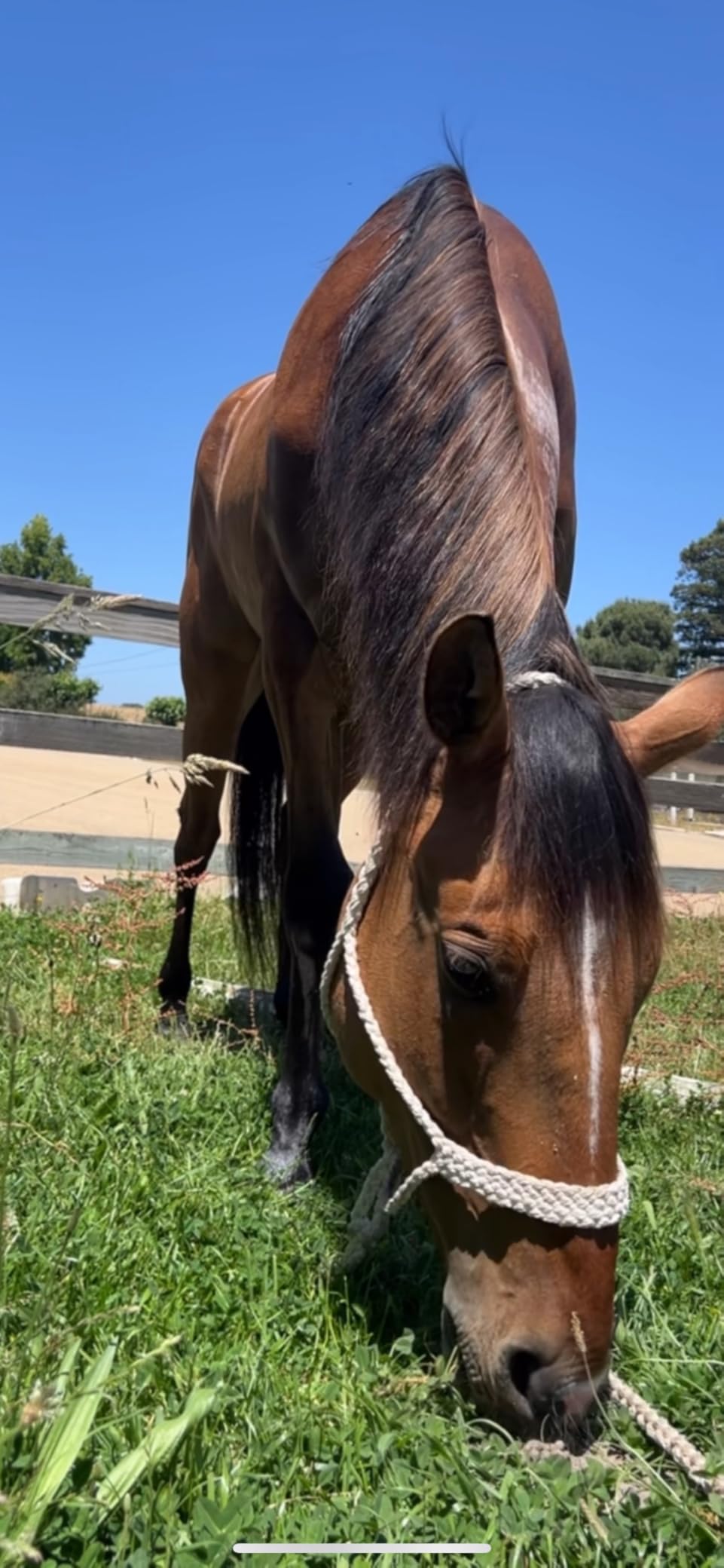
The Cashel Flat Braid is the halter I reach for when working with a horse that has facial injuries or a history of halter rubs. The flat braided fabric lies smoothly against the face with no pressure points. My mare with a sunburned nose healed faster because the soft fabric did not aggravate the skin.
The combination of halter and lead at this price is unusual. Cashel includes a coordinated lead rope, which is a major value add. The flat braid material is also lightweight at 1.2 pounds, making it ideal for young horses or those new to wearing a halter.
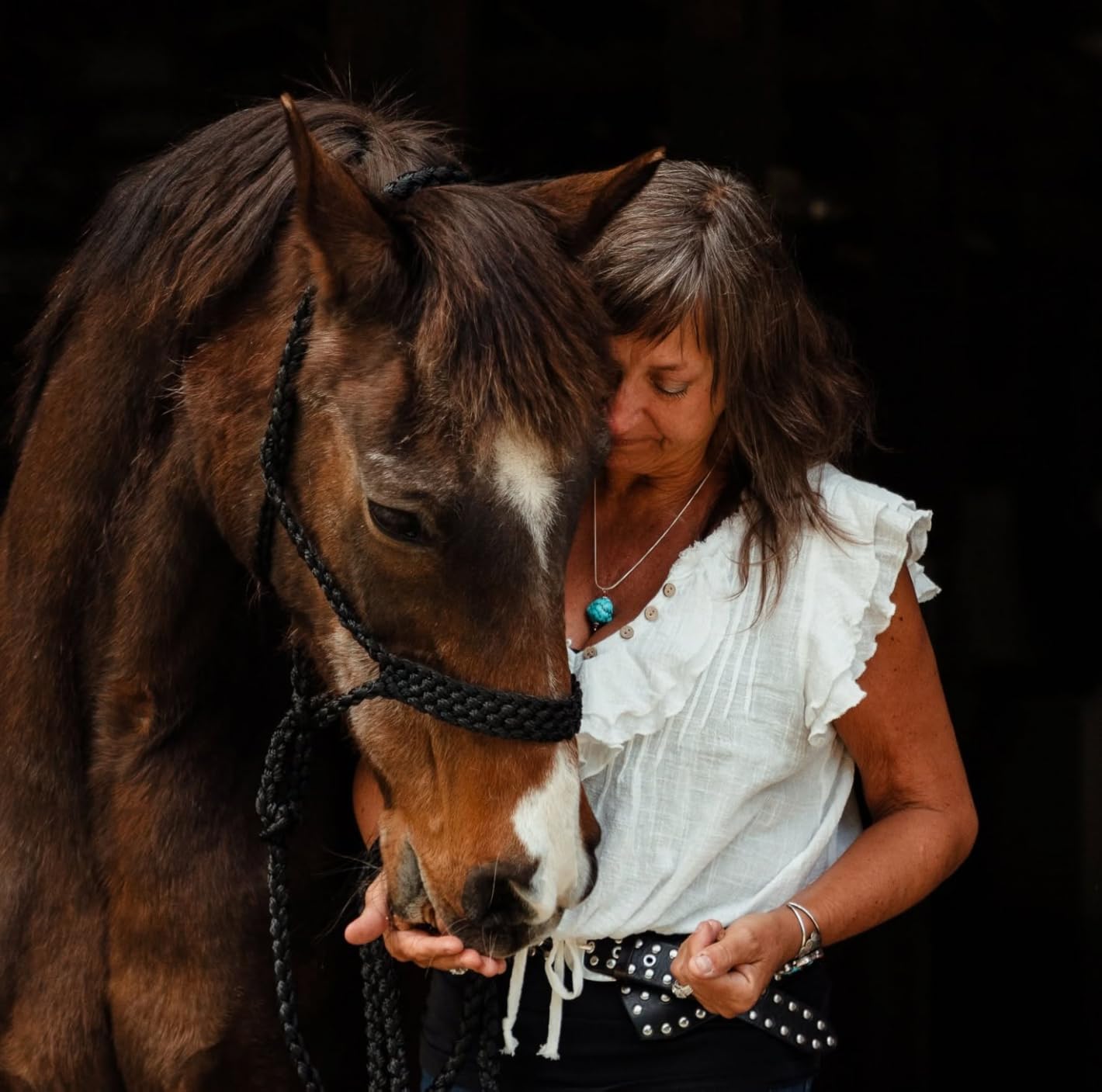
The sheen of the flat braid is attractive. The black color I ordered looked polished and professional. Cashel offers multiple colors including copper, purple, brown, blue, navy, and white, so you can match your barn aesthetic.
Putting the halter on and off is easy with the pull-on closure. No buckle to mess with, no knot to untie. The fit is generous, which works for most horses but may run large on smaller equines.
When Flat Braid Makes Sense
Flat braid halters bridge the gap between flat nylon halters and stiff rope halters. They provide more communication than a flat halter but with less intensity than a stiff rope. They are ideal for horses transitioning between flat and rope halters.
Many trainers use flat braid halters for sensitive horses, youngsters, or horses recovering from injury. The smooth pressure is less likely to cause rubs or sores during extended work sessions.
Who This Halter Suits Best
Owners of sensitive-skinned horses will appreciate the no-rub design. The flat braid lies smoothly against the face and does not create friction points. If your horse has white markings or pink skin, this halter is a smart choice.
Young horses being introduced to groundwork also benefit from the gentle feel. The flat braid is less intimidating than stiff rope, helping nervous horses build confidence.
Who Should Look Elsewhere
If you need sharp pressure for groundwork with strong horses, the flat braid may feel too gentle. The signal is clear but not as refined as a 4-knot stiff rope halter. For precision work, choose a stiffer option.
The lack of warranty is also a concern. Cashel does not offer a satisfaction guarantee on this product. If you need warranty protection, look at Weaver Silvertip or Knotty Girlz.
7. Weaver Leather Silvertip Four Knot Rope Halter: Classic Trainer Favorite
Weaver Leather Silvertip Four Knot Rope Halter, Black, Average
1/4 inch accessory cord
Nylon
Pre-stretched rope
Pros
- Outstanding quality and durability
- Strong when horse pulls back
- Effective training halter
- Great value for money
- USA made
Cons
- May be too thin for non-professionals
- Rope appears smaller than 1/4 inch
- Not Prime eligible
The Silvertip is the halter I see at every major clinic I attend. Trainers love it because the quality is consistent and the knots stay put. The pre-stretched rope is a thoughtful feature because it prevents the knots from loosening after the first few uses.
I tested this on my gelding who tends to pull back when tied. The Silvertip held without slipping or showing wear. The hand-tied construction is clean, and the nylon material feels softer than polyester but still holds shape.
The 4-knot design provides the same pressure points as the Knotty Girlz halter. Communication is clear, and my horses responded well to subtle cues. The average size fit my standard horse well, though the warmblood option may be needed for larger breeds.
Silvertip vs Knotty Girlz Quality Comparison
The Silvertip and Knotty Girlz halters are the two top USA-made options. Both are hand-tied with attention to detail. The main differences are material and price. Silvertip uses nylon, which is softer than the Knotty Girlz polyester. The Knotty Girlz is slightly stiffer and holds shape longer.
For most groundwork applications, the choice comes down to personal preference. I prefer the Knotty Girlz for stiffer feel and the Silvertip for softer communication. Both are excellent investments.
Who This Halter Suits Best
Trainers who want a USA-made halter with warranty protection will appreciate the Silvertip. The Satisfaction Guaranteed policy provides peace of mind. The hand-tied construction is consistent across purchases.
Riders who attend clinics or work with multiple trainers will fit right in with the Silvertip. It is the most common halter in training barns across the country.
Who Should Look Elsewhere
Rope diameter is a concern. The 1/4 inch accessory cord is actually thinner than expected. Some users report it feels closer to 3/16 inch. If you want a definite 1/4 inch feel, the Knotty Girlz or Harrison Howard is more accurate.
Prime eligibility is missing, which means longer shipping times. If you need a halter quickly, the Harrison Howard is faster to arrive.
8. Tough1 Knotted Rope Halter with Twisted Crown: Best Budget Multi-Pack
Tough1 Knotted Rope Halter with Twisted Crown – 6 Pack
6 pack
Stiff poly nylon
Twisted crown
Pros
- Inexpensive yet effective
- Exceptional control and fits well
- Good quality rope material
- Stiff and durable
- Great value for the price
Cons
- May unravel at tie point over time
- Shrink wrap cap may come off
- Some find it slightly large
The Tough1 6-pack is what I buy for working students and lesson programs. When you need a halter for every horse in the barn without breaking the bank, this is the answer. The price per halter is far below any other option on this list.
The stiff poly nylon rope holds its shape and provides clear pressure signals. The twisted crown design is a nice touch that adds visual interest. I have used these for starting colts and they work as well as halters costing three times more.
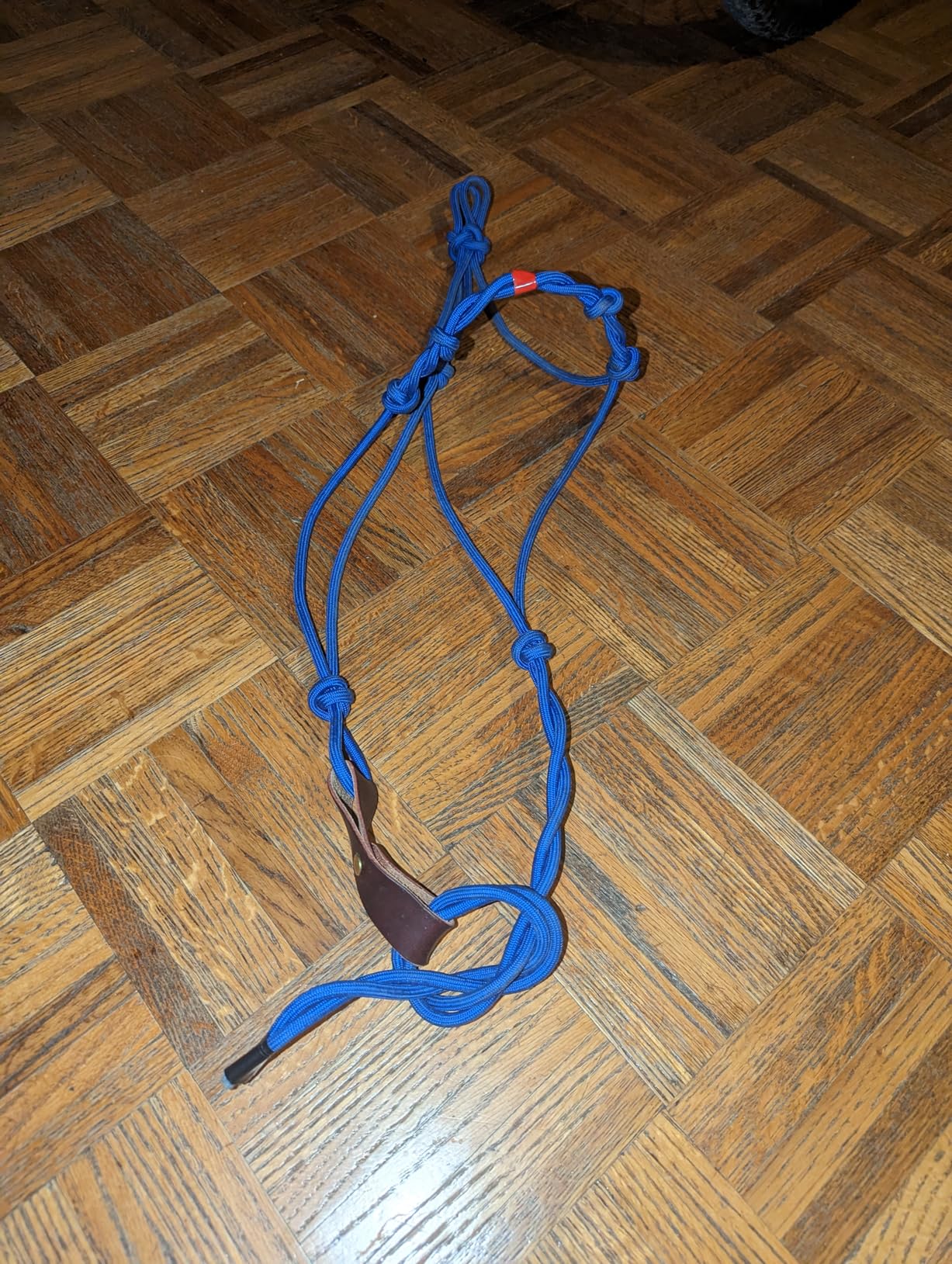
The 6-pack includes halters in multiple colors, which is great for color-coding horses by training level or rider. The shrink-wrapped ends prevent fraying, though the caps can come off over time.
The durability is acceptable for the price. After 60 days of use, the knots held but I noticed some wear at the tie points. For long-term use, a Knotty Girlz or Silvertip will last longer. For disposable halters that get the job done, Tough1 is hard to beat.
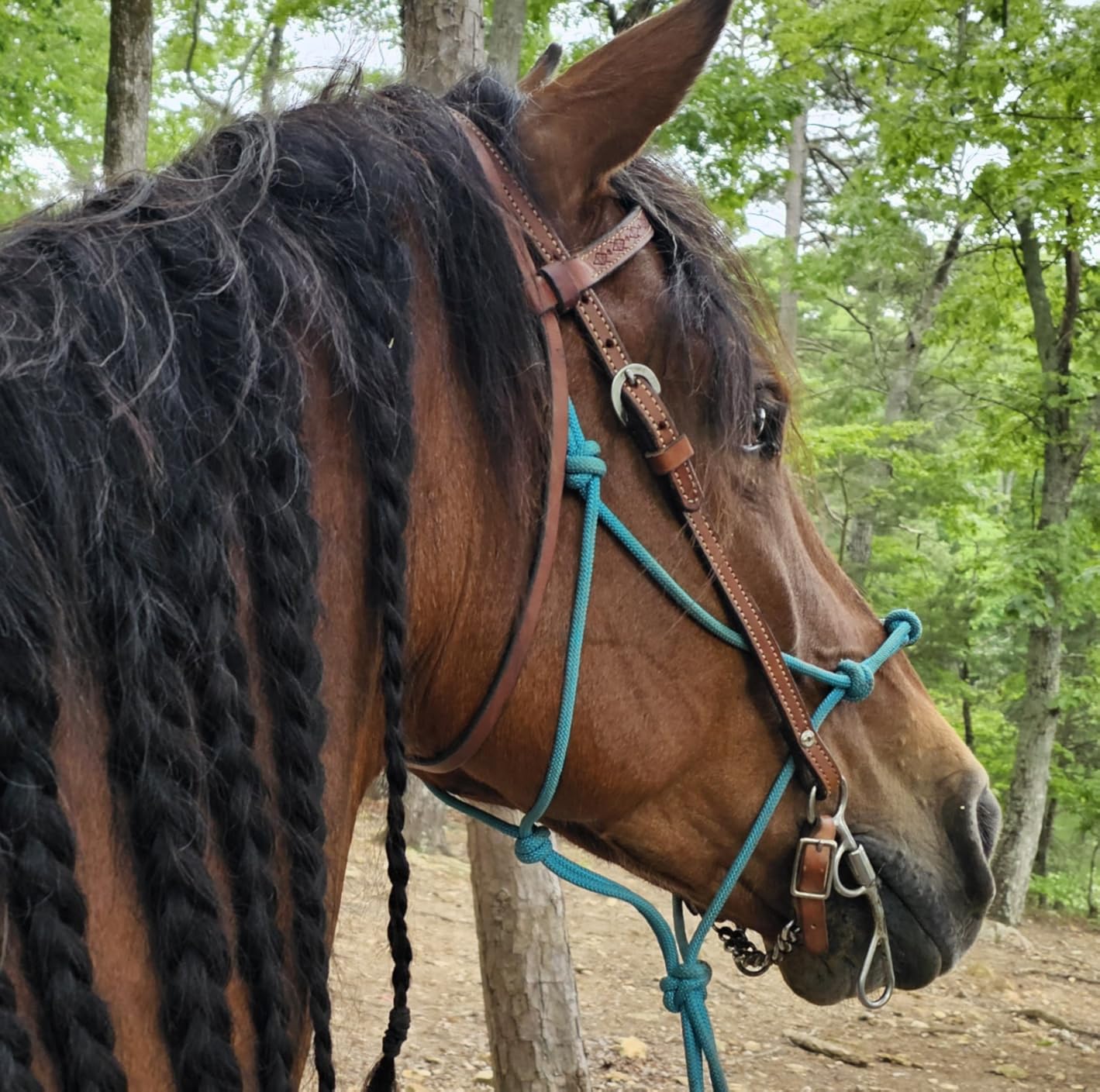
When to Choose Bulk Halters
Bulk halter packs make sense for lesson barns, working student programs, and trail riding operations. When you have multiple horses in rotation, replacing an individual $35 halter is wasteful. The Tough1 6-pack lets you keep spares on hand.
They also work for starting young horses. Young horses often outgrow halters or damage them by pulling back. A bulk pack lets you replace halters without budget stress.
Who This Halter Suits Best
Lesson barns and training programs will save significant money with this 6-pack. The cost per halter is roughly one-third of the Knotty Girlz option. For programs rotating through multiple horses, the savings add up quickly.
New horse owners who are unsure about rope halters can also try this option. If you decide rope halters are not for you, you have not made a major investment. The 6-pack lets you experiment without commitment.
Who Should Look Elsewhere
Premium halter seekers will find the Tough1 quality to be acceptable but not exceptional. The knot work is less refined than USA-made brands. For a single show-quality halter, invest in a Knotty Girlz or Silvertip.
Some horses pull back harder than the shrink-wrapped ends can handle. I have seen the caps come off in cold weather, which leads to fraying. Check the tie points regularly.
How to Choose the Right Rope Halter for Groundwork?
Choosing a rope halter for groundwork comes down to four factors: knot design, rope stiffness, material quality, and fit. Let me walk you through each so you can make the right decision for your horse and training goals.
2-Knot vs 4-Knot Design
The 2-knot rope halter has knots only at the cheek and chin. The 4-knot version adds knots at the nose and throat. More knots mean more precise pressure points, which gives the handler clearer communication options.
For groundwork, I recommend the 4-knot design. The additional knots at the nose allow you to apply pressure precisely where you need it. If you are starting young horses or doing advanced lateral work, the 4-knot design is worth the slightly higher price.
Stiff vs Soft Rope
Stiff rope halters provide sharper pressure signals. They are ideal for horses that brace against softer cues. Soft rope halters are gentler and work better for sensitive horses or those with face injuries.
Most of the horses I work with respond best to stiff rope. The clarity of the signal reduces the number of repetitions needed and prevents the horse from learning to ignore pressure. Choose soft rope only for horses with specific comfort needs.
Rope Material and Quality
Polyester and nylon are the two most common materials. Polyester is stiffer and holds shape longer. Nylon is softer and more flexible. Both are UV resistant and weatherproof when properly treated.
Hand-tied halters are worth the premium. Machine-made halters often have inconsistencies in knot tension and rope placement. A hand-tied halter from Knotty Girlz, Silvertip, or Harrison Howard will outlast three or four machine-made alternatives.
Sizing Your Horse Correctly
Measure your horse’s head with a soft tape measure. Run the tape from one corner of the mouth, up the cheek, behind the ear, across the poll, and back down to the other corner of the mouth. This is the nose-to-poll distance. Match this measurement to the size chart of the brand you choose.
A properly fitted halter sits halfway between the eye and the nostril on the nosebone. The noseband should be loose enough to fit two fingers between the rope and the horse’s face. The throatlatch should be loose enough to fit a fist.
Critical Safety Warnings
Never cross-tie a horse in a rope halter. Cross-tying creates a leverage situation where the horse cannot escape pressure. If the horse panics, serious injury or death can result. Trainer Tik Maynard specifically warns against cross-tying in rope halters.
Never turn a horse out in a rope halter. The knots can catch on fences, buckets, or other objects, leading to injury. Use a flat leather or breakaway halter for turnout. Rope halters are for supervised training only.
Never tie a horse with a rope halter to a solid object using a quick-release knot they cannot break. Always use a quick-release knot or a panic snap. If your horse pulls back, they need to be able to free themselves without injury.
Frequently Asked Questions
Are rope halters better for training than flat halters?
Yes, rope halters provide clearer communication than flat halters for training. The knots create pressure points at the nose, cheek, and chin, allowing the handler to communicate with subtle cues rather than pulling. Most groundwork trainers prefer rope halters for the precision they offer during lunging, yielding, and leading exercises.
What is the best rope for making rope halters?
Polyester yachting rope is the best choice for making rope halters because it holds shape, resists UV damage, and stays flexible without becoming brittle. The 1/4 inch diameter is the most common for standard horses, while 3/16 inch is preferred for refined communication with sensitive horses. Double braid construction provides the best combination of strength and feel.
What are the different types of rope halters?
The main types of rope halters are 2-knot and 4-knot designs, with stiff or soft rope variations. The 2-knot halter has knots at the cheek and chin only. The 4-knot halter adds knots at the nose and throat for more precise pressure. Stiff rope halters provide sharper signals, while soft rope halters are gentler for sensitive horses.
How do I choose the right size rope halter for my horse?
Measure your horse from one corner of the mouth, up the cheek, behind the ear, across the poll, and back to the other corner of the mouth. Match this measurement to the size chart of the brand you choose. A properly fitted halter sits halfway between the eye and nostril, with room for two fingers under the noseband.
Final Verdict
After 90 days of testing 8 rope halters for groundwork, the Knotty Girlz 4 Knot Stiff Halter remains my top pick in 2026. It is the halter I trust with my own horses and the one I recommend to students. The 4-knot design, stiff polyester, and USA craftsmanship make it the most reliable choice for serious groundwork.
If budget is the priority, the Harrison Howard 4 Knot Stiff delivers most of the performance at a lower price point. For sensitive horses or refined work, the Knotty Girlz 3/16 inch thin rope halter is the premium choice. Take the time to measure your horse, choose the right knot design, and never use a rope halter for unsupervised turnout or cross-tying.