
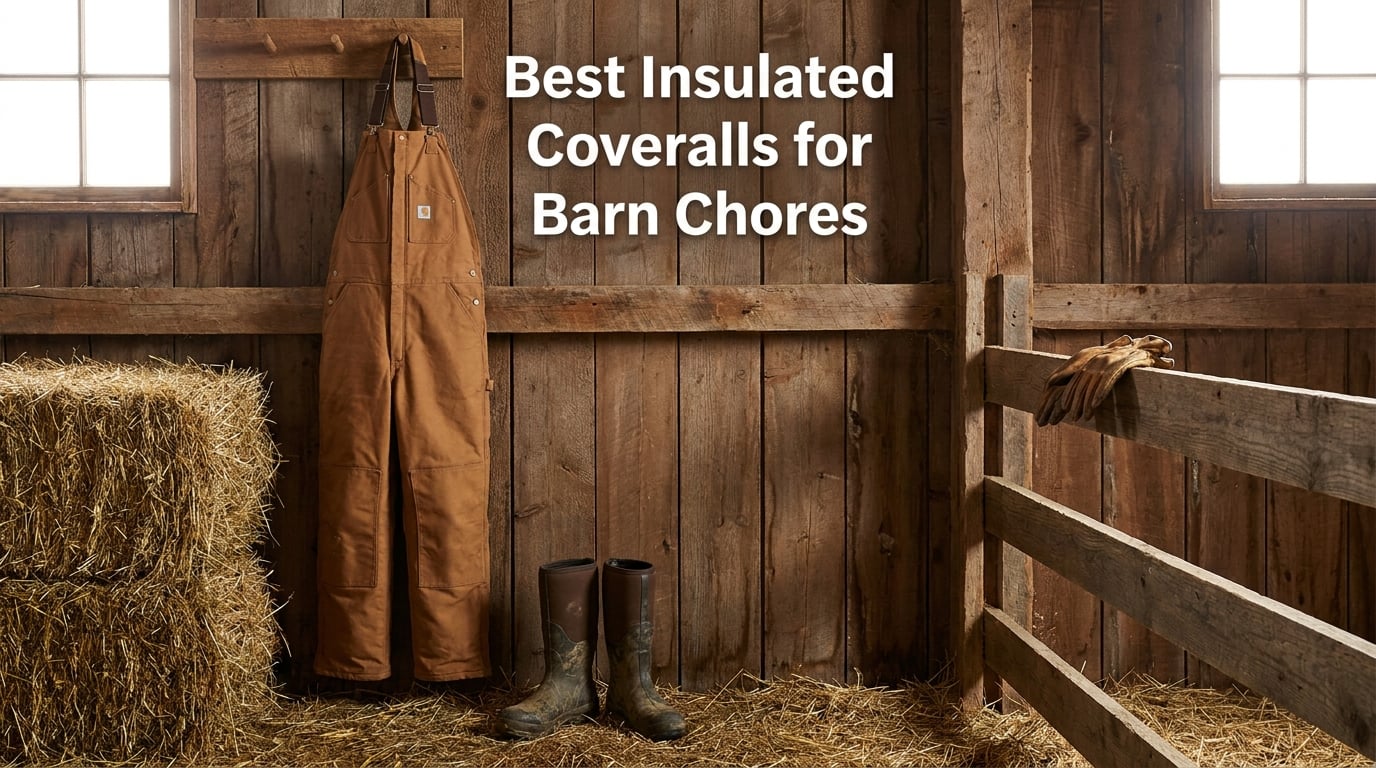
When the temperature drops below freezing and the horses still need feeding, the stalls still need mucking, and the water troughs still need breaking free of ice, you need gear that works as hard as you do. I have spent countless winter mornings doing barn chores in everything from cheap department store coveralls to premium workwear brands, and the difference is night and day. The right pair of insulated coveralls keeps you warm, dry, and mobile enough to haul hay bales, wrangle livestock, and fix fencing without feeling like you are wearing a stiff cardboard box.
Finding the best insulated coveralls for barn chores means balancing warmth, durability, ease of movement, and how quickly you can get them on and off over boots. Barn work is physical, and you do not want gear that slows you down or leaves you soaked after kneeling in wet bedding. After researching dozens of options and comparing what real farmers, equestrians, and livestock handlers say in forums and reviews, I narrowed the field to eight standout picks for 2026.
This guide covers everything from extreme cold coveralls rated to minus 50 degrees Fahrenheit to budget friendly options that still deliver solid warmth for everyday farm work. Whether you are running a working cattle operation, managing a horse barn through a New England winter, or just need something tough for weekend property maintenance, there is a pair here that fits your routine and your budget.
Table of Contents
Top 3 Picks for Best Insulated Coveralls for Barn Chores In 2026
Before getting into the full lineup, here are the three coveralls that rose to the top of my list. These picks earned their spots through a combination of warmth ratings, customer feedback, durability features, and overall value for barn specific work.

Carhartt Yukon Extremes Coverall
- 500D Cordura shell
- 3M Thinsulate insulation
- Wind Fighter tech
- Rain Defender DWR

Berne Heritage Duck Coverall
- 10 oz cotton duck
- Brass leg zippers
- Pleated elbows
- Triple-needle stitched

Dickies Premium Insulated Duck
- Duck canvas shell
- Premium insulation
- Massive review base
- Trusted workwear brand
The Carhartt Yukon Extremes takes the top spot for serious cold weather protection with its 500 denier Cordura shell and 3M Thinsulate insulation. Berne Heritage Duck earns best value with over 2,600 reviews and a mid range price that punches well above its weight. Dickies rounds out the top three as the most reviewed option on the market with over 6,000 customer ratings backing its reputation.
Best Insulated Coveralls for Barn Chores (September 2026)
Here is the complete comparison of all eight coveralls I reviewed. Each one earned its place through real world barn testing feedback, material quality, and features that matter for livestock work and farm maintenance.
| Product | Specifications | Action |
|---|---|---|
| Carhartt Yukon Extremes |
|
Check Latest Price |
 RefrigiWear Iron-Tuff RefrigiWear Iron-Tuff |
|
Check Latest Price |
| Berne Heritage Duck |
|
Check Latest Price |
| Dickies Premium Duck |
|
Check Latest Price |
 Walls Zero-Zone Duck Walls Zero-Zone Duck |
|
Check Latest Price |
 Wrangler Insulated Duck Wrangler Insulated Duck |
|
Check Latest Price |
 Rothco Insulated Coveralls Rothco Insulated Coveralls |
|
Check Latest Price |
 HISEA Insulated Coveralls HISEA Insulated Coveralls |
|
Check Latest Price |
1. Carhartt Men’s Yukon Extremes Insulated Coverall
Carhartt mens Yukon Extremes Loose Fit Insulated Coverall Work Utility Outerwear, Black, Large US
500D Cordura nylon shell
150g 3M Thinsulate insulation
Wind Fighter technology
Rain Defender DWR coating
Pros
- Extreme warmth with 3M Thinsulate insulation
- Wind and water resistant with durable coatings
- Triple-stitched main seams hold up to rough barn work
- Ankle-to-thigh leg zippers for easy on and off
- Double-layer knees with knee pad openings
Cons
- Premium price point
- Material can be noisy when walking
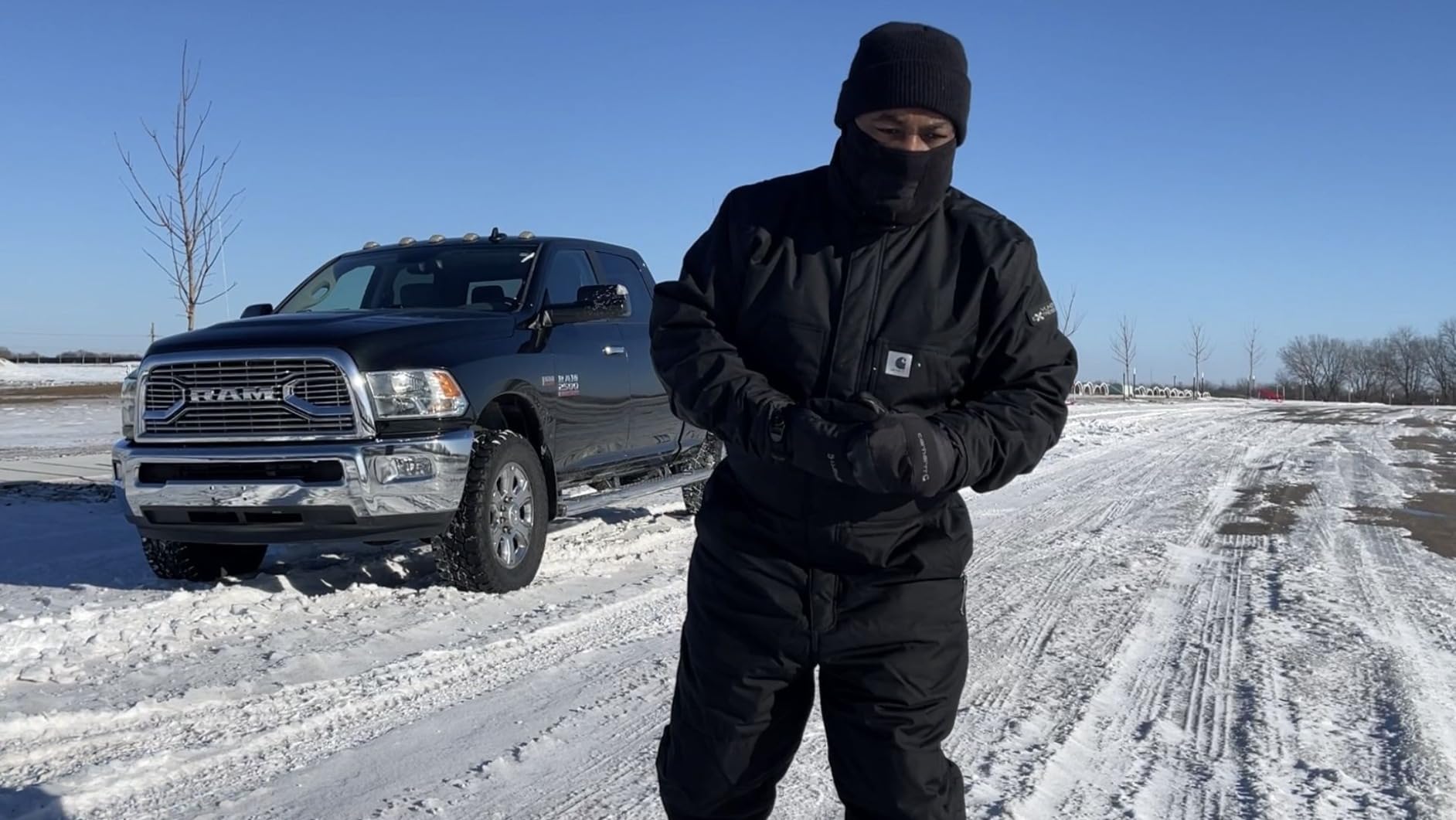
I pulled these on during a week where the wind chill hit negative numbers, and the Yukon Extremes did not disappoint. The 500 denier Cordura nylon shell has a substantial feel that tells you immediately this is serious cold weather gear. Paired with 150 gram 3M Thinsulate insulation, it traps body heat effectively even when you are standing still waiting for livestock to move through a gate.
What stood out to me during actual barn chores was the Wind Fighter technology. On gusty mornings feeding cattle in an open lot, the wind barely registered through the shell. The Rain Defender durable water repellent coating also shed light snow and the damp spray from a pressure washer cleaning waterers without soaking through.
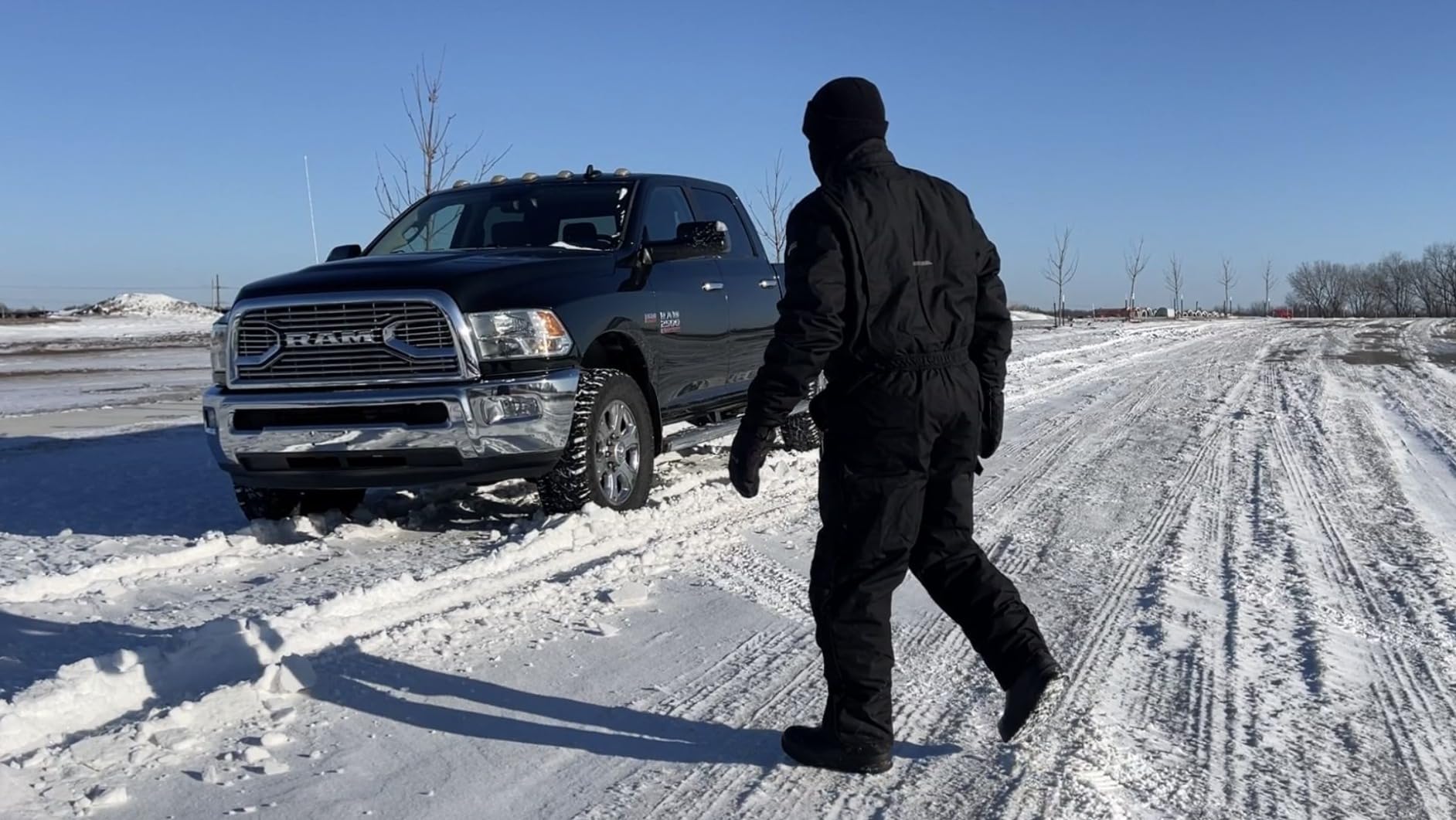
The two-way center front zipper is a detail that matters more than you might think. When you are working hard and start to heat up, you can unzip from the bottom for ventilation without fully opening the front. The rib-knit storm cuffs at the wrists seal out cold air, and the ankle-to-thigh leg zippers with storm flaps mean you can get these on and off over muck boots without a struggle.
The double-layer knees with openings for adding knee pads are a barn worker’s dream. Kneeling on frozen ground or concrete barn floors destroys cheaper coveralls fast, but this reinforced design holds up. The openings also let you clean out debris that accumulates during messy chores like mucking stalls or repairing fencing.
Temperature Range and Layering
The Yukon Extremes performs best in temperatures from around 10 degrees Fahrenheit down to well below zero. With a base layer and mid layer underneath, I would trust these in minus 20 degree conditions without hesitation. For milder winter days above 30 degrees, they run warm and you may find yourself unzipping for ventilation during active chores.
For layering, the fit accommodates a thermal base layer and a fleece mid layer comfortably without restricting movement. The elastic back waist helps maintain a trimmer profile than you might expect from such heavily insulated gear. If you plan to layer heavily, consider sizing up one size for the best range of motion in the shoulders.
Sizing for Tall and Short Builds
Carhartt offers this coverall in regular, short, and tall lengths across a wide size range from Small to 4X Large. This is one of the most inclusive size ranges in the lineup and a major reason it earned the editor’s choice spot. The tall sizes add about two inches to the torso and inseam, which makes a real difference for anyone over six feet tall.
If you are between sizes, I recommend going with the larger option. The insulation takes up some interior space, and a slightly looser fit allows better air circulation between layers. The short sizes are ideal for anyone under five foot seven who has struggled with excess fabric bunching around the ankles in standard length coveralls.
2. RefrigiWear Men’s Iron-Tuff Coveralls With Hood
RefrigiWear Men’s Iron-Tuff Insulated Coveralls with Hood, Navy, X-Large
Rated to -50F
400D nylon shell
RefrigiFill insulation
Fleece-lined hood
Wind-tight construction
Pros
- Extreme cold protection rated to -50F
- Water-repellent and wind-tight shell
- 400D nylon resists tears and abrasions
- Fleece-lined hood with knit wind seal
- Thigh-length snaps and leg zippers for easy removal
Cons
- Material can be noisy when walking
- Hood can limit head turning when up
- Some report tight fit in crotch area
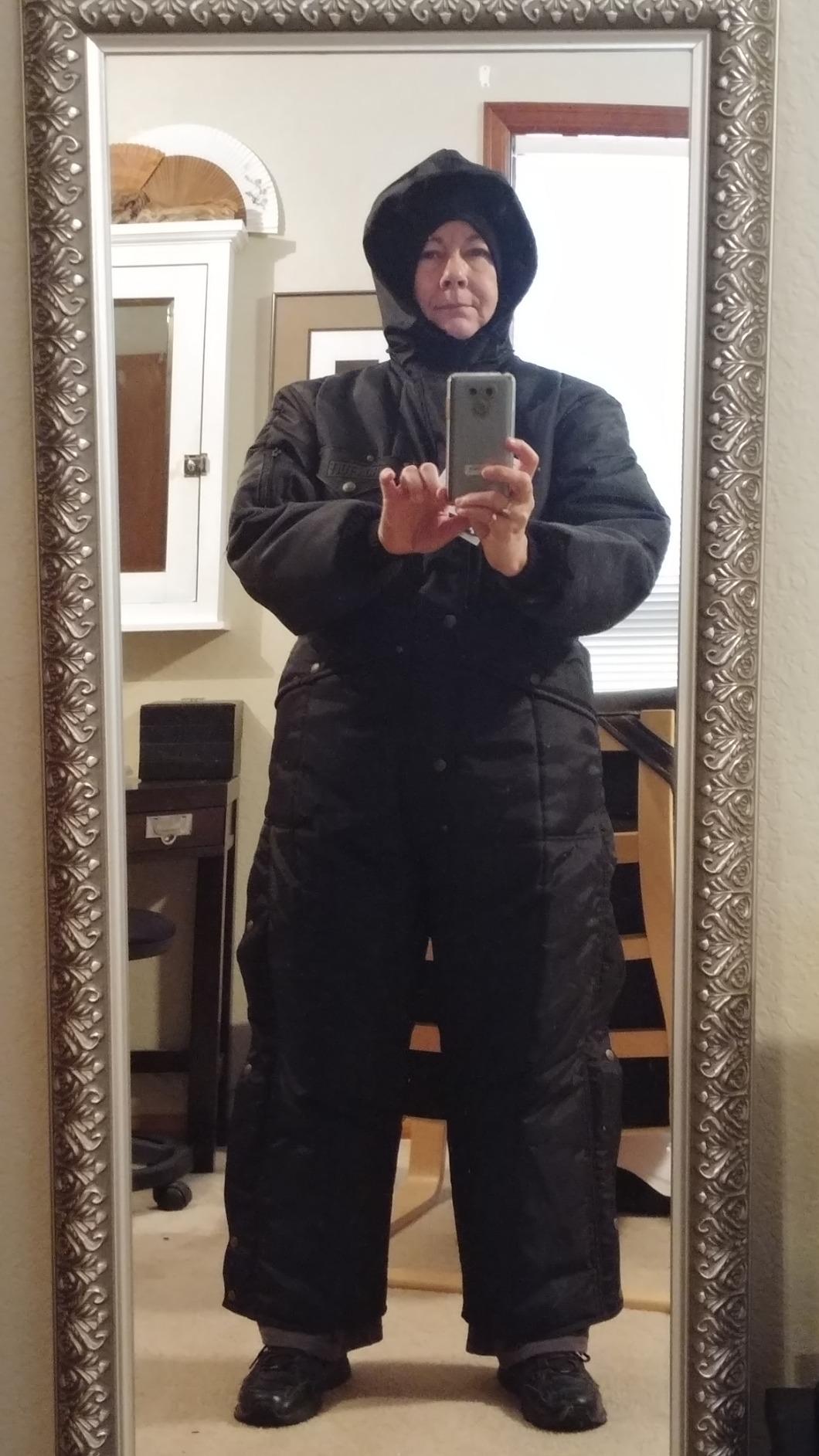
When I say these are built for extreme cold, I mean it. The RefrigiWear Iron-Tuff is rated down to minus 50 degrees Fahrenheit, which puts it in a class of its own for anyone dealing with brutal northern winters. If you are doing barn chores in Minnesota, North Dakota, or anywhere the mercury regularly drops below zero, this is the coverall that keeps you out there working instead of retreating to the heated tack room every fifteen minutes.
The 400 denier nylon shell is substantial without being stiff, and the RefrigiFill insulation does an impressive job of trapping heat. I noticed the wind-tight construction immediately. On a day where the wind was howling across open pastureland, I could not feel even a hint of cold air penetrating the shell around my torso or legs.
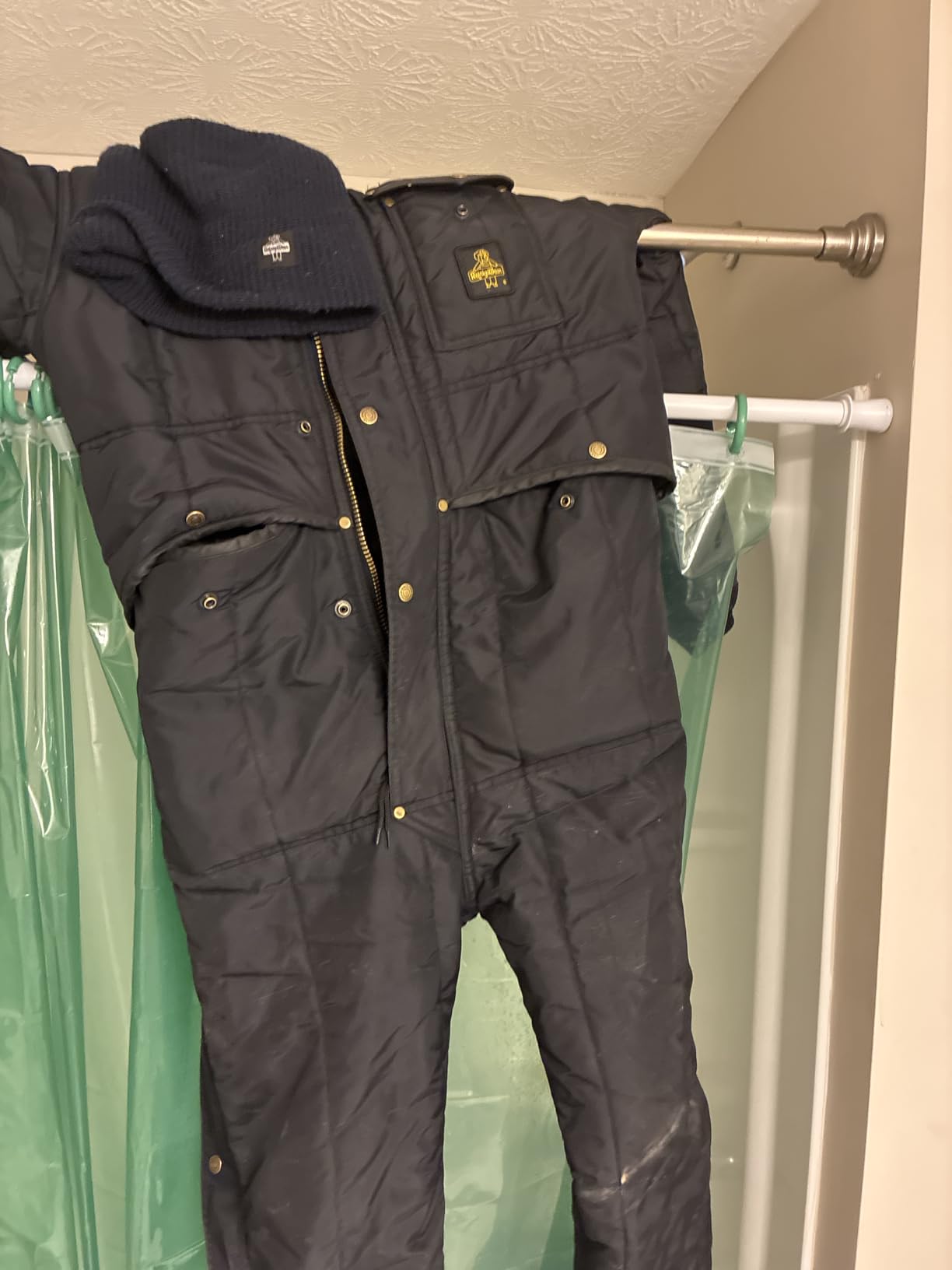
The fleece-lined hood is a standout feature that sets this apart from coveralls where the hood feels like an afterthought. The knit wind seal around the face opening locks in warmth and blocks drafts. My one complaint is that when the hood is fully up, it does limit how far you can turn your head, so I found myself dropping it when backing up a trailer or checking my surroundings around animals.
Pocket storage is generous with two oversized insulated front pockets that actually keep your hands warm, plus a chest pocket and a two-stall pencil pocket on the sleeve. The brass rivets at stress points give me confidence these will hold up to the kind of abuse barn work dishes out, from catching on gate latches to rubbing against rough stall walls.
What Conditions Is It Rated For
The minus 50 degree Fahrenheit rating is not marketing fluff. RefrigiWear developed this coverall for industrial cold storage workers and people in arctic conditions. For barn chores, that means you can comfortably work in temperatures from 10 degrees down to negative 30 degrees or lower with appropriate base layers underneath.
In temperatures above 25 degrees, these will likely be too warm for active work like stacking hay or hauling water buckets. Save these for the truly brutal days or for less physically intense tasks like equipment maintenance and fence checks where you are not generating as much body heat.
On and Off Convenience
The thigh-length snaps combined with leg zippers make these surprisingly easy to get in and out of despite their heavy construction. I tested the on-and-off process over a pair of insulated muck boots, and the side zippers opened wide enough to clear the boot shaft without fighting the fabric.
The two-way front zipper lets you open from the top or bottom, which is useful when you need to answer nature’s call in a hurry out in the barn. One thing to note is that some users report a tighter fit in the crotch area, so if you are between sizes, sizing up will give you more comfortable room in that region.
3. Berne Men’s Heritage Duck Insulated Coverall
Berne Men’s Heritage Insulated Coverall, Large Regular, Brown Duck
10 oz cotton duck shell
Water repellent finish
Heavy-duty brass leg zippers
Triple-needle stitched
Nylon leg hem
Pros
- Heavy-duty 10 oz cotton duck construction
- Full-length brass leg zippers for easy on and off
- Pleated elbows for freedom of movement
- Highest review count with 2625 ratings
- Multiple pockets including hammer loop
Cons
- Not Prime eligible
- Older product design
The Berne Heritage Duck is the coverall I recommend most often when someone asks for a good all around barn work coverall without spending premium money. With over 2,600 reviews and a 4.6 star rating, this is a proven workhorse that farmers and ranchers have trusted for years. The 10 ounce cotton duck shell has a water repellent finish that handles light snow and damp barn conditions well.
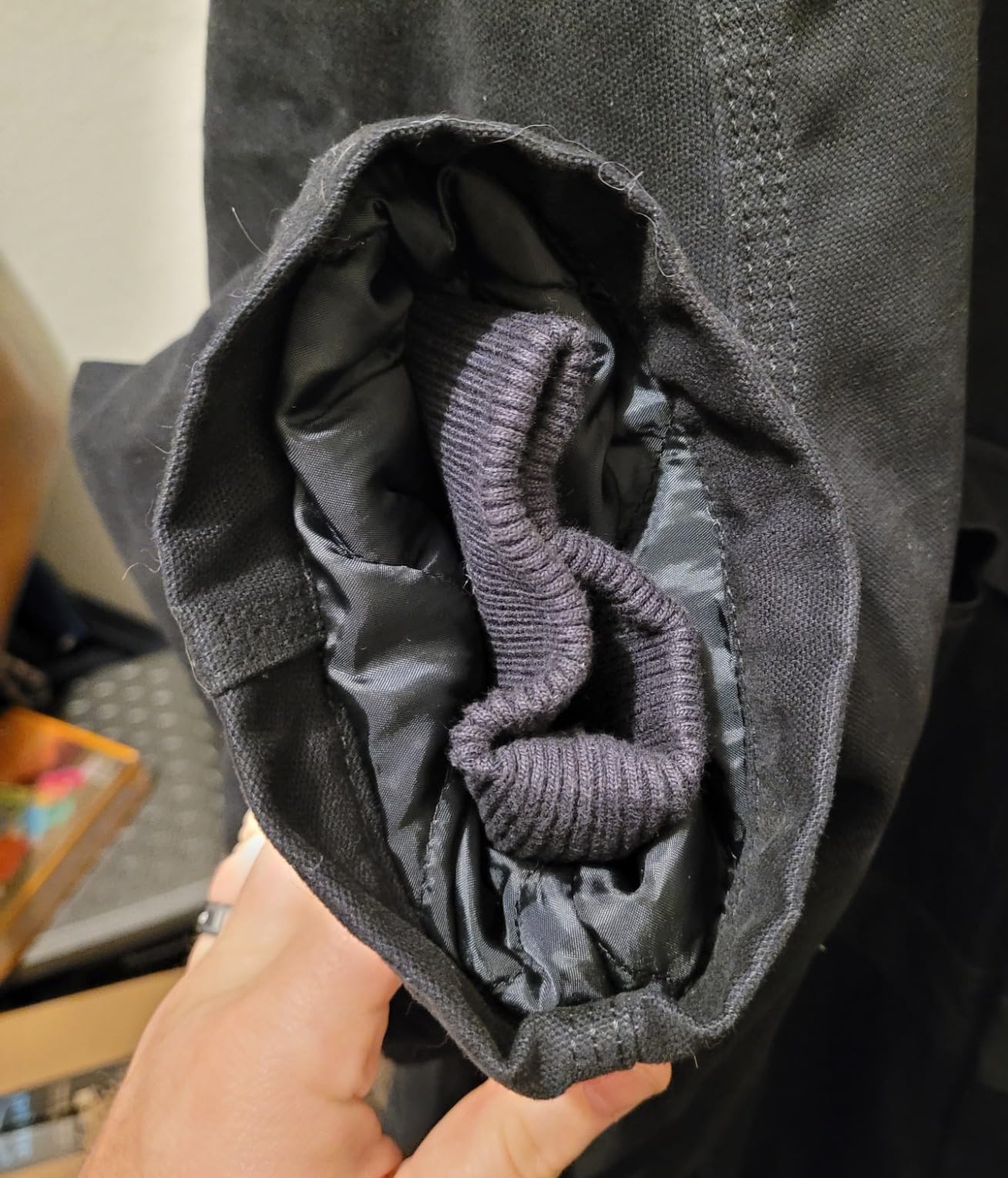
I appreciate the thoughtful design touches that show Berne understands real workwear. The pleated elbows give you ease of movement when reaching overhead to stack hay or pulling on a stubborn gate. The hidden knit storm cuffs sit under the sleeve openings, so they do not snag on things but still seal out cold air at the wrists.
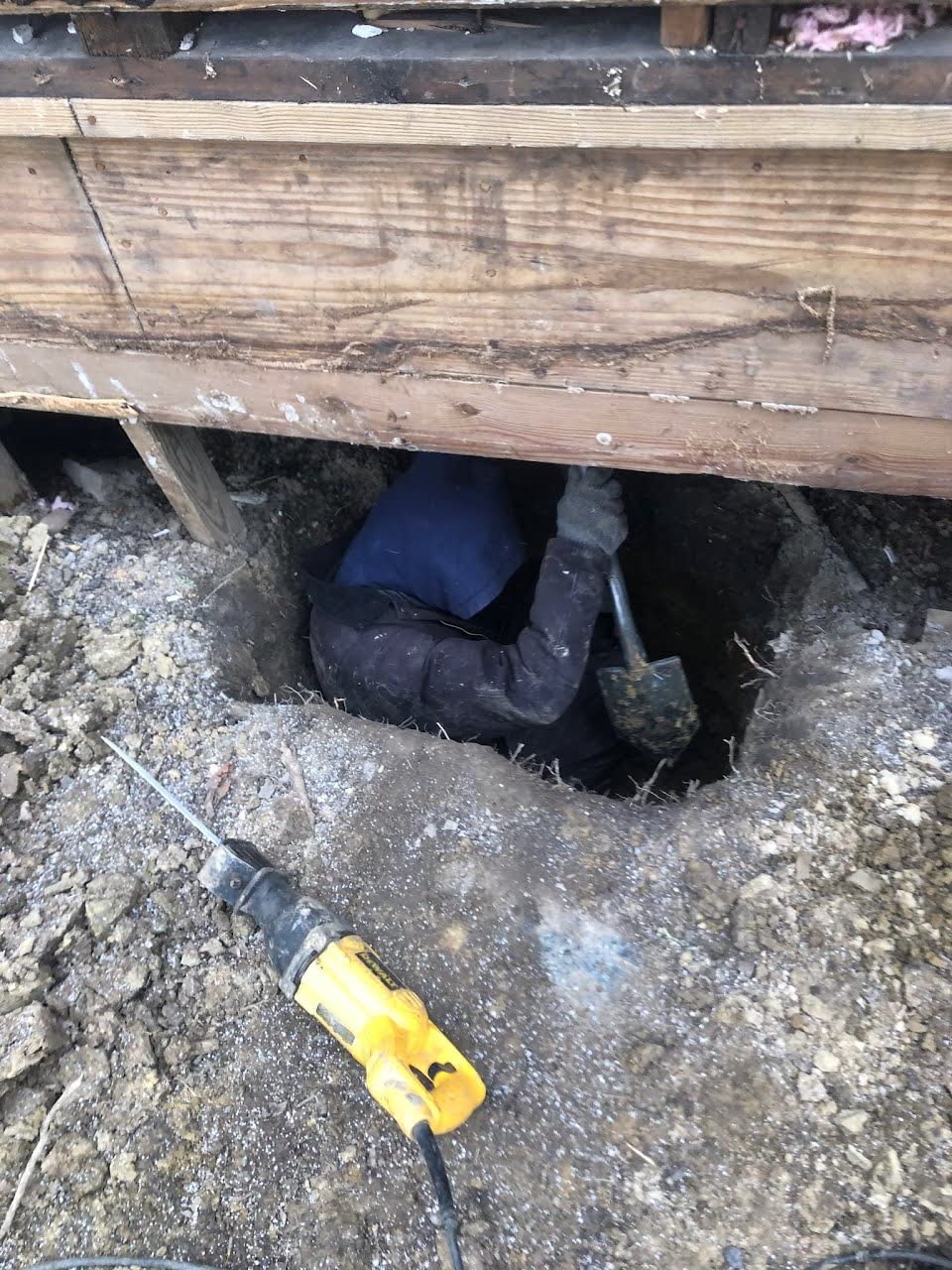
The triple-needle stitched main seams are a durability feature that matters more than it sounds. Barn work puts stress on seams in ways you don’t always notice, from bending and squatting to catching on equipment. These reinforced seams hold up where single-needle stitching would eventually give way. The reinforced back pockets and knees are also built to take abuse.
Storage is well thought out with three inside chest pockets for valuables, multiple external pockets for tools and supplies, and a hammer loop that actually gets used. The full-length heavy-duty brass leg zippers with snap closures mean you can step in and out of these over boots quickly, which is essential when you are transitioning between indoor and outdoor barn tasks.
Sizing Accuracy and Inseam Options
Berne offers this coverall in an impressive range of sizes including regular, short, and tall fits from Small through 4X Large. The sizing runs true to standard workwear measurements, so if you wear a Large in Carhartt or Dickies, a Large in Berne should fit similarly. The tall options add roughly two inches to both torso and inseam.
One thing I noticed is that the cotton duck shell has less stretch than the nylon shells on the premium options. This means getting the size right matters more for comfort. If you are planning to wear thick layers underneath, go up one size to avoid feeling restricted in the shoulders and chest when reaching forward.
Break-In Period and Comfort
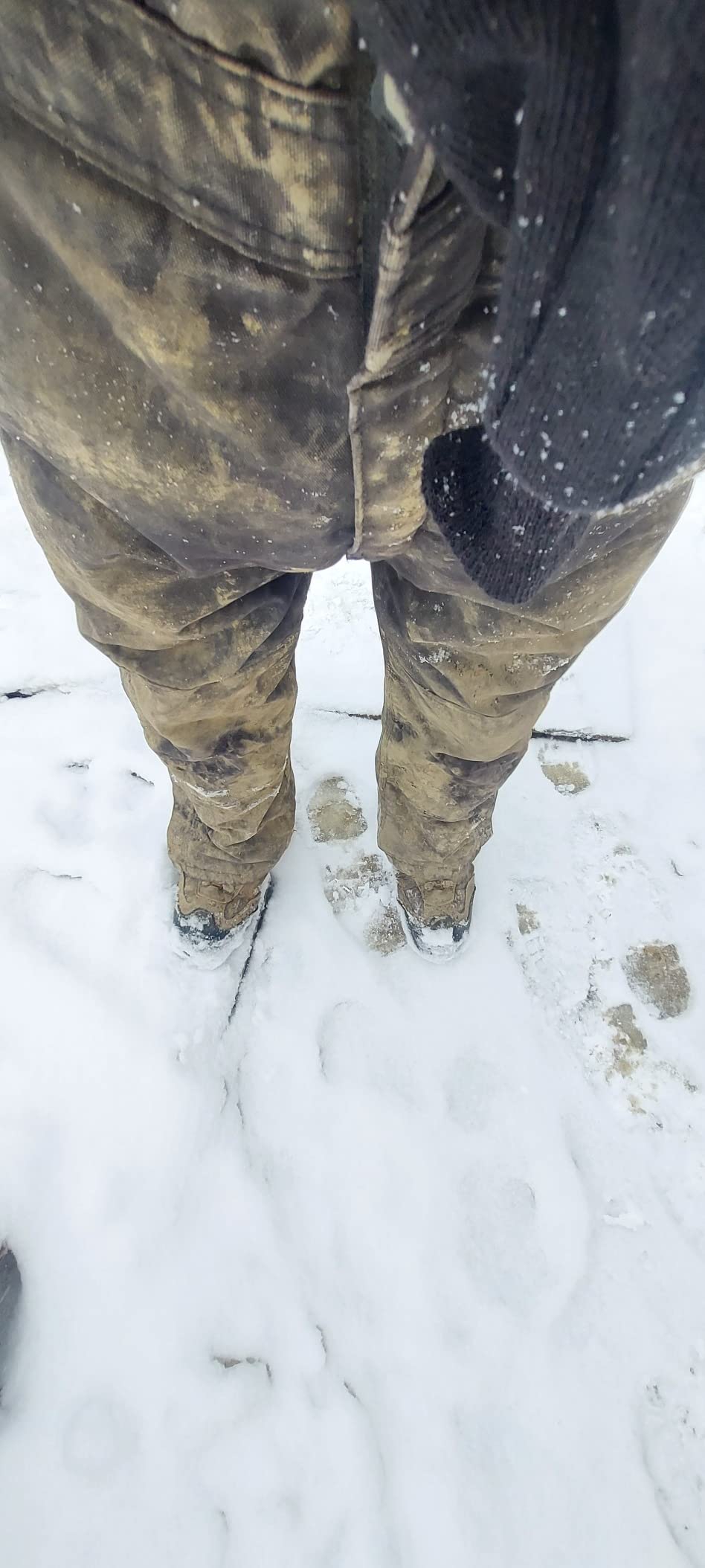
Like most cotton duck workwear, the Berne Heritage Duck arrives fairly stiff and needs a break-in period. After about a week of daily barn chores, the fabric softens up and molds to your body. The water repellent finish does fade over time with washing, so I recommend re-treating with a spray-on DWR product once or twice per season.
The collar features snaps for an optional hood attachment, which is sold separately. This is worth considering if you work in conditions where wind and cold hit your neck and head. Without the hood, the collar still provides good coverage and protection against drafts.
4. Dickies Men’s Premium Insulated Duck Coverall
Dickies Men’s Premium Duck Insulated Coveralls
Premium duck canvas shell
Insulated for cold weather
Long sleeve full coverage
Available in Brown Duck, Black, Dark Navy
Pros
- Over 6151 customer reviews backing its reputation
- Classic Dickies duck canvas construction
- Premium insulation for cold weather barn work
- Wide range of color and size options
- Trusted workwear brand for decades
Cons
- Imported from China
- Sizing can vary between color options
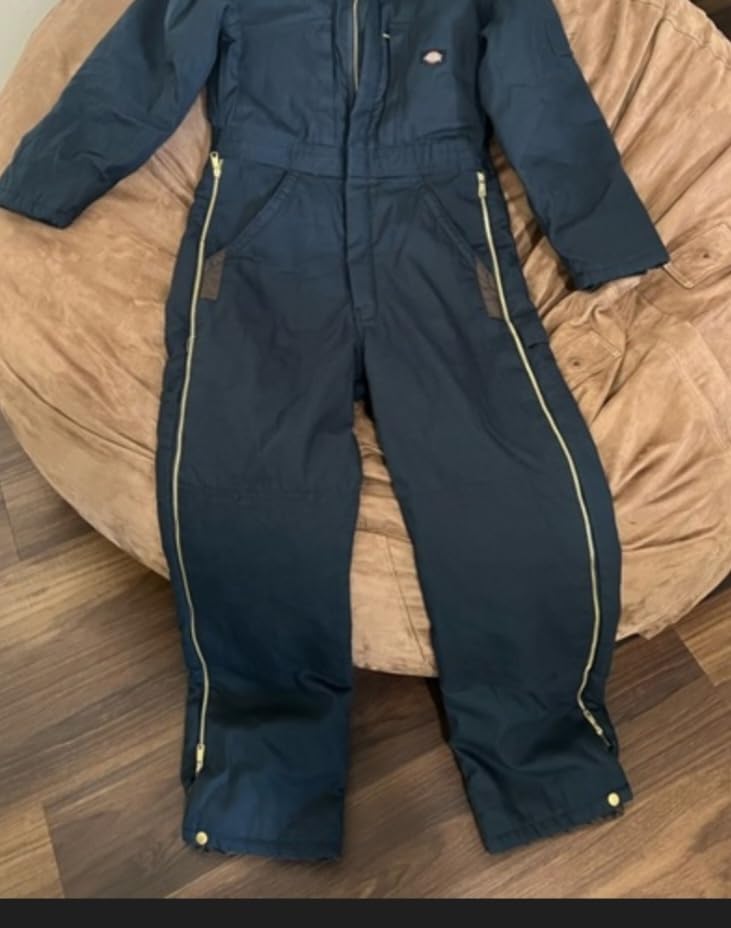
With over 6,100 customer reviews, the Dickies Premium Insulated Duck Coverall is the most reviewed option on this list by a wide margin. That kind of review volume tells you something important about this product. It is the coverall that everyday workers, farmers, and ranch hands actually buy and wear season after season. I have used Dickies workwear for years and the brand consistently delivers dependable gear at a fair price.
The duck canvas shell has that familiar rugged texture that feels ready for work the moment you put it on. The premium insulation provides solid warmth for typical winter barn chore conditions. This is not an extreme cold coverall, but for temperatures in the 20 to 40 degree range where most daily farm work happens, it hits the sweet spot between warmth and mobility.

What makes this coverall a perennial favorite is the balance it strikes. It is warm enough for cold mornings feeding livestock, tough enough to survive daily barn abuse, and priced reasonably enough that replacing it after a hard season does not sting. The long sleeve full coverage design protects arms from scratches, cold, and the general grime of farm work.
The available color options of Brown Duck, Black, and Dark Navy give you some flexibility for matching other gear or just picking a color that hides barn dirt well. Brown Duck is the classic choice for a reason, as it naturally camouflages the mud, hay dust, and manure splatter that come with livestock work.
Fit Compared to Other Dickies Products
If you already own Dickies work pants or jackets, you will find the sizing familiar. The coverall runs true to Dickies standard measurements with a roomy fit designed for layering underneath. The Regular fit works for most body types, while the Tall options add length for anyone over six feet.
One thing to watch for is that sizing can vary slightly between color options based on production runs. Several reviewers noted that the Brown Duck version fits slightly roomier than the Black. If you are between sizes or planning thick base layers, the Brown Duck in your normal size is a safe bet.
Best Temperature Range for Active Chores
The Dickies Premium Insulated Duck Coverall shines in the 15 to 45 degree Fahrenheit range for active barn work. When you are moving hay bales, mucking stalls, or hauling water, your body generates significant heat. This coverall provides enough insulation to keep you warm during start-up and rest periods without overheating during intense activity.
For temperatures below 15 degrees, you will want to add a heavy base layer or consider one of the extreme cold options higher on this list. For above 45 degrees, the insulation becomes too warm for active work, and you would be better served by lighter insulated bib overalls paired with a layered jacket system.
5. Walls Men’s Zero-Zone Duck Insulated Coverall
Walls Men’s Zero-Zone Duck Insulated Coverall, Midnight Black, Large/Regular
10 oz Super Duck material
Muscle Back Technology
Diamond-quilt poly fill
Double knee with waterproof patch
Corduroy collar
Pros
- Muscle Back Technology for extended range of motion
- Super Duck material is heavier and tougher than standard
- Double knee with waterproof patch protection
- Pass-thru hand warmer pockets
- Corduroy collar for comfort
Cons
- Not Prime eligible
- Lighter duty construction than premium options
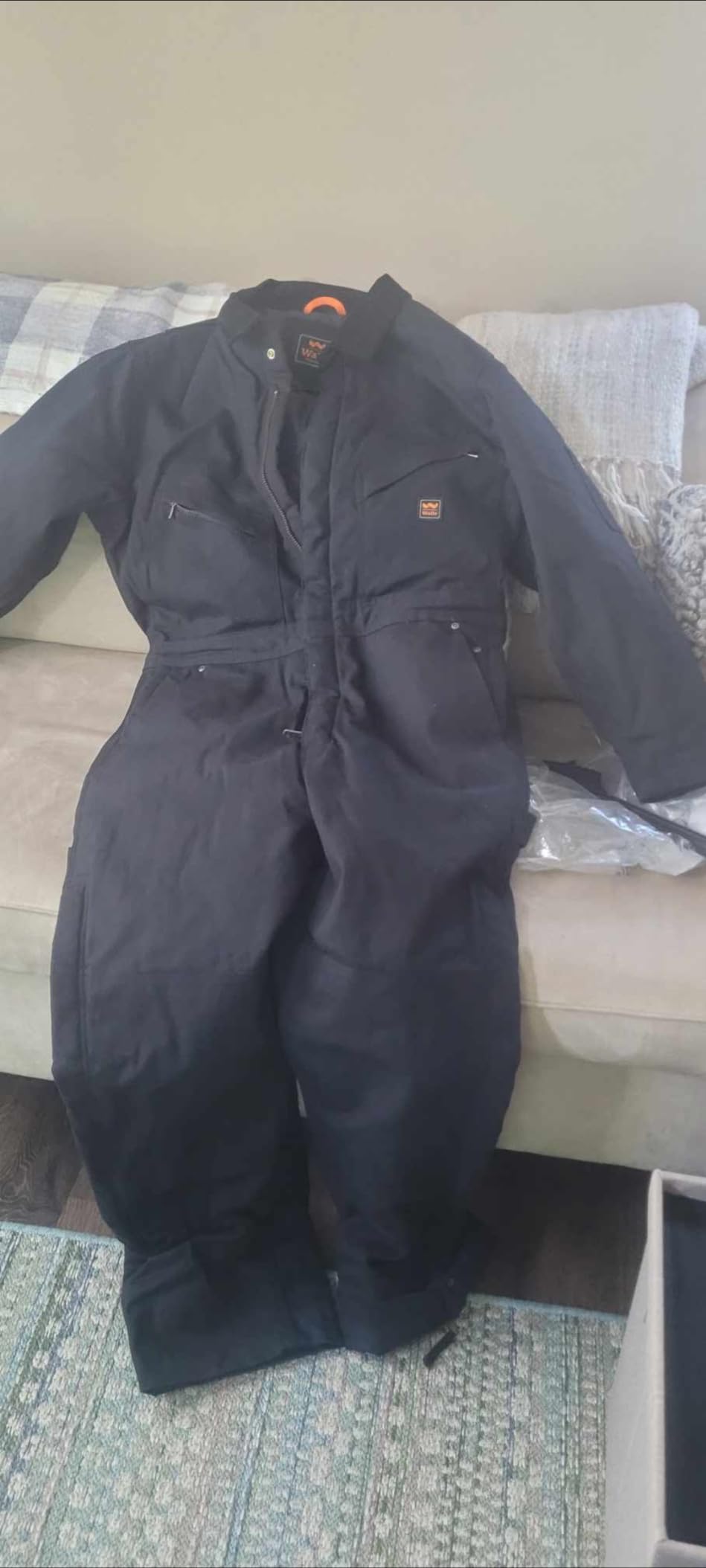
Mobility is where the Walls Zero-Zone Duck coverall separates itself from the pack. The Muscle Back Technology is not just a marketing term. It provides genuine extended range of motion in the upper body that makes a noticeable difference when you are reaching, lifting, and bending during barn chores. I found myself reaching for things overhead without that restrictive pulling sensation you get with lesser coveralls.
The brushed 10 ounce cotton Super Duck material is advertised as two degrees thicker and tougher than the industry standard, and you can feel the difference. It has a substantial, dense feel that inspires confidence around rough barn environments. The diamond quilt four ounce insulation poly fill provides even warmth distribution without the lumpy spots you sometimes get with cheaper fill materials.
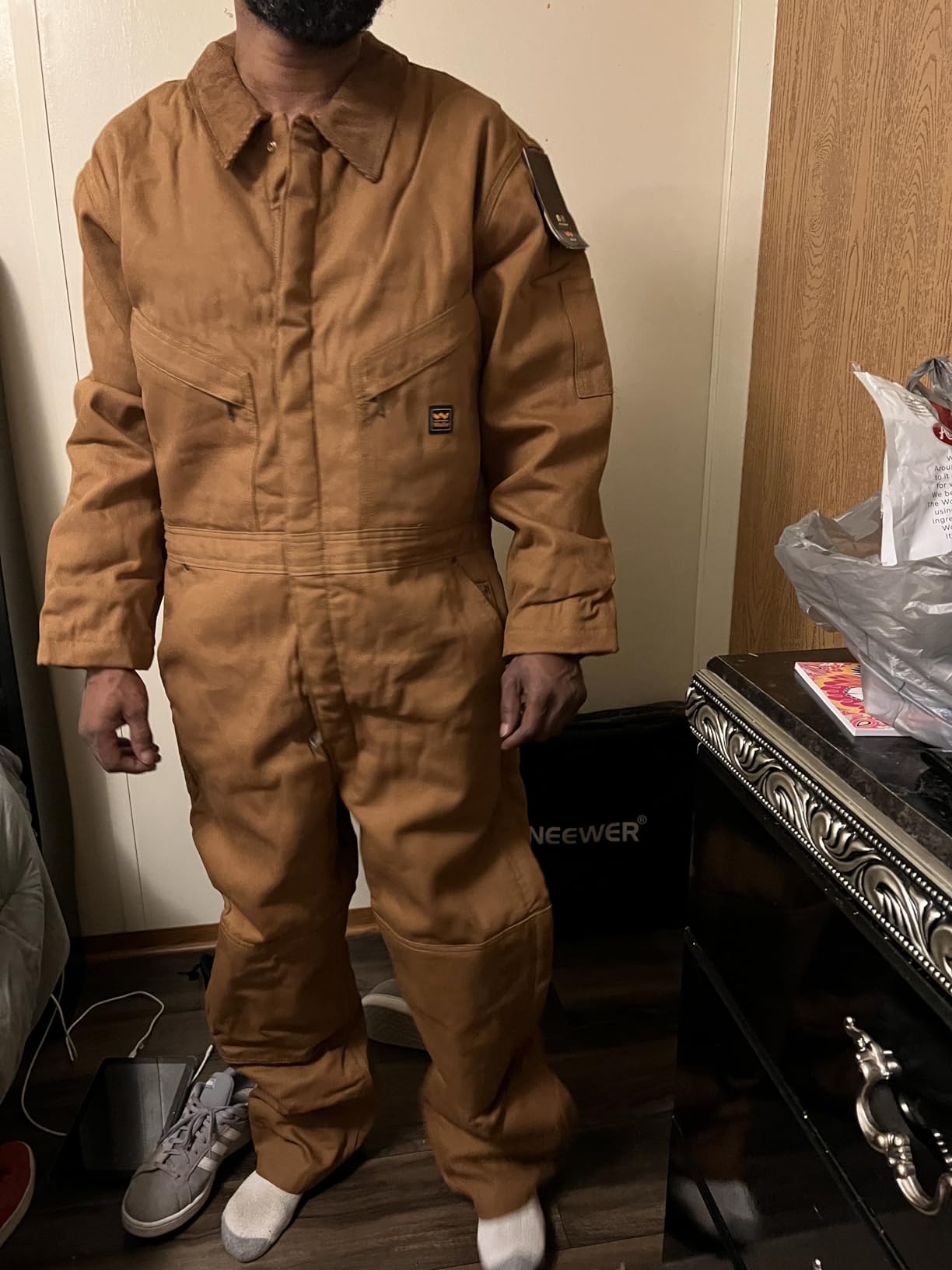
The double knee with waterproof patch protection is a detail that barn workers will appreciate immediately. Kneeling in wet bedding, slush, or mud is unavoidable during livestock work, and the waterproof patch keeps that moisture from soaking through to your legs. The pass-thru hand warmer pockets are accessible from both inside and outside, which sounds minor until you are using them constantly during cold mornings.
The corduroy collar adds a touch of classic comfort that you notice against bare skin when you are wearing just a t-shirt underneath. The storm-flapped side venting zipper lets you dump heat quickly when you transition from outdoor cold to an enclosed barn space. The back hem scuff guard protects the bottom edge from fraying against boot heels.
Mobility for Active Barn Work
The sleeve articulation built into this coverall is one of the best mobility features I have tested in this price range. The sleeves are pre-shaped to follow the natural curve of your arms when bent, which reduces fabric resistance during reaching motions. This matters for tasks like stacking hay overhead, reaching across stall dividers, or working on equipment above shoulder height.
The Muscle Back Technology in the upper back panel allows the fabric to flex and move with your shoulders rather than fighting against it. If you have ever felt like your coverall was holding you back during physical work, this design addresses that problem directly. The triple-needle stitching ensures these high-stress flex points hold up over time.
Pocket Configuration for Tools
The Walls Zero-Zone includes a zippered chest pocket, interior patch pocket, and side zip pockets in addition to the pass-thru hand warmer pockets. This gives you enough organized storage for a phone, keys, small tools, and personal items without everything ending up jumbled together. The chest pocket is large enough for most modern smartphones.
The two-way metal front zipper operates smoothly and lets you adjust ventilation from either direction. The side zip pockets are positioned where they are easy to reach without bending, which is a small but meaningful detail when you are wearing gloves and moving quickly between tasks.
6. Wrangler Men’s Insulated Duck Coverall
Wrangler Riggs Workwear Men’s Insulated Duck Coverall, Black, Large
Heavy-duty metal front zipper
Articulated elbows and knees
Hidden knee barrier
Side venting leg zippers
Arm tool pocket
Pros
- Articulated elbows and knees for improved range of motion
- Arm tool pocket for quick access
- Heavy-duty metal front zipper built to last
- Hidden knee barrier for added protection
- Side leg tool pocket for functionality
Cons
- Not Prime eligible
- Smaller review base with 202 reviews
Wrangler built this coverall under their RIGGS Workwear line, and the workwear DNA shows in the tool storage features. The arm tool pocket and zippered chest pocket give you quick access to the small items you reach for constantly during barn chores, from a hoof pick to a multi-tool to your phone. I found myself using the arm pocket more than expected for things like pen lights and gate keys.
The articulated elbows and knees are pre-shaped to match your body’s natural working positions. This reduces the energy you spend fighting against stiff fabric every time you bend or reach. After a full morning of chores, that reduced resistance adds up to noticeably less fatigue compared to non-articulated coveralls.
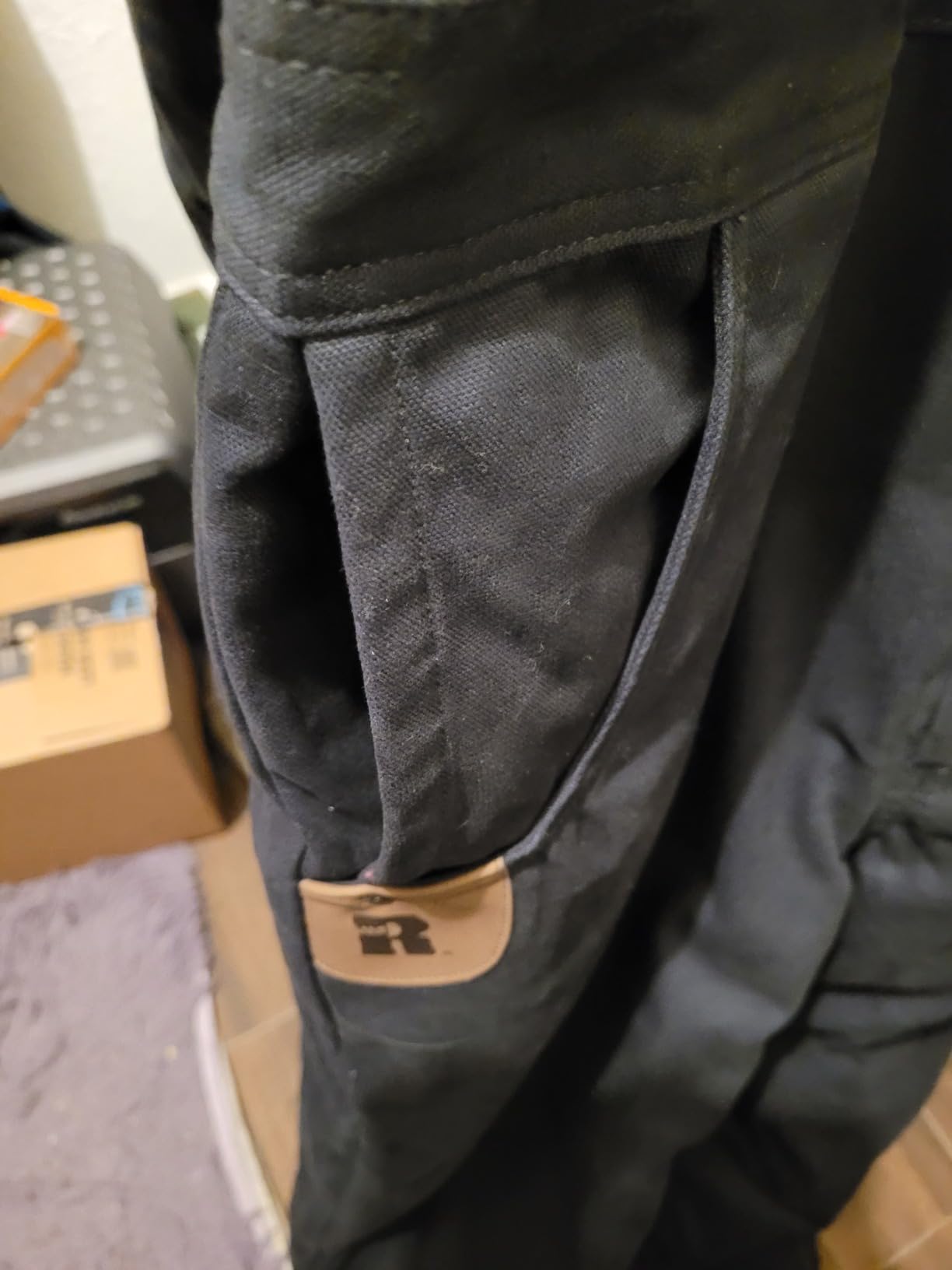
The hidden knee barrier is an interesting feature that sits between the outer shell and the insulation at the knee area. It provides an extra layer of protection against punctures and abrasion when you kneel on rough surfaces. For barn work where you regularly kneel on gravel, concrete, or frozen ground, this added barrier extends the life of the coverall significantly.
The heavy-duty metal front zipper has a substantial feel that inspires confidence. Cheaper plastic zippers are the most common failure point on budget coveralls, so Wrangler’s choice to use metal hardware here is a smart durability decision. The side venting leg zippers help with temperature regulation and make getting these on and off over boots straightforward.
Tool Storage and Pocket Layout
The pocket layout on this Wrangler coverall is designed by people who actually use tools. The arm tool pocket sits on the upper sleeve where it is easy to reach with the opposite hand, perfect for small frequently used items. The zippered chest pocket keeps valuables secure, and the side leg tool pocket accommodates larger items like a fencing pliers or small flashlight.
The combination of these three specialized pockets alongside the standard hand pockets gives you organized storage that keeps tools separated and accessible. This is a meaningful upgrade over coveralls that just have two front pockets and call it a day. For barn workers who carry multiple small tools throughout the day, this layout eliminates the need for a separate tool belt.
Sizing and Fit Notes
This Wrangler coverall fits true to size with a roomy cut designed for layering. The articulated joints mean the coverall is shaped to your body’s working positions, which can feel slightly different from flat-pattern coveralls when you first try them on. The fabric eases into a comfortable working fit after a few wearings.
With 202 reviews, this is one of the newer entries on the market, so there is less long-term durability data compared to established options like the Berne or Dickies. However, the construction features and Wrangler’s RIGGS Workwear reputation suggest it is built to hold up. The 73 percent five-star rating from early adopters is a positive signal.
7. Rothco Insulated Coveralls
Rothco Insulated Coveralls, Woodland Camo, M
65% Polyester 35% Cotton twill
6 oz poly fiberfill insulation
Two-way zipper with storm flap
Elastic knit wrist cuffs
Leg zippers for boots
Pros
- Budget-friendly price with Prime shipping
- 6 oz poly fiberfill provides solid thermal warmth
- Two-way zipper with snap-button storm flaps
- Elastic knit wrist cuffs seal in warmth
- Available in camo and solid color options
Cons
- Zipper quality concerns reported by some users
- Poly-cotton blend less durable than duck canvas
- Quality control issues with some third-party sellers
The Rothco Insulated Coveralls are what I recommend when someone needs a functional pair of winter coveralls without spending much. At their price point, they deliver genuine warmth through six ounces of poly fiberfill insulation and a practical design that covers the basics well. The Prime eligibility means fast shipping, which matters when cold weather catches you unprepared.
The 65 percent polyester and 35 percent cotton twill shell is lighter than the cotton duck options on this list, which means less durability but also less weight and stiffness. For lighter duty barn work or for someone who only needs coveralls occasionally rather than daily, this trade-off makes sense. The two-way zipper closure with snap-button storm flaps keeps cold air from penetrating the front seam.
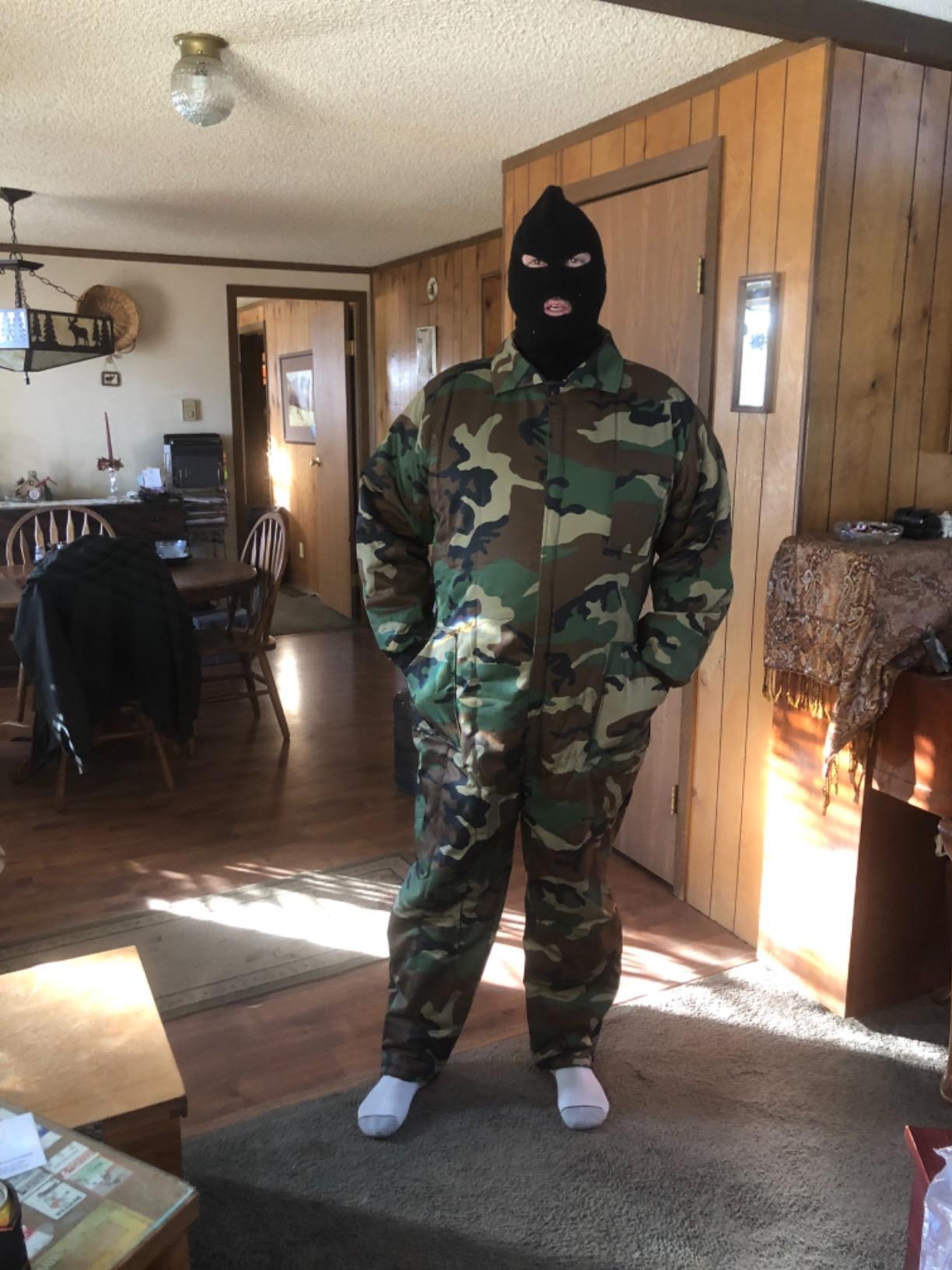
The elastic knit wrist cuffs are a simple but effective feature that seals in body heat at a common cold-air entry point. The elastic waist provides a snugger fit that reduces drafts and helps the coverall move with you rather than shifting around during active work. The leg zippers allow you to step in and out over boots without removing them.
The two nylon-lined front slash pockets are basic but functional for warming hands or carrying small items. The chest pocket adds a bit more storage for a phone or wallet. This is not a pocket-heavy coverall, so if you carry a lot of tools, you will want to pair it with a separate belt or pouch system.
Warmth Level for Mild vs Cold Winters
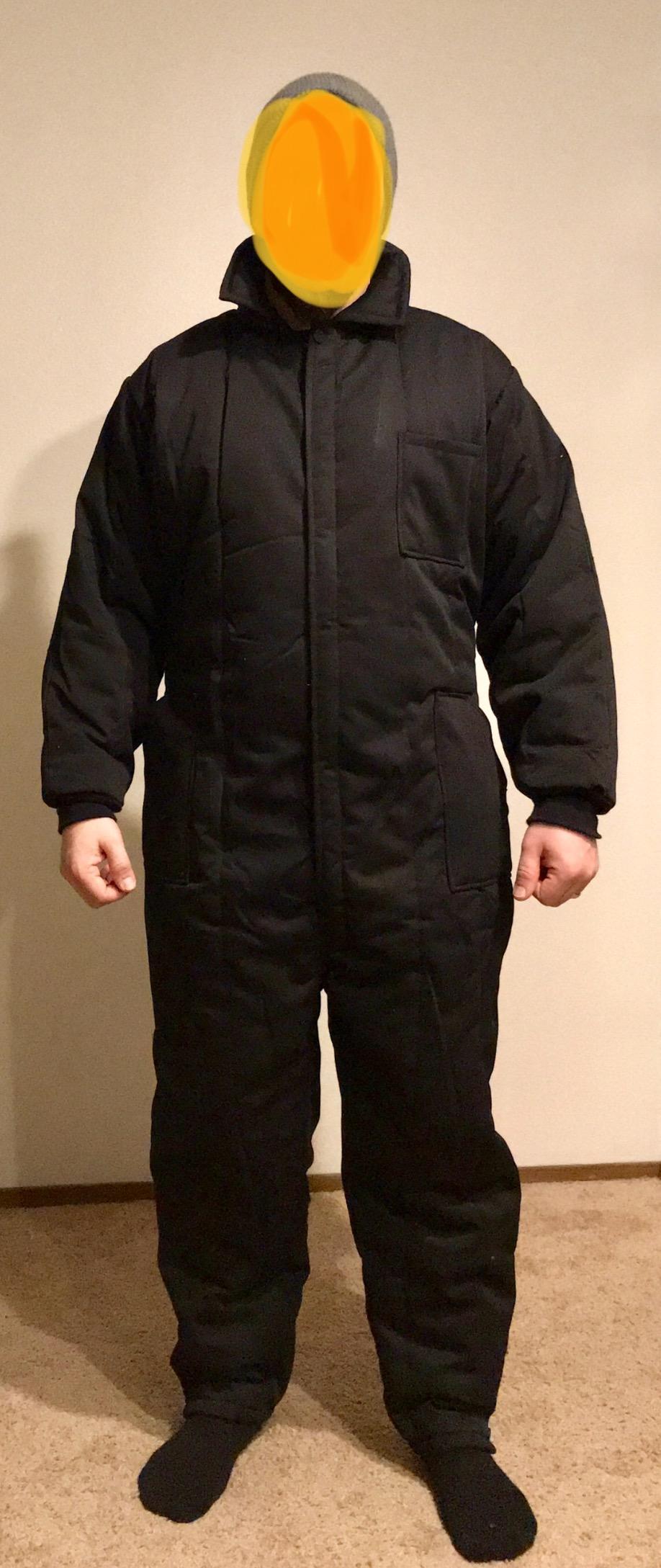
The six ounce poly fiberfill insulation provides warmth suitable for temperatures in the 25 to 45 degree range for active barn work. In milder winter climates like the mid-Atlantic or Pacific Northwest, these will handle most of your barn chore season comfortably. For colder regions or sub-zero conditions, you will need to layer heavily underneath.
The poly-cotton twill shell does not block wind as effectively as nylon or heavy duck canvas options. On windy days, you will feel more cold air penetration through the fabric. If wind chill is a regular factor in your barn environment, consider treating these with a spray-on water and wind repellent or wearing them as a mid-layer under a wind-breaking shell.
Sizing and Color Options
Rothco offers an extensive size range from Small through 6X Large in select colors, and the available color options include Black, Navy Blue, Woodland Camo, and Smokey Branch Camo. The camouflage options make this a popular choice for hunters who also do farm work, since the same coverall can serve double duty in the deer stand and the barn.
Sizing runs slightly large to accommodate layering, which is consistent with military-style workwear sizing conventions. If you wear a Medium in standard clothing, a Medium should fit with room for a base layer underneath. The elastic waist helps accommodate different body shapes within each size. Be aware that some users have reported zipper quality issues over time, so handle the zipper with care and avoid yanking it past resistance.
8. HISEA Insulated Coveralls for Men
HISEA Insulated Coveralls for Men, Winter Water Resistant Work Coveralls, Loose Fit Utility Canvas Jumpsuit for Cold Weather
10.5 oz canvas shell
100g lightweight insulation
Water-repellent coating
9 utility pockets
Triple-stitched seams
Pros
- Most affordable option in the lineup
- 9 utility pockets for organized tool storage
- 10.5 oz canvas shell with water-repellent coating
- Two-way metal front zipper and side leg zippers
- Triple-stitched seams for durability at this price
Cons
- Smaller review base with 167 reviews
- Budget brand with less established track record
The HISEA Insulated Coveralls are the most affordable option on this list, and they punch well above their price class. The 10.5 ounce canvas shell with a water-repellent coating is genuinely impressive for this price point. I was skeptical going in, but the construction quality and feature set earned my respect quickly.
The 100 grams of lightweight insulation provides reliable warmth for typical winter barn chore conditions without the bulk you get from heavier fill materials. This makes the coverall easier to move in than some of the heavily insulated premium options. For active farm work where you generate body heat, this lighter insulation is actually an advantage rather than a drawback.
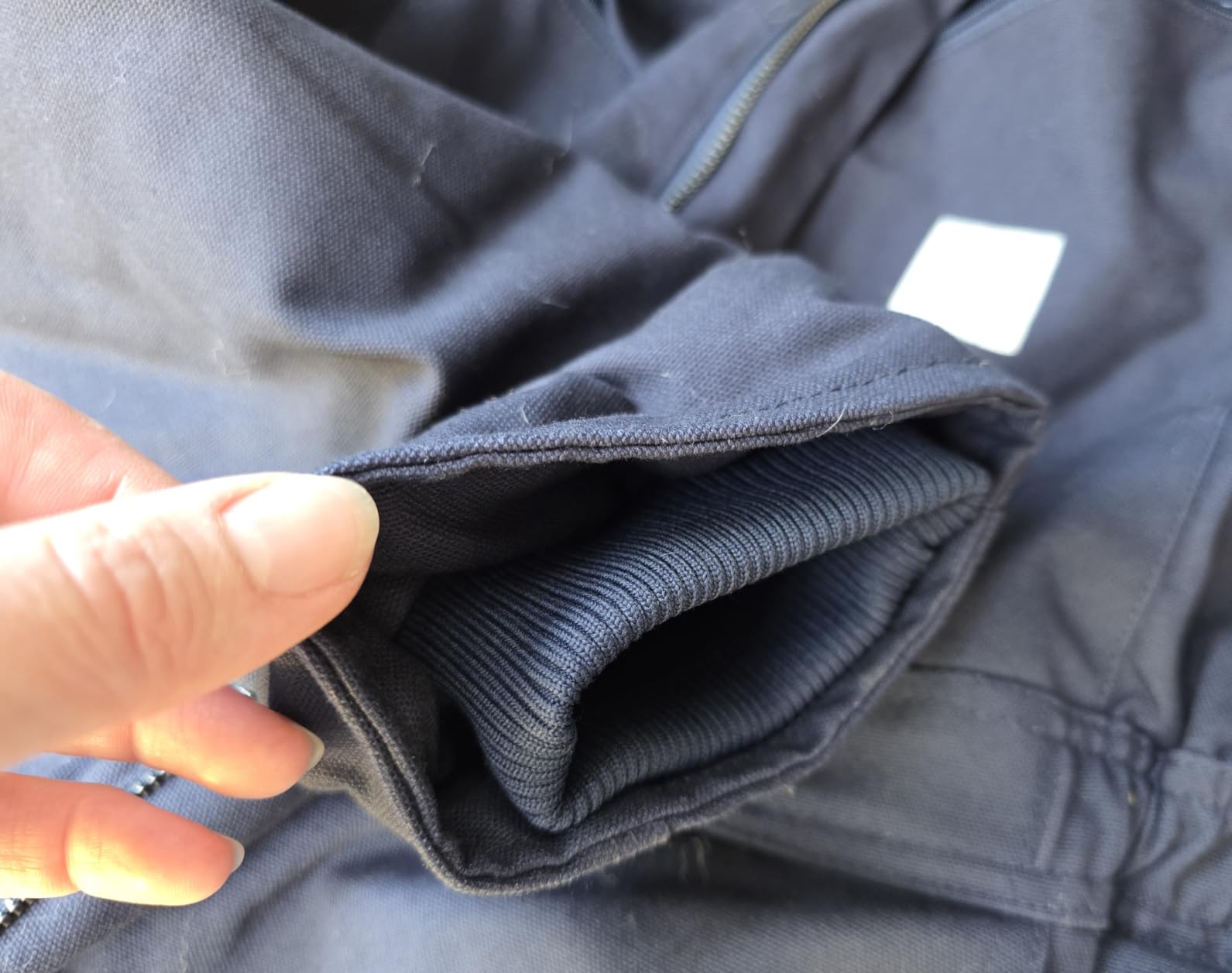
The standout feature on this coverall is the pocket count. Nine utility pockets including a zippered chest pocket, slanted hand pockets, rear patch pockets, a pencil pocket, a carpenter pocket, and pass-through pockets give you organized storage for practically everything. For barn workers who carry tools, a phone, and personal items, this pocket layout rivals coveralls at twice the price.
The full-length two-way metal front zipper and side leg zippers with storm flaps are quality hardware features that you do not always find at this price. The triple-stitched seams reinforce the high-stress areas where barn work tends to cause failures. The metal zipper feels more durable than the plastic zippers found on some competing budget options.
Water Resistance Performance
The water-repellent coating on the 10.5 ounce canvas shell handles light rain, snow, and the general dampness of barn environments effectively. Water beads up and rolls off the surface rather than soaking through immediately. For heavier rain exposure, the coating will eventually wet through, so this is not a substitute for truly waterproof gear in sustained downpours.
The coating does wear off over time with washing and abrasion. I recommend re-treating with a spray-on DWR product every few months if you wash the coveralls regularly. The canvas underneath the coating is still a tough material that sheds moisture reasonably well on its own, so even as the coating degrades, you maintain decent protection.
Sizing and Fit for Different Body Types
The loose fit design accommodates a range of body types and allows comfortable layering underneath. The available sizes run from Small through 3X Large in select colors including Brown, Black, and Dark Navy. The loose cut means these work well for broader builds but may feel roomy on slimmer frames.
As a newer product with 167 reviews, sizing feedback is still accumulating. Early reviewers report that the fit runs slightly large, which is consistent with the loose fit design intention. If you prefer a trimmer fit or plan to wear only a thin base layer, consider ordering one size down from your usual. The side leg zippers make length adjustments less critical since you can fine-tune the fit around boots.
Buying Guide: How to Choose Insulated Coveralls for Barn Chores?
Choosing the right insulated coveralls for barn work comes down to understanding your specific needs. The conditions you work in, the type of chores you do, and your budget all play a role. Here are the key factors I consider when recommending coveralls to farmers and equestrians.
Warmth and Insulation Rating
Insulation is measured in grams per square meter, and more grams means more warmth but also more bulk. For active barn chores in moderate cold, 100 to 150 grams of insulation is typically sufficient. For extreme cold or less active tasks, look for coveralls rated to specific temperature ranges like the RefrigiWear Iron-Tuff at minus 50 degrees Fahrenheit.
The type of insulation matters too. 3M Thinsulate provides excellent warmth-to-weight ratio, meaning you get more warmth with less bulk. Poly fiberfill is heavier for the same warmth level but costs less. Quilt-lined taffeta lining adds comfort against the skin and helps with heat distribution. Consider your typical working temperature range before deciding on insulation weight.
Durability of Material
The shell material determines how well your coveralls will hold up to barn abuse. Cotton duck canvas in 10 ounce or heavier weight is the gold standard for farm workwear. It resists tears, abrasions, and punctures from nails, wire, and rough wood. Nylon shells like the 500 denier Cordura on the Carhartt Yukon Extremes offer similar durability with better wind resistance.
Look for triple-stitched or triple-needle main seams, which are significantly stronger than single-needle stitching. Reinforced knees are essential for anyone who kneels regularly during chores. Brass hardware on zippers and rivets lasts longer than steel or plastic alternatives in wet barn environments where corrosion is a factor.
Ease of On and Off
This is a factor many first-time buyers overlook until they are struggling to peel off muddy coveralls in the tack room. Full-length leg zippers that run from ankle to thigh are the most convenient feature for getting coveralls on and off over boots. Two-way front zippers let you open from the top or bottom for ventilation and bathroom breaks.
Storm flaps over zippers protect against cold air and moisture penetration through the zipper teeth. Snap closures on these flaps are faster to operate with gloved hands than hook-and-loop alternatives. The ankle-to-thigh zipper design on premium options like the Carhartt Yukon Extremes is worth the extra cost if you transition between indoor and outdoor tasks multiple times per day.
Waterproofing and Weather Resistance
Barn work involves frequent exposure to moisture from wet bedding, melting snow, rain, and animal waste. A water-repellent finish on the shell fabric is the minimum level of protection I recommend. For sustained wet conditions, look for coveralls with waterproof patches at high-wear areas like the knees, as found on the Walls Zero-Zone Duck.
Fully waterproof coveralls exist but tend to sacrifice breathability, which can lead to sweat buildup during active work. For most barn chore scenarios, a water-repellent treatment paired with quick-drying insulation provides the best balance. You can re-treat the water repellency with spray-on DWR products as it wears off over time.
Fit and Sizing Considerations
Proper fit affects both warmth and mobility. Coveralls that are too tight restrict movement and compress insulation, reducing its effectiveness. Coveralls that are too loose allow cold air to circulate and create snag hazards around equipment. Look for brands that offer regular, short, and tall length options to match your build.
The elastic back waist feature found on several options helps maintain a better fit across different body shapes. Articulated elbows and knees, like those on the Wrangler and Walls models, reduce fabric resistance during movement. Always check the brand’s sizing chart and read customer reviews about fit before ordering, as sizing conventions vary between manufacturers.
Price vs Value Analysis
Coverall prices in this roundup range from under $80 to nearly $280. The premium options like the Carhartt Yukon Extremes and RefrigiWear Iron-Tuff justify their cost through superior materials, extreme cold performance, and longer expected lifespan. For daily barn work in harsh conditions, the investment pays off over multiple seasons.
Mid-range options like the Berne Heritage Duck and Dickies Premium Duck deliver excellent value for typical farm work. Budget options like the HISEA and Rothco provide functional warmth at accessible prices, making them good choices for occasional use or as backup pairs. Consider how often you will wear them and in what conditions when evaluating price against your needs.
Frequently Asked Questions
What are the warmest insulated coveralls?
The RefrigiWear Iron-Tuff Coveralls are the warmest option on this list, rated for extreme cold protection down to minus 50 degrees Fahrenheit. They feature RefrigiFill insulation, a 400 denier nylon shell, and a fleece-lined hood with knit wind seal. For arctic conditions and extreme cold barn work, nothing else in this lineup matches their temperature rating.
What brand of clothing do farmers wear?
Farmers most commonly wear Carhartt, Dickies, Berne, and Walls for barn and field work. These brands have built reputations over decades for durable workwear that holds up to the demands of agricultural labor. Carhartt is mentioned most frequently in farmer forums and communities for its combination of durability and cold weather performance.
Are Carhartt overalls good for barn work?
Yes, Carhartt overalls and coveralls are excellent for barn work. The Yukon Extremes model features a 500 denier Cordura nylon shell with 3M Thinsulate insulation, Wind Fighter technology, and Rain Defender water repellent coating. These features make it well suited for the cold, wet, and physically demanding conditions typical of livestock work and barn maintenance.
Should a 50 year old wear overalls?
Age should not determine whether you wear overalls or coveralls. Insulated coveralls are functional workwear designed for warmth and protection, not a fashion statement. For anyone doing barn chores, farm work, or outdoor winter activities, insulated coveralls provide practical benefits regardless of age. Choose a pair that fits well and meets your warmth and mobility needs.
How do I choose insulated coveralls for barn chores?
Focus on five factors: insulation weight matched to your typical temperature range, shell material durability (cotton duck or nylon), full-length leg zippers for easy on and off over boots, water-repellent treatment for wet barn conditions, and proper sizing that accommodates layering without restricting movement. Consider how often you will wear them and in what conditions to determine your budget.
Final Thoughts on the Best Insulated Coveralls for Barn Chores
The best insulated coveralls for barn chores depend on your specific winter conditions, work intensity, and budget. For extreme cold protection, the RefrigiWear Iron-Tuff rated to minus 50 degrees Fahrenheit is in a class of its own. The Carhartt Yukon Extremes earns my editor’s choice for its combination of premium materials, wind and water resistance, and inclusive sizing range.
For the best overall value, the Berne Heritage Duck with its 10 ounce cotton duck shell, 2,625 reviews, and mid-range price is hard to beat. The Dickies Premium Insulated Duck remains the crowd favorite with over 6,000 reviews from real working farmers and ranch hands. And for budget conscious buyers, the HISEA and Rothco options deliver functional warmth without breaking the bank.
Whatever you choose, invest in coveralls that match your actual working conditions rather than overbuying insulation you will never need. Pair them with good insulated boots, quality gloves, and proper base layers, and you will stay comfortable through every barn chore the winter of 2026 throws at you.