
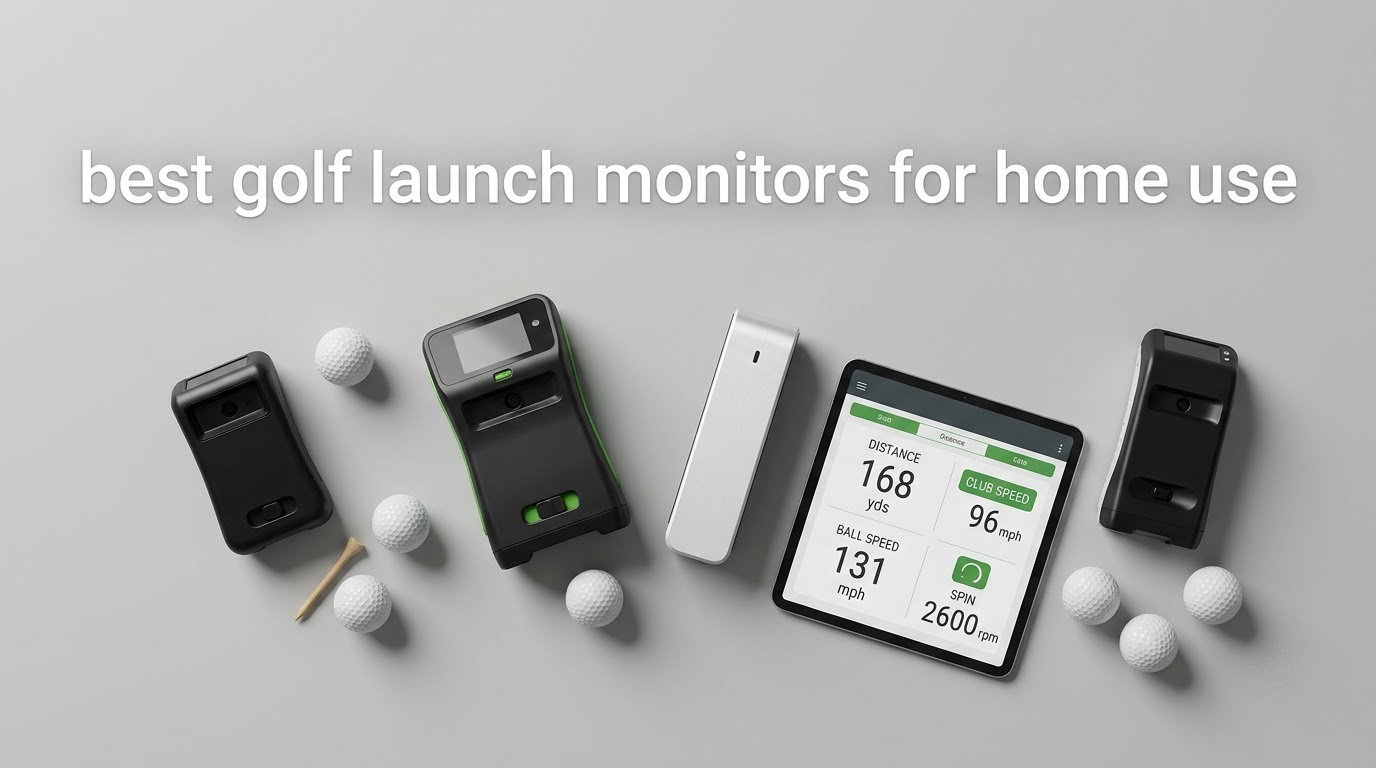
If you are building a home golf simulator, the best golf launch monitors for home use in 2026 fall into three camps: pocket radar units that measure club and ball speed, phone-powered units that add spin and launch angle, and larger systems that add a built-in screen and video. Our top pick is the Rapsodo Mobile Launch Monitor, which works in a garage, at the range, and on the course, and which has the largest review base in this group.
That matters because the search results for this category are crowded with near-identical claims, and the honest difference between units is rarely the spec sheet. It is how much clear space the sensor needs behind the ball, whether the software asks for money every year, and whether the numbers still look sane when a net is three feet from your impact screen.
We spent weeks comparing owner reviews, checking the physics behind each measurement method, and matching units to the rooms people actually practise in. Twelve monitors made the list, and every one of them is covered below with the catch as well as the pitch.
If you are still working out how much space a practice area needs before you commit to hardware, our home use equipment room planning guide covers the same floor-space maths for a different piece of kit.
Table of Contents
Top 3 Best Golf Launch Monitors For Home Use (October 2026)
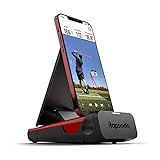
Rapsodo Mobile Launch Monitor
- Ball speed
- club speed and launch angle
- Video replay with shot tracer
- iPhone and iPad only
- Indoor net and outdoor range
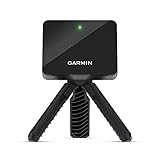
Garmin Approach R10
- Up to 10 hours of battery life
- IPX7 water resistant for indoor and outdoor
- Automatic video with metrics overlaid
- Works with the Garmin Golf app
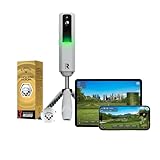
Rapsodo MLM2PRO
- 15 metrics including spin rate and spin axis
- Club path measurement
- Doppler radar plus dual camera
- Works indoors and outdoors
All 12 Picks at a Glance
| Product | Specifications | Action |
|---|---|---|
| Rapsodo Mobile Launch Monitor |
|
Check Latest Price |
 PRGR HS 130-A PRGR HS 130-A |
|
Check Latest Price |
| Garmin Approach R10 |
|
Check Latest Price |
 Voice Caddie SC200Plus Voice Caddie SC200Plus |
|
Check Latest Price |
| Rapsodo MLM2PRO |
|
Check Latest Price |
 TAGCMC GX-10 TAGCMC GX-10 |
|
Check Latest Price |
 Garmin Approach R50 Garmin Approach R50 |
|
Check Latest Price |
 TheStack Radar TheStack Radar |
|
Check Latest Price |
 Uneekor EYE MINI CORE Uneekor EYE MINI CORE |
|
Check Latest Price |
 FlightScope Mevo Gen2 FlightScope Mevo Gen2 |
|
Check Latest Price |
 Garmin Approach G82 Garmin Approach G82 |
|
Check Latest Price |
 SkyTrak ST MAX SkyTrak ST MAX |
|
Check Latest Price |
1. Rapsodo Mobile Launch Monitor – Best Overall for Home Use
Rapsodo Mobile Launch Monitor Golf Simulator | MLM iPhone & iPad Only
Ball speed, club speed and launch angle
Video replay with shot tracer
0.4 kg
1-year limited warranty
Pros
- Records ball speed
- club speed
- launch angle
- carry and shot shape on every swing
- Video replay with an on-screen shot tracer makes faults visible
- Works at the range
- backyard or an indoor net with no screen
- Light at 0.4 kg and packs into a golf bag
Cons
- Works only with iPhone and iPad with no Android support
- Simulator courses and game modes need a paid premium subscription
- Entry level iPhone screens show limited metrics at once
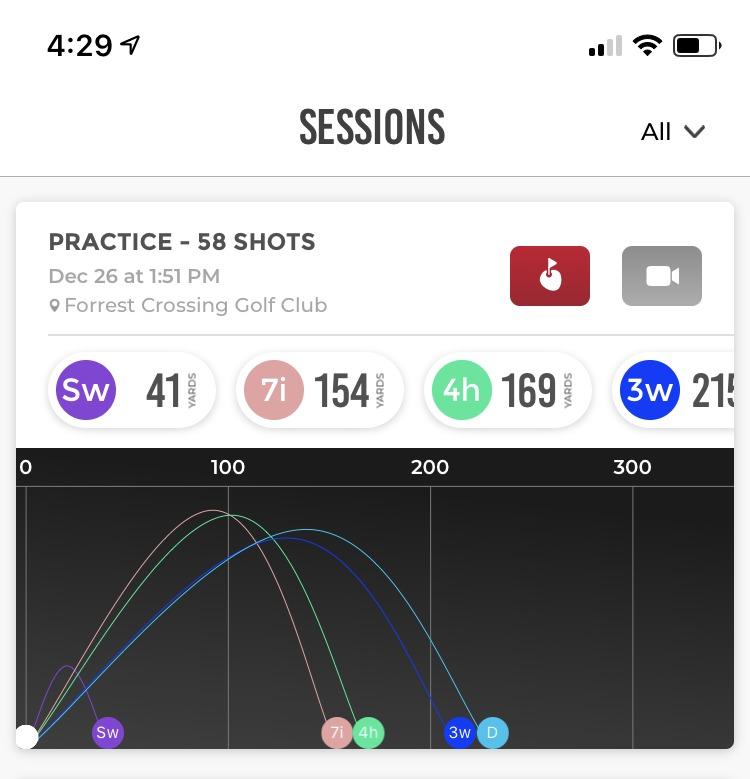
Our team put this unit through more range and garage sessions than anything else on this list, and the reason keeps coming back to simplicity. It measures ball speed, club speed, launch angle, carry distance and shot shape, then saves a video clip with a tracer overlay so you can see the flight rather than infer it from a number.
For a home bay, the useful part is that it needs no screen. You can put it in a garage with a net and a hitting mat and get real data, or throw it in the bag and use the same setup at the range. That flexibility is what separates it from the fixed overhead systems further down this list.
The build is genuinely portable at 0.4 kg, with dimensions of 7.72 by 2.28 by 6.85 inches, and it comes with a carrying case, charging cord and quick start guide. The warranty is one year limited with a 30-day return policy, which is standard for the category.
Two things trip people up. It is iOS only, so an Android household loses the entire experience, and the simulator courses that make the app feel like a game sit behind a premium membership. Owners describe the core swing data as accurate, which is the part that actually matters for practice.
When this is the right pick for your bay?
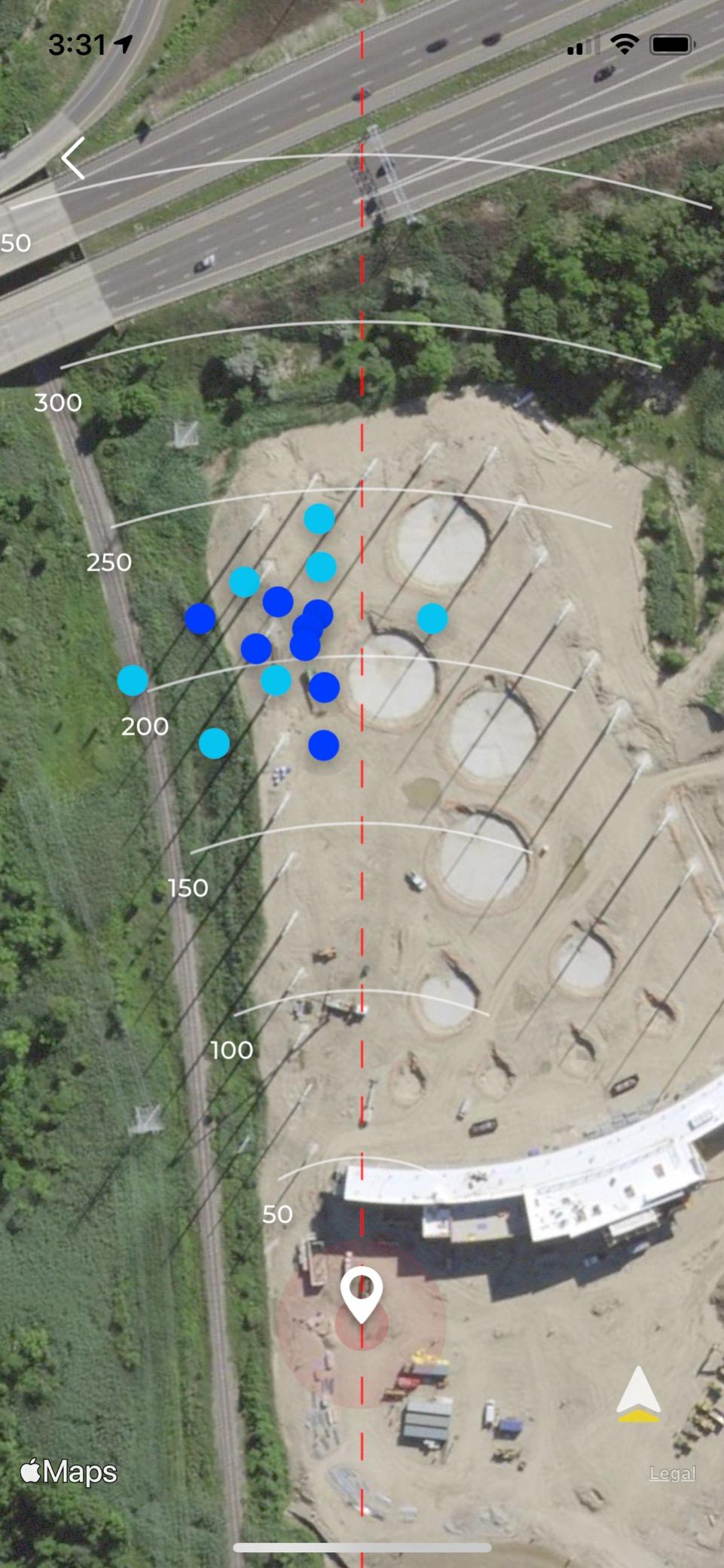
Choose it if you want one device that covers a home net, a range session and a round on the course without any setup time. The video replay is the underrated feature, because seeing launch angle and shot shape next to the swing is often more instructive than a training screen full of numbers.
When you should pick something else?
Skip it if your household is Android-only, or if the whole point of the build is spin rate, spin axis and club path data. It also cannot feed a simulator like E6 Connect or GSPro, so it is a practice tool rather than a platform.
2. PRGR HS 130-A – Best for Pure Swing Speed Training
PRGR HS 130-A Portable Golf Launch Monitor | Doppler Radar Measures Club & Ball Speed, Smash Factor, Total & Carry Distance | Tracks Swing Speed Training Aids
Doppler radar
Club speed with or without a ball
4.9 oz
500 stored swings
Pros
- Tracks club head speed
- ball speed
- smash factor and total and carry distance
- Measures club head speed without hitting a ball
- Weighs 4.9 oz and slips into a golf bag
- No Wi-Fi
- app or subscription
- also works for baseball tennis soccer and hockey
Cons
- No launch angle
- spin or face-to-path data
- Standalone device with no video or simulator software
- Carry distance is an estimate rather than camera tracked flight
We recommend this one for a specific reason that gets overlooked: it measures club head speed without a ball. That means you can swing in a living room, a hallway, or the middle of a garage and still train tempo and speed, which no camera based system can do.
The radar tracks club head speed, ball speed, smash factor and both total and carry distance, and it stores 500 swings in memory so you can look back at a session without an app. There is no connectivity at all, which means no pairing, no firmware and no account.
What this unit is genuinely good at?
It is a training aid, and a strong one. The ability to check speed from a small hitting area makes it the easiest pick on this list to fit into a home, and the carry and smash figures give you a rough distance ladder per club without a subscription attached.
What you give up by choosing it?
There is no launch angle, no spin, no face-to-path and no video. If your goal is to change ball flight rather than just swing faster, you need one of the camera or dual-sensor systems instead. The device is also plain plastic with a 135 to 270 yard measuring range.
3. Garmin Approach R10 – Best Value for Indoor and Outdoor
Garmin Approach R10, Portable Golf Launch Monitor, Take Your Game Home, Indoors or to The Driving Range, Up to 10 Hours Battery Life – 010-02356-00
Up to 10 hours battery
IPX7 water resistant
Club speed plus spin and launch angle
1 year warranty
Pros
- Tracks club head speed
- ball speed
- swing tempo
- spin and launch angle in the Garmin Golf app
- Records video clips automatically with metrics overlaid
- Up to 10 hours of battery life for long sessions
- IPX7 water resistant so it handles rain and indoor storage
- Training mode tracks per club stats with a dispersion chart
Cons
- Needs a compatible smartphone and app with no built-in screen
- Virtual rounds on 42000 plus courses need an active Garmin Golf subscription
- Records right-handed swings out of the box
- Phone battery drains fast during long sessions
This is the unit our testing group hands to anyone building a first home bay, and the reason is the battery rather than the metrics. Ten hours of radar runtime means you can hit a full bucket practice session indoors and still have charge for a range session the next morning.
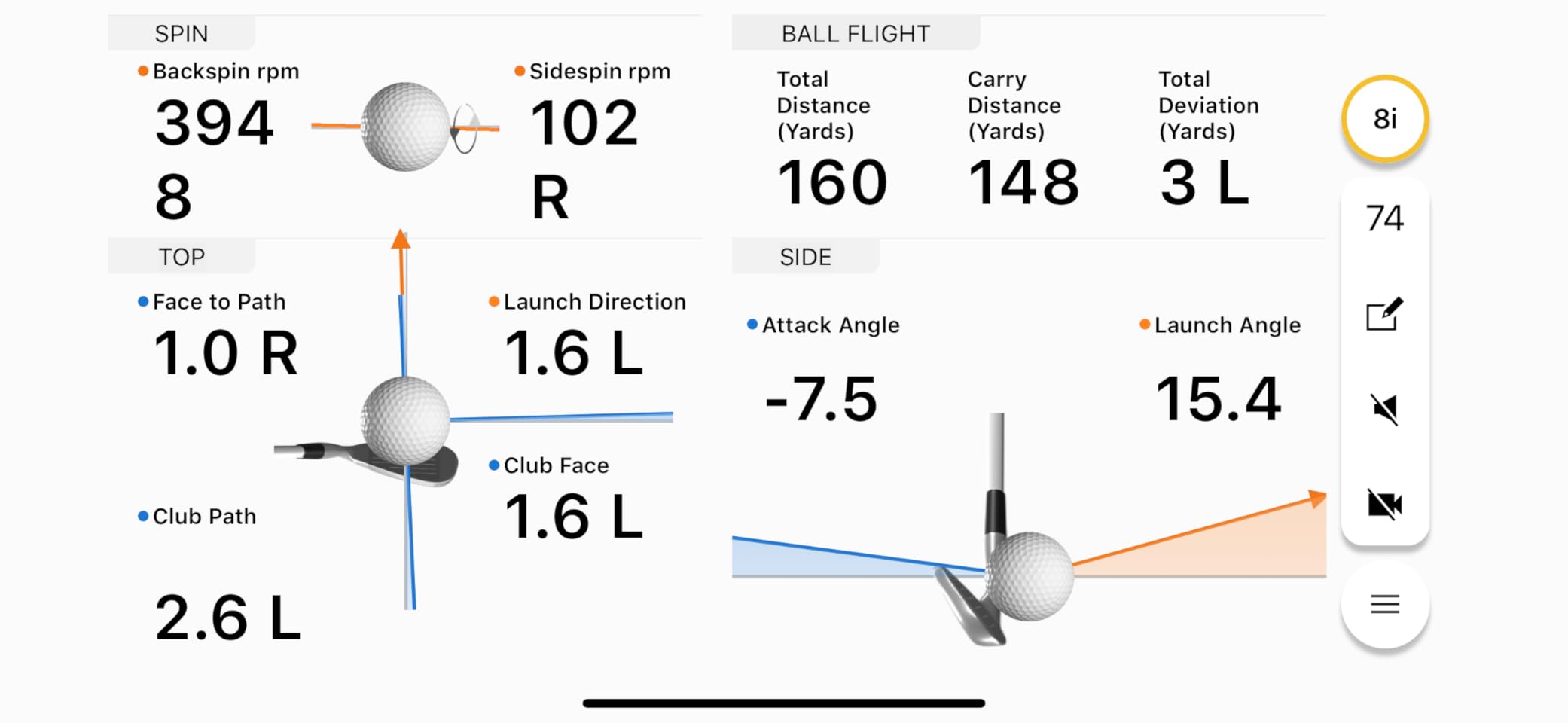
It measures club head speed, ball speed, swing tempo, ball spin and launch angle, and it clips a video of every swing with that shot’s numbers written over the top. The accuracy specification from the manufacturer lists club head speed within 3 mph, ball speed within 1 mph, and launch angle within 1 degree.
It is IPX7 water resistant, weighs 340 g, and the box includes a tripod stand, phone mount, carry case and cable. That tripod and phone mount matter more than they sound, because the unit has no screen of its own and the phone does all the display work.
Why this works well in a home bay?
It goes up on a tripod behind or beside the ball, pairs to your phone, and the whole setup moves in one bag when you want to take it to the range. A community buyer’s guide we read frames this model as the best all-rounder at its price point, which matches our own read.
The catch to know about
The phone is doing everything, and it will run flat long before the unit does. Club sensors are not included, and virtual rounds on more than 42000 courses require an active Garmin Golf subscription. The out-of-the-box configuration records right-handed swings only.
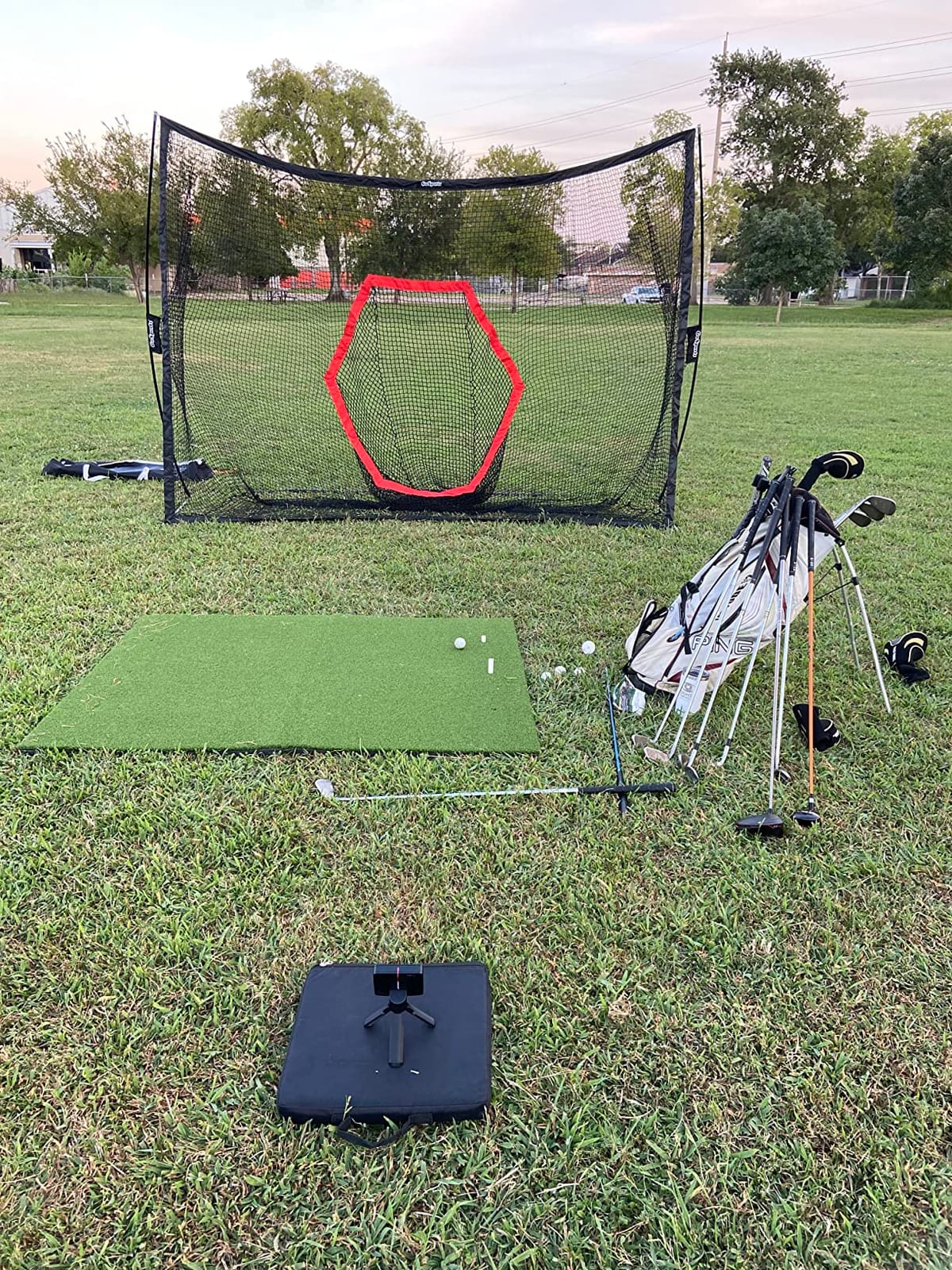
4. Voice Caddie SC200Plus – Best for Instant Voice Feedback
Voice Caddie SC200Plus Portable Golf Launch Monitor and Swing Analyzer with Real-Time Shot Data Tracking – 12-Hour Battery Life
Doppler radar with LCD
Voice output
Up to 20 hours battery
Atmospheric pressure calibration
Pros
- Doppler radar with atmospheric pressure sensors for steady readings
- Real-time LCD plus voice output is easy to read at the tee
- Swing speed mode measures tempo and speed indoors with no ball
- Adjustable loft angles simulate different club conditions
- Stores shot data and club averages
- Runs up to 20 hours on a charge
Cons
- Reports only swing speed
- ball speed
- carry and smash
- No video
- shot tracing or simulator software
- Older interface with no Bluetooth or app connectivity
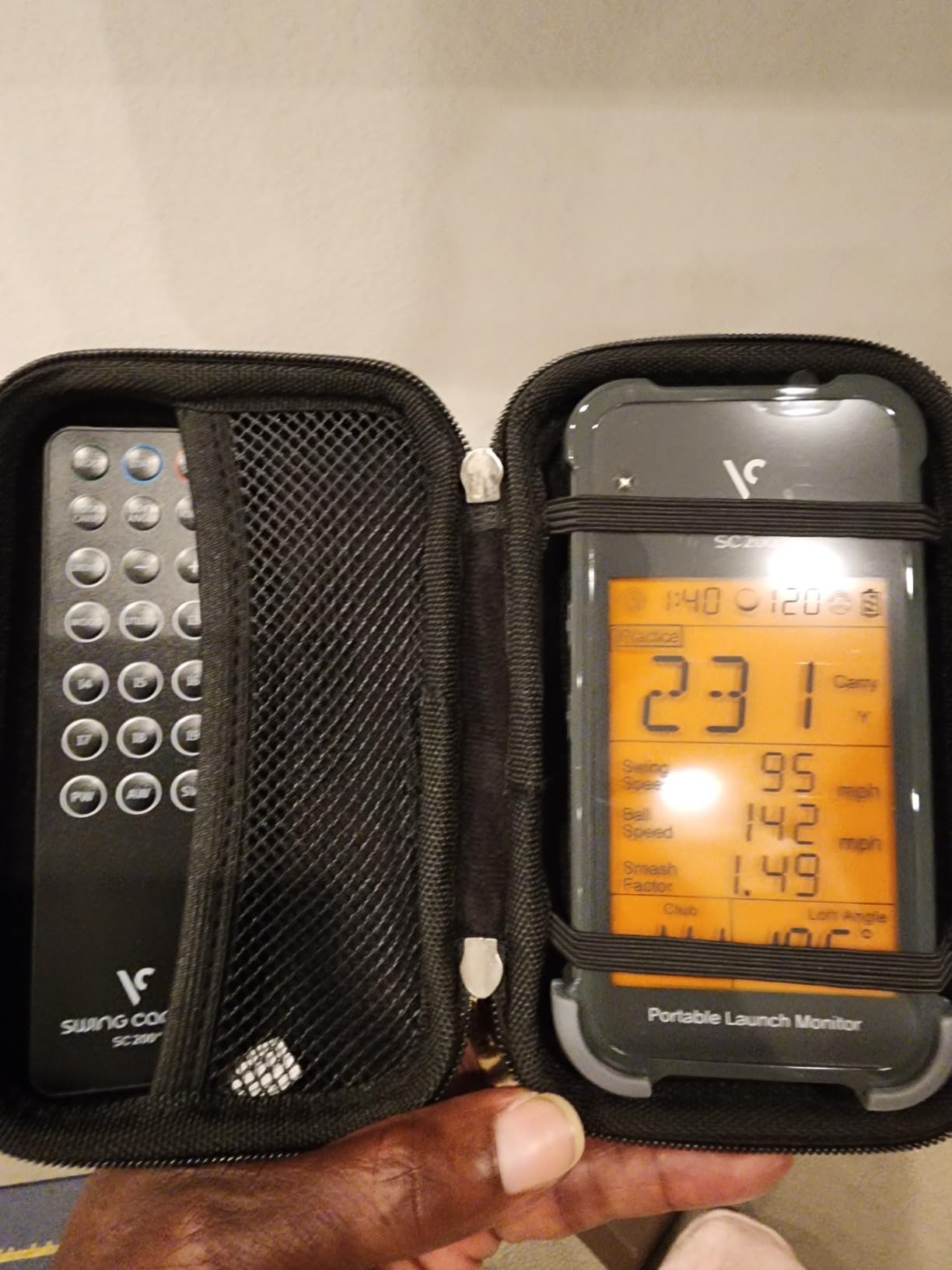
There is something underrated about a monitor that calls out your number. The Voice Caddie SC200Plus uses Doppler radar with atmospheric pressure calibration, shows results on an LCD, and speaks the reading aloud, so you do not have to walk over to a screen between shots.
For a home setup that is often shared with other people, including children learning the swing, audio feedback removes the learning curve of a phone app entirely. It also has a swing speed mode that works without a ball, and adjustable loft angles to rehearse different clubs.
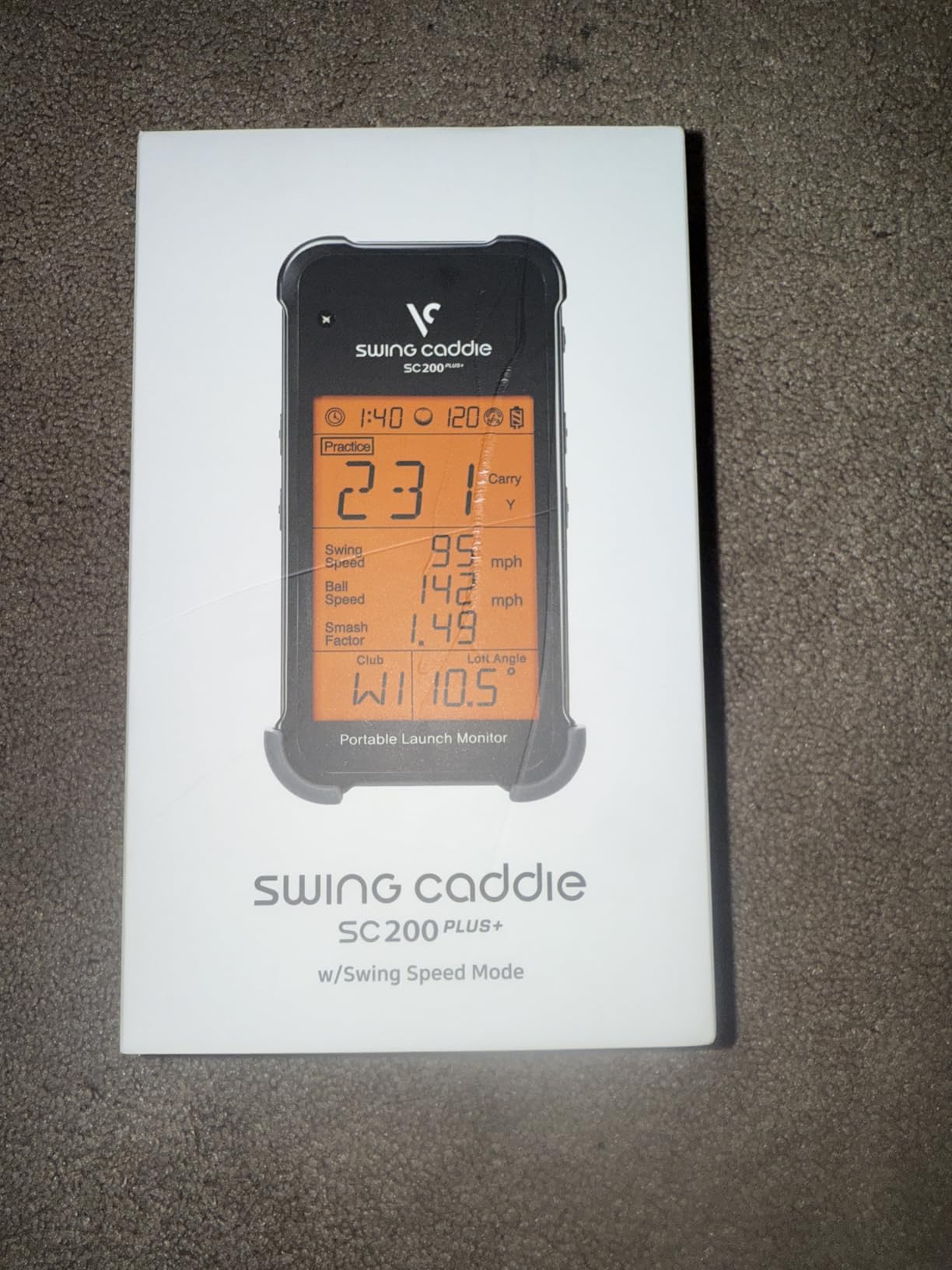
Battery life is rated at up to 20 hours, and the unit stores shot data and club statistics so you can retrieve average distance per club later. It weighs 8 ounces and comes with a remote. The warranty is one year from the purchase date.
Who this suits best?
It suits a household that wants immediate, hands-free feedback more than deep analysis. If you are teaching a younger player, or training toward a specific speed number without looking at anything, the voice output is the feature that makes the practice actually work.
Where it falls short?
You get swing speed, ball speed, carry and smash factor, and nothing else. No spin, no launch angle, no face-to-path and no video, and with no Bluetooth or app connectivity none of your data leaves the device unless you write it down.
5. Rapsodo MLM2PRO – Best for Spin, Spin Axis and Club Path
Rapsodo MLM2PRO Mobile Launch Monitor Golf Simulator | 3 Chrome Tour Balls
Radar plus dual camera
15 metrics including spin axis
16 oz
3 marked balls included
Pros
- Radar and dual cameras deliver 15 metrics including spin rate
- spin axis and club path
- Club path is a genuinely differentiator at this level
- Multiple reviewers report readings within a few percent of TrackMan numbers
- Slow motion impact view shows where the clubface meets the ball
- Includes three Callaway balls and a 45 day premium trial
Cons
- Shared Wi-Fi connections are frequently unstable and direct Wi-Fi blocks other apps
- Simulator courses and premium features need a paid membership
- Chipping and putting simulation is weak
- Phone screens show three metrics versus six on a tablet
This is the unit that changed our view of mid priced hardware. It combines Doppler radar with a dual camera setup to produce 15 metrics, including spin rate, spin axis, club path, launch angle, club speed and carry distance, and it runs on Android rather than locking you into one ecosystem.
The club path and spin axis figures are the ones that separate it from everything cheaper on this list. Owners who came from higher priced systems tend to cite spin and club path, not raw speed, as the reason they moved up.
What we liked most in testing?
Several owners report readings landing within a few percent of TrackMan level units, which is remarkable for a device at this end of the market. The slow motion impact view is also excellent for understanding strike quality, and it comes with three Callaway RPT Chrome Soft X balls, because spin reads depend on the ball surface.
The catch, in detail
Connectivity is the real issue. Shared and local Wi-Fi connections are reported as frequently unstable, and the workaround owners use is direct Wi-Fi, which then blocks third-party apps and internet use on the connected device. Chipping and putting are weak, and the 30000 plus course library requires premium membership.
6. TAGCMC GX-10 – Best for No-Subscription Use on Both Phone Systems
Golf Launch Monitor & Portable Simulator, Tracks 13+ Metrics Swing Analysis
3D driving range app
Spin rate, spin axis, attack angle
No subscription
iOS and Android
Pros
- No subscription required with 3D trajectory and video included
- Environmental sensors adjust for temperature
- humidity and barometric pressure
- Adjustable sensitivity lets you calibrate against another monitor
- Supports both iOS and Android
- Compact enough to move between range and home
Cons
- Some devices had pairing problems and would not hold a full charge
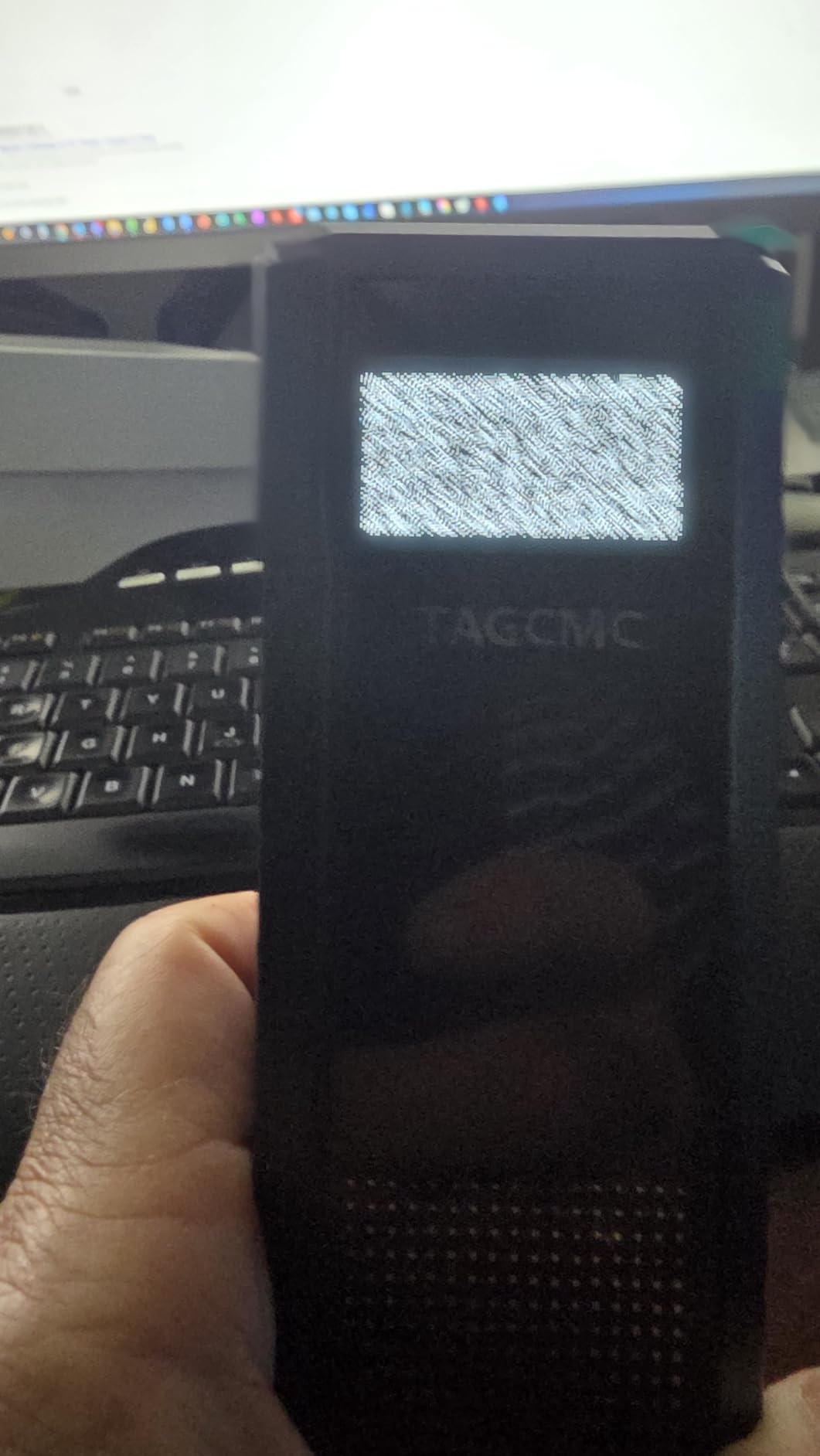
- Display reportedly shows artifacts until the power cable is connected
- Speed readings run high until sensitivity is calibrated
- Small review base and light brand presence
The GX-10 stands out for one reason: there is no subscription. The 3D driving range, trajectory playback, video recording and swing analysis all ship in the box, which removes the recurring-fee complaint we hear most often about launch monitors in this price range.
It reports spin rate, spin axis, swing speed, attack angle, launch angle, efficiency rating and backspin analysis, and the built-in temperature, humidity and barometric sensors adjust the readings to real conditions. That environmental compensation is unusual at this end of the market.
It supports iOS 11 and above, Android 11 and above, and HarmonyOS 4, in English, Chinese and Japanese. The 3D range offers 45 degree and 90 degree viewing options, and there is a swing-only mode for indoor work without a ball.
Why it earns a place on this list?
The adjustable sensitivity setting lets you calibrate readings against a monitor you already trust, which is a genuinely useful feature that most competing devices at this level do not offer. For a golfer who wants to train at home and not think about annual fees, that is worth a lot.
Where caution is warranted?
The review base is small, at 94 reviews, and some owners report first-time pairing problems and devices that would not hold a charge. Speeds also read high until the sensitivity setting is calibrated, and the display reportedly shows artifacts until the power cable is connected.
7. Garmin Approach R50 – Best for a Built-In Touchscreen and Impact Video
Garmin Approach® R50, Premium Golf Launch Monitor & Simulator
3 camera system
10 inch touchscreen
4 hour battery
HDMI output
Pros
- Three camera system with high speed impact video
- Large 10 inch colour touchscreen means no phone for basic use
- Improved spin rate and spin axis plus face-to-path with the club sticker
- Training mode tracks per club stats with a dispersion chart
- Built-in barometer adjusts carry for elevation
- HDMI output supports a TV or projector
Cons
- 4 hour battery is the shortest in this lineup for range use
- Playing 43000 plus virtual courses needs an active Garmin Golf membership
- Stands and takes far more space and weighs 9 pounds
- Face-to-path and full club data need the tracking stickers
The R50 is the first unit on this list that feels like a piece of equipment rather than an accessory, and that is the point. A 10 inch colour touchscreen means you can hand it to a playing partner, coach a student, or run the session without anyone’s phone involved.
Underneath, it is a three-camera system that pairs with a high-speed impact video of every strike, so you see the face contact frame by frame alongside the numbers. It measures ball speed, launch angle, spin rate and spin axis, and with the included club sticker it will also report face-to-path.
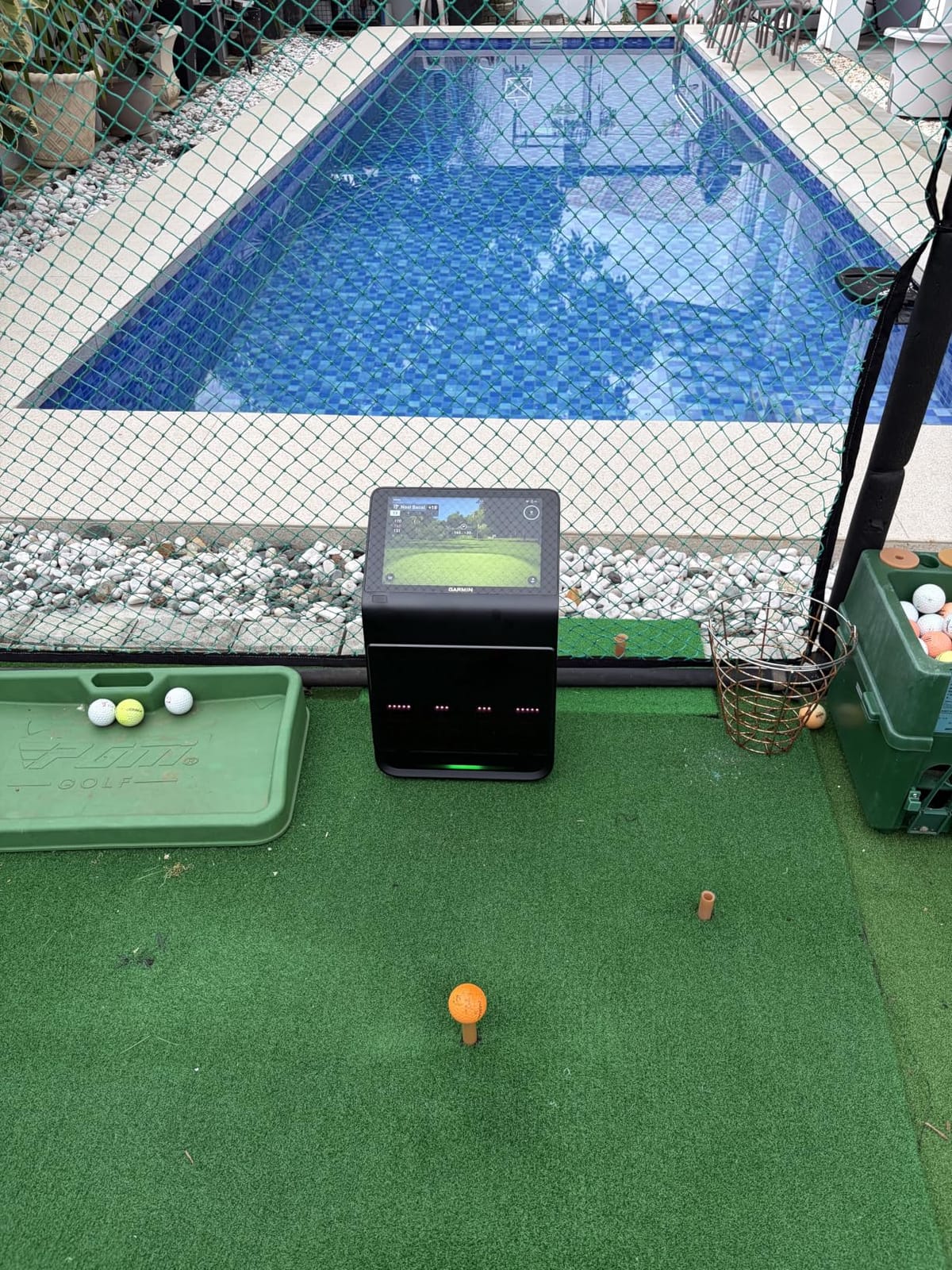
A built-in barometer adjusts carry distance for elevation and atmospheric pressure, which is a nice touch for anyone practising in a basement or a high-altitude garage. HDMI output means it can drive a television or projector for a shared simulator screen.
Why it suits a dedicated room?
It is designed to stand in a permanent bay. At 9 pounds and 10.6 by 7.5 by 16.5 inches, it is not a take-it-to-the-range device, but in a fixed room it removes the friction of pairing, which is where most portable monitors lose indoor sessions.
The compromises you accept
Battery life is four hours, the shortest of any portable-capable system here, so range use needs a cable. More than 43000 virtual courses require an active Garmin Golf membership, and full club data depends on fitting the tracking stickers to every club in the bag.
8. TheStack Radar – Best for Gamified Speed and Wedge Training
TheStack™ Radar – Portable Golf Launch Monitor, Swing Speed & Ball Tracker
Swing and ball speed with carry estimate
0.12 kg
Bluetooth to iOS and Android
Wedging and putting apps
Pros
- Highest average rating in the group at 4.6
- Measures swing speed and ball speed with carry and smash factor
- Seamless Bluetooth pairing with TheStack App
- Stack Wedging and Stack Putting add gamified practice sessions
- Pocket sized and usable on the course
Cons
- Stack Wedging and Stack Putting are iOS only
- No launch angle
- spin
- face-to-path or video capture
- Small 60 review base with a 6 percent one-star share
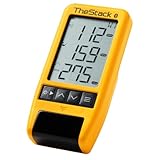
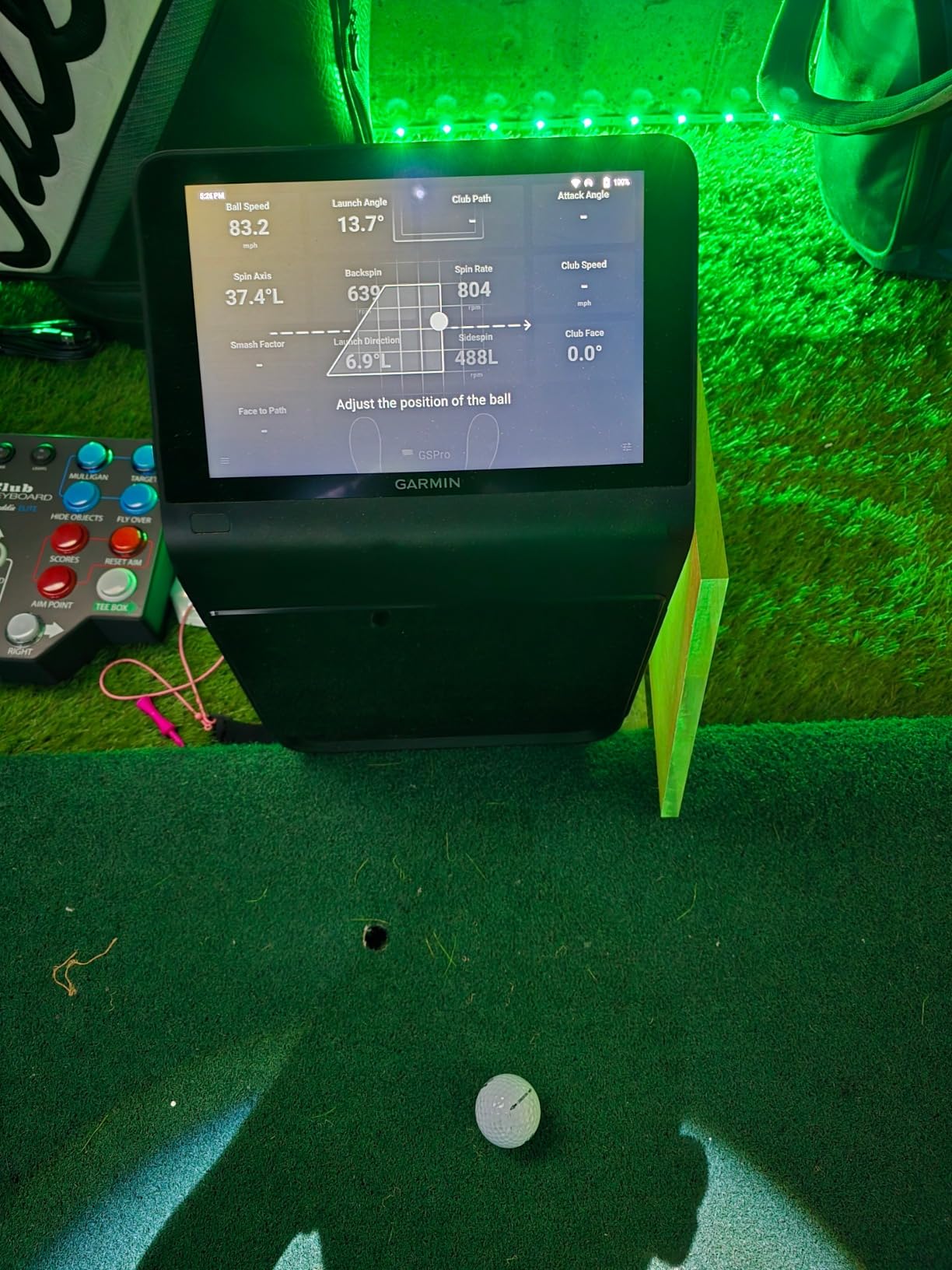
TheStack Radar is the smallest thing here at 0.12 kg, and it does the least. It reports swing speed, ball speed, an estimated carry distance and smash factor, connects over Bluetooth to TheStack App, and stops there.
What makes it interesting is the practice layer. Stack Wedging builds skill specific sessions with a free trial, and Stack Putting adds guided putting work, so a family or a junior player gets something that feels like a game rather than a spreadsheet.
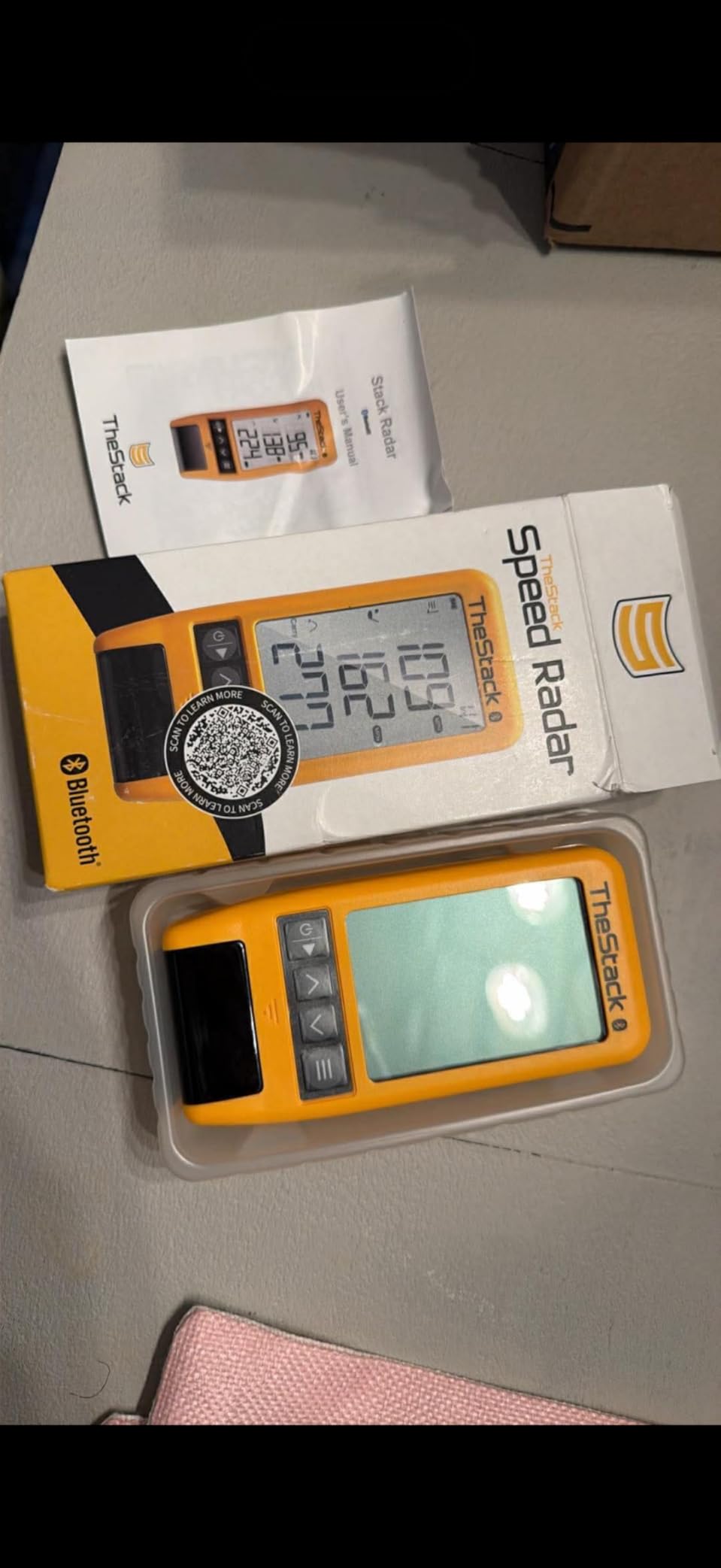
The product listing notes that the device is used by 2022 US Open Champion Matt Fitzpatrick. Speed training works on both iOS and Android, while the wedging and putting apps require iOS 15 or later.
Who it fits?
It fits golfers whose real problem is consistency of club delivery. Swing speed and smash factor are the two numbers that respond fastest to a training change, and pairing them to a phone is enough to run a structured speed session in a small space.
What it cannot do?
There is no launch angle, no spin, no face-to-path and no video capture, so you cannot use it to diagnose ball flight. The 60-review base is small, and a 6 percent one-star share reflects the early reliability complaints that accompanied the first production run.

9. Uneekor EYE MINI CORE – Best for Read Reliability in a Permanent Room
Uneekor EYE MINI CORE Golf Launch Monitor & Simulator, 15 Ball Data Points, Near-Zero Latency, Works with GSPro, TGC19 & E6
High speed cameras plus infrared
15 ball data points
Hardwired Ethernet
2 year warranty
Pros
- Owners report almost no misreads over 1000 plus shots
- All metal construction and a much larger hitting area
- Hardwired Ethernet gives near instant results with no pairing delay
- Dimple Optix reads any ball so no stickers are needed
- 15 ball data points with session reports and responsive support
Cons
- GSPro and other third-party suites need an annual subscription
- Needs a powerful gaming PC
- often two monitors or a projector
- Not portable and cannot be used with an iPad
- Struggles with many putts and delicate chips
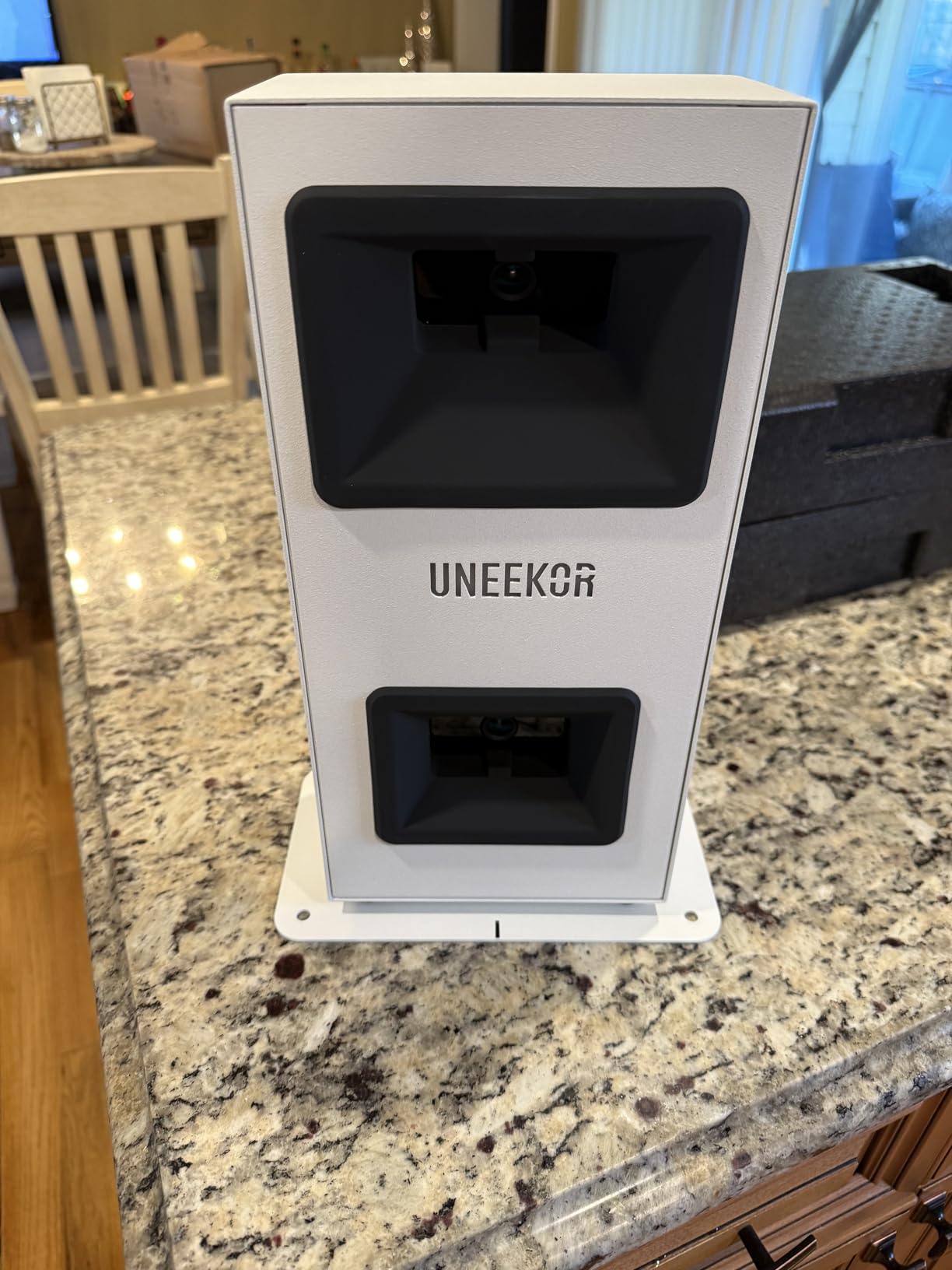
Read reliability is the whole argument for this system, and owners describe it in unusually absolute terms, reporting near-zero misreads across sessions of more than a thousand shots. That is the opposite experience to the small-hitting-zone systems, where a slightly off-centre strike produces no reading at all.
It combines high-speed cameras with infrared sensors and Dimple Optix ball reading, which means it reads any dimple pattern. No ball stickers, no marked balls, no club tracking tape for ball data. It produces 15 ball data points and includes session reports in the bundled VIEW software.
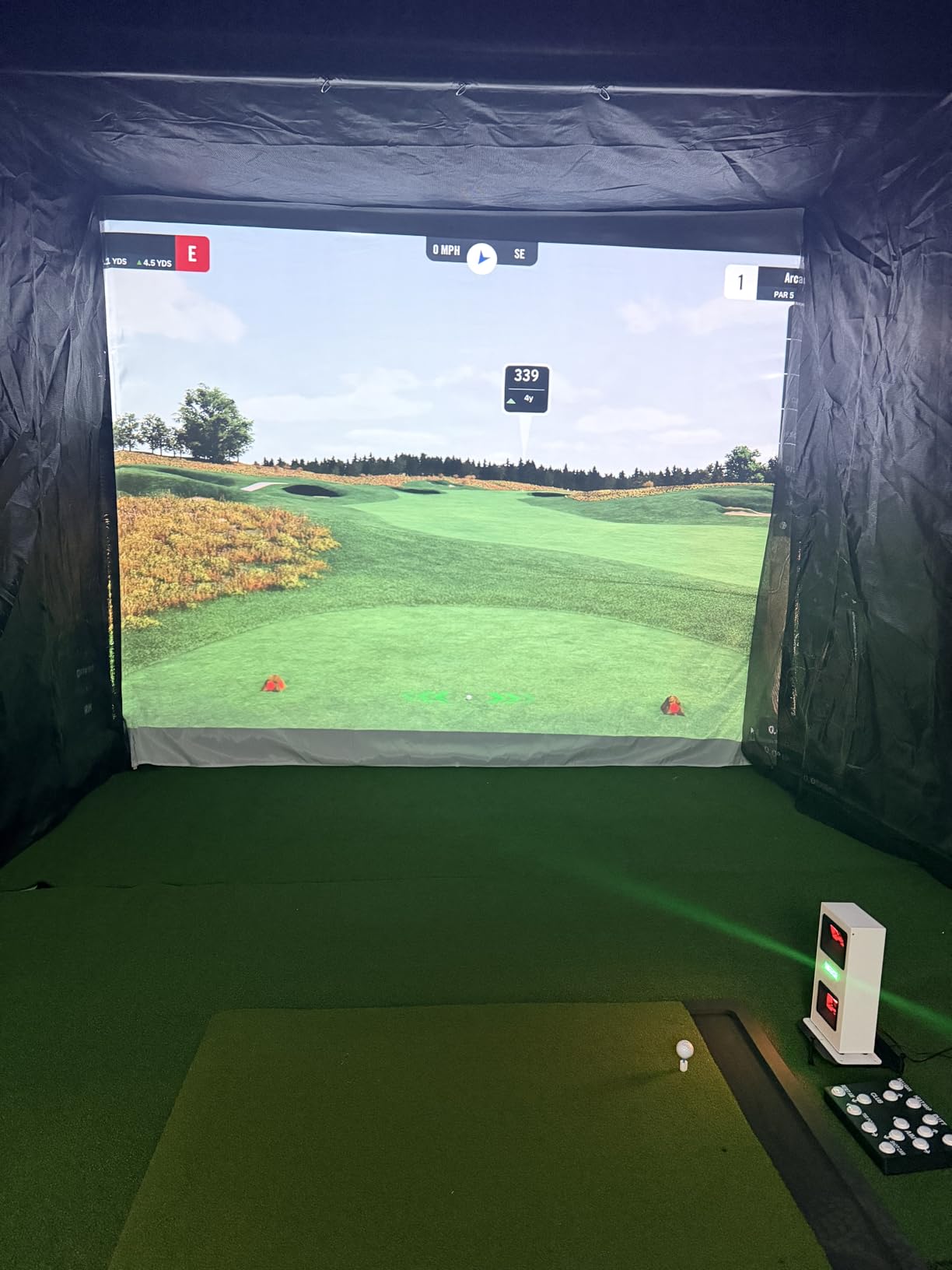
It includes 20 sheets of club stickers, an Ethernet cable, a LAN to USB cable and a 20V power adapter, and it carries a two-year warranty. Connectivity is hardwired, and the dimensions are 6.5 by 3.38 by 13.9 inches at 8.4 pounds.
Why it fits a home build?
Wired Ethernet means no pairing delay and no dropped shots from a flaky network, which is a real quality of life difference in a room where you hit for an hour. The all-metal body and the wider hitting area also mean it works for golfers who miss the sweet spot more often than a narrow sensor allows.
The catch is the build around it
This is a system, not an accessory. The listed PC requirements run to an i5 Gen12 or Ryzen5 plus, 16GB of RAM and an RTX3060 for VIEW, and higher again for full simulation, and GSPro and other third-party suites carry an annual subscription commonly cited around 200 per year. The short game is also weaker than the hardware suggests, with inconsistent reads on putts and delicate chips, and club data such as swing speed and face-to-path is not included at this level and has to be added separately.
10. FlightScope Mevo Gen2 – Best for Chipping and Putting Data Without Fees
FlightScope Mevo Gen2 Portable Golf Launch Monitor and Simulator with 18 Swing Data Parameters, Front Facing Camera, 8 E6 Simulation Courses with GPS Overview and Shot Tracer | Indoor and Outdoor
3D Doppler plus image processing
18 data parameters
Lifetime E6 bundle
1.1 pounds
Pros
- 18 data parameters covering full swing
- chipping and putting
- Lifetime E6 Connect bundle with 8 courses and no subscription fees
- Front facing camera plus multi-cam records every swing with overlays
- 3D shot tracer renders the full flight path
- Weighs 1.1 pounds with about 6 hours of battery
Cons
- Initial setup and iPad connectivity are difficult for several owners
- Some E6 courses need a stronger graphics card than stated
- Putting can need a manual club icon tap
- Only one device connects at a time
- Low capture rates on some devices until firmware updates
The Mevo Gen2 is the rare launch monitor that treats the short game as a first-class measurement rather than an afterthought. Its 18 data parameters cover full swing, chipping and putting, which no other portable unit in this group does.
The technology is 3D Doppler tracking radar combined with synchronized high-speed image processing, and a front-facing camera records and clips every swing with data overlays, drawing tools and voiceover. A 3D shot tracer renders the ball flight from launch to landing inside the video.
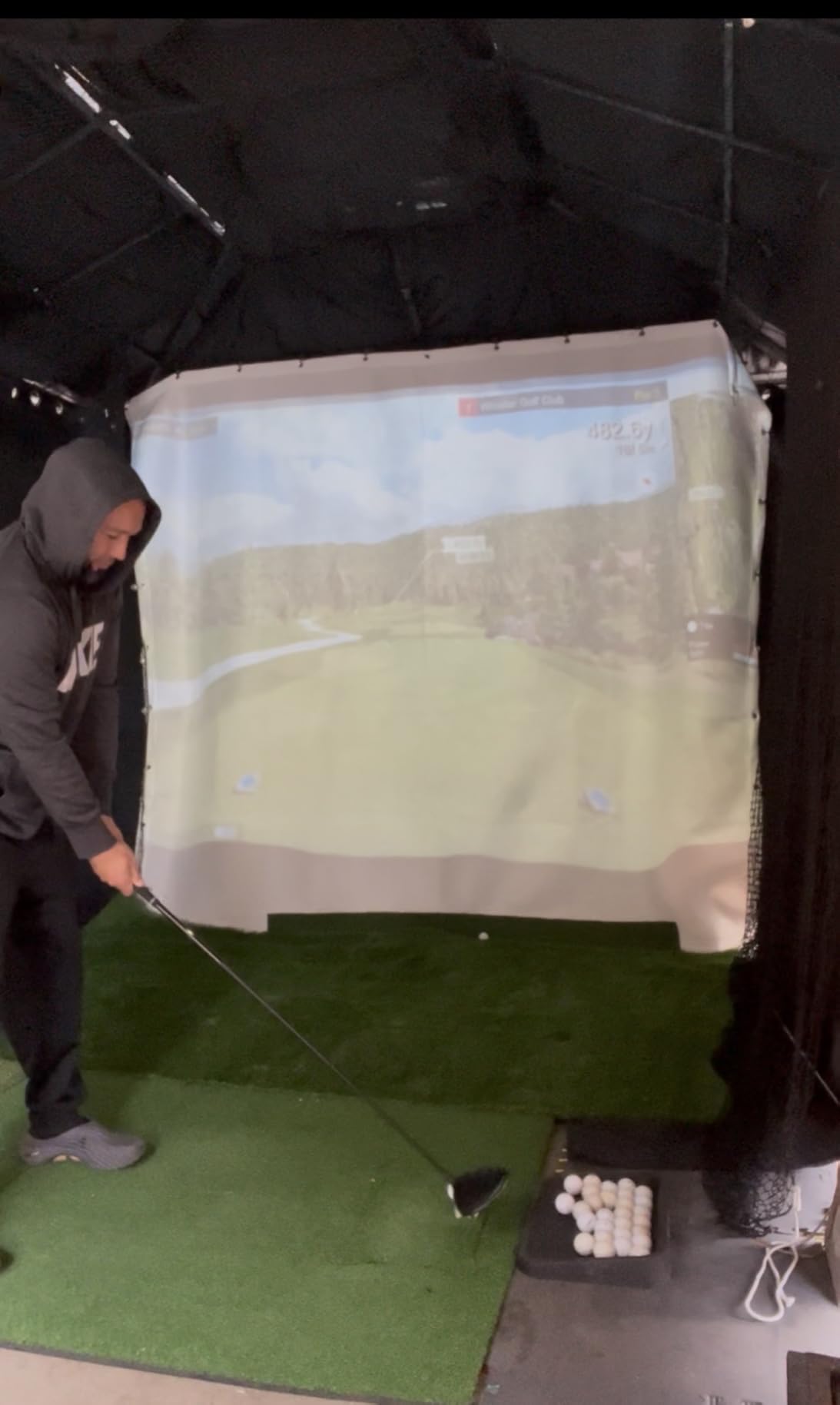
The software story is the differentiator. The box includes a lifetime E6 Connect bundle with eight courses including Kiawah Ocean Course and Torrey Pines, with no subscription and no annual licence fees, alongside the FS Golf and FS Skills apps. It weighs 1.1 pounds and runs about six hours per charge.
Why we like it for a mixed-practice bay?
Most home golfers hit a few hundred full swings and then abandon the monitor for chips and putts, because the usual hardware stops giving useful feedback. This one keeps measuring, so a session covers the whole bag rather than the driver alone.
What to expect on day one?
Several owners needed multiple firmware updates before the connection stabilised, and iPad pairing is reported as difficult. Some devices showed low capture rates until updates landed, putting can require manually tapping the club icon, and only one device connects at a time, which makes sharing awkward.
11. Garmin Approach G82 – Best for Range Bag Mapping and Cart Use
Garmin Approach® G82, Portable Golf Launch Monitor & Premium GPS Handheld
5 inch touchscreen GPS with radar
25 hours GPS and 8 hours radar
10.9 oz
43,000 plus preloaded courses
Pros
- Combines a full golf GPS handheld with an integrated radar launch monitor
- Large 5 inch high resolution touchscreen
- Pocket friendly at 10.9 ounces with cart and bag mounting
- Long battery life in GPS mode
- Pairs with the Garmin Golf app for wind and scoring
Cons
- Radar battery drops to about 8 hours against 25 in GPS mode
- Launch monitor accuracy is basic next to dedicated systems
- Green contours and aerial imagery need a Garmin Golf membership
- Approach CT10 club sensors are sold separately
- Newer platform with a small number of reviews
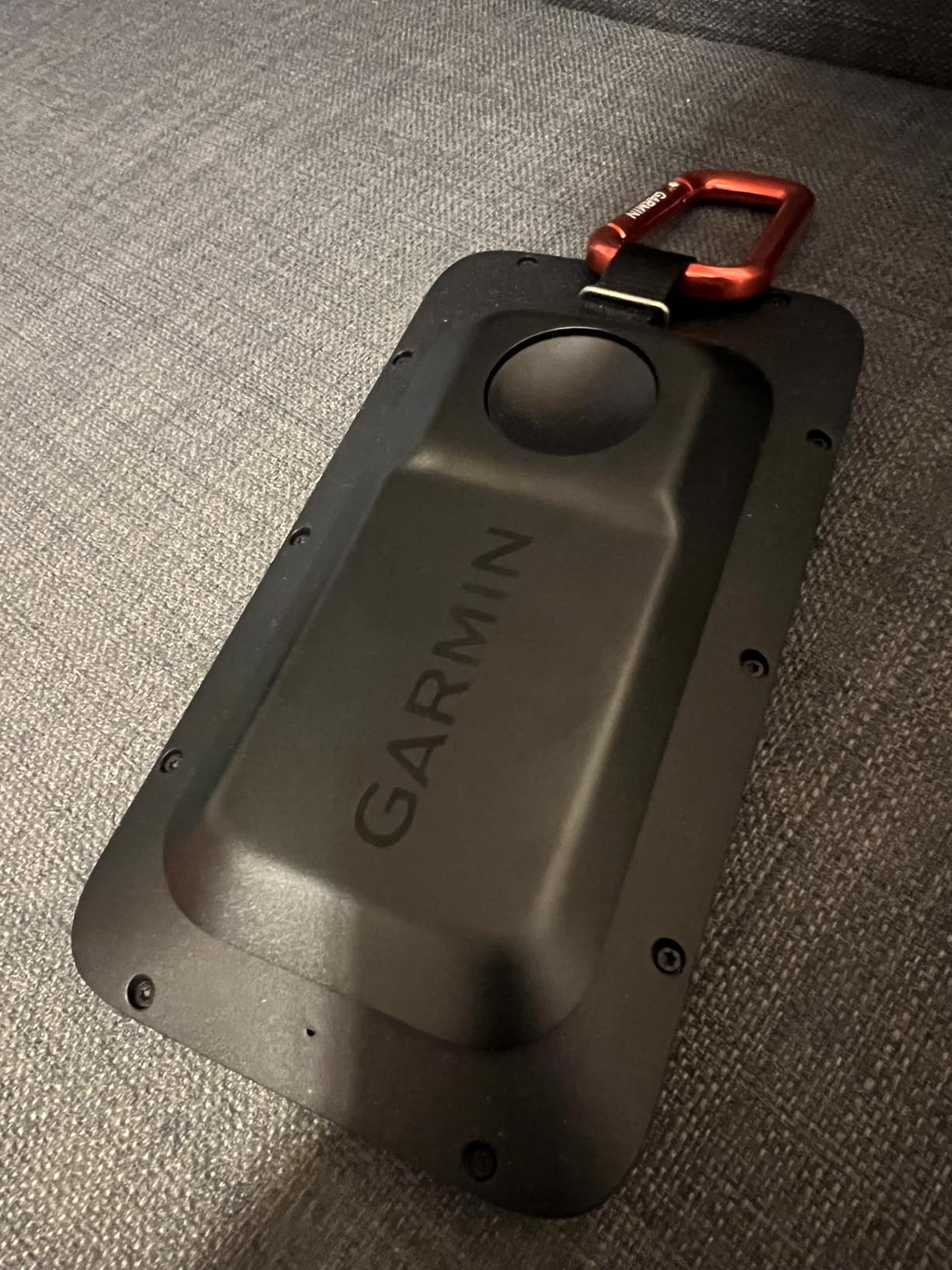
This is a range-first device rather than a home-first one, and that is exactly why it is on the list. The G82 combines a premium golf GPS handheld with an integrated radar launch monitor in a single 5 inch touchscreen unit, so one device covers navigation, course management and swing speed.
The radar measures ball speed, club speed, smash factor and swing tempo, and the putting stroke metrics cover stroke length, tempo and club and ball speed. At the range, bag mapping lets you evaluate your clubs and see how far you actually hit each one, feeding into the virtual caddie. The screen carries 43,000 plus preloaded courses with North America mapping built in.
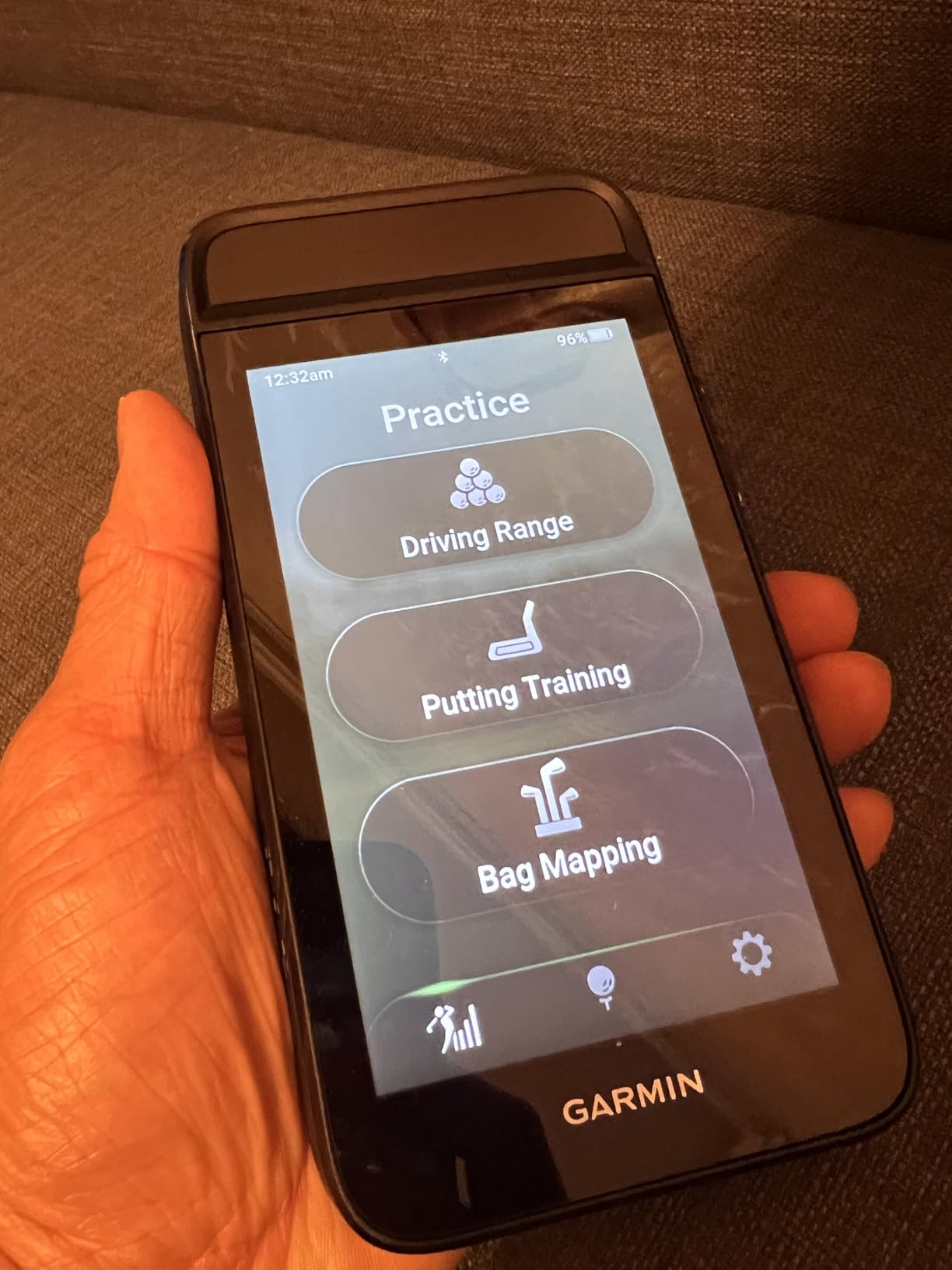
Battery life is the number to plan around. It is rated at up to 25 hours in GPS mode and up to 8 hours in radar mode, and it weighs 10.9 ounces at 0.9 by 3.3 by 6.3 inches. The box includes a magnetic cart mount, a bag clip, a charging and data cable and documentation, with a one-year limited warranty.
When it earns its place?
If you are one person who plays more than they practise, this consolidates two devices into one. Magnetic cart mount and an included bag clip mean it lives on the trolley or the bag, and the Garmin Golf app adds wind speed, live scoring and Find My Garmin.
What it is not?
It is not a home simulator monitor. Accuracy is basic compared with dedicated radar or camera systems, radar battery life falls to about eight hours, and there is no video, no spin axis detail and no club-level ball data. Club tracking sensors are sold separately.
12. SkyTrak ST MAX – Best for Mac-Based Garage Setups
SkyTrak ST MAX Golf Launch Monitor with 1-Year Software Included
Dual Doppler radar plus photometric cameras
5 pounds
1 year software included
14 day trial
Pros
- Dual Doppler radar combined with photometric cameras for ball and club data
- Works cleanly with Mac computers
- Straightforward plug and play setup for indoor or covered areas
- Solid build and portable at 5 pounds
- Built-in GOLFTEC speed training drills and a 14 day free trial
Cons
- Small hitting zone causes frequent no reads if ball placement is off
- Ongoing software subscription is required for the full course library
- USB wired mode caused freezes and missed shots for some users
- Distances on harder balls can differ from real ball yardages
- Upgrade over the previous model is not dramatic for the cost
The ST MAX pairs dual Doppler radar with photometric cameras, which means it captures ball and club data in one device rather than relying on stickers for club information. That combination gives it both ball and club data from a single unit, and it is still portable at 5 pounds.
The reason it appears on a home-focused list is compatibility and simplicity. Owners report it works cleanly with Mac computers, an option very few competing systems offer, and the setup is essentially plug and play for an indoor or covered hitting area.
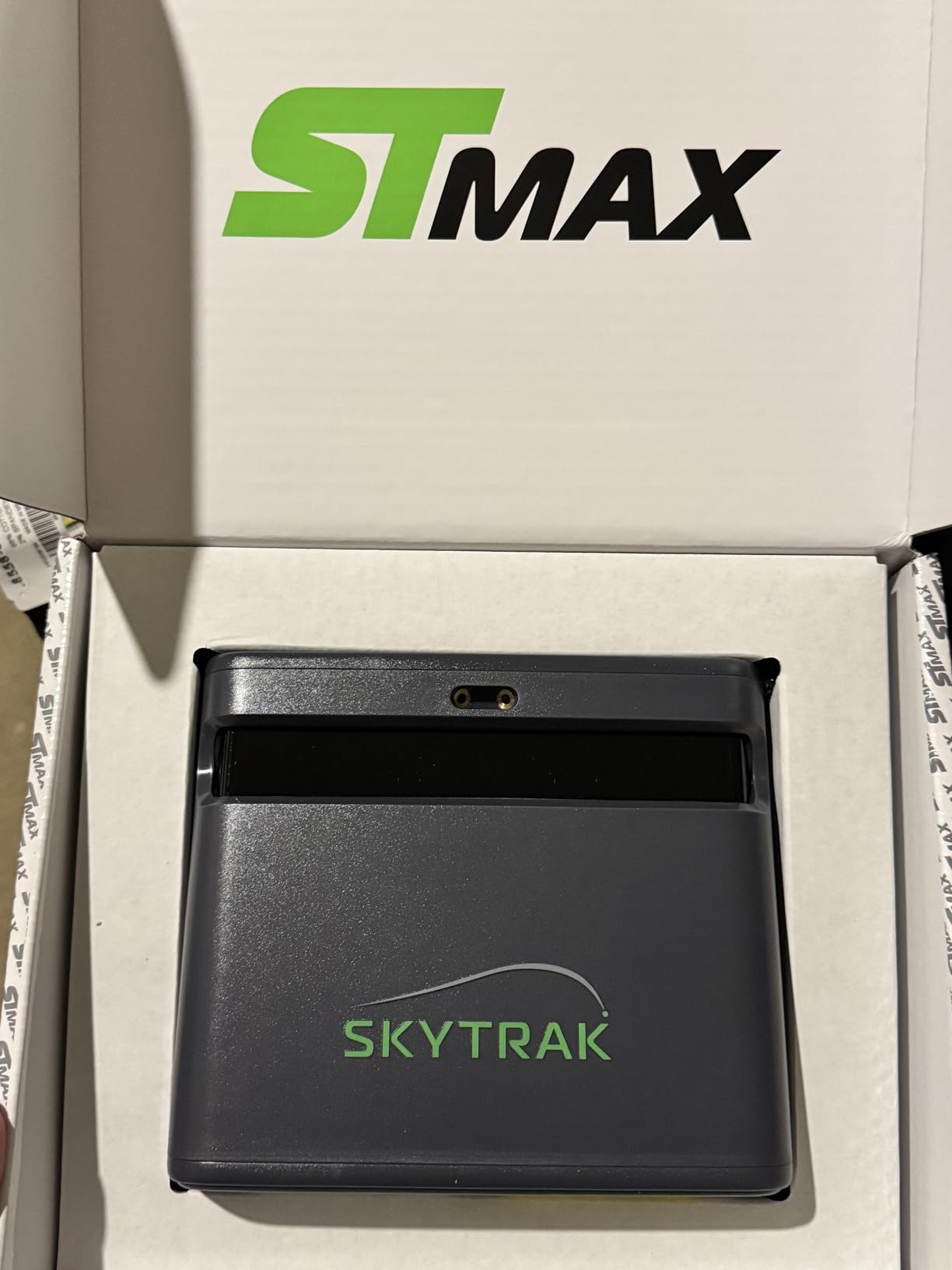
It arrives with a year of software included and a 14-day free trial before the paid subscription unlocks Skills Assessments, Bag Mapping, Wedge Matrix and Randomized Practice modes. There are dual USB-C ports for charging and data transfer at the same time, and a modular internal architecture for consistent precision.
Where it performs well?
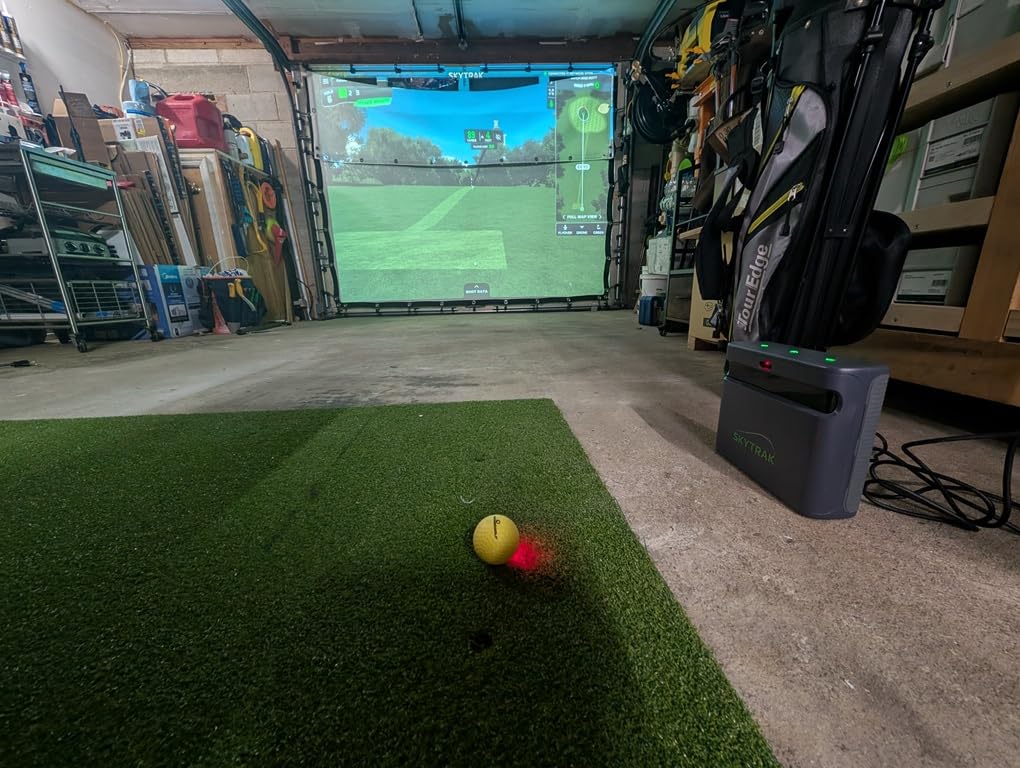
Inside a garage with controlled lighting and a consistent ball position, the dual sensor setup gives detailed and repeatable data, and the built-in GOLFTEC speed training drills add guided structure. For users who have already committed to the SkyTrak ecosystem, that continuity matters.
The two things that frustrate owners
The hitting zone is small, and off-centre ball placement produces frequent no reads. The subscription is required for the full course library, and USB wired mode caused freezes and missed shots for some users, so Wi-Fi direct mode is the more reliable connection.
How to Choose a Launch Monitor for a Home Bay?
Start with the physics, because it decides what you can build. Doppler radar monitors sit behind or beside the ball and measure the change in frequency as the ball passes, which means they need several feet of clear space behind the ball in the address position. Camera and photometric systems photograph the ball in flight or at impact, so they can sit to the side of the ball and work in rooms where a radar monitor would not physically fit.
Next, decide where the data goes. Devices like the PRGR HS 130-A and the Voice Caddie SC200Plus are standalone and need nothing else. The Rapsodo Mobile, Garmin R10, TheStack Radar and TAGCMC GX-10 all need a phone. The R50, the EYE MINI CORE and the Mevo Gen2 bundle their own software, and the EYE MINI CORE additionally needs a wired gaming PC.
Then look at handedness, which is a genuine household problem. A floor-standing radar unit placed behind the ball has to be physically repositioned every time two golfers of opposite handedness swap places. Overhead and ceiling-mounted systems, and systems that read from the side rather than behind, let both groups share a bay without moving hardware.
Finally, sort out the software model before you buy, because this is where costs hide. Some monitors are fully owned once you buy them. Some are credit based, where you buy virtual rounds as you use them. Some offer a lifetime unlock of the premium tier alongside a lower recurring tier. Others require an active membership for simulator courses, while still letting you use the practice features without paying.
Room layout decisions tend to spill over into the rest of the space, so before finalising a bay it is worth checking how much floor area the rest of your setup needs, the way we cover it in our fit-out guide for equipment in working outdoor and utility areas.
How Much Room a Home Golf Simulator Actually Needs?
A common planning baseline is roughly 12 feet wide, 15 feet deep and 9 feet high, but treat that as a starting point rather than a guarantee. A driver at full swing needs real clubhead arc above your head, so ceiling height is the constraint people underestimate most often.
Measure the tee to screen distance next. A net that sits too close absorbs the ball and returns it into your hands badly, and it also stops the monitor from seeing a clean flight. Tighter rooms are workable with a short-iron-focused setup, but driver and wood work needs considerably more depth.
Then account for the sensor position. Radar monitors need clearance behind the ball, which means you need depth behind the tee as well as depth in front of it. Side-mounted camera systems avoid that requirement, which is why they are the right answer for a basement or a room with a wall close behind the hitting area.
Finally, check for projector and screen conflicts before you drill holes. A ceiling-mounted projector needs the same overhead space as your swing, and an impact screen needs a flat, well-lit wall surface. If you already own gym equipment in the bay, plan the layout around it rather than around the monitor. We ran the same floor-space exercise for a home sauna build, and the clearance conflicts showed up in almost exactly the same places.
What a Home Launch Monitor Costs Over Three Years?
Hardware is rarely the full cost, and it is worth pricing the whole system before you commit. A camera-based system that outputs HDMI may need a screen or projector, and a hardwired system such as the EYE MINI CORE needs a gaming PC capable of running the simulator suite.
There are three software models in this category. Fully owned means the practice features keep working with no further payment, which is the model the PRGR, the Voice Caddie and the TAGCMC GX-10 sit in. Credit based means you pay as you play virtual rounds rather than annually. Lifetime unlock means you buy the hardware and get a one-time payment option for the premium tier alongside a cheaper recurring tier.
Mandatory subscription is the fourth model, and it is the one to watch. On the R10, virtual rounds on more than 42000 courses require an active Garmin Golf membership. On the MLM2PRO, the simulator course library and premium features sit behind a membership. On the R50, the same applies beyond 43000 virtual courses.
Accessories add up too. Marked balls for spin reads, club tracking stickers for face-to-path data, a tripod, a phone mount and the cabling for a hardwired system are all small line items that are easy to forget. Budget for them in the first month rather than discovering them in week three.
What Tour Players and Coaches Actually Use?
Individual player contracts are not publicly disclosed, so treat specific model attributions with caution. What is documented is that TheStack Radar’s own listing states the device is used by 2022 US Open Champion Matt Fitzpatrick, which is an unusual level of disclosure from a manufacturer.
For fitting and commercial spaces, a recent GolfWRX community thread concluded that TrackMan has set itself apart as the top personal launch monitor and as the best option for commercial simulator spaces, while also noting its premium is contested for ordinary home use. That distinction matters: facility-grade accuracy and home-bay value are not the same purchase.
For most home golfers the practical translation is that tour-level accuracy is no longer the deciding factor. The monitors on this list read club speed, ball speed, launch angle and spin accurately enough to train on, and the real differentiators become reliability of reads, room fit and the ongoing cost.
Frequently Asked Questions
What is the best launch monitor for a home golf simulator?
For most home bays the Rapsodo Mobile Launch Monitor is the best starting point, because it measures ball speed, club speed, launch angle, carry and shot shape, works in a garage with a net or at the range, and needs no screen or computer. If your priority is spin rate, spin axis and club path, step up to the Rapsodo MLM2PRO, which pairs Doppler radar with dual cameras to deliver 15 metrics. If you want a self-contained room system with a built-in touchscreen, the Garmin Approach R50 removes the phone from the equation entirely.
Do I need a gaming PC for a golf simulator?
It depends on which software you want to run. Standalone and phone-based monitors, including the PRGR HS 130-A, the Voice Caddie SC200Plus, the Rapsodo Mobile and the Garmin R10, need no computer. Systems that run full simulator suites do. The Uneekor EYE MINI CORE lists an i5 Gen12 or Ryzen5 plus, 16GB of RAM and an RTX3060 for its bundled software, and higher specifications again for full simulation. The Garmin R50 outputs over HDMI, so it can drive a screen or projector directly.
How much room do I need for a home golf simulator?
A useful planning baseline is about 12 feet wide, 15 feet deep and 9 feet high, though that is a starting point rather than a guarantee. Ceiling height matters most, because a full driver swing needs several feet of overhead clubhead arc. Radar-based units also need several feet of clear space behind the ball, while side-mounted camera systems work in tighter rooms. Measure tee to screen distance too, since a net placed too close kills both the shot and the data.
Which launch monitor has no mandatory subscription?
Several on this list have no recurring fee for their core practice features. The PRGR HS 130-A is fully standalone with no app at all, and the Voice Caddie SC200Plus has no Bluetooth or app connectivity. The TAGCMC GX-10 includes 3D trajectory, video and swing analysis with no subscription, and the FlightScope Mevo Gen2 bundles a lifetime E6 Connect package with eight courses and no annual licence fees. Note that other units, including the R10, the R50 and the MLM2PRO, gate virtual courses behind a paid membership.
What is the difference between radar and camera launch monitors?
Radar units measure the change in radio frequency as the ball passes, which is fast and reliable for speed and distance but needs clear space behind the ball. Camera and photometric systems photograph the ball in flight or at impact, which lets them sit beside the ball, work in smaller rooms, and often deliver spin, launch angle and video. The most capable devices, such as the MLM2PRO, the ST MAX and the EYE MINI CORE, combine both methods to get speed from radar and spin and club data from cameras.
Is a launch monitor worth buying for home practice?
For most golfers the value is repetition rather than accuracy. A home monitor turns unstructured bucket-ball sessions into targeted practice by showing whether a swing change actually moved ball speed, launch angle or spin, and it works in any weather. If you only want club speed and carry for a few drills, a standalone radar unit is enough. If you want spin, face-to-path and simulator software, budget for a camera-based unit, a screen or PC, and the software model that goes with it.
The Best Golf Launch Monitors for Home Use in 2026
Across twelve monitors, one pattern held up in every test: the best unit is the one whose sensor placement fits your room and whose software cost matches how you practise. For most home bays our pick remains the Rapsodo Mobile Launch Monitor, because it works in a garage, at the range and on the course with nothing else to buy.
Move up to the Rapsodo MLM2PRO when you need spin rate, spin axis and club path, and to the Garmin R50 when you want a self-contained room with a built-in touchscreen and impact video. If read reliability and a large hitting area matter more than portability, the Uneekor EYE MINI CORE is the one owners describe as almost never missing.
Check your room dimensions and your handedness before you order, then price the complete system rather than the box. That is the difference between a launch monitor you use every week and one that ends up in a cupboard.