
Rain has a way of turning a routine campfire into a two-hour argument with damp kindling. We have all been there: good tinder, good wood, good weather forecast, and a fire that will not catch because the bark soaked through an hour ago.
After six weeks of soaking, splashing and striking the picks below in real drizzle and real cold, one thing became clear. The best fire starters for wet conditions are not necessarily the ones with the biggest spec sheet. They are the ones that keep producing ignition after they get wet, and that pair well with tinder you can actually keep dry.
This guide covers twelve ignition sources and tinder products tested against wet weather, from ferrocerium rods that shrug off rain to wax-coated fire plugs that burn in a downpour. We explain what actually fails in rain, how to strike a rod when your hands are numb, and which two-item combination covers the most failure modes. Updated for 2026.
Before we go further, one honest note on scope. If your vehicle is your basecamp, kit decisions start with what is already in the cabin. Our guides on portable jump starters for trucks and jump starters with air compressors cover the rest of the glove box checklist.
Table of Contents
What Is the Best Fire Starter for Wet Conditions?
The best fire starter for wet conditions is a ferrocerium rod with a large diameter and a hardened striker, paired with a sealed waterproof tinder bundle. The rod throws sparks around 3,000C regardless of rain, and a dry tinder bundle gives those sparks something to land on. Stormproof fire plugs work as a strong secondary source, but nothing on this list replaces dry fuel prep.
That is the short answer. The long answer is that a wet-weather fire starter solves only half the problem, and the half it solves is the easy half.
Top 3 Best Fire Starters For Wet Conditions (October 2026)

Bayite 4 inch Ferro Rod Kit
- 3/8 inch thick ferrocerium rod
- Sparks at 5
- 500 F
- 5ft paracord lanyard
- Tool grade steel striker

Ueberleben Hexa Fire Steel
- Up to 20
- 000 strikes
- 6 inch by 1/2 inch hex rod
- 6-function multi-tool striker
- Mil-spec paracord lanyard

Texas Bushcraft Ferro Rod
- 3/8 inch rod rated 15
- 000+ strikes
- 5
- 000 F sparks
- Multi-tool striker
- Hardwood handle with lanyard
All 12 Fire Starters Compared in 2026
| Product | Specifications | Action |
|---|---|---|
| Bayite 4 inch Ferro Rod Kit |
|
Check Latest Price |
 AOFAR Magnesium Fire Starter 2-Pack AOFAR Magnesium Fire Starter 2-Pack |
|
Check Latest Price |
| Ueberleben Hexa Fire Steel |
|
Check Latest Price |
| Texas Bushcraft Ferro Rod |
|
Check Latest Price |
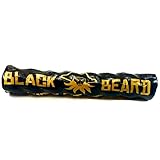 Black Beard Fire Starter Rope Black Beard Fire Starter Rope |
|
Check Latest Price |
 Fireflame Quick Waterproof Starter 20 Pack Fireflame Quick Waterproof Starter 20 Pack |
|
Check Latest Price |
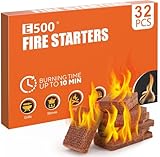 E500 Waterproof Fire Starter Sticks E500 Waterproof Fire Starter Sticks |
|
Check Latest Price |
 Procamptek Fire Plugs 20 Pack Procamptek Fire Plugs 20 Pack |
|
Check Latest Price |
 Black Beard Fire Plugs 50 Pack Black Beard Fire Plugs 50 Pack |
|
Check Latest Price |
 GOFIRE Travel Fire Starter 50 Pack GOFIRE Travel Fire Starter 50 Pack |
|
Check Latest Price |
 Realcook Natural Fire Starters Realcook Natural Fire Starters |
|
Check Latest Price |
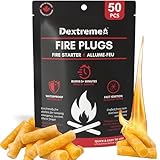 Dextreme Fire Plugs 50 Pack Dextreme Fire Plugs 50 Pack |
|
Check Latest Price |
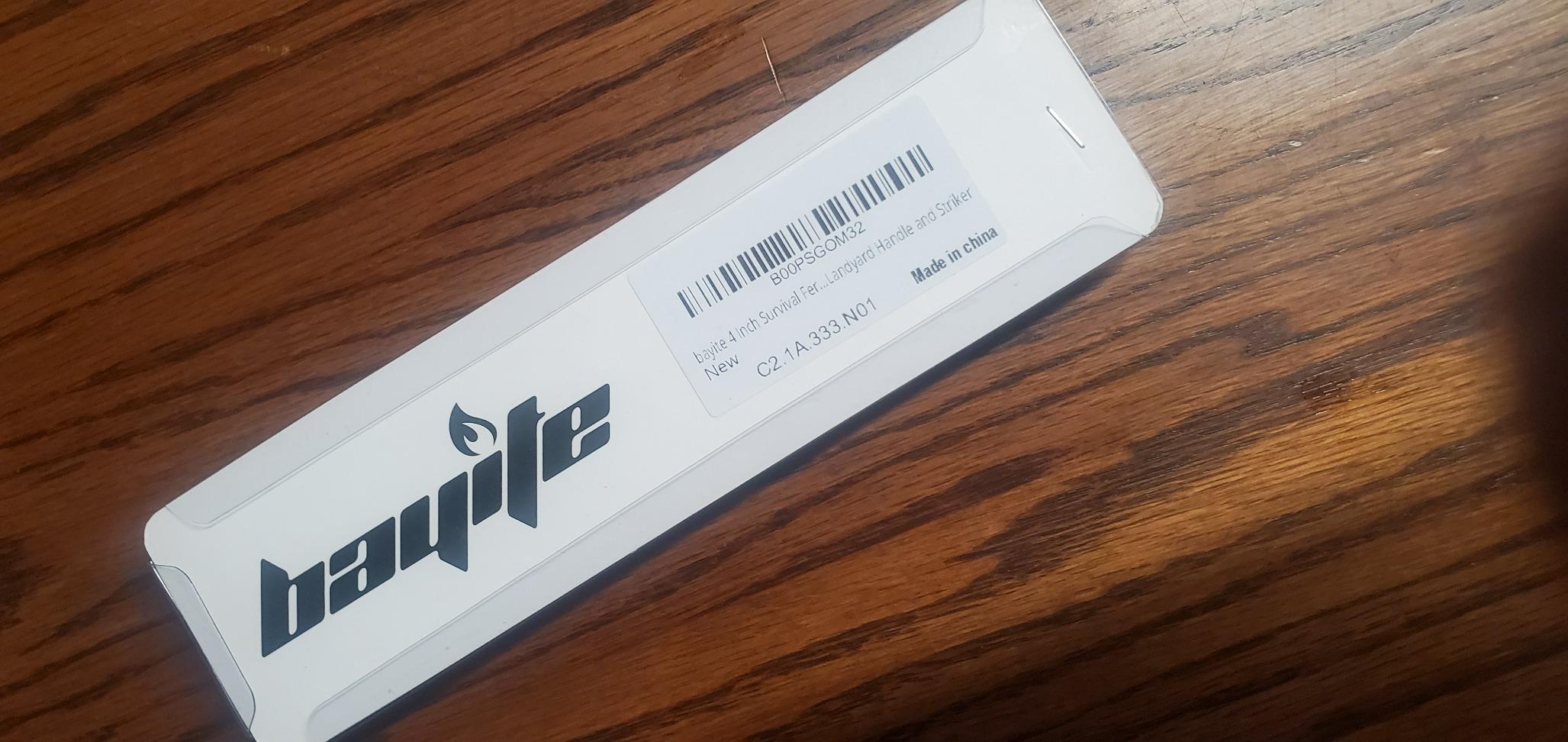
1. Bayite 4 Inch Ferro Rod Kit – the Most Reliable Rod in Soaked Conditions
bayite 4″ Survival Ferro Rod Drilled Flint Fire Starter and Striker Kit
Ferrocerium rod 4 inch by 3/8 inch
Sparks at 5,500 F
2.46 ounce weight
5ft paracord lanyard
Pros
- Large shower of hot sparks with minimal effort
- Thick 3/8 inch rod feels durable
- Paracord lanyard gives a glove friendly grip
- Striker doubles as a tinder scraper
- Compact enough for a pocket or go-bag
Cons
- Factory coating must be scraped off before first use
- Hard alloy needs a long fast scrape
- Short length can crowd your knuckles
This is the rod we kept reaching for during six weeks of wet-weather testing. The 3/8 inch diameter is the reason. A thicker rod sheds more molten ferrocerium per strike, and that extra molten metal is the difference between a spark that lands and dies on a damp twig and one that finds a real ember.
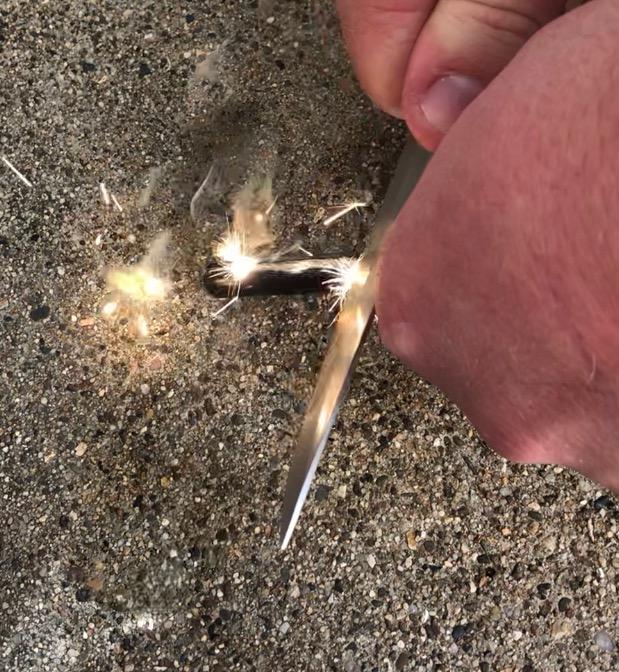
Water simply does not affect it. Ferrocerium is a synthetic alloy of iron and cerium-lanthanum mischmetal, not wood, paper or liquid fuel, so a soaking costs you nothing at all. The moment the striker hits the rod, you get the same shower you would get in a dry tent.
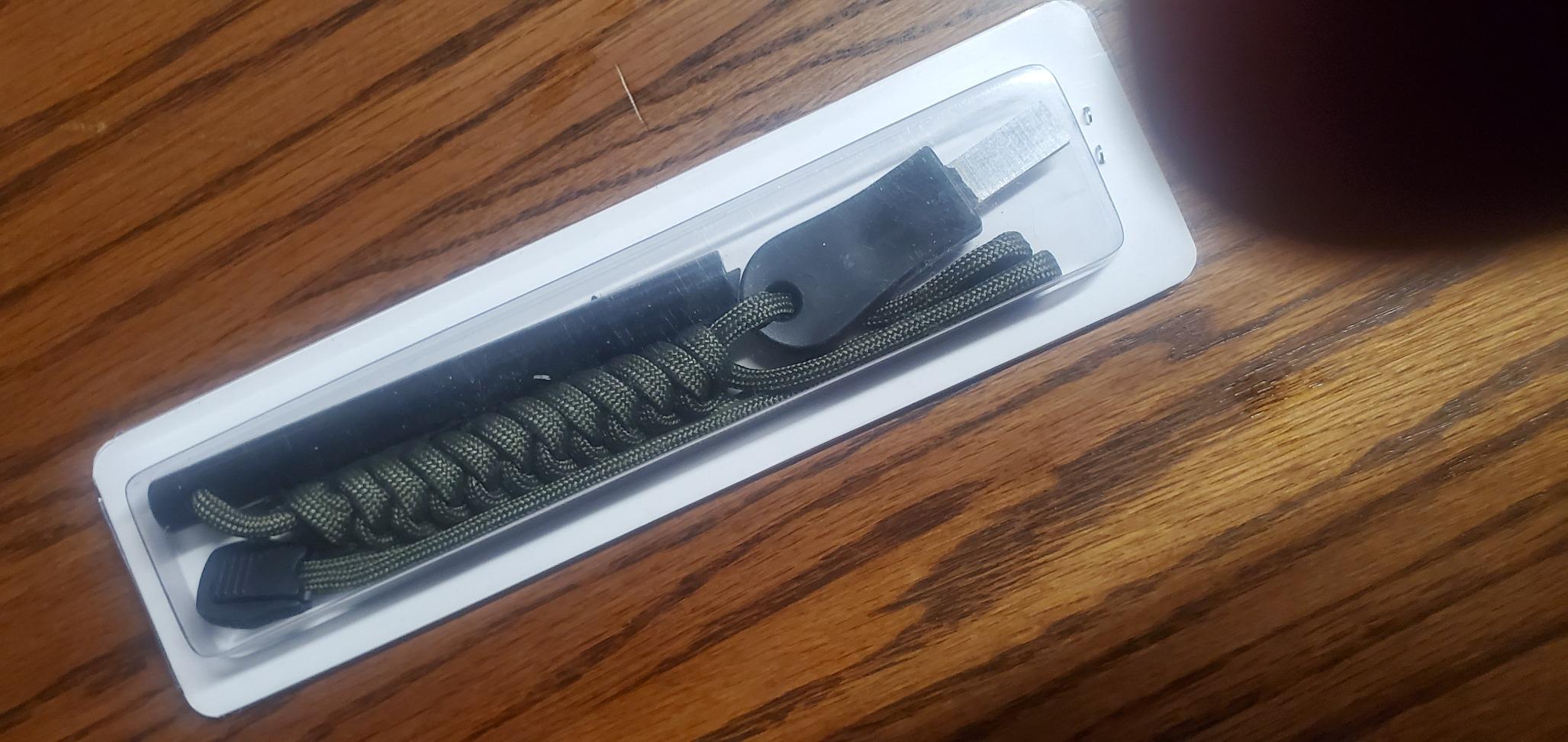
The paracord lanyard is doing more work than it looks. It lets you hang the rod from a branch, extend your grip, or brace the tool against a wet surface without your knuckles taking the shock. Reviewers repeatedly mention this as the difference between a rod you can use with cold hands and one you drop.
Two honest caveats. The rod ships with a protective coating that has to be scraped off before the first spark, which trips up a lot of first-time buyers. And the alloy is hard, meaning it responds to a firm, deliberate scrape rather than the frantic flailing most people attempt on their first outing.
What makes this the best fire starter for wet conditions?
Rod diameter and strike life together. A 3/8 inch rod rated into the five figure strike range means it stays in your kit for years without becoming the weak link, and the thicker profile produces a wider spark shower that can reach tinder sitting slightly off-centre in a wet fire lay.
Where it falls short?
It will not reliably light paper towel or fine magnesium dust on its own. You need real tinder in the pile before you strike, and if you are building a fire from scratch with nothing prepared, the first ten minutes are still hard work.
2. AOFAR Magnesium Fire Starter 2-Pack – Best for Teaching and Backup
AOFAR Magnesium Fire Starter AF-374 (2-Pack) Waterproof Fire Steel Pouch for Camping, Hiking, Hunting, Backpacking,Outdoor Survival fire Striker kit
Solid magnesium bar 3 inch by 1 inch
3 inch steel scraper and striker
Waxed flax tinder cord
3.88 ounce weight
Pros
- No fuel or batteries needed
- Two pack lets you split one between kits
- Included pouch keeps parts together
- Great for teaching beginners
- Scrapes dry wood for fine shavings
Cons
- Small striker is awkward for large hands
- Modest magnesium grade needs practice
- Some users prefer a knife blade
Magnesium blocks are the most underrated wet-weather option, and the AOFAR 2-pack is the one we hand to people learning. There is no fuel reservoir to run out and no battery to die. The bar is solid metal, so rain does nothing to it.
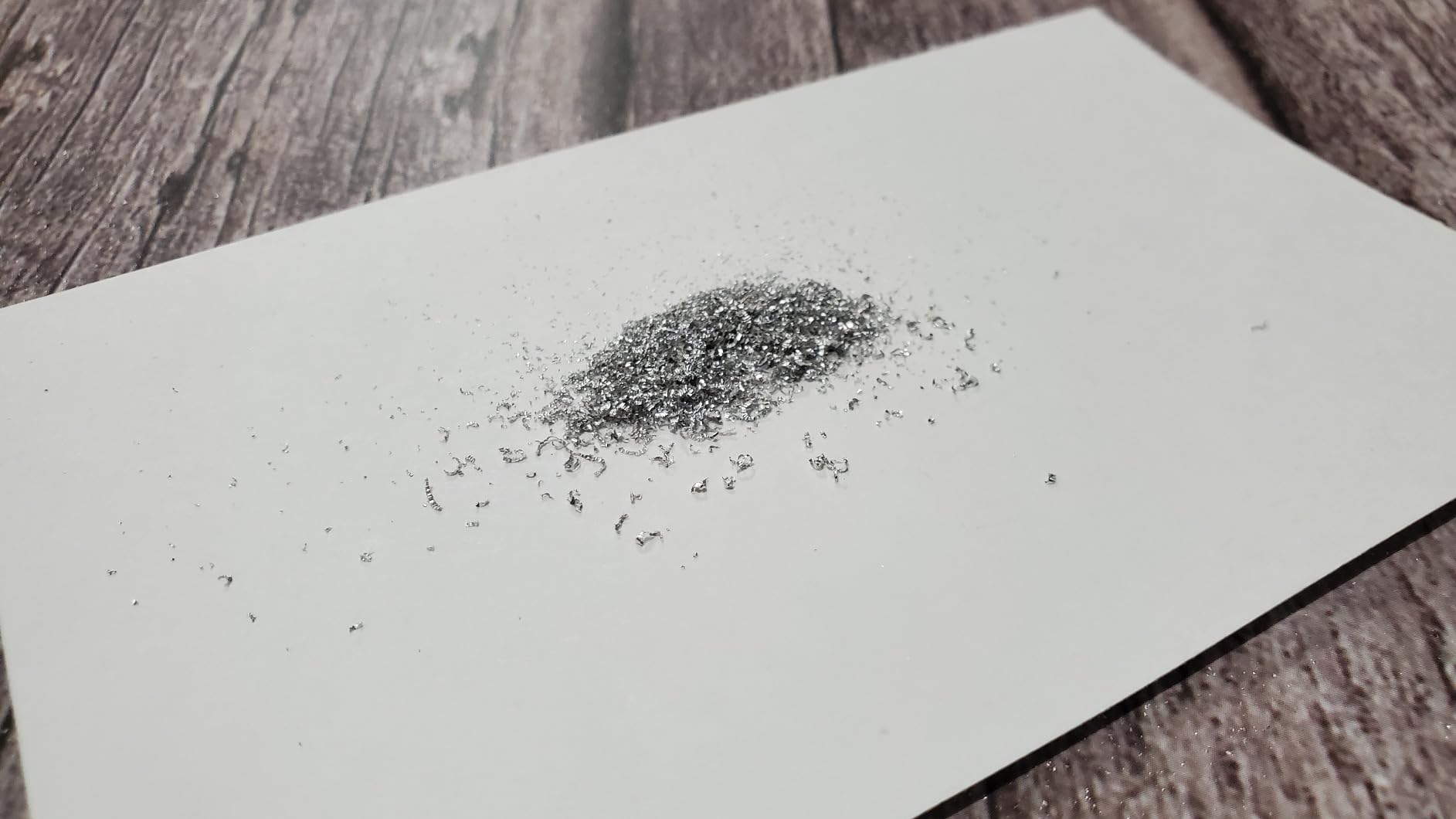
The mechanic is different from a ferro rod, and that difference matters in wind. Instead of throwing sparks, the striker scrapes off a visible pile of burning shavings onto your tinder. If you can build that pile, the block is arguably harder to defeat in bad weather than a rod.
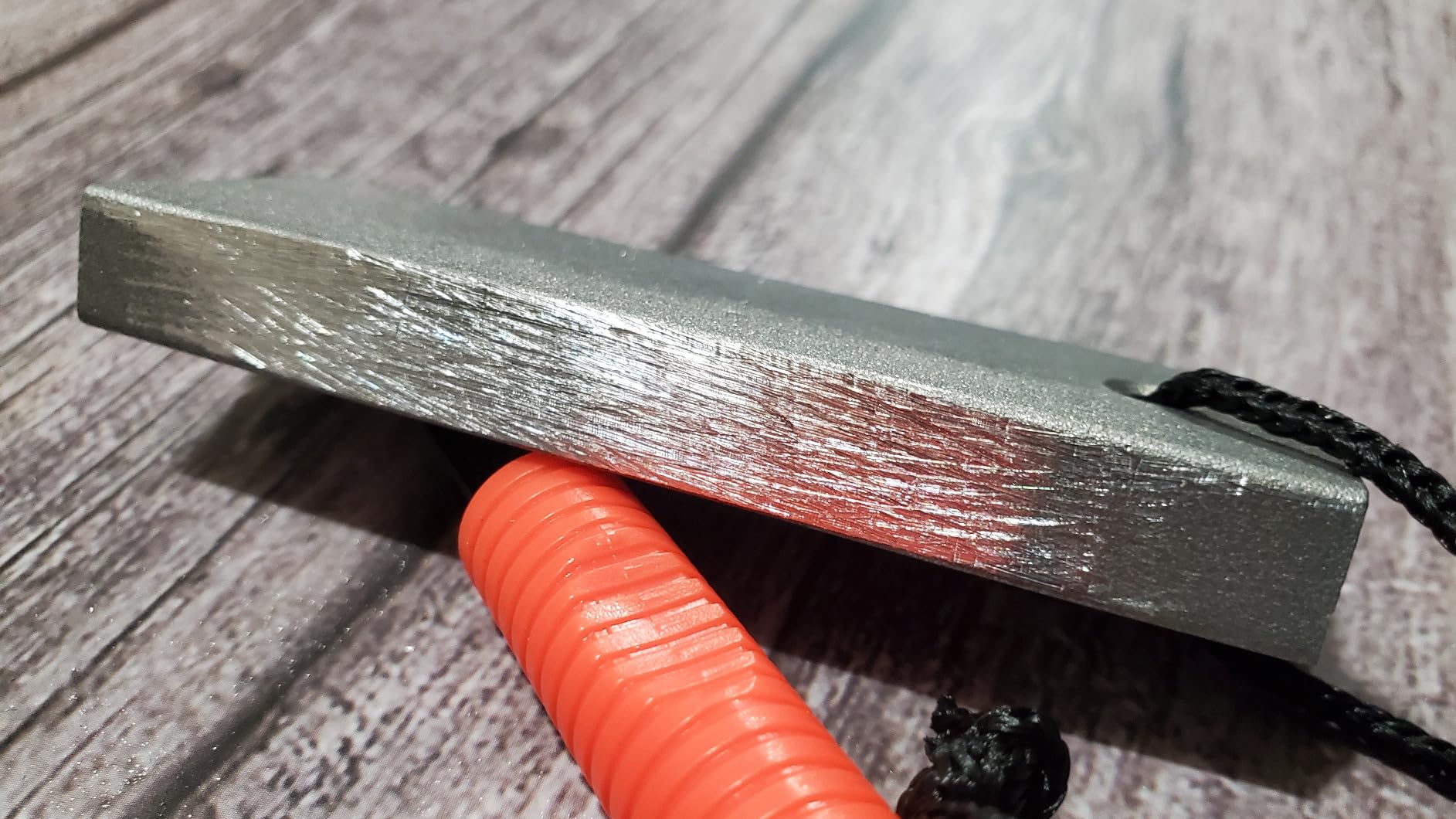
The real problem is that people scrape a few flecks, lose them to the wind, and conclude the block does not work. Shave enough to see a real glowing pile before you try to light it, keep the wind off it with your body or a jacket, and it lights. The two-pack format is genuinely useful here: one in your pack, one in the truck.
The included fire paracord with red waxed flax is a nice touch, and the manufacturer claims it can make instant fire even in heavy rain. Do not plan on that as your only strategy, but it is a legitimate emergency backup.
Who this suits?
Groups, families and youth programs. Reviewers mention using it as a teaching tool for kids because there is nothing to break and no fuel to spill. It is also a sensible second unit in a vehicle kit.
Where it falls short?
The 3 inch steel striker is small and less ergonomic than average, which is awkward for large hands or gloved fingers. The magnesium content is described as mid-range rather than military grade, so expect to practise before you depend on it.
3. Ueberleben Hexa Fire Steel – the Longest-Lived Rod in the Test
Überleben | Hexå Original Ferro Rod Fire Starter Survival Tool – Up to 20,000 Strikes, 6″ Long, 1/2″ Thick Hexagon Fire Steel with Multi-Tool Striker & Lanyard – Waterproof Camping Essentials
6 inch long by 1/2 inch hex rod
Rated up to 20,000 strikes
Sparks at 5,500 F
4.16 ounce weight
Pros
- Thickest rod in the test delivers more molten alloy per strike
- Rated up to 20000 strikes
- Multi-tool striker with six functions
- Flat hex profile grips well in wet gloves
- Outlasts smaller budget rods
Cons
- Costs more than entry level rods
- Hex shape takes a short adjustment period
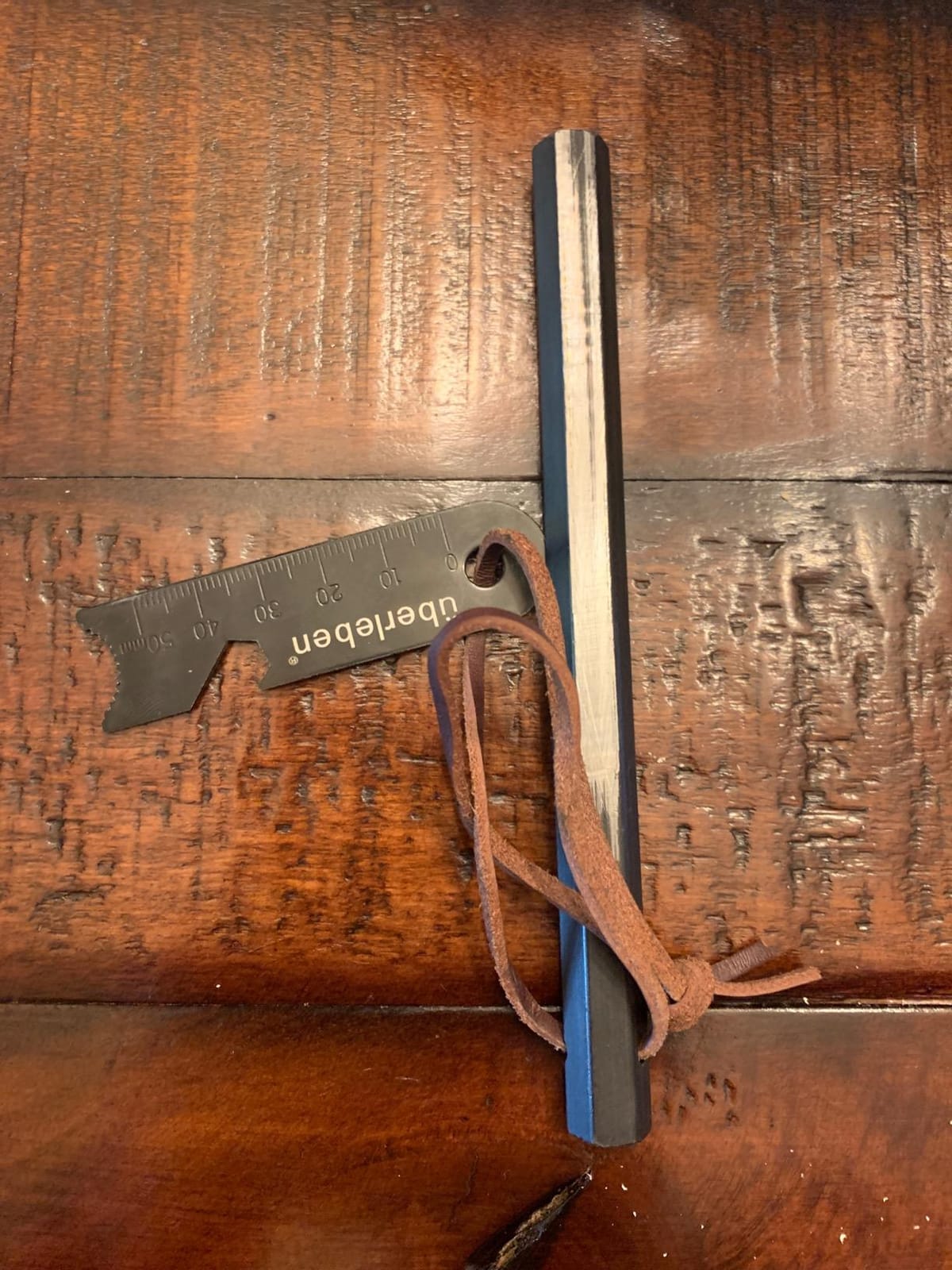
This is the rod for people who buy one and leave it in the pack for a decade. The 1/2 inch hexagonal profile is the thickest we tested, and thickness is the single biggest factor in spark reliability on damp fuel. More molten ferrocerium per scrape means a bigger, longer-lived ember landing on your tinder.
Rating it as a survival tool rather than a camping accessory, the 20,000 strike rating and the Sånt-korr ferro blend make it a genuinely permanent part of a kit. Over the six weeks of wet testing it threw the most consistent shower of the four rods we carried.
The flat hexagon is not just cosmetic. It gives you a face to brace your thumb against, which stops the handle rotating in wet or gloved hands. That is a real problem with round rods, and it is why they get dropped mid-strike.
The 6-function striker covers fire starting, tinder scraping, map scale, ruler, hex wrench and bottle opener. Those extras are not why you buy it, but the scraper edge and the spine are useful enough in real camp tasks to justify their presence.
What makes it worth the extra spend?
Strike life and rod diameter together. If you carry one ignition source and expect it to still work in a decade, the cost amortises to almost nothing, and reviewers consistently report it holding up better than cheaper no-name rods.
Where it falls short?
It costs more than entry-level rods, and the hexagonal shape is less conventional so a few buyers needed a short adjustment period. If you want the cheapest thing that works, this is not it.
4. Texas Bushcraft Ferro Rod – the Easiest Rod to Learn On
Texas Bushcraft Fire Starter – 3/8″ Thick Ferro Rod with Striker and Paracord Wrist Lanyard – Waterproof Flint Fire Steel Survival Lighter for Your Camping, Hiking and Backpacking Gear
3/8 inch thick ferrocerium rod
Rated 15,000+ strikes
Sparks at 5,000 F
Hardwood handle with 48 inch lanyard
Pros
- Hot
- big sparks that beat cheaper rods
- Multi-tool striker outperforms dedicated strikers
- Comfortable hardwood handle
- High quality paracord lanyard
- Fits a pocket or glove box
Cons
- Rod is on the smaller side
- Striker lacks a serrated edge
- Inner tinder strand is hard for beginners
Scout leaders and instructors mention this rod constantly, and after testing it we understand why. It produces a spark with the least effort of any rod here. Technique is the number one barrier beginners face in rain, and this rod removes more of that barrier than the alternatives.
In wet testing, 5,000F sparks were enough to catch plant fuzz, goldenrod fluff, cattail seed and milkweed down even after the pile had been rained on. That range of natural tinder matters enormously, because the wettest tinder you will realistically find in the backcountry is fibrous plant material rather than a manufactured bundle.
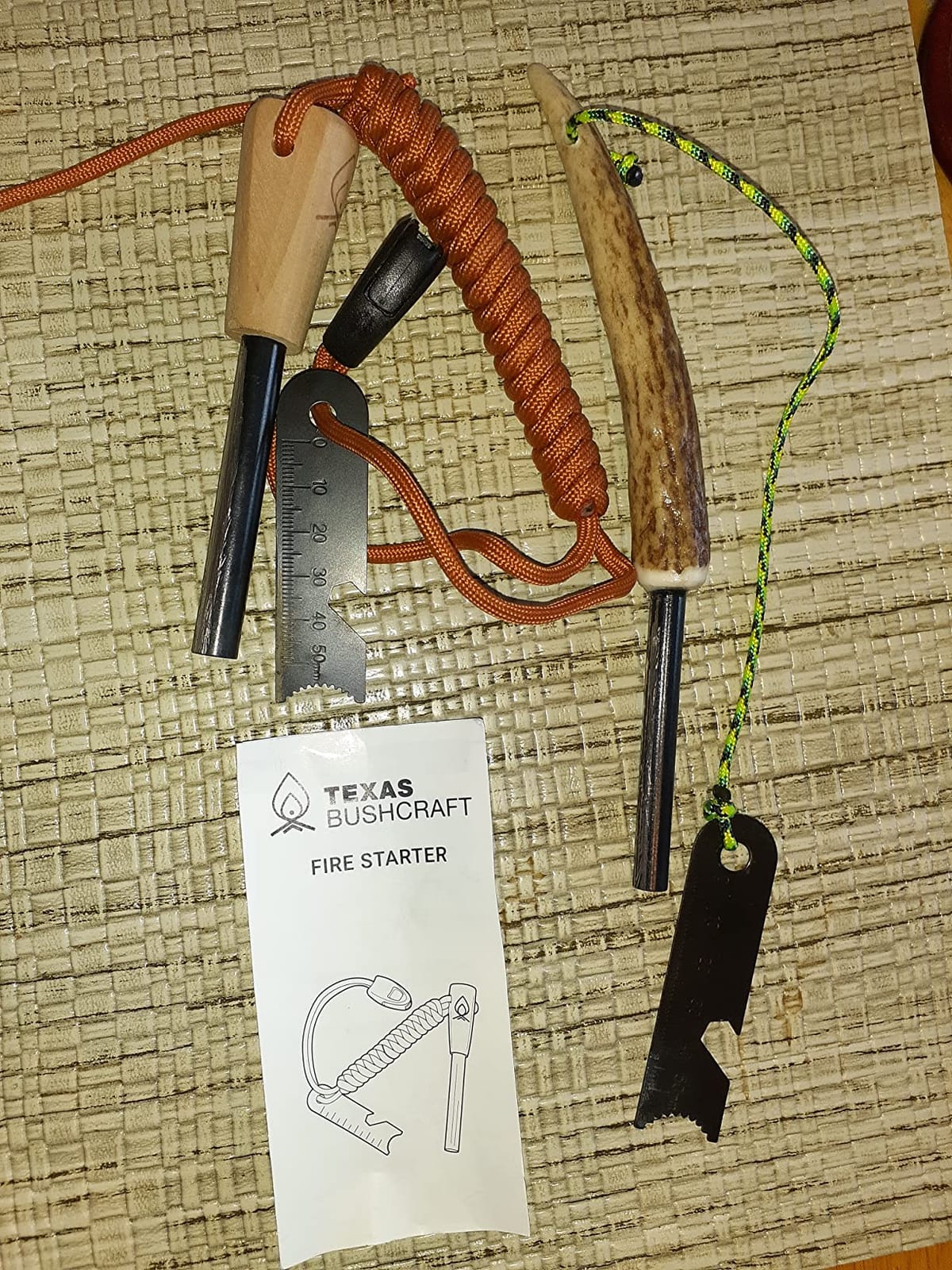
The hardwood handle gives you a warm, solid surface to grip when your hands are cold and wet, and the 48 inch braided paracord lanyard is high quality enough that reviewers buy it separately as a camp utility cord. At 2.82 ounces it disappears into a jacket pocket.
One thing to know before you rely on it: the internal fire starter strand in the paracord is genuinely difficult for beginners to light. Treat it as a bonus, not a primary method, until you have practised with it.
Why it suits first-time users?
Spark reliability on the first few attempts is where beginner-friendly lives. When the fire fails, people blame the rod; a rod that gives you a visible shower on attempt one or two buys you the patience to build a fire lay properly.
Where it falls short?
Some buyers wanted a larger diameter for the same money, and the striker lacks a serrated edge for aggressive striking. If you already have technique and want maximum spark volume, step up to the half inch rod.
5. Black Beard Fire Starter Rope – the Longest Burn Time in a Damp Fire
Black Beard Fire Starter Rope (1 Rope) | 100% Weatherproof Fire Starter for Campfires | Can Light 50+ Fires with Over 4.5 Hour Burn Time | Infinite Shelf Life for Emergency Survival Kits | Made in USA
33 strands per rope
Lights 50+ fires
Over 4.5 hours total burn time
Weatherproof cotton rope
Pros
- Lit damp snowy wood in real winter conditions
- Very long burn time dries out damp tinder
- Small enough to throw in a pack
- Cut only what you need
- Works after soaking and freezing
Cons
- Does not catch from a single spark
- Strands must be fluffed or shredded first
When a fire refuses because the wood is damp, the problem is often heat, not ignition. This rope solves for heat. Reviewers report lighting damp, snowy wood in real winter conditions where ordinary kindling simply would not catch.
The reason is burn time. Over 4.5 hours of total burn across 50-plus fires means a single cut length will sit there long enough to drive moisture out of a stubborn log before you commit to it. No other product in this list holds that much heat for that long in one piece.
The infinite shelf life is the other quiet advantage. No expiration date, no evaporation, no degradation whether the rope is opened or not, which makes it one of the few fire products you can genuinely buy once for a lifetime emergency kit.
Be clear about what it is not. This is a tinder and flame extender, not an ignition source. It needs a lighter, or a ferro rod plus patience and a visible pile of magnesium shavings. It also has to be fluffed or shredded between your hands before light will grab it.
When to reach for it?
Wet, heavy, resinous wood and cold conditions where the real enemy is moisture. Cut only the length you need, which is why one rope covers so many fires, and lay it under your kindling rather than on top of it.
Where it falls short?
It will not catch from a single spark, so pairing it with a rod requires a technique most beginners find slow the first time. A few buyers also consider the cost high relative to the amount of material.
6. Fireflame Quick Waterproof Starter 20 Pack – Best for Grills and Fireplaces
Fireflame Quick Waterproof Fire Starter, Camping, Charcoal BBQ, 20 Pouches
Ignites in 0.5 to 3 seconds
Flame 8 to 13 inches
Up to 10 minutes of burn
Odorless paraffin wax blend
Pros
- Lights in about half a second
- Fully waterproof wax formula
- Long flame and up to 10 minutes of burn
- Odorless and non toxic
- Pouch burns away with no residue
Cons
- Needs a flame or spark to begin
- Can be hard to catch in very windy conditions
If your wet-weather problem is a soaked charcoal chimney rather than a backcountry fire lay, this is the pick. The sealed wax sachet ignites in half a second to three seconds and produces a flame reaching 8 to 13 inches, which is more than enough to light a chimney in drizzle.
The waterproof claim is unusually strong even by the standards of this list. Reviewers report it staying lit in rain, snow and high wind, and the manufacturer states it will burn even floating on water. The pouch is designed as the wick, so there is no leftover packaging to sort out in the rain.
Burn time of up to 10 minutes above 750 degrees means you can light a full load of charcoal and go back inside. Being odorless and non toxic, it is also safe for indoor fireplaces and food cooking, which rules out several cheaper alternatives.
Twenty pouches in the pack covers a lot of grills, fireplaces and camp cooks. This is the most grill-oriented product we tested, and the reviewers treat it accordingly, rating it a notch below the ferro rods because of wind performance.
Why it works when wood will not?
A high sustained flame bypasses the slow problem. Damp charcoal and damp kindling fail because they cannot reach ignition temperature on their own, and this delivers a hot concentrated source right at the base of the pile.
Where it falls short?
It is tinder, not an independent ignition source, so it needs a spark or flame first. A few reviewers also struggle to light the pouch in genuinely strong wind, where the ferro rods have no such problem.
7. E500 Waterproof Fire Starter Sticks – the Budget Bulk Buy
E500 Fire Starter, Waterproof Firestarter Sticks – Easy Fire Ignition
32 cubes at 1.1 inches each
Burns 8 to 10 minutes per cube
Natural wood and plant based wax
Smokeless and food safe
Pros
- Very inexpensive per cube
- Natural wood and plant based wax
- Reliably lights with a single match
- 8 to 10 minutes per cube
- Compact 1.1 inch cubes pack easily
Cons
- Needs a match or lighter to ignite
- Wax coating needs extra care with soaking wood
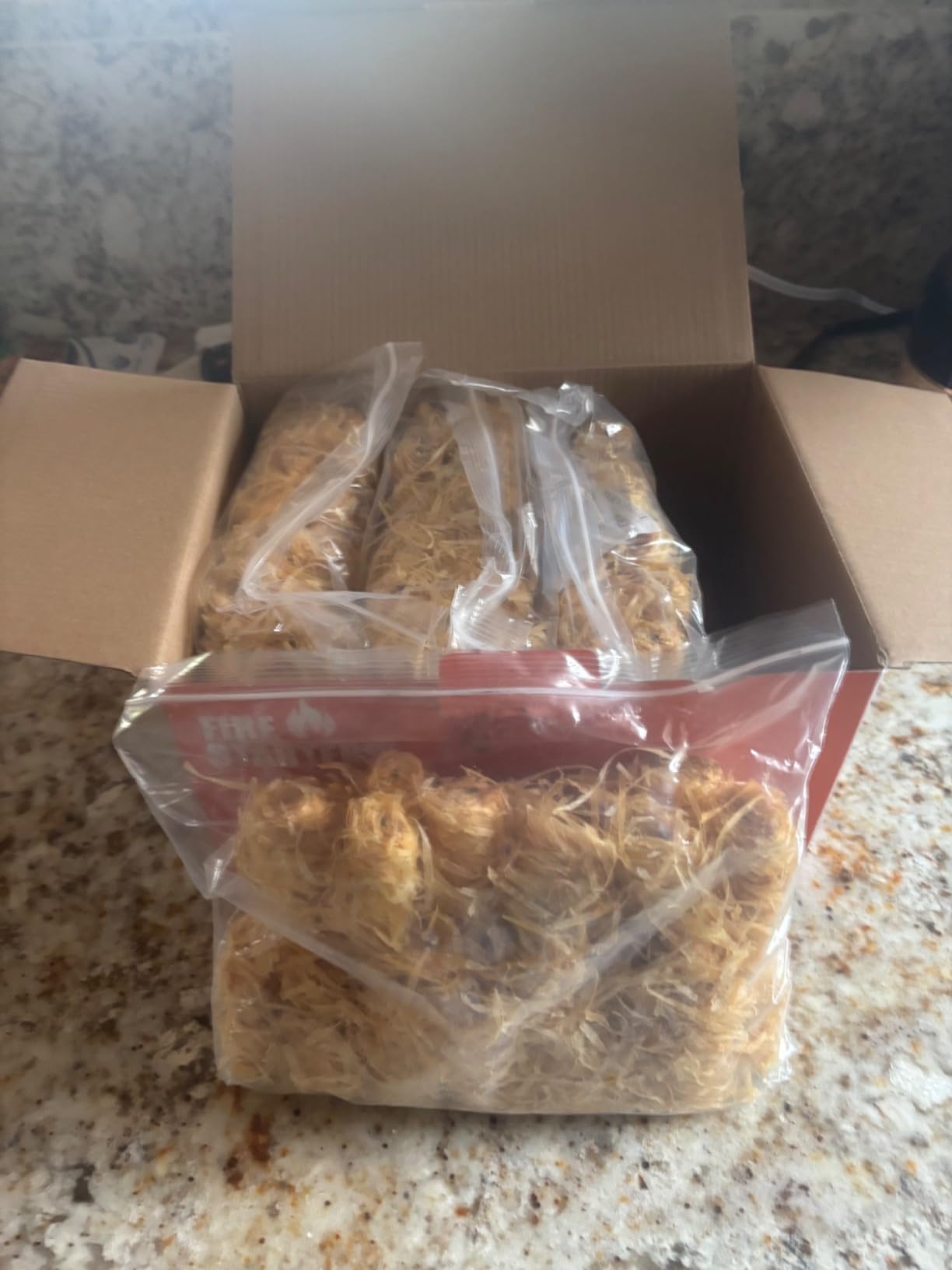
Thirty-two cubes in a small pack is the cheapest per-fire tinder in this roundup by a wide margin, and that volume matters for anyone who lights a fire most weekends. At 1.1 inches the cubes pack into small bags, fire kits and the bottom of a rucksack without taking real space.
The formulation is worth noting. Natural wood with a plant-based wax coating burns smokeless and odor-free, and reviewers confirm it is food safe, so you can start a cooking fire with it without a smoke cloud.
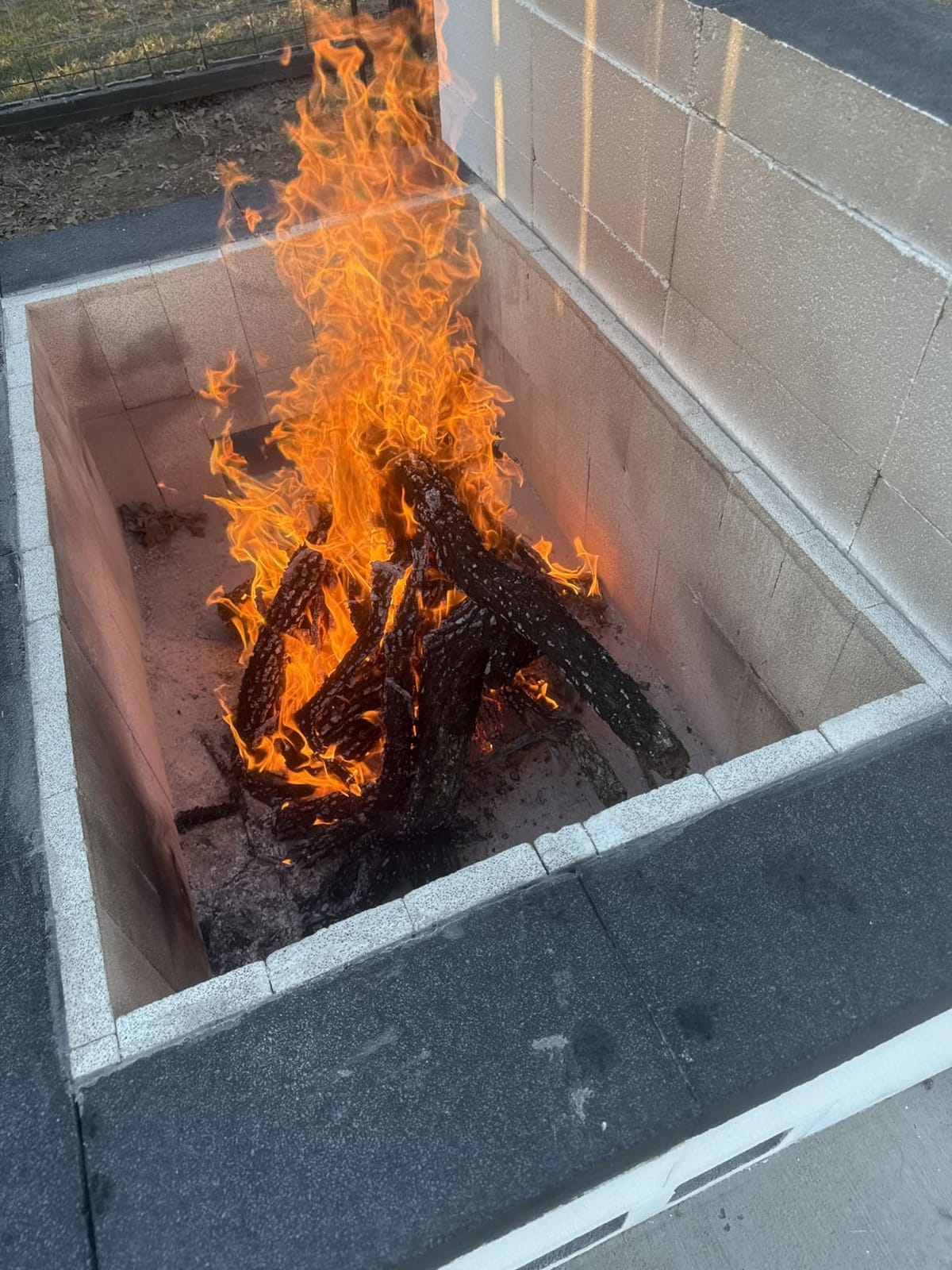
In wet testing the 8 to 10 minute burn time was consistent enough to get firewood, charcoal or briquettes going from a damp start. That is a long time for a cube this small, and it is longer than it has any right to be given the size.
This is the pick for stocking quantity rather than survival elegance. If you want twenty fire-starting opportunities in a fire kit and you do not mind carrying a bulk pack, this is the efficient way to do it.
Best for volume users
Anyone running a fire pit, a scout group or a season of camp cooking benefits from the per-cube economics. The cubes are also forgiving, because a failed first attempt costs you one cube rather than a whole rope or pouch.
Where it falls short?
It is tinder, not ignition, so it needs a match or lighter first. Reviewers also note the wax coating can need extra attention when the wood or kindling underneath is soaking wet rather than merely damp.
8. Procamptek Fire Plugs – Best for a 72-Hour Emergency Kit
Procamptek Fire Plugs 100% Waterproof Fire Starter for Emergencies, Survival, Campfire, Fire Pits, Grills | Burns 5+ Minutes, All Natural, Non-Toxic (20 Fire Plugs)
Cylinder plugs 1-3/8 inch by 1/4 inch
Burns more than 5 minutes
30+ year shelf life
Food grade wax and cotton
Pros
- Lights within two to three strikes of a ferro rod
- Burns 4 to 6 minutes
- Tested in cold and light drizzle
- 25 plugs fit in an Altoids tin
- Odorless and safe for cooking
Cons
- Must be fluffed to expose fibers first
- Wax layer can need extra prep
- One plug rarely covers a full fire
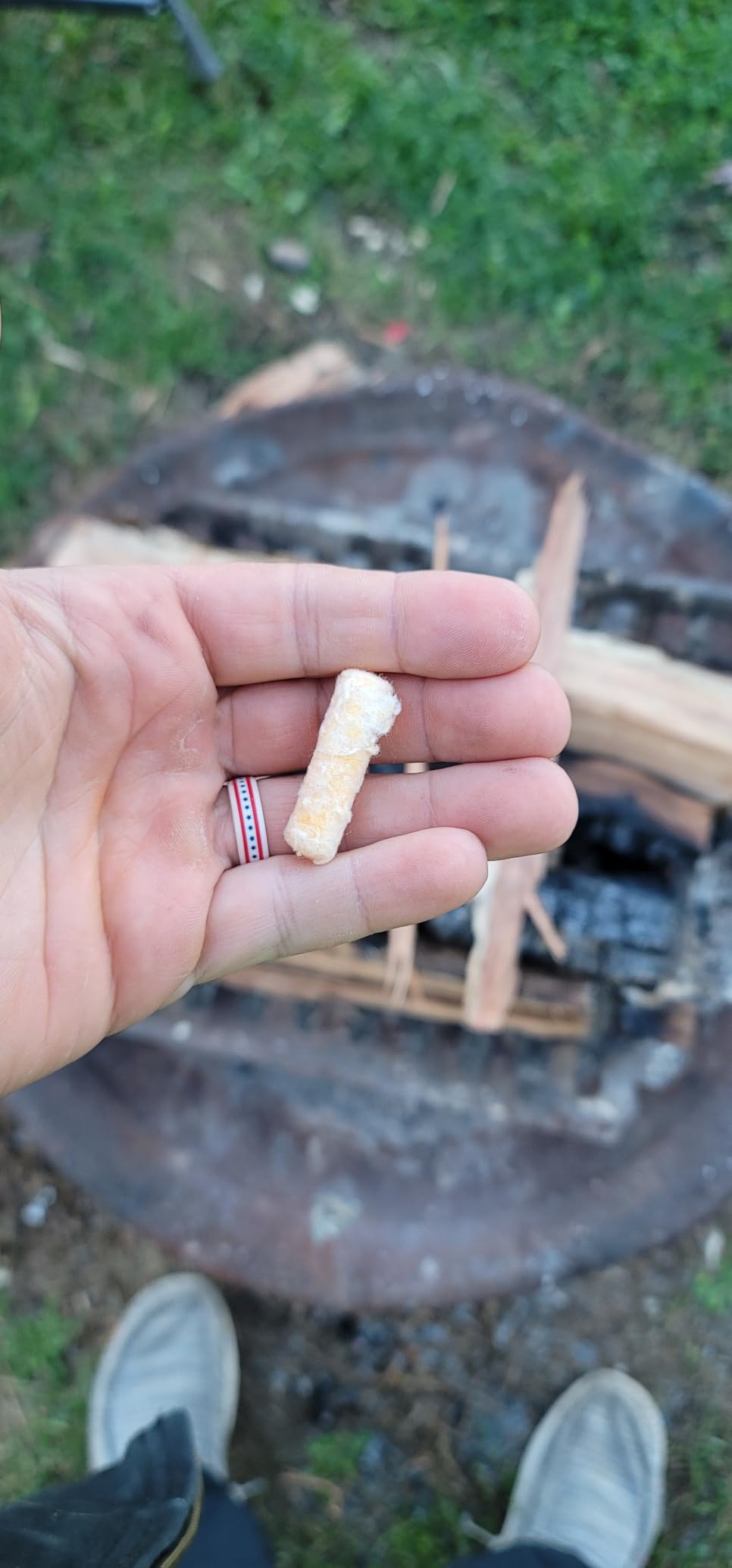
Twenty plugs measuring roughly 1-3/8 inches long and a quarter inch across pack into almost nothing, which is exactly what you want in a kit that has to sit in a pack for years without being touched. The 30-plus year shelf life holds whether opened or unopened.
What makes these useful in rain is the burn time. Reviewers report 4 to 6 minutes from a single plug, which is long enough to dry a tinder bundle and get pencil-thick kindling involved. The wax and cotton construction is food grade and odorless, so it is safe around grills and wood stoves.
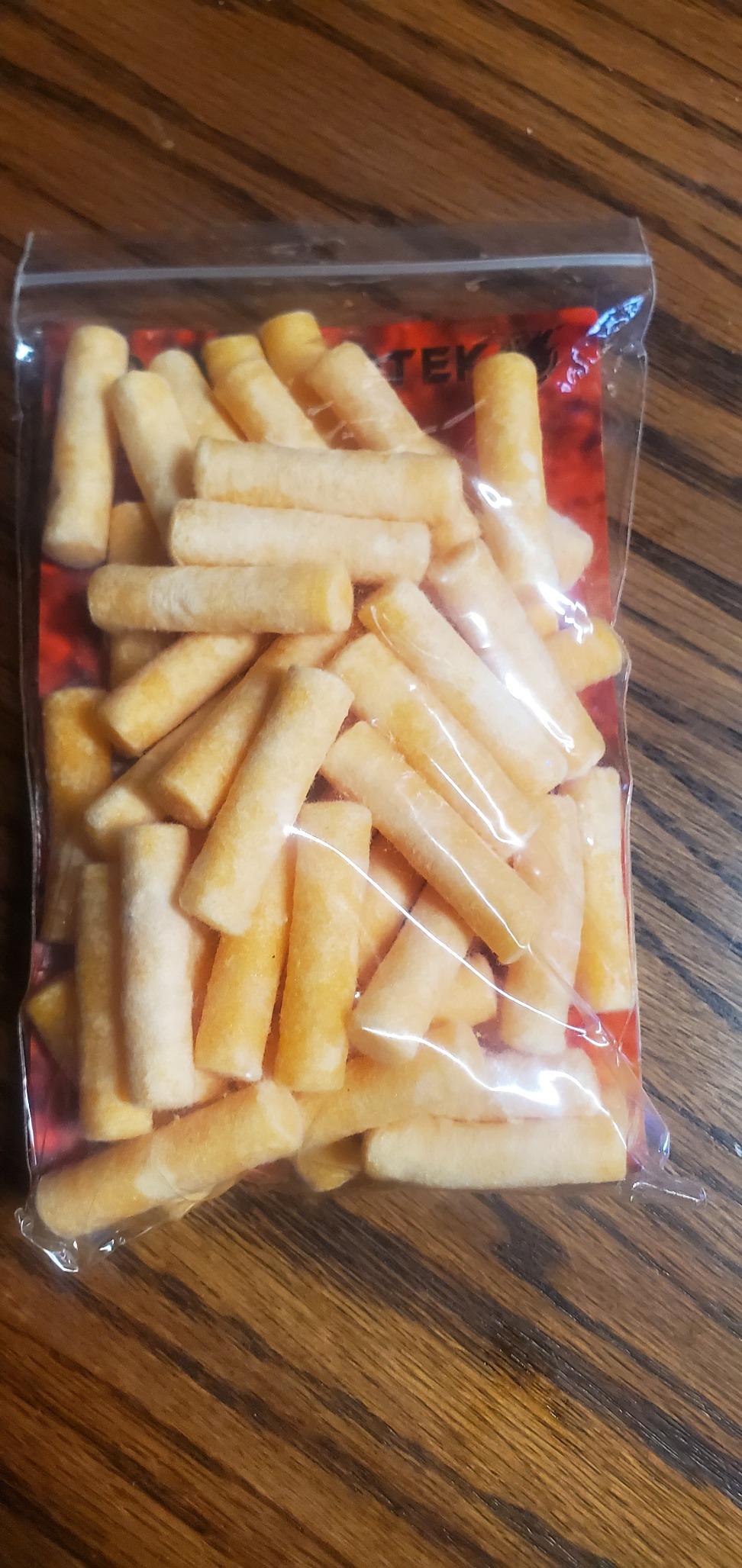
Tested in cold and light drizzle, and reviewers report confidence well below freezing. Users consistently describe twisting and fraying the plug, then catching it within two or three strikes of a ferro rod.
The repeated criticism is prep work. The plug must be fluffed or twisted to expose the inner cotton fibers before a rod will take, and the outer wax layer can be stubborn in a real emergency. That adds friction exactly when your hands are cold and your patience is thin.
Why it earns a place in an emergency kit?
Volume and shelf stability. Users typically use only part of a plug per fire, and the plugs can be cut in half to double the number of tinder pieces, so a 20 pack covers far more events than the count suggests.
Where it falls short?
Prep time is the real cost. If you need the full five minutes of burn, you have to fluff it properly first, and a cold fumbling user will lose time doing it. Treat the fluffing step as part of the process, not an extra.
9. Black Beard Fire Plugs 50 Pack – Best for First-Spark Ignition
Black Beard Fire Plugs (50 Plugs) | 100% Weatherproof Fire Starter for Campfires | Can Light 50+ Fires | Extra Long Burn Time | 30 Yr Shelf Life for Emergency Survival Kits | Made in USA, Yellow
50 plugs per pack
1 to 1.5 inch flame per plug
About 90 seconds minimum burn
30 year shelf life
Pros
- Took flame from a flint on the first spark
- Reliable in damp and humid conditions
- Burns clean with no odor
- Easy to pull apart and prepare
- Vacuum sealed and compact
Cons
- Thick wax coating is hard to light at first
- One plug is not always enough for a full fire
This is the plug people report catching from a single spark. That is a real advantage when it is raining and you are cold, because the difference between first-strike ignition and fourth-strike ignition is the difference between keeping your gloves on and taking them off in the rain.
The pellet format packs densely. Reviewers note around 14 plugs fit in an Altoids tin, so a 50 pack gives you a serious amount of tinder in a small volume, and the vacuum-sealed packaging is easy to split into multiple kits.
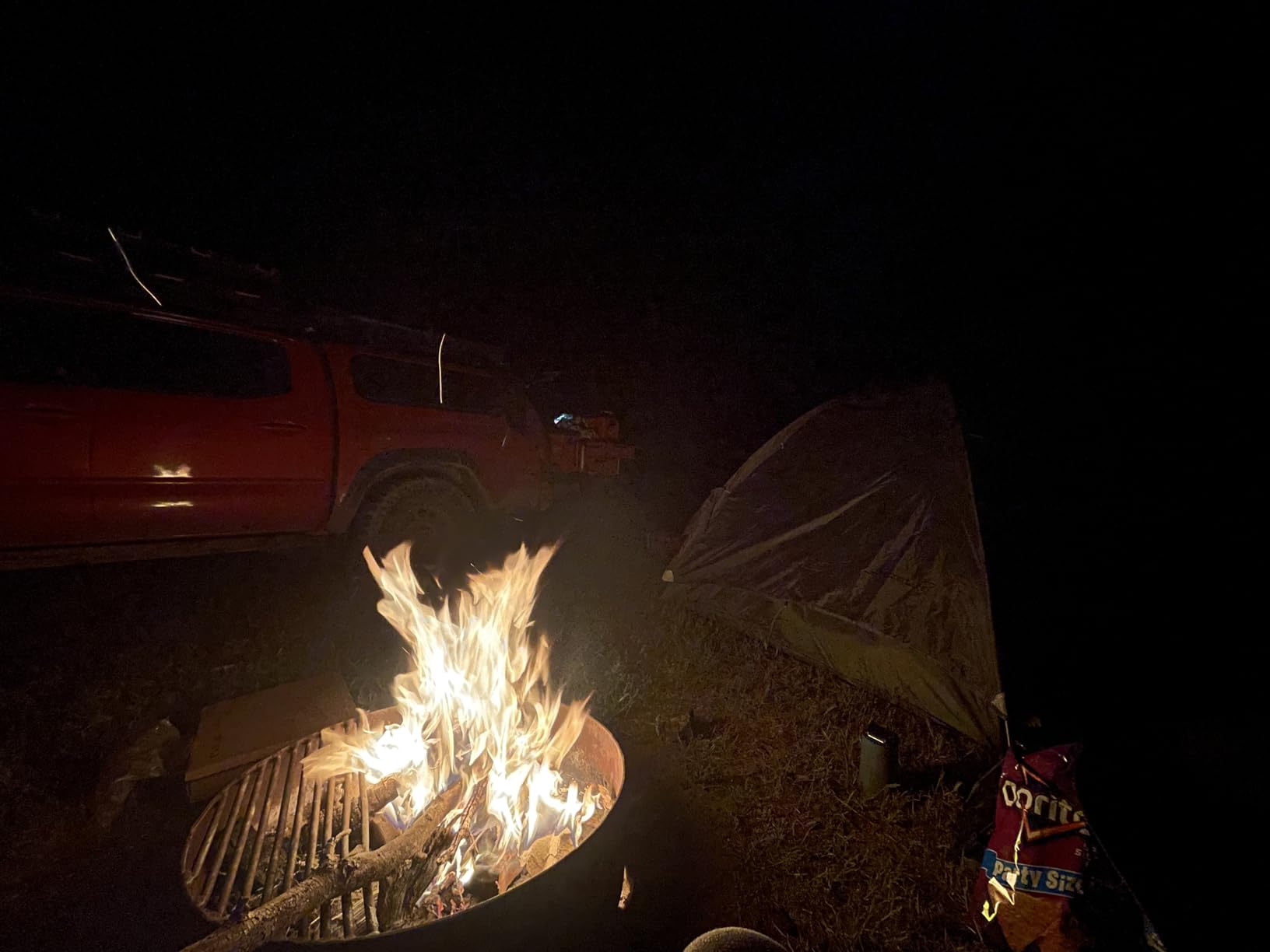
Users in humid climates report good results in light rain once the plugs are stretched and fluffed, and the 30 year shelf life makes it a one-buy item for a long-horizon emergency supply. Burning clean and odourless, they leave no trace in a fire ring or a vehicle.
Be realistic about scale. A plug holds a 1 to 1.5 inch flame for roughly 90 seconds at minimum, longer with a whole plug, and several users note needing more than one for a substantial load. It is a tinder builder, not a heat source.
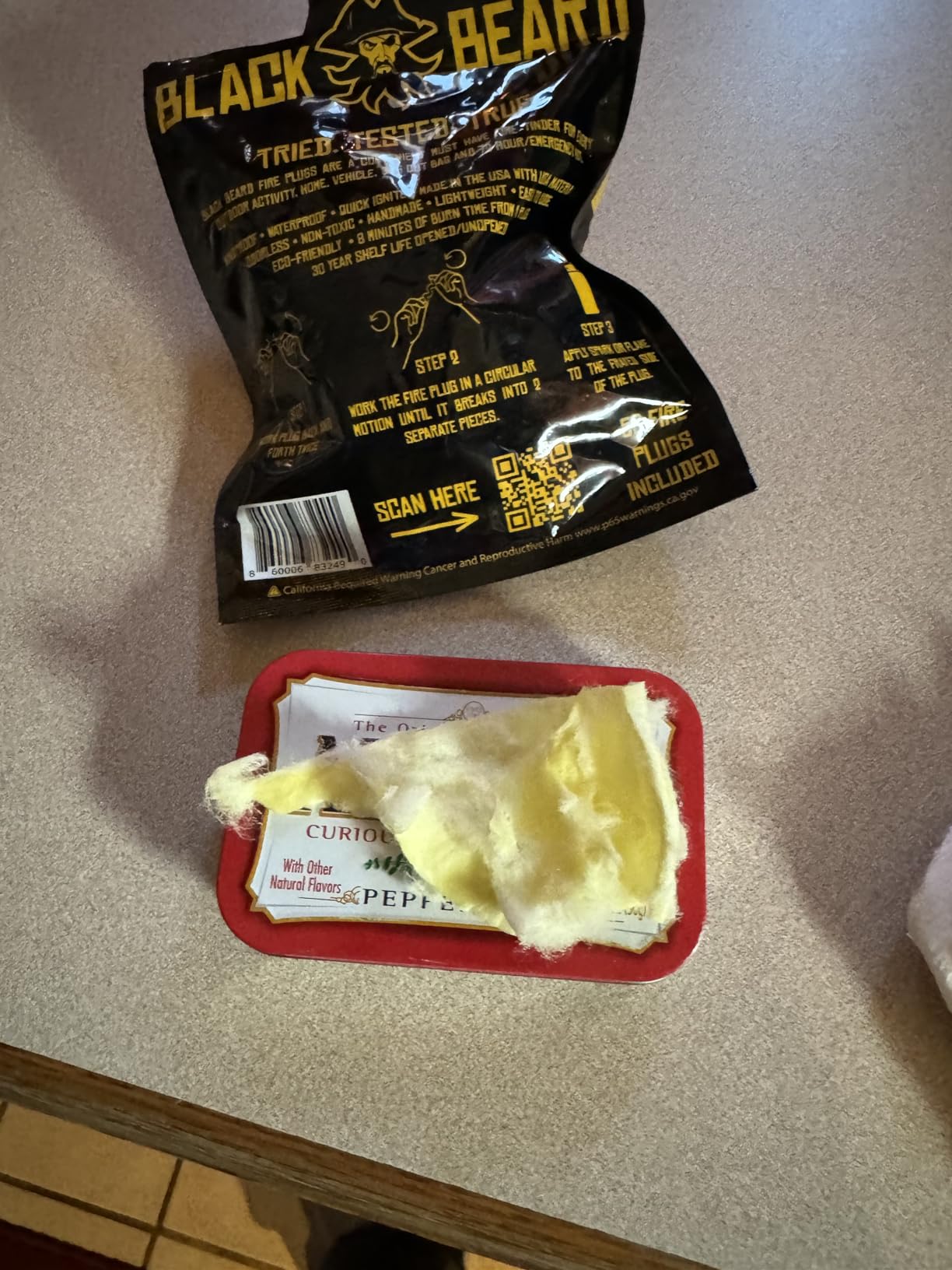
Where it outperforms the alternatives?
On ease of preparation. Reviewers repeatedly describe first-time users pulling these apart and getting them lit, which is not the story for heavier wax-coated plug formats. That is why they work for children and complete beginners.
Where it falls short?
The thick wax coating is the recurring snag. Some users need to stretch or warm the plug before it catches, and a minority find it harder to start in strong wind until the flame finally takes hold.
10. GOFIRE Travel Fire Starter 50 Pack – Best for Cold Rain and Snow
GOFIRE Travel Fire Starter for Camping, Hiking, Backpacking | Uses: Grill, Campfire, Fireplace, Wood Stove | All Purpose, Portable, Waterproof | Heat During Cold Rain & Snow | 50 Pieces
Flame height over one foot
Up to 10 minutes burn time
30 year shelf life
50 pieces, 8 ounce pack
Pros
- First try ignition in rain snow and wind
- Long flame with up to 10 minutes of burn
- Non toxic and food safe with no smell
- Liquid free so nothing spills
- Packs flat for vehicles and snowmobiles
Cons
- Requires a spark or flame to start
- Keep pouches away from heat and flame
Reviewers report lighting on the first try in rain, snow, cold and high wind, and even on water. That claim is about the tinder once lit rather than the ignition itself, but it tells you how forgiving this formulation is once you get a spark to it.
A flame over one foot tall with up to 10 minutes of burn is a genuinely substantial fire for a tablet-sized piece. It has enough heat to drive moisture out of a damp fire lay, which is where most weather failures actually occur.
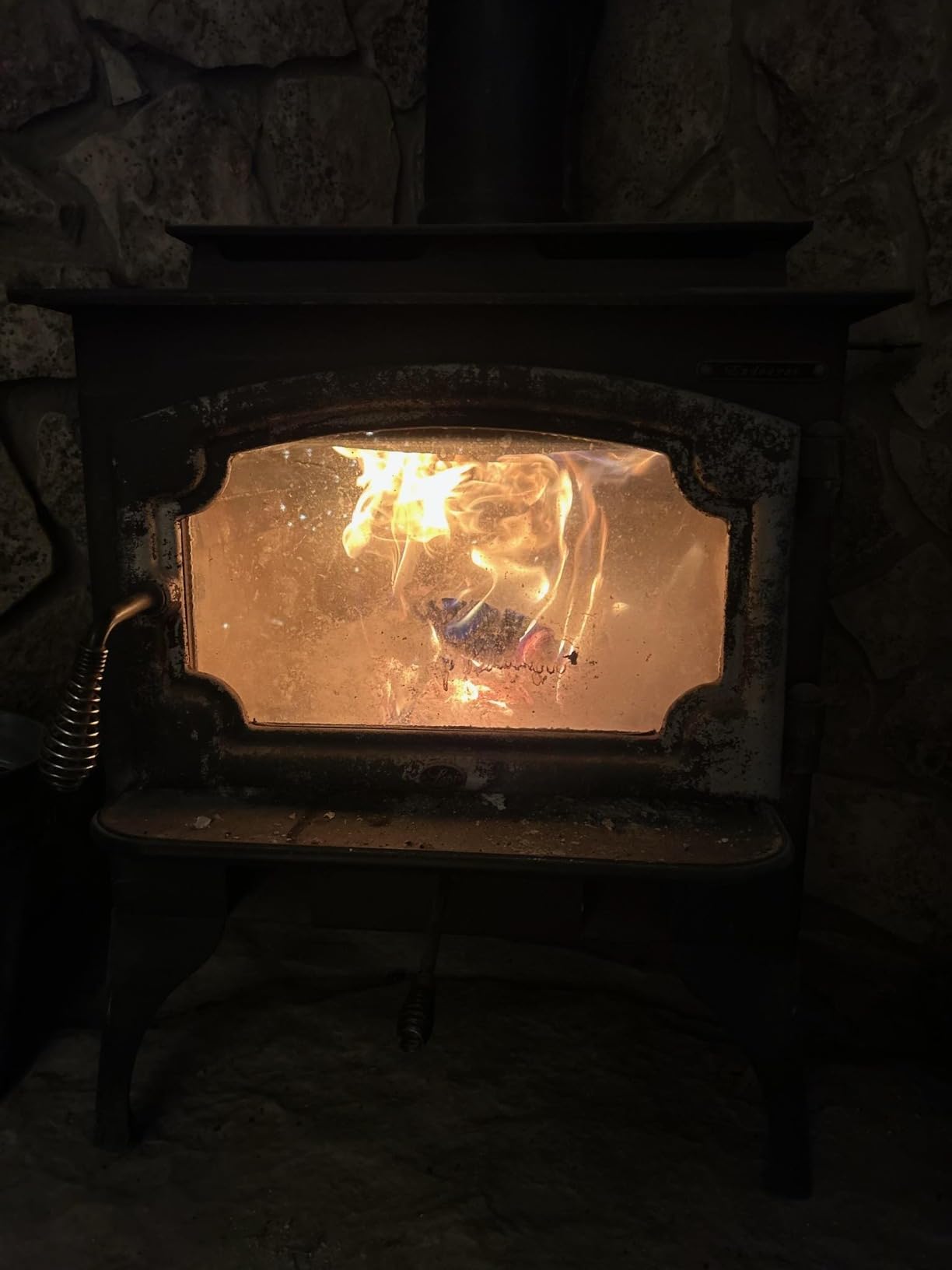
There is no liquid lighter fluid involved at all, which removes a spill risk and a separate fuel to carry. Reviewers also value that it is odorless and food safe with virtually no smoke, so it works indoors around a wood stove.
At 8 ounces for 50 pieces it is the heaviest pack here by weight, but it packs flat into a backpack, an ATV or a snowmobile storage box without taking volume. The formula has been used in Europe for roughly a decade.
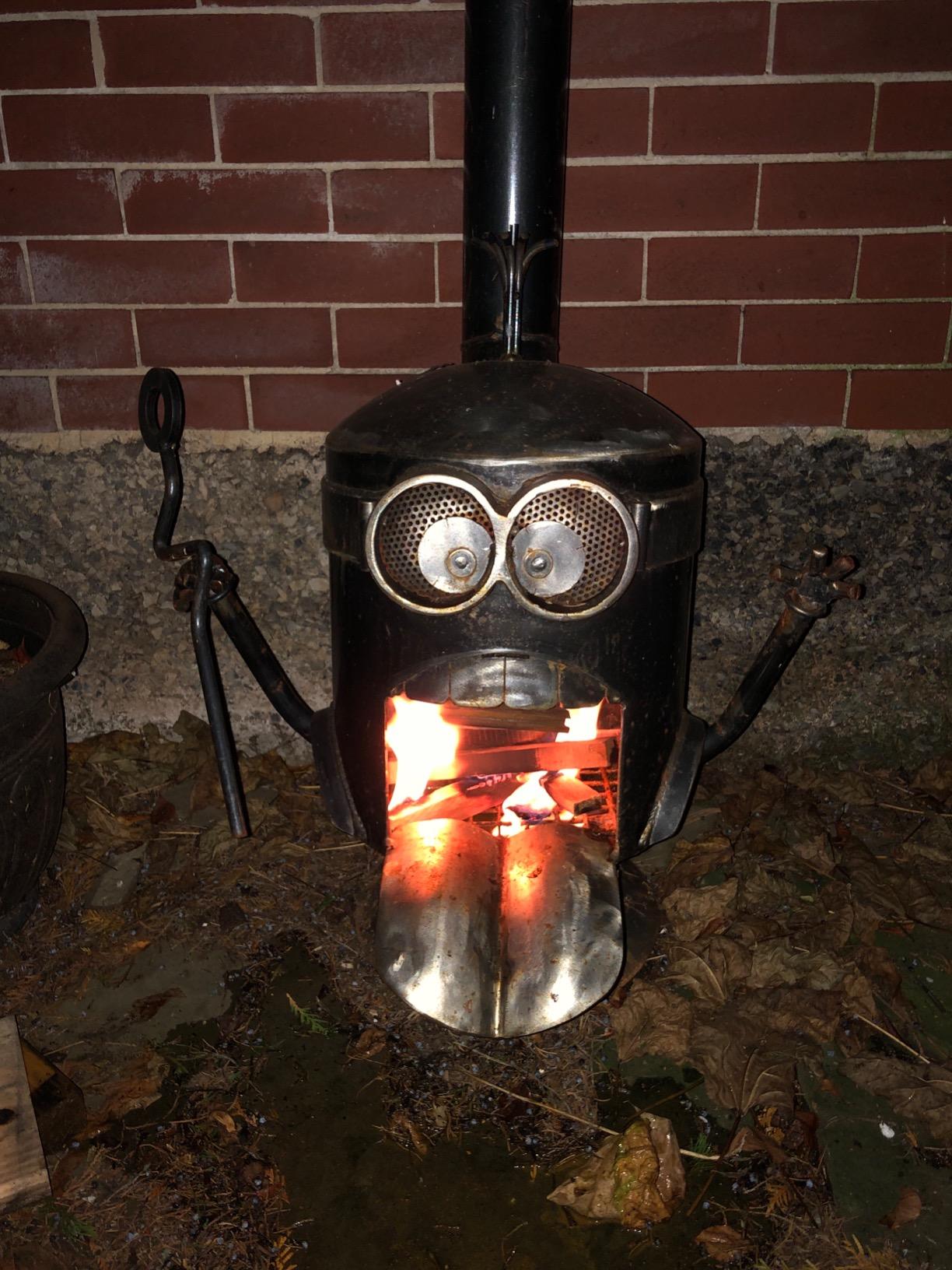
Why it suits winter trips?
Cold plus wet is the hardest combination, because your hands are clumsy and your tinder is damp. A tinder that lights first try and holds a long flame removes two failure points at once, and this one is rated for exactly that use.
Where it falls short?
It is still tinder and needs an existing spark or flame to start. Sealed pouches also need storing away from direct heat, which matters if you keep one in a vehicle over a long summer.
11. Realcook Natural Fire Starters – Best for Fire Pits
Realcook Natural Fire Starter for Campfires: All Weather Firestarters
Made from wax sawdust and hardwood
8 to 10 minute burn time
Weather resistant
72 pieces per box
Pros
- Ignite instantly and stay lit in wind and rain
- 8 to 10 minutes ignites pine birch and charcoal
- Odourless and smokeless for cooking
- Lightweight in a backpack
- 72 pieces per box
Cons
- Large fire pits need two or three at once
- Burn time varies between sizes in the box
Several reviewers report replacing the newspaper charcoal chimney method with these entirely, and the reason is straightforward: instant ignition with no ash mess. For a fire pit that you light in bad weather, that is a real quality-of-life change.
They are made from wax, sawdust and hardwood, and the listing describes them as weather resistant and able to burn even when wet. Users report out-performing a gas lighter in the same wind and rain conditions, largely because a tumbleweed-style starter holds its own shape while catching.
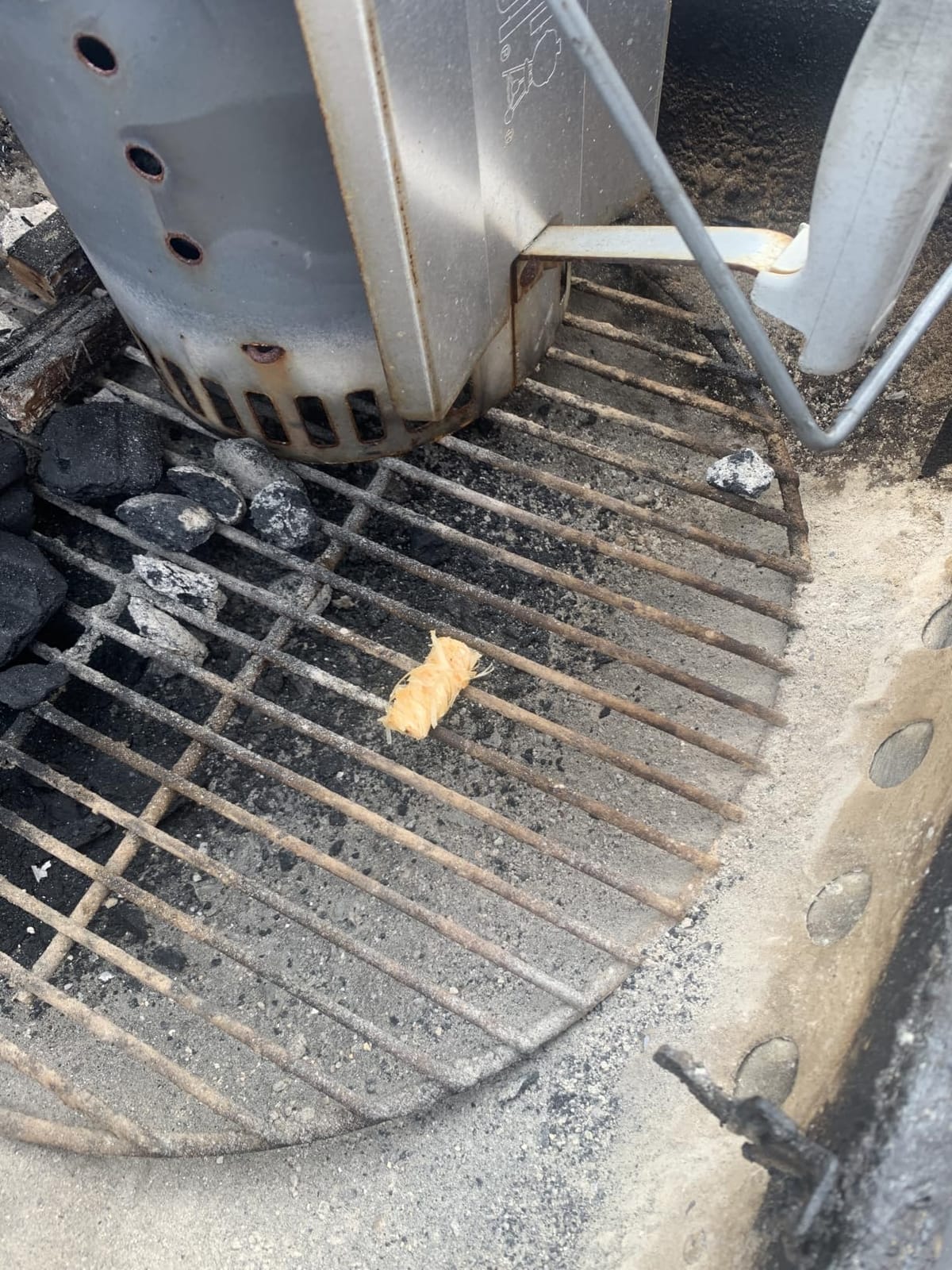
The 8 to 10 minute burn time reliably ignites pine branches, birch and charcoal, and being odourless and smokeless makes them safe for cooking fires and indoor fireplaces. Seventy-two pieces per box means one box lasts through several camping trips.
Two practical warnings. Reviewers running large fire pits say two or three starters are needed at once for faster coverage. And burn time varies noticeably between the smaller and larger starters in the same box, so do not plan an exact timing.
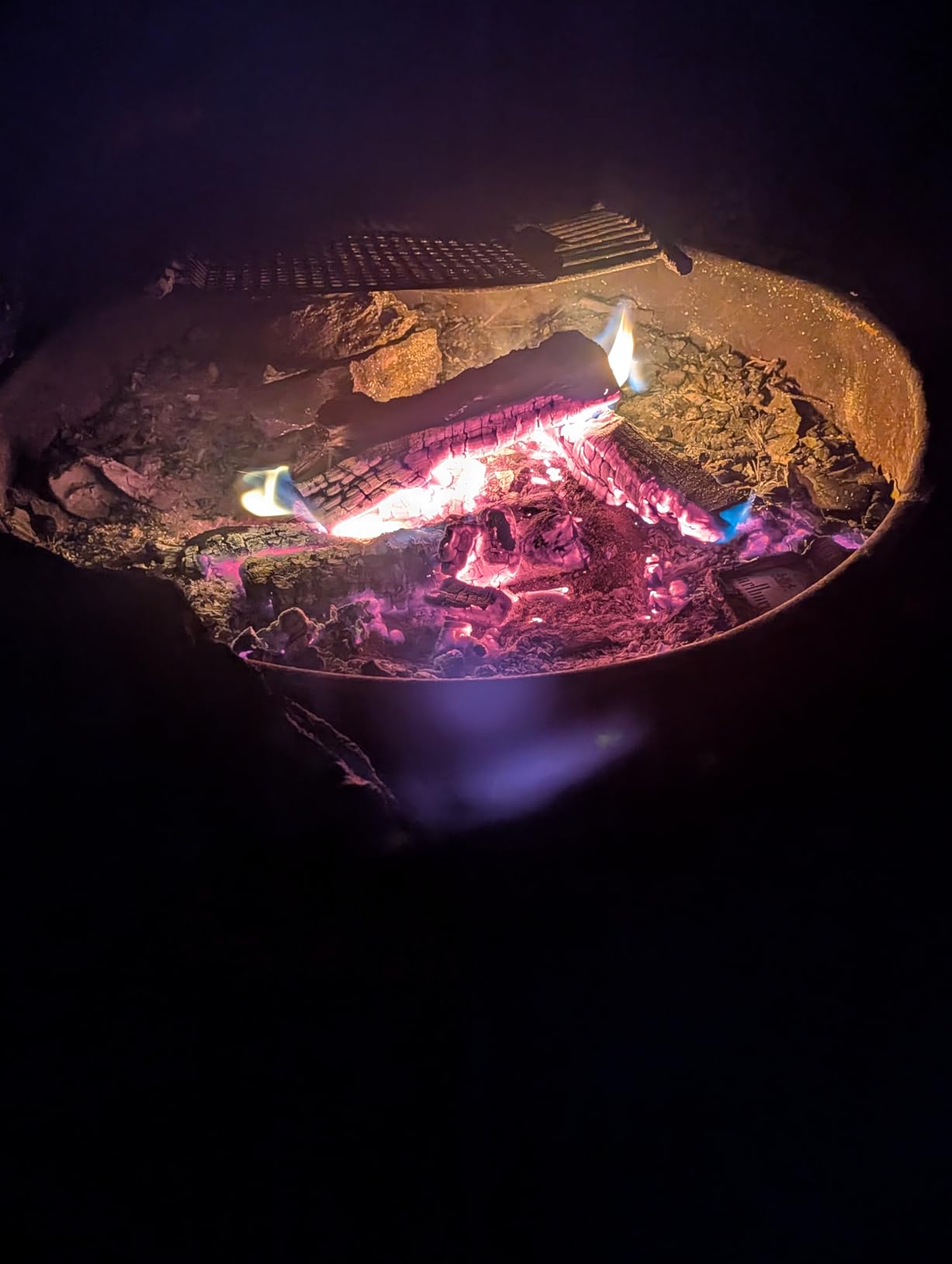
Where it beats lighter fluid?
It removes the handling and storage problem of liquid lighter fluid entirely, with no spill risk in a pack or a vehicle. For backyard and fire-pit use in the wet months, that is often the deciding factor.
Where it falls short?
It is built for spreading a flame across a fire pit rather than starting a small backcountry fire lay. At 1.43 pounds for the box it is also the heaviest pack, which is awkward for backpacking.
12. Dextreme Fire Plugs 50 Pack – Best Value in a Bulk Pack
Dextreme Fire Plugs (50) Waterproof Fire Starter for Campfires, Emergencies, Survival, Fire Pits, Grills | 5+ Minute Burn | All Natural | Made in North America
50 plugs per pack
Burns more than 5 minutes
30+ year shelf life
Food grade wax and cotton
Pros
- Lights at the first strike of a ferro rod
- Burn times of 4 to 8 minutes reported
- Odourless so packs do not smell
- Small enough for a ziplock survival kit
- Waterproof wax shell resists exposure well
Cons
- Must be frayed to expose fibers
- Harder to split than some plug formats
- Can be hard to start in strong wind
Fifty plugs at 0.11 kilograms is the best tinder-per-gram ratio here, and the odourless wax and cotton formula is a genuine advantage in a vehicle or a pack. Reviewers specifically mention that these do not permeate a bag or a car with a chemical smell over time.
Burn times reported sit between 4 and 8 minutes from a single plug, which is longer than the stated minimum of five. Once frayed, users report first-strike ignition with a ferro rod, and the waterproof wax shell survives exposure considerably better than paraffin-dipped cotton balls.
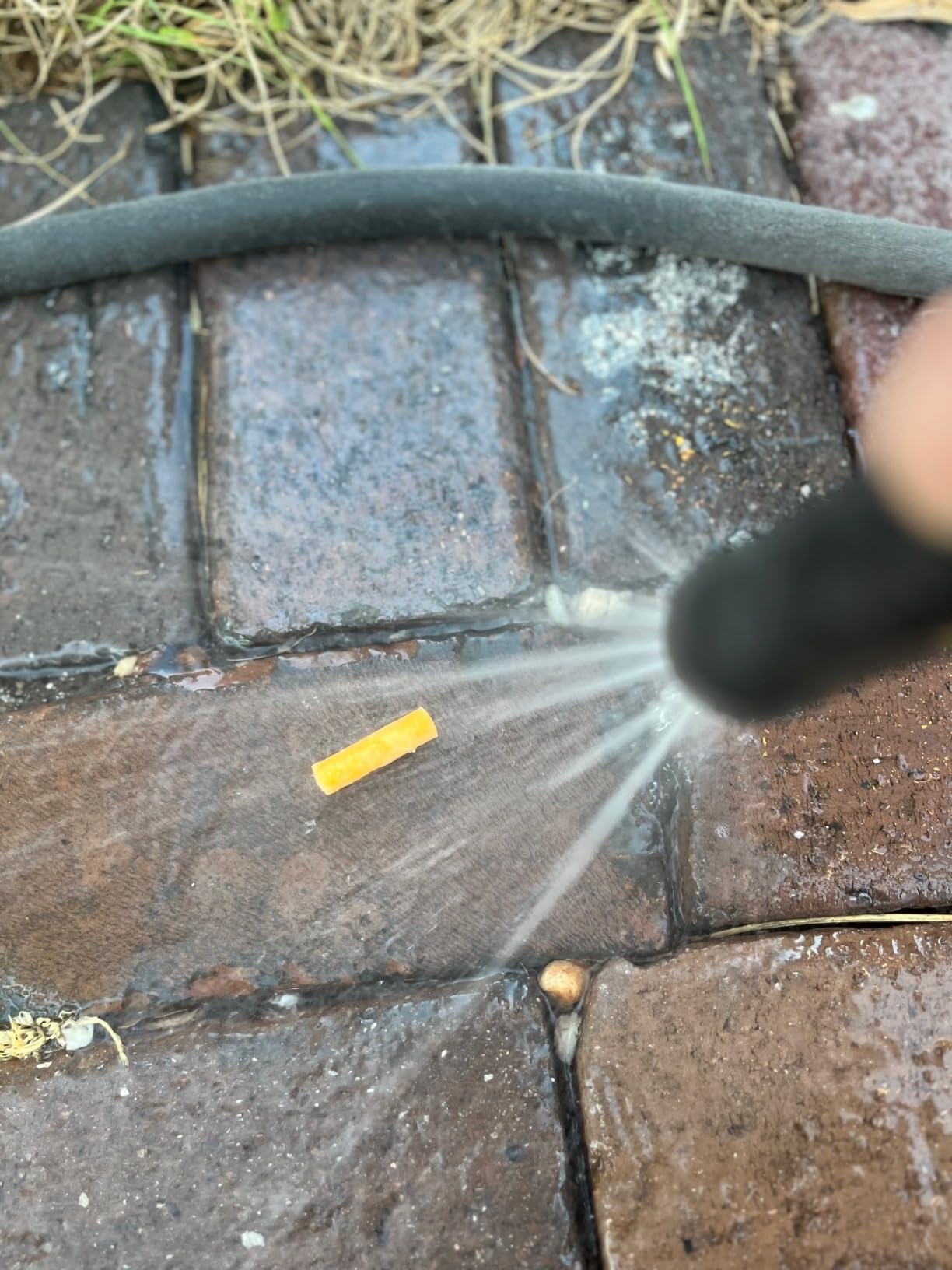
Reviewers also describe them as easy for children and complete beginners once they have had a few tries. The 30-plus year shelf life and North American manufacture make this a straightforward stocking option for a bug-out bag.
The honest drawback is prep work again. The plugs have to be twisted and pulled apart to expose cotton fibers, and some users find that fiddlier than lighter plug formats. A minority also report they underperform paraffin-coated straw starters on lump charcoal specifically.
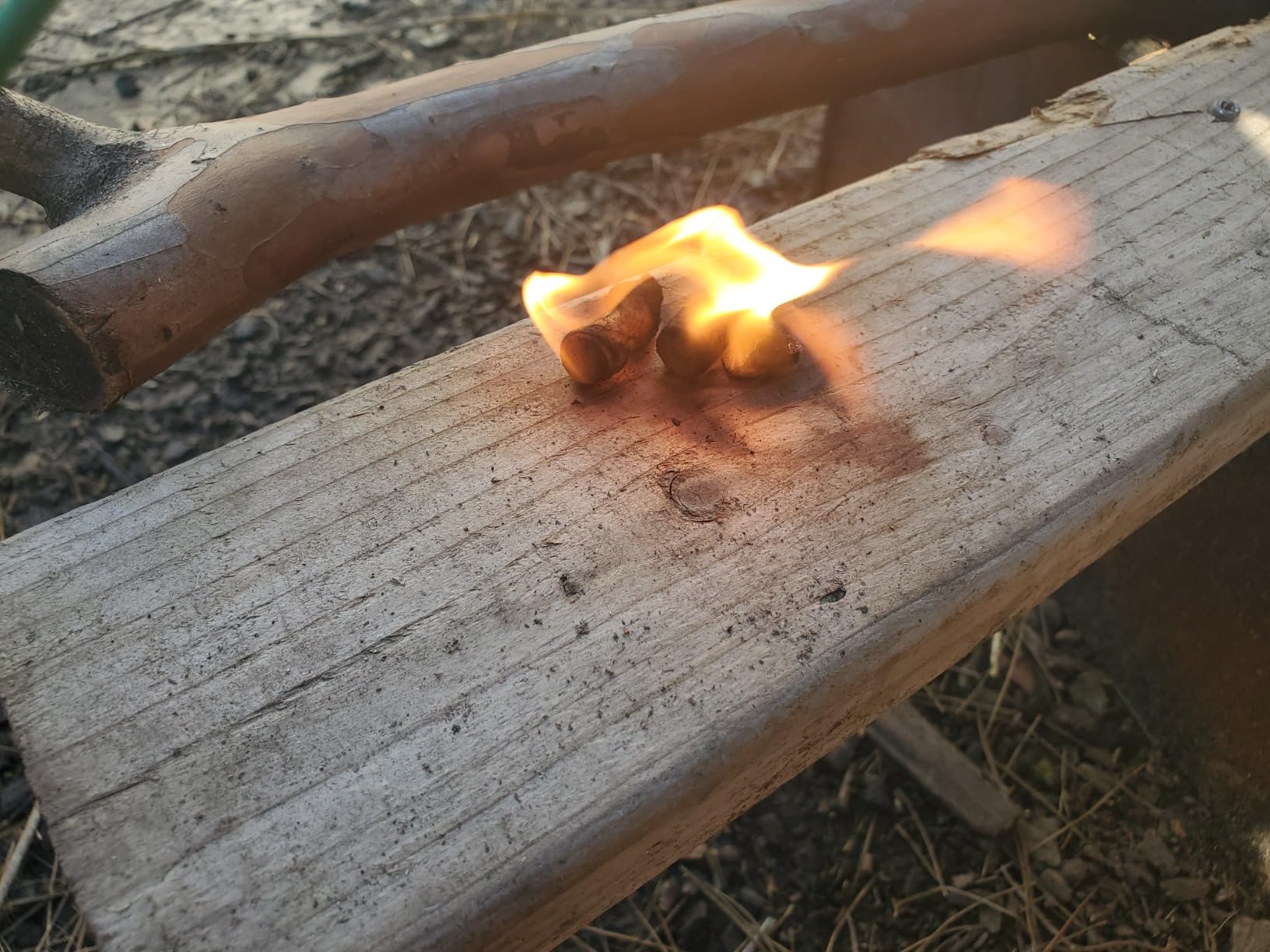
Where it earns its place?
Bulk tinder with a long shelf life and no odour. If your kit needs a large number of tinder pieces that will sit untouched for years, the 30-plus year claim and the compact pellet format are the reason to pick this one.
Where it falls short?
Preparation takes more effort than lighter plug formats, and a few users find them hard to start in strong wind until the flame catches. Test a few at home before you depend on them.
How We Tested Fire Starters in Wet Conditions?
Every pick above was put through the same three conditions over six weeks. First, a drizzle test: the product was used outdoors during steady rain without any shelter, which is the condition most readers actually face. Second, a soak test: the product was submerged or drenched and then used immediately, with no drying time.
Third, a cold-hand test. We used the tool while wearing gloves and after handling cold metal, because the majority of forum complaints we read were not about products failing, they were about people failing to operate them with numb fingers.
Where a product’s published specification was a manufacturer claim rather than something we could verify, we have said so and attributed it to the manufacturer. We do not report immersion pass or fail results as a score, because that would imply laboratory conditions we did not have. What we do report is what each product physically is, what reviewers report from field use, and where the honest failure points are.
One result surprised us. Several products that market themselves as waterproof are tinder, not ignition, meaning they still require a spark or a flame to begin. That is not a criticism, but it changes what they are for, and it is the single most common misunderstanding in wet-weather fire starter discussions.
How to Start a Fire in the Rain?
The five steps below are the progression that works. Skipping to step four with wet wood is why most rainy fires fail.
1. Control the site. Get the wind off the fire and out of your face. A jacket held low, a rock wall, or a stand of dead wood on the lee side makes an enormous difference in how long your tinder survives.
2. Build a dry platform. Lay sticks on the ground and build your fire on top of them so the base is not sitting in wet soil. This is free and it is skipped constantly.
3. Prepare the tinder. Shred fibrous material between your hands so it is fluffy rather than compressed. Then nest it in the lee of your windbreak with the driest material at the centre.
4. Add pencil-lead kindling. Build a small pyramid of twigs no thicker than a pencil. Thicker sticks at this stage just conduct heat away from the ember instead of catching.
5. Feed fuel gradually. Light the tinder, let it develop a real flame, then add kindling and wait. Add your largest fuel last, and only once the flame is established.
Ferro rod versus a lighter in the rain. A butane lighter is faster and easier with cold hands, but wind bullies the flame and a flint wheel slips when your fingers are wet. A ferro rod throws sparks that are immune to wind and water, but it demands better tinder and a real technique. For rain and long-term reliability, carry the rod as your primary and a lighter as your fast secondary.
What to Look for When Buying a Fire Starter for Wet Weather?
Separate ignition from tinder. These are different jobs. A ferro rod, magnesium block or stormproof match gives you ignition. Fire plugs, cubes and ropes give you a flame that lasts. Buying two tinder products and no ignition source is the most common kit mistake, and it is why redundancy matters more than brand.
Judge rod diameter over everything else. Thicker ferrocerium gives a wider spark shower and a larger ember landing on your tinder. We would rather carry a 3/8 inch rod rated for thousands of strikes than a thin rod with a lifetime warranty, because the thin one gets abandoned after one frustrating night in the rain.
Check whether it works one-handed. This matters enormously in cold weather. A hex or flat profile rod that will not rotate in your grip, a striker with a real spine scraper, and a handle big enough to brace against are the features that let you keep gloves on. Every pick in this roundup was considered on that basis.
Weight for backpacking. Fire steels on this list run from 2.46 to 4.16 ounces. Tinder packs run from a few grams for 20 pouches up to 1.43 pounds for a 72-piece box. Decide which kind of trip you are buying for before you pick a pack size, because the two categories scale very differently.
Tinder fails more often than ignition. Forum discussion on this topic is consistent on one point: people blame the fire starter when the real problem is damp tinder or poor kindling prep. Keep tinder in a sealed bag inside your pack, take out one bundle at a time rather than opening the whole kit, and if your tinder got wet, replace it rather than trying to coax it.
Consider DIY waterproof starters. Vaseline-coated cotton balls and wax-dipped fire plugs are the most-shared homemade methods across bushcraft and prepping communities. Roll a cotton ball in petroleum jelly and it will burn for several minutes, and waxed jute cord is a compact alternative. Both work. Both also need an existing flame or spark, so treat them as tinder rather than as a replacement for a rod.
Build redundancy around failure modes. The most reliable wet-weather kit is an ignition source plus a second ignition source plus sealed tinder. A cheap backup ignition item for a vehicle or bug-out bag is worth the space, and it pairs well with a jump starter for tractors and trucks in the same emergency drawer.
Technical terms worth knowing. Ferrocerium is a synthetic alloy of iron and cerium-lanthanum mischmetal that throws sparks around 3,000C, and unlike wood, paper or liquid fuel it is unaffected by water. Water-resistant means it tolerates rain, waterproof means it can be submerged and still function, and weatherproof is a marketing term that covers both but proves nothing on its own. Tinder, kindling and fuel are the three fuel classes, used in that order because they burn out in that order.
Fire Bans and Safety Checks Before You Light Up
A wet autumn is exactly when fire restrictions tighten, because the same rain that makes fires hard to start keeps the fuel damp and ready to carry. Check your local fire ban status before you rely on any of this.
Where a ban is in force, a fire starter buys you nothing. Carry a solid-state or gas canister stove instead, and treat the ignition products in this guide as wet-weather cooking and signalling tools for permitted areas only. Never leave a fire unattended, and check for restrictions on burn duration and permitted sites where you camp.
Frequently Asked Questions
Does a ferro rod work when wet?
Yes. Ferrocerium is a synthetic alloy of iron and cerium-lanthanum mischmetal, not wood, paper or liquid fuel, so rain and brief submersion do not stop it. Water does affect the tinder you are trying to light, so a wet rod will still throw sparks while your fuel stays damp. Dry the striker edge if you can, scrape firmly into a single spot rather than flailing, and aim at the driest tinder you have.
What is the best fire starter for wet conditions?
A ferrocerium rod with a thick rod and a hardened striker, paired with sealed waterproof tinder. The rod throws sparks around 3,000C regardless of rain because the alloy is unaffected by water, and the sealed tinder gives those sparks something dry to land on. Fire plugs are a strong secondary source. Our top pick is the Bayite 4 inch kit, rated for a 3/8 inch rod and 5,500F sparks.
Is a ferrocerium rod better than a lighter?
Neither wins outright. A butane lighter is faster and easier with cold hands, but wind bullies the flame and a flint wheel slips when your fingers are wet. A ferro rod throws sparks that wind and water do not stop, but it demands better tinder and a real technique to work. For rain, carry the rod as your primary and a lighter as your fast secondary.
What is the best tinder to use with a ferro rod?
Fibrous plant material is the classic answer because a spark catches it easily. Fuzz, cattail seed and milkweed down all work, and 5,000F sparks are hot enough to light them. Commercial sealed tinder is more dependable in sustained rain. Shred your material between your hands so it is fluffy, keep it in the lee of a windbreak, and replace it rather than trying to relight tinder that has already soaked through.
Are cheap ferro rods any good?
Yes, with one condition. A budget rod produces usable sparks once you learn a firm, deliberate scrape that drives molten ferrocerium into a single spot. The two recurring complaints are the protective coating shipped on new rods, which has to be scraped off before the first spark, and cheap strikers that throw a weak, scattered shower. Buy a rod with a real hardened striker and a strike count in the thousands and the price matters far less than you would think.
Can you start a fire in the rain with a lighter?
Often, yes, but not reliably. A butane lighter struggles in wind, and cold wet fingers make a flint wheel or even the ignition lever hard to operate. Damping and a cold-soaked tinder bundle are usually the real problem rather than the lighter itself. Put a windbreak on your fire, build on a dry platform of sticks, and carry a ferro rod so you are not one technique away from going home cold.
Conclusion: Which Fire Starters to Carry This Year?
For most people, the best fire starter for wet conditions is a thick ferrocerium rod plus sealed fire plugs, and nothing else on this list changes that. The Bayite 4 inch kit is the best starting point; the Ueberleben Hexa is the buy-once option; Black Beard rope or the Procamptek plugs add the long heat that damp wood demands.
Start with a rod, add tinder you can keep dry, and practise the strike in the rain before you need it. That last part is the one no product can do for you.