
Walk into any telescope listing and the first number you will see is magnification. A 675x scope, a 500x scope, a “high powered” 240x scope. Here is the uncomfortable truth: magnification is the least useful number on the page. It is just how many times the eyepiece enlarges whatever light the scope collected, so crank it up on a small aperture and you get a dim, shaky, badly blurred image of a grey smudge. The number that decides whether you see Saturn’s rings, Jupiter’s cloud bands or a fuzzy patch where the Orion Nebula should be is aperture – the diameter of the front lens or primary mirror, measured in millimetres or inches. Bigger aperture gathers more light, and more light means more detail.
So if you only read one part of this guide, make it the aperture tiers further down. The other thing worth knowing before you spend anything: the most common way people waste money on their first telescope is buying the smallest, cheapest scope with the biggest magnification claim on the box. Those scopes usually combine a 50mm or 60mm lens with a plastic equatorial mount, and the result is a frustrating first night that ends the hobby before it starts.
Our pick for the best telescopes for beginners overall is the Gskyer 70mm AZ refractor. It is not the biggest scope here and it will not show you everything, but it has the deepest review history of any model in this roundup, a coated 70mm objective, a genuinely useful accessory bundle and a carry bag, and it is the sort of kit that works for kids and adults without adjustment. If you want more light grasp and can carry a larger tube, the Celestron AstroMaster 70AZ gives you a 900mm focal length in a similar package, and the Celestron StarSense Explorer LT 114AZ is the pick if you would rather your phone find the objects for you.
We compared all ten scopes below on aperture, focal length, mount, weight, included accessories and what owners actually report seeing through them. Every rating and review count in this guide comes straight from verified buyer feedback, and the honest limitations are stated next to the praise. If you are still torn between options once you have read the picks, our beginner equipment guide covers the same buying logic we use for a first serious hobby purchase.
Table of Contents
Top 3 Picks for the Best Telescopes for Beginners (September 2026)

Gskyer 70mm AZ Refractor
- 70mm fully coated objective
- 400mm focal length at f/5.7
- Two eyepieces plus 3x Barlow
- Carry bag and phone adapter
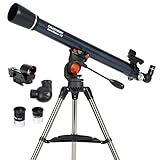
Celestron AstroMaster 70AZ
- 70mm coated achromatic optics
- 900mm focal length for more magnification
- Red dot StarPointer finder
- No-collimation refractor design

Celestron StarSense LT 114AZ
- 114mm Newtonian reflector
- Phone-guided sky recognition
- Shows Orion Nebula and Andromeda
- Only 10.4 pounds
The Editor’s Choice has the widest support network of the group and the best review volume, which matters for a first purchase you have no ability to diagnose yourself. The Premium Pick wins on optics-per-pound of weight: its 900mm focal length is more than double the entry-level norm, and refractors never need collimating. The Best Value pick is the only instrument here that makes deep sky genuinely visible, because 114mm of aperture is where galaxies stop being rumour, and its phone-guided finding gets you there without learning a second hobby first. It is also the biggest light-gatherer in the roundup at only 10.4 pounds.
All 10 Telescopes for Beginners Compared Side by Side in 2026
| Product | Specifications | Action |
|---|---|---|
| Gskyer 70mm AZ Refractor |
|
Check Latest Price |
 Celestron Travel Scope 70mm Celestron Travel Scope 70mm |
|
Check Latest Price |
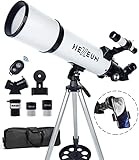 Koolpte 80mm AZ Refractor Koolpte 80mm AZ Refractor |
|
Check Latest Price |
| Celestron AstroMaster 70AZ |
|
Check Latest Price |
 Koolpte 70mm AZ Refractor Koolpte 70mm AZ Refractor |
|
Check Latest Price |
 ECOOPRO 70mm Refractor ECOOPRO 70mm Refractor |
|
Check Latest Price |
| Celestron StarSense LT 114AZ |
|
Check Latest Price |
 Gskyer 90mm AZ Refractor Gskyer 90mm AZ Refractor |
|
Check Latest Price |
 Celticbird 80mm AZ Refractor Celticbird 80mm AZ Refractor |
|
Check Latest Price |
 MEEZAA 90mm AZ Refractor MEEZAA 90mm AZ Refractor |
|
Check Latest Price |
Read that table by aperture first, in order: 70mm, 70mm, 80mm, 70mm, 70mm, 70mm, 114mm, 90mm, 80mm, 90mm. Everything else in a telescope listing is secondary to that column. Focal length tells you how much magnification you can get before the image turns soft, and the mount column tells you whether you will enjoy using it on night one.
1. Gskyer 70mm AZ Refractor Telescope: The Best All-Round Starter
Gskyer Telescope, 70mm Aperture 400mm AZ Mount Astronomical Refracting Telescope for Kids Beginners – Travel Telescope with Carry Bag, Phone Adapter and Wireless Remote.
70mm coated objective
400mm focal length at f/5.7
Two eyepieces plus 3x Barlow
Phone adapter and carry bag
Pros
- Deepest review history in the group at 22k+ ratings
- Fully coated 70mm glass gives bright sharp lunar views
- Phone adapter and wireless remote for photos
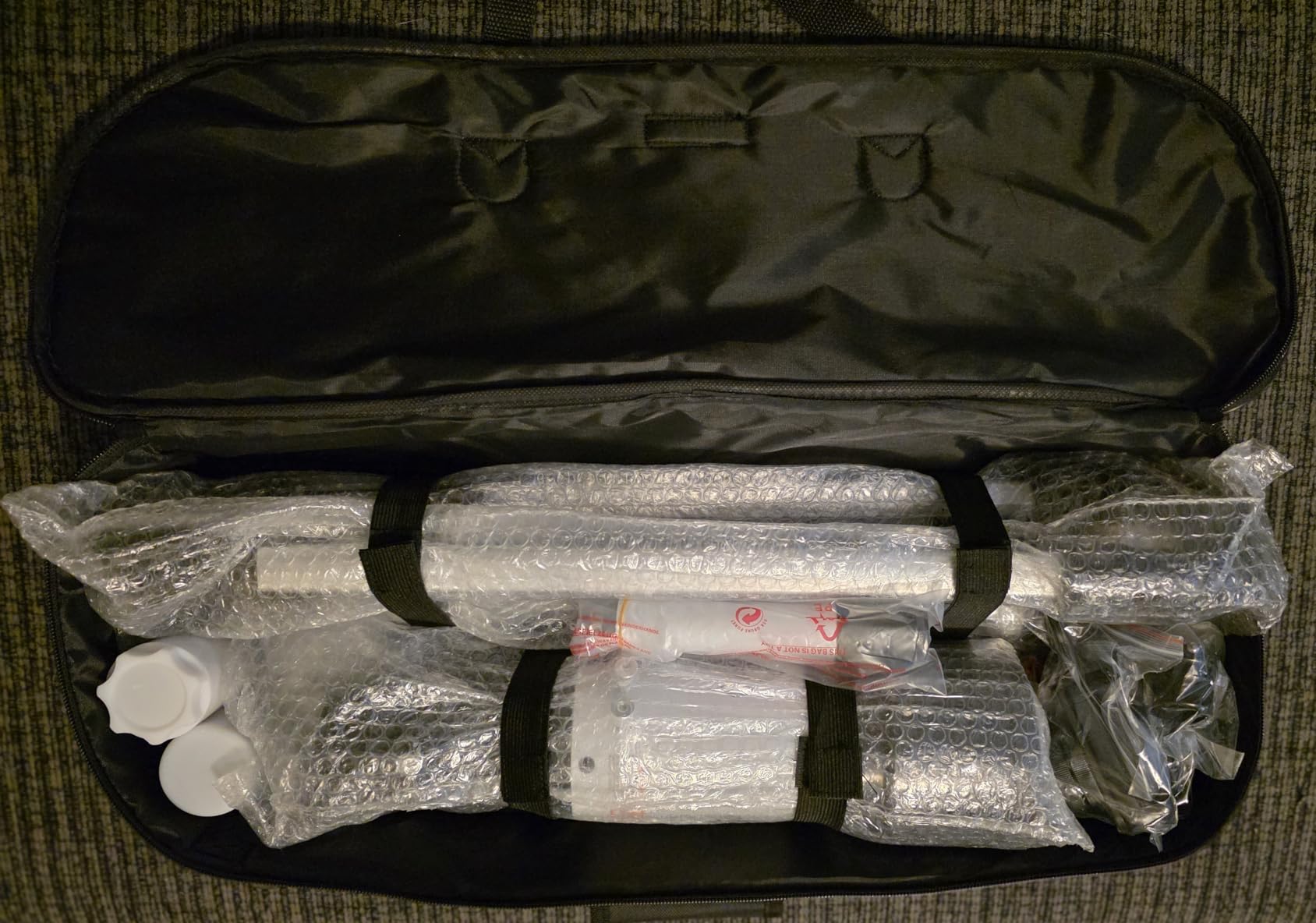
- Carry bag fits the scope and tripod
- Red reflex finder helps beginners aim
Cons
- Manual altazimuth mount needs frequent repositioning
- Bundled eyepieces are entry level
- Short 400mm focal length limits magnification
This is the scope I hand to friends who ask me to pick one for them, and the reason is not the specification sheet. It is that the gaps are all in places a beginner will never reach, while the things a beginner touches every single night are all competent. Setup is tool-free, the finder has proper cross-hairs, the tripod adjusts smoothly enough to put a target near the centre of view, and everything packs into the included bag.
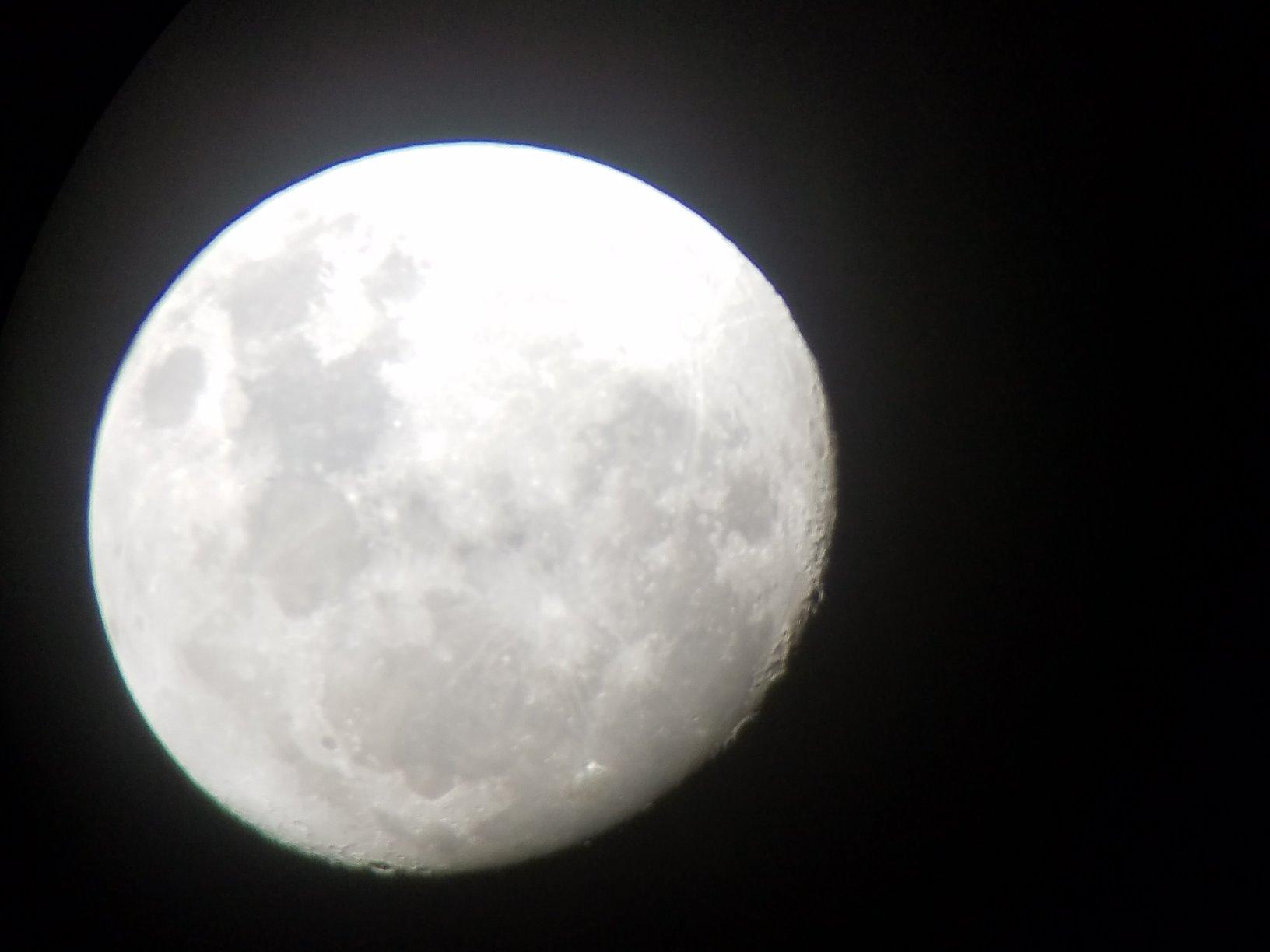
The optics are a 70mm fully coated objective on a 400mm focal length, which works out to f/5.7. That is a wide, bright, forgiving optical design. On the Moon you get a crisp terminator with craters along the shadow line, and on Jupiter the four Galilean moons sit clearly separated as dots rather than smudges. Saturn is the harder test at this aperture, but owners regularly report seeing the rings as an oval, which is the honest ceiling for a 70mm.
What you will not get is deep sky. Galaxies and most nebulae in the 70mm class show up as low-contrast grey clouds, which is where a lot of owners first feel let down. If chasing faint fuzzies is the thing that excites you, jump to the 114mm StarSense or one of the 90mm scopes further down and put a small saving aside for it.
The manual altazimuth mount is the piece I would most want improved. There are no motors and no slow-motion controls, so tracking anything near the meridian means grabbing the tube and nudging it. For lunar and double-star work that is completely fine. For anything longer, plan to re-aim every few minutes rather than expecting the mount to hold it.
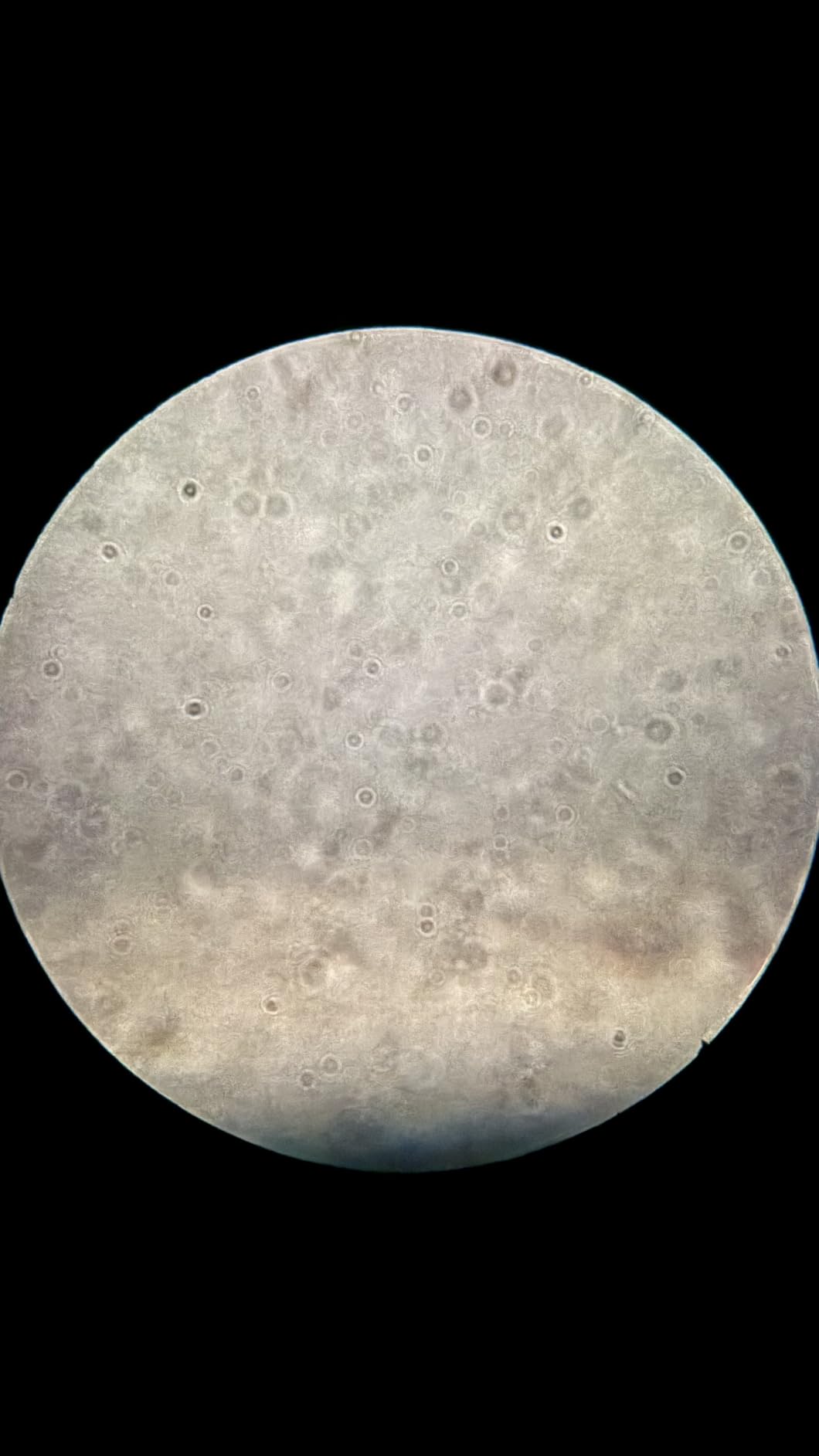
Is 70mm enough for a first telescope?
Yes, for the Moon, the bright planets, double stars and terrestrial viewing it is genuinely enough, and 70mm is the practical floor where a refractor stops feeling like a toy. Saturn’s rings become a recognisable shape at this size, and Jupiter shows its moons and at least one cloud band under steady seeing.
It stops being enough when you move to galaxies and reflection nebulae. Those need 90mm to start showing real shape, and 114mm to show structure. Buy 70mm if the Moon and planets are your targets, and think twice if faint deep sky is the priority.
What should you add to it later?
A pair of decent 25mm and 10mm eyepieces is the single best upgrade for this kit, because the bundled ones are the weakest link in an otherwise capable package. A 25mm wide-field eyepiece fills the sky with stars and makes finding targets far easier than a narrow view.
Skip the extra Barlow lens you already have bundled. Doubling magnification on a 400mm tube makes the image dimmer and shakier without adding detail, which is exactly the trap this guide opened by warning you about.
2. Celestron Travel Scope 70mm: The Best Scope That Packs Into a Bag
Celestron Travel Scope 70mm Beginner Portable Telescope with Backpack
70mm coated achromatic refractor
400mm focal length
Weighs 4.2 pounds
Backpack included
Pros
- Lightest serious option at 4.2 pounds
- No-tool setup takes minutes
- Fully coated glass for crisp Moon and planets
- 20mm and 10mm eyepieces included
- Two-year warranty with US support
Cons
- 70mm aperture limits faint deep sky detail
- Achromatic optics show colour fringing at high power
- Short 400mm focal length caps useful magnification
The defining feature of this one is 4.2 pounds. That single number changes who can actually use a telescope, because a scope you can lift with one arm and carry to a car is a scope that gets used. Ours is the only model here where the entire kit, tripod included, lives in a backpack and converts back into something you can hand to a teenager.
Optically it is a 70mm fully coated achromatic refractor at 400mm focal length, giving a 1.43-degree field of view with the 20mm eyepiece. Owners describe the Moon as sharp with visible crater detail, and Saturn as a small ball with a hint of ring. The erect-image diagonal means daytime viewing is upright rather than flipped, which matters if you plan to point it at landscapes or wildlife.
The honest limitation is the same one as every 70mm refractor in this list: 400mm focal length is short, and the achromatic doublet shows some colour fringing around high-contrast objects when you push the 10mm eyepiece. Owners generally report the fringing as mild and only at higher power, and most of them settle on the 20mm for longer sessions.
Celestron backs this one with a two-year limited warranty and unlimited US-based support, which on a first purchase matters more than most buyers expect. You get a printed manual, free Starry Night software and a SkyPortal app, and the brand publishes setup material if you get stuck.
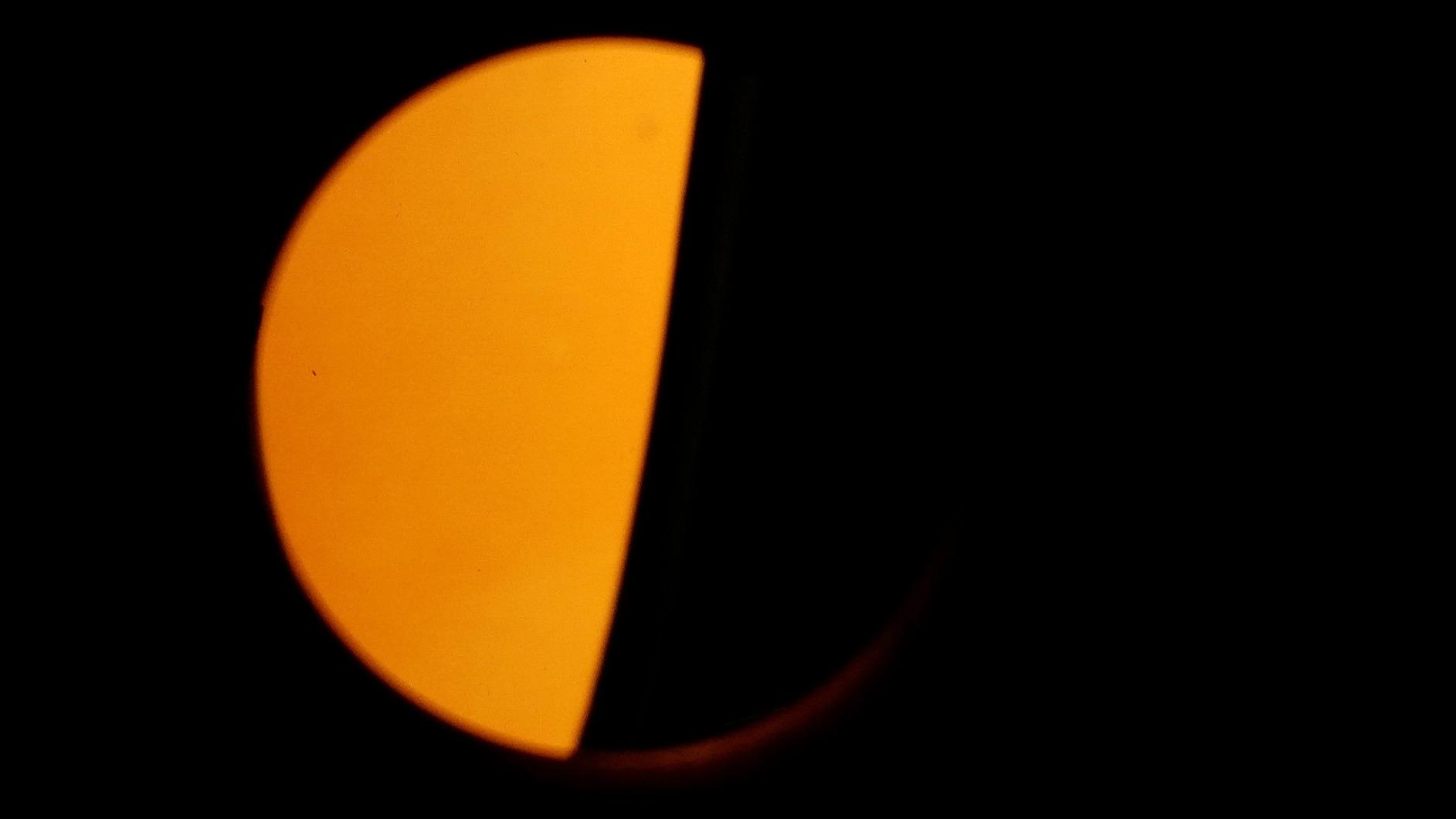
Is a 70mm refractor good for beginners?
Yes, and it is the classic first telescope for good reason. A refractor has nothing to collimate, no mirror to clean and no central obstruction, so the image stays contrasty and the maintenance is essentially zero. That reliability is worth real money when you cannot diagnose a problem.
The trade is light grasp. Seventy millimetres is enough for the Moon, the planets and double stars, and not enough for galaxies. If your list of targets is mostly faint deep sky, a larger reflector will keep you interested longer.
Will it survive being transported?
Yes, that is the design intent. The tube and tripod pack into the supplied backpack, which means the whole setup lives in a car boot and can be carried to a dark site without a separate case. The 45-degree diagonal and short tube also make it comfortable to use while seated on a camping chair.
Because the optical tube is so light, vibration is rarely an issue, so it handles a wobbly campsite table better than the heavier models here. That makes it the pick for camping, travel stargazing and anyone driving to a dark sky site regularly.
3. Koolpte 80mm AZ Refractor: The Best Balance for Lunar Detail
Koolpte Telescope for Adults, 80mm/600mm AZ Refractor for Beginners
80mm multi-coated objective
600mm f/6.7 focal length
24x to 180x magnification
Phone adapter and carry bag
Pros
- 80mm aperture gives bright clear lunar craters
- Two eyepieces plus 3x Barlow cover 24x to 180x
- No-tool setup in about 15 minutes
- Phone adapter and remote for photos
- Carrying bag included
Cons
- Finder uses a fixed plastic mount that is hard to align
- Included plastic Barlow causes colour splitting
- Lightweight tripod can feel flimsy or wobble
This is the first step up in aperture on our list, and the jump from 70mm to 80mm is more visible on the Moon than most buyers expect. Craters that looked like a grey wash in a 70mm start to show raised rims and shadowed interiors, which is the single most satisfying jump in the whole roundup because you get it on a clear night rather than at a dark site.
The 600mm focal length at f/6.7 also gives you more magnification headroom than the 400mm entry scopes, and the eyepiece package covers 24x to 180x with the included 25mm, 10mm and 3x Barlow. Owners report Jupiter’s moons and cloud bands resolving clearly, and the 25mm eyepiece gives a wide enough field that the Milky Way shows in darker skies.
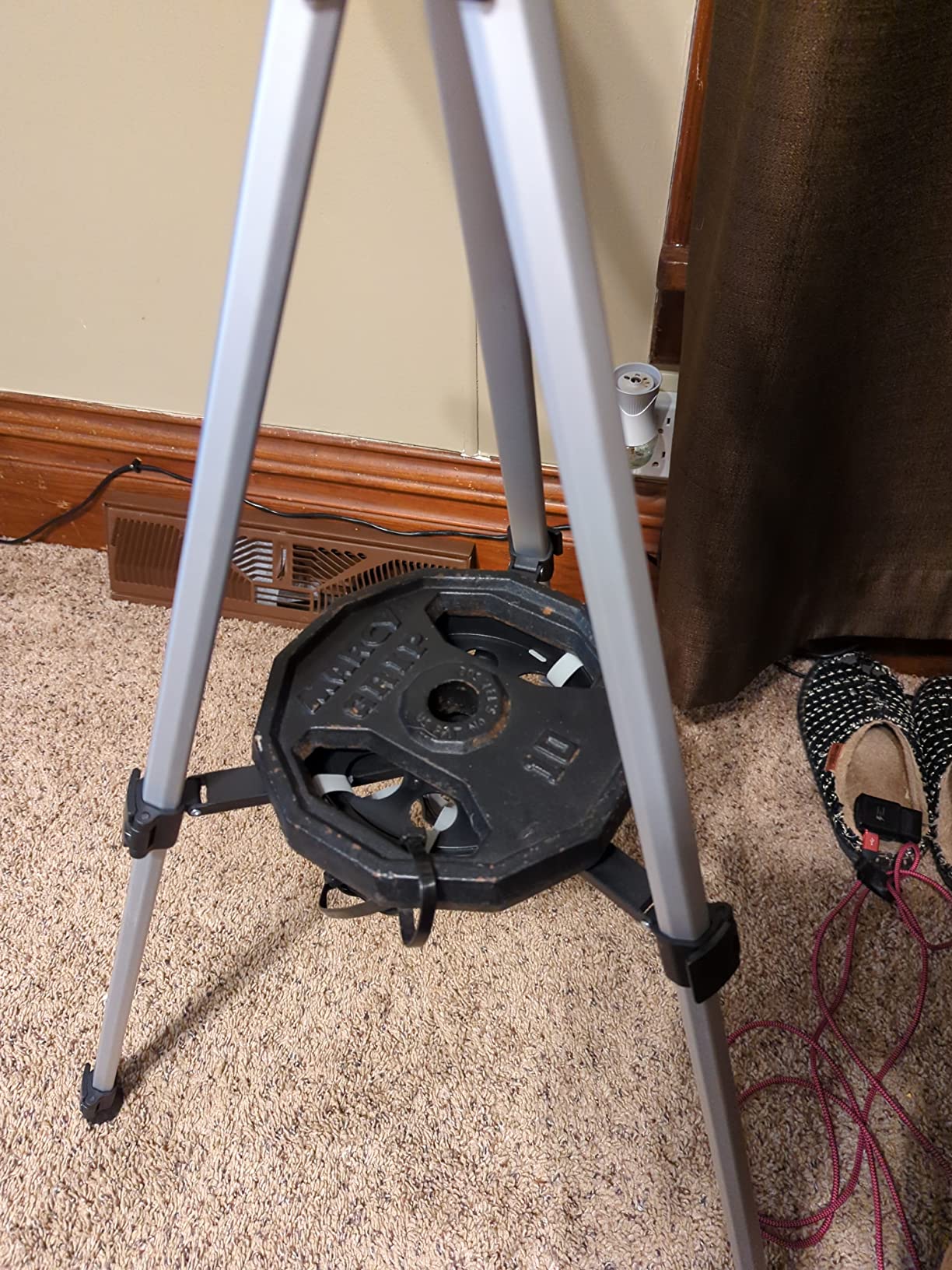
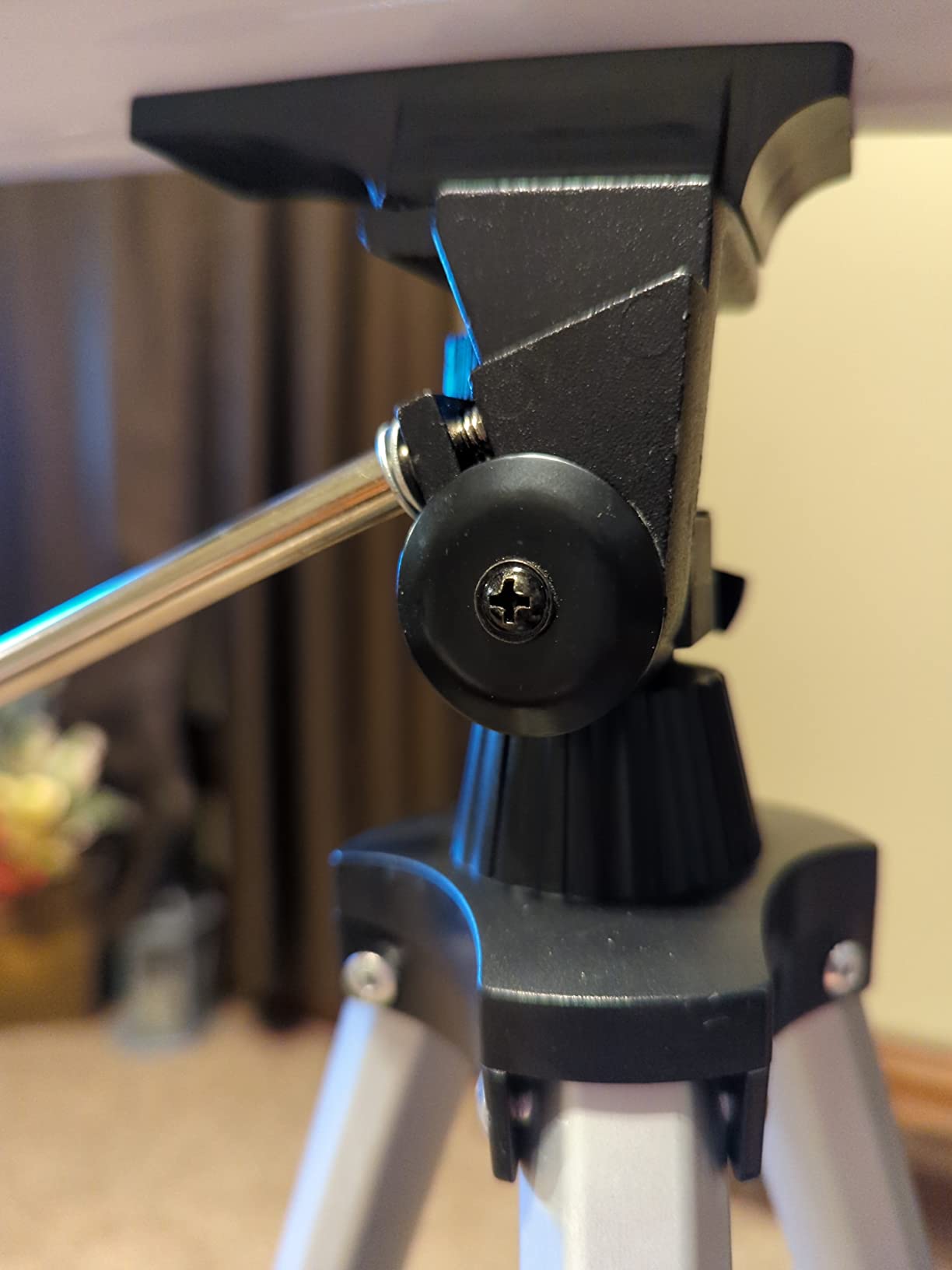
Where the budget shows is mechanical, and the reviews are unusually consistent about it. The finder scope sits in a fixed plastic bracket that is genuinely awkward to align, and the bundled plastic Barlow produces colour splitting on bright planets. The tripod and adjustment hardware are aluminium but light, and at higher power the wobble becomes noticeable before the image does.
None of that touches the optics, which is why the rating holds at 4.3 across nearly 4,000 reviews. Owners describe the brightness and clarity as good for the class, and the recurring advice is to keep the Barlow in the box and buy a proper one later if you want it.
Is 80mm much better than 70mm?
On the Moon and Jupiter, yes, and on deep sky objects, not much. Light gathering scales with the square of aperture, so moving from 70mm to 80mm adds roughly a third more light. That extra light shows as more crater detail and better contrast on the planets rather than as a dramatic change in what deep sky objects look like.
If your budget stretches, prefer a 90mm or 114mm model over this one rather than sitting at 80mm. If you are buying at the lower end, this is a better use of money than any 50mm or 60mm scope with a bigger magnification number on the box.
How hard is the finder to align?
It is the most common complaint, and the honest answer is that it takes patience the first time and no effort afterwards. The bracket does not hold a fine adjustment screw, so you are nudging the whole unit by hand until the finder and the main tube agree.
Budget fifteen minutes for it in daylight before you go out at night, and confirm the alignment with a distant object rather than a star. Once the screws are tight it holds, and the 5×24 finder itself gives a reasonably wide view for locating targets.
4. Celestron AstroMaster 70AZ: The Best Specs for the Weight
Celestron AstroMaster 70AZ Refractor Telescope for Moon & Planet Viewing
70mm coated achromatic refractor
900mm focal length
Red dot StarPointer finder
Manual altazimuth with panhandle
Pros
- Highest rated model here at 4.4 stars
- 900mm focal length gives far more magnification
- Red dot finder makes pointing fast
- Assembles in under 10 minutes
- Refractor needs no collimation
Cons
- Tripod head can be jerky when tracking upward
- Altitude axis has backlash and the scope drifts
- Included 10mm eyepiece is widely criticised
- Plastic-feel diagonal can loosen
The 900mm focal length is the story here. Most entry scopes sit at 400mm, so this one more than doubles the magnification available from a given eyepiece while keeping the same 70mm aperture. Practically that means Saturn is a larger image you can push higher on, and that the 20mm eyepiece still gives a comfortable field for wide views.
It also carries the highest average rating in this roundup at 4.4 across nearly 3,800 reviews, and the pattern in those reviews is clear: people like the image and fight the tripod. Owners report sharp, bright lunar and planetary views, and no-collimation maintenance, which means this tube will still work in five years without adjustment.
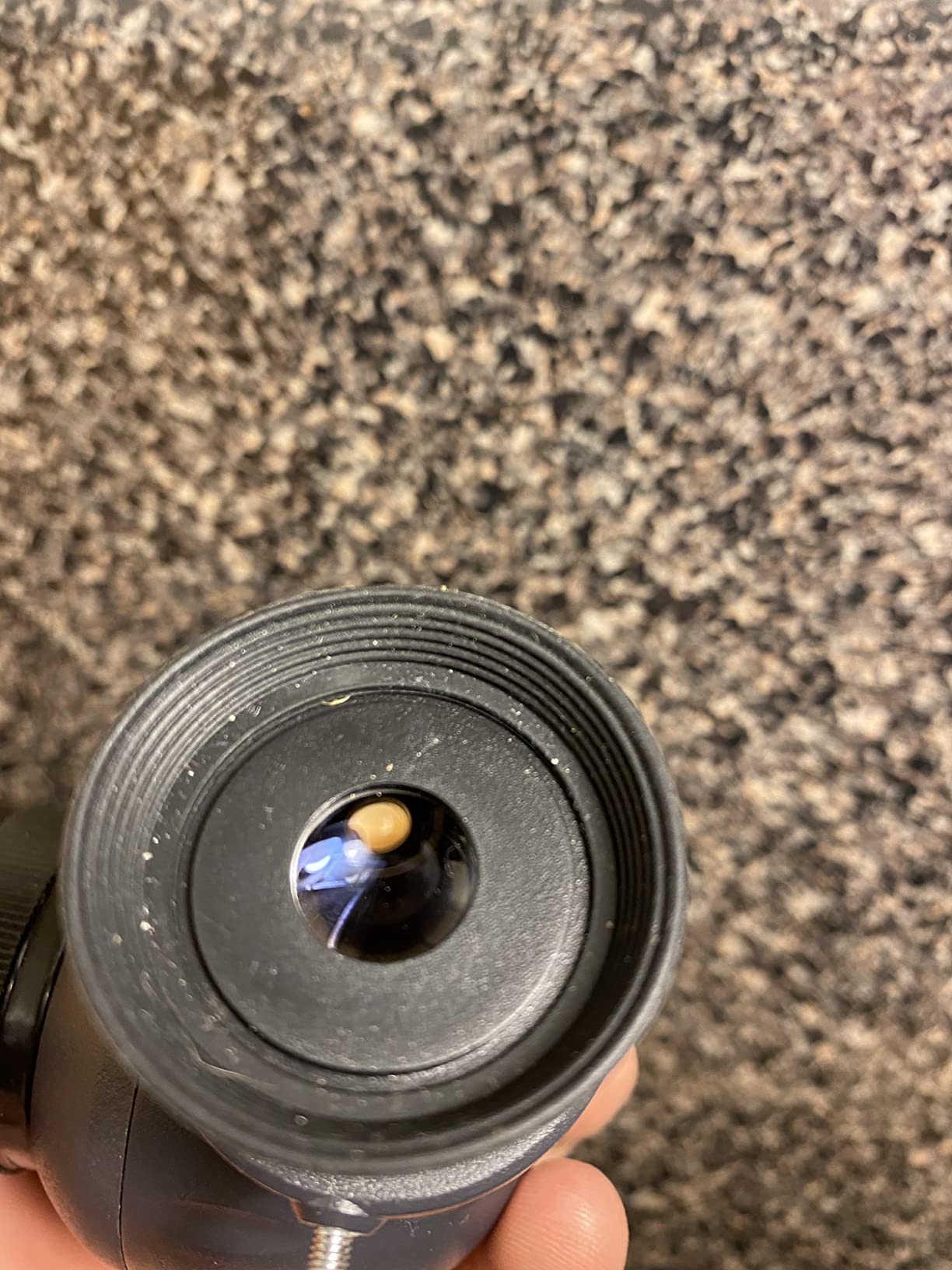
The recurring complaint is backlash in the altitude axis. When you tighten a knob the tube settles, and when you are tracking upward near the meridian the motion can be jerky or let the target drift out of view. Many owners compensate with vibration pads or a firmer technique rather than replacing the tripod, which tells you how good the rest of the package is.
The second complaint is the bundled 10mm eyepiece, which comes up again and again across reviews. Most owners keep the 20mm as their working eyepiece and buy a single better one later. The erect-image star diagonal and StarPointer red dot finder are both well-regarded, and the red dot is faster to use than a conventional finder for beginners.
Is 900mm focal length better than 400mm?
For a fixed aperture, yes. Focal length determines how much magnification you can use before the image becomes soft and surrounded by false colour, and a longer tube gets you there with the same glass. This is a real, measurable advantage over the 400mm entry scopes without costing you a bigger lens.
It does not gather more light. If you are choosing between two scopes of different aperture, aperture wins every time, because brightness and detail come from light, not from stretching it. Focal length is a refinement; aperture is the foundation.
Will it tolerate being moved outdoors?
Partly, and this is worth planning around. The tube is fine, but the tripod is the weak point, and a warm house plus cold air can produce image turbulence on a long tube like this one. Leaving it in an unheated garage or car boot for an hour before observing makes a noticeable difference to what you see.
At 10.8 pounds it is manageable for one person, though the eyepiece height means shorter users end up crouching. If you will observe sitting down, check the viewing height before you commit, and consider vibration pads as a cheap fix for high-power wobble.
5. Koolpte 70mm AZ Refractor: The Best Lightweight Scope for Kids
Koolpte Telescope for Kids, 70mm/500mm AZ Refractor for Beginners, White
70mm coated objective
500mm f/7.1 focal length
Weighs 5 pounds
Phone adapter and carrying case
Pros
- Only 5 pounds so a child can carry it
- 500mm focal length gives a slightly longer view
- Coated optics for clear Moon and landscape views
- Carrying case makes dark site trips easy
- Phone adapter and remote included
Cons
- 70mm aperture and short tube limit deep sky
- Entry level accessories benefit from later upgrades
Five pounds is the number that makes this the most usable scope in the roundup for a family. A child can lift it out of the case, carry it to the garden and set it up without an adult, and that independence is what decides whether a young person’s interest survives the first year.
The 500mm focal length at f/7.1 is a sensible middle ground for a 70mm lens. It gives a longer, more relaxed view than the 400mm scopes without the length and weight of a 900mm tube, and the 25mm, 10mm and 3x Barlow set covers low to mid magnification rather than pushing to the limit.
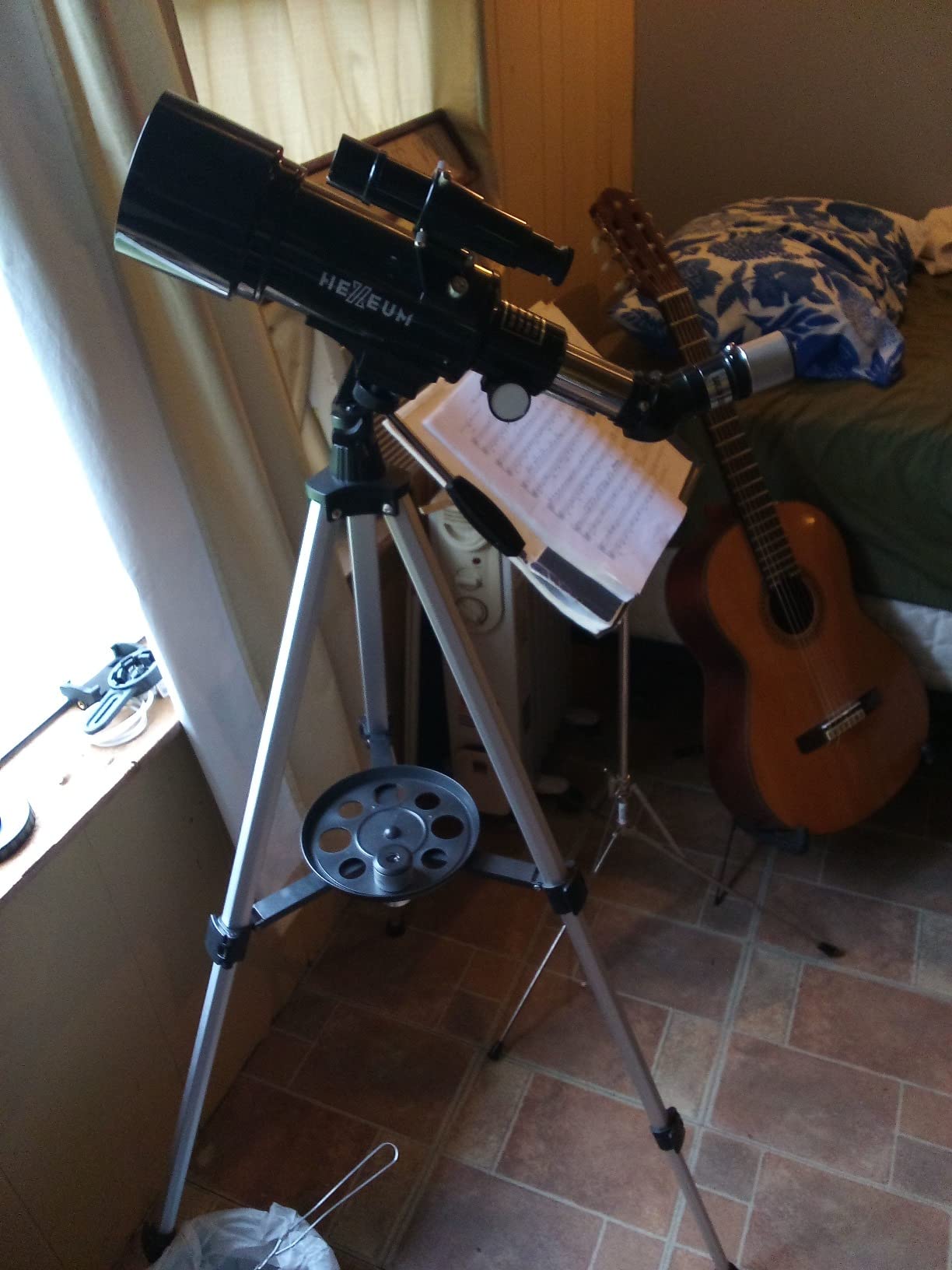
Owners consistently use this for the Moon and daytime landscape viewing, and both are well served by fully coated optics at this aperture. A 1.43-degree field is not what you get, but the view is bright and the contrast is good enough to show craters along the terminator.
The limitation is inherited from the aperture class rather than the design. Faint deep sky objects remain hazy smudges, exactly as with every other 70mm here, and the bundled eyepieces are described as entry level by owners who later upgraded. Both are honest limits of the price bracket, not faults in the scope.
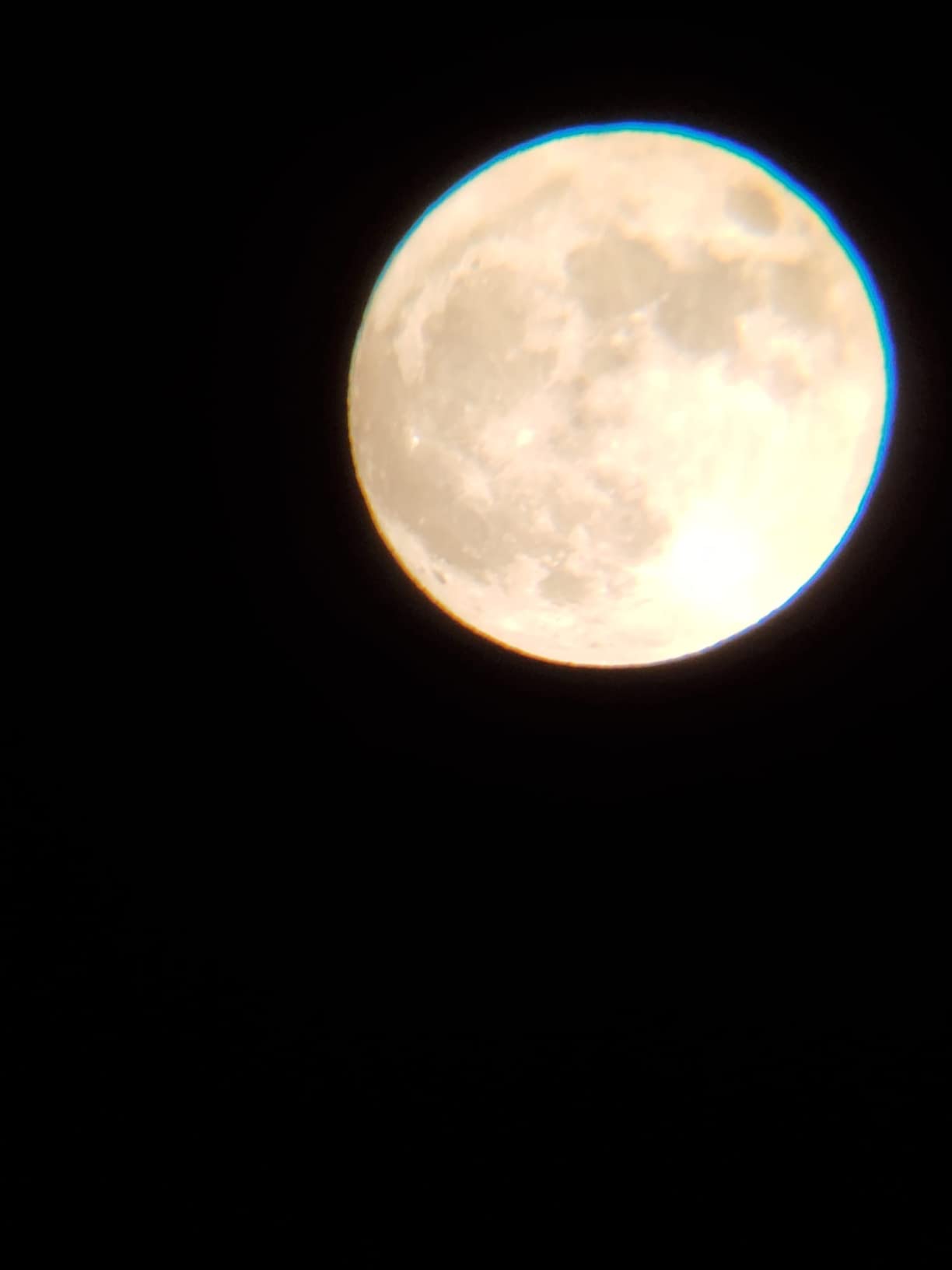
Is a 70mm telescope good enough for a child?
Yes, and it is a better choice than a bigger scope they cannot carry. At 70mm the Moon fills the view, the phases are obvious, and a phone adapter lets a young observer photograph what they see, which is often what keeps them interested.
Set expectations carefully though. Faint galaxies and nebulae will not show through it, and a child who expects Hubble-like images may conclude the telescope is broken. A short walkthrough of what each target should look like prevents that.
What are the first upgrades worth making?
A carrying case and a 25mm wide-field eyepiece are the two that change daily use. The case is included here, which is unusual at this tier and means a dark sky trip is realistic rather than aspirational, and a decent 25mm makes the sky much easier to explore.
Hold off on filters and Barlow lenses until the child knows what they are looking at. Extra magnification on a 500mm tube mostly adds dimness, and a moon filter is a nice-to-have once they have been observing the Moon regularly.
6. ECOOPRO 70mm Refractor: The Budget Pick for Day and Night Use
Telescope for Kids & Adults, 70mm Aperture 360mm Refractor (15X-150X)
70mm multi-coated objective
360mm focal length
Kellner eyepieces for 51x to 128x
Quick release tool-free mount
Pros
- Bright high contrast lunar and terrestrial views
- Tool-free design gets observing in under a minute
- Works for bird and landscape watching
- Compact enough to repack for trips
- Phone adapter included
Cons
- Tripod under two feet tall so the scope sits low
- Mount lock knob will not hold the tube steady
- Phone adapter will not fit multi-lens phones
- Thin build quality with some breakage reports
Two eyepieces, a 5×24 finder, a phone adapter and a moon and star map, all in a box that opens to observing in under a minute. That speed and completeness is the reason this is the budget pick here rather than a bare refractor, and at 4.2 stars from more than 2,100 reviews the satisfaction level is respectable for the money.
The optics are a 70mm fully multi-coated objective at 360mm focal length with two Kellner eyepieces covering 51x to 128x. Kellner eyepieces are a step up in eye relief from cheap Plossl designs, so the view is more forgiving to look through, and owners report bright, high-contrast lunar craters plus usable daytime viewing for birds and landscapes.
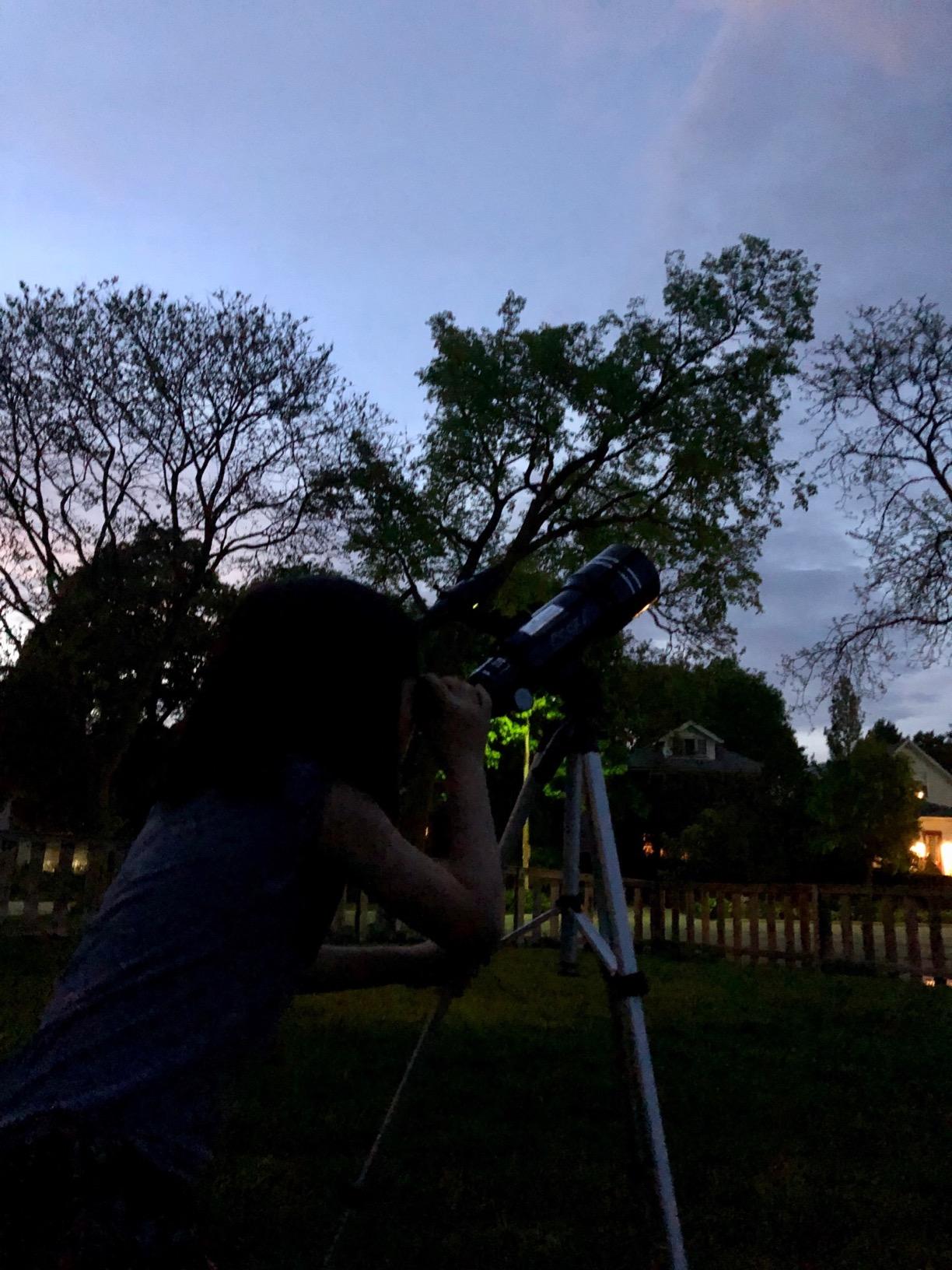
Now the part almost every review mentions, which is the mount. The tripod is under two feet tall, so the optical tube ends up at lap or table height, and the lock knob does not reliably hold the tube so it flops forward under any real load. Several owners say they plan to replace the tripod, which tells you the optics are fine and the support is not.
Build quality is thin, and there are isolated reports of the unit breaking after being knocked over, offset by at least one review praising a fast partial refund. The printed moon map is hard to read and the star map shows planet data rather than constellations, so treat the paper as a rough guide only.
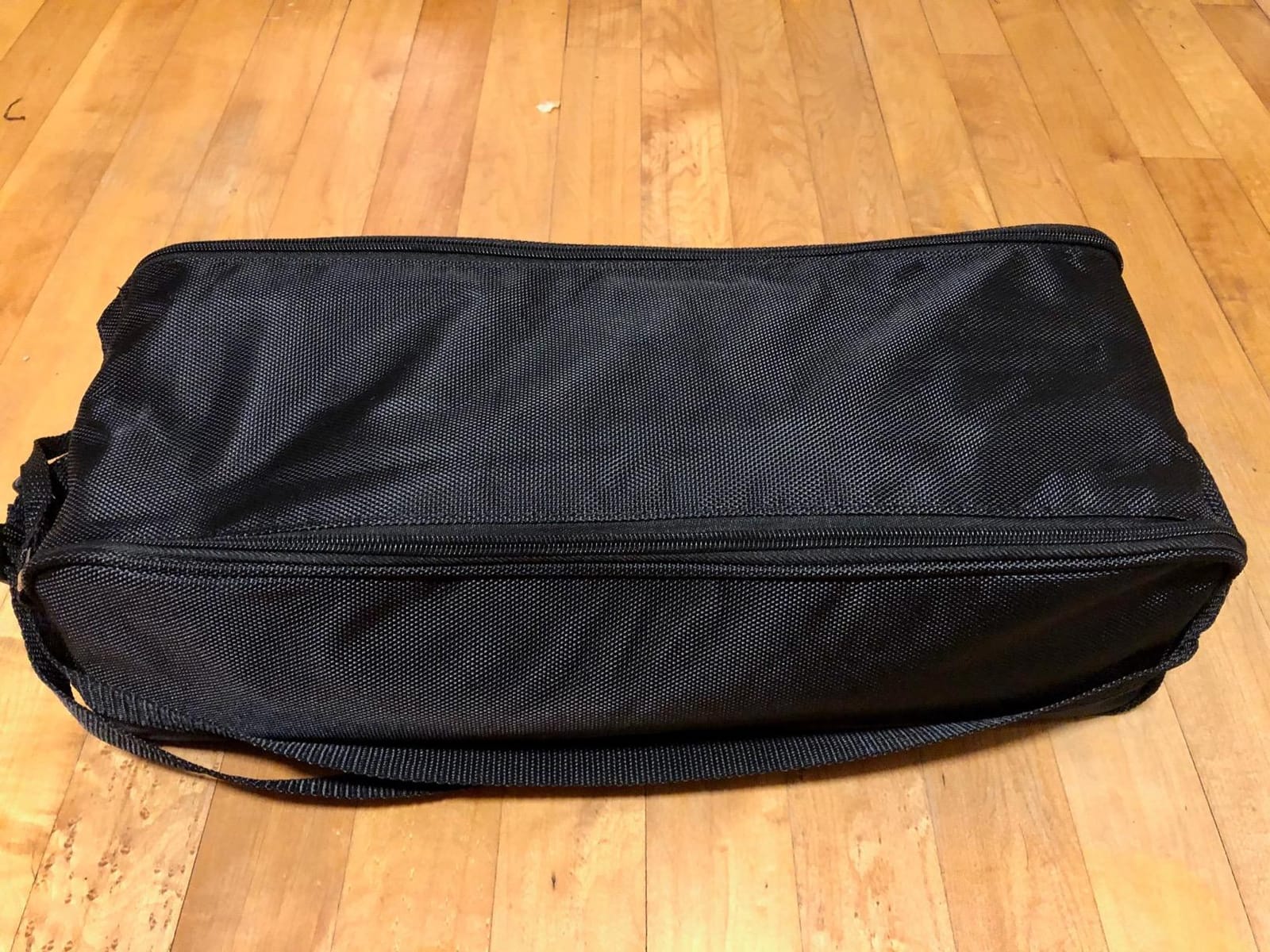
Is the cheapest scope on this list worth buying?
It is worth buying only because it has a real 70mm aperture, a simple altazimuth mount and multi-coated glass. Those three things are the difference between a usable first scope and the department-store department of 50mm plastic mounts advertised with triple-digit magnification.
If your budget stretches even a little further, spend it on a taller tripod rather than a bigger magnification claim. A replacement tripod solves the only complaint this scope collects repeatedly, whereas more magnification on a 70mm lens just makes the image dimmer.
What is it actually good for looking at?
The Moon in detail, the brighter planets, and daytime terrestrial viewing, which is a genuine strength here because the same setup works as a spotting scope. Owners mention lunar craters in particular, and the wide field of the 25mm Kellner makes it easy to sweep the sky.
Deep sky is where it stops. Treat this as a Moon, planet and wildlife scope that happens to point at the night sky, and it will deliver. If galaxies are the reason you want a telescope, put the money toward a 90mm or 114mm reflector instead.
7. Celestron StarSense Explorer LT 114AZ: The Best for Finding Objects
Celestron StarSense Explorer LT 114AZ Newtonian Smartphone Guided Telescope
114mm Newtonian reflector
1000mm focal length
Phone-guided sky recognition
Factory collimated
Pros
- Largest aperture in the roundup at 114mm
- Shows Orion Nebula and Andromeda
- Phone-guided finding works without polar alignment
- Arrives well collimated
- Only 10.4 pounds so it is genuinely portable
Cons
- Bundled eyepieces and plastic Barlow are entry level
- Lightweight altazimuth mount can be shaky
- Red dot finder screws drift out of alignment
- App alignment needs patience and the cradle knocks it out
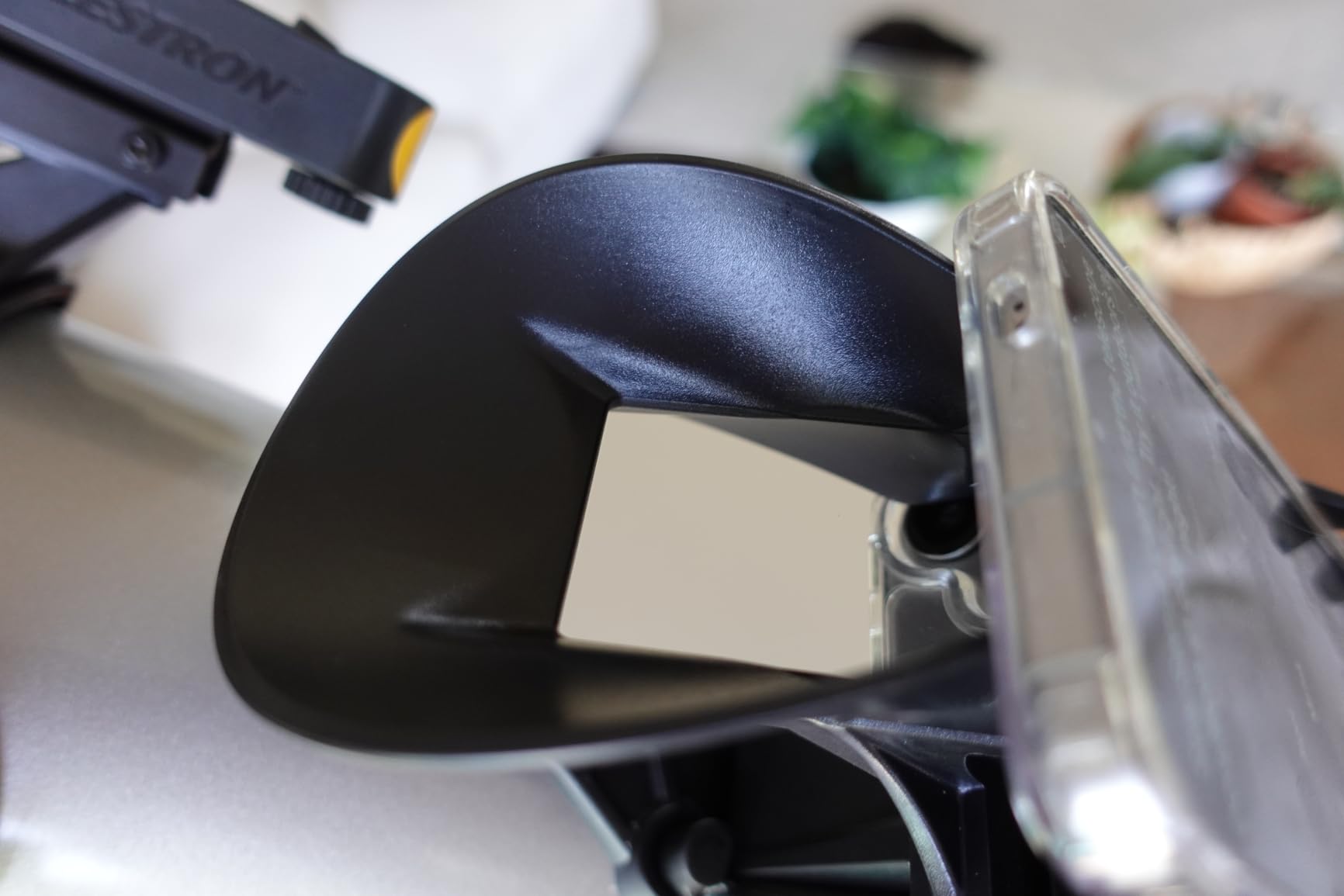
This is the one to buy if finding things is the part that puts you off astronomy. You dock your phone in the StarSense cradle, launch the app, and it uses sky recognition to work out where the tube is pointing and walk you onto a target with on-screen arrows. No polar alignment, no motorised slew, no memory of star patterns, and it is the reason several reviews from people who had given up came back to the hobby.
More importantly, the optics are the best in this roundup. A 114mm Newtonian with a Bird-Jones corrector at 1000mm focal length, with aluminium and silicon dioxide mirror coatings, is a real light-gathering instrument. Owners report the Orion Nebula and Andromeda as visible fuzzies rather than guesses, which is exactly what the 70mm and 80mm scopes here cannot deliver.
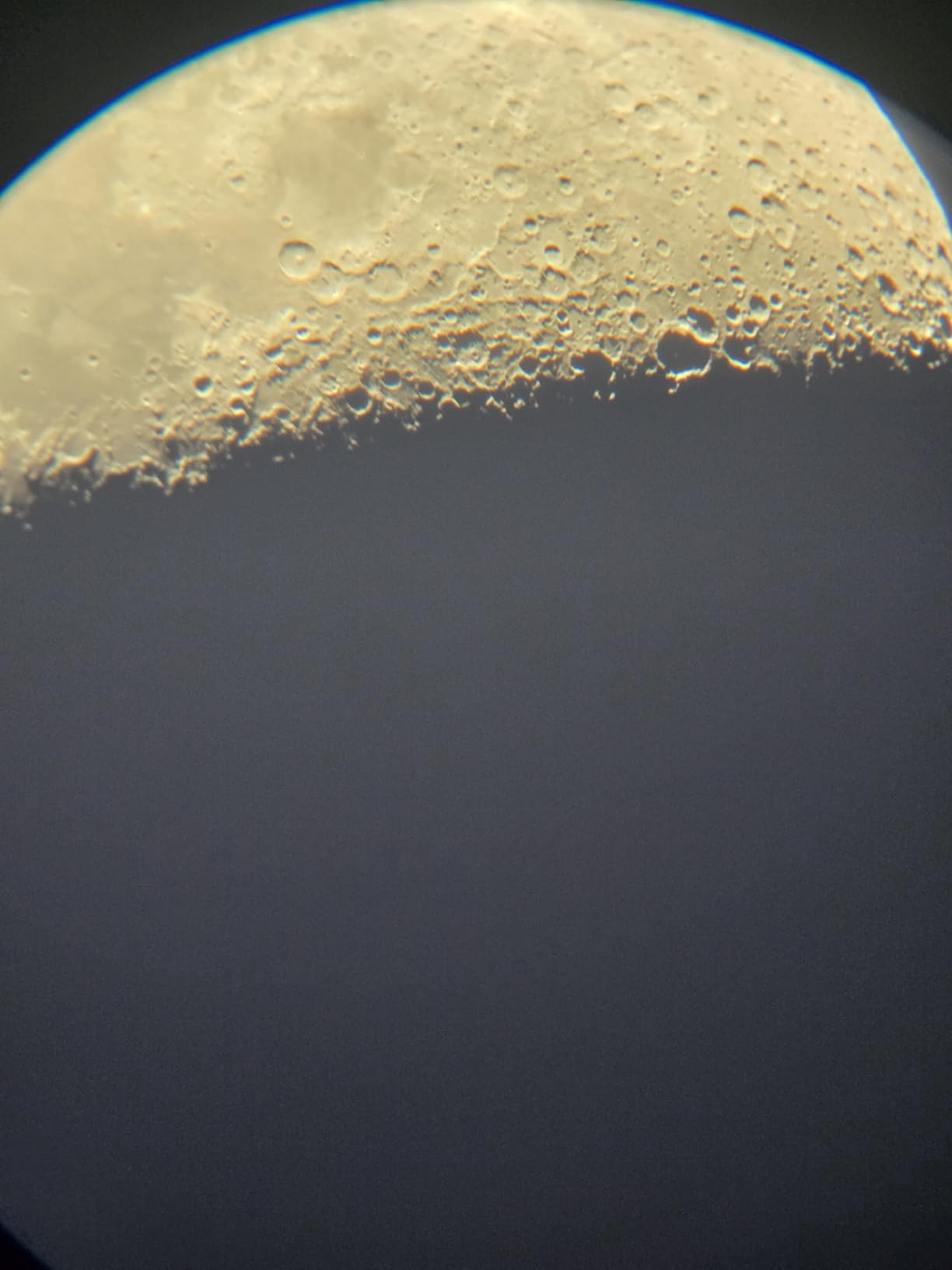
It also arrives collimated from the factory, and one detailed review verified that four separate ways before testing the views. That matters more than it sounds: a Newtonian that needs collimation on arrival is a bad first purchase, because collimation is the first task on this list that most beginners cannot do alone.
Where it loses points is the guided-finding workflow itself. The app needs careful, repeated alignment with the tube, re-docking the phone knocks the alignment out again, and the red dot finder’s plastic adjustment screws drift. Some owners also reported unlock codes that would not validate, which is a support problem rather than an optics problem.
Do I need a motorized or app-guided telescope?
No, you do not need one, and most experienced observers skip them. Learning to recognise a handful of star patterns, which is often called star-hopping, pays off for the rest of your life and costs nothing. A red dot finder plus a smartphone sky map gets you to most targets in a few minutes.
What app-guided finding does buy is patience, not capability. If you want to look at something tonight without spending twenty minutes searching, this is the scope that delivers. Set it up once indoors before you rely on it outside, because the first alignment is fiddly and best done in good light.
What can a 114mm telescope show that a 70mm cannot?
The jump is in surface brightness and detail on extended objects. At 70mm the Orion Nebula is a grey smudge you half hope you are imagining, and at 114mm it is obviously a nebula with a brighter core and wings. Andromeda, the Double Cluster and several brighter galaxies move from speculative to real.
Because a reflector has a mirror rather than a lens, keep it outside for a while before observing so the mirror does not fog, and do not touch the mirror or the coatings if you ever need to clean it. Everything else about this scope is straightforward.
8. Gskyer 90mm AZ Refractor: The Best All-Metal Build
Gskyer Telescope 600x90mm AZ Astronomical Refractor Telescope for Adults
90mm coated objective
600mm f/6.7 focal length
Three eyepieces plus 3x Barlow
All metal tube and steel tripod
Pros
- 90mm aperture is among the largest here for the size
- Stainless steel tripod and all metal body feel robust
- Three eyepieces plus Barlow give wide magnification range
- No tools needed and clear printed instructions
- Brand support praised for quick replacements
Cons
- Heaviest model here at 17.5 pounds
- Viewfinder sits low so tall users must kneel
- Vibration shows at maximum magnification
- No carry bag and unclear printed instructions
Ninety millimetres of aperture in an all-metal tube on a stainless steel tripod is the closest thing to a traditional telescope in this roundup, and it feels like one. The metal hardware is the point: it does not flex the way the aluminium and plastic tripods in this price bracket do, which matters most when you are working at high power.
Optically you get a 90mm coated objective at 600mm focal length, which is a longer tube than the entry 70mm models and gives you a relaxed, higher-power view. Owners report Mars’ polar ice cap, Jupiter’s red spot and Saturn’s rings as visible, and roughly 69 percent of reviews are five star, which is a strong result for a nearly 1,000-review count.
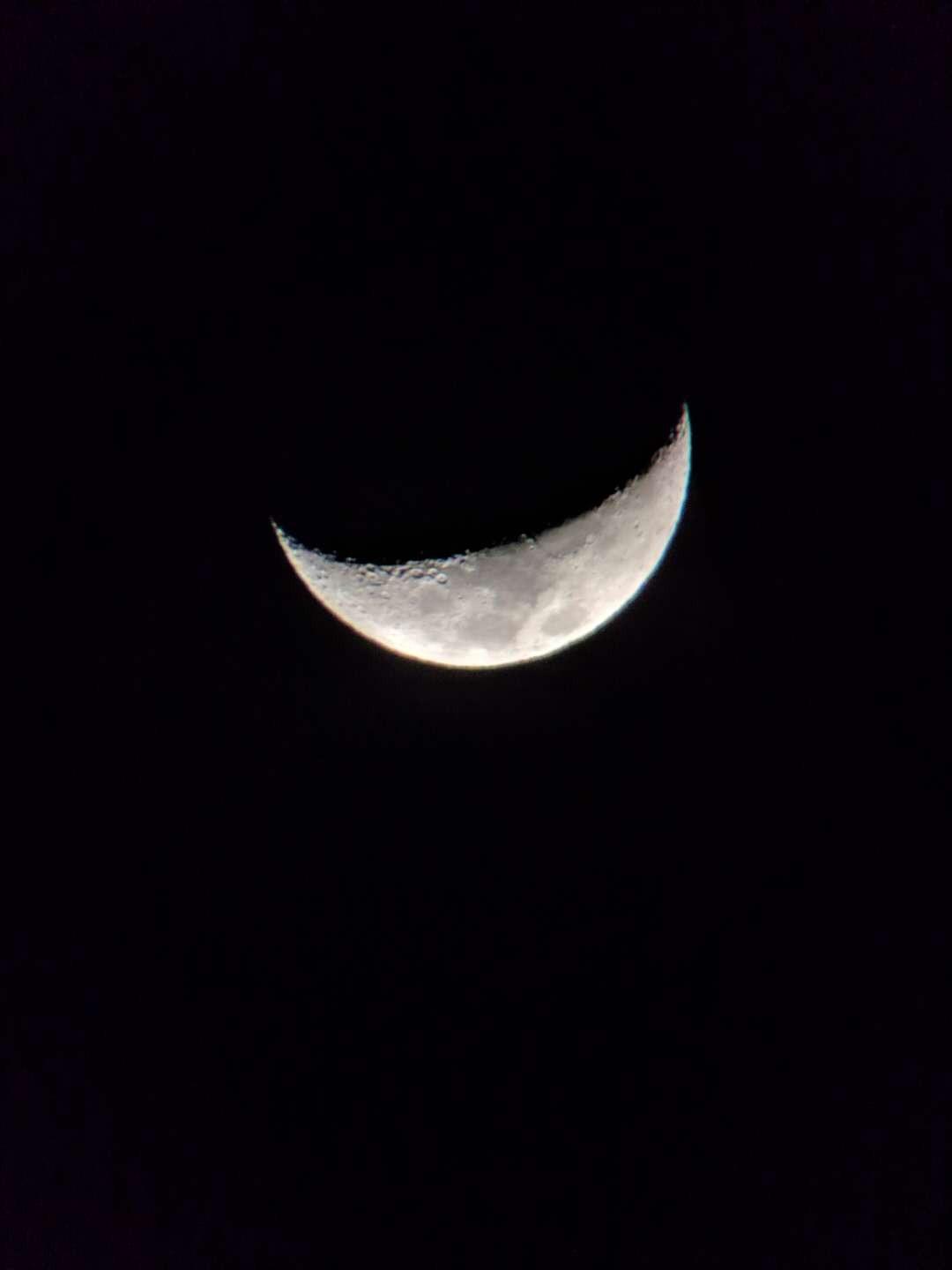
At 17.5 pounds this is the heaviest scope we tested, and that is a real practical cost. Mounting it means lifting it onto the tripod rather than lifting the tripod, the viewfinder sits low enough that tall users end up kneeling, and there is no carry bag, so transporting it is a two-trip job.
Vibration is the other honest limit. At maximum magnification the image shimmers noticeably, though owners confirm it settles at low power, so the practical guidance is to use the shorter eyepieces for planets and the Barlow only when the sky is steady. Gskyer’s replacement service for defective units is repeatedly singled out as fast.
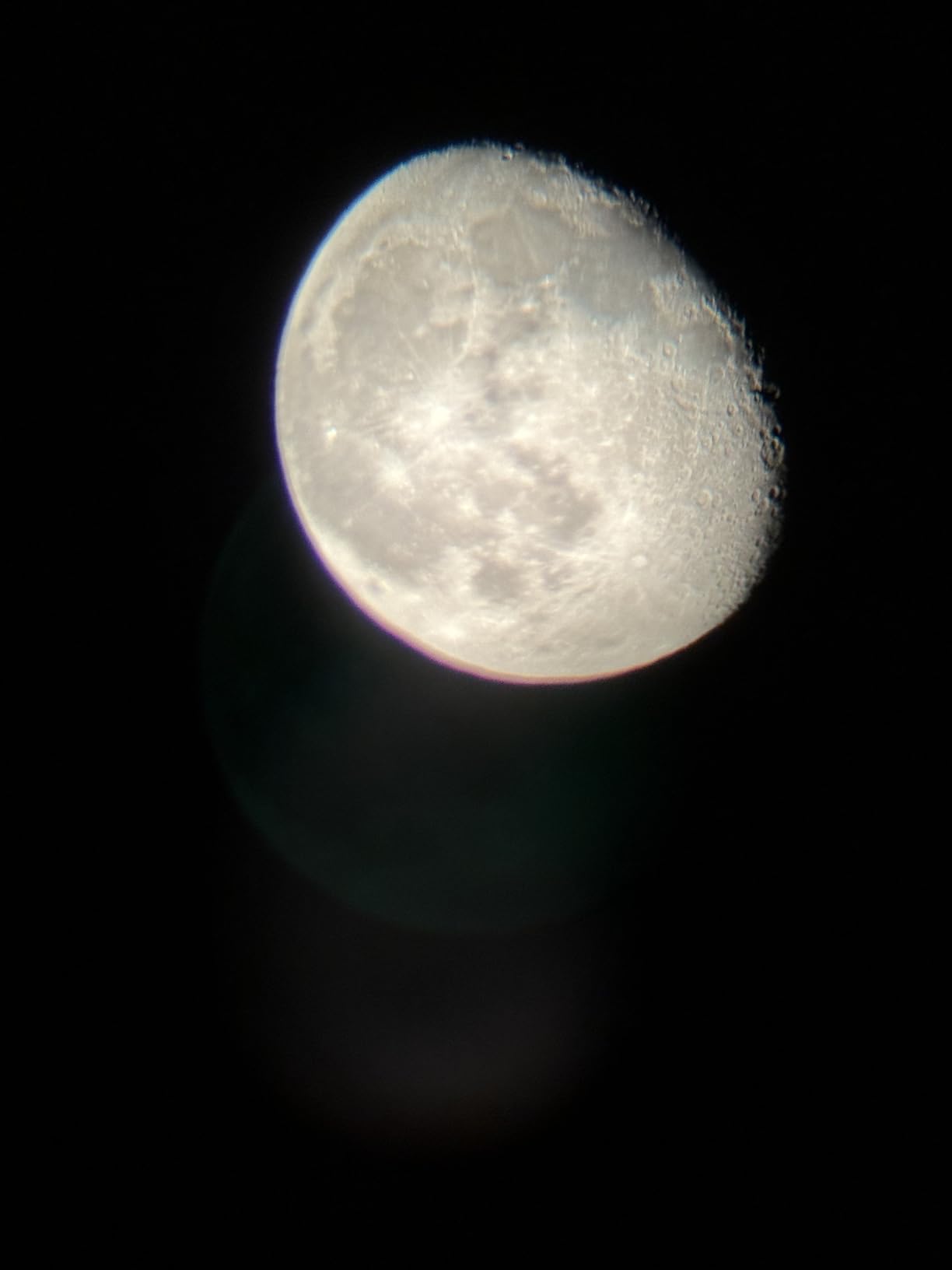
Is 90mm the sweet spot aperture for beginners?
For most beginners it is the best balance available. You collect roughly 65 percent more light than a 70mm scope, which is enough to start showing structure in the brighter nebulae, and the reflector designs at this size are where the price per inch of aperture starts to make sense.
The step to 114mm or beyond is worthwhile but the tubes get longer and heavier fast. If you can carry this one to a dark site you will use it far more often, so weigh the aperture against how often the scope will actually get outside.
Is metal construction worth the extra weight?
For stability at high power, yes. Metal legs and a metal tube holder do not creep or shiver the way cheap plastic hardware does, and vibration is usually the first thing that ruins a high-power planetary view for a beginner.
The trade is portability. Seventeen and a half pounds is a lot to load into a car and carry across a field, so this scope suits a garden, a driveway or a permanent setup more than it suits a travel kit. If you plan to move often, a lighter 90mm or a 114mm reflector is the better pairing.
9. Celticbird 80mm AZ Refractor: The Best Complete Kit with a Moon Filter
Celticbird Telescope for Adults High Powered, 80mm Aperture 600mm AZ Mount Refractor Telescope for Kids Beginners – Portable Telescopes for Adults Astronomy with Backpack, Phone Adapter, Moon Filter
80mm multi-coated objective
600mm f/6.7 focal length
Moon filter included
Backpack and phone adapter
Pros
- Moon filter is a rare and genuinely useful inclusion
- Backpack holds the full kit for dark site trips
- Tripod adjusts from 17.7 to 52 inches
- Tool-free setup with printed manual and video
- Focusing knobs feel smooth for the price
Cons
- Mount wobbles during fine adjustments
- Finder alignment takes patience on first setup
- One owner reported a spot in the view at max zoom
- Higher magnification not as detailed as marketing implies
The moon filter is the detail that separates this kit from the rest of the 80mm class. It clips in front of the eyepiece and passes roughly 13 percent of the incoming light, which cuts glare and increases contrast on the lunar surface, so craters near the terminator stand out instead of washing out. It is the first accessory most beginners should buy and here it is in the box.
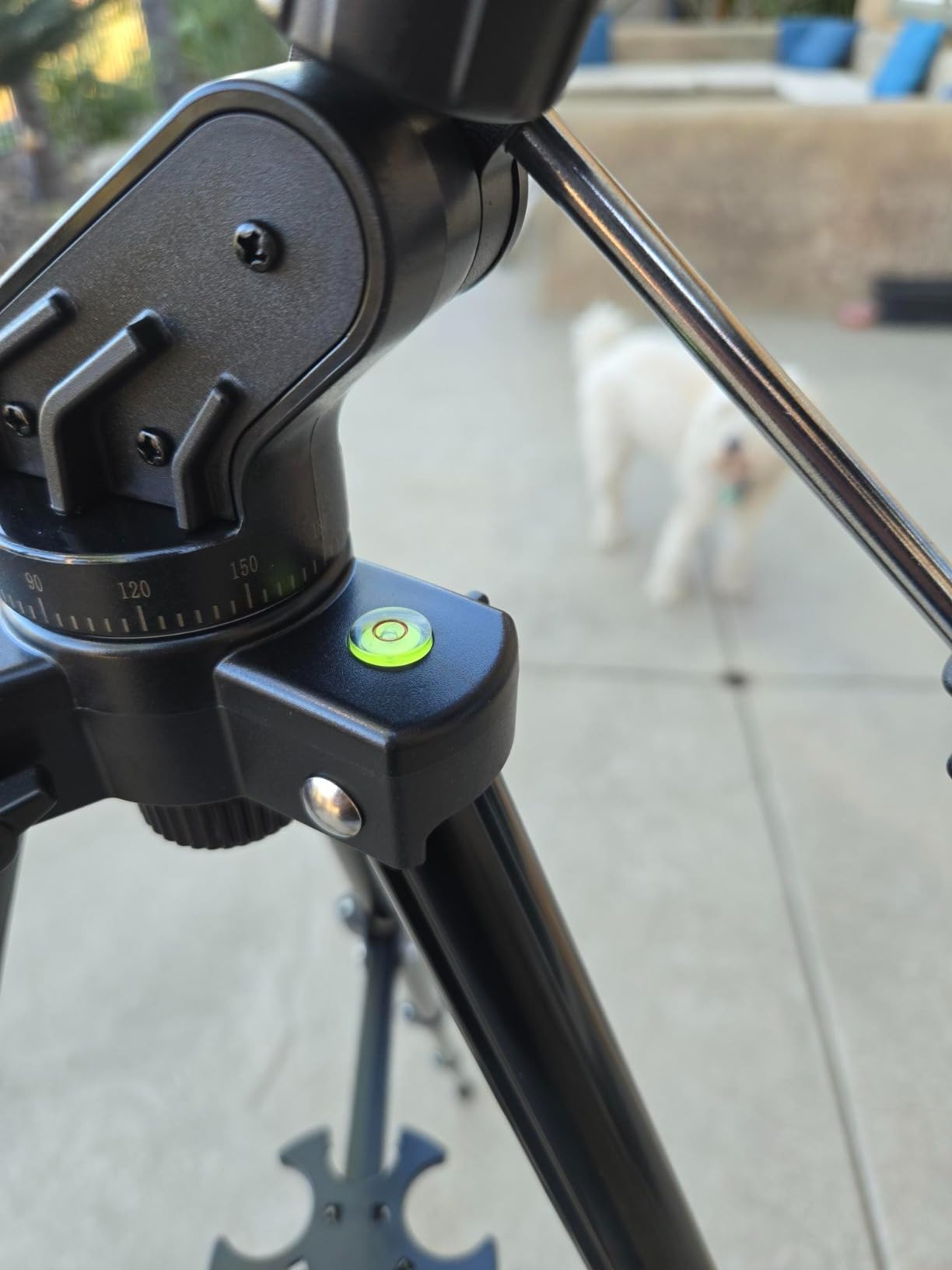
The rest of the package is equally complete. You get a 5×24 finder, a phone adapter, a backpack that holds the whole kit and a tripod that adjusts from 17.7 to 52 inches, which means the same scope works for a child on a small patio and an adult standing at full height.
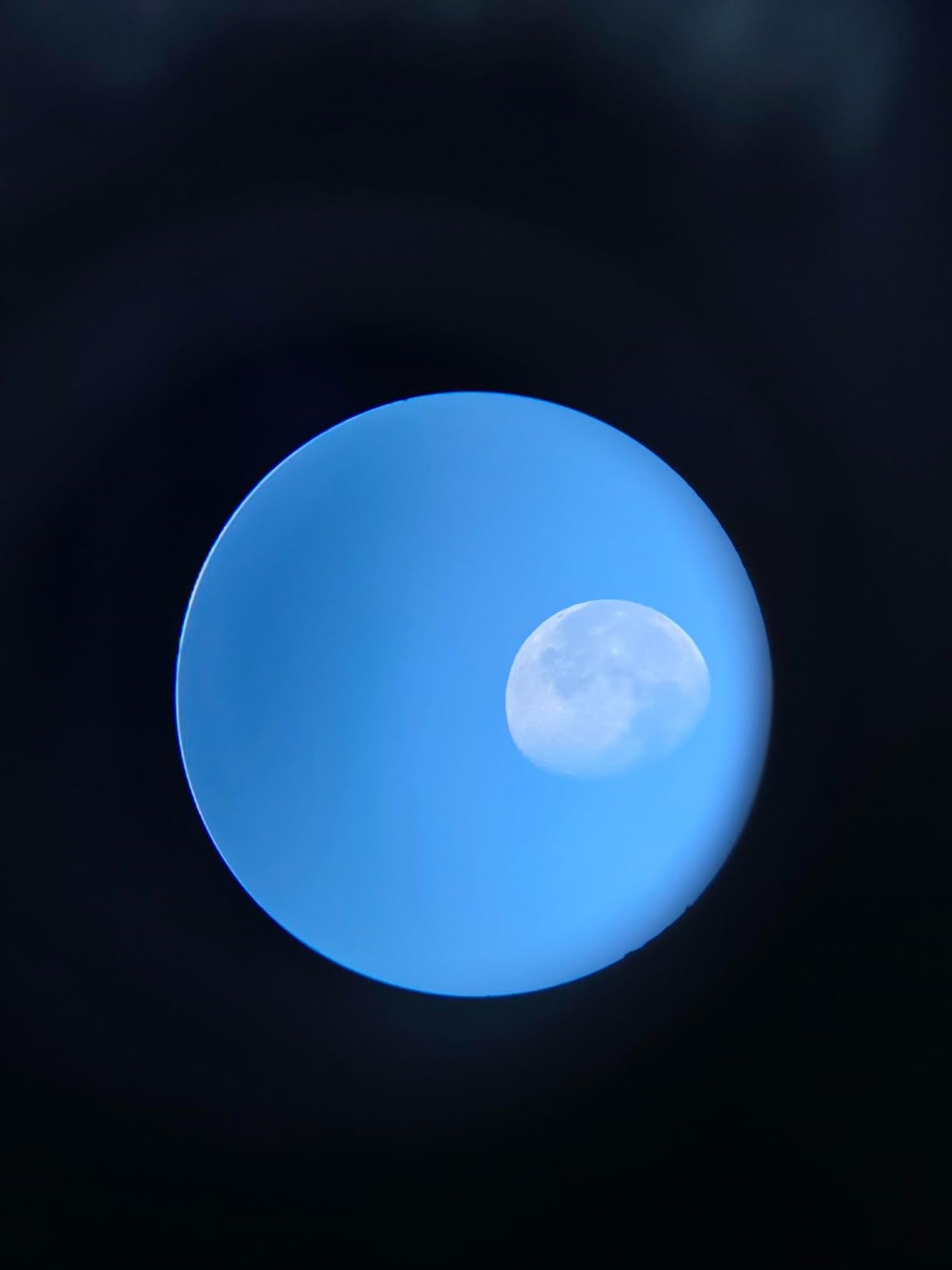
Owners rate it at 4.3 across 866 reviews with around a 70 percent five-star share, and the pattern is that the optics and the bundle deliver while the mount hardware is merely adequate. The recurring complaint is wobble during fine adjustments, which shows most when you are trying to centre something small.
Finder alignment is the other learning curve, as it is with most budget tripods, and one owner reported a small spot in the view at maximum zoom. That is a defect rather than a design limit, so it is worth checking your unit early and keeping the packaging until you have confirmed the view is clean.
Is a moon filter worth having as a beginner?
Yes, and it is one of the few accessories that visibly improves your very first view. The Moon is bright enough to overwhelm a small aperture’s contrast budget, and a filter reduces the glare so crater detail, especially along the terminator, becomes easier to see.
Buy the correct type for a 1.25-inch eyepiece and only ever observe through the front of the telescope, never through the finder. Soldering the filter cap permanently over the eyepiece or diagonal is the safest habit, and a filter on the finder is only safe if the manufacturer says so.
How does it compare with the other 80mm scope?
The optical specifications are close: both have an 80mm multi-coated objective at 600mm focal length, and both bundle a 3x Barlow and a phone adapter. What separates them is the extras, and this one ships with a moon filter and a full backpack while the other includes a carry bag.
Reviews on this one are slightly more favourable on optics and less favourable on the mount, so if you are put off by wobble, read a few of the current reviews before committing. Both are legitimate 80mm choices and either will show you a genuinely good Moon.
10. MEEZAA 90mm AZ Refractor: The Best Specifications for Deep Sky
MEEZAA Telescope for Adults High Powered, 90mm Aperture 800mm Refractor
90mm multi-coated objective
800mm f/8.88 focal length
32x to 240x magnification
Stainless steel tripod
Pros
- Strongest aperture and focal length pairing in the roundup
- Fully multi-coated glass improves brightness
- 10mm and 25mm eyepieces plus 3x Barlow
- Stainless steel tripod is sturdier than typical
- Phone adapter tray and carry bag included
- Most owners assemble in about 10 minutes
Cons
- 80cm tube and tray are bulkier to transport
- Bundled eyepieces and accessories are basic
- Tray and shortish tripod may need a table for comfortable viewing
If you are choosing purely on paper, this is the strongest optical specification in the roundup: a 90mm fully multi-coated objective at 800mm focal length, giving a comfortable f/8.88 that suits both planets and extended deep sky objects. The 25mm and 10mm eyepieces plus the 3x Barlow cover 32x to 240x, which is a genuine working range rather than a marketing range.
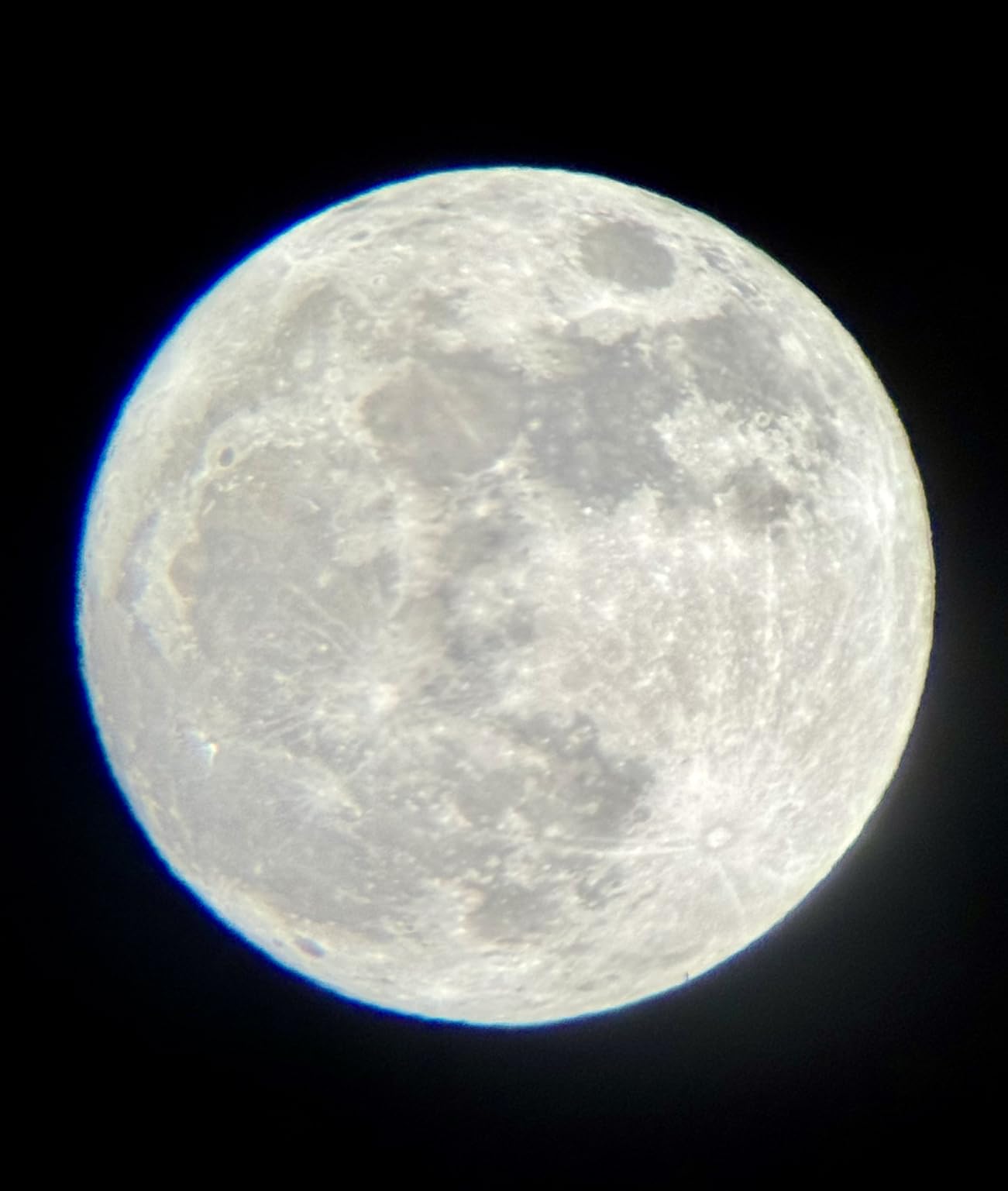
Reviews put it at 4.3 with the highest five-star share of any model here at around 72 percent, across 834 reviews. The most common note is that it is the most capable tube offered to beginners in this group, and that the fully multi-coated glass gives noticeably brighter lunar images than the single-coated budget options.
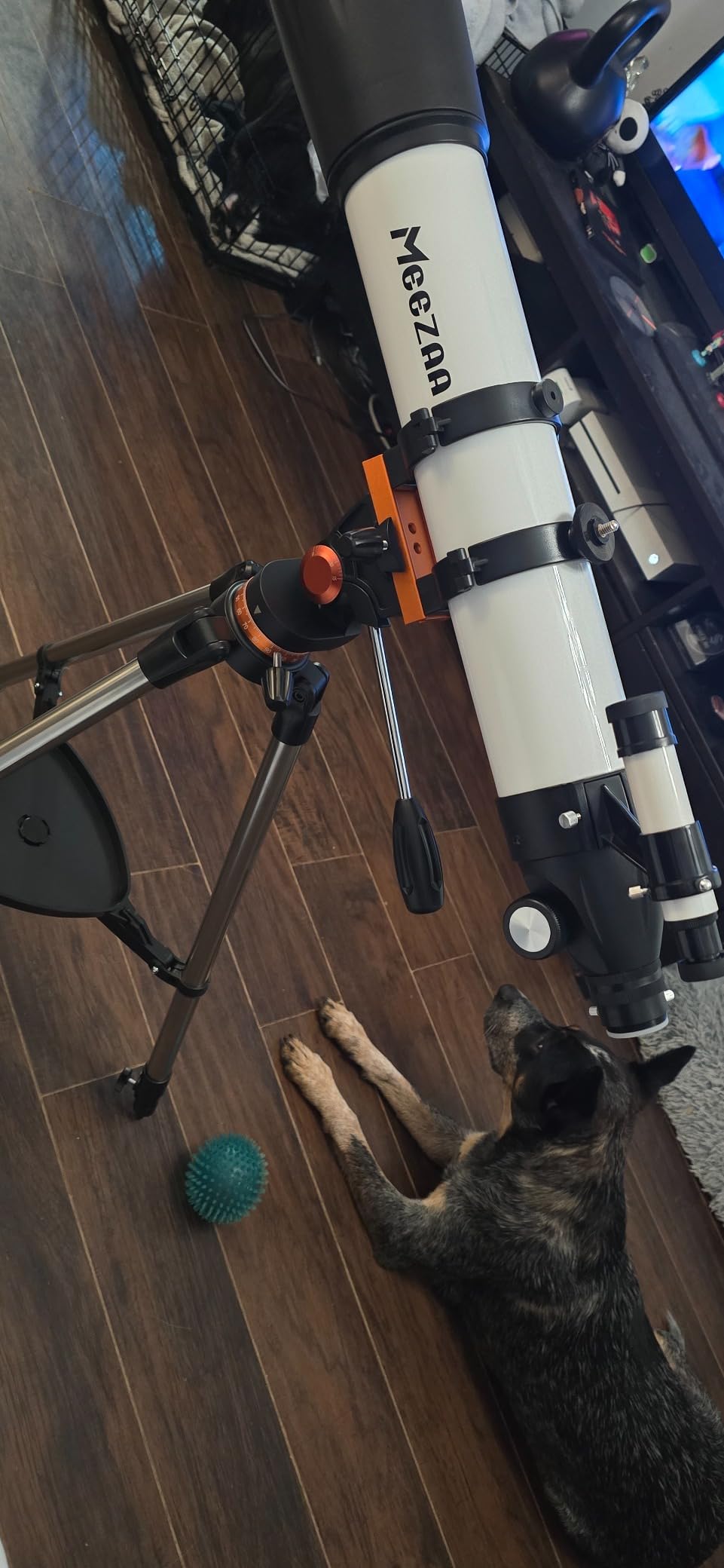
What you accept for that specification is size. The tube is 80cm and the accessory tray is wide, so this is the bulkiest kit here to move between rooms or load into a car. The tripod adjusts from 28 to 46 inches, and combined with the tray that means a table or a separate seat is often more comfortable than standing.
The bundled eyepieces and accessories are described as basic next to the tube, which is the same pattern across this whole price bracket: manufacturers spend on the optics and economise on what goes in the box. The phone adapter, accessory tray, zenith mirror, finder and carry bag are all included, so nothing essential is missing.
Does a longer focal length help with deep sky?
It helps, but aperture still does more. A longer focal length at the same aperture makes the image bigger at a given eyepiece, which is comfortable for extended objects because they fill the field, but it does not gather more light. The brightness and faint detail come from the 90mm of glass.
The f/8.88 design is a sensible middle ground: fast enough to show planets without a huge Barlow and slow enough to keep extended objects from looking overly magnified and empty. It is a sensible pairing for someone who wants one scope that handles both targets.
Is it too big for a first telescope?
It is big for a first telescope in the storage and transport sense, not in the learning sense. There is nothing complicated about using it, and the wide field from the 25mm eyepiece makes finding targets straightforward, so the difficulty is entirely physical weight and length.
Measure your cupboard and your car boot before you buy, because a scope that does not fit anywhere is a scope that stops being used. If you have the space, this is the most capable beginner package here, and the accessory tray keeps the small parts together once you have set up a permanent spot for it.
What You Can Actually See at Each Aperture Size?
This is the part most guides leave out, and it is the part that answers whether you are about to be disappointed. Everything visible below depends on aperture, plus sky transparency, how high the target sits and how steady the air is. A bad night makes a 114mm look like a 70mm, and a good dark night makes a 70mm look like a wonder.
70mm to 80mm – the Moon, the planets and double stars. This is the class most first telescopes fall into, and it is better than its reputation. Expect a sharp lunar terminator with craters in relief along the shadow line, Saturn as a small yellow ball with an unmistakable ring, Jupiter with its four Galilean moons as separated points and usually at least one cloud band. Double stars split into recognisable pairs. The Milky Way shows as a brighter band of unresolved stars rather than as individual pinpoints.
80mm to 90mm – the step you notice first. The extra light is roughly a third more than a 70mm and it shows as detail rather than as new targets. Craters gain raised rims and interior shadows, Jupiter’s two main cloud bands separate more clearly, Saturn’s rings gain a visible gap on the bright side, and the surface of Mars begins to show as a disc rather than a point.
90mm to 114mm – deep sky becomes real. This is where galaxies and nebulae stop being rumour. The Orion Nebula becomes an obvious fuzzy shape with a brighter core, Andromeda shows as an oval glow that grows the longer you look, the Pleiades resolve into dozens of individual stars with a haze around them, and the Ring Nebula becomes a small but definite smudge. You are still looking at light collected by a small amateur instrument, but the difference from 70mm is not subtle.
One rule for all of these tiers: let your eyes dark-adapt for 20 minutes before deciding a target is invisible, and always start with the lowest-power eyepiece you have. Almost every “nothing to see” report we found came from using too much magnification on too little aperture, in too little dark adaptation, against too much light pollution.
How to Choose Your First Telescope in 2026?
Aperture: the one number that decides what you see
Aperture is the diameter of the lens or primary mirror, and it governs brightness, detail and how faint an object you can reach. Light gathering scales with the square of the diameter, so a 140mm scope collects four times the light of a 70mm. That is why every recommendation in this guide puts aperture above everything else, and why a 70mm scope at 675x loses to a 70mm scope used at 30x.
As a practical floor, do not go below 70mm. Above that, each step is a real upgrade: 80mm adds lunar detail, 90mm adds planetary and some nebular structure, 114mm makes deep sky objects obvious. Buying the largest aperture you can comfortably carry beats buying the smallest one with the biggest number on the box.
Refractor, reflector or catadioptric
A refractor uses a lens, is sealed, needs no collimation and gives the highest contrast per inch of aperture. It is the easiest first design and the safest choice for a family sharing one scope. Every refractor in this roundup is a 70mm to 90mm achromatic, so you are choosing convenience and durability over light grasp.
A Newtonian reflector uses a curved primary mirror and gives far more aperture for the money, which is why serious beginner scopes are usually reflectors. The trade is collimation and open optics that fog in humid air. A Dobsonian is a Newtonian on a smooth altitude-azimuth base with no counterweights, and it is the value benchmark in this hobby. A catadioptric uses a corrector plate in front of a mirror, giving a long compact tube, but none appear in this roundup.
The mount: point-and-look always wins
The mount decides whether a telescope is pleasant or frustrating, and it is the second most important thing after aperture. For beginners, choose alt-azimuth, which moves left and right and up and down, on a tripod or a tabletop base. It needs no counterweights, no counterbalance, no polar alignment and no slow-motion cables to tangle.
Specifically avoid the combination that ends more beginner hobbies than anything else: a small refractor on a German equatorial mount with counterweights on a spindly tripod. They are heavy, awkward, slow to set up, need periodic rebalancing as the tube moves across the sky, and the tube itself is too small to justify the hardware carrying it. An altazimuth mount is not a compromise for a beginner, it is the correct answer.
GOTO and app-guided finding
GOTO scopes point themselves at objects from a database, which is convenient but adds weight, cost, motors and a battery to maintain. App-guided scopes like the StarSense model here use your phone camera to identify where the tube is pointing, which is cheaper and lighter but depends on alignment patience.
Neither is necessary. A red dot finder plus a free sky map on your phone gets you to the Moon, Saturn, Jupiter, the Orion Nebula and the Pleiades within a few minutes once you learn roughly where they sit. Learn to star-hop for an hour and you will never go back to a hand controller.
Portability, storage and thermal acclimation
Measure where the scope will live before you buy it. A full-length tripod plus a long tube does not fit in a typical cupboard, and scopes that end up in a closet are the most common way this hobby is abandoned. Table scopes and backpack kits solve this; heavy tripods and 80cm tubes do not.
Then think about temperature. A scope carried from a warm house into cold night air develops turbulence that blurs the image, and dew can form on the finder lens and eyepiece. Leaving the scope in a garage or car boot for an hour before you observe is the cheapest improvement available, and it applies to every model in this guide.
What you should spend?
Think of it in three tiers. At the low end, a 70mm refractor with a real mount, coated optics and a usable tripod gives you the Moon, planets and double stars, and it is a perfectly good first scope. In the middle tier you get 80mm to 90mm, which is where the best performance per unit of money sits. At the upper end, 114mm and above open up deep sky properly.
Do not spend beyond your needs on electronics before you have learned to find things by eye, and do not spend below the floor on a plastic mount. Our own experience with first hobby kit, which we covered in our guide to raising animals for beginners, follows the same rule: pay for the part that does the work, and accept compromise everywhere else. It is the same evidence-first approach we use in our beginner chainsaw reviews, where the cheapest option is only worth it when the part that does the cutting is the part that got the money.
Solar Viewing Safety for Beginners
Never point any telescope at the Sun without a certified solar filter fitted over the front aperture. Not a lens clip, not sunglasses, not a foil filter, not “just for a moment”. Unfiltered sunlight through a telescope concentrates to a point and will cause instant and permanent eye damage, and the same optics that make a telescope safe for the Moon make it lethal for the Sun.
Because refracting telescopes and Newtonian reflectors focus sunlight differently, safe solar observing is easiest on a refractor with a filter that covers the objective and sits permanently in place. A Newtonian also needs a solar filter over the open top of the tube, since light enters directly. Never look at the Sun through a finder scope unless the manufacturer supplies a solar filter for it, and never use a telescope near the Sun without checking for the finder first.
Solar observing is genuinely rewarding once set up correctly. Venus, the Moon’s phases and sunspots near solar minimum are all straightforward targets, and the same filter discipline carries straight over to later sessions. Buy a certified filter, read the instructions twice, and test it indoors on a bright lamp before you trust it with the Sun.
Mistakes to Avoid When Buying Your First Telescope
Buying magnification instead of aperture. A “675x” claim is usually a 70mm lens with a bundled 3x Barlow and a marketing team. Useful magnification on a small aperture produces a dim, blurred, colour-fringed image. Judge the listing on aperture, and treat any number above roughly 2x your aperture in millimetres as filler.
Buying a scope with a plastic equatorial mount. This is the Celestron PowerSeeker-style trap that forums warn about constantly. The counterweights, the slow-motion cables and the awkward tube balance make a small-aperture scope harder to use than a much larger one on a simple altazimuth mount.
Ignoring where the scope will live. Storage is the most underestimated factor in first purchases. If the assembled scope does not fit in a cupboard, garage corner or car boot, it will end up disassembled in a box. Check the folded dimensions against your actual space.
Buying eyepieces too early. The bundled eyepieces are usually adequate for the first month. A single good 25mm wide-field eyepiece is the best first upgrade, and a proper 2x or 3x Barlow is the second. Extra eyepieces before you know what you need is the most common way beginners overspend.
Taking the scope straight from a warm house. The first ten minutes will be disappointing, and beginners often conclude the scope is faulty. Give it time to reach ambient temperature and give your eyes twenty minutes to dark-adapt before judging any target.
Frequently Asked Questions
Which telescope is best to see planets for beginners?
For planets, look for 70mm of aperture or more and start with the lowest-power eyepiece. Saturn’s rings need roughly 70mm as a practical minimum, and 90mm to 114mm shows real ring structure and Jupiter’s cloud bands and Galilean moons. A 130mm or 114mm reflector gives the best value per unit of money, while a long-focal-length refractor such as the Celestron AstroMaster 70AZ makes the planets larger and easier to hold steady.
How much should I spend on a beginner telescope?
Spend in tiers. The low end buys a usable 70mm refractor or tabletop Dobsonian for the Moon, planets and double stars. The middle tier buys 80mm to 90mm, which is the best performance for money and where the Moon, planets and brighter nebulae all reward you. Above that, 114mm and up open up galaxies properly. Spending more on GOTO electronics before learning to star-hop is the most common waste.
What size telescope is needed to see Saturn’s rings?
About 70mm is the practical minimum. At that aperture Saturn shows as a small ball with a clear oval ring. At 90mm to 100mm the ring structure separates, and at 114mm or more you can start to see the division in the rings under steady seeing. Remember that aperture sets brightness and detail, so a smaller scope pushed to high magnification will show a bigger but dimmer and blurrier Saturn than a larger one used at low power.
Is it worth buying a cheap telescope?
Only if it has real aperture, a simple altazimuth mount and coated optics. A 70mm scope on a point-and-look mount is a legitimate first telescope at the low end of the budget. A 50mm or 60mm scope on a plastic equatorial mount advertised with triple-digit magnification is not, because it delivers magnification without light, and the result is a tiny dim view that ends the hobby. If your budget is tight, a 70mm with a taller tripod beats a bigger number on the box.
What is a good first telescope for a beginner?
The best all-round first telescope is a 70mm to 90mm refractor on an altazimuth mount, because it needs no collimation and gives sharp, bright views of the Moon and planets. The best budget option is a lightweight 70mm kit that packs into a bag. The best app-guided option uses phone sky recognition to find objects for you. The best step up is a 114mm reflector, which is the smallest aperture that makes galaxies and nebulae look real.
What should I consider when buying my first telescope?
First, aperture: aim for at least 70mm and buy the largest tube you can comfortably carry. Second, the mount: choose alt-azimuth or a Dobsonian base and avoid German equatorial mounts with counterweights. Third, portability and storage, so the scope fits where you will keep it. Fourth, whether you want manual, app-guided or GOTO finding. Fifth, a known brand with a real warranty and included finder, eyepieces and diagonal.
Conclusion: The Best Telescopes for Beginners in 2026
The best telescopes for beginners are the ones that gather the most light you can carry and the simplest mount you can point. Our Editor’s Choice, the Gskyer 70mm AZ refractor, wins on review depth, complete accessory bundle and portability, and it will keep a family happily looking at the Moon for years. If you want sharper optics and more magnification from the same aperture, the Celestron AstroMaster 70AZ is the stronger instrument.
Choose the Celestron Travel Scope 70mm if everything has to fit in a backpack, the Koolpte 80mm or Celticbird 80mm for the best lunar detail in the lower tiers, and the Gskyer 90mm or MEEZAA 90mm if your priority is planetary and deep sky performance with a build that will not flex. Buy the Celestron StarSense Explorer LT 114AZ when you would rather your phone found the objects than you did, and treat it as the step up that makes galaxies and nebulae real. Above all, buy on aperture, use the lowest eyepiece you have, and give the Moon an hour of your time before you decide anything.