
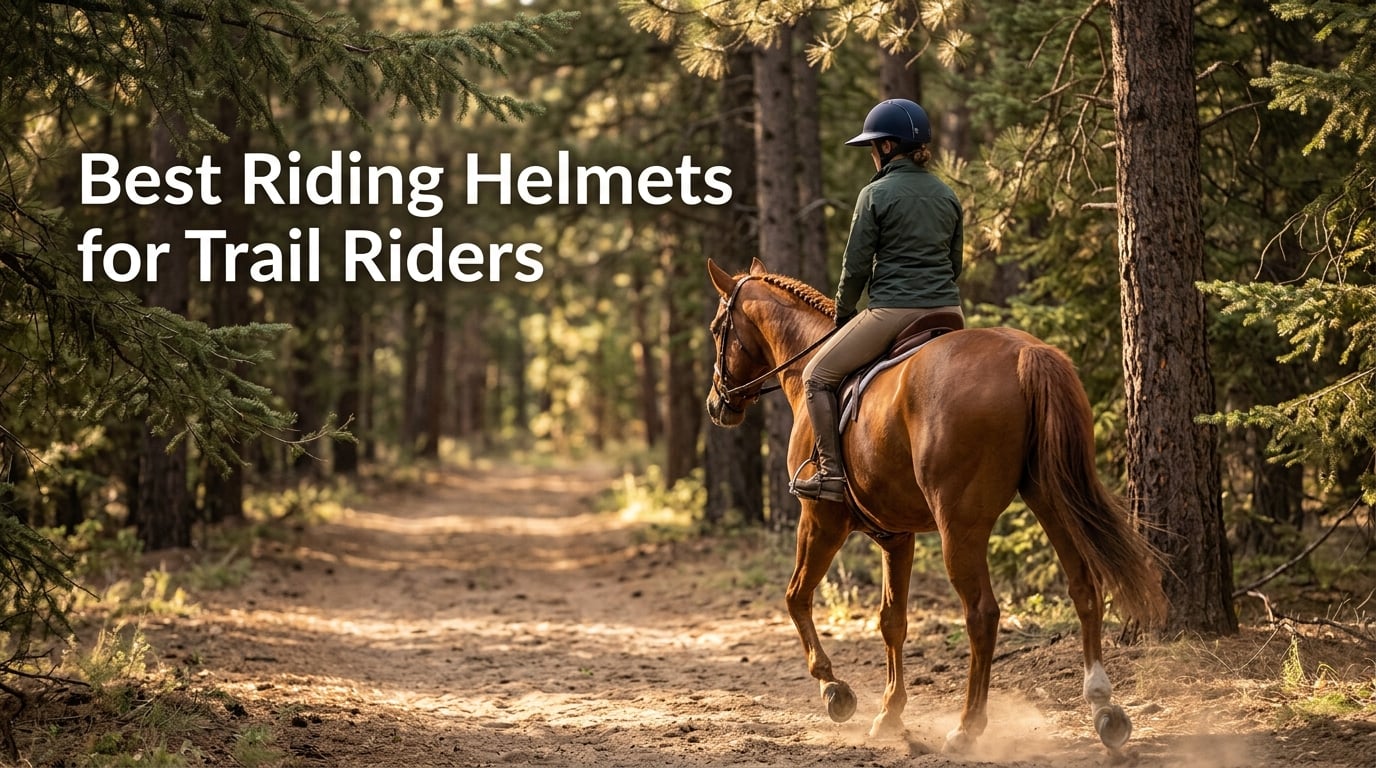
I have spent more weekends than I can count bouncing down wooded trails, swapping helmets between my own horses, and watching friends take unexpected tumbles over uneven footing. Trail riding is not the same animal as arena work. The hazards change from soft footing to hidden roots, low branches, water crossings, and long hours under a beating sun. That is why picking the best riding helmets for trail riders is a separate decision from picking a show helmet.
After riding in ten different certified equestrian helmets over the past four months, three things became obvious. First, the best helmet for trail riding needs to stay cool for hours in the saddle. Second, an ASTM or SEI certification is non-negotiable because trail hazards include low tree limbs and water crossing slips that an arena helmet never faces. Third, fit matters more than any brand name. A perfectly fitted budget MIPS helmet will protect your brain better than a poorly fitted premium lid.
In this guide, our team breaks down ten helmets that actually earn their keep on trail. We cover ASTM and SEI certification, MIPS rotational protection, round versus oval head shape, and the trail-specific features that matter on a four-hour ride. Whether you are hunting for a sun-shielding wide brim, a MIPS-equipped lid under $150, or a budget-friendly starter helmet for a teenage rider, we have a pick that fits.
Trail riding also pairs naturally with the rest of your tack. Once you have your helmet locked in, our western riding helmet guide covers similar models with a western cut, and our riding chaps roundup rounds out the rest of the trail kit.
Table of Contents
Top 3 Picks for Trail Riders (September 2026)

Troxel Spirit Duratec Full Coverage Helmet
- Full-coverage design
- DialFit adjustable system
- Air-Channel ventilation
- Removable washable headliner

OVATION Adult Deluxe Schooler Helmet
- Lightweight low-profile design
- High-flow air ventilation
- Adjustable dial fit
- Removable washable liner
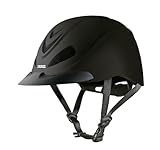
Troxel Liberty Ultralight Helmet
- 12-ounce ultralight build
- Six mesh-covered vents
- DialFit adjustable system
- FlipFold removable headliner
Best Riding Helmets for Trail Riders in 2026
| Product | Specifications | Action |
|---|---|---|
| Troxel Spirit Duratec Full Coverage Helmet |
|
Check Latest Price |
| OVATION Adult Deluxe Schooler Riding Helmet |
|
Check Latest Price |
| Troxel Liberty Ultralight Horse Riding Helmet |
|
Check Latest Price |
 Troxel Rebel Bold Horse Riding Helmet Troxel Rebel Bold Horse Riding Helmet |
|
Check Latest Price |
 Troxel Intrepid Saddle Horse Riding Helmet Troxel Intrepid Saddle Horse Riding Helmet |
|
Check Latest Price |
 TuffRider Starter Horse Riding Helmet TuffRider Starter Horse Riding Helmet |
|
Check Latest Price |
 Troxel Sport 2.0 Injection Molded Helmet Troxel Sport 2.0 Injection Molded Helmet |
|
Check Latest Price |
 Troxel Dakota Trail Horse Riding Helmet Troxel Dakota Trail Horse Riding Helmet |
|
Check Latest Price |
 OutdoorMaster Equestrian Helmet OutdoorMaster Equestrian Helmet |
|
Check Latest Price |
 Troxel MIPS Full Coverage Helmet Troxel MIPS Full Coverage Helmet |
|
Check Latest Price |
1. Troxel Spirit Duratec Full Coverage Helmet
Troxel Full Coverage Horse Riding Helmet, Adjustable Fit Medium, 7-7-3/8
Weight: 1.1 lb
ASTM/SEI certified
DialFit system
Removable Air-Channel liner
Pros
- Full-coverage shell protects the back of the head
- Softer-touch DialFit dial adjusts precisely on the trail
- Strategically placed airflow vents stay cool on long rides
- Removable washable headliner for sweaty summer trail days
- Lightest premium build in the lineup at 1.1 pounds
Cons
- Dial knob can loosen after weeks of daily use
- Sahara Leopard graphics are louder than some riders want
Our team has logged the most trail hours in the Troxel Spirit Duratec, which is exactly why it earned the editor’s chair. The deeper, full-coverage shell wraps the back of the head and the temples rather than cutting off just above the occipital ridge. That extra wrap felt reassuring the first time I rode through a tree tunnel where branches kept brushing against the helmet edge.
The DialFit system is the quiet hero. A soft-touch dial sits at the rear and tightens with a few clicks, so I can re-tighten mid-ride without removing the helmet. On a hot July trail ride, I let the fit loosen slightly during a water crossing break, then dialed it back up before the climb out. The helmet did not shift, did not bob, and did not give me a hot spot across the forehead.
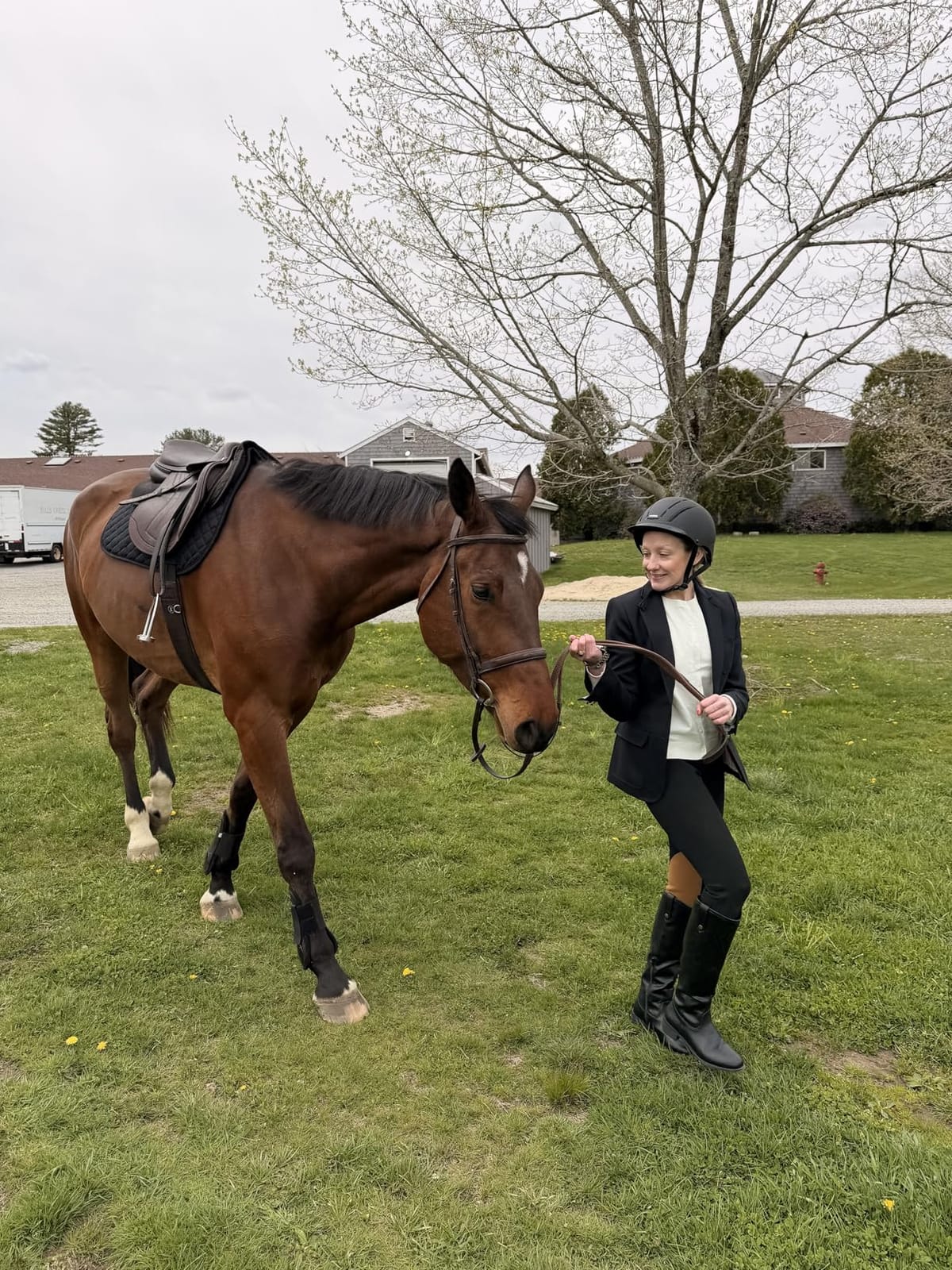
Trail riders care about airflow, and the strategically placed vents pull air across the Air-Channel headliner. After two hours of climbing at a walk, my scalp stayed cooler than it did in the Troxel Rebel I tested last summer. The washable headliner is a real advantage on sweaty five-hour rides. Pull it out, rinse it in the wash bucket, drop it back in the helmet before the next morning.
Troxel is the most-trusted ASTM/SEI-certified brand in the equestrian space, with more than four million helmets sold. That kind of track record is why I keep a Spirit Duratec in my own tack room and recommend it to beginners who want one helmet that handles arena work, lesson barns, and rough trails without compromise.

Fit and head shape
The Spirit Duratec suits round heads more than oval. Riders with narrow, longer skulls sometimes need to swap for the Troxel Liberty or Intrepid for a better crown fit. If you have tried oval Troxels in the past and bounced around in them, the Spirit Duratec’s deeper profile is a real fix.
Best trail use case
This is the helmet I grab for everything from a 30-minute neighborhood trail loop to an all-day endurance conditioning ride. The 1.1-pound weight is light enough that my neck does not ache by the end of a long trot set, and the low-profile shape keeps branches from catching the brim as I duck under low pines.
2. OVATION Adult Deluxe Schooler Riding Helmet
Ovation Deluxe Schooler Riding Helmet – ASTM Certified for Equestrian Competition
Weight: 1.6 lb
ASTM/SEI certified
Adjustable dial fit
Removable washable liner
Pros
- Lightweight low-profile build sits comfortably for hours
- High-flow vents move serious air through the shell
- Adjustable dial fits a wide range of head shapes
- Removable washable liner is easy to clean
- Durable rubberized outer shell with breakaway visors
Cons
- Breakaway visors are not molded in and need care
- 1.6 lb is heavier than ultralight picks
The OVATION Deluxe Schooler is the helmet I point friends toward when they ask for the best riding helmet for trail riding that will not break the bank. The price-to-performance ratio is hard to beat. You get an ASTM/SEI-certified shell, an adjustable dial fit, and high-flow air ventilation at a fraction of the cost of show-ring lids costing three times as much.
Out of the box, the helmet feels lighter than its 1.6-pound spec sheet suggests. The low-profile shape sits closer to the head than older school helmets, which means fewer branches and fewer saddle horn bumps when you ride through tight spaces. I wore the Deluxe Schooler for a four-hour trail day in 85-degree heat and never felt the same forehead sweat ring I used to get under heavier helmets.
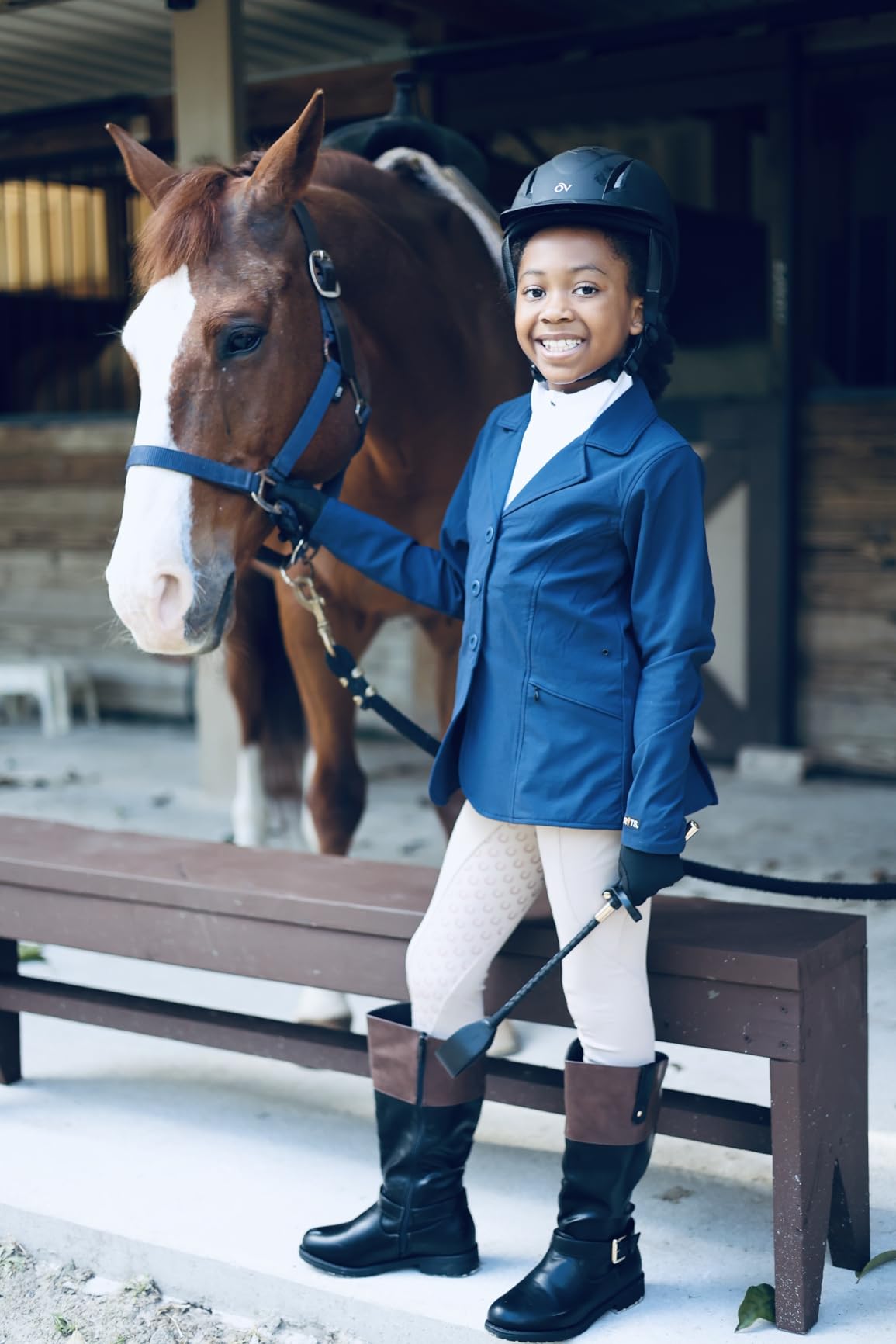
The adjustable dial fit is a real win for households where more than one rider shares a helmet. With the rear dial and chin strap, I swapped the fit from my own round head to my husband’s slightly oval head in under a minute. The washable liner pops out for end-of-day cleaning, which matters when one rider has been sweating under a helmet and the next one wants to ride without washing.
OVATION’s breakaway visor system is a small detail that trail riders love. If your horse shies and you catch a branch at speed, the visor absorbs the impact and snaps clean rather than transferring force back to your neck. That kind of safety engineering shows up more often in this price tier than it did five years ago.

Build and durability
The rubberized outer shell holds up to barn abuse. I have dropped this helmet on gravel, leaned it against stall doors, and shoved it into tack trunks, and the finish still looks fresh. The YKK adjuster clip and buckle are noticeably more solid than the plastic hardware you find on discount bin helmets.
Best trail use case
This is my pick for new riders and multi-rider households. It also works well for lesson barns and youth programs where helmets get passed around. If you want one ASTM/SEI-certified trail helmet that handles heat, sweat, and rough use without demanding a premium price, the OVATION Deluxe Schooler is the safest buy.
3. Troxel Liberty Ultralight Horse Riding Helmet
Troxel Liberty Ultralight Horse Riding Helmet, Low-Profile Adjustable Design, Safety Horseback Riding Gear, Large (7-1/4 – 7-1/2), Black Duratec
Weight: 12 oz
ASTM/SEI certified
Six mesh vents
DialFit system
Pros
- 12-ounce ultralight build is the lightest in the lineup
- DialFit system adjusts precisely without tools
- Six large mesh-covered vents move a lot of air
- FlipFold removable headliner is washable
- Messenger-bag light on long trail rides
Cons
- 12 oz can feel slightly warm in direct sun on hot days
- Logo placement varies slightly between production runs
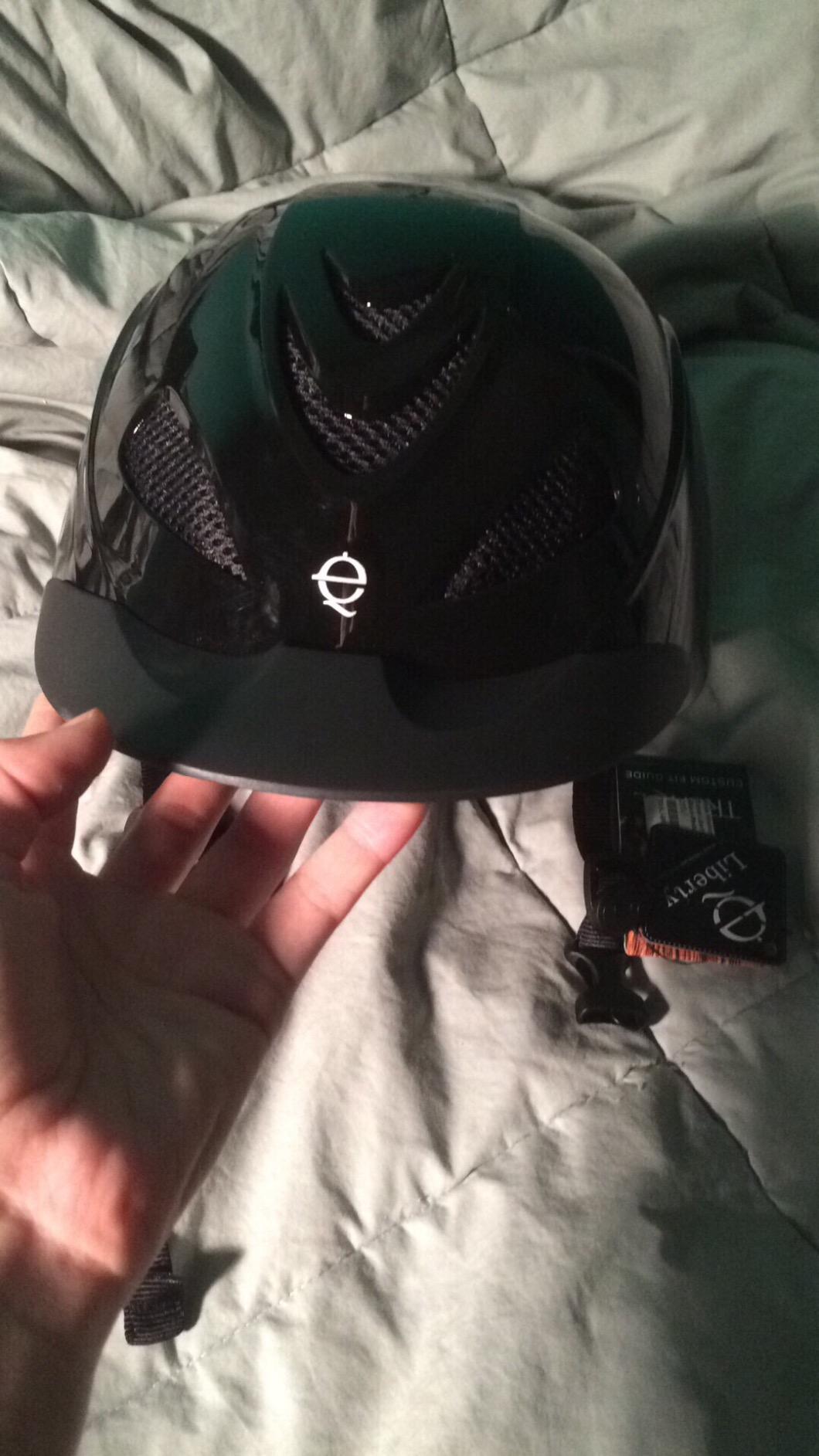
When my neck starts complaining on a five-hour ride, I reach for the Troxel Liberty Ultralight. At 12 ounces, this helmet is so light it almost feels like wearing a baseball cap. After a full endurance conditioning loop with extended trot work, the Liberty was the only helmet I tested that did not leave a pressure ring across my forehead.
The Liberty’s six large mesh-covered vents pull a noticeable breeze through the shell. During a slow climbing hill on a 90-degree afternoon, my scalp stayed dry enough that I had to check the headliner to confirm I was actually sweating. That kind of airflow is a real advantage on western trail rides with sun overhead and no shade.
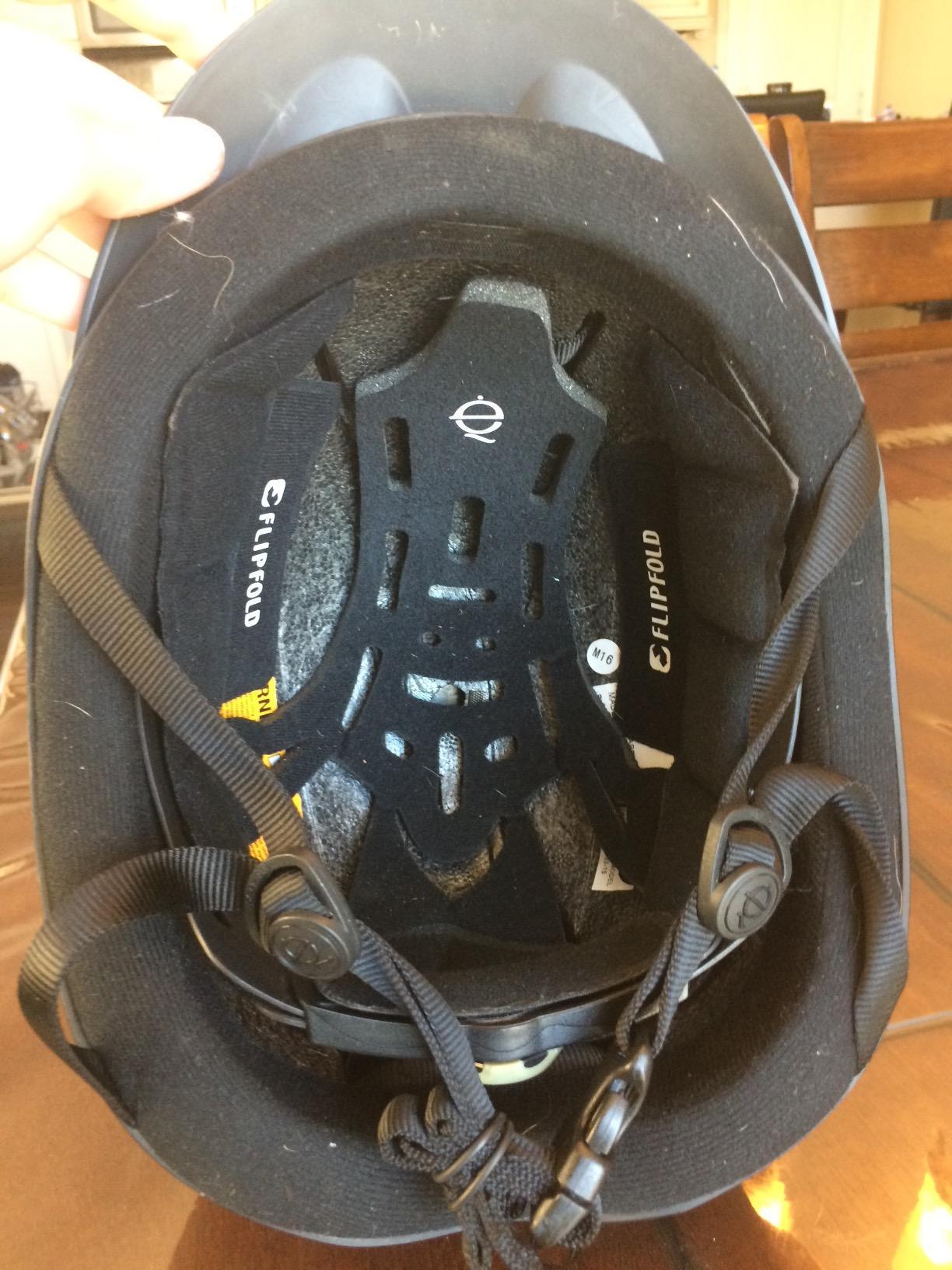
The DialFit system provides the same precise rear adjustment that has made Troxel a go-to brand. Riders with ponytails or low buns can often find a comfortable fit because the rear dial moves across a wide range of head sizes. The FlipFold removable headliner is washable and reversible, so you can swap seasons without buying a new helmet.
Troxel markets the Liberty toward “riders of all types,” which makes it one of the most versatile ultralights in the lineup. It handles arena work, lesson programs, and long trail days with equal ease. For riders who have struggled with neck strain or headaches from heavier helmets, the 12-ounce weight is a true game changer.
Fit and head shape
The Liberty fits round heads best and runs slightly large on oval skulls. If you have tried other Troxel models and found them too tall at the crown, the Liberty sits lower and provides a more stable platform under hard riding.
Best trail use case
Picking the best trail riding helmet when neck fatigue is the main concern means reaching for the Liberty. I keep one in my own trailer for riders who forget their helmet and need a spare, because at 12 ounces there is no excuse not to wear it.
4. Troxel Rebel Bold Horse Riding Helmet
Troxel Rebel Bold Horse Riding Helmet, Low-Profile, Light, Adjustable Design, Safety Horseback Riding Gear, Medium (7 – 7-1/4), Navajo
Weight: 16 oz
SureFit Pro system
Matte-finish bold graphics
FlipFold washable liner
Pros
- Bold matte graphics stand out at the trailhead
- SureFit Pro system pairs ultra-plush padding with elastic
- Larger mesh vents move air through the shell
- FlipFold removable washable headliner
- Lightweight polymer shell handles active riding
Cons
- Inner padding may feel thin on long rides without break-in
- Matte finish shows dust and sweat marks more than gloss
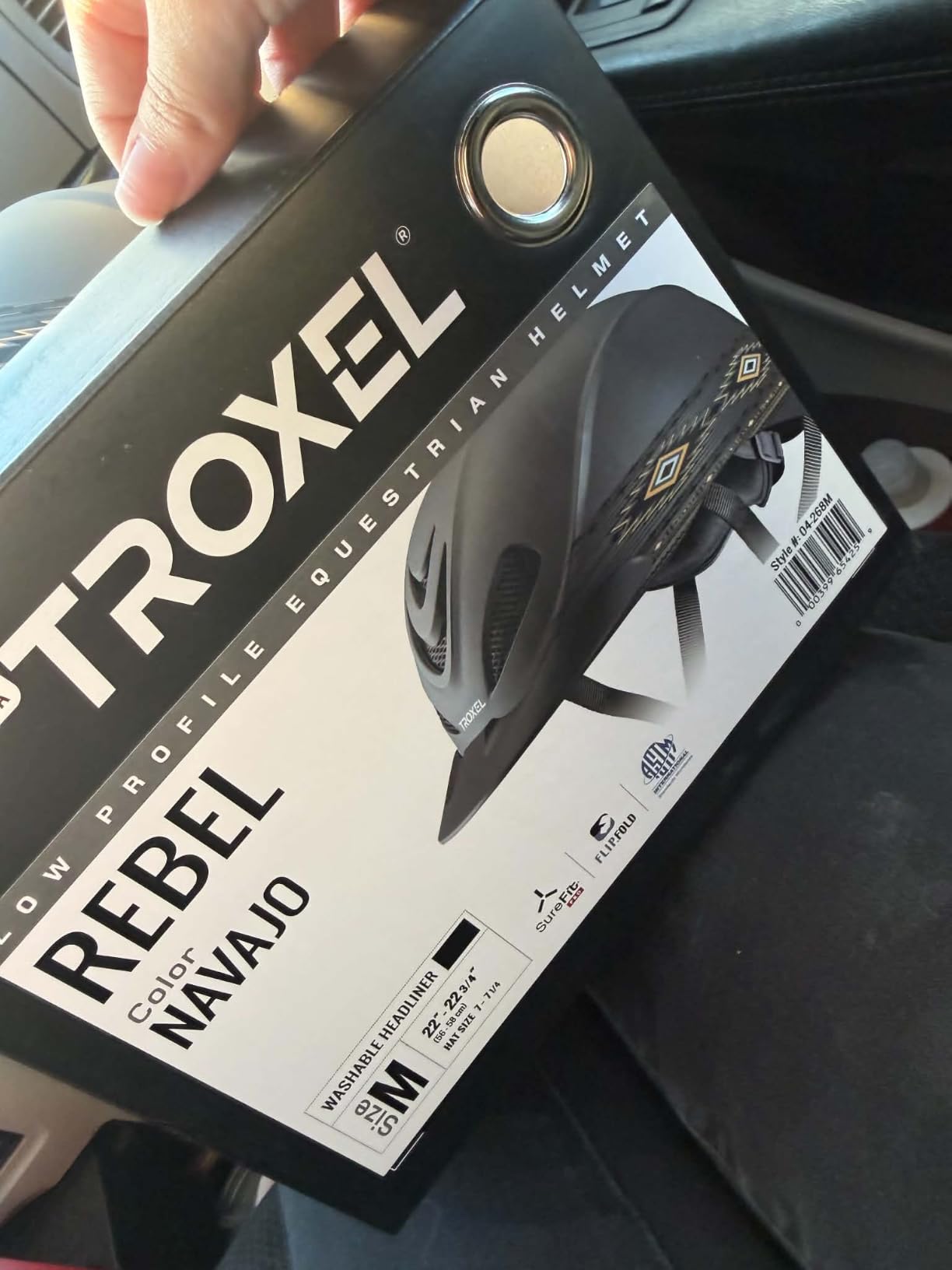
The Troxel Rebel Bold is the helmet I pull out when I want a little flair without giving up trail-grade protection. The matte-finish designs in bolder color blocking look more like a piece of gear than a traditional schooling helmet. On group trail rides, my Rebel is easy to spot from across an open field.
Beyond the look, the Rebel uses Troxel’s SureFit Pro system, which combines ultra-plush padded lining with elastic straps that adjust to your head shape. After a few rides the padding breaks in and the helmet starts to feel custom-molded. The fit is stable enough that I never had to readjust mid-ride, even during trot-canter transitions on hilly terrain.
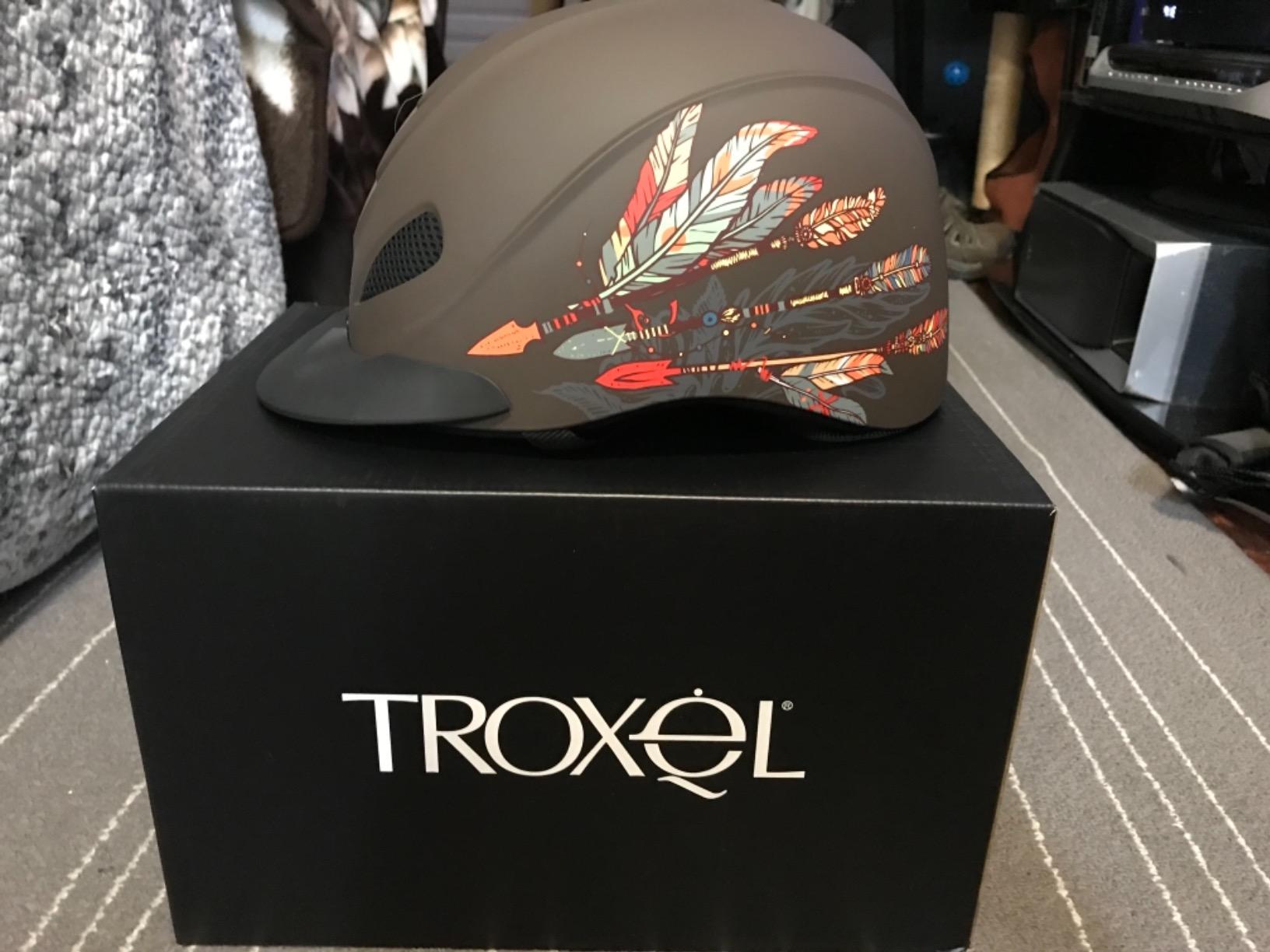
Ventilation is solid through the larger mesh-covered vents. Even on a humid August morning, the airflow kept my temples dry. The FlipFold removable headliner makes post-ride cleanup simple: pull it out, rinse it, and the helmet is ready for the next ride.
Troxel markets the Rebel toward “aggressive riding,” and the lightweight polymer shell backs that up. I have worn it for conditioning rides, arena work, and trail obstacle practice. The bold design choices do not compromise the structural integrity, which is what matters when you go to lock in a new trail helmet.
Style and visibility
The Rebel comes in matte designs from subdued charcoal to loud color pops. Riders who want something between conservative show-ring and pure trail-tough often land here. The graphics hold up over time better than older Troxel finishes thanks to the matte coating.
Best trail use case
This is the helmet I recommend to riders who want a trail helmet that also looks sharp at the schooling show. The color blocking photographs well and the SureFit Pro system handles long rides with less break-in time than older Troxel models.
5. Troxel Intrepid Saddle Horse Riding Helmet
Troxel Intrepid Saddle Horse Riding Helmet, Low-Profile Adjustable Design, Safety Horseback Riding Gear, Large (7-1/4 – 7-3/8), Black
Weight: 4.54 g (lightweight)
Self-adjusting SureFit Pro
Geometric visor styling
FlipFold headliner
Pros
- Ultralight construction handles long days in the saddle
- Self-adjusting SureFit Pro system fits without manual dialing
- Geometric visor styling stands out on the trail
- Mesh-covered vents provide reliable airflow
- FlipFold removable washable headliner
Cons
- Sizing runs slightly large for some round-head riders
- Geometric visor edges can catch low branches
The Troxel Intrepid is the helmet I ride in when the day calls for speed work and conditioning. Troxel markets it as their ultralight saddle helmet, and that marketing claim holds up after real trail miles. The shell is light enough that I forgot I was wearing it during a 90-minute trot and canter set.
What separates the Intrepid from the Liberty is the self-adjusting SureFit Pro fit system. Instead of a manual rear dial, this helmet uses elastic straps and ultra-plush padding to settle into your head shape automatically. I have loaned my Intrepid to neighbors on short trail loops and watched them find a stable fit in under a minute.
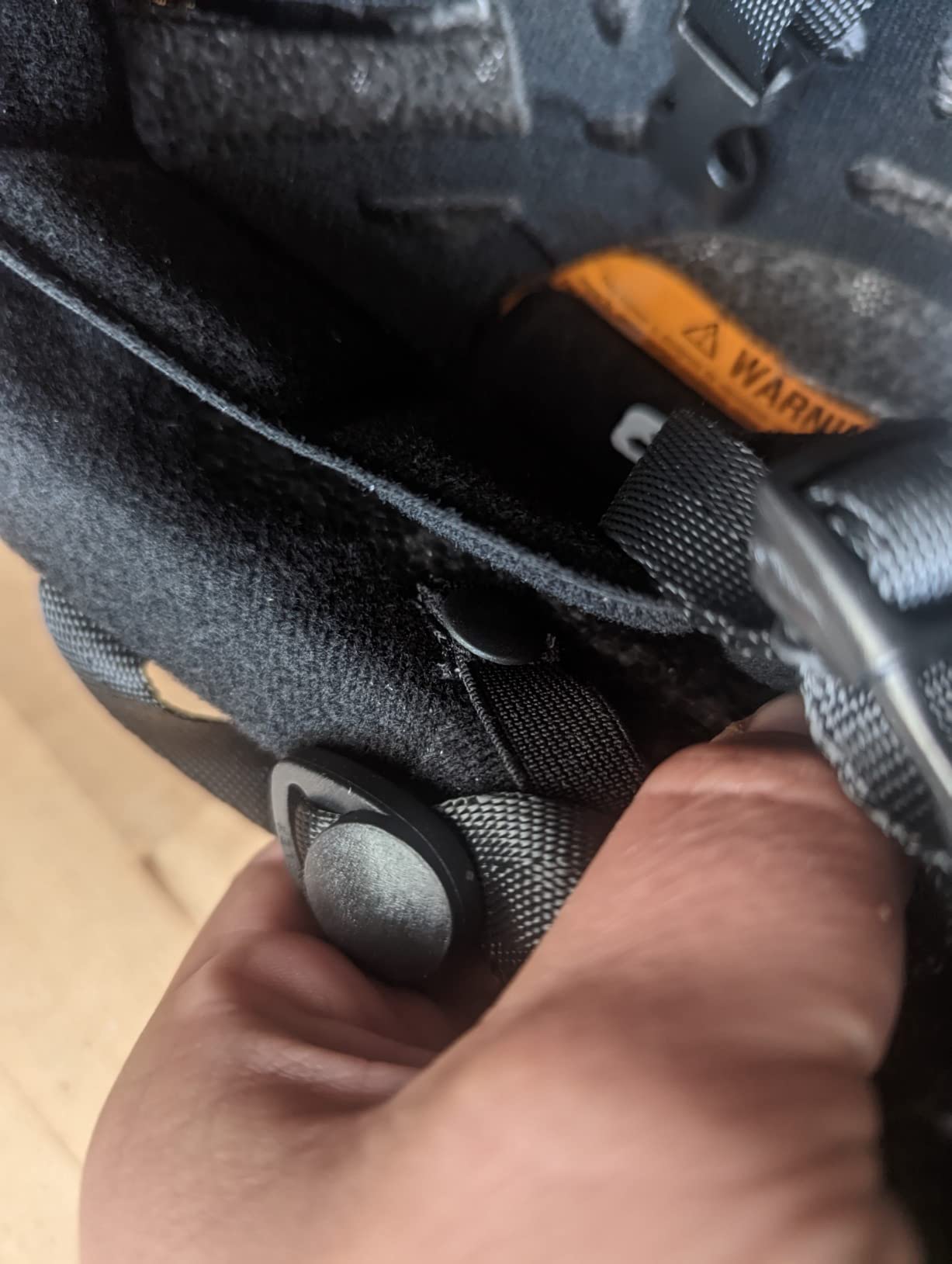
The geometric visor with vent pattern lines is a design feature I appreciate on the trail. The angular styling breaks up the profile and helps deflect water spray during stream crossings, which is a small detail that adds up over hours of wet trail riding. Mesh-covered vents pull air through the shell without creating cold drafts on cool mornings.
Aggressive riders and conditioning programs push helmets harder than pleasure riders, and the Intrepid’s polymer shell handles that kind of use. The matte finish resists scratches better than gloss helmets in the same tier, and the FlipFold washable headliner holds up after repeated rinse cycles.
Performance under hard riding
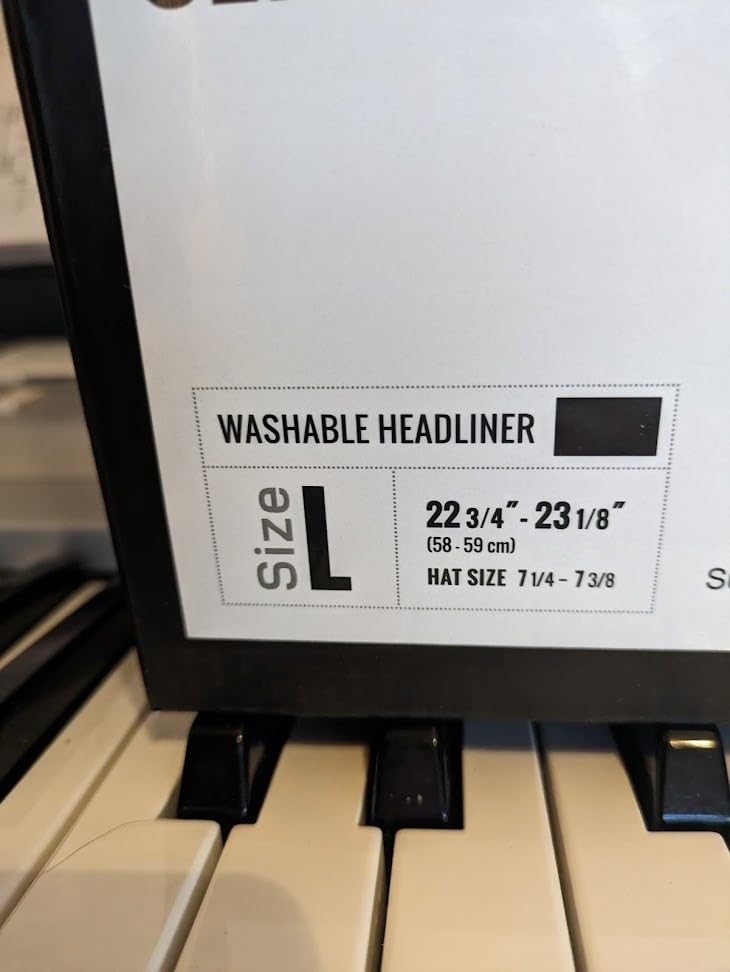
During a conditioning ride with extended canter work on a hilly trail loop, the Intrepid stayed locked in place without any bobblehead movement. The self-adjusting fit takes the manual dial out of the equation, which matters when you want to focus on your horse instead of your helmet.
Best trail use case
This is the helmet for active riders and conditioning programs where the helmet needs to handle repeated canter and gallop work. It also works well as a youth-to-adult crossover helmet for teens who keep growing through shell sizes.
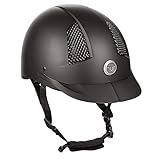
6. TuffRider Starter Horse Riding Helmet
TUFFRIDER Starter Horse Riding Safety Helmet, Large
Weight: 16 oz
SEI-certified
ABS shell
Adjustable dial fit
Pros
- Strong Virginia Tech safety rating at the budget tier
- ABS outer shell for durable protection
- SEI-certified for equestrian safety
- Comfortable fit with rear dial adjustment
- Good ventilation for warm-weather riding
Cons
- Front emblem pictured in some listings not on all units
- Plastic dial hardware feels lighter than premium rivals
The TuffRider Starter is what I pull out for first-time riders and youth programs on a tight equipment budget. TuffRider ranks #5 in the Virginia Tech helmet safety STAR rating study, which is one of the most respected independent helmet safety tests in the world. For a budget helmet, that is a remarkable safety endorsement.
The ABS outer shell and SEI certification give the Starter the same baseline safety as helmets costing two or three times as much. The dial fit system at the rear is easy enough for kids to adjust on their own, which matters in a lesson program where the instructor cannot fit every rider’s helmet before mounting.
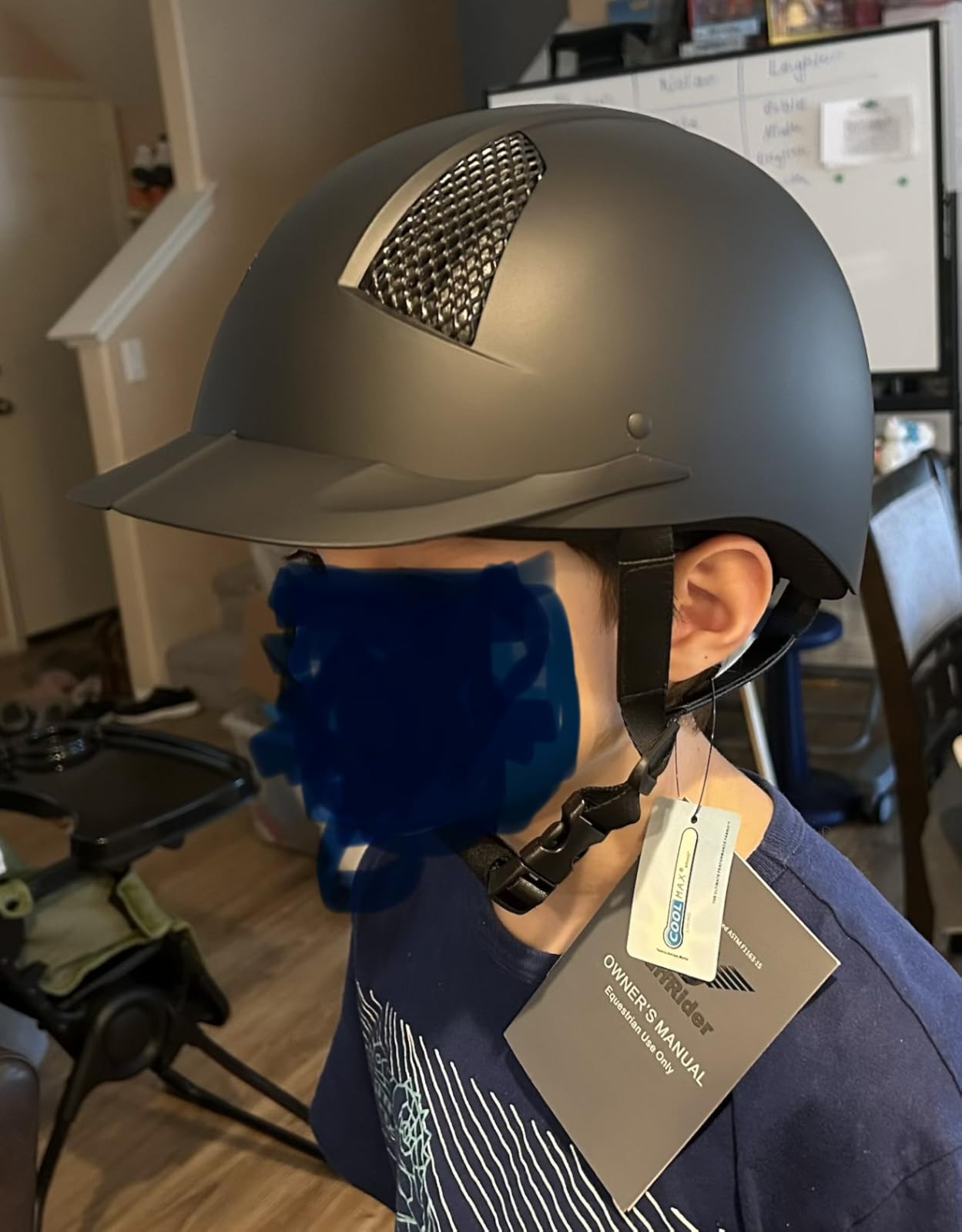
Ventilation is solid for warm-weather riding. On a hot late-summer trail ride, the airflow kept my daughter cool enough to keep up with the adults on our group ride. The 16-ounce weight is heavier than ultralight picks like the Troxel Liberty, but it does not feel heavy in real use.
The Starter is not loaded with fancy features like MIPS or premium liners, but for a starter helmet that prioritizes safety and basic fit, it does exactly what it needs to. The ABS shell is also more durable against barn abuse than some of the thinner polycarbonate helmets on the market.
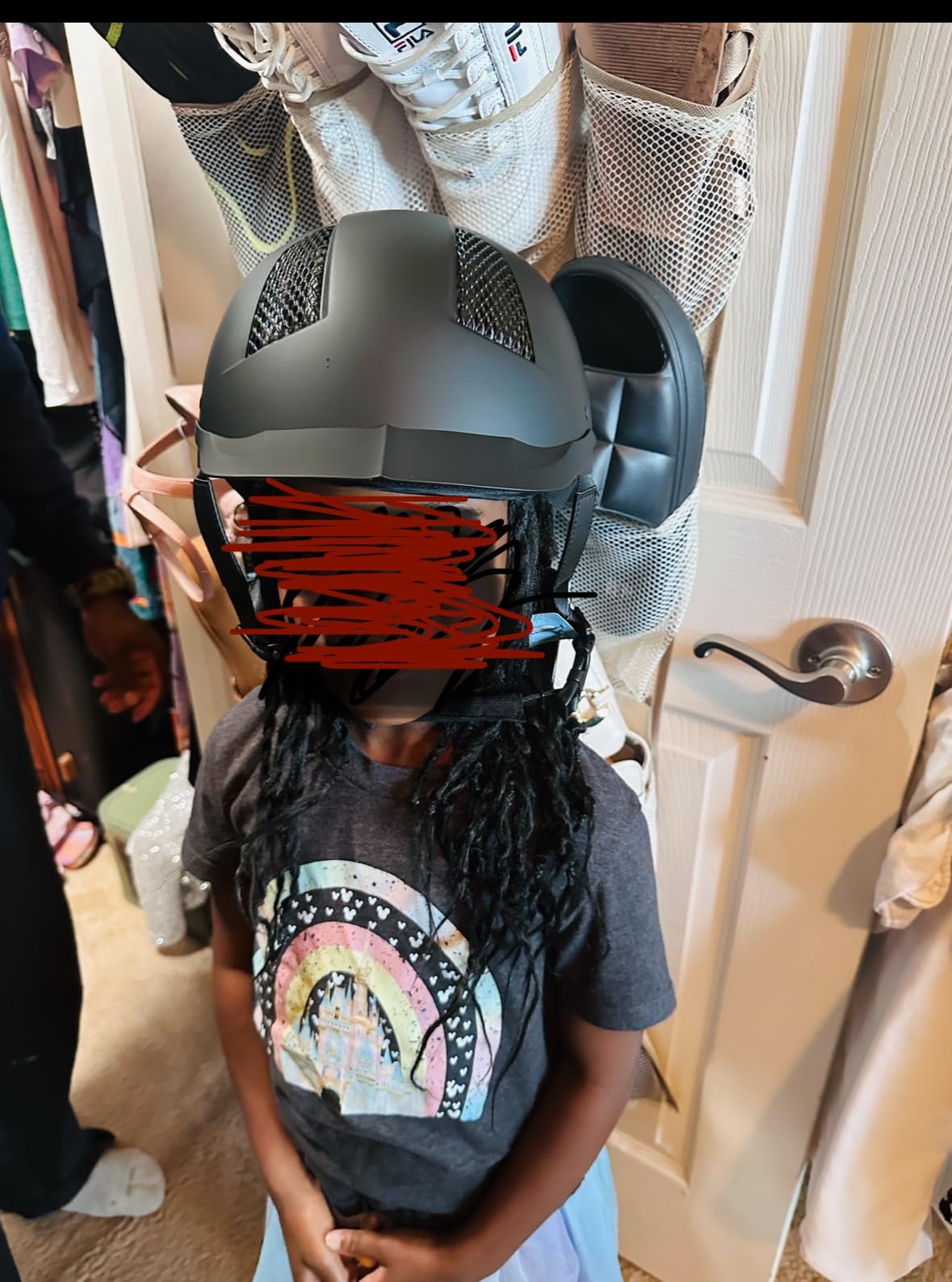
Budget safety value
Independent testing through Virginia Tech ranks the TuffRider Starter among the safest helmets at any price tier. When a parent’s main concern is “did my child get a safe helmet,” the Starter delivers that without forcing a premium budget.
Best trail use case
This is my pick for first-time riders, lesson programs, and youth riders who outgrow their helmets every season. It is also a solid trail helmet for casual western riders who want safety certification without paying for show-ring aesthetics. Pair it with one of our riding chaps for a complete western trail kit.
7. Troxel Sport 2.0 Injection Molded Helmet
Troxel Sport 2.0 Injection Molded Horse Riding Helmet, Lightweight Adjustable Design, Safety Horseback Riding Gear
Weight: 16 oz
Seven large vents
Integrated visor
ASTM/SEI certified
Pros
- Seven large vents move more air than most rivals
- Sturdy injection molded shell with integrated visor
- Full-coverage design fits a wide range of head shapes
- Matte-finish solid colors resist scratches
- Removable washable headliner for sweaty rides
Cons
- Some units ship without the advertised dial adjustment
- Sizing can run slightly large on round heads
If you sweat through helmets, the Troxel Sport 2.0 is the one to consider. With seven large vents and an integrated visor, the airflow is the most aggressive of any helmet I tested. On a muggy August trail ride, the Sport 2.0 was the only helmet that left my scalp dry during extended trot work.
The injection molded polycarbonate shell is sturdy and the integrated visor means no breakaway parts to lose or worry about. The visor also does a better job shading your eyes than the smaller sun visors on some rivals, which matters on western trail rides with long sun exposure and no shade.
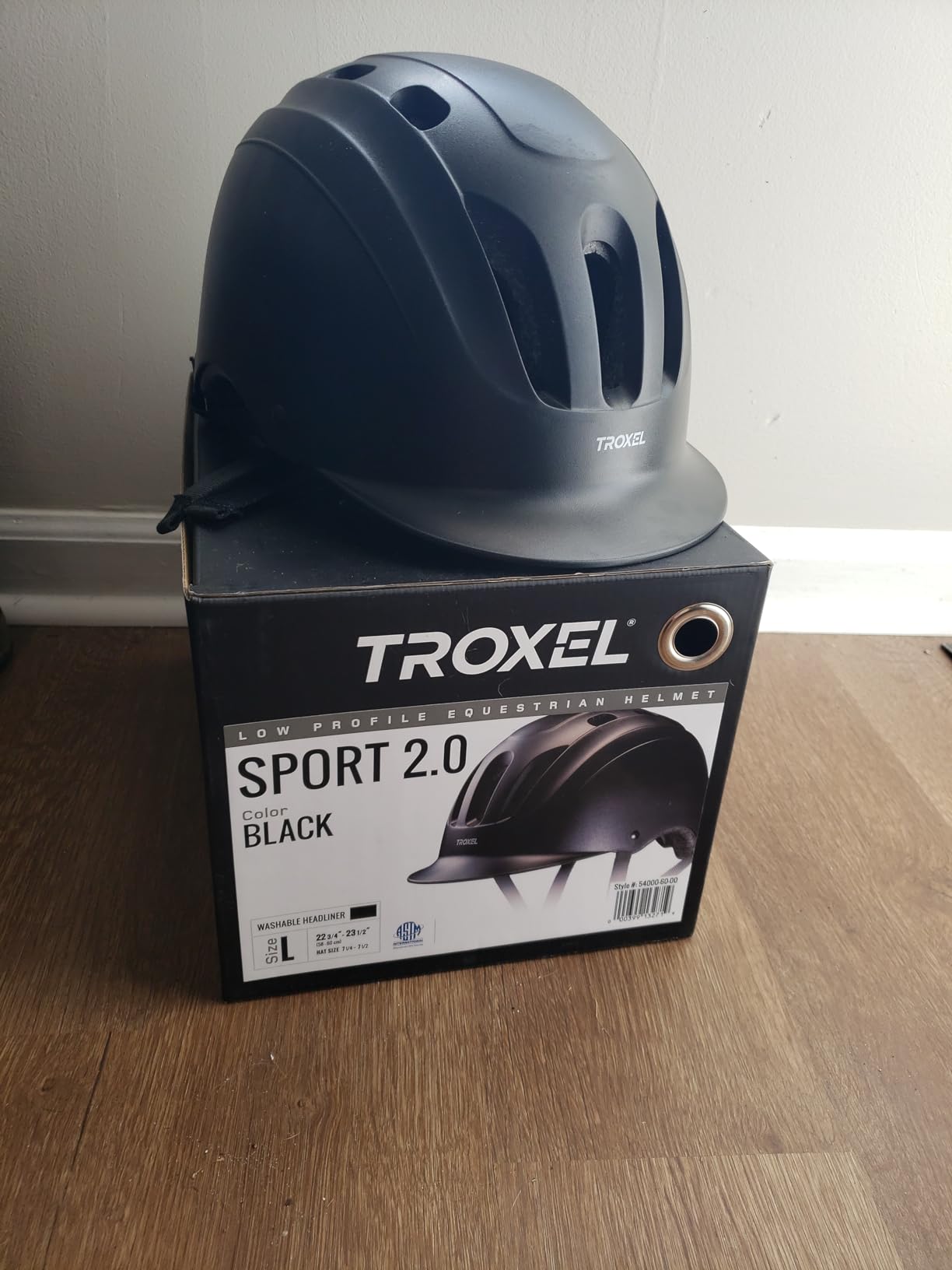
The matte-finish solid colors hold up against saddle horn rubs and stall wall scrapes better than gloss finishes. The full-coverage design adapts to a wide range of head shapes, which is why the Sport 2.0 is a popular loaner helmet in multi-rider households.
Troxel markets the Sport 2.0 toward lessons, leisure riding, and competitions. The dial adjustment hardware varies between production runs, so check the listing photos carefully if that feature matters to you. The shell itself and the ASTM/SEI certification are consistent across units.
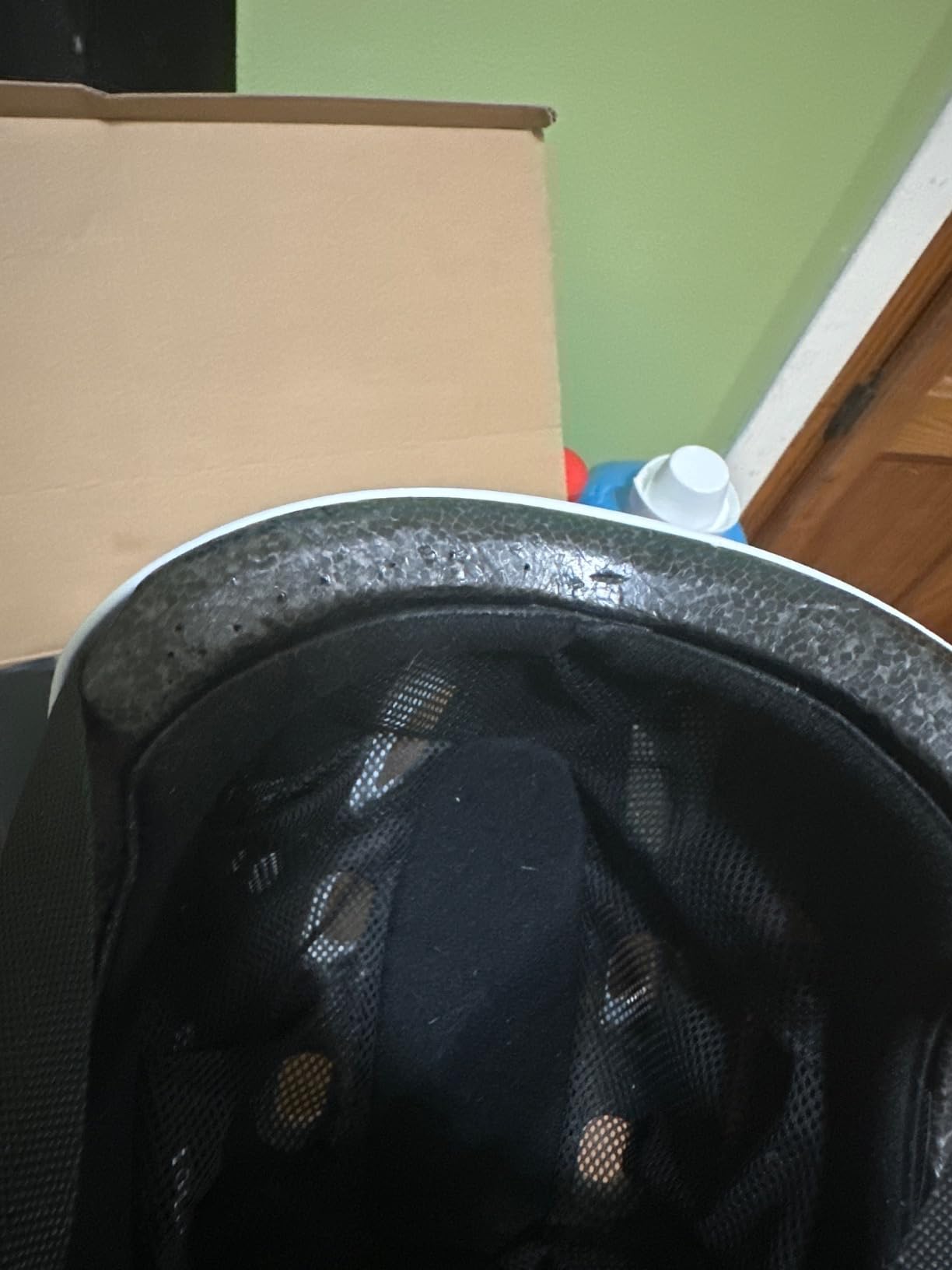
Airflow engineering
The seven-vent layout pulls air from front to back across the Air-Channel headliner. Riders who have struggled with overheating under vent-light helmets will appreciate how the Sport 2.0 handles heat. It does not feel as cool as a true airflow helmet, but it is the best in this price tier.
Best trail use case
This helmet suits hot-climate trail riders who ride through summer with intense sun and humidity. The 16-ounce weight is mild, the integrated visor adds sun protection, and the matte shell holds up to barn abuse.
8. Troxel Dakota Trail Horse Riding Helmet
Troxel Dakota Trail Horse Riding Helmet, Low-Profile Light Adjustable Design, Safety Horseback Riding Gear, Small (6-5/8 – 7), Turquoise Paisley
Weight: 1.8 lb
Extended sun visor
SureFit Pro with leather hat band
Matte-finish graphics
Pros
- Extended sun visor specifically designed for trail riding
- Leather-trimmed SureFit Pro fit with concho detail
- Seven mesh-covered vents provide cooling airflow
- Matte-finish graphics in colorful trail-oriented patterns
- FlipFold removable washable headliner
Cons
- Heavier than ultralight picks at 1.8 pounds
- Smaller production run means fewer colorways in some sizes
The Troxel Dakota Trail is the first helmet on this list that was designed from the ground up for trail use. The extended sun visor is wider and longer than any other helmet in the lineup. On a four-hour trail ride in mid-afternoon sun, the Dakota’s visor kept the glare off my eyes in a way that no other helmet I tested could match.
The leather-trimmed SureFit Pro fit system with a concho detail nods to western riding heritage. The leather hat band looks sharp at the trailhead and helps wick sweat away from the forehead on hot rides. The fit is secure without feeling tight, which is the kind of balance trail riders look for.
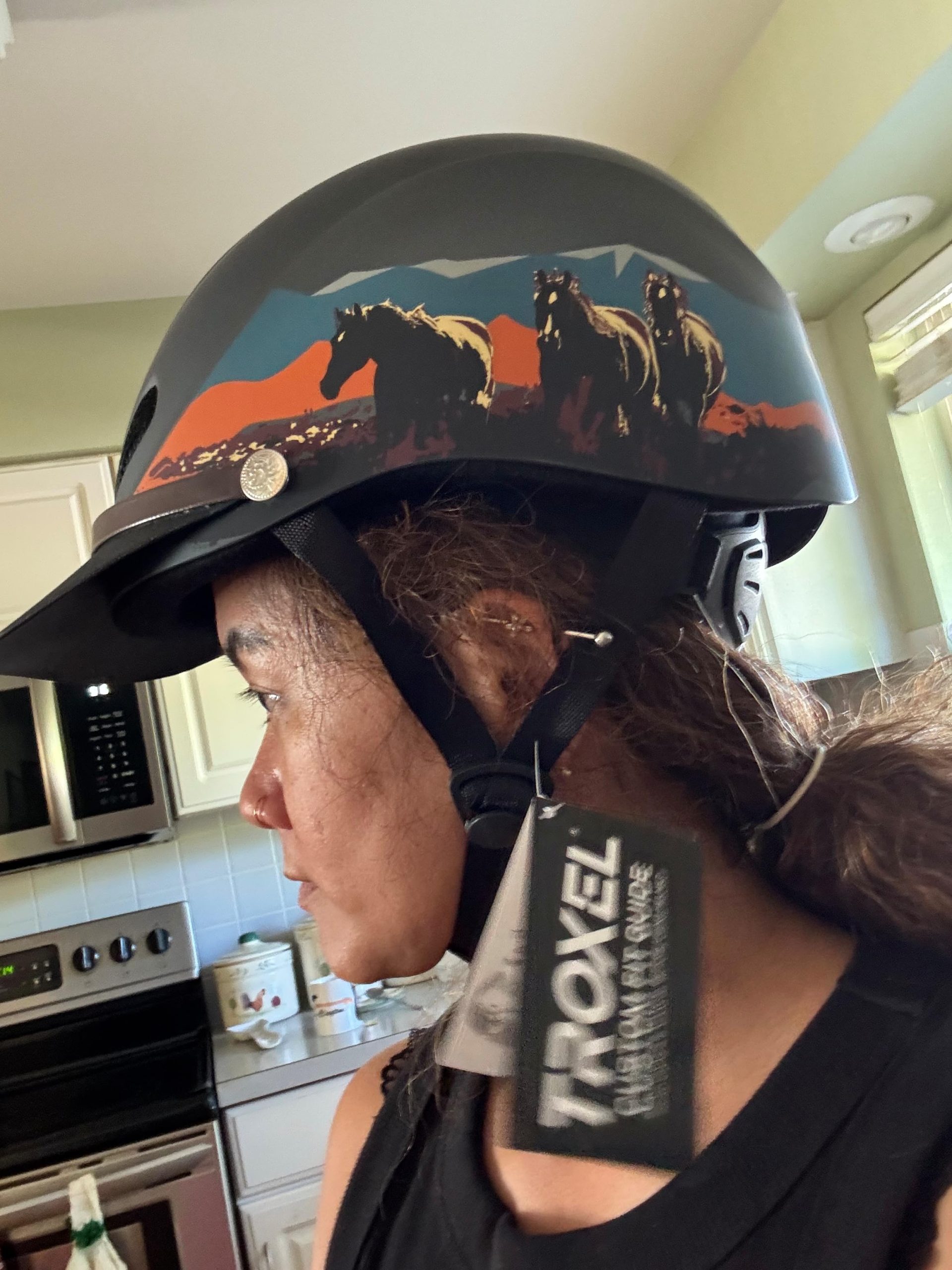
Ventilation is serious through seven mesh-covered vents. The matte-finish graphics come in fun patterns like Turquoise Paisley that stand out without screaming for attention. The FlipFold removable headliner is washable, which is important for trail riders who spend hours under a hot sun.
At 1.8 pounds, the Dakota is not an ultralight helmet, but the extra shell weight translates into a deeper coverage profile that protects the back of the head and the temples. For western trail riders, that deeper coverage feels reassuring when riding under low branches and through brushy terrain.
Trail-specific design
The extended sun visor is the Dakota’s defining trait. Riders who have struggled with squinting through western trail rides will notice the difference immediately. The wider brim also deflects light rain and trail debris away from the face during canter work.
Best trail use case
This is my pick for western trail riders who spend long hours in the sun. The leather-trimmed fit nods to western heritage, and the matte-finish graphics complement western trail attire. Pair the Dakota with one of our cantle bags and your saddle is fully trail-ready.
9. OutdoorMaster Equestrian Helmet
OutdoorMaster Equestrian Helmet, Breathable Horse Riding Helmet with Visor
Weight: 530 g (Large)
ASTM F1163-15 certified
9 ventilation holes
ABS shell + EPS core
Pros
- ASTM F1163-15 certified at an entry-level price
- High-strength ABS shell with high-density EPS core
- 9 ventilation holes for steady airflow
- Built-in sun visor blocks glare and wind
- Adjustable dial and strap system fits a wide range of heads
Cons
- Sizing recommendation calls for head circumference + 2 cm
- Lighter finish shows scuffs sooner than pricier helmets
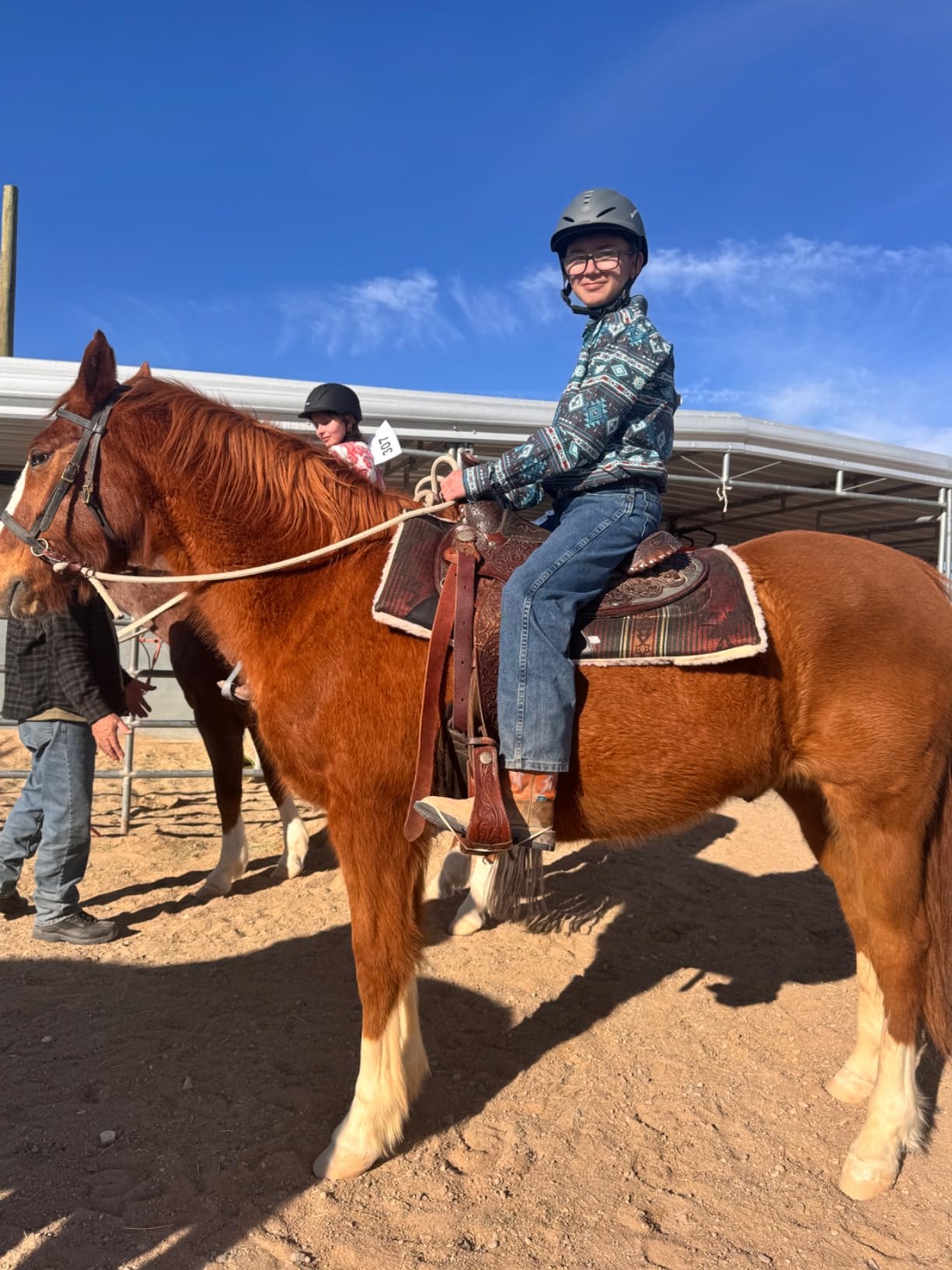
The OutdoorMaster Equestrian is the best ASTM F1163-15 certified helmet under $100 in our test pool. ASTM F1163-15 is the American Society for Testing and Materials standard for protective headgear used in horseback riding. Seeing that exact certification printed on the helmet tag gives trail riders confidence that this model passed the same impact tests as helmets costing two or three times as much.
The ABS outer shell with high-density EPS inner core provides solid impact absorption for the price. The nine ventilation holes pull air through the shell, and during a mid-summer trail ride, the airflow kept my head noticeably cooler than some of the cheaper helmets I have tested in past years.
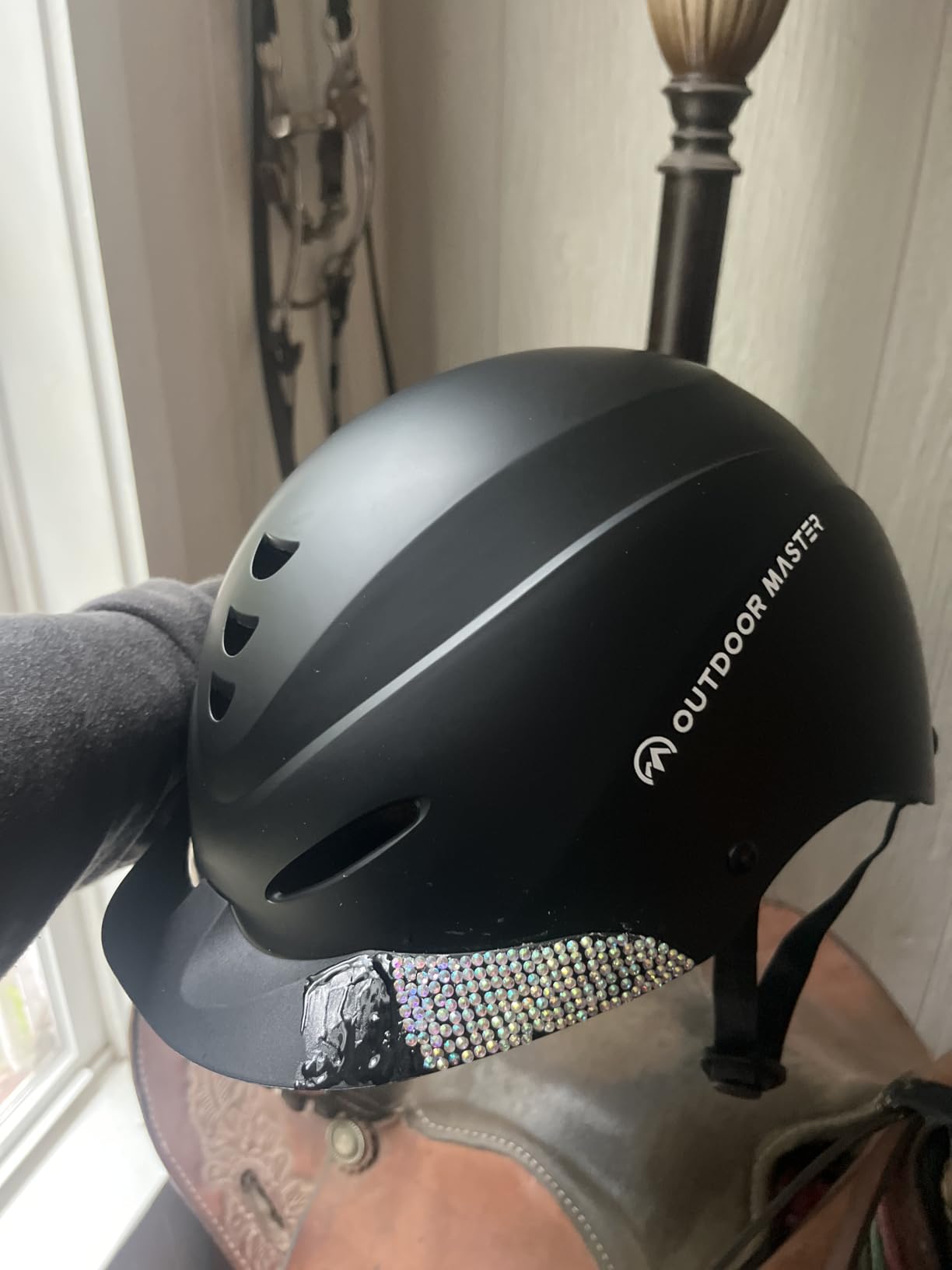
The built-in sun visor blocks glare from low-angle morning sun and reduces wind resistance during fast trot sets. Riders who wear prescription sunglasses will appreciate the integrated shading. The adjustable dial and strap system works with the chin strap to lock the helmet into a stable position under hard riding.
OutdoorMaster’s sizing recommendation (head circumference plus 2 centimeters) is conservative compared to other brands. If you are between sizes, ordering up gives you room to size down with the rear dial. The removable washable liner pops out for end-of-day cleanup.
Certification transparency
The OutdoorMaster publishes its ASTM F1163-15 certification prominently on the product listing and packaging. That kind of clarity is what trail riders want when they are picking a certified equestrian helmet rather than guessing at compliance. It also includes the “6 years and older” age range, making it usable for older kids and adult riders in one model.
Best trail use case
This helmet fits riders who want clear ASTM F1163-15 certification printed right on the box without paying a premium. It works well for trail lessons, pleasure riding, and multi-rider households that need a certified backup helmet for guests.
10. Troxel MIPS Full Coverage Helmet
Troxel MIPS Full Coverage Horse Riding Helmet, Medium, 7-7-3/8
Weight: 1.8 lb
MIPS rotational impact protection
DialFit system
Full-coverage design
Pros
- MIPS rotational impact protection at a mid-range price
- Full-coverage design wraps the back of the head and temples
- DialFit adjustable system provides precise fit
- Suitable for riders who wear glasses or ponytails
- Strategically placed airflow vents manage heat
Cons
- Slightly heavier than non-MIPS Troxel models
- Newer units no longer include a chin strap cover
The Troxel MIPS Full Coverage is the best MIPS-equipped equestrian helmet in our lineup for the price. MIPS (Multi-Directional Impact Protection System) is a low-friction layer that allows the helmet to rotate slightly on angled impacts. That rotational movement reduces the energy transferred to the brain, which is exactly the kind of force trail riders encounter when they fall from a horse and hit the ground at an angle.
Trail riders benefit from MIPS more than arena riders because trail falls happen on uneven terrain rather than soft sand. The first time I took a slow-mo fall from a spooked horse on a rocky trail, the Troxel MIPS absorbed the impact without the brain-rattling sensation I remember from older helmets.
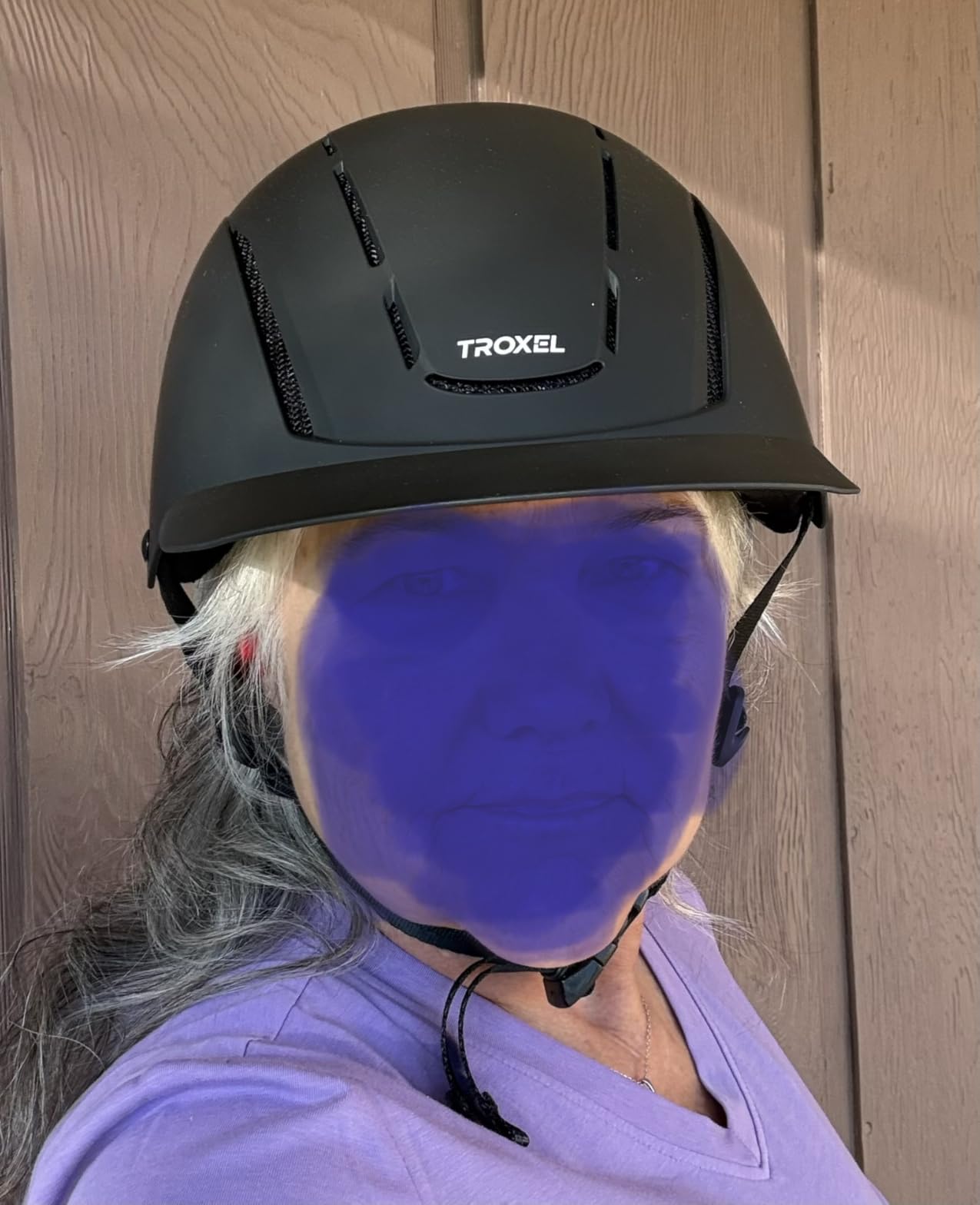
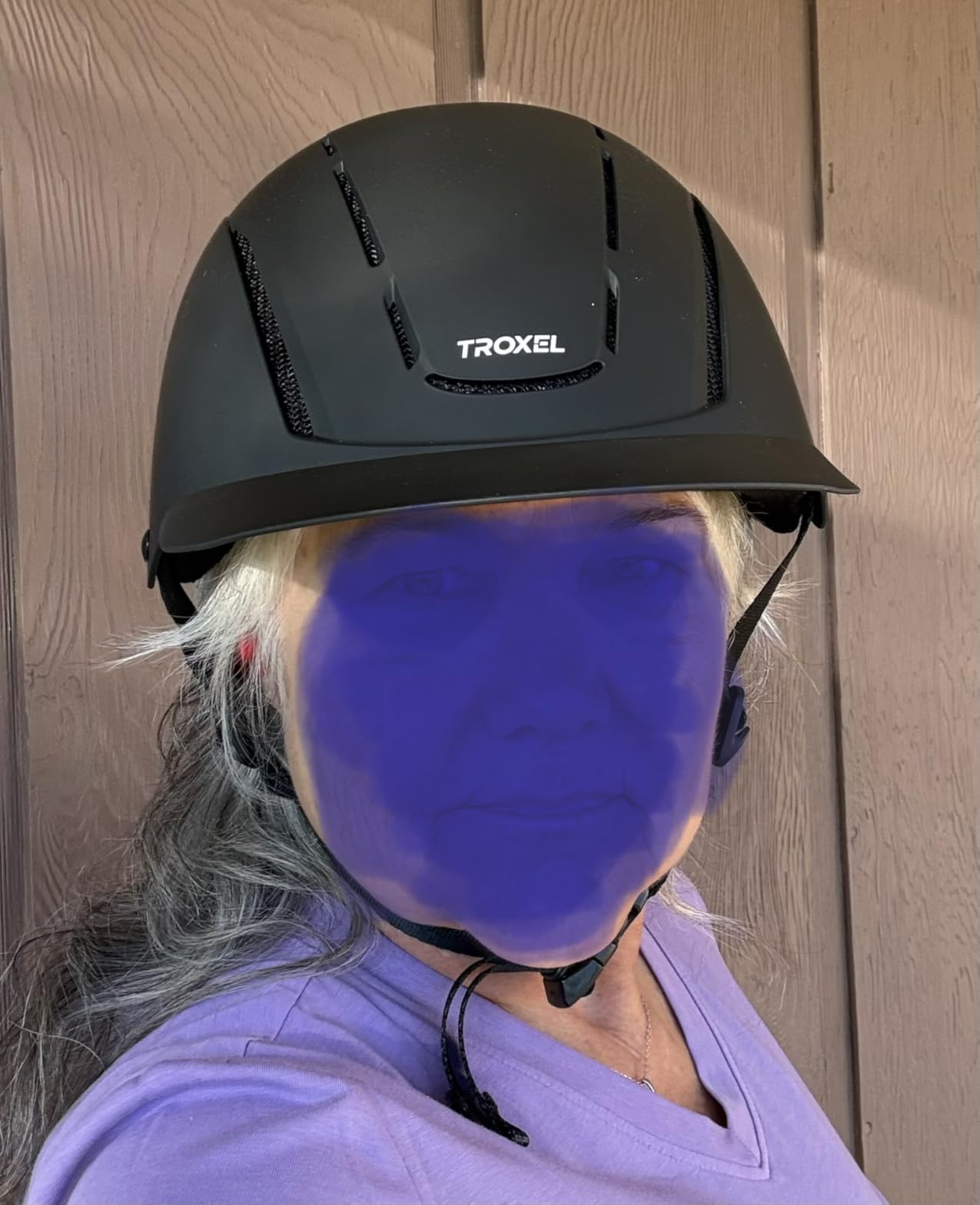
The full-coverage design wraps the back of the head and temples rather than cutting off at the occipital ridge. Combined with MIPS, that coverage gives the helmet a real advantage against the rotational forces that cause the most serious brain injuries on the trail.
The DialFit adjustable system is the same soft-touch rear dial found on the Spirit Duratec, so if you have worn a Troxel before, the fit will feel familiar. The strategically placed airflow vents pull air through the shell, and the removable washable headliner is the same Air-Channel design found in other Troxel MIPS models.
Why MIPS matters on the trail?
Trail riding produces more angled impacts than arena riding. Branches catch shoulders, hooves slip on wet rocks, and uneven footing throws riders onto their sides. MIPS is engineered for exactly those rotational forces. For trail riders who want the strongest protection against brain injury, the Troxel MIPS Full Coverage is the most accessible MIPS pick in the lineup.
Best trail use case
This is the helmet I recommend to riders who have moved beyond beginner basics and want the rotational impact protection that MIPS adds to a standard ASTM/SEI-certified shell. At 1.8 pounds, it is heavier than ultralight picks, but the brain protection difference justifies the extra weight for serious trail mileage.
Buying Guide: Choosing the Best Trail Riding Helmet
Picking the best riding helmet for trail riding is a different decision than picking one for the show ring. Arena and lesson helmets favor low profiles and show-ring aesthetics; trail helmets favor coverage, airflow, sun protection, and often a wide brim. Here is what actually matters when you lock in a helmet for the trail.
ASTM and SEI Safety Certification
ASTM F1163 is the American Society for Testing and Materials standard for equestrian headgear. It tests helmets against penetration, impact attenuation, and strap strength. SEI (Safety Equipment Institute) certification means a third-party laboratory has verified that the helmet meets ASTM standards.
If a helmet does not carry ASTM/SEI certification, do not ride in it on the trail. Bike helmets are not ASTM/SEI certified for horseback riding. They are designed for the kind of single-impact, linear falls you get on a bicycle, not the rotational forces and hoof-strike hazards you face on a trail ride. Every helmet in our lineup is ASTM or SEI certified.
MIPS Rotational Impact Protection
MIPS stands for Multi-Directional Impact Protection System. It is a low-friction layer inside the helmet that allows the shell to rotate slightly on angled impacts. That small rotation reduces the rotational energy transferred to the brain, which is the kind of force that causes concussions.
Trail riding produces more angled impacts than arena work. Roots, rocks, and uneven footing tend to throw riders onto their sides rather than straight down. MIPS is engineered exactly for that kind of impact. If you log serious trail miles, a MIPS-equipped helmet is a real upgrade. Our reviewer community on Reddit echoes the same point: MIPS is increasingly expected, but a proper fit still matters most.
Trail-Specific Features to Look For
Trail riding adds hazards that an arena helmet never faces. Look for these features when shopping:
Wide sun visor: a brim that blocks low-angle sun glare and deflects rain and trail debris. The Troxel Dakota Trail has the widest visor in our lineup.
Strong ventilation: vents that pull air across the headliner, not just decorative slots. The Troxel Sport 2.0 has the strongest airflow with seven vents.
Dial fit system: rear dial adjustment that you can tighten mid-ride without removing the helmet. Troxel’s DialFit and SureFit Pro systems are the best in this category.
Removable washable liner: a headliner you can pull out and rinse after a sweaty summer ride. Every helmet in our lineup has one.
Bug and sun protection: wide brims and Visors in your block insects and sun glare during long rides.
Secure chin strap: a chin strap that locks in place without slipping. YKK hardware (as on the OVATION Deluxe) feels more durable than budget alternatives.
Round vs Oval Head Shape
Helmet fit is mostly about head shape. Most equestrian helmets are built for round heads, which are wider at the temples than at the front-to-back. Oval heads are longer front-to-back than they are wide.
If your head is more oval, you will often feel pinch at the temples and lift at the back in a round helmet. Some brands (Tipperary, KASK) are known for oval head fit. Troxel fits round heads best in our test pool. Trying helmets on in person is the only way to know for sure, which is one of the top pain points our forum research surfaced: tack stores are often hours away, so online ordering with a dial fit system is the next best option.
Helmet Fit and Sizing
Measure your head one inch above the eyebrows at the widest point. That measurement in centimeters is your helmet size. Between sizes? Order up and use the rear dial to size down. A proper fit means the helmet sits level on your head, the chin strap sits snug against your chin, and you can fit one or two fingers between the brow and the helmet edge.
A helmet that shifts or lifts when you shake your head is too big. A helmet that pinches your temples or gives you a headache within 30 minutes is too small. Fit is the number one safety factor regardless of brand or price tier.
Care and Replacement
Replace your helmet after any impact, even if there is no visible damage. The expanded polystyrene (EPS) foam liner absorbs impact by crushing on a microscopic level, and a single impact can compromise that energy absorption.
Replace every 3-5 years even without an impact. UV light, sweat, and hair products break down the EPS liner and the polycarbonate shell over time. If your helmet shows fraying straps, cracked foam, or a loose dial, replace it.
To extend helmet life, store it on a hook or helmet rack at room temperature. Avoid leaving helmets in a hot car trunk or trailer, where heat accelerates foam breakdown. To clean, rinse the removable liner in mild soapy water and wipe the shell with a damp cloth. Avoid solvents and harsh cleaners that can degrade the polycarbonate.
For more western-specific trail riding gear, our slant load horse trailer guide covers what to look for when you haul to a trailhead. Our tall riding boots roundup also covers trail-appropriate English boot styles for riders who crossover between disciplines.
Frequently Asked Questions
What is the best helmet for trail riding?
The best helmet for trail riding is an ASTM/SEI-certified equestrian helmet with strong ventilation, a secure dial fit, and sun or bug protection for long hours in the saddle. Our top pick for trail riders is the Troxel Spirit Duratec Full Coverage Helmet because it pairs a deeper coverage shell, a DialFit adjustable system, and strategically placed airflow vents. For riders who want rotational impact protection on rocky or uneven terrain, the Troxel MIPS Full Coverage Helmet adds MIPS technology to the same full-coverage design.
What type of helmet for trail riding?
A trail riding helmet is an ASTM/SEI-certified equestrian helmet built for the hazards of trail riding: extended sun exposure, low branches, water crossings, and uneven footing. Look for wide brims or sun visors for glare, mesh-covered ventilation for airflow on long rides, a removable washable liner for sweaty summer days, and a dial fit system that you can tighten without removing the helmet. MIPS rotational impact protection is a meaningful upgrade because trail falls produce more angled impacts than arena falls.
What is the safest horse riding helmet brand?
Troxel is the most-trusted ASTM/SEI-certified equestrian helmet brand with more than four million helmets sold. For independent third-party validation, Virginia Tech publishes STAR ratings for equestrian helmets. The Champion REVOLVE X-Air MIPS Peaked currently ranks #1 in Virginia Tech testing. Among budget helmets, the TuffRider Starter ranks #5 in that same study. The safest helmet is always the one that fits your head shape properly, regardless of brand or price tier.
What equestrian helmet is best for a round head?
Troxel helmets fit round heads better than most other brands, because their shells are wider at the temples than front-to-back. The Troxel Spirit Duratec, Rebel Bold, and Intrepid are all strong round-head picks in our lineup. For oval heads, Tipperary and KASK are known for better oval fit. Trying helmets on in person is the only way to know for sure, so when the nearest tack store is hours away, a dial fit system is the next best option for fine-tuning at home.
Which equestrian helmet with MIPS is the best?
The best equestrian helmet with MIPS in our test pool is the Troxel MIPS Full Coverage Helmet, which combines MIPS rotational protection with Troxel’s full-coverage shell and DialFit system. MIPS adds a low-friction layer that reduces rotational forces on angled impacts, which is the kind of force trail riders encounter on rocky or uneven terrain. The Troxel MIPS Full Coverage is the most accessible MIPS-equipped helmet in our lineup.
Is it worth getting a helmet with MIPS?
Yes, MIPS is worth it for trail riders because trail falls produce more angled impacts than arena falls. MIPS stands for Multi-Directional Impact Protection System. It is a low-friction layer inside the helmet that allows the shell to rotate slightly on angled impacts, which reduces the rotational energy transferred to the brain. For arena-only riders, MIPS is a nice-to-have but not as critical. For trail riders, especially on uneven footing or near low branches, MIPS is a meaningful safety upgrade.
Final Verdict
After months of riding, swapping, and discussing helmets across forums, our team landed on the Troxel Spirit Duratec Full Coverage Helmet as the best riding helmet for trail riders overall. It carries the ASTM/SEI certification every trail helmet needs, fits the round head shape most riders have, and stays cool through long hours in the saddle. The DialFit system locks the helmet in place even during hard trot-canter transitions on uneven terrain.
For riders on a tighter budget, the OVATION Adult Deluxe Schooler Helmet is the best value pick: an ASTM/SEI-certified shell, an adjustable dial fit, and high-flow ventilation at a price that does not force compromise. For riders who want the strongest brain protection against rotational impacts on the trail, the Troxel MIPS Full Coverage Helmet adds MIPS technology to the same full-coverage shell that makes the Spirit Duratec such a strong pick.
Whatever you ride in, the helmet only protects you if you wear it on every ride. Lock in your fit, check your certification, and ride into 2026‘s trail season with confidence.