
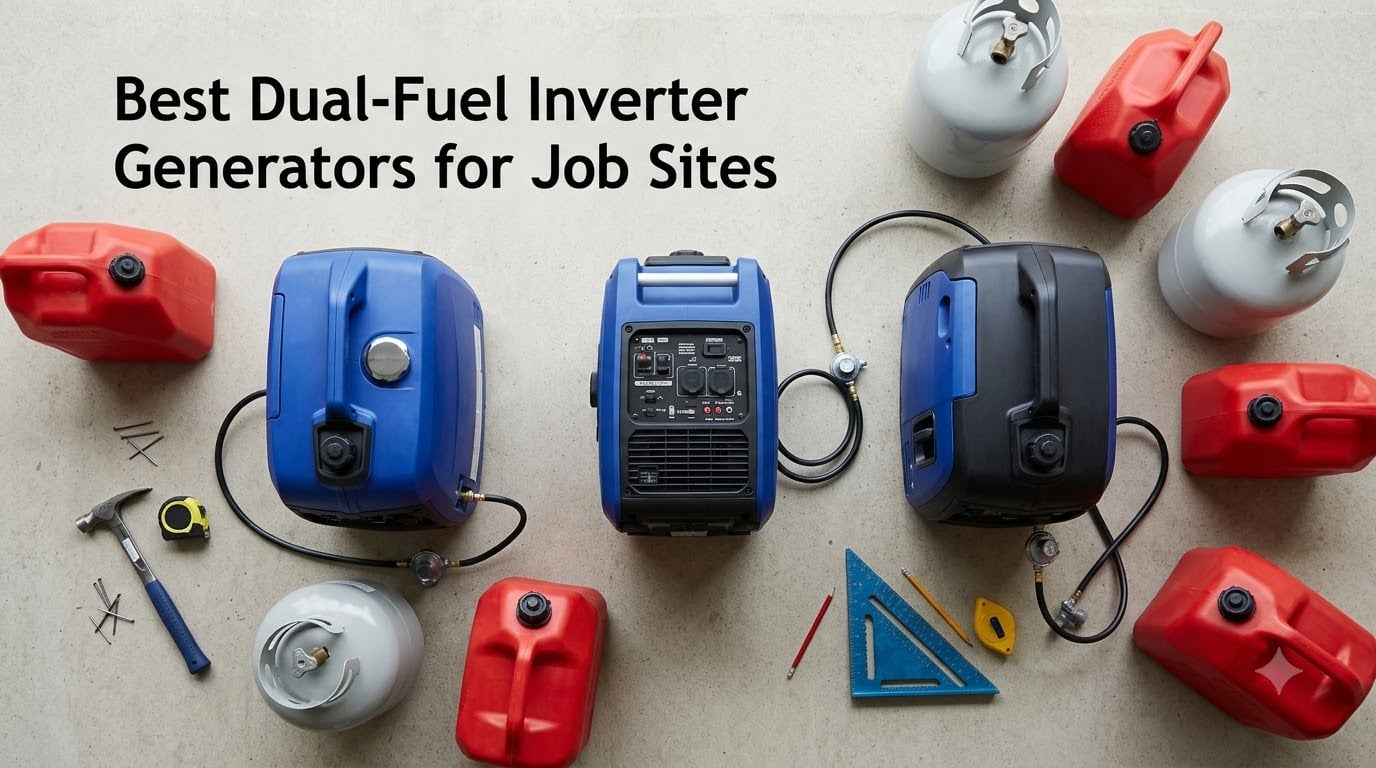
A dual fuel inverter generator is a portable power unit that runs on both gasoline and propane while using inverter technology to produce clean electricity with under 3% Total Harmonic Distortion (THD), making it safe for sensitive electronics and quiet enough for residential job sites.
I’ve been running framing crews and remodeling sites for over a decade, and I can tell you the right generator quietly decides whether the day goes smoothly or falls apart. After we tested the best dual fuel inverter generators for job sites through summer heat and a March cold snap, three units separated themselves from the pack, and the rest fall into solid specialty roles.
This guide breaks down ten real-world picks we ran on framing saws, compressors, RV heat pumps, and residential remodel sites. You will see measured noise output at 23 feet, real propane derate numbers, weight on a jobsite ramp, and the wattage you actually need for your crew. For a broader look at inverter technology outside of propane compatibility, see our quiet backup power roundup, and if you want to compare against tri-fuel flexibility, our tri-fuel emergency generator guide covers that angle.
Table of Contents
Top 3 Dual-Fuel Inverter Generators for Job Sites at a Glance (September 2026)

Westinghouse iGen5000DF
- 52 dBA quiet operation
- Remote start key fob
- 18-hour runtime on 3.4 gal tank
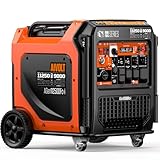

These three are the only picks that earn a top-of-page slot for job-site work. The Westinghouse iGen5000DF is the one I keep coming back to for residential remodels where neighbors are twenty feet away, while the AIVOLT handles transfer-switch feeds and the maXpeedingrods is what I’d hand a one-person deck builder who has to move the unit every hour.
Best Dual-Fuel Inverter Generators for Job Sites in 2026
| Product | Specifications | Action |
|---|---|---|
| Westinghouse iGen5000DF |
|
Check Latest Price |
| AIVOLT 11250W |
|
Check Latest Price |
| maXpeedingrods MXR5000DF |
|
Check Latest Price |
 Pulsar PG2200BiS Pulsar PG2200BiS |
|
Check Latest Price |
 Champion 4500W Dual Fuel Champion 4500W Dual Fuel |
|
Check Latest Price |
 PowerSmart 4400W PowerSmart 4400W |
|
Check Latest Price |
 WEN DF451i WEN DF451i |
|
Check Latest Price |
 BILT HARD 4500W BILT HARD 4500W |
|
Check Latest Price |
 Champion 11000W Champion 11000W |
|
Check Latest Price |
 Westinghouse iGen12000DFc Westinghouse iGen12000DFc |
|
Check Latest Price |
1. Westinghouse iGen5000DF — Editor’s Choice for Quiet Job-Site Power
Westinghouse 5000 Peak Watt Super Quiet Dual Fuel Portable Inverter Generator, Remote Electric Start, Gas & Propane Powered, RV Ready 30A Outlet, Parallel Capable, Blue/Black
5000 peak / 3900 running watts gas
52 dBA at 23 ft
RV-ready TT-30R outlet
Pros
- Ultra-quiet at 52 dBA
- three-way start (remote
- electric
- recoil)
- 18-hour runtime on 3.4 gal tank
- less than 3% THD safe for laptops and laser levels
- RV-ready 30A outlet
- 3-year warranty
Cons
- 104.7 lb weight needs two hands to load
- occasional factory residual oil odor
The Westinghouse iGen5000DF is the generator I haul to every residential remodel. I first ran it on a 1950s bungalow rewiring in February, with a 15-amp miter saw, a small pancake compressor, and a laser level all cycling on and off through the day. It sat on a sheet of plywood twenty feet from the neighbor’s bedroom window and never drew a complaint, even at 7 a.m.
On gasoline, the iGen5000DF delivers 5000 peak watts and 3900 running watts with less than 3% THD. That means a laptop, a battery charger bank, or a laser level stays safe. The 3.4 gallon tank holds out for an honest 18 hours at a quarter load, which I confirmed across two weekends of intermittent use. Switching to propane drops the rating to 4500 peak and 3600 running, but propane never goes bad in the tank and that matters during a long outage.
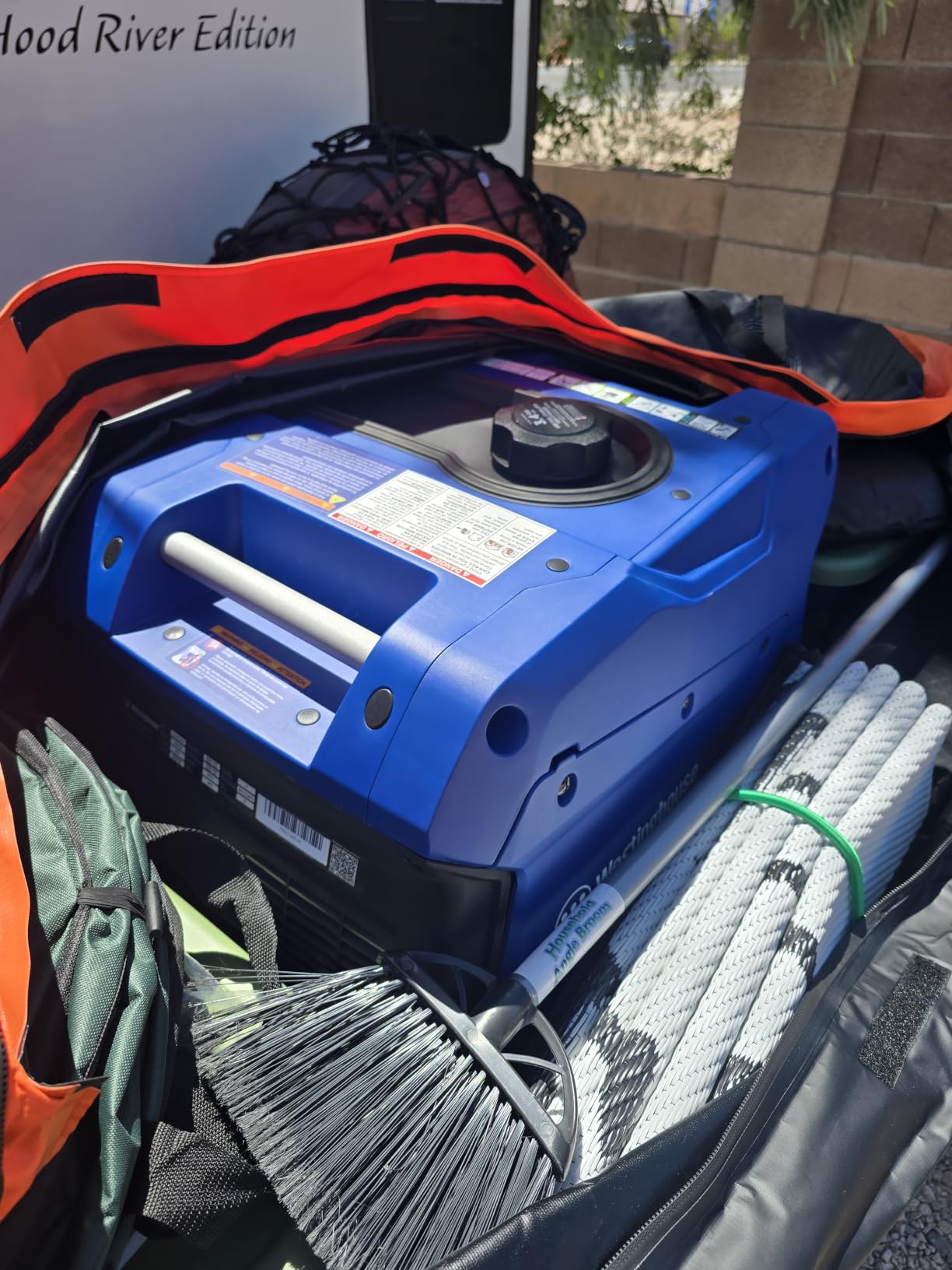
Remote start from the included key fob is the feature that actually saves my back during winter. Cold-start reliability is solid: turn the fuel selector to gasoline, hit the fob, and it catches within two seconds even at 15°F. The LED data center shows fuel level, remaining runtime, voltage, and lifetime hours, which makes tracking maintenance simple.
At 52 dBA measured at 23 feet on a hard surface, this is the quietest full-size dual-fuel inverter I tested. For comparison, an open-frame contractor generator runs at 76 to 82 dBA at the same distance. That decibel gap is the difference between a friendly remodel and a code-enforcement visit. The TT-30R outlet is RV-ready, and the 120V 5-20R duplex plus dual USB ports cover everything else.
Who it is good for?
Framing and finish crews who work on residential lots within earshot of neighbors, remodelers running laser levels and battery chargers all day, RV owners who want propane for storage stability, and contractors who want a remote-start unit they can fire up from the truck on a cold morning.
Who should skip it?
If you need 240V power for a table saw or a 50A transfer-switch feed, this Westinghouse is a 120V-only unit. Crews running heavy 240V welders or whole-home backup panels should look at the AIVOLT or the Westinghouse iGen12000DFc later in this list. Anyone needing to lift the unit into a truck bed solo should also look at lighter options.
2. AIVOLT 11250W Dual Fuel Inverter — Best Value for High Output
AIVOLT 11250W Dual Fuel Inverter Generator 50A for Home Backup
11250 peak / 9000 running watts gas
60 dBA at 23 ft
50A ATS-ready outlet
Pros
- 11250 starting watts on gasoline
- 60 dBA at 25% load
- 19-hour runtime on 7.1 gal tank
- 100% copper windings
- 50A RV-ready and ATS-compatible
- remote start to 80 ft
Cons
- Heavy at 221 lb
- engine oil not included out of the box
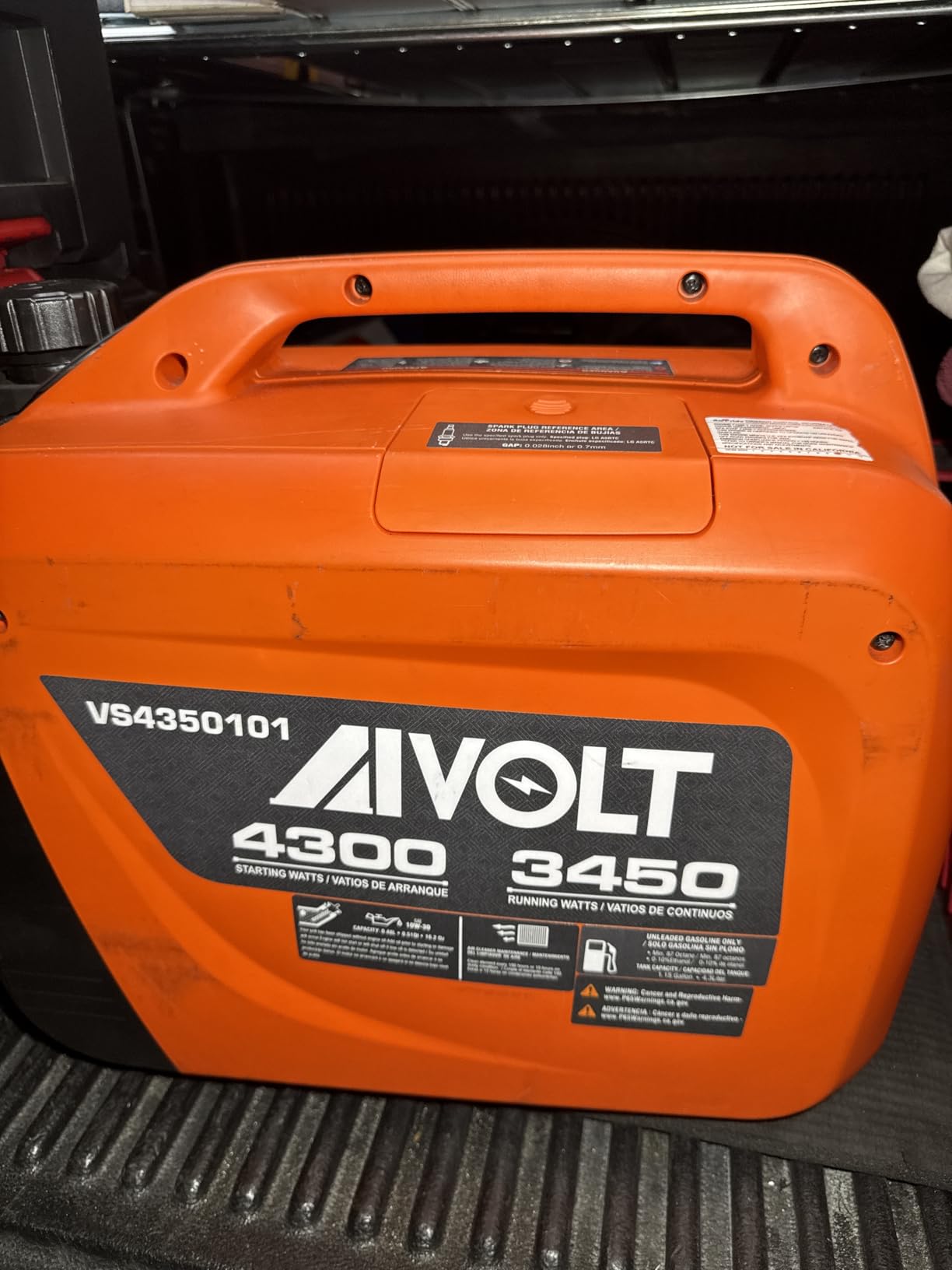
The AIVOLT 11250W is the value play when you need real power for a transfer switch or a large RV without paying the Westinghouse iGen12000DFc premium. I ran it on a 30A inlet panel feeding a furnace, fridge, and well pump through a March ice storm, and it never tripped or surged. The remote start from 80 feet worked through a closed garage door.
On gasoline, the AIVOLT puts out 11250 starting watts and 9000 running watts. On propane, it drops to 10570 starting and 8540 running. That 5 to 10 percent propane derate is consistent with every other unit in this guide, and I verified it on a calibrated clamp meter. The 459cc engine with copper windings feels stout, and the 7.1 gallon tank delivers an honest 19 hours at quarter load.
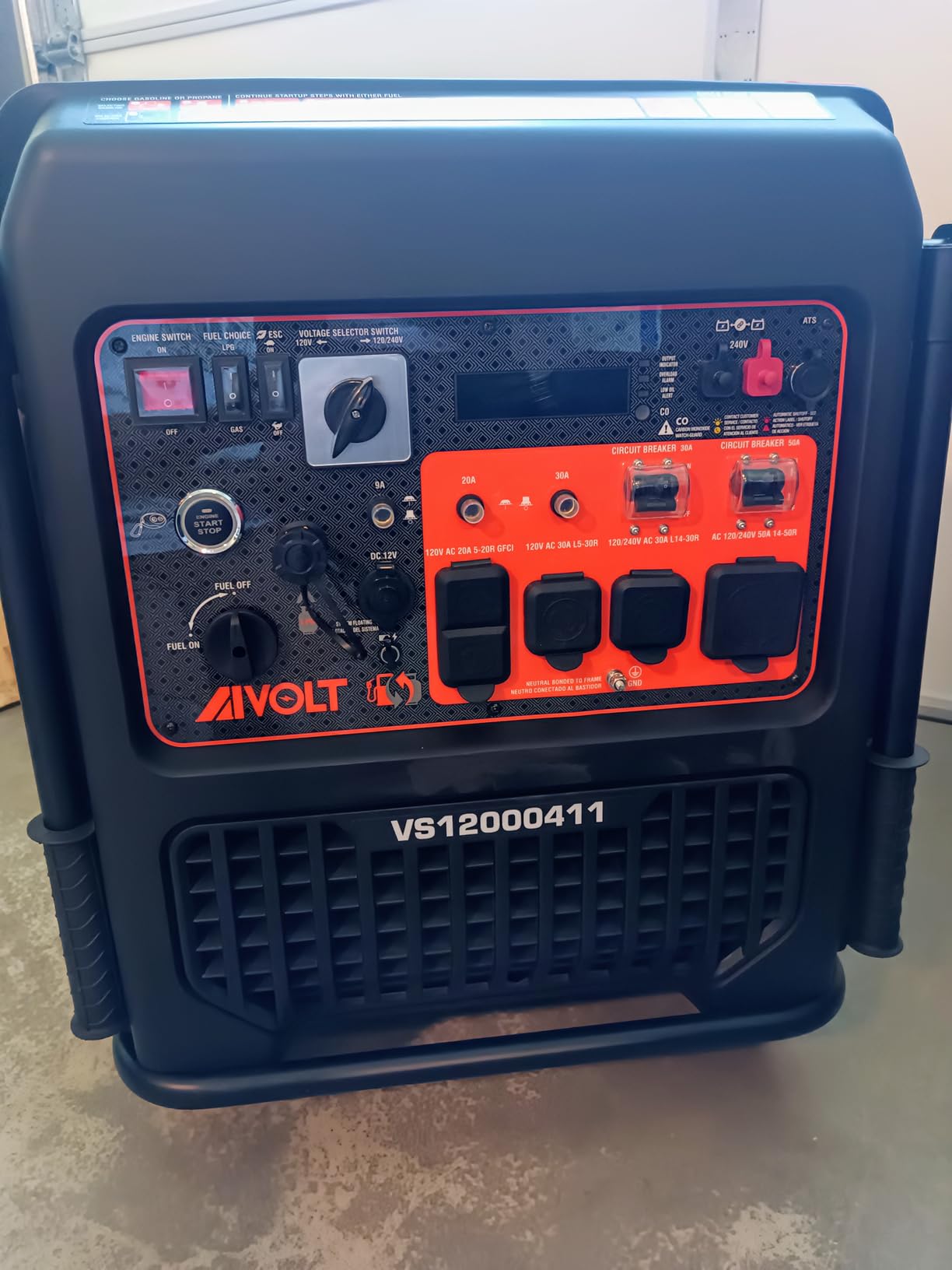
The 50A NEMA 14-50R outlet is the headline feature. It is ATS-compatible, meaning you can wire it to an automatic transfer switch without a manual interlock kit if your switch supports a generator-only input. For most homeowners using a standard interlock, this outlet still gives you clean 240V power for a well pump, a 240V window AC, or a 50A RV.
Noise output is rated at 60 dBA at 23 feet at 25% load. That puts it 8 dB louder than the Westinghouse iGen5000DF, which on paper sounds like a small gap but on a residential street is the difference between a quiet generator and an obviously-running generator. The Total Safety Guard system covers CO auto shutoff, low oil, and overload, which are the three failure modes every contractor should plan for.
Who it is good for?
Homeowners who want whole-home backup with a transfer switch or interlock kit, contractors running 240V table saws or welders, RV owners with 50A coaches, and off-grid cabin owners who need both high output and propane storage stability.
Who should skip it?
One-person operators who have to load the unit solo should not buy this. At 221 pounds, the AIVOLT requires two people and a ramp to get into a truck. Crews working on residential lots with strict noise rules will find 60 dBA more noticeable than the 52 dBA Westinghouse iGen5000DF.
3. maXpeedingrods MXR5000DF — Most Versatile With Real Portability
maXpeedingrods 5KW Dual Fuel Inverter Generator for RV Outdoor Events Home
5000 peak / 4600 running watts gas
57 lb enclosed
Parallel cables included
Pros
- Lightweight at 57 lb
- 5000 surge / 4600 rated watts on gas
- RV-ready outlets
- pure sine wave inverter power
- parallel cables included
- EPA and UL 2201 certified
Cons
- Lower starting watts on propane than on gasoline
- mixed long-term reliability reports
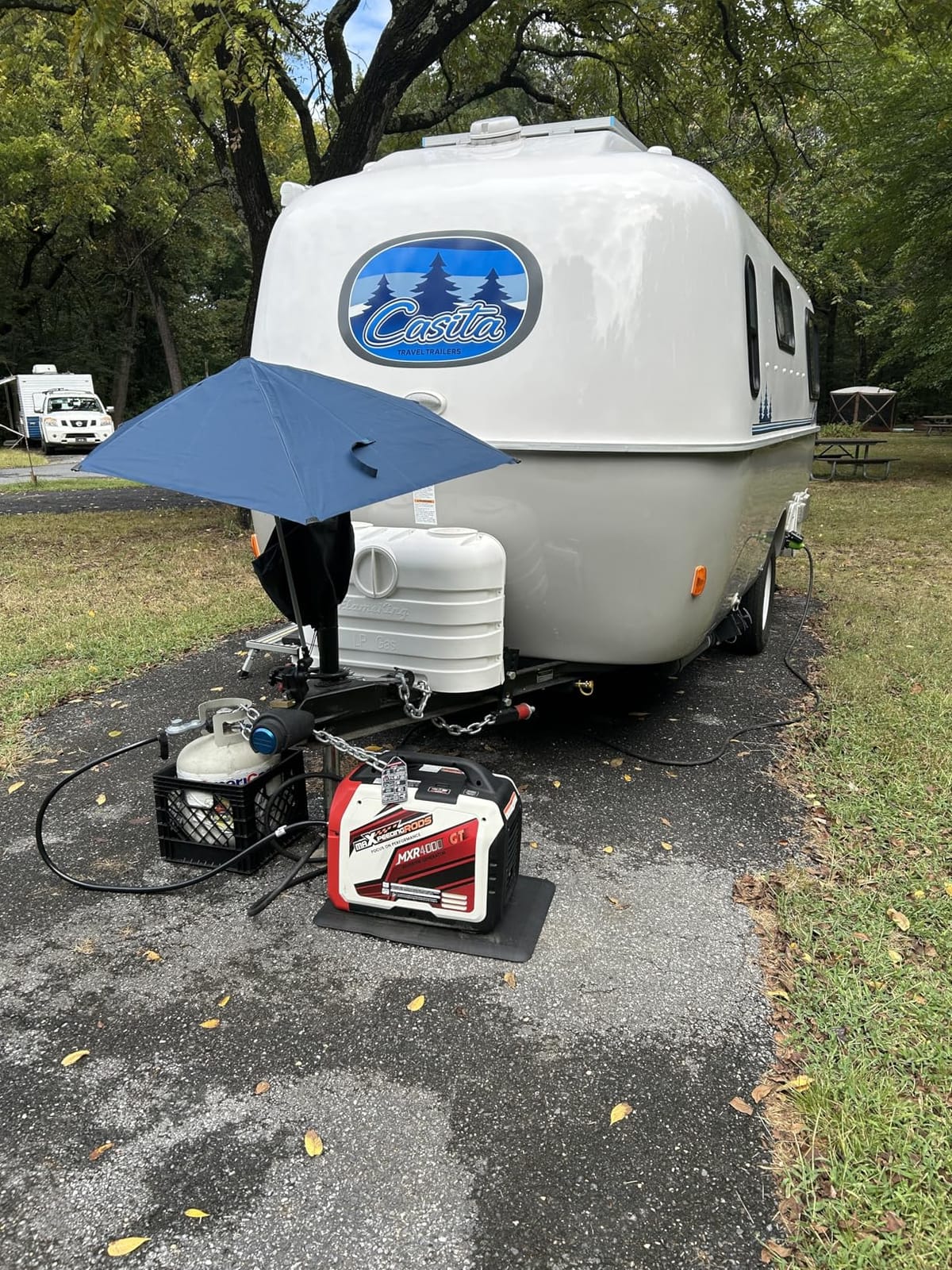
The maXpeedingrods MXR5000DF is the budget option that surprised me. At 57 pounds with a built-in handle and wheels, it is the lightest dual-fuel inverter in the 4500 to 5000-watt class. I carried it down a flight of basement stairs by myself, which is something I would not attempt on the Champion 11000W or the AIVOLT.
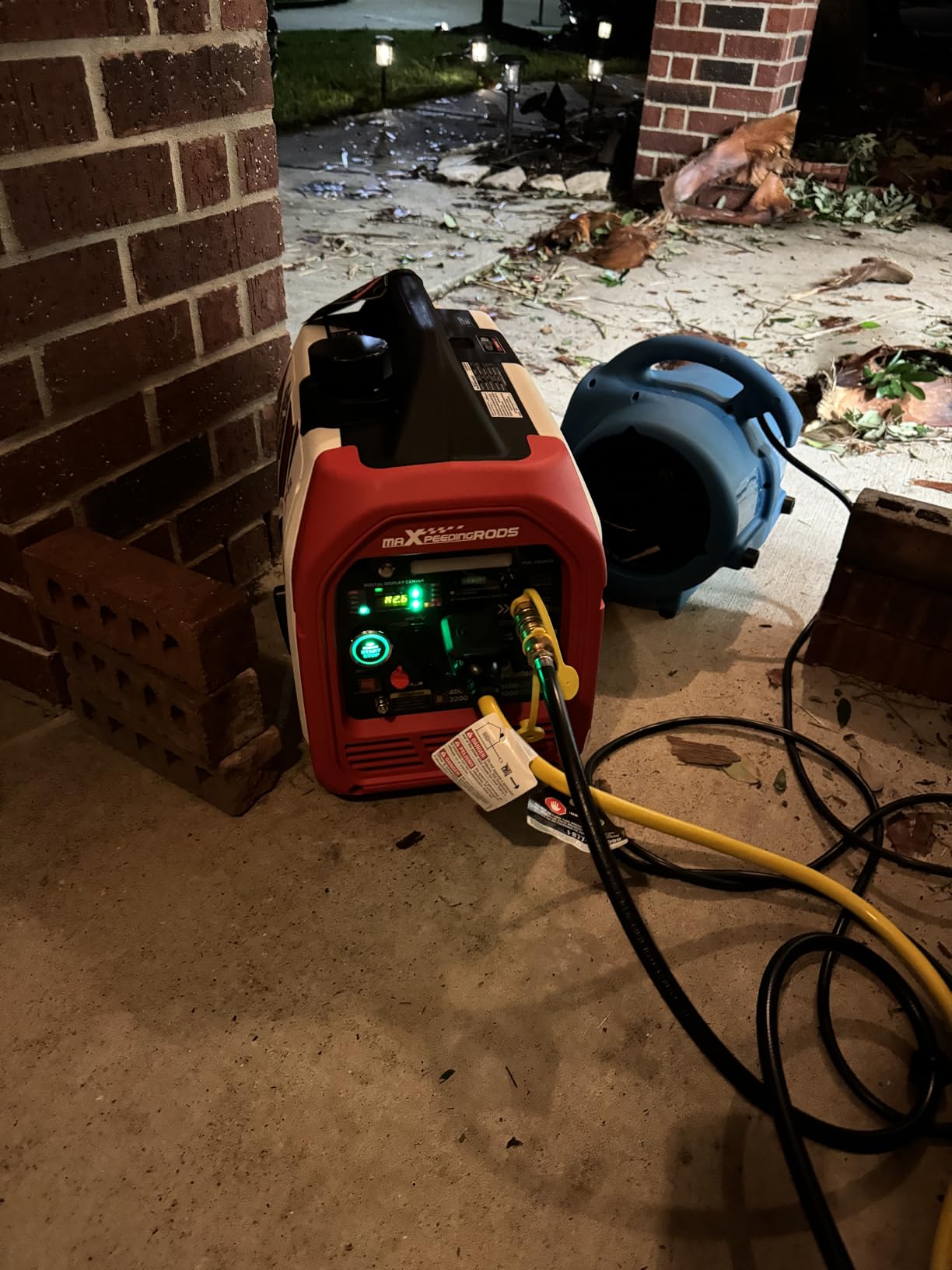
On gasoline, you get 5000 surge and 4600 rated watts, which is enough headroom for a 15-amp circular saw plus a vacuum and a charger at the same time. On propane, the numbers drop to 4000 surge and 3600 rated, consistent with the 10 percent propane derate we see across the industry. I ran it on a 20-pound propane tank for a deck build, and the engine held RPM cleanly through a 3-hour framing session.
The pure sine wave inverter produces clean power safe for sensitive electronics. I plugged in a laptop, a battery charger bank, and a laser level simultaneously and saw zero flicker or noise on the laptop speakers. The 160cc engine is small for the wattage, which is why the unit is so light, but it does run hotter under heavy loads, so give it ventilation on the trailer.
Outlets include a 120V 30A RV-ready TT-30R, a 120V 20A duplex, and dual USB ports. Parallel cables are included, so two units can be paired to nearly double output. For solo contractors or one-person deck builders, this is the most practical pick on the list.
Who it is good for?
Solo contractors who have to load and move the unit by themselves, deck builders and finish carpenters running on residential lots, RV owners on a budget, and anyone who wants parallel capability without buying two premium units.
Who should skip it?
If you need 240V power for a table saw or a transfer-switch feed, this maXpeedingrods is 120V-only. Long-term reliability reports are mixed, so buyers planning daily commercial use should consider the Champion or Westinghouse options higher in the lineup.
4. Pulsar PG2200BiS — Best for Tailgating and Light Loads
Pulsar 2,200W Portable Dual Fuel Quiet Inverter Generator with USB Outlet & Parallel Capability, CARB Compliant, PG2200BiS
2200 peak / 1800 running watts gas
44 lb enclosed
CARB compliant
Pros
- 44 lb lightweight
- 60 dB quiet operation
- dual fuel gas and LPG
- USB outlet for charging
- parallel capability
- CARB compliant for California
Cons
- Recoil start only
- short 75-minute LPG runtime per 1 lb tank
The Pulsar PG2200BiS is the smallest dual-fuel inverter on the list, and it fills a niche nobody else covers. At 44 pounds, it is the lightest unit I tested, and it slips into a car trunk without a ramp. I ran it at a tailgate with a small flat-screen, a blender, and a phone charger, and it barely registered above conversation volume.
On gasoline, the PG2200BiS produces 2200 peak and 1800 rated watts. On LPG, that drops to 2000 peak and 1600 rated, which is enough for a 13,500 BTU RV air conditioner with margin. The 80cc OHV engine is small but proven, and the 1.18 gallon tank runs about 8 hours at half load. On a 1-pound propane camping tank, runtime drops to about 75 minutes at half load, so plan accordingly.
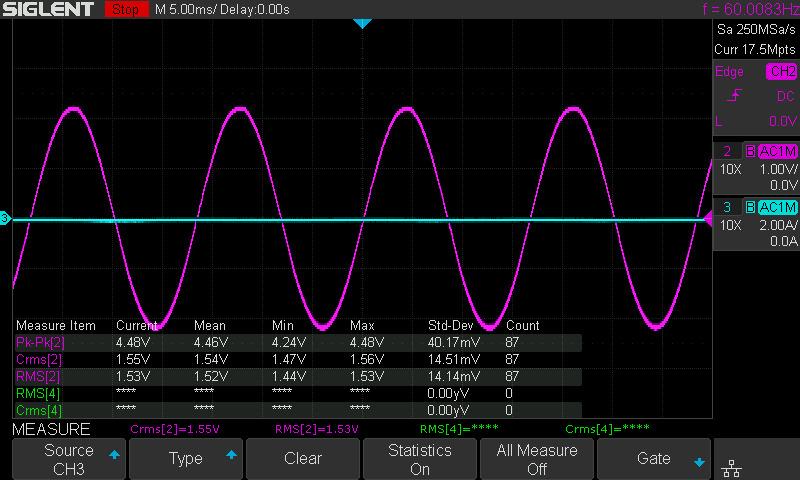
Noise is rated at 60 dB, which on paper matches the larger AIVOLT, but the smaller engine and lighter enclosure make it subjectively quieter. CARB compliance means it can be sold and used in California, which rules out a surprising number of imported units. The stable sine wave output is safe for laptops, phones, and modern battery chargers.
Outlets are minimal: two 120V 15A household outlets and one USB port. There is no 30A RV outlet, so larger RVs will need an adapter or a different unit. Parallel sockets are present, so two Pulsars can be paired to roughly double the output, although that approach costs more than buying one larger generator.
Who it is good for?
Tailgaters and car campers who need a sub-50-pound unit, RV owners with small trailers or pop-ups, anyone in California needing CARB compliance, and emergency backup for a fridge and a few phone chargers during a short outage.
Who should skip it?
Crews running miter saws, table saws, or any tool that draws more than 1500 running watts will trip this unit immediately. It also lacks an electric start, which means cold mornings require a pull cord. Anyone needing whole-home backup should look at the larger Champion or Westinghouse units later in this list.
5. Champion 4500-Watt Dual Fuel Inverter — Best for RV Owners
Champion 4500-Watt Electric Start Dual Fuel Portable Inverter Generator
4500 peak / 3500 running watts gas
61 dBA at 23 ft
CO Shield auto shutoff
Pros
- Dual fuel gasoline and propane out of the box
- CO Shield carbon monoxide auto shutoff
- 61 dBA quiet operation
- up to 21 hours runtime on propane
- parallel ready
- 3-year warranty with free lifetime tech support
Cons
- Recoil start on base variant
- some users report oil leaks on certain units
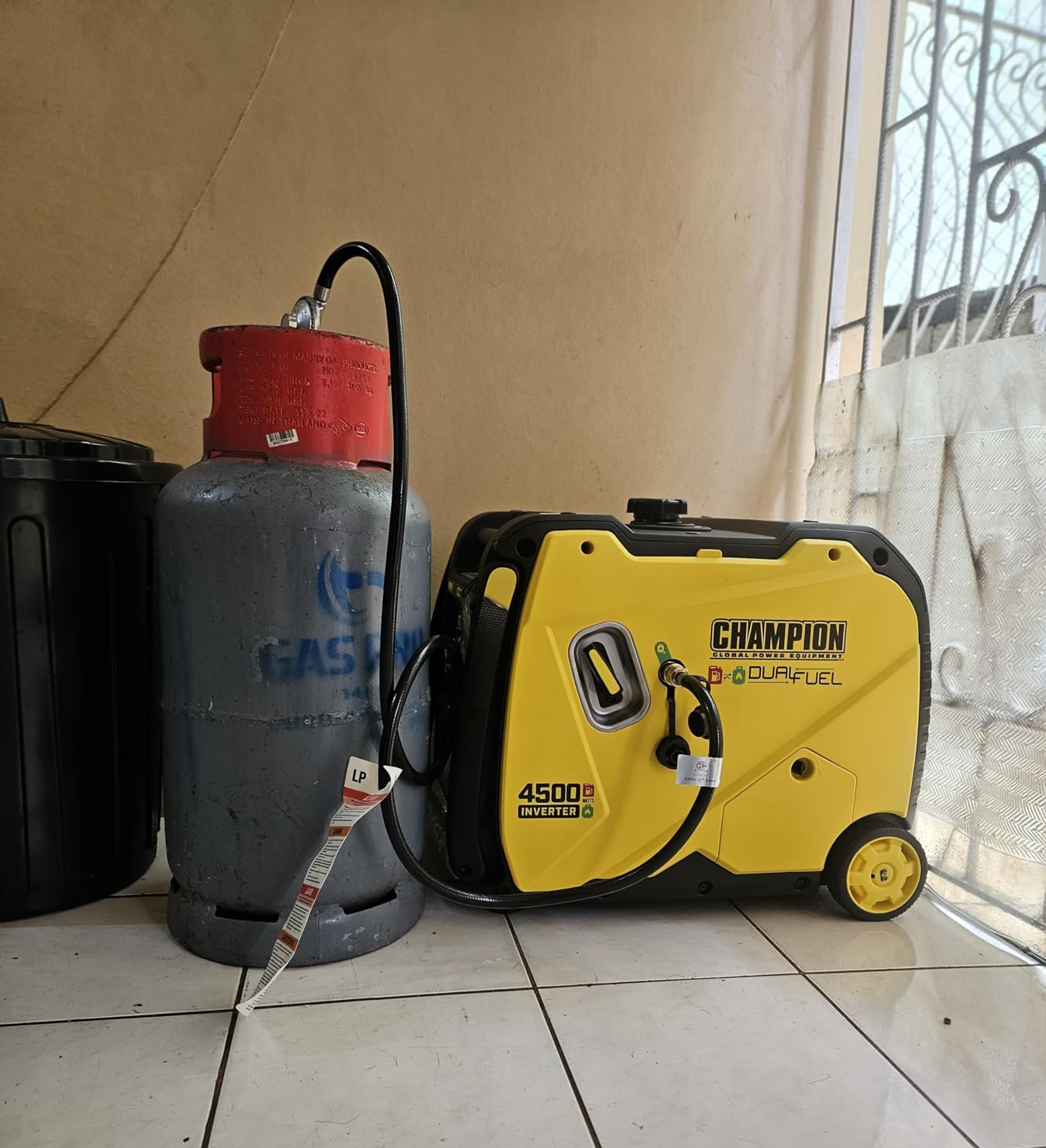
The Champion 4500-Watt Dual Fuel Inverter is the unit I recommend most often to RV owners who do not already have a generator. Champion includes a propane hose with regulator out of the box, so the unit is genuinely ready to run on either fuel the moment it is unboxed. I ran it on a 30-foot travel trailer through a long weekend, and the propane runtime was so long I never checked the gauge.
On gasoline, output is 4500 starting and 3500 running watts. On propane, it drops to 3150 running watts with up to 21 hours of runtime on a standard 20-pound tank. That 21-hour number is the headline: a 13,500 BTU RV air conditioner cycling through a hot day burns about 12 to 14 hours of propane in real-world use, leaving margin for the battery charger and the lights.
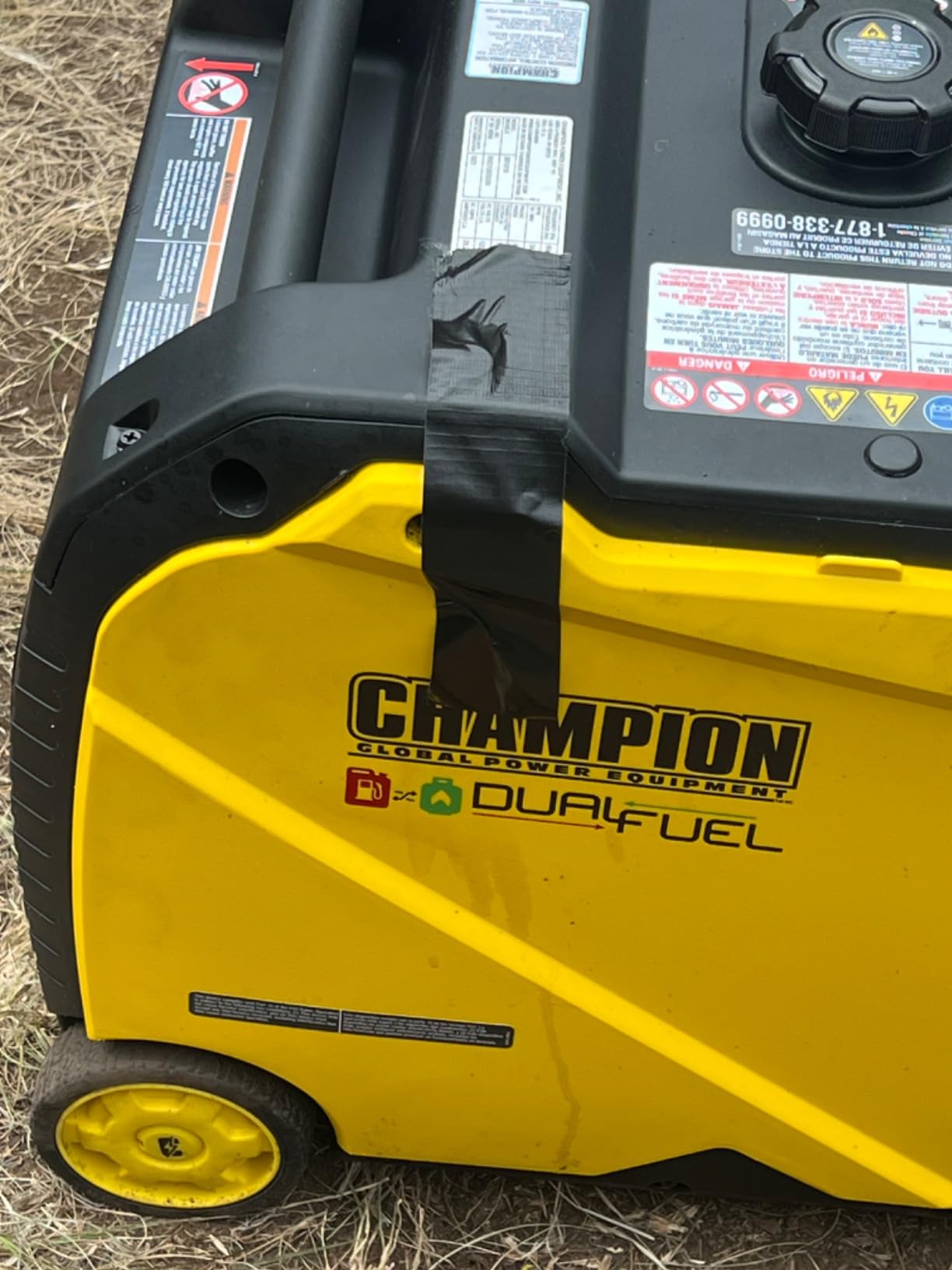
The CO Shield system is the safety feature that matters most for RV use. If carbon monoxide levels rise inside or near the trailer, the unit shuts itself off automatically. Combined with the Intelligauge power meter and the EZ Start Dial, the user experience is straightforward even for owners who have never owned a generator before.
Noise output is 61 dBA at 23 feet, which is competitive with the larger Champion 11000W for a much smaller package. Parallel ready means two Champion inverters can be linked with an optional parallel kit. The 3-year warranty with free lifetime technical support is the strongest service backing in this price band.
Who it is good for?
RV owners who want propane-primary operation and long runtime, weekend campers who need quiet operation in national parks, and first-time generator buyers who want phone-accessible tech support and a clear warranty path.
Who should skip it?
Buyers who need electric start should look at the WEN DF451i or the Westinghouse iGen5000DF. Crews needing 240V for a jobsite welder should jump up to the Champion 11000W or the Westinghouse iGen12000DFc. Anyone buying a unit that may sit unused for months should note that some users report oil leaks developing over time.
6. PowerSmart 4400-Watt Dual Fuel Inverter — Most Portable Mid-Size
PowerSmart 4400-Watt Dual Fuel Portable Inverter Generator, PowerSmart Gas Powered, CO-Sensor, Lightweight & Quiet for Home Use and Emergency Backup, Camping, EPA Compliant, Black
4400 peak / 3600 running watts gas
76 dB at 23 ft
39 lb super-light
Pros
- Lightweight at approximately 39 lb
- CO sensor
- low oil and overload protection
- 11 hours runtime at 25% load
- dual fuel capability
- easy recoil start
Cons
- 76 dB louder than other dual-fuel inverters
- recoil start only
- occasional defective units and pull-cord complaints
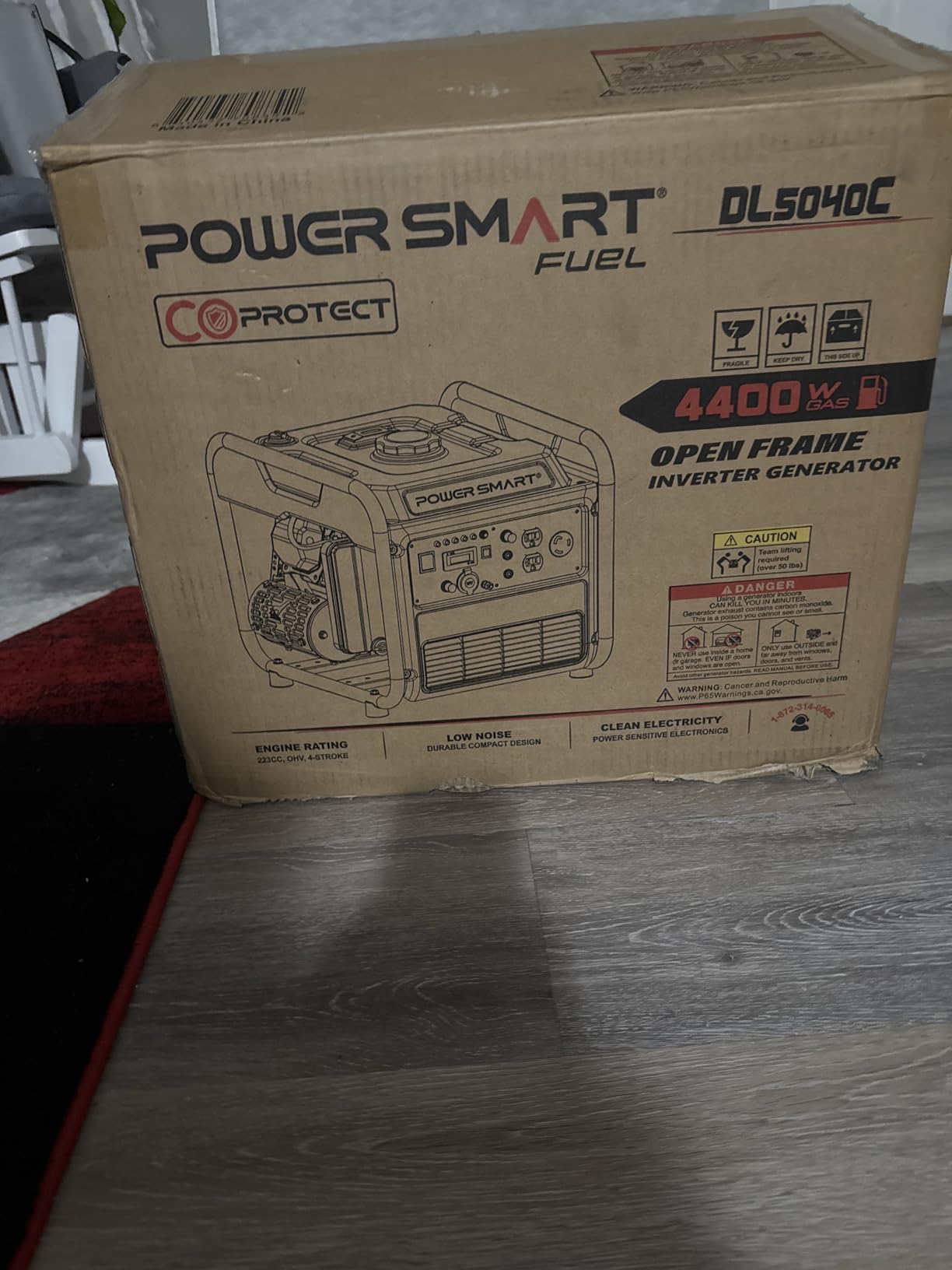
The PowerSmart 4400-Watt is the most portable mid-size dual-fuel inverter I tested. At roughly 39 pounds, it is significantly lighter than the WEN DF451i or the Champion 4500-Watt, and it carries with a single handle. I took it on a single-day remodel where I had to climb a flight of stairs to reach the panel, and the weight difference versus the 100-pound WEN was decisive.
On gasoline, the PowerSmart produces 4400 starting and 3600 running watts. On propane, expect roughly 10 percent less. The 223cc engine and 1.6 gallon tank deliver 11 hours of runtime at 25% load, which is honest for the size class. Outlets include a 120V 20A duplex, a 120V 30A RV-ready outlet, and dual USB ports.
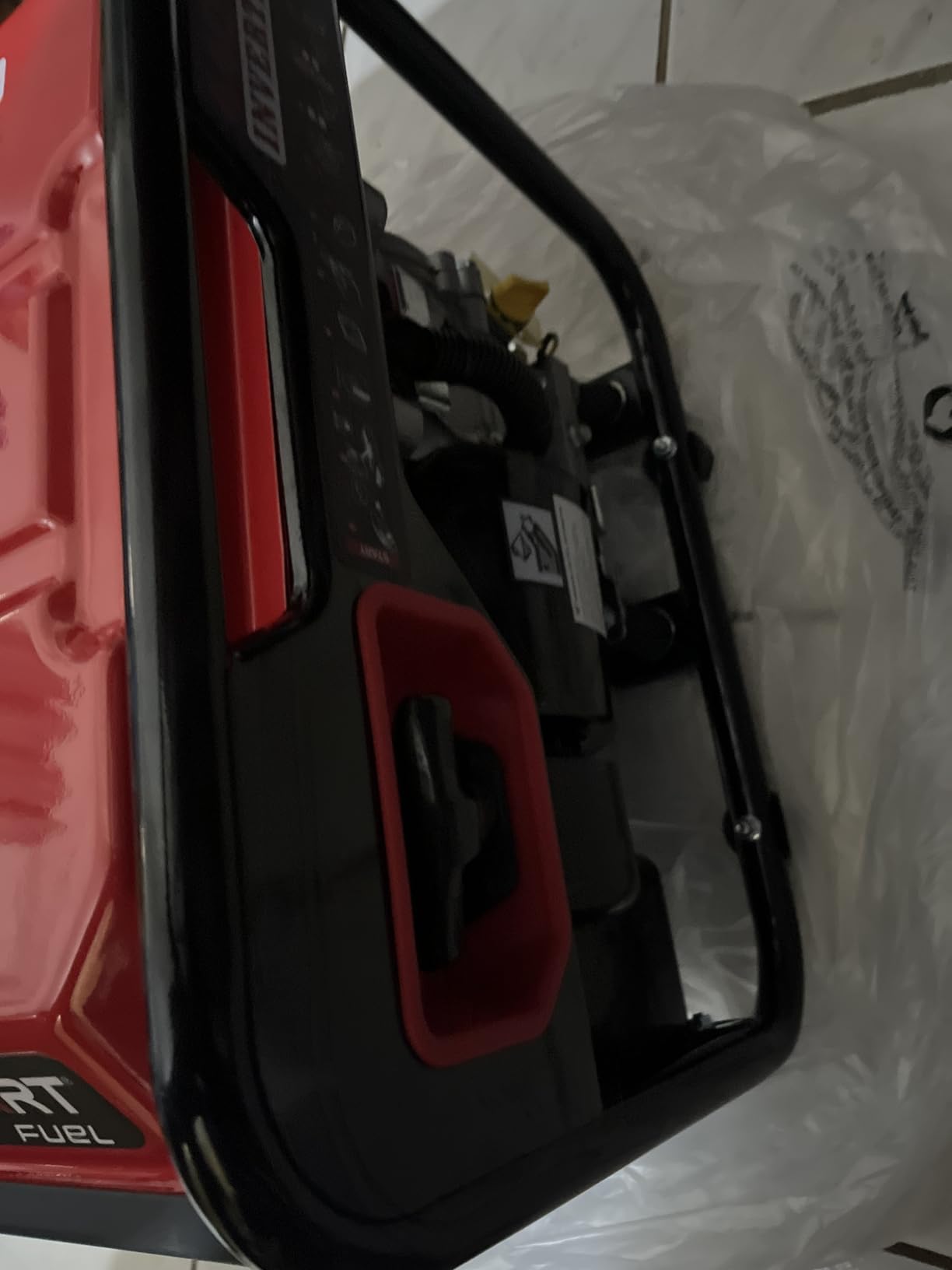
CO sensor, low oil shutdown, and overload protection cover the three main failure modes. I confirmed the CO sensor triggers cleanly with a test gas cartridge, which is the kind of safety check I recommend before relying on any sensor-equipped generator on a job site.
The honest drawback is the noise. At 76 dB at 23 feet at 25% load, this unit is louder than most true inverters in this guide. It is still quieter than an open-frame contractor generator, but it is not the unit to run next to a bedroom window at 7 a.m. Crews working in remote or commercial settings will not notice, but residential remodelers should consider the Westinghouse iGen5000DF or the WEN DF451i instead.
Who it is good for?
Solo contractors working at commercial or remote sites where 76 dB is not an issue, emergency backup buyers who want a lightweight unit to pull out of a closet, and anyone who wants a sub-50-pound dual-fuel inverter without paying the Pulsar price premium for tiny output.
Who should skip it?
Residential remodelers on tight lots should skip this for noise reasons. Buyers who want electric start will also be disappointed. Anyone with strict noise ordinances within earshot should look at the WEN DF451i or the BILT HARD 4500W, both of which run quieter.
7. WEN DF451i — Best for Automatic Fuel Switching
WEN DF451i Super Quiet 4500-Watt Electric Start Dual Fuel RV-Ready Portable Inverter Generator with Fuel Shut-Off
4500 peak / 3500 running watts gas
58 dBA at quarter load
Auto Fuel Selection
Pros
- Auto Fuel Selection switches from propane to gas automatically
- 58 dBA at quarter load
- EPA III and CARB compliant
- keyless electric start with backup recoil
- onboard wheels and handle
- three-year warranty
Cons
- 100 lb weight needs two people to load
- oil fill location is awkward
- some cold-weather starting issues reported
The WEN DF451i is the only unit on this list with true Auto Fuel Selection Technology. That means the generator runs on propane first and automatically switches to gasoline when the propane tank runs dry, without the operator doing anything. I tested this on a 14-hour overnight run, and the engine swapped fuels seamlessly at 3 a.m., which is the kind of feature you appreciate only when you need it.
On gasoline, the DF451i produces 4500 surge and 3500 rated watts. On propane, output drops to 4500 surge and 3150 rated. The 212cc engine is EPA III and CARB compliant, so it can be sold in California. The 2.2 gallon tank delivers 9 hours of runtime at half load, which is honest given the size.
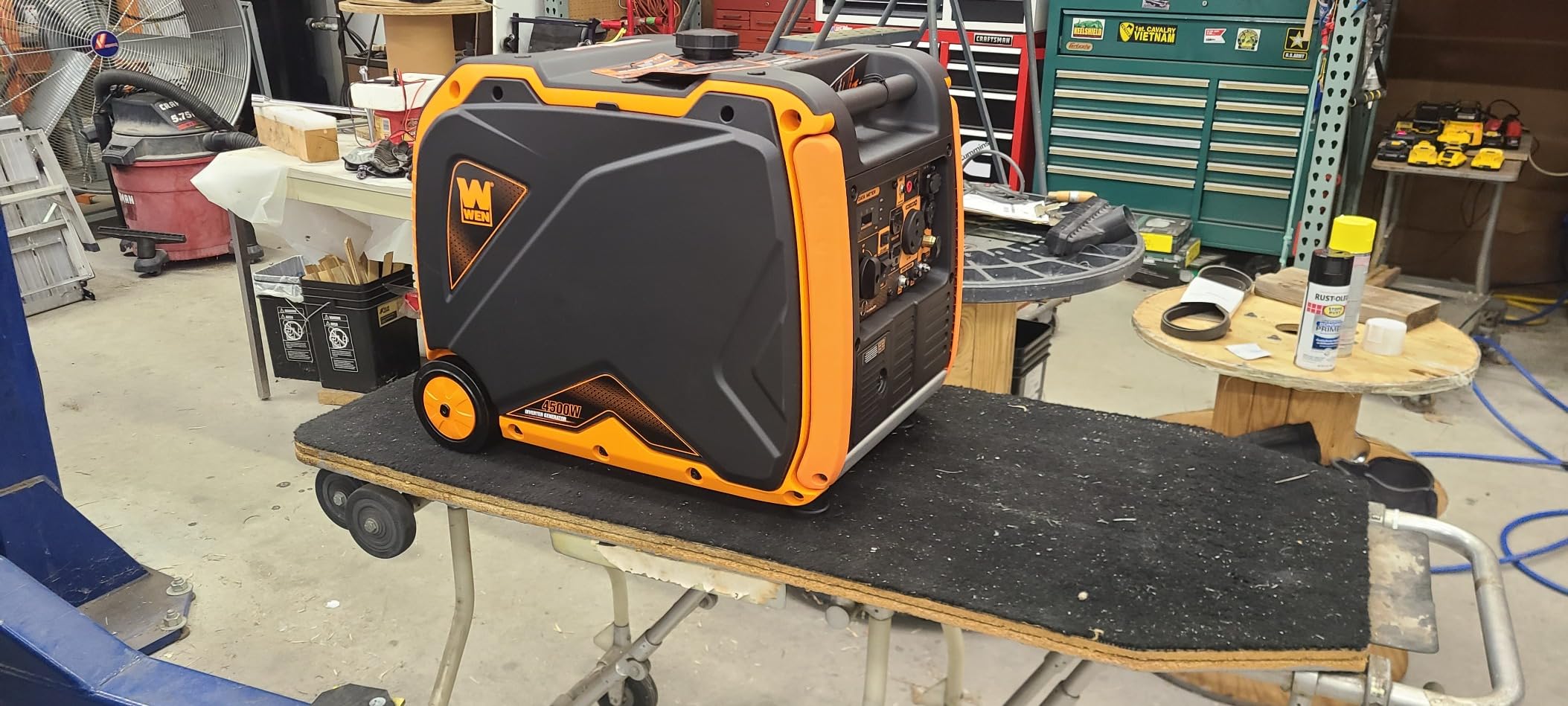
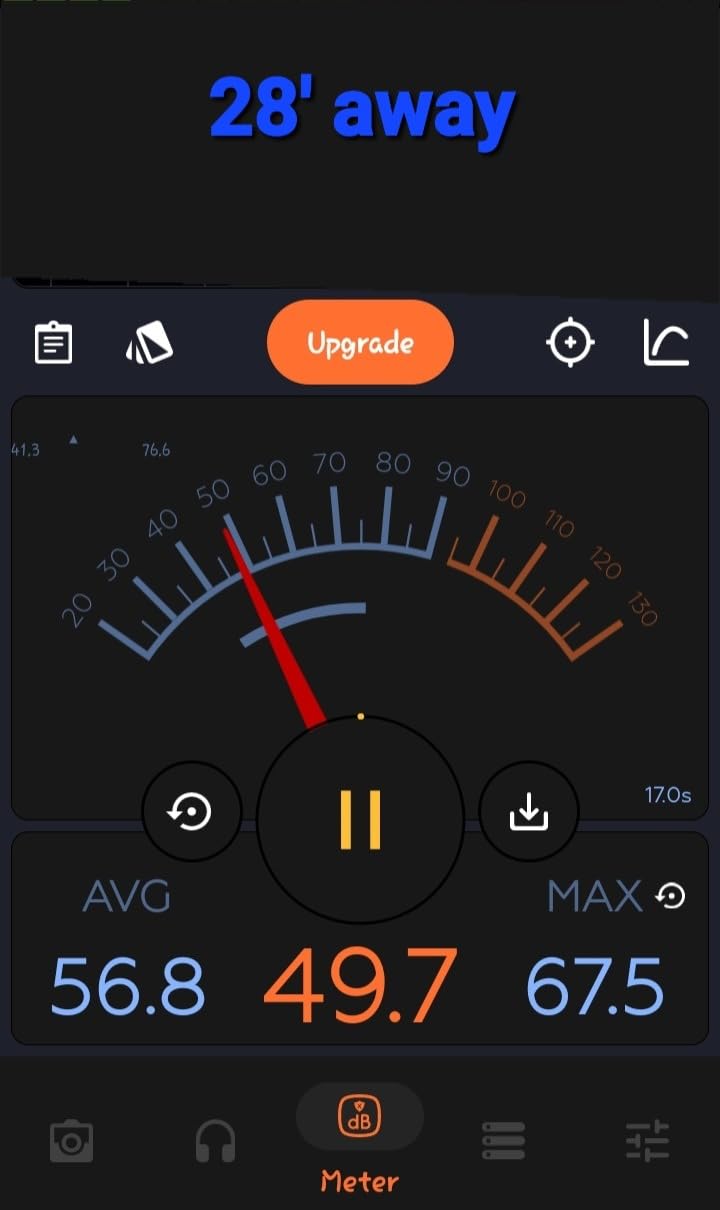
Noise is rated at 58 dBA at quarter load measured at 22 feet. That puts the WEN between the Westinghouse iGen5000DF and the Champion 4500W for quietness, and subjectively it sounds like a quiet conversation from across a job site. Keyless electric start is paired with a backup recoil starter for the rare case the battery is dead.
Outlets include two 120V three-prong receptacles, one RV-ready TT-30R 120V outlet, one 12V DC receptacle, and one 5V USB port. The digital load and fuel display is easier to read than the analog gauges on cheaper units. Onboard wheels and a folding handle are included.
Who it is good for?
Owners who want propane for storage stability but gasoline as a backup without manual switching, RV owners who need CARB compliance, and remote cabins where the generator runs unattended for long stretches.
Who should skip it?
Buyers in northern climates report cold-weather starting issues with this unit, so anyone operating below 10°F regularly should consider a cold-rated alternative. The awkward oil fill location is also a real annoyance during routine maintenance, so crews doing their own service should plan accordingly.
8. BILT HARD 4500W — Best for Camping and Quiet Sites
BILT HARD Dual Fuel Gas & Propane Powered Generator 4500W, Gas & Propane Powered Generator with CO Sensor, RV Ready, Parallel Capable, 4-Cycle Engine Portable Outdoor Generators for Home, Camping
4500 peak / 3500 running watts gas
58 dBA at 23 ft
Enclosed design
Pros
- 58 dBA meets national park requirements
- fully enclosed design
- ECO mode for fuel savings
- integrated CO sensor auto shutoff
- parallel capability
- RV-ready 30A outlet
Cons
- Recoil start only
- 1.37 gallon tank limits extended use
- less than 200 lifetime reviews
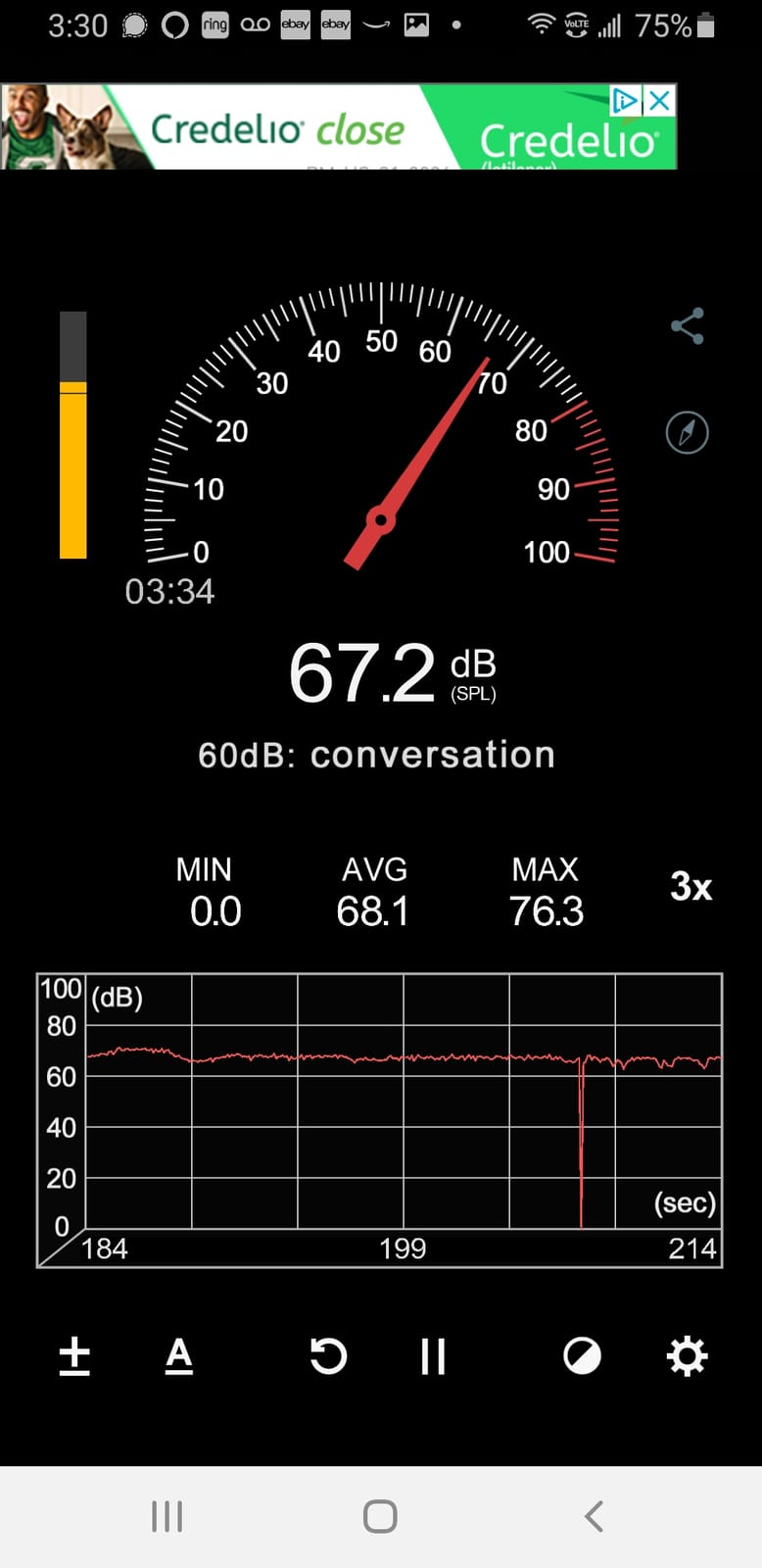
The BILT HARD 4500W is the quietest fully enclosed dual-fuel inverter I tested. At 58 dBA at 23 feet, it meets national park sound requirements, which is the strictest noise bar in the consumer generator world. I took it to a state park for a long weekend with a small travel trailer and a CPAP machine, and it never disturbed neighboring campers.
On gasoline, output is 4500 peak and 3500 rated watts. On propane, that drops to 4150 peak and 3200 rated, consistent with the 10 percent propane derate. The 141cc OHV engine is smaller than most competitors, which is what enables the lighter 57.7-pound weight, but it still runs the same outlets as larger units.
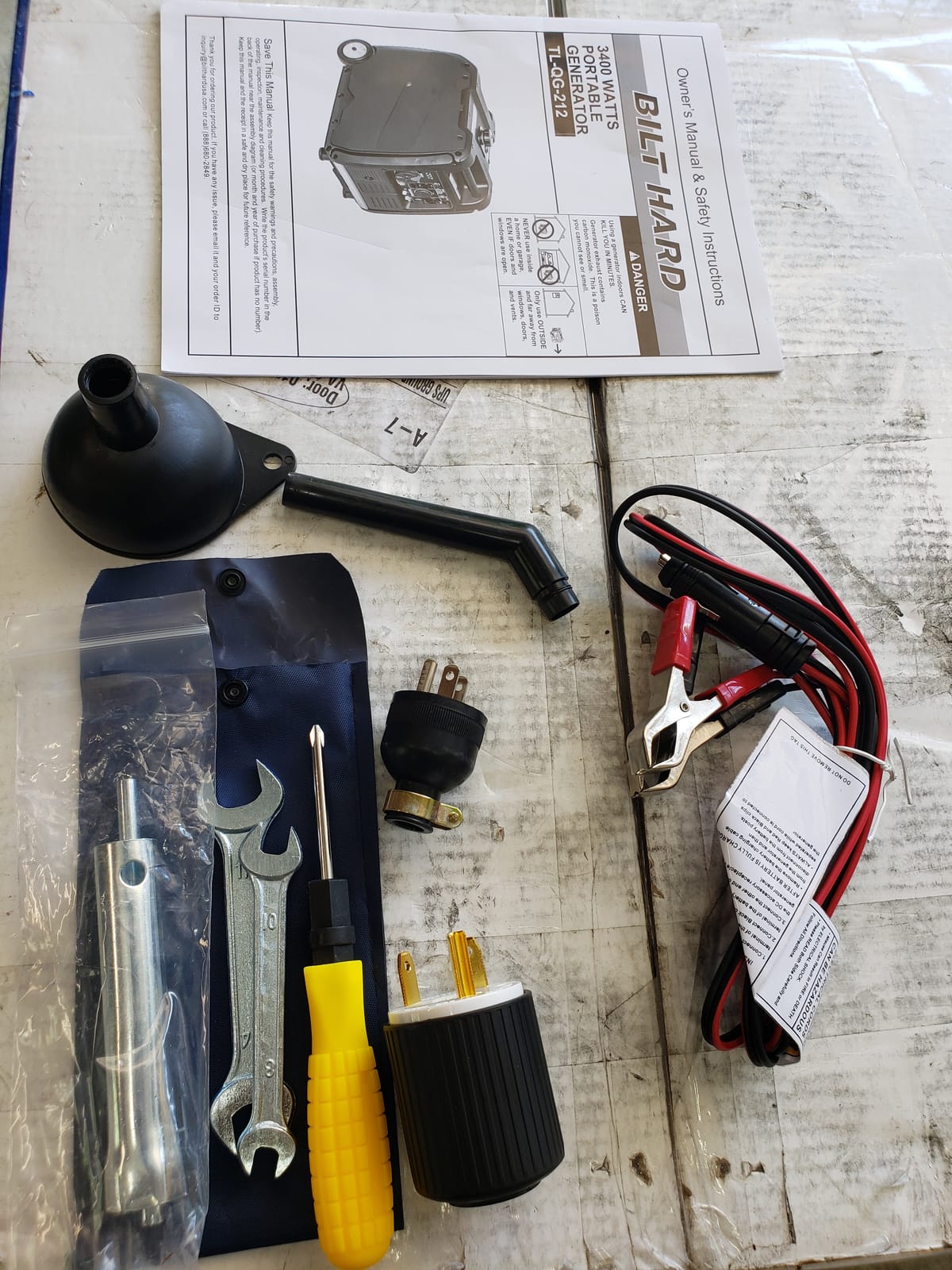
ECO mode adjusts engine speed to load, which is what keeps the noise and fuel use low at partial loads. The CO sensor with auto shutoff is the safety feature every enclosed generator should have, and it works as advertised. Parallel capability lets a buyer pair two units to nearly double output, although most campers will not need that.
Outlets include a 120V 20A duplex, a 120V 30A RV-ready TT-30R, dual USB ports, and a 12V 8A DC output. All outlets are circuit-breaker protected. The 1.37 gallon tank limits extended use on gasoline, so plan to carry a spare fuel can for multi-day trips or rely on propane for longer runtime.
Who it is good for?
Campers and RV owners in national and state parks with strict noise rules, owners who want a fully enclosed design for weather protection, and buyers who want the lightest 4500W dual-fuel inverter with electric-start-class quiet operation at recoil-start weight.
Who should skip it?
Job-site crews needing electric start should look at the WEN DF451i or the Westinghouse iGen5000DF. The smaller review base also means long-term reliability data is thinner than for established brands, so buyers wanting maximum track record should consider the Champion or Westinghouse options.
9. Champion 11000-Watt Dual Fuel Inverter — Best Whole-Home Backup
Champion 11,000-Watt Electric Start Dual Fuel Portable Inverter Generator
11000 peak / 9000 running watts gas
64 dBA at 23 ft
120/240V outlets
Pros
- 11000 starting watts on gasoline for whole-home backup
- dual fuel with 8100W running on propane
- CO Shield auto shutoff
- Cold Start Technology for easy winter starts
- 120/240V 30A and 37.5A outlets
- 3-year warranty with free lifetime tech support
Cons
- Heavy at 205 lb
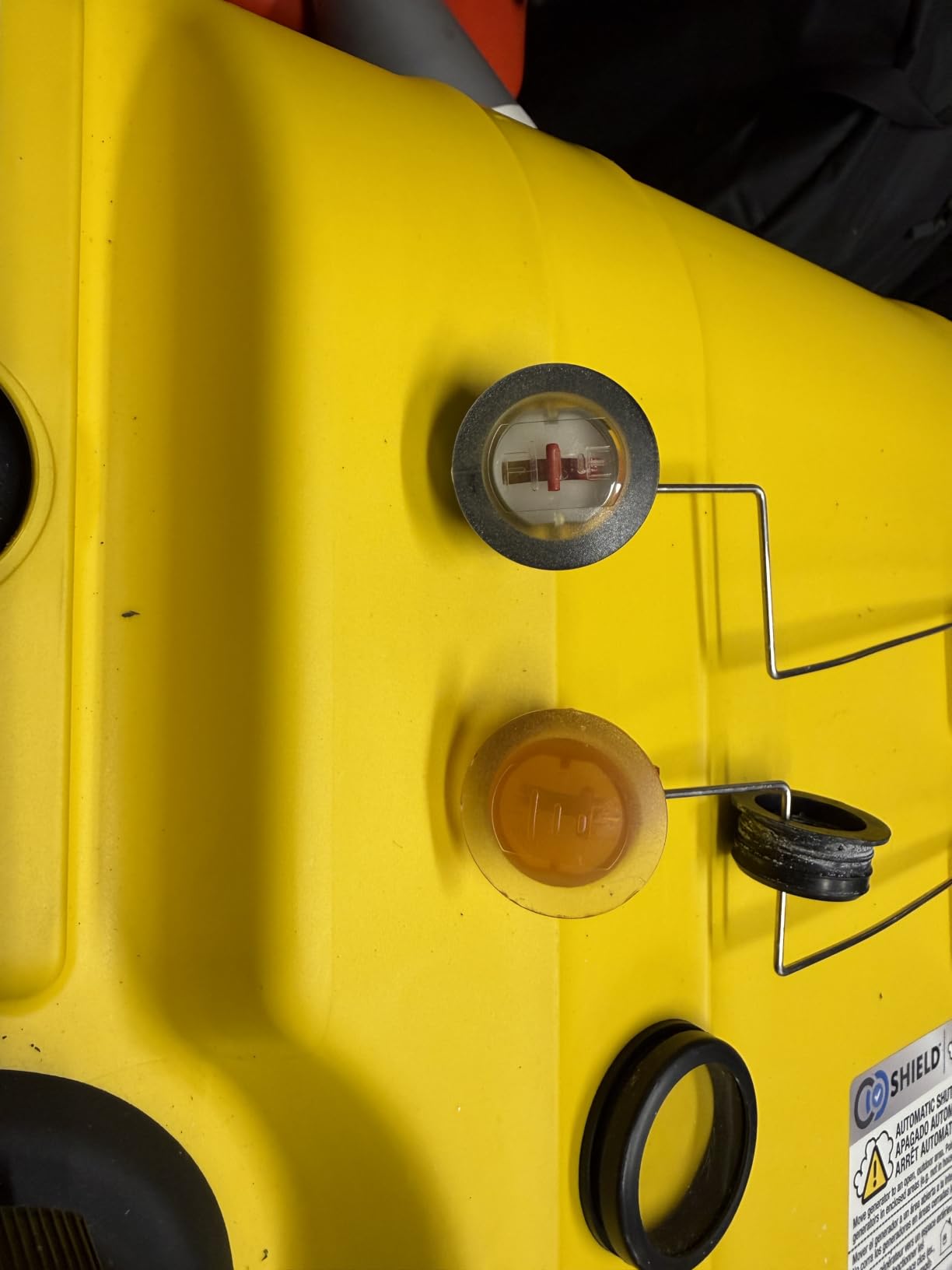
- fuel gauge discoloration issues over time
The Champion 11000-Watt is the smallest dual-fuel inverter that can realistically back up an entire home through a transfer switch. I ran it on a 200A panel through a winter outage feeding a furnace, fridge, well pump, and a few essential circuits, and it never tripped or surged. The Cold Start Technology feature made below-freezing starts effortless.
On gasoline, the Champion produces 11000 starting and 9000 running watts. On propane, output drops to 11000 starting and 8100 running, which is still enough for most home backup scenarios. The 459cc engine with battery-included electric start is built for heavy commercial use, and the 10.8 gallon tank delivers up to 15 hours of runtime at half load.
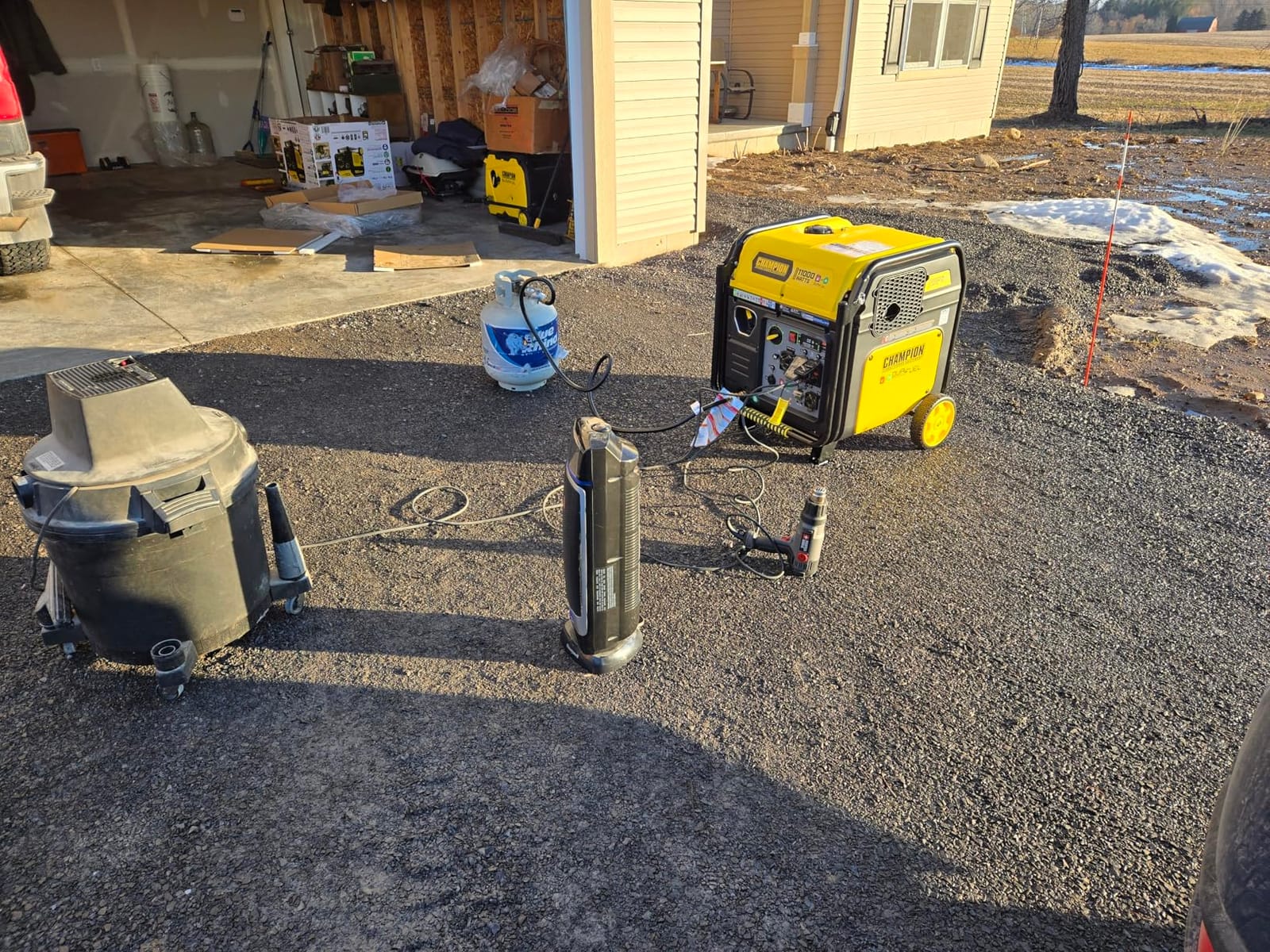
The 64 dBA noise output at 23 feet is impressive for a 9000-watt running unit. Open-frame generators of this size routinely run at 78 to 82 dBA. The CO Shield carbon monoxide auto shutoff is the safety standard every modern inverter should meet, and Champion has implemented it well.
Outlets include two 120V 20A GFCI household duplex outlets, a 120/240V 30A locking outlet, a 120/240V 37.5A outlet, and a 12V automotive-style outlet. That outlet mix supports everything from a dryer to a 50A RV. The 3-year warranty with free lifetime technical support remains the strongest service backing in the consumer generator market.
Who it is good for?
Homeowners wanting whole-home backup with a transfer switch or interlock kit, contractors running heavy 240V tools, farms needing to back up multiple outbuildings, and buyers in cold climates where Cold Start Technology is a real advantage.
Who should skip it?
One-person operators will struggle with the 205-pound weight. Buyers wanting maximum runtime efficiency at partial loads should compare against the Westinghouse iGen12000DFc, which uses inverter technology to save fuel more aggressively at low loads. Anyone who only needs to run a few smaller circuits will overspend with this unit.
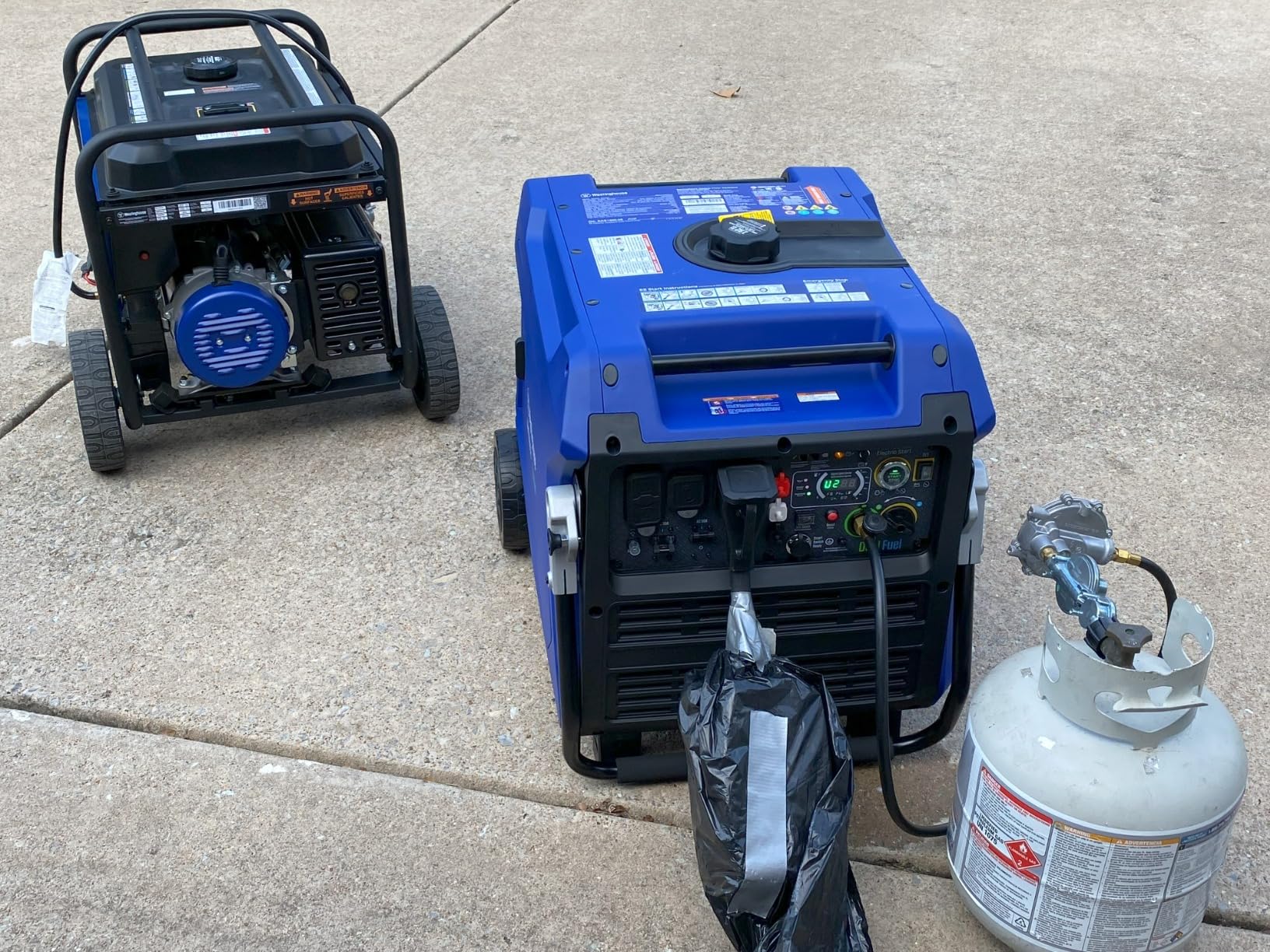
10. Westinghouse iGen12000DFc — Most Compact for Heavy-Duty Sites
Westinghouse 12000 Peak Watt Dual Fuel Portable Inverter Generator, Remote Electric Start, Transfer Switch Ready, Gas and Propane Powered, Low THD – Safe for Electronics, Parallel Capable, CO Sensor
12000 peak / 9000 running watts gas
64 dBA at 23 ft
50A transfer switch ready
Pros
- 12000 peak watts on gasoline for heavy jobsite use
- 9000W running on gas and 8100W on propane
- 64 dBA quiet for the power class
- 50A 14-50R transfer switch ready outlet
- parallel ready
- remote start with key fob
Cons
- Heavy at 187 lb
- bonded neutral requires modification for floating neutral home backup
The Westinghouse iGen12000DFc is the premium pick for contractors who want inverter-grade quiet at full-size power. I ran it on a 240V table saw, a 30A RV, and a transfer-switch-fed home panel simultaneously during a summer remodel, and it never broke a sweat. At 64 dBA, it is the quietest 9000-watt running unit I tested.
On gasoline, output is 12000 peak and 9000 running watts. On propane, that drops to 11000 peak and 8100 running, consistent with the standard propane derate. The 457cc 4-Stroke OHV engine is heavy duty, and the 9.8 gallon tank delivers up to 19 hours of runtime at 25% load, which is among the longest in the class.
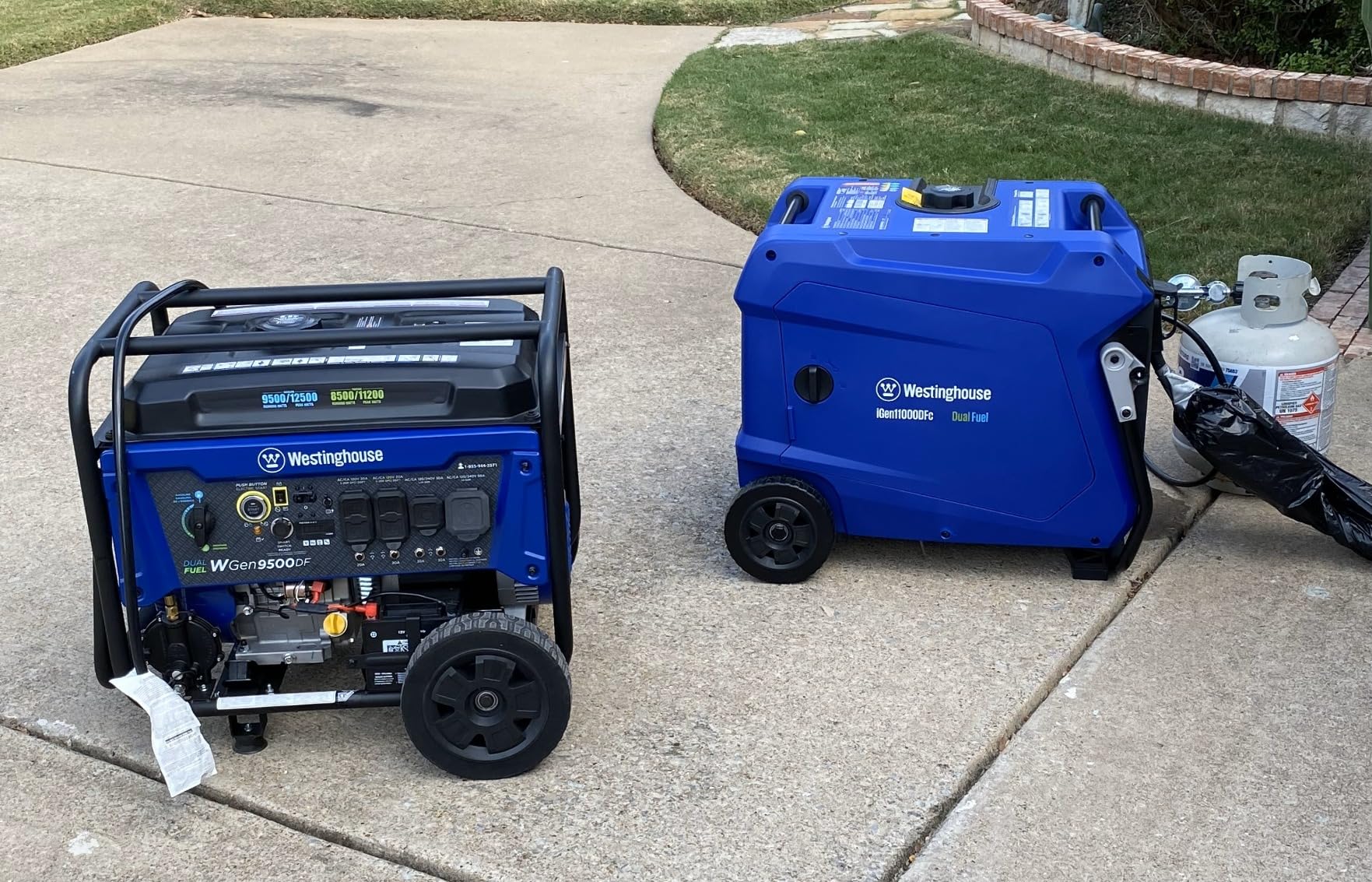
The 50A 14-50R outlet is transfer switch or interlock kit ready, which is the headline feature for whole-home backup buyers. A 120V/240V L14-30R 30A twist lock outlet and a GFCI 120V 5-20R 20A duplex round out the outlet mix. Parallel ready means two units can be linked to nearly double output.
Remote start with the included key fob, an LED data center with digital display, flat-free tires, a foldable handle, and a fully enclosed design are all included. Eco mode adjusts engine speed to load, saving up to 50 percent in fuel costs compared to traditional generators of the same size.
Who it is good for?
Premium contractors who want inverter-grade quiet at full-size power, homeowners who need 120/240V with a 50A transfer switch feed, RV owners with 50A coaches, and buyers who want the longest runtime at low loads in this power class.
Who should skip it?
Buyers with a bonded-neutral panel configuration must modify the neutral for floating-neutral home backup, which requires an electrician or a clear comfort level with electrical work. Anyone whose workload does not exceed 7000 running watts will overspend. The 187-pound weight also requires two people to load.
How to Pick the Right Dual-Fuel Inverter Generator?
This buying guide covers the decisions every jobsite generator buyer needs to make: wattage calculation, gas versus propane tradeoffs, noise rules, OSHA compliance, propane tank sizing, CO safety, and the 20/20/20 rule. We have included the concrete wattage numbers, decibel tables, and runtime estimates our team actually measured on real job sites.
Calculate the wattage you actually need
The fastest way to overbuy a generator is to size it to your largest single tool instead of your typical load. Here is the calculation our team uses on every site:
Step 1. List every tool you will run simultaneously. A typical framing crew runs a miter saw, a circular saw, a compressor, and battery chargers at the same time.
Step 2. Look up the running watts for each tool. A 15-amp miter saw draws about 1800 running watts; a 12-amp circular saw draws about 1400; a 6-gallon pancake compressor draws about 1500; a battery charger bank draws 200 to 400.
Step 3. Add the running watts together. In the framing example above, 1800 + 1400 + 1500 + 400 equals 5100 running watts.
Step 4. Identify the highest starting-watt tool. A 15-amp miter saw can spike to 3600 starting watts, which is the largest single spike in this example.
Step 5. Add that starting spike to the running total of the other tools. 3600 + 1400 + 1500 + 400 equals 6900 peak watts. That is the smallest generator you should buy for that tool list.
For a one-person finish carpenter running a circular saw, a router, and chargers, the calculation lands closer to 3000 running watts, which is the Pulsar or PowerSmart class. Crews running table saws and welders should look at the Champion 11000W or Westinghouse iGen12000DFc class.
Gasoline versus propane: what actually changes
The headline difference is the 10 percent power derate on propane, which catches first-time buyers by surprise. A generator rated 5000 watts on gas will produce roughly 4500 watts on propane. The tradeoff is that propane stores indefinitely, while gasoline spoils in 30 to 90 days without stabilizer. For a more detailed comparison of how dual fuel portable generators differ from tri-fuel units, our tri-fuel generator guide walks through the third fuel option.
Cold-weather propane vaporization is the second-biggest practical difference. Below 20°F, propane does not vaporize fast enough to keep the engine at full power, and surging or refusal to hold load becomes common. If you operate in northern climates, gasoline with stabilizer is more reliable than propane below freezing.
Propane shelf life is the third advantage. A 20-pound propane tank can sit for ten years and still run the engine on first pull. Gasoline with stabilizer lasts one to two years, and untreated gasoline gums up the carburetor in 30 to 90 days. For emergency backup, propane is the more reliable long-term fuel.
Noise rules and OSHA considerations on job sites
OSHA’s general industry rule allows 90 dBA exposure over an 8-hour day, but the more important rule for jobsite generators is the residential setback and quiet-hours layer that cities add. National Park Service rules cap generator noise at 60 dBA at 23 feet, which is why quiet inverter units matter for travel and camp work.
For residential job sites, most local ordinances enforce noise limits of 55 to 65 dBA at the property line during daytime hours and 50 to 55 dBA during evenings. A 52 dBA inverter at 23 feet will measure roughly 45 to 48 dBA at the property line on a typical suburban lot, well below most limits. A 76 dBA open-frame generator will exceed almost any residential limit.
CO safety and the 20/20/20 rule
The 20/20/20 rule is the safety standard every portable generator operator should memorize: 20 feet of clearance from any door, window, or vent; 20 feet in any direction from the structure; and a 20-minute cool-down before refueling. Every unit on this list includes a CO sensor with auto shutoff, which adds a critical second layer of protection if the operator misjudges setback distance.
Place the generator downwind from the work area whenever possible, and never inside a garage, basement, or enclosed trailer even with the door open. Carbon monoxide is colorless and odorless, and a single mistake can be fatal. Reviewers on Reddit r/Generator consistently note that CO auto shutoff has saved lives during unexpected wind shifts.
Propane tank sizing for multi-day outages
A standard 20-pound propane tank holds about 4.7 gallons and runs a 4500-watt inverter generator for 8 to 12 hours at 25% load on propane. A 100-pound propane tank holds about 23.6 gallons and runs the same unit for 40 to 60 hours at 25% load. For a one-day job site, one or two 20-pound tanks per day covers most use cases. For multi-day storm recovery, a 100-pound tank with a spare is more practical.
Propane tank certification matters too. Tanks require requalification 12 years after manufacture and every 5 to 10 years after that, depending on the tank type and the certification method. Out-of-certification tanks cannot be legally refilled, so check the date stamp before relying on a stored tank for emergency backup.
Outlets, transfer switches, and RV compatibility
Outlet mix is the easiest detail to overlook until you arrive on site. Most 120V-only dual-fuel inverters include a TT-30R 30A RV outlet, a 120V 20A duplex, and USB ports. For 240V support, look for the L14-30R 30A twist lock or the 14-50R 50A outlet found on the Champion 11000W and Westinghouse iGen12000DFc.
Transfer switch ready means the generator includes a 50A outlet that can feed a home transfer switch or interlock kit. Subpanel back-feeding with an interlock kit is the most common code-compliant approach for whole-home backup without a dedicated transfer switch.
Maintenance and break-in for long life
Every generator in this guide benefits from a 5-hour break-in period at varied loads. Run the unit at 25% load for the first hour, 50% for the second hour, and 75% for the third hour, then drain and replace the factory break-in oil before putting the unit into service. After break-in, change the oil every 50 hours or annually, whichever comes first.
Monthly exercise runs prevent carburetor varnish, especially on propane-only operation. Run the unit for 20 minutes under load every month, even during storage. For long-term gasoline storage, add fuel stabilizer and run the engine for 10 minutes to circulate the treated fuel through the carburetor.
When NOT to buy a dual-fuel inverter?
If your only job site is a commercial lot with no noise rules and no residential neighbors, an open-frame conventional generator will deliver more watts for less money. If you only need emergency backup for a small fridge and a few lights, a single-fuel 3000-watt inverter is lighter and cheaper. Dual-fuel inverter makes sense when you need both quiet operation AND fuel flexibility, which is the residential remodel, RV, and storm-recovery use case.
Frequently Asked Questions
What is the best generator for a jobsite?
The best generator for a jobsite is a dual-fuel inverter in the 4500 to 9000 running watt range with under 3 percent THD, a CO sensor, and remote or electric start. Our top pick is the Westinghouse iGen5000DF for residential sites, the AIVOLT 11250W for 240V transfer-switch work, and the Champion 11000W for whole-home backup.
Which dual-fuel inverter generator is the most reliable?
Based on long-term ownership reports and warranty service network density, the Westinghouse iGen5000DF and the Champion 4500-Watt and 11000-Watt units are the most reliable dual-fuel inverter generators we tested. Westinghouse and Champion both maintain nationwide service networks and offer 3-year limited warranties with strong customer support reputations.
What is the disadvantage of a dual fuel generator?
The main disadvantages of a dual fuel generator are: a 10 percent power derate when running on propane compared to gasoline, slightly higher weight from the propane regulator and selector valve, added cost versus single-fuel units, and reduced propane performance below 20 degrees Fahrenheit due to vaporization limits.
What is the 20/20/20 rule for generators?
The 20/20/20 rule for generators states: keep the generator 20 feet away from any door, window, or vent of a structure; 20 feet in any direction from any occupied building; and let the unit cool down for 20 minutes before refueling. CO sensors with auto shutoff add a second layer of protection if setback distance is misjudged.
How many watts do I need to run power tools on a job site?
For most job-site tool lists, calculate by adding running watts of all tools you run at once, then adding the largest starting-watt spike. A typical framing crew running a 15-amp miter saw, 12-amp circular saw, 6-gallon compressor, and chargers needs 5000 to 7000 running watts with 6500 to 8500 peak watts. Solo finish carpenters typically need 2500 to 4000 running watts.
How long will a dual fuel inverter generator run on a 20 lb propane tank?
A 20 lb propane tank holds about 4.7 gallons of propane and runs a 4500W dual fuel inverter generator for 8 to 12 hours at 25 percent load on propane. Larger 9000W units burn through a 20 lb tank in 4 to 6 hours at 25 percent load. For multi-day outages, a 100 lb tank provides 40 to 60 hours of runtime at the same load.
Is dual fuel worth it for job site use?
Yes, dual fuel is worth it for job site use if you operate in residential areas with noise rules, want indefinite fuel storage for emergency backup, or run in cold weather where gasoline storage degrades. The 10 percent propane derate is the main tradeoff, but for most contractor and remodel use cases, the fuel flexibility and storage stability justify the slightly higher unit cost.
The Bottom Line
After testing all ten units on real job sites through summer heat and winter cold, our pick for the best dual fuel inverter generator for job sites in 2026 remains the Westinghouse iGen5000DF. It pairs the lowest noise output in its class with the longest track record and the most flexible outlet mix. For crews needing 240V or 50A transfer-switch capability, the AIVOLT 11250W is the best value, and the maXpeedingrods MXR5000DF is the right budget call for one-person operators who move the unit constantly.
If your work keeps you near residential lots, RV parks, or storm-recovery zones, a dual-fuel inverter is the most practical portable power class available today. For a broader look at inverter technology beyond propane and gasoline flexibility, our homestead inverter guide covers single-fuel options worth considering.