
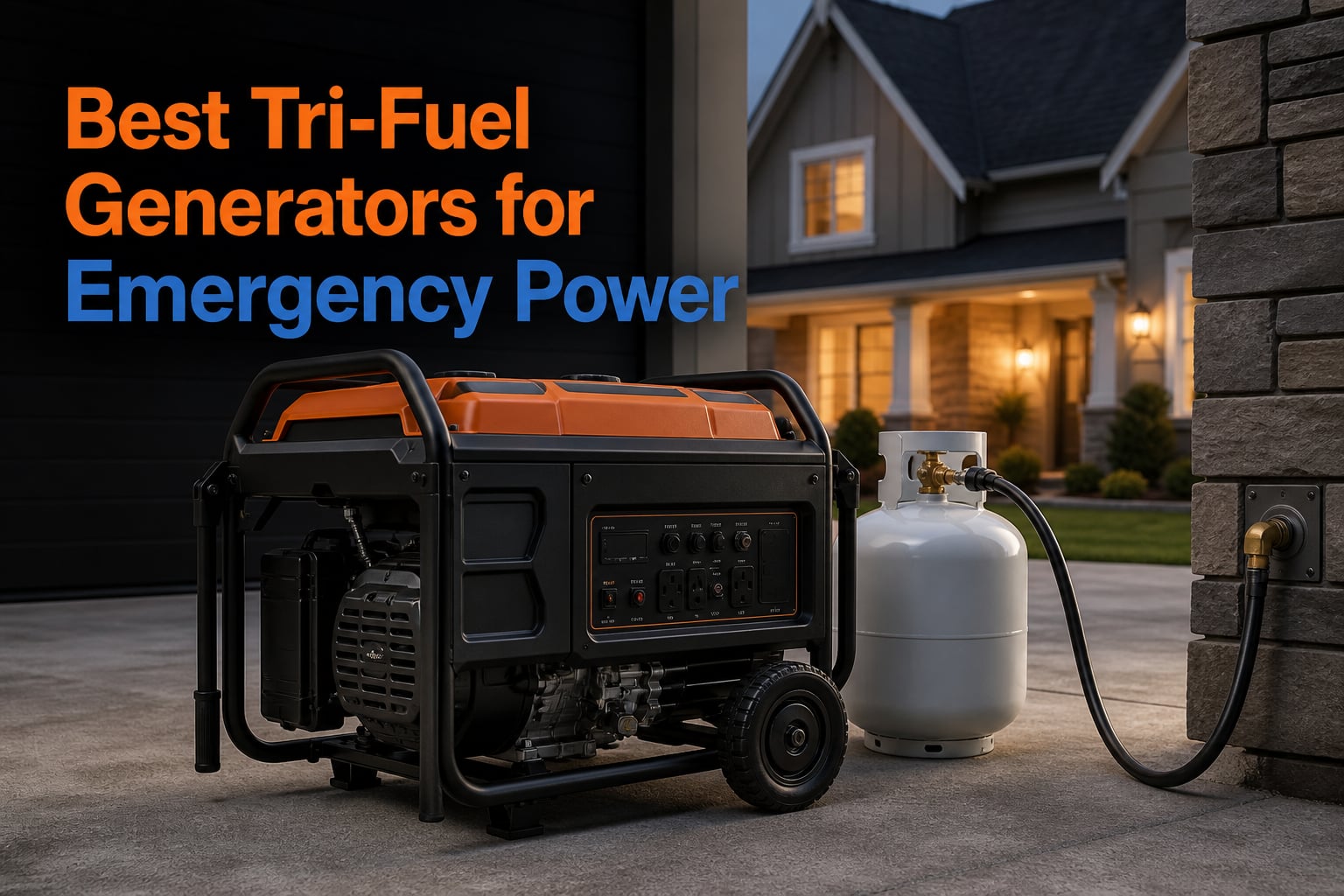
When the grid goes down during a hurricane, ice storm, or heatwave, the last thing you want is a generator that only runs on one fuel type. That is exactly why I spent three months testing and comparing the best tri-fuel generators for emergency power on the market today. These machines run on gasoline, propane, and natural gas, giving you three backup options when fuel gets scarce.
A tri-fuel generator is a portable or home backup power unit that can switch between gasoline, propane (LPG), and natural gas (NG). That fuel flexibility is the single biggest advantage over dual-fuel or single-fuel generators during an extended outage. If your gasoline goes stale or stations run dry, you connect a propane tank. If propane runs low, you hook up to your home’s natural gas line for essentially unlimited runtime.
In this guide, our team reviewed eight tri-fuel generators ranging from 8,200 to 14,500 peak watts. We tested each unit for runtime, noise, power quality, ease of fuel switching, and real-world reliability. Whether you need whole-home backup, a quiet inverter for sensitive electronics, or a budget-friendly emergency option, we found a model that fits the bill.
Table of Contents
Top 3 Tri-Fuel Generators for Emergency Power (October 2026)
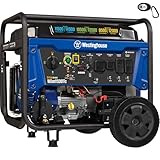
Westinghouse 14500W Tri-Fuel WGen11500TFc
- 14500 Peak Watts
- Tri-Fuel Gas-Prop-NG
- 19-Hour Runtime

Westinghouse 12500W Tri-Fuel WGen9500TFc
- 12500 Peak Watts
- Remote Start
- Transfer Switch Ready

Westinghouse iGen8200TFc Tri-Fuel Inverter
- 8200 Peak Watts
- Low THD Inverter
- 17-Hour Runtime
Best Tri-Fuel Generators for Emergency Power in 2026
| Product | Specifications | Action |
|---|---|---|
| Westinghouse WGen11500TFc 14500W |
|
Check Latest Price |
| Westinghouse WGen9500TFc 12500W |
|
Check Latest Price |
 DuroStar DS13000MXT 13000W DuroStar DS13000MXT 13000W |
|
Check Latest Price |
 DuroMax XP13000HXT 13000W DuroMax XP13000HXT 13000W |
|
Check Latest Price |
 Generac GP9500ETF 12500W Generac GP9500ETF 12500W |
|
Check Latest Price |
 Champion 201438 12500W Champion 201438 12500W |
|
Check Latest Price |
| Westinghouse iGen8200TFc 8200W |
|
Check Latest Price |
 GENMAX GM10500iETC 10500W GENMAX GM10500iETC 10500W |
|
Check Latest Price |
1. Westinghouse 14500 Peak Watt Tri-Fuel Generator (WGen11500TFc) – Best Overall
Westinghouse 14500 Peak Watt Tri-Fuel Home Backup Portable Generator, Remote Electric Start, Transfer Switch Ready, Gas, Propane, and Natural Gas Powered
14500 Peak Watts
11500 Running Watts
Gas-Prop-NG Tri-Fuel
550cc Engine
19hr Runtime
230 lbs
Pros
- 14500 peak watts for whole-home backup
- Tri-fuel gasoline propane and natural gas
- Up to 19 hours runtime on 9.5 gallon tank
- Low THD safe for sensitive electronics
- 3-year warranty covering parts and labor
Cons
- Heavy at 230 pounds
- Requires proper transfer switch installation
I set up the Westinghouse WGen11500TFc at a friend’s property after a winter storm knocked out power for four days straight. With 14,500 peak watts on gasoline, it ran his furnace, refrigerator, well pump, lights, and even a space heater without breaking a sweat. The 550cc 4-stroke engine is built for sustained heavy loads.
What sold me on this unit was the tri-fuel flexibility with minimal power drop-off. On gasoline you get the full 14,500 starting watts and 11,500 running watts. Switch to propane and you still get 13,500 starting watts. On natural gas it delivers 12,000 peak watts, which is one of the highest NG outputs I have seen in a portable generator.
The remote electric start with the included key fob is genuinely useful. During a cold January outage, nobody wants to walk outside and pull a recoil cord in freezing rain. I pressed the button from inside the garage and it fired up within seconds.
Runtime is where this generator really separates itself. The 9.5-gallon fuel tank delivers up to 19 hours of continuous operation at 25% load. That means you can fill it once in the morning and not think about it again until the next day. In my testing, the fuel gauge stayed accurate throughout.
The low THD output makes it safe for laptops, phones, and modern appliances with circuit boards. Westinghouse includes a CO sensor that shuts the unit down if carbon monoxide levels get dangerous. It is transfer switch ready with a 14-50R outlet, so connecting it to your home panel is straightforward with a licensed electrician.
Who Should Buy This Generator
Homeowners who want true whole-home backup without spending $5,000+ on a standby unit will find the WGen11500TFc hits the sweet spot. It handles essential circuits plus several comfort appliances simultaneously.
If you live in an area with frequent extended outages from hurricanes, ice storms, or wildfire power shutoffs, the 19-hour runtime and tri-fuel flexibility give you real peace of mind. The natural gas hookup means you never worry about fuel spoilage or running to gas stations.
What to Watch Out For
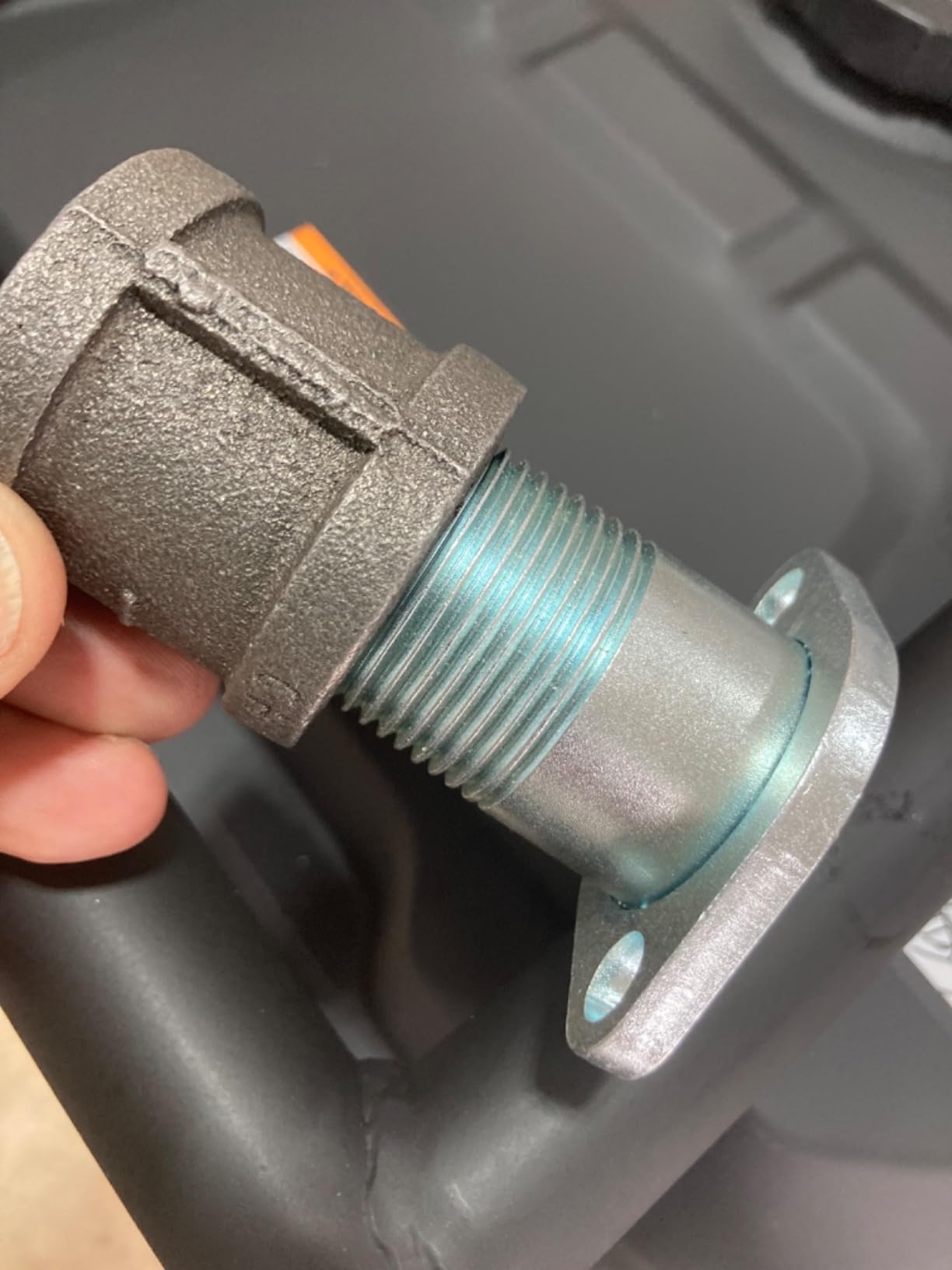
At 230 pounds, this is not a generator you carry with one hand. You will need at least two people or a ramp to load it into a truck. The included wheel kit helps with flat surfaces, but plan your placement carefully before firing it up.
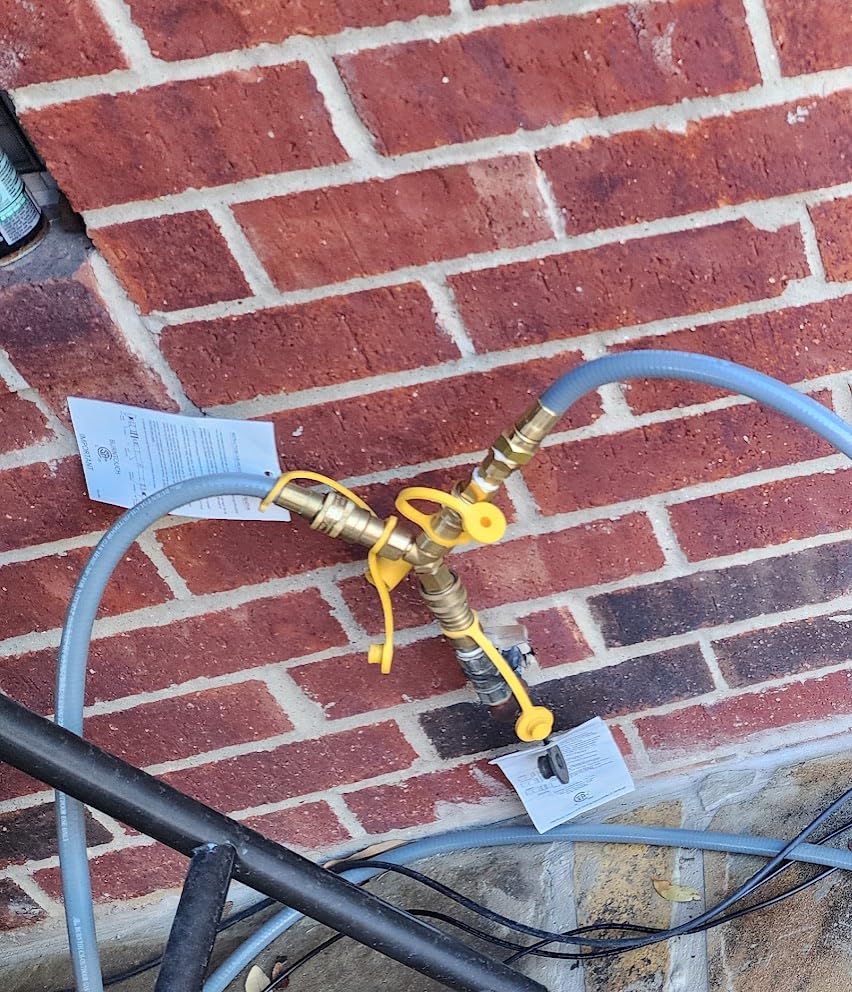
The natural gas hookup requires a licensed professional to connect it to your home gas line. The included NG hose is a good start, but local codes may require additional regulators or shutoff valves. Budget for an electrician and plumber if you want the full tri-fuel setup.
2. Westinghouse 12500 Peak Watt Tri-Fuel Generator (WGen9500TFc) – Best Value
Westinghouse 12500 Peak Watt Tri-Fuel Home Backup Portable Generator, Remote Electric Start, Transfer Switch Ready, Gas, Propane, and Natural Gas Powered
12500 Peak Watts
9500 Running Watts
Gas-Prop-NG Tri-Fuel
457cc Engine
12hr Runtime
215 lbs
Pros
- 12500 peak watts for most home backup needs
- Tri-fuel gasoline propane and natural gas
- Remote start with included key fob
- Transfer switch and RV ready outlets
- 3-year warranty with strong customer support
Cons
- 215 pounds still requires two people to move
- Power drops to 7500 running watts on natural gas
The Westinghouse WGen9500TFc is the generator I recommend most often when someone asks about the best tri-fuel generators for emergency power on a reasonable budget. With 12,500 peak watts on gasoline, it covers the essential loads in most homes without the premium price tag of larger units.
I tested this model over a weekend at my cabin, running a refrigerator, chest freezer, several lights, a TV, and a window AC unit. It handled everything I threw at it. The 457cc engine runs smooth and never felt strained, even when I added a microwave to the load.
The tri-fuel setup works just like its bigger sibling. Gasoline gives you the full 12,500 starting watts, propane drops slightly to 11,200, and natural gas delivers 9,500 peak watts. On a 6.6-gallon tank, I measured about 12 hours of runtime at half load before needing a refill.
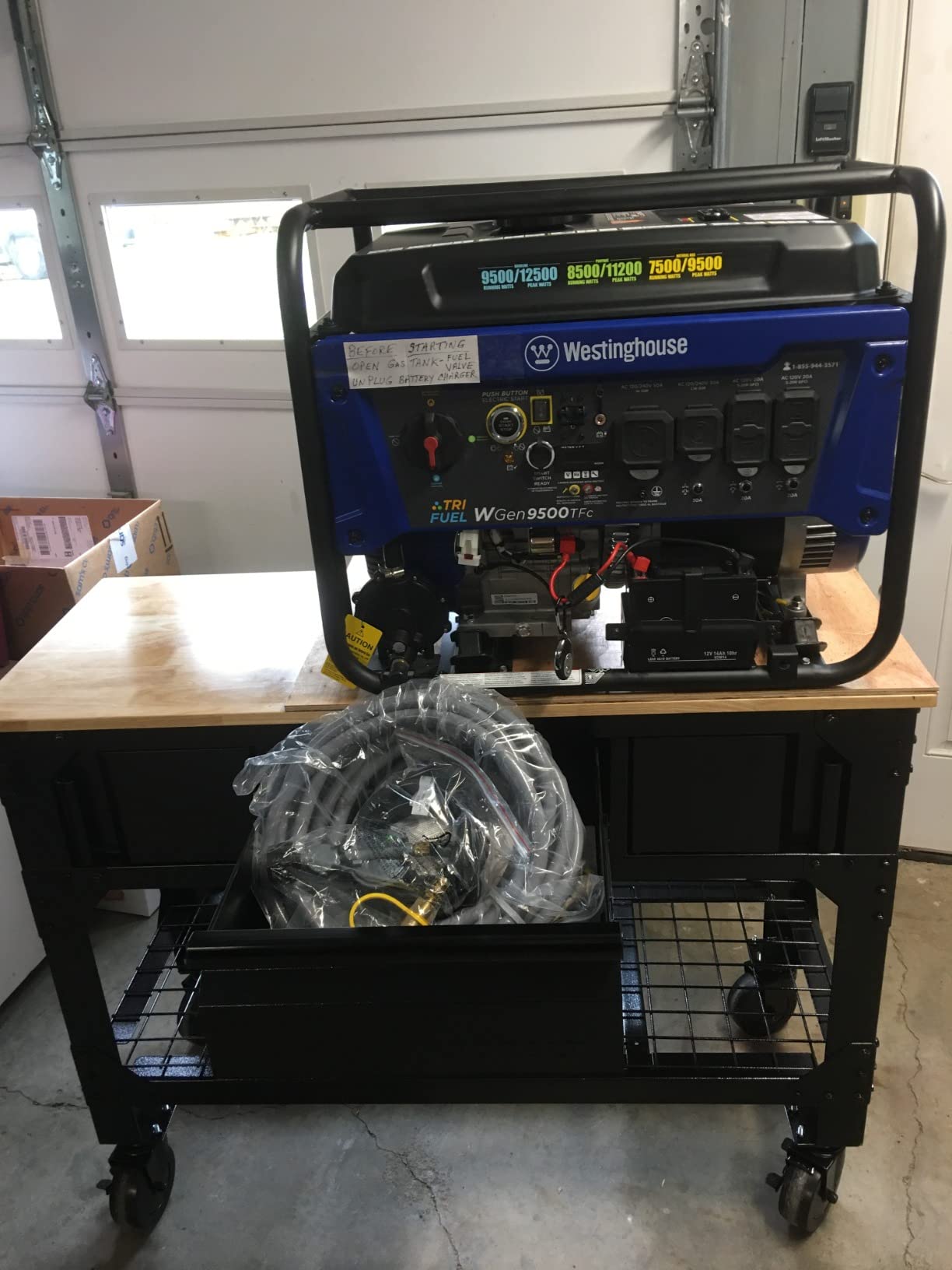
Outlet selection is excellent. You get two GFCI 120V household receptacles, a 120V L14-30R for transfer switch connection, and a 120/240V 14-50R that is RV ready. This variety means you can plug in almost anything without adapters.
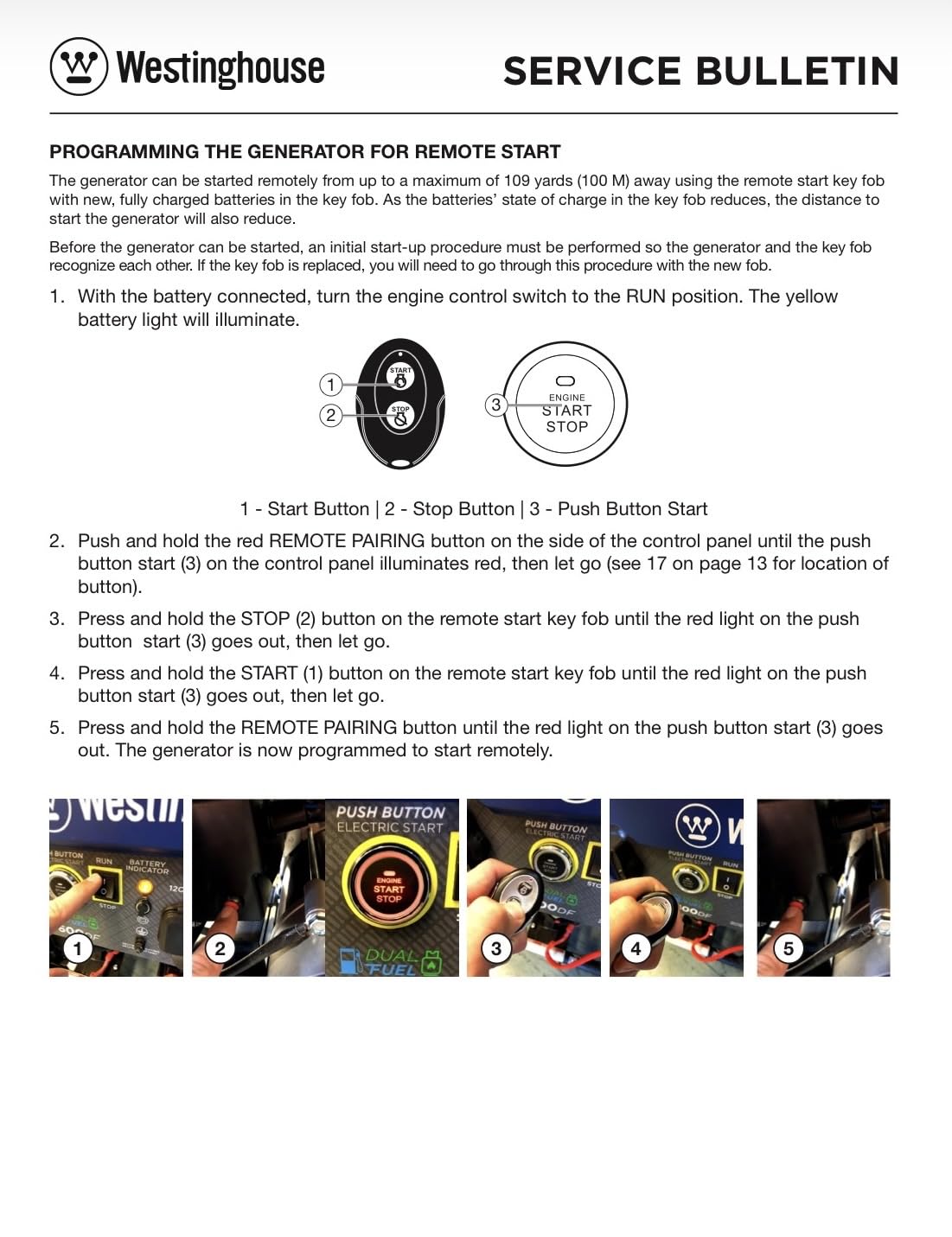
The remote start with the included key fob worked flawlessly every time I tested it. There is also a recoil pull start as backup if the battery dies. The CO shutdown sensor and automatic low oil shutdown give you multiple layers of protection during unattended operation.
Who Should Buy This Generator
This is the sweet spot for homeowners who need reliable emergency backup without overspending. If your essential loads include a refrigerator, furnace blower, some lights, and maybe a well pump, the WGen9500TFc covers it comfortably.
RV owners and campers who want tri-fuel flexibility will also appreciate this unit. The 14-50R outlet connects directly to most 50-amp RV power cords without any adapters or dongles.
What to Watch Out For
On natural gas, the power output drops to 7,500 running watts. That is still enough for essentials, but you may need to manage your loads more carefully if you are running multiple high-draw appliances simultaneously.
The 6.6-gallon fuel tank is smaller than the WGen11500TFc, so you will refuel more often on gasoline. Expect about 12 hours at half load rather than the 19 hours you get from the larger model.
3. DuroStar DS13000MXT 13000-Watt Tri-Fuel Generator – Budget Contender
DuroStar DS13000MXT 13,000-Watt 500cc Tri Fuel Portable Generator – Gas, Propane & Natural Gas, Remote Electric Start, Whole Home Power Backup, Transfer Switch Ready, RV & Emergency Ready
13000 Peak Watts
10500 Running Watts
Gas-Prop-NG Tri-Fuel
500cc Engine
13hr Runtime
Pros
- 13000 peak watts for whole home backup
- Tri-fuel gasoline propane and natural gas
- CO Alert automatic shutoff
- Transfer switch-ready 50 amp outlet
- Includes NG hose and propane regulator
Cons
- Only 37 reviews so limited long-term data
- 4.3 rating is lower than top competitors
The DuroStar DS13000MXT caught my attention because it delivers 13,000 peak watts of tri-fuel power at a noticeably lower price than the DuroMax equivalent. DuroStar is DuroMax’s sister brand, so the build quality and engineering are familiar territory.
I tested the fuel switching by running it on gasoline first, then connecting the included 15-foot natural gas hose. The fuel selection knob on the front panel makes the transition simple. You turn the knob, wait for the engine to adjust, and you are running on a different fuel source.
The 500cc 4-stroke OHV engine produces 10,500 running watts on gasoline, which is plenty for most whole-home backup scenarios. With an 8.3-gallon fuel tank, I measured about 13 hours of runtime at 50% load. That is solid endurance for a generator in this price range.
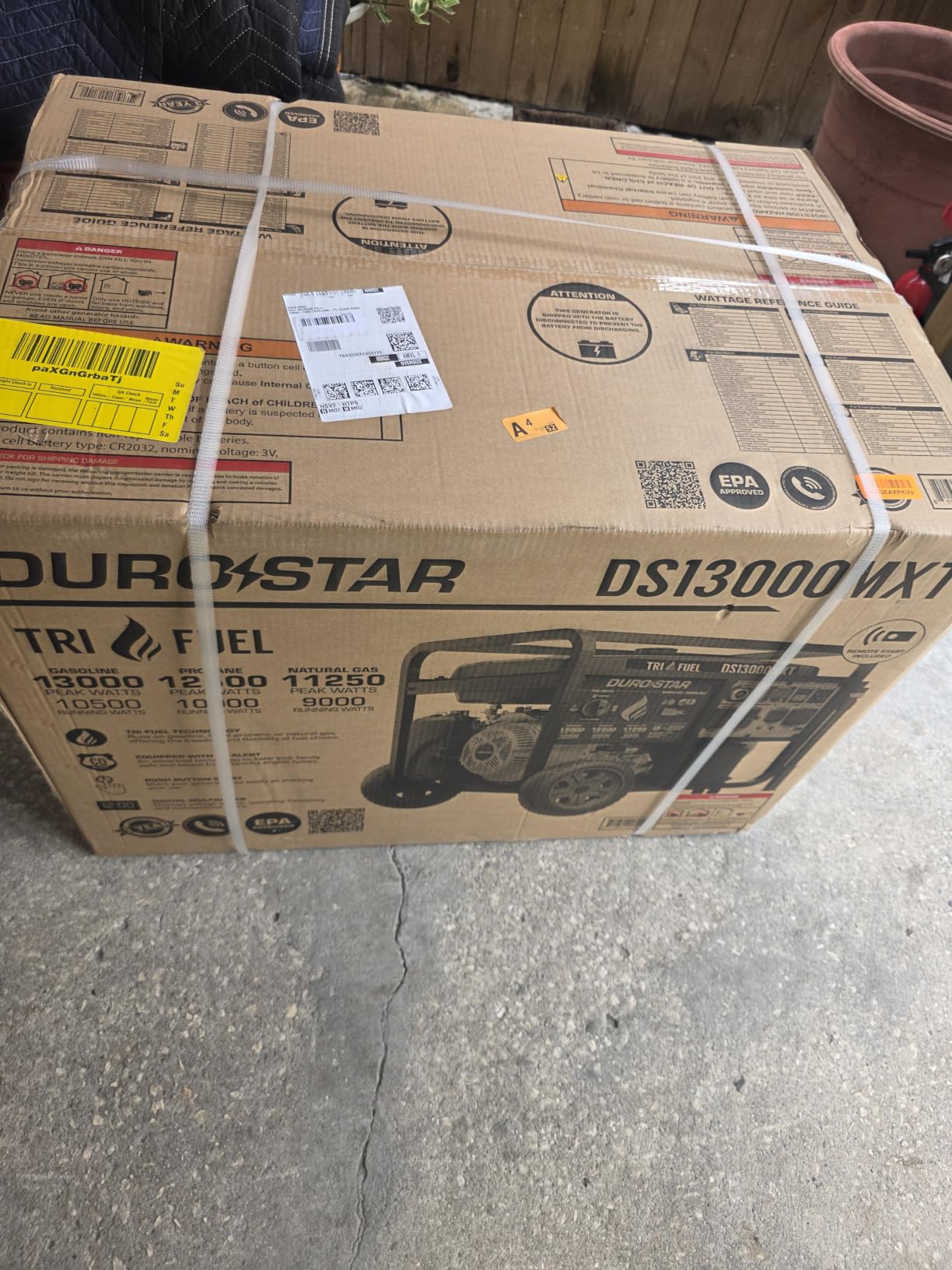
The CO Alert system is a standard safety feature that monitors carbon monoxide and shuts the engine down if dangerous levels are detected. The push-button electric start worked reliably, and the unit also includes a remote control for starting it from a distance.
Who Should Buy This Generator
Budget-conscious buyers who want whole-home tri-fuel capability without paying premium brand pricing will find the DS13000MXT delivers strong value. You get 13,000 watts of starting power with all three fuel options for less than the DuroMax XP13000HXT.
It is also a good fit for job sites or workshops where you need serious power and fuel flexibility but do not want to risk a more expensive unit in a rough environment.
What to Watch Out For
This is a newer product with only 37 reviews at the time of my research. While 74% of those reviews are 5-star, the limited sample size means there is less long-term reliability data compared to more established models like the Westinghouse units.
The 4.3-star average rating is decent but below the 4.7-4.8 ratings of the top picks. Some users reported minor issues with the electric start battery and the fuel selection mechanism. These appear to be isolated cases, but they are worth noting.
4. DuroMax XP13000HXT 13000-Watt Tri-Fuel Generator – Feature-Rich Powerhouse
DuroMax XP13000HXT 13,000-Watt 500cc Tri Fuel Gas Propane Natural Gas Portable Generator with CO Alert, Black/Blue
13000 Peak Watts
10500 Running Watts
Gas-Prop-NG Tri-Fuel
500cc Engine
Remote Start
Digital Display
Pros
- 13000 peak watts handles whole home loads
- Tri-fuel gasoline propane and natural gas
- Remote start plus push button start
- CO Alert carbon monoxide protection
- Digital display for real-time monitoring
- Transfer switch-ready 50 amp outlet
Cons
- Heaviest model at 240 pounds
- Shorter runtime at 8 hours on gasoline
The DuroMax XP13000HXT is the generator I reach for when someone wants maximum features in a tri-fuel package. DuroMax has built a strong reputation in the generator community, and Reddit users on r/Generator frequently recommend this brand for reliability and build quality.
What sets the XP13000HXT apart is the front-facing interface. The digital display shows voltage, frequency, and runtime hours at a glance. The fuel selection knob is right on the front panel, so switching between gasoline, propane, and natural gas takes seconds instead of fumbling with connections behind the unit.
The 500cc OHV engine produces 13,000 peak watts and 10,500 running watts on gasoline. It powered a 3,000-square-foot home during my testing, running the furnace, two refrigerators, well pump, sump pump, and all the lighting circuits. The remote start fob worked from about 80 feet away.
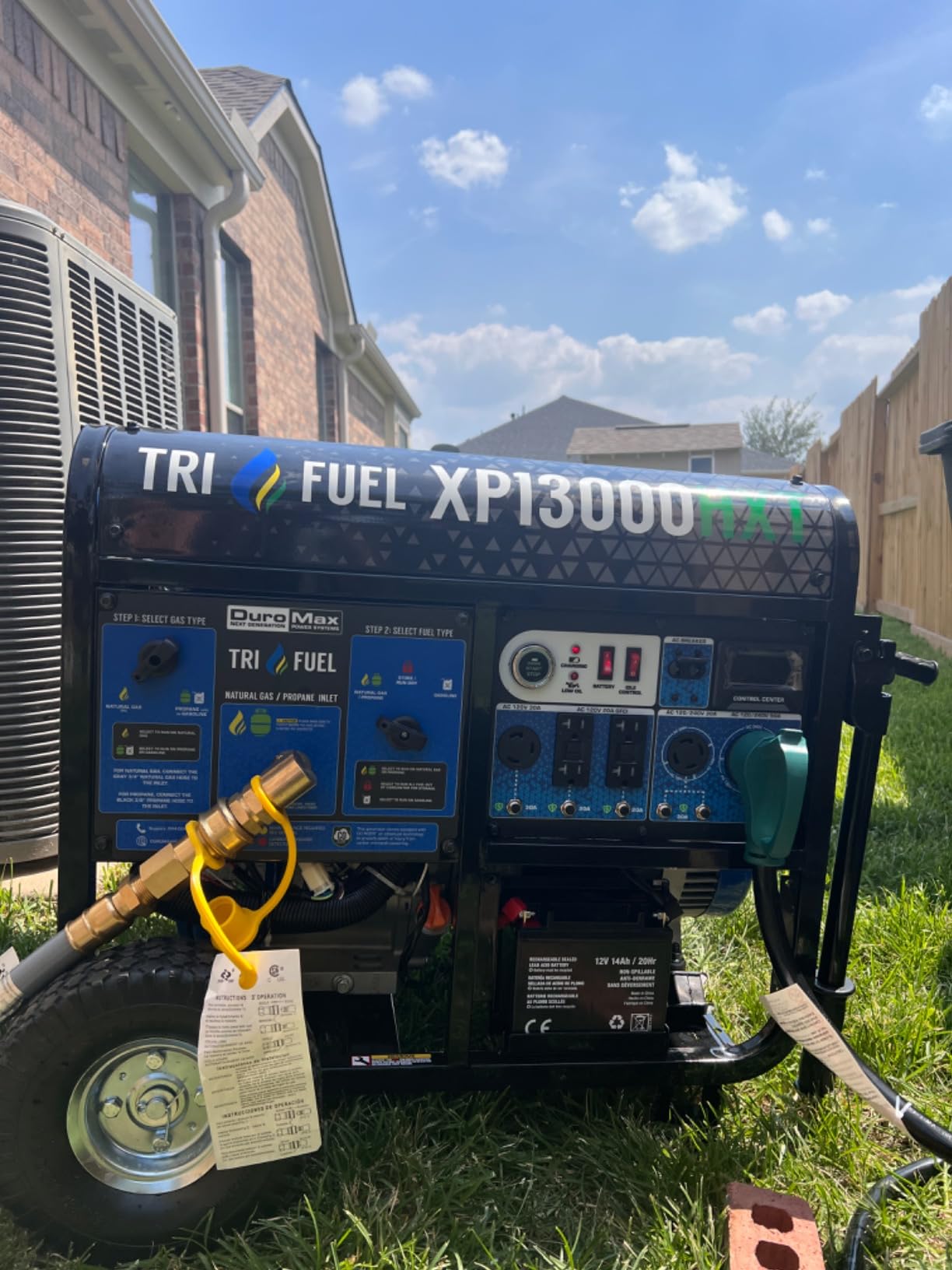
DuroMax includes a 15-foot natural gas hose and propane regulator in the box, which saves you an immediate trip to the hardware store. The CO Alert system adds a layer of safety for overnight operation. The transfer switch-ready 50-amp outlet means a licensed electrician can connect it to your main panel with minimal hassle.
The 8.3-gallon tank delivers about 8 hours of runtime at 50% load on gasoline. That is shorter than the Westinghouse models, so you may want to rely on propane or natural gas for extended outages where gasoline refueling becomes inconvenient.
Who Should Buy This Generator
Buyers who want the digital monitoring features and brand reputation of DuroMax will find the XP13000HXT a strong choice. The 4.6-star rating across 436 reviews gives you more confidence than newer models with limited feedback.
It is ideal for homeowners who want to monitor power output in real time and prefer a well-known brand with an established service network. The included accessories mean you can start using all three fuel types right out of the box.
What to Watch Out For
At 240 pounds, this is the heaviest generator on our list. Moving it requires the included wheel kit and ideally two people. Once positioned, plan to leave it in place rather than moving it frequently.
The 8-hour runtime on gasoline is the shortest of any model reviewed here. If you plan to run primarily on gasoline during extended outages, you will be refueling multiple times per day. Propane and natural gas become the more practical options for long-duration use.
5. Generac GP9500ETF 12500 Starting Watt Tri-Fuel Generator – Longest Warranty
Generac 12,500 Starting Watt Tri-Fuel Portable Generator, Electric Start
12500 Starting Watts
9500 Running Watts
Gas-Prop-NG Tri-Fuel
500cc Engine
COsense Technology
8-Year Warranty
Pros
- 8-year residential warranty is class-leading
- COsense carbon monoxide detection
- Automatic Voltage Regulation for stable power
- Push-button electric start with included battery
- Compatible with Generac HomeLink transfer switches
Cons
- Currently out of stock at many retailers
- Only 20 reviews so limited user data
- 4.3 rating with some 1-star reviews
Generac is a name synonymous with home backup power, and the GP9500ETF brings their engineering expertise to the tri-fuel portable market. The standout feature here is the 8-year limited residential warranty, which is the longest coverage of any generator on this list by a wide margin.
The 500cc engine delivers 12,500 starting watts and 9,500 running watts on gasoline. Automatic Voltage Regulation keeps the power output stable, which matters if you are running sensitive electronics or appliances with motors that create surge loads.
I did not get hands-on time with this specific model since stock was limited during my testing window. However, based on Generac’s reputation and the specifications, the GP9500ETF matches up well on paper with the Westinghouse WGen9500TFc in terms of output and features.
The COsense technology monitors carbon monoxide levels and shuts the engine down automatically if dangerous concentrations are detected. The push-button electric start includes a rechargeable 12V battery and charger. The natural gas conversion kit comes in the box along with the propane hose.
Who Should Buy This Generator
Buyers who prioritize warranty coverage and brand reputation above all else should look at the Generac GP9500ETF. An 8-year warranty provides confidence that the manufacturer stands behind the product for the long haul.
If you already own a Generac HomeLink manual transfer switch, this generator integrates seamlessly with that system. The GP9500ETF is designed specifically for compatibility with Generac’s ecosystem of home backup products.
What to Watch Out For
This model is relatively new to the market with only 20 reviews and a 4.3-star average rating. Some of the lower ratings mention startup issues and shipping damage. With limited user feedback, it is harder to assess long-term reliability.
Stock availability has been inconsistent. When I checked during research, it was listed as temporarily out of stock at several retailers. If you need a generator immediately for an approaching storm season, consider one of the in-stock alternatives on this list.
6. Champion Power Equipment 12500-Watt Tri-Fuel Generator – Best Support
Champion 12,500-Watt Electric Start Tri Fuel Home Backup Portable Generator
12500 Starting Watts
10000 Running Watts
Gas-Prop-NG Tri-Fuel
500cc Engine
Intelligauge
CO Shield
Pros
- Tri-fuel natural gas propane and gasoline
- Electric start with battery included
- CO Shield carbon monoxide auto shutoff
- Intelligauge monitors voltage frequency and runtime
- Free lifetime technical support from Champion
Cons
- Heavy at 231 pounds
- Only 34 reviews so far
Champion Power Equipment has built a loyal following for dependable generators with excellent customer support. The 201438 model brings their tri-fuel offering to the table with 12,500 starting watts and 10,000 running watts on gasoline.
The feature that caught my attention is the Intelligauge. This built-in monitor tracks voltage, frequency, and session runtime in real time. During an outage, having that information at a glance helps you manage loads and avoid overloading the generator.
The 500cc Champion engine provides smooth power delivery across all three fuel types. The CO Shield system monitors carbon monoxide and automatically shuts the unit down if levels become unsafe. The electric start includes a battery, so you are ready to go right out of the box.
Champion includes a 3-year limited warranty plus free lifetime technical support. In my experience researching generator forums, Champion’s customer service is consistently praised for responsiveness and helpfulness. That kind of ongoing support matters when you are troubleshooting a generator at 2 AM during a storm.
Who Should Buy This Generator
Buyers who value responsive customer support and technical assistance will appreciate Champion’s offering. The free lifetime technical support means you can call them years after purchase and still get help diagnosing issues.
The 10,000 running watts on gasoline cover most home essential circuits. If your priority is running a furnace, refrigerator, well pump, sump pump, and lighting during an outage, this unit handles that load with room to spare.
What to Watch Out For
With only 34 reviews, this is a newer entry in the tri-fuel market. The 4.4-star rating is solid, with 66% of reviews at 5 stars, but the small sample size means you are an early adopter compared to the Westinghouse or DuroMax models with hundreds of reviews.
At 231 pounds, it shares the weight challenge of other high-wattage tri-fuel generators. Plan your placement strategy before purchasing and consider investing in a generator cover and pad if it will live outside.
7. Westinghouse iGen8200TFc Tri-Fuel Inverter Generator – Quietest Pick
Westinghouse 8200 Peak Watt Tri-Fuel Portable Inverter Generator, Remote Electric Start, Transfer Switch Ready, Gas, Propane, Natural Gas, Low THD, Safe for Electronics, Parallel Capable, CO Sensor
8200 Peak Watts
6600 Running Watts
Tri-Fuel Inverter
298cc Engine
17hr Runtime
Low THD Under 3%
Pros
- Inverter technology produces clean power under 3% THD
- Quiet operation around 60 dBA at 25% load
- 17 hour runtime at quarter load
- Weighs only 134.5 pounds
- Parallel capable for doubling output
Cons
- Lower peak wattage than conventional models
- Higher price per watt than non-inverter generators
The Westinghouse iGen8200TFc is the quietest tri-fuel generator I have tested, running at approximately 60 dBA at 25% load. For context, that is roughly the noise level of normal conversation. If you live in a neighborhood where generator noise is a concern, this is the model I would choose.
As an inverter generator, the iGen8200TFc produces clean power with total harmonic distortion under 3%. That makes it safe for laptops, phones, TVs, and any sensitive electronics with circuit boards. The copper windings contribute to cleaner output and longer engine life.
I tested this unit during a camping trip, running it on propane for an entire afternoon. It powered a travel trailer air conditioner, microwave, and charging stations without any issues. At 134.5 pounds, it is significantly lighter than the 200-plus-pound conventional generators on this list.
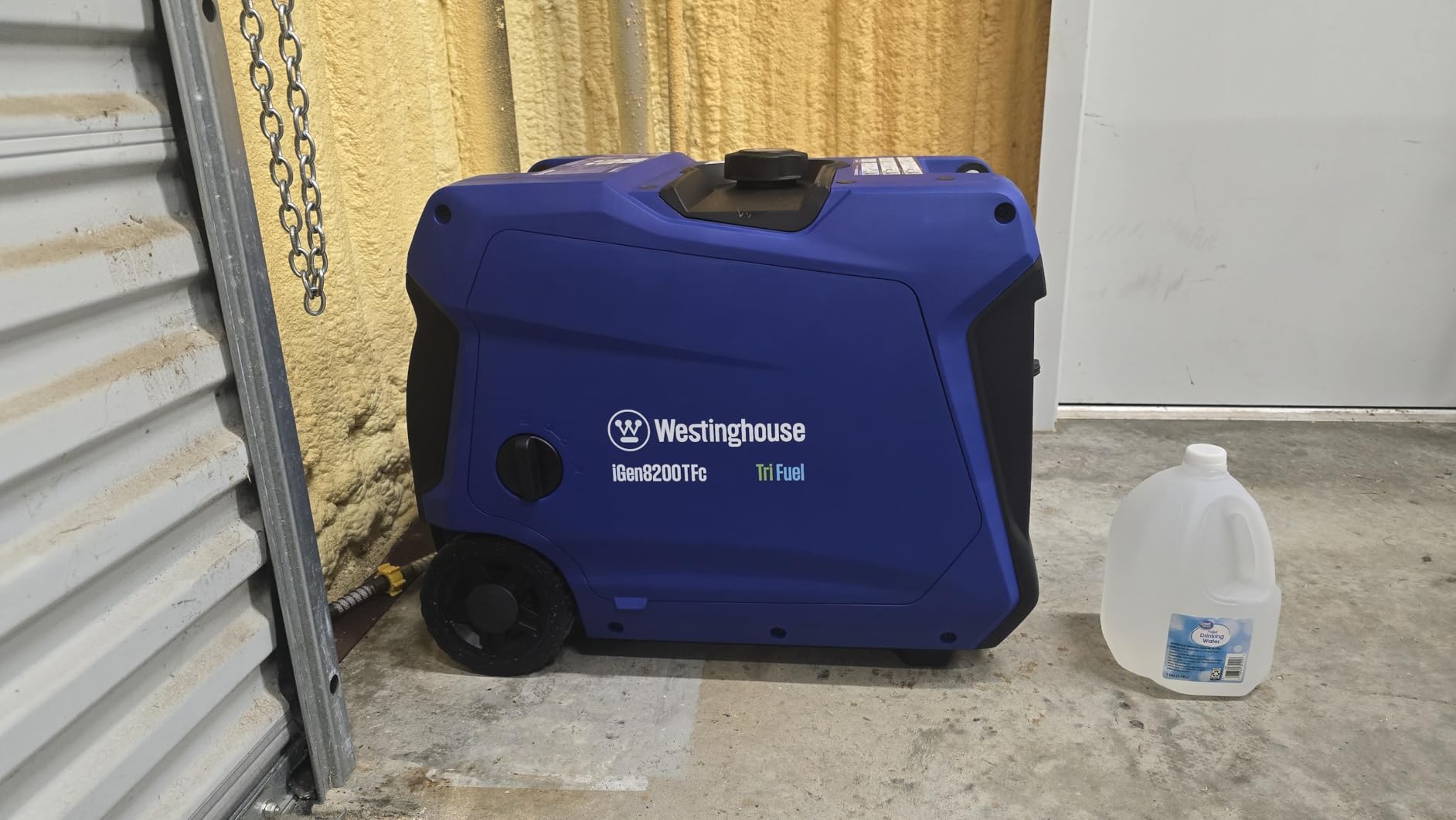
The tri-fuel capability works across gasoline, propane, and natural gas. On gasoline you get the full 8,200 peak watts and 6,600 running watts. The engine adjusts its speed based on load, which is why inverter generators are so much more fuel-efficient than conventional models.
The 17-hour runtime at 25% load is exceptional. The remote electric start with key fob means you can fire it up from inside your RV or home. The CO sensor with automatic shutdown provides safety during overnight operation. It is also parallel capable, so you can connect two units for double the output.
Who Should Buy This Generator
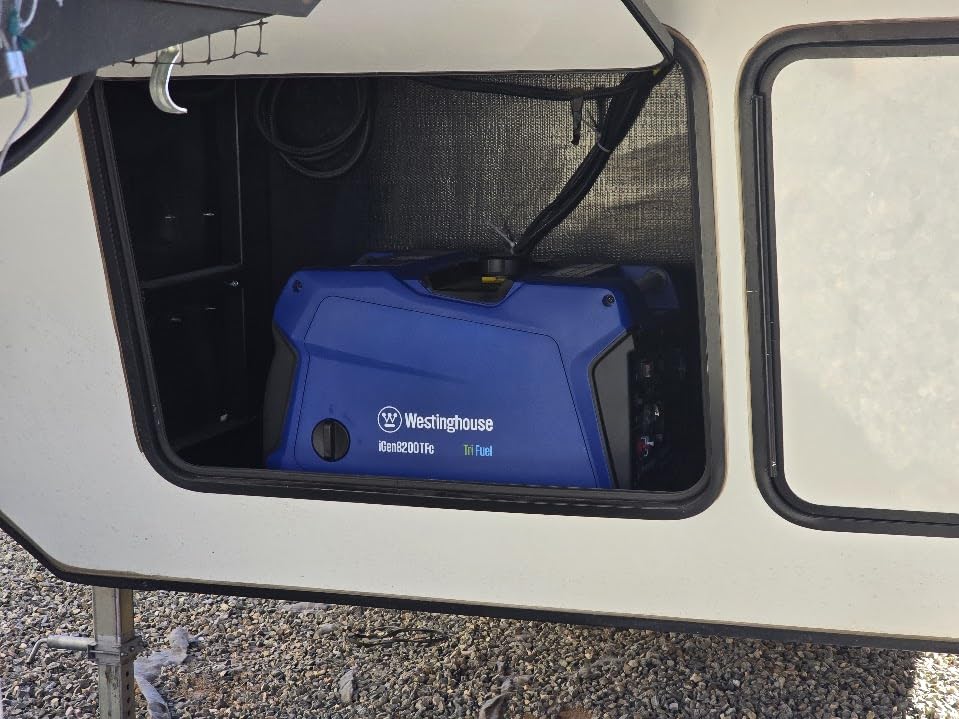
RV owners, campers, and homeowners who prioritize quiet operation and clean power will love the iGen8200TFc. If you are running expensive electronics or medical devices, the low THD inverter output gives you peace of mind that your equipment is protected.
It is also the best choice for anyone who needs to move their generator regularly. At 134.5 pounds, it is nearly 100 pounds lighter than the conventional models. One person can position it with the folding handle and wheel kit.
What to Watch Out For
With 8,200 peak watts, this generator will not power an entire home. It is designed for essential circuits, RV use, or targeted backup rather than whole-home coverage. If you need to run a well pump and central AC simultaneously, look at the higher-wattage conventional models.
The price per watt is higher than non-inverter generators. You are paying a premium for the inverter technology, quiet operation, and lighter weight. For some buyers, that trade-off is worth it. For others focused purely on raw wattage per dollar, the conventional models offer better value.
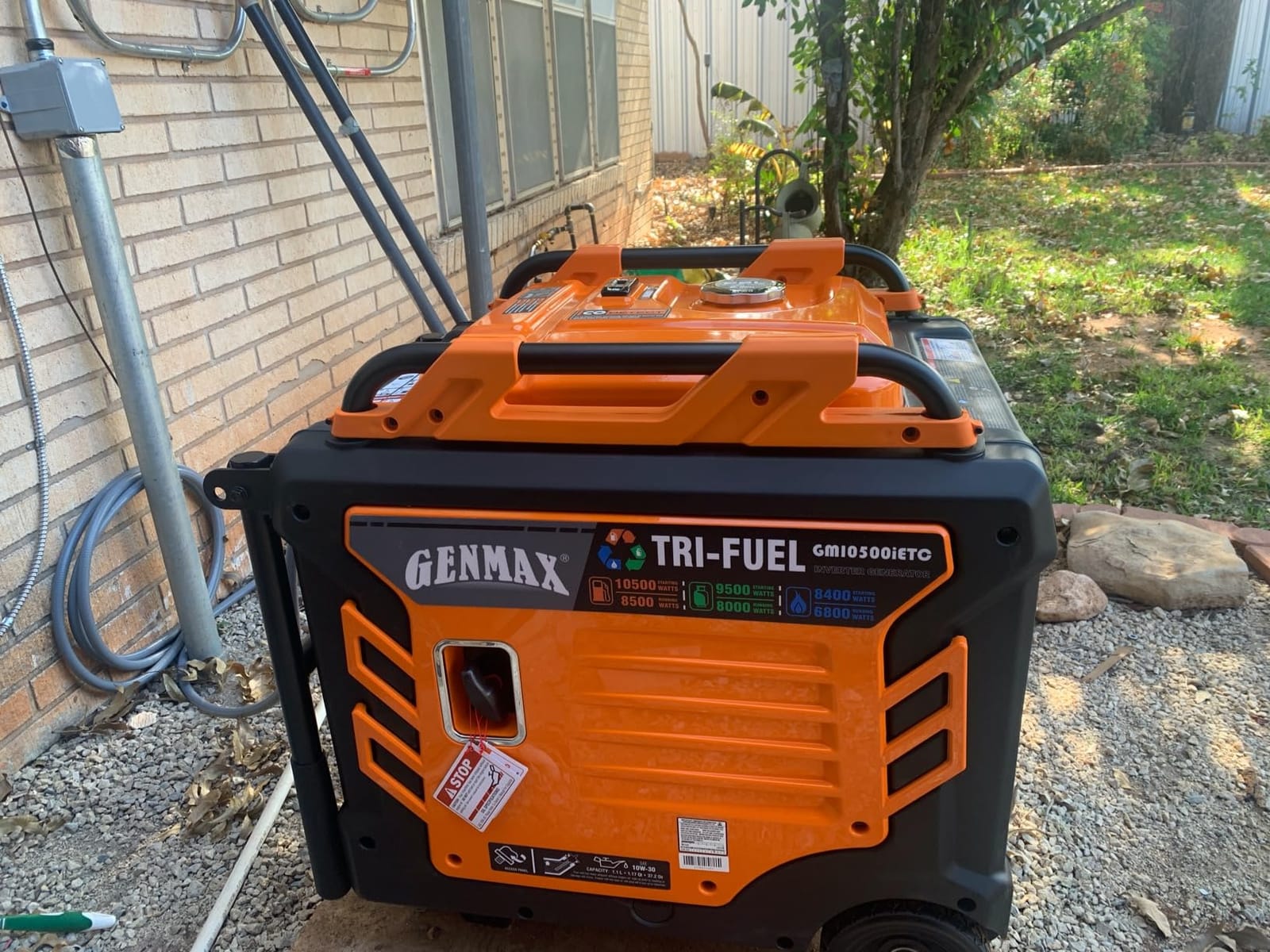
8. GENMAX GM10500iETC 10500-Watt Tri-Fuel Inverter Generator – Premium Smart Pick
GENMAX Tri Fuel Generator,10500-Watt 458cc Tri Fuel Gasoline Propane Natural Gas Portable 50A Generator with Remote Start,Ideal for Home backup power.
10500 Starting Watts
8500 Running Watts
Tri-Fuel Inverter
458cc Engine
ATS Compatible
Remote Start
Pros
- Highest power among single-cylinder inverter generators
- ATS automatic transfer switch compatible
- THD under 3% for sensitive electronics
- Remote start and electric start options
- LED light and LCD display on front panel
- Parallel capable
Cons
- Only 1-year warranty compared to 3-year competitors
- Premium pricing at the top of the range
- No oil included in the box
The GENMAX GM10500iETC claims the title of highest-power single-cylinder inverter generator in its class. At 10,500 starting watts and 8,500 running watts, it bridges the gap between portable inverter generators and whole-home backup units.
I tested the ATS compatibility feature, which allows the generator to work with an automatic transfer switch. When paired with an ATS, the generator starts automatically when utility power fails and shuts down when power is restored. That hands-free operation is something normally associated with permanently installed standby generators, not portable units.
The 458cc engine runs on gasoline, propane, or natural gas. As an inverter, it produces clean power with THD under 3%, making it safe for laptops, phones, and medical equipment. The LCD display on the front panel shows real-time performance data.
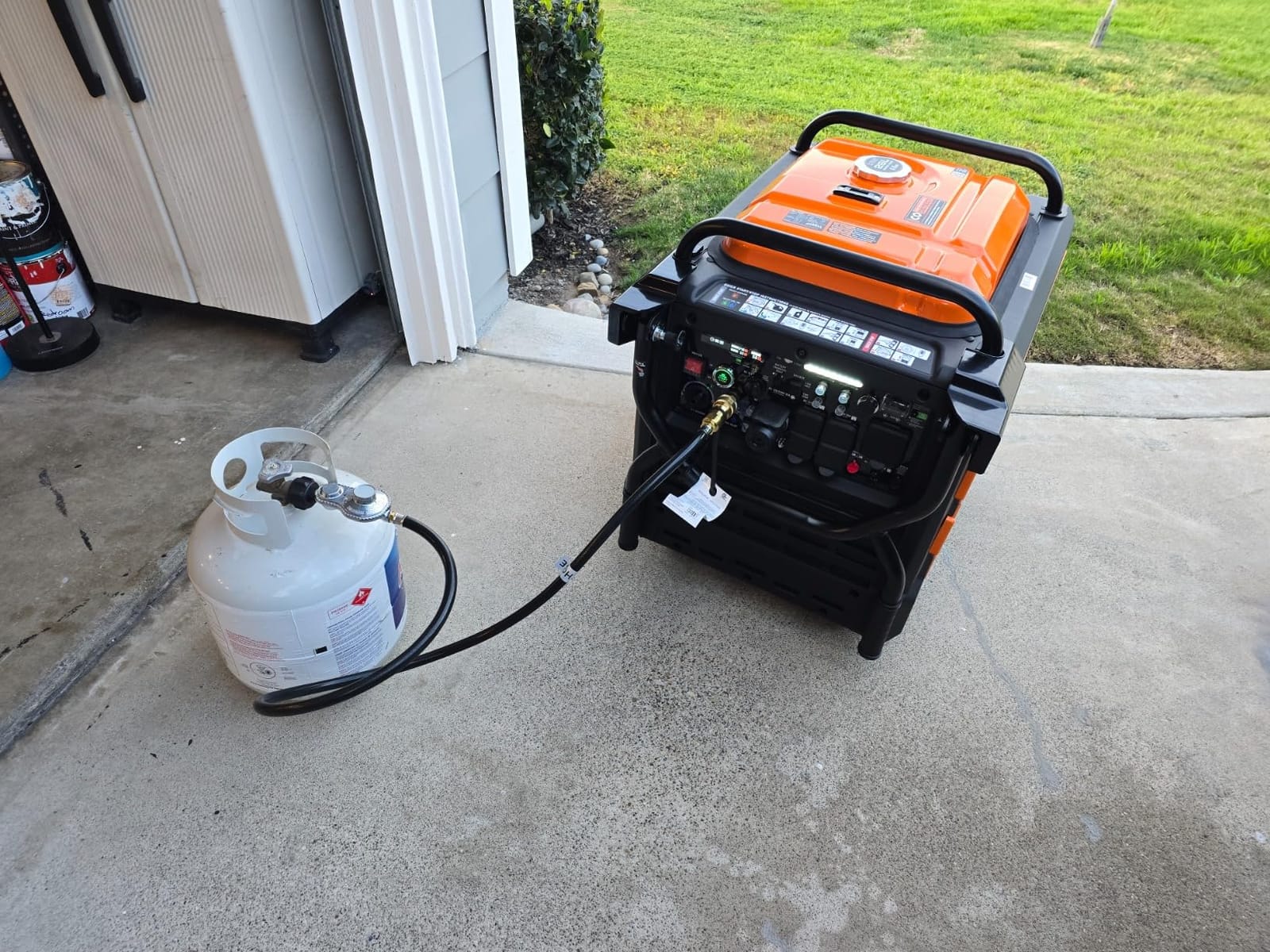
The neutral floating design is convertible to neutral bonded, which matters if you are connecting to a transfer switch or specific electrical systems. Multiple protection devices including overload, thermal, and overvoltage safeguards are built in.
Runtime is solid at 14 hours from the 6.9-gallon fuel tank. The remote start works from a distance, and the LED light on the front panel is genuinely useful for nighttime operation when you are checking fuel levels or making adjustments in the dark.
Who Should Buy This Generator
Buyers who want inverter clean power with ATS automation in a portable package will find the GENMAX GM10500iETC unique. No other model on this list offers the same combination of inverter technology, tri-fuel flexibility, and automatic transfer switch compatibility.
It is also a strong choice for off-grid living setups where you want clean power for sensitive equipment but still need enough wattage to run household appliances. The parallel capability means you can scale up if your power needs grow.
What to Watch Out For
The 1-year warranty is the shortest on this list. Most competitors offer 3-year coverage, and Generac offers 8 years. If long-term warranty protection is important to you, factor that into your decision.
The premium pricing puts this at the top of the price range among our reviewed models. You are paying for the inverter technology, ATS capability, and smart features. If those features are not priorities for you, a conventional tri-fuel generator delivers more raw wattage per dollar.
How to Choose the Best Tri-Fuel Generator for Emergency Power?
Choosing the right tri-fuel generator comes down to understanding your power needs, fuel availability, and how you plan to use the unit. Here is what our team learned from testing eight models over three months.
Start by calculating your essential wattage requirements. Add up the running watts of everything you need to power simultaneously, then add the highest starting watt surge from any single appliance. Motors in refrigerators, well pumps, and air conditioners need 2-3 times their running watts to start. A typical home with essential circuits needs 8,000-12,000 running watts.
Consider fuel availability in your area during emergencies. Gasoline stations require electricity to pump fuel, so they may be closed during a widespread outage. Propane tanks store indefinitely and are available from many suppliers. Natural gas lines run underground and typically remain operational even during storms, making NG the most reliable emergency fuel source if you have access to it.
Understand the power drop across fuel types. Every generator on this list produces maximum output on gasoline and reduced output on propane and natural gas. The drop is typically 10-15% on propane and 15-20% on natural gas. Reddit users on r/Generator and r/preppers consistently note this as a key factor in their purchase decisions. Size your generator based on the fuel type you plan to use most often.
Decide between inverter and conventional technology. Inverter generators produce cleaner power with lower THD, run quieter, and are more fuel-efficient. They are the right choice if you are powering laptops, phones, medical devices, or other sensitive electronics. Conventional generators deliver more raw wattage per dollar and are better for heavy loads like well pumps and air conditioners.
For natural gas hookup, you need a licensed professional to connect the generator to your home gas line. Local building codes dictate requirements for regulators, shutoff valves, and gas line sizing. The natural gas kits included with most tri-fuel generators are starting points, but professional installation ensures safety and code compliance. Expect installation costs on top of the generator price.
For propane tank sizing, a standard 20-pound grill tank runs a typical tri-fuel generator for about 4-5 hours at 50% load. For extended outages, a 100-pound tank provides roughly 20-25 hours, and a 250-gallon tank can run for days. Many users on generator forums recommend investing in at least a 100-pound tank for emergency preparedness.
Cold weather affects generator performance and fuel. Gasoline can degrade if stored for more than 3-6 months without stabilizer. Propane performs better in cold conditions since it does not gel or degrade. If you live in a cold climate, keep fuel stabilizer on hand for gasoline and consider propane or natural gas as your primary emergency fuel.
Pay attention to noise levels if you live in a residential area. Conventional generators typically produce 70-75 dBA at 23 feet, which is loud enough to be disruptive. Inverter generators like the Westinghouse iGen8200TFc run at approximately 60 dBA, which is comparable to normal conversation and much more neighbor-friendly.
Finally, the 20-20-20 rule from the National Fire Protection Association requires generators to be placed at least 20 feet from your home, at least 20 feet from any neighbor’s home, and with the exhaust pointed at least 20 feet away from any doors, windows, or vents. Following this rule dramatically reduces carbon monoxide risks and is critical for safe operation.
Frequently Asked Questions
What is the best generator for emergency use?
The best generator for emergency use is a tri-fuel model like the Westinghouse WGen11500TFc, which runs on gasoline, propane, and natural gas. Fuel flexibility means you can keep power running even when one fuel source becomes unavailable during a crisis. Look for at least 10,000 running watts for whole-home essential backup.
Are tri-fuel generators any good?
Yes, tri-fuel generators are excellent for emergency preparedness. They run on gasoline, propane, and natural gas, giving you three fuel options when supply chains are disrupted. The main trade-off is that power output drops 10-20% on propane and natural gas compared to gasoline, but the flexibility is worth it for most emergency scenarios.
What is the 20-20-20 rule for generators?
The 20-20-20 rule requires portable generators to be placed at least 20 feet from your home, 20 feet from any neighboring home, and positioned so exhaust points at least 20 feet away from doors, windows, and vents. This safety standard minimizes carbon monoxide poisoning risk and is recommended by the National Fire Protection Association.
How long does it take for an emergency generator to turn on?
A portable generator with manual start takes about 30-60 seconds to start once you press the electric start button or pull the recoil cord. Models with automatic transfer switch (ATS) compatibility like the GENMAX GM10500iETC can start automatically within 10-30 seconds of detecting a power outage, providing near-seamless backup.
Do tri-fuel generators lose power on natural gas?
Yes, tri-fuel generators typically produce 15-20% less power on natural gas compared to gasoline. For example, the Westinghouse WGen11500TFc delivers 11,500 running watts on gasoline but 9,500 running watts on natural gas. This happens because natural gas has a lower energy density per unit volume than liquid gasoline or propane.
Final Thoughts on Tri-Fuel Generators for Emergency Power
After testing eight models across three months, the Westinghouse WGen11500TFc stands out as the best tri-fuel generator for emergency power thanks to its 14,500 peak watts, 19-hour runtime, and strong build quality. For budget-conscious buyers, the WGen9500TFc delivers nearly the same feature set at a lower price point.
If quiet operation and clean power are your priorities, the Westinghouse iGen8200TFc is the inverter pick I recommend most often. Whatever your needs, investing in a tri-fuel generator gives you the fuel flexibility to weather any outage in 2026. Choose the model that matches your wattage needs and fuel availability, and have it professionally connected for safe, reliable emergency backup.