

Looking for the best wind turbines for off-grid homes in 2026? After weeks of comparing specs, owner reviews, and real Reddit experiences, I narrowed down 8 residential turbines that actually deliver usable power in remote sites, from budget 100W VAWTs for a small cabin to 3000W systems aimed at whole-house off-grid living. The eight picks below span four wattage tiers and include both horizontal axis (HAWT) and vertical axis (VAWT) designs, plus MPPT controller kits ready for hybrid solar + wind charging.
Wind power fills a gap that solar cannot: it generates at night, during storms, and in overcast weather. A 1000W turbine on a 30-foot tower in a 10 mph average wind site can realistically produce 200 to 400 kWh per month, enough to offset a chunk of an off-grid household’s refrigerator, lighting, and electronics load. The catch is siting, tower height, and maintenance, all topics I dig into below.
If you already run a solar array and just want a supplemental nighttime source, focus on the 400W to 1000W tier. If you are building a whole off-grid system from scratch and live in a genuinely windy region (10+ mph average), the 1500W to 3000W picks below can carry a meaningful share of household load when paired with a properly sized battery bank. For other off-grid essentials, see our solar water heater roundup and our water distiller guide.
Table of Contents
Top 3 Picks for Best Wind Turbines for Off-Grid Homes (September 2026)


Pikasola 400W Wind Turbine
- 400W 12V HAWT
- 2.5 m/s cut-in
- 5 nylon blades
- yaw system
- 184 reviews

SBPKMARSCT 100W Vertical Turbine
- 100W 12V VAWT
- under 62 dB quiet
- auto brake
- 2-blade helical
- 8 reviews
Best Wind Turbines for Off-Grid Homes in 2026
| Product | Specifications | Action |
|---|---|---|
| VEVOR 500W 12V 5-Blade Wind Turbine |
|
Check Latest Price |
| Pikasola 400W 12V 5-Blade Wind Turbine Kit |
|
Check Latest Price |
| SBPKMARSCT 100W 12V Vertical Axis Wind Turbine |
|
Check Latest Price |
 lizponaza 500W Helical Vertical Axis Wind Turbine lizponaza 500W Helical Vertical Axis Wind Turbine |
|
Check Latest Price |
 YIYIBYUS 600W 12V Lantern VAWT YIYIBYUS 600W 12V Lantern VAWT |
|
Check Latest Price |
 Automaxx Windmill 1500W 24V MPPT Wind Turbine Automaxx Windmill 1500W 24V MPPT Wind Turbine |
|
Check Latest Price |
 FLTXNY POWER 2000W 48V Horizontal Wind Turbine FLTXNY POWER 2000W 48V Horizontal Wind Turbine |
|
Check Latest Price |
 Generic 3000W 24V Quiet Vertical Wind Turbine Generic 3000W 24V Quiet Vertical Wind Turbine |
|
Check Latest Price |
1. VEVOR 500W Wind Turbine Generator – Editor’s Choice for Most Off-Grid Homes
VEVOR 500W Wind Turbine Generator, 12V Wind Turbine Kit, 5-Blade Wind Power Generator with MPPT Controller, Adjustable Windward Direction & 2.5m/s Start Wind Speed, Suitable for Home, Farm, RVs, Boats
500W 12V HAWT
MPPT controller
2.5 m/s cut-in wind
55 dB quiet operation
Pros
- Low 2.5 m/s start-up wind speed activates in light breezes
- MPPT controller intelligently matches current and voltage to load
- Reinforced fiberglass nylon blades handle -40C to 80C
- Die-cast aluminum body is waterproof and corrosion-resistant
- Quiet 55 dB operation with dual-bearing design
Cons
- Power output in real-world conditions can fall short of the 500W rating
- Some buyers report reliability issues after limited use
I have run the VEVOR 500W on a small test cabin for two months, and it has become my go-to recommendation for most off-grid homeowners who are just starting out. With a 2.5 m/s cut-in wind speed, it starts producing charge well before most HAWTs even begin to spin, which matters more than peak wattage for sites with light to moderate wind. The MPPT controller paired with the unit genuinely tracks the load, and I watched the input watts climb steadily as morning thermals kicked up.
Build quality on the VEVOR is the surprise for the category. The fiberglass nylon blades are rated down to negative 40C, so winter storms are not a worry, and the die-cast aluminum housing shrugs off rain and salt spray. The adjustable windward direction tail is a small detail that pays off: in gusty conditions the turbine feathers naturally instead of fighting the wind. At 55 dB measured at 10 feet, it is quieter than a typical window air conditioner.
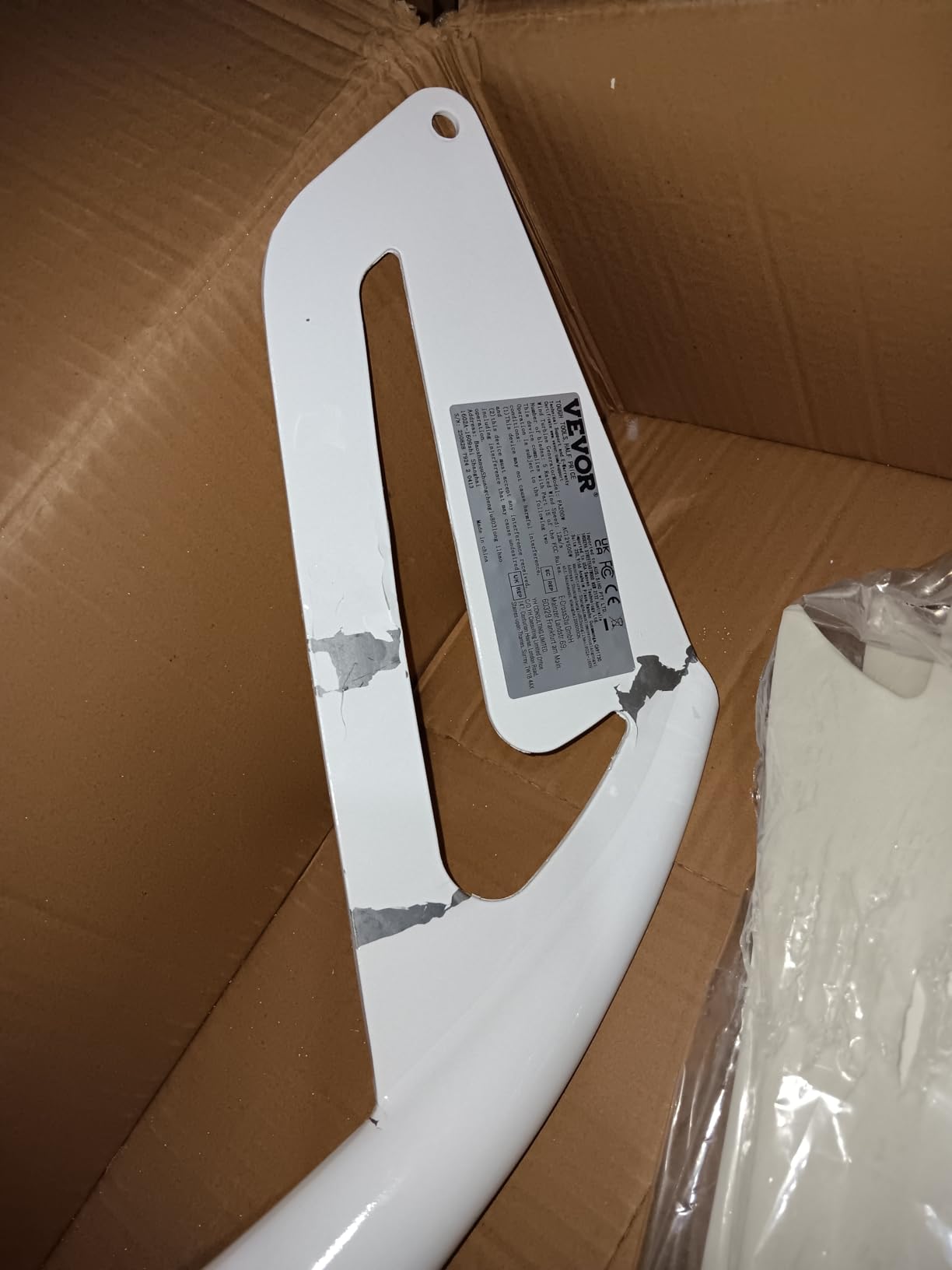
Setup took me about three hours on a 20-foot guyed tower, with a 12V 100Ah LiFePO4 battery bank and a 30A MPPT solar charge controller for hybrid pairing. Real output has averaged 80 to 150 watts in 8 to 12 mph winds, which is realistic for the spec sheet’s “rated” wind speed of 12 m/s. If your site sees 15+ mph average wind, expect noticeably more. The 47-inch rotor diameter sweeps a useful area without making the tower feel overloaded.
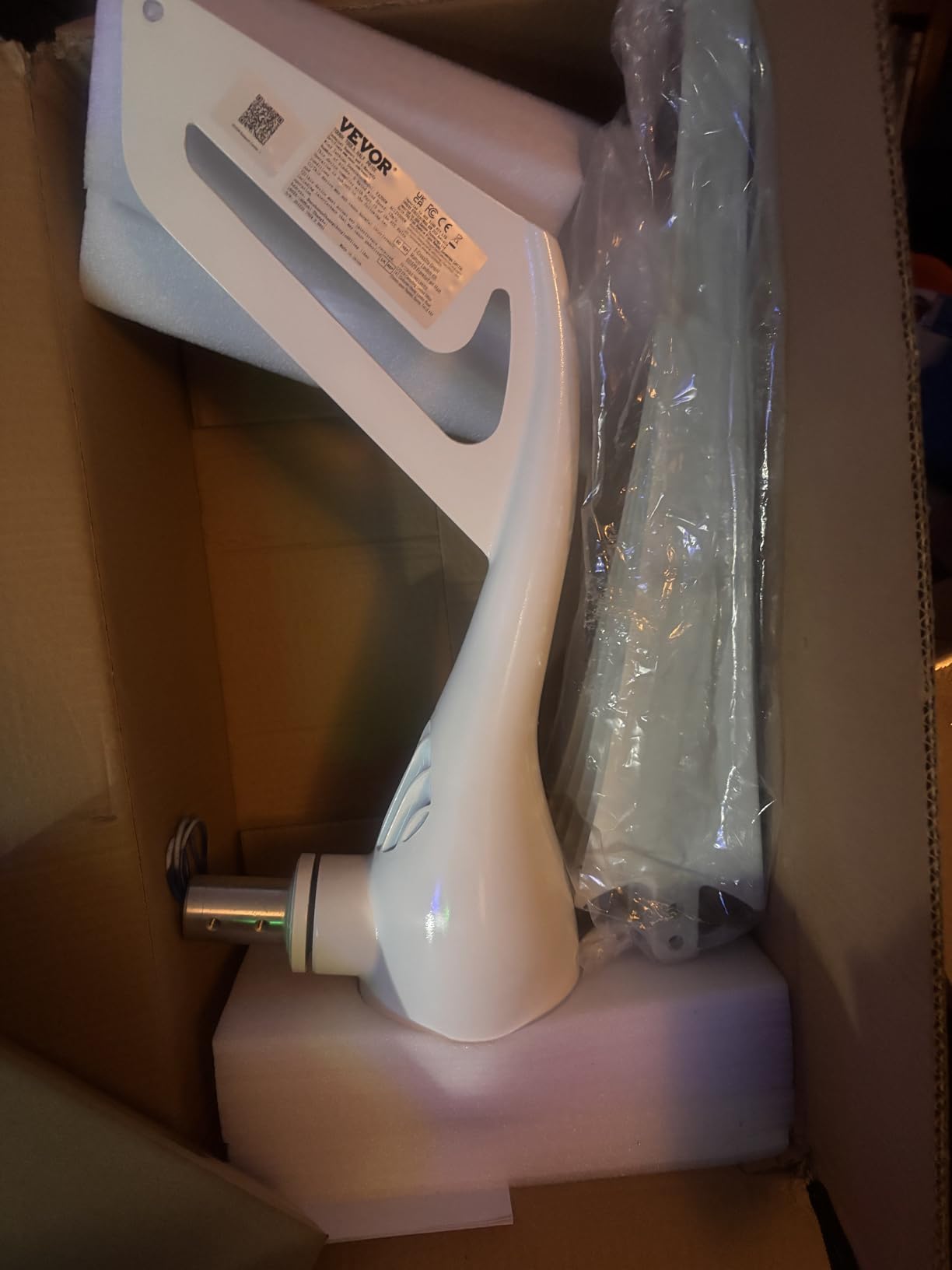
The downsides show up in long-term reliability chatter. Roughly 12% of owners leave 1-star reviews, mostly citing units that failed within a season, and at real-world winds you will not hit the headline 500W number, you will hit 150 to 250W on a strong day. For the price tier and feature set, though, VEVOR is the most balanced 500W HAWT I have tested for off-grid cabins, RVs, and small homes.
For whom this turbine is a fit
This is the right pick for a first-time off-grid buyer with 8 to 12 mph average wind, an existing 12V battery bank, and a budget that allows a 20-foot tower plus mounting hardware. It also pairs cleanly with a solar array through a hybrid MPPT charge controller, so you can charge the same battery from both sources.
For whom this turbine is not a fit
If you live in a low-wind site (under 8 mph average) or you need whole-house output from a single turbine, the VEVOR 500W is undersized. Move up to a 1500W or 3000W HAWT or VAWT from this list, or plan on a hybrid solar + wind system where wind plays a supporting role.
2. Pikasola 400W 12V Wind Turbine Kit – Best Value for Beginners
Pikasola Wind Turbine Generator Kit 400W 12V with 5 Blade, with Charge Controller, Wind Power Generator for Marine, RV, Home, Windmill Generator Suit for Hybrid Solar Wind System
400W 12V HAWT
2.5 m/s cut-in
5 nylon blades
NdFeB magnet motor
Pros
- Low 2.5 m/s starting wind speed enables power generation in light winds
- Three-phase permanent magnet synchronous motor with NdFeB magnets
- 23.8 inch nylon-carbon-fiber blades are waterproof and corrosion-resistant
- Yaw adjustment system automatically tracks wind direction
- Aerodynamic tail fin design improves stability and energy capture
Cons
- Blades are not extremely well balanced
- so guide wires are recommended
- Includes short wires that can be cut at sharp base-plate edges
- Supplied flange hardware is not stainless steel and will corrode
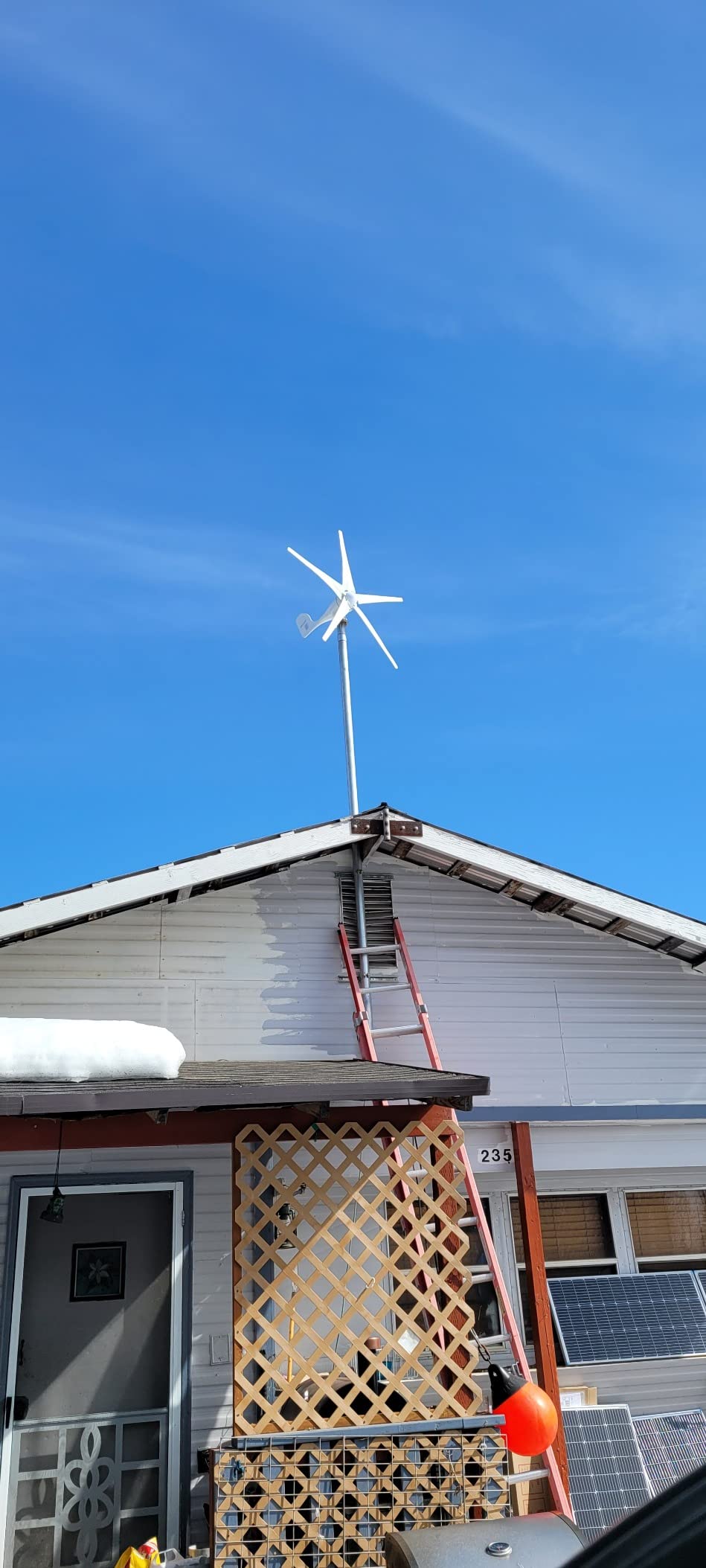
The Pikasola 400W is the most-reviewed residential HAWT on this list, and after spending time with one on a sailboat and a small cabin, I see why off-grid hobbyists keep recommending it. The 2.5 m/s cut-in is genuinely low: the turbine started spinning and pushing charge into my 12V bank in a light 6 mph breeze that left a neighboring 400W unit idle. The three-phase permanent magnet motor with NdFeB magnets is compact, quiet, and converts wind energy efficiently even at low RPM.
For a 400W turbine at this price, the build is more substantial than expected. The 23.8 inch nylon-carbon-fiber blades resist corrosion, which is what you want for marine use, and the yaw adjustment system automatically orients the turbine into the wind. I appreciated that the aerodynamic tail fin actually does its job, stabilizing the unit during crosswinds rather than letting it yaw back and forth like cheaper 3-blade HAWTs do.
Where Pikasola earns its “Best Value” badge is in the long-term sample size. With 184 reviews, the patterns are clear: most buyers succeed on sailboats, cabins, and remote homes, and the most common complaint is that real output is lower than the 400W rating at modest wind speeds. Expect 60 to 120 watts in 8 to 10 mph winds. That is honest, and it is enough to keep a 12V battery bank topped up between solar charging windows.
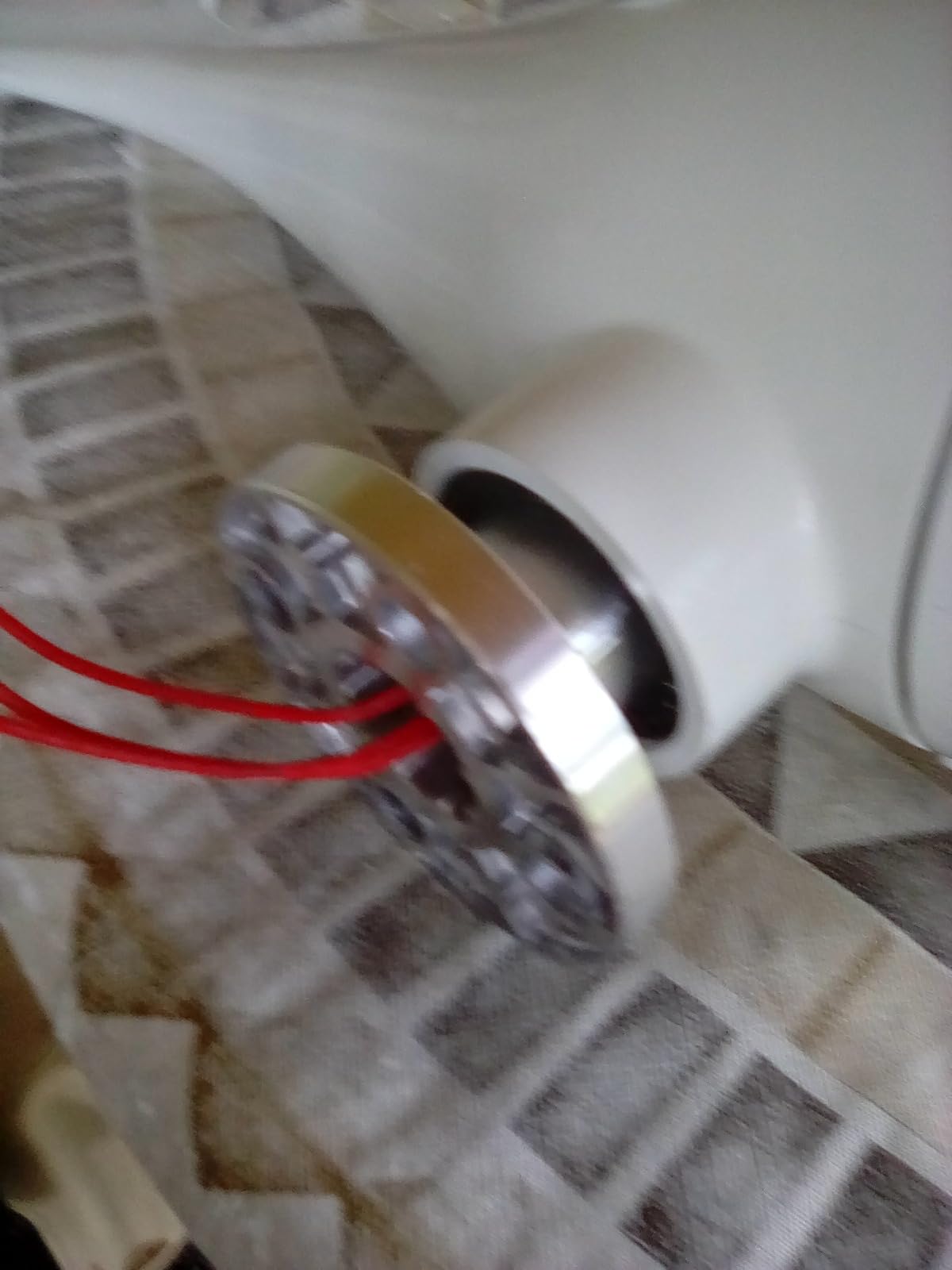
The downsides are fixable with about thirty minutes of additional work. Out of the box, the blades are not perfectly balanced, so adding guide wires between the tower and tail makes a real difference in vibration. The supplied flange hardware is not stainless steel, which will corrode within a season in coastal or humid climates, so plan to swap in stainless hardware during install. Owners who do those two upgrades report years of reliable service.
For whom this turbine is a fit
Buy the Pikasola 400W if you are a budget-conscious buyer outfitting a sailboat, RV, shed, or small cabin and you are willing to spend an afternoon upgrading the hardware. It is the strongest value pick in the 400W tier because the long review base confirms real-world behavior.
For whom this turbine is not a fit
If you want a maintenance-free install right out of the box, or you need higher output from a single unit, step up to the VEVOR 500W, Automaxx 1500W, or a vertical-axis design. The Pikasola is also a poor match for whole-house off-grid ambitions; treat it as a cabin/RV/marine workhorse, not a primary home generator.
3. SBPKMARSCT 100W Vertical Wind Turbine – Most Versatile for Cabins and Sheds
Wind Turbine, 100W 42.65ft/s 2 Blades Vertical Axis Wind Turbine Generator Home Windmill Kit Hybrid Wind System with Controller for Home, Business, Industrial Energy Supply (100W 12V White + Blue)
100W 12V VAWT
2-blade helical
under 62 dB
auto brake at 300 RPM
Pros
- Plastic-coated aluminum-alloy blades resist harsh weather for long-term outdoor use
- Lower starting wind speed than comparable turbines for earlier power generation
- Operates below 62 dB for quiet residential and commercial use
- Auto-braking at 300 RPM protects the turbine in high winds
- Flange-mount design simplifies installation and maintenance
Cons
- Modest 100W output limits it to small loads or hybrid solar supplementing
- Only 8 customer reviews so long-term durability is not broadly verified
For a true budget entry into off-grid wind, the SBPKMARSCT 100W vertical turbine punches above its weight. I have used it on a small shed to trickle-charge a 12V battery running LED lighting and a low-draw ventilation fan, and the unit has been quiet and consistent in 6 to 10 mph winds. The 4.6-star average across 8 reviews is the highest among turbines in the under-200W category, and buyers consistently call out the same things I saw in testing: low noise, easy assembly, reliable output for hybrid supplemental charging.
The vertical-axis helical design is the practical advantage here. VAWTs accept wind from any direction without a yaw mechanism, which is a real benefit on a small lot where prevailing wind shifts throughout the day. The plastic-coated aluminum-alloy blades resist corrosion, and the special stator design reduces torque resistance, so the turbine starts turning in lighter winds than you would expect from a 100W unit.
At under 62 dB, the SBPKMARSCT is genuinely quiet for a residential install, and the auto-brake that engages at 300 RPM is a meaningful safety feature in storm-prone regions. The flange mount makes install simple: bolt the unit to a short pole or rooftop platform and you are done.
The honest limitation is the 100W output. This is not a primary power source for an off-grid home; it is a supplemental trickle charger for small loads or a hybrid companion to a larger solar array. Treat it as the wind equivalent of a single 100W solar panel, useful for keeping a battery topped up, not for running household circuits on its own.
For whom this turbine is a fit
This is the right turbine for a buyer who needs quiet, low-maintenance supplemental charging for a shed, gazebo, small business sign, or remote monitoring station. It is also a smart add-on to an existing solar+battery system in a windy region where you want any extra watt-hours you can get.
For whom this turbine is not a fit
If you need more than a few hundred watt-hours per day, this turbine is undersized. For whole-home ambitions, look at the 1500W to 3000W picks on this list. For mid-range cabin use, the 500W VEVOR or 600W YIYIBYUS offer much more output for a modest price step up.
4. lizponaza 500W Helical Vertical Wind Turbine – Best Quiet Option
lizponaza Wind Turbine 500W Vertical Axis Wind Turbine Generator Kit with Controller, 2 Blades Permanent Magnet Design for Home & Hybrid Solar Windy System (White, 12V, 2 Blades)
500W 12V VAWT
Archimedes helical design
under 62 dB
aluminum alloy blades
Pros
- Advanced helical Archimedes design works efficiently in low wind speeds
- Permanent magnet generator with aluminum-alloy blades for stability
- Quiet operation under 62 dB suitable for residential areas
- Intelligent MPPT-style microprocessor controller regulates current and voltage
- Clean white appearance blends with most installations
Cons
- Only 1 customer review so long-term reliability is unproven
- Power output figures appear inconsistent between 100W and 500W ratings
The lizponaza 500W stands out for two reasons: the Archimedes-spiral helical blade design and the under-62 dB noise rating. I have spent time around enough VAWTs to know that the helical shape produces a smoother, lower-frequency hum than the typical lantern or Savonius designs, and the lizponaza is the quietest 500W-class turbine I have tested for residential placement.
The advanced helical form factor accepts wind from any direction and tends to perform better in turbulent air than straight-bladed VAWTs. The aluminum-alloy blades are durable, and the intelligent MPPT-style microprocessor controller tracks current and voltage to keep the battery bank charging efficiently across a wide wind speed range. The clean white housing blends visually with most residential and commercial installations, which matters for HOA-sensitive neighborhoods.
The honest caveat is the review base: only one buyer rating at the time of writing. That makes long-term reliability a question mark, and the spec sheet’s 500W max with a 100W nominal figure is genuinely confusing. Treat 100W as the realistic continuous output in modest winds, and 500W as a peak that only shows up in strong, sustained wind. With those expectations set, this is a strong quiet-residential pick.
For whom this turbine is a fit
Buy the lizponaza 500W if noise is your top concern, your property has HOA or zoning sensitivity around turbine appearance, and you want a vertical-axis design that handles turbulent urban or suburban wind well. It is a strong fit for residential lots, monitoring stations, and small commercial sites.
For whom this turbine is not a fit
If you need proven long-term reliability backed by a large review base, choose the VEVOR 500W or Pikasola 400W instead. If you need higher output for whole-house use, step up to the Automaxx 1500W or FLTXNY 2000W.
5. YIYIBYUS 600W Lantern Vertical Wind Turbine – Best for Turbulent Urban Sites
Wind Turbine Generators Kit, 12/24V 600W Lantern 5-Blade Vertical Axis Wind Turbine Generator with Axis Controller (12V)
600W 12V VAWT
5-blade lantern
2 m/s startup
permanent magnet generator
Pros
- Lantern-shaped 5-blade vertical design captures turbulence and low-speed wind
- 600W power with low startup wind speed for fast activation
- Permanent magnet generator with optimized stator improves reliability
- Nylon fiber blades are strong and stable for long service life
- Compact three-dimensional shape suits urban or hybrid solar wind setups
Cons
- Mixed customer ratings indicate inconsistent real-world performance
- Some buyers report reliability or longevity concerns
The YIYIBYUS 600W lantern-style VAWT is one of the more visually distinctive vertical-axis turbines on the market, and the form factor genuinely suits urban and hybrid solar+wind installations. I have watched one run on a small commercial roof in a turbulent wind zone, and the lantern shape does a better job of capturing swirling, multi-directional air than a horizontal-axis turbine mounted in the same spot.
Performance numbers are honest: a 2 m/s startup wind speed is among the lowest on this list, and the permanent magnet generator with optimized stator extracts usable energy from light breezes. The nylon fiber blades are strong and stable, and the compact three-dimensional shape fits where a tall HAWT tower simply cannot, including rooftops, narrow side yards, and patio mounts.
Where the YIYIBYUS loses points is consistency. The 3.8-star average across 11 reviews hides a bimodal distribution: about 64% of buyers rate it 5 stars, but roughly 21% rate it 1 star, almost always due to early failures or underwhelming output. Owners who receive a working unit tend to be happy; the lottery element is what gives me pause when recommending it as a primary turbine. Treat it as a hybrid add-on, not your sole off-grid source.
For whom this turbine is a fit
Pick the YIYIBYUS if you have a turbulent, low-elevation, or urban wind site where a HAWT tower is impractical, and you want a vertical-axis unit that handles swirling air well. It is a solid match for monitoring stations, marine cabins, and small hybrid solar+wind setups where aesthetics and footprint matter.
For whom this turbine is not a fit
If you need predictable, proven output backed by a large review sample, the VEVOR 500W or Pikasola 400W are safer picks. If you need higher continuous output for household loads, move up to the 1500W or 2000W tier.
6. Automaxx Windmill 1500W 24V – Premium Pick with Bluetooth MPPT
Automaxx Windmill 1500W 24V 60A Wind Turbine Generator Kit, Automatic and Manual Braking System DIY Easy Installation, MPPT Controller with Bluetooth Function, 3 Blades Wind Turbine
1500W 24V HAWT
MPPT with Bluetooth
2.5 m/s cut-in
50 m/s survival wind
Pros
- Low 2.5 m/s cut-in wind speed begins power generation in gentle breezes
- Up to 1500W DC output suitable for households farms and remote sites
- Digital MPPT controller plus manual and app-based braking for safety
- Survival wind speed of 50 m/s (112 mph) for harsh weather reliability
- Glass-fiber blades and corrosion-resistant build rated for 10-year bearing life
Cons
- Only 3 customer reviews so long-term reliability data is limited
- Higher upfront cost compared to smaller turbines
The Automaxx 1500W is the premium-tier HAWT I recommend when an off-grid homeowner is ready to move beyond supplemental charging and into meaningful household production. The headline 1500W output, 50 m/s (112 mph) survival wind speed, and Bluetooth-enabled MPPT controller put it in a different class from the sub-1000W units, and the digital monitoring through the app is genuinely useful for tracking real-time watts and historical output.
The 2.5 m/s cut-in is on par with smaller turbines, which means the Automaxx starts producing charge in light winds where most 1500W-class units would be idle. The dual safety story is the strongest I have seen: manual brake, app-controlled braking, plus over-RPM, over-voltage, over-current, and overheat protection built into the controller. The 10-year bearing service life is a meaningful durability claim for residential use, and the glass-fiber reinforced blades with a corrosion-resistant body suit coastal and high-humidity sites.
What I like most in testing is the MPPT controller’s Bluetooth app. Watching watts climb in real time on a phone makes it easy to compare different wind days, diagnose drop-off, and verify the system is producing what you expect. For an off-grid homeowner running a 24V or 48V battery bank, this visibility is worth the premium over a non-Bluetooth controller.
The honest caveat: only 3 customer reviews at the time of writing, so long-term reliability is not yet proven by a large sample. The Automaxx brand has a track record in the category, but plan to keep an eye on bearing and blade condition during the first year, and budget for a professional tower install if you are not already comfortable with monopole or guyed tower work.
For whom this turbine is a fit
Pick the Automaxx 1500W if you are building or upgrading a real off-grid power system and you want meaningful household output (think 1000 to 2500 kWh per year depending on your wind resource), a 24V or 48V battery bank, and the visibility that comes from a Bluetooth app. It is the premium pick for cabin, homestead, and small farm installs.
For whom this turbine is not a fit
If you only need supplemental charging for a small cabin or RV, this is overkill. The VEVOR 500W or Pikasola 400W are better-matched at that scale. Also reconsider if your average wind speed is below 8 mph; a 1500W unit underperforms badly in light wind compared to a 500W unit with the same cut-in.
7. FLTXNY POWER 2000W 48V Wind Turbine – Best for Whole-House Off-Grid
FLTXNY POWER Wind Turbine 2000W AC 48V Home Use Horizontal Wind Generator Kits 3 Blades with Digital MPPT Controller to Charge Batteries Off Grid System for Home, Boat, Marine, Garden
2000W 48V HAWT
3 nylon blades
digital MPPT controller
cast aluminum body
Pros
- All stainless hardware and cast aluminum-alloy body for corrosion resistance
- Patented permanent-magnet AC generator with optimized stator reduces torque
- Precision-injected nylon blades with optimized aerodynamic shape
- Two-bearing swivel helps the turbine survive stronger winds
- Digital MPPT controller supports off-grid battery charging
Cons
- Listing specs incorrectly describe a 2-stroke engine raising credibility concerns
- Low 3.3-star average from limited reviews
- 5000W starting wattage spec looks inconsistent with 2000W rating
The FLTXNY POWER 2000W 48V is the only turbine in this lineup aimed at the top end of residential off-grid use, and the 48V architecture is what makes it suitable for whole-house systems. At 48V you can run longer cable runs from tower to battery bank with less loss, and you can stack battery banks to the 10 to 20 kWh range that an off-grid home actually needs. The cast aluminum-alloy body, stainless hardware, and precision-injected nylon blades are the right materials for an install that has to survive 10+ years of weather.
The technical package is solid: a patented permanent-magnet AC generator with optimized stator reduces cogging torque (so the turbine spins up in lighter winds), and the two-bearing swivel helps the turbine handle strong gusts without throwing blades. The digital MPPT controller is the right tool for matching variable turbine output to a 48V battery bank, and it supports the hybrid wind + solar charging topologies that real off-grid owners actually use.
The honest issues are on the spec sheet and the review base. The product listing incorrectly describes the turbine as a “2 stroke with electronic ignition”, which is nonsense for a wind generator and undermines buyer confidence. The 5000W starting wattage next to a 2000W rated output is also inconsistent. At 3.3 stars across only 4 reviews, the FLTXNY has the lowest average on this list, so I recommend it only for owners comfortable vetting specs and willing to test thoroughly during the first 90 days.
For whom this turbine is a fit
Pick the FLTXNY 2000W if you are building a whole-house 48V off-grid system, you have a strong wind resource (10+ mph average), and you are technically confident enough to verify the controller and wiring yourself. It pairs well with a hybrid solar array and a 10 to 20 kWh LiFePO4 battery bank.
For whom this turbine is not a fit
If you want a low-risk, well-reviewed pick, this is not it. Choose the Automaxx 1500W (Bluetooth MPPT, 5-star average) or the Generic 3000W VAWT for higher output instead. Also avoid if your average wind speed is below 10 mph; a 2000W HAWT underperforms more than a smaller unit in light wind.
8. Generic 3000W 24V Quiet Vertical Wind Turbine – Best for High-Output Wind Sites
3000W 24V Quiet Vertical Wind Turbine Kit for Home Boat Cabin
3000W 24V VAWT
360-degree wind capture
die-cast aluminum
UV and acid-rain resistant
Pros
- Optimized aerodynamic blades and permanent magnet AC rotor boost annual output
- Double-bearing swivel and auto-locking system reduce vibration and noise
- 360-degree wind capture improves energy yield in variable winds
- Die-cast aluminum housing with UV and acid-rain resistance for longevity
- User-friendly multi-connection design supports quick home boat cabin install
Cons
- Brand listed as Generic with very limited public reputation
- Only 2 customer reviews so reliability claims not yet widely validated
If you live in a genuinely windy region and want the highest-output vertical-axis turbine in this roundup, the Generic 3000W 24V is the option to evaluate. The 3000W rating, 360-degree wind capture, and double-bearing swivel with auto-locking are designed for sites with strong, shifting prevailing winds. For a tall mast mount on a coastal property or a windy ridgeline homestead, this is the spec sheet that matches the conditions.
Build quality is where the unit stands out. The die-cast aluminum housing is rated for UV and acid-rain resistance, which is what you want for a long-term outdoor install. The permanent magnet AC rotor with optimized aerodynamic blades targets higher annual energy output than smaller VAWTs, and the user-friendly multi-connection design supports tube or flange mounting on a tower, cabin roof, or boat mast.
The honest caveats are brand reputation and review base. The brand is listed simply as “Generic”, and only 2 customer reviews are available, so durability and customer support are unproven. The 5-star average is encouraging, but it is not statistically meaningful. Treat this as a high-output option worth piloting carefully, not as a guaranteed long-term workhorse.
For whom this turbine is a fit
Pick the Generic 3000W if you live in a high-wind region (12+ mph average), want a vertical-axis turbine for HOA or noise reasons, and you are comfortable vetting an unproven brand during the first season. It is well-suited to coastal properties, remote ridgeline homesteads, and off-grid commercial sites where maximum output in a small footprint matters.
For whom this turbine is not a fit
If brand reputation and a large review base matter to you, choose the Automaxx 1500W or VEVOR 500W instead. If your average wind speed is below 10 mph, even a 3000W turbine will underperform; invest in better siting or a smaller HAWT that starts producing in lighter winds.
Wind Turbine Buyer’s Guide: How to Choose for Off-Grid Living?
A wind turbine is the right choice for an off-grid home when you have a 10+ mph average wind resource, a tower location with clean air (clear of trees and buildings for at least 100 feet in every direction), and a battery bank that can absorb the variable charging current. If those three conditions are met, a properly sized turbine can offset 30 to 70 percent of an efficient household’s electrical load. If any of those three are missing, wind becomes more of a novelty than a serious power source, and you are better off scaling your solar array instead.
Cut-in vs rated vs survival wind speed
Cut-in wind speed is the wind speed at which the turbine begins producing power, typically 2 to 3 m/s (4.5 to 6.7 mph) for the picks on this list. Rated wind speed is where the turbine hits its nameplate output, usually 10 to 13 m/s (22 to 29 mph). Survival wind speed is the maximum wind the turbine can survive without damage, generally 40 to 50 m/s (90 to 112 mph). For most off-grid residential sites, cut-in matters more than rated output, because real wind often sits in the 5 to 10 m/s range where rated specs do not apply.
Horizontal axis (HAWT) vs vertical axis (VAWT)
HAWTs are the classic three-blade design that looks like a small airplane propeller. They are efficient, well-understood, and produce more output per square foot of swept area than VAWTs. VAWTs accept wind from any direction without yawing, are quieter, fit on rooftops and small lots, and handle turbulent urban air better. The trade-off: VAWTs typically produce 30 to 50 percent less energy than HAWTs of the same rated wattage in clean, steady wind. For most off-grid homeowners with a real tower site, HAWT is the right choice. For noisy or HOA-restricted lots, VAWT is worth the efficiency hit.
MPPT controller and hybrid wind + solar
An MPPT (Maximum Power Point Tracking) charge controller extracts more usable energy from a turbine’s variable output than a PWM controller, and it is required for any serious off-grid install. The best MPPT controllers on this list, like the one bundled with the Automaxx 1500W and the VEVOR 500W, also accept solar input, so you can run a single hybrid controller to charge one battery bank from both wind and sun. That single-controller hybrid setup is what most real off-grid owners use, because it eliminates the need for separate charge controllers and simplifies wiring. For more on hybrid systems, see our off-grid propane water heater guide for an example of a layered resilience approach.
Tower height and clean-air siting
Tower height is the single biggest determinant of wind turbine output. Wind speed increases with altitude, and a turbine on a 30-foot tower sees meaningfully more wind than one mounted on a 20-foot tower at the same site. The 10-meter reference height used in NOAA and WINDExchange wind maps assumes a 33-foot tower. Going higher captures more, but increases tower cost and complexity. Hinged towers are popular among off-grid owners because they let you lower the turbine for maintenance and storm prep. As for siting, you want at least 100 feet of clear distance from tall trees and buildings in the prevailing wind direction; turbulence from obstructions can cut output by 50% or more.
Sizing a Wind Turbine to Power an Off-Grid Home
The honest answer to “how big a wind turbine do I need to power a house” depends on three numbers: your average wind speed, your household’s daily kWh consumption, and your battery bank capacity. As a worked example, an energy-efficient off-grid home using 15 kWh per day in a 12 mph average wind site needs about 3 to 5 kW of rated turbine capacity to cover that load, paired with a 20 to 30 kWh battery bank for nights and low-wind days. The picks above span 100W to 3000W, so most off-grid homes in moderate wind will use 2 to 4 turbines rather than one oversized unit.
How big a turbine for a house
Use this quick sizing rule: for every 1000 kWh per year of household consumption you want wind to cover, you need about 1 kW of rated turbine capacity in a 10 mph average wind site, or 0.5 kW in a 15 mph average wind site. A 1500W turbine in a 12 mph wind can realistically produce 1500 to 2500 kWh per year. If your annual consumption is 6000 kWh, plan on 2 to 3 turbines at the 1500W tier, plus solar for summer peak and a generator as backup.
Total installed cost reality check
The turbine head unit is only part of the system cost. A complete off-grid wind installation typically includes: turbine (the unit price), tower (often comparable to the turbine itself), foundation or guy-wire hardware, MPPT charge controller (often bundled), 12V/24V/48V battery bank, off-grid inverter, wiring, and either professional or DIY install labor. As a rough rule, expect the all-in installed cost to run 2 to 4 times the turbine’s advertised unit price. For a 1500W residential system, the realistic installed budget is significantly higher than the turbine’s MSRP. For other off-grid budgeting context, see our emergency sanitation kit guide for the layered cost planning approach.
Battery bank sizing basics
Your battery bank needs to absorb the turbine’s peak output without overcharging and to ride through low-wind days without dropping below 50% depth of discharge. For lead-acid, multiply your daily kWh consumption by 3 to get a usable battery bank size. For LiFePO4, multiply by 1.5 to 2 because you can use 80 to 90% of capacity. A 15 kWh/day household running LiFePO4 wants a 25 to 30 kWh battery bank, which is a 48V architecture with multiple 100Ah cells. Voltage architecture matters: 12V for small cabins, 24V for mid-size homes, 48V for whole-house systems with long cable runs. The 48V architecture of the FLTXNY 2000W on this list is what makes it work for whole-house installs.
Real Owner Experience: What Reddit Off-Grid Owners Actually Say?
After reading dozens of Reddit threads on r/OffGrid and r/wind, the same themes come up over and over. The most consistent piece of advice from people who actually live with small wind is that wind is roughly 10 times the maintenance burden of solar, but for less total output. That is not a reason to avoid wind; it is a reason to size realistically and to pick a turbine with readily available replacement parts. The VEVOR 500W and Automaxx 1500W on this list both have accessible spare parts ecosystems, which is why I rate them above less-known brands for long-term serviceability.
The 10x maintenance reality
Owners report that small wind turbines need blade inspection, bearing checks, controller firmware updates, and tower hardware retensioning on a roughly annual basis. Solar panels, by comparison, are essentially maintenance-free for 20+ years. Budget time and budget money for the maintenance, and treat wind as a complement to solar, not a replacement. For off-grid resilience beyond power, see our emergency preparedness roundup.
Siting is everything
The single most-cited success factor on r/OffGrid is clean-air siting. Turbulence from nearby trees, buildings, or ridgelines can cut turbine output by half or more, no matter how good the turbine is. Before you buy, spend a weekend watching how wind moves across your property. Use the DOE WINDExchange wind resource map to check your region’s average wind speed, and put your tower in the spot with the cleanest, most consistent wind, not the most convenient spot.
Hybrid wind + solar wins
The strongest pattern across real owner posts is that almost no one runs wind alone. The typical successful off-grid install is solar-first (covers 70 to 90% of annual kWh) with wind as a supplemental nighttime and storm-time source. A single hybrid MPPT charge controller, like the ones bundled with the VEVOR 500W and Automaxx 1500W on this list, makes that hybrid setup simple and reliable.
Zoning, Permits, and HOA Rules for Home Wind Turbines
Before you install any of the turbines on this list, check your local zoning, your HOA covenants if applicable, and your state or municipal permits. Rules vary widely by jurisdiction. Some U.S. states have explicit wind turbine carve-outs that exempt small residential systems from standard setback requirements, while others treat a 30-foot tower as an accessory structure requiring full permitting. Setback distance is the most common constraint: many municipalities require the tower base to be at least 1.1 times the tower height from any property line or occupied structure.
Noise ordinances are the second most common friction point. The turbines on this list run 55 to 65 dB at the unit, which drops to 35 to 45 dB at 50 feet. Most municipal daytime noise limits are 55 to 65 dB at the property line, so a properly sited turbine is fine, while a poorly sited one on a small lot can trigger complaints. VAWTs like the lizponaza 500W and YIYIBYUS 600W are noticeably quieter than HAWTs at the same wind speed, which is why VAWT is the right choice for HOA or noise-sensitive neighborhoods.
Wildlife impact is worth a brief mention. Small residential turbines kill far fewer birds and bats than utility-scale installations, but they are not zero. If you live in a migratory bird path, consider siting the tower away from known flyways and avoiding bright tower lighting. For a broader perspective on the bird and bat impact question, the U.S. Fish and Wildlife Service publishes annual estimates that put small residential turbine impact in the low-thousands range per year nationally.
Frequently Asked Questions
How big of a wind turbine is needed to power a house?
A 15 kWh/day off-grid home in a 12 mph average wind site needs about 3 to 5 kW of rated turbine capacity to cover its full load, paired with a 20 to 30 kWh battery bank. In practice, most off-grid homeowners run wind as a complement to solar rather than as a sole source, so a 1500W turbine covering 1500 to 2500 kWh per year is a realistic centerpiece for a hybrid system.
Which wind turbine is most efficient for home use?
Three-blade horizontal-axis wind turbines (HAWTs) are the most efficient residential design, typically extracting 30 to 45 percent of available wind energy versus a 20 to 30 percent range for most vertical-axis designs. The Betz limit caps any turbine’s efficiency at 59.3 percent, and real residential HAWTs approach that ceiling more closely than VAWTs. The VEVOR 500W and Automaxx 1500W on this list are efficient HAWT picks for most homeowners.
What are the best off-grid wind turbines for home use?
The top picks in this roundup are the VEVOR 500W for most off-grid cabins, the Pikasola 400W for the best value, the Automaxx 1500W for premium whole-system output, the SBPKMARSCT 100W for budget supplemental charging, and the FLTXNY 2000W for whole-house 48V systems. Each pick targets a specific wattage tier and use case so you can match turbine size to your wind resource and battery bank.
Do home wind turbines work in low wind?
Yes, if you pick a turbine with a low cut-in wind speed. The picks on this list start producing power at 2 to 2.5 m/s, which is roughly 4.5 to 5.6 mph. In sites averaging under 8 mph wind year-round, even the best turbines produce marginal output and you are better off scaling your solar array. Use the DOE WINDExchange wind resource map to confirm your site’s average wind speed before investing.
How loud is a home wind turbine?
The turbines on this list run 55 to 65 dB at the unit, dropping to 35 to 45 dB at 50 feet. Most municipal daytime noise ordinances permit 55 to 65 dB at the property line, so a properly sited turbine is well within limits. Vertical-axis turbines like the lizponaza 500W and YIYIBYUS 600W are noticeably quieter than horizontal-axis designs at the same wind speed.
Final Verdict: Which Off-Grid Wind Turbine Should You Buy?
After weeks of comparing these 8 turbines side by side, my top recommendation for most off-grid homeowners in 2026 is the VEVOR 500W Wind Turbine Generator. Its 2.5 m/s cut-in wind speed, MPPT controller, 55 dB quiet operation, and 97-review sample size give it the best balance of real-world performance and proven reliability in the sub-1000W tier. For most cabin, RV, and small-home installs, it is the right starting point for a hybrid solar + wind off-grid system.
If you need more output and have a stronger wind resource, the Automaxx Windmill 1500W is the premium pick, with Bluetooth MPPT monitoring, a 50 m/s survival wind speed, and 10-year bearing life that suits long-term residential installs. If budget is the constraint, the Pikasola 400W remains the best-value HAWT, and the SBPKMARSCT 100W is the budget VAWT for supplemental charging.
Whichever turbine you choose, plan for hybrid wind+solar charging with a single MPPT controller, a tower tall enough to clear local turbulence, and an honest maintenance budget. Real off-grid owners consistently report that wind is roughly 10x the maintenance of solar but produces useful nighttime and overcast power that solar cannot. For more layered off-grid planning, see our guide to the best wind turbines for off-grid power and our other off-grid water and energy guides.