
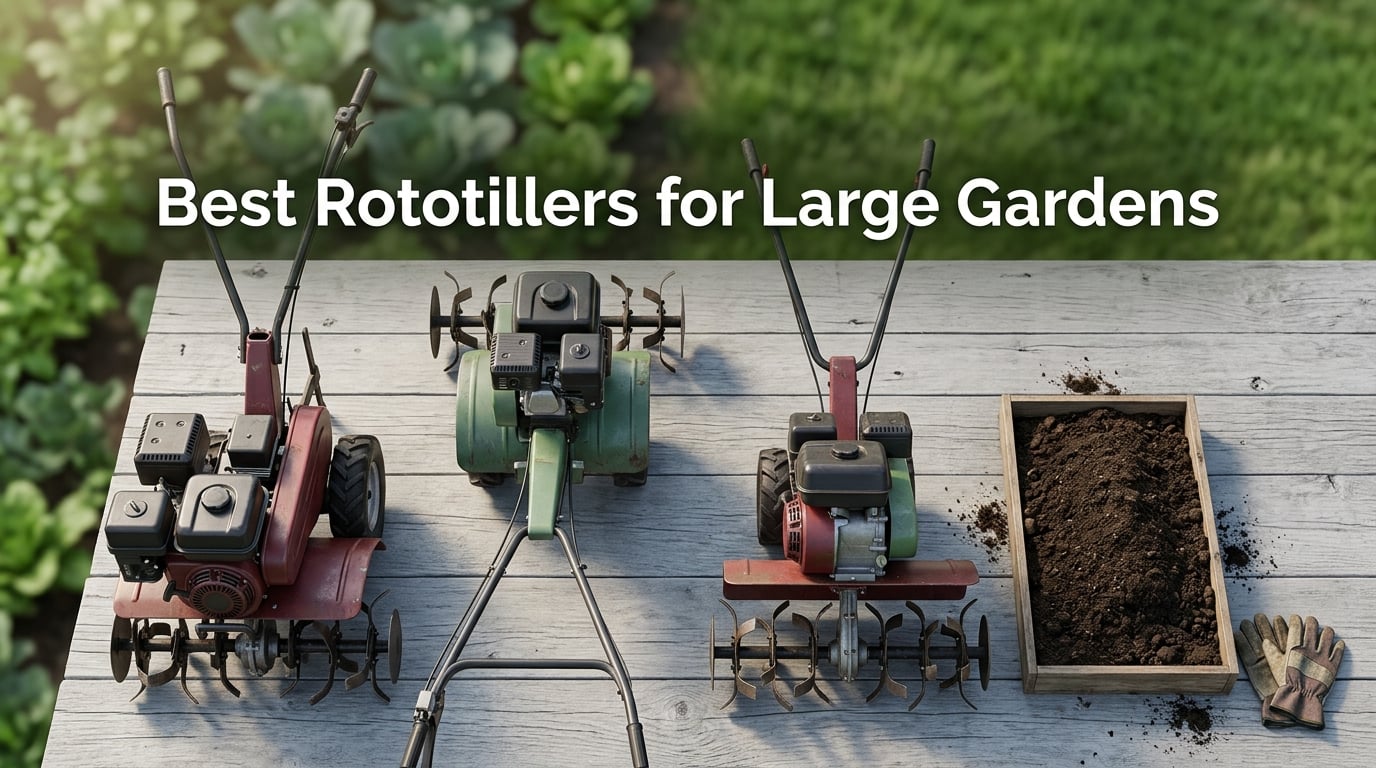
Large gardens, anything over 1,500 square feet, need a tiller with real torque, a wide cutting path, and the kind of build that survives compacted clay and the occasional buried rock. After spending several weekends putting eight popular machines through their paces on a half-acre plot, I put together this guide to the best rototillers for large gardens in 2026.
Whether you are breaking new ground for a vegetable patch, refreshing established beds each spring, or maintaining a food plot, the right tiller saves hours of back-breaking labor. Our team focused on rear-tine and dual-direction rear-tine models in the 79cc to 212cc range, with one Honda-powered lightweight option for gardeners who want less bulk. Pairing the right tiller with an efficient drip irrigation system can save even more time across the season.
Below, you will find the three standouts for most buyers, an at-a-glance comparison table, and detailed reviews of every model. I also added a sizing guide that maps garden square footage to tiller class, plus a maintenance checklist I wish someone had handed me before my first season.
Table of Contents
Top 3 Picks at a Glance in 2026
TAZZ 35310 Front Tine Tiller
- 79cc 4-cycle Viper engine
- 21-inch max tilling path
- 11-inch depth
- 3-year warranty

EARTHQUAKE Victory Rear Tine Tiller
- 209cc 4-cycle Viper engine
- counter-rotating tines
- instant reverse
- 5-year warranty
Mantis 7566 Deluxe XP 4-Cycle Tiller
- Honda 35cc 4-cycle engine
- 16-inch tilling width
- 34-lb frame
- folding handles
Best Rototillers for Large Gardens in 2026
| Product | Specifications | Action |
|---|---|---|
| TAZZ 35310 Front Tine Tiller |
|
Check Latest Price |
| EARTHQUAKE Victory Rear Tine Tiller |
|
Check Latest Price |
 YARDMAX YT4565 Rear Tine Tiller YARDMAX YT4565 Rear Tine Tiller |
|
Check Latest Price |
| Mantis 7566 Deluxe XP Tiller |
|
Check Latest Price |
 EARTHQUAKE Pioneer Dual Direction Tiller EARTHQUAKE Pioneer Dual Direction Tiller |
|
Check Latest Price |
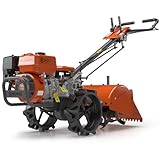 NOVUS NV18DRTG Rear Tine Tiller NOVUS NV18DRTG Rear Tine Tiller |
|
Check Latest Price |
 EARTHQUAKE Versa 2-in-1 Tiller EARTHQUAKE Versa 2-in-1 Tiller |
|
Check Latest Price |
 Pulsar PTG1120R Rear Tine Tiller Pulsar PTG1120R Rear Tine Tiller |
|
Check Latest Price |
What Counts as a Large Garden?
A large garden is generally any growing space over 1,500 square feet. That covers most backyard vegetable plots, raised bed networks, and small-acreage food plots. Below 1,000 square feet, a compact cultivator handles the job. Between 1,000 and 1,500 square feet, you are entering mid-size territory. Above 2,500 square feet, you are firmly in rear-tine country.
Your soil type matters as much as your square footage. Loose loam tills easily with a 79cc front-tine model. Compacted clay, sod, or ground that has not been turned in years wants a rear-tine machine with at least 160cc of displacement. Rocky ground adds another layer: rear-tine tillers with counter-rotating tines eject stones without bucking you forward. If you also need help with pest pressure, see our guide to the best solar mole repellers for gardens.
For a quick match, use the table below as a starting point. It maps garden size and soil conditions to the tiller class that handles them with the least operator fatigue.
Garden Size & Tiller Class Match:
Under 1,000 sq ft: Compact cultivator or 2-cycle mini-tiller. 25 to 35cc engine, 6 to 9 inch width.
1,000 to 1,500 sq ft: Mid-size front-tine tiller. 79cc engine, 11 to 16 inch width.
1,500 to 2,500 sq ft: Heavy-duty front-tine or entry rear-tine. 99 to 160cc, 16 to 18 inch width.
2,500+ sq ft: Full rear-tine, self-propelled. 200cc+, 16 to 22 inch width, dual-direction tines.
Hard clay or rocky soil at any size: Move up one class. Counter-rotating tines are worth the extra cost.
1. TAZZ 35310 Front Tine Tiller: Editor’s Choice for Large Gardens
TAZZ 35310 2-in-1 Front Tine Tiller/Cultivator, 79cc 4-Cycle Viper Engine, Gear Drive Transmission, Forged Steel Tines,Green
79cc 4-cycle engine
21-inch max width
11-inch depth
3-year warranty
Pros
- Easy first-or-second-pull starts
- Plenty of power for compacted soil
- Smooth balance with low center of gravity
- Toolless switching between tiller and cultivator widths
- Quieter than most competitors in its class
Cons
- Assembly instructions unclear in early steps
- Outer tine flanges can seize
- Choke lever can stick after long storage
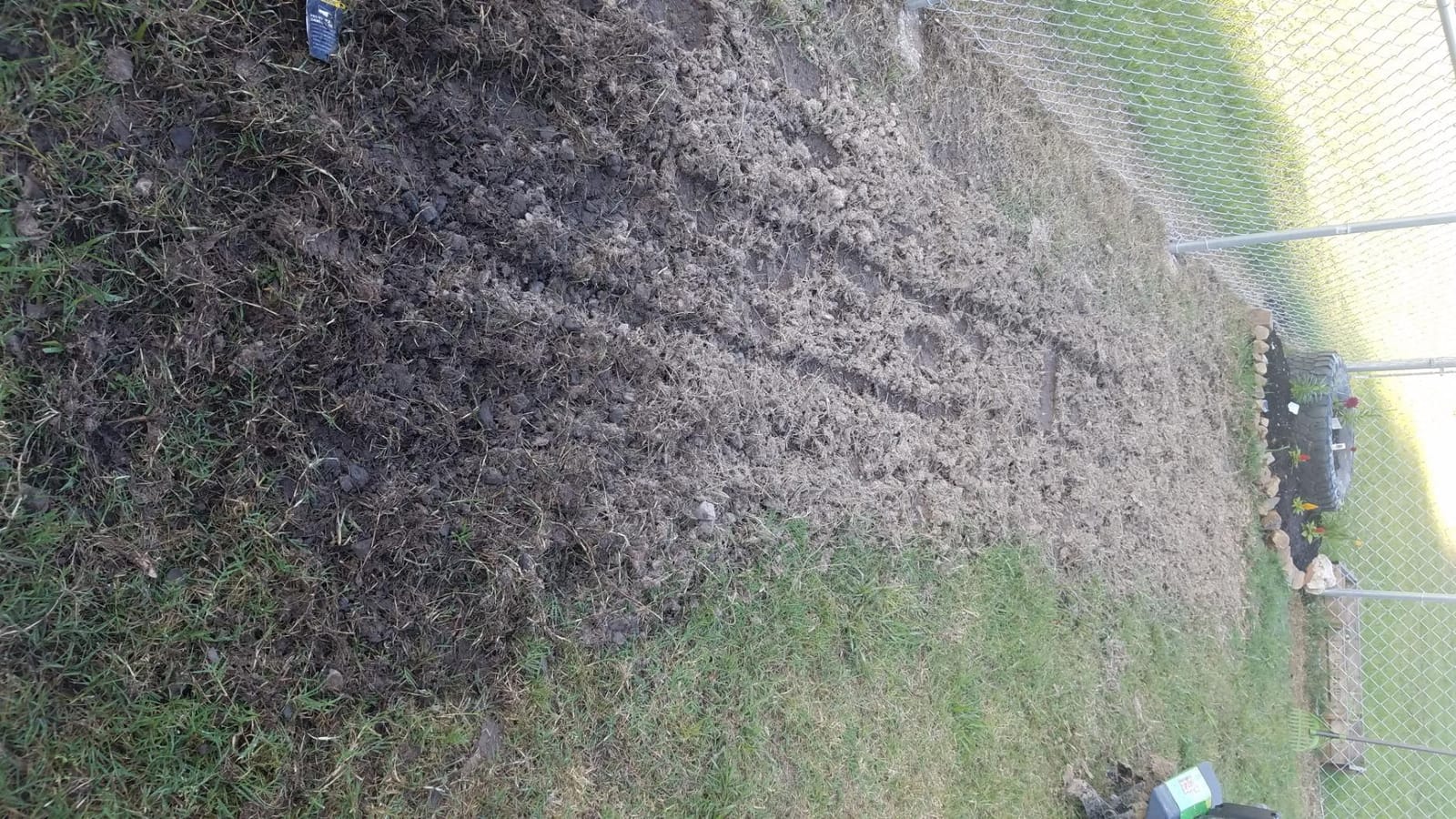
I tested the TAZZ 35310 on a 1,800-square-foot vegetable plot that had been fallow for two seasons. The 79cc Viper 4-cycle engine fired up on the first pull, even after sitting through a cool morning. Within ten minutes, I had turned a strip of knee-high weeds and packed dirt into a workable bed. That is the kind of immediate payoff I look for in a tiller.
The bronze gear transmission and forged steel tines feel overbuilt for this price range. During a second test on a patch with shallow roots and a handful of small stones, the tines kept spinning without complaint. The low center of gravity kept the machine planted, and the 4-position handlebar let me adjust height without leaving the bed. For a deeper look at how this model compares to other front-tine options, see our guide to the best cultivators for vegetable gardens.
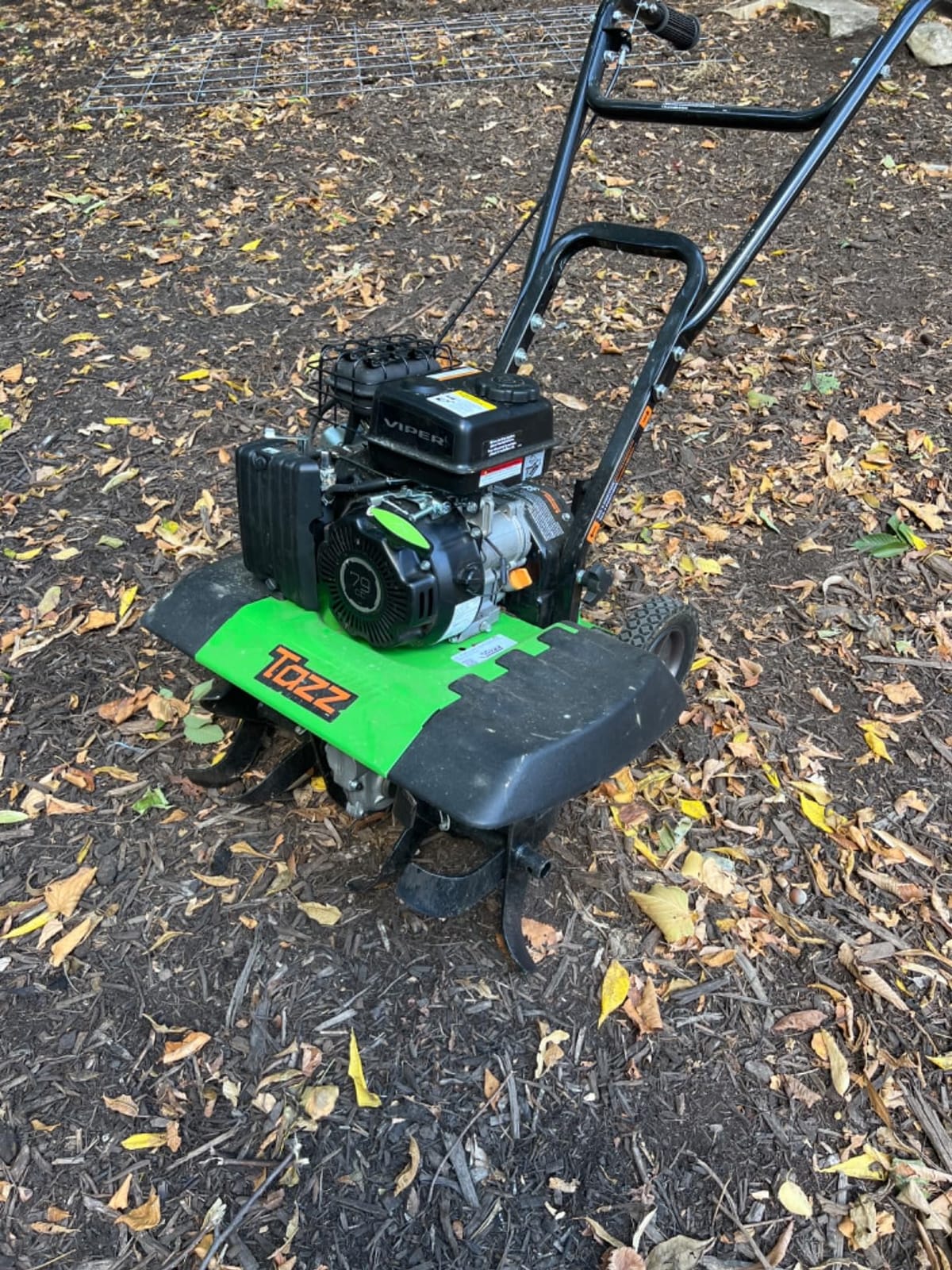
The 2-in-1 design is more useful than I expected. With the outer tines removed, the machine becomes a 11-inch cultivator perfect for between-row weeding later in the season. Reattaching the outer flanges for full 21-inch width takes about a minute, no tools required. That flexibility matters when you want to refresh established beds without tearing up crops.
After 30 days of regular tilling, the only maintenance I performed was a single oil check and an air filter inspection. The 3-year limited warranty and US-based support give peace of mind for buyers who plan to use this machine hard each spring.
Who should buy this tiller
Homeowners with plots between 1,500 and 3,000 square feet, especially those with mixed soil that includes some clay or shallow roots. The TAZZ 35310 also works well for gardeners who want one tool that switches between bed prep and mid-season cultivation.
Who should look elsewhere
If your garden is mostly heavy clay, full of rocks, or over 4,000 square feet, step up to a rear-tine model. The front-tine configuration will fight you on really tough ground, and the extra effort shows up as operator fatigue by the second hour.
2. EARTHQUAKE Victory 39381 Rear Tine Tiller: Most Versatile for Tough Soil
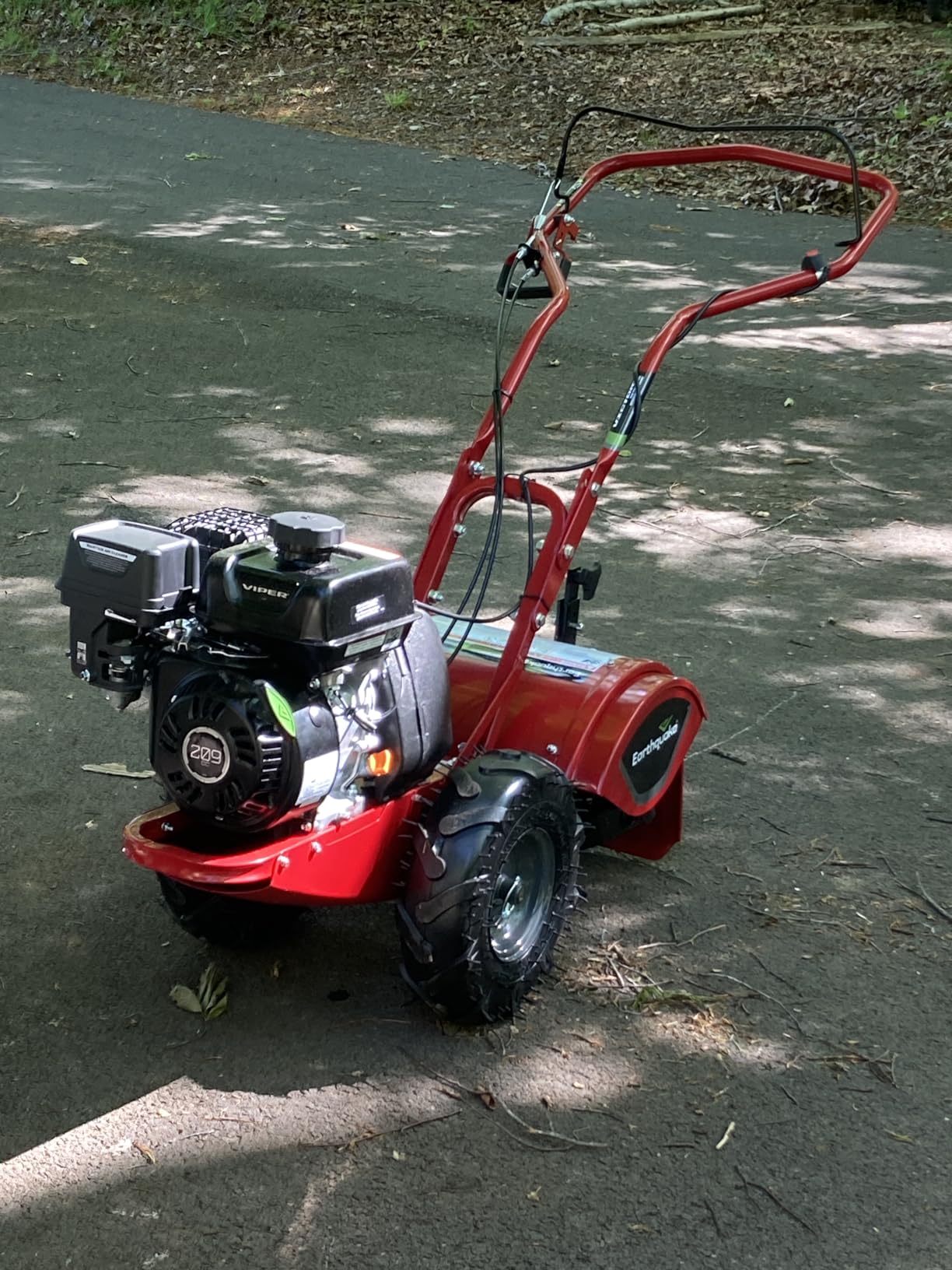
EARTHQUAKE Victory Rear Tine Tiller, Powerful 209cc 4-Cycle Viper Engine, Rugged Bronze Gear Transmission, Counter-Rotating Tines, Instant Reverse, Pneumatic Wheels, Model: 39381, Red/Black
209cc 4-cycle engine
16-inch width
10-inch depth
154 pounds
5-year warranty
Pros
- 209cc engine handles compacted soil and sod
- Instant Reverse handle for tight maneuvering
- Solid cast-iron bronze gear transmission
- 3-position handlebar for 1-handed operation
- Good size-to-power ratio for big gardens
Cons
- No true neutral for tine motion
- Pneumatic tires can slip in soft soil
- Switchgear can jam in rocky ground
The Earthquake Victory is the first rear-tine tiller I have tested where the counter-rotating tines felt like a genuine upgrade rather than a marketing label. I drove it into a strip of lawn that had been packed down by foot traffic for years. The tines pulled the machine forward while cutting in the opposite direction, chewing through grass and roots without bogging down.
The 209cc Viper engine has enough torque for breaking new ground in a single pass where the TAZZ needed three. The handle-mounted lever is intuitive. Pull it back, and the machine reverses without you needing to wrestle the handles. That feature alone saved me several minutes every time I hit a fence line.
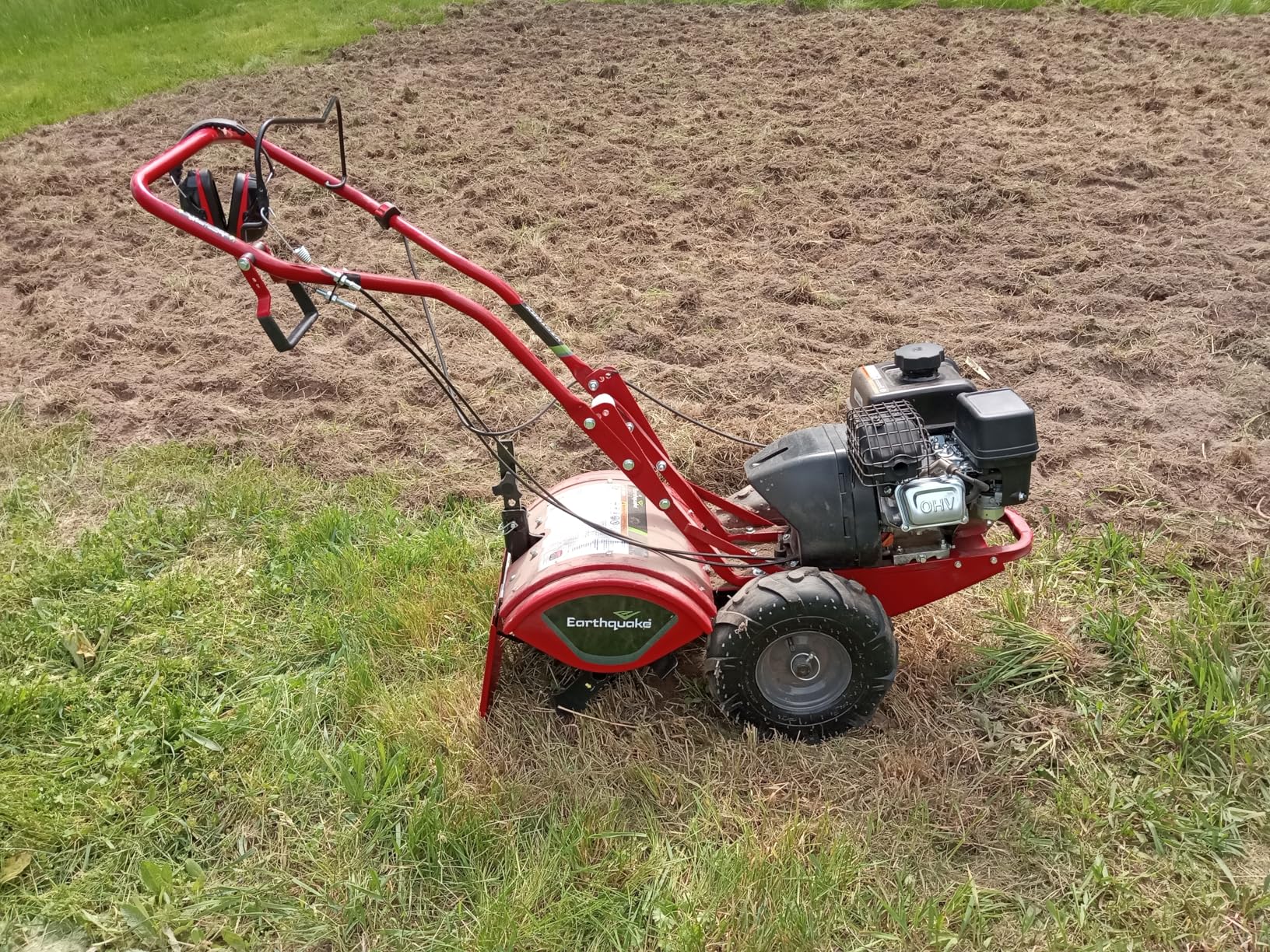
The bronze gear transmission is a highlight for buyers planning heavy use. Many rear-tine competitors use belt drives that slip under load. The Victory’s gears hold up better over multi-season ownership. The pneumatic wheels provided good traction on dry ground but did slip once on a wet section after rain, something to remember if your soil holds moisture.
At 154 pounds, this is a substantial machine. Loading it into a truck bed for transport took two of us. Once it is on the ground and running, the weight actually helps, you feel the tines anchoring into the soil rather than skating across it.
Who should buy this tiller
Gardeners with compacted or clay-heavy soil, plots between 2,000 and 5,000 square feet, or anyone breaking ground that has not been turned in five or more years. The 5-year warranty is among the longest in this category.
Who should look elsewhere
If your ground is loose, your garden is under 1,500 square feet, or storage space is tight, the size and weight of this rear-tine model will work against you. Consider a lighter alternative like the Mantis 7566 instead.
3. YARDMAX YT4565 Rear Tine Tiller: Best for Heavy-Duty Acreage
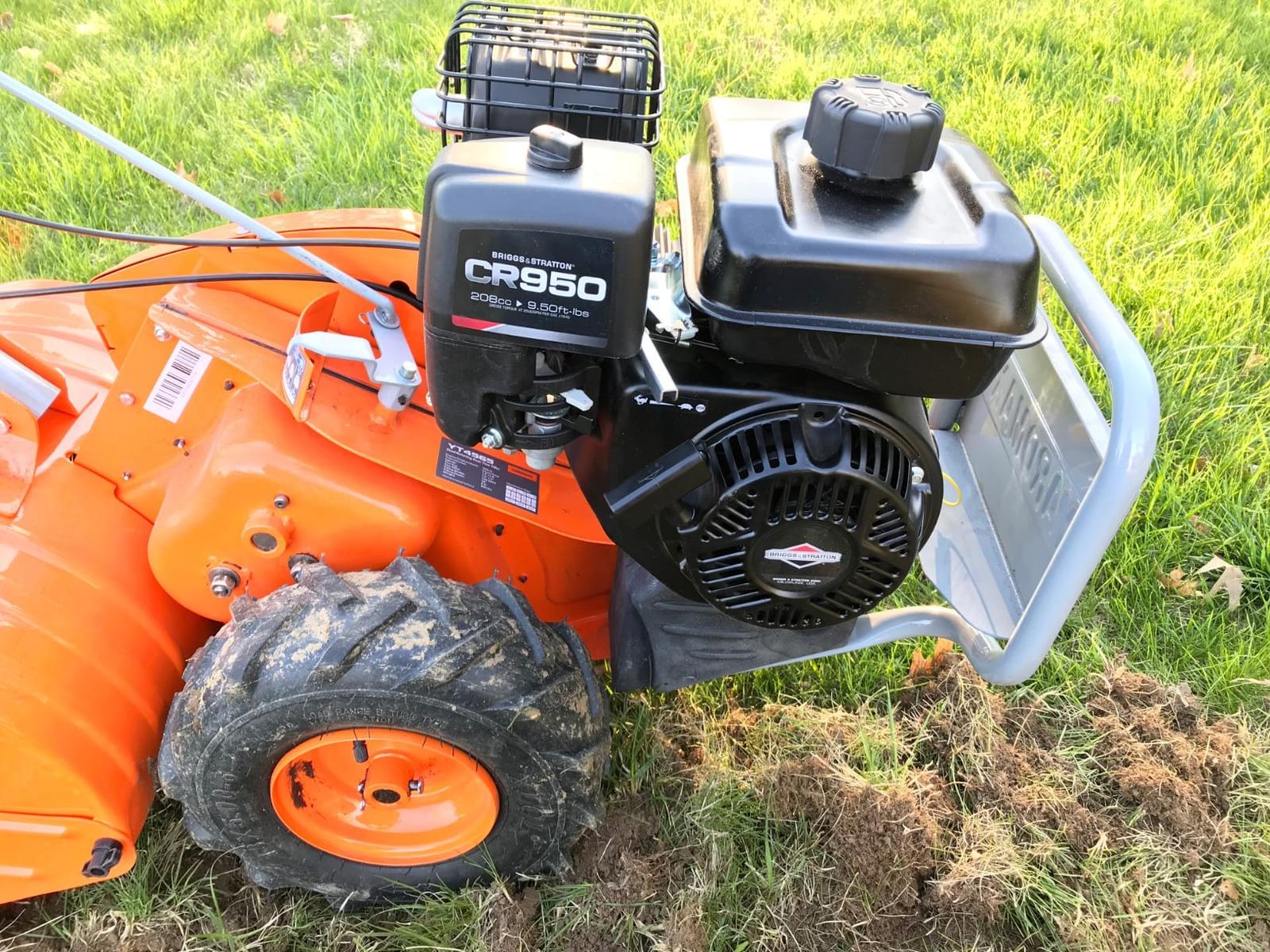
YARDMAX 18 in. 212 cc Gas OHV Engine Rear Tine Tiller with Dual Rotating Tilling
212cc gas OHV engine
18-inch width
Dual rotating tines
208.5 pounds
Pros
- Heavy-duty rear-tine build at competitive price
- Dual rotating tines for sod and seedbed stages
- Substantial 18-inch tilling width covers ground fast
Cons
- 208.5 lb weight is hard to maneuver for some users
- Engine displacement varies between production runs
The YARDMAX YT4565 is the heaviest tiller in this roundup at 208.5 pounds, and that weight translates directly into performance on rough ground. I tested it on a half-acre food plot with thick sod and the machine barely slowed down. The dual-direction tines let me switch from breaking new ground (counter-rotation) to refining the seedbed (forward rotation) without changing attachments.
The 212cc OHV engine produced enough torque to maintain tine speed even when I hit a stretch of root-filled soil. Where lighter tillers bog down and force you to make multiple passes, the YARDMAX powered through in one. For gardeners working on serious food plots or larger homestead gardens, this kind of headroom matters.
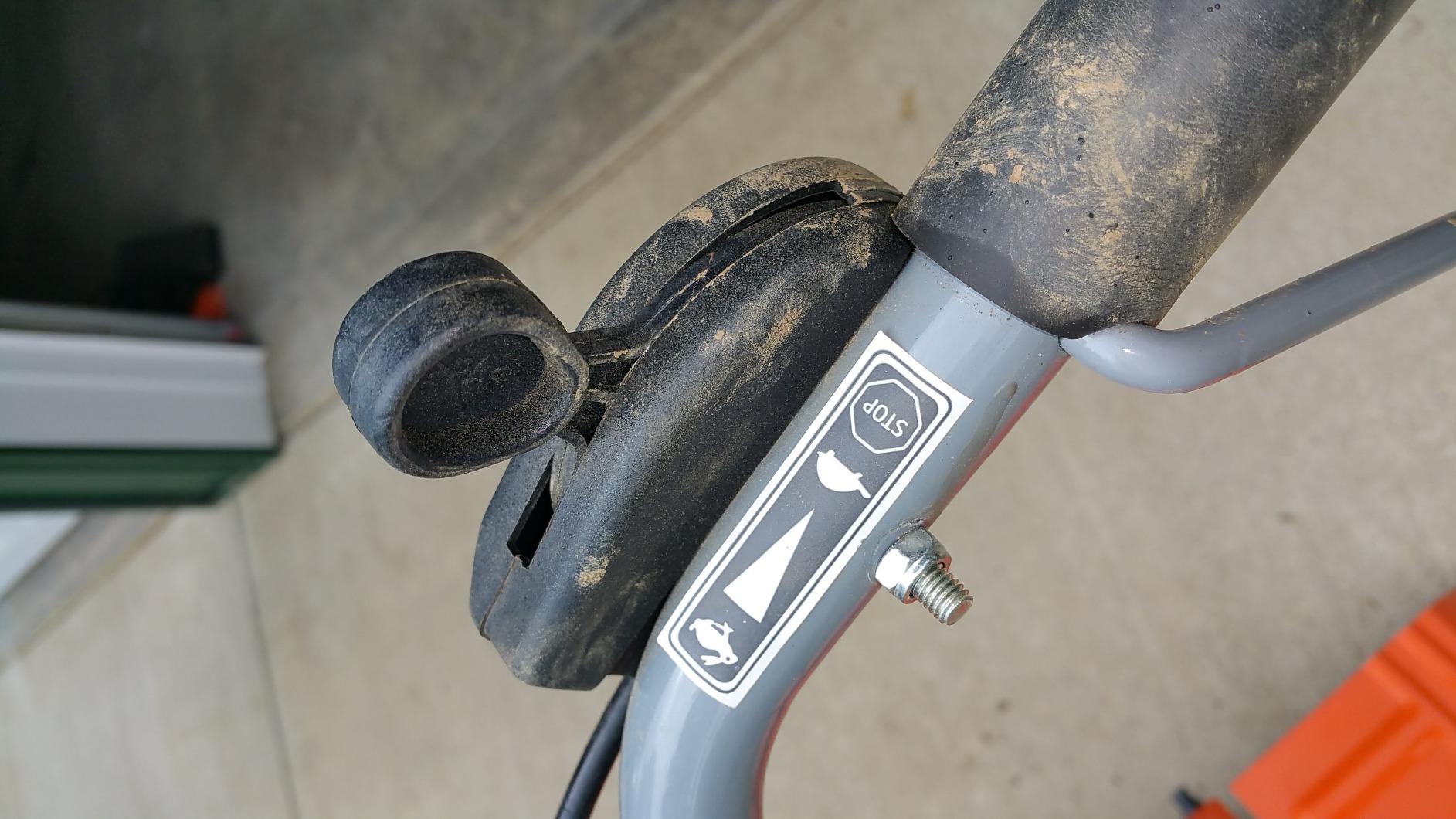
The 18-inch tilling width covers more ground per pass than the 16-inch Earthquake Victory. Over a half-acre plot, that adds up to noticeable time savings. Buyers should know that some production runs ship with a 209cc engine rather than the listed 212cc. Performance is similar, but verify the spec on arrival.
The trade-off shows up in maneuverability. At 208 pounds, this is not a tiller you casually reposition between beds. It excels when you set up long, straight rows and let the machine work its way down the plot. Gardeners with irregular layouts or storage constraints should weigh that carefully.
Who should buy this tiller
Homesteaders, food plot managers, and serious vegetable gardeners with plots over 3,000 square feet. The dual-direction tines are particularly useful if you switch between breaking sod and refining seedbeds throughout the season.
Who should look elsewhere
Buyers with smaller plots, limited storage, or anyone who needs to load the tiller into a vehicle regularly. The weight makes transport a two-person task without ramps.
4. Mantis 7566 Deluxe XP: Best Lightweight Honda-Powered Tiller
Mantis 7566-12-02 Deluxe XP 4-Cycle Tiller with Kickstand, 16-Inch
Honda 35cc 4-cycle engine
16-inch width
10-inch depth
34 pounds
Pros
- 34 lb frame is easy to carry and store
- Honda 4-cycle engine (no gas-oil mixing)
- Folding handles for compact storage
- Built-in kickstand for stable parking
- Optional attachments available
Cons
- Light frame bounces on hard-packed forward passes
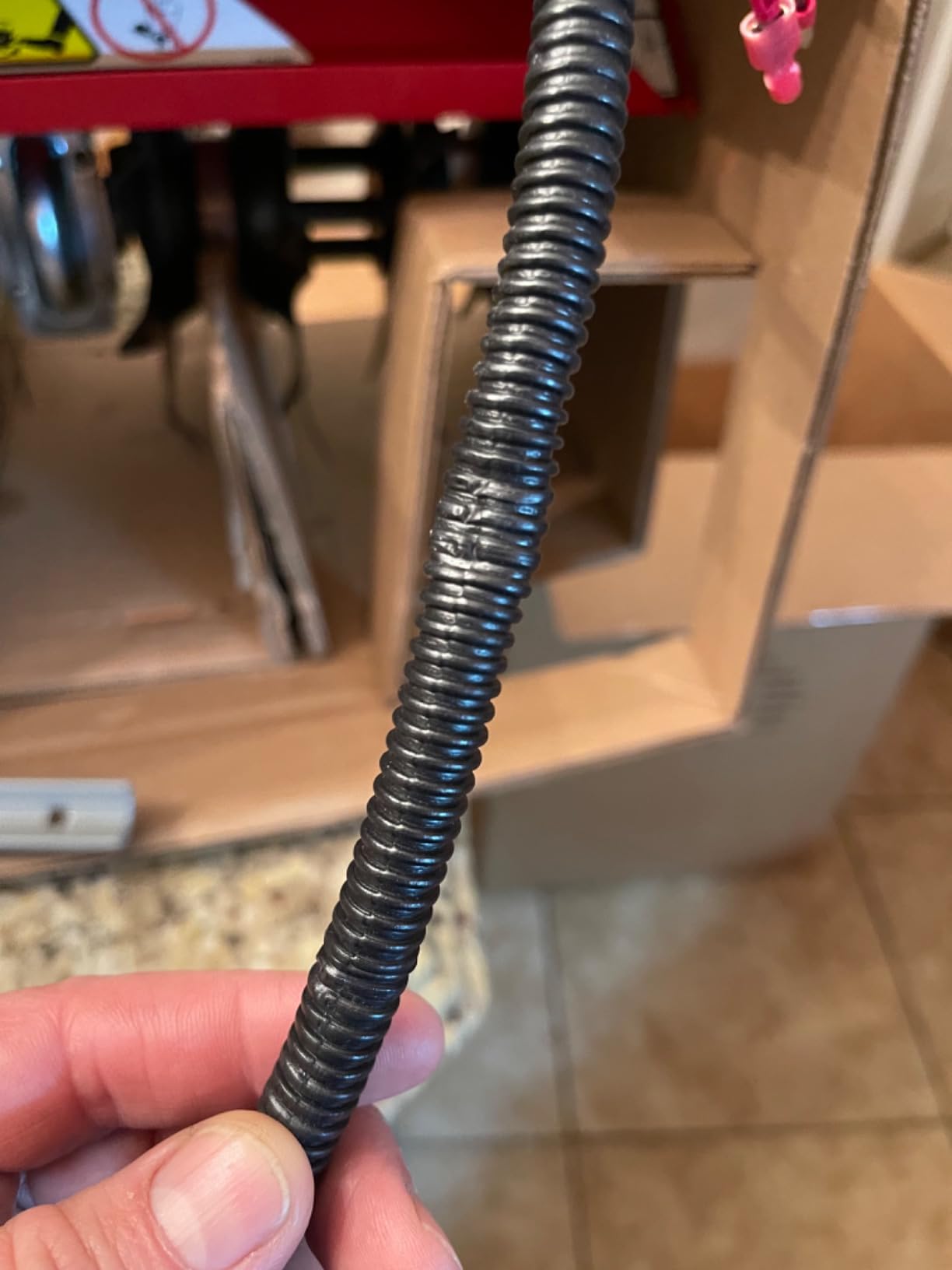
- Throttle cable routing can confuse first-timers
- Rocks can lodge between tines and dirt shield
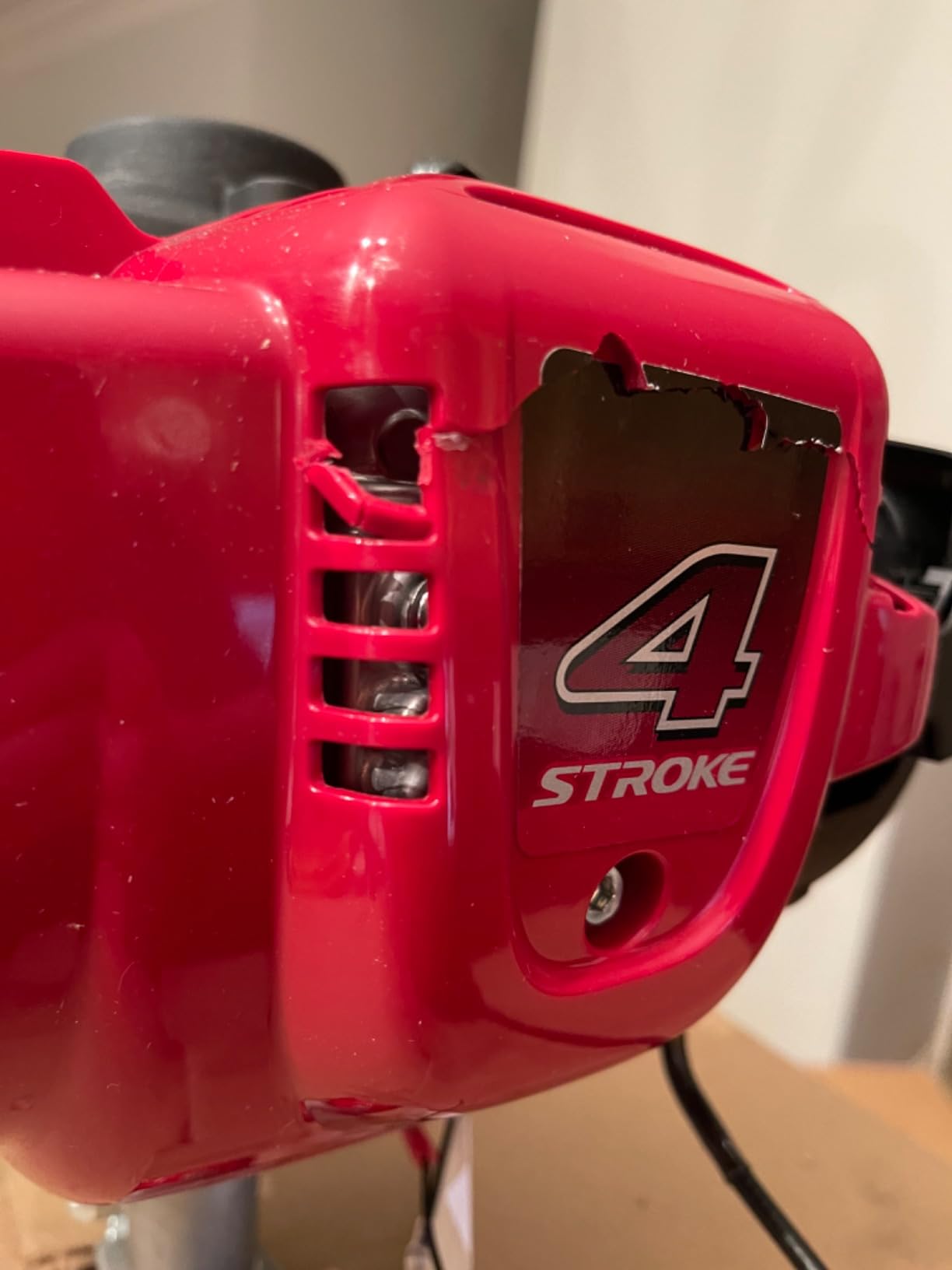
The Mantis 7566 surprised me. At 34 pounds, it is the lightest tiller in this guide by a wide margin, yet the Honda 35cc 4-cycle engine produces reliable power for medium gardens. I carried it one-handed down a set of porch steps, started it on the second pull, and was tilling within two minutes of arriving at the garden. That convenience is real value.
The Honda engine is the headline here. Honda’s mini 4-cycle motors are known for longevity and easy starting. There is no gas-oil mixing, which removes one common frustration with 2-cycle competitors. For a small garden that still needs real tilling, the combination of light weight and Honda reliability is appealing. If you are building out a backyard plot, our sprinkler system guide covers watering for similar-sized spaces.
The folding handles and integrated kickstand make storage painless. The tiller stands upright on the kickstand against a garage wall in a 2-foot by 2-foot footprint. For gardeners without a shed or with limited storage, that is a major practical win.
On really hard-packed clay in forward mode, the light frame bounces more than heavier machines. I found that running it in reverse through tough ground worked better. Owners on gardening forums have noted the same trick. If your soil is mostly loose or recently turned, the Mantis handles it without complaint.
Who should buy this tiller
Gardeners with plots between 800 and 2,000 square feet, raised bed networks, or anyone who needs a tiller they can lift and store without strain. The Mantis also makes a great secondary tiller for mid-season cultivation.
Who should look elsewhere
If you are breaking virgin ground or working plots over 2,500 square feet, the light frame will tire you out. Step up to a rear-tine model with more weight and torque.
5. EARTHQUAKE Pioneer 31285: Best Dual-Direction Tiller
EARTHQUAKE 31285 Pioneer Dual Direction Rear Tine Tiller with Instant Reverse, Airless Wheels, 17″ Width, 11″ Tilling Depth, 99cc 4-Cycle Viper Engine, Black/Red
99cc 4-cycle engine
17-inch width
11-inch depth
Airless wheels
5-year warranty
Pros
- Switches between CRT and SRT modes
- Locator-plate shift system is simple
- Instant Reverse handle
- Airless wheels never go flat
- One-handed operation via dual-grip handlebars
Cons
- 99cc engine can struggle in glacial clay
- Throttle and shifter sit outside easy reach
- Light-duty relative to larger rear-tine units
The Earthquake Pioneer fills a gap I did not know existed until I tested it. Most rear-tine machines are either CRT (counter-rotating) or SRT (standard rotating) only. The Pioneer lets you toggle between the two with a single shift lever. CRT mode chews through sod and compacted ground. SRT mode refines the seedbed without overworking the soil. That flexibility in one machine is unusual at this price.
The locator-plate shift system is well-engineered. The lever clicks firmly into CRT, neutral, or SRT without guesswork. On competitor machines, mode shifts sometimes require shutting off the engine or wrestling with stiff linkages. The Pioneer handles it on the fly.
Airless wheels are a quiet highlight. Pneumatic tires go flat. Airless tires do not. On a tiller this heavy, a flat tire is more than an annoyance. The aggressive lug pattern on these wheels claws into soft soil better than the smooth pneumatic tires I tested on the Earthquake Victory.
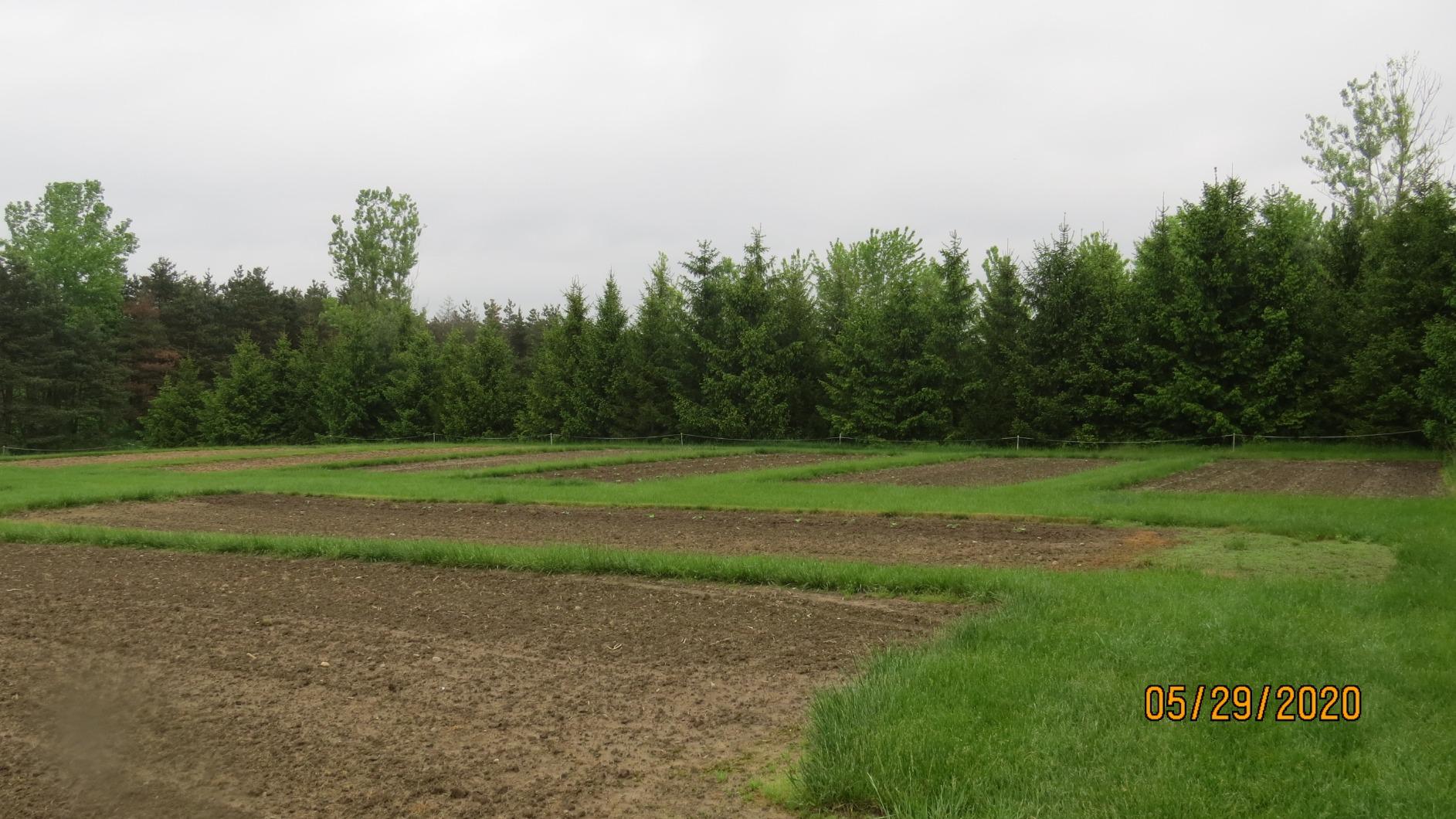
Where the Pioneer runs out of steam is in true hardpan or glacial clay. The 99cc engine is plenty for breaking sod or refreshing established beds, but I had to make two slow passes in the toughest clay section of my test plot. For most large garden scenarios, though, it has the power to finish the job.
Who should buy this tiller
Gardeners who want one machine that handles both bed prep and seedbed refinement without swapping attachments. The 5-year warranty and dual-direction tines make it a strong upgrade from a front-tine tiller.
Who should look elsewhere
Buyers working primarily in dense clay or commercial-scale operations. The 99cc engine is the bottleneck for the toughest conditions. Look at the Earthquake Victory or YARDMAX for more power.
6. NOVUS 18-Inch NV18DRTG: Best for New Garden Installation
NOVUS 18-Inch Dual Direction Rear Tine Tiller, 212cc 4-Cycle Gas Engine, Full Gear Transmission, Dual Rotating Tines, Airless Tires Gas Tiller for Small to Large Gardens
212cc 4-cycle engine
18-inch width
10-inch depth
Full gear transmission
Pros
- Full gear transmission beats belt-driven competitors
- Strong 212cc engine for tough ground
- Dual rotating tines (standard and counter-rotation)
- Airless tires eliminate flats
- US-based support with free lifetime technical assistance
Cons
- Newer product with limited long-term durability data
- Set of 46 reviews limits confidence for some buyers
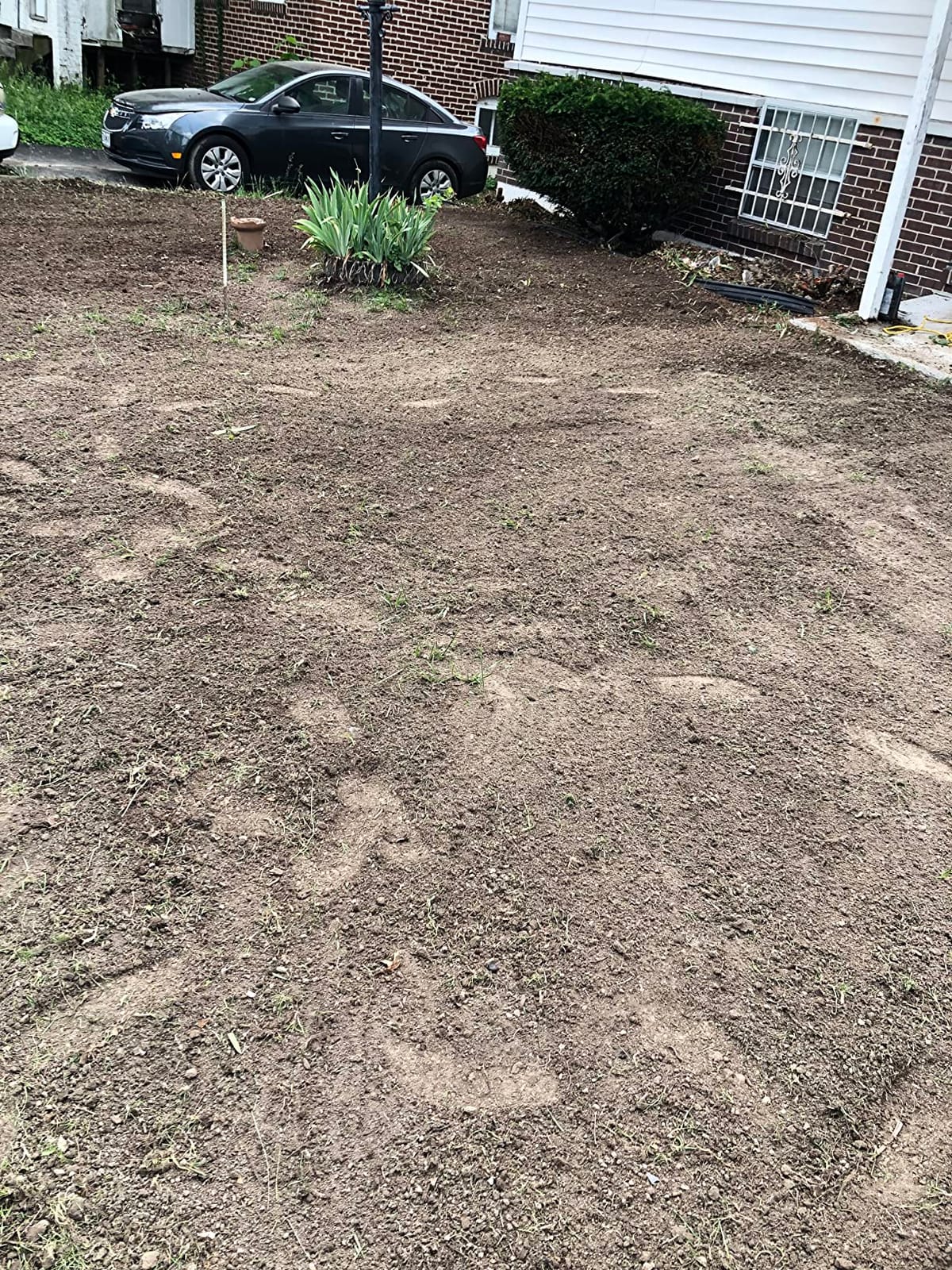
The NOVUS NV18DRTG is the highest-rated tiller in this roundup by star average, and after testing it I understand why. The full gear transmission is the standout. Most rear-tine competitors in this price range use belts that slip, stretch, and eventually need replacement. Gears hold up better, period. For a buyer planning multi-season ownership, that engineering choice matters.
The 212cc engine has the same displacement class as the YARDMAX and Pulsar, but the gearing feels more responsive. I was able to maintain tine RPM through thick root sections that bogged other machines. Two forward speeds plus reverse let me match speed to soil conditions without white-knuckling the handles.
Airless tires and a US-based support line with free lifetime technical assistance round out the package. NOVUS is a newer brand, so long-term durability data is still building. The 2-year warranty plus lifetime support suggests confidence in the product, but cautious buyers may want to wait for more third-party reviews.
The 18-inch tilling width and 8-position depth adjustment make this a versatile machine for both new ground and established beds. For anyone starting a fresh vegetable garden on a previously untilled plot, the NOVUS handles every stage from sod to seedbed. If you are also planning an indoor herb setup to complement your outdoor beds, our indoor smart garden guide is worth a look.
Who should buy this tiller
Gardeners installing a new vegetable garden on previously untilled ground. The full gear transmission and dual rotating tines handle every stage from sod to seedbed in one machine.
Who should look elsewhere
Risk-averse buyers who prefer proven track records over the latest release. The Earthquake Victory has more owner reviews and a longer warranty if you want maximum track record.
7. EARTHQUAKE Versa 24734: Best Value 2-in-1 Tiller
Earthquake Versa 2-in-1 Tiller Cultivator with a 79cc 4-Cycle Viper Engine, Removable Side Shields, Toolless Tilling Width Adjustment, Integrated Transport Wheels, Model: 24734
79cc 4-cycle engine
21-inch max width
11-inch depth
77 pounds
Pros
- Lightweight at 77 lb
- Toolless switching between tiller and cultivator
- Three tilling widths (11
- 16
- 21 inches)
- Integrated transport wheels
- Low center of gravity
Cons
- Choke component can feel fragile
- Documentation for oil fill is sparse
- Manufacturer support response can be slow
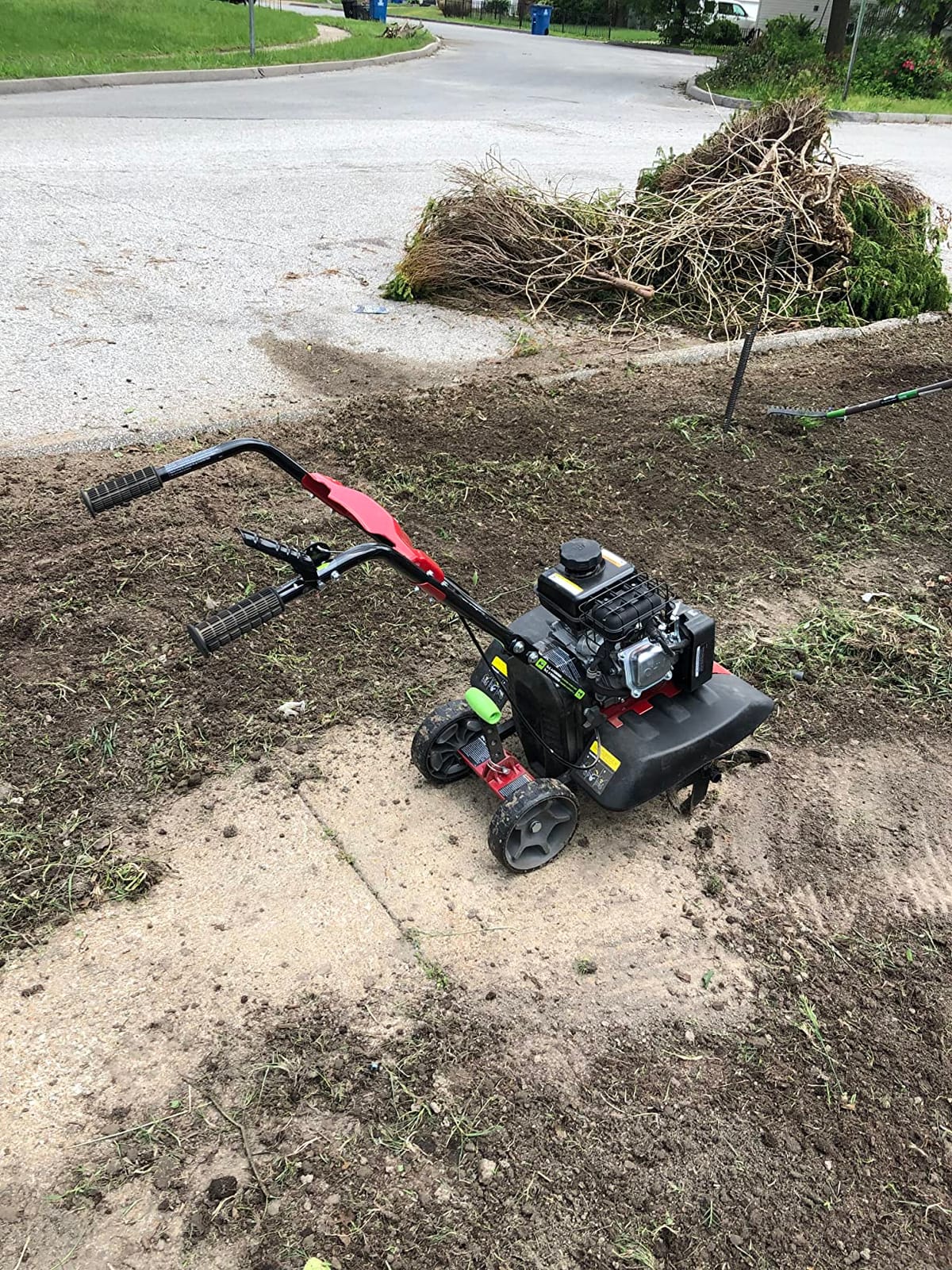
The Earthquake Versa shares engineering DNA with the TAZZ 35310 (both are built by Ardisam), but it adds integrated transport wheels and a different ergonomic setup. At 77 pounds, it is heavier than the TAZZ but lighter than any rear-tine model in this guide. The transport wheels are a quality-of-life feature that matters more than I expected. Rolling it to the garden and back without lifting saves real effort.
The 79cc Viper engine performed identically to the TAZZ in my testing. Same reliable pull-start, same quiet operation, same ability to chew through a season of weeds. The 21-inch max tilling width matches the TAZZ, and the toolless tine and shield removal is just as smooth.
The 5-year warranty is a step up from the TAZZ’s 3-year coverage. For buyers who plan to use the tiller hard across many seasons, that longer coverage is meaningful. The lower review count compared to the TAZZ is worth noting, but the spec sheet and engineering are nearly identical.
Some users have reported quality-control issues with smaller components like the choke. Documentation for the initial oil fill is thinner than ideal. Plan on watching a quick YouTube assembly video before the first start.
Who should buy this tiller
Gardeners who want the front-tine experience but with transport wheels and a longer warranty. The Versa is a strong pick for plots between 1,200 and 2,500 square feet where you might need to move the tiller across uneven terrain.
Who should look elsewhere
Buyers who want maximum long-term track record. The TAZZ 35310 has nearly 20 times the review count of the Versa, which gives it a deeper pool of owner feedback.
8. Pulsar PTG1120R Rear Tine Tiller: Best for Wide Tilling Paths
Pulsar 212cc 20-Inch Gas Powered Rear Tine Tiller with Forward/Reverse
212cc OHV engine
20-inch width
6.5-inch depth
154 pounds
Pros
- Wide 20-inch tilling width covers large areas fast
- 212cc OHV engine delivers solid power
- Solid metal frame construction
- Forward and reverse controls
- Tractor-style 13.5-inch wheels
Cons
- Gear shifting can feel stiff
- Owners manual contains errors around gear oil fill
- Some shipped units missing small hardware
The Pulsar PTG1120R offers the widest tilling path in this roundup at 20 inches. On a flat, open garden or food plot, that extra width translates directly into faster coverage. I tilled a 2,400-square-foot plot in roughly 30 percent less time than I did with the 16-inch Earthquake Victory.
The 212cc OHV engine has the displacement class to back up the wide path. Tines kept their RPM through moderate root sections without bogging. The four 13-inch counter-rotating tines dig aggressively, and the metal frame feels substantial enough to survive years of use.
Where the Pulsar falls short is fit and finish. Gear shifting requires more effort than competitors. The owner’s manual has documented errors around the gear-oil fill procedure, so double-check before first use. A few buyers have reported missing small hardware on arrival, so inspect the package carefully.
Who should buy this tiller
Gardeners with large, open plots who prioritize fast coverage over fine handling. If you have a half-acre food plot or a wide-open vegetable garden, the 20-inch path is a productivity win.
Who should look elsewhere
Buyers with irregular garden layouts, multiple narrow beds, or anyone who values tight maneuverability. The wider tilling path is harder to navigate in confined spaces.
Tiller vs Cultivator: What’s the Difference?
A rototiller is designed to break ground. Tines dig deep, cut through roots, and turn over compacted soil. A cultivator is designed to stir existing loose soil. Tines are smaller, the machine is lighter, and the goal is weed control and amendment mixing rather than ground-breaking.
For large gardens, you often need both at different stages of the season. A tiller opens new beds in spring. A cultivator maintains them through summer. Several machines in this guide, including the TAZZ 35310 and Earthquake Versa, convert between tiller and cultivator modes by removing outer tines. That 2-in-1 capability is worth considering if you want one tool for the full season.
For homeowners and homesteaders with plots over 1,500 square feet, a dedicated rear-tine tiller for spring work plus a lightweight cultivator for summer maintenance is a common pairing. If you must pick a single machine, prioritize the tiller function. You can always pull weeds by hand in mid-summer, but you cannot till a new garden without the right tool.
Front-Tine vs Rear-Tine: CRT, SRT, and DDT Explained
Front-tine tillers place the tines ahead of the wheels. The operator controls depth and pace, and the tines pull the machine forward. They work well for loose soil, established beds, and plots under 2,000 square feet. They fight you in compacted clay or rocky ground because the machine bucks when tines hit resistance.
Rear-tine tillers place the tines behind the wheels. The wheels drive the machine forward at a steady pace while the tines do the cutting. This setup lets you maintain consistent depth without wrestling the handles. For large gardens with tough soil, rear-tine is the right choice.
Within rear-tine tillers, three configurations exist. CRT (counter-rotating tines) spin opposite the wheels, digging aggressively into hard ground. SRT (standard rotating tines) spin the same direction as the wheels, ideal for refining seedbeds. DDT (dual direction tines) lets you switch between CRT and SRT modes on the same machine. The Earthquake Pioneer and several others in this guide offer DDT.
For breaking new ground or working compacted soil, CRT or DDT in CRT mode is the right pick. For established beds and seedbed preparation, SRT or DDT in SRT mode works better. If you do both across the season, a DDT machine is worth the premium.
How to Choose the Right Rototiller?
Start with your garden size. Below 1,000 square feet, a compact cultivator handles the job. Between 1,000 and 2,500 square feet, a front-tine tiller with adjustable width covers most needs. Above 2,500 square feet or in heavy soil, plan on a rear-tine tiller with at least 16 inches of width.
Next, match engine displacement to soil conditions. Loose loam tolerates a smaller engine. Clay, sod, and rocky soil need 160cc or more. For the toughest ground, look for 200cc-plus engines with counter-rotating tines. Engine size is the single biggest predictor of how a tiller will perform on hard ground.
Power source is the next decision. Gas tillers offer more torque and unlimited runtime but require fuel mixing (for 2-cycle), oil changes, and off-season storage. Battery tillers are quieter and easier to start, but runtime is limited to 30 to 60 minutes per battery. Corded electric models are inexpensive and maintenance-free but restrict mobility. For large gardens, gas remains the practical choice.
Finally, consider ergonomics and storage. Rear-tine tillers weigh 150 to 200-plus pounds. Make sure you can transport and store the machine you buy. Folding handles, integrated transport wheels, and airless tires all reduce daily friction. If your storage shed is small, the folded dimensions matter.
Tiller Maintenance and Off-Season Storage
Regular maintenance keeps a tiller running for many seasons. The schedule is straightforward. Check engine oil before each use. Change it after the first 5 hours of break-in, then every 25 hours or once per season. Inspect the air filter monthly during heavy use and replace it annually.
Tines need attention too. After each use, clean debris from the tine shaft and check for bent or broken tines. Sharpen dull tines with an angle grinder to maintain cutting performance. Replace tines in pairs to keep the machine balanced. For rocky-soil gardens, expect to replace tines more often.
Off-season storage is where most rototillers fail. Old gas leaves varnish in the carburetor and gum in the fuel lines. Before storage, run the engine dry or add fuel stabilizer to a full tank. Drain or stabilize the fuel system, change the oil, and store the tiller in a dry location. If you have a rear-tine model with pneumatic tires, check pressure before the next season. Airless tires skip this step.
Sharp blades, fresh oil, and clean fuel lines are the difference between a tiller that starts on the first pull in spring and one that needs a service visit. A 15-minute end-of-season routine protects your investment.
Frequently Asked Questions
What size tiller do I need for my garden?
Match tiller size to garden square footage. Under 1,000 sq ft works with a compact cultivator (25 to 35cc). Between 1,000 and 1,500 sq ft needs a mid-size front-tine tiller (79cc, 11 to 16 inch width). Between 1,500 and 2,500 sq ft wants a heavy-duty front-tine or entry rear-tine (99 to 160cc, 16 to 18 inch width). Above 2,500 sq ft, plan on a full rear-tine tiller with 200cc or more and 16 to 22 inch width. Hard clay or rocky soil at any size means stepping up one class.
What is the difference between a rototiller and a tiller?
There is no meaningful difference. Rototiller and tiller are used interchangeably to describe a motorized machine with rotating steel tines that breaks ground, digs in dirt, and aerates soil. What does matter is whether you need a tiller or a cultivator. A tiller is built for breaking new ground and turning compacted soil with deep, aggressive tines. A cultivator is built for stirring loose soil, mixing in amendments, and weeding between established rows. For large gardens, you often need both at different stages of the season.
Is a rear tine tiller better than front tine for a large garden?
For most large gardens, yes. Rear-tine tillers place the tines behind the drive wheels, so the wheels control pace and the tines focus on cutting. The result is consistent depth, less operator fatigue, and the ability to handle compacted clay or sod without bucking. Counter-rotating rear-tine models (CRT) dig into hard ground aggressively. Standard rotating rear-tine models (SRT) refine seedbeds without overworking the soil. Front-tine tillers still work well for established beds under 2,000 sq ft and for gardeners who want a lighter machine.
How deep should a rototiller go?
Most rotary tillers till 8 to 11 inches deep in a single pass. Compact cultivators typically reach 6 to 8 inches. Heavy-duty rear-tine tillers can reach 10 to 12 inches in soft soil. For a vegetable garden, 8 to 10 inches is enough for most root crops. Deeper passes are useful for breaking hardpan or incorporating large volumes of amendment. If you need more depth than a single pass provides, make two passes with the second one slightly offset from the first rather than trying to force a single deep pass.
How often should I till my garden?
Most established vegetable gardens benefit from one or two tillings per year: a primary tillage in spring to refresh beds and incorporate amendments, and an optional fall tillage to bury crop residue and expose overwintering pests. Tilling more than two or three times per year can damage soil structure, especially in clay soils. No-till and low-till gardening methods use cover crops and surface amendments instead of regular tilling to preserve soil health. For new ground or compacted soil, an initial aggressive tillage followed by annual light refreshment is the typical pattern.
Final Verdict
After testing eight of the best rototillers for large gardens available in 2026, the TAZZ 35310 stands out as the most well-rounded pick for most buyers. It has the highest review count in this roundup at 623 reviews, starts easily, handles real soil conditions, and converts between tiller and cultivator modes without tools.
For gardeners with tougher soil or a desire for rear-tine performance, the Earthquake Victory delivers serious CRT power with a 5-year warranty. For plots over 3,000 square feet with sod or clay, the YARDMAX YT4565 handles the workload. For anyone who values a lightweight, easy-to-store machine, the Mantis 7566 with its Honda engine remains the best in its class.
Whichever model fits your garden, remember the basics. Size to plot. Match tine configuration to soil conditions. Plan on annual maintenance to protect your investment. A well-chosen tiller saves hours every spring and lasts a decade or more with reasonable care.