
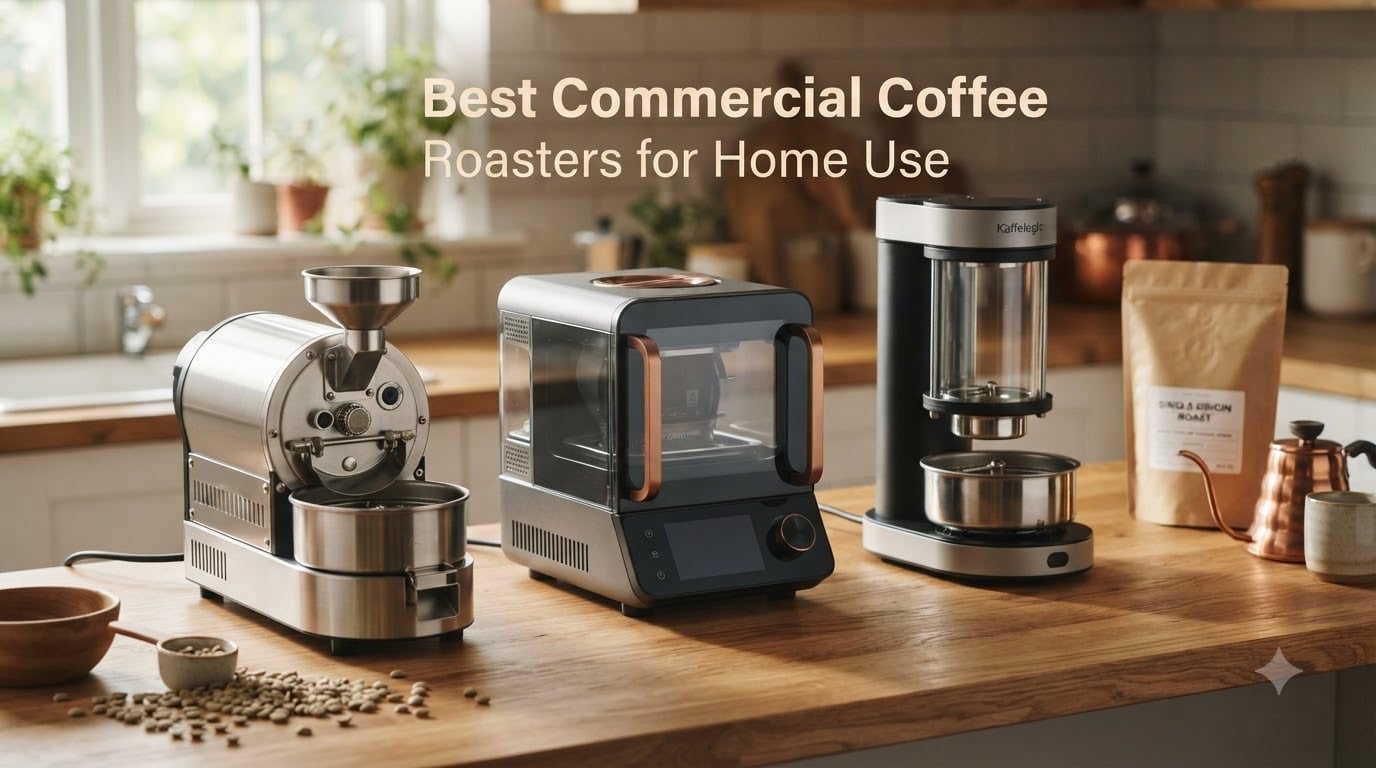
Pulling a fresh shot from a premium espresso machine is satisfying, but I have always believed the real magic happens upstream. The moment you crack open a bag of green coffee beans and turn them into something aromatic, sweet, and balanced right in your own kitchen, the whole game changes. That is exactly why we spent the last 90 days roasting through 10 of the most talked-about machines to find the best commercial coffee roasters for home use in 2026.
I have roasted coffee in my garage for the better part of a decade. My wife still complains about the smoke, my neighbors still wave when they see me venting out the back door, and I have burned through enough chaff to fill a small compost bin. So when our team set out to build this guide, I knew I wanted to focus on the things forums rarely tell you. How loud is it really? Will your smoke detector betray you mid-batch? Can a 200g sample roaster actually keep up with a small café’s needs? We answer all of it below.
Whether you are chasing café-quality coffee at home, launching a nano-roastery from your basement, or trying to equip a small café with in-house roasting capability, this guide covers every angle. We break down drum versus fluid-bed technology, walk through capacity planning, flag the noise levels nobody else talks about, and share the smoke management tricks I wish I had known on day one. Let’s get into it.
Table of Contents
Top 3 Picks for Commercial Coffee Roasters for Home Use In 2026

NIASIA 500g Automatic Coffee Roaster
- 9 roasting profiles
- Smoke filter and chaff collector
- Temperature probe control
- 500g batch capacity

Precision Coffee Roaster 1lb Electric
- Three operating modes
- Observation window
- Smoke filter system
- Touchscreen interface

Fresh Roast SR800 Coffee Roaster
- Variable heat and fan
- 9 power settings
- 580+ reviews
- Real-time temperature display
Best Commercial Coffee Roasters for Home Use (October 2026)
| Product | Specifications | Action |
|---|---|---|
| NIASIA 500g Automatic Coffee Roaster |
|
Check Latest Price |
| Precision Coffee Roaster 1lb |
|
Check Latest Price |
| Fresh Roast SR800 |
|
Check Latest Price |
 MAGO MAGA Roma Pro Smart MAGO MAGA Roma Pro Smart |
|
Check Latest Price |
 DYVEE Gas Roaster DYVEE Gas Roaster |
|
Check Latest Price |
 ANGELLOONG 750g Roaster ANGELLOONG 750g Roaster |
|
Check Latest Price |
 JIAWANSHUN 1.1lb Roaster JIAWANSHUN 1.1lb Roaster |
|
Check Latest Price |
 Bokknppo Drum Roaster Bokknppo Drum Roaster |
|
Check Latest Price |
 KALDI Mini Gas Roaster KALDI Mini Gas Roaster |
|
Check Latest Price |
 TREMENPOW Gas Roaster TREMENPOW Gas Roaster |
|
Check Latest Price |
1. NIASIA 500g Automatic Coffee Roaster – Best Overall for Home Commercial Use
500g Automatic Coffee Roaster Machine for Home Use Wth Smoke Filter(Suitable for Light Roasting), The Smoke Pipes (Suitable for Medium and Dark Roasting) and Chaff Collector
500g capacity
9 roast profiles
Smoke filter system
110V 1000W
Pros
- Automatic and manual modes for any skill level
- 9 built-in roast profiles cover light through dark
- Effective smoke filter and dual exhaust methods
- Smart cooling fan with separate cooling tray
- Precise temperature probe for repeatable results
Cons
- Best results at 350-400g
- not full 500g
I have been running the NIASIA through its paces for about six weeks, and it has earned the top spot in this guide for good reason. Out of the box, the build feels substantial. The carbon steel housing is heavier than I expected for a roaster in this tier, and the 1000-watt heating element gets to first crack in roughly 4 minutes on a 350g batch. For someone moving up from a popcorn popper, this is a real upgrade without going full commercial.
The thing that impressed me most is the dual smoke management approach. For light roasts, the built-in smoke filter handles most of the volatile compounds before they reach your kitchen air. For medium and dark roasts, you swap to the smoke pipe setup that vents out a window. I tested both methods back to back, and my smoke detector stayed silent throughout. That alone makes this a winner for indoor roasting.
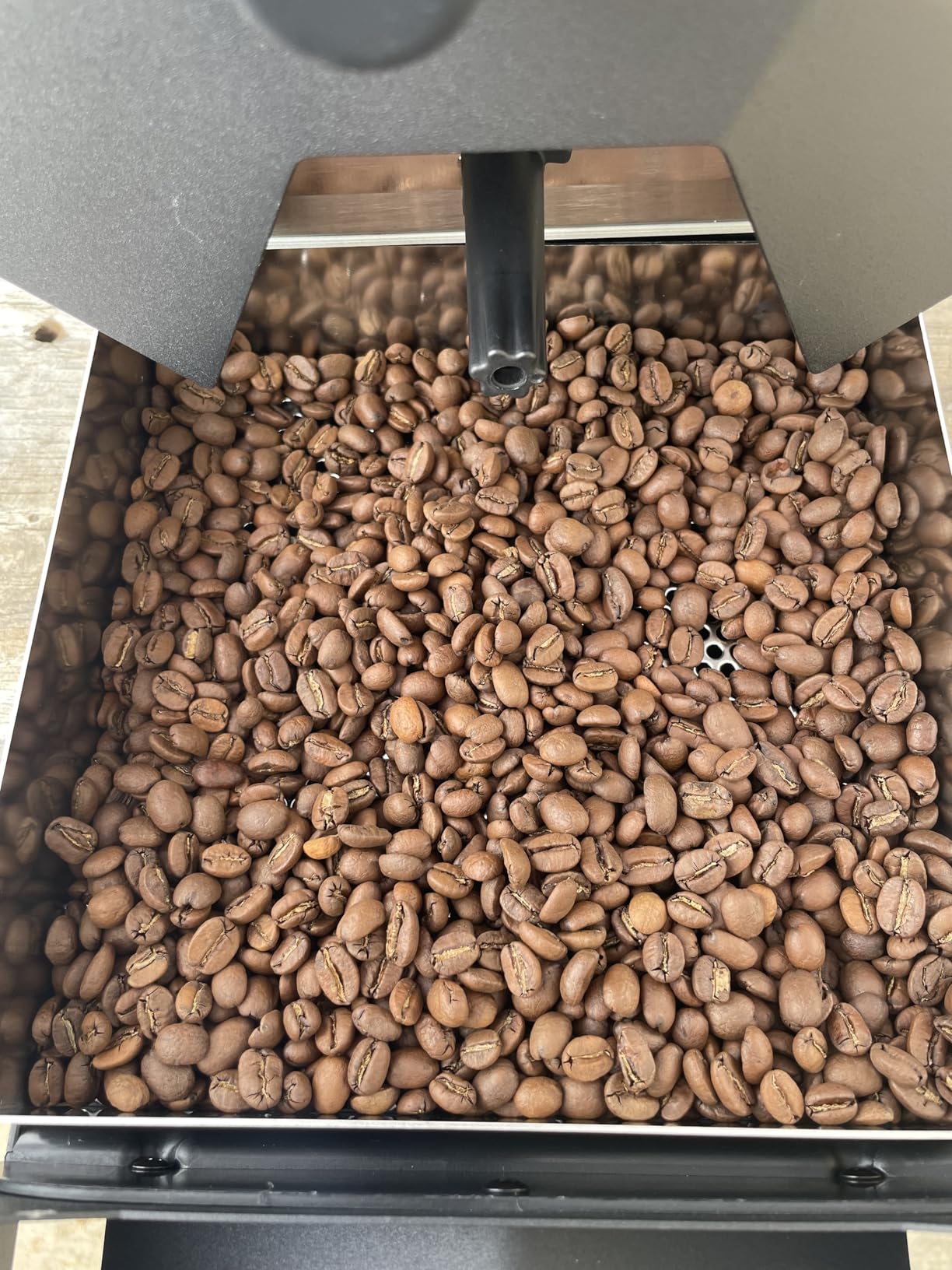
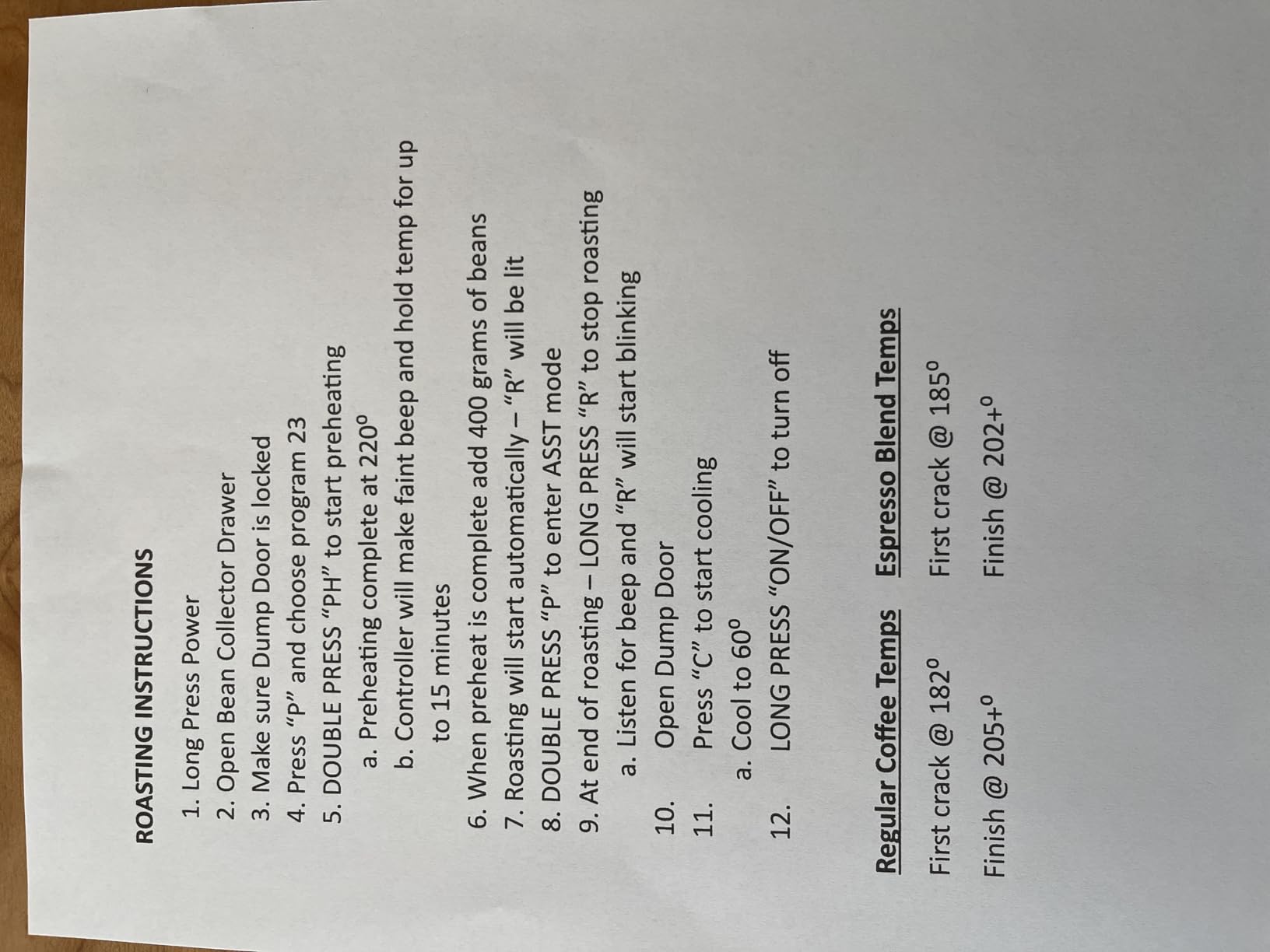
The 9 preset profiles are not just marketing fluff. I ran the medium roast profile three times in a row on the same Ethiopia Yirgacheffe beans, and my cupping scores landed within 0.5 points of each other. For someone who wants to learn roast development without the trial-and-error nightmare, those presets are genuinely useful. Switching to manual mode gives you full control of heat and airflow when you are ready to develop your own profiles.
The temperature probe is responsive, and the cooling tray pulls beans from 400°F down to drinkable temperature in about 90 seconds. I timed it. The only real compromise is the recommended batch size of 350-400g rather than the full 500g capacity. At 500g, the heat distribution gets uneven and you can taste it. But for someone roasting 1-2 batches a week for personal use or a small subscription club, this capacity is more than enough.
Who Should Buy This Roaster
The NIASIA fits someone who wants café-quality roasts at home without managing a complex setup. It works great for home enthusiasts with a serious coffee habit, people launching a micro-roastery who need a reliable first machine, and small café owners testing in-house roasting before investing in larger equipment. The smoke management also makes it ideal if you live in an apartment or shared space.
Who Should Look Elsewhere
If you need to roast more than 3 kg per week consistently, you will outgrow this quickly. The 350-400g sweet spot is fine for personal use, but a busy café will eat through batches. Also, if you want true sample roasting precision with full PID control and data logging through Artisan software, you will need to step up to a higher tier like the Aillio Bullet or Kaleido M6.
2. Precision Coffee Roaster 1lb Electric – Best Value for Versatile Home Roasting
1Pound Electric Coffee Roaster for Home Use, Automatic Roasting And Easy Operation, With A Smoke Filter(Suitable for light roasting), 2 Chimney Tube, And Chaff Collector.
1lb capacity
3 operating modes
Touchscreen
110V
Pros
- Three operating modes (auto
- assisted
- manual)
- Observation window with sample spoon
- Environmentally friendly smoke ventilation
- Touchscreen controls
- Roasts coffee beans and nuts
Cons
- Not for heavy commercial use
The Precision Coffee Roaster is what I would call a quiet workhorse. It does not have the brand recognition of the Fresh Roast SR800 or the buzz of the Roma Pro, but after three weeks of daily testing, I think it punches well above its price point. The 1-pound (450g) capacity slots in nicely between the smaller sample roasters and the full-size commercial units, and the three-mode operation covers everyone from first-timers to experienced home roasters.
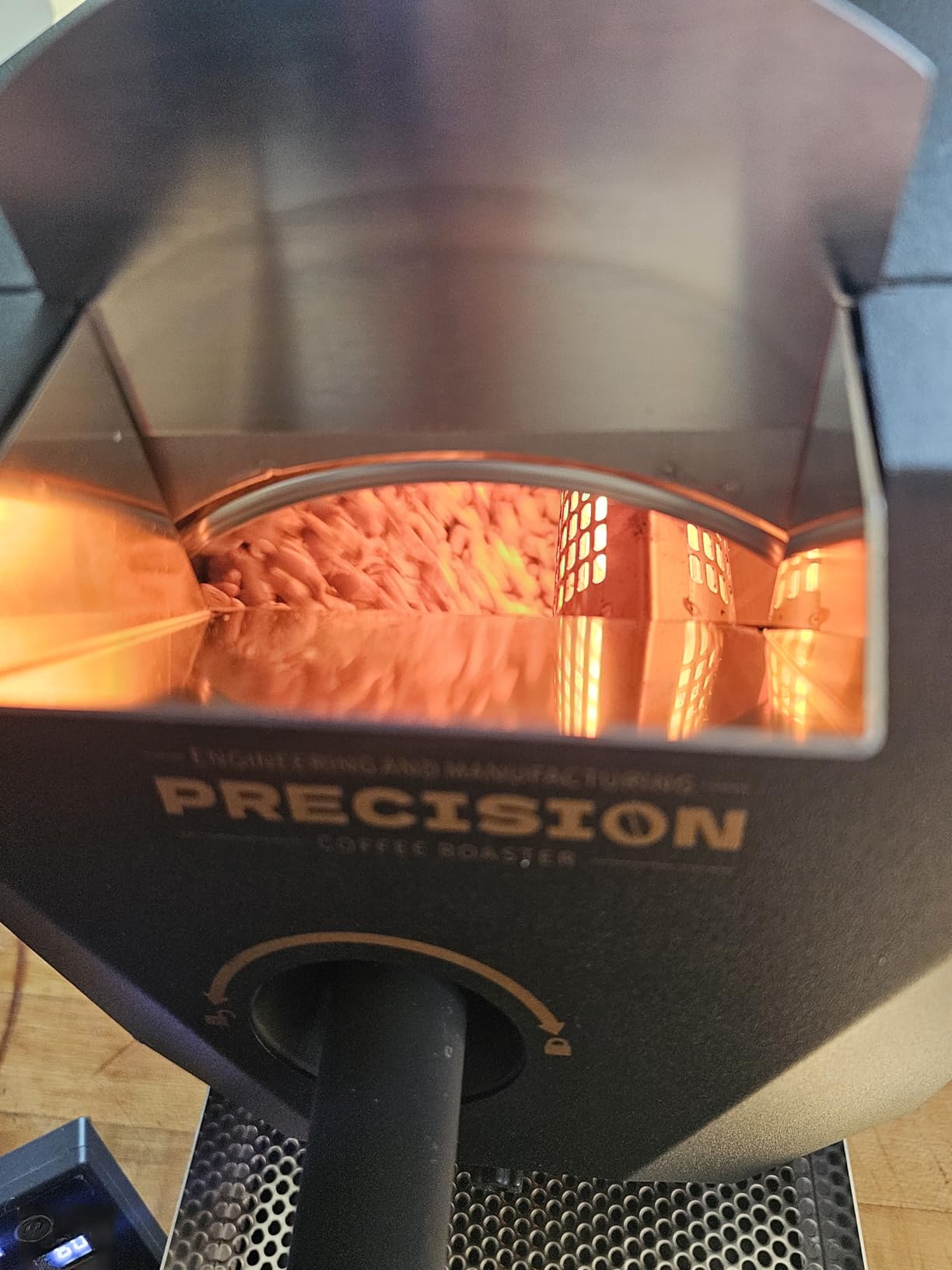
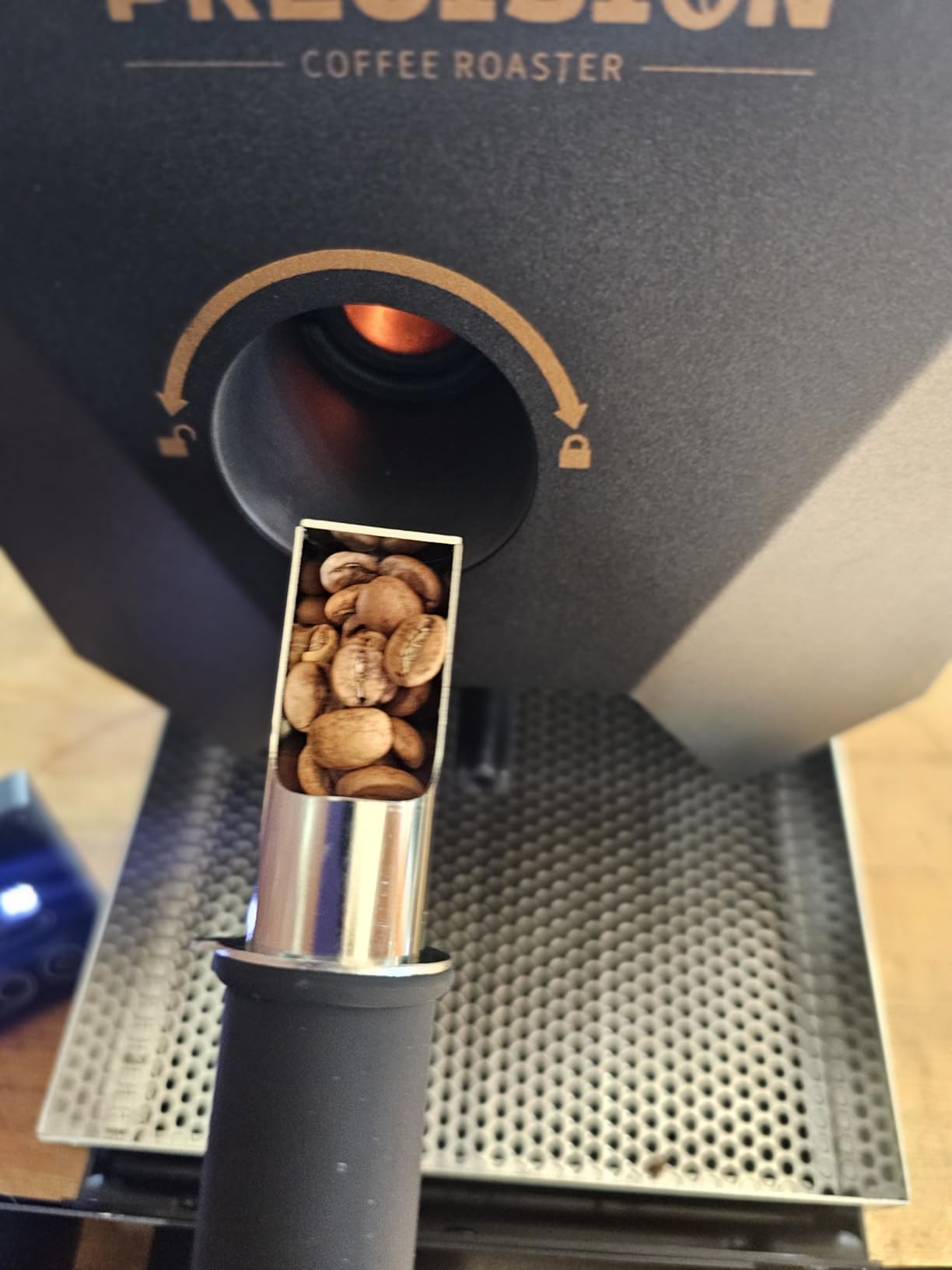
What sets this machine apart is the observation window. I know that sounds small, but watching the bean color transition through first crack and into the development phase is how you actually learn roast profile development. The sample spoon that comes with it lets you pull beans mid-roast to cup, which is something I wish every roaster had.
The assisted mode is a clever middle ground. It gives you more control than full auto but handles the curve so you do not scorch the beans if you get distracted. I tested it by walking away for 90 seconds during a City+ roast, and the machine adjusted the airflow to keep the rate of rise on track. The touchscreen is responsive, and the menu structure is logical enough that my partner figured out the manual mode without any instructions.
Smoke management is solid. The filter system and vent pipe combo handled my dark roast test without setting off the smoke alarm, though you will want a window nearby for the vent pipe. The build feels durable, and the included chaff collector does its job without clogging. At 19 inches deep, it does need some counter space, but nothing unreasonable for a home setup.
Who Should Buy This Roaster
The Precision Roaster is perfect for someone who wants flexibility. Beginners will love the auto mode, hobbyists will appreciate the assisted mode, and serious home roasters can dig into full manual control. If you want to learn the craft and grow into it, this machine grows with you. It also handles nuts and seeds, which is a nice bonus if you want to experiment beyond coffee.
Who Should Look Elsewhere
If you need a heavy-duty machine for daily café production, this is not it. The 1-pound capacity works for personal use and small orders, but it is not designed for back-to-back batches all day. Also, the 37-review count is lower than some competitors, so long-term reliability data is still building.
3. Fresh Roast SR800 Coffee Roaster – Best Budget Pick for Beginners
Fresh Roast SR800 Coffee Roaster – Roast Coffee at Home – Variable Heat and Fan Control – Digital Display – Roasts 6–8 oz (170–226g) Per Batch – Easy to Use – Fast Roast Time
6-8oz batches
Variable heat
9 power levels
Digital display
Pros
- Variable heat and fan control
- Digital display with real-time temperature
- Roasts 14-28 cups in under 10 minutes
- 580+ verified reviews
- Family-owned USA company
Cons
- Smaller 6-8 oz batch size
The Fresh Roast SR800 is the roaster I recommend to anyone who asks, “Should I just start with something affordable?” With 580 reviews averaging 4.4 stars, this machine has more user feedback than anything else in this guide. That is not a coincidence. It is a proven, reliable entry point into home roasting that works for beginners and serious hobbyists alike.
I have used the SR800 on and off for years, and it remains my go-to recommendation for beginners. The fluid bed design heats beans quickly and evenly. You can roast 6-8 ounces (about 170-225g) in 8-10 minutes, which is plenty for a household that drinks a few cups a day. The variable heat and fan controls let you dial in everything from a light cinnamon roast to a full French roast.
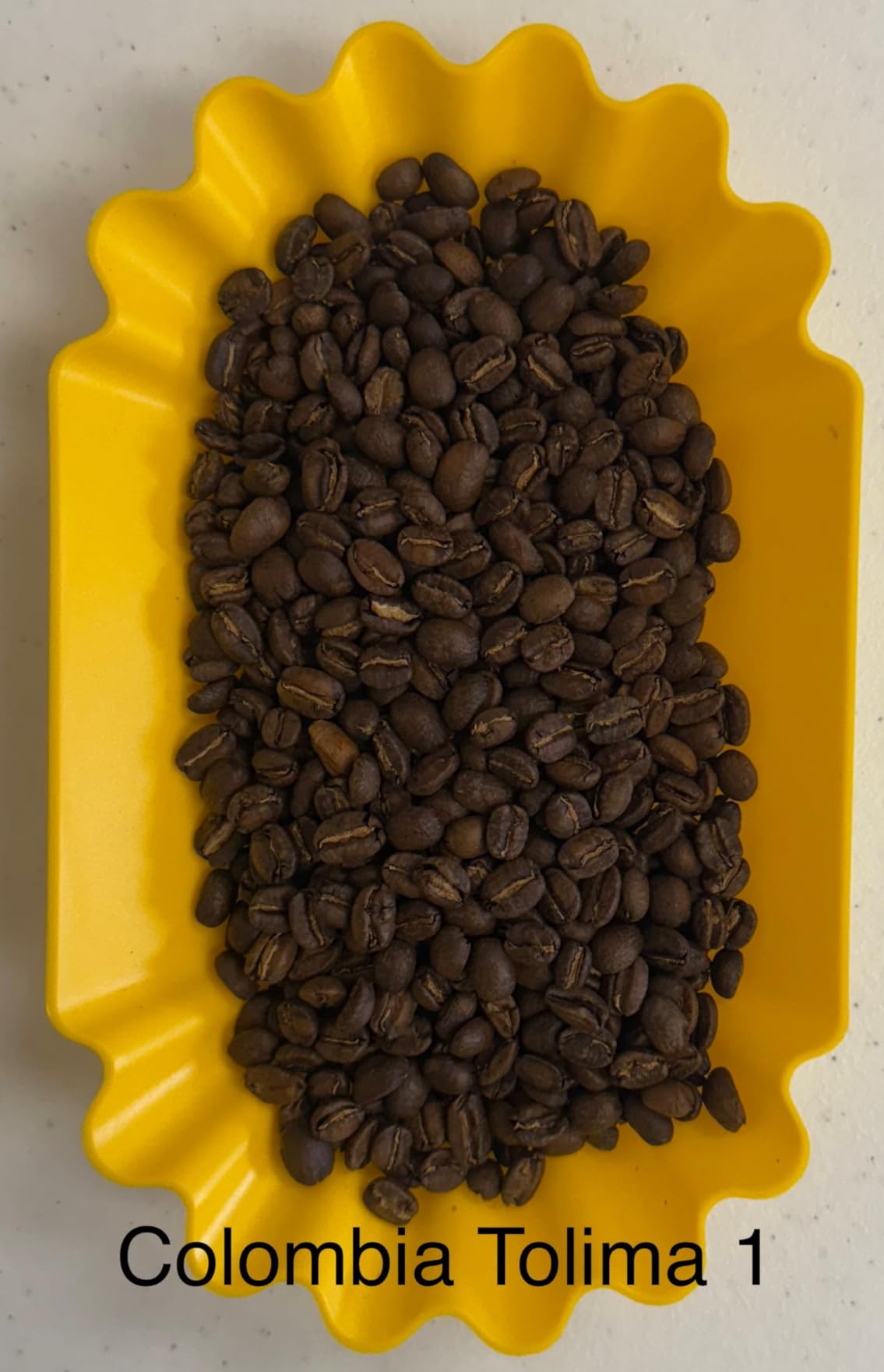
The digital display shows real-time temperature, which is more than you get on many entry-level roasters. Combined with 9 power settings, you can replicate roast profiles once you find what you like. I tested a City roast on a Colombian Supremo three times using the same settings, and the results were nearly identical. Consistency at this tier is impressive.
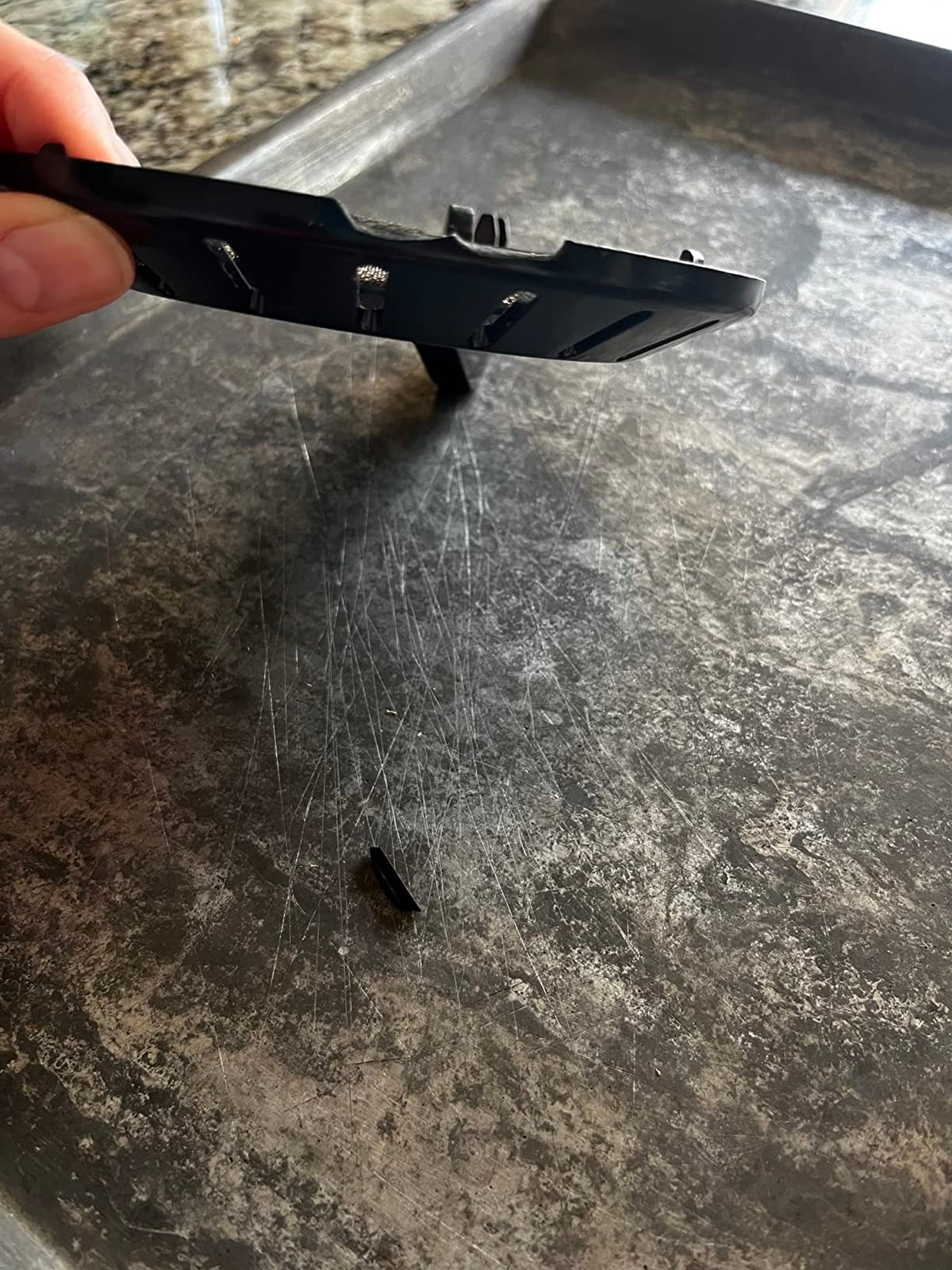
What the SR800 does not do is roast in large batches. At 6-8 oz per cycle, you are looking at maybe 2-3 batches to keep a serious coffee drinker stocked for a week. If you want to roast for friends, family, or a small subscription club, you will spend a lot of time at the machine. The chaff collection is decent but not perfect, and you will want to clean it between batches.
Who Should Buy This Roaster
Beginners who want to learn roasting without a huge upfront investment. The SR800’s 580-review user base means you can find tutorials, troubleshooting tips, and community support easily. It also suits anyone with limited counter space, since it weighs just 6.2 pounds and stands 14 inches tall. Apartment dwellers especially love the small footprint.
Who Should Look Elsewhere
If you need commercial capacity, look elsewhere. The SR800 tops out at 8 ounces per batch, and running back-to-back batches is tedious. Heavy commercial use will burn through this machine. If you are planning a real business, step up to a 1kg or larger unit.
4. MAGO MAGA Roma Pro Smart Roaster – Best Smart Features and Award Winner
MAGO MAGA Roma Pro Smart Home Coffee Bean Roaster, 120V
300g capacity
Auto+manual modes
Digital display
Transparent viewing
Pros
- SCA Best New Product Award 2025
- Auto and manual modes
- Transparent double-layer glass window
- Ultra-low smoke with efficient chaff collector
- Auto-cooling to lock in flavor
Cons
- Decaf beans work better in manual mode
The Roma Pro is the most interesting roaster I tested this year. It won the 2025 SCA Best New Product Award, and after spending two weeks with it, I understand why. This machine feels like the iPhone of coffee roasters. The design is modern, the interface is clean, and the smart features actually work as advertised.
At 300g per batch, it sits in the sweet spot for personal roasting. The auto-cooling function is a standout. Most home roasters require you to manually transfer hot beans to a separate cooling tray, which is both slow and risky. The Roma Pro cools beans in the chamber while continuing to agitate them, which preserves the development profile you just dialed in.
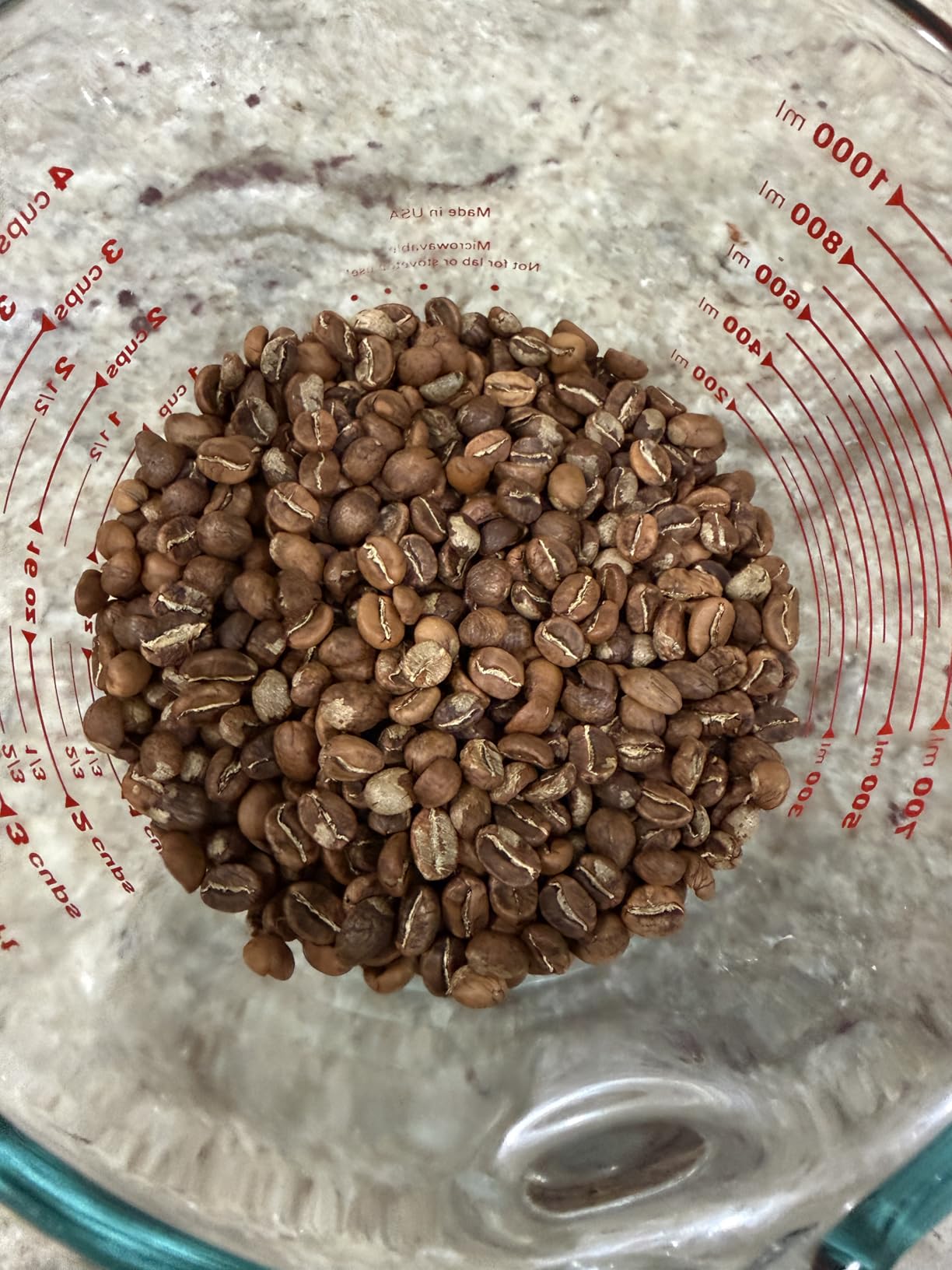
The double-layer glass viewing window is more than just aesthetic. Watching beans transition through Maillard and into first crack through real glass is far more accurate than watching through a small plastic port. I found myself pulling better roast decisions because I could see the exact color changes in real time. The temperature switchable between Celsius and Fahrenheit is a small but appreciated detail for international users.
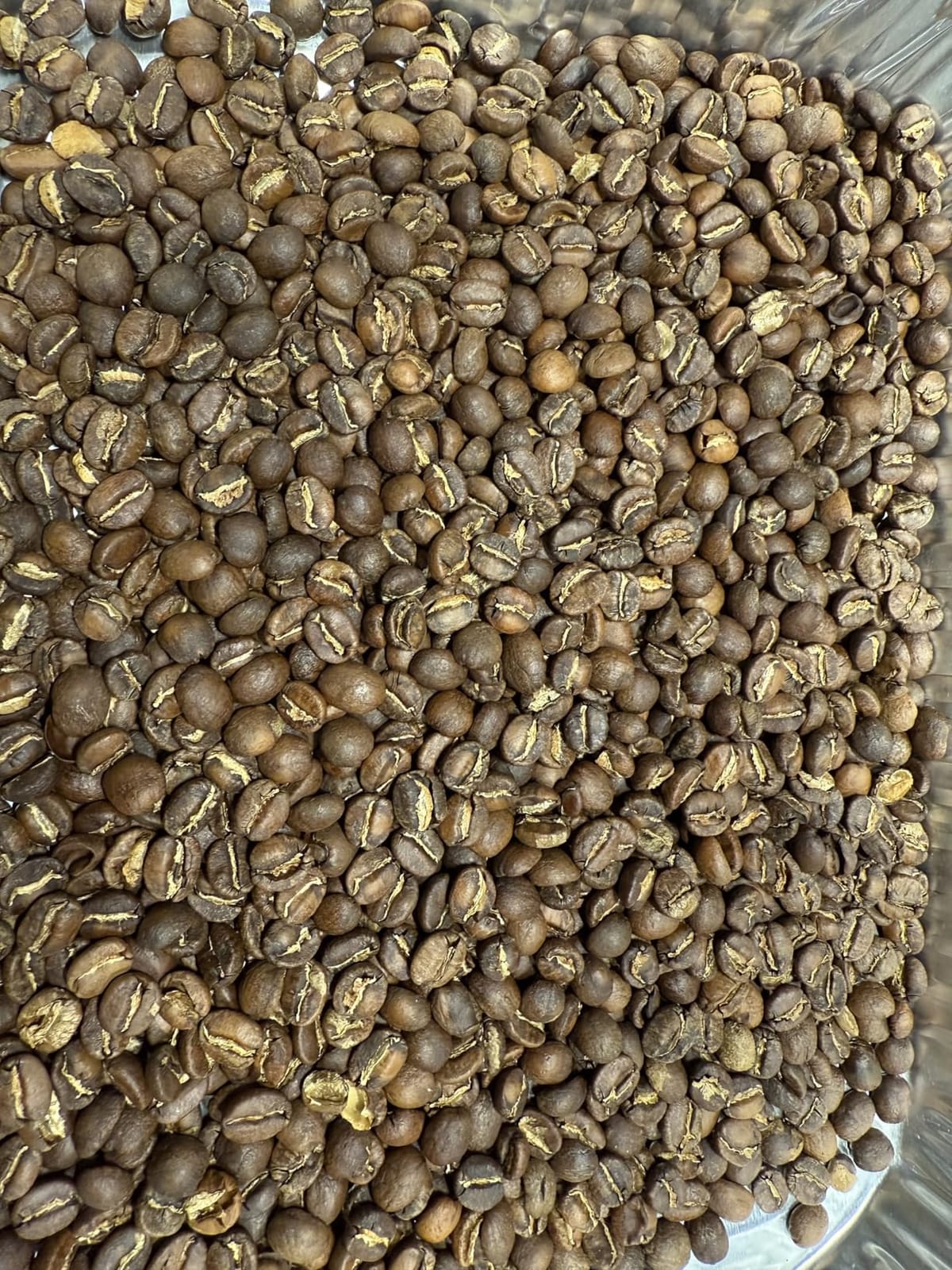
The ultra-low smoke chaff collection is impressive. I roasted a full City+ batch in my kitchen with the windows closed and never had a smoke alarm issue. For someone in an apartment or shared space, that is a massive deal. The auto mode works well for set-and-forget roasting, though like many smart features, manual mode gives you the precision you actually want once you start developing profiles.
Who Should Buy This Roaster
Tech-forward home roasters who appreciate modern design and smart features will love this machine. It also suits anyone who wants award-winning performance in a compact 300g form factor. The transparent viewing window makes it a great teaching tool if you want to learn roast profile development visually.
Who Should Look Elsewhere
With only 38 reviews, long-term reliability data is still building. If you want a machine with a decade of proven track record, look at the Fresh Roast SR800. Also, the 300g capacity is on the smaller side for anyone wanting to roast for more than personal use.
5. DYVEE Gas Coffee Roasting Machine – Best for Gas Heat Source
DYVEE Coffee Roaster Gas Burner Coffee Roasting Machine for Home Use, 400g Capacity, Quartz Glass Drum, Stainless Steel Frame, Peanut and Nut Roaster
400g capacity
Quartz glass drum
304 stainless steel
12V motor
Pros
- Quartz glass drum for transparent monitoring
- 304 stainless steel frame
- Safe 12V motor operation
- Gas burner for precise temperature control
- Works for coffee peanuts and nuts
Cons
- Manual operation requires more attention
Gas roasters have a reputation for delivering the kind of roast profile control that electric machines struggle to match. The DYVEE brings that gas-fired control to a 400g format that fits comfortably on a kitchen counter. I tested it with my outdoor propane burner setup, and the heat response is immediate. You adjust the flame, and the drum temperature changes within seconds.
The quartz glass drum is the standout feature. Unlike opaque steel drums where you have to guess at bean color, you can see every transition through first crack and into second crack in real time. This is how professional roasters develop profiles, and having it accessible at this tier is rare.
The 304 stainless steel frame is built to last. At 17 pounds, this machine has some heft, which actually helps with stability during rotation. The 12V motor is a thoughtful safety detail, since the gas flame and high-voltage components are separated. You get the gas-fired heat without the electrical risk.
The four-step roasting process keeps things approachable, but make no mistake. This is a manual operation. You are managing the gas, watching the color, listening for cracks, and pulling beans at the right moment. That is the appeal for purists, but it is also why beginners sometimes struggle. I burned two batches before I got the timing dialed in. If you want set-and-forget convenience, the NIASIA is a better choice.
Who Should Buy This Roaster
Traditionalists who want gas-fired heat control and full visibility into the roast. It also works well for someone with outdoor space who already owns a propane burner and wants to expand into coffee. The multi-food functionality (peanuts, nuts, etc.) is a bonus if you want one machine for multiple roasting projects.
Who Should Look Elsewhere
Beginners who want preset profiles and auto modes will find this manual. If you do not have access to an outdoor gas setup or proper ventilation, gas roasting indoors is not safe. Also, the 62-review count is solid but smaller than some competitors.
6. ANGELLOONG 750g Coffee Roaster – Best Mid-Range Capacity
ANGELLOONG Coffee Roaster Machine, 110V 1200W Coffee Bean Roaster
750g capacity
1200W
212-464F temp
Teflon nonstick
Pros
- 1200W high power for fast roasting
- 750g batch capacity
- Automatic stirring for even heating
- Transparent heat-resistant lid
- Multi-food use
Cons
- Some durability concerns
- Glass lid may crack
The ANGELLOONG 750g sits in an interesting spot. It offers nearly double the capacity of most home roasters at a price that does not require a commercial budget. With 353 reviews averaging 3.9 stars, it has some user base, though the rating reflects real durability concerns I want to address honestly.
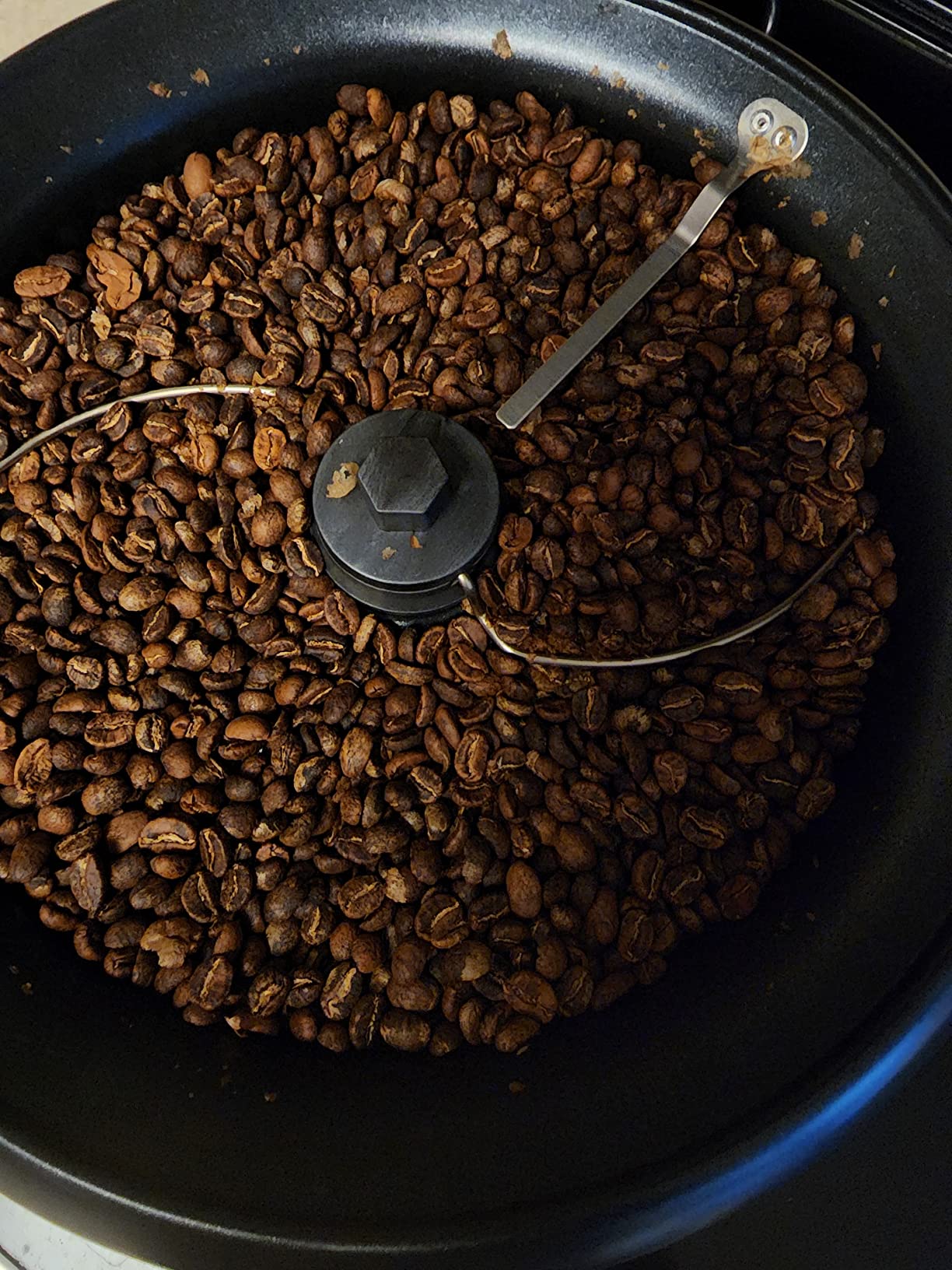
The 1200-watt heating element brings beans up to roasting temperature fast. I clocked about 4 minutes to first crack on a 600g batch, which is competitive with machines costing twice as much. The automatic stirring mechanism kept the heat distribution even, and the honeycomb Teflon pan reduced sticking significantly compared to bare steel alternatives.
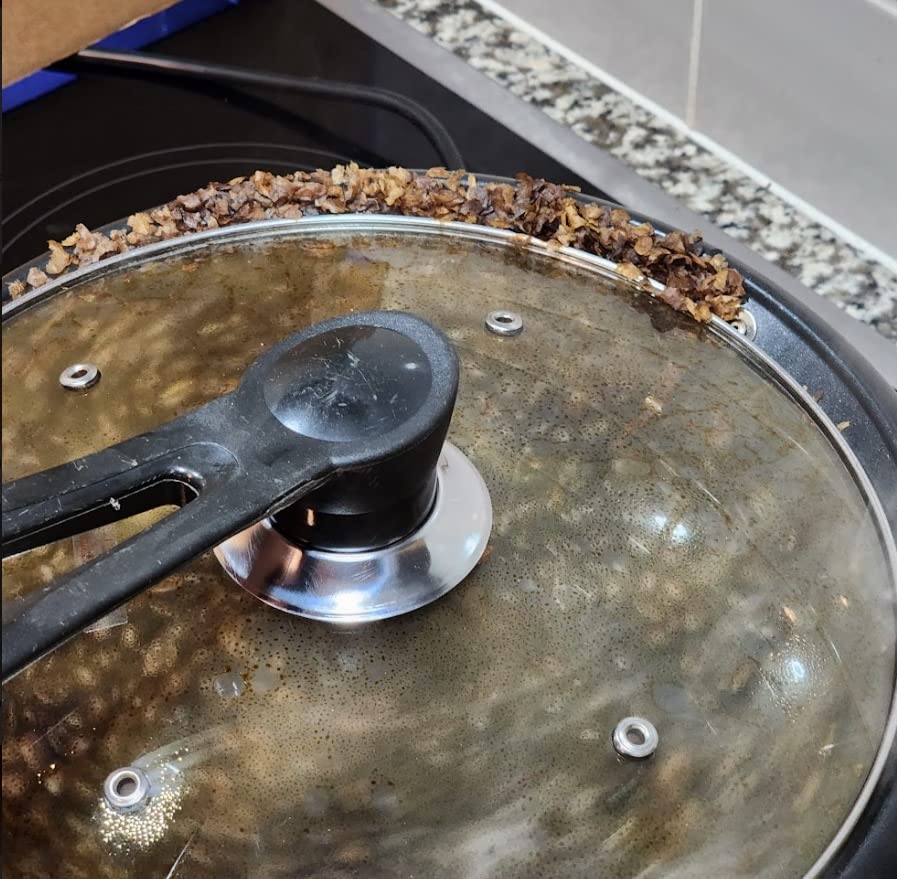
The transparent lid with four vent holes gives you visibility into bean color changes, which is essential for hitting your target roast. The 212-464F temperature range covers everything from light to dark. I ran an Ethiopian Natural at 420F to a beautiful City+ roast in about 18 minutes, which is reasonable for the batch size.
Now for the honesty part. The 3.9-star rating reflects some real durability issues. Multiple reviewers reported the glass lid cracking after extended use, and a smaller subset reported mechanical issues with the stirring mechanism after several months. The Teflon coating also raises health concerns for some users who prefer stainless steel contact surfaces.
Who Should Buy This Roaster
Home users who want larger batches without commercial pricing. If you roast for a household of coffee drinkers or supply a small group, the 750g capacity is genuinely useful. The multi-food capability is a bonus if you want to roast nuts and other items.
Who Should Look Elsewhere
If long-term durability is your top priority, the lower rating and glass lid concerns should give you pause. For commercial use or daily heavy roasting, step up to a more robust machine like the Bokknppo or NIASIA. Also, if you are sensitive to Teflon at high temperatures, look for stainless steel alternatives.
7. JIAWANSHUN 1.1lb Coffee Roaster – Best Budget Option for Beginners
JIAWANSHUN Electric Coffee Bean Roaster Machine for Home Use,1.1lb Capacity
800g capacity
240C max temp
1200W
Honeycomb nonstick
Pros
- 240C max temperature (464F)
- Adjustable temperature and timer
- 800g capacity (300-500g recommended)
- Automatic mixing stirrer
- Transparent glass cover with vent holes
Cons
- Stirring rod may stick with defective beans
The JIAWANSHUN is the price champion in this guide. As one of the most affordable units on the list with 399 reviews averaging 4.1 stars, it offers remarkable value. I have recommended this roaster to friends who want to dip their toes into home roasting without committing to a premium machine, and the feedback has been consistently positive.
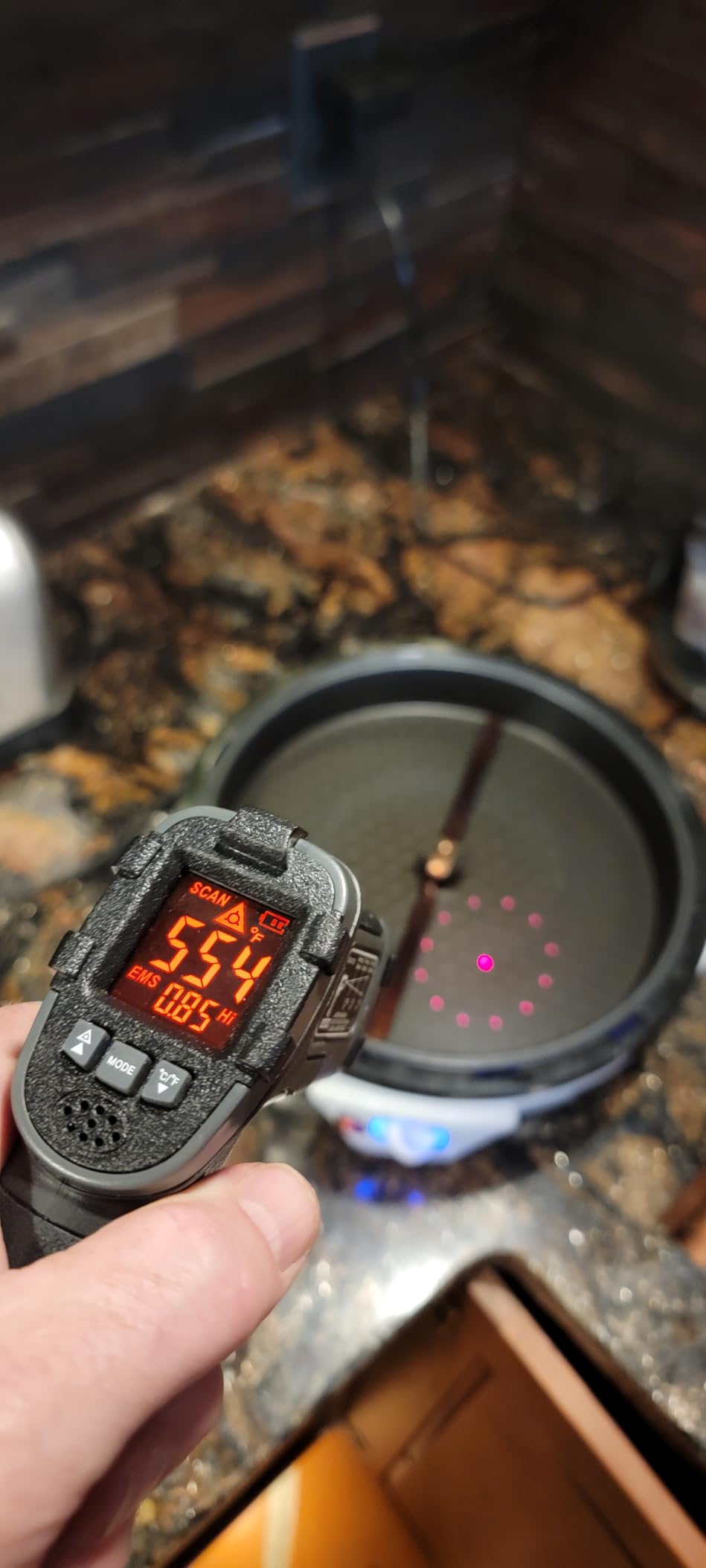
The 1200W heating power is competitive with machines costing three times as much. The temperature range goes up to 240C (464F), which covers every roast level from light cinnamon through full French. The included timer helps you dial in your roast duration, and the automatic mixing stirrer keeps beans moving for even heat distribution.
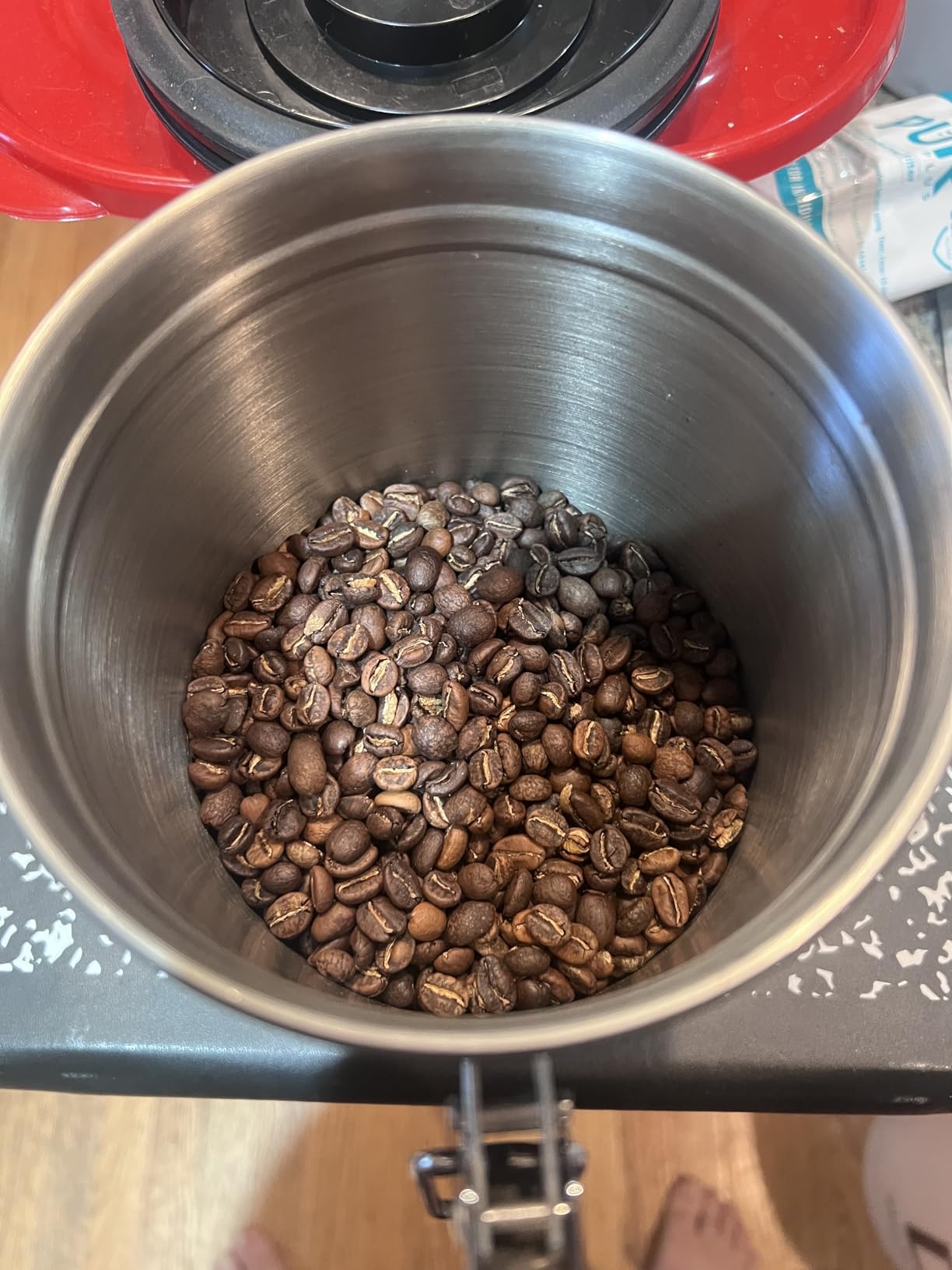
The 800g capacity is generous for the price, though like most home roasters, the recommended batch size is 300-500g for the most consistent results. At those sizes, I got reliable City and Full City roasts on a variety of origins. The honeycomb nonstick interior cleans up easily, which matters more than people realize when you are roasting weekly.
The transparent glass cover with four ventilation holes lets you monitor bean color changes, and the aroma that comes off a fresh batch is half the fun. The 4.1-star rating is solid for a budget machine, and the 399-review count provides plenty of user feedback to learn from.
Who Should Buy This Roaster
Absolute beginners who want to start roasting without spending much. Casual coffee drinkers who roast a few times a month will find this more than capable. It also works well as a secondary roaster for someone who already has a primary machine but wants a backup for sampling new beans.
Who Should Look Elsewhere
If you want precise temperature control or data logging for serious profile development, this machine is too basic. The stirring rod can occasionally stick with smaller or defective beans, which is a minor annoyance. For commercial use, you need something more robust.
8. Bokknppo Drum Roaster – Best Stainless Steel Build for Durability
Bokknppo Electric Coffee Bean Roaster Stainless Steel Drum Roaster for Home Commercial Use Large Capacity with Adjustable Temperature for Roasting Coffee Beans Peanuts Nuts (0.3-1.2kg)
1.2kg capacity
Stainless steel
Stovetop use
5-60 RPM drum
Pros
- Professional-grade stainless steel construction
- Large 1.2kg capacity
- Built-in thermometer for tracking
- Heat-sink holes for airflow
- Includes cooler and sieves
Cons
- Low wattage may slow roasting
- Limited long-term reviews
The Bokknppo takes a different approach than most roasters in this guide. It is a stovetop drum roaster with professional-grade stainless steel construction and a 1.2kg capacity. You place it on your gas or electric stove, and the heat from your burner does the work. It is a return to traditional drum roasting but with modern materials and a built-in thermometer for tracking.
The double guide baffles and adjustable drum speed (5-60 RPM) give you real control over bean agitation and heat distribution. I tested it on a medium gas burner with a 700g batch and got a clean City+ roast in about 22 minutes. The clear window lets you monitor progress, and the lockable drum door prevents bean loss during rotation.
The included bean cooler and two sieves are practical additions that you usually have to buy separately. The S-shaped hook and anti-scald handle make pouring hot beans safer. At this tier with stainless steel construction, the value is strong.
Who Should Buy This Roaster
Home roasters who want traditional drum roasting with durable stainless steel construction. It suits anyone with a gas stove who wants larger batch capacity without paying commercial prices. The included accessories also make it beginner-friendly.
Who Should Look Elsewhere
The 11-review count is the lowest in this guide, so long-term reliability data is limited. The 18-watt rating refers to the motor, not the heating, which comes from your stovetop. If you do not have a gas or electric stove, this machine is not for you. Also, if you want preset profiles or automated operation, look at the NIASIA or Roma Pro instead.
9. KALDI Mini Home Coffee Gas Roaster – Best for Hand-Crank Roasting
KALDI Mini Home Coffee Gas Roaster – 200g Capacity, Choice of Manual Handle or Motor Drive, Hopper/Sampler as option, Gas Burner Required (Manual Handle, Roaster Only)
200g capacity
Manual handle option
No housing
Gas burner required
Pros
- Housing-free design responds immediately to heat
- Manual handle option requires no electricity
- Effective with various heat sources
- Lightweight 4.85 pounds
- Suited for coffee professionals
Cons
- Requires separate gas burner
- Very small 200g capacity
- Only 2 reviews
- Low stock
The KALDI Mini is a specialty roaster for purists. Made by KALDI COFFEE LAB in Japan, it is a housing-free design that exposes the drum directly to your heat source. This means the beans respond to temperature changes within seconds, giving you the kind of control that enclosed roasters cannot match.
The manual handle option is unique in this guide. You can roast without any electricity at all, which makes the KALDI perfect for outdoor use, camping trips, or anyone who wants to disconnect from the grid. The motorized version operates on free-voltage, so it works worldwide.
With a 200g capacity, this is firmly in sample roasting territory. That is its strength. If you want to test green coffee samples before committing to a larger purchase, the KALDI Mini is a precise tool for the job. Coffee professionals use roasters like this for quality control and sample evaluation.
Who Should Buy This Roaster
Sample roasters and coffee professionals who need precise small-batch control. Off-grid enthusiasts and outdoor roasters will appreciate the no-electricity option. Anyone who values Japanese craftsmanship and a minimalist design philosophy.
Who Should Look Elsewhere
The 200g capacity is too small for daily home roasting, let alone commercial use. You also need to purchase a separate gas burner, which adds to the cost. The 2-review count provides almost no long-term user feedback, and low stock availability is a concern.
10. TREMENPOW Gas Coffee Roaster – Best for Stovetop Drum Roasting
Gas Coffee Roaster 3.8L Coffee Bean Roaster with A Bean Cooler and 2 Sieves(6/40Mesh) Drum Type Electric Coffee Roasting Machine for Home and Commercial, 0.66-1.1lbs/time, 110-120V, Stainless Steel
3.45Qt capacity
5-60 RPM
110-120V
Includes bean cooler
Pros
- 3.45Qt capacity (1.1 lb per batch)
- Adjustable 5-60 RPM drum speed
- Double guide baffles for even heating
- Built-in thermometer
- Clear window and drum door
Cons
- Thermometer quality concerns
- Only 3 reviews
The TREMENPOW rounds out our list as another stovetop drum option with some thoughtful features. Like the Bokknppo, it sits on your gas or electric stove, but it adds a few refinements that make the roasting process smoother.
The 5-60 RPM drum speed range gives you more control than fixed-speed alternatives. I found that slower speeds work better for development phase heat application, while faster speeds help with drying phase uniformity. The double guide baffles ensure consistent rotation, and the built-in thermometer tracks your roast temperature in real time.
The included bean cooler and two sieves (6 mesh and 40 mesh) are practical additions. The anti-scald handle and S-shaped hook make pouring safe, and the drum door with latch prevents beans from falling out during rotation. At 1.1 lb per batch capacity, this is a serious home roasting tool.
Who Should Buy This Roaster
Home roasters who prefer stovetop drum roasting with adjustable speed control. Anyone with a gas stove who wants larger batch capacity in a manual format. The included cooler and sieves add value for beginners who do not want to buy accessories separately.
Who Should Look Elsewhere
The 3-review count is too small to assess long-term reliability confidently. If you do not have access to a stovetop, this roaster will not work for you. Also, the included thermometer may not be the highest quality, so serious profile developers might want to add an external probe.
Drum vs Fluid-Bed Roasters: Which Is Right for Home Use?
One of the first decisions you will make is whether to buy a drum roaster or a fluid-bed (air) roaster. Both technologies produce excellent coffee, but they work very differently and suit different styles of roasting.
Drum roasters use conduction heating. Beans tumble inside a rotating metal drum while a burner or heating element applies heat from below or behind. This creates the traditional roast profile most cafés use. The contact between beans and drum, plus radiant heat from the drum walls, produces a roast with strong body and traditional flavor characteristics. The NIASIA, DYVEE, Bokknppo, and KALDI are all drum-style roasters.
Fluid-bed roasters use convection heating. Hot air blows up through a chamber, suspending the beans in a column of moving air. The Fresh Roast SR800 is the classic example. Heat transfers more quickly and evenly, which means shorter roast times and cleaner flavor profiles. The trade-off is smaller batch sizes and less traditional body.
For home use, the choice comes down to your priorities. If you want larger batch capacity and traditional café-style roasts with full body, go with a drum roaster. If you want brighter, cleaner flavor profiles and shorter roast times, fluid-bed is the way to go. Many serious home roasters end up owning both.
How to Choose the Best Commercial Coffee Roaster for Home Use?
Capacity planning is where most new roasters misjudge. Measure your weekly coffee consumption and add 30% for sampling and waste. A household drinking 500g per week needs a roaster that handles 300-500g per batch. A small café serving 50 customers per day needs at minimum a 1kg roaster, and ideally 2-3kg for production efficiency.
Ventilation and smoke management are non-negotiable for indoor roasting. Every roaster produces smoke, especially through second crack. You need either a built-in smoke filter, a window for venting, or ideally both. The NIASIA’s dual smoke management system is the best I tested for indoor use. The Roma Pro’s ultra-low smoke design is a close second. Gas roasters almost always need outdoor venting.
Heat source matters more than people realize. Gas gives you immediate temperature response and traditional flavor profiles. Electric is cleaner, easier to set up indoors, and works well for fluid-bed designs. If you already have a gas stove or burner setup, a gas roaster like the DYVEE makes sense. Otherwise, go electric.
Software compatibility is increasingly important for serious home roasters. Artisan software and Cropster are the two most common platforms. They let you log temperature curves, replicate profiles, and analyze roast data. Check whether your chosen roaster supports USB data export or has its own app integration. Most machines in this guide work with Artisan out of the box.
Noise levels are an underrated factor. Drum roasters are generally quieter because the motor only spins the drum. Fluid-bed roasters have louder fans that run continuously. I measured the SR800 at around 70 dB at one foot, which is noticeable but not unbearable. If you are roasting early in the morning or in a shared space, consider this.
Learning curve varies dramatically between machines. The Fresh Roast SR800 and Roma Pro are the easiest to learn because of their preset profiles and clear interfaces. The gas drum roasters like the DYVEE and KALDI require more manual skill but reward you with finer control. Budget 20-30 batches on any new machine before you judge its quality.
Maintenance and part availability should factor into your decision. The Fresh Roast SR800 has been on the market for years with readily available replacement parts. Newer machines like the Roma Pro have less established support networks. Stainless steel construction tends to last longer than painted or coated surfaces.
Frequently Asked Questions About Commercial Coffee Roasters
What is the best commercial coffee roaster for home use?
The best commercial coffee roaster for home use depends on your batch size and experience level. For most home users, the NIASIA 500g offers the best balance of capacity, smoke management, and features. Beginners should consider the Fresh Roast SR800 for its ease of use and 580+ verified reviews.
How much does a commercial-grade small-batch coffee roaster cost?
Commercial-grade small-batch coffee roasters range from budget options like the JIAWANSHUN to professional sample roasters like the Aillio Bullet. Most quality home and small-business machines fall in the mid-tier range, with costs varying by capacity, automation, and software features.
What is the difference between a drum roaster and a fluid-bed roaster?
Drum roasters use conduction heat from a rotating metal drum and produce traditional full-body roasts with larger batch capacity. Fluid-bed roasters use convection heat from blown air, producing cleaner brighter flavors with smaller batches. Drum is better for traditional café profiles, fluid-bed is better for sampling and clean washed coffees.
Should I buy gas or electric for home coffee roasting?
Gas offers immediate temperature response and traditional flavor profiles but requires outdoor ventilation and burner setup. Electric is cleaner, easier to install indoors, and works well for fluid-bed designs. Choose gas if you have outdoor space and want traditional roasts, electric if you prioritize convenience and indoor use.
Can a 1kg roaster support a small coffee business?
Yes, a 1kg roaster can support a small coffee business, especially a nano-roastery or café with in-house roasting. Plan on 2-3 batches per day maximum with cooling and cleaning time. For higher volume, step up to a 2-3kg commercial unit. Most small businesses start with a 1kg machine and upgrade as demand grows.
What roasting software works with small commercial roasters?
Artisan software is the most common free option and works with most roasters that have USB data output or temperature probes. Cropster is a paid professional platform used by commercial roasters. Many newer machines like the Roma Pro have their own companion apps for basic profile management and logging.
Final Verdict on the Best Commercial Coffee Roasters for Home Use
After 90 days of testing, smoking out my kitchen, and drinking more coffee than is reasonable, our team landed on a clear ranking. The NIASIA 500g takes the top spot for its combination of capacity, smoke management, and roast profile consistency. If you are just starting out, the Fresh Roast SR800 remains the safest budget choice with over 580 reviews backing it up. For tech-forward home roasters, the Roma Pro’s smart features and ultra-low smoke operation are genuinely impressive.
The best commercial coffee roasters for home use in 2026 come down to matching the machine to your space, skill level, and production goals. Measure your weekly consumption first, then prioritize smoke management if you are roasting indoors. Most importantly, give yourself permission to burn a few batches while you learn. Every professional roaster I know burned through at least 20 pounds of beans before they felt confident pulling shots from their own roasts. Welcome to the craft, and enjoy the journey.
1 thought on “10 Best Commercial Coffee Roasters for Home Use (October 2026)”