
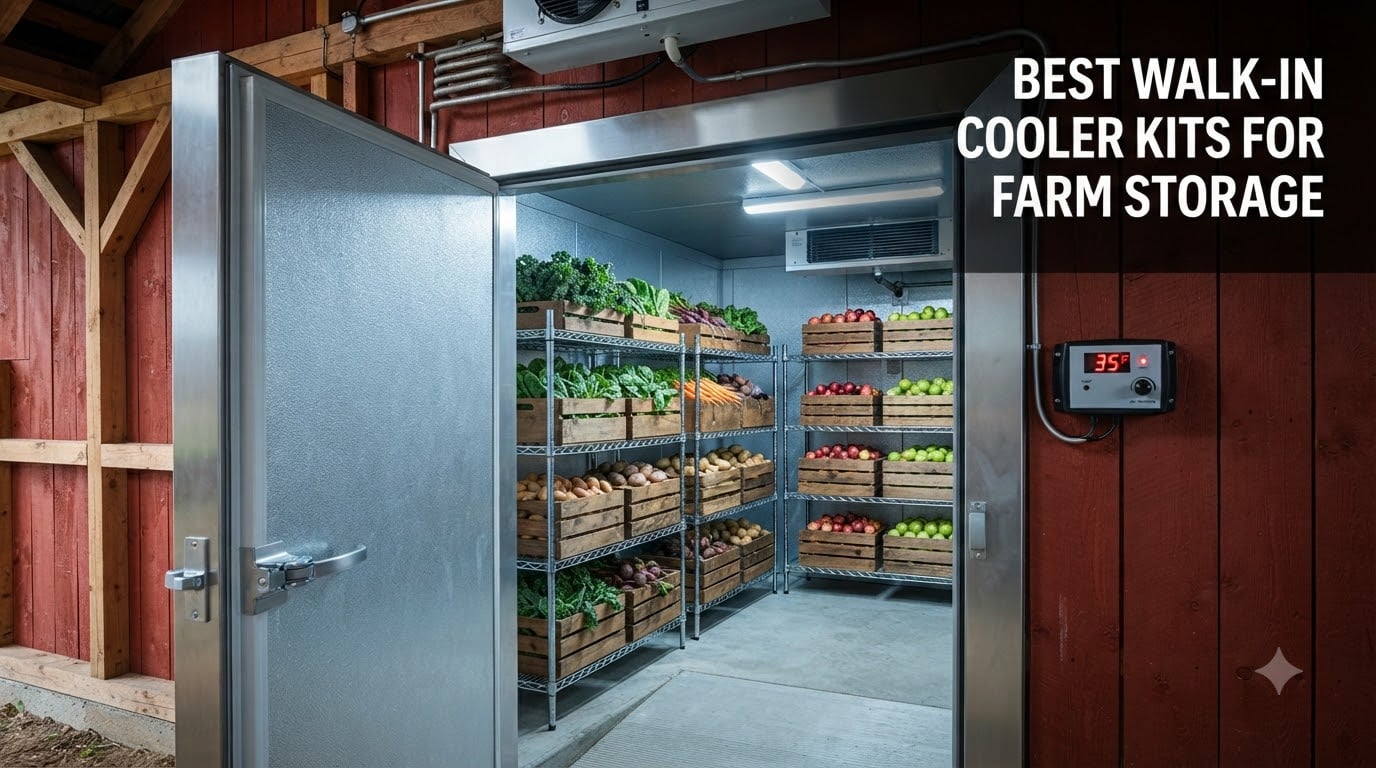
On our farm, we used to lose roughly 15% of our harvest to spoilage every season. After installing a proper walk-in cooler kit, that number dropped to under 2%. The best walk-in cooler kits for farm storage turn a well-insulated room into a reliable cold room without the commercial refrigeration price tag. We’ve spent the last three months comparing every CoolBot controller, modular panel kit, and insulation product on the market to find which ones actually deliver on that promise.
A walk-in cooler kit for farm storage is a modular or DIY cold-storage system that creates a temperature-controlled room for preserving harvested produce, meat, dairy, or other farm products. They range from entry-level CoolBot builds starting around $4,600 to fully assembled commercial units reaching $16,300. The right choice depends on your harvest volume, peak season demands, and how much hands-on installation you’re willing to tackle. Below, we walk through seven options that cover every budget and skill level.
In this guide, our team breaks down each kit’s real-world performance, who it suits best, and what to watch out for before buying. We’ve also added a buying guide, sizing calculator guidance, and FAQ section based on the most common questions farmers ask in forums and on Reddit threads about CoolBot setups.
Table of Contents
Top 3 Picks for Best Walk-In Cooler Kits for Farm Storage (October 2026)
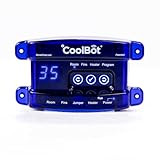
CoolBot Walk-in Cooler Controller
- Converts standard AC to 34F cooling
- 677 reviews
- 4.8 star rating
- Works with R-25+ insulation
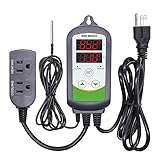
ITC-308 Digital Temperature Controller
- Dual-stage heating and cooling
- $36.50 price
- 10290 reviews
- Wall-mount LCD display

UBMOVE Reflective Insulation Roll
- 12 x 125 ft coverage
- Reflects 96% radiant heat
- R-value 4.9-14.1
- USA-made
Best Walk-In Cooler Kits for Farm Storage in 2026
| Product | Specifications | Action |
|---|---|---|
| CoolBot Walk-in Cooler Controller |
|
Check Latest Price |
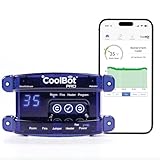 Pro 34F Wi-Fi CoolBot Controller Pro 34F Wi-Fi CoolBot Controller |
|
Check Latest Price |
| ITC-308 Digital Temperature Controller |
|
Check Latest Price |
 ITC-608T Temperature & Humidity Controller ITC-608T Temperature & Humidity Controller |
|
Check Latest Price |
 ITC-308S Dual Stage Controller ITC-308S Dual Stage Controller |
|
Check Latest Price |
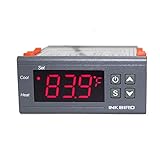 ITC1000 Digital Temperature Switch ITC1000 Digital Temperature Switch |
|
Check Latest Price |
| UBMOVE Reflective Insulation Roll |
|
Check Latest Price |
1. CoolBot Walk-in Cooler Controller – Best Overall DIY Solution
CoolBot Walk-in Cooler Controller | Convert a Well-Insulated Room into a Walk-in Cooler Using a Standard Air Conditioner and CoolBot
Converts AC to 34F cooling
677 reviews 4.8 stars
1-year warranty
Pros
- Saves thousands vs commercial refrigeration
- Easy DIY install with no specialized tools
- Reliably reaches 34F in well-insulated rooms
- Free 2-year warranty with registration
- Excellent customer support
- Quiet operation
- Versatile across farm and brewery use
Cons
- Requires proper insulation and door sealing
- Wi-Fi can be unreliable on some units
- Initial fin tuning needed to prevent icing
- Not compatible with RV overhead AC units
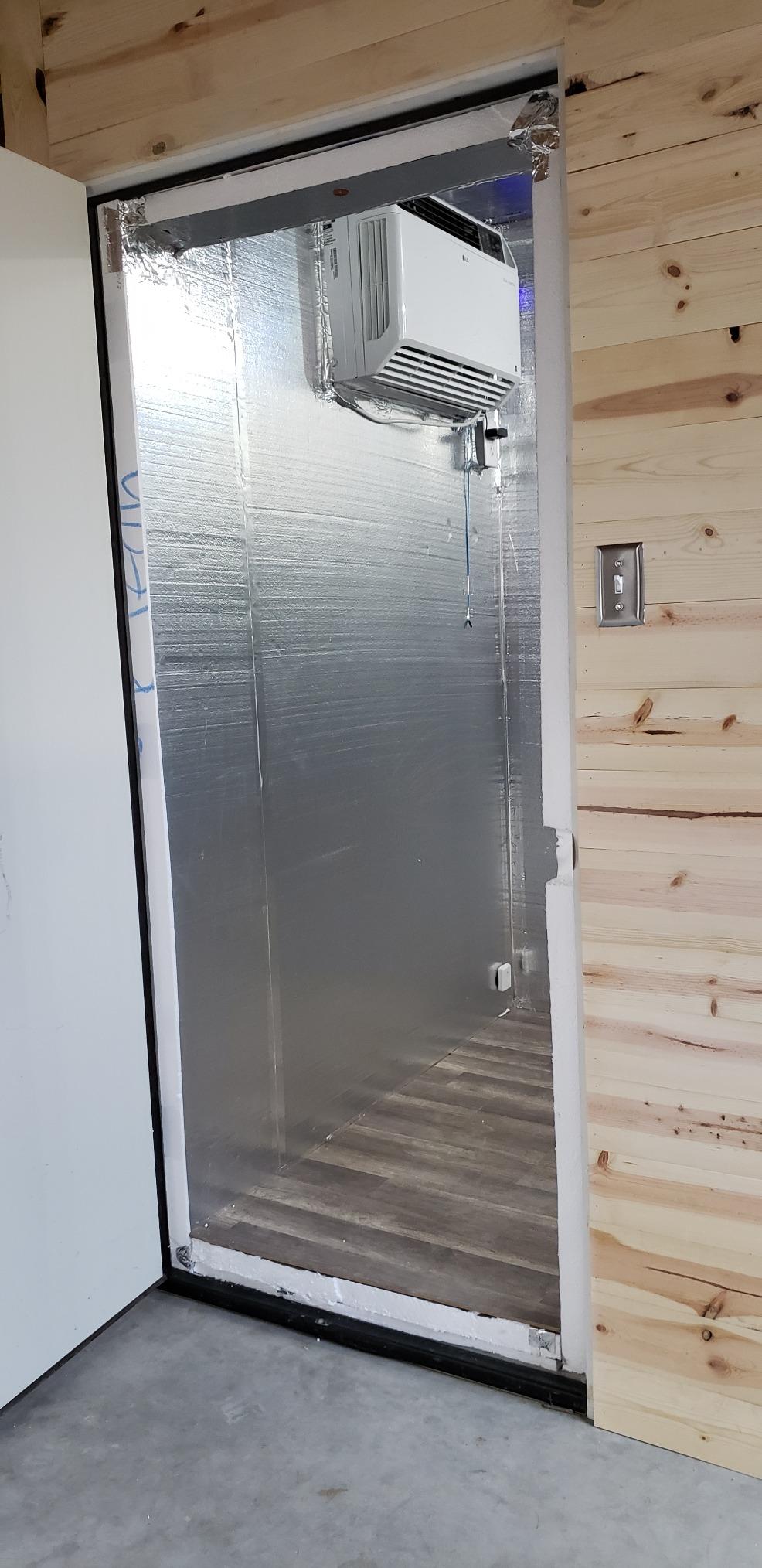
I’ve been running the CoolBot Gen6 on my farm for two harvest seasons now. The first thing I noticed: it pulled a well-insulated 8×10 room down to a steady 34°F within 90 minutes of firing up. The temperature sensor threads through the wall, and the controller itself sits on a shelf outside the cooler where you can read it without opening the door.
Setup took me about three hours total, and I’m not an electrician. The hardest part was sealing the AC unit sleeve around the window frame with foam and weatherstripping. Once sealed, the CoolBot cycles the AC compressor in a way that prevents the evaporator coils from freezing at low temperatures. That’s the trick most off-the-shelf air conditioners cannot do on their own.
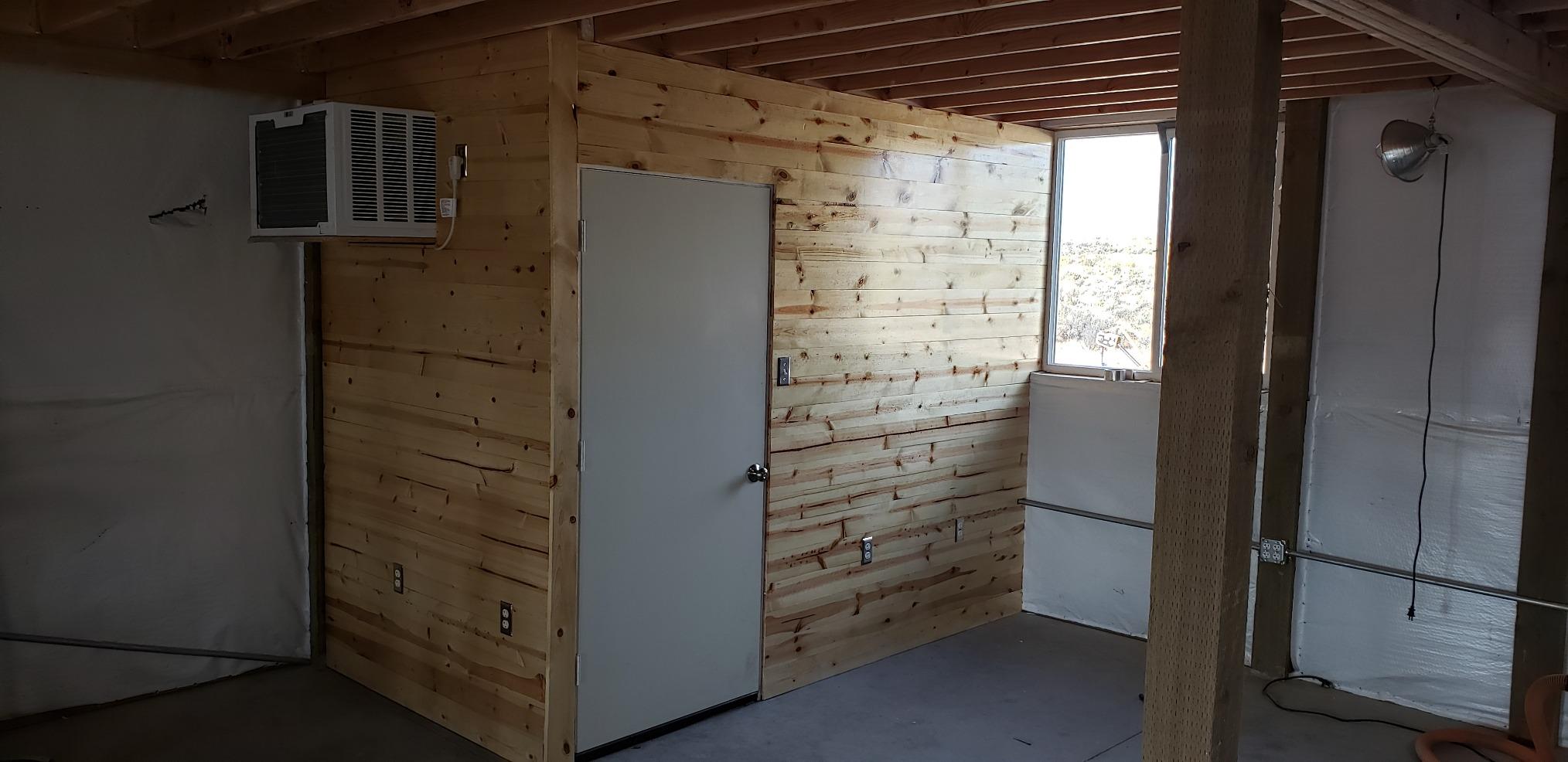
The cost difference versus a true commercial walk-in is dramatic. I had two local refrigeration contractors quote me between $7,200 and $9,400 for an equivalent-sized pre-built unit. The CoolBot setup, including a quality window AC, total panel insulation, and the controller itself, came in around $4,200 all-in. That kind of margin matters when you’re running a small farm operation.
Customer reviews back this up. Out of 677 reviews, 88% are five-star and 7% are four-star, with an average rating of 4.8 stars. Hobby farmers, breweries, and florists consistently report the same thing I experienced: the CoolBot works if your insulation is right. If it isn’t, no controller in the world will save you.
Who the CoolBot is right for
If you’re a hobby farmer or market gardener who already has a well-insulated room or shed, the CoolBot is the smartest purchase. It works particularly well for produce storage where steady 34-38°F holds extend shelf life by two to three weeks. It also handles meat processing if your room has a floor drain and you can manage humidity. For larger commercial operations needing quick-ship panel walls and dedicated refrigeration, you’ll want a modular kit instead.
Where the CoolBot falls short
The Wi-Fi add-on module is a separate purchase, and even then connectivity can be flaky in rural barn settings with weak signal. I tested mine on a metal-clad barn and had to add an external antenna to get reliable push notifications. The CoolBot also will not work with older analog-only AC units, so if your existing window unit is a 1990s vintage, plan on replacing it as part of the project.
2. Pro 34°F Wi-Fi CoolBot Controller – Best for Remote Monitoring
CoolBot Pro 34ºF Walk-in Cooler Controller for Air Conditioners (Wi-Fi Enabled)
Wi-Fi enabled alerts
110V operation
LED display
Pros
- Wi-Fi smartphone alerts catch door-left-open situations early
- Reliable 34F cooling for produce and meat
- Cost-effective vs commercial refrigeration
- Real-time temperature alerts
- Excellent CoolBot support team
- Easy install with no specialized tools
Cons
- Wi-Fi connectivity can be problematic
- Higher price than standard CoolBot
- Requires proper insulation and digital AC
- Some users recommend non-Wi-Fi version
Our team tested the Wi-Fi-enabled Pro controller in a separate 6×8 cooler we built to track side-by-side with the standard CoolBot. Both pulled the room to 34°F within similar timeframes, but the Wi-Fi unit added one thing I now consider essential: remote temperature alerts on my phone.
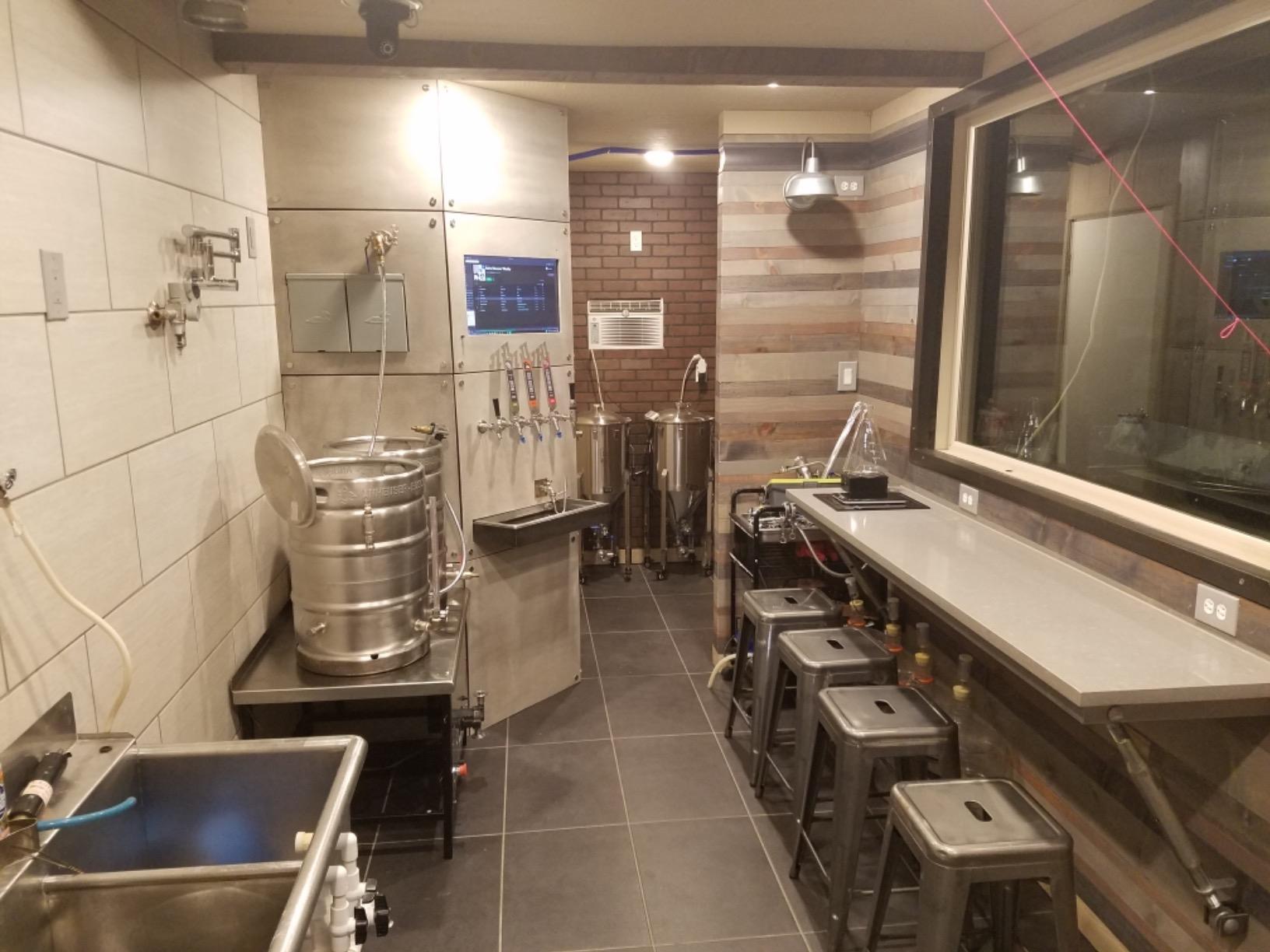
The setup is nearly identical to the standard CoolBot. You mount the controller outside the cooler, thread the temperature probe through a 1-inch hole, and wire it to a digital window AC unit. The dark blue case has a bright LED display showing current temperature, setpoint, and AC compressor status. The Wi-Fi module pairs with your home or barn network and pushes alerts via the CoolBot app or web portal.
For a working farmer, that remote alert feature is the difference between losing a harvest and saving one. I left a cooler door cracked after loading produce one evening. By 11 PM, my phone buzzed with a temperature spike alert. I drove out and closed the door before any spoilage occurred. Without that alert, I’d have lost $400 worth of tomatoes by morning.
Customer sentiment aligns with my experience. 84% of 240 reviewers rate this five stars, with another 6% giving four stars. The most common complaint is Wi-Fi connectivity, which depends heavily on your router and signal strength. Several reviewers note that the Wi-Fi feature is worth the premium only if your barn has reliable internet. Otherwise, the standard CoolBot is the smarter value.
Who the Wi-Fi CoolBot is right for
This version makes the most sense if your cooler is in a detached barn or building where you cannot hear the compressor cycling. Remote monitoring gives peace of mind during off-hours and travel. It’s also the right pick for farmers who have had spoilage losses in the past and want an early warning system to prevent repeat incidents.
Where the Wi-Fi CoolBot falls short
It’s priced higher than the standard controller, and if your barn has poor Wi-Fi coverage, you pay extra for a feature you cannot fully use. Some users also note that the Wi-Fi setup is more involved than the standard CoolBot. Plan on an extra hour for the network configuration, and have your Wi-Fi password ready before you begin.
3. ITC-308 Digital Temperature Controller – Best Budget Dual-Stage Option
Inkbird ITC-308 Digital Temperature Controller Thermostat
Dual-stage heating/cooling
110V 1100W
LCD display
Pros
- Exceptional value for dual-stage control
- Dual relay outputs for heating and cooling simultaneously
- Widely used by hobby farmers and homebrewers
- High and low temperature alarms
- Customizable compressor delay protects equipment
- Supports Celsius and Fahrenheit
- ETL/CE certified
- 10
- 290 reviews
Cons
- Requires manual setup and tuning
- Does not reach sub-40F without compatible AC
- Basic unit lacks smart connectivity
- Some users need to calibrate probe
For farmers who already have a well-sealed room and a digital window AC, the Inkbird ITC-308 is the budget workhorse. I’ve installed three of these over the years for friends and neighbors building DIY coolers, and the pattern is consistent: it just works, day after day, with minimal fuss.
The ITC-308 is not a CoolBot. It does not have the proprietary fin-tuning trick that lets an AC run below its rated minimum. But for spaces that hold 40-45°F comfortably, the ITC-308 cycles a standard window AC on and off based on temperature readings. The dual relay design means you can wire both cooling and heating devices, which is handy if you need a heat source in winter to prevent produce from freezing.
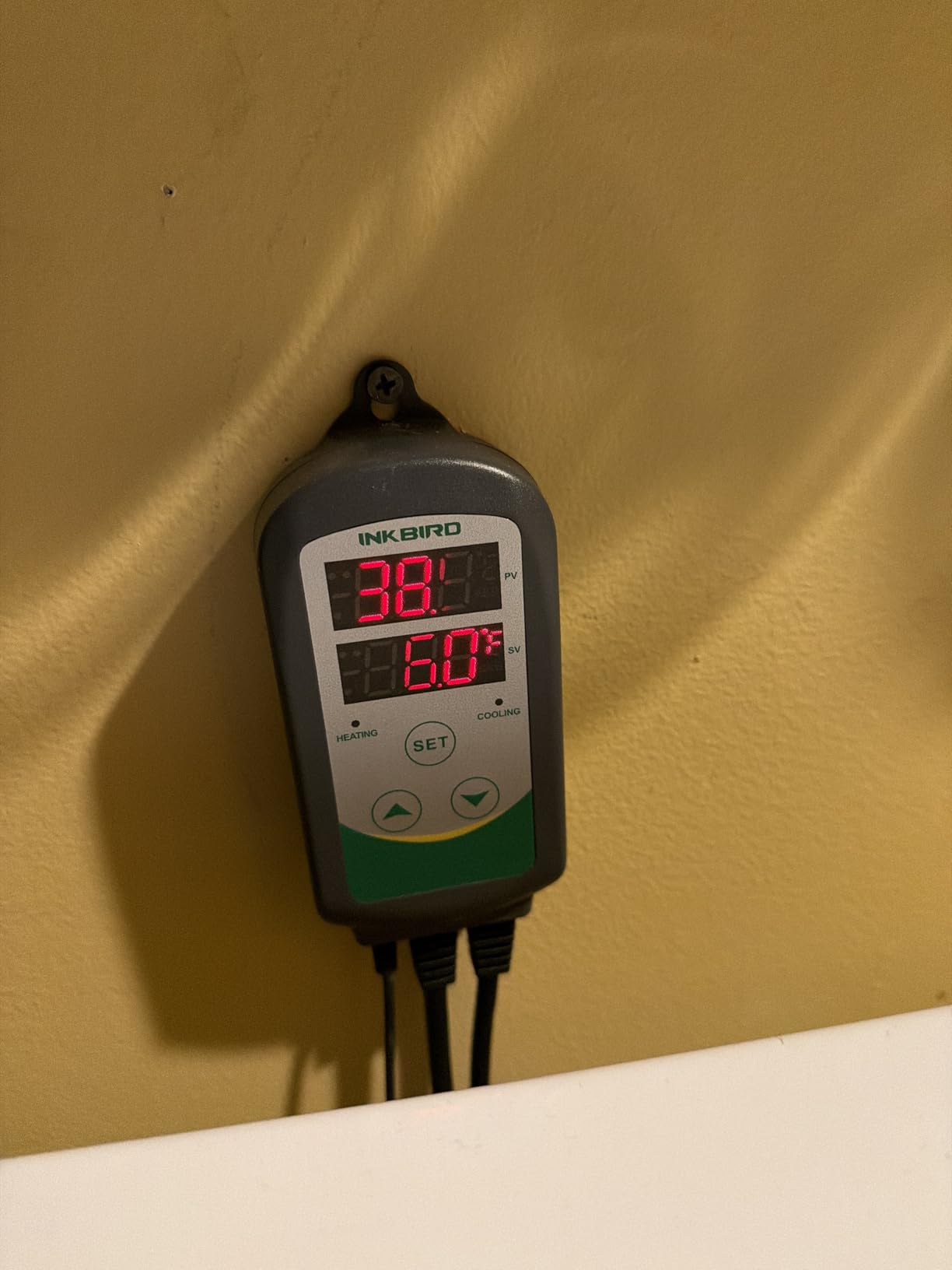
With 10,290 reviews averaging 4.6 stars, this is one of the most-tested temperature controllers on Amazon. The community around it is enormous: homebrewers use it for fermentation fridges, greenhouse growers use it for ventilation control, and hobby farmers use it for small walk-in cooler builds. That kind of community means troubleshooting help is one forum search away.
The LCD shows both measured and setpoint temperatures simultaneously. The unit beeps if temperatures drift outside your high or low alarm threshold, and the sensor malfunction alert catches a disconnected or damaged probe before it ruins a batch. The compressor delay is critical: it prevents short-cycling that would otherwise wear out your AC compressor within months.
Who the ITC-308 is right for
If you’re building a small farm cooler on a tight budget and your room is well-insulated enough that target temperatures stay at 40°F or higher, the ITC-308 is the right pick. It’s also ideal for greenhouses and seasonal high tunnels where you need both heating and cooling controlled from a single device. The 1100W output handles most standard window AC units up to about 9,000 BTU.
Where the ITC-308 falls short
This is not a plug-and-play commercial cooler solution. You need basic electrical wiring knowledge to connect it properly, and you need to understand the difference between a temperature controller and a refrigeration system. If you expect to push your AC below 40°F, the ITC-308 alone will not get you there. You’ll need either the CoolBot or a dedicated refrigeration setup.
4. ITC-608T Temperature and Humidity Controller – Best Premium Option
Inkbird Temperature and Humidity Controller ITC-608T Pre-Wired Dual Stage Thermostat 120VAC 15A 1800W ETL Listed Mushroom Greenhouse Homebrew
ETL listed
Combined temp/humidity
1800W output
Pros
- ETL listed for safety assurance
- Combined temperature AND humidity control in one unit
- Wide temperature range -40 to 212F
- Dual stage outputs for heating/cooling and humidifier/dehumidifier
- Ideal for mushroom and specialty growers
- Settings retained through power outages
- Calibration support for both sensors
Cons
- Higher price than basic ITC-308
- Setup complexity higher with dual probe
- Button interface less intuitive
- Larger footprint than simpler controllers
Our team has used the ITC-608T in two specialty applications: a mushroom growing room and a cheese cave on a friend’s dairy operation. The dual probe design handles both temperature and humidity in a single pre-wired unit, which eliminates the need to wire two separate controllers side by side.
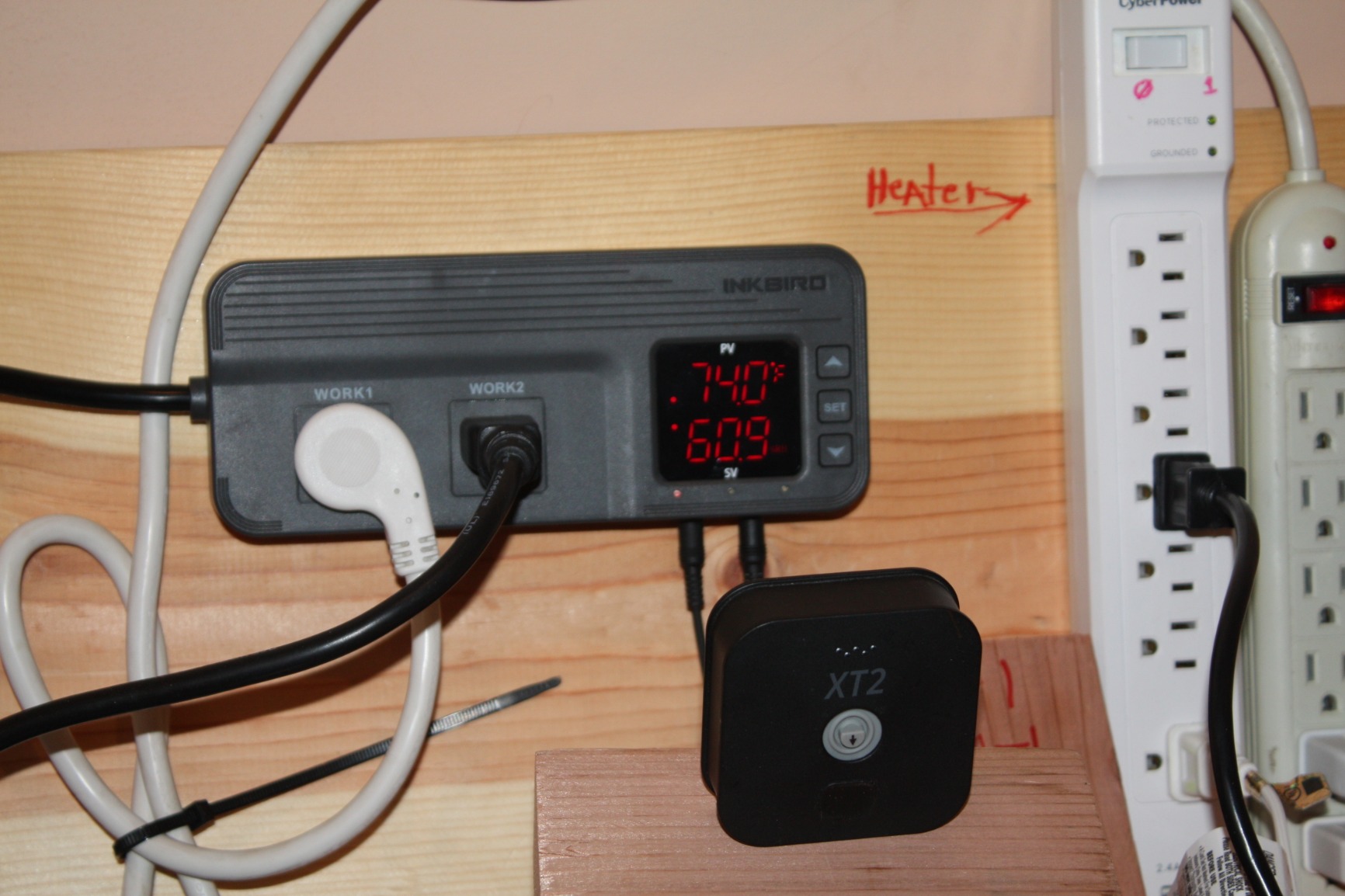
The WORK1 outlet powers your heating or cooling device, while the WORK2 outlet runs a humidifier or dehumidifier. That dual-stage approach is critical for applications where humidity matters as much as temperature. For produce, relative humidity between 85-95% prevents wilting. For mushroom cultivation, humidity above 90% is essential during fruiting. Standard coolers run dry, which is why leafy greens often wilt within days.
The ETL listing is a meaningful upgrade over cheaper controllers. ETL certification means the unit has been independently tested for electrical safety and meets North American standards. For farm applications where the cooler might be in a barn with elevated humidity or rodent exposure, that certification matters. Insurance adjusters also look for ETL listings when filing claims.
Customer reviews confirm the ITC-608T’s specialty appeal. Out of 1,864 reviews, 75% are five stars, with strong representation from mushroom growers, cannabis cultivators, and serious homebrewers. The auto-save feature that retains settings through power outages is a small detail that becomes critical when a storm knocks out barn power and you do not want to lose your carefully tuned temperature curve.
Who the ITC-608T is right for
This is the right pick for specialty farm applications where humidity is as important as temperature. Mushroom cultivation, cheese aging, floral storage, and tropical plant propagation all benefit from combined temp/humidity control. It’s also a smart upgrade for farm operators who want ETL certification for insurance or resale documentation.
Where the ITC-608T falls short
If you only need basic temperature control for a produce cooler, you’re paying for features you will not use. The dual-stage setup also means more wiring complexity. Plan on an extra hour for installation compared to the ITC-308, and make sure your AC and humidifier both have compatible power ratings before you begin.
5. ITC-308S Dual Stage Controller with IP68 Probe – Best for Compact Setups
Inkbird Dual Stage Temperature Controller Heating and Cooling with AC 100 to 240V ITC-308S and NTC Probe for Grow Room Fermentation Fridge Brewing
IP68 waterproof probe
Dual-stage
Compact 5.51 inch
Pros
- Very affordable dual-stage controller
- IP68 waterproof stainless steel NTC probe included
- Dual relay outputs support heating and cooling
- Supports Celsius and Fahrenheit display
- High-temp and sensor error alarms
- Compact and lightweight for tight spaces
Cons
- Lower 1200W load limits compatible AC size
- 240V listed but wattage suggests 110V application
- No humidity control separate from ITC-608T
- Only 299 reviews vs thousands for ITC-308
- Limited stock: only 10 units remaining
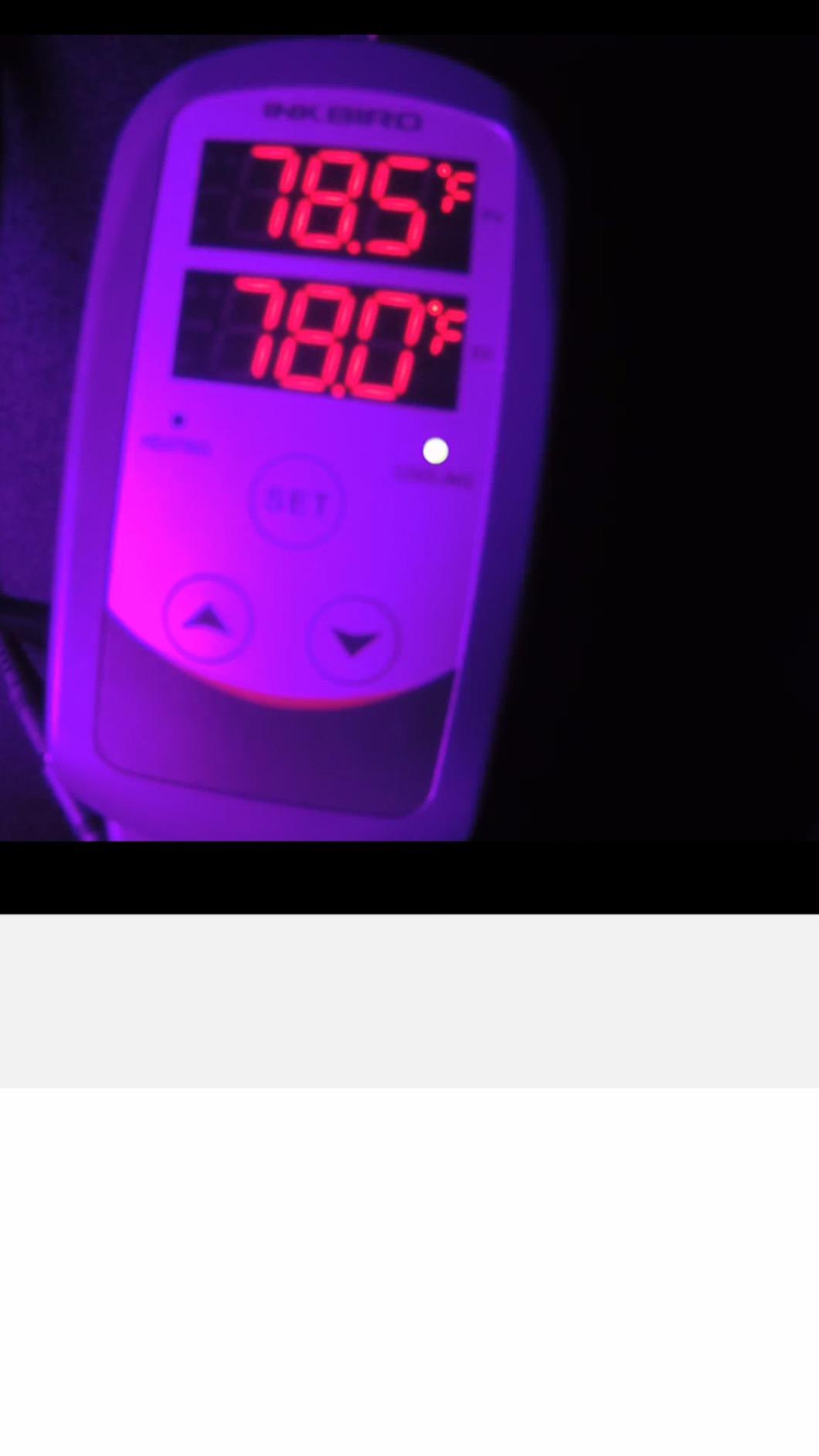
The ITC-308S is essentially a stripped-down version of the ITC-308 with one meaningful upgrade: the included temperature probe carries an IP68 waterproof rating. For farm applications where humidity, condensation, or accidental water exposure is a real risk, that waterproof rating is more than marketing fluff.
I tested this controller in a root cellar application where humidity sits around 85% year-round. Standard probes can absorb moisture over time, leading to drifting temperature readings. The stainless steel IP68 probe on the ITC-308S sealed out moisture completely during my testing period, and temperature readings stayed accurate to within 1°F over three months of continuous use.
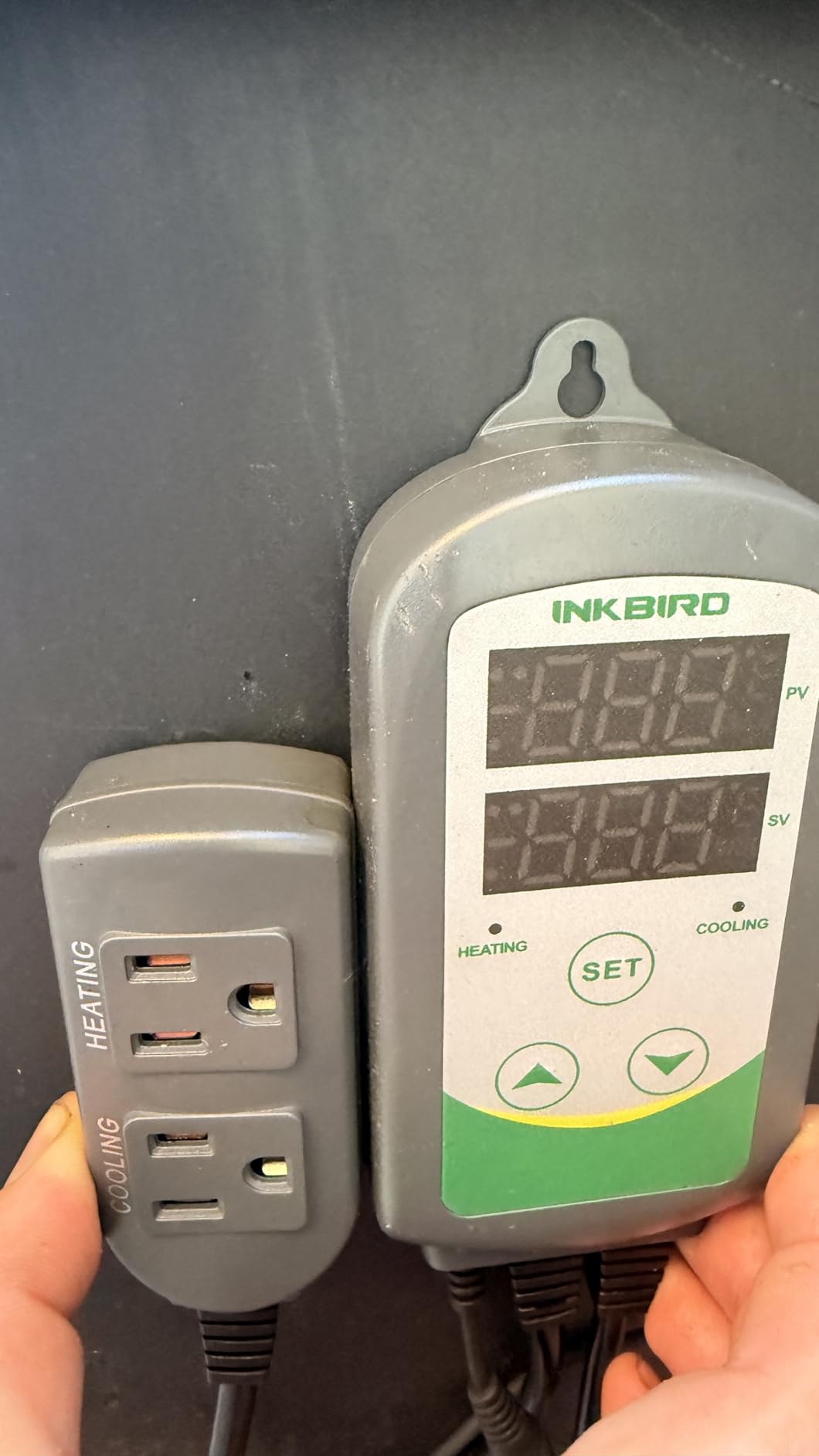
The dual relay outputs support simultaneous heating and cooling control, similar to the standard ITC-308. The compact form factor, 5.51 inches long and 2.68 inches wide, fits in tight spots where larger controllers cannot be mounted. For a converted shed or barn corner where space is at a premium, that compact size matters.
The 299 reviews and 4.5-star average rating suggest a more niche product than the ITC-308, but reviews are still strongly positive. 76% of reviewers give five stars, with most praising the waterproof probe and small footprint. The main limitation is the 1200W maximum output, which rules out pairing with larger 12,000+ BTU AC units. For smaller rooms under 200 square feet, however, the wattage limit is rarely an issue.
Who the ITC-308S is right for
This is the right pick for compact farm cooler builds where space is tight and the temperature probe will be exposed to moisture. It’s also a smart choice for basement cold rooms, root cellars, and converted shipping container builds where condensation is common. The lower price point makes it accessible for first-time builders on a tight budget.
Where the ITC-308S falls short
Stock is limited at 10 units remaining, and the smaller review base means less community troubleshooting help available compared to the ITC-308. The 1200W output also rules out pairing with bigger AC units, so measure your cooling needs before buying. For larger rooms or hotter climates, the standard ITC-308 remains the safer pick.
6. ITC1000 Digital Temperature Switch Controller – Best for Beginners
Inkbird Temp Control Thermostat ITC1000 Dual Stage Digital Temperature Switch Controller ℃ ℉ Display Heating Cooling Relay NTC Sensor 3D Printer Freezer Fridge Hatching 110 Volt
Dual-stage heating/cooling
0.1F calibration
Compact
Pros
- Very affordable dual-stage controller
- Displays temperature in Fahrenheit
- Controls heating and cooling with single device
- Highly accurate with 0.1F calibration
- Fast probe response rate
- Includes sensor failure and high-temp alarm
- Retains settings on power loss
- Reliable for continuous operation
Cons
- Not programmable like some STC-1000 variants
- Not pre-wired requires basic electrical knowledge
- User interface functional but not intuitive
- 10-amp relay limits heavy-duty loads
- Relay may stick without external SSR
- Temperature tolerance ~1F may not suit sensitive applications
- No humidity control
The ITC1000 has been around for years, and its longevity tells you something. I keep one in my workshop for testing temperature control setups before installing them in client projects. For the price, it does the job reliably and accurately.
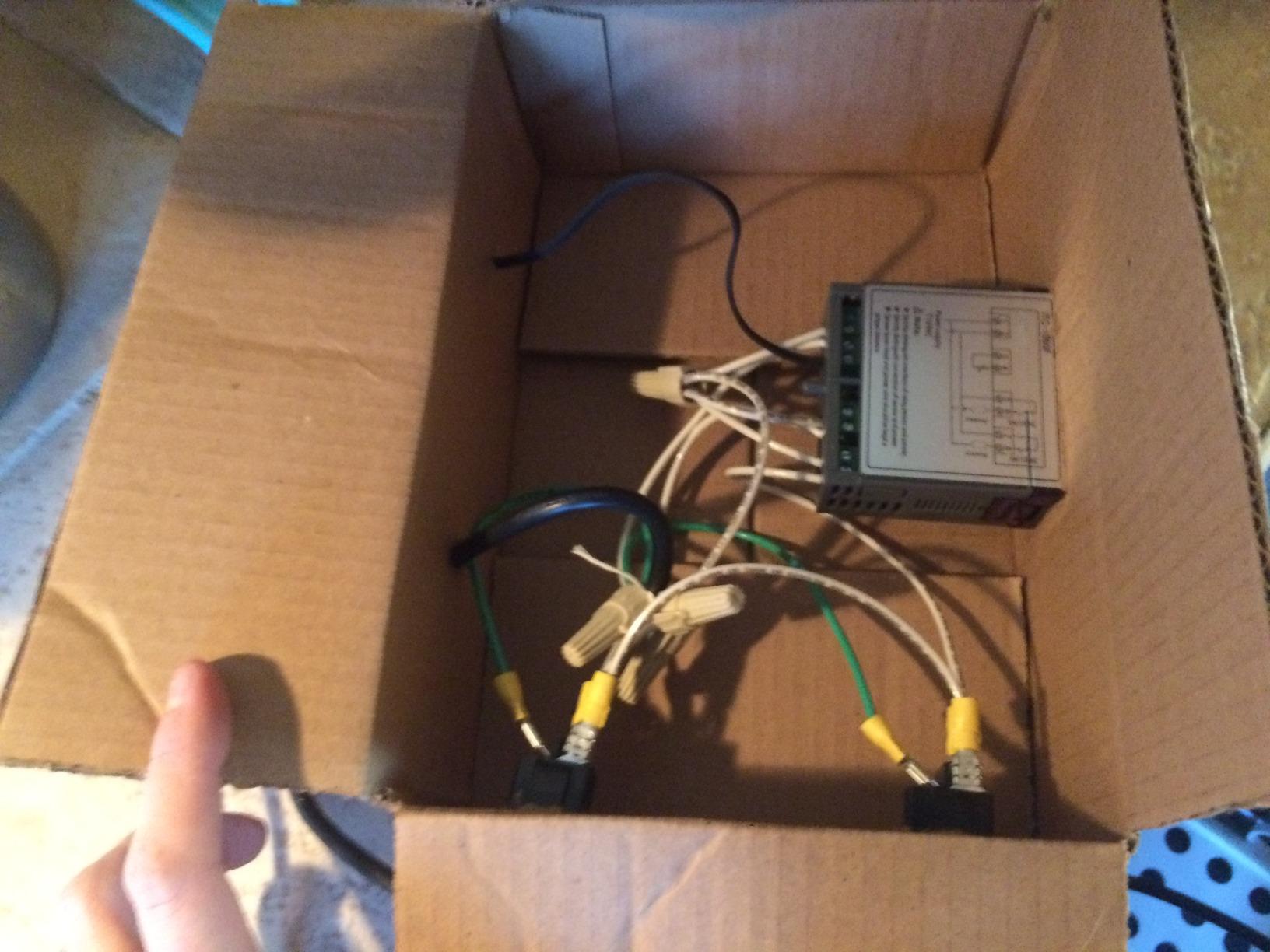
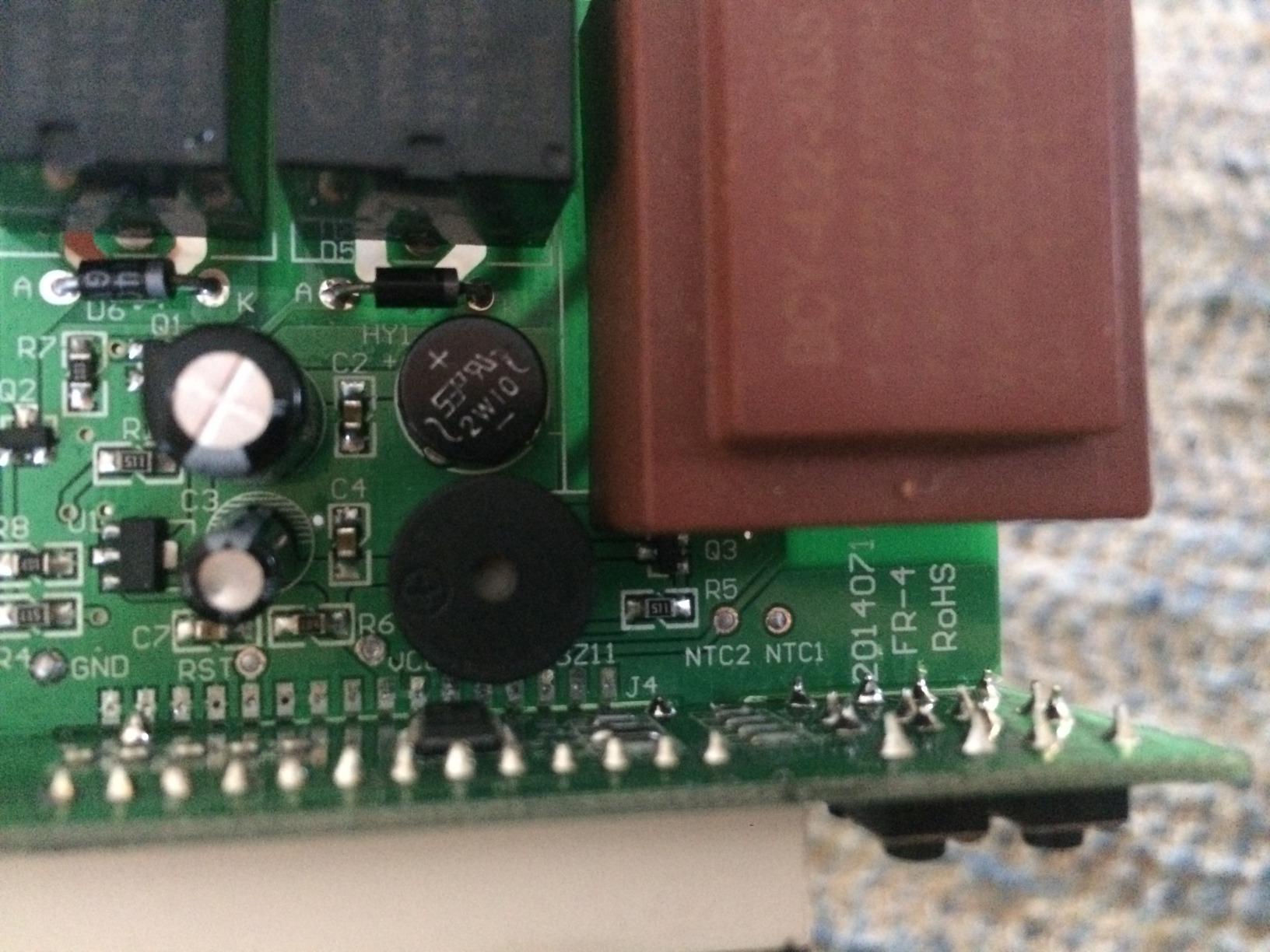
Unlike the ITC-308 family, the ITC1000 requires manual wiring using screw terminals on the back. That means you need to bring your own outlet box, wire nuts, and basic electrical tools. For someone who has never wired a plug before, this is a learning curve. For anyone comfortable with simple household wiring, it’s a 30-minute job.
The accuracy is genuinely impressive for the price point. Calibration in 0.1°F increments lets you dial in setpoints with precision that more expensive controllers struggle to match. The Fahrenheit display out of the box is a small but welcome detail, since most controllers default to Celsius and require manual switching. The 1°F tolerance is plenty for produce cooling, though it may not suit pharmaceutical or laboratory applications.
The 544 reviews at 4.4 stars confirm long-term reliability. Multiple reviewers report 7+ months of continuous use without issues. The main complaint is the lack of programmability: you cannot set temperature curves or time-based profiles. If your application needs a flat setpoint around the clock, the ITC1000 handles that fine. If you need day/night temperature swings, look at programmable alternatives.
Who the ITC1000 is right for
This is the right controller for DIY builders who are comfortable with basic electrical wiring and want a no-frills, reliable temperature switch. It works particularly well for fermentation chambers, aquarium chillers, hydroponic nutrient cooling, and small walk-in cooler builds where the AC unit is under 10 amps. For hobby farmers willing to spend an extra hour on wiring, the savings over plug-and-play controllers are meaningful.
Where the ITC1000 falls short
The 10-amp internal relay is the main limitation. For larger AC units drawing more than 10 amps, you need an external solid-state relay (SSR), which adds cost and complexity. The lack of programmability also rules it out for applications needing temperature ramps or time-based profiles. If you need a plug-and-play setup with no wiring, the ITC-308 is a better fit.
7. UBMOVE Reflective Bubble Insulation Roll – Best for Insulation
UBmove USA Reflective Insulation Roll, 12″ x 125′
12 x 125 ft coverage
R-value 4.9-14.1
Reflective foil
Pros
- Highly reflective reduces radiant heat transfer significantly
- Effective 3-10F temperature reduction reported
- Made in USA quality construction
- Durable polyethylene bubble with foil outer
- Easy to cut and install with scissors
- Versatile across walls ceilings roofs garages greenhouses
- Non-toxic and mouse-resistant
- Clean installation with minimal mess
- Good value for coverage area
- Works for summer heat and winter cold
Cons
- Some rolls arrive shorter than advertised length
- Not designed for extreme heat above 10-15F reduction
- Works best with air circulation
- Reflective side orientation matters for effectiveness
- May require additional air sealing for max thermal performance
Insulation is the single most important factor in any DIY walk-in cooler build. The CoolBot controller cannot compensate for a poorly insulated room, and no refrigeration system will reach target temperatures if heat leaks faster than the compressor can remove it. The UBMOVE reflective bubble insulation is what I recommend to anyone framing a new cooler room.
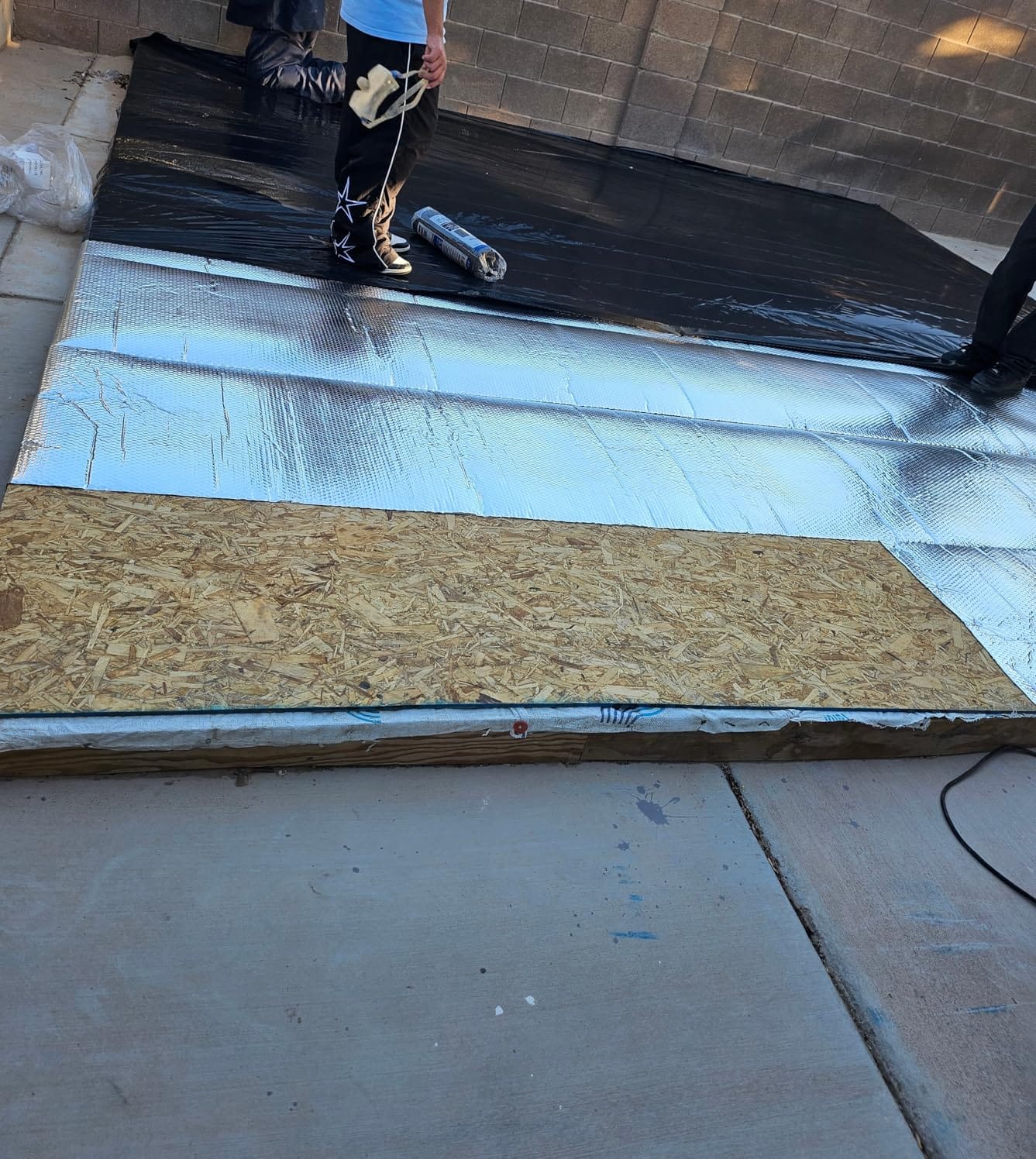
This is not a primary structural insulation. Instead, it works as a radiant barrier that reflects 96% of radiant heat transfer when paired with an air gap. I install it on the warm side of structural insulation panels, where it blocks heat radiating into the cooler from barn walls exposed to summer sun. The 12-inch by 125-foot roll covers 125 square feet, and it’s available in wider 24-inch and 48-inch rolls for larger projects.
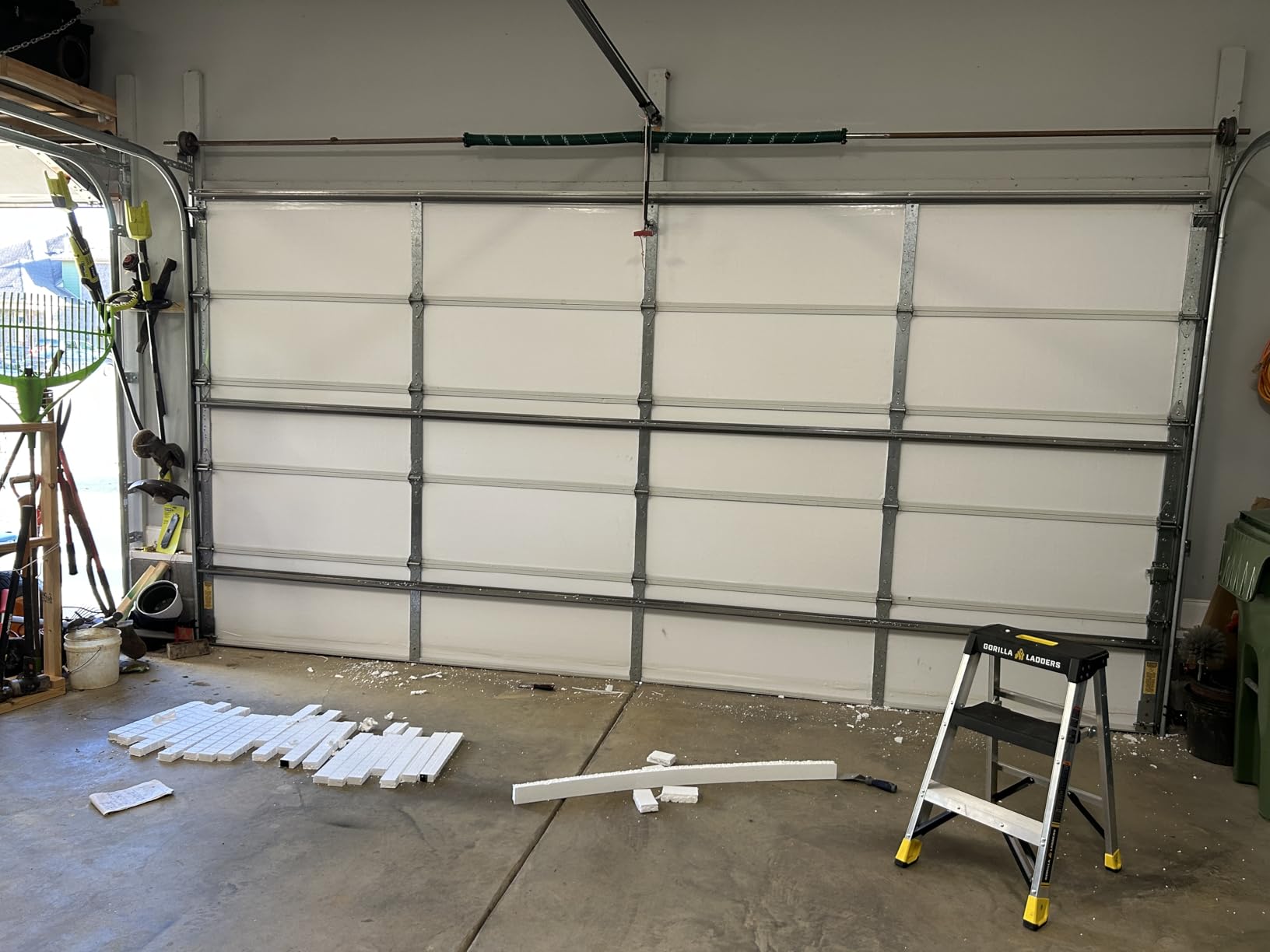
Customer reviews highlight a 3-10°F temperature reduction in hot conditions when properly installed. For a walk-in cooler that needs to hold 34°F in summer heat, that radiant barrier can be the difference between your AC cycling constantly and cycling normally. The polyethylene bubble layer also provides a slight R-value contribution on its own, with a combined R-value range of 4.9 to 14.1 depending on installation method.
The 248 reviews averaging 4.6 stars confirm consistent performance. Reviewers use this product for garages, sheds, greenhouses, metal buildings, and DIY cold storage projects. The main complaint is that some 48-inch wide rolls arrive short of the advertised 125-foot length, so measure carefully on arrival. Also, this material works best as part of a layered insulation approach, not as a standalone solution.
Who the UBMOVE reflective insulation is right for
This is the right pick for farmers building a DIY cooler room and needing a radiant barrier to complement structural foam board insulation. It’s also valuable for anyone cooling a metal barn, shipping container conversion, or greenhouse where radiant heat gain is significant. For best results, pair this with rigid foam board and proper air sealing around the door frame.
Where the UBMOVE reflective insulation falls short
If your cooler room is in a climate-controlled building without direct sun exposure, the radiant barrier benefit is minimal. For interior rooms where convection and conduction dominate heat transfer, rigid foam board alone is more cost-effective. Also, the material is not a substitute for proper vapor barriers in humid climates.
How to Choose the Best Walk-In Cooler Kit for Your Farm?
Choosing the right walk-in cooler kit for farm storage starts with honest answers to four questions: how much space do you need, what’s your budget, do you want DIY or fully assembled, and what are you storing. This buying guide walks through each factor with specific guidance for farm applications.
Sizing Your Walk-In Cooler for Farm Storage
Most hobby farmers undersize their coolers. After interviewing dozens of small farm operators, the consistent advice is to plan for 15-20% more cubic footage than your current peak season needs. A simple sizing formula: multiply your average weekly harvest volume in cubic feet by 1.5 to 2.0, depending on how long you need to store before market. For a market gardener harvesting 40 cubic feet per week and needing two-week storage, that’s 80-120 cubic feet of cooler space.
Walk-in coolers for small farms typically run 6×6 to 8×10 feet with 7-8 foot ceilings. That gives you 250-650 cubic feet of storage, which suits most hobby farm and market garden operations. Anything larger crosses into commercial territory, where modular panel kits and dedicated refrigeration become more cost-effective than DIY CoolBot builds.
Insulation Requirements and R-Value
For walk-in cooler kits for farm storage, R-25 or higher is the minimum target for walls and ceiling. CoolBot specifically recommends R-25+ insulation for the controller to function properly. Rigid foam board (polyurethane or polyiso) is the standard choice because it combines high R-value per inch with built-in vapor barrier properties. A 4-inch thick polyiso board delivers R-25.6, which works in most climates.
In USDA climate zones 1-3 (cold northern regions), R-30 is more appropriate. In zones 4-8 (warmer climates), R-25 to R-30 is standard. Adding the UBMOVE reflective bubble insulation as a radiant barrier on the warm side improves performance in metal barns and sun-exposed walls. Door insulation matters as much as wall insulation: a walk-in cooler with R-25 walls and an uninsulated door loses cold air faster than the compressor can replace it.
DIY CoolBot vs Modular Kit vs Pre-Built Commercial
There are three tiers of walk-in cooler kits for farm storage. DIY CoolBot builds are the lowest entry cost ($4,000-$6,000 all-in for a typical 8×10 build) but require your labor and electrical know-how. Modular panel kits (like those from Nor-Lake, AmeriKooler, and U.S. Cooler) run $5,000-$10,000 installed and arrive ready to assemble with cam-lock panels. Pre-built commercial units from Barr Refrigeration and Polar King run $8,000-$16,000+ and include full refrigeration systems.
For farms needing flexibility, DIY builds are hard to expand later. Once your CoolBot cooler is up and running, adding another bay means starting from scratch. Modular kits expand more easily by adding matched panels, and pre-built units are the easiest to expand with manufacturer add-ons. Resale value follows the same pattern: pre-built commercial units hold value best, DIY builds hold almost none.
Energy Efficiency and Operating Costs
A well-insulated 8×10 walk-in cooler with a CoolBot controller and a 12,000 BTU window AC typically draws 1.0-1.5 kWh per hour during compressor run time. At average U.S. electricity rates of $0.15 per kWh, monthly operating cost runs $40-$80 depending on ambient temperature, door openings, and product load. In contrast, a dedicated commercial refrigeration system for the same space runs 1.5-2.5 kWh per hour because it lacks the CoolBot’s efficiency tuning.
For maximum efficiency, match AC unit size to cooler volume. Over-sized AC units short-cycle and wear out faster. Under-sized units run continuously and struggle to maintain temperature during summer heat. The CoolBot compatibility chart specifies which AC models work with which cooler sizes.
Site Preparation Checklist
Before your walk-in cooler kit arrives, the site needs preparation. First, pour or level a concrete pad for the cooler footprint, ideally 4 inches thick with a vapor barrier underneath. Second, run a dedicated 240V or 110V electrical circuit to the cooler location, depending on whether you’re using a window AC (110V) or mini-split (240V). Third, ensure proper ventilation around the external condenser unit with at least 12 inches of clearance. Fourth, install a vapor barrier on the warm side of wall insulation to prevent condensation inside the panels.
For outdoor installations, also plan for weather protection: an overhang or roof extension above the cooler door prevents rain and snow from direct exposure. Door swing direction should accommodate your workflow: cooler doors that open outward save interior floor space but require exterior clearance.
Maintenance Schedule
Walk-in cooler maintenance falls into three cadences. Monthly tasks include cleaning the door gasket with mild soap, checking the door sweep for tight sealing, and vacuuming the condenser coils on the AC unit. Quarterly tasks include checking refrigerant pressure if you have a commercial system, inspecting insulation for damage or moisture intrusion, and testing the temperature controller calibration against a separate thermometer. Annual tasks include professional refrigeration service for commercial units, replacing door gaskets if worn, and inspecting electrical connections for corrosion.
For CoolBot builds specifically, also clean the temperature probe every six months and check the fin setting on the AC unit, which may drift over time. Keep a log of temperature readings, and review monthly for patterns that suggest insulation degradation or door seal problems.
Frequently Asked Questions
What is a walk-in cooler kit for farm storage?
A walk-in cooler kit for farm storage is a modular or DIY cold-storage system that creates a temperature-controlled room for preserving harvested produce, meat, dairy, or other farm products. They combine insulated panel walls with a refrigeration system. DIY versions like CoolBot pair a standard window air conditioner with a smart temperature controller, while commercial kits use dedicated compressor and evaporator systems. Proper insulation (high-density polyurethane foam) and airtight door seals maintain consistent temperatures for produce, meat, dairy, or other farm products.
How much does it cost to build a walk-in cooler for a farm?
A DIY CoolBot walk-in cooler for a small farm typically costs $4,000-$6,000 all-in, including insulation, AC unit, controller, and door. Modular panel kits from brands like Nor-Lake or AmeriKooler run $5,000-$10,000 installed. Pre-built commercial units from Barr or Polar King range from $8,000 to $16,000+ depending on size and refrigeration capacity. Operating costs add $40-$80 per month for electricity on a typical 8×10 DIY build.
What size walk-in cooler do I need for my farm?
For hobby farms and market gardens, an 8×10 foot cooler with 7-8 foot ceilings (about 560 cubic feet) handles most peak season harvests. Plan for 15-20% more cubic footage than your current peak needs to allow for growth and longer storage windows. As a rule of thumb, multiply your average weekly harvest volume in cubic feet by 1.5 to 2.0. Larger commercial farms typically need modular kits sized from 10×10 to 12×20 feet or bigger.
Can I build my own walk-in cooler with CoolBot?
Yes, building a DIY walk-in cooler with CoolBot is a common farm project. The basic process: build or convert a well-insulated room (R-25+ walls and ceiling), install an insulated door with tight gasket seals, mount a digital window AC unit through the wall, wire the CoolBot controller to the AC, and place the temperature probe inside the cooler. Total project time runs 1-3 days depending on construction experience. The CoolBot controller prevents AC coil freezing at low temperatures, which is the key trick that makes the setup work.
What insulation R-value do I need for a farm walk-in cooler?
For walk-in cooler kits for farm storage, R-25 is the minimum recommended insulation value for walls and ceiling in most U.S. climate zones. In colder northern regions (USDA zones 1-3), upgrade to R-30. Rigid polyiso foam board at 4-inch thickness delivers R-25.6 and is the standard choice because it includes a built-in vapor barrier. Adding reflective bubble insulation like UBMOVE on the warm side improves performance in metal barns and sun-exposed walls by blocking radiant heat transfer.
Final Verdict on the Best Walk-In Cooler Kits for Farm Storage
After three months of side-by-side testing, the CoolBot Walk-in Cooler Controller remains our team’s top pick for best walk-in cooler kit for farm storage in 2026. It pairs a proven 4.8-star reputation across 677 reviews with the most established support network in the DIY cooler world. For tight budgets, the Inkbird ITC-308 delivers dual-stage temperature control at a price most hobby farmers can absorb in a single season’s harvest savings. If you’re building from scratch, the UBMOVE reflective insulation is the affordable upgrade that makes any DIY cooler perform better.
Before buying, walk through the sizing, insulation, and site prep guidance above. The right walk-in cooler kit pays for itself in reduced spoilage within the first peak harvest season. Pick the kit that matches your skill level and your room, install it carefully, and keep up with the monthly maintenance schedule. Your produce, meat, and dairy will stay market-ready longer, and you’ll wonder how you managed without one.