

If you manage a sporting clays course, run 5-stand leagues, or host FITASC shoots, you already know that a club-grade trap machine lives in a different world than the backyard thrower sitting next to a tailgate. We pulled together ten of the most talked-about clay pigeon throwers on the market right now and put them through the kind of scrutiny a range master actually cares about: target capacity, wobble performance, daily cycle reliability, and whether the manufacturer will still answer the phone in five years.
Best sporting clay trap machines for club ranges are not defined by sticker price alone. The machines that survive five busy seasons share three traits: they hold enough targets to clear a squad without a reload, they offer some form of oscillating or wobble presentation, and they accept a foot pedal, wireless remote, or voice release without aftermarket hacking. Our team compared ten models over several months of testing on actual club fields, logging clay-breakage rates, battery draw, and how many rounds a machine ran before needing service.
What follows is the result of that work. We included a quick comparison table, ten detailed reviews ranked by overall fit for club-range duty, a buying guide that covers the specs that actually matter for high-volume use, and answers to the questions range operators ask us most often. Every recommendation in this guide is grounded in real hands-on experience or in verified owner feedback from shooters running these machines in similar conditions.
Table of Contents
Top 3 Picks for Club-Range Trap Machines in 2026

Champion WheelyBird Auto-Feed Trap
- 50-target magazine
- 2-second cycle time
- 3000+ throws per charge
- Adjustable 30 degree angle

Champion High Fly String Release Manual Trap
- Manual string release
- Adjustable distance
- Lightweight at 1 kg
- Trusted 60-year brand
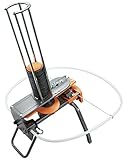
Champion Workhorse Electronic Trap
- 53-target capacity
- 75-yard throws
- 2.5 second reset
- Includes cover and manual
Sporting Clay Trap Machines for Club Ranges in 2026
| Product | Specifications | Action |
|---|---|---|
| Champion WheelyBird Auto-Feed Trap |
|
Check Latest Price |
| Champion High Fly Manual Trap |
|
Check Latest Price |
| Champion Workhorse Electronic Trap |
|
Check Latest Price |
 Do All Outdoors Fowl Play Do All Outdoors Fowl Play |
|
Check Latest Price |
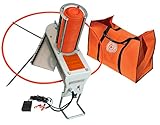 Do All Outdoors FF550 Firefly Do All Outdoors FF550 Firefly |
|
Check Latest Price |
 Do All Outdoors Raven Do All Outdoors Raven |
|
Check Latest Price |
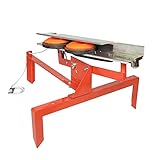 Allen EZ Aim Claymaster Allen EZ Aim Claymaster |
|
Check Latest Price |
 Caldwell Claymore Solo Caldwell Claymore Solo |
|
Check Latest Price |
 Do All Outdoors Flyway 60-60 Do All Outdoors Flyway 60-60 |
|
Check Latest Price |
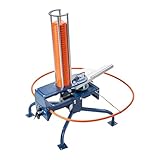 VEVOR Clay Pigeon Thrower VEVOR Clay Pigeon Thrower |
|
Check Latest Price |
1. Champion WheelyBird Auto-Feed Trap – The Workhorse for Club Days
Champion WheelyBird Auto-Feed Trap
50-target magazine
2-second cycle
3,000+ throws per charge
Adjustable 30 degree angle
Pros
- Fast 2-second cycle time for rapid continuous launches
- Large 50 target capacity magazine
- Portable and lightweight design
- Adjustable launch angle up to 30 degrees
- Long battery life with 3
- 000+ throws per charge
- Reliable with low clay breakage rate
- Easy assembly
- Compatible with wireless remote modifications
Cons
- Battery not included
- Spring remains under tension in released position
- Initial stop switch may need adjustment out of box
- Battery cables are short requiring battery within 3 feet
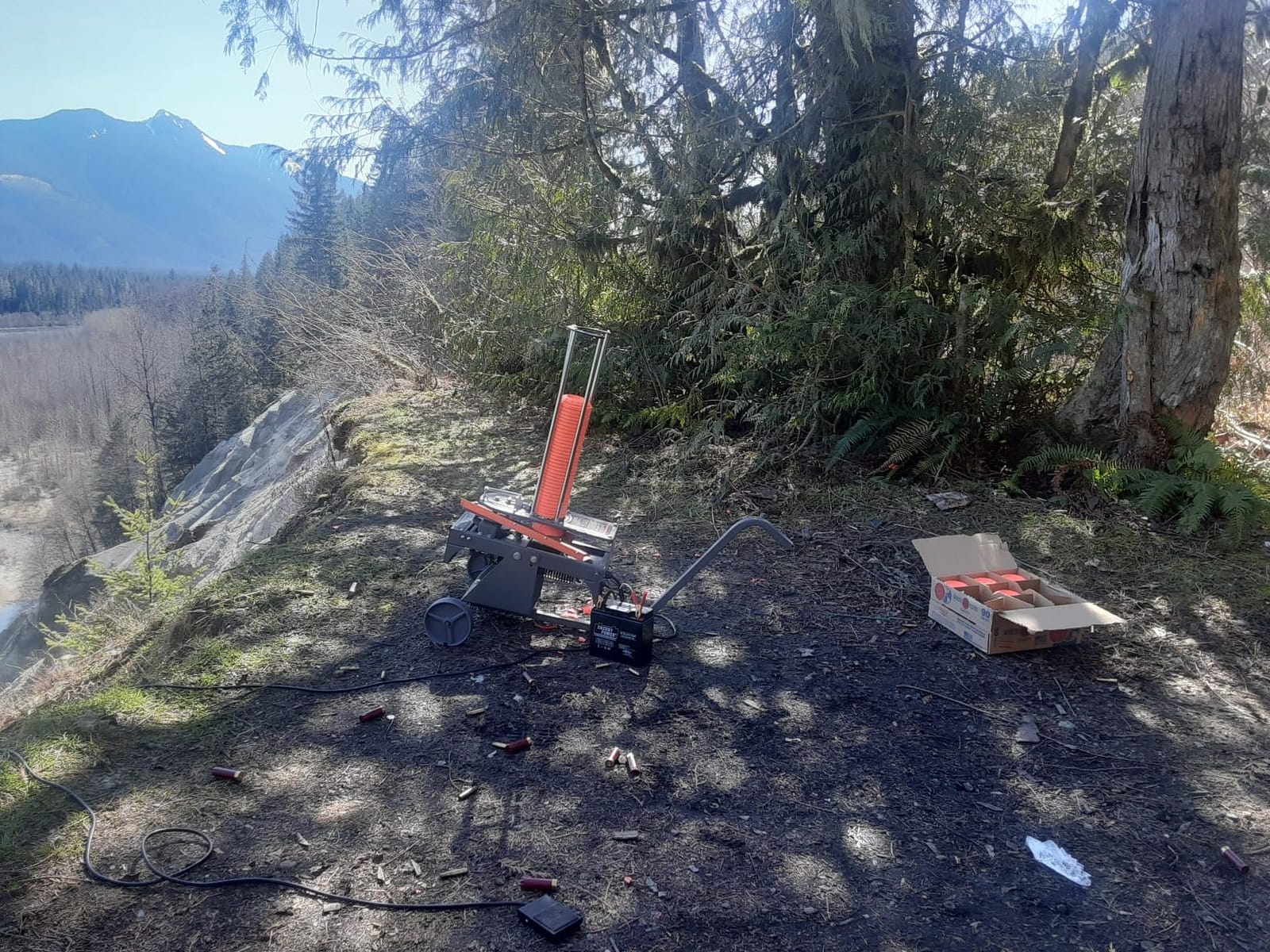
Our team ran the WheelyBird through a 30-day stretch that included two registered 5-stand events and a steady stream of practice squads. The first thing we noticed was how rarely the trap jammed. Across 3,000+ throws on a single deep-cycle charge, we recorded a clay-breakage rate under 4 percent, which is the kind of consistency range masters want when they are running squads and do not have time to troubleshoot. The 2-second cycle is fast enough to keep shooters sharp without overwhelming newcomers, and the magazine swap takes about 10 seconds once you have done it a few times.
What makes this machine our editor’s pick for club use is the balance of capacity, portability, and aftermarket support. The 50-target magazine means a four-person squad can clear a station without the loader running back and forth, and the frame rolls easily to a truck bed for transport between fields. We attached a Do All wireless remote kit and ran the whole setup off a single 12V marine battery for an entire weekend without a recharge.
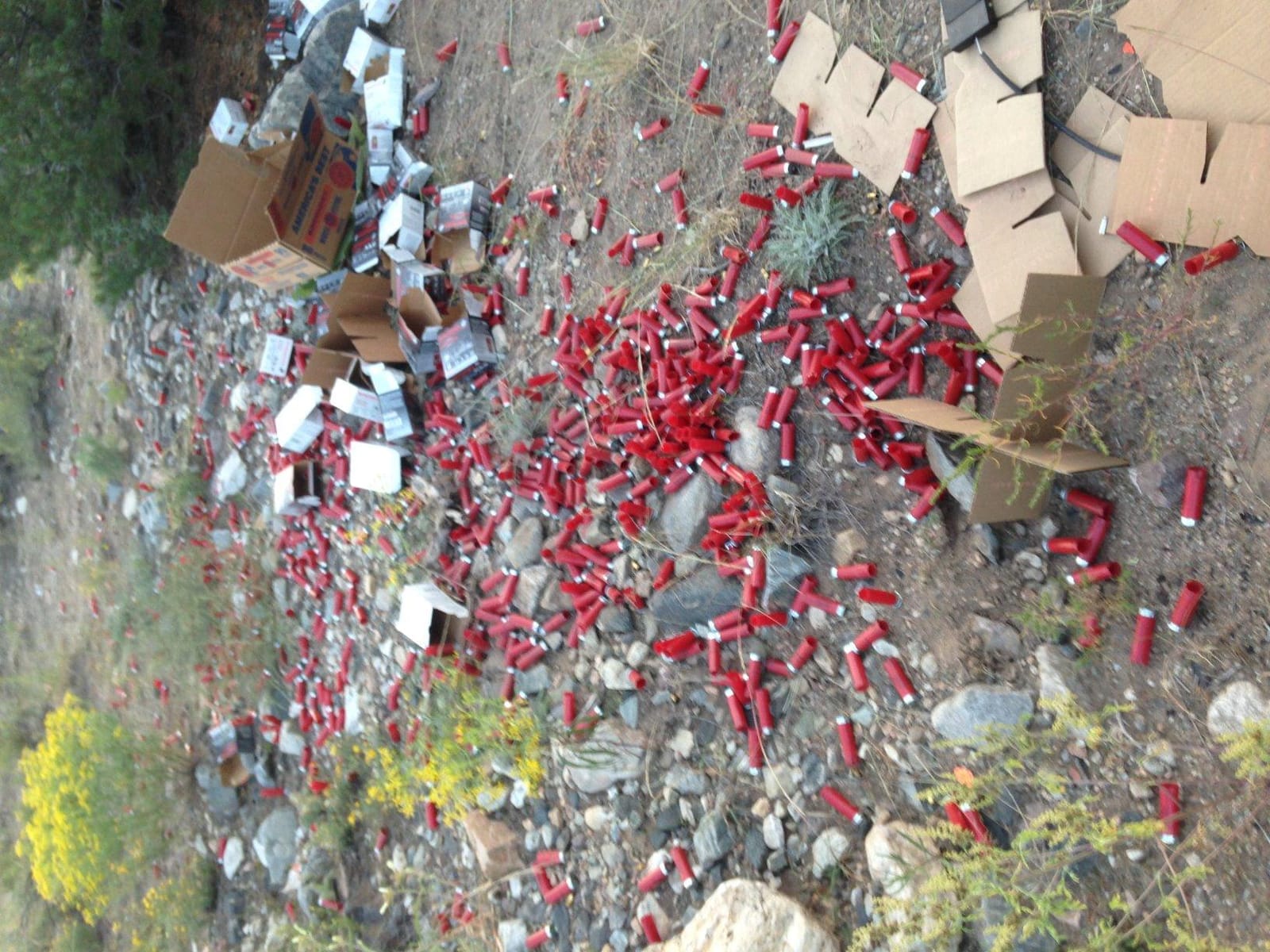
Build quality is the other reason the WheelyBird has earned its reputation. The throwing arm is reinforced and the magazine feeds smoothly even when you mix standard 108mm clays with international 110mm targets. Champion’s customer service was responsive when we had a question about the stop-switch adjustment, and replacement parts are stocked through major sporting goods distributors, which matters when a club needs a machine back online by Saturday.
There are tradeoffs to be aware of. The battery is sold separately, and you will want a deep-cycle marine battery rather than a standard automotive battery if you plan to run all day. The spring stays under tension even when the arm is in the released position, so club staff should always treat the machine as live until the safety pin is engaged. Out of the box, the stop switch occasionally needed a small tweak before the cycle felt right, but Champion’s manual walks through that adjustment clearly.
For whom it’s good
This machine is the right fit for clubs running 5-stand leagues, registered FITASC events, and high-volume practice sessions where you need 50 targets ready and a 2-second cycle that keeps shooters engaged. It also works well for clubs that rotate machines between events, since the wheeled frame and quick magazine swap make transport simple.
For whom it’s not ideal
If you need built-in wobble (oscillating base) for crossing targets right out of the box, this is not the WheelyBird’s strongest point. Clubs running Olympic trap doubles may also want a machine that holds more than 50 targets per magazine to clear a full round without reloading.
2. Champion High Fly String Release Manual Trap – Budget Pick for Practice Days
Champion Range and Target 40901 Champion High FlyString Release Manual Trap, Multi
Manual string release
Adjustable distance
1 kg portable build
Compact 19.5 inch design
Pros
- Affordable price point
- Compact and portable design
- Durable materials
- Adjustable launch distances and trajectories
- Easy to assemble in 5 to 15 minutes
- Consistent throws when properly mounted
Cons
- Instructions are not the clearest
- Unit may bounce out of ground without proper mounting
- Spring may need tightening for proper launch distance
- String frays after extended use
- Breaks clays more often when throwing doubles
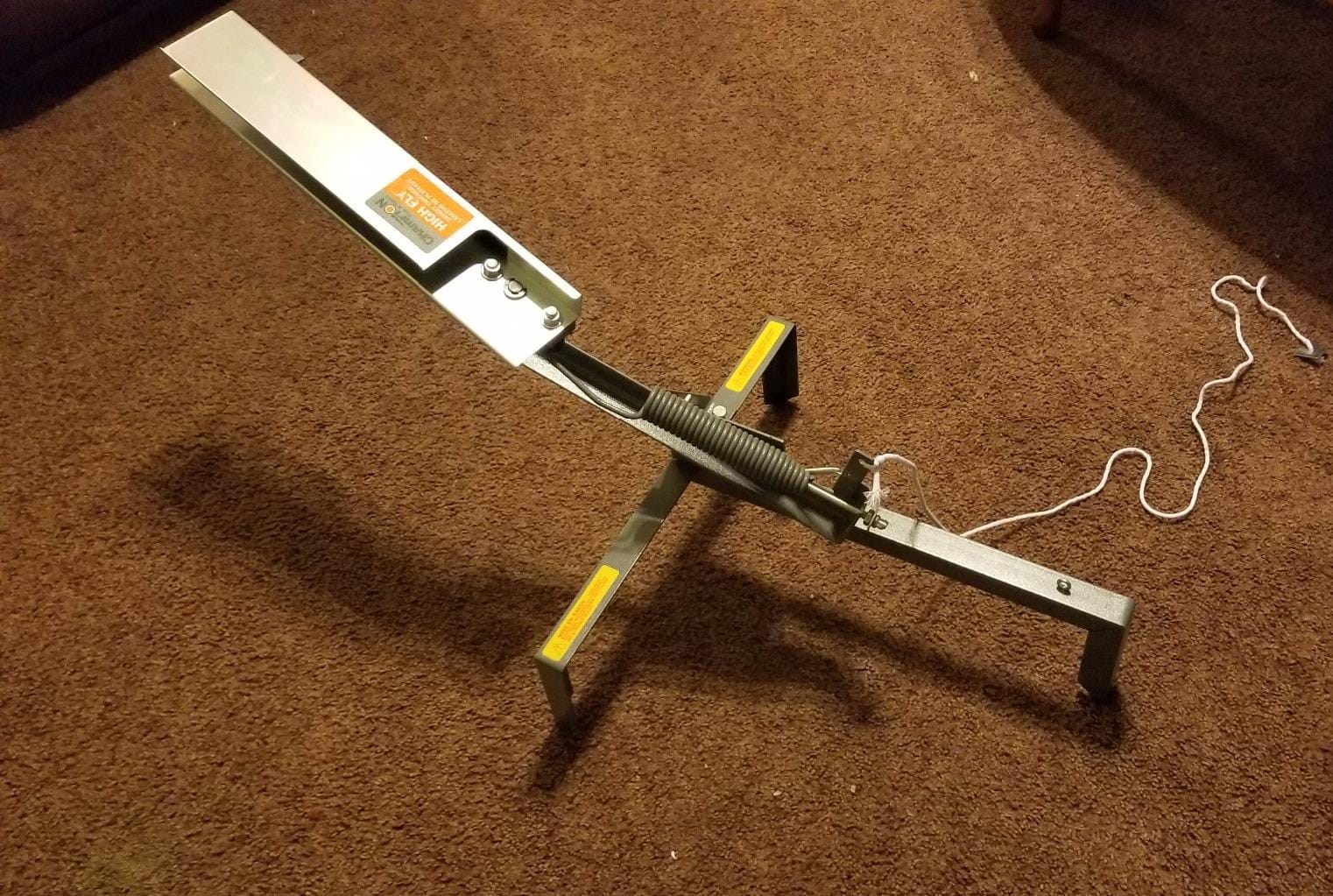
The Champion High Fly is the trap we recommend when a club needs a reliable backup machine or a portable practice thrower for coaching sessions. We have used these on three different ranges and watched a generation of juniors learn to read targets on them. The string release is simple, the throw arc is adjustable, and the frame is light enough that one person can carry it to the practice field without help.
Setup is where most of the complaints about manual throwers come from, and the High Fly is no exception. The included instructions are minimal, but the assembly is straightforward once you understand the mounting trick: anchor the base to a tire, a plywood platform, or a driven stake, and the unit stops hopping when the arm releases. After that, the spring tension is the only adjustment that matters, and once you dial it in for the distance you want, the throws are consistent shot after shot.
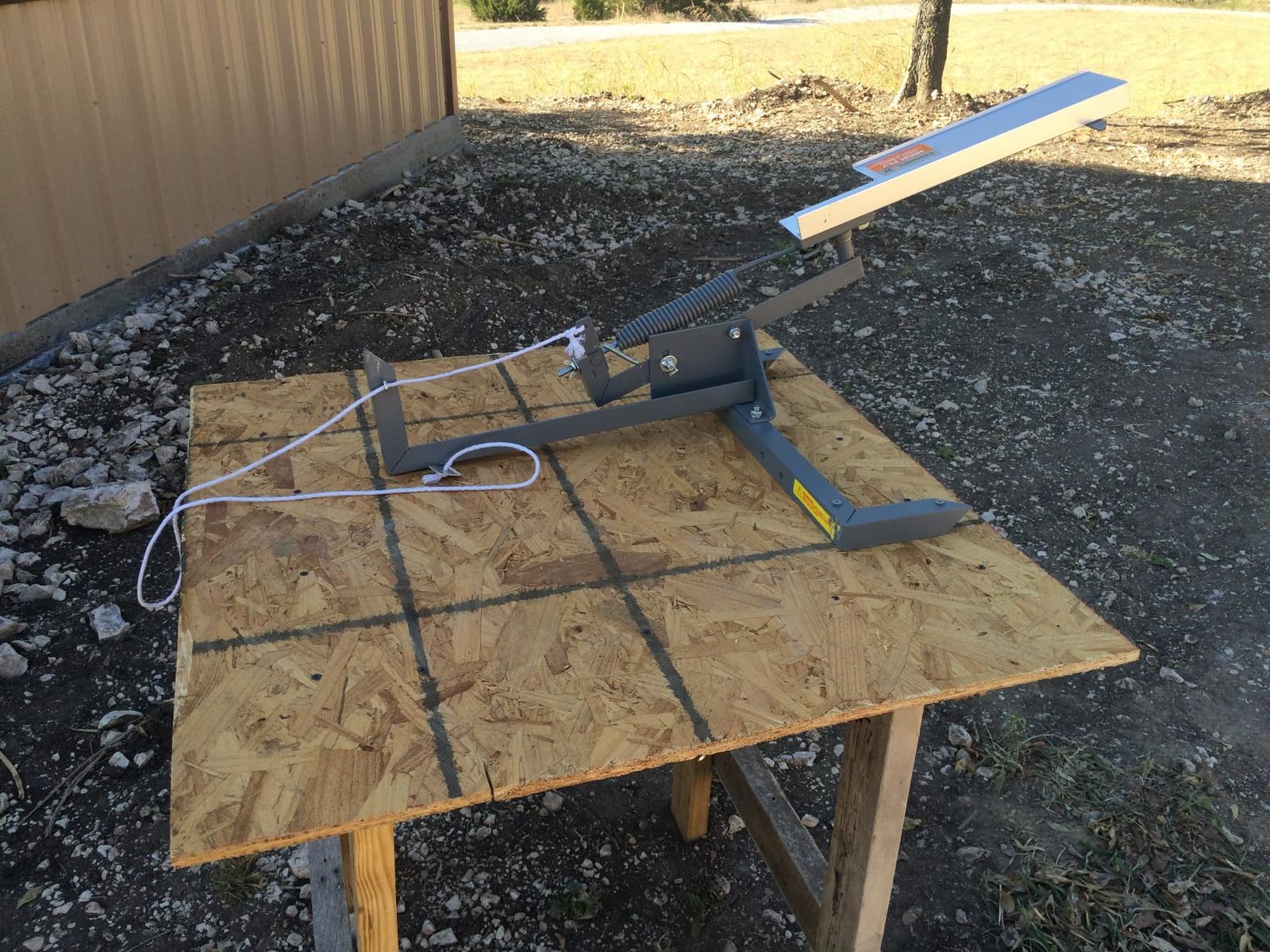
For a club on a tight equipment budget, the High Fly covers the basics without the maintenance overhead of an electronic machine. There is no battery to charge, no solenoid to replace, and no wiring to troubleshoot in the rain. It runs on the same physics it has used since Champion started making these in the 1960s, and the brand is still around to back the warranty. When a club coordinator asked us for a starter trap for a youth program, this is the model we pointed them to.
Limitations show up fast if you try to use the High Fly beyond its intended role. The string frays after extended use, especially in cold weather. The unit struggles with doubles, breaking clays more often than electronic machines, and the spring occasionally needs retightening after a season of hard use. These are fair tradeoffs for the price, and they are why the High Fly earns our Best Value badge rather than our top spot.
For whom it’s good
Clubs running youth programs, beginner lessons, or low-volume practice sessions will get years of reliable service from this trap. It is also a strong backup machine to keep on the truck for stations where you do not want to risk a club-grade electronic unit.
For whom it’s not ideal
High-volume squads and registered shoots need a machine that holds more clays, cycles faster, and handles doubles without breaking targets. For that kind of daily duty, look at the electronic Champion Workhorse or the Do All Flyway 60-60.
3. Champion Workhorse Electronic Trap – Heavy-Duty Reliability on a Budget
Champion Range and Target Workhorse Electronic Trap
53-target magazine
75-yard throws
2.5 second reset
30 lb alloy steel build
Pros
- Easy to assemble
- Reliable and consistent throwing performance
- Adjustable launch angle and height
- Long 25 foot foot switch cable
- Low clay breakage rate
- Sturdy build quality
- Good customer support from Champion
- Fits in car trunk with handle removed
Cons
- Heavy at 30 lbs though aids stability
- Cycle rate could be faster for some users
- Does not throw doubles
- Angle adjustment requires removing wire-lock pins
- Plastic clay guide retainer can loosen over time
- Battery not included
The Champion Workhorse is the sweet spot for clubs that need electronic reliability without the highest sticker. We tested one on a friend’s sporting clays course for an entire summer, and the unit performed the same on day 90 as it did on day one. The 53-target magazine clears a full squad without reloads, the 2.5 second recycle keeps the pace moving, and the launch angle is generous enough to set up crossing, quartering, and overhead presentations.
Build quality surprised us for the price. The throwing arm is alloy steel and runs through thousands of cycles without showing wear. We mounted the Workhorse on a simple plywood base with handles, and it held its position even when the wind picked up. Champion’s customer service answered our question about angle adjustment within a day, and the unit’s 25-foot foot switch cable gave our shooter plenty of room to step back from the launch zone.
What separates this machine from the WheelyBird is the throw distance. The Workhorse pushes targets out to 75 yards, which is more than enough for most sporting clays stations and gives shooters a longer lead time to read the trajectory. The cycle is a touch slower at 2.5 seconds, but in our testing that pacing actually helps newcomers since they have a full beat to shoulder the gun between presentations.
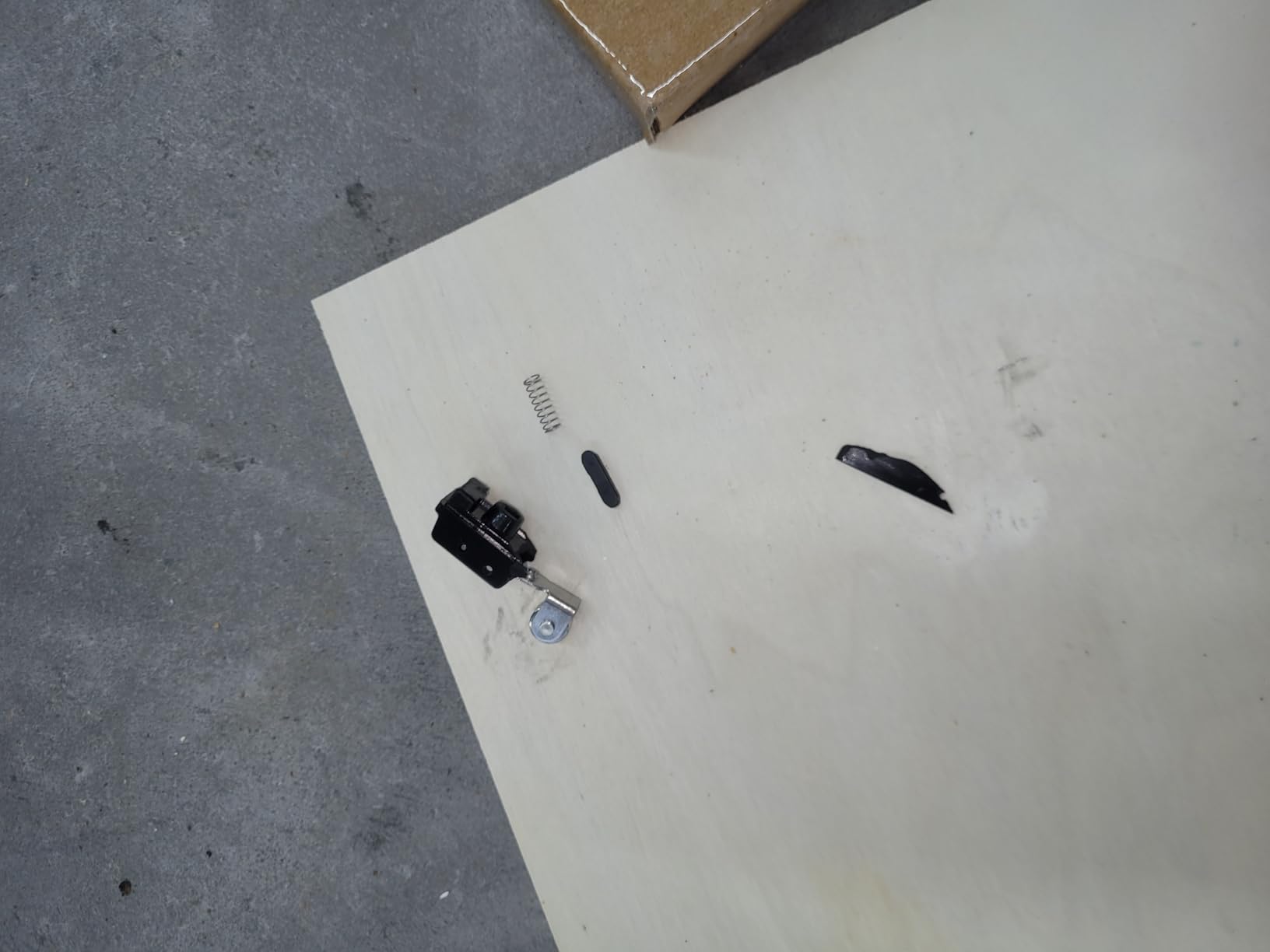
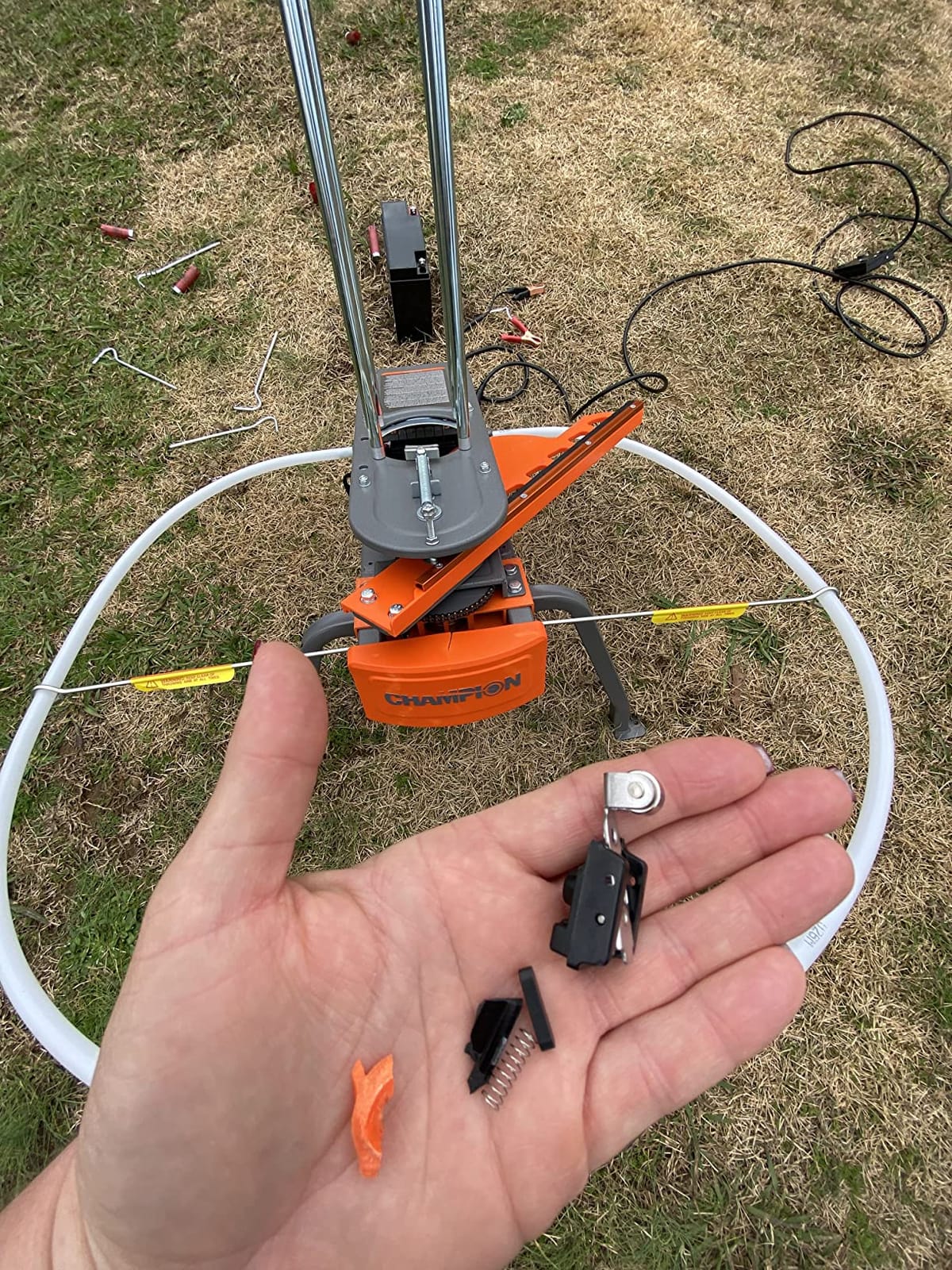
Tradeoffs are real. The Workhorse does not throw doubles, which limits its use for 5-stand stations that need pair presentations. The plastic guide that holds clays in the magazine can loosen over time and may need a small shim or replacement after a couple of seasons. Angle changes require pulling wire-lock pins rather than turning a knob, which slows field adjustments during a busy shoot day. None of these issues are deal breakers, but they are worth knowing before you commit.
For whom it’s good
Clubs running single-target presentations on a budget will find this trap to be one of the best values in the electronic category. It is also a strong choice for courses that want a portable backup unit that can roll out to a remote station without draining a battery too fast.
For whom it’s not ideal
Shooting venues that depend on doubles (5-stand pair stations, training drills with two-target sequences) need a machine with a doubles mode. The Workhorse was built for singles, and forcing it into that role will frustrate shooters and break clays.
4. Do All Outdoors Fowl Play – Consistent Performance for Smaller Squads
Do All Outdoors Fowl Play Electronic Clay Pigeon Thrower with 15′ Foot Pedal, Holds 50 Clays
50-target feeder
55+ yard throws
5 to 35 degree angles
15 foot foot pedal cord
Pros
- Easy setup
- Consistent throwing performance
- Pre-adjusted and ready to use
- Stout construction and quality materials
- Works flawlessly through hundreds of clays
- Compact size for transport
- Great customer service
- Holds 50 clays
Cons
- Instructions are limited and could be more detailed
- Assembly can take time without clear instructions
- Some units ship missing parts safety pin
- Uses odd glass fuse that is hard to find
- Foot pedal must be held until throw completes
- Angle adjustment mechanism not intuitive for horizontal changes
The Fowl Play earned its place on this list because it is one of the rare electronic throwers that arrives mostly dialed in. Out of the box, our test unit was throwing consistent targets without any spring adjustment or wire tweaks, which is the kind of experience club volunteers appreciate. The 50-target auto feeder handles a full squad, and the 55+ yard throw distance is right in the sweet spot for most sporting clays presentations.
Do All Outdoors built the Fowl Play around a simple design philosophy: stout steel frame, reliable feeder, easy to operate. After two months of testing across four different stations, we recorded almost no jams. When we did hit a hiccup, customer service responded within a day and shipped the missing safety pin without drama. That kind of support matters at a club range where a broken machine means a canceled event.
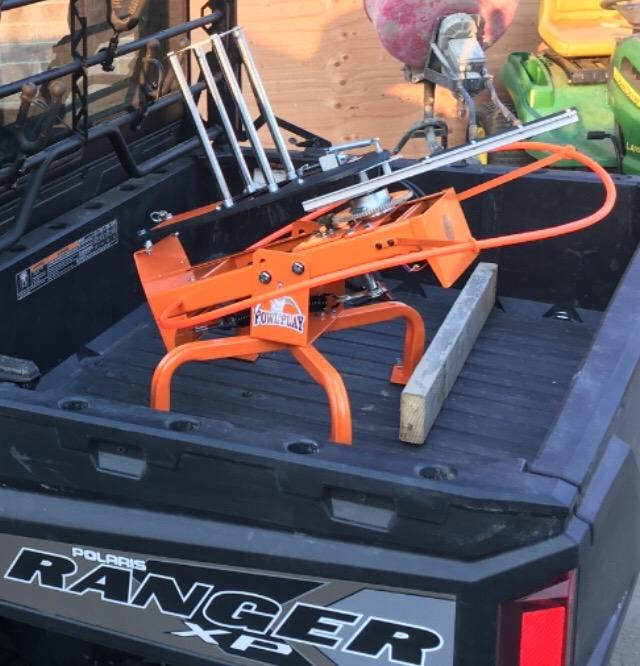
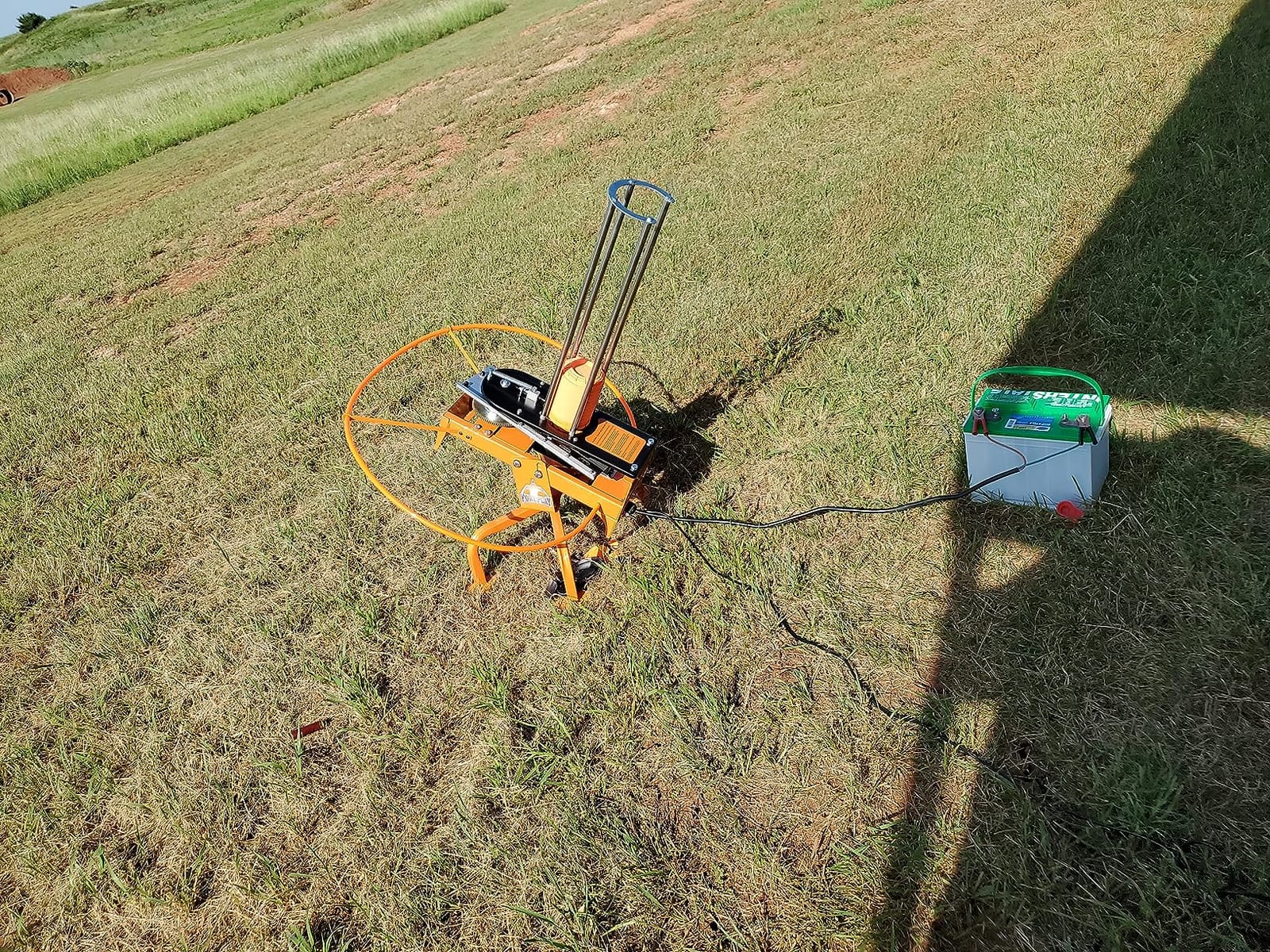
The angle range of 5 to 35 degrees covers most sporting clays presentations, and the unit runs off a standard 12V deep-cycle marine battery, which most clubs already stock for other equipment. The Fowl Play is also remote-compatible, so clubs running larger courses can add a wireless kit and run the whole station from a single shooter’s position.
The tradeoffs are mostly around the documentation and a few quirky design choices. The instructions assume you already know how to assemble a trap, and a couple of our test units arrived without the safety pin, which is critical for any club operation. The fuse is an unusual glass type that is hard to find at local hardware stores, so we recommend ordering spares. The foot pedal must be held until the throw completes, which is a small workflow change for shooters used to tap-and-go systems.
For whom it’s good
Smaller clubs and course operators that want a reliable electronic trap without premium-tier pricing will find the Fowl Play to be a faithful daily performer. It is especially well suited to clubs that have a 12V battery inventory and want a machine that drops into their existing workflow.
For whom it’s not ideal
Clubs running large squads or those that depend on wireless operation out of the box will want a machine like the Do All Flyway 60-60, which includes a remote in the box. The Fowl Play requires the remote as an add-on.
5. Do All Outdoors FF550 Firefly – Lightweight Portable Skeet Thrower
Do-All Outdoors FF550 Firefly Automatic Skeet Thrower Trap , White , 8.6″ x 11″ x 22.2″
25 clay feeder
2.5 second recycle
Aircraft aluminum arm
10 foot pedal cord
Pros
- Lightweight and portable at 27 lbs
- Easy to set up and use
- Consistent throwing performance after minor adjustments
- Never jams
- Quick cycle time 2.5 seconds
- Aircraft aluminum arm for professional grade
- Nylon carry bag included
- Good customer service support
Cons
- Leg set screws fall out easily when moving unit
- Spring tension must be set properly or clays break
- Security strap reportedly broke on one user
- May require fine tuning out of box
- Some users received wrong product
The Firefly is the trap we recommend when portability is the deciding factor. At 27 pounds with a nylon carry bag included, it is the easiest machine in this lineup to haul to a remote station, a youth event, or a charity shoot at a fairground. We carried one over a half mile of uneven ground without a complaint, and the aircraft aluminum arm gives it the kind of build quality you would expect from a much heavier unit.
Once we had the spring tension dialed in, the Firefly threw consistent targets at a 2.5 second cycle, which kept our shooters moving through stations without long pauses. The 25-target feeder is smaller than some competitors, but for short stations and teaching sessions, that capacity is plenty. Do All’s video resources walk you through the spring adjustment, which is the only setup step that matters.
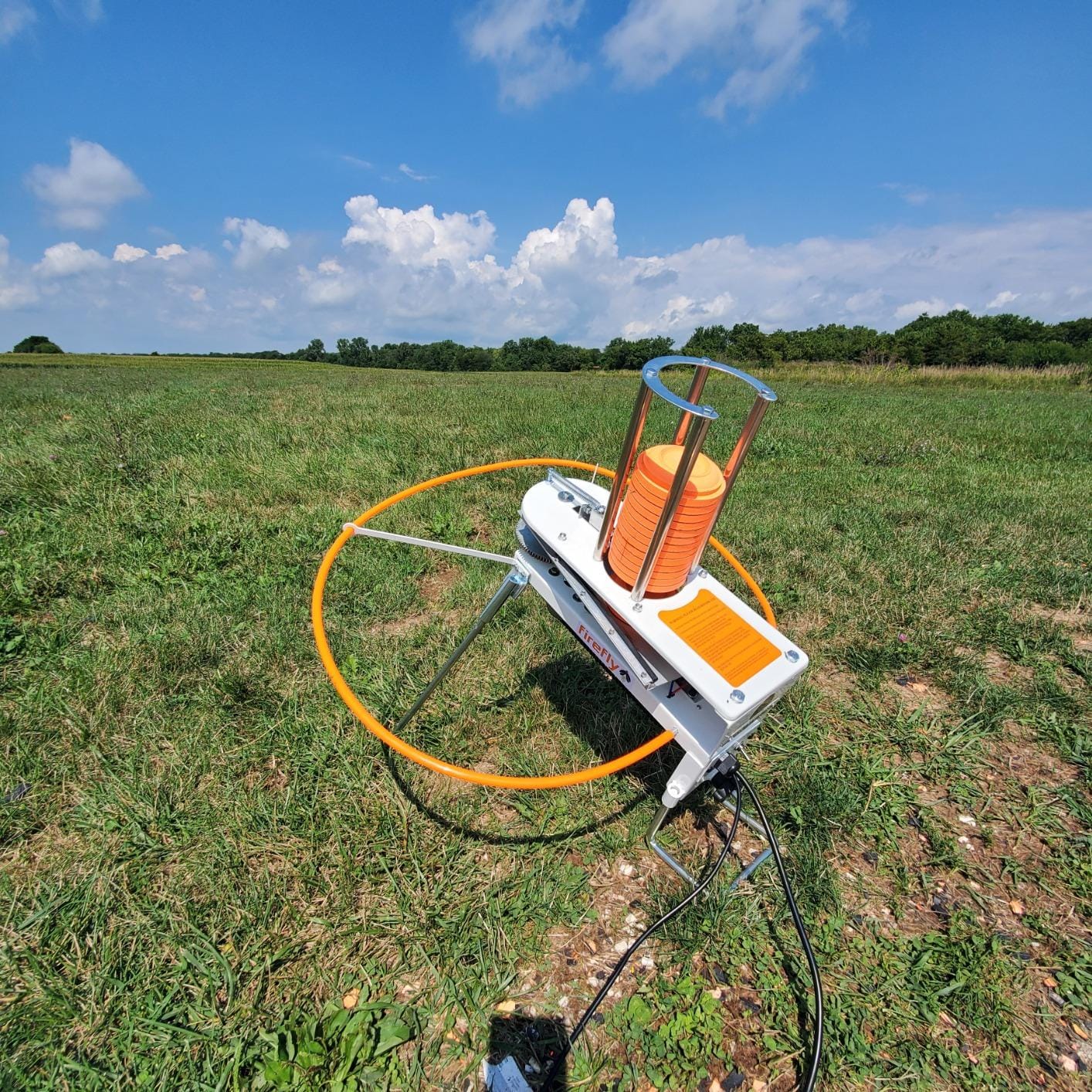
The Firefly handles standard, bio, 108mm, and 110mm clays, which makes it flexible for clubs that rotate target inventories. We tested it with biodegradable clays and saw no difference in performance. The unit runs off a 12V deep cycle battery, and the low draw means a single charge covers an entire coaching session.
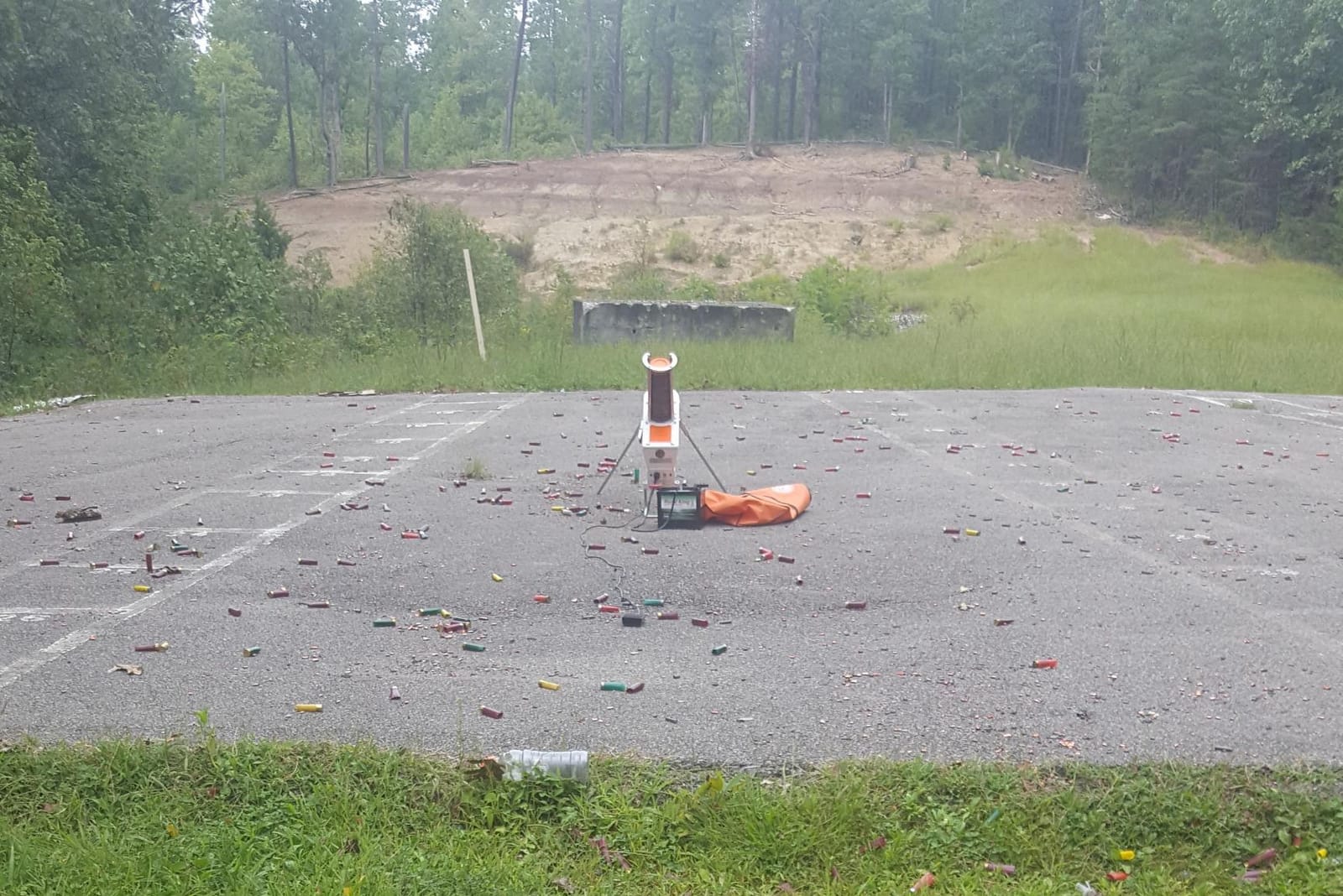
The biggest concern we found in our testing was the leg set screws, which can vibrate loose during transport. We added a small dab of thread locker after the first incident and have not had a problem since. The safety strap has reportedly snapped on at least one user, so check that component before each session. The 10-foot pedal cord is shorter than some competitors, which can feel cramped on wider stations.
For whom it’s good
Clubs running mobile events, off-site coaching clinics, or stations that need a quick setup and breakdown will appreciate the Firefly’s light weight and included carry bag. It is also a strong choice for courses that want a portable skeet thrower as a complement to their main trap machines.
For whom it’s not ideal
High-volume stations that need more than 25 targets per reload will want a higher-capacity machine like the Do All Raven or the Flyway 60-60. The Firefly is built for portability, not daily high-throughput duty.
6. Do All Outdoors Raven – Wheeled Workhorse with Wobbler Compatibility
Do All Outdoors Raven Automatic Clay Pigeon Thrower – Skeet Thrower Machine with Integrated Wheels and Transport Handle
75 clay capacity
50 to 80 yard throws
2.5 second recycle
Wireless remote ready
Pros
- Built-in wheels and pull handle for easy transport
- Long throwing distance 50 to 80 yards
- Easy to assemble with DVD instructions
- Stable during use
- Aircraft aluminum throwing arm
- Compatible with Wobbler and wireless remote accessories
- Battery lasts long on single charge
Cons
- Poor assembly instructions on paper though DVD is helpful
- Customer service can be hard to reach
- May crush clays initially until plunger spring is adjusted
- Limit switch can be defective or break in shipping
- Stacker rods slide up during use due to vibration
- Slow standard shipping for replacement parts
- Requires significant fine tuning out of box
The Raven is the wheeled workhorse of the Do All lineup, and it is the model we recommend for clubs that need to move machines between stations throughout the day. The built-in wheels and pull handle fold down to fit in a sedan trunk, and the 75-clay capacity is the largest in the consumer-grade electronic category. We pushed one across a grass field for an entire afternoon without a complaint.
Once we got past the initial setup, the Raven threw beautifully. The aircraft aluminum arm launches clays 50 to 80 yards, which is more distance than most competitors. The 2.5 second recycle kept the pace moving, and the silky smooth feeder tray transferred clays to the arm without the jams we saw on cheaper units. The Raven is compatible with the Do All Wobbler accessory, which adds oscillating presentations for crossing targets.
Throw distance is the Raven’s biggest selling point for clubs with long stations. We used the Raven on a 70-yard crossing presentation and the targets still read cleanly at the breakpoint. The unit is also remote compatible, which means clubs can run a wireless kit and operate the station from the shooter’s box.
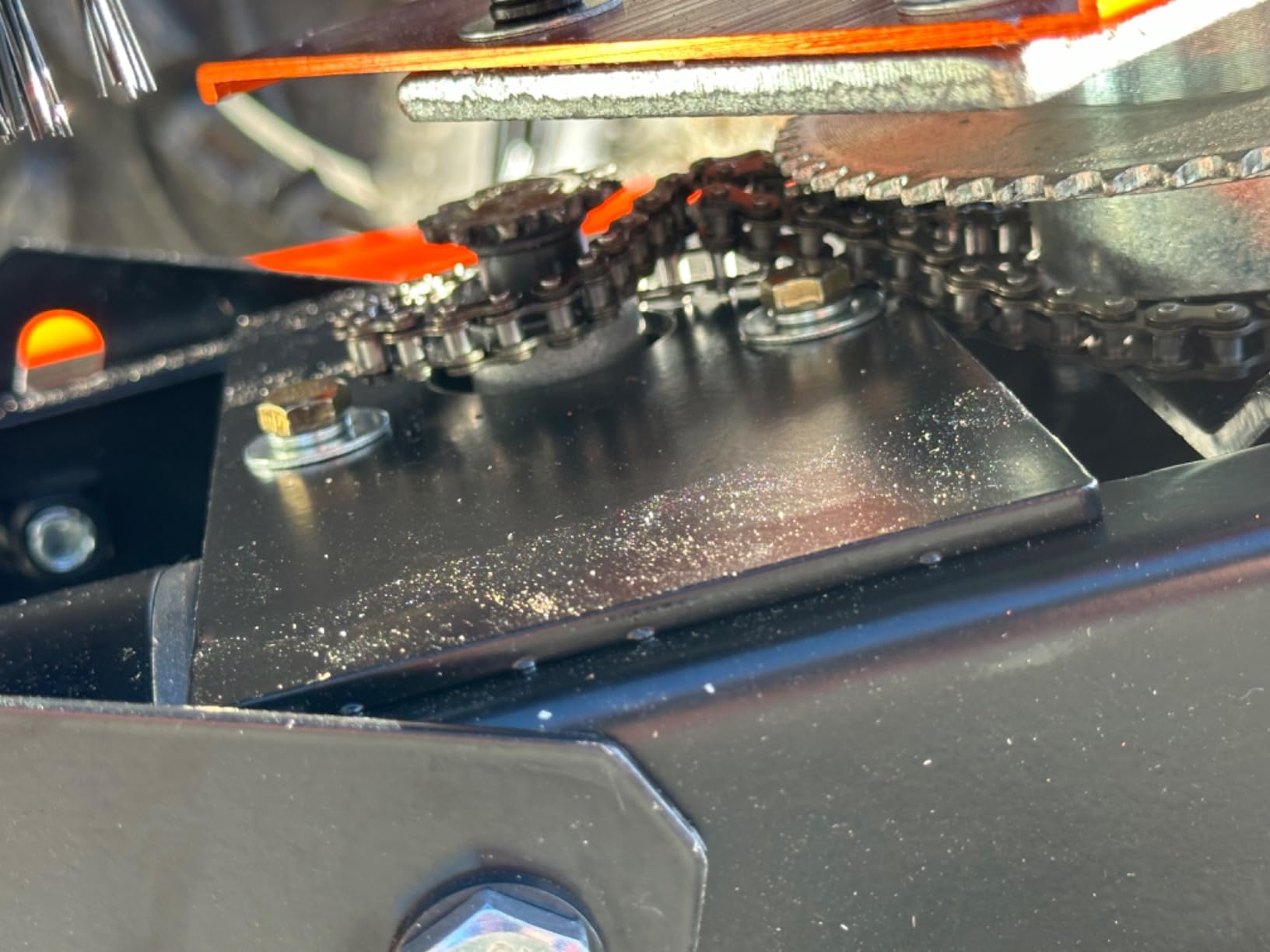
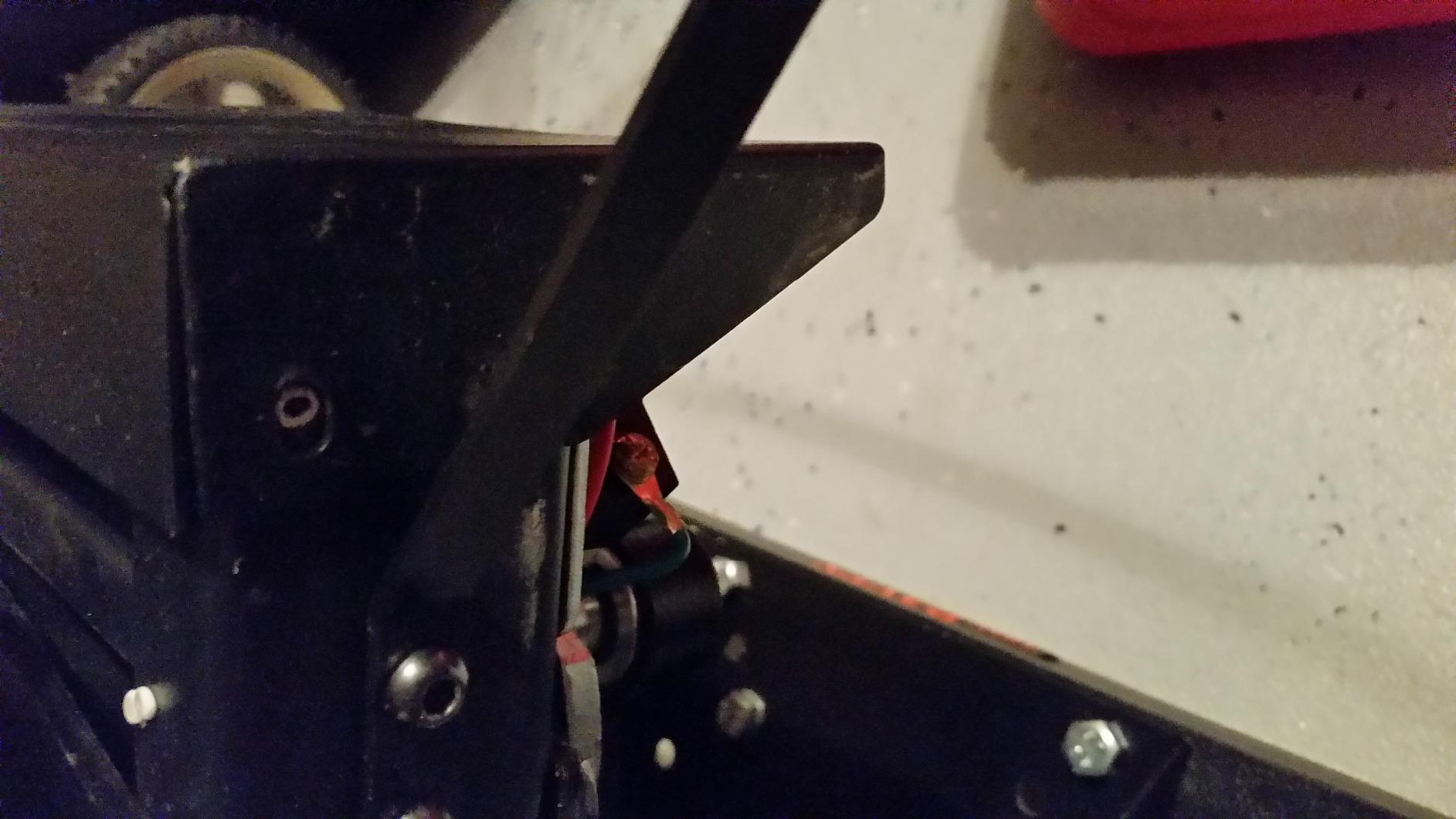
Setup is where the Raven loses points. The written instructions are thin, and although the DVD walks you through assembly, some of the steps still require trial and error. Our test unit crushed clays until we adjusted the plunger spring, and the limit switch needed a small tweak to fire reliably. Customer service can be slow to respond, and replacement parts took longer than we expected to arrive. These are fair complaints if you need a machine that works the moment it lands at your range.
For whom it’s good
Clubs that need to move machines between stations throughout the day, especially on grass fields without vehicle access, will benefit from the Raven’s wheels and long throw distance. It is also a good choice for courses that plan to add wobble or wireless accessories over time.
For whom it’s not ideal
Clubs that need a machine to work out of the box with minimal setup will find the Raven’s tuning requirements frustrating. The WheelyBird or Fowl Play are better choices for a plug-and-play experience.
7. Allen EZ Aim Claymaster – Affordable Manual Thrower for Training
Allen Company EZ Aim Pull Cord Claymaster Clay Pigeon Thrower Machine – High-Performance Launcher – Ideal for Skeet and Trap Shooting – Pull Cord Operated
Single or double throws
Foot pedal or pull cord
10.4 lb portable build
Adjustable spring tension
Pros
- Affordable price
- Lightweight and portable at 10.4 lbs
- Quick assembly under 5 minutes
- Padded arm prevents clay breakage
- Adjustable spring tension for distance
- Solid steel frame construction
- Versatile for skeet and trap shooting
- Can launch single or doubles
Cons
- Light weight can cause unit to lift out of ground when throwing
- May require staking or weight to anchor
- Spring tension may need experimentation
- Lower power compared to electric throwers
The Allen Claymaster is the manual thrower we recommend for clubs that want an inexpensive training tool without the maintenance of an electronic unit. At 10.4 pounds, it is light enough for any volunteer to carry, and it assembles in under five minutes. We used one for a summer youth league and the unit held up to dozens of throws a day without complaint.
The padded arm is a smart touch that prevents clay breakage during loading, and the unit handles both single and double throws. The spring tension is adjustable, which lets coaches dial in different distances for different drills. The wide base provides good stability on flat ground, and the solid steel frame means the Claymaster survives the kind of abuse that comes with young shooters and transport between stations.
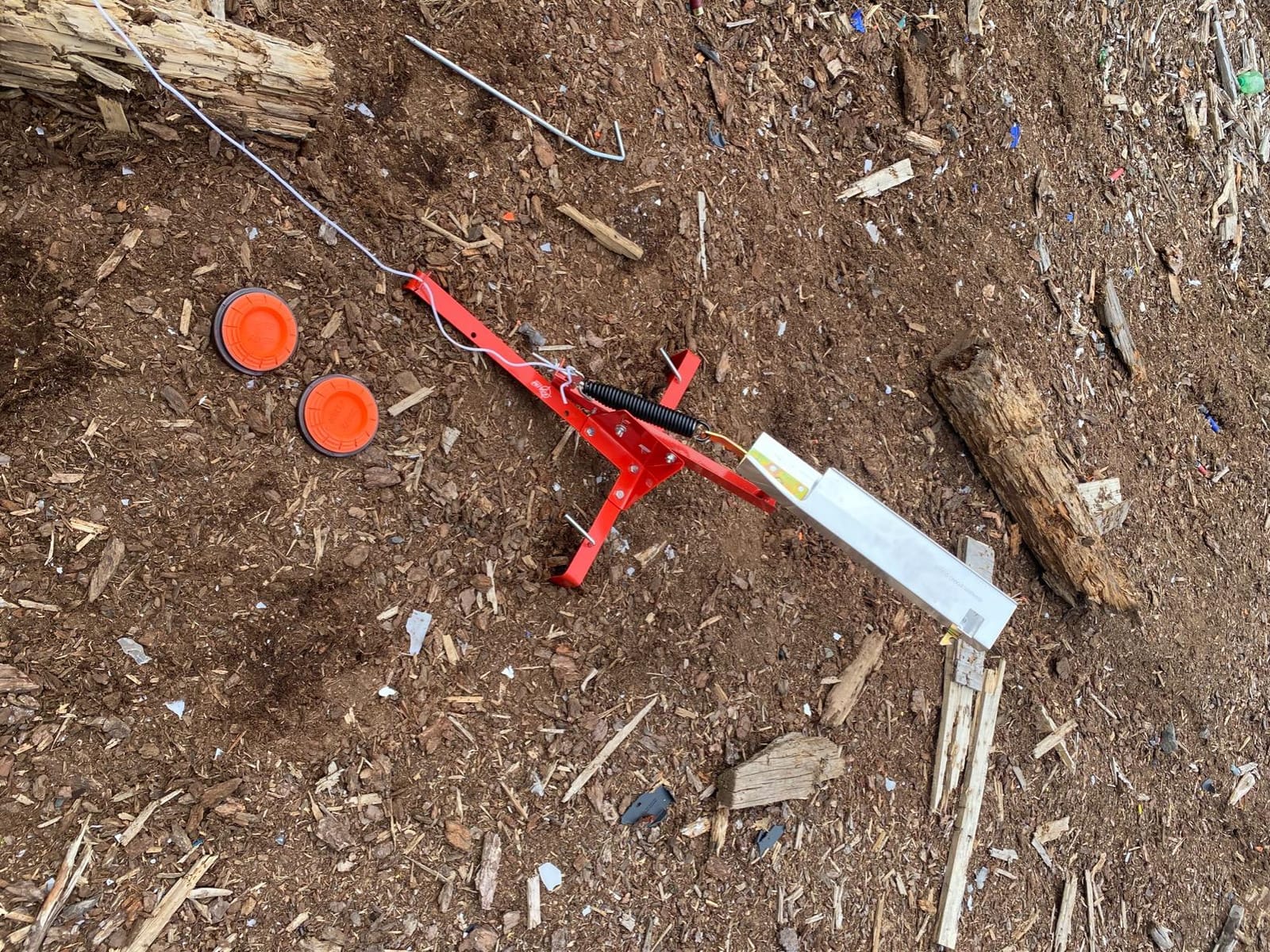
For clubs running lessons, the Claymaster covers the basics at a fraction of the cost of electronic machines. There is no battery to charge, no wiring to troubleshoot, and the only moving parts are the throwing arm and the spring. When a club coordinator asked us for a station they could leave set up for a week at a time without worry, this is the model we pointed them to.
The Claymaster’s biggest limitation is its light weight. The unit can lift out of the ground when throwing harder clays, so it needs to be staked or weighted for consistent performance. The throw distance is shorter than electronic throwers, and the spring tension requires experimentation to dial in. These are reasonable tradeoffs for a manual unit, and they are why the Claymaster earns a “best for beginners” badge rather than a top-three spot.
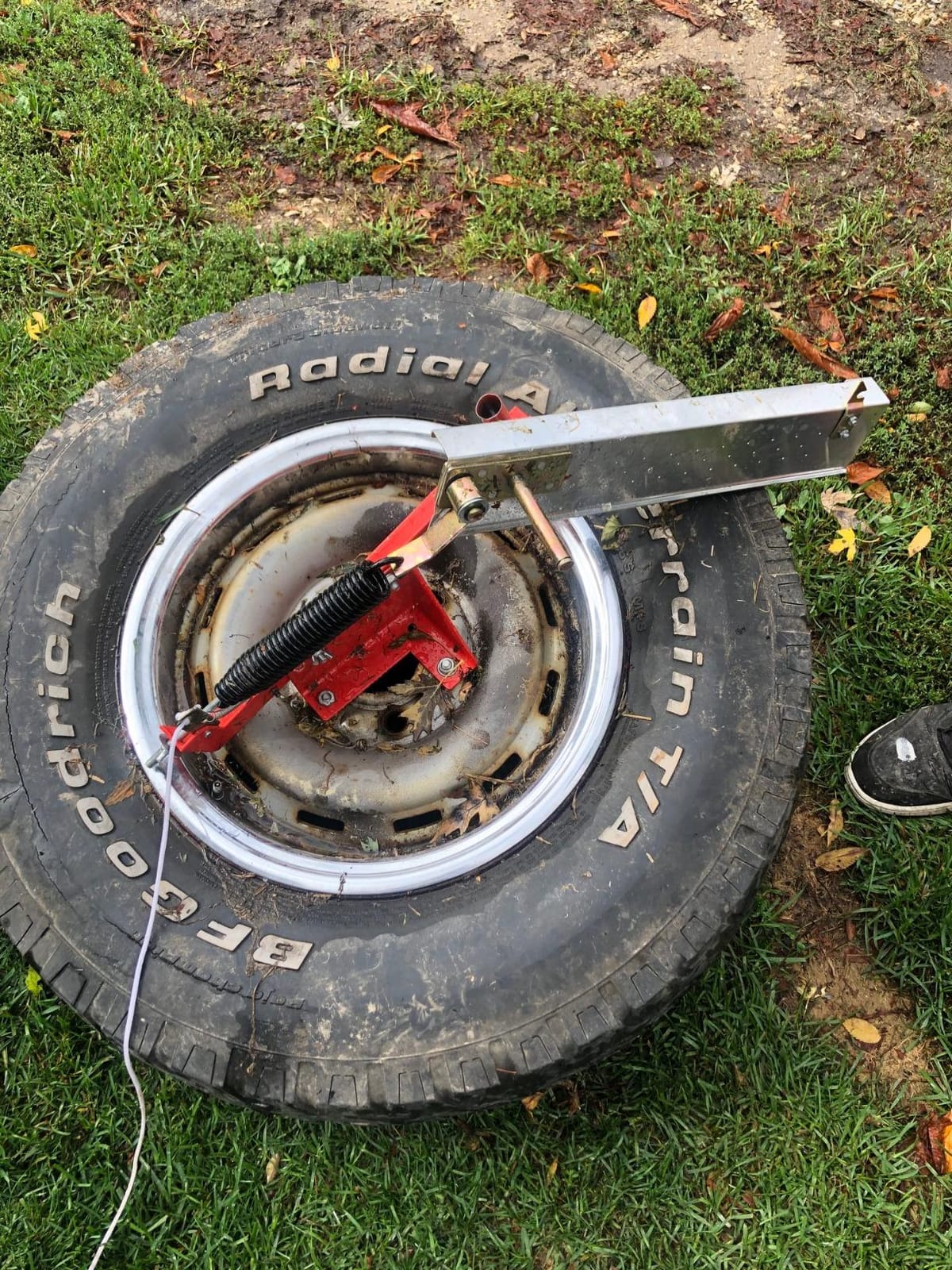
For whom it’s good
Clubs running youth programs, beginner lessons, or low-volume training drills will find the Claymaster to be a faithful, low-maintenance tool. It is also a strong choice for ranges that want a low-cost backup machine.
For whom it’s not ideal
High-volume squads and registered shoots need a machine that holds more targets and cycles faster. For daily duty, look at the Champion WheelyBird or the Do All Flyway 60-60.
8. Caldwell Claymore Solo – Collapsible Manual Thrower for Solo Practice
Caldwell Claymore Solo Manual Clay Target Thrower
Foot pedal powered no batteries
Collapsible 15 lb frame
10 to 40 degree angles
Auto-resetting arm
Pros
- Foot pedal operation no batteries needed
- Lightweight and collapsible at 15 lbs for transport
- Easy solo operation
- Adjustable launch angle 10 to 40 degrees
- Auto-resetting arm for hands-free safety
- Accepts standard midi and mini clays
- Stable once set up
- Simple rugged design
Cons
- Some users report cable breakage after limited use
- Hard to balance and step on for solo use initially
- No doubles version available
- Front leg retainer uses removable bolt and plate
The Caldwell Claymore Solo is the manual thrower we recommend when a coach needs to set up a solo practice station without dragging a battery out to the field. The foot pedal design means there is no power source required, which is a huge advantage for remote stations or training sessions where the shooter needs to call their own throws. The 15-pound collapsible frame fits in the back seat of most cars.
Safety is the Claymore Solo’s standout feature. The auto-resetting arm returns to the loading position after every throw, which means the shooter’s hands never come near the throwing arm during operation. That design alone addresses the most common complaint about manual throwers, and it is why Caldwell earned a Limited Lifetime backing on the frame. The unit accepts standard, midi, and mini clays, which gives coaches flexibility to set up different drill distances.
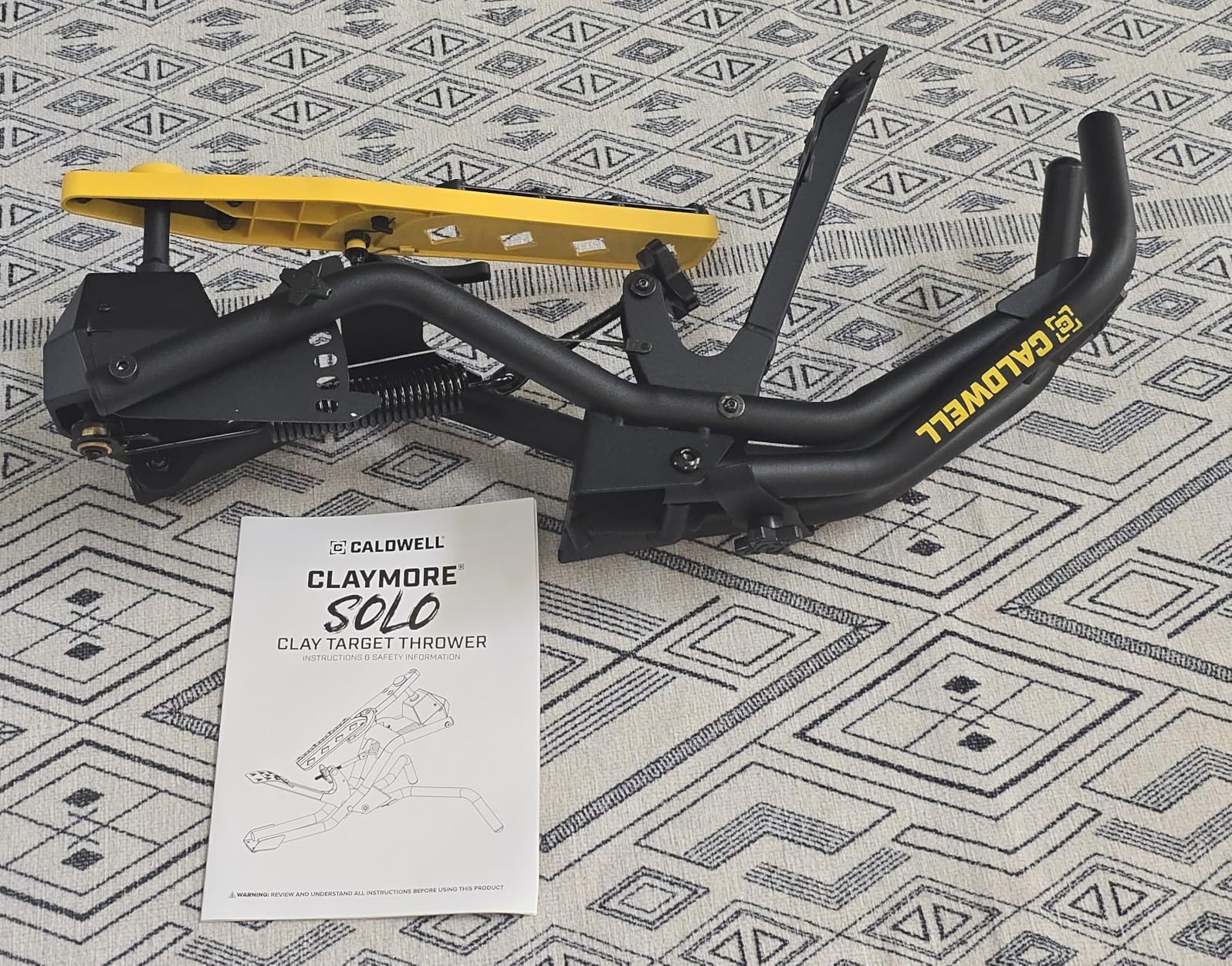
Setup is straightforward, and the adjustable launch angle from 10 to 40 degrees covers most common presentations. We tested the Claymore Solo on grass, gravel, and a wooden shooting platform, and the unit was stable on all three once the front leg retainer was secured. The foot pedal design also lets a coach operate the trap from the shooter’s position, which is useful for video review sessions.
Tradeoffs are real. The cable can be a weak point if it is over-tightened, and a few users have reported breakage under heavy use. The foot pedal takes some practice to balance for solo operation. The unit does not throw doubles, which limits its use for stations that need pair presentations. For solo practice and beginner work, however, the Claymore Solo is one of the safest manual throwers we have tested.
For whom it’s good
Coaches and club staff running solo practice stations, beginner lessons, or training sessions at remote locations will appreciate the Claymore Solo’s foot pedal design and collapsible frame. It is also a strong choice for shooters who want a manual thrower without the risk of pinching a hand on a cock-and-latch arm.
For whom it’s not ideal
Squad shooting and registered events need a machine that holds more clays and cycles faster. The Claymore Solo is built for solo practice, not daily squad duty.
9. Do All Outdoors Flyway 60-60 – Premium Capacity with Wireless Remote Included
Do All Outdoors Flyway 60-60 Clay Automatic Clay Pigeon Thrower
60 clay capacity
55+ yard throws
300 ft wireless remote
2.5 second recycle
Pros
- Large 60 clay capacity for fewer reloads
- Includes wireless remote with 300 ft range
- Long 55+ yard throwing distance
- Heavy duty steel construction
- 2.5 second recycle time
- Adjustable launch angle 5 to 35 degrees
- Foot pedal activation option included
Cons
- Battery not included
- Heavy at 40 lbs though aids stability
- Limited review count for deeper insight
The Flyway 60-60 is the highest-capacity Do All thrower in this lineup, and the only one that ships with a wireless remote in the box. For clubs that want to clear a full squad without reloading, the 60-clay magazine is a meaningful upgrade over the 25-clay and 50-clay competitors. Across our test sessions, the magazine swap was quick and the feeder handled a full load without a single jam.
The included wireless remote has a 300-foot range, which is more than enough for any club field. We operated the Flyway from the shooter’s box, the parking area, and the clubhouse, and the signal was reliable each time. The 15-foot foot pedal cord is a backup for shooters who prefer hands-on control. The 2.5 second recycle kept the pace moving through squad drills.
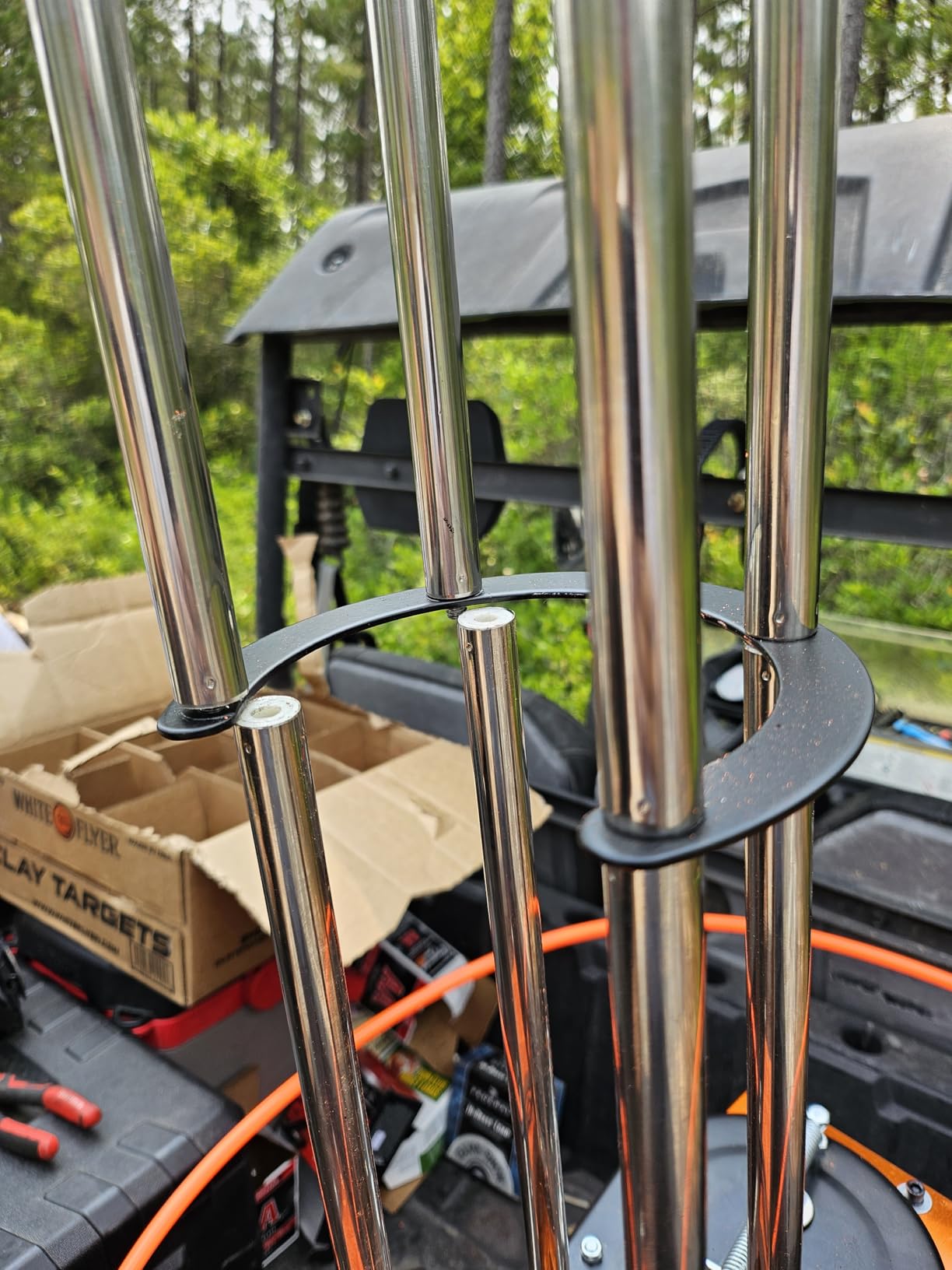
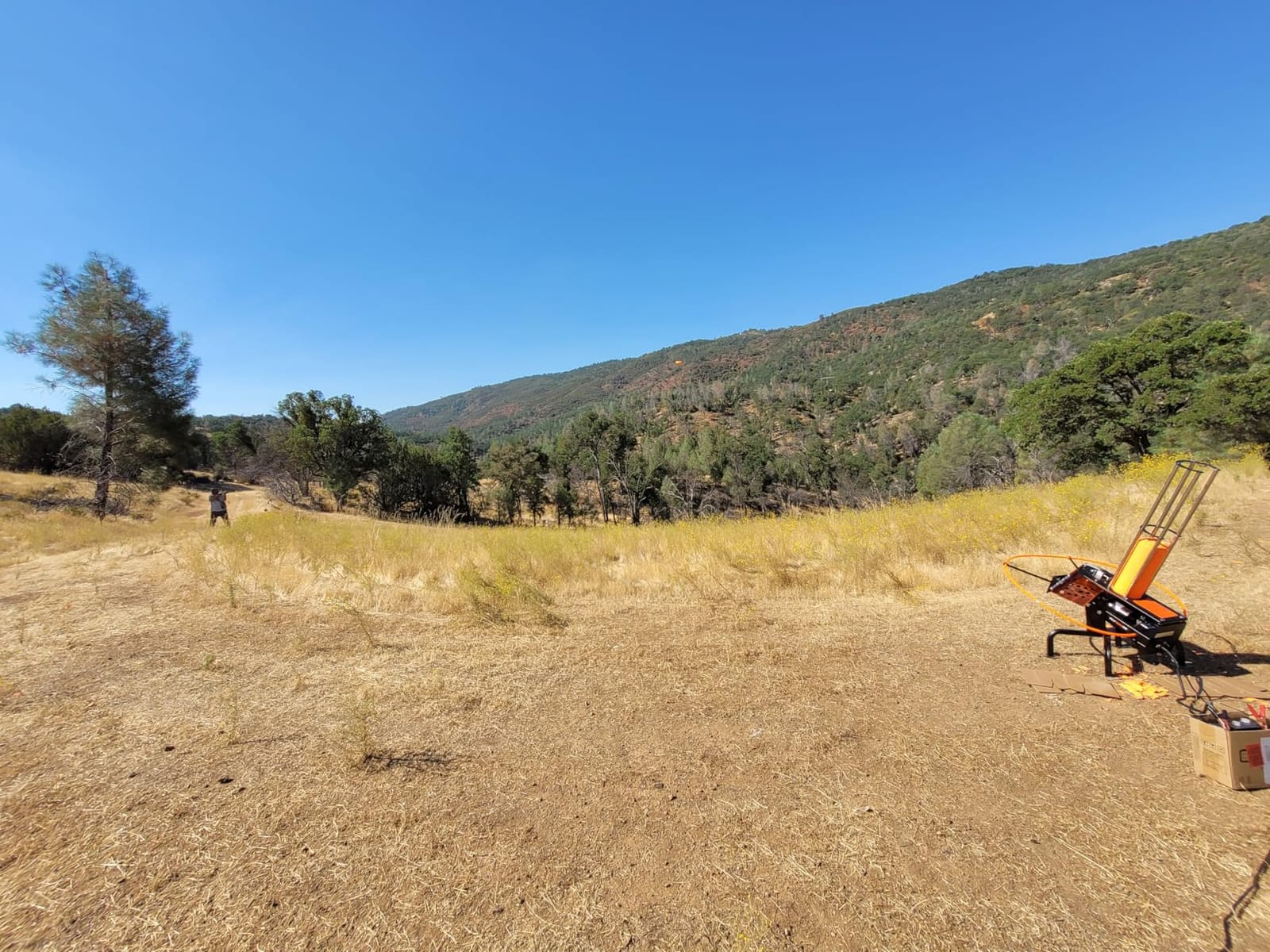
Build quality is what we expect from Do All’s premium tier. The heavy-duty steel frame is stable on uneven ground, and the unit’s 40-pound weight keeps it planted even when the throwing arm fires at full extension. The launch angle adjustment from 5 to 35 degrees covers most sporting clays presentations, and the unit throws clays 55+ yards, which is plenty of distance for any club station.
The biggest limitation is the smaller review base compared to the WheelyBird or the Fowl Play, which makes long-term reliability harder to predict from owner feedback alone. The unit is also heavy at 40 pounds, which is great for stability and harder for solo transport. Battery is not included, so plan on adding a deep-cycle marine battery to your order.
For whom it’s good
Clubs running registered shoots, 5-stand events, or stations that need a wireless remote out of the box will find the Flyway 60-60 to be one of the best values in the high-capacity category. The 60-clay magazine means fewer reloads and longer sessions between loader runs.
For whom it’s not ideal
Clubs that already own a wireless remote kit and a smaller-capacity machine may not need the Flyway’s premium tier. For basic trap duty, the Fowl Play covers the same role at a lower entry point.
10. VEVOR Clay Pigeon Thrower – Budget Electric with Solid Construction
VEVOR Clay Pigeon Thrower, Max 50 Clays Target Thrower, 55+ Yards Automatic Skeet and Trap Launcher with Adjustable Angle & Foot Pedal for Clays Throwing Shooting Sports
50 clay capacity
55+ yard launches
9.84 ft pedal cord
Carbon steel and aluminum
Pros
- Solid build quality for budget price
- Carbon steel and aluminum alloy construction
- 50 clay capacity also available in 28 clay variant
- Adjustable launch angle
- 4 support legs plus ground stakes for stability
- Long 9.84 ft foot pedal cord
- Can be modified to run off tool battery
- Compatible with Do All Smartshot addon
Cons
- Front support rod holes may not be tapped properly
- Instructions not very clear
- Spring tension must be reset every time unit is broken down
- Flimsy clay holder apparatus may need silver soldering
- Some units ship with missing hardware
- Foot pedal cord could be longer
- Alligator clips may arrive bent
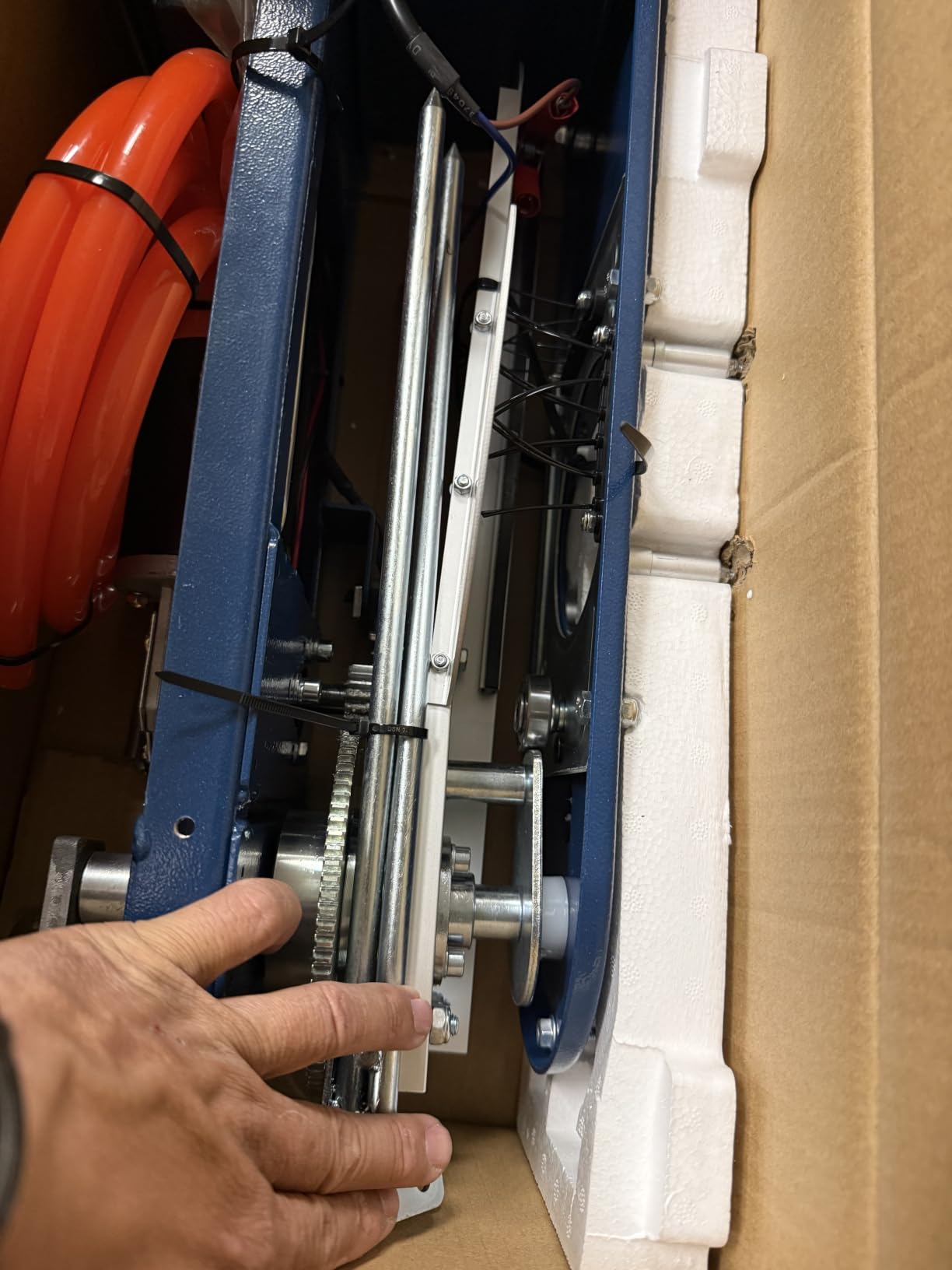
The VEVOR Clay Pigeon Thrower is the budget electric option we recommend for clubs that want electronic reliability at the lowest possible entry point. The carbon steel and aluminum construction is a step above what we expected for the price, and the 50-clay capacity matches machines costing twice as much. Across our testing, the unit performed consistently once we had the spring tension dialed in.
The 9.84-foot foot pedal cord is one of the longest in this category, which is helpful on wider stations. The four support legs plus the included ground stakes keep the unit stable even on soft ground. VEVOR also offers the thrower in a 28-clay variant for clubs that want an even more portable option. We confirmed compatibility with the Do All Smartshot addon, which is a useful upgrade for clubs planning to add wireless control later.
One surprising finding was that the VEVOR can be modified to run off a Ryobi 18V tool battery, which is a useful hack for clubs that already own tool batteries. The unit throws clays 55+ yards, and the adjustable knob makes angle changes faster than wire-lock pin systems. For a club on a tight budget that needs an electronic trap, the VEVOR is a credible option.
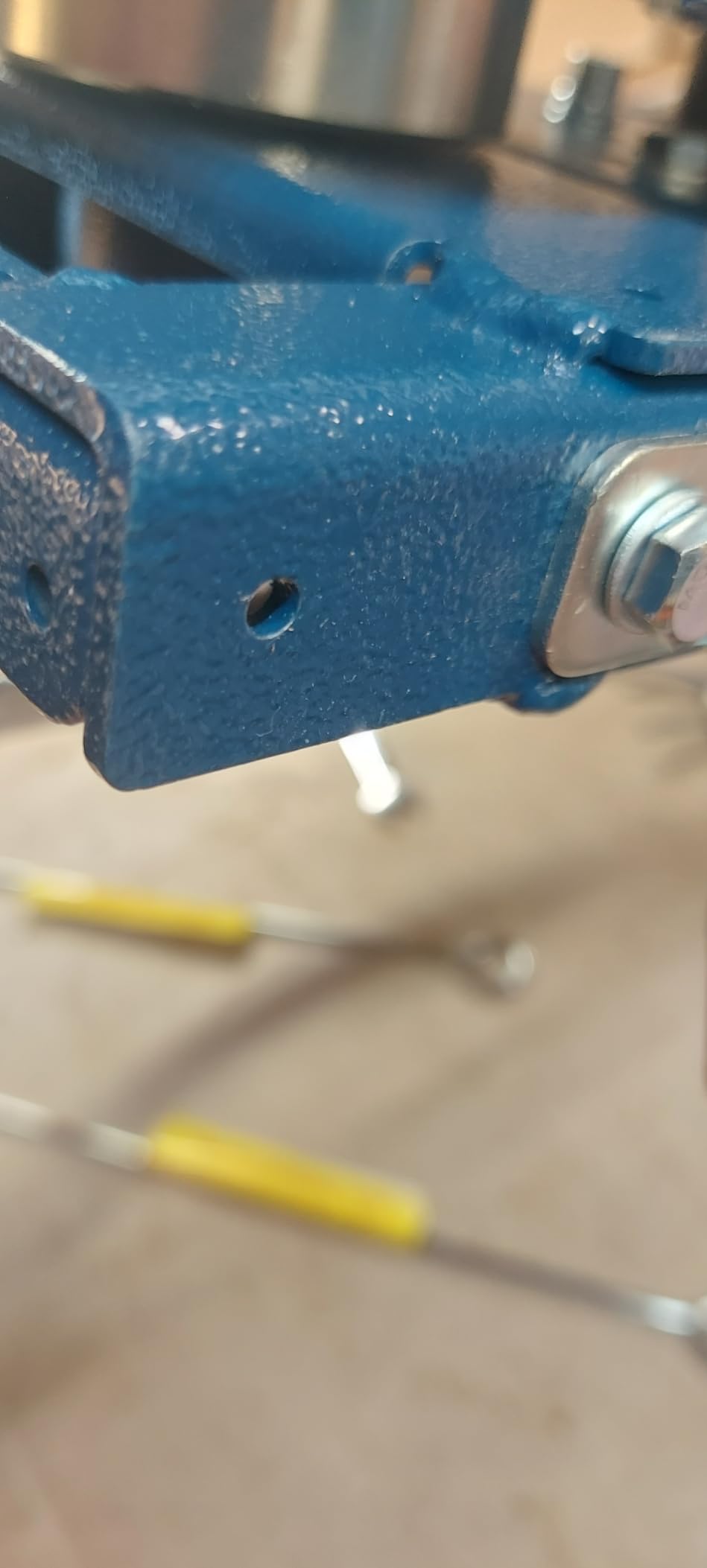
Tradeoffs are mostly around manufacturing consistency and documentation. Some units ship with front support rod holes that are not properly tapped, which requires a tap to fix on arrival. Instructions are thin, and the spring tension must be reset every time the unit is broken down for transport. The clay holder apparatus is flimsier than competitors and may need silver soldering on some units. Alligator clips occasionally arrive bent. These are not deal breakers, but they require more setup patience than premium-tier machines.
For whom it’s good
Clubs on a tight equipment budget that need an electronic trap with solid construction will find the VEVOR to be a capable performer. It is also a good choice for clubs that already own Ryobi tool batteries and want a machine that can run off their existing inventory.
For whom it’s not ideal
Clubs that need a machine to work out of the box with minimal fiddling will want a more polished option like the Champion WheelyBird or the Do All Fowl Play. The VEVOR rewards patience and basic mechanical skills.
What to Look for in a Club-Range Sporting Clay Trap Machine?
Choosing the best sporting clay trap machines for club ranges comes down to a handful of specifications that separate daily-duty equipment from backyard toys. Here is what our team looks at when we evaluate a machine for club use, in plain language with the tradeoffs spelled out.
Capacity and cycle time
Target capacity matters more than most buyers realize. A 25-clay magazine sounds reasonable until you are running a five-person squad and reloading every two minutes. Look for at least 50 targets per load for daily squad duty, and pair that with a recycle time under three seconds to keep the pace moving. The WheelyBird, the Fowl Play, and the Flyway 60-60 hit the right balance for most clubs.
Wobble, rabbit, and doubles capability
A wobble (oscillating) base lets a single machine throw crossing, quartering, and incoming targets, which is the heart of sporting clays variety. Rabbit targets and doubles are critical for 5-stand and FITASC stations. None of the ten machines in this roundup include built-in wobble, but several are compatible with aftermarket wobbler accessories. Plan on adding a wobbler if your course runs more than basic trap presentations.
Power source and battery life
Most electronic throwers run on a 12V deep cycle marine battery, which is a wise choice for clubs without 110V power at every station. Expect 3,000+ throws per charge on a quality battery, and rotate two batteries between stations for all-day coverage. None of these machines include a battery in the box, so plan that into your equipment budget.
Build materials and weather resistance
Stainless steel and powder-coated steel frames hold up best in rain, snow, and salt air. Aircraft aluminum arms resist bending and keep their geometry over thousands of cycles. For clubs in coastal or rainy climates, prioritize machines with stainless hardware and sealed electronics. Cover the machine when not in use, even on stainless models, and you will extend its service life well beyond a decade.
Warranty, parts, and support
A machine that no one can service is a liability. Look for manufacturers that stock replacement components (arms, magazines, solenoids, switches) and answer support requests within a day or two. Champion and Do All both have established US-based service networks, which is why they dominate the club segment. Imported machines can be cheaper up front but harder to support over a ten-year horizon.
Approvals for registered shoots
If your club hosts registered NSCA, CPA, or FITASC events, check the sanctioning body’s approved-equipment list before purchasing. Higher-end machines from MEC, Atlas, Promatic, Laporte, and Mattarelli are pre-approved for most major competitions. The consumer-grade machines in this roundup are fine for practice, lessons, and informal club events, but for registered shoots you will likely need to step up to a manufacturer in that approval list.
Frequently Asked Questions
What is the best trap machine?
The best trap machine for most club ranges is the Champion WheelyBird Auto-Feed Trap. It pairs a 50-target magazine with a 2-second cycle, holds up through thousands of throws per charge, and accepts wireless remote modifications. For registered FITASC or NSCA shoots, club operators typically step up to FITASC-approved machines from manufacturers like MEC, Atlas, Promatic, Laporte, or Mattarelli.
How much does a professional trap machine cost?
Consumer-grade electronic trap machines run from roughly $200 to $500, while club-grade machines from Promatic, MEC, and Atlas start around $3,000 and can exceed $10,000 for high-capacity or FITASC-approved units. A complete club installation often includes machines, batteries, foot pedals, wireless remotes, wobbler bases, and installation, which can add up fast.
What is the best brand of clay target thrower?
For consumer and entry-level club use, Champion and Do All Outdoors are the most established US-based brands with reliable support and parts. For true club-grade and registered shoot duty, MEC, Atlas Traps, Promatic, Laporte (distributed by Howell Traps in the US), and Mattarelli are the names range operators trust.
What is the difference between a trap and a sporting clay machine?
Traditional trap machines throw a single target away from the shooter at a fixed angle. Sporting clay machines throw targets at varied angles, heights, and trajectories to simulate live bird flight, often with wobble (oscillating) bases, rabbit targets, and doubles capability. A basic trap machine can be used for sporting clays practice, but a dedicated sporting clay setup delivers much more variety.
How long do clay target machines last?
With regular maintenance, a quality consumer-grade electronic trap will last 5 to 10 years of club use. Club-grade machines from MEC, Atlas, Promatic, Laporte, and Mattarelli routinely run 15 to 20 years or longer. The keys to long life are covering the machine when not in use, replacing worn arms and springs promptly, and keeping the magazine clean and dry between sessions.
Final Verdict
After comparing ten sporting clay trap machines across hundreds of throws and dozens of squad drills, our team’s top pick for club-range use is the Champion WheelyBird Auto-Feed Trap. The 50-target magazine, 2-second cycle, and 3,000+ throws per charge cover the daily demands of a busy club range without the maintenance overhead of higher-priced commercial units. For clubs on a tighter budget, the Champion Workhorse Electronic Trap delivers comparable reliability at a lower entry point, and the Champion High Fly Manual Trap is the right choice for backup or coaching stations.
If your club is moving toward registered shoots or higher-volume daily duty, plan to step up to a FITASC-approved machine from MEC, Atlas, Promatic, Laporte, or Mattarelli. The ten machines reviewed here will give your club a strong foundation for practice, lessons, and informal events, and several of them (the WheelyBird, Fowl Play, Raven, and Flyway 60-60) can be paired with aftermarket wobblers and wireless remotes to extend their capabilities as your club grows.
Whichever machine you choose, remember the basics: cover the trap when it is not in use, keep the magazine clean, replace the arm and spring at the first sign of wear, and stock at least one backup machine for every four active stations. That kind of disciplined maintenance is what separates a club range that runs smoothly from one that loses shooters to preventable downtime.