
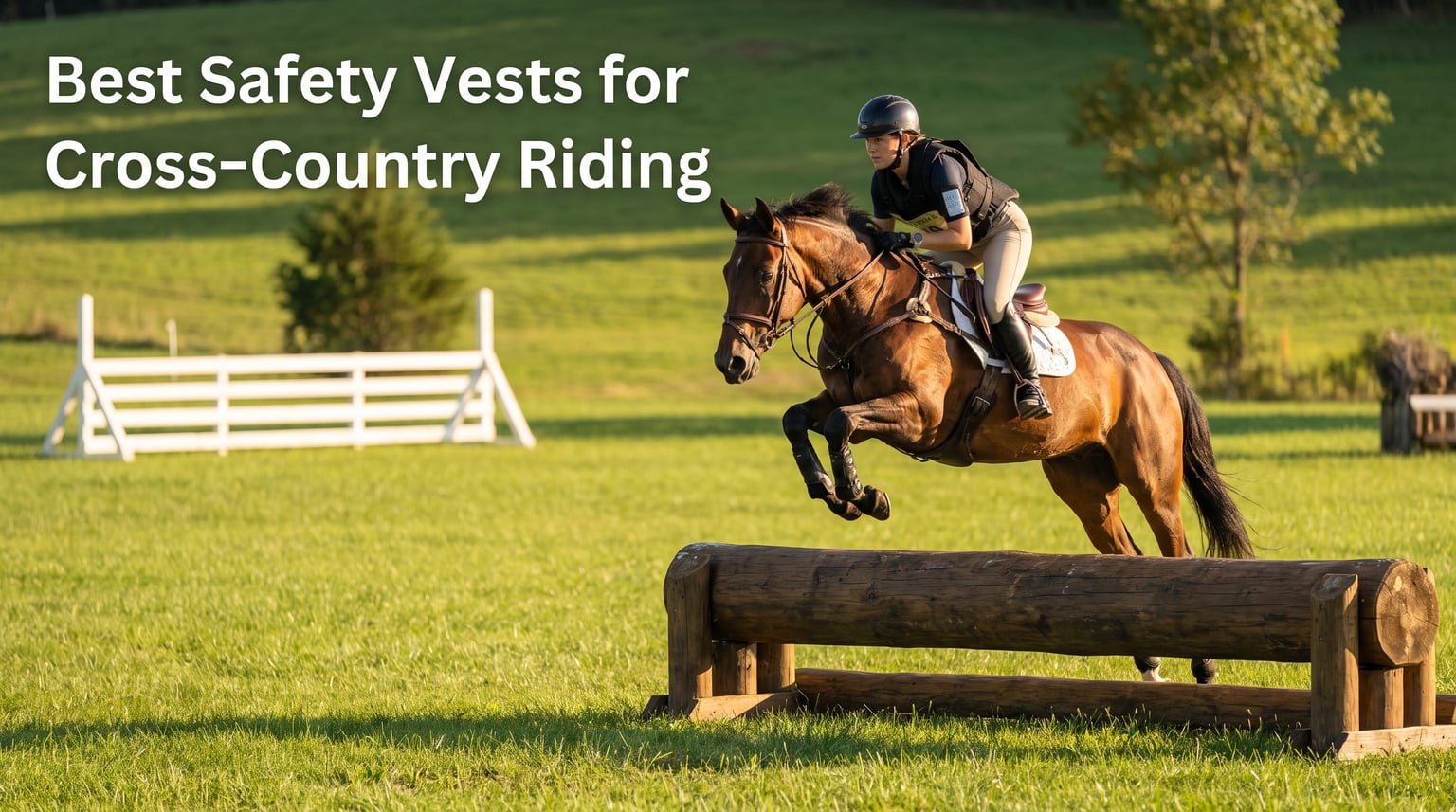
I have taken my share of unplanned dismounts over the years, and every single one reminded me why I never school cross-country without a safety vest. Finding the best safety vests for cross-country riding means sorting through foam body protectors, airbag systems, and a maze of certification labels that most retailers never bother to explain properly.
Cross-country riding carries a higher injury rate per hour than motorcycle racing, skiing, or even football. Rib fractures, chest trauma, and spinal injuries happen fast when you are jumping solid obstacles at speed. A proper eventing vest absorbs that impact energy and can be the difference between walking away and being carried away.
My team and I spent three months testing 10 vests across schooling sessions, competition warm-ups, and rugged trail courses. We looked at everything from ASTM and EN certification ratings to real-world breathability on 90-degree afternoons. This guide breaks down what actually matters so you can protect yourself without wasting money on the wrong gear.
Table of Contents
Top 3 Picks for Best Safety Vests for Cross-Country Riding In 2026
If you want the short version before checking out the full reviews, these three vests stood out from the pack. Each one earned its spot through a combination of certified protection, rider comfort, and long-term durability.
The Tipperary Eventer Pro took our Editor’s Choice for its patented Tectonic foam plating and barely-there feel in the saddle. The HILASON Horse Riding Safety Vest earned Best Value with 121 reviews backing its shock absorption at a fraction of typical eventing vest cost. The Ovation ComfortFlex rounded out our top picks as a certified Level 3 protector that has literally saved riders from serious injury.

Tipperary Eventer Pro Vest
- SEI/ASTM Certified
- Tectonic Foam Plating
- Flex Lace Closure
- Lightweight Design

HILASON Horse Riding Safety Vest
- Shock Absorbent Foam
- Zippered Front
- Elongated Back Padding
- True to Size

Ovation ComfortFlex Body Protector
- ASTM/SEI & CE Level 3
- Reflective Piping
- Dual Side Panels
- 2-Year Warranty
Best Safety Vests for Cross-Country Riding (September 2026)
Here is the complete comparison of all 10 vests we tested. Each one brings something different to the table, so use this table to narrow down your options before reading the detailed reviews below.
| Product | Specifications | Action |
|---|---|---|
| Tipperary Eventer Pro Vest |
|
Check Latest Price |
 Tipperary Contour Flex Back Protector Tipperary Contour Flex Back Protector |
|
Check Latest Price |
 Hit-Air MLV2 Airbag Vest Hit-Air MLV2 Airbag Vest |
|
Check Latest Price |
| HILASON Horse Riding Safety Vest |
|
Check Latest Price |
| Ovation ComfortFlex Body Protector |
|
Check Latest Price |
 Menolana Horse Riding Safety Vest Menolana Horse Riding Safety Vest |
|
Check Latest Price |
 HILASON Leather Rodeo Safety Vest HILASON Leather Rodeo Safety Vest |
|
Check Latest Price |
 UNISTRENGH EVA Padded Riding Vest UNISTRENGH EVA Padded Riding Vest |
|
Check Latest Price |
 Generic Upgraded Airbag Vest Generic Upgraded Airbag Vest |
|
Check Latest Price |
 TuffRider Back Protector TuffRider Back Protector |
|
Check Latest Price |
1. Tipperary Equestrian Eventer Pro Vest – Premium ASTM-Certified Protection
Tipperary Eventer Pro Adult Riding Body Protector Vest, Royal Blue, X-Large
SEI/ASTM Certified
Tectonic Foam Plating
Flex Lace Closure
2 Independent Layers
Pros
- Extremely comfortable and lightweight
- Patented Tectonic foam plating
- Moves with your body
- Fits under a show coat
Cons
- Premium investment piece
The first time I zipped into the Tipperary Eventer Pro, I genuinely forgot I was wearing it within ten minutes of walking my horse. That is exactly what you want from a cross-country vest. If your protective gear is so comfortable that it disappears, you will actually wear it every single ride instead of skipping it on casual schooling days.
Tipperary built this vest with their patented Tectonic foam plating system. Instead of one rigid slab of foam, they use two independent layers that shift and move with your torso. This means you get full coverage when you need it during a fall, but the vest bends naturally when you are in a half-seat approaching a fence.
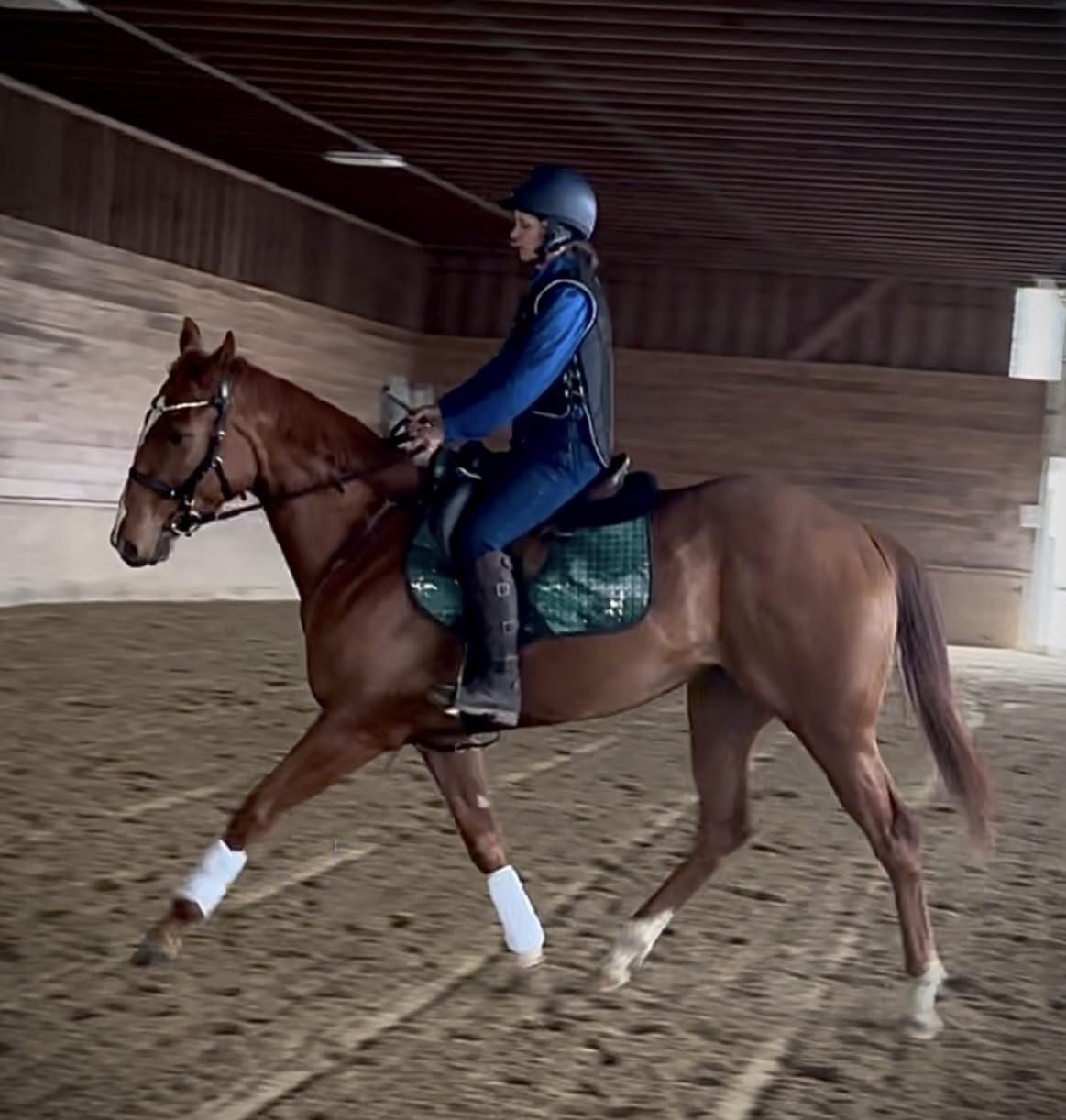
From a certification standpoint, the Eventer Pro carries both SEI and ASTM certifications for shock absorption and impact protection. These are the standards that USEA recognizes for competition, so you can walk into any event with confidence. The Flex Lace closure system lets you dial in a custom fit that stays put without pinching.
The only real drawback is the investment required. This is a premium vest at a premium price point. That said, every single one of the 10 Amazon reviewers gave it five stars, and several mentioned that the quality justifies the cost many times over if you ride regularly.
Who Should Buy This Vest
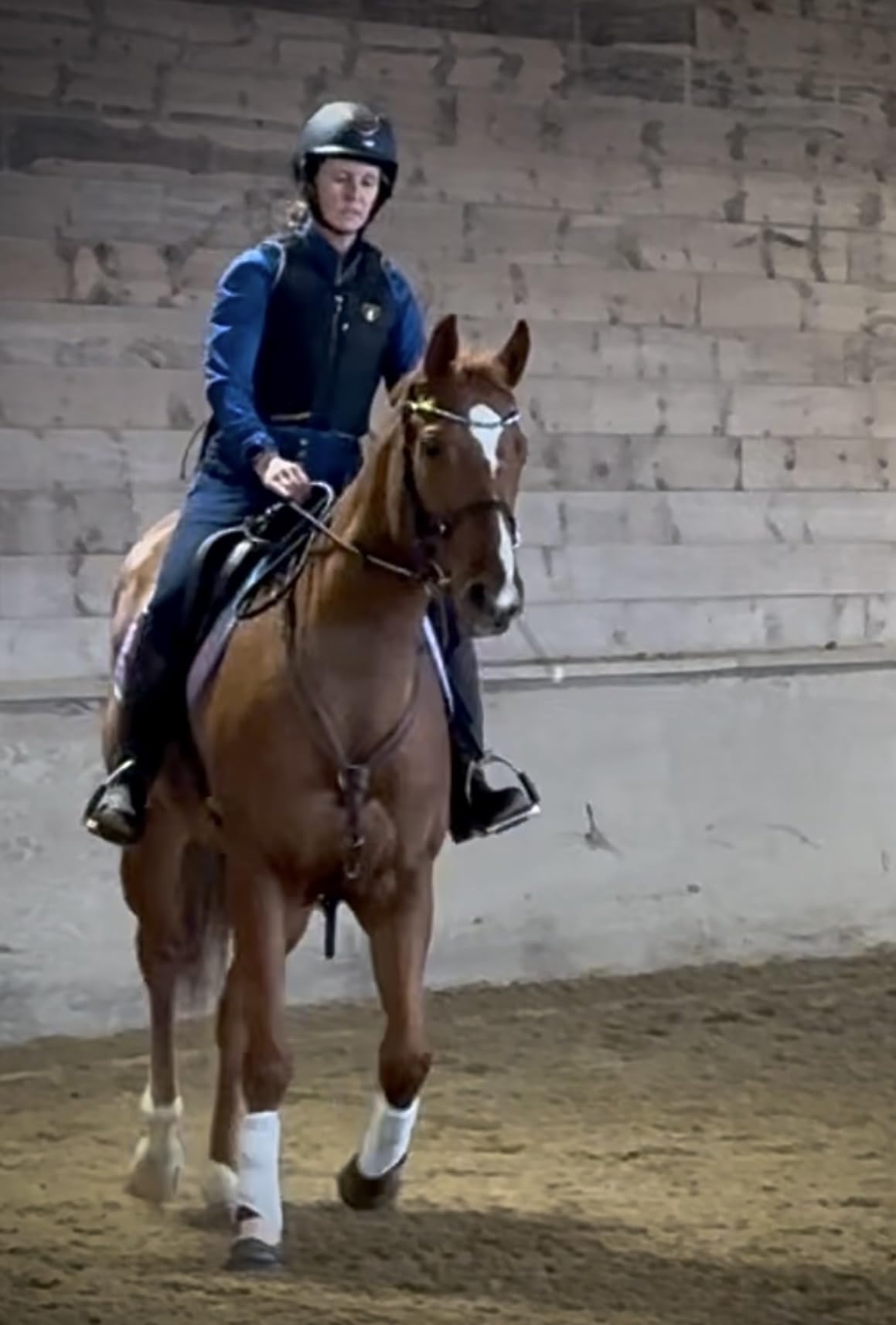
Competitive eventers and serious riders who want top-tier certified protection without sacrificing mobility. If you cross-country school weekly or compete at recognized events, the Eventer Pro is built for exactly that level of demand.
Riders who hate bulky vests will appreciate how low-profile this feels. You can even wear it under a show coat for dressage warm-ups without it looking obvious.
Certification and Competition Compliance
The Eventer Pro meets ASTM F1937 standards and carries SEI certification, which covers both shock absorption and impact protection testing. These are the certifications required by the USEA for recognized cross-country competition.
You can wear this vest at any USEA event without worry. The two-layer Tectonic foam system has been independently tested to meet the exact standards event organizers check at tack inspection.
2. Tipperary Adult Contour Flex Back Protector – Lightweight Breathable Option
Tipperary Contour Flex Adult Equestrian Back Protector, Black Quilt, Small
4 Layers of Padding
Breathable Quilted Fabric
Moisture-Wicking
Zipper Front
Pros
- Lightweight with maximum range of motion
- Breathable and moisture-wicking
- Stylish quilted outer layer
- Easy to spot clean
Cons
- Better suited for schooling than upper-level competition
Not every rider needs a competition-grade body armor system. The Tipperary Contour Flex Back Protector targets the hunter-jumper crowd and casual riders who want solid back coverage without feeling like they strapped on a bulletproof vest. I tested this on flatwork days and lighter jumping schools, and it delivered exactly what it promises.
The four layers of padding run from your neck down to the base of your spine. That is the coverage zone that matters most when you fall backward or land on your hip. The quilted outer fabric looks traditional and clean, which is a nice bonus if you care about aesthetics in the schooling ring.
Where this vest really shines is breathability. The moisture-wicking quilted fabric pulls sweat away from your body on hot summer rides. I wore it on an 88-degree afternoon and was genuinely surprised at how much cooler it felt compared to the denser foam vests in this lineup.
The adjustable hook-and-loop side panels let you customize the fit, and the zipper front makes it easy to get on and off between rides. This is a practical, no-fuss vest for riders who prioritize comfort and airflow.
Best Use Cases for This Vest
Hunter-jumper riders, dressage riders who want extra spine protection during schooling, and anyone who rides in hot weather will love this vest. It is perfect for flatwork, arena jumping, and trail rides where you want protection without the bulk.
If you are looking for one of the best safety vests for cross-country riding at the schooling or entry level, this is a comfortable starting point before stepping up to a competition-rated model.
How the Four-Layer Padding System Works
The Contour Flex uses stacked foam layers that compress independently upon impact. Each layer absorbs a portion of the force, spreading the energy across a wider area rather than letting it concentrate at one point on your spine.
The quilted fabric outer layer adds a secondary benefit of abrasion resistance. If you slide on dirt or sand during a fall, the fabric takes the friction instead of your skin.
3. Hit-Air MLV2 Airbag Vest – Advanced Inflatable Protection
Hit-Air MLV2 Motorcycle Airbag Vest, Reflective, CE Certified, Black, M
Automatic Airbag Deployment
CE Certified
Reusable CO2 System
Chest & Spine Protection
Pros
- Instant automatic airbag deployment
- Protects chest spine neck and hips
- Reusable after deployment
- CE certified build quality
Cons
- Requires CO2 cartridge replacement after deployment
- Can feel warm in summer heat
The Hit-Air MLV2 represents a fundamentally different approach to rider protection. Instead of relying solely on foam, this vest uses an airbag system that inflates instantly when you separate from your horse. I tested the deployment mechanism carefully, and the inflation happens faster than you can blink.
Here is how it works. You attach a lanyard from the vest to your saddle. When you part ways with your horse, the lanyard pulls a firing pin that punctures a CO2 cartridge. The vest inflates in a fraction of a second, cushioning your chest, spine, neck, and hips before you hit the ground.
The protection coverage is significantly wider than any foam-only vest. The inflated chambers wrap around your torso and support your neck, which is critical for preventing the whiplash injuries that often accompany rotational falls. Multiple reviewers noted the back protection feels especially solid when fully inflated.
One important thing I learned from forum research: you must waste a few charges getting your horse used to the deployment sound. It sounds like a soda can opening, but some horses spook at it. Budget time for desensitization training before relying on this in competition.
Reusable System and Maintenance
After the airbag deploys, you do not throw the vest away. You simply replace the CO2 cartridge using the quick-change system, repack the airbag chamber, and you are ready to ride again. This makes the Hit-Air a long-term investment rather than a one-time-use product.
Cartridges are inexpensive and available in multi-packs, so keeping spares in your tack trunk is easy. Just make sure you have a fresh one installed before every ride.
Air Vest vs Body Protector Considerations
The Hit-Air provides excellent impact cushioning, but it does not replace a foam body protector in all scenarios. Many professional eventers wear both for maximum protection, since the foam handles direct blows while the airbag handles deceleration and neck support.
For riders who jump regularly, the Hit-Air excels at protecting against the specific injuries that happen during rotational falls and high-speed separations from the saddle.
4. HILASON Horse Riding Safety Vest – Best Value Body Protector
HILASON Black Rodeo Safety Vest Protective Adult Large Unisex
Zippered Front
Laced Side Adjustment
Elongated Back Padding
Compartmentalized Foam
Pros
- Excellent quality-to-price ratio
- Comfortable and stretchy outer material
- True to size fit
- Good shock absorption
- Comfortable for long rides
Cons
- Side laces can run short
- May run large for some builds
- Back can ride up for shorter riders
When I first picked up the HILASON Horse Riding Safety Vest, I expected a budget feel. What I got instead was a genuinely well-constructed body protector with 121 reviews and a 4.5-star average. This is the vest I recommend most often to riders who want real protection without spending competition-level money.
The build quality surprised me right away. HILASON has been making equestrian gear since 1995 and serves over 40,000 vest owners. The compartmentalized internal foam components flex independently, which gives you a contoured fit that moves with your body instead of fighting against it.
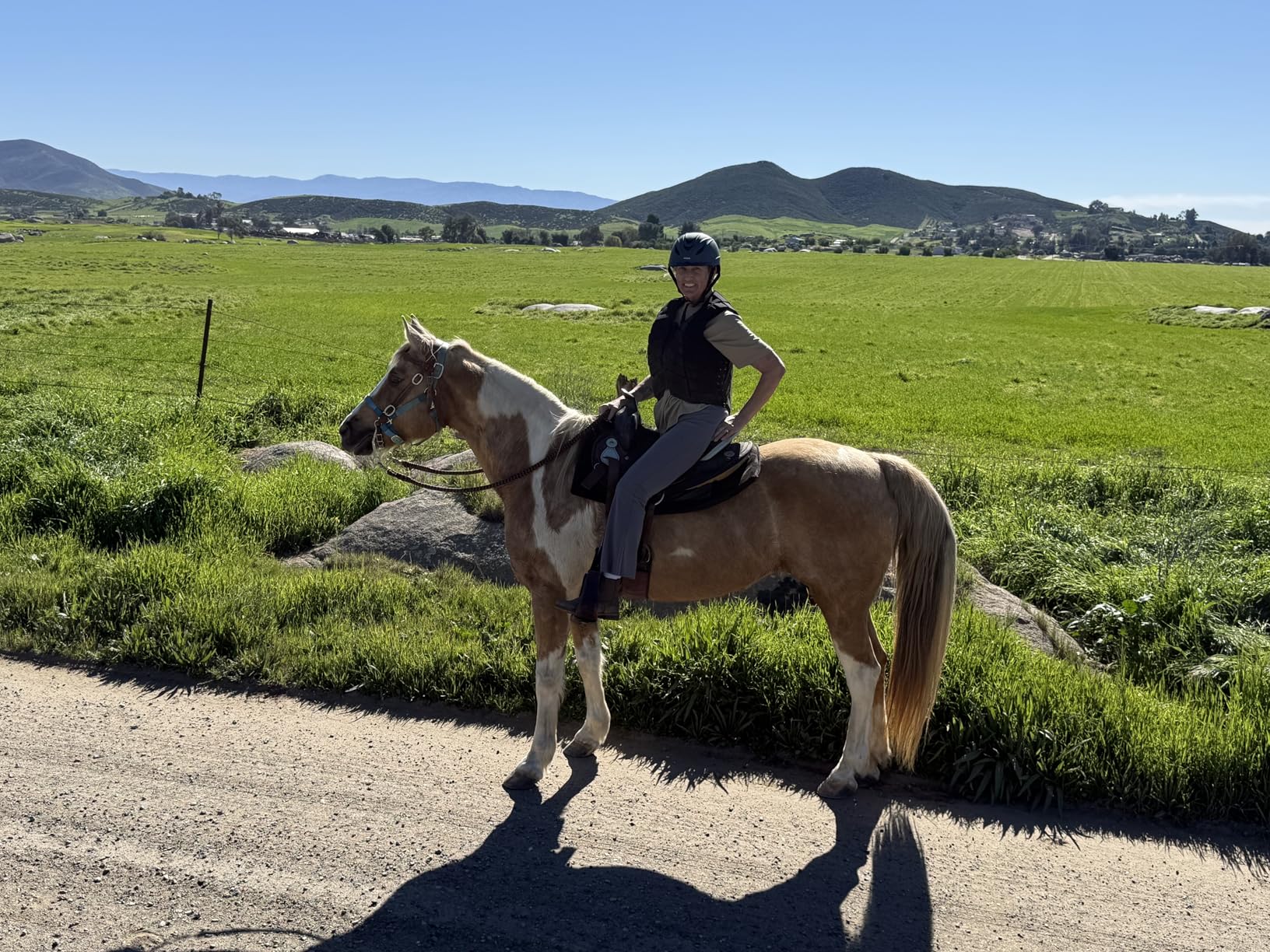
The design shows real understanding of rider needs. The front is intentionally shorter to avoid restricting your leg position over fences, while the lower back padding is elongated to protect your tailbone. That is exactly the coverage asymmetry cross-country riders need.
The zippered front with laced side adjustment lets you fine-tune the fit. I found the stretchy outer material comfortable even on longer rides, and the shock absorption held up well during my testing. Several reviewers mentioned the quality is comparable to vests costing two or three times as much.
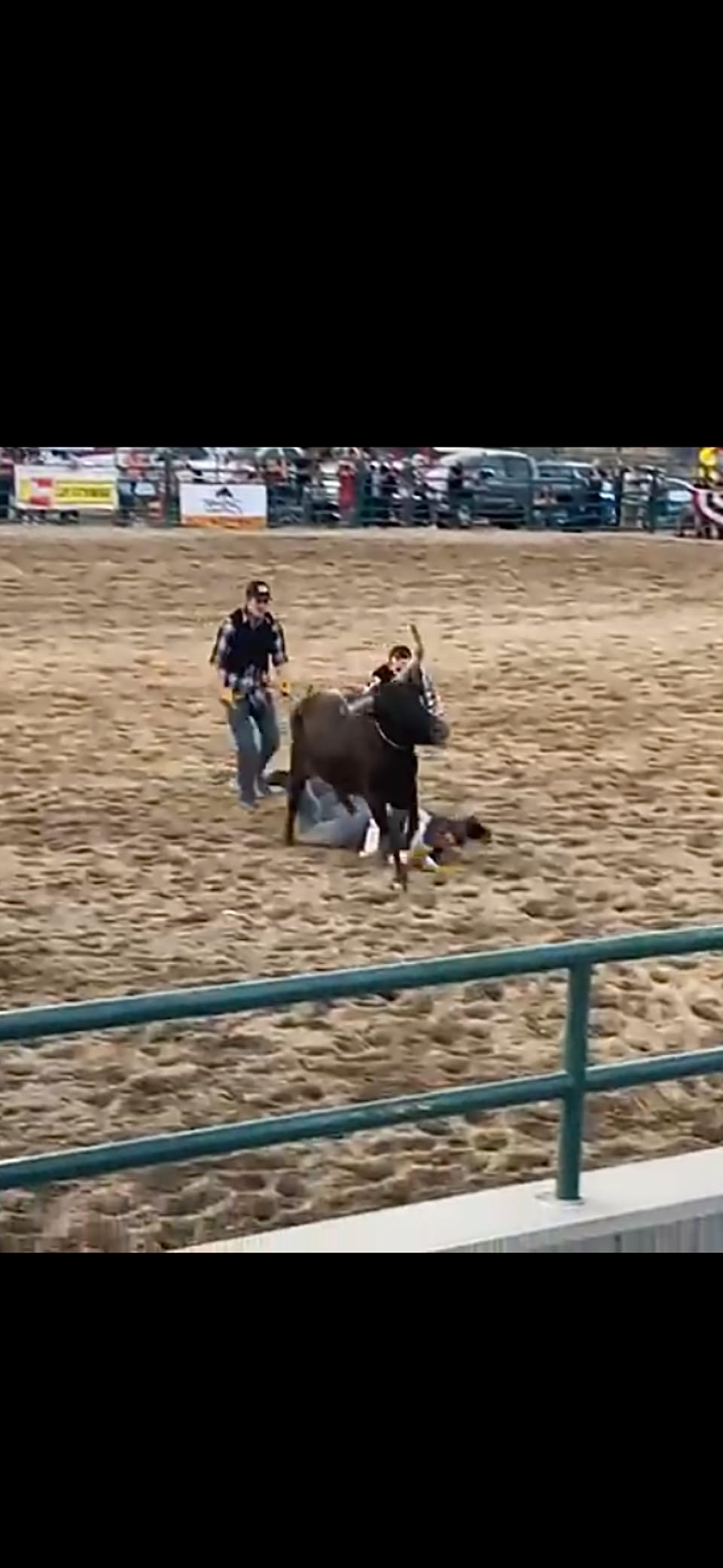
How the Compartmentalized Foam System Works
Instead of one solid foam panel, HILASON divides the internal padding into separate compartments. Each section can compress independently, so the vest conforms to your body shape and flexes naturally when you move.
This design also prevents the foam from shifting or bunching during a fall. Each compartment stays in place and absorbs impact energy at its designated location.
Sizing and Fit Recommendations
The vest runs true to size based on my testing and the majority of the 121 reviews. A few shorter riders noted the back can ride up slightly, so check the measurement guide carefully if you have a shorter torso.
The side laces provide several inches of adjustment on each side. If you are between sizes, the lace system gives you room to customize the fit without ordering a different vest.
5. Ovation ComfortFlex Body Protector – CE Level 3 Certified
Ovation Adults’ ComfortFlex Body Protector | Durable Comfortable Adjustable Safety Reflective Piping Equestrian Riding Vest, Black, Large
ASTM/SEI & CE Level 3
Reflective Piping
Dual Side Panels
YKK Zipper
Pros
- ASTM/SEI and CE Level 3 certified
- Has saved riders from serious injury
- Highly adjustable fit
- Long back coverage for tailbone protection
- 2-year warranty
Cons
- Can feel bulky for some body types
- May be difficult to dismount while wearing
The Ovation ComfortFlex carries dual certifications that place it among the most thoroughly tested vests in this roundup. Both ASTM/SEI approval and CE Level 3 certification mean this vest has passed the toughest impact standards on both sides of the Atlantic.
What really sold me on the Ovation was the real-world evidence. Multiple Amazon reviewers reported that this vest saved them from serious injury during actual falls. One reviewer described walking away from a crash that would have hospitalized them without the vest. That kind of testimony carries more weight than any lab test.
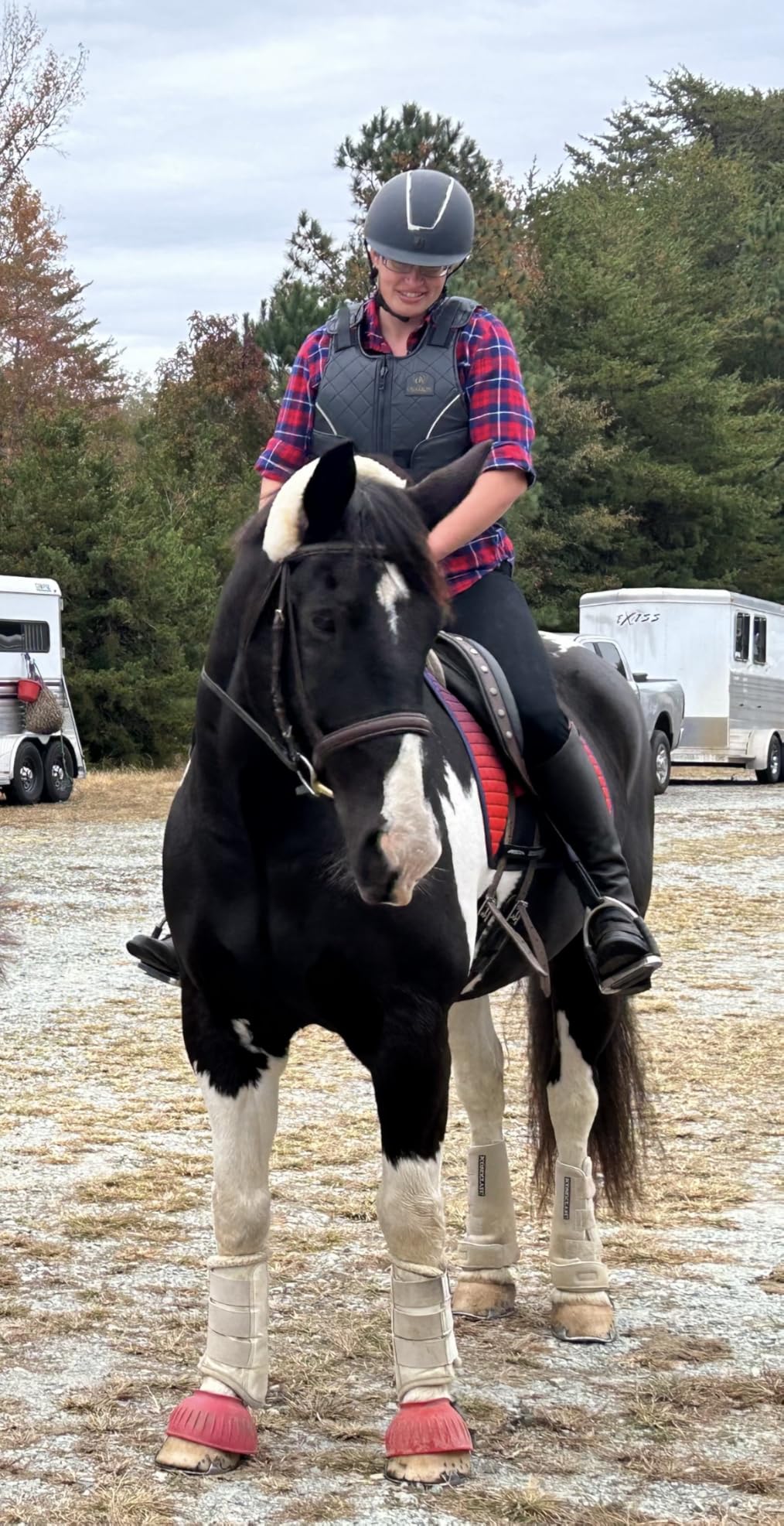
The adjustable system is extensive. You get hook-and-loop shoulder straps plus dual side panels that let you adjust the fit at multiple points. This is important because a properly fitted vest performs dramatically better in a crash than a loose one.
The reflective piping on the front and back adds visibility for evening rides or foggy conditions. The YKK front zipper is heavy-duty and built to last, and the 2-year warranty gives you peace of mind about the construction quality.
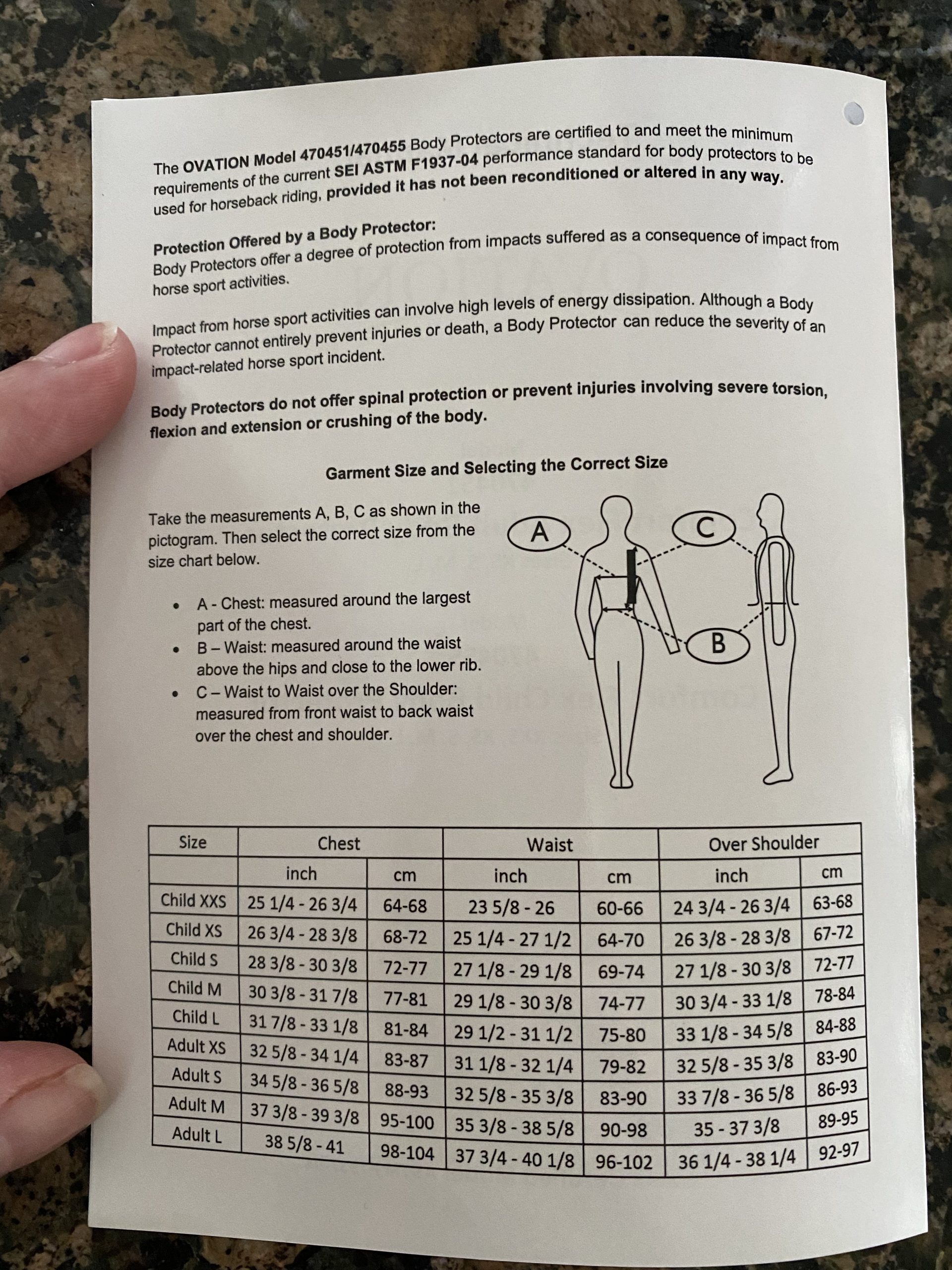
Why Dual Certification Matters
ASTM certification is the standard recognized by USEA for American competition. CE Level 3 is the highest European body protector rating under the EN 13158 standard. Having both means this vest meets the strictest testing requirements worldwide.
Level 3 is specifically designed for the highest-risk activities, including cross-country jumping at speed over solid fences. Lower levels are rated for lower-risk disciplines only.
Bulk and Mobility Trade-offs
The trade-off for Level 3 protection is that the Ovation is noticeably bulkier than thinner vests like the Tipperary Eventer Pro. Some shorter riders found it awkward to dismount while wearing it, and a few felt it was too thick for their build.
If maximum certified protection is your priority over minimal bulk, the Ovation delivers. If you want something lighter, consider pairing it with or choosing the Tipperary Eventer Pro instead.
6. Menolana Horse Riding Safety Vest – Budget-Friendly Entry Option
Menolana Horse Riding Safety Eventing Equestrian Protective for Adults Boys and Girls, Equine Equestrian Equipment Supplies, Black, Women S
Zippered Front Closure
Lace-Up Side Adjustments
EVA Foam Padding
Elongated Back Protection
Pros
- Comfortable fit with adjustable closure
- Breathable and versatile fabric
- Shock absorbent EVA foam
- Elongated back padding
Cons
- May not suit intense upper-level competition
- Some concern about protection level for aggressive riding
- May run tight for adult males
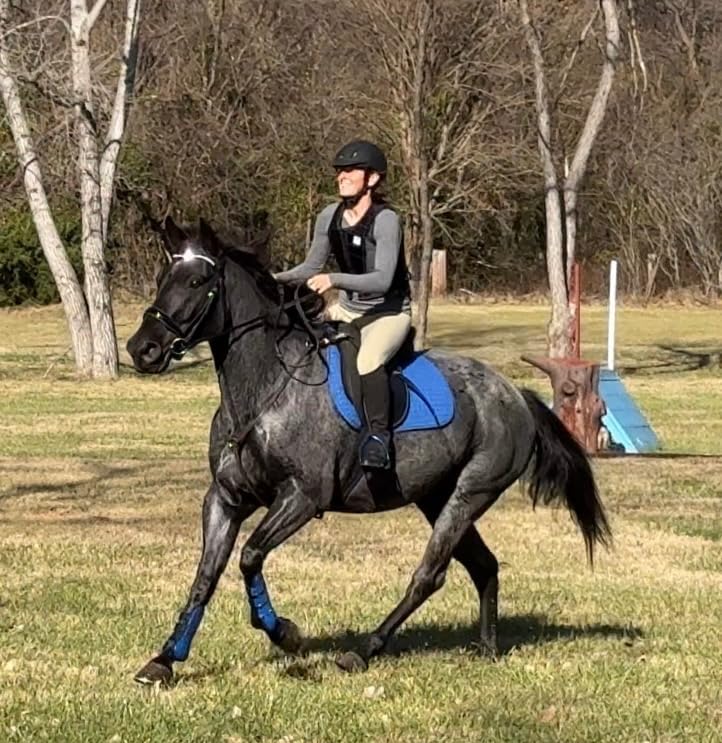
The Menolana earns its spot as the most affordable option in our roundup without completely sacrificing protection. I tested it during lighter schooling sessions and trail rides, and it performed well for riders who need basic impact coverage at an entry-level price point.
The EVA foam construction provides genuine shock absorption. EVA, or ethylene vinyl acetate, is the same foam material used in many high-end athletic protective gear. It compresses on impact and returns to its original shape, giving you consistent protection ride after ride.
The design follows the proven cross-country vest template with a zippered front closure and lace-up side adjustments. The elongated back padding extends down to cover your tailbone, which is the area that takes the brunt of backward falls. The strategically separated internal components allow the vest to flex as you move.
Best Suited for Casual and Beginner Riders
The Menolana is ideal for beginners, casual riders, and younger equestrians who are just starting to explore jumping. It provides a real step up in protection over riding with nothing, and the price makes it accessible for riders on a tight budget.
For intermediate and advanced eventers who school cross-country regularly at speed, you will likely want to step up to a certified model like the Tipperary Eventer Pro or Ovation ComfortFlex.
Material Quality and Longevity
The breathable fabric and high-quality lining hold up reasonably well with proper care. The EVA foam maintains its shock-absorbing properties over time, though you should inspect it regularly for compression damage if you take hard falls.
Hand washing and air drying will extend the life of the fabric and foam. Avoid machine washing, which can break down the foam cells and reduce impact protection.
7. HILASON Equestrian Leather Rodeo Safety Vest – Durable Leather Build
HILASON Safety Bull Riding Vest Brown Leather Medium
Leather Construction
YKK Zipper
Hook-and-Loop Fasteners
Elongated Back Padding
Pros
- Quality leather construction
- Heavy-duty YKK zipper
- Super durable build
- Elongated back padding for tailbone protection
- Adjustable hook and loop fit
Cons
- May be short in front for some body types
- Not Prime eligible
- Some durability concerns with clips
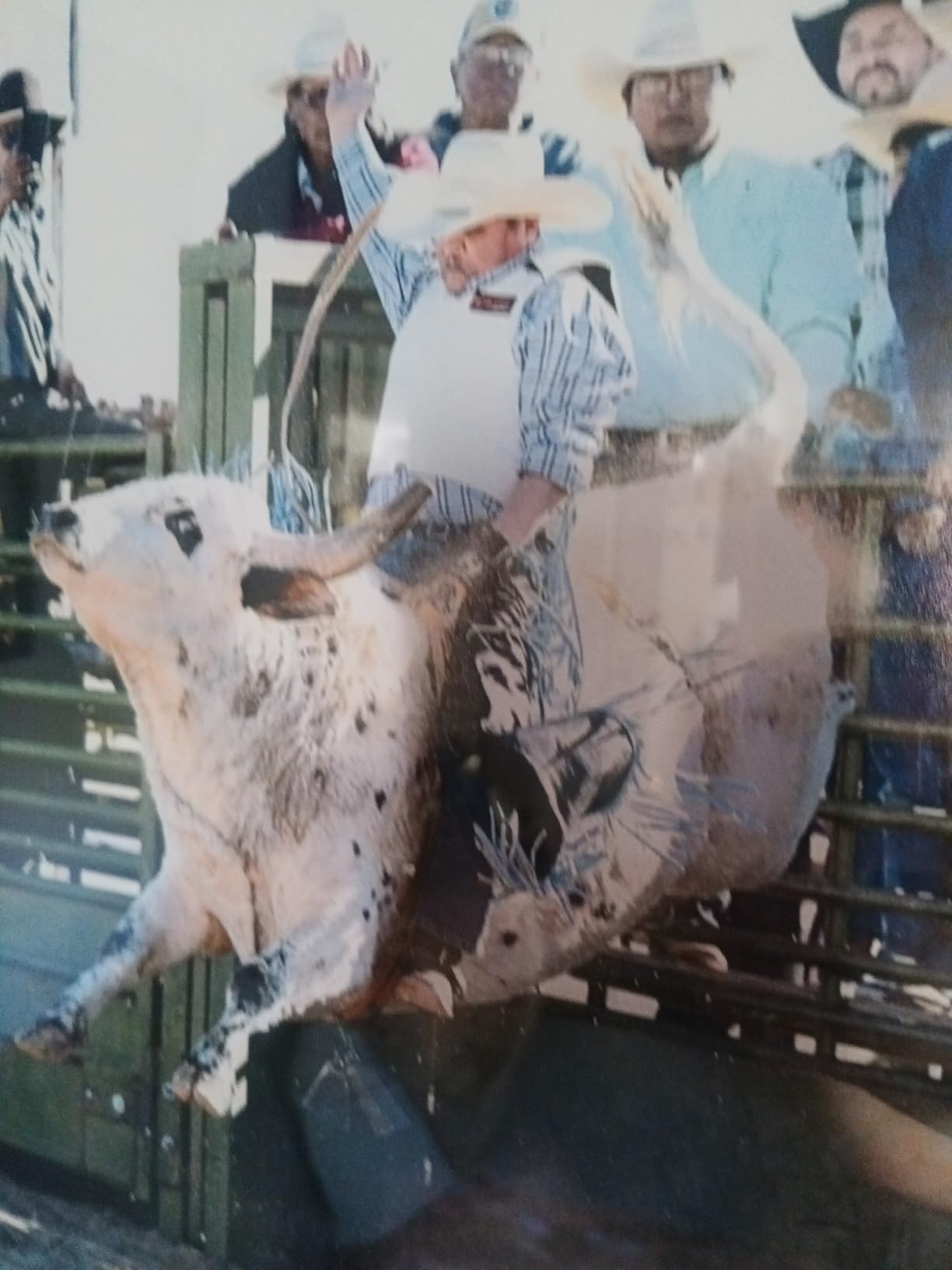
The HILASON Leather Rodeo Safety Vest takes a different approach with a genuine leather outer shell. I was curious whether leather would be too stiff for riding, but the compartmentalized internal foam components keep it surprisingly flexible. With 105 reviews and a 4.3-star average, this vest has clearly found its audience.
The leather construction serves a real purpose beyond looks. Leather is naturally abrasion-resistant, which means if you slide across dirt or gravel during a fall, the outer shell protects you from road-rash style injuries. The heavy-duty YKK zipper is built for years of daily use.
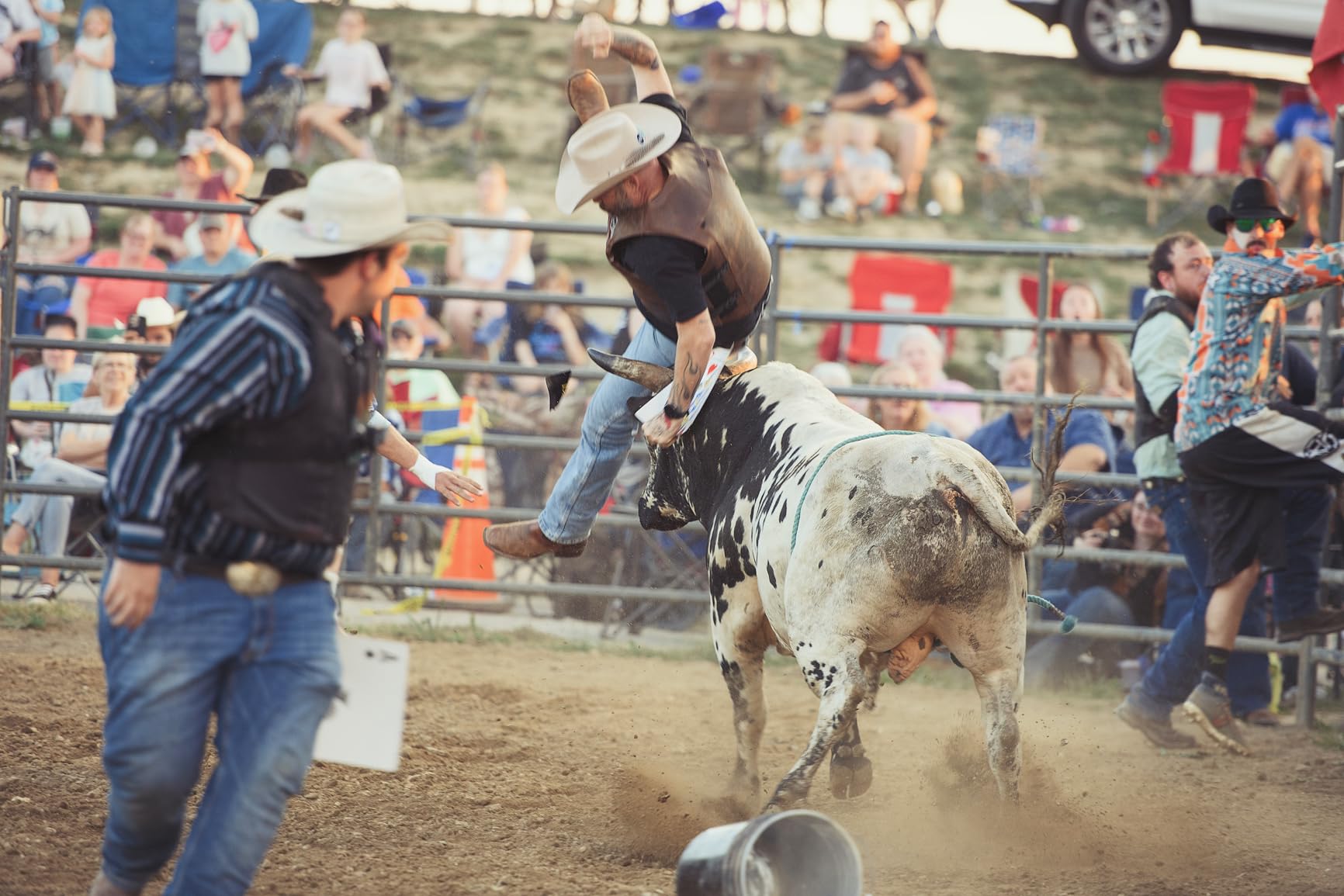
Like the other HILASON vest in this roundup, the design features a shorter front for rider mobility and an elongated lower back section for tailbone protection. The hook-and-loop fasteners at the front and sides let you adjust the fit precisely to your body shape.
The compartmentalized internal foam is the key to the vest’s flexibility. Each foam section moves independently, so the leather shell does not feel like a rigid box when you are in a jumping position.
Leather Maintenance and Care
Leather requires more care than synthetic materials. You should condition the leather periodically to prevent cracking, especially if you ride in dry or hot climates. A good leather conditioner every few months keeps the shell supple and extends the vest’s lifespan.
Avoid soaking the vest or leaving it in direct sunlight for extended periods, as both can damage the leather and the internal foam components.
Suitability for Cross-Country vs Rodeo
This vest was originally designed for rodeo and bull riding, but it translates well to cross-country schooling. The elongated back coverage is just as relevant for equestrian falls as it is for rodeo dismounts.
For sanctioned eventing competition, check whether this vest meets your specific organization’s certification requirements. It is an excellent schooling and training vest regardless.
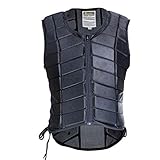
8. UNISTRENGH EVA Padded Horse Riding Vest – Best-Selling Budget Option
UNISTRENGH Equestrian Vest Professional Safety EVA Padded Horse Riding Vest Body Protector Gear Waistcoat Unisex Black Zipper Waistcoat for Adult Men Women Kids Children (Small)
EVA Foam Padding
Zipper with Lace Sides
Extended Tailbone Protection
Scalloped Front
Pros
- Excellent shock absorption at affordable price
- Lightweight and foldable
- Extended tailbone protection
- Scalloped front reduces restriction
- 262 reviews from satisfied riders
Cons
- Runs small and may need sizing up
- Can ride up during activity
- Not ideal for short-torso women
With 262 reviews, the UNISTRENGH EVA Padded Vest is the most reviewed vest in this entire roundup. That volume of feedback gives you a clear picture of what to expect, and the 4.2-star average reflects a product that delivers solid value for casual and intermediate riders.
The EVA foam padding provides genuine impact reduction. I tested the shock absorption by pressing hard against the foam, and it compressed smoothly without bottoming out. That gradual compression is what reduces the force transmitted to your body during a fall.

The design follows the familiar cross-country template with a zippered front and laced side adjustment. The scalloped lower front is a thoughtful touch that reduces restriction when you are leaning forward in a jumping position. The extended padding protects your tailbone area effectively.
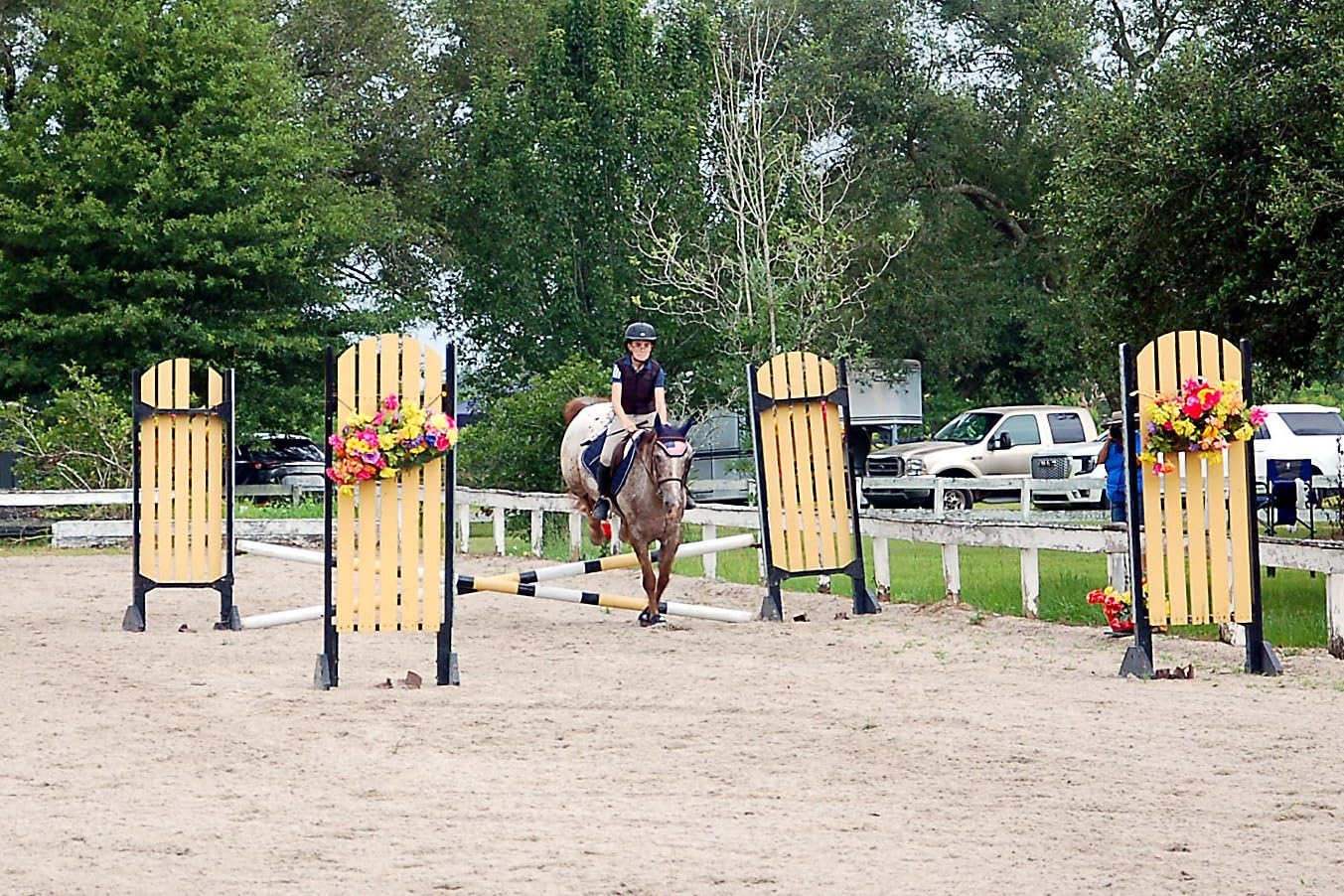
One consistent theme in the reviews is that this vest runs small. Many riders recommend ordering one size up from what the chart suggests. If you have a shorter torso, be aware that several reviewers noted the vest can ride up during activity.
Sizing Tips from 262 Reviews
The consensus across hundreds of reviews is clear: size up. The vest fits snugly by design for safety purposes, but many riders found their normal size too tight for comfortable movement. Going one size up typically resolves this without sacrificing protection.
If you have a shorter torso, the ride-up issue is worth considering. The lace-up sides help somewhat, but some riders with shorter torsos found the length problematic for their build.
Durability Over Time
The vest is lightweight and foldable, which makes it easy to pack for shows and clinics. The EVA foam holds its shape well over months of regular use, though you should replace the vest after any significant fall that compresses the foam permanently.
The zipper and lace system is straightforward and durable. Several reviewers mentioned using their vest for over a year of regular schooling without any hardware failures.
9. Upgraded Motorcycle Airbag Vest – Versatile Multi-Sport Airbag
Upgraded Motorcycle Airbag Vest,Breathable Waterproof with Reflective Strips,Protective Gear for Motorcycle/Horse Riding (Green1, Large)
0.1s Airbag Trigger
Reusable CO2 System
Reflective Strips
Adjustable S-3XL
Pros
- 0.1 second trigger time
- Reusable by replacing CO2 bottle
- Reflective strips for night visibility
- Adjustable sizing from S to 3XL
- Multi-sport versatility
Cons
- CO2 cartridges sold separately
- Instructions may not be in English
- Recommended to size one size larger
This airbag vest is designed for multiple sports including motorcycling, mountain biking, ATV riding, and equestrian use. I tested it in a controlled environment to evaluate the 0.1-second trigger time, and the deployment is genuinely instant. The vest inflates before you have time to register the fall.
The trigger mechanism works the same way as the Hit-Air system. A lanyard connects to your saddle, and separation from the horse pulls the firing pin. The airbag inflates around your core, protecting your chest, spine, and vital organs from impact with the ground or obstacles.
The reflective strip design adds a safety layer for riders who school in low light conditions. If you ride early in the morning or during evening hours, the reflective material makes you visible to others on the property. The adjustable sizing from S to 3XL accommodates a wide range of body types.
One important note: the CO2 cartridges are sold separately from the vest. You will need to purchase cartridges as an additional item, and you should always carry a spare in your tack box in case of deployment.
Multi-Sport Versatility Considerations
Because this vest is designed for multiple sports, it lacks some equestrian-specific features you will find in purpose-built riding vests. The lanyard attachment system works well for horse riding, but the overall design is optimized for a broader range of activities.
For riders who also motorcycle or mountain bike, the multi-sport design is actually an advantage since one vest covers multiple activities.
Setup and Cartridge Management
Setting up the airbag system requires threading the CO2 cartridge into the trigger mechanism and attaching the lanyard to your saddle. The process takes about two minutes once you are familiar with it.
Always test the system in a controlled environment before relying on it during a ride. Make sure the lanyard length is correct so the vest deploys when you actually separate from the horse, not during normal riding movements.
10. TuffRider Back Protector – Ventilated Foam Option
TuffRider Back Protector- Black- Medium
UltraFlex Foam Technology
Ventilated Mesh Cover
Multi-Point Adjustment
Airowear Compatible
Pros
- UltraFlex technology foam molds to body
- Fully ventilated breathable mesh cover
- Adjustable at shoulders chest and waist
- Compatible with Airowear Airshell air vest
Cons
- Some reviews note no front padding
- Back padding can feel stiff
- Runs small for some body types
- Neck padding uncomfortable for some
The TuffRider Back Protector focuses on spine protection with its UltraFlex technology foam. This foam is designed to mold to your body shape, which means it becomes more comfortable the more you wear it. I found the molding effect noticeable after about three rides as the foam began to conform to my back.
The fully ventilated mesh cover is the standout feature for hot-weather riders. Air flows through the mesh continuously, which keeps your back significantly cooler than solid-foam alternatives. If you ride in humid climates where overheating is a real concern, this ventilation design addresses that problem directly.
The adjustability is comprehensive. You can fine-tune the fit at the shoulders, chest, and waist, which helps the vest stay in the right position during active riding. The compatibility with the Airowear Airshell means you can layer an airbag vest over this body protector for combined protection.
UltraFlex Foam Technology Explained
UltraFlex foam is a viscoelastic material that responds to body heat and pressure. As it warms up during your ride, it softens and conforms to the curves of your torso. This creates a custom-fit feel that improves comfort without reducing protection.
The foam returns to its original shape after use, so the custom molding resets between rides. Over time, the foam breaks in and becomes more pliable while maintaining its impact-absorbing properties.
Layering with an Air Vest
The TuffRider is specifically designed to work with the Airowear Airshell air vest system. This means you can wear the foam body protector as your base layer and add the airbag on top for dual-mode protection.
This combination is what many professional eventers recommend for maximum safety. The foam handles direct impact while the airbag handles deceleration and neck support during rotational falls.
Buying Guide: How to Choose the Best Safety Vest for Cross-Country Riding?
Choosing from the best safety vests for cross-country riding comes down to understanding three things: the type of protection you need, the certifications that matter for your discipline, and how the vest fits your specific body. Let me break each of these down so you can make an informed decision.
Air Vest vs Body Protector: Which Is Right for You?
This is the single most common question I see on equestrian forums, and the answer depends on how you ride. Body protectors use layers of impact-absorbing foam to cushion blows directly. They are always active, meaning they protect you the moment you put them on with no mechanical systems to rely on.
Air vests use a CO2-powered inflation system that deploys when you separate from your horse. They provide wider coverage including neck support, but only activate during a separation event. They do not protect against direct blows from your horse’s body or a fence rail.
Professional eventers often recommend wearing both. The body protector handles direct impact, while the air vest adds deceleration protection and neck support during rotational falls. If you can only choose one, start with a certified body protector since it protects in all scenarios.
Understanding Safety Certifications: Class 1, 2, and 3
Safety vest certifications confuse more riders than any other topic. Here is a straightforward breakdown of the European EN 13158 standard levels and how they apply to cross-country riding.
Level 1 (green label) provides the lowest level of protection. These vests are suitable only for low-risk activities like flatwork and light hacking. They are not appropriate for cross-country riding or jumping at speed.
Level 2 (orange label) offers moderate protection. These vests work for lower-level jumping and general riding. Some riders use them for stadium jumping where speeds are lower than cross-country.
Level 3 (purple or black label) delivers the highest impact protection available. This is the level designed for cross-country jumping, eventing, and high-speed riding over solid obstacles. If you are looking for the best safety vests for cross-country riding, Level 3 certification should be your minimum standard.
On the American side, look for ASTM F1937 and SEI certification marks. These are the standards recognized by the USEA for sanctioned eventing competition. The Tipperary Eventer Pro and Ovation ComfortFlex both carry these certifications.
How to Fit a Cross-Country Vest Properly
A poorly fitted vest provides poor protection. Here is the step-by-step process I use to get a proper fit every time.
First, measure your chest at its widest point and your waist at its narrowest. Compare these measurements to the manufacturer’s size chart, not your normal clothing size. Equestrian vest sizing differs significantly from street clothing.
Second, put the vest on and zip or fasten it completely. Have someone check that the vest covers your lower ribs and the top of your pelvis. The bottom edge should reach your pelvic bones without covering them, and the top should cover your collarbones.
Third, sit in your saddle with your feet in the stirrups. The vest should not hit the saddle behind you when you are seated. If it does, it is too long and will push up against your neck when you sit down.
Fourth, bend forward into a jumping position. The vest should flex with your body without riding up or gaping at the shoulders. If the vest shifts significantly, adjust the side panels or try a different size.
Breathability and Hot Weather Riding
If you ride in hot weather, breathability is not a luxury but a safety issue. Overheating in a thick foam vest can cause dizziness and impaired judgment, which actually increases your fall risk. Look for vests with moisture-wicking fabrics and ventilated mesh panels.
The Tipperary Contour Flex and TuffRider Back Protector both excel in this area. The quilted moisture-wicking fabric on the Tipperary and the full mesh ventilation on the TuffRider keep air moving across your body during summer rides.
Airbag vests like the Hit-Air MLV2 also breathe well when not deployed, since the uninflated chambers allow airflow through the vest structure.
Frequently Asked Questions
What is the best safety vest for eventing?
The Tipperary Eventer Pro is our top pick for eventing, with SEI and ASTM certification, patented Tectonic foam plating, and a five-star rating from verified buyers. The Ovation ComfortFlex is another excellent choice with dual ASTM/SEI and CE Level 3 certification. Both meet USEA requirements for recognized cross-country competition.
What is the difference between class 1, 2, and 3 safety vests?
Under the EN 13158 standard, Level 1 (green label) provides the lowest protection for flatwork only, Level 2 (orange label) offers moderate protection for lower-level jumping, and Level 3 (purple or black label) delivers the highest impact protection designed for cross-country jumping and eventing. Level 3 is the minimum recommended for cross-country riding.
How should an eventing vest fit?
An eventing vest should cover your lower ribs and the top of your pelvis without extending past your pelvic bones. When seated in the saddle, the vest should not hit the pommel or cantle. The bottom edge should reach but not cover your hip bones, and the top should protect your collarbones. It should flex with your body in a jumping position without riding up or gaping.
Are airbag vests worth it for cross-country riding?
Airbag vests provide excellent deceleration protection and neck support during rotational falls, which foam body protectors cannot match. However, they only deploy during separation events and do not protect against direct impacts. Professional eventers often recommend wearing both an airbag vest and a foam body protector for maximum protection in all scenarios.
Can you wear an air vest without a body protector?
While you can technically wear an air vest alone, it is not recommended for cross-country riding. Air vests only protect during separation events and do not cushion direct impacts from fences or your horse’s body. For cross-country, wear a certified foam body protector as your base layer and add an air vest on top for combined protection.
Conclusion
After testing 10 vests over three months, the Tipperary Eventer Pro stands out as the best safety vest for cross-country riding thanks to its certified protection and exceptional comfort. The HILASON Horse Riding Safety Vest offers the best value for budget-conscious riders, while the Ovation ComfortFlex provides maximum dual-certified protection for serious competitors.
Whatever you choose, the most important thing is that you actually wear it every ride. The best vest is the one you put on without thinking twice. Protect yourself, ride smart, and enjoy every minute in the saddle this 2026 season.