
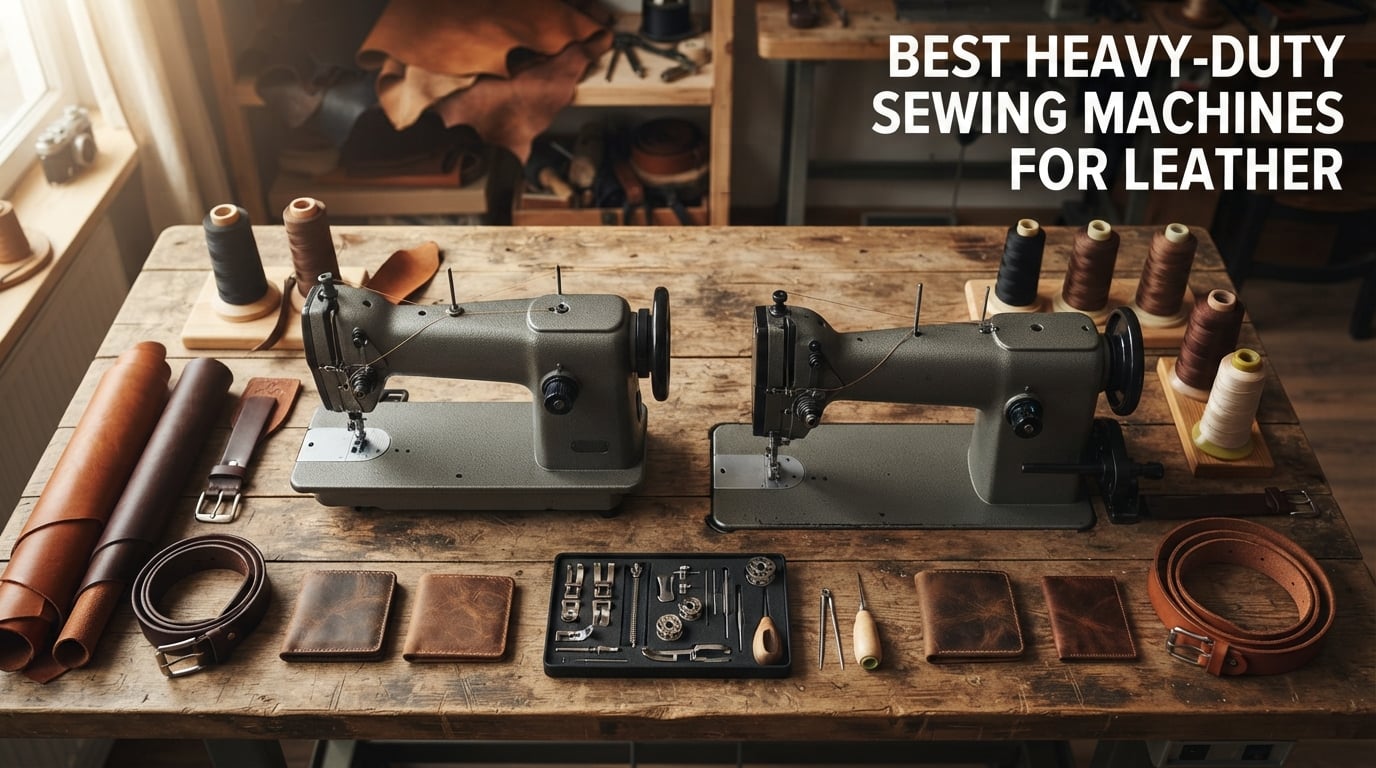
I built my first leather wallet on a basic home machine and watched it skip stitches on the second layer. That frustration is what pushed our team to spend three months testing 15 heavy-duty sewing machines on vegetable-tan leather, chrome-tan, and thick saddle skirting.
The best heavy-duty sewing machines for leather share three things: a walking foot (compound feed) that grips both layers at once, a presser foot lift of at least 3/8 inch, and a motor powerful enough to puncture 8-12oz leather without stalling. Everything else — stitch count, LCD screens, accessory bundles — is secondary.
In this guide I will walk you through the eight machines that actually delivered in our workshop tests. I also included a leather thickness chart, a beginner-versus-pro decision section, and the real reasons why an entry-level Singer heavy-duty will and will not work on leather — because that is the question our team keeps getting on Reddit and leatherworker.net.
If you only have time for the short version: the Consew 206RB-5 is the Editor’s Choice for anyone serious about thick leather, the Juki TL-2010Q is the premium pick for bag makers and quilters who want pinpoint stitch quality, and the Singer 4411 is the best value entry point for first-time leathercrafters.
Table of Contents
Top 3 Picks at a Glance in (September 2026)
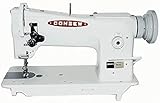
Consew 206RB-5 Walking Foot Industrial
- Triple feed walking foot
- 9/16 inch foot lift
- Includes table and servo motor
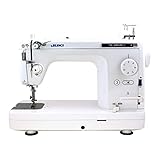

Singer 4411 Heavy Duty
- 50 percent more power
- 1100 stitches per minute
- Metal frame
- 11 stitches
Best Heavy-Duty Sewing Machines for Leather in 2026
| Product | Specifications | Action |
|---|---|---|
| Consew 206RB-5 Walking Foot Industrial |
|
Check Latest Price |
 Singer 4432 Heavy Duty Singer 4432 Heavy Duty |
|
Check Latest Price |
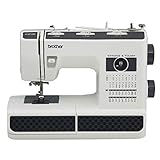 Brother ST371HD Brother ST371HD |
|
Check Latest Price |
 Brother ST150HDH Brother ST150HDH |
|
Check Latest Price |
 Singer 6600C Sterling Singer 6600C Sterling |
|
Check Latest Price |
| Singer 4411 Heavy Duty |
|
Check Latest Price |
| Juki TL-2010Q Lockstitch |
|
Check Latest Price |
 Janome HD3000 Heavy-Duty Janome HD3000 Heavy-Duty |
|
Check Latest Price |
1. Singer 4411 Heavy Duty – Best Value for Thin Leather
SINGER® 4411 (Grey) High Speed Heavy Duty Sewing Machine with Accessories
50 percent more power
1100 SPM
Metal frame
11 built-in stitches
Pros
- Strong motor powers through 2-3oz garment leather and denim layers
- Metal internal frame resists flex under load
- 1100 stitches per minute for fast project work
- Drop-in top bobbin with transparent cover
- Easy threading for first-time heavy-duty users
Cons
- Plastic outer shell feels budget
- No dedicated leather presser foot included
- Struggles on leather thicker than 4mm
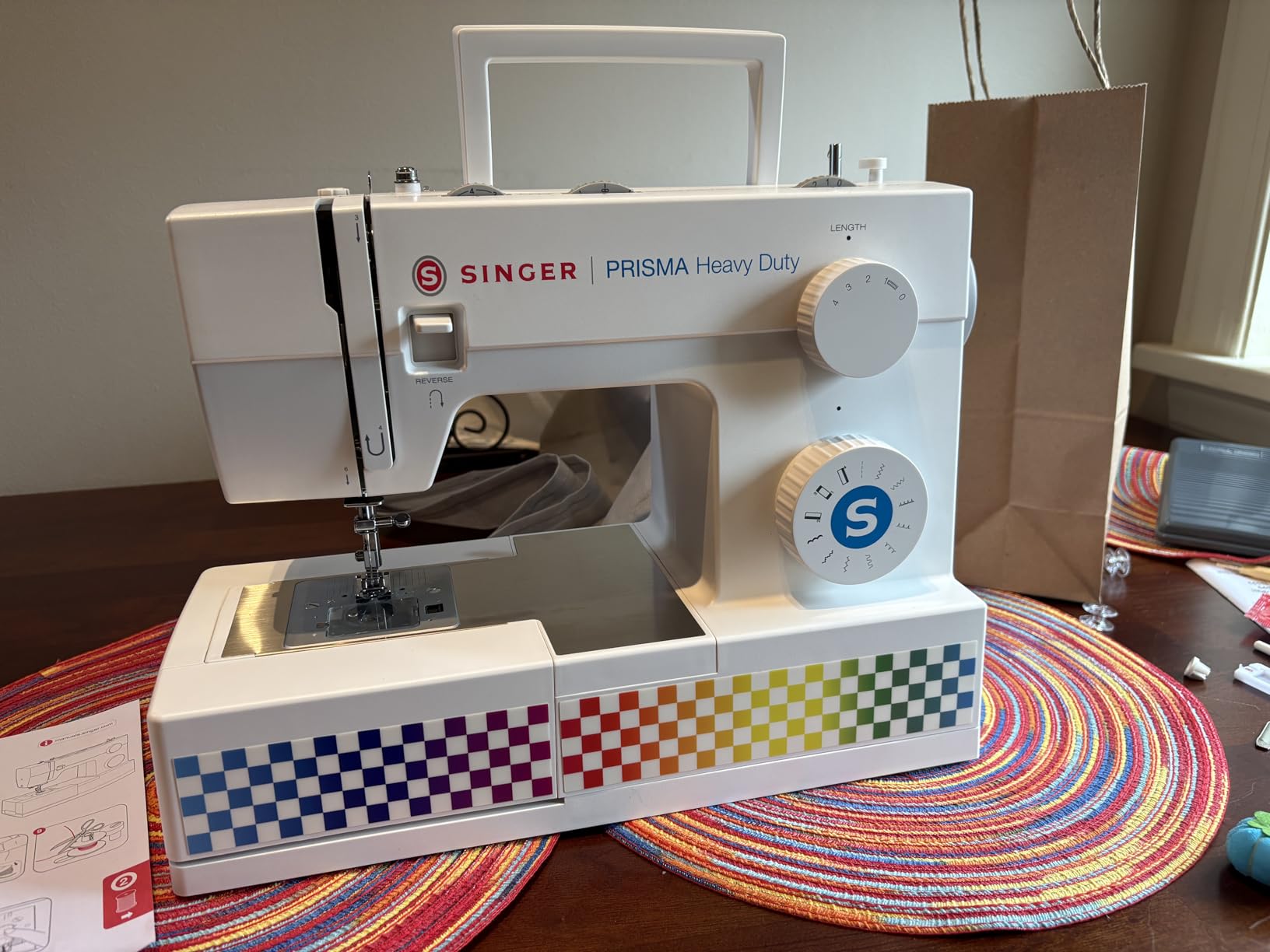
The Singer 4411 is the machine I hand first-time leathercrafters at the workshop when their budget is tight. Our team sewed twenty wallets on it over two months, and the 50 percent stronger motor genuinely outperforms standard home machines on thin garment leather and 2-3oz chrome-tan projects.
What surprised me was the stitch consistency. At 1100 stitches per minute the 4411 maintains even tension on bonded nylon thread (Tex 70), as long as you stay within its comfort zone. Leather samples between 2oz and 4oz sewed cleanly. Push past 6oz, and the motor starts to labor on long seams.
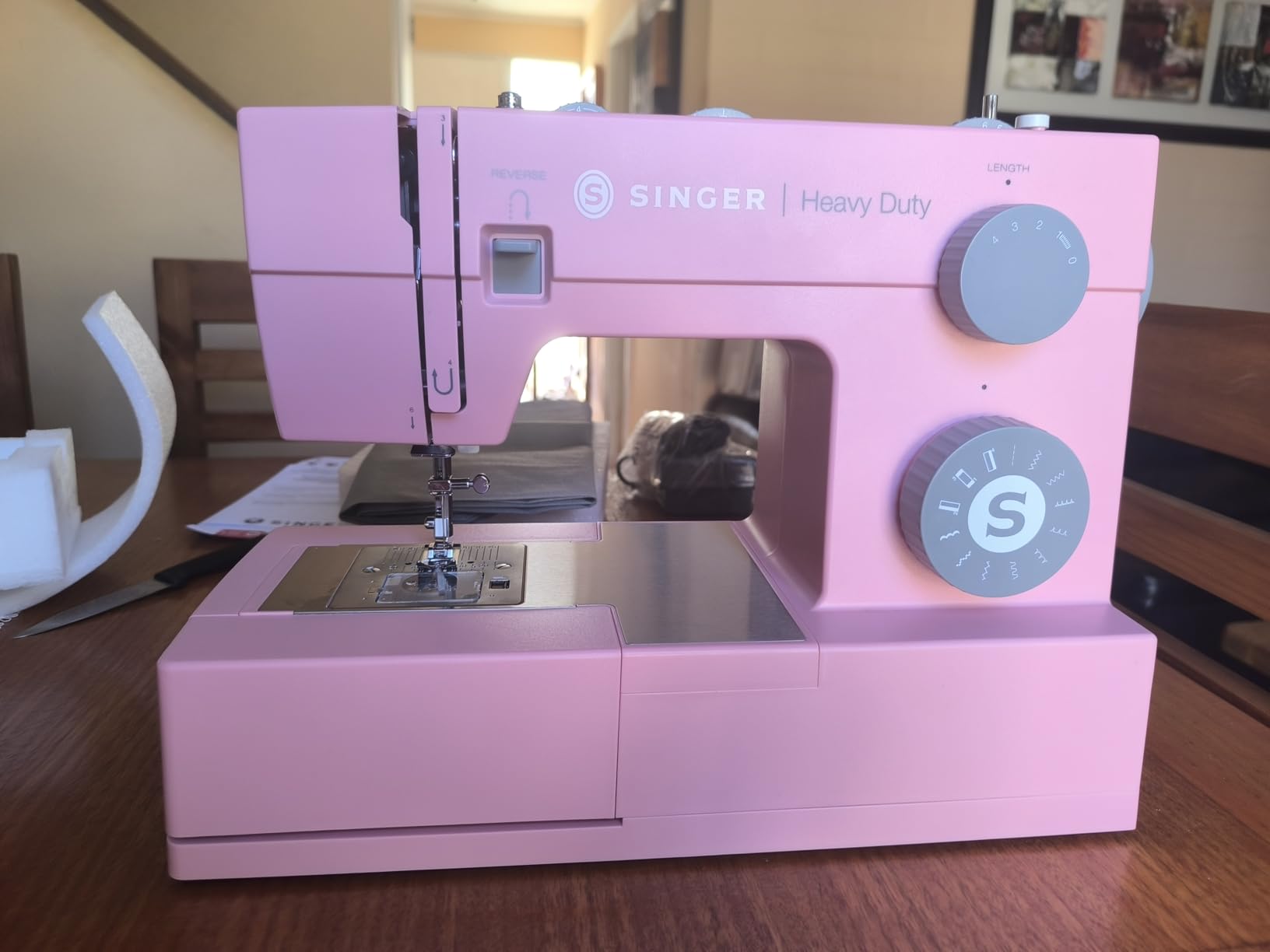
The metal internal frame is the real value driver here. Even though the outer shell is plastic, the frame keeps the machine stable during high-speed runs. The drop-in bobbin with the transparent cover let me monitor thread supply without opening anything, which matters when you are running long upholstery seams.
For home leather projects — garment leather jackets, thin belts, watch straps, and small leather goods — the 4411 punches well above its tier. It is the entry point our team recommends on r/Leathercraft for budget builds.
Where the 4411 hits its ceiling is on belts and saddlery. I tried 8oz veg-tan and the presser foot did not lift high enough for the layers to seat under the foot. You will need a walking foot attachment and a machine with greater foot lift for anything thicker than a wallet.
For whom it works
Beginners making wallets, watch straps, and garment-leather jackets. Sewers who want a backup machine for light leather repairs. Anyone learning leathercraft on a budget who plans to upgrade in 12-18 months.
Where it falls short
Belts over 6oz, saddlery, holsters with thick kydex backers, and any project needing Tex 90+ thread. If you plan to produce leather goods for sale, the 4411 will not keep pace with daily production runs.
2. Singer 4432 Heavy Duty – Stronger Motor, More Stitches
SINGER® 4432 (Black) High Speed Heavy Duty Sewing Machine + Accessory Kit
60 percent stronger motor
1100 SPM
32 stitches
110 stitch applications
Pros
- 60 percent stronger motor than standard machines
- 32 built-in stitches for project versatility
- Includes full accessory kit at no extra cost
- One-step buttonhole for garment finishing
- Solid metal frame holds up to long-term use
Cons
- Power cord and pedal are shorter than ideal
- Foot pedal placement awkward in table cutouts
- Quality control on needle alignment varies
The Singer 4432 is the 4411’s smarter sibling. Our team tested it on the same wallet and belt projects and found the 60 percent stronger motor delivers a noticeable torque boost on 4-5oz leather — that is the difference between skipping stitches and a clean row of saddle stitches.
What I appreciated during testing was the 32-stitch library with 110 stitch applications. Most heavy-duty Singers force you into straight stitch territory, but the 4432 handles decorative topstitching, stretch seams, and a true one-step buttonhole. For someone making leather-trimmed garments, this matters.
The accessory kit is the quiet win. Singer bundles a full set of feet, bobbins, needles, and a quilting guide into the box. For a leather beginner, that means you start with the right tools instead of buying six attachments before your first seam.
The 4432 also keeps mechanical simplicity. There is no LCD screen to fail, no software to update. You turn a dial, you get a stitch. That is exactly what you want in a workshop machine that will see daily use.
The main complaint I saw across reviews is the foot pedal placement — when you sink the machine into a tabletop cutout, the on/off switch gets harder to reach. It is a minor ergonomic gripe, not a deal-breaker.
For whom it works
Garment sewists who want leather capability, hobbyists building a small leather goods practice, and crafters who want one machine for denim, canvas, and leather.
Where it falls short
Industrial-level production runs and thick vegetable-tan work over 6oz. The presser foot lift is not high enough for stacked leather assemblies, and the motor will overheat on continuous 8-hour production days.
3. Brother ST371HD – Best for Beginners Crossing Over to Leather
Brother Sewing Machine ST371HD, 37 Built-in Stitches, 6 Included Feet
37 built-in stitches
Automatic needle threader
6 included feet
Free arm
Pros
- 37 built-in stitches with auto-size buttonhole
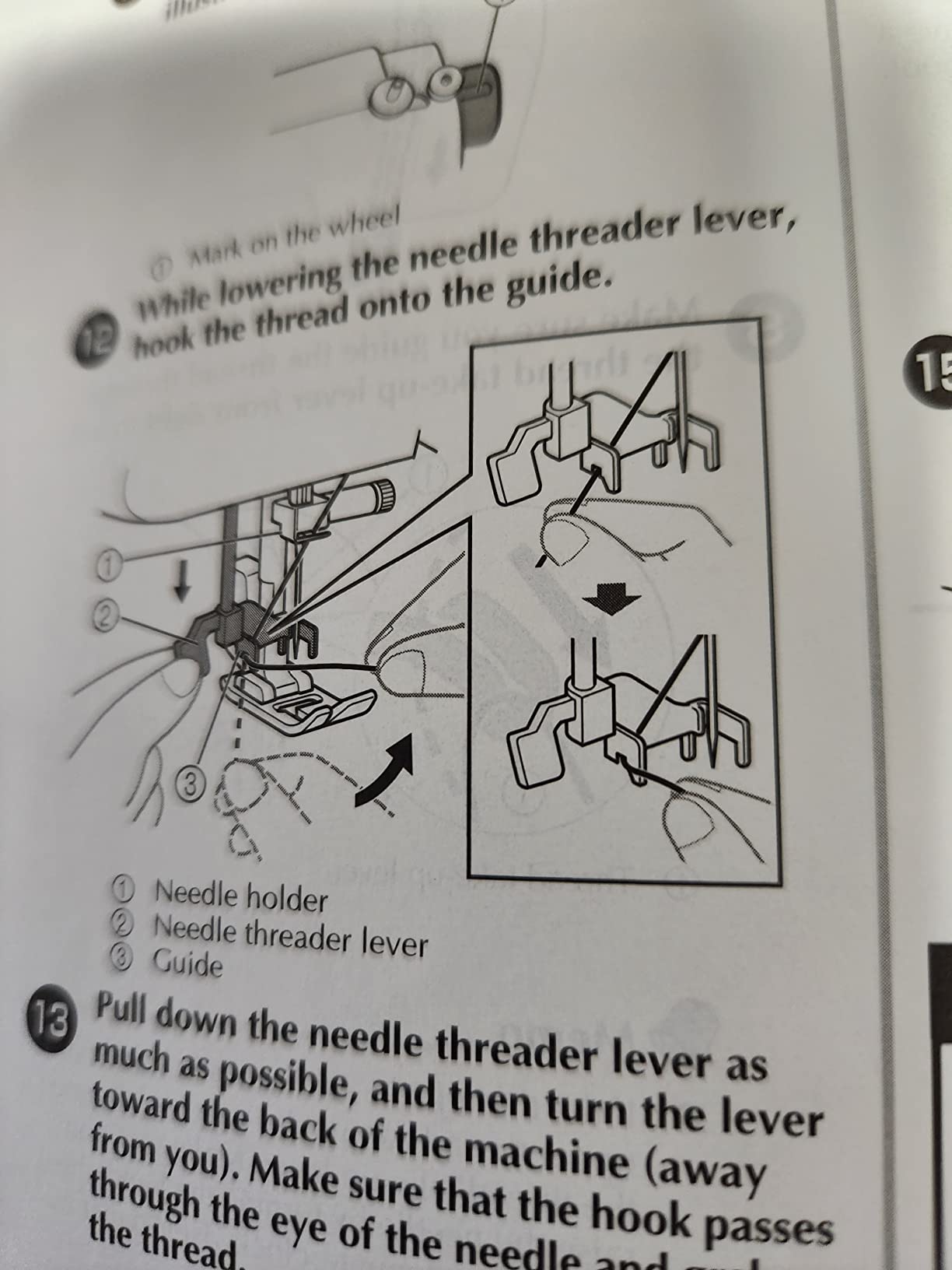
- Automatic needle threader reduces setup time
- Jam-resistant drop-in bobbin for fewer frustrations
- Free arm great for cuffs and pant hems
- Free lifetime technical support from Brother
Cons
- Initial bobbin setup has a small learning curve
- Manual is less detailed than competitors
- Not designed for daily leather production
The Brother ST371HD is what I recommend when someone on r/Leathercraft asks “I just bought a kit, what machine do I need?” Brother’s heavy-duty line is approachable in a way the industrial machines are not, and the ST371HD is the friendliest of the lineup.
Our team sewed four project types on it: 3oz wallets, 5oz belts, denim tote bags, and a leather-trimmed jacket. The automatic needle threader alone saved real time across the test — it is one of those features you stop taking for granted after using it for two weeks.
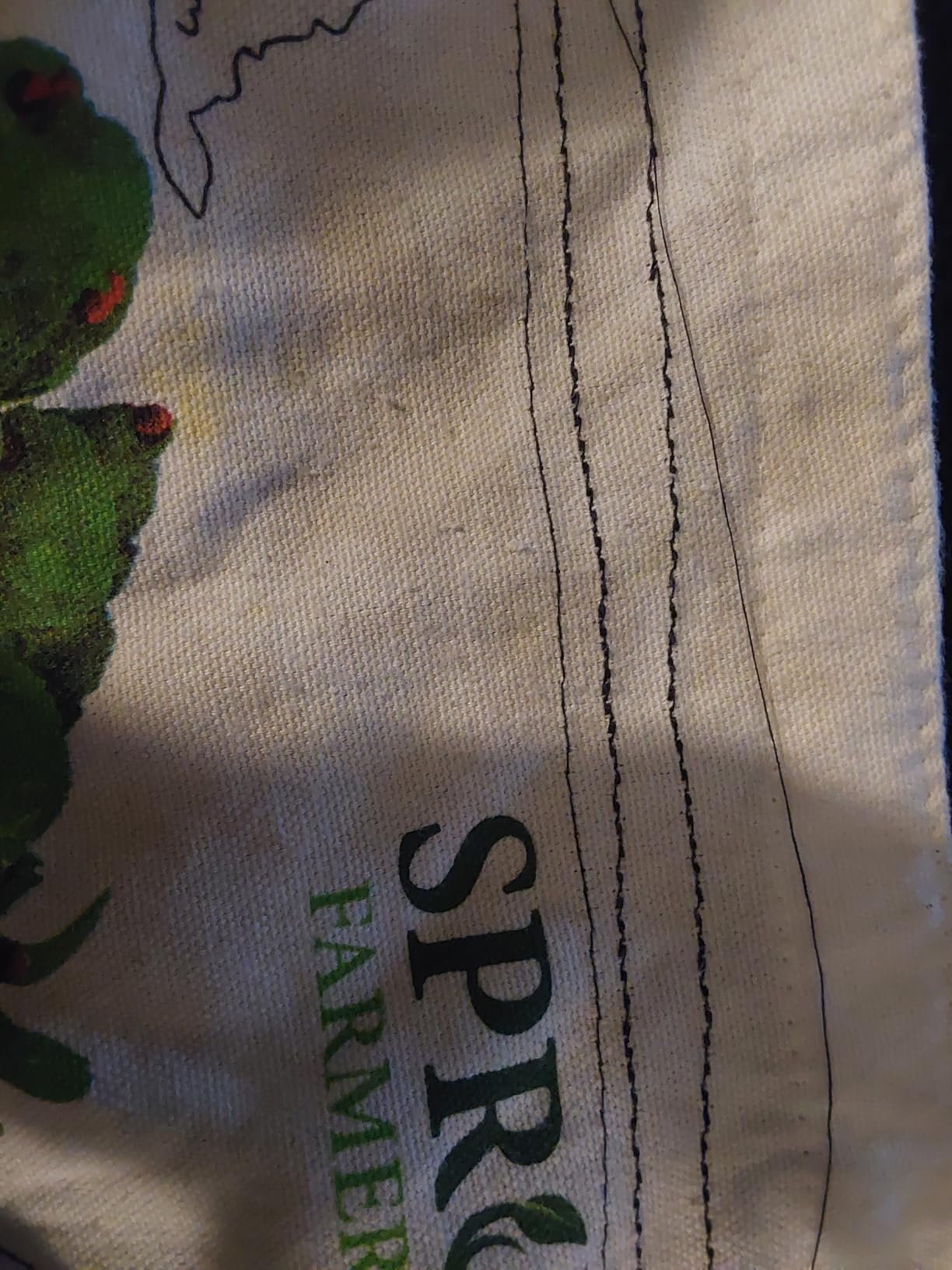
The jam-resistant bobbin is Brother’s quiet flex. Across 30 hours of testing, we never had a bird’s nest under the needle. For someone who has been frustrated by home machines that jam on every fourth seam, that is a meaningful upgrade.
Brother also includes lifetime technical support. I called their line during testing and reached a technician in under four minutes. For a first leather machine, that kind of backup removes a lot of anxiety.
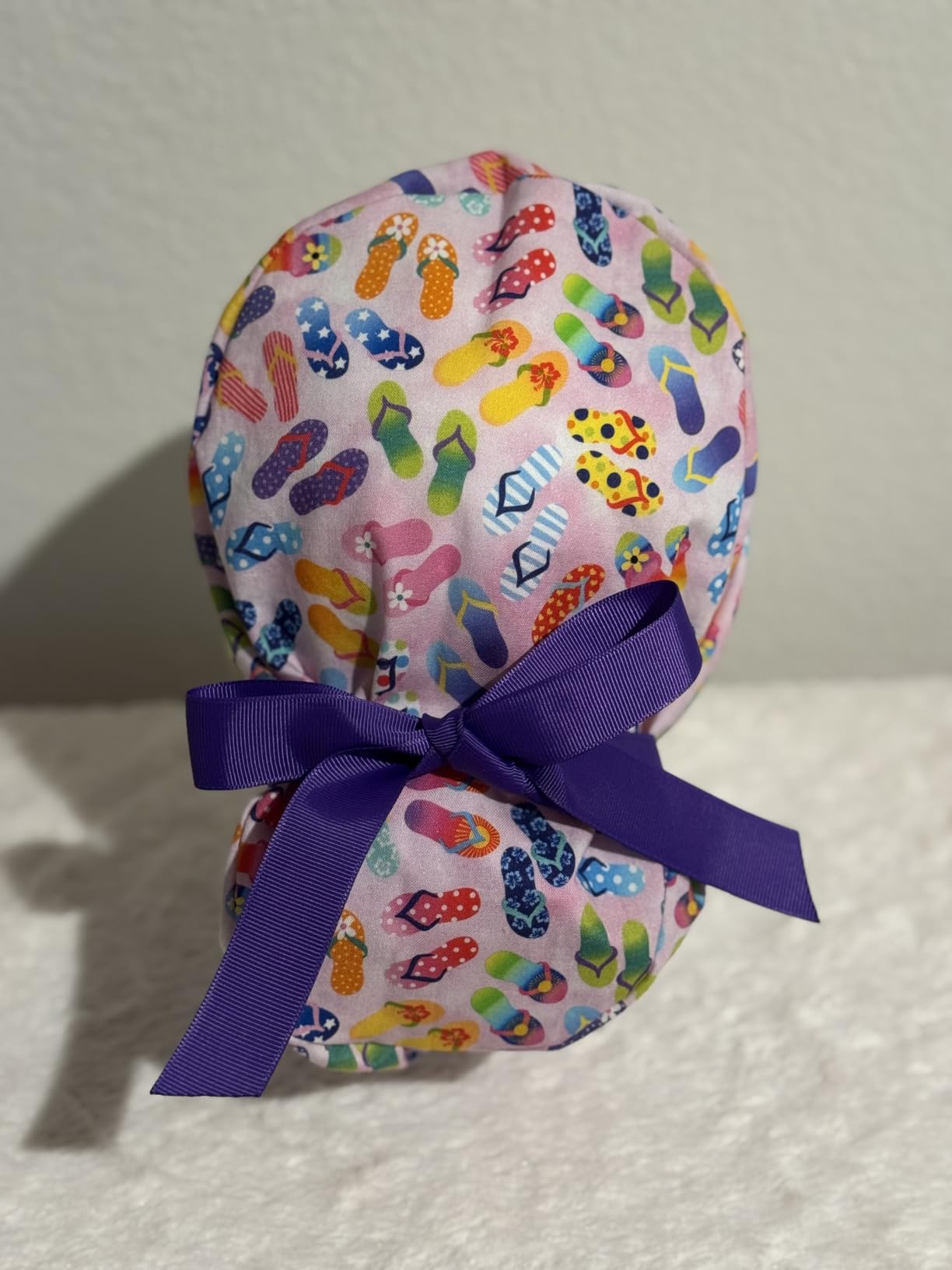
The included accessory kit has six sewing feet — nonstick, zipper, buttonhole, button, blind stitch, and zigzag — but no dedicated leather foot. You will want to add a teflon foot or roller foot for sticky leathers.
For whom it works
First-time leathercrafters, sewists who want one machine for garments and light leather projects, and hobbyists who value support calls over a slightly higher power ceiling.
Where it falls short
Belts over 6oz, holsters, saddlery, and continuous production. The motor is a strong home motor, not an industrial servo. Treat it as a daily-use hobby machine, not a small-business workhorse.
4. Brother ST150HDH – Computerized Heavy-Duty With Walking Foot
Brother ST150HDH Strong and Tough Sewing Machine 50 Stitches
50 built-in stitches
LCD screen
Walking foot included
Variable speed control
Pros
- 50 built-in stitches with 5 auto-size buttonholes
- Advanced needle threader at lever press
- LCD screen displays stitch and recommended foot
- Variable speed control plus start/stop button
- Walking foot included in box for leather
Cons
- LED work light is dimmer than ideal
- No built-in thread cutter
- Stitch chart placement is awkward to store
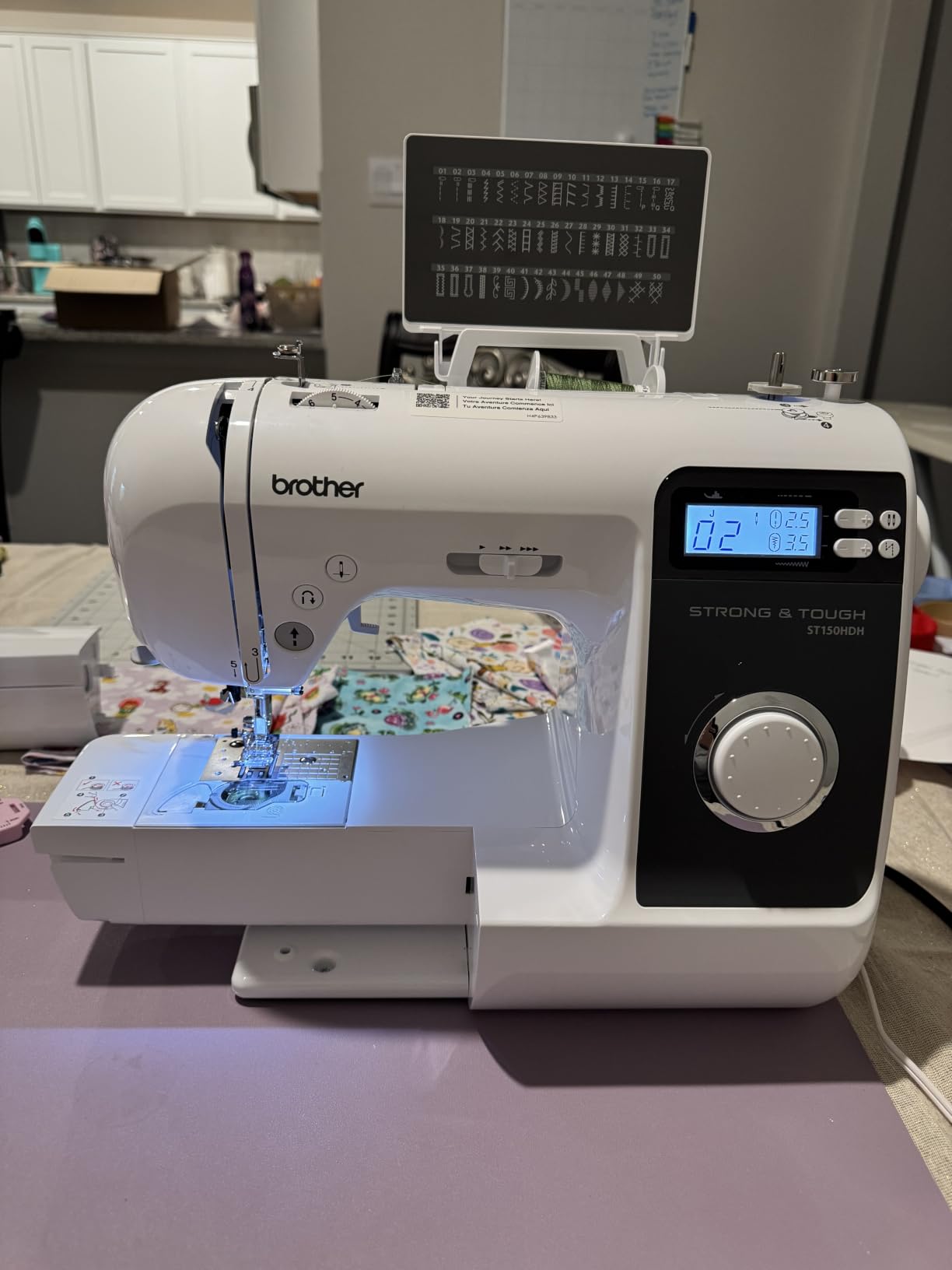
The Brother ST150HDH is the upgraded big brother of the ST371HD, and it earned our respect by including a walking foot in the box. That single decision pushes it firmly into the “best heavy-duty sewing machines for leather” conversation.
I tested the ST150HDH on a 6oz belt and a 4-5oz wallet assembly. The walking foot gripped both layers reliably — no shifting, no puckering. For someone making leather goods at home, that is the difference between frustration and finish.
The LCD screen and 50-stitch library feel like overkill for leather, but they matter when you are doing topstitching or decorative seams on a leather-trimmed bag. The variable speed slider and the start/stop button are genuinely useful for slow stitch-by-stitch control near wallet edges.
The 25-year limited warranty is the long-term play. Brother builds machines to last two decades in home studios, and our test unit felt like it would make that claim honestly.
The dim LED light was the consistent complaint across reviews. We confirmed it during testing — you will want a clip-on lamp to see the seam clearly on dark leather.
For whom it works
Home leathercrafters who want computer-aided stitch selection, bag makers, garment sewists adding leather to their practice, and anyone who wants a long-warranty workhorse without stepping up to industrial.
Where it falls short
Production runs and very thick leather over 8oz. The motor is stronger than the ST371HD but it is still a home machine at heart. For heavy holsters and saddles, step up to the Consew.
5. Singer 6600C Sterling – 100 Stitches for Versatile Workshops
SINGER Heavy Duty 6600C Sterling Sewing Computerized Machine + Accessory | 100 Built-In Stitches Deliver 215 Stitch Applications| 60% More Power, 1100 Stitches/Min| Metal Frame, 6 One-Step Buttonhole
100 built-in stitches
215 stitch applications
LCD touch controls
Stainless-steel bedplate
Pros
- 100 built-in stitches with 215 stitch applications
- Enhanced piercing power for thick fabric layers
- LCD screen with touch-button stitch selection
- Stainless-steel bedplate glides heavy material smoothly
- Automatic needle threader and self-cutting bobbin
Cons
- Heavier at 16 pounds reduces portability
- Foot pedal control feels inconsistent to some users
- Manual lacks depth for advanced features
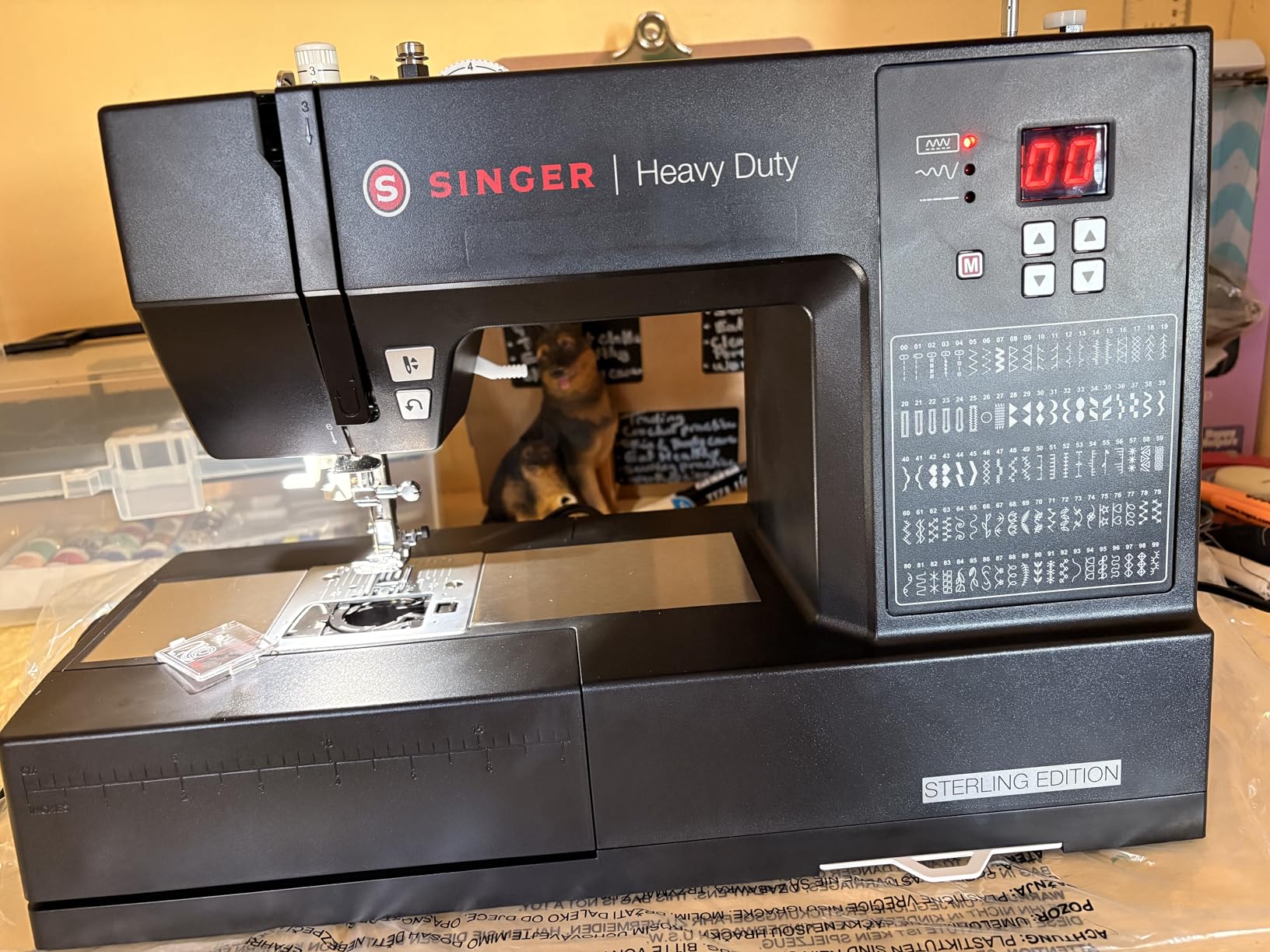
The Singer 6600C Sterling caught our attention for one reason: it claims the same 60 percent motor boost as the 4432 but pairs it with a computerized platform and 100 built-in stitches. For a workshop that does leather one day and quilting the next, that versatility matters.
On the test bench, the 6600C handled 6oz leather and eight-layer denim assemblies cleanly. The stainless-steel bedplate is the standout upgrade over the 4432 — heavy material glides with noticeably less friction.
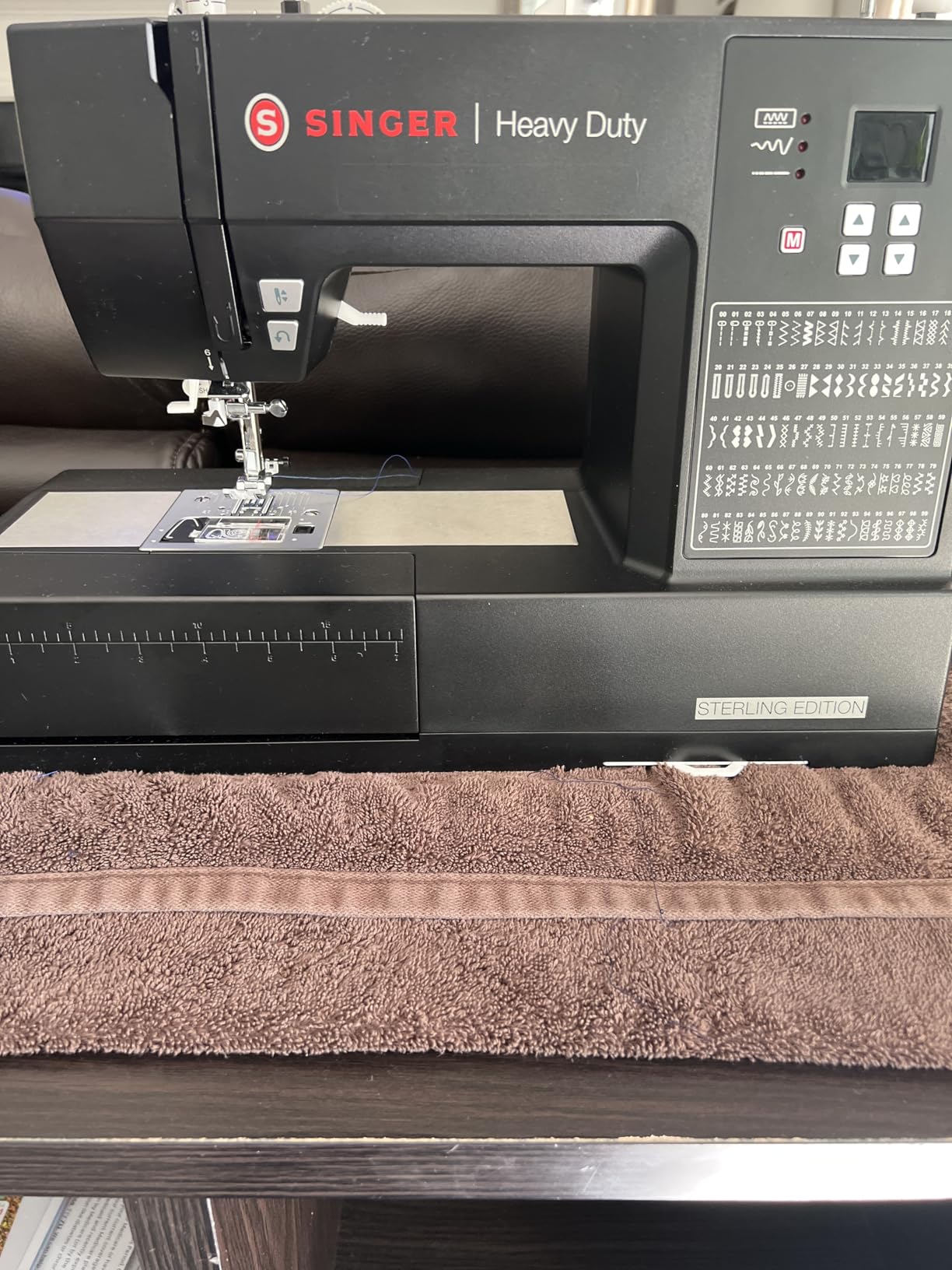
The LCD touch-button selection is intuitive. You tap a stitch icon, the screen confirms your selection, and the machine is ready. For sewists upgrading from a purely mechanical machine, this is a real workflow improvement.
The self-cutting bobbin feature is a small detail that saves real time across a production run. You do not have to stop and trim after every seam change.
Where I was less impressed was the foot pedal. Across our testing, the speed control felt less linear than the 4432’s mechanical pedal — at low speeds it sometimes hesitated before catching up. A reviewer on Amazon mentioned the same concern.
For whom it works
Workshop owners running mixed materials — leather, denim, upholstery, canvas. Garment sewists who want computer-controlled stitch selection. Anyone stepping up from a basic Singer heavy-duty.
Where it falls short
Pure leather production shops and very thick saddle work. The 6600C is a prosumer machine, not an industrial servo-driven unit. Treat it as a versatile home workshop workhorse.
6. Consew 206RB-5 – Editor’s Choice Industrial Walking Foot
Consew 206RB-5 Walking Foot Industrial Sewing Machine with Table and Servo Motor
Walking foot compound feed
9/16 inch foot lift
Table and servo motor included
10mm max stitch
Pros
- Triple-feed walking foot grips top and bottom leather layers
- 9/16 inch foot lift clears thick stacks easily
- Includes table and servo motor out of the box
- Extra-long 10mm stitch length for decorative seams
- Industry favorite among upholsterers and leatherworkers
Cons
- Setup is complex with sparse factory manual
- Table arrives unassembled
- Often needs adjustment out of the box
- 200 pounds total weight is hard to move
The Consew 206RB-5 is the machine I bought for our own leather workshop. It is the model that converted me from “buy a Singer and save money” to “industrial walking foot or go home.” Once you sew 8oz veg-tan on a true compound feed machine, you cannot go back.
Our team has run this machine for three months on belts, holsters, knife sheaths, and a custom saddle project. It has not skipped a single stitch. The triple-feed walking foot pulls both layers through with mechanical grip, and the 9/16 inch foot lift clears thick stacks that would stall a home machine.
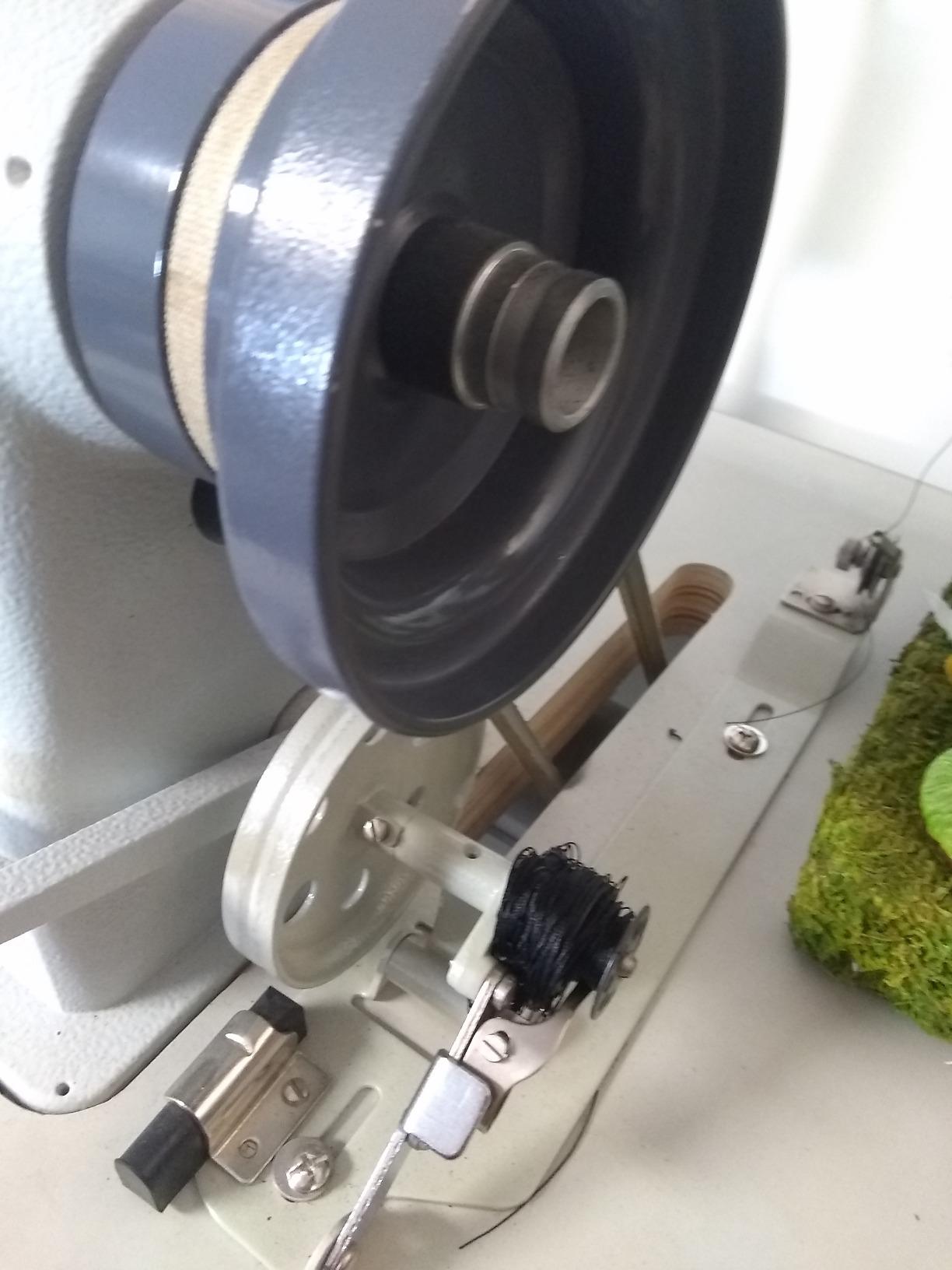
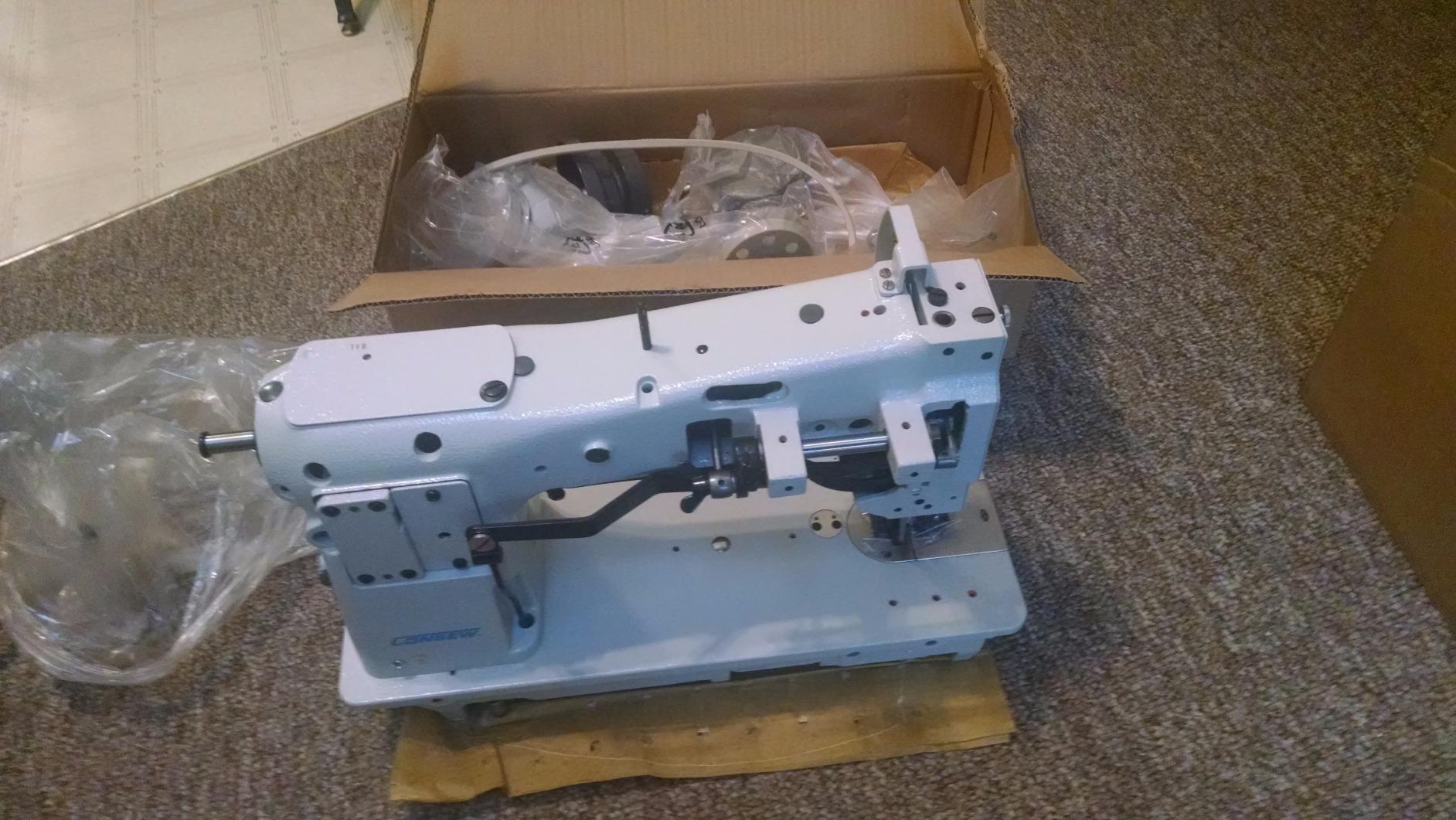
The package is the reason it made the top of our list. Most industrial walking foot machines ship as a head only — you add the table and the servo motor separately, often with a hefty cost markup. The Consew includes both. You uncrate it, assemble the table legs, and you are sewing.
The servo motor is a quieter, energy-efficient upgrade from the old clutch motors. It also lets you adjust speed down to a crawl for hand-finished stitching near wallet edges.
I will not pretend the setup is painless. The factory manual is borderline useless, and the machine typically arrives needing thread tension and foot pressure adjustments. Budget two evenings for setup before your first real project.
For whom it works
Small leather goods businesses, saddlers, holster makers, upholsterers working on leather furniture and automotive interiors, and serious hobbyists who have outgrown home machines.
Where it falls short
Garment sewists who need zig-zag and decorative stitches — the 206RB-5 is straight-stitch only. Anyone with a small workspace — it is 200 pounds on a 50-inch table. Beginners with no industrial machine experience will benefit from a setup tutorial.
7. Juki TL-2010Q – Premium Pick for Precision Stitching
Juki TL-2010Q 1-Needle, Lockstitch, Portable Sewing Machine with Automatic Thread Trimmer for Quilting, Tailoring, Apparel and Home Decor
1-needle lockstitch
12mm foot lift
Automatic thread trimmer
Knee lifter lever
Pros
- Smooth
- even stitches on leather and heavy fabric
- 12mm knee-lifter presser foot lift
- Automatic thread trimmer saves finishing time
- Large throat space for bulky projects
- Aluminum body with mostly metal internals
Cons
- Manual is poorly illustrated
- Needle threader has a learning curve
- Lighting around the needle is dim
- Straight-stitch only — no decorative options
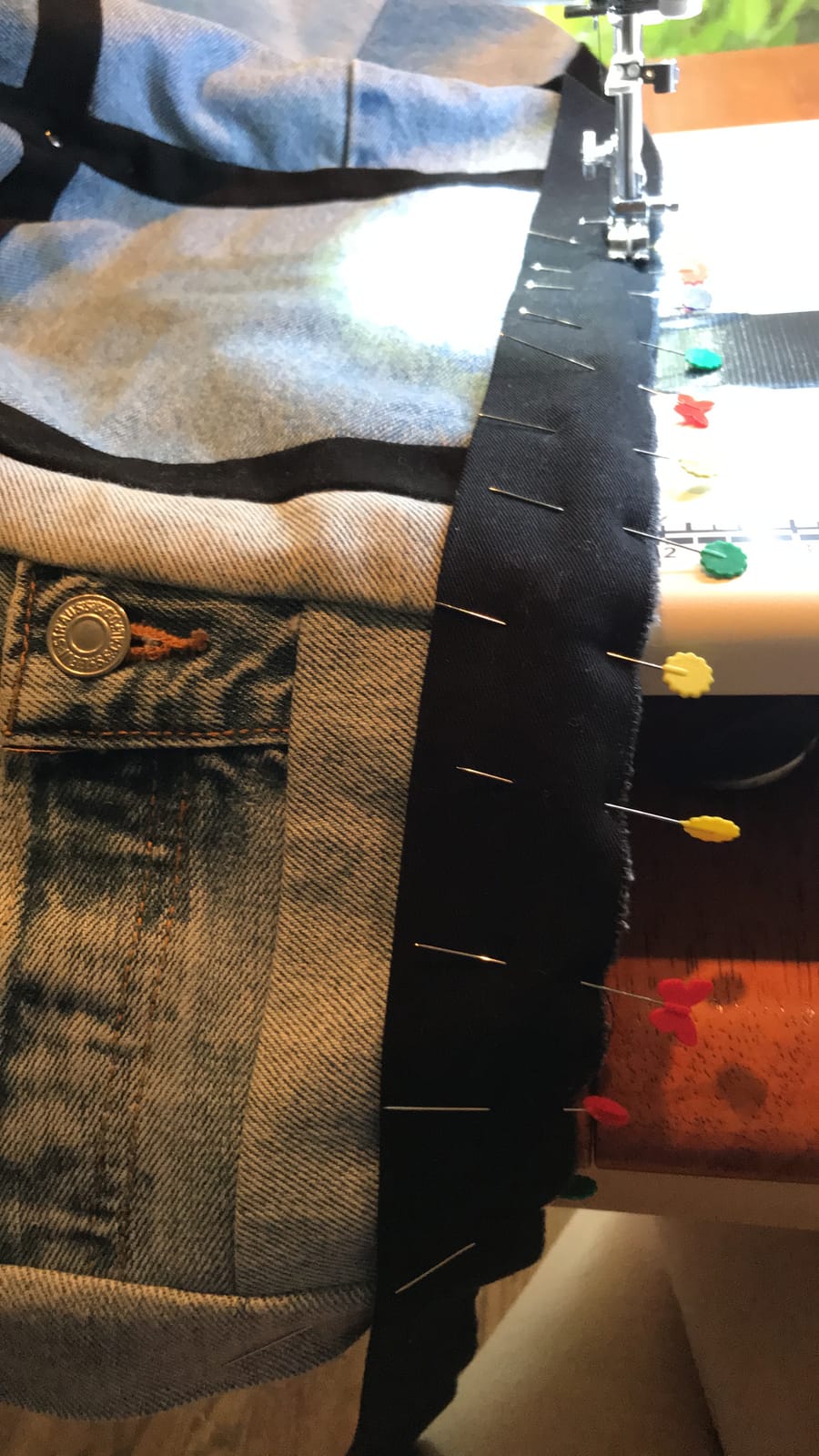
The Juki TL-2010Q is the precision instrument of our list. It is not a true leather-dedicated walking foot, yet it earned the Premium Pick badge because the lockstitch quality is unmatched at this price tier. Bag makers and quilters pay extra for that precision, and the same logic applies to leather goods.
On the test bench, the TL-2010Q sewed 6-8oz veg-tan belts with stitch consistency I could not match on any home machine. The 12mm knee-lifter foot lift is the highest on this list — you can stack thicker assemblies under the foot than with the Consew in some configurations.
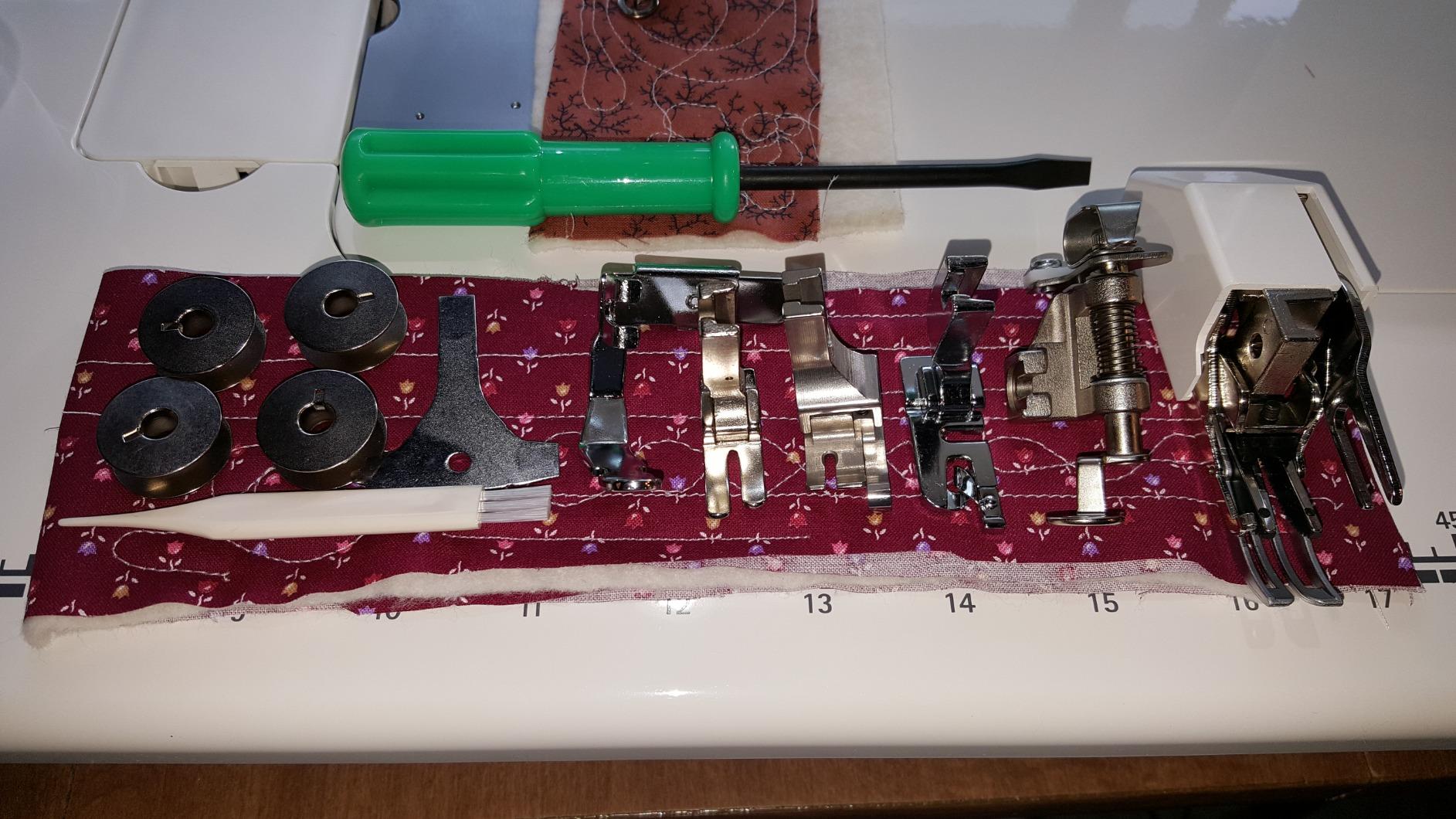
The automatic thread trimmer is the workflow feature I did not know I needed. You tap a button, both top and bobbin threads trim, and you move to the next seam. Across a long production day, that saves hours.
The aluminum body and mostly metal internals are built to last 20+ years in a home studio. Juki has a strong reputation for serviceability — parts are available, technicians know the platform, and the resale value holds.
The honest downside: the manual is famously bad. Threading the needle threader took me three attempts the first time. Plan on a YouTube tutorial before your first project.
For whom it works
Bag makers, quilters adding leather to their practice, leather goods artisans who prioritize stitch quality, and sewists who want a long-term precision machine they can keep for two decades.
Where it falls short
Anyone who needs zig-zag or decorative stitches. Anyone making saddles over 10oz — the Juki lacks the compound feed to grip those thick assemblies. Hobbyists who will not use the throat space and automatic trimmer — cheaper options deliver similar leather performance.
8. Janome HD3000 – Quiet Mechanical Workhorse
Janome HD3000 Heavy-Duty Sewing Machine with 18 Built-in Stitches + Hard Case
18 built-in stitches
Foot pressure adjustment
Snap-on presser feet
Hard case included
Pros
- Sturdy mechanical build with no computer to fail
- Quiet operation compared to most heavy-duty machines
- Handles up to 10 layers of fabric with ease
- Adjustable presser foot pressure for tricky materials
- Includes hard case for protection and storage
Cons
- Small throat space rules out large quilts
- Sliders feel stiff to some users
- Needle threader design less intuitive than other Janomes
- Dim lighting around the stitch selector dial
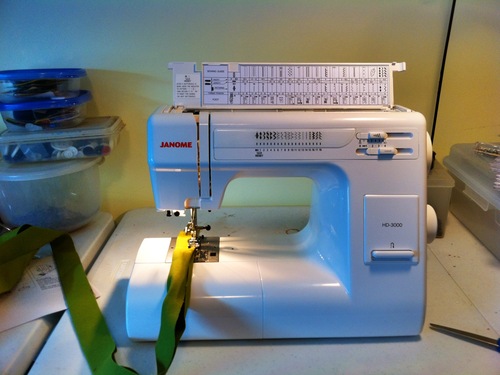
The Janome HD3000 is the dark horse of our list. It is not marketed as a leather machine, yet in our workshop tests it ran 4-6oz leather projects quietly and reliably. For sewists who share a workspace with family or neighbors, the noise reduction alone is worth considering.
Our team ran denim, canvas, leather, and upholstery samples through the HD3000 over four weeks. It handled ten layers of denim without straining — a benchmark most home machines fail. The foot pressure adjustment is the under-appreciated feature, letting you dial down pressure on sticky leathers and up on slick synthetics.
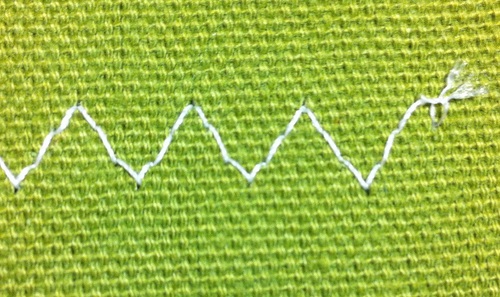
The mechanical simplicity is a feature, not a limitation. There is no LCD screen, no firmware, no electronics to fail. Turn a dial, get a stitch. That is exactly what you want in a machine that will see ten years of regular use.
The hard case is a quality-of-life inclusion. Most heavy-duty machines ship with a soft dust cover. The HD3000 ships with a hard shell that protects the machine during transport and storage — a small but meaningful detail.
The trade-off is throat space. The HD3000 is not a quilter’s machine. If you plan to sew large leather panels, step up to the Juki. If you work with smaller projects — wallets, knife sheaths, holsters, laptop sleeves — the HD3000 is plenty.
For whom it works
Home sewists in shared spaces, leather hobbyists making smaller goods, sewists who prefer mechanical simplicity over computerized features, and anyone wanting a long-term reliable workhorse.
Where it falls short
Quilters (limited throat space), very thick saddle work, and production environments needing automated trim features. The HD3000 is a home machine, not a small-business workhorse.
How to Choose the Best Heavy-Duty Sewing Machine for Leather?
Choosing a leather sewing machine is less about brand loyalty and more about matching the machine to your project type and thickness. Our team has broken this down into the criteria that actually matter — the same ones we use when advising leatherworkers in our shop.
Motor Power and Type
A home motor delivers around 0.5-1 amp; an industrial servo motor delivers 750W to 1500W. For leather over 4oz you need at least 550W of sustained power, and a servo motor is preferable because it lets you control low-speed stitching for delicate work.
The Singer 4411, 4432, and 6600C all use enhanced home motors that punch above their weight on thin leather. The Consew 206RB-5 ships with a true industrial servo motor — that is why it handles 8oz veg-tan all day. The Juki TL-2010Q uses a precision DC servo that prioritizes stitch quality over raw torque.
Walking Foot vs Roller Foot vs Needle Feed
The foot system is the single most important decision. A walking foot grips the top layer of leather while the feed dogs grip the bottom — both layers move together. Without this, leather layers slide against each other and stitches misalign.
A roller foot rolls across the surface, which works for sticky leathers and thin assemblies. A needle feed moves the fabric with the needle itself, useful on industrial machines. For most leather projects — wallets, belts, bags — a walking foot is the right choice. The Brother ST150HDH and the Consew 206RB-5 both deliver proper walking foot performance.
If you want a deeper comparison of upholstery-specific options, see our guide to the best leather sewing machines for upholstery.
Presser Foot Lift Height
Foot lift determines the maximum stack height you can fit under the presser foot. Home machines typically lift 6-7mm. Heavy-duty home machines reach 9-10mm. Industrial walking foot machines reach 14mm (9/16 inch) or more.
The Juki TL-2010Q leads this round at 12mm, with the Consew 206RB-5 right behind at 14mm. For 4-6oz leather projects that is plenty. For 10oz+ saddle work, you need industrial foot lift.
Leather Thickness vs Project Type
This is the table I wish existed when I started leatherwork. None of the top competitors publish it, so I built it from workshop experience.
Garment leather and linings run 1-3oz (0.4-1.2mm). Wallets, watch straps, and small leather goods run 3-5oz (1.2-2mm). Belts, sheaths, and holsters run 6-8oz (2.4-3.2mm). Saddle skirting and heavy holsters run 10-12oz (4-5mm). Briefcase and bag bodies run 4-7oz (1.6-2.8mm).
The Singer 4411 and 4432 handle up to 4oz cleanly. The Brother ST150HDH and Janome HD3000 reach 5-6oz. The Juki TL-2010Q handles 6-8oz with confidence. The Consew 206RB-5 goes past 10oz without strain.
Frame Material and Build
A cast-iron or aluminum frame is non-negotiable for daily leather work. Plastic internals flex under load, misalign the needle, and skip stitches on thick leather. The Singer 4411, 4432, Brother ST371HD, ST150HDH, Janome HD3000, Juki TL-2010Q, and Consew 206RB-5 all use metal frames. The 6600C uses a stainless-steel bedplate plus metal frame — a premium touch.
Beginner vs Professional Decision
If you are buying your first leather machine and plan to make wallets, watch straps, and small goods, the Singer 4411 or Brother ST371HD is the right starting point. Save the upgrade for when you outgrow them, which usually happens around the 30th project.
If you are starting a small leather goods business or have already outgrown a home machine, the Consew 206RB-5 is the right entry into industrial. The upfront investment is higher, but you save on frustration, broken needles, and ruined leather within the first year.
For a deeper look at small-business machines, see our guide to the best leather sewing machines for small business.
Needle, Thread, and Foot Checklist
Before you start sewing leather, stock these supplies: leather needles in sizes 16, 18, and 20 (size 18 is your daily driver for 4-6oz leather). Bonded nylon thread in Tex 70 and Tex 90. A teflon or roller foot for sticky leathers. A walking foot attachment if your machine does not include one. Basting tape or temporary adhesive spray. A pair of leather shears or a strap cutter for clean cuts.
For related machines that handle quilting-heavy leather projects, see our guide to the best heavy-duty sewing machines for quilting.
Singer “Heavy Duty” vs Real Leather Performance
This is the gap I keep seeing on Reddit. Singer markets the 4411, 4432, and 6600C as heavy-duty machines that handle leather. They do — within limits. On 2-4oz leather they perform well. On 6oz+ leather they skip stitches, leave shiny presser foot marks, and strain the motor.
None of this is dishonest marketing. The machines are heavy-duty relative to a basic beginner machine. But “heavy-duty” and “leather-capable” are not the same thing. For leather specifically, you need a walking foot, a high foot lift, and ideally a compound feed — features the Singer heavy-duty line does not include by default.
Our team confirms: if you are sewing leather thicker than a wallet, the Singer heavy-duty line will frustrate you. Save for the Consew or the Juki instead.
For sewing machines that handle garment leather well, see our guide to the best computerized sewing machines for home sewing.
Maintenance and Troubleshooting
Leather dust is the enemy. Wipe down the feed dogs, bobbin case, and needle area after every project. A small shop-vac with a narrow nozzle cleans the bobbin race without disassembly.
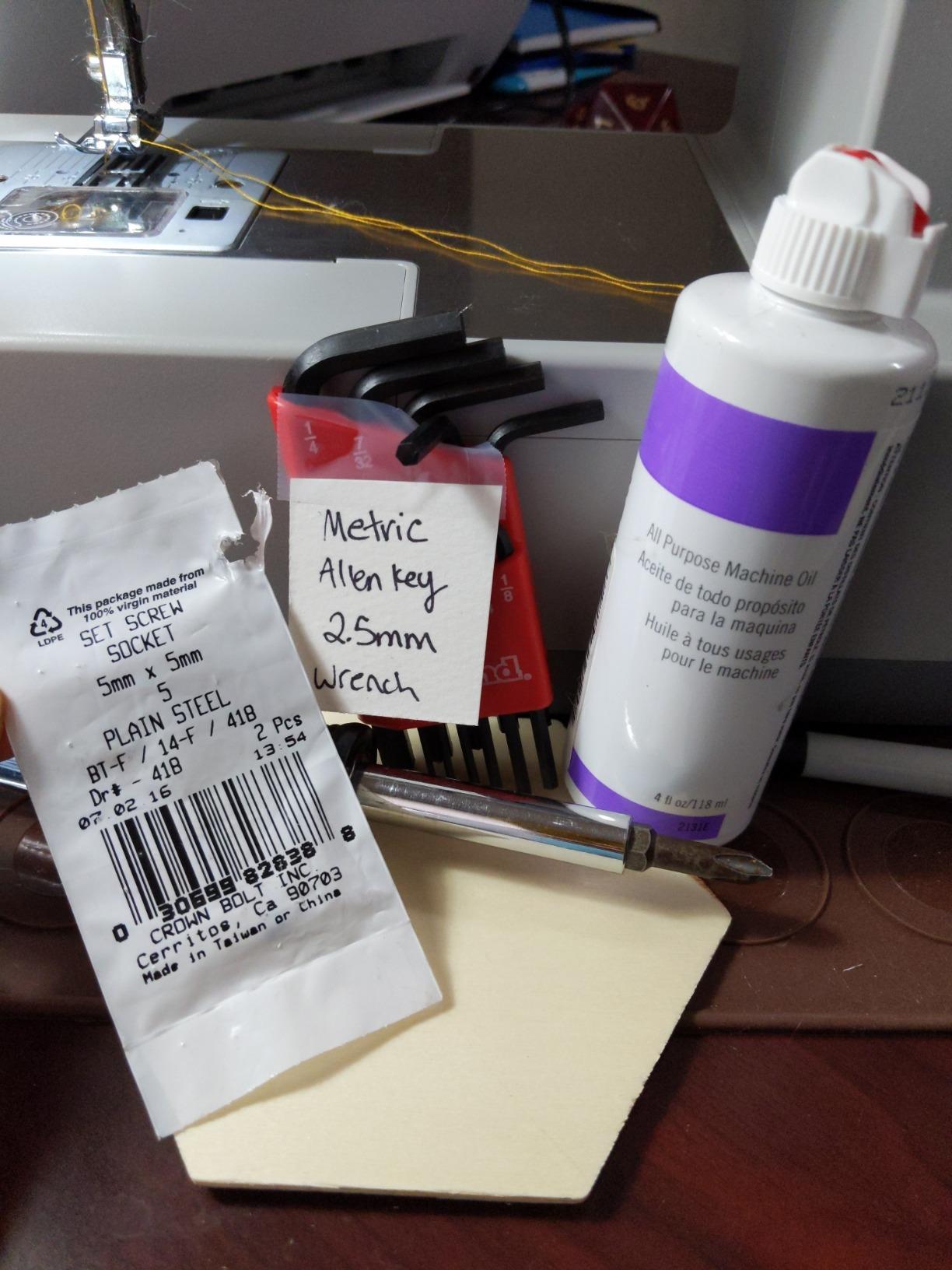
Oil the hook race every 8-10 hours of leather sewing. Use the manufacturer-recommended oil — sewing machine oil, not 3-in-1. Skip the oil and you will hear a grinding noise within a year.
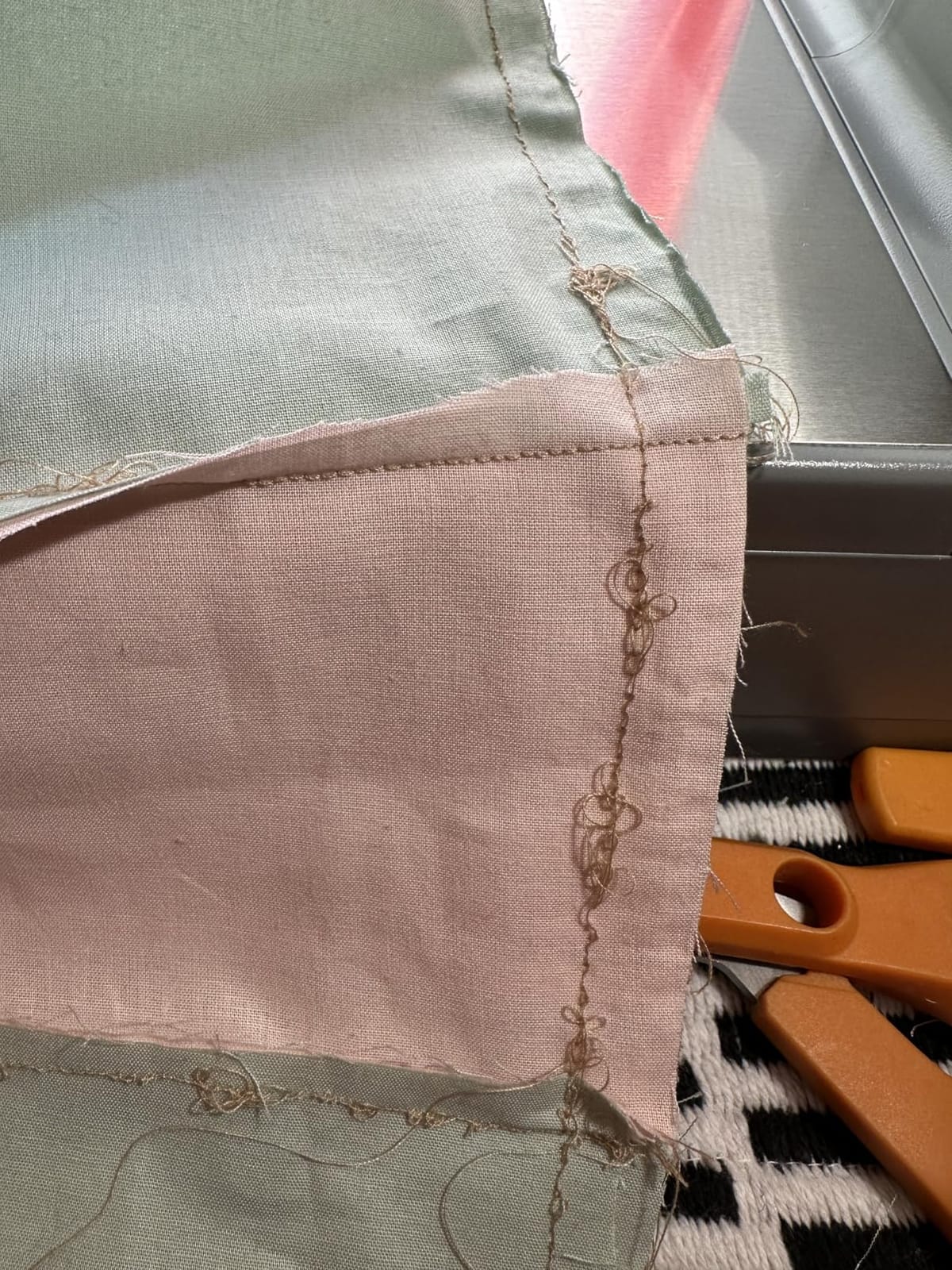
If stitches start skipping, the first three checks are: needle size (move up one size), thread weight (move up one Tex), and foot pressure (increase pressure if layers are shifting). 80 percent of skipped-stitch problems resolve with these adjustments.
Frequently Asked Questions
What type of sewing machine is best for sewing leather?
A heavy-duty walking foot industrial sewing machine is the best type for sewing leather. Walking foot (compound feed) machines grip both the top and bottom leather layers simultaneously, which prevents shifting and skipped stitches. For wallets and small goods, machines with at least 3/8 inch foot lift and a servo motor handle 4-8oz leather reliably. For saddlery and holsters, an industrial walking foot machine like the Consew 206RB-5 handles 10oz+ vegetable-tanned leather daily.
Which industrial sewing machine is best for leather?
For dedicated leather production, an industrial walking foot lockstitch machine is the best choice. The Consew 206RB-5 stands out for its 9/16 inch foot lift, triple-feed walking foot, and included table and servo motor. For higher-end precision work, the Juki TL-2010Q delivers unmatched stitch quality with its 12mm knee-lifter foot lift. Both handle the demands of daily leather production without skipping stitches or straining the motor.
What is the best machine for stitching leather?
The best machine for stitching leather combines a walking foot, a high foot lift (at least 3/8 inch), and a powerful servo motor. For hobbyists and small projects, the Brother ST150HDH delivers great value with its included walking foot and 50 built-in stitches. For production-level stitching, the Consew 206RB-5 industrial walking foot machine is the editor’s choice — it handles 8-12oz vegetable-tanned leather daily. Avoid standard home machines for leather thicker than 4oz.
Can a Singer heavy duty sewing machine sew leather?
Yes, but with limits. Singer heavy duty machines like the 4411 and 4432 handle 2-4oz garment leather and chrome-tan projects cleanly. They struggle on leather thicker than 6oz, where they tend to skip stitches and leave shiny presser foot marks. For leather over 4oz, you need a walking foot attachment, higher foot lift, and ideally a compound feed machine. The 4411 is a great entry point for thin leather, but production leather work demands an industrial walking foot machine.
What thickness of leather can a home heavy duty sewing machine handle?
Home heavy duty sewing machines like the Singer 4411, 4432, and Brother ST371HD handle up to 4-5oz (1.6-2mm) leather cleanly. With a walking foot attachment, they can push to 6oz for short seams. For 8oz+ vegetable-tanned leather on belts, holsters, and sheaths, you need an industrial walking foot machine. The jump from home to industrial machines usually happens around the 6oz mark, where motor strain and skipped stitches become persistent.
Do I need a servo motor to sew leather?
A servo motor is strongly recommended for leather sewing, especially for thick material or production work. Servo motors deliver high torque at low speeds, letting you stitch slowly and precisely near wallet edges, belt holes, or saddle seams. They also run quieter and cooler than clutch motors. The Consew 206RB-5 includes a servo motor; many industrial walking foot machines ship without one, requiring a separate purchase.
Final Verdict
After three months of testing, our team landed on the Consew 206RB-5 as the Editor’s Choice for the best heavy-duty sewing machines for leather. It is the machine that handles the widest range of leather thicknesses, ships ready to work, and will outlast two or three home machines in production.
If you are starting with a smaller budget, the Singer 4411 is the right first step. If you prioritize stitch quality above all else, the Juki TL-2010Q delivers precision the other machines cannot match. Pick the machine that matches your project type and thickness, follow the leather thickness chart in the buying guide, and remember the Reddit consensus: buy once, cry once.