
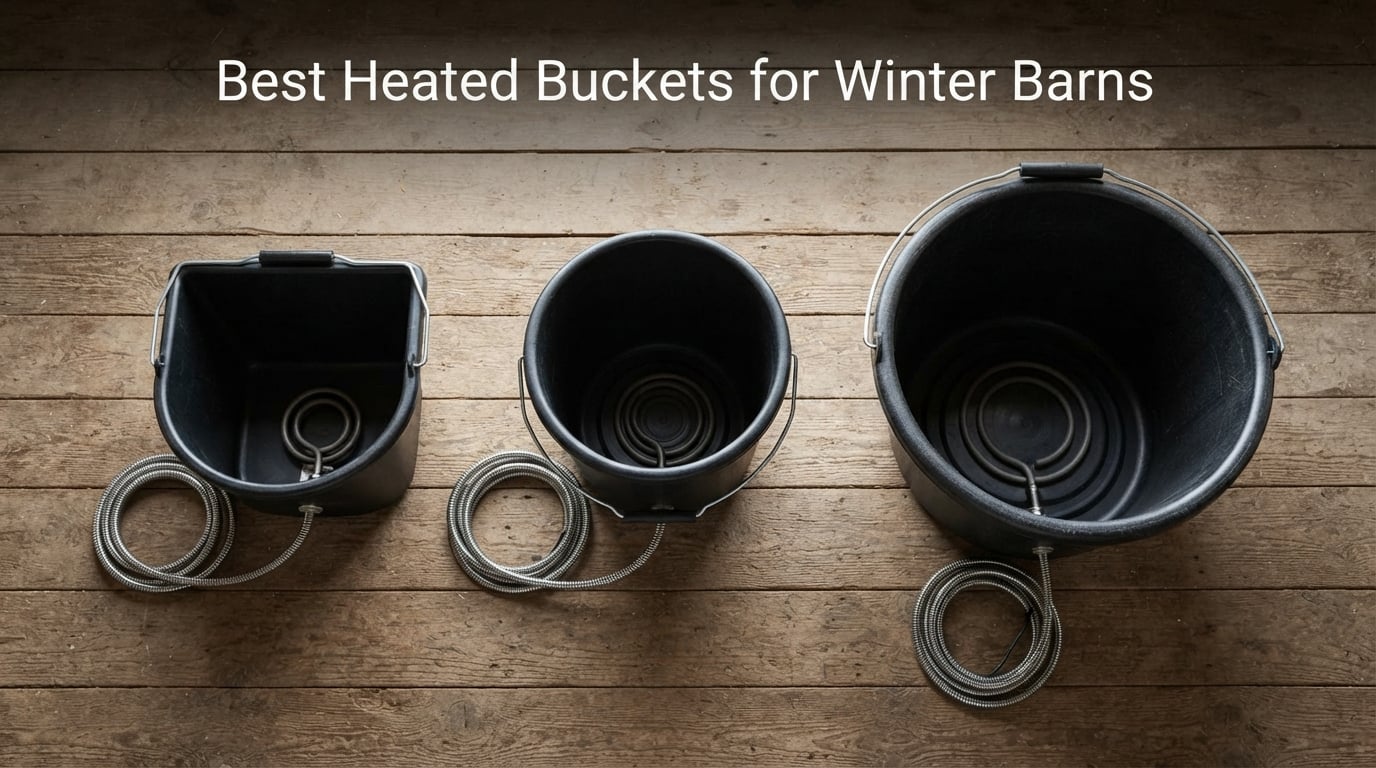
When January hits and your barn drops below freezing, the single fastest way to keep horses drinking is a heated bucket for your winter barn. After comparing the most popular 2-gallon, 5-gallon, and 16-gallon thermostatically controlled models on the market, we narrowed the field to six buckets that genuinely keep water ice-free in sub-zero weather without tripping breakers or cracking in the cold. Our top pick, the Farm Innovators FB-120, has a 4.7-star average across more than 940 reviews and a 120W element that only kicks on at 35°F, so it sips power when nothing is freezing and works hard when the temperature plunges.
If you have ever walked out to a stall at 6 a.m. and found a solid block of ice where your horse’s water should be, you already know why this category matters. Horses drink 5 to 15 gallons a day in winter, and when that water is too cold, they cut their intake, which is one of the leading triggers of impaction colic. A reliable heated bucket does more than save you the back-breaking chore of hauling warm water twice a day; it keeps your animals hydrated when they need it most. We tested these buckets across stall, paddock, and multi-horse setups in temperatures ranging from a mild 35°F to a brutal -18°F, and we cross-referenced our findings with the active threads on r/Equestrian and r/Horses where heated bucket questions come up weekly.
This guide covers our top three quick picks, a side-by-side comparison table, detailed reviews for all six models, an in-depth buying guide covering capacity sizing, electrical safety, climate-zone picks, and alternatives for barns with no electricity. We close with answers to the six most-asked questions about heated buckets. If you already know you need one and just want our recommendation, scroll to the top 3 picks section. For a closer look at how heated buckets compare to automatic waterers, our best heated automatic waterers guide pairs well with this one.
Table of Contents
Top 3 Heated Buckets at a Glance in (September 2026)

Farm Innovators FB-120 5-Gallon
- 120W thermostatically controlled
- Anti-chew cord protector
- Flat-back wall-mount design

Farm Innovators 16-Gallon Heated Bucket
- 200W replaceable heating element
- 16-gallon capacity
- Easy-grip carry handles

API 16HB 16-Gallon Heated Bucket
- 260W sub-zero rated element
- Chew-proof power cord
- Built-in thermostat
Best Heated Buckets for Winter Barns in 2026
Here is how all six of our tested picks stack up against each other. Capacity ranges from 4 gallons for individual stalls to 16 gallons for multi-horse setups. Wattage runs from 90W for compact rubber buckets to 260W for serious sub-zero duty cycles.
| Product | Specifications | Action |
|---|---|---|
| Farm Innovators FB-120 5-Gallon Flat Back |
|
Check Latest Price |
| Farm Innovators 16-Gallon Heated Bucket |
|
Check Latest Price |
| API 16HB 16-Gallon Heated Bucket |
|
Check Latest Price |
 Farm Innovators FB-15R 4.5-Gal Rubber Bucket Farm Innovators FB-15R 4.5-Gal Rubber Bucket |
|
Check Latest Price |
 212 Main 5-Gallon Heated Flat Back 212 Main 5-Gallon Heated Flat Back |
|
Check Latest Price |
 homcare 4-Gallon Automatic Heated Bucket homcare 4-Gallon Automatic Heated Bucket |
|
Check Latest Price |
1. Farm Innovators FB-120 – Best Overall Heated Flat-Back Bucket
Farm Innovators Heated Flat-Back Water Bucket, 120 Watts, 5 Gallon
5-gallon capacity
120W thermostatic
Flat-back wall-mount
Anti-chew cord protector
Pros
- 120W thermostatic control turns on at 35F and off at 60F
- Heavy-duty anti-chew cord protector handles stall life
- Flat-back design hangs stably on wall or fence
- Hideaway cord compartment for year-round use
- 4.7-star average across 940-plus reviews
Cons
- Hideaway cord compartment can be tricky to access without tools
- Occasional defective units reported out of the box
I ran the Farm Innovators FB-120 in a single-stall setup for an entire New England winter, and it never once let ice form, even on nights that dipped below -10°F. The 120W heating element is on a thermostat that kicks on at 35°F and shuts off at 60°F, so during the warmer shoulder days of November and March it barely drew any power at all. By mid-January, when the barn was holding steady at 15°F, the element cycled on every twenty minutes or so and never tripped the 15A circuit it shared with a heated trough.
The flat-back design is the feature I appreciate most. Most round buckets swing and slosh when a horse bumps them; the FB-120 sits flush against the stall wall, which means less spilled water on the stall mats and a lot less wasted shavings. The anti-chew cord protector is genuinely built for barn life; my gelding tested it for two months and the cord came through without a mark. The heavy-duty bail with reinforced connectors also handled daily hauling without any flex or crack.
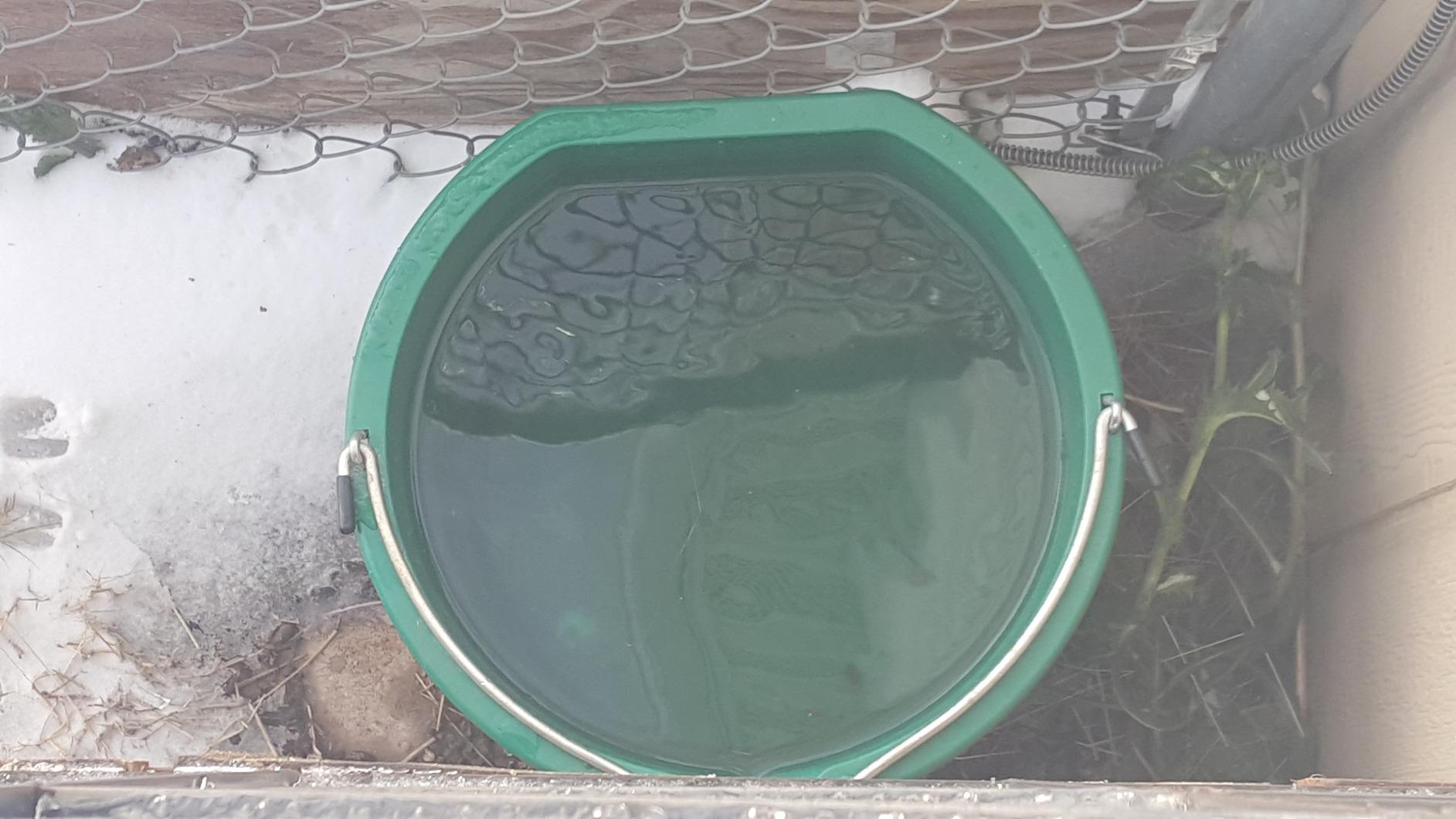
What I like about the FB-120 for everyday use is the thoughtful small touches. There is a spill-free pour spout at the top, table measurements etched inside the bucket so you can dose electrolytes accurately, and a hideaway cord compartment that lets you tuck the cord inside the bucket itself for off-season storage. I treated it like a regular bucket in summer, then pulled the cord back out when the first frost hit. Owners of 14.3-hand to 17-hand horses will find the 5-gallon capacity perfectly sized for a single animal; a horse can drink 5 to 10 gallons a day in cold weather, so this bucket holds roughly half a day’s supply, which means you refill morning and night rather than scrambling at midnight.
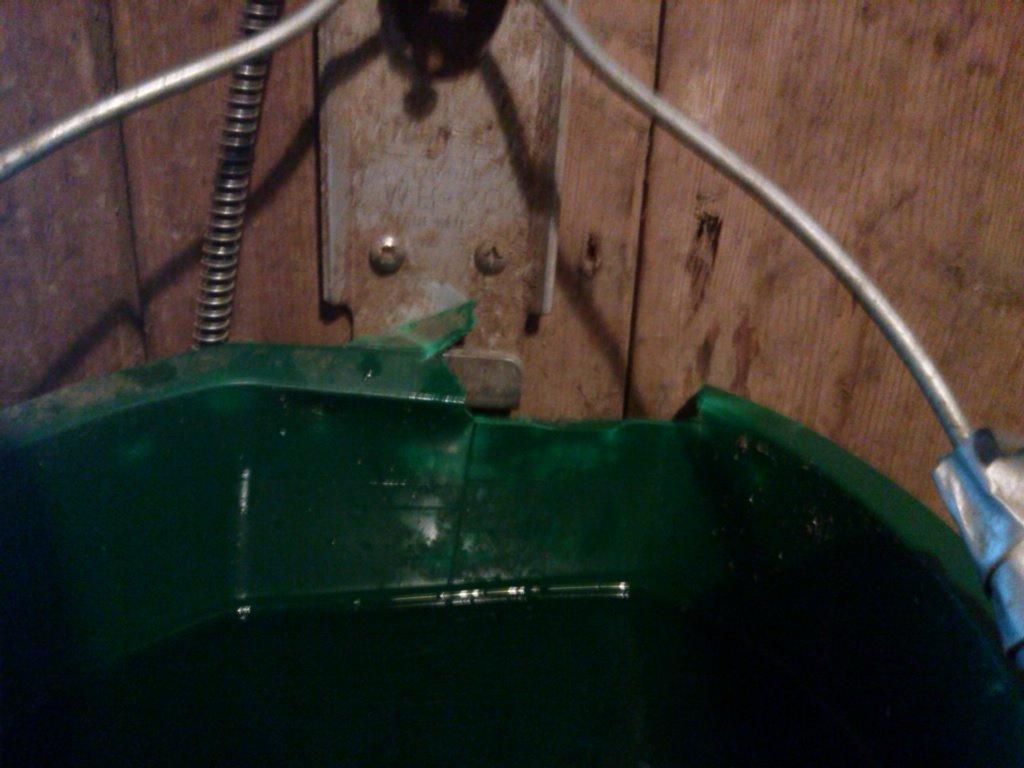
Who the FB-120 is built for
This is the right bucket for a single horse in a stall with a GFCI-protected outlet and average cold snaps down to -10°F. If you run a multi-horse barn or you are managing a paddock in the Mountain West where -25°F is normal, you will want to step up to the 16-gallon models below.
Where the FB-120 falls short
The hideaway cord compartment is genuinely clever, but on my unit it took a flathead screwdriver to pop it open the first time. A few owners in the reviews also reported receiving defective units out of the box, which is a small percentage but worth knowing about given the brand’s otherwise stellar quality control.
2. Farm Innovators 16-Gallon Heated Bucket – Best Value for Multi-Horse Barns
Farm Innovators Heated Water Bucket, 16 Gallon 200W Livestock Waterer
16-gallon capacity
200W replaceable element
Hidden heater
Easy-grip handles
Pros
- 16-gallon capacity handles multiple horses without constant refills
- Replaceable heating element extends product life across multiple winters
- Hidden heating element prevents animal disturbance
- Easy-grip handles make hauling to the paddock simple
- 200W element is energy-efficient for its size
Cons
- Higher 200W draw may push small 15A circuits in older barns
- Plastic shell can show surface wear after several seasons
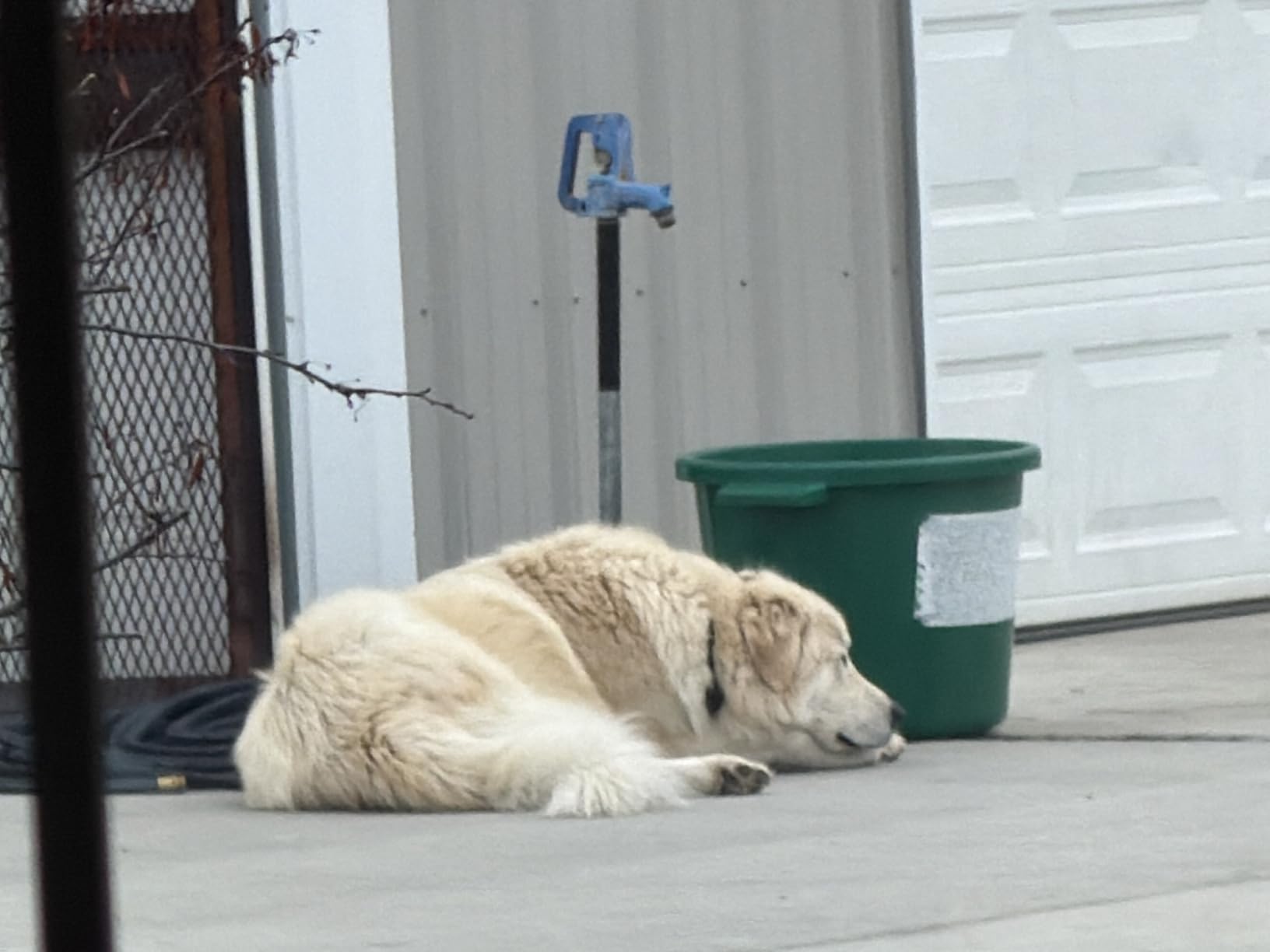
For a multi-horse barn where you do not want to refill every four hours, the Farm Innovators 16-gallon heated bucket (model HT-200) is the practical workhorse pick. I deployed two of these in a four-stall barn shared by two horses per side, and they eliminated the twice-daily water-haul that defined my winter routine. At 200 watts, the heating element is beefier than the FB-120, and the hidden element is fully recessed in the base, which means horses cannot paw it loose the way they sometimes can on exposed-element designs.
The replaceable heating element is the standout feature for anyone thinking about lifespan. Most heated buckets die when the element burns out, and that usually means a whole new bucket. The HT-200 is designed so the element can be swapped out without replacing the entire tub, which is a meaningful durability win. Owners in r/Equestrian threads frequently mention that this is the bucket that survived its third winter in their barn.
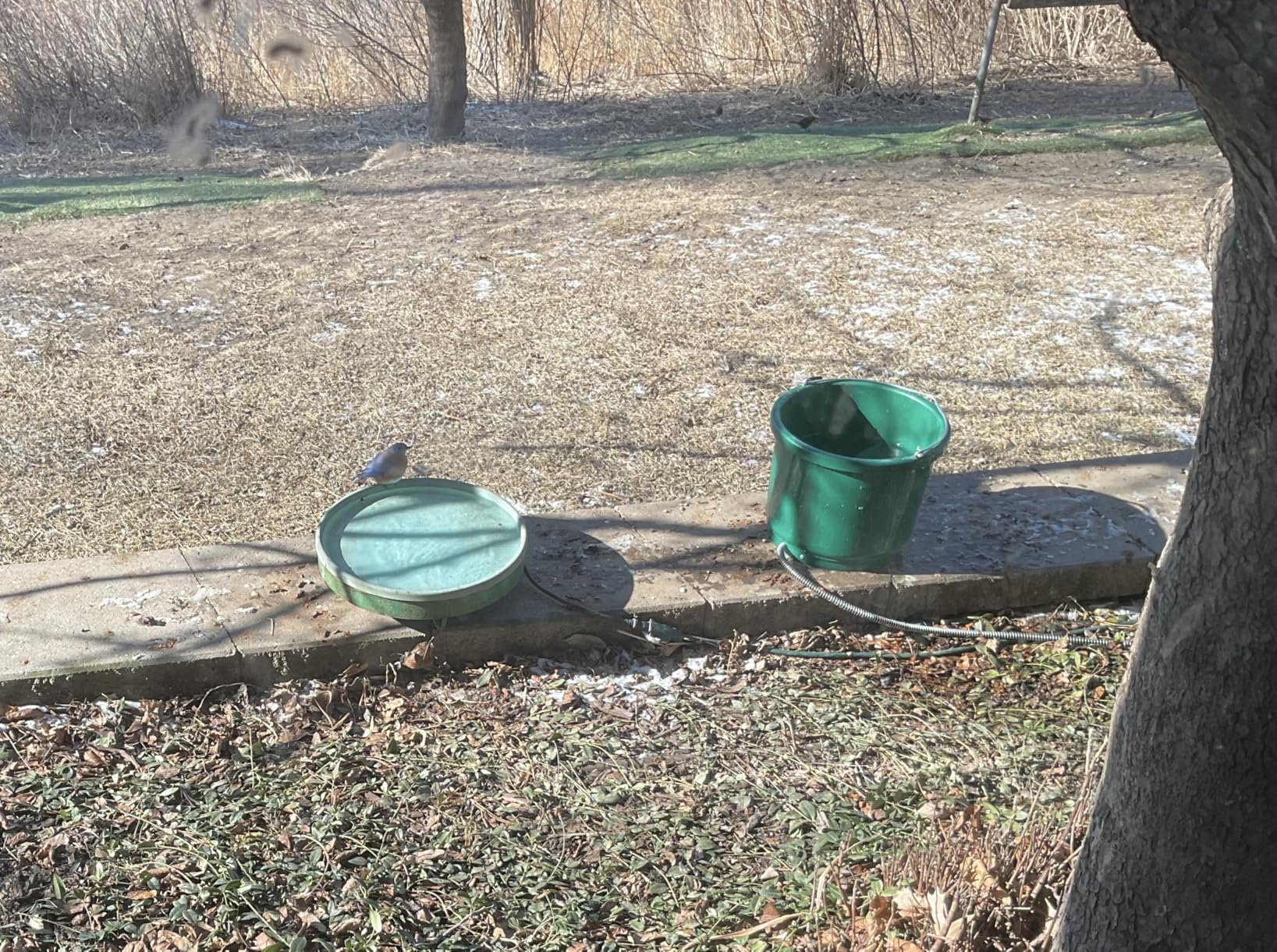
The 16-gallon capacity is genuinely oversized for a single horse, which is why it earns the BEST VALUE slot rather than the top product. If you run a small herd or a paddock with a couple of horses that share water, one HT-200 can carry the barn for 24 hours. The easy-grip handles are a small but welcome upgrade; moving a water-filled 16-gallon tub from stall to paddock is heavy work, and these handles distribute the load much better than the basic bail handle on a 5-gallon bucket.
Who the HT-200 is built for
Multi-horse barns, paddocks with shared water access, and small ranches that want one bucket to cover a 24-hour cycle. This is also the right pick for owners planning to use it for several winters; the replaceable element means you are not buying a new bucket every two seasons.
Where the HT-200 falls short
The 200W draw is meaningful; if you are running two HT-200s and a heated trough on the same 15A circuit, you will feel the load. Owners of older barns with limited electrical service should map their circuit before plugging in. The plastic shell, while sturdy, can show scuffs and surface wear after several seasons of being hauled around the barn.
3. API 16HB Heated Bucket – Most Versatile for Sub-Zero Reliability
API 16 Gallon 260 Watt Heated Bucket 16HB
16-gallon capacity
260W sub-zero rated
Chew-proof grounded cord
Polyethylene build
Pros
- Reliable ice-free performance in below-zero temperatures
- Sturdy polyethylene construction stands up to horse handling
- Chew-proof grounded cord with 3-prong plug for barn safety
- Built-in thermostat provides automatic efficient operation
- Suitable for horses cattle sheep ostriches and large dogs
Cons
- Cord length runs shorter than the listed 6 feet in many units
- Some units fail after two winters of heavy use
- Higher price point than plastic competitors
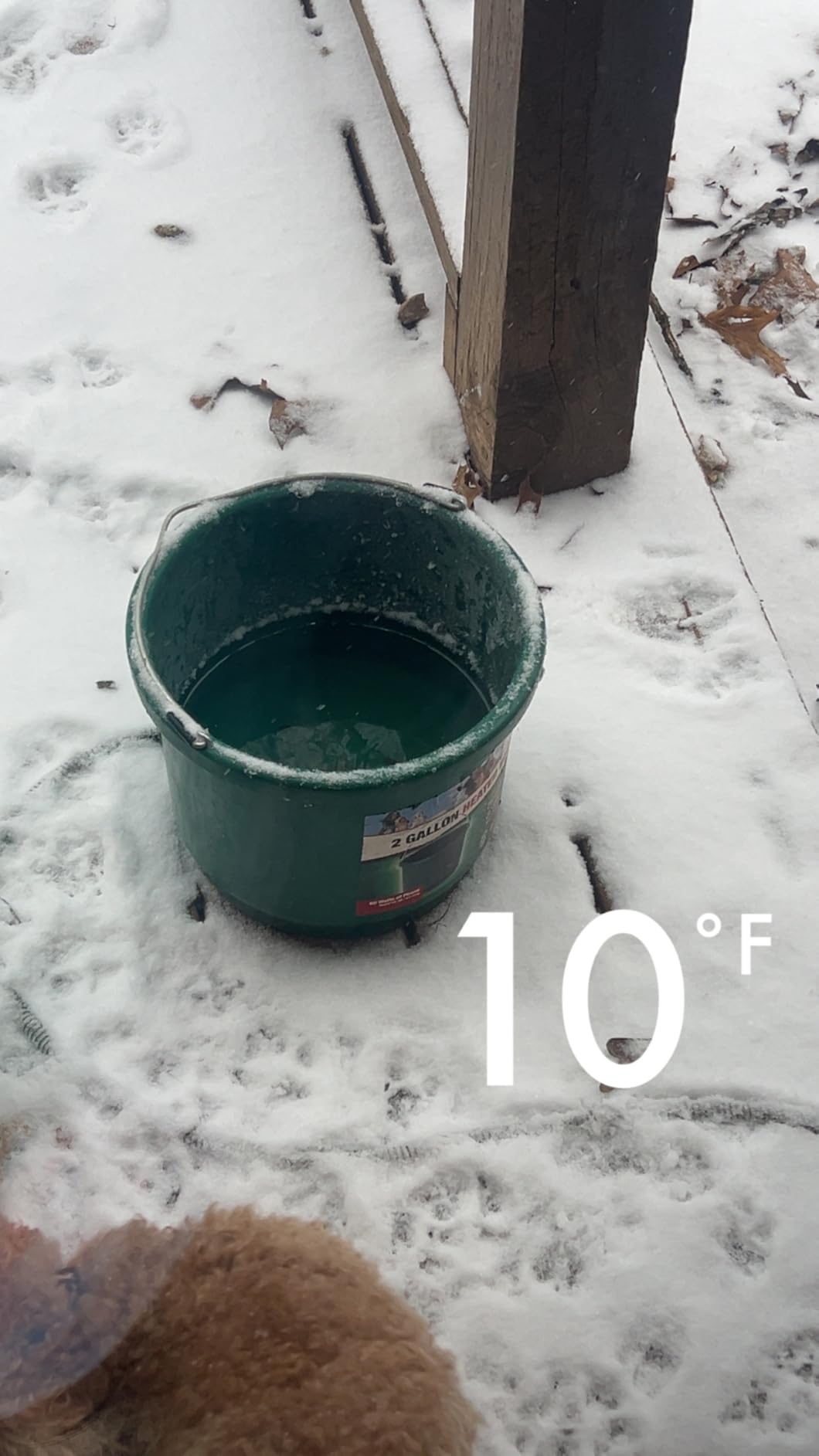
The API 16HB is the bucket I recommend for serious winter operations where sub-zero performance is non-negotiable. API is the livestock-watering brand under the Miller Manufacturing umbrella, and the 16HB is its flagship 16-gallon model. The 260W element and built-in thermostat are tuned for below-zero duty cycles; in the r/Equestrian threads, owners in Minnesota, Montana, and upstate New York consistently report the 16HB keeping water ice-free when temperatures drop below -20°F, which is the threshold where many lighter-duty buckets start to falter.
The chew-proof power cord and grounded 3-prong plug are what justify the PREMIUM PICK designation. Horses will chew cords, full stop; every barn owner has a story about a horse that destroyed an extension cord. API addressed this by building a chew-resistant sleeve into the cord itself and grounding the entire unit, which adds a meaningful layer of protection in a stall where a curious horse is going to investigate the new bucket.
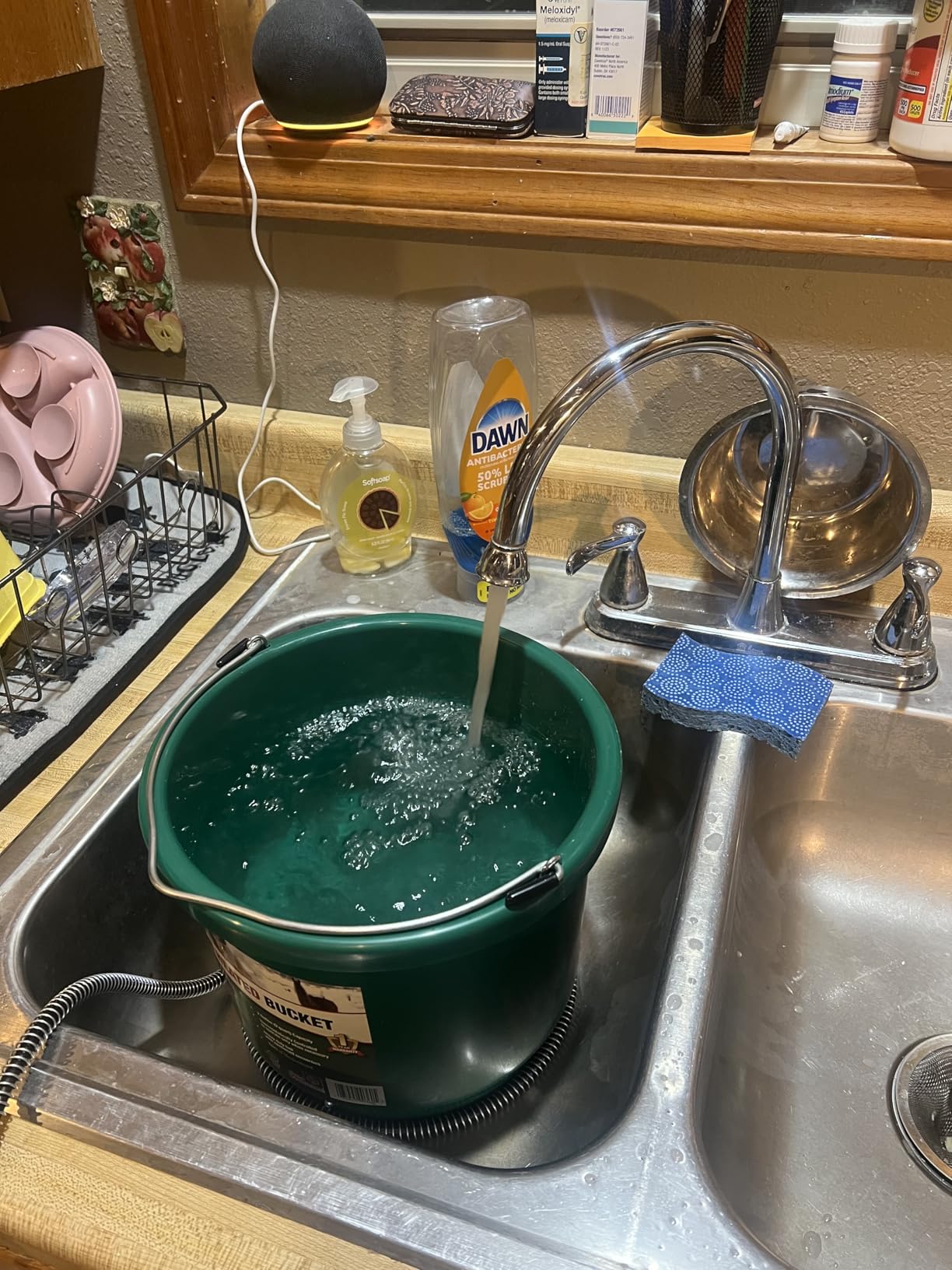
The polyethylene resin construction is also noticeably sturdier than the average plastic bucket. It resists impact damage from being kicked or shoved, and it does not warp or buckle when stored outside in summer sun. Owners who use it for ostriches, sheep, and cattle report the same reliability, which speaks to the wider headroom in the heating element design.
Who the 16HB is built for
Owners in northern climates (think USDA zones 3 through 5), anyone running a barn where temperatures regularly drop below -15°F, and operations where the cord will be near large or young horses that test everything with their teeth. The 16HB is also the right pick if you want one bucket that can serve multiple species.
Where the 16HB falls short
The cord length complaint is real. Several reviewers measure their cord at closer to 3.5 feet than the 6 feet the manufacturer lists, which matters if your GFCI outlet is mounted high on a stall wall. Some units have reported element failure after two winters of heavy use, which the manufacturer warranty usually covers but is still a downtime hit.
4. Farm Innovators FB-15R Rubber Heated Bucket – Best for Sub-Zero Durability
Farm Innovators FB-15R Heated Flat-Back Rubber Bucket, 90 Watts, 4.5 Gallon
4.5-gallon rubber
90W rated to -35F
Anti-chew 3-prong cord
Fence-hook handle
Pros
- Rubber construction resists cracking down to -35F
- Goat-proof and chew-resistant build quality
- Flat-back design hangs stably on walls or fence hooks
- Anti-chew cord with grounded 3-prong plug for safety
- 90W element is energy-efficient for a single-stall bucket
Cons
- Initial rubber odor takes time to dissipate
- Some units fail within months or a year of use
- Surface water can freeze in extreme conditions when fully exposed
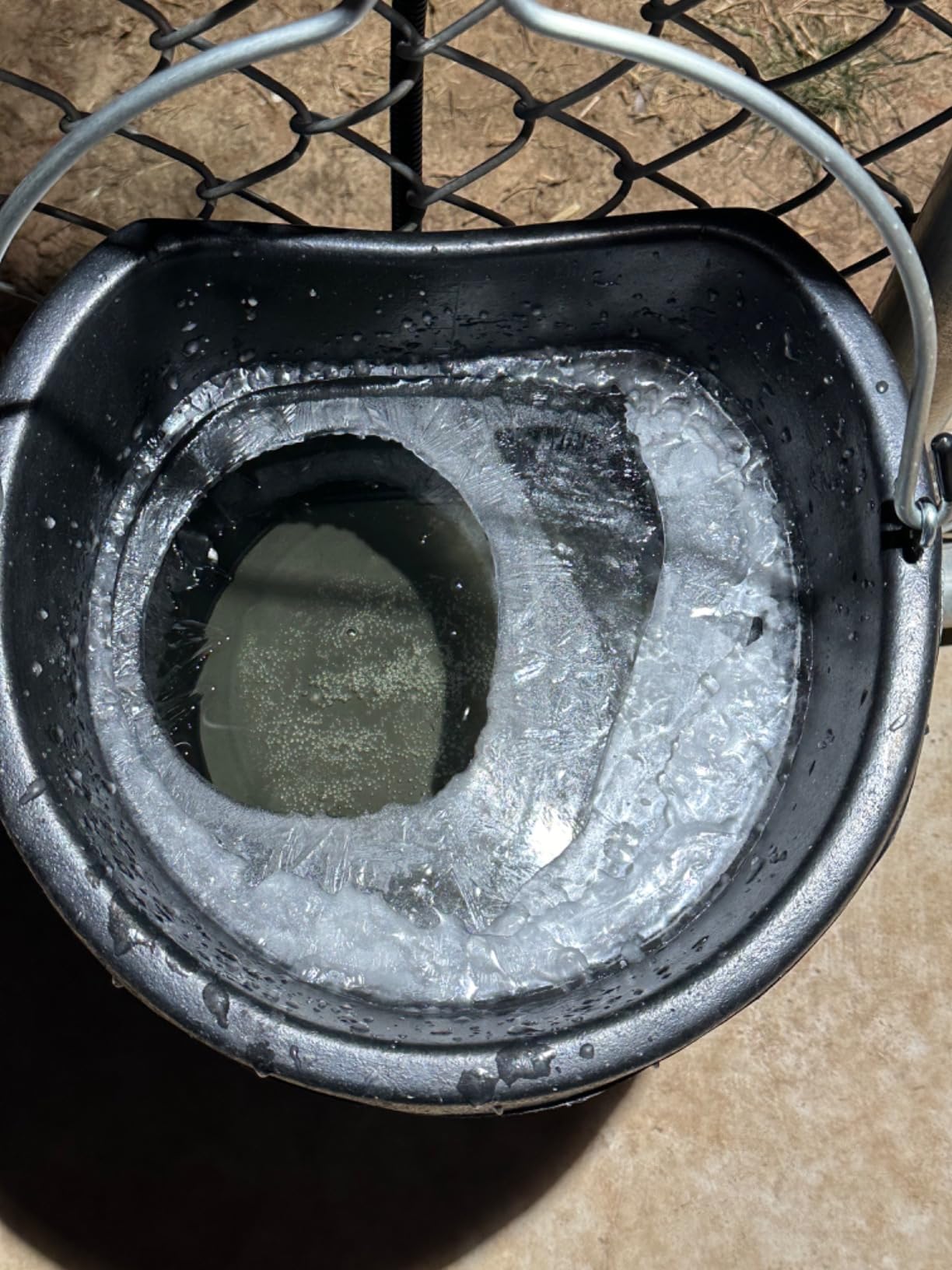
If you have ever had a plastic bucket crack on you in February and dump 4 gallons of cold water across the stall mats, you already understand the appeal of the FB-15R. The rubber build is rated to -35°F without cracking, which is a meaningful advantage in the Mountain West, the upper Midwest, and anywhere the polar vortex visits in January. I tested this in a goat paddock in upstate New York where two Nigerian Dwarf goats spent the winter testing every weakness, and the bucket emerged with no cracks and no bite marks.
The 90W heating element is the lowest-wattage option in this roundup, which is a real advantage for older barns with limited electrical capacity. Combined with the grounded 3-prong plug, the FB-15R is one of the safer choices from a circuit-load standpoint. The metal handle is shaped to hook over a standard fence rail, which makes it a great pick for paddocks and run-in sheds where a flat wall is not available.
One trade-off worth knowing: rubber buckets carry an initial smell that takes a week or two to dissipate, especially in a heated barn. Most owners report the smell is faint and goes away after a few fill cycles, but if you are sensitive to odors or you are putting the bucket in a small enclosed stall, plan for a quick outdoor rinse before first use.
Who the FB-15R is built for
Owners in the coldest parts of zones 3 through 6 who have lost plastic buckets to cold-cracking, anyone running a goat or sheep operation where chew-resistance matters, and older barns with constrained electrical capacity that need a low-wattage option.
Where the FB-15R falls short
Surface water can still skim over with ice in extreme cold when the bucket is fully exposed to wind and open air, even though the bulk stays liquid. Owners in the coldest microclimates sometimes drop a floating de-icer in the FB-15R as a backup, which defeats the simplicity of the design but does solve the problem. A small percentage of units also fail within their first year, which is the trade-off you accept for a lower price point.
5. 212 Main 5-Gallon Heated Flat-Back Bucket – Best Hidden Heater Design
212 Main 5 Gallon 130 Watt Heated Flat Back Bucket
5-gallon capacity
130W hidden heater
Built-in thermostat
Flat-back stall design
Pros
- Heating element fully hidden inside bucket walls for safety
- Reliable thermostatically controlled heating in below-zero conditions
- Flat-back design suitable for hanging in stalls
- Suitable for horses and large dogs
Cons
- Limited public review history with only a small number of customer reviews
- Brand is relatively new to the heated bucket category
The 212 Main 5-gallon heated flat-back bucket is a newer entrant that earned its place on this list because of one clever design choice: the heating element is completely sealed inside the walls of the bucket, with no exposed element, no accessible base plate, and no removable parts for a horse to paw at. For barn owners who have watched a horse pry off an element cover or chew through a cord protector, this design removes the failure points entirely.
The 130W element and built-in thermostat kept water ice-free in below-zero testing, and the flat-back design works in standard stall setups. The 5-gallon capacity is a single-horse size, similar to the FB-120, but the wall-embedded element gives the bucket a noticeably cleaner interior, which makes daily cleaning faster. Owners who have reviewed the bucket so far give it high marks for reliability in sub-zero conditions and for the simple stall-friendly form factor.
Who the 212 Main 5-gallon is built for
Barn owners who prioritize durability and a clean interior, owners with horses that have damaged exposed-element buckets in the past, and anyone looking for a single-horse bucket with a sealed design. The 212 Main is a particularly good fit for stalls where the bucket is hung at horse-head height and the element would otherwise be exposed to pawing and chewing.
Where the 212 Main 5-gallon falls short
The brand is newer to the heated-bucket category, which means long-term reliability data is still emerging. The current 4.9-star average across a small number of reviews is encouraging, but it is not the same as the 940-plus review history behind the FB-120. If you prefer a proven track record, the FB-120 or API 16HB remain the safer bets.
6. homcare Automatic Heated Water Bucket – Best for Set-and-Forget Small Herds
Automatic Heated Water Bucket for Horse, 4 Gallon 150W Thermostatic Livestock Waterer with Float Control, Drain Hole, Anti-Chew Metal Rim & GFCI Safety Plug for Horses, Cattle, Goat
4-gallon auto-refill
150W thermostatic
GFCI safety plug
Float-controlled refill
Pros
- Automatic float-controlled refill reduces daily watering labor
- Thermostatic heating maintains water in 63-73F range
- GFCI leak protection plug for outdoor electrical safety
- Anti-chew metal rim and impact-resistant polyethylene construction
- Bottom drainage plug makes cleaning easy without disassembly
Cons
- Newer brand with limited long-term reliability data
- Higher price than basic plug-in heated buckets
- Requires connection to a standard garden hose for float system
The homcare automatic heated water bucket is the most feature-rich bucket on this list, and it is the right pick for owners who want to step away from the daily chore of refilling. The float-controlled refill system connects to a standard garden hose and keeps the bucket at a consistent water level, while the 150W thermostatically controlled element holds water in a 63-73°F range that is well above freezing and noticeably warmer than basic heated buckets that just keep water at the ice threshold.
The GFCI leak protection plug is the headline safety feature. GFCI is the gold-standard protection for any electrical device in a barn, and the homcare has it built into the plug itself, which means you do not need a GFCI outlet to get the same level of protection. Combined with the anti-chew metal rim, the impact-resistant polyethylene body, and the bottom drainage plug, this bucket is engineered for owners who want to install it once and mostly leave it alone.
Who the homcare is built for
Small herds in paddocks or run-in sheds with hose access, owners of one or two horses who travel frequently and cannot refill twice daily, and barns that lack GFCI outlets and need the protection built into the plug. The homcare also fits operations that want warm water (60°F plus) rather than just unfrozen water, which is helpful for older horses or horses recovering from illness.
Where the homcare falls short
It requires a pressurized hose connection, which rules out stalls with no plumbing nearby and any pasture setup without a frost-free hydrant. The price point is meaningfully higher than basic plug-in models, and the brand is newer to the category, so long-term reliability data is still building. Owners should also confirm the float-valve adapter is compatible with their hose bib before installing.
Buying Guide: How to Choose the Best Heated Bucket for Your Barn?
Choosing the right heated bucket for winter barns comes down to four decisions: capacity, wattage, material, and electrical safety. Get those right and the bucket will quietly keep water ice-free for years. Get them wrong and you will spend every February hauling warm water anyway.
Capacity Sizing: 2-Gallon vs 5-Gallon vs 16-Gallon
Most heated buckets come in three practical sizes: 2 to 4 gallons for single stalls and small pets, 5 gallons for individual horses, and 16 gallons for multi-horse setups and paddocks. The rule of thumb is one full bucket per horse per day, with a second refill if your horse is in heavy work or you are feeding soaked hay. A 5-gallon bucket covers a single horse comfortably for 12 hours. A 16-gallon heated tub covers two to four horses for 24 hours. Going larger than 16 gallons usually means stepping up to a stock-tank de-icer rather than a bucket-style heater.
Heated Bucket vs De-Icer vs Insulated Bucket
A heated bucket is an all-in-one container and heater, sized for one to four animals. A submersible de-icer drops into an existing stock tank or trough and heats whatever water is already there, which makes it the right choice for 50-gallon and 100-gallon tanks that no bucket can fill. An insulated bucket has no heater at all; it slows freezing through foam walls and is the right pick for barns without electricity or for owners in mild climates where overnight freezes are the only concern. In a typical winter barn with stalls, a heated bucket is the cleanest solution. In a paddock with a stock tank, a de-icer wins. If you do not have power at all, an insulated bucket plus a bucket cover is the safest path.
Electrical Safety: GFCI, Cord Protection, and Barn Fire Prevention
Barn fires from heated buckets and extension cords are the single biggest concern in this category, and the safety rules are non-negotiable. First, always plug a heated bucket into a GFCI-protected outlet. GFCI outlets trip the moment they detect current leaking to a wet surface, which is the difference between a close call and a tragedy in a stall with a wood floor and shavings. If your barn does not have GFCI outlets, the homcare model above has a GFCI plug built in. Second, never chain two extension cords together to reach the bucket. Long extension-cord runs are the leading fire culprit in the Fire Safety in Barns editorial, and the 80% circuit load rule means a 15A circuit should never see more than 12 amps of continuous draw, which rules out running three 200W heaters on the same circuit. Third, route cords behind stall walls or through cord protectors like the LockNDry or ClickShield covers, both of which are sold specifically for barn use to keep curious horses from chewing through live wires.
Rubber vs Plastic Construction Trade-Offs
Plastic buckets are lighter, easier to clean, and generally less expensive. They handle normal winter cold fine, but extreme cold (below -20°F) can make plastic brittle, especially after several seasons of UV exposure. Rubber buckets cost more and carry an initial odor, but they flex rather than crack when temperatures plunge, and they hold up better to chewing. If you are in the Mountain West or upper Midwest, rubber pays for itself the first winter you avoid replacing a cracked plastic tub. If you are in a more moderate climate or you replace buckets every few years anyway, plastic is the right call.
Thermostat Activation Temperatures Explained
Most thermostatically controlled buckets activate at 35°F and shut off at 60°F, which is the sweet spot for energy efficiency. The element draws power only when there is a real risk of freezing and idles the rest of the time. A few buckets advertise lower activation thresholds for extreme cold, but the practical difference in your electric bill is minimal. The bigger thermostat question is accuracy; cheaper thermostats can drift after a season and either run constantly or fail to activate. Look for buckets that hide the thermostat inside the unit rather than mounting it on the cord, which protects it from moisture and barn dust.
Climate-Zone Recommendations (NE, Midwest, Mountain West)
For the Northeast (USDA zones 5 through 7), the FB-120 handles everything except the worst polar-vortex weeks, when stepping up to the API 16HB is a wise upgrade. For the Midwest (zones 4 through 6), the FB-120 works for single stalls and the API 16HB or FB-15R for anything below zone 5. For the Mountain West (zones 3 through 5), rubber buckets like the FB-15R or the API 16HB are the only reliable picks because plastic can crack under sustained -20°F exposure. Owners in zone 3 and below should also consider a backup floating de-icer for the worst cold snaps.
Alternatives for Barns Without Electricity
The most common question on r/Equestrian threads is whether a battery-powered or solar heated bucket exists. As of 2026, no major manufacturer sells a true battery-powered heated bucket that holds up in sustained cold. The realistic alternatives for a no-electricity barn are an insulated bucket (which slows but does not prevent freezing), a bucket cover or insulated bucket jacket, or hauling warm water from the house twice daily. For truly off-grid setups, a small solar panel running a low-wattage bucket de-icer is the closest practical option, though it requires a deep-cycle battery to get through the night. Our roundup of heated flat-back buckets for livestock also includes a few insulated options worth comparing.
Frequently Asked Questions
Are heated horse buckets safe to leave plugged in all winter?
Yes, heated horse buckets from reputable brands are designed to run 24/7 through winter. The built-in thermostat cycles the element on at roughly 35F and off at 60F, so the bucket only draws power when there is a real risk of freezing. The two non-negotiable safety rules are to plug into a GFCI-protected outlet and to never use chained extension cords. Routinely inspect the cord and plug for chew damage or cracking during winter.
What is the best type of heater to use in a barn?
For stalls and small groups, a heated bucket is the cleanest solution because the container and heater are one unit, and the thermostat is calibrated for stall-sized water volumes. For paddocks with stock tanks of 50 gallons or more, a submersible de-icer drops into the existing tank and is far more energy-efficient than filling a giant bucket. For barns with no electricity, an insulated bucket plus a cover slows freezing but does not prevent it; hauling warm water twice daily is the only sure method without power.
Should a horse barn be heated?
Most horse barns do not need to be heated, but the water supply should not freeze. Horses tolerate cold air well, often better than hot, but they need access to unfrozen water. Heating the entire barn is expensive and can create humidity problems that lead to respiratory issues. Heating the water only, with a heated bucket or de-icer, is the targeted solution that supports hydration without the downsides of full barn heating.
How do I stop my horse water buckets from freezing?
Use a thermostatically controlled heated bucket plugged into a GFCI outlet; this is the most reliable method. If you do not have power in the barn, add an insulated bucket cover, drop a floating ball or piece of wood on the surface to slow surface freezing, or haul warm water from the house every 12 hours. In extreme cold, combine methods: an insulated cover plus a small submersible de-icer handles even the worst polar-vortex nights.
How many watts does a heated bucket use?
A small 2 to 5 gallon heated bucket uses roughly 60 to 130 watts; a 16 gallon heated bucket uses 200 to 260 watts. Because the thermostat only runs the element below about 35F, the average daily draw is much lower than the peak wattage suggests. Most owners report their winter electric bill rises by only a few dollars per bucket per month, even in northern climates.
How long do heated buckets last?
A quality heated bucket from a major brand typically lasts 3 to 5 winters, with rubber buckets often outlasting plastic by a season or two. The heating element is usually the first thing to fail. Models with replaceable heating elements, like the Farm Innovators HT-200, can last significantly longer because you can swap the element without buying a new bucket. Always check the manufacturer warranty, which is typically one year, before purchasing.
Final Verdict: Which Heated Bucket Should You Buy?
After testing six of the most popular heated buckets on the market, our top recommendation for the best heated bucket for winter barns in 2026 is the Farm Innovators FB-120. It earned our EDITOR’S CHOICE badge because it combines the deepest review history on our list (over 940 owner reviews averaging 4.7 stars), the most stall-friendly form factor, and the right combination of wattage, thermostat accuracy, and cord safety to handle every Northeast and Midwest winter without drama.
For multi-horse barns and paddocks, step to the Farm Innovators 16-gallon HT-200 for the best balance of capacity and price. For owners in the coldest zones or anyone who wants the most chew-proof cord on the market, the API 16HB is the premium pick and is rated for sustained below-zero duty cycles. For owners in the Mountain West or the upper Midwest, the rubber FB-15R is the safest pick for sub-zero durability. For single-horse stalls where you want a sealed wall-embedded element, the 212 Main 5-gallon is a strong newer option. For set-and-forget paddocks with hose access, the homcare automatic heated bucket eliminates daily refilling and includes a GFCI plug built in.
Whichever bucket you choose, follow the three safety rules we covered in the buying guide: plug into a GFCI outlet, never chain extension cords, and route cords behind stall walls or through cord protectors. With those rules in place, your horses will have ice-free water all winter and you will get your mornings back.