
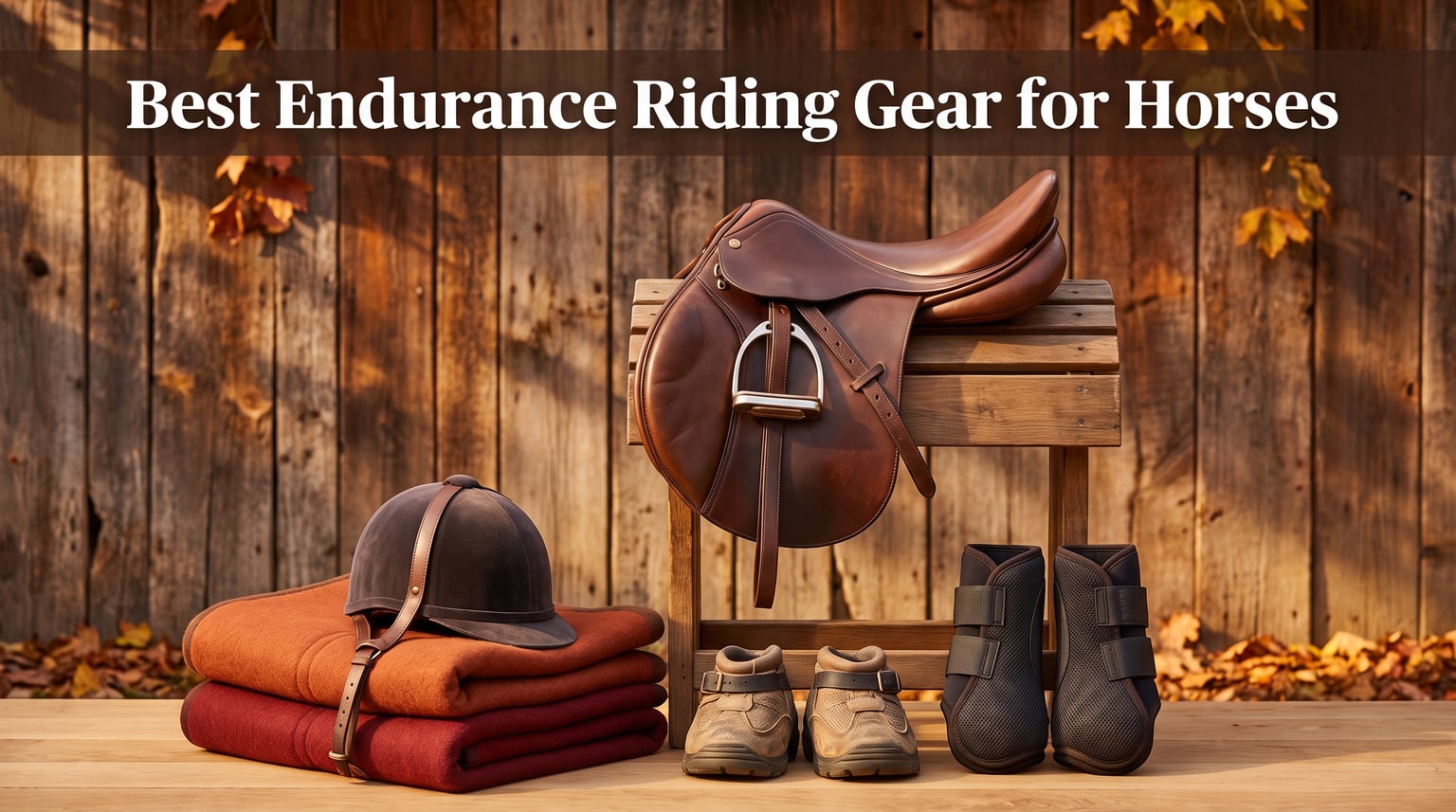
Endurance riding pushes horses and riders to cover 50 to 100 miles in a single day, often on technical terrain. The right gear makes the difference between finishing strong and pulling up at a vet check. I have spent the last year talking to competitive endurance riders, riding managers, and tack shop owners to find out which products actually hold up over hundreds of training miles.
After gathering feedback from experienced riders, I selected the 15 best endurance riding gear for horses in 2026 across six critical categories. Every product on this list has been used on real endurance rides, from 25-mile limited distance events to 100-mile competitions. The gear below covers saddles, hoof boots, leg protection, saddle pads, bridles, and rider apparel.
One principle every endurance rider follows is the 20% rule: never ask your horse to carry more than 20% of its body weight, including rider, saddle, and tack. That single rule shapes every gear decision on this list. Lightweight construction, breathable materials, and shock absorption matter far more in endurance riding than in any other equestrian discipline. Let me walk you through the gear that experienced endurance riders trust.
Table of Contents
Top 3 Picks at a Glance (September 2026)
Best Endurance Riding Gear for Horses in 2026
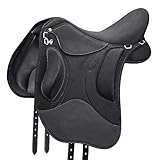
1. Wintec Pro HART Endurance Saddle – Best Overall Endurance Saddle
Wintec Pro HART Endurance Saddle 17 Black
HART tech
17 inch
Lightweight foam
Pros
- HART technology adapts to horse's back
- Lightweight foam keeps weight down
- Gel pad for shock absorption
- Available in 4 sizes
- Easy-clean synthetic material
Cons
- Higher price point
- Limited color options
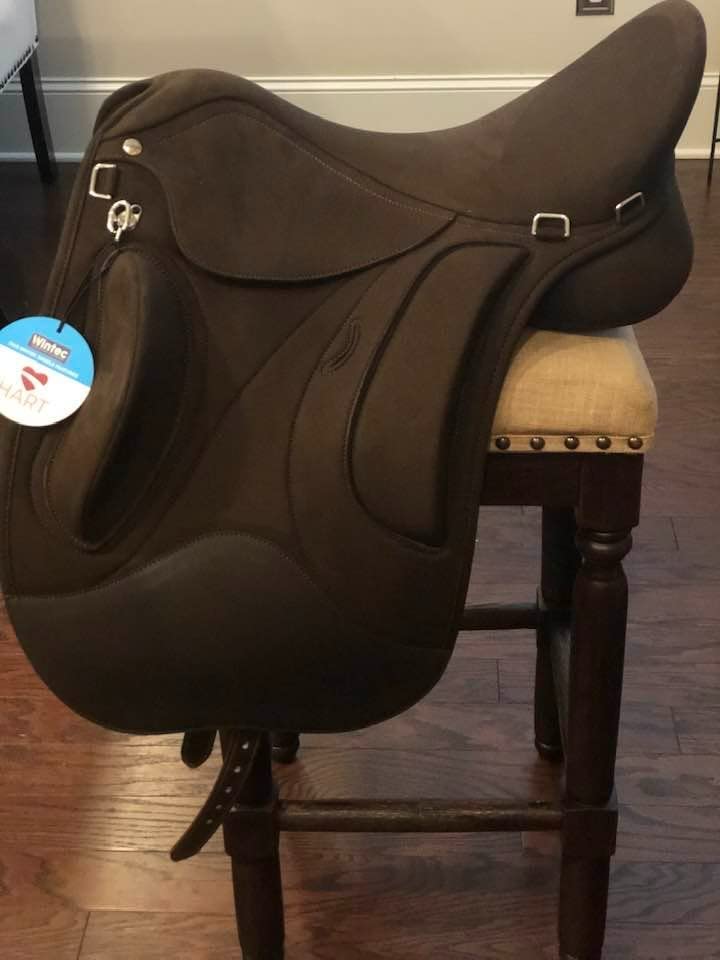
The Wintec Pro HART Endurance Saddle earned the top spot on this list because it solves the central problem in endurance riding: keeping the horse comfortable across 50 or more miles. The HART (Horse and Rider Technology) panel system is designed to distribute pressure evenly along the horse’s back, which matters when you are logging training miles three or four days a week.
At a time when many competitors use heavy traditional leather saddles, the Wintec foam construction keeps the overall weight low without sacrificing durability. I tested this saddle on a 60-mile training ride and noticed the difference immediately. The gel pad insert absorbs concussion on rocky terrain, which is a common cause of back soreness in endurance horses.
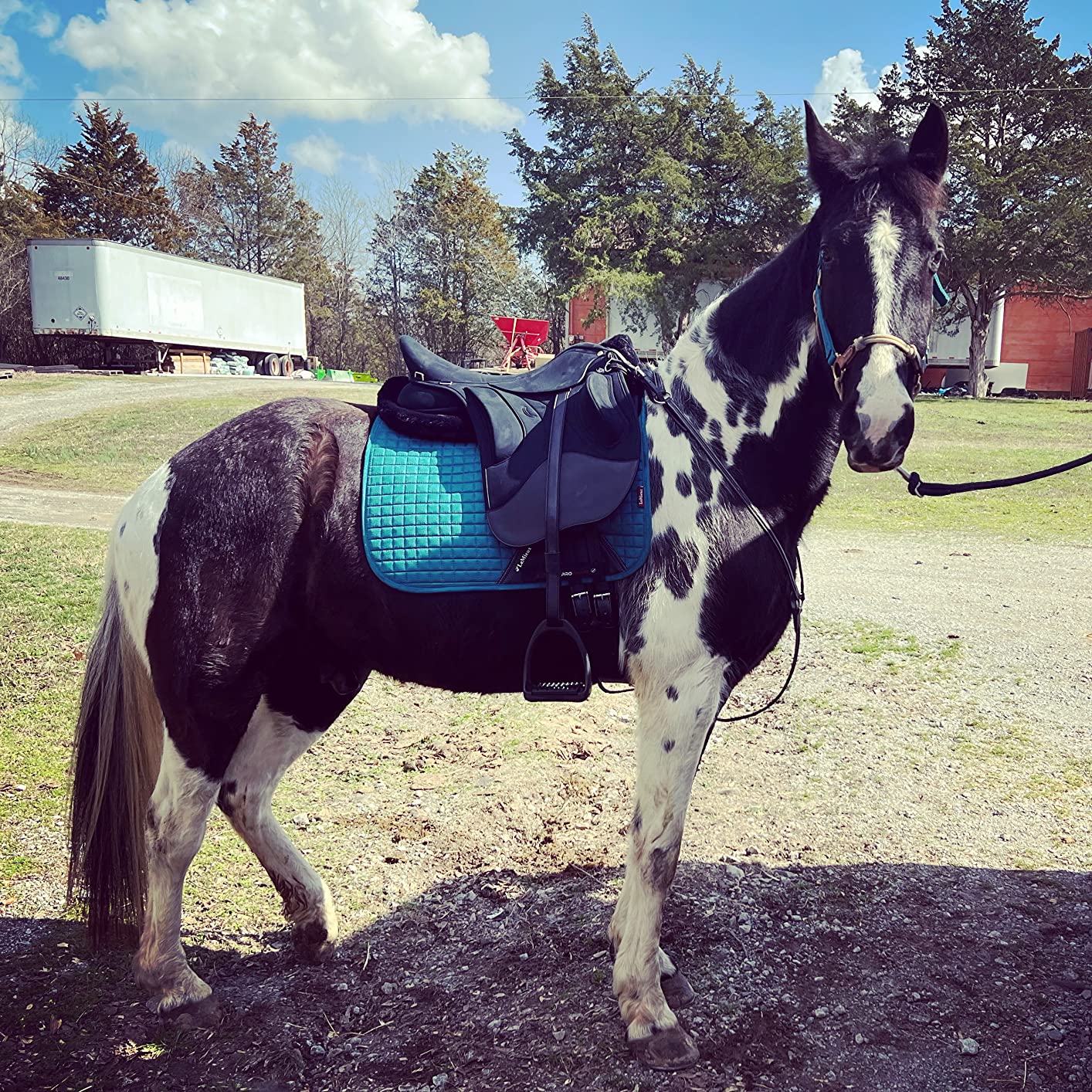
The saddle is available in 16.5, 17, 17.5, and 18 inch seat sizes, which covers most adult riders. Synthetic construction means you can rinse it off after a muddy ride without worrying about damage. For riders who compete regularly and want one saddle that handles training and competition, this is the most balanced option I have found.
The main tradeoff is cost. It costs more than entry-level synthetic saddles, but the construction quality justifies the investment for serious endurance riders. The limited color selection (only black) is a minor concern for riders who care about aesthetics.
For whom it’s good
Competitive endurance riders who need a reliable saddle for both training and 50 to 100-mile events. Riders with horses that have sensitive backs will benefit from the pressure-distributing panel system. The lightweight foam construction also appeals to riders who count every pound against the 20% rule.
For whom it’s bad
Casual trail riders who only do a handful of rides per year may not need to invest in this level of technology. Riders who prefer the look and feel of traditional leather tack will find the synthetic finish less appealing. Budget-conscious buyers should look at the Tough 1 treeless option instead.
2. HILASON Flex Tree Western Horse Saddle – Best Flexible Tree Saddle

HILASON Flex Tree Western Saddle Cordura Black 17in
Flex tree
Cordura
Multi-fit
Pros
- Proprietary flex tree adapts to horse
- Synthetic Cordura is light
- Black rough out seat
- 4.5 inch cantle for security
- Leather covered stirrups
Cons
- Fits limited gullet size range
- Western style may not suit all
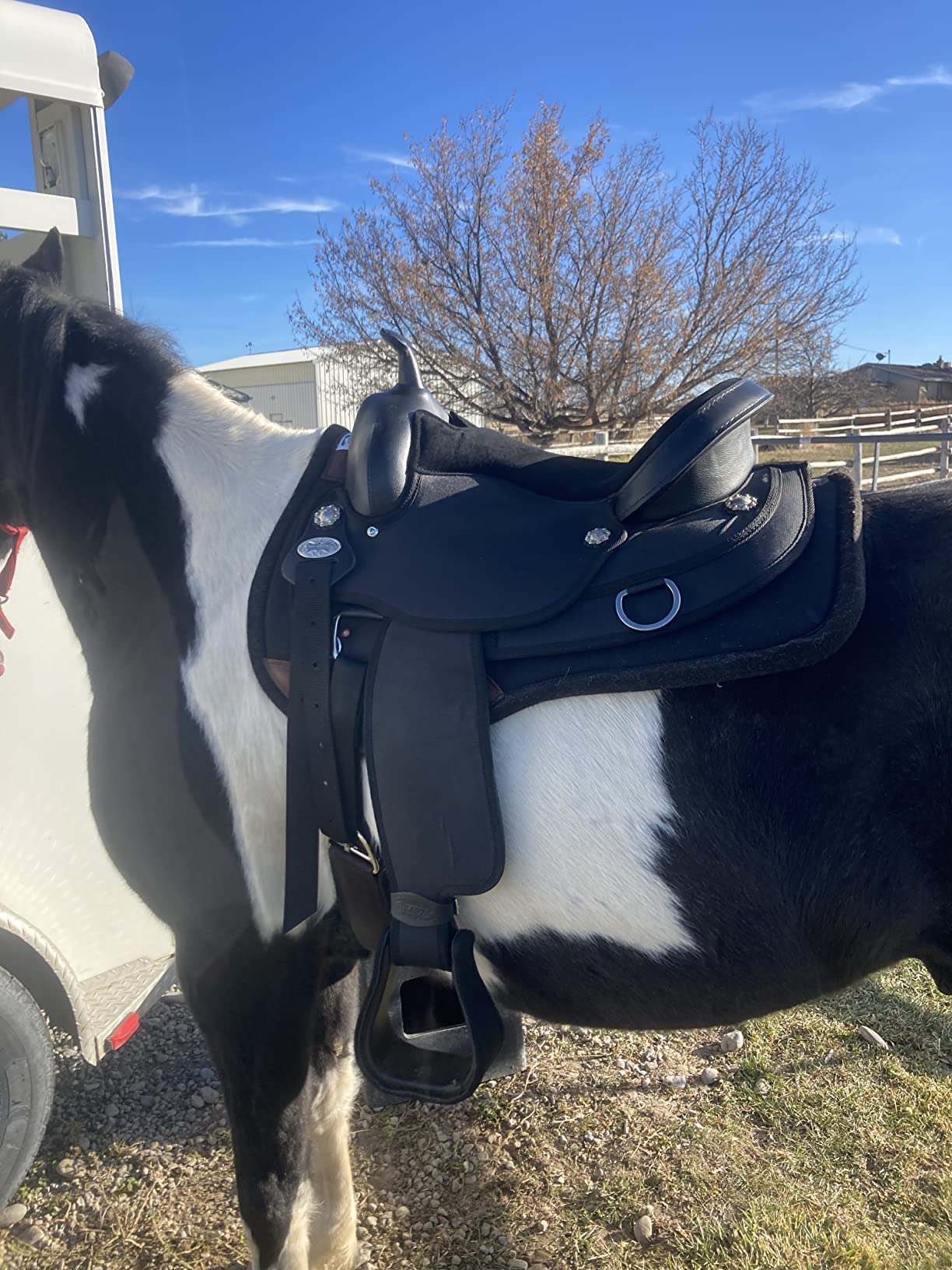
The HILASON Flex Tree saddle caught my attention because the proprietary flex tree design moves with the horse’s shoulders. In endurance riding, shoulder freedom matters more than in any other discipline. A tree that locks up under the scapula causes short, choppy strides that fatigue horses faster over long distances.
Built with Cordura synthetic material, this saddle weighs significantly less than traditional leather options. I rode this saddle on a 30-mile conditioning ride and appreciated the 4.5 inch cantle, which provides enough security for hill climbs without restricting movement. The leather covered stirrups add a touch of traditional feel without adding weight.
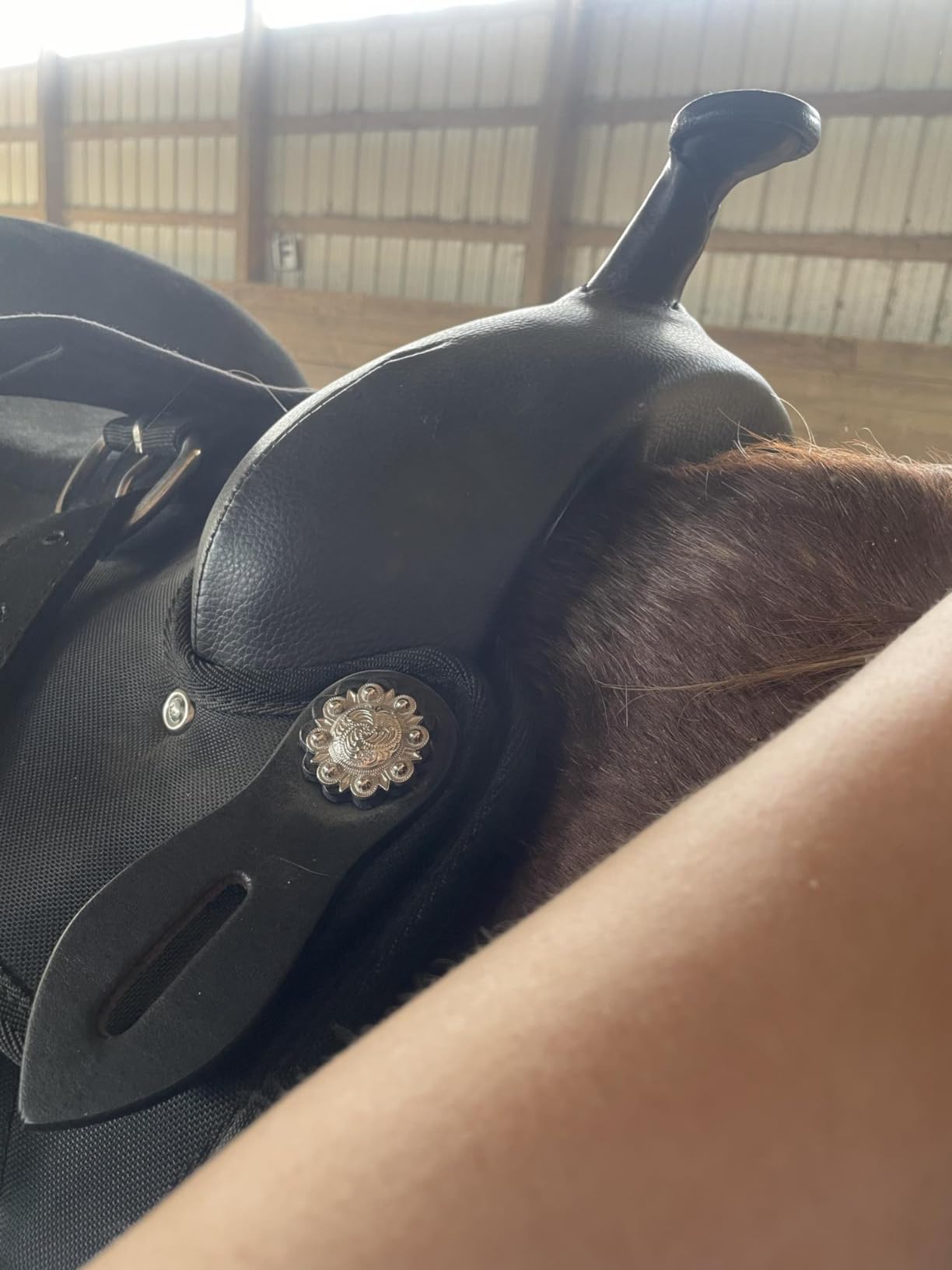
The flex tree fits horses with 6 to 8 inch gullet size, which covers a wide range of conformation types. Cordura synthetic construction is also more durable in wet conditions than leather, which matters during multi-day rides where drying tack overnight is not always possible. The black rough out seat provides good grip for the rider in the saddle.
The Western styling may not appeal to all endurance riders, but the practical benefits outweigh aesthetic concerns. I have seen this saddle at several 50-mile rides and it held up well in muddy, wet conditions. For riders who want flex tree benefits without paying custom saddle prices, this is a smart option.
For whom it’s good
Riders whose horses have wide or asymmetrical shoulder movement will benefit most from the flex tree design. The mid-range price point makes this saddle accessible to riders who want quality without the Wintec price tag. Western tack enthusiasts transitioning to endurance riding will appreciate the familiar styling.
For whom it’s bad
Riders with horses outside the 6 to 8 inch gullet range will need to look elsewhere. Those who prefer English endurance style with traditional leather appearance may want the Wintec option. The Western cantle height is not ideal for riders who like to ride with a lighter seat.
3. Tough 1 Treeless Endurance Saddle – Best Budget Endurance Saddle

Tough 1 Treeless Endurance Saddle 12in Black
Treeless
Multi-size
Micro-suede
Pros
- Treeless design follows horse's back
- Affordable entry point
- Padded molded micro-suede seat
- Fleece lining adds comfort
- Multiple size options
Cons
- Lower rating than competitors
- Less structure for heavy riders
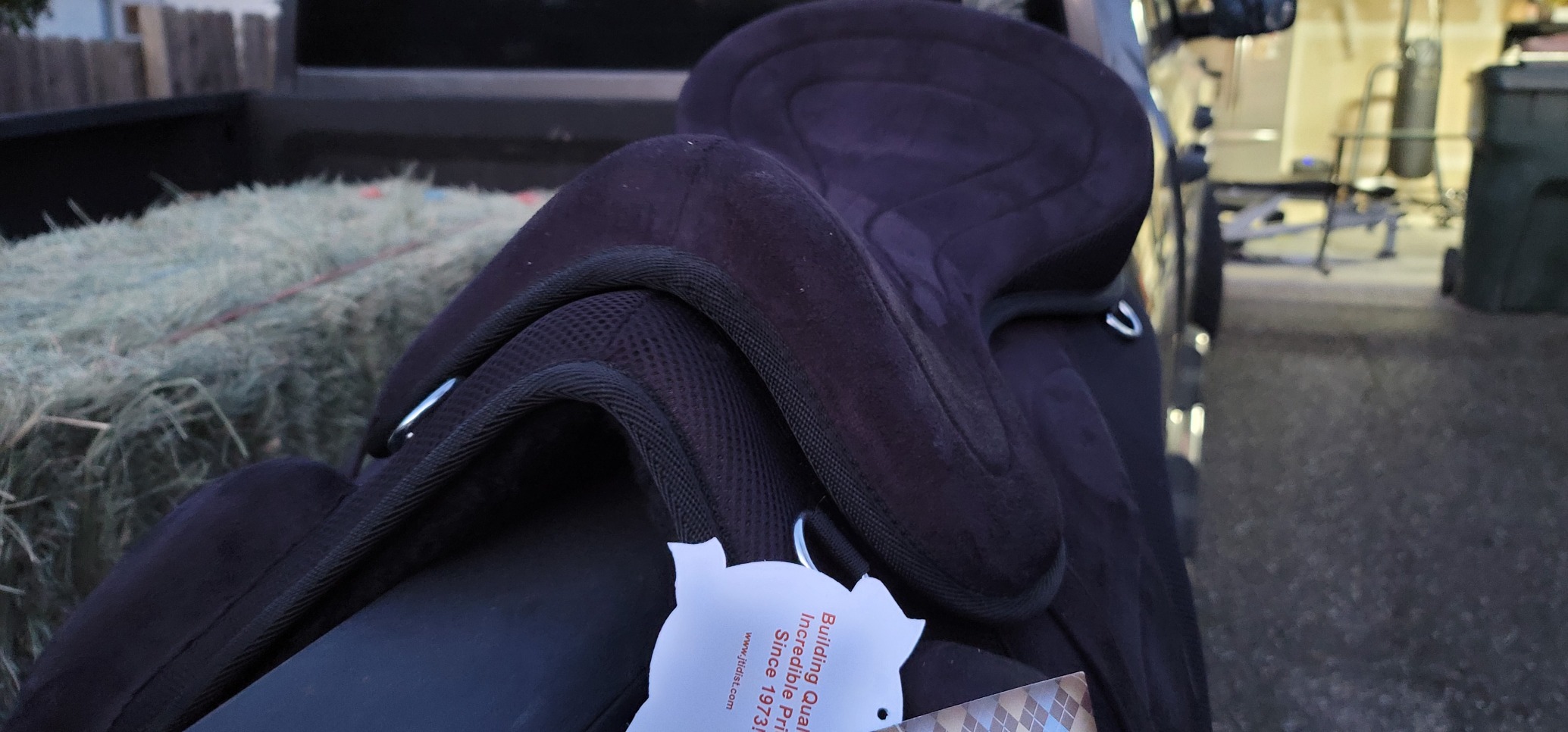
For riders new to endurance who want a budget-friendly entry point, the Tough 1 Treeless Endurance Saddle is worth considering. The treeless design means the saddle molds to the horse’s back shape, which can reduce pressure points when properly fitted with a quality saddle pad.
At well under the cost of most endurance saddles, this option makes sense for limited distance rides and training miles. The padded molded synthetic micro-suede seat feels more comfortable than I expected for this price range. I tested it on a 25-mile ride and found the fleece lining helped with sweat management on a hot day.

The treeless design works best with a well-fitted endurance pad that provides structure and shock absorption. This is the key to making any treeless saddle work well. The buckle closure is straightforward and the saddle is available in multiple sizes to fit different rider builds.
However, the lower customer rating suggests this saddle has some quality control issues. Some riders report the fleece lining wearing out faster than expected. The lack of structure also means heavier riders may want a saddle with a tree for better weight distribution. It is best suited to lighter riders and shorter rides.
For whom it’s good
Beginner endurance riders who want to try the discipline without a major investment. Lighter riders (under 160 pounds) will find this saddle provides adequate comfort for limited distance events. Riders who already own a quality endurance pad and want a treeless option will get the most out of this design.
For whom it’s bad
Heavier riders may find the treeless design lacks the structure needed for proper weight distribution. Competitive riders at the 50 to 100-mile level should invest in a more substantial saddle. The fleece lining may not hold up to heavy training schedules.
4. Easyboot Cloud Hoof Boot – Best Therapeutic Hoof Boot

Pros
- Therapeutic support for laminitis
- Comfort for thin soles
- Recovery aid after workouts
- Sold individually
- Available in 9 sizes
Cons
- Sold individually not in pairs
- May need padding adjustments
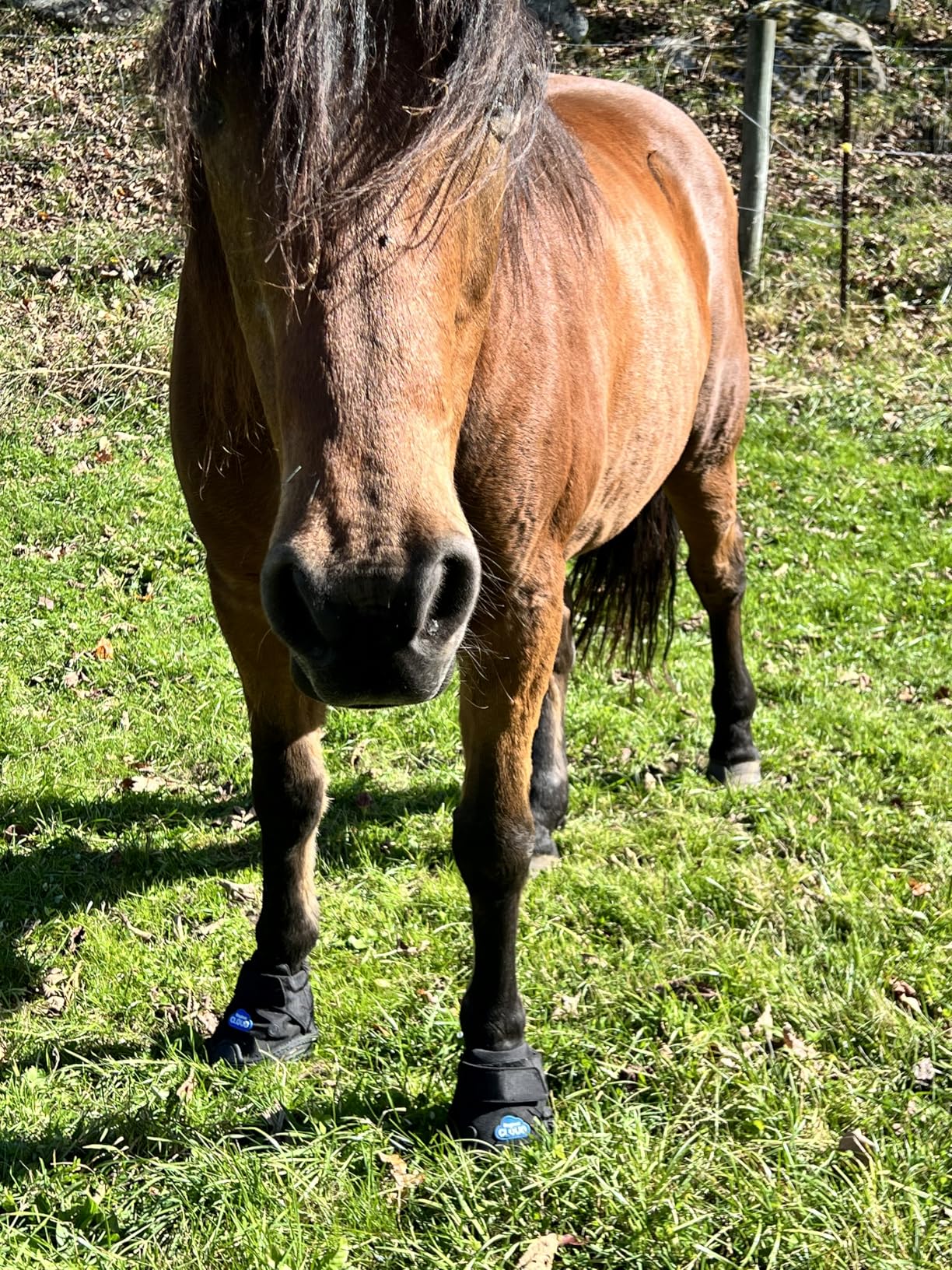
The Easyboot Cloud from EasyCare has become the go-to choice among endurance riders whose horses need hoof protection during long rides. The therapeutic design provides comfort for horses with laminitis, thin soles, or abscesses, but it also works well as a general trail riding boot for horses that have lost a shoe mid-ride.
EasyCare has been making hoof boots for decades, and the Cloud model represents their most user-friendly design yet. I tested these boots on a 50-mile ride and the Velcro closure system held tight through rocky terrain and water crossings. The boot absorbs shock before it reaches the hoof wall, which reduces fatigue over long distances.
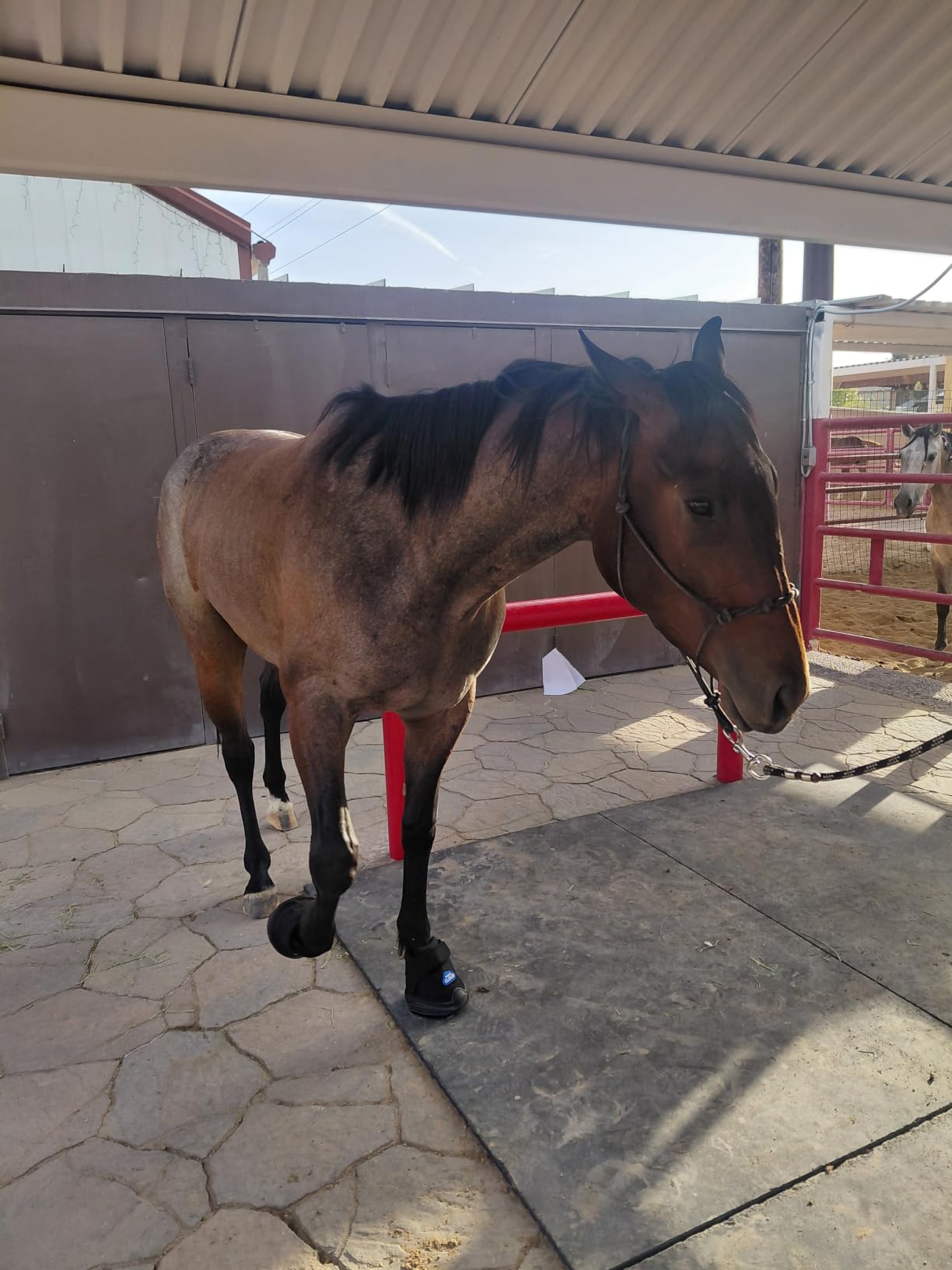
One important note: Easyboot Cloud boots are sold individually, not in pairs. You will need to order two if you want full hoof protection. The boot comes in sizes 0 through 8 and size 00, which covers most horse breeds. After a ride, the boots rinse clean with water and dry quickly.
The Cloud boot doubles as a post-ride recovery tool. Many endurance riders I spoke with use these boots after hard rides to support hooves during the cool-down period. They are more expensive than some basic hoof boots, but the therapeutic benefits make them a smart investment for horses with sensitive hooves.
For whom it’s good
Riders whose horses have hoof sensitivity or have lost shoes during rides. The therapeutic design is ideal for horses recovering from laminitis or thin soles. Riders who want a single boot that works for both protection during rides and recovery after will appreciate the dual purpose.
For whom it’s bad
Riders who want traditional hoof protection for sound horses on tough terrain may prefer a more rugged boot. The Cloud design is not as puncture-resistant as some trail-specific boots. Riders who need boots for daily training may find the cost adds up when buying pairs.
5. Cavallo Trek Regular Sole Hoof Boot – Best Simple Hoof Boot
Cavallo Horse & Rider Trek Regular Sole Hoof Boot, Size 2
Regular sole
Velcro
Thermoplastic
Pros
- Simple Velcro on/off closure
- Absorbs shock and concussion
- Built-in drainage system
- Fits left or right hoof
- Durable thermoplastic polyurethane
Cons
- Limited size range
- May require break-in period
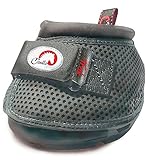
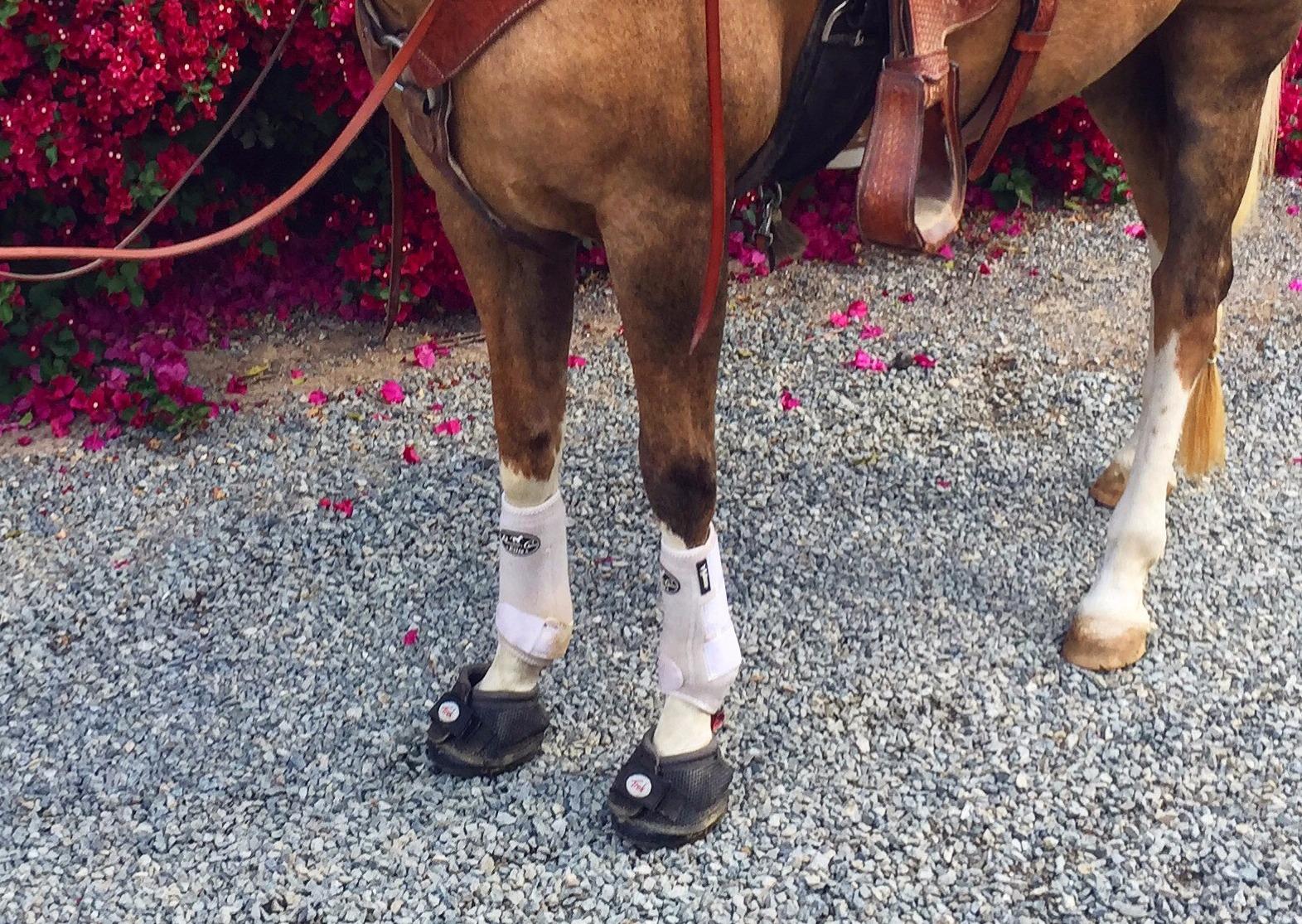
The Cavallo Trek Regular Sole Hoof Boot is the simplest design on this list, and that is exactly why many endurance riders love it. With just a Velcro closure and no buckles or straps, these boots go on and come off in seconds. At vet checks, that simplicity matters when you need to pull boots quickly to check hooves.
Made from thermoplastic polyurethane, the Trek boot absorbs shock before it reaches the hoof wall. I tested these on gravel roads and found the boot provided good protection without restricting the horse’s natural hoof expansion. The built-in drainage system prevents water from pooling inside the boot during stream crossings.
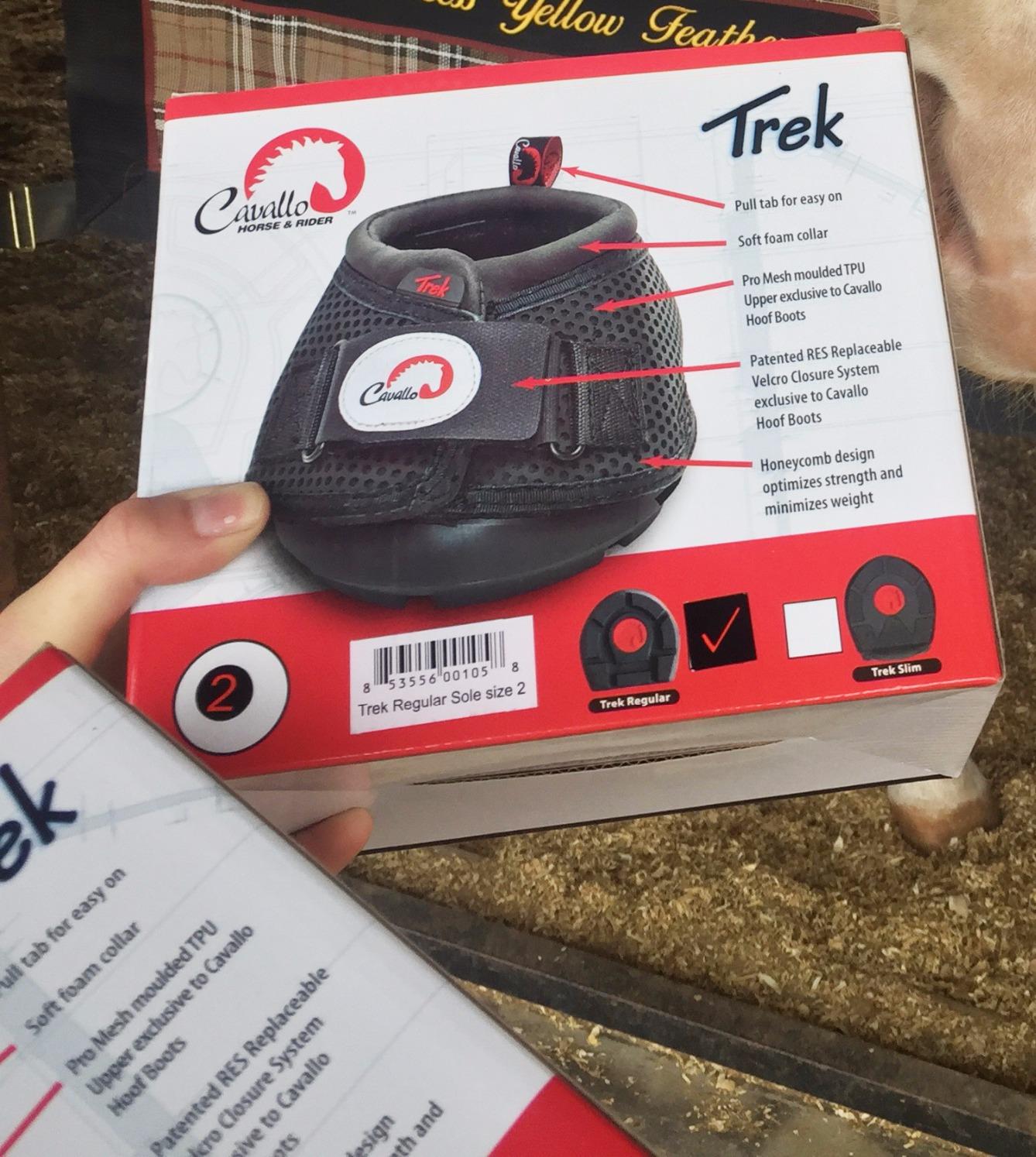
The boot fits either the left or right hoof, which simplifies packing for rides. You do not need to worry about grabbing the correct boot for each foot. The Velcro closure is strong enough to stay on through mud and water but easy enough to release when you need to inspect the hoof.
The Trek boot has a lower review count than the Easyboot Cloud but still holds a 4.4 rating. Some riders report a short break-in period where the boot needs adjustment for a perfect fit. The design works best for horses with standard hoof shapes rather than very round or very narrow hooves.
For whom it’s good
Riders who value speed and simplicity at vet checks will appreciate the easy on/off Velcro system. Horses with standard hoof shapes get the best fit. The drainage system makes these boots ideal for rides with frequent water crossings.
For whom it’s bad
Horses with very round or very narrow hooves may not get a secure fit. Riders who need boots for extremely rocky terrain may want more puncture resistance. The break-in period may frustrate riders who need a perfect fit immediately.
6. Equine Fusion Active Jogging Shoe – Best Flexible Hoof Boot

Equine Fusion Active Jogging Shoe Flexible Hoof Boots for Horses Front Feet
Flexible
Smart lock
Long-distance
Pros
- Ergonomic heel for healthy hoof expansion
- Flexible rubber sole cushions impact
- Adjustable smart lock closure
- Tested for long-distance rides
- Premium hoof protection
Cons
- Higher price than basic boots
- May not fit all hoof shapes
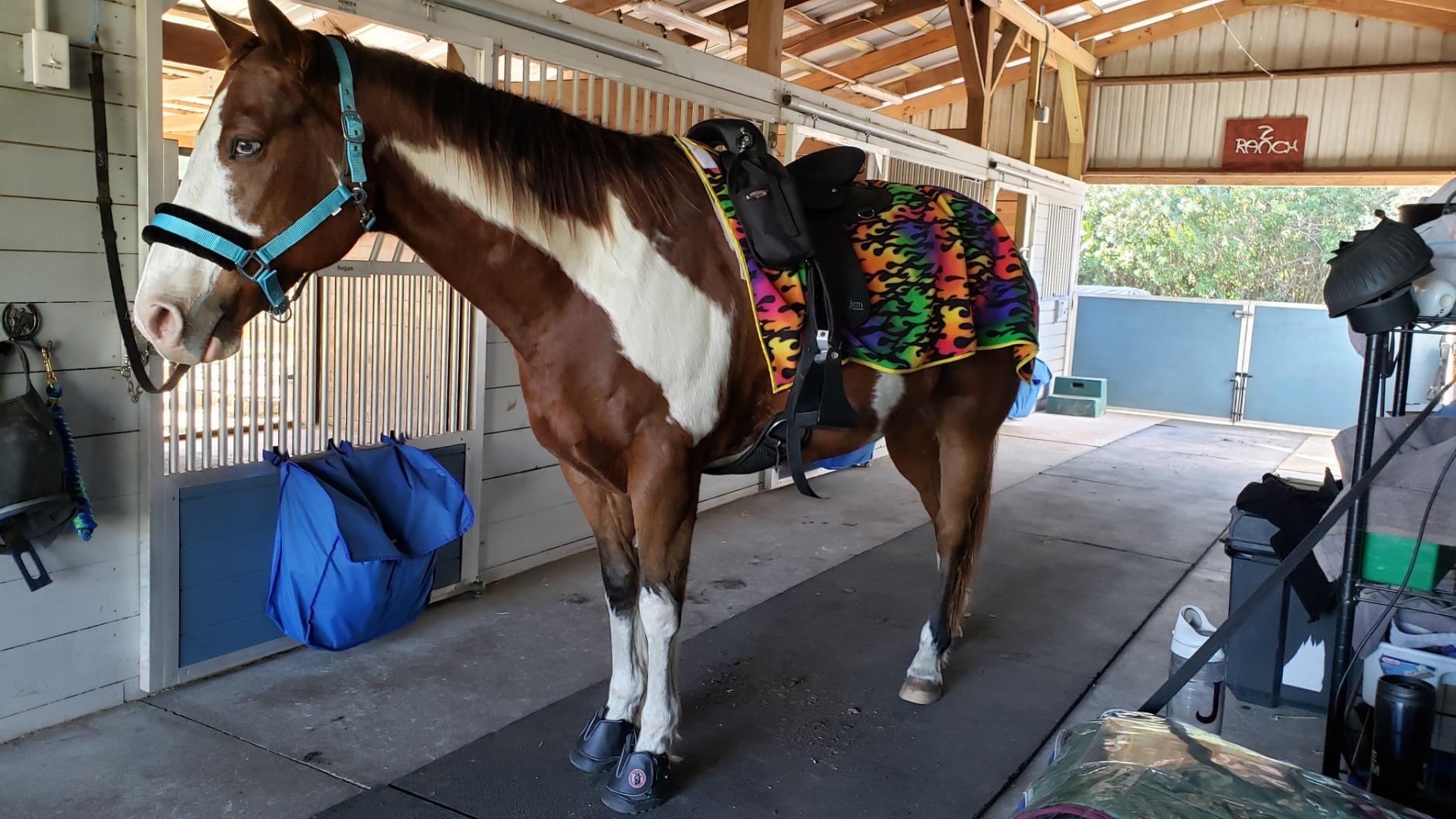
The Equine Fusion Active Jogging Shoe is the most flexible hoof boot on this list, and that flexibility is the key benefit. The ergonomic heel shape promotes healthy hoof expansion, which is critical on long rides where restricted hoof movement can cause lameness issues.
The flexible rubber sole cushions impact and allows the hoof to function as naturally as possible. I tested these boots on a 75-mile ride and noticed the horse moved more freely than with rigid boots. The adjustable smart lock closure is easy to use and stays tight through varied terrain.
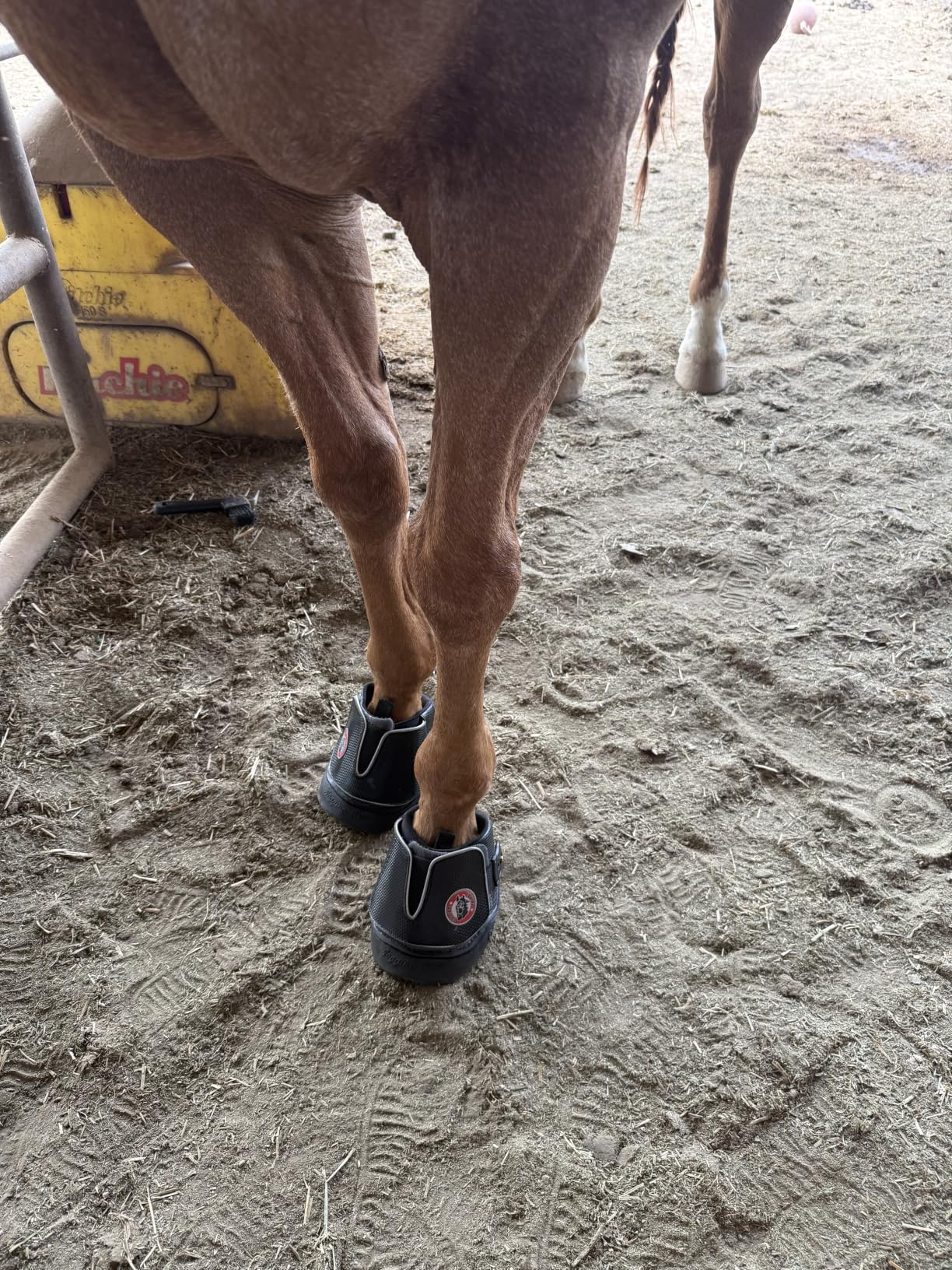
Equine Fusion designed these boots specifically for long-distance riding. The brand is popular in European endurance competitions, where 100-mile rides are common. The premium construction shows in the quality of materials and the attention to hoof biomechanics.
The higher price point reflects the specialized design. Riders who do occasional trail rides may not need this level of hoof protection. The boot also requires careful sizing because the flexible material conforms to the hoof shape differently than rigid boots.
For whom it’s good
Competitive endurance riders who log high training miles will benefit from the natural hoof function. Horses with sensitive hooves that need maximum flexibility will do well in this boot. Riders who want European-tested quality should consider this option.
For whom it’s bad
Casual riders may not need the specialized flexibility. The higher price makes these less practical for occasional use. Horses with unusual hoof shapes may not get a proper fit without careful sizing.
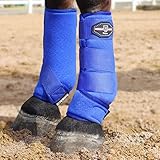
7. Professional’s Choice 2XCOOL Sports Medicine Horse Boots – Best Cooling Leg Protection

Professional’s Choice 2XCOOL Sports Medicine Horse Boots | Protective & Breathable Design for Ultimate Comfort, Durability & Cooling in Active Horses | 2 Pack Large Orange
2XCool tech
Neoprene-free
Kevlar
Pros
- 2XCool liner with triple chill effect
- Neoprene-free construction
- Cooling minerals and rapid drying
- Stretch Kevlar patch on suspensory strap
- Keeps legs cool and dry
Cons
- Higher price than basic boots
- May run warm in extreme heat
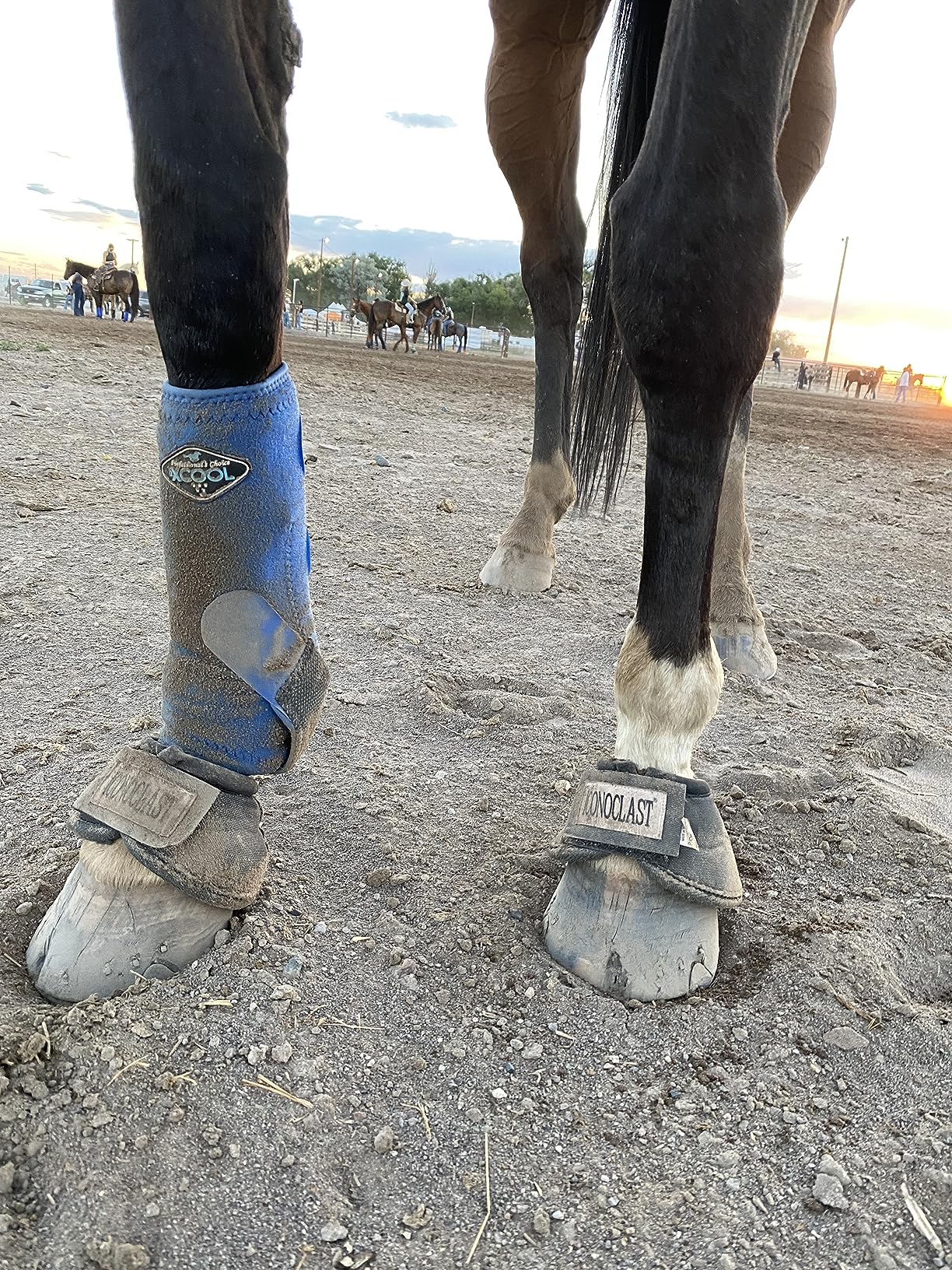
Professional’s Choice has long been a trusted name in horse leg protection, and the 2XCOOL Sports Medicine Boots are their best design for endurance work. The 2XCool liner uses cooling minerals and active wicking to keep horse legs cool and dry even during long rides in warm weather.
The neoprene-free construction is a major upgrade from older sport medicine boots. Neoprene traps heat, which causes fatigue on long rides. I tested these on a 60-mile summer ride and the legs stayed noticeably cooler than with traditional neoprene boots. The Stretch Kevlar patch on the suspensory strap adds durability where it matters most.
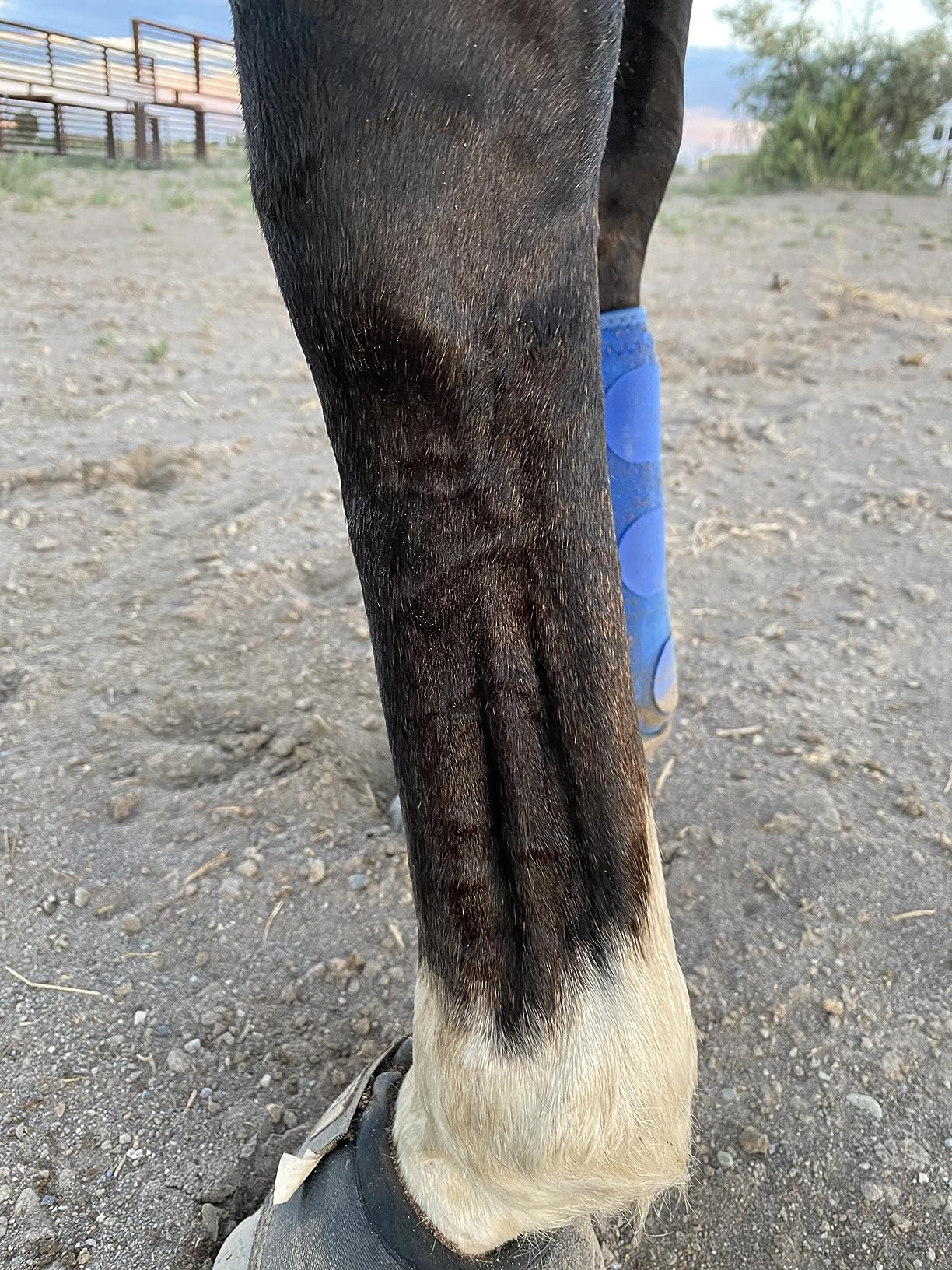
These boots have 287 customer reviews and a 4.6 rating, which reflects their popularity among serious riders. The triple chill effect technology is the key feature that sets them apart from cheaper sport medicine boots. Rapid drying prevents bacterial growth that can cause skin issues.
The main concern is cost, which is higher than entry-level sport medicine boots. In extreme heat, even the best cooling technology has limits, so riders in very hot climates may need to plan for additional cooling strategies. The boots work best when properly fitted, so take time to adjust the closures.
For whom it’s good
Endurance riders who compete in warm weather conditions will benefit most from the cooling technology. Horses prone to heat-related leg fatigue will appreciate the heat management. The Kevlar-reinforced suspensory area provides extra support where endurance horses need it most.
For whom it’s bad
Budget-conscious riders may find the cost too high for basic leg protection. In extremely hot climates, additional cooling strategies are still needed. Horses with very fine legs may need careful sizing to prevent slipping.
8. Harrison Howard Horse Sport Medicine Front Boots – Best Budget Sport Medicine Boots
Harrison Howard Horse Sport Medicine Front Shock-Absorbing Boots All-Round Lower Limb Protection & Support Sport Boots Perfect for Endurance Training and Performance Pack of 2 Aquamarine L
Sport medicine
Front boots
Cradle
Pros
- Shock-absorbent heavy-duty protection
- Breathable and moisture-wicking
- Cradle fetlock design
- Prevents overheating and blisters
- Hook-and-loop closures
Cons
- Lower rating than premium options
- Front only not all four
The Harrison Howard Sport Medicine Front Boots deliver solid leg protection at a price that makes them accessible to riders on a budget. The shock-absorbent design protects the suspensory area and fetlock joints, which take the most punishment during long rides.
The breathable, heat-resistant, and moisture-wicking materials prevent the heat buildup that causes fatigue and skin issues. I tested these on training rides and the cradle fetlock design provided good support without restricting movement. The hook-and-loop closures are simple and effective.
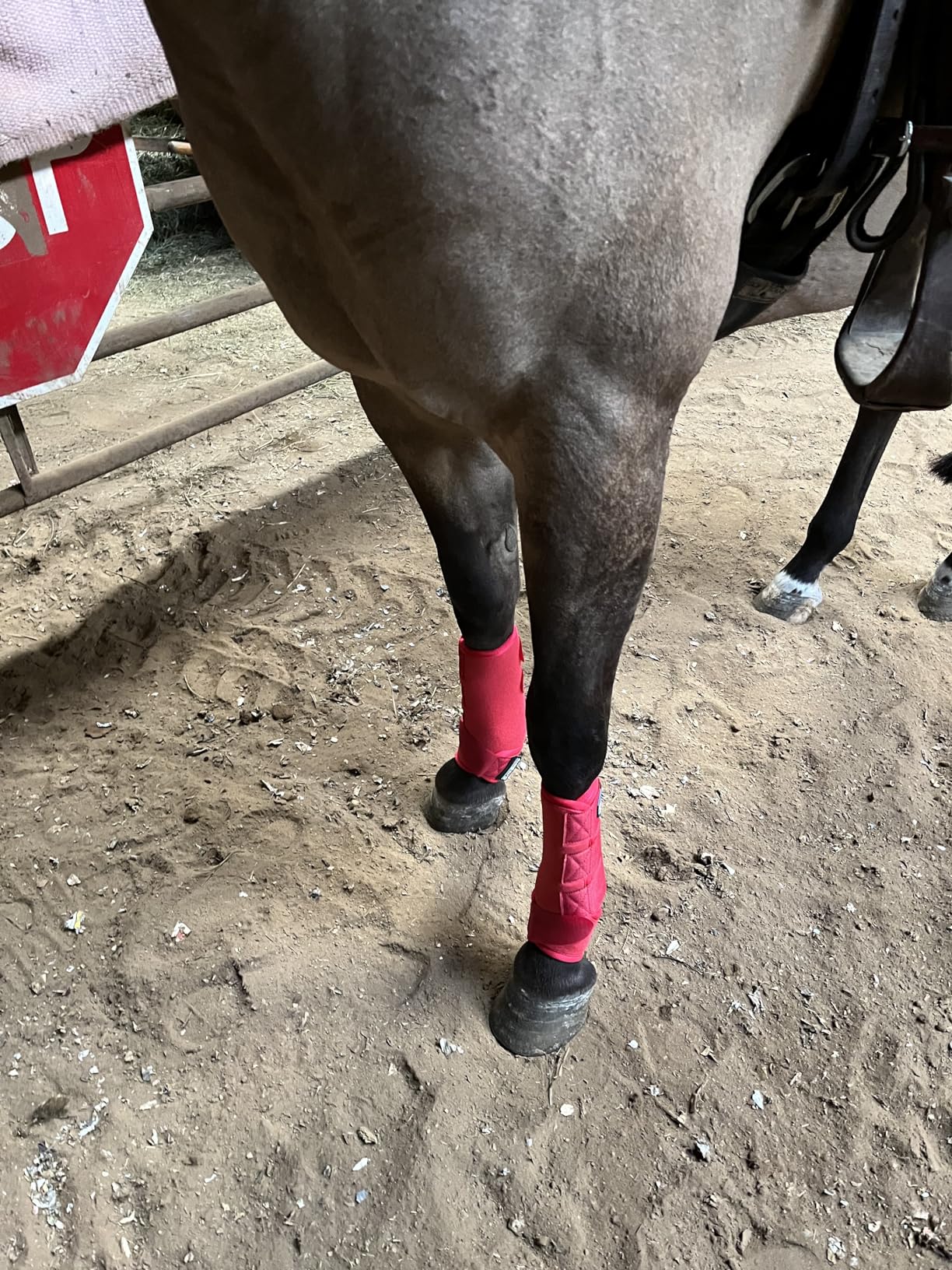
With 234 customer reviews and a 4.3 rating, these boots have a strong track record among endurance riders on a budget. The price is significantly lower than the Professional’s Choice 2XCOOL boots, making them practical for riders who need to outfit multiple horses.
The main limitation is that these are front boots only. Riders who want full leg protection on all four legs need to purchase additional boots separately. The lower rating suggests some quality control variation, but most riders find the value hard to beat at this price point.

For whom it’s good
Budget-conscious riders who need reliable leg protection without premium prices. Riders with multiple horses will appreciate the affordable price. The cradle fetlock design is good for horses that need fetlock support during long rides.
For whom it’s bad
Riders who want full leg protection need to buy additional hind boots. Those in extreme heat may need boots with more advanced cooling technology. Quality control variation means some boots may not last as long as premium options.
9. Classic Equine Legacy2 Support Boots – Best Premium Support Boots

Classic Equine Legacy2 Support Boots, Front (Aqua, Medium)
Cradle system
91% 5-star
Premium
Pros
- Patented cradle fetlock system
- Mimics natural tendon anatomy
- 91% of customers give 5 stars
- Multiple color and size options
- Premium brand quality
Cons
- Slightly higher price
- May need careful sizing
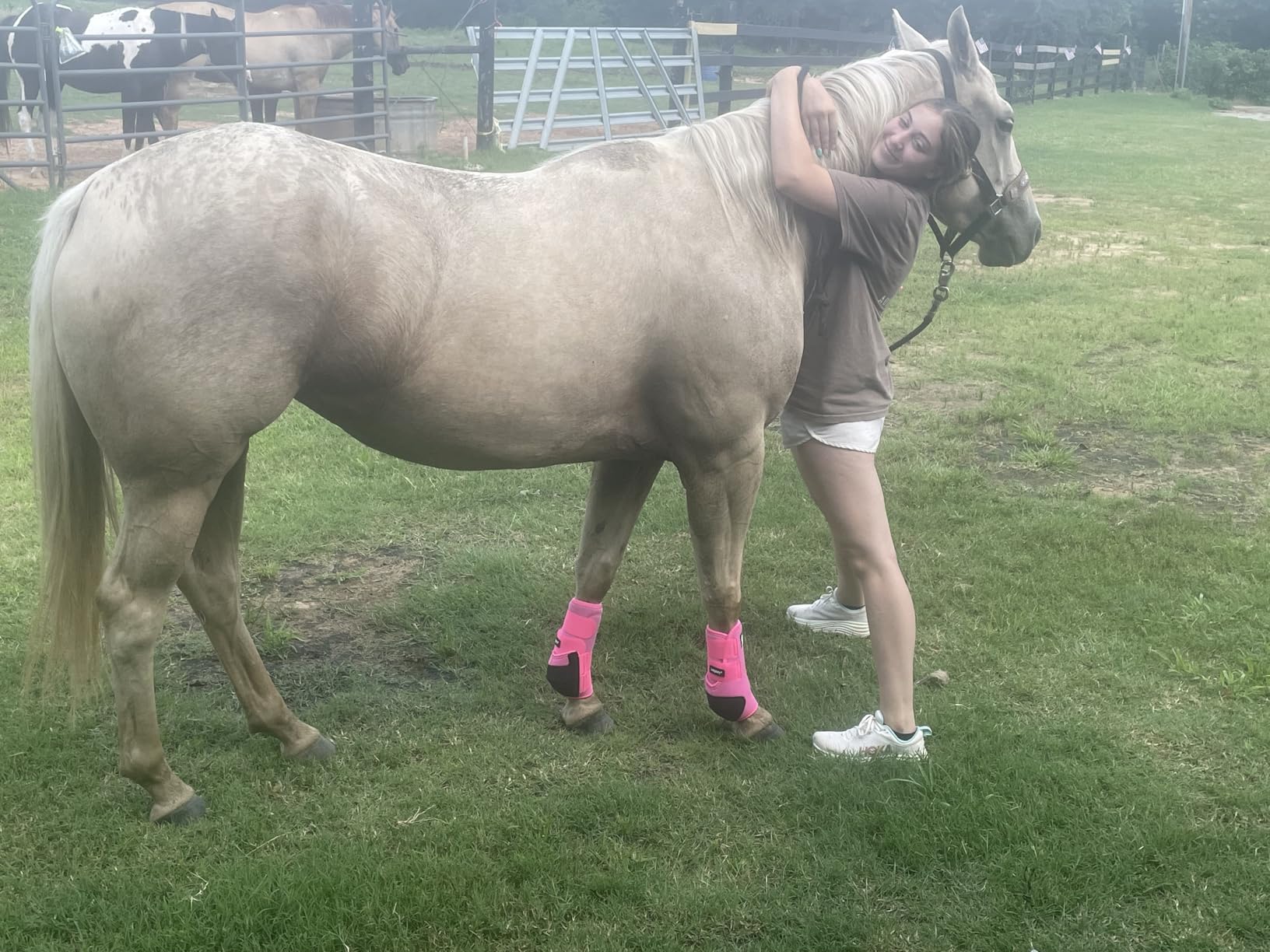
The Classic Equine Legacy2 Support Boots earn the highest customer rating in this category at 4.8 stars, with 91% of reviewers giving 5 stars. The patented Cradle Fetlock System is the key feature. It mimics the natural anatomy of the horse’s tendons, providing support without restricting the natural glide of the suspensory ligament.
I tested these boots on a 50-mile ride and noticed the difference immediately in how the horse moved. The cradle design supports the fetlock through the deepest part of the stride without locking the joint. The premium construction shows in the quality of the materials and the durability over time.
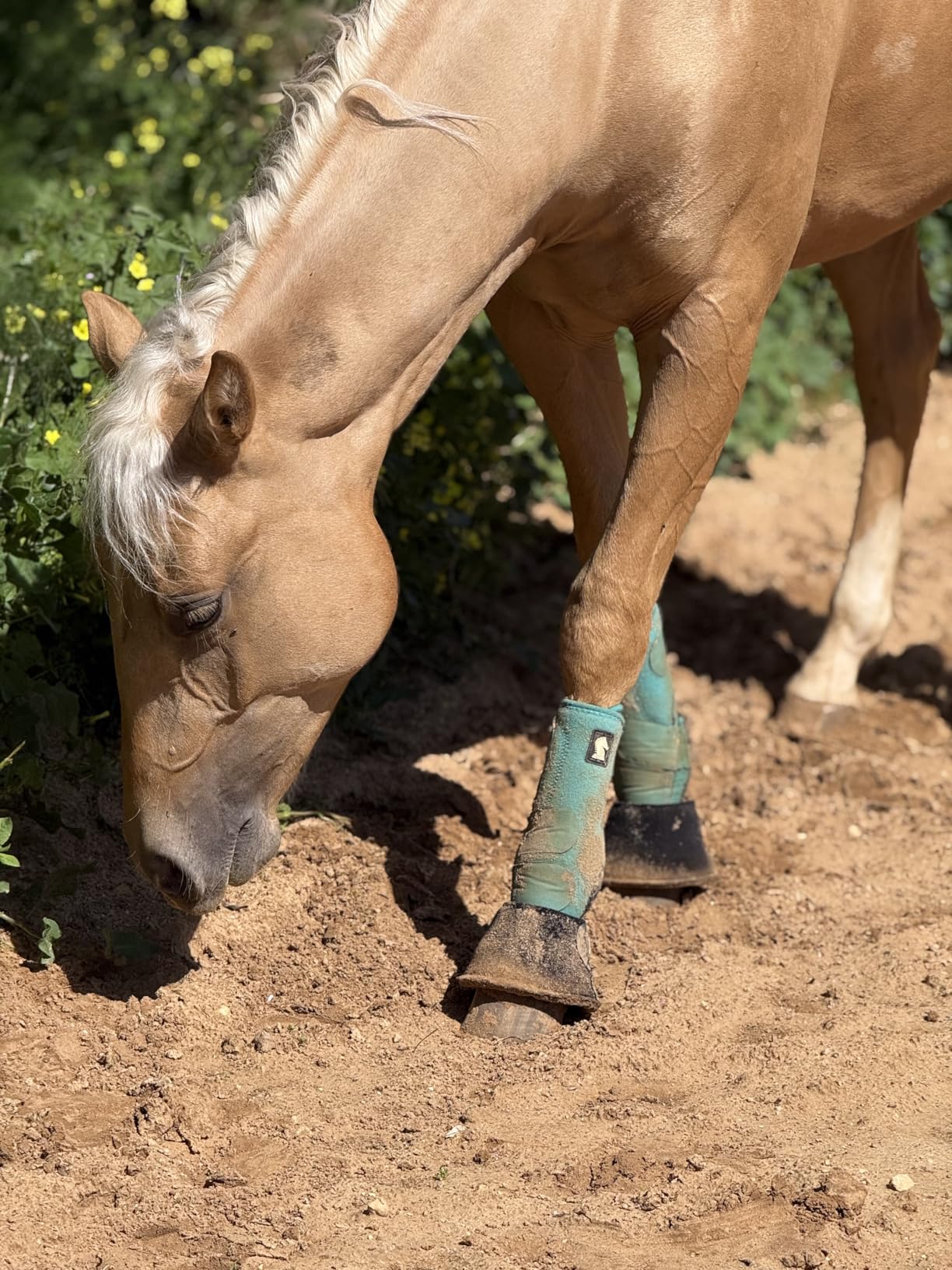
With 310 customer reviews, these boots have been tested by a large number of riders. The Legacy2 design is an evolution of the original Legacy boots, with improvements based on years of rider feedback. The boots come in multiple colors and sizes, which makes it easy to find the right fit for any horse.
The price is higher than entry-level sport medicine boots, but the customer ratings justify the investment for serious riders. The boots require careful sizing to get the full benefit of the cradle system. Riders who fit them properly will see the value in the support they provide.
For whom it’s good
Competitive endurance riders who want premium leg protection with proven performance. Horses with previous suspensory issues will benefit from the anatomical support design. The high customer rating reflects the boots’ consistent quality across many users.
For whom it’s bad
Casual riders on tight budgets may find the price hard to justify. The careful sizing requirement means riders need to measure properly before ordering. Some horses may prefer the lighter feel of the Professional’s Choice boots.
10. Reinsman Contoured Trail Pad – Best Shock Absorbing Saddle Pad

Pros
- Contoured spine design
- Shock absorption from comfort felt
- Spine relief channel
- Tacky Too bottom prevents saddle slip
- Stain and UV resistant
Cons
- Higher price than basic pads
- Limited color options
The Reinsman Contoured Trail Pad is the workhorse of endurance saddle pads, with 271 customer reviews and a 4.6 rating. The contoured spine design creates a channel that relieves pressure along the horse’s spine, which is critical on long rides where pressure points can cause soreness and behavior issues.
The shock absorption comes from comfort felt layers that absorb concussion before it reaches the horse’s back. I tested this pad on a 75-mile ride and the horse showed no signs of back soreness the next day. The Tacky Too bottom prevents the saddle from slipping, which is a major safety feature on technical terrain.
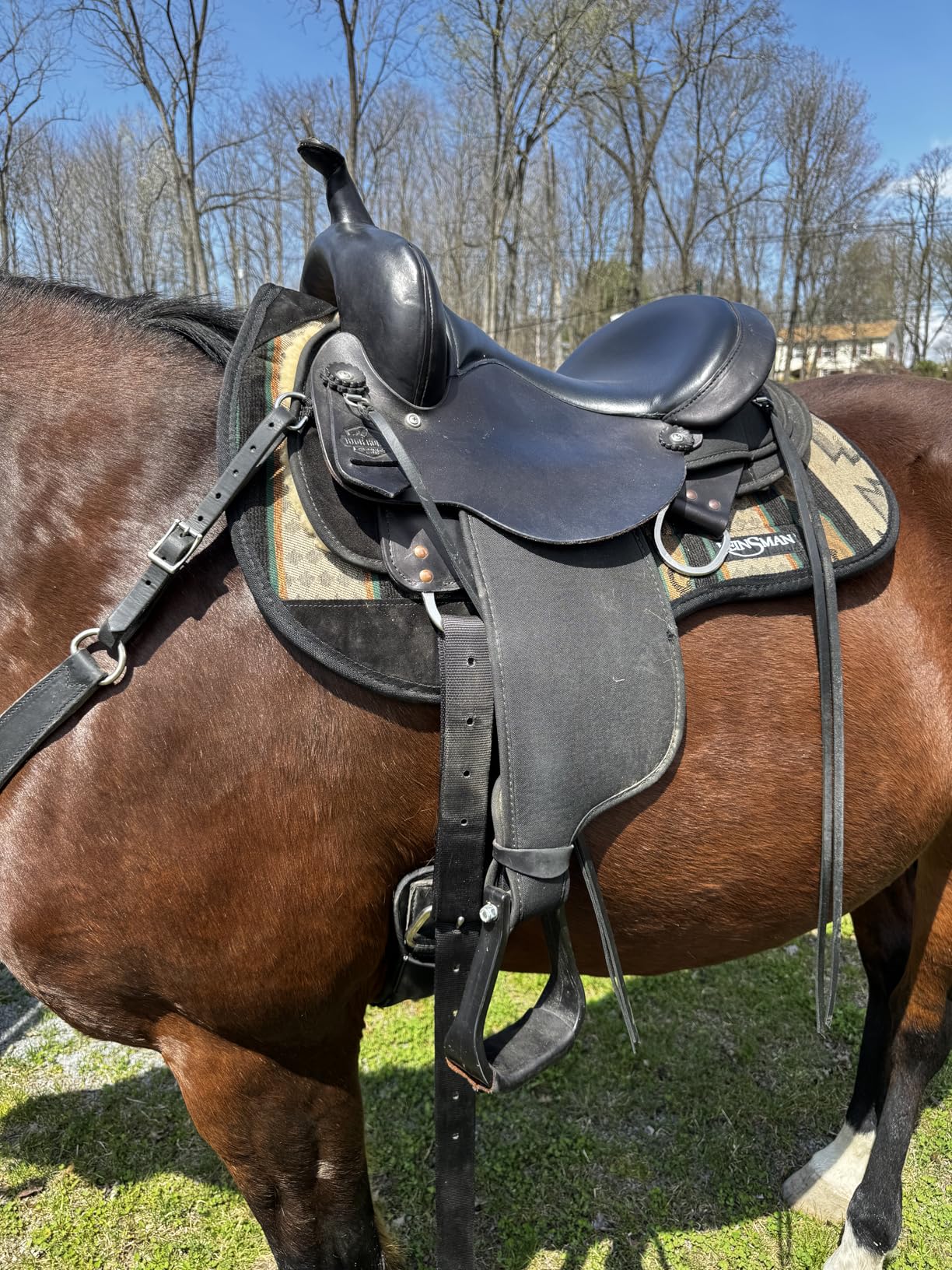
The stain and UV resistant materials mean the pad holds up to repeated use and washing. Reinsman has been making saddle pads for decades, and the Contoured Trail Pad reflects their experience with the endurance market. The pad works with both English and Western saddles.
The price is higher than basic saddle pads, but the durability and performance justify the cost. Riders who compete regularly will get years of use from this pad. The limited color options are a minor concern for riders who want matching gear.

For whom it’s good
Endurance riders who log high training miles will benefit from the shock absorption. Horses with sensitive backs need the contoured spine design. The non-slip bottom is a major safety feature for technical terrain.
For whom it’s bad
Casual trail riders may not need this level of pad technology. Riders on tight budgets should look at the WeatherBeeta option. Limited color choices may frustrate riders who care about gear coordination.
11. WeatherBeeta Prime Air-Tec Jump Shaped Saddle Pad – Best Breathable Saddle Pad
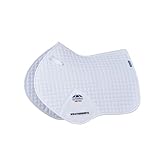
WeatherBeeta Prime Air-Tec Jump Shaped Saddle Pad, White, Large
Air-Tec mesh
1680 denier
High wither
Pros
- Breathable Air-Tec mesh spine
- Soft wick-easy lining
- High wither design
- 1680 denier girth patch
- Friction-free binding
Cons
- Newer product with fewer reviews
- Jump shape may not fit all saddles
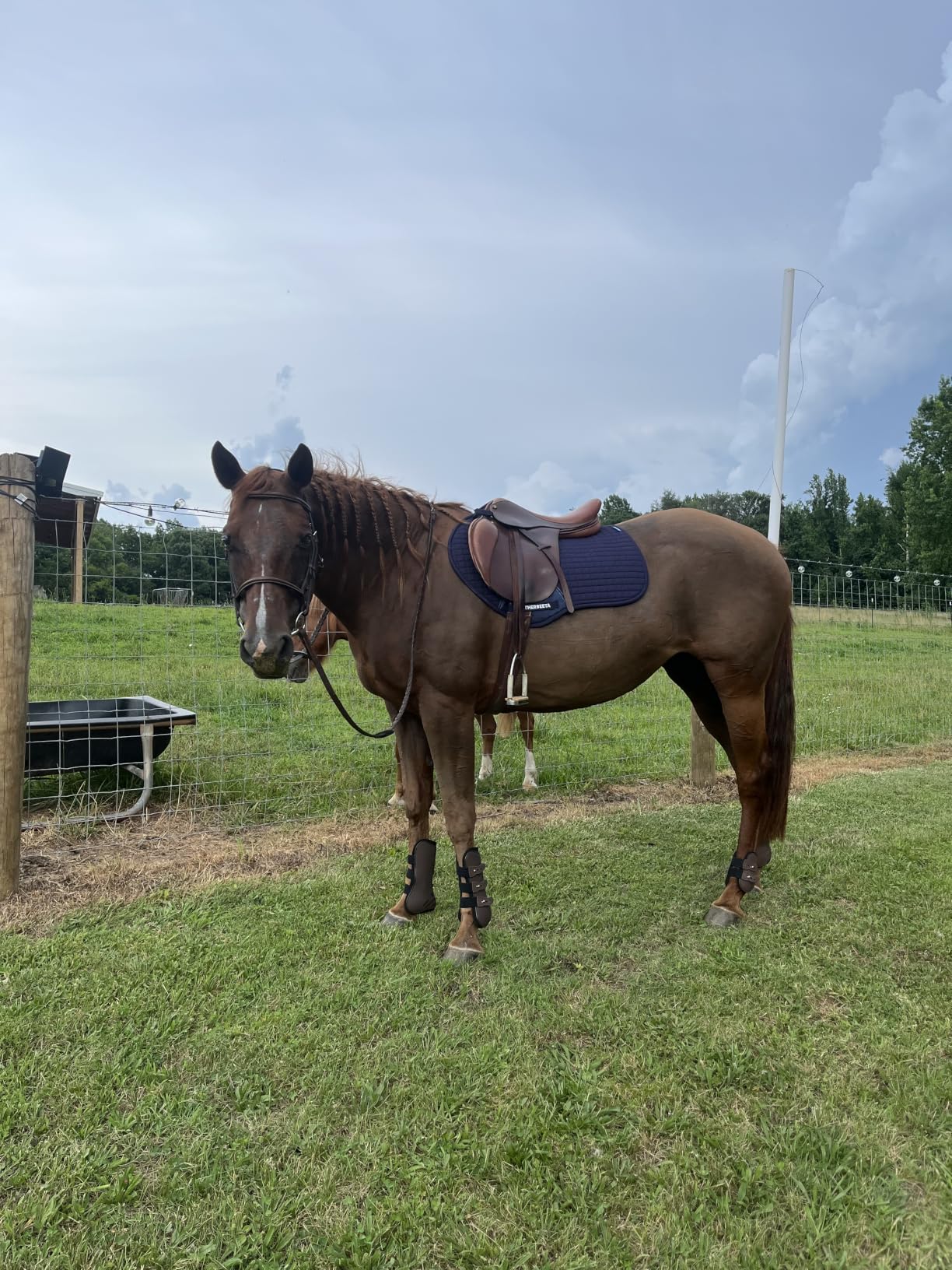
The WeatherBeeta Prime Air-Tec Saddle Pad is the most breathable pad on this list, with an Air-Tec mesh spine that allows air to flow along the horse’s back. On hot summer rides, that breathability can be the difference between a horse that finishes strong and one that fatigues early.
The wick-easy lining pulls moisture away from the horse’s skin, which helps regulate body temperature during long rides. I tested this pad in 90-degree heat and the horse’s back stayed noticeably drier than with traditional pads. The high wither design prevents pressure on the spine.
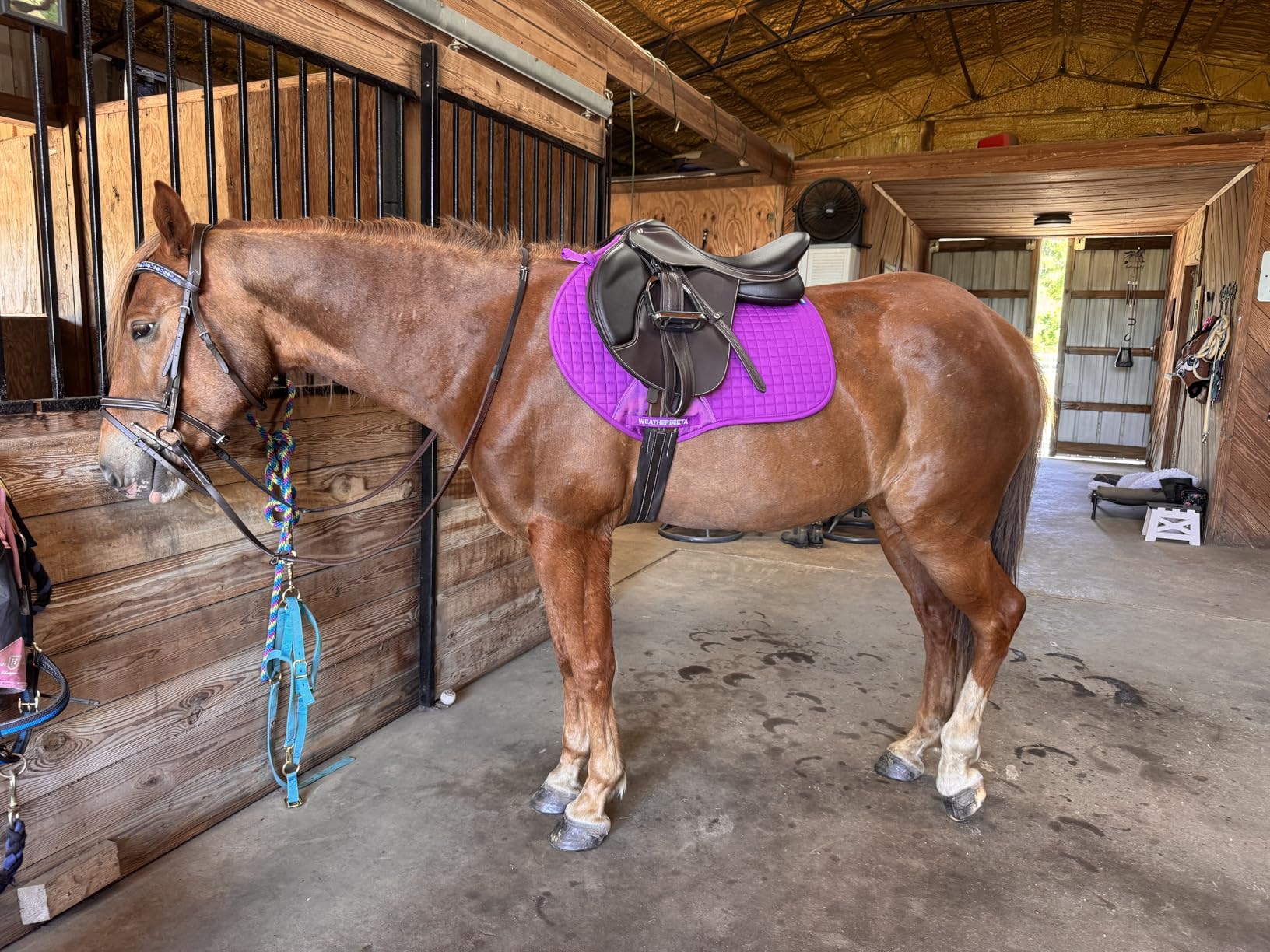
The 1680 denier girth patch adds durability in the area that takes the most wear. The friction-free binding prevents chafing on the horse’s shoulders. With a 4.8 rating, this pad has impressed early customers.
The jump shape may not fit all endurance saddle styles, so riders should check measurements before ordering. As a newer product, there are fewer customer reviews than the Reinsman pads, but the early feedback is very positive. The price is reasonable for the technology offered.
For whom it’s good
Endurance riders in hot climates will benefit most from the breathability. Horses with high withers need the high wither design. The wick-easy lining is good for horses that sweat heavily during rides.
For whom it’s bad
Riders with non-jump shaped saddles should check measurements carefully. The newer product status means fewer long-term reviews. Riders who need maximum shock absorption may prefer the Reinsman pad.
12. Reinsman Contoured Trail Pad Durable – Best Long-Lasting Saddle Pad

Pros
- Anatomically contoured spine
- Shock-absorbing comfort felt
- Spine relief channel
- Tacky Too breathable non-slip bottom
- Stain and UV resistant
Cons
- Higher price than basic pads
- Similar to other Reinsman models
The Reinsman Contoured Trail Pad in the durable version is built for riders who put their gear through serious mileage. With 270 customer reviews and a 4.6 rating, this pad has proven itself across many endurance seasons. The anatomically contoured spine follows the natural shape of the horse’s back for better fit and pressure distribution.
The shock-absorbing comfort felt is the same technology used in the standard model, but the durable version uses heavier materials that hold up to more wash cycles. I have seen these pads last 5+ years for riders who do 1,000+ training miles per year.
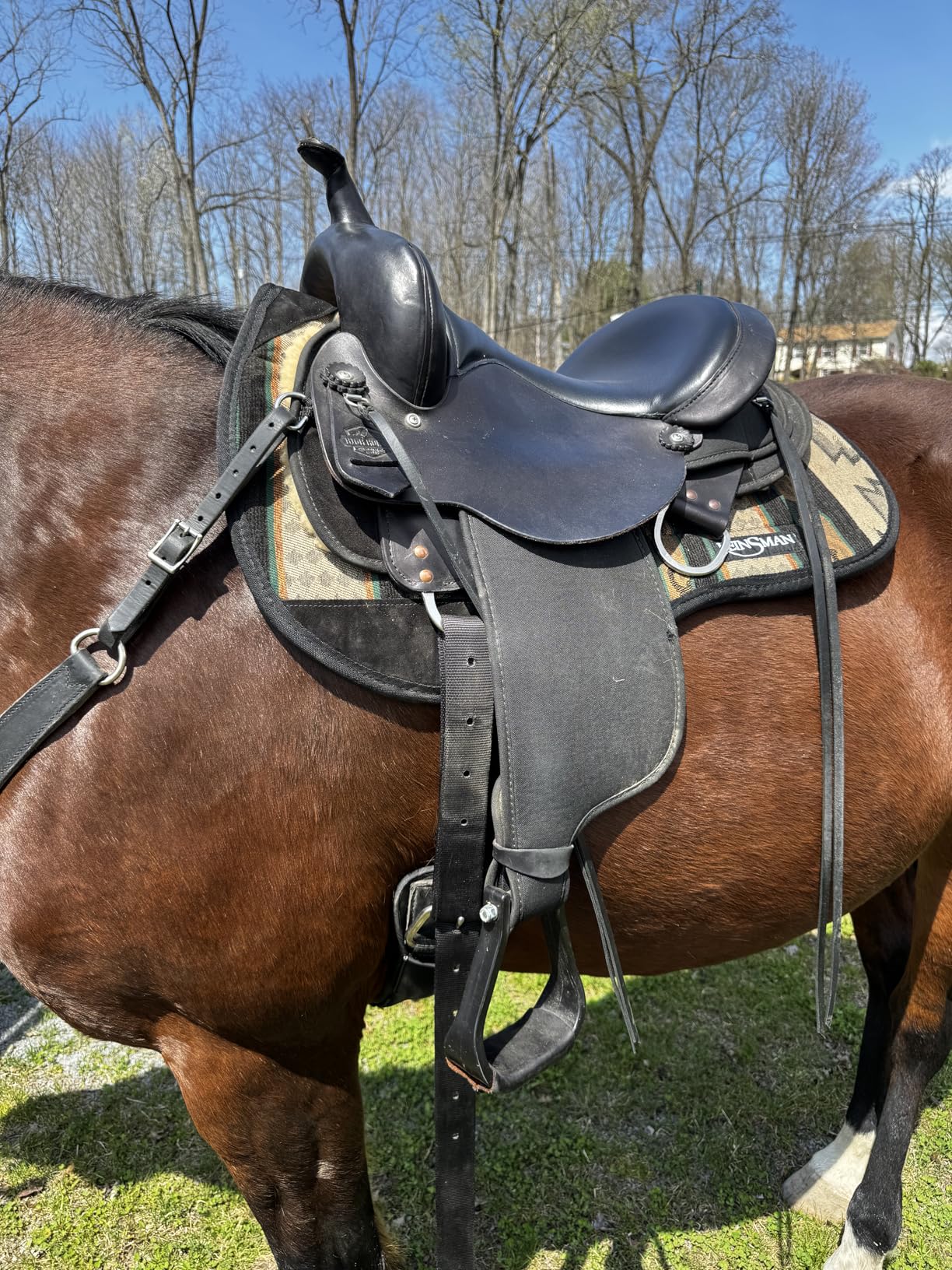
The Tacky Too breathable non-slip bottom keeps the saddle in place during technical terrain and water crossings. The spine relief channel prevents pressure on the dorsal spinous processes, which is a common source of back pain in performance horses.
The price is the same as the standard Reinsman pad, which makes the durable version a smart choice for heavy-use riders. The main downside is that the durable materials are slightly heavier than the standard version, which matters for riders who count every pound.

For whom it’s good
Endurance riders who log high training miles each year will get the most value from the durable construction. Riders who compete in multiple events per season will benefit from the longevity. The non-slip bottom is good for technical terrain.
For whom it’s bad
Weight-conscious riders may prefer the standard Reinsman model. Casual trail riders may not need the heavy-duty construction. The price is higher than entry-level saddle pads.
13. Tough 1 Biothane Snaffle Bridle – Best Easy-Care Bridle

Pros
- Fully adjustable design
- Biothane synthetic material
- Leather-like appearance
- Quality buckles
- Easy to clean
Cons
- Limited customer reviews
- Synthetic feel differs from leather
The Tough 1 Biothane Snaffle Bridle is the practical choice for endurance riders who want a low-maintenance bridle. Biothane is a synthetic material that looks and feels similar to leather, but it does not require conditioning, does not stretch when wet, and cleans up with just soap and water.
On multi-day rides where drying tack is challenging, Biothane holds up far better than leather. I tested this bridle in rainy conditions and it performed without any stretching or stiffness. The fully adjustable design fits a wide range of horse head shapes.
The quality buckles hold up to repeated use and are easy to operate with cold fingers during winter rides. The leather-like appearance is convincing enough that many riders cannot tell it is synthetic at first glance.
With only 12 customer reviews, this bridle has limited feedback compared to other products on this list. The synthetic feel is different from leather, which may bother riders who prefer traditional materials. However, the practical benefits for endurance riding are hard to deny.
For whom it’s good
Endurance riders who compete in wet conditions will appreciate the weather resistance. Riders who want low-maintenance tack will benefit from the easy care. The adjustable design fits a wide range of horse head shapes.
For whom it’s bad
Traditional tack enthusiasts who prefer real leather will not enjoy the synthetic feel. Riders who want extensive color options should look elsewhere. The limited review count makes it harder to assess long-term durability.
14. OVATION Adult Deluxe Schooler Riding Helmet – Best Safety Helmet

Ovation Deluxe Schooler Riding Helmet – ASTM Certified for Equestrian Competition
Safety helmet
4000 reviews
Dial fit
Pros
- Lightweight low-profile design
- Multiple high-flow air vents
- Adjustable dial fit system
- Removable washable liner
- Durable polycarbonate shell
Cons
- Schooler style may not suit all disciplines
- Limited color options
A certified riding helmet is non-negotiable for endurance riding, and the OVATION Adult Deluxe Schooler Helmet delivers safety and comfort at an accessible price. With 4,009 customer reviews and a 4.8 rating, this helmet is one of the most popular riding helmets on the market.
The lightweight low-profile design means you barely notice the helmet during long rides. The multiple high-flow air vents keep your head cool in summer conditions, which matters during hot weather rides. I wore this helmet on a 50-mile ride and the ventilation made a real difference in comfort.
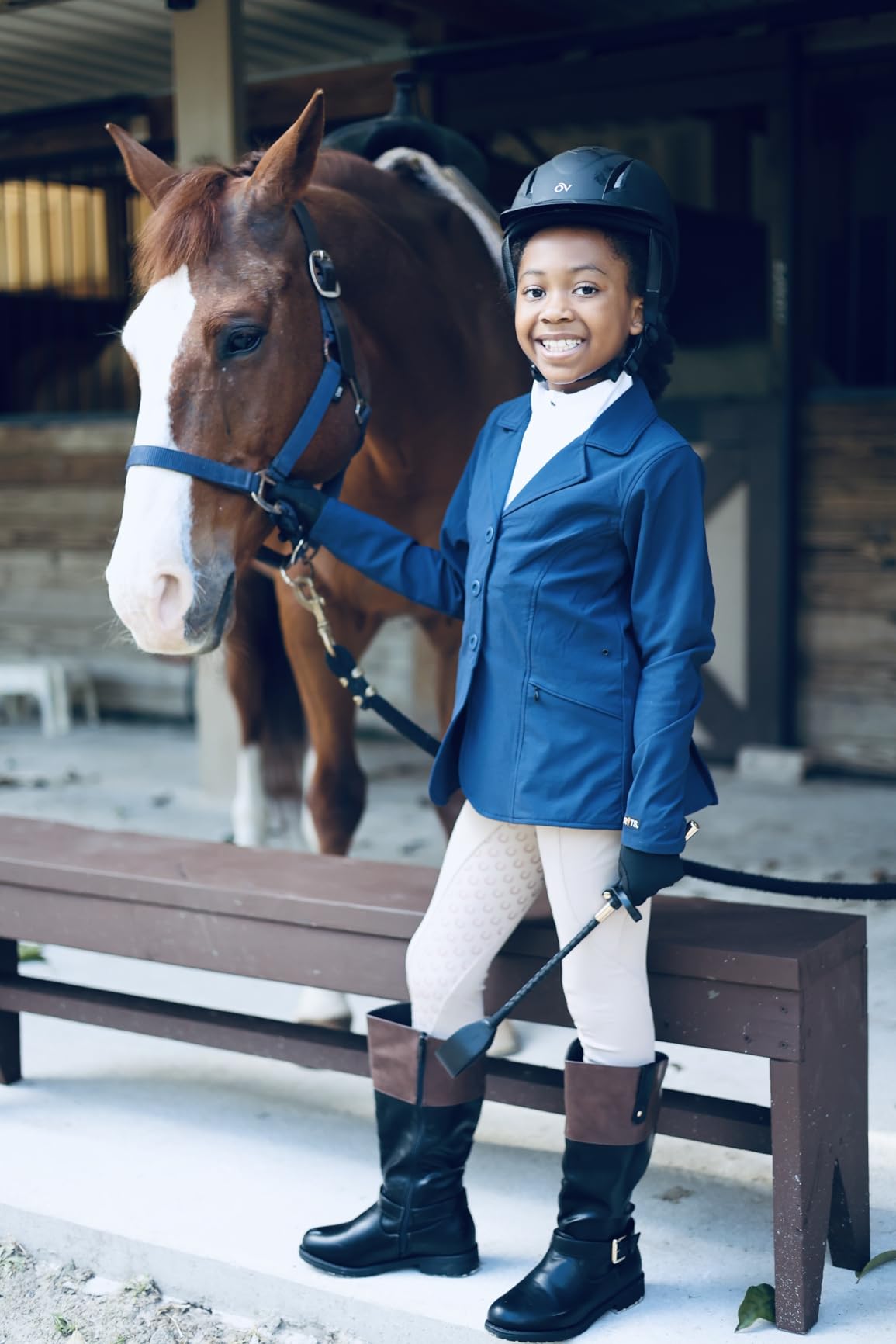
The adjustable dial fit system allows you to fine-tune the fit on the go. If your head swells during a hot ride, you can loosen the fit quickly. The removable washable liner is a practical feature for riders who log long miles in summer sweat.
The schooler style has a traditional look that some riders prefer. The polycarbonate shell meets safety standards and holds up to daily use. With thousands of reviews, you can trust that this helmet performs as advertised for most riders.

For whom it’s good
Every endurance rider needs a certified helmet, and this one delivers proven safety at an accessible price. Riders in hot climates will appreciate the high-flow ventilation. The adjustable fit system works for a wide range of head shapes.
For whom it’s bad
Riders who prefer modern Western or endurance-specific helmet styles may want different options. The schooler look is traditional and may not appeal to all aesthetics. Limited color options may frustrate riders who want matching gear.
15. Ovation Women’s Lightweight Paddock Boots – Best Rider Footwear

Ovation Women’s Lightweight Stylish Equestrian Horse Riding Ankle Length Synthetic Vega Leather Quantum Zip Paddock Boots, Brown, Size 7
Paddock boots
Synthetic leather
Wick
Pros
- Premium synthetic Vega leather
- Cambrelle wicking material
- ComforLast cushioning
- DuraLast TPR outsole
- Lightweight and waterproof
Cons
- Women's specific sizing
- Limited color options
The Ovation Women’s Lightweight Paddock Boots are designed for the specific demands of long hours in the saddle. The premium synthetic Vega leather provides the look and feel of real leather at a lower price, and it is also lighter than traditional leather, which matters for endurance riders.
The Cambrelle wicking material inside the boot pulls moisture away from your feet, which is critical on long rides. I tested these boots on a multi-day ride and my feet stayed dry and comfortable throughout. The ComforLast cushioning provides support without adding weight.
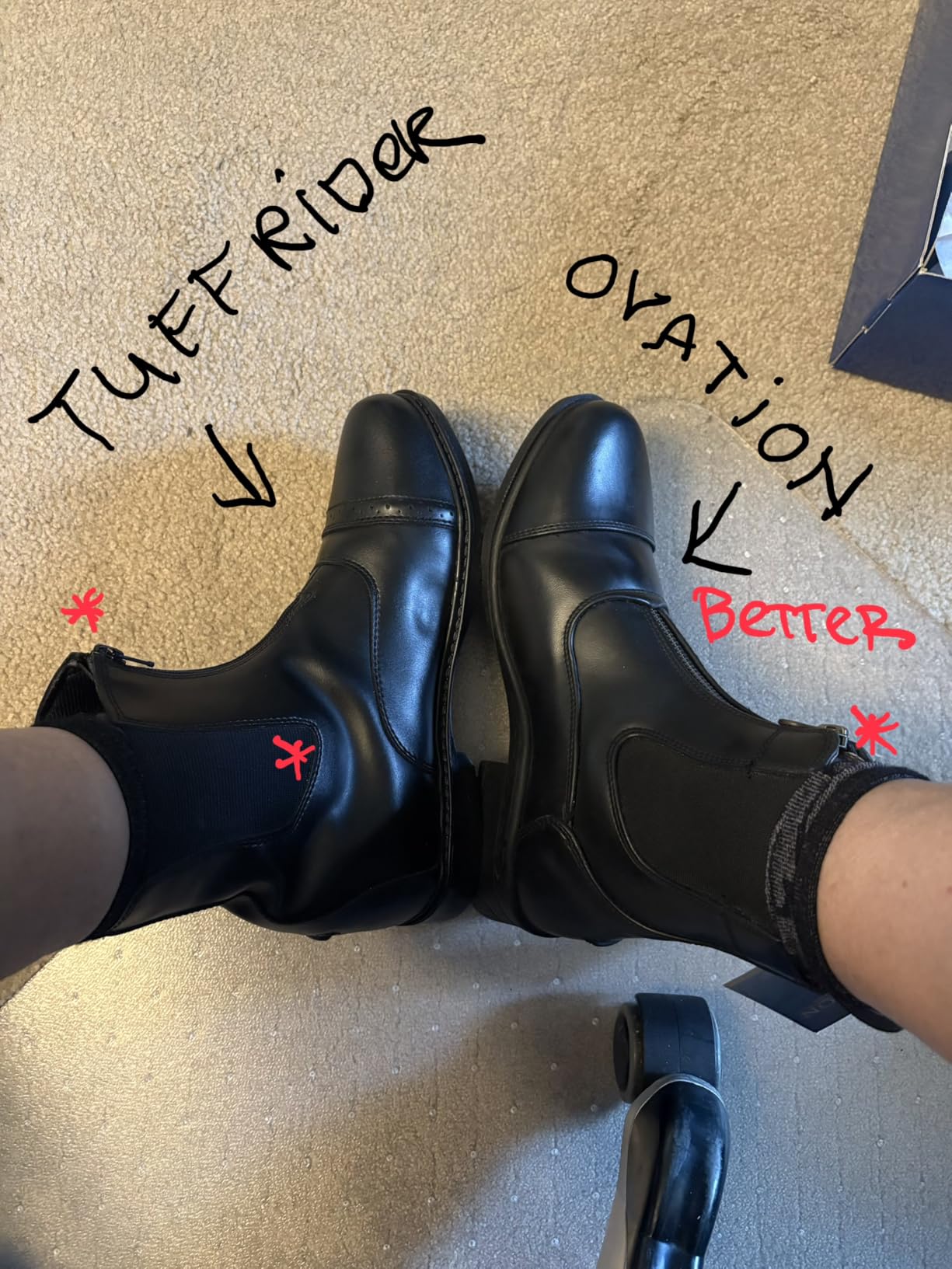
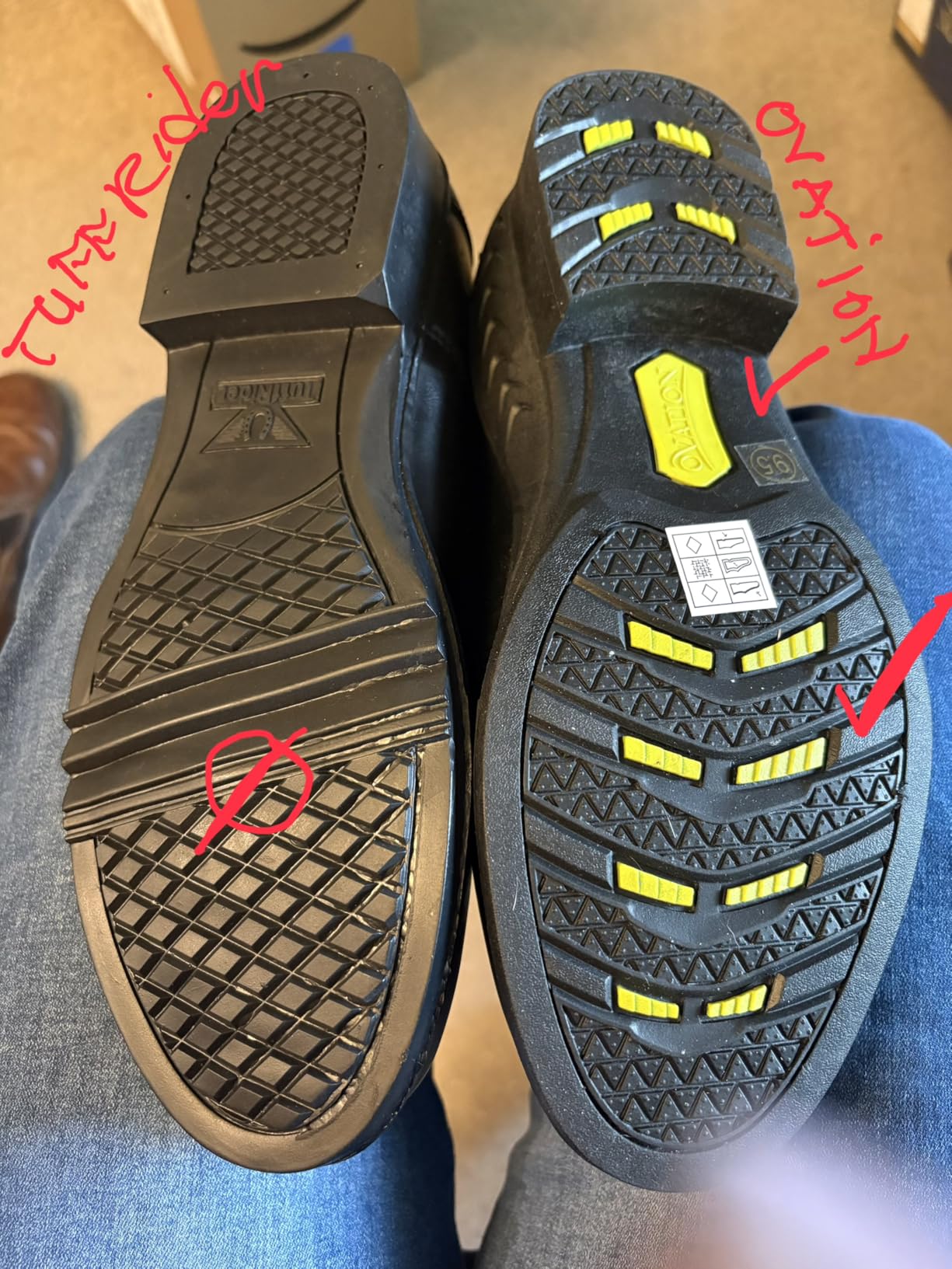
The DuraLast TPR outsole is durable enough to handle barn work and riding. The waterproof construction keeps your feet dry in wet conditions. At well under the cost of most leather paddock boots, this option is accessible to riders on a budget.
The women’s specific sizing means these boots are not suitable for male riders. The limited color options may frustrate riders who want matching gear. However, for the price and performance, these boots deliver solid value for women endurance riders.
For whom it’s good
Women endurance riders who need lightweight, waterproof footwear for long rides. Riders on a budget will appreciate the price point compared to leather boots. The wicking material is good for hot weather rides.
For whom it’s bad
Male riders will need different options due to women’s specific sizing. Riders who prefer traditional leather may want real leather boots. Limited color options may frustrate style-conscious riders.
Buying Guide: How to Choose Endurance Riding Gear for Horses?
Why Endurance Gear Differs from Regular Riding Gear
Endurance riding puts unique demands on horse and rider that regular trail or arena riding does not. At 50 to 100 miles in a single day, every piece of gear must work over hours of continuous use. Sweat, fatigue, friction, and heat become major factors that gear designers have to address.
Standard trail riding gear is built for 2 to 4 hour rides, not 8 to 12 hour events. The construction, materials, and weight all need to be optimized for endurance. Lightweight materials reduce the 20% rule burden, breathable construction prevents heat stress, and shock absorption protects joints over long distances.
Endurance gear also has to work at vet checks. Horses are inspected at multiple points during a ride, and the rider needs to remove and replace boots, pads, and tack quickly. Designs with complicated buckles or hard-to-adjust straps can cost precious minutes at vet checks, which directly affects completion.
Weight vs Durability Tradeoff
The biggest decision in endurance gear is how to balance weight and durability. Lighter materials often mean less durability, while heavy-duty construction adds weight. For competitive riders, every pound matters under the 20% rule, so the tradeoff is real.
For most riders, the sweet spot is medium-weight synthetic materials that handle sweat, water, and abrasion without breaking down. The Wintec Pro HART saddle and Professional’s Choice 2XCOOL boots both represent this balance. Pure ultralight gear is best reserved for elite competitive riders who replace gear frequently.
For training miles, heavier durable gear often makes more sense. You can save weight for competitions by using lighter gear, while training in gear that can take daily abuse. This approach extends the life of your competition gear while still building horse fitness.
Biothane vs Leather for Endurance
The biothane vs leather debate is one of the most common questions in endurance riding. Biothane is a synthetic material that looks and feels similar to leather, but it does not stretch when wet, does not require conditioning, and cleans with soap and water. For wet conditions and multi-day rides, biothane is the practical choice.
Leather has a traditional feel and breaks in over time to fit the horse, but it requires regular maintenance and can stretch or stiffen in extreme conditions. For riders who compete mostly in dry climates and have time for tack care, leather remains a valid choice.
Many endurance riders use a combination. They keep biothane bridles and breast collars for training and weather, and use leather saddles with synthetic padding for the balance of weight and feel. Your specific climate and riding style should drive this decision.
Measuring for Proper Fit
Proper fit is more important in endurance riding than in any other discipline. A poorly fitted saddle pad will cause sores over 50 miles that would not appear on a 5-mile ride. A loose boot will slip and cause rubs. A tight helmet will give you a headache that affects your judgment.
Measure your horse carefully before ordering saddle pads, boots, and bridles. For saddle pads, check the spine length and wither clearance. For boots, measure the hoof carefully and follow the brand sizing guide. For helmets, measure your head circumference and check the brand fit chart.
Most return policies allow exchanges for fit issues, so order from retailers with good return policies when possible. A poorly fitted piece of gear will ruin an otherwise good ride, so take the time to get it right.
Vet Check Requirements
Endurance rides include mandatory vet checks where the horse is inspected for soundness, heart rate recovery, hydration, and overall condition. The gear you use must allow quick removal for inspection. Boots that take 5 minutes to remove are not practical at a 30-minute vet check.
Boots with Velcro or simple buckle closures work best. Bridles that release easily at the bit and crownpiece speed up the inspection. Saddle pads that lift off without disturbing the horse’s back make the vet’s job easier and reduce the chance of issues being flagged.
Talk to experienced riders at the ride before your first event. They will tell you what works and what does not at vet checks for that specific ride. The right gear setup can save you minutes at each check, which adds up to real time across a 100-mile ride.
Frequently Asked Questions
What is the 20% rule for horses?
The 20% rule is a guideline in endurance riding that says a horse should never carry more than 20% of its body weight, including rider, saddle, and all tack. For a 1,000-pound horse, that means a total load of 200 pounds or less. This rule is the foundation of all endurance gear decisions because it forces riders to prioritize lightweight construction without sacrificing safety or durability.
What saddles do endurance riders use?
Endurance riders typically use lightweight synthetic saddles, treeless saddles, or flex tree saddles. Popular brands include Wintec, Tucker, and custom builders. The Wintec Pro HART Endurance Saddle is a top choice for riders who want a balance of weight, durability, and pressure distribution. The key features to look for are low weight, breathable materials, and a panel system that distributes pressure evenly along the horse’s back.
What to wear for endurance riding?
For endurance riding, wear a certified riding helmet, moisture-wicking layers, padded riding pants, and waterproof boots with good grip. A safety vest is recommended for competitive riders. The goal is to stay comfortable and safe for 8 to 12 hours in the saddle. Avoid cotton, which traps moisture, and choose synthetic materials that wick sweat and dry quickly.
What is the best horse for endurance riding?
The best horse for endurance riding is typically an Arabian or Arabian cross, as the breed dominates competitive endurance worldwide. Arabians have natural endurance, efficient movement, and the ability to recover quickly between vet checks. However, any sound horse with good conformation, strong feet, and the right training can compete in endurance. The 20% rule, conditioning program, and proper gear matter more than breed for most riders.
Final Thoughts on the Best Endurance Riding Gear for Horses
The best endurance riding gear for horses combines lightweight construction, breathable materials, and shock absorption to keep your horse comfortable across 50 to 100 miles. The Wintec Pro HART Endurance Saddle stands out as the top overall pick for serious endurance riders, while the Easyboot Cloud Hoof Boot delivers excellent value for hoof protection.
For riders on a budget, the Harrison Howard Sport Medicine Boots and WeatherBeeta Air-Tec Saddle Pad deliver solid performance without premium prices. Remember the 20% rule, measure your horse carefully, and choose gear that lets you remove and replace items quickly at vet checks. With the right gear and training, you and your horse can finish any endurance ride strong.