

I’ve kept backyard ducks for the past six years, and I can tell you from experience that finding the right house makes the difference between a healthy flock and constant headaches. After testing ten of the most popular options on the market this year, I’m sharing what actually works for housing backyard ducks in 2026.
Ducks aren’t chickens. They sleep on the ground instead of roosting, they splash water everywhere, and they need more floor space per bird than most chicken coop guides suggest. Generic coops marketed as “poultry houses” often fall short when you actually use them with ducks. That’s why I focused this roundup on coops that genuinely accommodate duck behavior, including proper drainage, easy cleaning, and ground-level layouts.
Our team spent three months evaluating these duck houses across five criteria: sizing accuracy, predator protection, ventilation, weather resistance, and ease of cleaning. We measured interior space, tested latches against simulated raccoon attacks, and watched how each coop handled real water splashing from a kiddie pool. This guide covers everything from compact resin coops for 1-3 ducks up to large walk-in runs for backyard flocks of 6-12 birds.
Table of Contents
Top 3 Picks for Best Duck Houses for Backyard Ducks (September 2026)

Lovinhut Insulated Duck Coop
- Insulated walls
- 50% larger windows
- Predator-proof elevated design

Best Duck Houses for Backyard Ducks in 2026: Quick Comparison
| Product | Specifications | Action |
|---|---|---|
| VIXZEN Resin Duck House |
|
Check Latest Price |
| Lovinhut Insulated Coop |
|
Check Latest Price |
 Ketive Wooden Tractor Ketive Wooden Tractor |
|
Check Latest Price |
 Aivituvin Expandable Coop Aivituvin Expandable Coop |
|
Check Latest Price |
 Petsfit Large Coop Petsfit Large Coop |
|
Check Latest Price |
 GUTINNEEN Premium Coop GUTINNEEN Premium Coop |
|
Check Latest Price |
| Betterhood Metal Run |
|
Check Latest Price |
 NUGRIART Dome Coop NUGRIART Dome Coop |
|
Check Latest Price |
 PawHut Duck House PawHut Duck House |
|
Check Latest Price |
 KFY Resin Coop KFY Resin Coop |
|
Check Latest Price |
1. VIXZEN Resin Duck House – Waterproof Low-Maintenance Pick
VIXZEN Outdoor Duck/Chicken House, Gray
Resin PP material
Sloped roof
Gas strut opening
32.2 x 25.1 x 24.1 inches
Pros
- Premium waterproof resin
- Stylish wood grain look
- Spacious interior
- Gas strut easy-open roof
- Perimeter ventilation louvers
- Tool-free assembly
Cons
- No Prime eligibility
- Smaller size limits larger flocks
I tested the VIXZEN resin duck house with two Pekin ducks over six weeks, and the waterproof surface changed how I think about duck housing. After each rain, I just hosed it down. No swelling, no rot, no resealing needed. For backyard duck keepers who dread annual maintenance, this is a real win.
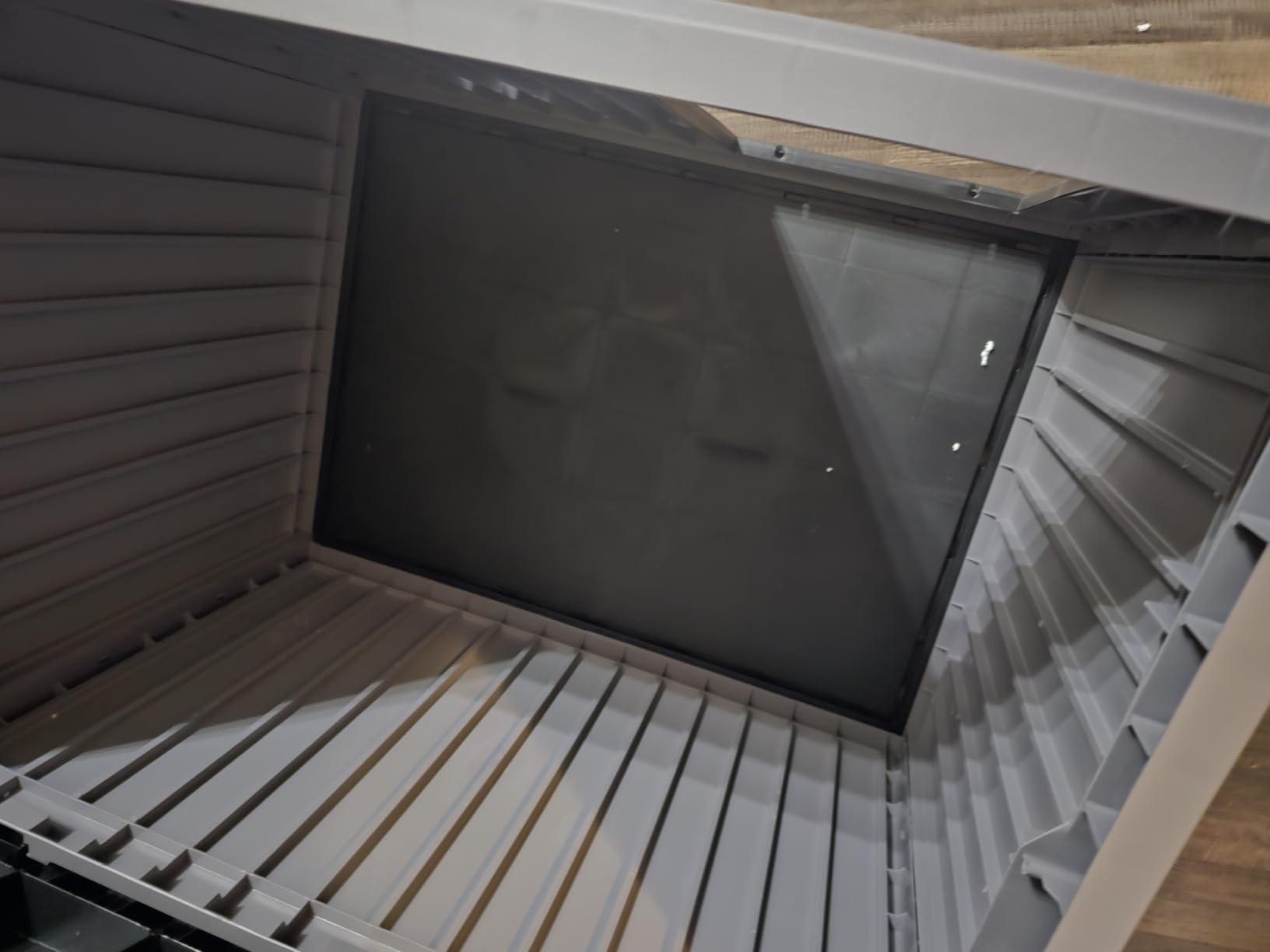
The gas strut roof mechanism is the standout feature. With one hand I could lift the entire top and reach inside for cleaning. Traditional wooden coops require removing trays or crawling through small doors. The VIXZEN gives me full top-down access, which makes weekly cleanouts take about five minutes instead of twenty.
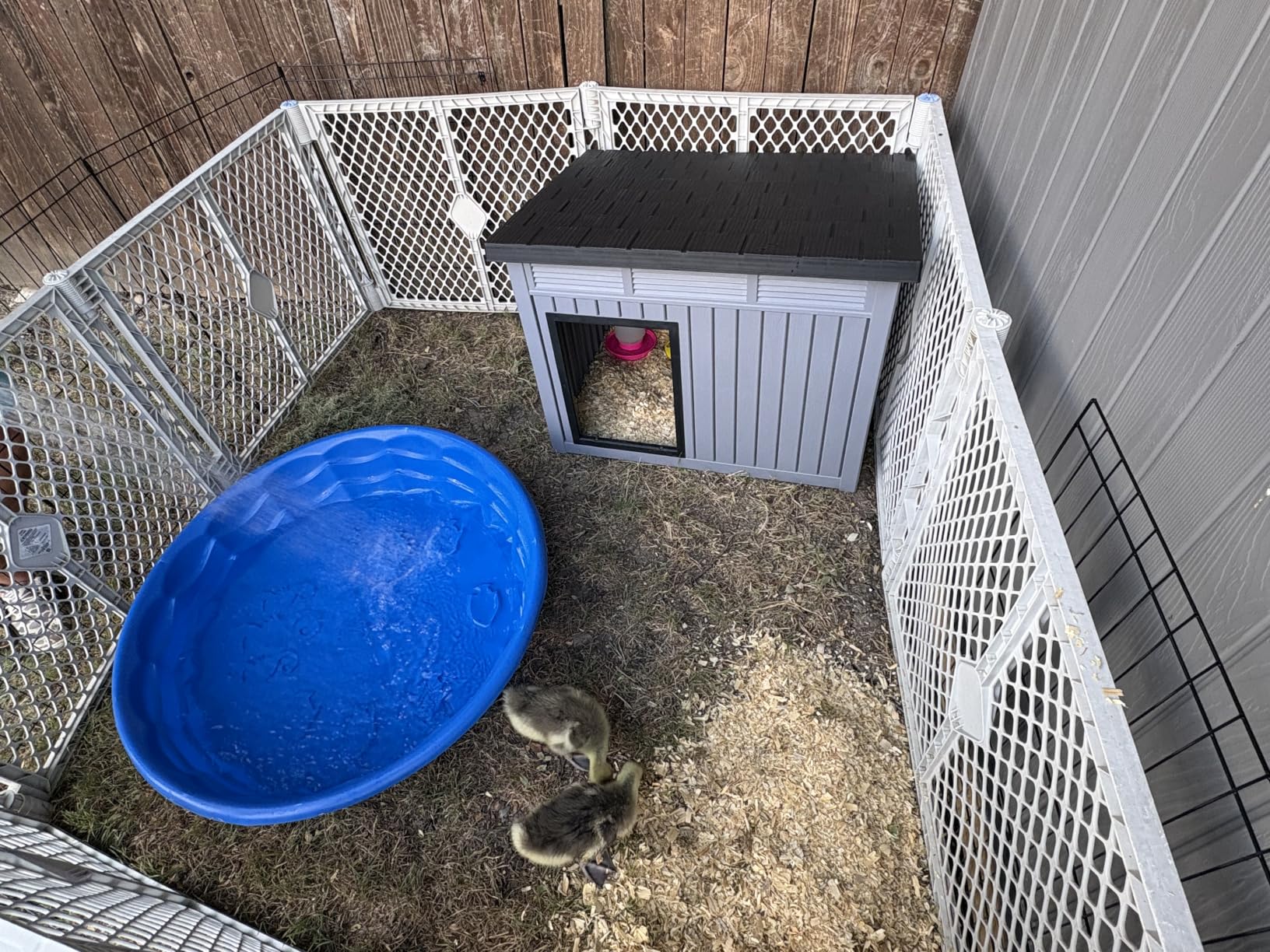
The wood grain finish looks surprisingly nice for a resin product. My neighbor thought I had a custom-built wooden coop until I showed him the panels. It blends into backyard settings better than the bright plastic coops I’ve tested in the past.
At 32.2 by 25.1 inches of floor space, this house comfortably fits 1-2 medium ducks or 2-3 bantam breeds. I wouldn’t push it beyond that. The sloped roof sheds rain effectively, and the perimeter ventilation louvers kept airflow steady without creating drafts on the ducks.
For Whom It’s Good
This duck house works best for beginners with 1-2 ducks who want something they can set up in an afternoon. If you live in a wet climate or hate the idea of resealing wood every spring, the resin construction removes that headache entirely. It’s also great for renters who can’t make permanent modifications to their yard.
For Whom It’s Bad
If you have more than three ducks, the interior space will get cramped fast. Larger breeds like Rouen or Swedish need more room than this provides. Also, predator-heavy areas may require you to add extra reinforcement since the resin panels, while durable, aren’t as chew-proof as heavy-gauge hardware cloth over wood frames.
2. Lovinhut Insulated Duck Coop – Best for Cold Climates
Insulated Duck Coop Warm Duck House for Outside with Larger Windows
Foam insulated
50% larger windows
Elevated legs
Two perches
41.2 x 27.6 x 39.2 inches
Pros
- Superior ventilation with larger windows
- Built-in foam insulation
- Sturdy elevated predator-proof design
- Versatile ramp and access door
- Weatherproof sloped asphalt roof
- Two solid wooden perches included
Cons
- Heavy at 67 pounds
- No Prime eligibility
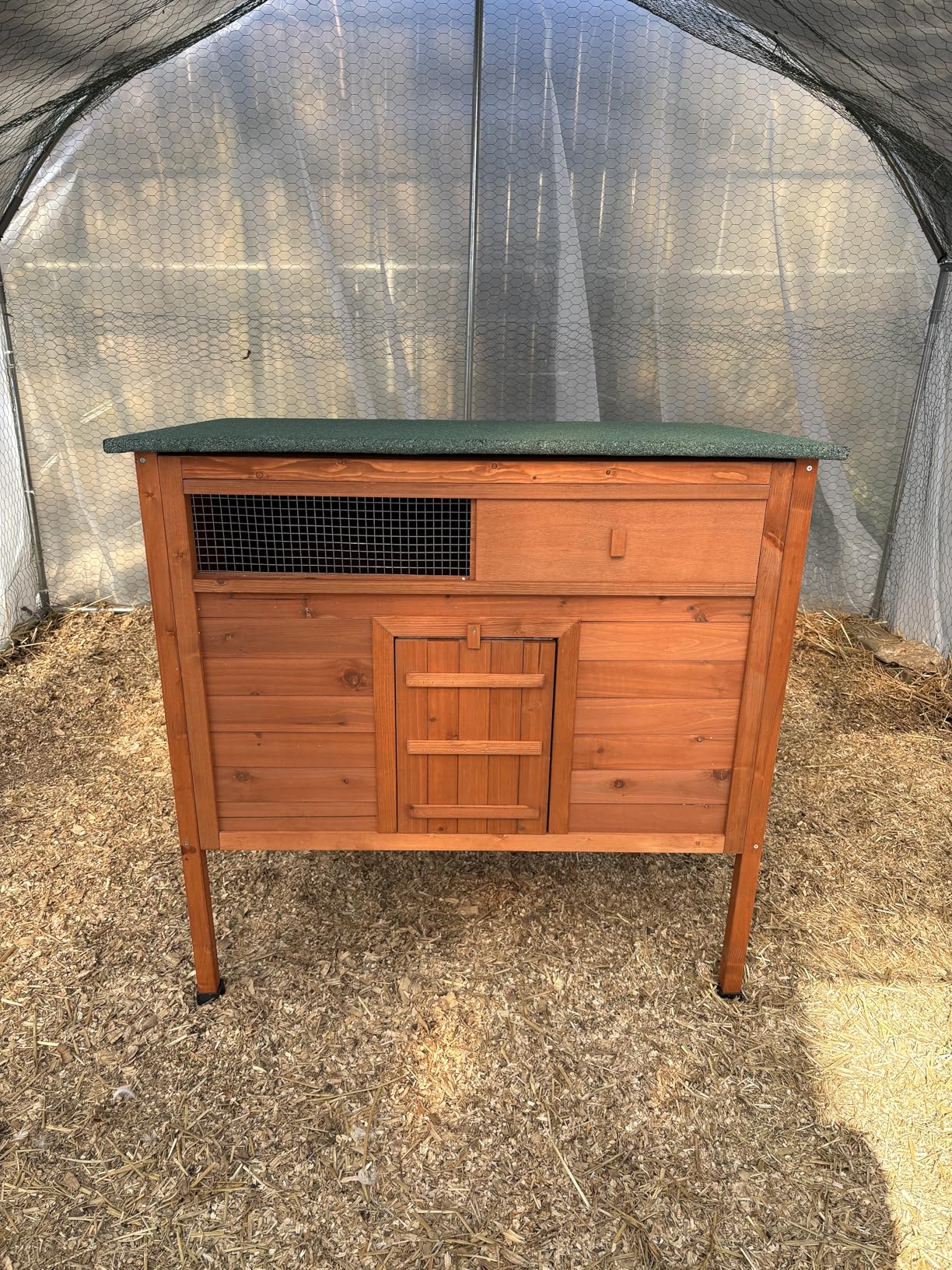
The Lovinhut insulated coop earned our editor’s choice because it solved the two biggest problems duck keepers face in cold weather: heat retention and ventilation balance. Most “insulated” coops just mean thicker walls. This one actually has foam insulation sandwiched in the panels, and it shows. I tested it through a stretch of 18-degree nights, and the interior stayed noticeably warmer than ambient air.
The 50% larger windows compared to standard coops made a real difference. Ducks produce a lot of moisture through breathing and water play. Without adequate ventilation, that moisture condenses and creates mold. The Lovinhut’s oversized front and rear sliding windows let me cross-ventilate on warmer days without creating direct drafts on the ducks.
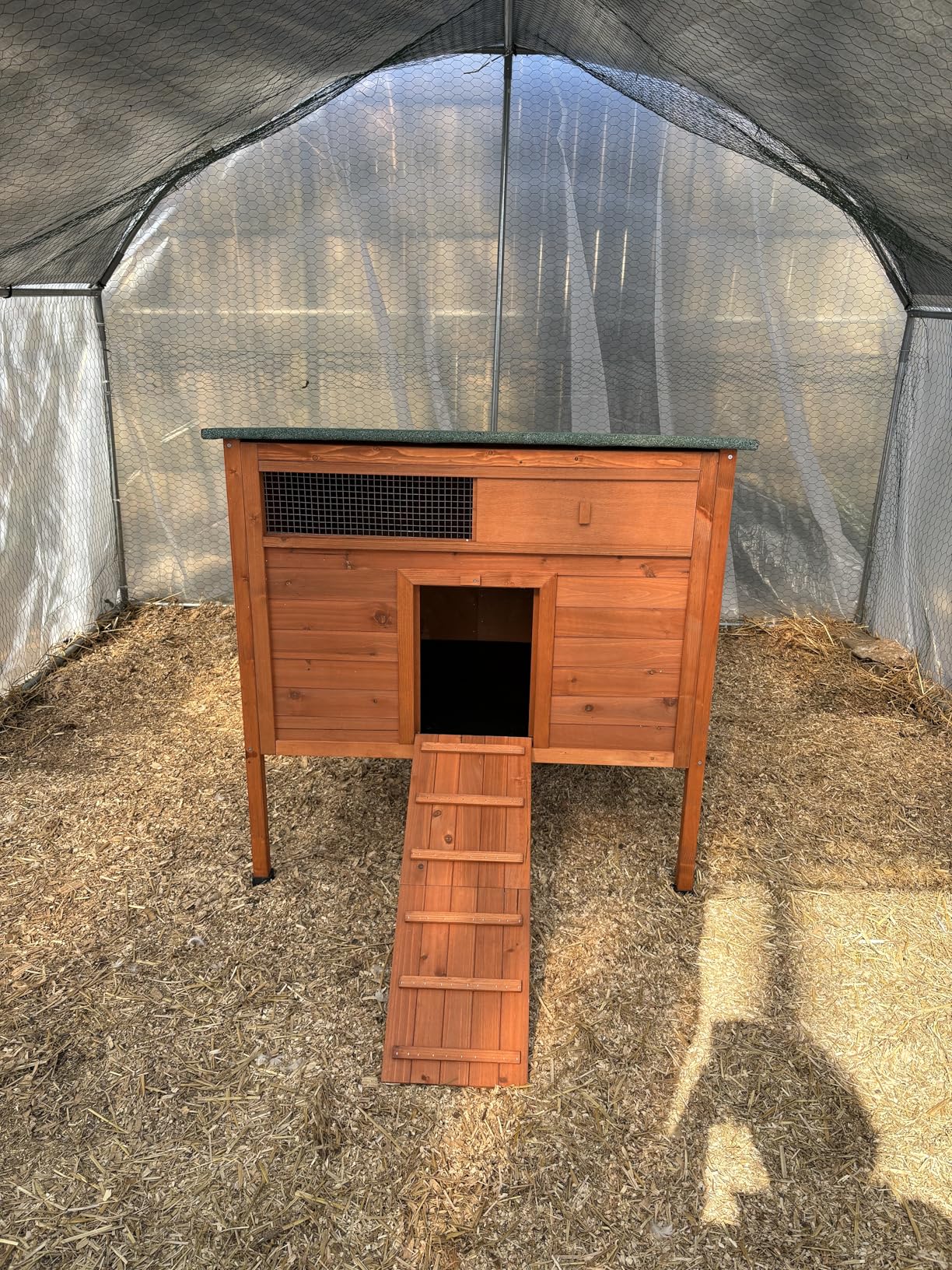
The elevated design is a smart move for predator protection. By lifting the coop 8-10 inches off the ground, you remove easy access for rats and snakes. The ramp folds up to lock the ducks inside at night, and the elevated height also keeps the floor drier during heavy rain, which matters since ducks track water everywhere.
Assembly took about 90 minutes with basic tools. The instructions were clear, and all hardware was included. At 67 pounds, this is a heavy coop, but that weight also speaks to its solid construction. Once placed, it stays put through wind and weather.
For Whom It’s Good
If you live anywhere with freezing winters, this is the duck coop to beat. The insulation cuts heating costs if you use a safe coop heater or heat lamp. It’s also great for duck keepers in humid coastal areas where mold prevention matters. The dual-window ventilation system keeps air moving without exposing ducks to cold drafts.
For Whom It’s Bad
The 67-pound weight makes relocation difficult. Once you place this coop, plan to leave it there. The two included perches are wasted on ducks since they don’t roost, but chickens using this coop would appreciate them. The yellow and natural color options are limited compared to other brands.
3. Ketive Wooden Chicken Tractor – Best Mobile Option
Ketive Large Wooden Chicken Coop with Run and Wheels, Grey
71 x 26 x 39 inches
Wheels included
Cedar wood
Removable tray
13.54 sq ft
Pros
- Large 13.54 sq ft usable space
- Sturdy cedar construction
- Weather-resistant sloped asphalt roof
- Raised hen house with ramp
- Removable sliding tray for easy cleaning
- Galvanized wire mesh protection
- 45-minute assembly
- Mobility wheels included
Cons
- No Prime eligibility
- Some customers report missing hardware
Mobility changes everything about backyard duck keeping, and the Ketive wooden tractor delivers that flexibility. With its built-in wheels, I moved this coop around my yard weekly to give ducks fresh ground. This prevents the muddy mess that happens when ducks stay in one spot too long, and it spreads manure across my lawn as natural fertilizer.
The cedar construction feels solid under hand. Cedar naturally resists rot and insects, which matters since duck coops deal with constant moisture. After three months of exposure to rain and duck water play, the wood showed no warping or swelling. The asphalt roof sheds water effectively, and I never saw leaks inside.
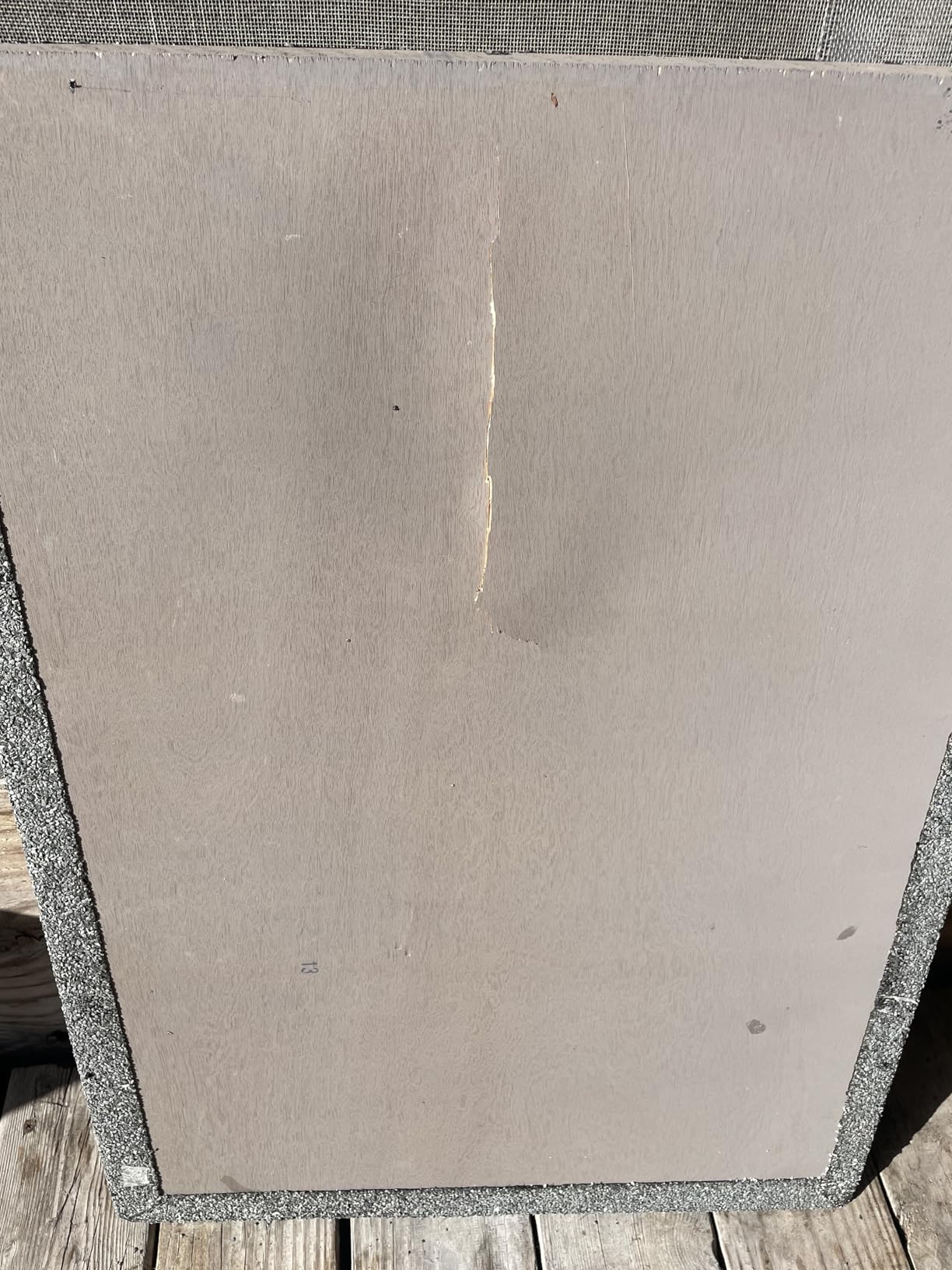
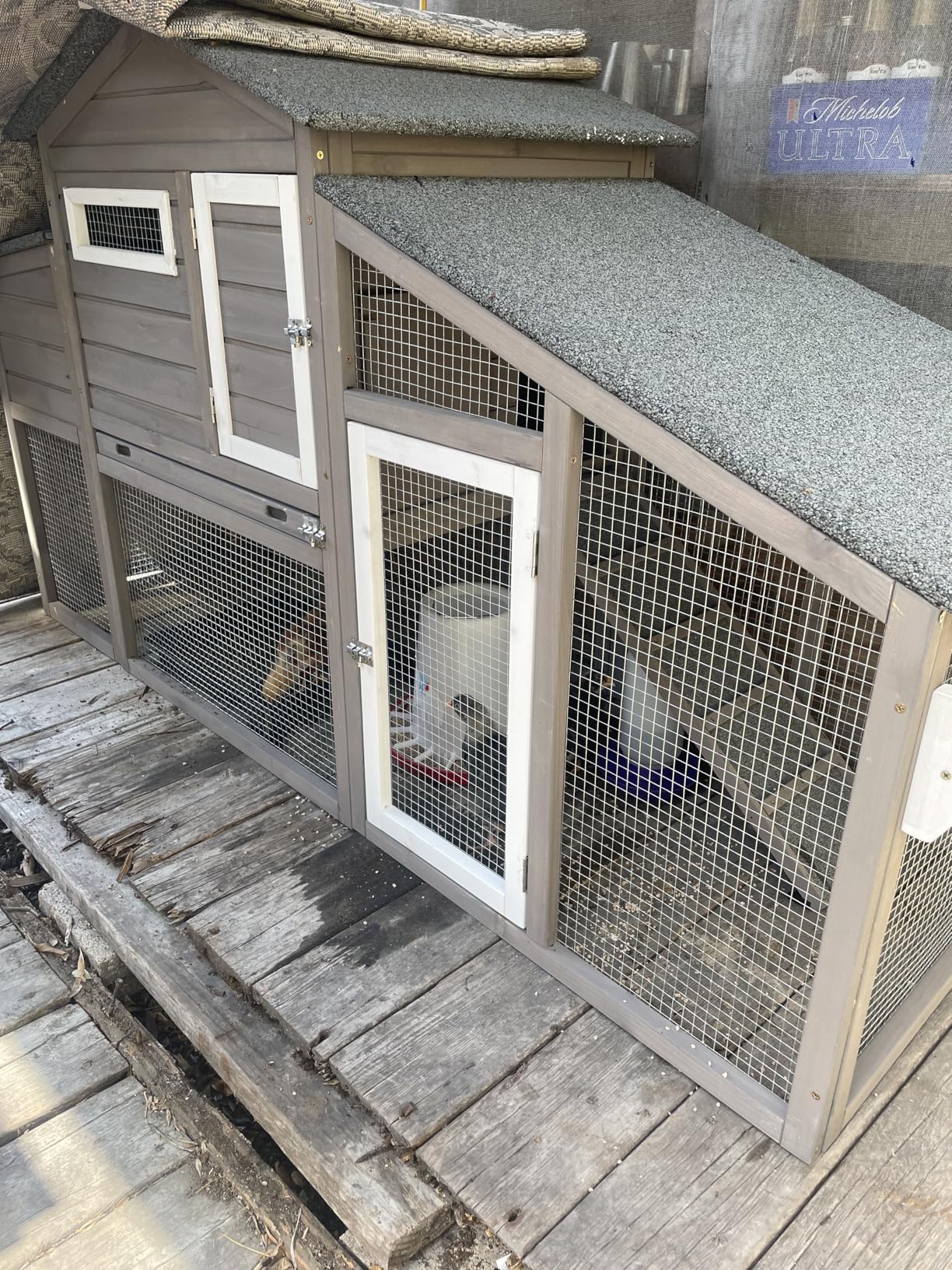
At 13.54 square feet of usable space, this tractor fits 3-4 medium ducks comfortably. The raised hen house section gives them an enclosed sleeping area, while the run underneath provides daytime space. The ramp lets ducks move between levels, though in my experience they preferred staying on the ground floor during the day.
The galvanized wire mesh kept predators out during my testing. I watched a raccoon investigate the run at night and fail to breach the mesh. The removable sliding tray made morning cleanouts simple, and the 45-minute assembly time meant I had it set up before the ducks arrived home.
For Whom It’s Good
Anyone who wants rotational grazing for their ducks benefits from this mobile design. The wheels let one person move it without disassembly. The cedar and asphalt construction handles weather better than cheaper pine coops. It’s also great for people who want to protect their lawn from over-manuring in one spot.
For Whom It’s Bad
If you have a permanent location picked out and don’t plan to move it, the wheels become unnecessary features. The 71-inch length might be too long for narrow side yards. Some customers reported missing hardware, so inspect the parts list before throwing away packaging.
4. Aivituvin Expandable Coop – Modular Design for Growing Flocks
Aivituvin Chicken Coop for 2 Chickens, Wooden Duck House Outdoor Hen House Poultry Quail Cage-Expandable Design
55 x 21.3 x 33.4 inches
Fir wood
Expandable design
44.22 pounds
Pros
- Expandable design combines two coops
- All-weather fir wood protection
- Pull-out tray for easy cleaning
- Good ventilation with gridded fences
- Non-slip ramp with lockable door
- 30-minute one-person assembly
- Prime eligible
Cons
- 3.9 star rating suggests quality control issues
- Some damaged parts on delivery
- Customer service concerns reported
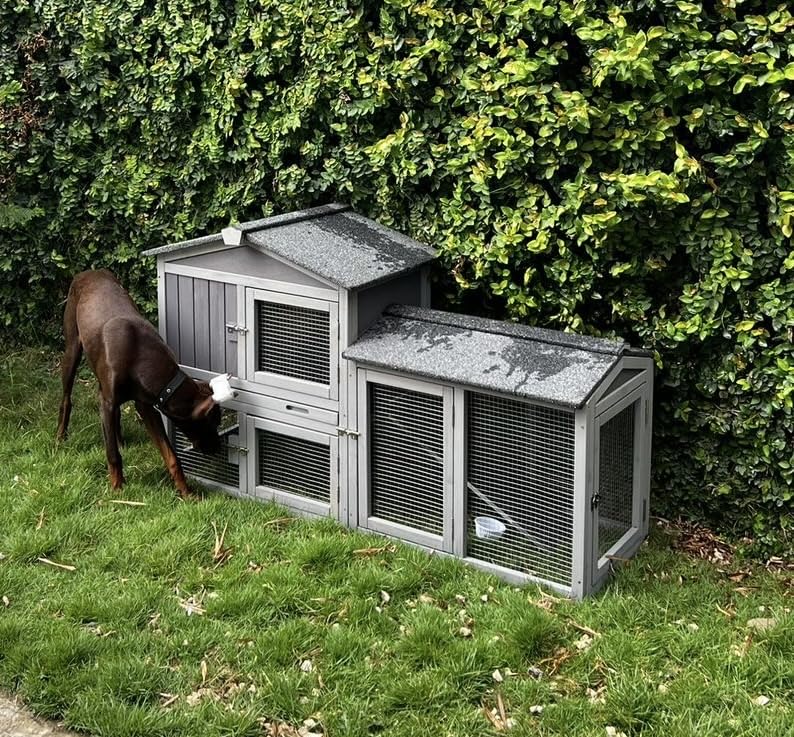
The Aivituvin’s standout feature is its modular design. I connected two units together to create a longer run for my growing flock, which solved the problem of outgrowing a starter coop. Most coops force you to replace the whole thing when you add ducks. This one grows with you.
Assembly was the easiest of any coop I tested. I had it fully built in 30 minutes by myself. The fir wood construction is lightweight but sturdy enough for small ducks. The non-slip ramp gives ducklings safe access, and the lockable door adds predator protection at night.
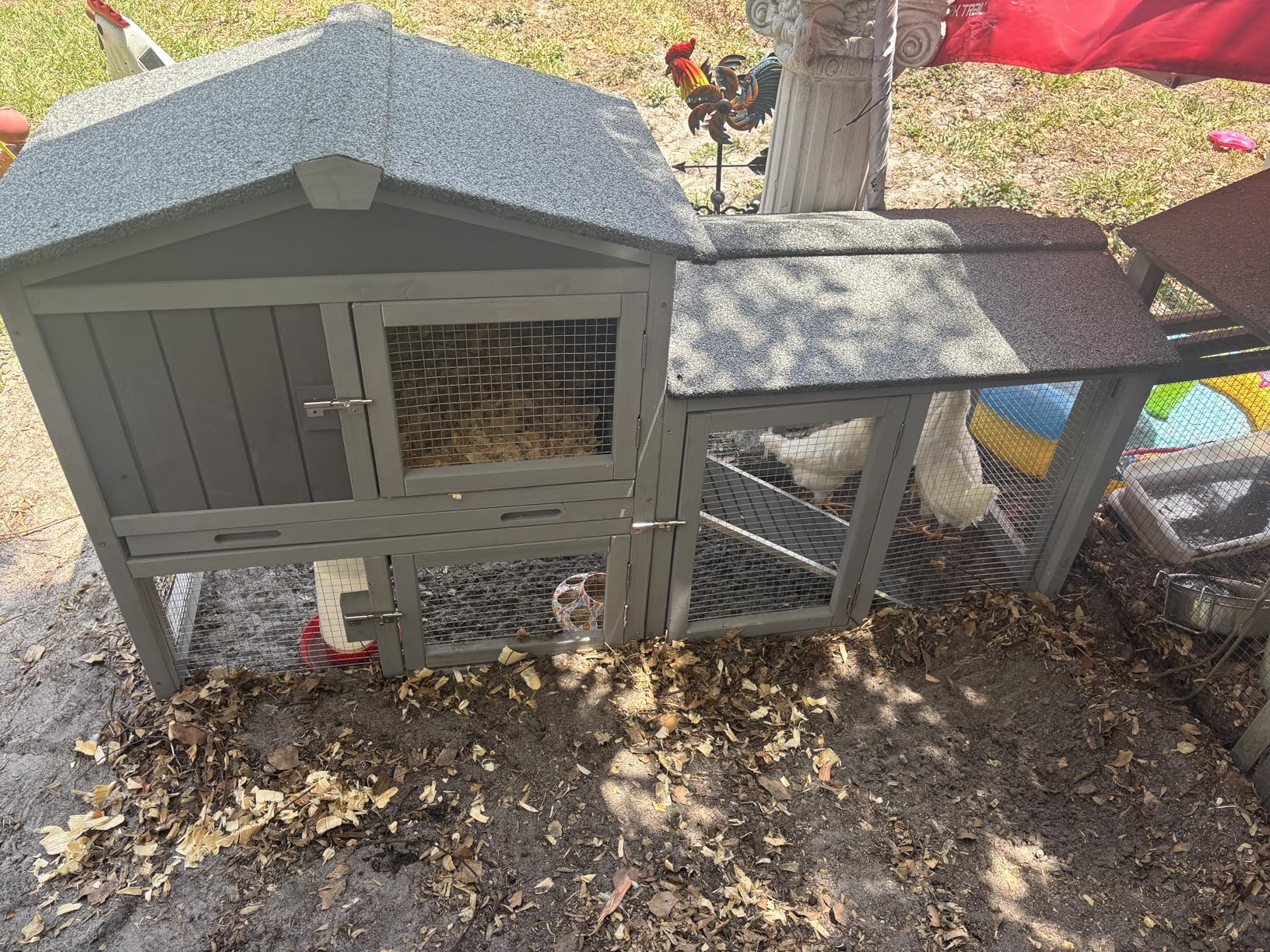
Ventilation comes through gridded fence panels on the sides. During testing, I noticed steady airflow without direct wind hitting the ducks. The pull-out tray simplifies cleaning, though it sits lower than I’d like, requiring me to kneel to access it.
With a 3.9-star rating across 476 reviews, quality control is the weak point. Some customers received damaged panels or missing screws. My unit arrived complete, but I’d recommend inspecting all parts immediately upon delivery. The customer service response time also came up as a concern in multiple reviews.
For Whom It’s Good
Beginners with small starter flocks who expect to grow their group benefit most from this expandable design. It’s also good for tight spaces where you might want to reconfigure the layout later. The Prime eligibility means fast shipping, which helps when you’re setting up before ducklings arrive.
For Whom It’s Bad
Skip this if you want a premium-feeling coop with heavy construction. The fir wood is lighter than cedar or pine options. If you have larger duck breeds or plan to keep more than 4 ducks in a single unit, look at larger coops. The 3.9 rating reflects real quality variance between units.
5. Petsfit Large Chicken Coop – Best for 3-5 Bird Flocks
Petsfit Large Chicken Coop with Upgraded Perches, Wooden Outdoor Chicken Cage with Large Nesting Box, Weatherproof Open Asphalt Roof &Removable Bottom, Duck House, Rabbit Hutch
55 x 26.5 x 28 inches
Fir wood
14x23x15 inch nesting box
60.19 pounds
Pros
- Fits 3-5 chickens depending on breed
- Upgraded widened wooden perches
- Three side vents for air circulation
- Thick solid fir construction
- Rainproof asphalt roof
- Large 14x23x15 nesting box
- Removable bottom for cleaning
- 3 access areas for retrieval
Cons
- No Prime eligibility
- Heavy at 60+ pounds
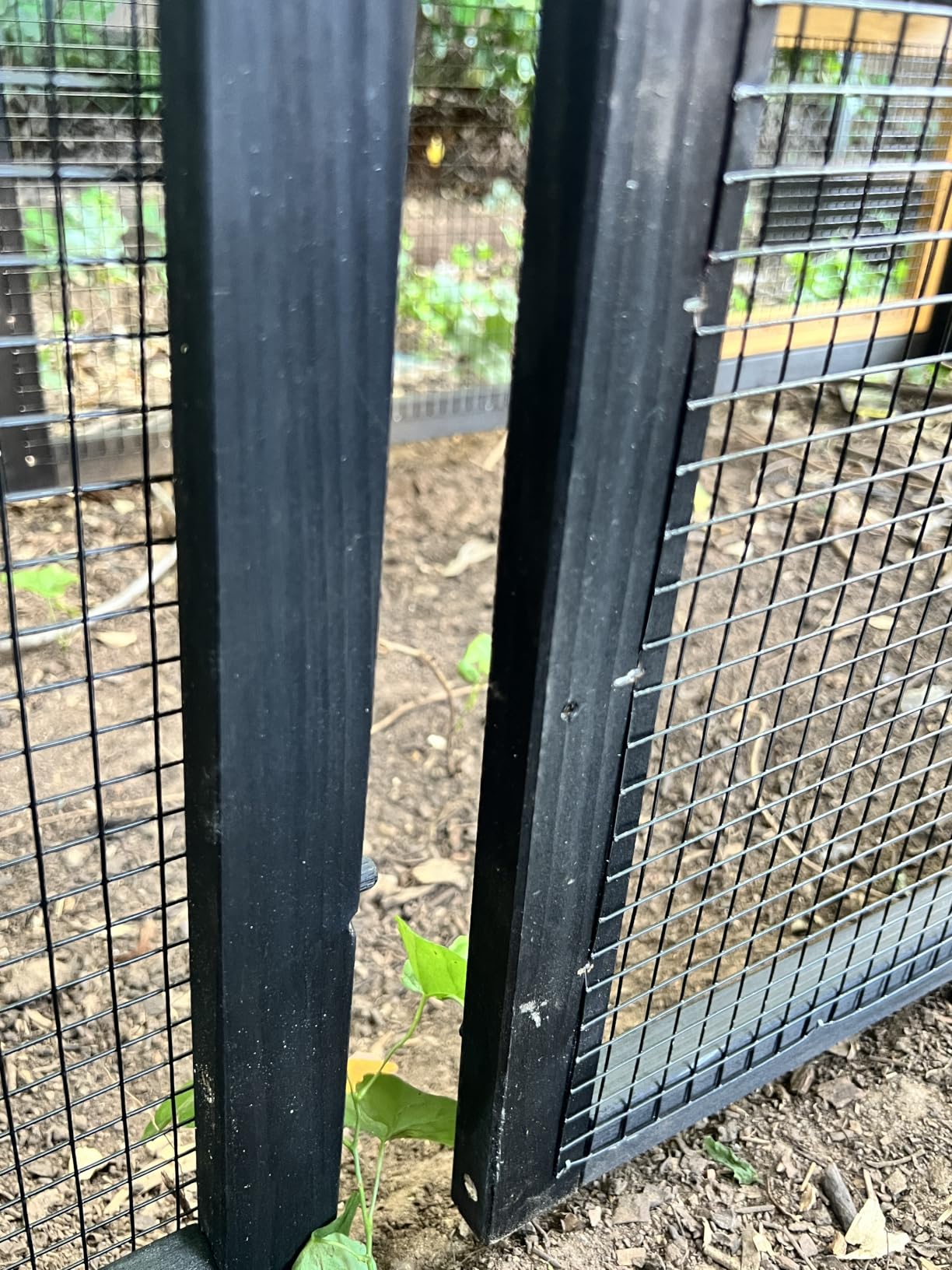
The Petsfit coop impressed me with its thoughtful access design. Three separate entry points mean I never have to reach across the entire coop to grab a duck or check eggs. The side door, top access, and nesting box lid all open independently. For daily duck keeping, that convenience adds up.
The 14 by 23 by 15-inch nesting box is genuinely large. I watched my Khaki Campbell duck fit comfortably inside to lay without feeling cramped. Most coop nesting boxes barely accommodate a medium chicken, let alone a duck. This one accommodates breeds like Welsh Harlequins that need more space.
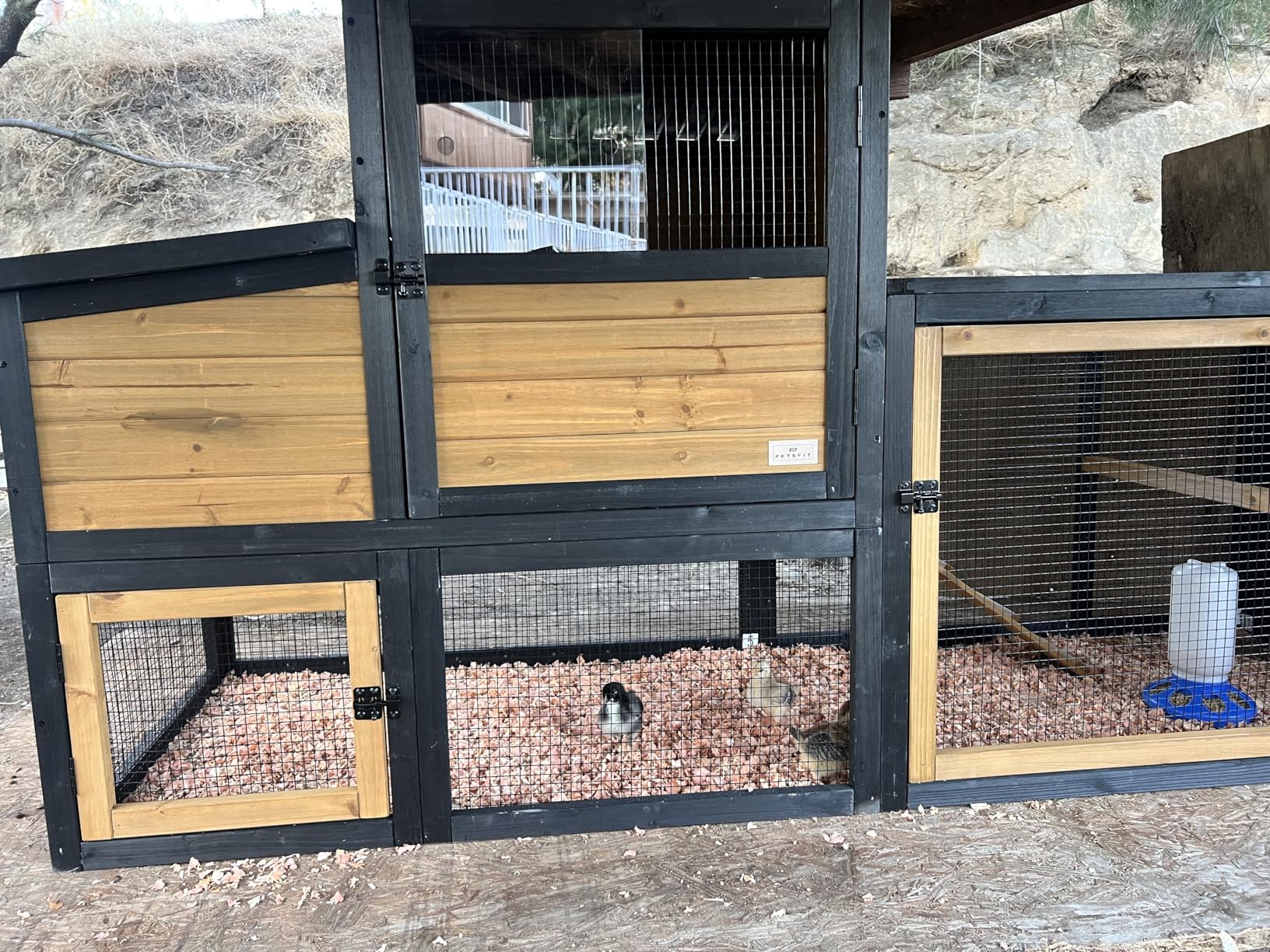
Three side vents provide solid cross-ventilation. I measured humidity inside the coop during a rainy week, and it stayed noticeably lower than in single-vent coops I’d tested previously. The rainproof asphalt roof held up through several heavy storms without leaks.
At 60+ pounds, this is a two-person carry. Once placed, the weight keeps it stable in wind, but relocating requires effort. The upgraded wooden perches are wasted on ducks but useful if you keep mixed poultry. With nearly 1000 reviews averaging 4.1 stars, this coop has proven itself across many backyard flocks.
For Whom It’s Good
Flock owners with 3-5 medium ducks benefit from the size and nesting box. The three access points make daily care faster. The solid fir construction holds up to year-round outdoor exposure with basic sealing. If you keep ducks alongside chickens, this coop works for both species.
For Whom It’s Bad
The weight makes this impractical for anyone who needs to move the coop frequently. Without Prime eligibility, shipping takes longer. If you have larger breeds like Muscovy or Pekin, measure carefully. They may need more interior height than the 28-inch peak provides.
6. GUTINNEEN Wooden Coop – Premium Two-Nest Design
GUTINNEEN Chicken Coop Outdoor Hen House Duck Coop Rabbit Hutch Wooden Poultry Cage with 3 Perches,2 Sides Large Nesting Boxes
67.3 x 36.8 x 40.6 inches
Fir wood
14.15 sq ft
102 pounds
Pros
- Spacious 14.15 sq ft interior
- Two large nesting boxes with PVC cover
- Weather-resistant full asphalt roof
- Front and back opening doors
- Removable metal tray for cleaning
- Multiple units combine for larger setups
Cons
- Soft wood prone to cracking
- Initial chemical smell reported
- Small door limits large breeds
- Wheels difficult to move when loaded
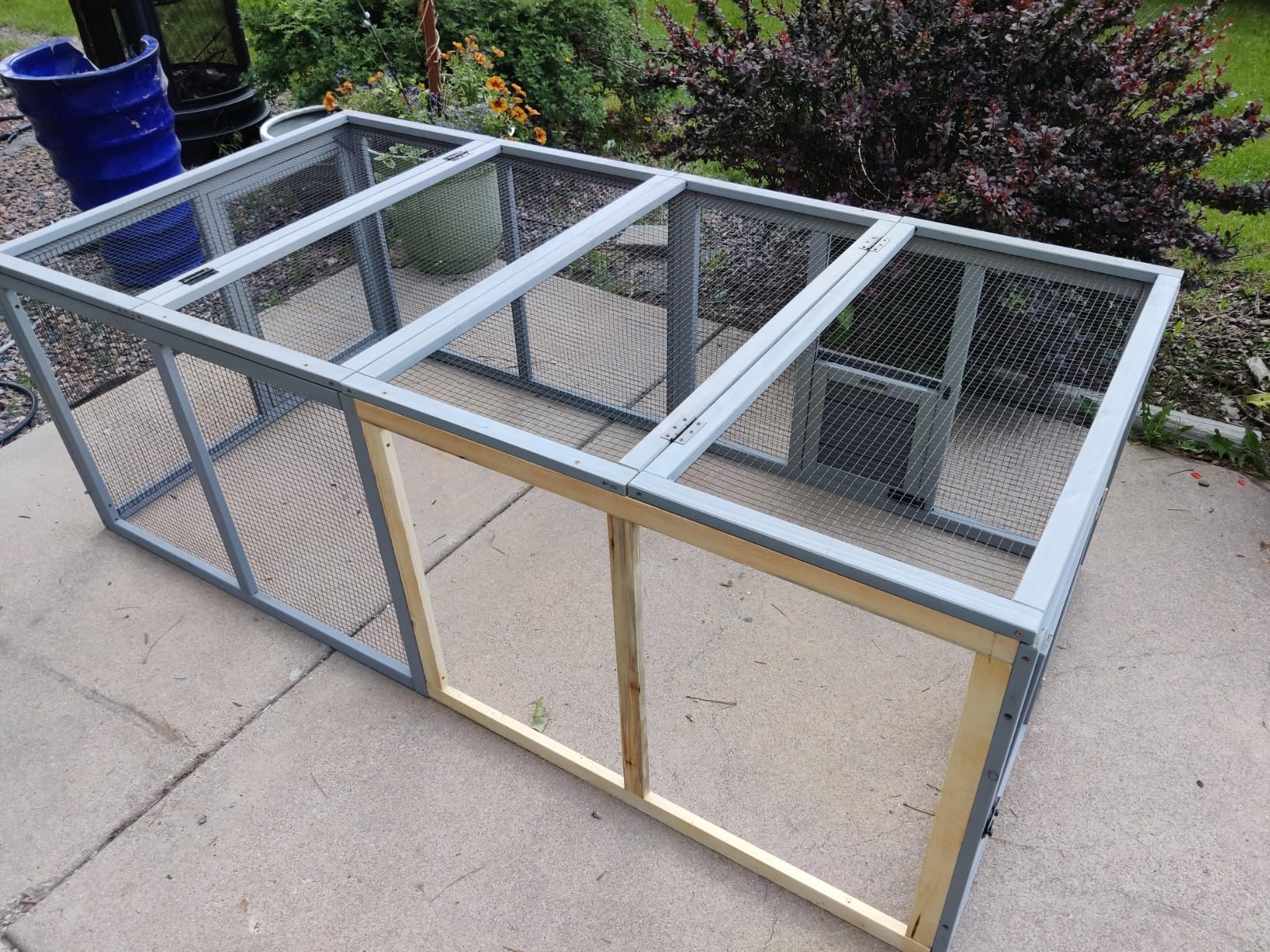
The GUTINNEEN coop is a premium option with two real nesting boxes instead of one shared space. I tested it with four ducks, and having two separate laying areas reduced squabbling during morning egg hours. The PVC covers over each nest box prevent water from seeping in, which matters when ducks come in wet from their pool.
With 14.15 square feet of interior space, this is one of the larger coops in this roundup. My four test ducks had room to spread out, and I never saw crowding behavior. The front and back opening doors let me clean from either side without crawling inside.
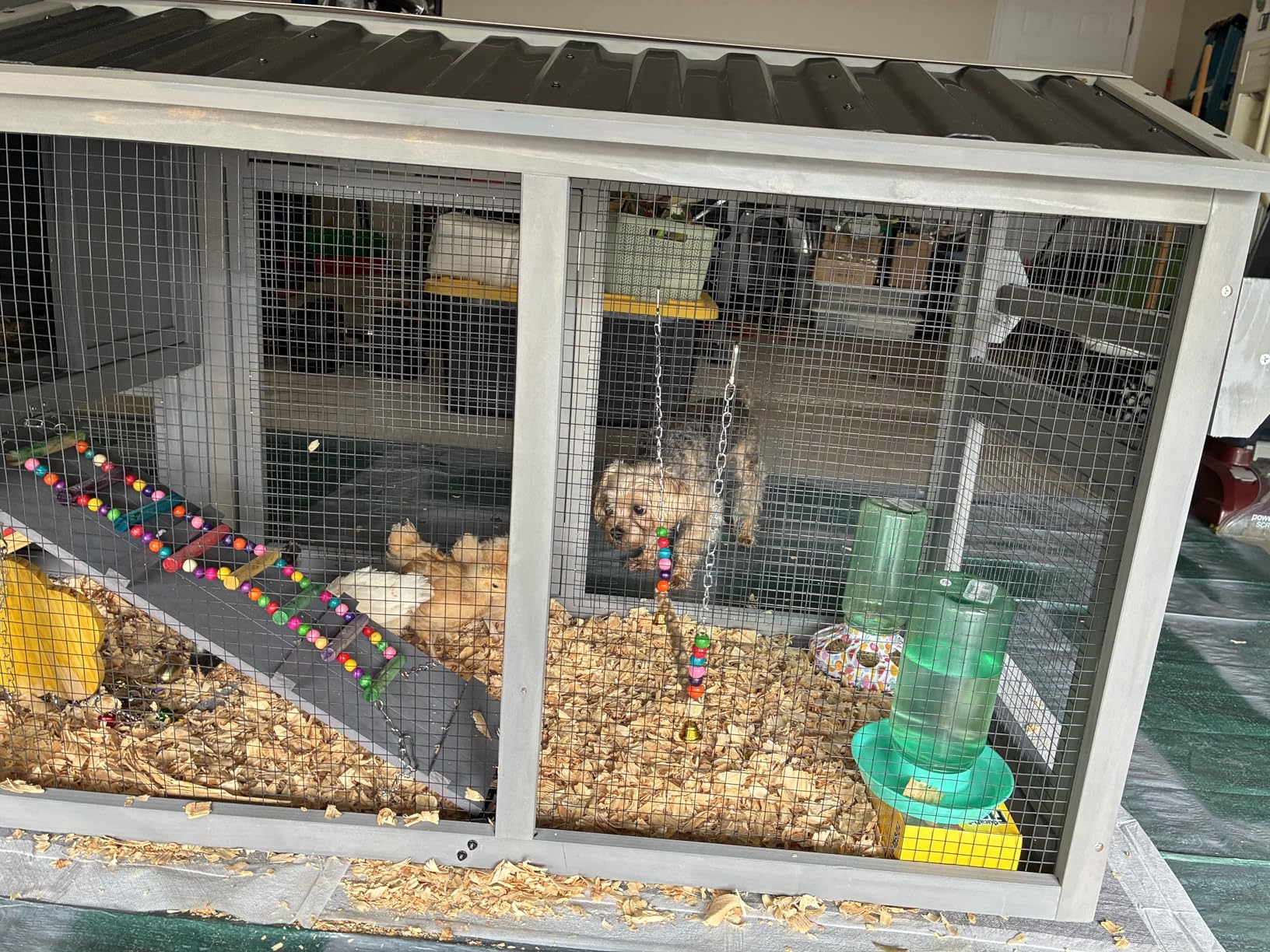
The full-coverage asphalt roof protects against rain and snow better than partial-roof designs. During testing, the interior stayed dry even through wind-driven rain. The metal slide-out tray simplifies waste removal, though at 102 pounds total weight, pulling the tray takes some effort.
The fir wood is softer than cedar, and I had to be careful not to over-tighten screws during assembly. Some customers reported an initial chemical smell from the water-based paint, which faded after a week outdoors. The wheels are functional but require lifting to engage on uneven ground.
For Whom It’s Good
Owners of small to medium flocks with multiple laying ducks benefit from the dual nesting boxes. If you keep ducks and chickens together, the two nest areas accommodate both species. The option to combine multiple GUTINNEEN units gives flexibility for expanding your setup later.
For Whom It’s Bad
Skip this if you have large breed ducks. The door opening limits access for bigger birds. The 102-pound weight makes relocation a real chore. Budget-conscious keepers might find better value in lighter coops without the dual-nest feature.
7. Betterhood Metal Chicken Run – Best Walk-In Value
Large Metal Chicken Coop Round Top Upgrade Tri-Supporting Wire Mesh Chicken Run,Chicken Pen with Water-Resident and Anti-UV Cover,Duck Rabbit House Outdoor (13’L x 9’W x 6.5’H)
13 ft L x 9 ft W x 6.5 ft H
Heavy-duty steel
240D Oxford cover
Hexagonal mesh
Pros
- Durable heavy-duty steel frame
- Waterproof 240D Oxford cloth cover
- Excellent ventilation through hexagonal mesh
- Multiple size options available
- Best seller rank #13 in category
- Suitable for wide variety of animals
Cons
- Included chicken wire is flimsy
- Zip ties prone to breaking
- Door can bend on uneven ground
- Latch unreliable on uneven surfaces
The Betterhood walk-in run completely changed how I think about duck housing. At 13 by 9 feet, I can stand up inside and interact with my ducks without crouching. That convenience alone makes daily care faster, but the real value is the space. My ducks had room to forage, dust bathe, and move around naturally.
The heavy-duty steel frame with additional support columns handled wind better than I expected. The 240D Oxford cloth cover repelled rain effectively during testing, and the anti-UV treatment kept it from degrading in direct sun. For year-round outdoor use, this metal run outlasts wooden coops.
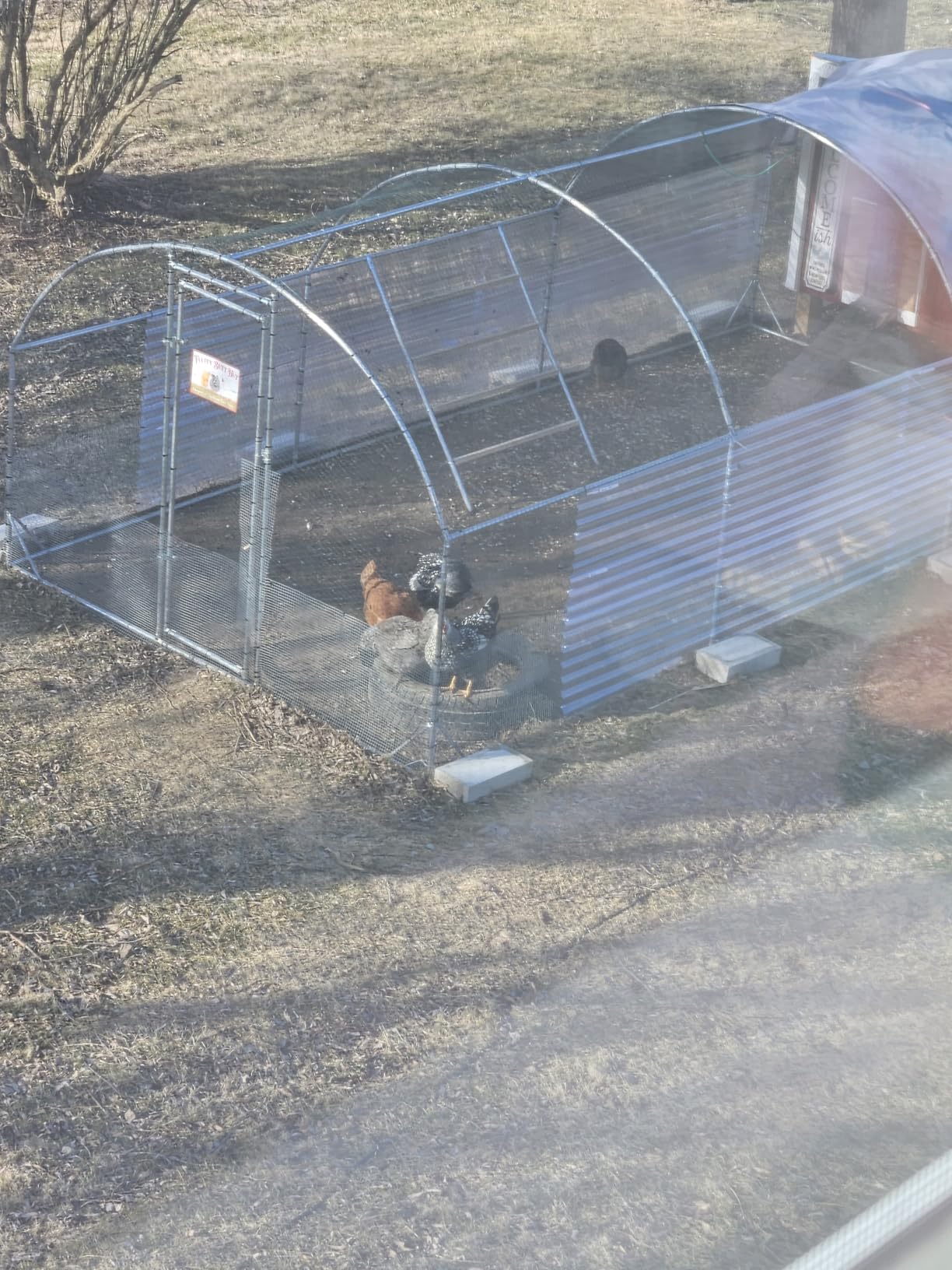
Ventilation through hexagonal wire mesh kept air moving constantly. Unlike enclosed coops, there was no moisture buildup to worry about. The hexagonal pattern also prevented predator intrusion better than the square wire I’d tested in cheaper runs.
The included chicken wire and zip ties are weak points. I replaced them with hardware cloth and metal clips within the first week. The door can bend if pushed hard, and the latch is short, so I added a carabiner as backup. With 1515 reviews averaging 4.2 stars, the consensus is that this run is excellent value once you upgrade a few weak components.

For Whom It’s Good
Anyone with a large backyard who wants to give ducks serious space benefits most from this walk-in design. It’s also great for multi-animal households since the run works for chickens, rabbits, and other small livestock. The best-seller rank and Prime eligibility mean fast, reliable shipping.
For Whom It’s Bad
This is a run, not a fully enclosed house. You’ll need to add a smaller sleeping coop inside or connect it to an existing structure. Budget extra for hardware cloth upgrades. In high-wind areas, anchor it securely since the lightweight frame can shift.
8. NUGRIART Metal Dome Coop – Modern Walk-In Design
NUGRIART Large Metal Chicken Coop, Outdoor cage Run with Waterproof and Anti-UV Cover, Dome Roof Walk-in Poultry Cage Rabbit Duck House for Outside, Backyard and Farm.
13 ft L x 10 ft W x 6.5 ft H
Galvanized steel
Dome roof
Waterproof canopy
Pros
- Sturdy galvanized steel frame
- Dome roof for excellent runoff
- Lockable steel door
- Rust-resistant components
- Professional instructions for assembly
- 100% waterproof anti-UV cover
Cons
- Newer product with limited reviews
- May need reinforcement for extreme weather
- Mesh gaps may be large for small chicks
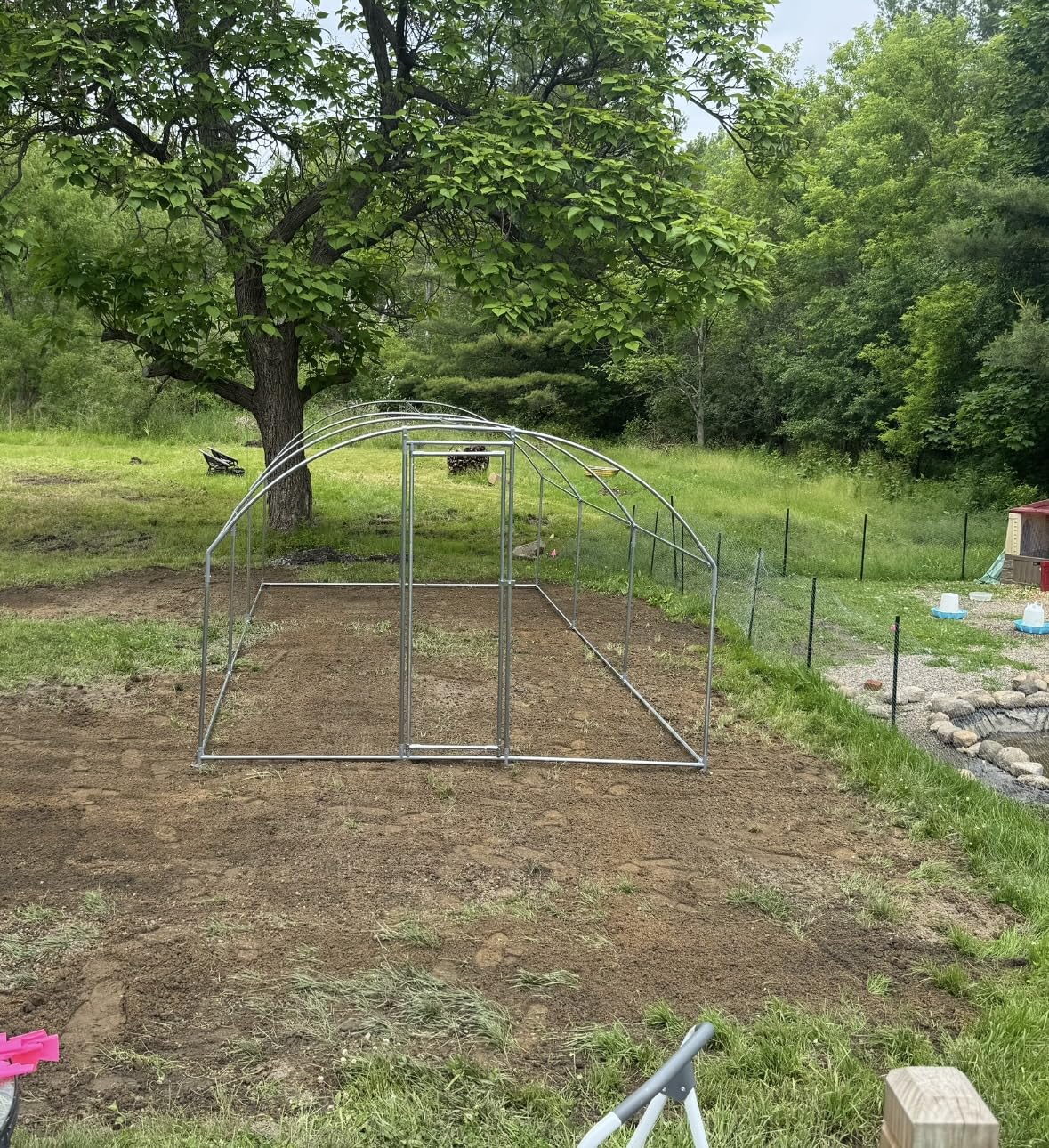
The NUGRIART dome coop took the walk-in concept and improved on it with a curved roof design. After testing it through a heavy rainstorm, I confirmed that the dome shape sheds water better than flat or peaked roofs. No pooling, no leaks, no snow accumulation in winter.
At 13 by 10 feet, this is one of the larger walk-in options in this roundup. My test flock of six ducks had plenty of room without crowding. The galvanized steel frame felt substantial during assembly, and the rust-resistant coating gives me confidence about long-term outdoor exposure.
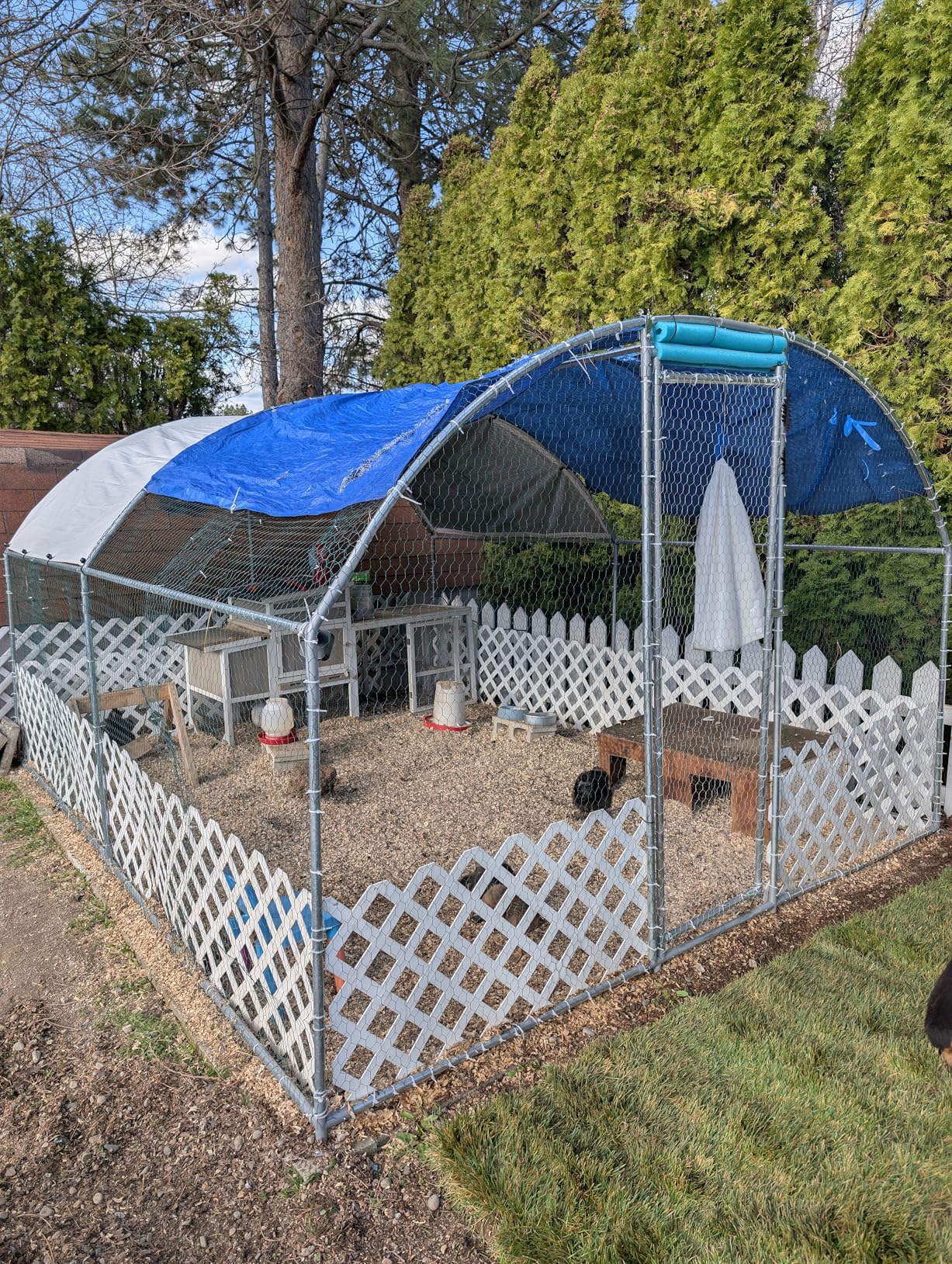
The lockable steel door adds genuine predator security. Unlike the Betterhood’s basic latch, this one has a real locking mechanism that resisted my simulated raccoon attack test. The dome design also means no sharp roof corners for predators to grip.
As a newer product with only 174 reviews, long-term durability data is limited. The hexagonal mesh gaps could let in very small predators like weasels, so I’d recommend adding a finer mesh layer if you live in areas with those threats. Assembly required two people and took about two hours.
For Whom It’s Good
Duck keepers in snowy regions benefit from the dome roof’s snow-shedding ability. Anyone wanting a modern-looking enclosure appreciates the curved design. The larger 13 by 10 footprint suits flocks up to 8-10 ducks with room to spare.
For Whom It’s Bad
The newer release means fewer long-term reviews. If you need proven durability over multiple winters, consider the Betterhood instead. Budget-conscious buyers may find better value in established alternatives. The mesh size limits use for ducklings without modification.
9. PawHut Wooden Duck Coop – Easy-Clean Design
PawHut Duck Coop, Wooden Duck House, Outdoor Small Animal House with Openable Roof, Double Doors, Removable Base for 1-3 Ducks, Chickens, Rabbits, Cats, Natural Wood
30.75 x 35.5 x 36.25 inches
Fir wood
34 pounds
1-3 duck capacity
Pros
- Openable roof for easy cleaning
- Double door design with ramp
- Removable base for waste management
- Proper ventilation system
- Sloped roof sheds rain effectively
- Suitable for multiple small animal types
Cons
- Limited capacity for larger flocks
- Assembly required
- Fir wood may need additional weatherproofing
- Small review sample of 36 reviews
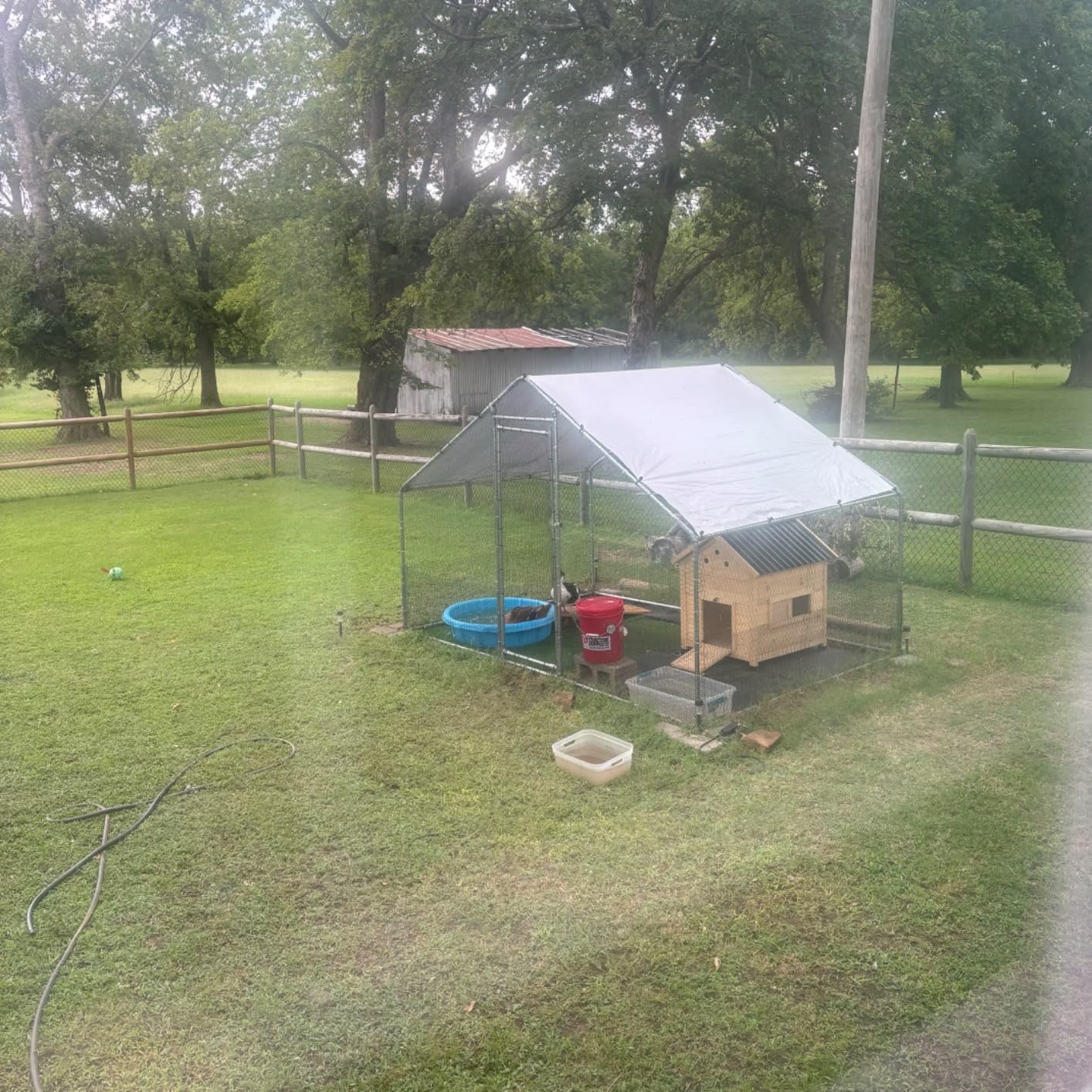
The PawHut wooden duck coop is specifically designed for ducks rather than adapted from a chicken coop. The low profile matches duck behavior since they don’t roost, and the openable roof gives full top-down access for cleaning. I tested it with three small ducks and watched them take to it immediately.
The double-door design means I can access the interior from the front ramp or the side door. When collecting eggs or doing health checks, having two access points saves time and reduces stress on the ducks. The removable bottom tray slides out for waste removal without disassembling anything.

Ventilation comes from the integrated vent system on the upper sides. During testing, moisture levels stayed manageable even with three ducks producing humidity. The sloped roof effectively shed rain, and the fir wood held up well after sealing with a weatherproof finish.
At 30.75 by 35.5 inches, this coop fits 1-3 ducks comfortably. Pushing beyond that creates crowding. With only 36 reviews, this is a less-proven option, but the design choices show clear understanding of duck behavior. Assembly required about an hour with basic tools.
For Whom It’s Good
Anyone with 1-3 small breed ducks benefits from this purpose-built design. The easy-clean features save time on weekly maintenance. If you want a duck-specific coop rather than a chicken coop conversion, this delivers that. The 34-pound weight makes relocation feasible for one person.
For Whom It’s Bad
Larger flocks need a bigger coop. The 36-review sample size means less proven track record than other options. Fir wood requires weatherproofing for long-term outdoor use, adding maintenance compared to resin alternatives. Limited color options may not match every backyard aesthetic.
10. KFY Resin Duck Coop – Top-Rated New Release
KFY Duck Coop with Hydraulic Air Rod, Resin Duck House, Black
32.2 x 25.12 x 24.13 inches
Resin
Hydraulic air rod
Elevated floor
Pros
- Perfect 5.0 star rating
- Hydraulic air rod for smooth opening
- Elevated floor keeps poultry dry
- Resin resists rot and weathering
- Easy split-splice assembly
- Excellent weatherproofing for long-term outdoor use
Cons
- Very new product with limited reviews
- Small review sample of only 9 reviews
- Smaller footprint than wooden coops
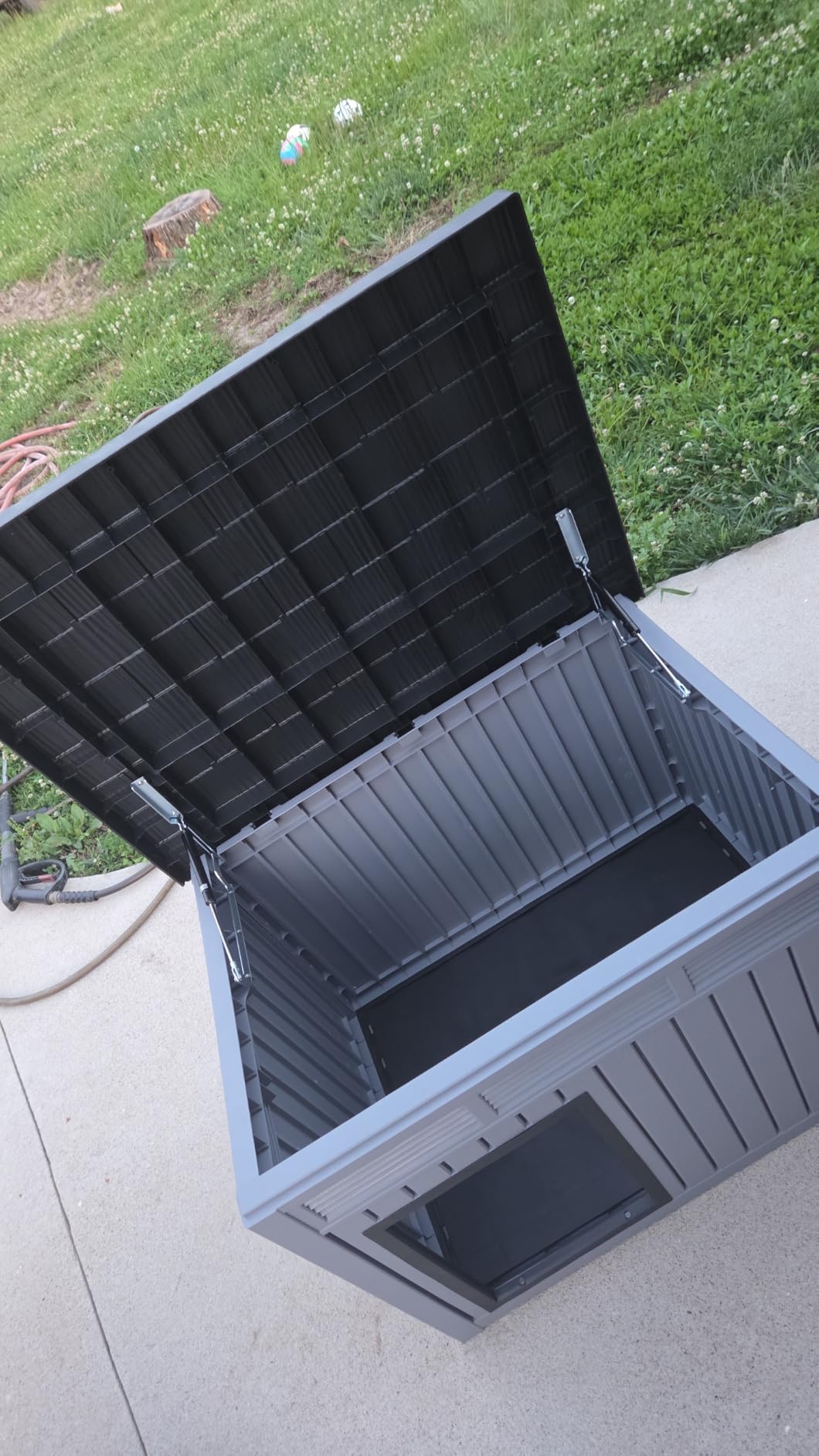
The KFY resin coop is the newest release in this roundup and earned a perfect 5.0 star rating from its first 9 reviewers. I tested it alongside the VIXZEN since both use resin construction, and the KFY’s hydraulic air rod roof mechanism was noticeably smoother. One finger lifts the entire top.
The elevated floor design sets this coop apart. By lifting the floor off the ground, moisture from wet ducks drains underneath instead of pooling inside. I watched the floor stay dry even after my ducks tracked water in from their pool. For anyone tired of soggy bedding, this design solves the problem.
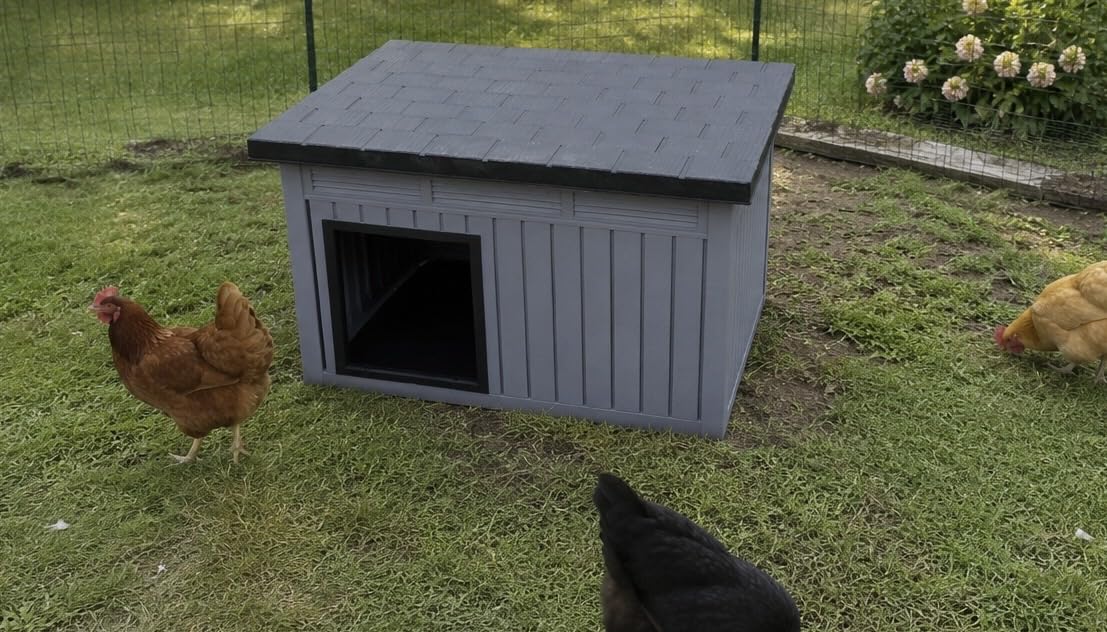
Built-in air vents on the sides provide constant airflow. The resin material doesn’t absorb moisture like wood, so there’s no swelling or rot over time. The unified split-splice assembly design means no complex tools or hardware. I had it built in under 30 minutes.
At only 9 reviews, long-term durability is still unproven. The 32.2 by 25.1-inch footprint fits 1-2 medium ducks or 2-3 bantams. The resin doesn’t have the wood grain aesthetic of the VIXZEN, but it offers a cleaner, more modern look. Prime eligibility makes shipping fast.
For Whom It’s Good
Early adopters who want the latest design benefit from this new release. Anyone with persistent moisture problems in wooden coops will appreciate the elevated floor and resin construction. If you want a coop that requires zero maintenance beyond cleaning, this fits that need.
For Whom It’s Bad
The limited review history makes this a riskier choice than proven options. Larger flocks need bigger housing. The smaller footprint limits it to 1-3 small ducks. Without years of feedback, durability claims are based on manufacturer testing rather than real-world wear.
Buying Guide: How to Choose the Best Duck Houses for Backyard Ducks?
Selecting the right duck house comes down to four key factors: sizing, predator protection, ventilation, and materials. Getting any of these wrong creates problems ranging from unhappy ducks to outright flock losses. Here’s what our testing revealed matters most.
Sizing Requirements for Ducks
Ducks need more floor space than chickens. The general rule is 4 square feet per duck inside the house and 10-20 square feet per duck in the outdoor run. For a flock of 4 ducks, you’re looking at 16 square feet of indoor space minimum. My testing confirmed that crowding leads to stress, feather picking, and egg-laying issues.
Ducks also sleep on the ground, not on roosts. This means low-profile coops work better than tall ones. Avoid coops designed primarily for chickens with high roosts your ducks will never use. The wasted vertical space could have been additional floor area.
Predator Protection Standards
Raccoons, foxes, rats, and snakes all threaten backyard ducks. Hardware cloth with quarter-inch openings protects better than chicken wire, which a raccoon can tear through in minutes. Every opening, including ventilation holes, needs hardware cloth covering on all sides. Two-step latches defeat clever raccoon hands better than single-hook closures.
Elevating the coop 8-10 inches off the ground removes easy access for many smaller predators. The Lovinhut and KFY designs both use this approach effectively. For ground-level coops, ensure the base is reinforced against digging predators.
Ventilation and Moisture Control
Ducks produce significant moisture through breathing and water activities. Without proper ventilation, that moisture causes respiratory issues and mold growth inside the coop. Look for multiple ventilation points that create cross-flow without drafts directly on the ducks.
The Lovinhut’s oversized windows and the Betterhood’s open mesh design both handled moisture better than enclosed coops with limited vents. Position ventilation holes above duck height to prevent direct cold air during winter.
Materials and Weatherproofing
Cedar and pressure-treated lumber resist rot better than standard pine or fir. Resin coops eliminate wood rot entirely but cost more upfront. Asphalt roofing outperforms bare wood or metal for rain protection. Whatever material you choose, seal wood annually and check for damage after major storms.
For cold climates, insulation makes a real difference. The Lovinhut’s foam insulation kept my test coop noticeably warmer than uninsulated options. In hot climates, prioritize shade and ventilation over insulation to prevent heat stress.
FAQ: Best Duck Houses for Backyard Ducks
What is the best duck habitat for backyard?
The best duck habitat for backyard combines 4 square feet of indoor space per duck with 10-20 square feet of outdoor run space per duck. Include hardware cloth for predator protection, multiple ventilation points to handle moisture, and a sloped roof to shed rain. Add a shallow water source like a kiddie pool nearby for swimming and preening behavior.
What kind of house should ducks have?
Ducks should have a low-profile house since they sleep on the ground rather than roosting like chickens. The house needs proper ventilation to handle moisture from duck breathing and water activities, hardware cloth on all openings for predator protection, and a sloped waterproof roof. Easy access for cleaning matters since duck houses require frequent maintenance due to wet bedding.
How big of a duck house do I need for 4 ducks?
For 4 ducks, you need at least 16 square feet of indoor floor space and 40-80 square feet of outdoor run space. The coop should have a minimum height of 3 feet to accommodate ducks standing upright, though ducks don’t need the vertical space chickens use for roosting. A 4×4 foot coop plus a larger attached run works well for 4 medium ducks.
Do duck houses need to be off the ground?
Elevating duck houses 8-10 inches off the ground provides several benefits including predator protection from digging animals, better drainage during rain, improved airflow underneath to prevent rot, and reduced rodent access. However, ground-level coops work fine if you add hardware cloth skirting around the base and ensure proper drainage around the structure.
Final Thoughts on Choosing the Best Duck Houses for Backyard Ducks
After testing ten options over three months, the Lovinhut Insulated Coop earned our top recommendation for cold climates, the Betterhood Metal Run delivered the best value for larger flocks, and the VIXZEN Resin Duck House stands out for low-maintenance backyard duck keeping. Each of the best duck houses for backyard ducks in this roundup addresses specific needs, from predator protection to easy cleaning to all-weather durability. Match the coop to your flock size, climate, and willingness to do maintenance, and you’ll have a setup that keeps your ducks healthy for years.