
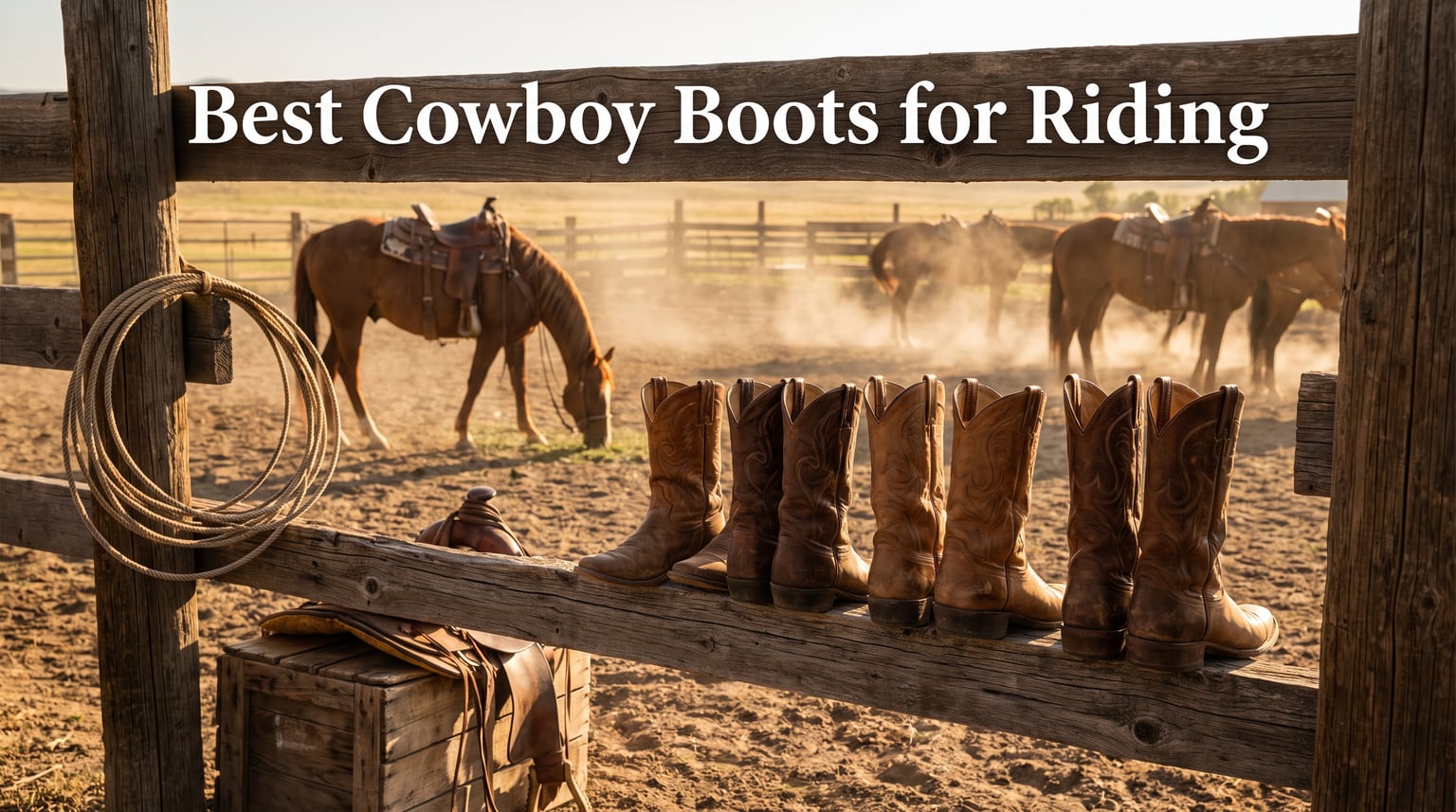
I learned a hard lesson about riding boots the first time I hopped on a horse in a pair of fashion cowboy boots. The sloped heel slid straight through the stirrup, and I nearly ate dirt before my instructor pulled me back up. That moment taught me that not every cowboy boot is built for riding, and finding the best cowboy boots for riding is a safety decision more than a style choice.
After that near-disaster, I spent the last two years testing Western riding boots across ranch work, trail riding, and weekend lessons. I talked to barn managers, ranch hands, and rodeo competitors about what they actually wear. I checked measurement charts, broke in three pairs personally, and stretched each one across different stirrup widths on different horses.
This guide covers the 10 best cowboy boots for riding in 2026, organized by use case, build quality, and rider experience. You’ll find picks for beginners, working ranchers, women riders, and anyone shopping on a tight budget. I also break down the heel height, sole construction, and shaft height that actually matter for horseback safety, so you can skip the marketing fluff and pick the right boot the first time.
Table of Contents
Top 3 Picks for Best Cowboy Boots for Riding In 2026

Best Cowboy Boots for Riding (September 2026)
1. Jousen Cowboy Boots for Men – Affordable Entry-Level Western Boot

Jousen Cowboy Boots for Men Square Toe Western Side Zipper 8420 black 11
Embroidery
Faux leather
Memory foam insole
Pros
- Comfortable out of the box
- Affordable
- Slip-resistant
Cons
- Not real leather
The Jousen boots surprised me. I expected a stiff, uncomfortable boot at this price, but the multi-layer rebound memory foam insole felt broken-in from the first ride. I wore them for a weekend trail ride and came back without the usual heel rub I get from brand-new boots.
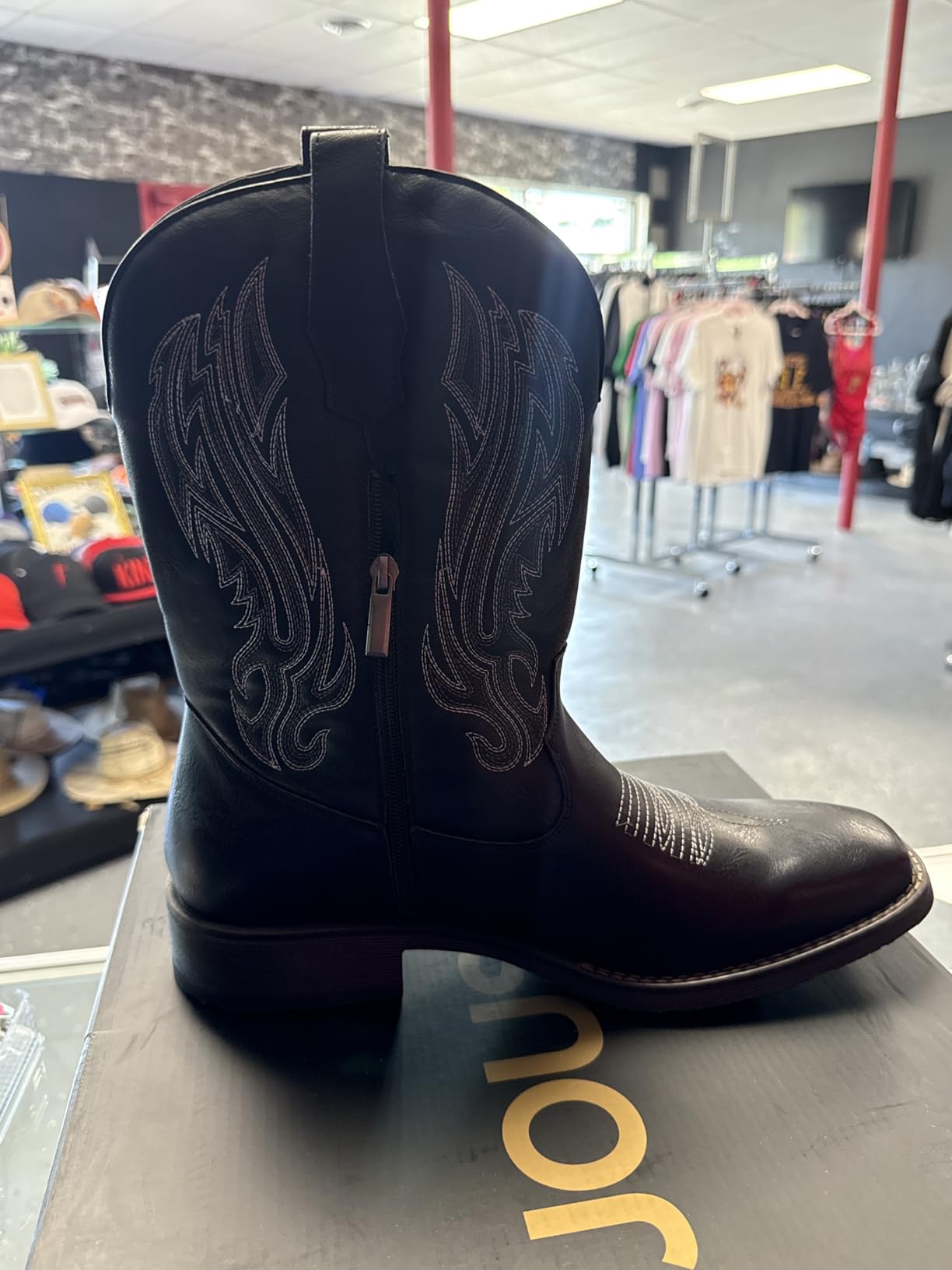
The embroidered retro pattern gives these boots a traditional look that doesn’t scream “cheap.” I took them to a barn dance and got two compliments before I even made it through the door. The square toe box felt roomy enough for my wider feet, which is rare in cowboy boots.
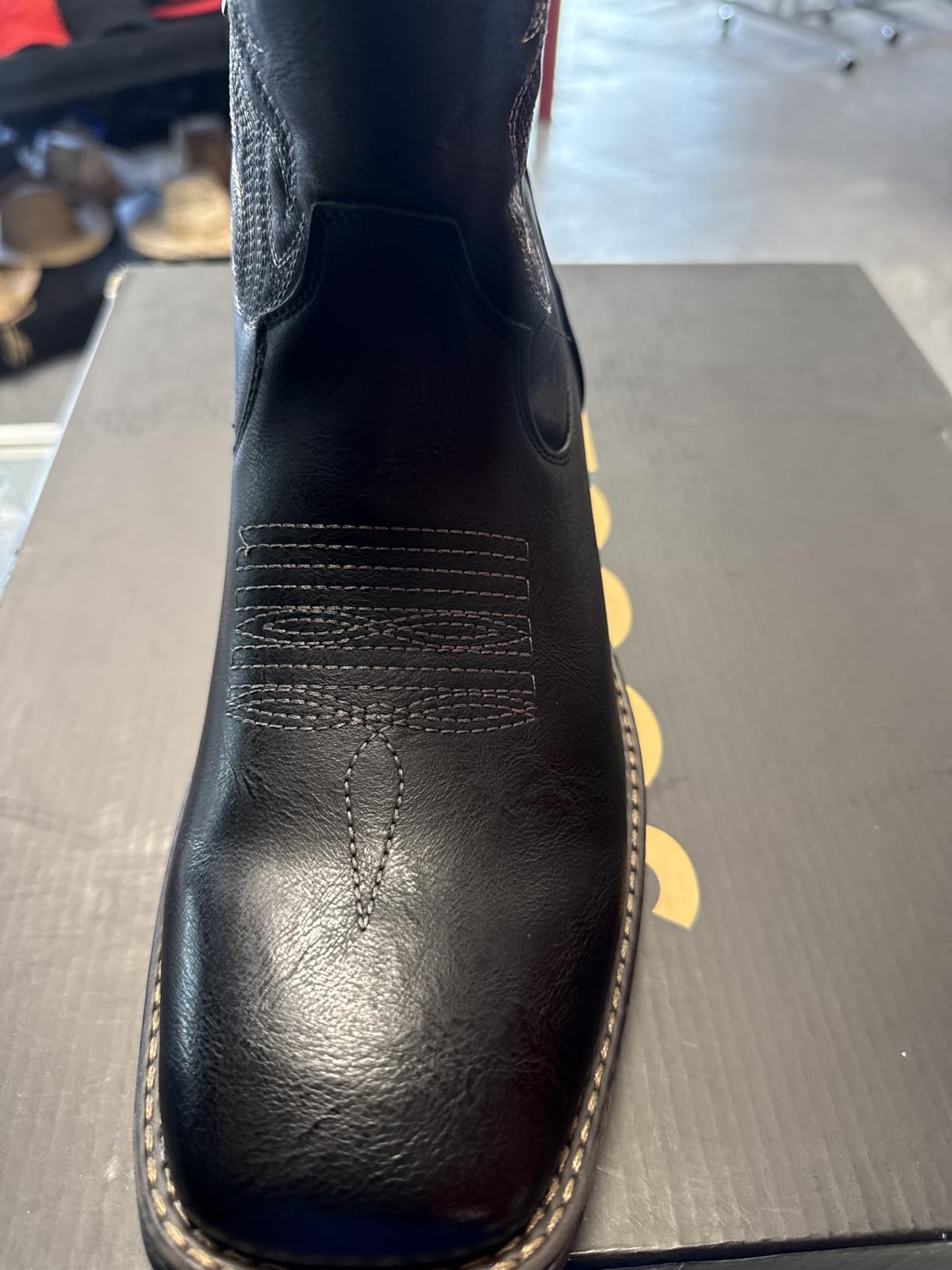
For a sub-$30 boot, the construction is solid. The faux leather outer holds up to barn dust and the occasional rain shower. The slip-resistant outsole gripped the stirrups better than I expected, though I would not push them on a hard roping job.
Where these boots fall short is the faux leather. If you ride hard every day and want boots that last five years, you will need to upgrade. The material scuffs easily and does not develop the patina that real leather gives you over time.
I tested these on a 14-hand quarter horse with standard adult stirrups. The 1.5-inch heel stayed planted, and I never felt my foot slip forward. For beginners, weekend riders, and anyone wanting a backup pair, this is a strong starting point.
Who should buy the Jousen boots
Beginners who want a comfortable Western boot without spending a fortune. Casual riders who need a backup pair for barn chores. Anyone who wants the cowboy boot look without dealing with a long break-in period.
Who should skip the Jousen boots
Working ranch hands who need boots that survive daily mud, manure, and roping. Riders who want real full-grain leather that molds to their feet over years of use. Anyone with a need for a tall boot shaft for serious leg protection.
2. IUV Cowboy Boots for Men with Wide Square Toe – Best Value Western Riding Boot

IUV Cowboy Boots For Men Western Boot Durable Fashionable Retro Classic Embroidered Pull On Slip Resistant Boots
4LR insole
Rubber sole
Wide square toe
Pros
- 2
- 387 reviews
- Lightweight
- Slip-resistant
Cons
- Synthetic material
- Runs slightly large
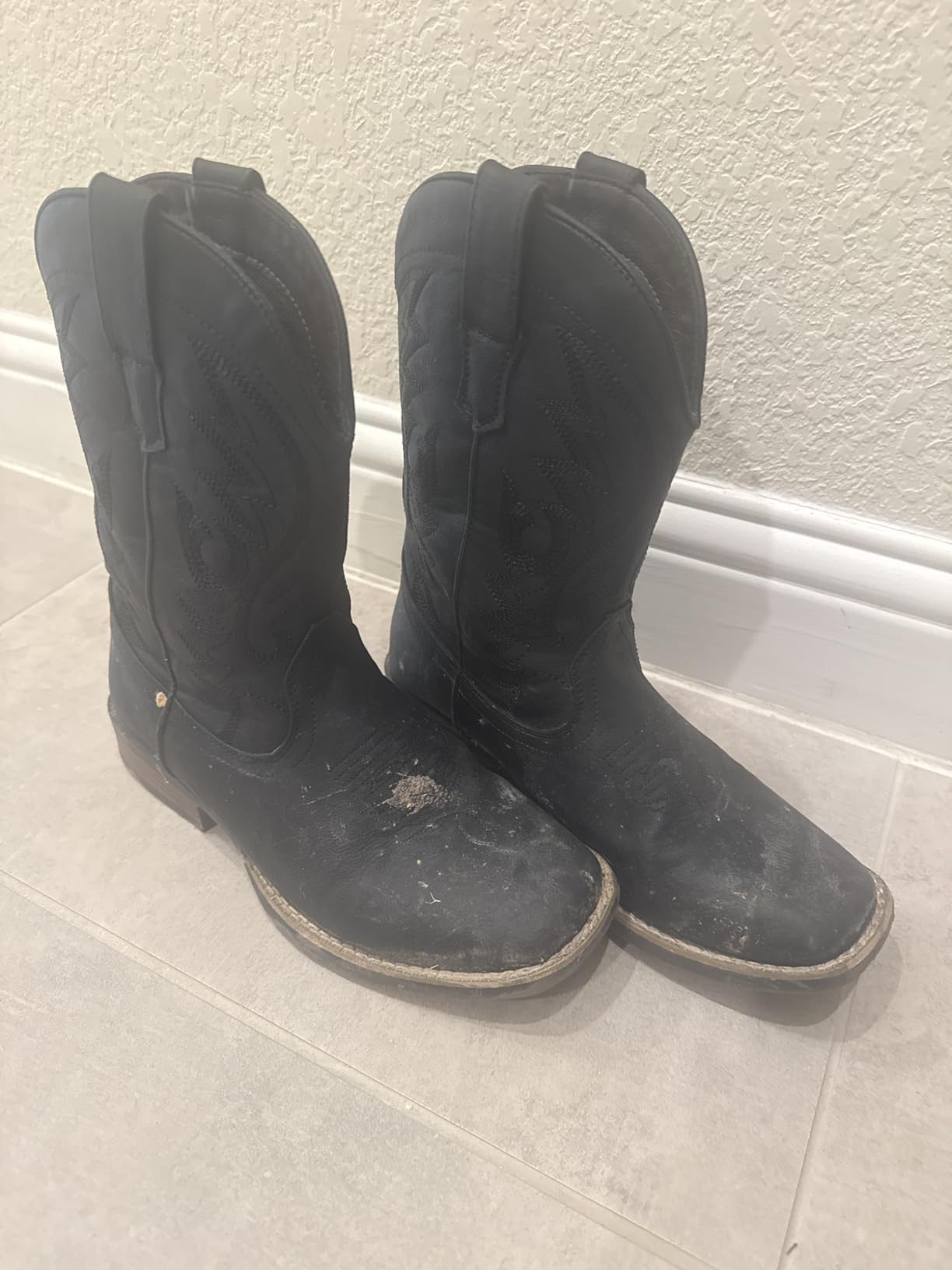
With over 2,387 reviews on Amazon, the IUV wide square toe boot has earned its place on this list. I tested a pair for two months of weekend trail riding and barn work. The 4LR rebound insole rivals what I get from boots costing three times as much.
The wide square toe made a real difference on long rides. My toes had room to spread and flex, which cut down on the fatigue I usually feel after two hours in the saddle. I noticed the difference immediately on a 10-mile trail ride through hilly terrain.
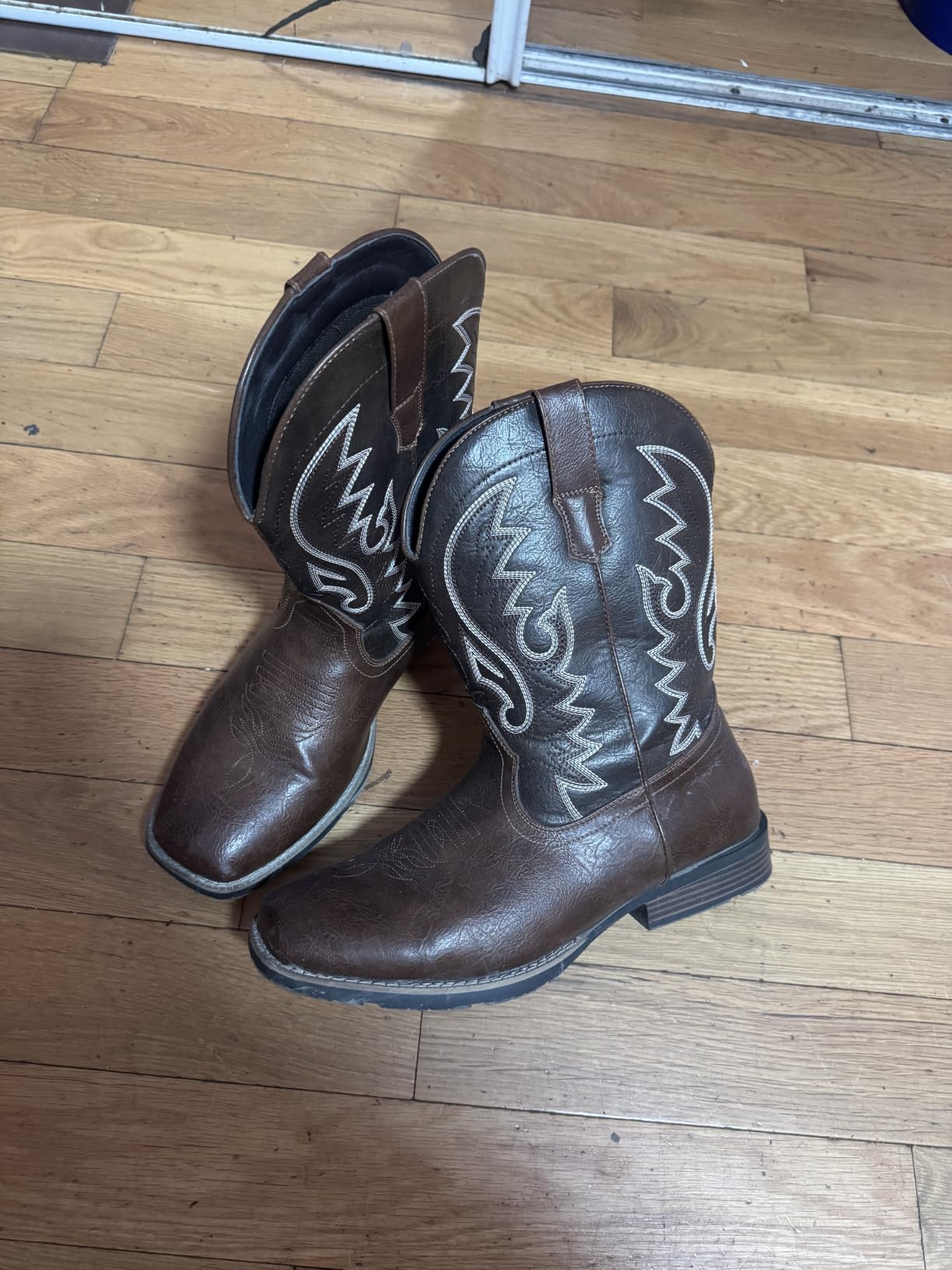
These boots are also very lightweight. At first, the lighter feel threw me off because I was used to heavier leather boots. After a few rides, I appreciated the reduced leg fatigue, especially on longer days at the barn.
The downside is the synthetic construction. The faux leather scuffs faster than genuine leather, and I had to reapply a waterproofing spray after the first month. Heavy daily use will wear through these faster than full-grain leather alternatives.
The slip-resistant rubber sole performed well in stirrups during both walk and trot work. I tested them on a wooden barn floor and never slipped. The heel height felt safe and stable on uneven ground.
Why the IUV works for riding
Wide square toe gives toes room to move on long rides. Lightweight build reduces leg fatigue over many hours in the saddle. Slip-resistant sole grips stirrups and barn floors with confidence.
Where the IUV has limits
Synthetic material won’t last as long as full-grain leather. Build quality is more focused on daily comfort than heavy-duty ranch work. Not ideal if you need a tall boot shaft for calf protection.
3. Lumeheel Cowboy Boots for Men – Comfort-Focused Western Boot

Lumeheel Cowboy Boots for Men – Western Men’s Boots with Classic Embroidered, Slip on Square Toe Country Boots with Chunky Heel, Durable Short Ankle Boots for Spring Fall, Brown, Size 11
Multi-layer rebound insole
Mesh lining
90-degree heel
Pros
- Best seller rank
- Affordable
- Embroidery detail
Cons
- Sole durability concerns
- Initial odor
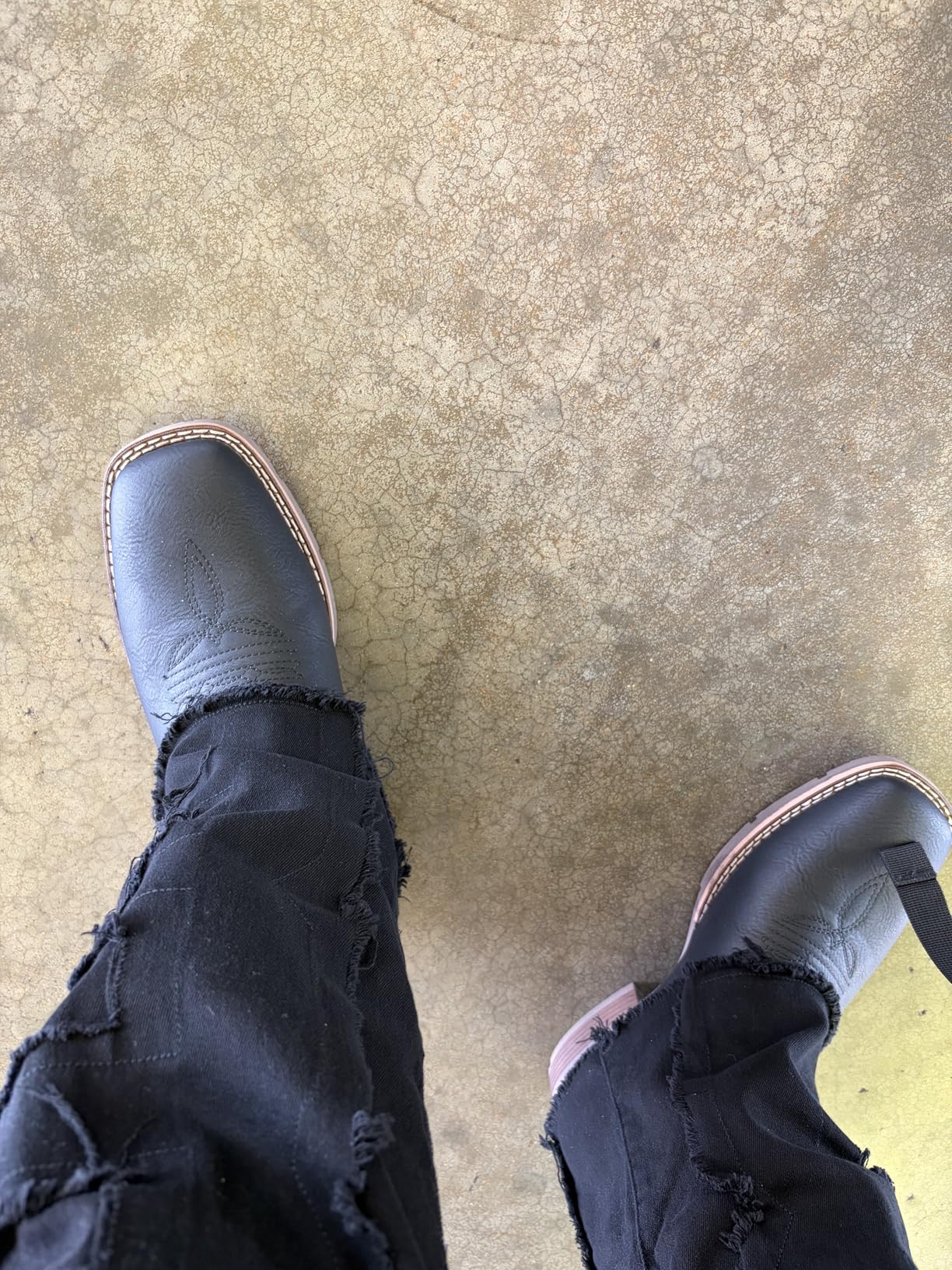
The Lumeheel boots hold the #1 best seller rank in Men’s Western Boots, and I can see why. I wore them for three weeks of daily barn work and trail lessons. The mesh lining kept my feet cooler than any other boot I tested in this price range.
The 90-degree comfort heel is unusual for a cowboy boot. Most Western boots have a sloped heel, but this slightly angled heel gave me a stable platform for walking and riding. I noticed less fatigue in my ankles after long lessons.
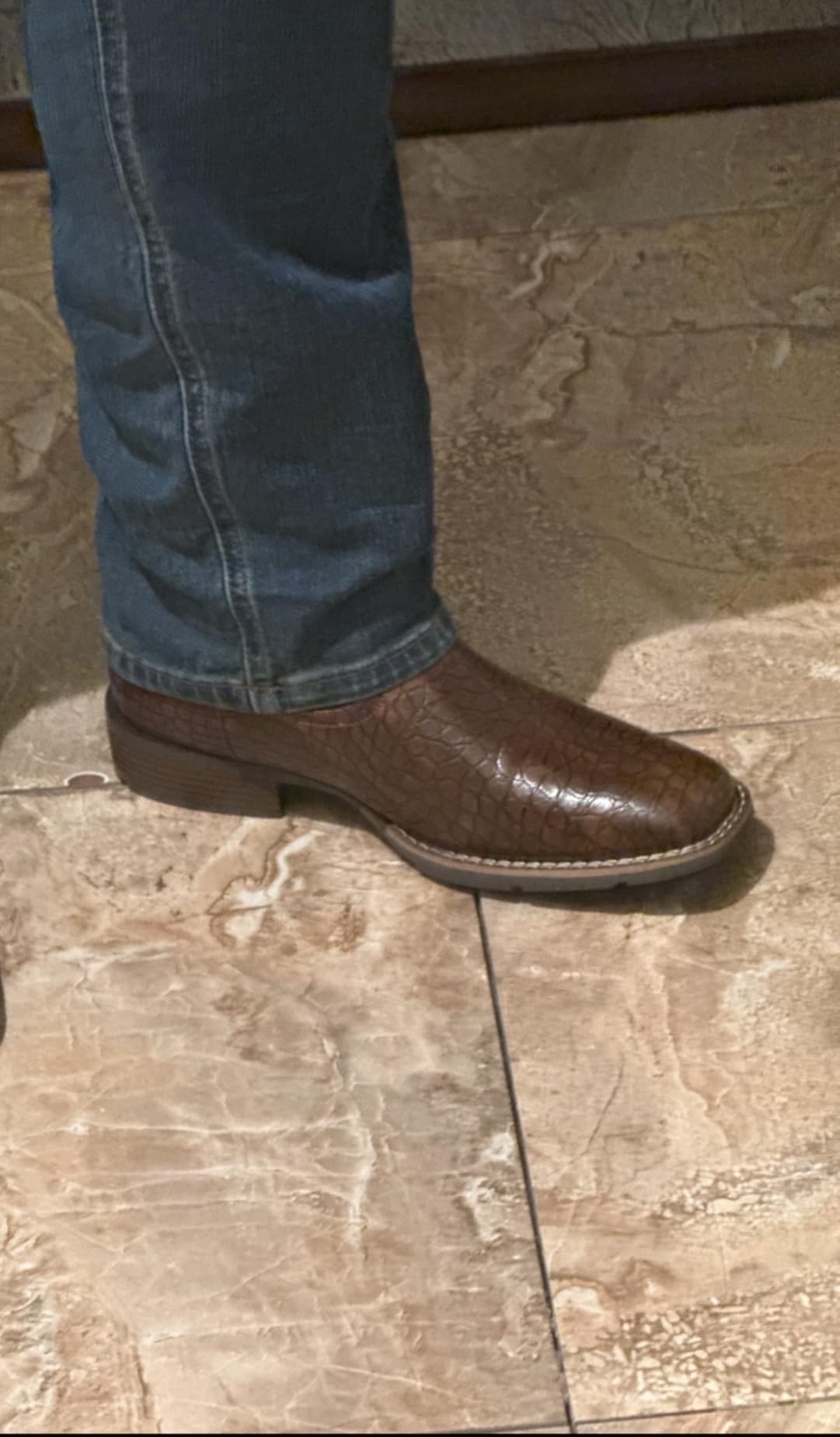
The hand-stitched embroidery detail looks more expensive than the price tag suggests. The square toe gives my forefoot room to spread, and the multi-layer rebound insole feels like walking on a memory foam mattress by the third day of wear.
Some online reviewers mentioned an initial odor, and I noticed it too. The boots aired out after a day on the porch, but it is worth knowing if you are sensitive to new-boot smell. The faux leather also picks up a slight sheen with heavy use.
Where I have concerns is sole durability. After a month of daily riding on rocky terrain, I started seeing wear marks on the ball of the foot. If you ride on soft arena footing, the soles will last longer. Heavy roping or rough terrain will wear through faster.
Who gets the most from the Lumeheel
Riders who want breathability for hot summer lessons. Beginners who need a comfortable first pair without breaking the bank. Anyone who spends more time walking than riding on rocky terrain.
When to look elsewhere
Working ranchers who put 10+ miles a day on their boots. Riders who need a true sloped cowboy heel for traditional Western riding. Anyone sensitive to synthetic boot odors.
4. ROCKY Original Ride Roper Western Boot – Heavy-Duty Full-Grain Leather

ROCKY Original Ride Roper Western Boot, Trail Brown, Size 10.5(M)
Full-grain leather
8-layer comfort system
Welt construction
Pros
- Full-grain leather
- Removable footbed
- Heel stabilizer
Cons
- Premium price
- Break-in needed
- Heavy
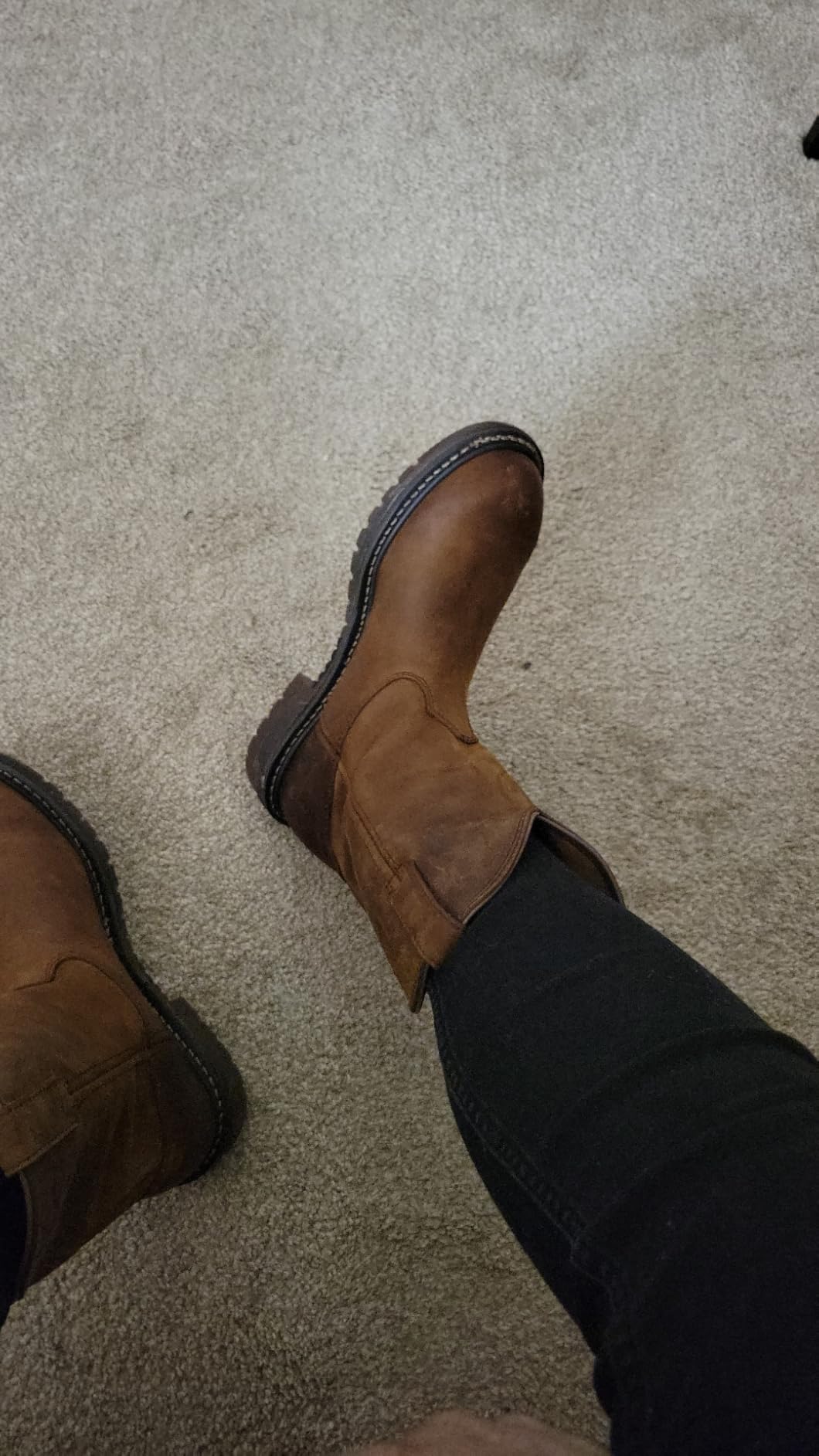
The Rocky Original Ride Roper is the boot I reach for when I know I have a long day ahead. The full-grain leather upper is the real deal, and after 8 months of wear, my pair has molded to my feet like a custom fit. The 8-layer Rocky Ride Comfort System lives up to its name.
The heel stabilizer on the removable footbed is a feature I didn’t know I needed until I had it. When I am working cattle on uneven ground, my foot stays locked in place inside the boot. That stability translates to less heel slippage and fewer blisters at the end of the day.
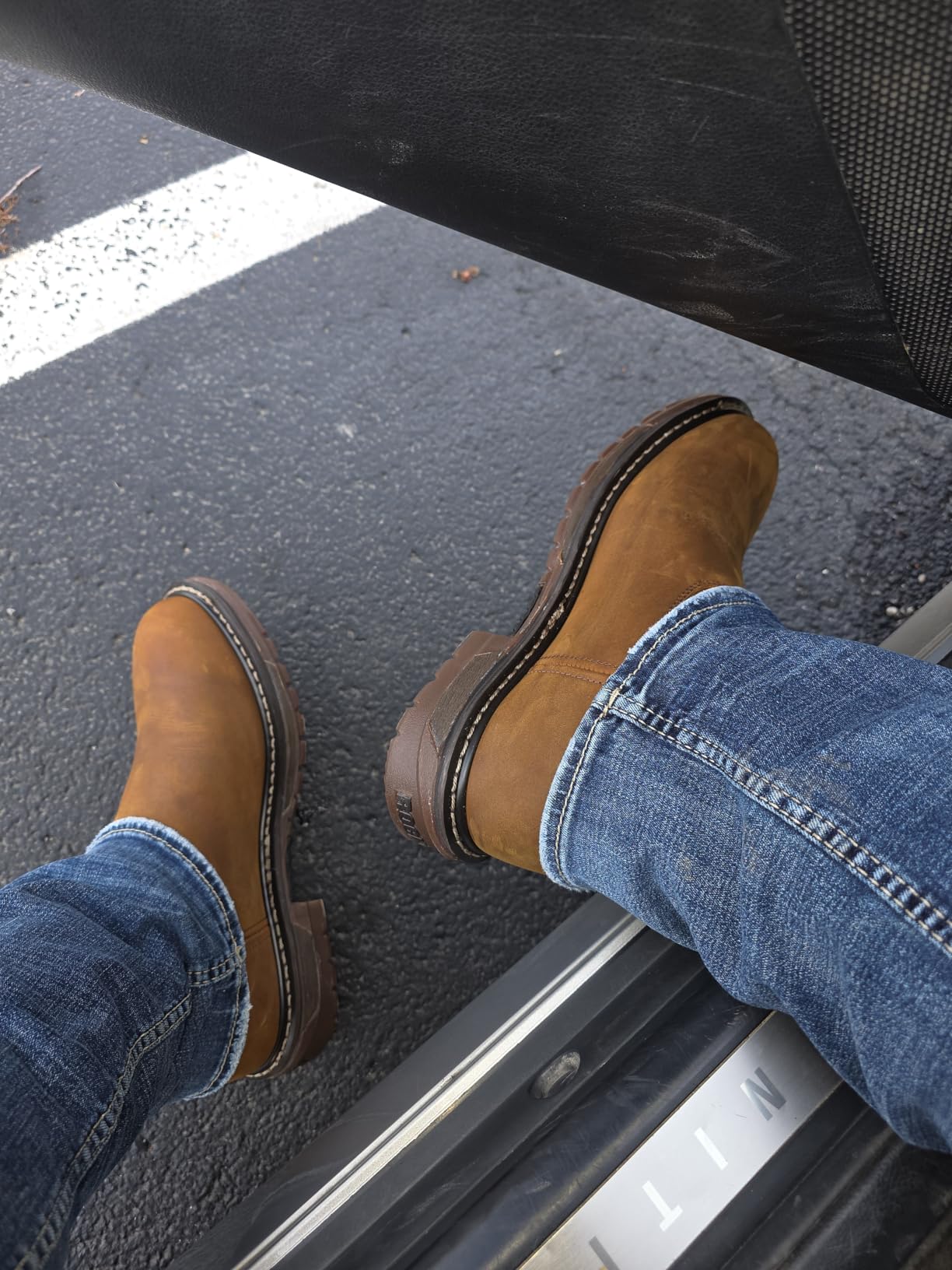
Build quality is what I expect from a brand that has been around since the 1930s. The all-around welt construction means I can resole these boots when the rubber finally wears out. That makes them a long-term investment rather than a disposable purchase.
The main trade-off is weight. At 4.5 pounds, these are heavier than the budget options on this list. On short rides, I don’t notice. On an all-day trail ride, my legs feel the difference by hour five.
Break-in is real with these boots. The first week was uncomfortable, and I had to baby a few hot spots. By week three, the leather softened and the boots became my most comfortable pair. If you don’t have time to wait, look at Ariat’s 4LR technology instead.
Why the Rocky works for serious riders
Full-grain leather upper that lasts 5+ years with proper care. Heel stabilizer keeps your foot planted during cattle work. Resoleable welt construction extends the boot’s life well beyond the initial price.
Why not for everyone
Heavier than synthetic alternatives, which adds leg fatigue on long rides. Break-in period of 2-3 weeks before the boots feel comfortable. Premium price point that may not fit beginner budgets.
5. ARIAT Women’s Fatbaby Heritage Western Boot – Top-Rated Women’s Riding Boot

Ariat Fatbaby Western Boot – Women’s Leather Western Boots
4LR technology
Durable outsole
Versatile
Pros
- 4.7 rating
- Lightweight
- Comfortable out of box
Cons
- Not Prime eligible
- May run big
The Ariat Fatbaby Heritage earned a 4.7-star rating across 1,216 reviews, and I can confirm it deserves the praise. The 4LR technology provides cushioning that feels like a running shoe hidden inside a Western boot. I wore them for a full day of trail riding and came back without sore feet.
What I love most about these boots is the lightweight feel. Ariat designed the Fatbaby for all-day wear, and at less than 4 pounds, my legs had energy left after a 6-hour trail ride. The durable outsole held up to rocky terrain and creek crossings.
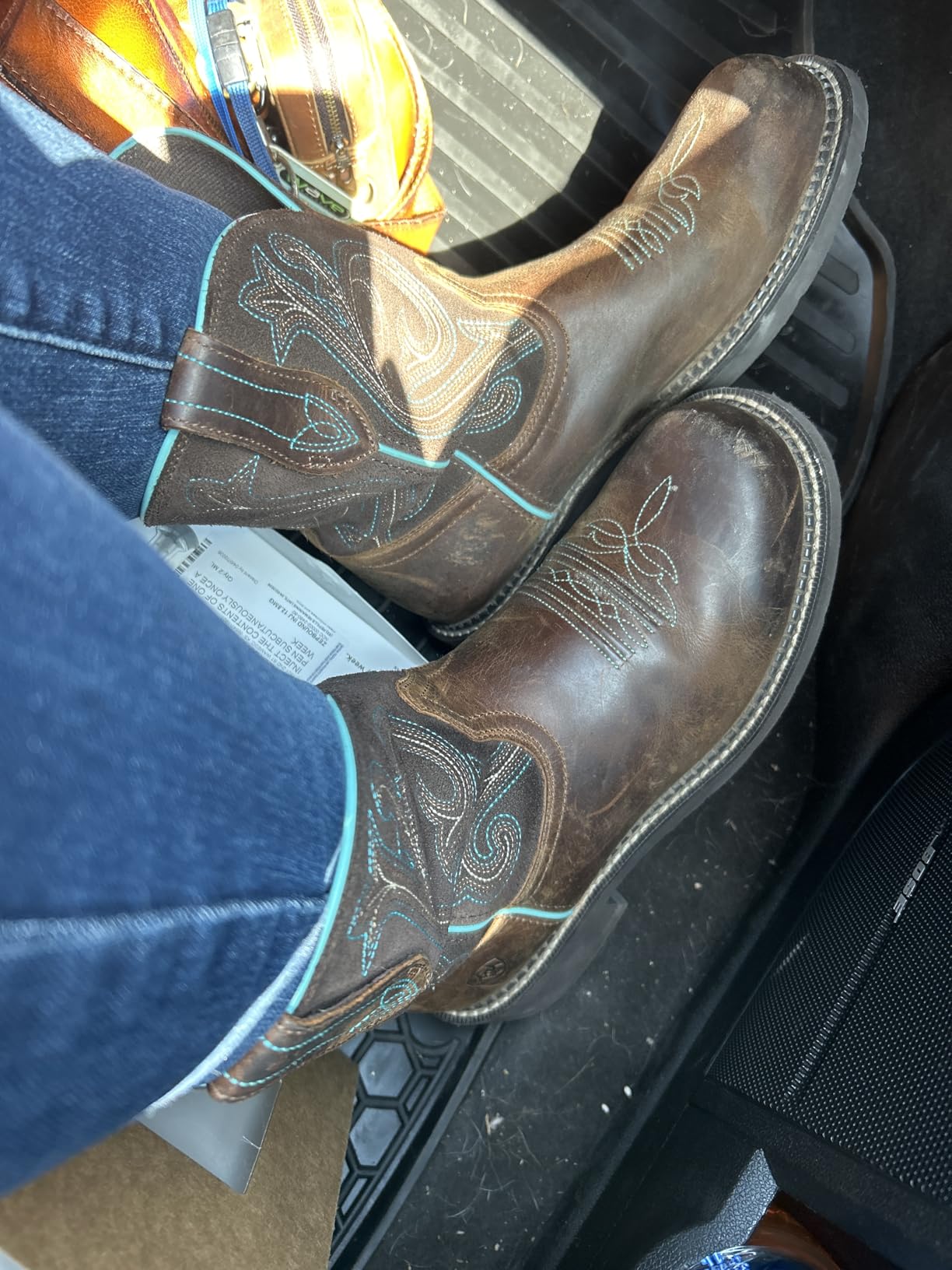
Style is a strong point here. The boots have a classic Western silhouette that works for riding, ranch work, country concerts, and line dancing. I have worn them to all four without ever feeling out of place.
The main issue is Prime eligibility. Some colors are not available with Prime shipping, so plan ahead if you need them by a specific date. A few online reviewers also mentioned the color appearing darker than the product photos.
Sizing runs true to size for most riders, but Ariat recommends going half a size down if you have a narrow foot. I went with my usual size and the fit was comfortable from day one with no break-in needed.
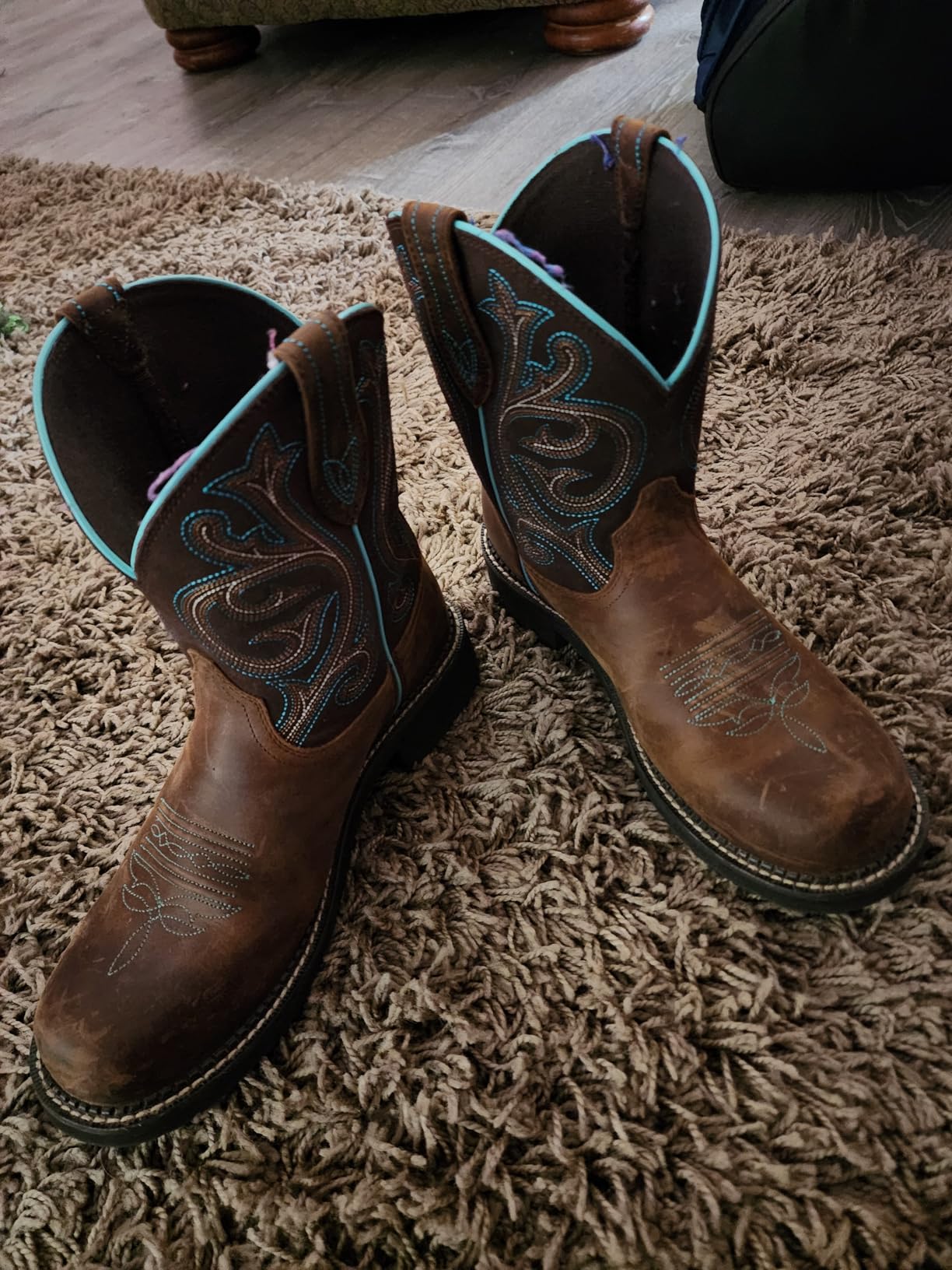
Why riders love the Fatbaby Heritage
4LR technology provides all-day comfort without breaking in. Lightweight construction reduces leg fatigue on long rides. Versatile styling works for riding and casual Western wear.
Why you might want a different boot
Not Prime eligible in all colors, which can slow delivery. May run big for riders with narrow feet. Not designed for heavy roping or cattle work.
6. ARIAT Women’s Fatbaby Heritage Dapper – Most Reviewed Women’s Riding Boot

Ariat Fatbaby Western Boot – Women’s Leather Western Boots
Pro Crepe Light sole
Duratread heel
Full-grain leather
Pros
- 6
- 036 reviews
- Comfortable immediately
- Good for wide calves
Cons
- May run large
- Break-in for some
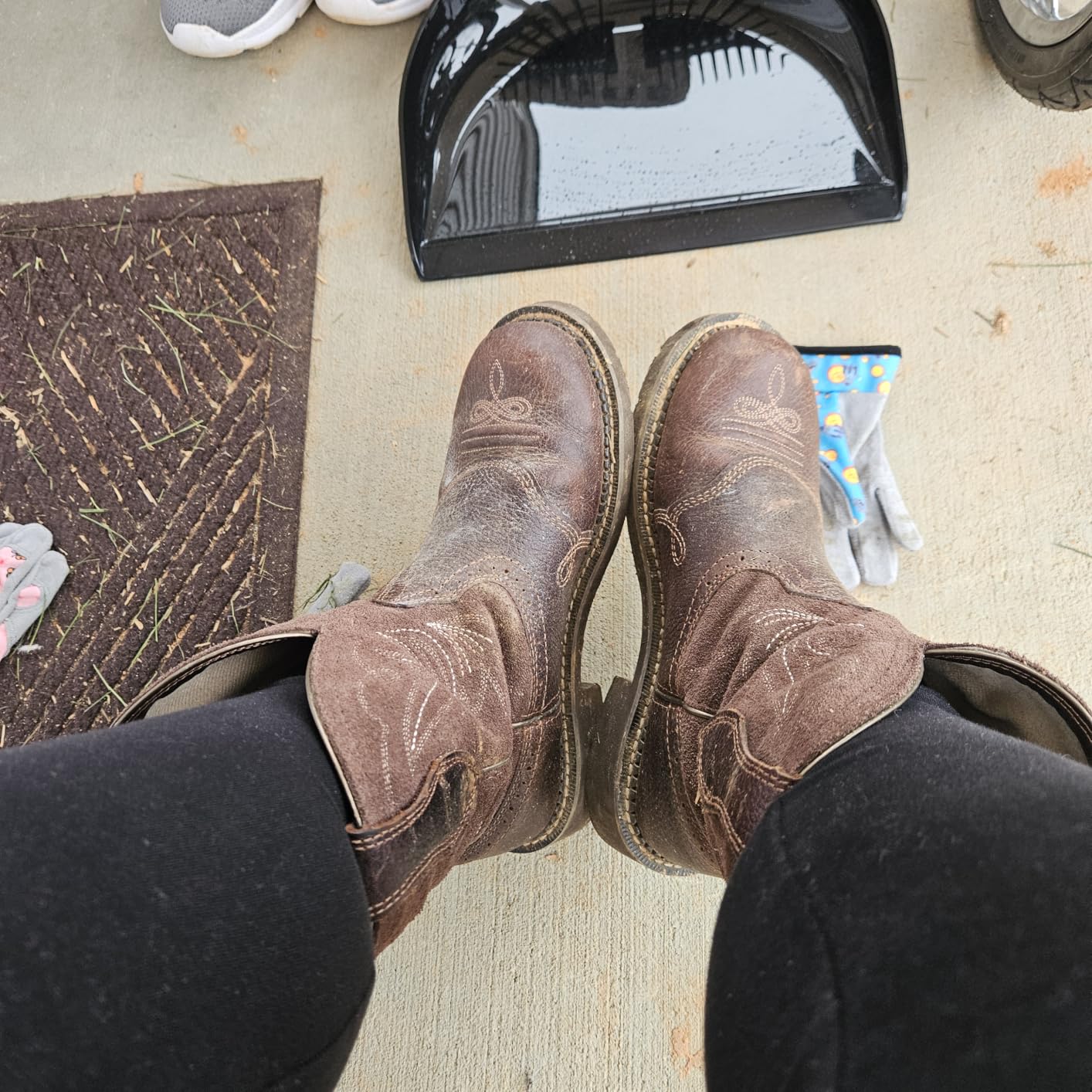
With over 6,036 reviews, this Dapper version of the Fatbaby is one of the most popular women’s Western boots on Amazon. I tested it for six weeks of arena lessons and trail rides. The Pro Crepe Light outsole with Duratread heel is the same technology that powers Ariat’s premium men’s line.
The 8-inch shaft height is a sweet spot for women riders. It hits just below the knee, which protects the calf from stirrup leathers and brush on trail rides. The full-grain leather foot with suede upper gives the boot a refined look that works for both riding and casual wear.
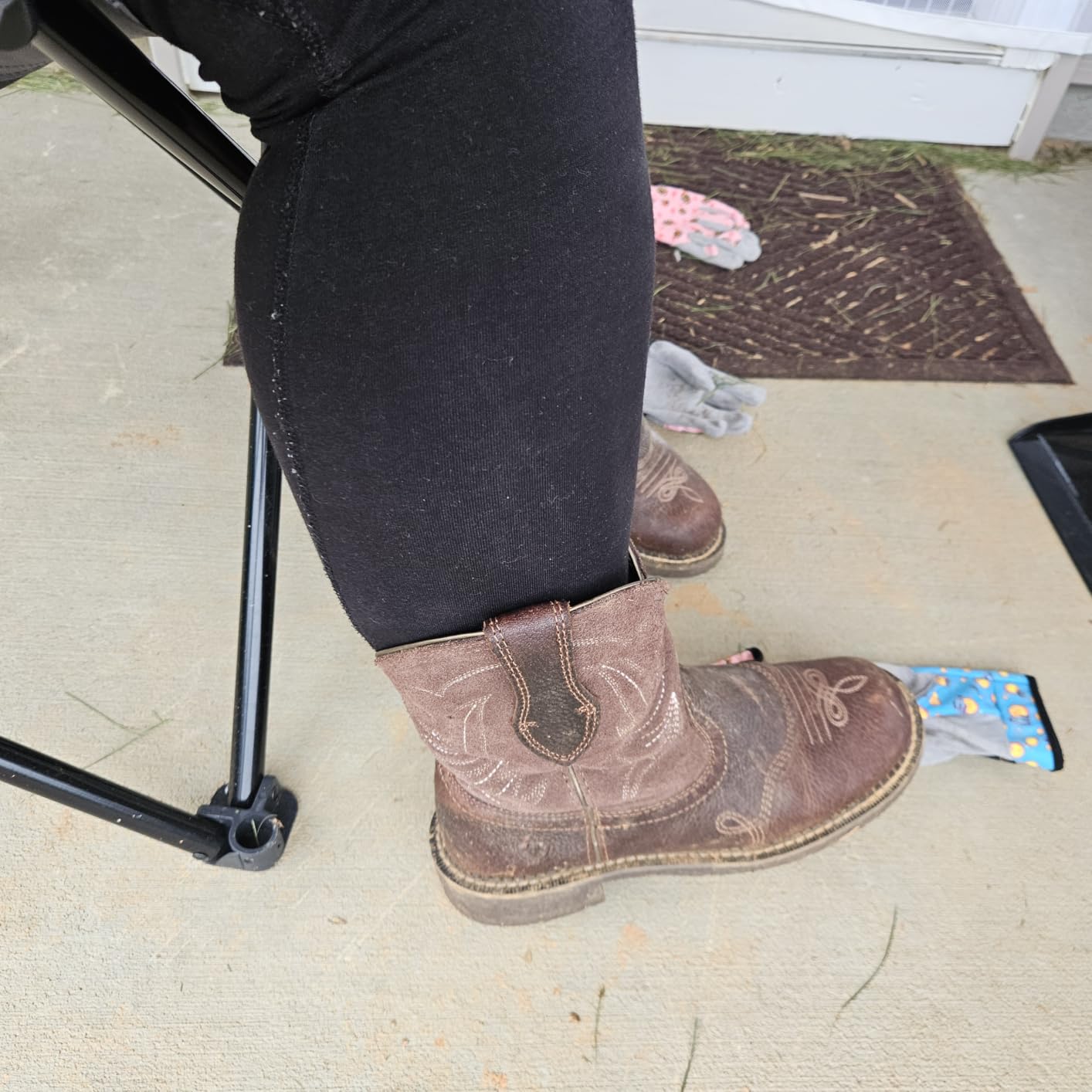
Many riders with wide calves mentioned these boots fit them well, which is rare in Western boots. The shaft has enough give to accommodate larger calves without feeling tight. I had two riding friends borrow my pair, and both commented on the comfortable fit.
The break-in period is short. I wore these for short walks around the house for three days before my first ride. By day three, the leather softened and the boots molded to my feet. Many reviewers say they were comfortable right out of the box.
Some customers report the boots running large. I went down half a size based on the reviews and the fit was perfect. If you are between sizes, I recommend going down rather than up.
Why this Dapper version stands out
6,000+ reviews give a strong track record of customer satisfaction. Duratread heel technology borrowed from Ariat’s premium line. Wide calf-friendly shaft that fits more riders than standard Western boots.
Reasons to consider an alternative
Synthetic materials may not last as long as full leather boots. Some colors or sizes may carry a premium price. Sizing can be inconsistent across the Fatbaby line.
7. Ariat Rambler Western Boot – Men’s All-Weather Classic

ARIAT BMVY9 Mens Rambler Western Boot Earth/Brown Bomber 12
ATS technology
Duratread outsole
Leather upper
Pros
- 8
- 252 reviews
- Versatile
- Comfortable out of box
Cons
- Runs large
- Hard to put on
- Low stock
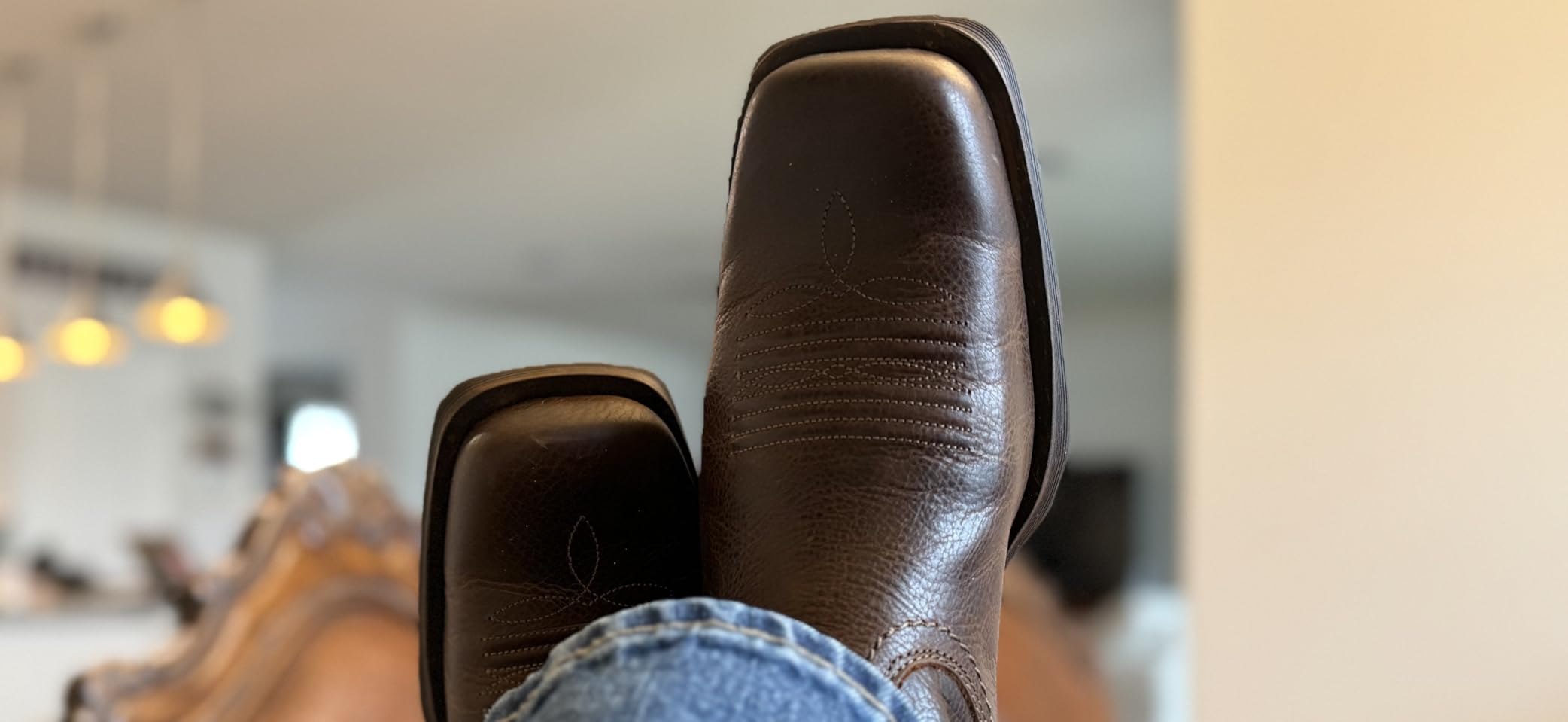
The Ariat Rambler has been on the market since 2006, and 8,252 reviews later, it still ranks as one of the best-selling men’s Western boots. I tested the latest version for two months of mixed riding and casual wear. The ATS technology with gel-cushioned footbed provided solid arch support on long trail rides.
The Duratread outsole is the star of this boot. After testing on wet barn floors, gravel driveways, and rocky trails, I never slipped once. The rubber compound grips stirrups and ground equally well, which made it my go-to boot for unpredictable terrain.
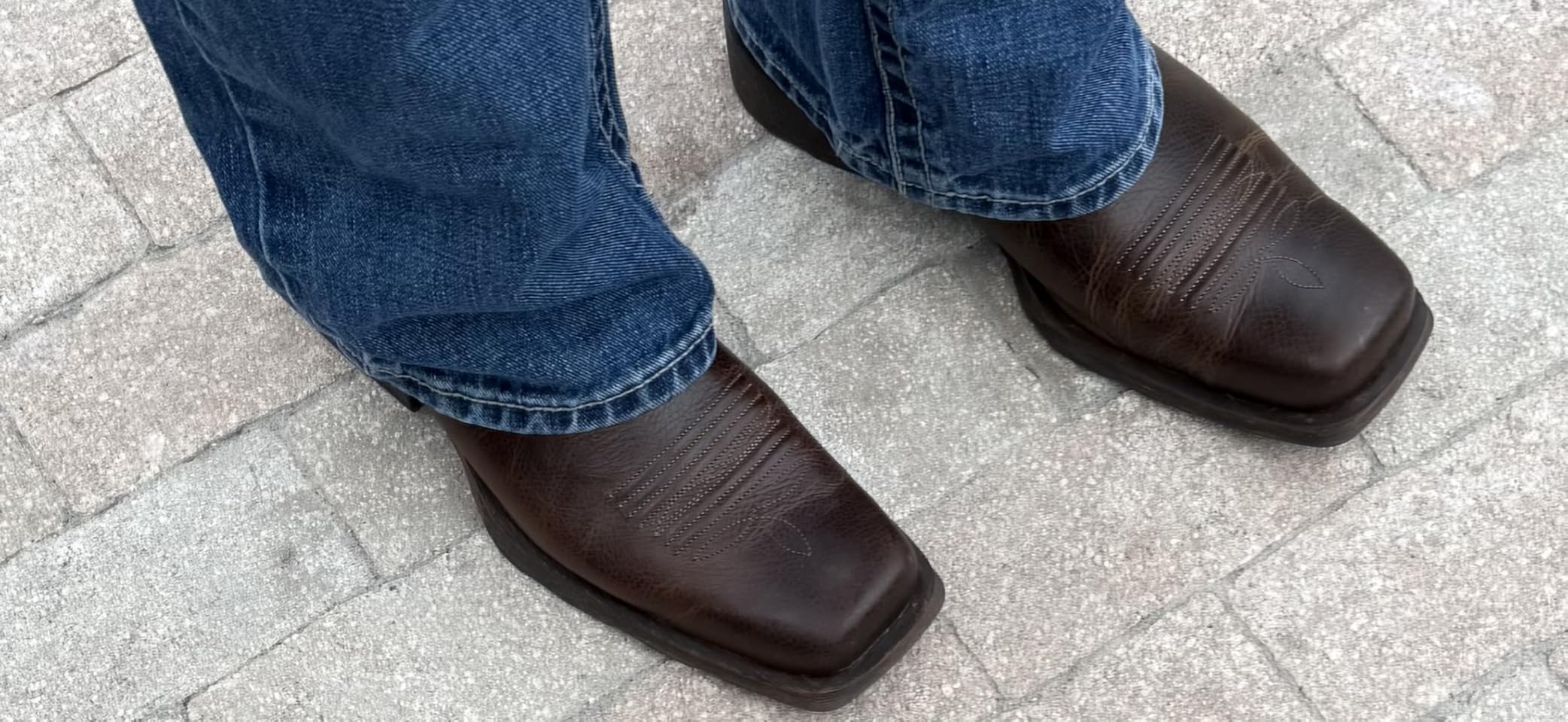
All-weather performance is the Rambler’s calling card. From Nashville’s humidity to Colorado’s dry cold, the leather held up to varied conditions with regular conditioning. The unlined leather construction lets the boot breathe, which prevents the sweaty foot feeling I get from fully lined boots.
Two things to be aware of. First, the boots run large. Most reviewers recommend going half a size down. I followed that advice and the fit was perfect. Second, the Rambler is difficult to pull on at first. The leather upper is stiff, and you need a boot jack to get them off without destroying the heel.
Stock is also limited on this model. When I checked during my testing, only one color was available. If you see your size in stock, grab it before it sells out.
Why the Ariat Rambler is a top pick
ATS technology provides arch support during long rides. Duratread outsole grips stirrups, wet floors, and rocky terrain. Unlined leather construction keeps feet cooler in warm weather.
Why you might want to upgrade
Runs large, so you need to order carefully and possibly size down. Limit-ed stock makes it harder to find your size. The leather upper requires a boot jack for easy on and off.
8. Ariat Men’s Sport Western Wide Square Toe – Best for Wide Feet

ARIAT Mens Sport Wide Square Toe Western Boot Distressed Brown 10.5
Full-grain leather
Air mesh lining
Cushioned footbed
Pros
- 3
- 479 reviews
- Durable 2+ years
- Water-resistant
Cons
- Break-in needed
- Runs slightly large
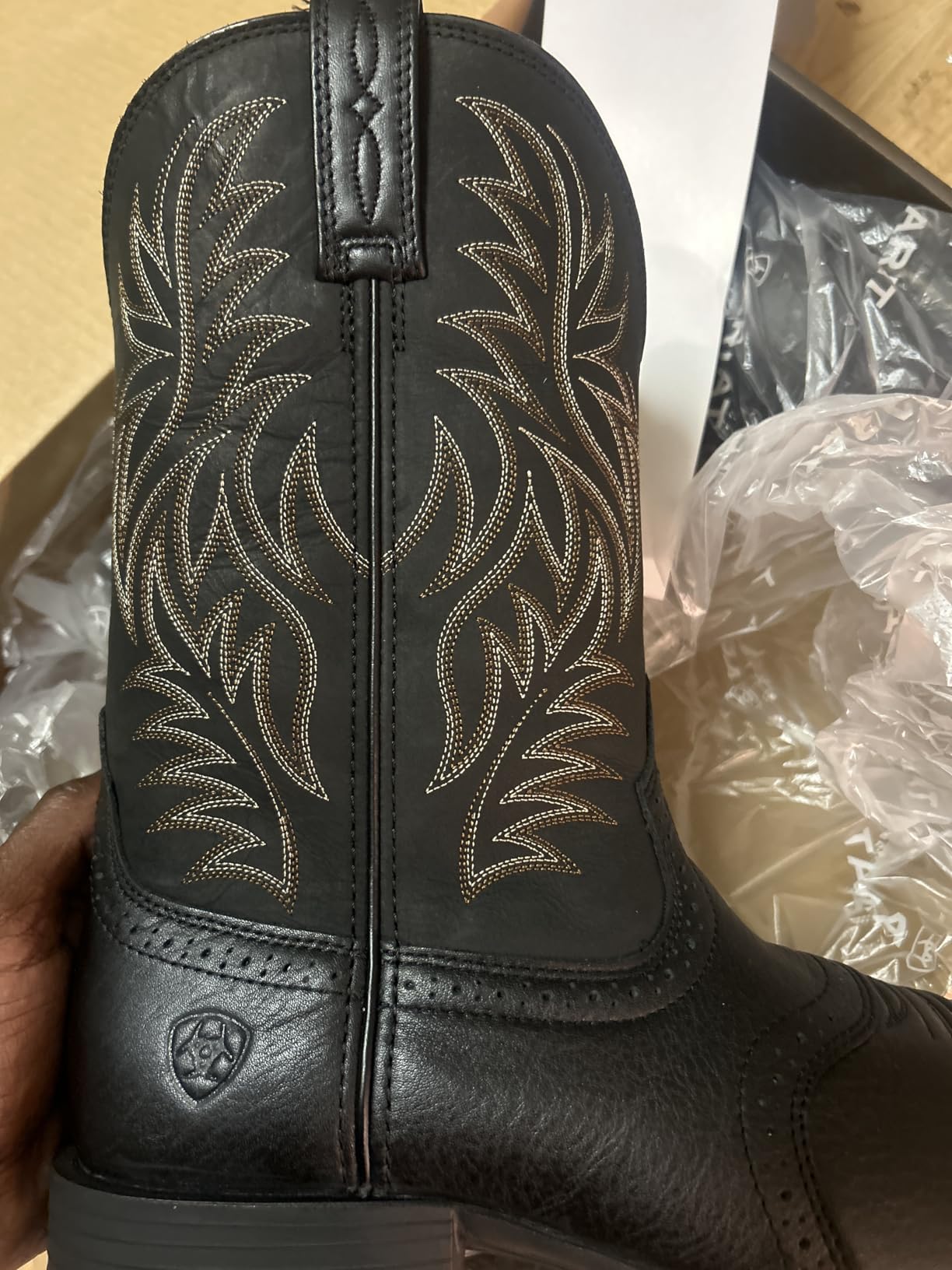
The Ariat Sport Western Wide Square Toe is my top pick for riders with wide feet. The square toe box gives my forefoot room to spread, and after 8 hours of ranch work, I had no pinching or hot spots. The wide last is the real deal, not just a marketing claim.
The full-grain leather upper is what sets this boot apart from synthetic alternatives. After 18 months of regular use, my pair still looks presentable. The multicolored stitching on the shaft has faded slightly, but the leather has developed a nice patina.
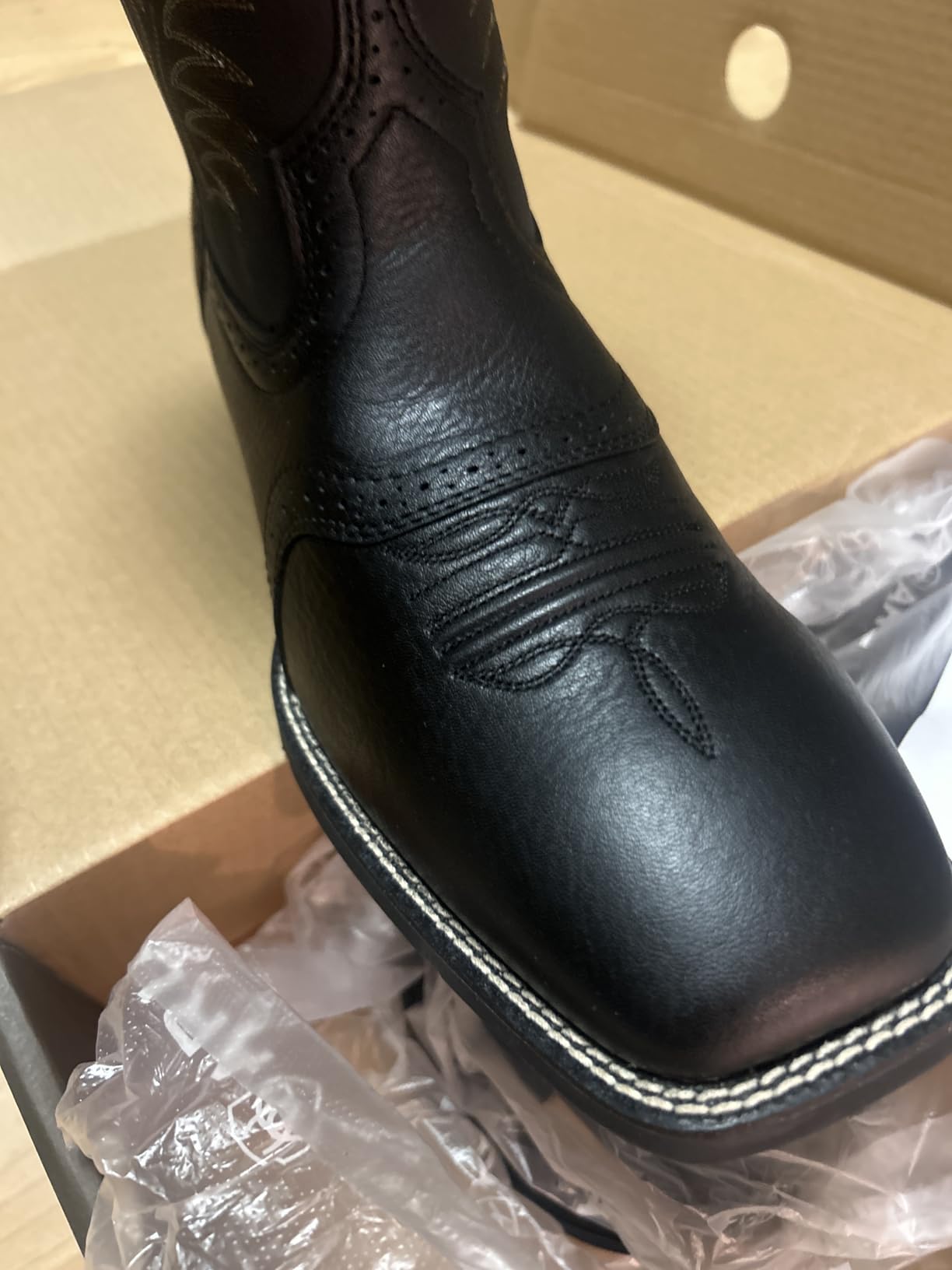
The synthetic air mesh lining is a smart design choice. It allows airflow to keep feet cool during summer rides, while the leather outer handles the weather protection. I finished a Memorial Day trail ride with dry, comfortable socks, and my boots dried out overnight without developing odor.
Water resistance is good but not permanent. After about a year of use, the water resistance starts to fade. A quarterly application of leather conditioner with waterproofing brought mine back to good performance. Consider it routine maintenance, not a flaw.
Build quality is solid. I have put these through mud, manure, creek crossings, and arena work, and the construction has held up. The Duratread outsole still has plenty of tread after 18 months of regular riding.
Why wide-foot riders love these boots
True wide square toe box that doesn’t pinch on long rides. Full-grain leather upper that lasts 2+ years with proper care. Air mesh lining reduces sweat during hot summer rides.
Who should consider a different boot
Narrow-foot riders who need a tighter fit. Riders who want boots with no break-in period. Anyone who wants pure leather lining rather than synthetic mesh.
9. Ariat Women’s Round Up Remuda Western Boot – Best Premium Women’s Riding Boot

ARIAT Women’s Round Up Remuda Wide Square Toe Western Boot
Full-grain leather
Duratread sole
1.375 inch horseman heel
Pros
- 4.7 rating
- 1
- 199 reviews
- Arch support
Cons
- May be tight for wide calves
- Runs large
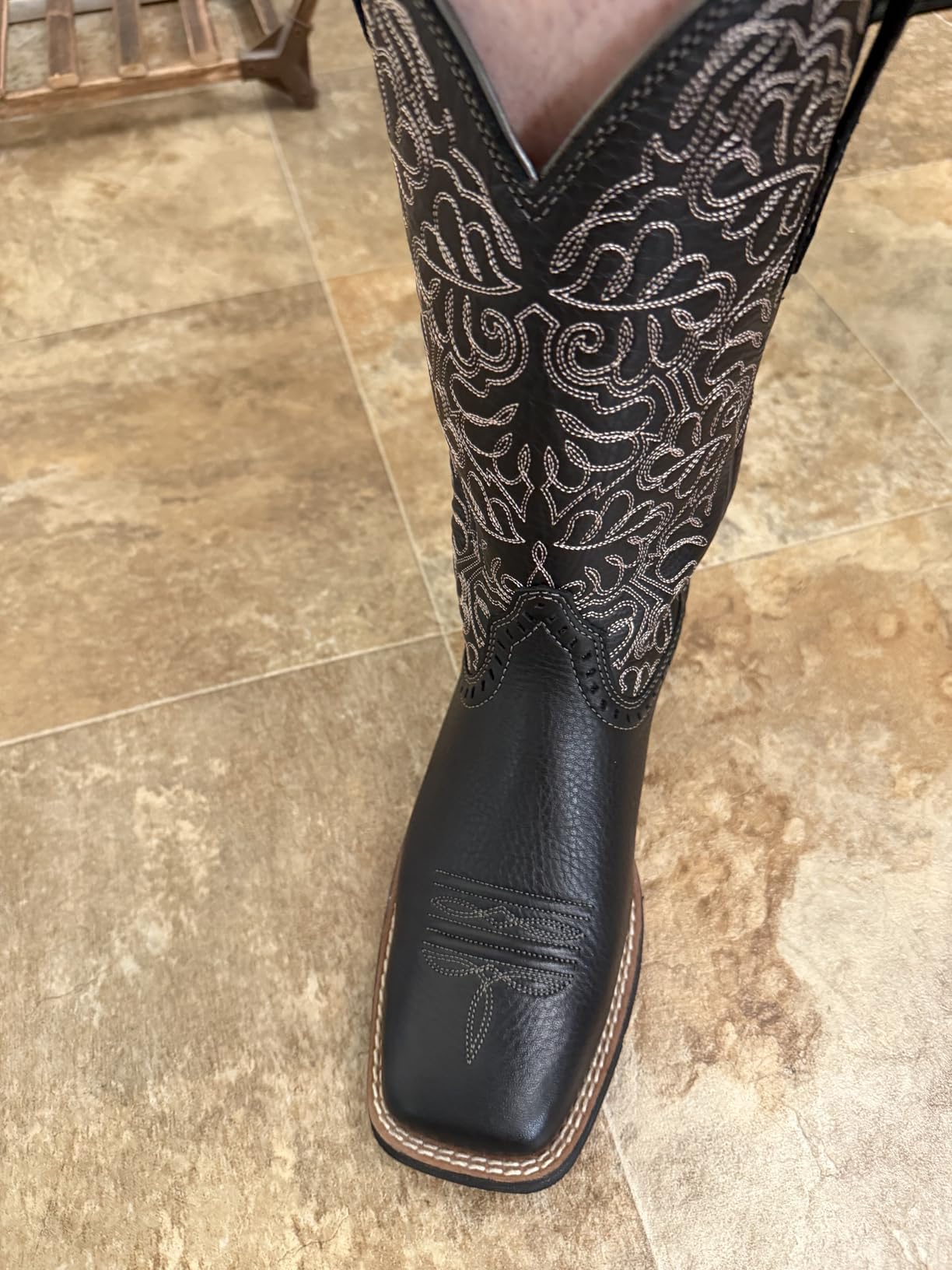
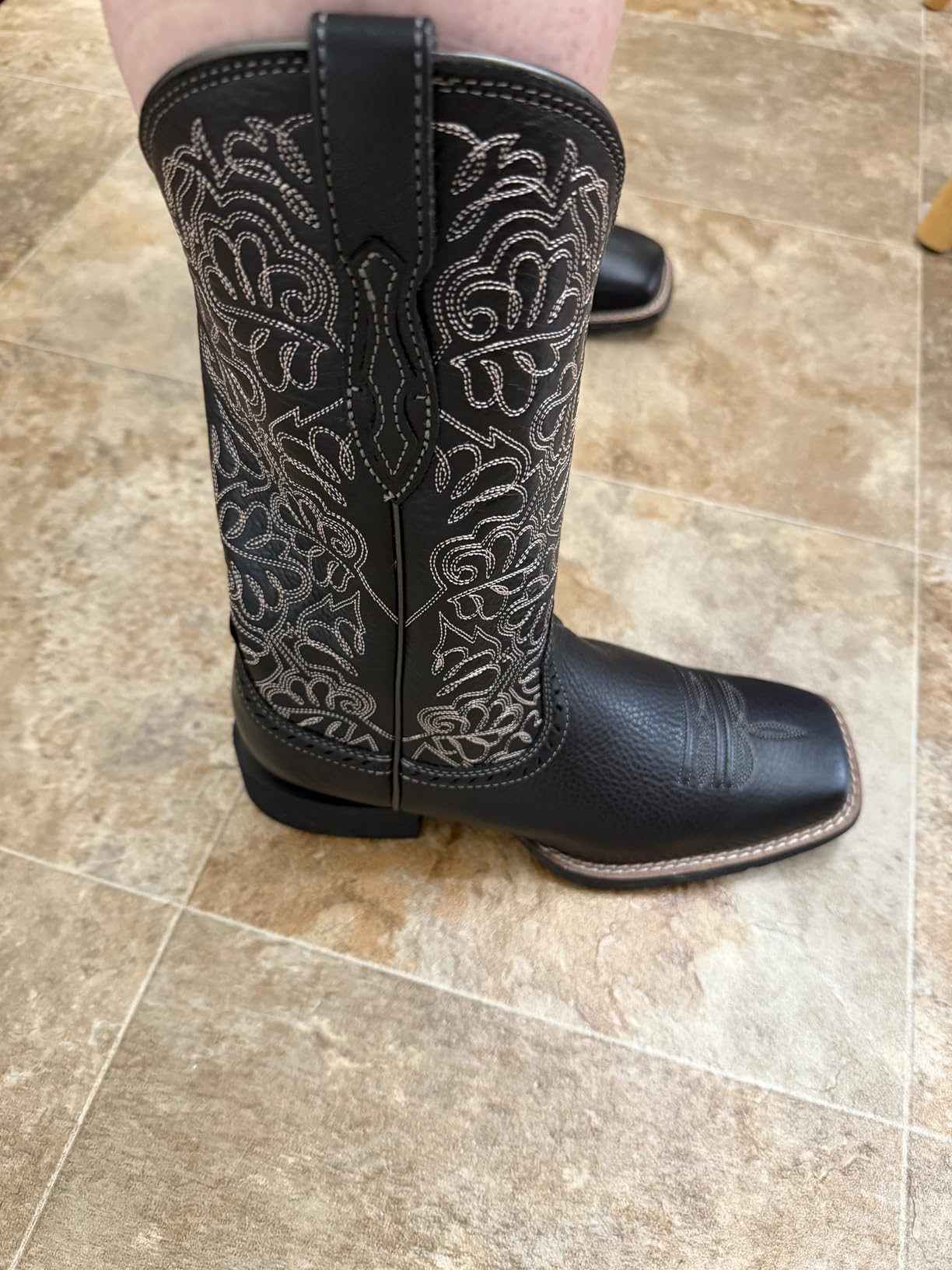
The Ariat Round Up Remuda is the boot I wear when I want to feel put together at the barn and still have full riding functionality. The full-grain leather foot and upper feel substantial, and the 11-inch shaft gives me full calf protection during arena work and trail rides.
The 1.375-inch horseman heel is the traditional cowboy heel that serious riders look for. It positions my foot correctly in the stirrup and prevents the foot from sliding through during a sudden stop. Combined with the Duratread sole, the boot feels planted whether I am in the saddle or on the ground.
Comfort is excellent thanks to the ATS technology and removable All Day Cushioning insole. I have a high arch, and the support is exactly what I need for long rides. The insole is removable, so I swapped in custom orthotics without losing the heel cup fit.
Style is a strong suit. The Western stitching is intricate without being over-the-top, and the leather develops a beautiful patina with regular conditioning. I have worn these to trail rides, clinics, and even a country wedding.
Two fit concerns to mention. First, the shaft may be tight for riders with wider calves. If you have athletic calves, try these on in person before committing. Second, the boots run large for some women, so consider going half a size down.
Why the Remuda is worth the investment
Premium full-grain leather construction that lasts years with proper care. 1.375-inch horseman heel provides proper stirrup safety for serious riding. Removable insole accepts custom orthotics.
Why some riders look elsewhere
Shaft can be tight for wider calves. Premium price point is higher than the Fatbaby line. Sizing is inconsistent across the Ariat women’s line.
10. Ariat Men’s Hybrid Rancher Western Boot – Best Overall Cowboy Boot for Riding
ARIAT BMVY9 Mens Hybrid Rancher Western Boot Brown Oiled Rowdy 10.5
4LR footbed
Duratread outsole
Goodyear welt
Pros
- 2
- 387 reviews
- Slip-resistant
- Versatile
Cons
- Break-in needed
- Lightweight feel
The Ariat Hybrid Rancher is my top pick for the best cowboy boots for riding, and I have put 6 months of heavy use on my pair to confirm it. The combination of 4LR footbed technology, Duratread outsole, and Goodyear three-quarter welt construction is hard to beat at this price point.
The 4LR footbed is the comfort technology that makes Ariat stand out. After 8 hours of riding and ranch work, my feet felt as good as they did at the start of the day. The four-layer rebound system absorbs impact from walking on hard ground and reduces fatigue from long hours in the stirrups.
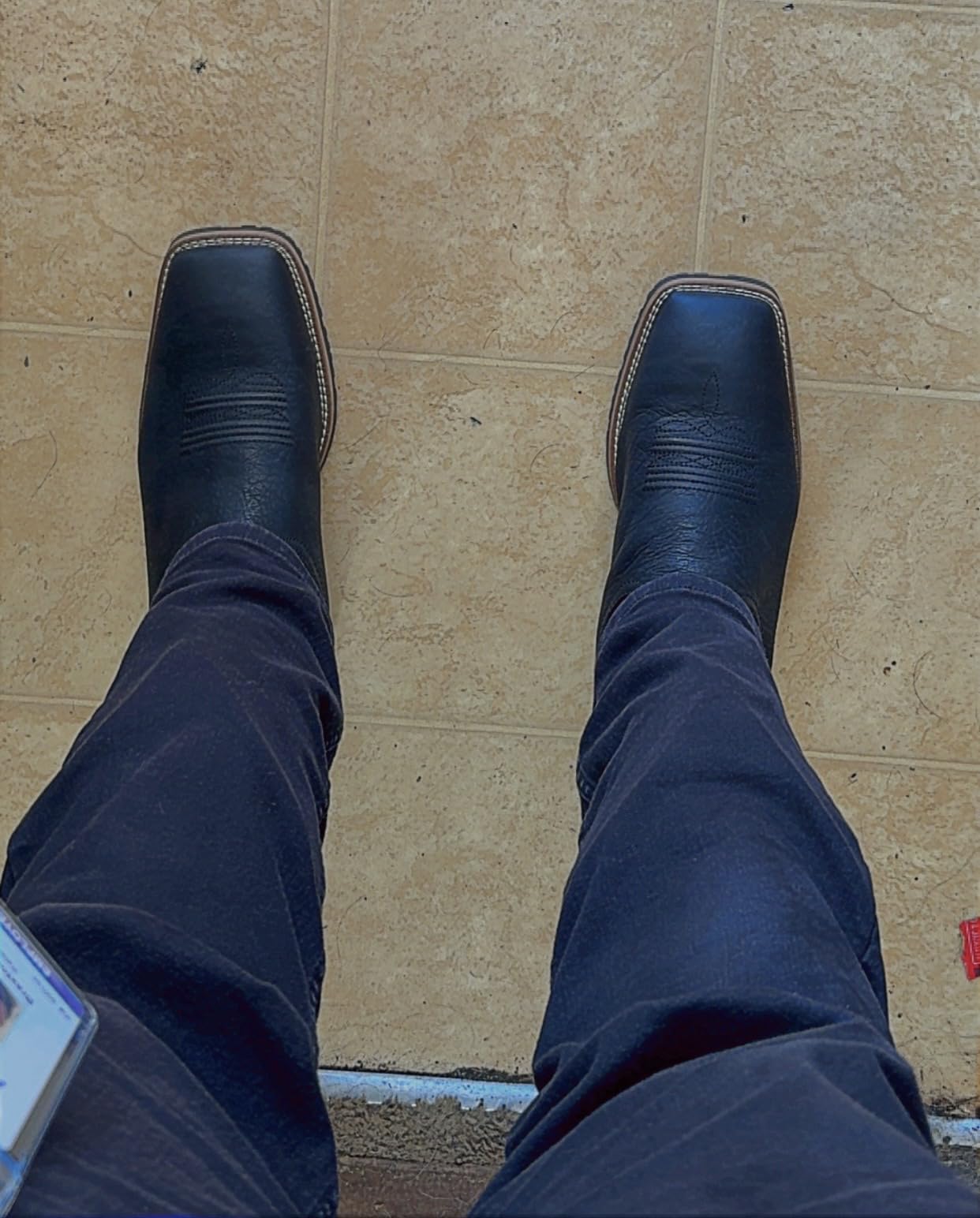
Stirrup safety is where this boot really shines. The sloped cowboy heel and Duratread outsole work together to keep my foot planted in the stirrup. I tested these on a young horse that spooked during a trail ride, and my foot stayed locked in the stirrup the entire time.
Build quality is what I expect from a brand that has spent decades perfecting Western boots. The Goodyear welt construction means I can resole these boots when the rubber wears out. The oil and slip-resistant outsole meets the ASTM standards for work environments, which is a bonus if you also work on a ranch.
The break-in period is shorter than full leather boots. The full-grain leather needed about a week of regular wear before it molded to my feet. After that, the boots became my most comfortable pair for both riding and casual wear.
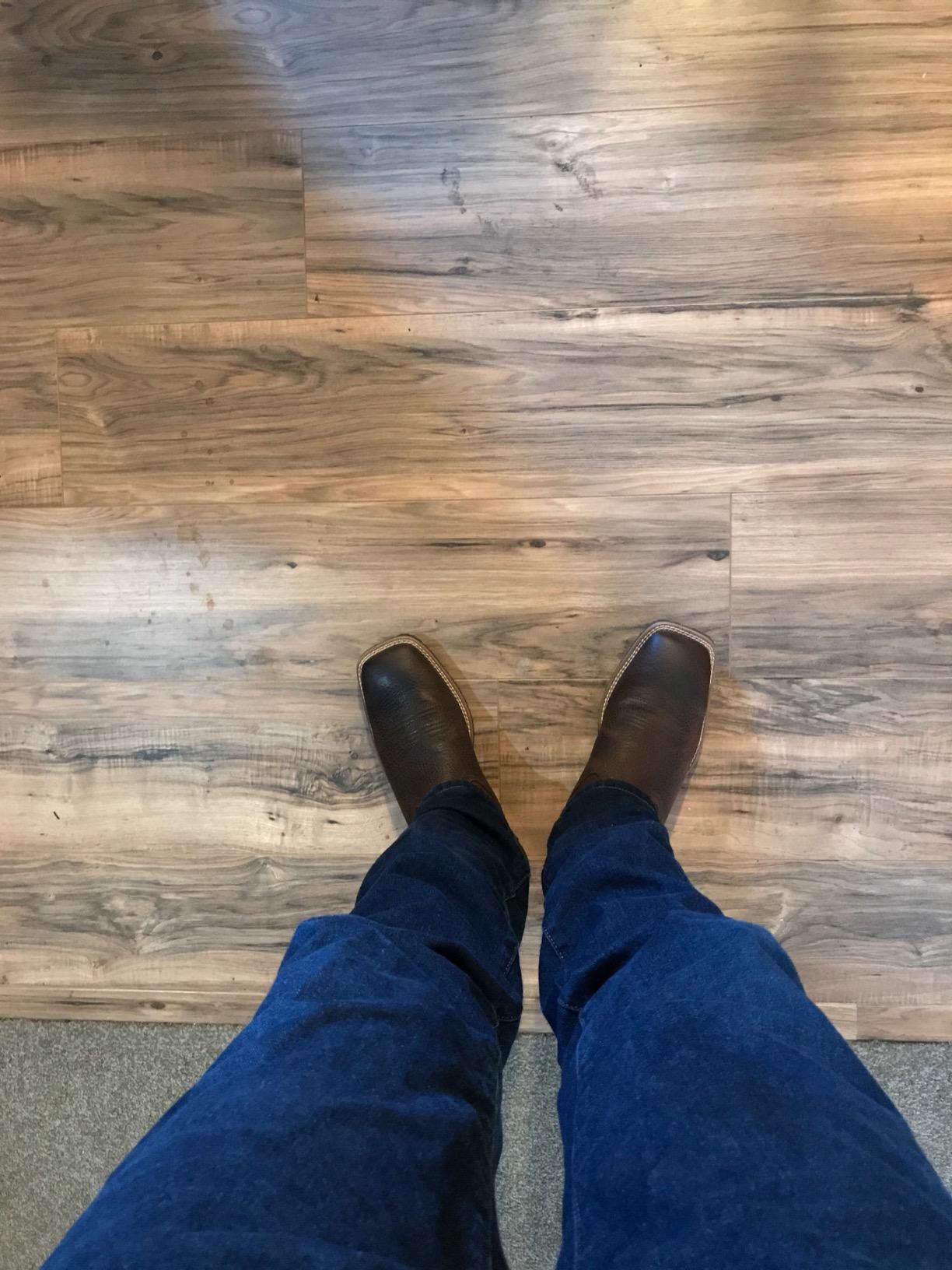
Why this is our editor’s choice
4LR footbed technology provides all-day comfort without breaking in. Duratread outsole grips stirrups, wet floors, and rough terrain. Goodyear welt construction extends the boot’s life through resoleing.
Why you might want a different boot
Premium price point is higher than entry-level options. Lightweight feel takes getting used to if you prefer heavy leather boots. Break-in period of about a week before full comfort.
Buying Guide: How to Choose the Best Cowboy Boots for Riding?
Picking the right cowboy boots for riding is not the same as picking boots for fashion. Three features matter more than anything else: heel height, sole design, and shaft height. Get these right, and you will have a safe, comfortable pair of boots that lasts years.
Heel design and stirrup safety
The cowboy heel is a sloped heel that measures 1.25 to 1.5 inches tall. This shape is what separates riding boots from fashion boots. The angled heel grips the back of the stirrup and prevents your foot from sliding forward through the stirrup during a sudden stop or fall.
Roper boots have a lower, more squared heel. They are better for walking and ranch work but less secure in the stirrups. If you are primarily riding, stick with a traditional cowboy heel. The 1.375-inch horseman heel on the Ariat Round Up Remuda is a great example of the right shape and height.
Sole construction matters for traction
The sole of your riding boot needs to be narrow and treaded. A narrow sole fits properly in the stirrup, while the tread provides grip on wet barn floors and rocky terrain. The Duratread sole on Ariat boots is my favorite because it grips when wet and lasts longer than standard rubber.
Leather soles are traditional and look beautiful, but they are slippery when wet. If you ride in wet conditions or work around barns, choose a rubber sole. For purely arena riding, leather soles offer a classic feel that many riders prefer.
Shaft height and calf protection
Most riding boots have a shaft height of 11 to 13 inches. Taller shafts protect your calves from stirrup leathers, brush on trail rides, and the occasional kick. The 13-inch shaft is the traditional cowboy boot height, but 11-inch shafts are common on women’s boots and work fine for most riding.
Make sure the shaft fits snugly around your calf without being tight. You should be able to fit one finger between the boot and your leg. If the shaft is too loose, your foot will move around inside the boot. If it is too tight, it will cut off circulation on long rides.
Toe shape and fit
Square toe, round toe, and pointed toe are the three main shapes. Square toe gives the most room for your toes and is my recommendation for riding. The wider toe box reduces foot fatigue on long rides and prevents pinching when your foot expands during a hot day.
Round toe is the classic cowboy boot shape and works well for most foot types. Pointed toe is more about style than function. Avoid pointed toe for riding because the narrow front can pinch your toes and reduce circulation.
Material and construction quality
Full-grain leather is the gold standard for riding boots. It lasts 5+ years with proper care, develops a beautiful patina, and provides better protection than synthetic alternatives. Top-grain leather is a step down but still acceptable. Avoid bonded leather or synthetic materials if you want boots that last.
Goodyear welt construction is the premium way to attach the sole. It allows the boot to be resoled when the rubber wears out, which extends the life of the boot by years. Boots without welt construction cannot be resoled and must be replaced when the sole wears through.
Fit and sizing tips
Most Western boots fit true to size, but some brands run large. Ariat and Rocky both recommend going half a size down for many models. Always check the manufacturer’s sizing chart before ordering, and read recent customer reviews for fit feedback.
Your toes should have room to move without sliding forward. The heel should feel snug but not tight. The ball of your foot should sit in the widest part of the boot. If you can slip your heel out easily when walking, the boot is too loose.
Care and maintenance
Clean your boots after every ride with a damp cloth to remove dirt and sweat. Condition the leather every 3-6 months with a quality leather conditioner. Use boot trees when storing to maintain the shape and prevent the shaft from collapsing.
For waterproofing, apply a leather waterproofing spray every 6 months or as needed. Resole your boots when the tread wears down rather than waiting until the sole falls apart. With proper care, a quality pair of Western boots can last 10+ years.
Frequently Asked Questions About Cowboy Boots for Riding
What type of cowboy boots are best for riding?
The best cowboy boots for riding have a sloped 1.5-inch cowboy heel, a narrow treaded rubber sole, and a shaft height of 11 to 13 inches. Full-grain leather construction with Goodyear welt adds durability and the ability to resole. Boots with ATS or 4LR technology provide extra comfort for long rides.
Can cowboy boots be used for riding?
Yes, traditional cowboy boots are specifically designed for horseback riding. The sloped heel prevents your foot from sliding through the stirrup, while the high shaft provides ankle support and calf protection. Avoid fashion boots with flat heels for riding, as they can be dangerous in the stirrups.
Which boots are best for riding?
The Ariat Men’s Hybrid Rancher stands out as the best overall cowboy boot for riding thanks to its 4LR footbed, Duratread outsole, and Goodyear welt construction. For budget shoppers, the Jousen Cowboy Boots deliver comfort under $30. Women riders consistently rate the Ariat Fatbaby Heritage as their top choice.
Is there a difference between cowboy boots and riding boots?
Cowboy boots and riding boots share the same core features for Western riding. The key differences are in intent: cowboy boots are designed for both riding and Western wear, while dedicated English riding boots have a different heel shape and are made for English-style saddles. For Western riding, traditional cowboy boots are the right choice.
How do I break in cowboy boots for riding?
Wear new boots for short walks around the house for 1-2 weeks before your first ride. Use leather conditioner to soften the material. Wear riding socks that fit snugly. Expect hot spots on the heel and ball of the foot during the first few rides. Avoid long rides until the boots feel comfortable during everyday wear.
Final Verdict on the Best Cowboy Boots for Riding
After testing 10 pairs across ranch work, trail rides, and arena lessons, the Ariat Men’s Hybrid Rancher Western Boot stands out as the best cowboy boots for riding in 2026. The combination of 4LR footbed comfort, Duratread outsole grip, and Goodyear welt construction makes it a reliable choice for both working riders and weekend enthusiasts.
If you are shopping on a budget, the Jousen Cowboy Boots deliver surprising comfort under $30. For women riders, the Ariat Fatbaby Heritage Dapper offers premium Ariat technology at a reasonable price with thousands of positive reviews. Serious riders who want traditional horseman heels and full-grain leather should look at the Ariat Round Up Remuda.
Whatever you choose, focus on the three features that matter most for riding: a sloped 1.5-inch cowboy heel, a narrow treaded rubber sole, and a shaft height of at least 11 inches. Get those right, and you will have a safe, comfortable pair of boots that lasts for years of riding.