
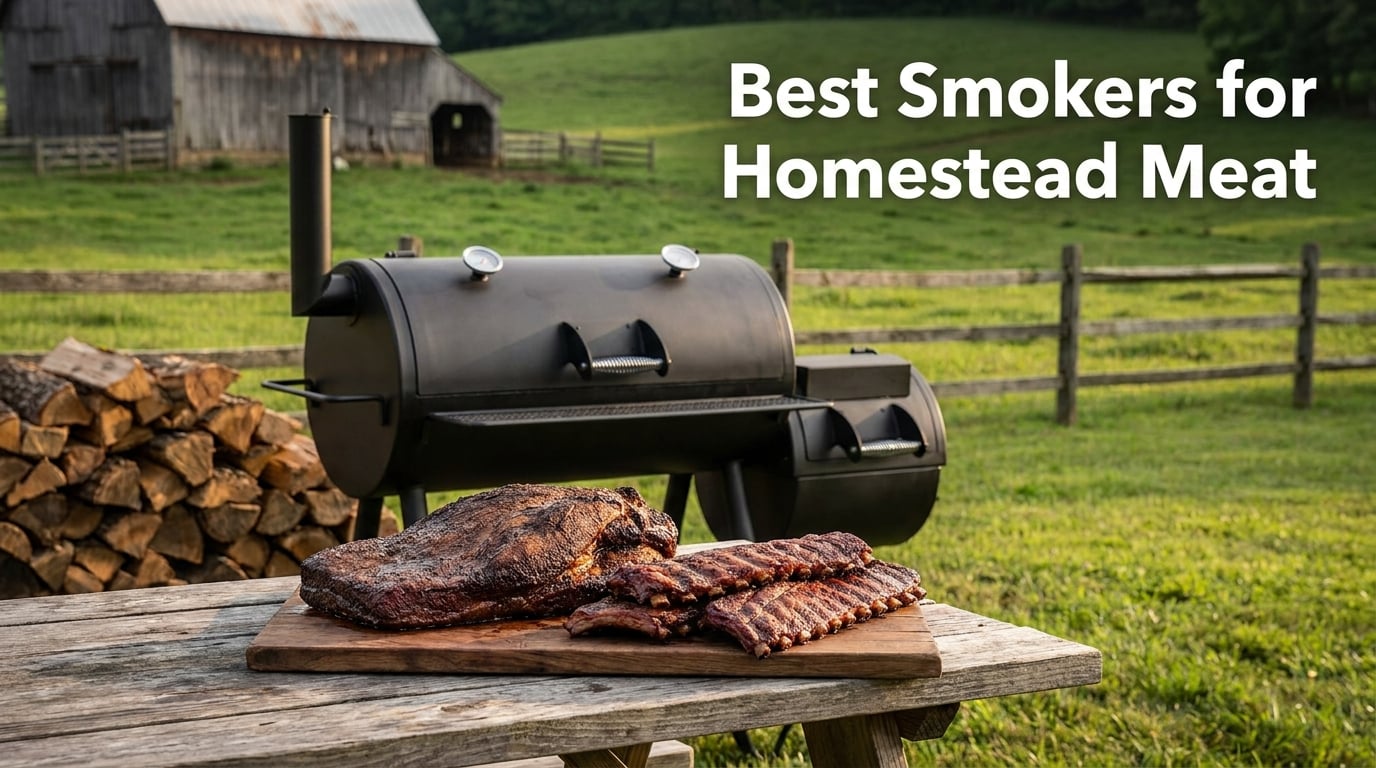
When you raise your own livestock, the way you cook that meat matters just as much as how you raised it. Finding the best smokers for homestead meat means looking past flashy features and focusing on capacity, durability, and the ability to handle large batches of home-raised beef, pork, and poultry. After comparing 12 smokers across every major fuel type, our team built this guide specifically for homesteaders and small-scale farmers who need equipment that works hard season after season.
We tested offset charcoal smokers, vertical water smokers, pellet grills, kamado cookers, and electric units to see which ones hold up under real homestead conditions. Some of these smokers are built for processing a whole hog, while others shine for weekend brisket sessions with family. We paid close attention to fuel efficiency, temperature stability, and how each unit handles back-to-back smoking days.
Whether you are smoking a dozen chickens at once or slow-cooking a brisket from your own pasture, the right smoker transforms how you use the meat you raise. Cheap smokers fall apart quickly with regular use, so we focused on models with proven track records and construction that can take daily abuse. Here are our top picks for 2026, broken down by smoker type and homestead need.
Table of Contents
Top 3 Picks for Best Smokers for Homestead Meat In 2026
Our team narrowed the field to three standout smokers that cover different homestead priorities. The Oklahoma Joe’s Longhorn Offset delivers authentic BBQ flavor with enough capacity to process serious quantities of meat. The Dyna-Glo Vertical Offset offers the most cooking space per dollar we have seen in any smoker category. The Weber Smokey Mountain Cooker remains the gold standard for reliability and consistent results.

Oklahoma Joe’s Longhorn Offset Smoker
- 1060 sq in Capacity
- Offset Charcoal
- Authentic BBQ Flavor
- Heavy-Duty Steel
Dyna-Glo Vertical Offset Smoker
- 1176 sq in Capacity
- 6 Adjustable Grates
- Budget-Friendly
- Smoke Zone Gauge

Weber Smokey Mountain 22-Inch
- 481 sq in Capacity
- Vertical Water Smoker
- Charcoal
- 10-Year Warranty
The Longhorn takes the editor’s choice spot because its offset design and 1060 square inches of cooking space make it ideal for processing large batches of homestead meat. The Dyna-Glo wins best value with an incredible 1176 square inches across six adjustable grates at a fraction of the cost of premium units. The Weber Smokey Mountain earns top rated status thanks to a 4.7-star rating across more than 5,500 reviews and a 10-year warranty that backs up its reputation.
Best Smokers for Homestead Meat (October 2026)
Here is our complete comparison of all 12 smokers, organized by category so you can quickly find the right fuel type and capacity for your homestead operation.
| Product | Specifications | Action |
|---|---|---|
| Oklahoma Joe’s Longhorn Offset Smoker |
|
Check Latest Price |
 Oklahoma Joe’s Bronco Drum Smoker Oklahoma Joe’s Bronco Drum Smoker |
|
Check Latest Price |
 Oklahoma Joe’s Bandera Vertical Offset Oklahoma Joe’s Bandera Vertical Offset |
|
Check Latest Price |
| Dyna-Glo Vertical Offset Smoker |
|
Check Latest Price |
| Weber Smokey Mountain 22-Inch |
|
Check Latest Price |
 Char-Griller AKORN Kamado Char-Griller AKORN Kamado |
|
Check Latest Price |
 Kamado Joe Jr Portable Kamado Kamado Joe Jr Portable Kamado |
|
Check Latest Price |
 Traeger Pro 780 Pellet Smoker Traeger Pro 780 Pellet Smoker |
|
Check Latest Price |
 Camp Chef Woodwind Pro WiFi 24 Camp Chef Woodwind Pro WiFi 24 |
|
Check Latest Price |
 Pit Boss 440 Pellet Grill Pit Boss 440 Pellet Grill |
|
Check Latest Price |
 Masterbuilt 710 WiFi Digital Masterbuilt 710 WiFi Digital |
|
Check Latest Price |
 Masterbuilt Gravity Series 800 Masterbuilt Gravity Series 800 |
|
Check Latest Price |
1. Oklahoma Joe’s Longhorn Offset Charcoal Smoker – Authentic BBQ Workhorse
Oklahoma Joe’s Longhorn Offset Charcoal Smoker and Grill with 1060 sq. in. Cooking Area in Black
1060 sq in
Offset Charcoal
Heavy Steel
Authentic BBQ
Pros
- Authentic offset BBQ flavor
- Large 1060 sq in total capacity
- Durable heavy-gauge steel build
- Reliable temperature control
Cons
- Heavy at 251 pounds
- Complex assembly required
The Oklahoma Joe’s Longhorn is the smoker I recommend most often to homesteaders who want authentic barbecue flavor from animals they raised themselves. This offset charcoal smoker gives you 1,060 square inches of cooking space split between a 751-square-inch main chamber and a 309-square-inch secondary rack, which is enough to smoke a full brisket alongside several racks of ribs at the same time.
What sets the Longhorn apart is its classic offset firebox design. You build your fire in the side chamber and the heat and smoke travel horizontally through the main cooking chamber before exiting the chimney. This indirect heat setup is exactly what produces the deep smoke ring and bark that competition pitmasters chase. I found the fire management straightforward once you learn how the dampers interact with wind conditions on your property.
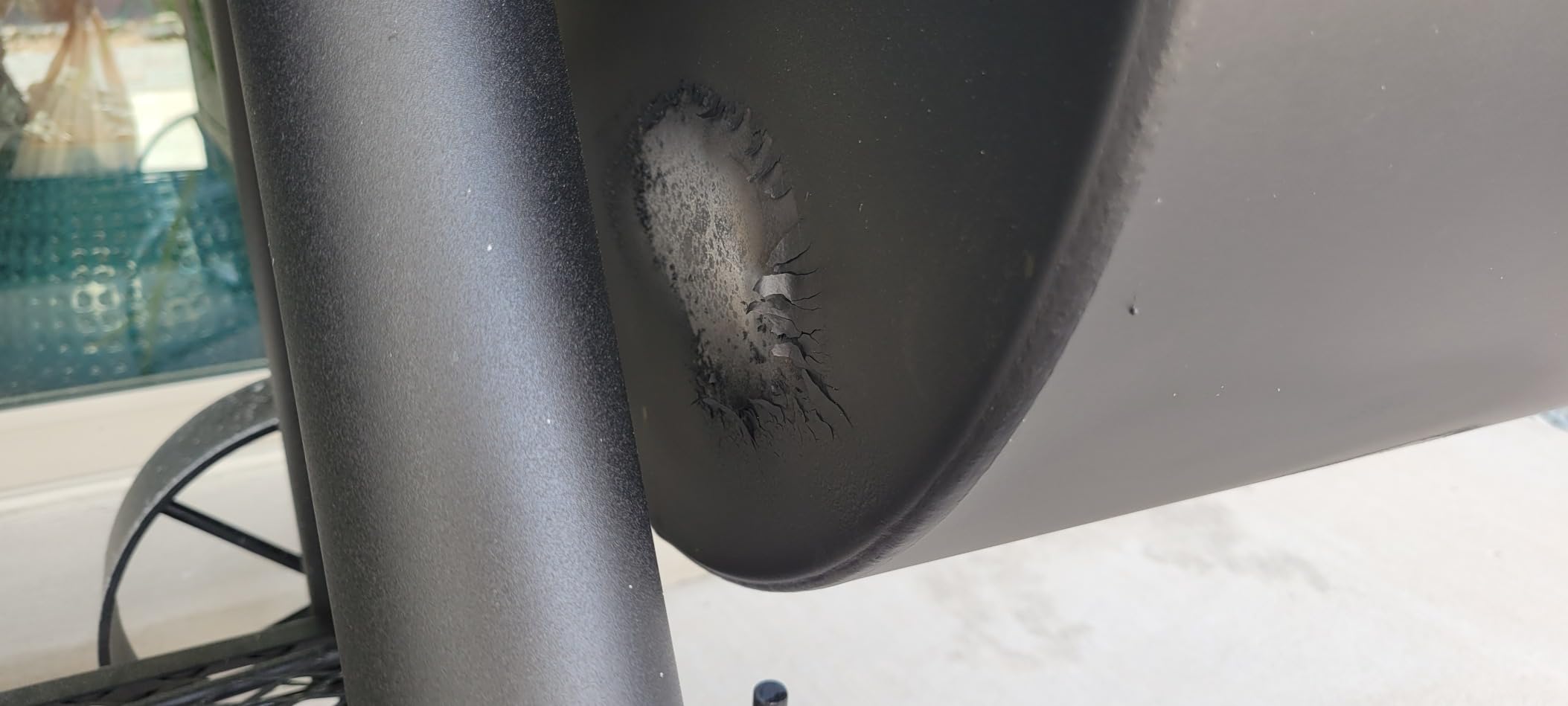
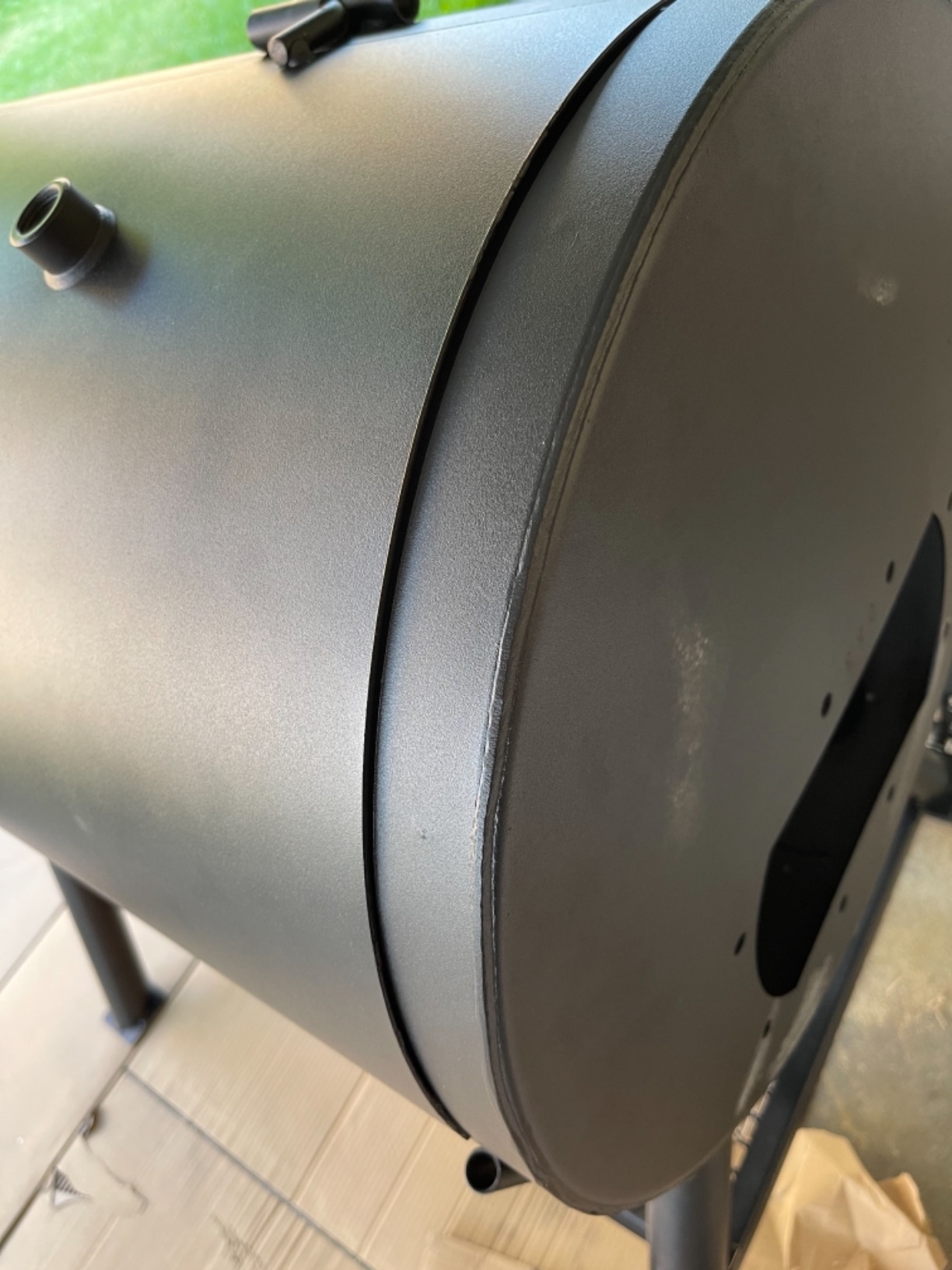
The build quality on this smoker is serious. At 251.8 pounds of steel, it feels like a permanent fixture on the homestead rather than something that will warp or rust after a season. The heavy-gauge construction holds heat exceptionally well, which means fewer fuel refills during long brisket cooks that can run 12 to 16 hours. Multiple dampers give you precise control over temperature zones.
One thing to note is that assembly takes real time and ideally two people. The trade-off is worth it because once this smoker is together and seasoned, it becomes one of the most reliable pieces of homestead cooking equipment you can own. The temperature control is consistent once you dial in your fire management technique.
Fire Management Learning Curve
The offset design means you are managing a live fire, not pressing a button. Expect a learning period of 5 to 10 cooks before you feel comfortable holding 225 degrees for hours on end. The Longhorn’s dampers are responsive, but you need to check temperatures every 30 to 45 minutes and adjust as needed. Homesteaders who enjoy the process of tending a fire will love this. Those who want set-and-forget convenience should look at the pellet smokers later in this guide.
Using orchard prunings, apple wood, or hickory from your own property works beautifully in this firebox. The large firebox door makes it easy to add fuel without losing your cooking temperature, which is a real advantage during long processing sessions.
Batch Processing Capacity for Home-Raised Meat
The 1,060 square inches of cooking space translates to roughly 8 to 10 racks of ribs, 2 full briskets, or 6 to 8 whole chickens at once. For a homestead processing a half hog or several birds from the flock, this capacity eliminates the need for multiple smoking sessions. The secondary rack in the firebox chamber also works as a warming area or for quick-grilling vegetables.
If you regularly process larger animals or smoke for community gatherings and farm sales, the Longhorn handles the volume without breaking a sweat.
2. Oklahoma Joe’s Bronco 18 Heavy Duty Drum Smoker – Award-Winning Compact Power
Oklahoma Joe’s Bronco 18 in. Heavy Duty Charcoal Drum Smoker and Grill with 284 sq. in. Cooking Area in Black
284 sq in
Drum Charcoal
14+ Hour Cooks
Award Winner
Pros
- Award-winning versatile design
- No-interruption fuel access
- Excellent all-day heat retention
- Smoker-to-grill conversion
Cons
- Smaller 284 sq in cooking area
The Oklahoma Joe’s Bronco 18 earned the 2025 Men’s Journal Grilling Awards Best Overall Smoker designation, and after using one I understand why. This drum-style charcoal smoker punches well above its weight class with heat retention that rivals smokers costing twice as much. The design keeps temperatures rock-steady for low-and-slow cooks lasting 14 hours or more on a single load of charcoal.
I was immediately impressed by the no-interruption fuel access system. You can add charcoal or wood chunks through a dedicated access door without lifting the lid and losing your cooking temperature. For homesteaders running long brisket or pork shoulder smokes, this feature alone saves enormous frustration. The Bronco also converts from smoker to grill, giving you two cooking tools in one footprint.
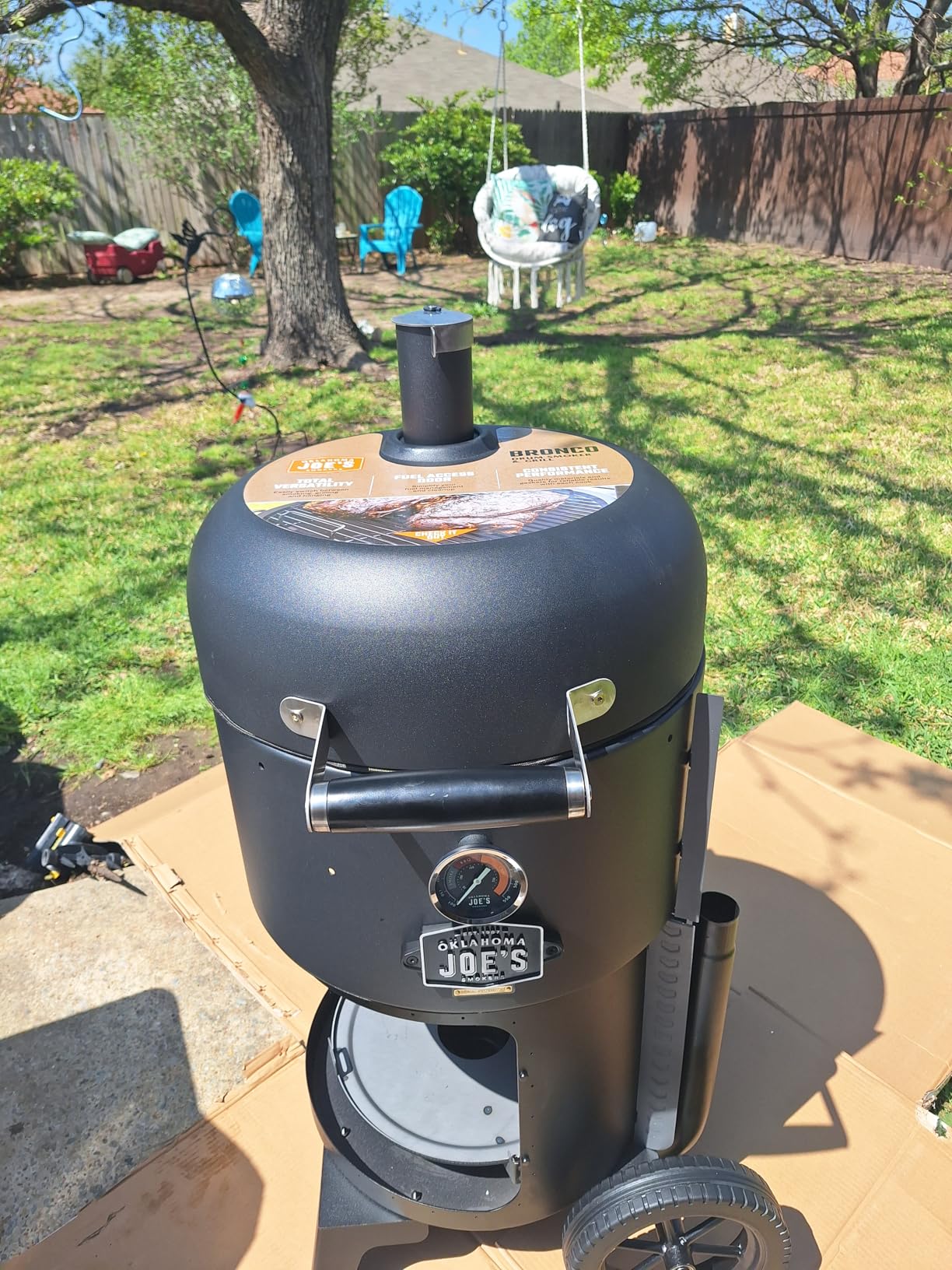
The 284-square-inch cooking area is smaller than the Longhorn, but that is the trade-off for a more compact and fuel-efficient design. I found it perfect for smoking 2 to 3 racks of ribs, a pork shoulder, or 3 to 4 whole chickens at once. For a small homestead or family operation, this capacity covers most weekend smoking needs without the fuel consumption of a larger offset.
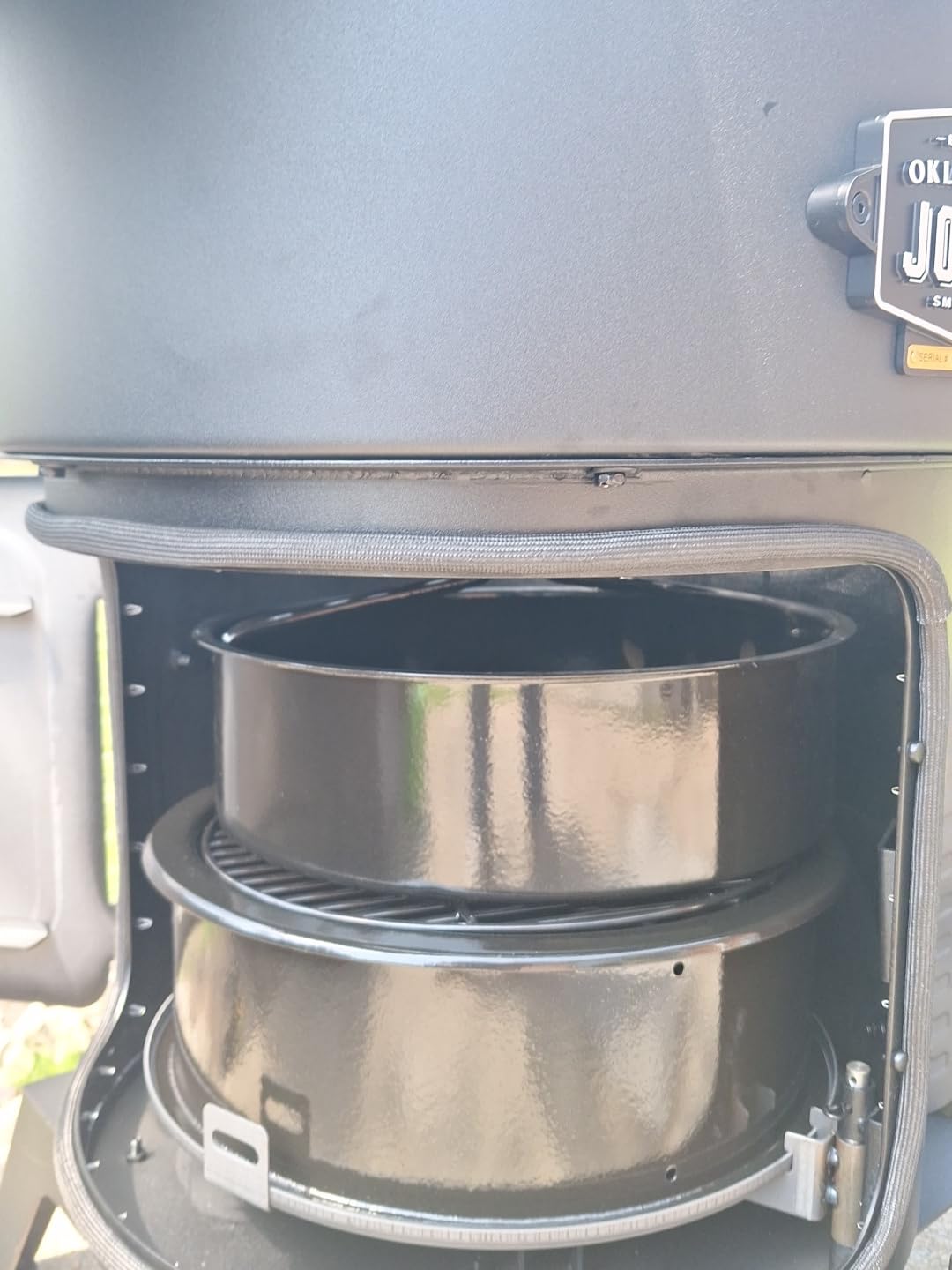
Heat retention on the Bronco is exceptional thanks to its sealed drum construction. Once you dial in your target temperature, the unit holds it with minimal damper adjustments. This stability means you can step away to handle other homestead chores without worrying about temperature spikes or drops.
Fuel Efficiency on Long Cooks
The sealed drum design makes the Bronco one of the most fuel-efficient charcoal smokers available. A full charcoal basket can sustain smoking temperatures for 14-plus hours, which covers even the longest brisket cook. Compared to a traditional offset smoker that needs refueling every 45 to 60 minutes, the Bronco dramatically reduces both charcoal costs and active tending time. For homesteaders watching their fuel budget, this efficiency adds up over a smoking season.
Wood chunks placed directly in the charcoal basket provide consistent smoke flavor throughout the entire cook.
Versatility Beyond Smoking
The Bronco’s smoker-to-grill conversion means you are not limited to low-and-slow cooking. Open the intake damper fully and the drum reaches grilling temperatures for searing steaks, cooking burgers, or finishing chicken at high heat. This versatility makes it an excellent single-cooker solution for smaller homesteads where space and budget limit you to one outdoor cooking unit. The cast iron grates also deliver excellent sear marks when used in grill mode.
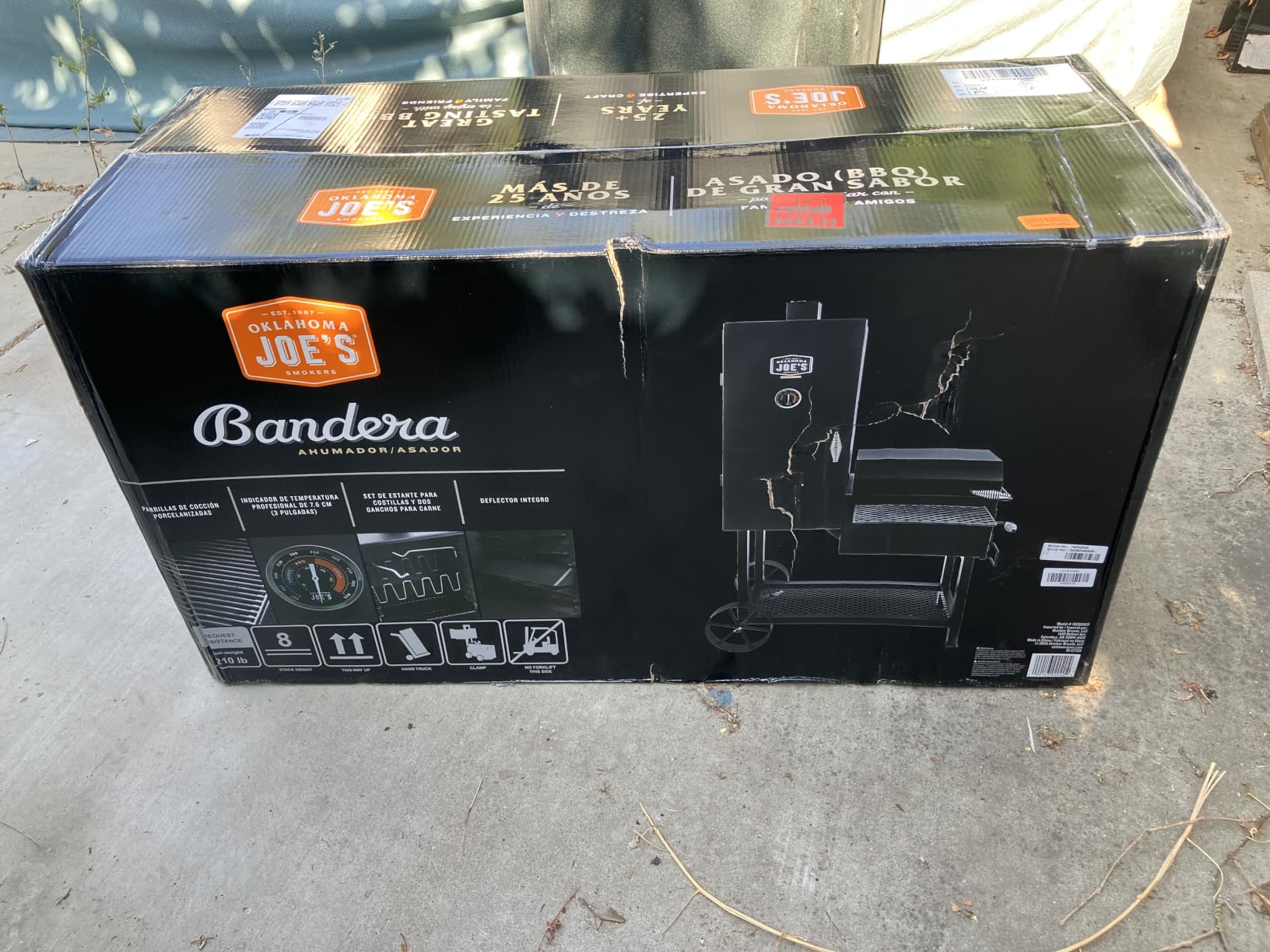
3. Oklahoma Joe’s Bandera Vertical Offset Smoker – Tall Capacity Tower
Oklahoma Joe’s Bandera Smoker and Grill
992 sq in
Vertical Offset
Water Pan
Prep Space
Pros
- Heavy-duty steel construction
- 992 sq in total cooking space
- Water pan for moisture retention
- Built-in side prep table
Cons
- Tall 66-inch height
- Limited stock availability
The Oklahoma Joe’s Bandera is a vertical offset smoker that stacks serious cooking capacity into a tall, efficient design. With 992 square inches split between a 744-square-inch primary grate and 248-square-inch secondary area, it handles large batches of sausages, ribs, and whole birds in a smaller footprint than a horizontal offset. I found the vertical design particularly effective for smoking sausages and jerky, where you want smoke exposure on all sides.
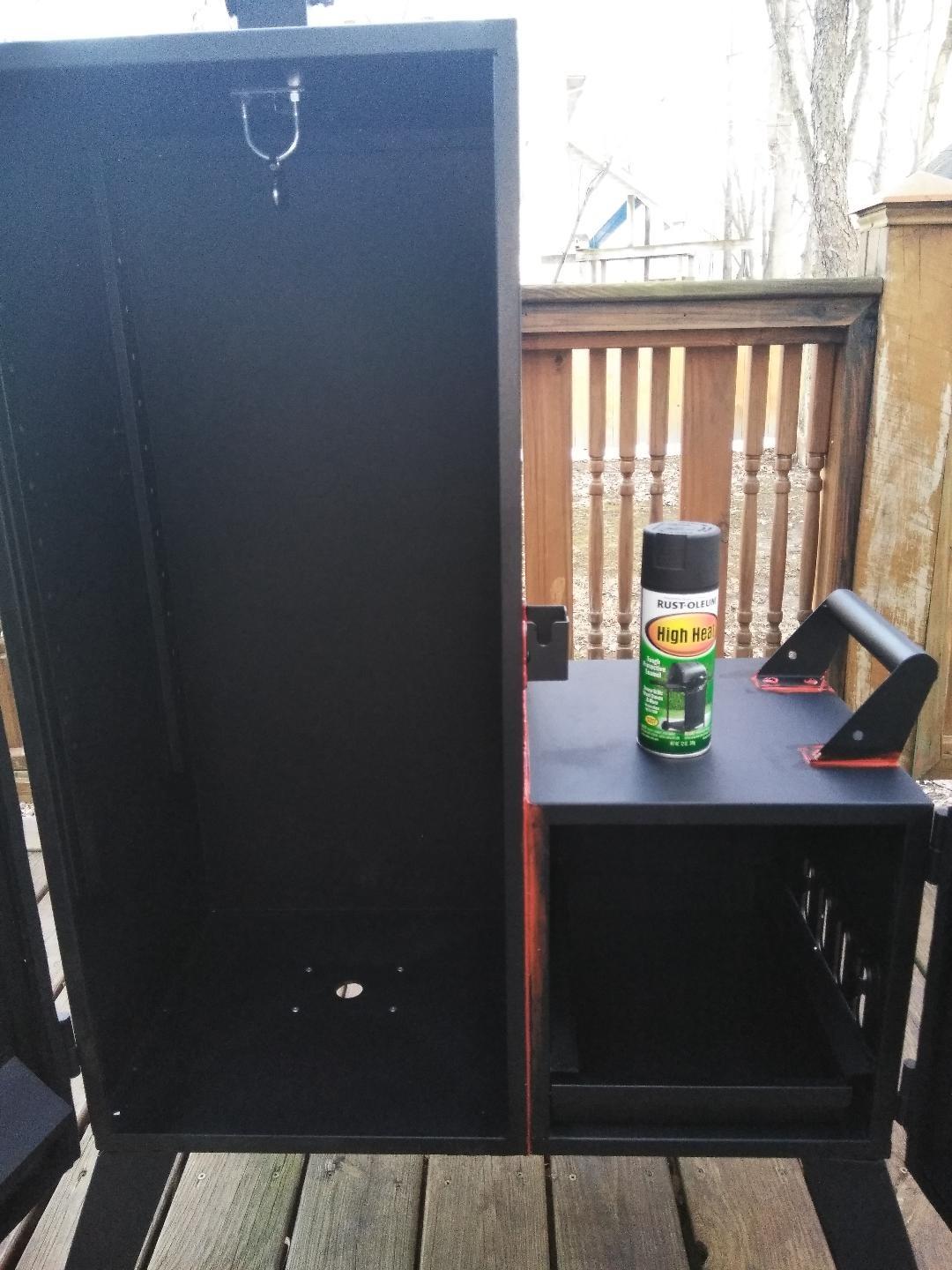
The built-in water pan is a feature homesteaders should pay attention to. It adds moisture to the cooking environment, which keeps lean meats like chicken and turkey from drying out during long smokes. The height-adjustable charcoal tray lets you control heat intensity by moving the fuel closer to or farther from your cooking grates, giving you flexibility across different cuts of meat.
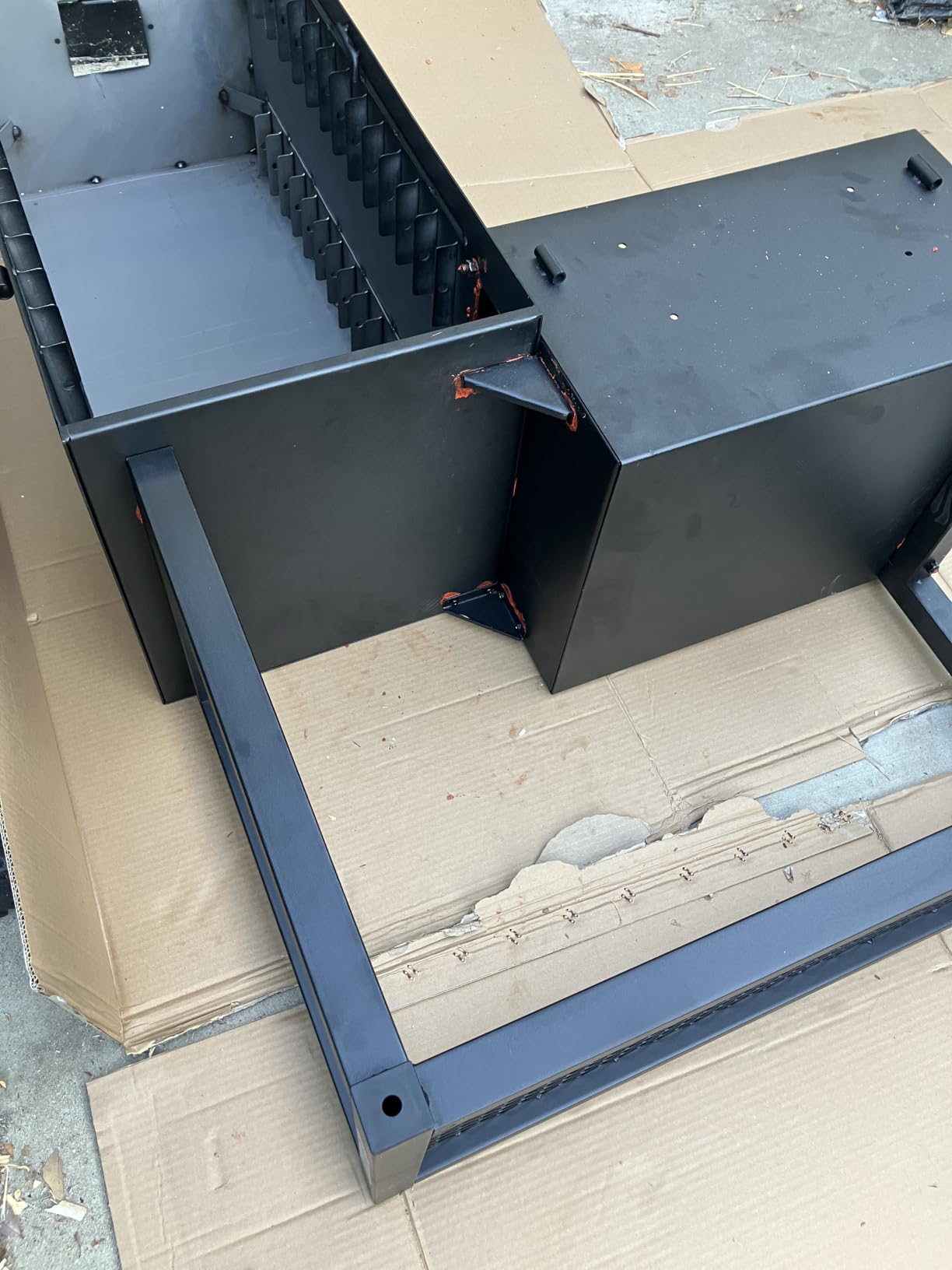
Heavy-duty steel construction gives the Bandera the durability homesteaders need from equipment used weekly. At 198 pounds, this is a substantial smoker that stays put and holds heat consistently. The built-in side prep table is a thoughtful addition that gives you workspace for seasoning meat or resting tools right where you need it.
The vertical design does mean the unit stands 66 inches tall, which can make reaching the top racks a stretch for shorter users. I recommend positioning it on level ground where you have full access around the unit. Once loaded, the Bandera maintains steady temperatures with minimal adjustment.
Moisture Control for Large Cuts
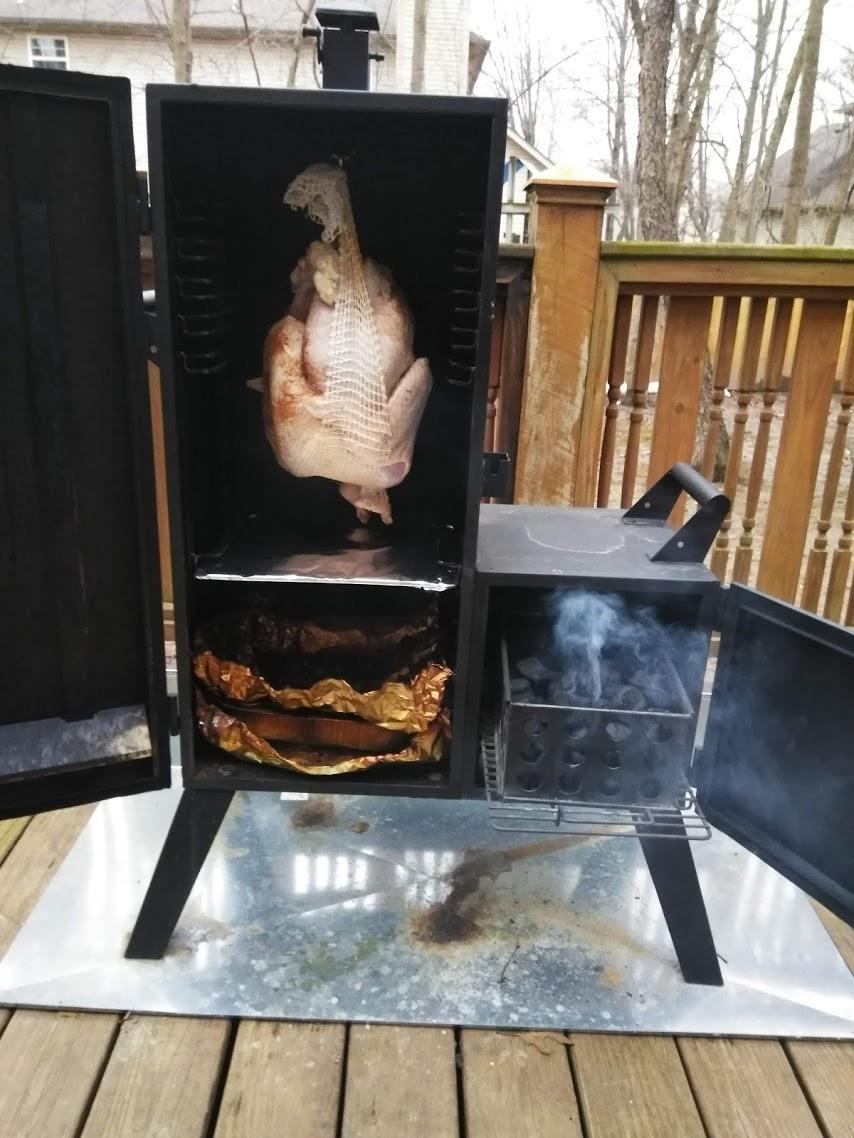
The water pan in the Bandera makes a noticeable difference when smoking lean homestead meats like pasture-raised chicken, turkey, or venison. These meats lack the fat marbling of grain-finished beef and dry out faster in a dry heat environment. The water pan creates a moist cooking chamber that keeps these cuts juicy throughout a 4 to 6 hour smoke. You can also add herbs, apple juice, or cider vinegar to the water pan for additional flavor layering.
Refilling the water pan mid-cook is simple thanks to the access door on the side of the unit.
Accessibility and Ergonomics
The vertical rack design means you can organize different meats at different heights, which helps with temperature zone management since heat naturally rises. Lower racks run hotter and work well for pork shoulder or beef brisket, while upper racks are ideal for more delicate items like fish, cheese, or sausage. The 66-inch height does require reaching up for top racks, so consider your own height and mobility when deciding if this design suits you. The side prep table partially compensates by giving you a convenient workspace at waist level.
4. Dyna-Glo Vertical Offset Charcoal Smoker – Best Value Capacity King
Dyna-Glo DGO1176BDC-D Vertical Offset Charcoal Smoker
1176 sq in
6 Grates
Vertical Offset
Smoke Zone
Pros
- Massive 1176 sq in capacity
- Six height-adjustable grates
- Porcelain charcoal chamber
- Stainless smoke zone gauge
Cons
- Thinner steel than premium brands
- Lighter build at 57 pounds
The Dyna-Glo DGO1176BDC-D delivers the most cooking space per dollar of any smoker in this guide. With 1,176 square inches spread across six height-adjustable grates, this vertical offset charcoal smoker handles enormous batches of meat at a price point that leaves budget room for wood and charcoal. Over 5,300 Amazon reviewers have given it a 4.5-star rating, which tells you this is a proven workhorse.
I was genuinely surprised by the capacity when I first loaded this smoker. Six adjustable grates mean you can configure the interior for tall items like whole turkeys or slide the racks closer together for sausage links and jerky strips. The porcelain-enameled charcoal chamber burns efficiently and the stainless steel temperature gauge includes a smoke zone indicator that shows you the ideal smoking temperature range at a glance.
The build is lighter than premium smokers at 57 pounds, which reflects the thinner steel used in construction. This is the main trade-off for the incredible value. However, with proper care, seasoning, and a cover, the Dyna-Glo holds up well for regular homestead use. The adjustable charcoal grate lets you control heat intensity, and the offset firebox design provides true indirect smoking.
For homesteaders just starting their meat smoking journey or anyone who needs maximum capacity without spending premium dollars, this is hard to beat. The smoke zone gauge takes the guesswork out of temperature management, which is especially helpful for beginners learning the ropes of low-and-slow cooking.
Long-Term Durability Under Heavy Use
The thinner steel construction means the Dyna-Glo will not last decades like a heavy-gauge Oklahoma Joe’s or Weber, but it provides excellent value for the price. Plan on 3 to 5 years of regular use with proper maintenance, which includes seasoning the interior, keeping it covered when not in use, and storing charcoal in a dry container. The porcelain coating on the charcoal chamber resists rust, and the grates clean up reasonably well with a brush after each use. For homesteaders on a budget who need capacity now, the Dyna-Glo lets you start processing large batches immediately.
Temperature Tuning Tips for Consistent Results
The smoke zone gauge on the Dyna-Glo is genuinely helpful for maintaining the 225 to 250 degree range that most meats need. I recommend using the bottom damper for coarse temperature adjustments and the chimney damper for fine tuning. Adding a water pan inside the cooking chamber, even though one is not included, dramatically improves temperature stability and moisture for lean meats. Preheating the smoker for 20 to 30 minutes before adding food also helps stabilize the cooking environment. These small adjustments transform the Dyna-Glo from a good smoker into an excellent one.
5. Weber Smokey Mountain Cooker 22-Inch – The Proven Champion
Weber® Smokey Mountain Cooker Smoker, 22″ Charcoal Smoker
481 sq in
Vertical Water
Charcoal
10-Year Warranty
Pros
- Excellent temperature stability
- Porcelain-enameled construction
- Competition BBQ approved
- 10-year limited warranty
Cons
- Lid seal needs occasional adjustment
- Dome thermometer runs 15-25F hot
The Weber Smokey Mountain Cooker in the 22-inch size is the most recommended smoker in barbecue forums, competition circuits, and homestead communities for one simple reason: it works. With a 4.7-star rating across more than 5,500 reviews, this vertical water smoker has earned its reputation as the gold standard for charcoal smoking. The 10-year limited warranty backs up Weber’s confidence in the build quality.
This smoker uses a water pan between the charcoal bowl and the cooking grates to maintain incredibly stable temperatures. I have run 14-hour brisket cooks on the Smokey Mountain with almost no intervention beyond adding charcoal once or twice. The water pan acts as a thermal buffer, absorbing heat spikes and releasing it slowly to keep the cooking chamber locked at your target temperature.
The porcelain-enameled lid, bowl, and center section will not rust or peel, which is essential for equipment left outside on a homestead. The 481 square inches of cooking space across two grates is enough for a full brisket, 4 racks of ribs, or 6 to 8 whole chickens. Competition BBQ teams regularly use this exact model, which speaks volumes about its performance capabilities.
One thing to watch is the dome thermometer, which typically reads 15 to 25 degrees hotter than the actual grate temperature. I recommend using a separate probe thermometer at grate level for accuracy. The lid seal also benefits from occasional adjustment with the toggle brackets, though this is a minor maintenance task that takes seconds.
Low-Maintenance Smoking Experience
The Smokey Mountain is the closest thing to set-and-forget charcoal smoking available. Once you light your charcoal using the minion method and fill the water pan, the smoker holds 225 degrees for hours with minimal attention. This is a major advantage for homesteaders who have other work to do during a smoke session. The water pan needs refilling every 3 to 4 hours on long cooks, but that is the extent of active management. Cleanup is straightforward since the water pan catches most grease and the porcelain surfaces wipe clean easily.
Competition-Grade Results at Home
Do not let the simple design fool you. The Smokey Mountain produces smoke rings and bark formation that rival smokers costing five times as much. The consistent moisture from the water pan means even lean pasture-raised meats come out tender and juicy. Many competition teams have won events cooking exclusively on a WSM, which tells you everything about the quality of results possible with this smoker. For homesteaders who want professional-level smoked meat from their own livestock, this is the proven path to getting there.
6. Char-Griller AKORN Kamado Charcoal Grill and Smoker – Versatile Ceramic Alternative
Char-Griller AKORN 20-Inch Kamado Charcoal Grill and Smoker, Triple-Wall Insulated Steel with Cast Iron Grates, Warming Rack and EasyDump Ash Pan, 445 Sq. In. Cooking Area, Graphite
445 sq in
Kamado Style
Cast Iron Grates
Charcoal
Pros
- Fraction of ceramic kamado price
- Excellent high and low temp control
- Large 445 sq in area
- Charcoal efficient design
Cons
- Steep temperature control learning curve
- Porcelain coating instead of ceramic
The Char-Griller AKORN delivers roughly 80 percent of the performance of a ceramic kamado at a fraction of the cost. With a 4.6-star rating across nearly 4,000 reviews, this kamado-style charcoal cooker handles everything from 700-degree searing to 200-degree smoking. The 445-square-inch cooking area with cast iron grates gives you plenty of room for homestead meals.
I appreciate how the AKORN’s insulated double-wall steel construction traps heat and smoke like a ceramic kamado but weighs significantly less and costs far less to purchase. The cast iron cooking grates hold and transfer heat beautifully, creating excellent sear marks on steaks and chops from your own pasture. Charcoal usage is remarkably efficient because the sealed design retains heat so well.
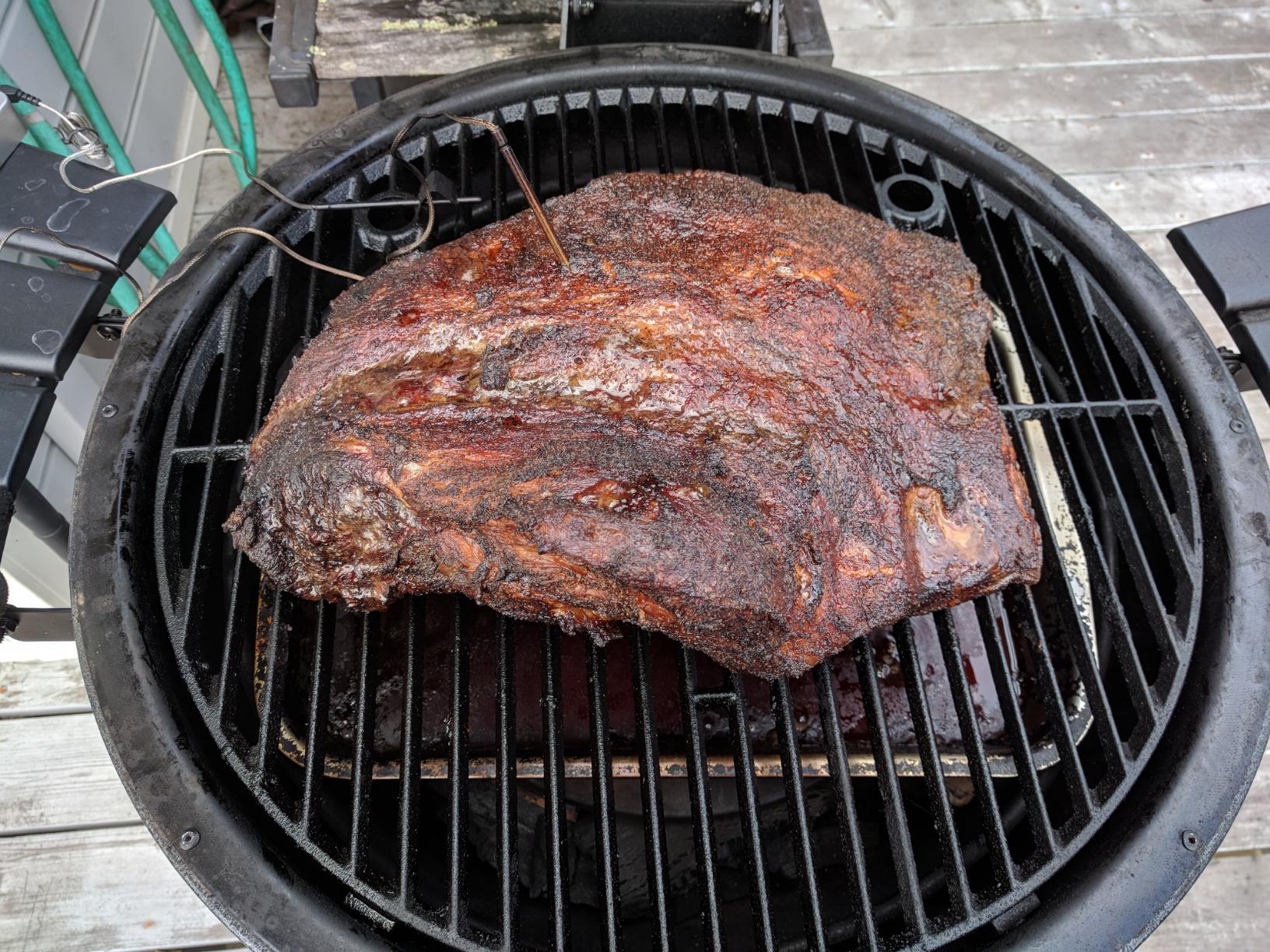
The AKORN does both high-heat grilling and low-and-slow smoking, making it one of the most versatile single-cooker options for a homestead. You can sear a steak at 700 degrees in the afternoon and smoke a pork shoulder at 225 degrees overnight without changing equipment. The adjustable dampers on top and bottom give you the control needed to dial in specific temperatures.
The learning curve for temperature control is steeper than a pellet smoker but manageable. The AKORN responds to damper changes more quickly than a ceramic kamado, which can be both an advantage and a challenge. Once you understand how the dampers interact, maintaining target temperatures becomes intuitive.
Charcoal Economy and Fuel Costs
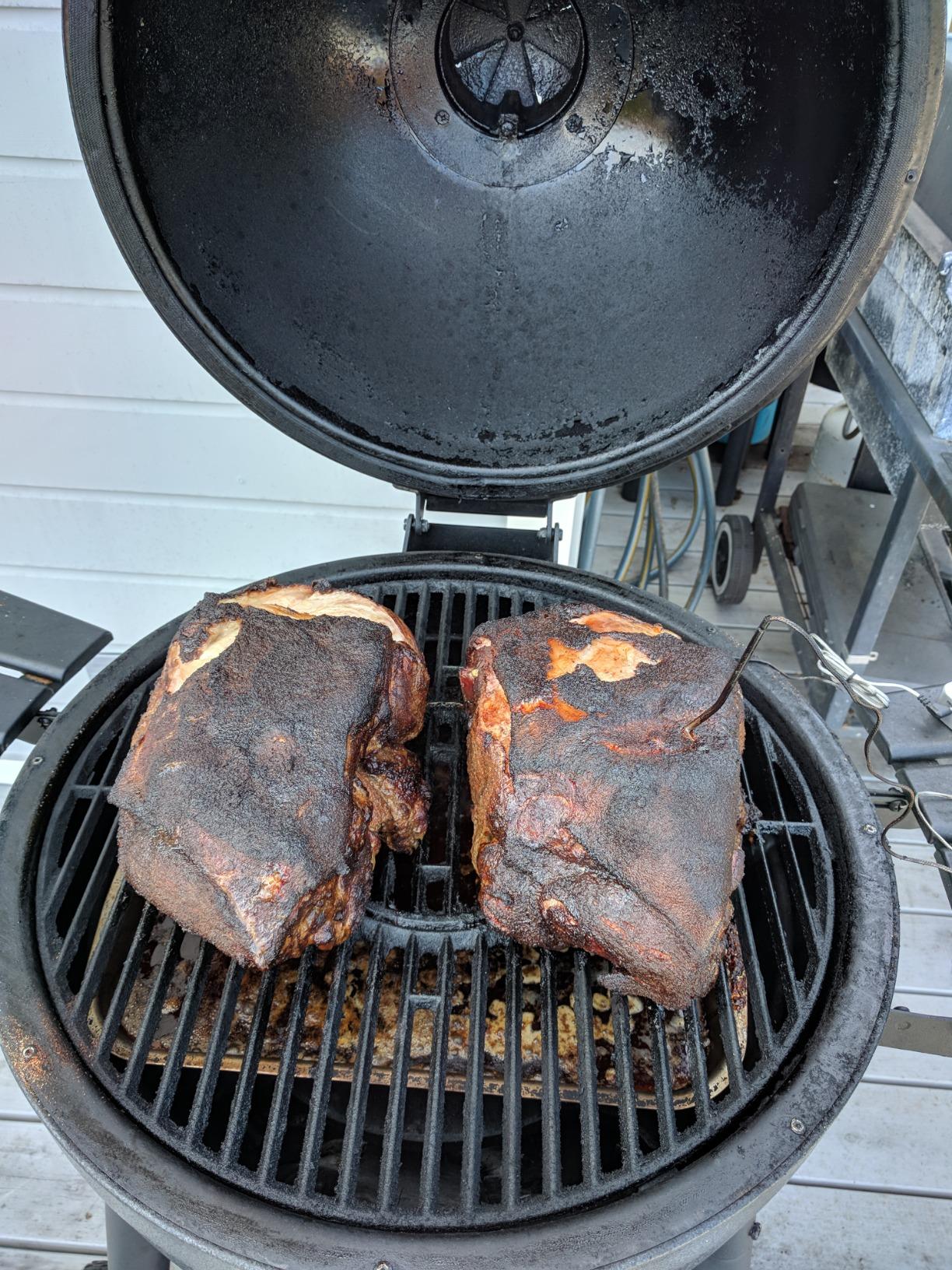
The AKORN’s insulated design makes it incredibly fuel-efficient compared to traditional charcoal grills and offset smokers. A full chimney of charcoal can sustain smoking temperatures for 6 to 8 hours, and high-heat grilling uses even less. Over a season of homestead cooking, this efficiency translates to real savings on charcoal. The sealed design also means wood chunks placed in the charcoal provide longer, more consistent smoke flavor since less smoke escapes the cooking chamber. For homesteaders processing their own wood or sourcing local charcoal, this efficiency stretches your fuel supply significantly.
Versatility Across Cooking Styles
Having one cooker that handles smoking, grilling, roasting, and baking is a major advantage for homesteads with limited space or budget. The AKORN can smoke a brisket low and slow, then pivot to searing burgers or roasting a whole chicken at higher temperatures. The cast iron grates also work well for cooking pizzas, breads, or vegetables when used with indirect heat setups. This versatility means you can consolidate multiple outdoor cooking tools into one kamado, freeing up space and reducing your equipment investment.
7. Kamado Joe Joe Jr 13.5-Inch Portable Ceramic Grill – Premium Portable Kamado
Kamado Joe Joe Jr 13.5-inch Portable Ceramic Charcoal Grill with Grill Stand, Stainless Steel Cooking Grate, Heat Deflectors and Ash Tool in Red, Model KJ13RH
150 sq in
Portable Kamado
Ceramic
Lifetime Warranty
Pros
- Premium ceramic heat retention
- Portable for camping and travel
- Lifetime ceramic warranty
- Thick walls lock in smoke and moisture
Cons
- Small 150 sq in cooking area
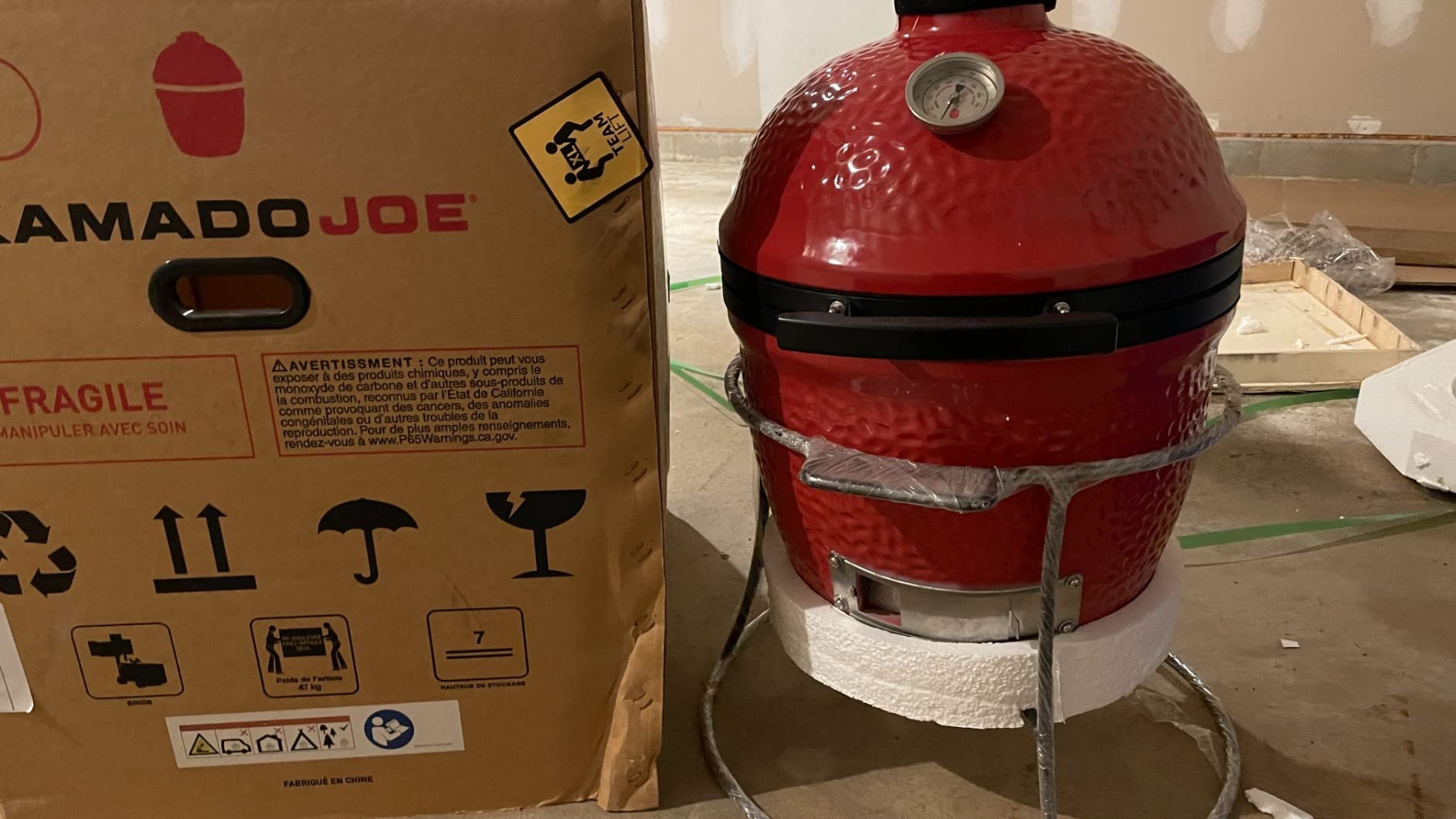
The Kamado Joe Joe Jr is a premium ceramic kamado in a compact, portable package. While its 150-square-inch cooking area limits batch size, the build quality and heat retention are exceptional. The lifetime warranty on ceramic components tells you this is a smoker built to last generations, which aligns perfectly with the homestead philosophy of buying quality once.
I was struck by how well the thick ceramic walls lock in both heat and smoke. Even at smoking temperatures, the exterior stays cool enough to touch briefly, which speaks to the insulation quality. The ceramic construction creates a moist cooking environment that keeps lean meats juicy throughout long smokes. For smoking a couple of chickens, a pork tenderloin, or a small brisket flat, the Joe Jr delivers outstanding results.
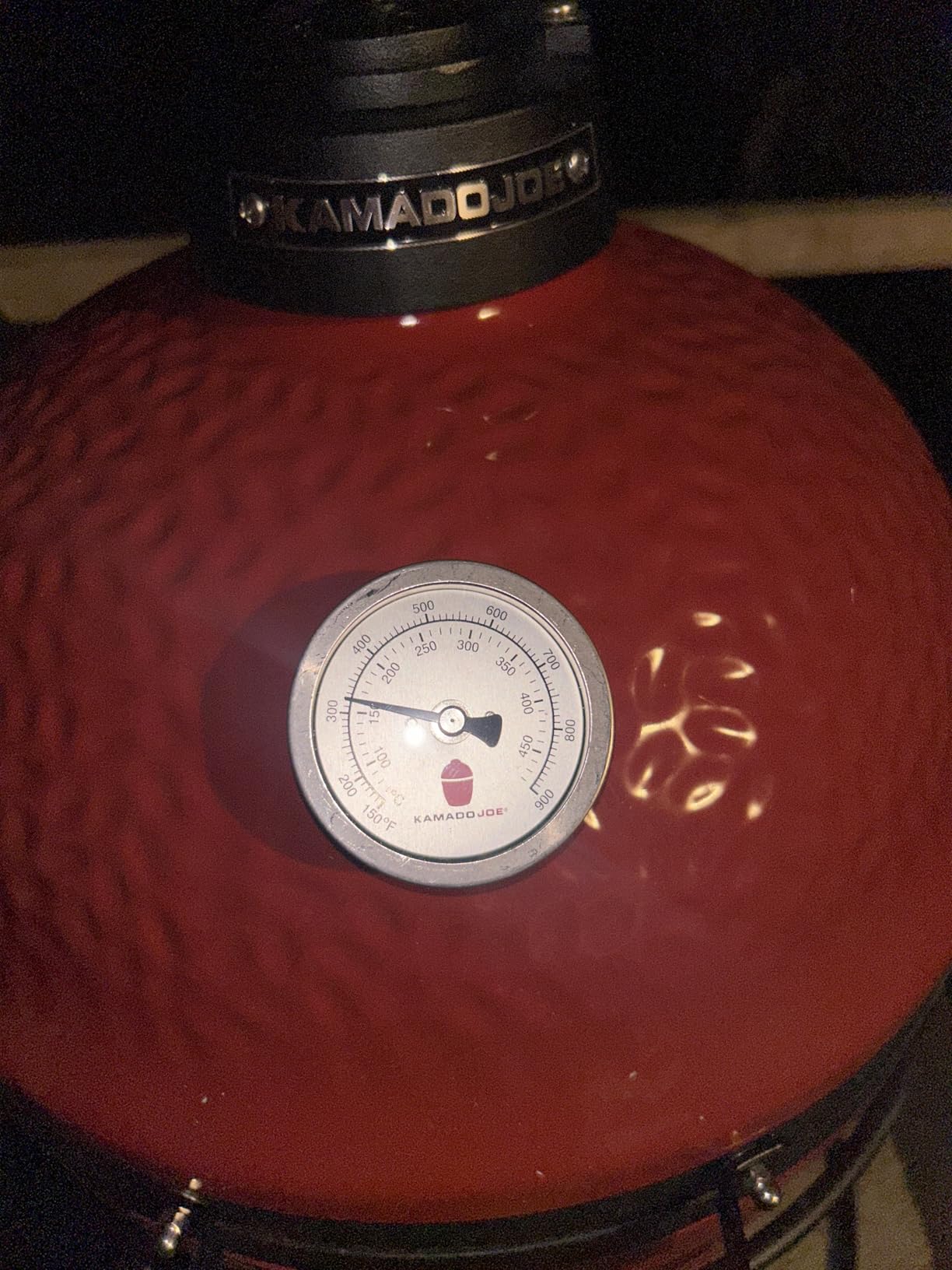
The portability factor makes this kamado unique. At 75.6 pounds, it is heavy enough to feel substantial but light enough to transport for camping, tailgating, or moving around the homestead. If you take your smoking on the road for community events or family gatherings off-property, the Joe Jr goes where full-size kamados cannot.
The premium price reflects the ceramic construction and lifetime warranty. For homesteaders who see cooking equipment as a long-term investment rather than a disposable purchase, the Joe Jr is built to be passed down. The thick walls and quality hardware feel like a permanent fixture rather than a consumer product.
Portability and Storage
The Joe Jr’s compact footprint means it stores easily when not in use, which is valuable on homesteads where space is at a premium. At 19.75 by 20.75 by 27 inches, it fits on a shelf or in a shed without dominating the space. The portability also means you can move it closer to the house in winter or into a sheltered area during storms. For homesteaders who attend farmers markets or community events, this is the only kamado that travels well while maintaining professional cooking quality.
Fuel Efficiency on Small Cooks
The ceramic construction makes the Joe Jr remarkably fuel-efficient for small-batch cooking. A handful of charcoal can sustain smoking temperatures for several hours, which is ideal when you only need to smoke a couple of chickens or a small roast. This efficiency matters on homesteads where charcoal is an ongoing expense. The sealed ceramic design also means wood chunks smoke slowly and consistently, providing deep flavor without needing large quantities. For small families or couples processing a few birds at a time, the Joe Jr delivers premium results with minimal fuel waste.
8. Traeger Grills Pro 780 Wood Pellet Smoker – Smart Smoking for Busy Homesteads
Traeger Pro 780 Wood Pellet Grill & Smoker, 780 Sq In, WiFi
780 sq in
Wood Pellet
WiFIRE Control
6-in-1
Pros
- WiFIRE smartphone remote control
- D2 Drivetrain precise temperature control
- 780 sq in cooking area
- 6-in-1 cooking versatility
Cons
- Premium price point
- Requires electricity to operate
The Traeger Pro 780 brings set-and-forget convenience to homestead meat smoking with its wood pellet fuel system and WiFIRE smartphone control. The 780 square inches of cooking space handles large batches, and the automatic auger feed maintains precise temperatures without the fire tending that charcoal smokers demand. This is the smoker for homesteaders who want authentic wood smoke flavor without babysitting a fire all day.
I found the D2 Drivetrain temperature control system genuinely impressive. Set your target temperature on the digital controller or through the Traeger app, and the auger automatically feeds wood pellets to maintain it within a few degrees. The WiFIRE technology lets you monitor and adjust temperatures from anywhere on your property, which is a real advantage when you have livestock to tend during a 12-hour brisket smoke.
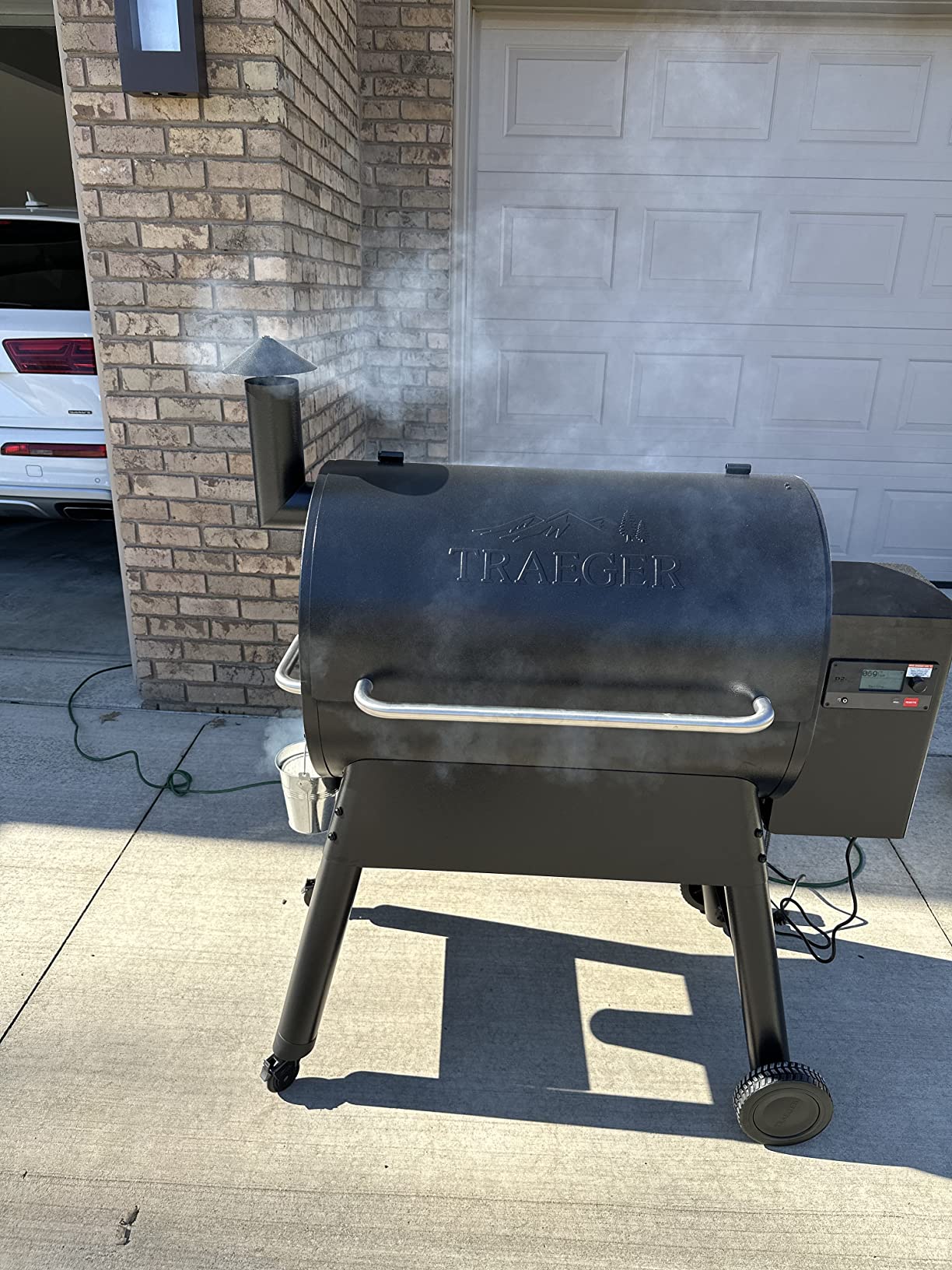
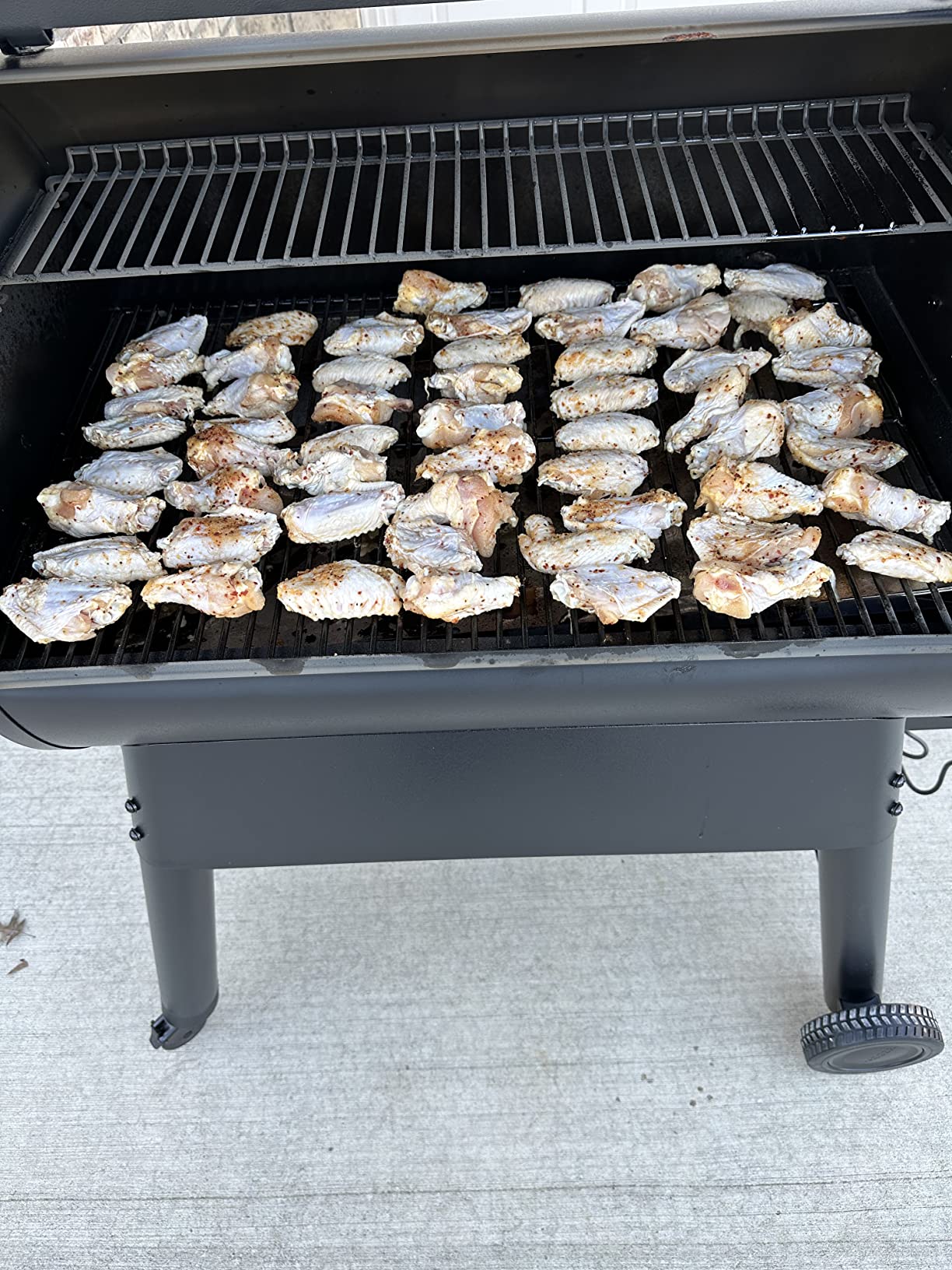
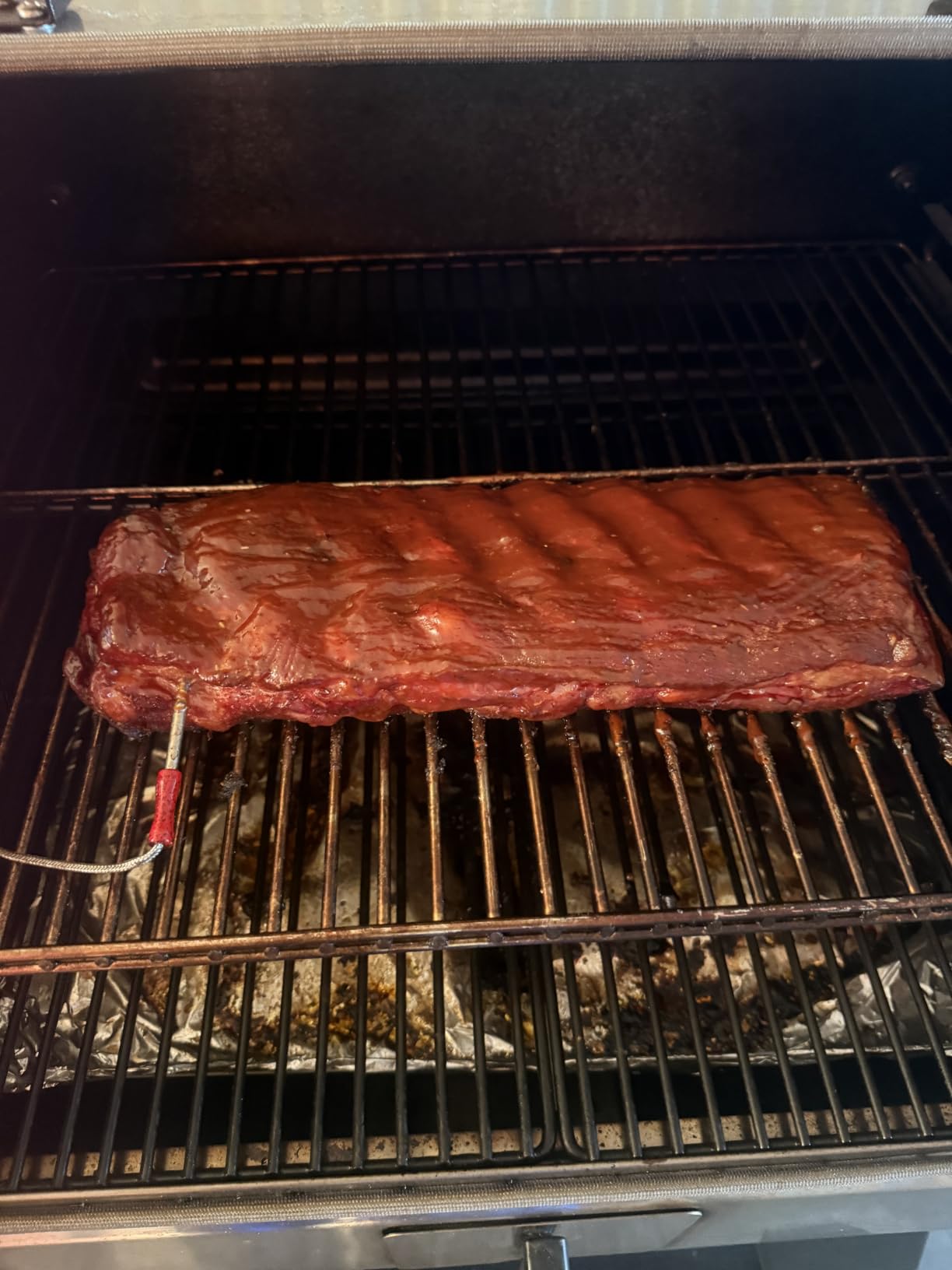
The 6-in-1 versatility means this unit smokes, grills, bakes, roasts, braises, and barbecues. For a homestead looking to consolidate outdoor cooking equipment, the Pro 780 replaces multiple devices. The 780 square inches easily accommodate 8 chickens, 6 racks of ribs, or 36 hot dogs, making it suitable for larger families or community meals.
The main consideration is that this pellet smoker requires electricity to run the auger and fan. If your homestead experiences power outages, you need a backup plan. Pellets are also an ongoing cost, though many homesteaders source locally produced wood pellets from sawmills or agricultural suppliers at reasonable prices.
Hands-Off Smoking Convenience
The real appeal of the Traeger Pro 780 is how it frees up your day. Load the hopper with pellets, set your temperature, and walk away to handle chores, livestock, or garden work. The app sends notifications when your meat reaches target temperature via connected probes. This level of automation is not for everyone, as some pitmasters prefer the hands-on experience of managing a fire. But for busy homesteaders who cannot justify spending an entire day tending a smoker, the Pro 780 delivers consistent wood-smoked results with minimal active involvement.
Power Dependency Considerations
The pellet auger, fan, and digital controller all require 120-volt electricity to operate. This means the Pro 780 will not run during a power outage unless connected to a generator or battery backup. For off-grid homesteads, factor in the power draw when sizing your solar or generator system. The unit draws relatively little power during steady-state operation, but the initial hot rod ignition pulls more current for the first 5 minutes. Some homesteaders run their Traeger on a small inverter generator without issues during extended outages.
9. Camp Chef Woodwind Pro WiFi 24 Pellet Grill – Premium Smart Pellet Cooking
Camp Chef Woodwind Pro WiFi 24 Pellet Grill
Pellet Grill
WiFi+BT
Stainless Steel
Sidekick Ready
Pros
- WiFi and Bluetooth dual connectivity
- Premium stainless steel construction
- Even heat distribution system
- Sidekick expandability system
Cons
- Premium price point
- Limited review count so far
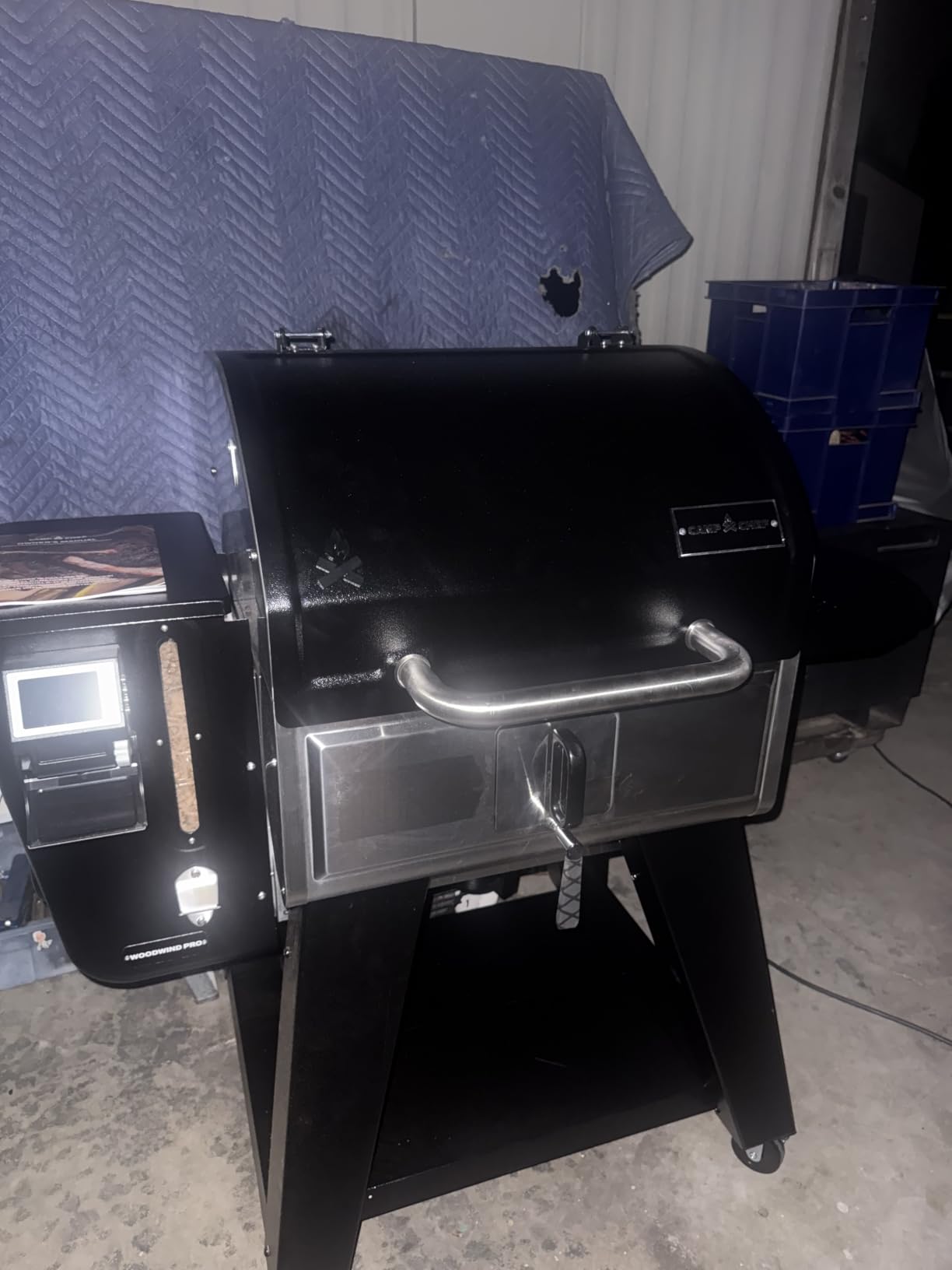
The Camp Chef Woodwind Pro WiFi 24 is a premium pellet grill that combines stainless steel construction with dual WiFi and Bluetooth connectivity. This is Camp Chef’s flagship pellet platform, and the build quality is immediately apparent when you handle the components. The down-and-out ventilation system distributes heat evenly across the entire cooking surface, eliminating the hot and cold spots that plague lesser pellet grills.
I was particularly impressed by the Sidekick compatibility system. Camp Chef designed this grill to accept modular attachments like a flat top griddle, pizza oven, or additional burner that mount to the side of the main unit. For a homestead that values versatility and space efficiency, this expandability means one base unit can handle an enormous range of outdoor cooking tasks.
The dual WiFi and Bluetooth connectivity gives you flexibility in how you monitor cooks. Bluetooth maintains a connection when you are nearby but WiFi drops, and WiFi extends your monitoring range anywhere you have internet access. The Camp Chef app provides real-time temperature readings, meat probe data, and pellet level estimates so you always know what is happening inside your smoker.
The stainless steel construction throughout the firebox and cooking chamber means this grill resists rust and corrosion better than painted steel alternatives. For a homestead where equipment lives outdoors year-round, this corrosion resistance translates directly into longer service life and better long-term value.
Smart Features and App Control
The Camp Chef app is one of the more reliable pellet grill applications available. It connects consistently, provides accurate temperature data, and lets you adjust settings remotely without lag. You can set meat probe temperature alarms so the app notifies you when your brisket hits 203 degrees or your chicken reaches 165 degrees. The pellet level monitoring is approximate but helpful for planning when to refill during long cooks. For homesteaders who multitask during smoking sessions, these smart features reduce the mental load of constant monitoring.
Expandability with Sidekick System
The Sidekick compatibility transforms the Woodwind Pro from a pellet smoker into a modular outdoor cooking system. Adding a flat top griddle lets you cook breakfast, stir-fry vegetables, or sear burgers alongside your smoking sessions. The pizza oven attachment reaches temperatures for authentic wood-fired pizza. Each attachment connects to the same propane or electric source and mounts securely to the grill frame. This modularity means a homestead can invest in one base pellet grill and expand capabilities over time without buying entirely separate cooking units.
10. Pit Boss 440 Mahogany Series Wood Pellet Grill and Smoker – Budget Pellet Entry Point
Pit Boss 440 Mahogany Series Wood Pellet Grill & Smoker with Flame Broiler and LED Digital Controller, 518-Sq. In. Cooking Space, 180°F to 500°F Temperature Range, 5 lb. Pellet Hopper, Brown
518 sq in
Wood Pellet
Flame Broiler
180-500F
Pros
- Affordable pellet grill entry point
- Flame Broiler direct flame searing
- Wide 180F to 500F temperature range
- LED temperature controller
Cons
- Small 5 lb pellet hopper
- Frequent pellet refills needed on long cooks
The Pit Boss 440 Mahogany Series is the most affordable way to get into pellet smoking without sacrificing essential features. With 518 square inches of cooking space and a wide temperature range from 180 to 500 degrees Fahrenheit, this grill handles everything from cold smoking cheese to high-heat searing. Over 1,700 reviewers have given it a 4.4-star rating, confirming its value proposition.
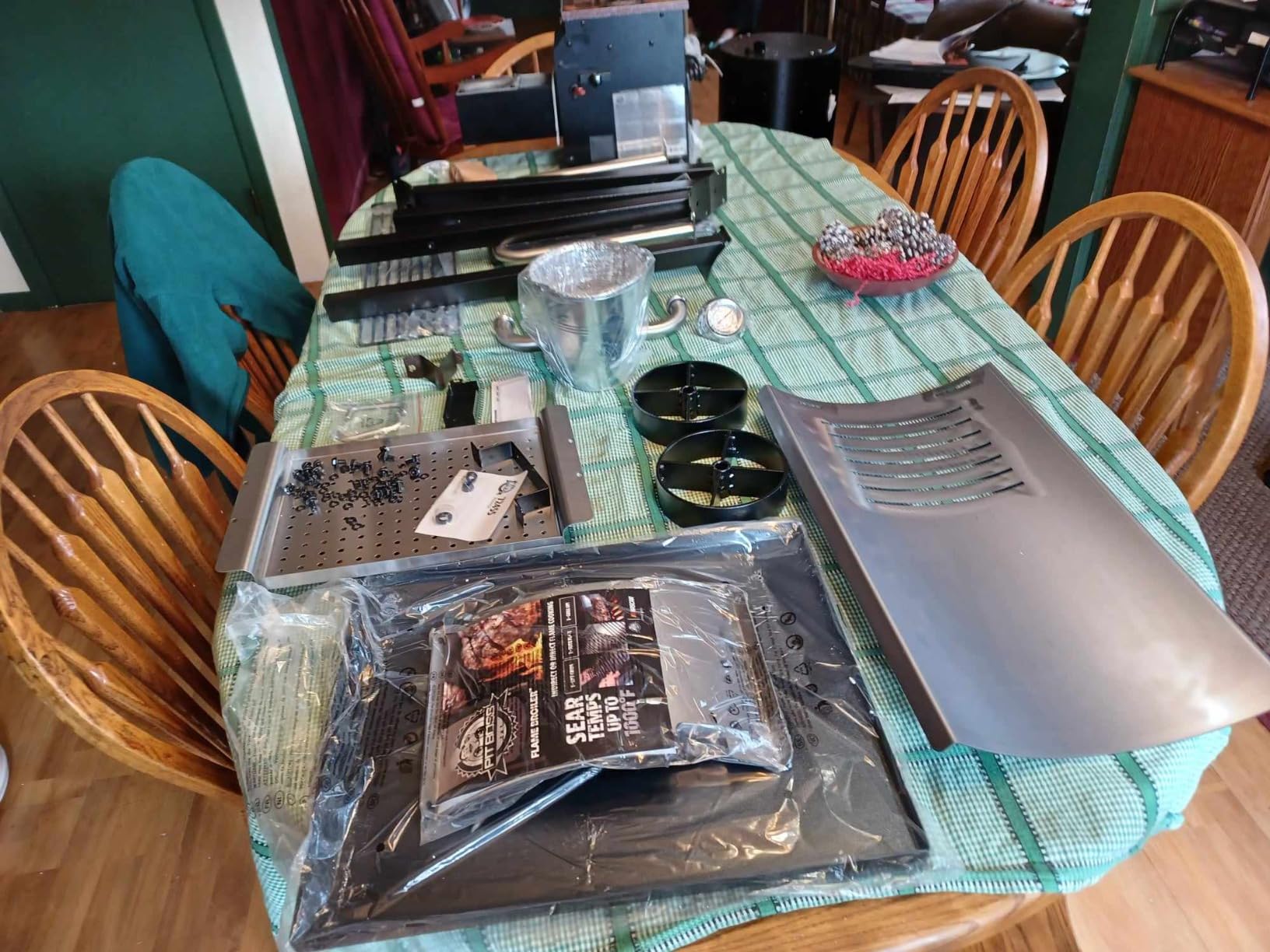
The standout feature at this price point is the Flame Broiler, which lets you slide a plate aside to expose meat directly to the flame for high-heat searing. Most pellet grills at any price cannot sear properly because pellet heat is indirect. Pit Boss solved this with a simple slide mechanism that gives you direct flame access when you want it and indirect smoking when you do not.
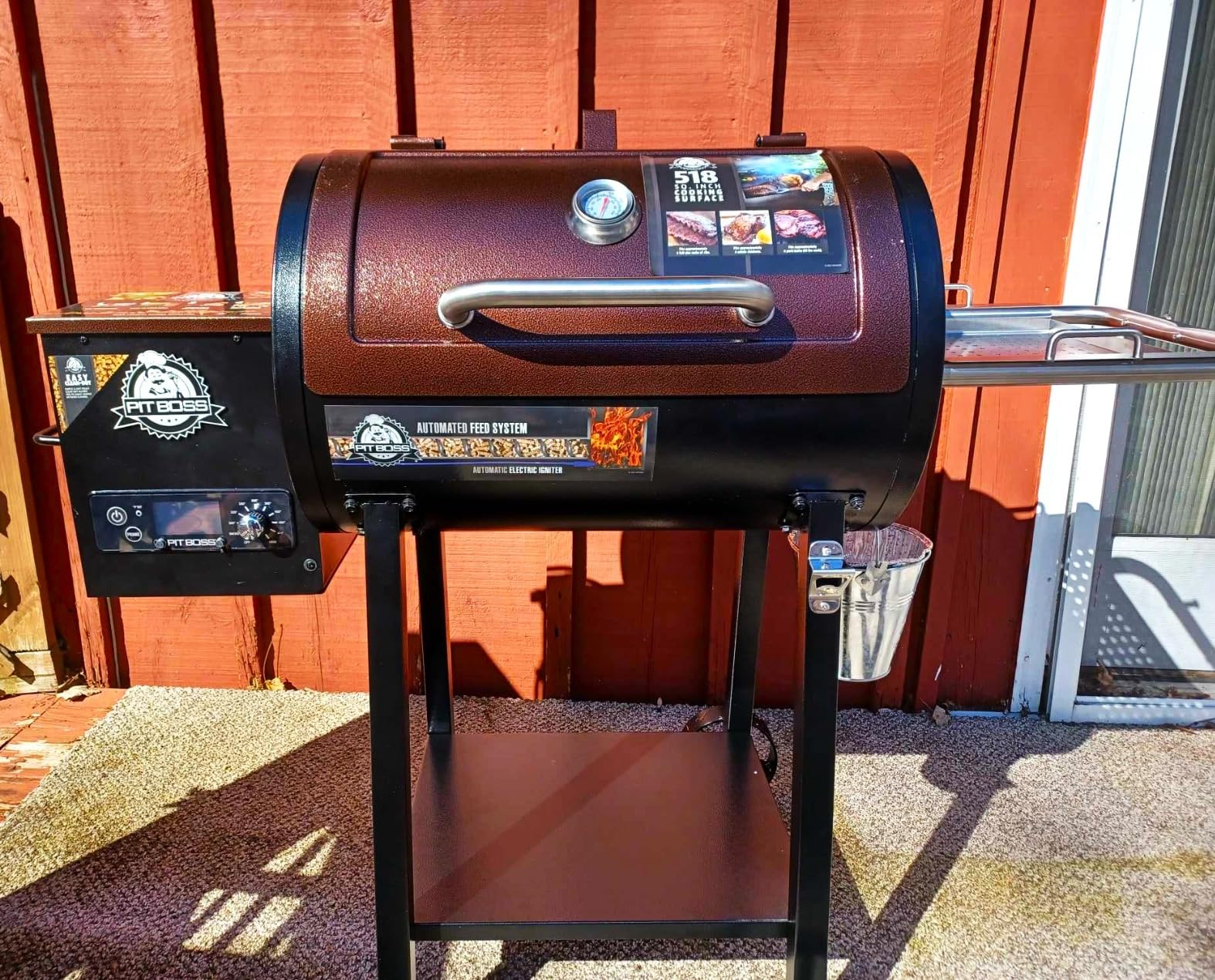
The 518-square-inch cooking area accommodates about 4 to 6 racks of ribs, 2 brisket flats, or 6 whole chickens. For a small to mid-size homestead, this capacity covers most weekly smoking needs. The LED digital control board makes temperature setting straightforward, and the wide range from 180 to 500 degrees gives you flexibility across cooking methods.
The main limitation is the 5-pound pellet hopper, which is smaller than premium pellet grills. During long brisket cooks, expect to refill pellets every 3 to 4 hours. This is the primary trade-off for the lower price point, and many homesteaders work around it by keeping a backup bag of pellets nearby during extended smokes.
Value Compared to Premium Pellet Grills
The Pit Boss 440 costs roughly half what premium pellet smokers charge while delivering the core pellet smoking experience. You get automatic temperature control, wood pellet fuel for authentic smoke flavor, and the Flame Broiler feature that even some premium grills lack. What you give up are larger hopper capacity, WiFi connectivity, and heavier construction. For homesteaders testing whether pellet smoking fits their workflow before investing in a premium unit, the Pit Boss 440 is the ideal entry point. You can always upgrade later, and the 440 remains useful as a secondary cooker for smaller batches.
Hopper Capacity for All-Day Cooks
The 5-pound hopper is the most common complaint from Pit Boss 440 owners, and it is a legitimate consideration for homesteaders planning long brisket or pork shoulder smokes. A full hopper typically lasts 3 to 4 hours at smoking temperatures, meaning a 12-hour brisket cook requires 3 to 4 refills. The solution is simple: keep a 20-pound bag of pellets next to the grill and top off the hopper whenever you check temperatures. Some homesteaders build a simple shelf beside the grill specifically for pellet storage. If you regularly run cooks longer than 8 hours, consider upgrading to a model with a 20-plus pound hopper.
11. Masterbuilt 710 WiFi Digital Electric Smoker – Set-and-Forget Electric Convenience
Masterbuilt®710 WiFi Digital Smoker, Vertical Design, 711 Cooking Sq. Inches, 4 Chrome Coated Smoking Racks, Wood Chip Loader, Electric Fuel Source to Plug in and Start Cooking, Black Model MB20070924
711 sq in
Electric
WiFi
4 Chrome Racks
Pros
- WiFi app remote control
- 711 sq in across 4 racks
- Digital temp control 100F-275F
- Patented side woodchip loader
Cons
- WiFi connectivity issues reported
- Temperature fluctuations by some users
The Masterbuilt 710 WiFi Digital Smoker brings electric convenience to homestead meat smoking with 711 square inches of cooking space across four chrome-coated racks. This is the most hands-off smoker in our lineup. You add wood chips through the patented side-loading system, set your temperature on the digital panel or app, and let the electric heating element do the work.
I found the electric heating element excellent for maintaining precise temperatures without the variability of charcoal or pellet fuel. The digital controller holds your set temperature from 100 to 275 degrees Fahrenheit with impressive consistency. Four chrome racks give you flexibility to arrange different cuts at different heights, and the interior is spacious enough for whole turkeys or multiple pork shoulders.
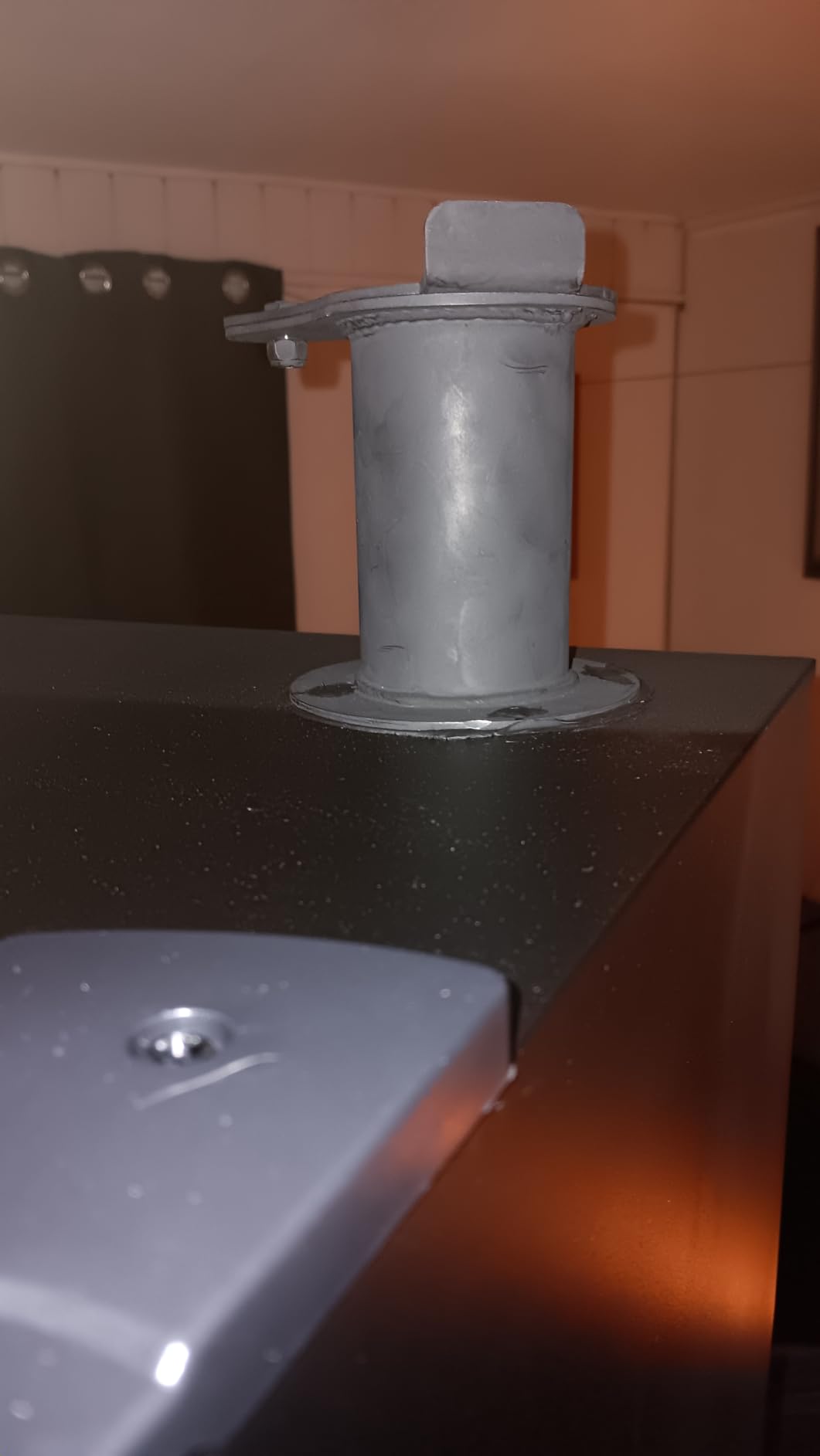
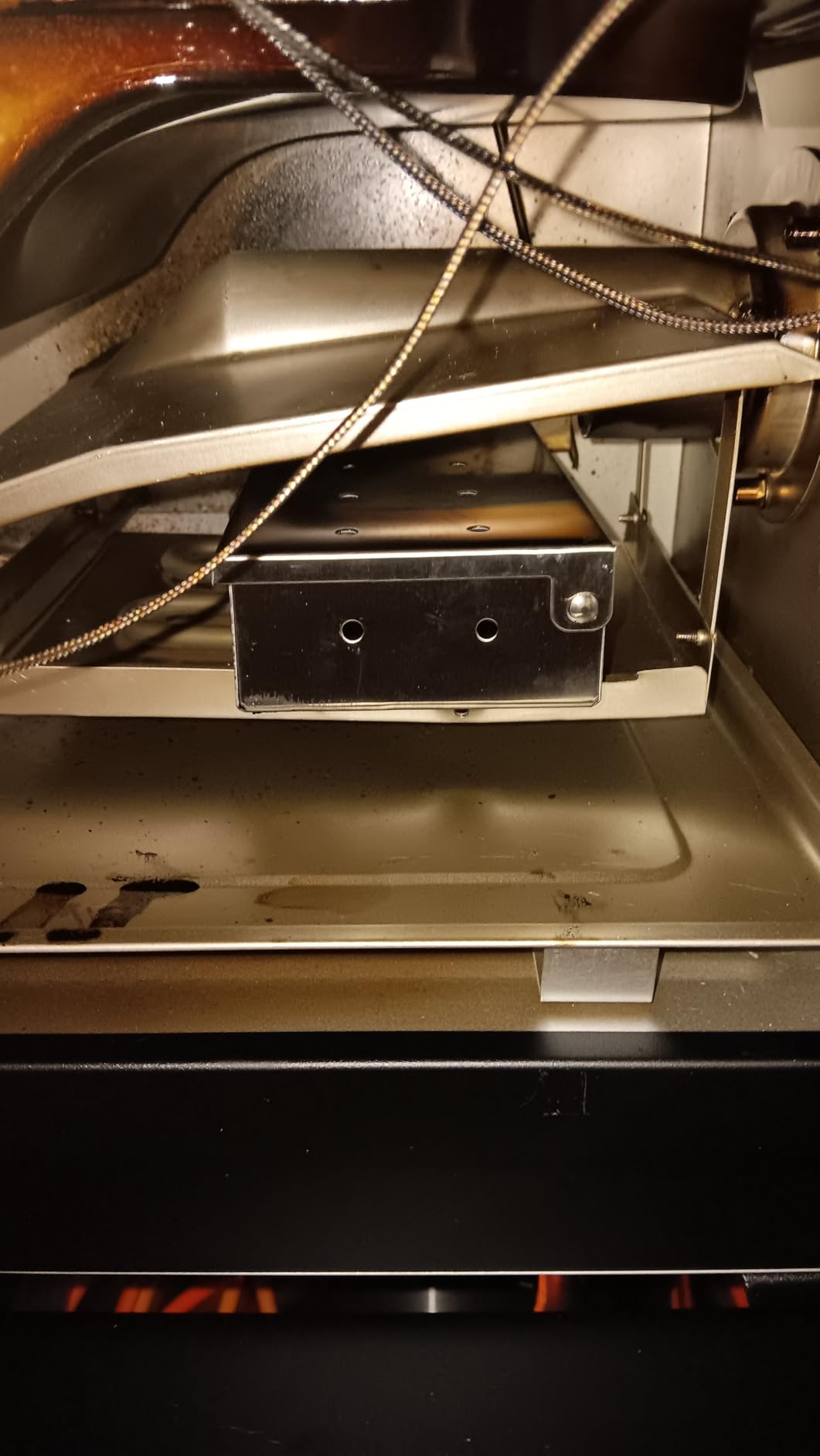
The patented side woodchip loader is a thoughtful design that lets you add smoking wood without opening the main door and losing heat. You load chips into the side tube, slide it in, and the chips drop onto the heating element. This system maintains your cooking temperature while adding fresh smoke, which is something many electric smokers fail to address.
Some users report WiFi connectivity issues and occasional temperature fluctuations, which is reflected in the 4.0-star rating. The WiFi app works well when connected but can drop intermittently depending on your home network setup. For homesteaders with reliable WiFi coverage near their smoking area, the convenience of remote monitoring is valuable despite occasional connectivity hiccups.
Set-and-Forget Smoking for Busy Days
The Masterbuilt 710 is the ultimate set-and-forget smoker for homesteaders who cannot spare hours tending a fire. Load your meat, set the temperature, add wood chips through the side loader, and go about your day. The electric heating element eliminates fuel management entirely, and the insulated double-wall construction maintains steady temperatures even in cold or windy weather. This is the smoker to choose when you have 40 chickens to process and need the smoker running reliably while you handle butchering, packaging, and freezer organization. The simplicity cannot be overstated for high-volume processing days.
Smoke Flavor Intensity Compared to Charcoal
Electric smokers produce cleaner, milder smoke flavor than charcoal or wood-fired smokers because the heating element does not contribute combustion flavors. Some pitmasters consider this a disadvantage, but many homesteaders actually prefer the cleaner taste, especially for poultry and fish. You can increase smoke intensity by using stronger wood varieties like hickory or mesquite and by adding chips more frequently through the side loader. The smoke ring that forms with electric smoking is typically lighter than charcoal smoking, but the flavor penetration into the meat remains excellent. For lean homestead meats, the gentler smoke profile can actually be an advantage.
12. Masterbuilt Gravity Series 800 Smoker Grill – Charcoal Meets Digital Control
Masterbuilt® Gravity Series® 800 Smoker Grill – Charcoal Grill plus Griddle Insert, Digital Control, App Connectivity, 800 Cooking Square Inches in Black, Model MB20040221
800 sq in
Gravity Charcoal
DigitalFan
WiFi+BT
Pros
- Reaches 225F in just 8 minutes
- 800 sq in with griddle and grates
- DigitalFan temperature control
- WiFi and Bluetooth connectivity
Cons
- Heavy at 204 pounds
- Temperature calibration issues reported
The Masterbuilt Gravity Series 800 is a unique hybrid that combines charcoal fuel with digital temperature control. The gravity-fed hopper holds charcoal and wood chunks, which feed down into the firebox as they burn. A DigitalFan system manages airflow to maintain precise temperatures, giving you the flavor of charcoal with the convenience of digital control. It reaches 225 degrees Fahrenheit in just 8 minutes, which is remarkably fast for a charcoal smoker.
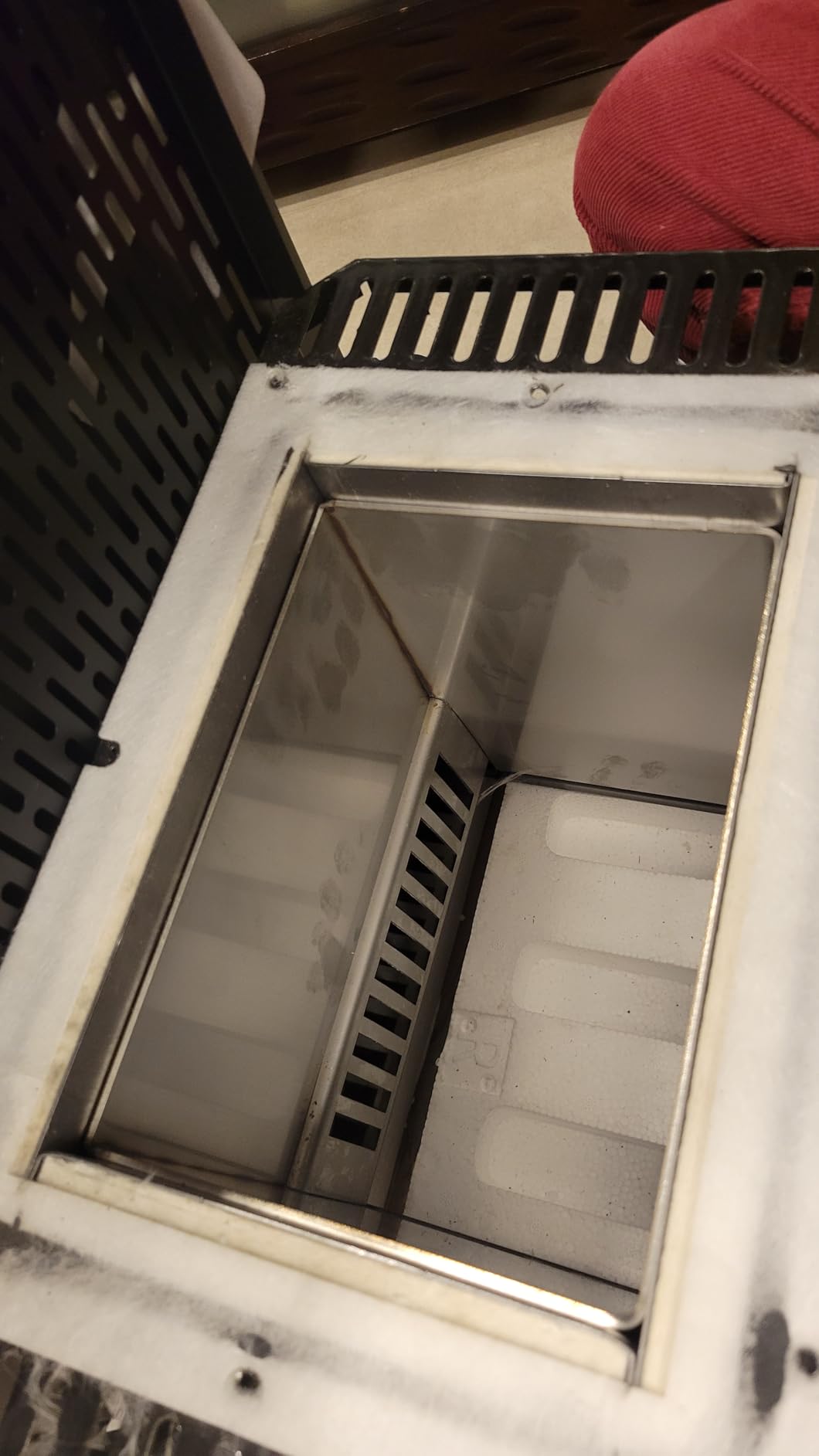
I was immediately drawn to the gravity-fed design. You load the hopper with charcoal and wood, set your temperature digitally, and the system manages the burn rate automatically. The gravity feed means charcoal drops into the fire zone as it burns away, eliminating the need to manually add fuel during long cooks. A full hopper can sustain smoking temperatures for up to 8 hours on a single load.
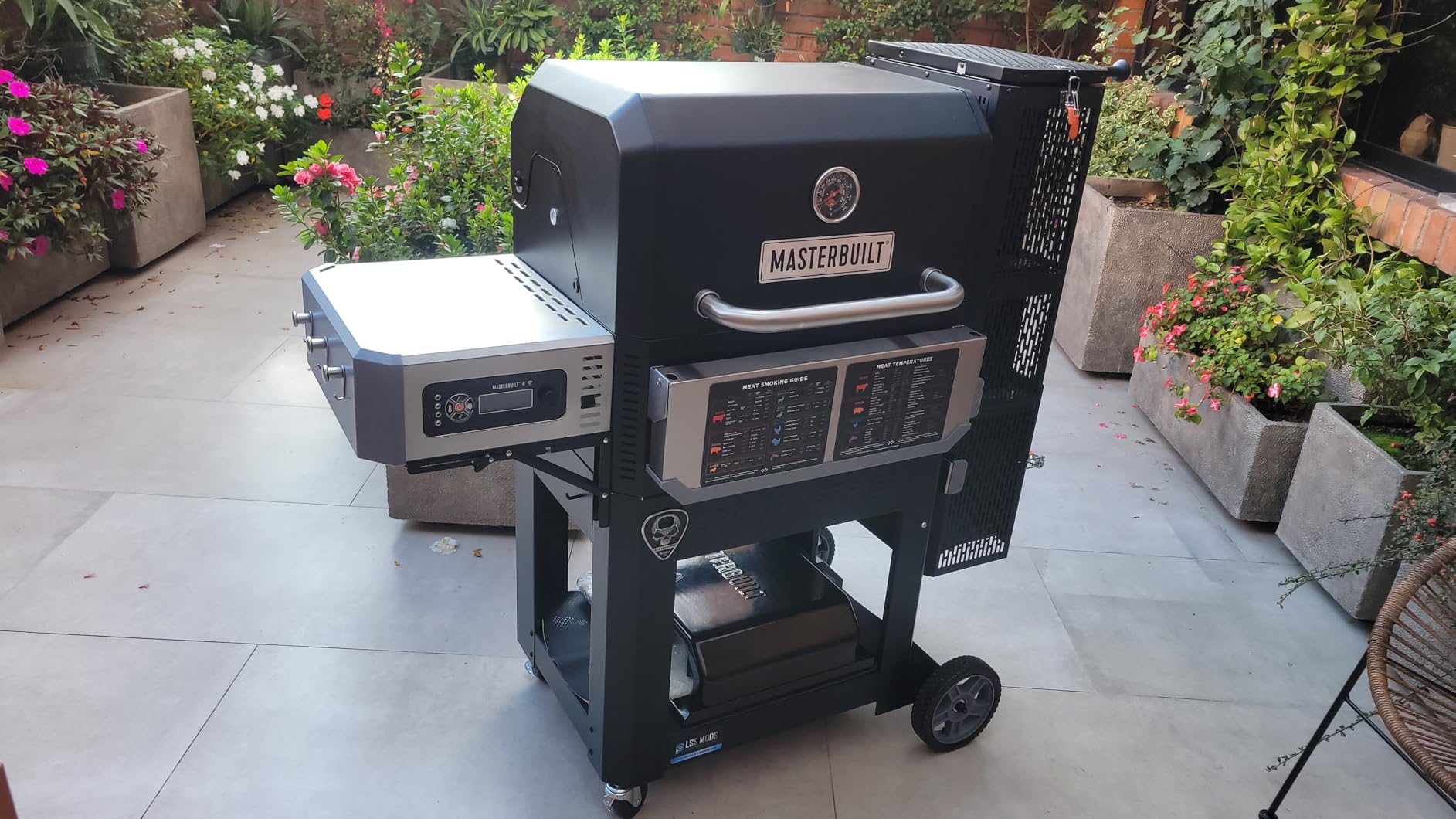
The 800 square inches of cooking space include both a griddle and traditional grill grates, giving you the ability to smoke and sear simultaneously. For a homestead processing varied cuts of meat, this dual-surface setup is remarkably practical. The WiFi and Bluetooth connectivity lets you monitor and adjust temperatures from your phone, combining traditional charcoal cooking with modern convenience.
The main concerns from users center around temperature calibration, with some reporting that actual grate temperatures differ from the digital readout. Using a separate probe thermometer at grate level resolves this issue. At 204 pounds, this is a heavy unit that requires a dedicated permanent location on your homestead.
Speed and Startup Time
The 8-minute heat-up time to 225 degrees is one of the fastest of any charcoal smoker available. Traditional offset smokers and kamados can take 30 to 45 minutes to reach stable smoking temperatures. This rapid startup means you can decide to smoke meat in the morning and be cooking within minutes rather than planning an hour ahead. For homesteaders who smoke opportunistically when butchering or when neighbors drop off meat to process, this quick-start capability is genuinely useful. The DigitalFan controls airflow precisely during startup to bring temperatures up quickly without overshooting.
Charcoal Meets Digital Control
The Gravity Series 800 represents a genuine breakthrough in smoker design by marrying charcoal flavor with digital precision. The gravity-fed hopper eliminates the learning curve of fire management that makes offset smokers intimidating for beginners. You still get authentic charcoal and wood smoke flavor because real combustion is happening inside. The DigitalFan adjusts airflow in real time to hold your set temperature, functioning much like the fan system on a pellet grill but using lump charcoal as fuel. For homesteaders who want charcoal flavor without the skill requirement of traditional fire management, this is the ideal compromise.
What to Look for in a Homestead Smoker?
Choosing the right smoker for your homestead involves more than picking the highest-rated model. Your specific operation, the animals you raise, your fuel availability, and how often you smoke all determine which smoker serves you best. Here are the factors our team considers most important for homestead-specific smoker selection.
Smoker Types and Which Fits Your Operation
Offset smokers produce the most authentic barbecue flavor because meat cooks over indirect heat from a real wood fire. They require active fire management and regular attention but reward you with deep smoke rings and bark formation that no other smoker type can fully replicate. Choose an offset if you enjoy the process of tending a fire and want competition-level results from your home-raised meat.
Vertical water smokers like the Weber Smokey Mountain use a water pan as a thermal buffer between the charcoal and the meat. This design maintains incredibly stable temperatures and keeps lean meats moist. These smokers are ideal for homesteaders who want charcoal flavor with minimal fire management. They are also the most recommended smoker type in barbecue forums and competition circuits.
Pellet smokers offer the most convenience by automatically feeding wood pellets via an auger to maintain set temperatures. They require electricity but deliver consistent wood-smoked flavor with smartphone monitoring. Choose a pellet smoker if you are a busy homesteader who cannot justify spending an entire day tending a fire.
Kamado cookers use thick ceramic or insulated steel walls to trap heat and smoke efficiently. They handle both high-heat grilling and low-and-slow smoking, making them the most versatile single-cooker option. Choose a kamado if you want one device that does everything exceptionally well.
Electric smokers are the simplest to operate, using a heating element and wood chips for smoke. They produce cleaner, milder smoke flavor and require no fuel management beyond adding chips periodically. Choose electric if you process large volumes and need absolute reliability during busy butchering days.
Capacity Sizing by Homestead Scale
Match your smoker capacity to your typical processing volume. A small homestead smoking for 2 to 4 people needs 300 to 500 square inches. A mid-size operation feeding 5 to 10 people or processing several animals at once benefits from 700 to 1000 square inches. A large homestead processing half hogs, multiple deer, or dozens of chickens should look for 1000-plus square inches. The Dyna-Glo with 1,176 square inches and the Oklahoma Joe’s Longhorn with 1,060 square inches are our top capacity recommendations for serious processing.
Fuel Type and Local Resource Availability
One advantage homesteaders have over suburban buyers is access to fuel sources. If you manage woodlots, orchards, or hedgerows, you can harvest your own smoking wood from apple, cherry, hickory, maple, or oak trees. Offset smokers and kamado cookers make the best use of split firewood and large wood chunks. Pellet smokers require manufactured pellets, though some homesteaders source these from local sawmills. Electric smokers use small wood chips, which are inexpensive but must be purchased. Consider what fuel you can source locally and sustainably when choosing a smoker type.
Construction Quality and Steel Gauge
Steel thickness directly affects heat retention, temperature stability, and longevity. Heavy-gauge smokers like the Oklahoma Joe’s Longhorn at 251 pounds hold heat better and last longer than thin-steel budget models. Look for minimum 14-gauge steel in fireboxes and cooking chambers for smokers used regularly. Welded seams outperform riveted or bolted construction for long-term durability. Porcelain-enameled coatings, like those on Weber products, resist rust and extend service life significantly compared to painted finishes.
Temperature Range and Control Precision
Most meat smoking happens between 225 and 275 degrees Fahrenheit, but a wider temperature range gives you more cooking options. Pellet and electric smokers offer the most precise control, often maintaining temperatures within 5 degrees of your set point. Charcoal smokers require more attention but give you tactile control through damper adjustments. The smoke zone indicator on the Dyna-Glo and the DigitalFan on the Masterbuilt Gravity Series represent effective approaches to making temperature management accessible for all skill levels.
Durability for Regular Homestead Use
Homestead smokers work harder than backyard units used occasionally. Look for warranties that reflect build quality, such as the 10-year Weber warranty or the lifetime ceramic warranty on Kamado Joe products. Stainless steel components resist corrosion better than painted steel, which matters for equipment stored outdoors. Check that hinges, dampers, and grates feel substantial rather than flimsy, as these moving parts fail first under regular use.
Budget Versus Long-Term Value
The cheapest smoker is rarely the best value for a homestead. A budget smoker that lasts 3 years costs more over a decade than a premium unit that lasts 15 years. Consider the cost per use rather than the initial purchase price. The Weber Smokey Mountain and Oklahoma Joe’s Longhorn represent excellent long-term value because their construction and warranties support decades of regular use. For homesteaders just starting, the Dyna-Glo offers a capable entry point that lets you learn smoking fundamentals before investing in premium equipment.
Frequently Asked Questions
What is the best home meat smoker?
The best home meat smoker depends on your priorities. For authentic barbecue flavor, the Oklahoma Joe’s Longhorn Offset Smoker delivers competition-level results with 1,060 square inches of capacity. For reliability and ease of use, the Weber Smokey Mountain Cooker is the most recommended smoker in barbecue communities with a 4.7-star rating across 5,500 reviews. For maximum convenience, the Traeger Pro 780 pellet smoker offers smartphone-controlled temperature management with no fire tending required.
What is the most forgiving meat to smoke?
Pork shoulder is the most forgiving meat to smoke because its high fat content keeps it moist even if temperatures fluctuate. A pork shoulder cooked at 225 degrees for 8 to 12 hours will be tender and pull apart easily regardless of minor temperature swings. Beef brisket is less forgiving and requires tighter temperature control. Whole chickens and turkeys benefit from a water pan to prevent drying out during the smoking process.
Is a pellet smoker as good as an offset smoker?
A pellet smoker produces excellent results with far less effort than an offset smoker, but the flavor profile differs slightly. Offset smokers create deeper smoke rings and heavier bark because meat is exposed to combustion gases from a real wood fire. Pellet smokers deliver consistent wood smoke flavor with precise temperature control and no fire tending. For busy homesteaders, pellet smokers are often the better practical choice. For flavor purists, offset smokers remain the gold standard.
What are the disadvantages of using an offset smoker?
Offset smokers require active fire management, meaning you check and adjust temperatures every 30 to 45 minutes during a cook. They consume more fuel than other smoker types, often needing charcoal or wood added hourly. The learning curve for maintaining consistent temperatures is steep, taking 5 to 10 cooks to master. Offset smokers are also heavier and more expensive than vertical or electric alternatives. Despite these challenges, they produce unmatched smoke flavor that keeps pitmasters loyal to the design.
What size smoker do I need for my homestead?
For a family of 2 to 4 people, 300 to 500 square inches handles most smoking needs including whole chickens and small briskets. For 5 to 10 people or regular batch processing, look for 700 to 1,000 square inches. For large-scale processing of half hogs, multiple deer, or dozens of chickens at once, choose a smoker with 1,000-plus square inches like the Dyna-Glo Vertical Offset at 1,176 square inches or the Oklahoma Joe’s Longhorn at 1,060 square inches.
Final Thoughts on the Best Smokers for Homestead Meat
Choosing the best smokers for homestead meat comes down to matching equipment to your operation. The Oklahoma Joe’s Longhorn Offset delivers authentic barbecue flavor and the capacity to process serious quantities of home-raised meat. The Dyna-Glo Vertical Offset offers unmatched value with 1,176 square inches of cooking space at a price that fits any budget. The Weber Smokey Mountain remains the proven champion with competition-grade results and a 10-year warranty.
For homesteaders prioritizing convenience, the Traeger Pro 780 and Camp Chef Woodwind Pro bring pellet smoking technology with smartphone control. For versatility, the Char-Griller AKORN kamado handles grilling and smoking equally well. And for set-and-forget reliability during busy processing days, the Masterbuilt electric and gravity-fed smokers eliminate fire management entirely.
The right smoker transforms how you use the meat you raise, turning homegrown beef, pork, and poultry into meals that taste better than anything you can buy. Invest in quality construction, match capacity to your needs, and choose a fuel type that works with your homestead resources. Your livestock deserve a smoker that honors the effort you put into raising them.