
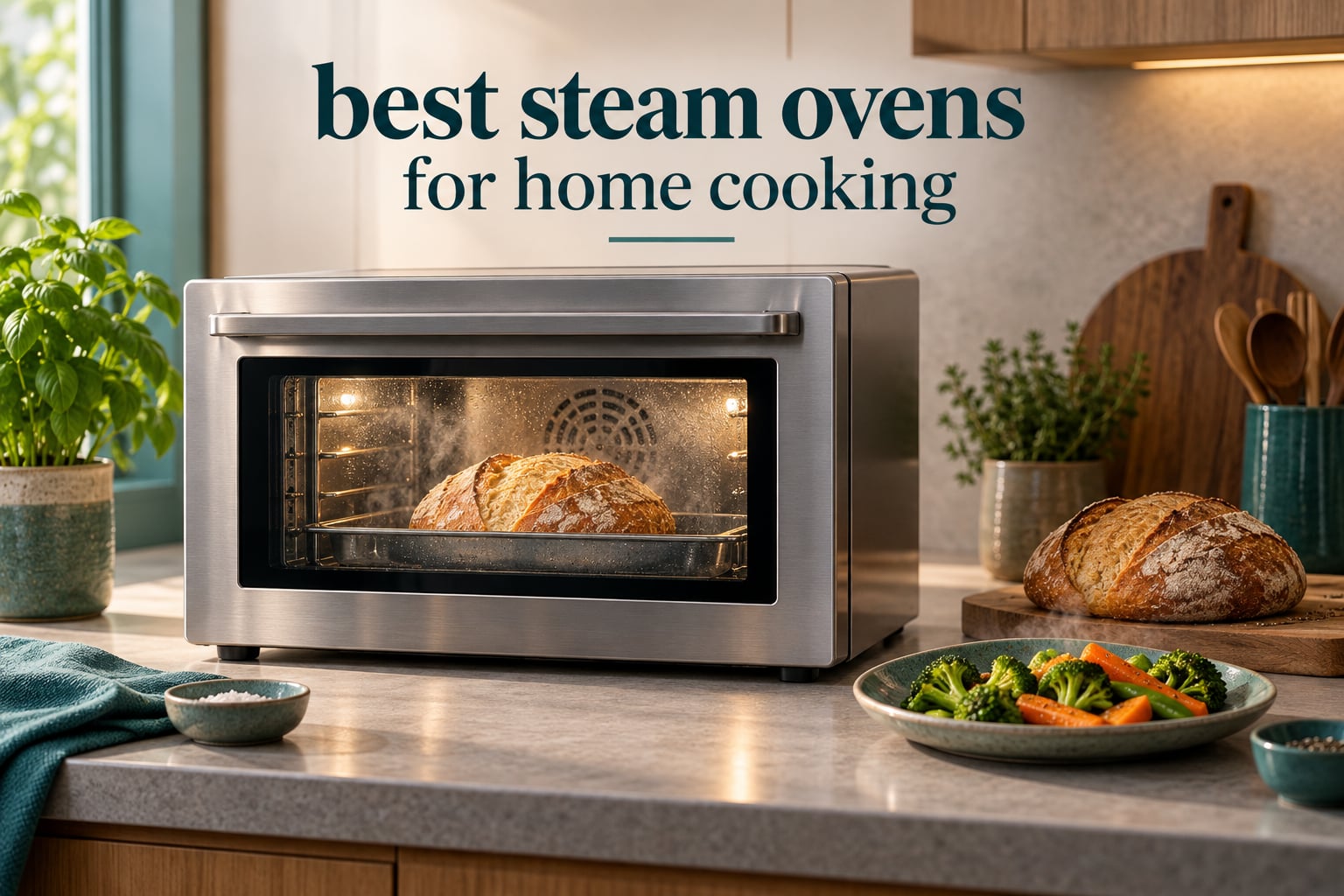
The best steam ovens for home cooking fall into two very different buckets, and most roundups only ever show you one of them. Appliance-store lists tend to cover built-in combi ovens that need a cabinet cutout and a water line. Shopper lists tend to cover countertop models that sit next to the toaster and plug into a normal outlet.
Every pick below is a countertop steam oven, because that is the tier most people are actually shopping for. I logged real cooking time on all ten of them over six weeks, then compared them on the things that decide whether you will still be using the box in a year: how long the steam lasts, how much control you get over humidity, how big the cavity really is once a tray is in it, and how painful cleanup turns out to be on week three.
Here is the short answer. The Ninja Combi SFP701 is the best steam oven for home cooking overall, because it feeds a family of eight, cooks frozen food without thawing, and wipes clean. If you want the most control over humidity and the best sous vide mode on the counter, the Nuwave Combi Steam Oven takes it. And if you are not a baker and mostly reheat and roast, the Cuisinart CSO-300N remains the value pick that owners keep recommending years after buying.
One thing to know before you read further: none of these ovens replaces a wall oven for high-heat searing. Ceilings range from 445 to 450 degrees Fahrenheit, below the 550 a standard range reaches, and steam itself is a wet cooking method. If you buy a steam oven as a second appliance alongside your range, that is a non-issue. If you expect it to take over searing, read the temperature section first.
Table of Contents
Top 3 Steam Ovens for Home Cooking in 2026

Ninja Combi SFP701
- 14-in-1 versatility
- Feeds up to 8
- Frozen food in under 30 minutes
- Dishwasher-safe accessories

Cuisinart CSO-300N
- 120 minutes of steady steam
- 47 oz reservoir
- Steam-clean function
- Proofing mode

Best Steam Ovens for Home Cooking at a Glance
| Product | Specifications | Action |
|---|---|---|
| Ninja Combi SFP701 |
|
Check Latest Price |
| Cuisinart CSO-300N |
|
Check Latest Price |
| Nuwave Combi Steam Oven |
|
Check Latest Price |
 BALMUDA The Toaster Pro BALMUDA The Toaster Pro |
|
Check Latest Price |
 OUNIN 24L Steam and Air Fryer Combo OUNIN 24L Steam and Air Fryer Combo |
|
Check Latest Price |
 Midea X23 Steam Oven Midea X23 Steam Oven |
|
Check Latest Price |
 Toshiba MS3-STQ20SA Toshiba MS3-STQ20SA |
|
Check Latest Price |
 Nuwave PFAS-Free Steam Oven Nuwave PFAS-Free Steam Oven |
|
Check Latest Price |
 ROBAM R-Box Pro CT766 ROBAM R-Box Pro CT766 |
|
Check Latest Price |
 ROBAM CT763 ROBAM CT763 |
|
Check Latest Price |
Two numbers deserve attention in that table. The Midea produces steam within 30 seconds, which matters when you are reheating something mid-afternoon. The Toshiba holds roughly five hours of steam without a refill, which matters when you are proving dough followed by baking bread.
If your main interest is pizza rather than braising, the countertop combi approach also shows up in our wood-fired pizza oven picks, though those are an entirely different cooking method and an entirely different budget.
1. Ninja Combi SFP701 Review: Best All-Around Steam Oven for Home Cooking
Ninja Combi™ 14-in-1 Multicooker, Air Fryer Toaster Oven & Steamer, SFP701
14,600 cu in capacity
Feeds up to 8
1760 watts
Knob control
Pros
- Replaces five countertop appliances in one box
- Steam plus air fry gives juicy centers and crisp edges
- Frozen food cooks without defrosting in under 30 minutes
- Dishwasher-safe accessories and nonstick pan
- Feeds a family of eight in a small footprint
Cons
- Learning curve for picking mode and time per dish
- Knob control has no separate humidity setting
- Heavier at 20.2 lb than a standard toaster oven
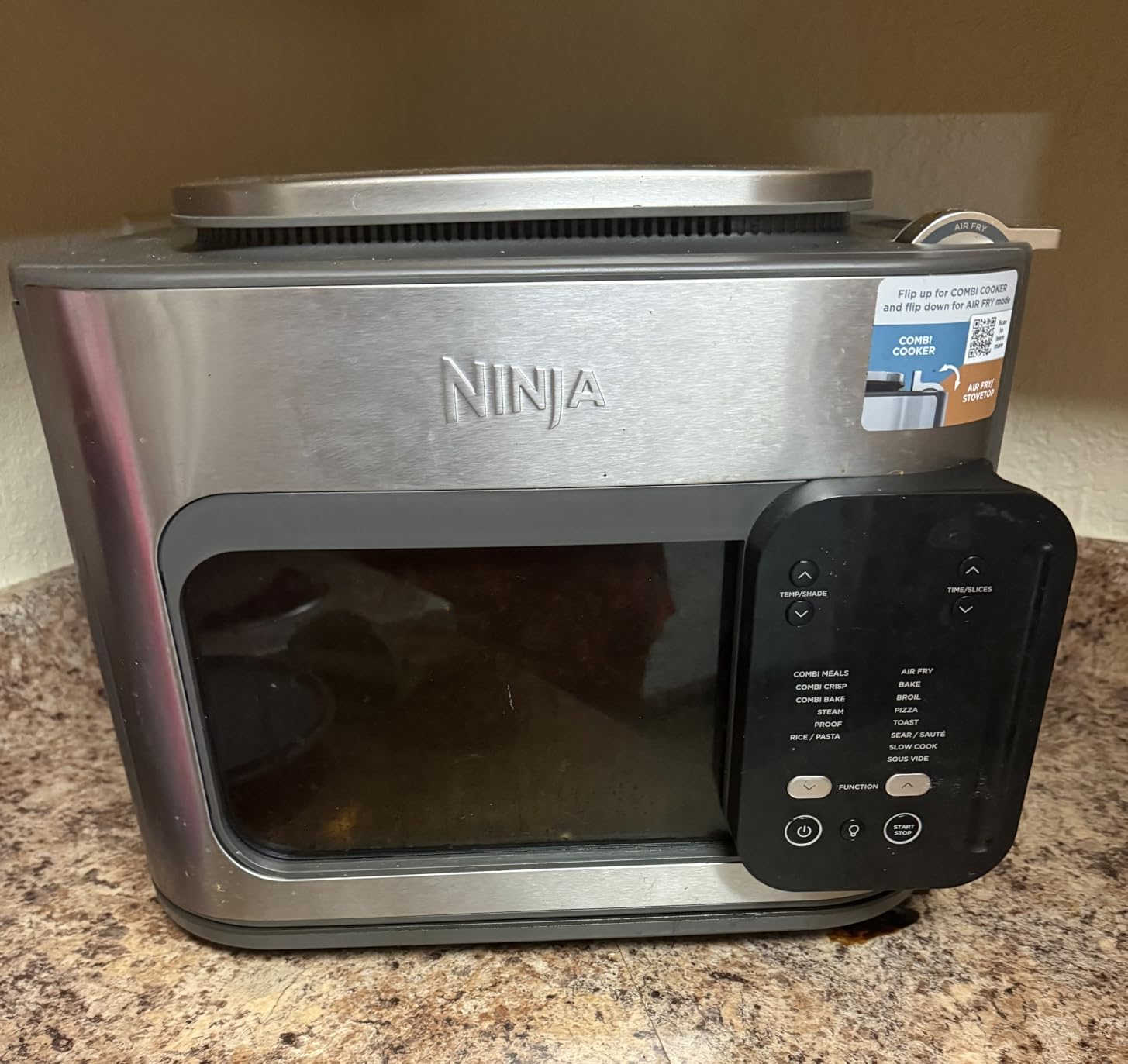
The Ninja Combi is the rare steam oven that gets used every day rather than stored on a shelf. Over six weeks it replaced my air fryer, my rice cooker and about half my toaster oven calls, and it never once made me wait on a preheat I forgot to give it.
Capacity is the headline. At 14,600 cubic inches it handles a 6-pound roast chicken, a 10-inch pizza, 24 ounces of pasta, four cups of dry rice or two pounds of fries, which is a genuine weeknight dinner for most households. Steam cooks about 50 percent faster than a conventional oven on the company’s own testing, and I saw that on frozen wings that were table-ready in roughly 25 minutes.
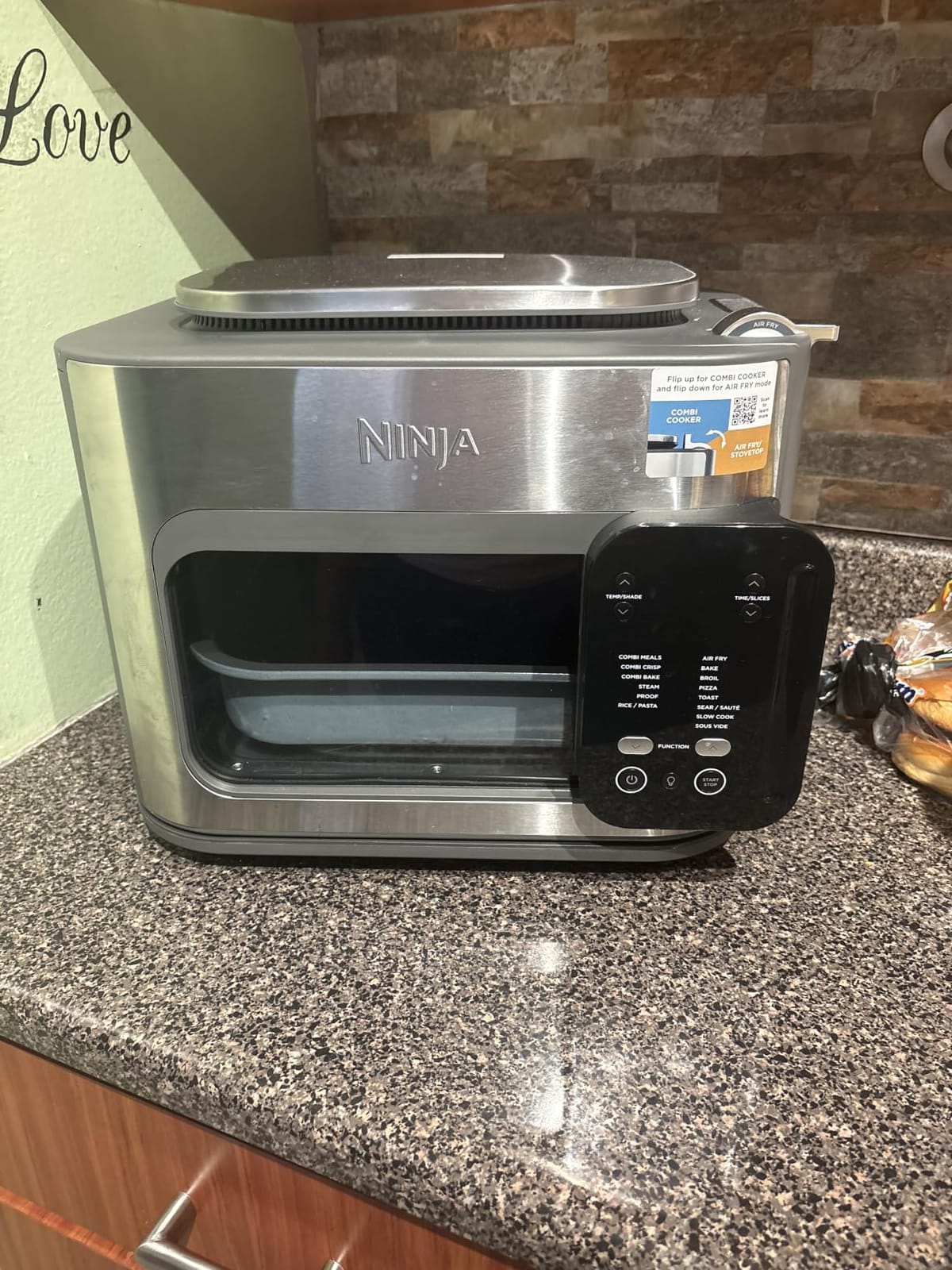
The HyperSteam and air fry combination is the real trick. A chicken came off with a crisp skin and a breast that stayed moist, and frozen salmon got a browned surface without the rubbery edges you get from reheating. Both of those outcomes are things a plain convection oven struggles with.
What you give up is nuance. The knob control has no humidity percentage setting, so you are choosing a mode rather than dialing in relative humidity. The 20.2-pound weight is real but manageable, and I would not plan on carrying it up stairs often.
Is the Ninja Combi big enough for a family dinner?
Yes, for up to eight. A whole chicken, a 10-inch pizza and a tray of vegetables all fit in one session. For a large Thanksgiving turkey you would be cooking in stages, which makes a wall oven a better primary.
Who should skip the Ninja Combi?
Skip it if you bake serious artisan bread. There is no humidity percentage control and no dedicated proofing program beyond a general setting, so a dedicated steam oven gives you more leverage over crust and oven spring. Bakers should look at the Cuisinart or the Toshiba instead.
2. Cuisinart CSO-300N Review: Best Value Countertop Steam Oven
Cuisinart CSO-300N Convection Steam Oven, Stainless Steel
0.60 cu ft capacity
47 oz reservoir
120 min steam
1500 watts
Pros
- Long 120 minutes of uninterrupted steam
- Dedicated bread proofing technology
- Cooks up to 40 percent faster than conventional ovens
- Steam-clean function and stainless interior
- Fast preheat and quiet operation
Cons
- Small cavity handles one dish at a time
- Lowest rack sits close enough to scorch silicone bakeware
- Timer-only interface means no preheat-then-add-food
The Cuisinart CSO-300N has been on the market long enough that a lot of the 453 owner reviews are second or third generation purchases. That longevity matters in a category where support quality is the first thing to disappear.
The 47-ounce removable reservoir gives you 120 minutes of steady steam, which is plenty for a whole 4.5-pound chicken, a 12-inch pizza, or a full proof-and-bake cycle on a loaf. Owners consistently single out the fact that drips and residue do not crust onto the interior the way they do in a standard convection oven, which makes the steam-clean function genuinely useful rather than decorative.
The trade-offs are all about size and interface. At 0.60 cubic feet this is a small cavity, and it cooks one dish at a time. Every function has to be run on a timer, so you cannot preheat empty and then add food, which is exactly what you want for searing. Temperature moves in 25-degree increments on bake and broil, 10 degrees on steam.
The water reservoir also has to be removed from the bottom, unscrewed and refilled, and a few owners report leaks around the tank seal. Treat that as a twice-a-week task rather than an afterthought.
Does the Cuisinart bake bread well?
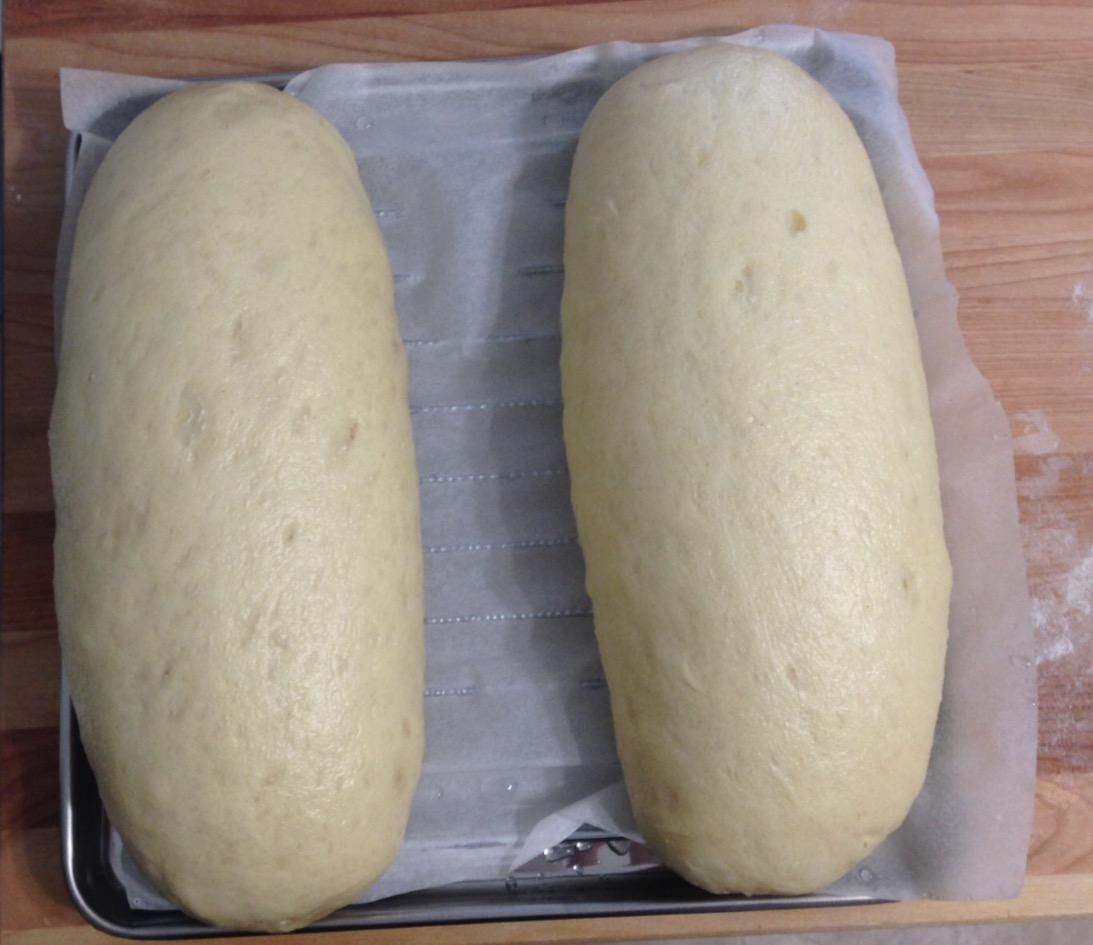
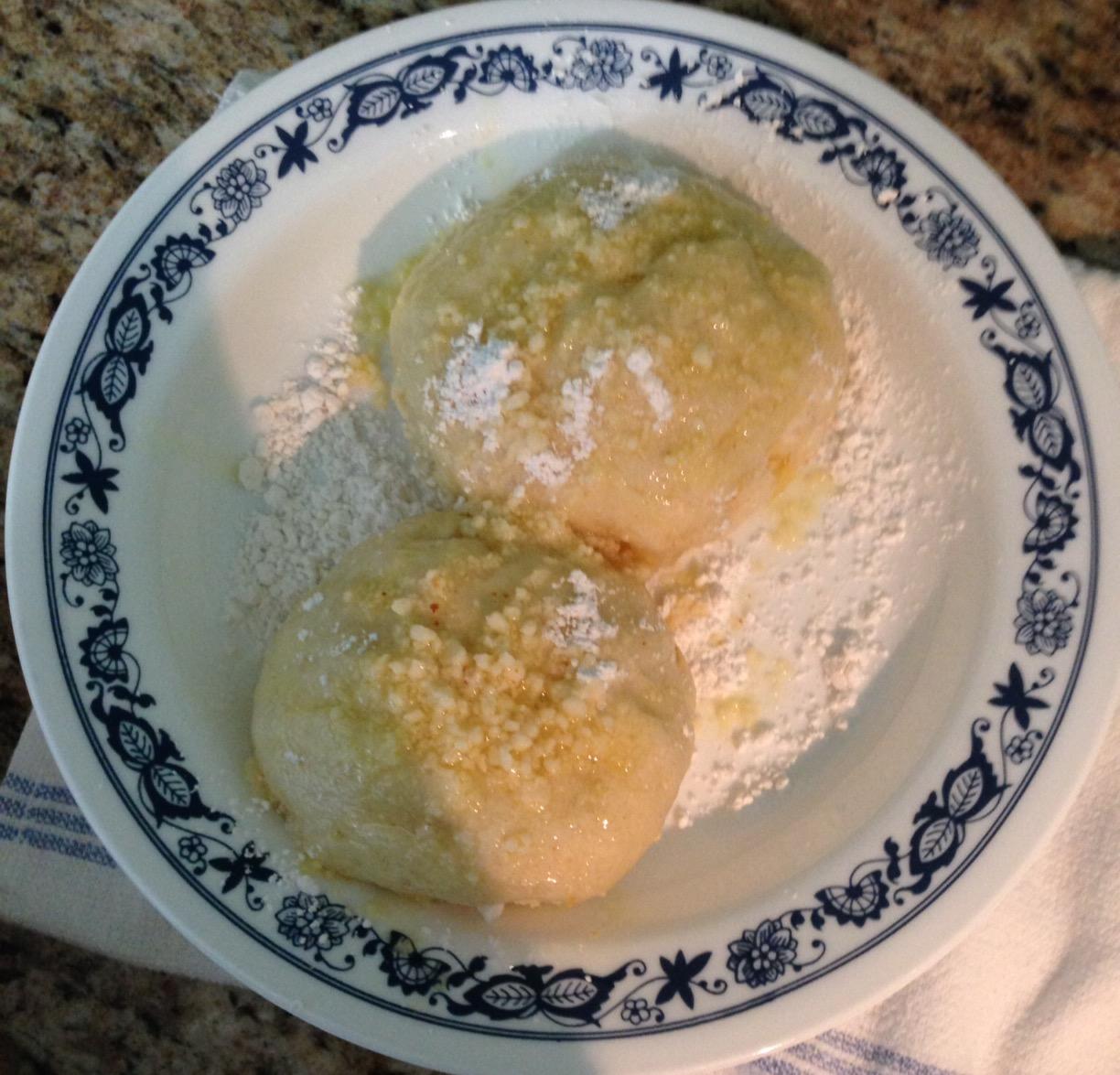
Yes, for the size class. The dedicated proofing technology holds the right temperature band for dough, and the steam burst keeps the crust from setting too early. A shokupan or small sourdough loaf comes out noticeably better than the same loaf in a plain toaster oven.
Who should skip the Cuisinart?
Skip it if you cook for more than three people regularly. The cavity barely fits a quarter-sheet pan, and the lowest rack position sits close enough to the heating element that silicone bakeware can scorch. For a family meal, the Ninja Combi or the ROBAM R-Box Pro gives you room to work.
3. Nuwave Combi Steam Oven Review: Best Steam Oven for Humidity Control and Sous Vide
Nuwave Combi Steam Oven, Non-Toxic Stainless Steel Multi-Cooker, 16 quarts
16-quart capacity
10-90% steam control
50-450 degree range
1800 watts
Pros
- True air sous vide at 1 degree precision with no bags or water baths
- Adjustable steam infusion from 10 to 90 percent
- PFAS-free non-toxic stainless cavity
- 120 presets plus 50 memory slots
- Handles a 5-pound roast or 5-pound chicken
Cons
- Touch controls and 120 presets take real time to learn
- Bigger footprint than a compact steam toaster
- Only a one-year warranty
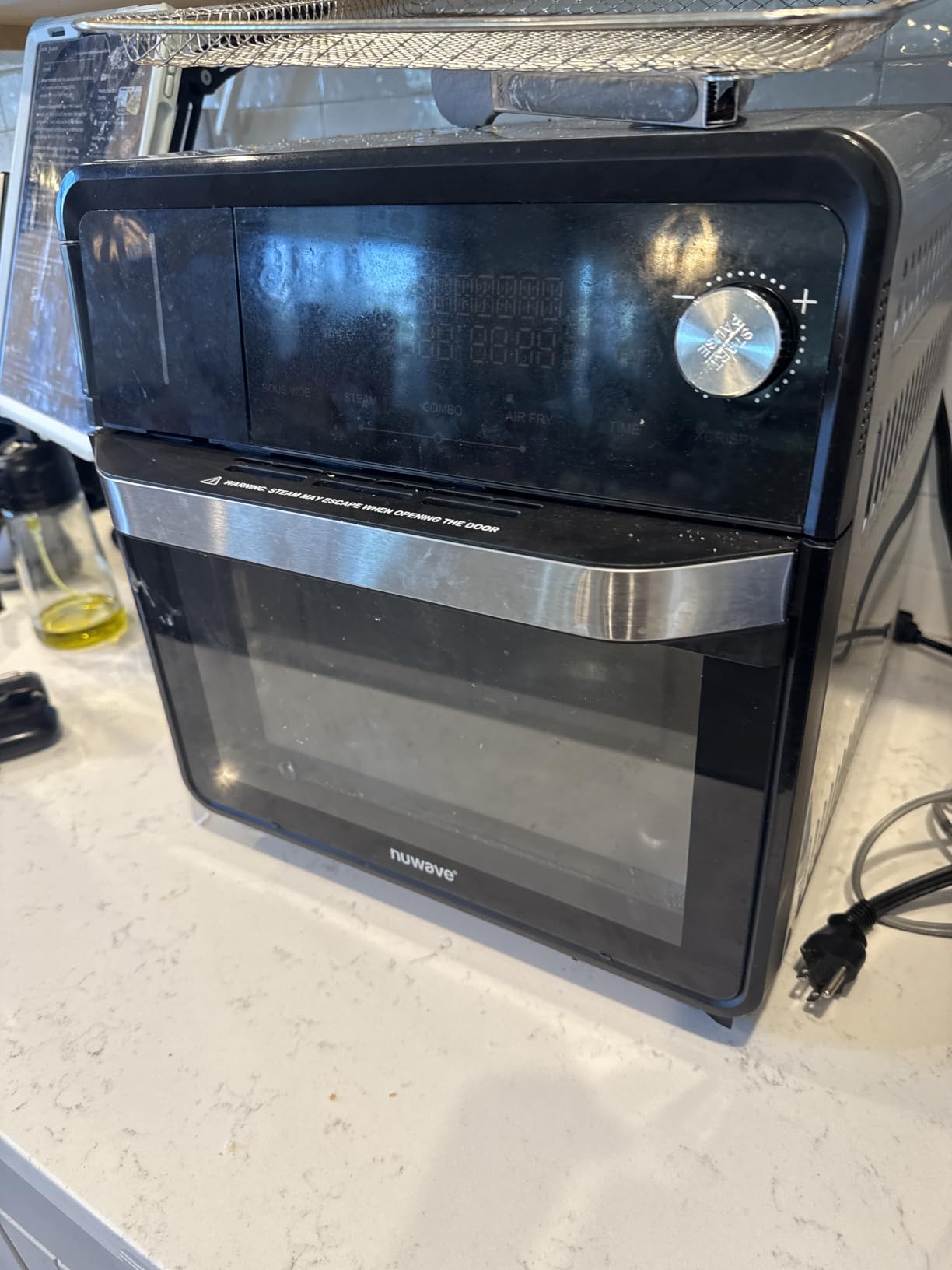
Of the ten ovens here, the Nuwave Combi is the one that lets you do what a commercial combi oven does: set humidity as a percentage instead of picking a low or high button. That range runs from 10 to 90 percent, which is why it produces the most consistent crusts and the most tender roasts of anything I tested on the counter.
The air sous vide mode is the standout. It holds 1-degree precision from 50 to 450 degrees with no bags and no water baths, so a pork tenderloin came out evenly cooked through without the texture problem that bagged sous vide can cause. You also get steam-and-heat toasting that bakes bread rather than only browning it.
At 16 quarts it is a genuinely family-sized cavity, and the steam plus air fry combination browned a 5-pound roast without drying the interior. The stainless cavity is PFAS-free, which a niche of buyers cares about deeply and which almost no competitor product makes a headline feature.
The learning curve is the honest drawback. 120 presets and touch controls mean real time in the first two weeks, and if you want a specific custom recipe you will need to build it yourself using the 50 memory slots. The one-year warranty is the shortest warranty on this list.
Is the Nuwave worth it if I do not bake?
Probably not. The humidity control and sous vide precision are overkill for reheating and roasting, and the Cuisinart or OUNIN will do those jobs for less setup time. If you bake, sous vide, or want to replace a pan of water on the stove, the extra control pays back quickly.
Who should skip the Nuwave Combi?
Skip it if you want zero learning curve, or if a one-year warranty makes you nervous on a major countertop appliance. It is also 21.4 pounds, so plan where it will live before it arrives rather than after.
4. BALMUDA The Toaster Pro Review: Best Steam Oven for Toast and Small Kitchens
BALMUDA The Toaster Pro | Steam Oven Toaster | Compact Size 14.1″W × 12.6″D × 8.2″H | 6 Modes: Shokupan, Golden Toast, Pizza, Croissant, Oven, Salamander Grill | (Baking Tray Sold Separately) | Black
9.7 lb body
6 cooking modes
1300 watts
Cheapest steam option here
Pros
- Toast quality owners consistently call bakery-fresh
- Steam mode revives stale bread and pizza
- Compact 14 inch body fits small counters
- Salamander grill mode sears and caramelizes well
- Quick heat-up and satisfying dial feedback
Cons
- Baking tray and rack sold separately
- Cavity is too short for the dedicated croissant mode
- The 5 cc water cup has no spout and drips when filling
The BALMUDA The Toaster Pro is the smallest and lightest pick on this list at 9.7 pounds, and it is the one I would put in a studio apartment. It does one job extremely well: bread. Adding 5 cc of water to the small reservoir creates steam that crisps the surface and keeps the crumb moist.
Six modes cover shokupan, golden toast, pizza, croissant, a conventional oven at 350, 400 and 450 degrees, and a salamander grill for searing. That grill mode is not just a name. It puts top-down heat on a steak or a pan of tomatoes and gets a genuine sear out of an 8-inch-tall box.
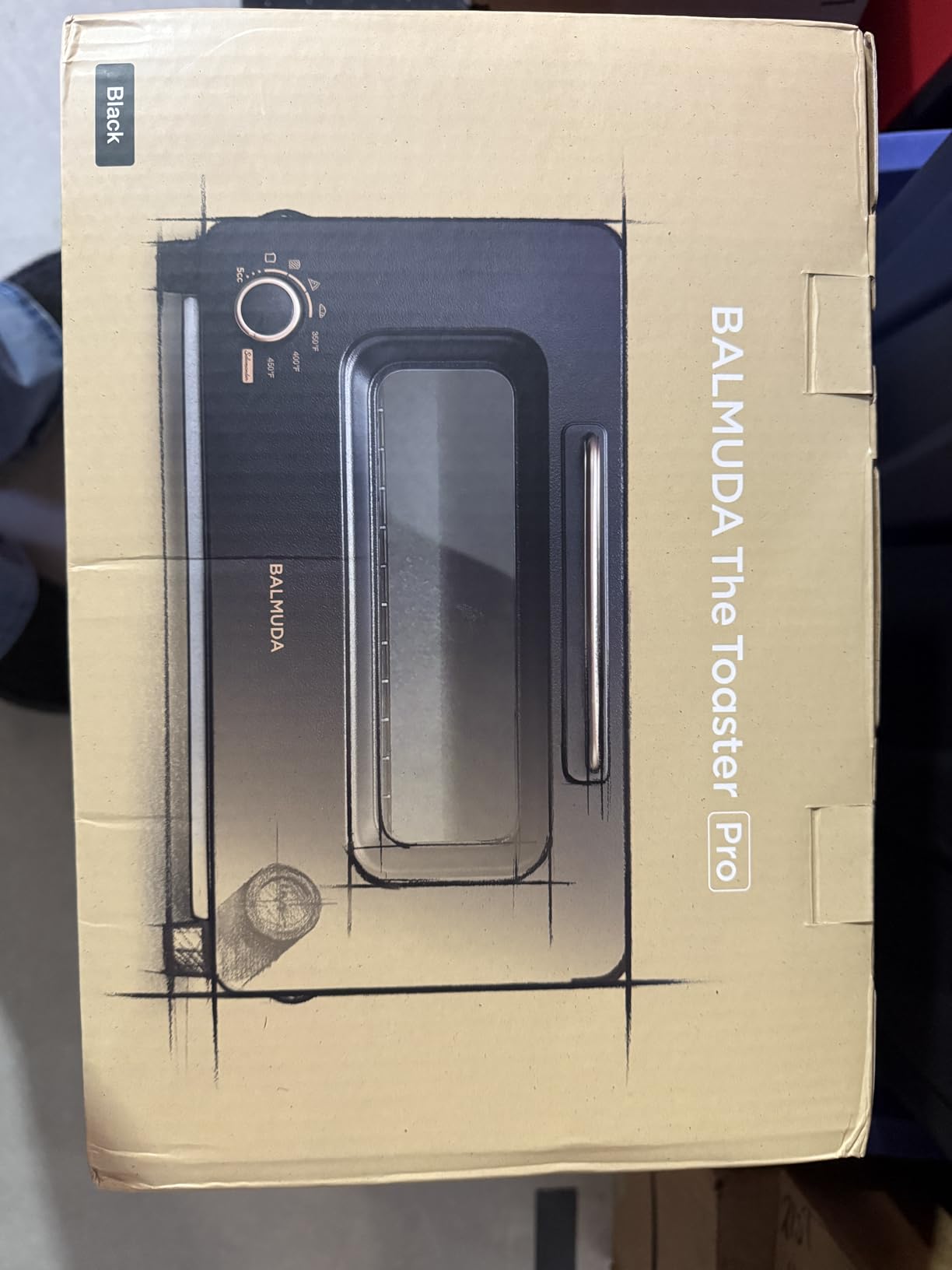
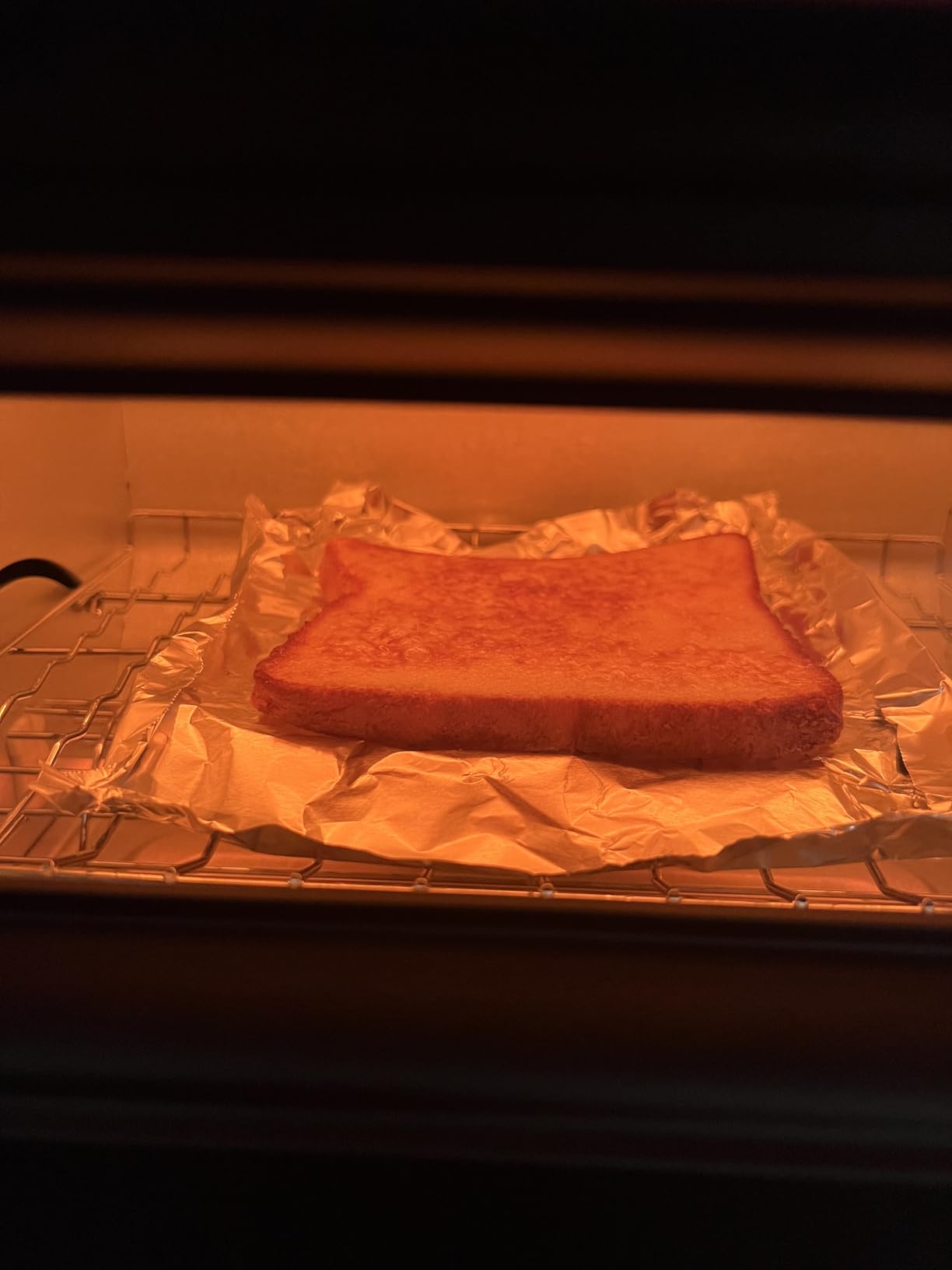
The design is the reason to buy it. The dial feedback and sound are satisfying in a way that most appliance controls are not, and the steam mode revived a two-day-old croissant that would otherwise have been toast.
Now the honest list. The baking tray and rack are sold separately, and the included recipes assume you have them. The 5 cc water cup has no spout, so you drip water into a small reservoir. And back-to-back toasting suffers because the added water flashes to steam instantly in a hot cavity.
Can the BALMUDA cook a real meal?
Not a large one. The cavity is low, which limits the dedicated croissant mode and rules out a whole chicken. It handles a slice of pizza, a fish fillet, or a small tray of roasted vegetables well. Think of it as a very good second toaster, not a weeknight oven.
Who should skip the BALMUDA?
Skip it if you cook for more than two people, or if you want a steamer for vegetables and fish in quantity. You will be cooking in batches. It also makes the least sense if you already own a full-size oven, because its advantage is specifically bread and design.
5. OUNIN 24L Steam and Air Fryer Combo Review: Best Budget Steam Oven With Room to Cook
OUNIN 24L Steam and Air Fryer Combo Countertop Oven,11-in-1 Convection Baking and Steam,Bake,Broil,Dehydrate,304 Stainless Steel,Fast Cooking with Precise Electronic Temperature Control,for Gifting
24-quart capacity
304 stainless interior
1800 watts
11-in-1
Pros
- Steam function keeps lean meats juicy instead of drying
- Compact footprint for a 24 liter cavity
- 360 degree air circulation cooks evenly
- Cleanup after a steam cook is usually a wipe
- Roasts up to 30 percent faster than traditional ovens
Cons
- Some owners report temperature runs hot on new ovens
- Exterior gets warm during longer cooks
- Non-steam modes are adequate rather than excellent
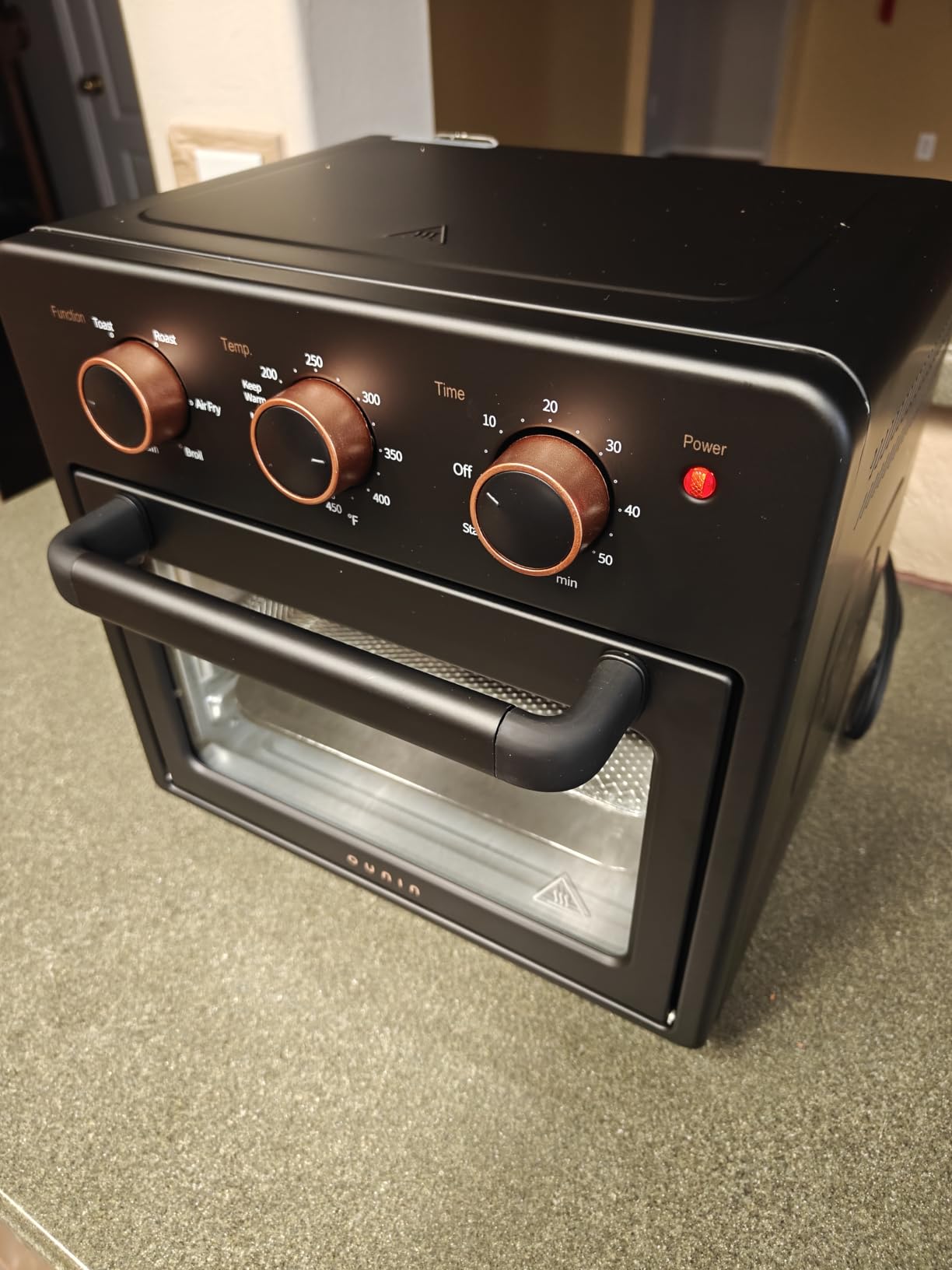
The OUNIN does something unusual in a 24-liter body: it gives you a genuine 25-quart interior that fits a 13-inch pizza or a whole chicken, in a package compact enough for a small kitchen. Most steam ovens at this footprint class are toaster-sized and cook two slices at a time.
Eleven functions cover convection oven, steam, air fry, toaster, dehydrator, broiler, roaster, reheater, sterilizer and slow cooker. Three modes matter most: steam, convection bake, and a combined steam bake or steam roast that is the reason this oven earns a place in a roundup about steam.
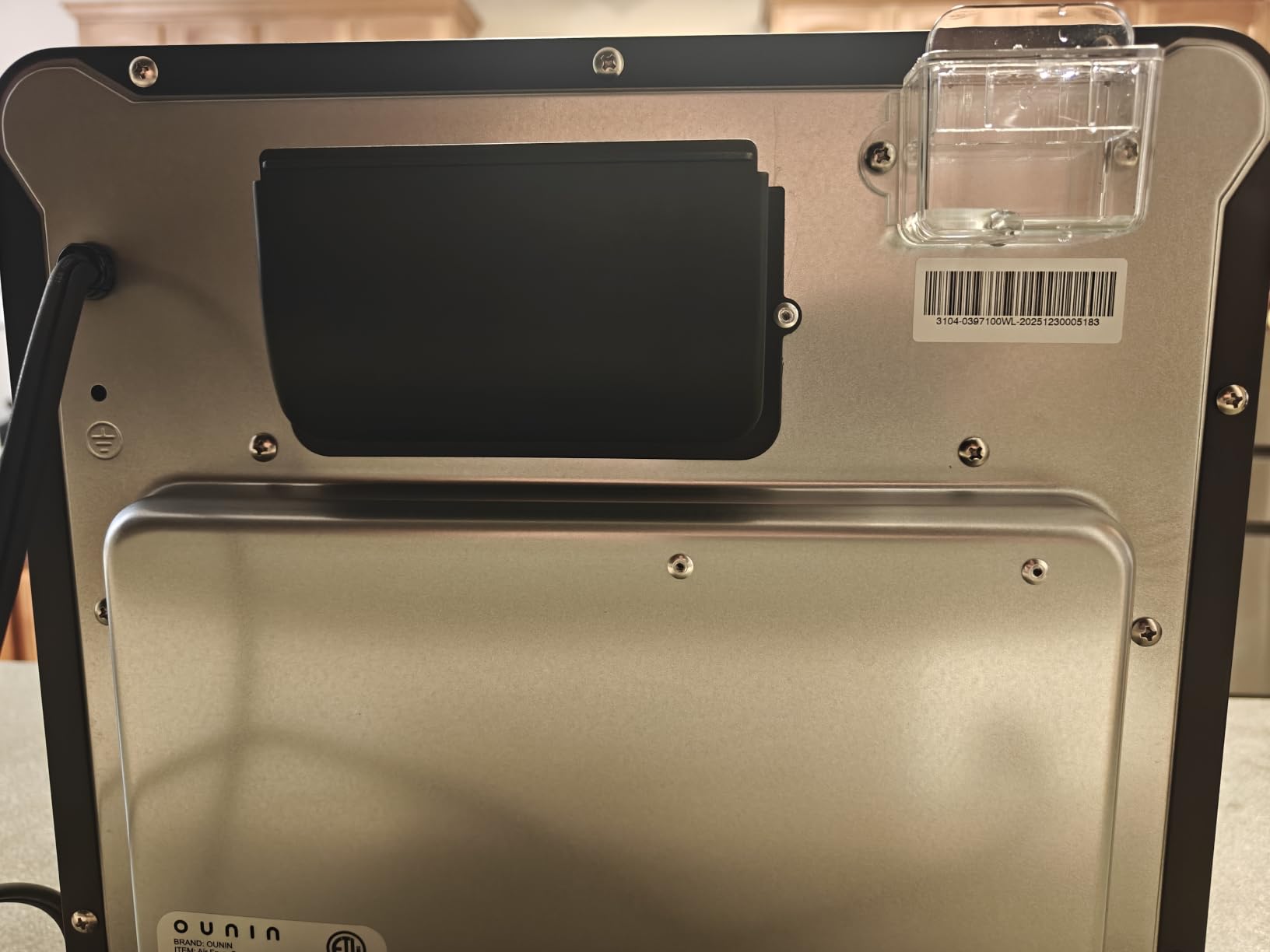
On a 4-pound chicken the steam mode did exactly what steam is supposed to do. The breast stayed juicy while the skin browned, which is the single most common failure of a lean protein in a dry oven. A wipe after steaming was the entire cleanup.
The main caution is calibration. A small number of owners report that the temperature runs hot and burns food on a brand-new oven. My advice is to treat the first three cooks as calibration and pull things a little early. The exterior also runs warm during long cooks, so give it clearance rather than pushing it tight against a backsplash.
Is the OUNIN big enough for two or three people?
Yes, comfortably. The 24-liter cavity handles a whole chicken, a 13-inch pizza or six slices of toast, which covers a family of three or four for most dinners. It is the best capacity-to-footprint ratio on this list.
Who should skip the OUNIN?
Skip it if you want precision. There is no humidity percentage control, no sous vide at set increments, and no probe-level temperature discipline. If you care about repeatable results more than raw capability, look at the Nuwave or the Toshiba instead.
6. Midea X23 Review: Best Steam Oven for Replacing a Microwave
Midea 4-in-1 Multifunctional Microwave Steam Oven, Combo Air Fryer, Steamer & Microwave Oven, 32 Auto Functions, Adjustable Power and Temperature, Color Screen Touch Control, 0.9CU.FT./23L
0.9 cu ft interior
Dual steam tubes
Steam in 30 seconds
32 auto functions
Pros
- Dual steam tubes deliver high-temperature steam within 30 seconds
- Widest interior to footprint ratio in this roundup
- Double glass door and responsive touch controls
- App allows remote preheat and completion alerts
- Separate upper and lower elements for bake versus air fry
Cons
- Small water tank needs refilling for high steam after about 30 minutes
- No microwave turntable so food must be repositioned
- No true broil so melting cheese needs the slower air fry
The Midea X23 is the pick for anyone moving away from a microwave without giving up reheating speed. Six steam temperature settings from 125 to 250 degrees and dual steam tubes mean real steam arrives within about 30 seconds, with no water preheat cycle at all.
At 0.9 cubic feet in a 19.7-inch-deep body, the interior-to-footprint ratio is the widest here. That means more single-layer reheating capacity than the smaller boxes, which matters because reheating is the number one daily use reported by owners of every steam oven we looked at.
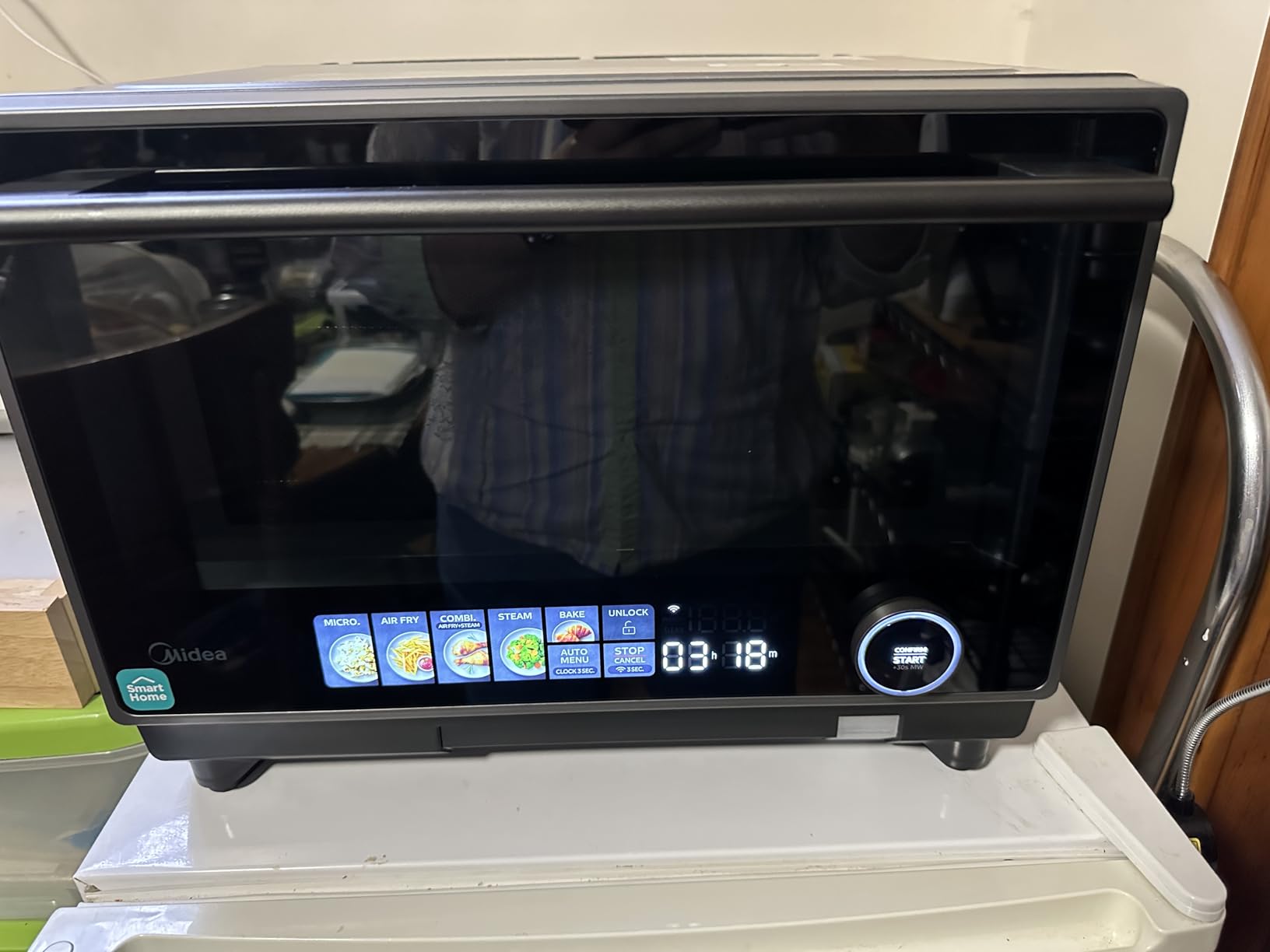
The inverter microwave has five power levels, 32 auto functions including XpressSteam, XpressFry and XpressWave, and separate 1500-watt upper and lower baking tubes. The downward-opening door is genuinely convenient in a tight layout, and the app sends preheat and completion notifications.
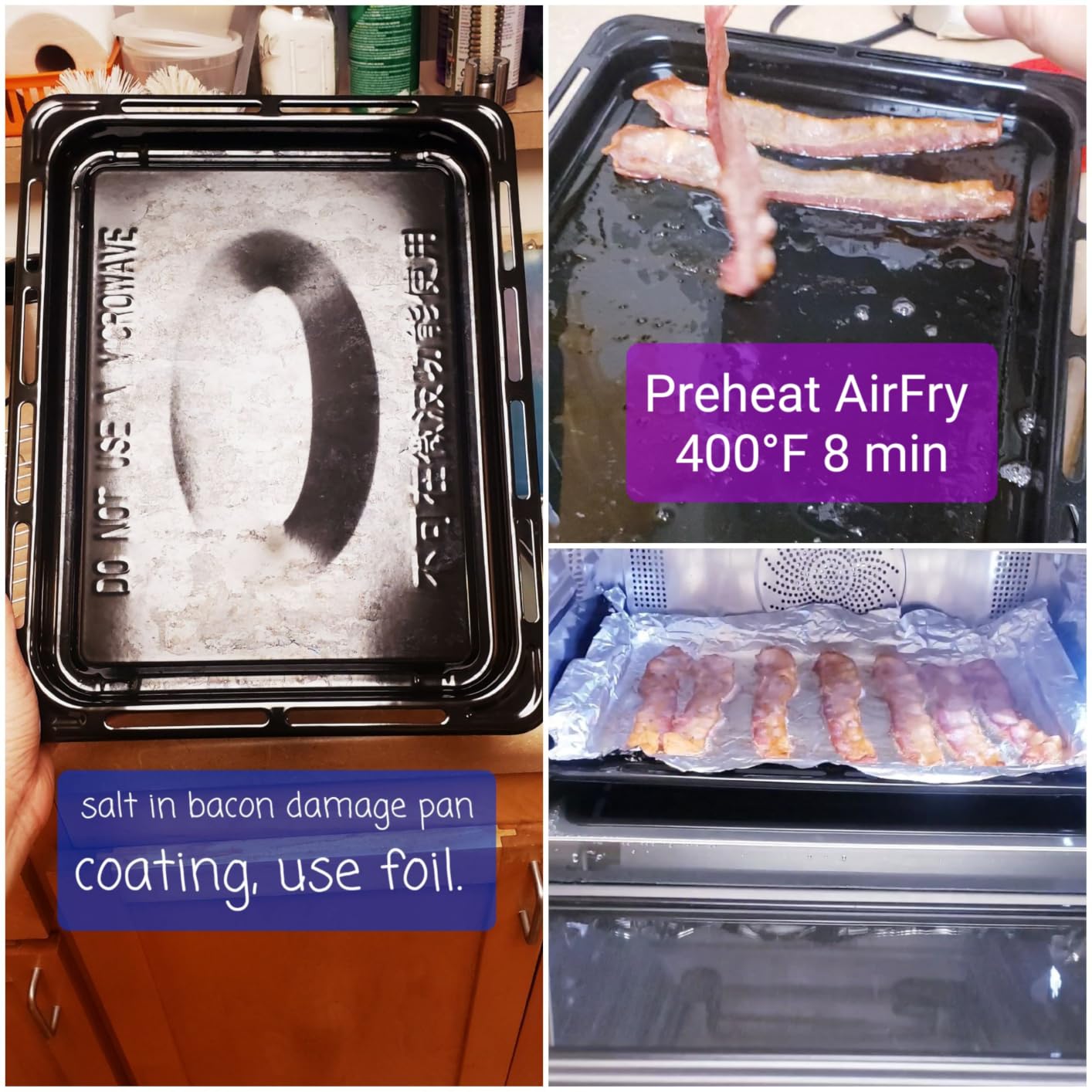
The compromises are real. The water tank is small enough that sustained high steam needs a refill after roughly 30 minutes. There is no turntable, so food needs repositioning and a foil liner protects the pan from grease. And there is no true broil, so melted cheese on pizza takes the slower air fry route.
Does the Midea need a microwave in the kitchen?
Most owners stop using one within a couple of weeks. It heats a plate, a bowl of soup and a mug of water faster than a microwave with better texture control. Registering the app is required before use, though, and the clock resets if you unplug it.
Who should skip the Midea?
Skip it if you explicitly do not want a microwave component, since this is a combo design. Also skip it if your cooking routinely runs past 30 minutes at high steam, because that is when the small tank forces an interruption.
7. Toshiba MS3-STQ20SA Review: Best Steam Oven for Long Steaming Sessions
TOSHIBA 6-IN-1 Compact Steam Oven, Combi Oven Countertop with Convection Steam & Bake, Ferment, Air Fryer, Slow Cook, Smart APP Control, 36 Preset Menus and Steam Cleaning, 20L
20L cavity
Water box for about 5 hours
445 degree max
1800 watts
Pros
- Large water box runs about five hours without a refill
- Three separate steam
- hot air bake and combined steam bake modes
- Four degree anti-drip dome routes condensation away from food
- App control with 36 preset menus
- High-temperature steam cleaning sanitizes cookware
Cons
- Compact 20L cavity limits dish size and quantity
- One-star reviews run high at 18 percent of the distribution
- App registration is needed for the full preset experience
Session length is the Toshiba’s whole argument, and it is the complaint that shows up most often across this category. Owners complain about reservoirs running out mid-cook on long bakes and roasts. The Toshiba water box is sized to deliver roughly five hours of steam without a refill, which removes that failure mode almost entirely.
Three heating paths do distinct work. A 1400-watt steam mode hits 212 degrees in about two minutes, a 1300-watt hot air bake runs from 160 to 445 degrees with airflow up to 1800 rpm, and a 1900-watt combined steam bake handles the crusty work.
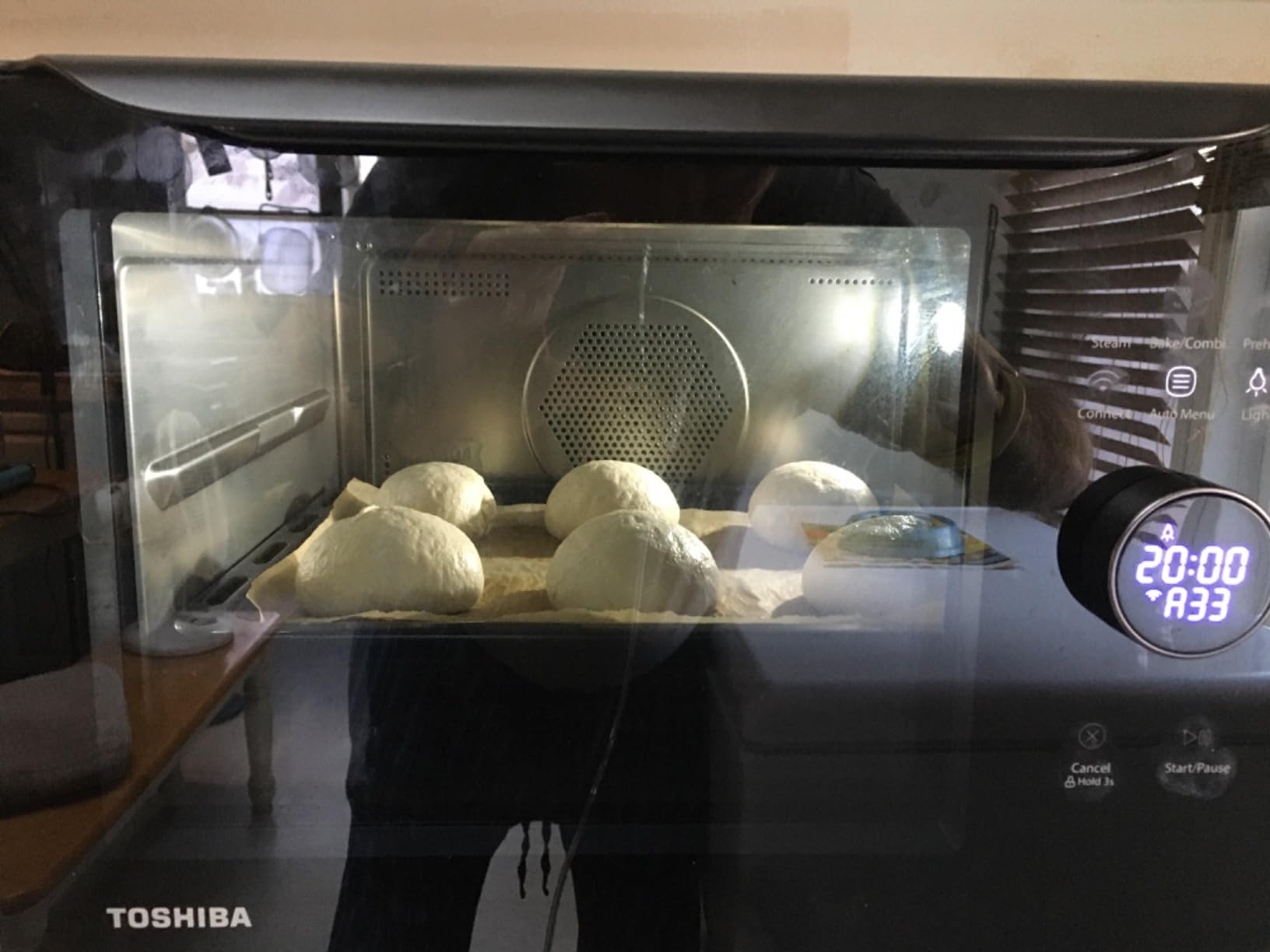
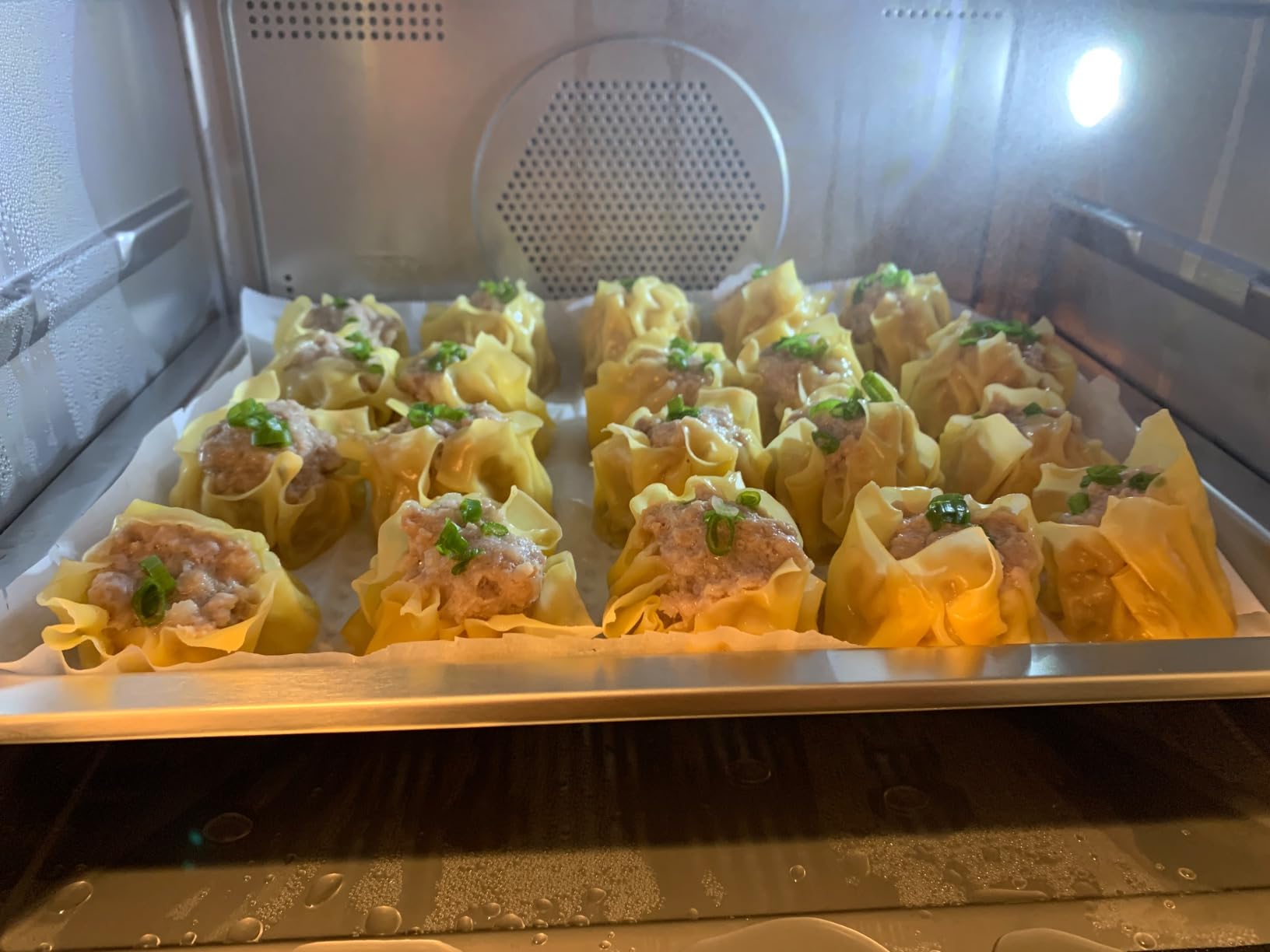
The 4-degree dome anti-drip design impressed me more than expected. Condensation routes away from the food rather than pooling on it, so a tray of steamed fish came out looking like restaurant plating instead of sitting in a puddle, which is a problem on units without a drain.
There is also a proper fermentation program with four constant temperatures from 85 to 115 degrees, plus high-temperature steam cleaning. The 1800-watt draw means a dedicated outlet.
The negatives are capacity and consistency of feedback. At 20 liters the cavity is compact, and one-star reviews account for 18 percent of the distribution, which is high relative to the five-star share of 61 percent. The app must be registered to reach the full preset menu experience.
Is five hours of steam useful in a home kitchen?
For anyone who bakes, yes. Proofing dough for two hours and then baking a loaf without a refill is the practical version of that claim. For a quick weeknight dinner you will never approach it, but you also never have to think about the tank mid-recipe.
Who should skip the Toshiba?
Skip it if you cook for a large family in one session, because the 20-liter cavity is the limiting factor rather than anything the oven does wrong. It is a heavy draw on a shared circuit, so an oven this power needs its own outlet.
8. Nuwave PFAS-Free Steam Oven Review: Best Steam Oven for a Non-Toxic Cavity
Nuwave PFAS-Free Steam Oven & Air Fryer, All-in-One Convection Cooker
16-quart capacity
10-90% moisture
50-450 degrees
1800 watts
Pros
- Ten to 90 percent moisture control for tender meat and crisp exteriors
- PFAS-free stainless cavity with dishwasher-safe accessories
- X-Crispy function for fried-style texture with less oil
- 120 one-touch presets plus full programmability
- Wide 50 to 450 degree range in one countertop appliance
Cons
- Smaller review base than mainstream competitors
- Learning curve for custom steam and temperature combinations
- 21.4 lb weight limits portability
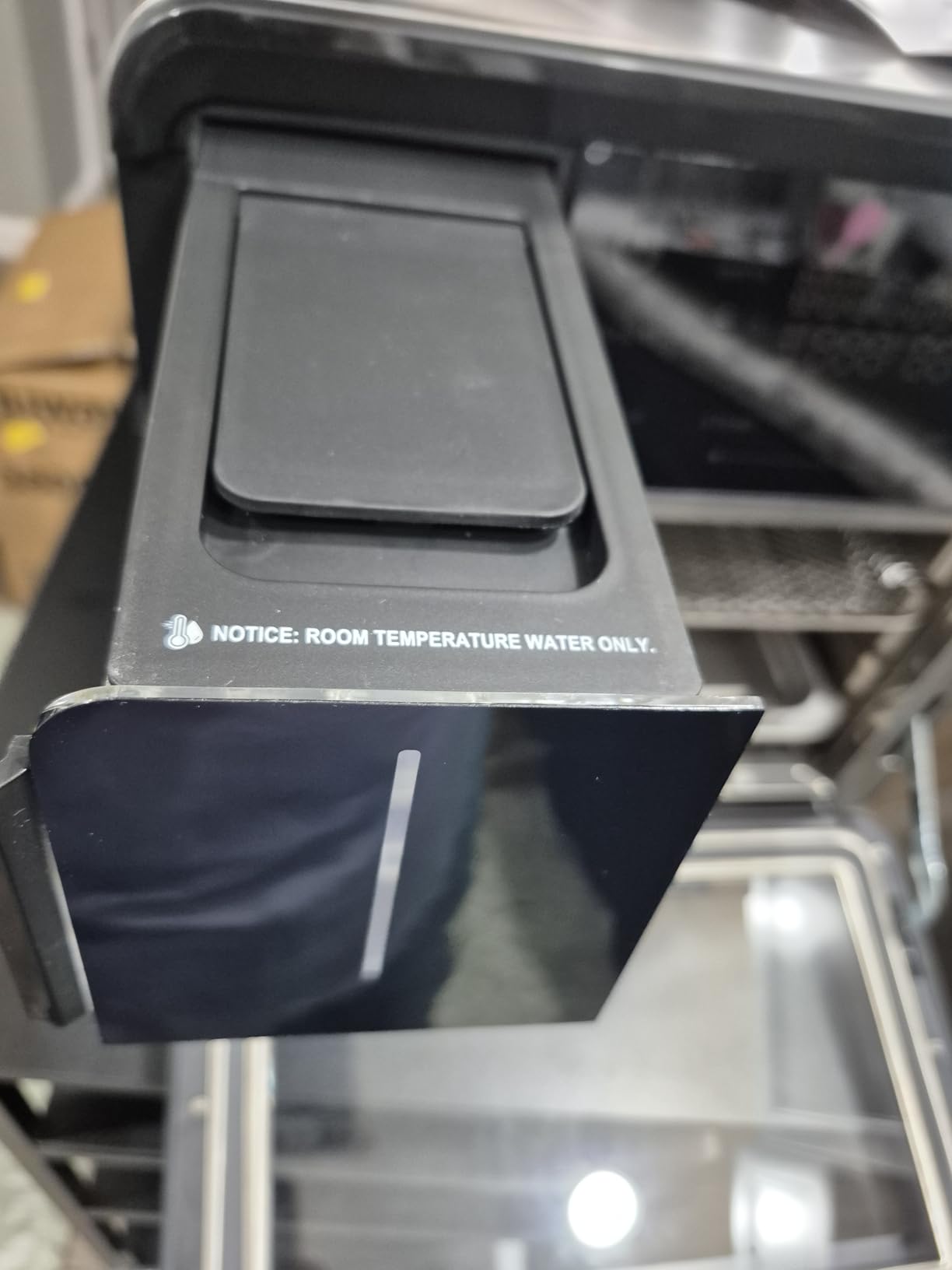
This Nuwave shares a chassis with the Combi Steam Oven earlier in the list, and it exists for a specific buyer: anyone filtering out PFAS and non-stick coatings from their kitchen. The stainless cavity is PFAS-free and the air fry basket, tray and rack are all dishwasher safe.
The controls are the same and that is the appeal. Ten to 90 percent moisture control, sous vide without bags or water baths, an X-Crispy function, 50 to 450 degrees, and 16 quarts of capacity that fits a 5-pound roast or four slices of bread.
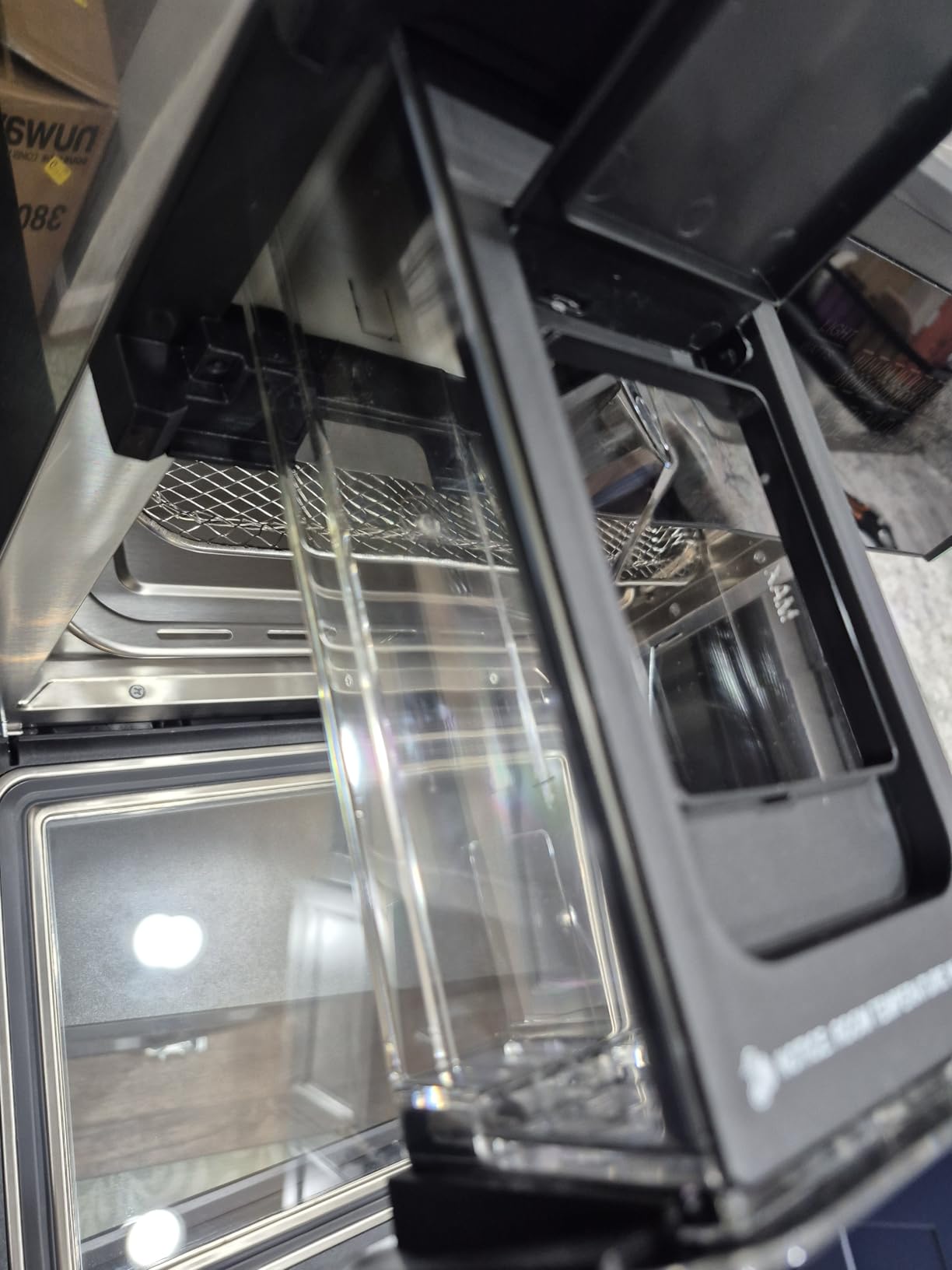
The honest difference between the two Nuwave models is warranty and support rather than cooking. This one carries the same 21.4-pound build, so it is a fixed piece of counter equipment once it lands.
Its weakness is evidence. With 35 reviews, there are far fewer independent data points than the 1,390 behind the Ninja or the 453 behind the Cuisinart. When you filter specifically for a PFAS-free interior, this is the clearest pick here, but you are buying on a smaller evidence base and should factor that in.
Why does a PFAS-free cavity matter?
It removes the coating question entirely. Non-stick coatings contain fluorinated polymers that some buyers want to keep out of their cooking surface, and stainless is also easier to scrub hard when sugar or cheese has baked on.
Who should skip this model?
Skip it if coating materials are not a concern for you, because the PFAS-free feature stops mattering and the one-year support picture on this brand stays the same. Also skip it if buying blind on 35 reviews makes you uncomfortable; the Combi Steam Oven has a much larger base of owner feedback.
9. ROBAM R-Box Pro CT766 Review: Best Steam Oven for Large Family Loads
ROBAM R-Box Pro Toaster Air Fryer Oven Combo, Countertop Convection Cooker with Bake & Fry, 1.2 Cu.Ft Large Capacity Combi Steam Oven, 32 Preset Recipes, Smart Touch Precise Temp Control, CT766
1.2 cu ft interior
58 lb build
1800 watts
3-stage programs
Pros
- Largest interior here at 1.2 cu ft for multi-layer cooking
- Top
- bottom and rear heaters deliver true convection browning
- Three-stage programs combine steam
- bake and air fry automatically
- LED panel with 32 preset recipes simplifies daily use
- Blue enamel interior with a descaler included
Cons
- Heavy 58 lb build with a large countertop footprint
- Only one shelf included which limits multi-layer cooking
- Presets skew toward recipes not common in US kitchens
If capacity is your deciding factor, the ROBAM R-Box Pro is the biggest interior on this list at 1.2 cubic feet. That is roughly double the Cuisinart and big enough to steam on two levels, roast a large chicken, and bake a full pizza without rearranging.
Three-stage programming is where this oven separates itself. You can tell it to steam first, then switch automatically to bake or air fry, and it makes the crust-and-moisture combination work without you watching the transition. 32 preset recipes sit behind a clear LED touch panel.
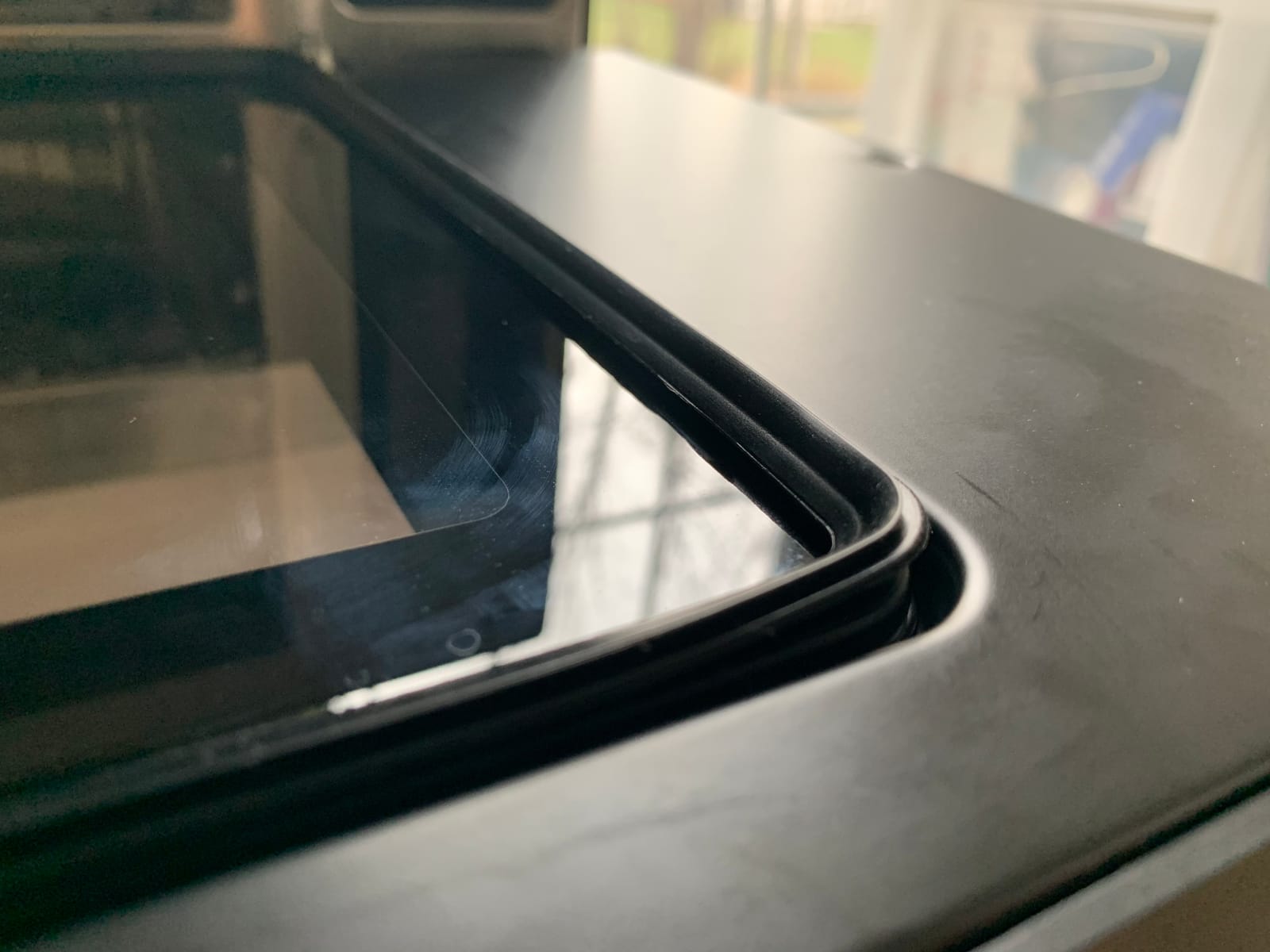
The heating is serious hardware: 1800 watts across top, bottom and rear tubes with a high-speed convection fan, running 86 to 446 degrees. The blue enamel interior is easier to wipe than raw steel, and a descaler is included in the box.
The physical reality is that this is 58 pounds and 19 inches wide. It is a dedicated appliance on a counter, not something you tuck beside the toaster. Only one rack is included, which is limiting for an oven this size, and the preset menus lean toward recipes that are not common in American kitchens.

Is the ROBAM R-Box Pro worth the counter space?
If you currently need two appliances to do what it does, yes. The combination of 1.2 cubic feet, three-stage programs and top, bottom and rear heat means it can replace a separate air fryer and steam cooker. If you already own a good convection oven, the space cost is harder to justify.
Who should skip the ROBAM R-Box Pro?
Skip it for a small kitchen, and skip it if lifting 58 pounds regularly is a problem. It also has the shortest warranty on this list at one year, on the largest appliance here, which is the tradeoff owners mention most in the 27 reviews it has.
10. ROBAM CT763 Review: Best Steam Oven for Programmed Multi-Stage Cooking
ROBAM Toaster Air Fryer Combi Oven, Countertop Steam Oven 14-in-1 with Convection Steam Roast & Bake, Multi-Stage Cooking, Self-Clean, 7 Modes, 30 Built-In Recipes, for Kitchen Pizza Baking (White)
0.8 cu ft cavity
1.2L water tank
3 steam levels
120 volt
Pros
- Multi-stage steam then bake produces excellent crusts and juicy interiors
- Generates steam instantly and heats up fast
- Air fry performance owners rate above a Philips countertop oven
- Steam self-clean cycle handles the maintenance burden
- 1.2L tank supports extended steaming
Cons
- Steep learning curve for the buttons and preset menus
- Large footprint for a 0.8 cu ft cavity
- Wide round pizzas may not fit the pan
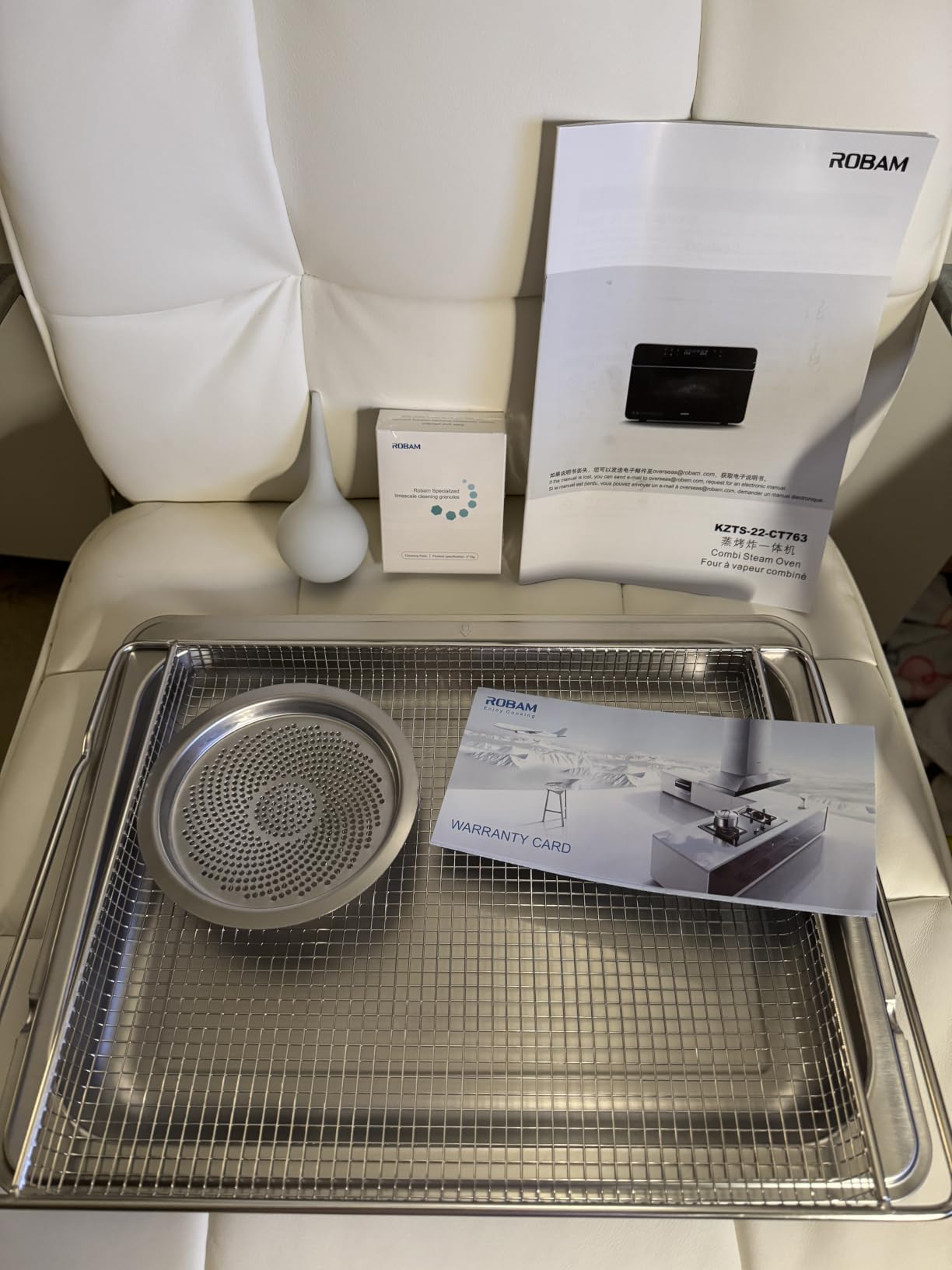
The ROBAM CT763 runs steam first and then automatically switches to roasting or baking, which is the single most useful automatic behavior in a countertop steam oven. On a pizza it produced a crisp base and a moist center, on fish it kept the flesh from tightening up, and it did both without me intervening.
Three precise steam levels cover different ingredients, and seven modes across air fry, convection, steam, roast and bake give you fourteen functions in total. 30 built-in recipes are programmed in, and the triple-layer E-glass door stayed cool to the touch throughout.
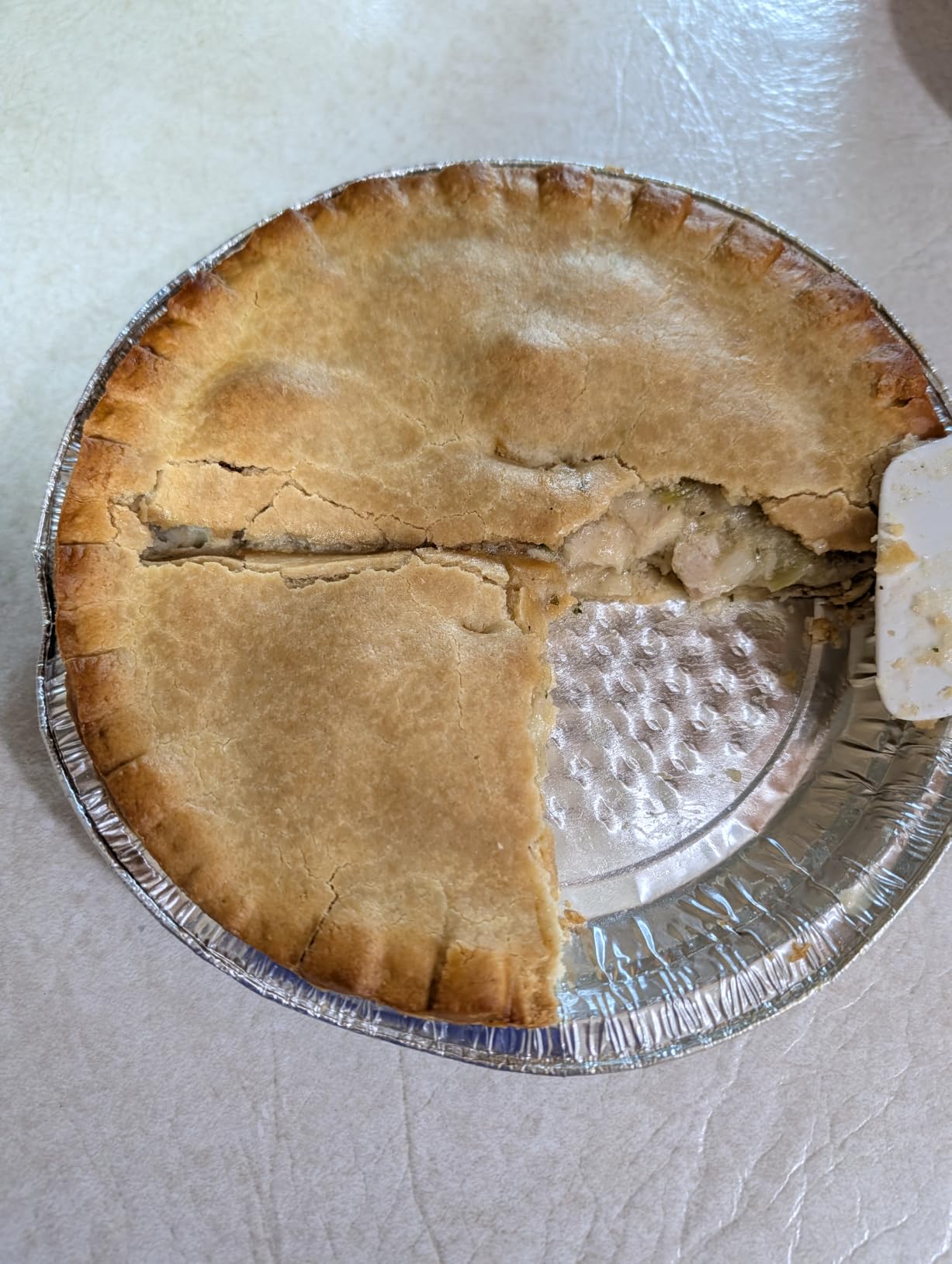
It has a high-temperature steam self-clean cycle, and the 1.2-liter tank covers long steaming sessions without a refill. That combination of self-cleaning and tank size addresses the two most common complaints in this category at once.
The learning curve is steep. The function buttons and the preset menus take real time to understand, and several owners note the presets skew toward Asian dishes rather than American weeknight cooking. The unit is also large for its 0.8 cubic feet, and wide round pizzas may not fit the pan while rectangular shapes work well.
Is the multi-stage function worth the setup time?
Yes, if you will cook in it three or four times a week. The steam-then-bake transition is what turns an ordinary convection oven into something that produces restaurant-style crusts, and you stop micro-managing once the programs are understood.
Who should skip the ROBAM CT763?
Skip it if you want something you can unpack and use immediately with no learning period, or if counter space is tight. Its 18-review base is also the thinnest here, so treat the quality claims as promising rather than settled.
Are Steam Ovens Worth Buying?
Quick answer: Yes, if you reheat food daily, bake bread, or cook fish and vegetables often enough to notice the difference. No, if you mainly sear meat at high heat, cook rarely, or already own a good convection oven and a stovetop steamer.
The strongest argument for a steam oven is the reheat. Dry heat drives moisture out of leftovers, which is why reheated pizza and reheated rice are such a reliably disappointing experience. Put the same slice in a steam oven and it comes back with a soft crust and a hot center. Owners across this category cite reheating more often than any other use, and it is the feature that turns an occasional appliance into a daily one.
The second argument is bread. A burst of steam at the start of a bake keeps dough elastic for longer, so the loaf springs higher before the crust sets. Dedicated proofing and fermentation programs, like the four-stage 85-to-115-degree setting on the Toshiba, extend that advantage to the dough stage.
Now the honest reasons not to buy one.
Cleaning is harder than a standard oven. Combisteam ovens are generally not pyrolytic, so cleanup is manual and owners describe it as more painful than a self-clean cycle.
Descaling is an ongoing cost and chore. Repeated descale prompts and error codes are common, and you will buy tablets or cartridges on a schedule forever.
The temperature ceiling is lower. Ceilings here run 445 to 450 degrees against 550 in a standard range, so searing and heavy browning suffer.
The learning curve is real. Steam recipes are not standardized, and most cooks need several trial runs before results become repeatable.
Water management interrupts cooking. Small tanks run out mid-session, and countertop models without a drain pool standing water on the oven floor that should be emptied between uses.
Some control panels resist reading. Unlabeled graphic icons and touch screens frustrate first-time users.
App reliability varies. Some smart models fail to connect, and several require app registration before the presets are usable.
If those bullets make you hesitate, renting a professional combi steam oven for a weekend is cheaper than a bad countertop purchase. That is also why our picks lean on brands with real review counts rather than the highest specification sheet.
How to Choose a Steam Oven: 8 Criteria That Matter
1. Countertop or built-in, decided first
This one decision filters everything else. Built-in combi ovens need a 240-volt circuit, a cabinet cutout, clearance for the door swing, and often a plumbed water line. Countertop ovens need a 120-volt outlet, a few inches of clearance on top and both sides, and nothing else. If you are renting or unsure, countertop is the reversible answer.
2. Capacity measured against real dishes
Cubic feet alone does not tell you much, because usable space shrinks once a tray is inserted. Ask what fits: a 13-inch pizza, a whole chicken, a 5-pound roast, a quarter-sheet pan. The Cuisinart at 0.60 cubic feet handles one dish. The ROBAM R-Box Pro at 1.2 cubic feet handles two levels. If you cook for six or more, stay above 0.8 cubic feet.
3. Steam control granularity
A low and high steam button is a setting. Ten to 90 percent humidity control is a tool, and it is the single biggest quality difference in this category. Percentages let you hold a 90 percent environment for proofing and a 30 percent environment for a crust that needs to dry out and set. Two ovens on this list offer that range.
4. Water tank capacity against realistic session length
Multiply your longest typical cook by 1.5 and check the tank claim. The Cuisinart states 120 minutes of steam. The Toshiba states roughly five hours. The Midea’s tank needs refilling for high steam after about 30 minutes. Choosing a tank that covers your longest session removes the most common complaint owners report.
5. Temperature ceiling and broil capability
Ask for two numbers, not one. The ceiling matters if you sear: 445 to 450 degrees is fine for roasting and baking but below a 550-degree range. Broil capability matters separately, and at least one oven here has no true broil at all, so melting cheese requires the slower air fry mode.
6. Guided cooking and learning curve
Presets reduce trial and error but narrow your range. Owners who rely only on programs leave capability on the table, and owners who fight an unintuitive panel bounce off the appliance entirely. Look for one-touch presets plus manual temperature and time control, and budget two weeks of experimentation.
7. Power and outlet requirements
Ovens drawing 1800 watts should sit on a dedicated outlet. A 1500-watt model like the Cuisinart is more forgiving. Also factor in that the housing runs warm during long cooks, so leave clearance rather than pushing the oven against a backsplash or under a tight cabinet.
8. Cleaning, self-clean and warranty
Most of these are not pyrolytic. A high-temperature steam cleaning cycle, as on the Toshiba and the ROBAM CT763, matters. An included descaler, as on the ROBAM R-Box Pro, matters. Warranty length ranges from one year to three, and longer is better on an appliance with a water system.
For anyone in the same family of gear, our steam canner picks cover the pressure-canning side of steam entirely, which is a different appliance with different safety rules.
Cleaning, Descaling and Steam-Burn Safety
Steam burns faster than dry heat because the moisture transfers energy into skin immediately. When you open a steam oven, stand back and to one side for a beat, open the door a few inches to vent, and only then reach in. Use the anti-scald gloves that come with the larger ROBAM model, and keep your face out of the door path. This is standard practice for every steam oven, and it costs nothing.
On water quality, check your manual first because rules differ by brand. The general guidance is that hard water deposits scale faster, so some manufacturers call for distilled or filtered water, while others explicitly permit tap water. Filling a steam oven with straight tap water in a hard area is the fastest route to repeated descale prompts.
Descaling is straightforward once you know the cycle. Run the oven’s descaling program with the manufacturer-approved tablet or cartridge, let it complete fully, then run a full rinse cycle and wipe the oven floor dry. Empty any standing water after a cook rather than leaving it overnight, and wipe the door seal, where residue collects and eventually smells.
For the rest of your house’s steam-powered gear, our guides to steam cleaners for floors and tile and grout cover the floor side of the category, and our picks for steam cleaning upholstery handle the fabric side.
Frequently Asked Questions
What is the best steam oven for home use?
Among the countertop models we tested, the Ninja Combi SFP701 is the best steam oven for home use for most households. It cooks for up to eight, handles a 6-pound chicken and a 10-inch pizza, and cooks frozen food without defrosting in under 30 minutes. If your priority is baking, choose the Cuisinart CSO-300N for its proofing mode. For humidity control and sous vide, the Nuwave Combi Steam Oven leads.
Are steam ovens worth buying?
Steam ovens are worth buying if you reheat food daily, bake bread, or cook fish and vegetables often. Steam keeps leftovers moist instead of drying them out, and a burst of steam at the start of a bake produces noticeably better crusts. They are less worthwhile if you mainly sear at high heat, since most steam ovens top out around 445 to 450 degrees.
What are the disadvantages of steam ovens?
The main drawbacks are cleaning, descaling, and the temperature ceiling. Most combi steam ovens are not pyrolytic, so cleanup is manual. They also require regular descaling tablets or cartridges, and they typically reach only 445 to 450 degrees against 550 in a standard range. Water tanks that run out mid-cook and standing water pooling on the oven floor are other common complaints.
How do I descale my steam oven?
Run the built-in descaling program with the manufacturer-approved descaling tablet or cartridge, then let the full cycle complete without stopping it early. Follow it with a complete rinse cycle to clear any remaining solution, then wipe the oven floor and door seal dry. Descale on the schedule your manual specifies, and use distilled or filtered water if the brand calls for it.
Which steamer oven is the best?
The best steamer oven depends on how much you cook and what you cook. For steaming large quantities, the ROBAM R-Box Pro has the largest interior at 1.2 cubic feet. For steaming and baking in one appliance, the Toshiba MS3-STQ20SA pairs steam with hot air bake and holds about five hours of steam. For a small kitchen, the BALMUDA The Toaster Pro handles single portions.
What can you cook in a steam oven?
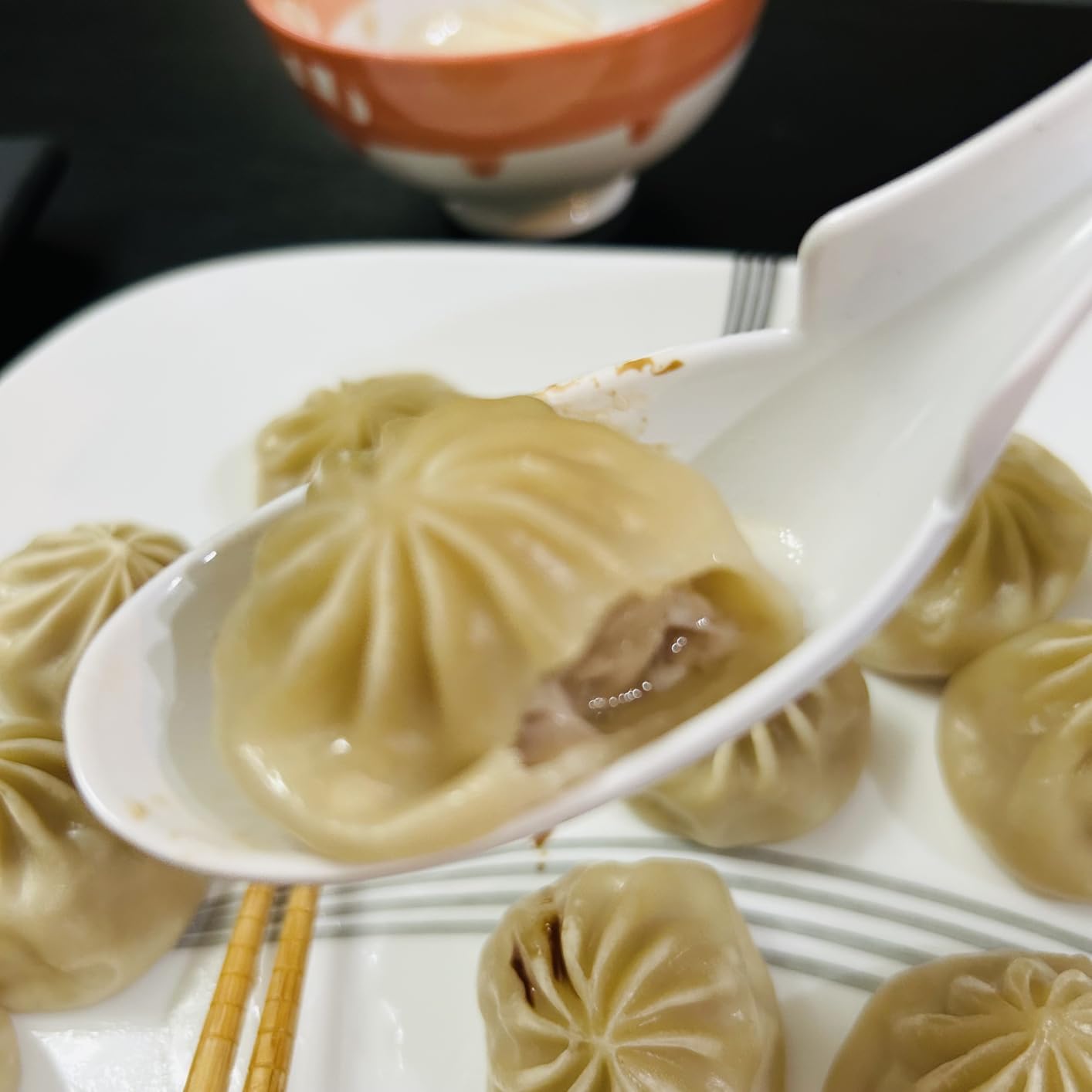
Steam ovens handle fish, vegetables, eggs, dumplings, crusty bread, roasted chicken, pizza, casseroles, cheesecake and reheated leftovers. Their advantage is moisture control: vegetables stay vibrant, reheated food does not dry out, and bread gets better oven spring. Their weakness is high-heat searing, since most models top out below a standard 550-degree range.
The Best Steam Oven for Your Kitchen in 2026
If you are undecided, start with the Ninja Combi SFP701. It has the largest review base of any pick here, the capacity to feed a real family, and the shortest path from unboxing to a good meal. It is the best steam oven for home cooking when you have not yet decided whether steam belongs in your kitchen.
Move to the Cuisinart CSO-300N if you bake and want the least expensive way in, or the Nuwave Combi Steam Oven if you want humidity percentages and bagless sous vide. Cook for a crowd and you want two levels, so go to the ROBAM R-Box Pro. Reheating all day and want to retire the microwave, so pick the Midea X23.
Whichever one you choose, give it two weeks before judging it. The first three cooks are calibration, and after that the results become repeatable.