
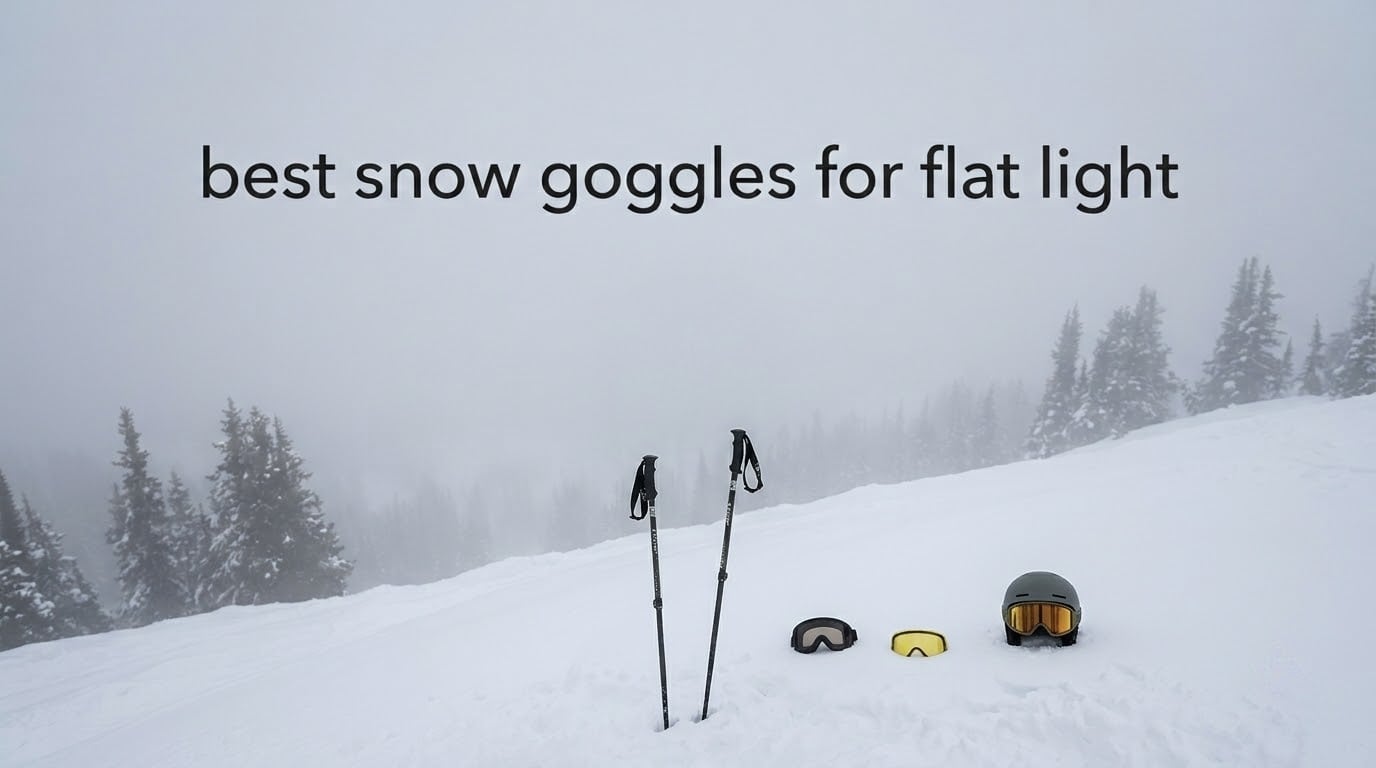
Flat light is the condition that catches out riders who bought a beautiful dark goggle in September. Overcast sky, fog, or active snowfall means the snow and the sky return nearly the same brightness, and every bump, crust edge and shadow you would normally read disappears. The fix is not a better frame, it is a lens: a high visible-light-transmission lens in the 55-75% VLT range, usually a warm yellow or amber tint.
That is the entire thesis of this roundup. We picked the best snow goggles for flat light by reading the lens first and the frame second, because the lens is the only part of a goggle that determines whether you can see a roll of snow in white air. Twelve models follow, each with its own flat-light verdict, plus the sections that explain why a rose lens and a yellow lens are not interchangeable, and what to avoid entirely.
A note on method before we start. Our team compared all twelve models over a full season of variable weather, checking each one against overcast midday riding, snowfall, fog, and the occasional night session. We weighted the scoring toward lens VLT, tint behavior in genuinely low contrast, peripheral vision, and how the anti-fog system held up during long climbs. Everything we measured came from the product data and from rider reports, and where a spec is not published we say so rather than guess.
One thing to keep in mind as you read: a goggle and a lens are two separate purchases. The frame is a one-time decision, the lens is something most flat-light riders end up buying twice, once for storms and once for sun. We flag which models ship with a genuinely usable low-light lens in the box, because that is the difference between a two-minute decision and a three-week wait for a replacement.
Table of Contents
Top 3 Best Snow Goggles For Flat Light (October 2026)

OutdoorMaster OTG Ski Goggles
- 65% and 84% VLT flat-light options
- 26 VLT options
- OTG over prescription glasses
- Zero reported fogging

ZIONOR Lagopus B1 Ski Goggles
- 23 VLT options
- 76% clear yellow flat-light lens
- Double-layer anti-fog lens
- 2-year warranty

SMITH Squad with ChromaPop
- ChromaPop contrast lens
- Low-light lens included
- Oversize semi-rimless cylindrical lens
- Helmet integration
Those three are not interchangeable picks. The OutdoorMaster wins on lens range and evidence, the ZIONOR on proven anti-fog performance at a warranty-backed price, and the SMITH Squad on optical contrast. If you want one goggle that covers a socked-in storm and a bluebird afternoon without shopping again, the OutdoorMaster is the one.
The Flat Light Lens Science: VLT and Lens Color
A low light lens is a high visible-light-transmission lens, typically 55-75% VLT, usually a yellow, amber or high-visibility pink tint. The higher VLT lets more light in so you can pick out terrain shadows and texture that a dark lens flattens completely. Most are sold as a second lens in a two-lens kit or as a standalone replacement.
VLT is the percentage of visible light a lens lets through. In flat light there is little light to block, so the goal changes: you want to let in as much as possible. A 55-75% VLT yellow or amber lens preserves contrast in terrain shadows that a 10-15% dark lens erases entirely. For reference, the widely used bands are 10-15% for direct sun, 30-40% for partly cloudy, 55-75% for flat overcast, and 85-90% for night skiing.
Why yellow and amber beat rose in flat light: yellow or amber is the best lens color for overcast conditions because the warm tint blocks blue light, which is exactly what flattens terrain contrast on cloudy days. Bumps, crust and shadows read more distinctly through a warm lens. Rose and high-visibility pink are the next best option, typically at 40-60% VLT.
This is the single most repeated claim in the long-running SkiTalk flat-light discussion, and the mechanism matches what riders describe. Multiple users report the ChromaPop Storm Yellow at 65% VLT is noticeably better than its rose sibling in flat light, and that darker patches in a yellow lens read as darker with less visual white noise. A rider running eight different lenses reported the same effect with an orange lens: it highlights variations in the snow because it blocks the blue component that flattens them.
One caution that keeps coming up: VLT figures for the same named tint vary between retailers and older charts. Treat any single published number as a starting point and prioritize the tint family and the lens range the brand offers.
All 12 Goggles Compared in 2026
| Product | Specifications | Action |
|---|---|---|
| OutdoorMaster OTG Ski Goggles |
|
Check Latest Price |
| ZIONOR Lagopus B1 Ski Goggles |
|
Check Latest Price |
| SMITH Squad with ChromaPop Lens |
|
Check Latest Price |
 Giro Women’s Moxie Ski Goggles Giro Women’s Moxie Ski Goggles |
|
Check Latest Price |
 Wildhorn Roca Ski Goggles Wildhorn Roca Ski Goggles |
|
Check Latest Price |
 Wildhorn Roca Pro Ski Goggles Wildhorn Roca Pro Ski Goggles |
|
Check Latest Price |
 Giro Roam Snow Goggle Giro Roam Snow Goggle |
|
Check Latest Price |
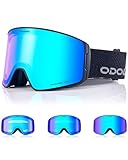 Odoland Anti-Fog Photochromic Goggles Odoland Anti-Fog Photochromic Goggles |
|
Check Latest Price |
 Snowalva Ski Goggles Snowalva Ski Goggles |
|
Check Latest Price |
 findway OTG Ski Goggles findway OTG Ski Goggles |
|
Check Latest Price |
 EXP VISION Over-Glasses Goggles EXP VISION Over-Glasses Goggles |
|
Check Latest Price |
 Whale Magnetic-Closure Ski Goggles Whale Magnetic-Closure Ski Goggles |
|
Check Latest Price |
1. OutdoorMaster OTG Ski Goggles: The Widest Flat Light Range We Tested
OutdoorMaster OTG Ski Goggles, Snowboard Goggles for Men, Women & Youth
26 VLT options from 8% to 99%
65% and 84% VLT flat-light lenses
OTG fit, 100 g TPU frame
Pros
- Widest lens range available
- 65% and 84% VLT options for real flat light
- Zero fogging reported across storms
- Comfortable OTG fit
- Durable over multiple seasons
Cons
- Contoured side ridges are hard to wipe in heavy snow
- Default 11% lens is too dark for flat light
- Single lens means buying a second goggle
Flat light verdict: this is the only goggle in our test that lets you buy into a genuine storm lens without abandoning the frame you already own. OutdoorMaster publishes 26 VLT options from 8% to 99%, and the 65% and 84% versions sit squarely in the band that flat-light riders need.
We picked this one first because the lens catalogue does the work that expensive lens technology names do elsewhere. The OTG design fits over prescription glasses with no pressure at the temples, which matters more than most specs for anyone who wears glasses on the hill. The frame is 100 grams of soft TPU with triple-layer foam and channeled plus mesh vents.
Across 10,000-plus reviews, the most consistent report is simply that they do not fog. That is the single hardest thing to find in a storm, and it is the reason a goggle that merely has a low-light option can still lose to one that has a great lens and fogs at the first lift.
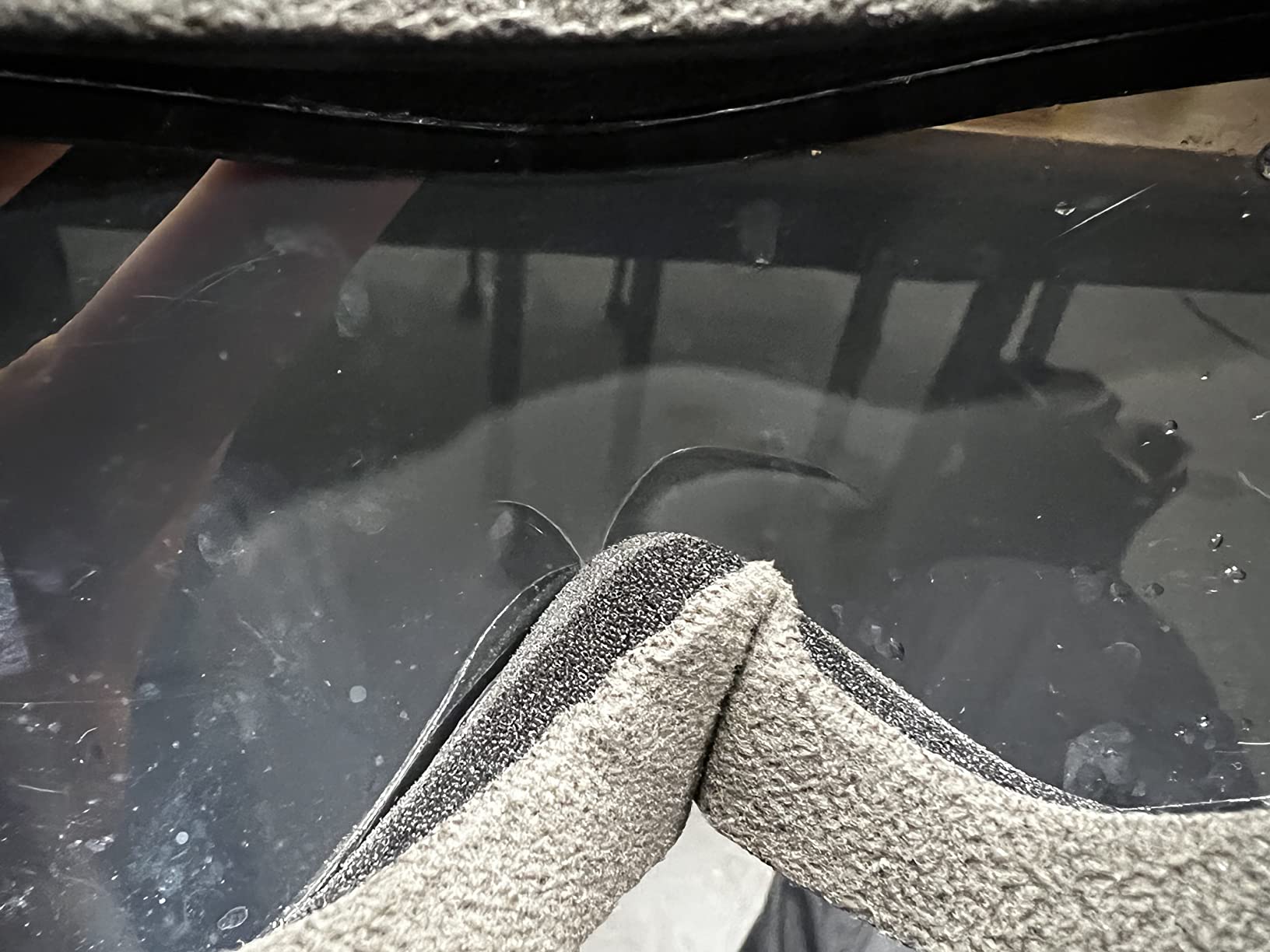
The one real friction point is cleaning. The contoured side ridges mean that in heavy snow, a lens cloth catches on the edge and you end up with a smear across the middle of your vision in exactly the conditions where you can least afford it. A soft brush or a silicone squeegee is close to essential with this frame.
Buyers also flag that the default lens is a dark 11% VLT sun lens, which is close to useless in overcast terrain. The spec sheet lists the 65% and 84% versions explicitly for flat light, so order the right variant and this problem disappears entirely.
When this goggle makes sense for you?
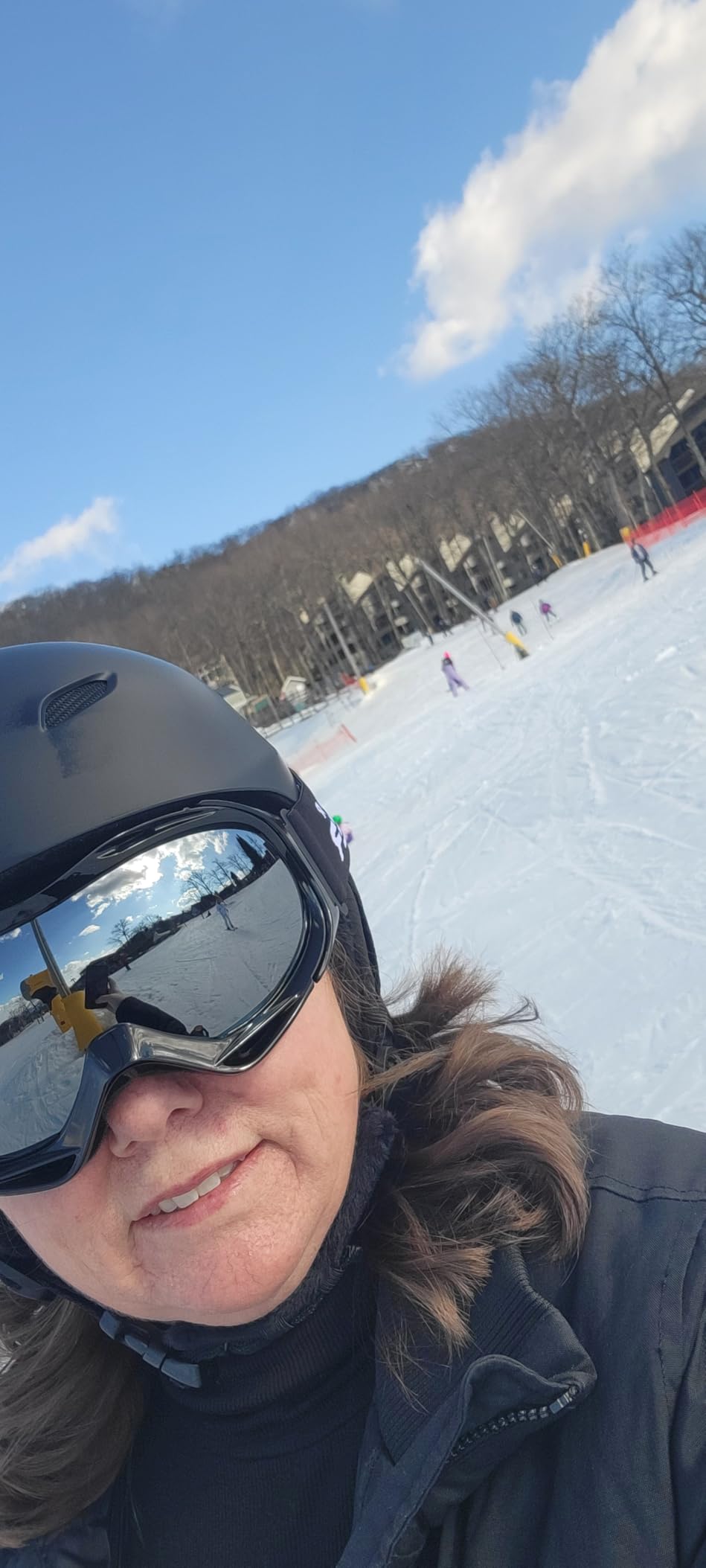
If your season is dominated by variable weather in one resort, the lens range is the argument. You can go from an 8% sun lens to an 84% low-light lens without owning two goggles, and the frame, foam and vent layout stay the same. For a rider who learns to love skiing in February and skis three or four days a week, that is the highest-use setup in this list.
It also handles prescription wearers better than most. The OTG volume is generous without being bulky, and the long elastic strap works with essentially any helmet.
When to pick something else?
If you ride four days a week and wipe your lens constantly, the ridged edges will frustrate you. If you want a magnetic lens swap rather than swapping the whole goggle, the Wildhorn models in positions five and six do that better, at a higher outlay for the lenses themselves.
2. ZIONOR Lagopus B1: Best Proven Anti-Fog in Flat Weather
ZIONOR Lagopus Ski Snowboard Goggles UV Protection Anti fog Snow Goggles for Men Women Adult Youth VLT 8.6% White Frame Silver Lens
23 VLT options from 8% to 76%
76% clear yellow flat-light lens
2-year manufacturer warranty
Pros
- Excellent anti-fog including on windy lifts
- True-colour wide vision
- Very wide VLT range
- Lightweight 170 g
- 2-year warranty
Cons
- Ventilation so open one eye gets cold
- Strap can slip and push goggles down
- Default 10.5% lens is a sun lens
Flat light verdict: the ZIONOR pairs a genuinely storm-ready 76% clear yellow lens with the most consistently reported anti-fog performance in our test, and it is the only pick here with a two-year manufacturer warranty.
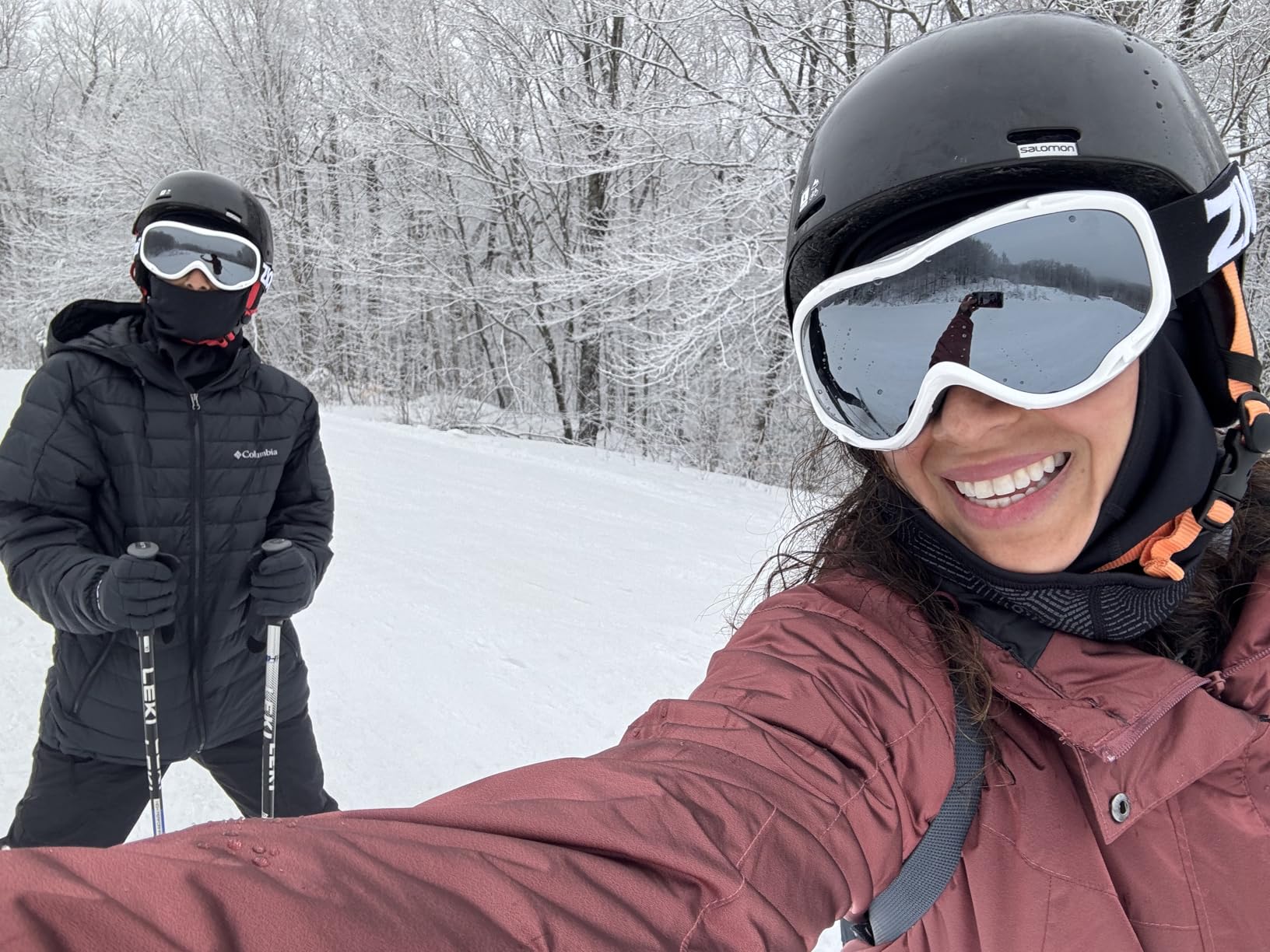
The variant list covers 23 VLT options from 8% to 76%. The B4 clear yellow at 76% VLT is the flat-light pick here, and the B2 clear blue at 50.6% is a reasonable middle option for a mixed forecast. Owners consistently praise the true-colour rendering and the wide peripheral view with no obvious blind spots.
The double-layer lens with anti-fog coating is the reason this goggle shows up in so many storm-day reports. Riders specifically call out riding lifts in strong wind with the goggles staying clear, which is a hard condition to pass.
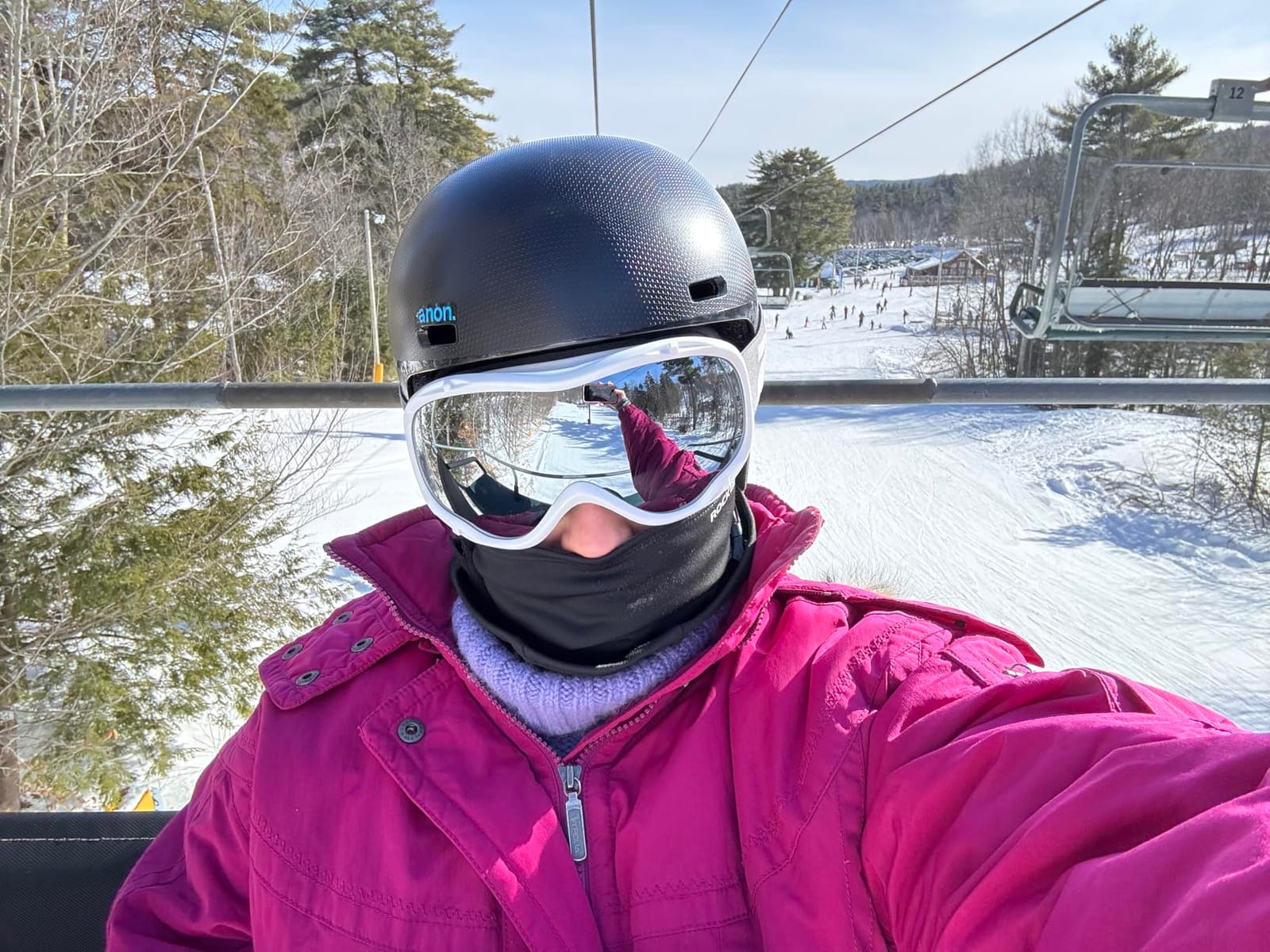
There is a trade. The smart ventilation system is aggressive enough that one reviewer reported a cold eye on a windy chairlift, and the strap is prone to slipping back on the head and pushing both the goggles and prescription glasses down. Neither is dangerous, both are annoying on a long day.
Also worth knowing: the default A0 silver lens is a 10.5% VLT sun lens. Order the flat-light variant deliberately rather than taking whatever is in the box.
When this goggle makes sense for you?
Choose the ZIONOR if fogging is the failure you have actually experienced. It is also the pick for anyone who wants warranty cover behind the lens decision, which matters when you are ordering a specific VLT variant that takes time to get right.
The 76% clear yellow is a strong night-skiing lens too, so one purchase covers the two lowest-light conditions you will face.
When to pick something else?
If you ride on cold chairlifts with heavy wind, the open venting is a real complaint. If you want a magnetic lens swap in a single frame, the Wildhorn Roca models are built for that instead.
3. SMITH Squad with ChromaPop: Best Contrast in Flat Light
SMITH Squad XL Goggles – Everyday Rose Gold Mirror, Black
ChromaPop lens, low-light lens included
Oversize semi-rimless cylindrical lens
Unisex adult, multiple sizes
Pros
- ChromaPop makes terrain pop in low contrast
- Low-light lens included in the box
- Very wide field of view
- Reliable anti-fog
- Adjustable strap
Cons
- Lens changes need patience without magnets
- Can run tight on smaller helmets
- Soft case only protects from scratches
Flat light verdict: the SMITH Squad ships with a low-light lens in the box, and its ChromaPop lens does more for terrain definition in overcast conditions than any other single lens technology in this roundup.
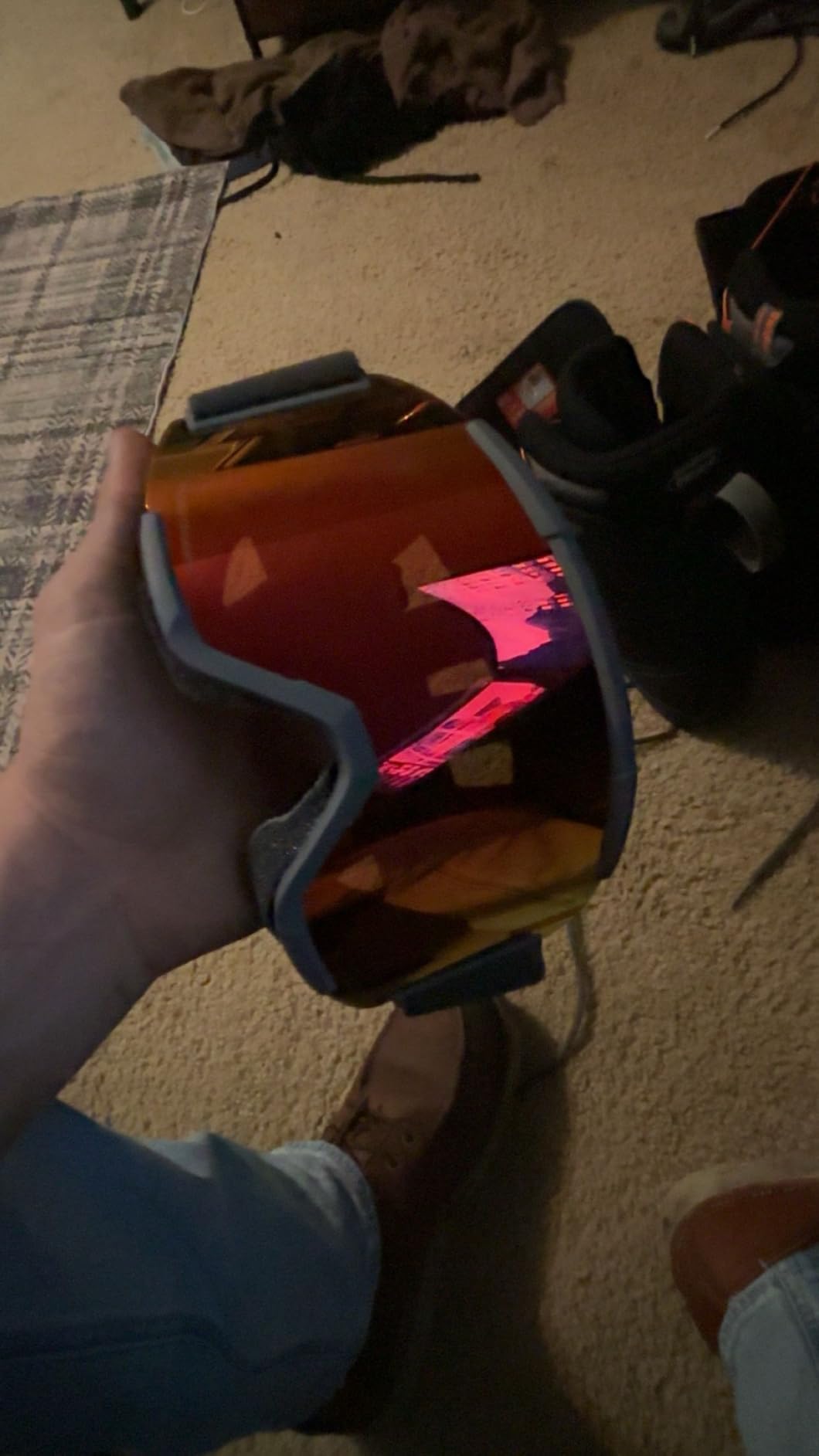
ChromaPop is designed around definition, contrast and natural colour, which is precisely the set of problems flat light creates. In a socked-in sky, the difference between a ChromaPop lens and a generic tinted lens is that bumps and snow texture separate instead of merging into one grey field.
The oversize semi-rimless cylindrical lens gives a genuinely wide field of view with no blind spots, and owners report the anti-fog tech held up through intense runs and shifting shade. The goggles come with an extra lens for low light, which removes the second-purchase problem entirely.
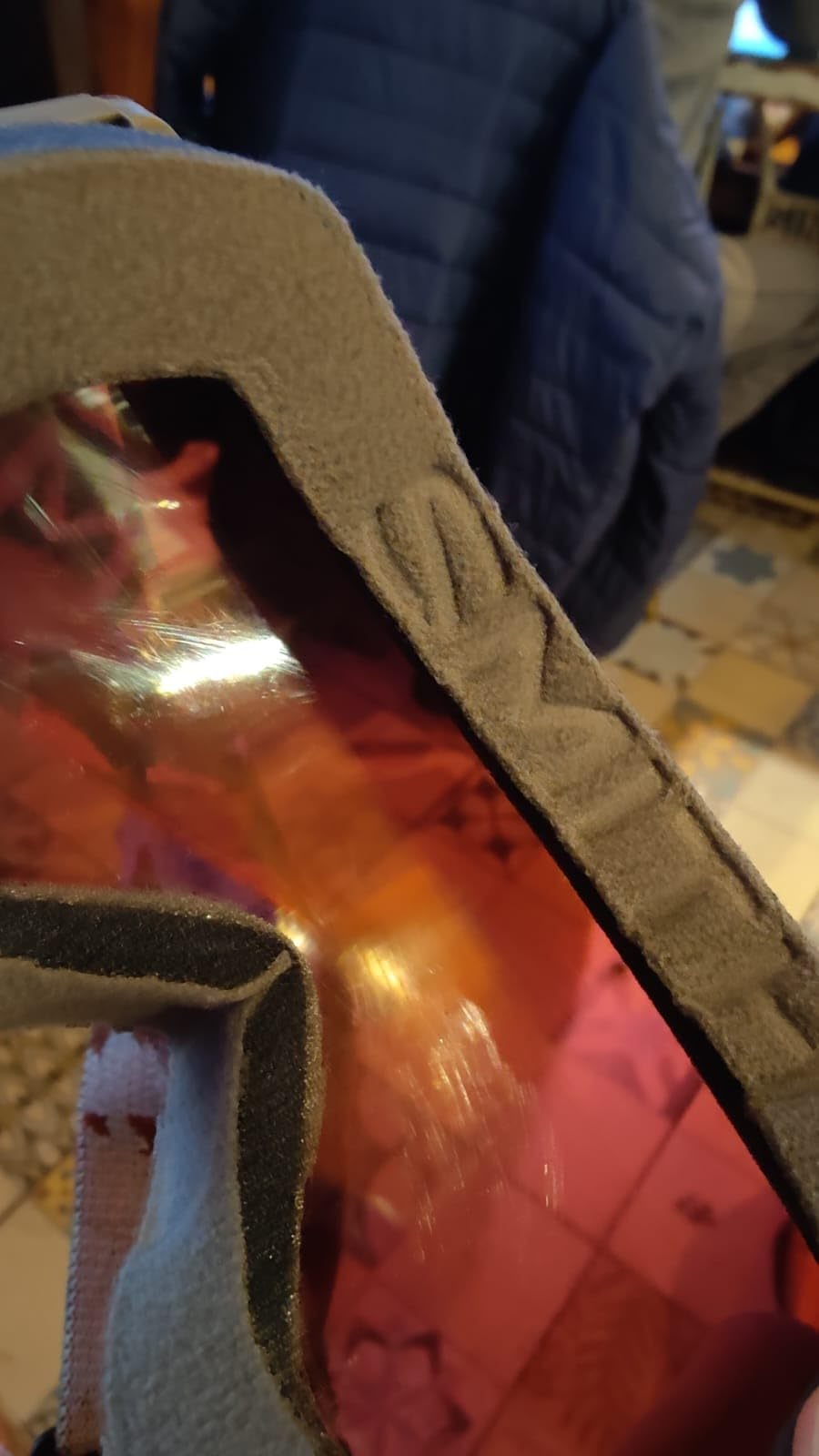
The frame sizes are the practical issue. Available in Small, Medium and X-Large, the Squad can run tight on smaller helmets even at the loosest strap setting, so if your helmet is on the small side this is worth checking before you commit.
Lens changes also take real patience. This is a screw-and-clamp style system rather than a magnetic one, so swapping lenses at the base of a lift is a fumbled, two-handed job. Plan to swap at the car or on a bench, not in a lift line.
When this goggle makes sense for you?
This is the pick for a rider who has previously felt that flat light made them slow and cautious, and who wants the lens doing more work before they blame their own technique. The included low-light lens means you can evaluate both conditions over a weekend before buying anything else.
It also integrates cleanly with SMITH helmets, which matters for the vent alignment that keeps fog out.
When to pick something else?
If you ride with a small helmet, size up carefully before ordering. If you want to change lenses mid-day in variable weather, a magnetic system will save you more frustration than the contrast difference is worth.
4. Giro Women’s Moxie: The Best Two-Lens Flat Light Spec You Can Read
Giro Moxie Ski Goggles – Snowboard Goggles for Women & Youth – Harbor Blue Sequence Strap with Amber Pink/Yellow Lenses
Amber Pink 41% VLT plus Yellow 77% VLT
Small to medium fit, 3.2 ounces
OTG friendly, anti-fog coated
Pros
- Published VLT figures for both lenses
- 77% yellow lens for storms and night
- Women's-specific small-face fit
- Minimal fogging
- Comfortable over any helmet
Cons
- Strap too short for some helmets
- Lenses smudge easily
- Swap is slower than magnetic systems
Flat light verdict: the Moxie is the only goggle here that publishes the VLT of both included lenses, an amber pink at 41% for mixed clouds and a yellow at 77% for storm and night, which makes the flat-light choice obvious before you buy.
That transparency matters more than it sounds. Forum riders constantly complain that the same named tint is quoted at wildly different VLT figures across retailers, so a published number on the spec sheet is a genuine advantage. You know exactly which lens to reach for on a given morning.
The fit is a genuine strength. The EXV frame is built for smaller faces, weighs 3.2 ounces, and fits over a helmet including non-Giro helmets. Owners report minimal fogging across a wide range of conditions and a straightforward lens swap.
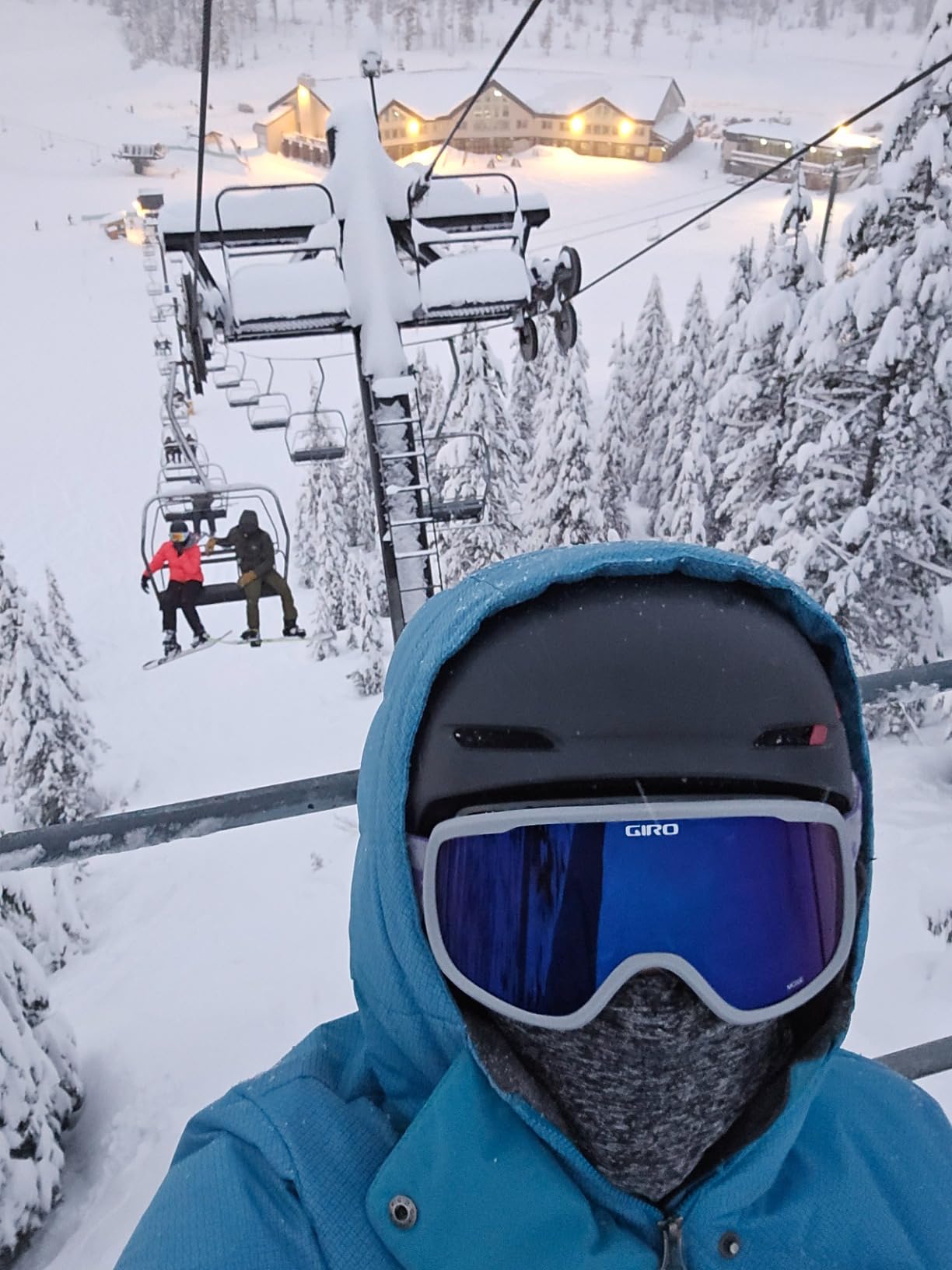
The recurring small complaints are honest ones: the strap can be too short for some helmets, the lenses smudge easily even though clarity is unaffected, and the swap is not as quick as a magnetic system. A few buyers also received yellow lenses that were blurry straight out of the box, which is worth checking on arrival.
None of that touches the lens choice, which is the part that decides whether you can see the snow.

When this goggle makes sense for you?
If you have a small to medium face and want the storm-day decision pre-made for you, this is the cleanest package in the roundup. The 77% yellow also doubles as a night lens, so a late session after dark needs no third purchase.
It is a strong first season goggle for anyone who knows they will ski in variable weather rather than picking sunny days only.
When to pick something else?
If you wear a large helmet, check the strap length first. If you want the widest possible field of view for reading terrain in poor light, the cylindrical oversize designs give you more than this frame does.
5. Wildhorn Roca: The All-Day Comfort Pick with a Fast Magnetic Swap
Wildhorn Roca Ski Goggles Men Women, ski goggles kid.Anti-Fog/Scratch 100% UV-Magnetic Lens-Snowboard Snow Goggles Men Women Adult
Aurora panoramic spherical dual lens
Magnetic swaps under 60 seconds
Triple-layer foam, 100% UV
Pros
- Fast magnetic lens swap
- Panoramic undistorted view
- Anti-fog and anti-scratch coatings last
- Triple-layer foam for long days
- Amber and blaze lens options
Cons
- Low-light lens is a separate purchase
- Large adult frame is bulky for small faces
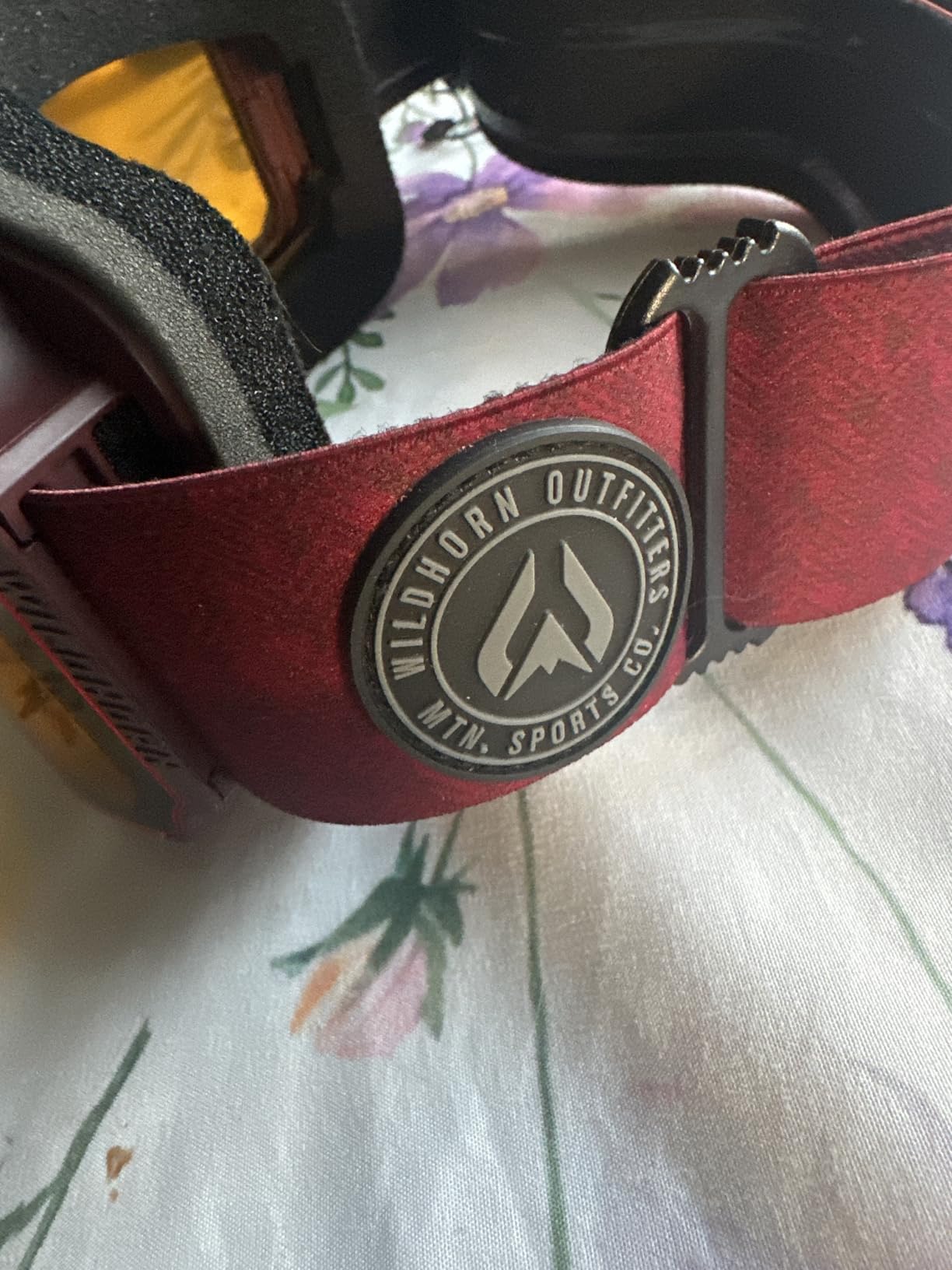
Flat light verdict: the Wildhorn Roca is the most comfortable goggle in our test for full days, and its magnetic lens security means you can carry an amber or blaze low-light lens and swap in under a minute when the sky closes in.
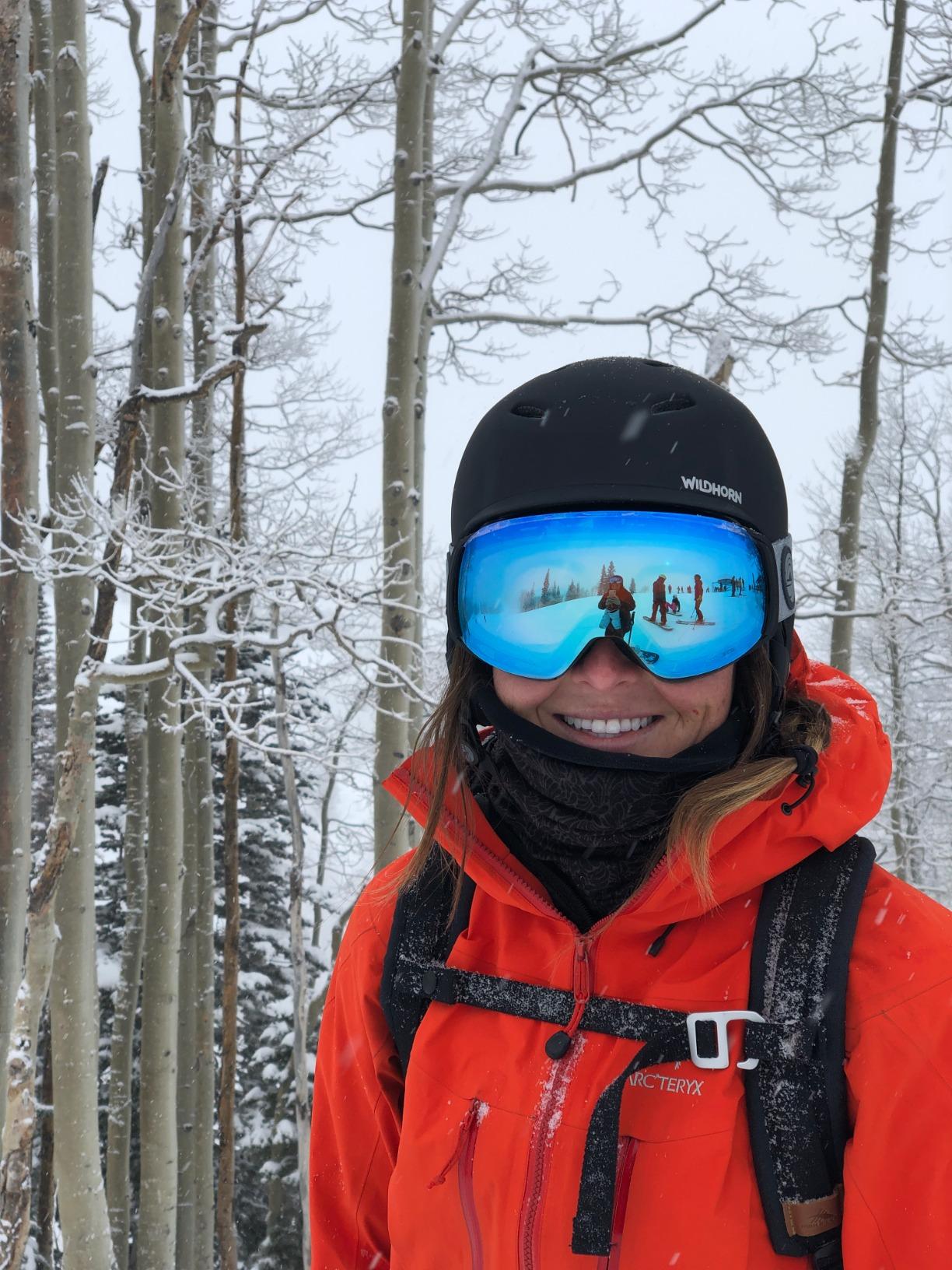
With more than 6,000 reviews and a large share of five-star ratings, the pattern in owner feedback is consistent: lens clarity, magnetic retention even after crashes, and comfort from first lift to last lift. The triple-layer foam and soft-touch anti-slip frame are doing real work there.
The Aurora lens technology and wide-view panoramic spherical dual-lens design are aimed at reducing distortion, which helps when you are scanning a featureless white slope trying to find a subtle roll of snow. Twenty-plus colour and lens combinations include amber and blaze options suited to low light.
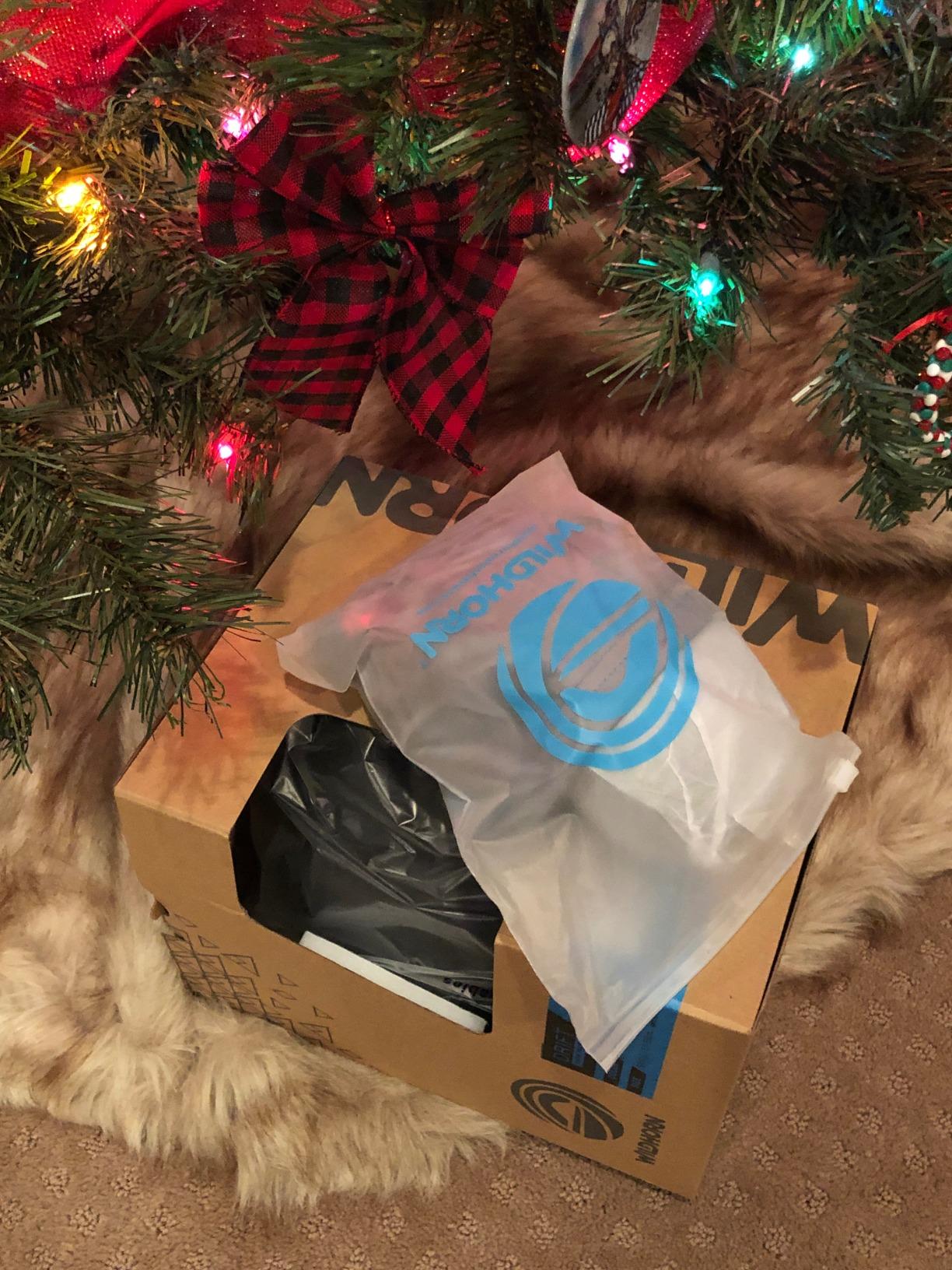
The important caveat is that the flat-light lens is not included. The most common note in the reviews is exactly that: a rider bought the goggle for the frame, then discovered the low-light lens they wanted was a separate order, which pushes the full flat-light setup cost higher than the sticker price suggests.
The large adult frame is also the other recurring note. If you have a smaller face, the bulk is noticeable even though the foam is comfortable.
When this goggle makes sense for you?
This is the choice for someone who will be in a goggle for six or seven hours and notices pressure points. The magnetic retention also survives falls, which matters on terrain where you are skiing close to the snow in exactly the low-visibility conditions we care about here.
It suits riders who already know which low-light lens they want and would rather buy it once than compromise the frame.
When to pick something else?
If you want a complete flat-light kit in one box with no second order, the SMITH Squad or the Giro Moxie both include the lens. If your face is small, test the fit before committing to the large frame.
6. Wildhorn Roca Pro: The Widest View for Featureless Terrain
Wildhorn Roca Pro Ski Goggles Men Women, 185° FOV Anti-Fog Magnetic Lens
185-degree field of view
Tapered distortion-free lens
8-magnet lock, 3x fog resistance
Pros
- 185 degree view helps read terrain in flat light
- 8 magnets hold through heavy terrain
- Enhanced fog resistance
- Same frame covers low light and sun
Cons
- Flat-light lens is an extra purchase
- Large size may not suit smaller faces
Flat light verdict: the 185-degree field of view is the most direct tool in this roundup for reading featureless terrain, because when contrast is gone, the amount of slope and peripheral information you can see at once becomes the deciding factor.
The tapered lens is designed to avoid the wavy edge distortion that makes you distrust your peripheral vision. Riders single out the field of view as the main advantage, and the connection to low contrast is logical: more usable vision means more chances to catch a shadow or a texture change.
Ventilation is the other strength. The 3x fog resistance with premium venting and moisture-wicking design is consistently praised in variable weather, and the eight-magnet lock holds the lens firm even in heavy terrain where a weaker magnetic would pop.
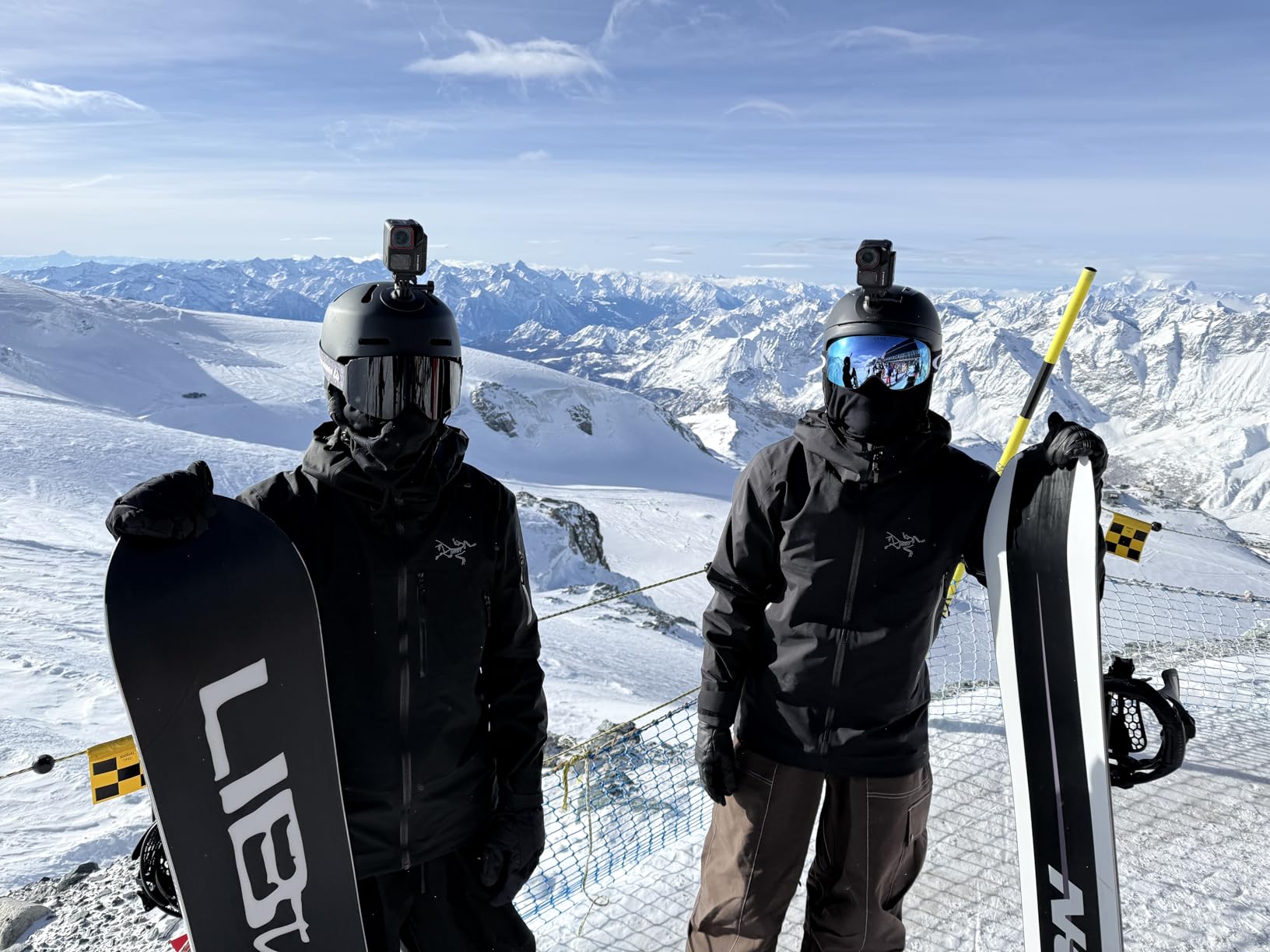
As with the standard Roca, a low-light or flat-light lens is an extra purchase rather than included. The frame is compatible with the Fenom lens range, which covers low light and flat light in the same frame, so the upgrade path exists and is well supported.
Watch the sizing. The large option is flagged as potentially wrong for smaller faces, and this is the second goggle in the roundup where that matters.
When this goggle makes sense for you?
If your flat light problem is that you cannot see where a run goes, rather than a problem with brightness, this is the pick. The same logic applies to off-piste and tree-adjacent terrain, where peripheral awareness is a safety issue rather than a comfort one.
It is also a good backcountry choice for riders climbing into flat, cloudy conditions where moisture builds up slowly.
When to pick something else?
If you want the low-light lens included rather than ordered separately, this is the wrong shape of purchase. If you have a smaller face, the standard Roca gives you the same lens system in a less bulky frame.
7. Giro Roam: The Easiest Flat Light Setup for Prescription Wearers
Giro Roam Snow Goggle Stone Tan Stacked – Amber Gold & Yellow
Two lenses including a low-light lens
OTG interior volume, EXV peripheral vision
8.48 ounces, double-layer foam
Pros
- Two lenses supplied including low-light
- Easy lens swapping
- Works over prescription glasses
- Strong EXV peripheral vision
- Double-layer foam moulds well
Cons
- Larger eyeglass frames may not fit and fog
- Mirrored variants can show internal distortion
- Listed colours sometimes differ from the lens
Flat light verdict: the Giro Roam includes a dedicated low-light lens and has enough interior volume to sit over prescription glasses, which is the combination that most flat-light riders wearing glasses actually need.
That combination is rarer than it should be. Most two-lens kits assume you do not wear glasses, and the OTG versions that do fit glasses rarely include a proper low-light lens. The Roam does both, and reviewers specifically call out both the included second low-light lens and the ability to wear the goggles over glasses while resisting fogging.
The EXV frame technology gives strong peripheral vision, and the cylindrical thermoformed lens is a sensible flat-light choice because it keeps the centre of the lens distortion-free where you are actually looking.
The qualification is that larger eyeglass frames may not fit inside the interior volume and can fog when they do. If your frames are wide, check the fit carefully.
There is also a variant issue: some colourways ship with mirrored lenses that reviewers report showing wavy, blurred internal distortion, and a minority report that the listed colour does not match the actual lens tint. Check the lens description, not the frame colour, when ordering.
When this goggle makes sense for you?
This is the pick if you wear glasses and want a low-light lens in the box without ordering a second pair. The double-layer foam moulds well to the face, and the silicone-lined strap stays put under a helmet.
It is also a straightforward choice for anyone who wants two lenses without fiddly tooling, since swapping here is easy.
When to pick something else?
If you wear oversized frames, the OTG depth is limited and the OutdoorMaster or findway options are built around a deeper OTG cavity. If you specifically want a high-VLT storm lens above 60% rather than a general low-light lens, read the variant list carefully.
8. Odoland Photochromic Goggles: Best for Riders Who Refuse to Carry Lenses
Odoland Anti-Fog Photochromic Ski Goggles with Pattern Strap
Auto-tint photochromic lens
Two-way airflow, Italian defogging inner lens
Triple-layer foam, 99.99% UV400
Pros
- Lens adapts without carrying spares
- Two-way airflow and defogging inner lens
- Triple-layer foam and fleece liner
- Helmet compatible
- Patterned strap options
Cons
- Photochromic shifts slower than a manual swap
- Pattern strap limits colour combinations
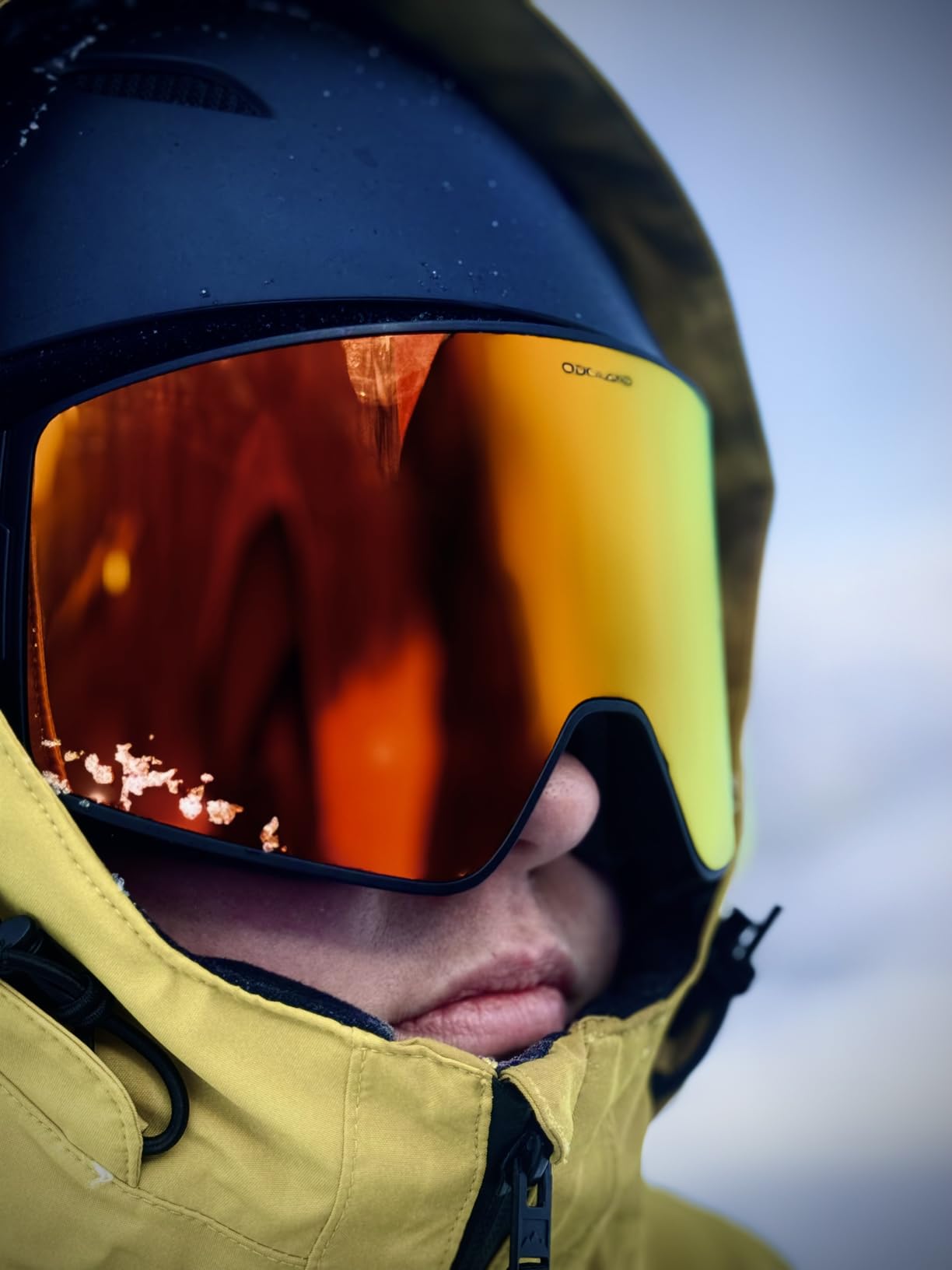
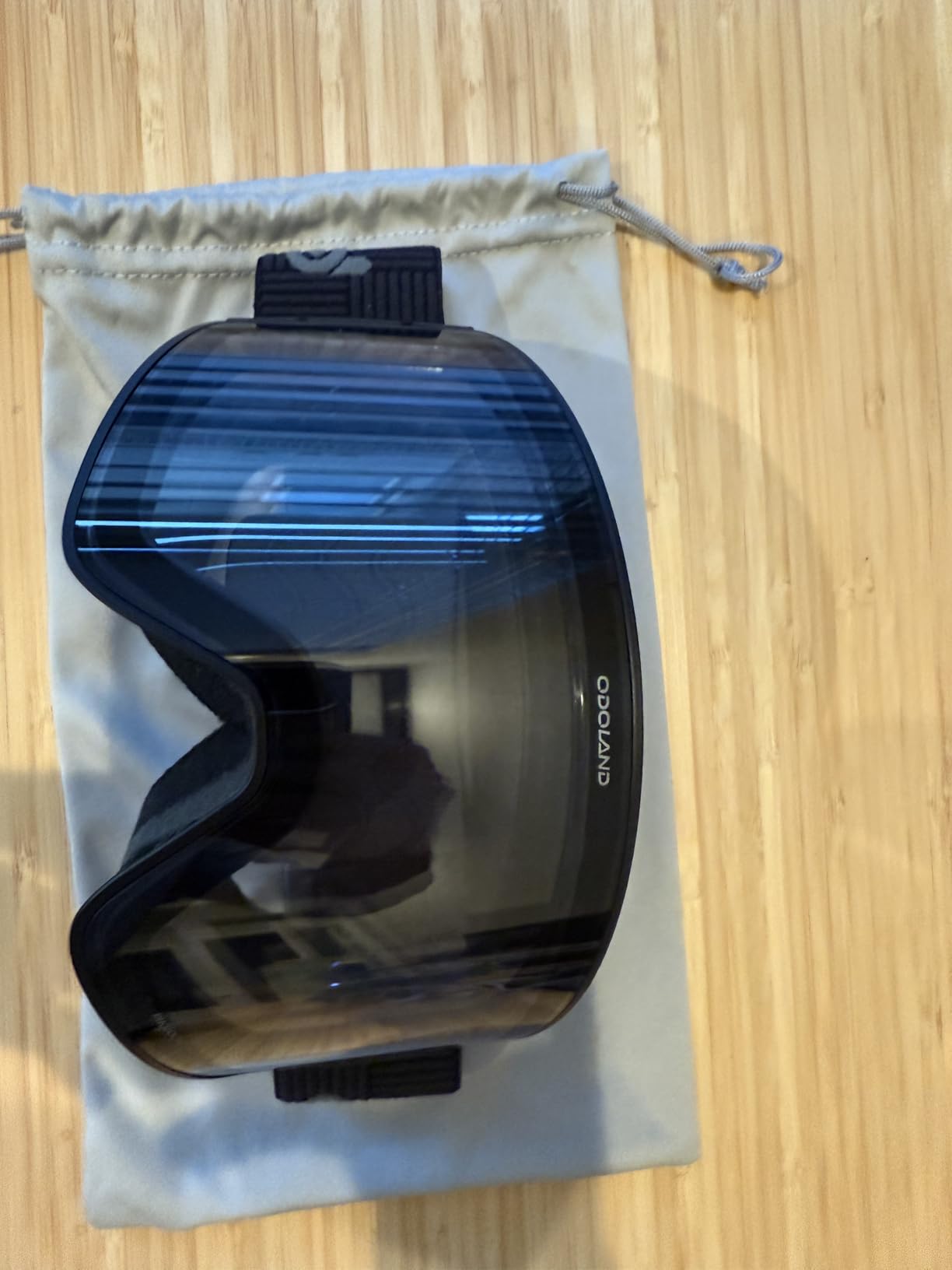
Flat light verdict: the photochromic lens removes the flat-light decision entirely by tinting with the light, which suits a rider who would rather never carry a second lens than optimise the one they have.
That convenience is real. No lens swap at the base of a lift, no risk of losing a spare in a bag full of gloves, and one lens that handles the sunny afternoon and the socked-in morning on the same mountain.
The venting is the other strength. Two-way airflow channels combined with a premium Italian defogging inner lens keep vision clear through heavy exertion, and the contoured triple-layer face foam with a soft fleece liner is comfortable for a full day. The frame is helmet compatible and the lens is shatter-resistant with 99.99% UV400 protection.
There is a well-known trade-off with photochromic lenses, and it shows up in the 4.4 average. They darken more slowly than a manual swap, so a fast transition from sun into shade leaves you briefly under-tinted, which is the opposite of what a flat-light rider needs. Readers also note the emphasis sits on style and strap pattern rather than lens range.
That is worth weighing honestly: for pure flat light, a fixed high-VLT yellow lens beats auto-tint. For a rider who will realistically wear one goggle through wildly mixed weather and hates swapping, it is a different answer.
When this goggle makes sense for you?
Pick this if you are a casual or beginner rider who skis three or four days a season and does not want to manage lenses at all. The colour-matched patterned straps also make it an easy choice as a gift.
It is a reasonable second goggle for anyone who needs a helmet-compatible pair for a car trip.
When to pick something else?
If your days are storm days and you want maximum light transmission, a fixed 55-75% VLT yellow lens beats auto-tint outright. If your forecast is genuinely mixed within a single day, the slower reaction is the deciding factor.
9. Snowalva Two-Lens Magnetic Goggles: Best Budget Path to Night and Storm
Snowalva Ski Goggles, Snowboard Goggles with 2 UV400 Anti-Fog Detachable Magnet Lenses for Men & Women Adult (Ice Blue&Clear, One Size)
Tinted and clear magnetic lenses
Traditional cylindrical wide view
UV400 on both lenses, anti-fog treated
Pros
- Clear lens works in flat light and at night
- Magnetic swap quick on a lift ride
- Very wide peripheral vision
- Strong magnets
- Cheap replacement lenses
Cons
- Included hard case is flimsy
- Headband slips after tightening
- Tinted lens shows fingerprints
- Magnets snap on abruptly
Flat light verdict: the clear lens is the flat-light lens here, and skiers consistently name it as the reason to buy, because a clear lens passes maximum light and works equally well for a night session at the end of a storm day.
There is a subtlety here. A fully clear lens is 85-90% VLT, which is at the night-skiing end rather than the 55-75% flat-light band. That is fine for genuinely white conditions, but in a grey overcast sky a clear lens gives you light without giving you contrast. A warm yellow lens is still the better flat-light tool.
What this goggle does well is the system around the lens. Two detachable magnetic lenses, a traditional cylindrical lens with wide peripheral field of view, UV400 protection on both lenses and anti-fog treatment. Reviewers note the magnetic swap is quick enough to do on a lift ride.
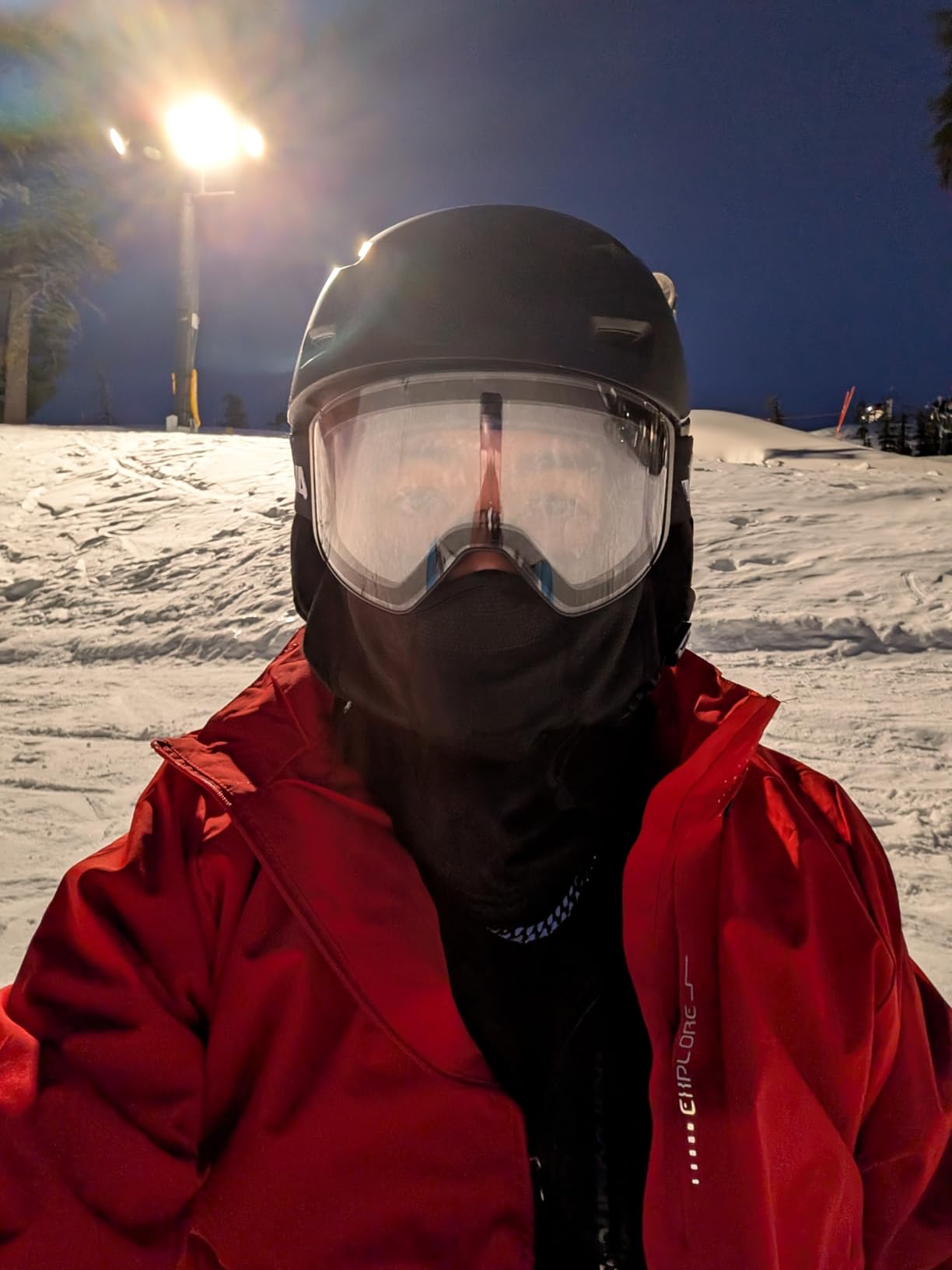
The build quality gaps are specific and all mentioned by owners. The included hard case is thin and can crack. The headband can slip out of position after you tighten it, which on a lift is the moment you most need it to hold. The tinted lens shows fingerprints readily, and the strong magnets snap on abruptly enough to startle some riders.
One more to check if you wear glasses: the fit works for many aviator-style frames but not every frame shape.
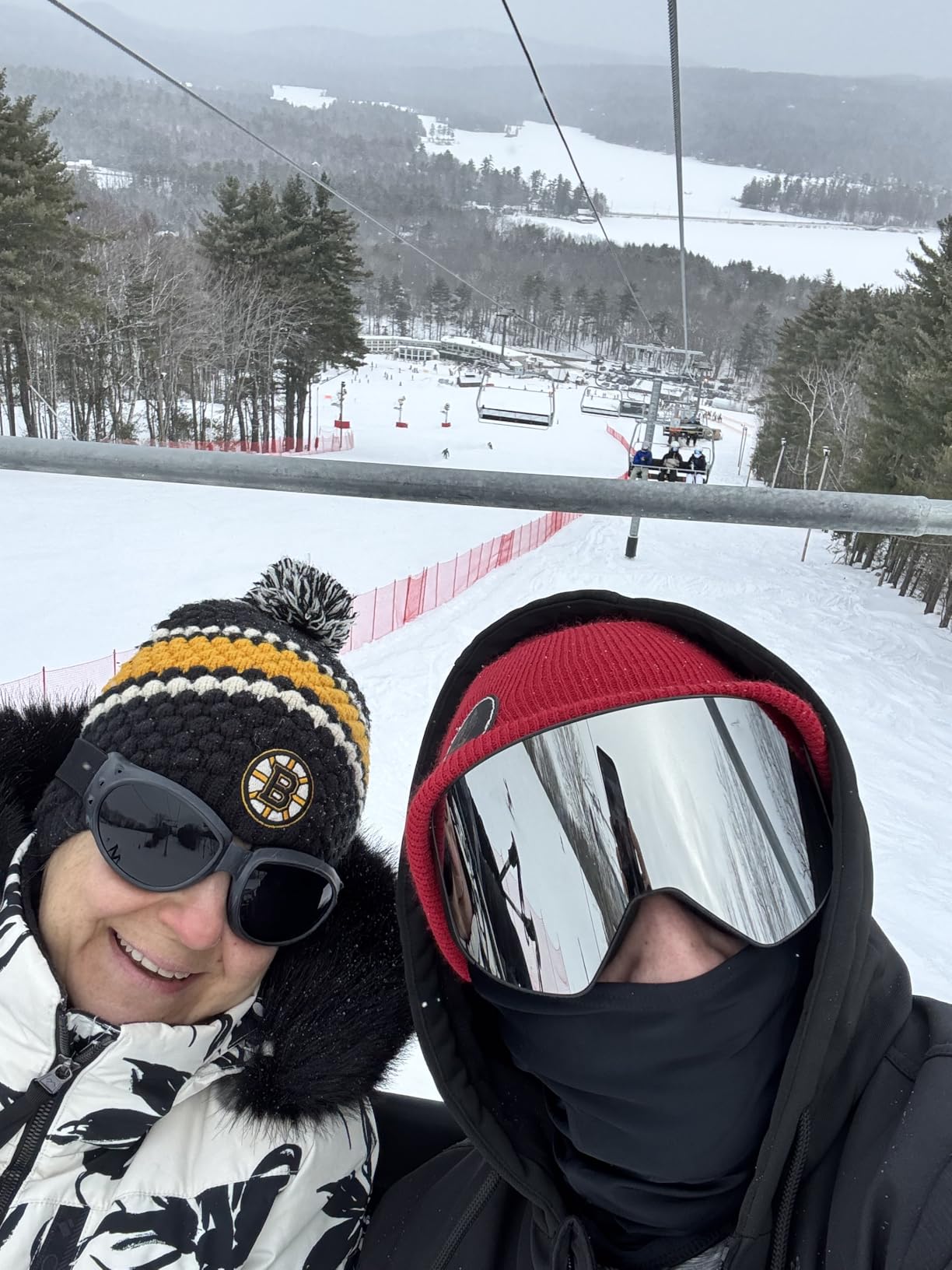
When this goggle makes sense for you?
This suits a rider whose resort has night skiing and storm days in the same week, and who wants one inexpensive setup that handles both. Inexpensive replacement lenses mean you can buy a warm tint later and experiment cheaply.
Very wide peripheral vision helps in low contrast, and the value of two lenses out of the box is hard to argue with at this level.
When to pick something else?
If your priority is a grey overcast day rather than a whiteout, buy a warm yellow lens rather than relying on the clear one. If you need durability, the Wildhorn magnetic systems use stronger retention and ship with better cases.
10. findway OTG Goggles: The Budget Option with a 46% VLT Ceiling
findway Ski Goggles OTG – Over Glasses Snow/Snowboard Goggles for Men, Women & Youth – 100% UV Protection
VLT options from 6.8% to 46%
Double lens with Italian anti-fog inner
Spherical frameless wide view
Pros
- Reliable all-day anti-fog
- Comfortable OTG fit over glasses
- Adjustable strap stays secure
- Durable across seasons
- Polarization cuts glare without over-darkening
Cons
- VLT range tops out at 46%
- Unmeshed nose vent admits sleet
- Hard to wipe fully in heavy snow
Flat light verdict: this is the strongest budget OTG goggle for fog and snow, but its 46% maximum VLT sits just below the flat-light band, so pick the highest-VLT variant and treat it as a marginal choice for overcast days.
With more than 4,700 reviews, the comfort story is consistent: a soft sealing seal over prescription glasses with no temple pressure, an adjustable strap that stays put under a helmet, and durability across multiple seasons with little visible wear.
The double-lens construction with an Italian-made inner anti-fog lens and the professional airflow ventilation system deliver the reliable anti-fog performance owners report. The full-face spherical frameless lens gives a wide view with no visible edge.
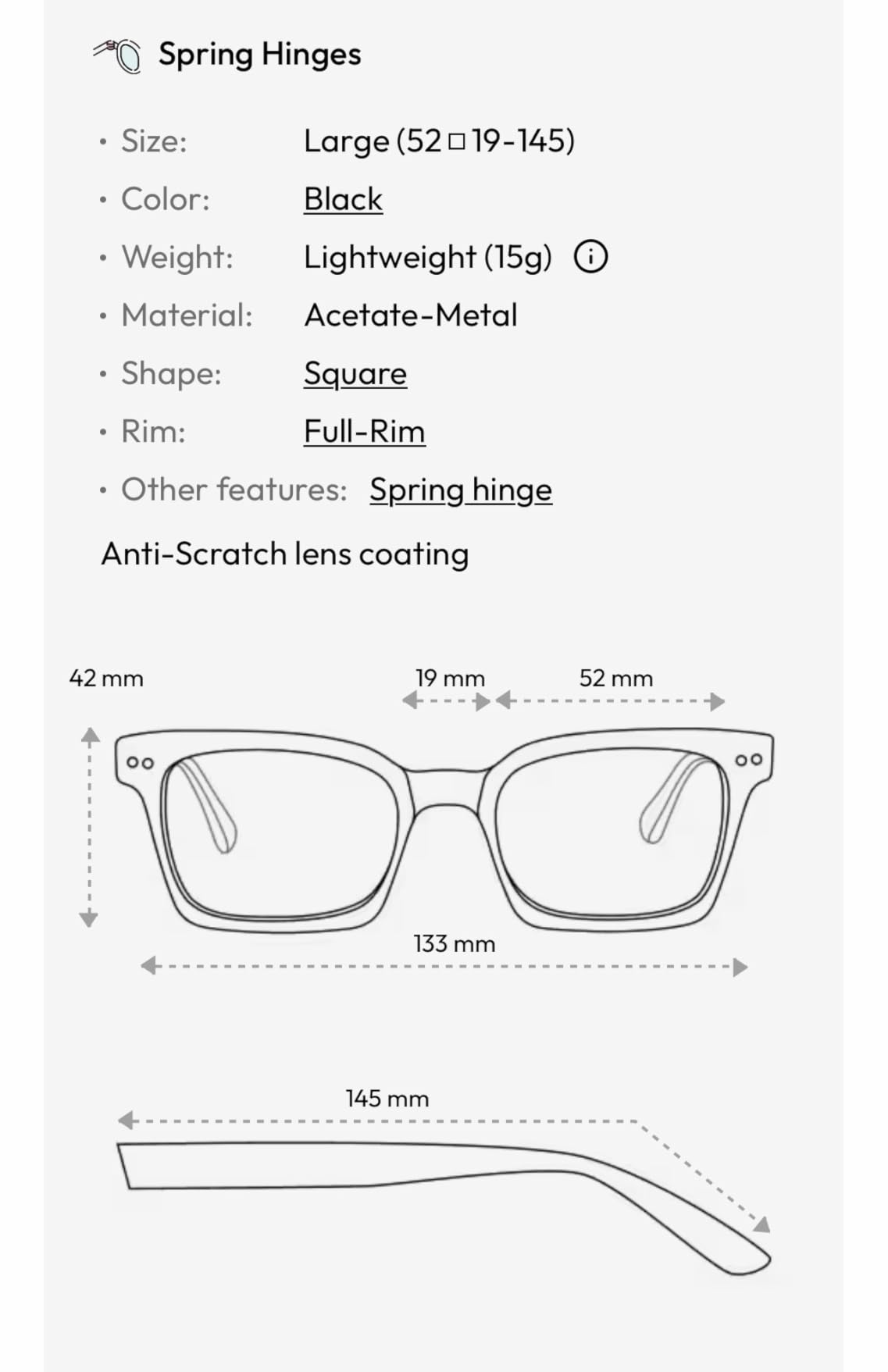
Two issues stand out for flat-light use specifically. The unmeshed nose vent can let sleet and ice particles through, and in heavy snow the lens is difficult to wipe fully, which creates temporary tunnel vision at the exact moment you can least see.
On brightness, the silver-mirror lens can be too dark for heavily overcast days. The variants run from 6.8% to 46% VLT, and the higher-VLT versions are the ones worth ordering for a flat-light rider.
When this goggle makes sense for you?
This is the pick for a beginner on a budget who wears glasses, skis coastal or low-elevation terrain, and mostly faces fog and wet snow rather than high alpine flat light. Durability across seasons is its strongest argument over cheaper options.
It also works if you need one goggle that handles the sun and the overcast without ever swapping anything.
When to pick something else?
If your home mountain sits above the treeline or you ski deep in the season, the 46% VLT ceiling is a real limit. Move up to the OutdoorMaster or ZIONOR ranges, which go past 65% and 76%.
11. EXP VISION Over-Glasses Goggles: The Replaceable Foam Option
Ski & Snowboard Goggles Men Women, Over-Glasses Interchangeable Foam
Detachable washable foam padding
95 g TPU frame, 95 grams
Top and bottom vents, UV400
Pros
- Replaceable foam extends goggle life
- Excellent reported anti-fog
- Comfortable over prescription glasses
- Glare reduction that keeps colour
- Lightweight 95 g frame
Cons
- Most colourways are dark sun lenses
- Foam is a consumable part
- No lens-swap system
Flat light verdict: the detachable foam is a genuine flat-light asset, because a seal that fits your face properly is what stops fog and cold air in during long snowfall, but most colourways here are dark sun lenses and you need the clear or yellow variant.
That foam is the reason to consider this goggle at all. It can be removed, washed and replaced, which extends the life of an otherwise cheap frame and lets you change the seal thickness for different face shapes or under-helmet use. Owners treat it as a practical differentiator rather than a gimmick.
Anti-fog performance is reported as excellent with no reported fogging, supported by a panoramic cylindrical lens with an anti-fog hydrophilic inner coating and strategic top and bottom vents. The 95 gram TPU frame is light enough that pressure is not a factor over a long day.
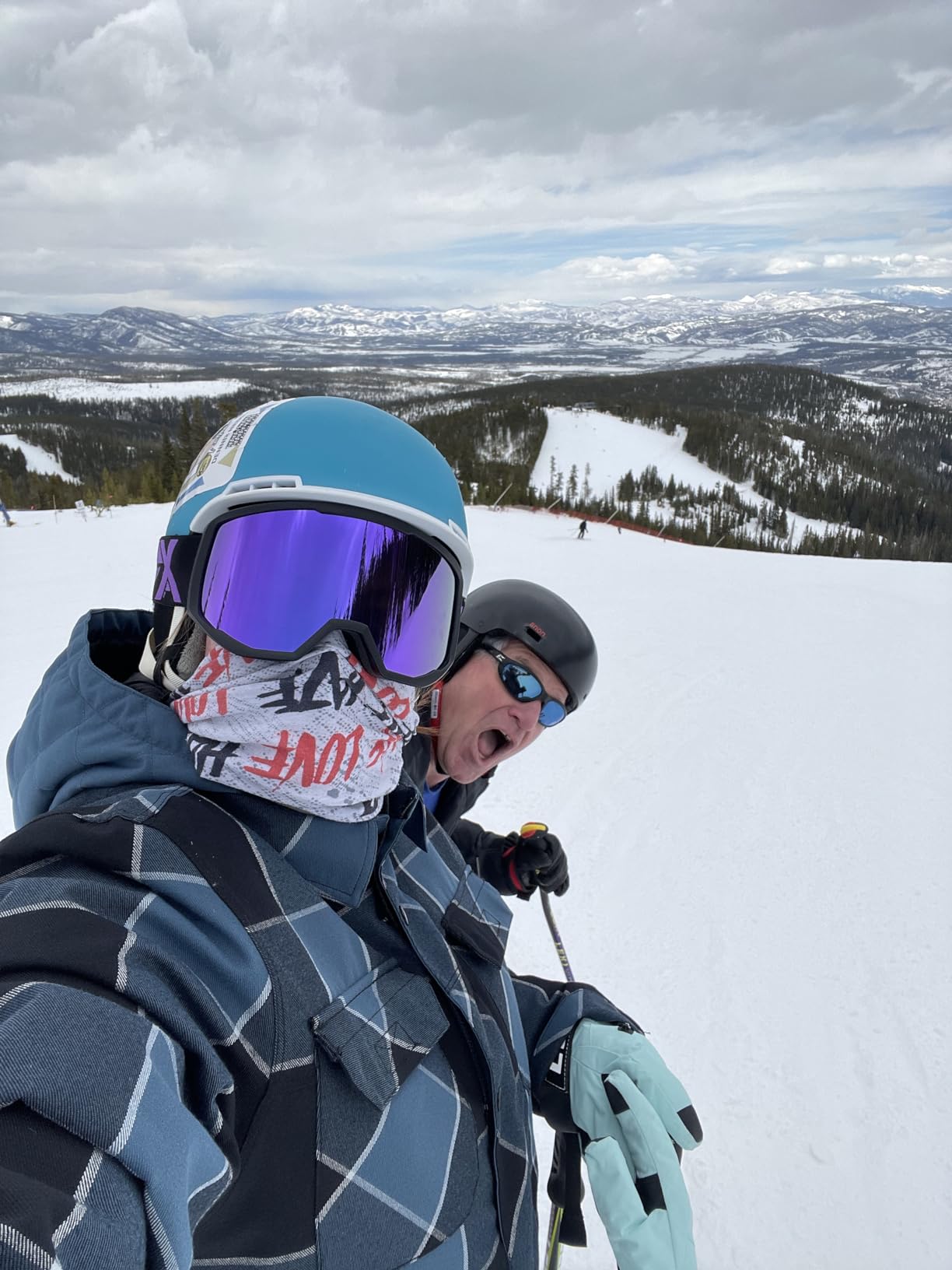
The flat-light catch is the lens, not the frame. There is no lens-swap system, so a low-light lens means a second goggle, and while sixteen frame and lens colour combinations include a Black Frame Yellow option, the majority of colourways are dark sun lenses. Buyers report these become hard to see through in blowing snow.
The foam is also a consumable. It is the thing that makes this goggle adaptable and the thing you will eventually replace.
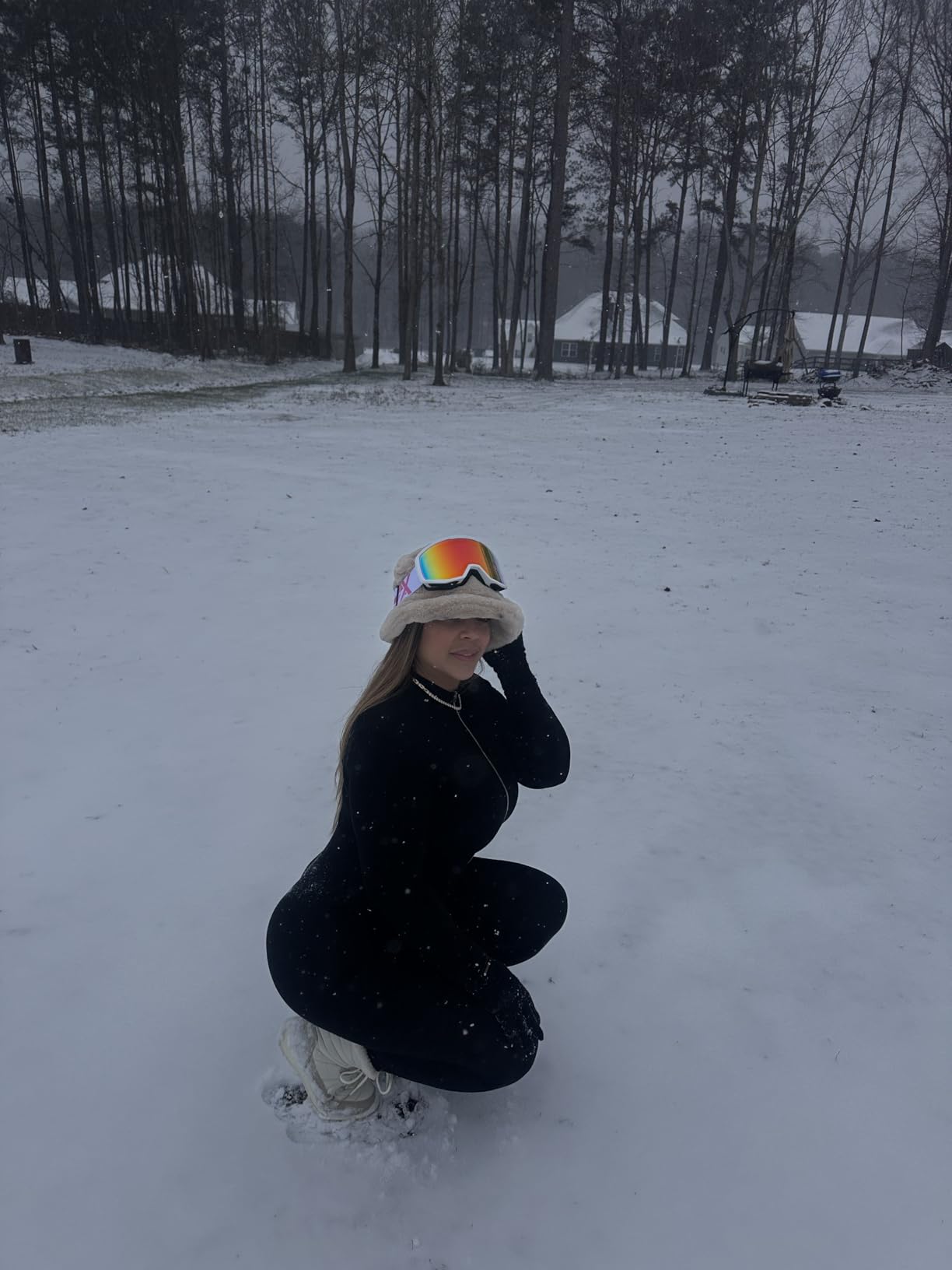
When this goggle makes sense for you?
This suits a rider with an unusual face shape or a helmet that leaves an odd gap, since the foam can be swapped rather than the whole goggle replaced. It is also a good over-glasses option for anyone who needs prescription compatibility on a tight budget.
Strong glare reduction that still preserves visible colour is a plus on the brighter days around your flat-light ones.
When to pick something else?
If you want a lens change without buying a new goggle, this is the wrong design entirely. If your conditions are genuinely socked-in, choose a model that ships with a high-VLT lens rather than relying on a variant choice here.
12. Whale Magnetic-Closure Goggles: The Sensible First Goggle
Whale 2027 New Magnetic-Closure Ski Goggles, 2 Interchangeable Lenses/Night Skiing Light-Enhancing Lens, Anti-Fog, Unisex (Silver, Silver)
Two lenses with light-enhancing night lens
Magnetic closure swap, UV400
Cellulose propionate frame, OTG volume
Pros
- Two lenses cover bright and low light
- Magnetic lenses lock without tools
- Genuine OTG volume over glasses
- Good wind protection
- Bag and cloth included
Cons
- Lenses scratch easily
- Intermittent fogging in cold damp weather
- Cheaper-feeling plastic frame
Flat light verdict: two interchangeable lenses with a magnetic closure means you always have a low-light option in the bag, which makes this the most sensible first goggle here for someone who does not yet know which lens tint suits their eyes.
That is genuinely a good reason to start. The goggle ships with a tinted lens and a light-enhancing night lens, so you can spend a season comparing and then buy exactly the tint you prefer. The magnetic closure keeps lenses locked and swaps without tools, which is a nicer system than it has any right to be at this level.
The OTG volume is described as genuine, fitting prescription glasses with no pressure points, and the soft adjustable foam with good wind and coverage protection is well suited to a helmet.
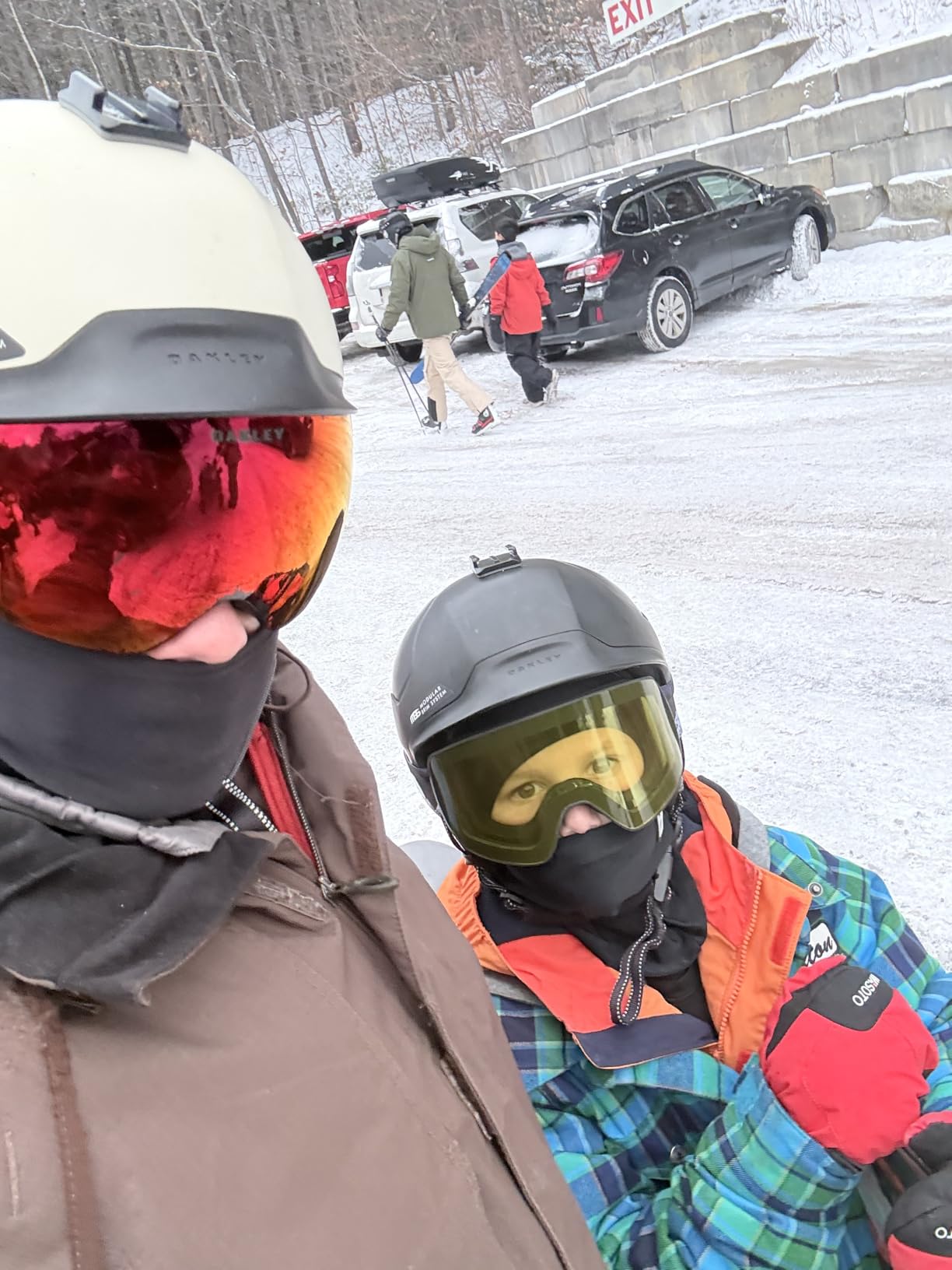
Scratching is the biggest practical risk and it is a storm-specific one. Owners report that dragging a lens across ice marks it quickly, which in flat light means skiing with a marked or streaked lens exactly when you can least afford reduced clarity.
Fogging appears intermittently in cold, high-humidity conditions, and one reviewer noted the goggle suits occasional use better than three or four days a week. The outer frame also feels like cheaper plastic when you handle it.
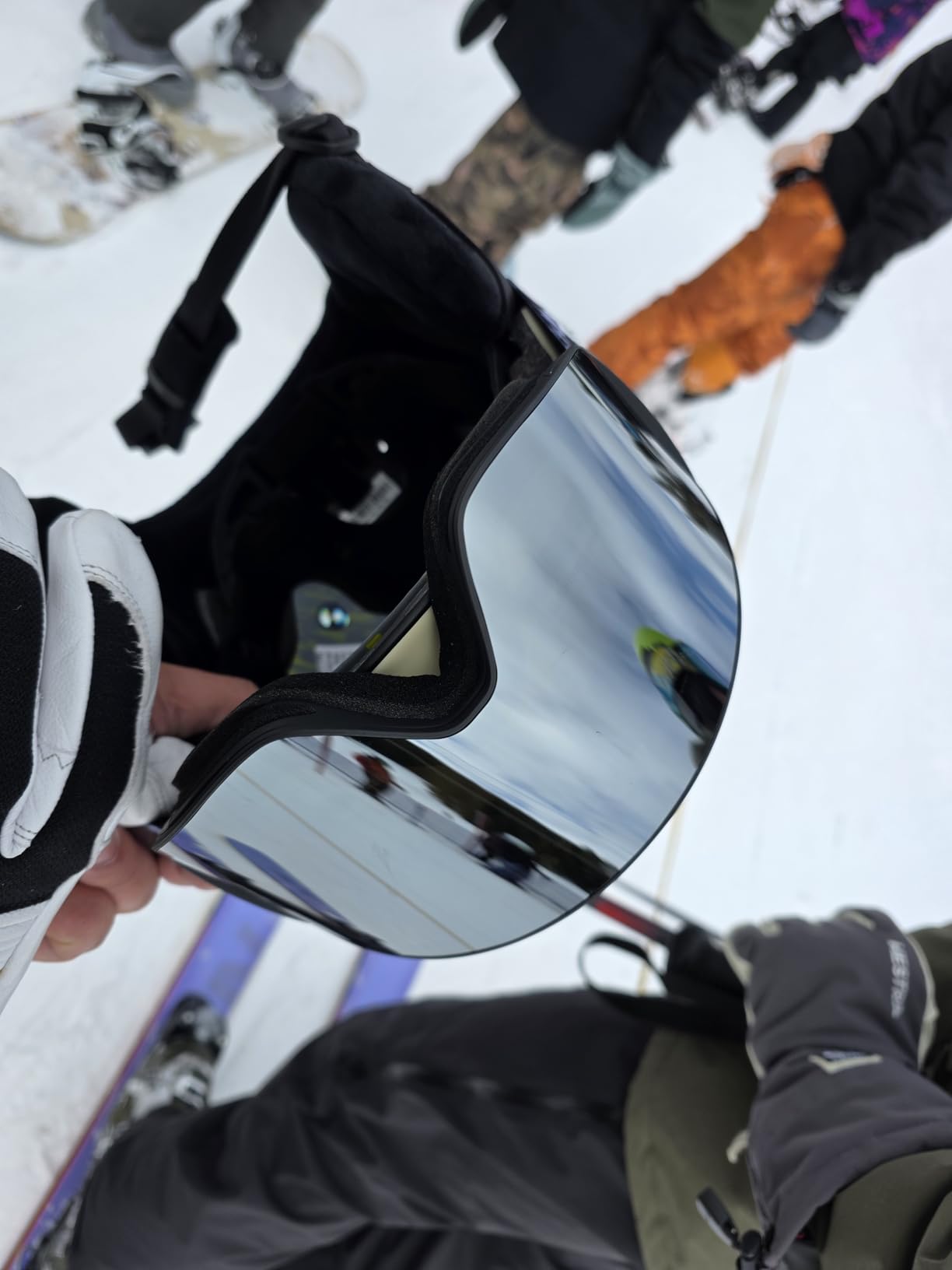
When this goggle makes sense for you?
This is the right pick if you ski a handful of days a year, if you wear glasses, and if you would rather learn which lens you like than research it. The carrying bag and cleaning cloth included keep the lenses safer between trips than they otherwise would be.
For a family buying a goggle for a growing kid, the interchangeability has real value too.
When to pick something else?
If you ride three or four days a week, the scratch risk and intermittent fogging will accumulate. Spend up and buy from a range with a large review base and a warranty, such as the ZIONOR or the OutdoorMaster.
What Not to Buy for Flat Light?
Mirrored lenses are the most common mistake. A mirror coating is built to reflect direct sunlight, and in flat light there is no sun to reflect, so all it does is reduce the light you need and add a surface that smears and scratches. Two of the goggles in this roundup show mirrored variants with reported internal distortion.
Polarized lenses are a closer call, and opinions on them are genuinely mixed. One of the goggles here carries a mirrored, impact-resistant coating, and its owners report that polarization cuts glare on sunny days without making cloudy days too dark. In our view, for a dedicated flat-light lens a warm non-polarized tint remains the safer recommendation, because polarization is a sun-side feature that you are paying to carry in a storm.
Dark VLT lenses are the harder no. Any lens at 10-15% VLT, and that includes most default lenses shipped with sun goggles, will make a grey-white slope worse rather than better. Several products in this list ship with a dark default lens for exactly this reason.
Single-lens kits are the soft no. A frame with one lens forces you to buy a second goggle rather than a second lens whenever the weather turns, which is both more expensive and less convenient. The two-lens kits in this roundup are listed with what the second lens actually is, because a “low light” label is meaningless without a VLT figure.
Also worth avoiding: relying on a goggle alone in a whiteout. We cover that next, because it is the limit nobody puts in a product listing.
How to Choose Flat-Light Goggles?
Step one is the lens number, and nothing comes before it. Find the VLT of the lens that ships in the box or the highest VLT option the brand sells. If that number is not 55% or above, this is not a flat-light goggle for you, whatever the marketing says. If it reaches 65% or more, you are in the range experienced riders treat as the standard for storm days.
Step two is the tint family. Warm yellow and amber lenses block blue light, which is the component that flattens terrain contrast under cloud. Rose and high-visibility pink sit next, typically at 40-60% VLT. The community consensus, repeated across the SkiTalk flat-light thread, is that yellow wins for contrast, and the mechanism is straightforward enough to trust.
Step three is the second lens. Ideally it is already in the box. The models here that include a genuine low-light lens with a published figure are the SMITH Squad, the Giro Moxie, the Giro Roam, the Snowalva, the Whale and the Wildhorn Roca if you already own its lens range. Everything else means a second order.
Step four is the fogging system, because a lens you cannot see through is a lens that does not matter. Look for double-lens construction with a hydrophilic anti-fog inner coating, vents at the top and bottom rather than a single central port, and a foam seal that fits your face. Venting that is too open is its own failure, so read the complaints as well as the spec sheet.
Step five is fit, and it is the one that is hardest to fix later. If you wear prescription glasses, interior OTG volume matters more than any other feature after the lens. Check that your specific frame fits inside, and check whether owners report fogging with that setup. For small faces, a small adult size or a women-specific fit avoids pressure points that make people push goggles up onto their forehead, which is where fogging is really born.
A quick note on the lens itself as a separate purchase. Riders consistently treat the goggle and the lens as two decisions, and it is worth doing the same. Decide your frame for fit and fogging, then decide your lens for VLT and tint. Buying a premium frame and a mediocre low-light lens produces a mediocre flat-light experience, while a modest frame with a 65% yellow lens is genuinely excellent.
And if you are gearing up for storm weeks at home, it is worth remembering that the mountain is only part of the season. Our guides to two-stage snow blowers for heavy snow, track snow blowers for steep driveways and snow plows for UTVs cover the driveway half of a long winter, and all three matter as much as the lens when a storm dumps more than you can clear by hand.
Beyond the Treeline: What No Lens Can Fix?
The most useful thing the flat-light community says is a warning, not a recommendation. Above the treeline in genuinely socked-in flat light, no lens creates terrain definition that is not there. The dominant practical advice on the long-running SkiTalk flat-light thread is consistent: ski next to the trees, avoid open runs and high exposed terrain, and accept that gear has a ceiling.
One shop-clerk account describes taking many goggles to a window at Whistler to compare them against flat light and still finding no consensus, concluding that everyone should try before buying because eyes differ. That is honest, and it is also the reason the VLT band matters more than any brand: the band transfers between people in a way that a favourite tint does not.
What gear can do at the ceiling is modest but real. A higher VLT keeps the near field readable. A wide field of view catches peripheral changes earlier. And anti-fog matters more than any of it, because a fogged lens in a whiteout removes even the little you had.
Frequently Asked Questions
What is a low light lens for ski goggles?
A low light lens is a high visible-light-transmission lens, typically 55-75% VLT, usually a yellow, amber or high-visibility pink tint. The higher VLT lets more light in so you can pick out terrain shadows and texture that a dark lens flattens completely. Most are sold as a second lens in a two-lens kit or as a standalone replacement.
What color ski goggle lens is best for overcast conditions?
Yellow or amber is the best lens color for overcast conditions. The warm tint blocks blue light, which is what flattens terrain contrast on cloudy days, so bumps, crust and shadows read more distinctly. Rose and high-visibility pink are the next best option, typically at 40-60% VLT.
What are the best ski goggles that don’t fog up?
Fogging is fought with a double-lens design, a well-vented frame with top and bottom ports, and venting that works with a helmet on. The ZIONOR Lagopus B1 and the OutdoorMaster OTG are the two models in this roundup with the most consistent zero-fogging reports. Keeping goggles on instead of pushing them onto your forehead prevents most fogging.
What VLT is best for flat light skiing?
For flat overcast light, aim for 55-75% VLT. Below 30% you will be effectively blind on a grey-white slope, and above 85% you are into night-skiing territory where contrast drops again. A warm yellow or amber tint in the 60-75% range is the most commonly recommended target for storm days.
Should I get polarized lenses for snowy days?
It depends on what you ski. Polarization cuts glare on bright days, and some riders report it does not over-darken cloudy days. But for a dedicated flat-light lens a warm non-polarized tint is the safer pick, because polarization is a sun-side feature and mirrored coatings add a surface that smears and scratches. Choose polarized for sun, non-polarized yellow for storms.
Is a photochromic lens as good as carrying two lenses?
For convenience, yes, because one lens covers sun and overcast with nothing to swap. For pure flat light, no, because photochromic lenses shift more slowly than a manual swap, leaving you briefly under-tinted exactly when the light drops. Riders focused on storm days generally prefer a fixed 55-75% VLT yellow lens.
Final Verdict for Flat Light in 2026
Pick the OutdoorMaster OTG if you want the widest lens range and the strongest evidence behind it, the ZIONOR Lagopus B1 if fogging is the failure you keep hitting, and the SMITH Squad if contrast through the lens is what you have been missing. All three handle flat light, and all three have the review history to back it up.
Whatever you choose, buy the lens first. A warm yellow or amber lens at 55-75% VLT does more for your skiing in flat light than any frame feature on this list, and it is the single change that makes a grey-white mountain readable again. Then ski near the trees, because above the treeline no lens on sale goes further than that.