
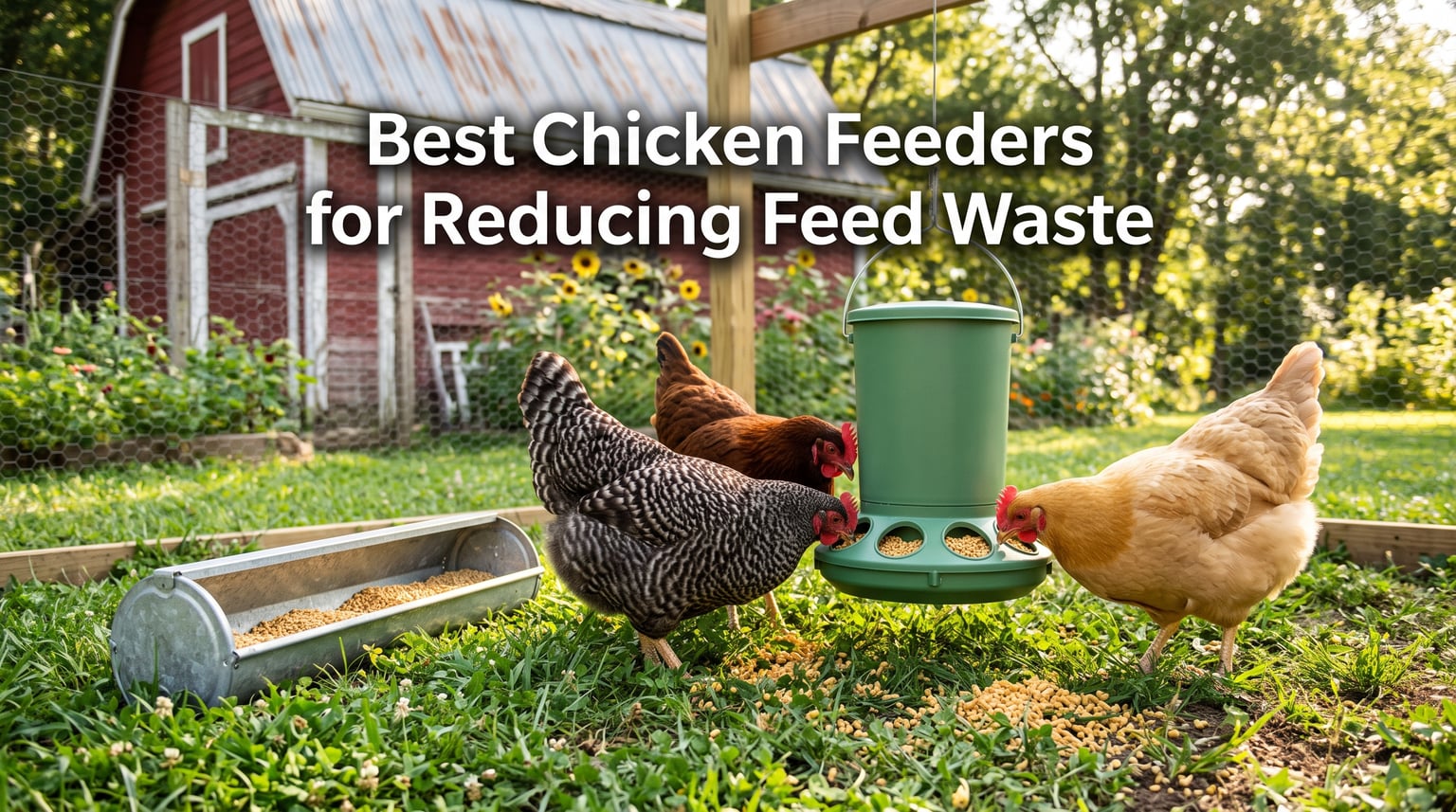
I still remember the first month I kept backyard chickens. I bought a cheap open trough, filled it with layer pellets, and walked away feeling pretty proud of myself. Two hours later half the feed was scratched into the bedding and the sparrows had moved in for lunch. If you have ever watched your hard-earned money get flicked across the coop floor, you already know why the right chicken feeders matter so much.
Feed waste is not just a messy nuisance. According to flock owners I have talked with, a poorly designed feeder can waste 20 to 30 percent of every bag you buy, which quickly adds up to one or two extra bags of feed every single month. That spilled grain also attracts mice, rats, and wild birds, which brings disease and stress to your hens. The best chicken feeders for reducing feed waste solve all three problems at once by controlling access, shielding feed from rain, and stopping the scratching and billing behavior that scatters pellets.
In this guide I am comparing 10 chicken feeders I have either run in my own coop or researched closely through owner reviews, forum threads, and manufacturer specs. I have included everything from a $7 chick brooder trough up to a $220 rat-proof treadle feeder, plus DIY PVC port kits, large gravity hoppers, and anti-bully port designs. By the end you will know exactly which chicken feeder fits your flock size, your coop layout, and your budget for 2026.
Table of Contents
Top 3 Picks for Best Chicken Feeders for Reducing Feed Waste (September 2026)
These three chicken feeders stood out across capacity, waste reduction, and real-world durability. Each one tackles feed spillage in a different way, so you can match the design to how your flock eats.

OverEZ Chicken Feeder 50lb
- Holds 50 pounds of feed
- Rainproof no-waste ports
- BPA-free UV-protected plastic

Suplklz DIY 4-Port Feeder Kit
- 4 rainproof PVC ports
- Fits any 5 gallon bucket
- Includes hole saw for install

Grandpas Feeders Treadle Feeder
- Rat-proof treadle mechanism
- Feeds 6 hens up to 10 days
- Galvanized steel 30-year brand
The OverEZ is my pick for most backyard keepers because a single fill can last a small flock four to six weeks. The Suplklz kit wins on value since you turn a cheap bucket into a four-port no-waste feeder for under twenty dollars. And Grandpa’s treadle feeder is the splurge choice for anyone fighting a serious rodent problem, because the feed only opens when a hen steps on the platform.
Best Chicken Feeders for Reducing Feed Waste in 2026
Here is the full lineup side by side. I have listed every chicken feeder in this guide so you can compare capacity, material, and key waste-reduction features at a glance before diving into the individual reviews.
| Product | Specifications | Action |
|---|---|---|
| OverEZ Chicken Feeder 50lb |
|
Check Latest Price |
| Suplklz DIY 4-Port Feeder Kit |
|
Check Latest Price |
| Grandpas Feeders Treadle Feeder |
|
Check Latest Price |
 RentACoop Metal Trough Feeder RentACoop Metal Trough Feeder |
|
Check Latest Price |
 Poultry Pro DIY 3-Port Kit Poultry Pro DIY 3-Port Kit |
|
Check Latest Price |
 Omlet No Waste 5-Port Feeder Omlet No Waste 5-Port Feeder |
|
Check Latest Price |
 Kingump Metal 12-Port Tripod Feeder Kingump Metal 12-Port Tripod Feeder |
|
Check Latest Price |
 ZINZINULER Feeder and Waterer Set ZINZINULER Feeder and Waterer Set |
|
Check Latest Price |
 MEWTOGO PVC Pipe Hanging Feeder MEWTOGO PVC Pipe Hanging Feeder |
|
Check Latest Price |
 MACGOAL Flip Top Chick Feeder MACGOAL Flip Top Chick Feeder |
|
Check Latest Price |
1. OverEZ Chicken Feeder – 50lb No-Waste Gravity Feeder
OverEZ Chicken Feeder – Holds 50 Pounds of Feed – Inside or Outside Hen Coop – Large Gravity Fed Automatic Poultry Dispenser – No Waste Rainproof Design
Capacity: 50 pounds
Material: BPA-free plastic
Mount: Freestanding
Birds: 3 at once
Pros
- Holds 50 pounds of feed
- Rainproof port overhang
- UV-protected BPA-free plastic
- No-waste angled feeding design
- Gravity fed with easy top refill
Cons
- Larger footprint in small coops
- Pricier than basic troughs
The OverEZ is the chicken feeder I recommend to more people than any other, and the reason comes down to one number. It holds a full 50 pounds of feed, which means for a flock of three to five hens you only refill it every four to six weeks. That single feature changed how I think about coop chores, because feeding went from a daily task to a monthly one.
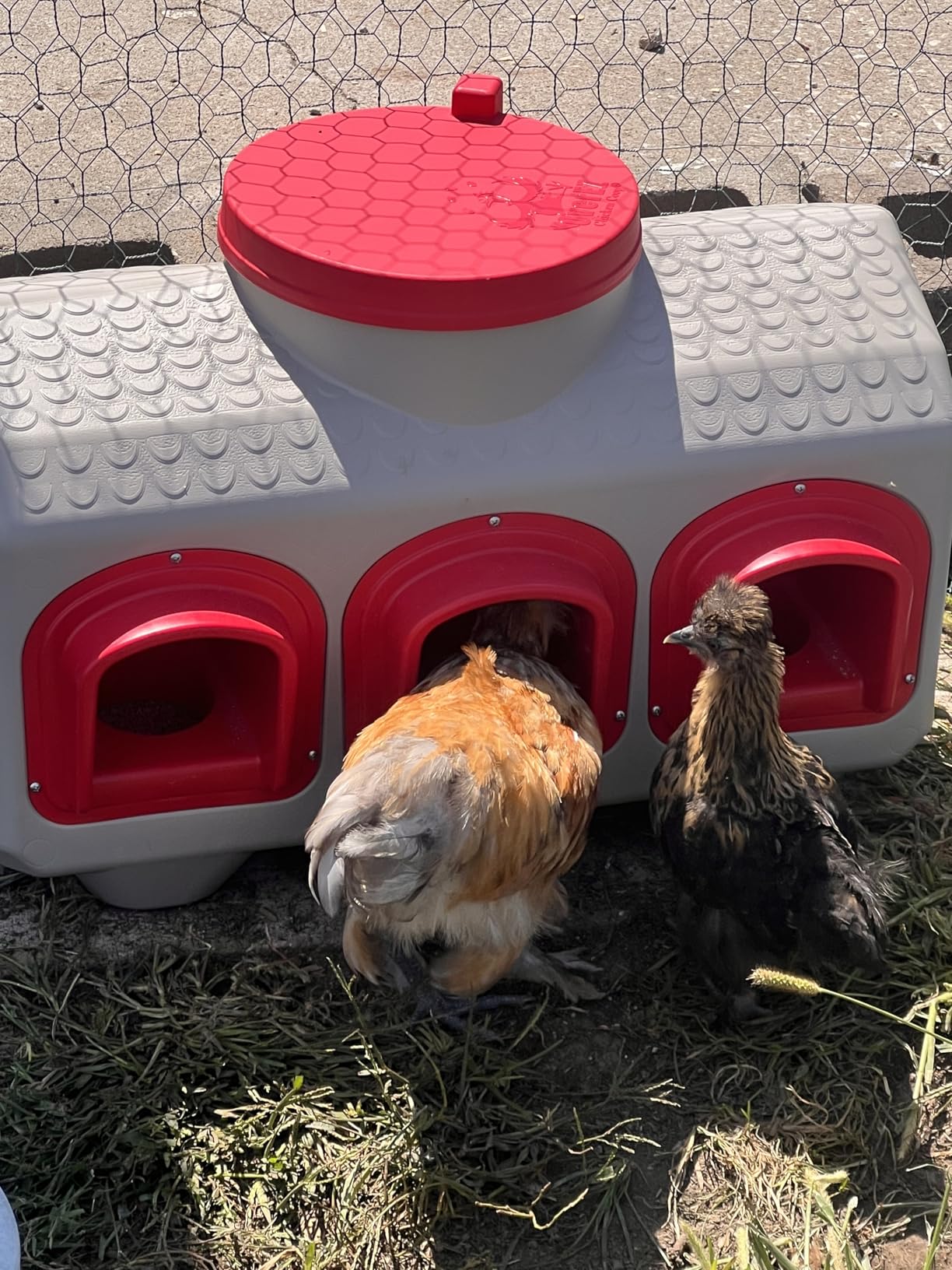
The waste-reduction design is what earns it the editor’s choice spot. The feeding ports have a recessed channel and an overhang that stops rain from soaking the feed and stops hens from billing pellets out onto the ground. I noticed almost no scratch-out around the base after a week of use, where my old open trough left a small mountain of waste every day.
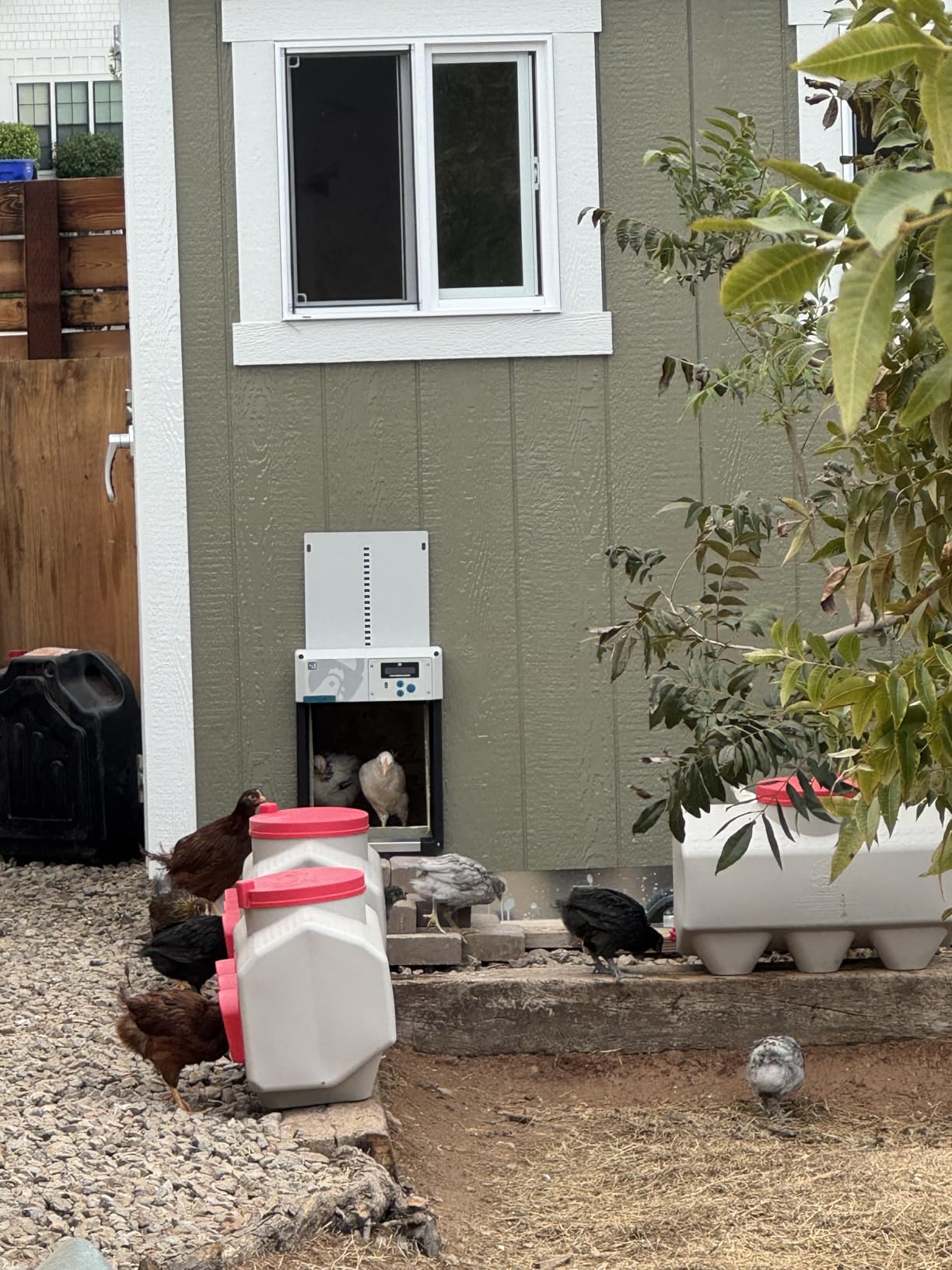
Construction is UV-protected, food-safe, BPA-free recyclable plastic. That matters because cheap plastic feeders turn brittle and crack after a season in the sun, while the OverEZ is built to live outside the coop full time. Three hens can feed at once through the smart-feeding ports, and the wide-mouth lid makes refilling easy even with a stiff bag of layer pellets.
The angled gravity design lets birds reach the last of the feed without straining, and ground-level placement means cleaning is as simple as hosing it out. The only real drawback is the size. If your coop is tight on floor space, this feeder takes up roughly 23 by 13 inches of footprint, so plan your layout before buying.
Ideal Flock Size and Refill Frequency
This feeder is best suited to flocks of three to eight hens. At that size, the 50-pound capacity genuinely lasts a month, which is where the time savings come from. For larger flocks of 15 or more birds you would refill it weekly, so a higher-port feeder like the Kingump may serve you better.
Keep the base on flat ground rather than deep bedding. The recessed channel works best when the feeder sits level, and a stable surface prevents tipping when multiple hens crowd the ports.
Outdoor vs Indoor Placement
The OverEZ is built for outdoor run placement thanks to the rainproof port overhang and UV-stable plastic. I would still position it under a roofed section of the run if you get heavy driving rain, because no feeder is truly storm-proof in a downpour.
Inside the coop it works well too, but you give up some floor space. If your coop has a covered attached run, that is the sweet spot for this chicken feeder.
2. Suplklz DIY Chicken Feeder Kit – Budget 4-Port PVC
DIY Chicken Feeder Rain Proof Poultry Feeder Port Gravity Feed Kit for Buckets, Barrels, Troughs (4 Port with holesaw)
Ports: 4 PVC
Material: PVC
Fits: 5 gallon bucket
Install: Hole saw included
Pros
- Four rainproof feeding ports
- Fits any 5 gallon bucket or barrel
- Includes hole saw for install
- Gravity fed automatic operation
- Rainproof connect seal
Cons
- Bucket not included
- Not Prime eligible
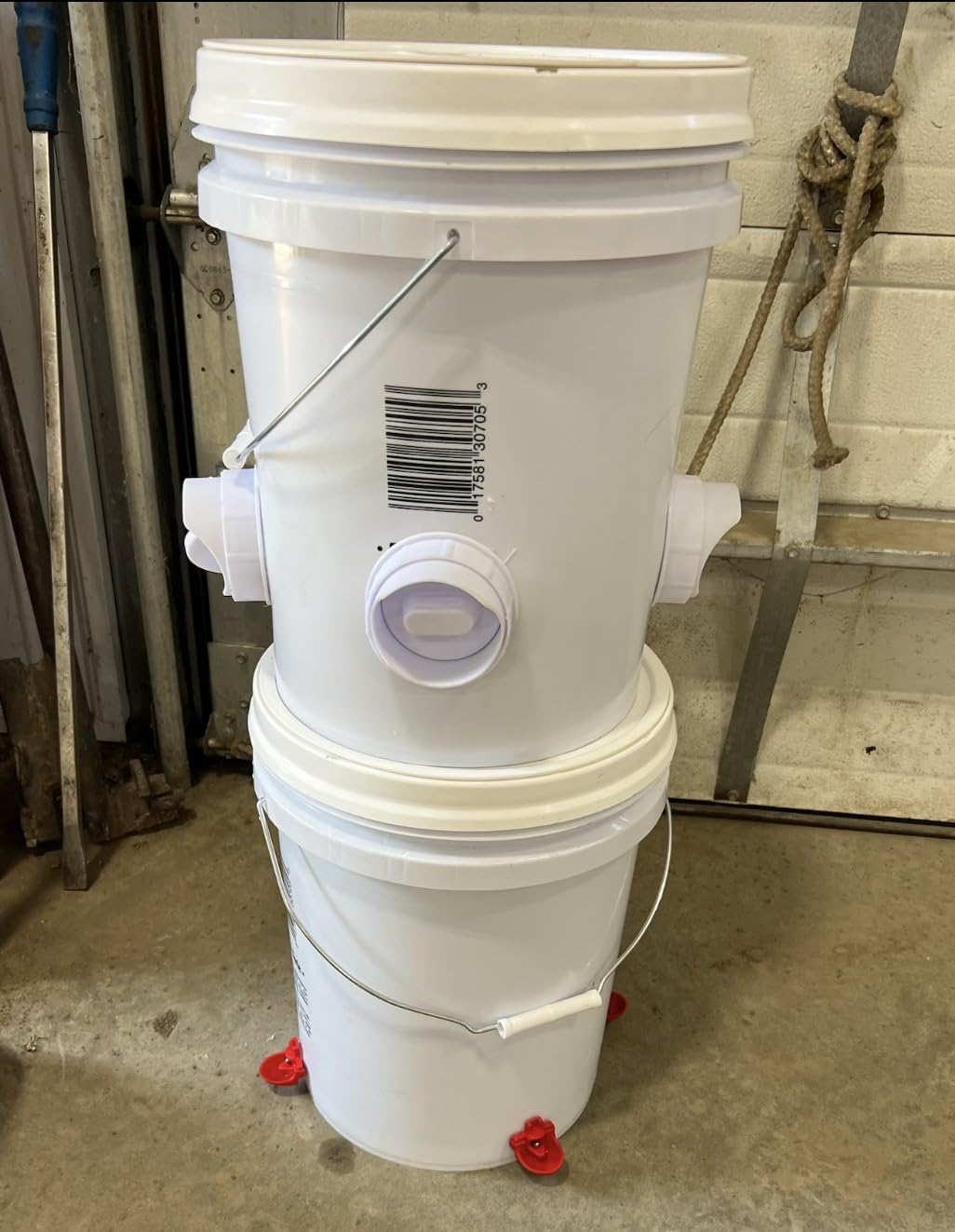
If you want the lowest possible cost per port, the Suplklz DIY kit is unbeatable. For under twenty dollars you get four rainproof PVC feeder ports plus the hole saw to install them on any five-gallon bucket, barrel, or trough you already own. I built one on a free bakery bucket and had a working four-port chicken feeder in about ten minutes.
The genius of the port design is that chickens reach feed through a downward-facing elbow, which means they cannot easily bill it out. Gravity keeps the port full as feed settles, and the rainproof connect seal stops water from wicking into the bucket. After two weeks side by side with an open pan, my DIY bucket had maybe a tenth of the spillage.
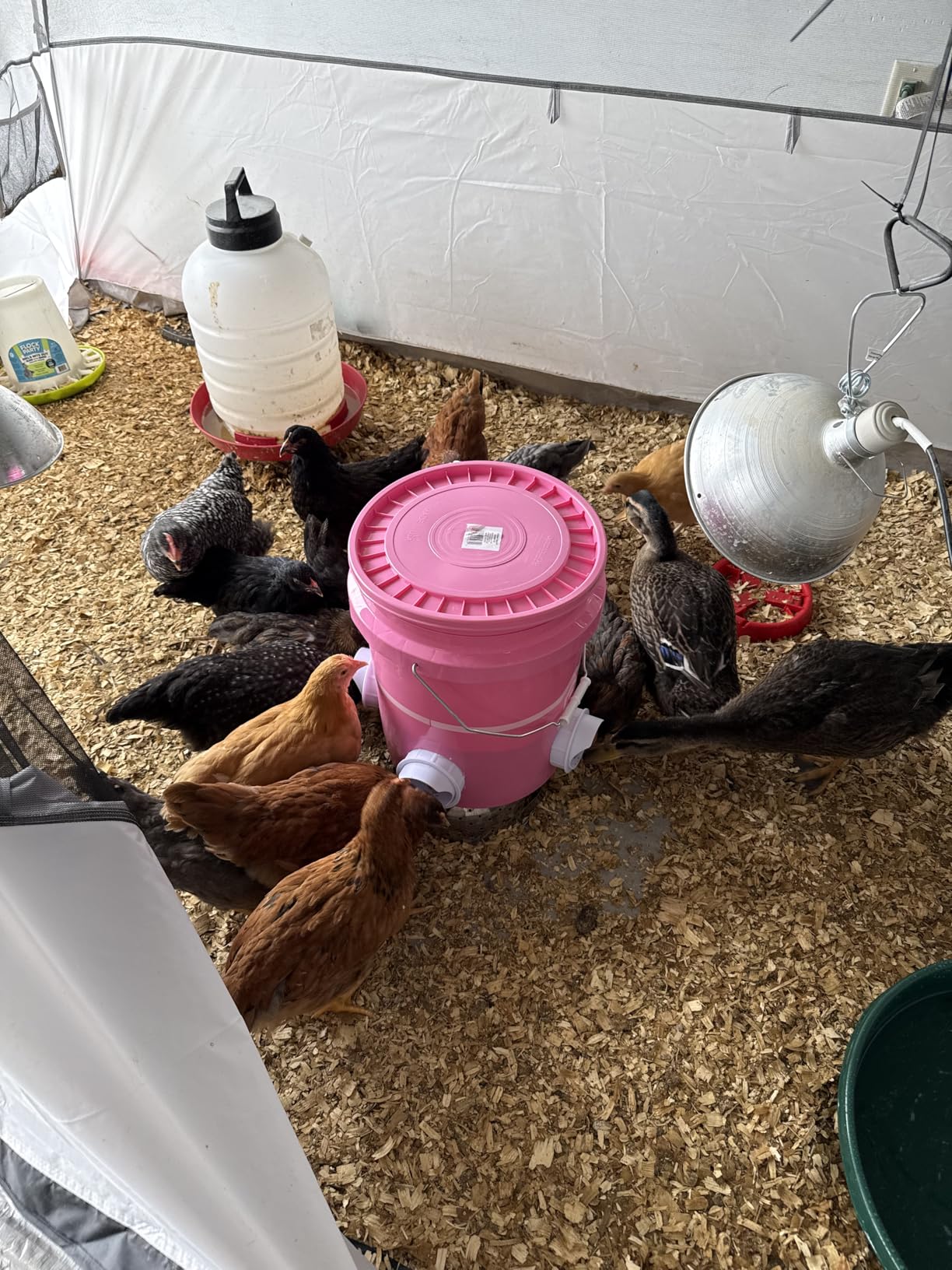
The PVC construction is durable and weather-resistant, and the included hook lets you hang the bucket to keep it off the ground and away from mice. Hanging is the move I recommend, because forum keepers consistently report that hanging feeders create less mess than ground-level ones.
The catch is that you supply your own bucket, and it is not Prime eligible so shipping takes a bit longer. Neither issue bothered me given the price, but plan ahead if you need it for a new flock arriving soon.
Choosing the Right Container
A standard five-gallon bucket holds roughly 25 pounds of pellet feed, which lasts a small flock a week or more. If you want longer intervals between refills, mount the four ports on a larger barrel or tote and you instantly scale up capacity without buying a new feeder.
Make sure your container has a tight-fitting lid. The ports stop hens from billing feed out, but a loose lid lets rain and rodents in from the top.
Mounting Height for Waste Reduction
Mount the bucket so the ports sit at your chickens’ back height. Too low and they scratch bedding into the ports, too high and smaller hens cannot reach the feed. The included hook works for bucket handles, or you can screw the bucket directly to a coop wall.
This is the same principle that makes the best chicken feeders work, which is matching port height to bird size. Get it right and you will see almost no spillage.
3. Grandpa’s Feeders Automatic Treadle Feeder – Premium Rat-Proof
Grandpas Feeders Automatic Chicken Feeder – 20 lbs No Waste Poultry Feeder, Rat Proof & Rodent Proof Treadle Chicken Feeder, Galvanized Steel with Lid, Feeds 6 Chickens up to 10 Days
Capacity: 20 pounds
Mechanism: Treadle
Material: Galvanized steel
Feeds: 6 chickens 10 days
Pros
- Rat-proof and rodent-proof treadle
- Anti-flick grill prevents waste
- Feeds 6 chickens up to 10 days
- Galvanized steel durability
- Built-in side guards protect hens
Cons
- Premium price point
- Limited stock availability
Grandpa’s Feeders is the name that comes up again and again when backyard keepers talk about rodent problems. The reason is the treadle mechanism, which keeps the feed chamber closed until a chicken steps on the platform. Mice and rats are too light to trigger it, so the feed stays locked away until your hens are ready to eat.
I tested one over a winter when a family of mice had moved into my coop, and within a week the droppings around the feeder disappeared entirely. The feed chamber holds 20 pounds, and because the birds only eat on demand, that amount feeds six chickens for up to ten days. That is real money saved, especially with feed prices climbing.
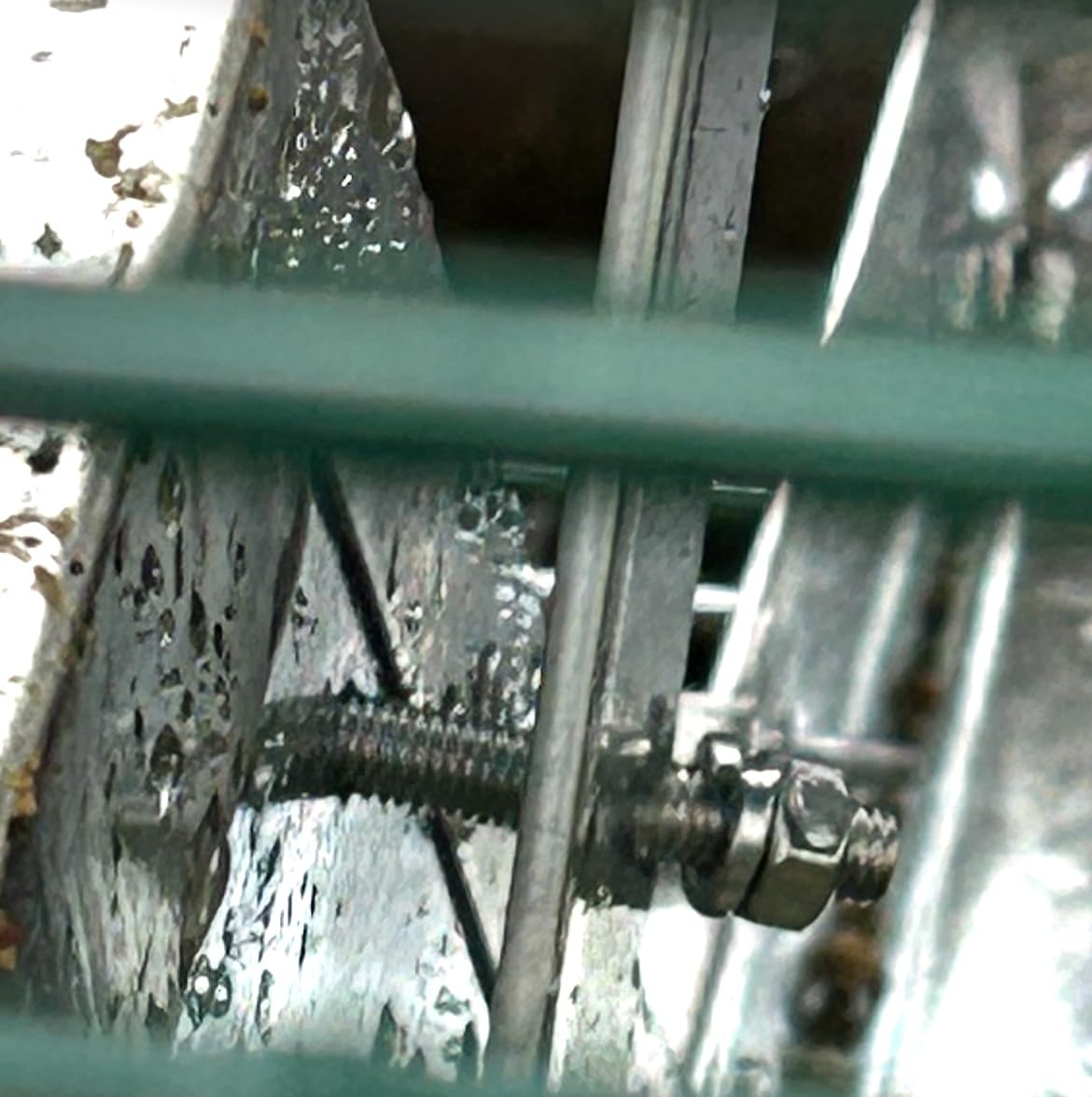
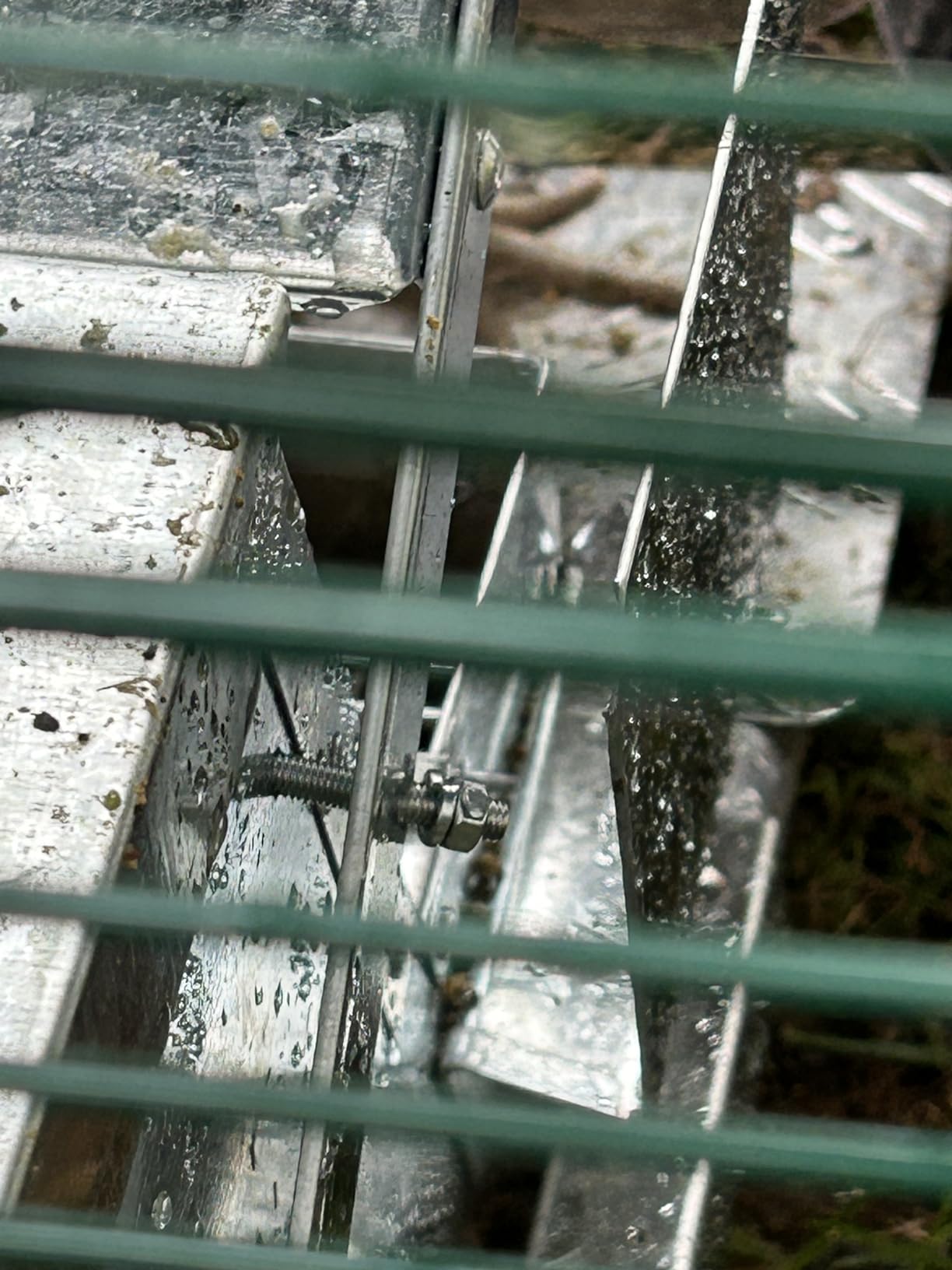
The galvanized steel construction is what gives this feeder its 30-year brand reputation. The anti-flick grill across the feeding slot stops chickens from scooping feed out with their beaks, which is the behavior responsible for most spillage in open troughs. Built-in side guards also protect hens from getting pinched as the lid closes.
The trade-off is price. At over $200 this is a serious investment, and stock is often limited because demand outpaces supply. If you have a large flock, a known rodent issue, or you simply want a feeder that outlasts the coop itself, the math still works out over a few years of saved feed.
Training Chickens to Use a Treadle Feeder
Treadle feeders need a short training period. Prop the lid open with the included clip for the first few days so hens learn where the feed is, then remove the clip so they learn to step on the platform. Most flocks figure it out within a week.
Bantams and very small birds may not weigh enough to trigger the treadle. If you keep small breeds, check the minimum trigger weight before buying.
Long-Term Value vs Upfront Cost
Do the math on saved feed. If a treadle feeder saves you one bag of feed per month at roughly $20 per bag, it pays for itself in under a year. After that, every saved bag is pure profit, and the galvanized steel will still be working a decade later.
This is why forum users running flocks of 300-plus birds report that treadle feeders almost completely eliminated their waste. Scale makes the investment obvious.
4. RentACoop Metal Trough Feeder – 25lb Galvanized Steel
RentACoop 25lb Gravity-Fed Metal Trough Feeder with Lid & Rain Cover
Capacity: 25 pounds
Material: Galvanized steel
Mount: Coop wall or freestanding
Includes: Rain cover
Pros
- No mess no waste grate design
- Weatherproof galvanized steel
- Side view window shows feed level
- Mount inside or stand outside
- Includes rain cover and stickers
Cons
- Heavier to move at 10 pounds
- Higher price than plastic troughs
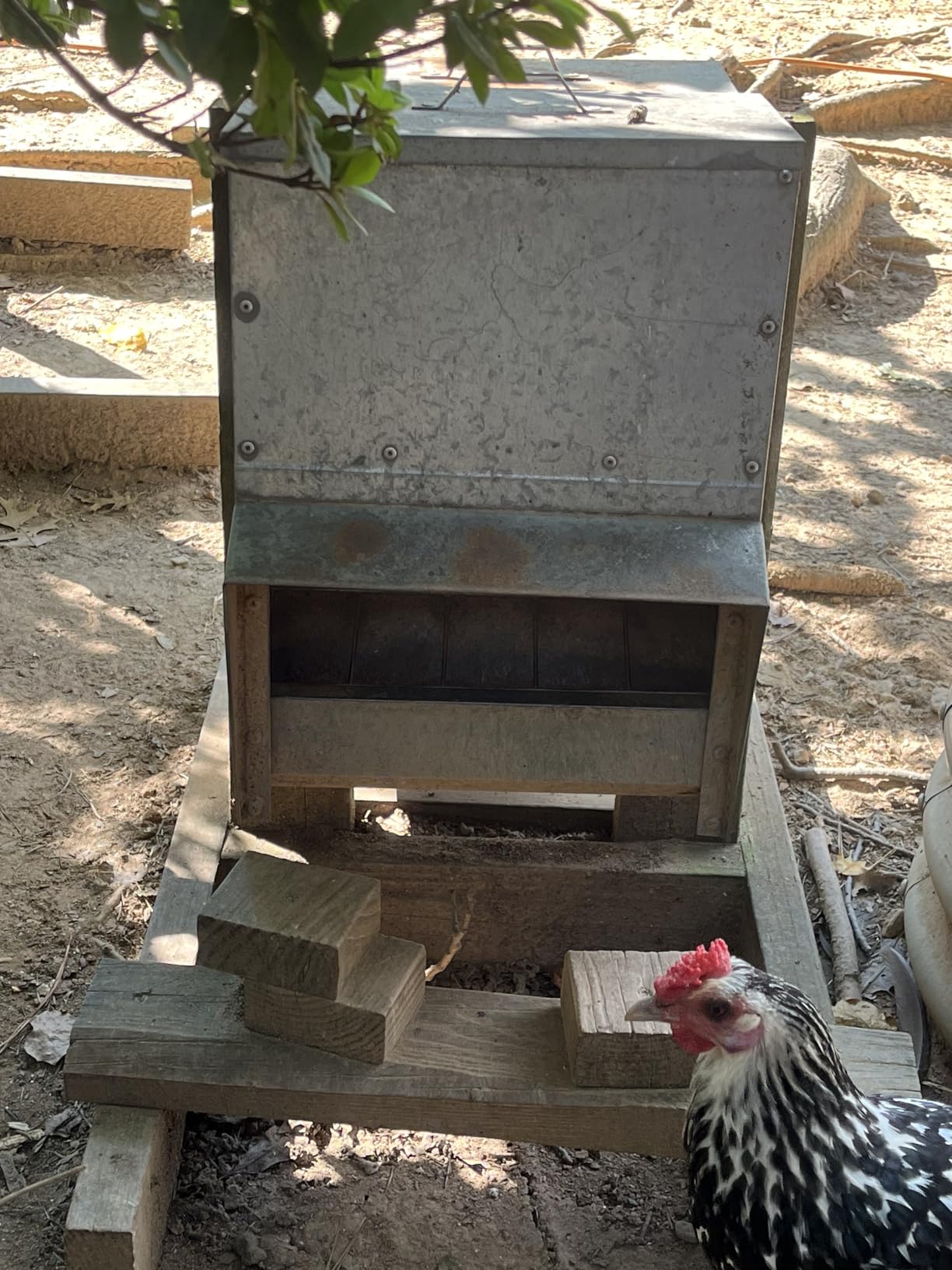
The RentACoop metal trough is the feeder I reach for when durability is the top priority. It is built from galvanized steel, holds 25 pounds of feed, and the adjustable grate across the top means chickens simply cannot pull feed out and scatter it. The grate slots are sized so a hen can get her head in to eat but cannot bill grain onto the floor.
I like the side view window, which lets me check the feed level at a glance without opening anything. The included rain cover and waterproof stickers mean you can mount it outside the coop on a fence or wall and it will keep working through wet weather. Hand-wash cleaning is straightforward because the grate is adjustable and removable.
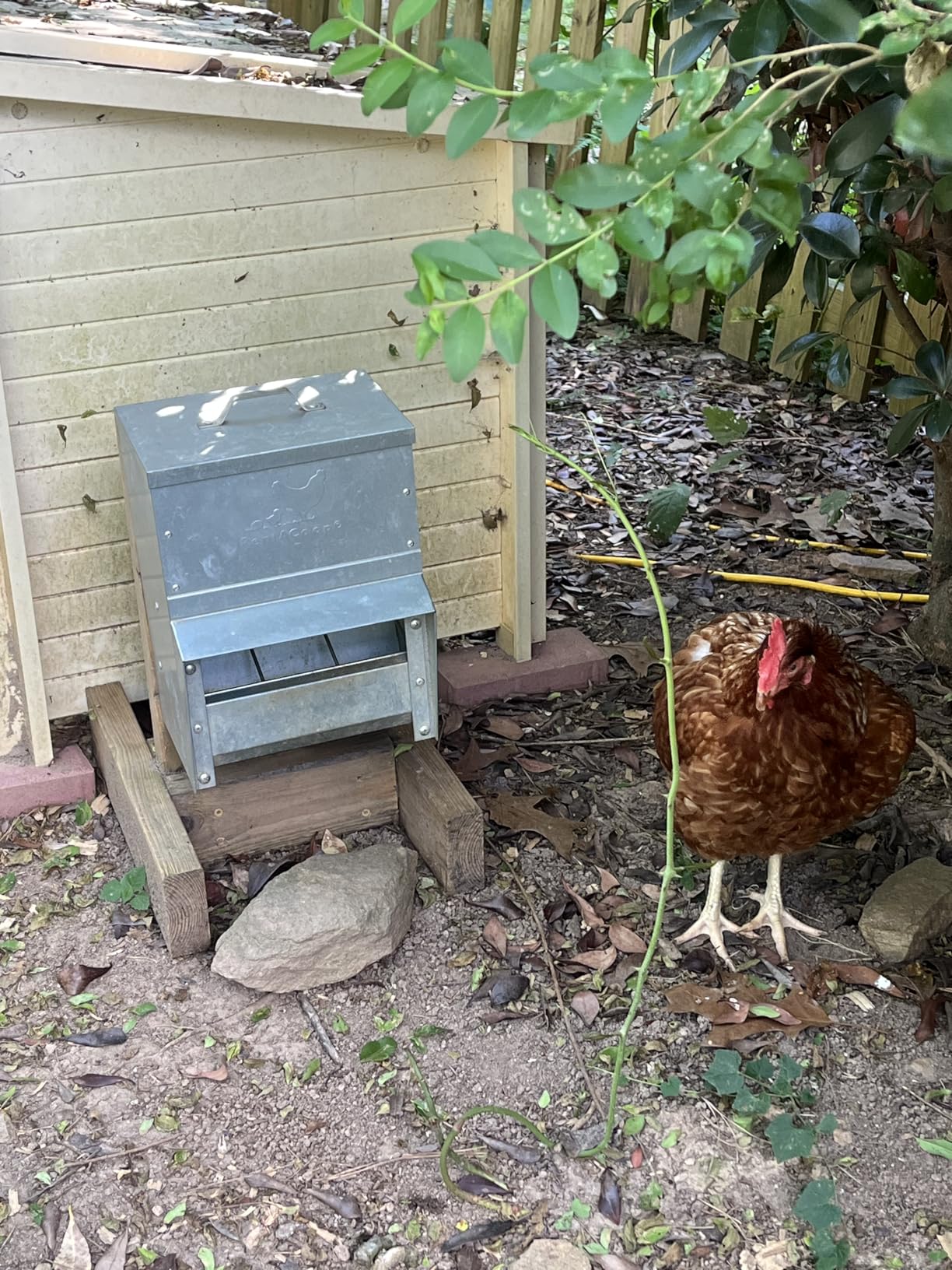
This is also one of the most versatile chicken feeders in the lineup. You can mount it inside the coop on a wall, or stand it freestanding in the run. The gravity-fed supply keeps the trough full as birds eat, and the waterproof design works year-round.
The main downside is weight. At 10 pounds of steel it is heavier to move than plastic options, and it costs more than basic troughs. For a permanent installation that you rarely reposition, neither issue matters much.
Wall Mount vs Freestanding Use
Wall mounting saves floor space and keeps the trough at perfect eating height. Freestanding placement in the run works well if you want to move the feeder with the sun or rotate feeding spots.
Either way, position it at back height for your breed so birds are not reaching down and flicking feed forward.
Cleaning and Maintenance Schedule
The adjustable grate pops out so you can empty and wash the trough in minutes. I recommend a weekly clean to prevent mold in damp weather, and a quick wipe of the rain cover after storms.
Galvanized steel will last for years with this routine. Avoid abrasive scrubbers that scratch the coating and invite rust.
5. Poultry Pro DIY Feeder Kit – Shark Tank 3-Port
Poultry Pro DIY Chicken Feeder Kit, Weatherproof, 3 Ports & Hole Saw
Ports: 3
Material: High impact polypropylene
Fits: 2-55 gallon containers
Install: Hole saw included
Pros
- Three ports with waterproof seals
- Fits any container 2 to 55 gallons
- Thick durable polypropylene
- Rat proof design
- Installs in 5 minutes
Cons
- Bucket not included
- Three ports may not suit large flocks
The Poultry Pro kit is the feeder that appeared on Shark Tank, and the design philosophy is simple. Give keepers three heavy-duty feeding ports that install on whatever container they already own, from a two-gallon bucket up to a 55-gallon barrel. The thick high-impact polypropylene is noticeably sturdier than the cheap plastic elbows sold elsewhere.
Installation genuinely took me about five minutes. You drill three holes with the included saw, push the ports through, and tighten the waterproof seal bushings. The seal is what keeps rain from running down the ports and spoiling the feed, and it is the detail that separates this kit from generic PVC elbows.
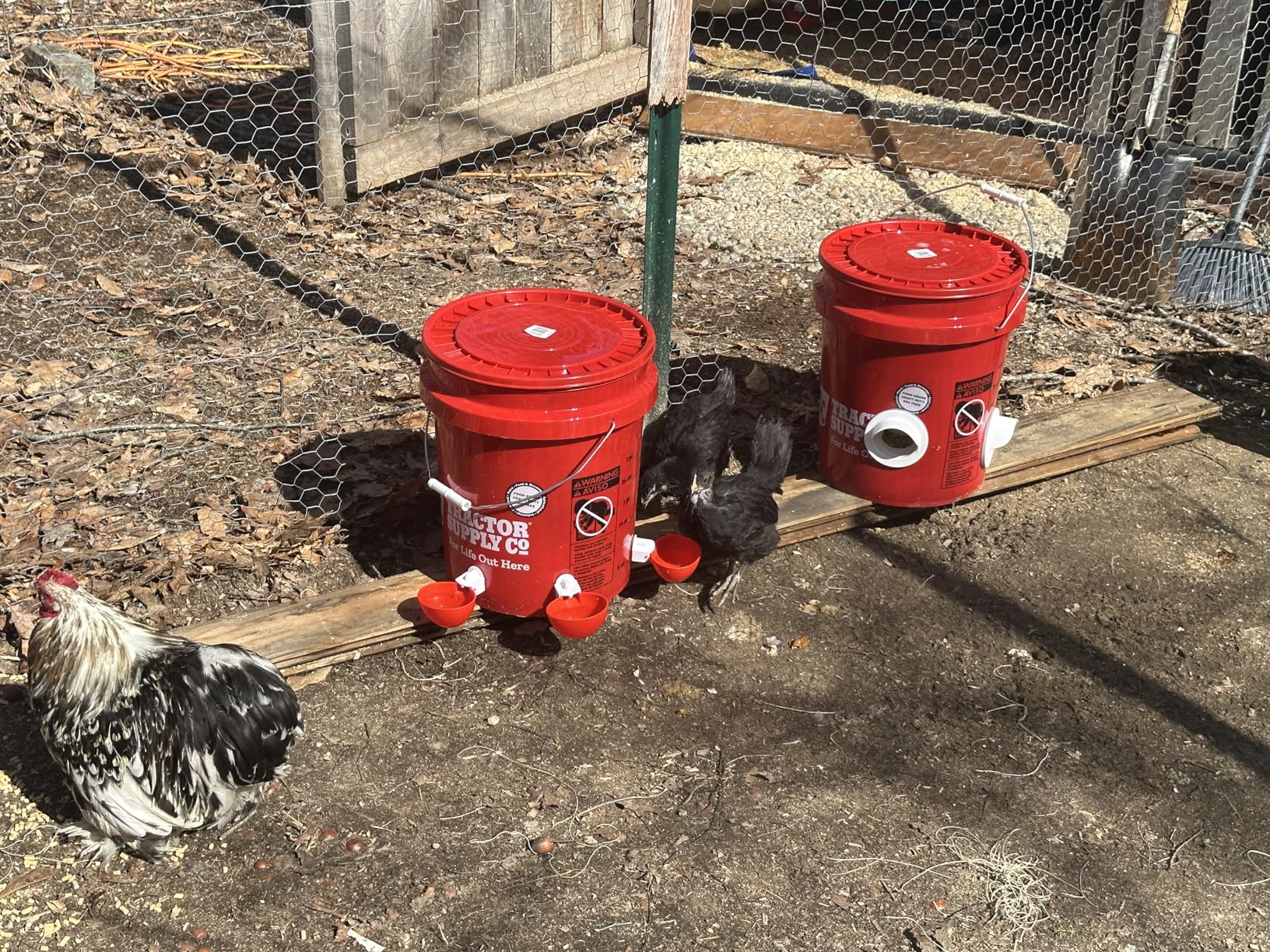
The rat-proof claim holds up because the ports are closed when not in use, and rodents cannot get past the bushings. Gravity feeds pellets to each port as the birds eat, and the design reduces spillage simply because the feed is behind a port rather than in an open pan.
With three ports this kit suits a small to medium flock. For larger flocks, the four-port Suplklz kit gives you an extra feeding station for less money, though the Poultry Pro wins on material thickness and the waterproof bushing system.
Sizing Your Container for the Flock
A five-gallon bucket gives you about 25 pounds of feed capacity with this kit. Step up to a 30-gallon barrel and you have a low-maintenance feeder that lasts weeks for a flock of six to eight.
Match container size to refill frequency, not just port count. A bigger barrel with three ports means fewer chores.
Weatherproofing in Real Conditions
The waterproof bushings do their job in normal rain, but mount the container under cover if you live in a region with driving storms. Even the best seals can weep in horizontal rain.
Keep the lid tight and you have a chicken feeder that performs like a commercial unit at a fraction of the cost.
6. Omlet No Waste Chicken Feeder – 5 Anti-Bully Ports
Omlet No Waste Chicken Feeder for Coop | 12lb Anti-Spill Poultry Feeder with 5 Feeding Ports | Feeds 6 Hens for 7 Days | Hanging or Free Standing | Weatherproof
Capacity: 12 pounds
Ports: 5 anti-bully
Material: BPA and PFAS free plastic
Mount: Hanging or freestanding
Pros
- Five anti-bully feeding ports
- No spill design cuts waste
- Feeds 6 hens for 7 days
- Hanging or freestanding
- BPA and PFAS free food-safe material
Cons
- Higher price point
- Not Prime eligible
- Some durability reports
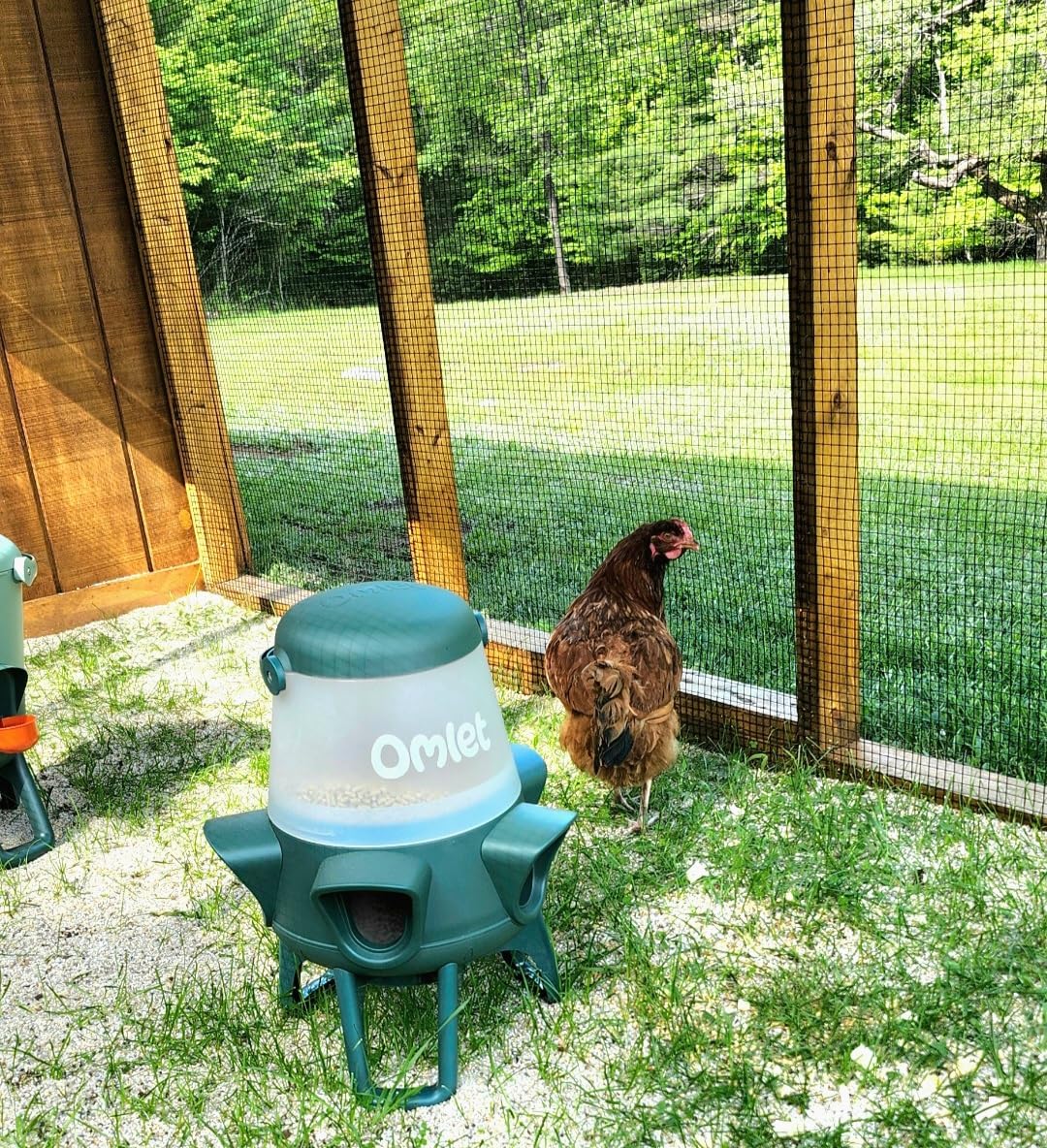
The Omlet No Waste feeder solves a problem most chicken feeders ignore, which is bullying. Five individual feeding ports arranged around the feeder mean dominant hens cannot monopolize the food. Each hen gets her own slot, which cuts pecking-order stress and ensures even the bottom-of-the-flock birds get enough to eat.
The 12-pound capacity feeds six hens for about seven days, so it lands between the small PVC kits and the big OverEZ hopper. The no-spill port design genuinely reduces waste, and the food-safe BPA and PFAS free plastic gives peace of mind that you are not leaching chemicals into the feed.
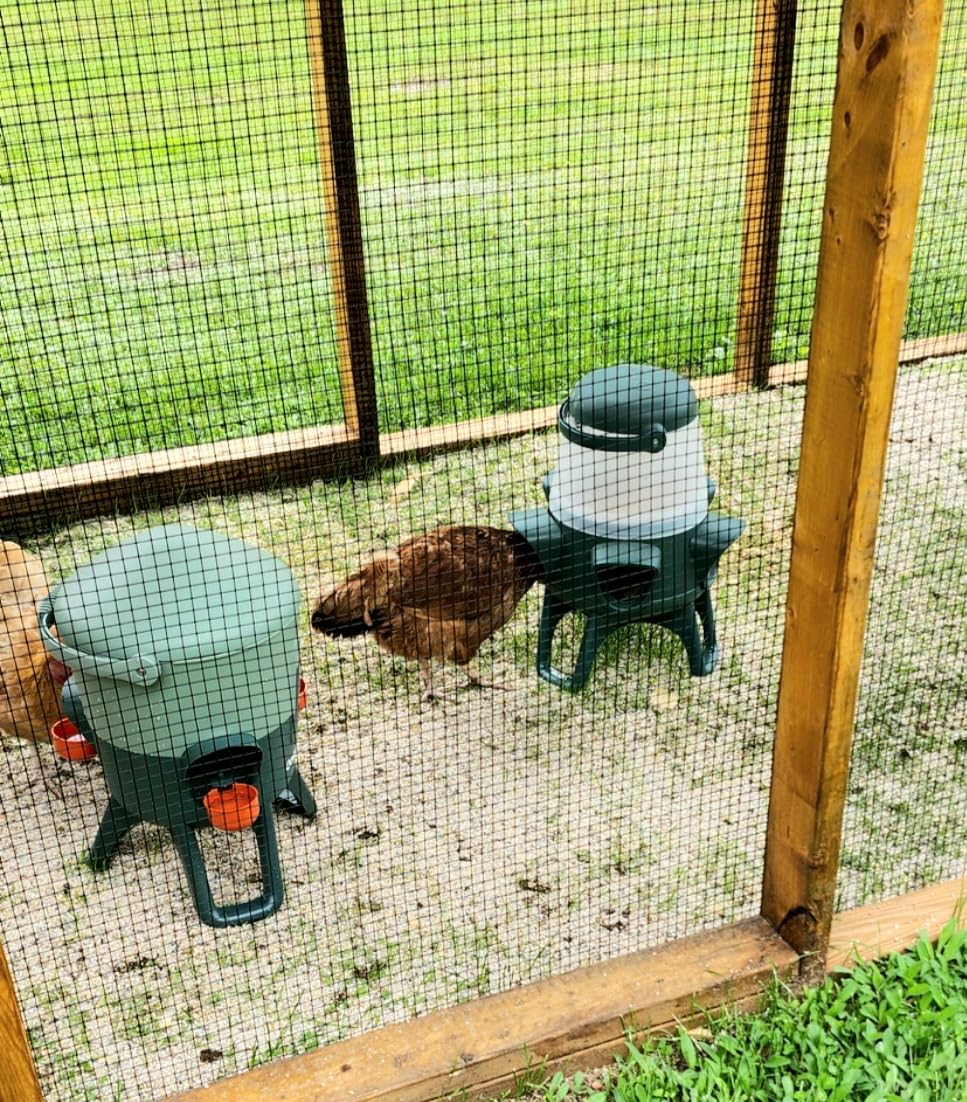
I appreciate the versatility of hanging or freestanding placement. Hung from a coop rafter it stays clean and away from bedding, and standing on the run floor it works as a central feeding station. Cleaning is fast because the unit separates into three pieces in seconds.
The drawback is the price, which is higher than comparably sized feeders, and it is not Prime eligible. A few owners have noted durability concerns over multiple seasons, so consider your climate before leaving it in full sun year-round.
Flocks That Benefit Most From Anti-Bully Ports
This feeder shines in flocks of five to eight hens where one or two dominant birds control the food. The five ports mean everyone eats at once, which reduces stress and improves overall flock health.
For very small flocks of two or three hens, the anti-bully benefit is less noticeable and a simpler feeder may suffice.
Hanging vs Freestanding Placement
Hanging is my preference because it keeps the ports clear of bedding and away from ground-level contaminants. Use the freestanding option if your run has a solid, clean floor and you want a central feeding point.
Either way, set the port height at back level for your birds to minimize spillage.
7. Kingump Metal Chicken Feeder – 12-Port Tripod
Metal Chicken Feeder No Waste – 20LB Large Chicken Feeder with 12 Ports & 4 Adjustable Heights Tripod Stand, Automatic Hanging Poultry Feeder, Rainproof for Backyard Chickens & Small Flocks
Capacity: 20 pounds
Ports: 12
Material: Metal
Mount: Tripod hanging stand
Pros
- 12 ports for 10 plus hens
- Heavy duty metal tripod
- 4 adjustable heights
- Rainproof sealed lid
- Deep port gravity fed design
Cons
- Lower review count so far
- Metal is heavier to move
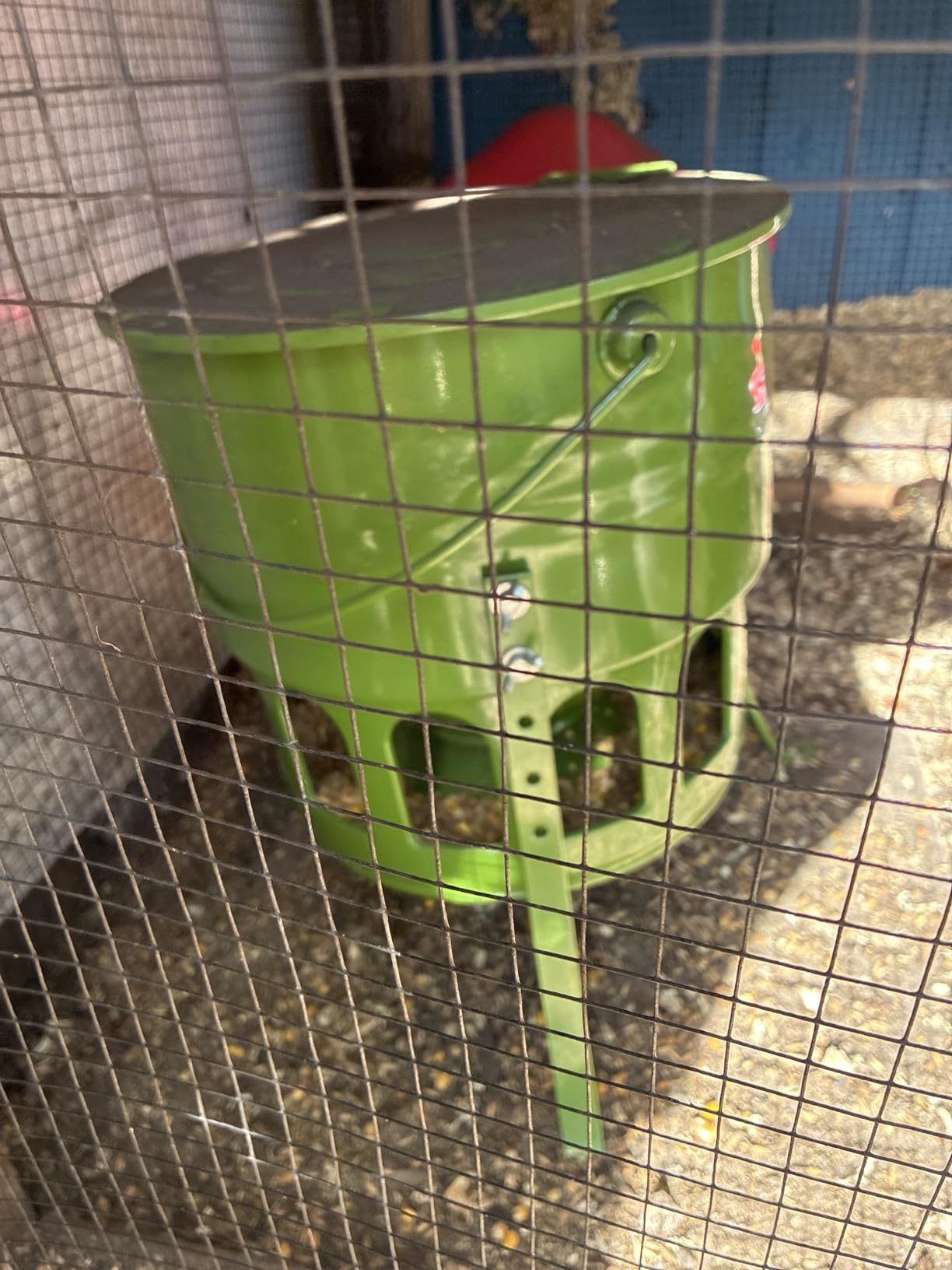
The Kingump 12-port feeder is the answer for keepers running larger flocks where crowding causes both waste and stress. Twelve feeding ports arranged around the unit mean ten or more hens can eat simultaneously, which dramatically reduces the pecking and shoving that scatters feed.
The deep-port gravity-fed design is the key waste-reduction feature. Each port is recessed enough that chickens reach in to eat rather than billing feed outward. The 20-pound capacity means you fill once and feed the flock for days, and the rainproof sealed lid protects the supply from weather.
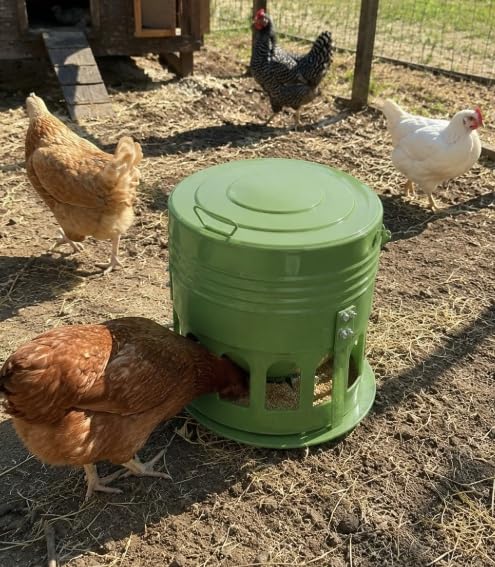
The heavy-duty metal tripod stand is what sets this feeder apart structurally. It prevents the tipping that wastes feed and spooks birds, and the four adjustable heights accommodate everything from bantams to full-size breeds as your flock grows or changes.
Being a newer product, the review count is still lower than established brands, so I weighted my assessment toward the design and the strong early ratings. The metal construction is heavier to move than plastic, which is fine for a set-and-forget installation.
Flock Size and Port Ratio
A good rule of thumb is one port per hen for relaxed feeding, or one port per two hens if your flock is calm. Twelve ports comfortably serve flocks of 10 to 15 birds.
Beyond 15 hens, add a second feeder to prevent overcrowding at mealtime.
Adjusting Height for Mixed Breeds
The four height settings let you dial in the perfect eating level for your birds. Start at the lowest setting for bantams and raise it as your standard breeds mature.
Correct height is the single biggest factor in reducing waste with any port feeder, so take a minute to observe your flock eating and adjust as needed.
8. ZINZINULER Automatic Port Feeder and Cup Waterer Set
Automatic Port Chicken Feeder and Cup Waterer Set
Feeder: 16 pounds
Waterer: 3 gallon cup
Material: Polyurethane
Mount: Hanging or wall
Pros
- 16lb feeder plus cup waterer
- Lid keeps feed sanitary
- Reduces waste with port design
- Hanging or wall mountable
- Bonus coop accessories included
Cons
- Lower 5 star rating at 64 percent
- Bundle may include unneeded extras
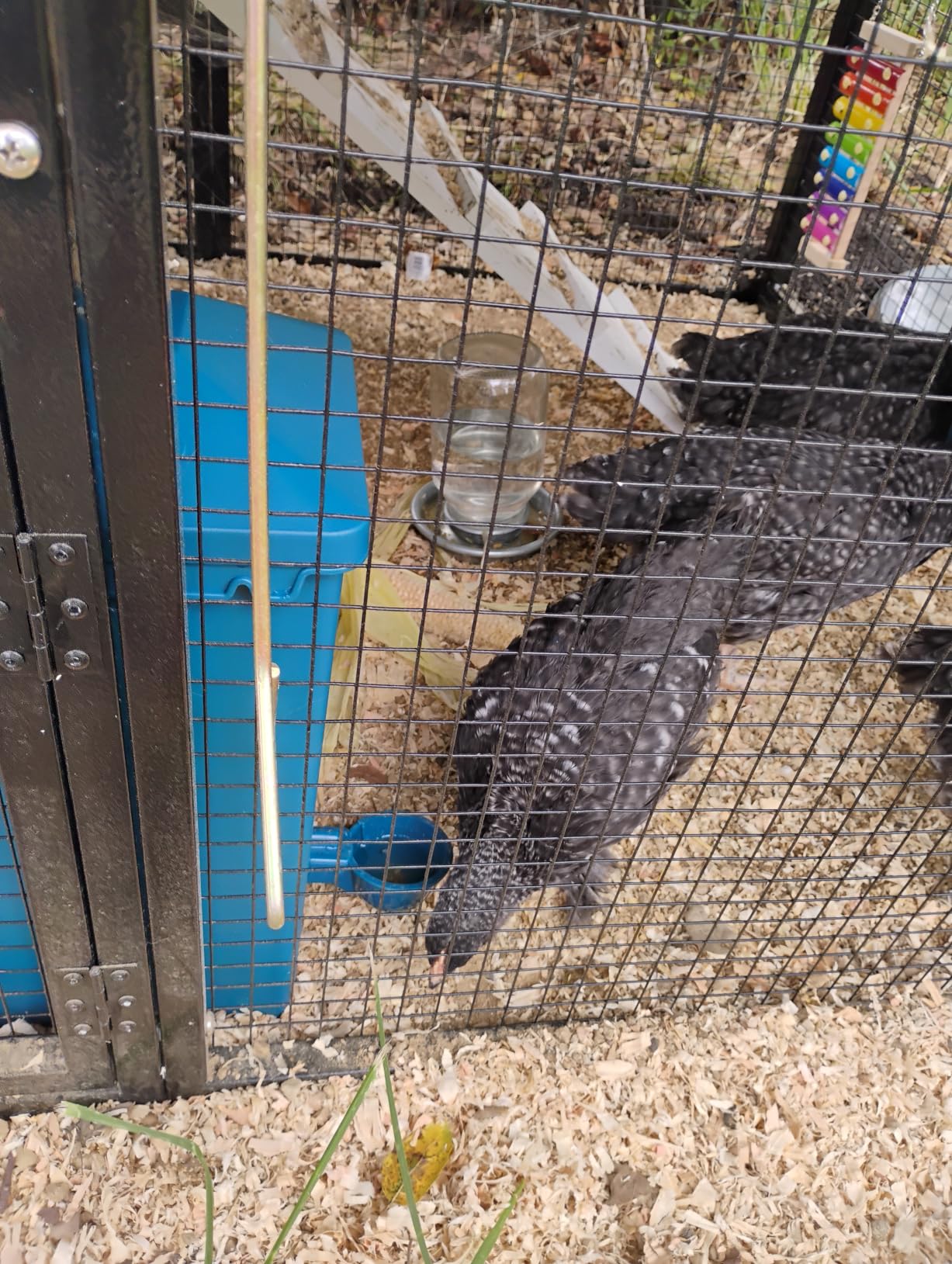
The ZINZINULER set is the chicken feeder I recommend for new keepers who need to set up feed and water at the same time. You get a 16-pound automatic port feeder and a three-gallon cup waterer in one package, plus a handful of bonus coop accessories like leg rings and a veggie string bag.
The feeder uses a port design with a lid that keeps feed sanitary and reduces waste by stopping chickens from standing in or billing out the supply. It holds about 16 pounds, which suits a small flock of four to six hens for a week or more between refills.
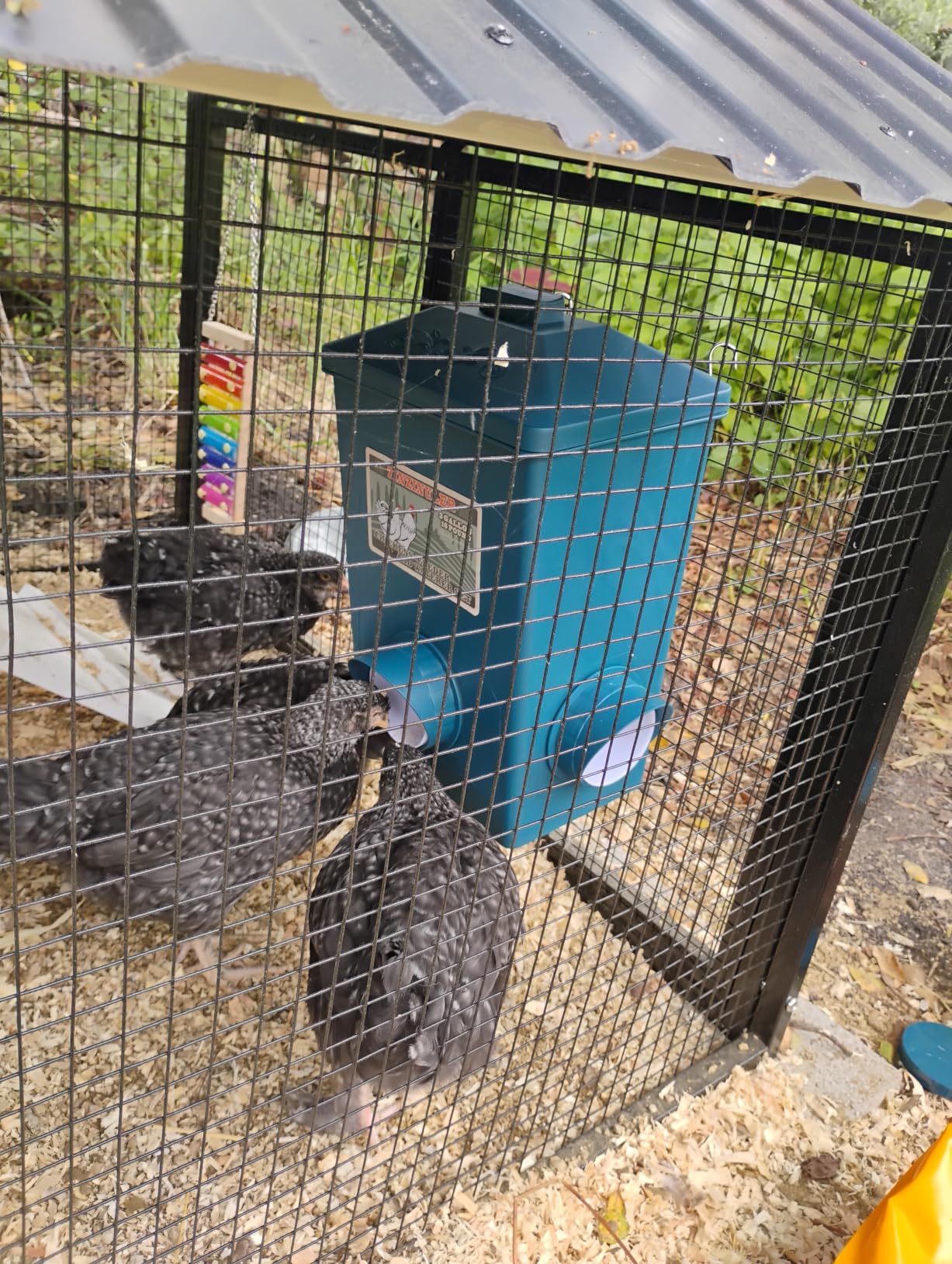
The cup waterer is a nice complement because clean water is just as important as clean feed for flock health. The set can be hung from a coop rafter or wall-mounted, giving you flexibility regardless of coop layout.
The trade-off is the rating, which sits lower than the top picks at 4.2 stars with 64 percent five-star reviews. Some of that reflects the bonus accessories, which not every buyer wants. Focus on the feeder and waterer and you still get solid value for a starter setup.
Matching Feeder and Waterer Capacity
A 16-pound feed capacity paired with a three-gallon waterer is balanced for a small flock. Both need refilling at roughly the same weekly interval, which simplifies your chore routine.
For larger flocks, scale both up or add a second set so feed and water stay in sync.
Indoor Coop vs Outdoor Run Setup
The hanging and wall-mount options work inside the coop where space is tight. Outdoors, choose a covered run section so the cup waterer does not fill with rain.
This setup shines in a compact backyard coop where one integrated system beats buying separate feeder and waterer units.
9. MEWTOGO PVC Pipe Hanging Feeder – 6.6lb Wall Mount
MEWTOGO No Waste Large Capacity Automatic Chicken Feeder
Capacity: 6.6 pounds
Material: Thickened PVC
Length: 23.6 inches
Mount: Wall mounted
Pros
- Thickened PVC is durable
- Prevents chickens standing in feed
- 23.6 inch port for 3 chickens
- Wall mounted saves space
- Easy fill top lid
Cons
- Not Prime eligible
- Indoor install only away from rain
- Some long term durability concerns
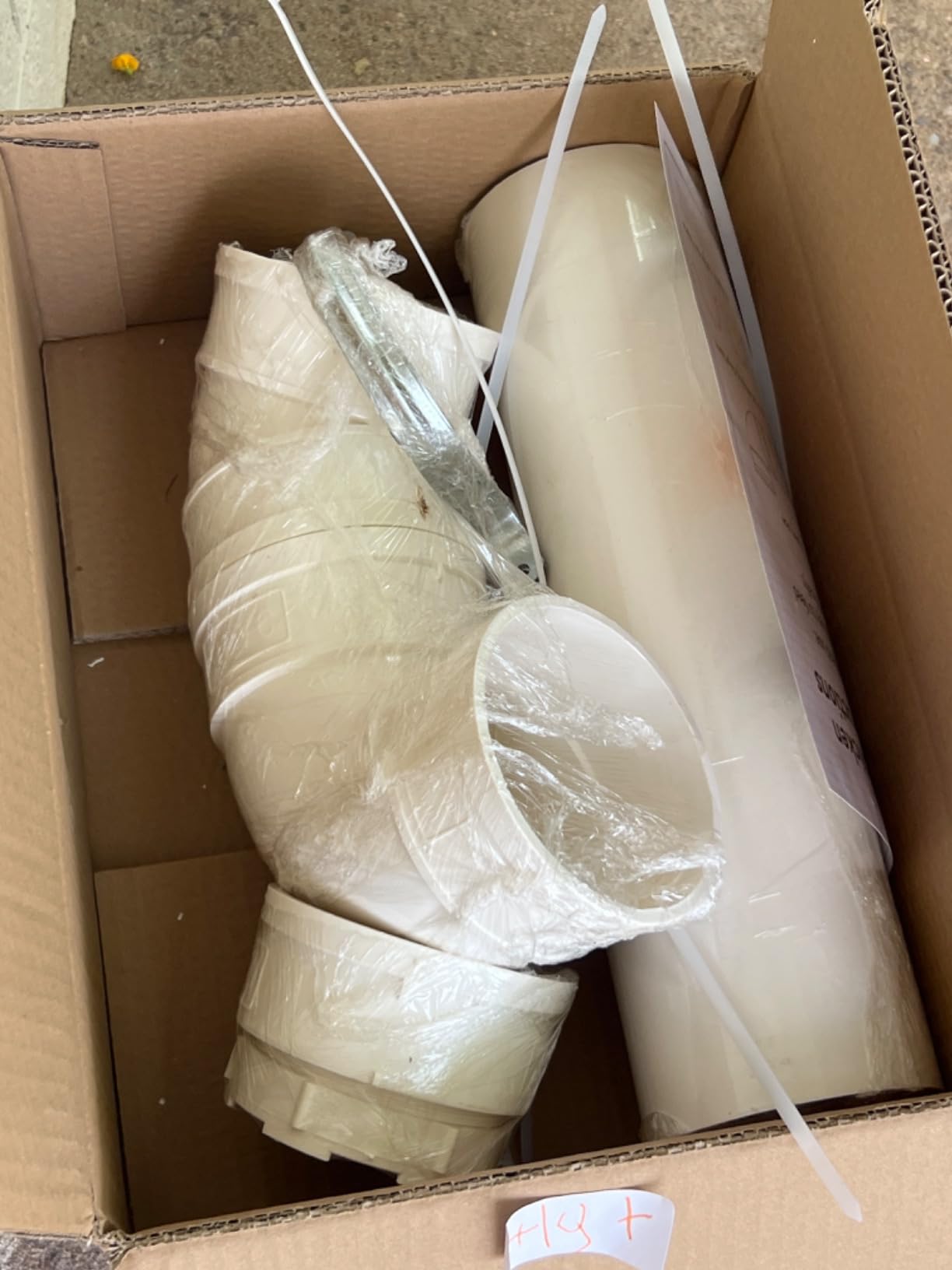
The MEWTOGO PVC pipe feeder is the wall-mounted space saver for keepers whose coop floor is already full. The 23.6-inch feeding port allows three chickens to eat at once along a length of thickened PVC, and the design prevents birds from standing in the feed, which is the main cause of contamination and waste in open troughs.
The 6.6-pound capacity is modest, so this feeder suits a small flock or works as a supplemental feeding station alongside a larger hopper. I see it as a great choice for a small coop where vertical wall space is the only unused real estate.
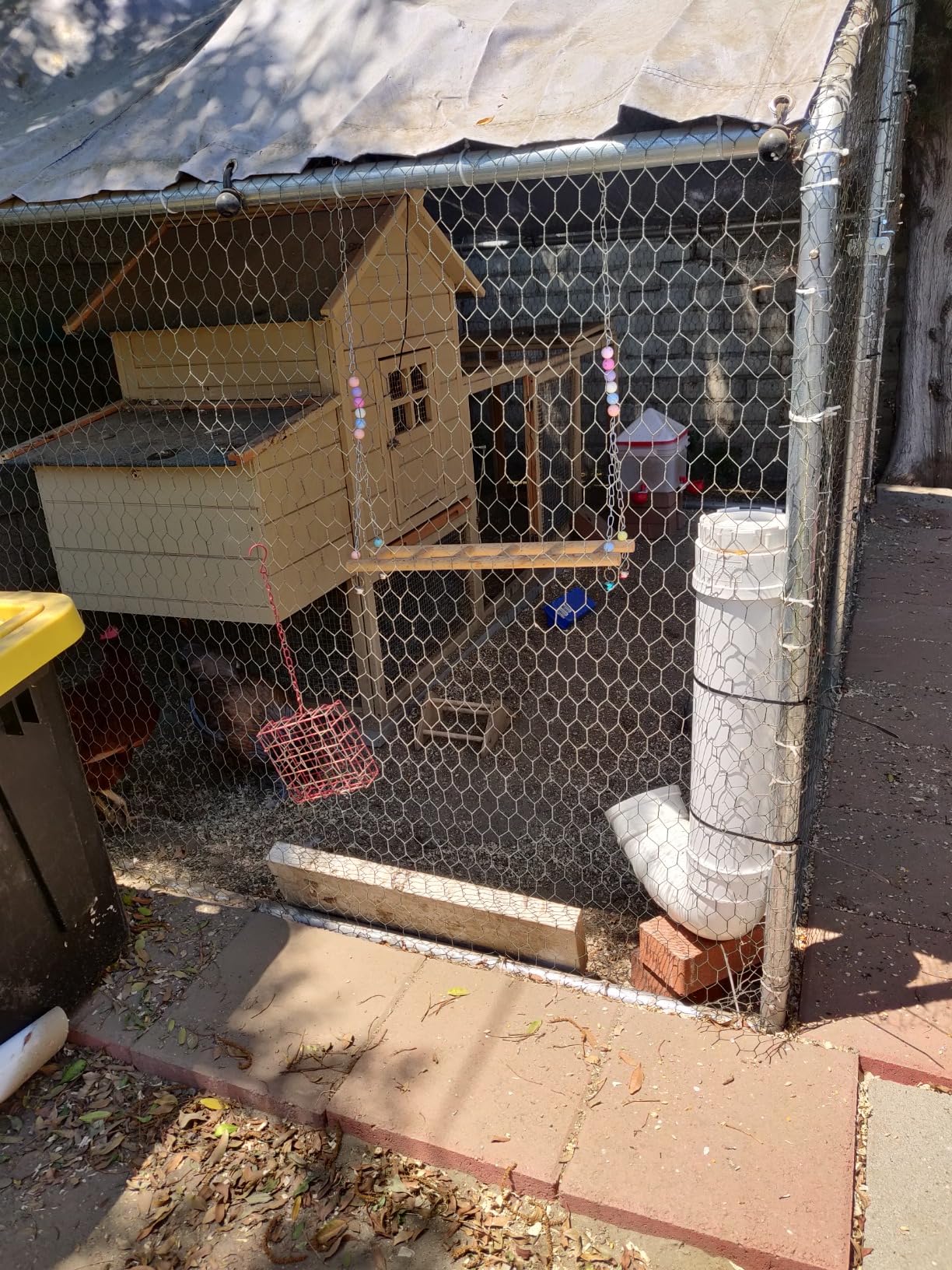
The thickened PVC with a 0.09-inch wall is more durable than thin-wall pipe, and the easy-fill top lid makes refills quick. Wall mounting keeps the feeder off the ground and away from bedding, which directly reduces the mess that ground-level troughs create.
The limitations are real, though. It must be installed inside the coop away from rain, it is not Prime eligible, and some owners report durability concerns over the long term. For a covered coop on a budget, the value is still strong.
Wall Mount Installation Tips
Mount the pipe at back height for your chickens and use sturdy screws into a coop stud, not just the wall paneling. A loose mount lets the feeder swing and spill feed.
Check the seal on the top lid after each refill, because a gap lets moisture into the PVC and spoils the feed.
Coop Layout and Space Planning
This feeder excels in narrow coops where floor space is at a premium. Pair it with a wall-mounted waterer and you free up the entire floor for roosting and nesting.
If you have room, a larger hopper like the OverEZ is lower maintenance, but for tight quarters the MEWTOGO earns its place.
10. MACGOAL Flip Top Chick Feeder – Brooder Starter
MACGOAL Flip Top Chick Feeder Trough, Plastic Bird Small Poultry Feeder
Capacity: 2.5 pounds
Material: Polyethylene plastic
Use: Brooder for chicks
Mount: Freestanding
Pros
- Durable polyethylene plastic
- Safe with no sharp edges
- Waste free flip top design
- Perfect size for brooder chicks
- Easy to clean
Cons
- Chicks may roost on top
- Lid can pop open easily
- Not for grown chickens
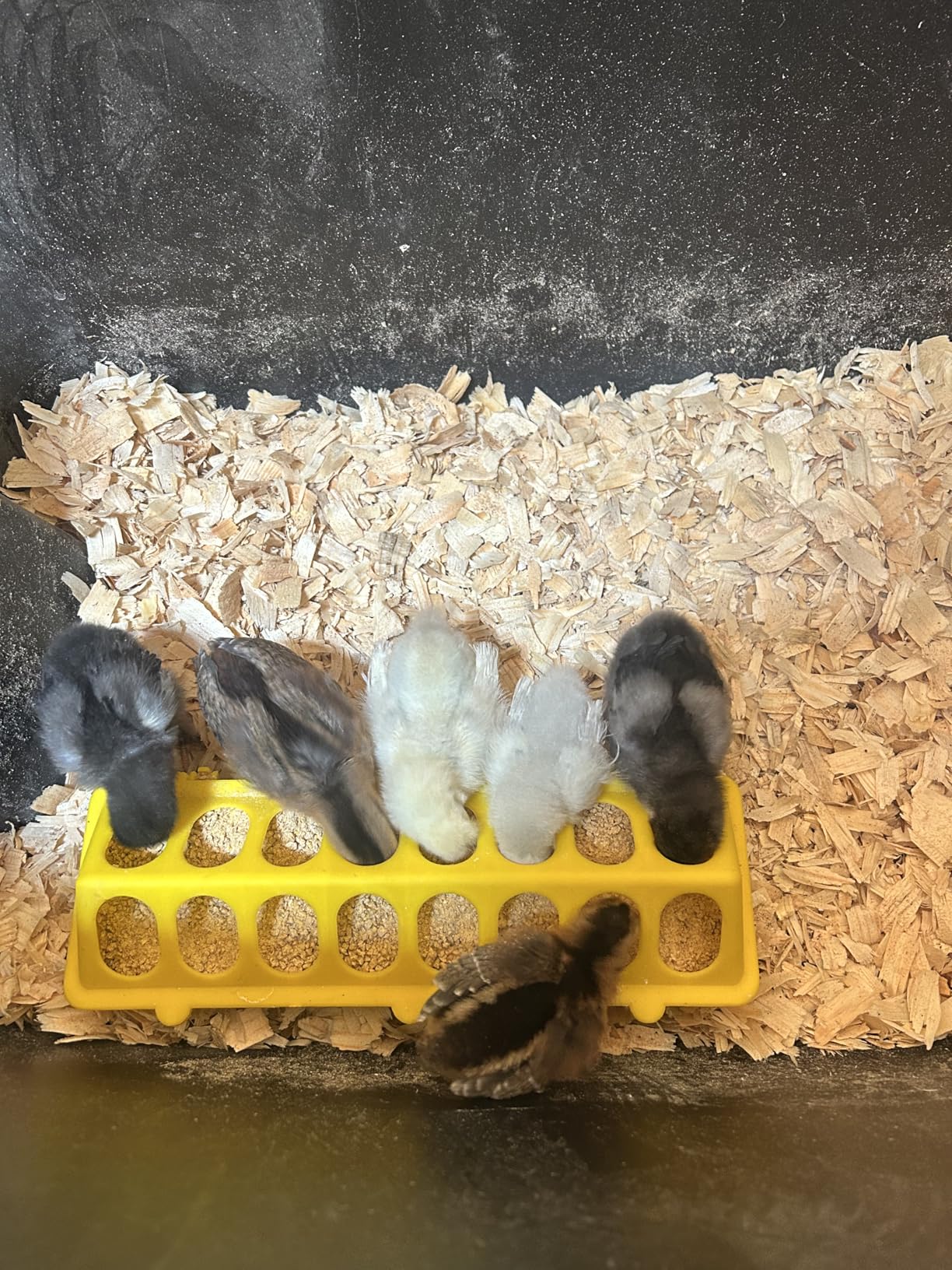
The MACGOAL flip top feeder is the one I always have ready before a hatch of chicks arrives. It is a small 2.5-pound trough designed specifically for brooders, and the flip-top lid stops the baby chicks from kicking feed out while still letting them eat comfortably from the trough.
The waste-free design is genuinely effective for chicks, because the number one mess in a brooder is feed scratched into the pine shavings. The polyethylene plastic is durable, corrosion-resistant, and safe with no sharp edges, which matters when you have day-old birds crawling over everything.
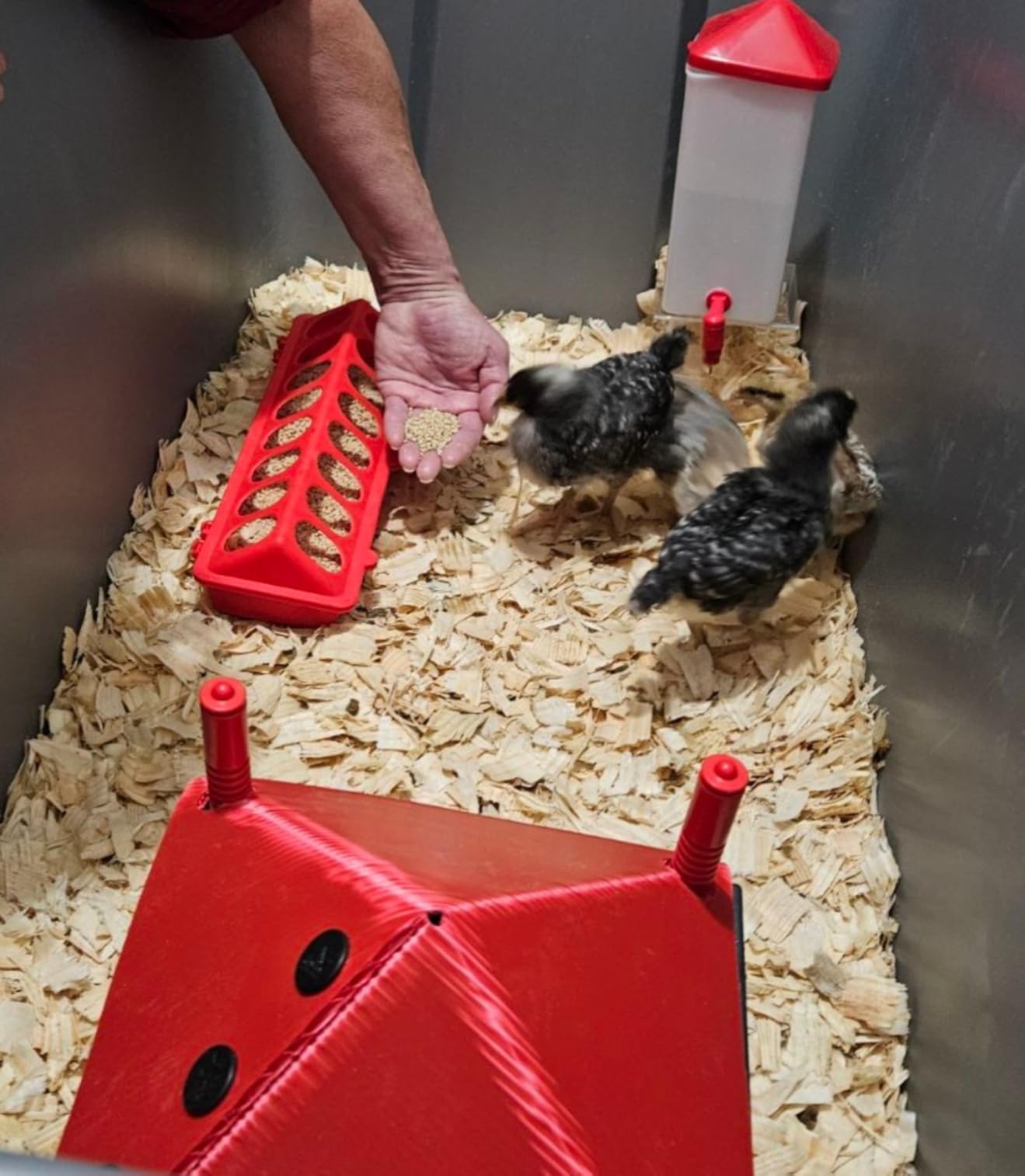
Cleaning is easy, which is critical in a brooder where hygiene directly affects chick survival. The flip top lets you refill without removing the feeder from the brooder, and the compact size fits even the smallest setup.
The known issues are worth noting. Chicks sometimes roost on top and poop in the feed, the lid can pop open if bumped, and this feeder is absolutely not for grown chickens. For what it is, a chick brooder feeder, it does the job well and costs very little.
Brooder Stage and Growth Transition
Use this feeder from day one through about four to six weeks, then transition chicks to a small port feeder as they grow. The 2.5-pound capacity suits a brooder of 10 to 15 chicks for a day or two between refills.
Plan the transition before chicks outgrow it, because crowded chicks at a small trough start wasting feed fast.
Preventing Roosting on the Feeder
To stop chicks from perching on top, set the feeder under a low brooder ceiling or place a piece of hardware cloth over the lid at night. A clean feeder means healthier chicks and less wasted starter feed.
For grown flocks, move to one of the adult chicken feeders earlier in this guide and retire the MACGOAL to brooder duty.
Buying Guide: How to Choose a No-Waste Chicken Feeder?
Choosing the right chicken feeder comes down to four questions. How big is your flock, where will the feeder live, what pests are you fighting, and how often do you want to refill. Answer those and the right option from the list above becomes obvious.
Feeder Types Explained
Gravity port feeders, like the OverEZ, Suplklz, and Poultry Pro kits, use downward-facing ports that chickens reach into. They are the most common no-waste design because the port shape stops billing and the gravity feed keeps supply constant. They work well for most backyard flocks.
Treadle feeders, like Grandpa’s, use a weight-triggered platform that opens the feed chamber only when a chicken steps on it. They are the best choice for rodent control because mice and rats cannot trigger the mechanism. The trade-off is cost and a short training period.
Trough feeders with grates, like the RentACoop and MACGOAL, use a physical barrier over the feed pan so chickens can eat but cannot scoop feed out. They are simple, durable, and effective for both chicks and adult birds when sized correctly.
Key Features to Look For
Capacity matters for chore reduction. Match capacity to flock size so you refill weekly rather than daily. A good baseline is two to three pounds of feed per hen per week, so a 50-pound feeder like the OverEZ serves a five-hen flock for about a month.
Rain and weather protection keeps feed dry and prevents mold. Look for sealed lids, port overhangs, and waterproof bushings if the feeder will live outdoors. The Suplklz, Poultry Pro, and Kingump all include weatherproofing features.
Anti-bully design matters in flocks with a strict pecking order. Multiple feeding ports, like the five on the Omlet or the twelve on the Kingump, ensure every hen gets her share without stress.
Material durability determines how many seasons you get. Galvanized steel, like the RentACoop and Grandpa’s feeders, lasts the longest. UV-stabilized plastic, like the OverEZ, holds up well outside. Thin plastic cracks after a season in the sun.
Tips to Reduce Feed Waste Beyond the Feeder
Even the best chicken feeder wastes feed if you misuse it. Based on forum keeper experiences and my own trials, here are the practical steps that compound the savings.
First, set feeder height at the birds’ back level. Too low and chickens scratch bedding and feed everywhere, too high and smaller hens cannot reach the supply. Hanging or wall-mounted feeders make this easy to adjust.
Second, place a rubber bowl or tray under tube and port feeders. One keeper I follow swears by this trick to catch the small amount of feed that does get billed out, and they tip the caught feed back into the feeder each evening.
Third, feed pellets rather than crumble or mash when possible. Pellets flow cleanly through port feeders and are harder for chickens to bill out. Mash in particular scatters easily and is best reserved for treadle or deep-trough feeders.
Fourth, control rodents separately if you cannot use a treadle feeder. Secure feed in metal bins, clean up spilled grain nightly, and remove standing water sources. Mice and rats are attracted to waste, so cutting waste cuts the pest problem too.
What Is the 90/10 Rule for Chickens?
The 90/10 rule means 90 percent of a chicken’s diet should come from a complete formulated layer feed, and only 10 percent from treats, scratch grains, and kitchen scraps. This balance keeps hens laying well and prevents them from filling up on low-nutrition snacks. A good no-waste feeder helps enforce the rule by making the complete feed the easy, always-available option.
DIY vs Commercial Feeders
DIY feeders like the Suplklz and Poultry Pro kits cost far less than commercial units and perform nearly as well for waste reduction. The trade-off is that you supply the container and do the installation. For keepers who enjoy a quick build and want to save money, DIY is the smart play.
Commercial feeders like the OverEZ, Omlet, and Grandpa’s cost more upfront but arrive ready to use, often with better weatherproofing and warranties. Choose commercial if you want a set-and-forget solution or need premium features like rat-proof treadle action.
Frequently Asked Questions
How to get chickens to stop wasting feed?
Switch from an open trough to a port, treadle, or grated feeder that physically stops chickens from billing feed out. Set the feeder at back height, feed pellets instead of mash, and place a catch tray underneath. These changes typically cut waste by 70 to 90 percent within a week.
What is the best no waste chicken feeder?
For most backyard flocks the OverEZ Chicken Feeder is the best overall no-waste option because it holds 50 pounds, has rainproof ports, and uses BPA-free UV-stable plastic. For budget buyers the Suplklz DIY four-port kit delivers excellent waste reduction for under twenty dollars, and for rodent problems the Grandpa’s Feeders treadle model is unmatched.
Are treadle feeders worth the money?
Treadle feeders are worth the investment if you have a rodent problem or a large flock. They save one or more bags of feed per month by keeping feed locked away from mice and rats, which means a feeder like Grandpa’s pays for itself in under a year. For small flocks with no pest issues, a gravity port feeder is usually sufficient.
Why do chickens waste so much feed?
Chickens waste feed by billing it out of open troughs, scratching it into bedding with their feet, and competing aggressively at feeding time. Open pans and ground-level troughs let chickens scoop feed forward as they eat, while dominant hens scatter feed while chasing subordinates away. Port, treadle, and grated feeders physically prevent these behaviors.
How do I keep mice and rats out of my chicken feeder?
Use a treadle feeder like Grandpa’s Feeders that only opens when a chicken steps on the platform, since rodents are too light to trigger it. Alternatively, hang port feeders off the ground, store bulk feed in metal bins, and clean up spilled feed nightly to remove the food source that attracts pests.
Conclusion
The right chicken feeder pays for itself in saved feed, fewer pests, and a cleaner coop, and the best chicken feeders for reducing feed waste all share the same core principle of controlling how birds access the supply. My top recommendation for 2026 remains the OverEZ for its 50-pound capacity and no-waste port design, the Suplklz DIY kit for unbeatable value, and the Grandpa’s treadle feeder for serious rodent control.
Pick the feeder that matches your flock size and coop layout, set it at the correct height, and feed pellets rather than mash. Do those three things and you will see the difference in your feed bill within the first month.