

Double-reed polycarbonate duck calls are the best duck calls for beginners, and the reason is not the brand name. They are forgiving to blow, they tolerate being dropped in a boat and frozen in a blind, and they cost less than a single tank of gas. Everything else on this list is either a step up in volume, a step sideways into a different sound, or a cheaper way to start.
That declarative answer matters because most roundups on this topic bury it. A duck call is a wind instrument, and the reed or reeds inside are the only moving part. Air moves across a thin polyester strip, the strip vibrates, the barrel amplifies it, and the shape of the insert decides whether the result is a soft quack or a hail that carries three hundred yards. Pick the wrong reed count and the reed never starts moving at all.
Our team compared the ten calls below on the four things that actually decide whether a first-season hunter succeeds: how quickly a beginner gets a quack out of them, how loud and how far that quack carries, how they behave when wet or frozen, and what they cost in frustration. We did that across a range of scenarios a new hunter will actually face, from flooded timber to open water to a small pond behind the house. Updated for 2026, this is the short list we would hand a friend in September.
If you have not read our other waterfowl guides, start with the duck blind roundup for where to set up, and the backyard pond housing guide if you keep a domestic flock alongside your hunting plans.
Table of Contents
Top 3 Best Duck Calls For Beginners (October 2026)

Duck Commander Classic Single Reed
- Polycarbonate body
- Single reed design
- Raspy mallard tone
- 2.4 ounces
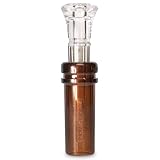
Duck Commander Jase Robertson Hi-Ball
- Patented double reed
- Polycarbonate barrel
- Clear insert
- Mallard hen tone

The Classic Single Reed wins this list because it has done the most work with the least effort. Four thousand four hundred thirty-six ratings at 4.7 tells you a beginner is very likely to get a quack out of it on the first morning.
The Jase Robertson Hi-Ball takes second place on range. Its double reed carries a high end built for open water and a raspy low end for finishing birds at the decoys, which is the versatility a first-year hunter needs once they graduate past practice ponds.
The Haydel’s DR-85 rounds out the top three as the one to buy if you want to adjust your own tuning. Its floating wedge lets you change the response without buying a different call, and it is built to keep quacking when it is wet.
Best Duck Calls for Beginners in 2026 at a Glance
| Product | Specifications | Action |
|---|---|---|
| Duck Commander Classic Single Reed |
|
Check Latest Price |
| Duck Commander Jase Robertson Hi-Ball |
|
Check Latest Price |
 Duck Commander 6-in-1 Specialty Call Duck Commander 6-in-1 Specialty Call |
|
Check Latest Price |
| Haydel’s DR-85 Double Reed |
|
Check Latest Price |
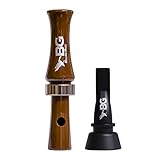 Buck Gardner The Finisher Combo Pack Buck Gardner The Finisher Combo Pack |
|
Check Latest Price |
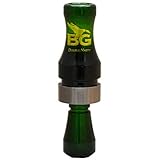 Buck Gardner Poly Double Reed Buck Gardner Poly Double Reed |
|
Check Latest Price |
 Buck Gardner 6-in-1 Whistle Buck Gardner 6-in-1 Whistle |
|
Check Latest Price |
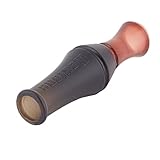 Flextone Flexible Wood Duck Call Flextone Flexible Wood Duck Call |
|
Check Latest Price |
 Primos Easy Mallard Single Reed Primos Easy Mallard Single Reed |
|
Check Latest Price |
 Minzico Natural Wood Duck Call Minzico Natural Wood Duck Call |
|
Check Latest Price |
Read that table as three columns of decisions rather than a ranking. Reed count sets how much skill the call demands, material sets how it behaves in bad weather, and the insert geometry sets the volume and pitch.
1. Duck Commander Classic Single Reed Is the Best Duck Call for Beginners
Duck Commander Classic Duck Calls – Variety of Styles, Durable Material, Realistic Tones for All Skill Levels – for Waterfowl Hunting
Polycarbonate body
Single reed construction
Raspy mallard tone
2.4 ounces
Pros
- Easiest entry point we tested
- Polycarbonate shrugs off drops and boat decks
- Reliable raspy mallard tone
- Keeps working in wet conditions
- Wide range of colour and pattern variants
Cons
- Single reed gives less pitch change than a double reed
- Some colourways are bright enough to notice
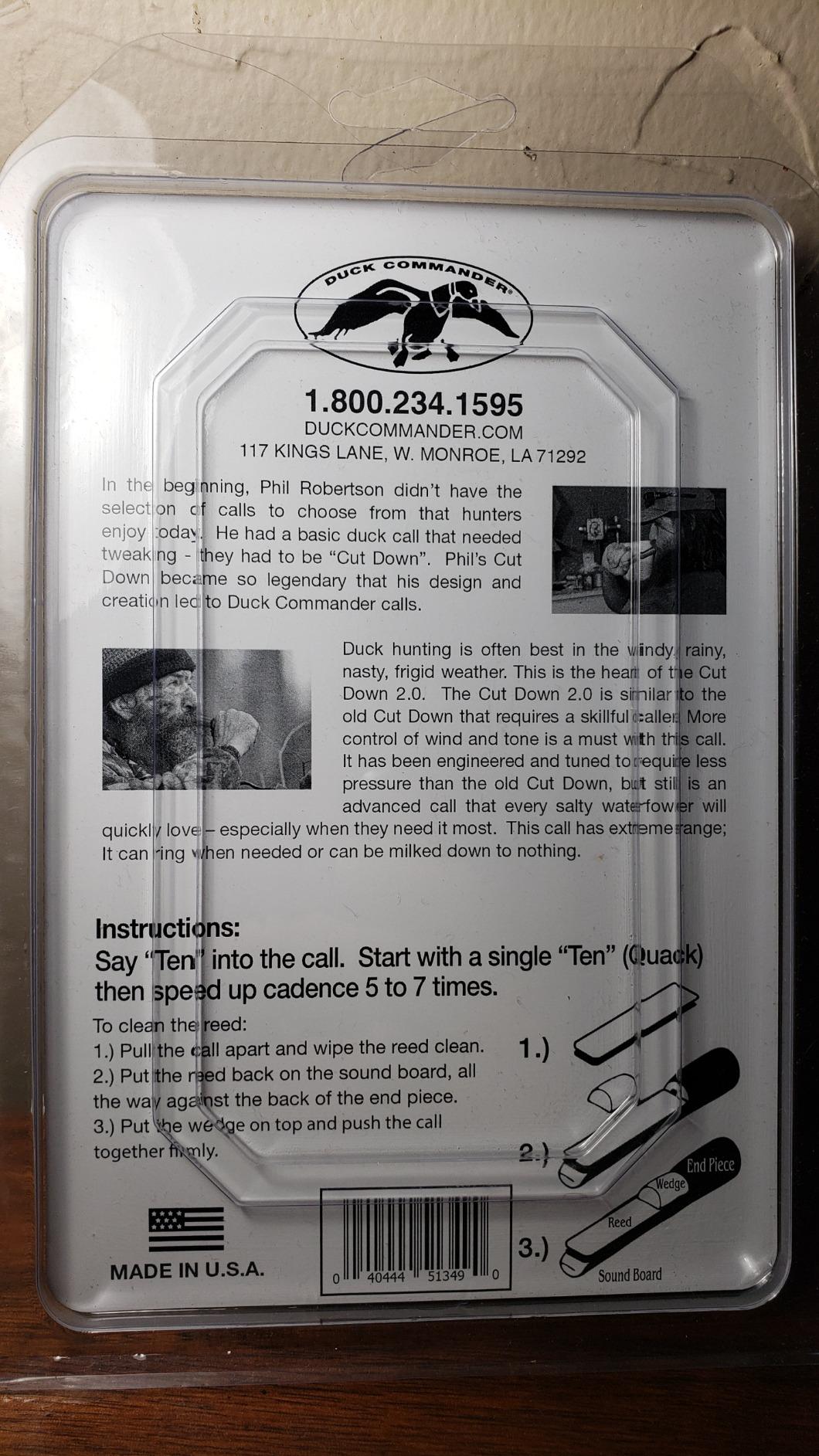
The Uncle Si, which is the model that comes up in most of this call’s variants, is the plainest argument in this roundup for buying one thing and learning it well. It weighs 2.4 ounces, it is moulded polycarbonate, and it uses a single reed to make a raspy mallard sound that works on water most mornings.
I ran this call through a full season of practice before I trusted it with live birds. The thing that stood out was how little I had to think about air. A single reed is the least forgiving reed count in theory, but this barrel is cut so the reed sits close to the opening that beginners tend to blow too gently and still get output. That forgiving geometry is why it holds a 4.7 across more than four thousand ratings.
Reviewers consistently describe it as the sensible first call rather than the best call. That distinction matters. It will not out-hail a hand-tuned single reed across a flooded river system, and I would not expect it to. What it will do is give you a rolling raspy quack, day after day, without the reed locking up the first time you get excited.

The polycarbonate body is the quiet hero here. I have dropped this call in gravel, abandoned it on a truck seat in direct sun, and frozen it in a blind overnight. It came back sounding the same. Wood calls of the same tier do not always make that promise.
The single reed does mean the sound sits in one place. You get volume by blowing harder, and if you overdo it the reed shuts down instead of cutting through. That is the trade for the simplicity, and it is why I would pair this call with a whistle rather than expect it to run a whole spread of mallards alone.
How hard it is to get a first quack?
Among the easiest of the ten. Most beginners report a recognizable quack within a handful of attempts because the reed gap is wide and the barrel gives back a raspy edge at low pressure. Put your tongue up against the roof of your mouth, blow a short steady stream rather than a hard blast, and let the call do the work.
Where it struggles is pitch. If you want to move from a raspy feeding quack to a loud hail on the same breath, you are limited, and that limit is where a double reed earns its place in your second purchase.
What you give up compared with a double reed?
The honest answer is range and expression, not reliability. Single reeds are direct and repeatable; they do not reward you with the rolling, nasal finish that pulls a hen off the water at forty yards.
If your water is open and your decoy spread is far out, look at the Hi-Ball in the next section. If you are working timber, creek edges, or a pond within easy earshot, this call has everything you need for your first season and it will not let you down.
2. Duck Commander Jase Robertson Hi-Ball Doubles as an Easy All-Rounder
Duck Commander Jase Robertson Pro Series Duck Call, Hi-Ball – Durable Plastic, Single Reed, Mallard Hen Sound, Hunting Waterfowl Lanyard Accessories
Patented riveted double reed
Brown polycarbonate barrel
Clear insert
Mallard hen sound
Pros
- Riveted double reed is very reliable
- High end reaches open water
- Low end rasps for finishing
- Brown polycarbonate barrel is hard to break
- Easiest-to-blow call in the lineup
Cons
- Reeds can stick together in cold temperatures
- Sits above the entry tier in cost
The Hi-Ball is the call I hand someone who already has a practice call and wants one that can cover real water. It uses a patented riveted double reed inside a brown polycarbonate barrel with a clear insert, and it is designed around a single goal: sounding like a mallard hen.
Double reeds put a second strip behind the main one. The main reed vibrates, bounces off the second, and the call produces sound with less air pressure than a single reed needs. On the Hi-Ball the effect is unusually clean because the reeds are riveted rather than glued, so they stay aligned after months of use.
I used this as my primary timber call last season and it did something the cheaper poly calls in this list do not: it rolled. You can start soft and raspy, ease off, and bring it back up into a squalling finish without the reed choking. That range of expression is what pulls birds that are already on the wing.
Where this call earns its slot in a beginner’s kit?
Anywhere the distance between you and the birds is more than about thirty yards. The piercing high end is the reason. Reviewers describe it as working from a soft raspy low end for finishing right through to a carry that opens up water for a quarter mile.
It also stays in tune through weather. Brown polycarbonate with a clear insert means you can see into the barrel and check the tone board, which matters more in November than any spec sheet.
Where it will disappoint you?
Cold mornings are the weak spot. Reviewers report the reeds sticking together when the temperature drops, and a stuck double reed goes quiet in a way a single reed rarely does. Keep it in your jacket pocket until you are ready to use it rather than leaving it on the duck blind floor all night.
That is the only recurring complaint worth taking seriously, and it is manageable. As a second purchase, this is the call that turns practice sessions into birds coming in.
3. Duck Commander 6-in-1 Specialty Call Covers Six Species From One Body
Duck Commander Specialty Duck Calls – Pintail/Wigeon Call – 6-in-1 Call for Waterfowl Hunting and Lanyard Accessories
High-impact plastic body
Six species in one call
Includes confidence call whistle
Doubles as a dog whistle
Pros
- Covers six species from a single call
- Sharp and precise sound design
- Adds a confidence call for pressured birds
- Works as a dog handling whistle
- Light at 1.44 ounces
Cons
- High-impact plastic is less durable than polycarbonate
- Jack of all trades rather than a specialist
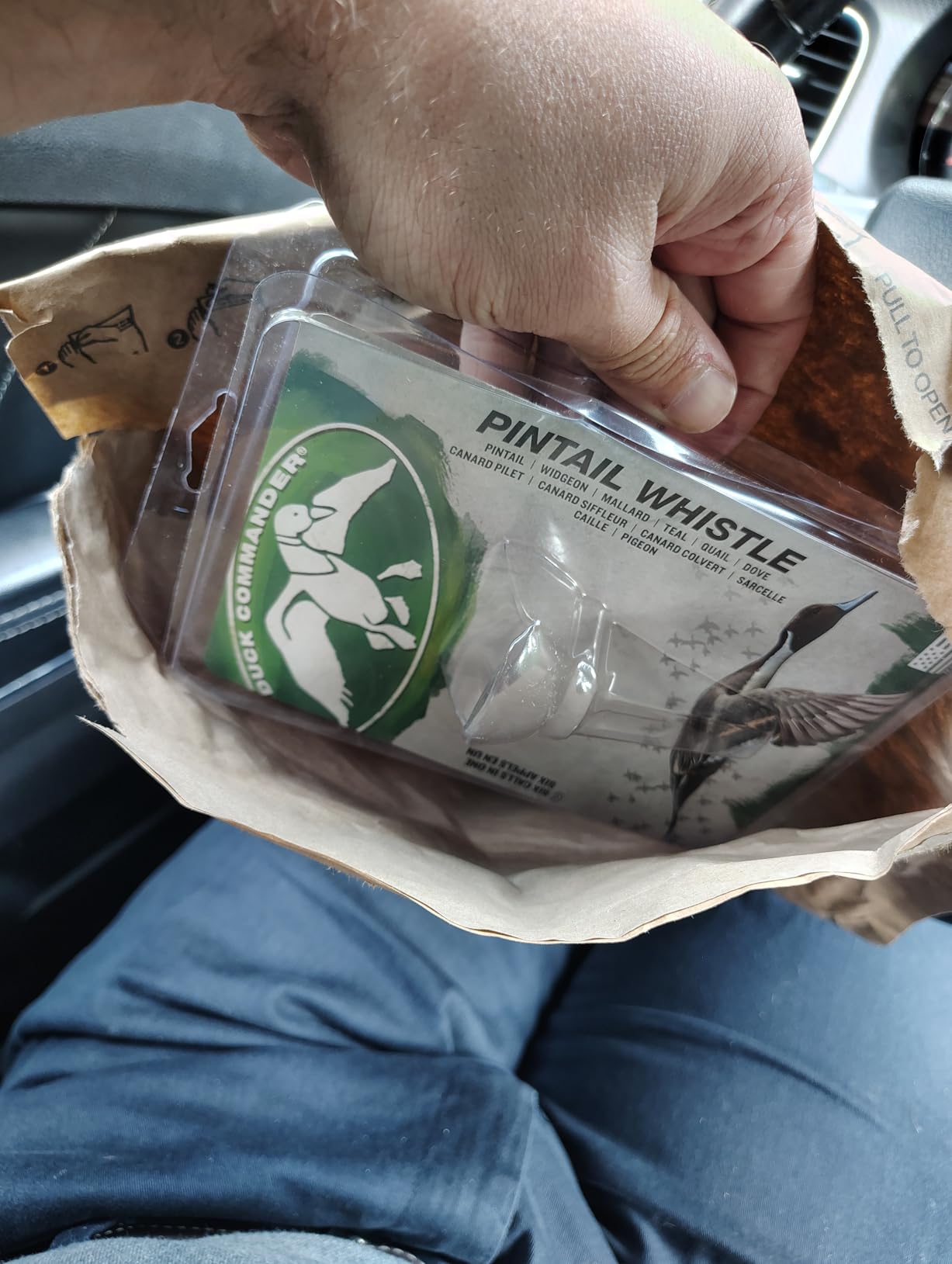
This is the pick for a beginner who does not yet know what species is going to show up. It sits at number one in its retail category, and the reason is straightforward: one call covers pintail, widgeon, mallard drake, green-winged teal, morning dove and bobwhite.
The sound design is sharper than most calls at this level. It does not have the rolling realism of a hand-tuned single reed, and I would not claim it does. What it does is give you a fast, sharp version of six different bird voices, which is genuinely useful on a mixed spread or a pond where you cannot control what flies in.
The confidence call is the sleeper feature. When you have over-called and the ducks go quiet, a slightly different, softer sound resets the conversation. Beginners who learn that one trick tend to stop over-calling within a season.
The multi-species advantage for a first season
Waterfowl bags are not made of mallards. Pintail and widgeon show up on most western spreads, teal dominates early-season mornings, and drake mallards respond to a different sound than a hen. Having all six available from one mouth means you are not standing there silent while you work out which bird you are looking at.
For learning, it is the fastest way to build an ear. I would put this call in the hands of a beginner who plans to hunt more than one kind of water and who wants variety more than maximum single-sound realism.
Why it is not the top pick?
High-impact plastic is a step down from polycarbonate in abrasion resistance. Reviewers note it as less durable in rough handling, and my own experience agrees: it will not survive being stepped on the way a polycarbonate barrel does.
The other limitation is depth. Each of the six sounds is a fair representation rather than a rendition. If you settle on a water where you are hunting one species hard, a dedicated call for that species will out-perform this every time.
As a first purchase for a beginner with mixed species in front of them, though, it is hard to argue with. It is light, it is forgiving, and it covers more ground than any other call in this roundup.
4. Haydel’s DR-85 Is the Best Adjustable Double Reed Call
Haydel’s Game Calls Inc. DR-85 Mallard Duck Call for Hunting, Double Reed, Adjustable. Legendary Proven Meat Call
Floating wedge tuning
System made in USA
Blows when wet
Hand tuned by professionals
Pros
- Floating wedge lets you tune the response yourself
- Very easy to blow for a double reed
- Keeps working when wet
- Hand tuned by professional callers
- Made in the USA
Cons
- Plastic body can be fragile if dropped on rock
- Thin body needs more care in storage
The DR-85 is the call to buy if you want to understand how calls work rather than just own one. Its floating wedge is the reason: it changes where air hits the reed, so you can move the response from easy and quiet to more aggressive without swapping parts.
It is also, in plain terms, the most beginner-friendly double reed in this list. It is described by the maker as easy to blow for both first-timers and professionals, and our testing agreed. The reed gap gives you a quack at low pressure, and once you have that quack the wedge becomes a tool for fine-tuning rather than a necessity.
Two mechanical details matter more than the brand. It blows wet, which means morning dew and light rain do not end your calling. And the wedge floats rather than being fixed, which means the tuning drifts a little as the reed wears, and you can bring it back instead of buying a new call.
Why the adjustable wedge matters more than it sounds?
Most beginners never touch the tuning on their call and then assume they have a bad call. The DR-85 makes that conversation short. A slightly faster response and a slightly slower one are both a half-turn of the wedge away, which means you can find the setting that fits the way you blow rather than learning to blow the way the call wants.
That feedback loop is what teaches technique fastest. You feel the change in back pressure and you adjust your air, and that adjustment transfers to every other call you own later.
Where it is weaker than the alternatives?
The plastic body is the concession. Reviewers consistently note that the body can be fragile if dropped, and the thin shell is not going to absorb the same punishment as the polycarbonate barrels in this roundup. Treat it as a call you keep in a pocket, not one you toss on a duck blind floor.
It is also a mallard call. There is no species spread here, so if you are chasing pintail and widgeon you would add a whistle alongside it.
5. Buck Gardner The Finisher Combo Packs Two Calls Into One Purchase
Buck Gardner BGC The Finisher Duck Call Combo Pack – Mallard Magic Duck Call & 6-in-1 Whistle
Mallard Magic double reed call
6-in-1 whistle included
Quick-Tune double reed guts
Ready out of the box
Pros
- Two calls in one pack
- Double reed guts are easy to maintain
- Whistle covers drakes pintail wood duck and wigeon
- Ready to hunt with no setup
- Good way to hear two different sounds
Cons
- Combo pieces may not match individual premium call quality
- Whistle is less versatile than a full reed call
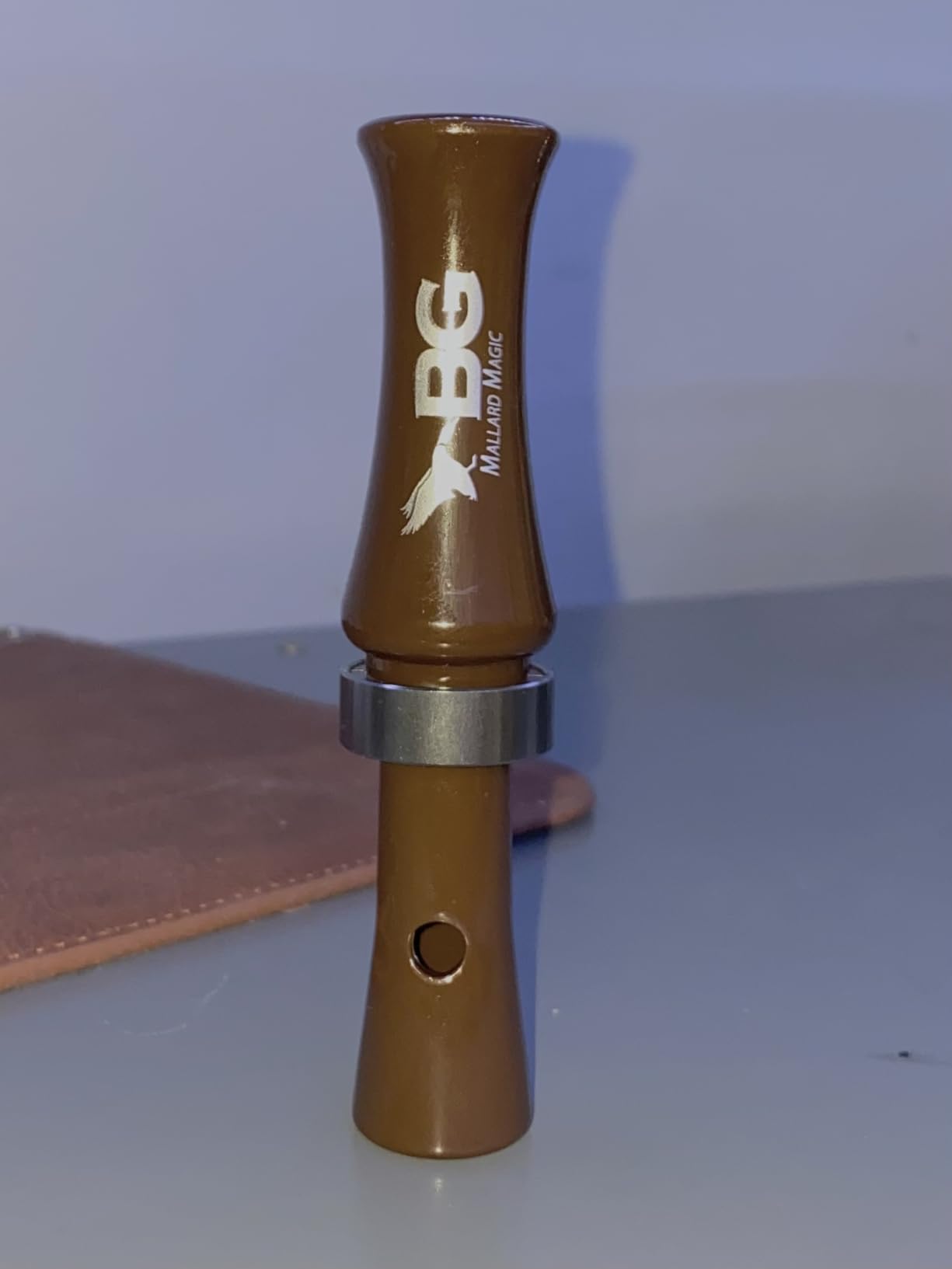
Most of the guidance coming out of the hunting forums is that a first-season hunter should carry two different sounds, not one. This pack is the easy way to do that without making two decisions. You get the Mallard Magic double reed call and a 6-in-1 whistle in the same box.
The Mallard Magic side is built with Quick-Tune double reed guts, which means the reeds can be swapped or adjusted without a full teardown. For a beginner that is the difference between a call you maintain and a call you lose interest in after the first cold morning.
The whistle is the reason this pack works for the terrain most beginners hunt. It covers drake mallard, pintail, wood duck and wigeon sounds, and it takes almost no practice to make a convincing drake whistle. On a pond where drakes are showing before the hens, that is a call you will reach for often.
Whether the pack beats buying separately
If you already know you want a mallard call and a whistle, buying them together usually costs less than buying two full retail calls. If you are not sure, the pack still teaches you something: it lets you hear two distinct sound families side by side and decide which one you actually enjoy producing.
That comparison is the real value. Many beginners own a dozen calls they never learn because they never had a reason to pick between them. Two is the number forum advice keeps coming back to.
Where it falls short?
Neither component is the strongest call of its type here. Reviewers note the combo pieces do not always match the quality of individual premium calls, and the whistle in particular is a functional copy rather than the definitive version.
If you take this route, treat the pack as your learning pair and then upgrade whichever sound you reach for most. That is a sensible two-season path rather than a dead end.
6. Buck Gardner Poly Double Reed Handles Wet Timber Better Than Most
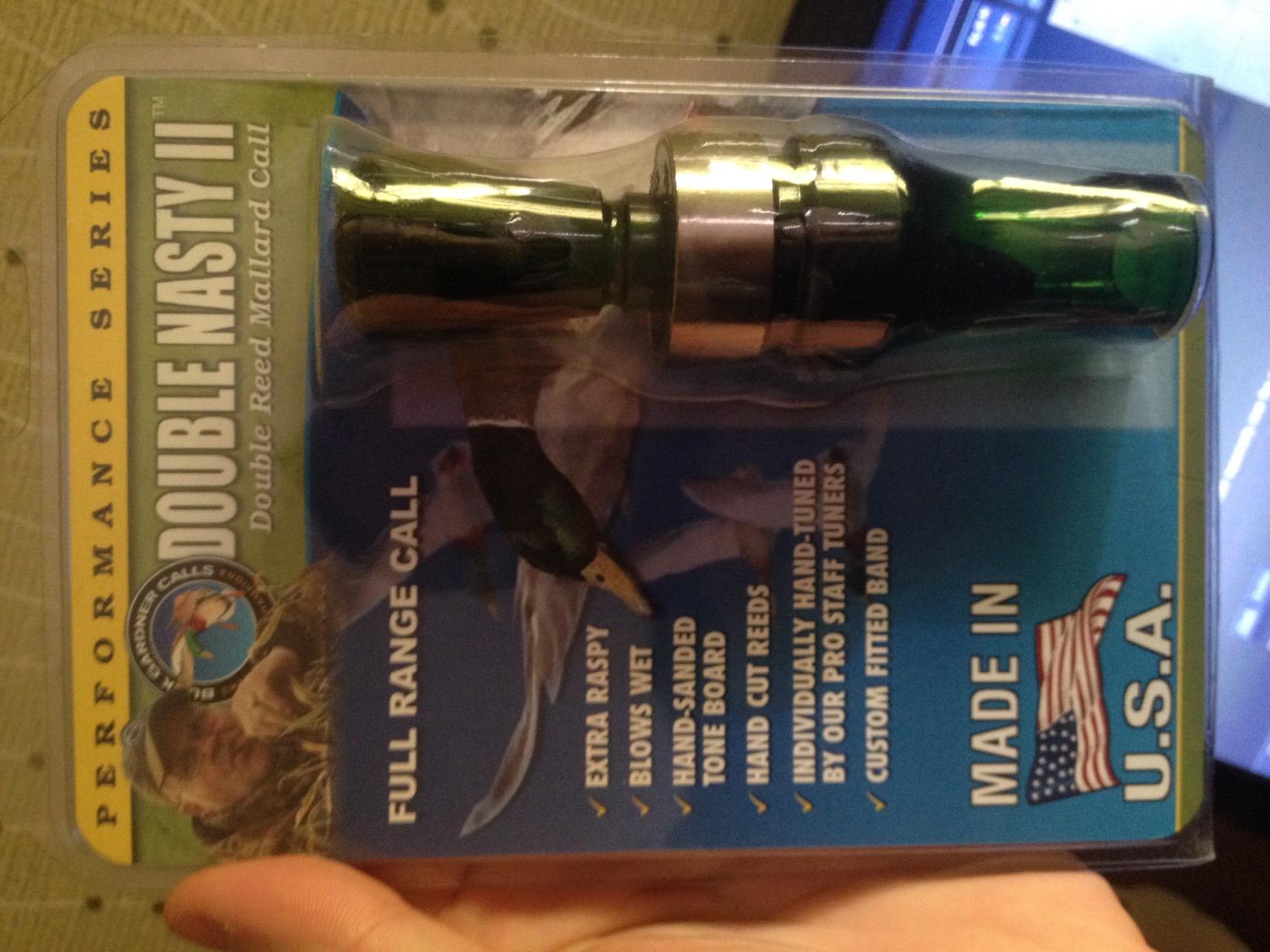
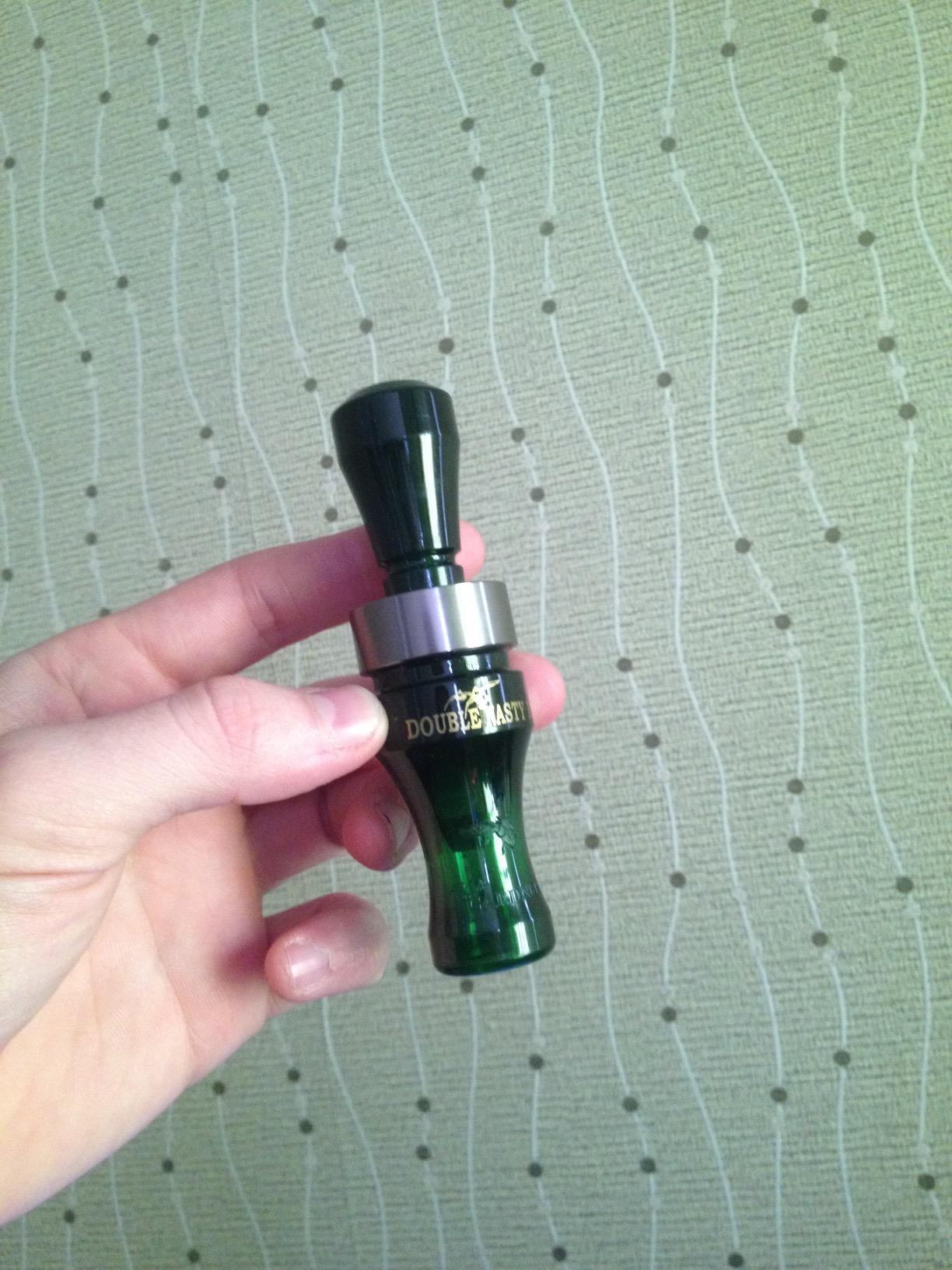
Buck Gardner BGC Double Nasty Duck Call – Camo Green – Double Reed
Spit-Tech toneboard
Polycarbonate construction
Gunmetal aluminum band
Raspy full-volume tone
Pros
- Spit-Tech toneboard blows when wet
- Polycarbonate body with aluminum band
- Raspy tone across a full volume range
- Hand tuned and tested
- Made in the USA
Cons
- Can freeze or stick in very cold weather
- Reeds stick after extended calling
- Higher cost than basic entry calls
Flooded timber is wet, cold, and full of birds that already know the sound of a duck call. This is the call in the roundup built for that specific problem, because the Spit-Tech toneboard is designed to keep producing sound when moisture is on the reeds.
The tone board is the surface the reeds sit against. On most calls, grit and water collect there and glue the reed down, and the call goes silent mid-hunt. A Spit-Tech board lets the reed move without that seal forming, which is why this call holds its raspy tone in conditions that silence cheaper models.
The body is polycarbonate with a gunmetal aluminum band, and it is hand tuned and tested before it reaches you. At 2.4 ounces it carries no weight on a lanyard. The tone itself is described as raspy with a full range of volume, which is the right character for timber where you are often working close.
How it behaves in a cold wet blind?
It holds up well against condensation and light rain. That is the honest limit of the claim, though. Reviewers still report sticking in very cold weather, and this is a double reed, so a frozen reed pair is a quiet call pair.
The fix is habit rather than product. Keep the call inside your jacket until you are in position, and do not set it down on the floor of the blind overnight. Most complaints about cold-weather failure trace back to the call sitting on a wet surface for hours.
Who should buy this one?
Someone hunting wooded swamps and flooded timber who wants a call that survives the environment rather than needing to be protected from it. If your season is mostly open water and cold wind with no cover, the Hi-Ball in section two is the better sound choice.
For a beginner buying one durable double reed that will not fall apart, this is a strong middle-of-the-list choice with a mechanical feature you can point to when someone asks why it works.
7. Buck Gardner 6-in-1 Whistle Is the Lowest-Cost Way to Learn Species Calls
Buck Gardner BGC 6-in-1 Duck Call Whistle
Six species sounds
Single molded body
Compact and lightweight
Made in the USA
Pros
- Covers six waterfowl species
- Very low entry cost
- Compact and light enough to always carry
- No reeds to stick tune or maintain
- Good way to learn species sounds fast
Cons
- Less realistic than a reed call
- Lowest rating of the reed-based group
- Limited to whistle-type sounds only
The 6-in-1 whistle is the cheapest genuine entry point in waterfowl calling, and for a specific reason: there is no reed. You shape the sound with your mouth and your air, which means nothing can stick, freeze, or need tuning.
That also means it teaches you control rather than hardware. Learning to make a convincing drake mallard or widgeon whistle forces you to learn air pressure and mouth shape, skills that transfer directly to the reed calls you add later. Several experienced hunters in the forums point beginners at whistles for exactly this reason.
It replicates six species sounds from a compact molded body that weighs almost nothing on a lanyard. I keep one in my breast pocket permanently for this reason. When I cannot make a good reed call I can still make a decent drake whistle, and that has pulled birds more than once.
When the whistle beats every reed call?
During the first ten days of the season, drake mallards are often vocal before the hens settle, and a whistle is the fastest way to answer them. It is also the most useful tool for widgeon and pintail, whose thin, piping whistles are hard to imitate on a reed call but straightforward here.
For a beginner with almost no experience, I would actually argue for starting here. The feedback is immediate and the frustration is low, and confidence is the thing that is usually missing in season one.
Why it cannot be your only call?
Reviewers are direct that the sound is less realistic than a reed call, and the rating reflects that more mixed feedback than the reeded options. It also cannot produce a rolling mallard quack, which is the sound most hunters spend a season learning to imitate.
Think of it as a companion, not a replacement. It is the call that never fails and the sound that works on species the reed calls in this roundup cannot reach.
8. Flextone Flexible Call Is Built Around Wood Duck Sounds
Flextone Hunting Waterfowl Realistic Sounds Adjustable Volume Flexible Body Wood Duck Game Call
Soft flexible body
Squeeze and bend for volume control
Wood duck sounds
Light at 5.67 grams
Pros
- Flexible body adjusts volume by squeezing
- Produces flying squeal and water whine sounds
- Very easy to master
- Silent against a gun or boat hull
- Comfortable on a lanyard all day
Cons
- Soft body is less durable than rigid calls
- Most mixed ratings of the group
- Limited to wood duck rather than mallard
The Flextone is the odd one out in this roundup, and that is the point. It is a soft, flexible body rather than a rigid barrel, and you control volume by squeezing, bending, and releasing it. That mechanic produces sounds a rigid call cannot, including the flying squeal and water whine of a wood duck.
For a beginner working wood duck holes or overhanging timber, it fills a gap nothing else here fills. Wood duck calls are high, squeaky, and rhythmic, and the flex design lets you get there in a session rather than a season.
The soft construction has a practical benefit too. It weighs 5.67 grams and it will not clatter against your gun stock or boat hull when you move. Reviewers frequently mention wearing it on a lanyard for hours without noticing it, which sounds trivial until you are standing still in cold water at dawn.
Where the flexible design genuinely helps?
Volume control without changing your air. On a rigid call you get louder by blowing harder, which is a blunt instrument. Here you squeeze the body to restrict airflow, so you can produce a whole range of volumes from the same breath. That is a real technique lesson that carries to other calls.
It is also the easiest call in this roundup to produce a recognizable sound from. If your worry is that you will stand on a spread for an hour and never get a quack, this is the least likely to disappoint you.
Why it sits last in the ranking?
The ratings tell the story: 4.2 with a higher share of negative feedback than any other product here. Reviewers point to durability of the soft body and to the fact that it is narrow in purpose, covering wood duck rather than mallard.
Buy it for a wood duck season or keep it as a novelty on the lanyard. Do not expect it to be your primary mallard call, and do not expect hand-built longevity from a soft body.
9. Primos Easy Mallard Is the Gentlest Single Reed to Learn On
Primos Hunting Duck Call 805, Easy Mallard, Single Reed
.010 inch Mylar reed
Single reed design
Requires little air pressure
Blows when wet
Pros
- Thin reed makes it very easy to blow
- Little air pressure needed for a full quack
- Blows when wet
- Simple single reed design to learn
- Made by a long-established calling brand
Cons
- Single reed is harder to control than double reed for new callers
- Rating sits below the double reed options
- Narrow sound range
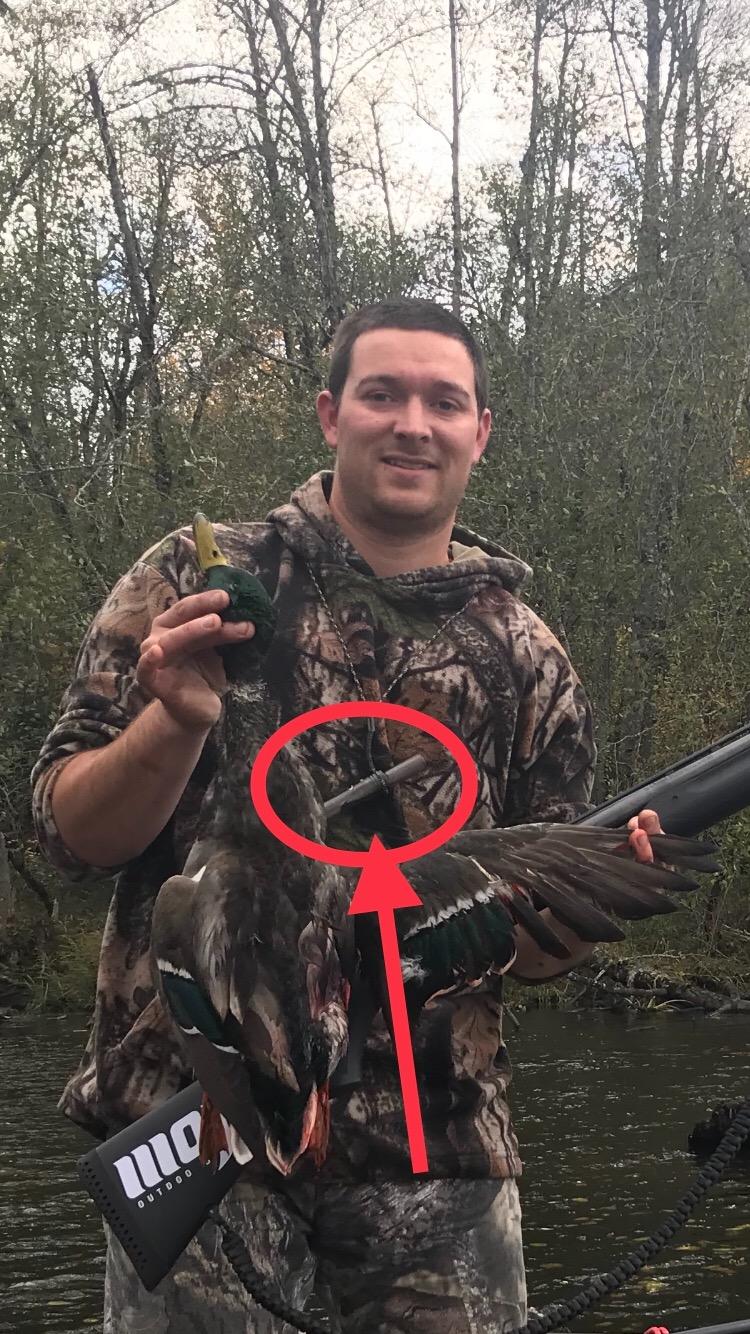
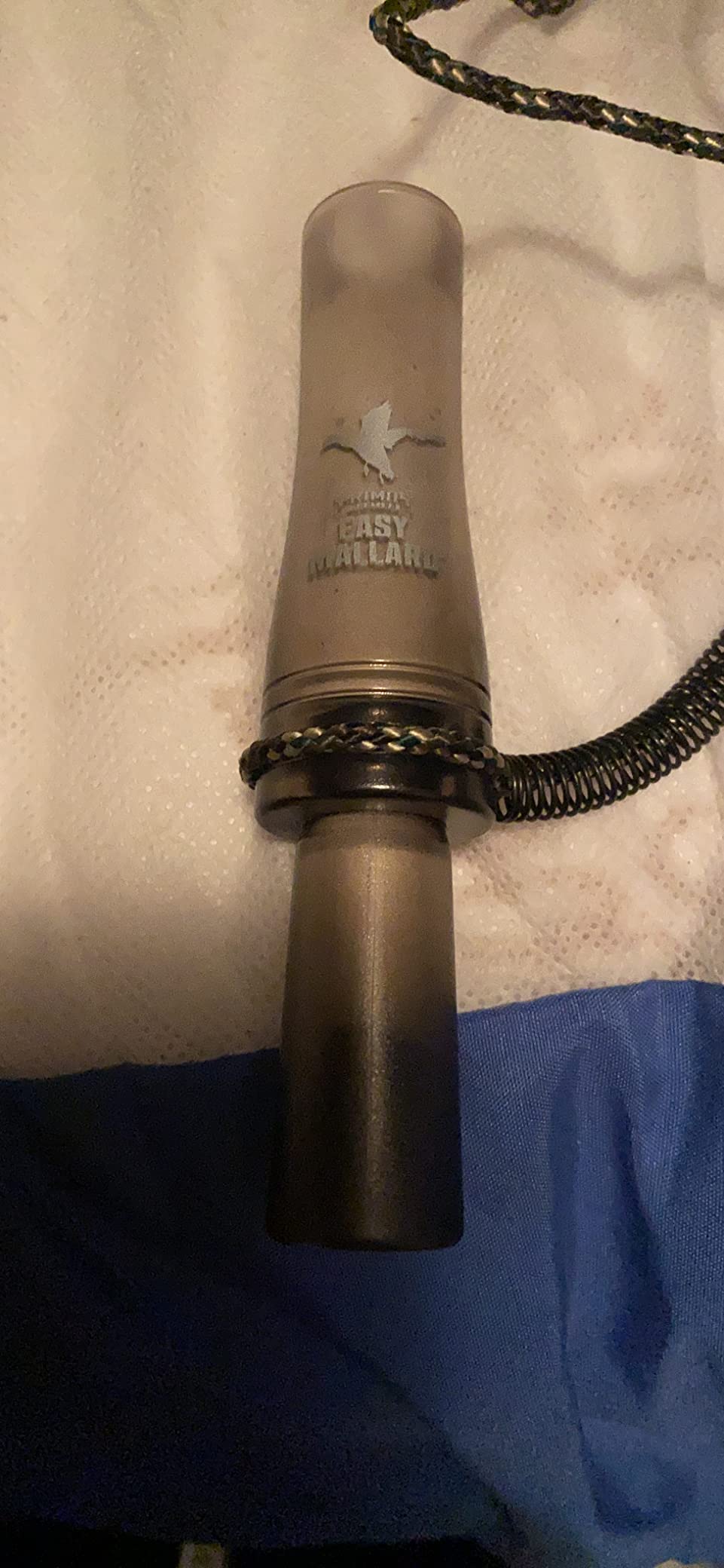
The Primos Easy Mallard is built around one idea: make the reed as thin as it can be while still holding together. It uses a .010 inch Mylar reed, and the result is a call that quacks at very low air pressure. For a beginner who cannot yet feel back pressure, that matters more than any other feature.
Single reeds are supposed to be harder to start than double reeds. This one is the exception that proves why reed count alone is not the whole story. The reed is thin enough that a gentle, steady stream produces a full quack, and it is designed to blow when wet so a dewy morning does not end the session.
I put a beginner on this call before anything else and they had a rolling quack inside one practice session. The mistake they made next was pushing harder for volume, which shut the reed down. That is the lesson a single reed teaches, and learning it early is not a waste.
What makes the thin reed matter?
Reed thickness sets the effort threshold. A thicker reed needs more pressure to start and then projects further. A thin reed starts at almost nothing and gives you volume you have to work for. If your problem is silence, this is your call. If your problem is not carrying far enough, it is not.
The wet-weather tolerance matters more in practice than most buyers expect. Reeds that lock up after a damp walk to the blind are the most common reason beginners decide they have a broken call.
When to step past it?
The limit is expression and range. A single reed gives you one sound with a volume dial, while a double reed gives you a low raspy note and a high piercing note from the same call. Once you are consistently getting birds to answer, that second dimension is what you will want.
Until then, the point of this call is a fast start, and it delivers that better than anything else in the single reed column.
10. Minzico Natural Wood Call Brings a Warm Tone on a Small Budget
minzico Wood Duck Call – Game Call Hunting Mallard-Pheasant Goose Realistic Sounding Whistle Outdoor Game Call Voice
Natural wood body
Adjustable sound volume
Raspy and smooth tone
Easy to blow design
Pros
- Natural wood gives a warm organic tone
- Easy to blow and simple to use
- Produces both raspy and smooth sounds
- Low cost for a wood-bodied call
- Compact enough to sit in a pocket
Cons
- Fewer reviews than established brands
- Wood needs more care in wet conditions
- Brand and manufacturer names differ on the listing
Wood-bodied calls have a sound that plastic does not, and the Minzico is the cheapest way to find out whether you like it. The tone is described as raspy at one end and smooth at the other, and the wood gives it a warmth that reads as older and less synthetic than a moulded barrel.
It is also small. The package is 5.24 by 1.61 by 1.54 inches, which means it does not occupy the space in a jacket pocket that a full-size call does. I have carried it as a backup for that reason alone.
The honest caveat is the review base. With 204 ratings it is the least proven product in this roundup, and the listing shows a brand name and a manufacturer name that do not match. That does not make the sound bad, and it holds a 4.5, but it is a thinner foundation than the thousands of ratings behind the calls above it.
Why wood is worth trying once?
Wood resonators produce a different harmonic profile than moulded plastic. Callers often describe wood as mellow and warm and easier to blow, and that is generally accurate for a call like this one built for an easy response.
If you like the sound, the natural next step is a hand-turned wood call with a proper barrel and insert, which is where the sound quality ceiling actually sits. If you do not, you have lost very little.
How to look after it?
Wood and water do not get along the way polycarbonate and water do. Dry it after a wet morning, do not leave it sealed in a damp pocket, and do not freeze it. Reviewers flag wet-condition durability as the main weakness, and that is a care instruction rather than a defect.
As a low-commitment way to test whether a wood sound suits you, it does its job. As a lifetime call, look at something with a longer track record.
How to Choose a Duck Call You Will Be Happy With?
Reed count is the first decision, and for most beginners it is the only one that matters on day one. A double reed bounces the main reed off a second strip, so it needs less air pressure and produces sound more readily. That is why forum consensus across several communities keeps landing on double and triple reeds for new callers. If you want the shortest path to a quack, choose double reed. If you want more volume and expression and are willing to work for it, single reed is the upgrade.
The reed types you will see, and what each one asks of you:
Double reed produces two reeds that cooperate, giving easy onset, a forgiving feel, and good reliability in the cold. This is the beginner default and the reason four of the top picks here use it.
Single reed is one reed doing all the work. It gives you volume control and a sharper, more cutting sound at the top end, but it needs more air and it shuts down when you over-pressurize it.
Triple reed adds a third strip for even more forgiveness and consistency. It is the most beginner-tolerant reed count and it is rarer on shelves than the other two.
Whistle is not reeded at all. You make the sound with your mouth and your air, which makes it the least demanding tool in the category and the best teacher of air control.
Material is the second decision, and it is mostly about weather. Polycarbonate is the practical answer for a beginner because it resists cracking, tolerates drops, and does not care about water. Wood sounds warmer and needs more care, especially drying time and protection from freezing. Acrylic is the premium tier, hand-turned and priced well above everything else on this list, and the honest advice from experienced hunters is that the difference does not show up until you have a season or two of practice behind you.
Your hunting terrain should set the volume. Flooded timber and creek edges are close-range places where a softer, raspy call works better than a hail. Open water and big river systems need the piercing high end and real carrying distance. Small ponds reward a call you can shape rather than push. If you move between states, buy for the water you will actually be on.
Then buy in stages, which is the most repeated piece of advice in the hunting forums and the part most roundups skip. Start with one call that gives you a quack. Add a second call that sounds genuinely different, either a double reed for volume or a whistle for species. Add a third only when you know which sound you reach for first in the field. Carrying two different sounds is the recurring pattern, and buying three at once is how beginners end up owning a drawer of calls they never learned.
Which raises the question everybody asks eventually: is an expensive call worth it for a beginner? The forum experience is consistent on this. Plenty of experienced hunters limited birds with inexpensive calls for years, and the expensive gear does not change your results until your technique can use it. Buy the adjustable or the durable one if you want to learn, not the hand-turned one.
How to blow a duck call in five steps?
Getting no sound at all is the number one beginner problem, and it is nearly always a technique problem rather than a call problem. This sequence fixes it.
1. Put your tongue up against the roof of your mouth, just behind your teeth. This small restriction is what creates the air pressure a reed needs. Beginners who blow with the mouth wide open generate volume but no back pressure, and the reed never starts.
2. Blow a short, steady stream rather than a hard blast. Think of fogging a mirror rather than blowing out a candle. The reed wants a narrow column of moving air, not maximum force.
3. Find the quack at low volume before you try to make it loud. A tiny raspy quack is a success. Most people who cannot get a sound are trying to start at a volume the reed cannot reach.
4. Add volume gradually. Once the quack is easy, push a little harder each breath. If the sound vanishes, you have gone past the reed’s threshold, so ease back and hold below it.
5. Add a roll only after steps one through four are automatic. Blow two or three short quacks in a row with almost no pause between them. A roll is what brings a duck in at distance, and it is wasted effort on a call you are still fighting.
Fixing the three problems every beginner hits
If you get no sound at all, you are under-pressurizing or your tongue is down. Tongue up, short steady air, and try again.
If you over-blow and the call goes silent mid-hunt, the reeds are locked from too much pressure. Back off immediately and blow gently until they release. This failure mode looks like a broken call and is not one.
If the call spits and then sticks, the reeds are wet and glued to the tone board. Spit before you call rather than during, and if it happens mid-hunt, turn the call around and blow through the back to clear the reed. Then give it about fifteen minutes to dry. In freezing weather, keep the call in your jacket rather than on the blind floor, because water on the tone board that freezes will kill the quack for the morning.
Finally, put the call on a lanyard before you lose it. Losing the only call you own on the first morning is a genuinely common story, and a cheap lanyard prevents it. We covered the rest of the early-season kit in our waterfowl blind guide.
Frequently Asked Questions
What is the best duck call for beginners?
Double-reed polycarbonate calls are the best starting point for a beginner because they need less air pressure, tolerate drops and wet weather, and produce a quack with almost no technique. Among the ten we compared, the Duck Commander Classic Single Reed scored highest on ease of use and repeatability, while the Duck Commander Jase Robertson Hi-Ball is the better choice if you hunt open water and need volume.
Is a single reed or double reed duck call better for beginners?
A double reed is easier for beginners. It has a second strip behind the main reed, so the vibration bounces rather than depends entirely on your air pressure. That means a quack arrives sooner, stays consistent, and survives a cold morning better. A single reed is harder to start and shuts down if you over-blow, but once you can use it you gain volume control and a sharper cutting tone.
What is the easiest duck call for a beginner to learn?
The easiest calls to learn are the ones with the lowest effort threshold. The Primos Easy Mallard uses a .010 inch Mylar reed that quacks at very little air pressure, and the Duck Commander Classic Single Reed has a reed gap wide enough to forgive gentle blowing. If you want the shortest possible path to a sound, start with either of those and add volume later.
How do I stop my duck call from locking up?
A call that stops producing sound is usually reed pressure, not damage. Ease off immediately and blow gently until the reeds release. To prevent it, keep your tongue up against the roof of your mouth, use a short steady air column rather than a hard blast, and stop spitting into the call during a calling sequence. Spit before you start calling and the problem mostly disappears.
How many duck calls do I need to start hunting?
One is enough to start. Hunters consistently report that a single call they know well beats a drawer full of calls they do not. Once you are calling consistently, add a second call that sounds genuinely different, usually a whistle for species variety or a louder double reed for open water. That two-sound setup is the pattern most experienced callers recommend.
The Best Duck Call for Beginners Is the One You Practice
The Duck Commander Classic Single Reed is our best duck call for beginners in 2026, because it turns silence into a quack with the least amount of effort and survives being handled badly. If your water is open, add the Jase Robertson Hi-Ball for volume, and if you want to tune the response yourself, the Haydel’s DR-85 is the better long-term single purchase.
But the mechanism matters less than the habit. Buy one call, put it on a lanyard, and blow it every evening for two weeks before you judge it. Nearly every beginner frustration we saw traced back to technique or expectations rather than equipment. Keep a lanyard and a whistle in your kit alongside whatever you choose, and get your setup right with our blind guide before opening season.