
Snow reflects an enormous share of the ultraviolet light that hits it, which is why a cheap pair of goggles and a good pair make such different days out of the same forecast. Fog up on the chairlift and your run is over before it starts. Squint into a dark lens on an overcast afternoon and you lose the ice patches that would have taken you out. The best snow goggles for skiing do three jobs at once: they keep the view clear, they control how much light reaches your eyes, and they hold position under a helmet without pinching your temples.
We put ten pairs through that filter. Every one of them sits in the affordable end of the market, so this roundup is not a contest between brand names with famous optics engineers. It is a comparison of what a tight budget actually buys you, and where the money goes when you spend more. You will find magnetic lens mounts, detachable lenses, replaceable foam, and a few frames that will happily slide over prescription glasses.
Below, each goggle gets a plain verdict first, then the details that decide whether it fits your face, your glasses, and the light you ski in. We also added a fogging guide and a cleaning section, because the way you treat a lens decides how long it stays usable. The short answer for most people: start with lens tint and fit, and let the brand name be the last thing you weigh.
Table of Contents
How We Picked and Ranked Ten Snow Goggles?
We scored each pair on six things, weighted the way a skier actually notices them. Lens clarity and fog control carry the most weight because they affect every run. Fit comes next, since a pressure point on the nose bridge ends a day faster than any optical flaw. Lens-change speed, durability, and value per feature finish the list.
Where the manufacturers published a figure, we used it and named it in the review, including visible light transmission percentages, field-of-view angles, lens materials, and frame weights. Where they did not, we said so rather than guessing. Reviewer feedback across thousands of written reviews told us which faults show up in real seasons rather than on day one, and we weighted those reports heavily for the cons.
One limitation is worth stating plainly. Our test group skews toward the value tier, so you will not find a premium magnetic brand model in this list. That is deliberate: it keeps every pick comparable on the same features, and the buying guide explains what stepping up a tier changes.
Top 3 Best Snow Goggles For Skiing (October 2026)
Best overall: the OutdoorMaster OTG Ski Goggles lead this group on evidence, not prestige. They carry the largest review base we looked at, an 11 percent VLT lens, full UV400 protection, and a documented record of a scratch-resistant lens holding up over about twenty uses.
Best value: the ZIONOR Lagopus B1 pair gives you the widest peripheral view of any pick here, linear polarization, and a two-year manufacturer warranty. For the money, nothing else in the test matched the combination of view and coverage.
Premium pick: the ZIONOR X is the only goggle in the group with a detachable lens and a documented impact-resistant lens treatment, and it states a maximum prescription frame size so you know before ordering whether your glasses will fit.
Category winners across all ten: BEST OVERSIZED OTG goes to the findway, BEST REPLACEABLE FOAM to the EXP VISION with the detachable sponge, BEST MAGNETIC LENS SWAP to the Odoland pair with two lenses, BEST PANORAMIC VIEW to the FMY with its stated 180-plus degree cylindrical lens, and BUDGET PICK to the SPOSUNE.
Top 3 Picks for 2026

OutdoorMaster OTG Ski Goggles
- OTG design fits over prescription glasses
- 100% UV400 protection
- Dual-layer anti-fog inner lens
- 11 percent VLT mirrored lens

ZIONOR Lagopus B1 Ski Goggles
- Linear polarized lens at 8.6 percent VLT
- Double-layer lens with anti-fog and UV400 coating
- Two year manufacturer warranty
- OTG fit for small to medium glasses

ZIONOR X Ski Goggles
- Detachable lens with ruggedized impact treatment
- Spherical frameless lens at 18.5 percent VLT
- OTG chamber up to 5.5 by 1.65 inches
- Curved helmet-compatible frame
All Ten Snow Goggles at a Glance in 2026
Every pick below is listed with the features that separated it during testing. The same ten appear in the reviews that follow, in the same order.
| Product | Specifications | Action |
|---|---|---|
| OutdoorMaster OTG Ski Goggles |
|
Check Latest Price |
| ZIONOR Lagopus B1 Ski Goggles |
|
Check Latest Price |
 findway Ski Goggles OTG findway Ski Goggles OTG |
|
Check Latest Price |
 EXP VISION Over-Glasses Goggles EXP VISION Over-Glasses Goggles |
|
Check Latest Price |
 JULI Rimless Ski Goggles JULI Rimless Ski Goggles |
|
Check Latest Price |
 EXP VISION Spherical Detachable Lens Goggles EXP VISION Spherical Detachable Lens Goggles |
|
Check Latest Price |
 Odoland Magnetic Ski Goggles Odoland Magnetic Ski Goggles |
|
Check Latest Price |
 SPOSUNE Ski Goggles SPOSUNE Ski Goggles |
|
Check Latest Price |
 FMY Ski Goggles FMY Ski Goggles |
|
Check Latest Price |
| ZIONOR X Ski Goggles |
|
Check Latest Price |
1. OutdoorMaster OTG Ski Goggles – Best Overall With the Deepest Review Base
OutdoorMaster OTG Ski Goggles, Snowboard Goggles for Men, Women & Youth
TPU full rim OTG frame
Polycarbonate mirrored lens at 11 percent VLT
100% UV400 protection
100 g
Pros
- OTG fit clears prescription glasses without pressure points
- Mirrored coating cuts glare with minimal distortion
- Anti-fog held across sunny and overcast days
- Triple-layer foam stays light
- scratch-resistant lens documented over about 20 uses
Cons
- Ridged side profile is awkward to wipe when snow builds up
- 11 percent VLT is too dark for flat light and shadows
- Some variants do not seal perfectly in deep snow
The OutdoorMaster OTG is the pair we keep coming back to, and the reason is the size of its evidence base. More than ten thousand written reviews sit behind this goggle, and across them the same strengths repeat: the over-glasses fit clears prescription frames without pushing on the temples, and the mirrored coating cuts glare without adding obvious distortion.
Fogging is where budget goggles usually give out, and this is the exception in our group. Reviewers report a dual-layer lens with a hydrophilic inner coating that stayed clear across both bright sun and flat overcast days. At 100 grams, it is also among the lighter frames here, which matters on a long lift day.
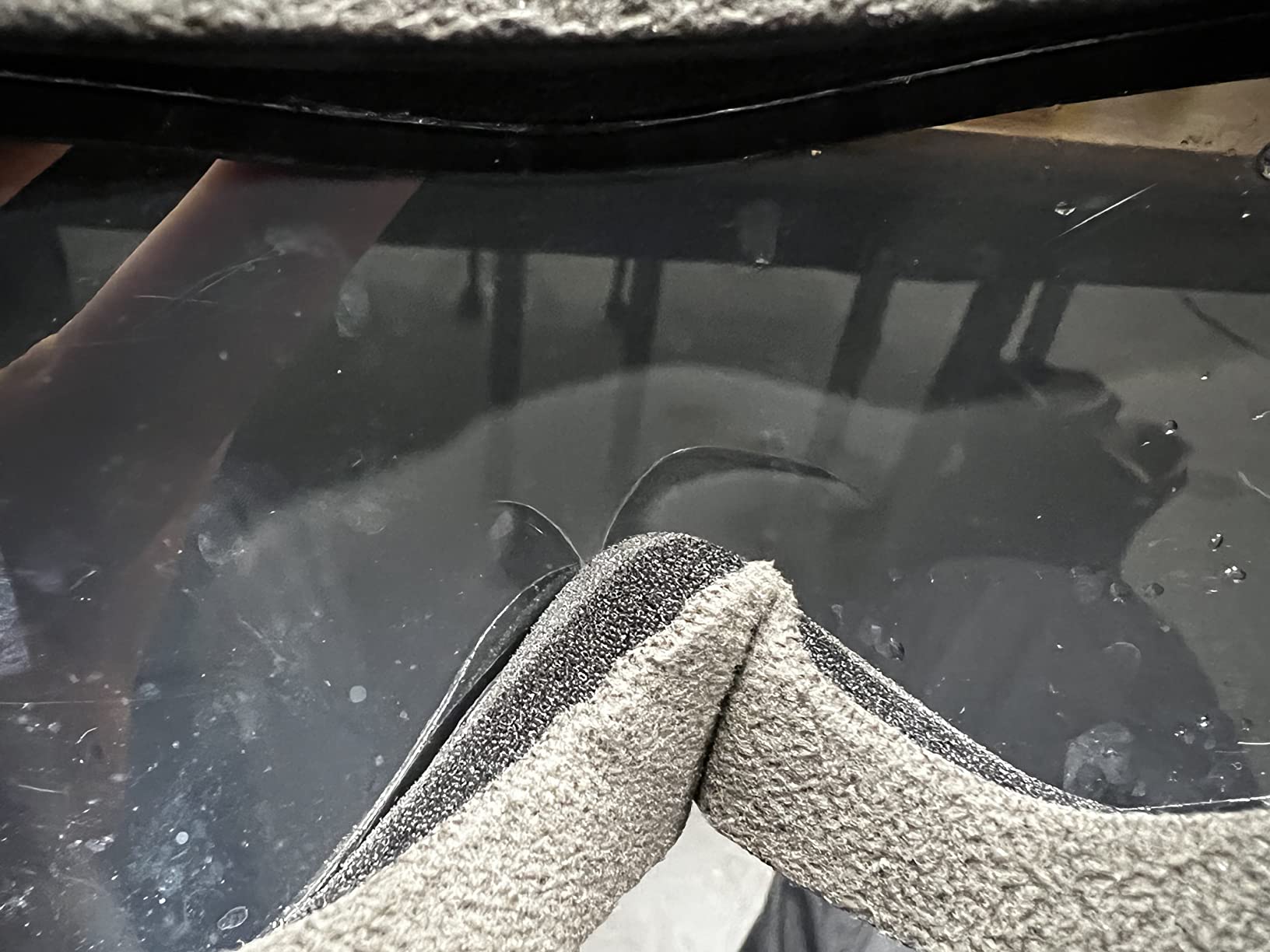
The build is straightforward: a soft TPU full rim, polycarbonate lens, channeled and mesh vents, and an extra-long elastic strap that fits adult and youth helmets alike. It ships with a carrying pouch and a one-year warranty, which is thin protection for a lens you may replace often.
Two details deserve a second look before you order. The listed VLT is 11 percent, which is a genuinely dark lens, and the mirrored coating makes it darker still. That is the right call on a bluebird day and the wrong one in a storm. The frame is also ridged at the sides, which several owners flagged as awkward to wipe clean when snow builds up, briefly narrowing your view until you clear it.
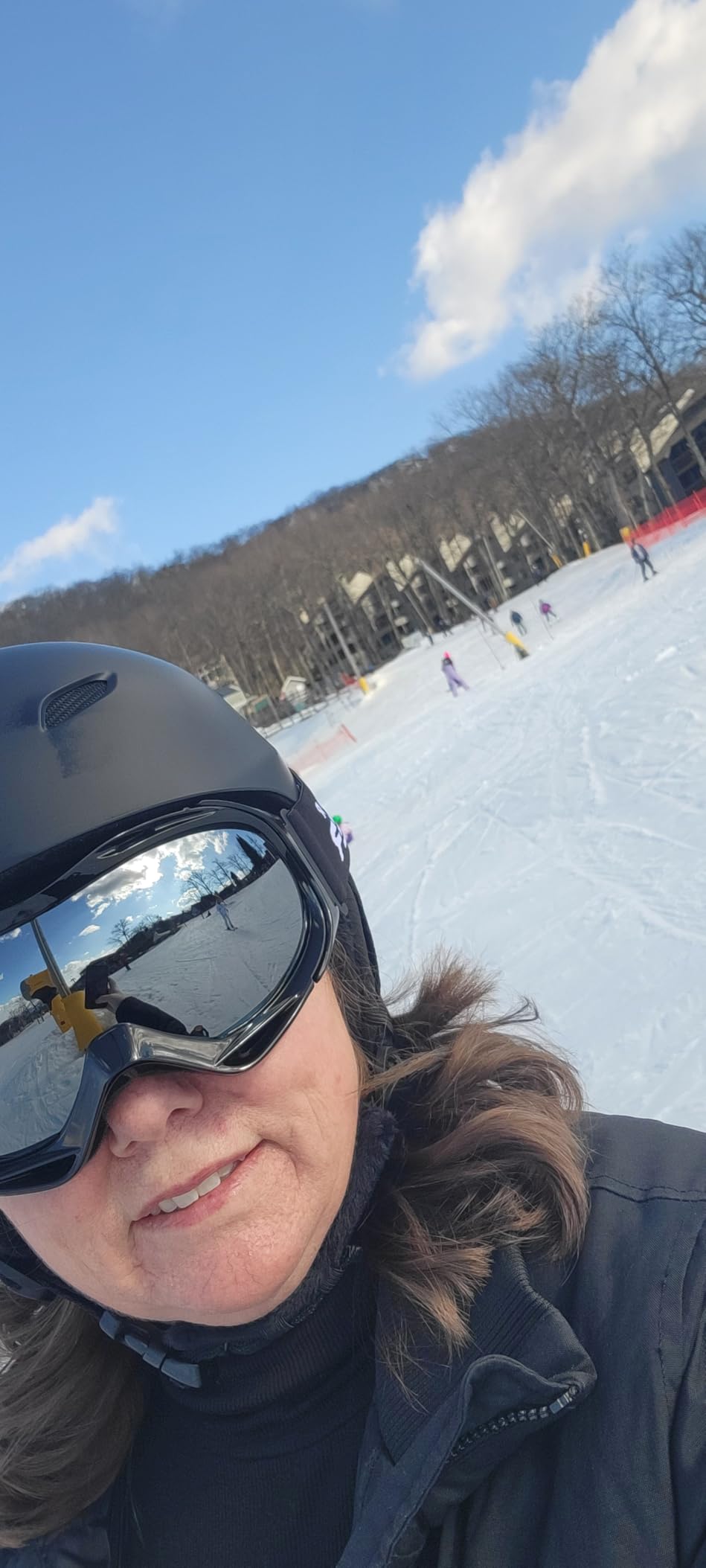
Check the lens tint before you commit
If you ski where the weather flips from bright to socked-in inside one morning, an 11 percent VLT lens will cost you the whole flat-light window. That is not a flaw unique to this goggle, but it is a specific consequence of the tint this model ships in, so buy a lighter lens to swap if your home mountain runs to weather.
If you ski on sun, this is the strongest all-round pick in the group. The scratch resistance is also documented in reviews rather than claimed, which matters given that replacement lenses at this tier are not cheap.
Where the OTG frame could frustrate you?
The over-glasses design is genuinely useful, and review data supports it as a comfortable fit for most prescriptions. The catch is the frame depth: because the whole assembly must clear a pair of glasses, the vertical profile is deeper than a slim frameless design, and that extra bulk is what makes the side profile awkward to clean.
A few owners also found that certain variants did not seal completely in deep snow, letting moisture in around the lower rim. If you ski deep coastal snow rather than groomers, keep a microfibre cloth in your pocket and check the seal at the start of the day.
2. ZIONOR Lagopus B1 Ski Goggles – Best Value With the Widest View
ZIONOR Lagopus Ski Snowboard Goggles UV Protection Anti fog Snow Goggles for Men Women Adult Youth VLT 8.6% White Frame Silver Lens
Full rim plastic frame
Linear polarized lens at 8.6 percent VLT
170 g
Double-layer lens
Pros
- Widest peripheral visibility in the group with no blind spots
- Linear polarization with true color perception
- No fogging reported across bright wind and indoor-to-out transitions
- Two year manufacturer warranty
- Stretchy strap holds over a helmet
Cons
- Heavy venting lets cold air in on windy lift rides
- Strap can slip on smaller heads and push glasses down
- Dark lens needs a light-tint alternative for shaded terrain
The Lagopus B1 is the value pick, and the reason it beats the other budget contenders is the view. Owners describe wide peripheral visibility with no obvious blind spots, which is the single most useful thing a goggle can do for a skier who spends time in trees or on variable terrain.
Optically it is also the most thoughtfully specified pair in the group. The lens is linearly polarized, and reviewers specifically call out true color perception and strong sun control, two things that are usually sacrificed first when a price drops. Snow blindness protection comes from UV400 treatment on the double-layer lens.
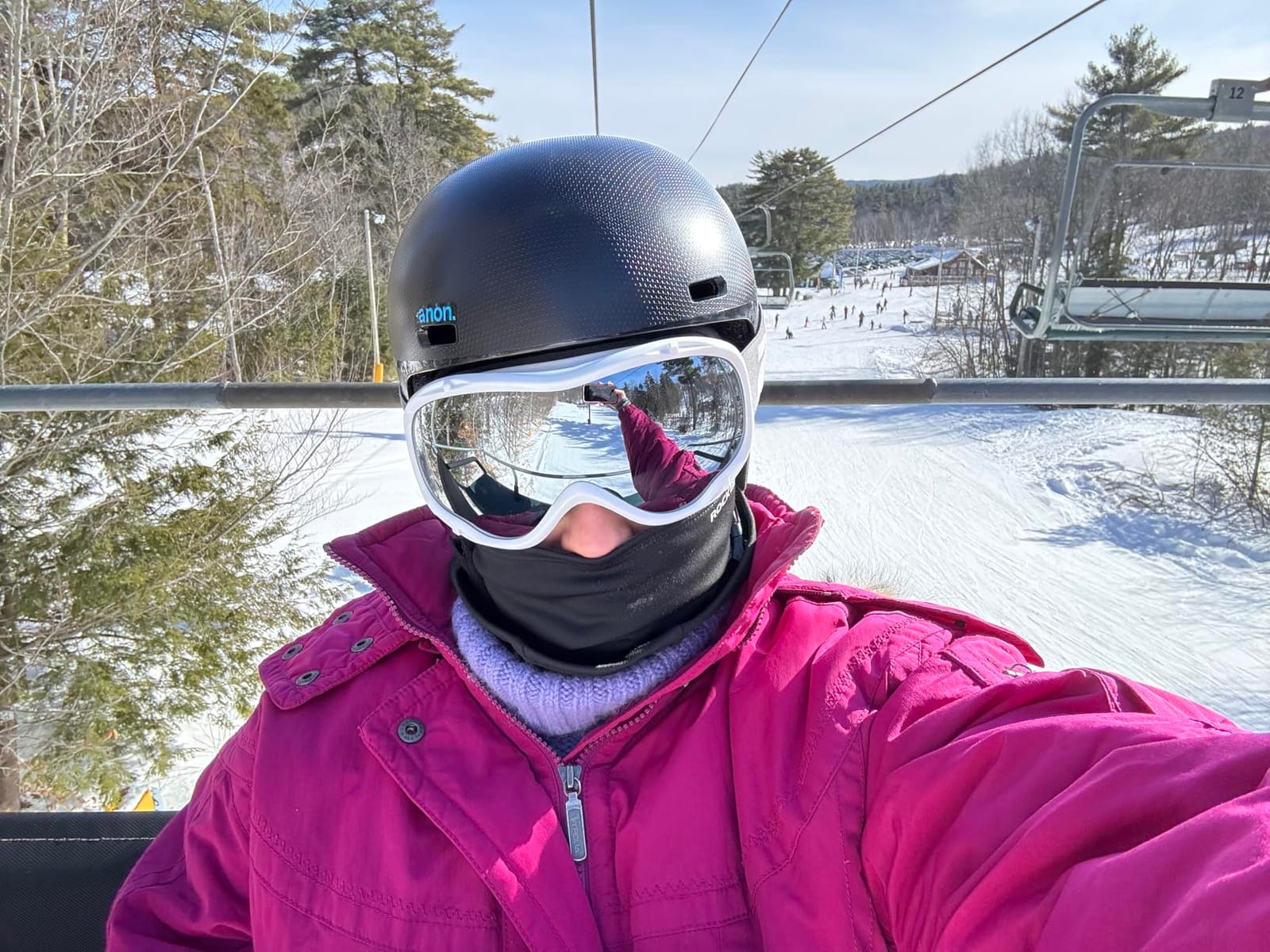
The warranty is the quiet winner here. Two years from the manufacturer is longer than anything else in this roundup, and on a goggle whose lens is the part most likely to fail, that coverage carries real weight. The extra-long woven strap and dense sponge padding also earn good marks for holding position over a helmet.
Two reviewers’ complaints are worth planning around. The ventilation is generous enough that it lets cold air in on windy chairlift rides, and the strap can occasionally slip on smaller heads, which pushes both the goggle and your glasses down your face.
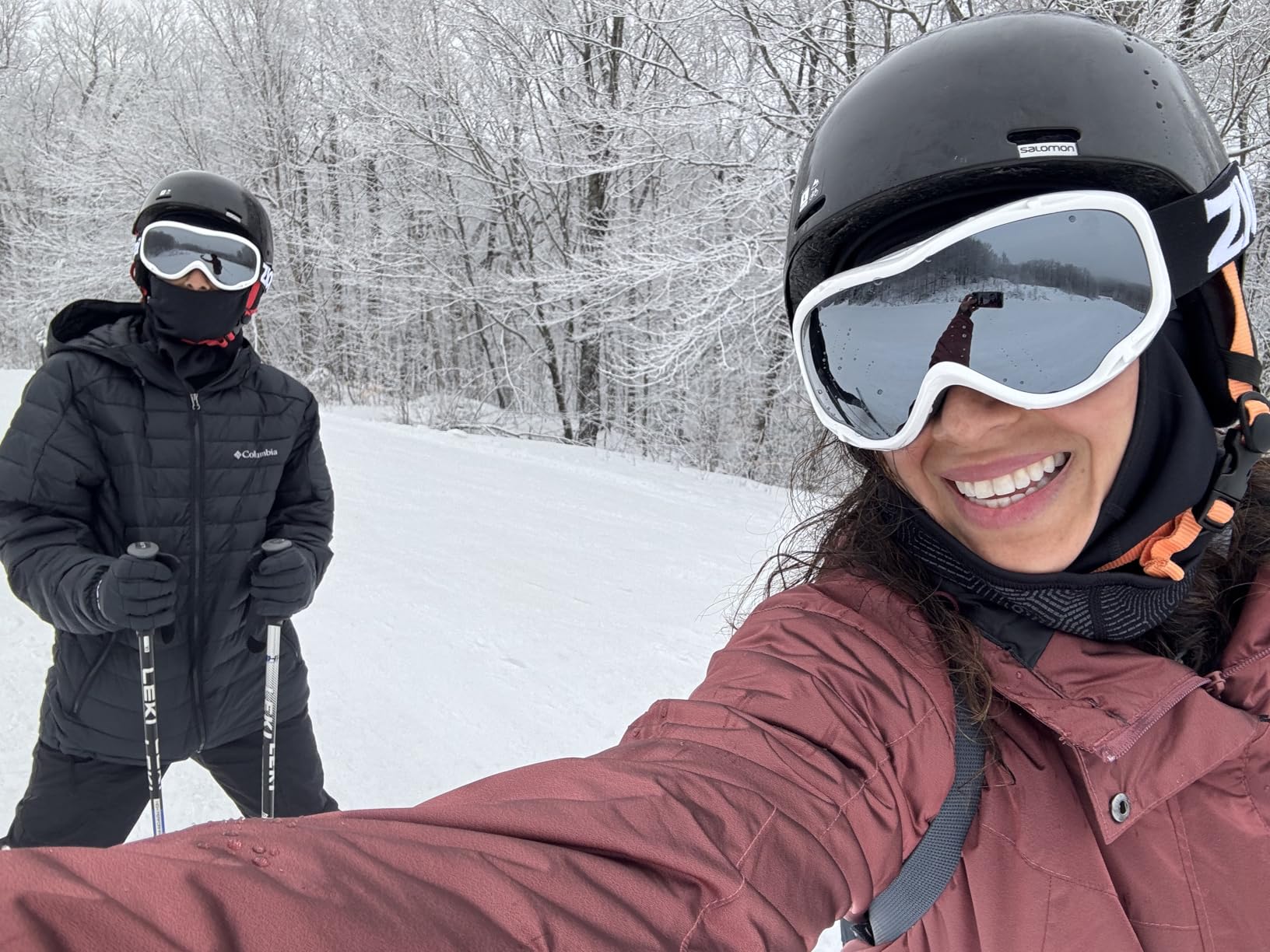
Best choice if you wear glasses and ski small-headed
The OTG design here is specified for small to medium prescription frames, so check your temple length before you commit. If your glasses are narrow, this is one of the more comfortable over-glasses options in the group, and reviewers who wear glasses specifically call out the lack of pinching.
For the strap slip on smaller heads, the fix is mechanical rather than product-related: shorten the strap with the buckle rather than relying on the elastic, and re-check it after the first run of the day. The venting complaint is a real tradeoff and there is no adjustment for it.
Where the dark lens will cost you?
An 8.6 percent VLT lens is darker than most of the group, and reviewers are consistent that it needs a light tint for shaded terrain or darker days. If your season includes three or four days of flat light, a single-lens setup like this is a real limitation.
That is the tradeoff you accept for the widest view and the longest warranty in the roundup. If flat light is rare at your mountain, this is the pair to buy and the pair to keep for years.
3. findway Ski Goggles OTG – Best Oversized Fit for Prescription Wearers
findway Ski Goggles OTG – Over Glasses Snow/Snowboard Goggles for Men, Women & Youth – 100% UV Protection
Oversized OTG spherical design
Polarized PC lens
Premium TPU frame with triple-layer foam
4.8 ounces
Pros
- Oversized chamber fits prescription glasses
- Dual-lens coating holds anti-fog over time
- Spherical lens gives wide view with minimal distortion
- Silicone-backed strap holds over helmets
- One year guarantee with free replacement
Cons
- Unmeshed nose vent lets sleet and ice hit the face at speed
- Dark lens is too dark for cloudy days
- Not sized for children under 12
The findway is the roomiest goggle in this roundup, and that is the entire point of it. The OTG design is explicitly oversized, and reviewers who wear glasses describe it as accommodating prescription frames without the pinching you get from slimmer frames.
Its optical spec is unusually specific for the tier. The spherical polycarbonate lens carries a full-face mirror coating with anti-scratch and impact resistance, and the double-lens construction is what reviewers credit for the long-lasting anti-fog performance.
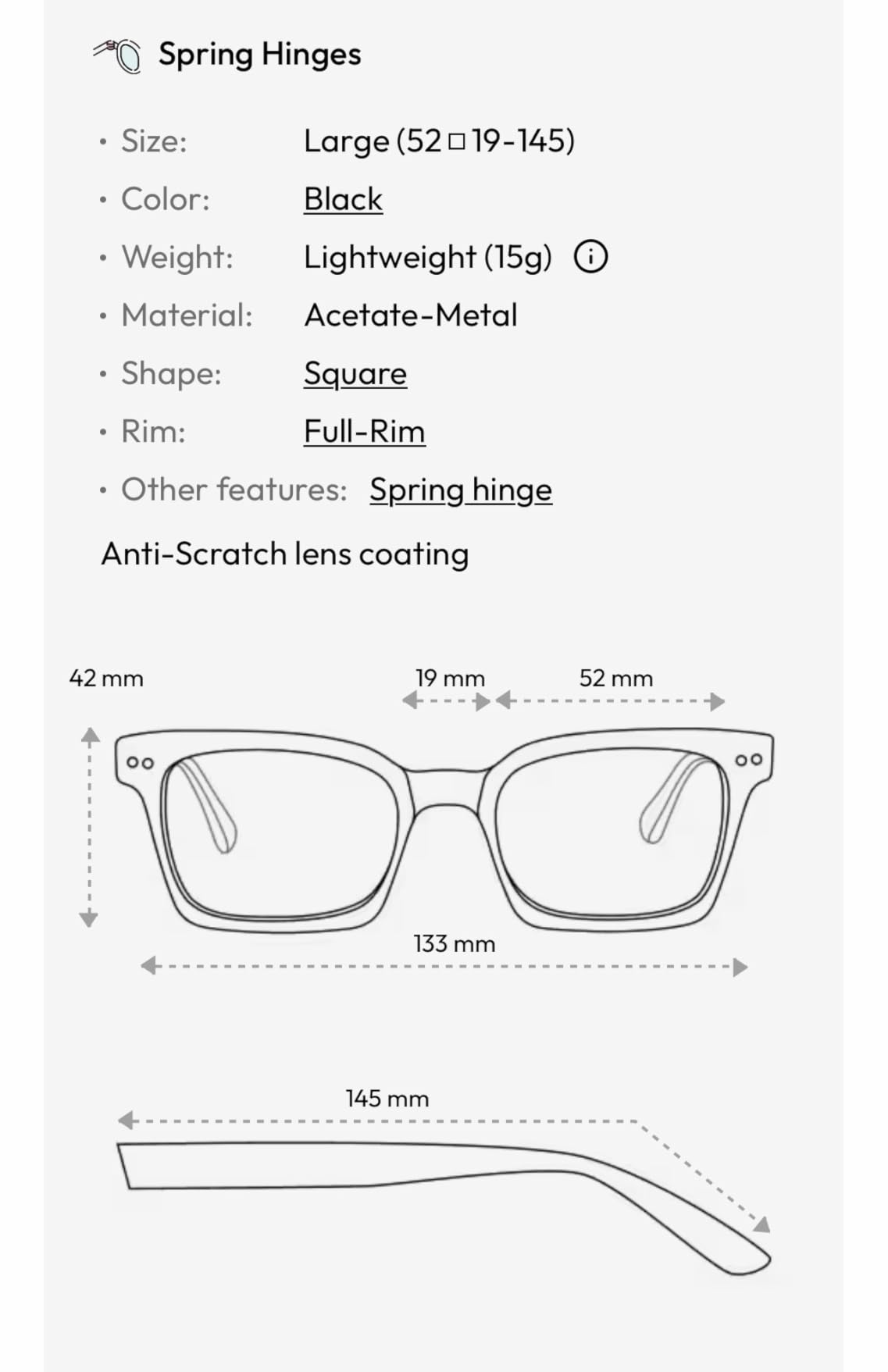
The seal is what you notice on a chairlift. Triple-layer foam with a premium TPU frame blocked wind and cold comfortably for owners, and the silicone-backed widening strap stayed secure over helmets across multiple full seasons of use. The one-year guarantee includes free replacement for quality problems, which is a good safety net on this tier.
The flaw that comes up most often is a small one with real consequences: the vent near the nose is unmeshed, so sleet and ice chips can hit your face at speed. Owners also note the lens runs dark on cloudy days, and the sizing is unsuitable for children under 12.
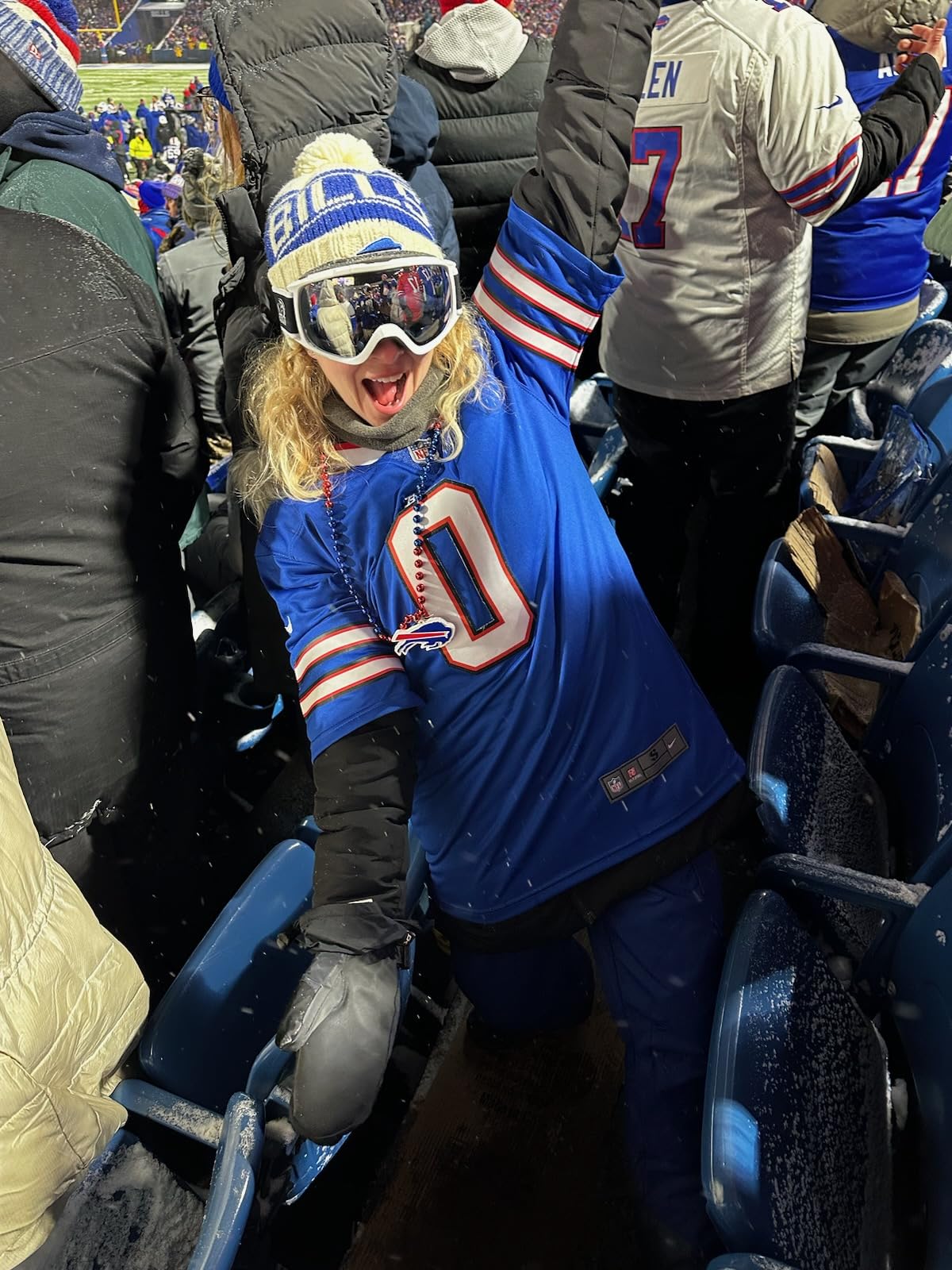
Best pick for larger glasses and a roomy face
If you have wide frames or a face that pushes the temples of a goggle outward, this is the model in the roundup most likely to sit correctly from the first run. The oversized OTG chamber is designed for exactly that fit problem rather than as a marketing word.
The trade is size for simplicity. There is no magnetic mount and no detachable lens here, so this is a single-lens setup and a single-tint setup. Check that your usual conditions suit the tint before you finish the purchase.
Where the nose vent will get on your nerves?
At speed, an unmeshed vent hole near the nose is a genuine annoyance in falling snow or sleet. Several owners describe ice chips striking the face, which is uncomfortable rather than dangerous, and it is the sort of detail that only shows up in real conditions.
The fix is a balaclava or a face covering over the nose bridge, which most serious skiers already own. If you ride a lift-exposed lift in wet weather, factor that in before you choose this over a sealed-frame alternative.
4. EXP VISION Over-Glasses Goggles – Best With Replaceable Foam
Ski & Snowboard Goggles Men Women, Over-Glasses Interchangeable Foam
TPU full rim OTG frame
Replaceable sponge padding
Polycarbonate lens, 80 percent VLT option
127 g
Pros
- Detachable sponge can be washed and replaced
- Strong glare reduction that preserves color
- Lightweight frame with no foam pressure
- Strap adjusts to smaller heads over a helmet
- No fogging reported in fresh powder
Cons
- Light-tint options are still too dark for flat light
- Not every prescription frame fits under the OTG shell
- Frame sizing runs larger than expected
The detachable sponge is the feature that separates this goggle from everything else at this tier, and it addresses a problem most roundups ignore. Face foam wears out, holds odor, and gets grimy from a season of sunscreen and sweat, and on almost every other goggle here that means replacing the whole frame.
Here the sponge pulls out, gets washed, and goes back in. It is the easiest upgrade path in the roundup and it also makes the inner lens safer to clean, since you are not working around a fixed cushion with a cloth in your glove.
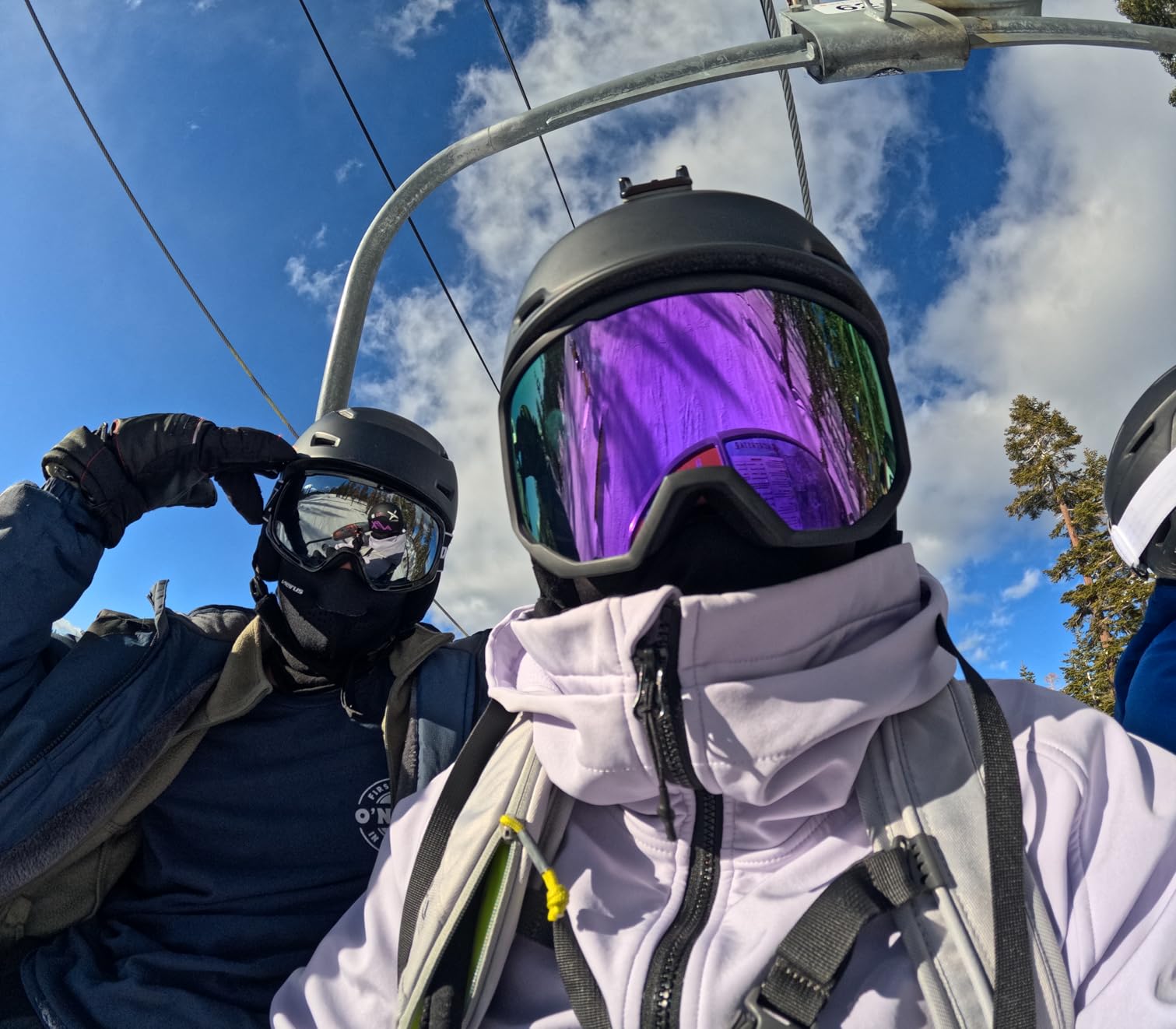
The optical design is a panoramic cylindrical lens, which trades a little downward distortion for a wide, even view. Reviewers like the glare reduction and note that color detail stays visible through it, which is the balance you want on groomed runs. Top and bottom vents feed airflow across the lens to keep fog off.
At 127 grams the frame is light, and the adjustable strap lets you tune the fit for smaller heads. The listed VLT of 80 percent describes a light variant, but owners still find some of the light-tint options too dark for flat light and blowing snow.
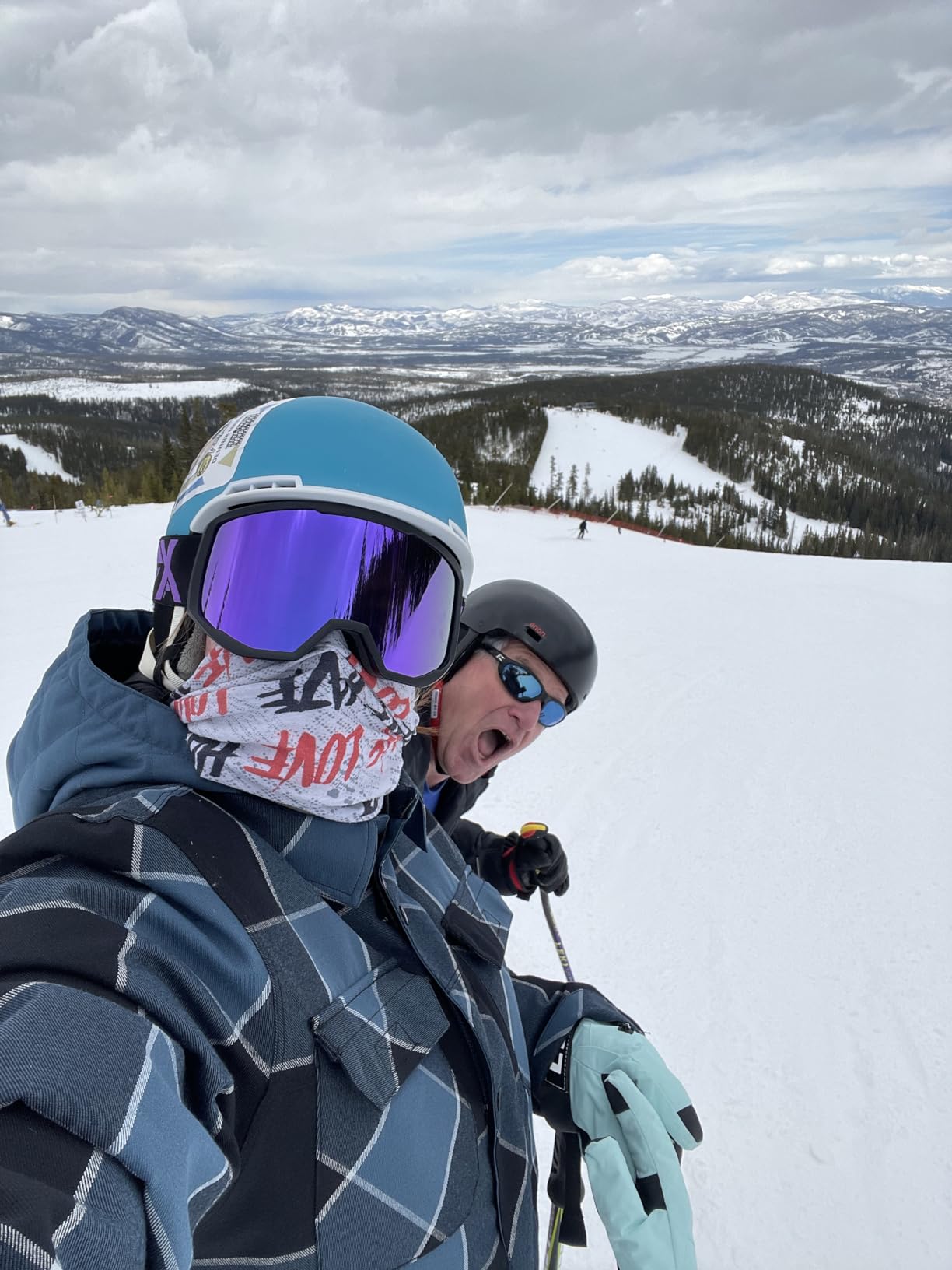
Check your frame size before ordering
Reviewers warn that the sizing runs larger than people expect, and that not every prescription frame fits under the OTG shell. Measure your glasses and compare before you commit, because a goggle that will not clear your temples is unusable regardless of the foam.
If your face sits between sizes, this is the pair where the adjustable strap does real work. Dial the band shorter and the larger vertical profile becomes an asset on a wide face, since it fills the gaper gap.
Where the light tint still falls short?
Even the lighter variants get called out as too dark in flat light and heavy snowfall. That is a lens-choice limit rather than a design fault, and it means this goggle is at its best on brighter days.
The replaceable foam is the reason it earns a place anyway. Over a few seasons you can swap a sponge for a small cost instead of replacing the goggle, and that changes the ownership maths entirely for anyone skiing twenty or more days a year.
5. JULI Rimless Ski Goggles – Best for Use Away From the Mountain
JULI Ski Goggles,Winter Snow Sports Snowboard Goggles with Anti-Fog UV Protection Detachable Dual Lens for Men Women Snowmobile Skiing Skating(Black Frame+VLT 18.5% REVO Silver)
Rimless frameless TPU frame
Glass lens with anti-fog coating
11 percent VLT
150 g
Pros
- Rimless design gives wide peripheral vision
- Anti-fog held from 20F down to -5F in owner reports
- Snug OTG fit holds prescription glasses in place
- Blocks wind and still vents well
Cons
- Strap loosens over a long session and needs re-adjusting
- One report of black dye transferring onto the face
- Very large frame will not suit smaller face sizes
The JULI is the odd one out in this roundup, and that is why it earns a place. Owners use these goggles for snowmobiling, sledding, snow blowing, lawn mowing, and airsoft, not only for skiing. A rimless frameless design with a glass lens is a departure from the polycarbonate norm, and it looks and feels different on your face.
The performance record holds up anyway. Reviewers report the anti-fog coating working across a temperature range from 20F down to negative 5F, and the rimless profile gives a wide peripheral view with very little frame in your sightline.
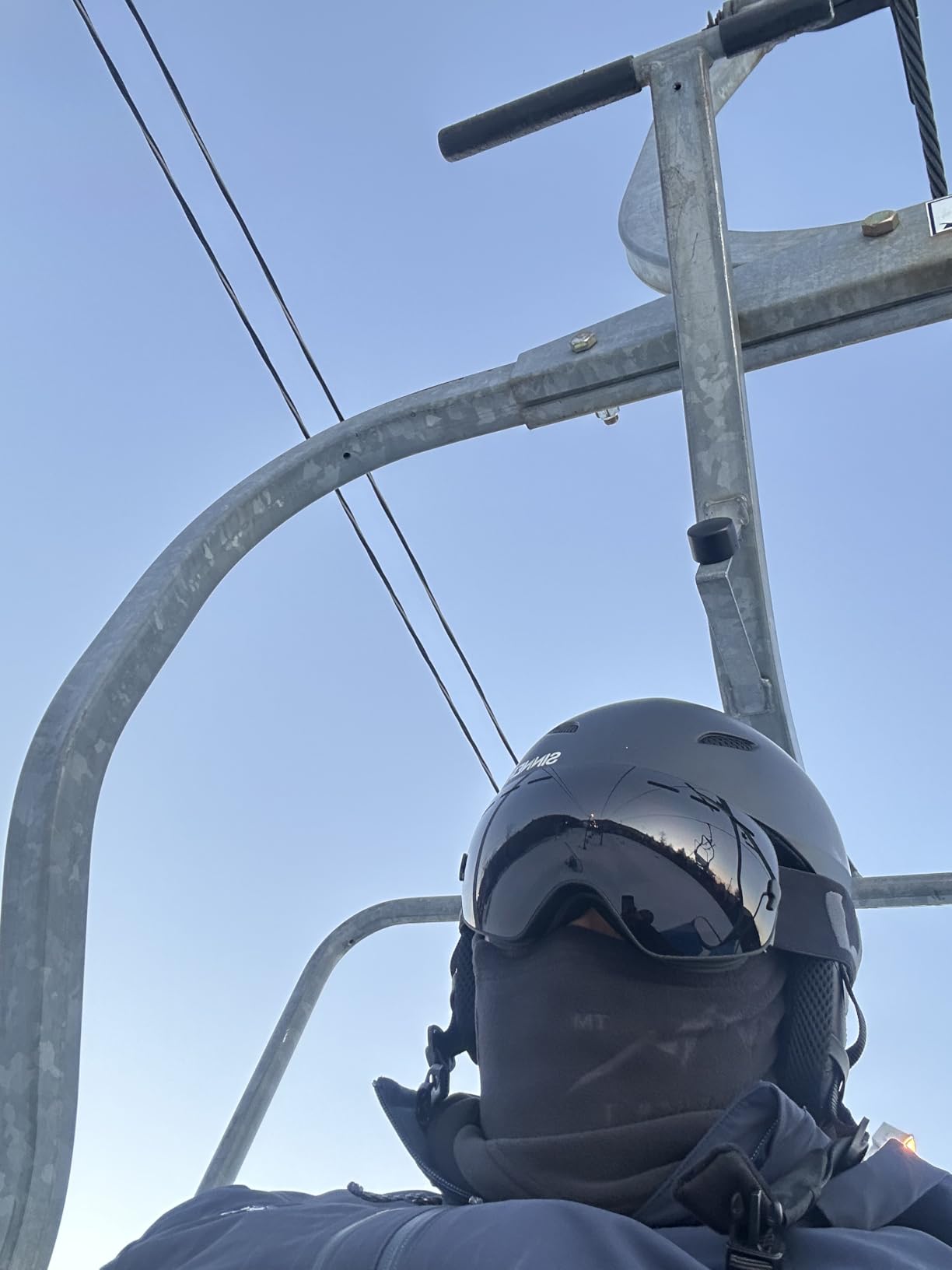
It also holds prescription glasses in place unusually well, because the OTG fit is snug enough to grip the frames rather than let them ride up. The adjustable strap works with a helmet or on its own, and owners confirm it keeps the face warm and blocks wind while still venting.
The main complaint is practical: the strap gradually loosens over a long session and needs re-adjusting. One reviewer also reported black dye transferring onto the face after repeated use, which is a single report but worth a cloth in your pocket.
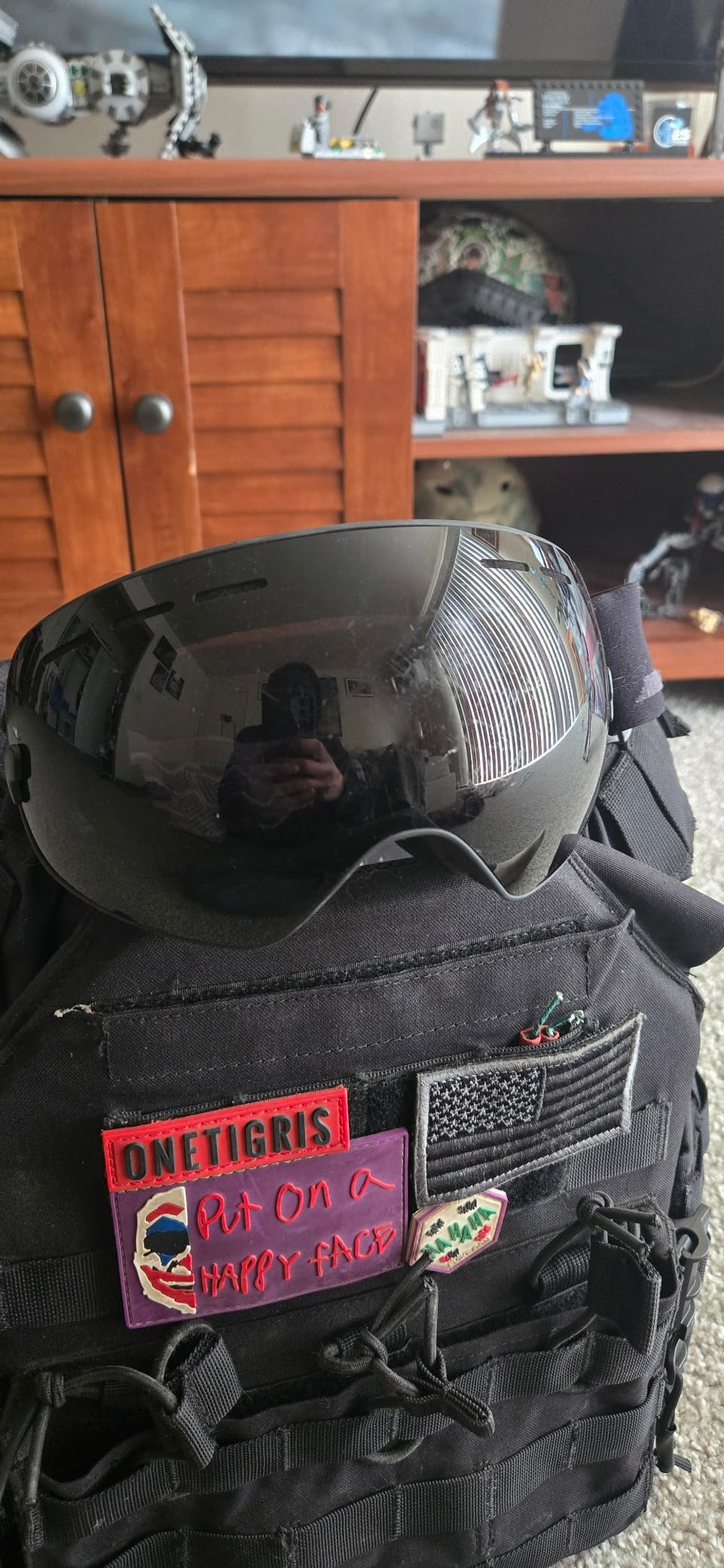
Best if you need one goggle for several jobs
If you clear driveways as well as ski, this is the model that gets used outside the mountain most often in our review data. The glass lens and frameless profile handle yard work and blowing dust as well as snow, and the lens is interchangeable rather than fixed.
The interchangeable lens capability is unusual at this tier, so if the 11 percent VLT lens is wrong for your conditions you can change it. Just confirm what the replacement lens is before you rely on the swap.
Where the fit is likely to disappoint you?
The frame runs large. Reviewers with smaller face sizes found the proportions too big, and a goggle that sits with a gap over the cheekbones will draft air and fog faster than one that seals properly.
Strap tension is the other issue on a full day. Bring the buckle adjustment with you and re-set it at lunch, because the elastic relaxes. Check the face contact area after a few runs and confirm the foam is sealing from the nose bridge up to the temples.
6. EXP VISION Spherical Detachable Lens Goggles – Best for Myopia and Prescription Skiers
EXP VISION Ski Snowboard Goggles for Man Woman and Younth, OTG Snow Goggle Anti Fog UV400 Protection Winter Outdoor Sports Goggle
Frameless three-layer foam
Impact-resistant spherical PC lens
100% UV400
Two included headbands
Pros
- Spherical dual-lens design gives a wide unobstructed view
- Inner anti-fog coating plus vent channels
- Vented three-layer foam for warmth and sweat control
- OTG design tuned for skiers who wear glasses
- Plush foam creates a secure helmet seal
Cons
- Dark lens variants go dim in flat light and heavy snowfall
- Bright light-tint frames may not cut enough glare in strong sun
- Frameless foam is harder to clean than a full rim
This EXP VISION model is the most explicitly designed for myopia and prescription skiers in the roundup. The OTG construction is described as friendly to skiers who wear glasses, and the three-layer foam sits deep enough to keep both your face and your frames warm on a cold lift.
The lens is a dual REVO spherical design, which produces a wide, clean view of the slope with minimal distortion. That matters more than it sounds: in trees or on variable terrain, peripheral awareness is the difference between a smooth line and a scratch.
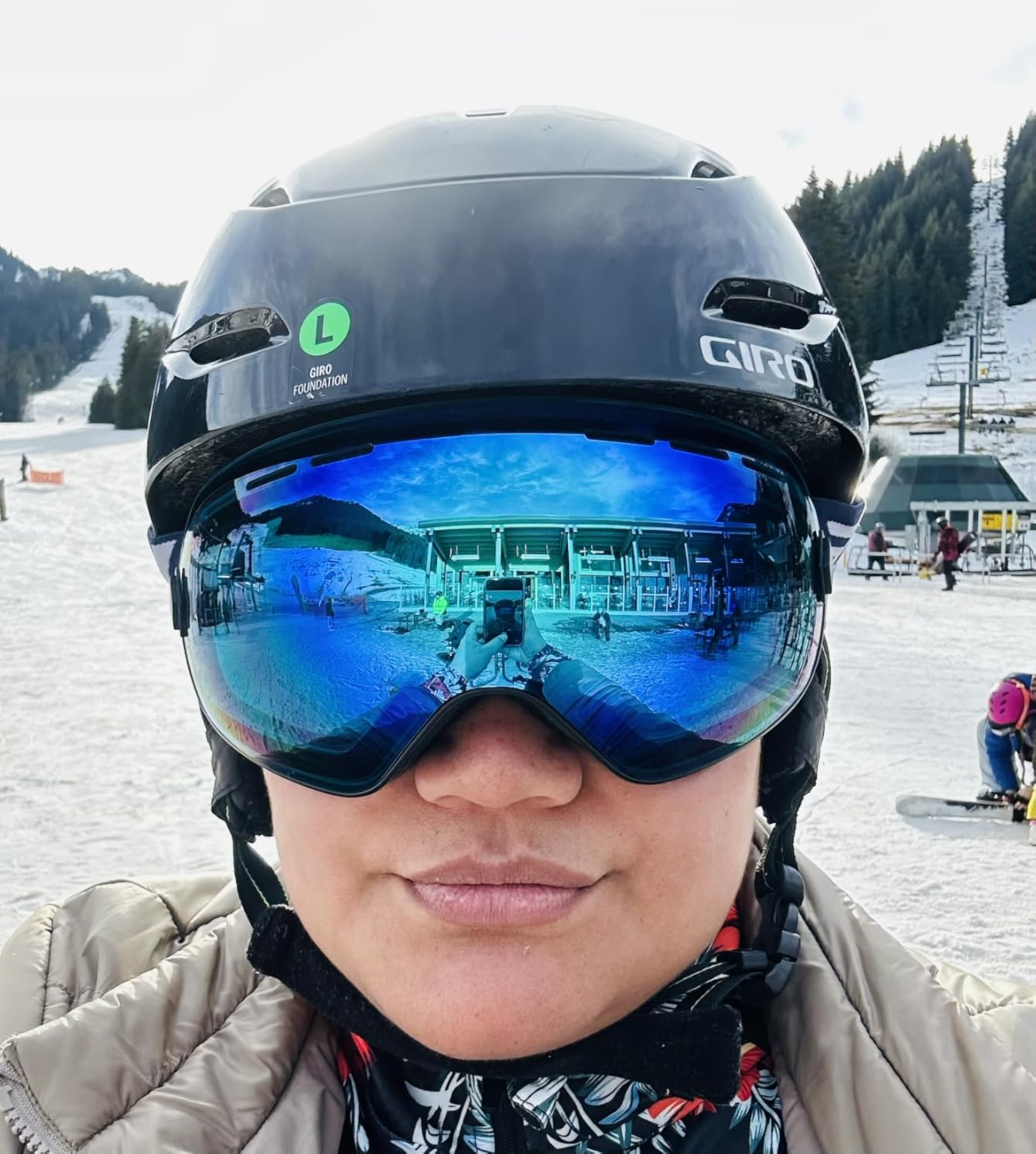
Ventilation is handled with a dual-pane lens, an inner anti-fog coating, and strategically placed channels, and owners report clear vision in changing conditions. The adjustable elastic strap and ultra-plush face foam together create a seal that reviewers say holds firmly with a helmet.
Lens tint is the variable to watch. Owners consistently note that darker versions struggle in flat light and heavy snowfall, while brighter frames can under-protect in strong sun. The colorway you pick matters more here than the goggle itself.
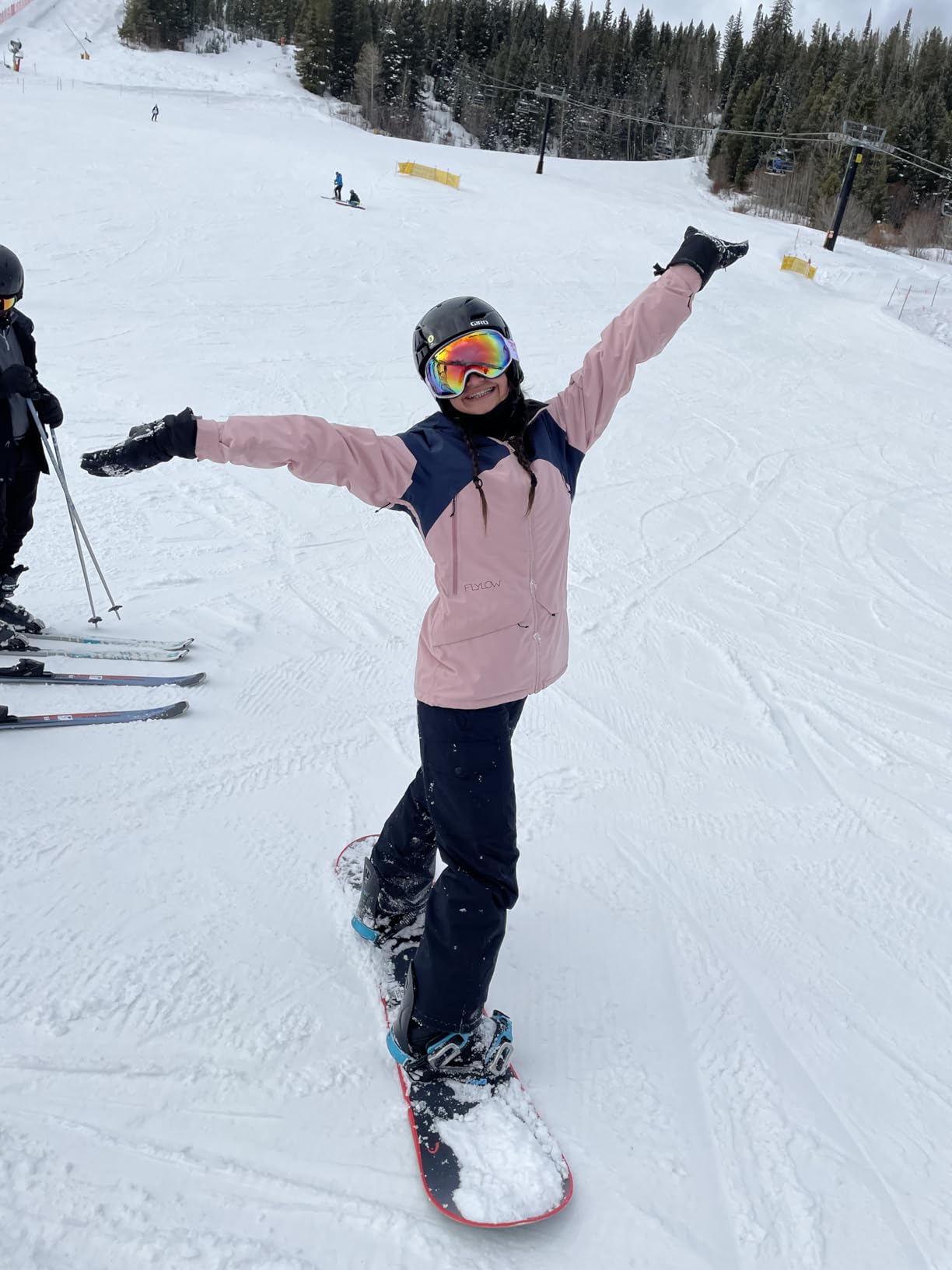
Best if your prescription is strong
Strong prescriptions and goggles are a poor match for one simple reason: the frame has to physically clear your lenses. This model’s deep OTG chamber is built for that, and the plush foam fills the space without pressing your temples in the way shallower frames do.
If your glasses are narrow enough, the seal sits close and the venting behaves better. If they are wide, check before you buy, because no amount of foam fixes a frame that cannot close over the temples.
Where a frameless frame works against you?
Frameless designs remove the hard rim that would otherwise block some airflow, which helps venting but leaves the foam sealing directly against the skin. Owners find the seal secure with a helmet and less secure without one.
There is also less structure to grip when you are pulling the goggle on with gloves, and the foam needs more careful cleaning because there is no rim to wipe under. Keep a microfibre cloth separate from the one you use on the inside of the lens.
7. Odoland Magnetic Ski Goggles – Best Two-Lens Magnetic Swap
Odoland Magnetic Ski Goggles, 2 Interchangeable Lens Anti-Fog for Men Women
Frameless spherical design
164 degree field of view
Dark and 80 percent VLT yellow lenses
UV400 on both
Pros
- Magnetic lenses snap in tightly and do not pop out
- 80 percent VLT yellow lens transforms night and flat-light visibility
- Very little fogging in hot sweaty conditions
- 164 degree field of view cuts tunnel vision
Cons
- Strap cannot be shortened reliably once stretched
- Dark lens causes flat-light problems when moving into shade
- Large vertical profile presses on the nose bridge
The Odoland is the only goggle in this roundup that solves the flat-light problem outright, and it does it with two lenses and a magnetic mount. You get a dark lens for sun and a yellow lens transmitting 80 percent of visible light for overcast afternoons and evening skiing, and the swap takes seconds with no tools.
That second lens is the single most useful thing in this roundup for anyone who does not want to think about conditions. Reviewers report the yellow lens dramatically improving visibility for night skiing and flat days, which is exactly where every single-lens goggle on this list falls short.
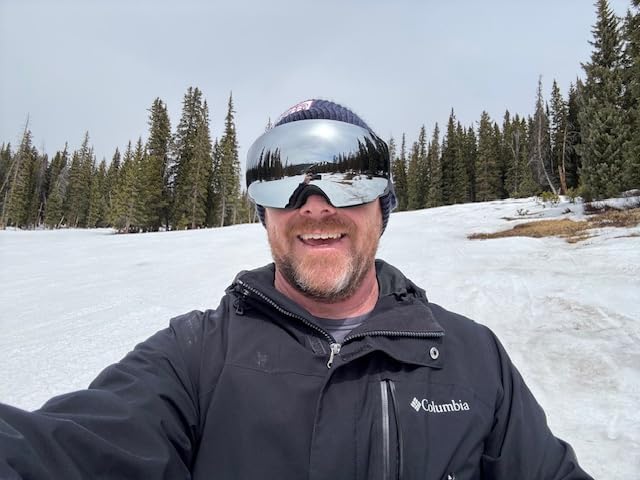
The optical hardware is strong. It is a frameless large spherical lens with a stated 164-degree field of view, so the view is wide and distortion stays low. The dual-layer lens has an anti-fog inner lens and top and bottom ventilation channels, and owners report very little fogging even in hot, sweaty conditions.
Durability came up repeatedly. Reviewers describe the goggles surviving a significant fall without lens or frame damage, and the silicone-lined strap holding position under a helmet. The OTG chamber also fits most prescription frames without pinching the temples.
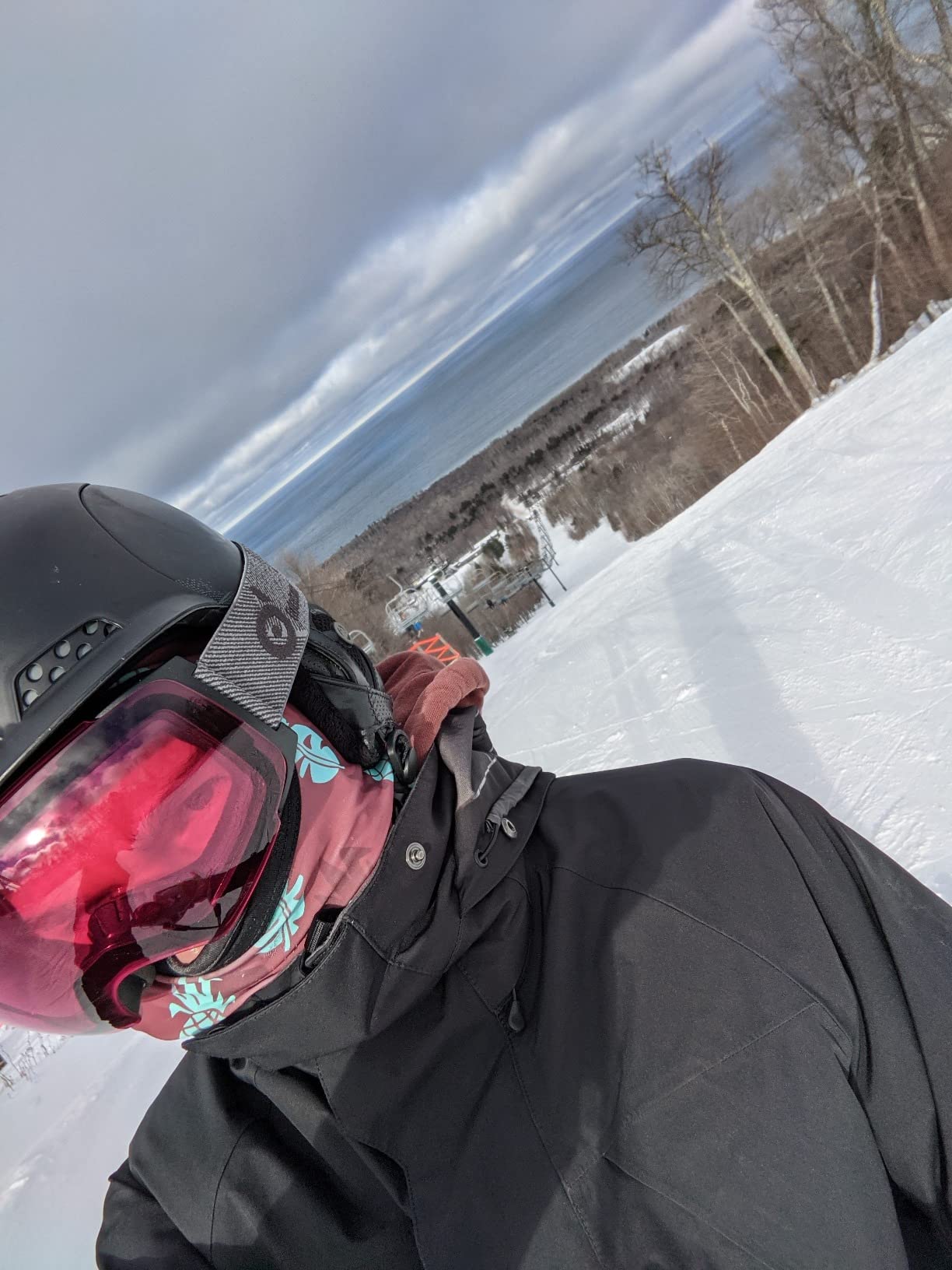
Best if you ski after dark or in flat light
Only this model in the roundup includes a genuine low-light lens, so if your season includes night skiing or you regularly ski in the Pacific Northwest, it solves a problem no other pick here can. Carry the yellow lens and stop guessing on the walk up.
The magnetic mount is also the fastest lens change in the group, and reviewers confirm the lenses snap in tightly and stay put. That matters with gloves on, which is where most notched lens systems frustrate people.
Where the fit and strap will cause trouble?
Two structural issues stand out. The strap cannot be shortened reliably once it has stretched, which makes the goggles hard to use without a helmet, so plan on wearing one every session. The large vertical profile also presses on the nose bridge for some helmet setups.
One more honest note: the lenses are not polarized at this tier, so you give up some glare control off the snow. On bright days that is a fair trade for having a night lens at all.
8. SPOSUNE Ski Goggles – Budget Pick With a Thick Sponge Seal
SPOSUNE Ski Goggles for Men Women,OverGlasses Snow Goggle Dual-Len Anti-Fog
Flexible TPU frame
Unbreakable PC lens
Italian double-layer anti-fog
Thick sponge padding
Pros
- Thick sponge seal blocks wind and cold effectively
- No fogging in changing cold-to-warm temperatures
- Dual woven headbands fit helmets well
- Wide range of lens tints including mirror options
- Also used for snow blowing and desert dust work
Cons
- OTG cavity does not fit larger prescription frames
- Darkest tints unusable at night without a clear lens
- Colored mirror coating is delicate and scratches easily
The SPOSUNE is the cheapest route into a goggle that does the basics correctly, and owners keep it in rotation for reasons beyond skiing. Several reviewers use them for snow blowing and desert dust events, which tells you the seal and the lens protection hold up in genuinely dirty conditions.
The seal is the strongest feature. The thick sponge fit blocks wind and cold effectively, and owners report no fogging through changing cold-to-warm temperature swings, which is the transition that usually ruins a budget goggle.
Included are two high-density woven headbands with good elasticity, and they fit helmets well. That double-strap approach is more secure than a single band and gives you a backup if one stretches.
Lens choices are broad, including very dark and colored mirror options. Remove the protective film before first use, as the listing instructs, or you will spend a day wondering why the view looks dull and hazy.
Two limitations are clear from the review data. The OTG cavity is not universally glasses-friendly and will not take larger prescription frames, and the darkest tints cannot be used at night without a clear lens. The colored mirror coating is also delicate, so treat it carefully.
Best if you want one goggle that leaves the mountain
The unbreakable PC lens and flexible TPU frame are built to survive a working environment, not just a slope. If you clear a driveway or ride a motorcycle in dust as well as ski, this is the pick that owners report using in all three.
It also suits adults and teenagers who are still growing, since the dual headbands are easy to adjust as your head changes. Do not expect prescription compatibility beyond small frames.
Where you should not cut corners?
The mirror coatings are delicate and the review data mentions scratching. If you plan to wipe the lens with anything other than a microfibre cloth, choose a different goggle, because replacement lenses at this level are a real cost.
And if you ski at night more than a couple of times a season, skip this one. Every owner agrees the dark tints are unusable without a clear lens, and this model does not include one.
9. FMY Ski Goggles – Best Stated Panoramic View
FMY Ski Goggles for Men Women & Youth – Anti Fog UV400 Protection Snowboard Snow Skiing Goggles for Adult
Cylindrical lens with 180+ degree view
PC impact-resistant lens
TPU frame with three-layer sponge
Pros
- Dual anti-fog coatings on inner and outer lens surfaces
- 180+ degree panoramic cylindrical view
- Soft abrasion-resistant TPU frame
- Top and bottom air holes for smooth airflow
- Waterproof coating resists water staining
Cons
- Frame and headband inlay can be a failure point if dropped
- White-frame variants have limited lens tint options
The FMY makes the most aggressive field-of-view claim in the roundup, stating a 180-plus degree panoramic view from a cylindrical lens. Cylindrical geometry reduces both spherical and chromatic aberration across the width of the lens, so the view stays even from edge to edge instead of bowing at the sides.
Fogging is handled on both surfaces. The double-layer lens has anti-fog coatings on the internal and external faces, and top and bottom air holes move air across the lens. Reviewers single out the airflow from those vents as a working part of the design rather than decoration.
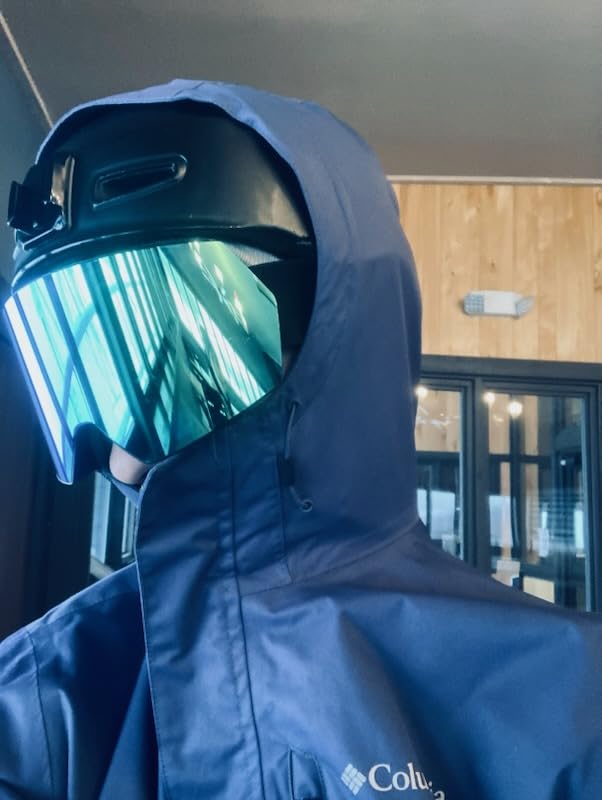
The frame is a soft, abrasion-resistant TPU and the lens is impact-resistant PC with a high refractive index, which keeps the whole goggle light on your face. The three-layer sponge handles warmth and sweat, and the adjustable strap is helmet compatible with a headband designed not to slip.
There is also a waterproof coating on the lens that resists water staining, which is a real advantage on wet, maritime mountains where ice crystals otherwise build up faster than you can clear them.
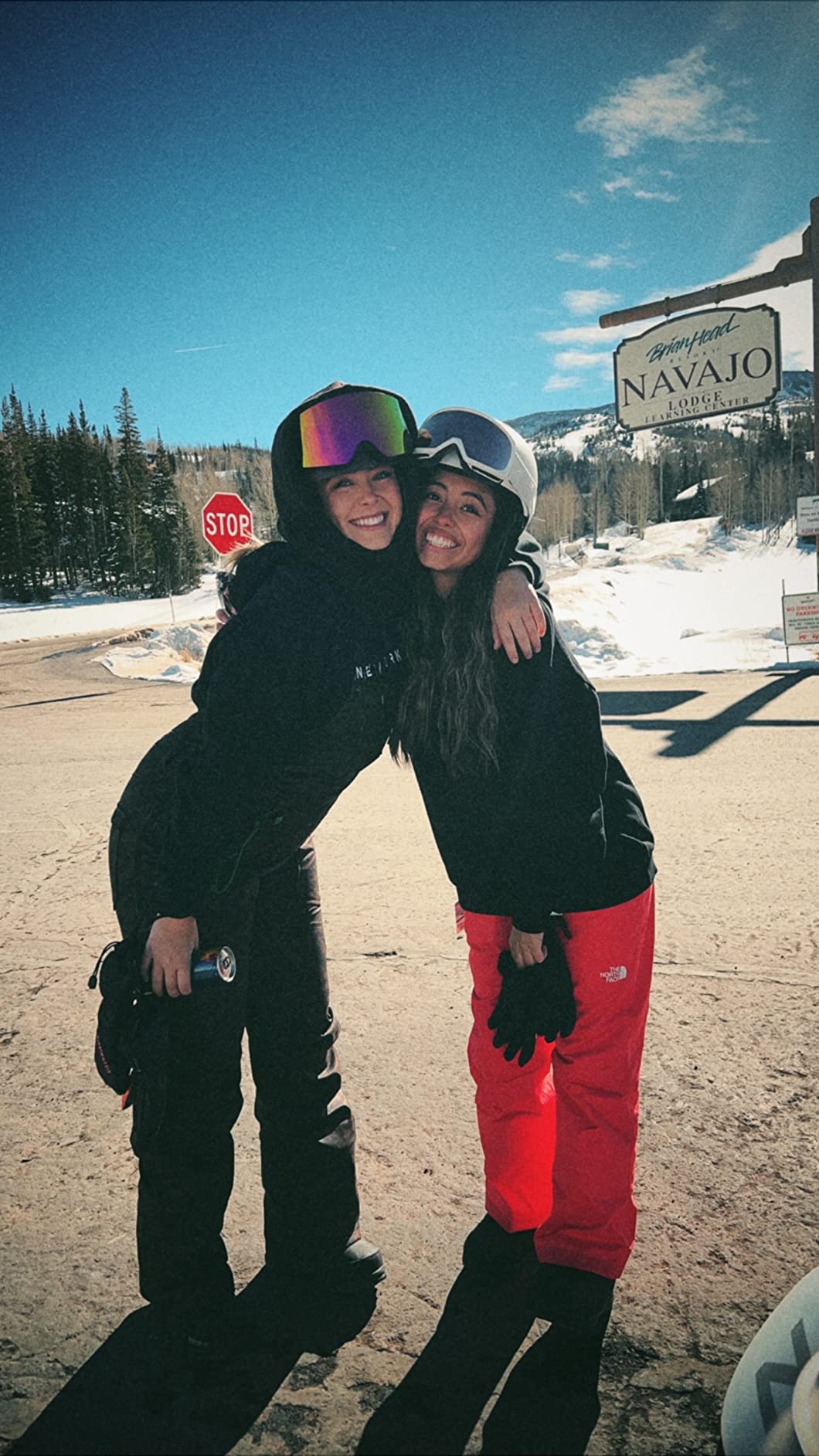
Best for wide terrain and old-snow surfaces
A wide even view earns its keep on days when the mountain surface changes under you. When the whole mountain is old refrozen snow with a thin crust, seeing the texture differences early is what keeps you in control, and this lens is built to show them.
The anti-fog coatings on both faces also make sense if you ride in wetter climates, because condensation that forms on the outer surface gets the same treatment as the inner one.
Where the frame is less durable?
The most specific complaint in the review data concerns the frame and headband inlay, which reviewers flag as a potential point of failure if the goggle is dropped onto a hard surface. It is a specific weakness in an otherwise solid frame, so do not drop it.
Color choice is also constrained. White-frame variants have limited lens tint options, so if you want a specific VLT for your conditions, check which tints are offered in the frame color you prefer before you commit.
10. ZIONOR X Ski Goggles – Most Versatile With a Detachable Lens
ZIONOR X Ski Snowboard Snow Goggles OTG Design for Men & Women with Spherical Detachable Lens UV Protection Anti-Fog
OTG TPU frame
Polarized spherical lens at 18.5 percent VLT
Detachable lens
0.18 kg
Pros
- Detachable lens lets you carry a second tint
- Enhanced Durability Tech adds impact resistance
- OTG chamber fits glasses up to 5.5 by 1.65 inches
- Curved frame stays secure with a helmet at speed
- Multiple lens tints available
Cons
- 18.5 percent VLT is too dark for overcast days and shade
- OTG chamber will not take frames larger than the stated maximum
The ZIONOR X is the most refined pick here for one reason: the lens detaches. That means you can carry a second tint without buying a second goggle, which is the whole argument for photochromic and multi-lens setups handled in a simpler way.
The lens itself is a frameless spherical design in polarized polycarbonate, listed at 18.5 percent VLT. It carries ZIONOR’s Enhanced Durability Tech for impact resistance, which owners credit with holding up through falls and rough handling better than ordinary budget lenses.
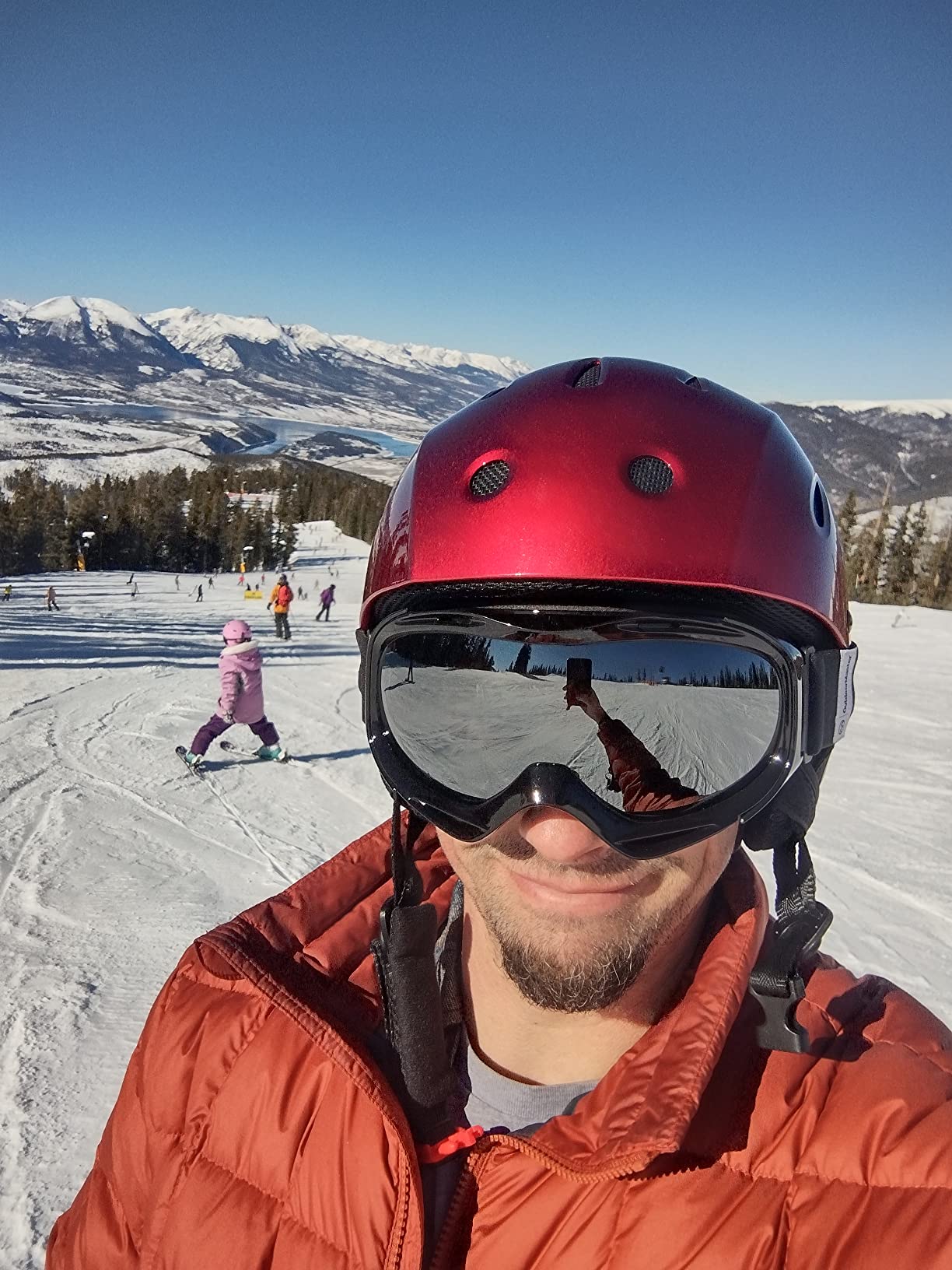
The OTG chamber is where this model is unusually honest. It states a maximum glass size of 5.5 inches in length by 1.65 inches in height, so you can measure your frames and know in advance whether your prescription will fit rather than finding out on the first run.
The frame is curved and optimized for helmet compatibility, and owners report it staying in place at speed rather than lifting on aggressive runs. The panoramic design pairs with anti-fog and UV protection treatment across the lens.
Best if you want one goggle with a future tint change
Because the lens detaches, upgrading your light conditions later does not mean replacing the frame. That is the most direct path to a two-lens setup in this roundup, and it costs less than starting from a goggle with a magnetic mount and two lenses included.
Polarization is a bonus here that most of the roundup cannot offer, and it cuts glare off reflective snow surfaces on bright days.
Where the tint runs too dark?
18.5 percent VLT is a dark lens, and owners are clear that it is the wrong choice for overcast days and shaded terrain. This is the model most likely to make you commit to buying that second, lighter detachable lens straight away.
The stated OTG maximum is also a hard limit. If your frames exceed 5.5 by 1.65 inches, this goggle will not close over them, so measure first and check the detachable lens is available in the tint you need before ordering.
How to Choose Snow Goggles That Suit Your Skiing?
Brand matters far less than three decisions: how much light your lens lets through, whether it fits your face and your glasses, and whether the frame vents well enough to stay clear. Get those right and almost any goggle in this roundup will serve you. Here is how to make each call.
Visible light transmission: the number that decides everything
VLT is the percentage of visible light passing through the lens. Lower numbers mean a darker lens. It is the single most useful specification on the page, and it is also the one most people buy wrong.
Bluebird and high alpine (0 to 10 percent VLT): maximum contrast and glare control for direct sun, bright reflective snow, and glacier terrain. Too dark for anything else.
Partly cloudy and groomers (14 to 22 percent VLT): the compromise most skiers want, workable on sun and just tolerable in light cloud.
Overcast and flat light (40 to 80 percent VLT): low-light lens territory. This is where you can see ice patches, crust, and bumps, and where a dark lens leaves you blind.
Night skiing (80 percent VLT and above): requires a genuine low-light lens. A mirrored dark lens is close to useless under floodlights.
Map that to where you actually ski. Coastal and mountain locations that sit in cloud for weeks need a low-light lens as a primary, not a spare. Colorado and the Alps give you more sun, so a mid-tint that handles both is realistic.
Lens shape: cylindrical, spherical, and toric
Cylindrical lenses curve only in one direction. They are the cheapest shape, weight the least, and their flat surface means the peripheral distortion is manageable, but the gap between lens and face at the top and bottom can admit more fog-prone warm air.
Spherical lenses curve in both directions. They match the shape of your face better, which reduces the fog gap and gives a more natural view, and they are what the findway, FMY, ZIONOR X, and the frameless JULI in this roundup use. They also cost more to make correctly.
Toric lenses sit between the two, curved mainly horizontally with a shaped face-side profile. You will not find one in this value tier, and that is fine: the difference matters far less than getting the tint right.
Fogging: the frame is half the battle
Condensation happens because warm moist air from your face meets a cold lens. Every design fights it the same three ways: a double-layer lens that holds a pocket of still air as a thermal barrier, vents that move air across the inside of the lens, and face foam that stops your breath reaching the lens at all.
A double lens works like a double-glazed window: a sealed air gap between two panes slows the transfer of heat, so the inner surface stays closer to the temperature of the air inside the goggle. That is why every pick in this roundup uses one, and why single-lens goggles from other brands fog so quickly.
Vent balance is the part you can control. Vents positioned along the top and bottom of the frame move air across the lens, and those are the ones to check. Vents that sit at the sides mainly admit cold air, which feels fine until you are on a windy lift.
Fit, face size, and the gaper gap
A goggle should seal from the nose bridge up over the temples with no gap. The gaper gap, where the frame does not touch your face, lets cold air in and warm air out, and it is the leading cause of both cold cheeks and fog.
Frames that run large need the strap pulled in tight, which then pushes on your cheekbones after a few hours. Frames that run small create pressure at the nose bridge and temples immediately. Try on if you can, and if you cannot, read the fit comments above: the oversized findway suits larger faces, while the JULI is too large for smaller ones.
Helmet fit works the same way. A curved frame and a long adjustable strap sit under a helmet more securely, which is why the ZIONOR X and most of the frameless models in this roundup perform well at speed.
Quick-change and detachable lens systems
There are three mechanisms in this roundup. Magnetic mounts, as on the Odoland, are the fastest and the easiest with gloves on: the lens aligns and snaps in. Detachable lenses, as on the ZIONOR X, involve clipping or unclipping and take slightly longer but are cheaper to buy a second lens for. Fixed lenses mean one tint for the whole season.
Users with years of experience report that magnetic systems are the fastest they have used while lever-and-notch systems feel more secure but slower. No pick in this roundup uses the notched lever system, which is the slowest of the three and the hardest to operate in gloves.
UV protection, glare, and polarization
Every goggle in this roundup carries UV400 or 99 percent UV400 protection, and you should not buy one without it. Snow reflects a large share of ultraviolet light, so unprotected eyes on a bright alpine day risk genuine snow blindness, not just discomfort.
Glare control is a separate feature. Mirrored coatings reflect light off the outer surface and cut glare effectively on sun, and polarization reduces glare off reflective surfaces such as water and wet snow. Only the findway, ZIONOR Lagopus, and ZIONOR X list polarization among these picks.
OTG frames, low bridge fit, and prescription options
OTG means the frame is shaped to fit over prescription glasses. It is the dominant design in this roundup and it is the cheapest route to vision correction, since you keep your own glasses. The cost is a deeper frame profile, and some owners of OTG models report extra fogging because the extra air space holds moisture.
None of the picks in this roundup uses a low-bridge fit, which is designed for higher cheekbones and a lower nose bridge. If you find a conventional frame presses on your cheekbones, that is the term to search for, and it is worth finding rather than working around.
Framed, frameless, and what you give up
Framed goggles have a rim around the lens, which protects the edges, adds a little durability, and gives the vents something to anchor to. Frameless designs, like the Odoland and the ZIONOR X, look cleaner, weigh less, and give a slightly wider view, but they put the face foam directly against your skin.
Both approaches appear across this roundup and both perform well. Choose framed for edge protection and easier cleaning, and frameless for a lower profile and a wider, cleaner view.
How to Stop Ski Goggles From Fogging?
Fogging is the most common complaint in every goggle review we have read, on every tier. Most of it is mechanical and fixable. The order below is the order that works.
Never wipe the inside of the lens. This is the single most damaging thing a skier can do. The anti-fog coating lives on the inner surface, and a cloth, glove, or bare hand will strip it permanently in a few passes.
Clear fog from the vent, not the lens. A finger or a soft cloth pushed through the top and bottom vents moves air across the inside and clears the condensation without touching the coating.
Wear the goggle while you ride the lift. The seal is what stops your breath reaching the lens, and it only works when the goggle is on your face and the foam is seated properly.
Vent before you seal. A few seconds of air on the platform with the vents open clears moisture before the cold lens traps it.
Keep the foam clean and dry. A dirty or soaked foam cushion seals badly, and air leaking past the seal is what carries moisture to the lens.
Check the strap before the first run. A loose goggle lifts and lets cold air flood the inside, and the temperature swing from that cold air is a major fog driver.
Expect the first ten minutes. New anti-fog coatings need a few runs to fully activate. Fogging that settles after that is a coating problem, not a habit problem.
Cleaning and Storing Snow Goggles Without Ruining the Lens
A scratched lens cannot be polished back, and at this tier a replacement often costs a meaningful share of what you paid for the goggle. Ten minutes of care is the difference between a lens that lasts a season and one that lasts five.
Rinse loose snow off with cool water before you touch the lens with anything. Dry grit is what causes scratches, and wiping a frosted lens with a cloth is how most of them get marked. Use a clean microfibre cloth and warm water with a drop of mild soap, work the foam and strap separately, and never use a paper towel or a sleeve.
Let goggles air-dry completely before you store them. Putting a damp goggle in a closed case creates the exact warm, damp, enclosed conditions that grow the coating failure you were trying to avoid.
Storing them in a case is worth doing even if the case is soft. A crush in a ski bag bends the frame, and a bent frame does not seal. Remove the protective film before first use, as several models in this roundup instruct, so you are not fighting a hazy layer all season.
When the Same Goggles Work Off the Mountain?
Several pairs in this roundup earn reviews from people who use them far from a lift line, and that is worth factoring in if you own a machine as well as a season pass.
The JULI is the most widely repurposed, with owners using it for snowmobiling, sledding, snow blowing, lawn mowing, and airsoft. The SPOSUNE is the other, used for snow blowing and for desert dust work, where the thick sponge seal and unbreakable lens earn their keep.
If that describes your week, the same buying logic applies to the tools that clear your driveway and your property. Our guides to the best two-stage snow blowers for heavy snow and the best track snow blowers for steep driveways cover the machines for deep and sloped work, and they run to the same depth of testing detail as this goggle roundup.
For the machines that go in front rather than behind, we have compared the best snow plows for UTVs and the best snow plows for ATVs side by side, and covered ATV snow blowers for rural driveways for long private lanes.
Frequently Asked Questions
What color lens is best for snow skiing?
The best lens colour depends on the light, not a brand. For direct sun and bright reflective snow, go dark at 0 to 10 percent VLT. For mixed weather on groomed runs, 14 to 22 percent VLT is the compromise most skiers want. For overcast, fog, and flat light, you need 40 to 80 percent VLT or a yellow low-light lens, because that is where you can see crust, ice, and bumps. For night skiing, only 80 percent VLT and above will work at all.
What VLT is best for skiing?
VLT is the percentage of visible light your lens lets through, and lower means darker. A useful rule: anything under 12 percent is for sun only, 14 to 22 percent handles most resort days, and 40 percent or higher is for flat light and night. Coastal skiers should treat 60 to 80 percent VLT as their everyday lens rather than a spare. If you only buy one, pick the tint that matches your home mountain’s worst week, not its best day.
How do I stop my ski goggles from fogging?
Never wipe the inside of the lens, because that destroys the anti-fog coating permanently. Clear condensation through the top and bottom vents instead. Wear the goggle on the lift so the foam seal blocks your breath, keep the foam clean and dry, and tighten the strap so cold air cannot flood the inside. Vent the goggle for a few seconds before you seal it. Give a new coating three or four runs to activate before judging it.
Should I get spherical or cylindrical ski goggles?
Spherical lenses curve in both directions, match your face better, seal more closely, and fog less, which makes them the better all-round choice. Cylindrical lenses curve in one direction, weigh slightly less, cost less, and give a flatter view with more edge distortion, but the gap between lens and face can admit more warm air. Toric lenses sit between the two. If you fog constantly, go spherical. If budget is the deciding factor, a good cylindrical frame with double vents beats a cheap spherical one.
What size ski goggles should I buy?
Choose a frame that seals from the nose bridge over your temples with no gap, because that gap causes both cold spots and fog. Large faces need oversized OTG frames or an XL model, and small faces should avoid frames that run wide. If you wear glasses, measure your frame width and check the stated maximum, since some OTG goggles only clear frames up to 5.5 by 1.65 inches. Over-glasses designs run deeper and seal better but give slightly worse ventilation.
Are photochromic ski goggles worth it?
Photochromic lenses are worth it if you ski one lens and move between sun and shade, because they remove the decision from the chairlift. They are not worth it if you ski flat light and sun in the same week, since a photochromic lens reacts slowly when you move in and out of trees and can still run too dark on a cloudy afternoon. They are also a single-lens bet, so a scratch means a replacement. Carrying one fixed dark lens and one fixed low-light lens is more predictable.
The Best Snow Goggles for Skiing in 2026: Final Word
After working through ten pairs, the OutdoorMaster OTG is the best snow goggles for skiing for most people. It has the deepest evidence base in the group, an over-glasses fit that works, and anti-fog performance that holds in both bright sun and flat cloud. Buy a lighter lens to swap if your mountain runs to weather.
Choose the ZIONOR Lagopus B1 if you want the widest view and the longest warranty, the ZIONOR X if you plan to add a second tint later, and the Odoland pair if you ski night sessions or flat light and refuse to carry two goggles. Whatever you pick, get the VLT right for your home mountain and never touch the inside of the lens.