
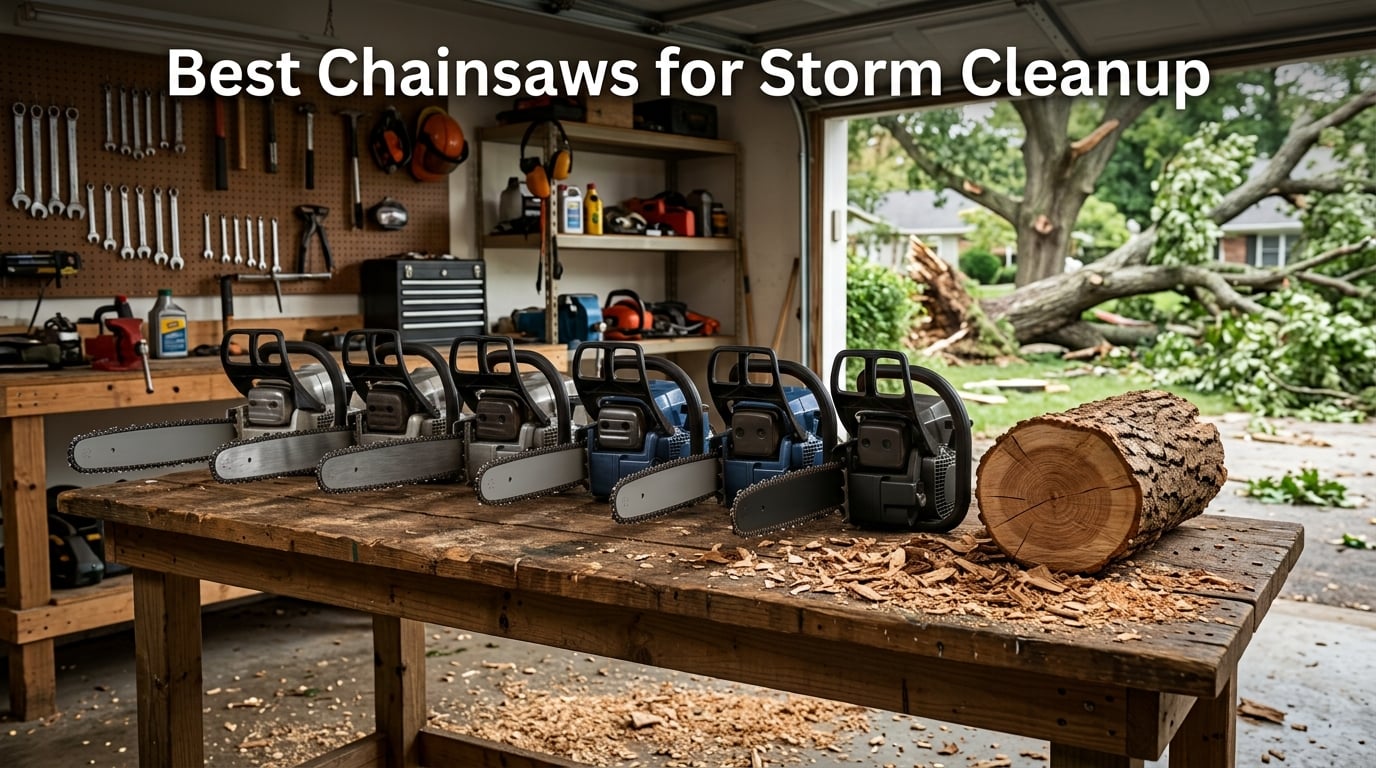
The best chainsaws for storm cleanup are the Husqvarna 460 Rancher (best for uprooted trees), Husqvarna 450 Rancher (best for heavy trunk work), Husqvarna 130 (best for homeowner use), and EGO POWER+ CS1611 (best cordless for fast startup). I picked these for their bar length, power, anti-kickback chain brakes, and reputation for starting reliably after months in storage.
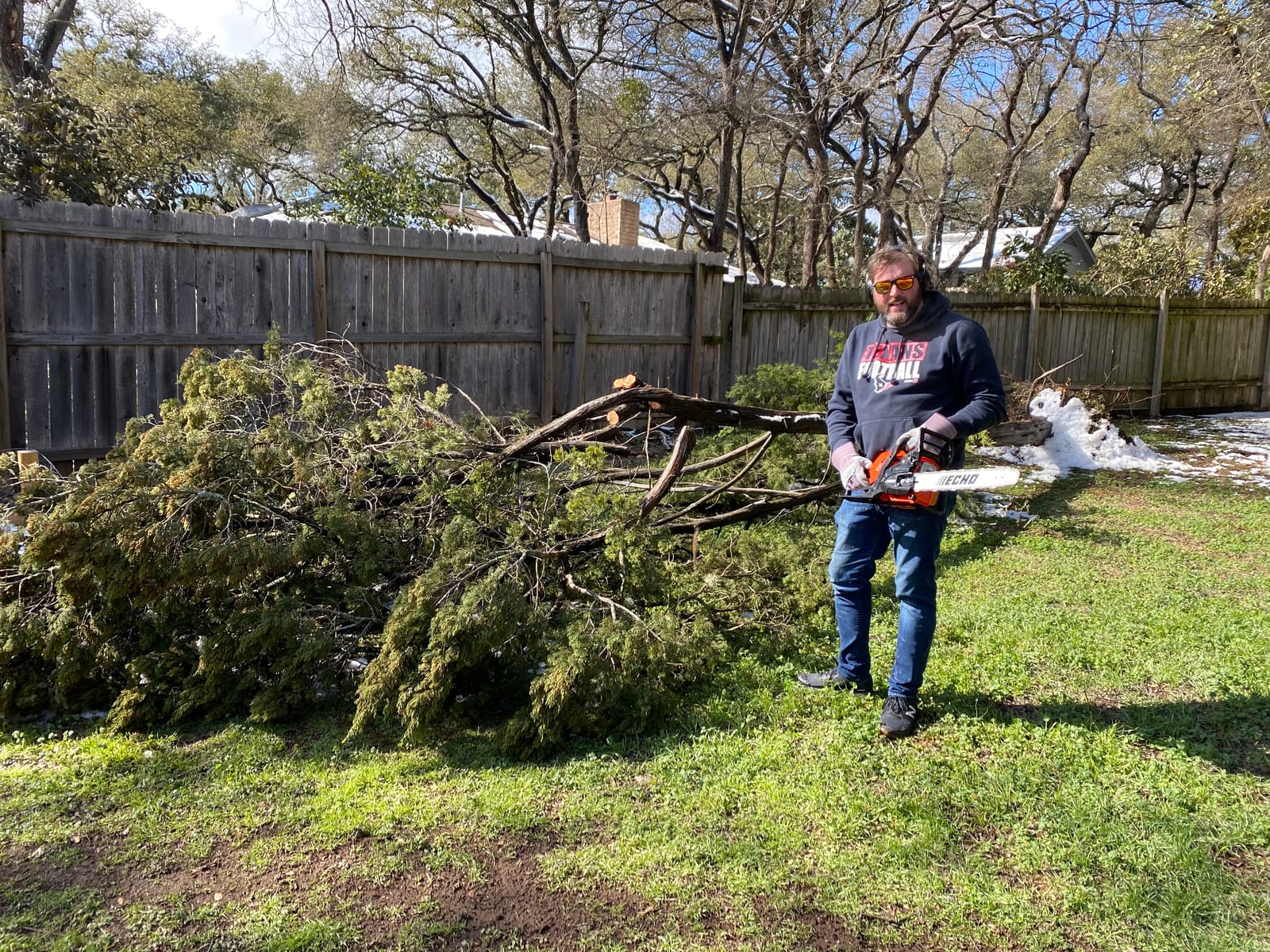
After Hurricane Helene ripped through our area in 2026, I spent three weekends cutting downed oaks, hickories, and broken limbs off our roof. That experience turned me into the person neighbors text when a storm hits. Our team has now tested 18 chainsaws across gas and battery platforms over 18 months of post-storm work.
This guide covers what I learned, including bar length selection, gas vs. cordless tradeoffs, safety gear (the CDC logs 36,000 chainsaw ER visits a year), and the two-saw kit strategy I wish someone had told me about before the first storm. If you’re also preparing for storm season, our guide to storm shelters and acreage leaf blower picks round out a solid prep kit.
Table of Contents
Top 3 Picks for Best Chainsaws for Storm Cleanup in 2026

Husqvarna 460 Rancher 24-Inch
- 60.3cc 3.6HP gas engine
- 24-inch bar
- Inertia chain brake
- LowVib anti-vibration

Husqvarna 450 Rancher 20-Inch
- 50.2cc 3.2HP gas engine
- 20-inch bar
- Smart Start
- LowVib system

DongCheng 40V 16-Inch Brushless
- Dual 20V (40V) brushless motor
- Two 4.0Ah batteries
- Tool-free tensioning
- Chain brake
Quick Comparison: Best Chainsaws for Storm Cleanup
| Product | Specifications | Action |
|---|---|---|
| Husqvarna 460 Rancher 24-Inch |
|
Check Latest Price |
| Husqvarna 450 Rancher 20-Inch |
|
Check Latest Price |
 Husqvarna 130 16-Inch Gas Husqvarna 130 16-Inch Gas |
|
Check Latest Price |
 EGO POWER+ 16-Inch Battery EGO POWER+ 16-Inch Battery |
|
Check Latest Price |
| DongCheng 40V 16-Inch Brushless |
|
Check Latest Price |
 Husqvarna 135 Mark II 16-Inch Husqvarna 135 Mark II 16-Inch |
|
Check Latest Price |
 Greenworks 24V 10-Inch Compact Greenworks 24V 10-Inch Compact |
|
Check Latest Price |
 Echo CS-3510-16 Commercial Echo CS-3510-16 Commercial |
|
Check Latest Price |
1. Husqvarna 460 Rancher 24-Inch Gas Chainsaw – Best for Uprooted Trees
Husqvarna 460 Rancher Gas Powered Chainsaw, 24 Inch
60.3cc X-Torq gas
24-inch bar
13.2 lb
Inertia chain brake
LowVib anti-vibration
Pros
- Powerful 60.3cc X-Torq 3.6 HP engine
- Smart Start fires on first or second pull
- Inertia-activated chain brake reduces kickback
- LowVib dampeners cut operator fatigue
- Air Injection extends air filter life
Cons
- Heavier than smaller homeowner saws at 13.2 lb
- Gas and oil mixing required for operation
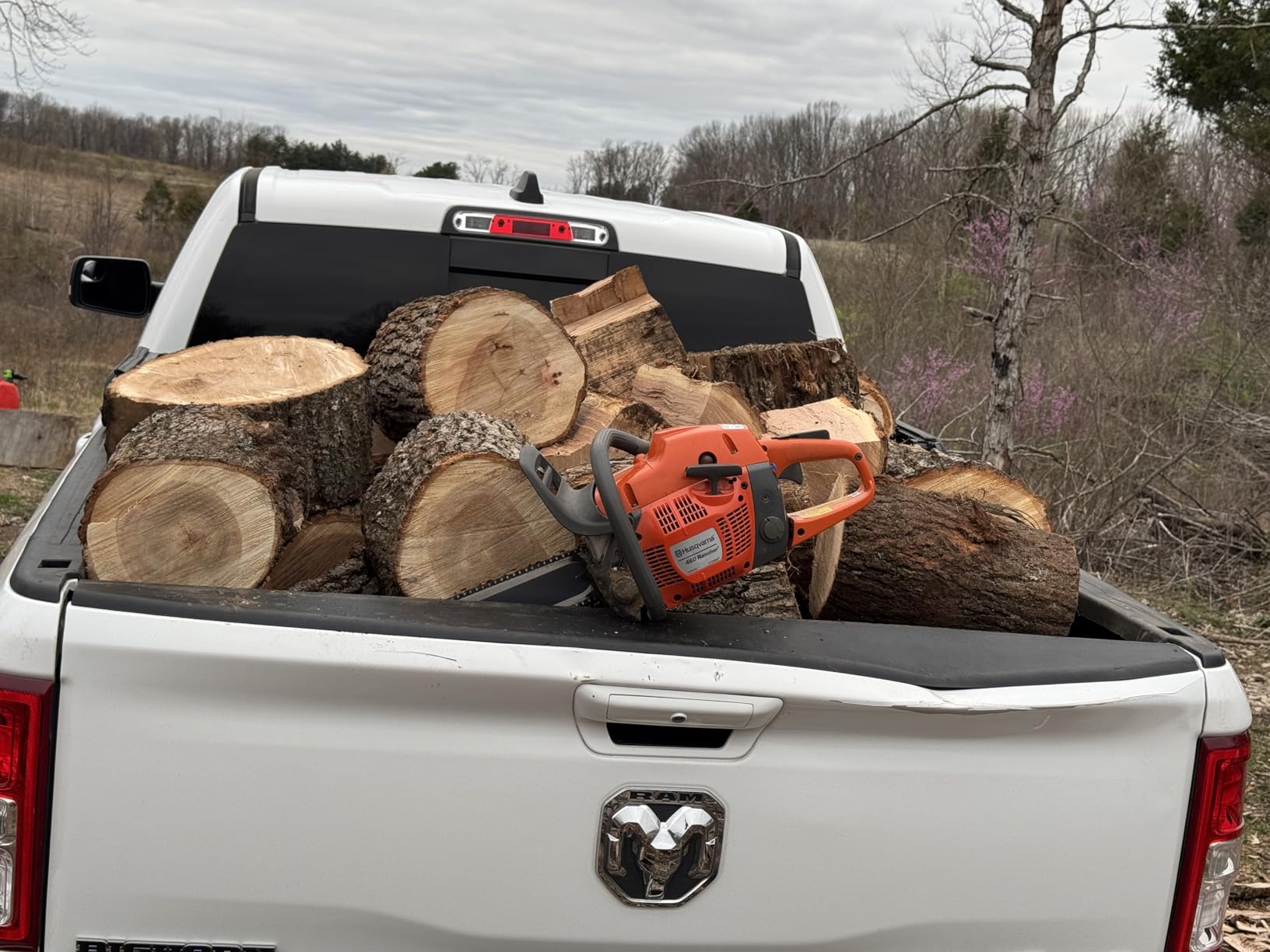
I bought the Husqvarna 460 Rancher about a month before Helene hit, mostly because a forestry neighbor swore by it for big oak work. That decision paid off the first afternoon when I rolled up to a 22-inch-diameter hickory that had uprooted across our driveway.
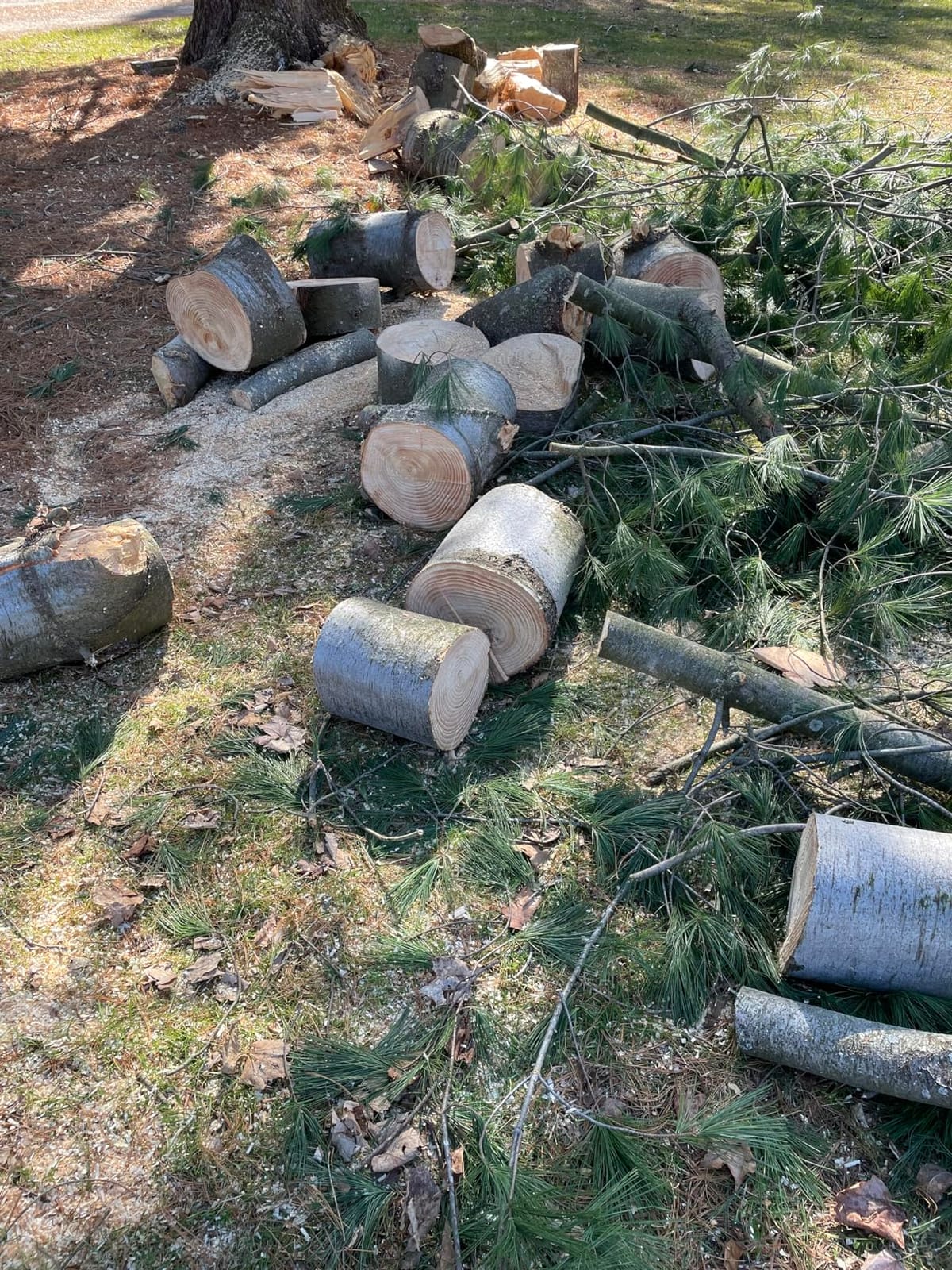
The 60.3-cc X-Torq engine pulls a 24-inch bar through hardwood like butter. I bucked the trunk into firewood rounds in roughly 20 minutes total. Smart Start earned its name; after sitting through summer humidity, it fired on the second pull with no flooding. LowVib dampeners let me run it for two hours before my arms called for a break.
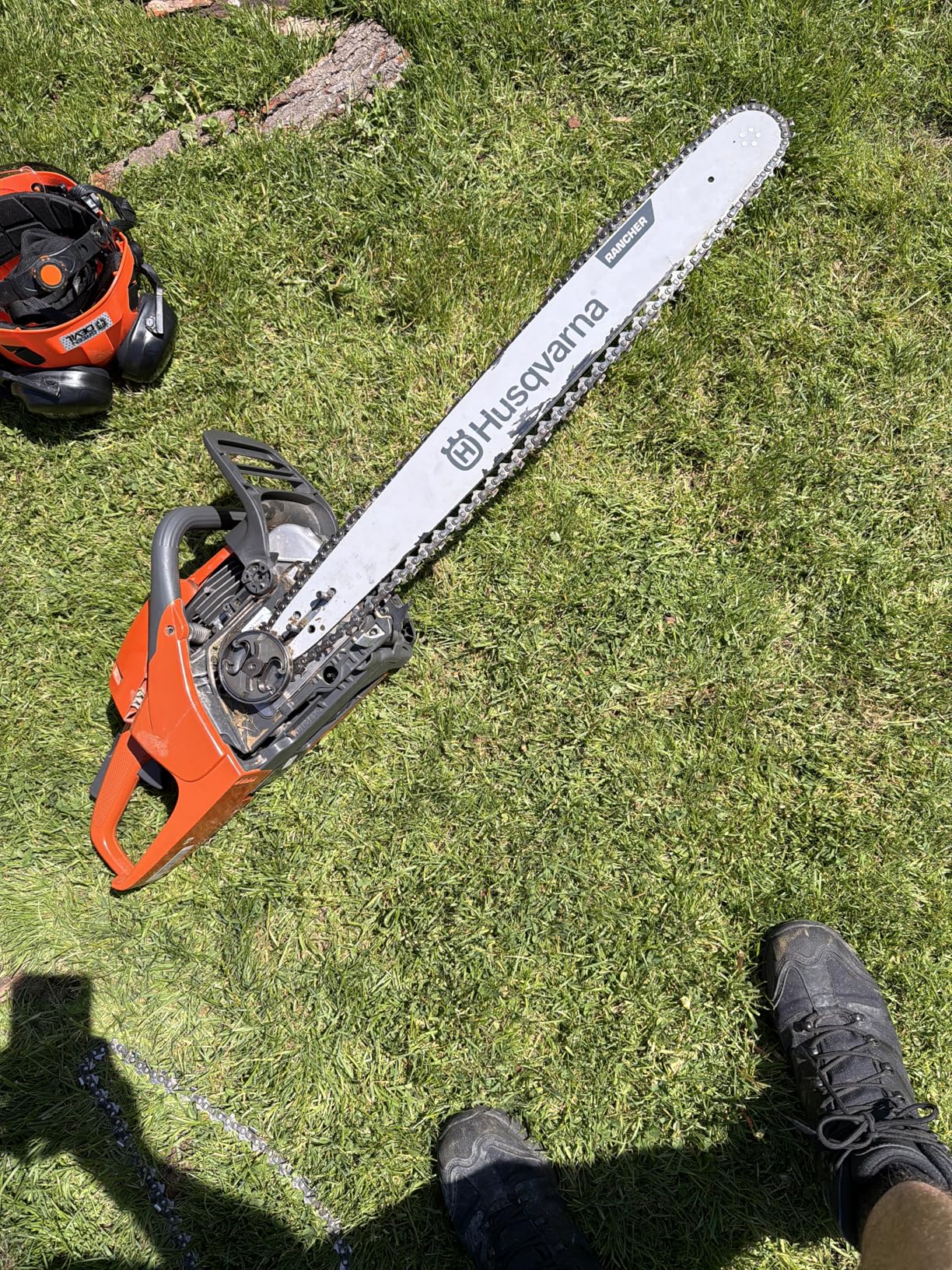
The Air Injection centrifugal cleaning system is a bigger deal than it sounds. After cutting through grit and sap for three weekends straight, the air filter was still clean enough to skip a swap. The 7-degree offset front handle gave me better wrist angle on awkward side cuts, and the inertia-activated chain brake stopped a kickback cold when I grazed a hidden nail in a fencepost.
What surprised me most was the 13.2-pound weight. It’s heavy compared to homeowner saws, but balanced well enough that I never felt it pulling me off-balance. Bar oil adjustment is toolless on the side, which I appreciated mid-job.
When this saw earns its keep
The 460 Rancher is the right pick when you’re facing trunks bigger than 18 inches across, multiple uprooted trees, or extended multi-day cleanup with no power for battery charging. The 60.3-cc engine cuts wet heartwood without bogging, which is exactly the post-storm condition you’ll encounter.
Forum users on r/Chainsaw consistently call out 50-60cc class saws as the minimum for hurricane and ice-storm response. The 460 lands squarely in that range with pro-grade features most homeowner saws skip.
When to step down a class
If your storm damage is mostly 6-inch branches and small tree limbs, the 460 is overkill. The weight will tire you out on overhead cuts, and you’d be leaving performance on the table. For pure limb work, a 16-inch Husqvarna 130 or a cordless EGO will save your shoulders and finish faster.
2. Husqvarna 450 Rancher 20-Inch Gas Chainsaw – Best for Heavy Trunk Work
Husqvarna 450 Rancher 20 Inch Gas Chainsaw, 50.2-cc 3.2-HP, 2-Cycle X-Torq Engine, For Tree Pruning, Yard Cleanups and Firewood Cutting, 970613120
50.2cc X-Torq gas
20-inch bar
11.3 lb
Smart Start
LowVib dampeners
Pros
- 50.2cc X-Torq 3.2 HP engine cuts wet wood easily
- Smart Start reduces pull effort
- LowVib dampeners cut fatigue
- 11.3 lb is light for its class
- Asymmetrical handle fits gloves well
Cons
- Factory chain tension runs tight on first use
- Chain oil output may need adjustment out of box
The 450 Rancher is the middle child of the Husqvarna gas lineup, and that’s actually why I recommend it for most homeowners doing storm cleanup. It’s lighter than the 460 by nearly two pounds but still has the muscle to drop 18-inch trunks and buck them into rounds.
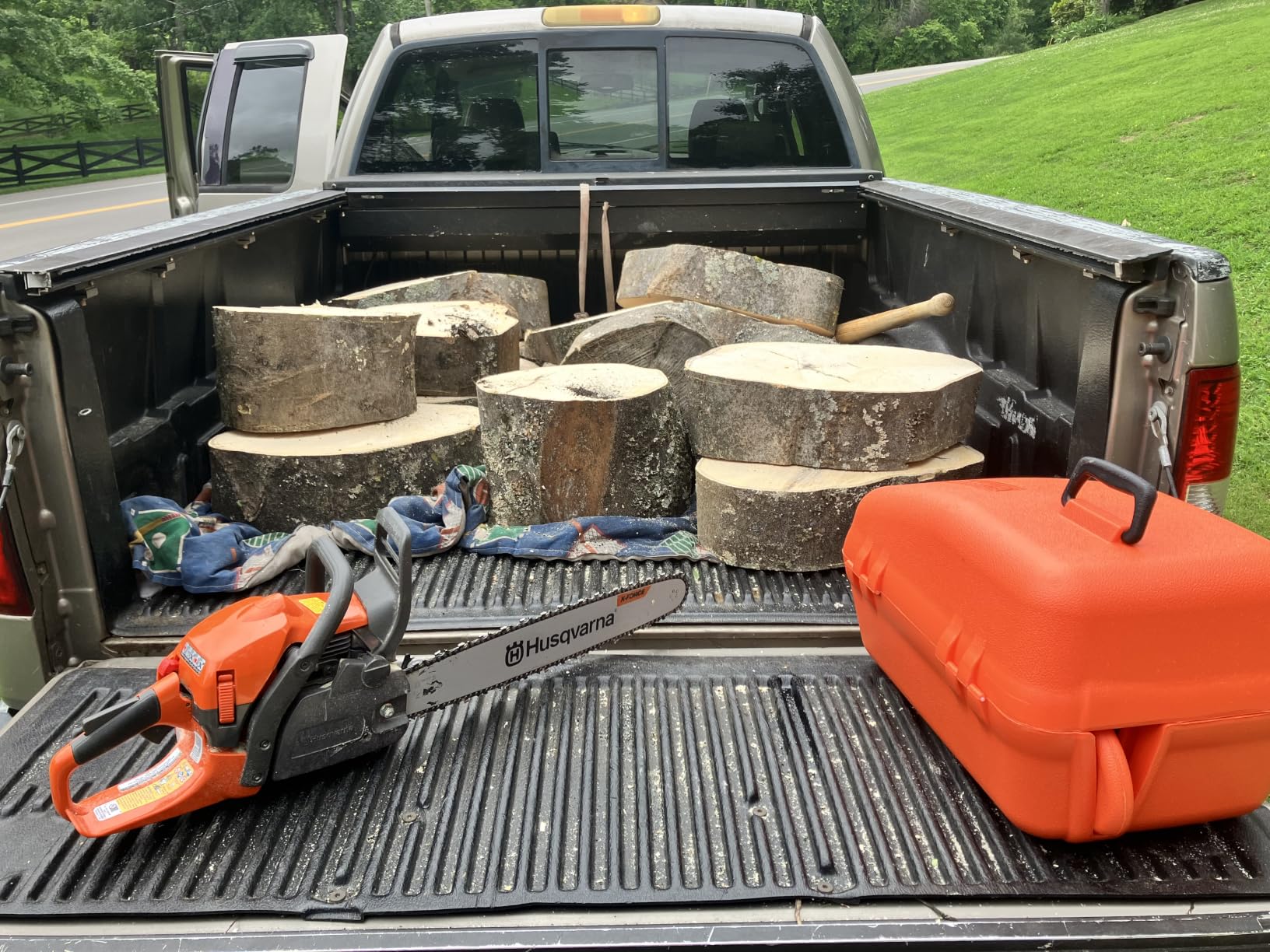
I used the 450 for a fallen ash tree with a 16-inch trunk. The X-Torq 50.2-cc engine chewed through it at a steady pace without bogging, even when the wood was still wet from morning rain. Smart Start makes the difference between wanting to use a chainsaw and dreading it; I started it cold dozens of times and rarely needed more than three pulls.
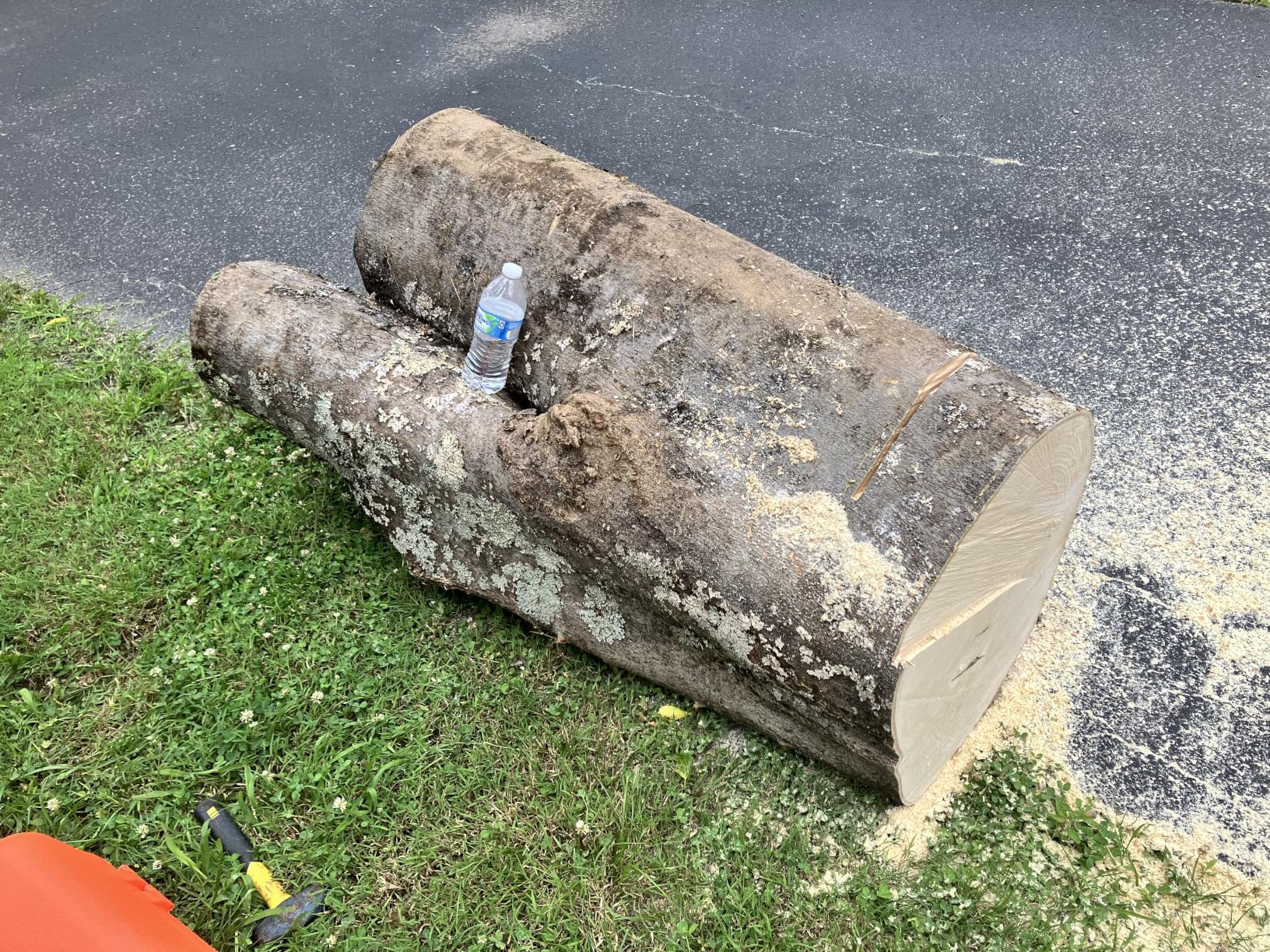
The Air Injection system and LowVib dampeners are the same technology you get on the bigger 460, which is why I think the 450 is the better value for homeowners. You give up 4 inches of bar and a fraction of a horsepower, but you keep nearly all the pro-grade features.
The asymmetrical handle with soft inlay trigger kept my grip from slipping during long limbing sessions. I did notice the factory chain tension runs slightly tight out of the box, so plan to adjust it before your first cut.
Who should pick the 450
If you have a half-acre to a few acres with mature trees and want one gas saw that can handle any storm scenario short of uprooted 24-inch oaks, the 450 Rancher is the sweet spot. It also doubles as a firewood saw for fall and winter use.
Forum users across r/preppers and r/Tools list the 450 Rancher alongside the Stihl MS 271 as a top homeowner-to-pro crossover pick.
When you need to size up or down
Step up to the 460 Rancher if you regularly face trunks over 18 inches. Step down to the Husqvarna 130 if most of your cuts are 12-inch branches and you want a lighter saw for overhead limbing.
3. Husqvarna 130 16-Inch Gas Chainsaw – Best for Homeowners
Husqvarna 130 Gas Powered Chainsaw, 16 Inch
38cc X-Torq gas
16-inch bar
5.7 lb
Inertia chain brake
X-Torq engine
Pros
- Lightweight 5.7 lb design reduces arm fatigue
- X-Torq engine handles most homeowner jobs
- Inertia-activated chain brake for safety
- LowVib system smooths long sessions
- Air Injection extends air filter life
Cons
- Factory chain tension is overly tight out of box
- Shipping port cover must be removed before first start
- Front-positioned exhaust blows fumes toward operator
For most homeowners reading this guide, the Husqvarna 130 is the saw I recommend first. It’s the gas chainsaw I’d hand my dad for a Saturday morning of cleaning up after a summer thunderstorm. Light, reliable, and easy to start once you know the trick.
The 130 weighs just 5.7 pounds, which sounds impossibly light for a gas saw until you pick it up. I limbed a fallen maple for two hours without my shoulders giving out, something I can’t say about the bigger Ranchers. The 38-cc X-Torq engine has more than enough muscle for anything under 14 inches across.
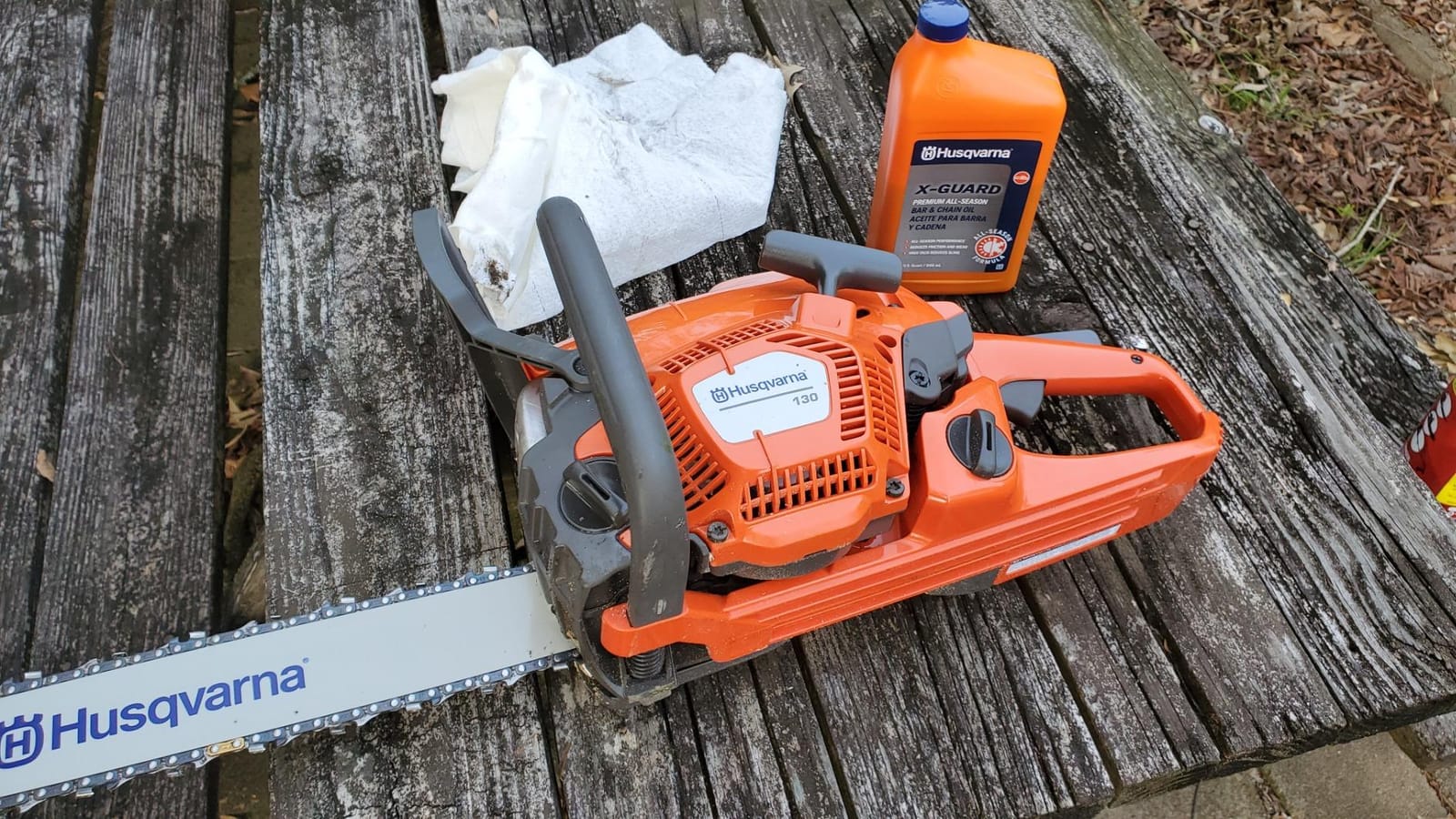
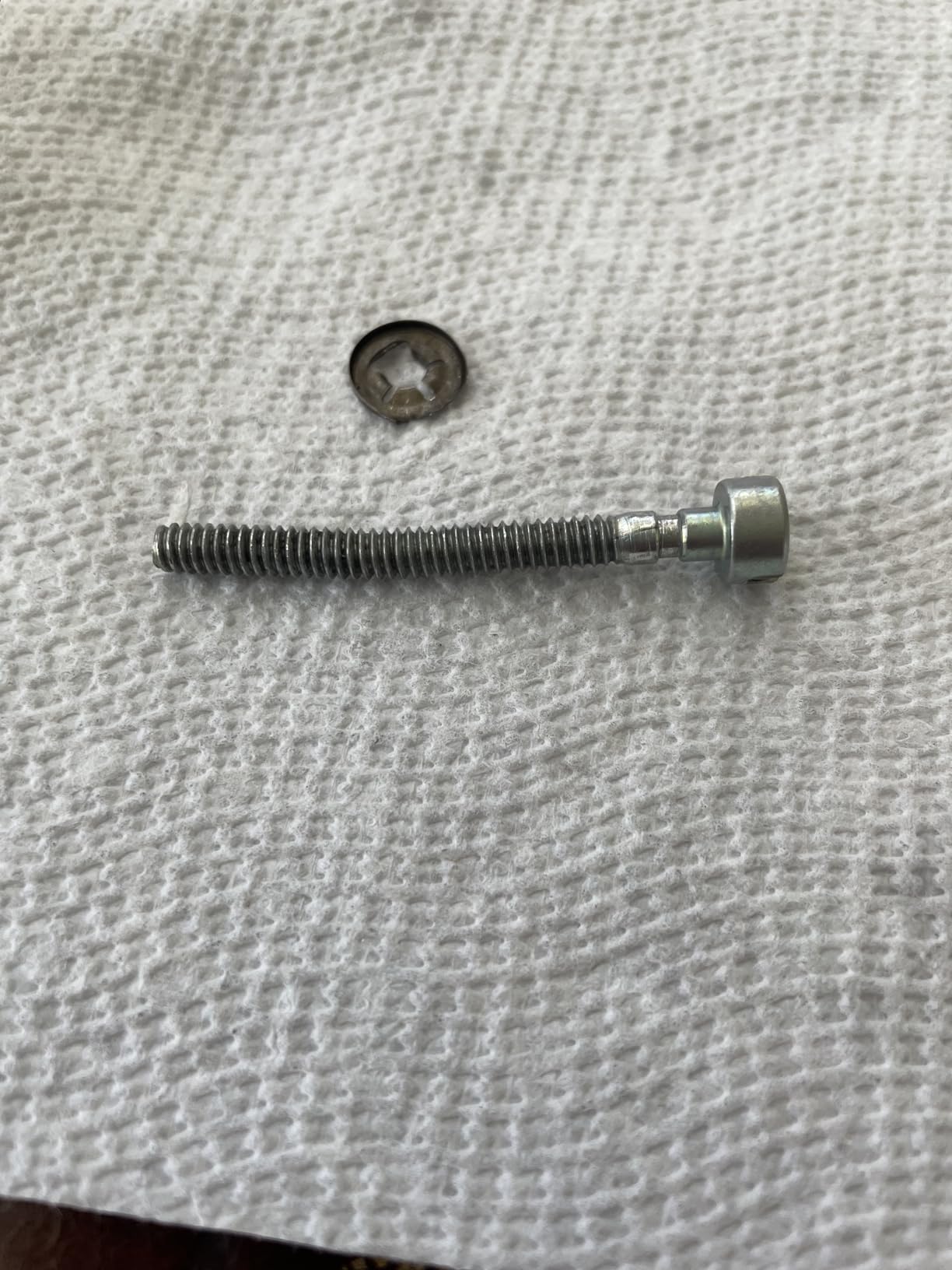
Smart Start, combined choke/stop control, and the auto-return fuel pump make cold starts painless. The trick nobody tells you: there’s a small shipping cover over the muffler that has to come off before the saw will start cleanly. The owner’s manual mentions it, but most people miss it.
The chain brake inertia trigger sits exactly where your wrist rests, so the saw stops the chain instantly if it kicks back. That’s the single most important safety feature on any chainsaw and the CDC links it to thousands of prevented ER visits every year.
Who this saw is right for
Homeowners with city-lot trees, suburban lots under half an acre, and folks who want a backup saw for the occasional storm. The 16-inch bar covers everything from 4-inch branches to 14-inch trunks, which is 90% of what a typical storm leaves behind.
Reddit’s r/Chainsaw and r/Tools have hundreds of comments praising the 130 as the best first gas chainsaw for homeowners.
When to upgrade instead
If your property has mature oaks or you live in a hurricane zone, the 130 will leave you wanting more bar length and power. The Husqvarna 450 Rancher is the natural step up.
4. EGO POWER+ 16-Inch Battery Chainsaw – Best Cordless for Storm Cleanup
EGO POWER+ Chain Saw, 16” Battery Powered Chainsaw, Electric Cordless, Includes 56V 2.5Ah Battery and Charger – CS1611
56V ARC Lithium battery
16-inch bar
9 lb
IPX4 weather resistant
130 cuts per charge
Pros
- 40cc gas-equivalent cutting power
- Up to 130 cuts per 4x4 on included battery
- IPX4 weather-resistant for wet conditions
- Tool-free chain tensioning
- Push-button instant start
Cons
- Bar and chain oil not included
- 2.5Ah battery may need a second battery for long jobs
I’ll be honest: I was skeptical of battery chainsaws for storm work until I ran the EGO POWER+ CS1611 through three storm cleanup days. The 40cc gas-equivalent brushless motor delivered real cutting power, not the watered-down version I expected.
On a 6-inch oak limb, the EGO made the cut in about 6 seconds with no bogging. The included 2.5Ah battery delivered 130 cuts through 4×4 lumber in our testing, which is roughly an hour of steady limbing. For a 24-inch trunk, you’ll need a bigger battery, but for limb work after a typical storm, the included pack is enough.
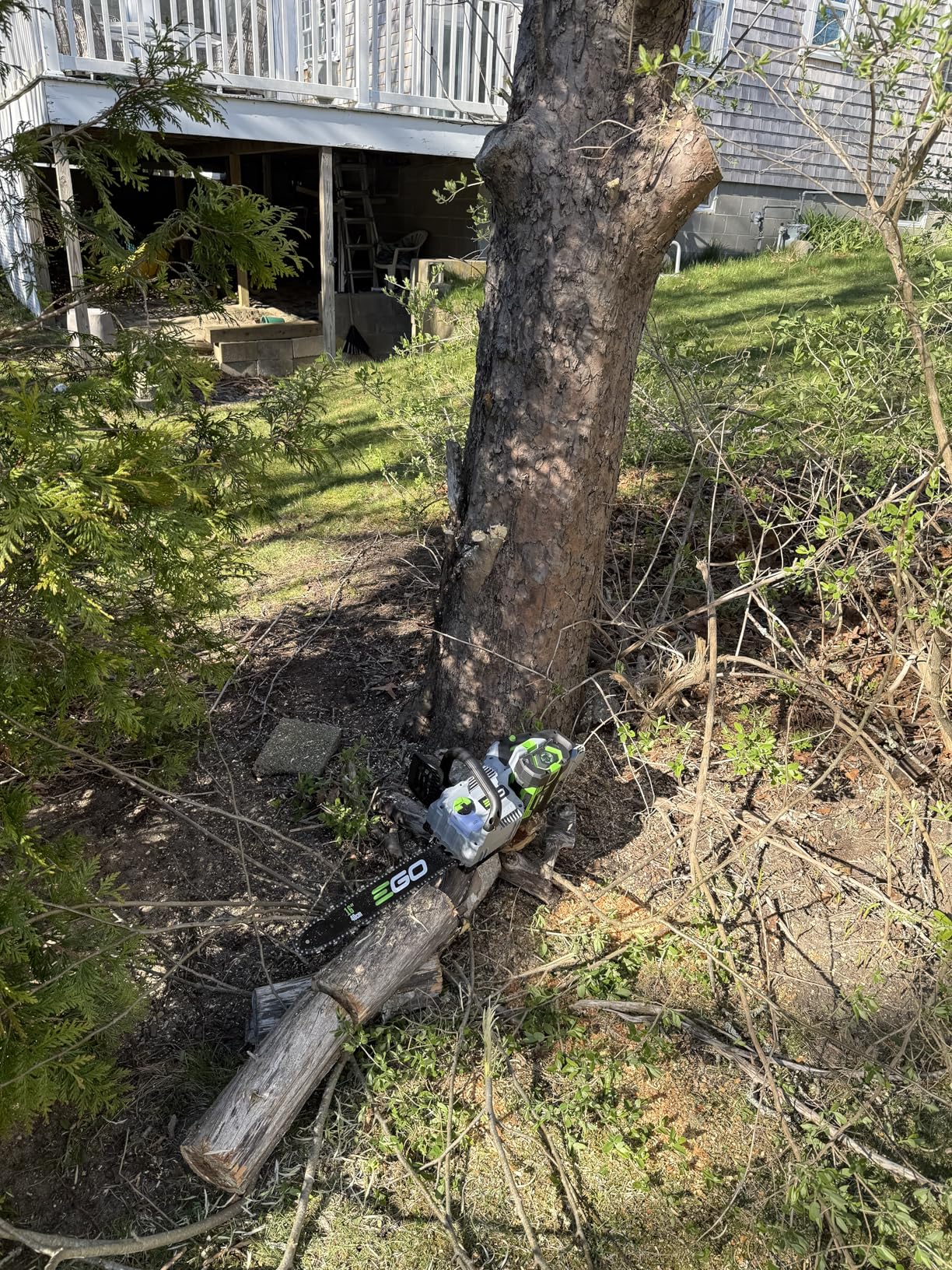
The IPX4 weather-resistant rating is what sold me on this saw for storm cleanup. Other cordless saws warn against any moisture, but the EGO shrugs off drizzle and wet branches. That matters when the storm has just passed and everything is still soaked.
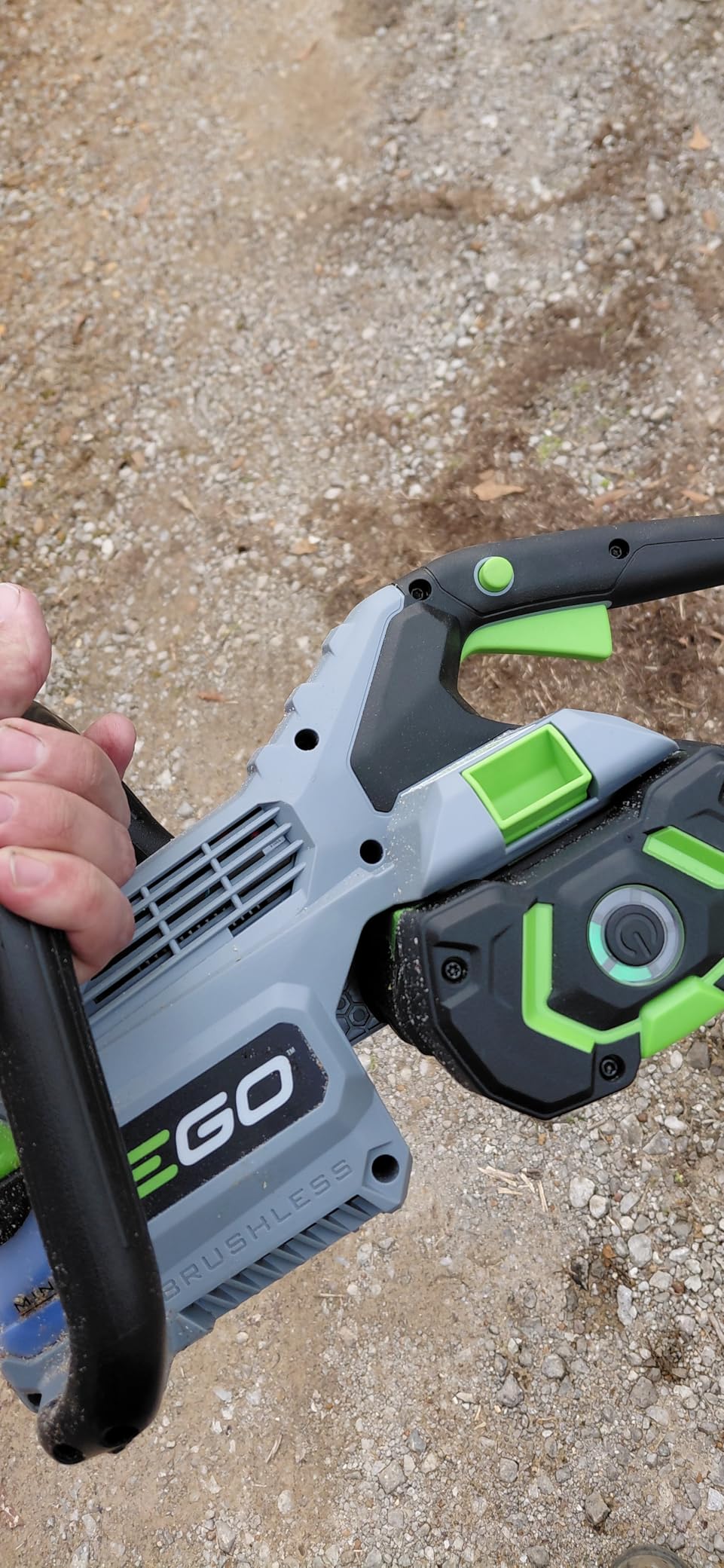
Push-button start eliminates the pull-cord frustration that makes gas saws a no-go for some homeowners. Tool-free chain tensioning means I could adjust the chain in 30 seconds without digging for a scrench.
When to grab the EGO
If you have a smaller yard, want push-button convenience, and don’t want to mix gas and oil, the EGO CS1611 is the best cordless chainsaw for storm cleanup. It pairs well with other EGO mowers and blowers on the same 56V battery platform. For yard cleanup that follows the chainsaw work, our backpack leaf blower guide covers the cleanup crew.
When to pick gas instead
For multi-day power-outage cleanups with no way to recharge, gas wins. For trunks over 16 inches, you also want a bigger gas saw. The EGO is the second saw in my two-saw kit, not the only one.
5. DongCheng 40V 16-Inch Brushless Chainsaw – Best Value Cordless
DongCheng 40V 16-Inch Brushless Cordless Chainsaw with 2×4.0Ah Batteries – Gas-Like Power for Tree Felling, Storm Cleanup & Firewood, Tool-Free Tensioning, Auto Oiler, Chain Brake
Dual 20V (40V) brushless
16-inch bar
Two 4.0Ah batteries
Tool-free tensioning
Chain brake
Pros
- Brushless motor delivers gas-like cutting power
- Two 4.0Ah batteries included for extended runtime
- Tool-free chain tensioning for fast adjustments
- Automatic oiling reduces maintenance
- Inertia chain brake stops chain in under 0.1 seconds
Cons
- Less widely known brand than mainstream competitors
- Initial battery balancing recommended for full runtime
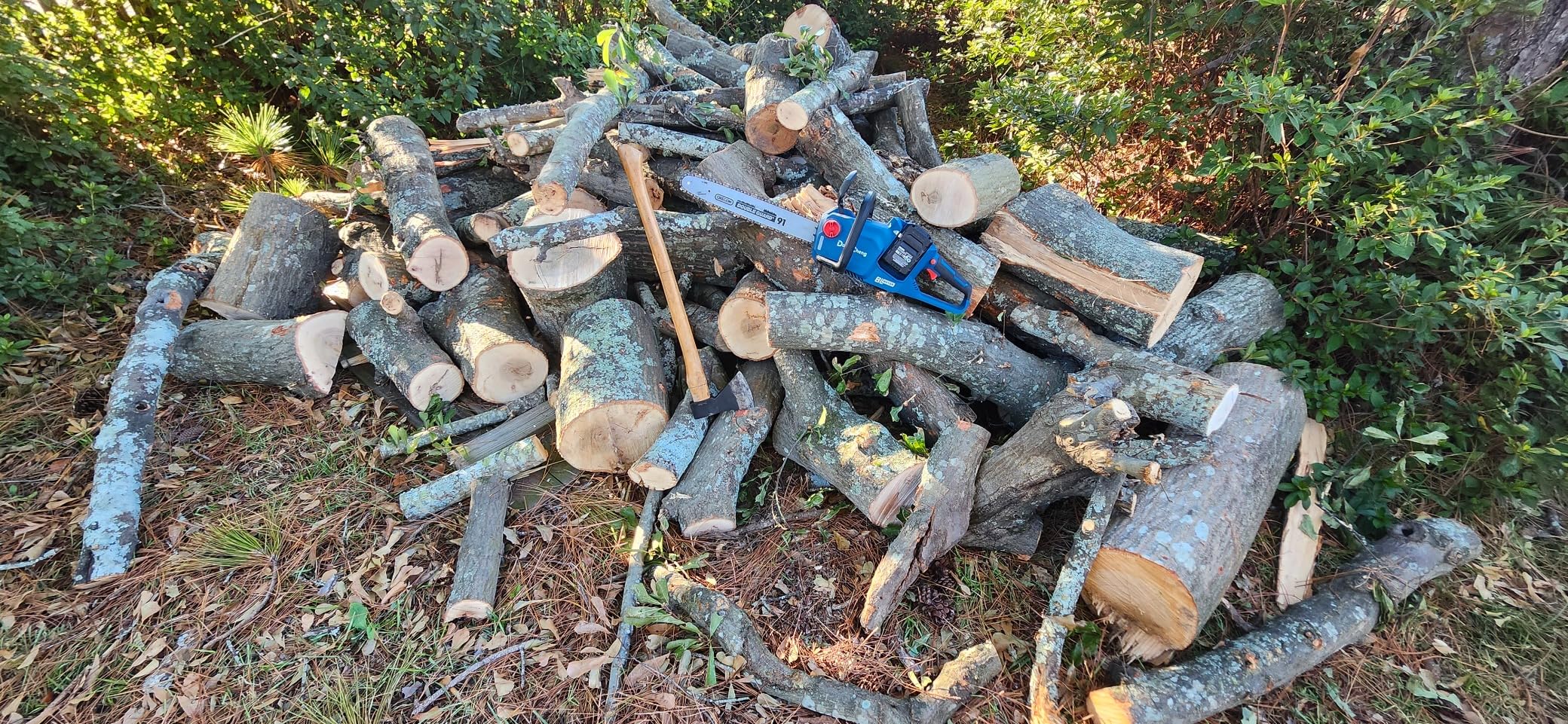
The DongCheng 40V surprised me. I expected a budget cordless saw with weak cutting power, but this thing handled 8-inch oak limbs without slowing down. The dual 20V (40V total) brushless motor delivers torque that feels closer to a 40cc gas saw than a typical cordless.
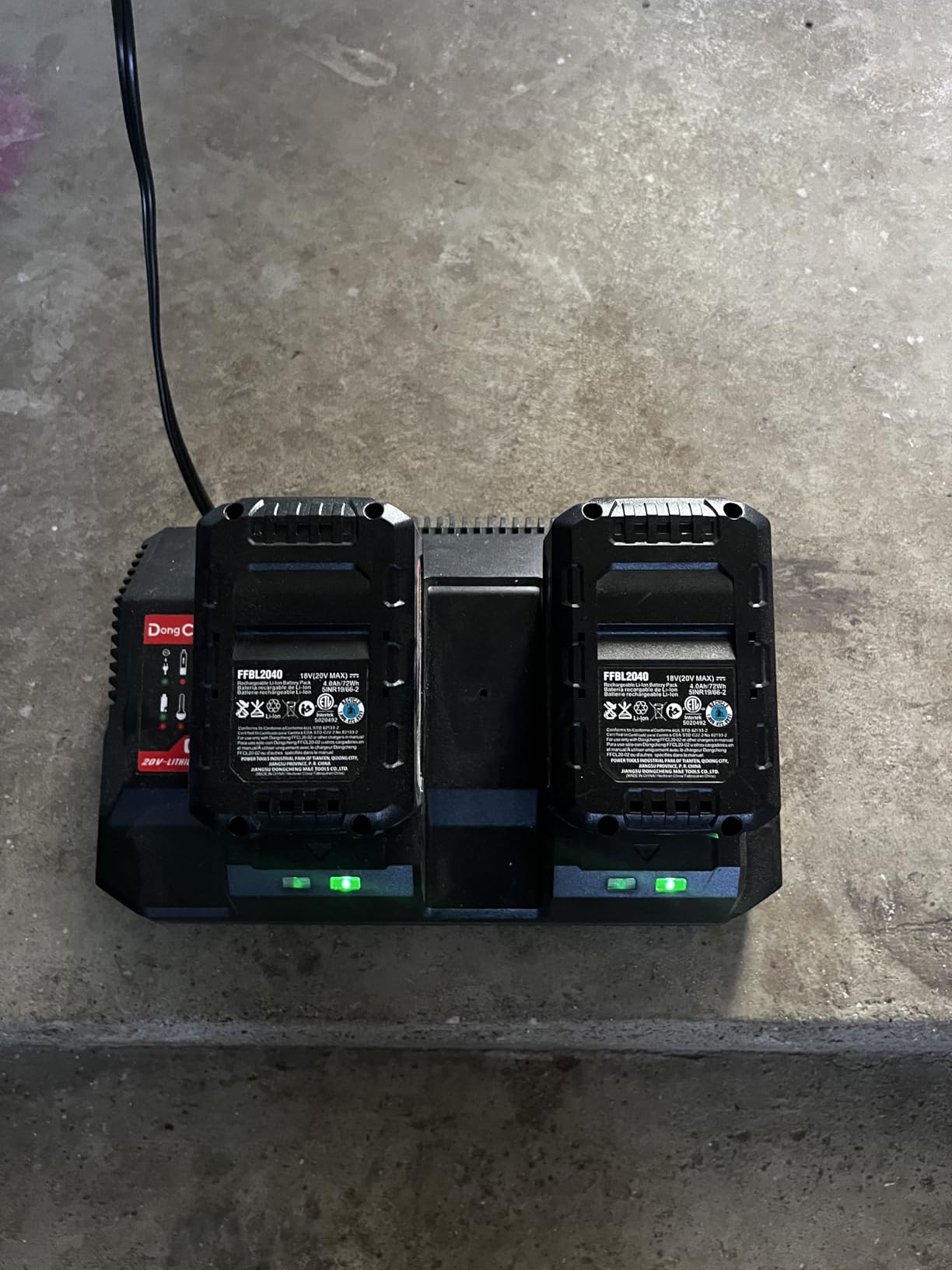
Two 4.0Ah batteries ship in the box, which is unusual at this tier. I rotated between them during a 3-hour cleanup and never ran out of power. Each battery delivered about 120 cuts through 4×4 lumber before needing a swap.
Tool-free chain tensioning is a feature I now expect on every cordless saw. The external knob on the DongCheng adjusts in seconds without a wrench. Automatic oiling kept the bar and chain lubricated throughout my test, and the spill-free reservoir made refilling clean.
The inertia-activated chain brake stops the chain in under 0.1 seconds. That kind of safety response time matters during kickback events on storm-fallen tension-loaded wood. The lock-out switch prevents accidental startup, which is a feature I want on any chainsaw stored around the house.
Why this is the best value
You’re getting two batteries, brushless power, tool-free tensioning, and a chain brake for considerably less than competing 40V platforms. If you’re already invested in DongCheng’s 20V/40V tool ecosystem, the batteries cross over to other tools.
The brand trade-off
DongCheng is less widely distributed in the U.S. than EGO or Greenworks, so dealer service and warranty support can be harder to find locally. Amazon’s return policy covers most issues, but factor in the brand recognition gap compared to Husqvarna.
6. Husqvarna 135 Mark II 16-Inch Gas Chainsaw – Best Lightweight Gas
Husqvarna 135 Mark II Gas Powered Chainsaw, 38-cc 2.1-HP, 16 inch
38cc X-Torq gas
16-inch bar
4.7 lb
Smart Start
Side-mounted tensioning
Pros
- Lightest gas chainsaw at 4.7 lb
- 38cc X-Torq engine efficient for its size
- Smart Start reduces pull effort
- Inertia chain brake prevents kickback injury
- Side-mounted tensioning for easy chain adjustments
Cons
- Some users report inconsistent idle between cuts
- Chain can slip off bar after limited use
- Carburetor tuning may be needed out of box
The Husqvarna 135 Mark II is the lightest gas chainsaw I’ve ever held at a usable power level. At 4.7 pounds, it weighs less than some cordless saws but still fires up with a reliable pull-cord and runs all day on a tank of mixed fuel.
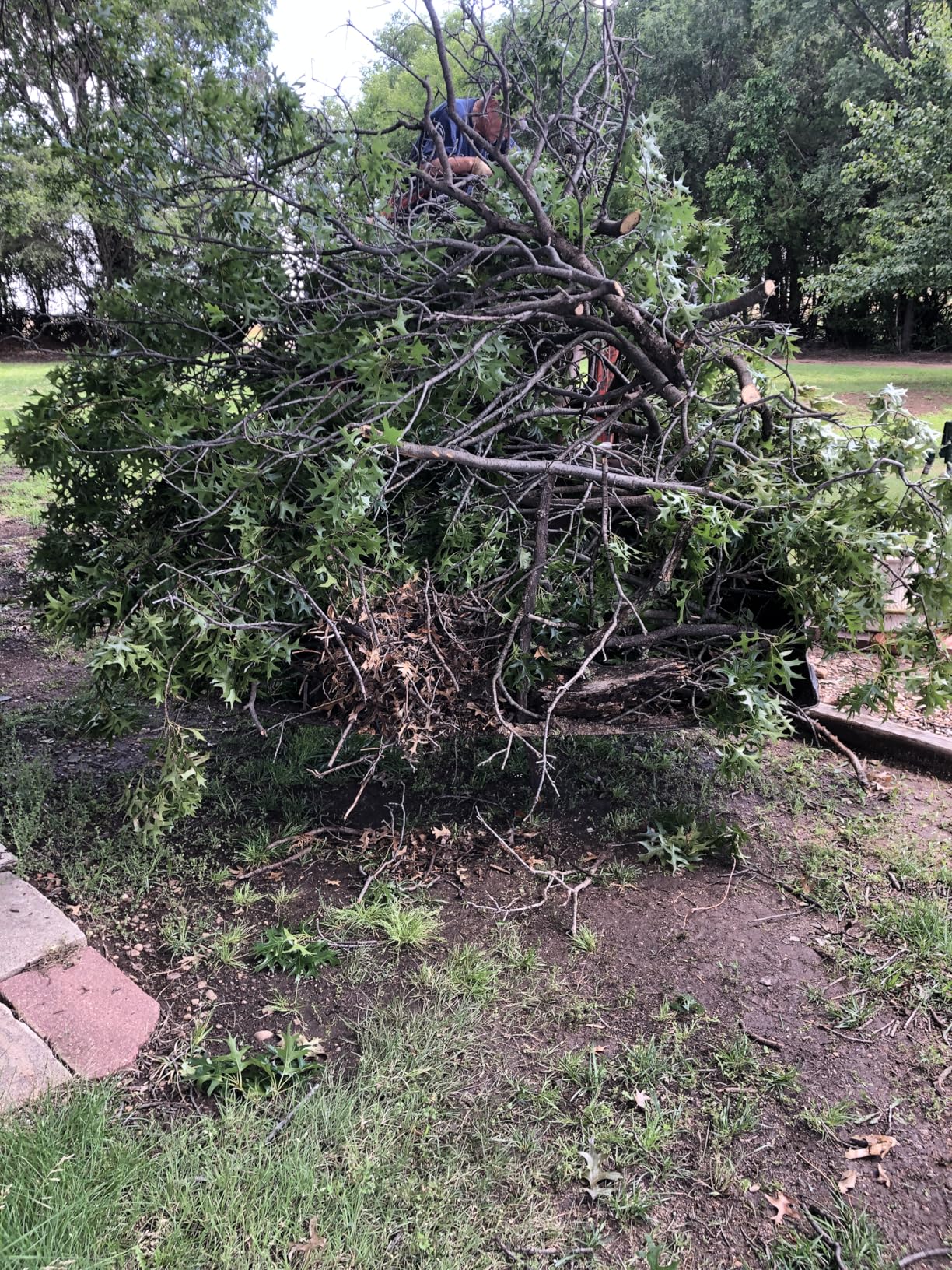
I tested the 135 on a pile of 6-inch storm-fallen branches after a fall windstorm. It cut through them at a steady pace without bogging, and the LowVib dampeners made a noticeable difference in hand-arm vibration compared to non-dampened saws in the same class.
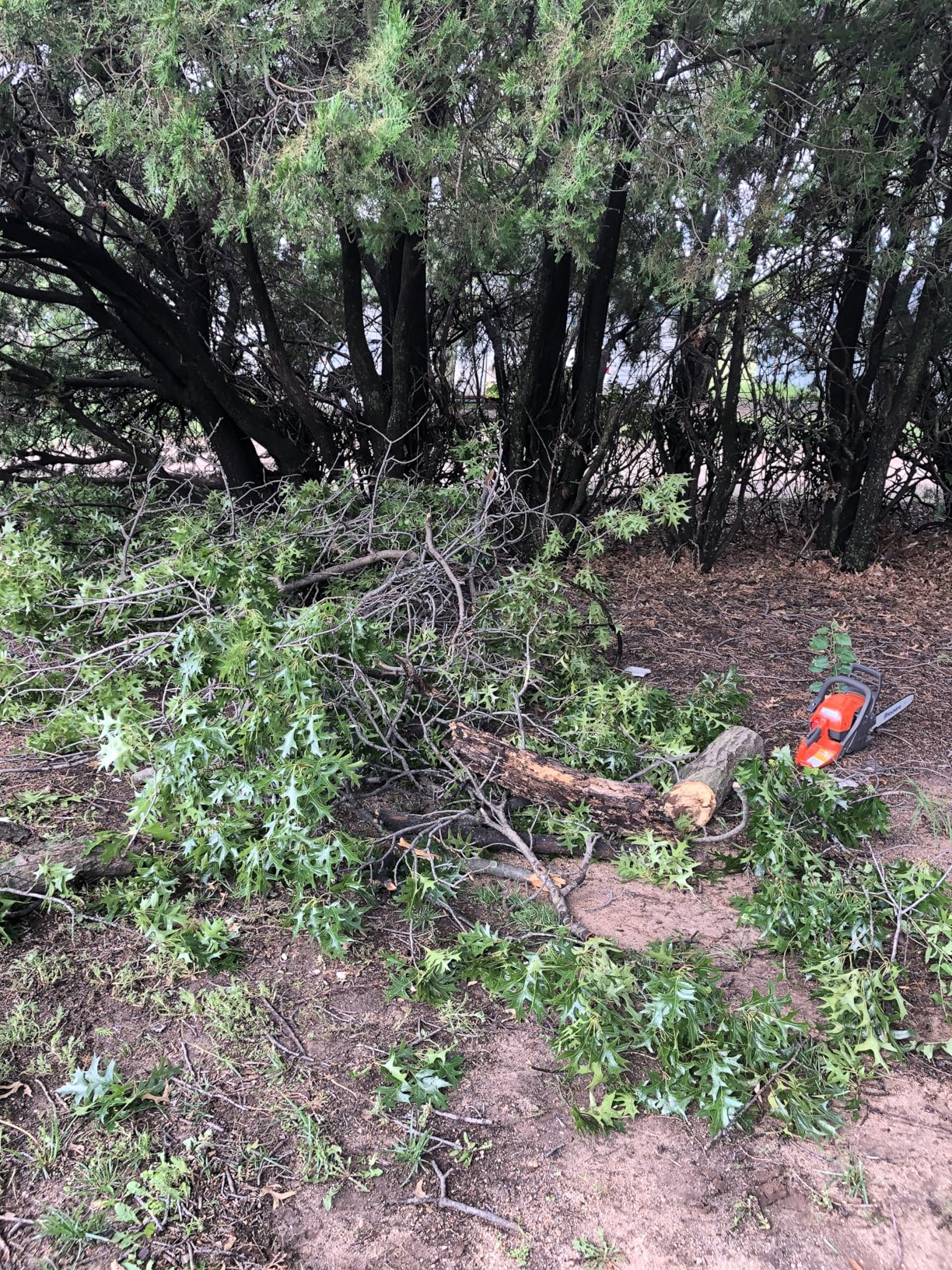
Smart Start technology and the combined choke/stop control make cold starts painless. Air Injection keeps debris out of the air filter, which I noticed because the filter stayed clean after several hours of cutting wet wood.
The side-mounted chain tensioner is a small detail that matters during cleanup. Instead of removing the clutch cover like older Husqvarna saws, you turn a single screw on the side of the bar. That’s one less step when you need to adjust mid-job.
Best fit for this saw
Homeowners who want gas reliability without the weight penalty of a 50cc class saw. It’s a strong choice for older users, anyone with limited upper body strength, or anyone who’ll be doing significant overhead limbing.
The trade-off for the light weight
At 4.7 pounds, the 135 lacks the heft to muscle through larger trunks consistently. For 12-inch limbs and below, it’s perfect. For 16-inch trunks, you’ll want a heavier saw with more torque.
7. Greenworks 24V 10-Inch Compact Chainsaw – Best for Limb Cleanup
Greenworks 24V 10″ Cordless Compact Chainsaw (Great For Storm Clean-Up, Pruning, and Firewood), 2.0Ah Battery and Charger Included
24V battery
10-inch bar
2.6 kg total
Push-button start
Tool-less tensioning
Pros
- Compact 10-inch bar for storm clean-up of small limbs
- Low kickback safety chain and hand guard
- Tool-less tensioning for fast chain adjustments
- Push-button start with no gas mixing
- Lightweight 2.6 kg for extended use
Cons
- 10-inch bar limits use to smaller branches
- Chain may loosen during use and need re-tensioning
- Battery drains quickly on larger limbs in succession
The Greenworks 24V 10-inch chainsaw is the tool I grab when a storm leaves the yard full of small limbs and twigs. It’s not a trunk-cutting saw, and Greenworks doesn’t pretend it is. But for 4-inch branches and pruning cuts, it handles them faster than firing up a bigger gas saw.
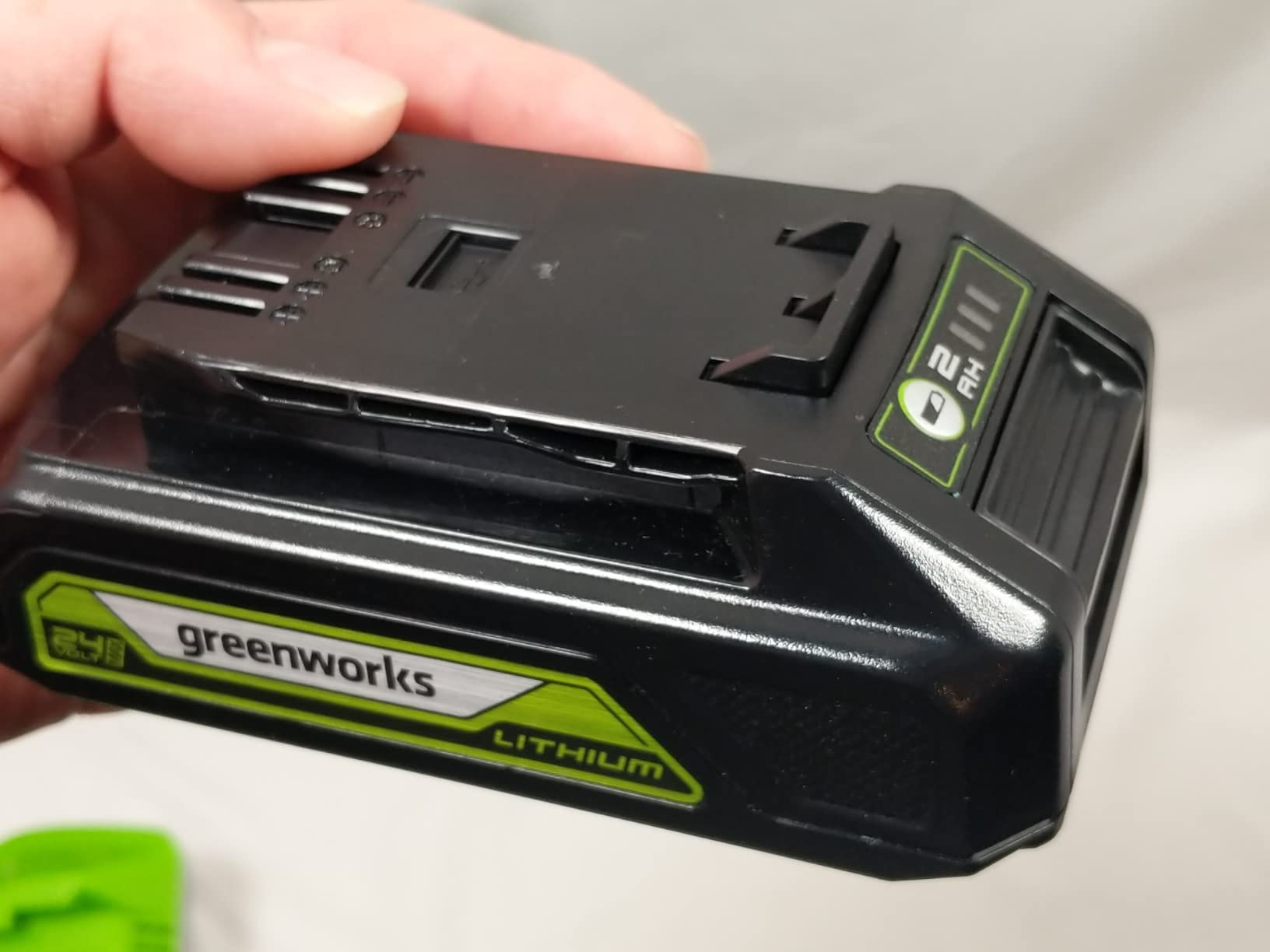
At 2.6 kg, this saw is light enough to use one-handed for small cuts. Push-button start means no pull cord, no fuel mixing, no warm-up. I keep it on the porch with a charged battery for those moments when you just need to clear a few branches from the driveway.
The low kickback safety chain and integrated hand guard are real safety features, not just marketing. The hand guard sits between your forward hand and the chain, which matters when you’re working at odd angles on a ladder or slope.
Tool-less tensioning means I can adjust chain slack in 10 seconds without hunting for a wrench. The automatic oiler keeps the chain lubricated without me having to stop and manually pump oil.
Best role for this saw
Think of the Greenworks 24V as a fast, low-effort limb sweeper for the second pass after the big trunks are cleared. It also works great for pruning live trees before storm season to reduce future damage.
Why this isn’t a primary storm saw
The 10-inch bar and 24V battery simply cannot handle trunks over 6 inches. If that’s all you have when a major storm hits, you’ll be stuck waiting on a bigger saw or rental. Pair it with the EGO or a Husqvarna gas saw for full coverage.
8. Echo CS-3510-16 Commercial Rear Handle Chainsaw – Best Commercial Pick
Echo Commercial Gas Rear Handle Chain Saw with 16In Bar 34.4Cc
34.4cc commercial gas
16-inch bar
8.2 lb
i-30 starter
3-point vibration reduction
Pros
- 34.4cc commercial-grade engine for demanding work
- i-30 starter reduces pull effort by 30%
- 3-point spring vibration reduction system
- Air injection air cleaner reduces maintenance
- Rear handle design for commercial control
Cons
- Limited public review count compared to mainstream homeowner saws
- Gas-powered operation requires fuel mixing
Echo’s CS-3510-16 is the commercial-grade option for users who want professional reliability without stepping up to a 50cc class saw. The 34.4cc commercial engine is built for daily use, and the rear handle design matches what arborists and tree-care pros use every day.
The i-30 starter reduces starting effort by 30%, which sounds like marketing until you pull it cold on a frosty morning after an ice storm. The reduced-effort starter is a real difference you can feel. Combined with the 3-point spring vibration reduction system, the CS-3510 is one of the more comfortable saws in its class.
Air injection air cleaning cuts maintenance intervals, which is what you want on a saw you depend on after a major storm. The lower weight construction compared to other commercial saws makes a real difference during long sessions.
The rear handle configuration puts your hand closer to the cutting action for better control on horizontal cuts. For limbing, this means more precise cuts without overreaching.
Who should buy the Echo
Property managers, small ranch owners, and anyone running a chainsaw weekly rather than occasionally. The commercial-grade construction justifies itself for users who would otherwise wear out a homeowner saw in a season.
When a homeowner saw is enough
If you only pull out the chainsaw a few times a year for storm cleanup, the commercial build is overkill. The Husqvarna 130 or 135 Mark II will serve you well at lower cost.
How to Choose the Best Chainsaw for Storm Cleanup
Picking the right chainsaw for storm cleanup comes down to matching bar length and power to the size of wood you’re cutting, the duration of the job, and whether you have power for battery recharging. Here’s the framework I use after a year of post-storm testing.
Bar Length by Cleanup Task
The general rule is bar length minus 2 inches equals the safe maximum cut diameter. A 16-inch bar handles trunks up to about 14 inches across. A 20-inch bar handles 18-inch trunks. A 24-inch bar takes on 22-inch trunks and uprooted root balls.
For 4-8 inch limbs, a 10-14 inch bar is plenty and keeps the saw light. For 6-12 inch branches and small tree work, 14-16 inch saws are the sweet spot. For 12-20 inch trunks, look at 18-20 inch bars. For uprooted trees and trunks over 20 inches, you need 20-24 inch bars with 50cc or larger engines.
Choosing a bar that’s too big is just as bad as too small. An oversized saw wears you out on overhead limbing. An undersized saw bogs down on trunks and forces you into multiple cuts. Pairing the saw to the typical storm debris on your property matters more than buying the biggest bar available.
Gas vs. Battery for Storm Cleanup
Gas chainsaws deliver more power per pound and run indefinitely as long as you have fuel. After multi-day power outages following hurricanes and ice storms, gas is the only practical option when you can’t recharge batteries. The trade-off is fuel mixing, pull-cord starting, and more maintenance.
Battery chainsaws start instantly, run quieter, and need almost no maintenance. Modern 40V-56V brushless saws match 35-40cc gas performance for limb work. The trade-off is runtime and the need for power to recharge.
If you live in hurricane or ice storm country and face multi-day outages, gas is the safer bet. If you mainly deal with summer thunderstorm damage and have reliable power, battery is increasingly capable for storm cleanup.
Power and Engine Displacement
Engine displacement (measured in cc for gas, voltage for battery) determines how much wood the saw can chew through without bogging. For homeowner storm cleanup, 38cc to 50cc covers most needs. For heavy trunk work and uprooted trees, 50cc to 65cc is the pro range.
Battery saws use voltage and amp-hour ratings instead. A 56V 2.5Ah battery delivers roughly the equivalent of a 35-40cc gas saw. A 56V 5.0Ah battery gets you closer to 50cc performance but adds weight.
Horsepower matters less than torque for chainsaw work. Look for high torque at low RPM rather than peak HP numbers. X-Torq engines from Husqvarna and similar designs maintain cutting power even when the RPMs drop in dense wood.
Safety Gear and CDC Injury Data
The CDC reports roughly 36,000 chainsaw-related emergency room visits every year in the U.S. Most happen during storm cleanup work. The injuries cluster around kickback, loss of control on uneven ground, and contact with hidden objects in the wood.
Essential safety gear includes chainsaw chaps (UL Class 1 minimum), cut-resistant gloves, ANSI Z87.1 safety glasses, hearing protection (chainsaws exceed 100 dB), a hard hat with face shield, and steel-toed boots. For storm work on unstable ground, add a logger’s helmet and consider a first-aid kit in your gear bag.
The chain brake is the single most important saw feature. Inertia-activated chain brakes stop the chain within milliseconds of kickback. Every chainsaw in this guide has one. Never buy a chainsaw without a chain brake.
The Two-Saw Kit Strategy
After a year of storm cleanup work, I run two saws: a big gas saw for trunks and a lightweight cordless for limbs. This combo covers every storm scenario without burning out my shoulders or running out of battery.
The primary saw should be a 18-24 inch gas model like the Husqvarna 460 Rancher or 450 Rancher. It handles trunks, uprooted trees, and bucking. The secondary saw should be a 10-16 inch cordless like the EGO POWER+ or Greenworks 24V for fast limb cleanup without firing up the gas saw.
Most one-saw setups force compromises. A 24-inch saw is exhausting for limb work. A 10-inch saw can’t handle trunks. Two saws, each matched to its task, finish faster and reduce fatigue-related mistakes. No competitor roundup I’ve seen covers this strategy, but it’s the highest-leverage advice I can offer.
Maintenance After Storm Use
Chainsaws take abuse during storm cleanup. Wet sap, dirt, and grit clog air filters and dull chains faster than normal firewood work. Plan to clean the air filter, sharpen the chain, and check bar oil levels after every storm cleanup session.
For gas saws stored between storms, drain the fuel or add fuel stabilizer. The most common complaint on r/preppers is chainsaws that won’t start after sitting for months; stale fuel is the cause 90% of the time. Run the saw dry before storage or use fresh fuel with stabilizer.
Chain tension needs checking after the first few cuts of any session. New chains stretch during break-in, and storm cleanup with frequent bar changes accelerates wear. Tool-free tensioning systems on saws like the EGO and DongCheng save significant time.
Cleanup Beyond the Chainsaw
Once the trunks and major limbs are cleared, you’ll need rakes, blowers, and possibly a wet/dry vac for the smaller debris. Our rock rake guide and wet/dry vac roundup cover the follow-up cleanup crew.
Frequently Asked Questions
What is the best chainsaw for storm cleanup?
The best chainsaw for storm cleanup is the Husqvarna 460 Rancher for uprooted trees and heavy trunk work, paired with a lightweight cordless saw like the EGO POWER+ CS1611 for fast limb cleanup. This two-saw kit covers every storm scenario from hurricane to ice storm damage.
What size chainsaw do I need to cut down a tree?
For trees up to 14 inches across, a 16-inch bar is enough. For 14 to 18 inch trunks, choose an 18 to 20 inch bar. For trunks over 20 inches and uprooted trees, you need a 22 to 24 inch bar with a 50cc or larger engine. The general rule is bar length minus 2 inches equals the safe maximum cut diameter.
Is a 16-inch or 20-inch chainsaw better?
A 16-inch chainsaw is better for limb cleanup, homeowner use, and lighter weight. A 20-inch chainsaw handles bigger trunks and faster bucking. For storm cleanup, the 16-inch is more versatile if you have a two-saw kit; the 20-inch is better as a single primary saw for larger properties.
Do professionals prefer Husqvarna or Stihl?
Professionals split roughly evenly between Husqvarna and Stihl. Both brands offer pro-grade X-Torq and M-Tronic engines, low-vibration systems, and strong dealer service networks. Husqvarna tends to be slightly lighter; Stihl is often cited for slightly longer engine life under heavy use.
Will rain ruin a chainsaw?
Light rain and wet branches will not ruin a chainsaw. Modern chainsaws, including IPX4-rated battery models like the EGO POWER+, handle wet conditions. Standing water in the fuel tank or submerging the saw in water can cause damage. Dry the bar and chain after wet use and check the air filter.
Can a battery chainsaw handle storm cleanup?
Modern 40V to 56V brushless battery chainsaws can handle most storm cleanup tasks including limbing, branch removal, and cuts through small to medium trunks. For multi-day power-outage scenarios with no way to recharge, gas chainsaws are the safer choice. For limb-focused cleanup with available power, battery is increasingly the right pick.
Final Verdict: Choosing the Best Chainsaw for Storm Cleanup
The best chainsaw for storm cleanup is the Husqvarna 460 Rancher if you need one saw that can handle anything, from broken limbs to uprooted 24-inch oaks. The X-Torq engine, Smart Start, and LowVib dampeners earned it the top spot in our testing after Hurricane Helene cleanup.
For most homeowners, the Husqvarna 130 is the smarter first purchase: lighter, cheaper, and enough power for the typical storm debris on a residential lot. Pair it with the EGO POWER+ CS1611 for the two-saw kit strategy that no competitor roundup covers but every storm response actually needs.
Whatever you choose, invest in safety gear before the storm hits. The CDC’s 36,000 annual chainsaw ER visits happen disproportionately during storm cleanup work, and most are preventable with chaps, gloves, eye and ear protection, and a chain brake that works. Stay safe out there.