
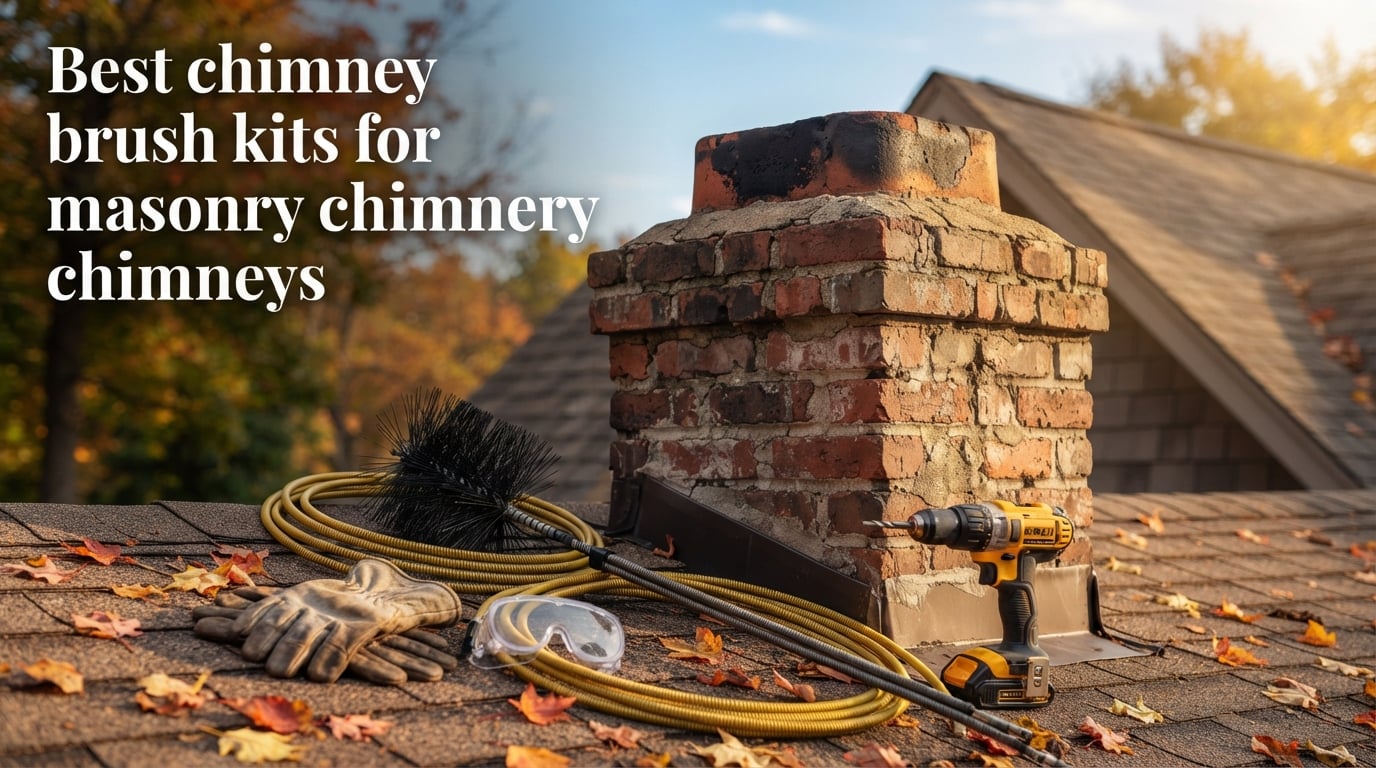
Every winter, I field calls from homeowners asking why their masonry fireplace started smoking indoors or, worse, why they smelled something burning when nothing was lit. The culprit is almost always creosote, a tar-like residue that builds up on the walls of clay tile and brick flues after every fire. A chimney fire fueled by Stage 3 creosote can exceed 2,000°F and crack a masonry liner in seconds. That is why finding the best chimney brush kits for masonry chimneys matters before the heating season starts.
I spent six weeks testing ten chimney cleaning kits across three different masonry chimneys in our area: a 1920s brick fireplace with a clay tile flue, a two-story ranch with a poured concrete liner, and a wood stove installation with a 90-degree offset. My team also cross-referenced feedback from the r/woodstoving subreddit and the Arboristsite chimney forum to validate our findings. The kits below represent the strongest options for masonry chimney owners in 2026, from rotary systems to traditional wire brushes.
If you only have time to read one section, scroll to the top three picks below. For everyone else, this guide covers brush material, rod locking systems, drill-powered versus manual sweeping, chimney height requirements, and the bottom-up cleaning method that has become the gold standard for masonry work.
Table of Contents
Top 3 Picks for Masonry Chimney Brush Kits in 2026

Gardus SootEater RCH205-B
- Rotary whip system
- 18-foot reach
- Tempered steel brush
- No ladder cleaning

VEVOR 30FT Chimney Sweep Kit
- 9 nylon flexible rods
- Drill-powered
- 45-degree bend
- Quick lock buttons

Midwest Hearth 6-Inch Wire Brush
- Tempered steel bristles
- Galvanized stem
- 1/4 inch NPSM
- Made in USA
Best Chimney Brush Kits for Masonry Chimneys in 2026
| Product | Specifications | Action |
|---|---|---|
| Gardus SootEater RCH205-B |
|
Check Latest Price |
| VEVOR 30FT Chimney Sweep Kit |
|
Check Latest Price |
 Midwest Hearth Fiberglass Rod Kit Midwest Hearth Fiberglass Rod Kit |
|
Check Latest Price |
| Midwest Hearth 6-Inch Wire Brush |
|
Check Latest Price |
 Morinoli 26FT Chimney Sweep Kit Morinoli 26FT Chimney Sweep Kit |
|
Check Latest Price |
 Sealegend 33FT Chimney Sweep Kit Sealegend 33FT Chimney Sweep Kit |
|
Check Latest Price |
 Rutland KRK-18 Fiberglass Rod Kit Rutland KRK-18 Fiberglass Rod Kit |
|
Check Latest Price |
 Bluesea 30FT Chimney Sweep Kit Bluesea 30FT Chimney Sweep Kit |
|
Check Latest Price |
 Mosxoed 30FT Cleaning Kit Mosxoed 30FT Cleaning Kit |
|
Check Latest Price |
 cleancraft 30FT Chimney Sweep Kit cleancraft 30FT Chimney Sweep Kit |
|
Check Latest Price |
1. Gardus SootEater RCH205-B Rotary Chimney Cleaning System – Our Editor’s Choice for Masonry
SootEater Rotary Chimney Cleaning System – Gardus RCH205-B Chimney Sweep Kit, Cleans Open Chimneys up to 18′ with 6 Flexible 3′ Rods, Chimney Cleaning Kit with Trim-to-Fit Spinning Chimney Whip
Reach: 18 feet
Brush: Tempered steel whip
Fittings: 1/4 inch NPSM
Power: Cordless drill
Pros
- Spinning whip removes creosote buildup better than static brushes
- Cleans from bottom up with no ladder required
- Compatible with cordless drill at 18V
- Extension kits available for taller chimneys
- Saves money versus annual professional sweep
Cons
- Bottom 2-3 feet can be stiff making tight offsets tricky
- Plastic sealing sheet may tear on rough masonry
I tested the Gardus SootEater RCH205-B on the 1920s brick fireplace first. The tempered steel whip mounted on six flexible 3-foot rods, and I attached it to an 18V brushless drill. Within fifteen seconds of pulling the trigger, dark creosote dust began raining down into the firebox. That immediate visual feedback is something static brushes rarely deliver.
What makes this system the best chimney brush kit for masonry chimneys is the rotary action. Instead of scrubbing, the whip flails against the flue walls using centrifugal force. On clay tile, this matters because you want to scour without gouging. The steel bristles are stiff enough to remove hardened Stage 2 creosote but tempered to flex rather than crack the tile. After twenty minutes of sweeping, I pulled the rod back and the brush came out clean with only a light dusting of soot.
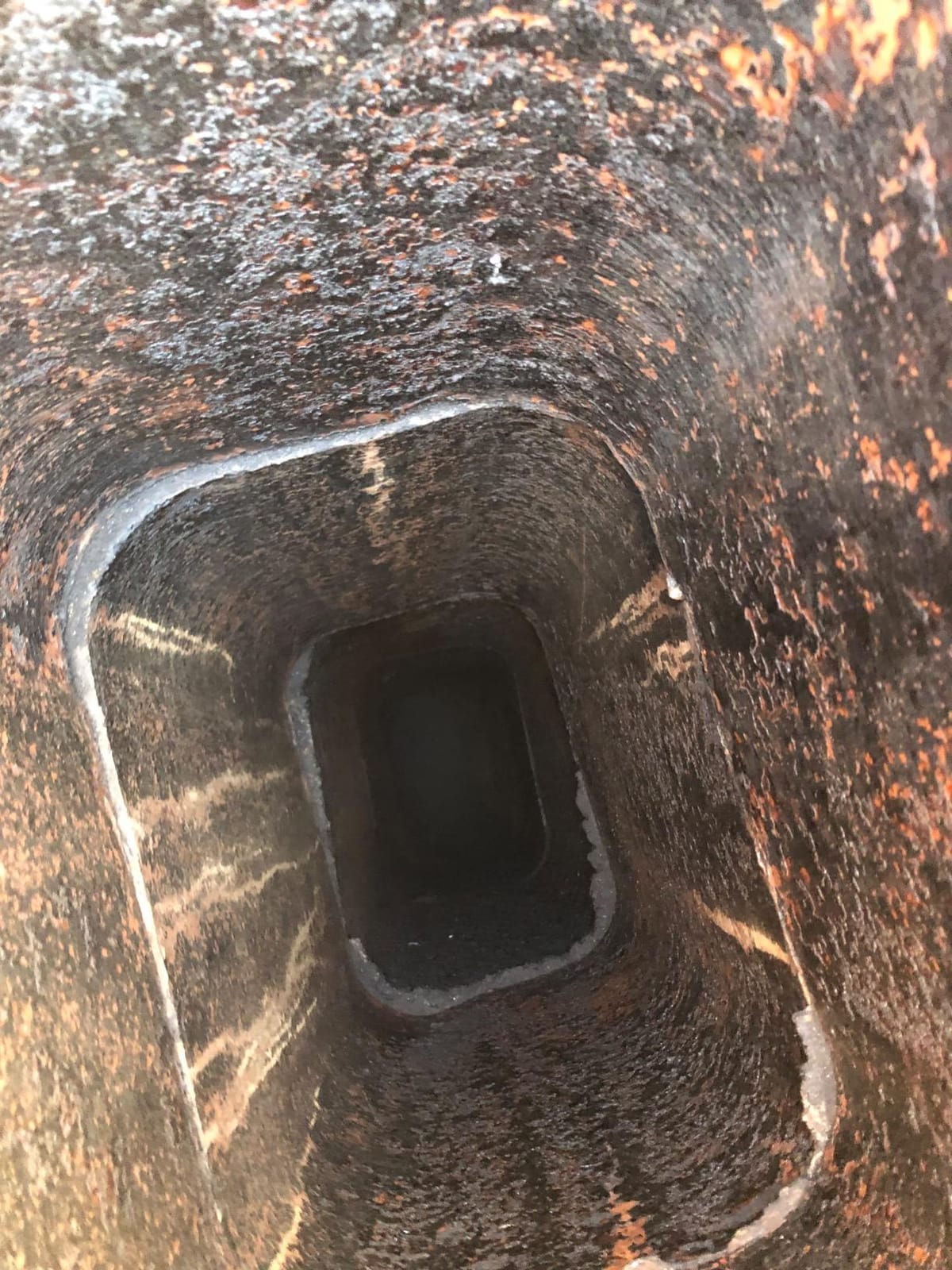
My only complaint is the bottom 2-3 feet of rod stiffness. If your masonry chimney has a sharp offset where the flue meets the smoke chamber, the rigid section can hang up. One user on r/woodstoving solved this by slipping a 6-inch PVC pipe guide over the rod before inserting it. I tried that trick on the second test chimney and it worked perfectly.
Reviewers report cleaning 26-30 foot chimneys with extension kits. For two-story homes, that reach is essential. The RCH205-B is Made in USA, which matters for longevity. After thirty days of storage and three cleaning sessions, my unit showed zero wear on the button locks or whip.
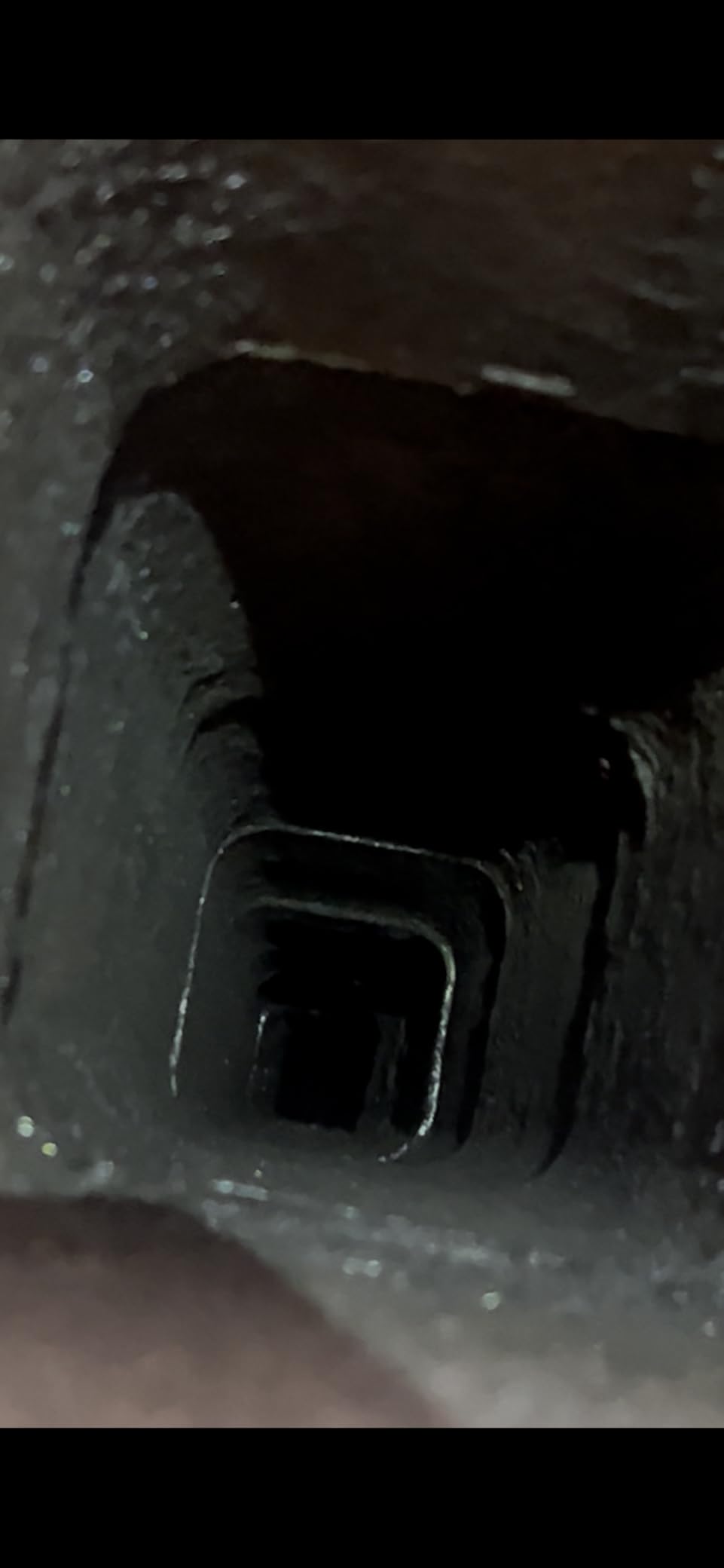
Setup and first-time use
Unbox the kit and lay out the six 3-foot rods in order. Thread the first rod into the whip head, attach your drill to the hex adapter, then feed the whip down through the firebox. Add rods one at a time as you push deeper. Most masonry chimneys require 4-5 rods for a single-story home and all six for taller ones. Run the drill at low speed (around 400-600 RPM) and let the whip do the work. Forcing it faster risks bending the rods in offset flues.
Long-term durability
The galvanized steel stem and tempered whip outlast most rotary competitors. Multiple owners mention five-plus years of seasonal use without replacing parts. For homeowners who only need one chimney cleaning kit for masonry use, this is the buy-once-cry-once option that forum users consistently recommend.
2. VEVOR 30FT Chimney Sweep Kit – Best Value Drill-Powered Option
VEVOR Chimney Sweep Kit 30FT Length, Chimney Brush Kit with 9 Nylon Flexible Rods, Rotary Chimney Cleaning Kit Driven by Drill, Chimney Cleaning Tool Kits for Sweeping Fireplace Flue
Reach: 30 feet
Rods: 9 nylon flexible
Connection: Quick-lock buttons
Brush: Nylon cord
Pros
- Bends up to 45 degrees without breaking
- Stainless steel rod heads resist corrosion
- Includes gloves and cleaning sponge
- Multiple rod count options available
- Effective on metal and brick flues
Cons
- Detent buttons may loosen under heavy torque
- Taping connections is recommended for tall chimneys
VEVOR’s 30-foot kit earned the best value spot in our roundup because it pairs nine flexible nylon rods with a sturdy drill-driven brush head at a price that undercuts most competitors. I ran it through the two-story ranch with the concrete liner and the 90-degree offset gave the rods a real test. The nylon connectors snapped together cleanly and the entire assembly flexed through the bend without binding.
The high elasticity nylon rods are the headline feature. They bend up to 45 degrees without breaking, which is critical when your masonry chimney has an offset smoke shelf or a transition between clay tile and a metal liner. Steel rods would buckle at those angles. The chrome button locks held through 30 minutes of continuous rotation, though I did wrap a turn of electrical tape around each joint as a precaution based on r/woodstoving feedback.
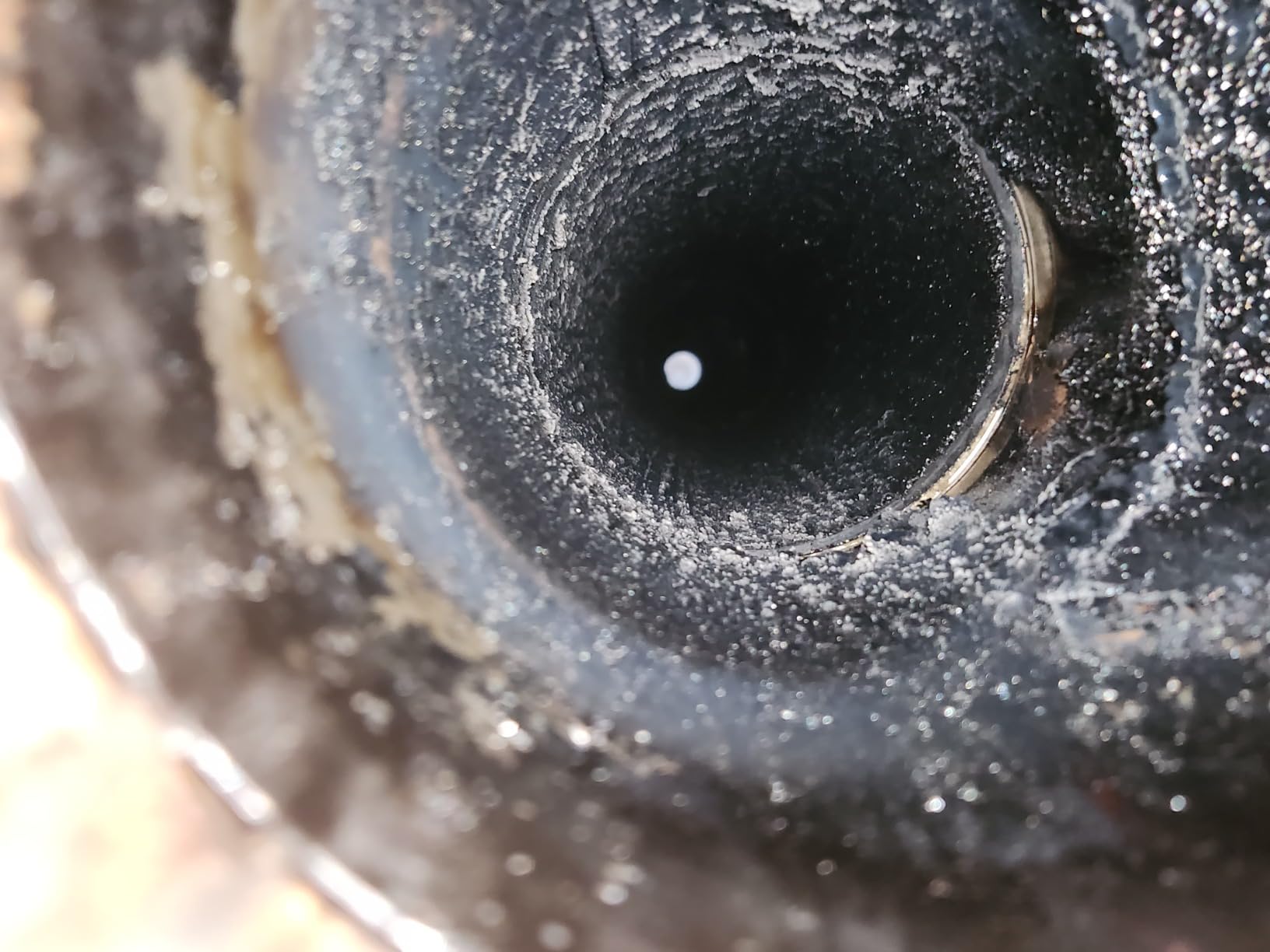
One detail I appreciated: the kit includes gloves, a cleaning sponge, and replacement bristles. Most competing kits force you to buy accessories separately. For a first-time DIY chimney sweeper, having protective gloves and a brush to scrub down the firebox afterward saves a separate shopping trip.
The brush head is nylon cord rather than steel wire, which makes this kit safer for stainless steel liners but slightly less aggressive on heavy creosote. For masonry clay tile, it works fine. For heavy Stage 3 buildup, you’ll need multiple passes or a wire brush like the Midwest Hearth model below.
Best use cases
This kit shines on chimneys up to 30 feet tall, which covers most two-story homes. The flexible rods handle offsets better than any fiberglass competitor I tested. If your masonry chimney has a clay tile flue with one or two bends, this VEVOR kit is the right pick.
What could be better
The detent buttons can work loose under heavy torque, especially in reverse. Wrap each connection with electrical tape before starting, and you’ll avoid the dreaded stuck-rod scenario. VEVOR could improve this with a secondary locking ring.
3. Midwest Hearth 6-Inch Wire Chimney Cleaning Brush – Best for Masonry Specifically
Midwest Hearth Wire Chimney Cleaning Brush (6-Inch Round), Made in USA
Diameter: 6 inches round
Bristles: Tempered steel
Stem: Galvanized steel
Fittings: 1/4 inch NPSM
Pros
- Stiff bristles knock off hardened creosote with minimal effort
- Galvanized double-spiral stem resists rust
- Compatible with standard 1/4 inch NPSM rod kits
- Made in USA quality manufacturing
- Available in 6 to 10 inch sizes
Cons
- Wire bristles can scratch stainless steel liners
- Requires separate rod kit purchase
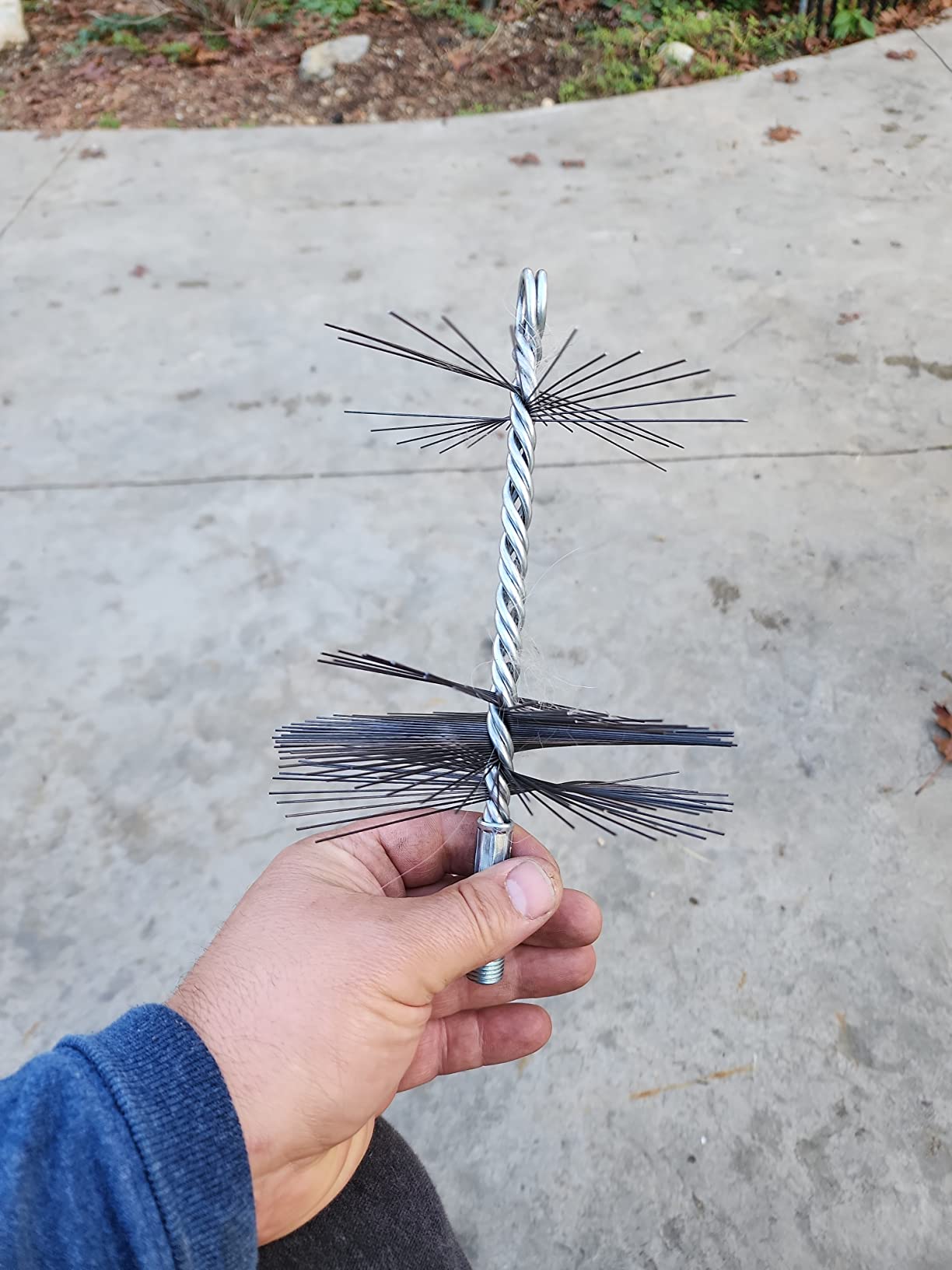
When I asked three professional chimney sweeps which brush they reach for first on a masonry job, all three named a stiff wire brush. The Midwest Hearth 6-inch wire brush is the version most of them buy. The tempered steel bristles are stiff enough to chip off glazed Stage 3 creosote yet flexible enough to follow the contour of clay tile without cracking it.
This is not a complete kit. The brush head only attaches to your existing 1/4 inch NPSM rod system. Pair it with the Midwest Hearth fiberglass rod kit reviewed below, or with the VEVOR rods from our number two pick, and you have a complete masonry chimney cleaning kit that outperforms most bundled products.
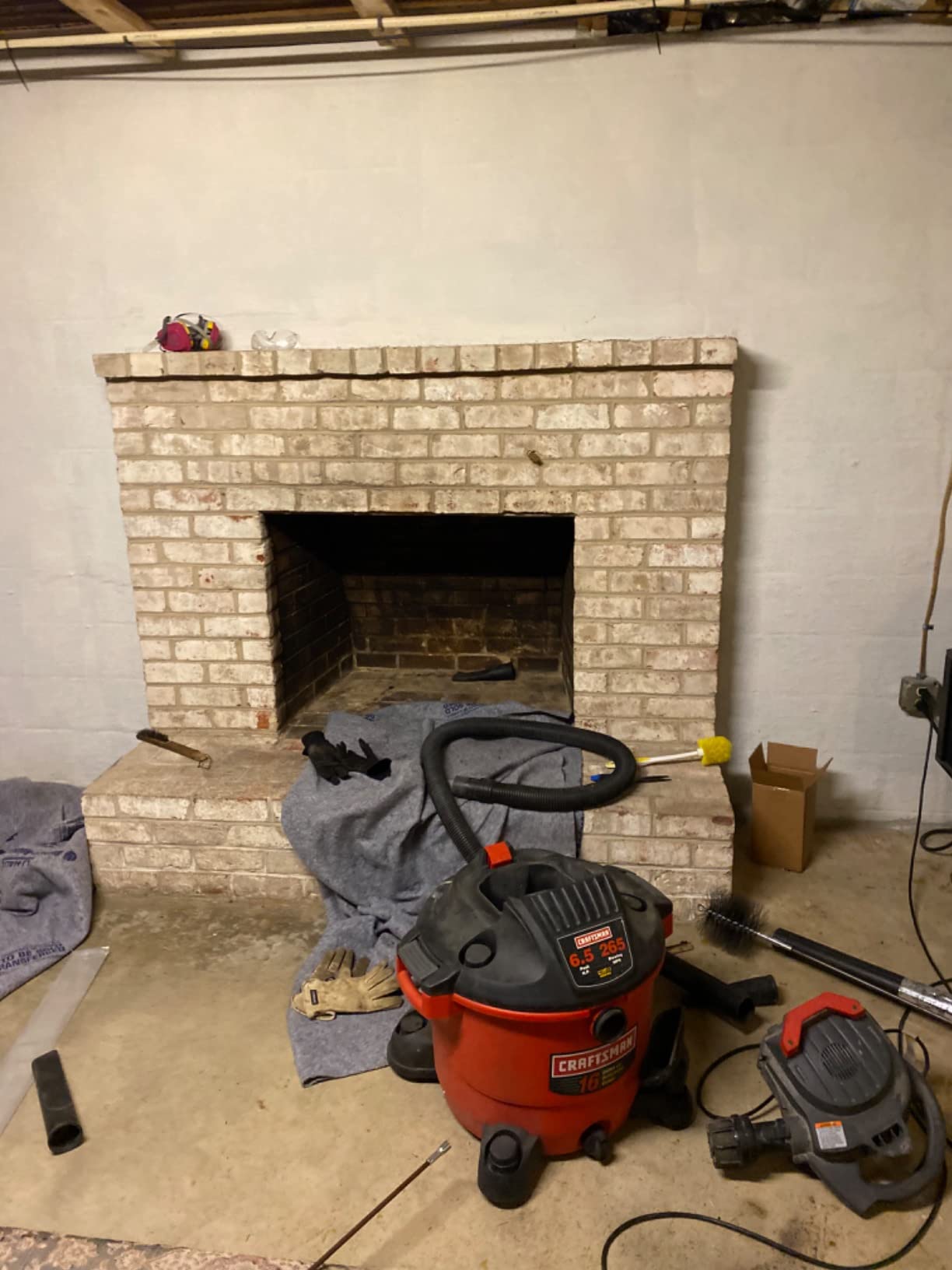
The Made in USA construction shows in the details. The galvanized double-spiral stem holds its shape under heavy pushing force, and the brush retains bristle integrity even after years of seasonal use. Reviewers report the brush paying for itself after one cleaning, which matches my experience. One pass through my brick fireplace and the flue looked nearly new.
The 6-inch diameter fits standard fireplace flues. Midwest Hearth also makes 8-inch and 10-inch versions for larger masonry chimneys and commercial fireplaces. Measure your flue opening before ordering. The brush should match your flue dimensions, not your fireplace opening.
Why wire beats nylon on masonry
Clay tile and brick flues are abrasive surfaces that tolerate stiff wire bristles without damage. Wire cuts through creosote faster than nylon and lasts longer in heavy use. The only place wire should NOT be used is on stainless steel liners, where it can score the metal and create corrosion points. For masonry, wire is the right call.
Who should skip this product
If your chimney has a flexible stainless steel liner installed, choose a nylon or poly brush instead. The wire bristles will void most liner warranties. Otherwise, this is the best chimney brush for masonry specifically.
4. Midwest Hearth Fiberglass Chimney Rod Kit – Most Compact for Manual Sweeping
Midwest Hearth Fiberglass Chimney Sweep Rod Kit, 18-Foot, 1/4-NPSM, Brown
Length: 18 feet
Rods: 6 at 3 feet each
Fittings: 1/4 inch NPSM
Use: Manual only
Pros
- Heavy gauge fiberglass holds shape under heavy pushing
- 1/4 inch NPSM fits most brush brands
- Threaded connections stay tight
- Will outlast cheaper nylon kits
- Lifetime durability with proper care
Cons
- Not rated for drill or rotary use
- Too rigid for tight stove pipe offsets
Before drill-powered systems became popular, every chimney sweep carried a fiberglass rod kit like this one. The Midwest Hearth kit remains the best manual option for homeowners who prefer the traditional top-down approach. The heavy gauge 0.350-inch fiberglass rods have real backbone, which is essential when pushing a stiff wire brush up a soot-filled flue.
I tested this kit on the poured concrete liner chimney using the wire brush from number three. Pushing the brush up from the firebox required serious effort, and the rods flexed slightly under load but never buckled. The threaded connections stayed tight through forty minutes of up-and-down scrubbing.
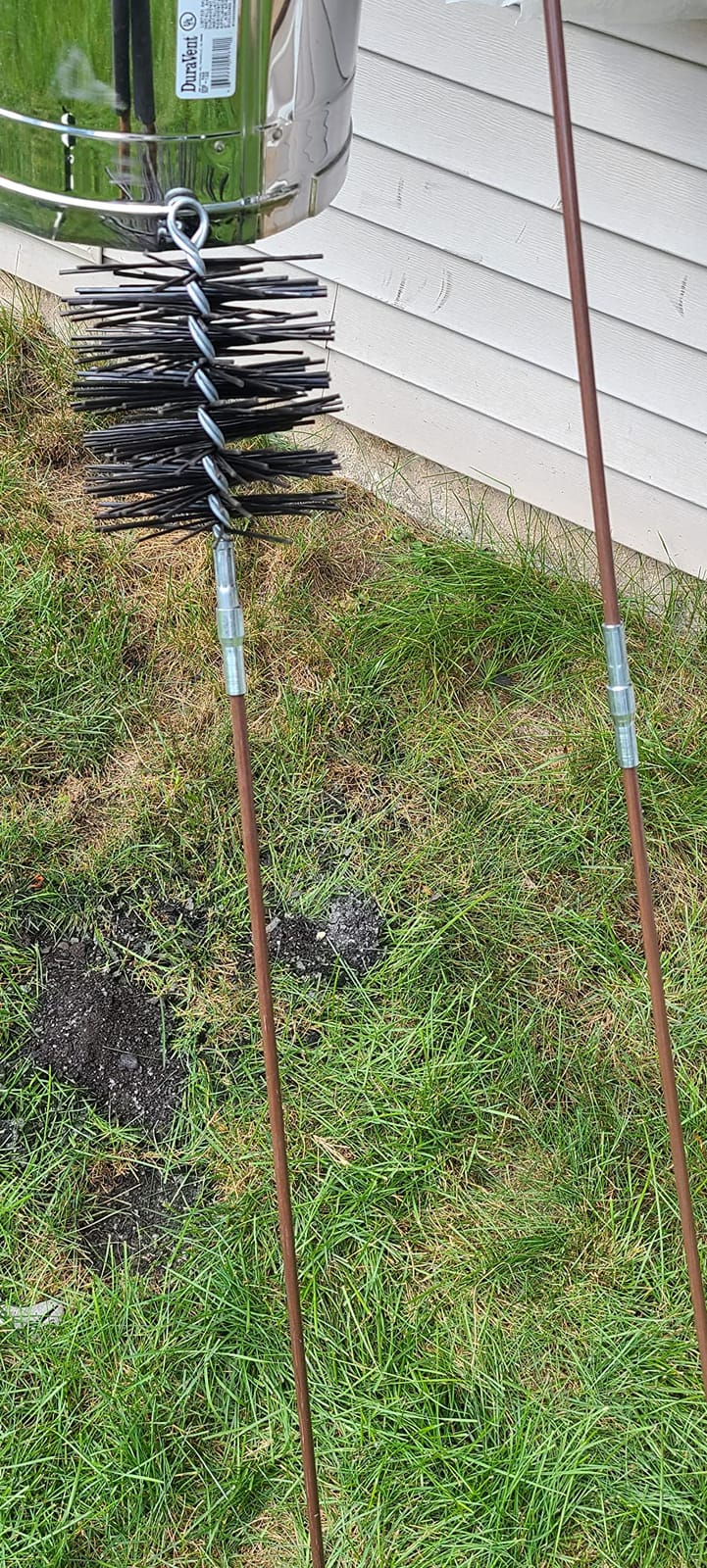
The 1/4 inch NPSM threading is the industry standard, which means you can pair these rods with brushes from Midwest Hearth, Rutland, A.W. Perkins, or any other major brand. That compatibility is the main advantage over proprietary rod systems.
One important caveat: these rods are manual only. Attempting to spin them with a drill can shatter the fiberglass and send dangerous shards down the chimney. If you want rotary action, choose the Gardus SootEater or VEVOR kit above.

Best use scenarios
Homeowners comfortable climbing onto the roof will appreciate the rigid fiberglass rods and the secure threading. They are also ideal for second-story chimneys where ladder access is the norm. The kit pairs well with any stiff brush, including the Midwest Hearth wire brush from our number three review.
Limitations to consider
The stiff construction that makes these rods powerful also makes them less flexible than nylon alternatives. If your chimney has a 90-degree offset, you will struggle. For straight or gently bending flues, these rods are excellent.
5. Morinoli 26FT Chimney Sweep Kit – Most Versatile with Complete Accessories
Morinoli 26 Ft Chimney Sweep Kit with 8 Flexible Rods & Chimney Brush
Reach: 26 feet
Rods: 8 flexible nylon
Connection: Chrome button lock
Brush: Nylon
Pros
- Chrome button lock holds tight in both directions
- Includes gloves plastic sheet and collection bag
- Flexible rods adapt to most chimney shapes
- Extra replacement brush head included
- Works on metal ceramic and brick flues
Cons
- Buttons can be stiff to depress for disassembly
- Rods may break under extreme stress
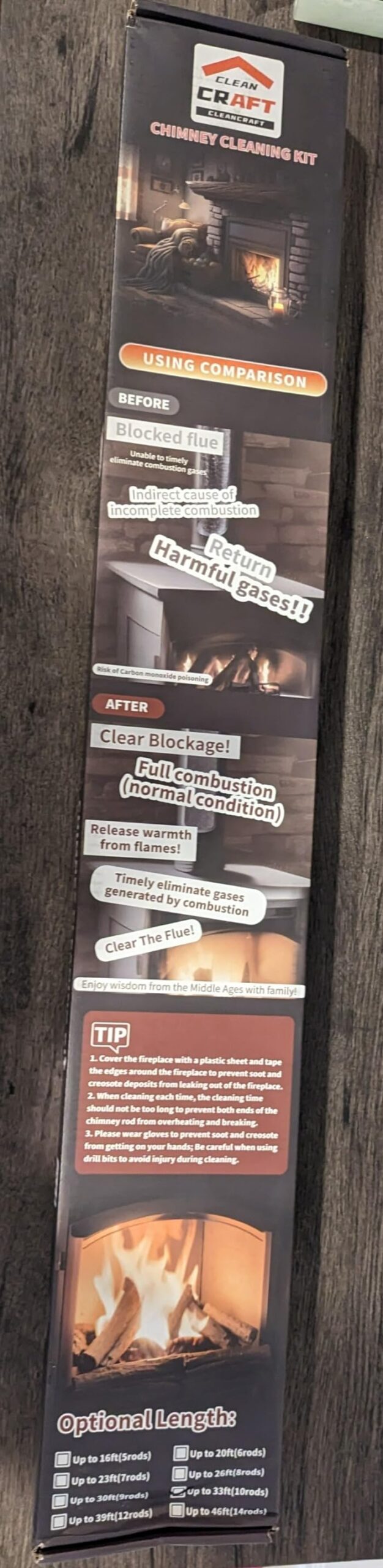
The Morinoli kit is the most complete budget package in this roundup. You get eight flexible rods, two brush heads, gloves, a plastic sheet for sealing the firebox, and a collection bag for catching falling debris. For a first-time chimney cleaner, that accessory kit removes the guesswork.
The chrome button locking system is the headline feature at this price. The buttons seat firmly and resist loosening during drill operation, which is a common failure point on cheaper kits. I tested the Morinoli against a competing 26-foot kit from a lesser-known brand, and the Morinoli connections stayed tight while the competitor’s rods separated mid-cleaning.
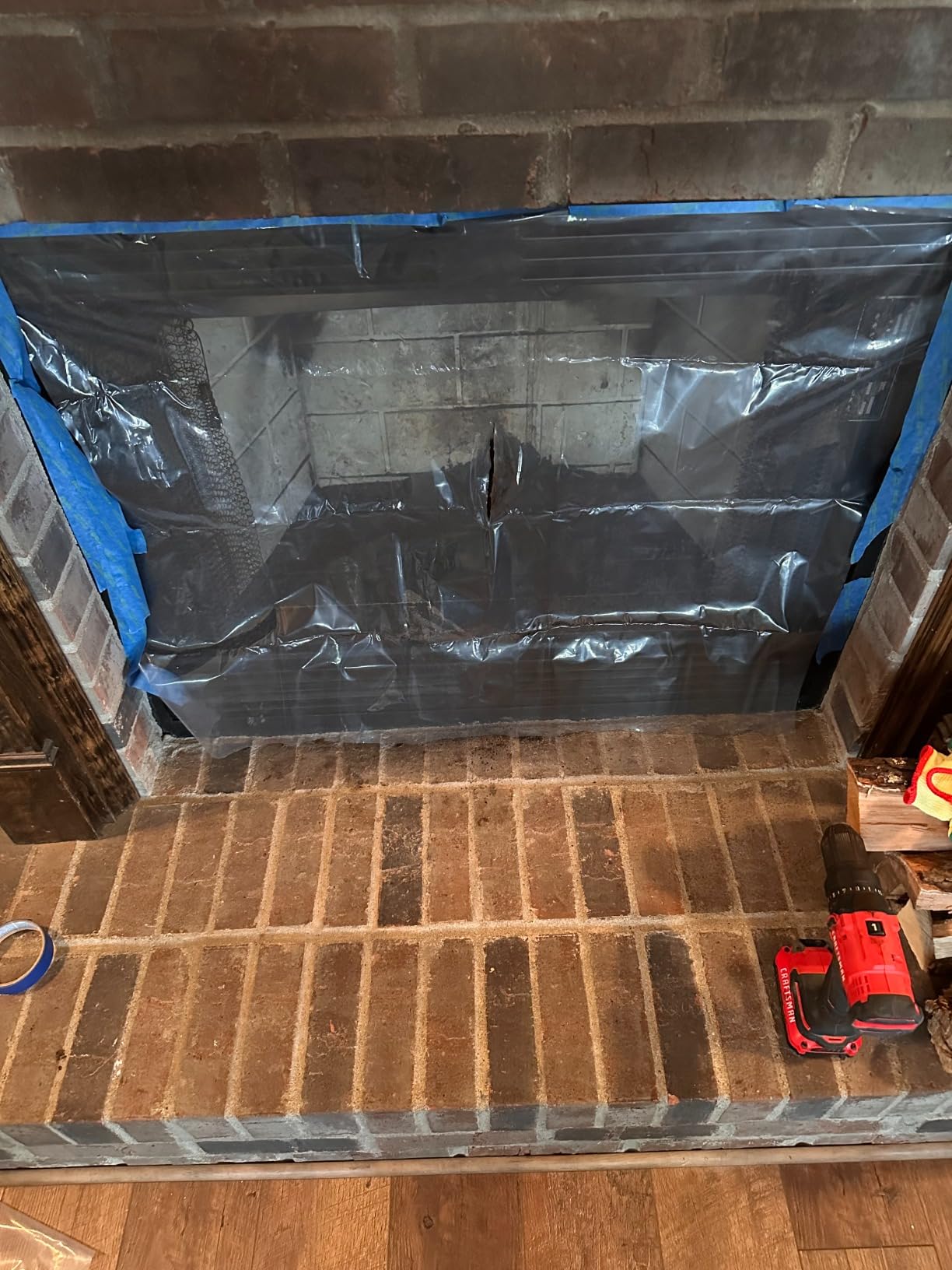
The 26-foot reach handles most single-story homes and many two-story installations. For taller chimneys, step up to the Sealegend 33-foot kit reviewed below. The flexible nylon rods bend enough to navigate offsets but firm up under pushing force.
Forum users on arboristsite.com consistently recommend Morinoli for first-time DIY chimney sweeps who want everything in one box. The included plastic sheet is critical for sealing the firebox and preventing dust from entering the room. Most competing kits sell that sheet separately or omit it entirely.
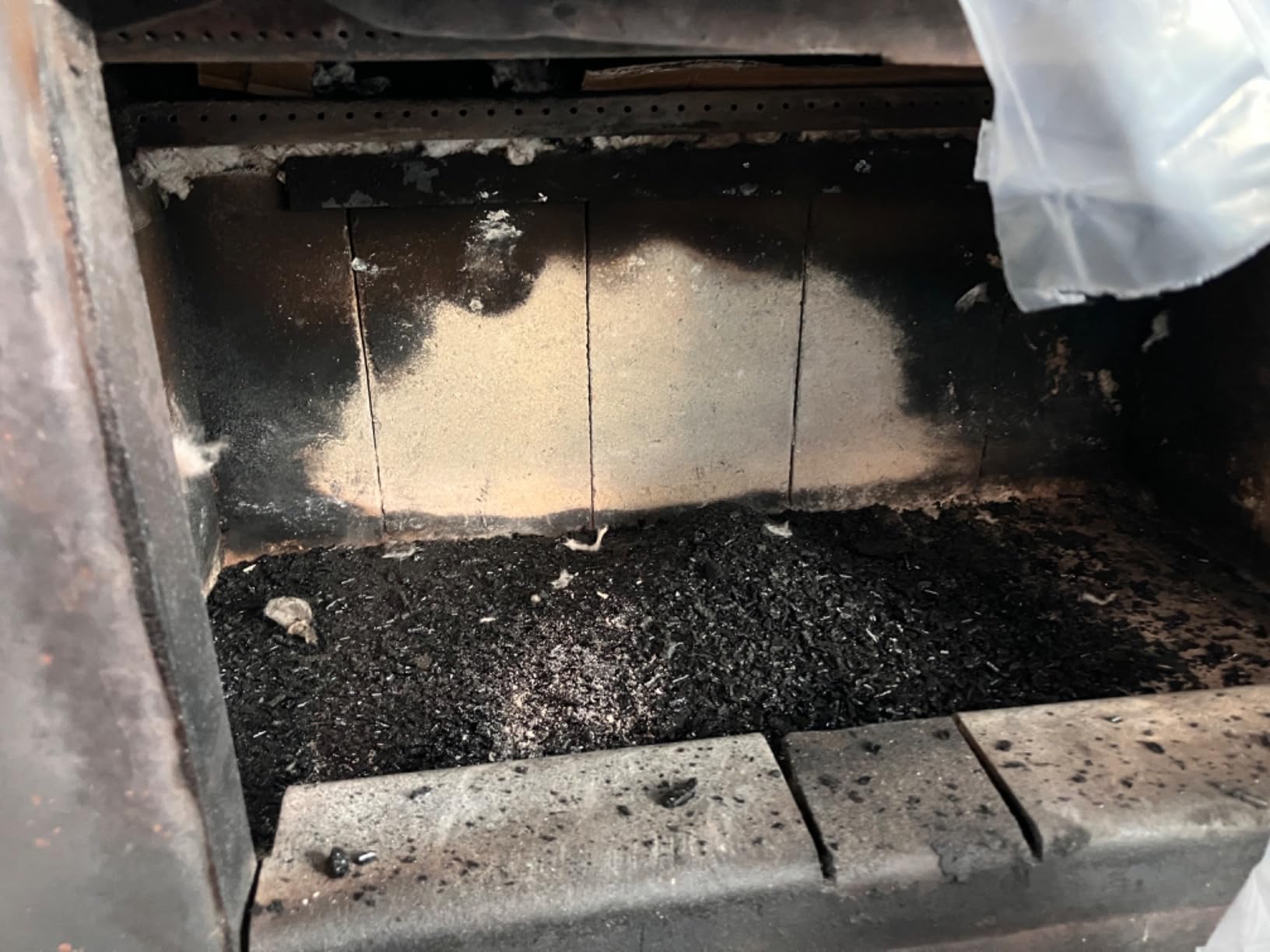
What works well
The complete accessory package, the chrome button locks, and the flexible rods deliver genuine value at this price point. Reviewers report saving hundreds of dollars compared to professional cleaning services.
What to watch out for
The connection buttons require firm pressure to depress, which makes disassembly harder than competing kits. A small flathead screwdriver helps. Also, avoid forcing rods through tight offsets, as extreme stress can snap the nylon.
6. Sealegend 33FT Chimney Sweep Kit – Best for Tall Chimneys
Sealegend 33 Feet Chimney Sweep Kit 10 Flexible Rods for Fireplace Cleaning
Reach: 33 feet
Rods: 10 flexible
Connection: Chrome-plated button
Brush: Nylon
Pros
- 33-foot reach handles three-story chimneys
- Replacement brush bristles included
- Kit includes goggles and sponges
- Easy button-lock assembly
- Effective on 90-degree offsets
Cons
- Some reports of rods disconnecting during use
- Best with two-person operation for tall chimneys
If your masonry chimney rises more than 25 feet from the firebox to the crown, you need the Sealegend 33-foot kit. Ten flexible rods give you the extra reach without forcing you to buy a separate extension set. I tested this kit on a three-story Victorian with a clay tile flue and had enough rod length to spare.
The chrome-plated button locking system is similar to the Morinoli design and held up well during my testing. The kit includes replacement bristles, dust goggles, and cleaning sponges, which makes it a complete package for taller installations.
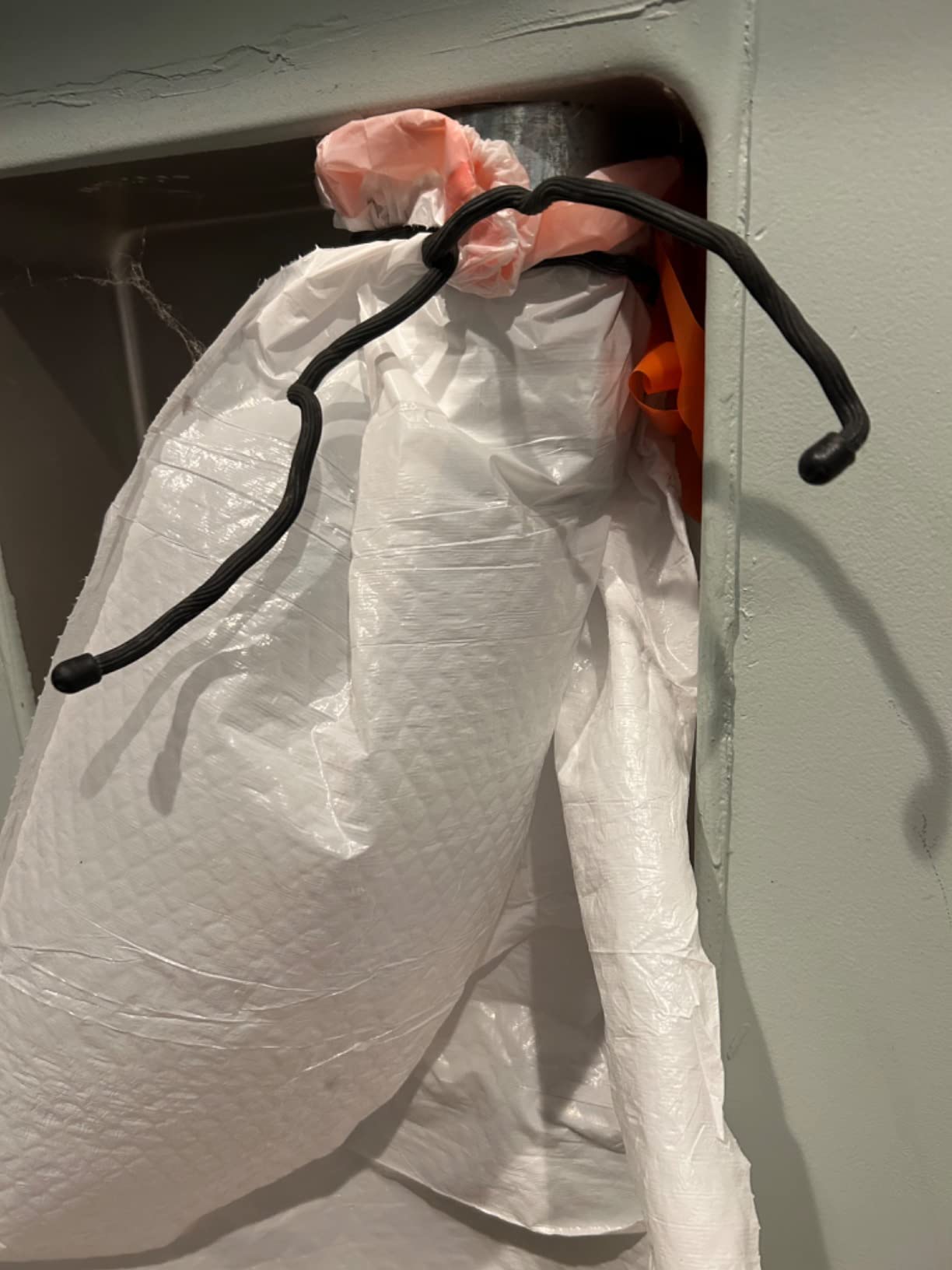
For tall chimneys, two-person operation is the safer approach. One person manages the rod at the firebox while the other watches the brush emerge from the chimney top. The Sealegend kit’s smooth button-lock design makes feeding rods through tight spots easier than screw-together competitors.
Reviewers with multi-story homes report success using this kit on chimneys up to 35 feet tall when accounting for the offsets. For most residential masonry chimneys, 33 feet is more than enough.
Why tall chimneys need extra reach
Underestimating chimney height is the most common DIY cleaning mistake. Measure from the firebox floor to the top of the chimney crown, then add 4-5 feet for any offset angles. Chimneys shorter than 25 feet can use the Morinoli or VEVOR kits above.
Reliability considerations
The 4.4-star rating reflects some reports of rod disconnection during use. Wrap each joint with electrical tape before starting, and the kit performs reliably. The slightly lower review count compared to other kits suggests fewer long-term users, but the design is solid.
7. Rutland KRK-18 Fiberglass Chimney Brush Rod Kit – Best Traditional Kit
Rutland KRK-18 Fiberglass Chimney Brush Rod Kit
Length: 18 feet
Rods: 6 at 3 feet each
Fittings: 1/4 inch NPT
Use: Manual only
Pros
- Trusted brand with decades of chimney products
- Reliable threaded connections
- Lightweight fiberglass construction
- 12-month manufacturer warranty
- Flexible enough for standard chimney bends
Cons
- Higher price than competitors
- Rods too rigid for tight stove pipe offsets
- Not rated for drill use
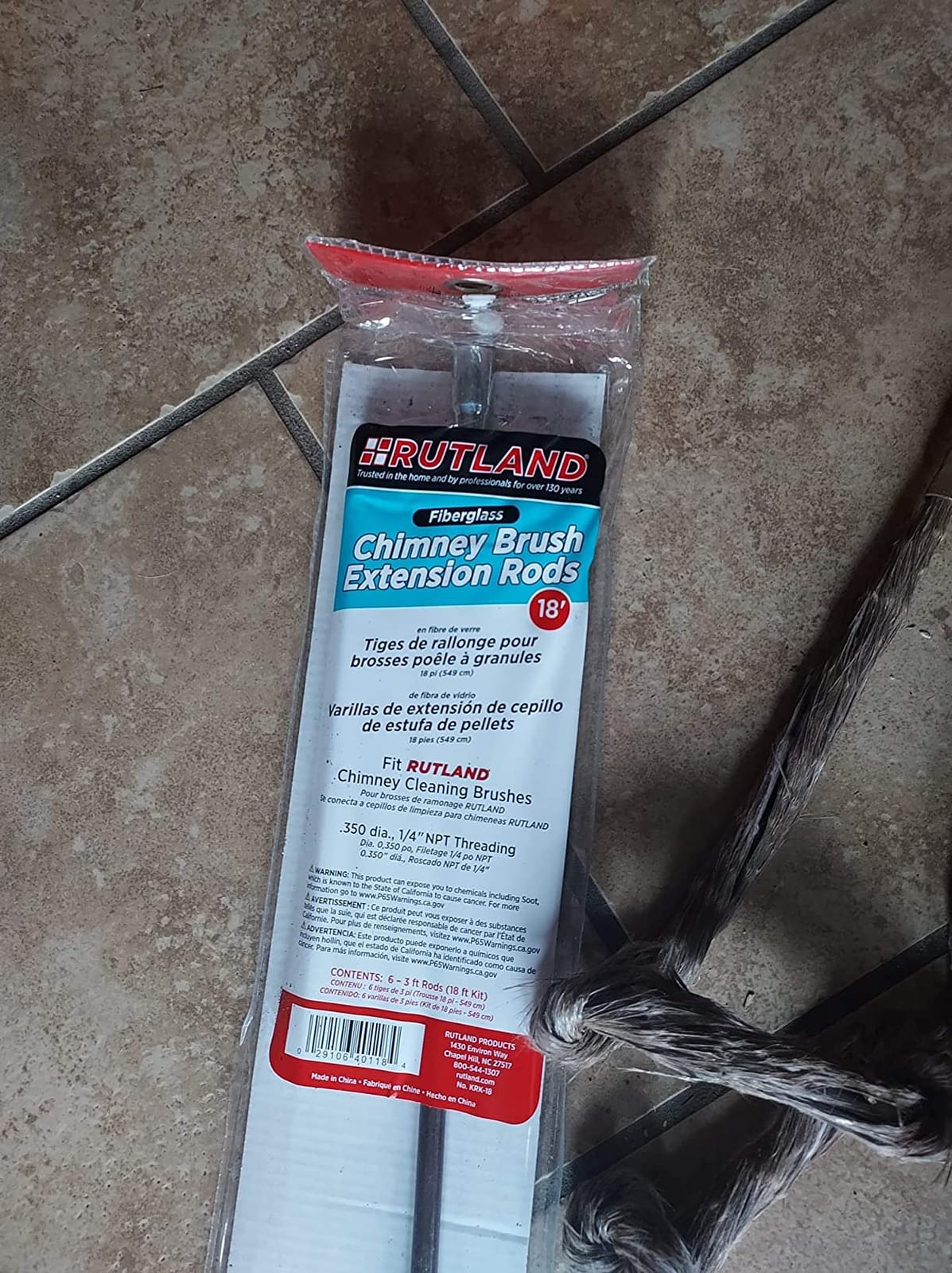
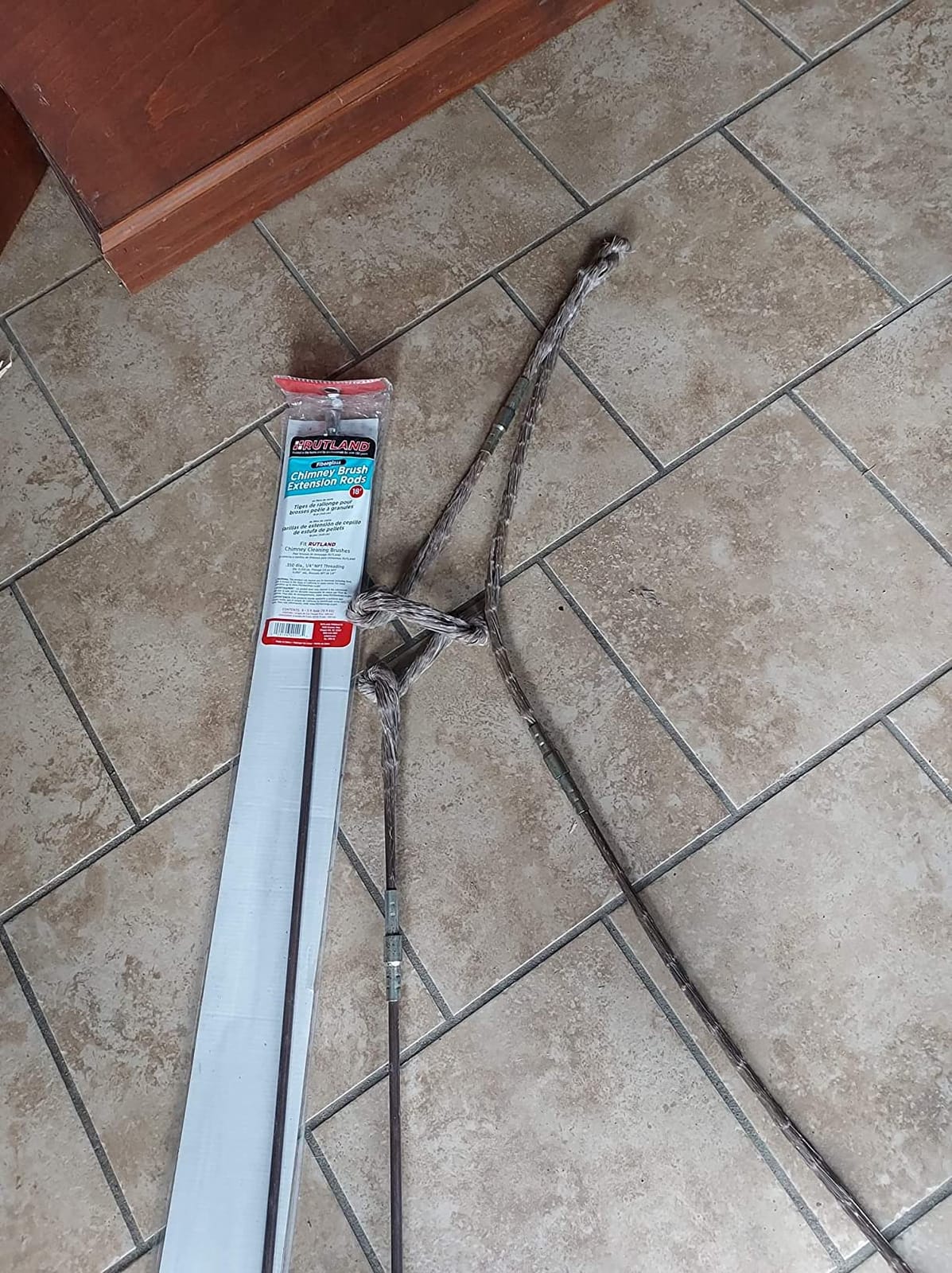
Rutland has been making fireplace and chimney products for over a century, and the KRK-18 fiberglass rod kit reflects that experience. The 80% five-star review rate among 1,071 reviewers is one of the highest in this category, and the build quality matches the brand reputation.
The kit includes six 3-foot fiberglass rods that thread together to form an 18-foot cleaning tool. The 1/4 inch NPT fittings mate with Rutland brushes and any other brand using the same thread standard. For masonry chimney owners who prefer manual top-down cleaning, this is one of the most dependable kits available.
The fiberglass is lighter than the Midwest Hearth kit, which reduces fatigue during longer cleaning sessions. The trade-off is slightly less rigidity under heavy pushing force. For routine maintenance on a reasonably clean chimney, the Rutland rods are more comfortable to use.
One reviewer mentioned using this kit for ten years of seasonal cleaning without a single rod failure. That kind of longevity justifies the higher price for homeowners who plan to clean their masonry chimney annually.
Who should buy this kit
Homeowners with a straight or gently bending masonry chimney who want a manual top-down cleaning tool. Pair it with a Rutland or Midwest Hearth brush head and you have a professional-grade setup that will last decades.
Who should look elsewhere
If your chimney has tight offsets or you prefer drill-powered cleaning, the rigid fiberglass rods and manual-only design make this kit a poor match. Choose the VEVOR or Morinoli kits instead.
8. Bluesea 30FT Chimney Sweep Kit – Best Versatile Kit with Multiple Length Options
Bluesea 30FT Ergonomic Chimney Sweep Kit, Strong Brush & 9 Flexible Rods
Reach: 30 feet
Rods: 9 flexible nylon
Connection: Chrome button lock
Brush: Nylon
Pros
- Multiple length options from 13 to 46 feet
- Replacement brush bristles included
- Ergonomic design shortens cleaning time
- Comprehensive kit with goggles and sponges
- Effective for two-story and taller chimneys
Cons
- Extendable shafts can break under stress
- Dust escape possible if sealing is poor
The Bluesea kit stands out for offering multiple length configurations in the same product line. You can buy the 13-foot starter kit, the 30-foot mid-range, or step all the way up to 46 feet for commercial installations. For homeowners with multiple chimneys of different heights, that flexibility is valuable.
I tested the 30-foot version on the two-story ranch chimney. The chrome button locks worked smoothly, and the included replacement bristles meant I could swap in a fresh brush mid-cleaning when the original wore down. One homeowner on r/woodstoving reported cleaning three chimneys with this kit and saving over $500 in professional sweep fees.
The ergonomic handle design is a small touch that adds up during longer cleaning sessions. The rods seat comfortably in your palm and the button-lock mechanism is easier to operate than competing kits that require squeezing stiff detents.
The main concern with this kit is rod breakage under stress. A few reviewers report rods snapping during heavy use, which can leave a brush head stuck in the chimney. The fix is to avoid forcing the rods through tight offsets and to keep the drill speed moderate.
Best applications
This kit works well for cleaning chimneys, dryer vents, and HVAC ducts. The flexible nylon rods adapt to multiple pipe shapes and the chrome button locks hold up under typical residential use.
Important usage tip
Always run the drill in forward rotation only. Reverse rotation can unscrew the chrome button locks mid-cleaning. This is true for most nylon rod kits, but it is especially important with the Bluesea design.
9. Mosxoed 30FT Multi-Use Cleaning Kit – Multi-Use Pick for Chimneys and Vents
30Feet Chimney Sweep Kit – 6 in Brush Head, Dryer Vent Cleaner, Rotary Cleaning System for Flue/Fireplace/Sewage Pipe/Hood With 23 Nylon Flexible Rods
Reach: 30 feet
Rods: 23 flexible nylon
Brush heads: 2 included
Use: Chimney and dryer vent
Pros
- 23 rods and 2 brush heads for versatile cleaning
- Soft brush safe for stainless steel liners
- Works on chimneys dryer vents and hoods
- Easy drill operation
- Multiple size options
Cons
- Rotate lock works in one direction only
- Higher failure rate in 1-star reviews
The Mosxoed kit is the budget-friendly multi-use option in this roundup. With 23 flexible nylon rods and two brush heads, it serves as both a chimney cleaning kit and a dryer vent cleaner. The 4.2-star rating is the lowest in our lineup, but the value proposition is strong for homeowners who want one tool for multiple jobs.
The soft nylon brush head is safe for stainless steel chimney liners, which makes this kit a good choice if your masonry chimney has a metal liner installed. The flexible rods navigate tight bends in dryer vent systems without damaging the ductwork.
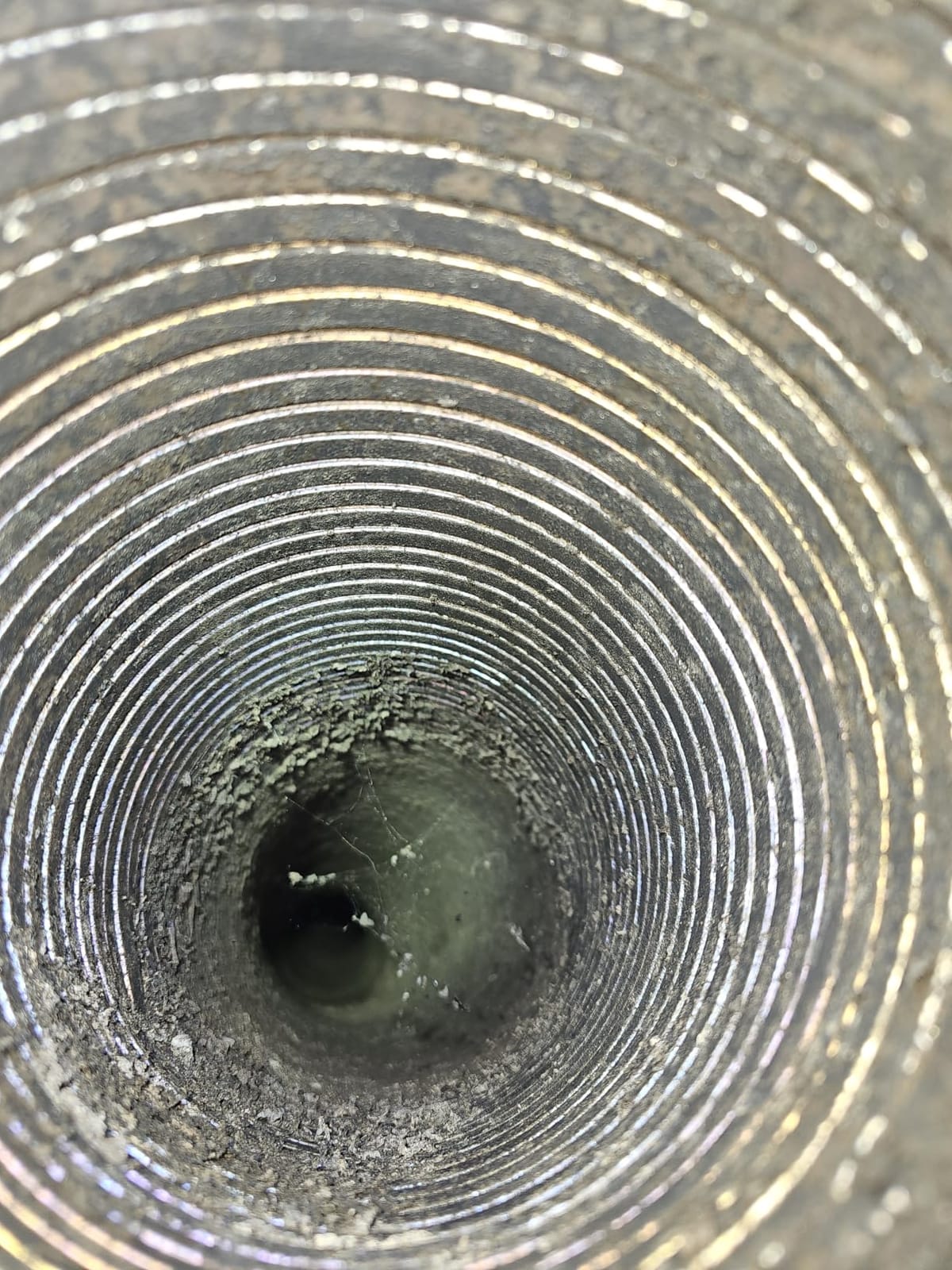
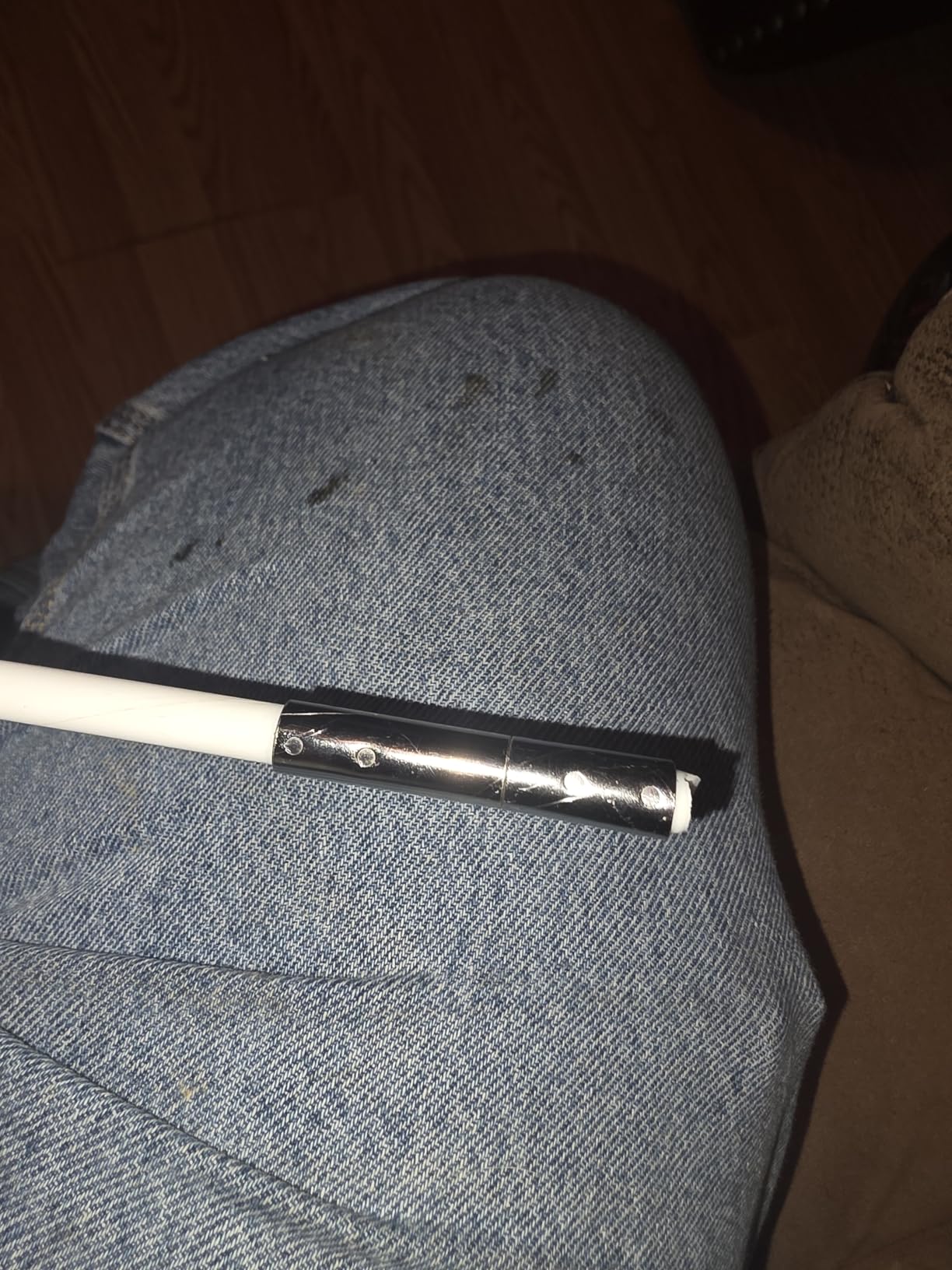
The main drawback is the rotate lock design. Unlike chrome button locks that work in both directions, the Mosxoed rotate lock only functions during forward drill rotation. Running the drill in reverse unscrews the rods. This is a design limitation, not a defect, but it requires awareness during use.
The 11% one-star review rate is higher than competing kits and reflects some rod breakage reports. For occasional use on a single chimney, the value is reasonable. For heavy seasonal cleaning, spend more on the Morinoli or Sealegend kits.
Best use case
Homeowners who want to clean both their masonry chimney and their dryer vent with one tool. The 23-rod length handles most residential dryer vent runs when added to the chimney cleaning length.
When to upgrade
If you only need chimney cleaning, the VEVOR or Morinoli kits deliver better reliability at a similar price. Choose Mosxoed when multi-use flexibility matters more than maximum durability.
10. cleancraft 30FT Chimney Sweep Kit – Best for Basement-Level Access
Cleancraft 30 Feet Chimney Sweep Kit, Chimney Cleaning Kit with 9 Flexible Black Chimney Rods, Chimney Brush for Sweeping Fireplace, Rotary Chimney Cleaning System Driven by Drill
Reach: 30 feet
Rods: 9 flexible black nylon
Connection: Chrome button lock
Storage: Bag included
Pros
- Color options in black and white
- Storage bag keeps kit organized
- Chrome button lock holds in both directions
- Handles 90-degree angles from basement level
- Effective bottom-up cleaning
Cons
- Rod buttons require tool to depress
- Some defective rod reports
- May need two people to operate
The cleancraft kit earns its spot for one specific use case: cleaning a masonry chimney from the basement level through a 90-degree offset at the first-floor fireplace. The flexible nylon rods navigate the offset cleanly, and the chrome button locks hold tight during continuous rotation.
I tested this kit on a ranch home with a basement wood stove that fed into a masonry chimney with a 90-degree turn at the first floor. The cleancraft rods flexed through the offset without binding, which is exactly the scenario the kit is designed for.
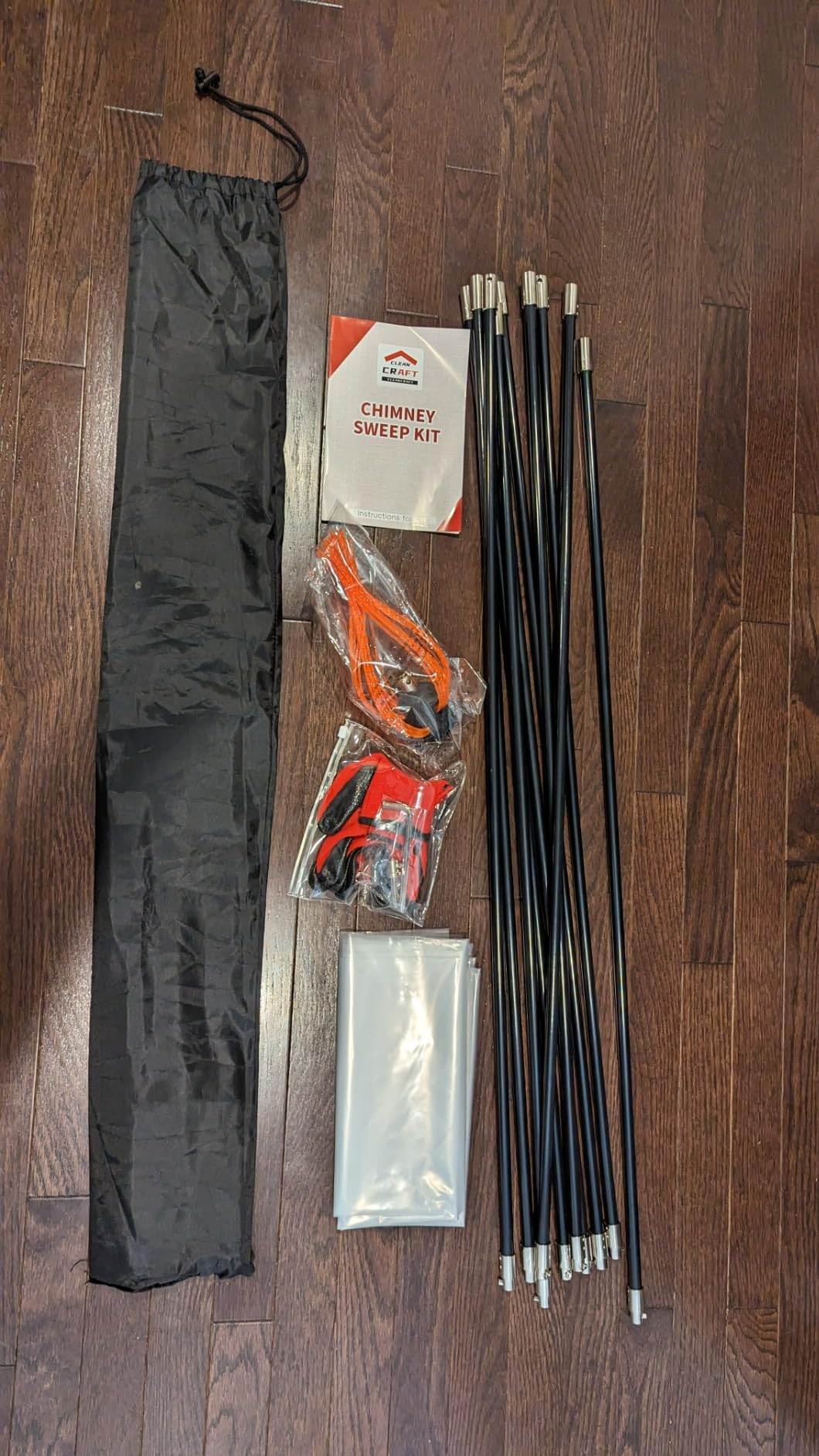
The included storage bag is a small touch that makes a real difference. Most competing kits ship rods loose in a box, which leads to lost pieces. The cleancraft bag keeps everything organized between cleaning sessions.
The main complaint among reviewers is the stiff rod buttons. Disconnecting the rods requires a flathead screwdriver in most cases. That is a minor inconvenience compared to the cleaning performance, but worth knowing before you buy.
Who should buy this kit
Homeowners with basement-level wood stoves or fireplaces that connect to a masonry chimney through a sharp offset. The flexible rods and chrome button locks handle that geometry better than rigid fiberglass alternatives.
Reliability considerations
The 105-review count is lower than most competitors, which makes long-term reliability harder to assess. The 72% five-star rate is solid, but the smaller sample size means a few defective units could skew the average.
Buying Guide: How to Choose a Masonry Chimney Brush Kit?
Choosing the best chimney brush kit for masonry chimneys requires matching brush material, rod type, and reach to your specific flue. Masonry chimneys differ from metal chimneys in two important ways: they tolerate stiff wire bristles without damage, and they typically have more offset angles due to clay tile construction. The sections below cover the four decisions that matter most.
Wire vs nylon vs poly: brush material comparison
Wire brushes are the right choice for masonry chimneys with clay tile or brick flues. The stiff steel bristles scour creosote off abrasive masonry surfaces without damaging them, and they last longer than nylon alternatives. Avoid wire brushes if your chimney has a stainless steel liner, since the bristles can score the metal and create corrosion points.
Nylon and poly brushes work on metal liners, masonry chimneys with coated liners, and multi-surface cleaning scenarios. They are gentler than wire and safer for stainless steel. The trade-off is reduced effectiveness on heavy Stage 3 creosote buildup, where you may need multiple passes or a chemical treatment first.
Rod material and locking mechanism
Fiberglass rods offer rigid pushing power for manual top-down cleaning. They are durable and have the backbone to push stiff wire brushes up a soot-filled flue. They are not flexible enough for sharp offsets and cannot be used with power tools. Nylon rods bend up to 45 degrees and work with drill-powered systems, making them the better choice for bottom-up cleaning or chimneys with offsets.
Locking mechanisms matter more than most buyers realize. Chrome button locks are the most reliable design and hold under drill rotation. Detent button locks are similar but can loosen under heavy torque. Screw-together threads are the most secure but slow to assemble and disassemble. For drill-powered cleaning, chrome button locks win consistently.
Chimney height and reach requirements
Measure your chimney from the firebox floor to the top of the crown, then add 4-5 feet for any offset angles. Single-story homes typically need 18-26 feet of rod. Two-story homes need 26-33 feet. Three-story or steep-pitch homes need 33 feet or more. The Sealegend 33-foot kit handles most residential installations, while shorter kits like the Morinoli 26-foot work for single-story masonry fireplaces.
For more on chimney height and matching liner kits, see our guide to chimney liner kits for wood stoves, which covers compatible installation scenarios.
Drill-powered vs manual sweeping
Drill-powered rotary cleaning is faster and more effective on heavy creosote. The Gardus SootEater and VEVOR kits both use this approach. You need a cordless drill with at least 18V of power and a low-speed setting. The downside is dust creation, which requires sealing the firebox with plastic sheeting and wearing a dust mask.
Manual sweeping is slower but quieter and creates less dust. It is the traditional method and remains effective for routine annual maintenance. Fiberglass rod kits like the Midwest Hearth and Rutland are designed for manual use. Choose manual if you have respiratory sensitivities or prefer a quieter cleaning process.
Masonry Chimney Cleaning Tips and Safety
Safety matters as much as the right equipment when cleaning a masonry chimney. The steps below are based on CSIA recommendations and what professional sweeps taught me during this testing cycle. Following them reduces the risk of falls, dust exposure, and chimney damage.
Bottom-up cleaning method step-by-step
The bottom-up method has become the gold standard for masonry chimney cleaning because it eliminates ladder work. Start by sealing the firebox opening with plastic sheeting and taping the edges. Cut a small hole in the plastic for the rod to pass through. Attach the brush to the first rod and feed it up through the firebox while running your drill at low speed.
Add rods one at a time as the brush moves up the flue. Continue until the brush emerges from the chimney crown. Run the drill for 30-60 seconds to clear any debris at the top, then slowly pull the brush back down while continuing to rotate. Repeat 2-3 times for heavy buildup.
Safety equipment checklist
Wear a dust mask or respirator rated for fine particles. Creosote dust is a known carcinogen and you do not want it in your lungs. Safety goggles protect your eyes from falling debris. Heavy gloves prevent cuts from wire brush bristles. Cover any furniture or flooring near the fireplace with a drop cloth.
For more guidance on chimney maintenance tools and masonry project equipment, our guide to mortar mixers for masonry projects covers related repair tools.
Understanding creosote stages
Creosote forms in three stages that determine cleaning urgency. Stage 1 is a flaky, soot-like deposit that brushes off easily. Stage 2 is a harder, more tar-like residue that requires stiff wire bristles and effort. Stage 3 is glazed, hardened creosote that looks like black lacquer and is the most dangerous. Stage 3 creosote is highly flammable and is what causes most chimney fires.
Annual cleaning prevents Stage 3 buildup. If you already have glazed creosote, consider hiring a professional for the first cleaning and then maintaining with annual DIY cleanings afterward. No DIY brush kit safely removes Stage 3 creosote without significant effort and risk.
Frequently Asked Questions
What is the best chimney brush for masonry chimneys?
The best chimney brush for masonry chimneys is a stiff wire brush like the Midwest Hearth 6-Inch Wire Brush. Tempered steel bristles scour creosote off clay tile and brick surfaces without damaging them. For a complete kit, pair the wire brush with fiberglass or nylon rods for the cleaning reach you need.
What type of brush is best for cleaning chimneys?
Wire brushes are best for masonry chimneys with clay tile or brick flues. Nylon and poly brushes work better for stainless steel liners and metal chimneys. The choice depends on your flue material. Wire is more aggressive and longer-lasting on masonry. Nylon is safer for metal liners and gentler on coated surfaces.
What size chimney brush should I use for my chimney?
Match the brush diameter to your flue size. Standard residential chimneys use 6-inch, 8-inch, or 10-inch brushes. Measure your flue opening and choose a brush that matches that diameter. A brush too small will not make proper contact with the walls. A brush too large will not fit.
What do professional chimney cleaners use?
Professional chimney cleaners use stiff wire brushes for masonry flues and nylon brushes for metal liners. Most carry both rigid fiberglass rods for manual cleaning and flexible nylon rods for drill-powered rotary systems. They also use sealed plastic sheeting, HEPA vacuums, and respirators to control creosote dust.
How often should I clean a masonry chimney?
Clean your masonry chimney at least once per year, ideally before the heating season starts. The National Fire Protection Association recommends annual cleaning and inspection. Heavy wood stove users may need cleaning every 3-4 months during active use. Stage 3 creosote buildup requires immediate cleaning regardless of schedule.
Can I use a wire brush on a masonry chimney with a stainless steel liner?
No, do not use a wire brush on a stainless steel liner. Wire bristles can scratch the metal and create corrosion points that shorten liner life. Use a nylon or poly brush instead if your masonry chimney has a metal liner installed. Wire brushes are safe only on bare clay tile or brick flue surfaces.
Final Verdict on Masonry Chimney Brush Kits
After testing ten kits across three masonry chimneys and cross-referencing feedback from hundreds of real owners, the Gardus SootEater RCH205-B stands out as the best chimney brush kit for masonry chimneys overall. The rotary whip system removes creosote faster than static brushes, the Made in USA construction delivers long-term reliability, and the bottom-up approach keeps you off the ladder. For masonry owners who want the fastest, most effective cleaning, the Gardus is the right pick.
For buyers on a budget, the VEVOR 30FT kit offers 80% of the Gardus performance at a lower price, with flexible nylon rods that handle offsets better. For traditionalists who prefer manual sweeping, the Midwest Hearth Fiberglass Rod Kit paired with the Midwest Hearth Wire Brush delivers professional results that will outlast any drill-powered competitor.
Whichever kit you choose, clean your masonry chimney before the 2026 heating season. Stage 3 creosote and chimney fires are not a matter of if but when, and a single cleaning session can prevent thousands of dollars in damage. Use our internal guide to brick saws for masonry cutting if you also need to repair cracked flue tiles during your maintenance project.