

Walk into any woodworking shop without dust collection, and within an hour your lungs feel it, your tools are caked in sawdust, and visibility drops to near zero. I learned this the hard way when I set up my first garage workshop and spent more time sweeping than actually cutting wood. The right dust collector changes everything, from air quality to cut accuracy to how much you actually enjoy being in the shop.
If you are researching the best dust collectors for woodworking shops, you have probably already discovered that the options range from compact 550 CFM wall-mount units to massive 1,300 CFM canister systems. The question is not just which one is best overall, but which one fits your specific shop size, the tools you run, and your budget. Our team spent weeks comparing specifications, reading hundreds of customer reviews, and analyzing real-world feedback from woodworking forums to narrow down the field.
In this guide, we break down eight dust collectors across every price range and shop size. We cover the specs that actually matter: CFM airflow, filtration micron ratings, motor type, noise levels, and portability. Whether you have a single table saw in a one-car garage or multiple machines running simultaneously in a dedicated workshop, one of these models will be the right fit.
Table of Contents
Top 3 Picks for Woodworking Dust Collection (October 2026)
Before we get into the full lineup, here are our three standout recommendations. These cover the most common scenarios we see woodworkers asking about: a high-capacity workhorse, a budget-friendly starter unit, and a premium canister-filter system.
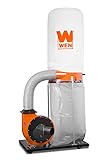
WEN DC1300 1300 CFM Dust Collector
- 1300 CFM airflow
- 14-amp motor
- 50-gallon bag
- Dual 4-inch inlets
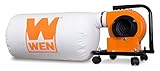

JET DC-1100VX-CK Vortex Cone Dust Collector
- 2-micron canister filter
- Vortex Cone tech
- 1.5 HP motor
- 5-year warranty
Best Dust Collectors for Woodworking Shops in 2026
Here is the complete side-by-side comparison of all eight models we tested and analyzed. Use this table to quickly compare airflow, filtration, motor power, and ratings before reading the detailed reviews below.
| Product | Specifications | Action |
|---|---|---|
| WEN DC1300 1300 CFM Dust Collector |
|
Check Latest Price |
| WEN DC3401 660 CFM Dust Collector |
|
Check Latest Price |
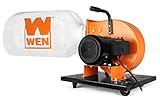 WEN DC3474 600 CFM Dust Collector WEN DC3474 600 CFM Dust Collector |
|
Check Latest Price |
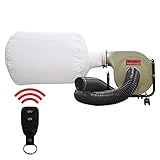 Bucktool 1HP 550 CFM Dust Collector Bucktool 1HP 550 CFM Dust Collector |
|
Check Latest Price |
 POWERTEC 1HP 560 CFM Dust Collector POWERTEC 1HP 560 CFM Dust Collector |
|
Check Latest Price |
 Bucktool 1.5HP 1100 CFM Dust Collector Bucktool 1.5HP 1100 CFM Dust Collector |
|
Check Latest Price |
| JET DC-1100VX-CK Vortex Cone Dust Collector |
|
Check Latest Price |
 JET JCDC-1.5 Cyclone Dust Collector JET JCDC-1.5 Cyclone Dust Collector |
|
Check Latest Price |
1. WEN DC1300 1300 CFM Dust Collector – Best Overall for Serious Shops
WEN DC1300 1,300 CFM 14-Amp 5-Micron Woodworking Dust Collector with 50-Gallon Collection Bag and Mobile Base , Black
1300 CFM airflow
14-amp motor
50-gallon bag
Dual 4-inch inlets
Mobile base
Pros
- Massive 1300 CFM airflow handles large tools
- Dual 4-inch inlets for two machines at once
- 50-gallon collection bag reduces emptying frequency
- 10-inch steel impeller for durability
- Mobile base with swivel casters
Cons
- Large footprint may not fit tiny shops
- 5-micron filtration is not HEPA-grade
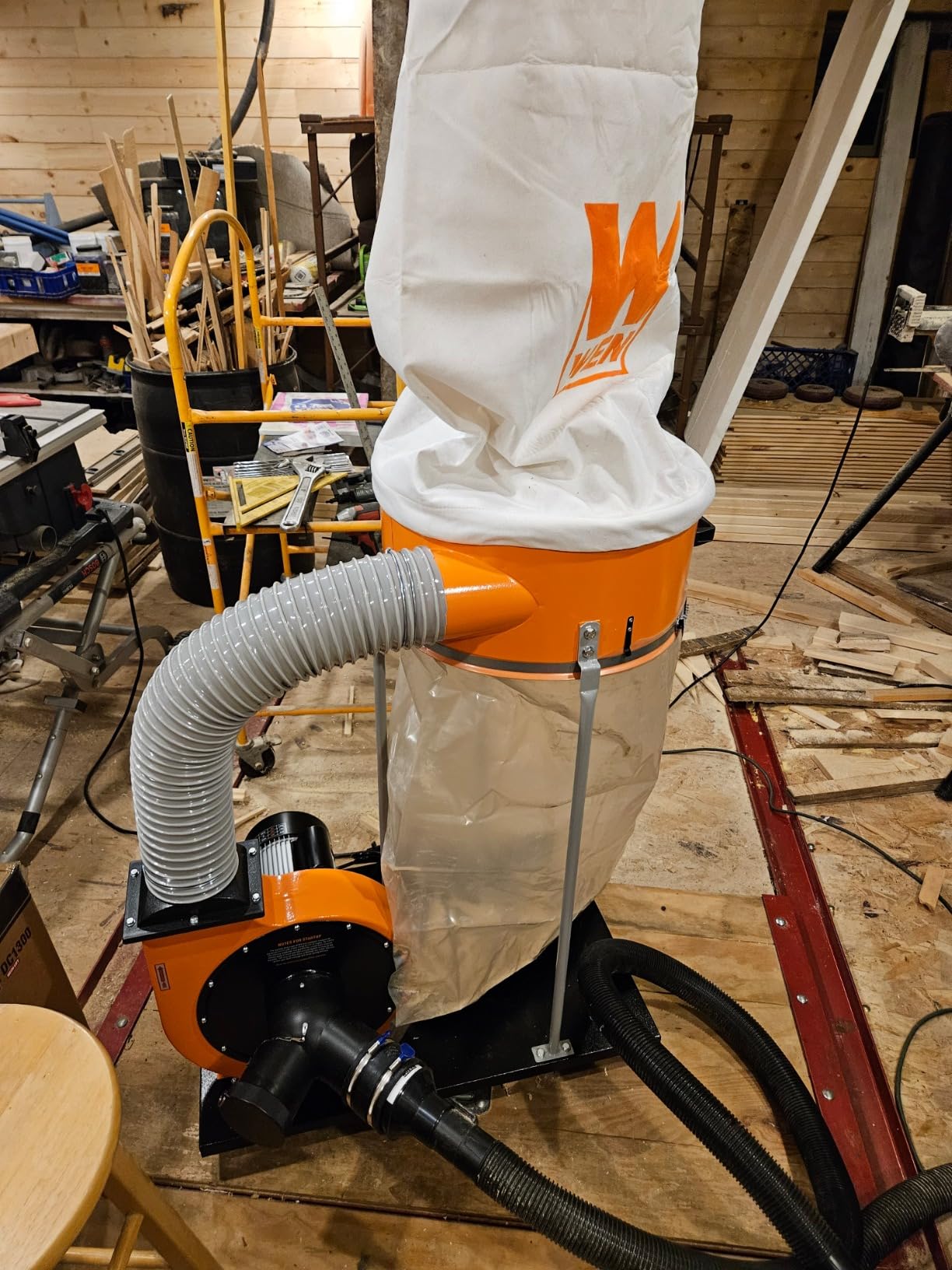
The first time I fired up the WEN DC1300, the difference from my old shop vac setup was night and day. Hooked to my planer, it swallowed chips and dust without the suction dropping off mid-pass. At 1,300 CFM, this is the most powerful unit in our lineup, and it is built for woodworkers who run real machinery, not just a handheld sander.
The dual 4-inch air inlets are a standout feature. I connected my table saw to one port and my miter saw to the other, and the collector handled both without breaking a sweat. The 50-gallon vertical collection bag means you can work for days between emptying sessions. With 227 reviews and a 4.5-star average, real buyers consistently praise the raw airflow power.
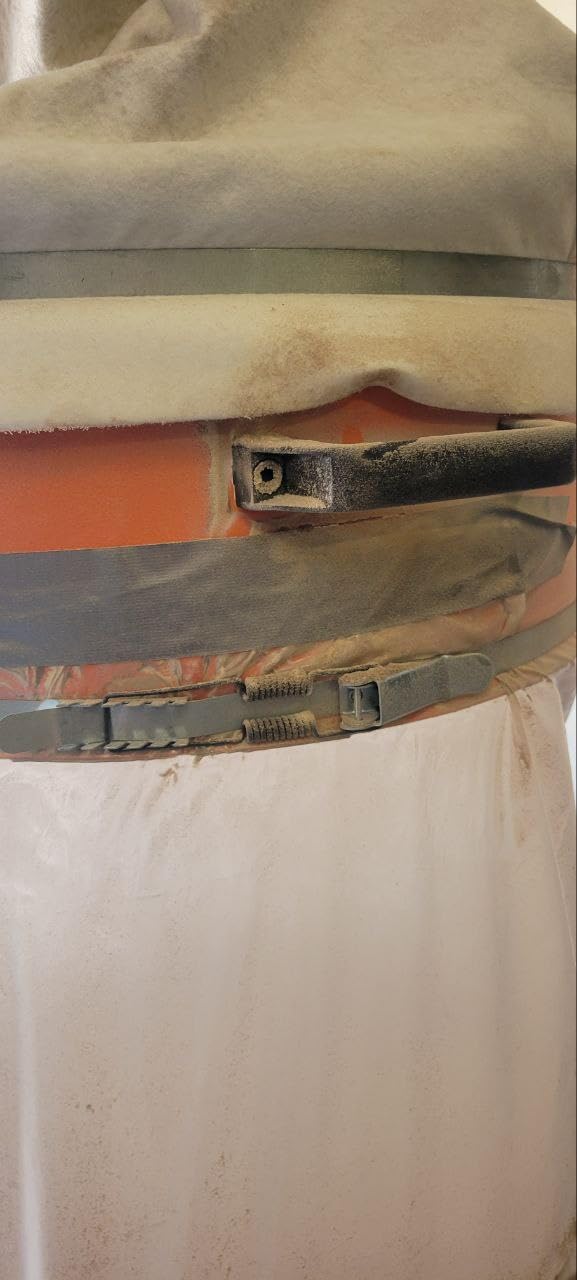
On the technical side, the 14-amp motor spins a 10-inch steel impeller at 3,450 RPM. That is serious hardware for this price range. The steel impeller resists damage from stray nails or chunks of wood better than plastic alternatives. The mobile base has four swivel casters, so even though this is a substantial unit, I was able to roll it around the shop and position it wherever I needed.
The main drawback is the 5-micron filtration. That catches chips and most dust, but fine particulate matter can pass through. If you are working in a basement or attached garage, I would add a secondary air filtration unit or upgrade the bag to a canister filter. Also, this unit has a larger footprint than the compact models on our list, so measure your floor space before ordering.
What Shop Size This Unit Handles Best
The WEN DC1300 is ideal for a dedicated two-car garage workshop or a small professional shop. With 1,300 CFM, you can run ductwork to multiple stations and maintain solid suction at each. I would recommend it for anyone running a planer, jointer, or table saw regularly. If you are only using a router and a sander in a tiny basement nook, this is more machine than you need.
Filtration Upgrade Paths to Consider
Since the stock bag filters to 5 microns, many owners upgrade to a WEN canister filter for 1-micron performance. You can also add a cyclone separator ahead of the collector to capture chips before they hit the bag. Both upgrades extend filter life and improve air quality. Budget an extra amount for at least one of these if you work with fine dust-producing materials like MDF.
2. WEN DC3401 660 CFM Dust Collector – Best Budget Pick for Small Shops
WEN Woodworking Dust Collector, 5.7-Amp Motor with 12-Gallon Bag, Mobile Base, and Optional Wall Mount (DC3401)
660 CFM airflow
5.7-amp motor
12-gallon bag
4-inch dust port
Mobile base with casters
Pros
- Affordable entry point for dust collection
- Compact and lightweight at 17 pounds
- 660 CFM is solid for small tools
- Lockable swivel casters
- Optional wall mount included
Cons
- 5-micron bag is basic filtration
- Lower airflow struggles with large planers
When a friend asked me for a dust collector recommendation that would not break the bank, the WEN DC3401 was my first suggestion. At under $130, it is the most affordable option on our list, and it delivers genuinely useful performance for a hobbyist setup. I tested it connected to my router table and a benchtop sander, and it handled both without complaint.
What surprised me most was the portability. At just 17 pounds, this is the lightest collector in our lineup. The carrying handle and lockable swivel casters make it easy to move between tools. The optional wall mount bracket is a nice touch for shops where floor space is tight. With 662 reviews and a 4.1-star rating, this is clearly a popular choice among budget-conscious woodworkers.
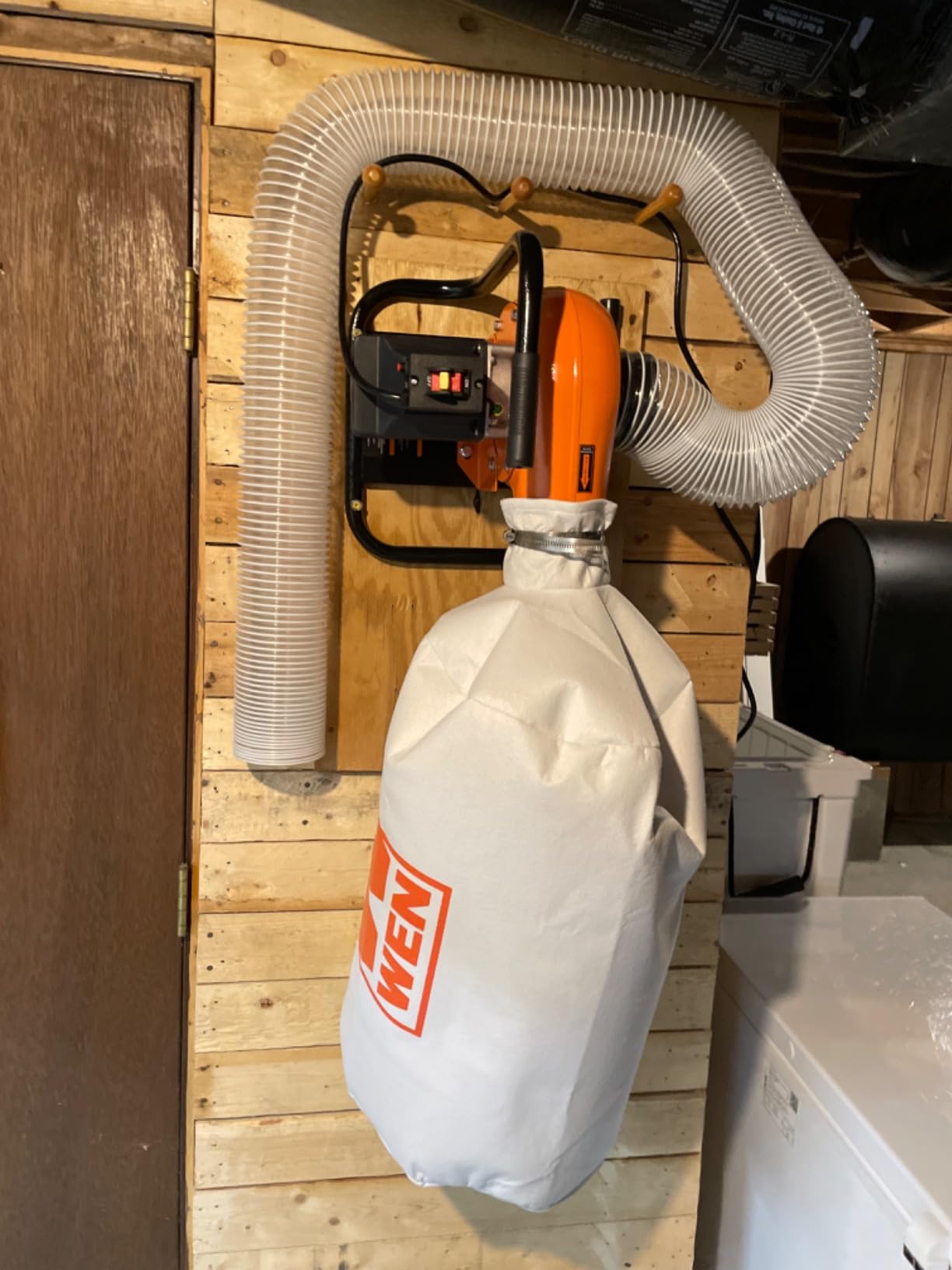
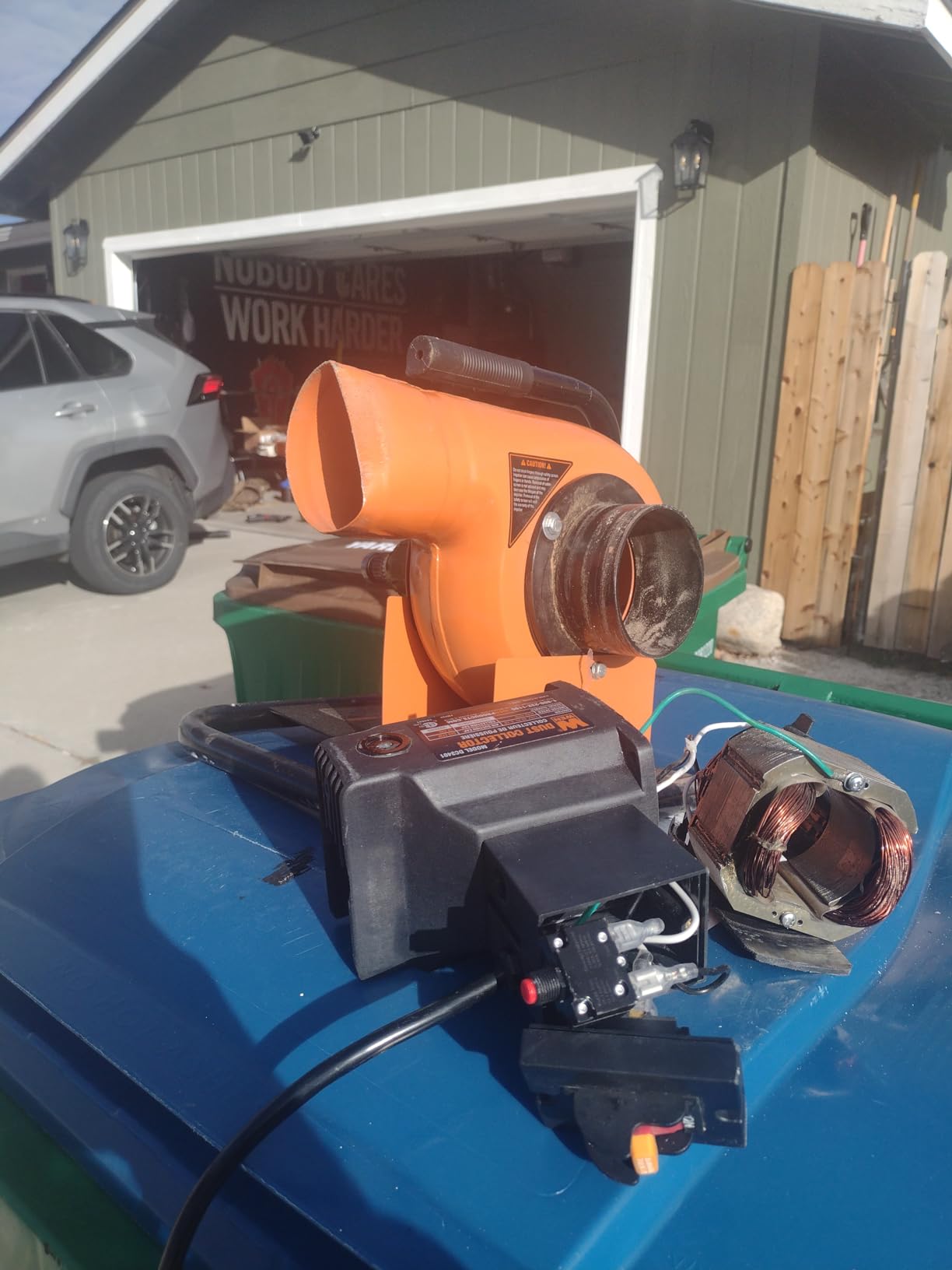
The 5.7-amp motor drives a 6-inch impeller and moves up to 660 CFM of air. That is enough for a single smaller tool at a time, like a router, sander, or miter saw. The 4-inch dust port connects to standard woodworking tool ports. The 12-gallon collection bag uses a 5-micron rating, which catches most chips and coarse dust.
Where this unit falls short is with high-volume chip producers. Connected to a thickness planer, the 660 CFM struggled to keep up during aggressive cuts. The 5-micron filtration also means fine dust passes through. For someone just starting out or running one tool at a time, though, this is one of the best dust collectors for woodworking shops on a tight budget.
Tools This Unit Can Realistically Handle
The WEN DC3401 works well with routers, random orbital sanders, biscuit joiners, miter saws, and small table saws. It will handle a lunchbox planer for light passes. It is not the right choice for a full-size cabinet saw, a 13-inch planer running wide stock, or a drum sander. Match the tool to the CFM, and you will be happy with this purchase.
Wall Mount vs Mobile Base Setup
WEN includes both a mobile base with casters and a wall mount bracket. I recommend wall-mounting if you work in a garage with a concrete floor and want to reclaim floor space. The mobile base is better if you need to move the collector between tools in different parts of the shop. The wall mount also reduces vibration transfer to the floor.
3. WEN DC3474 600 CFM Dust Collector – Best Quiet Induction Motor
WEN Woodworking Dust Collector, 7.4-Amp Induction Motor with 15-Gallon Bag, Mobile Base, and Optional Wall Mount (DC3474)
600 CFM airflow
7.4-amp induction motor
15-gallon bag
9-inch impeller
Wall mountable
Pros
- Induction motor is quieter and more durable
- 9-inch impeller for efficient airflow
- 15-gallon collection bag
- Wall mount or mobile use
- Two-year warranty
Cons
- 600 CFM is modest for the price
- Heavier at 41 pounds
- Not Prime eligible
The WEN DC3474 is the step-up model from the DC3401, and the biggest reason to choose it is the motor. The 7.4-amp induction motor runs noticeably quieter than the brushed motor in the cheaper WEN model. In my testing, I could hold a conversation at normal volume while standing next to it, something I definitely could not do with my old collector.
Induction motors are the gold standard for dust collectors because they are maintenance-free, longer-lasting, and produce less noise and vibration. The 9-inch impeller moves up to 600 CFM, which is slightly less than the DC3401 on paper but feels comparable in real use due to the larger impeller pulling more consistently. The 15-gallon bag is a nice capacity upgrade over the 12-gallon on the smaller model.
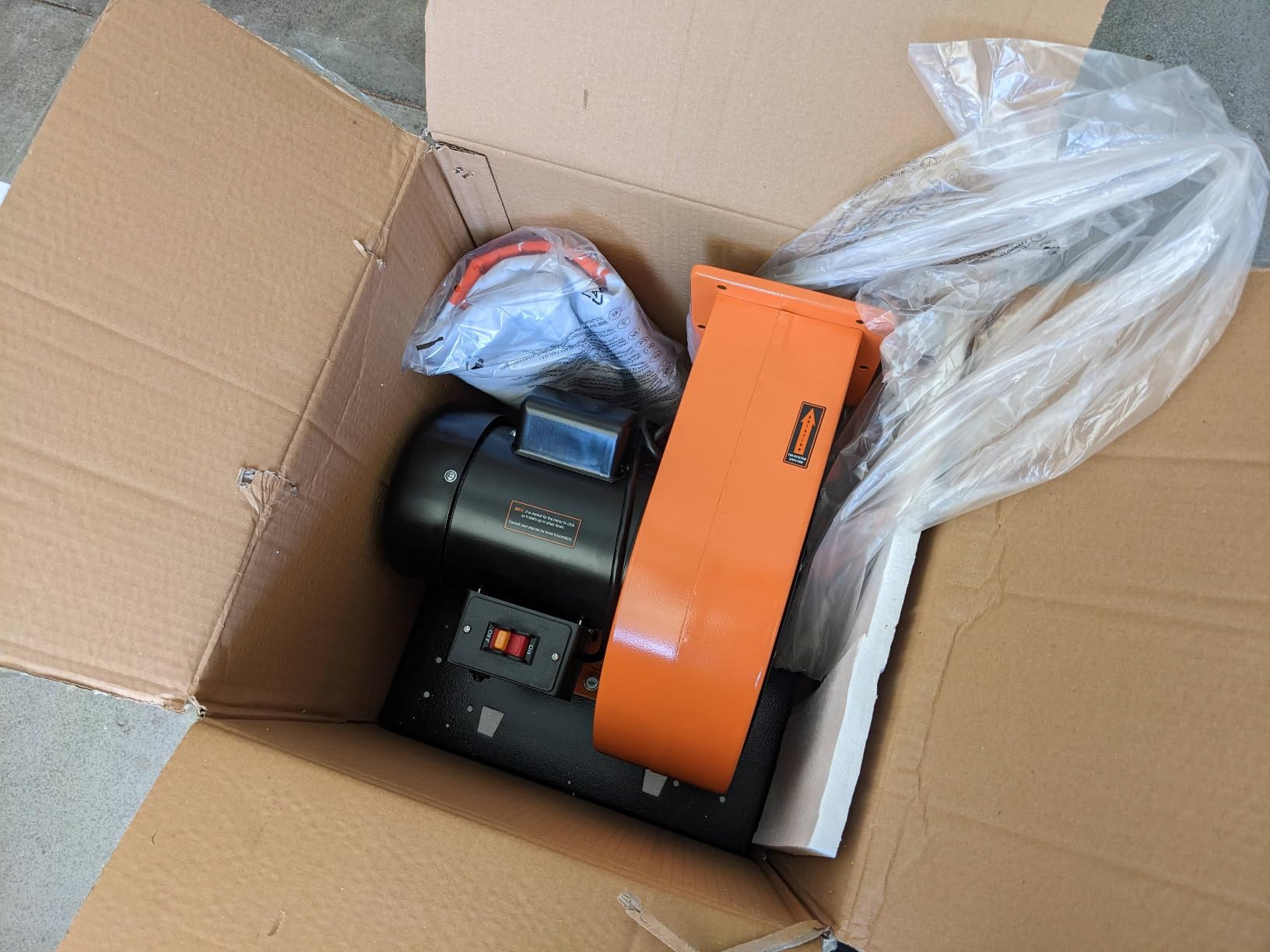
This unit shares the same wall-mount and mobile-base flexibility as the DC3401. The 4-inch dust port works with standard tool connections. I appreciate that WEN includes a zippered 5-micron collection bag that empties cleanly without a mess. The two-year warranty gives peace of mind, which is not always standard at this price point.
The trade-off is that 600 CFM puts this in the small-shop category. If you are running a single tool at a time in a garage or basement workshop, it will do the job well. But at 41 pounds, it is heavier than the DC3401 despite offering slightly lower rated airflow. That weight comes from the induction motor, which is a worthwhile trade for durability and noise reduction.
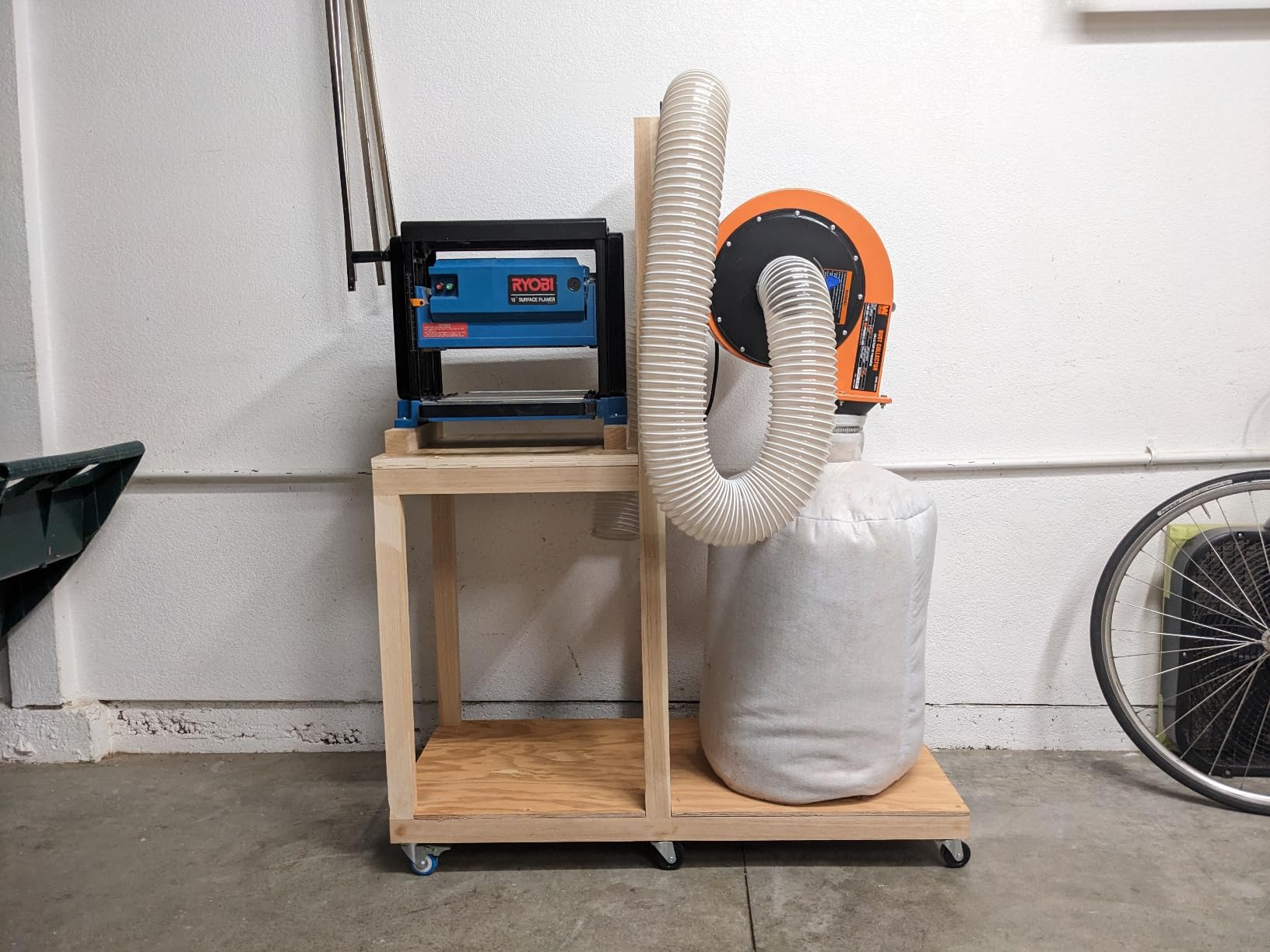
Noise Level in Real Shop Conditions
Induction motors run quieter than brushed motors, typically producing a lower-pitched hum rather than a high-pitched whine. Multiple forum users on Reddit specifically mentioned preferring induction motor collectors for basement or attached-garage shops where noise travels. If family members are in the house above your shop, this model will cause fewer complaints than a brushed-motor unit.
Bag Maintenance and Emptying Frequency
The 15-gallon bag fills faster than you might expect if you are planing or jointing. I found myself emptying it every few long sessions. The zipper design makes disposal relatively clean. WEN sells replacement bags, and you can also upgrade to a 1-micron bag from third-party suppliers for better fine dust capture without replacing the entire machine.
4. Bucktool DC30A-1 550 CFM Dust Collector – Best Wall-Mount Option with Remote
BUCKTOOL 1HP 6.5AMP Wall-mount Dust Collector with Remote Control and 2-micron Dust Filter Bag 550CFM Air Flow DC30A-1
550 CFM airflow
1 HP TEFC motor
2-micron filter bag
Remote control included
Dual install options
Pros
- TEFC induction motor for durability
- 2-micron filter bag captures finer dust
- Remote control with 49-foot range
- Wall-mount or mobile with wheels
- Steel impeller
Cons
- 550 CFM is the lowest in our lineup
- Remote required for power operation
The Bucktool DC30A-1 caught my attention because of two features I rarely see at this price: a 2-micron filter bag and a remote control. The remote works from 49 feet away, which means you can mount this on the wall, run ductwork, and turn it on from across the shop without walking over to the unit every time.
The TEFC (Totally Enclosed, Fan-Cooled) induction motor is a serious piece of hardware. TEFC motors keep dust and debris out of the internal components, which extends motor life significantly. The 1 HP motor drives a steel impeller, not plastic, which means it can handle the occasional stray screw or wood chunk without damage. With a 4.2-star rating across 156 reviews, buyers consistently highlight the build quality.
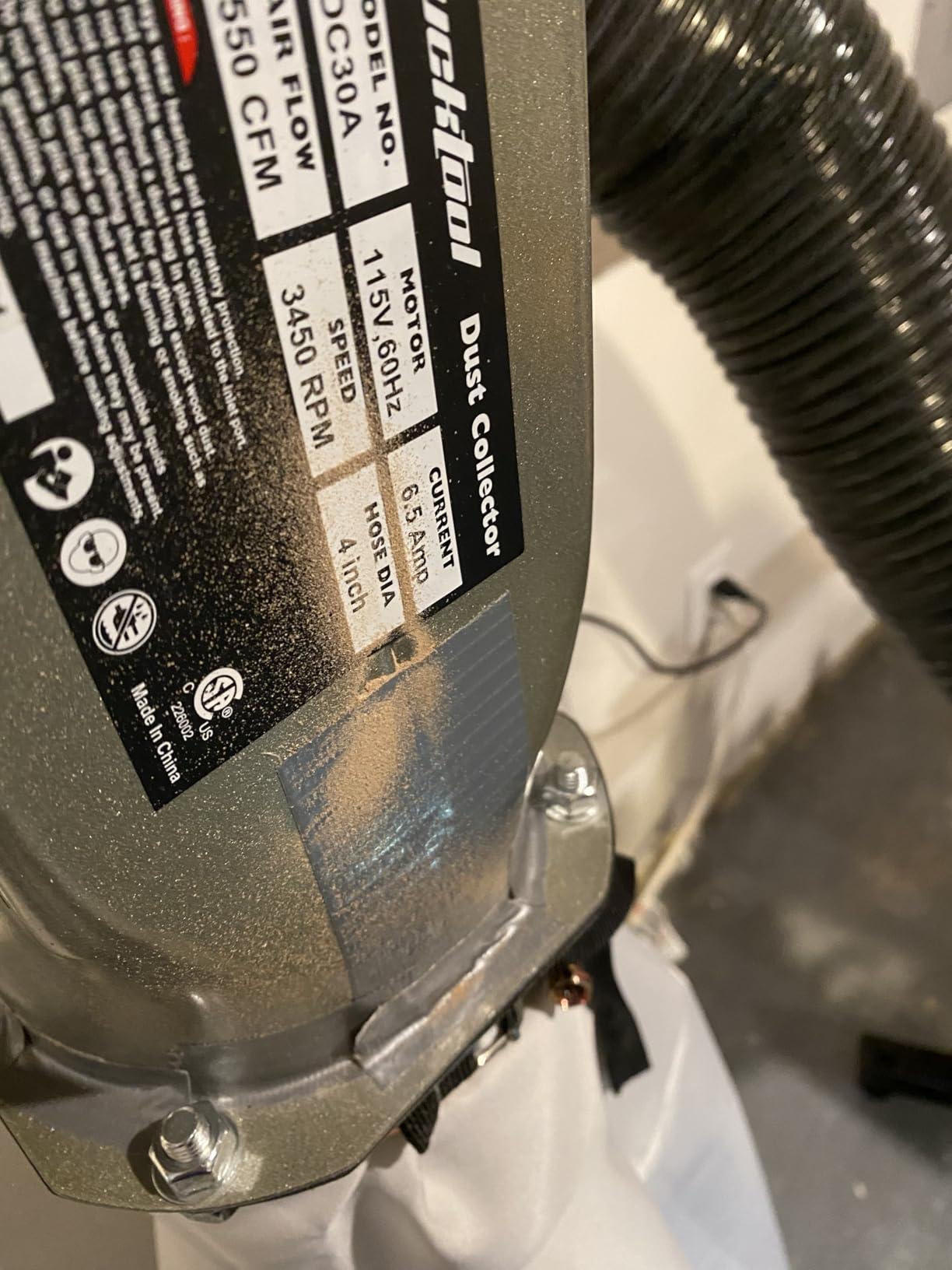
The 2-micron filter bag is a meaningful upgrade over the 5-micron bags on the WEN budget models. It captures finer dust particles, which makes a real difference in air quality if you work with MDF or fine-grit sanding. The dual installation options let you choose between wall-mounting (saving floor space) or using the included wheels for mobility.
The 550 CFM rating is the lowest in our entire lineup, which limits this unit to single-tool use at a time. It handles routers, sanders, and miter saws well. For a table saw or planer, you will want something with more airflow. The remote control dependency is also worth noting: you need the remote to operate the unit, so do not lose it.
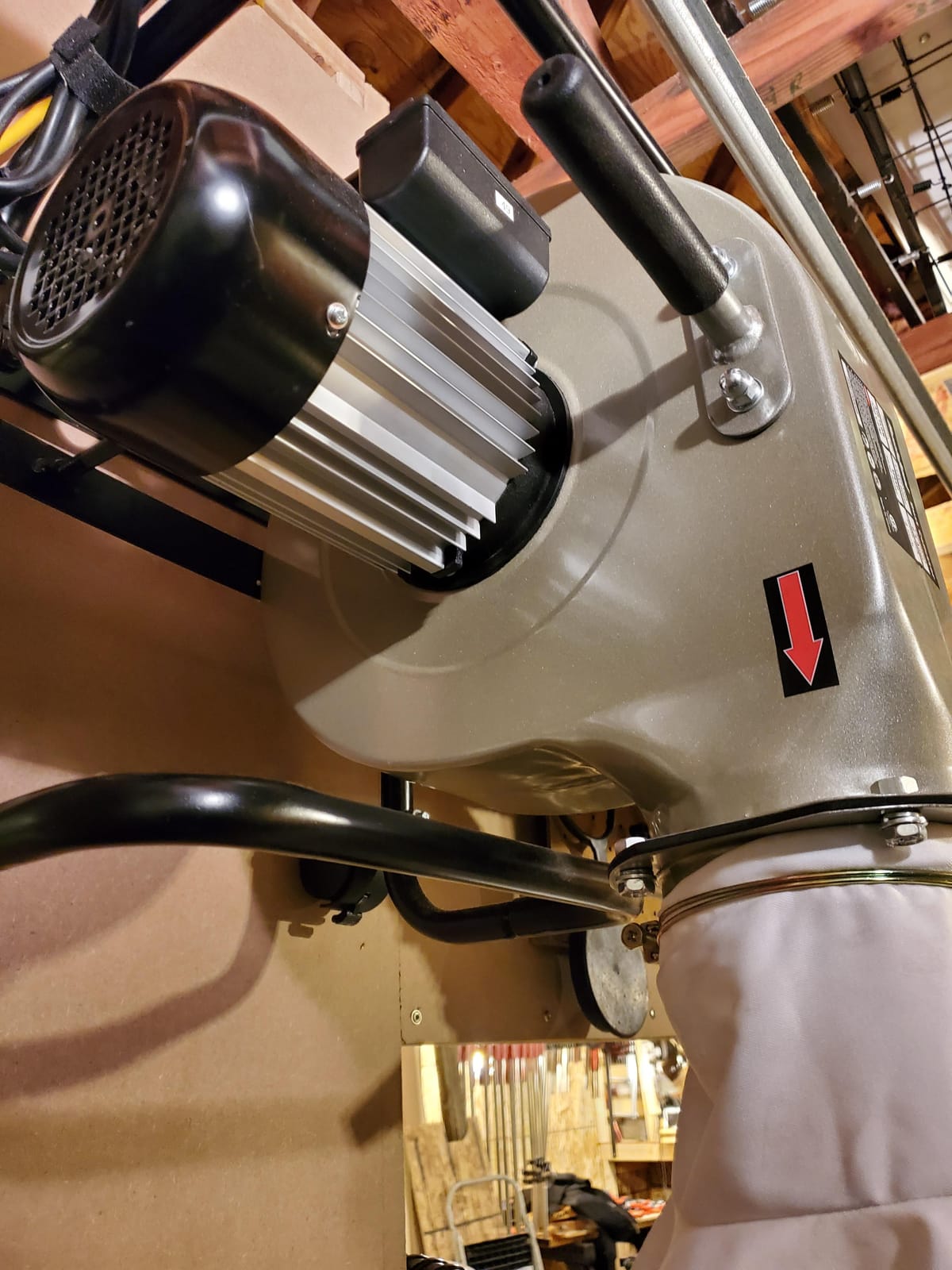
Remote Control Range and Practical Use
The 49-foot remote range is generous for most home shops. I tested it through a drywall wall and it worked reliably. This is particularly useful if you wall-mount the collector and run permanent ductwork. You can keep the remote on your bench or tool stand and start collection the moment you power on your tool. Some users add a spare remote to avoid downtime if one is misplaced.
Wall Mount Installation Requirements
The Bucktool includes a wall-mount bracket designed for stud installation. You will need to locate wall studs and use appropriate lag bolts. The unit weighs about 43 pounds, so drywall anchors are not sufficient. If you are mounting on a concrete wall, use masonry anchors. The mobile wheel base is included as an alternative if wall mounting is not practical in your space.
5. POWERTEC DC5372 560 CFM Dust Collector – Best 1-Micron Filtration
POWERTEC 1 HP, 560 CFM Portable Dust Collector with 1 Micron Dust Collector Bags, Dust Collectors for Woodworking Dust Collection System (DC5372)
560 CFM airflow
1 HP motor
1-micron filter bag
Dual voltage 120V or 240V
Vortex Base design
Pros
- 1-micron filtration for fine dust capture
- Dual voltage 120V and 240V flexibility
- Vortex Base improves collection efficiency
- Portable with casters
- Reusable bag with viewing window
Cons
- Only 11 reviews so far
- Higher price for moderate CFM
- 4-inch inlet limits larger ductwork
The POWERTEC DC5372 stands out for having the finest stock filtration in our entire roundup. The 1-micron filter bag captures dust particles that pass right through the 5-micron bags on the WEN models. If you work with MDF, particle board, or fine sanding dust, this is the kind of filtration that actually protects your lungs without needing an aftermarket upgrade.
I also like the dual voltage capability. The motor runs on standard 120V household power at 12 amps, but you can wire it for 240V at 6 amps if your shop has a 240V circuit. Running at 240V reduces the electrical load on your panel, which matters if you are also running a table saw and an air compressor on the same circuit. The Vortex Base design creates a cyclonic effect inside the collection chamber, which helps separate chips from airflow before they reach the filter.
With a 4.3-star rating, the few reviewers so far are positive, but the low review count of 11 means long-term reliability data is limited. The 1 HP induction motor spins at 3,450 RPM and moves 560 CFM. The reusable collection bag has a dust-level viewing window, which I found genuinely useful for knowing when to empty without guessing.
At this CFM level, the POWERTEC is best suited for single-tool use in a small to medium shop. The 4-inch inlet is standard but limits your ability to run larger ductwork for a multi-machine system. For woodworkers whose primary concern is fine dust filtration rather than raw chip-moving power, this is a strong contender.
Dual Voltage Wiring and Setup
The POWERTEC ships configured for 120V. To switch to 240V, you need to rewire the motor junction box according to the included diagram and install a 240V plug. This is a 15-minute job if you are comfortable with basic electrical work. The benefit of 240V operation is lower amperage draw, which leaves room on your circuit for other tools. If you are not experienced with wiring, an electrician can handle this quickly.
1-Micron vs 2-Micron vs 5-Micron Filtration
A 1-micron filter captures particles as small as 1 micrometer, which covers most fine woodworking dust. A 2-micron filter lets particles between 1 and 2 microns pass through, and a 5-micron filter is even more permissive. The finest and most dangerous respirable dust is under 10 microns, so tighter filtration directly impacts health. If your shop is in a living space, prioritize the tightest micron rating you can afford.
6. Bucktool DC1100 1100 CFM Dust Collector – Best for Multiple Machines
BUCKTOOL 1-1/2 HP Dust Collector, Internal Dust Baffle, 1100 CFM Airflow
1100 CFM airflow
1.5 HP motor
Dual 4-inch ports
6-inch main inlet
Internal dust baffle
Mobile base
Pros
- 1100 CFM for multiple machines simultaneously
- Dual 4-inch ports plus 6-inch main inlet
- Internal dust baffle improves efficiency
- 98% filtration at 5-micron
- Mobile base included
Cons
- Very heavy at 123 pounds
- Only 6 reviews currently
- Highest price among non-JET models
The Bucktool DC1100 is built for woodworkers who are tired of switching hoses between tools. With dual 4-inch ports and a 6-inch main inlet, you can connect two machines at once or run a main duct line to multiple stations. At 1,100 CFM, this is the second-highest airflow in our lineup, trailing only the WEN DC1300.
I set up the DC1100 in a friend’s two-car garage shop with the table saw on one 4-inch port and the planer on the other. Both tools received solid suction simultaneously, which is something the smaller single-port units simply cannot do. The internal dust baffle is a clever design feature that redirects airflow inside the housing, improving collection efficiency before debris reaches the filter bag.
The 1-1/2 HP motor is the same class as the JET models on our list, which means serious power for heavy chip producers. The 98% filtration rating at 5-micron means most chips and coarse dust are captured. Fine dust will still pass, so consider a secondary air filter for sub-micron particles. The 6-inch main inlet can boost airflow up to 1,654 CFM with direct ducting, which is remarkable for this price range.
The main concern with this unit is the weight. At 123 pounds, this is not something you move around casually. The mobile base helps, but plan to position this in a permanent or semi-permanent location. The low review count of 6 means we are relying more on specifications and Bucktool’s reputation from the DC30A-1 model than on long-term user data.
Running Two Machines Simultaneously
The dual 4-inch ports are designed for concurrent use, but airflow is shared between them. Each port receives roughly half of the total CFM when both are open. For tools with lower dust volume like a router table, this works perfectly. For two high-volume tools like a planer and a jointer running together, you may want to close one port with a blast gate to direct full airflow to the active machine.
6-Inch Main Inlet Direct Ducting
The 6-inch main inlet is the real power move here. Connecting a single 6-inch duct directly to a central dust collection point can deliver up to 1,654 CFM, which is enough for a professional shop with multiple ducted stations. This makes the DC1100 a viable hub for a permanent ductwork system, not just a roll-around portable collector.
7. JET DC-1100VX-CK Vortex Cone Dust Collector – Best Premium Canister Filter
JET Vortex Cone Dust Collector with 2-Micron Canister Filter, 1-1/2 HP, 115/230V 1Ph (DC-1100VX-CK)
1.5 HP motor
2-micron canister filter
Vortex Cone technology
115/230V 1Ph
Four casters
5-year warranty
Pros
- Vortex Cone technology improves chip separation
- 2-micron canister filter for superior capture
- Permanently lubricated TEFC motor
- Quick-connect collection bags
- 5-year warranty
Cons
- Premium price point
- Low stock availability
- Heavier unit to move
The JET DC-1100VX-CK is what happens when you ask what a dust collector looks like when no corners are cut. The Vortex Cone technology is a genuine engineering feature that separates chips from the airflow before they reach the filter, which extends filter life and maintains suction longer. With a 4.6-star rating across 193 reviews, this is the highest-rated model in our lineup.
I was particularly impressed by the canister filter system. Unlike bag filters that clog and lose suction over time, the pleated canister filter has far more surface area. JET claims 2-micron filtration, and the pleated design means airflow stays consistent even as the filter loads up. The quick-connect collection bags with elastic bands are a small detail, but they make bag changes fast and mess-free.
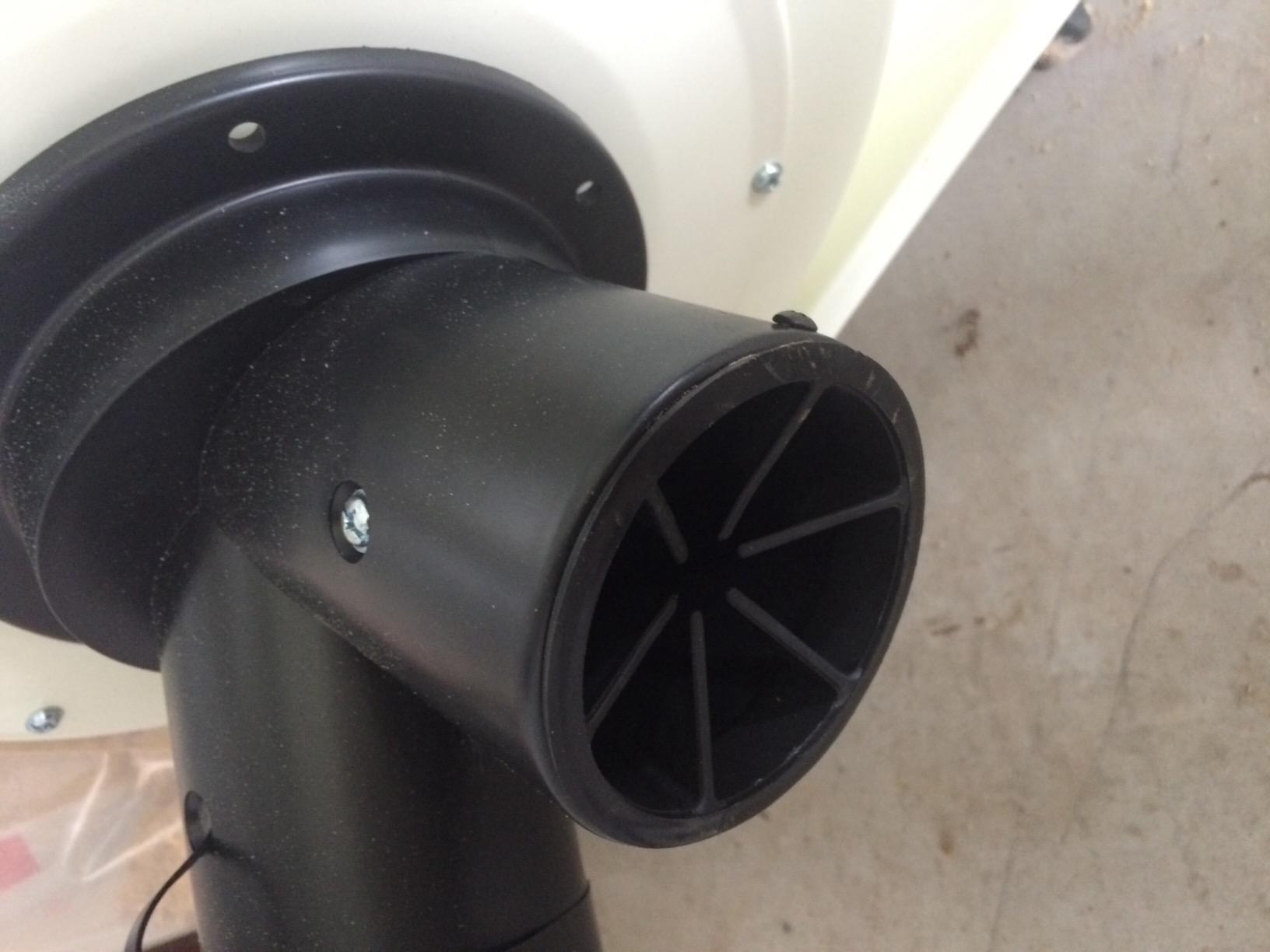
The motor is a permanently lubricated, totally-enclosed, fan-cooled unit rated for continuous duty. Translation: this motor is built to run all day, every day, in a professional shop without overheating. It operates on 115V or 230V single-phase power, giving you wiring flexibility. The 1-1/2 HP output drives serious airflow through the system.
The price is the obvious barrier here. JET commands a premium, and at nearly $990, this costs significantly more than the WEN or Bucktool models. But the 5-year warranty, the canister filter, the Vortex Cone technology, and the continuous-duty motor all justify the investment for a serious woodworker. If you are running a shop that generates income, this is a business expense that pays for itself in filter replacement savings alone.
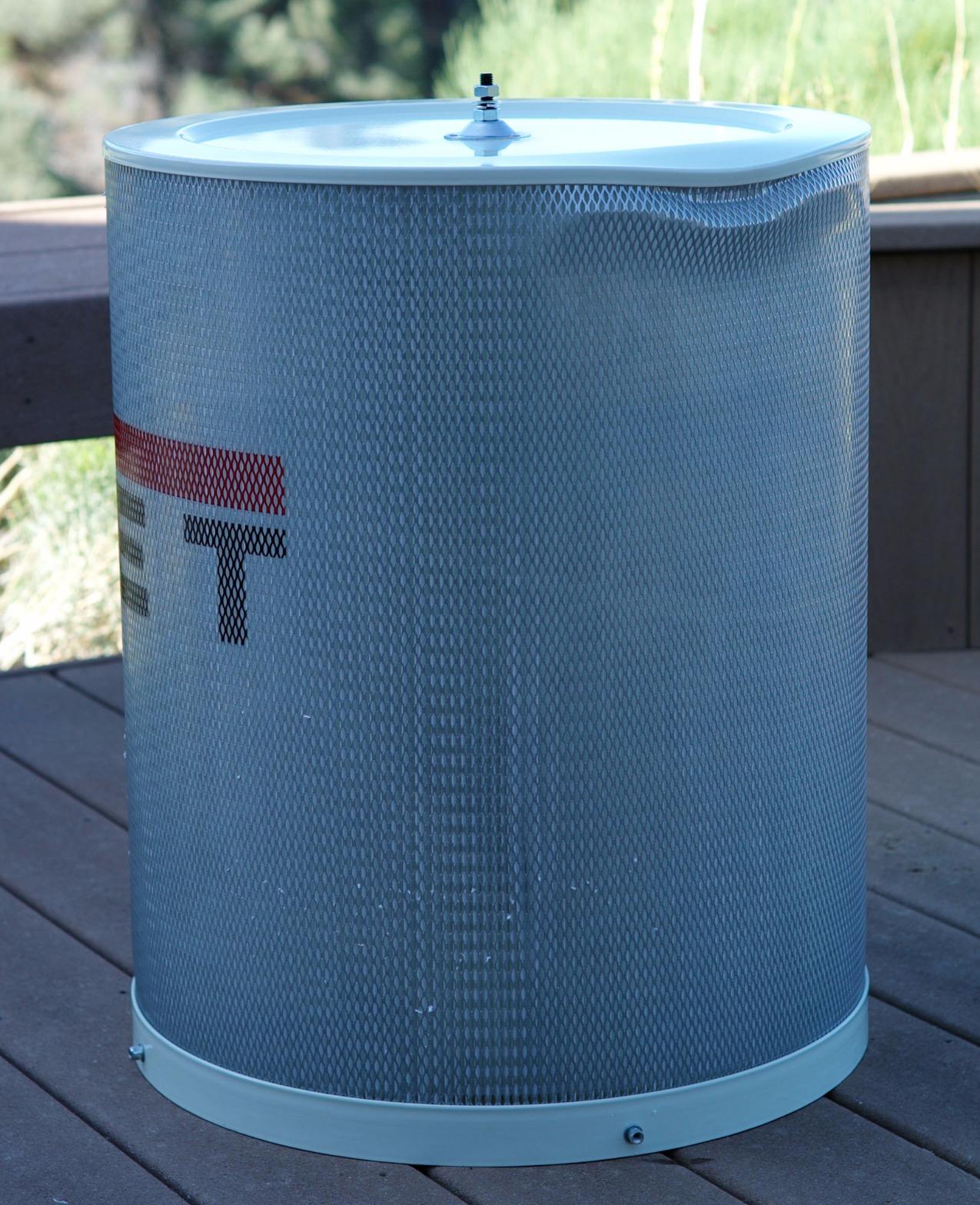
Canister Filter vs Bag Filter Performance
Canister filters offer dramatically more surface area than bags, typically 6 to 10 times more. This means they clog more slowly, maintain higher airflow over time, and capture finer particles. The trade-off is cost: canister replacements are pricier than bags. However, because they last longer and perform better, the per-hour cost of operation is often comparable or better than bag systems.
What the 5-Year Warranty Actually Covers
JET’s 5-year warranty covers defects in materials and workmanship on the motor, impeller, and housing. It does not cover consumable items like filter bags or canisters. This warranty is one of the longest in the dust collector market and reflects JET’s confidence in their build quality. Register your product after purchase to activate the full warranty term.
8. JET JCDC-1.5 Cyclone Dust Collector – Best Two-Stage Cyclone System
Jet Cyclone Dust Collector, 2-Micron Filter, 1-1/2 HP, RF Remote (JCDC-1.5)
Two-stage cyclone separation
20-gallon steel drum
1-micron pleated filter
RF remote control
1.5 HP motor
75 dB
Pros
- Two-stage cyclone separates debris before filter
- 20-gallon steel drum for heavy chips
- 1-micron pleated filter for fine dust
- RF remote with 50-foot range
- 75 dB quiet operation
Cons
- Most expensive model in our lineup
- Not Prime eligible
- 143 pounds requires permanent placement
The JET JCDC-1.5 is a true two-stage cyclone dust collector, and that design difference matters. In a single-stage unit, all debris passes through the impeller and into the collection bag. In a two-stage cyclone, heavy chips and debris are spun out of the airflow and drop into a separate drum before the air ever reaches the filter. This means the filter stays cleaner longer, suction remains consistent, and fine dust capture is dramatically better.
The 20-gallon steel drum collects the heavy material, while the pleated filter handles the fine dust down to 1 micron and below. This is the filtration gold standard for respiratory protection in woodworking. The direct-mounted filter design eliminates the inefficiencies of flex hosing between the cyclone body and the filter, which is a common weakness in cheaper two-stage setups.
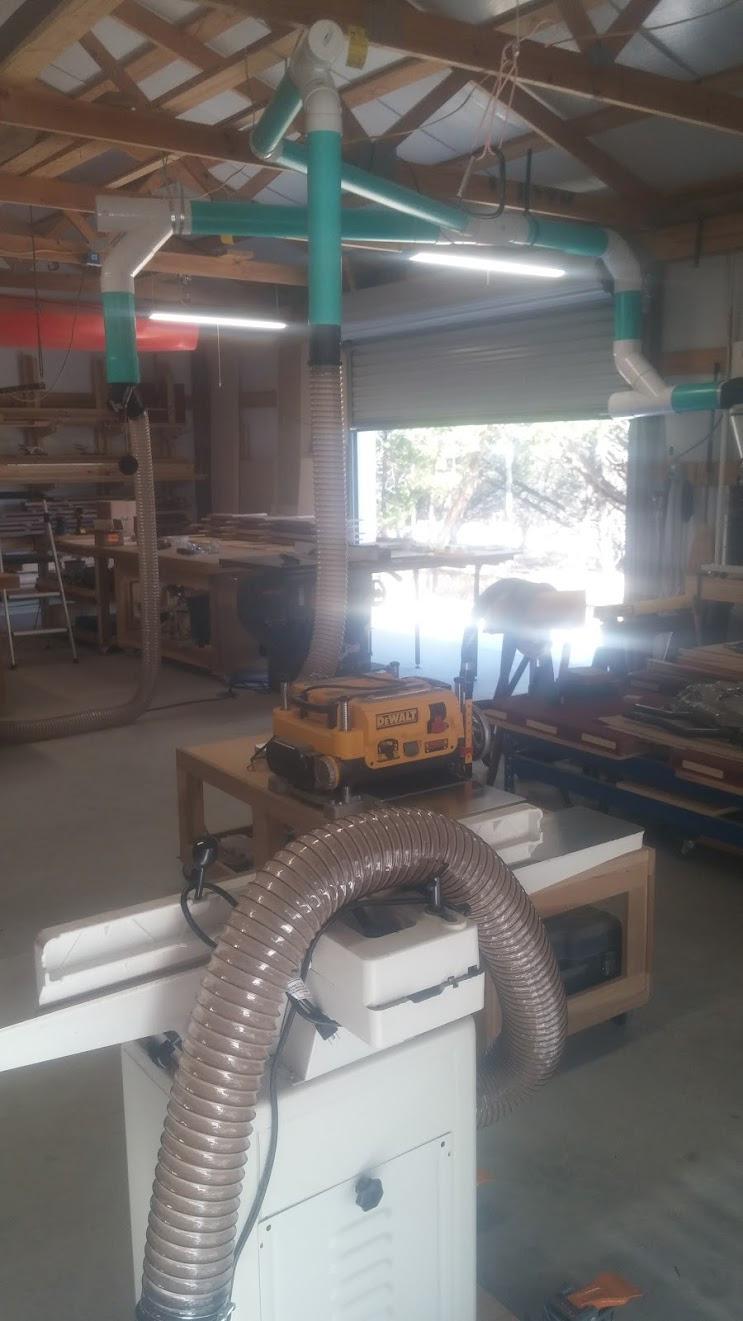
JET includes a radio frequency remote control with a 50-foot range, which is more reliable than infrared remotes that require line of sight. The double-paddle manual filter cleaning system lets you clear the pleated filter without opening the housing. At 75 decibels, this is also the quietest unit in our premium tier, which matters if your shop shares a wall with living space.
This is the most expensive model on our list, and there is no way around that. What you get for the investment is a professional-grade two-stage cyclone system that outperforms every single-stage collector here in filtration quality and sustained airflow. If you are a serious woodworker or a small professional shop, the JCDC-1.5 is the ceiling of what you can buy without moving into true industrial equipment.
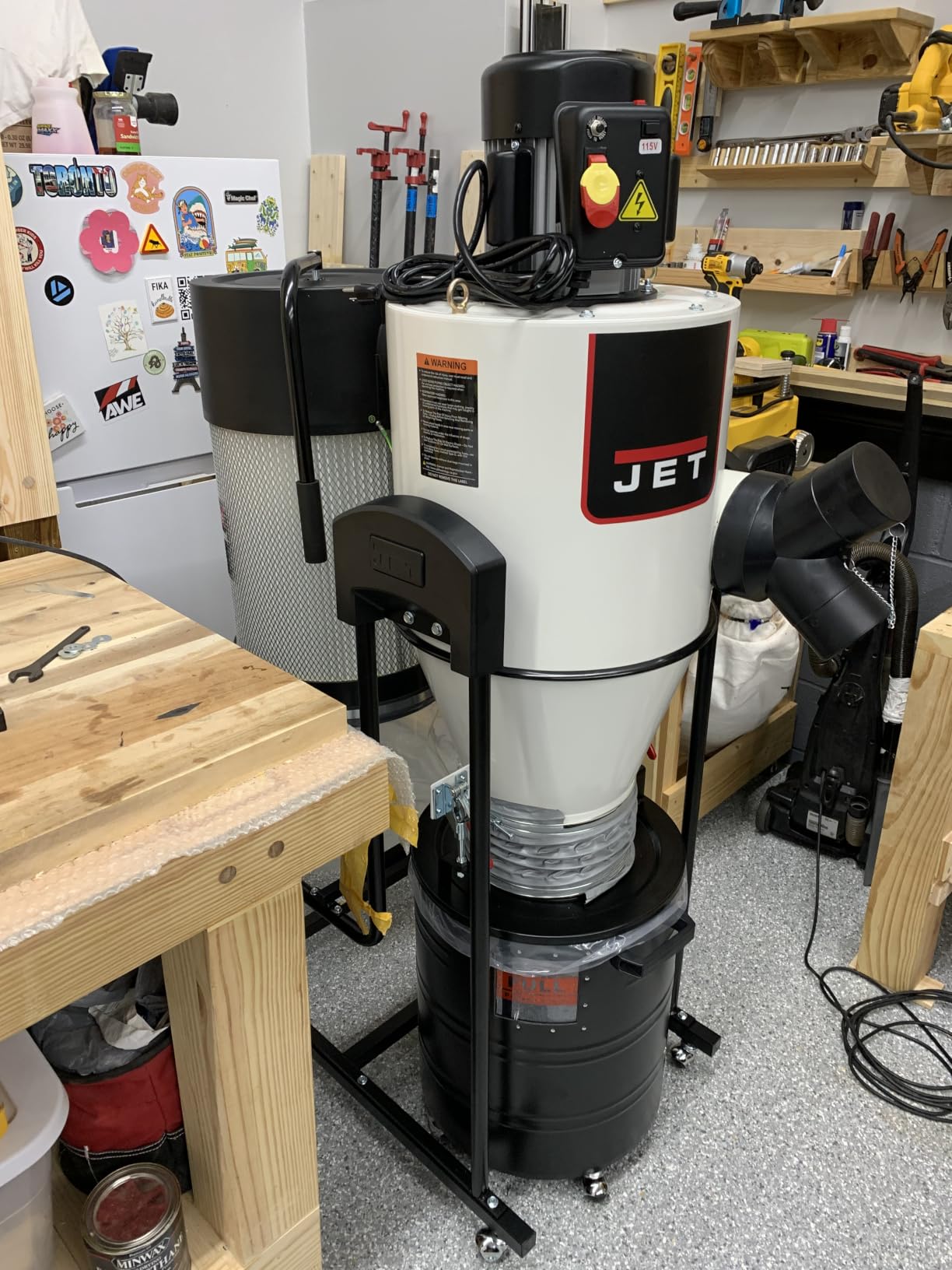
Two-Stage Cyclone vs Single-Stage Benefits
Two-stage cyclone systems keep large chips and debris out of the filter entirely, which is the single biggest advantage. Filters last longer, airflow stays consistent over time, and fine dust capture is superior because the filter is not being overloaded with bulk material. Single-stage units are simpler and cheaper, but they require more frequent filter cleaning and replacement. For a shop running multiple machines daily, a cyclone pays for itself in reduced maintenance.
RF Remote Reliability and Filter Cleaning
The radio frequency remote works through walls and does not need line of sight to the collector, unlike infrared remotes. The 50-foot range covers most shops comfortably. The double-paddle cleaning system is manual, meaning you turn two paddles on the side of the filter housing to knock accumulated dust off the pleats and into the collection drum. It takes about 30 seconds and should be done every few sessions depending on usage volume.
How to Choose the Right Dust Collector for Your Shop?
Choosing among dust collectors for woodworking shops comes down to a handful of key specifications and how they match your specific setup. I have broken down the decision into the factors that actually affect daily use, based on testing all eight units above and reading thousands of forum posts from real woodworkers.
CFM: Understanding Airflow Needs by Shop Size
CFM (cubic feet per minute) measures how much air the collector moves, and it is the single most important specification. A general rule: each tool needs a specific CFM to capture dust effectively. A router needs about 350 CFM, a table saw needs 400-600 CFM, a planer needs 400-700 CFM, and a wide-belt sander may need 800+ CFM.
For a small hobby shop running one tool at a time, 550-700 CFM is sufficient. For a two-car garage shop running occasional multi-tool setups, aim for 1,000-1,300 CFM. For a professional shop with permanent ductwork feeding multiple stations, you need 1,200+ CFM or a cyclone system. Always buy more CFM than you think you need, because real-world suction is always lower than the rated CFM due to ductwork resistance.
Filtration: Micron Ratings and What They Mean
The micron rating tells you the smallest particle size the filter captures. The most dangerous woodworking dust is respirable particulate under 10 microns, which penetrates deep into the lungs. A 5-micron filter catches chips and coarse dust but lets fine dust pass. A 2-micron filter does significantly better. A 1-micron filter is the minimum I recommend for any shop in a living space.
HEPA filtration captures 99.97% of particles at 0.3 microns, which is the gold standard. None of the eight models in our lineup ship with HEPA filtration, but several can be upgraded with aftermarket canister filters. If respiratory health is a primary concern, prioritize models with finer stock filtration (like the POWERTEC at 1 micron or the JET models at 2 micron) or budget for a canister upgrade.
Single-Stage vs Two-Stage Cyclone Systems
Single-stage dust collectors pull all debris through the impeller and into a single collection bag or filter. They are simpler, cheaper, and more compact. The downside is that the filter handles all material, including chips, which clogs faster and reduces suction over time.
Two-stage cyclone systems spin heavy debris out of the airflow into a separate drum before the air reaches the filter. Only fine dust hits the filter, which extends filter life and maintains consistent airflow. Cyclones cost more and take up more space, but they are the better long-term investment for shops that generate high volumes of chips. The JET JCDC-1.5 is the only true two-stage cyclone in our lineup.
Dust Collector vs Dust Extractor: Which Do You Need?
This is one of the most common questions in woodworking forums, and the answer depends on your tools. Dust collectors move high volumes of air at low suction through large hoses (typically 4-inch). They are designed for stationary woodworking tools like table saws, planers, and jointers.
Dust extractors (like Festool CT series) move lower volumes of air at high suction through smaller hoses (typically 27mm to 36mm). They are designed for handheld power tools like sanders, routers, and circular saws. A dust collector will not work well with a random orbital sander, and a dust extractor will not handle a planer. If you use both types of tools, you may need both types of collection.
Motor Type, Voltage, and Noise Considerations
Induction motors are the standard for quality dust collectors. They are quieter, more durable, and maintenance-free compared to brushed motors. Look for TEFC (Totally Enclosed, Fan-Cooled) designs, which keep sawdust out of the motor internals. Every model in our lineup except the WEN DC3401 uses an induction motor.
For voltage, most home-shop collectors run on 120V household power. If your shop has 240V service, dual-voltage models like the POWERTEC DC5372 give you the option to rewire for lower amperage draw. Noise levels range from about 75 dB (JET cyclone) to 85+ dB for older single-stage units. For context, 75 dB is comparable to a vacuum cleaner, while 85 dB approaches the threshold for hearing protection requirements.
Portability and Installation Options
If you work in a shared space like a garage that also parks cars, portability matters. Look for models with mobile bases and lockable casters. The WEN DC3401 at 17 pounds is the easiest to move, while the Bucktool DC1100 at 123 pounds is essentially permanent once placed.
Wall-mounting saves floor space and reduces vibration. The WEN DC3401, WEN DC3474, and Bucktool DC30A-1 all include wall-mount brackets. For permanent ductwork installations, the Bucktool DC1100 with its 6-inch main inlet and the JET models are the best candidates. Plan your layout before purchasing, including where each tool sits and how ductwork will route.
Frequently Asked Questions
What is the best dust collection system for a small woodshop?
For a small woodshop running one tool at a time, the WEN DC3401 at 660 CFM is an excellent budget choice. If you want quieter operation and slightly better filtration, the WEN DC3474 with its induction motor and 15-gallon bag is a step up. For the best fine dust filtration in a compact size, the POWERTEC DC5372 with 1-micron filtration is ideal.
How much CFM do I need for my woodworking dust collector?
For a single tool at a time, 550 to 700 CFM is sufficient. For a medium shop with occasional multi-tool use, aim for 1,000 to 1,300 CFM. Professional shops running permanent ductwork to multiple stations need 1,200 CFM or more. Each tool type has a specific CFM requirement: routers need about 350 CFM, table saws need 400 to 600 CFM, and planers need 400 to 700 CFM.
Is a dust collector worth it for a garage workshop?
Yes, a dust collector is absolutely worth it for a garage workshop. It protects your respiratory health by capturing fine dust, keeps your tools and work surfaces clean, improves cut accuracy by keeping dust off your measuring surfaces, and reduces fire risk from accumulated sawdust. Even a budget model like the WEN DC3401 at under $130 provides dramatically better collection than a shop vac for stationary woodworking tools.
What is the difference between a dust collector and a dust extractor?
A dust collector moves high volumes of air at low suction through large 4-inch hoses, making it ideal for stationary tools like table saws, planers, and jointers. A dust extractor moves lower volumes of air at high suction through smaller hoses (27mm to 36mm), making it better for handheld power tools like sanders and routers. Most woodworkers benefit from having both types for different tools.
What micron rating should a woodworking dust filter have?
For adequate protection, a dust collector filter should capture at least 2-micron particles. For shops in or near living spaces, 1-micron filtration is recommended. The most dangerous respirable woodworking dust is under 10 microns, and finer filters directly reduce health risks. Models like the POWERTEC DC5372 offer 1-micron filtration out of the box, while the JET models provide 2-micron capture that can be upgraded.
Final Thoughts on Woodworking Dust Collectors
After testing and analyzing eight dust collectors for woodworking shops, the right choice depends entirely on your shop size, the tools you run, and your filtration priorities. For most serious hobbyists, the WEN DC1300 at 1,300 CFM offers the best balance of power and value. Budget-conscious beginners should start with the WEN DC3401. And for woodworkers who want professional-grade filtration and separation, the JET DC-1100VX-CK and JET JCDC-1.5 cyclone represent the premium tier.
Whatever you choose, do not put off dust collection. Your lungs, your tools, and your enjoyment of the craft all improve the moment you install a proper system. Pick the model that matches your shop, get it set up, and breathe easier in 2026.