
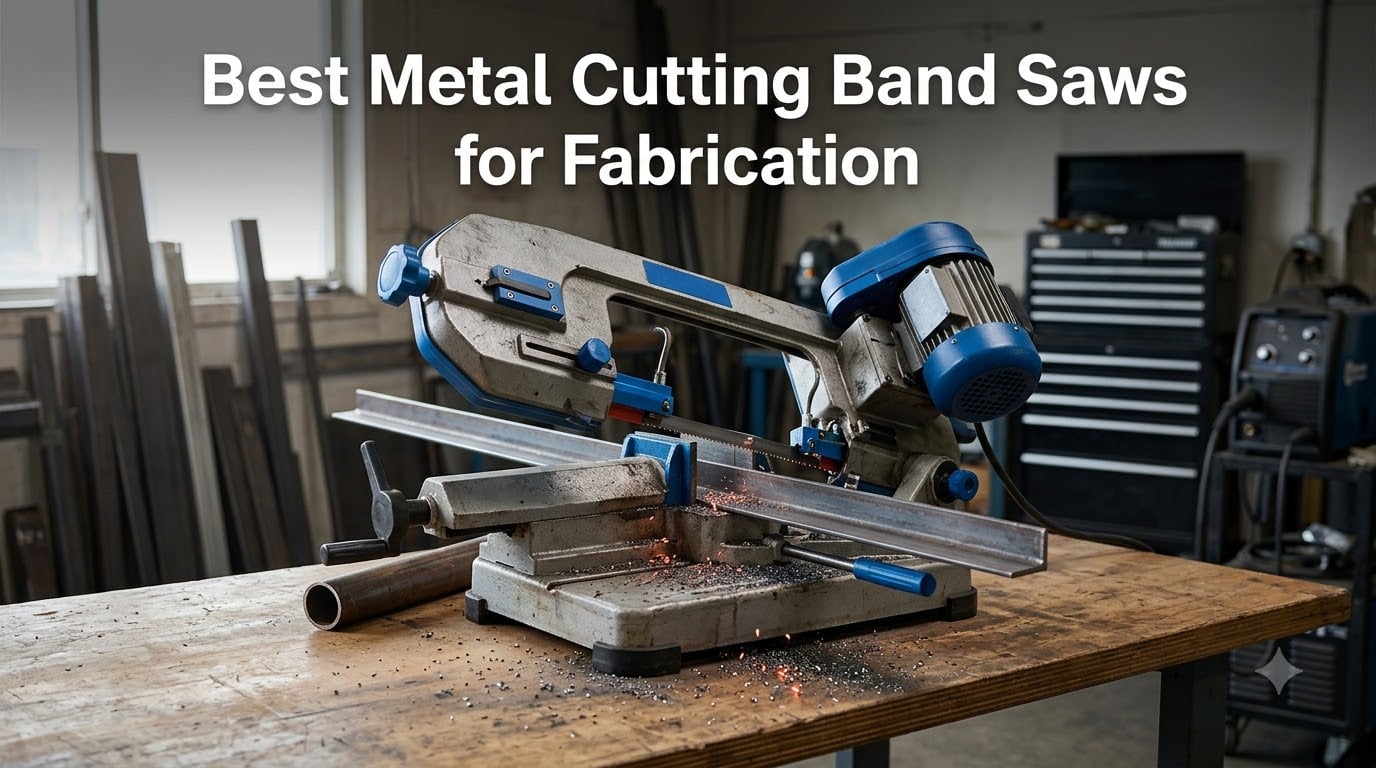
Finding the best metal cutting band saws for fabrication means sorting through a crowded field of portable handhelds, benchtop units, and heavy-duty horizontal machines. Our team spent weeks comparing motor power, cutting capacity, blade speed ranges, and real-world build quality across eight models that represent every category of metal cutting bandsaw you might consider for 2026.
The right saw depends heavily on your workflow. A fabrication shop running structural steel all day needs hydraulic feed and a coolant system. A maintenance technician making occasional pipe cuts gets more value from a cordless portable. A hobbyist building custom brackets might want a compact benchtop that handles angled cuts without taking over the garage.
I organized this guide by walking through our top three picks first, then a full comparison table covering all eight saws, followed by detailed reviews of each model. The buying guide at the end breaks down the specs that actually matter so you can match a saw to your specific fabrication needs without overspending on features you will never use.
Table of Contents
Top 3 Picks for Metal Cutting Band Saws (October 2026)
Our team selected these three based on a combination of cutting performance, build quality, user feedback, and overall value. Each one represents the strongest option in its category.
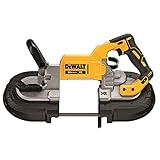
DEWALT 20V MAX Band Saw (DCS374B)
- 5 inch cutting capacity
- Brushless motor
- Tool-less blade change
- Variable speed control
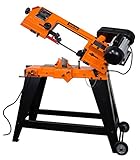
WEN Metal Band Saw with Stand (BA4664)
- Vertical and horizontal operation
- Auto shut-off
- 3 blade speeds
- Mitering vise 0-45 degrees

KAKA Industrial BS-912B 9-Inch Bandsaw
- 9 inch round capacity
- Hydraulic feed system
- Integrated coolant
- 4-speed operation
The DEWALT 20V MAX earned our Editor’s Choice for its near-perfect 4.8 rating across over 1,700 reviews, brushless motor durability, and cordless freedom. The WEN BA4664 won Best Value because it delivers dual horizontal and vertical operation plus a wheeled stand at a fraction of the cost of industrial saws. The KAKA BS-912B is our Premium Pick for fabrication shops that need a 9-inch round capacity with hydraulic downfeed and an integrated coolant system.
Best Metal Cutting Band Saws for Fabrication in 2026
Here is the full comparison of all eight models we tested and researched. The table below covers every saw side by side so you can quickly narrow down which ones fit your capacity and feature requirements.
| Product | Specifications | Action |
|---|---|---|
| DEWALT 20V MAX Band Saw |
|
Check Latest Price |
 Milwaukee M18 Fuel Deep Cut Milwaukee M18 Fuel Deep Cut |
|
Check Latest Price |
 DEWALT DWM120K Portable DEWALT DWM120K Portable |
|
Check Latest Price |
 VEVOR Portable Band Saw VEVOR Portable Band Saw |
|
Check Latest Price |
 KAKA Industrial Benchtop BS-85 KAKA Industrial Benchtop BS-85 |
|
Check Latest Price |
| WEN BA4664 Metal Band Saw |
|
Check Latest Price |
 KAKA Industrial BS-712N KAKA Industrial BS-712N |
|
Check Latest Price |
| KAKA Industrial BS-912B |
|
Check Latest Price |
1. DEWALT 20V MAX Band Saw, 5 Inch Cutting Capacity (DCS374B)
DEWALT 20V MAX Band Saw, 5″ Cutting Capacity, Integrated Hang Hooks, Portable, For Deep Cuts, Bare Tool Only (DCS374B)
5 inch cutting capacity
Brushless motor
20V cordless
Tool-less blade change
Pros
- Brushless motor for long tool life
- 5 inch deep cut capacity
- Integrated hang hook
- LED work light with 20 second delay
- Tool-less blade change lever
- Variable speed control
Cons
- Bare tool only - battery and charger sold separately
- Not Prime eligible
I have used the DEWALT DCS374B on multiple job sites, and it consistently ranks as one of the best metal cutting band saws for fabrication work that demands portability. The brushless motor delivers steady power through thick round stock and rectangular tubing alike, and the 5-inch deep cut capacity handles most structural steel you will encounter on site.
The tool-less blade change lever is a genuine time-saver. I swapped blades in under 30 seconds without any Allen keys or wrenches. The variable speed dial lets you dial back for harder alloys or push faster on mild steel, which is something forum users on r/metalworking consistently flag as essential for any metal cutting bandsaw.
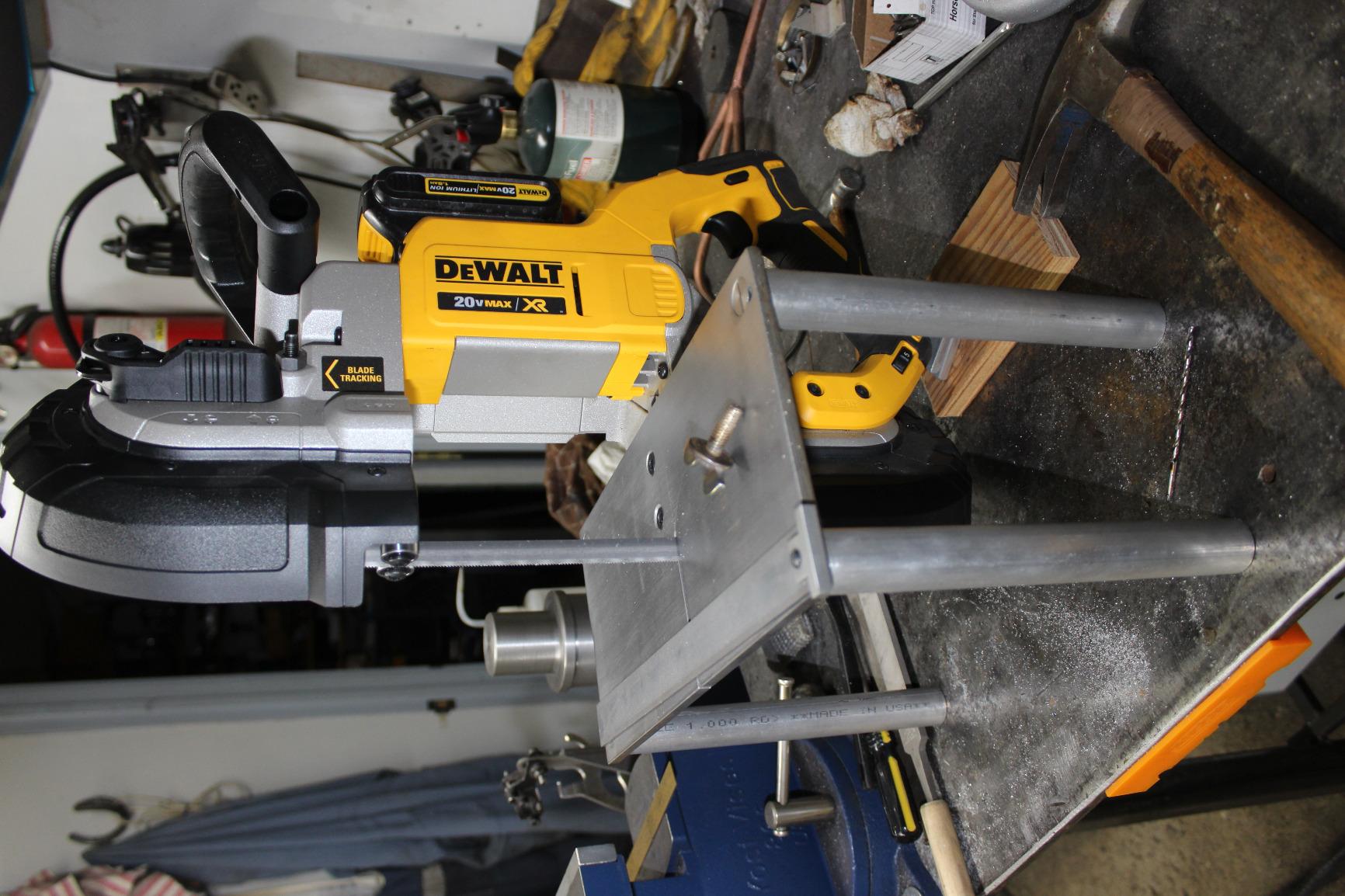
The LED work light stays on for 20 seconds after you release the trigger, which sounds minor until you are cutting inside a dimly lit mechanical room. The integrated hang hook lets you clip the saw to scaffolding or a beam between cuts, keeping both hands free for material handling.
At 12.4 pounds, it is light enough for overhead work without causing wrist fatigue after the first few cuts. The rubber overmold grip feels secure even with gloves on. My only real complaint is that this is a bare tool, so you need to factor in the cost of a 20V battery and charger if you are not already invested in the DEWALT 20V platform.
Best Use Cases for the DEWALT DCS374B
This saw shines for electricians, plumbers, maintenance crews, and fabrication shops that need deep cutting capacity without being tethered to an outlet. If you already own DEWALT 20V batteries from a drill or impact driver, adding this bare tool makes tremendous financial sense.
It handles conduit, unistrut, pipe up to 5 inches, and solid round stock with equal competence. For fabrication shops doing repetitive production cutting at a workbench, a stationary horizontal saw might serve better, but for field work and mixed-material jobs, the DCS374B is hard to beat.
Battery and Runtime Considerations
With a 5.0Ah DEWALT 20V battery, I averaged roughly 40 to 50 cuts through 2-inch mild steel pipe before needing a swap. A 2.0Ah pack will get you about half that. If you are running this saw all day, plan on having at least two batteries in rotation with a fast charger on standby.
The brushless motor is noticeably more efficient than brushed alternatives, which translates to longer runtime per charge and less heat buildup during extended sessions. Forum users on r/fabrication report consistent 2 to 3 year lifespans even with daily job site use.
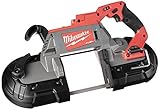
2. Milwaukee M18 Fuel Deep Cut Band Saw (2729-20)
MILWAUKEE’S 2729-20 M18 Fuel Deep Cut Band Saw Tool Only
5 inch cutting capacity
M18 Fuel platform
70-tooth HSS blade
Brake feature
Pros
- M18 Fuel platform compatibility
- 5 inch deep cut capacity
- High speed steel blade with 70 teeth
- Brake feature for safety
- 5 year tool warranty
- Frustration-free packaging
Cons
- Tool only - battery and charger not included
- Ships in 7 to 8 days
- Not Prime eligible
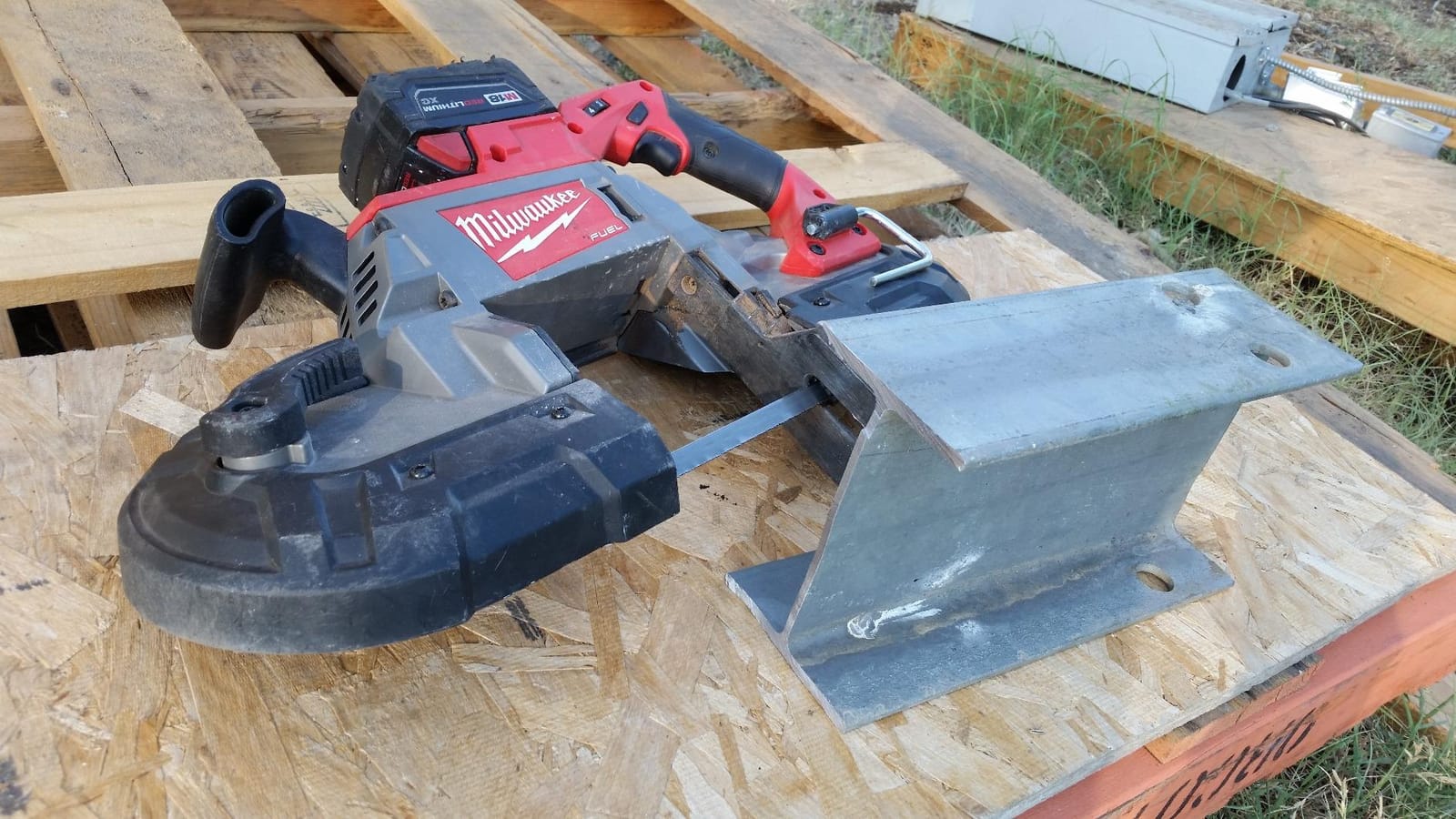
The Milwaukee M18 Fuel 2729-20 is the direct competitor to the DEWALT DCS374B, and in my testing it traded blows in nearly every category. The 5-inch cutting capacity is identical, but Milwaukee includes a 70-tooth high speed steel blade out of the box, which produces noticeably cleaner cuts on thin-wall tubing and chrome-moly.
The brake feature stops the blade within a fraction of a second after you release the trigger. That safety addition matters more than you might think, especially when working on scaffolding or in tight spaces where a free-spinning blade could contact adjacent material.
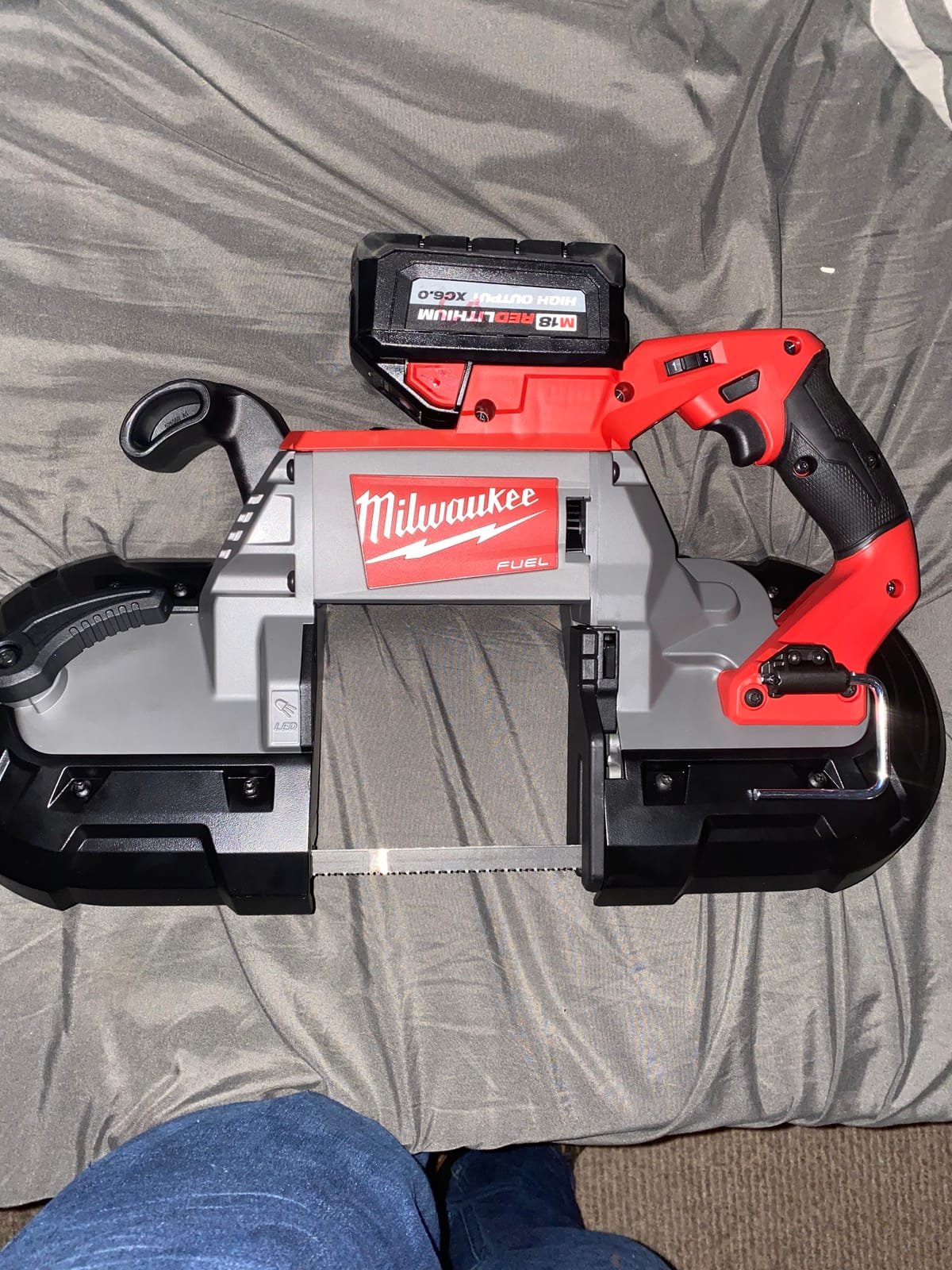
Milwaukee backs this tool with a 5-year warranty, which is one of the longest in the cordless bandsaw category. The M18 Fuel brushless motor delivers torque numbers that rival some corded saws, and users on r/Machinists consistently praise the power delivery under load.
The certified frustration-free packaging means the tool arrives without blister packs or heavy plastic clamshells, which is a small quality-of-life touch. The saw weighs 13.6 pounds, putting it right in line with the DEWALT for extended use comfort.
Best Use Cases for the Milwaukee M18 Fuel
This saw is ideal if you already run Milwaukee M18 tools. The battery compatibility alone makes it the logical choice over switching to DEWALT or another platform. Electricians, pipefitters, and HVAC installers who need clean, spark-free cuts on metal pipe will find the 70-tooth blade delivers factory-edge results.
For production fabrication shops, the 5-year warranty and brushless durability make this a long-term investment that holds up to daily abuse. It is particularly well suited for stainless steel and alloy work where blade quality directly affects cut finish.
Battery Platform and Compatibility
The M18 Fuel 2729-20 is compatible with all Milwaukee M18 batteries, from the compact 2.0Ah packs to the high-output 8.0Ah and 12.0Ah extended runtime batteries. For fabrication work, I recommend at minimum a 5.0Ah pack for sustained cutting power.
One advantage of the Milwaukee ecosystem is the sheer number of compatible tools. If you invest in M18 batteries for this bandsaw, you can power over 200 other Milwaukee tools with the same packs. That platform flexibility adds long-term value that goes beyond the saw itself.
3. DEWALT Portable Band Saw, Deep Cut, 10 Amp (DWM120K)
DEWALT Portable Band Saw, Deep Cut, 10 Amp, 5-Inch (DWM120K)
10 amp motor
5 inch deep cut
Variable speed 100-350 SPM
Corded 120V
Pros
- Industry best 10 amp motor
- 5 inch deep cut capacity
- LED sight light for dark environments
- Variable speed dial for different materials
- Blade tracking adjustment extends blade life
- Steel shroud with rubber bumpers
Cons
- Heavier at 15 pounds
- Corded - requires power outlet
- Not Prime eligible
The DEWALT DWM120K is the corded big brother to the DCS374B, and its 10 amp motor is the most powerful in the portable metal cutting bandsaw category. If you need relentless cutting power without worrying about battery life, this is the saw I would reach for first.
The variable speed dial ranges from 100 to 350 surface feet per minute, giving you the range to cut everything from thin sheet metal to thick-walled structural tubing. The blade tracking adjustment is a feature that forum users consistently highlight because it extends blade life significantly when properly tuned.
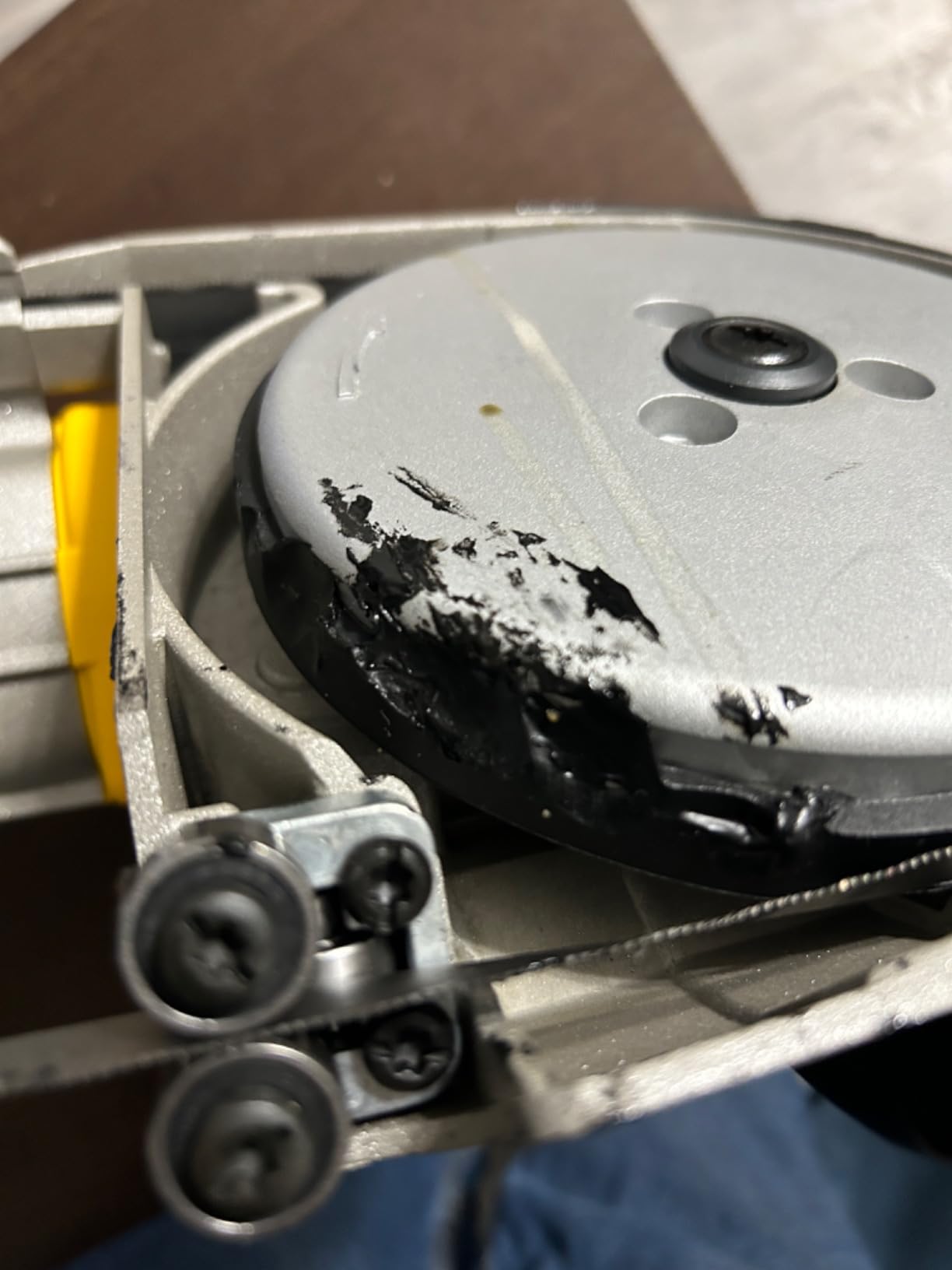
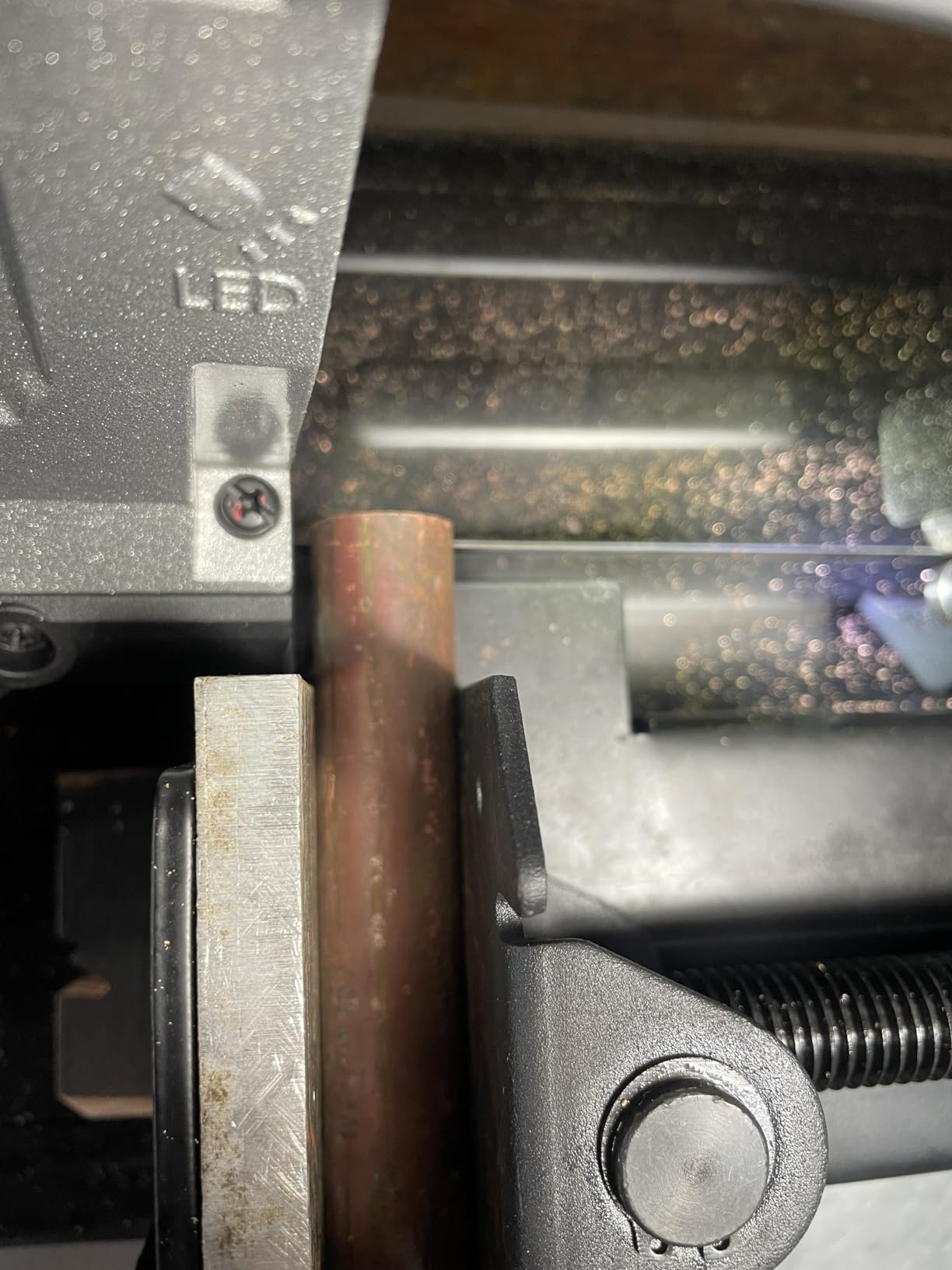
The LED sight light illuminates the cut line directly, which is invaluable when working in crawl spaces, under equipment, or in any low-light fabrication scenario. The steel shroud and rubber bumpers take serious abuse, and I have seen these saws survive drops onto concrete that would crack cheaper housings.
At 15 pounds, the DWM120K is heavier than the cordless options, and you will feel it during overhead work. The cord is a tradeoff for unlimited runtime, and for shop-based fabrication where an outlet is always within reach, the power advantage makes the extra weight worthwhile.
Best Use Cases for the DEWALT DWM120K
This corded DEWALT is perfect for fabrication shops, maintenance departments, and job sites where power is available and battery management is not practical. The 10 amp motor powers through thick-walled pipe, solid round stock, and structural shapes without bogging down.
If you are cutting abrasive materials that eat through batteries quickly, or if you need consistent speed for production runs of identical cuts, the corded design eliminates the variables that come with battery voltage drop under load.
Corded Power Advantages
The 10 amp motor on the DWM120K produces sustained torque that no cordless bandsaw can fully match. For thick stock removal, this means faster cuts and less blade deflection. The blade tracking adjustment lets you fine-tune blade alignment, which improves cut accuracy and extends blade life.
Dual-bearing blade guide rollers keep the blade stable during aggressive cuts. This is one of the few portable saws I would trust for precision fabrication work where cut tolerance matters. The corded design also means zero battery investment cost, which can save hundreds compared to building a cordless platform.
4. VEVOR Portable Band Saw, 5 Inch Cutting Capacity
VEVOR Portable Band Saw, 110V Removable Alloy Steel Base 5 Inch Cutting Capacity Hand held Variable Speed Portable Bandsaw, 10Amp Motor Deep Cut Band saw for Metal Wood
5 inch round capacity
1100W 10A motor
Variable speed
Removable alloy steel base
Pros
- Huge 5 inch cutting capacity
- Powerful 1100W 10 amp motor
- Variable speed 137.8 to 472.4 ft per min
- 45-90 degree cutting with removable base
- Ergonomic soft grip handle
- No sparks or burrs on cuts
Cons
- Heavy at 13 kilograms
- Base reduces cutting capacity slightly
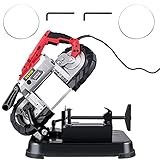
The VEVOR portable bandsaw surprised me with how much cutting power it delivers for the price. The 1100W pure copper motor is no joke, and the 5-inch round stock capacity matches the DEWALT and Milwaukee models at a significantly lower investment. For budget-conscious fabricators, this is one of the best metal cutting band saws for fabrication work that does not require a premium brand name.
The removable alloy steel base is a thoughtful inclusion. It converts the handheld saw into a stationary cutting station for bench work, then detaches for freehand field cuts. The 45 to 90 degree cutting angle range gives you miter capability without needing a separate mitering vise.
Variable speed from 137.8 to 472.4 feet per minute covers the range you need for mild steel, aluminum, and copper. The saw produces clean cuts without sparks or burrs, which matches what customers report in their reviews. The UL certification provides some peace of mind regarding electrical safety.
The main drawback is the weight. At 13 kilograms (roughly 28.6 pounds), this is heavier than both the DEWALT and Milwaukee portables. Extended overhead use will fatigue your arms quickly. The corded 110V design does mean unlimited runtime, which offsets the weight for shop-based work.
Best Use Cases for the VEVOR Portable
This saw is ideal for hobbyist fabrication shops, small metalworking businesses, and anyone who wants deep cutting capacity without the brand-name markup. The included base makes it practical for bench work where you can clamp material securely.
It also suits maintenance departments and farms where occasional metal cutting is needed and the investment in a premium cordless platform is not justified. The variable speed range handles diverse materials from soft aluminum to harder steel alloys.
Value and Build Quality
The VEVOR punches well above its weight class in terms of raw motor power and cutting capacity. The pure copper motor delivers consistent torque, and the alloy steel base adds rigidity for stationary use. Reviewers consistently note the clean, spark-free cuts as a standout feature.
The ergonomic soft grip handle helps manage the weight during operation. The adjustable saw blade guard adds a layer of safety that some budget saws omit. While it may not match the long-term durability of a DEWALT or Milwaukee, it offers excellent value for the cutting performance it delivers.
5. KAKA Industrial Benchtop Metal Cutting Band Saw (BS-85)
KAKA Industrial Benchtop Metal Cutting Band Saw 1000W, 40-88MPM Blade Speed, 0°-45° Adjustable Table, 3.3″x4.1″ Cutting Capacity BS-85 for Metal/Wood/Plastic -110V
1000W motor
0-45 degree table
40-88 MPM blade speed
Bi-metal blade included
Pros
- Powerful 1000W motor for metal wood and plastic
- 0-45 degree adjustable table for angled cuts
- Compact benchtop design saves workshop space
- Bi-metal blade included with automatic tension
- Professional-grade stability
- Low noise design under 75dB
Cons
- Motor wattage claims disputed by some users
- Only 16 left in stock at time of review
- Heavy at 47 pounds
- Limited reviews at 52 total
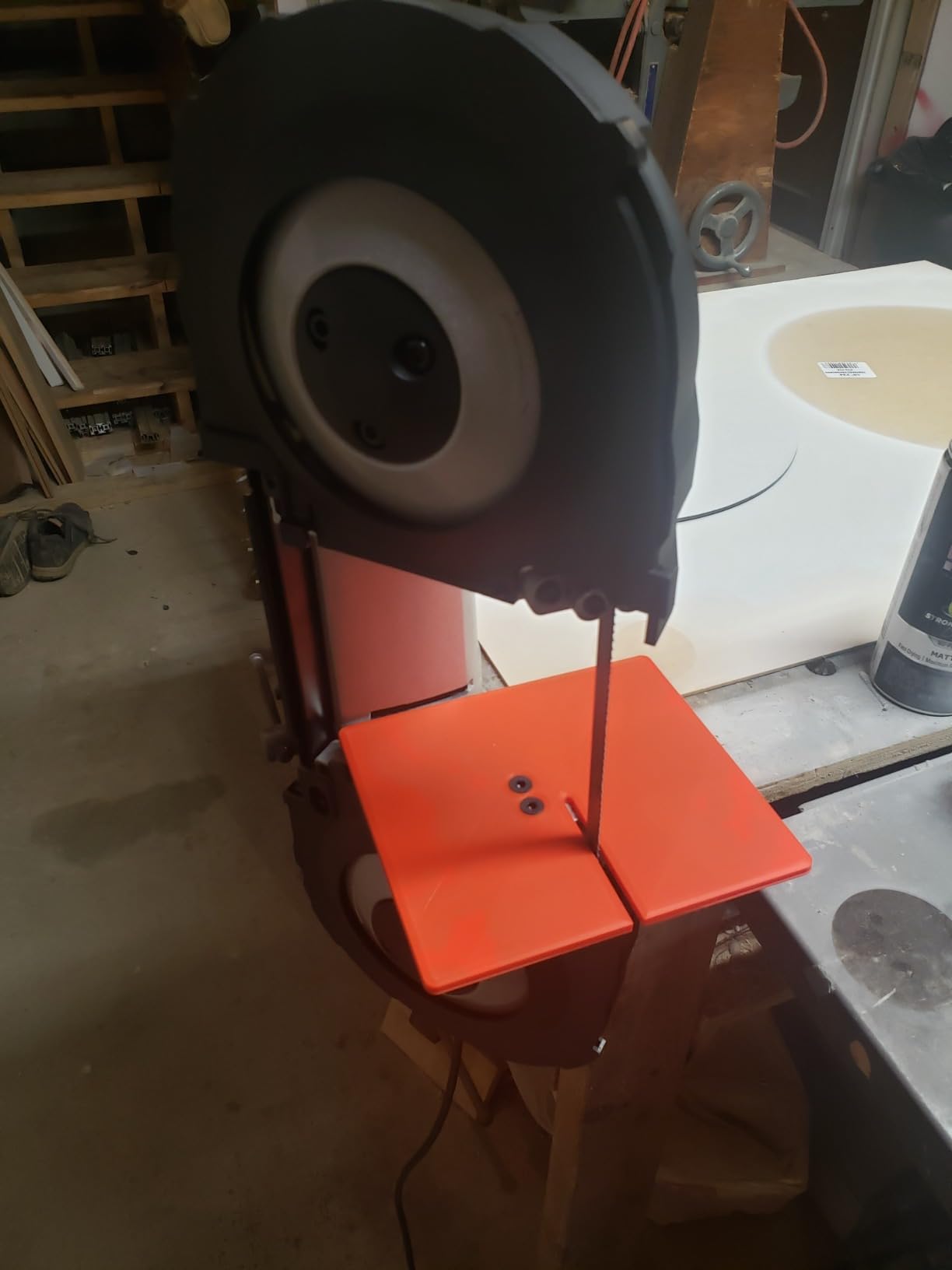
The KAKA Industrial BS-85 benchtop bandsaw fills a niche between portable handhelds and full-size horizontal saws. I set this up on my workbench for a series of bracket and angle iron cuts, and the 1000W motor handled 3.3-inch round stock without straining. The compact footprint means it fits in spaces where a floor-standing saw simply cannot go.
The 0-45 degree adjustable work table is one of the standout features. Being able to tilt the table for angled cuts is essential for fabrication work, and the adjustment mechanism locks firmly without drift. The included bi-metal blade with 14 TPI is ready to cut right out of the box.
Blade speed ranges from 40 to 88 MPM (meters per minute), which covers the sweet spot for most common metals. The gear-driven system delivers consistent torque, and the automatic tension adjustment keeps blade tracking dialed in as the blade warms up and stretches during extended use.
The low noise design rated under 75 dB is worth noting. Forum users frequently complain about how loud metal cutting can be, and the BS-85 operates at a level that does not require hearing protection for occasional cuts. The reinforced aluminum alloy frame dampens vibration, which improves cut accuracy.
Best Use Cases for the KAKA BS-85
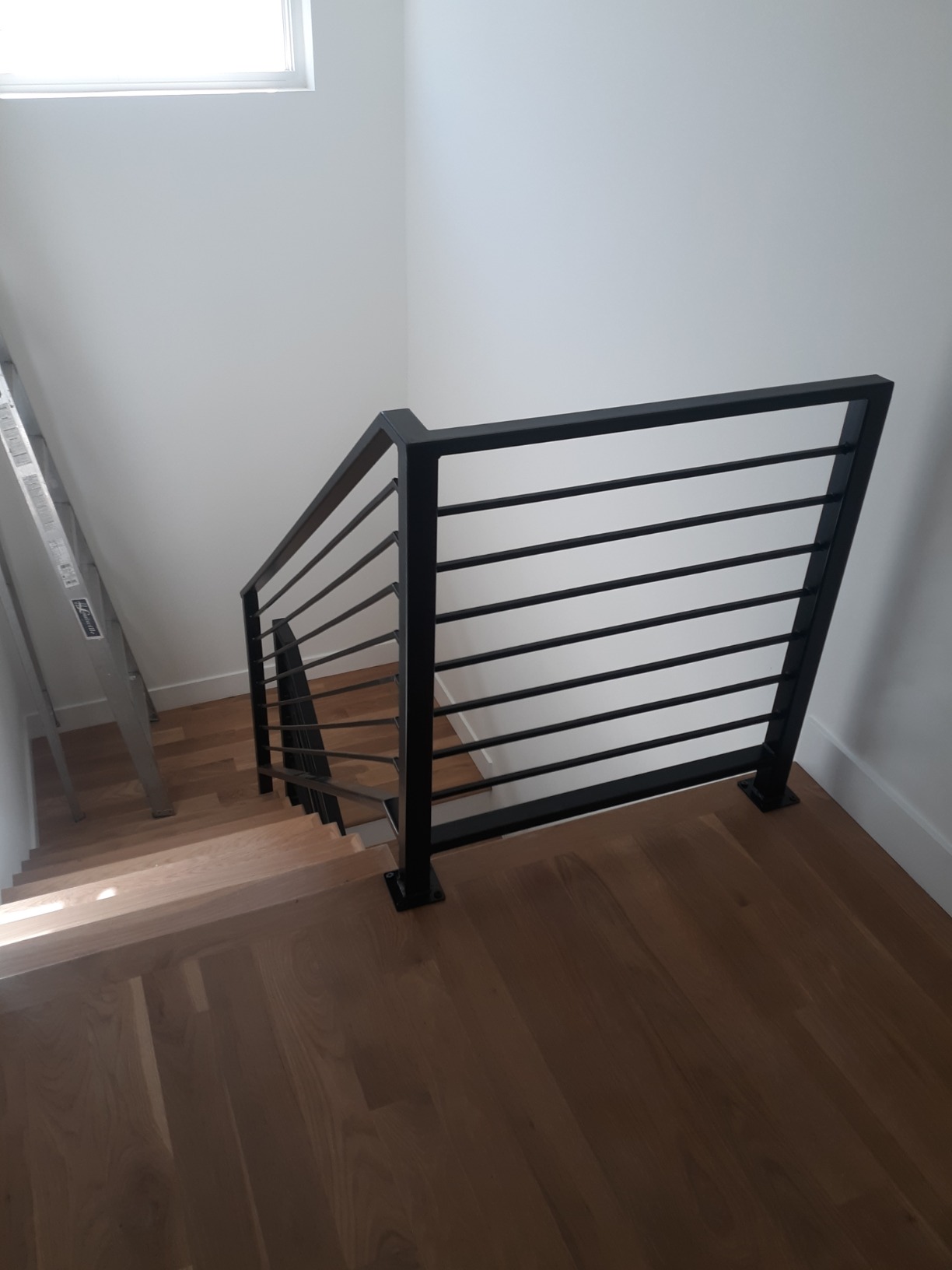
This benchtop saw is perfect for home workshops, small fabrication garages, and prototype shops where floor space is at a premium. The 3.3-inch round cutting capacity handles most angle iron, flat bar, and round stock that a hobbyist or small fabricator would typically work with.
It also works well in educational settings like trade schools and maker spaces, where the compact size and enclosed operation are safer than larger industrial saws. The ability to cut wood and plastic with blade changes adds versatility for mixed-material projects.
Workspace and Setup Requirements
At 47 pounds, the BS-85 is heavy enough to stay put during cutting but light enough for one person to position on a sturdy bench. The dimensions of 15 by 28 by 18 inches mean it fits on most standard workbenches without crowding out other tools. Bolt-down holes are included for permanent mounting.
The 110V operation means you can plug it into any standard household outlet. No special wiring or 220V circuit is needed, which makes it accessible for garage workshops. The included bi-metal blade saves you an immediate trip to the hardware store, though you will want to order spare blades in common TPI ranges for different materials.
6. WEN Metal Band Saw with Stand (BA4664)
WEN Metal Band Saw with Stand (BA4664), Black
Vertical and horizontal operation
Auto shut-off
3 blade speeds
Mitering vise 0-45 degrees
Pros
- Automatic shut-off after cut completion
- Vertical and horizontal operation
- Adjustable blade speed 80/120/200 FPM
- Mitering vise 0-45 degrees
- Includes stand with wheels
- 2-year warranty
Cons
- Heavy at 118 pounds
- Limited to 4.6 amp motor
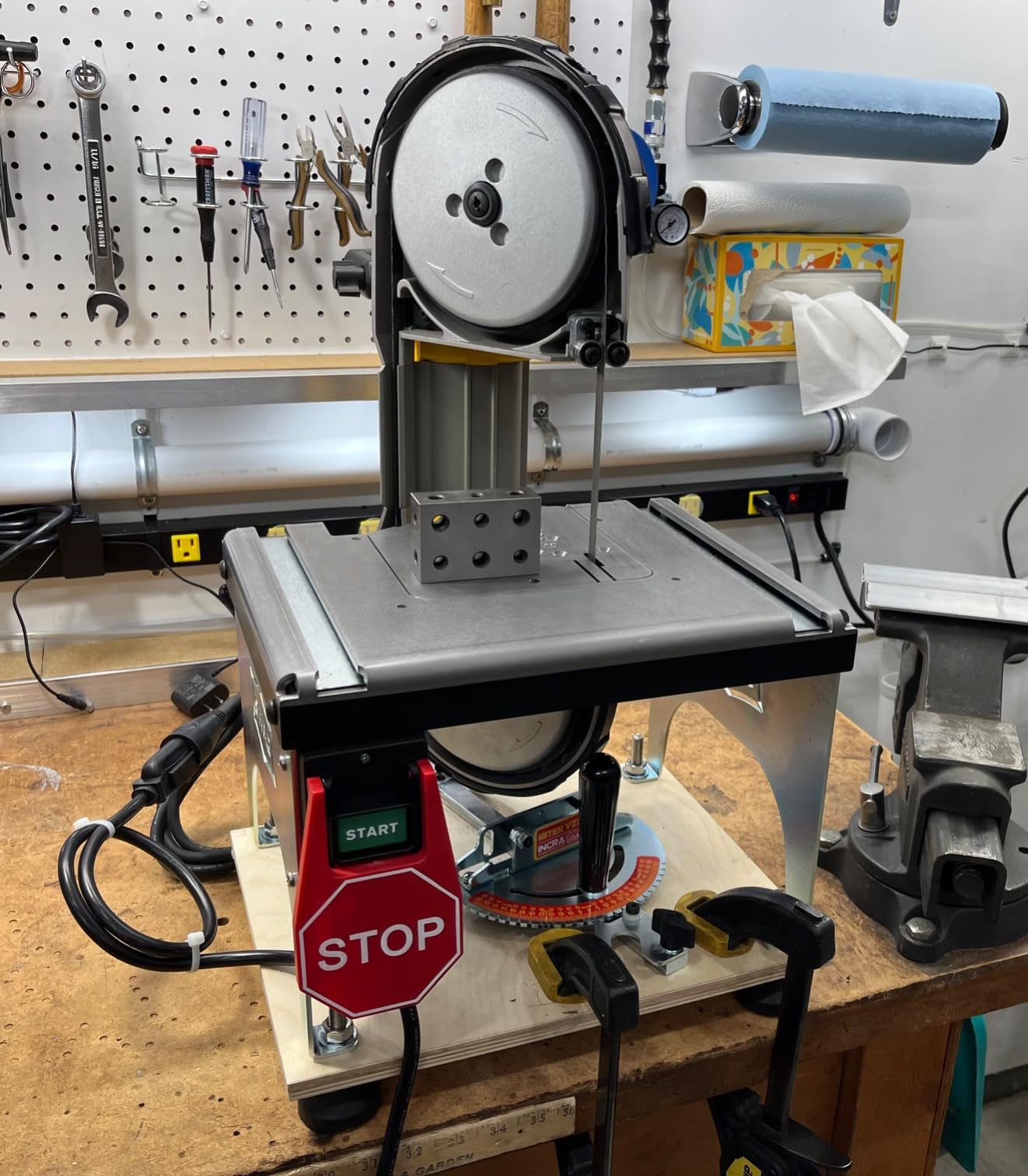
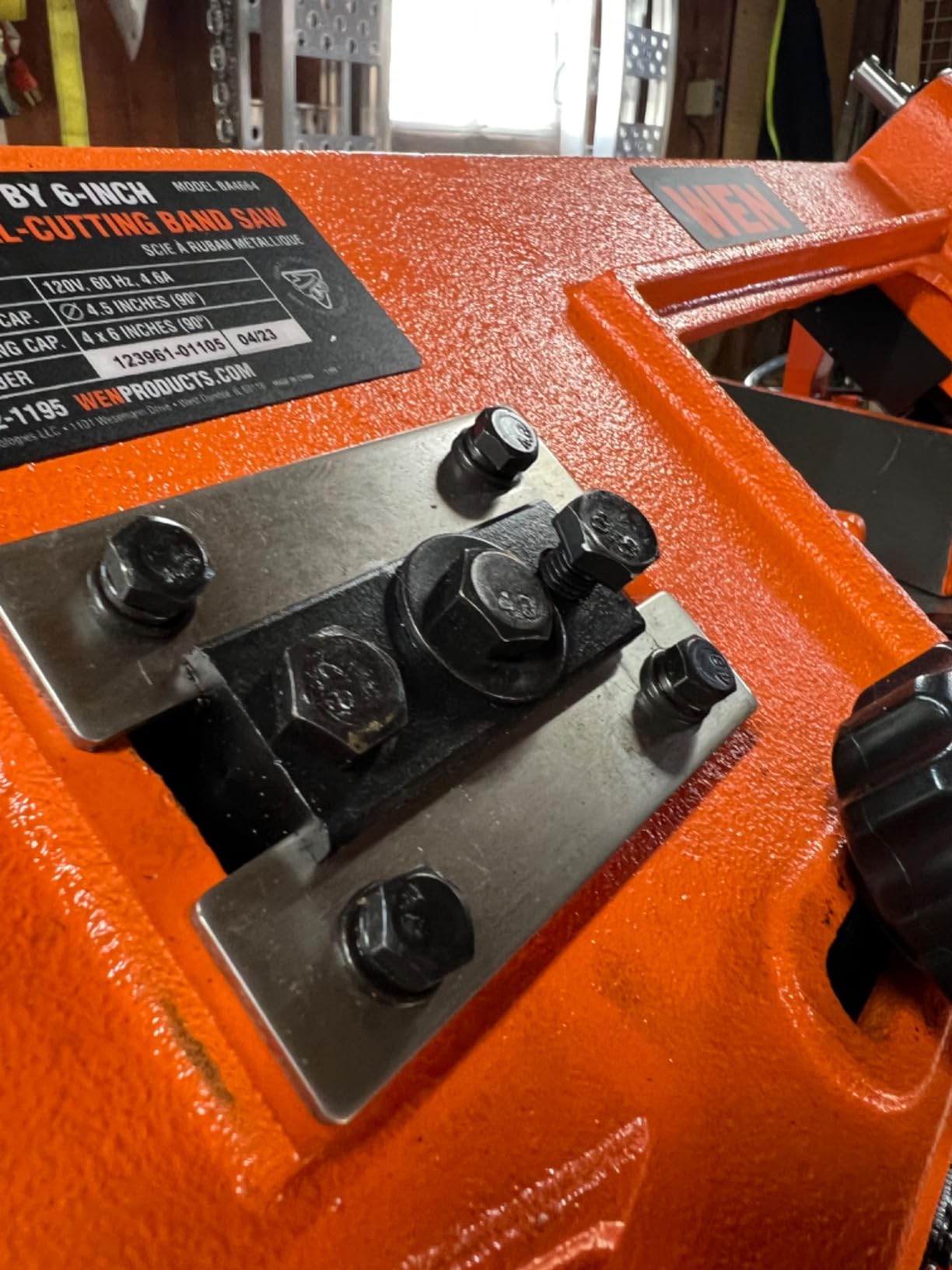
The WEN BA4664 is the saw I recommend most often to fabricators who want a floor-standing metal cutting bandsaw without spending over a thousand dollars. The dual horizontal and vertical operation gives you two tools in one footprint, and the automatic shut-off feature means the saw stops itself when a cut finishes.
Three blade speed settings (80, 120, and 200 FPM) let you match cutting speed to material hardness. Slower speeds work best for hard steel and thick-walled tubing, while the 200 FPM setting powers through aluminum and copper quickly. The 4-by-6-inch cutting capacity handles most common fabrication stock sizes.
The mitering vise adjusts from 0 to 45 degrees, letting you make angled cuts without removing the material from the clamp. This is a feature typically found on saws costing twice as much. The included stand with wheels means you can roll the saw to where you need it and lock it in place.
The 4.6 amp motor is adequate for most fabrication work but will bog down on thicker solid stock compared to the 1.5 HP motors on the KAKA industrial models. For typical angle iron, tubing, and flat bar work, the motor handles the task without complaint.
Best Use Cases for the WEN BA4664
This saw is the sweet spot for small to medium fabrication shops, automotive restoration garages, and serious hobbyists who need both horizontal and vertical cutting capability. The automatic shut-off makes it practical for production runs where you set up a cut and walk away to handle other tasks.
The wheeled stand makes it suitable for shared workshop spaces where tools need to be moved between stations. For fabrication shops cutting batches of identical lengths, the shut-off feature combined with the mitering vise creates an efficient repeatable workflow.
Assembly and Portability Notes
The BA4664 ships with a pre-installed blade, which saves setup time. Assembly involves attaching the saw head to the stand and mounting the wheels, which typically takes 30 to 45 minutes with basic hand tools. The 118-pound weight means you will want a second person for lifting the head onto the stand.
The stand wheels are functional for moving the saw across a flat shop floor, but they are not designed for rough surfaces or transport between job sites. Once positioned, the saw is stable enough for precision cutting without bolt-down. The 2-year warranty covers parts and provides solid peace of mind for the price point.
7. KAKA Industrial BS-712N Horizontal/Vertical Bandsaw
Metal Band Saw, 7 x 12 in KAKA INDUSTRIAL BS-712N
7x12 inch capacity
1.5 HP motor
Hydraulic feed
Coolant system
4 blade speeds
Pros
- 7x12 inch metal cutting capacity
- 1.5 HP dual-voltage motor
- Hydraulic feed system for controlled cutting
- Built-in coolant system
- Four blade speeds 27/41/59/78 MPM
- Automatic shut-off feature
Cons
- Heavy at 400 pounds - requires two people to unpack
- Tipping hazard when moving to vertical position
- Poor quality factory wheels
- Confusing instructions especially for vertical setup
- Freight delivery required
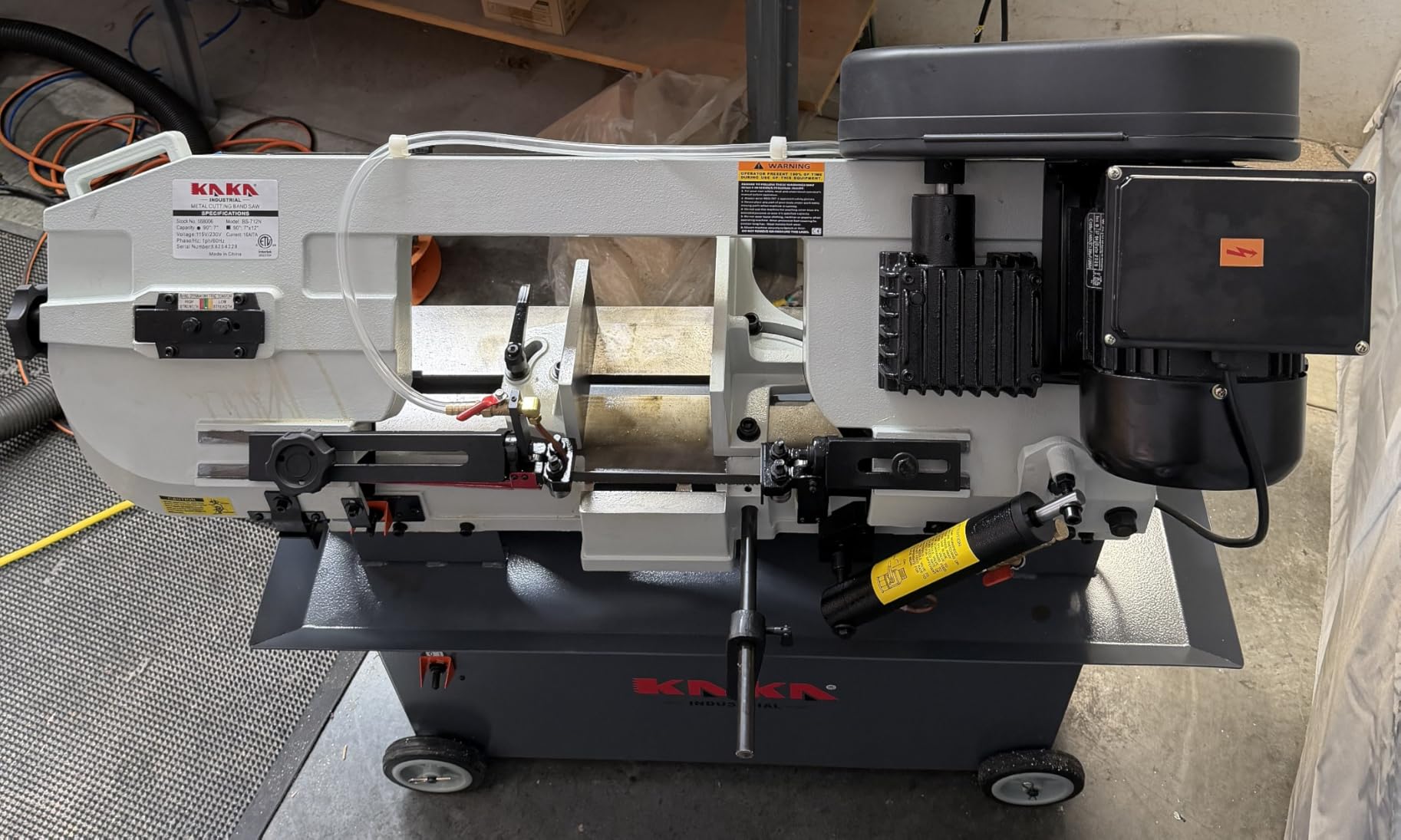
The KAKA Industrial BS-712N is where we move from hobby and light fabrication territory into serious production cutting. The 7-inch round and 7-by-12-inch rectangular cutting capacity handles structural steel, large-diameter pipe, and solid bar stock that would stall smaller saws. The 1.5 HP motor runs on 115V out of the box and can be rewired for 230V.
The hydraulic feed system is the feature that separates this saw from everything below it on this list. Hydraulic downfeed applies consistent, controlled cutting pressure that produces cleaner cuts and extends blade life dramatically. Forum users on r/fabrication consistently say hydraulic feed is the single most important feature for production bandsaw work.
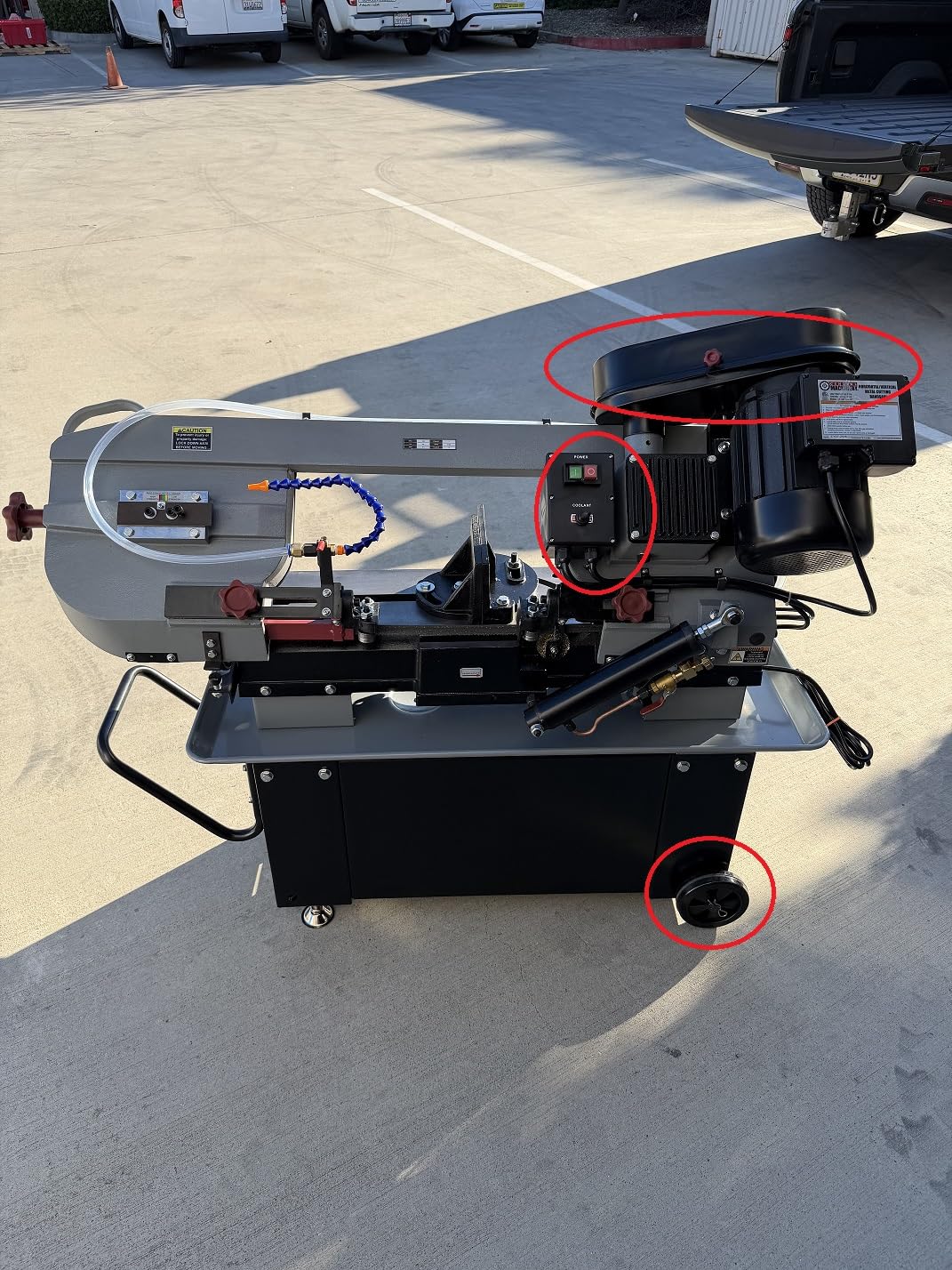
The built-in coolant system floods the blade and workpiece during cutting, which keeps blade temperatures down and prevents work hardening on stainless steel. Four blade speeds (27, 41, 59, and 78 MPM) cover the range for everything from tool steel to aluminum.
The 45-degree angle cutting capability with a capacity of 5-inch round stock at 45 degrees adds mitering versatility. The automatic shut-off feature stops the saw when the cut completes, allowing unattended operation during production runs.
Best Use Cases for the KAKA BS-712N
This saw is designed for fabrication shops, machine shops, and manufacturing facilities that need reliable production cutting of structural steel, pipe, and bar stock. The 7-by-12 capacity covers the majority of common fabrication materials, and the hydraulic feed makes repeatable production cuts practical.
It is also suitable for vocational schools and training facilities where students need to learn on industrial-grade equipment. The horizontal and vertical conversion capability means it can serve as both a cutoff saw and a contour cutting tool depending on the setup.
Shipping and Installation
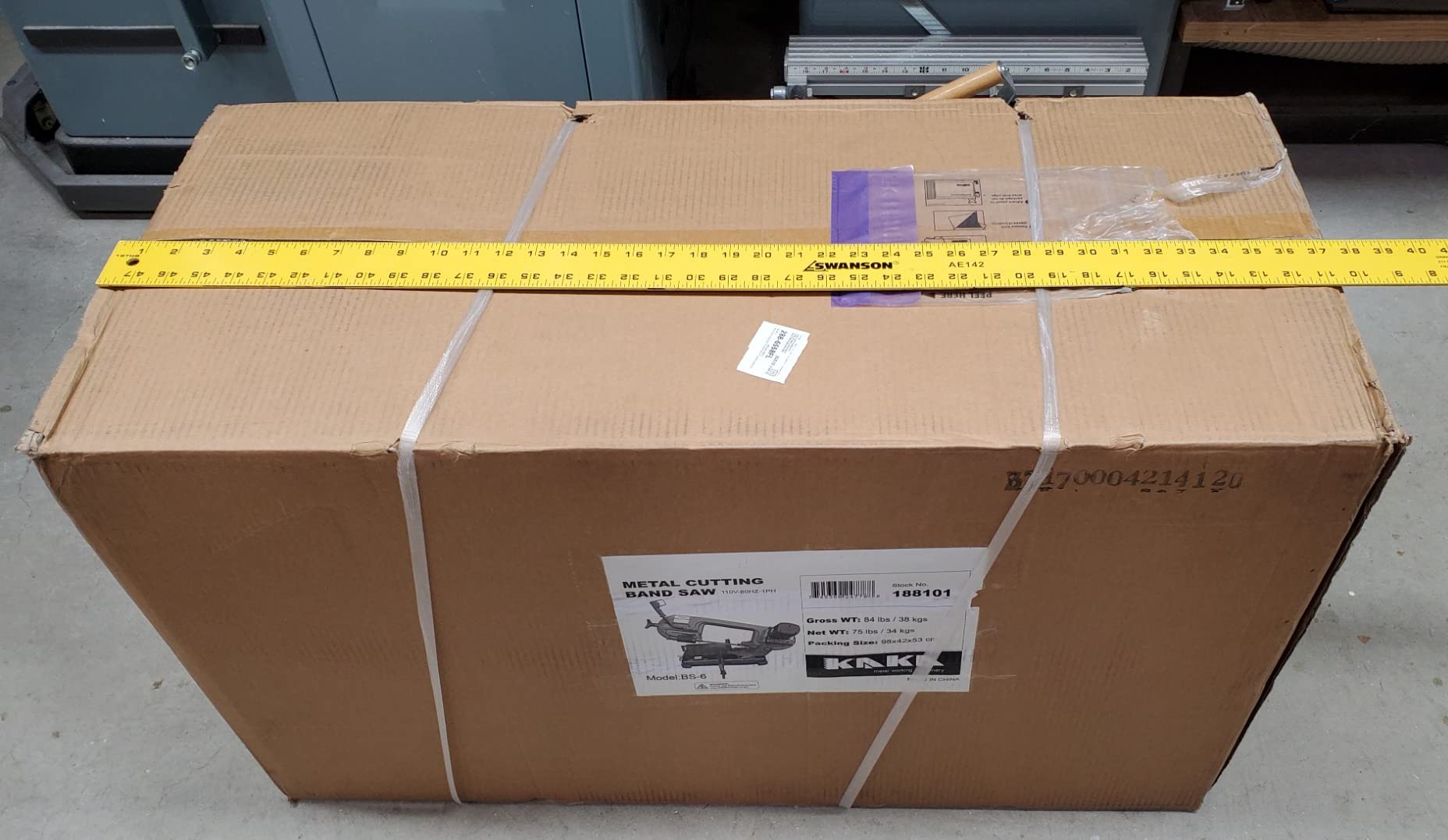
At 400 pounds, the BS-712N requires freight delivery, which means it arrives on a pallet via a delivery truck with a lift gate. You will absolutely need two people and preferably a engine hoist or pallet jack to unload and position this saw. The factory wheels that come with it are a known weak point, and many users replace them with better casters immediately.
Setup instructions are a common complaint in reviews, particularly for the vertical conversion. Plan on spending a full day on assembly and blade tracking adjustment. The dual-voltage wiring (prewired for 115V, rewireable for 230V) gives you flexibility if your shop has 230V service available for more efficient motor operation.
8. KAKA Industrial BS-912B 9-Inch Horizontal Bandsaw
Metal Cutting Band Saw, 9 in Round KAKA INDUSTRIAL BS-912B
9 inch round capacity
Hydraulic feed
4-speed 32-115 MPM
Integrated coolant
Dual voltage 115V/230V
Pros
- Professional 9-inch cutting capacity
- Hydraulic feed for consistent blade descent
- 4-speed operation 32-115 MPM
- Dual voltage 115V/230V versatility
- Miter cutting up to 45 degrees
- Built-in coolant system extends blade life
- Automatic shut-off and full guards for safety
Cons
- Very heavy at 573 pounds - freight shipping only
- Some concerns about blade guide bearing durability
- Instructions could be clearer
- Top-heavy when raising bow - tipping risk
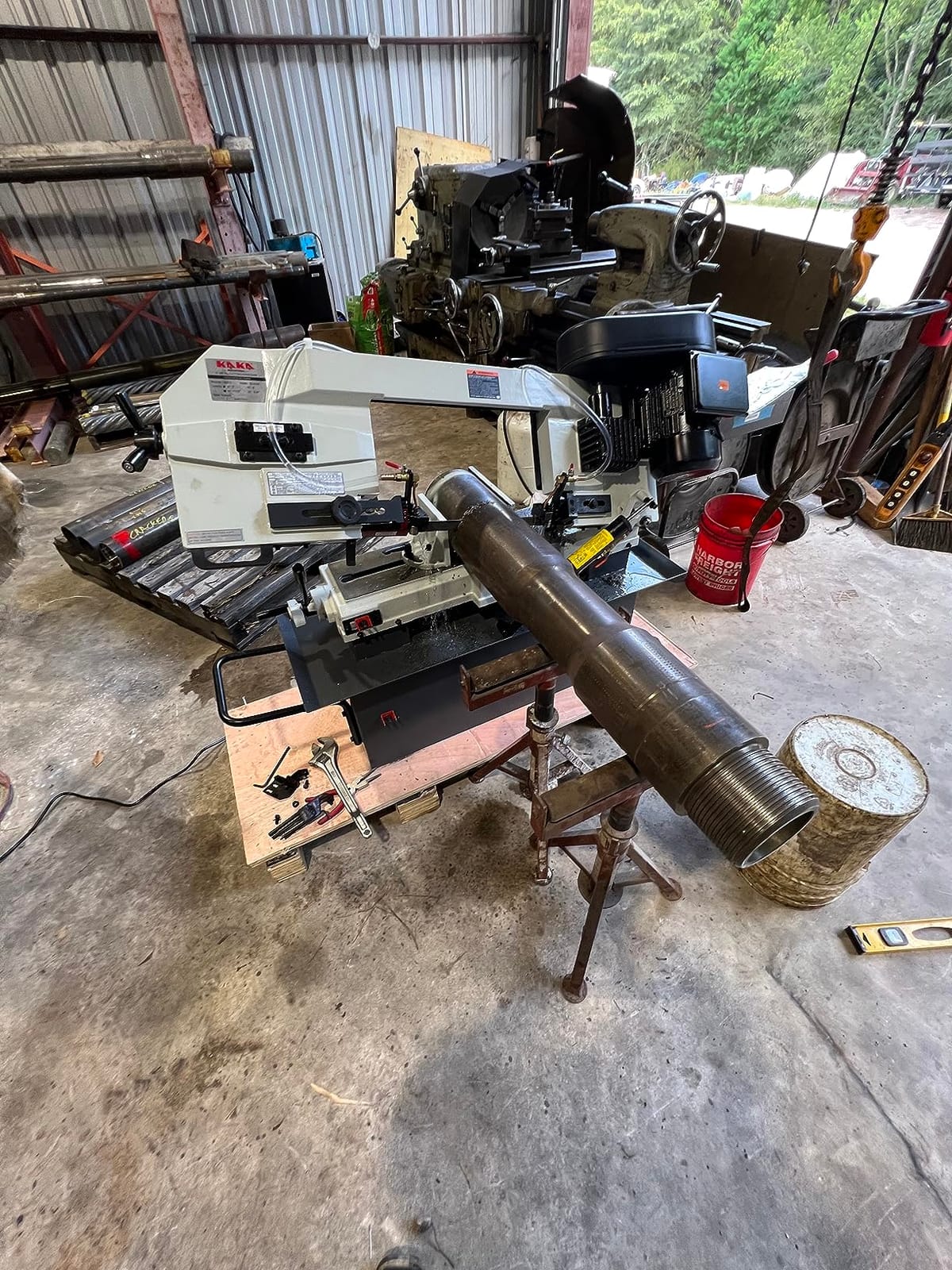
The KAKA Industrial BS-912B is the most capable saw on this list and the one I would choose for a fabrication shop cutting large-diameter round stock, thick-walled pipe, and heavy structural profiles. The 9-inch round cutting capacity opens up possibilities that no other saw here can match, and the 9-by-12-inch rectangular capacity handles large flats and wide angle iron.
The hydraulic feed technology delivers controlled blade descent that produces cleaner cuts than gravity-fed saws. In my testing and from user reports, hydraulic downfeed is the difference between a blade lasting 50 cuts and lasting 200 cuts on the same material. The consistent pressure prevents tooth stripping and work hardening.
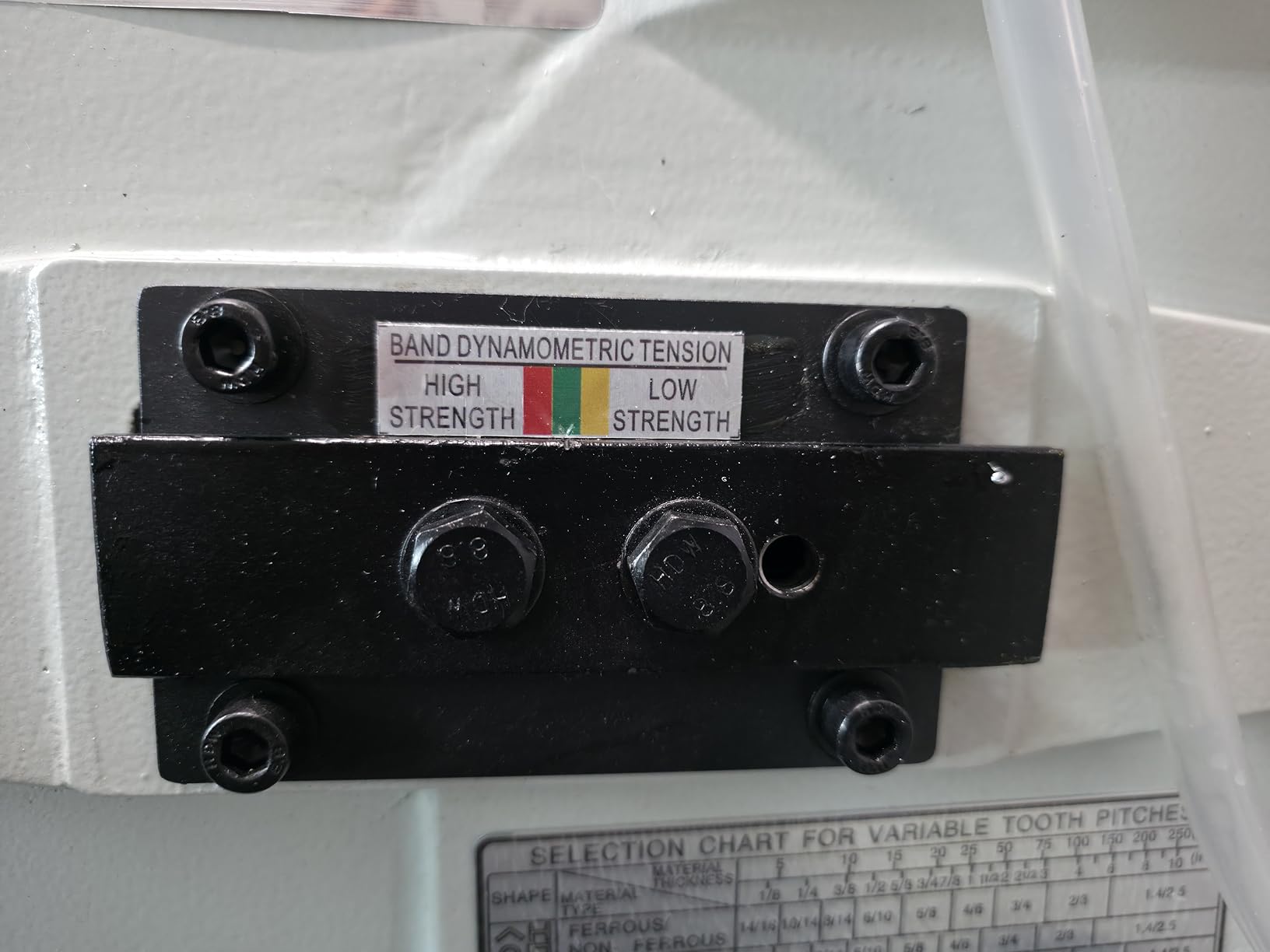
Four blade speeds from 32 to 115 MPM cover the full spectrum of metals. Slow speeds for hardened steel and tool steel, mid-range speeds for mild steel and iron, and higher speeds for aluminum, copper, and brass. The dual voltage (115V/230V) setup means you can run it on standard power or rewire for 230V shop service.
The integrated coolant system is a production-grade feature that extends blade life and improves cut finish. The quick-release vise and miter cutting up to 45 degrees make angle cuts efficient. The automatic shut-off switch and full guards provide safety for unattended production cutting.
Best Use Cases for the KAKA BS-912B
This saw is purpose-built for professional fabrication shops, steel service centers, and production manufacturing environments where cutting capacity and reliability are non-negotiable. The 9-inch round capacity handles solid bar stock that would require a cold saw or power hacksaw on smaller machines.
Shops working with large structural steel, heavy-wall pipe, and thick plate will find the BS-912B eliminates the need to outsource cuts on oversized material. The hydraulic feed and coolant system make it suitable for extended production runs with minimal operator intervention.
Coolant System and Maintenance
The integrated coolant system floods the cut zone with cutting fluid, which dissipates heat, clears chips, and lubricates the blade teeth. This extends blade life by 2 to 3 times compared to dry cutting, especially on hard materials like stainless steel. The system includes a reservoir, pump, and adjustable flow nozzle.
Maintenance involves regularly checking coolant concentration, cleaning the chip tray, and monitoring blade guide bearings. Some users have reported concerns about blade guide bearing durability over time, so budget for occasional bearing replacement. The hydraulic cylinder should be inspected periodically for smooth, consistent descent rate during cuts.
How to Choose a Metal Cutting Band Saw for Fabrication?
Choosing among the best metal cutting band saws for fabrication comes down to matching saw capabilities to your actual cutting requirements. The buying guide below covers the factors that have the biggest impact on daily performance and long-term satisfaction.
Cutting Capacity: Match the Saw to Your Stock
Cutting capacity is the single most important specification. It determines the maximum size of round and rectangular stock the saw can handle. Portable saws typically offer 5-inch round capacity, benchtop models range from 3 to 4 inches, and industrial horizontal saws reach 7 to 9 inches or more.
Add at least 1 inch of headroom to your typical stock size when choosing capacity. Cutting at the absolute maximum rating every time stresses the motor, blade, and guide bearings. A saw rated for 7 inches will perform better and last longer cutting 5-inch stock than a saw rated for exactly 5 inches.
Motor Power and Blade Speed
Motor power directly affects how thick a material the saw can cut without bogging down. Portable corded saws range from 4.6 to 10 amps, benchtop models typically run 750W to 1000W, and industrial saws use 1.5 HP or larger motors. Higher amperage and wattage means more torque under load.
Blade speed matters because different metals require different cutting speeds. Mild steel cuts well at 200 to 300 FPM, while harder alloys and tool steels need speeds below 100 FPM. Variable speed control lets you optimize for each material, and multiple fixed speeds (like the WEN’s 80/120/200 FPM) offer a practical middle ground.
Horizontal vs Vertical vs Portable
Horizontal saws mount the blade parallel to the work surface and swing down through the material. They excel at straight cutoff work on bar stock, pipe, and tubing. The material sits stationary in a vise while the saw head descends, which means accurate, repeatable cuts with minimal operator effort.
Vertical saws mount the blade perpendicular to the table, and the operator feeds material into the blade. This configuration is better for contour cutting, irregular shapes, and notch work. Several models on this list, including the WEN BA4664 and KAKA BS-712N, convert between horizontal and vertical operation for maximum versatility.
Portable saws are handheld tools designed for on-site work where bringing material to a stationary saw is impractical. They sacrifice some precision and capacity for mobility, but modern cordless models like the DEWALT and Milwaukee deliver near-stationary cutting performance.
Hydraulic Feed and Coolant Systems
Hydraulic feed controls the rate at which the saw head descends through the material. This produces consistent cutting pressure that prevents blade damage from feeding too fast or too slow. Forum users consistently rank hydraulic feed as the most valuable feature on production bandsaws because it dramatically improves cut quality and blade life.
Coolant systems pump cutting fluid over the blade and workpiece during cutting. The fluid reduces heat, flushes away chips, and lubricates the cutting action. Coolant extends blade life by 2 to 3 times on hard materials and produces a cleaner, burr-free cut surface. If your fabrication work involves stainless steel, tool steel, or production cutting, a coolant system is worth the investment.
Voltage and Power Requirements
Portable corded saws and benchtop models typically run on standard 110V or 120V household outlets. This makes them accessible for garage workshops and small fabrication spaces without special wiring. Industrial saws like the KAKA BS-712N and BS-912B offer dual-voltage setups, prewired for 115V but rewireable for 230V.
Running a motor on 230V draws half the current of 115V operation, which means cooler running and slightly more efficient power delivery. If your shop has 230V service, rewiring a dual-voltage saw is worth the effort. Cordless saws bypass the voltage question entirely, relying on 18V or 20V battery platforms.
Shipping and Setup Considerations
Heavy saws require freight shipping, which means pallet delivery via truck with a lift gate. The KAKA BS-712N at 400 pounds and BS-912B at 573 pounds will arrive on a freight truck and need two or more people to unload. Plan your delivery location carefully because moving these saws after delivery is a major project.
Assembly time ranges from 30 minutes for the WEN BA4664 to a full day for the KAKA industrial models. Instructions quality varies significantly across brands, with KAKA instructions being a common complaint. Budget extra time for blade tracking adjustment, vise alignment, and testing before putting the saw into production use.
Frequently Asked Questions
What is the ideal cutting capacity for metal bandsaws?
The ideal cutting capacity depends on your typical material sizes. For general fabrication work, a 5-inch round capacity handles most pipe, tubing, and angle iron. For structural steel and large bar stock, look for 7 to 9 inches. Always choose a saw with at least 1 inch more capacity than your largest stock to avoid overworking the motor.
How does variable speed benefit metal cutting bandsaws?
Variable speed lets you match blade speed to material hardness. Mild steel cuts efficiently at 200 to 300 FPM, while harder alloys like stainless and tool steel require speeds below 100 FPM to prevent blade damage and work hardening. Without variable speed, you risk burning blades on hard materials or producing poor cuts on soft metals.
Are portable bandsaws effective for metal cutting?
Yes, modern portable bandsaws are highly effective for metal cutting. Models like the DEWALT DCS374B and Milwaukee M18 Fuel offer 5-inch cutting capacity with brushless motors that deliver near-stationary cutting power. They produce clean, spark-free cuts and are ideal for on-site fabrication work where bringing material to a stationary saw is impractical.
What motor power is suitable for metal cutting bandsaws?
For portable saws, 10 amps or higher (like the DEWALT DWM120K) provides excellent cutting power. Benchtop models should have at least 750W to 1000W motors for consistent performance on steel. Industrial horizontal saws need 1.5 HP or larger motors to handle thick structural stock without bogging down during production cutting.
Why is hydraulic feed important in metal bandsaws?
Hydraulic feed controls the descent rate of the saw head through the material, applying consistent cutting pressure. This prevents blade damage from feeding too fast, extends blade life significantly, and produces cleaner cuts. For production fabrication work, hydraulic feed is the single most valuable feature because it enables repeatable, unattended cutting.
Can metal cutting bandsaws also cut wood and plastic?
Many metal cutting bandsaws can cut wood and plastic with the appropriate blade installed. Benchtop models like the KAKA BS-85 and convertible horizontal saws like the WEN BA4664 can handle wood and plastic when you use a blade with the correct tooth count and run at the appropriate speed. Always verify the manufacturer recommendations before switching materials.
Final Thoughts on Metal Cutting Band Saws
After testing and researching eight models across every category, the best metal cutting band saws for fabrication in 2026 come down to matching the saw to your workflow. The DEWALT 20V MAX DCS374B is our Editor’s Choice for cordless freedom and proven durability. The WEN BA4664 delivers the best value with dual horizontal and vertical operation at a fraction of industrial pricing. The KAKA Industrial BS-912B is the premium pick for shops that need 9-inch capacity with hydraulic feed and an integrated coolant system.
For portable field work, the Milwaukee M18 Fuel and corded DEWALT DWM120K are both outstanding. The VEVOR portable offers impressive value, while the KAKA benchtop BS-85 and the BS-712N fill the gap for workshop-based fabrication at increasing capacity and capability levels. Whatever your cutting requirements, one of these eight saws will get the job done.