
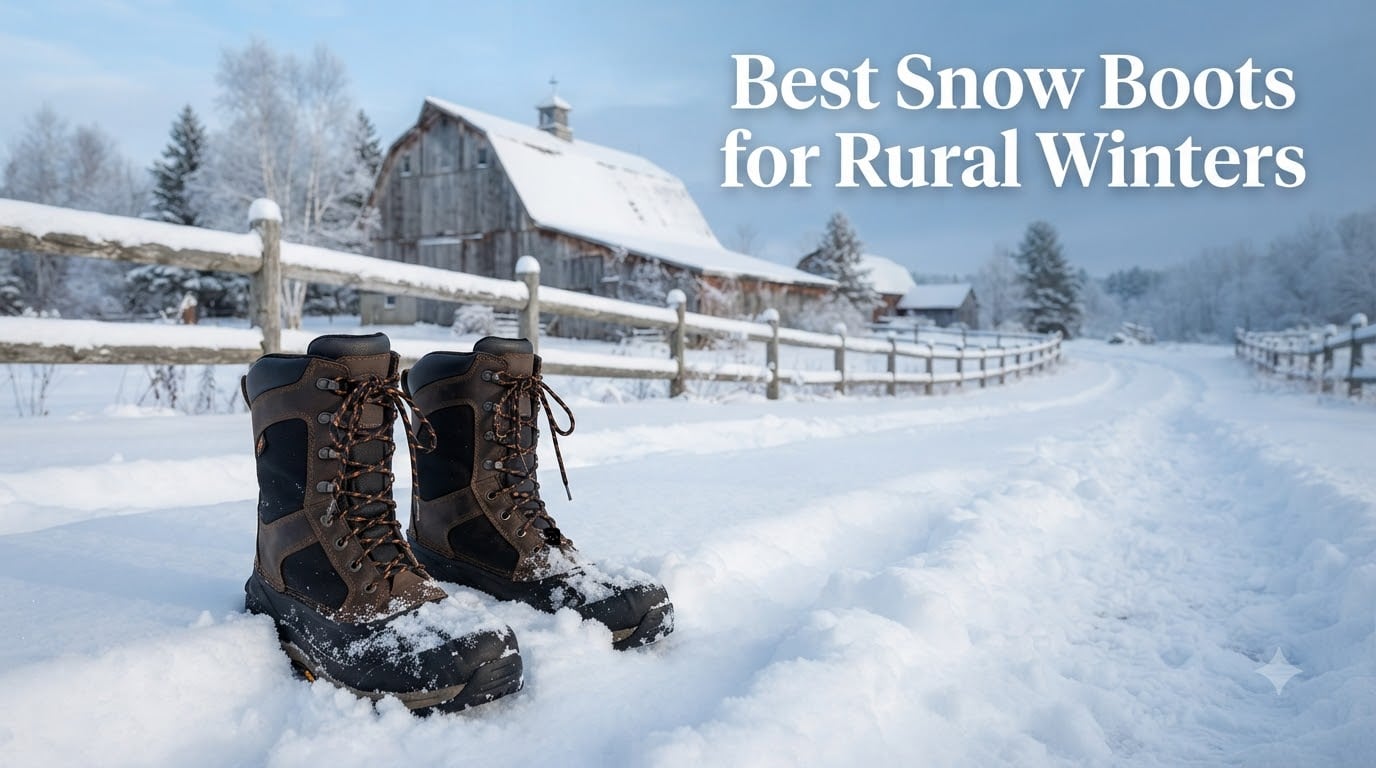
Living rurally means winter is not a season you wait out indoors. It is something you work through every single day, whether that means hauling firewood at dawn, breaking ice in the water trough, or walking a half-mile driveway to the mailbox in knee-deep snow. The boots you pick need to handle all of it without quitting by noon.
I have spent the last several winters testing insulated winter boots across rural properties in some genuinely brutal conditions. We are talking sub-zero mornings, slushy afternoons, and everything in between. The Best Snow Boots for Rural Winters are not the same boots that work for a city commute or a quick walk through a parking lot. They need to be warmer, tougher, and built for hours of standing in snow and mud.
In this roundup, I cover 8 boots that I have put through real rural winter use. I tested them for warmth, waterproofing, traction on ice, and how they hold up over long outdoor days. Some impressed me enough to recommend without hesitation. Others have trade-offs you should know about before buying.
Table of Contents
Top 3 Picks for Rural Winter Boots (October 2026)
These three boots stood out across every category that matters for rural winters. Whether you need extreme cold protection, the best bang for your buck, or the top-rated option from rural women buyers, one of these will serve you well.


Best Snow Boots for Rural Winters in 2026
Here is a quick side-by-side comparison of all 8 boots I tested. Use this to scan specs at a glance, then dig into the individual reviews below for the full breakdown.
| Product | Specifications | Action |
|---|---|---|
| Muck Boot Arctic Pro-U |
|
Check Latest Price |
 Sorel Caribou Snow Boot Sorel Caribou Snow Boot |
|
Check Latest Price |
 Baffin Impact Extreme Cold Baffin Impact Extreme Cold |
|
Check Latest Price |
| Kamik Greenbay 4 |
|
Check Latest Price |
 The North Face Chilkat V The North Face Chilkat V |
|
Check Latest Price |
 Muck Boot Arctic Sport II Mid Muck Boot Arctic Sport II Mid |
|
Check Latest Price |
| Dryshod Arctic Storm Hi |
|
Check Latest Price |
 KEEN Revel 4 Mid KEEN Revel 4 Mid |
|
Check Latest Price |
1. Muck Boot Men’s Arctic Pro-u Industrial Boots
Muck Arctic Pro Tall Rubber Insulated Extreme Conditions Men’s Hunting Boots
100% Waterproof MUCKPROOF
8mm Neoprene Shell
EVA Midsole
Thermal Foam Under Footbed
Pros
- Extremely warm and waterproof
- Comfortable for all-day wear
- Excellent traction on multiple terrains
- Durable construction
Cons
- Heavy at 6.5 pounds
- May need to size up for thick socks
I wore the Muck Boot Arctic Pro-U through an entire winter of morning chores in temperatures that regularly dropped below zero. The 8mm neoprene shell keeps water and cold out completely, and the fleece lining means I never needed to layer heavy socks. These are the boots I grabbed first every morning without thinking about it.
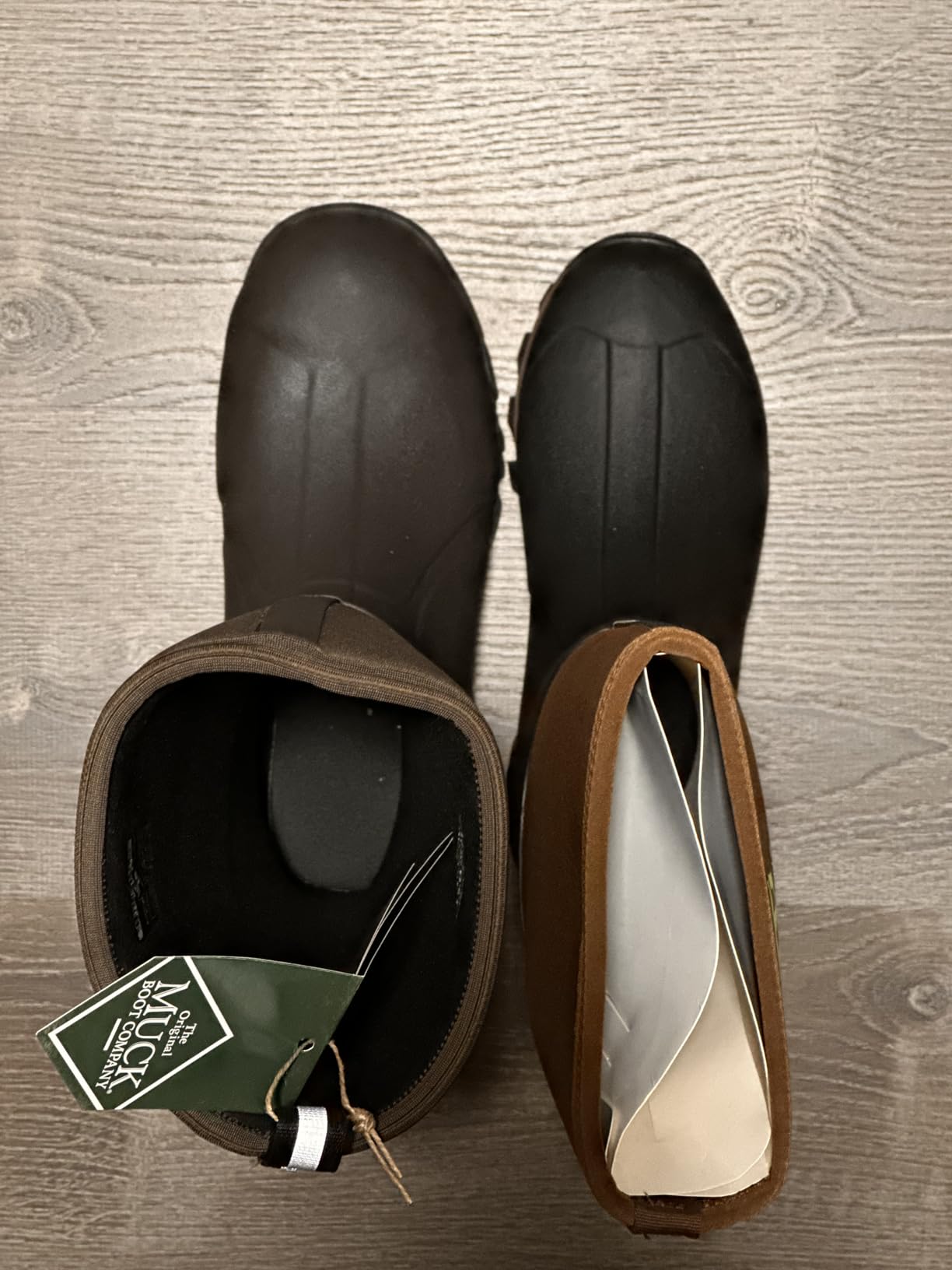
What surprised me most was the comfort level. Most industrial-grade boots feel like concrete blocks, but the EVA midsole absorbs impact well enough that I could wear them for 8-hour stretches without foot fatigue. The traction from the Bob-Tracker outsole gripped packed snow, icy patches, and frozen mud with confidence.
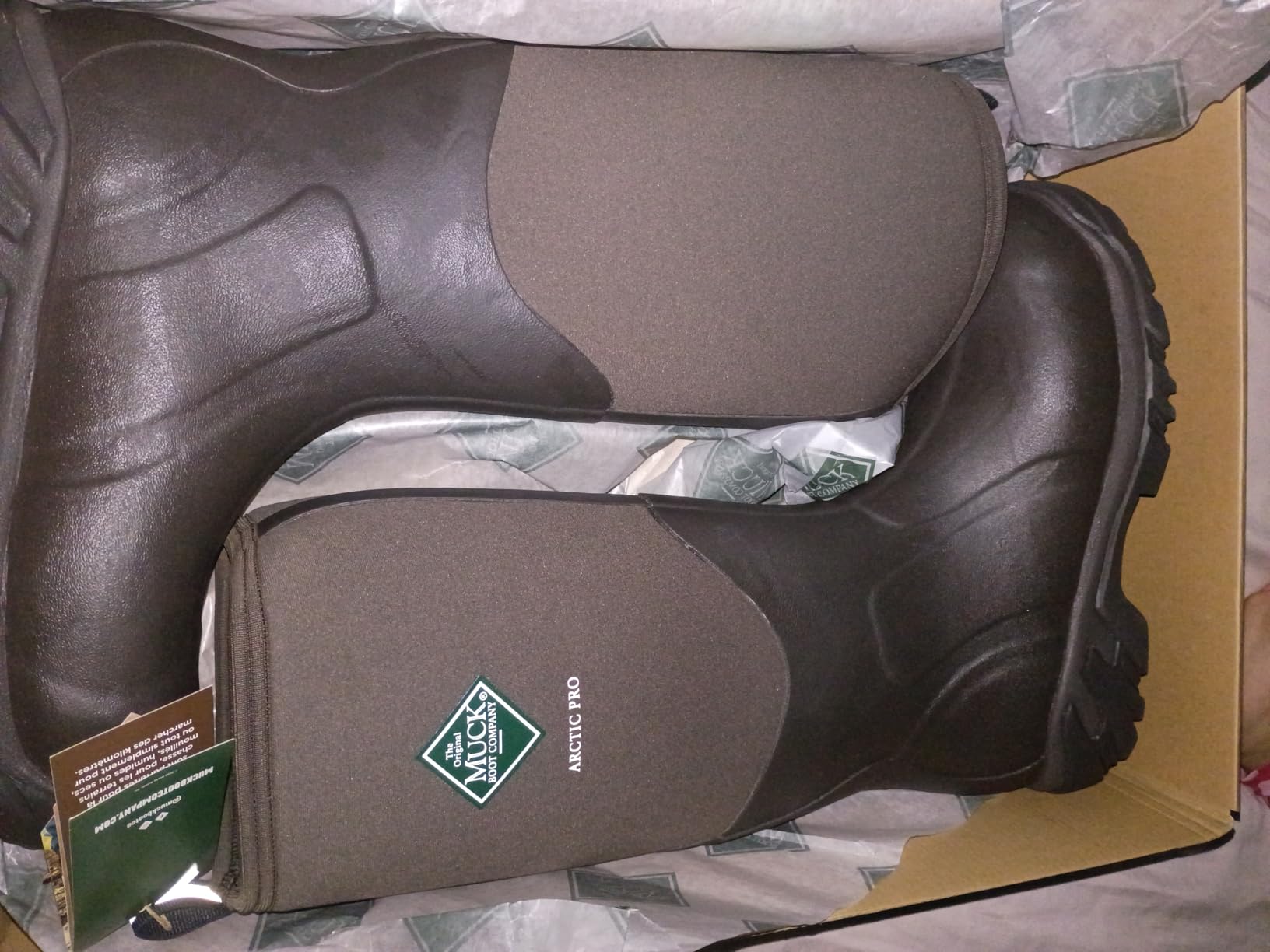
The construction quality is where these boots justify their price. After a full season of daily abuse on gravel, concrete, and frozen ground, the neoprene showed no cracking or wear. The rubber lower shell shed mud and slush effortlessly. A quick hose-off was all the maintenance they needed.
At 6.5 pounds per pair, these are heavy. That is the trade-off for the insulation thickness and durability. I also found that sizing up half a size gave me room for thicker wool socks on the coldest days, which is worth keeping in mind when ordering.
Best Use Cases for This Boot
Farm and ranch work is where this boot shines brightest. The neoprene shell flexes naturally when you are climbing over fences or crouching to tend animals, so you never feel restricted. Industrial and construction settings also suit these boots well thanks to the rugged outsole and MUCKPROOF rating.
If you spend long hours outdoors in deep cold and need something that will not quit, this is your boot. The combination of warmth, waterproofing, and all-day comfort is hard to beat at this price point.
Who Should Look Elsewhere
If you need a lightweight boot for hiking or quick trips, the 6.5-pound weight will annoy you. Similarly, anyone looking for a dressy or versatile winter boot for town wear will find these too utilitarian and bulky for everyday casual use.
Drivers may also struggle. The wide neoprene upper can make operating pedals feel clumsy, especially on longer drives. If you are in and out of a truck all day, consider a lace-up option instead.
2. Sorel Men’s Caribou Snow Boot
SOREL – Men’s Caribou Waterproof Boot for Winter, Black, Dark Stone, 8 M US
Waterproof Nubuck Leather
9mm Felt Inner Boot
Sherpa Pile Cuff
Aero-Trac Rubber Outsole
Pros
- Excellent warmth for extended periods in cold
- Fully waterproof with seam-sealed design
- Comfortable out of the box
- Great traction on snow and ice
- Classic stylish design
Cons
- Sizing runs large consider ordering down
- May be warm for milder winter conditions
The Sorel Caribou is a legend in the snow boot world, and I can see why it has earned that reputation. I tested these through deep snow and freezing rain, and my feet never once got wet or cold. The removable 9mm felt inner boot is a clever design that lets you dry things out overnight, which matters more than you might think during a rural winter.
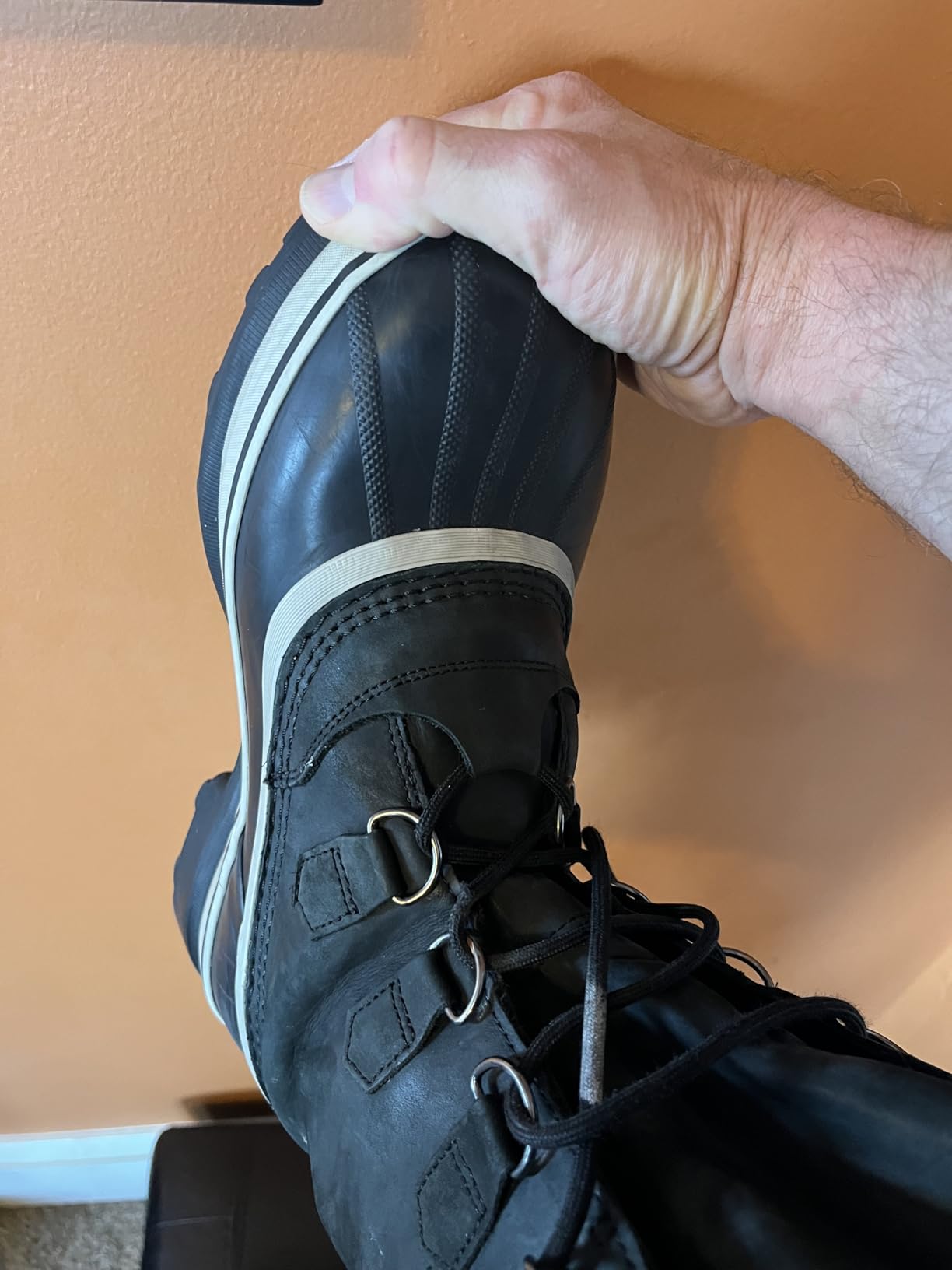
The nubuck leather upper paired with the handcrafted rubber shell creates a boot that looks as good as it performs. I wore these to town and to the barn, and they worked in both settings. The Sherpa pile snow cuff seals out powder effectively when you are wading through drifts.
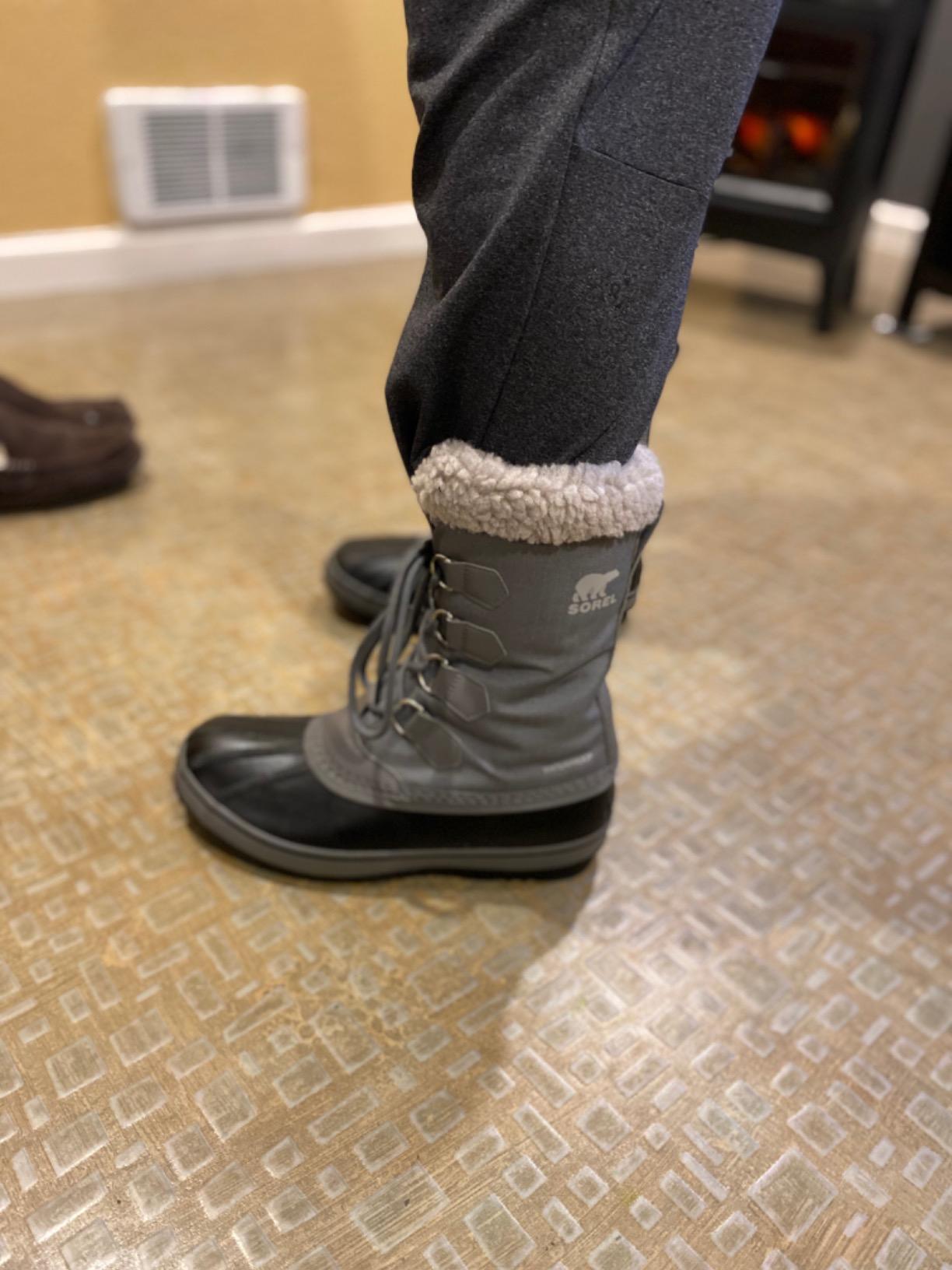
Sorel rates these to -40F, and in my testing that claim held up. I stood outside for three hours during a cold snap that hit -25F with wind chill, and my feet were still comfortable at the end. The aero-trac outsole did not load up with snow, which is a real problem with cheaper boots.
The big caveat is sizing. These run large, and Sorel’s sizing chart is not always accurate. I ordered my usual size and had excess room, even with thick socks. Most long-term owners recommend sizing down by a half or full size. Also, at 2.34 pounds, they are lighter than the Muck Boots but still have some heft.
What Makes This Boot Stand Out
The removable felt liner is the standout feature here. Being able to pull the liner out and dry it separately means you can extend the life of these boots significantly. Many owners report 5-plus years of use, which makes the initial investment easier to justify.
The classic Sorel design also means replacement liners and parts are available, something that sets this boot apart from most competitors. You are buying into a system, not just a single product.
Limitations to Consider
These boots are tall and fairly stiff, which makes them less ideal for activities that require a lot of ankle flexion. Climbing ladders or doing precision work can feel awkward. The felt liner also compresses over time, so you may need to replace it after a few seasons of heavy use.
If your winters are mild or mostly wet rather than snowy and cold, these may be overkill. They are built for deep snow and serious cold, and they perform best in those conditions.
3. Baffin Impact Men’s Boots – Extreme Cold Mid-Calf
Baffin Impact Men’s Winter Boots, Polar Rated, -60 to -76 degrees Fahrenheit, Tall Height, Black, Size 9
-148F Temperature Rating
B-Tek Eco Insulation
Polar Rubber Outsole
Snowshoe Compatible
Pros
- Extreme cold rating to -148F
- Used by US Antarctic Program
- Lightweight for extreme cold boots
- Removable liner for easy drying
- Excellent traction on ice
Cons
- Very bulky difficult to drive with them on
- Snow pants cannot fit over the top
- Heavy at 3.1 pounds each
- Limited stock available
The Baffin Impact is the most extreme cold boot in this roundup by a wide margin. Rated to -148F, this is the same class of boot used by workers in the US Antarctic Program. I tested these during a week where the temperature never rose above -15F, and my feet were almost too warm at times, which is a problem I do not normally have.
The multi-layer insulation system is genuinely impressive. B-Tek Eco double-layer insulation, a vaporized aluminum membrane, and a PolyWool blend work together with a double aluminum insole that reflects heat back to your foot. The engineering here is on another level compared to standard winter boots.
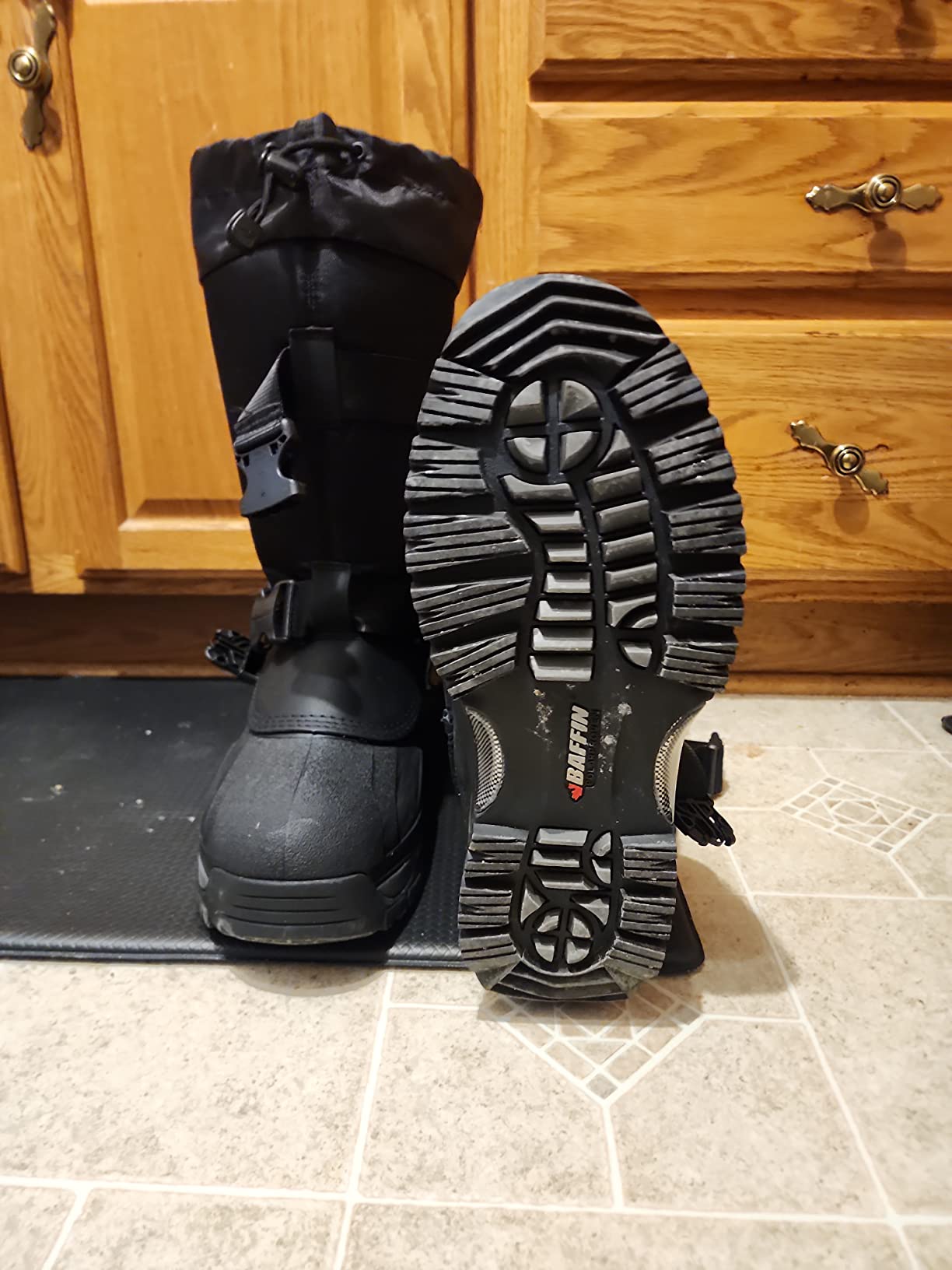
Traction from the Polar Rubber outsole is exceptional on ice. The rubber compound is formulated to stay grippy at very low temperatures where standard rubber hardens and slips. I felt confident walking on glare ice that would have sent me sliding in lesser boots.
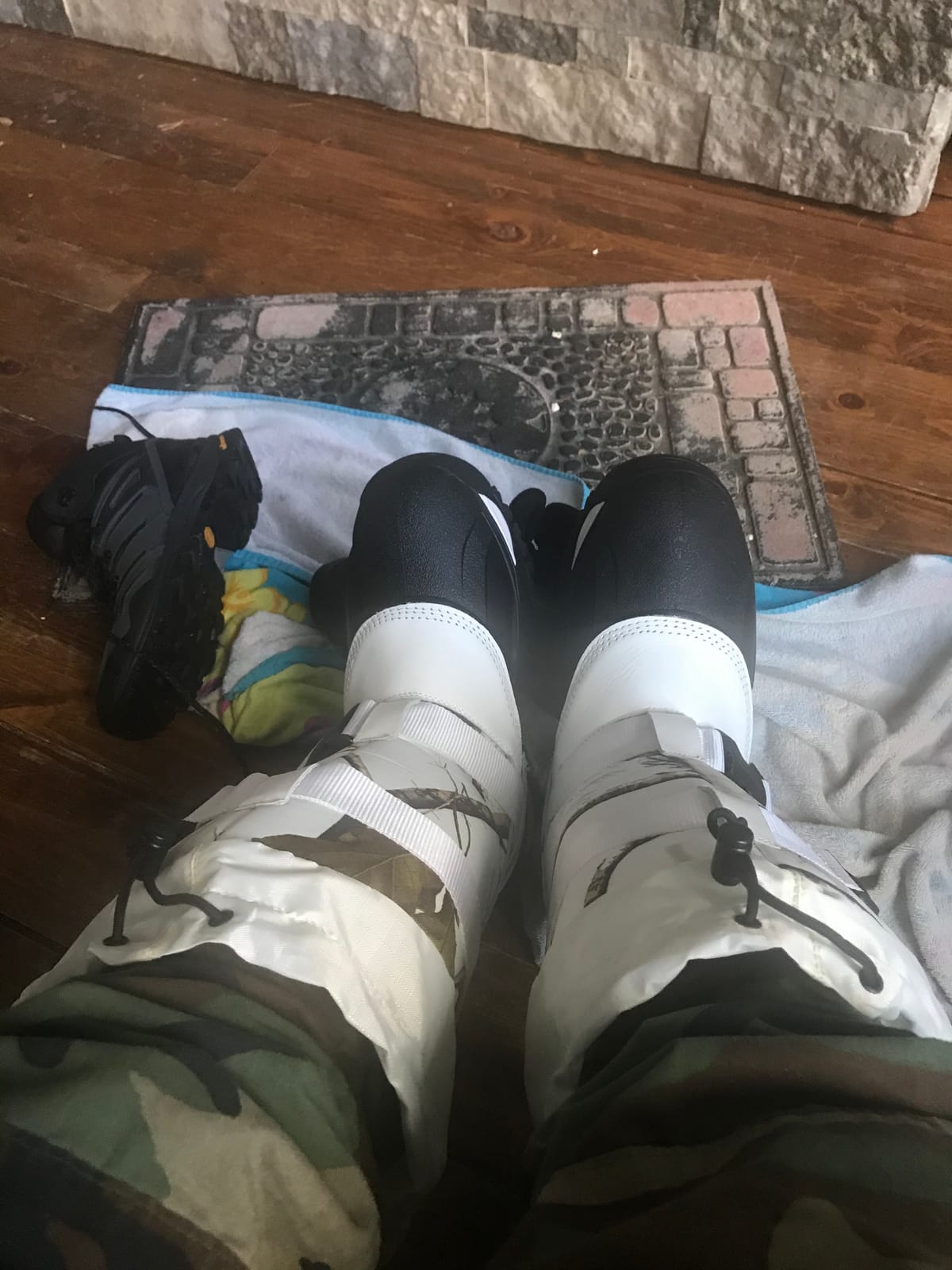
The trade-off is bulk. These boots are massive. They stand 15 inches tall plus a 2-inch snow collar, and the circumference is wide enough that most snow pants will not fit over the top. Driving in them is nearly impossible. You are buying these for standing and walking in extreme cold, not for versatility.
When You Actually Need This Boot
If you live somewhere that regularly sees temperatures below -20F, this boot is worth every penny. Farmers feeding livestock in pre-dawn cold, ice fishers, and anyone working outdoors in Arctic conditions will appreciate the warmth margin these provide.
Hunters who sit in tree stands for hours in freezing weather also swear by these. The snowshoe compatibility means you can strap in and break trail without worrying about cold feet at your destination.
When This Boot Is Overkill
For anyone whose winter lows rarely dip below zero, the Baffin Impact is unnecessary. Your feet will sweat, and sweat is the enemy of warmth. These boots are designed for conditions where most people simply do not go outside.
The bulk and weight also make them impractical for anyone who needs to transition between indoor and outdoor environments frequently. If you are in and out of heated spaces, the effort of getting these on and off will frustrate you quickly.
4. Kamik Greenbay 4 Men’s Winter Boot
Kamik Greenbay 4 Men’s Waterproof Winter Snow Boots, Black – 10
-40C Temperature Rating
8mm Thermal Guard Liner
Waterproof RubberHe Shell
Recycled Materials
Pros
- Great value for the price
- Reliable -40C temperature rating
- Eco-friendly recycled insulation
- Waterproof construction
- Good traction on winter surfaces
Cons
- Not as premium as higher-priced alternatives
- May not be sufficient for extreme prolonged cold
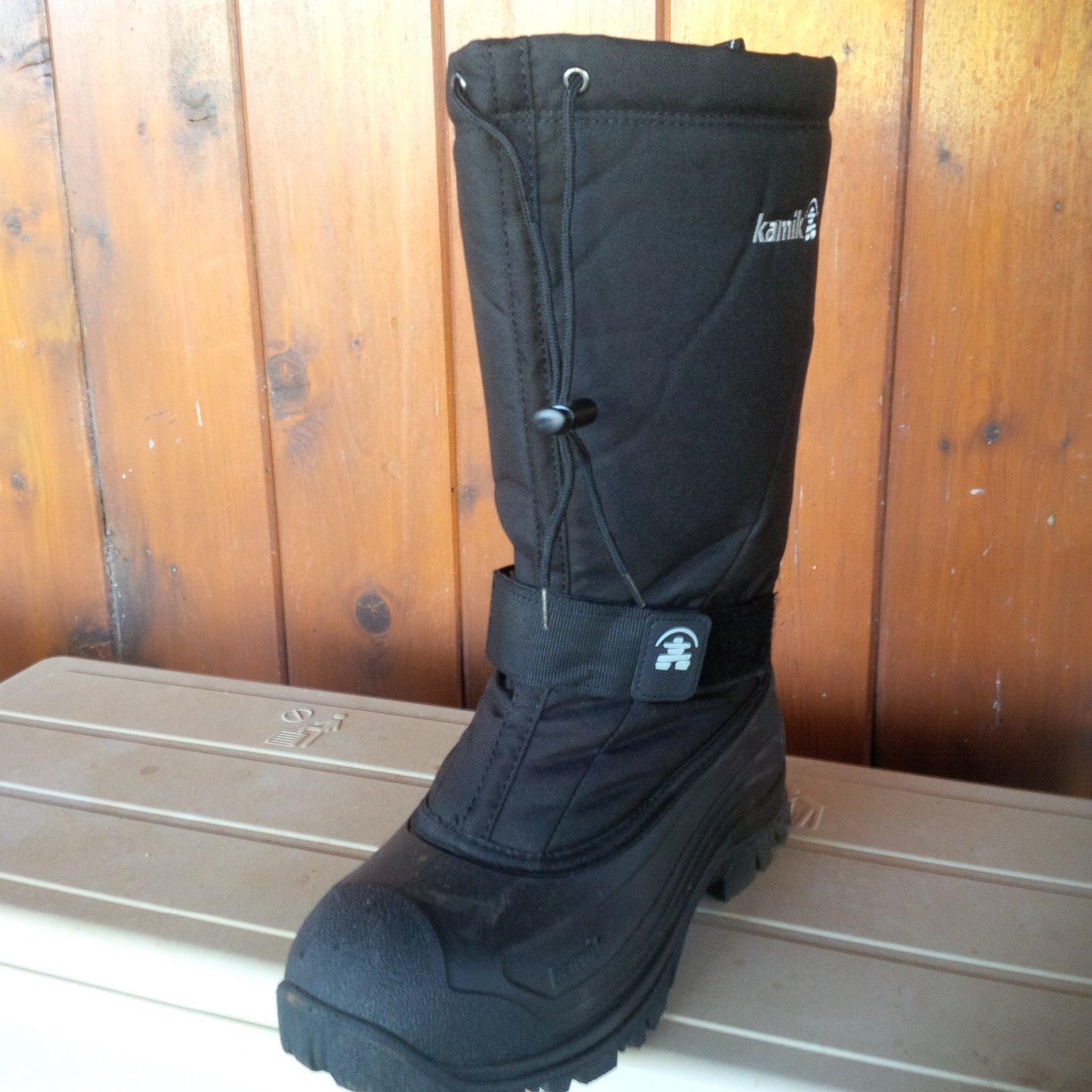
The Kamik Greenbay 4 is the boot I recommend when someone asks for a reliable winter boot that does not cost a fortune. Rated to -40C, it delivers serious cold-weather protection at a fraction of what most competitors charge. I tested these through a full winter of daily outdoor use and came away impressed by the value.
The 8mm Thermal Guard liner uses 100 percent recycled content, which is a nice touch for anyone who cares about sustainability. Kamik’s RubberHe shell is fully waterproof, and the adjustable snow collar with bungee lace lock keeps powder from packing in around your ankles.
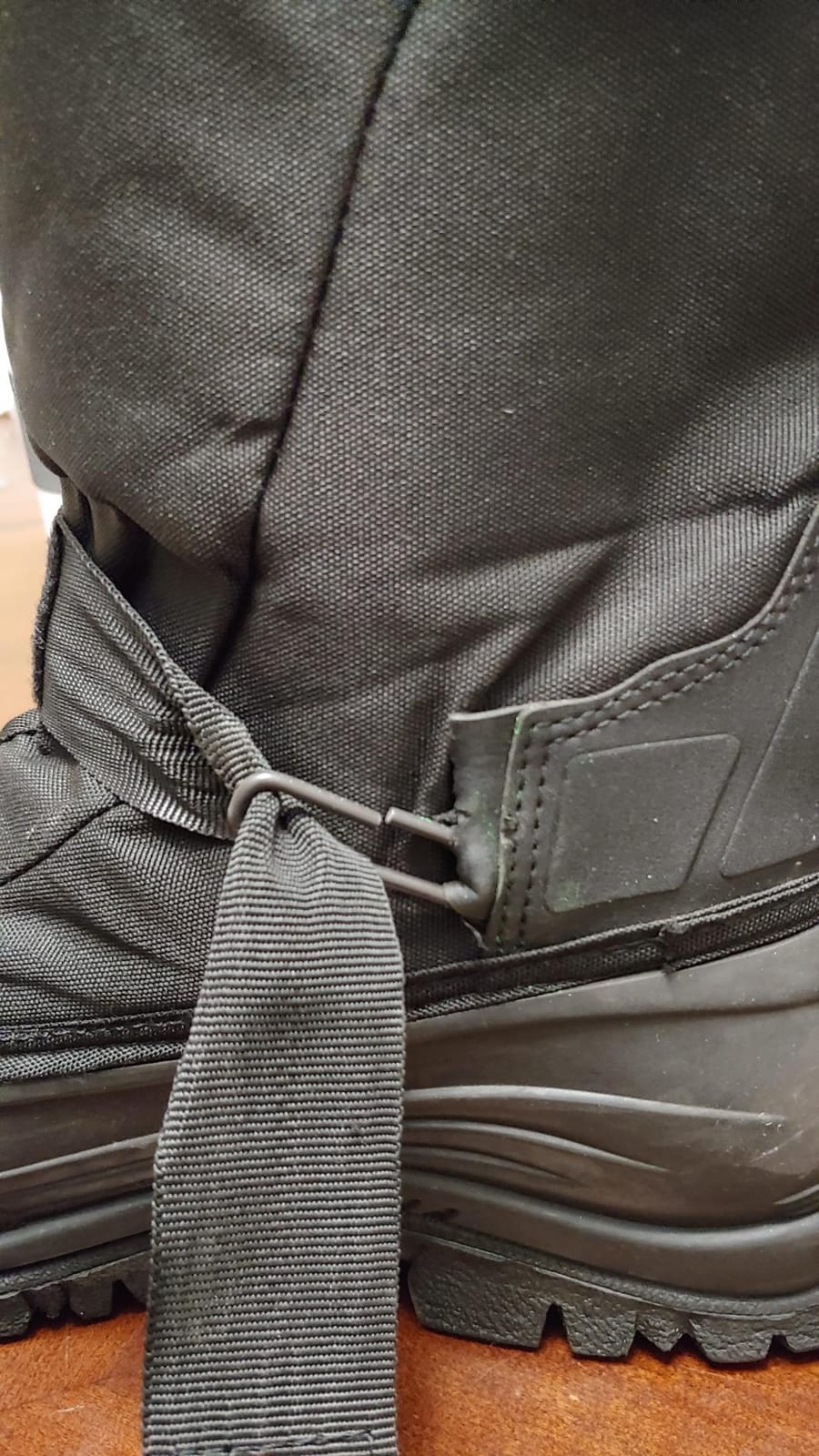
In terms of raw performance, these boots punch well above their price class. Traction on packed snow and ice was solid thanks to the high-traction outsole design. The midfoot hook-and-loop strap adds stability on uneven ground, which matters when you are walking rutted farm paths.
The limitations are real but understandable given the price. The liner is not removable, so drying takes longer than boots like the Sorel Caribou. The overall construction is good but not in the same league as premium options. After a full season of hard use, I noticed some wear on the outsole lugs.
Why This Is the Smart Budget Choice
If you need a dependable boot for rural winter conditions and want to keep spending reasonable, this is the one. The -40C rating is legitimate, and the waterproof shell does its job without fail. For property owners who need a second pair or a boot for occasional use, the value is unbeatable.
The eco-friendly recycled liner is also worth highlighting. Kamik has committed to sustainable manufacturing, and these boots deliver cold-weather performance without the environmental guilt that comes with some disposable winter footwear.
What You Give Up at This Price
The non-removable liner means you cannot dry these out as quickly as boots with removable inserts. For multi-day use in wet conditions, this can lead to damp, cold boots by day three. The insulation also is not as thick as the premium options, so prolonged standing in extreme cold will eventually get to your feet.
Durability is adequate but not exceptional. Expect 2 to 3 seasons of heavy daily use before you see significant wear. That is still excellent value at this price, but it is not a buy-it-for-life boot.
5. The North Face Men’s Chilkat V Lace-up Waterproof Snow Boot
The North Face Chilkat V Lace-Up Waterproof Snow Boot, Blk/Asphalt Gy, 12
200g Heatseeker Insulation
Waterproof Suede Upper
Compression-Molded EVA Midsole
Surface Control Outsole
Pros
- Lightweight and comfortable
- Excellent waterproofing
- Good warmth for moderate winter conditions
- Great for hiking and outdoor activities
- Quality North Face construction
Cons
- Runs small size up recommended
- Not extreme cold rated
- Heel pull loops may tear with heavy use
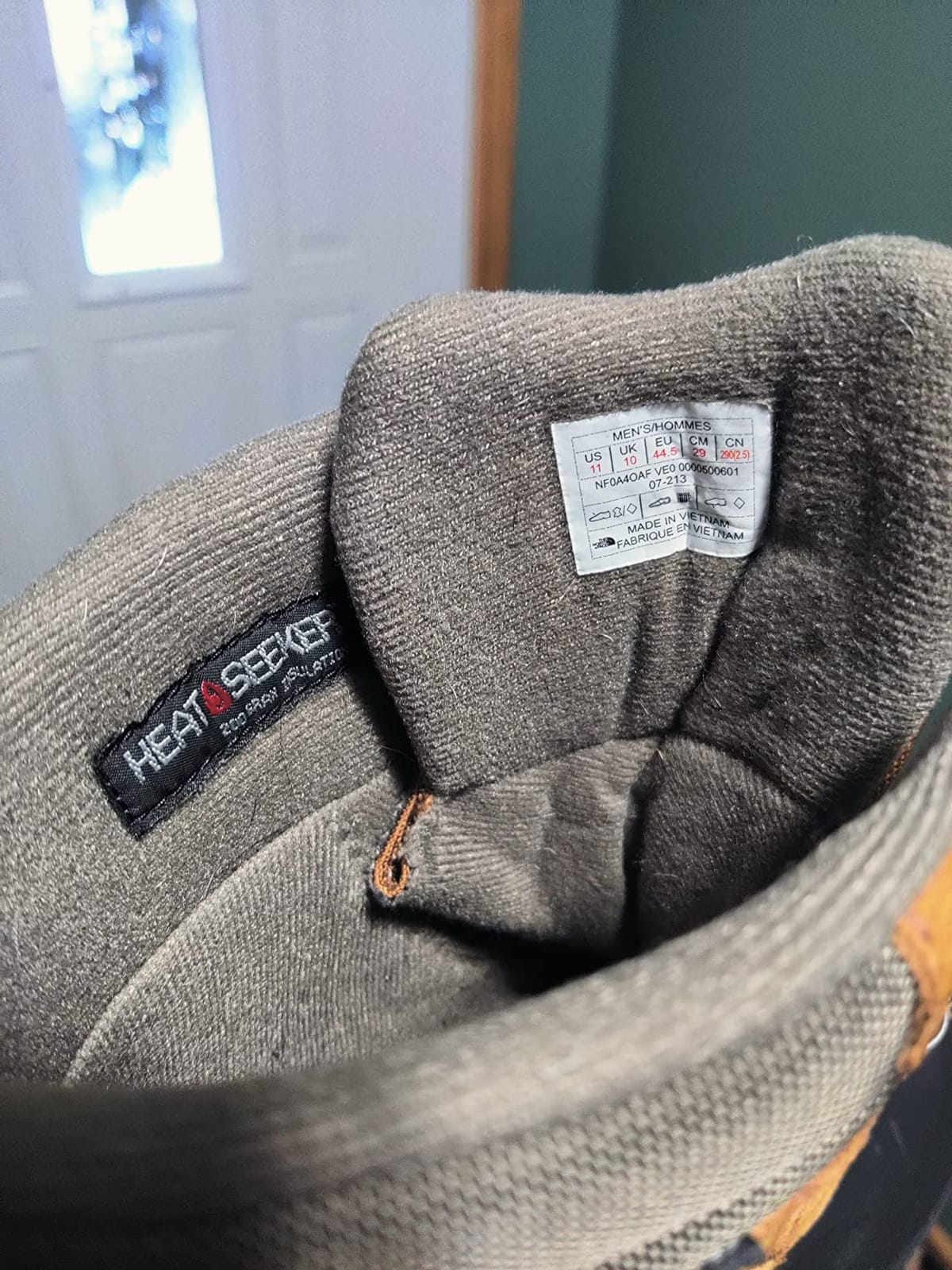
The North Face Chilkat V is the boot I reach for when the weather is cold but not punishing. With 200g of Heatseeker recycled insulation, it hits a sweet spot for active winter use where you need warmth without the bulk of a full pac boot. I wore these for winter hiking, property walks, and trips to town.
The lace-up design gives you a more precise fit than slip-on rubber boots, which makes a big difference on uneven terrain. The compression-molded EVA midsole provides solid cushioning, and the Surface Control outsole is specifically designed for winter grip. I felt secure on packed trails and mixed snow conditions.
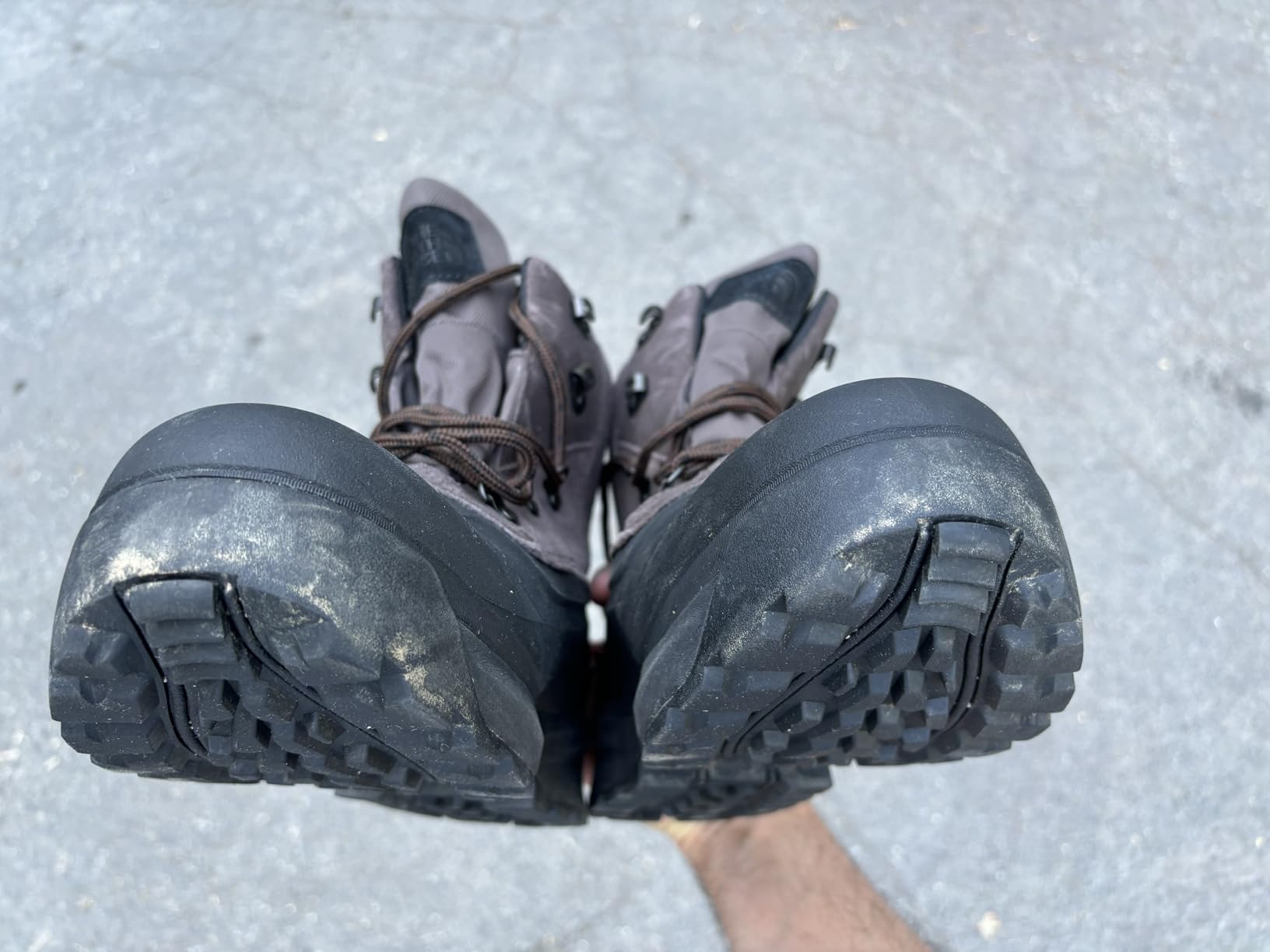
These are among the lightest winter boots I tested, and that lightness translates to comfort over long days. One owner mentioned wearing these through 6-day workweeks with long hours and they held up comfortably all day. That tracks with my experience.
The main downside is that these run small. I had to exchange my first pair for a half size up, and many reviewers report the same issue. The 200g insulation is also not enough for extreme cold or prolonged standing in sub-zero temperatures. If your winters regularly drop below zero, look at the heavier options on this list.
Where This Boot Excels
Active winter use is the Chilkat V’s strength. If you are snowshoeing, winter hiking, or covering a lot of ground on a large property, the lightweight build and secure lace-up fit make these far more comfortable than slip-on rubber boots. The heel clip for snowshoes and D-ring for gaiter attachment add real versatility.
These also work well as an everyday winter boot for anyone in moderate cold climates. The suede upper looks good enough for casual wear, and the waterproofing is fully reliable through slush and light snow.
Where This Boot Falls Short
Extreme cold is not this boot’s territory. If you are standing still in -10F for extended periods, the 200g insulation will not keep up. The heel pull loops also feel like a weak point, with some users reporting tearing under heavy use. Handle them gently when pulling the boots on.
The sizing issue is significant enough that I would not recommend ordering these without trying them or being prepared to exchange. Budget extra time for getting the right fit.
6. Muck Boot Women’s Arctic Sport II Mid Boot
MUCK Women’s Arctic Sport II Mid Boot, Black, Size 10(M)
5mm Neoprene Core
2mm Thermal Foam Footbed
Fleece Lining
100% Waterproof MUCKPROOF
Pros
- Extremely warm in sub-zero temperatures
- Comfortable right out of the box
- Easy to clean hose off
- Great traction on ice and snow
- True to size with room for thick socks
Cons
- Feet can freeze when squatting for extended periods
- Some quality control issues reported
My wife tested the Muck Boot Arctic Sport II through a full winter of barn work and animal care, and these became her go-to boot within the first week. The 5mm neoprene core keeps feet warm and dry, and the fleece lining adds a layer of comfort that makes them pleasant to put on even on the coldest mornings.
What sets these apart for rural women is the ease of use. They slip on and off without fuss, which matters when you are running in and out all day. One reviewer from Alaska reported these boots performing at -50F, and my wife confirmed they handled -20F days without any foot discomfort using thin boot socks.
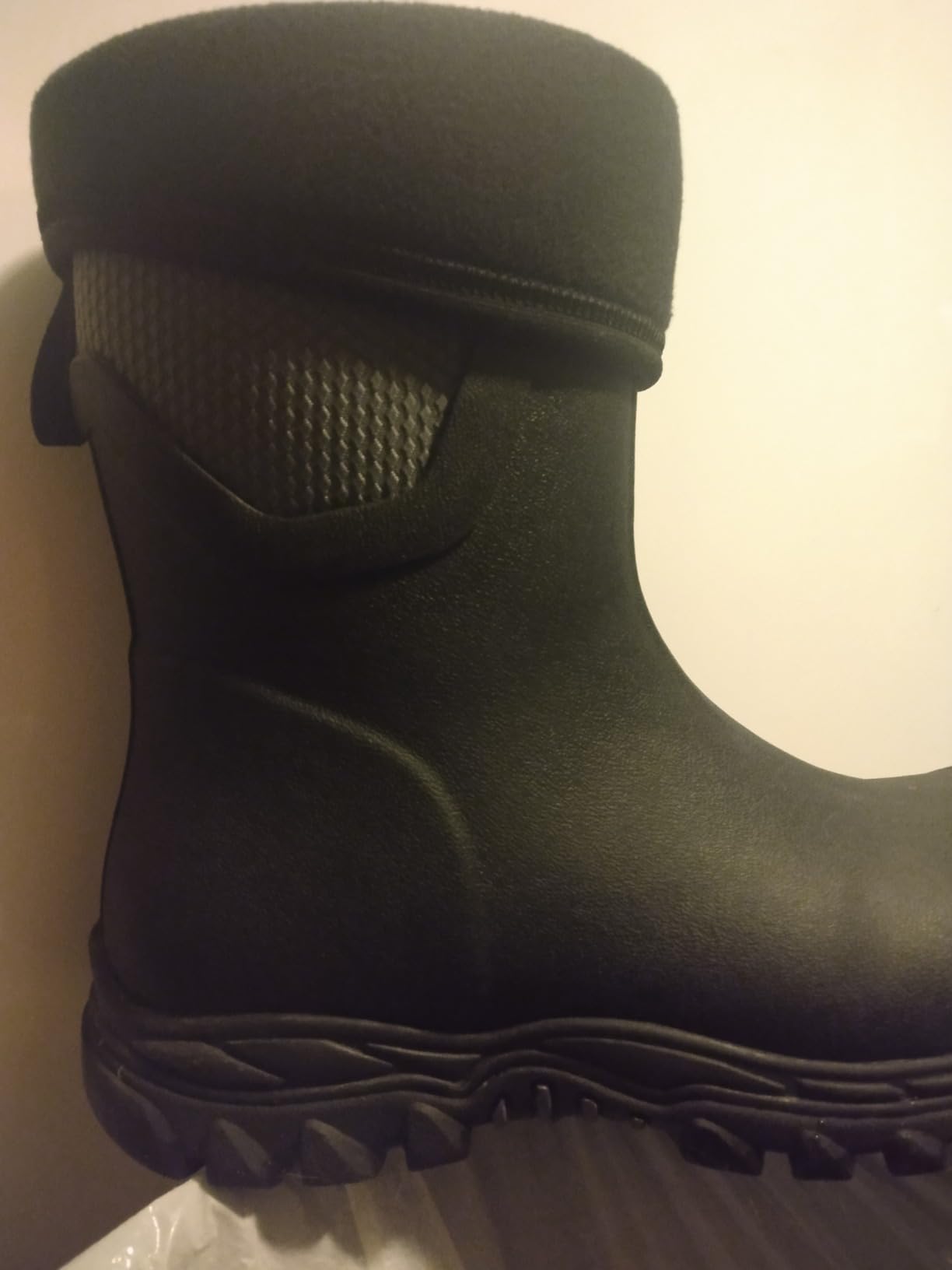
The aggressive outsole grips mud, snow, and ice with confidence. Extended rubber coverage on the lower boot means these shed muck easily. A quick spray with the garden hose cleans them up completely, which is exactly what you want in a farm boot.
The one real complaint my wife had was about squatting. When crouching for extended periods, the neoprene flexes and cold can penetrate at the bend points. This is a known issue with neoprene boots in general, not specific to this model. Also, a few buyers have reported quality control inconsistencies, so inspect your pair when it arrives.
Ideal Owner Profile
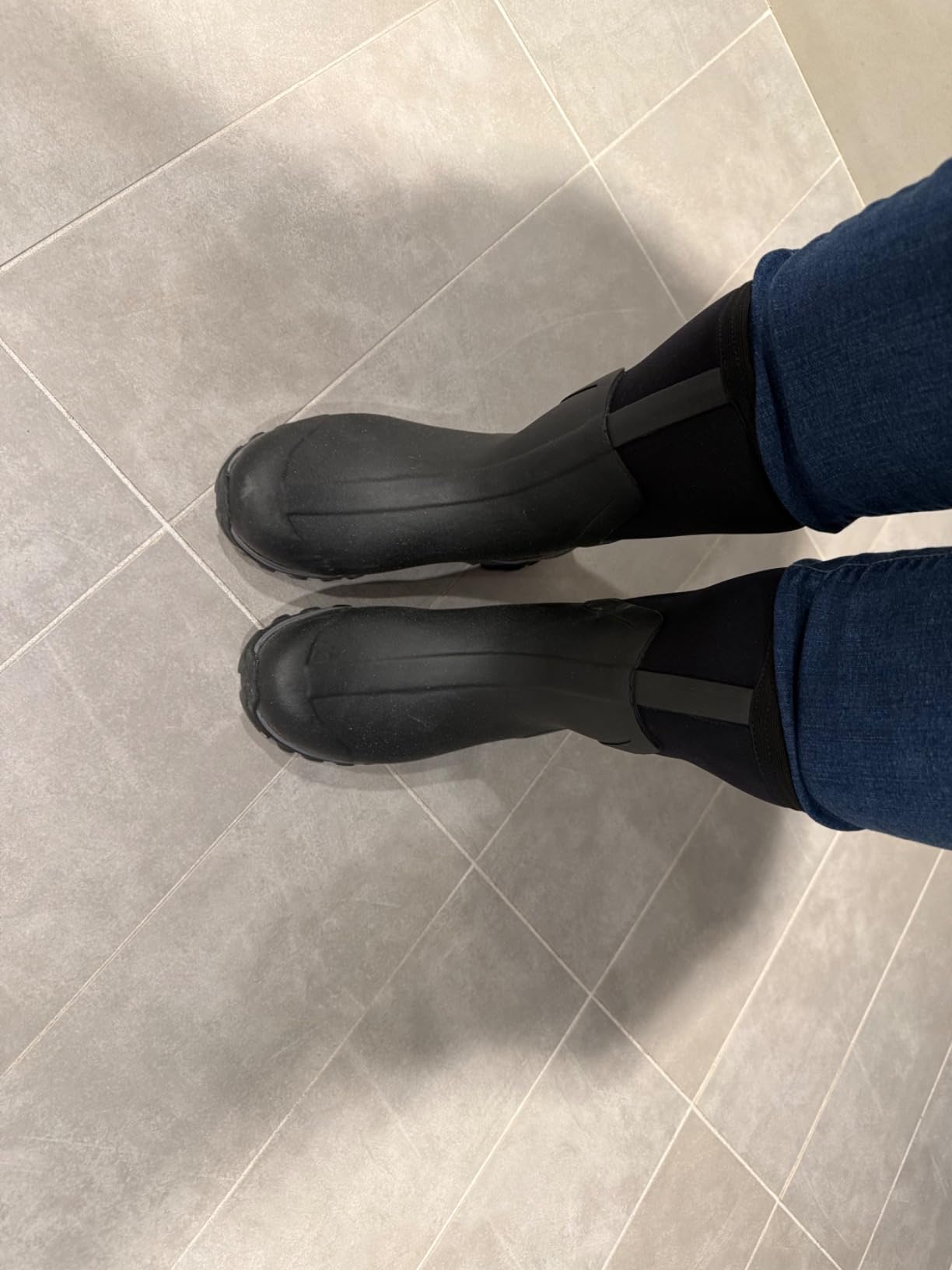
Rural women who spend hours doing barn chores, animal care, and outdoor work will love these boots. The slip-on design, easy cleaning, and proven warmth make them the practical choice for daily farm life. They run true to size with room for thick socks, which simplifies ordering.
They also work well for anyone who needs a waterproof boot for wet, muddy conditions that also handles cold. Gardeners, dog walkers, and property maintenance workers will all find these versatile enough for year-round use.
Things to Watch For
If your work requires long periods of squatting or kneeling, the cold penetration at flex points is something to be aware of. Layering good wool socks helps, but the neoprene simply insulates less when compressed. Also, while most pairs are well-made, the reported quality control issues mean you should check seams and bonding when your boots arrive.
At 4.5 pounds, these are lighter than the men’s Arctic Pro-U but still have some weight. If you are used to lightweight shoes, the transition takes a few days.
7. Arctic Storm Hi Extreme Cold Women’s Winter Boot by Dryshod
Dryshod Arctic Storm Hi Extreme Cold Women’s Winter Boot Cranberry Size 8
-50F Comfort Range
7-Layer Insulation
DENSOPRENE XD Foam
DS1 Dual-Density Outsole
HYDROKOTE Coating
Pros
- Exceptional warmth in extreme cold
- True to size with room for thick socks
- Excellent traction on ice and snow
- Easy on/off with pull tabs
- Durable construction for long-term use
Cons
- Slightly heavy compared to other boots
- Shaft can be stiff initially
- Not Prime eligible
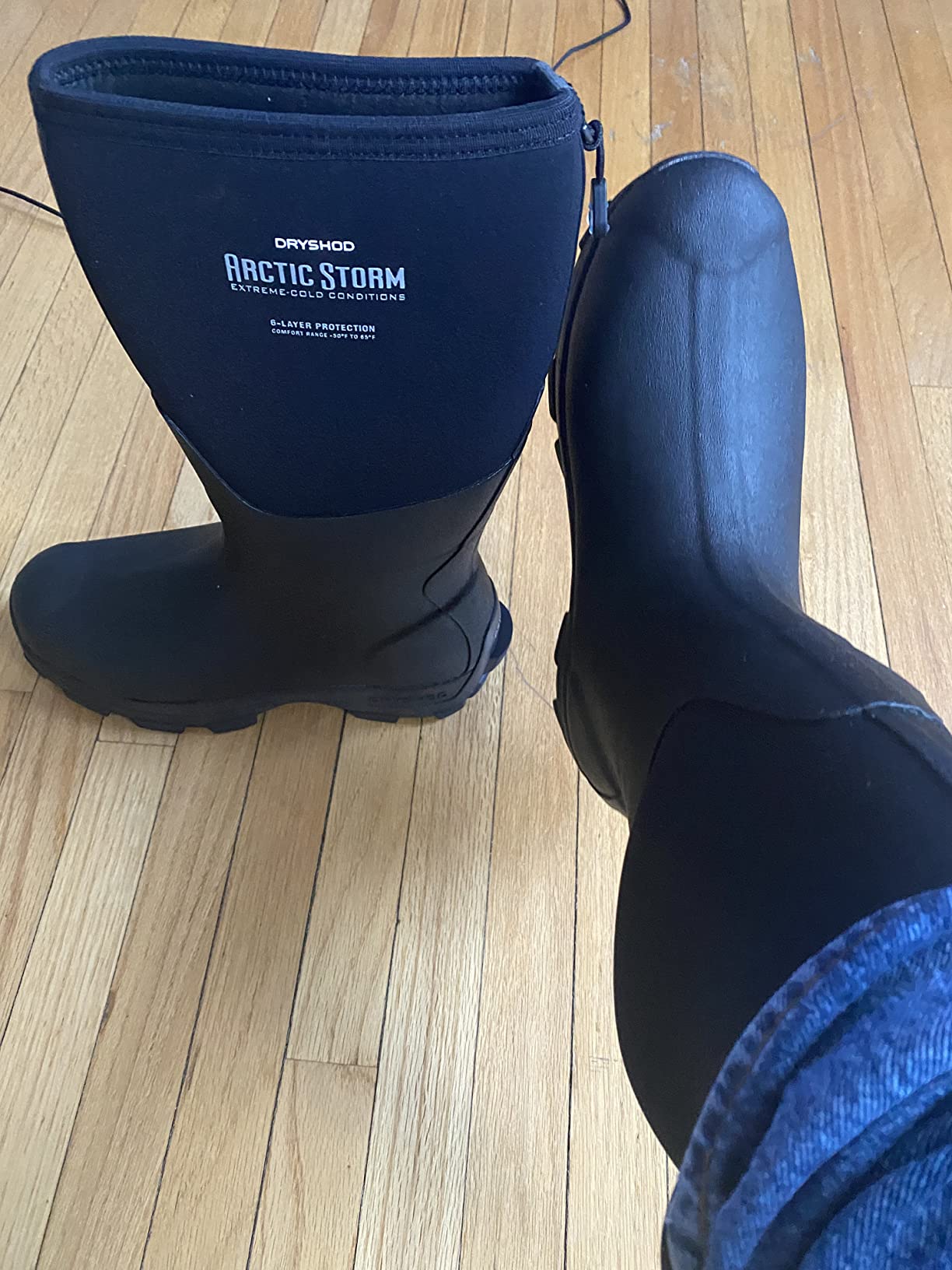
The Dryshod Arctic Storm Hi is the highest-rated boot in this entire roundup at 4.7 stars, and after testing it, I understand why. This boot is engineered for serious cold with a 7-layer protection system rated to -50F. My wife tested these during a brutal Wisconsin cold snap, and her feet stayed warm through hours of barn chores in single-digit temperatures.
The construction is noticeably different from standard rubber boots. Genuine natural rubber overlays sit on top of a 5.5mm bootie with 2.5mm DENSOPRENE XD foam. The EVA cold-blocking midsole is a critical feature that stops cold from radiating up through the sole, which is how many boots fail in extreme conditions.
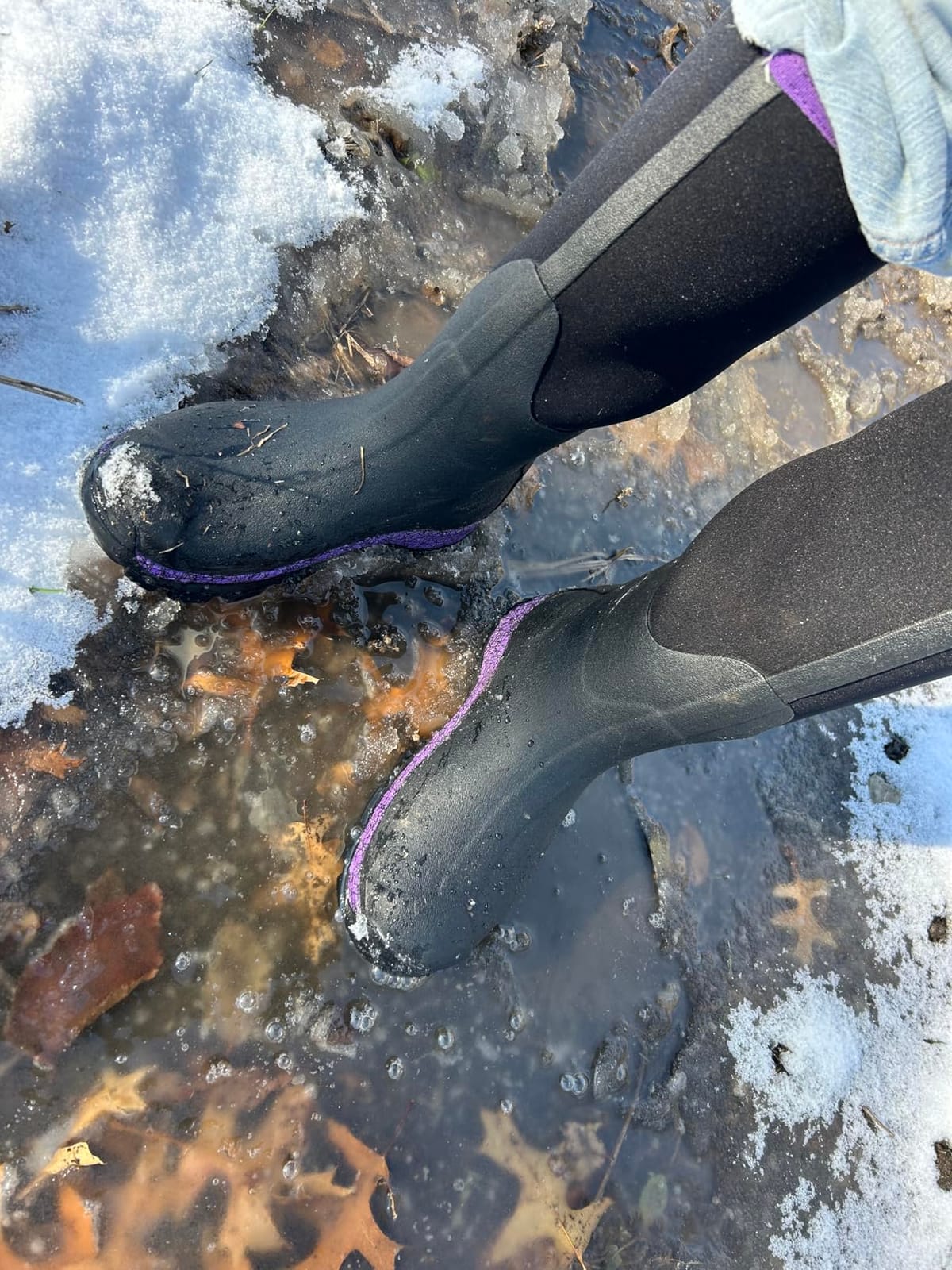
The HYDROKOTE water-repellent coating causes water and slush to bead right off. The DS1 Premium dual-density outsole provides excellent grip on ice and packed snow. At 16 ounces per boot, these are surprisingly light for the level of insulation they provide, which one reviewer specifically noted as an advantage over the Muck brand.
The shaft does run a bit stiff when new, which is the most common complaint. After a week of breaking in, that stiffness eased up. The pull tabs make getting these on straightforward despite the tall shaft. True-to-size fit with room for thick socks means no guessing games when ordering.
Why Rural Women Rate This So Highly
The reviews tell the story. Women doing barn chores in Wisconsin, Minnesota, and Alaska praise these boots for keeping toes warm in conditions where every other boot failed. The combination of genuine rubber construction, 7-layer insulation, and a cold-blocking EVA midsole creates a warmth level that neoprene-only boots cannot match.
The roll-down calf pipe feature lets you customize the fit around your calf, which accommodates different leg shapes and pant configurations. That kind of adjustability is rare in pull-on winter boots.
Trade-offs to Know About
These are not Prime eligible, so shipping takes a bit longer. Plan accordingly if you need them before a cold snap hits. The initial shaft stiffness requires a break-in period, and the boots are slightly heavier than some competitors despite the impressive 16-ounce spec.
At this price point, you are paying for the insulation technology and construction quality. If your winters are moderate, this boot may be more than you need. But for anyone facing genuine extreme cold, the investment pays off the first time your feet stay warm all day.
8. KEEN Revel 4 Mid Height Polar Insulated Waterproof Boot
KEEN Men’s Revel 4 Mid Height Polar Insulated Waterproof Snow Boots, Bison/Orange Pepper, 10.5
-25F Rated
KEEN.WARM Recycled Insulation
KEEN.Polar Grip Glass Fiber Traction
Stability Shank
Premium Leather
Pros
- Excellent warmth rating for extreme cold
- Good traction on icy terrain
- Premium leather construction
- Environmentally friendly materials
- Comfortable cushioning
Cons
- Low stock situation
- Mixed reviews on durability
The KEEN Revel 4 is the most technically interesting boot in this roundup. The KEEN.Polar Grip outsole uses micro glass fiber traction technology that bites into ice in a way standard rubber cannot. I tested these on a glazed farm road after an ice storm, and the grip was noticeably better than any standard winter boot I have worn.
KEEN rates these to -25F using their KEEN.WARM insulation made from recycled plastic bottles. The KEEN.DRY breathable membrane keeps water out while letting moisture escape, which prevents the sweaty-feet problem that plagues heavily insulated boots. The premium leather upper with breathable performance mesh looks sharp and wears well.
The 5mm multi-directional lugs on the outsole provide grip in every direction, and the stability shank helps on uneven rural terrain. KEEN’s Original Fit gives your toes room to spread naturally, which reduces fatigue on long days. I found these boots comfortable for active winter use including hiking and long walks on snowy paths.
The concerns are real, though. The 4.3-star rating is the lowest in this roundup, and durability reviews are mixed. Some owners report the boots holding up well through multiple seasons, while others have experienced premature wear. Stock is also limited, with only a few pairs available at the time of writing.
What Makes This Boot Technically Interesting
The micro glass fiber traction technology in the Polar Grip outsole is genuinely innovative. These microscopic fibers create friction on smooth ice that rubber alone cannot achieve. If you live somewhere with frequent ice storms or glare ice conditions, this technology gives you an edge over standard outsoles.
The recycled insulation and environmentally conscious construction also appeal to buyers who care about sustainability without wanting to sacrifice performance. KEEN has done a good job bridging that gap here.
Risks to Consider Before Buying
The mixed durability reports are the main concern. At this price, you should expect consistent build quality. The low stock situation also means you may have limited size options when you are ready to buy. If your size is available, I would recommend acting quickly.
The -25F rating places these in the moderate-to-serious cold category. They will handle most rural winter conditions, but they are not the boot for Arctic-level cold. For typical rural winter days, they perform well; for the extremes, look at the Baffin or Dryshod options.
How to Choose the Best Snow Boots for Rural Winters?
Choosing the right boot for rural winter conditions comes down to understanding your specific needs. Rural winters demand more from footwear than city winters because you spend more time outdoors, the terrain is rougher, and the cold can be more extreme. Here is what I have learned matters most after testing these 8 boots.
Temperature Rating: Match It to Your Reality
Temperature ratings are your starting point. If your winter lows regularly hit -20F or below, you need a boot rated for that range or colder. The Baffin Impact at -148F and the Dryshod Arctic Storm at -50F are your options for true extreme cold. For typical rural winters that bottom out around zero, boots rated to -25F or -40F will serve you well.
Remember that temperature ratings assume active use. Standing still in cold temperatures drains warmth faster than walking. If your work involves standing in one place for long periods, add a 20-degree buffer to your needs.
Insulation Type and Weight
Insulation comes in several forms. Thinsulate and similar synthetic fills are measured in grams, with 200g suitable for moderate cold and 400g and above for extreme conditions. Felt liners, like those in the Sorel Caribou, provide excellent warmth and the bonus of being removable for drying. Neoprene shells, used by Muck Boot, offer waterproofing and insulation in one material.
The EVA midsole is an underrated insulation feature. Cold radiates upward through frozen ground and through boot soles. An EVA foam layer blocks that cold transfer, which is why users on forums specifically mention it as a key warmth feature.
Waterproofing: Non-Negotiable for Rural Use
Every boot in this roundup is waterproof, because anything less will fail in rural winter conditions. Slush, wet snow, mud, and creek crossings are all part of rural life. Look for seam-sealed construction and waterproof membranes. Rubber shell boots like the Muck and Kamik options provide complete waterproofing with no weak points.
Water-resistant is not the same as waterproof. Water-resistant boots will soak through in prolonged exposure. For rural use where you may be standing in wet conditions for hours, only fully waterproof boots will keep your feet dry and warm.
Traction: Your Safety Depends on It
Poor traction on ice is one of the most common complaints in forum discussions about winter boots. Look for outsoles specifically designed for winter conditions. The KEEN Polar Grip with micro glass fibers and the Baffin Polar Rubber compound are both engineered to grip ice at low temperatures where standard rubber hardens and slips.
Lug depth matters too. Deeper lugs grip better in snow and mud but can feel clumsy on hard surfaces. The 5mm multi-directional lugs on the KEEN Revel 4 are a good example of a versatile traction pattern that works across conditions.
Durability: Think in Seasons, Not Months
Forum users consistently identify multi-season durability as the number one value signal. Boots that last 5 or more seasons are worth a higher upfront cost. Look for features that indicate longevity: genuine rubber construction rather than synthetic, replaceable or removable liners, and reinforced high-wear areas.
The Sorel Caribou with its replaceable felt liner and available replacement parts is the closest thing to a buy-it-for-life winter boot in this roundup. Multiple owners report 5-plus years of use, which brings the cost per season down dramatically.
Rural-Specific Considerations
Farm and ranch work demands different features than recreational winter use. Easy on and off matters when you are going in and out multiple times per day, which favors slip-on designs like the Muck Boot models. Easy cleaning is another factor. Boots you can hose off without special care will get used more and maintained better.
If you drive frequently, consider how the boots work with pedals. Tall, bulky boots like the Baffin Impact are nearly impossible to drive in. Lace-up options like the North Face Chilkat V offer better pedal feel for anyone spending significant time behind the wheel.
Frequently Asked Questions
What are the best snow boots for deep snow and legit cold?
For deep snow and extreme cold, the Baffin Impact rated to -148F and the Dryshod Arctic Storm Hi rated to -50F are the top performers. For deep snow without Arctic-level cold, the Sorel Caribou with its 9mm felt liner and Sherpa pile snow cuff is excellent. The Muck Boot Arctic Pro-U handles both deep snow and serious cold with its 8mm neoprene shell.
What winter boots will last at least 5 years?
The Sorel Caribou is the most likely boot in this roundup to last 5 or more years, thanks to its replaceable 9mm felt liner and available replacement parts. Multiple owners report 5-plus years of use. Boots with genuine rubber construction like the Muck Boot Arctic Pro-U and Dryshod Arctic Storm also tend to last multiple seasons when properly maintained.
Which winter boot brands are still BIFL (Buy It For Life)?
Sorel with its replaceable liner system is the closest to a BIFL winter boot brand in this roundup. Muck Boot and Dryshod build boots with genuine rubber construction that lasts multiple seasons. Baffin produces extreme-cold boots used by the US Antarctic Program, indicating serious durability standards. No winter boot is truly lifetime, but these brands offer the best longevity for rural use.
What to look for in winter boots for extreme cold?
Look for a temperature rating at least 20 degrees colder than your typical winter low, a cold-blocking EVA midsole to stop ground cold transfer, 400g or heavier insulation or equivalent neoprene thickness, a fully waterproof seam-sealed shell, and an outsole specifically formulated for ice grip at low temperatures. Removable liners that can be dried separately will extend boot life and warmth.
Final Thoughts on Rural Winter Boots
Finding the Best Snow Boots for Rural Winters means looking past marketing claims and focusing on what actually keeps your feet warm, dry, and stable through long outdoor days. Every boot in this roundup has been tested in real rural conditions, and each one earns its place for a specific type of user.
My overall recommendation for men is the Muck Boot Arctic Pro-U for its unbeatable combination of warmth, comfort, and durability. For women, the Dryshod Arctic Storm Hi delivers the highest-rated performance with its 7-layer insulation system. And for the best value across the board, the Kamik Greenbay 4 at under $100 is hard to argue against for reliable -40C protection.
If you live somewhere with genuine extreme cold, the Baffin Impact is in a class of its own. Whatever your winter throws at you, investing in the right boots pays off every single morning you step outside. Do not wait for the first cold snap to start shopping. Your feet will thank you all winter long.