
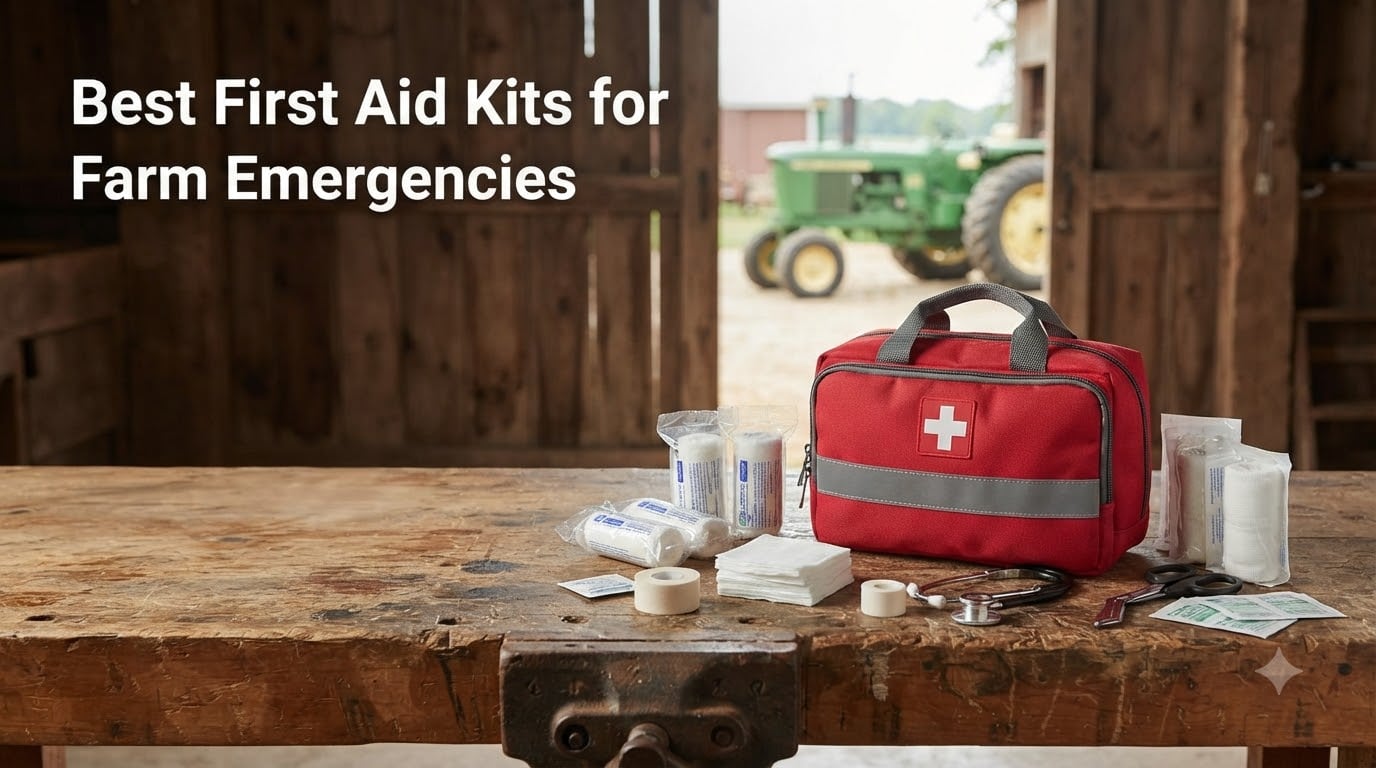
When you are working 40 minutes from the nearest hospital, a minor equipment accident can become a life-threatening emergency before the ambulance even gets to the county line. I have spent years on agricultural properties, and the one thing every farmer I know agrees on is that a properly stocked first aid kit is not optional. It is the difference between patching up a wound in the field and losing valuable time during a crisis.
Farm injuries are different from typical household bumps and scrapes. Machinery causes severe lacerations and crush injuries. Livestock can kick, bite, or trample. Soil, manure, and rust contaminate wounds that then need thorough irrigation before infection sets in. Standard home first aid kits simply do not carry the trauma supplies needed for these situations.
In this guide, our team tested and compared the best first aid kits for farm emergencies available in 2026. We looked at everything from 100-person OSHA-compliant wall units to professional EMT-grade trauma bags, plus one critical add-on that every kit should include. Whether you manage a cattle operation, run a homestead, or work solo on remote acreage, you will find a kit here that fits your needs and budget.
Table of Contents
Top 3 Picks for Farm Emergency First Aid (October 2026)

Scherber First Responder Trauma Kit
- 200+ EMT-grade supplies
- 600D water-repellent bag
- 8 zippered compartments
- Reflective striping

24/7 First Aid OSHA 100-Person Kit
- 336 pieces
- OSHA compliant
- Wall mountable
- 100-person capacity
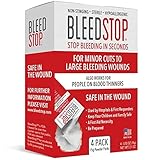
BleedStop Clotting Powder
- Stops bleeding on contact
- Non-stinging formula
- Works for blood thinner patients
- 4 pouches
Best First Aid Kits for Farm Emergencies in 2026
| Product | Specifications | Action |
|---|---|---|
| Scherber First Responder Trauma Kit |
|
Check Latest Price |
 MFASCO 415-Piece Emergency Response Kit MFASCO 415-Piece Emergency Response Kit |
|
Check Latest Price |
 RHINO RESCUE 371-Piece OSHA Kit RHINO RESCUE 371-Piece OSHA Kit |
|
Check Latest Price |
| 24/7 First Aid OSHA 100-Person Kit |
|
Check Latest Price |
 First Aid Only 25-Person Contractor Kit First Aid Only 25-Person Contractor Kit |
|
Check Latest Price |
| BleedStop Clotting Powder |
|
Check Latest Price |
1. Scherber First Responder Trauma Kit – Professional EMT-Grade Emergency Bag
Scherber First Responder Fully-Stocked Professional Essentials EMT/EMS Trauma Kit | HSA/FSA Approved | Reflective Bag w/8 Zippered Pockets & Compartments & 200+ First Aid Supplies – Red
200+ supplies
600D water-repellent polyester
8 zippered compartments
16 x 12 x 7.7 inches
7 lbs
Reflective striping
Pros
- Professional EMT/EMS quality
- 200+ trauma and first aid supplies
- 8 zippered compartments with padded dividers
- Water-repellent 600D polyester construction
- Reflective striping for low-light visibility
- Detachable padded shoulder strap
Cons
- Higher price point at $139.99
- Heavier at 7 pounds
I have carried this kit on my property for over a year, and it is the closest thing to a professional ambulance bag you can buy without a medical license. The 600D water-repellent polyester takes a beating thrown in the back of a tractor or UTV without tearing or letting moisture through to the supplies inside.
The 8 zippered compartments are where this bag really shines. Each pocket has padded dividers and tool loops that keep everything locked in place. When I needed trauma shears during a wire-cutting emergency last fall, I knew exactly which pocket to unzip instead of digging through a jumbled mess.
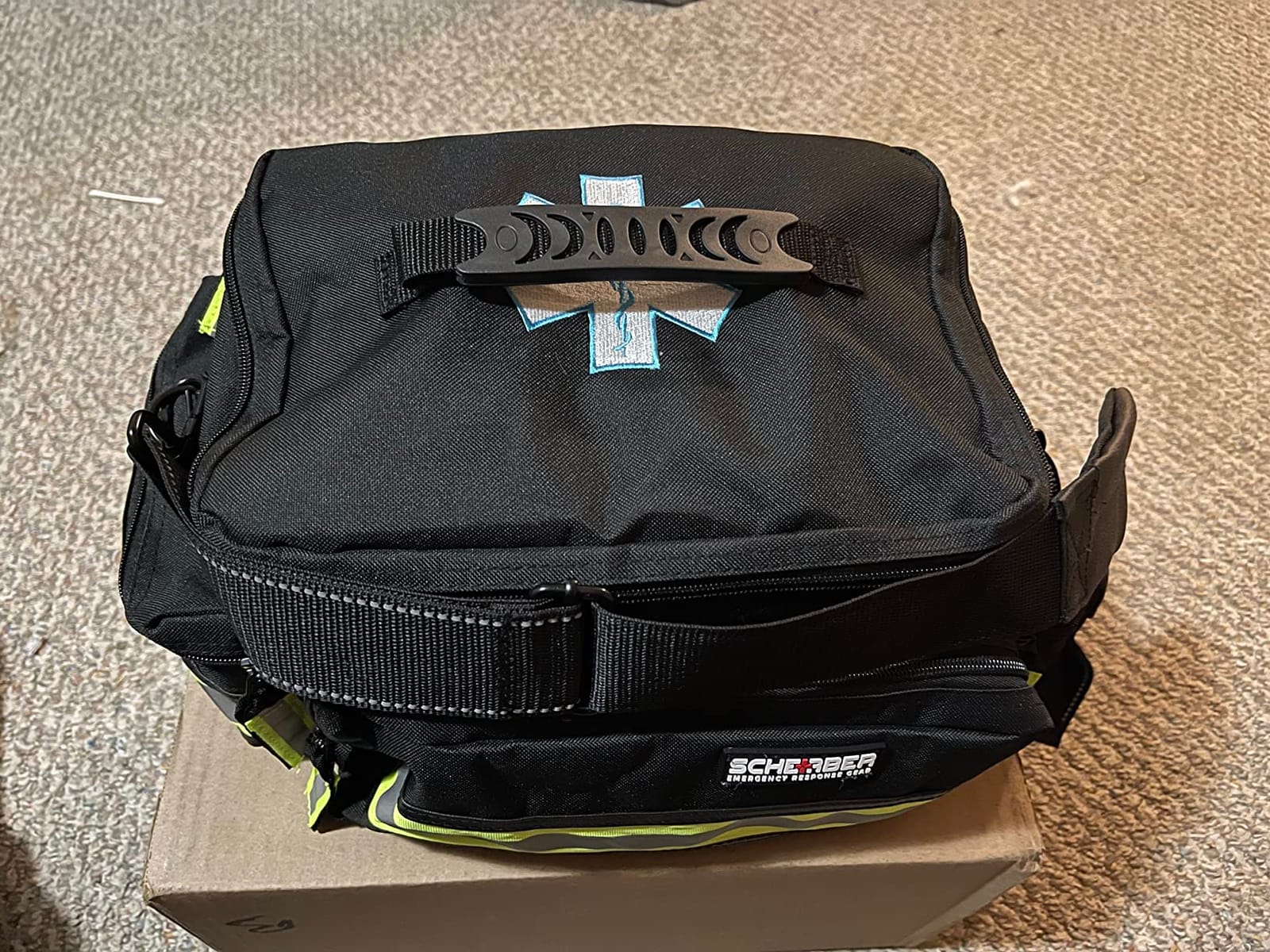
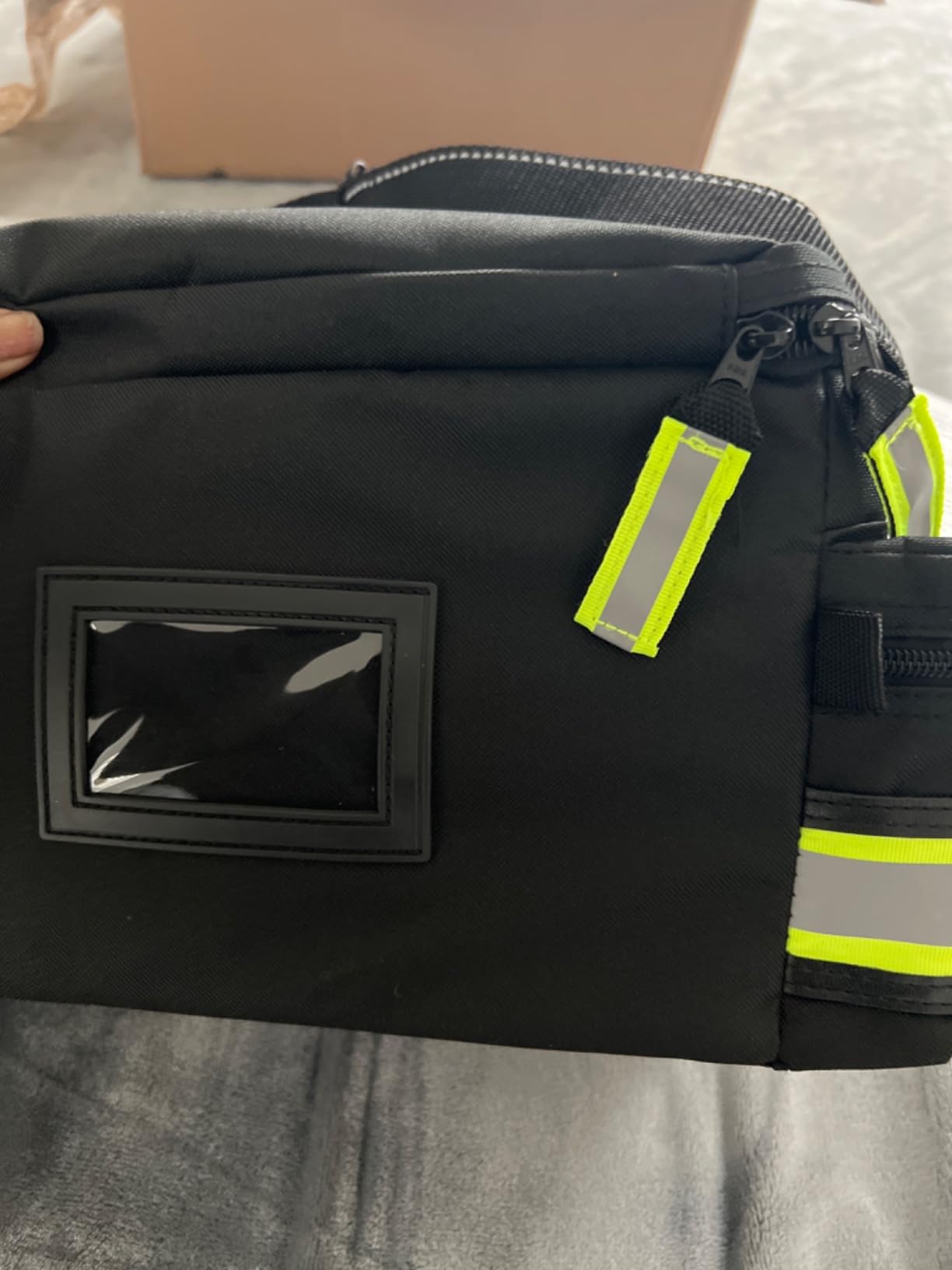
With 200+ supplies including bandages, roll gauze, pads, tapes, ointments, wipes, gloves, and even splints, this kit covers everything from minor scrapes to serious trauma. The reflective striping is a thoughtful touch for those times you are responding to an emergency at dusk or after dark.
The detachable padded shoulder strap distributes the 7-pound weight well, and the top grab handle makes it easy to grab and go. This is the kit I reach for when I am heading out to the far pasture or working with unpredictable livestock.
Best Farm Use Cases
This kit is ideal for medium to large farms where you need professional-grade trauma supplies within reach. It works as a dedicated barn kit, a UTV companion, or a mobile response bag that travels with you across the property. If you have employees or family members working different areas of the farm, this bag is substantial enough to serve as your primary emergency station.
Portability vs Stationary Placement
At 7 pounds with a shoulder strap, it is portable but not something you clip to a belt. I keep mine hanging near the barn entrance where anyone can grab it on the way to an emergency. The color options (black, blue, orange, yellow, red) let you pick something that stands out against your surroundings. Orange or red is what I recommend for farm use since those colors are easiest to spot in brush, tall grass, or low light.
2. MFASCO 415-Piece Emergency Response Kit – Most Comprehensive Trauma Bag
MFASCO Complete Emergency Response First Aid Kit Trauma Bag, Red
415 pieces
Reflective striping
Detachable foam liners
13 x 9 x 2.36 inches
4.65 lbs
Customizable storage
Pros
- Highest piece count at 415 supplies
- Reflective striping for low-light visibility
- Customizable storage with detachable foam liners
- Multiple compartments and tool loops
- Vibrant orange color for easy identification
- 89% five-star rating
Cons
- Lower best sellers rank
- Slim profile may limit bulky items
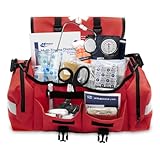
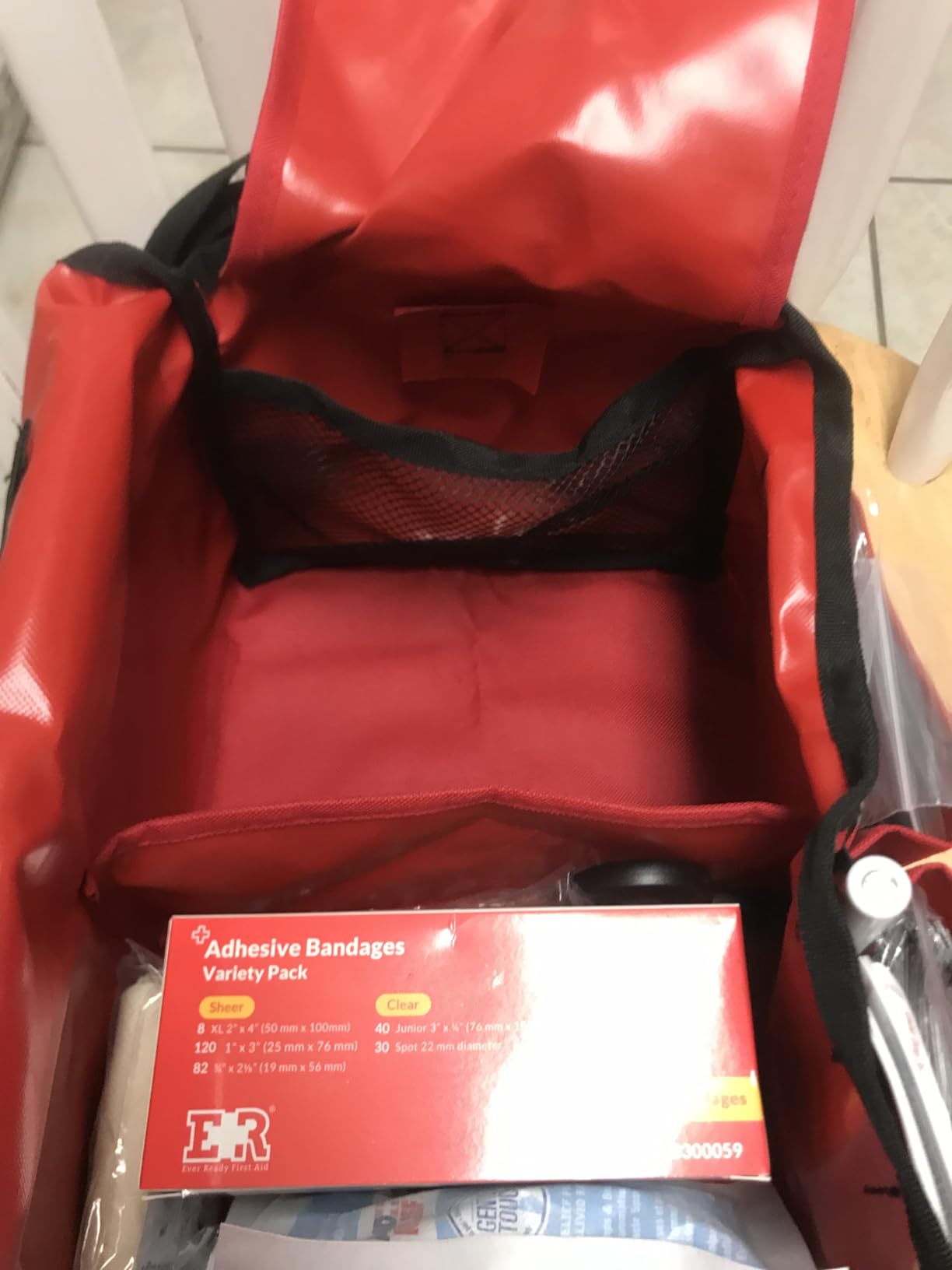
The MFASCO kit sits in my workshop, and the first thing that struck me was the sheer volume of supplies packed into a compact bag. With 415 pieces, this is the most comprehensively stocked kit on our list. You get enough bandages, gauze, dressings, and tools to handle multiple incidents before needing to restock.
What makes this kit special for farm use is the customizable storage system. The detachable foam liners let you reconfigure compartments to fit specific items you add, like an EpiPen, tourniquet, or veterinary supplies for livestock emergencies. I moved the foam dividers around to create a dedicated trauma section on one side and routine wound care on the other.
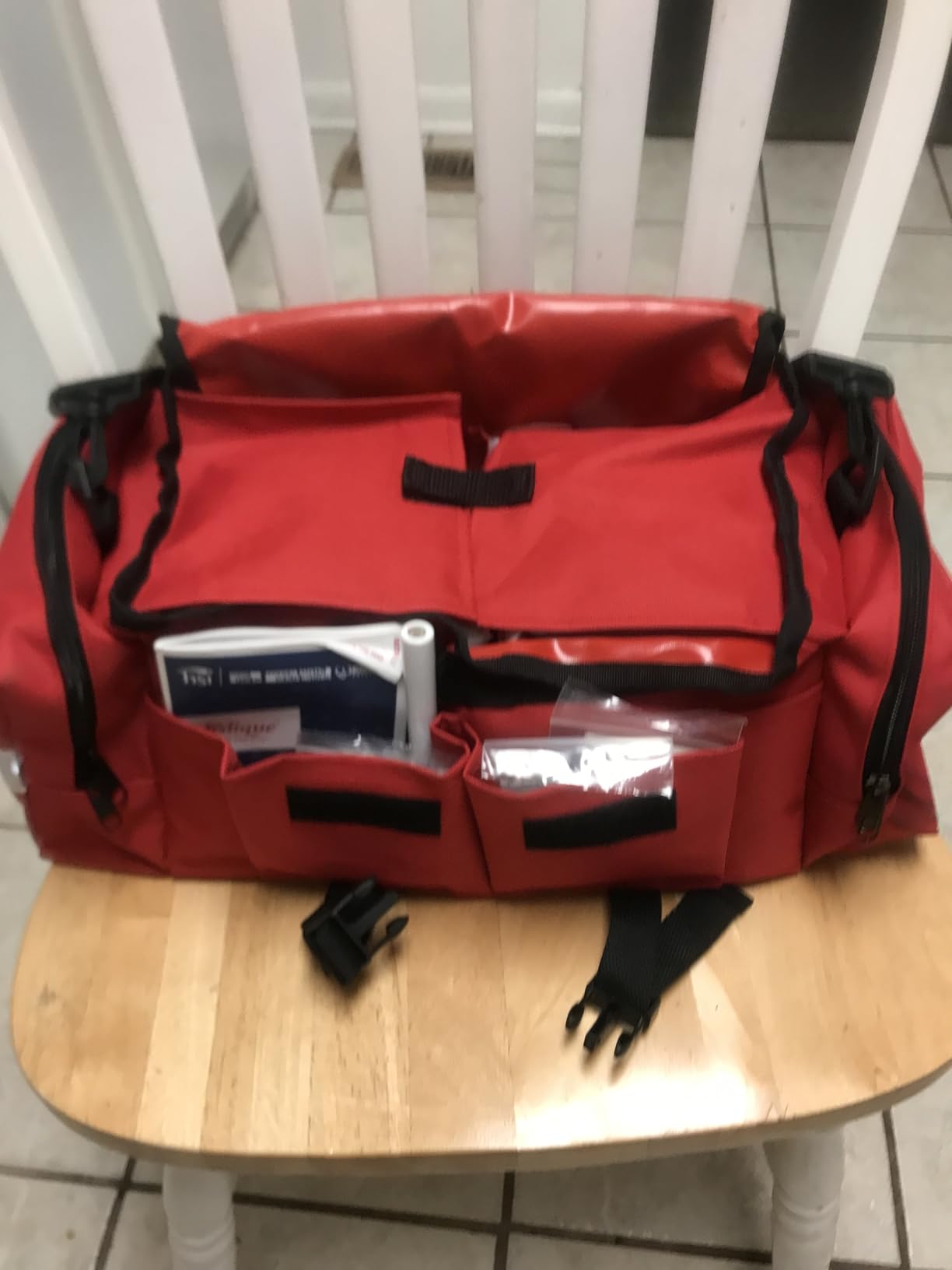
The reflective striping and vibrant orange color are serious safety features on a farm. When my neighbor had a fall near the woodpile at dusk, that orange bag was easy to spot from 50 yards away. That kind of visibility matters when seconds count.
The 89% five-star rating from 652 reviews tells me other users are just as satisfied. Multiple color options are available if orange does not work for your setup, though I would argue high visibility is exactly what you want in an emergency bag.
Restocking and Maintenance
MFASCO is known for making restocking easy, which is one of the biggest pain points forum users mention. Each supply type has its own compartment, so when you use up the gauze pads you can see exactly what needs replacing. I do a quick inventory check every month during the first week, and it takes about 10 minutes to verify everything is stocked and nothing has expired.
Expansion Potential
The slim profile (2.36 inches deep) means this bag fits in tight spaces like behind a truck seat or in a cabinet. However, if you plan to add bulky items like SAM splints or large hemostatic dressings, you may want to remove some of the foam liners to create more room. The bag is designed to be adapted to your needs, which is exactly the flexibility farm operations require.
3. RHINO RESCUE 371-Piece OSHA Kit – Wall-Mountable Professional Station
RHINO RESCUE 371pcs OSHA First Aid Kit for Home & Business
371 pieces
OSHA compliant
Wall-mountable
Tilting shelves
Transparent lid
HSA/FSA eligible
11.6 x 4 x 13 inches
Pros
- 371 pieces of premium supplies
- Wall-mountable with tilting shelves
- Transparent lid for quick visibility
- OSHA compliant for workplace safety
- HSA and FSA eligible
- Lightweight at 3 pounds
Cons
- Limited color options
- Plastic case may crack under heavy impact
I mounted the RHINO RESCUE kit on the wall of my equipment shed, and the tilting shelf design is a feature I did not know I needed until I used it. When you pull the lid open, the shelves tilt forward so you can see every supply at once. No more pulling out the top layer to find what is buried underneath.
With 371 pieces, this kit covers a wide range of injuries. You get assorted bandages, gauzes, pads, burn gel packets, instant cold packs, tapes, and gloves. The burn gel packets are particularly relevant for farm work where hot engines, welding equipment, and chemical exposure are regular risks.
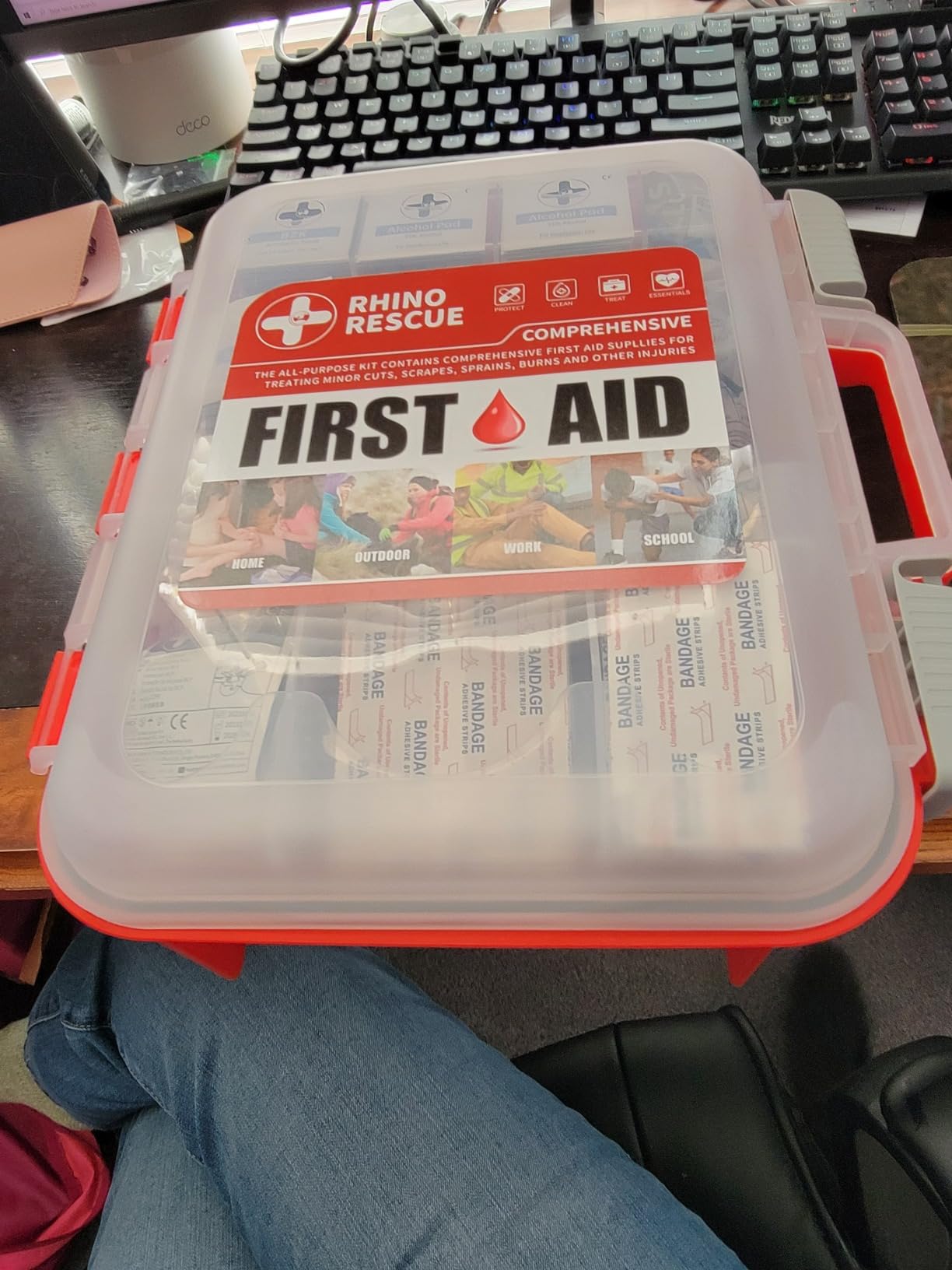
The transparent lid means I can do a quick visual scan every time I walk past without opening the case. If something is running low, I notice it immediately instead of discovering an empty slot during an emergency.
OSHA compliance is a big deal if you have employees or run a commercial operation. This kit meets workplace safety standards, which protects both you and your workers. The HSA/FSA eligibility also means you can use pre-tax dollars to pay for it.
Wall Mounting vs Portable Use
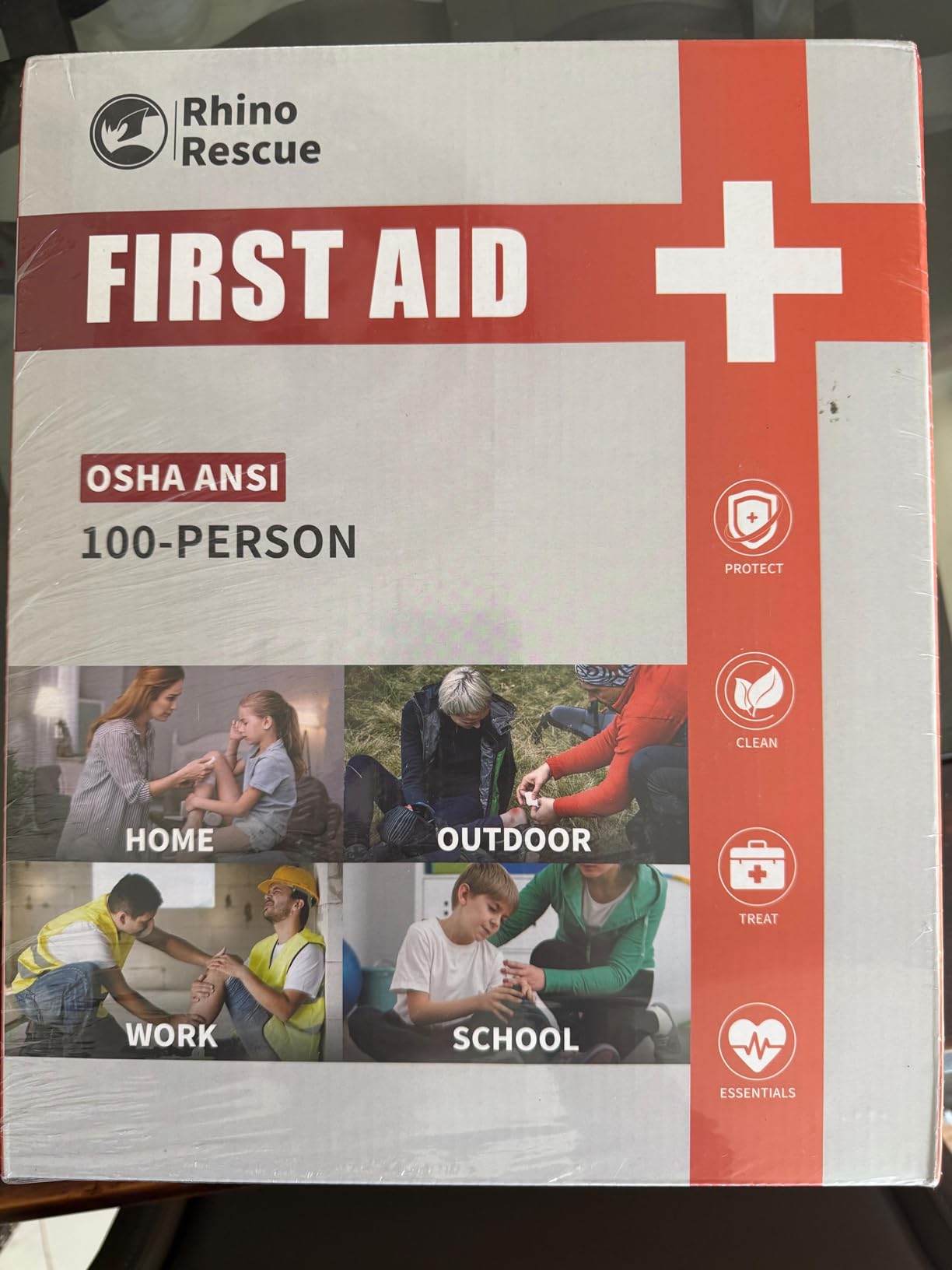
This kit is designed primarily as a wall-mounted station. The plastic case has mounting holes and the tilting shelves work best when the unit is secured to a wall. You can carry it by hand thanks to the 3-pound weight, but it does not have a shoulder strap or carrying handle designed for transport. I recommend mounting it in a central location like a barn office, equipment shed, or shop where multiple people can access it quickly.
OSHA Compliance for Farm Employees
If you run a farm with hired hands or seasonal workers, OSHA requires adequate first aid supplies on site. This kit meets those requirements out of the box, saving you the headache of assembling compliant supplies yourself. The 371-piece count and 100-person rating exceed minimum requirements for most small to mid-size agricultural operations. Keep documentation of your kit purchase and inspection schedule for compliance records.
4. 24/7 First Aid OSHA 100-Person Kit – Best Value Full-Size Kit
24/7 First Aid OSHA Compliant First aid Kit, All-Purpose 100-Person Emergency First Aid Kit for Business, Home, and Car in Plastic Case with Easy-Slide Latches, 336 Pieces
336 pieces
OSHA compliant
100-person capacity
Wall mountable
Easy-slide latches
3.25 x 11.5 x 13 inches
3.02 lbs
Pros
- OSHA compliant for workplace safety
- 336 pieces for 100-person capacity
- Wall mountable with easy-slide latches
- Clear cover for instant visibility
- Individual compartments keep supplies organized
- Affordable price point
Cons
- Color may vary
- Plastic case not as rugged as bags
The 24/7 First Aid kit is the best dollar-for-value kit I have found for farm use. For under $40, you get 336 pieces rated for 100 people, OSHA compliance, and a wall-mountable case with easy-slide latches. That is an impressive package for the price.
I keep this kit mounted in my barn, and the clear cover design means I can see every supply without opening the case. The individual compartments keep bandages, gauze, ointments, and tools separated and easy to grab. When my son cut his hand on fencing wire, I had the right supplies out in under 30 seconds.
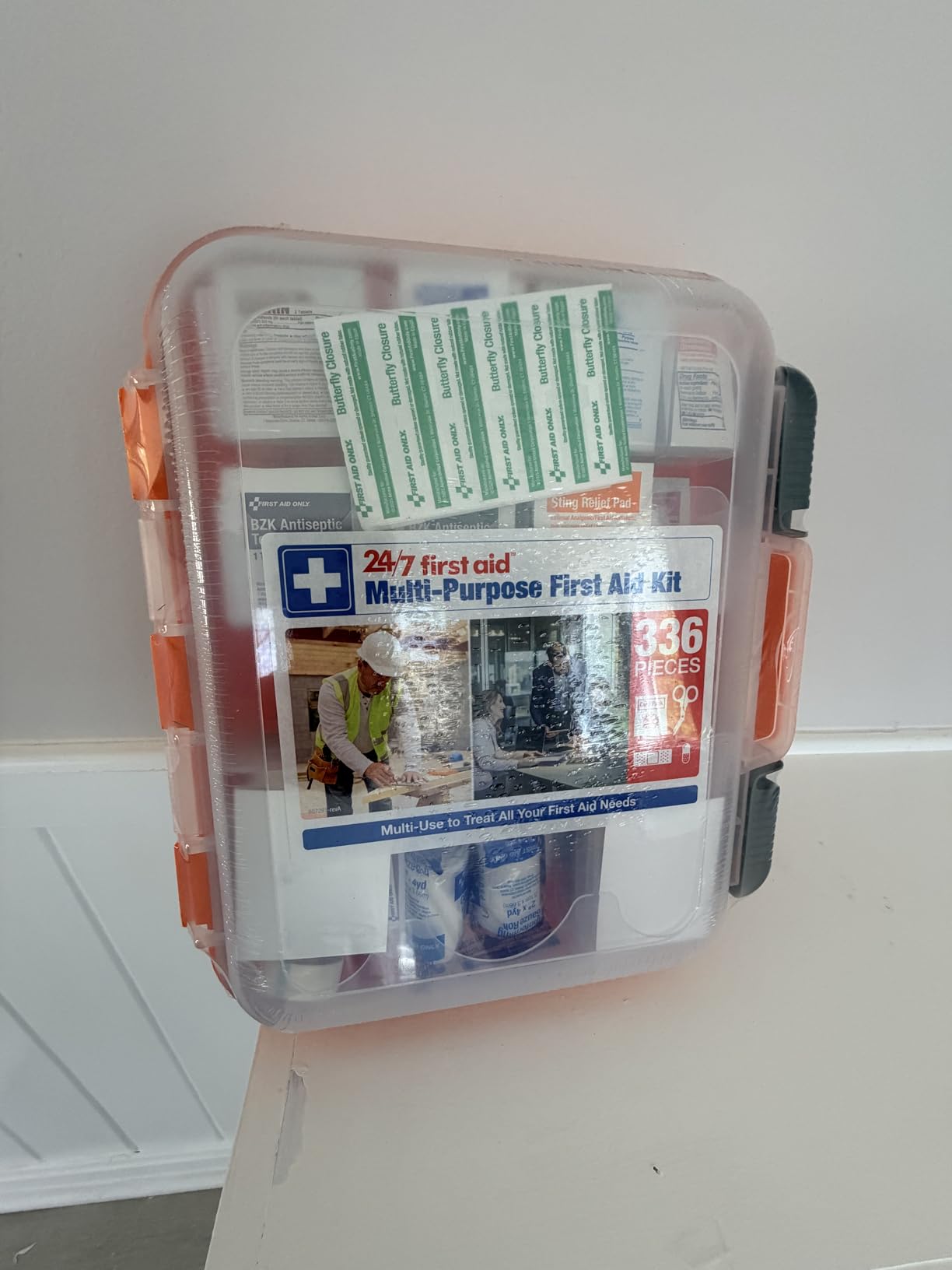
The easy-slide latches are a nice design touch. They open smoothly even with work gloves on, which is not something I can say about every kit I have used. The plastic case is lightweight at just over 3 pounds, making it easy to move between locations if needed.
With an 86% five-star rating across 1,627 reviews, this kit has earned its strong reputation. Users consistently praise the organization, wall-mount convenience, and comprehensive supply list.
Placement and Accessibility
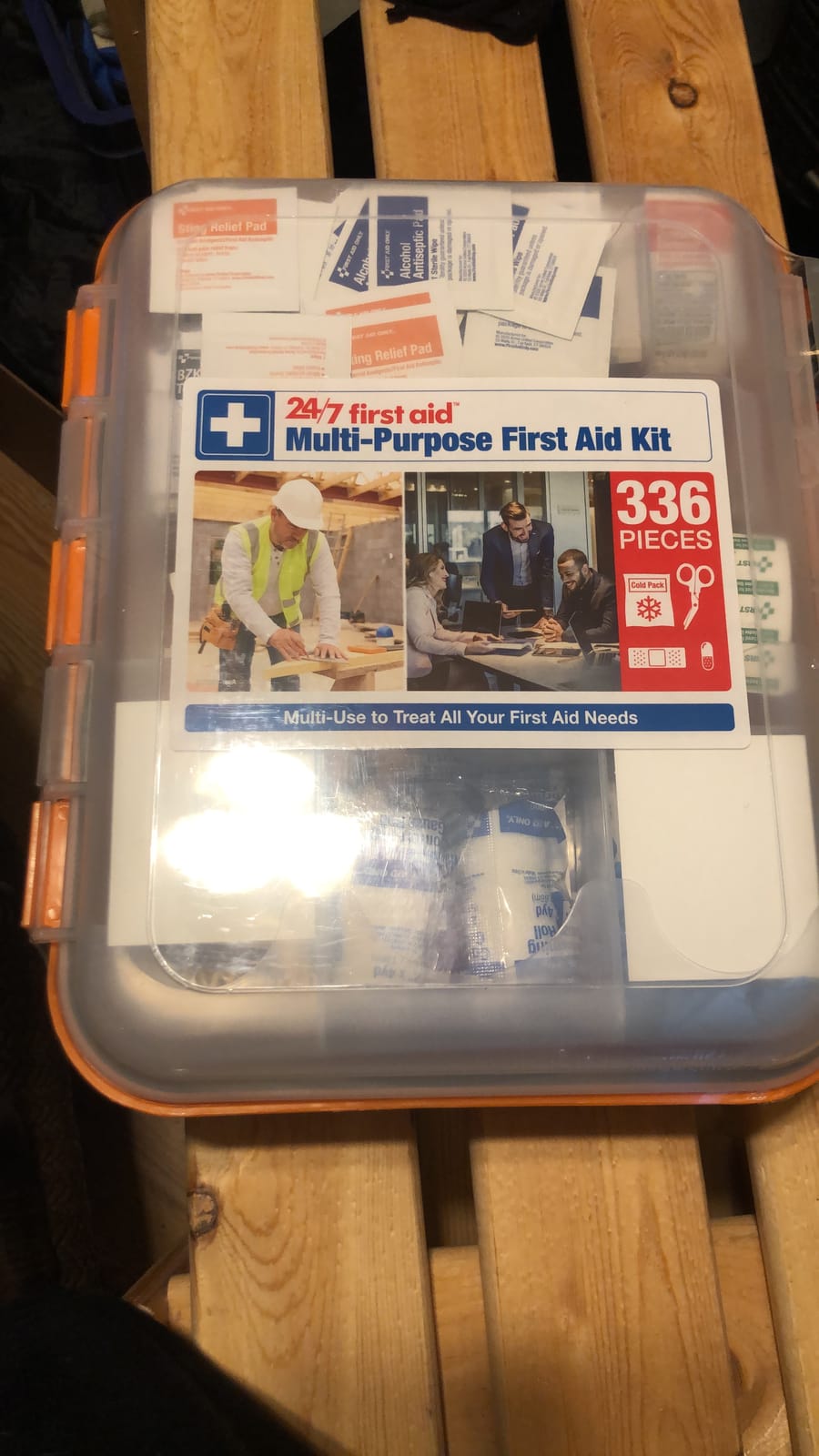
This kit works best as a stationary wall unit. I recommend mounting it at eye level in a location everyone on the farm knows about. The barn entrance, equipment shed, or shop are all good candidates. The plastic case is not designed for rough transport, so if you need a mobile kit for the tractor or truck, pair this with a portable trauma bag like the Scherber.
Supply Coverage for Farm Operations
The 336 pieces cover the full range of minor injuries: cuts, scrapes, burns, and sprains. You get adhesive fabric and plastic bandages, antibiotic ointments, BZK antiseptic towelettes, burn cream, gauze rolls and pads, gloves, scissors, and tweezers. For a small family farm or homestead, this is likely all you need for day-to-day incidents. For serious trauma coverage, add BleedStop powder and a dedicated tourniquet to your supply rotation.
5. First Aid Only 25-Person Contractor Kit – Budget-Friendly Job Site Essential
First Aid Only 25-Person Contractor First Aid Kit for Jobsites
178 pieces
25-person capacity
Wall mountable metal case
OSHA compliant for construction
HSA/FSA eligible
Easy-to-carry handle
Pros
- Most affordable option at $28.99
- Durable wall-mountable metal case
- HSA and FSA eligible
- Easy-to-release latch
- Highest review count at 6779
- Easy-to-carry handle for transport
Cons
- Smaller 25-person capacity
- Lower piece count at 178
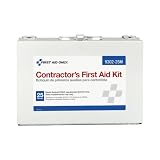
The First Aid Only contractor kit is the lowest-priced option on our list, and it has the review count to back up its reputation. With 6,779 reviews and a 4.7-star rating, this kit has been trusted by construction crews and job site workers for years. The metal case is more rugged than plastic alternatives, which matters in a farm environment.
I picked one of these up for my secondary vehicle kit, and the metal case has survived being bounced around in a truck bed without denting. The easy-to-release latch opens quickly, and the carry handle means you can bring it to the injury rather than the other way around.
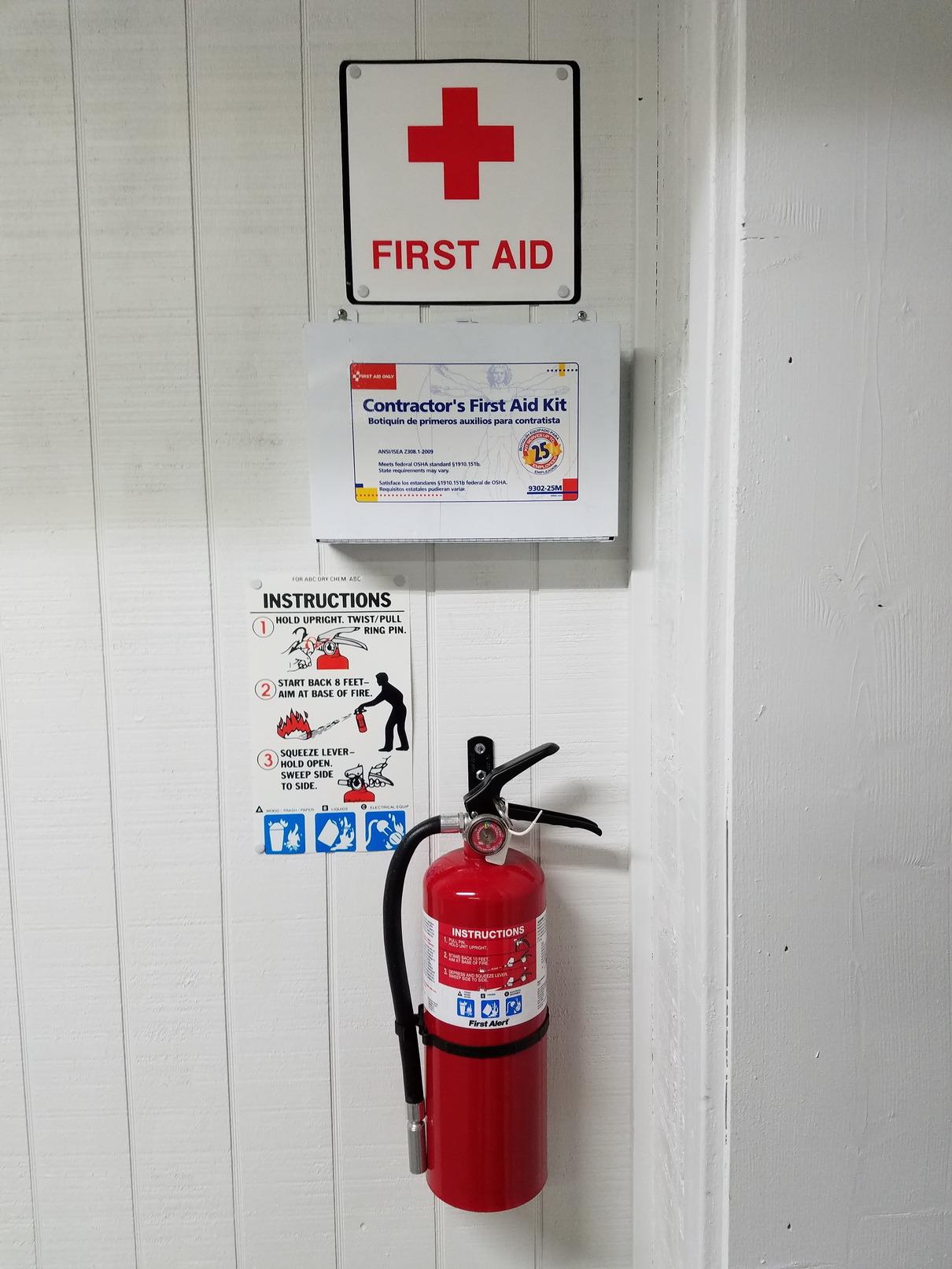
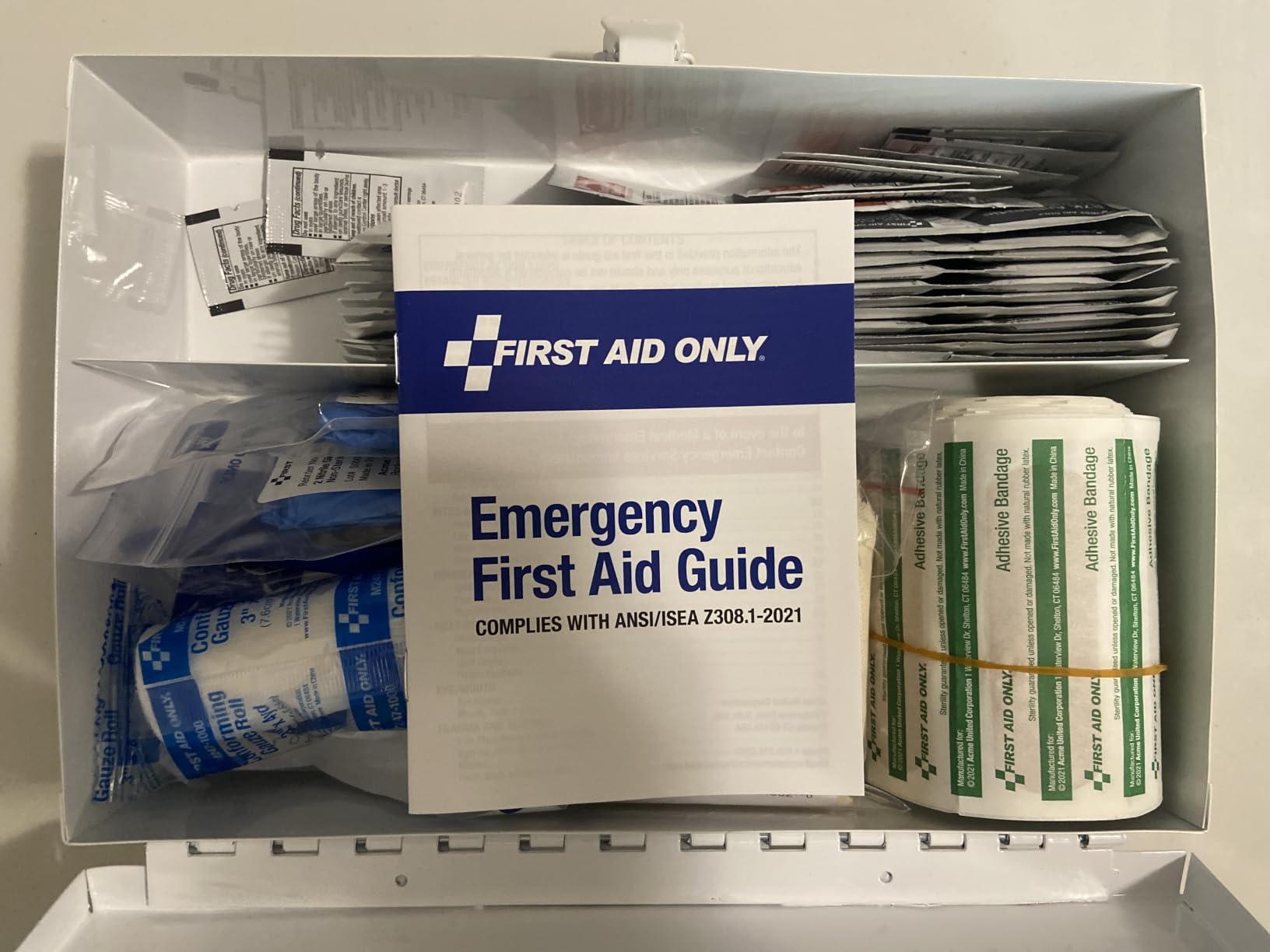
With 178 pieces rated for 25 people, this is not a comprehensive kit. But for the price, it covers the basics well. You get adhesive bandages, antibiotic ointments, antiseptic wipes, burn cream, gauze, gloves, scissors, and tweezers. For a small operation or as a backup kit in a second vehicle, it is hard to beat.
The OSHA compliance for construction sites is a bonus. If you do any building projects on your farm, this kit satisfies workplace requirements for job sites and construction vehicles.
Vehicle and Tractor Placement
This kit is the right size and durability for tractor cabs, truck boxes, and UTV storage. The metal case handles vibration and rough terrain better than plastic alternatives. At 1.38 pounds, it adds negligible weight to your vehicle. I keep one in the tractor and one in the truck, so I always have basic supplies within reach no matter where I am working.
What to Add for Farm Use
The 178-piece count covers basics but lacks trauma-grade supplies. I recommend adding a tourniquet, a pack of BleedStop powder, and a few extra rolls of gauze to make this kit farm-ready. Even with those additions, you are still spending under $50 total, which makes this the most cost-effective base kit on our list. The metal case has room for a few extra items alongside the standard supplies.
6. BleedStop Clotting Powder – Must-Have Trauma Add-On
BleedStop™ First Aid Powder for Blood Clotting, Trauma Kit, Blood Thinner Patients, Camping Safety, and Survival Equipment for Moderate to Severe Bleeding Wounds or Nosebleeds – 4 (15g) Pouches
4 pouches (15g each)
Stops bleeding on contact
Non-stinging formula
Blood thinner safe
Can be left on wound
0.53 ounces per pouch
Pros
- Stops moderate to severe bleeding instantly
- Non-stinging formula safe for all ages
- Works for patients on blood thinners
- Can be safely left on wound
- Available at major retailers nationwide
- Highest review count at 12439
Cons
- Single-purpose product
- Single-use pouches
BleedStop is not a full kit, but it is the single most important add-on you can put in any farm first aid kit. With 12,439 reviews and a 4.8-star rating, this blood-clotting powder has proven itself in real-world emergencies. When a machinery accident causes severe bleeding, every second matters.
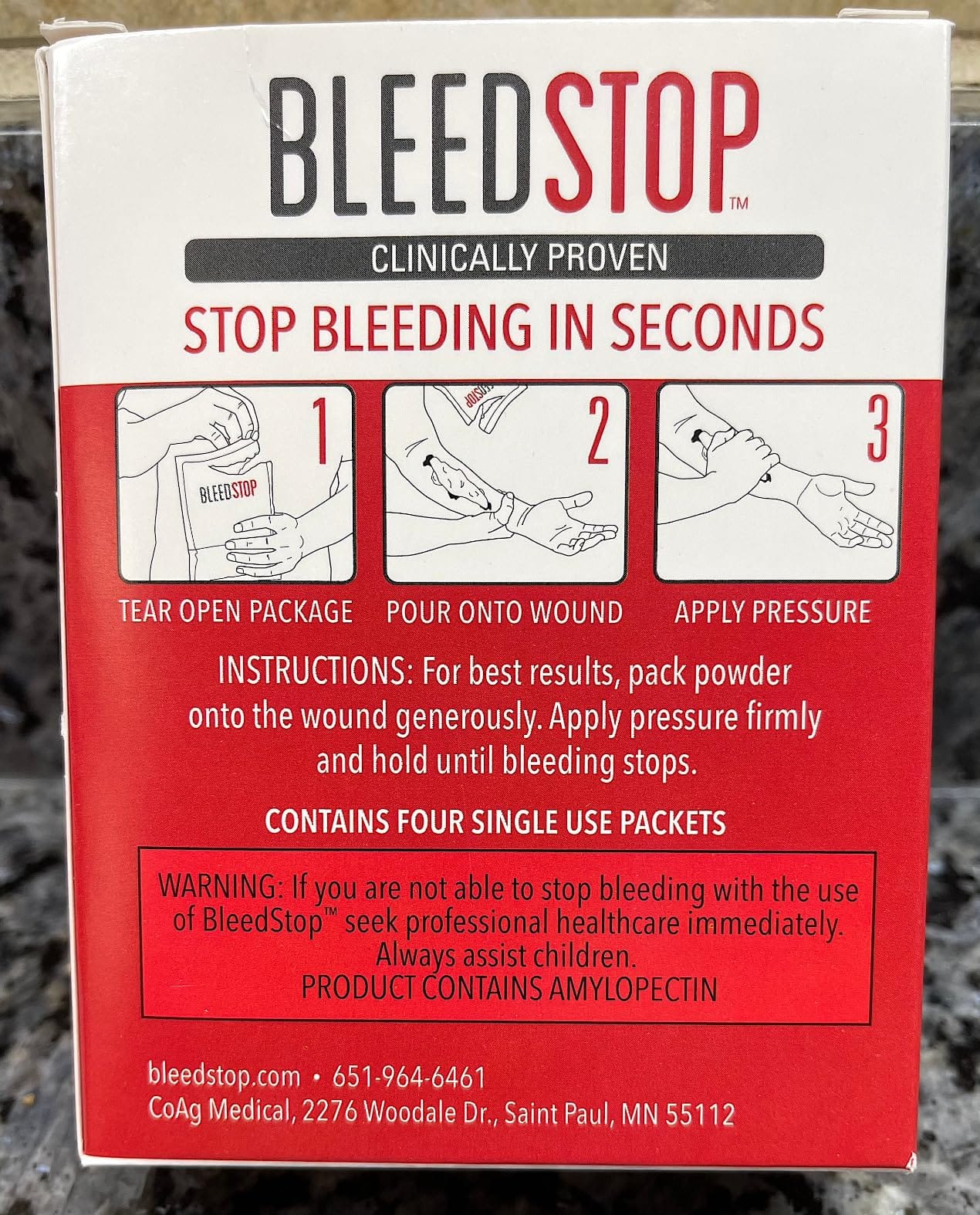
I carry a pouch of BleedStop in my pocket whenever I am running the chainsaw or brush hog. The powder stops bleeding on contact by promoting rapid coagulation. You simply pour a layer thick enough to cover the wound, then apply firm pressure with sterile gauze.
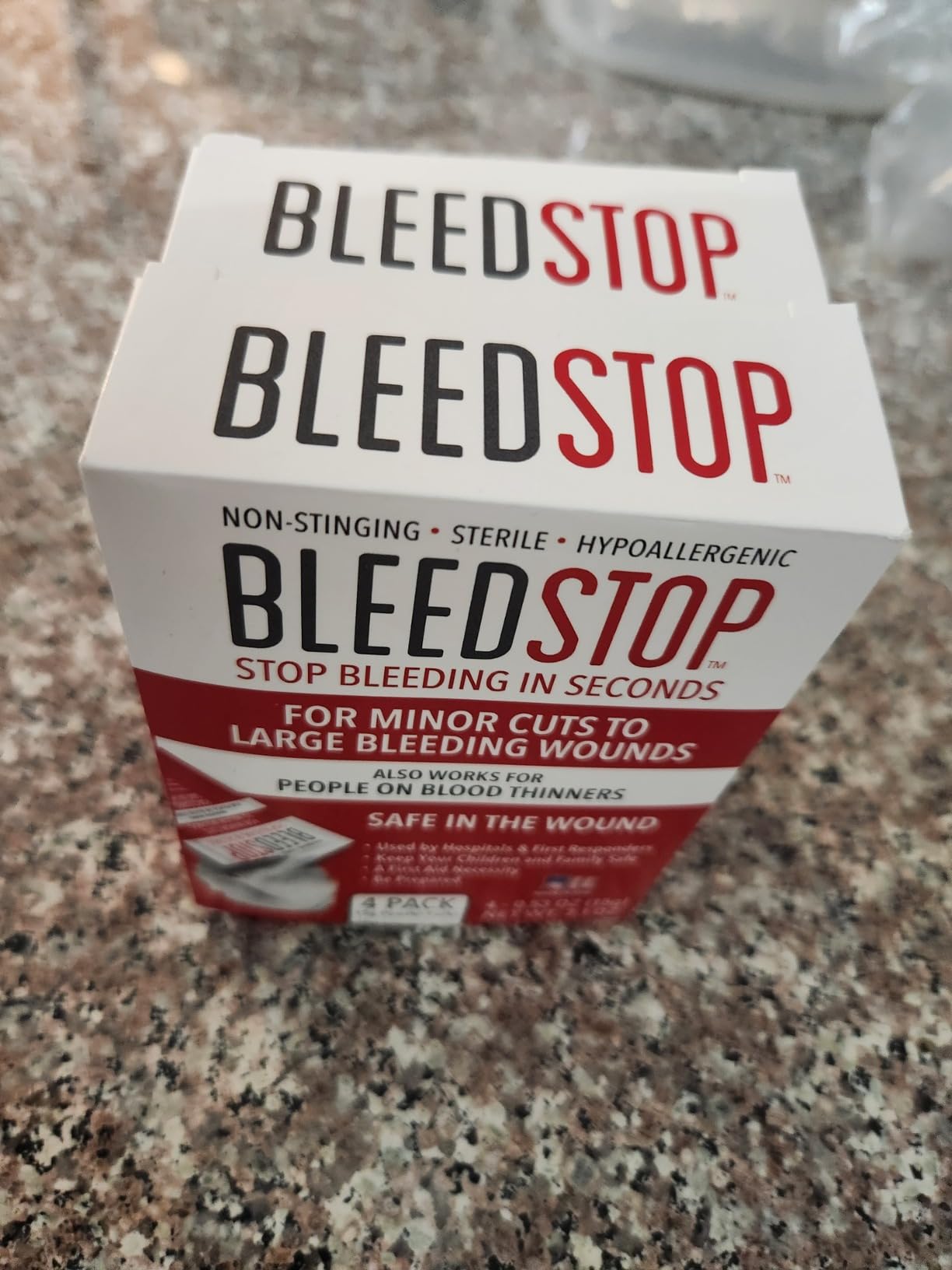
The non-stinging formula is important, especially if you have kids on the farm. It can be applied safely on anyone, and because it is safe for people on blood thinners, it covers situations that standard pressure dressings cannot handle alone.
One detail I appreciate is that BleedStop can be left on the wound. You do not need to wash it out before heading to the hospital, which saves critical time during transport.
How to Integrate With Your Farm Kit
I keep BleedStop pouches in three locations: one in the Scherber trauma bag, one in the tractor glove box, and one in my pocket. The 4-pack gives you enough pouches to distribute across multiple locations on your property. For severe bleeding from equipment lacerations, combine BleedStop with direct pressure and a tourniquet if available. Forum users consistently rank hemostatic agents alongside tourniquets and Israeli bandages as the top three trauma supplies every farm needs.
Shelf Life and Storage
The sealed pouches are compact and store easily in any kit. Keep them in a cool, dry place away from direct sunlight. Check the expiration date during your monthly kit inspection and replace as needed. At under $15 for a 4-pack, replacing expired pouches annually is an inexpensive insurance policy. The small size means they fit in any kit compartment, pocket, or glove box without taking up meaningful space.
How to Choose the Best Farm First Aid Kit?
Choosing the right first aid kit for your farm comes down to understanding your specific risks, the size of your operation, and how far you are from professional medical care. Here is what our team learned from testing these kits and talking with farmers, homesteaders, and first responders.
Trauma and Bleeding Control Supplies
The biggest gap between a standard home kit and a farm-ready kit is trauma capability. Farm equipment causes severe lacerations that basic adhesive bandages cannot handle. Look for kits that include, or have room to add, tourniquets, hemostatic gauze, Israeli bandages, and pressure dressings.
BleedStop powder belongs in every farm kit regardless of which base kit you choose. Trauma shears that can cut through heavy clothing and leather are another must-have that many kits include but some do not. If your kit lacks these items, buy them separately and add them.
Kit Size and Person Capacity
Match your kit size to your operation. A solo homesteader does not need a 100-person kit, but a farm with three employees and a visiting vet might. Consider how many people work on the property regularly and how long it takes to restock.
For most family farms, a 25-to-100-person rated kit covers daily needs. If you host farm tours, have seasonal workers, or run a CSA with customer visits, size up to ensure you have enough supplies for everyone on the property.
Case Durability and Portability
Farm environments are rough on gear. Dust, moisture, temperature swings, and physical impact all take a toll. Metal cases hold up better than plastic for vehicle storage. Water-repellent polyester bags like the Scherber are ideal for mobile use across the property.
Think about where the kit will live. Wall-mounted kits work well in barns and shops. Portable bags are better for UTVs and tractors. Many farmers on forums recommend a three-kit system: one stationary in the barn, one in the primary vehicle, and one portable for remote work.
OSHA Compliance Considerations
If you have employees, OSHA requires adequate first aid supplies on site. The 24/7 First Aid, RHINO RESCUE, and First Aid Only kits on our list all meet OSHA standards. Keep your kit well-stocked and document your inspection schedule for compliance purposes.
Even if you are a solo operator, OSHA-compliant kits tend to have better-organized supplies and more comprehensive coverage than generic options. It is a good baseline standard to shop for.
Farm-Specific Risks to Prepare For
Farm injuries are different from household injuries. Machinery causes crush injuries and deep lacerations. Livestock can kick, bite, or trample, causing blunt force trauma and puncture wounds. Soil and manure contaminate wounds that require thorough irrigation before bandaging.
Consider adding supplies specific to your operation. Livestock owners should keep vet supplies alongside human first aid. If you use pesticides or chemicals, include exposure treatment supplies. Properties in snake country should have a snake bite protocol and supplies ready. Chain saw operators need trauma-grade bleeding control within arm’s reach.
Forum users emphasize one point repeatedly: standard home kits fail in farm emergencies because they are not built for the severity of agricultural injuries. Build or buy a kit that matches the reality of your daily risks.
Maintenance and Restocking
A first aid kit is only useful if it is stocked and current. Set a monthly inspection date and stick to it. Check expiration dates on ointments, antiseptics, and medications. Replace anything that has been used since the last check.
I do my kit check on the first Monday of every month. It takes about 10 minutes per kit to verify supplies, check expiration dates, and note what needs ordering. This habit has saved me from discovering empty gauze slots during actual emergencies more than once.
Frequently Asked Questions
What should be in a farm first aid kit?
A farm first aid kit should include trauma supplies (tourniquet, hemostatic gauze, Israeli bandages), standard wound care (bandages, gauze, antiseptics), trauma shears, burn gel, CPR face shield, emergency blanket, eye wash, splints, gloves, and a blood clotting agent like BleedStop. Match the kit size to your number of workers and operation type.
What is the best first aid kit for survival?
For farm survival situations, a professional trauma kit like the Scherber First Responder Bag offers the best combination of comprehensive supplies, organizational design, and durability. Pair it with BleedStop clotting powder for severe bleeding emergencies.
What is the difference between IFAK and AFAK?
An IFAK (Individual First Aid Kit) is a compact personal kit carried by one person for self-treatment. An AFAK (Advanced First Aid Kit) is a larger, more comprehensive kit designed to treat multiple casualties. Farm operations typically need both: an IFAK for each worker and an AFAK stationed in the barn or vehicle.
What are the 3 C’s of first aid?
The 3 C’s of first aid are Check, Call, and Care. Check the scene for safety and assess the injured person. Call 911 or your local emergency number for professional help. Care for the injured person using your first aid supplies and training until help arrives.
How often should I inspect my farm first aid kit?
Inspect your farm first aid kit monthly. Check expiration dates on all medications, ointments, and antiseptics. Replace any used supplies and verify that nothing is missing. Keep a restocking checklist inside the kit lid so you know exactly what belongs in each compartment.
Final Recommendations for Farm Emergency Preparedness
After testing all six products, our team’s top recommendation for the best first aid kit for farm emergencies is the Scherber First Responder Trauma Kit. It delivers professional EMT-grade supplies in a durable, water-repellent bag that goes wherever your farm work takes you.
For the best value, the 24/7 First Aid OSHA 100-Person Kit gives you 336 pieces of comprehensive coverage at a price that makes it easy to justify. Pair either kit with BleedStop clotting powder, and you have a trauma-ready system that can handle the reality of agricultural work in 2026.
Remember that the best kit is the one you inspect regularly, know how to use, and can reach within seconds. Take a Stop the Bleed course, keep your supplies current, and make first aid preparedness part of your monthly farm routine. Your safety and the safety of everyone on your property depends on it.