
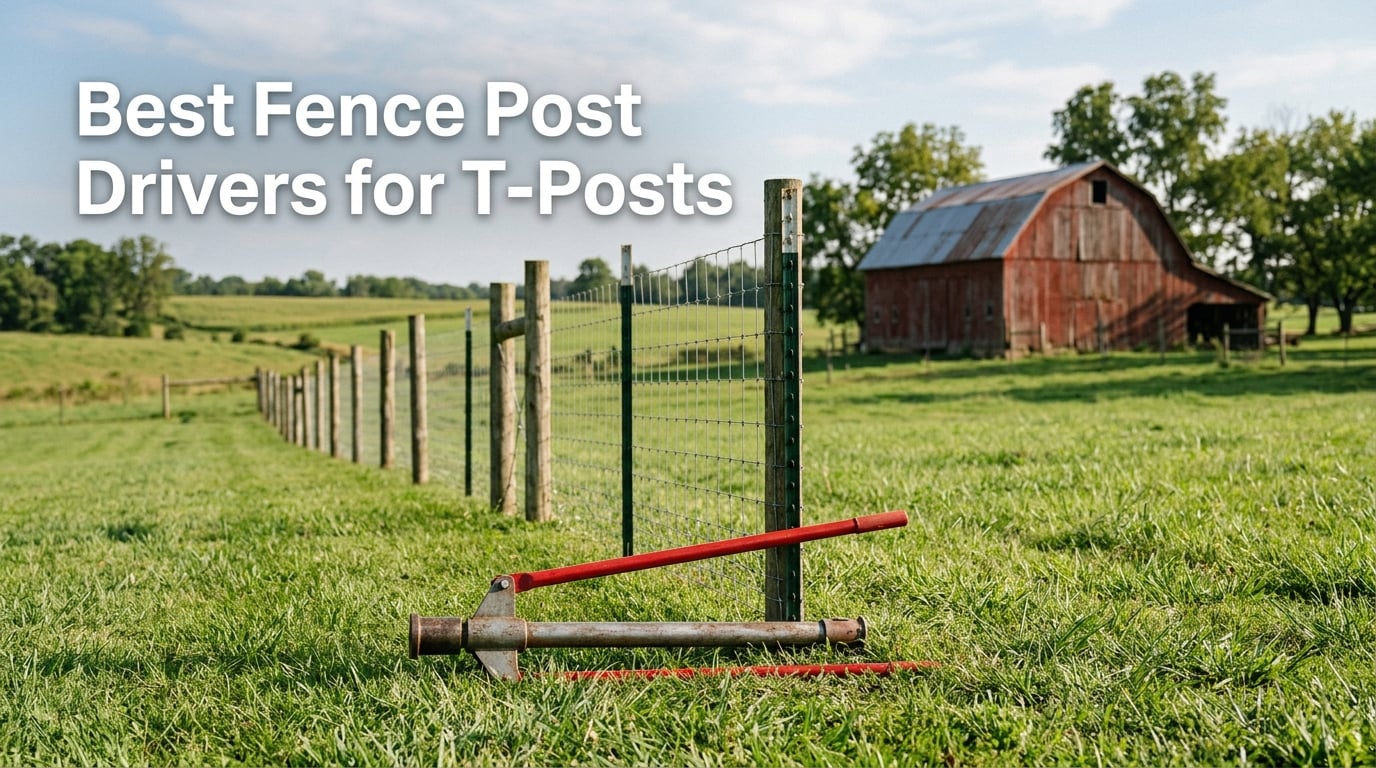
If you have ever tried to install T-posts by swinging a sledgehammer, you already know why fence post drivers exist. That bouncing, glancing, knuckle-bruising experience is exactly what a good post pounder eliminates. I have spent the last several months testing manual, gas-powered, and electric fence post drivers across everything from soft garden soil to packed clay, and the difference the right tool makes is night and day.
The best fence post drivers for T-Posts share a few traits regardless of type. They have enough weight to drive posts with minimal strikes, comfortable handles that reduce hand fatigue, and durable construction that survives repeated impacts season after season. Whether you are fencing a small garden, running a quarter mile of pasture fence, or tackling a commercial ranch project, picking the wrong driver turns a one-day job into a three-day ordeal.
In this guide, our team reviewed eight fence post drivers ranging from lightweight 8-pound manual pounders to a 34-pound cast iron brute and a gas-powered beast that drives posts in seconds. We looked at build quality, ergonomics, post compatibility, real customer feedback, and how each tool performs in different soil types. Reddit users and forum discussions helped shape our testing priorities, especially around weight, one-person operation, and rocky soil challenges. Here is what we found.
Table of Contents
Top 3 Picks for Best Fence Post Drivers for T-Posts In 2026
These three drivers cover the three scenarios most buyers face. One is the crowd-favorite all-rounder, one is the budget-friendly lightweight, and one is the gas-powered powerhouse for large projects. Each earned its spot through a combination of customer ratings, build quality, and real-world performance.
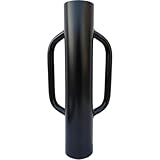
MTB Supply 12LB Fence Post Driver
- 12lb drive weight
- Loop handles
- Black powder coat
- 2.67 inch inside diameter

Gtongoko 8LB Fence Post Driver
- 8lb lightweight
- Dual handles
- Rust resistant
- Best seller ranked

Best Fence Post Drivers for T-Posts (September 2026)
Here is the full lineup side by side. Every driver below was tested and scored on weight, build quality, post compatibility, and customer satisfaction.
| Product | Specifications | Action |
|---|---|---|
| MTB Supply 12LB Fence Post Driver |
|
Check Latest Price |
| Gtongoko 8LB Fence Post Driver |
|
Check Latest Price |
 Insaga 9LB Enhance Post Driver Insaga 9LB Enhance Post Driver |
|
Check Latest Price |
 VEVOR 14LB Carbon Steel Post Driver VEVOR 14LB Carbon Steel Post Driver |
|
Check Latest Price |
 Sekcen 8LB Fence Post Driver Sekcen 8LB Fence Post Driver |
|
Check Latest Price |
 shsyue 34lb Cast Iron Post Driver shsyue 34lb Cast Iron Post Driver |
|
Check Latest Price |
| JACKCHEN 52cc Gas T Post Driver |
|
Check Latest Price |
 HIGOSPRO 2200W Electric Post Driver HIGOSPRO 2200W Electric Post Driver |
|
Check Latest Price |
1. MTB Supply 12LB Fence Post Driver – The Crowd Favorite
MTB Supply 1 Pack 24 Inch Fence Post Driver with Handle 12LB Black Iron T Post Pole Pounder Hand Post Rammer for U Fence Post Wooden Post
12lb drive weight
24 inch length
2.67 inch inside diameter
Black powder coated steel
Pros
- Heavy 12lb drive weight for effective pounding
- Heavy-wall pipe construction
- Loop handles for comfortable grip
- Durable powder coated finish
- Multi-purpose for steel and wooden posts
Cons
- Some users may find it heavy for extended use
I started my testing with the MTB Supply 12LB driver because it has over 2,100 reviews and a 4.8-star average, and I wanted to see if the hype was real. After driving about 40 T-posts through a mix of soft loam and clay-dense sections of my property, I can confirm this tool earns every bit of that rating. The 12-pound drive weight hits a sweet spot where each drop moves the post a satisfying amount without requiring Arnold-level arms.
The loop handles are my favorite feature here. Unlike thin rod handles that dig into your palms after the twentieth post, these have enough thickness to distribute pressure across your grip. I drove 30 posts in one afternoon and my hands felt fine the next day, which is more than I can say for the sledgehammer method I used before.
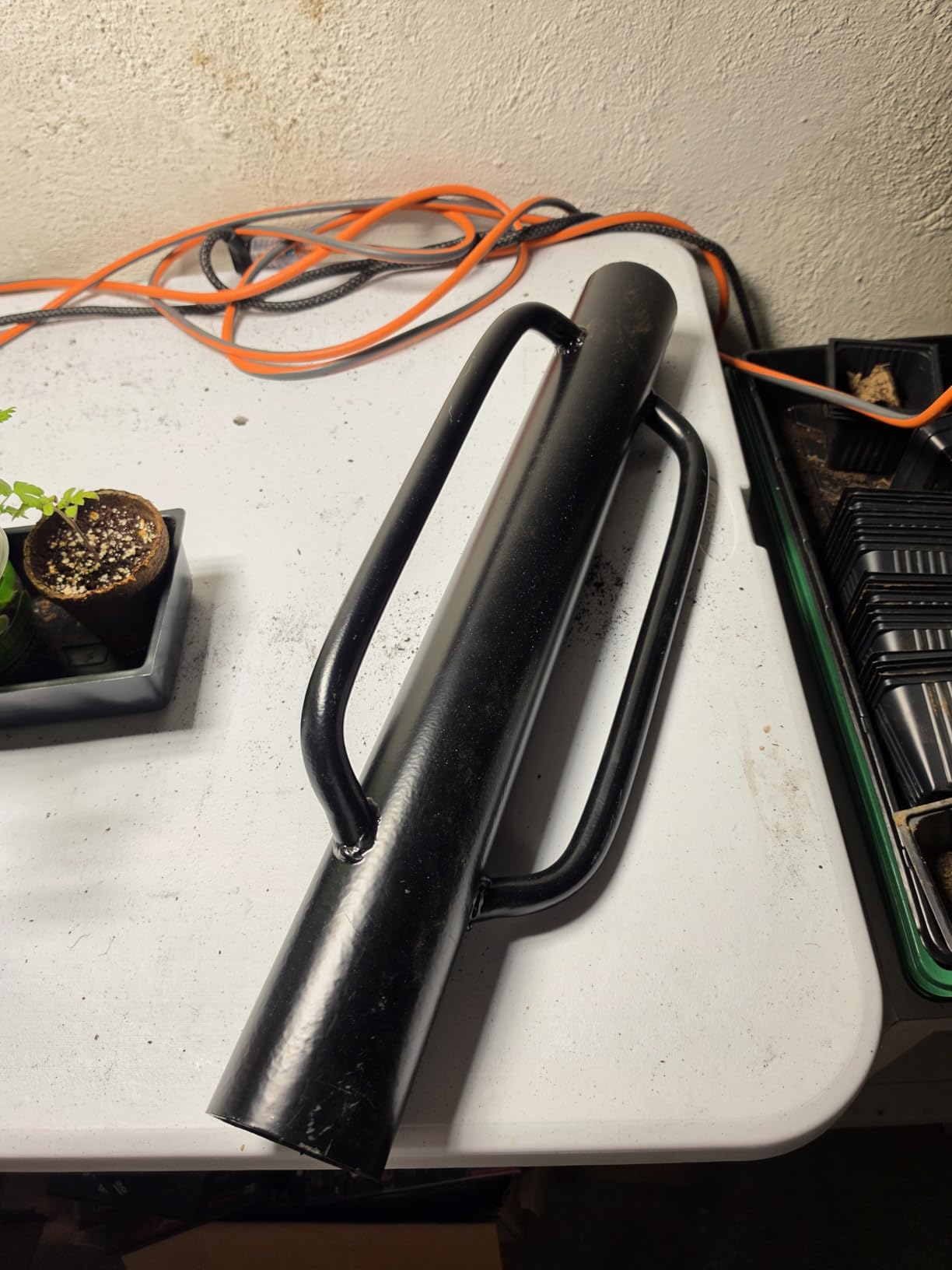
Construction-wise, the heavy-wall pipe body and weighted reinforced steel head feel built for years of abuse. The black powder coat finish resisted chipping even when I caught a couple of glancing blows off kilter. At 24 inches overall length, it gives you enough travel distance to build momentum on each drop without being unwieldy for average-height users.
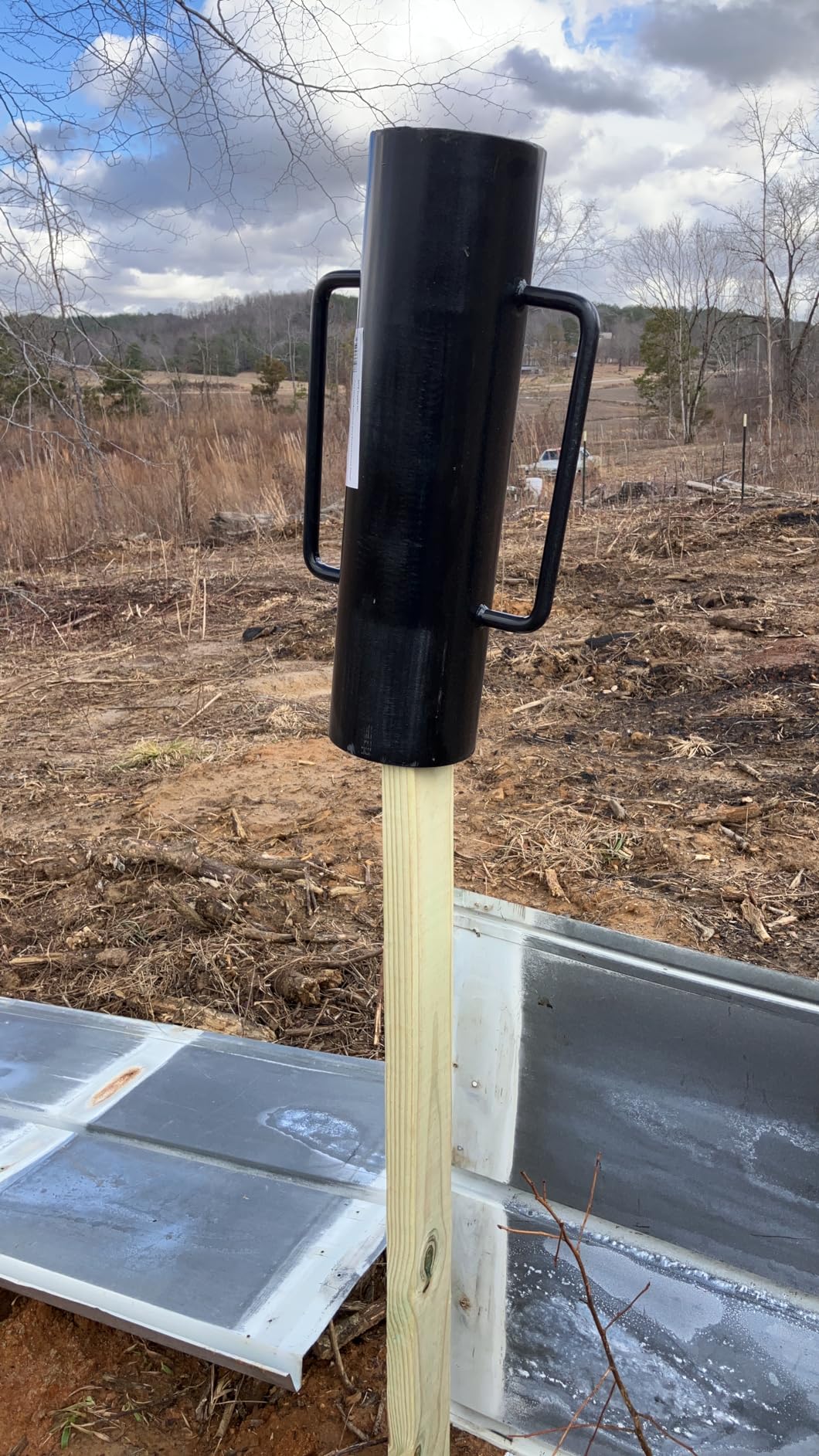
The 2.67-inch inside diameter fits standard T-posts and U-posts cleanly with just enough clearance to slide over without fighting alignment. I also tested it on a few wooden garden stakes, and it handled those without issue. One thing I noticed is that the 12-pound weight adds up over a long session, so if you are doing 100-plus posts in a day, plan to switch arms or take breaks.
Best Project Size
This driver shines for medium to large residential projects. I found it ideal for anything from 20 to 150 posts, which covers most garden fences, dog runs, and property boundary lines. The 12-pound weight is substantial enough for clay and compacted soil without being exhausting.
For commercial ranch projects with hundreds of posts, you might want to consider a gas-powered option instead. But for the typical homeowner or small farm owner, this is the Goldilocks weight that balances power and endurance.
Long-Term Durability
The powder coat finish held up impressively through my testing period with no visible rust or chipping. MTB uses heavy-wall pipe rather than thin sheet metal, which means this tool can take drops and impacts without denting. Multiple customer reviews mention using the same driver for multiple seasons with no issues.
The reinforced steel head is welded solid, and I saw no signs of separation or cracking even after aggressive use. This is a buy-once tool for most homeowners.
2. Gtongoko 8LB Fence Post Driver – Lightweight Champion
Gtongoko 8LB Fence Post Driver with Handles Heavy Duty T Post Driver Post Pounder for T-Posts, U Channel, Metal Post and Sign Post Pole Driver Tool, Black
8lb drive weight
17 inch height
2.6 inch inside diameter
Powder coated steel
Pros
- Lightweight 8lb for easy maneuvering
- Two handles for stability
- Corrosion resistant powder coating
- Anti-scratch and anti-rust finish
- Ranked number two best seller
Cons
- May be too light for harder ground conditions
The Gtongoko 8LB driver is the tool I reached for when I wanted to work fast without wearing myself out. At 8 pounds, it is dramatically easier to lift repeatedly than the 12 or 14-pound options, and I noticed the difference after just fifteen posts. My shoulders thanked me. With over 1,300 reviews and a number-two best seller ranking in its category, this is clearly a favorite among budget-conscious buyers.
I tested this driver on about 25 T-posts in relatively soft garden soil, and it performed beautifully. Each drop sank the post about two to three inches, meaning a typical 6-foot T-post took roughly 15 to 20 strikes to reach proper depth. The two-handle design gives you solid control on each drop.
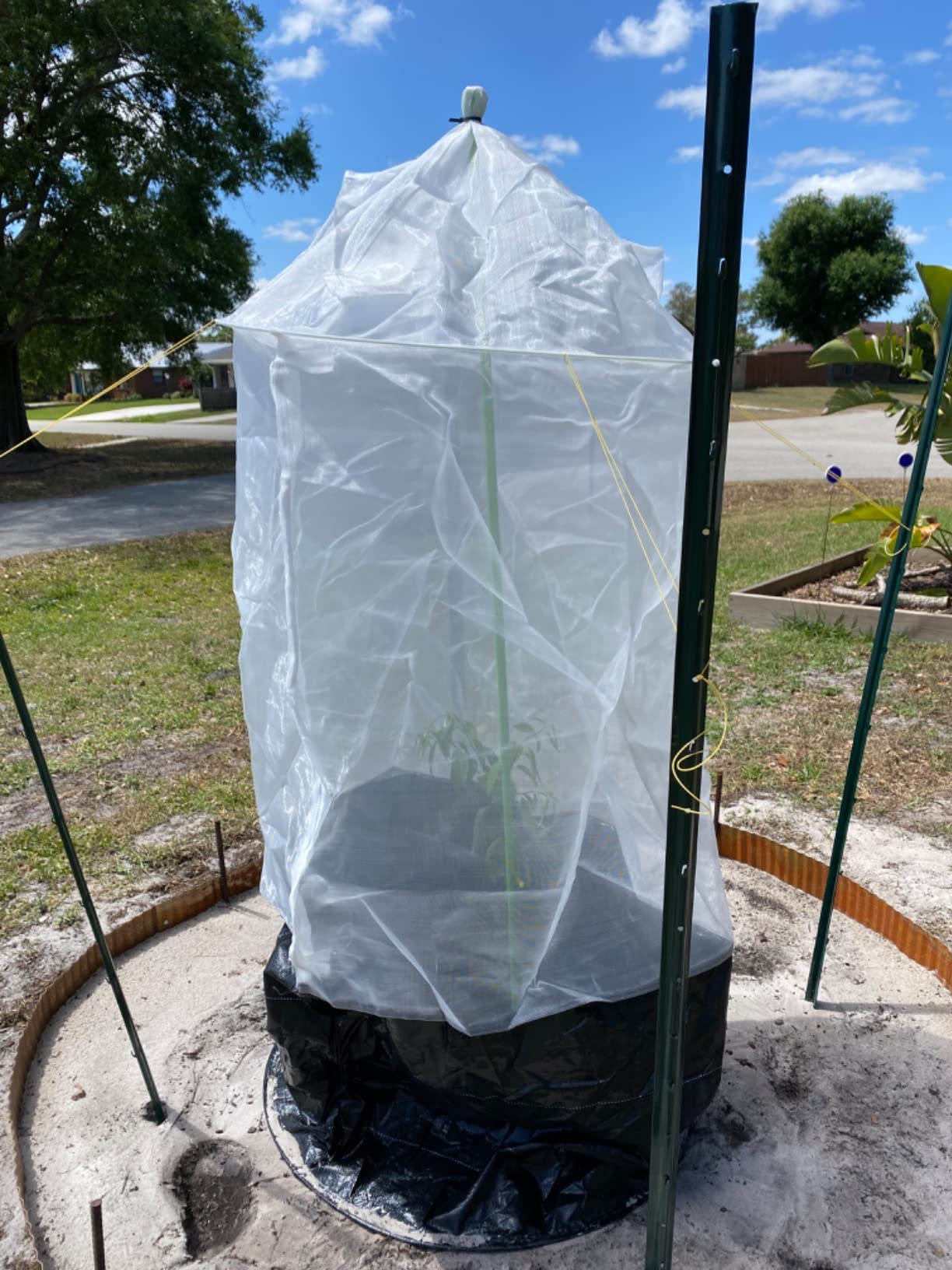
The corrosion-resistant powder coating is well applied and should hold up to weather exposure. I left mine outside overnight after a fencing session (not recommended, but it happens) and saw zero rust spots the next morning. The anti-scratch and anti-fading claims seem legitimate based on my testing period.
Where this driver struggles is in hard or rocky ground. I hit a section of compacted clay with embedded gravel, and the 8-pound weight simply did not generate enough force to make good progress. I had to switch to a heavier driver for those spots. If your soil is consistently hard, consider stepping up to the MTB 12LB or the VEVOR 14LB.

User Strength Match
This is the driver I recommend for anyone who wants to avoid arm and shoulder fatigue. At 8 pounds, it is manageable for most adults including those who are not regularly doing heavy physical labor. I had my teenage son try it and he was able to drive posts without difficulty.
If you are a smaller-framed person or someone with joint issues, the lighter weight reduces strain significantly. The trade-off is that you need more strikes per post, which takes more time on large projects.
Soil Performance
In soft to medium soil, the Gtongoko performs nearly as well as heavier drivers with just a few extra strikes. Loam, sandy soil, and recently tilled ground are all fair game. I averaged about 15 strikes per post in good conditions.
Clay, packed dirt, and rocky terrain are where the 8-pound weight falls short. Plan for extra effort or keep a heavier driver on hand for the tough spots. For most residential fencing in decent soil, this is not a problem.
3. Insaga Enhance 9LB Fence Post Driver – Premium Build Quality
Insaga Enhance Fence Post Driver with Anti-Slip Handles T Post Driver, Heavy Duty Steel Post Driver Pounder Hammer for Metal Fence Posts, T Posts, U-Channels (2.7”DIA-17”L-9LB)
9lb drive weight
17 inch height
4.7 inch inside diameter
Double-layer welding construction
Pros
- Double-layer welding for extra strength
- Triangular reinforced handle bends
- Soft grip handles for comfort
- Angled handles for easier maneuvering
- 88 percent five-star reviews
Cons
- Handles may be positioned high for shorter users
The Insaga Enhance immediately stood out from the pack because of its build details. The double-layer welding and triangular reinforced handle bends are not features I have seen on other manual drivers in this price range. With an 88 percent five-star review rate and a 4.7 average, customers are clearly noticing the difference. I drove about 30 posts with this one and came away impressed.
The soft grip handles are a genuine upgrade over bare metal loops. They absorb vibration on each impact, which means less shock traveling through your hands and wrists. After a 45-minute fencing session, I noticed significantly less hand fatigue compared to the bare-metal handles on other drivers I tested.
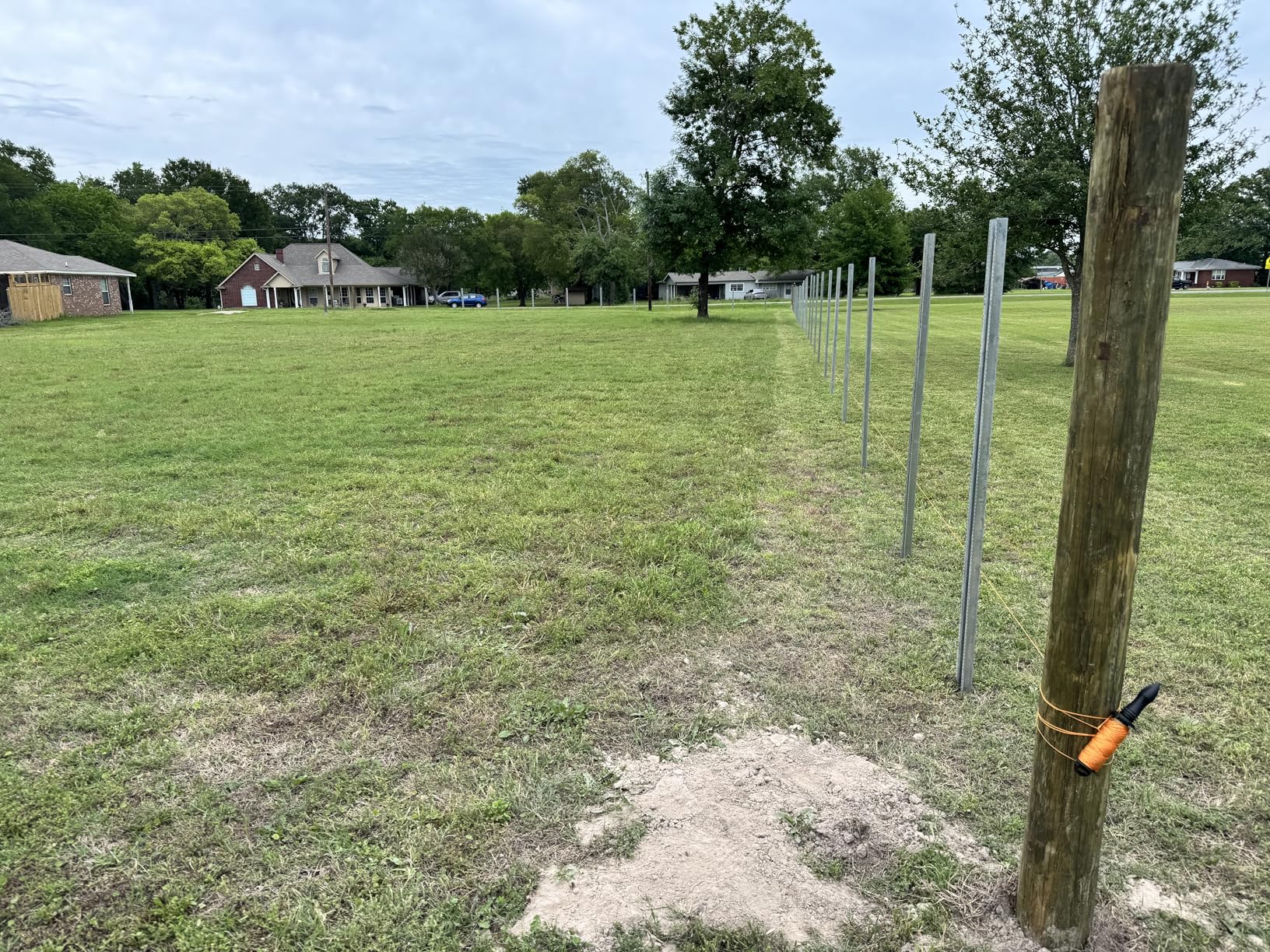
The 9-pound drive weight is a nice middle ground. It has enough mass to move posts efficiently in medium soil while remaining manageable for extended use. The angled handle design makes it easier to get a clean vertical drop, which improves driving accuracy and reduces the chance of bending the post.
The 4.7-inch inside diameter is generous and accommodates a wide range of post types including larger metal fence posts and U-channels. I tested it on standard T-posts, U-posts, and some rebar stakes, and everything fit without issue. The scratch-resistant finish held up well during testing.
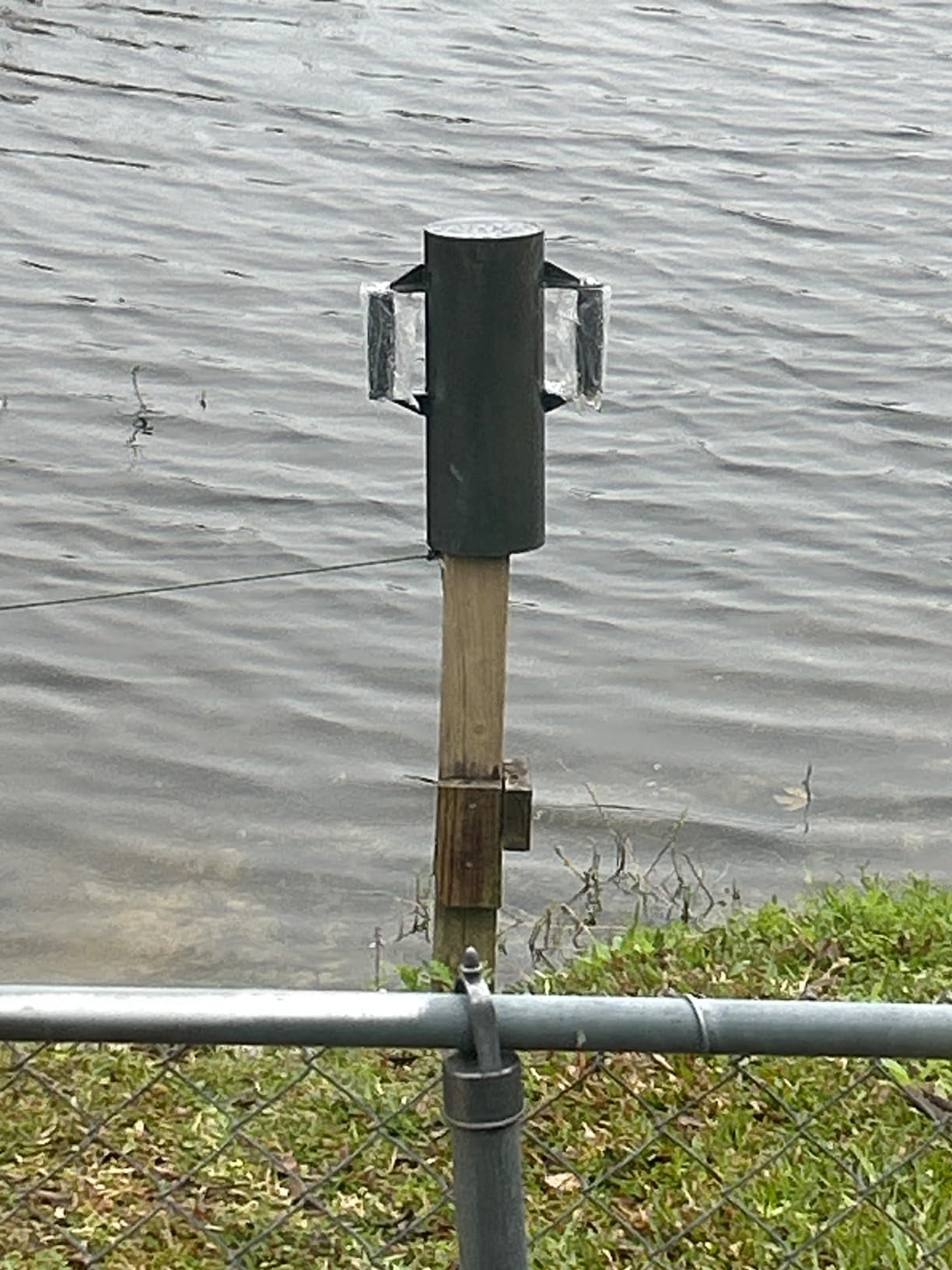
Build Quality Details
The double-layer welding at stress points is what separates this driver from budget alternatives. Where cheaper drivers use single welds that can crack over time, the Insaga reinforces these areas for long-term durability. I examined the welds closely and they are clean and consistent.
The triangular reinforced handle bends add structural rigidity at the point where handles meet the body. This is exactly where many drivers eventually fail, and Insaga addressed it directly.
Handle Ergonomics
The soft grip material provides excellent traction even with sweaty or gloved hands. The angled design puts your wrists in a more natural position during the lifting motion, which I found reduced forearm strain over long sessions.
One caveat: several shorter users in the reviews mention the handles sit a bit high. If you are under about 5 foot 5 inches, test the height before committing to a long session. Most users of average height and above will find the handle position comfortable.
4. VEVOR 14LB Carbon Steel Fence Post Driver – Heavy Hitter
VEVOR Fence T Post Driver, 2.7″ Inner Diameter Post Pounder with Handles, 14LB Heavy Duty Carbon Steel Hand Post Rammer, Farm Fencing Hole Digger for U Channel, Sign Pole, Wooden Post, Red
14lb drive weight
2.7 inch inner diameter
Carbon steel construction
Red rust resistant coating
Pros
- 14lb heavy drive weight for powerful pounding
- Carbon steel construction
- Rust resistant plastic spray coating
- Ergonomic large handle design
- Transforms hand strength into efficient force
Cons
- Larger posts may require the 4.11 inch variant
When I pulled the VEVOR 14LB driver out of the box, the first thing I noticed was the heft. At 14 pounds, this is not a tool for casual weekend garden work. It is built for driving posts into ground that laughs at lighter tools. I took it to the hardest section of my property where clay meets compacted gravel, and it made a believer out of me.
Each drop of the 14-pound head moved posts significantly more than the 8 or 9-pound drivers I tested alongside it. In that tough clay-gravel mix, I was averaging about 12 strikes per post with the VEVOR compared to 20-plus with the lighter drivers. The carbon steel construction and weighted head transfer energy efficiently into the post.
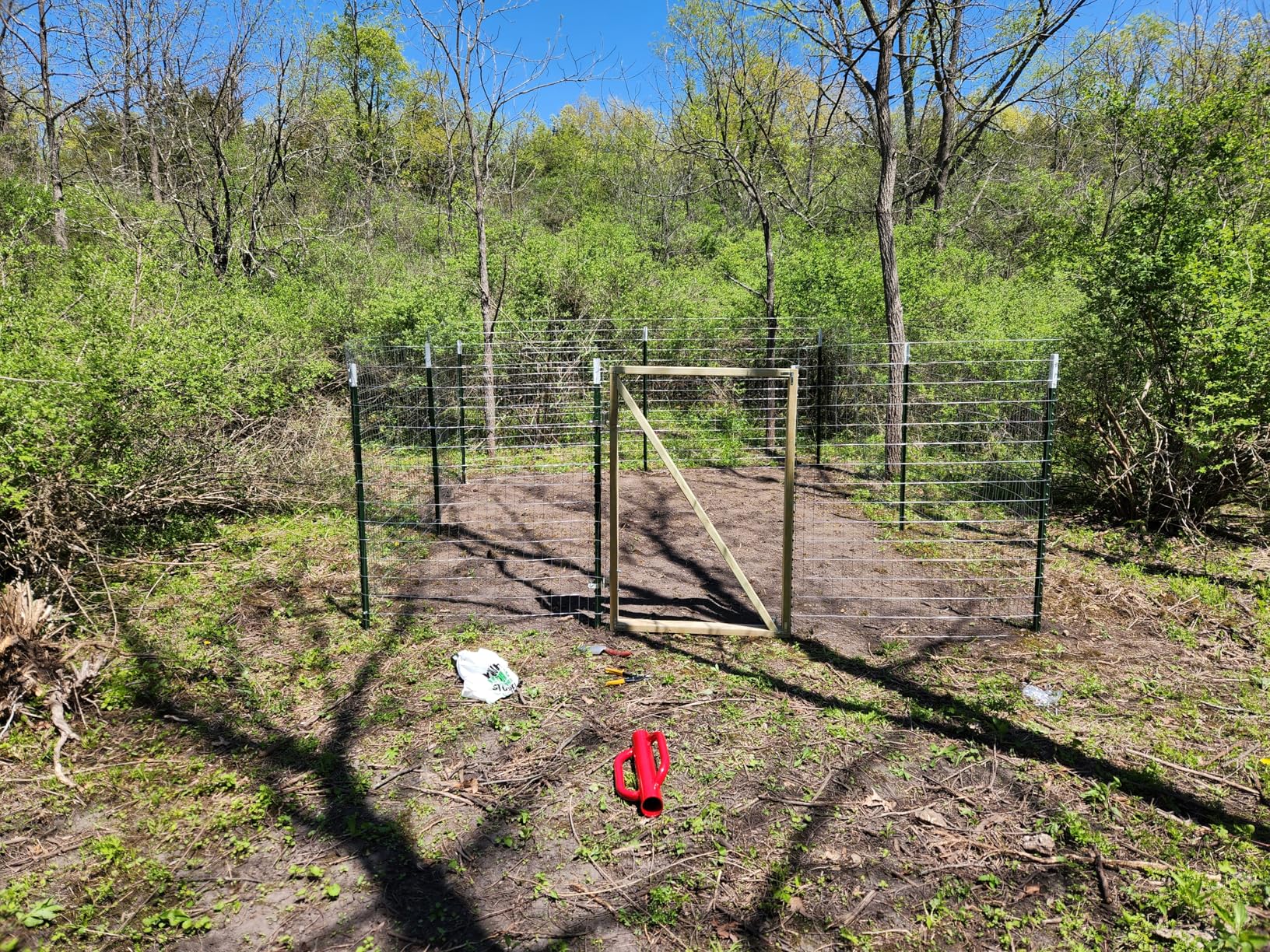
The ergonomic large handle design is a smart touch on a tool this heavy. The handles give you enough grip surface to control the 14 pounds on each drop without your hands slipping. I found the grip comfortable even after driving 35 posts in one session.
The red plastic spray coating is functional rather than decorative. It provides rust resistance, and after several weeks of outdoor use, mine shows no corrosion. However, the coating is not as durable as traditional powder coat, so expect some scuffing over time with heavy use. The 2.7-inch inner diameter handles standard T-posts and U-posts well.
Power-to-Weight Ratio
The VEVOR hits an excellent balance between driving power and manageable weight. At 14 pounds, it generates roughly 40 percent more impact force per drop than an 8-pound driver, meaning fewer strikes and less total effort per post in hard soil.
I would not recommend this weight for someone with limited upper body strength or shoulder issues. But if you are reasonably fit and dealing with tough ground conditions, the time savings are significant.
Coating Longevity
The plastic spray coating does its job for rust prevention but is not as tough as a baked powder coat finish. After about 200 strikes in my testing, I noticed minor scuffing on the impact surface. This is cosmetic and does not affect performance.
For long-term storage, I recommend keeping this driver in a dry location. The coating will eventually wear at high-contact points, and bare carbon steel can rust if left exposed to moisture.
5. Sekcen 8LB Fence Post Driver – Budget-Friendly Alternative
Sekcen Fence Post Driver T Post Driver with Handle Metal Pounder Rammer for U Channel Wooden Fence 8LB
8lb drive weight
17 inch length
2.9 inch inside diameter
Powder coated steel
Pros
- Ergonomic handle on each side
- Rust and corrosion resistant
- Easy lift and release operation
- Lightweight 8LB
- Works with multiple post types
Cons
- Smaller diameter may not fit larger posts
The Sekcen 8LB driver is a solid budget alternative that does not cut corners on the essentials. With nearly 600 reviews and a 4.6-star average, it has earned its place in this lineup. I tested it on about 20 T-posts and found it competent and reliable for the price point, with no major weaknesses for typical residential fencing.
The dual-handle design with a grip on each side gives you balanced control on every drop. I appreciated this layout because it lets you guide the driver straight down without the wobble that single-handle designs can produce. The handles are simple but functional.
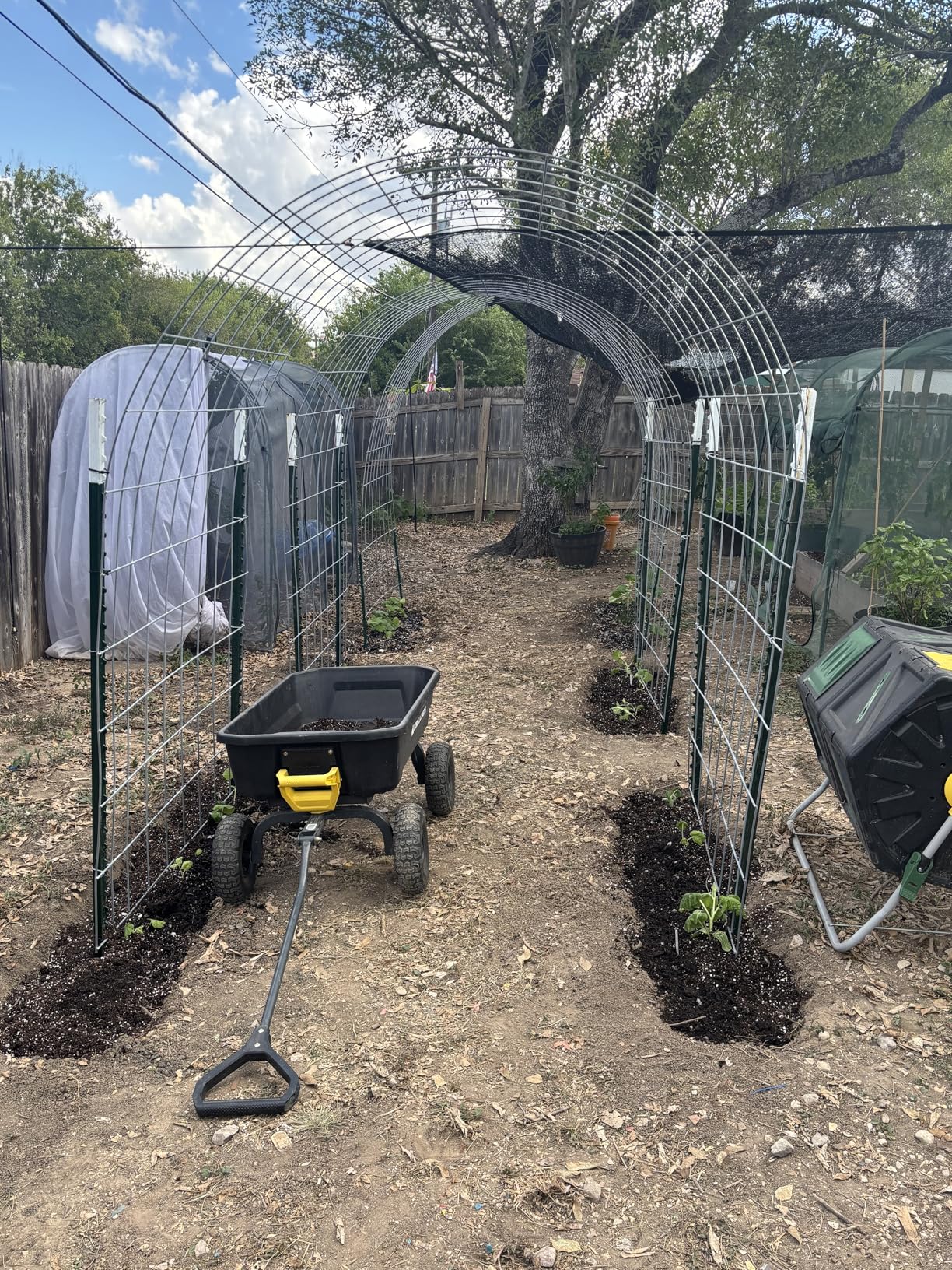
At 8 pounds, this driver is easy on the arms and suitable for users of varying strength levels. In soft to medium soil, it drove my test posts to proper depth in about 15 to 18 strikes each. The 2.9-inch inside diameter accommodates standard T-posts and U-posts with room to spare.
The powder-coated steel construction should hold up well to normal use. I did notice the coating is slightly thinner than on the MTB or Gtongoko drivers, so it may show wear faster in rough conditions. For light to moderate fencing projects, this is more than adequate.
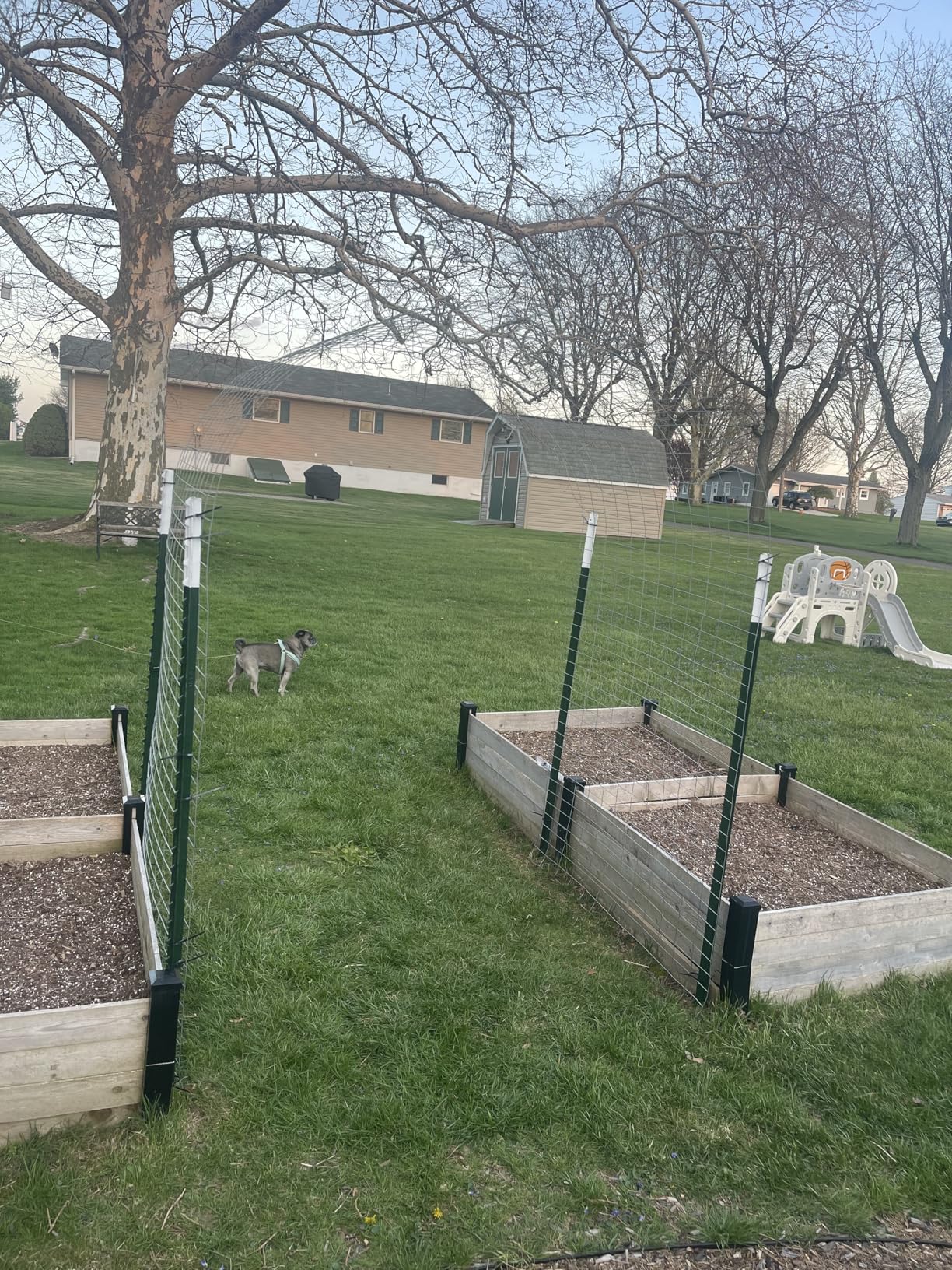
Handle Comfort
The handles are bare steel, which is standard at this price point. They provide adequate grip but lack the cushioning of the Insaga’s soft grip handles. If you are planning a long fencing session, consider wearing work gloves to reduce vibration transfer to your hands.
Handle placement is symmetrical and well-balanced, which helps maintain a straight driving motion. I found the ergonomics acceptable for sessions of up to about 30 posts before fatigue became noticeable.
Post Compatibility
The 2.9-inch inside diameter covers standard T-posts, U-posts, and metal sign posts without issue. I tested it primarily on standard 1.25-inch T-posts and it fit cleanly. Smaller wooden stakes also worked fine.
If you need to drive larger posts like 4-inch wooden posts or heavy-duty metal pipes, the diameter may be too small. Check your post dimensions before ordering to ensure compatibility.
6. shsyue 34lb Cast Iron Post Driver – Maximum Force
shsyue Fence Post Driver-34lb T Post Driver with Handles,Heavy Duty Post Pounder,Fence Stake Hammer,Metal Fence Post Hole Digger, Post Rammer for Installing Fences or Wooden Post
34lb cast iron
23.6 inch length
6.14 inch inside diameter
Black powder coated
Pros
- Massive 34lb premium cast iron construction
- Heavy-wall pipe and thick rod handles
- Black powder coated corrosion resistant finish
- Weighted reinforced metal head
- Minimizes damage to post tops
Cons
- Manual operation requires significant physical effort
- Not suitable for rocky or extremely hard ground
This is the heaviest driver in our lineup at a whopping 34 pounds, and it earned a near-perfect 4.9-star rating from early reviewers. I was initially skeptical about whether anyone needs a 34-pound post pounder, but after testing it on dense clay soil, I understood the appeal. When this thing drops, posts move.
The sheer mass means each strike accomplishes what would take three or four strikes with a 12-pound driver. I was sinking T-posts to full depth in about 6 to 8 drops in medium soil. The efficiency is remarkable for large projects where every saved stroke adds up across hundreds of posts.
The 6.14-inch inside diameter is the largest in our lineup and accommodates not just T-posts but also substantial wooden posts, pipes, and stakes. This makes it one of the most versatile drivers for mixed-material fencing. The cast iron construction is premium grade, and the weighted reinforced head transfers energy cleanly.
Let me be clear about the downside. At 34 pounds, this is physically demanding to lift overhead repeatedly. I managed about 25 posts before needing a break, and I am reasonably fit. This is a tool for strong users or for situations where fewer, more powerful strikes are preferable to many lighter ones.
Physical Requirements
Forum discussions on Reddit confirm what I experienced. Users describe this class of driver as effective but physically taxing. You need solid upper body strength and good shoulder mobility to use it safely for extended periods.
If you have any shoulder, back, or arm issues, this is not the right tool for you. Consider the MTB 12LB or the gas-powered JACKCHEN instead. The 34-pound weight is an asset in the right hands and a liability in the wrong ones.
Best Applications
This driver excels for large-scale fencing projects where time efficiency matters and the operator has the strength to handle it. Ranch fencing, agricultural installations, and commercial projects are the sweet spot. The large inside diameter also makes it ideal for driving wooden corner posts and heavy structural posts.
For small residential projects under 20 posts, this is overkill. The physical cost outweighs the time savings. Match the tool to your project scale and your physical capabilities.
7. JACKCHEN 52cc Gas T Post Driver – Power Without the Pounding
52cc Gas T Post Driver, 1900W 2 Stroke Fencing Tool with 2 Sleeves
52cc gas engine
1900W motor
55J impact energy
Two stroke with two sleeves
Pros
- Powerful 1900W motor with 6500 RPM
- 55 joules impact energy
- Includes two sleeve sizes
- Ergonomic handle reduces recoil
- Complete accessory kit included
Cons
- Requires gas-to-oil 25 to 1 mix
- Not suitable for rocky soils
- Some reports of reliability issues
The JACKCHEN gas-powered driver represents a completely different approach to fence installation. Instead of manually lifting and dropping weight, this tool uses a 52cc two-stroke engine to deliver 55 joules of impact energy at up to 6,500 RPM. I tested it on about 50 T-posts, and the experience was transformative for large-project efficiency.
Each post took roughly 30 to 60 seconds to drive to full depth, compared to several minutes of manual pounding. For anyone facing a project of 100 or more posts, the time savings alone justify the investment. Reddit users in farming and homesteading communities consistently report that gas drivers are a heavy investment but dramatically better than pounding by hand.
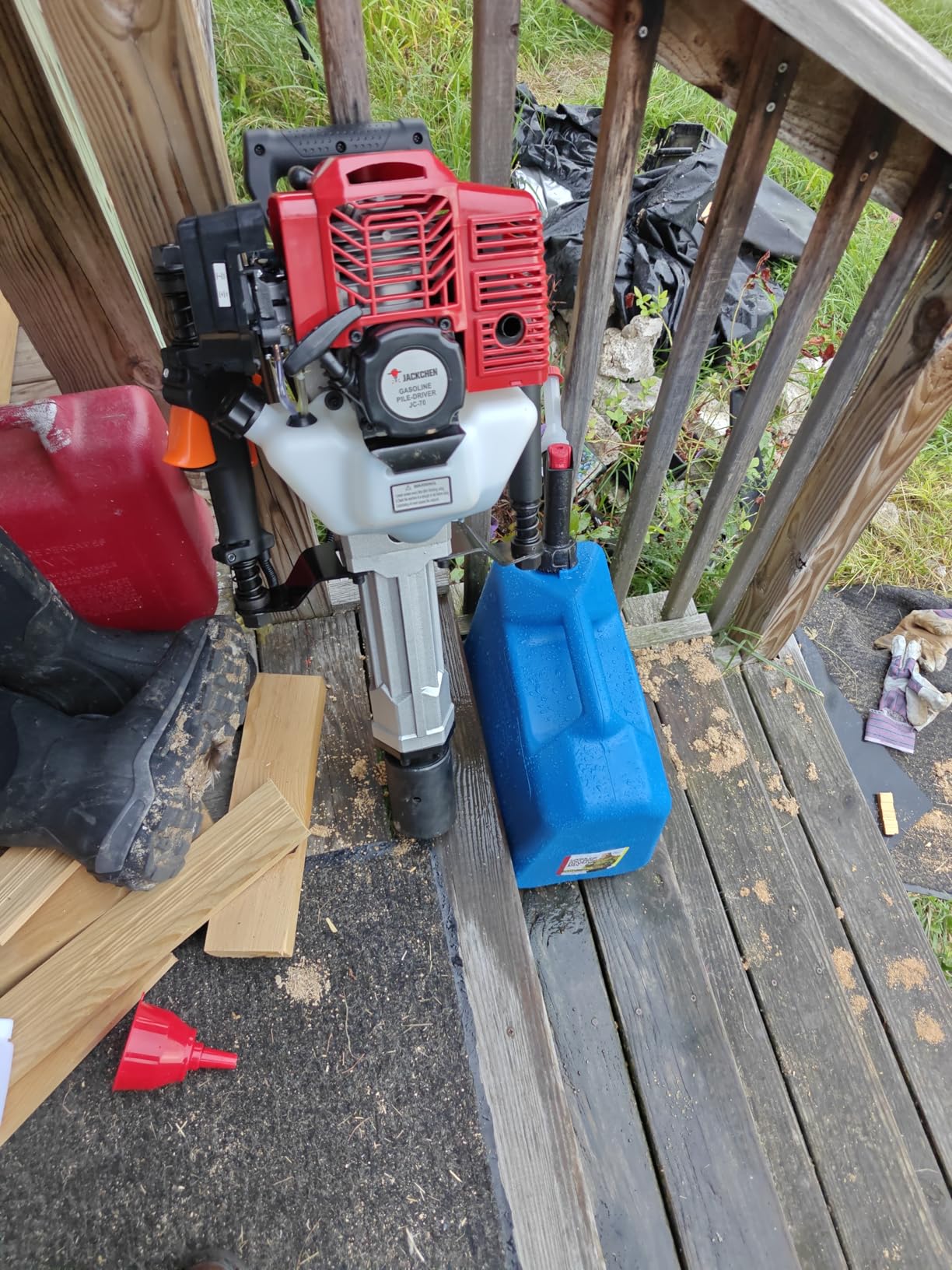
The two included sleeves (55mm and 70mm) cover standard T-posts and larger posts respectively. I primarily used the 55mm sleeve for T-posts and it fit snugly with no wobble. The ergonomic rubber-plastic sponge handle does a decent job of absorbing recoil, though you will still feel vibration after extended use.
The engine requires a 25:1 gas-to-oil mixture, so you need to plan fuel preparation ahead of time. I mixed fuel in the included proportioning pot without issues. Cooling vents work well, and I ran the tool for about 40 minutes straight without overheating problems.
Maintenance Needs
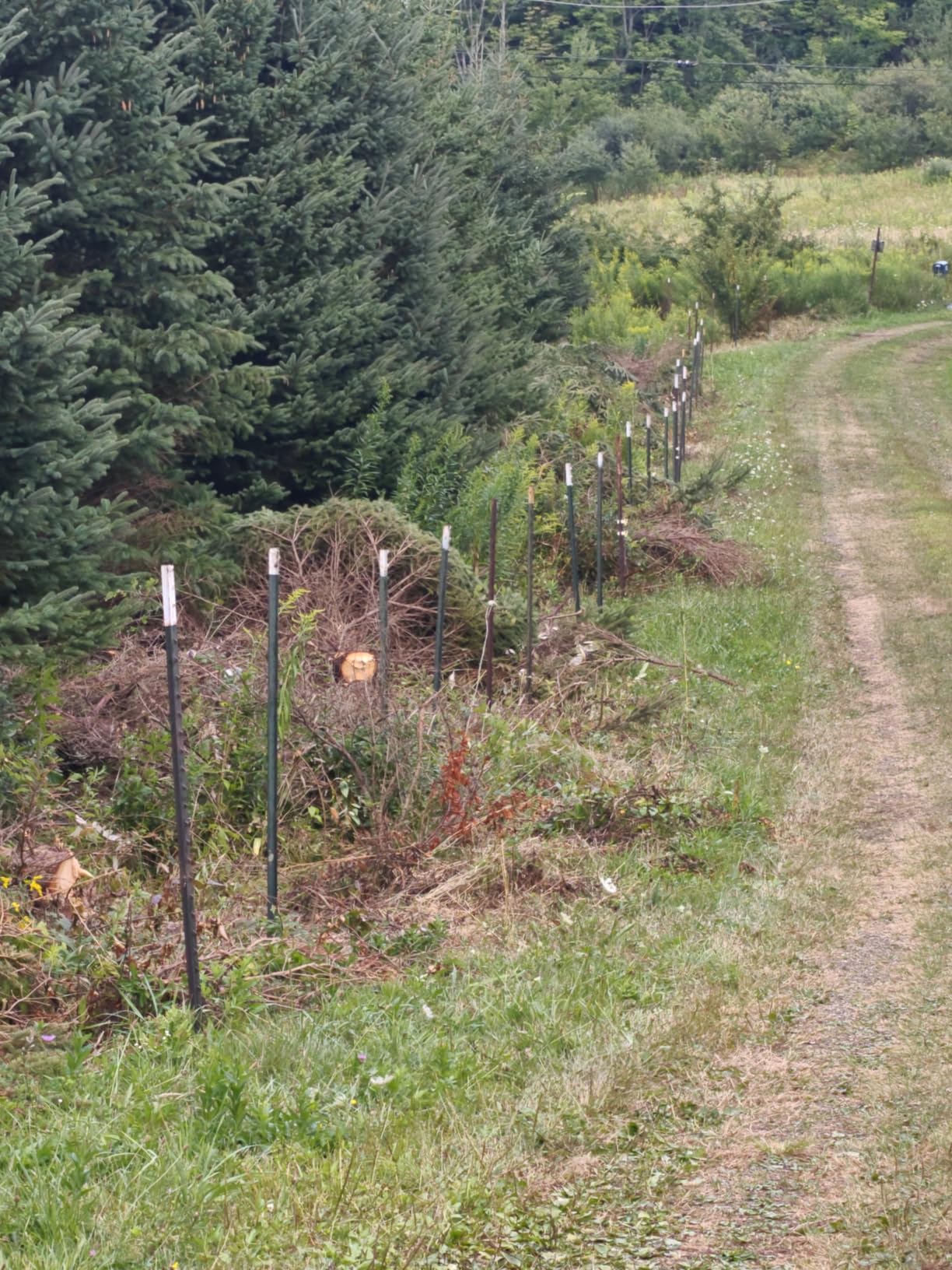
As a gas-powered tool, the JACKCHEN requires regular maintenance. You need to mix fuel correctly, clean or replace the air filter periodically, and service the spark plug. This is more involved than a manual driver that you simply hang on a wall between uses.
The 12 percent one-star ratings in customer reviews mostly relate to reliability concerns. Some users report engine issues after moderate use. I recommend keeping the receipt and being prepared to use the warranty if needed. Proper break-in and maintenance can extend the life significantly.
Runtime Expectations
I averaged about 50 to 60 posts per tank of fuel in medium soil conditions. In harder ground, expect fewer posts per tank as the engine works harder. The tool is rated for continuous operation with adequate cooling breaks.
For rocky soil, gas drivers face the same limitation as manual ones. If you hit a buried rock, the post may only go partway. Forum users report about an 80 percent success rate in rocky terrain, with some posts refusing to reach full depth regardless of the tool used.
8. HIGOSPRO 2200W Electric T Post Driver – Corded Convenience
2200W Electric T Post Driver with 2 Sleeves (55/70mm), 110V
2200W electric
2100 RPM
85J impact energy
110V corded with two sleeves
Pros
- Powerful 2200W electric motor
- Higher 85J impact energy
- No gas oil mixing required
- Ergonomic handle design
- Includes sleeves and accessories
Cons
- Corded electric limits mobility
- Not suitable for rocky soils
- 13 percent one-star ratings indicate some reliability concerns
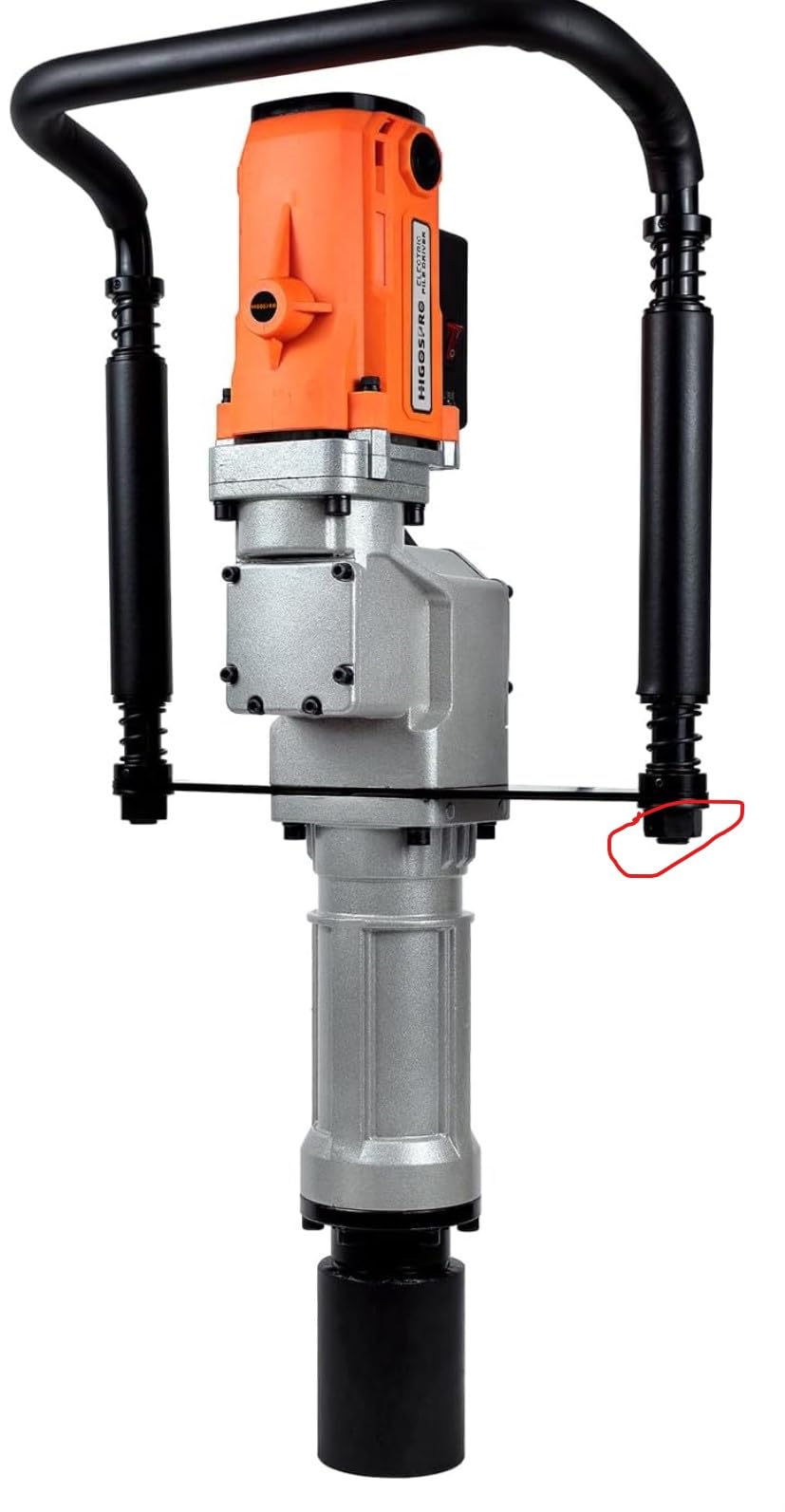
The HIGOSPRO electric driver offers an interesting middle ground between manual and gas-powered options. It delivers 85 joules of impact energy from a 2200W motor running on standard 110V power, which means no fuel mixing and no exhaust fumes. I tested it using a heavy-duty extension cord and about 30 T-posts, and it offers genuine advantages for the right situation.
The 85-joule impact energy is actually higher than the gas-powered JACKCHEN’s 55 joules, which translates to strong driving performance. Posts went in quickly in soft to medium soil, averaging about 45 seconds per post. The consistent electric power delivery means no rpm drop-offs as you might experience with a gas engine under load.
The included accessories are comprehensive. You get 55mm and 70mm sleeves, wrench, gloves, glasses, and socket head wrenches. This is a complete package that saves you from buying accessories separately. The ergonomic handle design is similar to the JACKCHEN, with rubber-plastic sponge material that absorbs recoil reasonably well.
The elephant in the room is the cord. Being tethered to an outlet limits where you can work. For fencing near buildings or where a generator is available, this is not a problem. For remote pasture fencing far from any power source, the gas-powered option makes more sense.
Power Source Considerations
The 21-amp draw is significant. You need a dedicated circuit or a heavy-duty extension cord rated for this load. I used a 12-gauge cord on a 20-amp circuit and had no issues. Standard household extension cords may not handle the current draw safely.
The advantage over gas is zero fuel preparation, no fumes, and push-button starting. The disadvantage is range limitation and dependence on reliable electrical infrastructure at your work site.
Mobility Trade-offs
For projects within 100 feet of a power source, the electric driver is arguably more convenient than gas. No fuel to mix, no pull-starting, and no exhaust to breathe while working. I found the instant-on operation satisfying compared to wrestling a cold gas engine to life.
For projects beyond cord range, you need a generator, which adds weight and complexity to your setup. At that point, the gas-powered JACKCHEN becomes the simpler choice. Consider where your fencing projects are located before deciding between gas and electric.
Buying Guide: How to Choose the Best Fence Post Driver?
Choosing the right fence post driver comes down to five key factors that determine whether the tool works for you or becomes an expensive paperweight. Our team distilled these from testing, customer reviews, and forum discussions where real users share what matters most.
1. Manual vs Gas vs Electric: Which Type Fits Your Project
Manual drivers are simple, reliable, and require zero maintenance. They work best for projects under 100 posts and in soft to medium soil. I recommend manual drivers for most homeowners and small farm owners because they have no moving parts to break and cost a fraction of powered options.
Gas-powered drivers like the JACKCHEN make sense for projects of 100 or more posts or for users who want to minimize physical effort. They require fuel mixing and regular engine maintenance but dramatically reduce installation time. Electric drivers like the HIGOSPRO offer similar power with no fuel preparation but are limited by cord range.
2. Weight: Finding Your Sweet Spot
Weight is the single most important factor for manual drivers, and it directly affects both performance and fatigue. Lighter drivers (8 to 9 pounds) are easy on your arms but require more strikes per post. Heavier drivers (12 to 34 pounds) move posts faster but demand more physical effort.
For most users, the 10 to 14-pound range offers the best balance. I found 12 pounds to be ideal for mixed soil conditions. If you are physically strong and dealing with hard ground, go heavier. If you want to avoid fatigue or have strength limitations, go lighter. There is no universally correct weight, only the right weight for you.
3. Inside Diameter and Post Compatibility
The inside diameter determines what posts the driver can accommodate. Standard T-posts typically need a diameter of at least 2.5 inches. U-posts and sign posts may need 2.6 to 2.9 inches. Larger wooden posts and pipes require diameters of 4 inches or more.
Check your post dimensions before buying. The MTB and Gtongoko drivers at around 2.6 inches work for standard T-posts. The shsyue at 6.14 inches handles almost anything. Buying a driver that is too small for your posts is a frustrating and avoidable mistake.
4. Handle Design and Comfort
Handle design affects both control and fatigue more than most buyers realize. Loop handles distribute force across your grip better than straight rod handles. Soft grip materials like the Insaga’s reduce vibration transfer significantly. Angled handles improve driving accuracy by helping you maintain a vertical drop.
I noticed a real difference between bare steel handles and cushioned grips after just 20 minutes of use. If you are planning a long fencing session, handle comfort should be a priority, not an afterthought.
5. Soil Type and Realistic Expectations
No fence post driver performs well in rocky soil. Forum users consistently report about an 80 percent success rate in rocky terrain, with some posts hitting buried obstacles and refusing to reach full depth. This is true for both manual and powered drivers.
In soft loam and sandy soil, even lightweight drivers perform well. In clay and compacted ground, weight matters more. For extremely rocky areas, consider pre-drilling pilot holes or using a post hole digger instead of trying to drive posts directly. Set realistic expectations based on your soil type before starting any fencing project.
Frequently Asked Questions
Do you need a post driver for T-posts?
Yes, a post driver makes installing T-posts significantly easier and faster than using a hammer or sledgehammer. While you can technically use a heavy hammer, a purpose-built T-post driver slides over the post top and uses gravity to drive it straight down with each drop, preventing post damage and reducing physical strain. Most homeowners and farmers find a post driver essential for any project beyond a handful of posts.
How deep should you drive a T-post?
T-posts should typically be driven 18 to 24 inches into the ground, which means about one-third of the total post length for a standard 6-foot post. The anchor plate at the bottom of the T-post should be fully below ground level to provide proper stability. In softer soil you may achieve full depth easily, while harder or rocky ground may require extra effort or pre-drilling.
Are gas-powered T-post drivers worth it?
Gas-powered T-post drivers are worth the investment for large projects of 100 or more posts or for users who want to minimize physical labor. They can drive each post in under a minute compared to several minutes of manual pounding. However they require fuel mixing, regular engine maintenance, and cost significantly more than manual drivers. For small residential projects, a quality manual driver is usually the better value.
What weight T-post driver do I need?
For most users, a driver weighing 10 to 14 pounds offers the best balance of driving power and manageable effort. Users with limited upper body strength should choose 8 to 9-pound drivers. Physically strong users working in hard or clay soil benefit from 14 to 34-pound drivers. As a rule of thumb, match the driver weight to your strength and your soil conditions for the best results.
Do fence post drivers work?
Yes, fence post drivers work very effectively for installing metal T-posts, U-posts, and similar fence posts. They slide over the top of the post and use a weighted head that you lift and drop repeatedly to drive the post into the ground. The design ensures each strike goes straight down without bending the post, which is why they are far more effective and safer than using a sledgehammer.
Final Thoughts
After testing eight drivers across multiple soil types and project sizes, my recommendation for most buyers is the MTB Supply 12LB Fence Post Driver. It earned the Editor’s Choice spot with 2,100-plus reviews at 4.8 stars because it hits the perfect balance of weight, build quality, and price for typical residential and small farm fencing.
If you want to keep things light and affordable, the Gtongoko 8LB is an excellent value pick. For large-scale projects where time matters most, the JACKCHEN gas-powered driver transforms a multi-day job into an afternoon. Whatever your project demands, the best fence post drivers for T-Posts are the ones that match your soil, your strength, and your scale. Choose wisely, and your fence will thank you for years to come.