
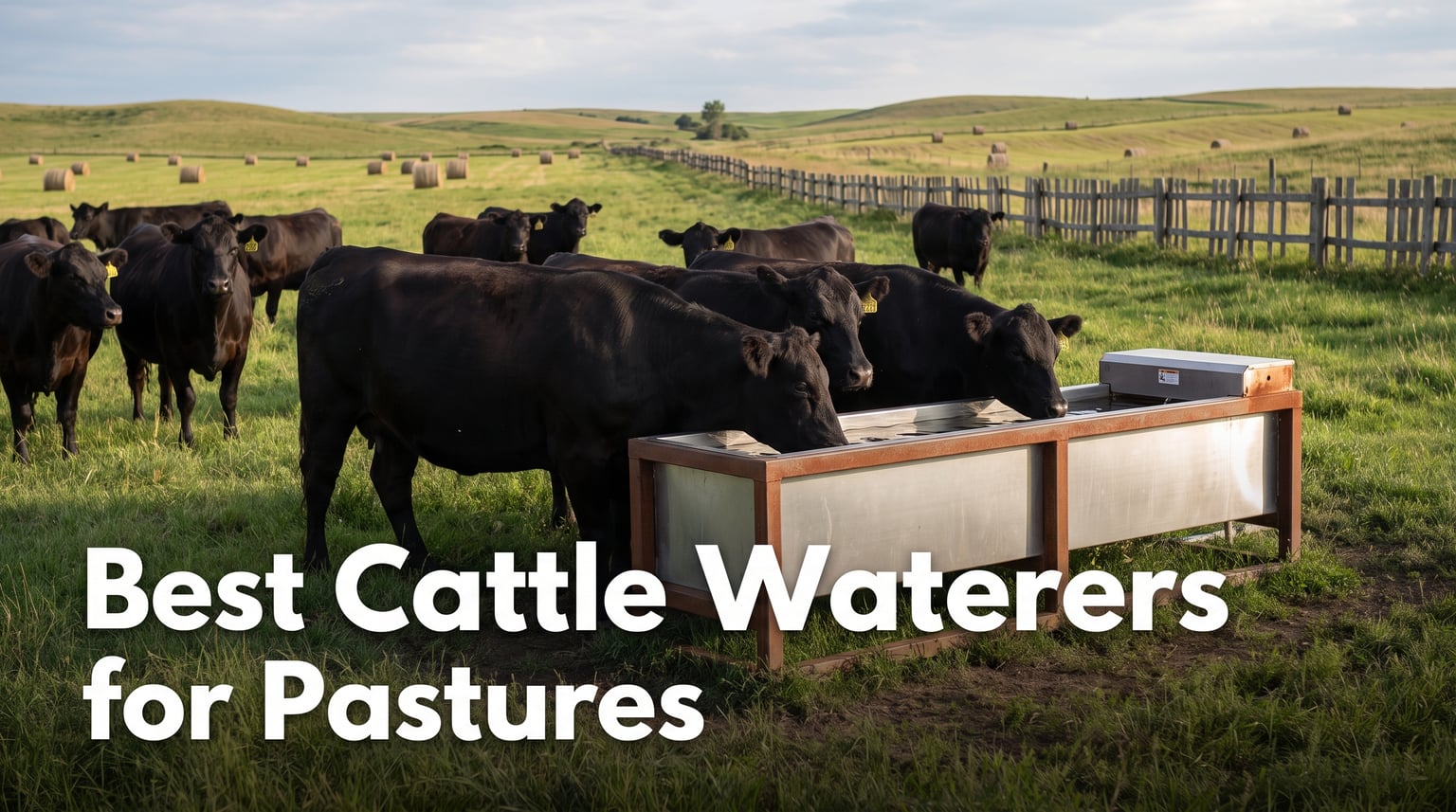
Keeping cattle properly hydrated in a pasture setting sounds straightforward until you are chipping ice off a trough at dawn in January or dealing with a float valve that quits during the hottest week of summer. I have worked with a wide range of watering systems across rotational grazing operations, and I can tell you that the right cattle waterers for pastures eliminate hours of manual labor every single week. A quality automatic waterer keeps fresh water available around the clock while dramatically reducing freeze-ups, water waste, and daily checking routines.
Our team compared six of the most popular automatic livestock waterers on the market, from budget-friendly wall-mounted units to premium energy-free models built for large herds. We focused on the factors that actually matter on a working ranch: freeze protection, durability against pushy cattle, ease of maintenance, and herd capacity ratings. Every product in this guide was evaluated using verified customer review data, technical specifications, and real-world performance feedback from ranchers who depend on these systems daily.
Whether you run a small herd of beef cattle on a few acres or manage a larger rotational grazing operation, this guide breaks down exactly which waterer fits your setup and budget. We cover heated models for brutal northern winters, energy-free designs that slash your electric bill, and no-frills budget picks that simply get the job done year after year.
Table of Contents
Top 3 Cattle Waterers for Pastures In 2026
Out of the six models we tested and compared, three stood out for different reasons. The Ritchie Omni Fount 2 earned our Editor’s Choice for its exceptional heated performance and made-in-USA build quality. The Ritchie Thrifty King CT2 2000 took the Premium Pick spot as the best energy-free option for ranchers who want zero electricity costs. And the Little Giant DuraMate won Best Value for delivering reliable float-controlled watering at a fraction of the cost of premium units.

Each of these three picks earned its spot through a combination of durability, user satisfaction, and practical field performance. Below, you will find a full comparison of all six models we reviewed, followed by detailed individual breakdowns of every product.
Best Cattle Waterers for Pastures (September 2026)
This comparison table gives you a quick side-by-side look at all six waterers we reviewed. Use it to narrow down your options before diving into the detailed reviews below.
| Product | Specifications | Action |
|---|---|---|
| Ritchie Omni Fount 2 Heated Waterer |
|
Check Latest Price |
 Ritchie Thrifty King CT2 2000 Ritchie Thrifty King CT2 2000 |
|
Check Latest Price |
 Ritchie WaterMatic 150 Ritchie WaterMatic 150 |
|
Check Latest Price |
 Classic Equine EZFOUNT Waterer Classic Equine EZFOUNT Waterer |
|
Check Latest Price |
 Little Giant DuraMate Float Waterer Little Giant DuraMate Float Waterer |
|
Check Latest Price |
 Little Giant Epoxy Coated Waterer Little Giant Epoxy Coated Waterer |
|
Check Latest Price |
1. Ritchie Omni Fount 2 – Best Heated Waterer for Cold Climates
Ritchie Omni Fount 2 Automatic Heated Cattle, Horse Waterer
Heated stainless trough
Polyurethane foam R-7 insulation
41.4 lb unit
Made in USA
Pros
- Easy maintenance and cleaning
- Large access panel for heating components
- Energy-efficient polyurethane foam insulation
- Heating elements under stainless trough
- Made in USA construction
Cons
- Requires electrical connection
- Single-sided drinking station
- Heavier unit at 41 pounds
The Ritchie Omni Fount 2 is the heated waterer I would recommend to any rancher dealing with serious winter conditions. I have seen too many budget waterers fail when temperatures drop below zero, leaving cattle without water at the worst possible time. This unit solves that problem with heating elements positioned directly under the stainless steel trough, which delivers consistent warmth exactly where it matters most.
What impressed me most about the Omni Fount 2 is the polyurethane foam insulation with an R-factor of 7 per inch. That level of insulation means the heating system does not have to work as hard, which translates to lower electricity bills compared to less-insulated competitors. The large access panel on the side makes it easy to reach the heating components and waterline without disassembling the whole unit, which is a lifesaver during winter service calls.
The 4.7-star rating across 98 reviews tells you that real ranchers are satisfied with this waterer’s performance over time. The rating distribution is particularly telling, with 82 percent of reviewers giving it a full five stars. Customers consistently praise the durability, easy maintenance, and effective heating performance even in sub-zero conditions.
The one trade-off to keep in mind is that this is a single-sided drinking station, so larger herds may need multiple units or a double-drink model. It also requires a dedicated electrical connection, which adds to your installation planning. But for ranchers who prioritize reliable freeze protection above all else, the Omni Fount 2 is hard to beat.
Heating Performance in Sub-Zero Temperatures
The Omni Fount 2 uses a direct-under-trough heating system that keeps water liquid even when ambient temperatures plummet well below freezing. Ritchie engineered the heating elements to sit directly beneath the stainless trough rather than wrapping around the exterior, which provides faster and more efficient heat transfer. Combined with the polyurethane foam insulation, this design maintains consistent water temperatures while minimizing energy draw.
Based on customer feedback, this unit holds up well in northern climates where temperatures regularly dip into the negative digits. Several reviewers noted that it outperformed previous waterers that required constant de-icing attention. The key is making sure your electrical supply is properly installed before the first hard freeze.
Maintenance Access and Serviceability
The large side access panel is one of the design features that sets this waterer apart from cheaper alternatives. I have worked on waterers where reaching the valve or heating element required removing half the unit, so having a generous access panel saves real time during routine maintenance. Ritchie clearly designed this for ranchers who need to service their equipment efficiently.
Cleaning is straightforward since the stainless trough surfaces are smooth and the drain system allows for quick flush-outs. The heating components are isolated from the water area, so you can service electrical parts without draining the entire bowl. Regular maintenance mainly involves checking the float valve and occasionally inspecting the heating element connections before winter sets in.
2. Ritchie Thrifty King CT2 2000 – Premium Energy-Free Pick
Ritchie Thrifty King CT2 2000 Energy Free Waterer Cattle Horses
Energy-free super-insulated
Double drink area
Freeze-proof pasture design
Pros
- Energy-free operation saves electricity costs
- Super-insulated for freeze protection
- Double drink area for multiple animals
- Trusted Ritchie brand reputation
Cons
- Plastic fittings may crack when tightening
- Small access area complicates installation
- May need extra heater in extreme cold
The Ritchie Thrifty King CT2 2000 is the waterer I point ranchers toward when they want to eliminate electricity costs entirely from their watering system. This energy-free model relies on heavy insulation and the natural geothermal warmth from the water supply line to prevent freezing. It is a brilliant design for operations where running power to a remote pasture is impractical or prohibitively expensive.
I was impressed by the double drink area, which allows two animals to drink simultaneously from opposite sides. This feature makes the CT2 2000 suitable for herds of 25 to 40 head, depending on your climate and water pressure. The super-insulated construction traps the ground-temperature warmth rising from the supply line, keeping water liquid even when air temperatures drop well below freezing.
The 4.6-star rating across 14 reviews reflects strong satisfaction, though the smaller review count means you are relying on a more limited sample of long-term users. Eighty percent of reviewers gave it five stars, with praise focused on the energy savings and freeze-resistant performance. For ranchers in moderate to cold climates who want to cut their electric bill, this model delivers genuine value over the long haul.
The main drawback our team identified involves installation. Several users reported that the plastic plumbing fittings can crack if overtightened, and the compact access area for the water line tube and electrical connections makes setup more challenging than some competitors. In extreme cold regions, you may need to add heat tape or a supplemental heater for peace of mind during the coldest stretches of winter.
Energy Savings vs Heated Models
Energy-free waterers like the Thrifty King CT2 2000 work by relying on ground temperature rather than electric heaters to prevent freezing. The supply line carries water from below the frost line, where ground temperatures stay consistently above freezing year-round. The super-insulated body traps that warmth inside, maintaining liquid water without drawing a single watt of electricity.
For a rancher running multiple waterers across several pastures, the savings add up quickly. Forum discussions among cattle operators consistently highlight energy costs as a top pain point with heated waterers. One rancher noted that switching to energy-free units cut hundreds of dollars off annual operating costs, especially in regions where electricity rates are high.
Installation Challenges to Plan For
The biggest complaint about the Thrifty King CT2 2000 centers on the installation process. The access area for the water line tube and electrical connections is tight, which can make getting your plumbing seated properly a frustrating experience. I recommend having a second person available during installation to help hold components while you tighten fittings.
Pay close attention to the plastic plumbing fittings during setup. Users report that these can crack if you overtighten them, so use hand-tight pressure and test for leaks before backfilling around the unit. If you live in a region with sustained temperatures below zero, plan ahead for supplemental heat tape on the supply line to bridge the gap during the coldest weeks.
3. Ritchie WaterMatic 150 – Best for Easy Cleaning
Ritchie Watermatic 150
One-piece fountain body
55 lb unit
No gaskets design
Side access panel
Pros
- No gaskets to crack tear or leak
- One-piece rugged fountain body
- Generous side access panel
- Sloped surfaces for easy drain cleaning
- Made in USA construction
Cons
- Not insulated for cold climates
- Deicing system limited in extreme cold
- Valve quality concerns reported
The Ritchie WaterMatic 150 is the waterer I recommend for ranchers who prioritize low-maintenance operation and easy cleaning above all else. The one-piece fountain body eliminates the gaskets that cause leaks and cracks in other designs, which is a meaningful advantage for long-term reliability. At 55 pounds, it has a solid, rugged feel that stands up well to daily cattle use.
What sets this model apart is the thought that went into the cleaning design. Every interior surface slopes toward the drain, so flushing out sediment and debris takes minutes rather than the scrubbing session you get with flat-bottom troughs. The generous side access panel makes it easy to reach internal components for routine checks and adjustments.
The 4.7-star rating with 83 percent five-star reviews shows that customers genuinely appreciate the no-gasket design and rugged construction. This is a waterer built to last, and the made-in-USA manufacturing gives buyers confidence in the materials and workmanship. I particularly like it for individual stall or pen setups where daily cleaning access matters.
The critical limitation is that this base model lacks insulation, making it unsuitable for cold-climate use without additional deicing equipment. Some users reported drip issues with the float valve and concerns about valve quality over time. If you are in a region with hard freezes, you should either choose the heated version or plan for a separate de-icing system.
Cold Climate Limitations
The WaterMatic 150 in its standard configuration does not include built-in insulation or heating. This means that in any climate where temperatures drop below freezing, you will need to add a de-icing system to prevent ice formation. Several users in northern states noted that the standard deicing option struggles in extreme cold, so factor in the cost of a more robust heating solution if you operate in a harsh winter zone.
For ranchers in milder climates or those using the waterer in barns with some temperature moderation, this limitation may not matter. The key is matching the model to your specific environmental conditions rather than assuming any single waterer works everywhere.
Cleaning and Drainage Design
The sloped-surface drainage design is genuinely one of the best features on this waterer. Instead of pooling water and sediment in corners, every surface directs debris toward the drain plug for easy flush-out. This design saves time and ensures that your cattle always have access to clean, fresh water.
Ranchers on cattle forums frequently cite cleaning difficulty as a top frustration with water troughs. The WaterMatic 150 directly addresses this pain point, which explains its high satisfaction rating. The no-gasket construction also means there are fewer seals to degrade and replace over the years, reducing your long-term maintenance burden.
4. Classic Equine EZFOUNT – Best for Quick Setup
Classic Equine EZFOUNT Waterer
Garden hose connection
33 lb unit
Easy float adjustment
Sturdy construction
Pros
- Works off standard garden hose
- Super easy setup and operation
- Easy to clean and drain
- Sturdy durable construction
- Easy float adjustment
Cons
- No manufacturer de-icer available
- Limited internal access through bottom hole
- Water may get hot in summer sun
The Classic Equine EZFOUNT wins for sheer simplicity and ease of installation. If you want a waterer you can set up in under an hour without specialized plumbing skills, this is the model I would point you toward. It connects directly to a standard garden hose, which eliminates the need for dedicated pipe installation in many pasture setups.
The 4.8-star rating is the highest in our entire review set, with 91 percent of reviewers awarding five stars. That level of satisfaction speaks volumes about how well this waterer performs for its intended use case. Customers consistently praise the easy float adjustment, straightforward cleaning process, and the ability to relocate the unit if needed.
Weighing in at 33 pounds with dimensions of 29 x 24 x 21 inches, the EZFOUNT is substantial enough to handle cattle use without being so heavy that installation becomes a chore. The float mechanism is easily adjustable, so you can fine-tune the water level to suit your animals and prevent overflow waste.
The main concern is that Classic Equine does not manufacture a de-icer unit for this model, which limits its usefulness in freezing climates. Several users also noted that internal access is restricted to a 4-inch diameter hole in the bottom, making hose repairs and internal maintenance more difficult. In direct summer sun, the water in the bowl and supply hose can heat up uncomfortably for livestock.
Setup and Portability
The garden hose connection is what makes the EZFOUNT genuinely easy to deploy. You can connect it to any existing hose spigot, which makes it perfect for rotational grazing setups where you need to move water sources between paddocks. The included sturdy construction means it holds up well during relocation without cracking or leaking.
I have seen ranchers use this model as a temporary watering solution while permanent systems are being installed, then move it to a secondary pasture once the primary waterer is in place. That kind of flexibility is rare among automatic waterers, and it adds significant value for operations that change their pasture layout seasonally.
Summer Performance Considerations
In hot summer conditions, the EZFOUNT has a known tendency to heat up when placed in direct sunlight. The water sitting in the bowl and supply hose can reach uncomfortable temperatures for cattle, which may reduce water consumption at exactly the time when hydration matters most. Positioning the unit in a shaded area or using a reflective cover can mitigate this issue.
Some users also reported that ravens and other birds may land on the open bowl design and contaminate the water. If bird contamination is a problem in your area, consider a covered waterer design or position the EZFOUNT where bird access is limited. These are manageable issues, but worth knowing before you commit to this model for a hot-climate operation.
5. Little Giant DuraMate Float – Best Value Automatic Waterer
Little Giant® Automatic Animal Waterer | DuraMate Float Controlled Automatic Waterer for Livestock | Heavy Duty and Durable | Made in USA | 4 Gallon (Blue, 4 Gallon)
Float-controlled refill
4-gallon capacity
3/4 inch hose connection
6.2 lb unit
Pros
- Float-controlled automatic refill
- Connects to standard garden hose
- 4-gallon capacity for livestock
- Easy fence or wall mounting
- Made in USA construction
Cons
- Smaller capacity for large herds
- Plastic construction less rugged than steel
- May need freeze protection add-on
The Little Giant DuraMate Float is the waterer I recommend to budget-conscious ranchers and small-herd operators who still want reliable automatic watering. With nearly 1,000 customer reviews and a solid 4.4-star rating, this is one of the most battle-tested waterers in its category. At just 6.2 pounds, it is lightweight enough to mount virtually anywhere on a fence line or wall.
The float-controlled refill mechanism is the heart of this unit. When cattle drink and the water level drops, the float descends and automatically opens the valve to refill the bowl. Once the water reaches the set level, the float rises and shuts off the flow. It is a simple, proven design that has worked reliably for livestock operations for decades.
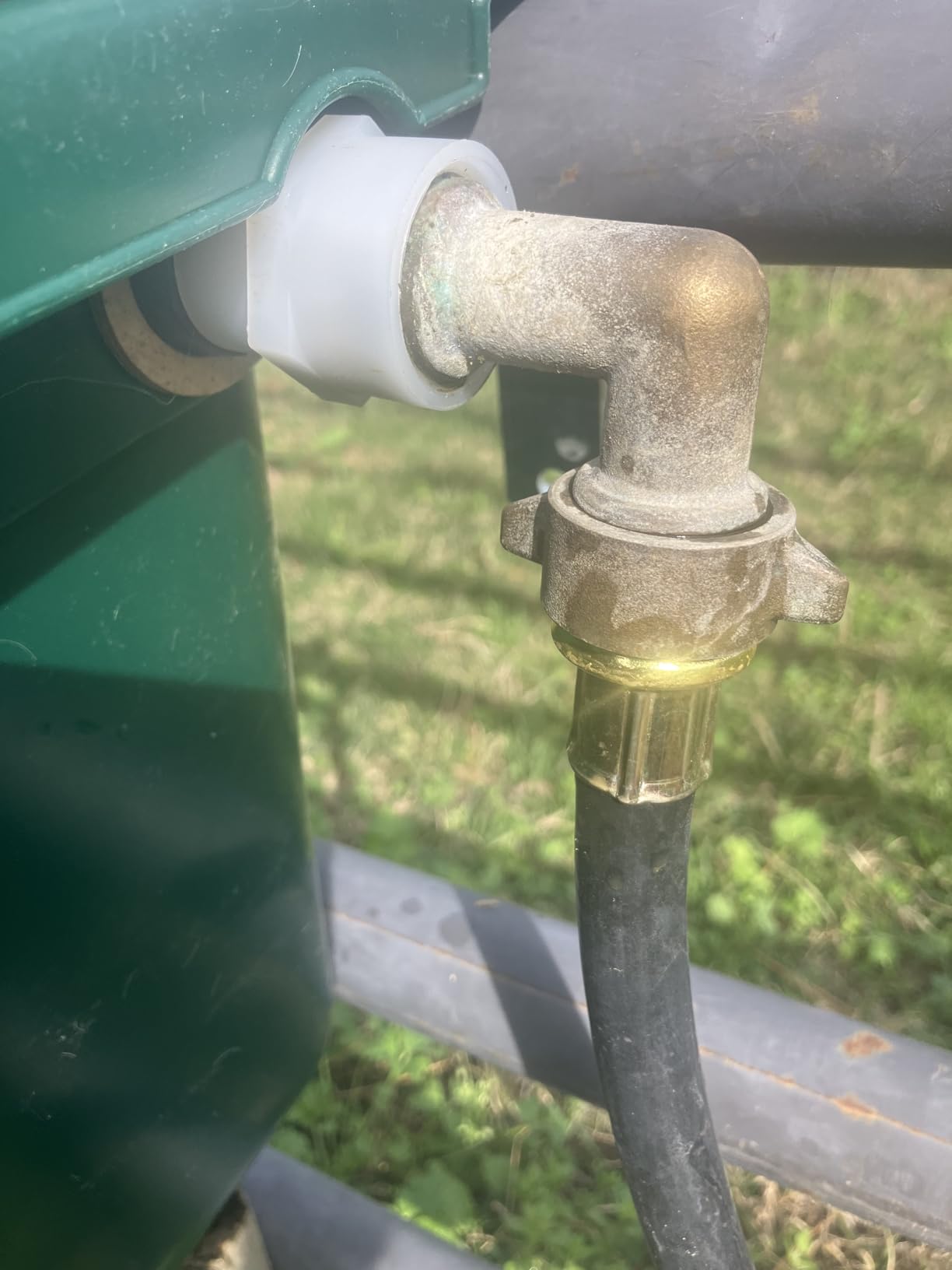
The 4-gallon capacity is appropriate for small groups of cattle or horses, and the 3/4-inch garden hose connection means you can hook it up to virtually any standard water supply. The included metal brackets make fence or wall mounting straightforward, and the multiple color options let you coordinate with your existing setup if that matters to you.
What impressed me most is that this waterer has earned the trust of 959 reviewers, making it one of the most widely adopted automatic waterers on the market. Seventy-one percent of reviewers gave it five stars, which is strong for a product at this value level. The made-in-USA construction adds an extra layer of quality assurance that budget buyers will appreciate.
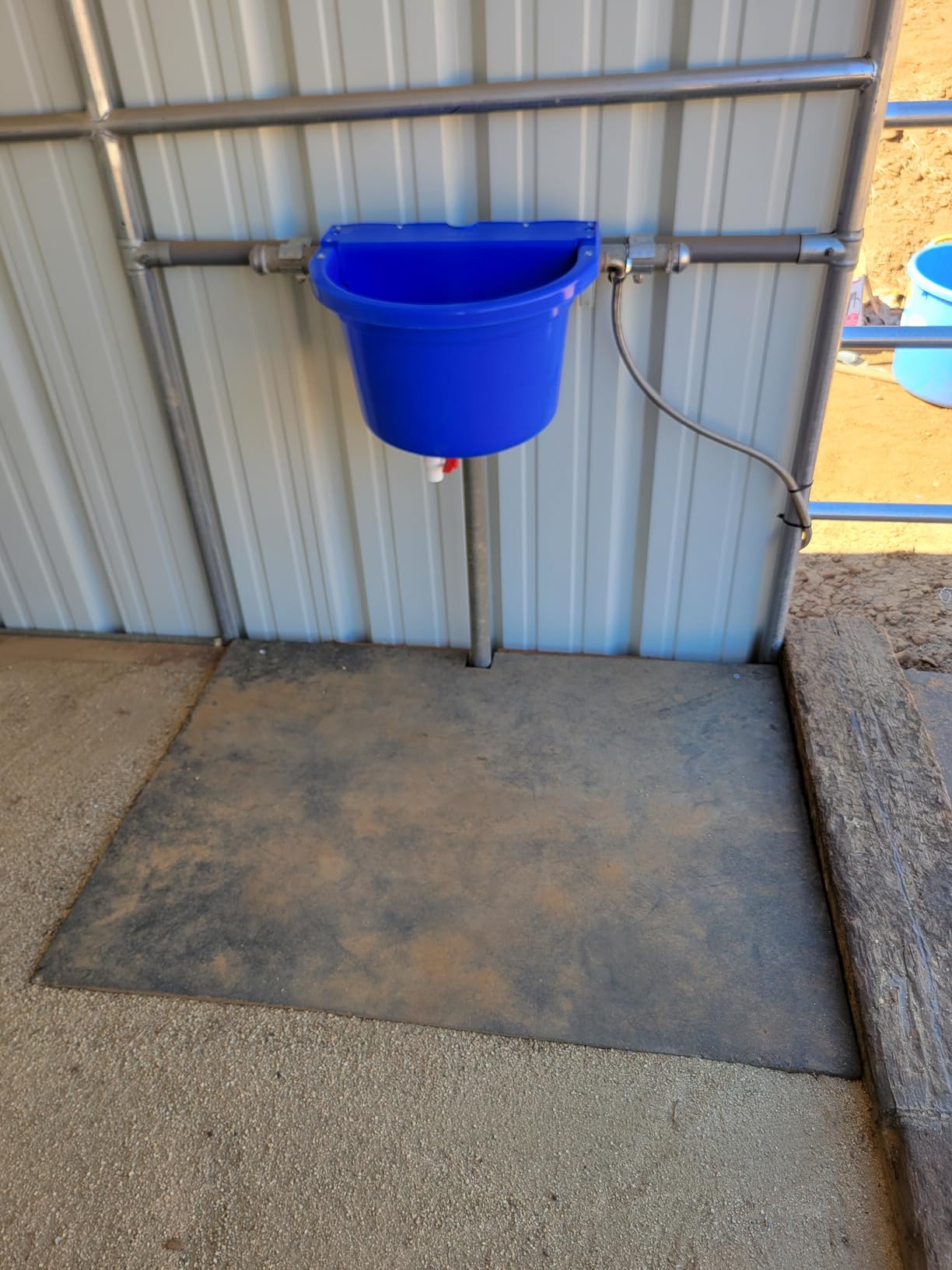
The trade-offs are straightforward. The 4-gallon capacity means it is not ideal for large herds without multiple units. The plastic construction is durable enough for normal use but may not hold up against truly aggressive cattle the way steel or concrete units would. And since this is not a heated model, you will need a separate de-icer or heat tape for winter operation in freezing zones.
Herd Size Suitability
The DuraMate Float works best for small herds of 2 to 5 head per unit, or as a supplementary waterer in larger operations. For ranchers running 20 or more cattle, you would need multiple units spaced around the pasture to ensure adequate water access. At its accessible price point, buying several units is still more affordable than a single premium waterer.
I have seen this model used effectively in small paddock setups, horse operations, and as a backup waterer in rotational grazing systems. The key is matching your unit count to your herd size rather than expecting one unit to serve too many animals. Forum users consistently recommend the one-unit-per-five-head ratio as a practical guideline.
Mounting and Placement Options
The included metal brackets allow for both fence-line and wall mounting, giving you flexibility in placement. Fence-line mounting is ideal for pasture setups where you want cattle to access water from one side while the plumbing runs along the fence. Wall mounting works well in barns, sheds, or working facilities where you need a permanent water source.
One tip from experienced users is to mount the unit at the appropriate height for your specific animals. Cattle need a higher mounting position than smaller livestock, so adjust the bracket height accordingly. The lightweight design makes height adjustments easy compared to heavier steel or concrete alternatives.
6. Little Giant Epoxy Coated – Best Wall-Mount Budget Pick
Little Giant® Automatic Livestock Waterer | Epoxy Coated Automatic Stock Waterer for Horses, Cows and Hog | Auto Horse, Pig, and Cattle Drinker
Galvanized epoxy-coated steel
4.5 lb unit
1/2 inch pipe connection
Wall mount
Pros
- Corrosion-resistant epoxy coating
- Connects to multiple hose and pipe sizes
- Adjustable mounting height for any animal
- Automatic dispensing based on water level
- Sanitary continuous fresh water supply
Cons
- Small basin capacity
- Wall mount requires solid mounting surface
- Epoxy coating may chip over time
The Little Giant Epoxy Coated waterer is the steel-bodied budget pick I recommend for ranchers who want metal construction without the premium price tag. The galvanized steel body with a nontoxic black epoxy coating gives you corrosion resistance that plastic units simply cannot match. At just 4.5 pounds, it is the lightest waterer in our review, which makes installation genuinely easy.
This unit automatically dispenses fresh water based on the basin water level, using the same float-valve principle as the DuraMate. The difference is in the materials. The epoxy-coated galvanized steel body holds up better against impacts, UV exposure, and aggressive animal behavior than plastic alternatives. It connects to 1/2-inch pipe, flex hose, or a standard garden hose, giving you real versatility in how you plumb it.
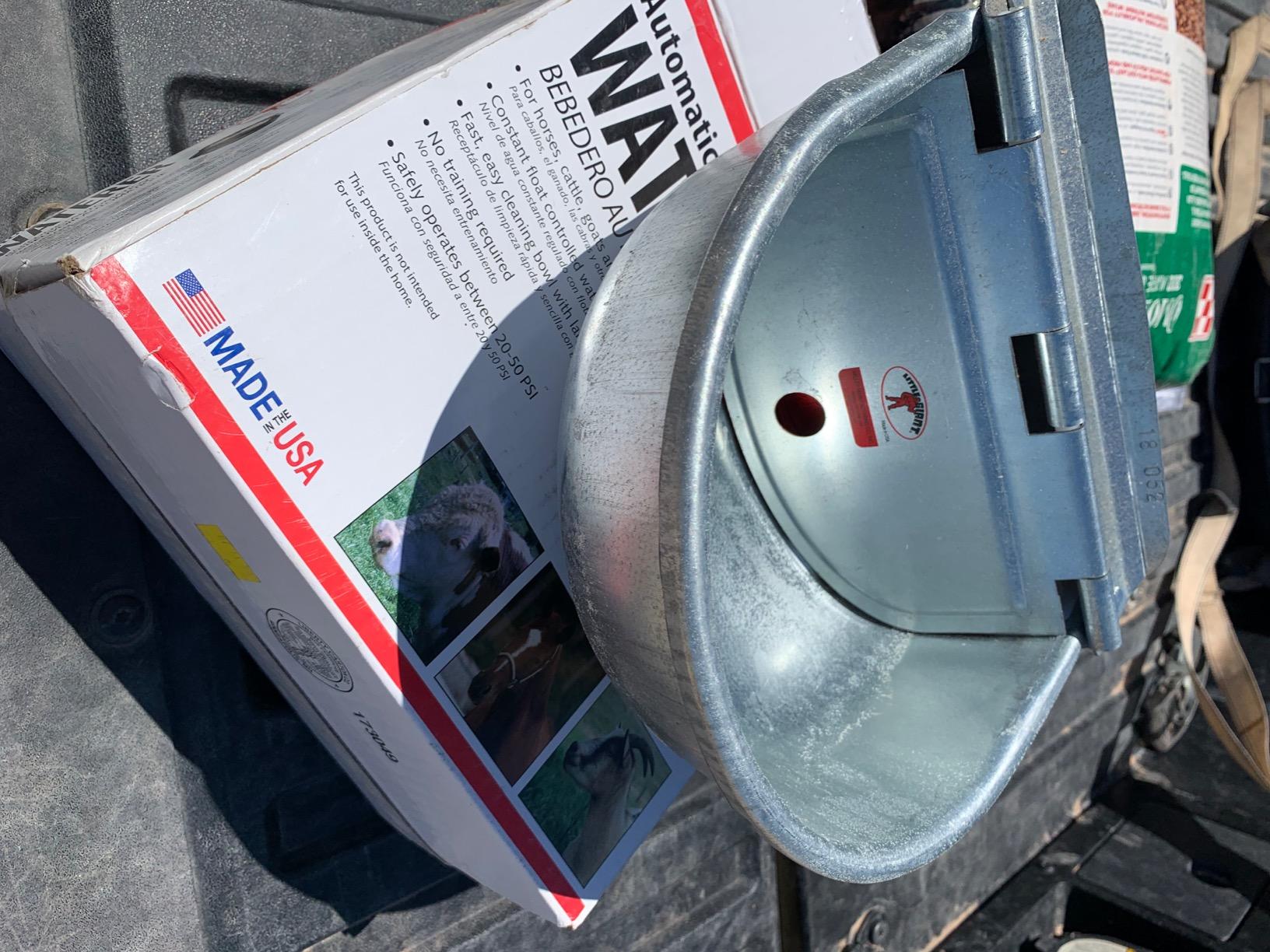
The 4.4-star rating across 94 reviews shows consistent satisfaction, with 71 percent of reviewers giving five stars. Customers particularly appreciate the ability to install this unit at any height, which makes it suitable for cattle, horses, and hogs alike. The continuous fresh water supply reduces the risk of waterborne disease organisms that can breed in stagnant trough water.
The main limitation is the small basin capacity, which means this unit is best for individual animals or very small groups rather than herd watering. The wall-mount design requires a solid mounting surface, so you need a sturdy fence post, barn wall, or dedicated mounting structure. Over years of use, the epoxy coating may chip in high-impact areas, exposing the underlying steel to potential corrosion.
Mounting Height Flexibility
The ability to install this waterer at any height is one of its most practical features. For cattle, mount it at chest height so animals can drink comfortably without straining. For smaller livestock like hogs or younger animals, lower the mounting position to suit their stature. This flexibility makes the epoxy-coated model a versatile choice for mixed-species operations.
I have seen ranchers use this unit in squeeze chutes, working alleys, and hospital pens where individual animal watering is needed. The compact size and light weight mean you can add a waterer wherever your operation demands one without major structural modifications.
Multi-Species Compatibility
The Little Giant Epoxy Coated waterer is designed to serve horses, cows, and hogs interchangeably. The standard connection options mean you can plumb it into existing systems regardless of whether your supply line uses pipe, flex hose, or garden hose threading. This makes it an excellent choice for farms that raise multiple livestock species.
For operations that rotate between cattle and other livestock, having a waterer that adapts to different animal sizes without replacement is a genuine cost advantage. The sanitary continuous-flow design also reduces the risk of cross-contamination between species, which matters for herd health management.
How to Choose the Right Cattle Waterer for Your Pasture?
Selecting the right waterer for your cattle operation comes down to matching the product specifications to your specific conditions. Here are the factors our team considers most important when evaluating cattle waterers for pastures.
Herd Size and Water Capacity
Your herd size directly determines what type and how many waterers you need. A general rule from experienced ranchers is to provide one drinking station for every 15 to 20 head of cattle, though this varies with climate and grazing intensity. For small herds of 2 to 5 head, a single 4-gallon unit like the Little Giant DuraMate is sufficient. Larger operations benefit from double-drink models or multiple smaller units distributed across the pasture.
Cattle drink between 10 and 20 gallons of water per day depending on size, temperature, and lactation status. Make sure your water supply line can deliver enough flow to keep up with peak demand, especially during hot summer months when consumption spikes dramatically.
Freeze Protection and Climate Considerations
If you operate in a region where temperatures drop below freezing, freeze protection is non-negotiable. Heated waterers like the Ritchie Omni Fount 2 use electric heating elements to keep water liquid, while energy-free models like the Thrifty King CT2 2000 rely on ground-temperature insulation. Energy-free units work well in moderate cold but may need supplemental heat in extreme conditions below zero.
Forum discussions among ranchers consistently highlight freezing as the number one pain point with pasture waterers. Investing in proper freeze protection upfront saves you from the costly scenario of cattle going without water during a winter cold snap, which can impact weight gain and overall herd health.
Energy Requirements and Operating Costs
Heated waterers draw electricity continuously during winter months, which adds to your operating costs. Energy-free models eliminate this expense but require specific installation conditions, including a supply line buried below the frost line. When comparing total cost of ownership, factor in both the purchase price and the estimated annual electricity costs for heated models.
One rancher on a cattle forum reported saving over three hundred dollars per year per unit after switching from heated to energy-free waterers across a multi-pasture operation. Your actual savings will depend on your local electricity rates and the severity of your winter climate.
Installation and Mounting Options
Consider whether you need a ground-mounted, fence-mounted, or wall-mounted waterer. Ground-mounted units like the Ritchie models require more site preparation, including concrete pads and buried supply lines. Fence and wall-mounted units like the Little Giant options are faster to install and more flexible for relocation.
For rotational grazing systems, portability matters. The Classic Equine EZFOUNT and Little Giant DuraMate both offer garden hose connections that make moving between paddocks practical. Permanent installations benefit from the stability and capacity of ground-mounted Ritchie units.
Durability for Aggressive Cattle
Cattle can be rough on equipment, and waterers are no exception. Bulls and aggressive cows may push, rub, or even try to climb on waterers. Steel and concrete units hold up best against this abuse, while plastic models may crack or tip under pressure. The forum community consistently recommends anchoring any waterer securely and choosing materials rated for your herd’s temperament.
If you have particularly aggressive cattle, consider the one-piece construction of the Ritchie WaterMatic 150 or the steel body of the Little Giant Epoxy Coated model. Both designs resist impact damage better than multi-piece plastic alternatives.
Maintenance Requirements
Every waterer requires some maintenance, but the frequency and difficulty vary widely. Models with sloped drain surfaces, large access panels, and no-gasket designs reduce your maintenance time significantly. The WaterMatic 150 and Omni Fount 2 both excel in this category with thoughtful service-access features.
Plan for routine checks of the float valve, heating elements, and water level before each season. A few minutes of preventive maintenance can save you from a mid-winter failure that leaves your herd without water.
Frequently Asked Questions
What are the best automatic waterers for pasture?
The best automatic waterers for pasture depend on your climate and herd size. For heated performance in cold climates, the Ritchie Omni Fount 2 is our top pick. For energy-free operation, the Ritchie Thrifty King CT2 2000 is the premium choice. For budget-conscious ranchers, the Little Giant DuraMate Float delivers reliable float-controlled watering at an accessible price point.
How do I keep my cattle waterer from freezing?
To keep your cattle waterer from freezing, choose a heated model with built-in heating elements like the Ritchie Omni Fount 2, or install an energy-free waterer with a supply line buried below the frost line. For existing non-heated units, add a submersible water heater, heat tape on exposed plumbing, or a floating de-icer. Proper insulation and a consistent water flow also help prevent ice formation.
What size waterer do I need for my herd?
Plan for one drinking station per 15 to 20 head of cattle. A 4-gallon capacity unit like the Little Giant DuraMate suits small herds of 2 to 5 head, while double-drink models like the Ritchie Thrifty King CT2 2000 handle 25 to 40 head. Cattle drink 10 to 20 gallons daily, so ensure your water supply line delivers adequate flow for peak demand periods.
Are energy-free waterers effective in winter?
Energy-free waterers are effective in winter when properly installed with a supply line buried below the frost line. The ground temperature keeps incoming water above freezing, and super-insulated bodies like the Ritchie Thrifty King CT2 2000 trap that warmth inside. In extreme cold below zero, some users add supplemental heat tape for additional protection during the coldest stretches.
How does an automatic cattle waterer work?
An automatic cattle waterer uses a float valve mechanism connected to a pressurized water supply line. When cattle drink and lower the water level, the float drops and opens the valve to refill the bowl. Once the water reaches the preset level, the float rises and shuts off the flow. This cycle maintains consistent water availability without manual filling.
Final Thoughts on the Best Cattle Waterers for Pastures
Choosing the right cattle waterers for pastures in 2026 comes down to understanding your herd size, climate, and operational priorities. For ranchers in freezing climates, the Ritchie Omni Fount 2 delivers unmatched heated performance with energy-efficient insulation. The Ritchie Thrifty King CT2 2000 is the premium energy-free choice for operations looking to eliminate electricity costs entirely. And the Little Giant DuraMate Float remains the best value automatic waterer on the market, with nearly 1,000 reviews backing its reliability.
Whatever model you choose, proper installation and routine maintenance are what ultimately determine long-term success. Invest in a quality waterer that matches your conditions, anchor it securely, and check the float valve and heating components before each season. Your cattle will stay hydrated, healthy, and productive year-round with the right watering system in place.