
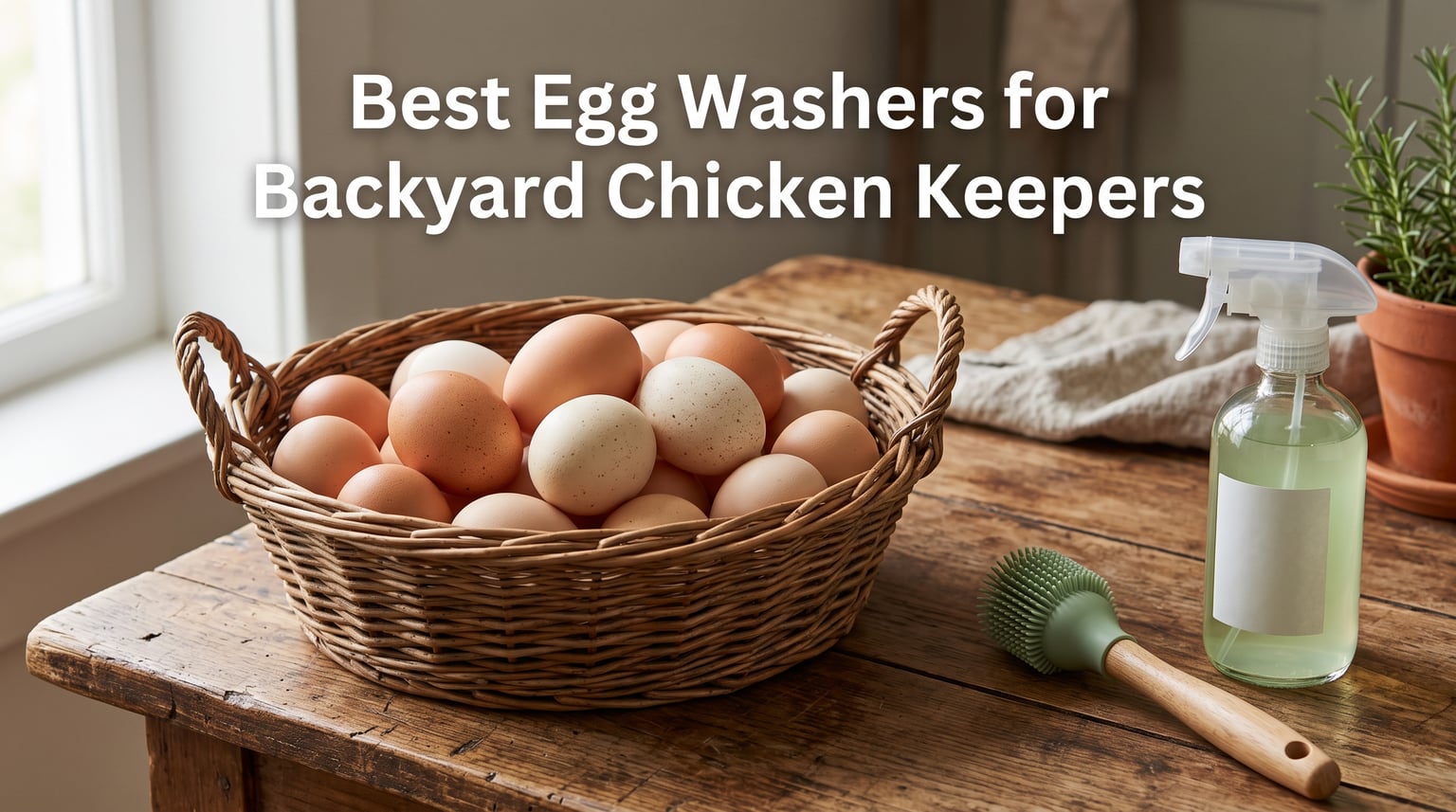
Collecting fresh eggs from your backyard flock is one of the great joys of keeping chickens. But anyone who has dealt with muddy runs, rainy seasons, or hens who insist on sleeping in the nest boxes knows that those beautiful eggs do not always come out pristine. That is where egg washers for backyard chicken keepers come in, offering a faster and gentler way to clean your daily haul.
Our team has been raising backyard chickens for over a decade, and we have tried everything from plain warm water to expensive enzyme solutions to cute silicone brushes shaped like dinosaurs. Along the way we learned what actually works, what damages shells, and what is a waste of money. We put together this guide to help you skip the trial and error.
In this roundup we tested and compared 10 egg washing products ranging from budget silicone brushes under seven dollars to trusted enzyme concentrates that have been on the market for 30-plus years. Whether you have a small flock of four hens or a growing homestead operation, you will find the right cleaning solution below. We also break down the bloom debate, USDA temperature guidelines, and a step-by-step washing method so you can clean your eggs safely.
Table of Contents
Top 3 Egg Washers for Backyard Chicken Keepers (September 2026)

CareFree Enzymes Egg Washer
- Natural enzyme formula
- 30+ year trusted recipe
- Washes hundreds of eggs
- Made in USA

GoodEgg The Original Egg Brush
- 650+ silicone nubs
- Patented design
- Dishwasher safe
- Fits large to XL eggs

MOSOPHY Silicone Dinosaur Egg Washer
- Fun dinosaur design
- Food-safe silicone
- Under $7
- Versatile for produce too
Our editor’s choice goes to the CareFree Enzymes Egg Washer because it has been trusted for over 30 years and handles the stubborn messes that brushes alone cannot tackle. The plant-based enzyme formula loosens poop and debris so a quick wipe is all you need, and one 33.9-ounce bottle cleans hundreds of eggs.
For best value we picked the GoodEgg Original Egg Brush. This patented silicone tool has over 650 flexible nubs that conform to your egg’s curve, and it is dishwasher safe so cleanup takes seconds. It pairs beautifully with any liquid wash and lasts for years.
If you want the most affordable option, the MOSOPHY Dinosaur Silicone Washer comes in under seven dollars and does double duty on fruits and vegetables. The whimsical design makes egg cleaning feel less like a chore, and the food-safe silicone is gentle on every shell.
10 Best Egg Washers for Backyard Chicken Keepers in 2026
| Product | Specifications | Action |
|---|---|---|
| CareFree Enzymes Egg Washer |
|
Check Latest Price |
| GoodEgg Original Egg Brush |
|
Check Latest Price |
 Manna Pro Egg Cleanser Manna Pro Egg Cleanser |
|
Check Latest Price |
 GoodEgg Enzyme Spray GoodEgg Enzyme Spray |
|
Check Latest Price |
 Clean Republic Fresh Nest Clean Republic Fresh Nest |
|
Check Latest Price |
 DoID Tag Silicone Scrubber 2-Pack DoID Tag Silicone Scrubber 2-Pack |
|
Check Latest Price |
 Lumkew Egg Washer Brush Lumkew Egg Washer Brush |
|
Check Latest Price |
| MOSOPHY Dinosaur Egg Washer |
|
Check Latest Price |
 Rite Farm Egg Scrubbing Brush Rite Farm Egg Scrubbing Brush |
|
Check Latest Price |
 Fresh Eggs Daily Egg Wipes Fresh Eggs Daily Egg Wipes |
|
Check Latest Price |
1. CareFree Enzymes Egg Washer and Cleaner – Best Overall Liquid Wash
CareFree Enzymes Egg Washer & Egg Cleaner — Natural Enzyme Egg Wash for Fresh Farm Eggs, Safe for Backyard Chickens & Homesteads, 33.9 oz
Natural enzyme liquid wash
33.9 oz bottle
Trusted 30+ years
Made in USA
Pros
- Plant-based food-grade enzymes
- Washes hundreds of eggs
- Safe for shells and bloom
- Trusted formula for 30 years
- No bleach or parabens
Cons
- Requires soaking time
- May not remove stubborn mud stains
I have been using the CareFree Enzymes Egg Washer for two laying seasons now, and it remains my go-to for dirty eggs that a dry brush cannot handle. The formula uses plant-based enzymes rather than harsh chemicals, which matters to me because my family eats these eggs every morning.
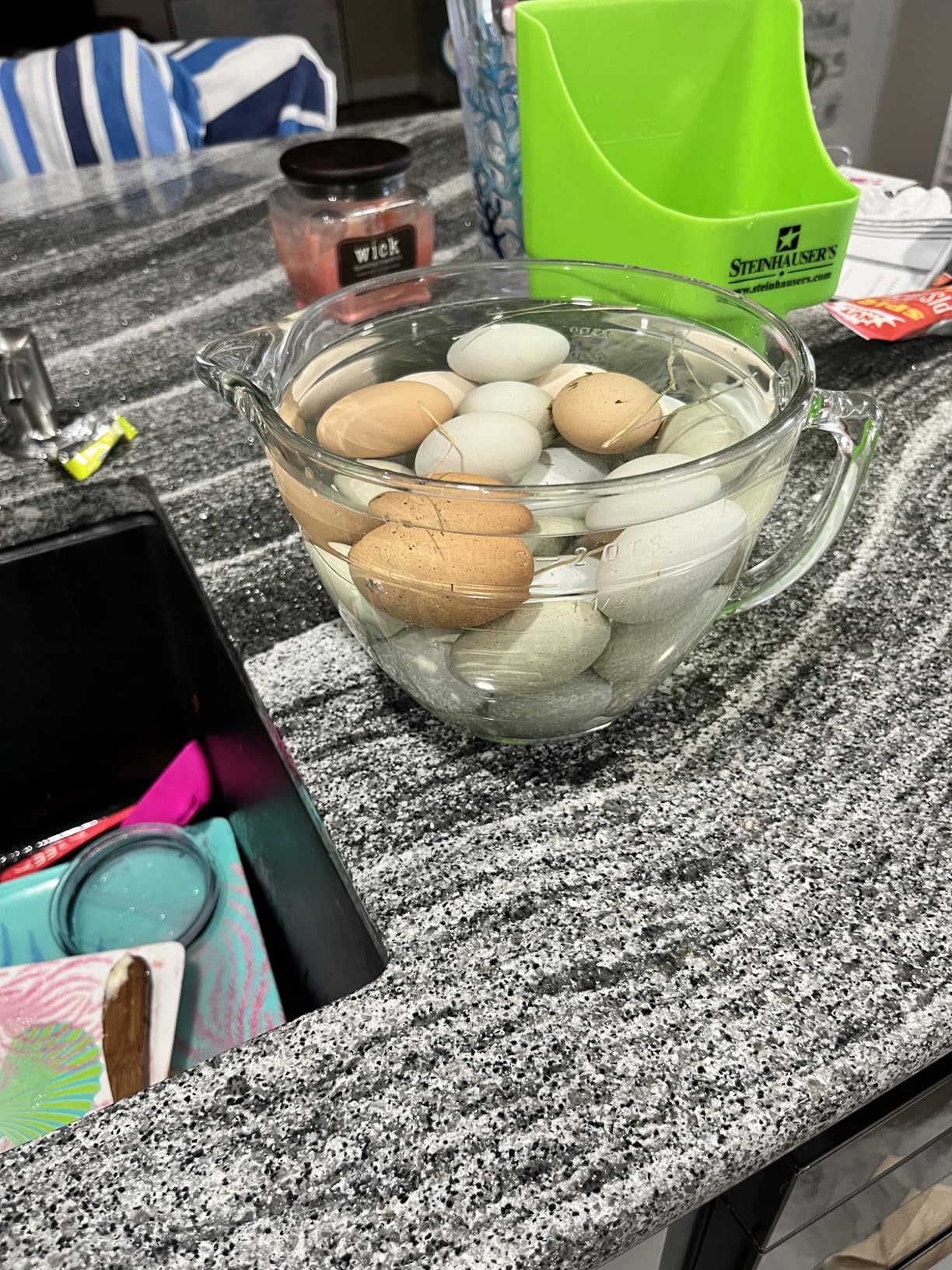
The process is simple. I dilute a small amount in warm water, give the eggs a brief soak, and the debris loosens on its own. Most days a gentle wipe with my fingers is all it takes to reveal a clean shell underneath. For really stubborn messes I pair it with a silicone brush and the combination works fast.
One 33.9-ounce bottle has lasted me through hundreds of eggs across multiple seasons. At the recommended dilution, you only need a small splash per batch, so the per-egg cost is negligible. That economy is what separates this product from cheaper bottles that run out in a month.
The ingredient list is reassuring for anyone worried about residue. CareFree uses GRAS-certified food-grade ingredients with no bleach, no alcohol, and no parabens. The formula is also 100 percent vegetarian and pesticide-free, which aligns with the values of most backyard flock owners I know.
This product has been on the market for over 30 years, and that longevity tells you something. Companies do not survive three decades in the poultry supply space unless their formula genuinely works. I have recommended it to three neighbors who all came back asking where to buy refills.
The main limitation is that it is a soak-based system, not an instant spray. You need a few minutes of contact time for the enzymes to break down organic matter. If you are processing just two or three eggs for breakfast, it can feel like overkill compared to a quick brush under running water.
I also found that deeply embedded mud stains on brown eggs sometimes need a second round. The enzymes handle fecal matter and blood spots beautifully, but mineral-rich mud from certain soil types can be stubborn. A reusable silicone scrubber solves that problem fast.
How Much Dilution You Need Per Batch
The recommended ratio is roughly one capful per cup of warm water, and that small amount easily handles a dozen eggs. I keep a dedicated bowl by the kitchen sink for egg washing so I can mix a fresh batch each morning. You never want to reuse the solution across multiple days because the enzymes lose potency once activated.
If your eggs are lightly soiled, an even lighter dilution works fine and stretches the bottle further. For heavily soiled eggs during muddy seasons, I double the concentration and give them a five-minute soak before wiping. The flexibility to adjust strength is a real advantage over pre-mixed sprays.
Storage and Shelf Life
Store the bottle in a cool, dry place away from direct sunlight and it will maintain full enzyme activity for years. I keep mine in a cabinet next to the sink and have never had a bottle go bad. Unlike some hypochlorous acid products that degrade within months, this enzyme formula is genuinely shelf-stable.
One thing to watch is the cap. The bottle has a standard squeeze cap that can leak if tipped, so store it upright. I learned that lesson the hard way after a spill in my cleaning supply bin.
2. GoodEgg The Original Egg Brush – Best Silicone Brush Value
GoodEgg The Original Egg Brush, Silicone Egg Cleaning Brush for Farm Fresh Eggs, Chicken Coop Cleaning Tools, Egg Washer, Chicken Coop Accessories, Large to XL Sized Eggs, Green, As Seen On Shark Tank
650+ silicone nubs
Food-grade silicone
Dishwasher safe
Patented design
Pros
- 650+ flexible silicone nubs
- Gentle on shells
- Dishwasher safe
- Hollow drainage center
- Patented squeegee edges
Cons
- Premium price point
- Needs more scrubbing for heavy debris
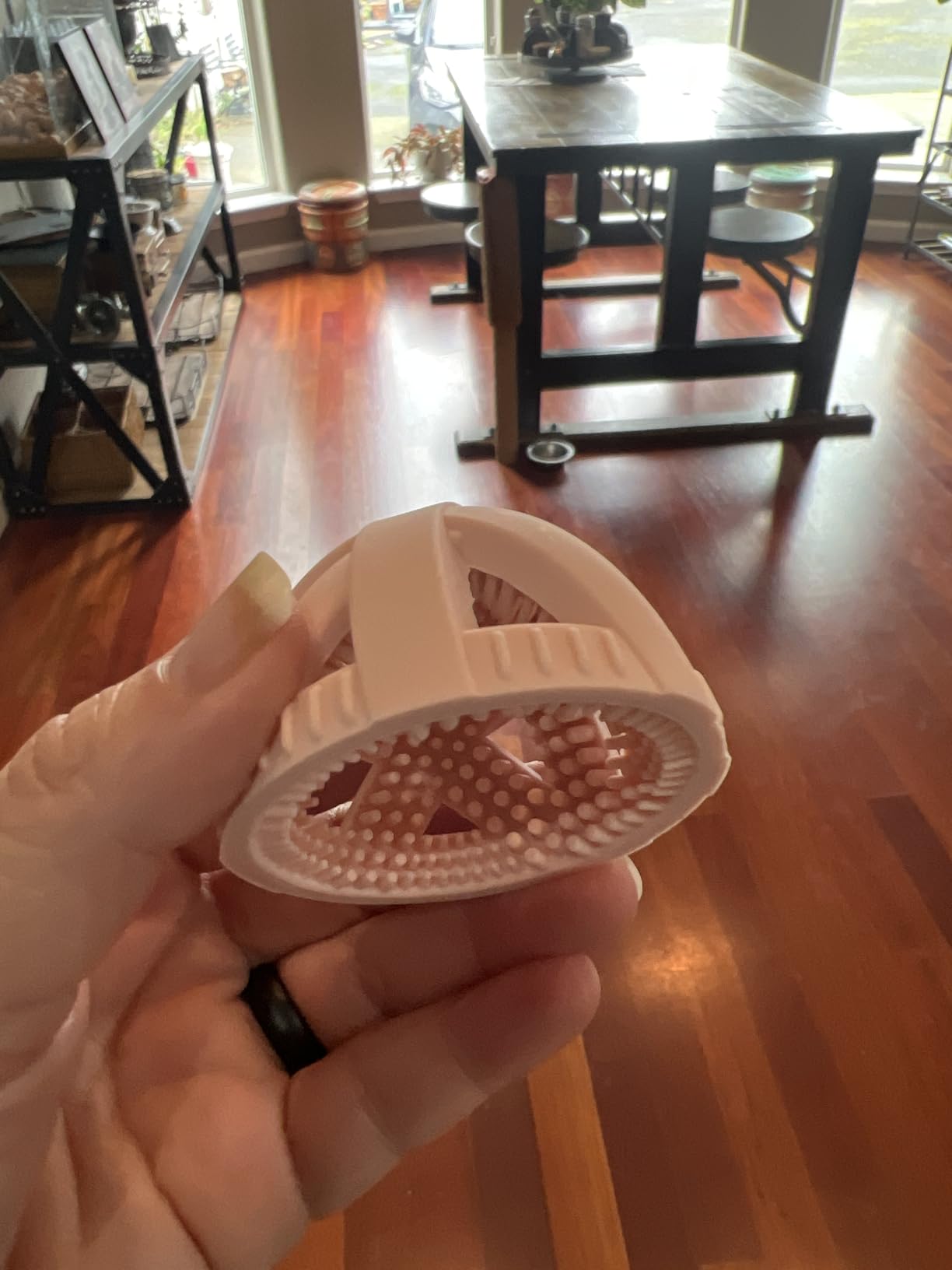
The GoodEgg Original Egg Brush is the silicone brush that started the trend, and after testing several imitations I can confirm the original is still the best. The patented design features over 650 flexible silicone nubs that wrap around the egg and clean every surface in one motion.
My daily routine now takes about five seconds per egg. I hold the brush under warm running water, place the egg inside, and rotate gently. The ribbed edges act like mini squeegees that pull debris off the shell without applying hard pressure. It feels almost effortless compared to scrubbing with a regular brush.
The food-grade silicone is reassuring because it does not harbor bacteria the way foam sponges can. After each use I rinse it out, and once a week I toss it in the dishwasher. The hollow center design means water drains right through, so it never sits in a puddle of dirty water on the counter.
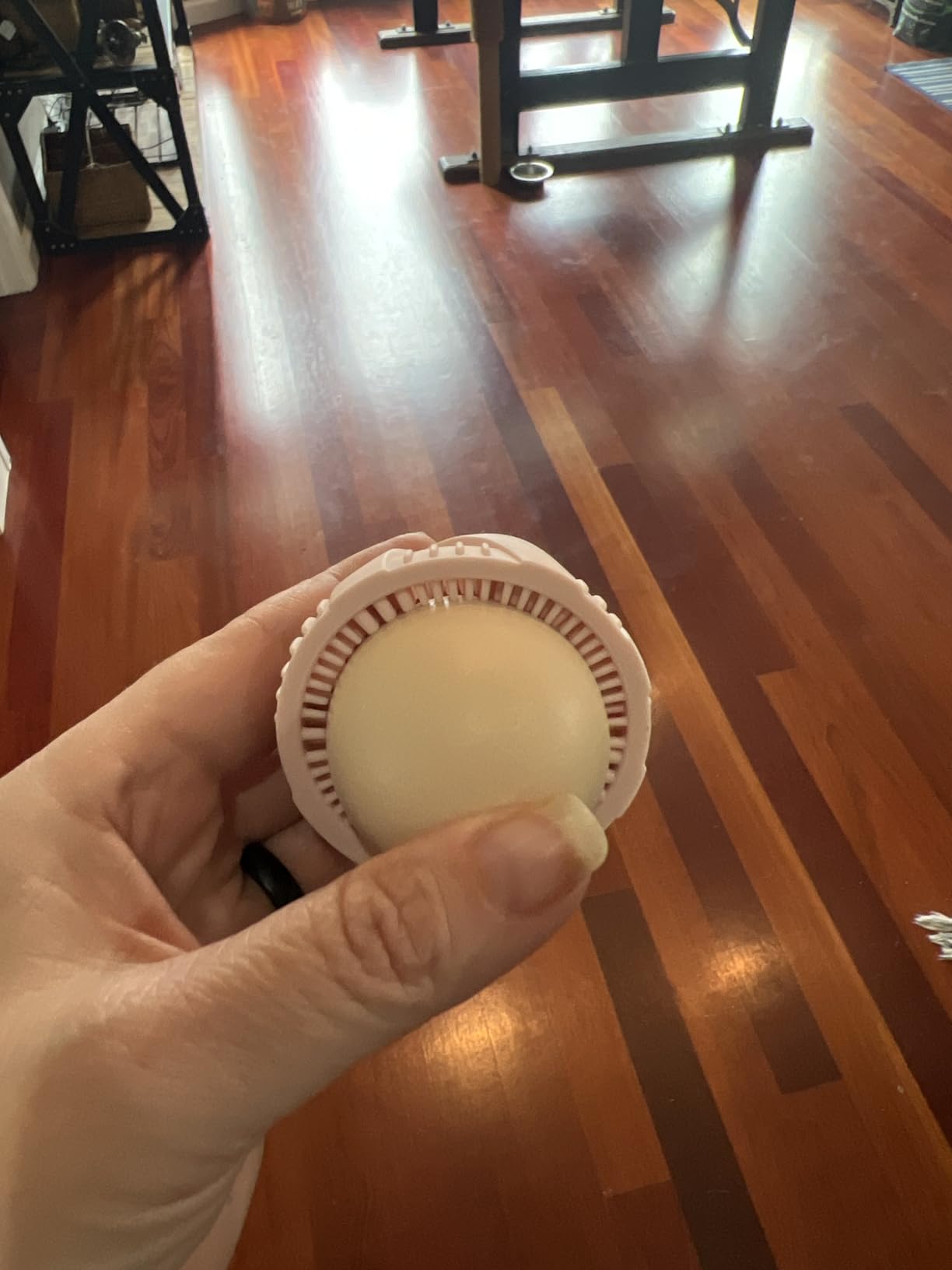
This brush comes in two sizes, Standard and Large or XL, and getting the right size matters more than you might expect. The Standard size fits medium and large eggs perfectly, while the XL version accommodates jumbo eggs and duck eggs. I keep both on hand because my flock lays a mix of sizes.
The build quality is noticeably better than the budget silicone brushes I tested. After six months of daily use, none of the nubs have torn or flattened. The silicone has a satisfying firmness that tells you it will last, unlike cheaper options that feel gummy after a few weeks.
What sets this apart from competitors is the patented squeegee edge design. Those raised ribs along the opening do real work, scraping away dried-on debris as you pull the egg through. It is the kind of detail you only appreciate after using a generic silicone cup that lacks that feature.
Which Egg Size Should You Choose
If your hens are standard breeds like Rhode Island Reds or Plymouth Rocks, the Standard size is your best bet. It fits the eggs snugly so the nubs make full contact with the shell. If you raise breeds known for large eggs, or if you keep ducks alongside your chickens, step up to the Large or XL version.
Bantam and pullet eggs are too small for even the Standard brush to grip properly. For those, you are better off with a traditional handheld brush like the Lumkew or a gentle wipe. The GoodEgg brush shines with full-size eggs where its cup design can do its job.
Cleaning the Brush Itself
The dishwasher-safe rating is not a gimmick. I run mine on the top rack every Sunday and it comes out looking brand new. The silicone does not absorb odors or stains, which is a huge advantage over bristle brushes that trap organic matter between the fibers.
For a quick clean between dishwasher cycles, flip the brush inside out and rinse under hot water. The interior surfaces where debris collects are fully accessible this way. It takes about ten seconds and keeps the brush fresh for daily use.
3. Manna Pro Egg Cleanser – Best Concentrate for Small Flocks
Manna Pro Egg Cleanser Natural Enzyme Wash for Fresh Eggs, 16 oz
All-natural enzyme wash
16 oz concentrate
Ready to use
For incubation eggs too
Pros
- All-natural enzyme formula
- Gentle on shells
- Works for refrigerated and incubation eggs
- Economical concentrate
- Easy mixing instructions
Cons
- Requires dilution before use
- May not remove discoloration
Manna Pro is a brand that backyard flock owners already trust for feed and supplements, so it makes sense that their egg cleanser earns consistently high ratings. This 16-ounce concentrate uses all-natural enzymes as a gentler alternative to bleach or harsh detergents.
I tested this side by side with the CareFree Enzymes wash and found the cleaning performance very similar. Both loosen dirt and fecal matter effectively with a short soak. The Manna Pro comes in a smaller bottle, which makes it a better entry point if you want to try enzyme washing without committing to a large bottle.
The mixing instructions are printed clearly on the label and take about ten seconds to follow. You simply add the concentrate to warm water at the recommended ratio and your cleaning solution is ready. I appreciate that Manna Pro includes guidance for both eating eggs and fertilized eggs intended for incubation.
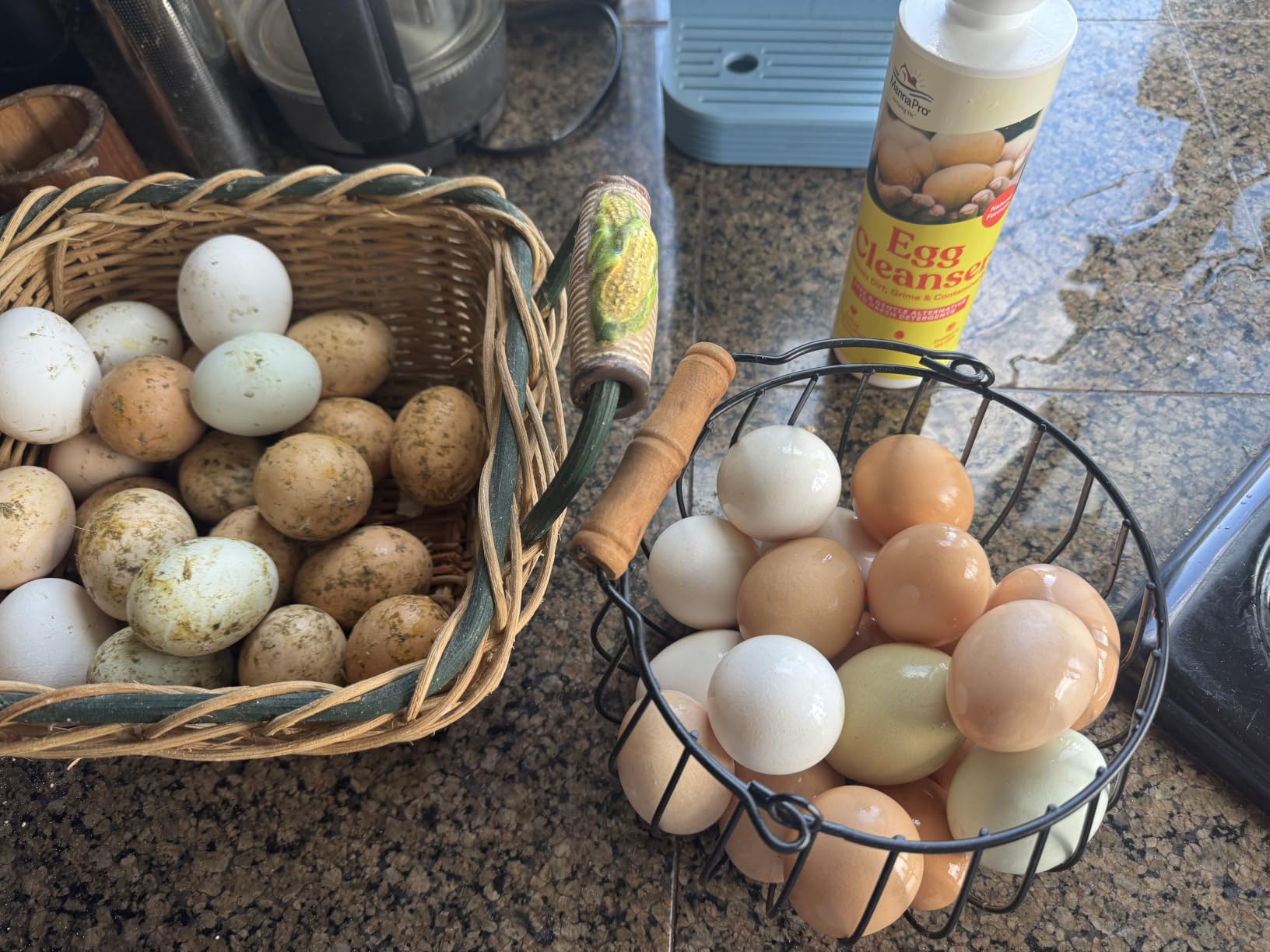
That incubation-safe claim is important if you hatch your own chicks. Regular detergents can damage the protective coating and even affect hatch rates. Several breeders in my poultry club use this specifically for washing hatching eggs before they go into the incubator.
The main drawback I noticed is that this formula struggles with deep discoloration on brown eggs. Fresh dirt comes off easily, but ground-in stains from prolonged contact with wet bedding may persist. For those situations I switch to a scrubbing brush rather than relying on the soak alone.
At 16 ounces this is a concentrate, so do not use it straight from the bottle. Some negative reviews I read came from people who skipped the dilution step and were unhappy with the results. Follow the directions and you will get dozens of cleaning batches from a single purchase.
How It Compares to Bleach Washing
Some old-school chicken keepers still use a dilute bleach solution, but I strongly prefer enzyme-based cleansers. Bleach can leave a chemical smell on porous shells and raises food safety concerns if not rinsed thoroughly. The Manna Pro formula achieves comparable cleaning power without those risks.
Enzyme washes are also gentler on your hands. I have sensitive skin and bleach solutions leave it dry and cracked after a few washes. The Manna Pro cleanser has never caused any irritation, even when I forget my gloves.
Safe for Incubation Eggs
If you hatch chicks, this cleanser is formulated to be safe for fertilized eggs going into the incubator. The enzymes remove surface bacteria without penetrating the shell or damaging the developing embryo inside. Always use water that is warmer than the egg, never colder, to prevent bacteria from being drawn inward.
I have used this on hatching eggs from my silkie flock with excellent hatch rates. The eggs came out clean and the chicks developed normally. That said, if an egg is visibly pristine, the best practice is still to skip washing entirely and place it directly in the incubator.
4. GoodEgg Enzyme Egg Wash Foaming Spray – Best Spray Application
GoodEgg Enzyme Egg Wash Cleaning Solution, Foaming Spray Pump, Refillable
Foaming spray pump
12 oz refillable bottle
99% food-grade ingredients
USA made
Pros
- Plant-based foaming formula
- Refillable bottle design
- Pairs well with silicone scrubbers
- A little goes a long way
- As seen on Shark Tank
Cons
- Not Prime eligible
- Awkward bottle design
- Shipping damage reported
The GoodEgg Foaming Spray takes a different approach from soak-based enzyme washes. Instead of mixing a bowl of solution, you spray the foam directly onto each egg and wipe. For keepers who process small batches daily, this is genuinely faster and more convenient.
I started using this spray on weekdays when I only collect three or four eggs. A quick pump of foam onto each egg, a gentle rub with my silicone brush, and a rinse under warm water takes about 15 seconds total. It is noticeably quicker than mixing a soak bowl for just a few eggs.
The formula is 99 percent food-grade ingredients with plant-based enzymes, and it is free of bleach and synthetic soaps. GoodEgg was featured on Shark Tank, which gave the brand national visibility, but the product stands on its own merits. The foam clings to the shell long enough for the enzymes to work before you rinse.
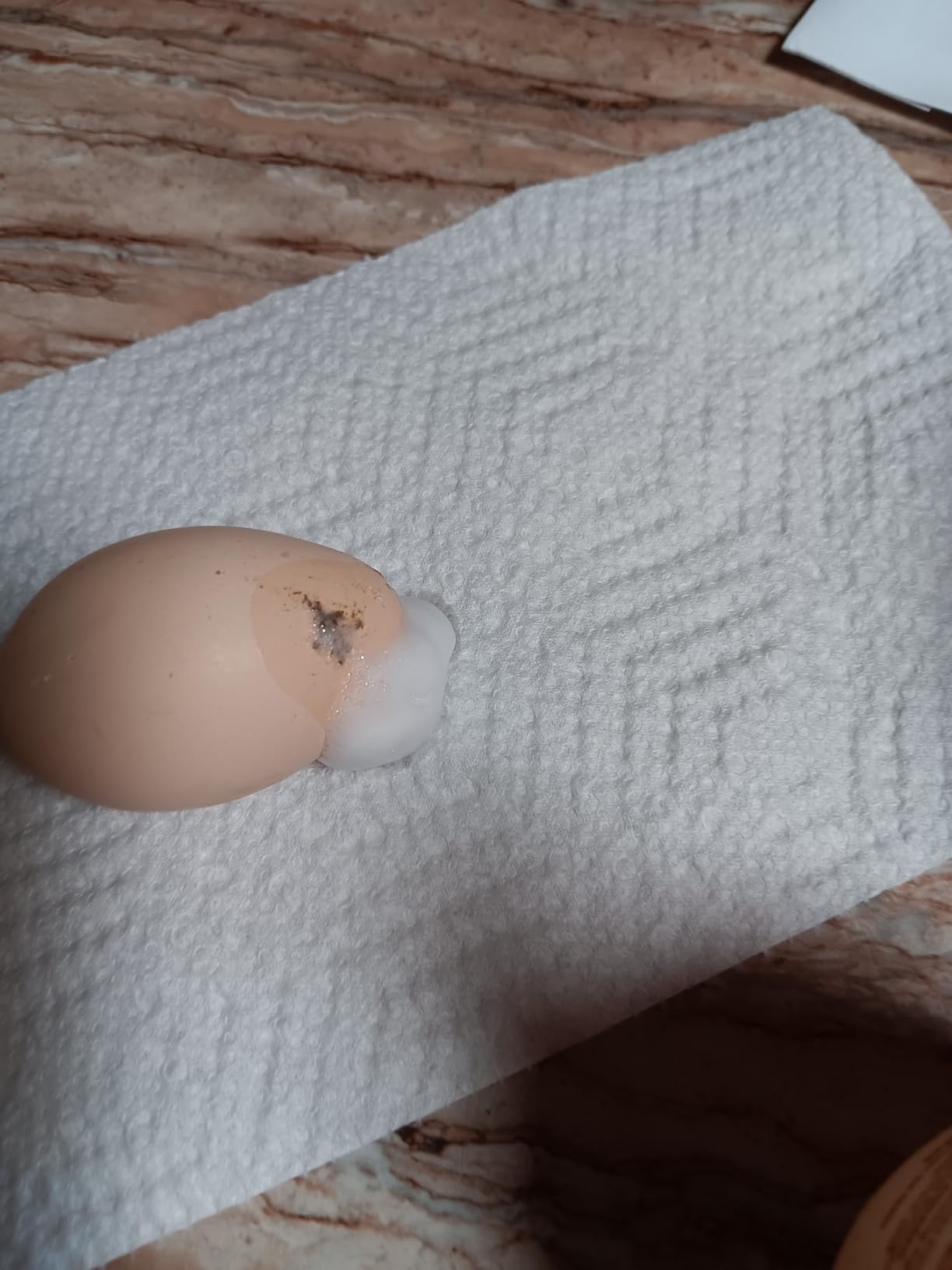
The foaming pump dispenses a thick lather that covers the egg evenly. I found that one or two pumps per egg is plenty, so the 12-ounce bottle lasts a surprisingly long time. When it runs low, the refillable design means you can buy refills rather than a whole new pump unit.
The bottle has drawn some criticism for its shape, and I agree it is a bit awkward to hold. The narrow base can tip if you set it down on an uneven surface. I solved this by keeping it in a small cup on my counter to prevent spills.
Several customers reported shipping damage where the pump top cracked in transit. This is a legitimate concern since the product is not Prime eligible and ships through standard channels. I recommend ordering with care and checking the seal immediately on arrival.
Pairing With a Silicone Scrubber
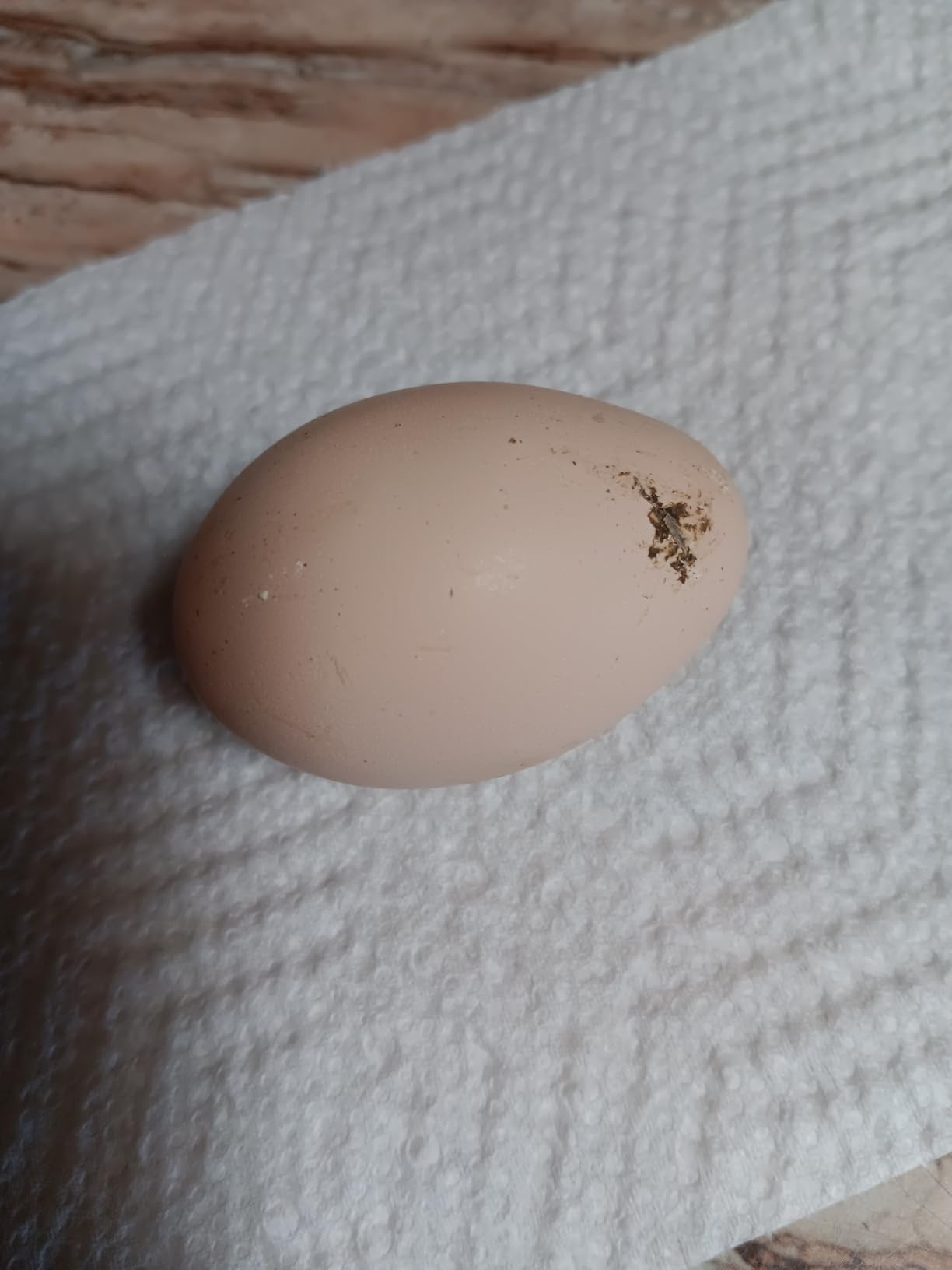
This spray truly shines when paired with a silicone brush like the GoodEgg Original or the DoID Tag scrubber. The foam provides lubrication so the silicone glides smoothly, and the enzymes break down debris while the nubs scrub it away. It is my favorite combination for everyday egg cleaning.
Without a brush, the spray still works but you need to let it sit a bit longer. The foam does the heavy lifting on organic matter, but a textured surface speeds up the physical removal. For lightly soiled eggs, wiping with a damp cloth after spraying is sufficient.
Refill and Bottle Longevity
The refillable design is both eco-friendly and cost-effective over time. GoodEgg sells refill pouches so you reuse the pump mechanism and just replace the liquid. After three months of daily use my pump still works smoothly with no clogging or loss of pressure.
One tip I learned is to rinse the pump nozzle occasionally to prevent dried foam from blocking the dispenser. A quick wipe after each session keeps everything flowing. The bottle itself has held up well with no cracks or leaks in my experience.
5. Clean Republic Fresh Nest Egg Wash – Best Fast-Acting Formula
Clean Republic Good Salt Pet Fresh Nest Egg Wash, Natural Cleaner for Freshly Laid Eggs, Made in the USA, 1 Gallon Bottle
Hypochlorous acid formula
1 gallon bottle
30-second soak
No bleach or alcohol
Pros
- Natural hypochlorous acid
- Only 30 seconds soaking needed
- Non-toxic food-safe formula
- Also sanitizes surfaces
- Made in the USA
Cons
- Some say warm water works just as well
- Short one-year shelf life
The Clean Republic Fresh Nest Egg Wash takes a completely different chemical approach from enzyme-based products. It uses pure hypochlorous acid, which is the same compound your own immune system produces to fight infections. The result is a sanitizer that works in 30 seconds rather than the several minutes enzyme washes require.
That speed is the headline feature and it genuinely delivers. I sprayed a batch of muddy eggs, waited half a minute, and the debris wiped off cleanly. For keepers who process eggs in volume and do not want to wait through a soak, this is the fastest option I have tested.
The ingredients list is impressively short: salt, water, and electricity. The manufacturing process electrolyzes a salt solution to produce hypochlorous acid at a concentration of 0.015 percent. That is strong enough to sanitize but gentle enough for food contact surfaces, coop equipment, and even your hands.
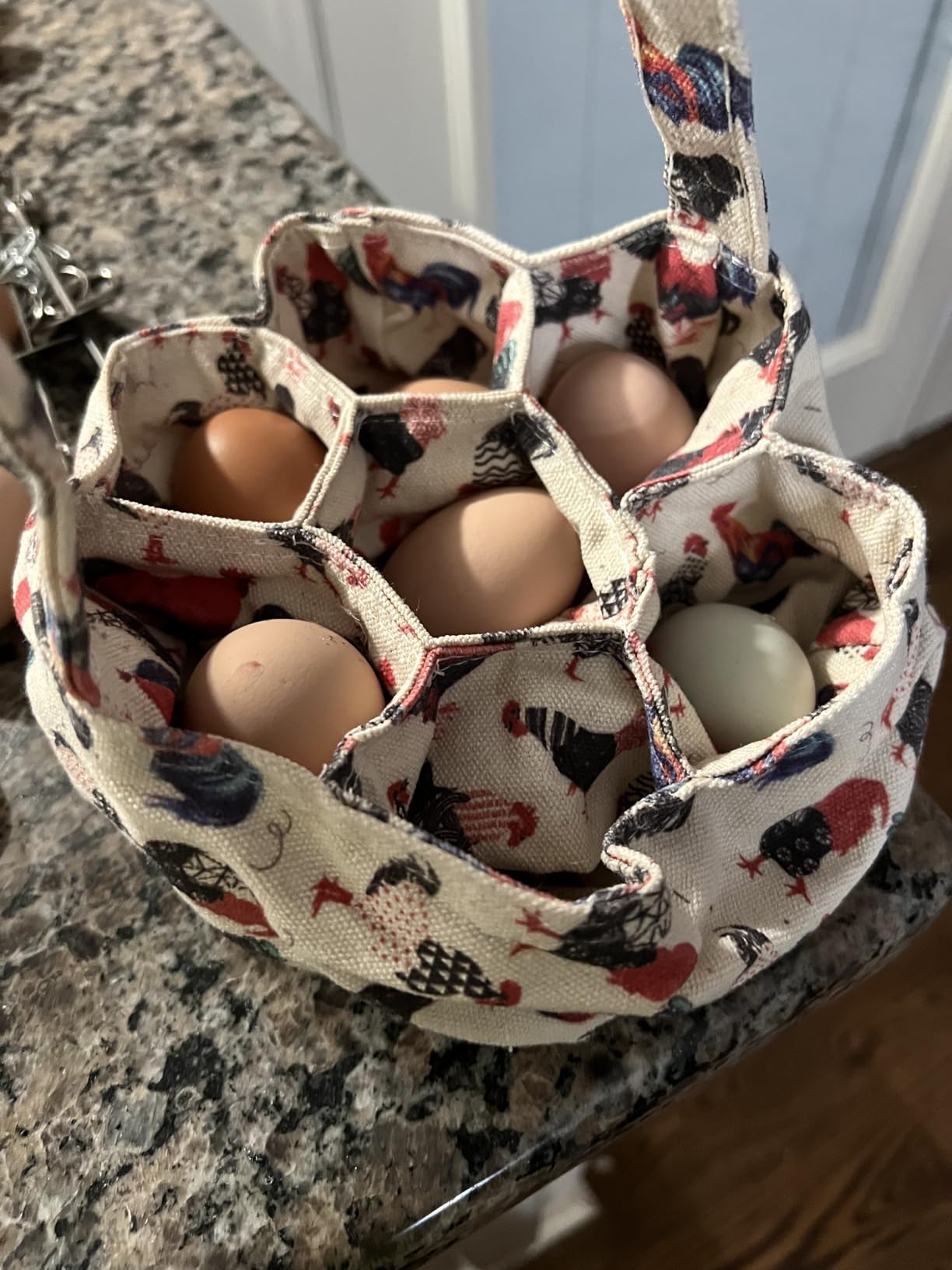
I also use this product to sanitize my egg collection basket and nesting box surfaces. The label explicitly states it is safe for food contact areas and around animals, which makes it a versatile addition to my coop cleaning kit. One gallon goes a long way when you are spraying rather than soaking.
The biggest criticism I have seen is that some users feel plain warm water achieves the same result. There is some truth to this for lightly soiled eggs, where the mechanical action of wiping does most of the work. The difference becomes clear on heavily soiled eggs where the sanitizing action of hypochlorous acid adds real value.
How Fast It Actually Works
The 30-second claim held up in my testing for typical dirt and fecal matter. I timed multiple batches and found that eggs with fresh debris came clean in 30 to 45 seconds. Eggs with dried-on crust needed closer to a minute plus some light scrubbing.
Compare that to enzyme washes that often recommend a two to five minute soak, and the time savings add up quickly. If you collect eggs from 20 or more hens daily, those extra minutes per batch become significant over a season.
What Else You Can Sanitize
Beyond eggs, this solution works on feeders, waterers, brooder surfaces, and even cutting boards in your kitchen. The hypochlorous acid breaks down into plain salt water after use, so there is no rinse needed on food surfaces. I keep a spray bottle in the coop and another in the kitchen.
This versatility makes the higher price per ounce easier to justify. You are buying a multi-purpose sanitizer rather than a single-use egg product, which changes the value calculation considerably for small-scale keepers who watch every dollar.
6. DoID Tag Silicone Egg Scrubber 2-Pack – Best Budget Dual Option
DOID TAG Egg Washer for Fresh Eggs – Upgraded 2.0 Silicone Egg Scrubber | Farm Fresh Egg & Vegetable Scrubber | Dishwasher Safe, Gentle on Shells (Green 2 Pcs)
2-pack silicone scrubbers
700+ silicone bristles
3-layer scraper
Dishwasher safe
Pros
- Two scrubbers included at low cost
- 700+ silicone bristles
- Dishwasher safe food-grade silicone
- 3-layer scraper for tough stains
- Hanging ring for storage
Cons
- May struggle with smaller eggs
- Needs extra scrubbing for stubborn stains
The DoID Tag Silicone Scrubber gives you two egg cleaning tools for less than the price of one GoodEgg brush. That value proposition caught my attention immediately, and after testing them for a month I can say they punch well above their price point.
Each scrubber features over 700 silicone bristles arranged in a 360-degree pattern. The closed-cavity design traps your cleaning solution inside so the entire egg gets scrubbed as you rotate it. I was skeptical of the closed design at first, but it actually distributes water and soap more evenly than open-top designs.
The upgraded 2.0 version adds a three-layer scraper system with six reinforced scraping ribs. These are the features that tackle stubborn, dried-on debris that regular silicone nubs leave behind. I found they make a real difference on eggs from hens who sleep in the nest boxes.
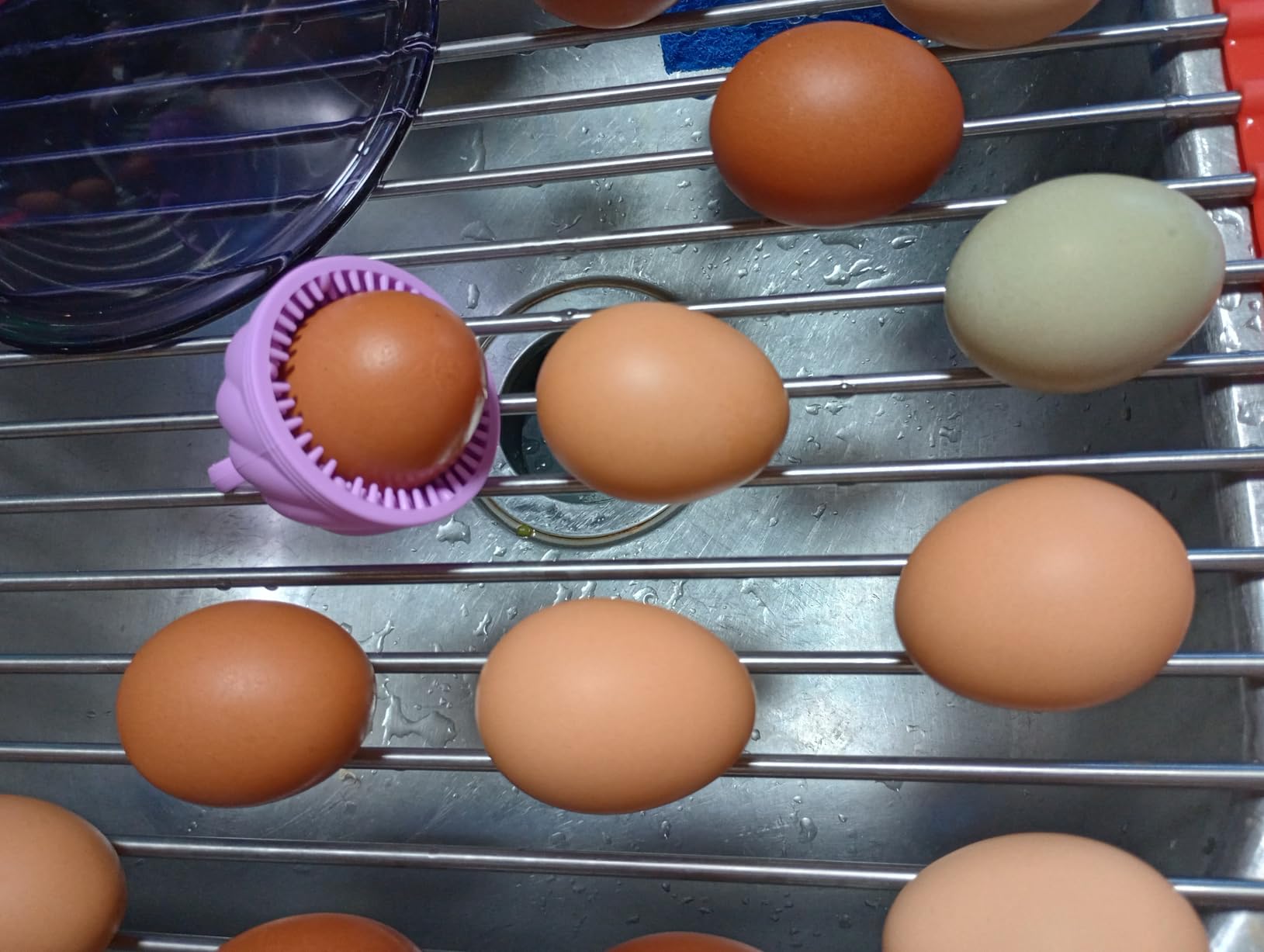
Each scrubber has a hanging ring at the top that doubles as a grip aid. I hang one by the sink and keep the other in the coop for field cleaning. Having two means I always have a clean one ready while the other goes through the dishwasher cycle.
The food-grade silicone is dishwasher safe and has held up well to daily use. After six weeks I see no signs of the bristles flattening or tearing. The wave-textured exterior provides a no-slip grip even when your hands are wet and soapy.
The main weakness is size fit. These scrubbers are designed for standard 1.5 to 2.2-ounce eggs, and smaller pullet eggs can slip right through the cavity. If your flock includes younger hens just starting to lay, you may need a different tool for those first small eggs.
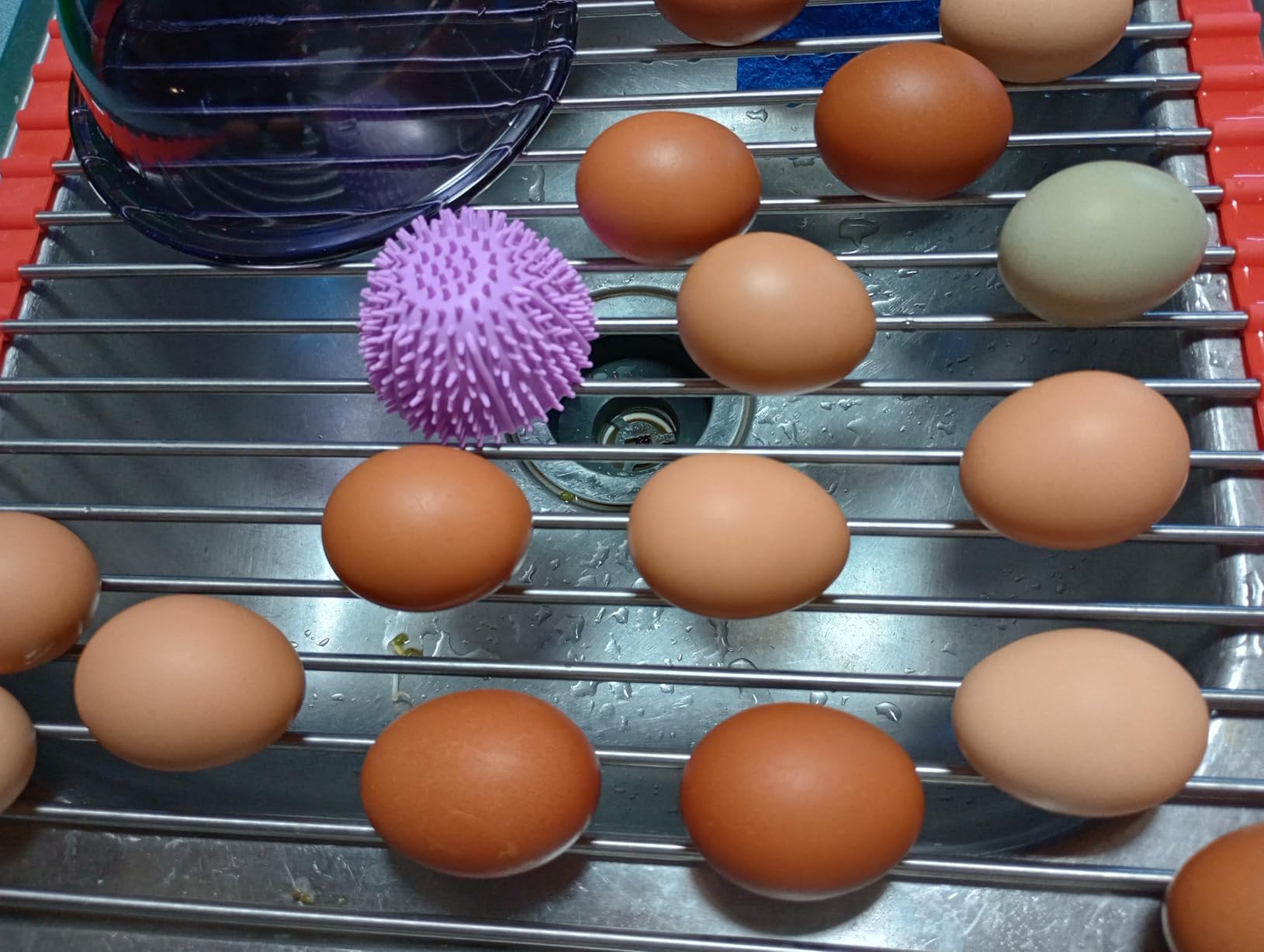
Egg Sizes That Fit Best
These scrubbers are optimized for medium to large eggs in the 1.5 to 2.2-ounce range. Standard chicken eggs from breeds like Sussex, Orpington, and ISA Browns fit perfectly. The bristles make full contact with the shell for efficient cleaning.
Jumbo eggs and duck eggs are a tight squeeze but doable with gentle pressure. Bantam eggs and early pullet eggs are too small for the cavity design and may fall through. For those, consider a handheld brush like the Lumkew that wraps around any size.
Are Two Scrubbers Necessary
I initially thought the second scrubber was just a marketing gimmick, but having two has proven genuinely useful. I keep one at the kitchen sink for final cleaning and one at the coop for a pre-wash before bringing eggs inside. This prevents cross-contamination between the dirty coop environment and my food prep area.
Even if you only need one, having a backup means you are never caught without a clean tool while one is in the dishwasher. At this price point, the second scrubber is essentially free compared to buying the GoodEgg brush at triple the cost.
7. Lumkew Egg Washer Cleaner Brush – Best Traditional Brush Design
Lumkew Egg Washer Cleaner for Fresh Eggs, Egg Wash and Brush Scrubber, 1pcs
Soft nylon bristles
Standing drain design
Universal egg fit
Ergonomic handle
Pros
- Soft bristles protect shells
- Ergonomic grip with raised dots
- Fits all egg sizes
- Standing design drains and dries
- Cute character design
Cons
- May need multiple passes for dirty eggs
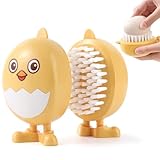
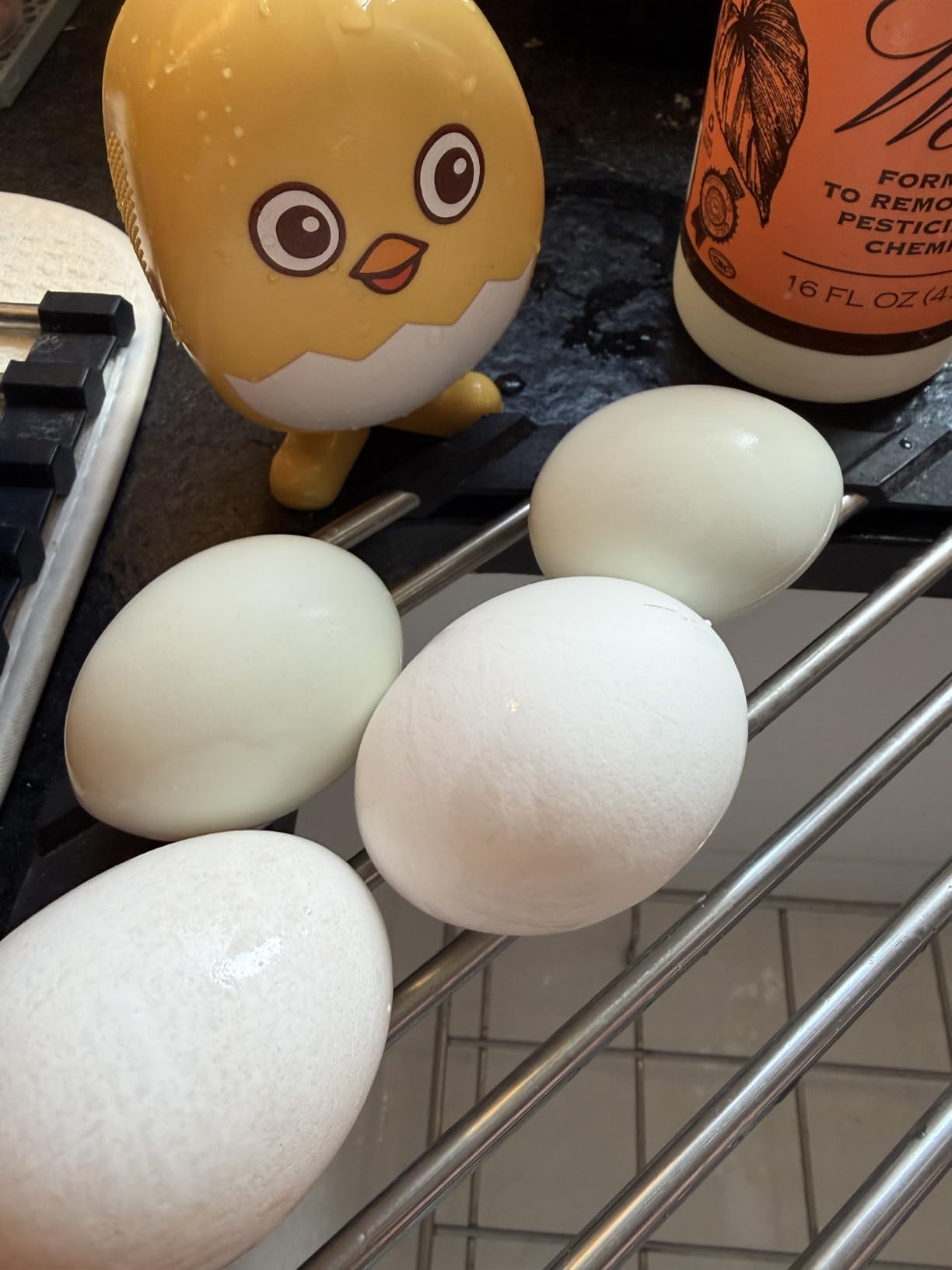
The Lumkew Egg Washer Brush takes the classic handheld approach rather than the silicone cup design. Soft nylon bristles mounted on an ergonomic handle give you precise control over pressure and angle, which some keepers prefer over the cup-style brushes.
I found this brush particularly good for eggs with localized dirty spots. Instead of cleaning the entire egg, you can target just the soiled area and leave the clean sections untouched. That selective approach helps preserve the protective bloom on the rest of the shell.
The semi-wrapped oval design fits all egg sizes from small pullet eggs up to jumbo. This is where the Lumkew has an advantage over the cup-style silicone brushes, which require size matching. If your flock lays a range of sizes, one brush handles them all.
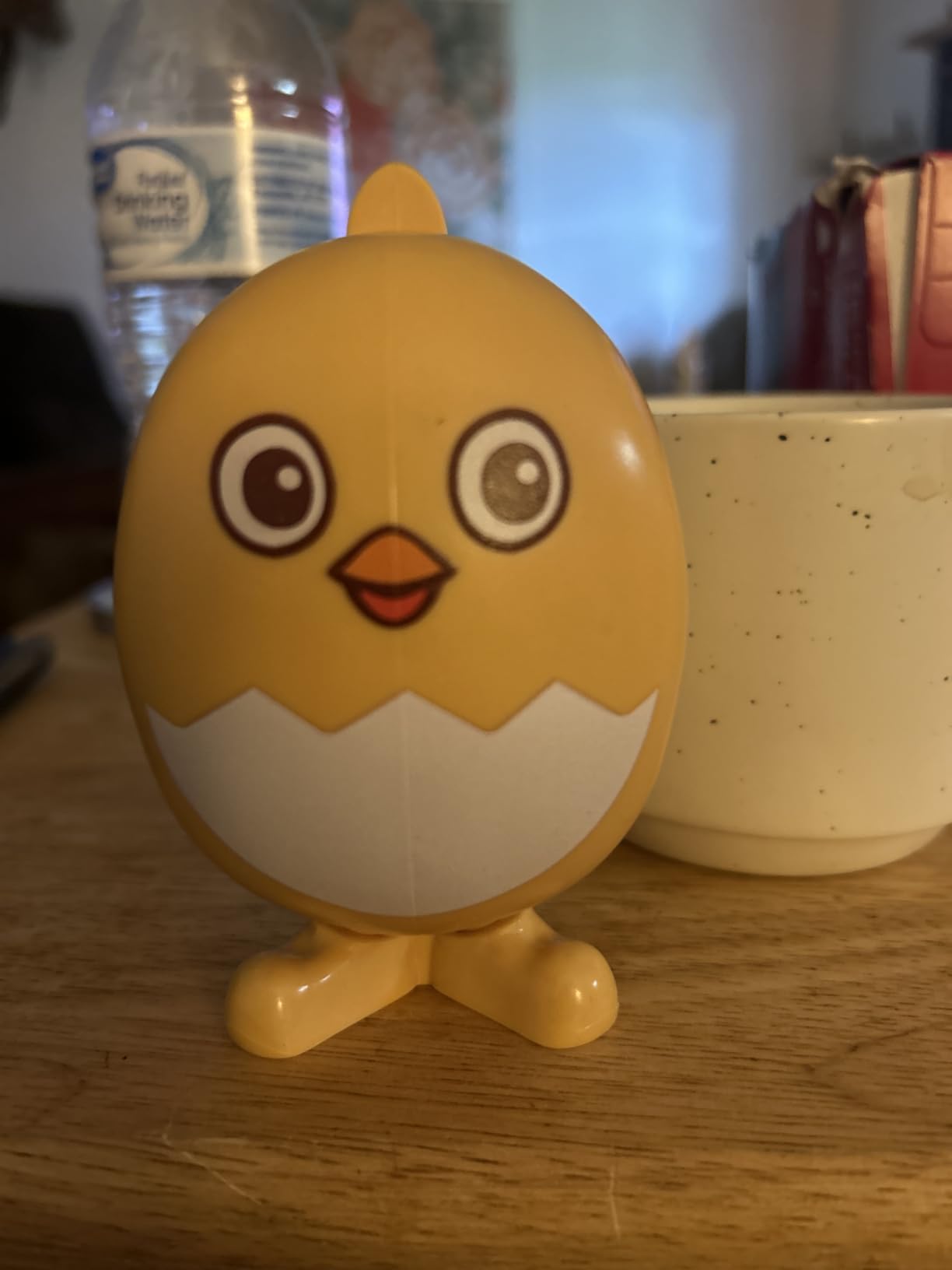
The character design with its cheerful face and little feet is a genuine mood lifter during the daily egg routine. The feet are not just decorative, either. They allow the brush to stand upright on the counter so the bristles drain and dry between uses, which prevents bacterial growth.
The handle features raised dots that enhance grip even with wet, soapy hands. I never felt the brush slip during testing. The ergonomic curve fits naturally in the palm and reduces hand fatigue when processing larger batches of eggs.
The one limitation is that heavily soiled eggs may require multiple passes. The soft bristles prioritize gentleness over scrubbing power, which is the right trade-off for protecting shells but means stubborn debris takes a bit longer to remove.
Bristle Durability Over Time
After two months of daily use the bristles show minimal wear. The nylon is soft enough to protect shells but resilient enough to spring back after each use. I expect this brush to last at least a full laying season with daily use before needing replacement.
To extend the life of the bristles, avoid pressing too hard. Let the bristle tips do the work rather than mashing them flat against the shell. A light touch cleans effectively while preserving the bristle integrity for the long haul.
Standing and Drying Design
The standing feature is more important than it sounds. Traditional brushes that lay flat on the counter trap moisture against the bristles, creating an ideal environment for bacteria. The Lumkew’s feet keep the bristles elevated so air circulates freely around them.
I keep mine standing next to the soap dispenser on a small drain tray. The bristles are completely dry within an hour, even in humid weather. That fast drying is a genuine hygiene advantage over brushes that stay damp for hours.
8. MOSOPHY Silicone Dinosaur Egg Washer – Best Budget Option
MOSOPHY Silicone Egg Washer – Cute Dinosaur Egg Cleaner for Fresh Eggs, Fruits & Veggies, Ideal for Homesteaders, Backyard Chickens & Egg Collectors
Dinosaur-shaped silicone
Food-safe material
Multi-use
Ergonomic grip
Pros
- Fun dinosaur design
- Food-safe silicone
- Versatile for eggs and produce
- Affordable price point
- Ergonomic handle
Cons
- Wavy shape tricky for some eggs
- Not dishwasher safe per some users
The MOSOPHY Dinosaur Egg Washer proves that effective egg cleaning does not require spending much money. At under seven dollars, this food-safe silicone brush handles daily egg cleaning with a playful dinosaur shape that makes the chore feel less tedious.
I added this to my testing lineup as the budget representative, and I was pleasantly surprised by how well it performs. The silicone body has enough flexibility to conform to the egg’s curve while maintaining enough structure for effective scrubbing. It removes fresh dirt and debris with a gentle rotation under running water.
The ergonomic handle provides a comfortable grip that works for both large and small hands. The dinosaur shape is not just for looks; the ridged back gives you extra scrubbing texture where you need it most. My kids actually argue over who gets to clean the eggs now.
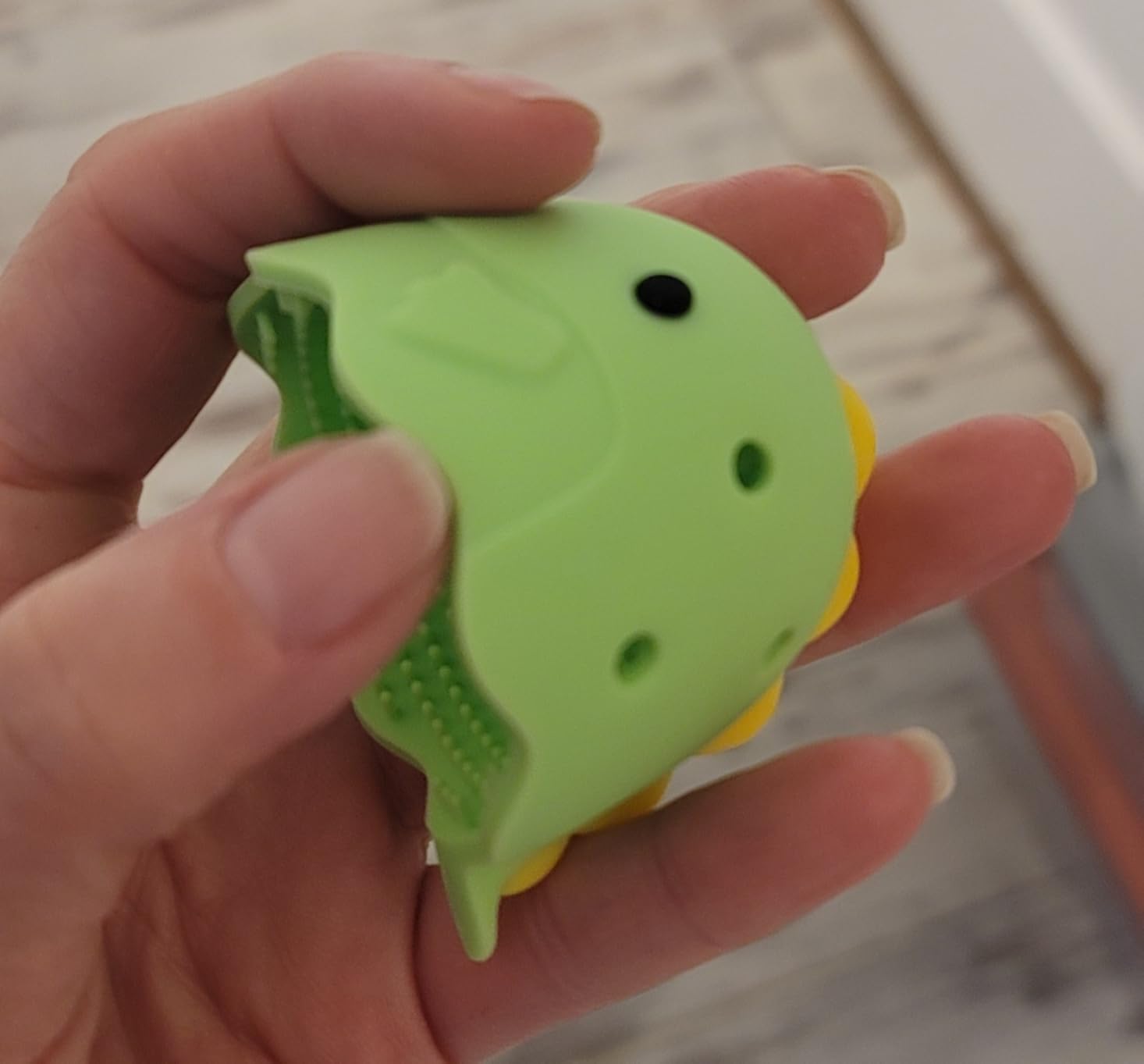
This brush is marketed as multi-functional, and I can confirm it works on fruits and vegetables too. I have used it on potatoes, apples, and tomatoes with good results. The food-safe silicone does not scratch delicate produce skins while still removing dirt effectively.
The wavy body design takes some getting used to. Unlike the cup-shaped brushes that fully enclose the egg, this one is more of a paddle shape. You hold the egg in one hand and scrub with the other, which works fine but requires a different technique than the enclosed designs.
Versatility Beyond Eggs
The multi-use capability makes this the most versatile budget option on our list. Beyond farm eggs, it handles farmers market produce, garden vegetables, and even delicate fruit like peaches. If you want one tool for kitchen cleaning rather than a dedicated egg-only device, this is a smart choice.
I keep mine in a drawer by the kitchen sink and reach for it throughout the day for various cleaning tasks. At this price, buying a second one for the coop is entirely reasonable if you want to keep your egg cleaning separate from produce washing.
Grip and Handling
The dinosaur handle is shaped to fit naturally in the palm, and the silicone has enough texture to prevent slipping. Even with wet, soapy hands I maintained a secure grip throughout the cleaning process. The lightweight design means your hand does not fatigue even after cleaning a full basket of eggs.
Some users reported that the brush is not dishwasher safe, so hand washing is recommended. I rinse mine under hot water after each use and give it a deeper clean with soap once a week. The silicone does not stain or hold odors in my experience.
9. Rite Farm Products Egg Scrubbing Brush – Best Classic Palm Design
RITE FARM PRODUCTS Egg SCRUBBING Scrubber Brush Washing WASH Chicken Poultry
Palm-sized brush
Medium-firm bristles
Reusable design
4 oz weight
Pros
- Palm-sized comfortable grip
- Bristles gentle on shells
- Effective debris removal
- Durable reusable construction
Cons
- Bristles may flatten over time
- Not ideal for duck eggs
- Reports of rapid wear
The Rite Farm Egg Scrubbing Brush is the old-school choice that many experienced poultry keepers grew up using. This palm-sized brush with medium-firm bristles is a no-nonsense tool that does one job and does it well.
I included this in my testing because I wanted to see how a traditional brush compares to the newer silicone designs. The answer is that it works perfectly fine for everyday cleaning, though it lacks some of the conveniences of silicone. The bristles are firm enough to remove debris but soft enough to avoid cracking shells when used with normal pressure.
The palm design fits comfortably in your hand and gives you excellent control. You cup the brush in your palm and rotate the egg against the bristle surface under running water. This is the technique most chicken keepers learned before silicone brushes existed, and it remains effective.
The round shape and compact size make this brush easy to store and transport. I toss mine in my egg collection basket so it is always at hand when I find a dirty egg during collection. At four ounces, it adds no noticeable weight to your gear.
The main concern is durability. Several long-term users report that the bristles flatten with heavy use, particularly if you press too hard. I noticed slight flattening after about three months of daily use, though the brush remained functional. This is a disposable-price tool, so replacement is not a financial burden.
How Often to Replace
With daily use on a flock of 10 to 15 hens, expect this brush to last roughly four to six months before the bristles lose their effectiveness. Lighter use extends the life considerably. If you only clean a few eggs a day, a single brush could easily last a full year.
The affordable price point makes replacement painless. I keep a spare in my supplies so I can swap immediately when the current one wears out. Some keepers rotate between two brushes to extend the life of each by giving the bristles time to recover between uses.
Best Suited Flock Size
This brush is ideal for small to medium flocks where you are cleaning a dozen or fewer eggs per day. The palm technique is efficient for small batches but becomes tiring if you are processing 30 or more eggs at once. For larger operations, a soak-based system with a silicone brush will save your hands.
If you keep ducks alongside chickens, note that duck eggs have a thicker, more textured shell that can be harder on bristles. The Rite Farm brush may wear faster with regular duck egg use. For duck eggs specifically, I recommend the silicone cup-style brushes instead.
10. Fresh Eggs Daily Egg Wipes – Best No-Rinse Convenience
Fresh Eggs Daily Egg Wipes – Enzyme-Based Egg Cleaner for Backyard Chickens, No Rinse Needed, Natural Enzyme Formula – Natural Cleaning Wipes (2-Pack)
Enzyme-based wipes
2-pack containers
No rinsing needed
Cleans 40 dozen eggs
Pros
- No rinsing required
- One wipe cleans up to 40 dozen eggs
- Natural enzyme formula
- Does not affect bloom
- Convenient grab-and-go format
Cons
- Higher price point
- Wipes can dry out if unsealed
- Not for heavily soiled eggs
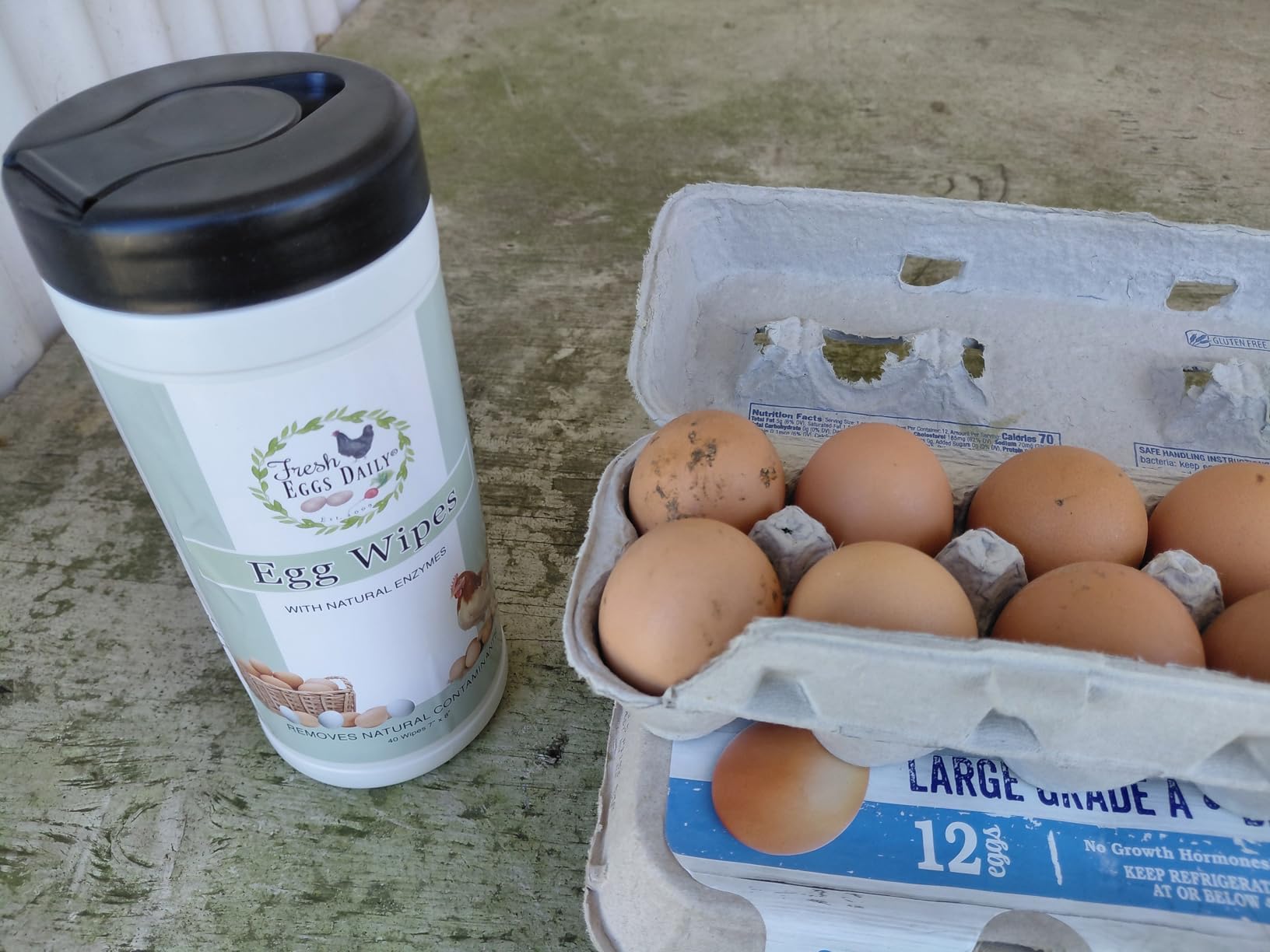
The Fresh Eggs Daily Egg Wipes offer a completely different approach to egg cleaning. Instead of brushes and liquid solutions, you get pre-moistened wipes infused with natural enzymes. Just pull one out, wipe the egg clean, and put it straight into the carton with no rinsing required.
I tested these during a particularly busy month when I was juggling flock care with a demanding work schedule. The convenience factor is real. I could clean a basket of eggs in under two minutes without setting up a wash station, mixing solutions, or dealing with wet hands.
Each container cleans up to 40 dozen eggs, which means one two-pack handles a substantial season of daily collections. The wipes are infused with distilled water and natural enzymes rather than fragrances or additives, so there is no chemical smell transferred to the eggs.
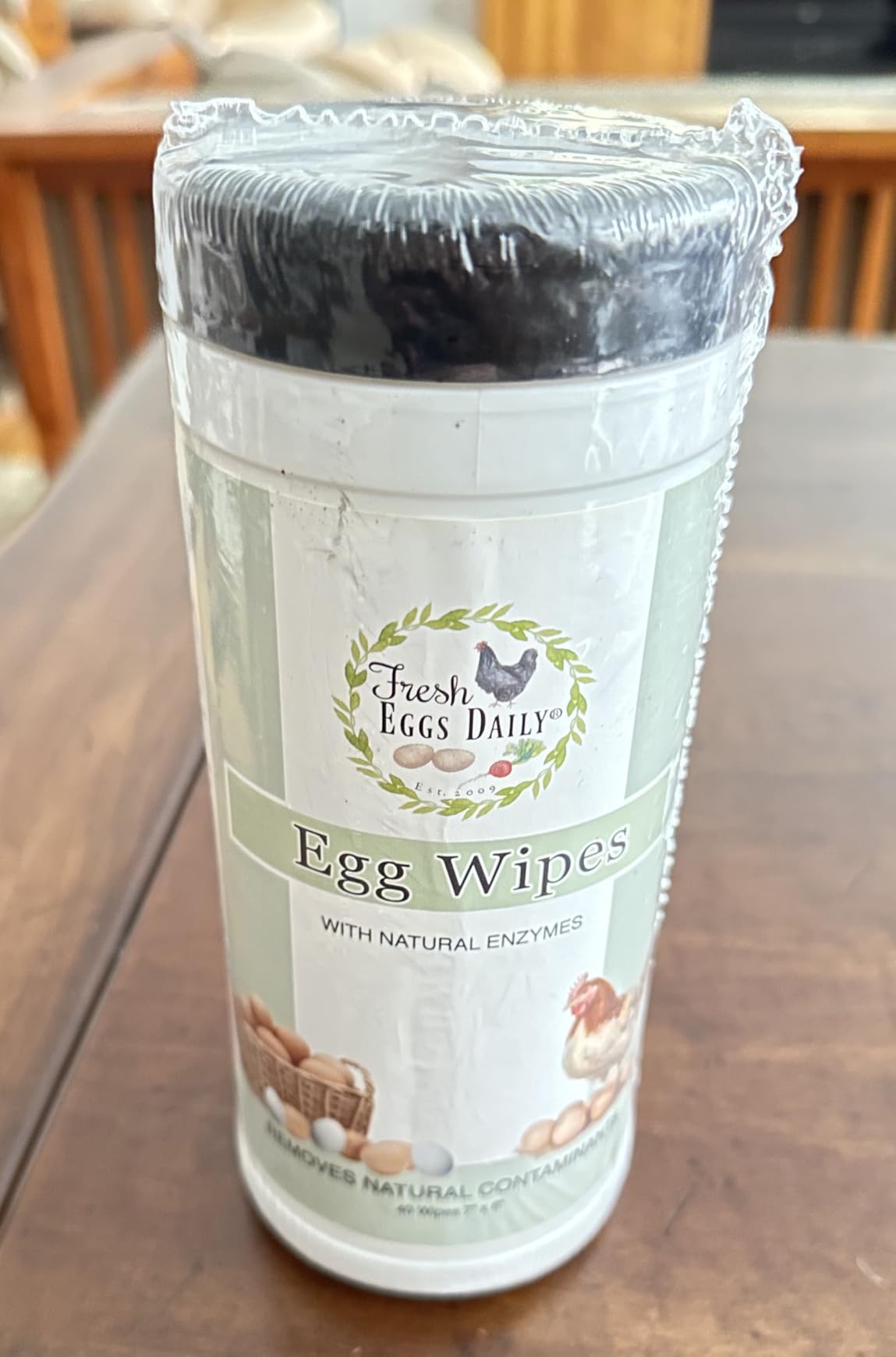
The no-rinse claim held up in testing. After wiping, the eggs dried quickly with no residue or tackiness. The enzyme formula does not penetrate the shell or affect the bloom, which addresses the primary concern many keepers have about washing eggs at all.
I found these wipes especially useful at farmers markets and egg stands where I sell surplus eggs. Customers occasionally return eggs with minor dirt, and having wipes on hand lets me clean them on the spot without a water source. The professional presentation of a clean egg carton matters for direct sales.
The main drawback is the price per egg cleaned, which is higher than liquid washes or reusable brushes. For a small flock where you only clean a few eggs daily, the convenience may justify the cost. For larger operations processing dozens of eggs per day, a liquid enzyme wash is more economical.
When Wipes Beat Liquid
Wipes excel in situations where water is scarce or inconvenient. If you collect eggs in a remote coop without a sink nearby, a wipe lets you clean them on the spot before storing. They are also perfect for travel, camping, or selling eggs at markets where a full wash station is not practical.
For keepers with mobility issues or hand strength limitations, wipes require less physical effort than scrubbing with a brush. A gentle wipe across the shell is all it takes, with no squeezing, rotating, or pressing required.
Keeping Wipes From Drying Out
The most common complaint about any wipe product is that they dry out if the container is not sealed properly. The Fresh Eggs Daily containers have a snap-close lid that works well if you press it firmly shut after each use. I have had mine for two months with no drying issues.
If a wipe does start to feel dry, a few drops of distilled water in the container can revive it. Do not add tap water, which can introduce bacteria. Store the containers away from direct heat and sunlight to maximize the shelf life of the enzyme solution.
How to Choose the Right Egg Washer for Your Flock?
Finding the best egg washers for backyard chicken keepers means matching the tool to your specific situation. The right choice depends on your flock size, how dirty your eggs typically get, your budget, and your personal philosophy on the wash-versus-no-wash debate. Let me walk you through the key factors.
Understanding the Bloom Debate
Every freshly laid egg comes coated with a thin, invisible layer called the bloom, or cuticle. This natural protective coating seals the thousands of microscopic pores in the shell and prevents bacteria from penetrating the egg. Many experienced keepers argue that unwashed eggs stored at room temperature are actually safer than washed eggs stored improperly.
The bloom debate is real and worth understanding. If your eggs come out of the nest box looking clean, the best practice is to dry-brush off any flecks of bedding and leave the bloom intact. Reserve washing for eggs that are visibly soiled with fecal matter, mud, or blood spots. This selective approach preserves protection on clean eggs while addressing food safety on dirty ones.
USDA Temperature Guidelines
If you do wash eggs, temperature matters enormously. The USDA recommends using wash water that is at least 90 degrees Fahrenheit and at least 20 degrees warmer than the egg itself. This temperature differential means the contents of the egg expand slightly during washing, pushing outward through the pores rather than drawing bacteria inward.
Cold water is dangerous because it causes the egg contents to contract, creating a vacuum effect that can pull contaminated wash water through the shell pores. Never wash eggs in cold water, no matter which cleaning product or tool you use. This single guideline prevents more food safety problems than any product choice.
Matching Product Type to Your Flock
For small flocks of three to six hens producing a few eggs daily, a silicone brush or a foaming spray is usually sufficient. The daily volume is low enough that the per-egg convenience matters more than bulk processing speed. The GoodEgg Original Brush or the GoodEgg Foaming Spray are excellent choices here.
Medium flocks of 10 to 20 hens benefit from an enzyme wash concentrate paired with a scrubbing tool. You can batch-soak a dozen eggs at once while the enzymes do the work, then do a quick brush pass and rinse. The CareFree Enzymes or Manna Pro concentrates are ideal for this scale.
Large flocks and small farm operations producing 30 or more eggs daily should consider bulk solutions like the Clean Republic gallon-size sanitizer. The fast 30-second action and multi-surface sanitizing capability make it efficient for high-volume processing. The Fresh Eggs Daily wipes are also handy for on-the-go cleaning at this scale.
Proper Egg Washing Technique in Five Steps
First, inspect each egg and separate the clean ones from the soiled ones. Clean eggs do not need washing and retain their protective bloom. Second, prepare your wash water at 90 degrees or warmer, adding your chosen enzyme wash or sanitizer at the recommended dilution.
Third, soak or spray the soiled eggs according to your product instructions. Use a silicone brush or soft bristle brush to gently remove loosened debris. Fourth, rinse each egg under running water that is also warm, never cold. Fifth, dry the eggs completely before storing them in a clean carton in the refrigerator.
Never submerge eggs in cold water, never use abrasive scrubbers that can damage the shell, and never wash eggs and then store them at room temperature. Once the bloom is removed, the egg needs refrigeration to stay safe. These simple rules will keep your flock’s eggs safe and beautiful from coop to kitchen.
Frequently Asked Questions
What is the best egg washer?
The CareFree Enzymes Egg Washer is our top pick for backyard chicken keepers. Its plant-based enzyme formula has been trusted for over 30 years, safely removes dirt and fecal matter without harsh chemicals, and one 33.9-ounce bottle cleans hundreds of eggs. For a brush option, the GoodEgg Original Egg Brush with 650-plus silicone nubs is our best value choice.
What is the best method for washing chicken eggs?
The best method is to soak or spray soiled eggs with a warm enzyme solution, gently scrub with a soft silicone brush, rinse under warm running water, and dry completely before refrigerating. Always use water that is at least 90 degrees Fahrenheit and at least 20 degrees warmer than the egg. Never use cold water, which can pull bacteria through the shell pores.
What is the USDA recommendation on egg washing?
The USDA recommends washing eggs with water that is at least 90 degrees Fahrenheit and at least 20 degrees warmer than the egg itself. This temperature differential causes the egg contents to expand slightly, preventing bacteria from being drawn inward. Cold water washing is dangerous because it creates a vacuum effect that can pull contaminated water through the porous shell.
Is an egg washer worth the investment?
For backyard keepers with small flocks, a simple silicone brush under five to twenty dollars is usually sufficient. For medium flocks producing 10-plus dirty eggs daily, an enzyme wash concentrate that cleans hundreds of eggs per bottle easily pays for itself in time saved. Electric and pneumatic washers costing hundreds or thousands of dollars are only worth it for commercial-scale operations.
Should you wash fresh eggs or leave the bloom on?
Freshly laid eggs have a protective coating called the bloom that seals the shell pores and prevents bacteria from entering. If eggs are clean, it is best to leave the bloom intact and store them unwashed. Only wash eggs that are visibly soiled, and always use warm water above 90 degrees Fahrenheit. Once washed, eggs must be refrigerated because the protective bloom has been removed.
Final Thoughts on Egg Washers for Backyard Chicken Keepers
Finding the right egg cleaning system transforms a daily chore into a quick, satisfying routine. For most backyard chicken keepers in 2026, the combination of a trusted enzyme wash and a quality silicone brush covers every situation you will encounter.
Our top recommendation remains the CareFree Enzymes Egg Washer for its 30-year track record, natural ingredients, and sheer economy. Pair it with the GoodEgg Original Egg Brush and you have a complete system for under fifty dollars that will last an entire laying season and beyond.
If budget is your priority, the MOSOPHY Dinosaur brush and the DoID Tag two-pack deliver excellent cleaning at a fraction of the cost. And for maximum convenience, the Fresh Eggs Daily wipes make egg cleaning effortless on busy mornings. Whichever you choose, remember the golden rules: warm water above 90 degrees, gentle pressure, and refrigerate after washing.