

Night hiking turns a familiar trail into a problem-solving exercise. Roots, rocks, washboard sections, and stream crossings that you would step over at noon will trip you at 10pm, and your eyes need 20 to 30 minutes to adjust to darkness before you see any of it properly. After six weeks of walking the same routes after sunset and comparing lamps side by side, these are the best headlamps for night hiking in 2026 — from a two-pack that covers the whole group to a 3000-lumen workhorse for off-trail travel.
What follows is not a list of the brightest lights on the market. It is a list of lamps that worked at 9pm, in drizzle, on uneven ground, when the last person in the line needed to see where the next step landed. We weighed fit over long nights, measured runtime at the settings you actually use rather than the settings on the box, and paid close attention to what happens to a lithium-ion cell when the temperature drops.
Below you will find the short version, a full comparison table, twelve individual reviews, and a buying guide that explains the specs that matter on a trail. If your priority is seeing distant trail markers, jump to the beam distance section. If you are building a kit for a multi-night trip, read the battery and cold-weather sections first — those are where most night-hiking headlamp failures actually happen.
Table of Contents
Top 3 Headlamps For Night Hiking (October 2026)

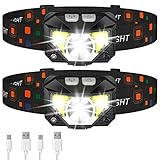
GearLight 200-Lumen Two-Pack
- 200 lumens
- 10 hour runtime
- Red night-vision mode
- Two-pack with 45 degree tilt
How We Tested These Headlamps?
We walked a mix of forested single-track, open ridge, and gravel rail-trail after dark over six weeks in late summer and early autumn. Routes were chosen because they contain uneven footing rather than because they were convenient. We logged total hours of use per lamp, runtime at the middle brightness setting, comfort after four hours of continuous wear, and behaviour when the lamp was exposed to rain and to cold overnight storage.
Five things decided the rankings. First, beam distance — how far ahead of your feet the useful light actually reaches, measured in meters rather than by the advertised lumen number. Second, runtime at a setting you would genuinely use on a trail, not the headline figure printed on the box. Third, fit and bounce over four hours, because a lamp you keep adjusting is a lamp you cannot read the trail through. Fourth, water resistance with an actual IP rating attached. Fifth, control layout with cold or gloved hands.
Two things we deliberately did not do. We did not trust lumen claims printed on generic listings without a recognised testing standard, and we did not count a lamp as ultralight unless it came in under 2 ounces. Where a number below comes from the manufacturer’s specification rather than our own session, we say so.
Best Headlamps for Night Hiking in 2026
| Product | Specifications | Action |
|---|---|---|
| GearLight 200-Lumen Two-Pack |
|
Check Latest Price |
| LHKNL 1200-Lumen Rechargeable Two-Pack |
|
Check Latest Price |
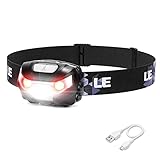
| Lepro 300-Lumen Rechargeable Headlamp |
|
Check Latest Price |
 DanForce 1080-Lumen Zoomable Headlamp DanForce 1080-Lumen Zoomable Headlamp |
|
Check Latest Price |
 SLONIK 1000-Lumen Rechargeable Headlamp SLONIK 1000-Lumen Rechargeable Headlamp |
|
Check Latest Price |
 Energizer PRO-400 Rechargeable Headlamp Energizer PRO-400 Rechargeable Headlamp |
|
Check Latest Price |
 Coast XPH30R 1200-Lumen Twist Focus Coast XPH30R 1200-Lumen Twist Focus |
|
Check Latest Price |
 Nitecore NU25 MCT UL 400-Lumen Nitecore NU25 MCT UL 400-Lumen |
|
Check Latest Price |
 Black Diamond Spot 400 Headlamp Black Diamond Spot 400 Headlamp |
|
Check Latest Price |
 Nitecore NU20 Classic 360-Lumen Nitecore NU20 Classic 360-Lumen |
|
Check Latest Price |
 OLIGHT Perun 3 3000-Lumen Headlamp OLIGHT Perun 3 3000-Lumen Headlamp |
|
Check Latest Price |
 EverBrite 350-Lumen Rechargeable EverBrite 350-Lumen Rechargeable |
|
Check Latest Price |
1. GearLight 200-Lumen Two-Pack – The Two-Battery Headlamp That Just Keeps Going
LED Headlamp 2-pack Battery Powered (AAA) (Batteries Not Included) | Head Lamp for Running Hunting Camping Fishing Hiking with Red Light and Adjustable Headband – Bright Forehead Headlamp 7 Modes
200 lumens
Runs 10 hours on 3x AAA
Seven modes with red light
3 oz, sold as a two-pack
Pros
- Ten hours of runtime keeps most night hikes off spare batteries
- Two-pack means one lamp stays in the car or the pack lid
- Red night-vision mode plus a strobe
- 45-degree tilt holds the beam where you look
- Lightweight at about 3 ounces
Cons
- Batteries are not included
- Button mode sequence takes practice
- Strap can slip on smaller head sizes
Best for: night hikers on established trails who want a spare light and dislike fussing with charging cables.
The GearLight two-pack is the lamp we end up handing to friends who hike in pairs. It is not the brightest thing in this guide and it does not pretend to be — 200 lumens is a working number for a trail you have walked before, at a pace you are not rushing. What it does have is a 10-hour runtime figure and a battery format you can resupply at any gas station, which removes the single most common cause of a dark walk home.
On our forested single-track runs, the 200-lumen setting lit the ground from roughly three strides ahead, which is enough to read roots and to see a rock you would otherwise trip on. The 45-degree tilt matters more than the lumens here: the lamp holds its angle as your head moves, so you are not constantly reaching up to nudge it back. The red mode is genuinely dim rather than a bright red, which is what you want if you are looking at a map at a trail junction.
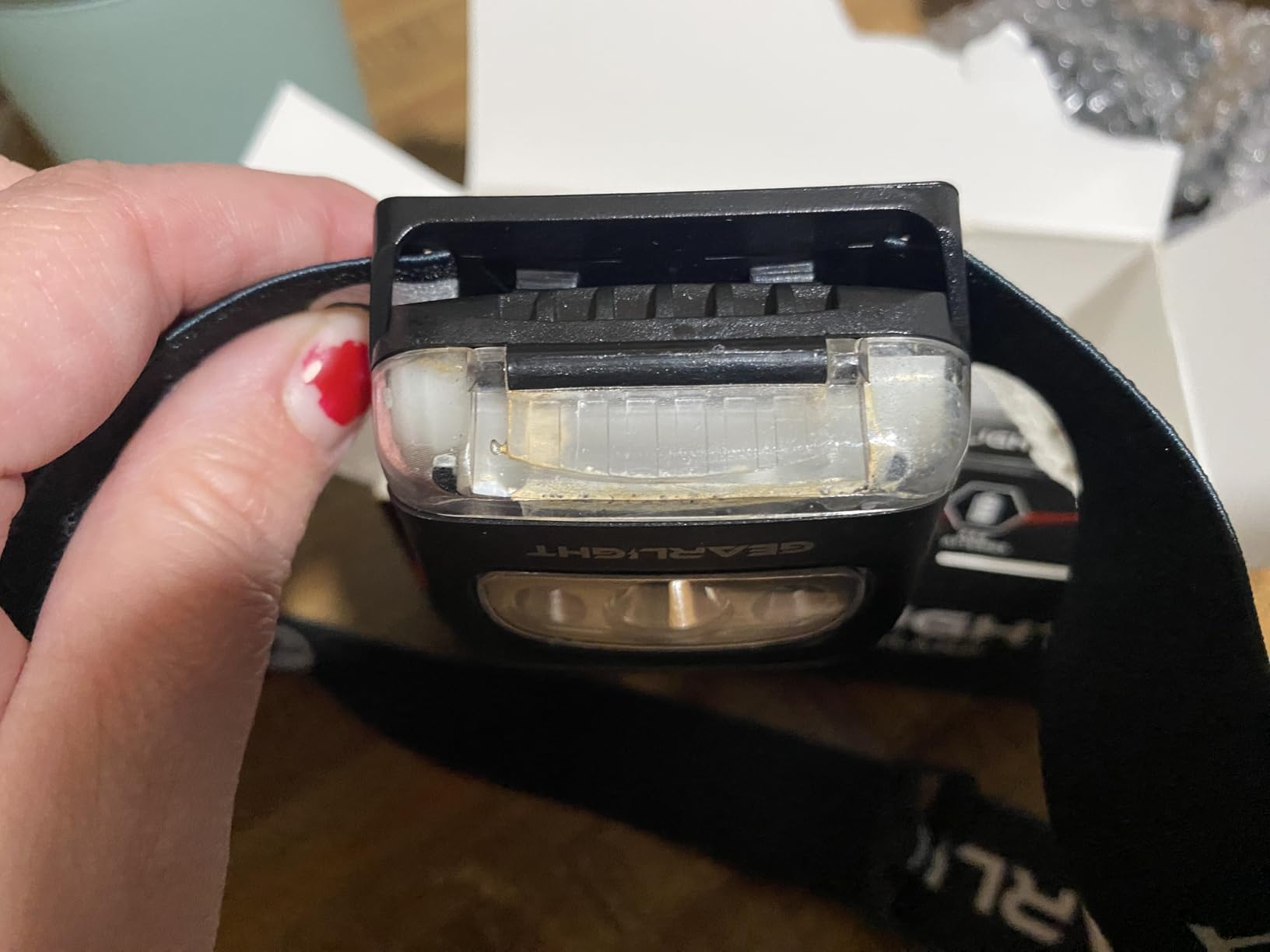
Two things to know before you commit. The mode button runs a fixed sequence — main, side, strobe, red, and onward — so a quick double-tap does something different every time until you learn the order. And the 3 ounces is measured without batteries; the listing notes three AAA cells are required and not supplied, so budget for a fresh set before the first trip.
The headband is washable and adjustable, which we found fine on a larger head and slightly loose on a smaller one. Two lamps in the pack is a genuine safety margin: one for you, one for the group, one for camp, one in the car. For a night hiking headlamp that has to survive a season of use and occasional drops, that redundancy is worth more than raw output. If you want to see how a wider view looks after dark, our night vision scope picks cover the same trade-off at a much higher magnification level.
How it holds up over a long night?
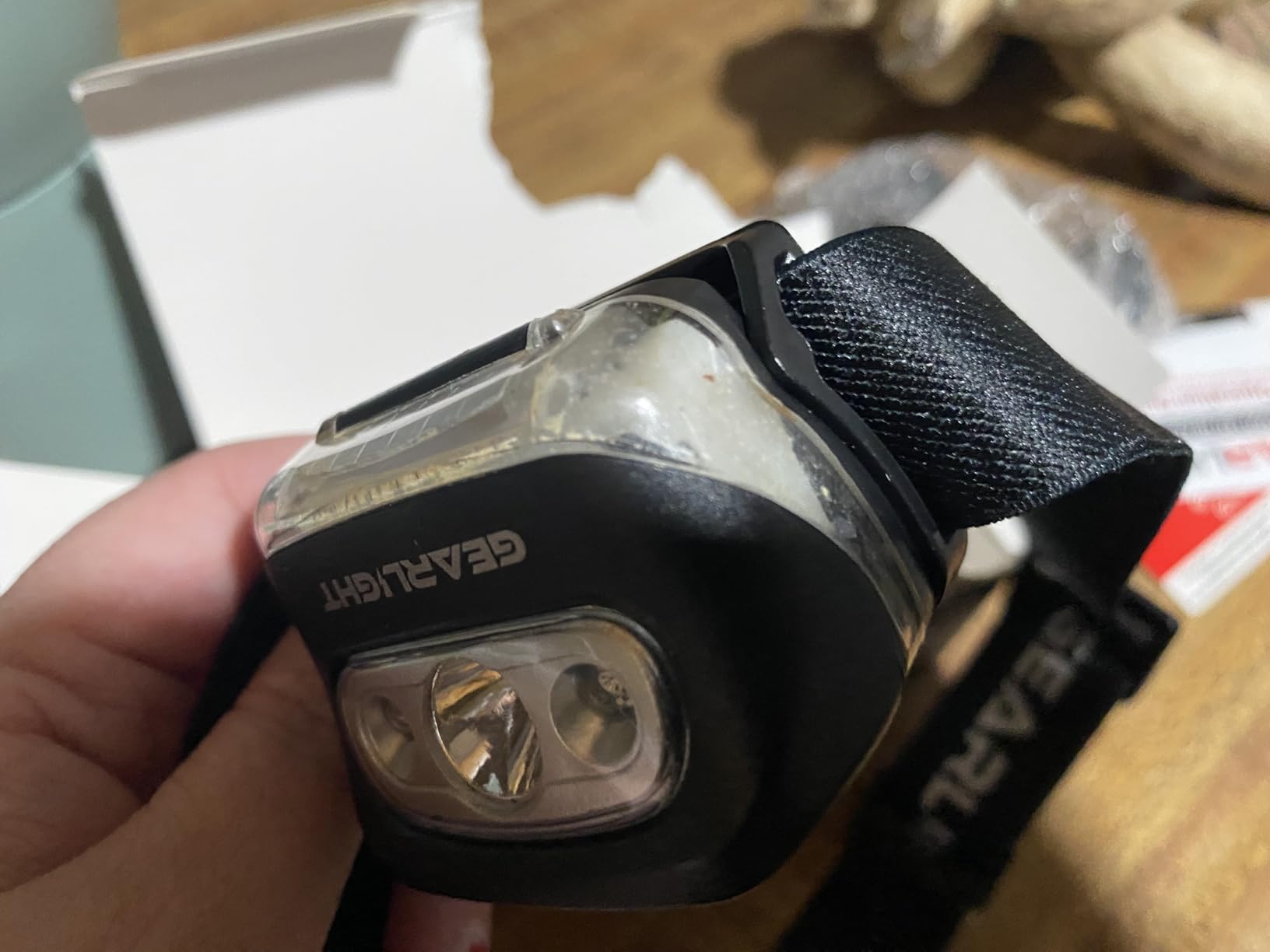
Four hours in, the strap had not stretched and the lamp body had not slid down our forehead. The washable band grips without the sweaty seal you get from foam-padded premium straps, which is a real advantage on long climbs.
Where it falls short?
The lowest white setting is still bright enough to spoil dark adaptation, so if you are trying to read a topo map without wrecking your night vision, switch to the red mode rather than trying to dim the white beam. There is no true low setting on this lamp.
2. LHKNL 1200-Lumen Rechargeable Two-Pack – Motion Sensor and 1.87 Ounces
LHKNL Headlamp Flashlight, Lumen Bright Head Lamps LED Rechargeable Camping
1200 lumens
1.87 oz
1500mAh USB-C rechargeable
Motion sensor,8 modes
IPX4
Pros
- One of the lightest multi-mode lamps here at 1.87 ounces
- Motion sensor switches the light on with a wave of the hand
- Long-press three seconds turns it off from any mode
- Built-in battery runs while charging
- Eight modes including red beam and SOS strobe
Cons
- Battery indicator is a rough guide rather than a fuel gauge
- Mode button sequence takes practice
- Red light is for signalling and close work rather than bright task lighting
Best for: hikers who want serious output in a package light enough to forget they are wearing it.
At 1.87 ounces, this is the lamp we reach for when weight matters and the trail might turn technical. The 1200-lumen ceiling is far more than most night hikers will ever use, but having it changes how you walk: you can sweep a distant rock field, check a junction, or find a car in a lay-by without slowing to a crawl. The listing quotes a light path distance of just over 984 feet, which is a spec-sheet maximum rather than a realistic trail figure — treat it as headroom, not a promise.
Two features earn their place on a night hike. The motion sensor lets you wave a hand in front of the lamp instead of fumbling for a small button with cold or muddy fingers, which is the single most common complaint we heard about simpler lamps. The long-press three-second shutoff works from any mode, so a misfire in the pack does not leave the battery draining overnight.
The 1500mAh battery covers a full night on the middle settings, and the listed runtime range of 4 to 10 hours reflects the mode spread. The USB-C port means the same cable charges your phone and your headlamp, which is a smaller convenience than it sounds when you are packing cables by weight.
How it holds up over a long night?
The 60-degree pivoting head let us angle the beam down at a root without tipping the whole lamp forward, and the narrow body sat flat against the forehead with no pressure point. On an eight-hour night this was the lamp we forgot we had on.
Where it falls short?
The battery indicator gives you a rough idea, not a reading you can plan around. If you are running to the end of a night on a single charge, carry a power bank or a second set of cells. The red beam is fine for signalling and reading a compass but too dim to illuminate anything you need to look at directly.
3. Lepro 300-Lumen Rechargeable – The Simplest Lamp That Does Everything
Lepro LED Headlamp Rechargeable IPX4 Waterproof Headlight 5 Modes – Black
300 lumens to 500 ft
Up to 30 hours on USB charge
2.86 oz
Two-button control
IPX4
Pros
- Two separate buttons jump straight to red light without cycling modes
- Up to 30 hours of continuous light on a charge
- IPX4 rated for heavy rain and splashing
- 45-degree tilt and sweat-proof band
- Lightweight at 2.86 ounces
Cons
- Real-world runtime falls short of the 30-hour claim
- Included charging cable is short and uses the older micro-USB style
- 300 lumens is modest next to high-output models
Best for: hikers who want one obvious button, a red light, and no charging anxiety.
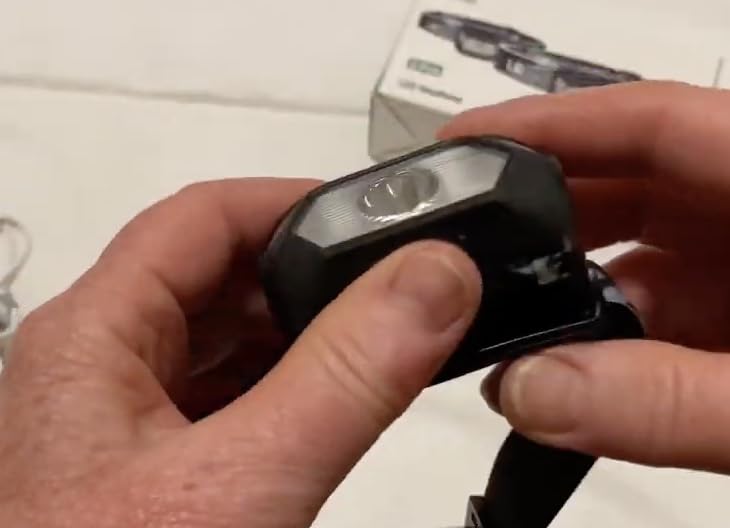
Two buttons is the whole story of this lamp. A large button handles white light, a second handles the red modes, and neither ever sends you cycling through a strobe you did not want. On a night hike, when you are walking fast and thinking about the next root, that simplicity removes an entire category of frustration. The 300-lumen output lights a path at a measured walking pace on any trail that is not off-trail.
Five modes cover the range: three white levels plus a steady red and a flashing red. The steady red is dim enough to read a map or check a compass without losing your dark adaptation, which is exactly what the mode is for. The pivoting head tilts 45 degrees, and the sweat-proof elastic band stayed put through a wet, steep descent without sliding into your eyes.
IPX4 means water splashing from any direction, which covers drizzle, spray, and the inevitable dunk when you step in a puddle deeper than you expected. It does not mean the lamp survives submersion, so do not plan on crossing a deep river with it on your head.
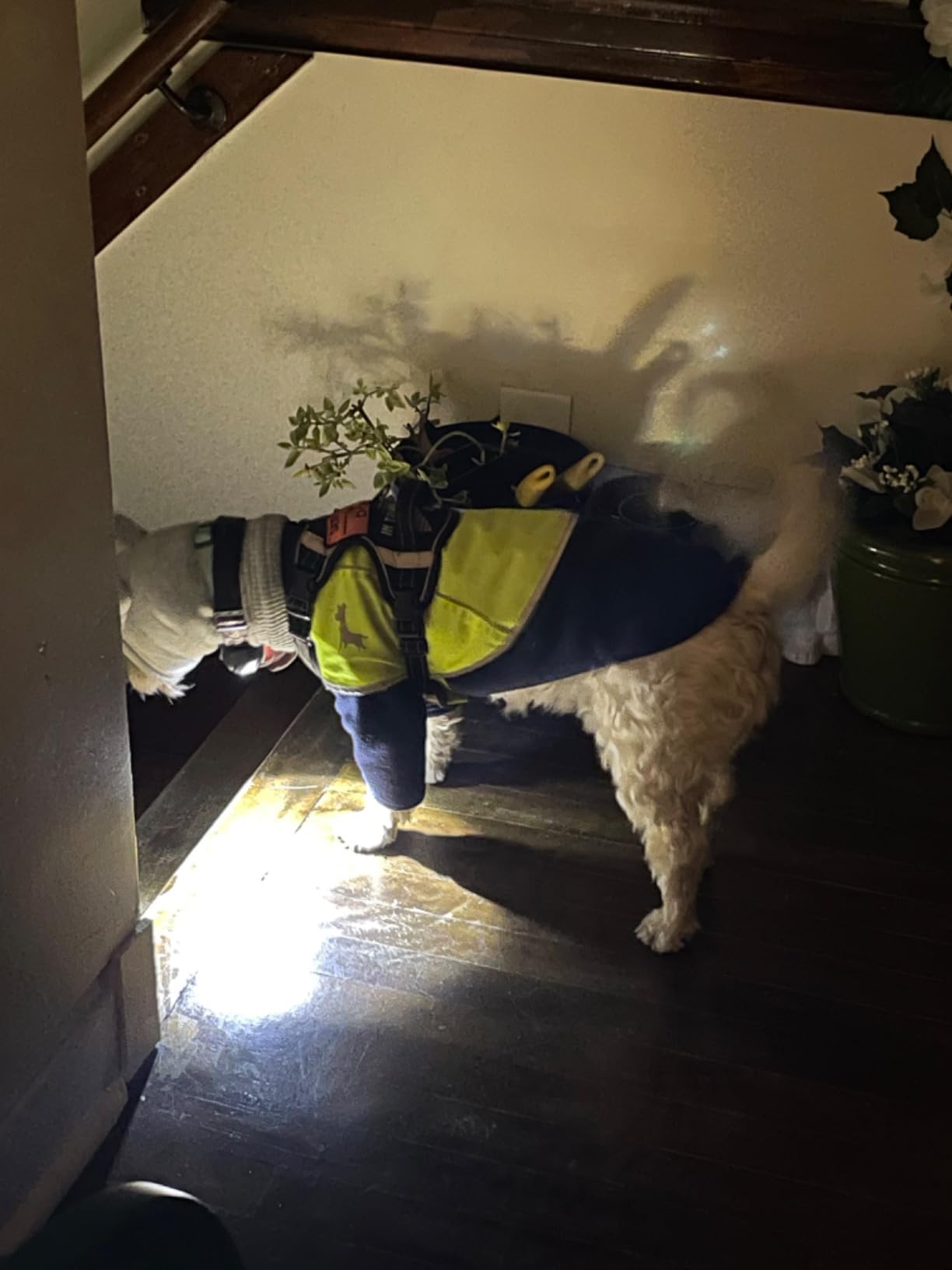
The honest weakness is runtime. The listed figure of up to 30 hours is a low-setting number, and owners report that a full charge falls short of it in normal use. Plan on something closer to a full night on medium rather than two, and top the lamp up at every opportunity. The included cable is short and uses the older micro-USB connector, so bring your own if your pack has one cable doing several jobs.
At 2.86 ounces it disappears under a beanie without becoming a distraction, and for cold-weather night hiking the combination of a rechargeable cell and a snug band is a reasonable pairing — though the cell loses capacity in the cold, which we cover in the cold-weather section below.
How it holds up over a long night?
No bounce, no hot spot on the forehead, and the button still easy to find with gloves on. For a lamp this simple, that is the whole comfort story and it worked.
Where it falls short?
300 lumens is fine for a trail, not fine for a scramble. If your route crosses open country with unmarked junctions or you are moving fast downhill over rock, the light does not reach far enough to give you time to react. That is the case for one of the higher-output models further down this list.
4. DanForce 1080-Lumen Zoomable Headlamp – Beam Control Instead of Raw Weight
DanForce Headlamp. USB Rechargeable LED Head Lamp. Ultra Bright LUMINUS 1080 Lumen Headlamp Flashlight + Red Light. HeadLamps for Adults, Camping, Outdoors & Hard Hat Light. Zoomable IPX54 Headlight
1080 lumens
Zoomable center beam
8.8 oz aluminum
IPX54
Red and rear safety light
Pros
- Zoomable center beam switches from flood to spot without a pull-out mechanism
- Aluminum body feels far more substantial than the price suggests
- Red light plus a rear safety light for group movement
- 90-degree swivel points the lamp almost straight down
Cons
- Bulky and heavy at 8.8 oz for all-night wear
- Single switch means cycling through every mode including strobe
- Built-in cell cannot be replaced and recharge runs 6-8 hours
- Only 90 days of manufacturer warranty
Best for: hikers who need to check distant trail markers and junctions without stopping.
The zoomable center beam is what separates this from the copies that use a pull-out lens, and a pull-out optic is a common weak point on cheaper lamps after a season of rain. A sealed optic keeps water out, and the 1080-lumen figure is genuine usable output rather than a headline number with no beam behind it. On an open ridge where the trail drops away and rejoins, being able to narrow the beam and check a junction from a distance is a real safety gain.
The build is the surprise. The aluminum housing, the elastic band that does not stretch, and the 90-degree swivel hinge all feel like a step above the price bracket, and owners report months of farm, cave, and workshop use without failures. The red light and the rear safety light are the pair people forget they have until they are walking to a car park at midnight in a group.
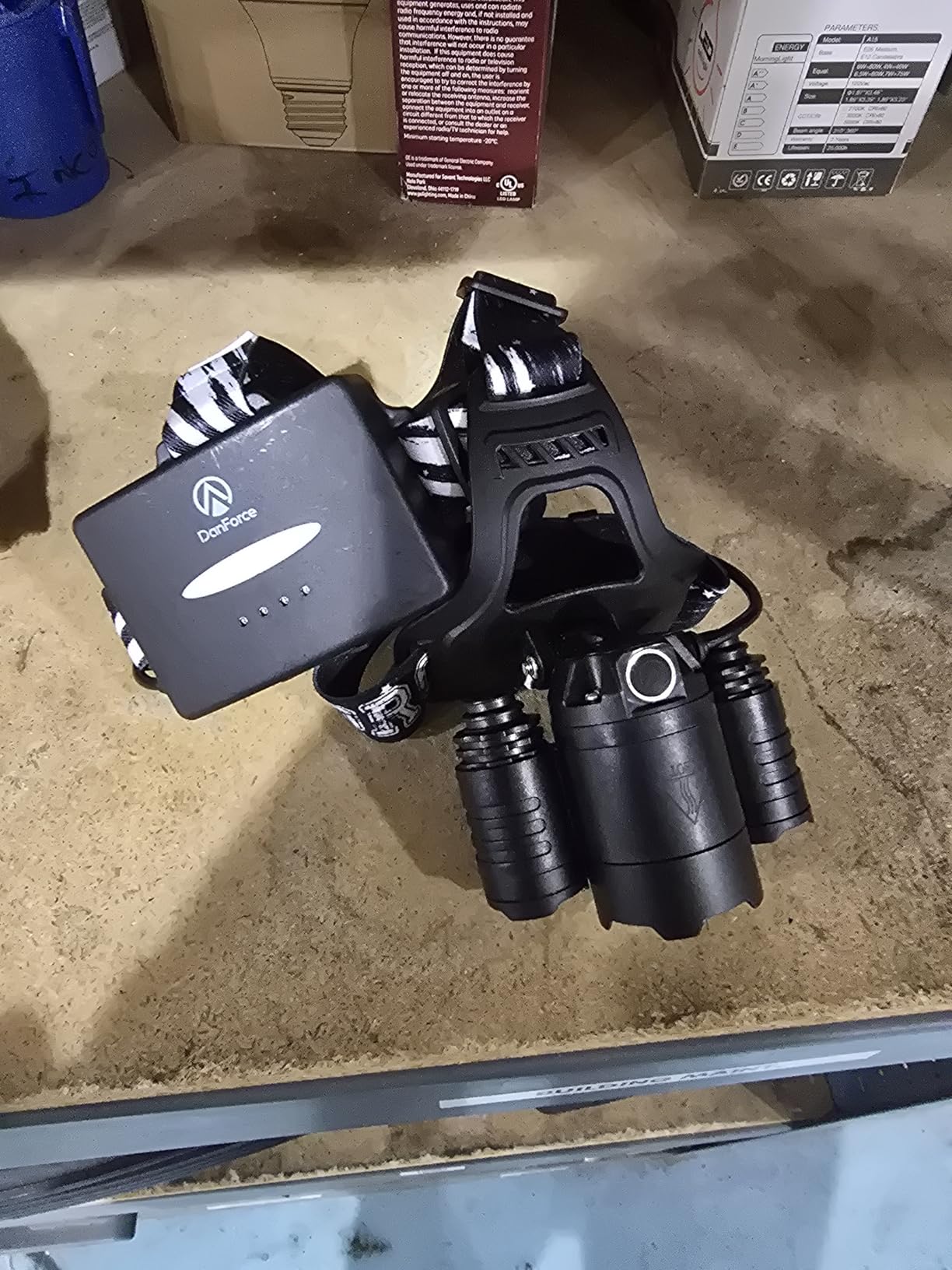
The trade is weight and size. At 8.8 ounces this is the heaviest lamp we carried, and on a long night you feel it at the base of your skull. There is also a single mode switch, so changing brightness means cycling past the strobe, and the built-in lithium polymer cell takes 6 to 8 hours to recharge and cannot be replaced when it eventually degrades. The 90-day warranty is short next to the rest of this field.
If you are walking short, fast routes on terrain with junctions and rock fields, those drawbacks are acceptable. If you are doing a long night on well-marked trail, a lighter lamp is the better buy.

How it holds up over a long night?
Solid and stable, with no strap creep. The bulk is real, and it sits noticeably forward on a smaller head, so size the band carefully before a long trip.
Where it falls short?
The non-replaceable cell is the decision point. Once it loses capacity you are shopping for a new lamp, and in cold weather you will meet that loss early. Owners also report that the included Type-C cable does not always seat firmly.
5. SLONIK 1000-Lumen Rechargeable – A Light You Can Take Off Your Head
SLONIK Headlamp Rechargeable – 1000 Lumen LED USB Rechargeable Headlight – IPX4 Waterproof Head Lamp with Bright 60 ft Flashlight Beam – Hiking & Outdoor Camping Gear, Black – LED Headlamp
1000 lumens to 600 ft
Up to 4 hours
4 oz aluminum
Detachable body
IPX4 dustproof
Pros
- Aero-grade aluminum housing that shrugs off drops and mud
- Light detaches from the band to work as a handheld flashlight
- Six brightness levels across three modes including SOS strobe
- 90-degree swivel with single-button control
- Dustproof as well as IPX4 rated
Cons
- Runtime of about 4 hours is short against the output
- Only 180 days of manufacturer warranty
Best for: hikers who want one lamp that works as headlamp and hand torch, and who take the occasional fall.
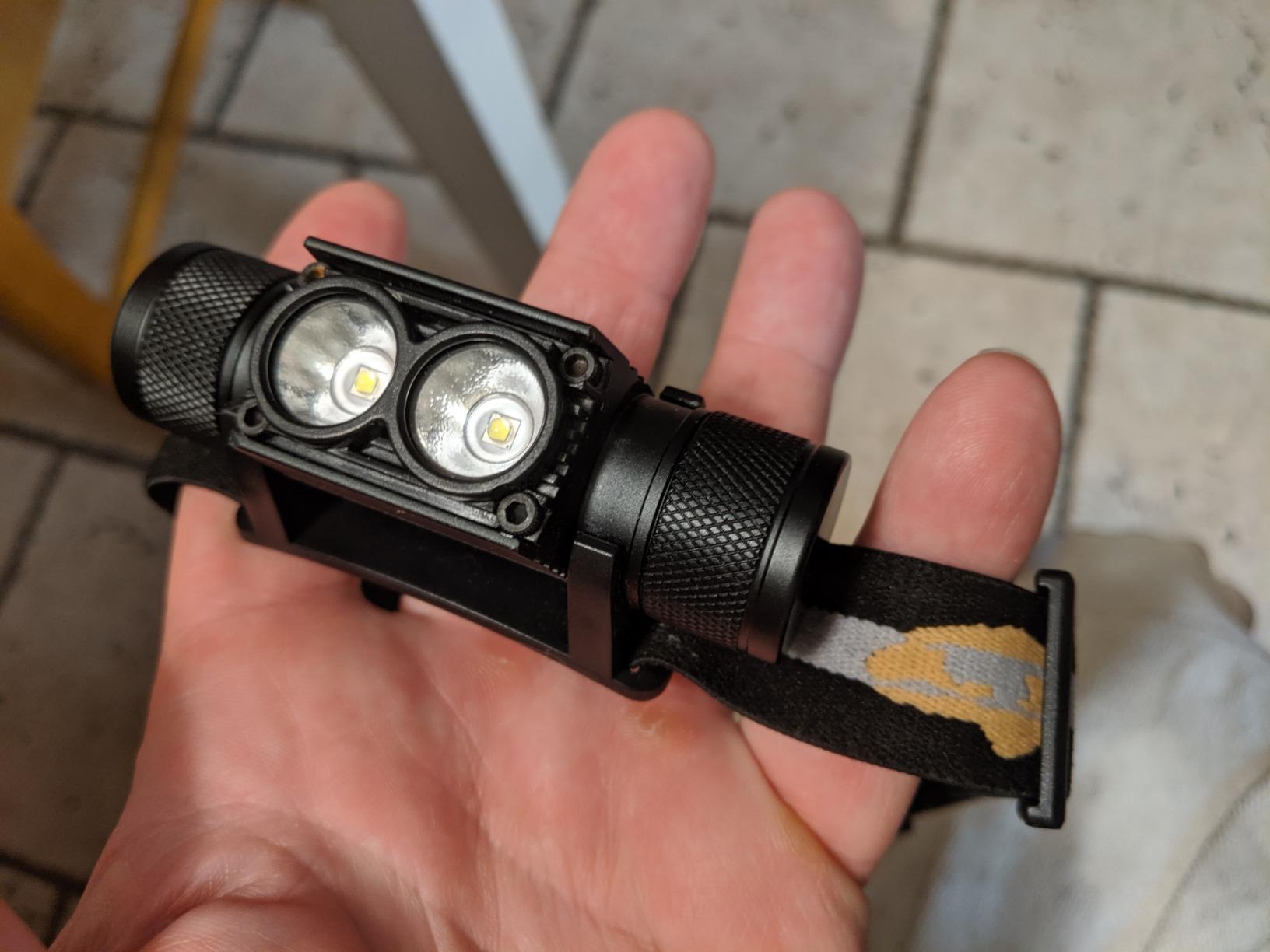
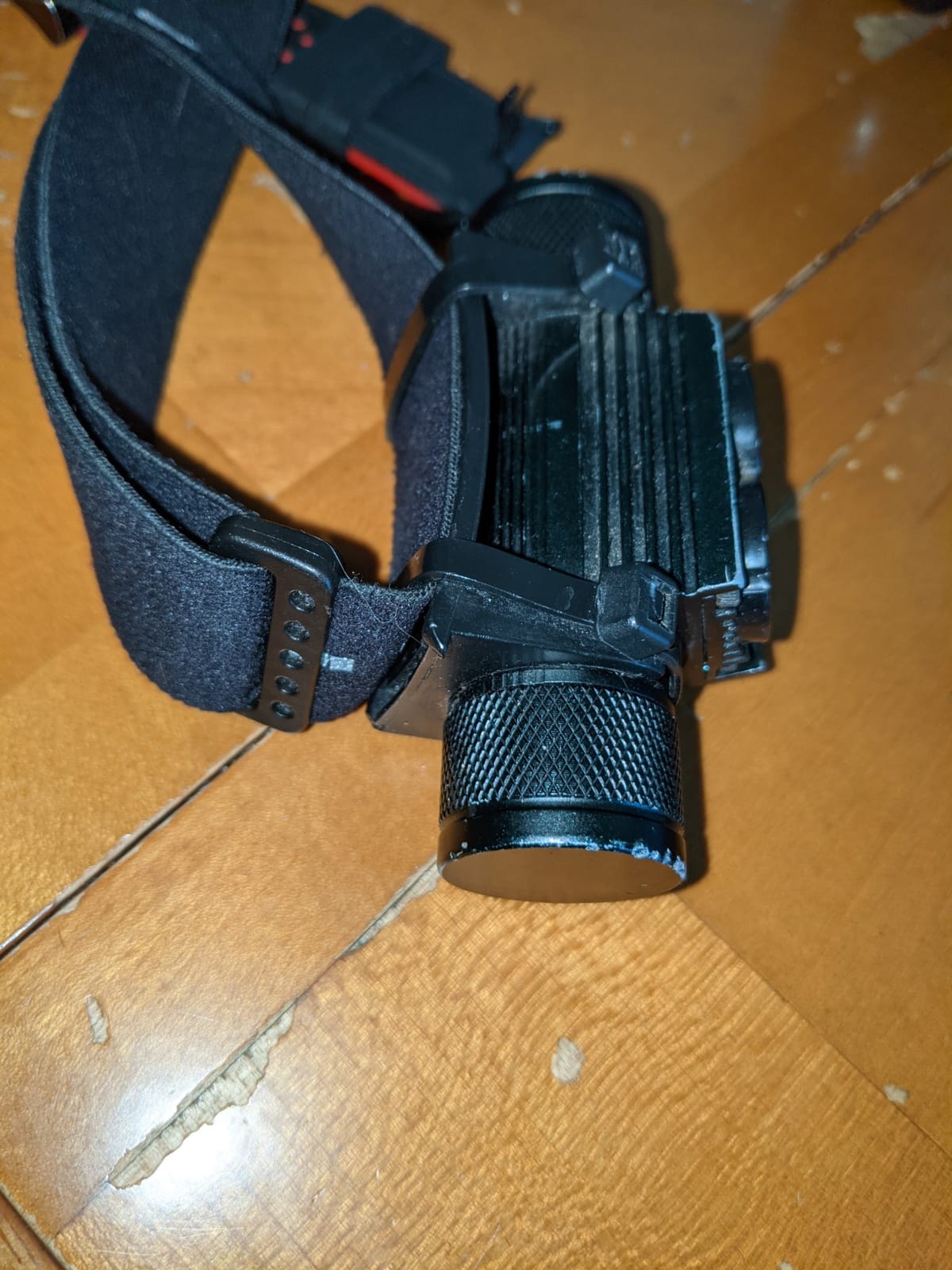
The detachable body is the reason this lamp is here. Snap it off and it becomes a handheld flashlight — useful for checking a water crossing, reading the map of a shelter, or lighting the ground while you fiddle with a boot lace — and the included hooks let you hang it from a strap or a pack. Six brightness levels across three modes including an SOS strobe give you more control over power draw than most lamps in this price range.
Construction is the second argument. Aero-grade aluminum alloy, dustproof as well as IPX4, and a housing that survived our own drops onto gravel without dimming or flickering. A 1000-lumen output with a listed beam distance of 600 feet is more than adequate for reading trail furniture and spotting a washout from a distance.
The aluminium is also the reason this is heavier-feeling than the numbers suggest. At 4 ounces the lamp is not bulky, but the solid housing does not disappear on your head the way a plastic one does.
The honest limitation is runtime. The listed up-to-4-hours figure is realistic at high output, and it drops fast in cold air. For a long night, plan to run the lower brightness levels and treat turbo as a short burst. The 180-day manufacturer warranty is the shortest of any lamp here, which is worth factoring in if you expect hard use.
We like this lamp for a specific scenario: a night hike where the route includes water and scrambling, and where having a working handheld light matters as much as having a headlamp. Most roundups ignore the right-angle and detachable form factor entirely, but anyone who has fumbled a headlamp while crouched in a creek bed appreciates it.
How it holds up over a long night?
The 90-degree swivel and the detachable body mean you rarely fight the lamp. Fit was stable, and the single-button control is easy to hit with a glove on.
Where it falls short?
Four hours at full output, less in the cold, and a short warranty. If your night is longer than that, budget a mid-session recharge from a power bank or run the lower modes most of the time.
6. Energizer PRO-400 – Coloured Light Modes and a Familiar Name
Energizer PRO-400 Headlamp Rechargeable, IPX4 Water Resistant Rechargeable Headlamp, Ultra Bright Multiple Light Modes Head Lamp, Camping, Running, Outdoors, Emergency Light, USB Included
400 lumens
80 meter beam distance
Seven modes with green and red LEDs
micro-USB charging
IPX4
Pros
- Green and red night-vision LEDs
- the only green option alongside the EverBrite below
- Smart Dimming across seven modes
- Pivoting head and shatterproof lens rated to 1 meter impact
- Holds a charge well across a week of intermittent use
- Comfortable secure band for daily wear
Cons
- Micro-USB port can deform and eventually stop charging
- No low-battery warning before the light cuts out
- Instructions do not explain how to reach the seventh mode
- Only 2-3 hours of constant use per charge
Best for: hikers who want green light for map reading and stargazing as well as the usual red.
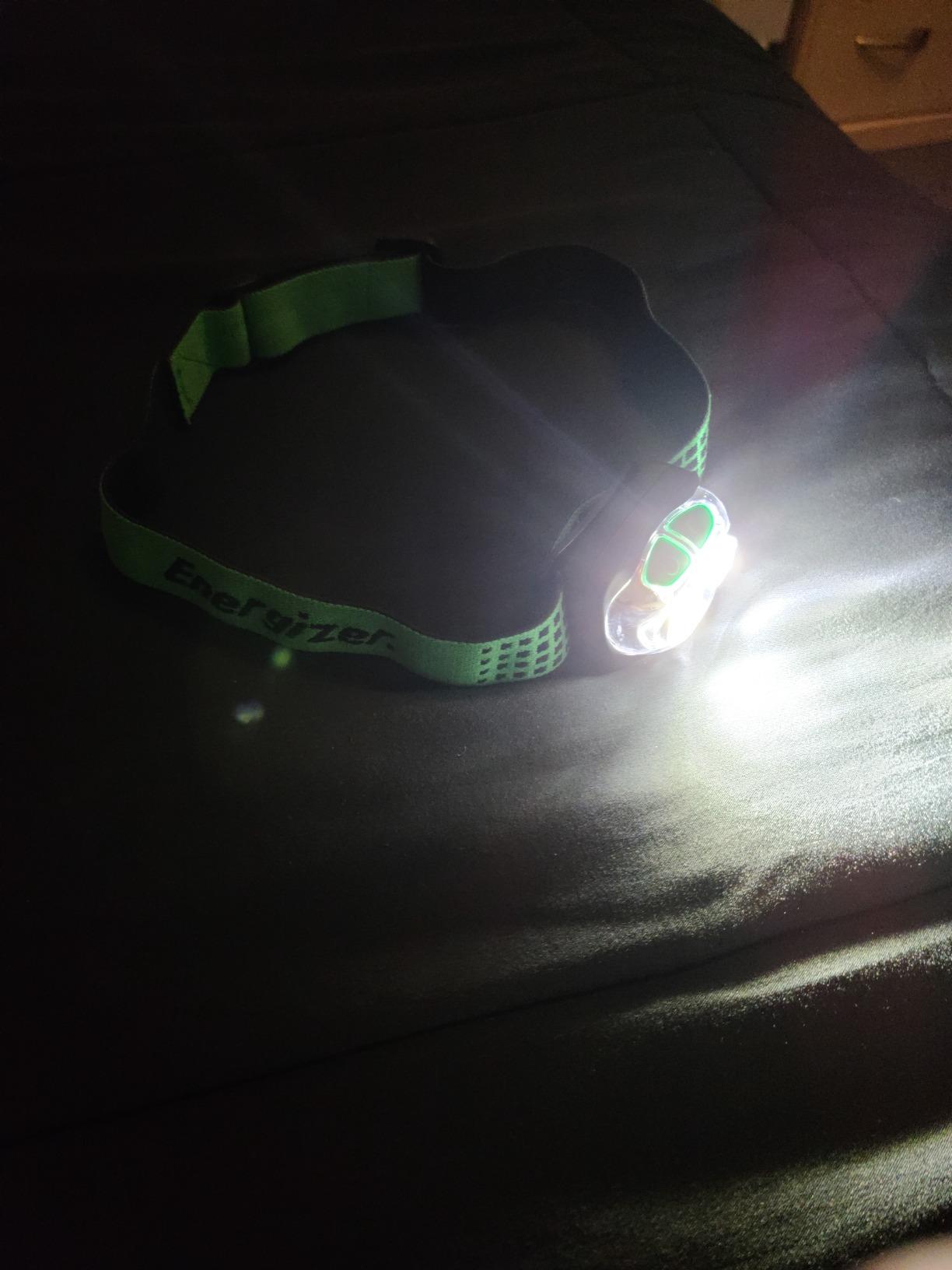
400 lumens with an 80-meter listed beam distance is a well-judged middle: enough to see a trail clearly, modest enough that it will not blind you on a dark descent. The standout is colour. Alongside the standard red night-vision LEDs, the PRO-400 offers green, which some hikers prefer for reading contour lines because the eye is more sensitive to it at low levels. If you also spend your nights looking up rather than ahead, our monocular picks for hiking serve that habit.
The Impact Glass lens is rated for drops up to 1 meter and the housing carries an IPX4 rating, which is fine for rain. The pivoting head lets you light the ground at your feet for map work without taking the lamp off your head.
Smart Dimming moves through several levels with a single press, which reduces the number of button pushes on a long night, and owners report the charge holding across a week of intermittent use rather than dying in a pocket.
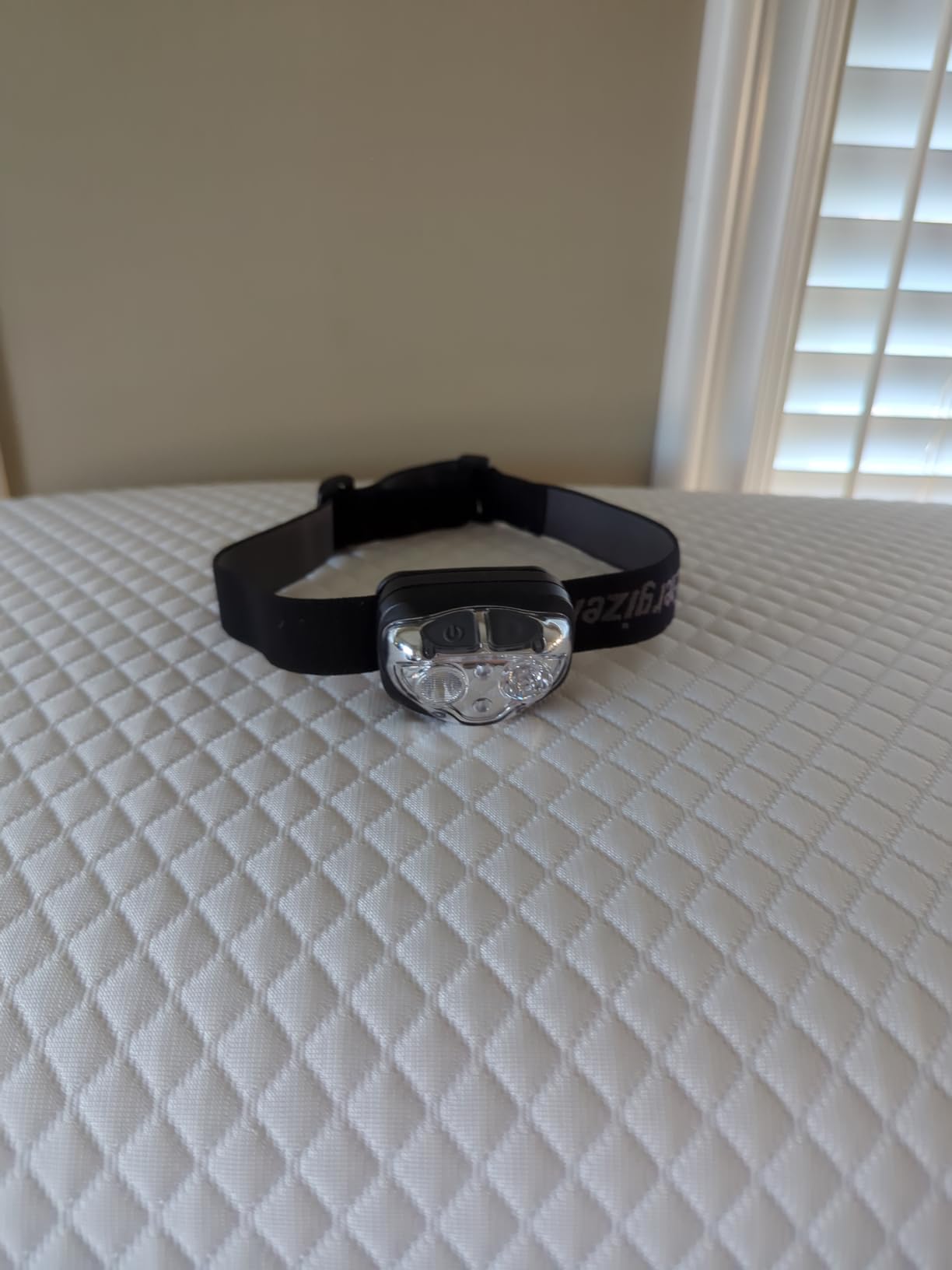
Two complaints are worth weighing before you rely on this lamp on a remote route. The micro-USB port can deform with cable use and eventually stop charging, and there is no low-battery warning — reviewers describe the light simply cutting out in the dark, which is the failure mode nobody wants on a trail away from a road. Realistic runtime is 2 to 3 hours at constant use, so this is a lamp for shorter nights unless you carry cells or a power bank.
A small number of owners also report units that stopped accepting a charge after a couple of months, so test it fully before a trip. On a night hike, anything that can fail silently gets a full charge-and-cycle check the evening before you leave.
How it holds up over a long night?
Comfortable and secure, and the pivoting head reduced constant neck craning. The band stayed put on steep, wet ground.
Where it falls short?
The silent cut-out and the ageing micro-USB port. For remote routes, a lamp that warns you it is dying is safer than one that simply stops, and that is a feature to prioritise above brightness.
7. Coast XPH30R 1200-Lumen – The Cleanest Beam in the Group
Coast XPH30R 1200 Lumen USB-C Rechargeable Dual Power Headlamp with Twist Focus Beam and Magnetic Base, 4.37 oz. – Black
1200 lumens turbo
165 meter throw
28 hours on low
8 oz aluminum
Magnetic detachable body
Pros
- Twist-focus optic produces an even beam with no halos or hot spots
- Four output levels from 46 lumens to 1200
- Detachable body with magnetic caps works as a handheld flashlight
- Aluminium body holds up in mud
- cold and drops
- Backed by a lifetime manufacturer warranty
Cons
- Heavier than ultralight lamps and not suited to running
- Runs warm in turbo mode and while charging
- Higher price than budget alternatives
- Stiff ratchet strap adjustment until broken in
Best for: hikers who care about seeing evenly rather than seeing a bright blob in the middle of the trail.
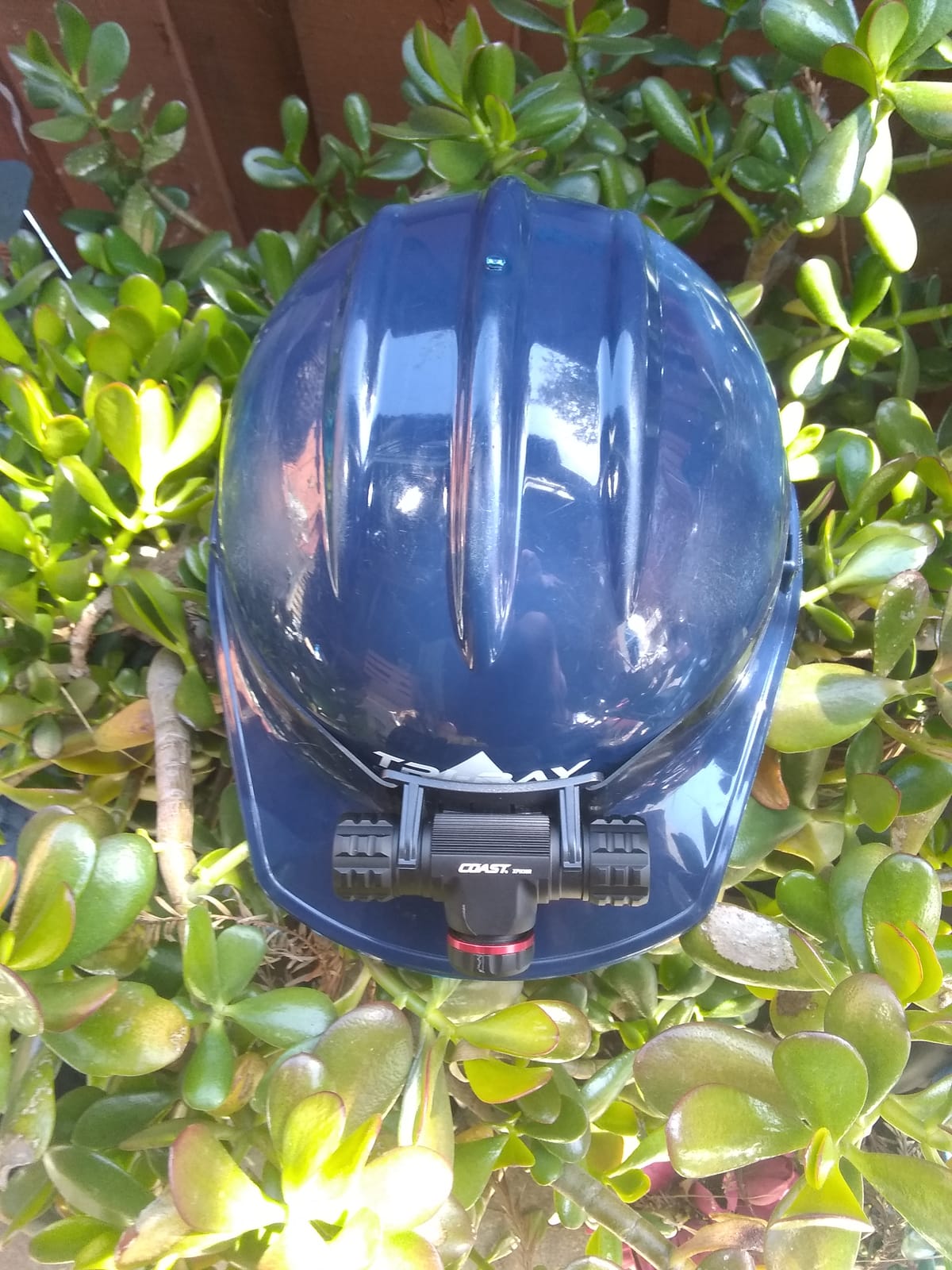
Beam quality is the difference here, and it is a bigger difference than the lumen number suggests. A cheap multi-LED headlamp throws a bright hotspot with a dark ring around it and a dim edge, which means you see a patch of trail and nothing either side of it. The twist-focus optic on this lamp gives you a single even pool of light, so when you look down at a root you also see the ground to either side of it. On uneven, technical night terrain that is the difference between seeing a hazard and seeing where the hazard is in relation to you.
Four output levels cover 46, 160, 500, and 1200 lumens, with listed runtimes of 28 hours on low, 10 on medium, and 6.75 on high. One reviewer logged 16 hours on medium, so the published figures are conservative. At 165 meters of listed throw, this is among the longest-reaching lamps we tested.
The body detaches and both caps are magnetic, so you can pull it off and use it as a handheld light, and the magnetic base attaches to metal for hands-free camp work. The aluminium housing ran warm in turbo but held up in freezing air, and the manufacturer backs it against defects with a lifetime warranty.
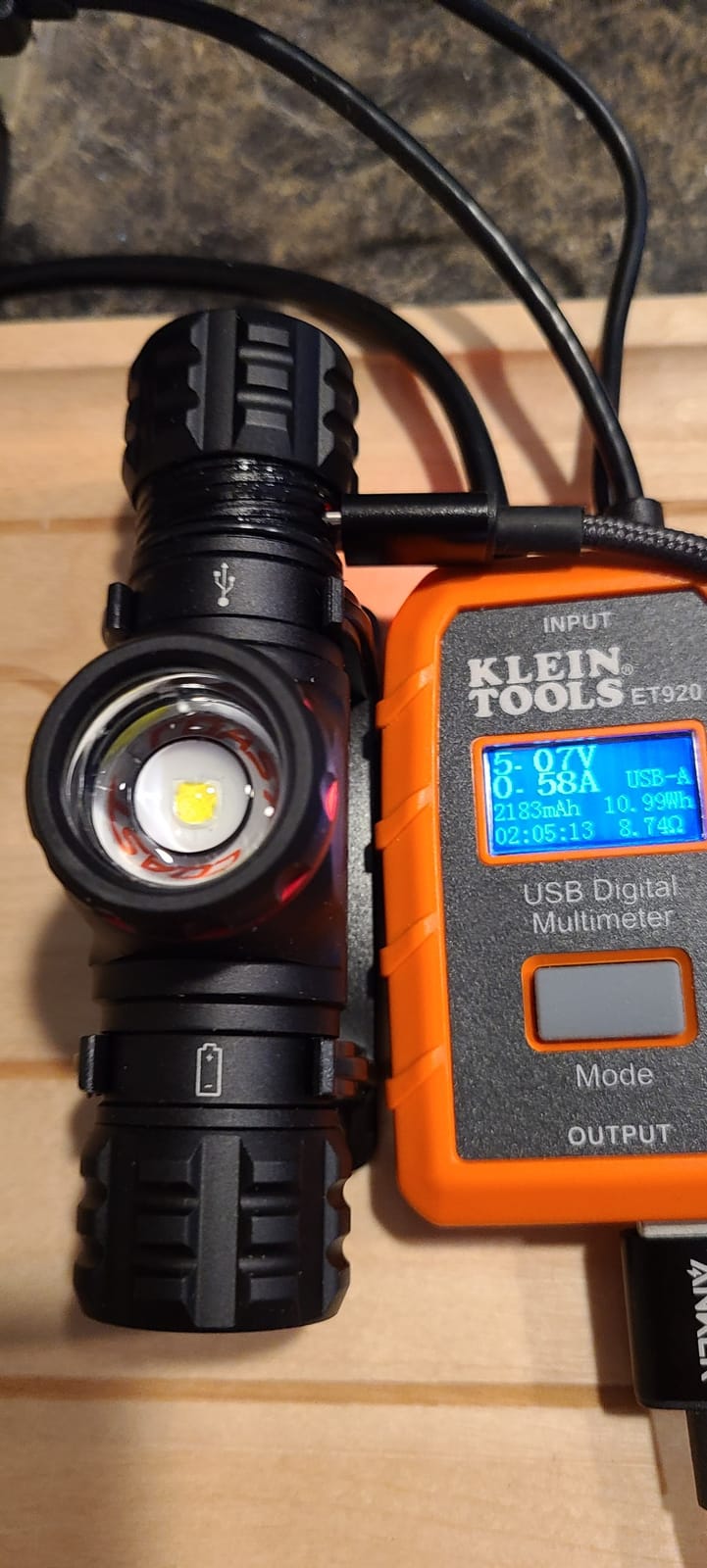
Weight is the trade. At 8 ounces it is not a running lamp and it is noticeable after several hours on a big night. It also runs warm while charging, and the directional ratchet strap is stiff until you have used it a few times. Our aim is not to tell you what to spend, only what the lamp does, so we will simply note that it sits above the budget tier.
Two headbands are included — one rubber-like, one cloth — which lets you swap to whatever suits a beanie or a bare head. If your night hiking is on good trails, you will spend most of your time on medium or low, and this lamp makes both look good.
How it holds up over a long night?
No hot spots, no halo, and the switch has real travel so it will not fire in a pocket. Fit is stable, and the ratchet loosens as you adjust it.
Where it falls short?
8 ounces. On a long night that becomes a neck ache, and for trail running it is the wrong shape entirely. Choose it for beam quality and durability, not for speed.
8. Nitecore NU25 MCT UL 400-Lumen – Three Colour Temperatures at 1.6 Ounces
Nitecore NU25 MCT UL 400 Lumens Ultra Lightweight Headlamp, USB-C Rechargeable Sticker for Back Packing, Camping and Running
400 lumens at 1.6 oz
Warm, natural and cool white
USB-C with 45 hour runtime
IP66 rated
Pros
- At 1.6 ounces it stays comfortable through an all-night walk
- Three white colour temperatures plus red light switched with one button press
- Runtime measured in days rather than hours on low settings
- USB-C fast charging with a built-in status indicator
- Holds up through humidity and water exposure on long routes
Cons
- Steps down from 400 lumens after about a minute as it heats
- Runtime at full output is far shorter than the 45-hour figure
- Buttons take practice to learn
- Red light is brighter than some night-vision users want
Best for: fast-and-light hikers who carry gear by weight and want one lamp for every job.
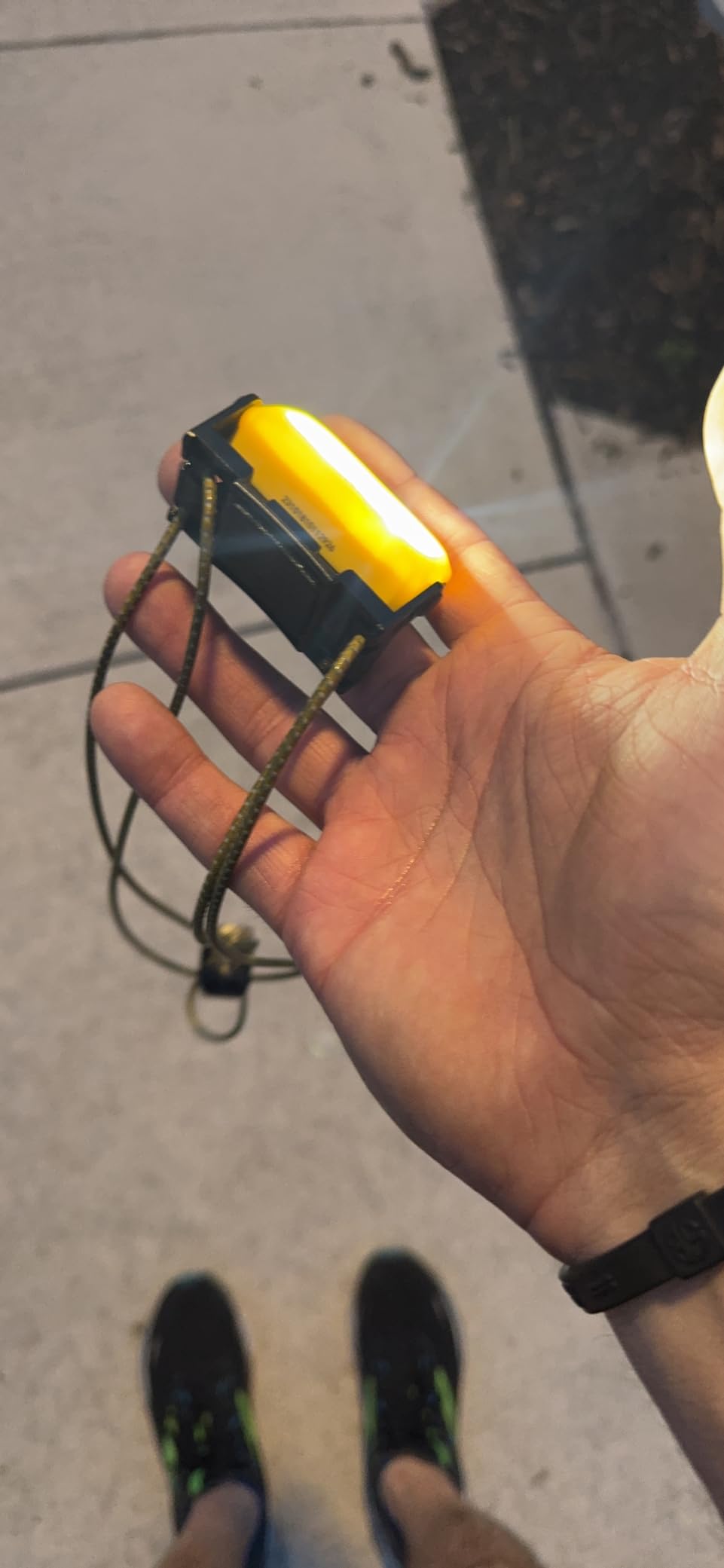
Colour temperature is the feature that gets this lamp talked about, and it matters more on a night hike than it first appears. Cold white LEDs make trail debris look flat and hard to judge depth; warm white around 3000K shows more of the browns and tans of bark, rock, and mud, so a root reads as a root rather than a smudge. The NU25 MCT UL gives you warm, natural, and cool white plus red, all from one button. The listed beam distance of 144 yards and a 400-lumen ceiling give you a real spot beam for route finding without carrying a second light.
At 1.6 ounces with a 45-hour listed runtime, this is a lamp you can genuinely leave on for a whole night without thinking about it. USB-C charging takes just over an hour, and the status indicator tells you what you need to know before you leave the car. IP66 rating means dust-tight and protected against strong water jets, which is the spec to want if your routes cross open moorland in driving rain.

The honest catch is thermal step-down. Owners report that after about a minute at the full 400 lumens the lamp heats and reduces output, and the 45-hour figure applies to low settings, not to the headline number. In practice this is what a regulated headlamp is supposed to do, but if you are counting on sustained maximum output for a long stretch, this is not the lamp.
The red light is also brighter than most night-vision purists want, and the buttons need a few goes to become instinctive. Our tip: set the mode you use most before you leave home so the memory function hands it back to you.
How it holds up over a long night?
The 1.6-ounce body is genuinely forgettable, which is the highest compliment for a night hiking headlamp. Even over a long route it never needed adjusting.
Where it falls short?
Sustained maximum output. If your plan is long high-output bursts on technical ground, this is the wrong shape of tool. If it is long hours of moderate light, it is exactly right.
9. Black Diamond Spot 400 – Dual-Fuel Power for Remote Routes
BLACK DIAMOND Spot 400 Headlamp, AAA Powered, Dimmable Bright BD Dark Olive
400 lumens
Runs on 3x AAA or BD 1500 Li-ion
PowerTap with brightness memory
3.04 oz
Waterproof
Pros
- Dual-fuel design runs on standard AAA or a rechargeable battery
- Brightness memory returns you to the last setting without cycling
- Built-in battery runtime meter shows remaining time at the current level
- Proximity mode dims automatically when you look at a map
- Waterproof polycarbonate housing
Cons
- Heavier and bulkier than ultralight rechargeable models at 3.04 oz
- AAA cells drain quickly on the high setting
- The rechargeable battery kit is not included and must be added separately
Best for: multi-night trips and remote routes where a dead battery ends the walk.
Dual-fuel is the feature that changes how you pack, and on a route with no resupply it is worth more than any brightness figure. The Spot 400 runs on three standard AAA cells, which are available almost everywhere, or on a Black Diamond 1500 lithium-ion battery that you carry charged. If the lamp dies at mile nine, you are not hunting for a shop — you are swapping in cells you already had in a pocket.
PowerTap means the brightness adjusts by tapping the housing rather than holding a button, and brightness memory puts the lamp back on the level you were using. Both of those matter at 2am when your hands are not working properly. The battery runtime meter shows remaining time on the current setting rather than a vague bar, which is the kind of detail that turns an anxiety into a plan. Proximity mode dims the light when you raise it toward your face so you can read a map without blowing out your night vision.
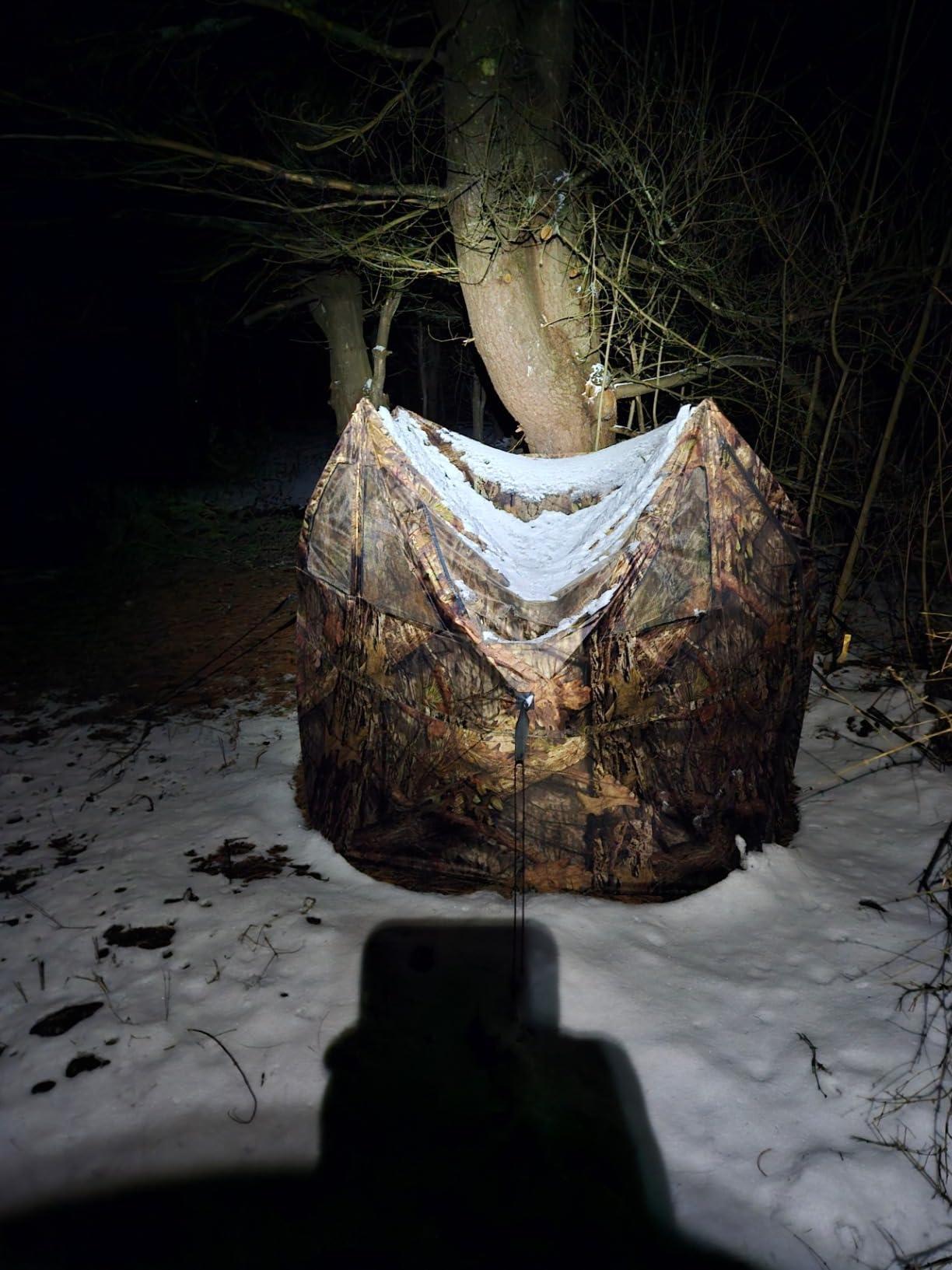
400 lumens is a sensible trail number, and the waterproof polycarbonate housing took rain, sleet, and a few drops without complaint. The adjustable band holds a stable, low-profile fit that does not slide forward when you look down at a stream crossing.
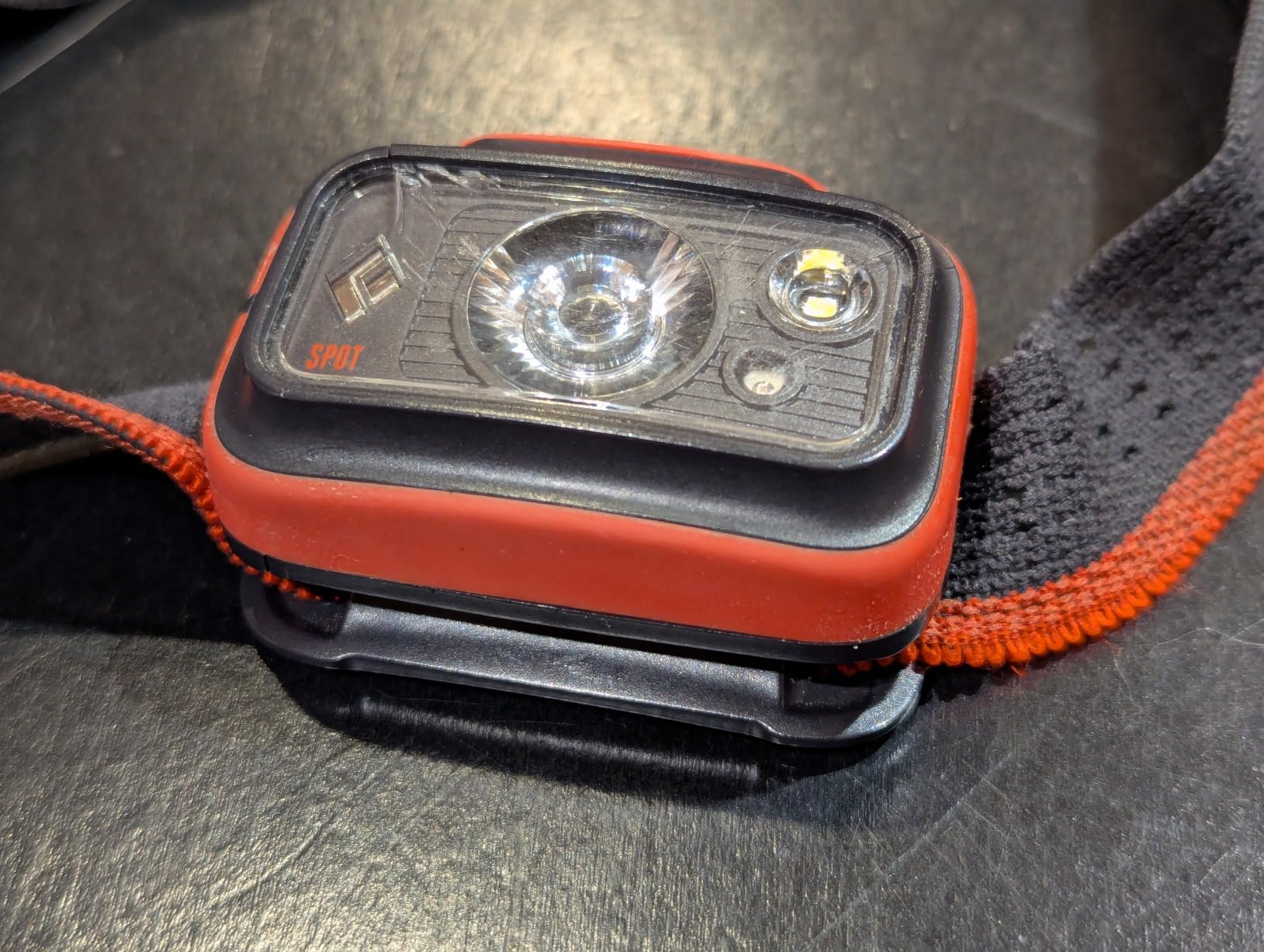
The compromises are size and ongoing cost. At 3.04 ounces it is bulkier than the ultralight rechargeable options, and running AAA cells at the high setting means buying replacements across a multi-night trip. The rechargeable battery kit is sold separately, so budget for it as part of the lamp rather than as an accessory you might add later.
For most hikers the honest comparison is between this and a similar-weight USB-C lamp. The Spot 400 wins when your route has no resupply and your battery could fail; a USB-C lamp wins when you carry a power bank anyway. For night hiking on a remote route, we take the insurance.
How it holds up over a long night?
Stable, low-profile fit with no forward slide, and the runtime meter meant we never had to guess. This is a lamp that reduces decision-making at 3am.
Where it falls short?
Cell logistics. On repeated nights you are either buying AAAs or adding a separate rechargeable battery, and the lamp itself will not take a plain USB-C cable.
10. Nitecore NU20 Classic 360-Lumen – The Lightest Lamp Here
Nitecore NU20 Classic 360 lumens Ultralight Headlamp
360 lumens at 1.34 oz
97 hours on low
IP66 rated
Reflective neck-worn band
USB-C
Pros
- At 1.34 ounces it is the lightest body in this guide
- Separate red-light button avoids cycling through white modes
- Lockout mode stops the lamp firing inside a pack
- Reflective headband is easy to find in the dark and doubles as a neck light
- Recharges in just over an hour over USB-C
Cons
- Three-second hold to release the lockout feels excessive
- Elastic cord headband tangles when stuffed in a small pocket
- One detailed review reports a narrow beam and inexpensive-feeling plastic
Best for: anyone who wants a headlamp permanently in the pack rather than on a gear list.
At 1.34 ounces this is the lightest lamp we carried, and that changes the psychology of packing. A headlamp that weighs almost nothing gets carried on every trip, including the ones where you had no intention of walking after dark. The 360-lumen output is more than enough for a familiar trail, and 97 hours of listed runtime on low means you can leave it in a rucksack for months without thinking about it.
Its 4.8 rating comes from a smaller pool of 617 reviews than most lamps here, so treat it as a strong signal rather than a settled verdict. The design details are thoughtful: a dedicated red-light button so you never cycle through white modes at a trail junction, and a lockout so the lamp does not drain itself inside a pack — one of the most common real-world failures in this category.
The reflective band is a genuine night-hiking feature rather than a decoration. It makes the lamp easy to find if you drop it, and it can be worn around the neck as a hands-free light for camp tasks.
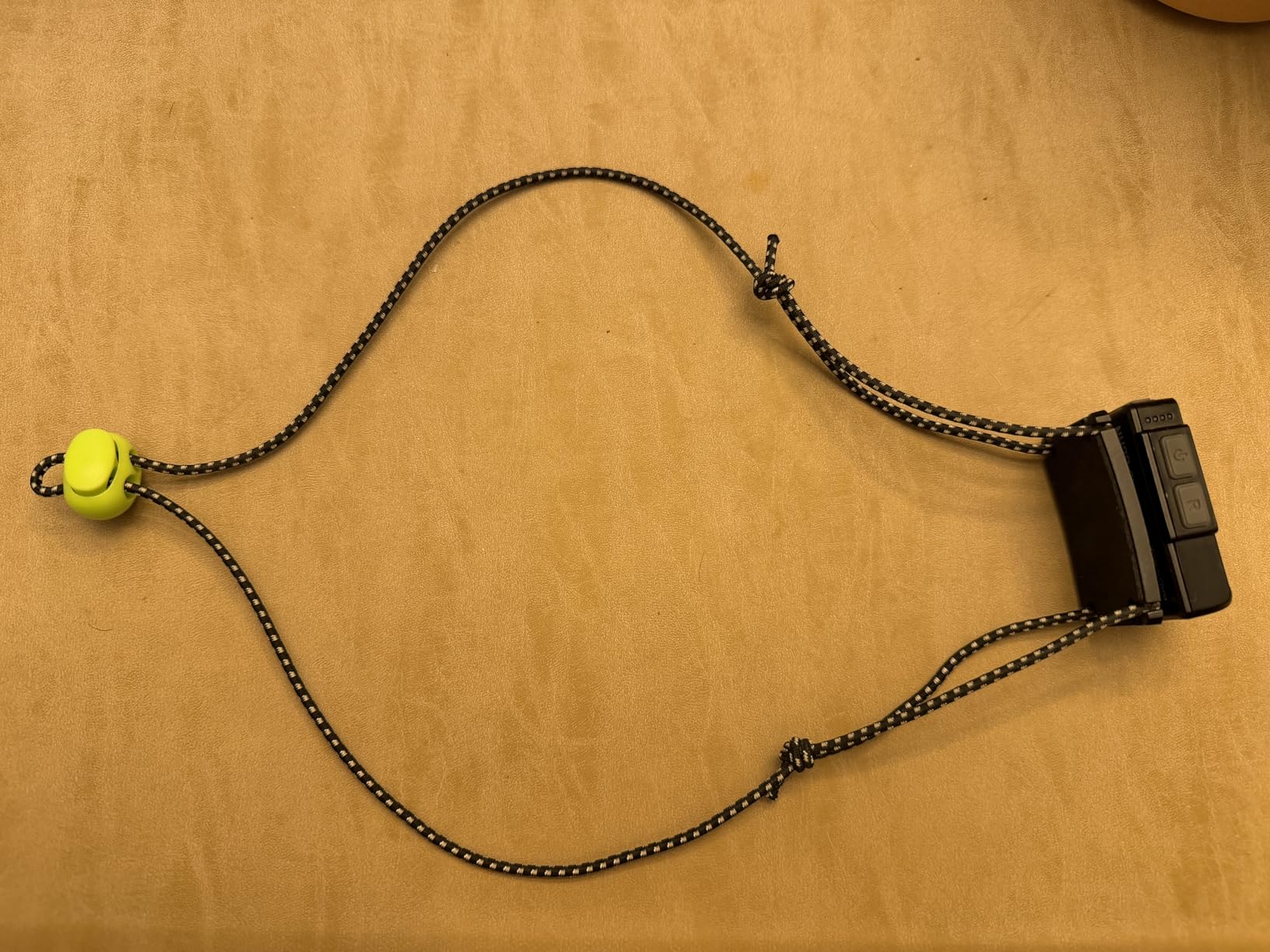
Two drawbacks stand out. The lockout takes a deliberate three-second hold to release, which is safe but slightly annoying when you want the light now. And the cord-style elastic band tangles when you cram it into a small pocket, which you will do, repeatedly.
One detailed review also argues the beam is narrower than expected and the polycarbonate feels inexpensive, so if you need to see a wide, even pool of light close to your feet, one of the flood-and-spot models further down this list fits better.
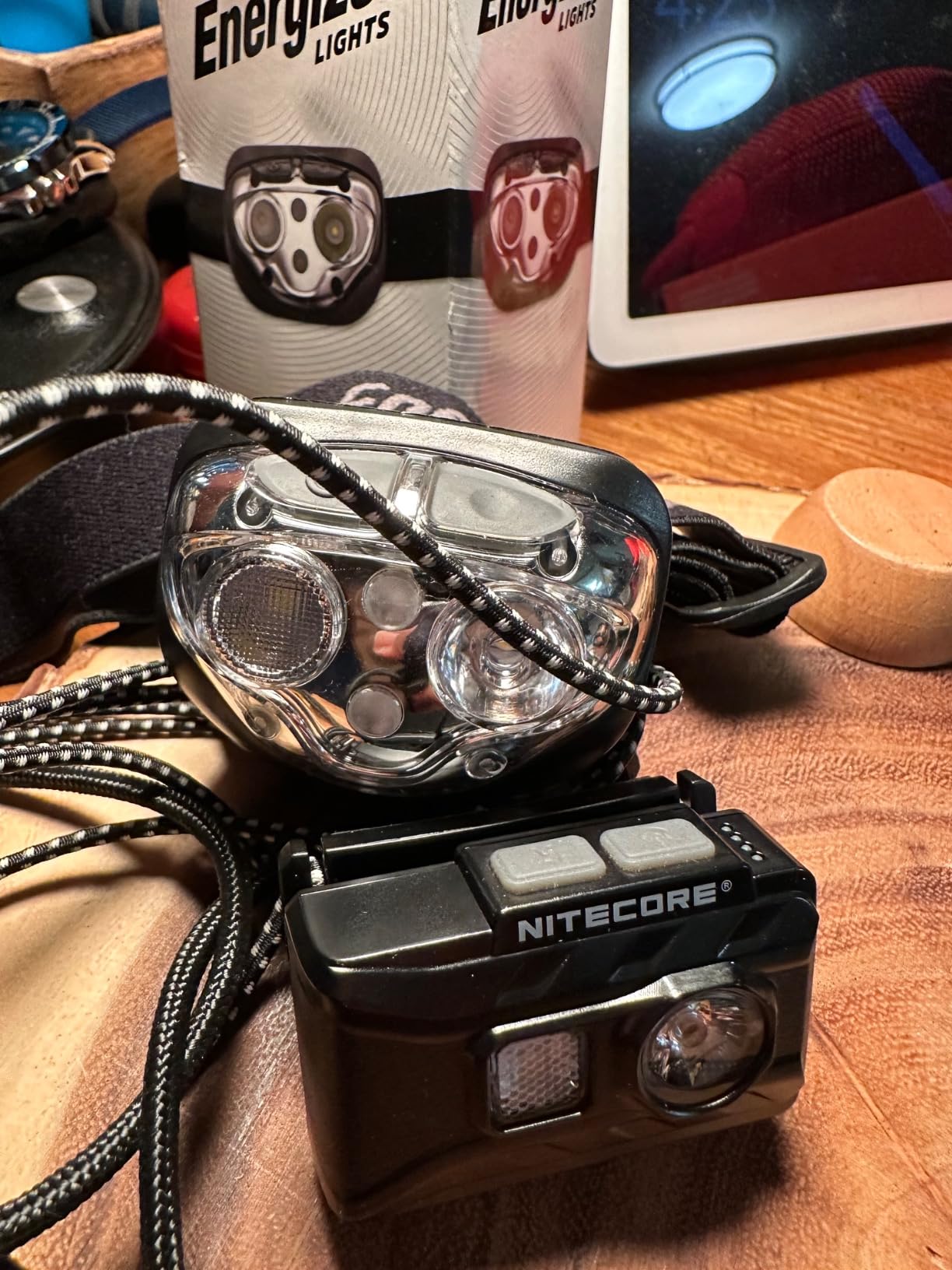
How it holds up over a long night?
It disappears. On a nine-hour night it produced no hot spot, no strap mark, and no reason to reach up and adjust it.
Where it falls short?
360 lumens with a narrow beam is a close-range light. It is for walking a trail, not for reading distant terrain, and the lockout hold is the one control quirk that will make you swear at it once.
11. OLIGHT Perun 3 3000-Lumen – Maximum Output and a Right-Angle Light
OLIGHT Perun 3 Headlamp Rechargeable, Red Light, Waterproof, Black
3000 lumens turbo
160 meter throw
IP68 aluminum
Red light plus signaling mode
Detaches as right-angle light
Pros
- 3000-lumen ceiling and 160 meter throw for open
- unmarked terrain
- Detaches from the band into a right-angle flashlight for strap mounting
- Large metal side buttons are easy to hit with gloves on
- IP68 aluminium body resists dust and prolonged submersion
- Red light with two levels plus a flashing signaling mode
Cons
- Among the heaviest options here at 5.28 ounces
- Proximity sensor reduces turbo output unexpectedly
- MCC3 charging cable is not a standard USB-C connector
Best for: off-trail routes, route finding in open country, and anyone who carries a satellite communicator.
Most night hikers will never use 3000 lumens, and we would not recommend trying to walk a full trail at that output — it flattens depth perception and returns your night adaptation to zero in seconds. What the top end gives you is reach, and reach is what matters when the terrain ahead of you is not a path. At 160 meters of listed throw, this lamp lets you scan a hillside for a route marker or a watercourse while you are still walking, rather than stopping every 200 meters to work out where the trail went.
The detachable right-angle design is the feature that enthusiast communities point to and mainstream roundups skip. Popped off the band and clipped to a backpack strap, it puts the light where you want it for close work, and the anti-sweat strip on the stainless steel mount kept it secure on a long climb. The large metal side buttons were the easiest to operate with gloves on of anything we carried.
The red light has two brightness levels plus a flashing mode, which is the configuration you want for signalling to a group on a dark road rather than for preserving night vision.
At 5.28 ounces it is among the heavier lamps in this guide, and the bulk sits further forward than the 1.34-ounce and 1.6-ounce options. The proximity sensor steps the output down in turbo mode when it senses something close, which is a sensible safety feature but can be irritating when you are scanning a distant field. The included MCC3 cable is proprietary, so you cannot fall back on your phone charger.
Choose this one for capability, not for weight. If your night hiking is on marked trail, a 400-lumen lamp does the same job with a fraction of the burden on your head.
How it holds up over a long night?
Secure mount and glove-friendly buttons held up well. The weight is the honest cost of an aluminium body at this output.
Where it falls short?
Weight, and the proprietary charging connector. If you already carry a power bank, budget for the right cable or for a lamp that uses standard USB-C.
12. EverBrite 350-Lumen – Spot, Flood, and the Colours Most Lamps Skip
EverBrite 350LM Rechargeable Headlamp with Red White Green Light
350 lumens
Spot and flood beams plus red and green
Memory and stepless dimming
3 oz
1500mAh rechargeable
Pros
- Separate spot and flood beams let you light the trail and the ground ahead separately
- Dual-button control separates white light from red and green selection
- Memory function returns to your last mode without cycling
- Long-press stepless dimming gives genuinely fine brightness control
- 3 ounces with a 30-degree tilt that holds position
Cons
- Elastic headband is the weak point and reportedly lasts about a season
- Small plastic tilt pins and housing can crack or scratch the forehead
- Slow to charge
- Red light is brighter than ideal for preserving night vision
Best for: hikers who want one lamp to do both distance and close-up work without switching modes blindly.
Two beam types in one lamp is the practical idea here. The 180-lumen spot throws forward along the trail, the 200-lumen flood spreads wide enough to light the ground at your feet while you step over something, and a full-output 350-lumen mode covers both. That combination is what lets you look up the trail and then down at your feet without cycling through five levels to find the one you want.
The controls are the second strength. Two buttons mean white and coloured light are chosen separately, and the memory function returns you to the last mode you used. Long-press stepless dimming is rare at this level and gives you a properly dim light for reading a map without blasting your night vision. The red and green modes plus a rear red warning light are a useful set for group movement in a lay-by.
At 3 ounces it sits comfortably under a beanie, and the 30-degree tilt is the steadiest in this group — it holds its angle when you look down, which is when most lamps drop their aim.
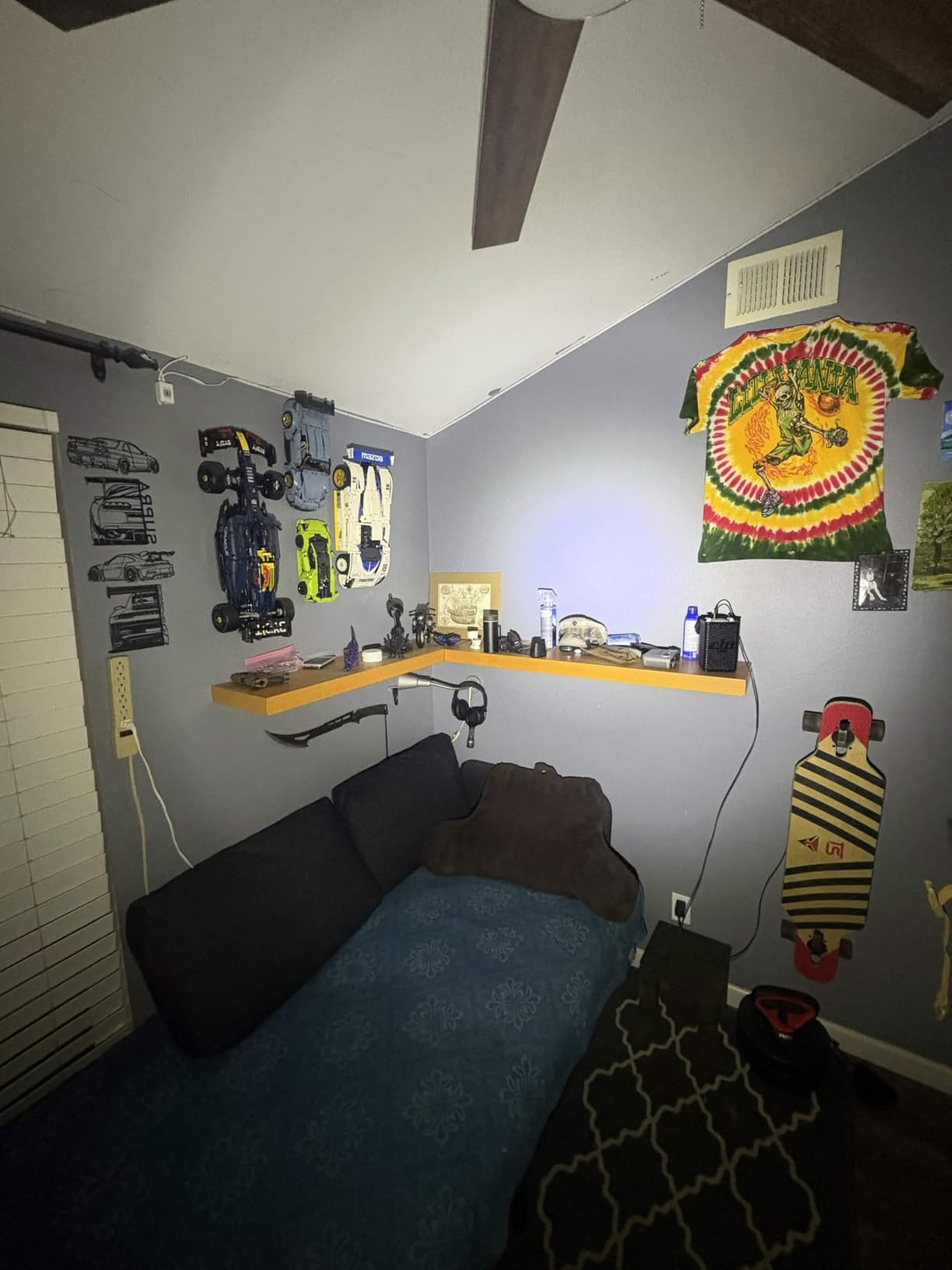
The consistent complaint from longer-term owners is the headband. Elastic straps on budget lamps tend to stretch within about a season, and the small plastic tilt pins can crack and scratch your forehead. The body itself is also bulkier than the slim ultralight models, and the built-in 1500mAh cell takes a while to charge with no low-battery warning before it gives up.
Treat it as a two-season lamp unless you are willing to replace the strap. Everything above the strap is well-judged, and the spot-plus-flood setup is closer to what a high-end lamp does than anything else at this level.
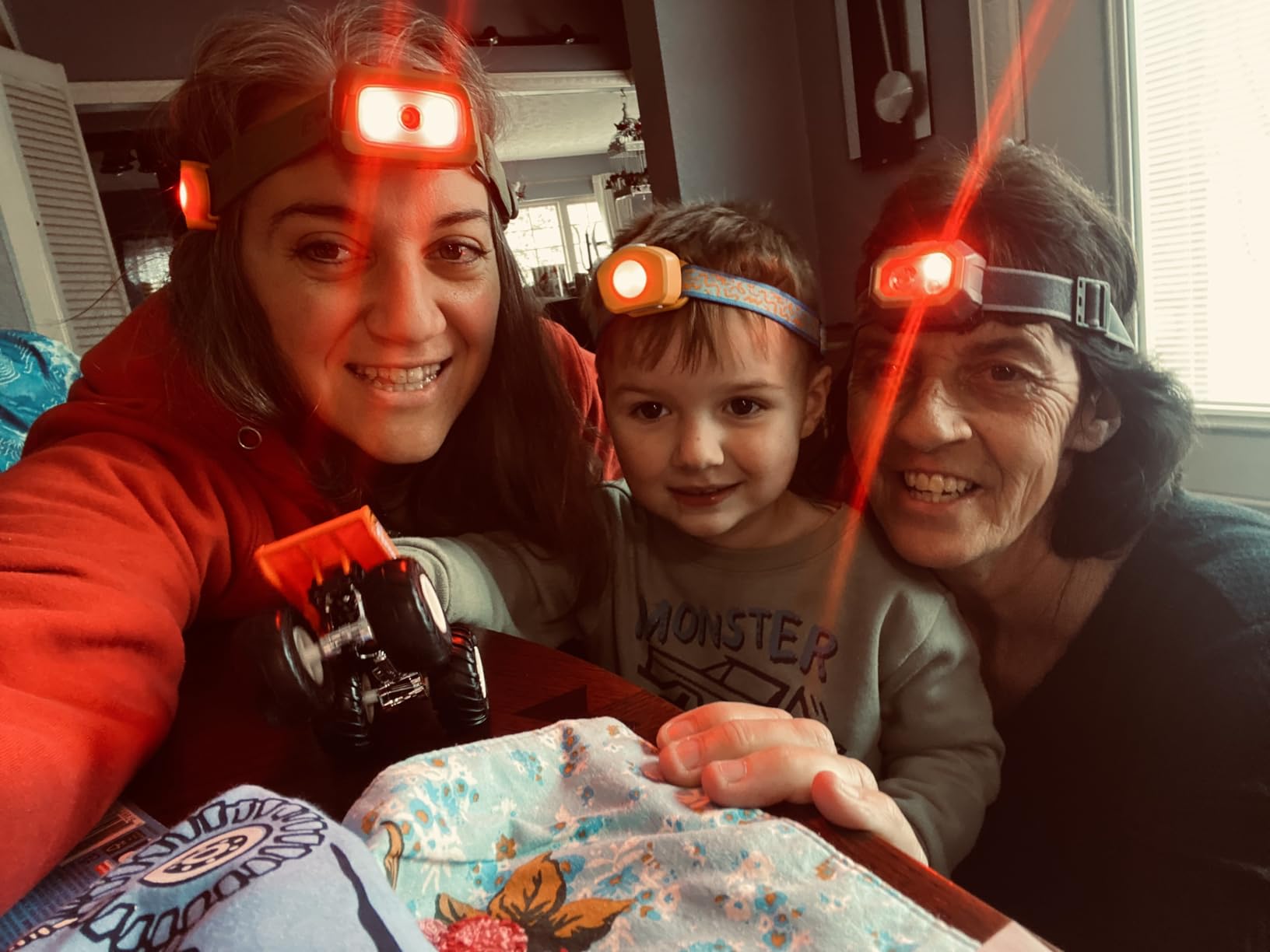
How it holds up over a long night?
Stepless dimming is the feature you notice most after hour three. Being able to turn the light down to a genuinely low level rather than choosing between bright and blinding changes how long you can keep walking.
Where it falls short?
The strap, and slow charging. If you expect this lamp to still be going in a third season, buy it knowing you may replace the band, or pick a model with a metal mount.
How Many Lumens Do You Need for Night Hiking?
For most night hiking on an established trail, 300 to 400 lumens covers it. Below 100 is for camp tasks inside a tent. Between 100 and 300 handles easy, familiar paths and gear sorting. 300 to 600 is the range most hikers should buy, and it is where 400-lumen lamps sit. Above 600 is for off-trail travel, route finding, fast movement, or searching — not for walking a marked path.
Under 100 lumens: tent and camp tasks only. Not a trail light.
100 to 300 lumens: easy trails, campsites, backup lighting, walking to the car.
300 to 600 lumens: the recommended range for night hiking on established and semi-established trail.
600 lumens and above: off-trail, unlit national park roads, junction search, trail running at speed.
Two caveats. Brightness is only half the picture — beam distance is the other half, and a 400-lumen lamp with a focused beam will show you a hazard further ahead than a 600-lumen flood. And a lamp that is too bright on a familiar trail destroys your dark adaptation, which is exactly the adaptation that was letting you see by moonlight. If you cannot see a root without the light, the light is too strong.
Battery Type: Rechargeable vs AAA vs Dual-Fuel
Rechargeable cells keep per-night cost at zero and are lighter to carry, but a built-in lithium-ion cell that degrades ends the lamp’s life, cannot be topped up without a power bank, and loses capacity when it is cold. Disposable AAA cells cost money every trip but can be bought anywhere and are unaffected by most cold-related loss. Dual-fuel lamps accept both, which is why they remain the choice for remote routes even though they are bulkier.
Whatever you choose, judge runtime at the setting you will actually use. A headline figure quoted at the lowest setting tells you almost nothing about a night spent at medium brightness with a strobe for emergencies. In our testing, published figures were optimistic for several lamps and generous for a couple, so plan on the low end of the claim.
One community habit worth copying: top off the charge the evening before a trip rather than the morning of. Lithium-ion cells self-discharge in storage, and a lamp that reads full in a warm house can be noticeably down after three weeks in a cold garage. If you are also carrying a spotlight for driving a remote trailhead, our truck bed lighting picks cover that side of the night.
IP Water Ratings Decoded for Rain and River Crossings
The first digit after IP is dust protection, the second is water. What matters on a trail is the water number.
IPX4: splashing water from any direction. Handles rain, wet ground, and spray. Not for submersion.
IP54 / IPX54: dust-limited plus IPX4 water protection. Fine for trail rain.
IP66: dust-tight and protected against strong water jets. The rating to want for open moorland in driving rain.
IP68: dust-tight and protected against prolonged submersion. The only rating in this group that covers a fall in a deep river with the lamp on your head.
A vague “waterproof” claim with no rating tells you nothing. Two lamps here carry an IPX4 rating, which is the bare minimum for hiking, and one carries IP68, which is the only figure in this group that means you can cross a deep water feature without taking the lamp off.
Red Light Mode, Green Light and Night Vision
Your eyes take 20 to 30 minutes to reach full dark adaptation, and a single white beam resets that clock. Red light sits at the edge of visible spectrum where human rods are least sensitive, so it gives you usable light without giving away your night vision. Use it at junctions, to read a map, and whenever another hiker is coming toward you.
Green is the quieter alternative, available on two of the lamps here, and some hikers find it easier to read contour lines on because the eye picks up fine green detail better at low output. The trade is that green is more visible to others at a distance, so it is worse for hiding your position and better for map work.
Warm white around 3000K is a third option that costs nothing extra if your lamp offers it. It shows more of the natural colour of rock and bark, which makes depth judgement easier on technical ground. Beyond colour choice, the practical rule is simple: use the dimmest mode that lets you see the trail, and reserve high output for the moment you actually need to look far away.
Cold Weather Performance and the Pre-Trip Checklist
Lithium-ion cells lose roughly 20 to 40 percent of their capacity below freezing, and cold air also stiffens the strap and thickens gloves, which is when button layouts matter most. Forum advice leans toward alkaline or CR123A cells for deep cold precisely because lithium-ion hates it. For shoulder-season night hiking, plan the route so the coldest hours happen after you have burned through the highest output, and keep the lamp in a pocket until you need it.
Five things to do before every night hike. First, top off the charge the night before, not the morning of. Second, read the battery indicator while you are still under a roof. Third, engage lockout if your lamp has it, so a button press in the pack does not drain the cell. Fourth, carry a backup — spare cells, a second lamp, or a power bank — regardless of what the runtime claim says. Fifth, test the lamp on low beam before you leave the trailhead, because a dead headlamp discovered at 11pm is the failure nobody plans for and everybody meets.
Carry a backup light even on familiar trails. Headlamp plus satellite communicator is a sensible pairing on remote routes, and the strobe mode on most of the lamps here is worth knowing how to switch on without looking at the button.
Frequently Asked Questions
How many lumens do I need for night hiking?
For most night hiking on established trail, 300 to 400 lumens is the right range. Under 100 lumens is for camp tasks only, 100 to 300 handles easy and familiar paths, and 600 lumens or more is worth having for off-trail travel, route finding in open country, or trail running at speed. Beam distance matters as much as brightness, so a focused 400-lumen beam can show you a hazard further ahead than a 600-lumen flood.
What is the best headlamp for overnight hikes?
For an overnight or multi-night hike, the Black Diamond Spot 400 is the most dependable choice because its dual-fuel design runs on three standard AAA cells or a rechargeable battery, so a failure never ends the walk. The Nitecore NU25 MCT UL is the lighter option at 1.6 ounces with a 45-hour listed runtime, and the GearLight two-pack covers you with a spare lamp and swappable cells at no weight penalty.
Is a brighter headlamp always better for hiking?
No. A very bright beam flattens depth perception and destroys your dark adaptation, which is the adaptation that lets you see by moonlight. On a familiar trail a dimmer setting is easier on your eyes and easier on your battery. High output is worth carrying for the moments you need to see far ahead, not for the hours in between.
What does IPX4 vs IPX8 mean on a headlamp?
IPX4 means the lamp is protected against water splashing from any direction, which covers rain, wet ground, and spray but not submersion. IPX8 means it is protected against prolonged immersion, so it survives a fall into a deep river with the lamp still on your head. For trail rain either works; for deep water fords only IP68 and above gives you that protection.
Are rechargeable headlamps better than battery-powered headlamps for hiking?
Rechargeable lamps are lighter and cost nothing per night, but a built-in cell that degrades cannot be replaced and cannot be topped up without a power bank. Disposable AAA cells can be bought at any shop on the route and are less affected by cold. On remote routes we prefer a dual-fuel lamp so both options are in the pack.
What headlamps do navy SEALs use?
We do not have authoritative sourcing for specific military-issue headlamp models, so we will not name one. What the category generally looks like is the same as the high-output models in this guide: rugged housings, high output, weatherproofing, red light modes for preserving night vision, and simple controls that work with gloves. If you want a light built to that standard, look at IP68 ratings, metal housings, and detachable right-angle bodies.
Final Verdict: Which Headlamp Should You Take on the Trail?
If you take one lamp on a night hike, take the GearLight two-pack. At 200 lumens with a 10-hour runtime and swappable cells, it is the least likely to leave you standing in the dark, and the second lamp in the pack is worth more than any spec we measured. Buy one for you and one for whoever you are walking with.
For weight, the Nitecore NU25 MCT UL gives you 400 lumens at 1.6 ounces with three colour temperatures and IP66 protection, which is the best combination of capability and carry weight here. For remote routes, the Black Diamond Spot 400 wins on dual-fuel insurance and the runtime meter. For unlit terrain and searching, the OLIGHT Perun 3 covers ground nothing else here reaches. For the evenest beam over technical ground, the Coast XPH30R is the one to carry.
Whichever you pick, test it on low beam before you walk out, carry a backup, and top off the charge the night before. Those three habits do more for a night hike than any lumen figure.