
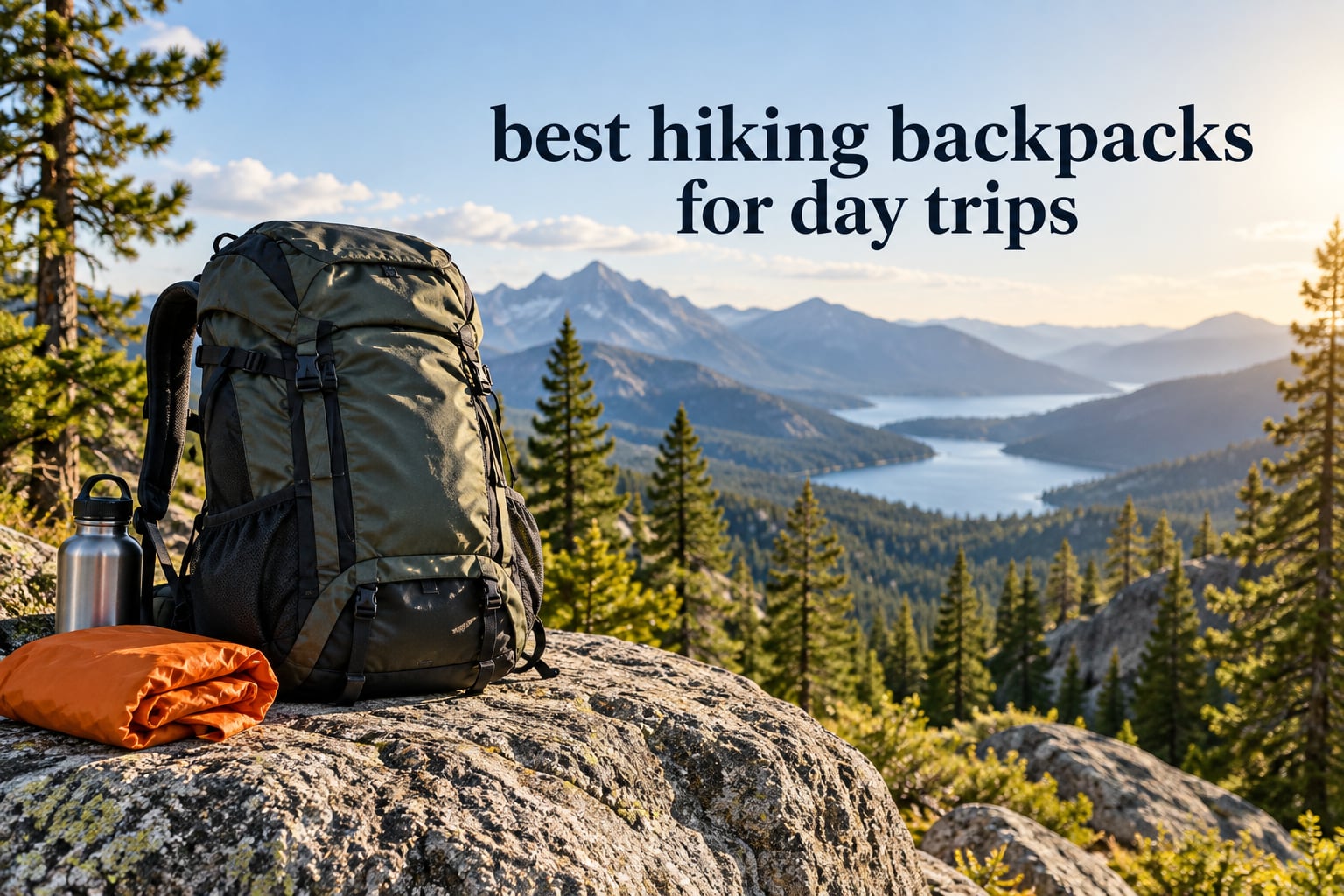
A day trip deceptively simple. You walk out at eight in the morning, eat lunch somewhere with a view, and walk back before dark. What decides whether that day feels easy or miserable is almost always the same thing: the pack on your back. The best hiking backpacks for day trips sit in a narrow capacity window, usually 20 to 30 liters, and the difference between a good one and a bad one comes down to how it handles a five kilogram load across six hours.
We spent weeks walking these twelve packs over rocky ridgelines, wet forest trails, and dusty switchbacks to find out which ones actually earn their place. Some of the results surprised us. The pack that looked the least like technical gear was the one we kept reaching for, and the most expensive pack on the list lost points for reasons that never show up in a spec sheet. If you want the fastest answer, the 8 best hunting backpacks for day hunts follow the same capacity logic we describe here, just with different pockets.
This guide covers the best daypacks for hiking across every category that matters for a single outing: ultralight packable models, framed packs with a real hipbelt, hydration packs with a reservoir included, and crossover bags that double as travel luggage. Every pack here was picked because it fits a real day trip, not because it looked good on a shelf.
Table of Contents
Top 3 Best Hiking Backpacks For Day Trips (October 2026)


Those three cover the most common buyer profiles. The ZOMAKE is the default answer for a hiker who wants one bag for everything, the G4Free is the same idea without much of the cost, and the SKYSPER is the pick for anyone whose gear has multiplied faster than their patience for digging through a main compartment.
How We Tested 12 Daypacks on Real Trails?
Our test load was built to mirror a normal day: two liters of water, an insulating layer, a rain shell, lunch, a first aid kit, headlamp, and a few snacks. Loaded, that came to roughly five kilograms, which is the figure that matters. Empty weight is a marketing number. Loaded weight is the one you feel at mile four.
We graded each pack on four things: how the load transferred to the hips, how the back behaved in heat, whether the pockets were reachable without removing the pack, and whether the fabric and hardware held up after repeated wet days. We also cross-checked every finding against owner feedback on r/hikinggear and r/outdoorgear, where long-term durability complaints surface well before a manufacturer admits them.
One pattern came up repeatedly in those discussions and in our own walks: torso length, not shoulder comfort, causes most fit complaints. A pack that does not adjust for a short or long torso forces the load onto the shoulders no matter how good the padding is. We scored adjustability accordingly.
The 12 Best Hiking Backpacks for Day Trips in 2026
| Product | Specifications | Action |
|---|---|---|
| ZOMAKE 30L Packable Daypack |
|
Check Latest Price |
| G4Free 30L Packable Daypack |
|
Check Latest Price |
 SKYSPER 20L Hiking Backpack SKYSPER 20L Hiking Backpack |
|
Check Latest Price |
 WATERFLY 20L Packable Daypack WATERFLY 20L Packable Daypack |
|
Check Latest Price |
 Maelstrom 40L Hiking Backpack Maelstrom 40L Hiking Backpack |
|
Check Latest Price |
 MIYCOO 35L Packable Backpack MIYCOO 35L Packable Backpack |
|
Check Latest Price |
 N NEVO RHINO 18L Hydration Backpack N NEVO RHINO 18L Hydration Backpack |
|
Check Latest Price |
 Water Buffalo Sherpa 22L Hydration Pack Water Buffalo Sherpa 22L Hydration Pack |
|
Check Latest Price |
 Osprey Stratos 24L Osprey Stratos 24L |
|
Check Latest Price |
 Osprey Sportlite 25L Osprey Sportlite 25L |
|
Check Latest Price |
 Osprey Talon 22L Osprey Talon 22L |
|
Check Latest Price |
 TILYMOL 30L Hiking Travel Backpack TILYMOL 30L Hiking Travel Backpack |
|
Check Latest Price |
1. ZOMAKE 30L Packable Daypack – Best Overall for Day Trips
ZOMAKE Lightweight Packable Backpack 30L, Foldable Travel Hiking Daypack
30L capacity
0.74 lb empty weight
Folds to 10 x 8 x 3 inches
Water-resistant nylon
Pros
- Folds down to roughly sandwich size for travel storage
- Generous 30L capacity with five pockets including a privacy pocket
- Water-resistant nylon with reinforced stitching and two-way SBS zippers
- Reflective elements and an emergency whistle
- Very light at about 0.74 lb
Cons
- Nylon is water resistant rather than fully waterproof
- No internal frame or hip belt so it is not suited to heavy loads
- Unpadded straps can feel uncomfortable with heavier contents
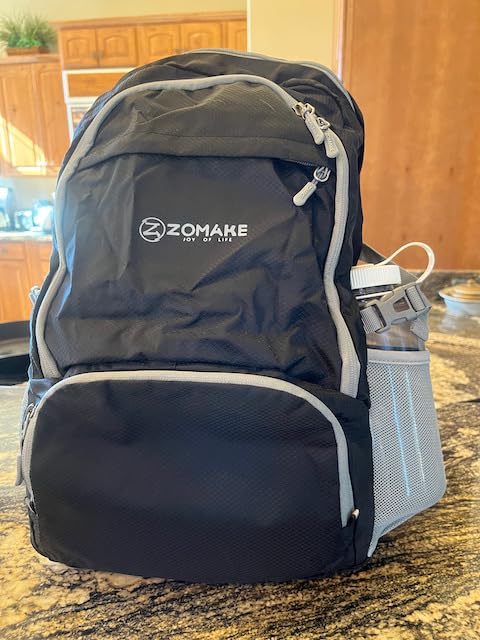
The ZOMAKE 30L is the one we ended up carrying most. It holds a full day load without looking or feeling oversized on a trail, and at 0.74 lb empty it never becomes the thing you resent at the end of a long climb.
Everything sits within reach: a main bag, an inner partition, two front bags, two side bags, and a privacy pocket. On a loaded day hike, being able to grab a snack or a layer without stopping and removing the pack is worth more than it sounds.
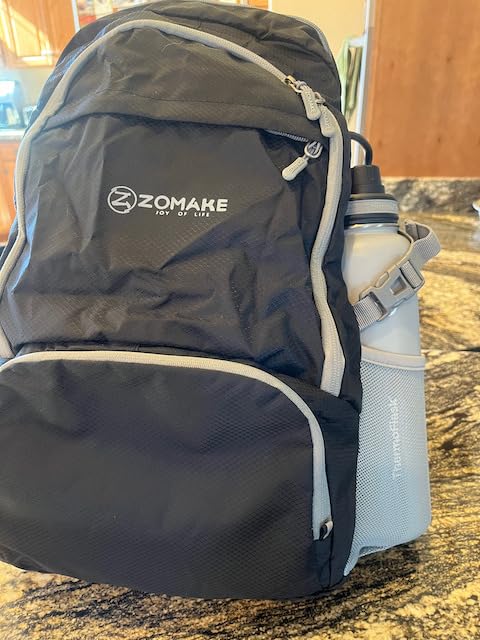
The nylon is water resistant with double-layered wear-resistant construction and a two-way SBS metal zipper, and a chest buckle with a whistle plus side compression bands and reflectors round out a genuinely thoughtful build. Buyers consistently report that it folds small enough to disappear into a suitcase before a trip, then expands to full size on the trail.
Where it stops being a good choice is weight. With no frame and no hip belt, this is a pack for a day that weighs under about five kilograms. Load it with a heavy camera body, a liter of water for each person, and multiple layers and the shoulders tell you about it well before mile four.
Who this pack suits?
It suits the hiker who wants one bag that works for the trail, the airport, and the errand run. It also suits anyone carrying a small amount of gear, since the 30L figure is more usable space than most 20L packs offer.
Travelers get a real benefit: the folded size is small enough for a personal item on most airlines, and the reflective detailing helps on early starts and late descents.
Who should skip it?
Skip it if you regularly carry more than about five kilograms, if you are on a long alpine day with a hard shell and a large first aid kit, or if you walk in sustained rain and need the contents to stay bone dry. The water resistance handles drizzle, not a downpour.
Also skip it if you are new to hiking and want the load taken off your shoulders. There is no hip belt to do that, and that is the single biggest comfort difference in this category.
2. G4Free 30L Packable Daypack – Best Value
G4Free 30L Packable Travel Hiking Backpack for Men Women
30L capacity
Folds into built-in pouch
Three zippered compartments
Water-resistant polyamide
Pros
- Folds into its own pocket and packs flat in a suitcase or carry-on
- Roomy 30L interior with three zippered compartments and an inner valuables pocket
- Lightweight and breathable mesh shoulder straps
- Water-resistant coated polyamide with bar-tack reinforcement
- Wide color selection with accurate colors
Cons
- Side mesh bottle pockets are not deep enough for larger bottles
- Thin fabric that will not handle heavy loads
- Minimal padding and no frame or hip belt for long carries
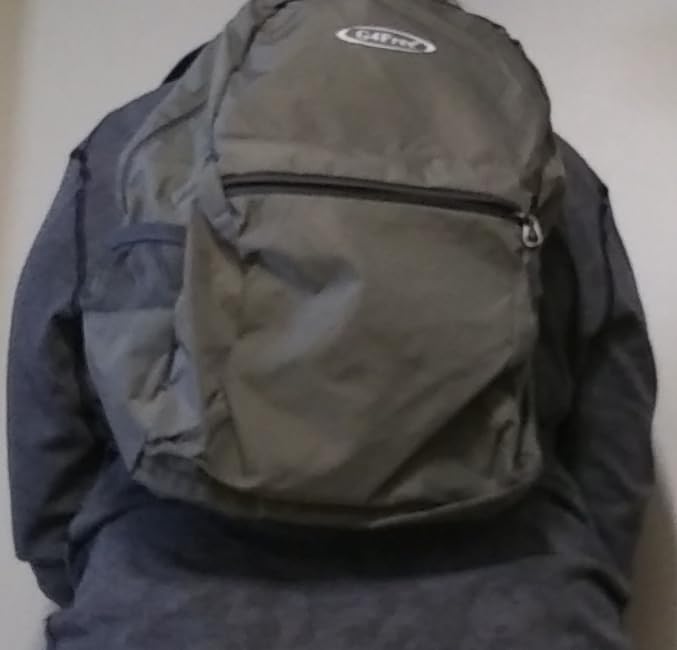
The G4Free does the same job as our top pick with a slightly different pocket layout and a shakier bottle holder. For most day hikers the difference is invisible, which is why it lands here as the value pick.
It folds into a built-in pouch, so there is no separate stuff sack to lose, and the 30L body is split into three zippered compartments plus an inner pocket for valuables and a phone. That separation is what stops the small-item scramble at the bottom of the bag.
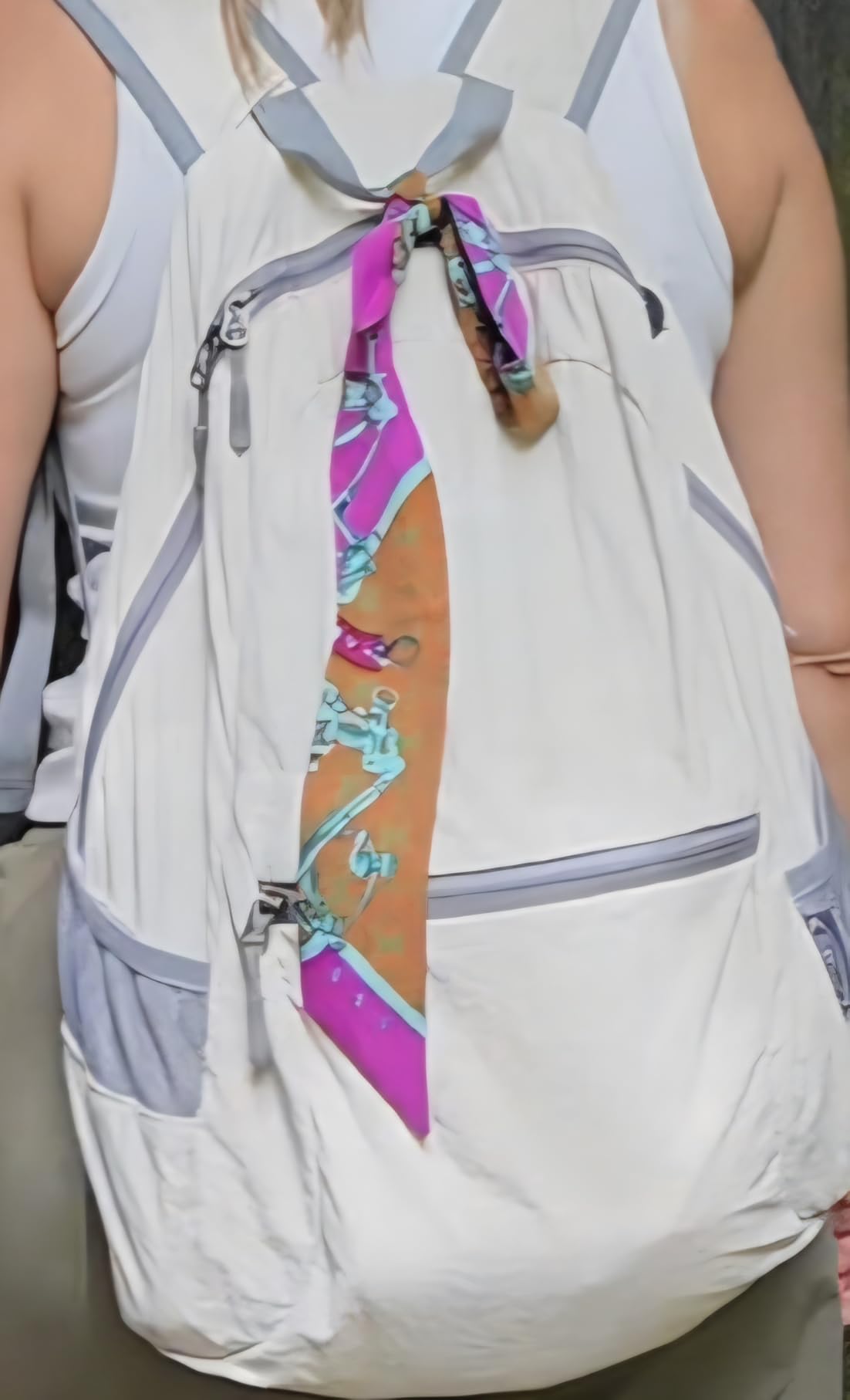
The coated polyamide is reinforced with bar-tack stitching in more than fourteen places, and the S-shape breathable mesh shoulder straps stayed comfortable on our longer walks. Reviewers also flag that the fabric has kept contents dry through rain, which we found credible for showers rather than storms.
The one recurring complaint is the side mesh pockets. They are shallow enough that a larger bottle can fall out on a scramble, so if you carry a big bottle, check the pocket depth before you commit.
Who this pack suits?
It suits casual hikers, travelers, and anyone who wants a bag that doubles as a personal item and everyday carry. The 30L size handles a full day of layers and lunch without the bulk of a framed pack.
It is also a sensible second bag: cheap enough that you can leave one in the car, the closet, and the travel kit.
Who should skip it?
Skip it if your hikes are load-heavy, if you want a pack that stays comfortable past four hours with real weight, or if you carry a bottle large enough to need a deep side pocket. The thin fabric and light padding are the trade for the weight.
Anyone who wants a real hip belt should look at the framed options further down instead.
3. SKYSPER 20L Hiking Backpack – Best for Organization
SKYSPER Small Hiking Backpack, 20L Lightweight Travel Backpacks Hiking Daypack Rucksack Women Men for Trekking Backpacking Outdoor Sports
20L capacity
1.1 lb empty weight
600D polyester and 210D nylon
10 pockets
Pros
- Structured padded back panel that lets the pack sit upright when set down
- Ten pockets and seven compartments for excellent organization
- Deep side mesh pockets that hold larger bottles
- Detachable straps with trekking pole fixtures and an anti-theft zipper
- Holds up well on rocky terrain
Cons
- Not waterproof so contents can soak in sustained rain
- Only one interior Velcro strap for a hydration bladder
- Bladder pocket is not insulated
- Many straps can be excessive for casual use
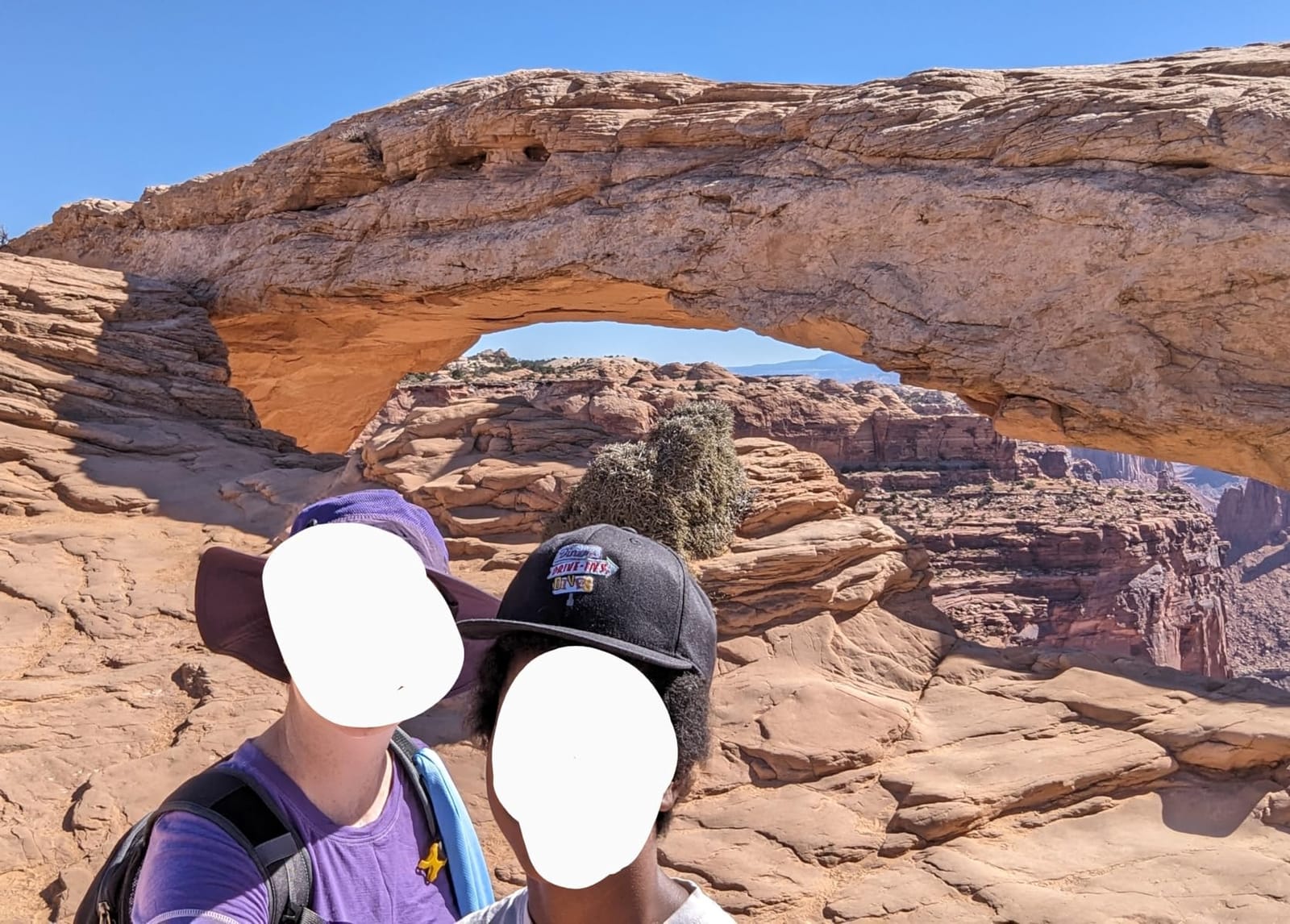
The SKYSPER is the only pack in this group with a genuinely rigid, structured body. Set it down on a rock for a photo and it stays standing, which is a small thing that tells you a lot about how the panels are built.
Ten pockets across seven compartments is the highest count here, and it is not padding. There are dedicated places for a phone, a wallet, a water bottle, a jacket, and a lunch, plus anti-theft zipper pulls that lock together when the pack is down.
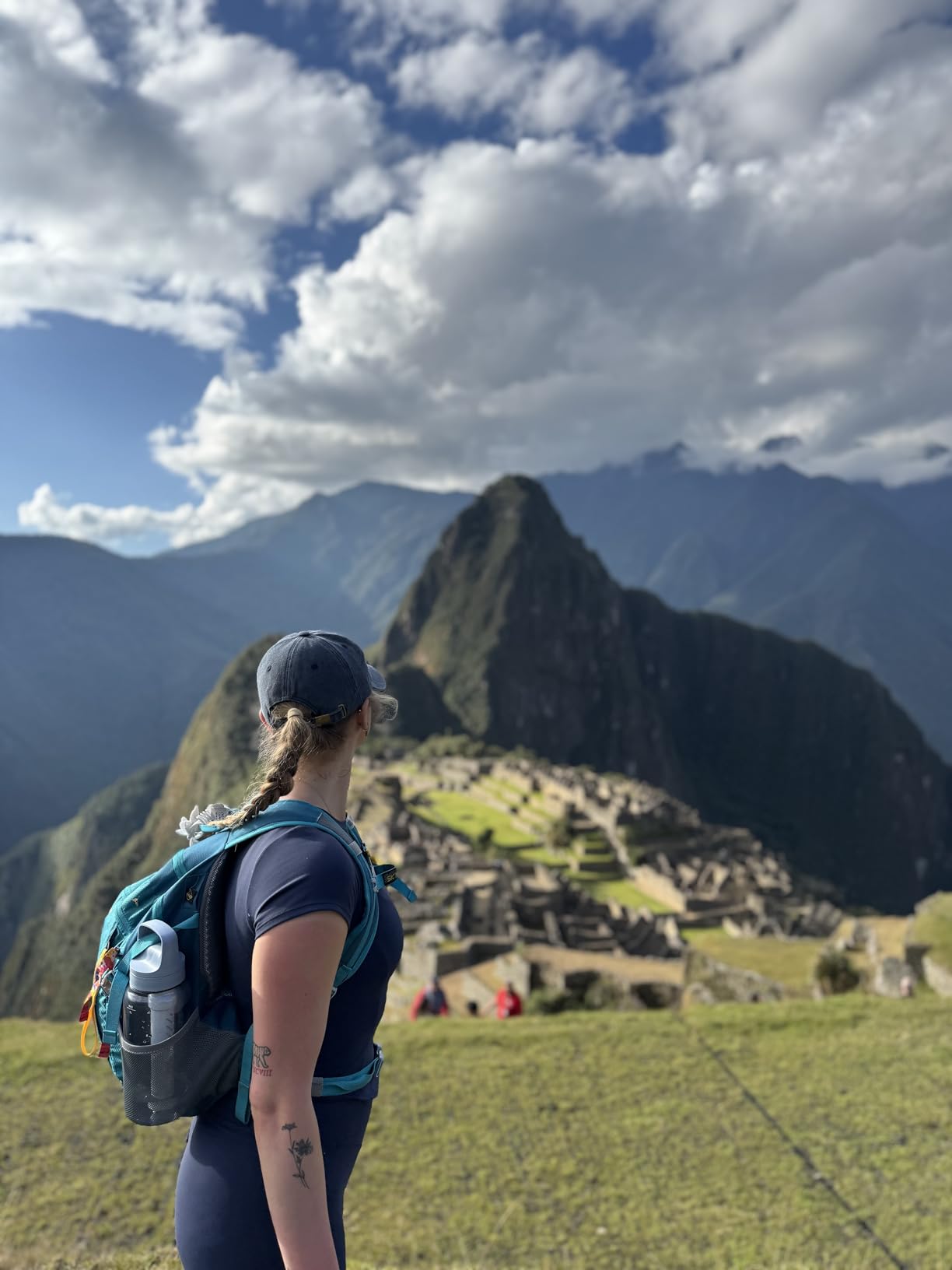
The 600D polyester and 210D nylon plaid shell is reinforced at stress points and shoulder straps, and the grooved breathable mesh back system keeps air moving. The manufacturer rates it for a 7 kg load, and at 1.1 lb empty it is heavier than the packable models but far more structured.
Detachable shoulder straps mean you can strip it down for travel, and the adjustable chest strap and trekking pole fixtures round out the setup. Reviewers report it holding up on rocky ground without tearing, which matches what we saw on loose scree.
Who this pack suits?
It suits hikers who carry more small items than large ones: photographers, parents with extra layers, and anyone who wants to find a thing without unpacking the whole bag. The 7 kg rating is honest for its class.
City and theme park use is where it also shines, because the structured body keeps its shape when you set it down in a crowd.
Who should skip it?
Skip it for wet-weather trips where the fabric matters most. It is water resistant, not waterproof, and the single interior bladder strap can let a reservoir slip open on a scramble.
Minimalists will find the strap count excessive. If you carry three things, twenty pockets become dead weight and clutter.
4. WATERFLY 20L Packable Daypack – Best for Light Packing
WATERFLY Small Lightweight Packable Backpack: 20l Hiking Daypack Man Woman
20L capacity
10.2 oz empty weight
Recycled nylon shell
Folds to 8.7 x 6.3 inches
Pros
- Extremely light at 10.2 oz with a recycled nylon shell
- Folds down small enough to fit in a suitcase or another backpack
- 20L capacity with four compartments for organized packing
- Polyester lining that helps reduce shoulder stress
- Durable SBS zippers
Cons
- Narrow unpadded shoulder straps with limited support for heavy loads
- Water resistant only so sustained rain can wet contents
- No frame or hip belt limits its use for loaded trekking
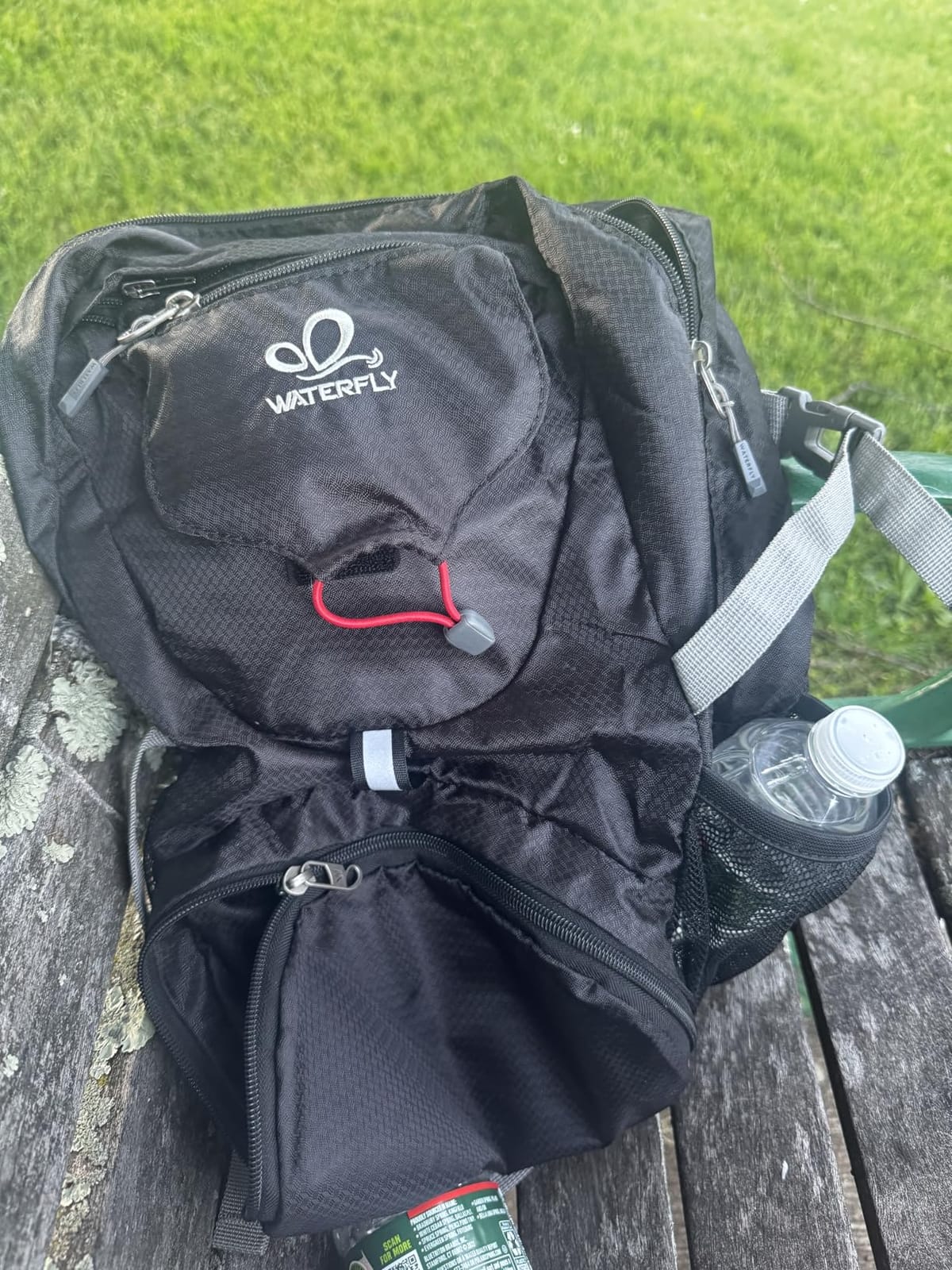
At 10.2 ounces, the WATERFLY is the lightest pack we carried, and the recycled nylon shell is a nice detail at this weight. It is the answer for short walks, travel days, and anyone who counts every gram.
Twenty liters is genuinely small. It holds water, a layer, lunch, and the ten essentials if you pack carefully, but it does not hold a second full day of gear, which is the capacity complaint that shows up most often in this class.
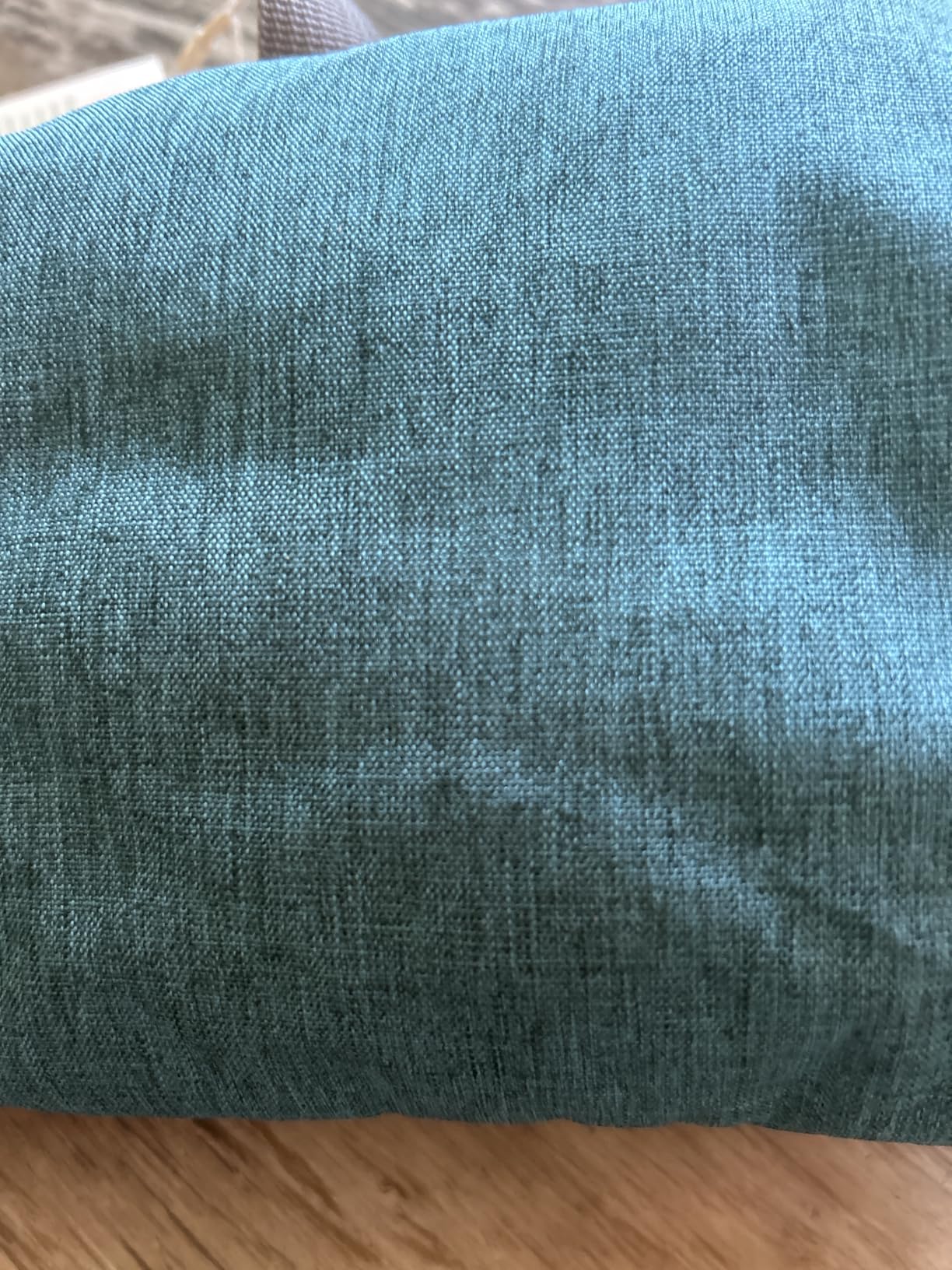
It folds to 8.7 by 6.3 inches, small enough to slip into a suitcase or into another pack, and the four-compartment layout includes a removable zippered pocket for the items you want to grab fast. The polyester lining is what keeps the narrow straps from feeling like wire on a lighter load.
Buyers repeatedly point to the same pattern: they love the weight and the packed size, and they accept that it is not a loaded trekking pack. The narrow, unpadded straps are the limiting factor above about four kilograms.
Who this pack suits?
It suits fast hikers doing short out-and-backs, travelers who want a day bag inside a larger bag, and walkers who carry water, a shell, and little else. The recycled nylon is a genuine sustainability point in a category that rarely offers one.
It also works for anyone who wants to try hiking without committing to a heavier framed pack.
Who should skip it?
Skip it if you carry camera gear, multiple layers, or water for two people. The 20L body fills fast, and once it is full the narrow straps have nothing to work with.
Also skip it for regular rain, since water resistance will not keep contents dry through a sustained shower.
5. Maelstrom 40L Hiking Backpack – Best for Bad Weather
Maelstrom 40L Hiking Backpack, Lightweight Camping Daypack with Rain Cover
40L capacity
210D rip-stop nylon
Included rain cover
2.2 lb empty weight
Pros
- Included rain cover stows in its own pocket for quick wet-weather access
- Ten pockets including waist zipper pockets and a waterproof wet pocket
- Reflective printing for low-light safety
- Hydration compatible with a hose port and bladder fixings
- Comfortable padded back and breathable mesh straps
Cons
- 40L capacity is more than a simple day hike needs
- Water-resistant fabric still needs the rain cover in heavy rain
- Less established brand than Osprey or REI
- Bladder and headphones sold separately
The Maelstrom is the only pack here that ships with a rain cover in its own pocket, and that single feature changes wet-weather planning. Instead of a separate bag in your closet, the cover is two seconds away in a downpour.
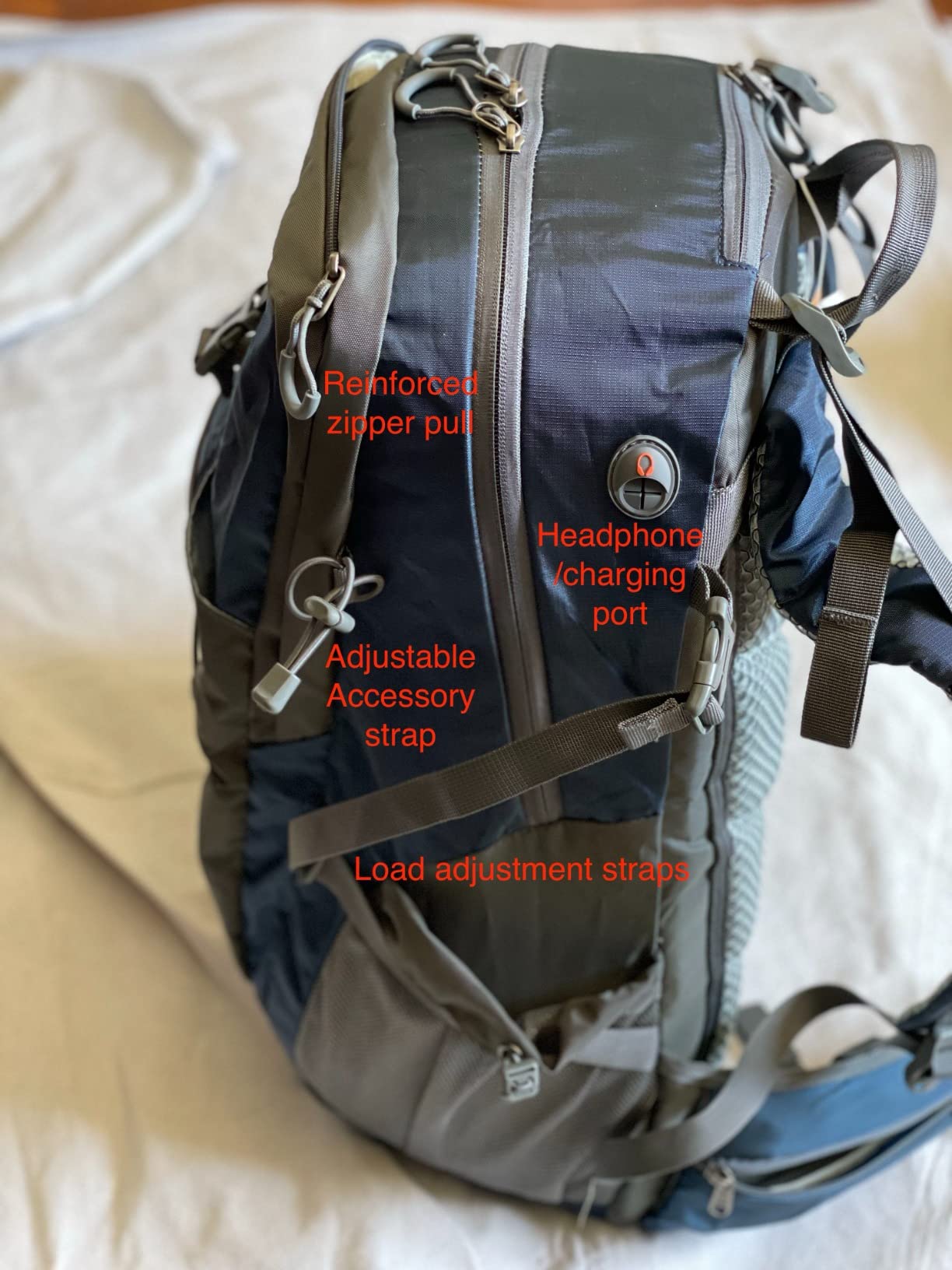
It is also the most weather-focused in the lineup: 210D rip-stop nylon with a water-resistant finish, a waterproof wet pocket for separating damp gear, reflective printing throughout, and a thick padded back with breathable mesh shoulder straps.
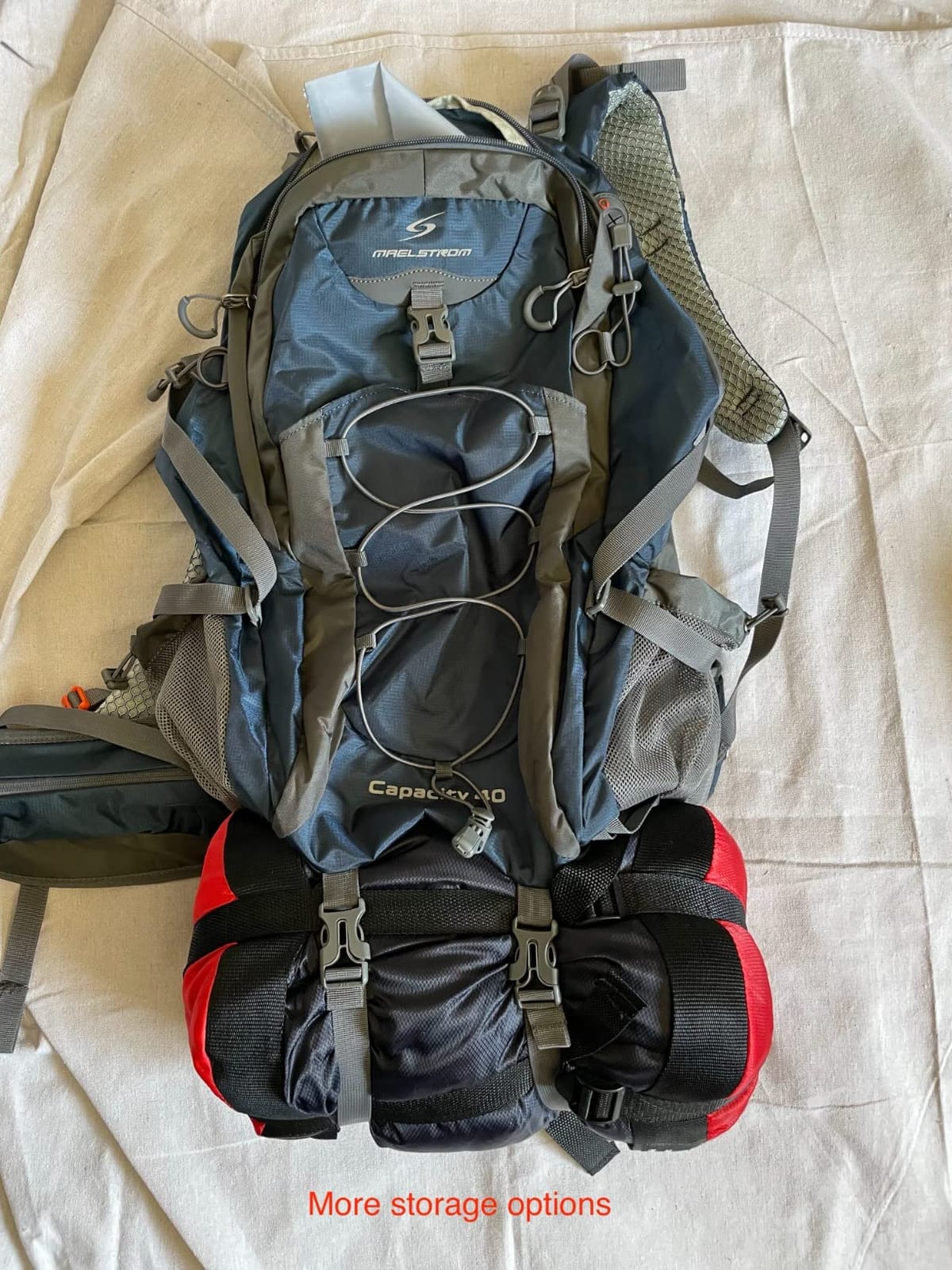
Ten pockets is a lot of places to look, including two waist zipper pockets, two mesh side pockets, three front zipper pockets, and a top pocket. Trekking stick attachments, a headphone hole, and a chest buckle that doubles as a whistle make it work for long days and mixed weather.
The honest drawback is size. Forty liters is more pack than a standard day hike needs, and reviewers say so directly. Where it earns its bulk is shoulder seasons, winter days with extra insulation, and trips where you carry both a camera and a full change of clothes.
Who this pack suits?
It suits shoulder-season and winter hikers, hikers in wet climates, and anyone who carries a lot of gear for a full day. The included cover and the wet pocket remove the two most common sources of a ruined trip.
It also suits hikers who like the waist pockets for a phone, keys, and snacks that they do not want to dig for.
Who should skip it?
Skip it if your day hikes are short and light, because the 40L body will be half empty and it will feel oversized on narrow trails and in dense brush. Reviewers describe the same thing from the other side: more pack than the day requires.
Skip it if you want the bladder included, since the hydration sleeve is there but the reservoir is sold separately.
6. MIYCOO 35L Packable Backpack – Best for Capacity to Weight
MIYCOO Ultralight Packable Backpack, 35L Waterproof Hiking Daypack
35L capacity
12.8 oz empty weight
IPX4 splash protection
Folds to 4.5 x 3.9 x 7.8 inches
Pros
- Exceptionally light at 12.8 oz while offering 35L of capacity
- Folds into a very compact 4.5 x 3.9 x 7.8 inch pouch
- Wet compartment keeps damp gear separate from dry items
- Water-repellent fabric has kept contents dry in rain for multiple buyers
- Wide color selection
Cons
- Lightweight fabric and zippers raise questions about long-term durability
- Some units reported a front compartment piece separating from its stitching
- Color can fade with prolonged sun exposure
- One reviewer reported listed capacity did not match expectations
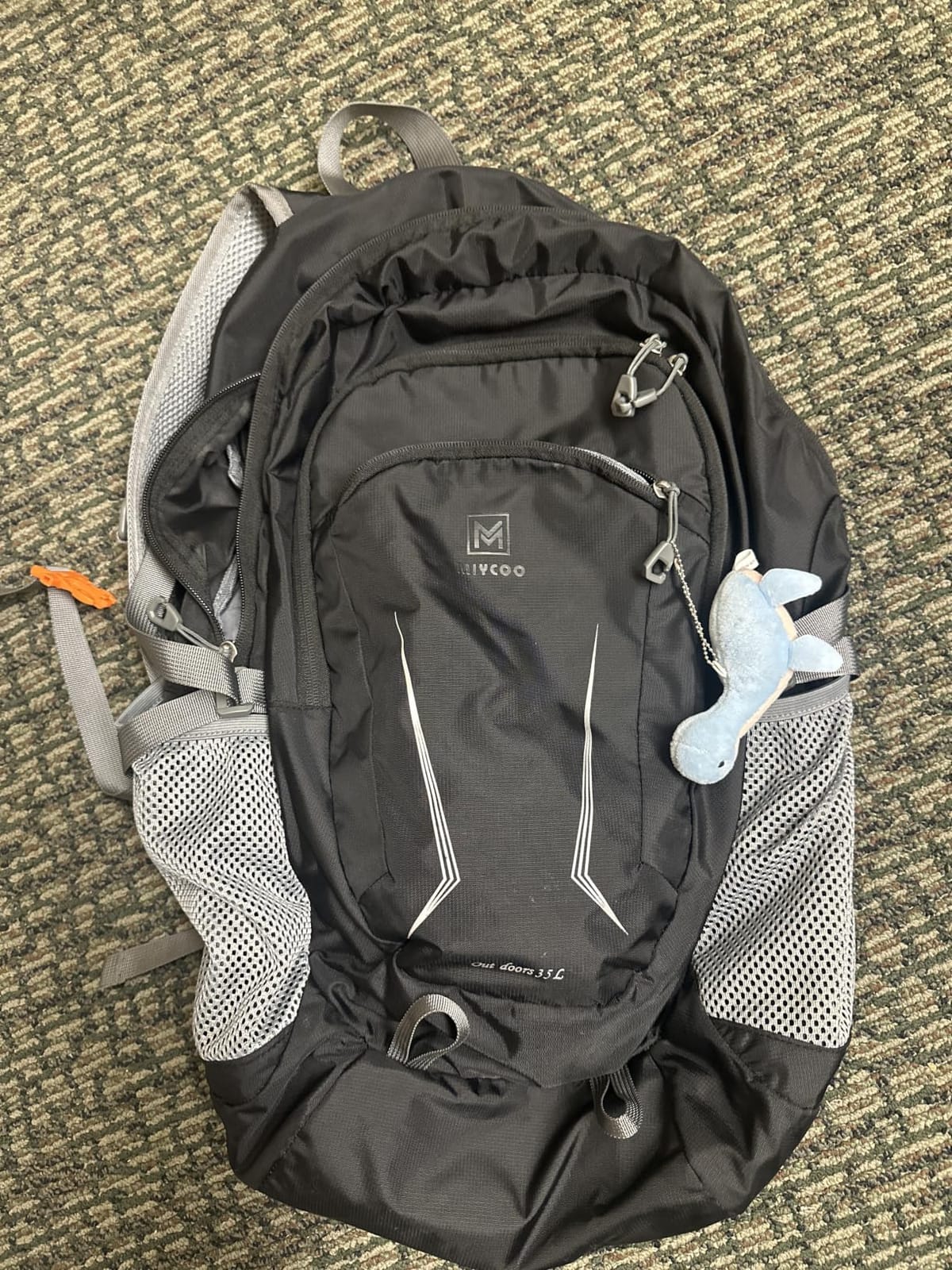
Thirty-five liters at 12.8 ounces is the best capacity-to-weight ratio we found, and it solves a real problem: the packable models usually feel small, and the framed packs feel heavy. This one does neither.
The wet compartment is the feature that surprised us. It separates damp layers from dry food and electronics, which matters more than it sounds after a wet morning in the mountains.
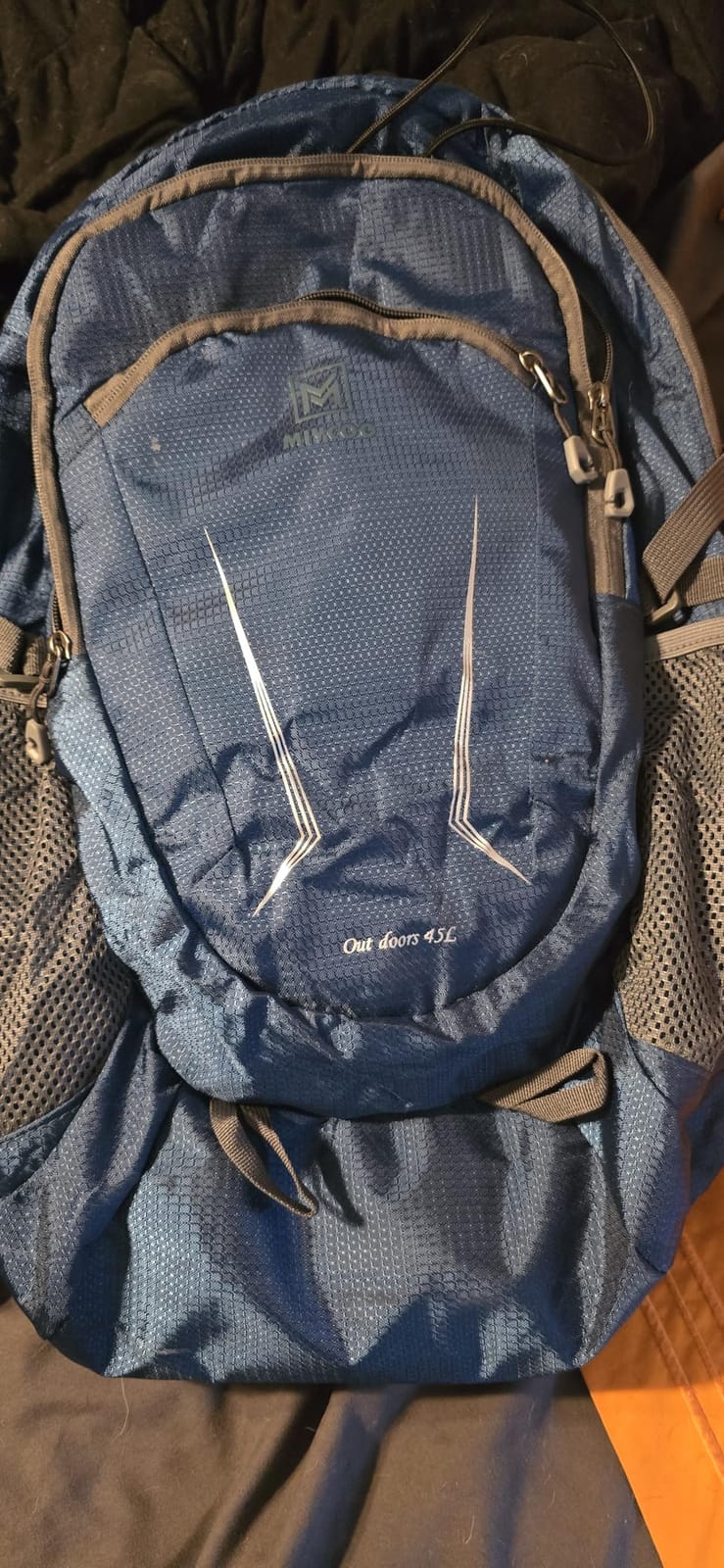
It unfolds to 12.5 by 8.5 by 20.9 inches and folds to 4.5 by 3.9 by 7.8 inches, small enough to live in a jacket pocket. The fabric carries an IPX4 splash rating, and upgraded zippers and reinforced stress points make it feel more robust than the weight suggests.
Anti-theft zipper clips that secure the pulls together, plus a survival whistle on the shoulder strap, are small additions that cost nothing and get used more often than expected on crowded trails.
Who this pack suits?
It suits hikers who want more room than a small packable model without carrying a framed pack, and travelers who want one bag for a whole trip. The wet compartment makes it a strong choice for wet climates.
It also suits anyone who wants a single bag for hiking, commuting, and everyday carry without thinking about which one to grab.
Who should skip it?
Skip it if you need a pack that will last a decade of heavy use. The thin fabric and light hardware are the price of the weight, and some buyers report a front compartment piece separating from its stitching.
Skip it if you carry a lot of weight. There is no frame and no hip belt, so comfort depends on keeping the load light.
7. N NEVO RHINO 18L Hydration Backpack – Best for Cold-Water Hydration
N NEVO RHINO Hydration Backpack, 18L Hiking Backpack with 3L Water Bladder
18L capacity
3L insulated bladder included
0.79 kg empty weight
Ventilated mesh padding
Pros
- Insulated 3L PEVA bladder keeps water cold for hours
- Ventilated mesh padding on back shoulder and waist straps
- Two reflective strips improve nighttime visibility
- Wide 2 inch bladder opening makes adding ice and cleaning easy
- The 3L bladder is included in the box
Cons
- 18L main capacity is small for anything beyond a short hike
- Not recommended for children aged 12 and under
- Bladder and pack add weight compared with non-hydration daypacks
The N NEVO RHINO is a hydration pack first and a hiking pack second, and that is exactly what makes it the right answer for hot routes where you do not want to stop for water.
The included 3L bladder is insulated and keeps water cold for up to five hours, which matters on summer trails where a clear bottle warms fast. The two-inch opening is wide enough to drop ice in and wide enough to actually clean.
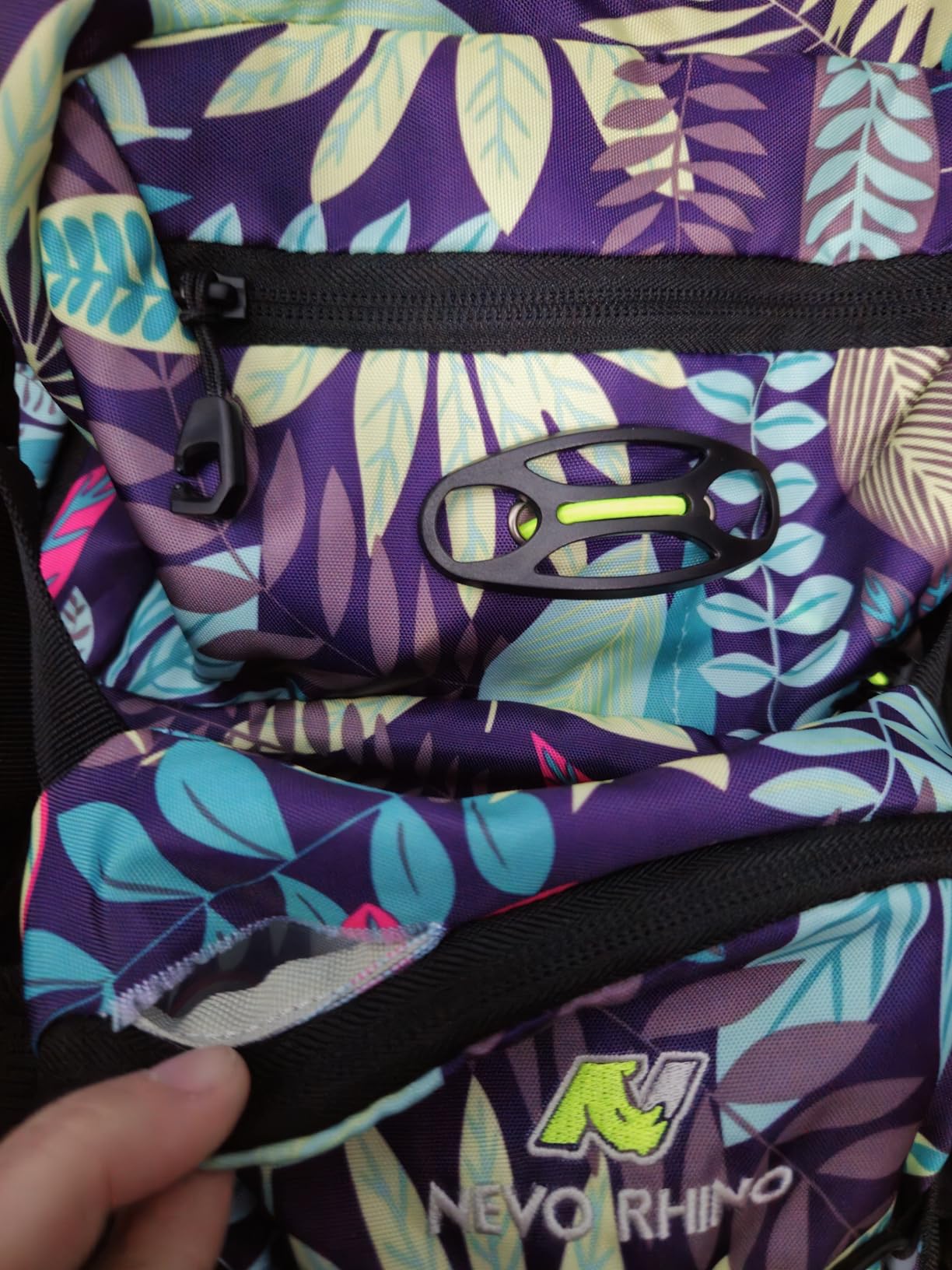
The harness is where it beats most hydration vests: ventilated mesh cushioning across the shoulder straps, waist straps, and the back panel, so the sweat-prone areas get airflow. Two reflective strips cover early starts and late finishes.
Storage is modest at three zippered compartments, two side mesh pockets, and two waist pouches, and the bladder uses a kink-free sip tube with a push-lock cushioned bite valve. It is rated for cycling, camping, running, hiking, and commuting.
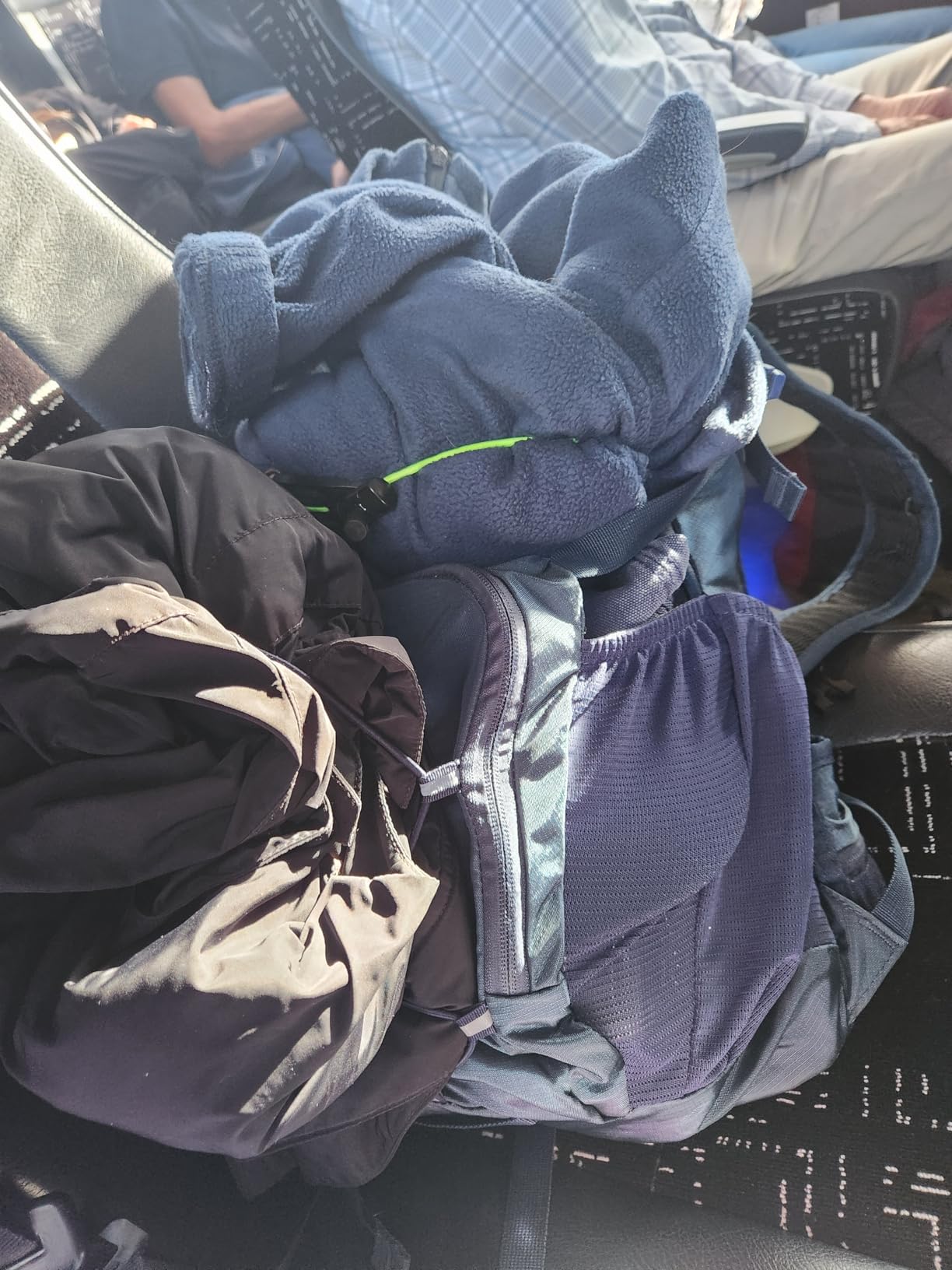
Who this pack suits?
It suits hot-weather hikers, cyclists, and runners who want water on their back without stopping. The insulated bladder is a genuine advantage on long, exposed routes in summer heat.
It also suits anyone who wants a reservoir included rather than hunting down a compatible one separately.
Who should skip it?
Skip it for a full day hike with extra layers and lunch. Eighteen liters is small, and once the bladder takes its three liters the remaining space goes quickly, which is the complaint buyers raise most.
It is also a pack to avoid if weight is the priority, since the bladder and pack together come to 0.79 kg before you fill anything.
8. Water Buffalo Sherpa 22L Hydration Pack – Best for All-Weather Hydration
Water Buffalo Sherpa 22L Hiking Hydration Backpack, 2L Bladder, Canopy
22L capacity
2L bladder included
Rainproof zipper liners
Six storage pockets
Pros
- Water-resistant zipper liners that work in the rain
- Removable cell phone holder and removable hip straps
- Included 2L BPA-free bladder with a wide-opening bite valve
- Lightweight yet durable enough for dozens of miles
- Fits larger users comfortably
Cons
- Shoulder straps feel stiff to some buyers
- Pockets are shallower than the six-pocket count suggests
- Cord locks arrived broken on at least one pack
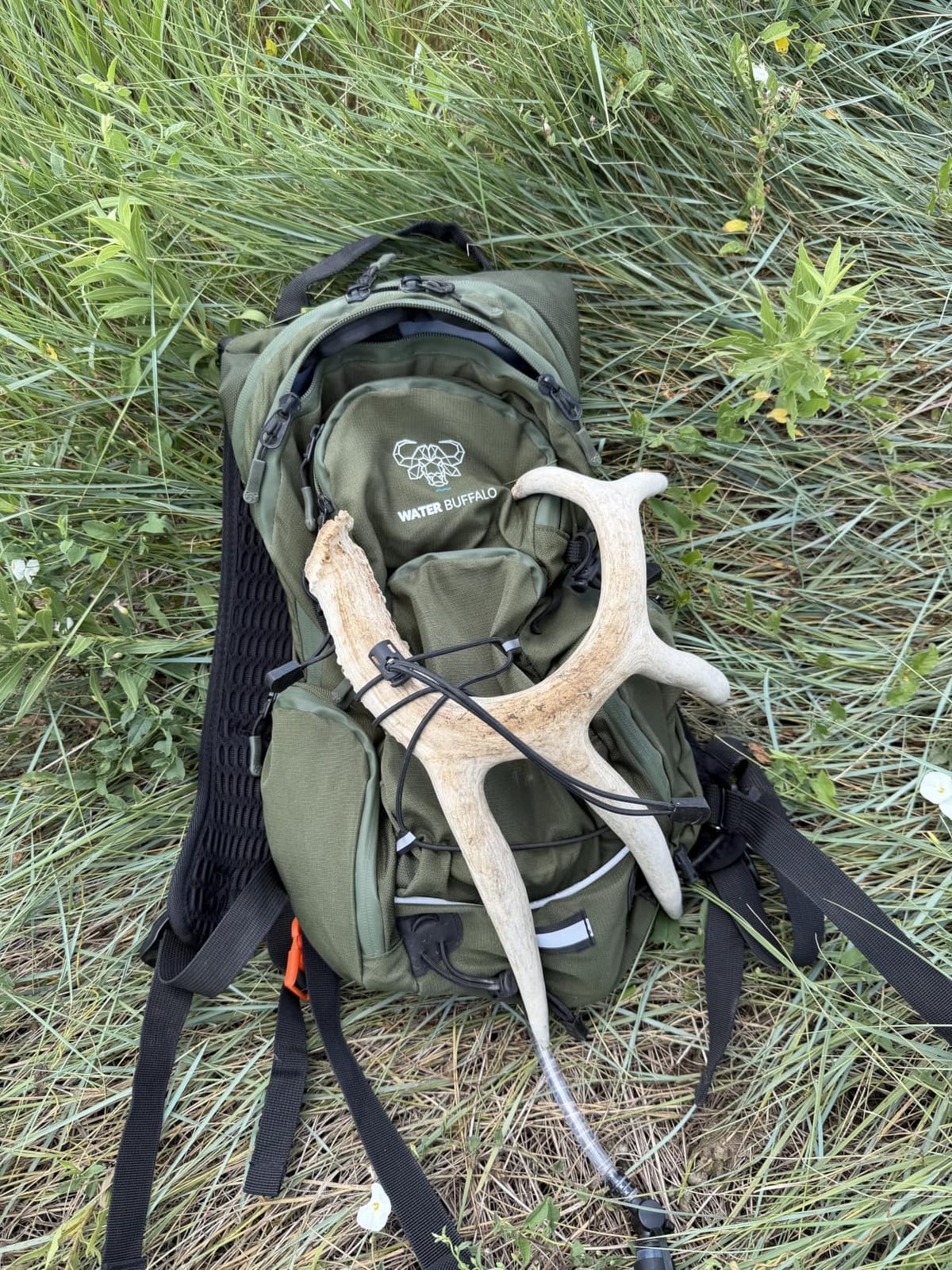
The Sherpa pairs a 22L body with a 2L bladder and, unusually, rainproof zipper liners. In a category where almost everything is merely water resistant, sealed zippers are a real answer to wet trails.
Adjustable hip and chest straps give it a more stable carry than a typical hydration vest, and reviewers note it fits larger users comfortably, which is a common complaint about hydration packs built for smaller frames.
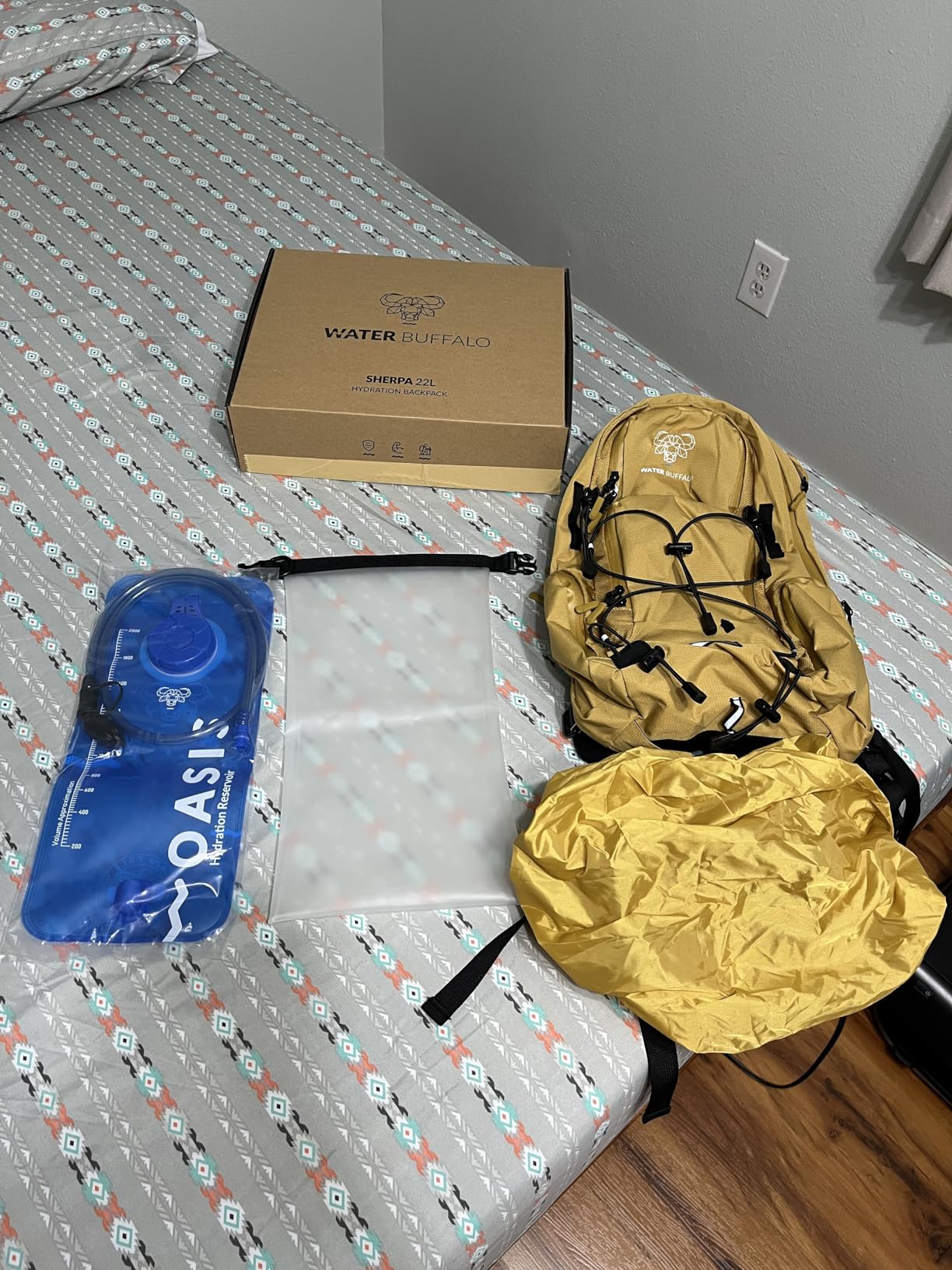
Six storage pockets cover snacks and an extra layer, trekking pole holders and gear loops keep your hands free, and the removable cell phone holder is a small touch that keeps a phone out of a zip compartment on a wet descent. The bladder is BPA-free with a wide opening and a bite valve.
The two complaints that recur are strap feel and pocket depth. Some buyers find the shoulder straps stiff, and several note that the pockets are shallower than six pockets implies. The build quality is rated as good, with a lifetime warranty behind it.
Who this pack suits?
It suits hikers who want hydration plus weather protection, plus anyone whose previous hydration pack never quite fitted them. The adjustable hip straps and larger fit are the deciding factors for many people.
It also works for bike touring and light skiing, where the sealed zippers and pole holders are useful.
Who should skip it?
Skip it if you are sensitive to strap feel, since the shoulder straps are the most common criticism and they are not adjustable in padding. If you carry a lot of flat or bulky items, the shallow pockets will frustrate you.
It is not the choice for someone who wants the coldest possible water, since it does not claim an insulated bladder.
9. Osprey Stratos 24L – Best for Load Transfer
Osprey Stratos 24L Men’s Hiking Backpack, Cetacean Blue
24L capacity
2.78 lb empty weight
AirSpeed ventilated suspension
Included rain cover
Pros
- AirSpeed suspension transfers load to the hips so the shoulders stay free
- Back panel ventilation keeps the back dry on long climbs
- Highly adjustable torso and hip belt for a close stable fit
- Included rain cover in a dedicated pocket
- Internal hydration sleeve with a hose port
Cons
- Side water bottle pockets are hard to reach without removing the pack
- Hip belt sizing runs smaller than other standard packs
- Rigid height means it will not compress for travel
- Heavier and costlier than basic daypacks
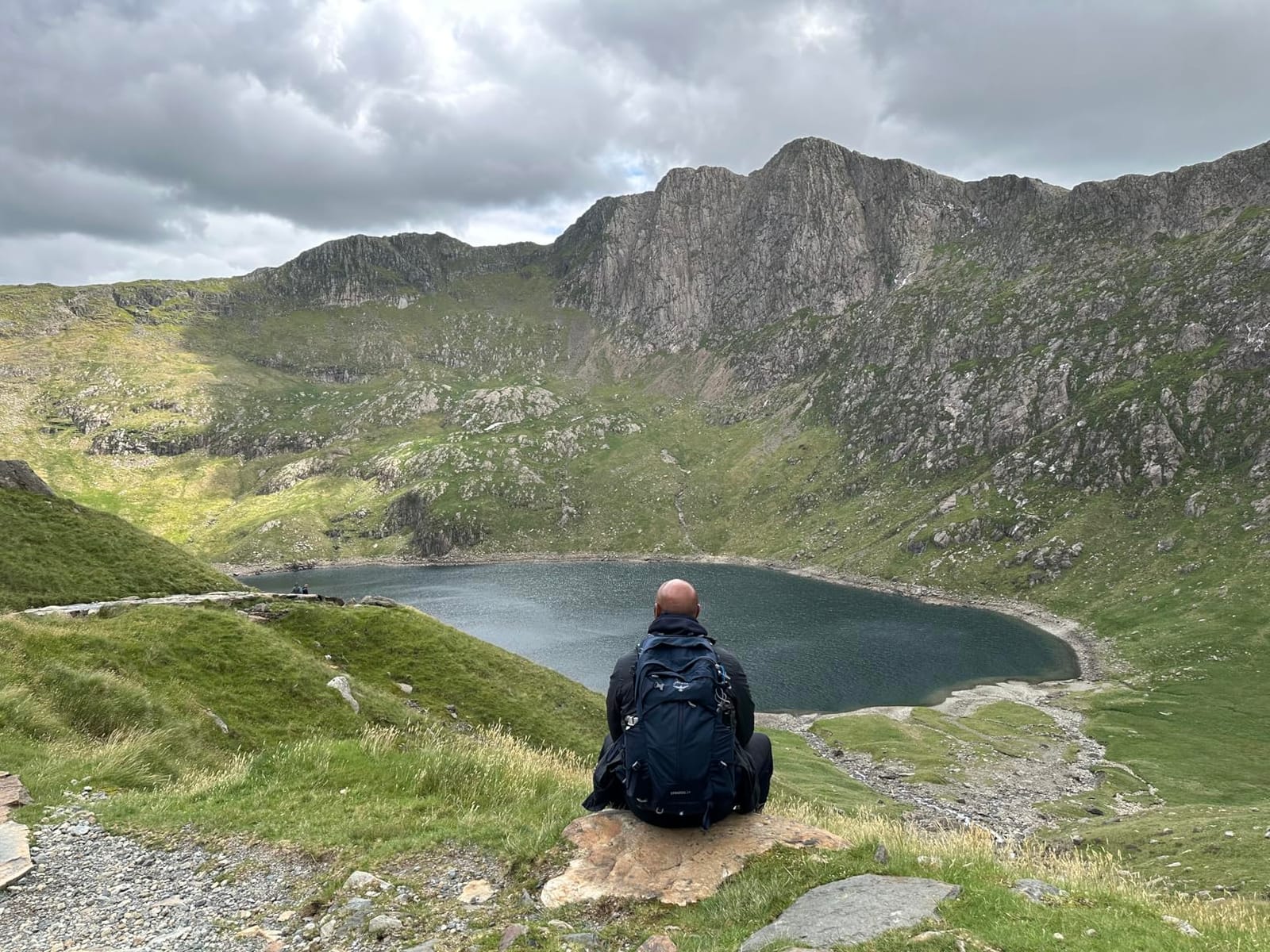
The Stratos is the first pack on this list that behaves like real hiking equipment. Its AirSpeed suspension puts the load on the hips, which is the difference between a comfortable ten-mile day and a painful one.
It carries 24 liters at 2.78 lb, and it includes a rain cover in a dedicated pocket. The panel-loading main compartment with a burly number 10 zipper means you can reach gear at the bottom without unpacking the top.
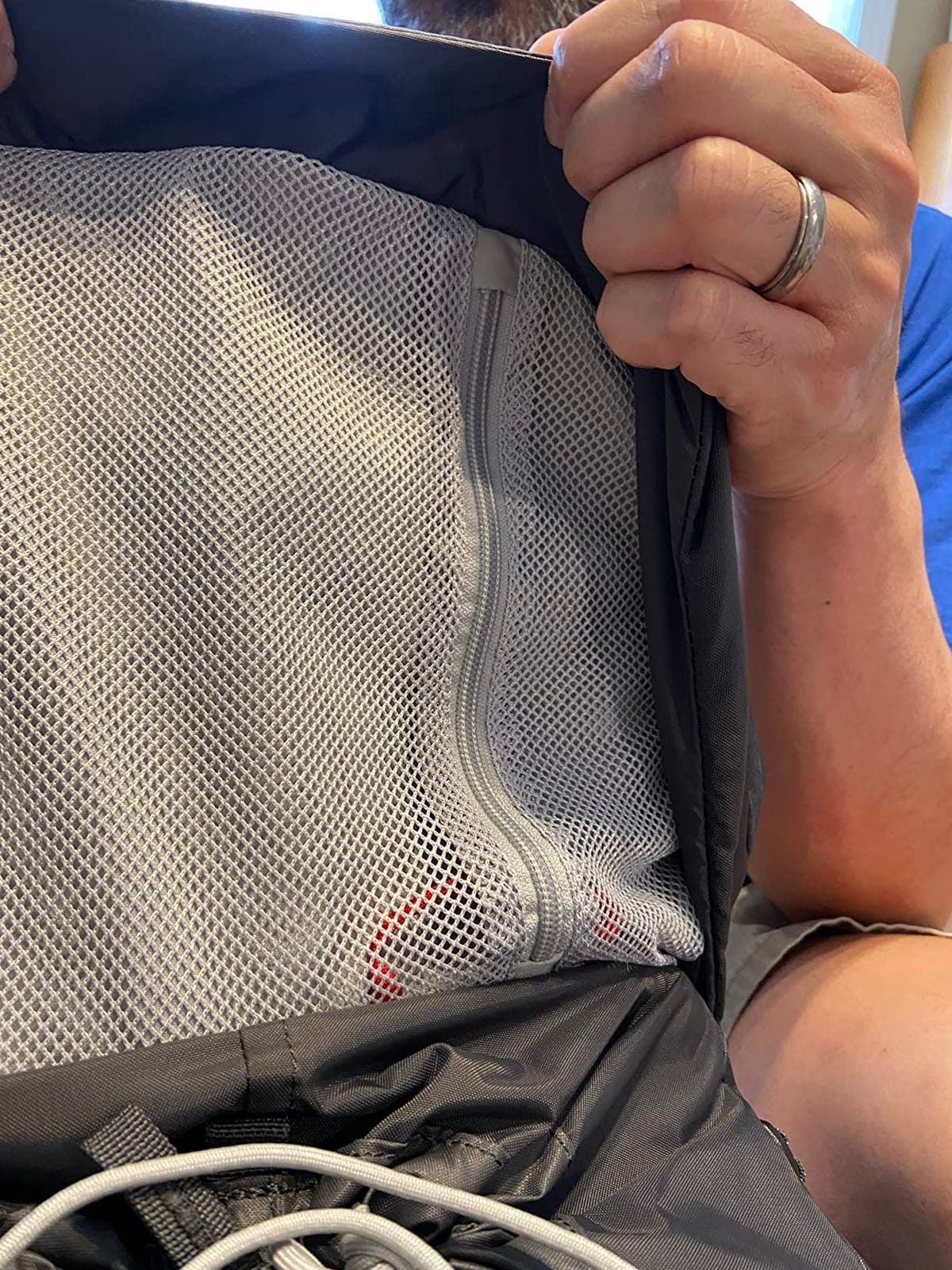
The adjustable injection-molded suspension with 3D-tensioned mesh, plus a molded ladder torso adjustment system and taller frame geometry, is what makes fit dialable. We found the pack settles close to the back and stays there, and the ventilation is the best of any pack here on a hot climb.
Reviewers give it the highest rating in this group and point to the same three strengths: weight distribution, back ventilation, and adjustability. The Stratos carries an All Mighty Guarantee, which is part of why it has held up for years of use in owner reports.
Who this pack suits?
It suits hikers who carry a real load, walk long days, or climb in heat. If your pack pain has always come from the shoulders, this is the pack that changes that experience.
It also suits anyone who wants a hydration sleeve and hose port without buying a reservoir separately, and anyone who wants a rain cover included.
Who should skip it?
Skip it if you travel light and want a low weight, because 2.78 lb is the second heaviest pack here. Skip it for airline travel too, since the rigid height will not compress into a small overhead space.
The side bottle pockets need the pack off your back to reach, and the hip belt sizing runs small, so check both before you commit to a long day.
10. Osprey Sportlite 25L – Best for Everyday Versatility
Osprey Sportlite 25L Lightweight Hiking Backpack for Men and Women, Pine Leaf Green, M/L
25L capacity
1.7 lb empty weight
Padded hipbelt with pockets
Quick-release compression straps
Pros
- Light at 1.7 lb for a 25L framed pack
- Quick-release compression straps and a padded hipbelt for a secure carry
- Blinky light attachment slot for evening visibility
- Adjustable sternum strap with a built-in rescue whistle
- Multiple size and fit options including extended fit
Cons
- Only one main compartment limits internal organization
- No included rain cover
- Smaller pool of owner feedback than the other Osprey models
The Sportlite is the middle ground between a frameless daypack and a full technical pack. Twenty-five liters, 1.7 pounds, and a padded hipbelt that actually does something, which is rarer than it should be in this weight class.
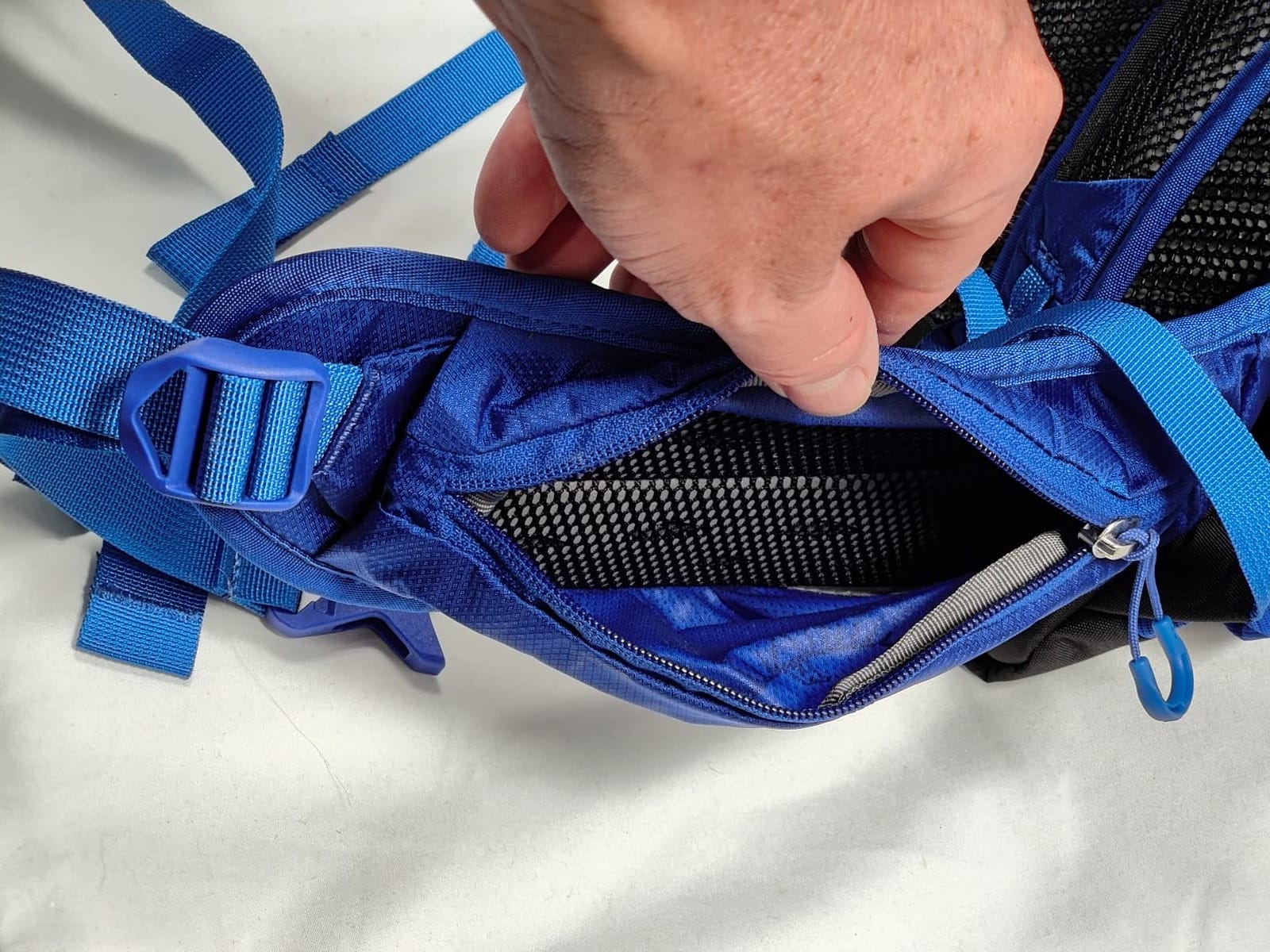
Eight pockets including a padded hipbelt with one zippered pocket and one open stretch mesh pocket give you somewhere for a phone and a snack without unpacking. The internal hydration bladder holder takes a reservoir if you want one.
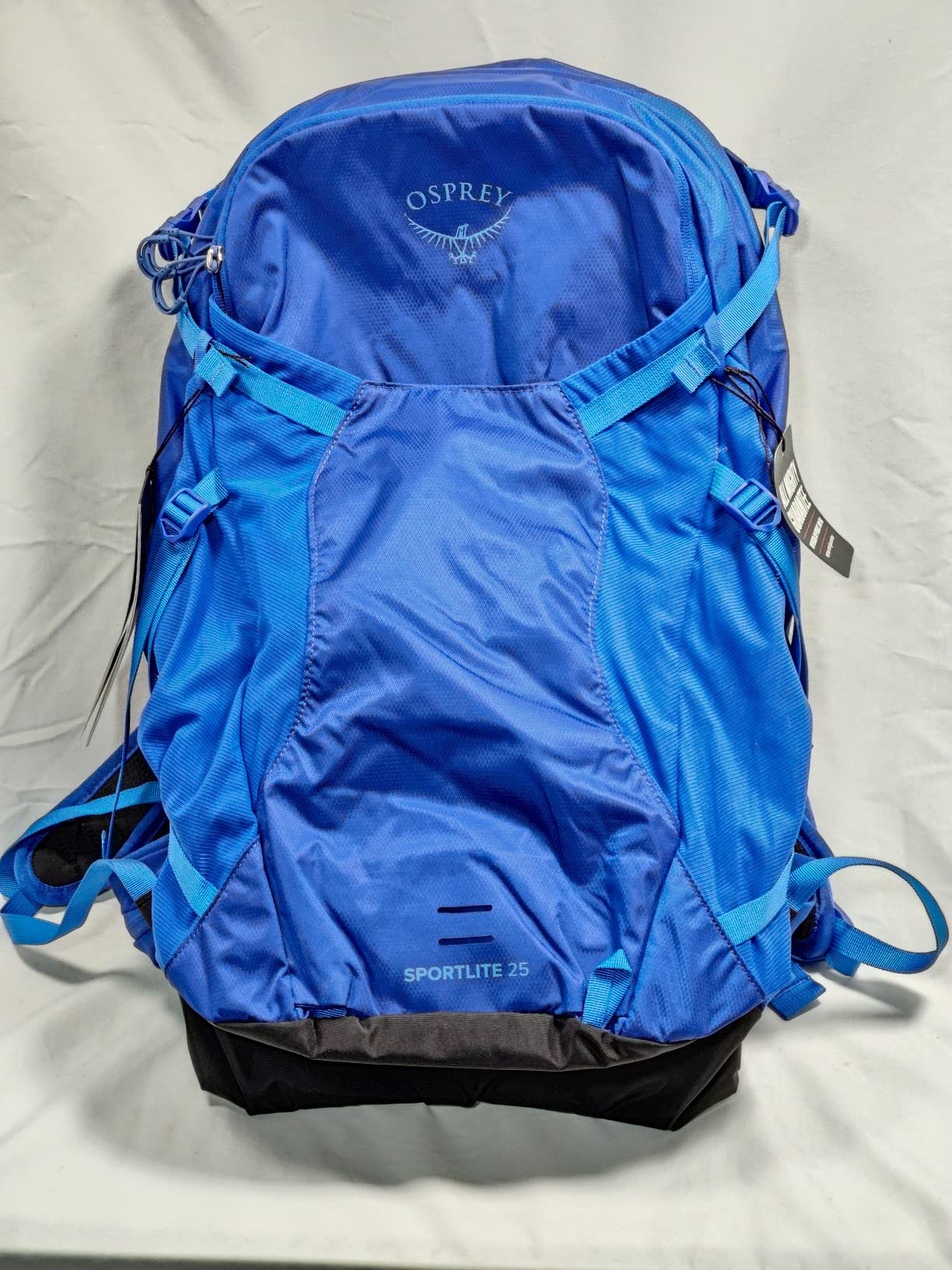
Quick-release upper compression straps let you stabilize the load with one hand while walking, the sternum strap carries a rescue whistle, and a slot at the base of the front panel accepts a blinky light for early starts and late finishes.
It is rated at the top of this group alongside the Stratos, with feedback centered on the light weight, comfortable padded hipbelt, and the useful compression and accessory details. It is also offered in a range of torso sizes including an extended fit.
Who this pack suits?
It suits hikers who want a hip belt and a frame without a technical price or weight, and it works well for day hikes, travel days, and everyday carry. The extended fit option is useful for longer torsos.
It also suits anyone who wants a framed pack that still qualifies as a personal item when packed lightly.
Who should skip it?
Skip it if you need serious organization. One main compartment means the rummaging that the SKYSPER solves, and small items end up loose at the bottom.
Skip it if you hike in rain without wanting to carry a separate rain cover, and consider that the owner feedback pool here is smaller than for the other Osprey models.
11. Osprey Talon 22L – Best for Technical Terrain
Osprey Talon 22L Men’s Lightweight Hiking Backpack, Gray OS
22L capacity
2.38 lb empty weight
AirScape backpanel
Adjustable sliding yoke
Pros
- AirScape backpanel with sliding yoke and BioStretch hipbelt distribute weight to the hips
- Very adjustable so most body types can dial in a close fit
- Works as an airline personal item when not overfilled
- Trekking pole helmet and ice ax attachment points
- bluesign approved recycled 100D ripstop nylon with PFAS-free treatment
Cons
- Heavier than most daypacks here at 2.38 lb
- Hydration sleeve moved inside the main compartment on the current version
- Sunglasses holder removed on the latest version
- Waist and chest straps are unpadded
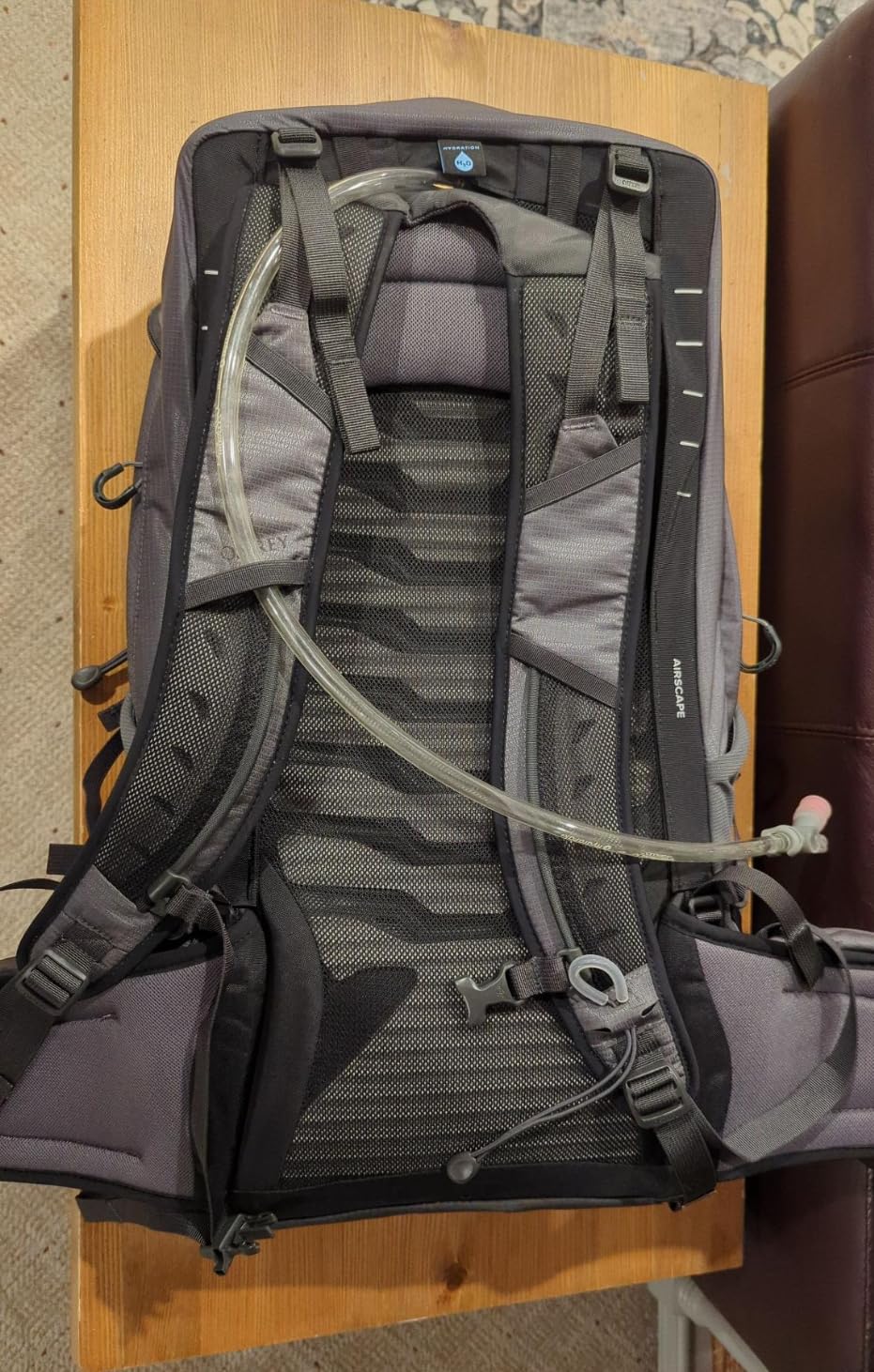
The Talon is the pack for hikers who do more than walk. Its AirScape backpanel sits close to the body for stability, and the attachment points for trekking poles, a bike helmet, and an ice ax cover scrambling, ridgelines, and fast descents.
Twenty-two liters is a deliberately compact body, which keeps the profile low and stable on technical ground where a tall pack catches on things. Dual-zippered hipbelt pockets, a spacious top panel pocket, and stretch mesh side pockets handle the rest.
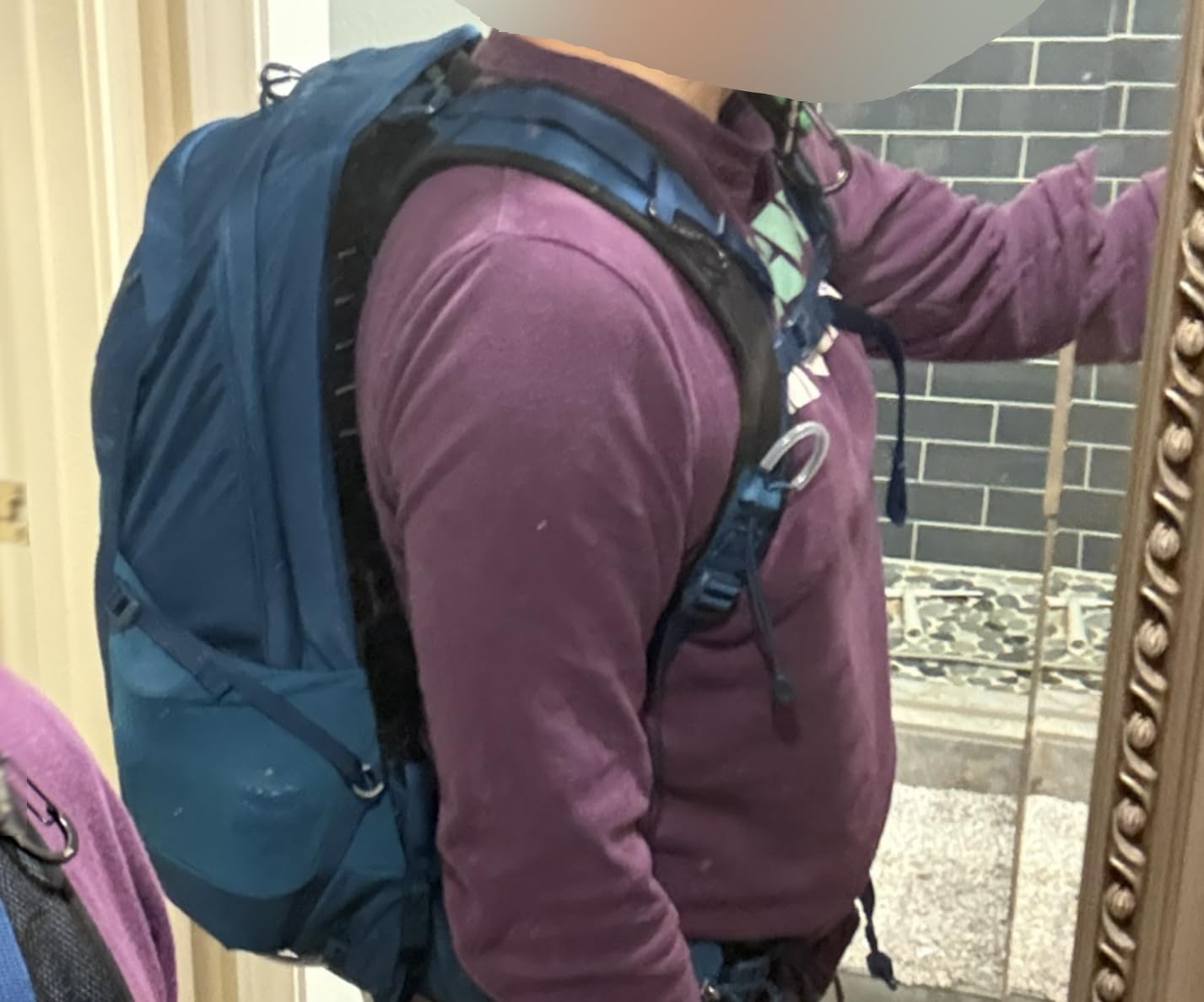
The build is the most considered in this group: bluesign approved 100 percent recycled 100D high-tenacity nylon with a dobby check ripstop, a DWR treatment made without PFAS, and a recycled 70D nylon lining treated the same way. It carries the All Mighty Guarantee.
Owner feedback praises the hipbelt weight transfer and adjustability. The criticisms are specific: it is heavy for a daypack, the hydration sleeve moved inside the main compartment on the current version which is less convenient, and the sunglasses holder is gone.
Who this pack suits?
It suits hikers who scramble, ridge-walk, or ride to a crag, and anyone who wants a single bag for hiking, biking, and travel. The recycled, PFAS-free fabric is the strongest sustainability story in this roundup.
It also suits travelers who want a personal-item bag that still handles a full hiking day when packed under the airline limit.
Who should skip it?
Skip it if you want an ultralight daypack. At 2.38 lb it is the third heaviest here, and the suspension system is more than a simple day hike needs.
Skip it if quick access to a reservoir matters, and note that the unpadded waist and chest straps are noticeable on a heavily loaded long day.
12. TILYMOL 30L Hiking Travel Backpack – Best for Work and Travel
TILYMOL 30L Hiking Travel Backpack for Men Women with Hydration System
30L capacity
Stowable ergonomic hip belt
Hydration sleeve for a 3L bladder
Fits a 17 inch laptop
Pros
- Shoulder strap phone pocket gives quick access without removing the pack
- Stowable hip belt plus chest strap spreads weight on long day hikes
- Rip-stop fabric with a water-resistant finish
- Many well-sized pockets and external loops for poles or a jacket
- Padded laptop compartment fits a 17 inch laptop
Cons
- Bladder is not included
- Unsealed hydration tube and headphone openings can let water seep in
- Some durability concerns with a reported zipper seam failure
- 30L can feel small for larger loads
The TILYMOL is the crossover pick, and the stowable hip belt is the reason it works on a trail. Many packs force a choice between a hip belt for hiking and a clean profile for commuting. This one hides the belt in a bottom compartment when you do not need it.
Seven pockets, a shoulder strap pocket sized for most smartphones, and external loops for poles or a jacket give it more day-trip capability than a typical travel backpack.
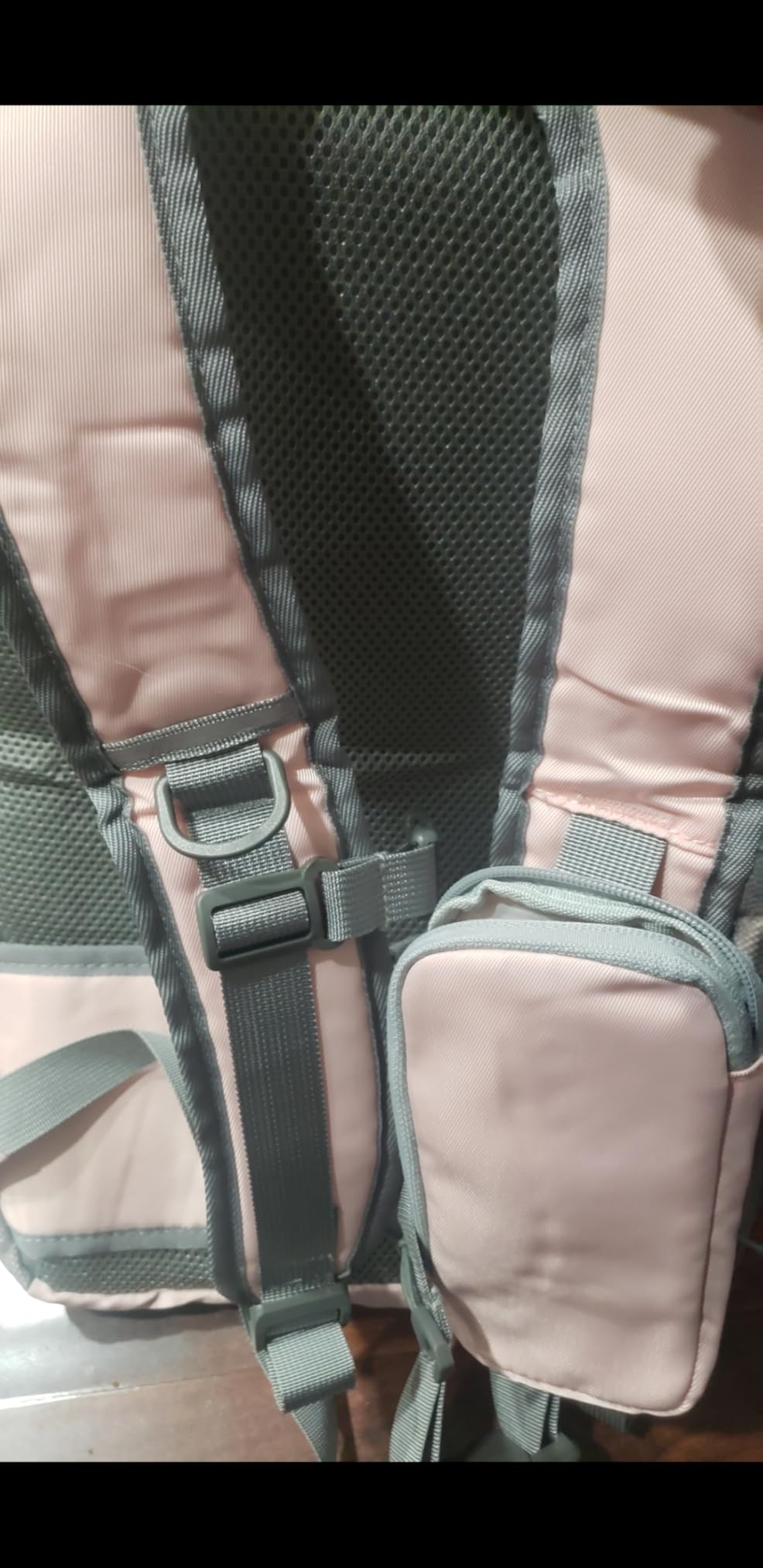
The dedicated hydration sleeve takes a reservoir up to 3L with an internal strap and a top hose port, though the bladder itself is not included. The independent padded compartment fits a laptop up to 17 inches, which is what makes it a genuine work bag.
Rip-stop fabric with a water-resistant finish and reinforced stitching at stress points handled rain well for at least one buyer. The trade-offs are honest ones: unsealed hose and headphone openings can let water seep in, and one report mentions a zipper seam failure.
Who this pack suits?
It suits people who hike after work, commute with a laptop, and travel with one bag. The stowable hip belt is the feature that makes the crossover real rather than nominal.
It also suits anyone who wants a daypack with a dedicated phone pocket and a stowable belt, two features that are unusual together.
Who should skip it?
Skip it if you want a reservoir included, since the sleeve is there but the bladder is sold separately. Skip it for sustained rain, because the unsealed tube and headphone openings are weak points.
It is also the smallest review pool of the framed and travel-oriented picks here, so long-term durability feedback is thinner.
How to Choose a Daypack for Day Trips?
What size hiking backpack do I need for a day trip?
For most day trips, 20 to 30 liters is the right range. Fifteen to 20 liters works for a short walk with water, a layer, and lunch. Twenty-five to 30 liters covers a full day with extra clothing, a camera, or a first aid kit. Thirty-five to 40 liters is for winter, wet conditions, photography, or a light overnight.
20L vs 30L vs 40L: where the boundary really sits?
Decide by what you carry, not by how the pack looks. Two liters of water, an insulating layer, a shell, lunch, and a first aid kit land near five kilograms and fit comfortably in 25L. Add a second layer, a camera body, or water for two people and you cross into 35 to 40L.
Going under 20L is the most common mistake. Owners on hiking forums describe the same frustration: a small pack cannot absorb the extras that a real day requires, so they end up carrying water on a belt or leaving things behind. Going above 40L is the other common mistake, since a bulky empty pack snags on brush and rocks.
Our 12 best hard-sided coolers for multi-day trips guide covers the food side of a long day, which is where people most often underestimate the space they need.
Why the hipbelt and back panel decide comfort?
Most of a loaded pack should rest on the iliac crests, the bony ridge at the top of your pelvis, not on your shoulders. The back panel holds the pack body away from your spine for airflow, and the hipbelt does the load transfer. A pack without a real hipbelt forces everything onto the shoulders, which is why it feels fine for an hour and miserable for five.
This is why the framed packs on this list score higher on comfort even though they weigh more. The trade is straightforward: carry two extra pounds, or carry a five kilogram load on your shoulders for six hours.
Hydration sleeve or water bottles?
A sleeve keeps the weight on your back and lets you drink without stopping, which is the argument for hydration packs on long or hot routes. Bottles are simpler, easier to monitor, and keep water cold longer, and they are what most day hikers actually use.
Check whether the sleeve is insulated. Insulated bladders keep water cold for hours and matter in summer, and they add weight whether you are using them or not. Also check the hose port, because an unsealed opening lets rain in.
Back panels and hot-weather ventilation
Suspended mesh back panels, such as the Osprey AirSpeed design, hold the pack away from your spine and let air move across your back. Foam panels sit closer and feel more stable but trap heat. In hot and humid summer hiking, ventilation is not a comfort nicety, it is the difference between finishing comfortably and not.
Ten essentials and how to pack them
Every pack on this list carries the full ten essentials comfortably at 25L or more: navigation, headlamp, sun protection, first aid, knife and repair tape, fire starter, shelter, extra food, extra water, and extra clothes. At 20L, plan the shelter as a pack cover and choose the smallest items in each category.
Weighted water, and a full day of gear on your back, is the number to match against the pack. A 20L packable handles four to five kilograms. A framed pack handles considerably more, and that headroom is what you are paying the extra weight for.
How to Fit a Hiking Backpack in 5 Steps?
Fit is where most daypack complaints start, and most of them are fixable in a few minutes. Torso length, not shoulder padding, decides whether a pack carries properly.
First, measure your torso from the top of your iliac crest, just at the base of your spine, to the base of your neck. That number is your torso length, and it is the value you use to set the pack.
Second, loosen everything. Empty the pack and set all straps fully loose before you place it on your back.
Third, position the hipbelt so it sits on your hip bones, not on your waist. The load transfers there, so if the belt rides above the bony ridge, the pack is too tall for you.
Fourth, set the torso length using the ladder or sliding yoke adjustment, then tighten the shoulder straps so the pack sits close to your back without pressing. Tighten the load lifters at the top until the pack no longer tips backward over your shoulders.
Fifth, load it with your real day kit and walk for ten minutes. A fit that works empty fails when loaded, so judge it with the weight in it, and re-check the hipbelt position after ten miles.
Frequently Asked Questions
What is the best size daypack for hiking?
For most day trips, 20 to 30 liters is the right range. Fifteen to 20 liters fits a short walk with water, a layer, and lunch. Twenty-five to 30 liters covers a full day with extra clothing, a camera, or a first aid kit. Choose 35 to 40 liters for winter hiking, wet climates, photography gear, or a light overnight. Match the size to what you carry rather than to the length of the hike.
What is the best backpack for day trips?
The best hiking backpack for day trips is usually a framed pack between 22 and 25 liters with an adjustable hipbelt, because it moves the load off your shoulders. Packable frameless models win for travel and light loads. The right choice depends on whether your typical day load is under or over five kilograms.
What is the best small daypack for hiking?
For a small pack, the WATERFLY 20L at 10.2 ounces is the lightest option we tested, and it folds to 8.7 by 6.3 inches for travel. The MIYCOO 35L offers far more capacity at 12.8 ounces if you want more room without more weight. Both are frameless, so keep the load under about four kilograms.
What is the most comfortable day backpack for day hikes?
Comfort comes from load transfer, back panel type, and adjustability. The Osprey Stratos 24L uses an AirSpeed suspension with 3D-tensioned mesh and an adjustable torso system to put most of the load on your hips. Packs with no frame or hip belt feel fine for an hour and painful past four.
Are hydration packs better than traditional daypacks?
Hydration packs are better on long or hot routes because the water rides on your back and you drink without stopping. Traditional daypacks with bottle pockets are simpler, easier to monitor, and keep water cold longer. Many daypacks include a hydration sleeve so you can add a reservoir only when you want one.
Do I need a rain cover for my daypack?
A rain cover matters most on framed packs with open outer pockets, where a downpour soaks gear faster than the fabric would on its own. The Maelstrom 40L includes one in a dedicated pocket and the Water Buffalo Sherpa 22L uses rainproof zipper liners. For packable nylon daypacks, packing your gear in dry bags is usually the more reliable approach.
Conclusion: Which Daypack Should You Buy?
Pick the ZOMAKE 30L if you want one pack for trails, airports, and everything between, and your day load stays under five kilograms. Pick the G4Free 30L if you want that same idea with a slightly different pocket layout. Pick the Osprey Stratos 24L if your days are longer or heavier and you want the load on your hips instead of your shoulders.
Match the size to the trip: 20L for short walks, 25 to 30L for a full day, 40L for winter, wet weather, or gear-heavy outings. Fit it on your hip bones rather than your waist, and your choice among the best hiking backpacks for day trips will hold up over a decade of 2026 trail seasons. For camp power and gear on longer outings, our 8 best portable power stations for camping trips guide covers the rest of the kit.