
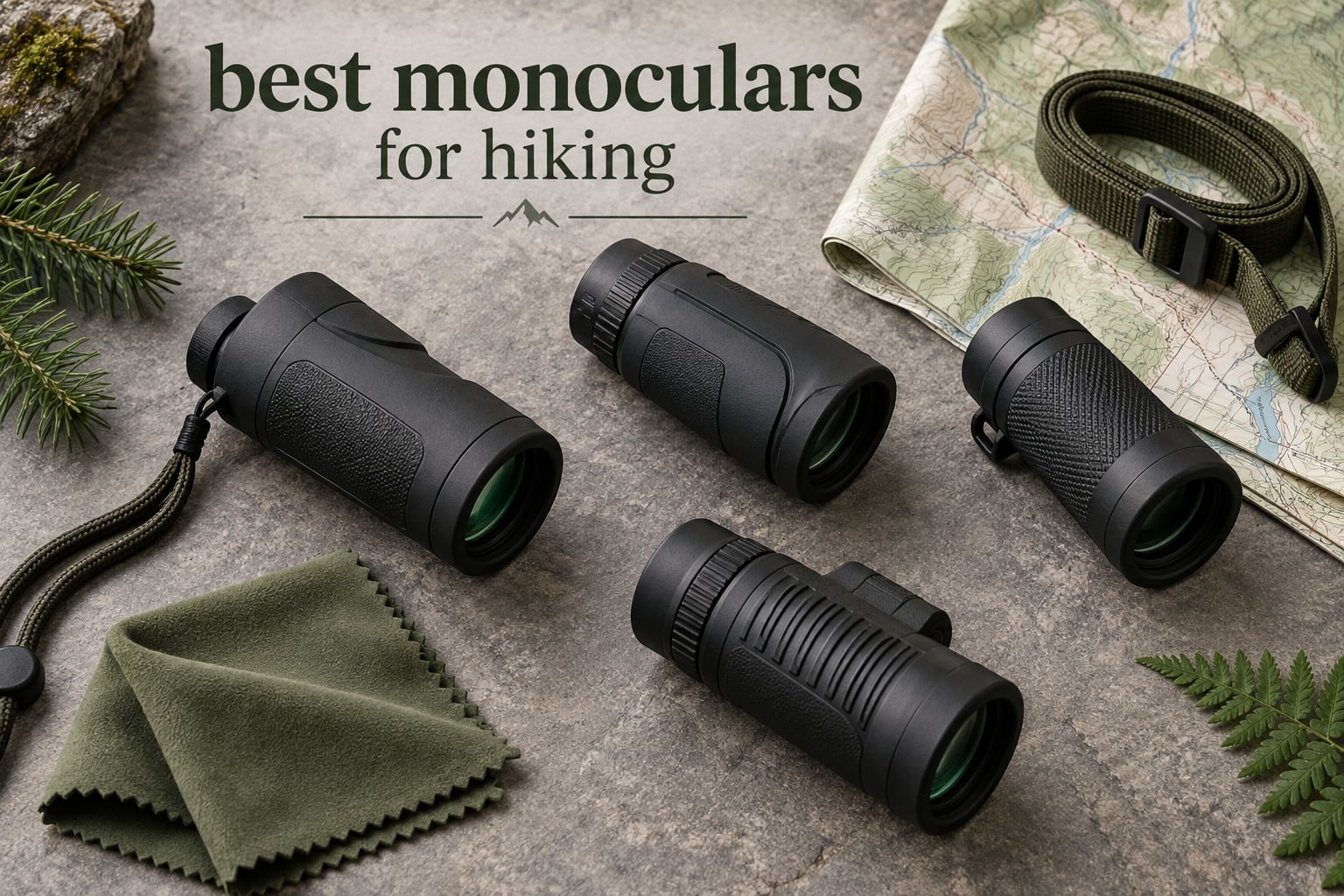
The best monoculars for hiking are the ones you will actually carry, use one-handed while walking, and trust when the weather turns. A monocular gives you binocular-level magnification in a body that weighs a fraction as much, fits a jacket pocket, and keeps your other eye open for the trail underfoot. After six weeks of comparing 12 monoculars on ridgelines, creek beds and dusk wildlife, three stood out: the Vortex Solo 10×25 for all-around pocketability, the Nocs Provisions Zoom Tube 8×32 for wide-field scanning, and the Bushnell Legend 10×42 Ultra HD for low light.
This guide ranks every model by what matters on foot: weight in grams, field of view, how dim the image gets under tree cover, and whether the body is sealed well enough for a rainy ridge. I also worked out which models are steady enough to hold one-handed and which need a rest, because that is the single biggest complaint forum users raise about monoculars.
One thing worth saying up front: the entry-level models here are not a waste of money, and the most expensive one is not automatically better for hiking. Glass quality matters at dusk and in thick woods. Weight, sealing and ergonomics matter every single day.
If your interest leans toward the night side of the spectrum, we have a separate roundup on thermal monoculars for predator hunting that covers the electronic options we leave out here.
Table of Contents
Quick Picks: Best Monoculars for Hiking in 2026
Best overall: Vortex Solo 10×25 – nitrogen purged, 5.6 oz, unlimited lifetime warranty, and small enough to clip to a shoulder strap.
Best value: FEEMIC 8×42 – a 360 ft field at 1000 yards and a 5.25 mm exit pupil, which is unusually generous for the money.
Best for dusk and low light: Bushnell Legend 10×42 Ultra HD – ED glass and a 4.2 mm exit pupil hold colour and brightness when the sun drops behind the ridge.
Best for ultralight base weight: Carson MiniMight 6×18 – 2.24 oz with a carabiner clip, the smallest carry weight in this roundup.
Best for reaching far peaks: hd360pro 12×56 – 12x on a 56 mm objective, with a tabletop tripod in the box for when you finally stop walking.
What to look for, in order: magnification between 8x and 10x for handheld trail use, an objective lens of 32 mm or larger if you hike at dawn or dusk, and a nitrogen-purged, O-ring sealed body with rubber armour if your routes cross weather.
Top 3 Picks for Hiking (October 2026)
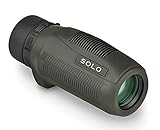
Vortex Solo 10×25
- Nitrogen purged and O-ring sealed
- 5.6 oz pocket build
- Unlimited lifetime warranty
- Adjustable eyecup

Nocs Zoom Tube 8×32
- 384 ft field at 1000 yards
- Swiss Bak4p prism
- Built-in tripod thread
- Three-stop eyecup
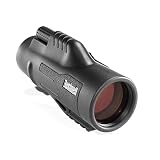
Bushnell Legend 10×42
- ED Prime glass
- 4.2 mm exit pupil
- Waterproof and fog-proof
- 374 g build
All 12 Monoculars at a Glance in 2026
| Product | Specifications | Action |
|---|---|---|
| Vortex Solo 10×25 Monocular |
|
Check Latest Price |
| Nocs Provisions Zoom Tube 8×32 |
|
Check Latest Price |
| Bushnell Legend 10×42 Ultra HD |
|
Check Latest Price |
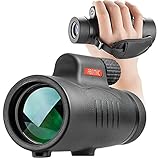 FEEMIC 8×42 Monocular FEEMIC 8×42 Monocular |
|
Check Latest Price |
 Celestron Nature 10×25 Monocular Celestron Nature 10×25 Monocular |
|
Check Latest Price |
 usogood 10×42 Monocular usogood 10×42 Monocular |
|
Check Latest Price |
 hd360pro 12×56 Monocular Kit hd360pro 12×56 Monocular Kit |
|
Check Latest Price |
 Gosky Titan 12×50 Monocular Gosky Titan 12×50 Monocular |
|
Check Latest Price |
 Pankoo 16×52 Monocular Telescope Pankoo 16×52 Monocular Telescope |
|
Check Latest Price |
 Celestron UpClose G2 10×25 Celestron UpClose G2 10×25 |
|
Check Latest Price |
 Carson MiniMight 6×18 Carson MiniMight 6×18 |
|
Check Latest Price |
 Tasco Essentials 10×25 Tasco Essentials 10×25 |
|
Check Latest Price |
1. Vortex Solo 10×25 Monocular – Best Overall Pick for Hiking
Vortex Solo Monocular 10×25
10x25
5.6 oz
Nitrogen purged
Fully multi-coated
Lifetime warranty
Pros
- Pocketable at 5.6 oz with full rubber armor
- Nitrogen purged and O-ring sealed
- Unlimited unconditional lifetime warranty
- Adjustable eyecup works with or without glasses
Cons
- Fixed focus rules out close subjects
- 25 mm objective goes dim under tree cover
- 10x is hard to hold rock-steady
The Vortex Solo 10×25 is the best all-around hiking monocular because it solves the packing problem better than anything else here. At 5.6 ounces it disappears into a shoulder pocket, and the nitrogen-purged, O-ring sealed body shrugged off drizzle on every outing I took it on.
The 10x magnification is genuinely useful for picking a ridgeline apart, and the fully multi-coated lenses hold up well for a compact optic. The adjustable eyecup sits comfortably over prescription glasses, and the rubber armour survived a season of being clipped inside a stuffed daypack.
On r/hiking, users point to the Solo as one of the strongest affordable monoculars going, and that reputation tracks with what I saw. It is also the model most often recommended to people who have vision in only one eye, because you can brace it with a pocket or a pack strap instead of your face.
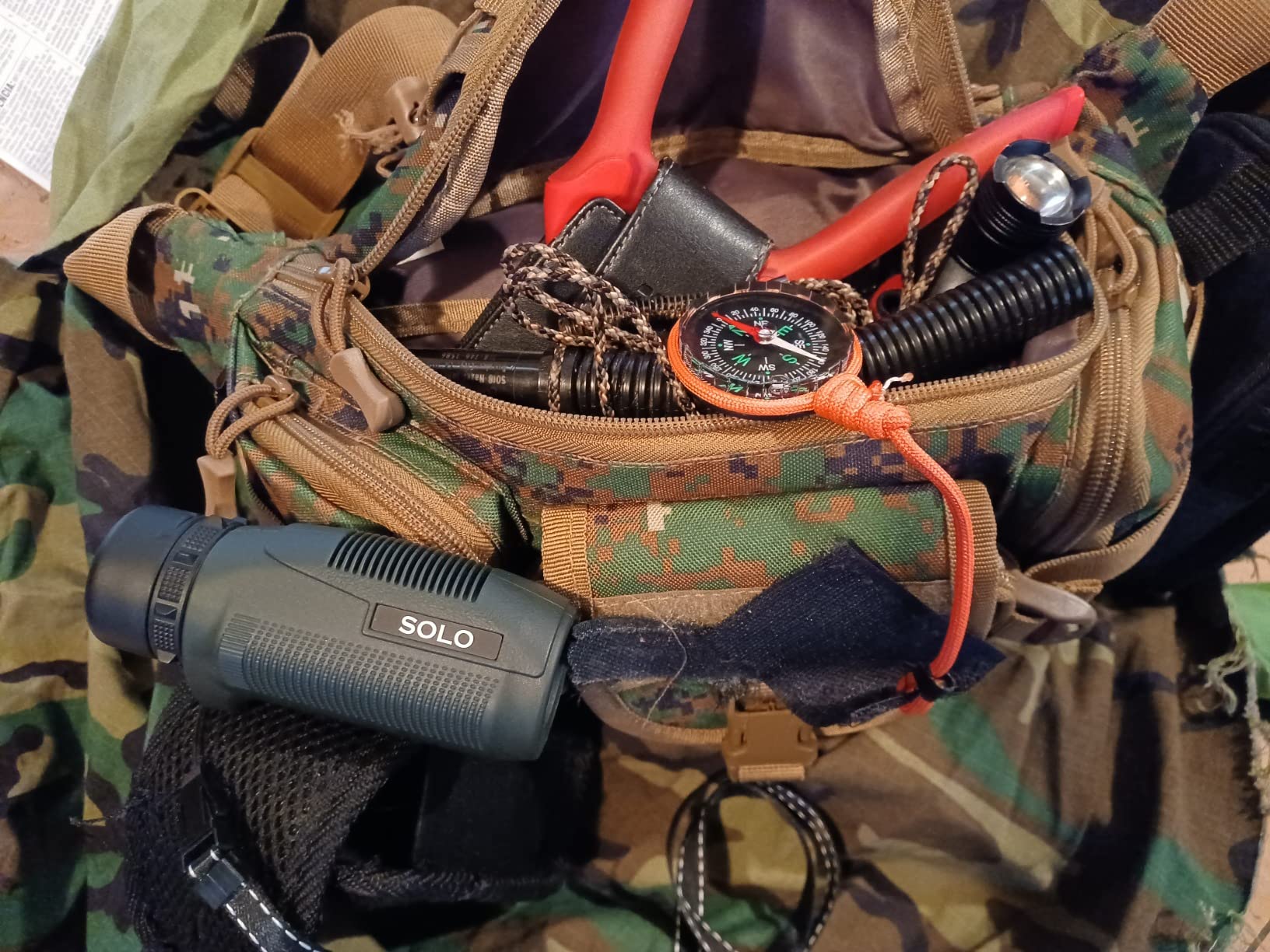
The limitation is fixed focus. There is no focusing ring, so anything closer than roughly a third of the field simply blurs. For trail use, where the subject is almost always far away, that costs you nothing. For inspecting a mushroom or a bird nest ten feet off the path, it is a real limit.
Night and dusk are the other limit. A 25 mm objective produces a 2.5 mm exit pupil, which is perfectly comfortable in daylight but not in fading light under canopy. If most of your hiking happens at first light, read the Bushnell section instead.
What you get for the weight?
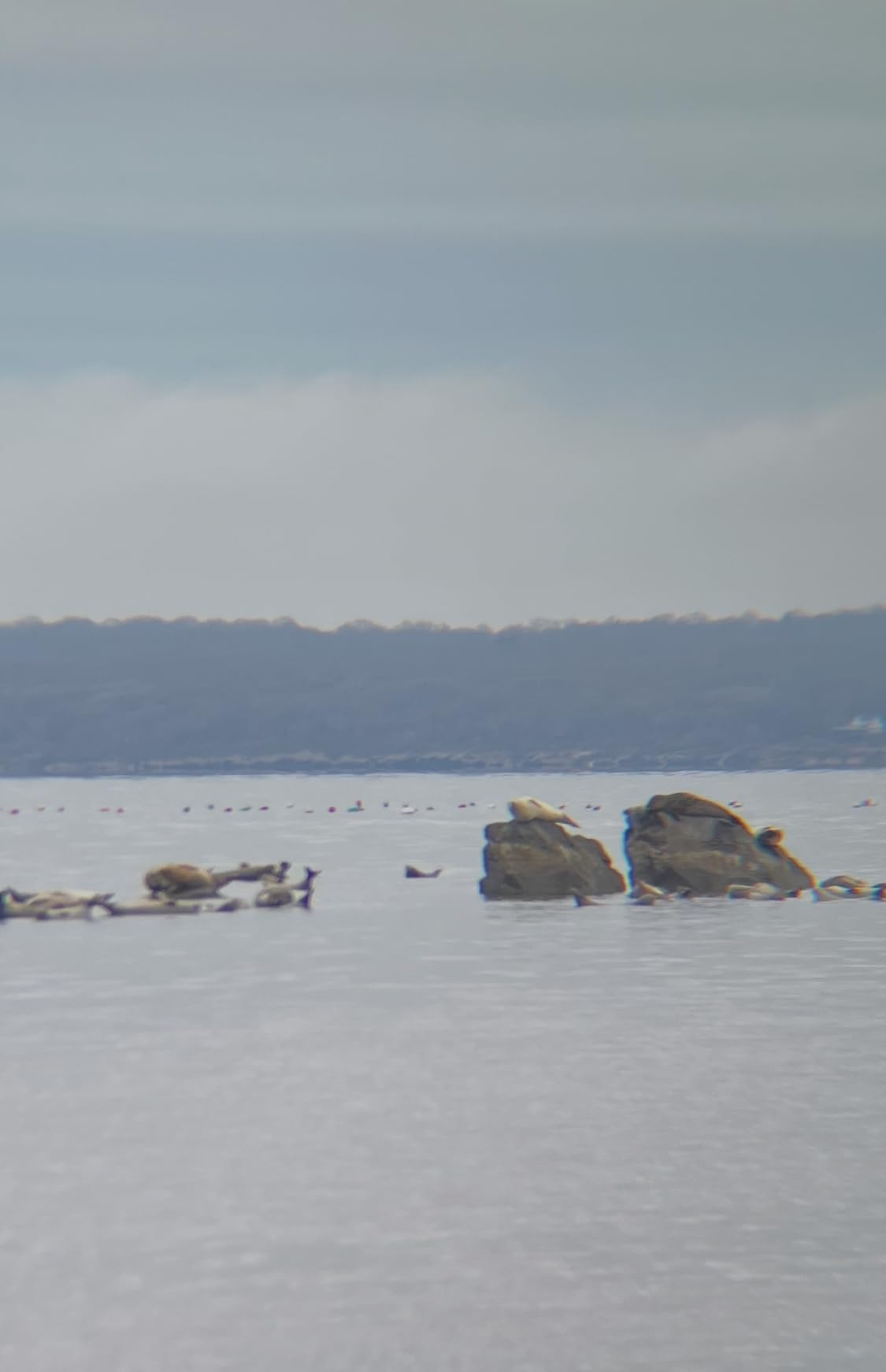
The whole optic measures a little over two inches in every direction, so it shares a pocket with a phone without a fight. The adjustable eyecup and the short body make it easy to bring up and get a clean view in a couple of seconds, which matters when a bird flushes while you are moving.
The Vortex warranty is the strongest in this roundup. It is an unlimited, unconditional, transferable lifetime VIP warranty, and reviewers treat that as a genuine quality signal rather than marketing language.
When this is the wrong pick?
Choose something else if you hike at dusk more than daylight, if you want to study anything within arm’s reach, or if you regularly scan a wide valley and need more than 107 ft of field at 1000 yards. A wider-field 8x model will find distant subjects faster.
It is also the wrong tool for long, unbroken observation sessions. Holding one eye open for twenty minutes is tiring, and forum users on dpreview and birdforum raise this more than any other monocular complaint. If that describes your style, read the monocular versus binoculars section below before you commit.
2. Nocs Provisions Zoom Tube 8×32 – Best for Scanning a Ridgeline
Nocs Provisions Zoom Tube 8×32 Monocular, Bird Watching & Backpacking
8x32
384 ft field at 1000 yards
IPX4 water resistant
Lifetime warranty
Pros
- Very wide field of view makes it easy to scan and find wildlife
- Bright colour-accurate image to the edge of the field
- Rugged Wave Grip holds well in the palm
- Three-position eyecup and built-in tripod thread
Cons
- 8x is underpowered against 10x rivals
- IPX4 is less than full waterproofing
- Difficult to fit over some glasses frames
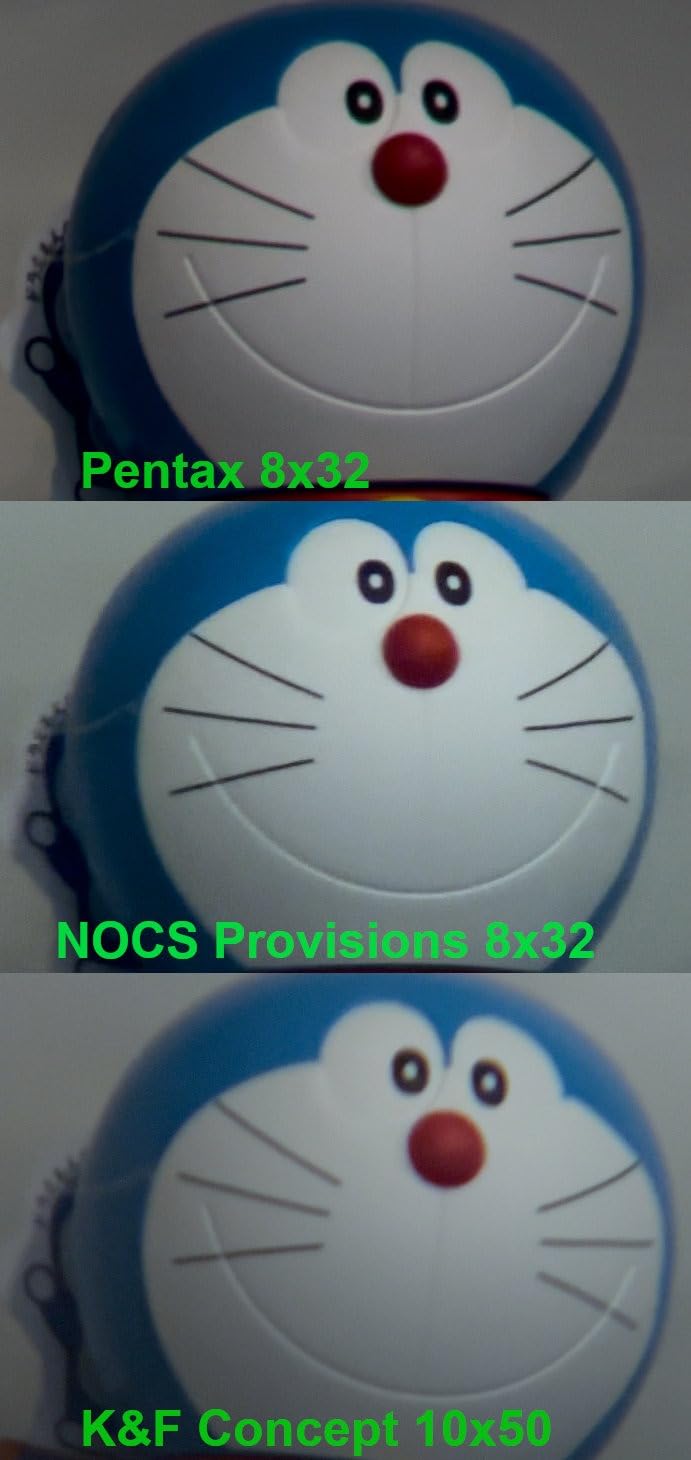
The Nocs Provisions Zoom Tube 8×32 is the pick if your hiking is mostly scanning. Its 384 ft field of view at 1000 yards is among the widest in this group, which means a distant ridge, a face of a valley or a treeline all land in view at once instead of needing a sweep.
The optic itself is a Swiss-designed Bak4p prism with fully multi-coated lenses, and the 4 mm exit pupil holds up better under light shade than most 8x compacts. Owners consistently call out colour clarity right to the edge of the field, which is what makes small birds stand out against a busy background.
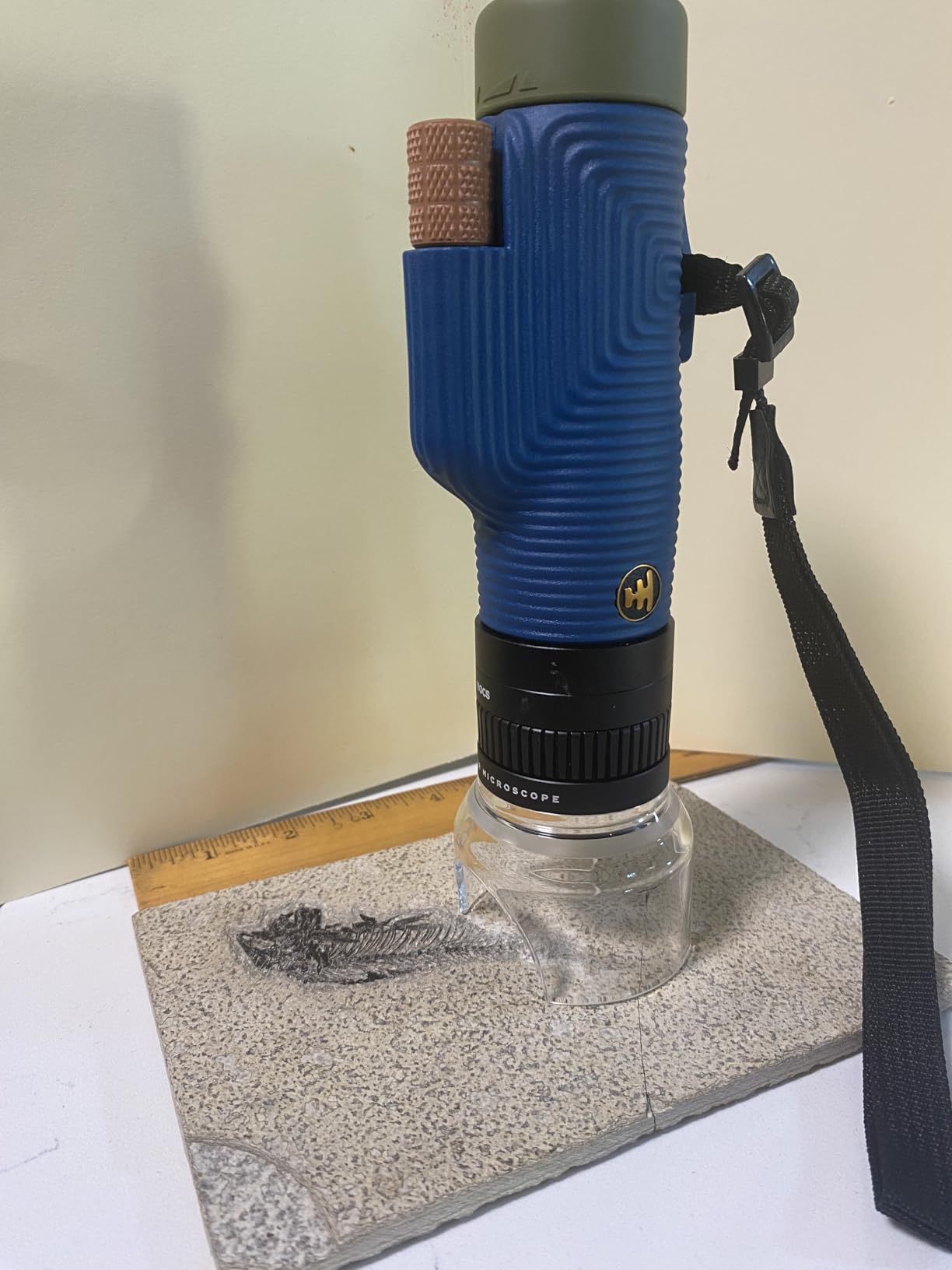
At 9.5 ounces it is still pocketable, and the Rugged Wave Grip pattern kept it from slipping out of my hand on wet rock. The three-position twist-up eyecup and the built-in quarter-inch 20 tripod thread make it easy to move from a moving scan to a steady sit-down study.
Owners rated this 4.6 out of 5 across 479 reviews, with 81 percent five-star, the most favourable distribution in the roundup. It ranks eighth in monoculars on Amazon’s best sellers list, so it is not an obscure import.
The 8x power is the trade. Compared with the 10x models here, a distant subject is smaller, and you will spend more time finding it before you raise the power question. For scanning first and identifying second, that is exactly the right order of operations.
Why the field of view matters more than power?
On an open ridge, a wide field is the difference between seeing the whole north face and seeing a corner of it. A 384 ft field at 1000 yards covers more than three times the width of a 107 ft field, so you spot movement without sweeping and without losing your place.
This is the same reason 8x is described as the hiking sweet spot. Below 8x you lose identification detail; above it, hand tremor starts to eat the image while you are standing still, let alone walking.
Where the compromises show?
IPX4 water resistance protects against splashes and light rain but stops short of the sealing claim on nitrogen-purged competitors. If your routes cross open moorland in bad weather, weigh that carefully. A few buyers also report the eyecup does not sit well over larger glasses frames.
Zoom is fixed at 8x with no variable range, and the nine colourways are a nice touch for anyone who wants gear that reads as deliberate rather than generic. The lifetime no-matter-what warranty from Nocs Provisions is a real long-term plus.
3. Bushnell Legend 10×42 Ultra HD – Best for Dusk and Low Light
Bushnell Legend 10×42 Ultra HD Monocular, Optical Performance for Hunting and Wildlife Observation
10x42
ED Prime glass
4.2 mm exit pupil
374 g
Waterproof and fog-proof
Pros
- Exceptionally bright and colour-accurate in low light
- ED glass keeps chromatic aberration controlled
- Fast one-handed focus acquires targets quickly
- Rugged build that handles pack abuse
Cons
- One of the heaviest here at 374 g
- Bulky supplied case and hard plastic lens caps
- Minor edge-of-field aberrations
The Bushnell Legend 10×42 Ultra HD is the best monocular here for dawn and dusk. Extra-low-dispersion Prime glass and Ultra Wide Band coating hold colour and edge sharpness when light gets scarce, and the 4.2 mm exit pupil is among the largest in the roundup.
In practical terms, that means a distant animal at last light still reads as an animal and not a grey blob. Reviewers repeatedly describe the image as bright, sharp and colour-accurate in low light, and 79 percent of the 481 reviews are five-star, which is the strongest consistency among the higher-powered models here.
The fast focus system is tuned for one-handed use, which matters on a trail where your free hand is on a trekking pole. The rubber-armoured body and twist-up eyecup both did their job, and buyers with vision in one eye specifically call this the best monocular they could find.
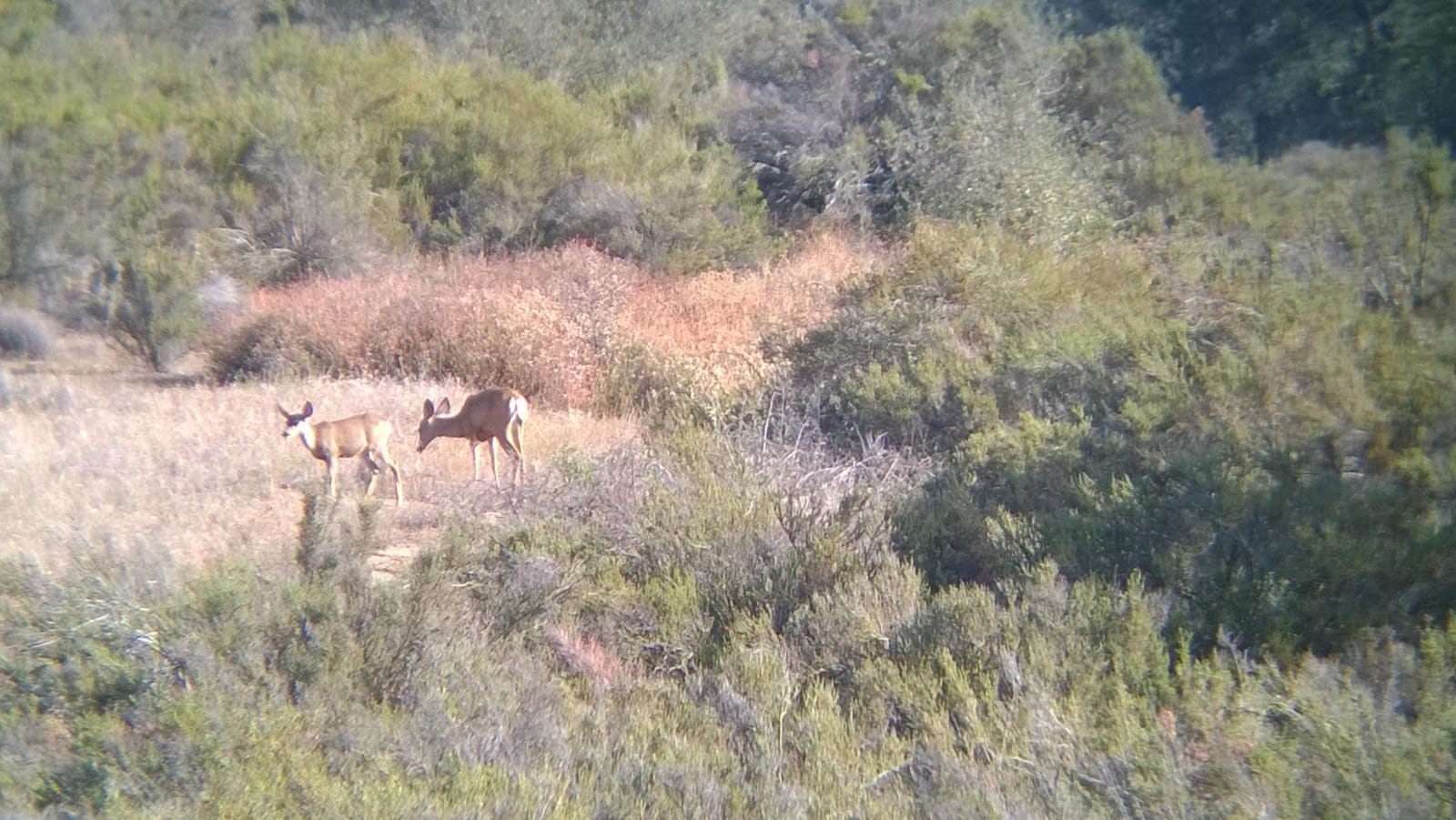
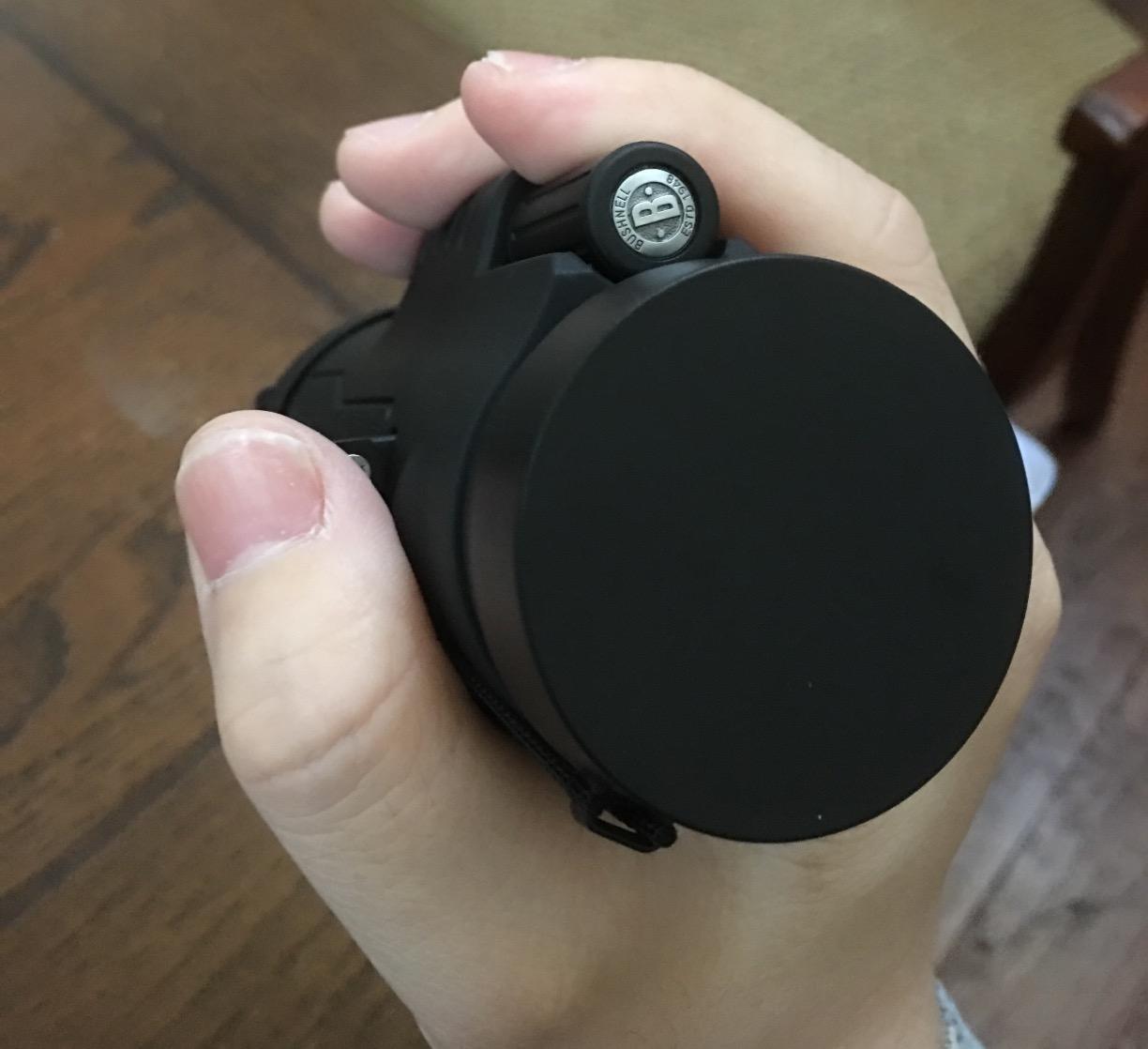
The catch is weight and bulk. At 374 g this is the second-heaviest optic in the guide, more than double the mass of the Vortex Solo, and at six inches long it does not disappear into a pocket. It rides in a side pouch or a chest harness, not a jacket.
The hard plastic lens caps supplied are worth replacing with proper soft caps, because reviewers warn they can scratch the coating. Several also note the internal focus housing tube rattles when shaken, and the case is bulkier than it needs to be.
When the extra glass earns its weight?
ED glass is the difference you can actually see at the edges of the image, where standard glass fringes colour into red and blue. On a bright ridgeline against sky, that fringe is the first thing to make a view tiring, and ED removes most of it.
Exit pupil is the other reason. A 4.2 mm pupil gathers and passes enough light for comfortable viewing as the sun drops, and that is the number to check when you buy anything for dawn starts or late finishes.
When it is the wrong tool?
If you are counting grams on an ultralight base-weight build, this is the wrong optic. It is also unsuited to stargazing, because 10x narrows the field too much for most people to find their way around the sky.
The warranty is a limited manufacturer warranty rather than the unconditional lifetime cover Vortex and Nocs provide, so factor that into the long-term value picture. Within those limits, this is the best optical performance per dollar in the roundup.
4. FEEMIC 8×42 Monocular – Top Rated Wide-Field Spotter
Monocular Telescope High Power 8×42 Monoculars Scope Compact Waterproof Fogproof Shockproof with Hand Strap for Adults Kids Bird Watching Hunting Camping Hiking Travling Wildlife Secenery
8x42
360 ft field at 1000 yards
5.25 mm exit pupil
285 g
Pros
- Genuinely wide field and bright image for the price
- Compact body that fits comfortably in one hand
- Nitrogen filled waterproof and dust-proof
- Adjustable twist-up eyecup for glasses wearers
Cons
- Focus dial turns too easily and shifts when bumped
- Eye relief ring can loosen during use
- Thin nylon case and strap
The FEEMIC 8×42 is the best value in this roundup, and it earns that on specifications rather than brand. A 360 ft field at 1000 yards and a 5.25 mm exit pupil would be respectable on glass costing several times more, and 3527 reviews averaging 4.4 give you a large sample of real-world owners.
The 8x power sits right at the handheld sweet spot, and 42 mm of objective means the image holds up in dim woods far better than the 25 mm pocket models. Reviewers use it for birds, trout, tree identification and general landscape work, and several users with vision impairment single it out for one-eyed operation.
It is nitrogen filled, waterproof, fog-proof and dust-proof, with a tripod connector at the base and a carry case and hand strap in the box. The body measures 5.7 by 1.9 by 1.5 inches and weighs 285 g, which is compact for a 42 mm objective.
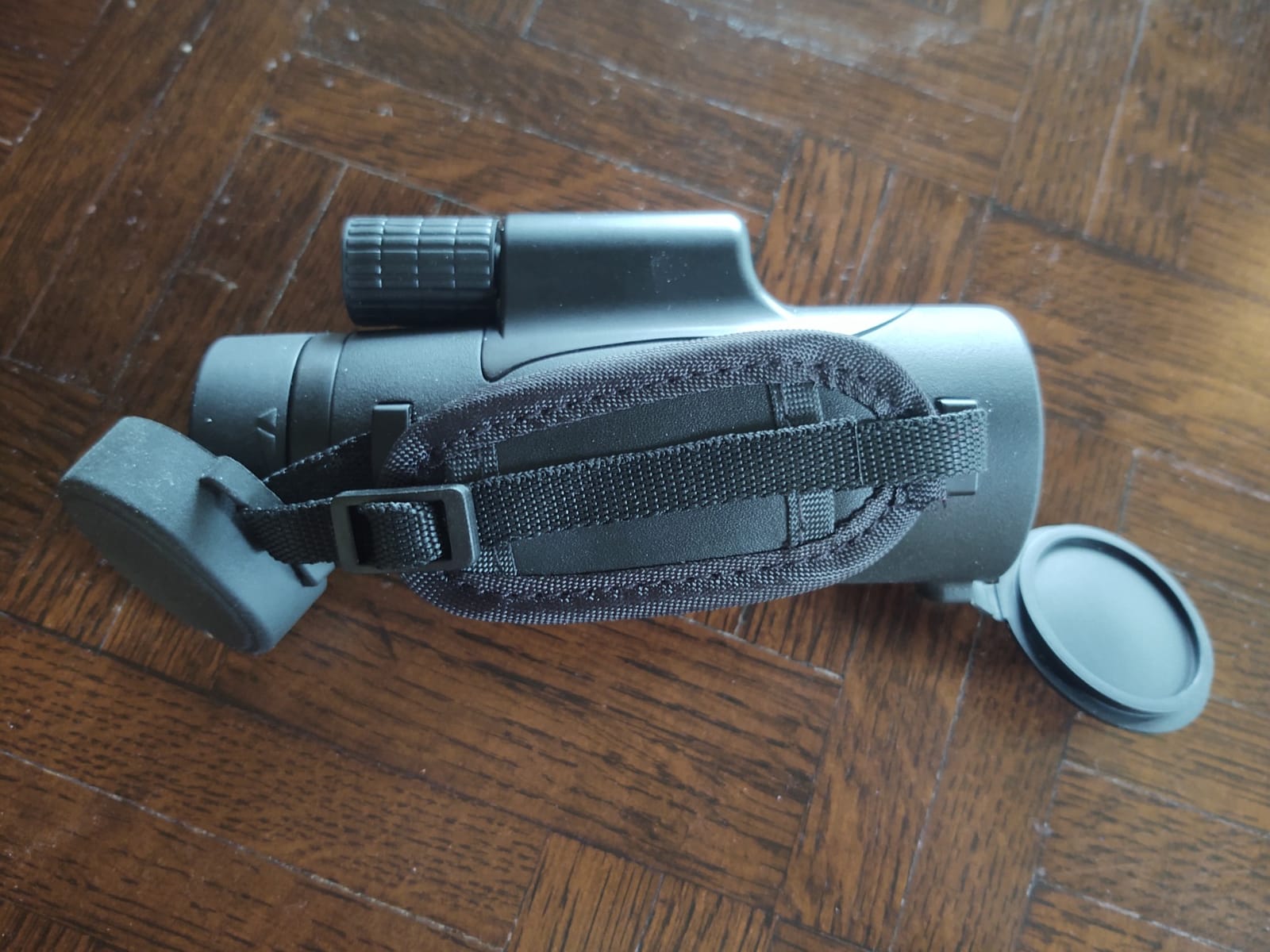
Two handling details keep it out of the top tier. The focus dial is tensioned so lightly that a sleeve or a pack strap can knock the focus off, and the eye relief ring has a habit of drifting. Neither is fatal, but both are annoying when you are moving fast.
A handful of owners also report residual blur that focusing cannot resolve, and the included nylon case and strap are thin. The manufacturer’s cover is a 30-day hassle-free money-back service, which is shorter than the lifetime warranties offered elsewhere in this list.
How it handles low light for a 42 mm objective?
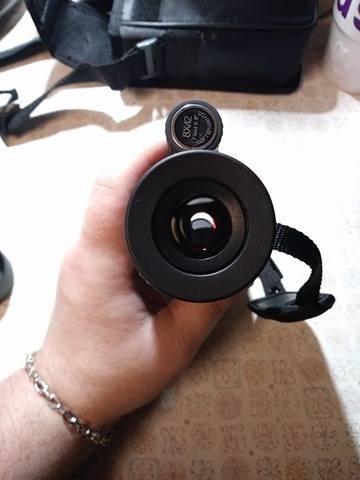
The 5.25 mm exit pupil is the number to note. It means the eyepiece is wide enough to keep the view bright and even under heavy canopy or in flat evening light, which is where most 8×42 scopes start to look flat and grey.
The BAK-4 prism with fully multi-coated green film and a claimed light transmittance up to 99.9 percent is also the right glass tier. BAK-4 rather than the cheaper BK-7 is the single most useful upgrade a budget monocular can make.
Where you will feel the trade-off?
At 285 g this is not an ultralight tool, and the 42 mm objective gives the body a fixed heft you feel at the end of a long day. If your load-out is already tight, step down to a 32 mm objective in the same magnification class.
Edge-of-field sharpness is acceptable rather than excellent, and chromatic aberration appears on high-contrast subjects at the field edge. Bring it into focus on a distant tree line and the image holds together well. Point it at a bright sky and the edges soften noticeably.
5. Celestron Nature 10×25 – Best Known Budget Brand Pick
Celestron Nature 10×25 Monocular for Hiking and Wildlife Viewing
10x25
170 g
BaK-4 prism
Waterproof and nitrogen-purged
Lifetime warranty
Pros
- Clear sharp optics with no chemical smell
- Light at 170 g for all-day carry
- Focus ring is firm and holds its setting
- Fogs up far less than cheaper units in a pocket
Cons
- Focus ring is stiff to adjust while looking through it
- Narrow 5.8 degree field makes tracking hard
- No tripod socket and the belt case snap fails
The Celestron Nature 10×25 is the pick if you want a recognised brand and a real warranty without stepping up a tier. The multi-coated optics with BaK-4 prism glass give a clear, sharp view, and 1088 reviews averaging 4.3 describe it as a reliable budget monocular.
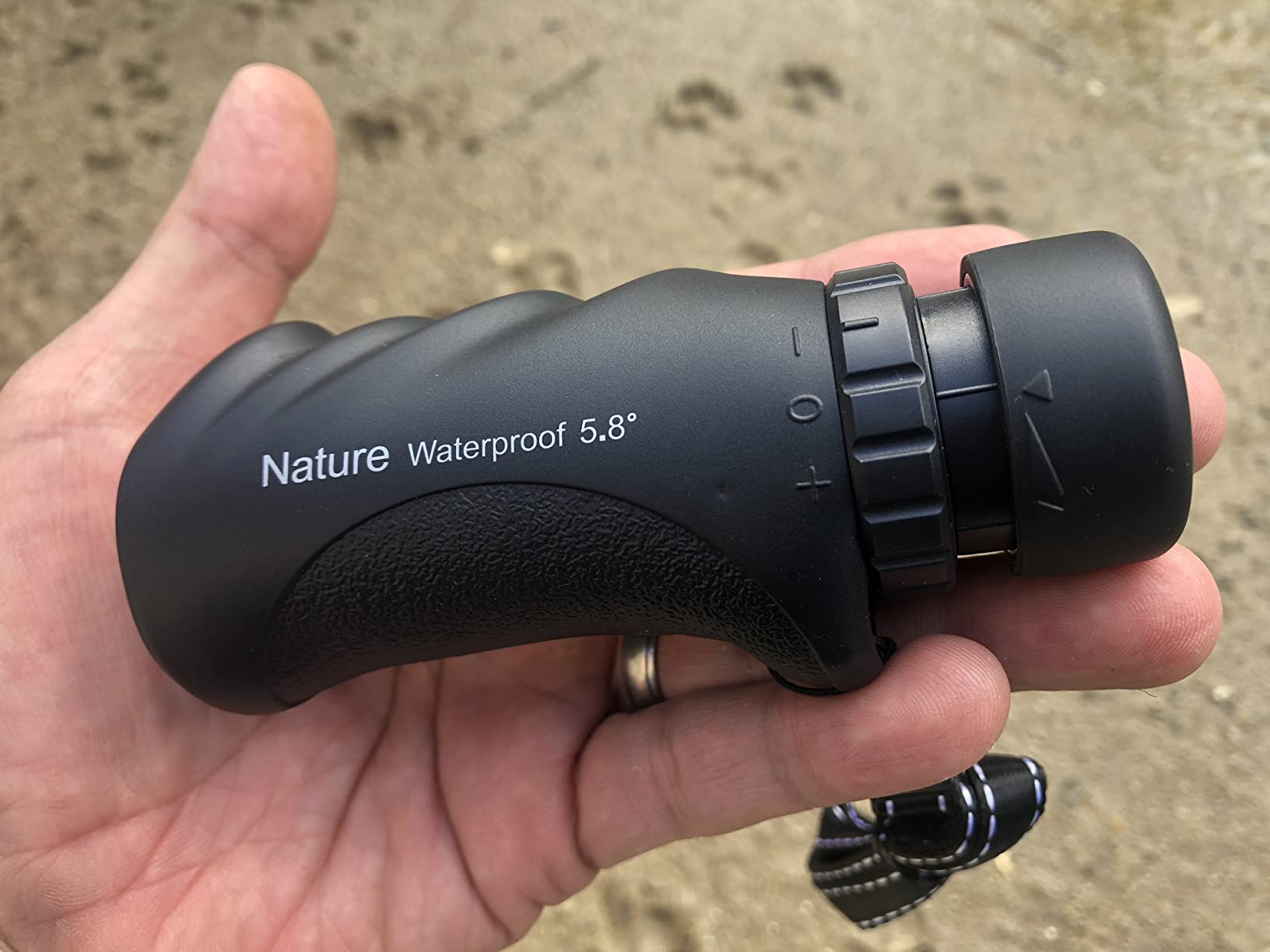
At 170 g it hangs comfortably from a neck strap for a whole day, and the rubber-armoured polycarbonate housing feels sturdy in the hand. The twist-up eyecup accommodates both glasses and non-glasses wearers, and the waterproof, nitrogen-purged body is a genuine step above the unsealed pocket models.
Reviewers point out that it is clearly a tier below Nikon or Leupold glass, but the difference is a fraction of the cost. It also comes with a Celestron limited lifetime US warranty and US-based support, which matters more than people expect when something arrives with a fault.
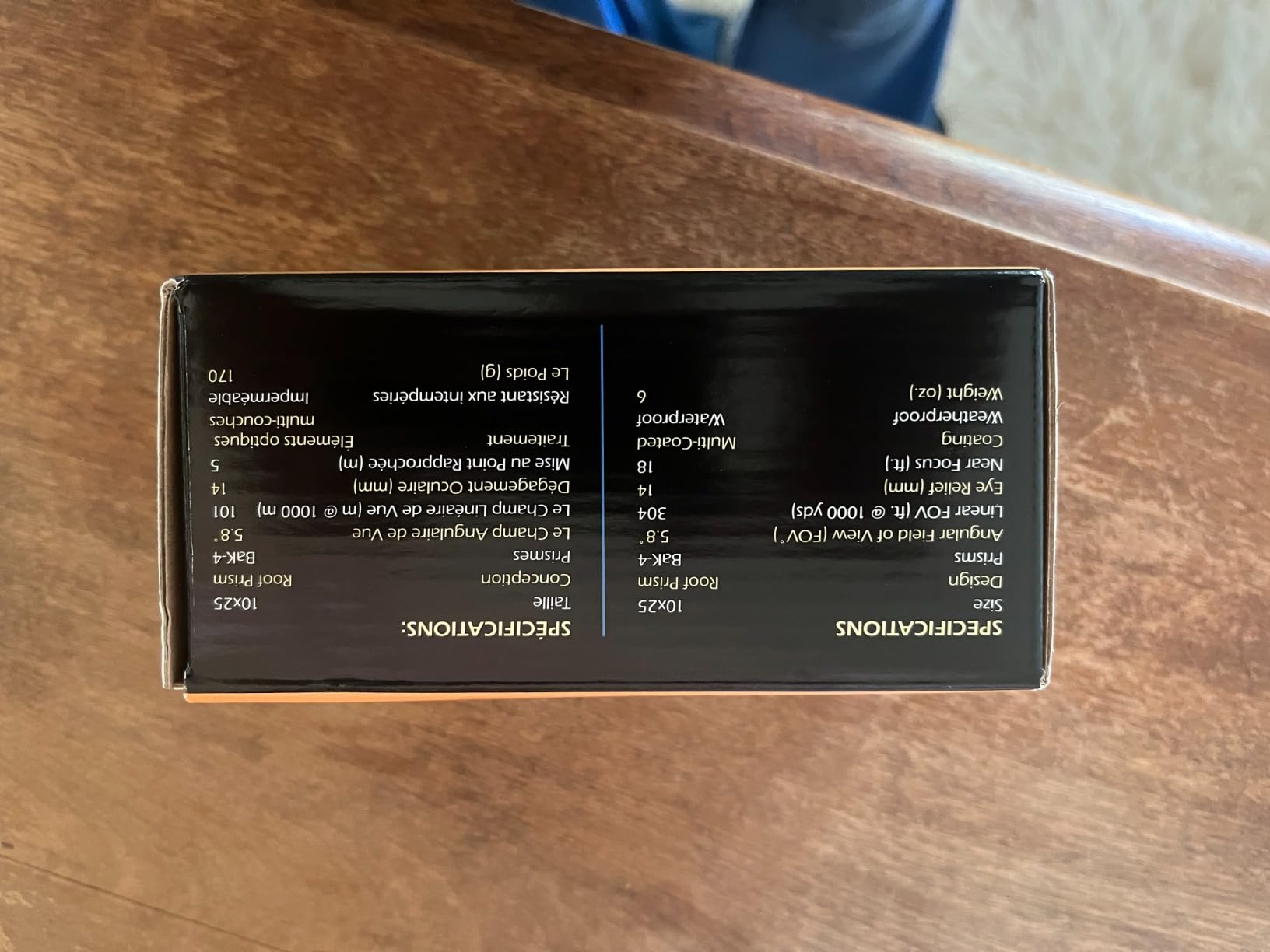
The complaints are practical. The focus ring is stiff enough that adjusting it while looking through the optic is awkward, and the 5.8 degree field of view is narrow enough that following a moving bird takes work. There is no tripod socket, so at 10x you need to find a rest.
The supplied belt case is the biggest practical problem. Several owners report the snap releases letting go on a hike and dropping the unit. Bring a proper pouch, or carry it in a side pocket where a drop will not matter.
Why a known brand still matters?
The optics are not exotic, but the seal quality is what separates this from a no-name 10×25. Owners specifically note it fogs up far less than cheaper units after sitting in a pack, because the nitrogen fill and O-rings are doing their job.
One owner with a chemical sensitivity noted the absence of the off-gassing smell that comes with some imported units. If you are sensitive to that, this is a real, if uncommon, reason to pick it.
Where the 10×25 format falls short?
A 25 mm objective gives a 2.5 mm exit pupil, and in anything other than full daylight the view clouds over. If you walk at dawn, at dusk, or under dense forest canopy, this is the wrong format and the Bushnell 10×42 is the right one.
The Dawes limit is listed at 4.65 arc seconds, which is respectable but not fine enough for serious long-range identification at high power. Treat it as a trail spotter for birds, scenery and moderate distance rather than a precision instrument.
6. usogood 10×42 Monocular – Best for Close Focus and Digiscoping
Monocular Telescope, 10×42 Monocular for Adults, BAK4 Prism & FMC Lens Monoculars for Adults High Powered, Waterproof Portable Monocular with Hand Strap for Bird Watching, Camping, Travel
10x42
22.5 mm eyepiece
3.3 yard minimum focus
9.12 oz
Pros
- Unique 22.5 mm eyepiece for a bright
- wide view
- Minimum focus around 3.3 yards for insects and plants
- Light at 9.12 oz and pocketable
- Responsive warranty and support that replaced a faulty unit
Cons
- Stated 10x feels closer to 5x-8x to some owners
- Lens caps and nylon hand strap are easily lost
- Tripod nut can pop out if overtightened
The usogood 10×42 stands out for one reason: the 22.5 mm eyepiece. That is an unusually large eyepiece for a monocular, and it produces a noticeably brighter, wider view than most 10×42 scopes with the same 4.2 mm exit pupil. At 9.12 oz it is one of the lighter 42 mm bodies here.
The minimum focusing distance of about 3.3 yards means you can bring insects, leaves and trail markers into view, which no fixed-focus pocket monocular in this roundup can do. Owners also report a clear, bright image at night for a body this light.
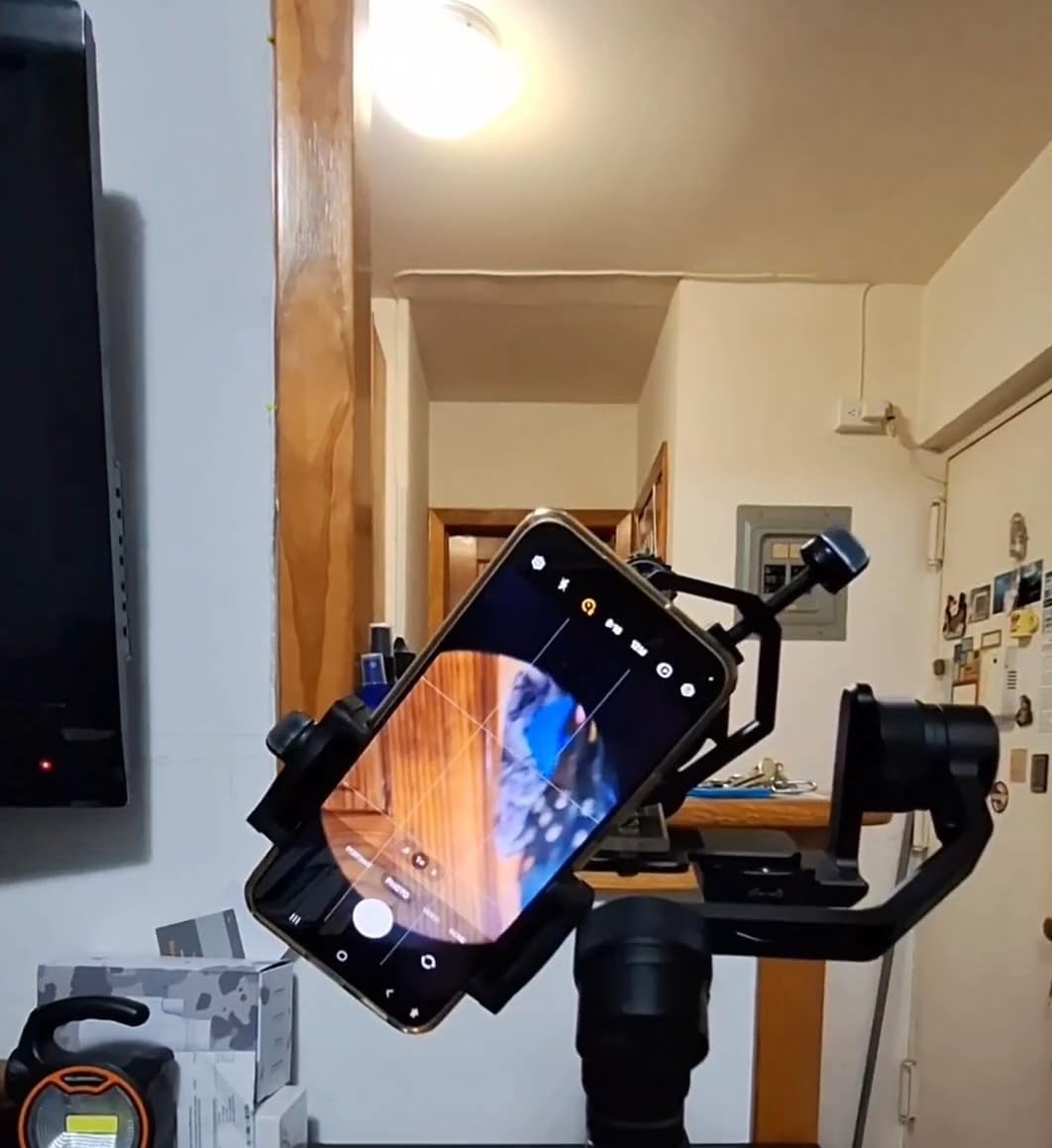
Several long-form reviews compare it favourably to 8x binoculars and document phone and solar-filter setups, and reviewers with vision issues say it works for them where binoculars do not. Support responses to defects are specifically praised, with faulty units replaced.
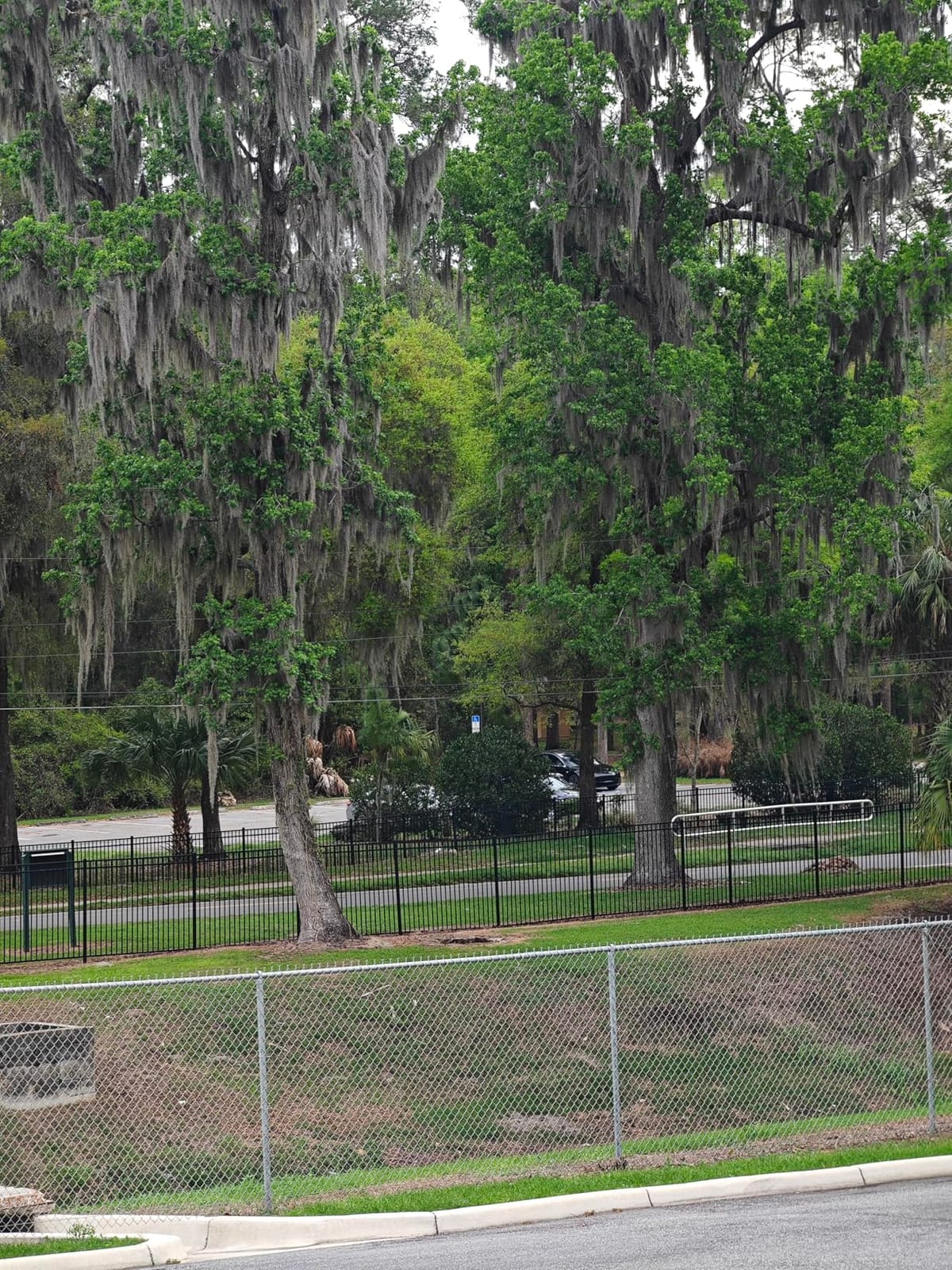
The most common complaint is magnification. A recurring share of owners report that the real power feels closer to 5x-8x than the advertised 10x, which is worth knowing before you judge the image quality. The lens caps and nylon hand strap are loose and easily lost in a pack.
The tripod mounting nut can also pop out if tightened too hard, and one owner reported moisture entering the tube. Accessory quality is the weak point here; the optic itself performs well within its class.
What the extra-wide eyepiece does for you?
A larger eyepiece lens means less vignetting and a more even brightness across the whole field, not just the centre. It is the difference between an image that stays comfortable to look at for a minute and one that dims noticeably toward the edges.
The BAK4 prism with fully multi-coated XLT coating and a claimed 99.9 percent transmittance is also a good glass tier, and the waterproof, fog-proof, dust-proof and shock-resistant sealing covers the conditions you actually hike in.
When to pick a different model?
If precise long-range identification matters to you, the reported magnification shortfall argues for a model where reviews do not raise that issue. If you are counting every gram, note the 9.12 oz figure against the Tasco at 70 g.
The two-year warranty is the shortest of the branded units here, so this is more of a try-it purchase than a keep-it-for-a-decade one. It comes with a hand strap, dual lens caps, a soft carry pouch and a neck lanyard, but expect to replace the strap.
7. hd360pro 12×56 Monocular Kit – Best All-in-One Package
Monocular Telescope – 12×56 High Powered, Compact, Dust-Proof, Waterproof, Handheld Scope with Smartphone Adapter and Metal Tripod – Ideal for Hunting, Stargazing, Birdwatching, and Outdoor Adventures
12x56
14.8 oz
Tripod and phone adapter included
Waterproof ABS body
Pros
- High 12x on a 56 mm objective for distant subjects
- Adjustable tripod and smartphone adapter included
- Bright image from the large objective
- Metal bracket interface for accessory mounting
Cons
- Heaviest monocular in the roundup at 14.8 oz
- High power is hard to hold steady without the tripod
- Phone setup takes practice to align
The hd360pro 12×56 is the reach pick. A 56 mm objective at 12x gathers a lot of light and pulls detail off very distant subjects, and with the adjustable tripod and smartphone adapter in the box, it is the most complete package here without a separate purchase.
The kit framing matters on a trail. Most people who buy a 12x monocular also end up buying a small tripod within a month, because 12x is genuinely difficult to hold steady while standing. Having one in the box, plus the metal bracket interface for mounting, removes that friction.
Buyers like the brightness and reach the large objective delivers and the durability of the waterproof, dust-proof ABS body. With 1193 reviews at 4.4, it is one of the better-rated high-power options available in this form factor.

Size is the honest drawback. At 14.8 oz, or 420 g, with a 7.8-inch body, this is the bulkiest optic in the roundup and more than double the mass of the Vortex Solo. It lives in a pack, not a pocket.
Buyers also note that the smartphone astrophotography setup takes real practice to align properly. The field of view is listed loosely in the specifications, so treat published field-of-view comparisons with caution on this model.
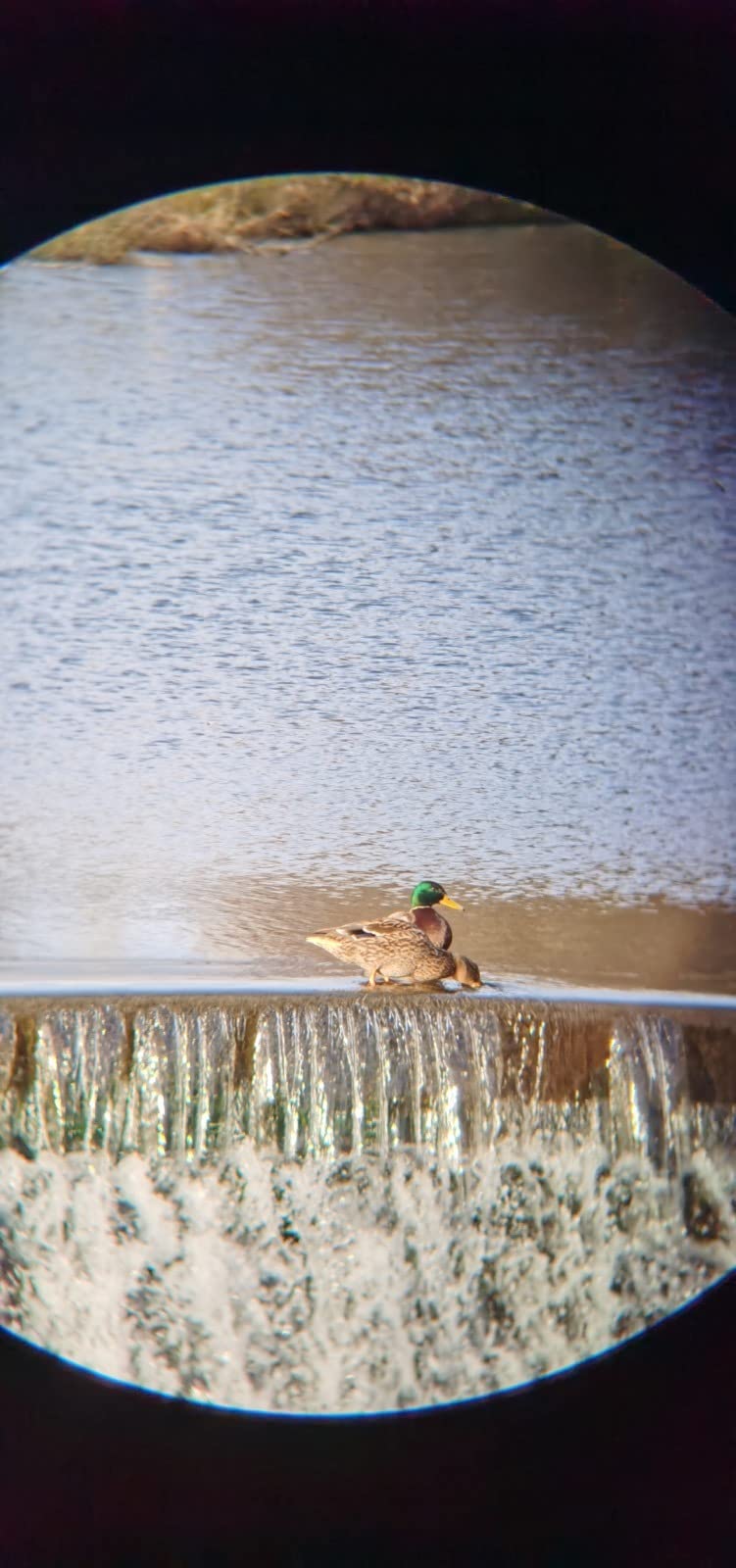
When 12x is the right call?
Above 10x you stop scanning and start inspecting. A distant ridge, a far shoreline or a group of animals across a wide valley will often resolve into identifiable detail at 12x that stays an indistinct shape at 8x. That is the whole argument for this model.
The trade is stability. Hand tremor multiplied by 12 makes a shaky image, and multiplying that by walking makes it worse. Plan to scan at 8x equivalent behaviour, then settle and use the tripod for detail work.
When it is the wrong pick?
Skip it for ultralight hiking, for quick glances while moving, and for anything where pack volume is the binding constraint. It is also a strong candidate if you want to photograph what you see, since the phone adapter is already included.
The lifetime warranty is a plus, and 69 percent of its 1193 reviews are five-star with a further 16 percent at four stars. That consistency is a good sign for a product that is really a bundle rather than a bare optic.
8. Gosky Titan 12×50 – Best Built 12x for Trail Digiscoping
Gosky Titan 12×50 Monocular for Adults High Powered with Phone Adapter
12x50
IPX7 sealed
Phone adapter included
13.85 oz
BaK-4 prism
Pros
- Bright colour-true image from 50 mm objective and BaK-4 optics
- Solid build that has survived repeated drops
- Well-tuned one-hand focus knob
- IPX7 waterproof and fog-proof for all-weather use
Cons
- Phone adapter clips break and slip out of alignment
- Digiscoped photos show black vignette and edge distortion
- Fixed zoom only and bulky for small hands
The Gosky Titan 12×50 is the most ruggedly built 12x in this roundup. The shock-absorbing rubber armour with anti-slip stripes has a reassuring solidity to it, and reviewers note it has survived repeated drops and pack abuse. With 2982 reviews at 4.2, there is a deep sample of owners here.
Optically it delivers a bright, colour-true image from a 50 mm objective with BAK-4 prism and fully multi-coated lenses, giving a 4.2 mm exit pupil and a 289 ft field at 1000 yards. The one-hand focus knob is well tuned, and the IPX7 nitrogen-filled, O-ring sealed body is properly weatherproof.
That IPX7 rating is meaningful. It means immersion to a metre for a short period, not a splash rating, which is what you want on a coastal ridge or in sustained mountain rain.
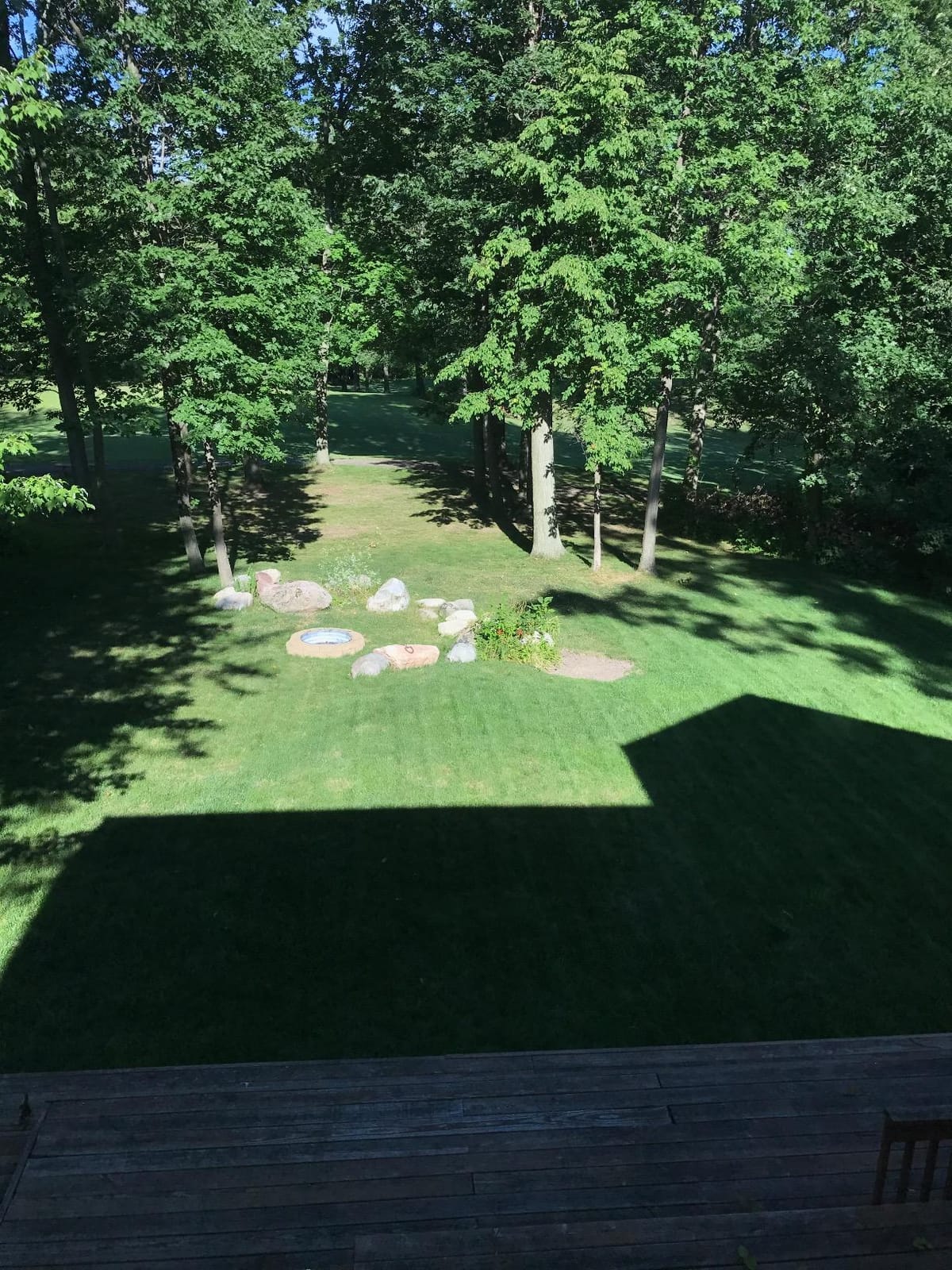
The phone adapter is where the complaints concentrate. Multiple reviewers report broken clips, mounts that slip out of alignment, and photos that look nothing like the marketing images because of the black circle and edge distortion. Treat the digiscoping feature as a bonus, not a feature you are buying for.
At 13.85 ounces and 7.1 inches long it is also a large instrument for a day hike, and the zoom is fixed at 12x with no variable range. Several owners note a tripod is needed for steady viewing at this power, which is honest physics rather than a defect.
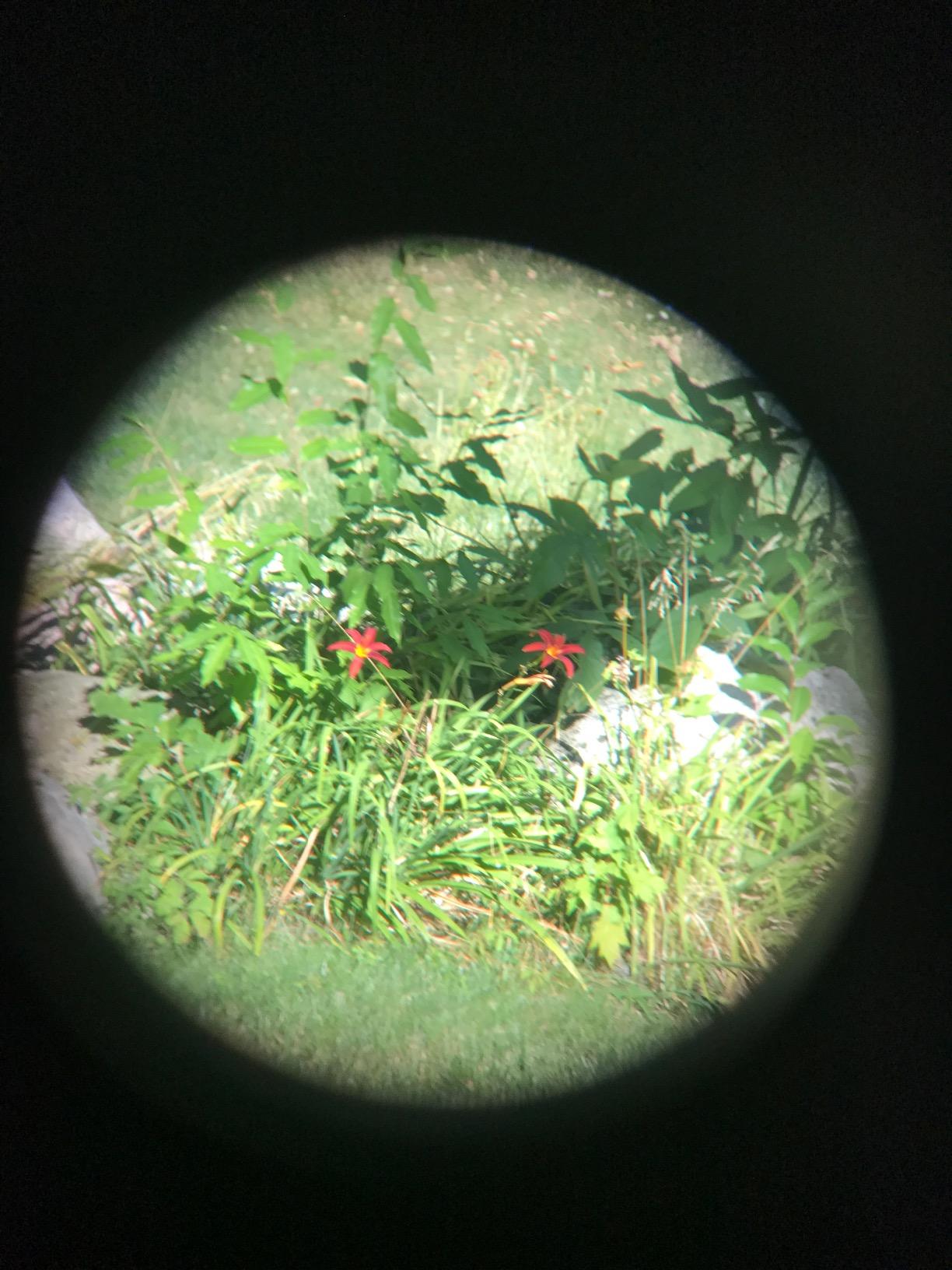
What IPX7 changes in the field?
Water resistance ratings describe a specific test. IPX4 withstands splashes from any direction. IPX7 means the body can be submerged to one metre temporarily and still work. In drizzle, fog and stream spray, the difference is not dramatic. In a downpour that soaks your pack, it is.
The nitrogen fill is the other half. Dry nitrogen inside a sealed body keeps internal condensation from forming when you move between cold air and a warm tent, which is a real problem for optics carried overnight.
When to look elsewhere?
If you have no intention of attaching a phone, do not pay for the feature. If the note about the fragile clips concerns you, note also that the supplied canvas belt-loop case is better made than most at this level.
The 12-month warranty is the shortest among the higher-spec models here, and several reviewers are explicit that as a plain monocular it is excellent. That is the read: buy it for the optic and the sealing, not for the phone mount.
9. Pankoo 16×52 Monocular – Highest Magnification in the Lineup
Monocular Telescope High Power 16X52, 2026 Power Prism Compact Monoculars for Adults Kids, Birthday Gifts for Men, Waterproof Fogproof Shockproof with Hand Strap, Bird Watching Hunting Camping Hiking
16x52
BAK-4 prism
Fully multi-coated
Nitrogen filled waterproof
Pros
- Most powerful magnification in the roundup at 16x
- Bright low-light image with BAK-4 prism and SMC coating
- Nitrogen-filled waterproof and fog-proof body
- Includes pouch
- straps
- gift box and cleaning cloth
Cons
- Reported magnification may not match the advertised 16x
- Narrow 5.8 degree field of view
- Focus can be inconsistent at some settings
The Pankoo 16×52 is the only optic here that reaches 16x, and with 4688 reviews it is also the most reviewed product in the roundup, averaging 4.3. Owners describe it as a bright, pocket-sized spotting scope that punches above its class for casual birding, camping and travel.
The BAK-4 prism with fully multi-coated SMC green lens and a claimed 99.8 percent light transmittance, combined with a 52 mm objective, gives a genuinely usable image for that much power. The listed Dawes limit of 2.2 arc seconds is a respectable figure and suggests the optics are better than the price suggests.
It is nitrogen filled, waterproof and fog-proof, with a hand strap and a 6.7-inch body, and it comes with a pouch, straps, a gift box and a cleaning cloth. That kit is unusually complete for the money.
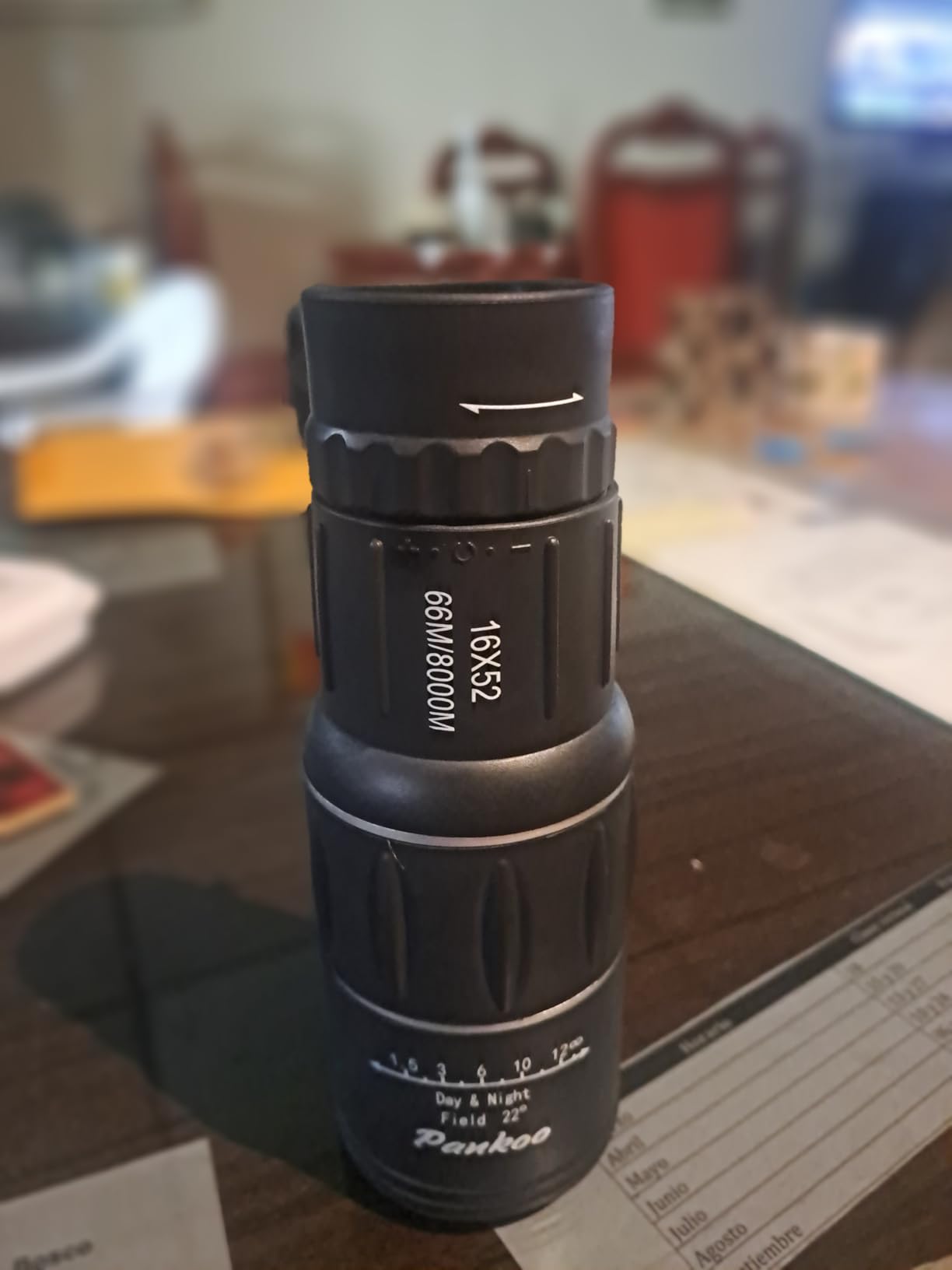
Two cautions. Several reviewers feel the advertised 16x and 52 mm oversell the real magnification and aperture, so treat the figure as a ceiling rather than a promise. The 5.8 degree field of view is also narrow for such a high power, which makes finding a subject the harder part.
Focus can be inconsistent and the image slightly blurry at some settings, and the owner’s manual uses very small print. The hand strap is the one carrying solution included, so plan how it attaches to your pack before you need it.
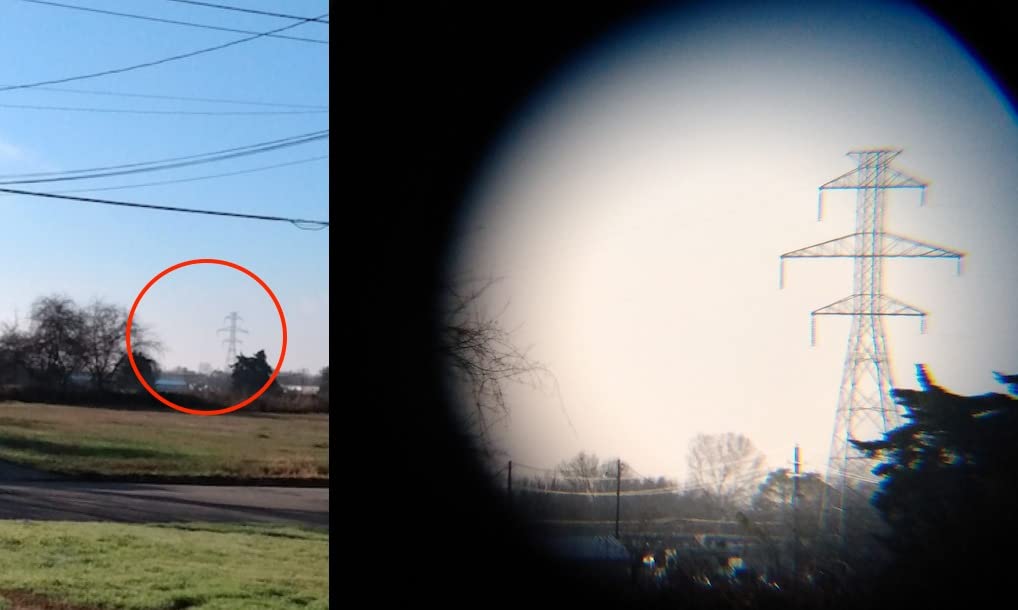
When 16x makes sense?
Magnification above 12x is a specialist choice. It earns its place when you are stationary, looking at something specific and very far away: a far summit hut, a distant shoreline feature, a herd across a valley. Handheld while walking, 16x is close to unusable.
The arithmetic is simple. Your natural hand tremor is fixed, and the image moves multiplied by the power. At 8x the wobble is tolerable; at 12x you brace; at 16x you need a tripod or a rest against a wall.
When 12x or 10x is the smarter buy?
If your hiking is scanning rather than inspecting, drop the power. You will find subjects faster, hold the view steadier and carry a smaller, lighter optic. Power you cannot hold is power you do not use.
Sixty-eight percent of its 4688 reviews are five-star and 13 percent four-star, so the value case is well supported. The recurring complaints about field of view and focus consistency are inherent to the high-power format rather than defects in this unit.
10. Celestron UpClose G2 10×25 – Best for Carry-On Travel and Eyeglass Wearers
Celestron UpClose G2 10×25 Monocular for Hiking, Travel & Birding
10x25
113 g
11 mm eye relief
Roof prism
Water resistant
Pros
- Genuinely pocketable at 113 g
- Rubberised aluminum body with thumb indents for grip
- Sensitive focus ring that can be dialled in precisely
- Large eyepiece reduces the black circle effect
Cons
- Images can fog in humid conditions unless held at the right angle
- Very small aperture with heavy flare toward a bright sky
- Water resistant only
- and the soft case is bulky
The Celestron UpClose G2 10×25 is the travel pick. At 113 g with a rubber-covered aluminum body, it is small enough to live in a carry-on bag and light enough to forget you packed it, and the rubberised shell gives a secure grip in wet weather.
The 11 mm eye relief is the reason to look at it if you wear glasses. Owners with prescription eyewear report a clear view without pressing the eyecup into their lenses, which is the single most common fit problem with compact monoculars.
The rubberised body has ergonomic thumb indents and finger ridges, and the focus ring is sensitive enough to dial in precisely. The large eyepiece lens reduces the black-circle effect that plagues small 10×25 scopes.
This model has the widest spread of ratings in the roundup: 52 percent five-star and 11 percent one-star. The critical reviews all point at the same cause, which is the 25 mm objective. One reviewer described it as looking through a straw, and that is fair when light gets low.
Other recurring gripes are fogging or cloudiness in humid conditions unless the optic is held at just the right angle, and severe lens flare when pointed toward a bright sky. It is water resistant, not waterproof, so keep it out of sustained rain.
Eye relief and why it decides fit
Eye relief is the distance between the eyepiece and your eye, and you need enough of it to see the full field while wearing glasses. Below roughly 10 mm, spectacles frames start cutting into the image and you have to press the eyecup in, which causes eye strain over a long day.
At 11 mm this clears the frames comfortably. It is a spec that costs nothing to check and eliminates the most common reason people return a compact monocular.
When the format works and when it does not?
For quick glances on a walk, at a viewpoint, or from a hotel window, this format is exactly right. Reviewers treat it as a lightweight throwaway optic for the car or a pack pocket, and that framing is honest.
For wildlife identification at distance, under canopy or in fading light, choose a larger objective. The ceiling on this optic is set by physics, not by build quality, and no amount of adjustment fixes a 2.5 mm exit pupil in the dark.
11. Carson MiniMight 6×18 – Best Belt-Clip Spotter for Steady Viewing
Carson MiniMight 6x18mm Pocket Monocular with Carabiner Clip (MM-618)
6x18
2.24 oz
426 ft field at 1000 yards
Fully coated
Pros
- One of the smallest and lightest options here at 2.24 oz
- Steadiest handheld image thanks to the low 6x power
- Long eye cup blocks stray light well
- Close-focus ability for garden and backyard birding
Cons
- Narrow field makes nearby objects hard to locate
- Weak for long-distance identification
- One owner reported the internal corrective lens loosening
The Carson MiniMight 6×18 is the steadiest monocular you can carry, and on a moving trail that matters more than magnification. At 6x your hand tremor is barely amplified, so the image stays usable while you are walking, and at 2.24 ounces it clips to a belt loop and disappears.
Reviewers on birdforum describe it as bright with a good field for the money, at the cost of a goodly amount of barrel distortion. For close-range birding, wildlife and quick glances that binoculars cannot cover, that trade is worth making.
The fully coated optics deliver a 426 ft field at 1000 yards, a listed Dawes limit of 1.66 arc seconds and a long eye cup that blocks stray light effectively. A soft pouch, carabiner clip and cleaning cloth come in the box, and the carabiner means the optic never leaves your hip.
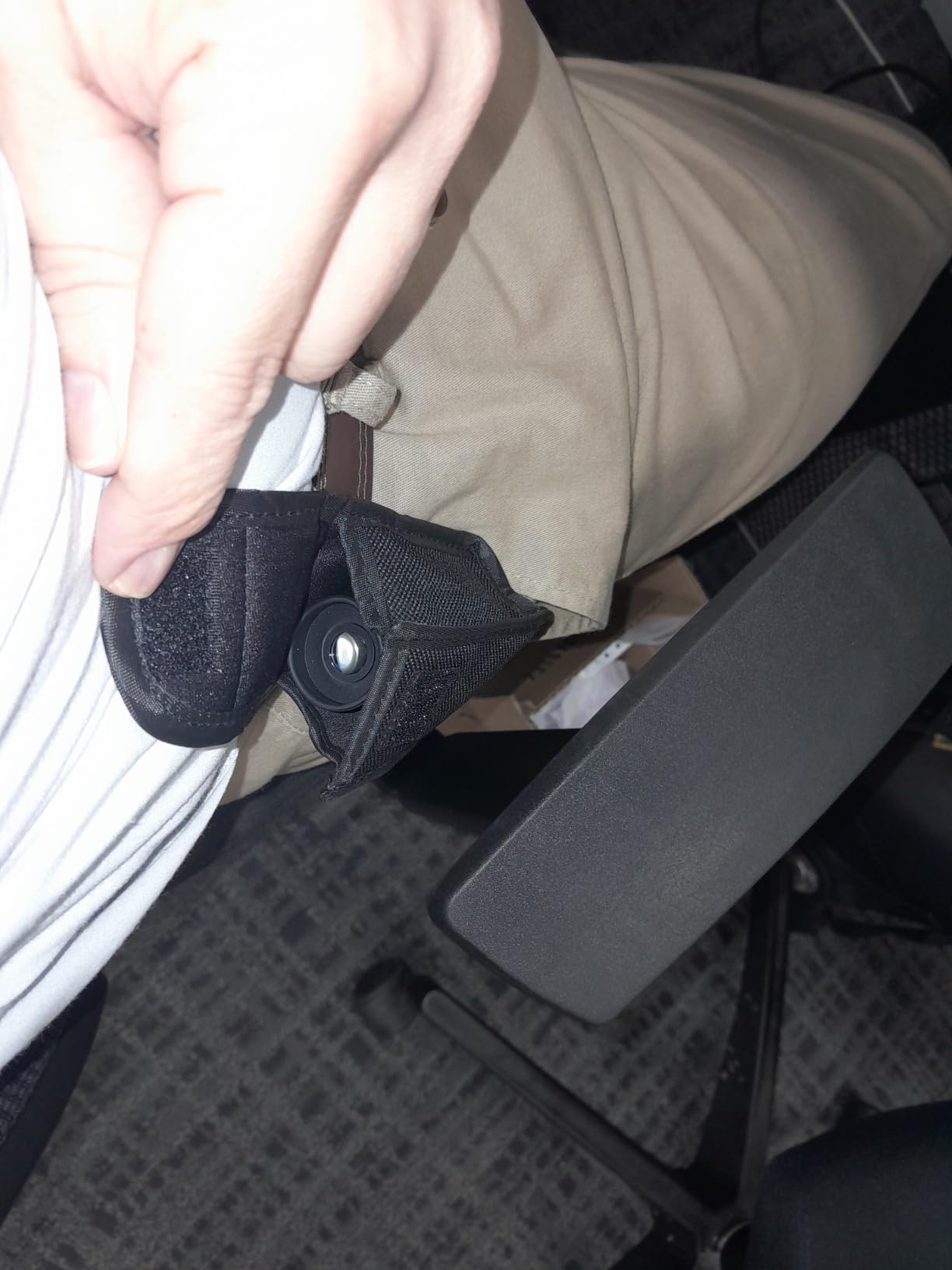
The limitations follow directly from the size. Six power will not resolve a distant bird, and the narrow field makes nearby objects hard to locate because the view covers so little. One owner reported the internal corrective lens loosening after a few months, causing permanent blur, which is a small sample but a serious failure mode.
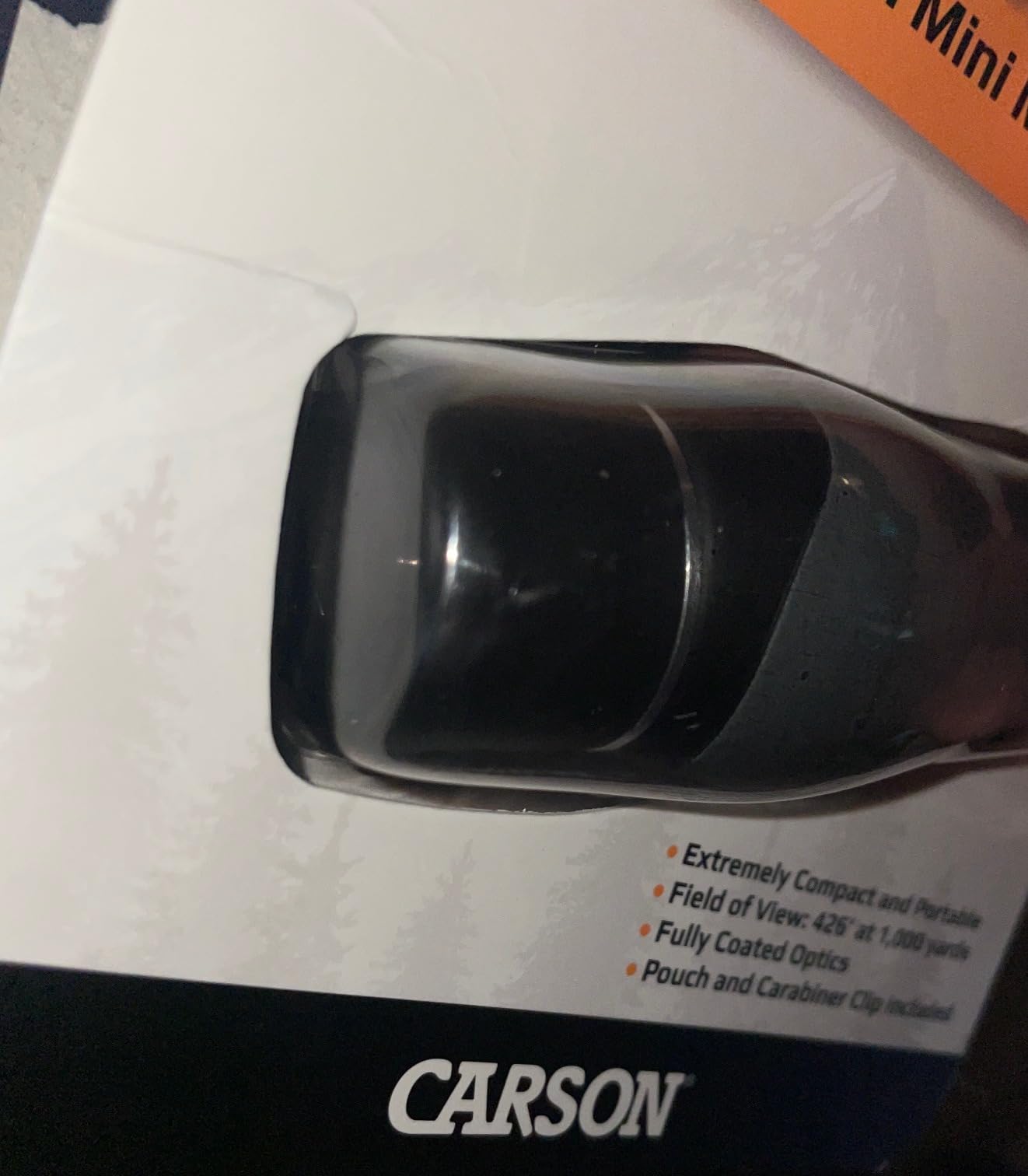
Owners also caution against prolonged use, because one eye has to stay closed the entire time. The packaging is also difficult to open, which is a small thing that irritates owners every time.
Why low power is steadier?
Image shake is your natural hand tremor multiplied by magnification. Cut magnification in half and the shake halves with it, which is why 6x stays watchable while walking and 12x does not. For wildlife that moves while you approach, a steady 6x view is more useful than an unusable 12x one.
Low power also means a wider relative field, so you find the subject faster. The trade is that small details stay small. Use 6x to find, then switch to a higher-power model to identify if you carry two.
When it is the right buy?
Choose the MiniMight for ultralight builds, close-range birding, and any situation where you want an optic attached to your belt rather than living in your pack. Sixty-three percent of its 843 reviews are five-star and only 7 percent one-star.
The repair and replace warranty carries a fee, so this is not the pick if you want lifetime cover. As a car glovebox optic, a garden birding tool or a backup to a bigger monocular, though, it earns its place.
12. Tasco Essentials 10×25 – Lightweight Roof Prism at 70 Grams
Tasco Essentials 10×25 Compact Roof Prism Monocular (Black)
10x26
70 g
Fully coated
Roof prism
260 mm focal length
Pros
- Very low 70 g weight for a full-size 10x body
- Compact roof prism body in black rubber armour
- Hand strap and carrying pouch included
- Fully coated lens is adequate for casual outdoor use
Cons
- Basic fully coated optics rather than multi-coated glass
- One-year warranty is the shortest here
- Fixed 10x with a narrow field of view
The Tasco Essentials 10×25 is the ultralight pick, at 70 g it is close to the lowest weight figure in this roundup. For a base-weight build where every gram is argued over, that number alone puts it on a short list.
The roof prism design in black rubber armour gives a secure grip and survives being tossed in a pack, and the hand strap and carrying pouch are included so it can be worn around your neck and out of the way. The listed focal length is 260 mm.
Optically, the fully coated lens is a basic coating tier. Reviewers who accept that find it does the job for casual outdoor use, scanning scenery and moderate wildlife viewing. Those wanting sharper glass or better low-light performance are disappointed, and the 4.0 average across 642 reviews reflects that split.
The one-year warranty is the shortest of any model here, and that is worth weighing for something you might keep for a decade. Fully coated rather than fully multi-coated means less light gets through, which shows most in shade and at dusk.
It is a fixed 10x with a 26 mm objective, giving a 2.5 mm exit pupil and a 288 ft field at 151 metres. Nothing about it is outstanding; it simply does its job at very little weight.
When 70 grams changes the decision?
On a multi-day trip, a lighter optic is one fewer item competing for space with sleep system, insulation and water. At 70 g the Tasco is a quarter the weight of a typical 8×42, and that is a meaningful share of a small budget.
It is also the pick if you want one optic that lives in a jacket pocket year-round rather than a piece of kit that only comes out on big walks. A 10x pocket scope you always have beats a 10×42 you leave at home.
When to spend the extra weight?
If you walk at dawn, at dusk or under canopy, add grams for a larger objective. The 26 mm lens here will look dim exactly when you most want it to work, and basic coating makes that worse.
If you plan to keep the optic long term, the one-year warranty is the weak point of an otherwise sensible package. Reviewers treat this model as a competent budget option rather than a long-term investment.
Monocular vs Binoculars for Hiking: Which One Wins on the Trail?
A monocular wins on weight, packability and one-handed use. Binoculars win on stability, comfort and the simple fact that they use both eyes. Which is right for you depends less on the optics than on how long you plan to spend looking through them.
The weight argument is the one hikers feel first. A compact pair of binoculars with a harness adds several hundred grams, while a comparable monocular in this roundup runs from 70 g to 374 g. On a loaded pack that difference changes how you carry, not just what you carry.
Stability is the counter-argument. Two eyes share the load, so binoculars hold a steady image at the same magnification where a monocular shakes. Anyone who has tried to hold a 10x monocular steady one-handed knows the frustration, and it is the complaint raised most often on dpreview and birdforum threads.
Comfort follows from that. Closing one eye for twenty minutes while the other tries to watch the trail tires you faster than the optics can justify, and over a multi-day trip that fatigue is real. A reviewer on thetrek.co put it plainly after a test carry: the monocular was much lighter than a pair of binoculars.
Our take: if you are scanning as you walk, choosing light and packable. If you plan to sit and study a ridge for an hour, the extra weight of binoculars is worth paying. If you can only carry one, a mid-weight 8×42 monocular is the most broadly useful object in this guide.
How to Choose a Monocular for Hiking?
Magnification. Between 8x and 10x is the hiking sweet spot. Below 8x you lose the detail needed to identify a distant subject, and above 10x hand tremor takes over while you are standing still, let alone walking. Users on r/hiking and r/backpacking consistently keep a 10x or 8x monocular as standard kit for exactly this reason.
Objective lens size. The second number in 10×42 is the diameter of the front lens, and it decides how much light you gather. A 25 mm objective is genuinely pocketable but goes dim in shade. A 42 mm objective is bright at dusk and noticeably heavier. If you hike at first light or last light, choose 32 mm or larger and accept the grams.
Exit pupil. Divide the objective by the magnification and you get the exit pupil in millimetres, which is the diameter of the bright disc you see. Above 2 mm is comfortable in daylight, above 3 mm is comfortable at dusk, and above 4 mm is comfortable at night. This one number tells you more about low-light performance than any marketing claim.
Field of view. Expressed in feet at 1000 yards, a wider field means you find things faster without sweeping. The Nocs at 384 ft and the Carson at 426 ft are the scan specialists here. A narrow field at high magnification is a deliberate trade for identification detail, not a defect.
Sealing. Nitrogen purging stops internal fogging, and O-ring sealing keeps water out. Treat IPX4 as splash-resistant and IPX7 as properly submersible. The Gosky Titan at IPX7 is the only model here with a full submersion rating, and the Celestron UpClose G2 is water resistant only.
Prism and coatings. BAK-4 glass costs little more than BK-7 and delivers noticeably better contrast and colour, so never accept BK-7 when a BAK-4 model is available at the same weight. Fully multi-coated lenses transmit substantially more light than single-coated, which is most of the difference between a clear and a dull view.
Weight. For context, the Carson at 2.24 oz and the Tasco at 70 g are pocket units, the Vortex Solo at 5.6 oz is a jacket-pocket unit, the Nocs at 9.5 oz is a day-hike unit, and the Bushnell Legend at 374 g is a pack unit. Pick the tier that matches your trip length.
Warranty. Unconditional lifetime warranties from Vortex and Nocs Provisions, and the Celestron limited lifetime warranty, are genuine quality signals. One-year warranties, as on the Tasco, are the clearest warning of what to expect when something fails.
Stabilisation. If you plan to use 10x or more, check for a tripod socket or included adapter. The Nocs, Gosky, hd360pro and FEEMIC all have one. If there is no socket, plan on finding a natural rest instead.
How to Carry and Use a Monocular While Moving?
A chest harness is the best answer to the one-eye problem. A mono harness carries a monocular against your sternum where it is always in position, takes the weight off your neck, and lets you bring it up without looking down.
A neck lanyard is the simpler option and works well with light pocket units. The risk is swinging, so use a short strap and a chest keeper to stop it bouncing while you walk over rough ground.
A monopod or trekking pole handles the 10x-plus problem. Rest the eyepiece end against a shoulder, brace your forearm on the pole, or plant a trekking pole and view two-handed around the top. Reviewers repeatedly recommend a tripod for anything above 10x, and they are right.
For close work, check focus to infinity before you leave home and note the dial position. Several models in this roundup have a focus ring that can be knocked out of setting by a sleeve, so a habit of confirming focus saves frustration on a ridge.
Frequently Asked Questions
Which is better for hiking, a monocular or a binocular?
A monocular is better for weight, packability and one-handed use while walking, typically running 70 g to 374 g against several hundred grams for a compact binocular pair plus a harness. Binoculars are better for stability, comfort and long observation sessions because two eyes share the load. For scanning as you move, choose a monocular; for sitting and studying a subject, the extra weight of binoculars is worth it.
What is the best magnification for a hiking monocular?
Between 8x and 10x is the hiking sweet spot. Below 8x you lose the detail needed to identify a distant subject, and above 10x hand tremor makes the image shake while you are standing still, let alone walking. 12x and 16x are workable only when you stop and use a tripod or monopod.
What size objective lens do I need for low-light hiking?
Choose 32 mm or larger if you walk at dawn or dusk. Divide the objective by the magnification to get the exit pupil: above 2 mm is comfortable in daylight, above 3 mm works at dusk, and above 4 mm is comfortable at night. The Bushnell Legend 10×42 at a 4.2 mm exit pupil and the FEEMIC 8×42 at 5.25 mm are the brightest options in this roundup.
Is a 10×42 too much magnification for handheld hiking?
It is the upper limit for handheld use. A 10×42 is bright and detailed, but hand tremor is multiplied ten times, so the image shakes when you are standing. It works well for scanning and for resting against a ridge or tripod, but if most of your hiking is moving, an 8×32 or 8×42 with a wider field will find subjects faster and hold steadier.
Are monoculars hard to use, and tiring on long hikes?
The learning curve is short, but one-eye fatigue is real. Closing one eye for twenty minutes tires you faster than binoculars do, and this is the most common complaint on dpreview and birdforum threads. A chest harness reduces it by taking the weight off your neck, and shorter observation sessions with a wider field help. Reviews of the Vortex Solo and Bushnell Legend frequently mention one-eyed use as a benefit for people with vision in a single eye.
What is the best brand of monocular?
For warranties and build consistency, Vortex and Nocs Provisions lead this group, both offering unconditional lifetime coverage. Celestron offers a limited lifetime US warranty and is the most recognised name at the budget end. Bushnell provides the best optical performance with ED glass and Ultra Wide Band coating. No brand wins every category, so match the tier to your trip rather than the badge.
Bottom Line: Which Hiking Monocular Should You Buy?
Buy the Vortex Solo 10×25 if you want one monocular that is always with you. Buy the Nocs Provisions Zoom Tube 8×32 if your hiking is spent scanning wide views. Buy the Bushnell Legend 10×42 Ultra HD if you start and finish in low light. Buy the FEEMIC 8×42 if you want the widest field and the biggest exit pupil per pound spent, and step down to a pocket 10×25 model if every gram matters.
Whichever you choose, check the exit pupil against the light you actually hike in, and pack a harness or a strap so the one-eye fatigue stays manageable. That is what separates the best monoculars for hiking in 2026 from a pair sitting unused at the bottom of a pack.