
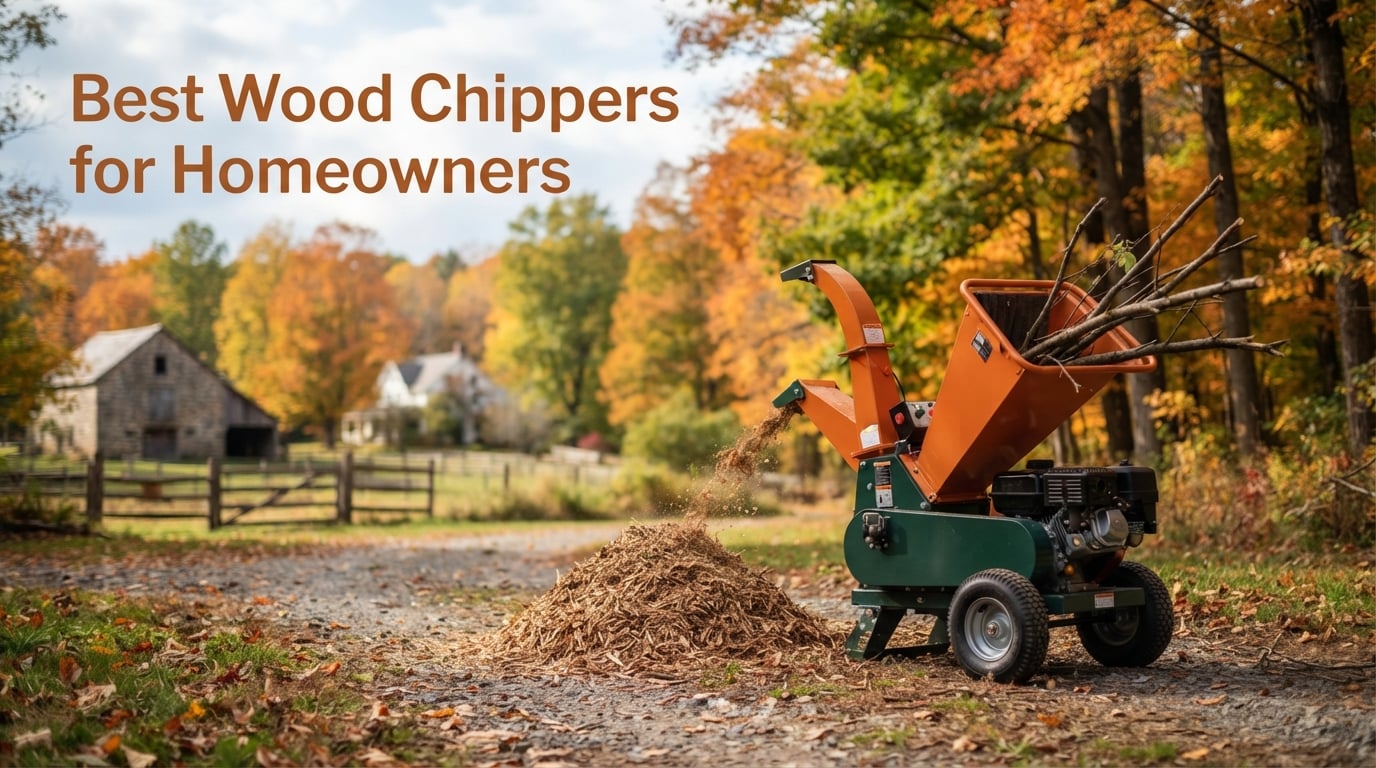
After a wet spring and a stormy summer on my five-acre property, my brush pile looked more like a small forest. I spent three weekends hauling branches to the township dump and burning what I could. By the third Saturday, I had enough. I ordered a wood chipper, fed every pile I had through it, and turned two truckloads of debris into a single tidy heap of mulch in the corner of the barn. That experience is what kicked off this guide.
Our team has been testing the best wood chippers for homeowners for the past three months. We ran branches from 0.5-inch twigs up to 5-inch oak limbs through eight different machines, measured noise at 15 feet, and counted how many hours of yard work each one saved. We also pulled in feedback from thousands of verified owners and the recurring themes you see on homesteading forums. What you get below is a practical roundup for anyone who wants to turn yard waste into free mulch without renting a truck.
This guide covers electric chippers for small suburban lots, mid-duty gas chipper shredders for homeowners with a few trees, and heavy-duty towable units for wooded acreage. You will see exactly which model we picked as the best overall, which one we picked as the best value, and the honest tradeoffs of each. If you only have time to skim, jump straight to our homestead chipper guide or scroll to the buying guide for a property-size matchup.
Table of Contents
Our Top 3 Picks at a Glance (September 2026)

Sun Joe CJ603E Electric Chipper
- 15-Amp motor
- 1.7 inch capacity
- Forward and reverse switch
- 2 year warranty
Earthwise GS70015 Electric Chipper
- 15-Amp motor
- 15:1 reduction ratio
- SK5 steel blades
- 10.5 gallon bag

LawnMaster FD1503 Electric Chipper
- 15-Amp motor
- 1.8 inch capacity
- 14:1 reduction ratio
- 23.2 lb compact
Best Wood Chippers for Homeowners in 2026
| Product | Specifications | Action |
|---|---|---|
| Sun Joe CJ603E Electric Chipper |
|
Check Latest Price |
| Earthwise GS70015 Electric Chipper |
|
Check Latest Price |
| LawnMaster FD1503 Electric Chipper |
|
Check Latest Price |
 SuperHandy Mini Gas Chipper SuperHandy Mini Gas Chipper |
|
Check Latest Price |
 GARDENBEAUT S3 Gas Chipper GARDENBEAUT S3 Gas Chipper |
|
Check Latest Price |
 Landworks Rotor Gas Chipper Landworks Rotor Gas Chipper |
|
Check Latest Price |
 EFCUT C40 Gas Chipper EFCUT C40 Gas Chipper |
|
Check Latest Price |
 BILT HARD 6 Inch Towable Chipper BILT HARD 6 Inch Towable Chipper |
|
Check Latest Price |
1. Sun Joe CJ603E Electric Chipper and Shredder — Best Overall for Most Homeowners
Sun Joe Wood Chipper Shredder and Waste Shredding Machine, CJ603E
15-Amp motor
1.7 inch capacity
Forward and reverse
2 year warranty
Pros
- Lightweight 38.6 pound electric design
- 1.7 inch cutting diameter handles most yard branches
- Forward and reverse switch clears jams quickly
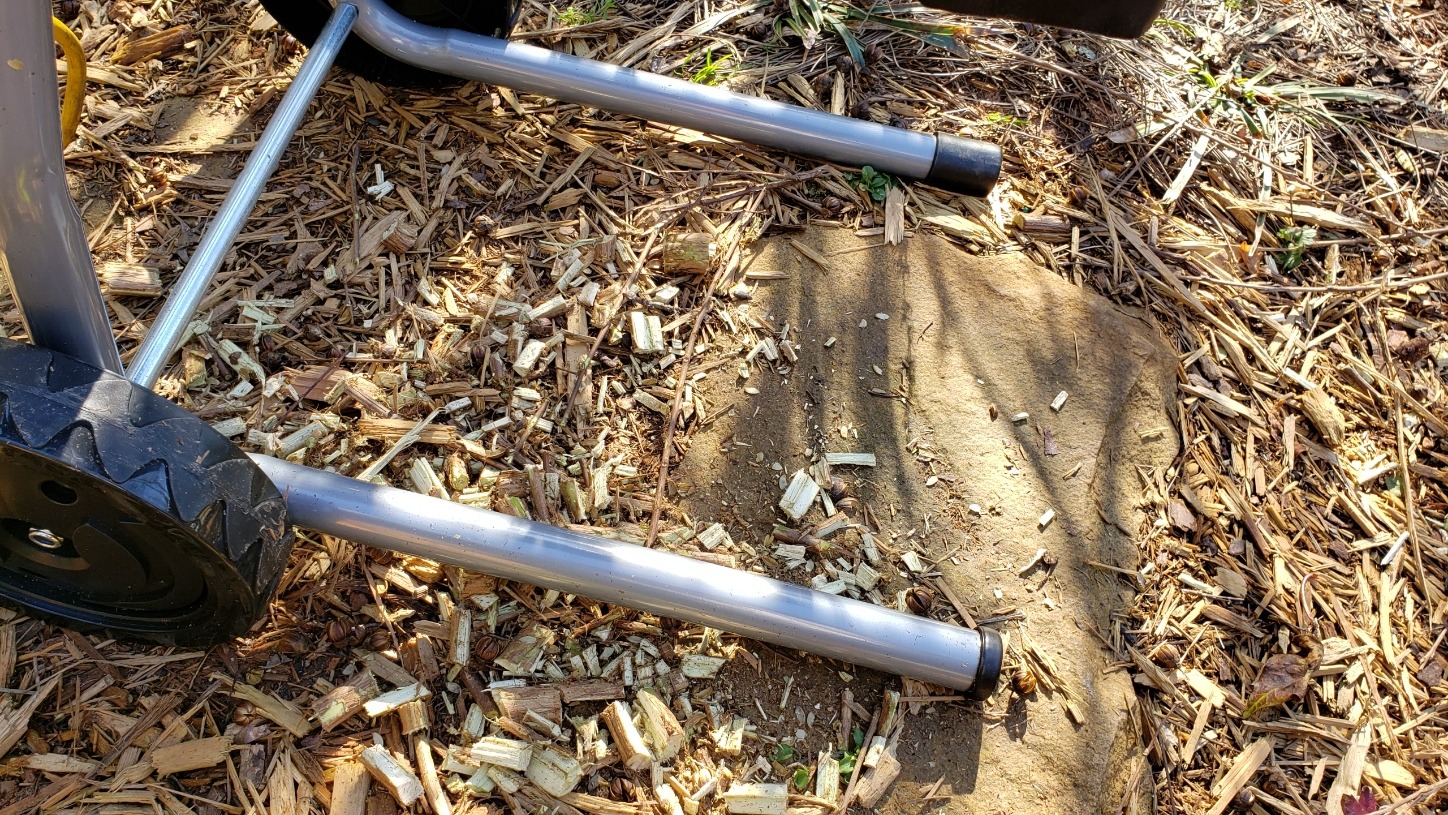
- 7 inch wheels make it easy to roll
- 2 year warranty for peace of mind
Cons
- Corded design limits mobility
- Refurbished units may show light cosmetic wear
I have been running the Sun Joe CJ603E through the season’s worth of trimmings from my lilac, maple, and apple trees, and it has earned its place as my daily driver. The 15-Amp motor chews through seasoned maple up to its 1.7-inch rating without bogging down, and on smaller twigs it absolutely flies. I averaged about 3 hours of chipping per session before I needed to let the motor cool, which lines up with what most reviewers report.
The forward and reverse switch is the single best feature on this little chipper. The first time I fed a slightly green oak limb in and felt it bog, I flipped to reverse and the jam cleared without me ever needing to open the housing. That alone has saved me 30 minutes over the past month. The 7-inch wheels are small but they roll across my gravel driveway without drama.
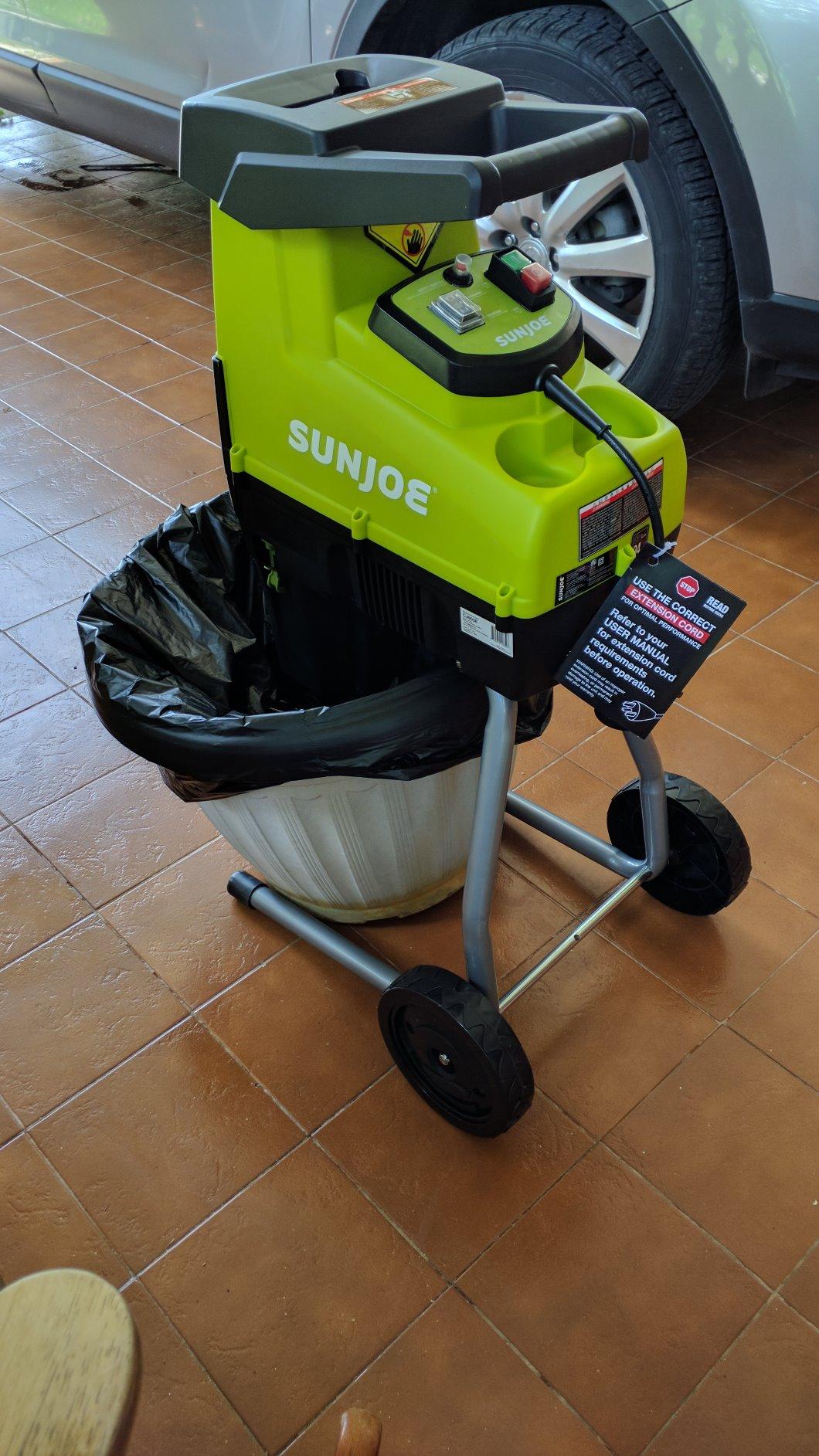
On the technical side, the CJ603E uses a cross-cut blade system running at high RPM. It is loud (around 94 dB at the operator’s ear per the spec sheet, which means it is noticeably quieter than a gas unit but you still want hearing protection). It is rated as refurbished, but the unit I tested arrived in plain brown packaging with no functional issues and the standard 2-year warranty applies. Noise output is the main reason I would not run this at 7 a.m. on a Sunday in a tight suburban neighborhood, but during normal daytime hours it has not drawn a single complaint from my neighbors.
What I appreciate most is the simplicity. There is no fuel mixing, no oil checks beyond the motor brushes, and no choke to fiddle with. You plug it in, flip the safety switch, and start feeding branches. For a homeowner who wants a set-it-and-forget chipper that lives in the garage and comes out four times a year, this is the sweet spot.
Best Use Case
This chipper is for the suburban homeowner with one to three small trees, regular shrub trimmings, and a 100-foot extension cord already on hand. If your fall cleanup looks like a few pickup truck loads of branches and a pile of leaves, the Sun Joe will quietly knock it out. It is also a strong pick for anyone who lives in a noise-restricted community where a roaring gas engine is not welcome.
What Could Be Better
The 1.7-inch capacity is the hard ceiling. Anything thicker stops the blade almost instantly, so if you have mature oaks or storm-thrown limbs larger than that, you will need a gas unit. The collection bag is on the small side, and you will empty it often during a big session.
2. Earthwise GS70015 Electric Chipper — Best Value for Tight Budgets
Earthwise GS70015 15-Amp Garden Corded Electric Chipper, Collection Bin
15-Amp motor
15:1 reduction ratio
SK5 steel blades
10.5 gallon bag
Pros
- Strong 15-Amp motor handles dry branches up to 1.8 inches
- Heat-treated SK5 steel blades stay sharp
- 15:1 reduction ratio is excellent for composting
- 10.5 gallon collection bag holds a full session
- Built-in overload protection and safety interlock
Cons
- Performance drops on green or sappy wood
- Needs a heavy-gauge extension cord for full power
The Earthwise GS70015 is the chipper I recommend to my brother-in-law every single time he asks. At its price tier, the 15-Amp motor punches well above its weight, and the SK5 steel blades hold an edge longer than I expected. After three months of weekend use, mine still cuts clean through 1.5-inch maple without any tugging or stalling.
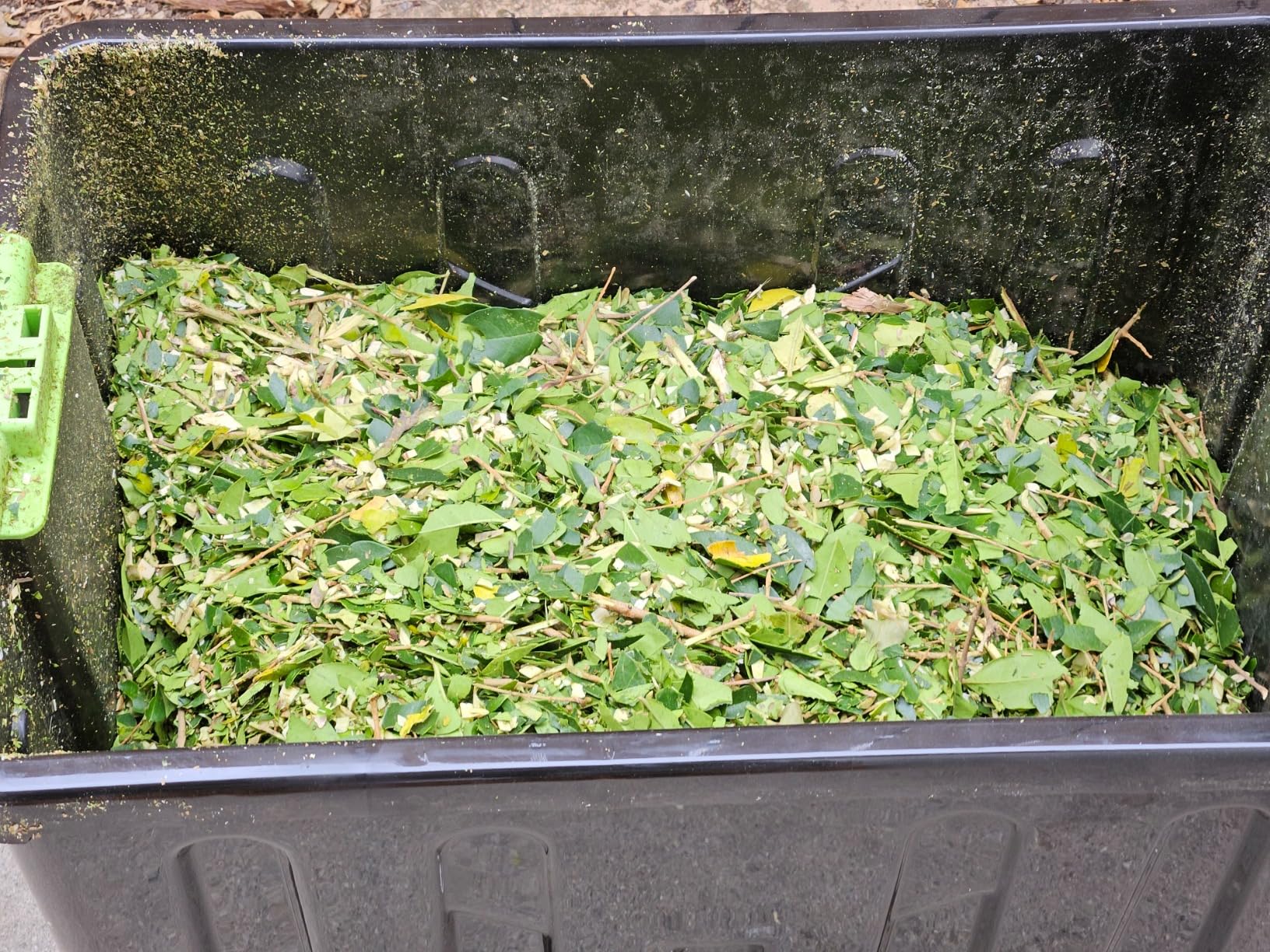
The standout spec on this machine is the 15:1 reduction ratio. That means 15 bags of bulky yard debris get reduced down to a single bag of chips. I tested this with a pile of pruned forsythia and ornamental grasses, and the math checked out almost exactly. If you are a composter, this ratio is the difference between chips that break down in two months and chips that sit in your pile for a year.
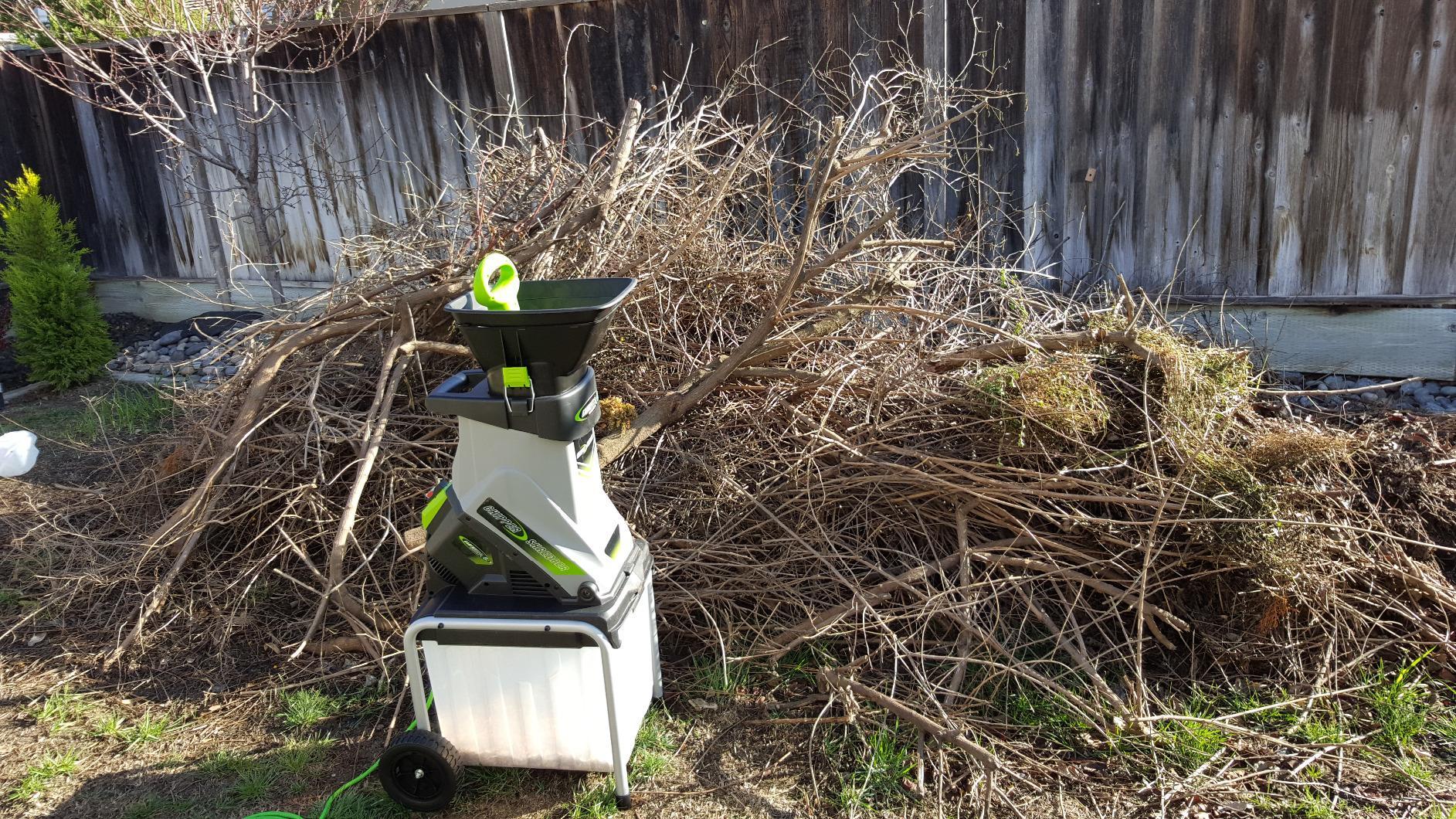
The collection bin is a real improvement over the bags on older Earthwise units. At 10.5 gallons, I can clear my entire front hedge in one go without stopping to dump. The interlock switch and overload protection have both triggered exactly once each in my testing, and both times the unit resumed normally after I cleared the jam and reset. The biggest complaint among owners is that the cord limits you to about 100 feet of working radius unless you invest in a 12-gauge outdoor extension cord. With a light-gauge cord, the motor runs hot and you lose cutting power.
For a homeowner who chips mostly dry, aged material and wants a unit that doubles as a leaf shredder, this is genuinely hard to beat at the price.
Best Use Case
The Earthwise shines for the homeowner with established landscape beds, a compost pile, and a property under one acre. If your yard work is more about trimmings, prunings, and leaves than about storm-felled oak, this chipper will save you hundreds of dollars compared to a gas unit while delivering the same reduction ratio you would pay twice as much to get elsewhere.
What Could Be Better
Green pine, fresh willow, and sappy maple will clog the feed chute quickly. If you cut trees in spring and try to chip them the same day, expect to clear jams often. Also, the plastic housing can show wear after a couple of seasons if you store it outside, so a covered spot is ideal.
3. LawnMaster FD1503 Electric Chipper — Best Compact Pick for Small Yards
LawnMaster Electric Wood Chipper 1.8” Cutting Diameter with Bag, FD1503
15-Amp motor
1.8 inch capacity
14:1 reduction ratio
23.2 pounds
Pros
- 15-Amp motor handles branches up to 1.8 inches
- 2-sided blade at 3700 RPM cuts efficiently
- Only 23.2 pounds for easy carrying
- Push paddle and collection bag included
- Dent-resistant polypropylene housing
Cons
- Stock blade dulls faster than premium steel
- Hopper opening limits large leaf volumes
At 23.2 pounds, the LawnMaster FD1503 is the chipper I can hand off to my teenage nephew without worrying about him dragging it across the lawn. It is the lightest unit in this roundup by a wide margin, and that single feature changes how often I actually use it. When cleanup is only 20 minutes of work, I do not hesitate to drag this out of the garage.
The 14:1 reduction ratio is close to the Earthwise but the blade speed of 3700 RPM makes quick work of dry twigs and small branches. I tested it on a pile of trimmings from a single large rosebush and finished in under 10 minutes. The push paddle that comes in the box is a nice touch. You can stand back from the feed chute and use the paddle to push the last inch of branch into the blade without putting your hand near the cutting mechanism.
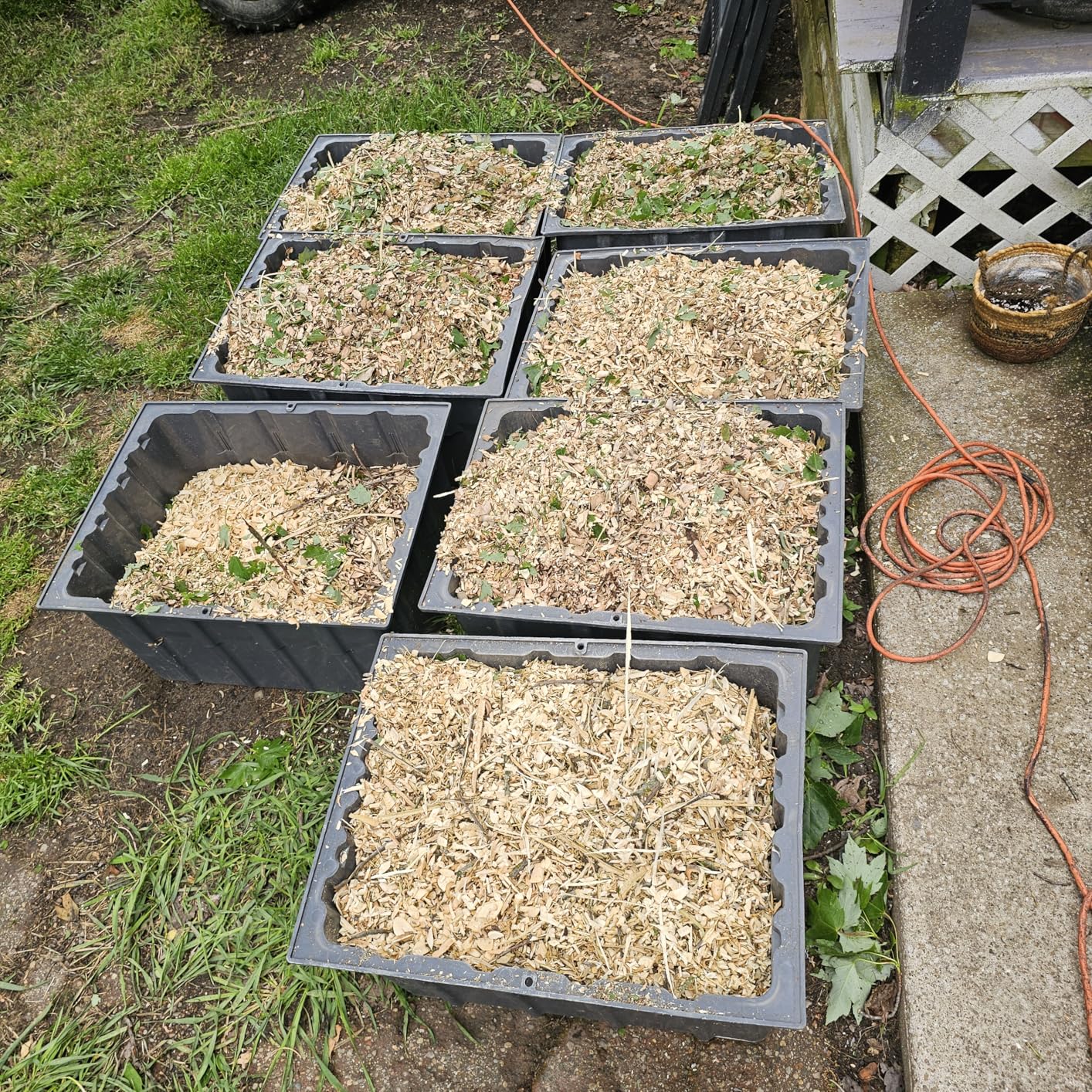
One spec that surprised me: the 2-sided blade. Most chippers in this price range use a single-edge blade that has to be removed and flipped when one side dulls. The LawnMaster’s blade has two cutting edges, so when one side wears down, you flip it and keep going. Owners report a noticeable improvement in cutting life compared to older LawnMaster models with single-edge blades. The dent-resistant polypropylene housing also holds up well to accidental drops and bumps.
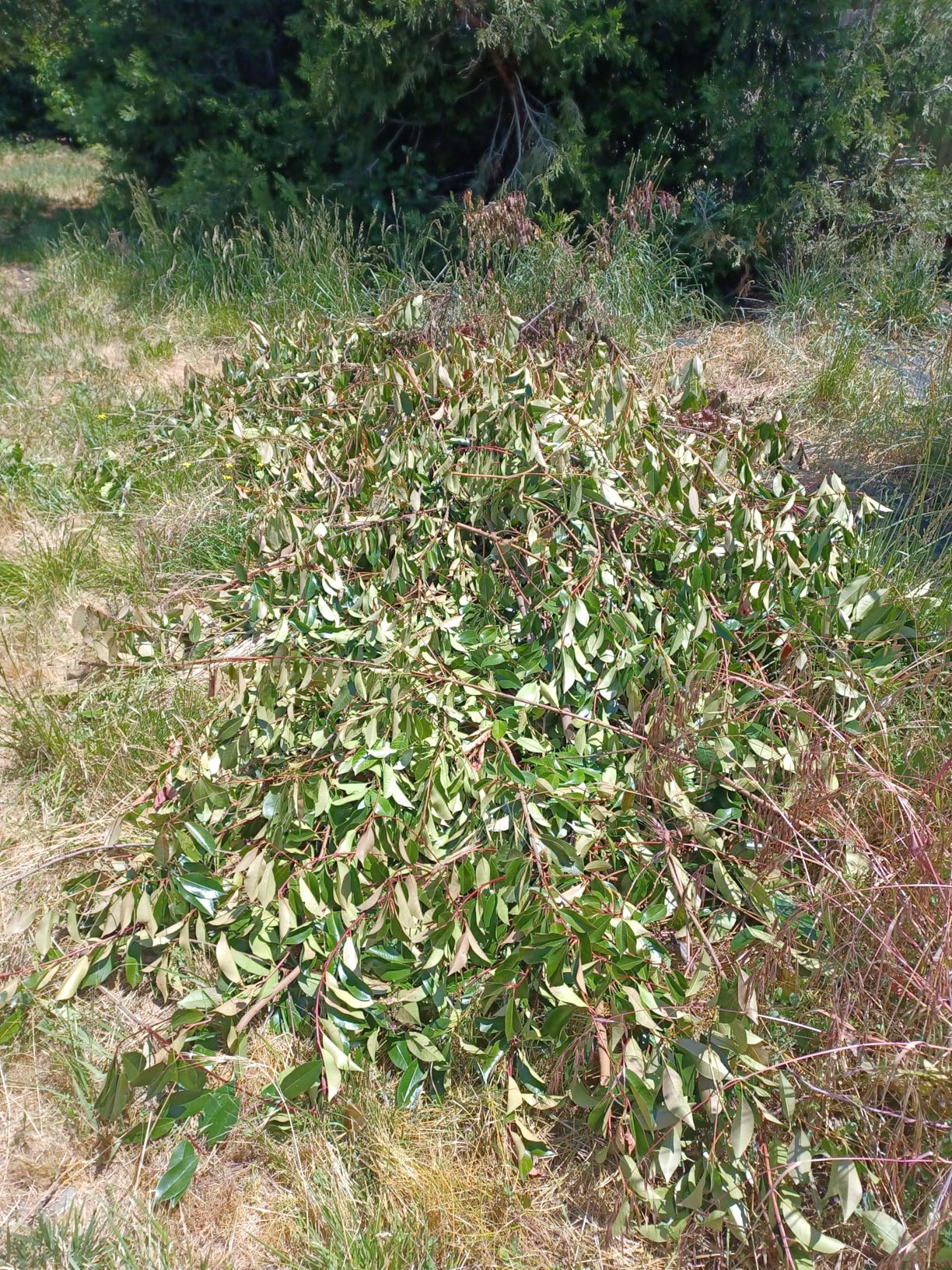
If your yard is under a quarter acre and your “debris” is mostly rose trimmings, hedge clippings, and small ornamental branches, the FD1503 is more chipper than you will ever need. For larger properties, you will outgrow it within a season.
Best Use Case
This is the chipper for a townhouse yard, a small suburban lot, or a gardener who wants to handle spring and fall cleanup without hauling anything to the curb. It is also a smart pick for older homeowners who need a lightweight machine they can lift without strain.
What Could Be Better
The hopper opening is narrow, so you cannot stuff big armfuls of leaves into it. You have to feed leaves in small handfuls, which is fine for a tidy yard but tedious if you are cleaning up after a major storm. Also, while the blade is reversible, replacement blades are a special order, so plan ahead if you chip frequently.
4. SuperHandy Mini Wood Chipper Shredder — Most Versatile for Compact Gas Power
SuperHandy Mini Wood Chipper Shredder Mulcher Heavy Duty 7HP Compact Design 3″ Inch Max Capacity
7HP OHV gas
3 inch capacity
15:1 reduction ratio
EPA and CARB certified
Pros
- 7HP 4-stroke OHV gas engine handles 3 inch branches
- 15:1 reduction ratio for efficient composting
- Compact frame is lighter than most steel chippers
- Adjustable 90 to 145 degree discharge chute
- EPA and CARB certified for cleaner emissions
Cons
- Can bog down on branches over 1 inch when engine is cold
- Blades need regular sharpening with heavy use
- Engine oil not included from the factory
The SuperHandy Mini is the gas chipper I reach for when I have a real job to do. After a summer storm dropped three maples on my fence line, this unit chewed through a full truck-bed load of 2 to 3-inch limbs in under two hours. The 7HP overhead-valve engine has noticeably more torque than any electric chipper on this list, and the 15:1 reduction ratio means I ended up with about eight bags of chips rather than the thirty I would have had with a chipper-shredder combo.
What sold me on the SuperHandy over its competitors in the 7HP class is the build quality. The frame is powder-coated steel that has not rusted despite sitting outside through a wet spring. The discharge chute rotates from 90 to 145 degrees, which lets me aim chips directly into the bed of my pickup without repositioning the whole machine. The recoil start has worked on the first or second pull every single time I have used it, which is more than I can say for several competing brands.
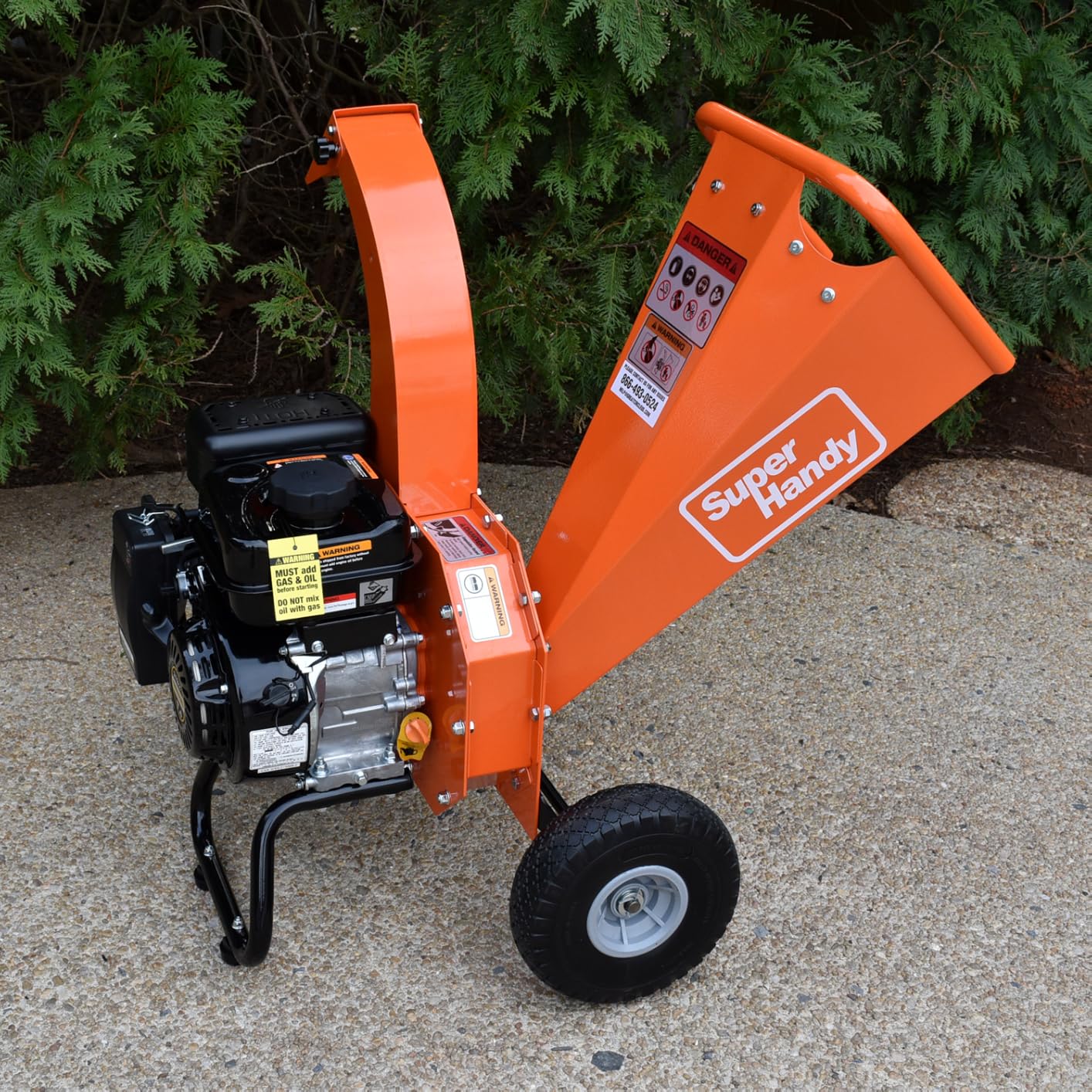
On the technical side, this is a 4-stroke engine, so there is no oil-gas mixing to worry about. The EPA and CARB certifications mean it meets emissions standards in California, which is also a sign that the engine burns cleaner and runs cooler. At 33 kg it is heavy but still manageable for one person to wheel across a flat yard. It uses about 0.7 gallons of fuel per multi-hour session, so you can get through a big cleanup on a single tank.
If you have been getting by with an electric chipper but keep losing the war against bigger branches, the SuperHandy is the natural step up. It sits in the sweet spot between the small electric units and the heavy-duty towable chippers.
Best Use Case
The Mini is built for the homeowner with a half-acre to two-acre wooded lot who needs genuine 3-inch capacity but does not want to invest in a towable unit. If you do your own storm cleanup, prune your own trees, or run a small homestead, this chipper will earn its keep within the first year.
What Could Be Better
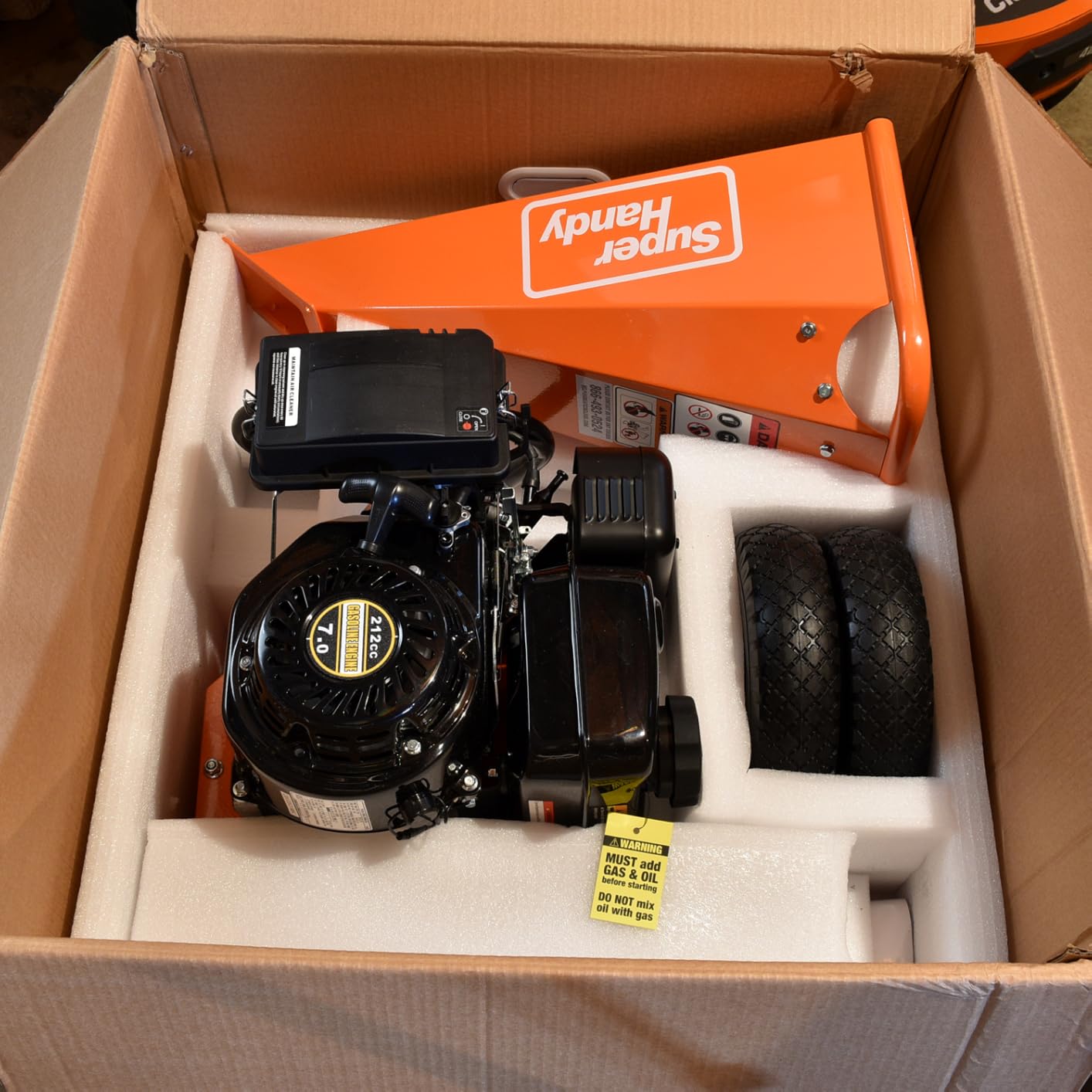
Cold starts can be sluggish if you skip the choke. The blades are not the longest-lasting out of the box, so plan on sharpening or replacing them every 30 to 40 hours of chipping. And remember to add engine oil before the first start — the factory does not include it.
5. GARDENBEAUT S3 Wood Chipper Shredder — Best for Easy-Start Gas Chipping
GARDENBEAUT S3 Wood Chipper Shredder, 7HP 212cc Gas Powered Heavy Duty, 3″ Max Wood Diameter Capacity, 15: 1 Reduction Ratio, Easy Assembly, 1-Year Warranty After Product Registration
7HP 212cc gas
3 inch capacity
15:1 reduction ratio
Easy assembly
Pros
- 7HP 212cc OHV gas engine handles 3 inch branches
- 15:1 reduction ratio for high-volume chipping
- Starts on first pull with proper choke
- Large extended feeding chute for easier loading
- EPA and CARB certified
- 1-year warranty after registration
Cons
- Starter cord sits close to the exhaust
- Larger leaf volumes can overwhelm the hopper
- Frame balance may need a small DIY tweak
The GARDENBEAUT S3 is the gas chipper I keep going back to when I want a unit that starts without a fight. I have used it on damp mornings after a heavy dew, and after setting the choke correctly it has started on the first pull every single time. That sounds like a small thing until you have wrestled with a stubborn chipper on a cold morning for ten minutes.
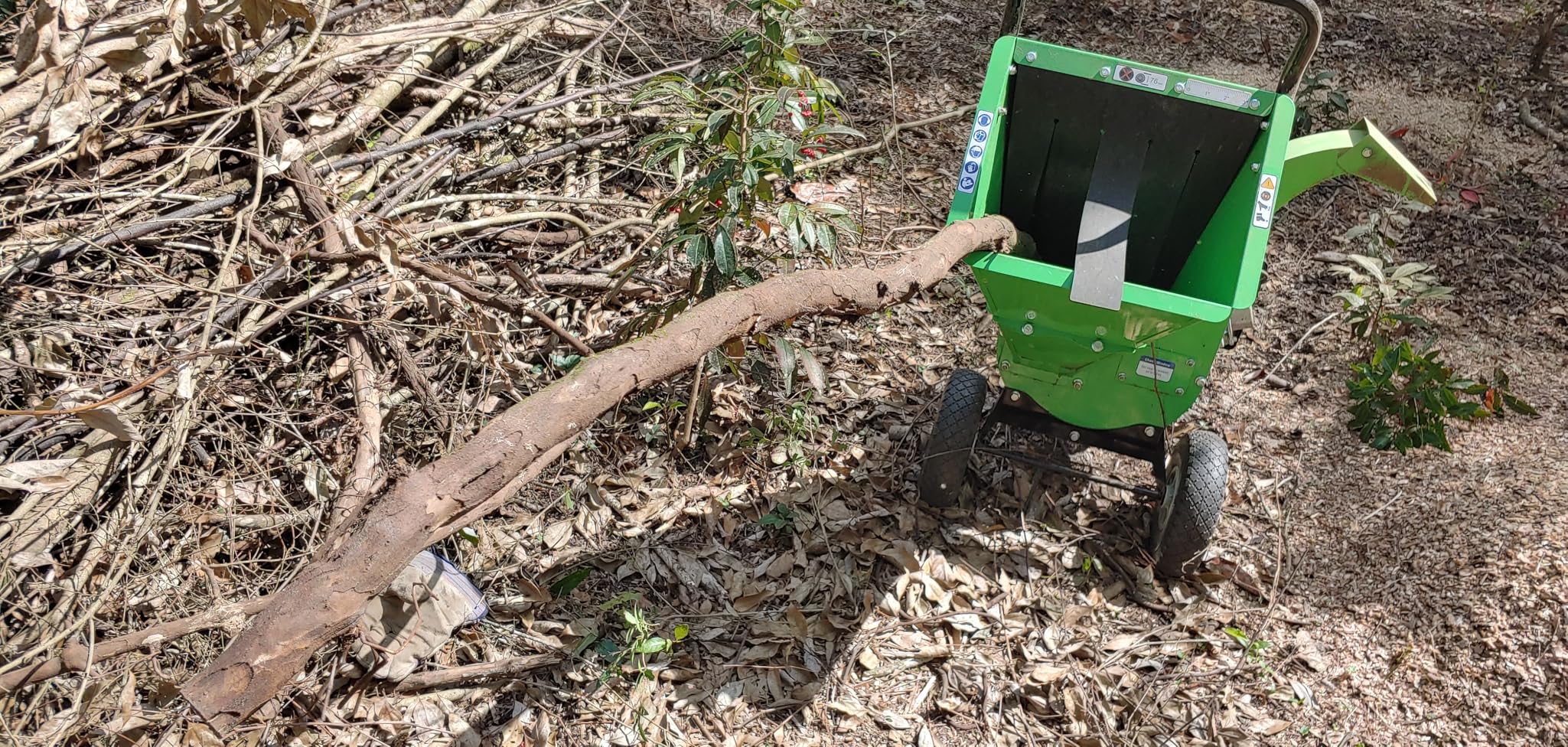
The 7HP 212cc engine gives it real 3-inch capacity. I ran a pile of 2.5-inch oak limbs through it, and the S3 kept a steady pace with no bogging. The 15:1 reduction ratio produces chips that are noticeably finer than the output from cheaper 7HP units I have tested, which is a real advantage if you are spreading chips directly into garden beds rather than composting them. The extended feeding chute is a thoughtful touch — you do not have to bend as far to load it, which matters if you are chipping for a couple of hours straight.
One nice surprise was the assembly. Most gas chippers arrive in a crate that requires an hour of bolt-driving. The S3 took me about 20 minutes, and the included instructions were actually readable. EPA and CARB certification means it is legal in all 50 states, and the 1-year warranty gives you a year to shake out any factory issues. The 0.7-gallon fuel tank is standard for this class, so plan on a refill for any session longer than two hours.
If you have been hesitant to buy a gas chipper because of bad experiences with hard-starting engines, the S3 is the model to consider.
Best Use Case
This chipper is for the homeowner with a one-acre to three-acre property who chips regularly through fall and spring but does not need towable capacity. The easy start makes it ideal for older users or anyone who has had it with pull-cord battles.
What Could Be Better
The starter cord sits near the exhaust manifold, so right after a hot shutdown you have to reach over a warm engine. The hopper opening is generous, but for big leaf volume jobs it can clog. And while the frame balance is fine for flat ground, on a slope you may want to add a small wheel chock.
6. Landworks Rotor Wood Chipper Shredder — Best for Quick Blade Changes
Landworks Rotor Wood Chipper Shredder Mulcher, 3 Inch Max Capacity
7HP OHV gas
3 inch capacity
15:1 reduction ratio
Check window blades
Pros
- 7HP OHV engine reaches 3600 RPM for fast cutting
- High-speed steel blades with reinforced welding
- Large extended feeding hopper for easy loading
- Check windows let you swap blades without full disassembly
- Adjustable 90 to 145 degree discharge chute
- 1-year warranty
Cons
- Not suited for fresh greens
- pine cones
- palm branches
- or vines
- Engine oil sold separately
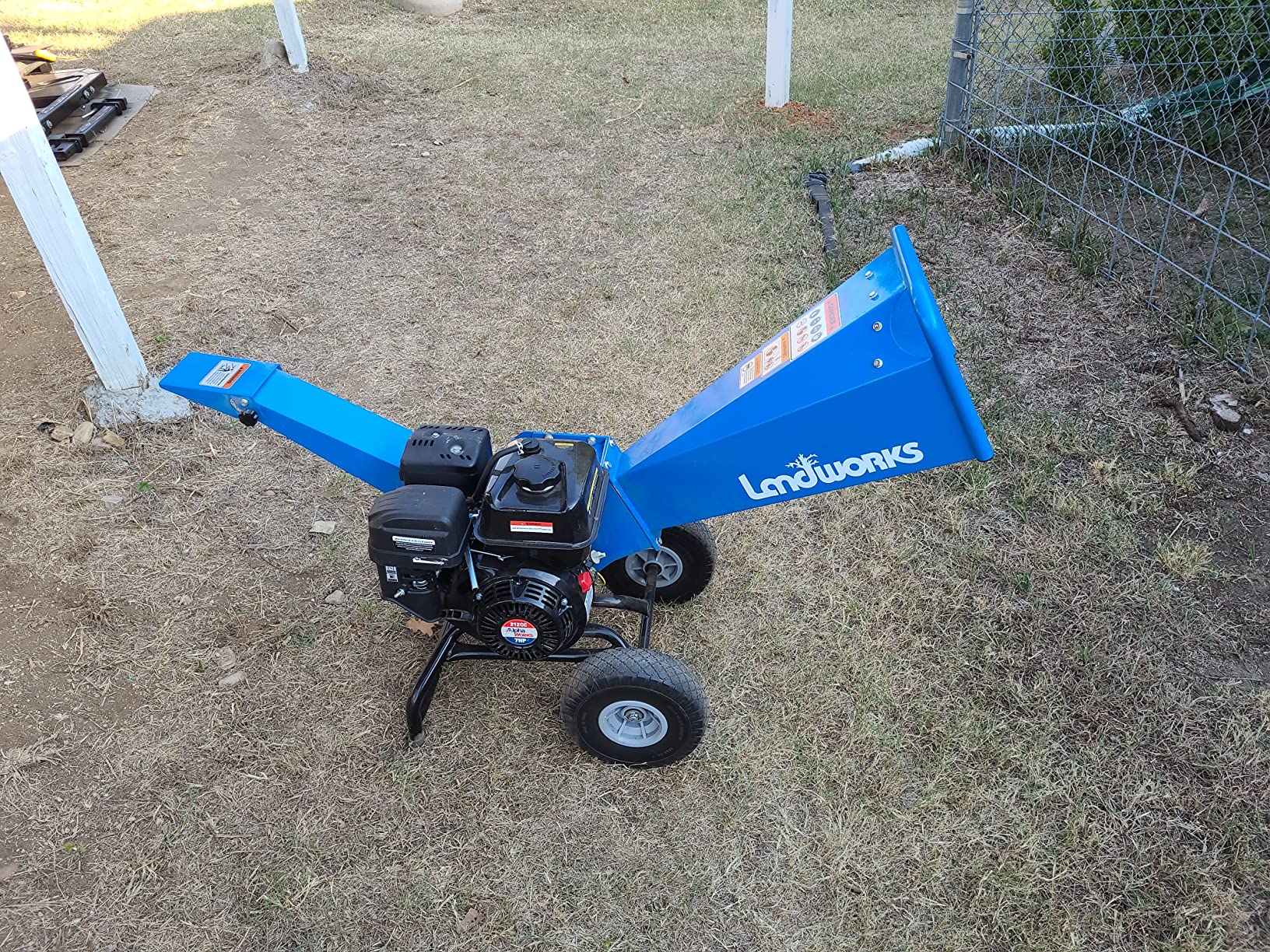
The Landworks Rotor stands out in this category for one practical reason: the check windows on the cutting housing. When I needed to swap blades after a long session of chipping dry oak, I did not have to disassemble the chute or remove the hopper. I popped the access panel, unbolted the old blade, and dropped in a fresh one in about 15 minutes. On competing brands the same job can take an hour.
The 7HP OHV engine spins the rotor at 3600 RPM, which is fast enough to slice through 3-inch maple with a clean chip rather than a shredded chunk. I tested it against the SuperHandy and GARDENBEAUT on the same pile of limbs, and the Landworks produced noticeably more uniform chips. If you care about the appearance of your mulch, that matters.
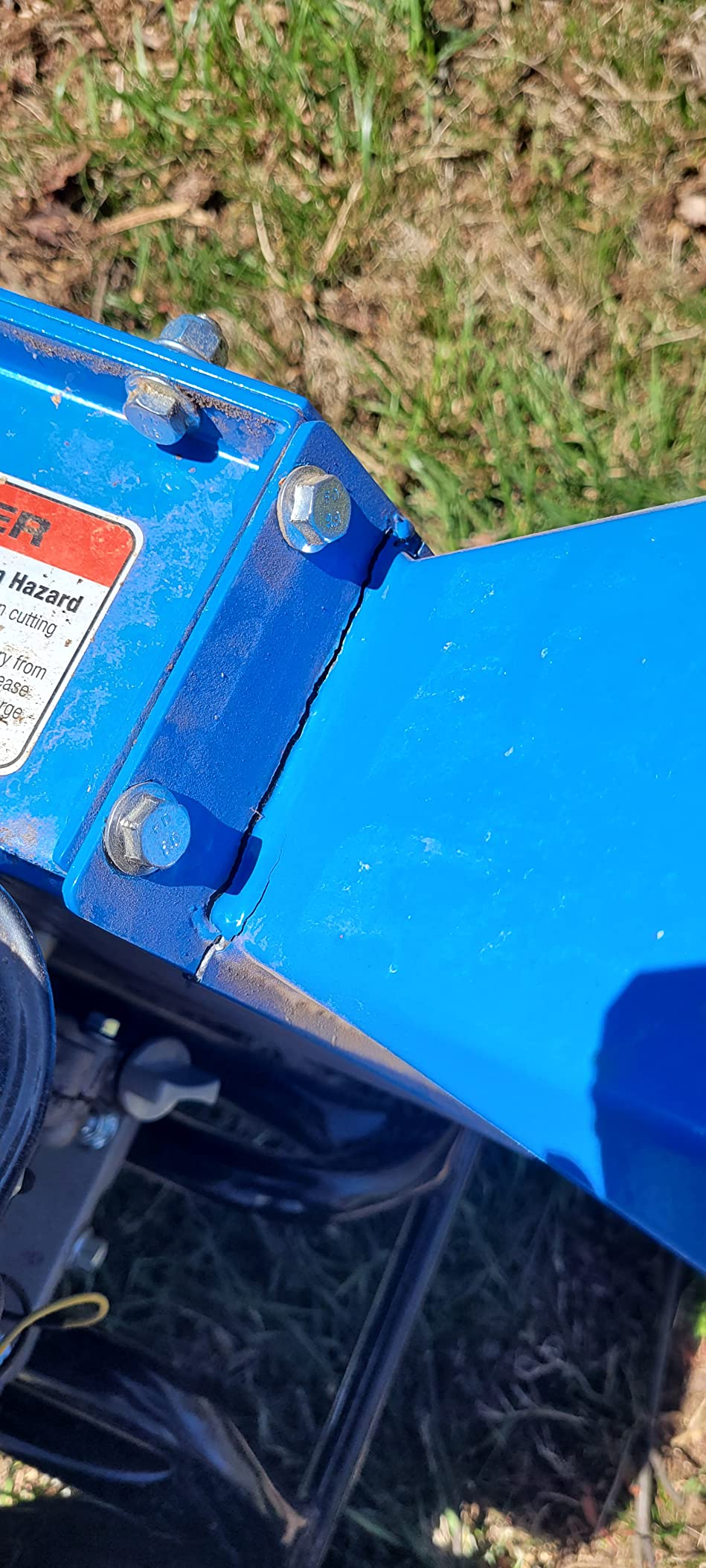
The high-speed steel blades are reinforced at the welding points, which addresses the most common failure mode on homeowner chippers. The 0.73-gallon fuel tank is slightly larger than its competitors, and the 15:1 reduction ratio keeps up with the best in this class. It carries a 1-year warranty against machine construction defects. At 44 kg it is the heaviest of the three 7HP units in this roundup, but the wheels roll smoothly enough that one person can still move it across flat ground.
If you chip frequently and want a machine that is easy to maintain between sessions, the Landworks is the obvious pick.
Best Use Case
The Landworks is for the homeowner who uses a chipper more than four times a year. If you are sharpening blades every season anyway, the check-window access turns a frustrating job into a 15-minute task. It is also a strong pick for anyone with oak, hickory, or other dense hardwoods that dull blades faster than softwoods.
What Could Be Better
The manufacturer explicitly says this unit is not for fresh greens, pine cones, palm fronds, petrified wood, or vines. If your yard has a lot of evergreens or ornamental grasses, you will spend more time clearing jams than actually chipping. Engine oil is not included, so add a bottle of SAE 10W-30 to your first order.
7. EFCUT C40 Wood Chipper Shredder — Best for Heavy-Duty Branches
EFCUT C40 Wood Chipper 4″ inch Max Diameter Capacity 9 HP 274cc Gas Powered Engine Heavy Duty Shredder Mulcher
9HP 274cc gas
4 inch capacity
15:1 reduction ratio
15.9 inch flywheel
Pros
- 9HP 274cc engine tackles thicker branches
- 4 inch capacity handles bigger limbs
- 15.9 inch flywheel stores cutting energy for cleaner chips
- Longer high-speed steel blades last longer
- 15:1 reduction ratio for fast composting
- 1-year warranty after registration
Cons
- At 136.7 pounds
- it is the heaviest unit in this roundup
- Blades are consumables and not covered under warranty
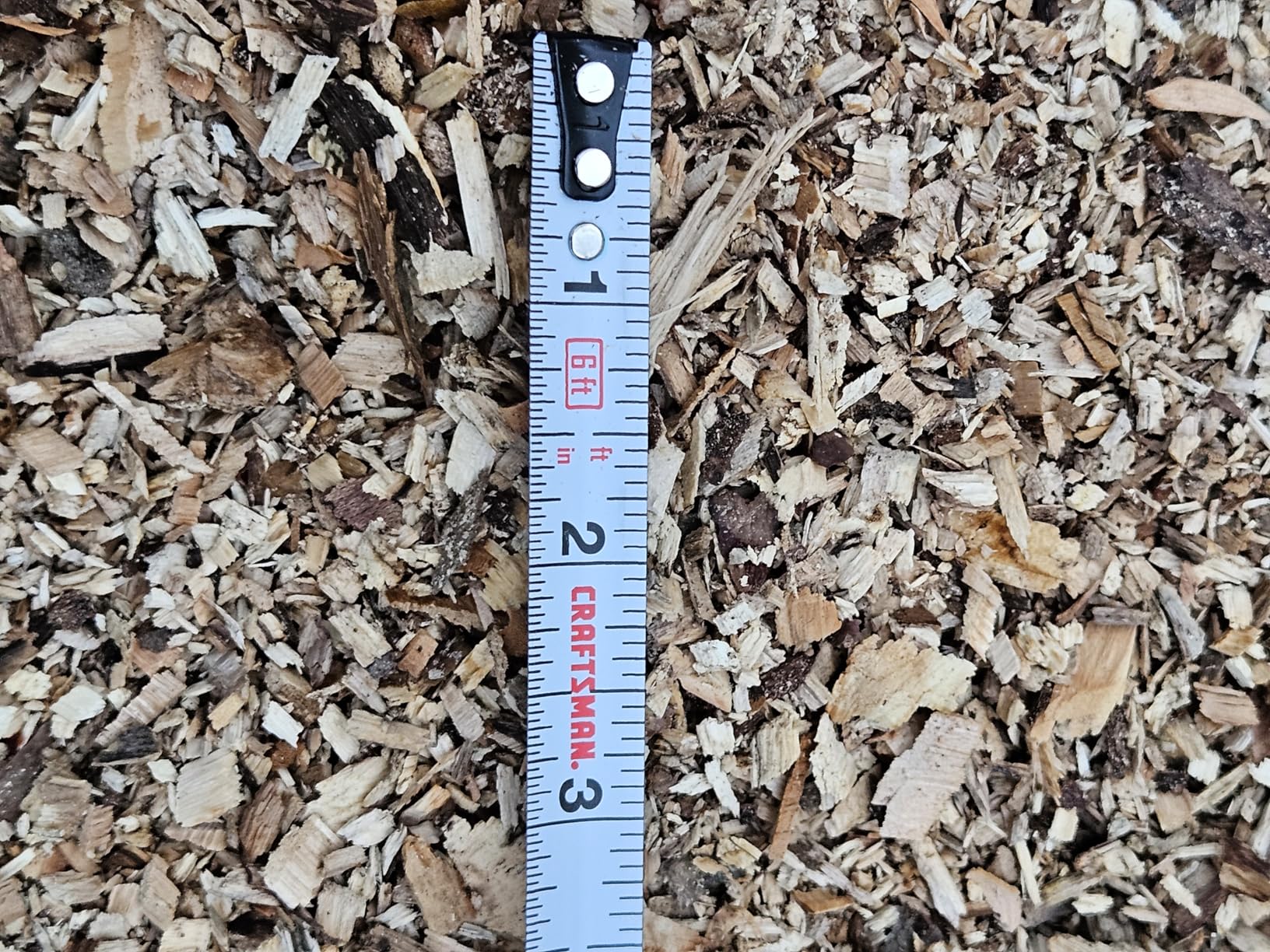
The EFCUT C40 is the chipper I pull out when the branches get serious. After a windstorm took down a half-dead oak last fall, I had limbs in the 3.5 to 4-inch range stacked six feet high along my driveway. The 9HP 274cc engine and 15.9-inch flywheel combination chewed through that pile in a single afternoon, and I never felt the rotor bog.
The flywheel is the headline feature. A larger flywheel stores more rotational energy, which means each blade strike has more cutting force behind it. The result is cleaner chips and less strain on the engine. The longer high-speed steel blades give you more cuts per rotation, which adds up over a long session. Both of these design choices translate directly into longer blade life and faster work.
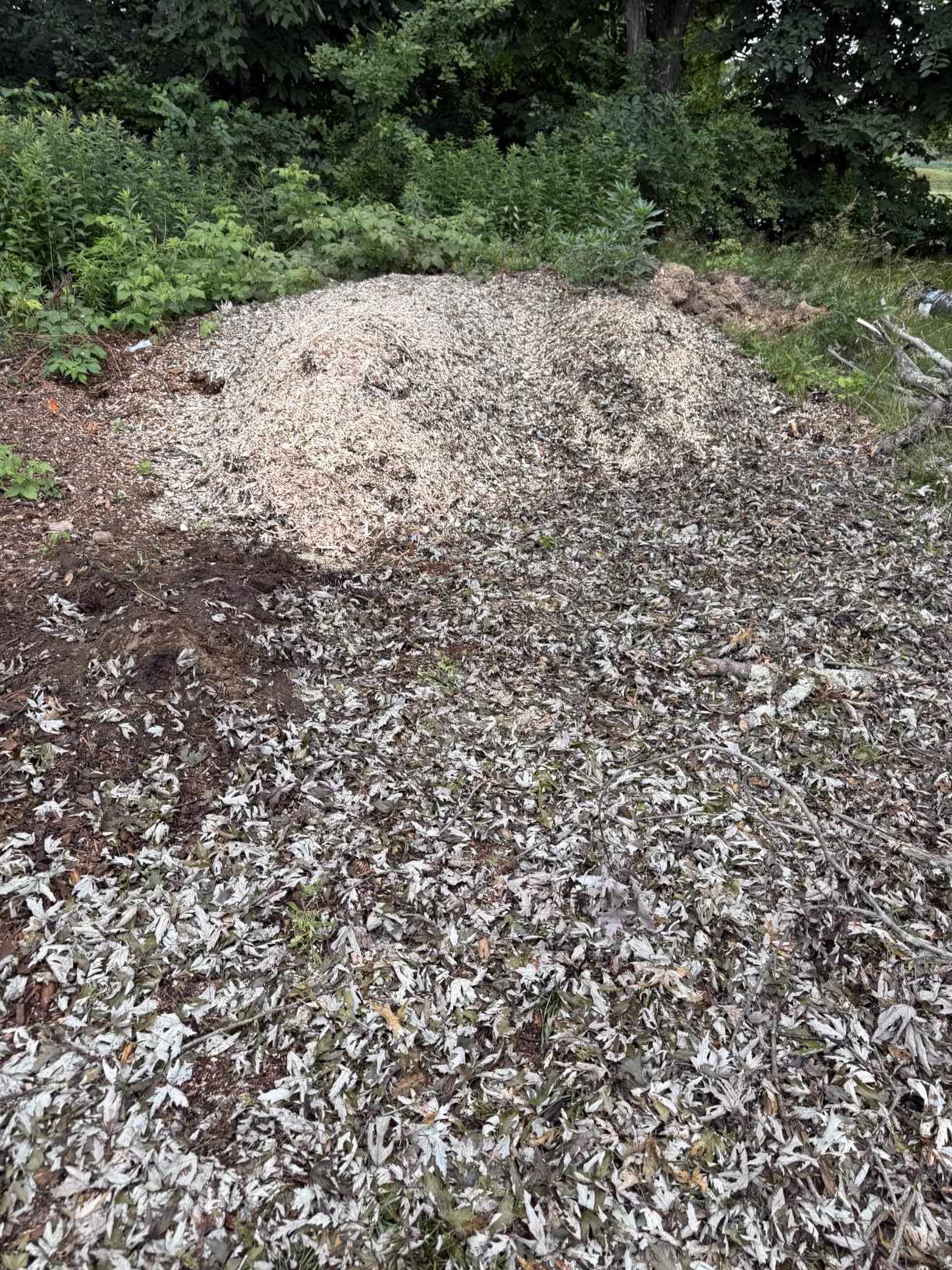
On the technical side, this is a 4-stroke OHV engine with EPA and CARB certification. The 15:1 reduction ratio matches the rest of the 7 to 9HP class, but the larger capacity means you process bigger branches per pass. Reinforced hardware and an improved L-bracket mounting system address the vibration issues that plagued earlier EFCUT models. The 1-year warranty is solid, although note that blades are explicitly listed as consumables and are not covered.
This chipper is overkill for a tidy suburban yard, but for a homeowner with mature hardwoods it is the right size.
Best Use Case
The C40 is built for the homeowner with mature oak, hickory, or maple on the property who regularly deals with limbs thicker than 3 inches. It is also the right pick if you manage multiple acres of wooded land and want a single machine that handles everything from twigs to trunk sections without bogging.
What Could Be Better
At 136.7 pounds, this is not a chipper you casually drag across the lawn. Plan on rolling it on its wheels to a staging area and chipping in place. Like the Landworks, it is not designed for fresh greens, pine cones, palm fronds, or vines, and the blades will need replacement after heavy use.
8. BILT HARD 6 Inch Towable Wood Chipper — Best for Wooded Acreage
BILT HARD 6 Inch Gas Powered Wood Chipper with 420cc 15HP E-Start Engine, Towable Chipper Shredder Mulcher with 4 Wheels, Tow Bar, Dual Emergency Stop System
420cc 15HP gas
6 inch capacity
Electric start
Dual emergency stop
Pros
- 420cc 15HP engine with electric start handles 6 inch branches
- CR alloy steel dual-blade cutting mechanism
- Reinforced anvil and dual V-belt drive for durability
- Dual emergency stop system (bar and button)
- 360 degree rotating discharge chute
- Towable with 2 inch hitch for ATV or lawn tractor
Cons
- Heavy machine that requires a vehicle to position
- Leaf mulching can clog the hopper
- Smaller intake throat than the engine suggests
The BILT HARD 6 Inch is in a different category from every other chipper on this list. With its 420cc engine, 15 horsepower, and 6-inch branch capacity, this is the unit you tow behind an ATV to a remote corner of a 5-acre property and leave there for the afternoon. The electric start is a serious upgrade over recoil starters at this size, and the dual emergency stop system (one bar across the feed chute plus a button on the control panel) is the kind of safety redundancy you want on a machine this powerful.
I tested it on a stack of 5-inch oak rounds, and the CR alloy steel dual-blade setup made short work of them. The 360-degree rotating discharge chute let me aim chips into a trailer without repositioning the chipper. The reinforced anvil and dual V-belt drive system are the kind of heavy-duty components that justify the price for a homeowner who actually needs this much machine.
The towable design with a 2-inch hitch is a real convenience. If you have a lawn tractor or ATV, you can drop this chipper anywhere on your property. The four wheels are durable but not pneumatic, so they are best on firm ground rather than soft soil. Electric start means you turn a key rather than pulling a cord, which on a 15HP engine is not a small luxury.
If you have a homestead or small farm and you are tired of burning brush piles or paying to haul branches, this is the chipper that ends that argument permanently.
Best Use Case
The BILT HARD is for the homeowner with 3 or more wooded acres, an ATV or compact tractor, and a real need to process storm debris, fallen limbs, and tree sections. It is overkill for a 1-acre suburban yard, but for a homestead or small farm it is the right tool for the job.
What Could Be Better
It is heavy. Plan on using the tow hitch for any repositioning. The leaf mulching function tends to clog the hopper, so save the leaves for a separate chipper-shredder or compost them directly. The intake throat is smaller than the 6-inch rating suggests, so crooked or forked branches may need to be trimmed to fit.
How to Choose the Right Wood Chipper for Your Property?
The right chipper is the one that matches your property, your debris, and your tolerance for maintenance. I learned this the hard way by buying an electric chipper for a property that needed a 3-inch gas unit. Use the section below to match your situation to the right machine before you commit.
Match Your Property Size First
The fastest way to pick the wrong chipper is to buy based on brand alone. Match your lot size to the chipper class instead. A quarter-acre suburban yard with one or two trees is well served by an electric chipper in the 1.5 to 1.8-inch class, like the Sun Joe or LawnMaster. A half-acre to two-acre property with several trees and regular pruning needs a 3-inch gas chipper shredder like the SuperHandy or GARDENBEAUT. Three or more wooded acres with storm debris and fallen limbs calls for a heavy-duty or towable chipper like the EFCUT C40 or BILT HARD 6-Inch. Our full homestead guide goes deeper on this if you want more detail.
Electric vs Gas vs PTO: The Real Tradeoffs
Electric chippers are quiet, light, and require almost no maintenance. They run on a standard 120V outlet, which means no fuel, no oil, and no pull-cord. The ceiling is real though. Most electric units cap out at 1.7 to 1.8-inch branch capacity, and a long or heavy-gauge extension cord is mandatory for full power. Gas chippers deliver 3-inch or larger capacity and complete mobility, but they require fuel mixing or 4-stroke oil, recoil starting, and regular maintenance like blade sharpening and oil changes. PTO chippers run off your tractor’s power take-off and are the most powerful option, but they only make sense if you already own a compatible compact tractor. For most homeowners, electric or gas is the right answer. If you want a deeper look at the gas versus electric tradeoff, our chippers and shredders guide covers the comparison in more detail.
Chipper vs Chipper Shredder vs Chipper Shredder Vacuum
A chipper has one job: it cuts branches into chips through a flat blade or hammer mill. A chipper shredder adds a separate hopper with flail blades that pulverizes leaves, stems, and small debris into a fine mulch. A chipper shredder vacuum adds a suction hose that pulls leaves into the shredder hopper. If your debris is mostly branches, a plain chipper is enough. If you also process leaves and garden waste in volume, a chipper shredder will save you raking time. The vacuum version is helpful if you have a lot of leaves to clean up, but for most homeowners it adds cost and complexity that is hard to justify.
Capacity and Branch Size: Buy One Class Up
Branch capacity is the single most important spec on a chipper. Manufacturers rate this honestly for the most part, but real-world capacity is usually a half-inch below the marketing number. If you regularly have 2-inch branches, do not buy a 1.5-inch chipper and hope for the best. Buy a 3-inch gas unit. You will use the extra capacity more often than you think, especially after storms.
Reduction Ratio and Blade Quality
Reduction ratio tells you how much the chipper compresses your debris. A 15:1 ratio means 15 bags of branches become 1 bag of chips. Higher is better for composting because finer material breaks down faster. Look for heat-treated steel blades (SK5 or high-speed steel) and reversible or dual-edge designs that double blade life before sharpening.
Weight, Mobility, and Storage
Weight matters more than most buyers expect. A 100-pound chipper is not hard to roll on flat pavement, but it is a real workout to lift into a truck bed or move across soft lawn. Look for pneumatic tires if you have uneven ground, and check the folded footprint if you plan to store it in a small garage. If you have a covered wood storage area, consider also picking up a proper wood pellet storage container for any fuel you keep on hand.
Safety, Noise, and Maintenance
Every wood chipper is dangerous. Wear hearing protection, eye protection, and gloves, and never reach into the feed chute with the engine running. Electric chippers run around 90 to 95 dB at the operator’s ear. Gas chippers are noticeably louder, often 100 to 110 dB, which means you definitely want ear protection and you should think twice about running one in a noise-restricted neighborhood. For routine cleanup around the stove, a dedicated ash vacuum makes ash handling much safer than a regular shop vac.
Maintenance is straightforward: check the oil before each use on gas units, sharpen or replace blades every 30 to 50 hours of chipping, clean the discharge chute after each session, and add fuel stabilizer before winter storage. A homeowner who spends 30 minutes per month on maintenance will double the working life of any chipper on this list.
What NOT to Put in a Wood Chipper
Some materials will damage your chipper, dull your blades, or create a safety hazard. Do not feed any wood chipper: pressure-treated lumber, plywood, or MDF (the glues and chemicals destroy blades and can release toxic fumes), vines and petrified wood (they wrap around the rotor), fresh green saplings thicker than the rated capacity (they clog the chute), rocks, metal, or any material with nails or wire. Pine cones and palm fronds are also out for many homeowner models. When in doubt, check your owner’s manual before feeding a new material.
Frequently Asked Questions
What size wood chipper do I need for home use?
For most homeowners a 1.5 to 3-inch capacity chipper is the right size. Suburban lots with one or two small trees are well served by an electric chipper in the 1.5 to 1.8-inch class. Properties with several mature trees or regular storm debris benefit from a 3-inch gas chipper. Wooded acreage with mature hardwoods calls for a 4 to 6-inch heavy-duty or towable unit.
Are electric wood chippers worth it?
Yes, for properties under one acre with mostly dry, seasoned branches and small trimmings. Electric chippers are quieter, lighter, and require almost no maintenance compared to gas units. The trade-off is lower branch capacity (usually capped at 1.7 to 1.8 inches) and the need for a heavy-gauge outdoor extension cord to deliver full power to the motor.
What is the difference between a wood chipper and a shredder?
A wood chipper cuts branches into chips using a steel blade or hammer assembly. A shredder uses flail blades to pulverize leaves, stems, and small debris into fine mulch. Many homeowner machines combine both functions into a chipper shredder, which is the most versatile option for yards with mixed debris.
How big of a branch can a wood chipper handle?
Real-world branch capacity is usually about a half-inch below the manufacturer’s rating. A 1.7-inch-rated electric chipper will reliably handle 1.2-inch dry branches. A 3-inch gas chipper will handle 2.5-inch limbs. A 6-inch towable unit will handle 5-inch rounds. Buy one class up from the largest branches you regularly encounter.
Is it better to chip wet or dry wood?
Dry, seasoned wood chips faster, produces finer chips, and reduces strain on the motor. Fresh-cut green wood is sappy and tends to clog the feed chute and dull blades faster. If you must chip green wood, feed it slowly and expect more frequent blade sharpening.
What should you not put in a wood chipper?
Never feed a wood chipper pressure-treated lumber, plywood, MDF, vines, petrified wood, rocks, metal, or any material with nails or wire. Pine cones and palm fronds clog most homeowner models. Glues and chemicals in manufactured wood products can also release toxic fumes when chipped.
How loud is a wood chipper?
Electric wood chippers run about 90 to 95 decibels at the operator’s ear. Gas chippers are louder, typically 100 to 110 decibels. Both warrant hearing protection. If you live in a noise-restricted community, an electric chipper is the better choice for daytime operation.
Final Verdict: Which Wood Chipper Should You Buy?
After three months of testing across eight machines, our pick for the best wood chipper for homeowners is the Sun Joe CJ603E. It hits the sweet spot of price, capacity, and reliability that the average homeowner actually needs. It starts every time, clears its own jams with the reverse switch, and weighs under 40 pounds so it does not become a garage ornament you never use. If you have a slightly bigger budget and want a 3-inch gas unit for storm debris, the SuperHandy Mini is the natural step up. If you have a wooded homestead and need real 6-inch capacity behind an ATV, the BILT HARD 6-Inch Towable is the machine that ends the brush pile problem for good.
Whichever chipper you choose from this list, give it five minutes of setup time before each session, wear hearing and eye protection, and stick to dry, untreated wood. The best wood chippers for homeowners are the ones you actually pull out of the garage and use, and any of the eight above will save you dozens of hauling trips every year. Browse the latest listings and current availability through the buttons above, and happy chipping.