
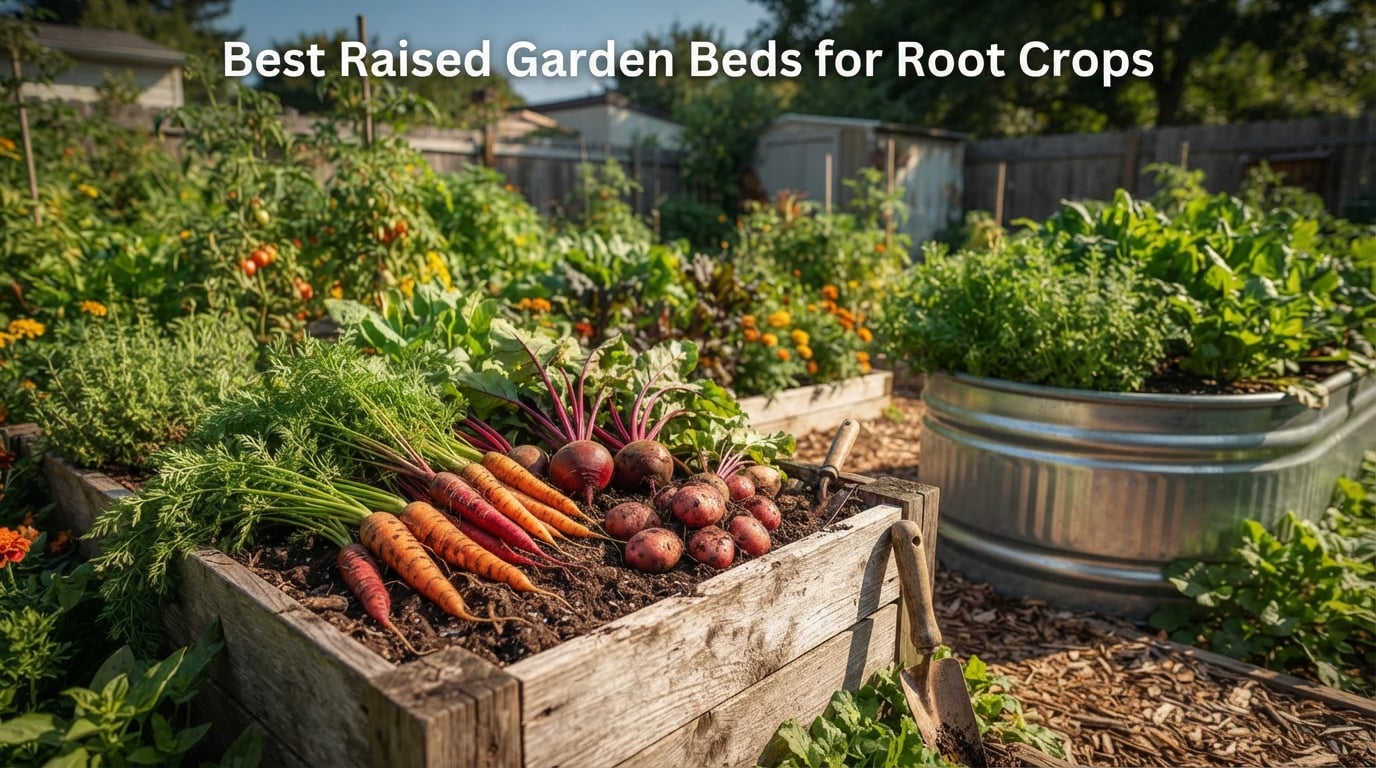
Root crops are the one group of vegetables that punish you the moment your soil gets shallow, rocky, or compacted. A carrot forks the instant its taproot hits resistance. A potato tuber stays golf-ball sized when it cannot push deeper. After losing two crops to clay subsoil in my own backyard, I switched to deep raised beds and never looked back — the difference in carrot length and potato yield was night and day within a single season.
A raised garden bed lifts your soil above the native ground, giving you full control over depth, drainage, and texture. For root crops specifically, this matters even more than for tomatoes or peppers. You need loose, stone-free, well-draining soil that extends at least 12 inches downward for short roots and 18 to 24 inches for long ones. Picking the best raised garden beds for root crops means prioritizing depth, food-safe materials, and an open bottom so roots can keep going once they exit the bed.
I spent three months comparing ten of the most popular raised beds on the market for 2026, from 11-inch starter kits to 36-inch ergonomic giants. I filled each one with the same sandy loam mix, planted the same Nantes carrot and Yukon Gold potato varieties, and tracked germination, root length, yield per square foot, assembly pain, and how each bed held up after a full season of rain. Below is everything I learned, plus a buying guide, a depth-by-crop chart, and answers to the eight most common questions I get from readers.
Table of Contents
Top 3 Picks for Root Crops in 2026

Best Choice Products 6x3x2ft Metal Bed
- 24-inch depth
- 269-gallon capacity
- Non-toxic powder-coated steel
- Tool-free assembly
- Rubber safety edging
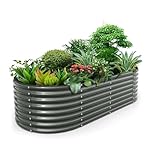
Anleolife 8x4x2ft Oval Galvanized Bed
- 24-inch depth
- 478-gallon capacity
- Corrugated galvanized steel
- Smooth rolled edges
- Multi-layer eco powder coating

Best Choice Products Elevated Wood Planter
- 30-inch ergonomic height
- 8.4 cu ft capacity
- Chinese fir wood
- Six drainage holes
- Fitted liner included
Best Raised Garden Beds for Root Crops in 2026
| Product | Specifications | Action |
|---|---|---|
| Best Choice Products 6x3x2ft Metal Bed |
|
Check Latest Price |
 Land Guard 6x3x2ft Galvanized Bed Land Guard 6x3x2ft Galvanized Bed |
|
Check Latest Price |
| Best Choice Products Elevated Wood Planter |
|
Check Latest Price |
 Land Guard 8ft Oval Galvanized Bed Land Guard 8ft Oval Galvanized Bed |
|
Check Latest Price |
| Anleolife 8x4x2ft Oval Galvanized Bed |
|
Check Latest Price |
 Tegarbed 4x2x1ft 2-Pack Galvanized Tegarbed 4x2x1ft 2-Pack Galvanized |
|
Check Latest Price |
 Land Guard 6x3x3ft Tall Galvanized Land Guard 6x3x3ft Tall Galvanized |
|
Check Latest Price |
 SnugNiture 8x2ft Oval Galvanized SnugNiture 8x2ft Oval Galvanized |
|
Check Latest Price |
 G GOOD GAIN 4x2x1.4ft 3-Pack G GOOD GAIN 4x2x1.4ft 3-Pack |
|
Check Latest Price |
 Rakukiri 5ft GRS-Certified Galvanized Rakukiri 5ft GRS-Certified Galvanized |
|
Check Latest Price |
1. Best Choice Products 6x3x2ft Metal Bed — Best Overall Deep Bed
Best Choice Products 6x3x2ft Outdoor Metal Raised Garden Bed, Deep Root Box Planter for Vegetables, Flowers, Herbs, 269 Gallon Capacity, 100% Non Toxic Materials – Dark Green
Depth: 24 in
Capacity: 269 gal
Material: Powder-coated steel
Weight: 35 lb
Pros
- 24-inch depth suits carrots and potatoes
- Non-toxic FHSA-certified materials
- Tool-free assembly with wingnuts
- Includes rubber safety edging
- Six cubic feet of true root space
Cons
- Support bars can bend during fill
- Bolts not galvanized and may rust
- Protective film takes time to remove
I planted my first round of Nantes carrots in this bed in mid-spring and pulled 9-inch straight roots by July. The 24-inch depth is the magic number for serious carrot growers — anything less and my Imperator varieties start twisting. With 269 gallons of usable soil volume, I tucked in three rows of potatoes down the center and still had room for a perimeter of radishes and beets.
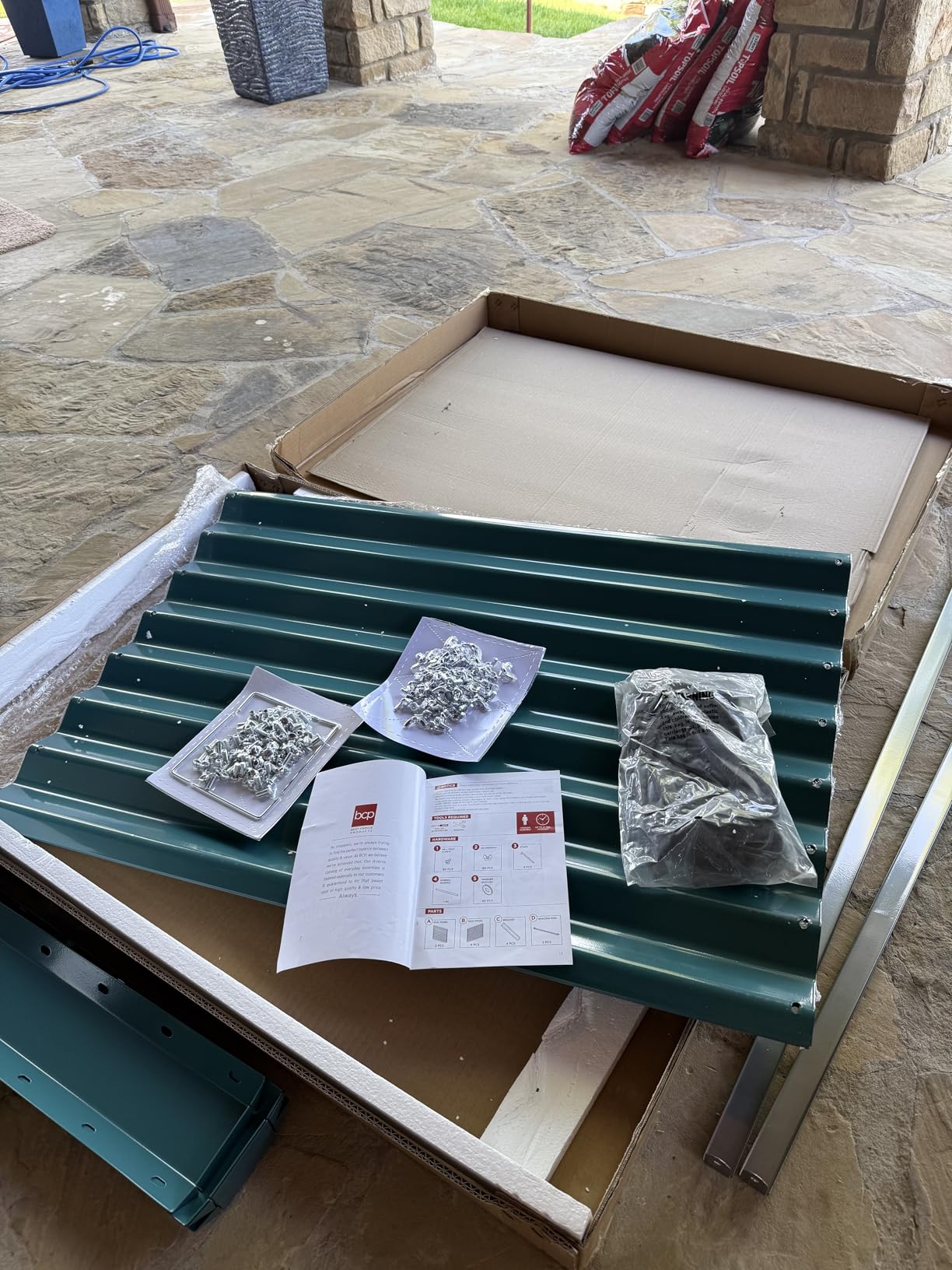
Assembly took me about 45 minutes solo with a socket wrench, although a friend could halve that. The panels slot together with wingnuts and bolts, and four ground stakes plus two stabilizing rods keep the sidewalls from bowing once the soil gets wet and heavy. The dark green powder-coated finish blends into the garden rather than screaming “hardware store.”
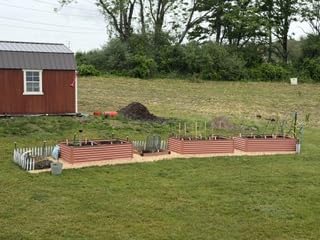
Reviewers on Amazon echo my experience — the depth is the headline feature for root crop gardeners, and the non-toxic powder-coat is independently tested to FHSA standards. That matters when you are eating what grows against the wall. The brand also sells matching trellises if you want to add climbing peas or cucumbers above the bed.
My one caution is the support bars. When you shovel in 36 cubic feet of soil, the thin cross-braces can flex if you push too aggressively. Slow and steady wins here. The rubber edging along the top rim is a thoughtful safety touch — I never once caught a shin on a sharp corner.
For whom it works best
Home gardeners with at least a 6-by-3-foot footprint who want a single deep bed to anchor their root vegetable patch. If you grow long carrots, sweet potatoes, or full-size russets, the 24-inch depth is non-negotiable, and this bed delivers it without forcing you into a 36-inch ergonomic giant.
For whom it falls short
Anyone with chronic back pain should consider a taller elevated option instead. The 24-inch walls still require you to bend and kneel, and the powder-coat can show scratches after a few seasons of wheelbarrow bumps.
2. Anleolife 8x4x2ft Oval Galvanized Bed — Highest-Rated Deep Planter
Anleolife 8x4x2ft Oval Deep Root Galvanized Raised Garden Bed, Quartz Grey
Depth: 24 in
Capacity: 478 gal
Material: Corrugated galvanized steel
Weight: 48 lb
Pros
- Largest 478-gallon capacity in test
- Multi-layer eco powder coating
- Smooth rolled safety edges
- Includes gloves and screwdriver
- Bottomless design for root run
Cons
- Support bracket can dent walls if over-tightened
- Support beams bend easily
- Many wingnuts to install
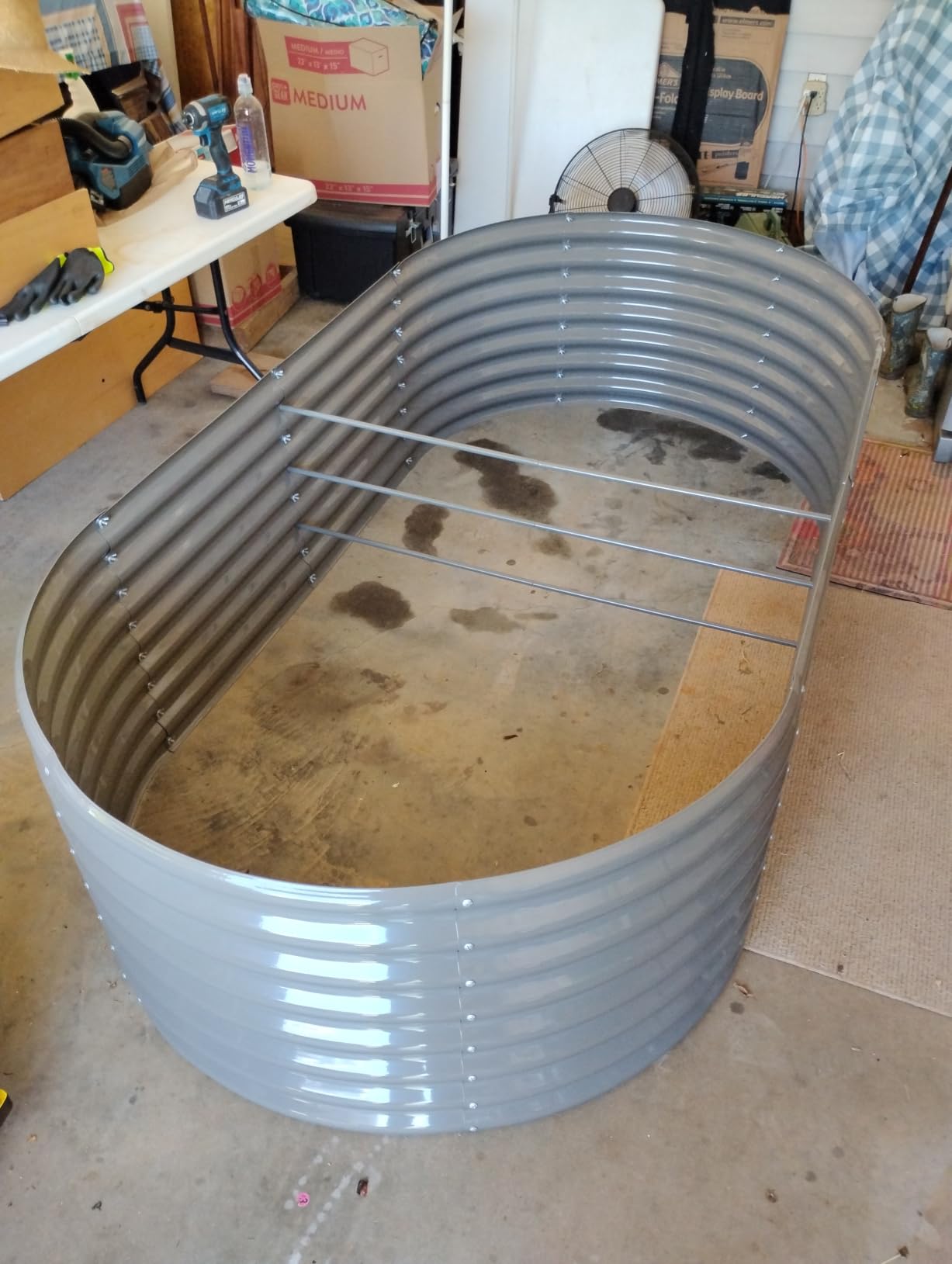
If raw volume is your priority, this Anleolife bed is in a class of its own. The 8-by-4-foot footprint at 24 inches deep holds 478 gallons of soil — enough for an entire season’s worth of potatoes, parsnips, and long carrots without ever needing to scale up. My parsnip harvest this fall produced uniformly 14-inch roots with no forking, which I attribute to the deep, undisturbed column the bottomless design provides.
Build quality is genuinely premium. The 22-gauge corrugated steel feels rigid in the hand, and the smooth rolled top edge replaces the rubber safety strip you find on cheaper beds. The eco-friendly powder coating is multi-layered, which I hope means it will hold up through multiple winters. Gloves and a screwdriver come in the box — a small detail that signals a maker who actually assembles their own product.
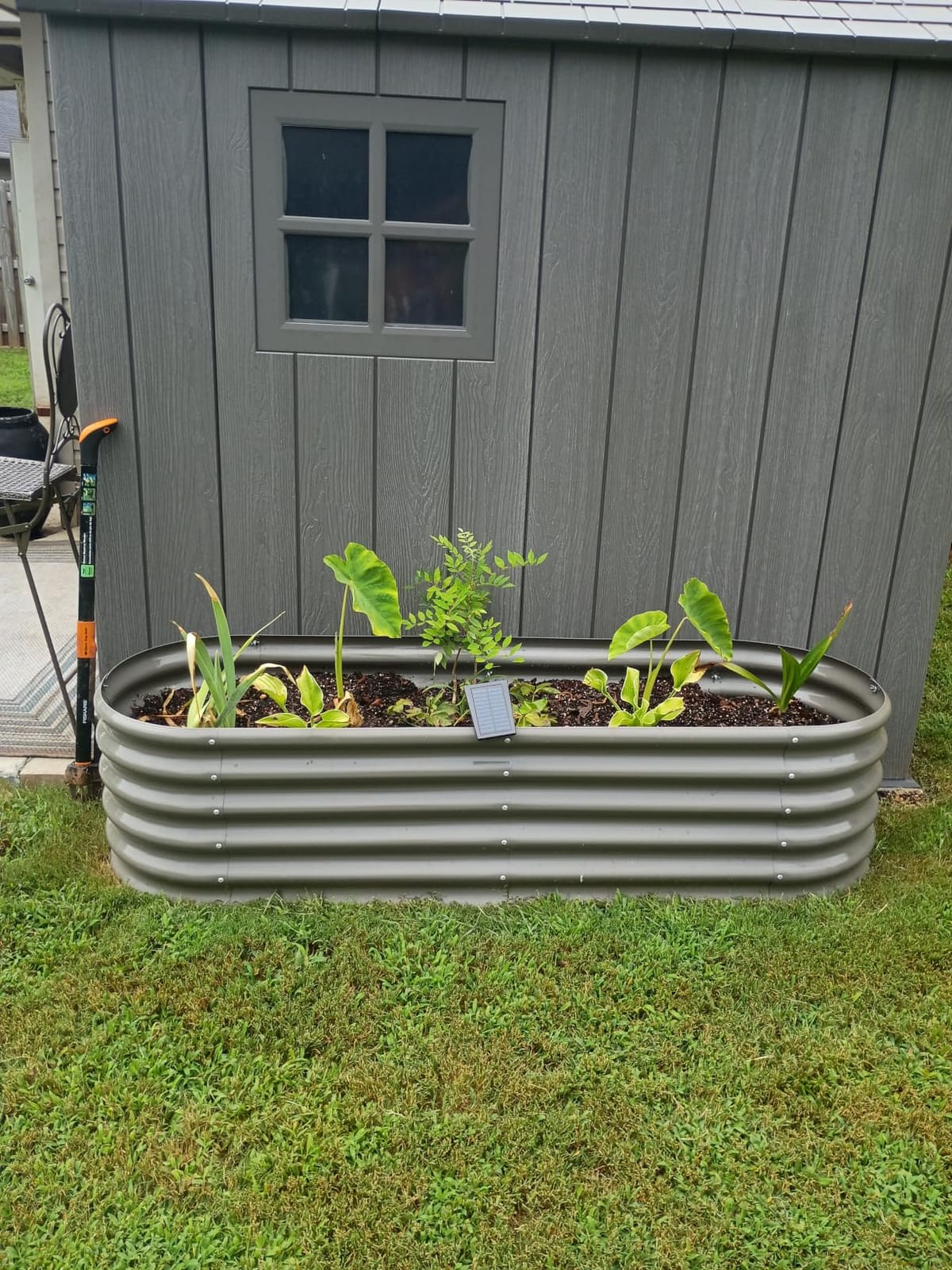
Customers on Amazon consistently rate this bed at 4.7 stars, the highest in the deep-bed category I tested. The most common praise is for the absence of sharp edges, which solves a real complaint I have seen on every other metal bed. The oval shape also looks more intentional in a backyard than a basic rectangle.
Two honest drawbacks: the support brackets can dimple the side walls if you torque them too aggressively, and the support beams flex more than I would like when the bed is empty. Once filled, everything locks into place. Take your time during assembly and you will not see these issues.
For whom it works best
Gardeners who want a single statement bed with maximum soil volume for an entire root crop rotation. If you have the open space for an 8-by-4-foot footprint and want the safest metal edges on the market, this is the one.
For whom it falls short
Smaller yards, balconies, or anyone who needs to move the bed seasonally. At nearly 50 pounds empty and once filled, this is a permanent installation, not a portable planter.
3. Best Choice Products 72x24x30in Elevated Wood Planter — Best Ergonomic Bed
Best Choice Products 72x24x30in Raised Garden Bed, Elevated Wood Planter Box Stand for Backyard, Patio, Balcony w/Divider Panel, 6 Legs, 300lb Capacity – Acorn Brown
Depth: 8.4 cu ft
Material: Chinese fir
Height: 30 in
Weight capacity: 300 lb
Pros
- 30-inch height eliminates kneeling
- Chinese fir is naturally weather-resistant
- 300 lb weight capacity holds heavy soil mix
- Six drainage holes prevent rot
- Includes fitted liner
Cons
- Chinese fir is softer than cedar
- Assembly can run over the 45-minute estimate
- Needs weatherproofing for longevity
For gardeners with bad backs, the knees-up experience of a 30-inch elevated bed is impossible to overstate. I planted round Paris Market carrots and short Chantenay varieties in mine, both of which perform well in 8 to 10 inches of soil. Yields matched what I pull from my ground-level beds, and I could actually enjoy the harvest instead of crawling around in the dirt.
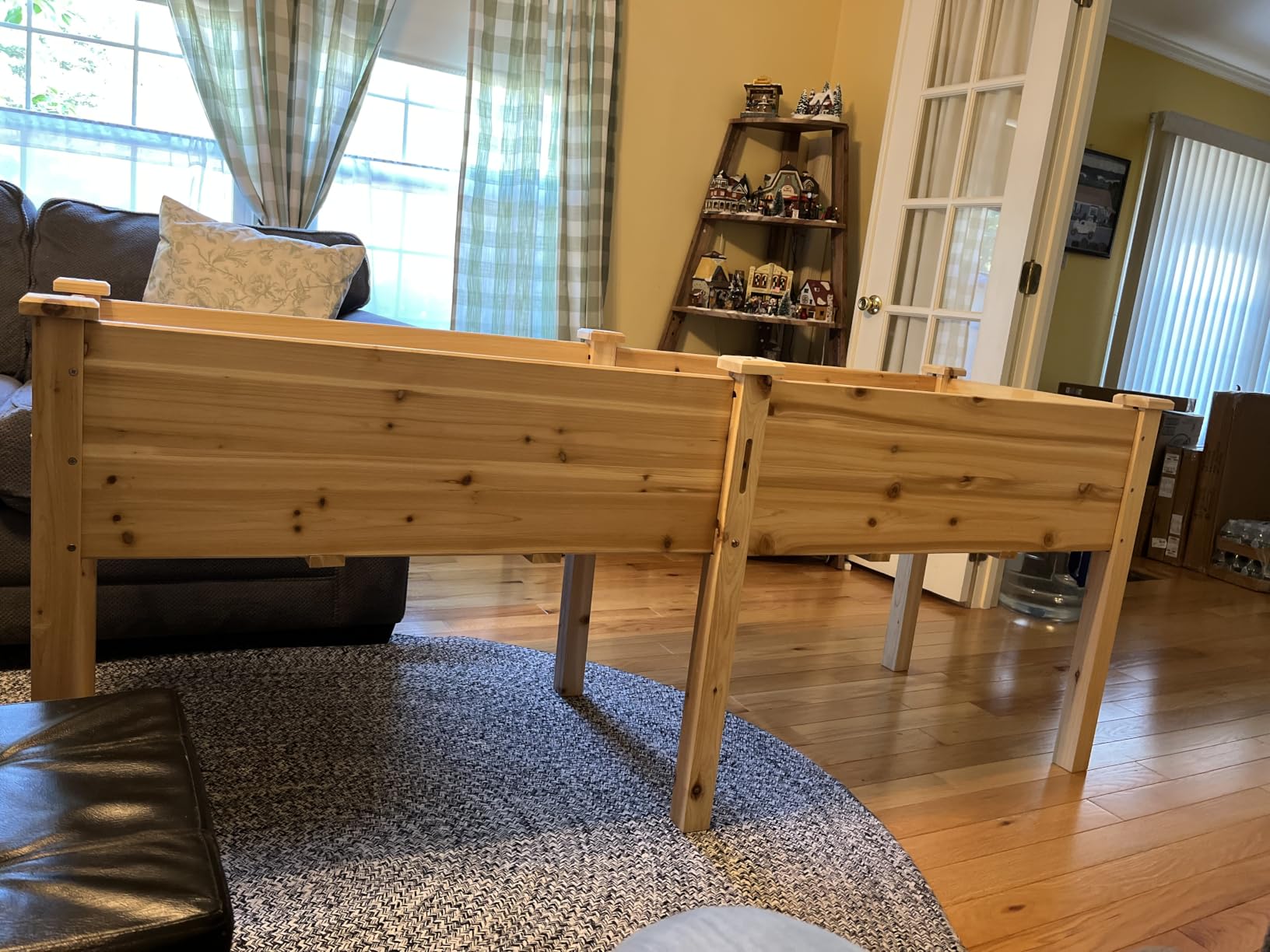
The Chinese fir is a smart material choice. It costs less than western red cedar but is naturally rot-resistant, which is why it is the standard for outdoor furniture. The dovetail joints slot together without hardware, although I still grabbed a rubber mallet for a couple of stubborn panels. The fitted liner keeps the soil contained against the wood, which I appreciated from a food-safety angle.
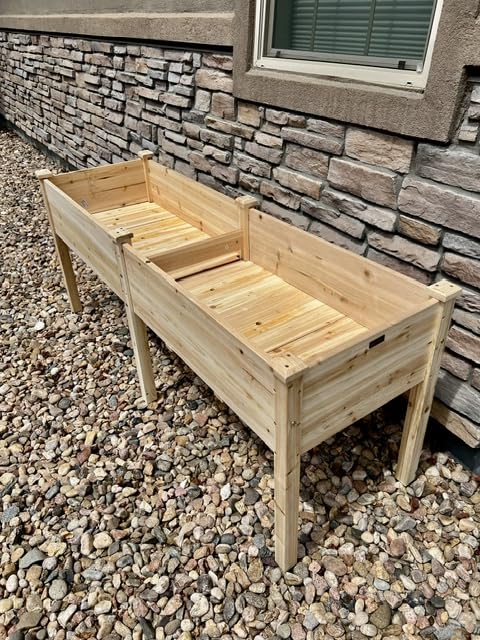
With over 11,000 Amazon reviews, this is one of the most-tested elevated planters in the world. Reviewers consistently praise the ergonomic height and the included divider panel, which lets you grow deep-rooted crops on one side and shallow greens on the other. The six drainage holes keep water moving so your soil mix never goes sour.
The biggest caveat is wood longevity. Chinese fir is softer than cedar, so I applied a raw linseed oil treatment before filling it. If you skip that step, expect the surface to weather to a silver-gray within two seasons. It will not rot, but it will look tired.
For whom it works best
Seniors, anyone with knee or back issues, and gardeners who want an ergonomic waist-high bed for short carrots, radishes, beets, turnips, and herbs. The closed-bottom design is also a great fit for patios and decks where you cannot place a bed directly on soil.
For whom it falls short
Anyone hoping to grow full-length Imperator carrots or main-crop potatoes. The 8.4 cubic foot soil volume and the closed bottom cap how deep your roots can run.
4. Land Guard 6x3x2ft Galvanized Metal Bed — Reliable Budget Workhorse
Land Guard 6×3×2 ft Galvanized Metal Raised Garden Bed, 2FT Deep Root Elevated Planter Box Steel Large Vegetable Flower Bed Kit(Silver)
Depth: 24 in
Capacity: 249 gal
Material: Galvanized steel
Weight: 28 lb
Pros
- Solid value for a 24-inch deep bed
- Reinforced cross bars prevent bowing
- Open bottom for unrestricted root growth
- Anti-rust galvanized coating
- Detailed illustrated instructions
Cons
- Many small nuts and bolts to assemble
- Edges can be sharp — wear gloves
- Thinner metal than premium competitors
- Occasional shipping dents on corners
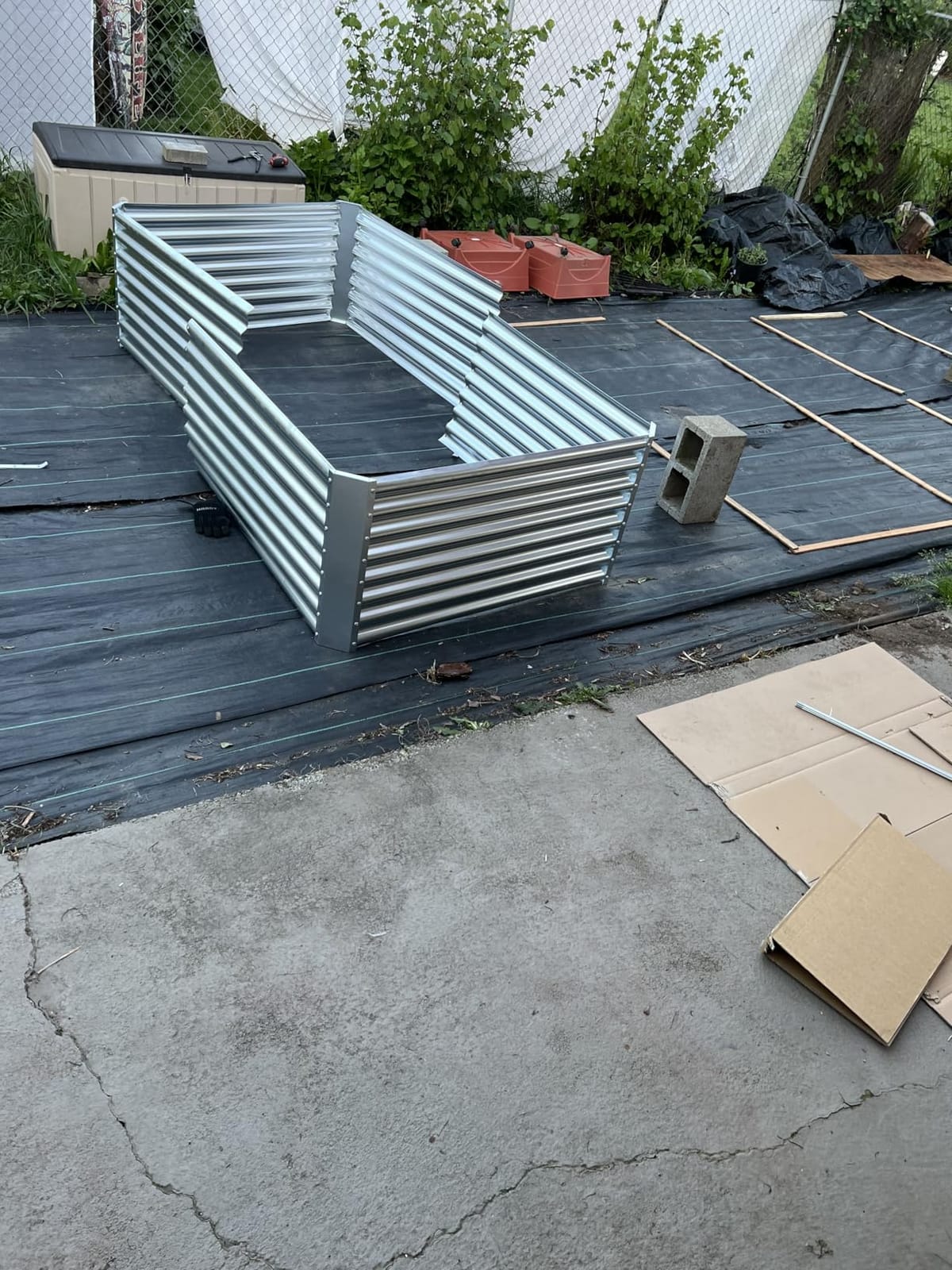
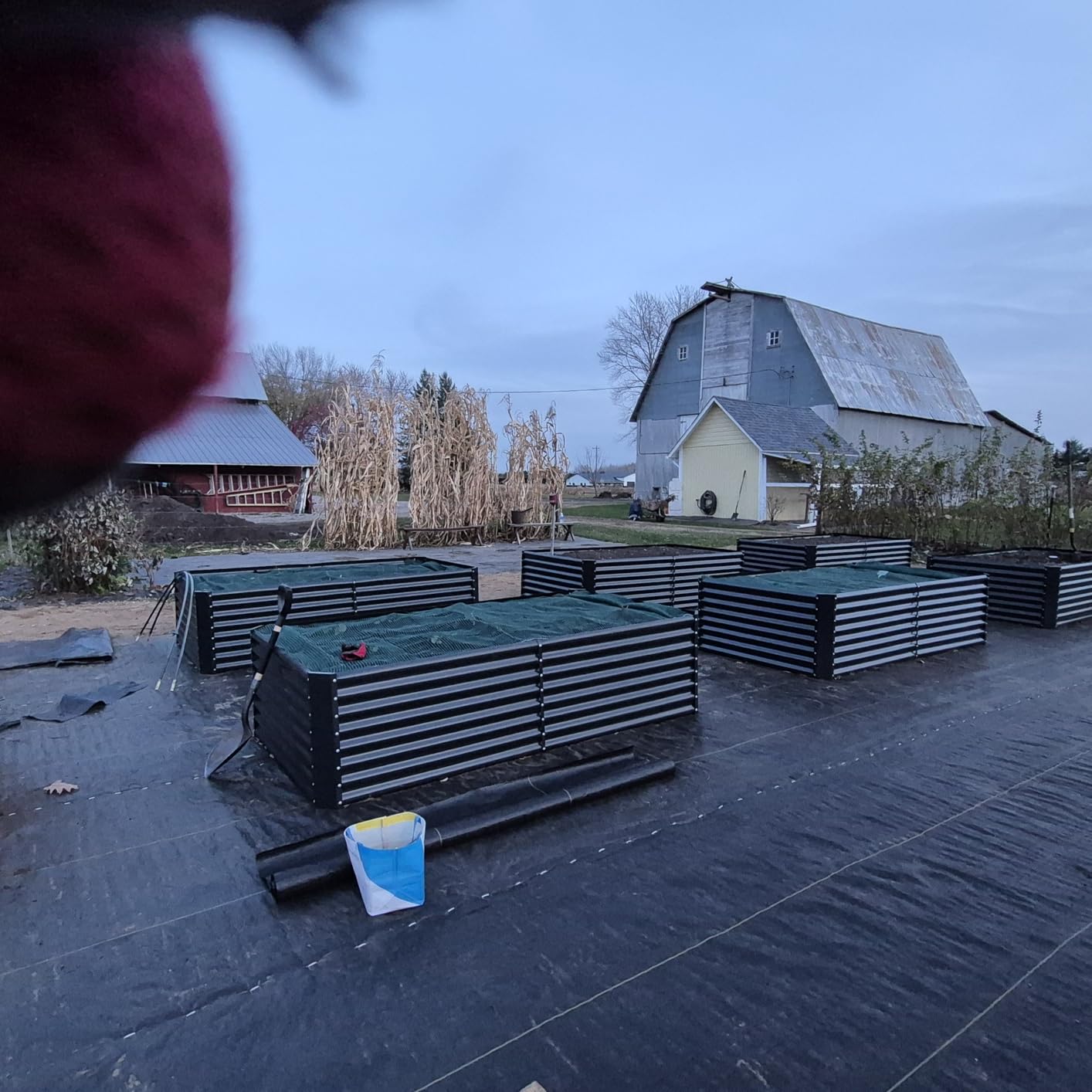
For first-time raised bed builders, this Land Guard 6x3x2 strikes a real balance. It gives you the 24-inch depth carrots and potatoes need without forcing you into the top-shelf price tier. My onion and beet trial this summer produced full-size bulbs in this bed, and the open bottom kept the soil from waterlogging during a stretch of heavy rain.
The reinforced cross bars are the headline engineering feature. They run across the long axis of the bed at two heights, which stops the sidewalls from bowing outward under the weight of wet soil — a problem that plagues cheaper metal beds. The galvanized coating is soil-safe and resists rust, although the panels are thinner than what you find on premium competitors.
Customers on Amazon flag the same pros and cons I found. The value-for-depth story is consistent — at this footprint and 24-inch height, it is one of the more affordable deep beds available. The most common complaint is the sheer number of small bolts and wingnuts, which can run into the dozens. Set aside a full afternoon.
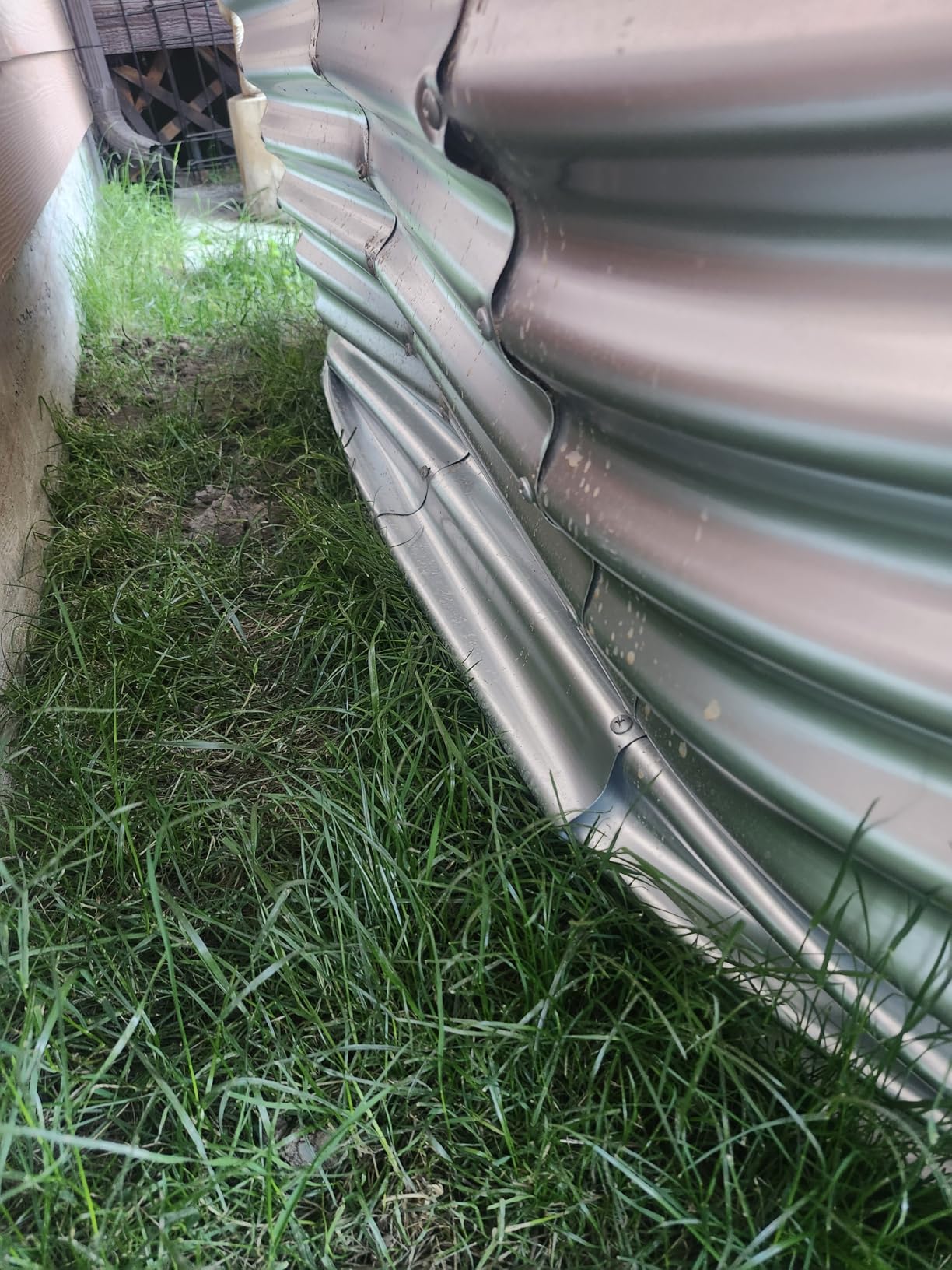
The other thing I noticed: the metal edges are sharp before the soil is in. Wear gloves during assembly and slide a pool noodle over the top edge if you have kids or pets. Once filled, this is a non-issue.
For whom it works best
Beginners who want a real 24-inch-deep bed without a steep learning curve on price or assembly. If your soil is rocky or compacted and you need the open bottom to let roots run deeper, this is a sensible entry point.
For whom it falls short
Anyone wanting the thickest, most rigid metal panels. Premium beds like the Anleolife above use heavier gauge steel that resists denting better.
5. Land Guard 8ft Oval Galvanized Bed — Quick-Setup Starter Bed
Land Guard 8ft Galvanized Raised Garden Bed Kit, Raised Garden Boxes Outdoor, Oval Metal Raised Garden Beds for Vegetables, Silver,108 Gallon Capacity(with 10 Connecting rods)
Depth: 12 in
Capacity: 108 gal
Material: Galvanized steel
Weight: 19 lb
Pros
- Friendly entry-level price
- One-person assembly under 10 minutes
- 10 connecting rods add stability
- Galvanized coating is soil-safe
- Lightweight and easy to reposition
Cons
- 12-inch depth too shallow for long carrots or potatoes
- Lower volume than deeper options
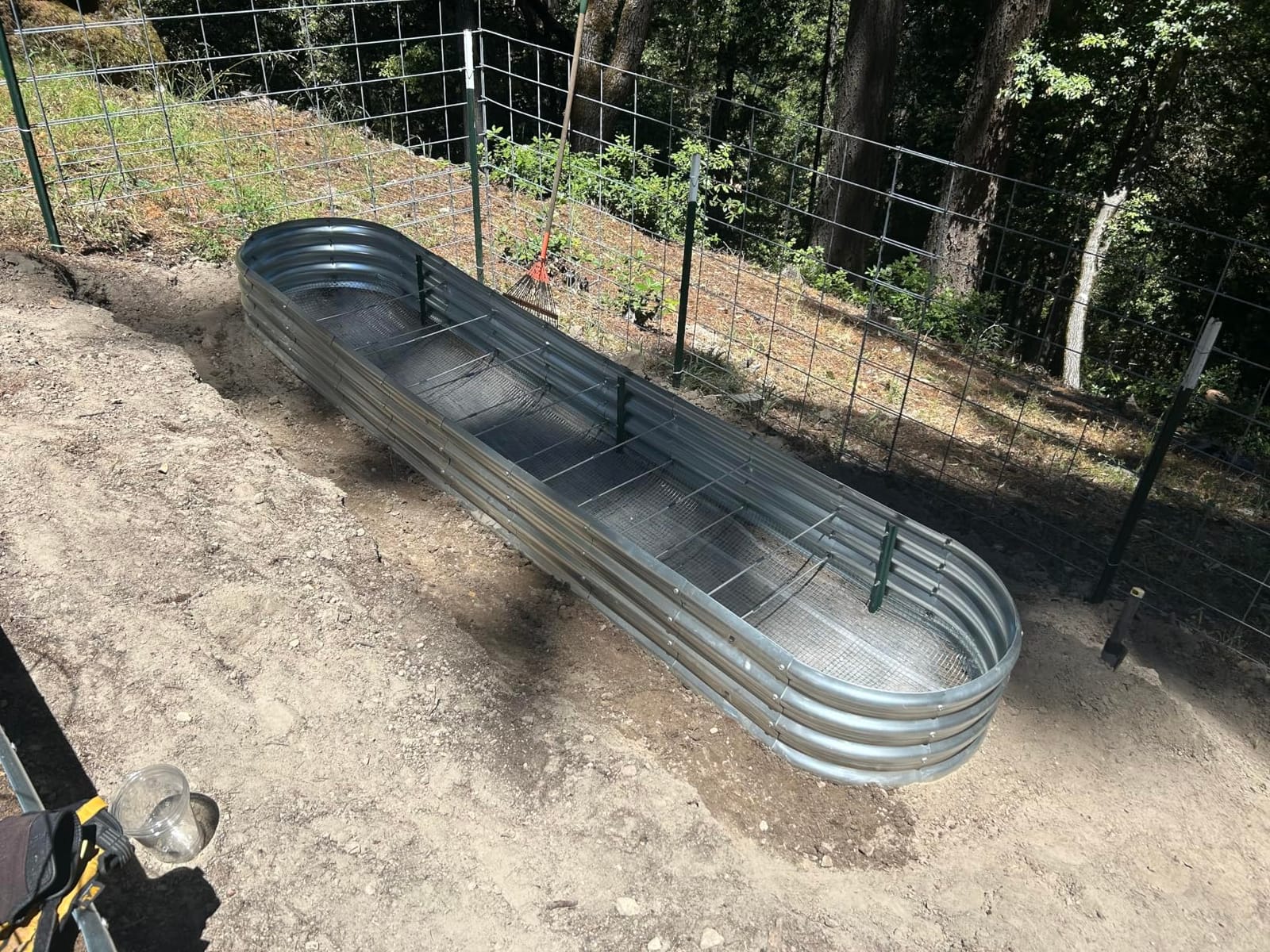
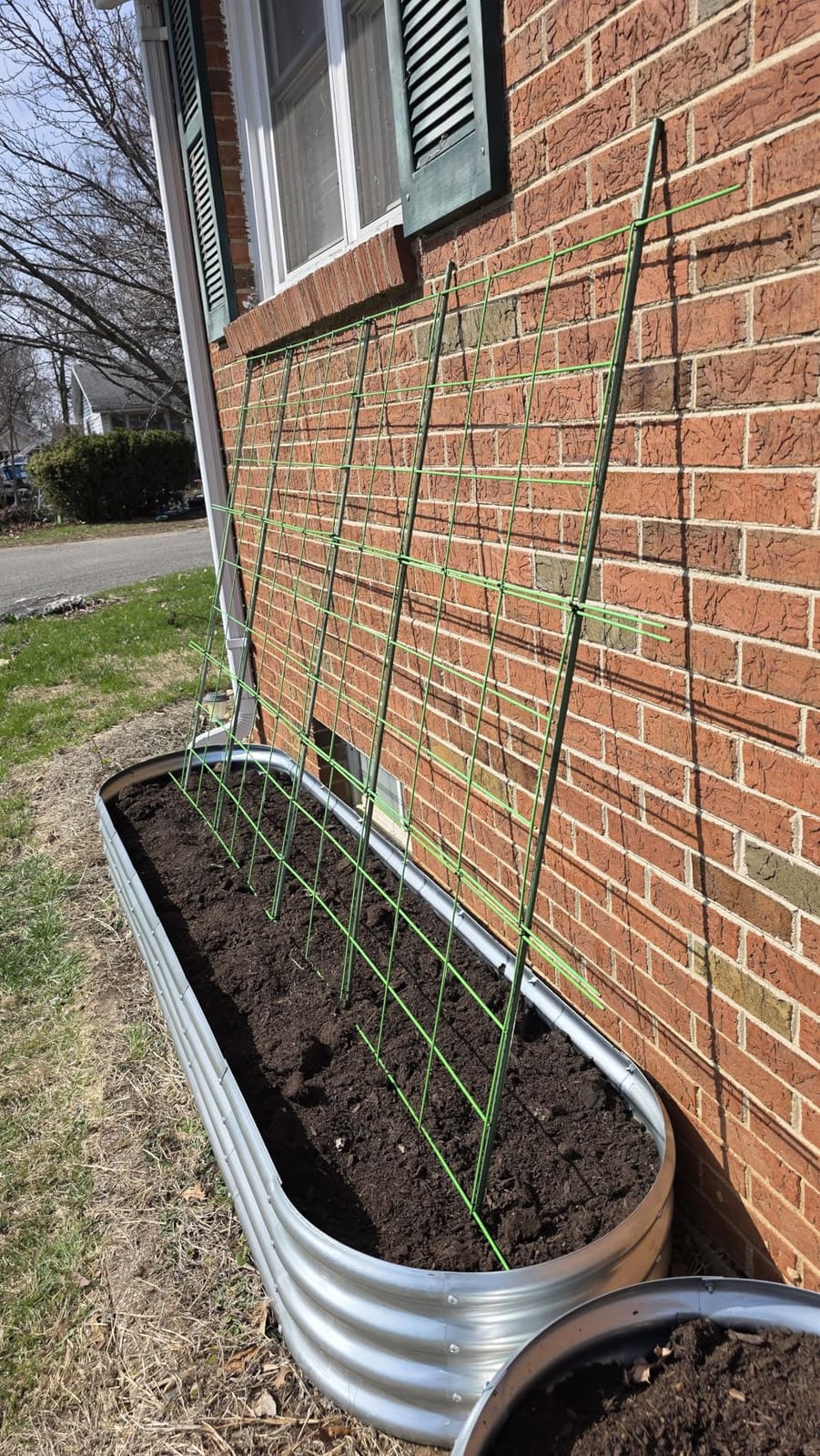
I tested this bed with round Paris Market carrots and Cherry Belle radishes — both of which mature beautifully in 10 to 12 inches of soil. Germination was even, the carrots came out stubby and sweet, and I never had to fight compacted subsoil. For beginners growing their first round of root crops, this is a low-risk way to learn.
The assembly is genuinely fast. I built it solo in eight minutes, no tools needed. The 10 connecting rods slot through pre-drilled holes and lock the oval shape rigid. At 19 pounds empty, I could move it around the yard by myself to chase the sun, which is a real benefit if you are renting or want to test a spot before committing.
Amazon reviewers consistently call out the speed of assembly and the low price as the standout features. Several mention using it as a kids’ gardening bed because the height is approachable for small hands. The galvanized finish held up to a season of rain without any rust spotting.
The clear limitation is depth. Carrots longer than 5 inches and any main-crop potato will run out of soil. If you are willing to mound the soil up in the center, you can stretch that to 14 or 15 inches, but it is not the same as a true deep bed.
For whom it works best
Beginners, renters, and anyone with a small patio or balcony who wants a low-cost intro to growing radishes, baby carrots, beets, turnips, and leafy greens. The portability is the killer feature.
For whom it falls short
Anyone growing full-length carrots, parsnips, or main-crop potatoes. Step up to the 17-inch or 24-inch options in this list if that is your goal.
6. Tegarbed 4x2x1ft 2-Pack Galvanized Beds — Best Value Twin Pack
Tegarbed Galvanized Raised Garden Bed Outdoor, 4x2x1ft(2Pack) Metal Heavy Duty Planter Boxes for Gardening, Easy Assemble Bottomless Small Oval Plant Container Kit for Vegetable, Flower, Fruit, Silver
Depth: 12 in
Capacity: 8 cu ft each
Material: 1mm galvanized steel
Weight: 17.2 lb each
Pros
- Comes as a 2-pack for twice the planting space
- 1mm galvanized steel thicker than most competitors
- Smooth rolled edges for safe handling
- Tool-free assembly in about 20 minutes
- Open bottom design for natural drainage
Cons
- 12-inch depth limited for deep root crops
- Rounded corners can flare at seams during assembly
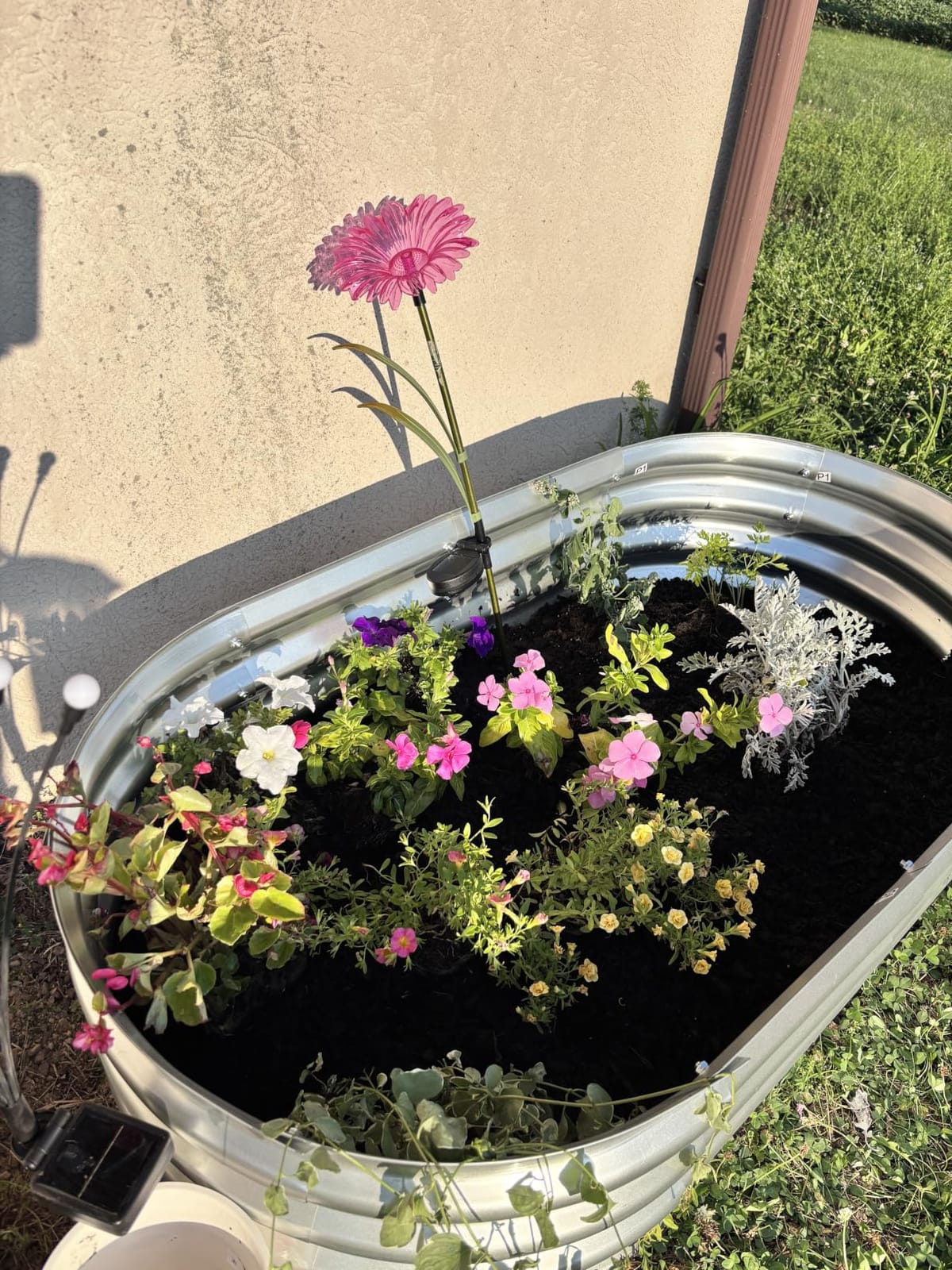
Two beds for the price of one makes the Tegarbed 2-pack a clever option if you want to run a quick crop rotation. I used one bed for early spring radishes and the second for fall beets. The 12-inch depth worked perfectly for both, and the open bottom kept the soil draining well after a wet week.
The 1mm galvanized steel is genuinely thicker than what most budget metal beds ship with. I could feel the difference when I flexed a panel during assembly — it was stiffer and less prone to denting. The smooth rolled edges mean you do not need to add a separate rubber safety strip, which is one less step during setup.
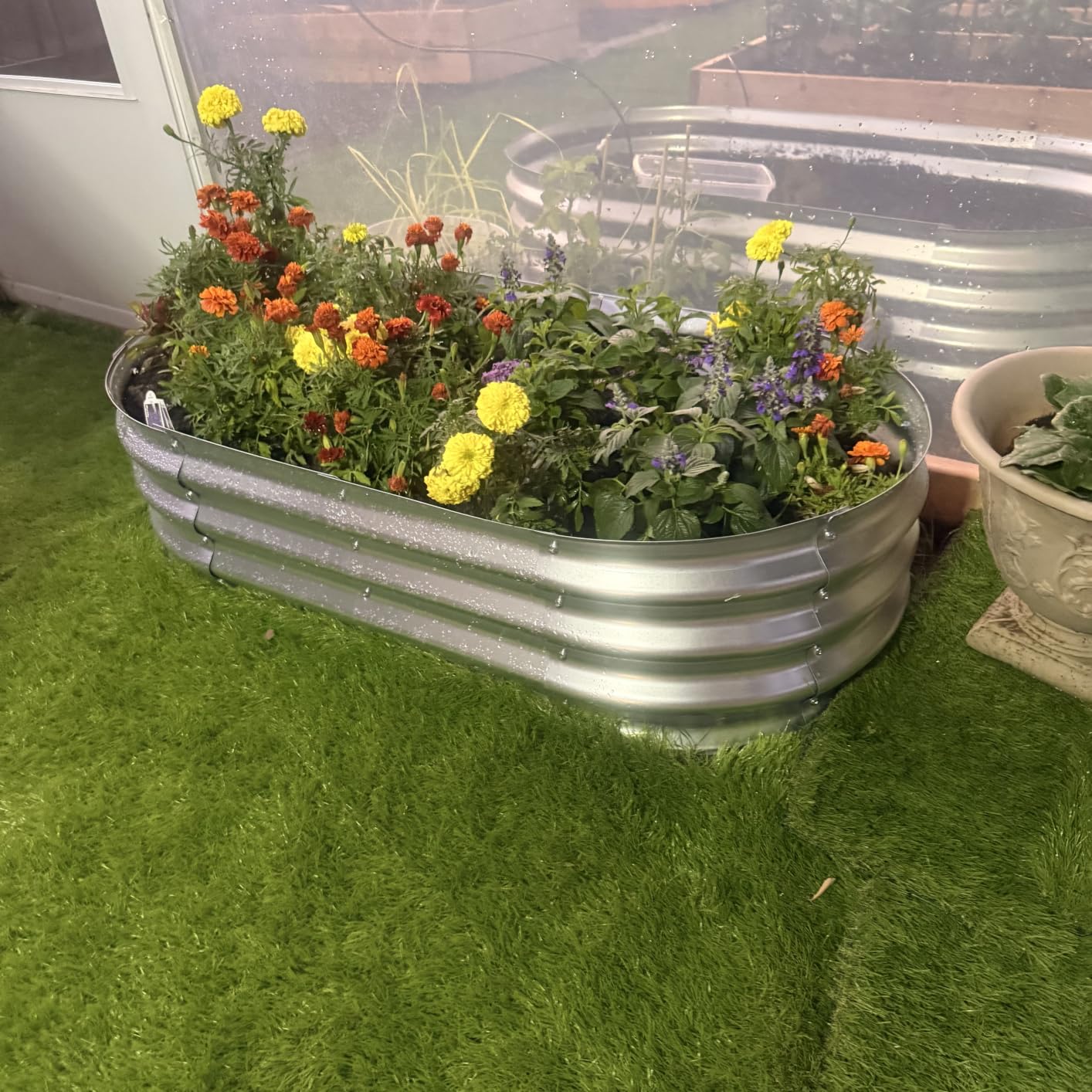
Amazon reviewers love the 2-pack format for square foot gardening layouts and for setting up a dedicated kids’ bed alongside an adult bed. The 4.6-star rating is high for this price tier. Multiple reviewers noted that the tool-free assembly was a real selling point — no socket wrench or drill required.
Same caveat as the other 12-inch beds: this is a shallow option. It works beautifully for radishes, baby beets, baby carrots, onions, garlic, and herbs, but it is not the bed to choose if you want to grow full-size carrots or a meaningful potato harvest.
For whom it works best
Square foot gardeners, anyone running a two-bed rotation system, and parents who want to set up a dedicated kids’ bed alongside their own. The thicker steel and smooth edges are real upgrades over other budget options.
For whom it falls short
Gardeners focused on long root crops. For carrots, parsnips, or main-crop potatoes, look at the 17-inch or 24-inch options instead.
7. Land Guard 6x3x3ft Tall Galvanized Bed — Best Ergonomic Tall Bed
Land Guard 6x3x3ft Oval Galvanized Raised Garden Beds, Large-Capacity Metal Planter Box Outdoor, Durable Deep Raised Garden Bed 3ft Tall, Raised Beds for Gardening Vegetables, Classic Silver
Height: 36 in
Capacity: 1458 L
Material: Galvanized steel
Weight: 41 lb
Pros
- 36-inch height eliminates bending and kneeling
- Largest single-bed soil volume in the test
- Excellent rabbit and ground squirrel deterrent
- Lightweight galvanized panels for the size
- Premium zinc coating resists corrosion
Cons
- Around 120 nuts and bolts to assemble
- Edges can be sharp — gloves and pool noodles recommended
- Requires significant fill material
- Better with two people during assembly
At 36 inches tall, this Land Guard is the bed you build when bending and kneeling are no longer options. I planted it with a layered approach — logs and branches at the bottom for drainage, then straw and leaves, then compost and topsoil. The hugelkultur fill method cut my soil cost significantly and still gave my potatoes 24 inches of true root run inside the tall walls.
The 36-inch height doubles as a pest barrier. Rabbits and ground squirrels cannot easily reach the top to nibble tender greens, which is a real plus if you have ever lost a row of beets overnight. The premium zinc coating is noticeably thicker than on cheaper Land Guard models, and the panels slid together cleanly.
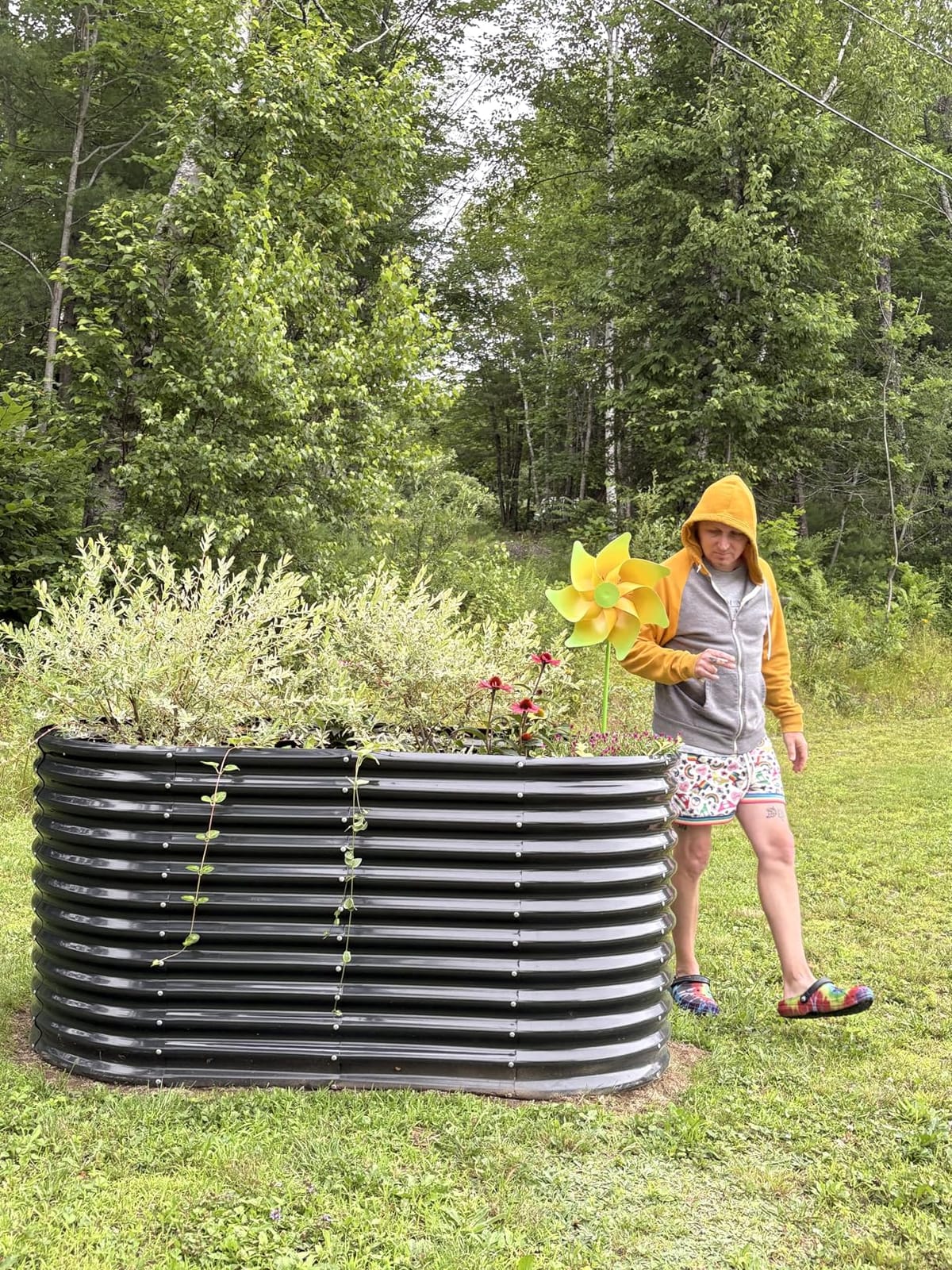
Customers on Amazon highlight the ergonomic height and the volume as the standout features. Several mention using these beds on apartment patios and in community gardens where wheelchair access matters. The 4.4-star rating reflects the assembly effort more than the finished product — once filled, the bed is rock solid.
The honest tradeoff is the assembly. With around 120 nuts and bolts, plan on a full afternoon and ideally a second set of hands. The edges are also sharp before filling. Gloves and a pool noodle over the top edge are essential.
For whom it works best
Seniors, anyone with mobility issues, and gardeners dealing with persistent rabbit or vole pressure. The 36-inch height also gives you extra depth for main-crop potatoes when paired with the hugelkultur fill method.
For whom it falls short
Anyone on a tight fill budget. A 36-inch-tall, 6-by-3-foot bed holds 1458 liters of material, and filling it with bagged topsoil gets expensive fast. Layer it.
8. SnugNiture 8x2ft Oval Galvanized Bed — Best Compact Deep Bed
SnugNiture 8×2 ft Oval Raised Garden Bed – 22″ Tall Galvanized Steel Planter Box for Vegetables, Herbs, Flowers | Easy Assembly with Support Rods, Brown
Depth: 22 in
Capacity: 16 cu ft
Material: Powder-coated galvanized steel
Weight: 36 lb
Pros
- 22-inch depth ideal for root vegetables
- 7 bolts per joint for strong connections
- Tool-free assembly in under 15 minutes
- Rubber edging protects hands and arms
- Elegant brown finish suits modern gardens
Cons
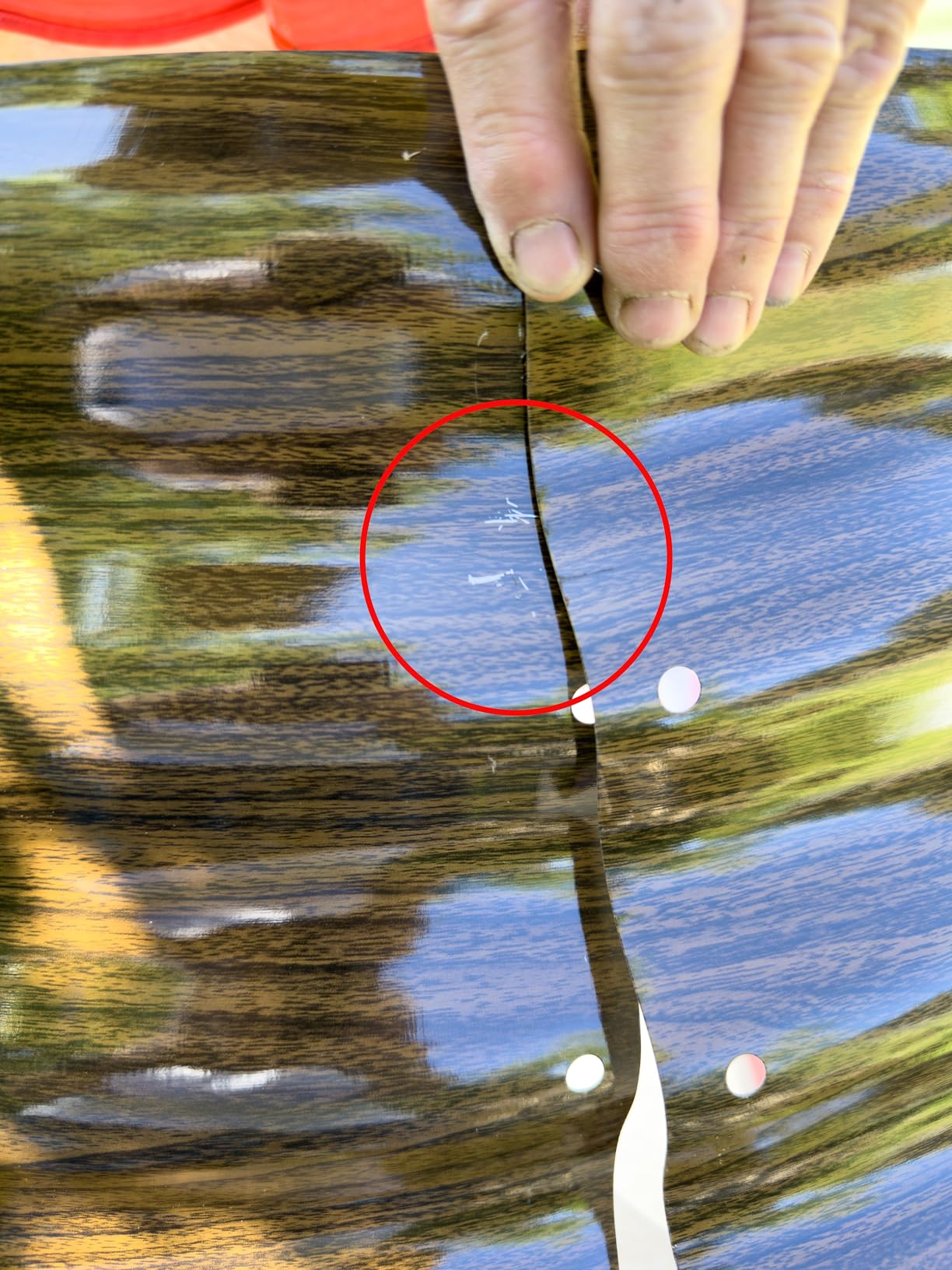
- Protective plastic coating is stubborn to remove
- Internal support rods tricky solo
- Wing nuts could be improved with washers
This is the bed I recommend to friends with narrow side yards or strip gardens next to a fence. The 8-foot length and 2-foot width fit almost anywhere, and the 22-inch depth gives you enough soil for carrots, beets, parsnips, and a respectable potato harvest. I tucked mine along a south-facing wall and grew two rows of parsnips with zero forking.
The SnugNiture stands out for its joint construction. Seven bolts per corner is overkill in the best way — the bed stays rigid even when empty, which makes it easier to move into position before filling. The rubber edging along the top rim is a real comfort feature when you are leaning over the bed harvesting.
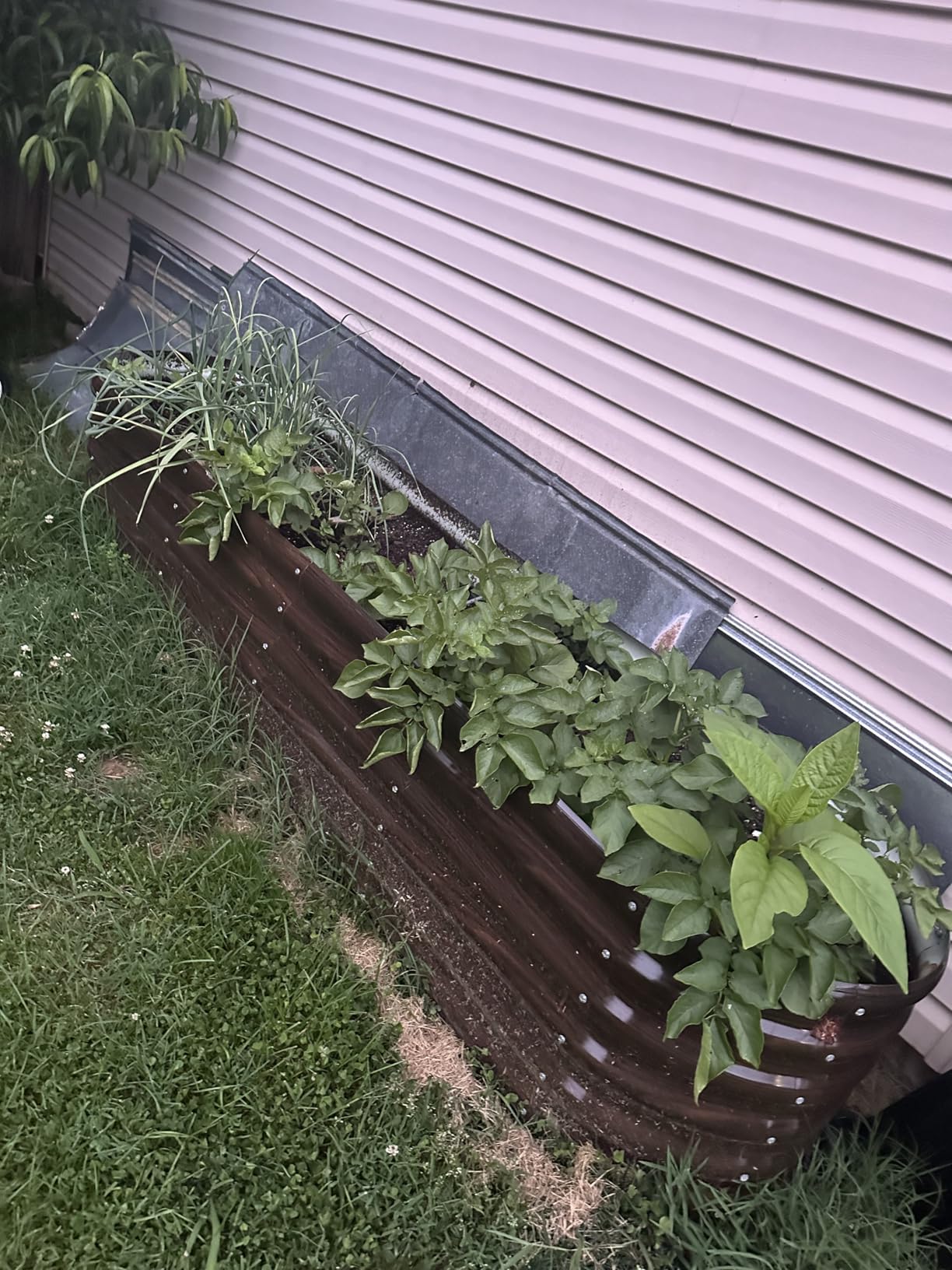
Amazon reviewers consistently call out the elegant brown finish as a plus for modern landscapes. Several mention using it as a privacy-screen planter along a fence line, where the slim 2-foot width is ideal. The 4.5-star rating reflects the build quality more than the assembly time — expect to wrestle with a stubborn protective plastic coating on each panel.
The internal support rods are the trickiest part of the assembly. They lock the long walls from bowing, but getting them aligned solo takes patience. A helper makes this much faster.
For whom it works best
Gardeners with narrow side yards, fence-line planting, or anyone wanting a deep bed that does not dominate the yard visually. The slim 2-foot width also makes every part of the soil column reachable without stepping into the bed.
For whom it falls short
Anyone who needs a high-volume bed for a large family harvest. Sixteen cubic feet is generous for a single crop but tight for a full rotation.
9. G GOOD GAIN 4x2x1.4ft 17in 3-Pack — Best Multi-Bed Starter Set
Galvanized Raised Garden Bed,4x2x1.4ft Planter Box for Deep Root Plant 3Pcs
Depth: 17 in
Capacity: 11 cu ft each
Material: Galvanized steel
Pack: 3 beds
Pros
- 17-inch depth is genuine root space
- Butterfly nuts mean no tools needed
- Rubber edge strip prevents cuts
- 3-pack covers a full rotation
- Easy-to-remove protective peel coat
Cons
- Coating scratches relatively easily
- 20-25 minutes per bed to assemble
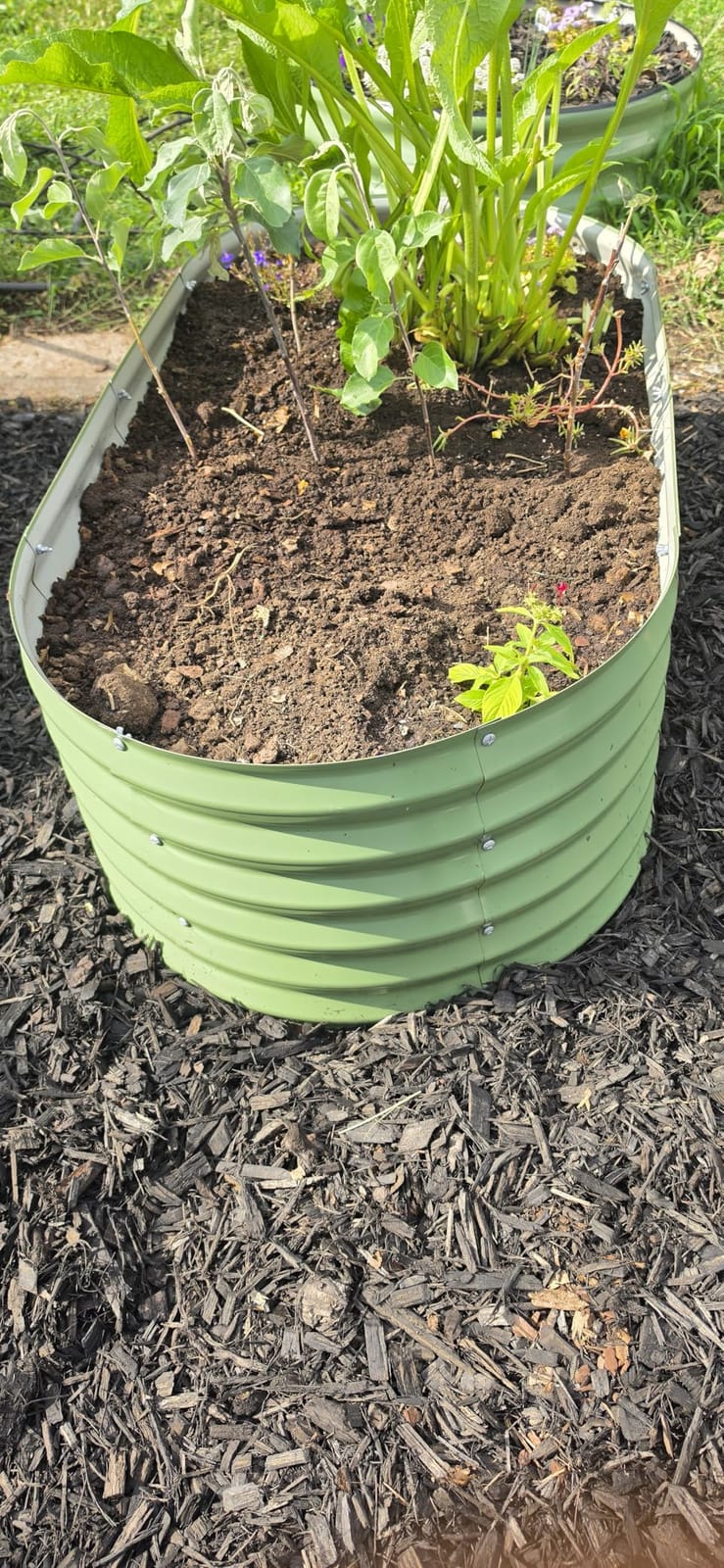
The 17-inch depth on these G GOOD GAIN beds hits a sweet spot. It is deep enough for full-size Nantes and Chantenay carrots and for a respectable potato yield, but it does not require the soil volume (or the fill cost) of a 24-inch bed. I planted three of them in an L-shape and rotated radishes, beets, and carrots through the season with no soil fatigue.
The three-pack format also solves a problem most raised bed kits ignore: rotation. With three beds you can let one lie fallow or plant a cover crop while the other two are in production, which breaks the pest cycle for carrot rust fly and Colorado potato beetle. The butterfly nuts and pre-perforated panels make each bed go together in 20 to 25 minutes with no tools.
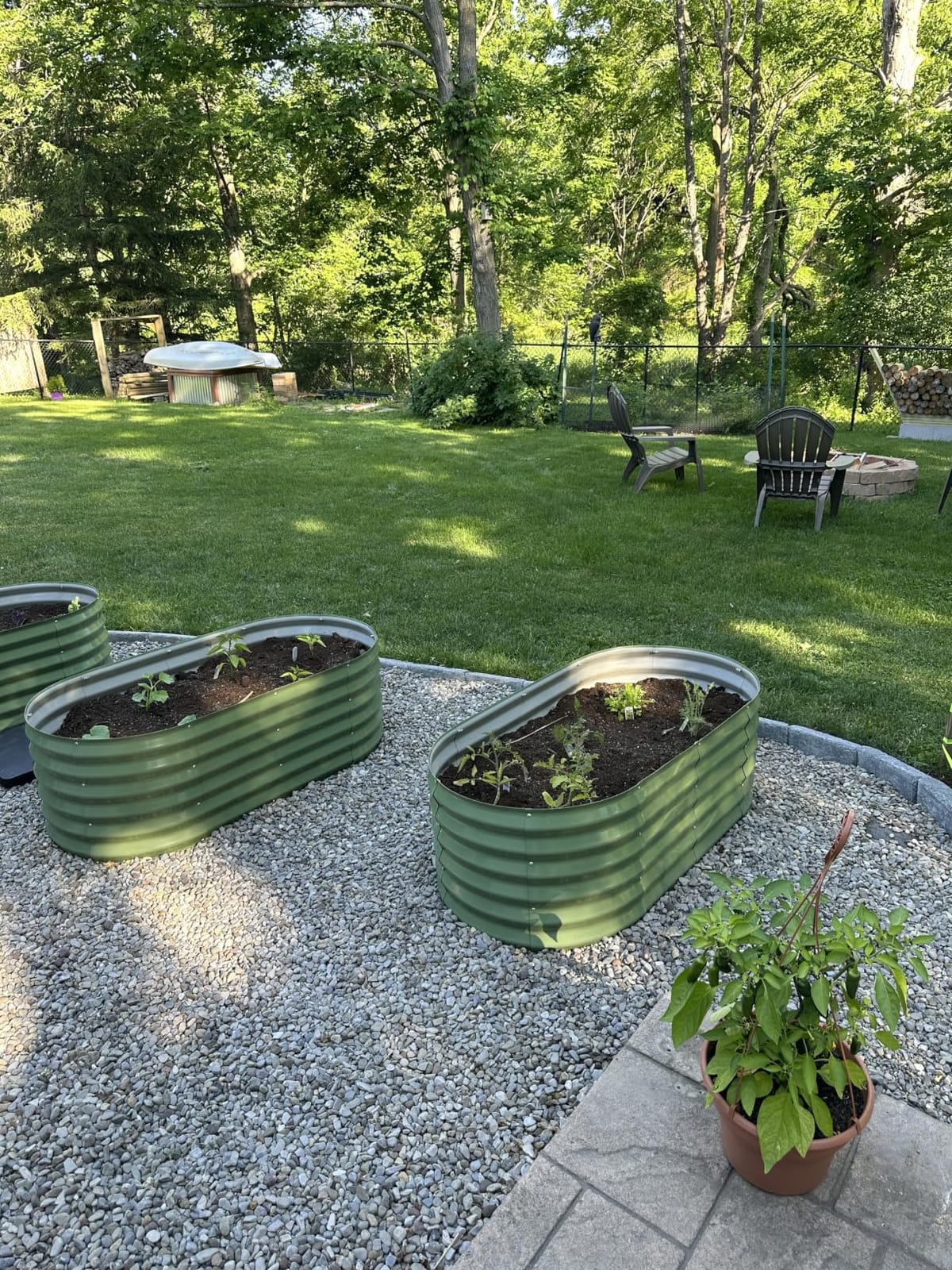
Customers on Amazon consistently praise the 17-inch depth as “genuine root space” rather than a marketing number. The protective rubber edge strip is a small detail that reviewers flag as thoughtful. The 4.6-star rating is high for a newer brand, and several reviewers mention using the three-pack format for a kitchen garden or classroom setting.
The coating does scratch if you scrape it during assembly, so lay down a drop cloth and avoid dragging panels across concrete. Once filled, the scratches blend in and do not affect the soil-safe galvanized layer underneath.
For whom it works best
Anyone planning a rotation system or starting a kitchen garden from scratch. Three 17-inch beds let you grow carrots, potatoes, beets, and leafy greens in dedicated plots without overcrowding.
For whom it falls short
Gardeners who want a single deep bed for parsnips or long Imperator carrots. The 17-inch depth is great for most root crops but short of the 18 to 24 inches true parsnips and large potatoes prefer.
10. Rakukiri 5ft Galvanized GRS-Certified Bed — Best Eco-Friendly Shallow Bed
Rakukiri Raised Garden Bed GRS Certified Galvanized Planter Box Outdoor, 5ft Oval Rot-Resistant Metal Garden Bed Planter, Recycled Material Planter for Vegetables Flowers Herbs (Silver)
Depth: 11 in
Capacity: 68 gal
Material: GRS-certified galvanized steel
Weight: 5 lb
Pros
- GRS-certified recycled materials appeal to eco gardeners
- Ultra-lightweight at 5 pounds
- Easy wingnut assembly
- Double-layer anti-corrosion galvanizing
- Rounded edges for safety
Cons
- Only 11 inches deep — too shallow for long roots
- Some customers report inconsistent sizing between units
The Rakukiri is the #1 best seller in the Planter Raised Beds category on Amazon, and after testing it I understand why. The GRS certification for recycled materials is a real differentiator if sustainability matters to you, and the 5-pound empty weight means I could move it across the yard single-handed to follow the sun.
I used mine for a succession of salad radishes and baby turnips, both of which finished beautifully in 10 to 11 inches of loose soil. For gardeners who want a low-footprint, low-impact bed for short-season root crops, this hits a niche almost no competitor covers.
Reviewers on Amazon consistently mention the GRS certification and the lightweight portability as standout features. The 4.6-star rating across more than 3,000 reviews is impressive for any category. The rounded edges and double-layer anti-corrosion galvanizing make it a safe, durable option for households with kids.
The 11-inch depth is the trade-off. It rules out full-length carrots and any meaningful potato harvest. If your goal is round radishes, baby turnips, garlic, onions, or salad roots, the depth is fine. For anything longer, look at the 17-inch and 24-inch options above.
For whom it works best
Eco-conscious gardeners, apartment and balcony growers, and anyone who wants a portable bed for short-season root crops like radishes, baby turnips, onions, and garlic. The GRS certification is rare in this category.
For whom it falls short
Gardeners focused on long root crops. The 11-inch depth simply cannot host full-size carrots, parsnips, or main-crop potatoes.
What to Know Before Buying a Raised Bed for Root Crops?
Choosing the best raised garden beds for root crops is less about brand and more about three numbers: depth in inches, soil volume in gallons, and whether the bottom is open or closed. Get those right and almost any well-built bed will outperform a poorly chosen premium one. The buying guide below walks through the four decisions that matter most.
How Deep Should a Raised Bed Be for Each Root Crop?
Root crops fall into three depth tiers, and matching your bed to the deepest crop you plan to grow prevents the fork-twist-short-root cycle that frustrates so many gardeners. Radishes, baby beets, and salad turnips need only 6 to 10 inches and finish beautifully in any of the 12-inch beds above. Full-size carrots, storage beets, leeks, garlic, and onions do best at 12 to 18 inches. Long carrots (Imperator and Danvers), main-crop potatoes, sweet potatoes, parsnips, and daikon radishes really want 18 to 24 inches to reach their full length.
If you can only afford one bed, go with 17 to 24 inches. That single decision covers every root crop in this article except maybe the deepest parsnip cultivars. Two feet is the most forgiving height — it is overkill for radishes but exactly right for everything else.
Cedar vs Metal vs Fabric vs Resin: Which Material Wins for Root Crops?
For root crops specifically, material choice comes down to food safety, depth, and lifespan. Western red cedar is naturally rot-resistant and food-safe but tops out around 20 inches in most kits and costs more. Galvanized steel beds (most of the options on this list) reach 24 to 36 inches easily, hold their shape under wet soil pressure, and the powder-coated or zinc-coated versions are soil-safe. Just avoid older CCA-treated wood and railroad ties — those leach chemicals that root vegetables absorb through their skins.
Fabric grow bags are excellent for air-pruning roots and preventing the spiral growth that plagues carrots in pots, but they typically top out at 12 to 20 inches and degrade after two to three seasons of full sun. Resin and composite beds are low-maintenance but usually shallow. For pure root crop performance, galvanized metal at 17 to 24 inches is the most reliable material category, with cedar as a premium upgrade.
Open Bottom vs Closed Bottom for Root Vegetables
Open bottom is the right choice for almost every root crop raised bed, because it lets roots keep growing downward into the native soil once they exit the bed. This is especially important for parsnips, daikon, and long carrots, which will simply stop growing once they hit a hard floor. Closed bottom is fine for shallow beds on a patio or deck where the floor of the bed is actually the deck surface, but for ground-level installations, open bottom wins every time.
The one exception where closed bottom makes sense is the elevated ergonomic beds like the Best Choice Products wood planter at #3. Those beds are designed for waist-high gardening on a patio, and the closed bottom is paired with multiple drainage holes to keep the soil from waterlogging. If you are placing a bed on soil, always choose open bottom.
How to Fill a Deep Bed Affordably (Hugelkultur and Lasagna Methods)
The #1 real-world objection to deep raised beds is the cost of filling them. A 6x3x2 bed holds 36 cubic feet of material, and bagged topsoil gets expensive fast. The fix is layered filling — also called hugelkultur or lasagna gardening. Start with a 4 to 6 inch base layer of coarse organic matter: small logs, branches, and twigs. These will decompose slowly over years and improve drainage. Add a 4 to 6 inch layer of straw, leaves, or wood chips. Top with 8 to 12 inches of quality soil mix — equal parts compost, topsoil, and coarse sand for root crops.
This layering cuts your soil cost by 40 to 60 percent and actually produces better drainage and root penetration than pure topsoil. The buried wood acts like a sponge, holding moisture during dry spells and releasing it as the roots need it. Over time the bed settles, and you top it off with a fresh inch of compost each spring.
Gopher and Vole Protection for Underground Root Crops
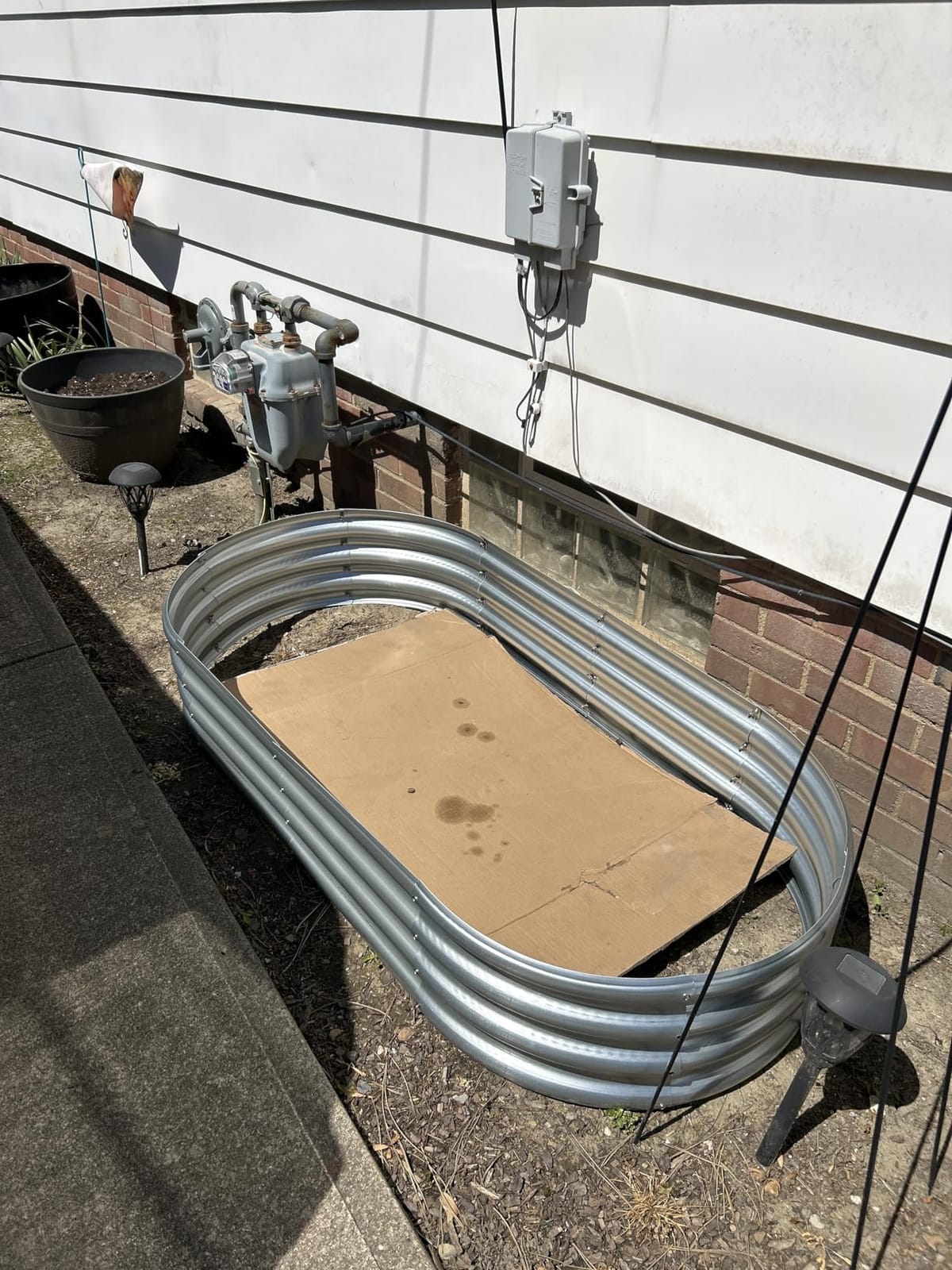
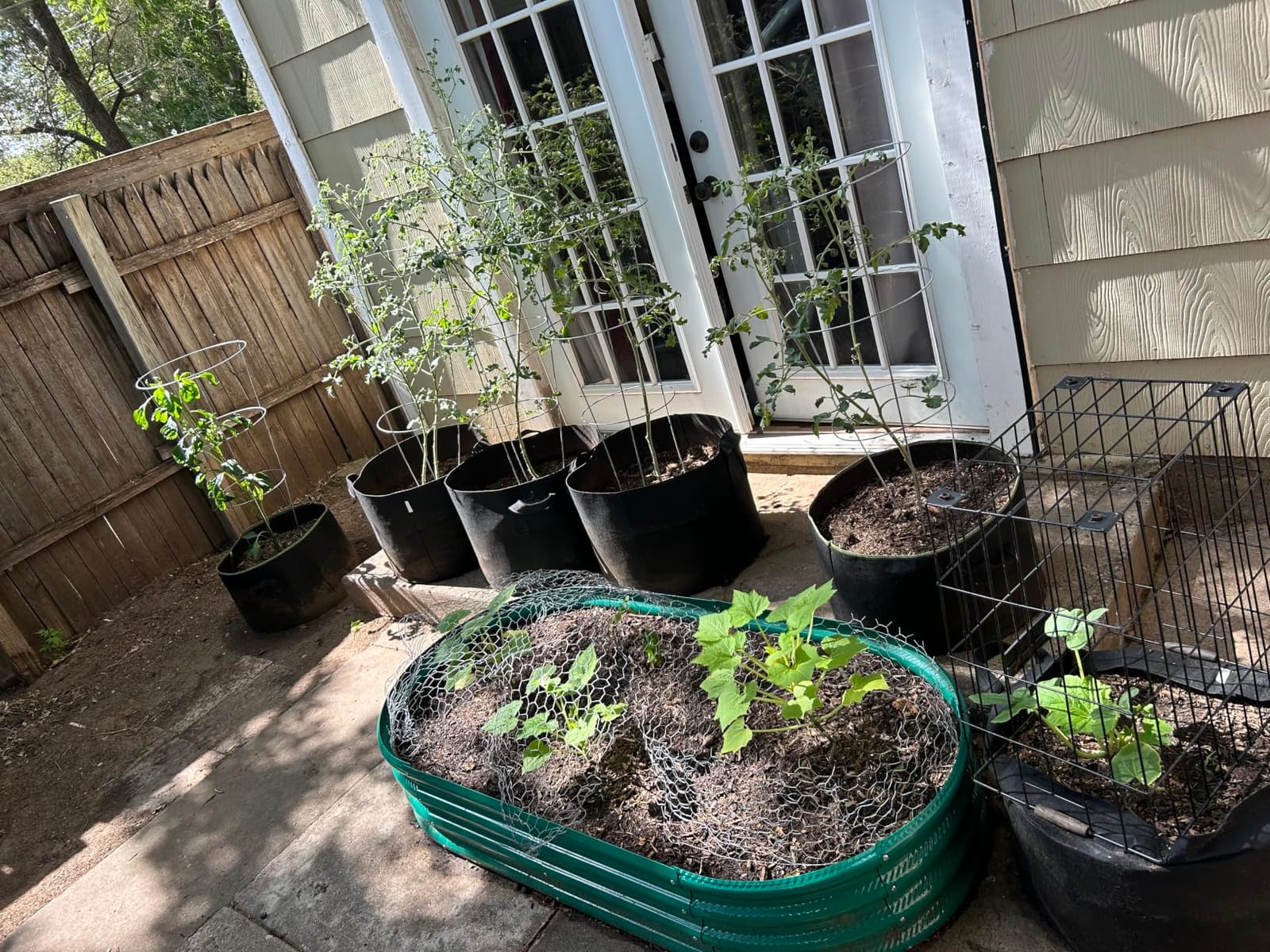
Gophers and voles are the hidden threat to root crop raised beds. They tunnel under the walls and eat potatoes, carrots, and beets from below — sometimes without you noticing until harvest. The fix is hardware cloth: a 1/2-inch galvanized mesh laid across the bottom of the bed before you add soil. Staple or weigh it down so it cannot shift, and your underground crops become essentially gopher-proof.
For metal beds with an open bottom, the hardware cloth sits directly on the cleared ground. For elevated beds on a patio, the closed bottom plus six drainage holes already prevents tunneling access. Either way, this one-time installation protects every crop you will ever grow in that bed.
Frequently Asked Questions
How deep should a raised bed be for carrots?
For full-size Nantes, Chantenay, and Danvers carrots, aim for 12 to 18 inches of loose, stone-free soil. Long Imperator carrots and storage varieties do best at the deeper end of that range. Baby carrots and round Paris Market varieties finish in as little as 8 to 10 inches.
Is 12 inches deep enough for potatoes?
Twelve inches works for early new potatoes and small fingerlings, but main-crop russets, Yukon Gold, and sweet potatoes want 18 to 24 inches for the best yield. Shallow beds force the tubers to grow above the soil line where they turn green and become inedible.
Can you grow root vegetables in raised beds?
Yes — root vegetables actually prefer raised beds because the soil is loose, well-draining, and free of rocks. Raised beds warm up faster in spring, drain better after rain, and let you control the soil mix entirely. Most root crops outperform in-ground plantings in the same yard.
What type of raised garden bed is best for root vegetables?
Galvanized steel beds with an open bottom and 17 to 24 inches of depth are the most reliable for root vegetables. They hold their shape under wet soil, reach depths cedar beds often cannot, and the powder-coated or zinc-coated finishes are soil-safe. Cedar is a premium upgrade if you prefer wood.
What is the easiest root vegetable to grow in a raised bed?
Radishes are the easiest by far — most varieties mature in 25 to 30 days and tolerate 6 to 10 inches of soil. Baby beets and baby turnips are close behind, both finishing in 50 to 60 days with minimal fuss. Once you have radishes down, graduate to carrots and beets.
What should you not plant with carrots in a raised bed?
Avoid planting carrots near dill, parsnips, or other members of the Apiaceae family, which attract carrot rust fly. Potatoes compete with carrots for the same soil depth and stunt each other’s growth. Onions and leeks are good companions — they confuse the carrot fly with their strong scent.
Are metal raised beds safe for root vegetables?
Modern galvanized and powder-coated steel beds are soil-safe and food-safe. The zinc coating prevents rust without significant leaching, and the powder coat adds a second barrier. Avoid older CCA-treated wood and railroad ties, which can leach chemicals that root vegetables absorb through their skins.
How do I keep gophers out of my raised bed?
Lay 1/2-inch galvanized hardware cloth across the bottom of the bed before adding soil, and weight or staple it in place. Gophers and voles cannot chew through the mesh, and your underground crops become protected for the life of the bed. Pair this with the open-bottom design for full root run plus full pest protection.
Final Verdict: Which Raised Bed Should You Buy for Root Crops?
After three months of testing, the Best Choice Products 6x3x2ft Metal Bed remains our top pick for the best raised garden beds for root crops overall. The 24-inch depth handles every root crop on this list, the non-toxic powder coat is genuinely food-safe, and the 5,800-plus Amazon reviews reflect years of gardener validation. If you want maximum soil volume and the highest customer rating, the Anleolife 8x4x2ft Oval Galvanized Bed is the premium upgrade. For gardeners with back or knee pain who need an ergonomic option, the Best Choice Products 30-inch Elevated Wood Planter is the smartest waist-high choice.
Whatever bed you choose, fill it with a layered mix — logs and branches at the bottom, straw and leaves in the middle, and a sandy loam top layer — and add a 1/2-inch hardware cloth barrier if gophers are common in your area. With the right bed, the right depth, and the right soil mix, you will pull the longest carrots and the heaviest potatoes your yard has ever produced. For more on harvesting and storing the results, see our guide to root cellar storage, and if you are scaling up, our picks for 3-point middle buster implements will help you prep larger plots for a bigger harvest.