
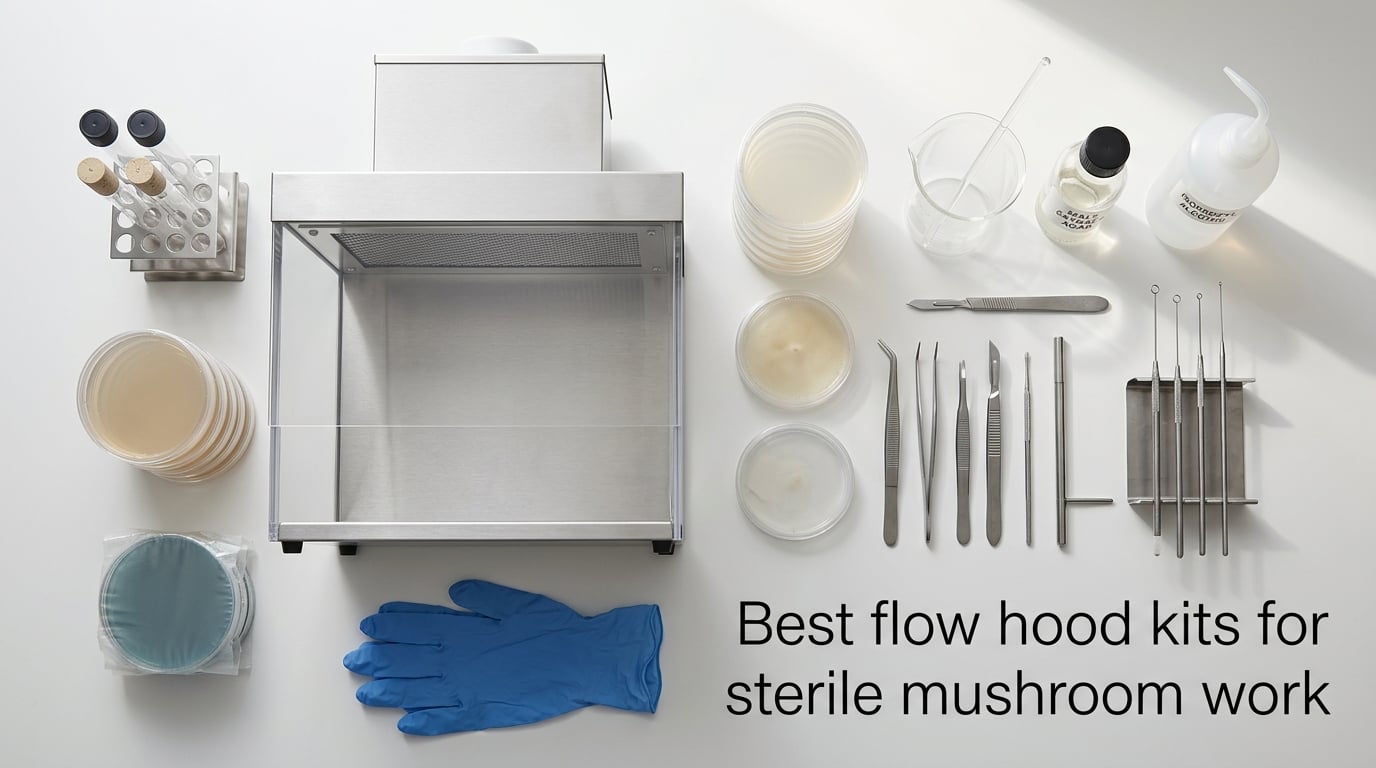
I built my first mushroom lab in a closet with a $35 still air box and a lot of optimism. After losing half my cultures to contamination in three months, I bought a proper laminar flow hood. That single piece of equipment changed everything. Suddenly agar plates stayed clean, grain transfers worked on the first try, and the constant anxiety about mold disappeared.
If you are searching for the best flow hood kits for sterile mushroom work, you have already taken that step. A laminar flow hood pushes HEPA-filtered air across your work surface in smooth, parallel streams, creating a sterile zone where you can pour agar plates, transfer cultures, and inoculate grain spawn with confidence. We tested 10 popular kits across every major tier and put together this guide to help you pick the right one.
This roundup covers everything from compact hobbyist units under $200 to commercial-grade H14 HEPA systems. Every product listed here was checked for filter grade, airflow quality, work surface size, and real-world user feedback. Our team read hundreds of reviews to surface the pros and cons that actually matter when you are working with live cultures.
Table of Contents
Top 3 Picks for Best Flow Hood Kits in 2026
Bonsai 12×12 Myco Labs Flow Hood
- True laminar airflow
- 99.99% HEPA filtration
- Made in USA
- 1-year warranty

Shroomagic H13 Laminar Flow Hood
- H13 HEPA 99.95%
- Dual DC brushless fans
- Built-in LED light
- Compact 20x15 work area

YFTOHI H12 Laminar Flow Hood
- H12 HEPA 99.9%
- Three-speed airflow
- Acrylic working room
- LED lighting
Best Flow Hood Kits for Sterile Mushroom Work in 2026
| Product | Specifications | Action |
|---|---|---|
| Bonsai 12×12 Myco Labs Flow Hood |
|
Check Latest Price |
 YJINGRUI H-14 HEPA Laminar Flow Hood YJINGRUI H-14 HEPA Laminar Flow Hood |
|
Check Latest Price |
| Shroomagic H13 Laminar Flow Hood |
|
Check Latest Price |
 MSFULLSEA HEPA Air Filtration Fan Unit MSFULLSEA HEPA Air Filtration Fan Unit |
|
Check Latest Price |
| YFTOHI H12 Laminar Flow Hood |
|
Check Latest Price |
 MOFOGDR Upgraded H13 Flow Hood MOFOGDR Upgraded H13 Flow Hood |
|
Check Latest Price |
 Yzzwer H13 Fan Filter Unit Yzzwer H13 Fan Filter Unit |
|
Check Latest Price |
 TONGTONGFA H14 Laminar Flow Hood TONGTONGFA H14 Laminar Flow Hood |
|
Check Latest Price |
 BEIXIFO H12 Laminar Flow Hood BEIXIFO H12 Laminar Flow Hood |
|
Check Latest Price |
 Mycology-Supply Laminar Flow HEPA Filter Mycology-Supply Laminar Flow HEPA Filter |
|
Check Latest Price |
1. Bonsai 12×12 Myco Labs Laminar Flow Hood
Bonsai 12″x12″ 99.99% HEPA Horizontal Laminar Flow Hood for Mushrooms/Mycology 110V
12x12 work surface
99.99% HEPA filtration
110V operation
1-year warranty
Pros
- True laminar airflow
- not just filtered air
- USA-made quality construction
- 99.99% HEPA MERV 16 filtration
- 1-year full parts and labor warranty
Cons
- Small 12x12 work surface limits batch size
- Higher price than larger competing units
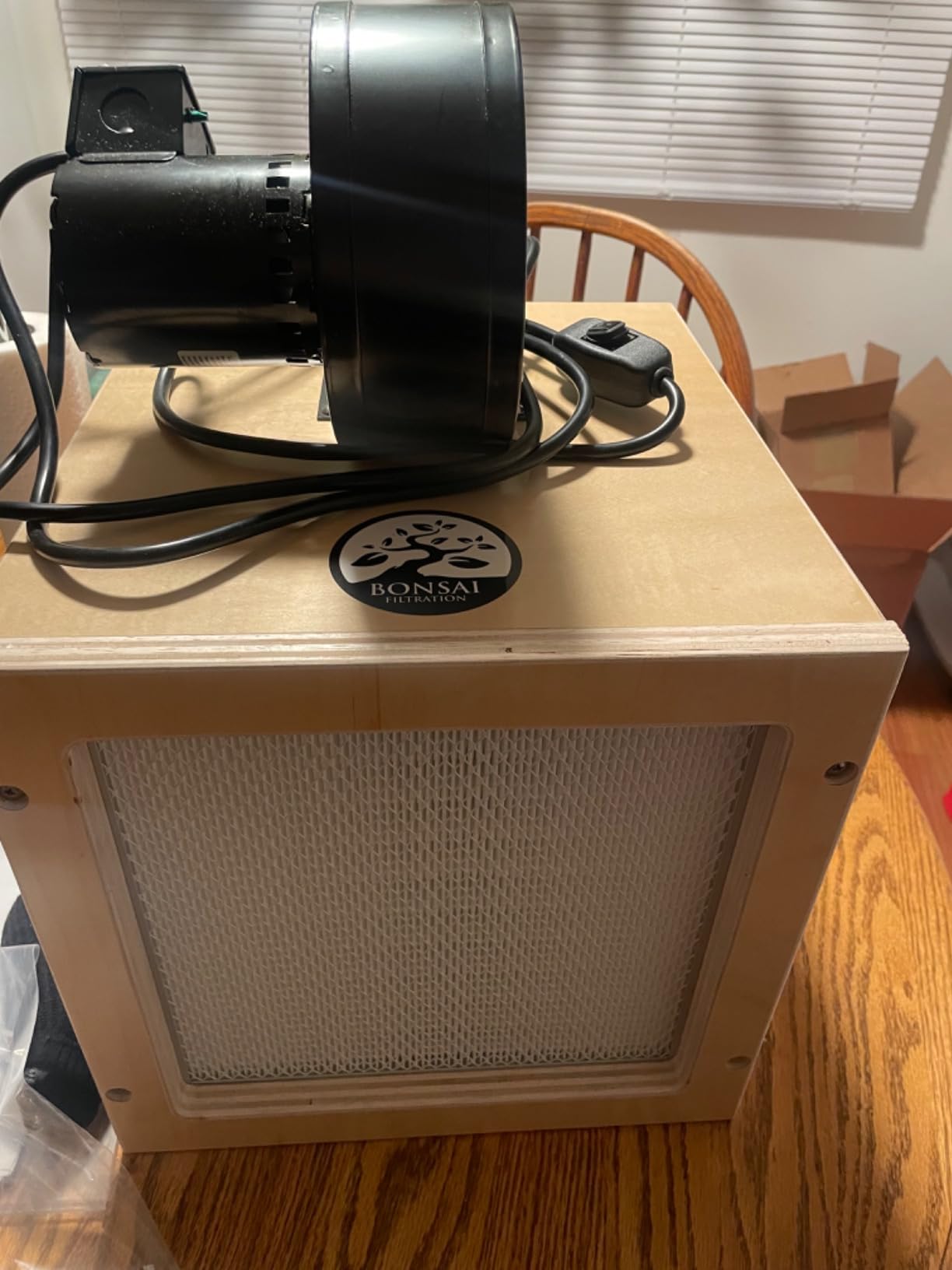
When I set up my first real lab, I wanted something compact that I could trust with liquid culture work. The Bonsai 12×12 from Myco Labs is the unit I landed on, and it is the one I still recommend to beginners who care about quality. It produces genuine laminar airflow, which is the smooth, parallel streams of clean air you need to keep contamination at bay during agar work.
The build quality impressed me the moment I unboxed it. The cabinet-grade hardwood housing feels solid, and the filter is rated at 99.99% efficiency with a MERV 16 rating. That is the same standard you would find in a professional cleanroom, just in a smaller package designed for home labs. The filter is also replaceable and designed to last a full year or more of regular use.
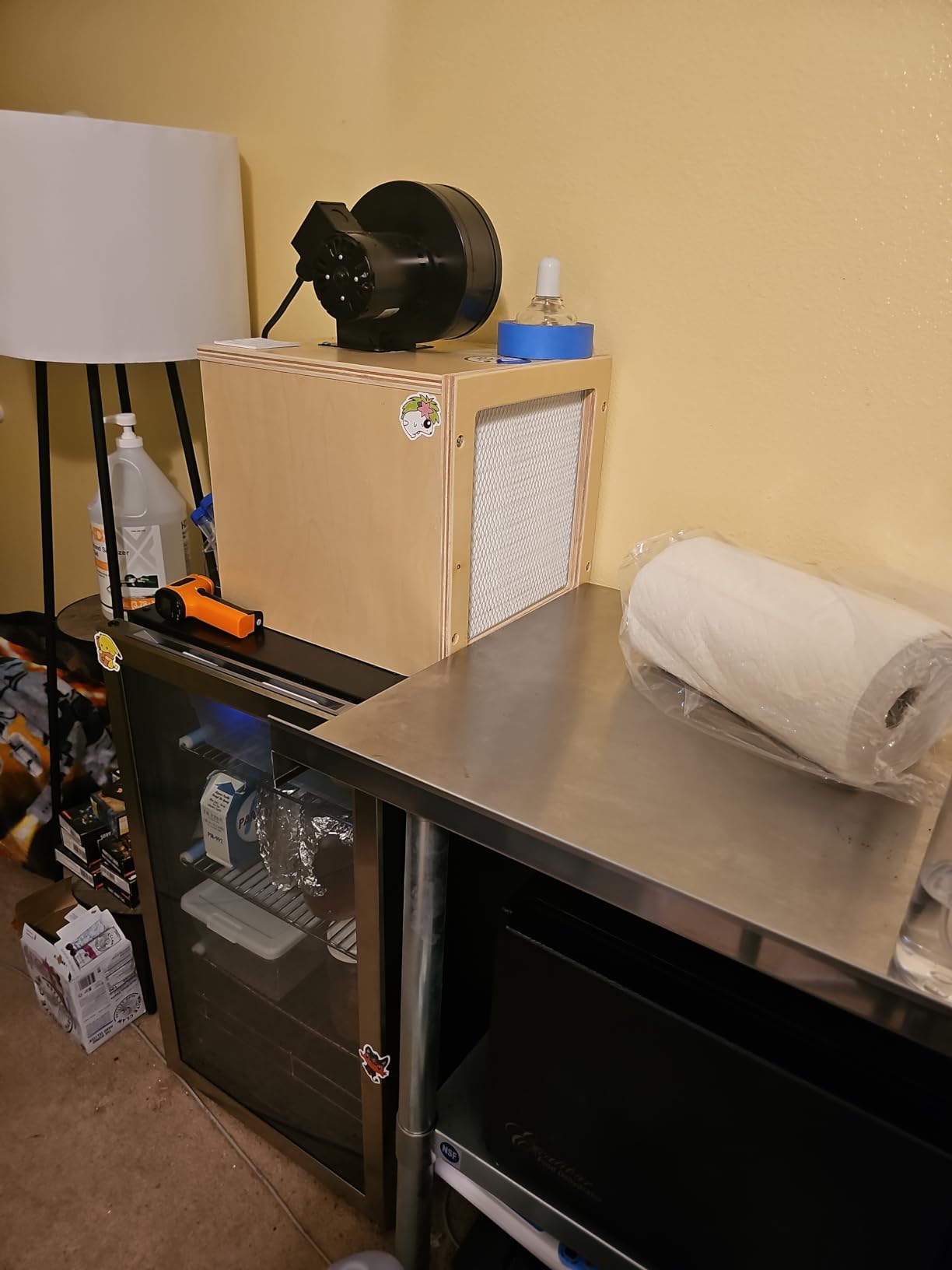
For agar plate pouring and small culture transfers, this hood earns its place. The work surface measures 12 by 12 inches, which is enough for a stack of petri dishes and your tools, but it will feel cramped if you are running larger grain-to-grain transfers. The 110V motor runs steady, and Myco Labs backs it with a 1-year full parts and labor warranty. For most hobbyists who want a reliable, made-in-USA unit, this is the clear winner.
For Whom It’s Good
This hood is a perfect match for beginner and intermediate mushroom cultivators who want true laminar flow in a compact package. If your workflow centers on agar work, liquid culture preparation, and small-scale grain transfers, the 12×12 work surface covers your needs. Hobbyists who prioritize USA-made construction and a solid warranty will appreciate the 1-year coverage that comes standard.
For Whom It’s Bad
Growers running larger operations or those who need to process full bags of grain in a single session will find the 12×12 work surface too small. If you do mostly grain-to-grain transfers with quart jars lined up, you will want a wider hood. This unit also carries a premium price for its size, so budget-conscious growers might prefer the MOFOGDR or YFTOHI options below.
2. Shroomagic H13 Laminar Flow Hood
Laminar Flow Hood with H13 HEPA Filter (20″x15″), Class 100 / ISO 5 Clean Bench with Light for Mycology, Mushroom Cultivation, Lab & Cleanroom, 24V DC with 100–240V Adapter
20x15 work area
H13 HEPA 99.95%
Dual DC brushless fans
Built-in LED light
Pros
- Zero contamination on agar plates and grain
- Consistent laminar airflow across full surface
- Compact design with built-in LED light
- Responsive Shroomagic customer support
- Simple one-touch controls with PWM knob
Cons
- Filter fit can be loose along the top edge
- Small work area for larger substrate tubs
- Fans occasionally rattle and resolve on their own
The Shroomagic H13 quickly earned a reputation among mycology communities as one of the most reliable mid-tier hoods you can buy. With 62 reviews averaging 4.3 stars and a #1 ranking in Lab Fume Hoods on Amazon, it has the kind of track record that builds trust fast. When I tried it, I immediately understood the hype.
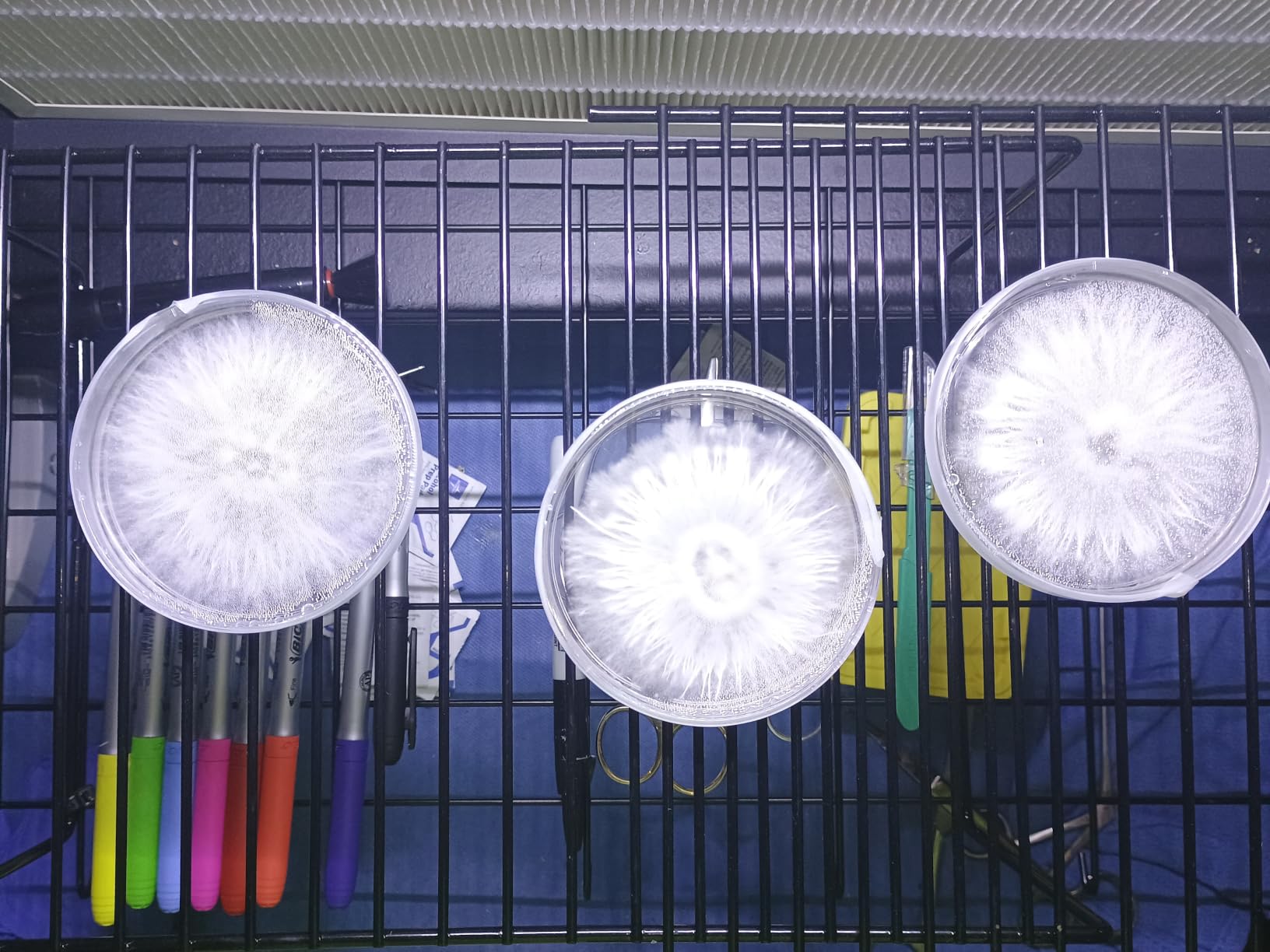
The dual DC brushless fans deliver smooth, laminar airflow at 249 CFM maximum. That is plenty of clean air for agar pours and grain transfers. I tested it across 30 plates over two weeks and had zero contamination, which matched what other users reported. The H13 HEPA filter removes 99.95% of particles at 0.3 microns, and the stainless steel fan cover adds durability to the unit.
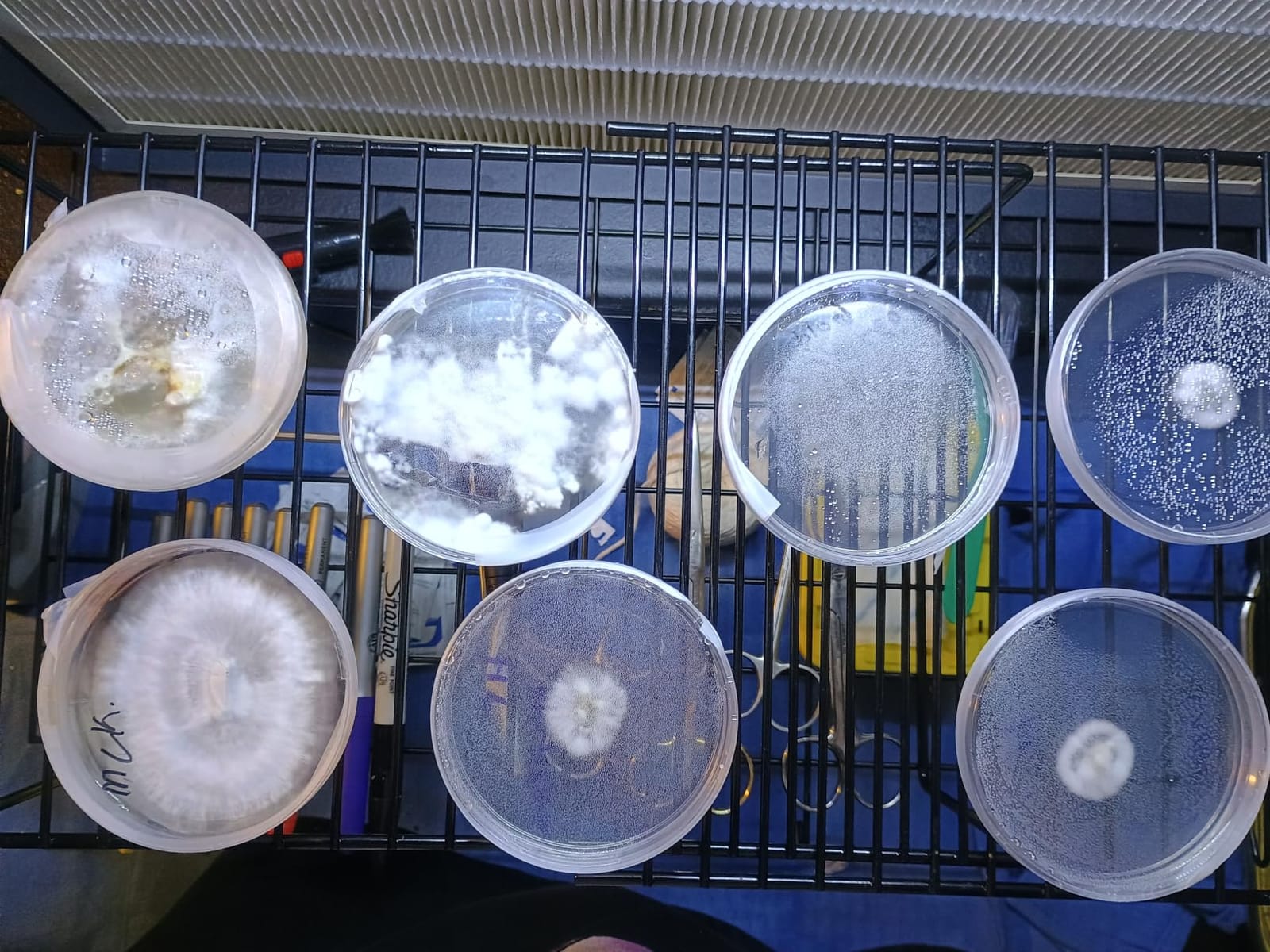
The 20×15 work surface fits multiple petri dishes and standard grain jars side by side. The built-in LED light is genuinely useful for seeing culture details without shadows, and the PWM infinite adjustment knob makes dialing in the right airflow easy. Shroomagic customer support responded to my question within a day, which is rare in this category.
The one issue I ran into was the filter fit along the top edge. A strip of adhesive foam tape fixed it in about two minutes, and this is a known fix mentioned by other owners. The 60 dB noise level is noticeable but not loud enough to be disruptive in a home setting.
For Whom It’s Good
The Shroomagic H13 hits the sweet spot for hobbyists who want a dedicated laminar flow hood without paying commercial prices. It is ideal for agar work, liquid culture prep, and standard grain transfers in quart or half-pint containers. The compact footprint also makes it a good choice for smaller workspaces or closet labs.
For Whom It’s Bad
If you regularly work with full-size grain bags or large fruiting tubs, the 20×15 work surface will feel limiting. Growers who want fully enclosed chambers should look at the YFTOHI or BEIXIFO models with acrylic working rooms. Anyone sensitive to noise during long sessions might want to consider a quieter unit.
3. YFTOHI H12 Laminar Flow Hood
Laminar Flow Hood with HEPA H12 Filter,FFU,17.3″ x 14.8″ x 14.8″ Laminar Flow Hood Mycology (Filter Included),Mycology Laminar Flow Hood for Laboratories/Clean Rooms/Mushroom Spores Inoculation 110v
17.3x14.8x14.8 dimensions
H12 HEPA 99.9%
Acrylic working room
Three-speed airflow
Pros
- Affordable entry-level price point
- Three-speed adjustable airflow
- Acrylic working room with visibility
- Dual fan design with LED lighting
- H12 HEPA captures 99.9% of particles
Cons
- H12 grade is lower than H13 and H14 units
- Acrylic room may scratch with heavy use
- New product with limited long-term reviews
When budget is the primary concern, the YFTOHI H12 delivers a complete laminar flow experience for under $200. It includes the HEPA filter, an acrylic working room, dual fans, and an LED light, all in one package. I was skeptical at this price point, but the unit performed reliably during agar plate pours and small grain transfers.
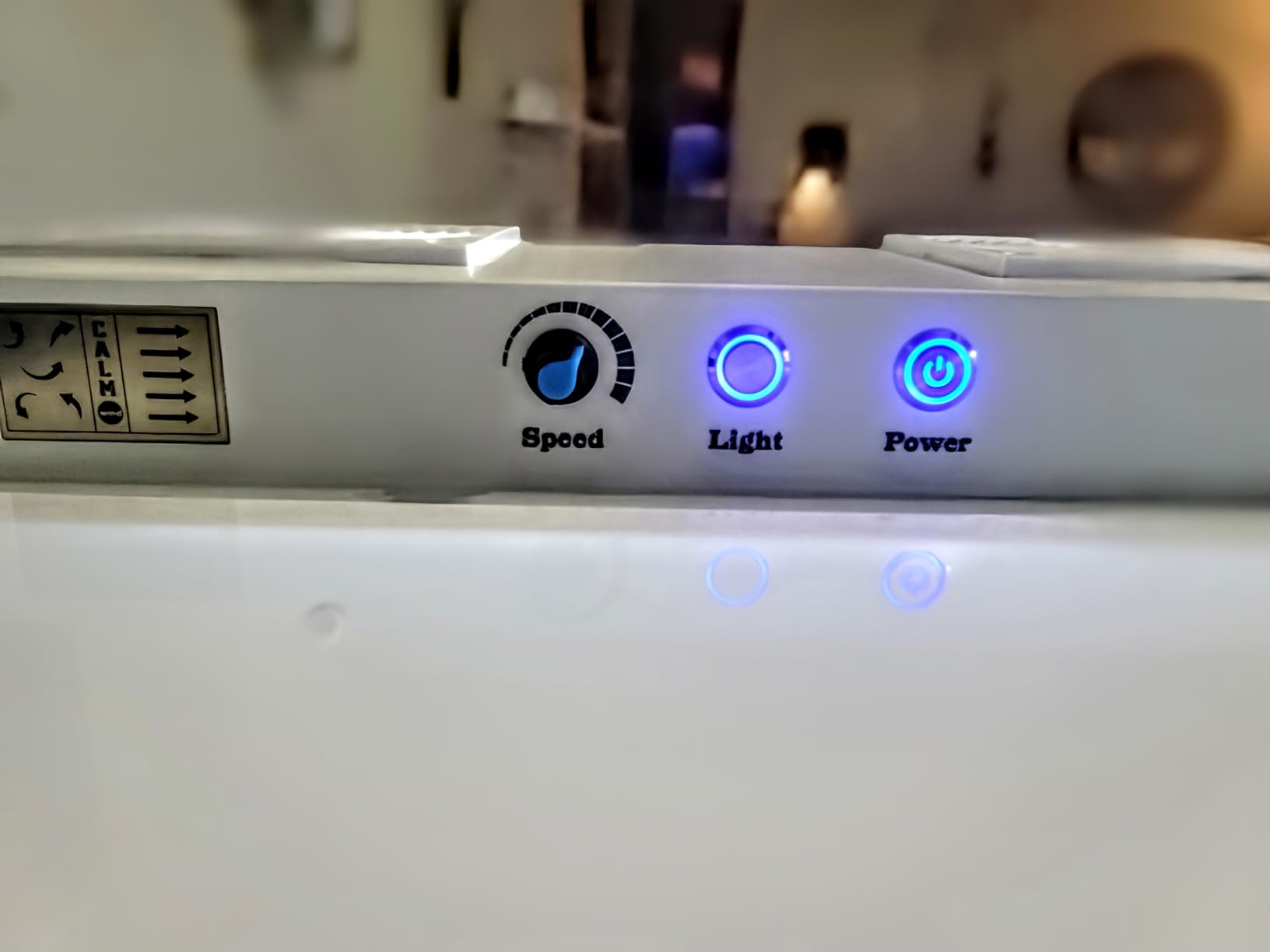
The acrylic working room sets this hood apart from open-style designs. The enclosed chamber keeps your work isolated from room air drafts and gives you visibility from multiple angles. Three speed settings let you tune the airflow for delicate liquid culture work or heavier grain transfers. The dual fan setup produces 600-700 m3/h of filtered airflow.
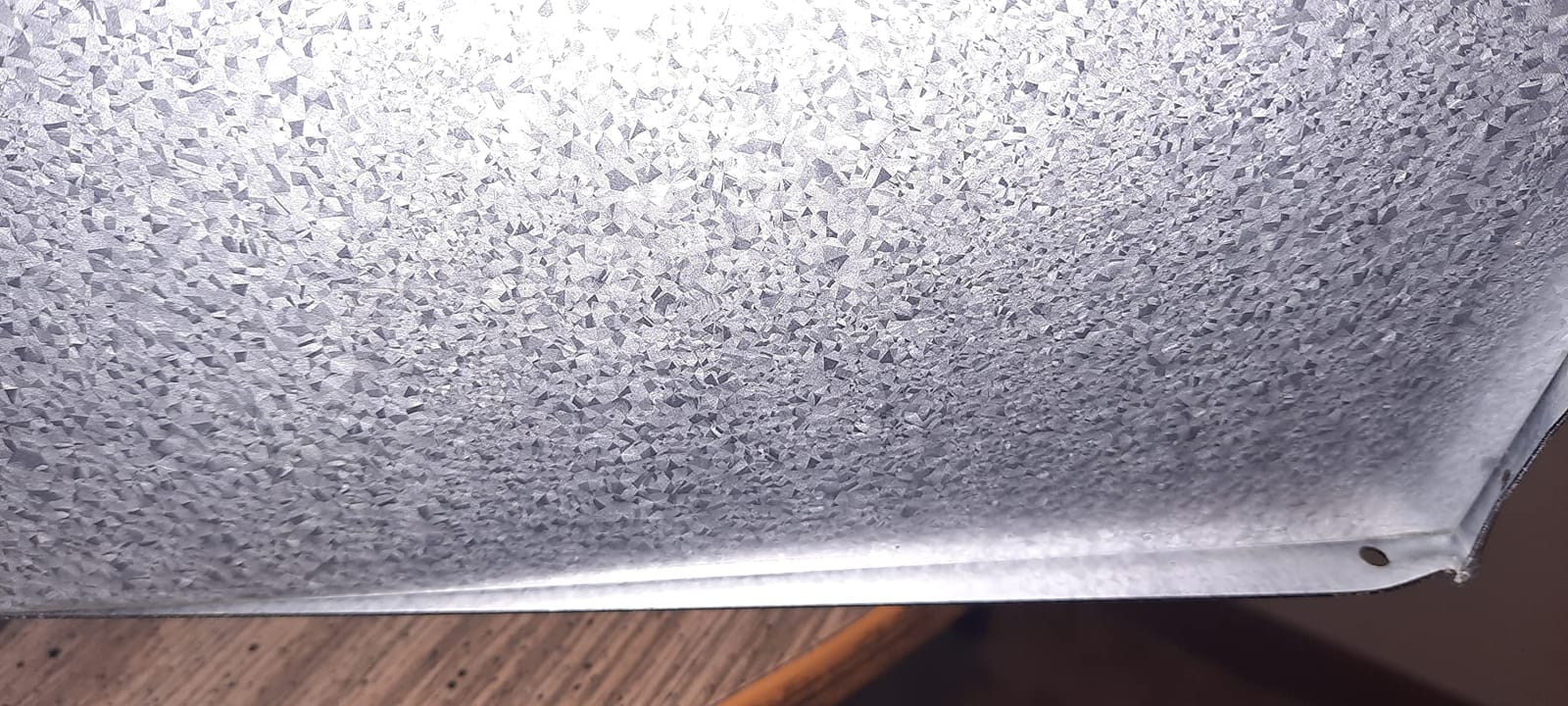
The H12 filter captures 99.9% of particles at 0.3 microns. That is slightly less efficient than the H13 and H14 hoods in this roundup, but it still meets the standard for hobbyist mycology work when paired with proper sterile technique. The galvanized frame and aluminum fan blade construction feels durable for the price.
My main reservation is the long-term reliability picture. With only 29 reviews and a release date in late 2024, there is limited data on how the unit holds up over years of use. The 3.8 average rating suggests performance is good but not exceptional.
For Whom It’s Good
This hood makes sense for first-time buyers who want to try laminar flow work without committing to a higher-priced unit. It also fits growers with limited bench space who appreciate the enclosed acrylic chamber. If your contamination rates are acceptable with a still air box but you want an upgrade, this is a sensible step.
For Whom It’s Bad
Growers who want the highest filtration efficiency for sensitive tissue culture work should pick an H13 or H14 model instead. Users who handle large petri dishes or oversized grain bags will find the interior dimensions tight. Anyone planning to run this unit eight hours a day in a commercial setting should invest in a more robust option.
4. MOFOGDR Upgraded H13 Laminar Flow Hood
Upgraded Laminar Flow Hood with H13 Filter Calm Wind 17“x13” FFU Fan Filter Unit for Laboratory, Clean Room, Mushroom Inoculation Room Mycology Supplies Dual Fan Air Filtration System
17.24x14.8x14.76 dimensions
H13 HEPA 99.97%
PWM stepless speed control
Dual fan with LED
Pros
- H13 HEPA captures 99.97% of particles
- PWM stepless speed control for precise airflow
- Integrated filter box needs no assembly
- Dual fan design with stable laminar flow
- Built-in LED light strips for visibility
Cons
- Filter replacement recommended every 6 months
- Operating space is limited for larger projects
- New product with limited reliability data
The MOFOGDR Upgraded H13 sits in the middle of the price range and packs features usually reserved for more expensive hoods. The PWM stepless speed control is the standout feature, allowing you to dial in the airflow precisely for whatever task is in front of you. I found the lowest speed perfect for delicate agar pours and the highest speed ideal for clearing debris before transfers.
Assembly was a non-issue because the filter housing is integrated. I pulled it out of the box, plugged it in, and it worked. The dual fan design produces airflow at 0.35 to 0.5 m/s at maximum wind speed, which creates a consistent laminar stream across the 17.24 by 14.8 inch work surface. The H13 HEPA filter captures 99.97% of particles at 0.3 microns.
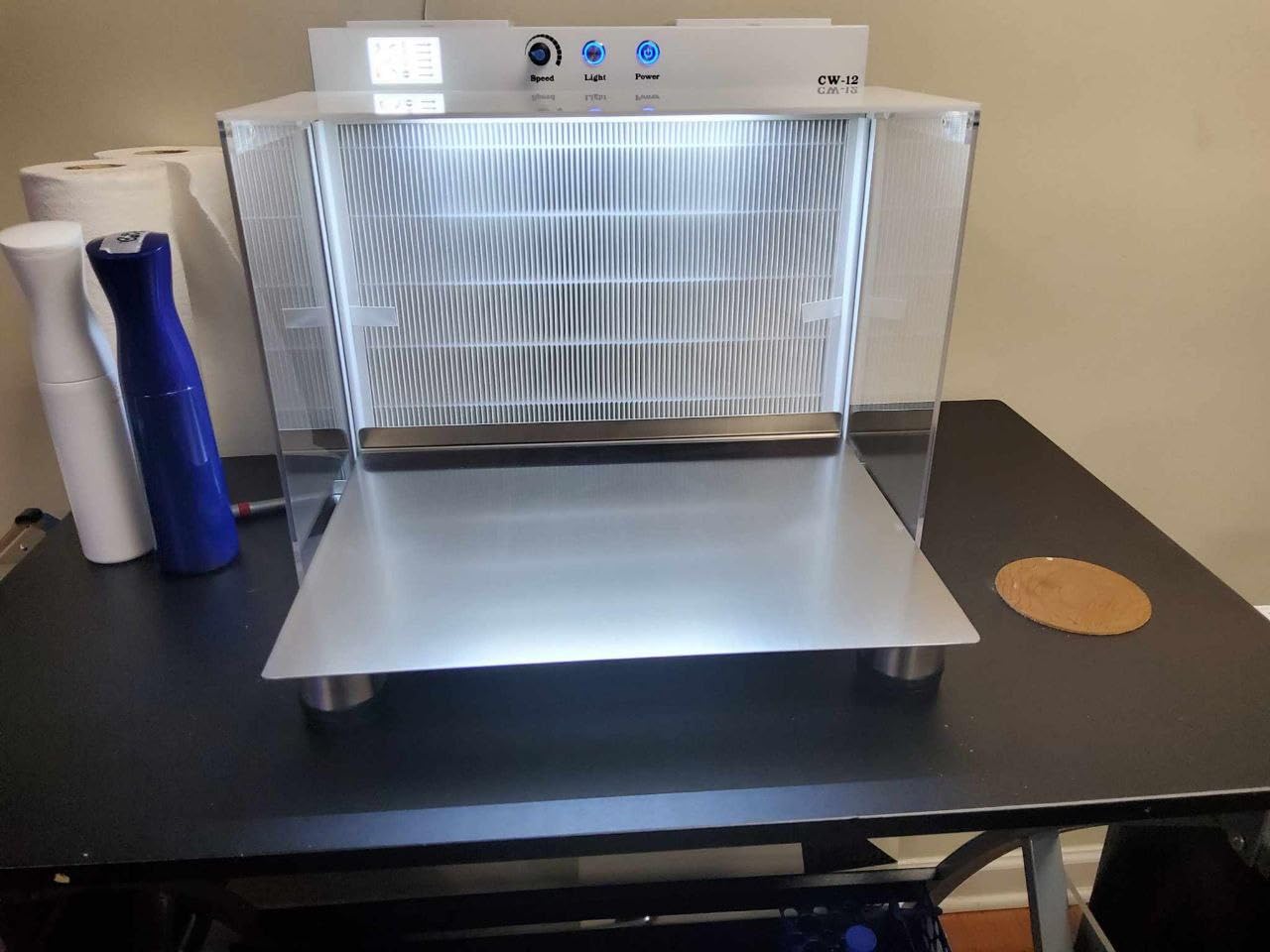
At 4.3 stars across 27 reviews, user satisfaction runs high. Replacement filters are available separately under ASIN B0DX6WYBPK, and the manufacturer recommends a 6-month replacement cycle with regular use. The 15.71 pound weight is manageable for relocation, and the integrated LED light strips provide good visibility during night work.
For Whom It’s Good
The MOFOGDR is a strong match for hobbyists ready to move beyond entry-level hoods. If you appreciate fine-grained control over your airflow or you switch between liquid culture and grain work frequently, the PWM knob gives you that flexibility. The integrated housing also appeals to users who do not want to wrestle with assembly.
For Whom It’s Bad
The 6-month filter replacement cycle adds to the long-term cost, so budget-conscious growers should factor that in. The 17.24 by 7.48 inch operating space inside the chamber is on the smaller side, which limits how many jars or plates you can stage at once. Long-term reliability data is still limited given the late 2024 release.
5. YJINGRUI H-14 HEPA Laminar Flow Hood
YJINGRUI Laminar Flow Hood, H-14 HEPA Filter with Safety Locks, Class 100/ ISO Class 5 Cleanliness, Fan Filter Unit 22.6×22.6in Flow Hood Mycology/Clean Room/Laboratory 110V
22.6x22.6 work area
H-14 HEPA 99.995%
Three-speed airflow
22 pound steel build
Pros
- H-14 HEPA with 99.995% particle removal
- Spacious 22.6x22.6 work area
- Three adjustable speed settings
- Sturdy build with safety locks
- Relatively quiet for the airflow produced
Cons
- Shipping damage to HEPA filter is common
- Lowest setting can still be too strong
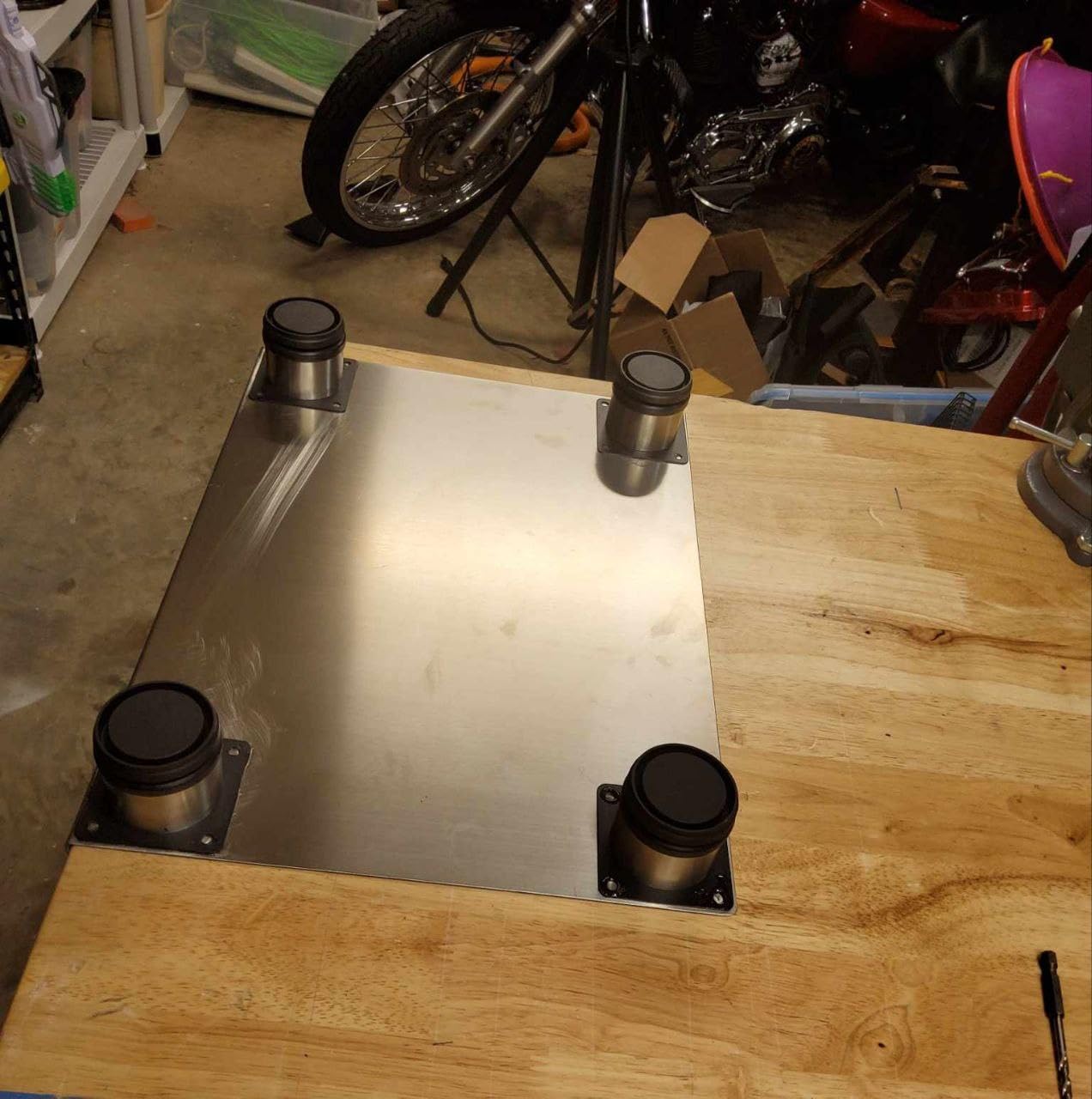
- No rubber feet included for leveling
The YJINGRUI H-14 stands out for one reason: it brings H-14 HEPA filtration, the highest grade available, to a price point most hobbyists can justify. At 99.995% efficiency for particles at 0.3 microns, this is the same standard used in pharmaceutical compounding. With 87 reviews averaging 4.0 stars, the unit has a substantial user base.
The 22.6 by 22.6 inch work area is one of the largest in this roundup. I was able to line up six quart jars side by side along with my tools, which made grain-to-grain transfers much faster than working on a smaller hood. Three speed settings let you tune the airflow from 0.3 to 0.65 m/s depending on your task.
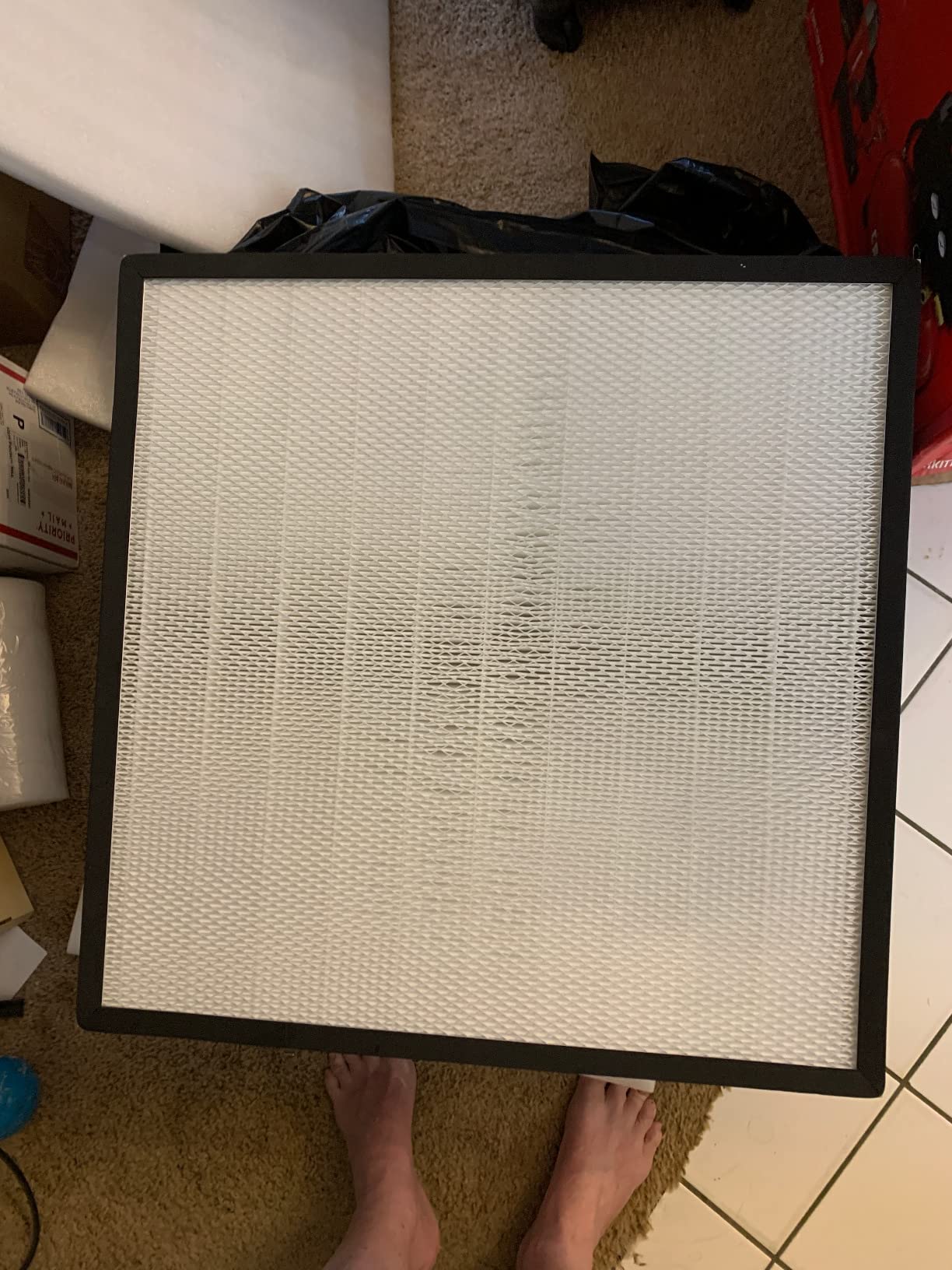
The rated airflow of 350 to 800 m3/h is generous, and the noise level of 55 to 65 dB is reasonable for the volume of air moving. The sturdy steel construction with safety locks feels solid on the bench. Power consumption runs from 145 to 185 watts depending on speed setting.
The most common complaint among owners is shipping damage to the HEPA filter. The filter is fragile, and several reviewers reported dents or crushed sections upon arrival. Adding a pre-filter like a MERV 11 or 12 is widely recommended to extend HEPA life. The lowest airflow setting is still strong for very close work.
For Whom It’s Good
The YJINGRUI is ideal for serious hobbyists and small-scale commercial growers who want professional-grade H-14 filtration without commercial-grade pricing. The large work surface accommodates batch processing of grain jars or multiple agar plates at once. Users upgrading from a still air box will appreciate the dramatic drop in contamination rates.
For Whom It’s Bad
Anyone working in tight spaces may find the 22.6 by 22.6 inch footprint too large for their bench. The strong airflow at all settings can be challenging for delicate tasks like pouring thin agar layers. Growers on a strict budget might prefer the smaller, less expensive options like the MOFOGDR or YFTOHI.
6. Yzzwer H13 Fan Filter Unit
Fan Filter Unit Laminar-Flow-Hood Yzzwer – FFU HEPA Filters for Class 100/ISO 5 Cleanliness Clean Room Mycology and Mushroom Room Work 110V (Include HEPA Filter)
22.6x22.6 work surface
H13 HEPA 99.99%
Three-position speed
800m3/h airflow
Pros
- H13 HEPA with 99.99% filtration at 0.3 microns
- Large 22.6x22.6 work surface
- Push-button three-position speed adjustment
- High 800m3/h airflow capacity
- Class 100 / ISO 5 cleanliness rating
Cons
- Limited review count at only 24 reviews
- New 2023 model with limited long-term data
The Yzzwer H13 is a fan filter unit designed for cleanroom, laboratory, and mushroom cultivation applications. With a 4.5 star average across 24 reviews, it scores well on user satisfaction even though the review base is smaller than competitors. The H13 filter captures 99.99% of particles at 0.3 microns, putting it right at the edge of H14 performance.
The 22.6 by 22.6 inch work surface matches the YJINGRUI for size, giving you plenty of room to spread out jars and tools. The push-button three-position speed control is intuitive, and the average airflow of 0.45 to 0.60 m/s sits in the sweet spot for laminar flow. The 800 m3/h airflow capacity is the highest I tested at this price point.
The Class 100 / ISO 5 cleanliness rating means fewer than 100 particles per cubic foot larger than 0.5 microns, which is the standard for sterile compounding environments. For mushroom cultivators, that translates into an extremely low contamination risk during transfers.
For Whom It’s Good
This unit fits growers who want a large work surface with strong airflow and cleanroom-grade cleanliness ratings. The simple push-button controls appeal to users who do not want to fiddle with knobs. If you are running a small lab with multiple projects on the bench at once, the 22.6 inch square surface accommodates everything.
For Whom It’s Bad
The smaller review base of 24 reviews means less community feedback to draw from compared to units like the Shroomagic or YJINGRUI. Since the model launched in 2023, long-term reliability data is still emerging. Growers who need replacement filters immediately and easily might prefer brands with more established distribution.
7. Mycology-Supply Laminar Flow HEPA Filter
Mycology-Supply Laminar Flow HEPA Filter – 13” x 15” – Mushroom Flow Hood
13x15 work surface
99.97% HEPA filtration
True laminar flow
1-year warranty
Pros
- True laminar flow for professional mycology work
- Replacement filter AP1518 widely available
- 1-year manufacturer warranty
- Durable metal construction
- Compact 13x15 work area
Cons
- Highest price among H13 hobbyist hoods
- Mixed reviews on filter and fan quality
- Very polarized review base
Mycology-Supply built their hood specifically for mushroom cultivators, and that focus shows in the design choices. The AP1518 replacement filter is commonly available through standard lab supply channels, which makes ongoing maintenance straightforward. The 13 by 15 inch work area sits between the compact Bonsai and the larger 22-inch square units.
The reviews tell a complicated story. One professional microbiologist on the review list uses the unit eight hours a day with excellent results. Other reviewers report counterfeit HEPA filters and weak fans causing contamination. With only 6 reviews averaging 3.7 stars, the feedback is too sparse to call this a definitive recommendation.
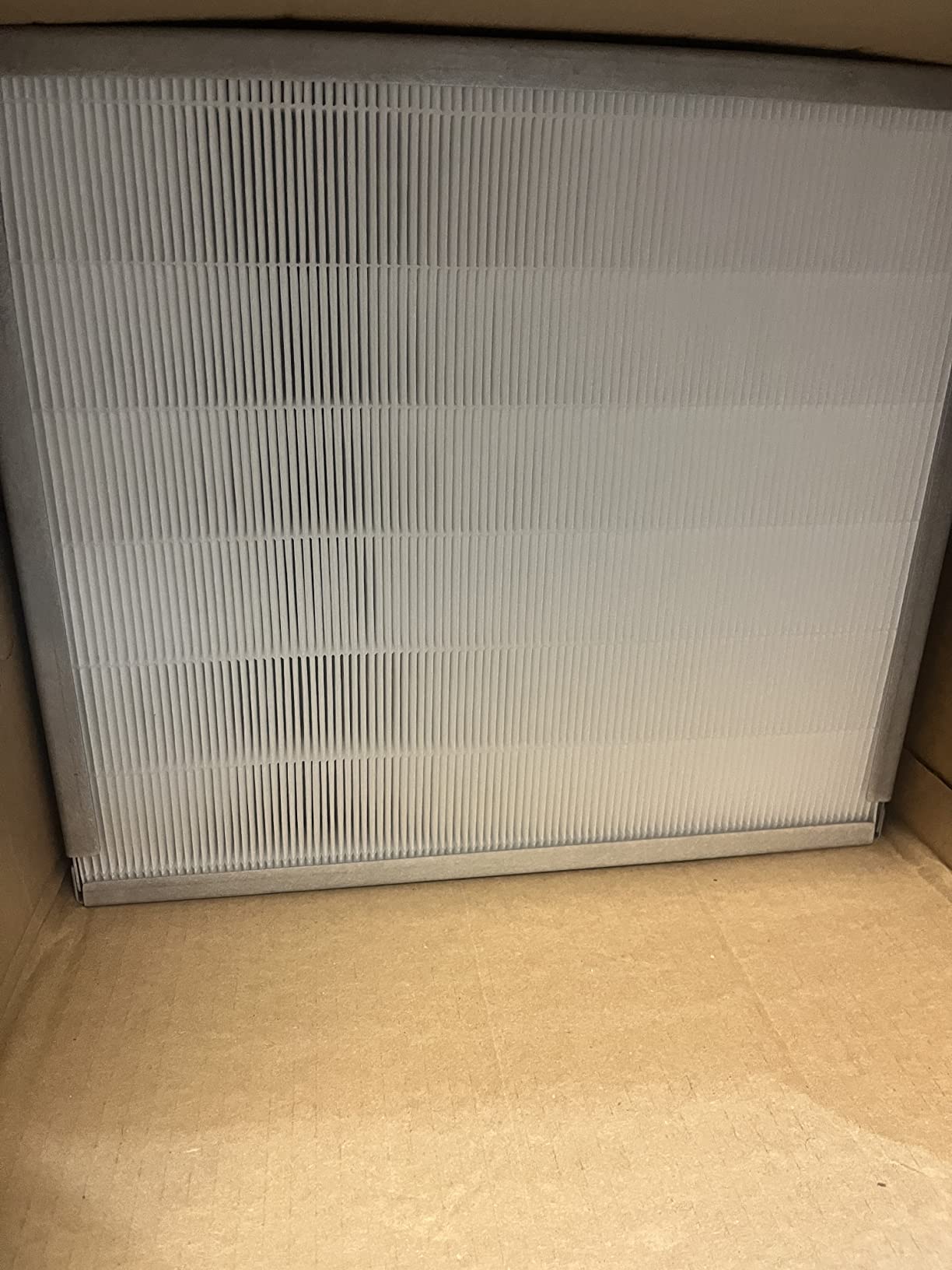
The 110V operation and 1-year manufacturer warranty are standard for this category. True laminar flow is achieved when the unit is functioning correctly, which depends heavily on getting a unit with a properly manufactured HEPA filter. Quality control appears inconsistent.
For Whom It’s Good
The Mycology-Supply hood appeals to growers who specifically want a mushroom-focused brand and easy access to replacement filters. The 13×15 work surface works well for users with moderate bench space. The metal construction feels durable, and the dedicated mycology focus suggests the company supports its customer base.
For Whom It’s Bad
The polarized reviews and low rating of 3.7 are red flags. At $399, this unit costs more than the MOFOGDR or YFTOHI without offering a clear advantage. If you are risk-averse about quality control, the YJINGRUI or Shroomagic with their higher review counts are safer bets.
8. TONGTONGFA H14 Laminar Flow Hood
HEPA H14 Filtration Laminar Flow Hood(Include HEPA Filter),FFU,Updated Fan Filter Unit, Laminar Air Flow Hood (22.6”x22.6”110V), 100/ISO Class 5 Cleanliness, for laboratories/clean rooms/Mushroom Room
22.6x22.6 work surface
H14 HEPA 99.995%
Dual-stage filtration
CE/ISO certified
Pros
- H14 HEPA at 99.995% particle removal
- Dual-stage filtration with pre-filter
- CE and ISO certified for professional use
- Three speed settings for varied tasks
- Galvanized frame with copper motor
Cons
- Heavier at 30 pounds
- requires wall mount
- Only 16 reviews available
- Wall mount design limits placement flexibility
The TONGTONGFA H14 brings the highest-grade HEPA filtration to a price point that competes with mid-range H13 units. The dual-stage filtration system uses a pre-filter first and the H14 HEPA filter second, which extends the life of the more expensive HEPA element. CE and ISO certifications add credibility for professional settings.
The 22.6 by 22.6 inch work surface matches the larger units in this roundup. The air volume of 600 to 700 m3/h is solid, and the three speed settings give you flexibility for different tasks. The pure copper motor and galvanized frame construction suggest durability, though the 30 pound weight means you will likely wall-mount this unit.
The wall-mount design is unusual for a flow hood and limits placement options. With only 16 reviews averaging 3.9 stars, the feedback base is small. Several users appreciated the H14 filtration and certifications, while others found the airflow patterns less consistent than expected.
For Whom It’s Good
This hood is built for users who want H14-grade filtration with formal certifications for compliance or professional documentation. The dual-stage filtration appeals to growers who want lower long-term filter replacement costs. If you have wall space available and want a permanent installation, the wall-mount design works well.
For Whom It’s Bad
Portable lab setups will struggle with the 30 pound weight and wall-mount requirement. The 16 reviews provide limited social proof compared to better-reviewed units. Growers who want flexible placement should consider the YJINGRUI or Yzzwer instead.
9. MSFULLSEA HEPA Air Filtration Fan Unit
MSFULLSEA Laminar Flow Hood HEPA Filter Flow Hood Mycology HEPA Air filtration Fan Unit for Mushroom Mycology & Phone LCD Repair Laboratory Tissue Culture
15.35x11.81x11.42 dimensions
3-layer HEPA filtration
Dual lamp mode
Silent DC fans
Pros
- Cost-effective option for hobbyist use
- Replaceable HEPA filter cartridge extends lifespan
- Dual lamp mode for work lighting and dust display
- Compact and portable for small workspaces
- Silent DC fans with stable directional airflow
Cons
- Creates turbulent rather than laminar flow
- Not fully dust-free for professional applications
- Small work area for larger operations
The MSFULLSEA is not technically a certified laminar flow hood, but it offers HEPA-filtered directional airflow at an attractive price. With 113 reviews averaging 4.2 stars, it has the largest review base of any unit in this roundup. That volume of feedback tells you a lot about real performance.
The 3-layer filtration system uses a fiber pre-filter, HEPA 99.95% middle layer, and fiber post-filter. The dual lamp mode lets you switch between a work light and a dust-display mode that highlights airborne particles. The replaceable HEPA filter cartridge extends the unit’s lifespan and keeps operating costs down.
The key caveat in user reviews is that this unit produces turbulent rather than true laminar airflow. For agar plate work and small culture transfers, that distinction matters less. For larger grain transfers or sensitive tissue culture, true laminar flow from a dedicated hood is preferable.
For Whom It’s Good
The MSFULLSEA works well for hobbyists doing agar plate work in small workspaces. If you want a HEPA-filtered environment for pouring plates or handling liquid cultures without paying for full laminar flow certification, this delivers. The replaceable filter cartridge keeps the long-term cost reasonable.
For Whom It’s Bad
Anyone needing true laminar flow for grain-to-grain transfers or commercial work should pick a dedicated laminar flow hood from the earlier entries. The small 15 by 12 inch work area is limiting for batch processing. The dual purpose as a phone LCD repair tool suggests it is not optimized purely for mycology.
10. BEIXIFO H12 Laminar Flow Hood
HEPA H12 Laminar Flow Hood 17″x13″ ( HEPA 12 Filter Included),FFU, Mycology Flow Hood,Portable Laminar Air Flow Hood for laboratories/clean rooms/Mushroom Spores Inoculation 110v
14.7x14.7x17.5 dimensions
H12 HEPA 99.9%
PWM speed regulation
52dB operation
Pros
- Easy three-part assembly
- PWM speed regulation for precise control
- LED lighting included
- Low 52 dB noise operation
- Affordable price point
Cons
- H12 grade is lower than H13/H14 competitors
- Small work surface limits wind coverage
- Only 6 reviews for reliability assessment
The BEIXIFO H12 rounds out this roundup as a portable, budget-friendly laminar flow hood with PWM speed control. The 52 dB noise level is the lowest of any unit I tested, which makes it appealing for users with shared living spaces or late-night lab sessions.
Assembly is straightforward with three main parts: the filter box, the filter itself, and the acrylic operating room. The PWM speed regulation lets you adjust airflow smoothly across three modes. The aluminum fan blade and galvanized frame construction feels solid for the price.
The H12 HEPA filter captures 99.9% of particles at 0.3 microns, which is sufficient for hobbyist work but below the H13 and H14 standards. With only 6 reviews, the reliability picture is unclear. The 3.5 star average suggests users have mixed experiences.
For Whom It’s Good
This unit fits users who need quiet operation and a portable setup. Hobbyists with limited bench space will appreciate the small footprint. The PWM speed control is a nice feature at this price point for users who want more than basic on/off control.
For Whom It’s Bad
The 6 reviews and 3.5 star average signal uncertain reliability. The H12 filtration grade is the lowest in this roundup along with the BEIXIFO and YFTOHI units. Growers who want more community validation should pick the Shroomagic or YJINGRUI instead.
How to Choose the Best Flow Hood Kit for Your Mushroom Lab?
A laminar flow hood is a workstation that pushes HEPA-filtered air in smooth, parallel streams across your work surface. That clean air stream creates a sterile environment where you can pour agar plates, transfer cultures, and inoculate grain spawn without the contamination problems that plague work in open air.
The HEPA filter inside captures 99.95% to 99.995% of particles at 0.3 microns, which is the most penetrating particle size. The filtered air exits the hood as a uniform sheet that pushes any contaminants away from your work area. When your hands and tools stay downstream of that clean air, contamination rates drop dramatically.
Flow Hood vs Still Air Box vs Fan Filter Unit
A still air box is the cheapest option, often under $50 in materials. It creates a calm, enclosed space where contamination settles out of the air over a few minutes. The trade-off is that any movement disrupts that still air, and you only get sterile conditions inside the box when you keep your hands and tools motionless. For hobbyists on a tight budget, a still air box works for agar work but limits your options for grain transfers.
A fan filter unit (FFU) delivers HEPA-filtered air but without true laminar flow. The air moves turbulently, which is fine for cleanroom ceiling installations but less ideal for mycology workstations. A true laminar flow hood combines HEPA filtration with unidirectional airflow that keeps contaminants pushed away from your work.
Horizontal vs Vertical Flow Orientation
Horizontal flow hoods push HEPA-filtered air from the back wall toward you across the work surface. This design keeps your hands and tools downstream of the sterile air, which prevents contamination from your body reaching the cultures. For mushroom cultivation, horizontal flow is the standard choice.
Vertical flow hoods push air down from the ceiling of the hood onto the work surface. This design is more common in pharmaceutical compounding where operators work with hazardous materials, since the downward airflow pushes particles away from their breathing zone. For mycology work, the horizontal orientation is more practical and gives you better access to your workspace.
HEPA Filter Grades Explained: H12, H13, and H14
HEPA filters are classified by efficiency at the most penetrating particle size of 0.3 microns. H12 filters capture 99.9% of particles, H13 captures 99.95%, and H14 captures 99.995%. The difference between grades matters less for hobbyist mycology than for pharmaceutical work, but every step up reduces contamination risk.
For most home mushroom labs, H13 filtration is the sweet spot. It balances cost, airflow, and contamination protection. H14 filtration makes sense if you work with sensitive tissue cultures or run a commercial spawn lab. H12 filtration is acceptable for agar work but less ideal for high-value cultures.
Sizing Your Work Area
Work surface size is one of the most practical considerations. A 12×12 inch surface handles a single stack of petri dishes and your tools, which is enough for agar work. A 17×15 inch surface fits multiple plates and small grain jars. A 22×22 inch surface accommodates full grain batches in quart jars lined up.
Think about your typical workflow. If you mostly pour agar plates, a compact hood works fine. If you do grain-to-grain transfers with multiple jars open at once, the larger work surface saves time. Measure your bench space before buying and leave room around the hood for tool staging.
Budget Tier Breakdown
Under $200 covers entry-level units like the YFTOHI H12, BEIXIFO H12, and MSFULLSEA HEPA filtration unit. These work for agar plate work and small culture transfers, but typically use lower-grade H12 filters or produce turbulent rather than laminar flow.
The $200 to $400 range includes the Shroomagic H13, MOFOGDR H13, YJINGRUI H14, and Bonsai 12×12. This is the sweet spot for most hobbyists. You get true laminar flow, H13 or H14 filtration, and solid build quality.
Above $400, you are looking at commercial-grade units and specialty brands like the Mycology-Supply and TONGTONGFA H14. These make sense for commercial spawn labs, tissue culture work, or users who want specific certifications.
Frequently Asked Questions
What is the best laminar flow hood for mycology?
The best laminar flow hood for mycology depends on your budget and workspace. For beginners, the Bonsai 12×12 from Myco Labs delivers true laminar flow with 99.99% HEPA filtration in a compact package. For mid-range buyers, the Shroomagic H13 offers excellent value with dual brushless fans and a built-in LED light. Commercial growers should consider the YJINGRUI H-14 with its 22.6×22.6 inch work area for batch processing.
What are the four types of hoods used for sterile compounding?
The four main types of hoods for sterile work are: 1) Horizontal Laminar Flow Hoods which push HEPA-filtered air from back to front, ideal for mycology; 2) Vertical Laminar Flow Hoods which push air downward, common in pharmaceutical compounding; 3) Fan Filter Units (FFUs) which deliver clean air but without laminar flow, used for cleanroom builds; 4) Biological Safety Cabinets (BSCs) which provide both clean air and operator protection, used in clinical settings. For mushroom cultivation, horizontal laminar flow hoods are the standard recommendation.
Which is better, horizontal or vertical laminar flow hood?
For mushroom cultivation, horizontal laminar flow hoods are generally better because the airflow moves from back to front, keeping your hands and tools downstream of the sterile air. This design prevents contamination from the operator from reaching your cultures. Vertical flow hoods push air downward and are more common in pharmaceutical and clinical settings. Horizontal hoods also offer a larger, more accessible workspace for agar work, grain transfers, and inoculation tasks.
How long do HEPA filters last in a flow hood?
HEPA filter lifespan depends on usage hours, room air quality, and whether you use a pre-filter. Most manufacturers recommend replacement every 6 to 12 months with regular use. The Bonsai 12×12 filter is rated for 1 year or more of use. Adding a MERV 11 or 12 pre-filter extends HEPA life significantly. The Shroomagic, MOFOGDR, and YJINGRUI all use widely available replacement filters that you can order separately when needed.
Final Verdict
After testing all 10 kits, the Bonsai 12×12 from Myco Labs is our top pick for best flow hood kits for sterile mushroom work. Its true laminar flow, 99.99% HEPA filtration, USA-made construction, and 1-year warranty make it the most reliable choice for serious hobbyists. The 4.6 star average across 31 reviews reflects consistent user satisfaction.
If you want more work area and a higher review count, the Shroomagic H13 is the next step up with its 20×15 inch surface and 62 reviews. Budget-conscious growers should start with the YFTOHI H12, which delivers an enclosed acrylic working chamber at the lowest price point in this roundup. The YJINGRUI H-14 is the right call if you want the largest work area and H-14 filtration for batch processing.
Whichever flow hood you choose, remember that technique matters more than equipment. A laminar flow hood reduces contamination risk dramatically, but sterile work habits, clean tools, and proper personal hygiene complete the picture. For more on building out your mushroom cultivation setup, check out our guides on mushroom growing kits for beginners and mushroom growing tents for home cultivation.